Canadian Macedonian Heritage Society Canadian Macedonian Heritage Society Become a member!

A living atlas and family archive

Macedonian Cities

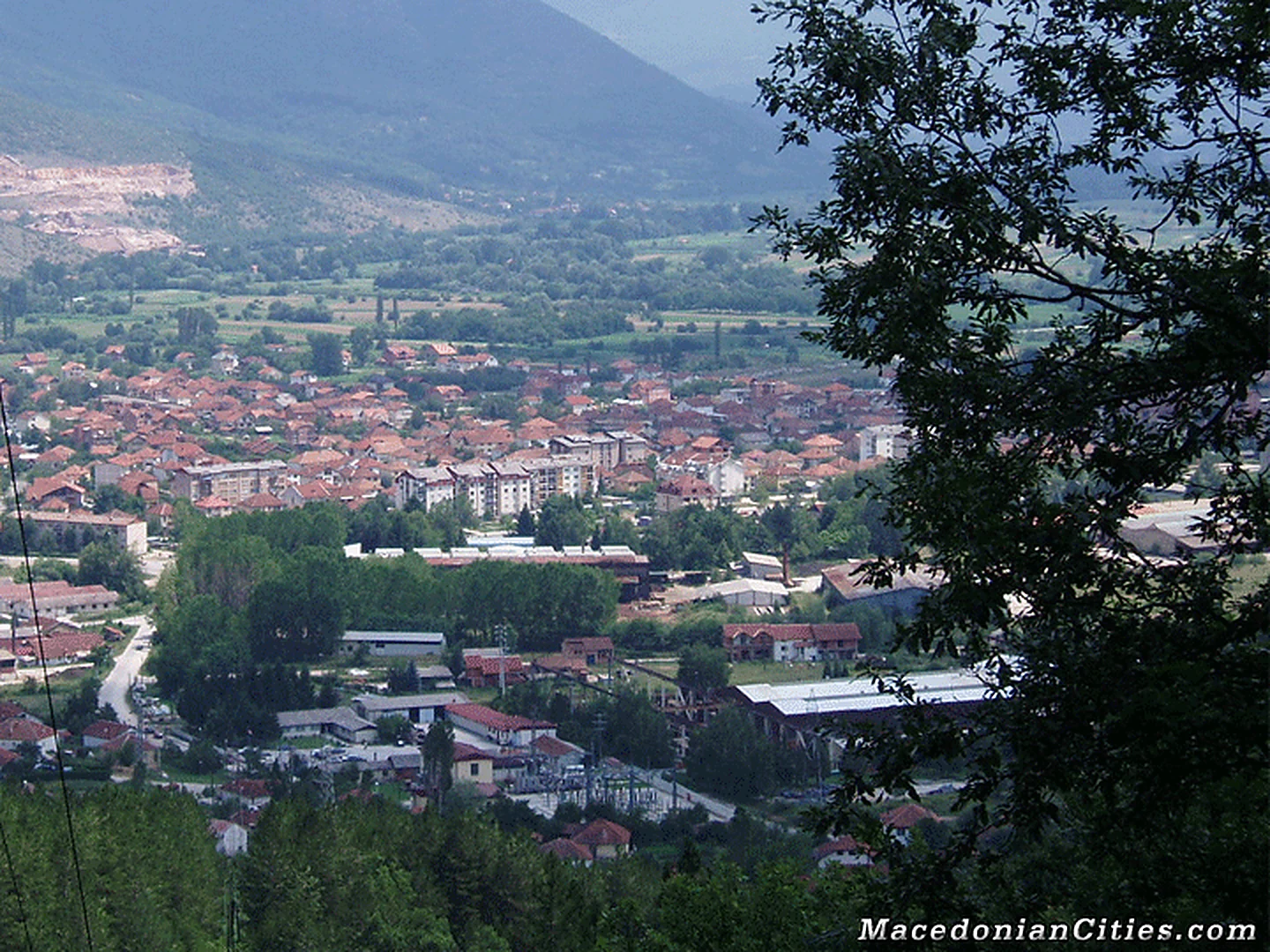
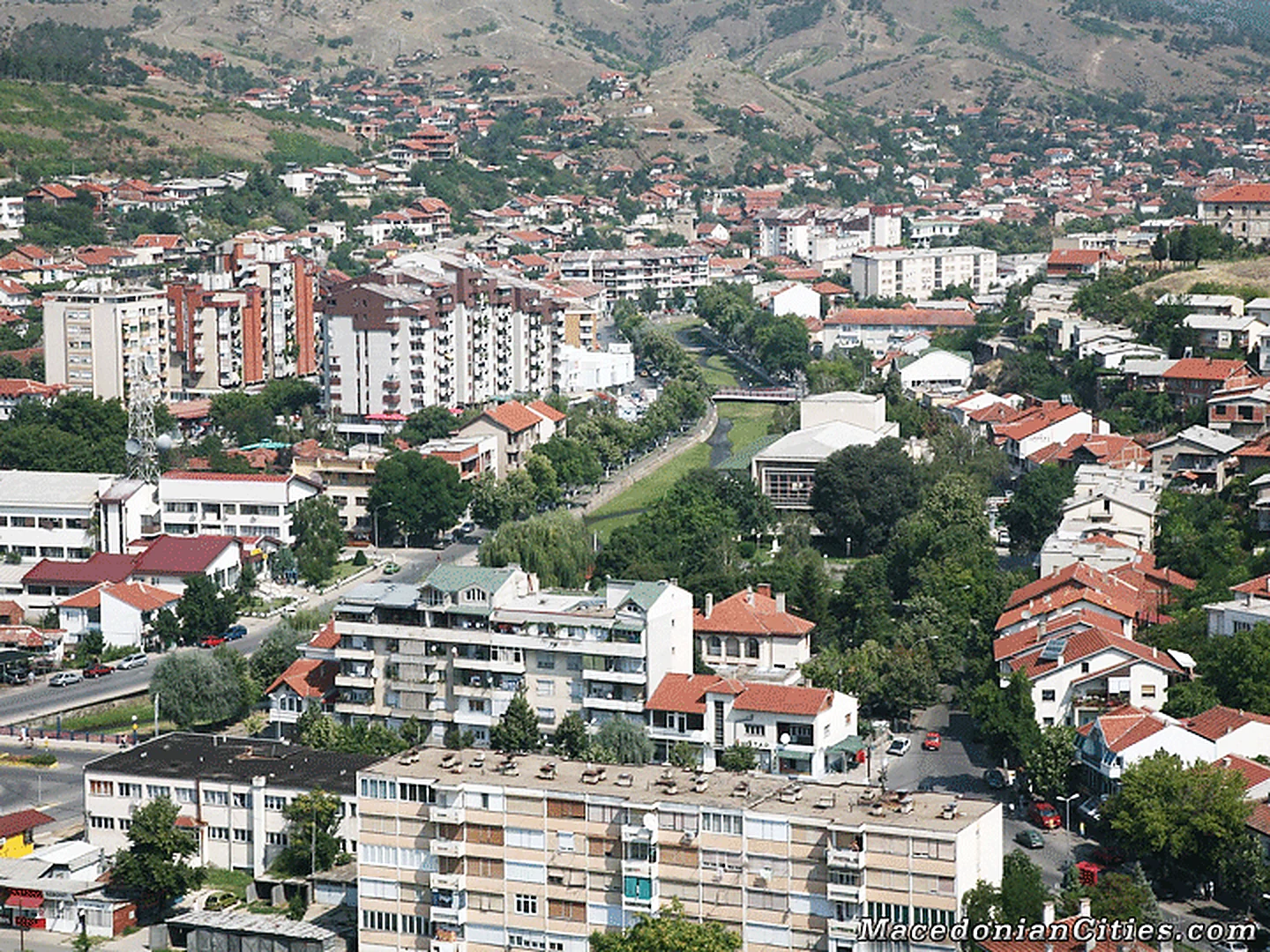
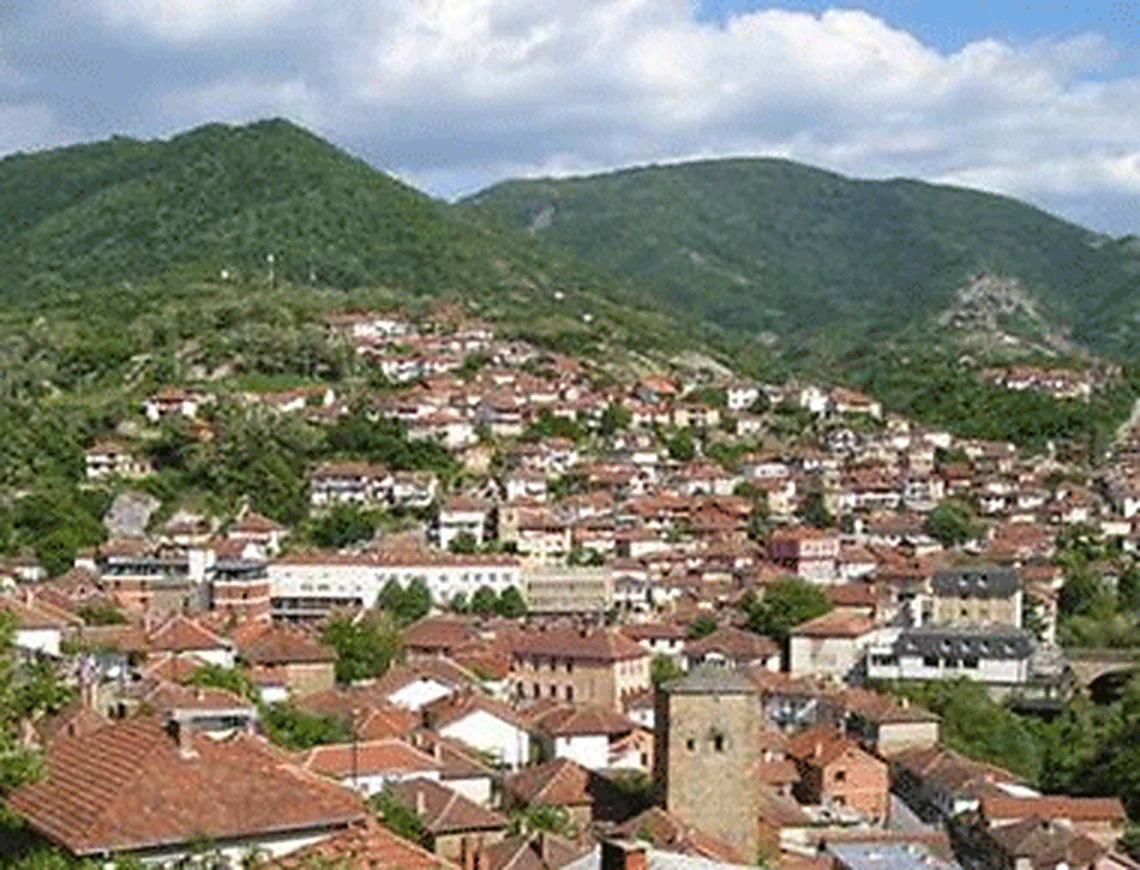
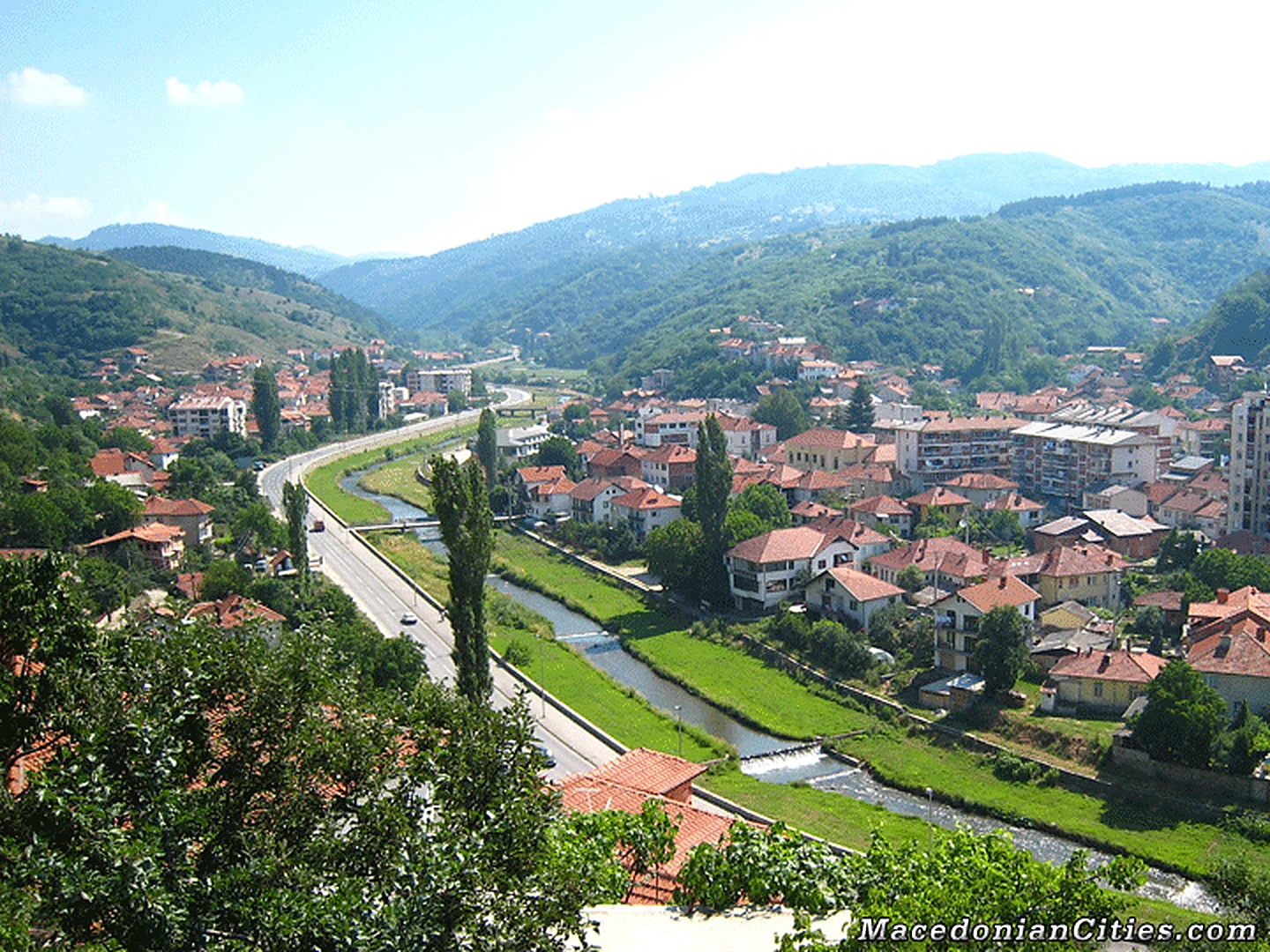
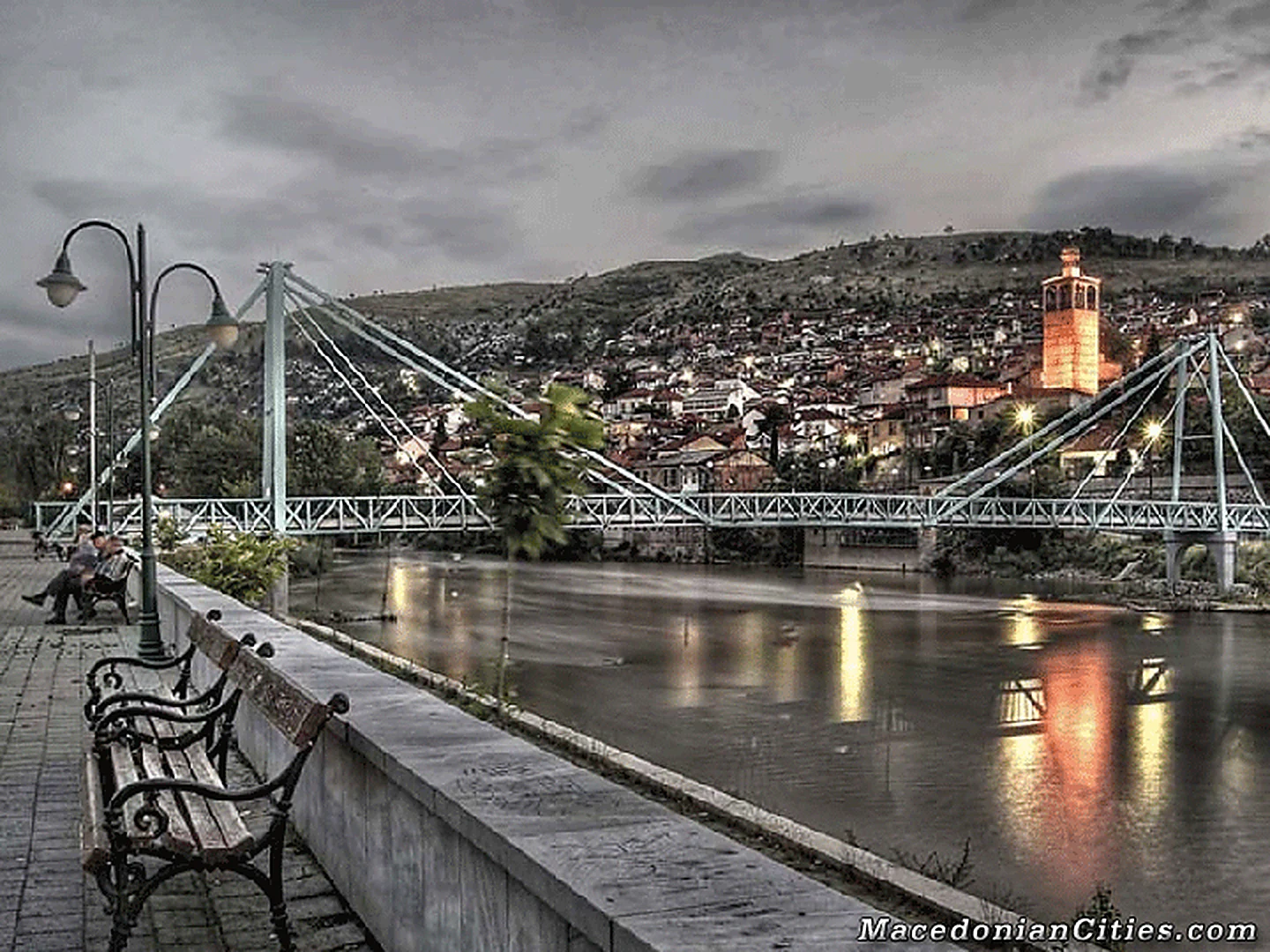
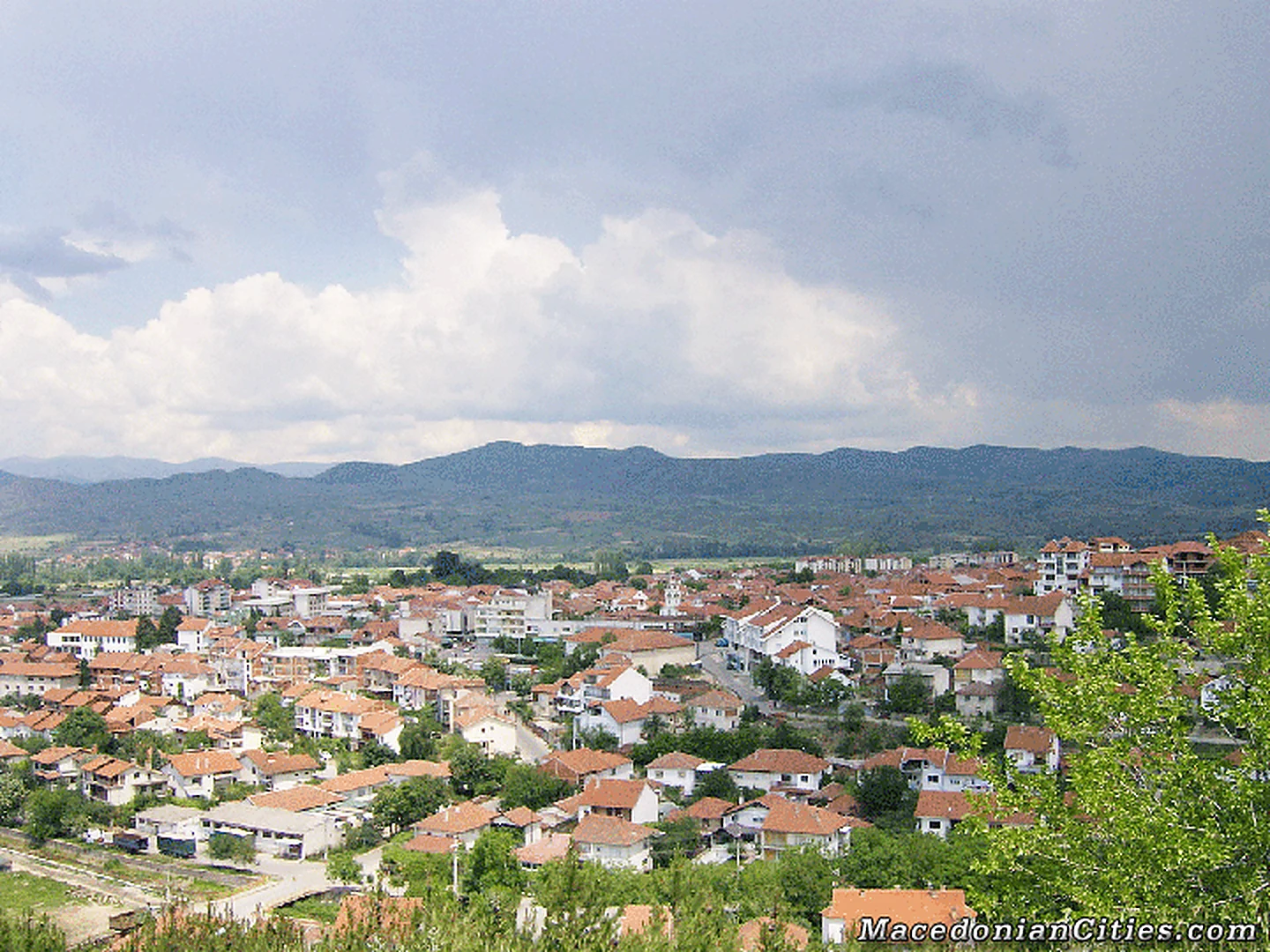
Explore 30 cities of North Macedonia through researched profiles, an interactive map, modern photographs and a historical image archive.

Explore thirty Macedonian cities through updated profiles, municipality statistics, local people, villages, monasteries, modern photographs and a rare collection of old images preserved by a Macedonian family.

Explore the map
Cities
30
Villages
1,036
Monasteries
117
Old photographs
559
Photographs
1,088

The city atlas

Every place has a name.

Thirty hand-plotted city areas, kept as they were drawn. Each one is labelled and opens by touch, pointer or keyboard.

Every legacy city area is separately clickable and visibly labelled by city name.

All cities · A–Z

Thirty ways into the story.

Browse the collection city by city. Population figures refer consistently to settlements in the 2021 census.

All 30 cities

All cities · A–Z
City Region Residents Old photos Photographs Tagline
Berovo (Берово) Eastern 5,850 9 20 Pine forests, mountain air and the calm of Maleševo
Bitola (Битола) Pelagonia 69,287 65 60 The city of consuls at the foot of Baba Mountain
Debar (Дебар) Southwestern 11,735 3 33 A western crossroads shaped by mountains, water and craft
Delchevo (Делчево) Eastern 9,644 2 19 A welcoming eastern town beside the Bregalnica
Demir Hisar (Демир Хисар) Pelagonia 2,431 9 33 A small Pelagonian centre ringed by wooded hills
Gevgelija (Гевгелија) Southeastern 15,156 6 59 A sunlit southern gateway on the Vardar corridor
Gostivar (Гостивар) Polog 32,814 14 35 A multilingual Polog hub below the Šar Mountains
Kavadarci (Кавадарци) Vardar 32,038 7 35 The wine-growing heart of Tikveš
Kichevo (Кичево) Southwestern 23,428 57 35 A mountain-basin town at the meeting point of western routes
Kochani (Кочани) Eastern 24,632 3 33 Rice fields, geothermal springs and the Bregalnica valley
Kratovo (Кратово) Northeastern 5,401 8 20 Stone bridges and tower houses in an old volcanic basin
Kriva Palanka (Крива Паланка) Northeastern 13,481 6 32 An Osogovo foothill town on an historic eastern route
Krushevo (Крушево) Pelagonia 4,104 12 59 A high mountain town of architecture, memory and flight
Kumanovo (Куманово) Northeastern 75,051 35 35 North Macedonia’s second-largest urban centre
Makedonski Brod (Македонски Брод) Southwestern 3,643 2 31 A compact town in the dramatic Treska valley
Negotino (Неготино) Vardar 12,488 15 34 Vineyards and river landscapes in the central Vardar region
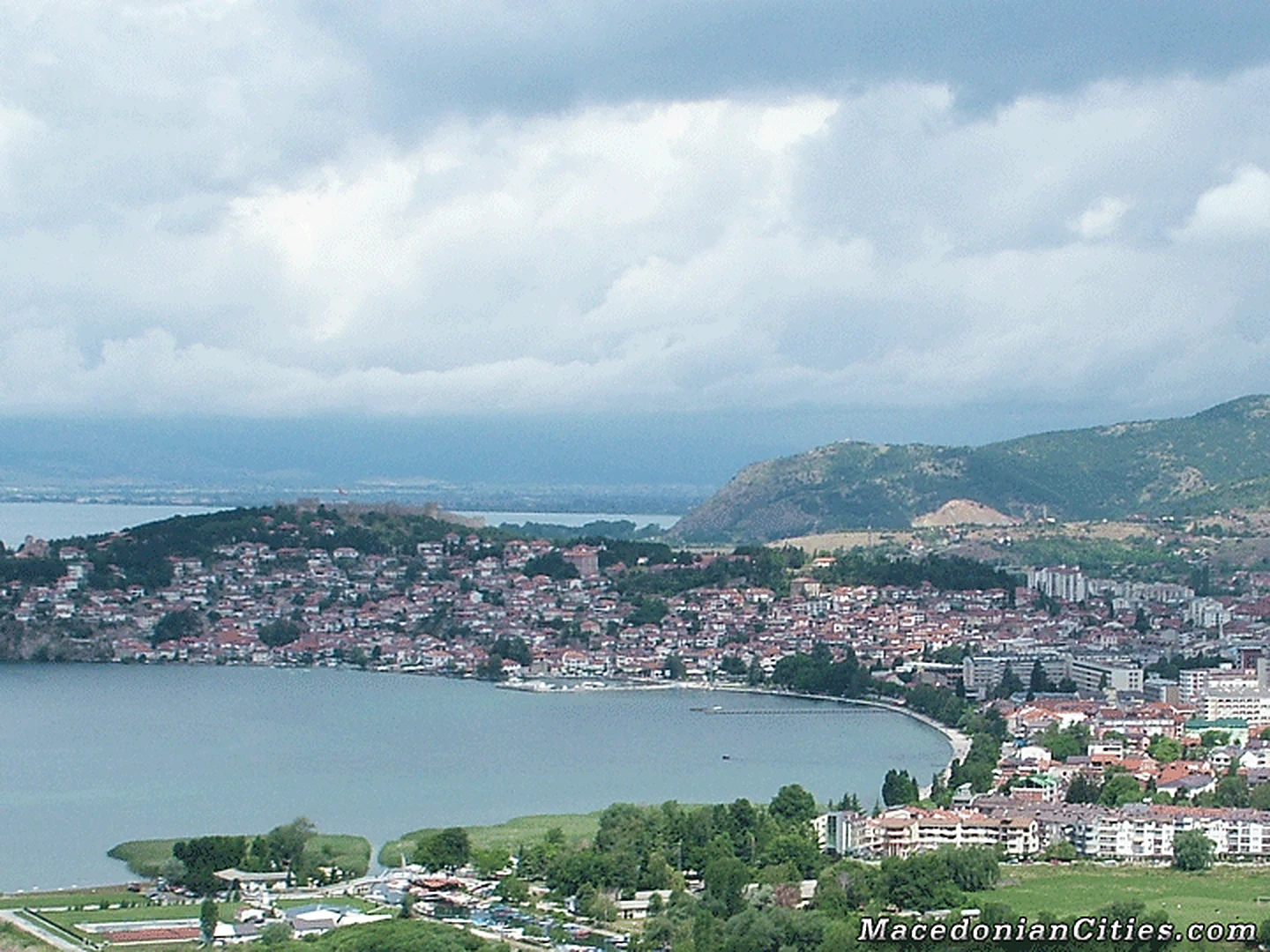
Ohrid (Охрид) Southwestern 38,818 48 59 A UNESCO lake city with layers of sacred and civic heritage
Prilep (Прилеп) Pelagonia 63,308 34 36 Tobacco country, granite towers and medieval memory
Probishtip (Пробиштип) Eastern 9,760 0 20 An eastern mining town beneath the Osogovo slopes
Radovish (Радовиш) Southeastern 14,460 14 33 A southeastern market town below Plačkovica
Resen (Ресен) Pelagonia 7,904 10 35 The orchard town of Prespa and the Saraj
Shtip (Штип) Eastern 42,000 14 35 An eastern cultural centre at the meeting of two rivers
Skopje (Скопје) Skopje 422,540 98 62 A capital of contrasts on the Vardar
Struga (Струга) Southwestern 15,009 21 58 Poetry, bridges and the Black Drin at Lake Ohrid
Strumica (Струмица) Southeastern 33,825 10 35 A lively southeastern city of festivals and fertile fields
Sveti Nikole (Свети Николе) Vardar 11,728 0 20 The principal town of the wide Ovče Pole plain
Tetovo (Тетово) Polog 63,176 20 35 A Polog centre known for colour, craft and mountain culture
Valandovo (Валандово) Southeastern 3,671 1 18 Mediterranean warmth, orchards and southern landscapes
Veles (Велес) Vardar 40,664 34 35 A steep-roofed city folded around the Vardar
Vinica (Виница) Eastern 8,584 2 34 An eastern town linked to the Vinica Fortress icons

The country in context

A small territory. An immense inheritance.

Macedonia is a compact Balkan country where high mountains give way to vineyard valleys, old bazaars, monastery roads and three great southern lakes. Its scale is modest, but the density of history, language, landscape and local character makes even a short journey feel like a passage through several worlds.

Residents · 2021 census
1,836,713
Square kilometres
25,713
Featured city archives
30
Official cities & towns
34

Population data: 2021 census

A country read in layers

Macedonia sits in the central Balkans at a meeting point of routes between the Danube world, the Adriatic hinterland and the Aegean. That position brought trade, armies, languages and faiths, but it also allowed strongly local ways of life to endure. A stone bridge, a tiled Ottoman roof, a socialist modernist block and a new café terrace can belong to the same street without feeling accidental.

Mountains are the rule

Most of the country is mountainous or hilly. Korab reaches 2,764 metres on the western border, while the Šar Mountains, Bistra, Pelister, Galičica, Osogovo and Belasica divide the land into distinct basins and valleys. Those ranges explain why nearby towns developed different accents, recipes, building traditions and trading ties—and why a road journey of fifty kilometres can cross an entire change of landscape.

A landlocked country shaped by water

The Vardar is Macedonia's main north–south artery, gathering tributaries before continuing to the Aegean. In the south, Ohrid, Prespa and Dojran give the country three very different lake landscapes. Ohrid is an ancient tectonic lake with exceptional endemic life; Prespa is a high transboundary basin important to pelicans and other birds; smaller, warmer Dojran has long supported fishing traditions of its own.

Before the written record

Archaeological sites trace settled life from Neolithic communities and Bronze Age hilltop landscapes through Paeonian and ancient Macedonian centres. Roman rule added roads, baths, theatres, aqueducts and cities such as Stobi, Scupi, Heraclea Lyncestis and the settlement beneath modern Ohrid. These are not isolated ruins: many stand beside working farms, railway lines and present-day neighbourhoods.

Ohrid, literacy and sacred art

Medieval Ohrid became one of the great centres of Slavic literacy and Christian learning through the work associated with Saints Clement and Naum. Churches around Ohrid, Prespa, Nerezi, Kurbinovo and elsewhere preserve architecture, frescoes, icons and carved screens of international importance. This inheritance is still encountered through feast days, pilgrimage, church singing and family memory—not only behind museum glass.

Ottoman towns and a cultural revival

Centuries of Ottoman rule reshaped the urban map through bazaars, hammams, mosques, bridges, inns and craft quarters. During the nineteenth century, church building, schooling, printing, trade and the Macedonian cultural revival gave many towns a new public life. Bitola's consular avenues, Kruševo's mountain houses, Kratovo's towers and the old bazaars of Skopje and Tetovo show how varied that period could be.

Revolution, war and the modern republic

The Ilinden Uprising of 1903, the Balkan Wars, two world wars and the anti-fascist struggle all left deep marks on families and towns. The first modern Macedonian state was constituted through ASNOM in 1944 and became a republic within Yugoslavia. Independence was declared peacefully in 1991; the constitutional name changed in 2019, and the country joined NATO in March 2020.

People and languages

The 2021 census recorded 1,836,713 residents. Macedonians form the largest community, alongside a substantial Albanian population and Turkish, Roma, Serbian, Bosniak, Vlach and other communities. Macedonian, written in Cyrillic, is the nationwide official language; Albanian also has official use under the law, while Turkish, Romani, Serbian, Bosnian and Aromanian remain part of everyday speech in particular places.

Faith in the everyday landscape

Orthodox Christianity and Islam are the two largest religious traditions, with Catholic, Protestant, Jewish, Bektashi and non-religious lives also present. Church bells, the call to prayer, monastery slavas, Ramadan evenings and family patron days often share the same town. The most honest picture is neither perfect harmony nor permanent division, but a long, complicated familiarity expressed in neighbourhoods, food and custom.

Food follows the map

Macedonian cooking changes with altitude and climate. The east is known for rice, beans, peppers and orchard fruit; Tikveš for grapes and wine; Pelagonia for grain, dairy and hearty baked dishes; the lake country for trout traditions; and the mountain districts for sheep cheese, potatoes, honey, mushrooms and preserved forest fruit. The shared table—salads, tavče gravče, pastries, grilled dishes, pickles and rakija—is one of the country's clearest forms of hospitality.

A living cultural calendar

Oro dancing, layered folk singing, brass bands, zurla and tapan ensembles, icon painting, woodcarving, filigree, weaving and pottery remain living practices rather than decorative references. The Struga Poetry Evenings, Ohrid Summer Festival and Manaki Brothers cinematography festival bring international audiences, while village carnivals, monastery feasts and town festivals keep a more intimate calendar alive.

Macedonia today

Macedonia is an EU candidate and completed the accession screening process in December 2023. Its present is shaped by migration, an ageing population, uneven regional development and the difficult work of protecting natural and cultural heritage. It is also sustained by a large diaspora, strong family networks, universities, independent artists, small businesses and an instinctive hospitality that repeatedly turns visitors into guests.

Old photos

Not stock. Not replaceable.

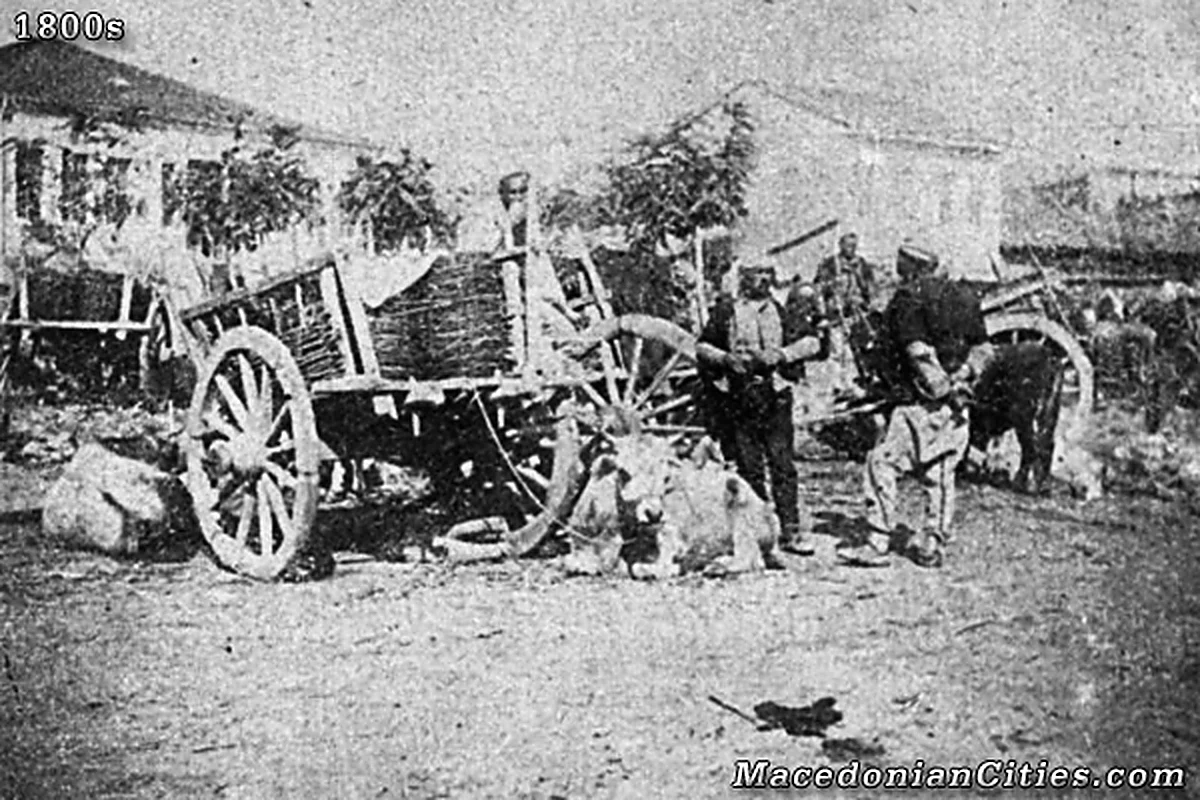
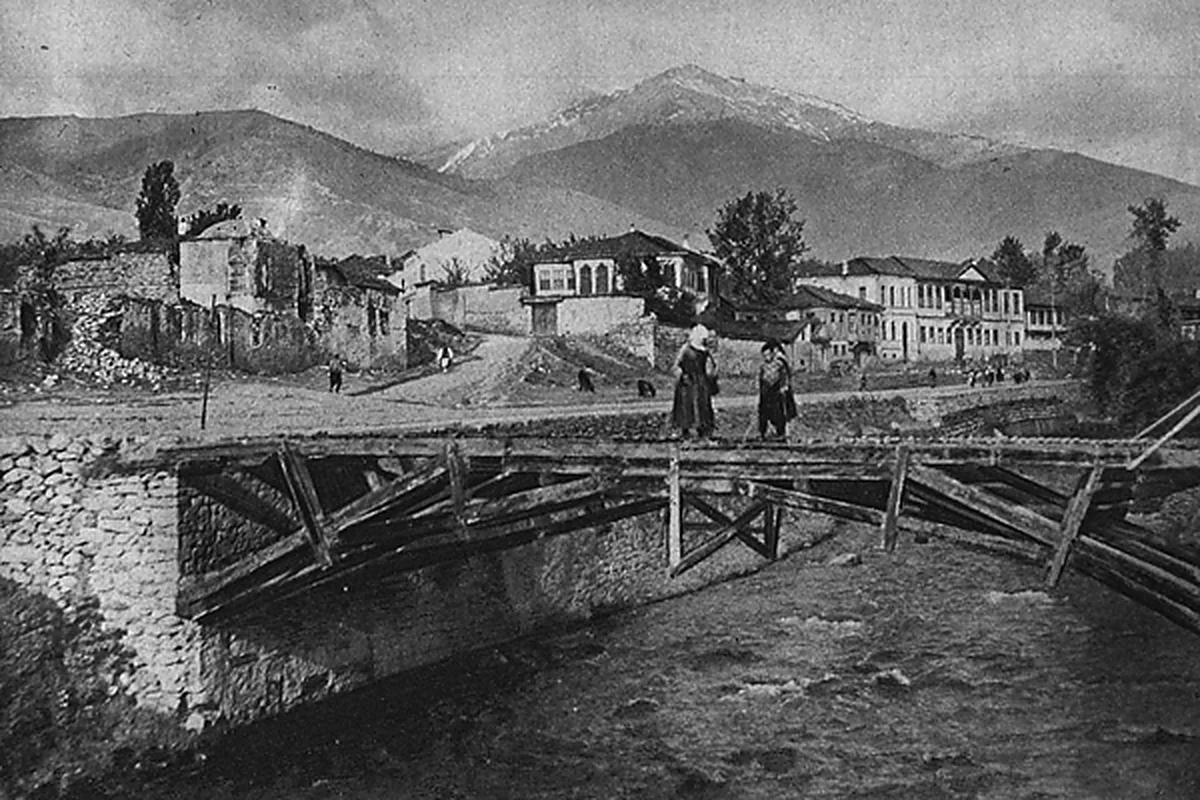
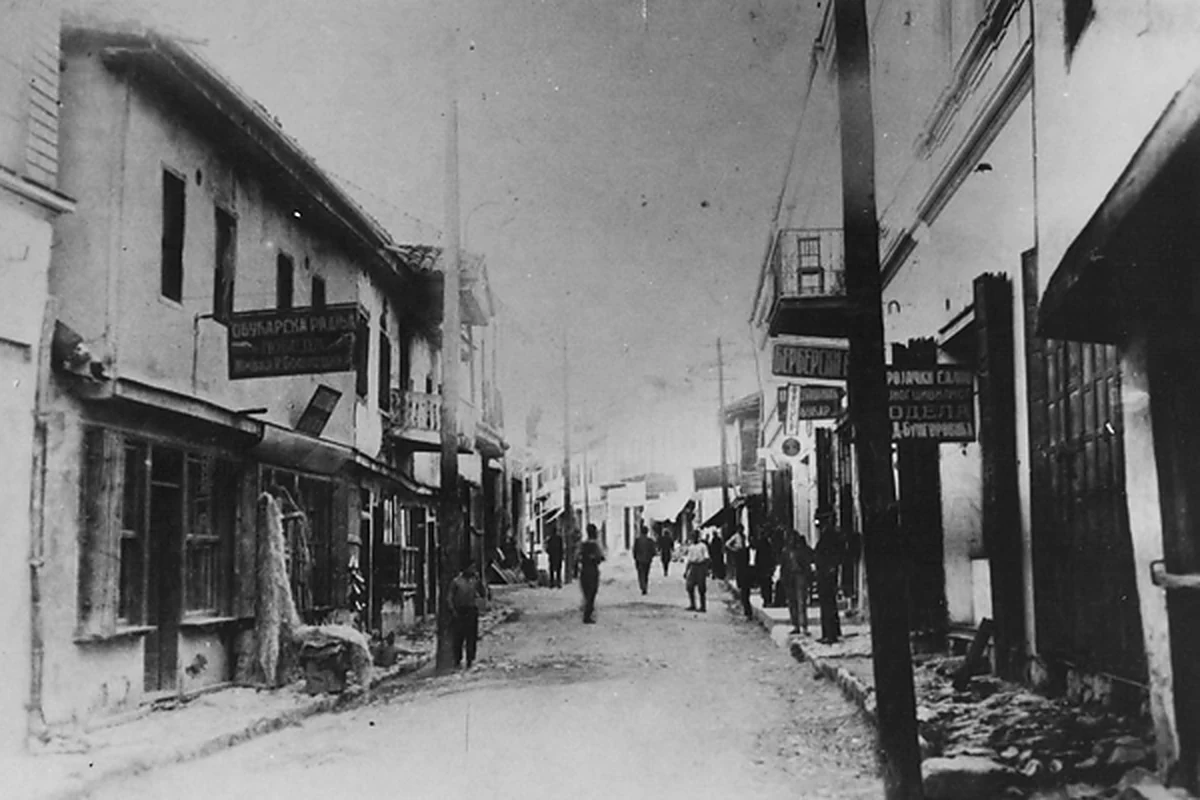
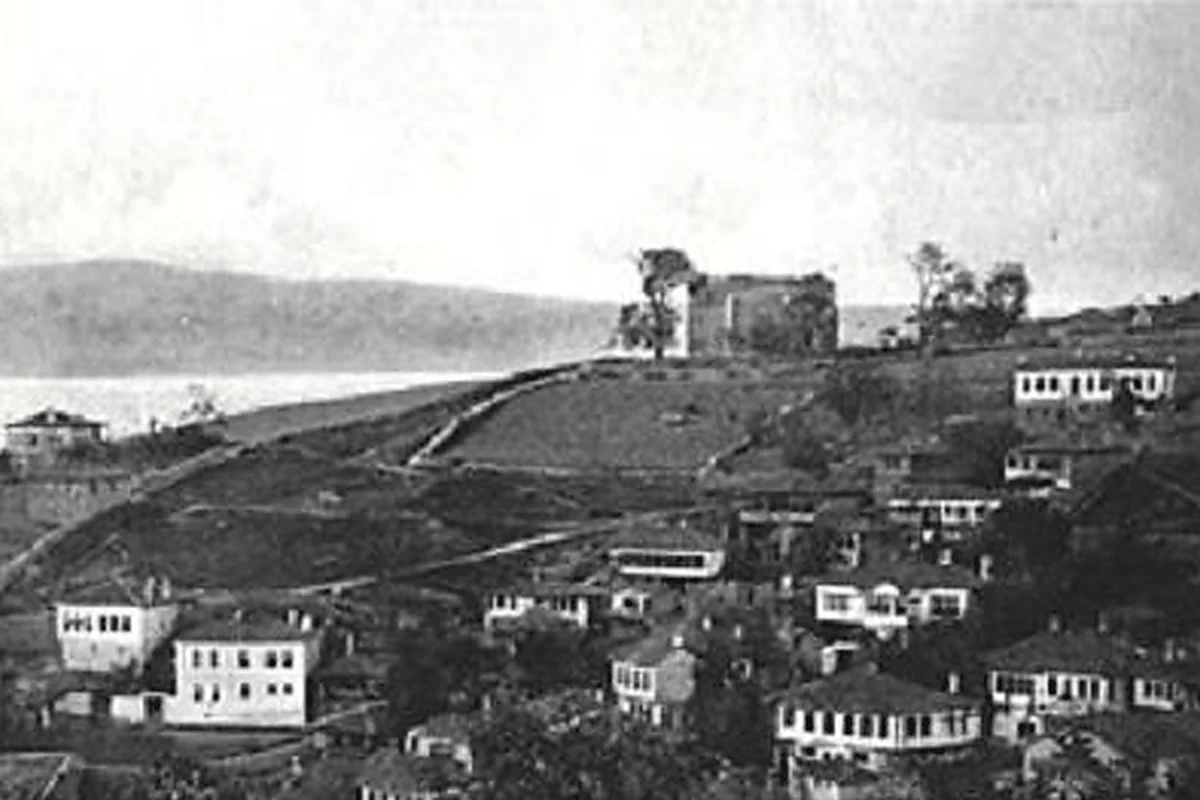
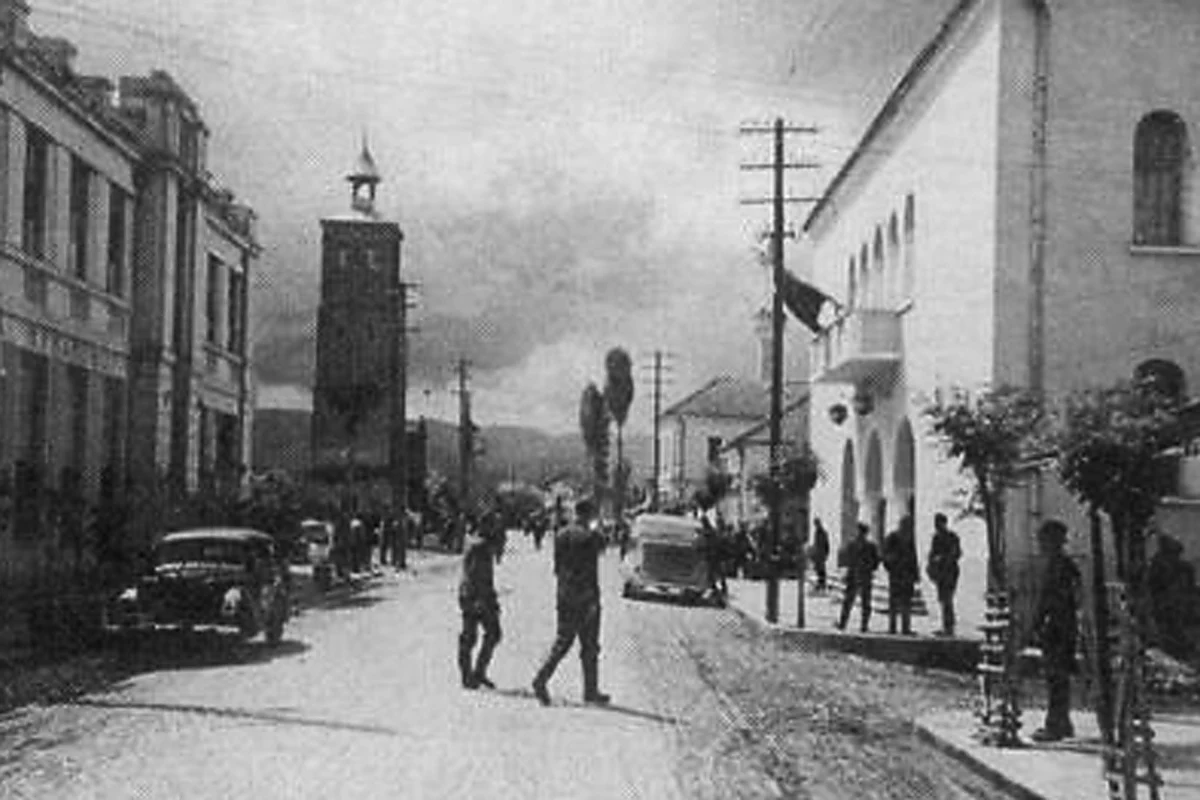
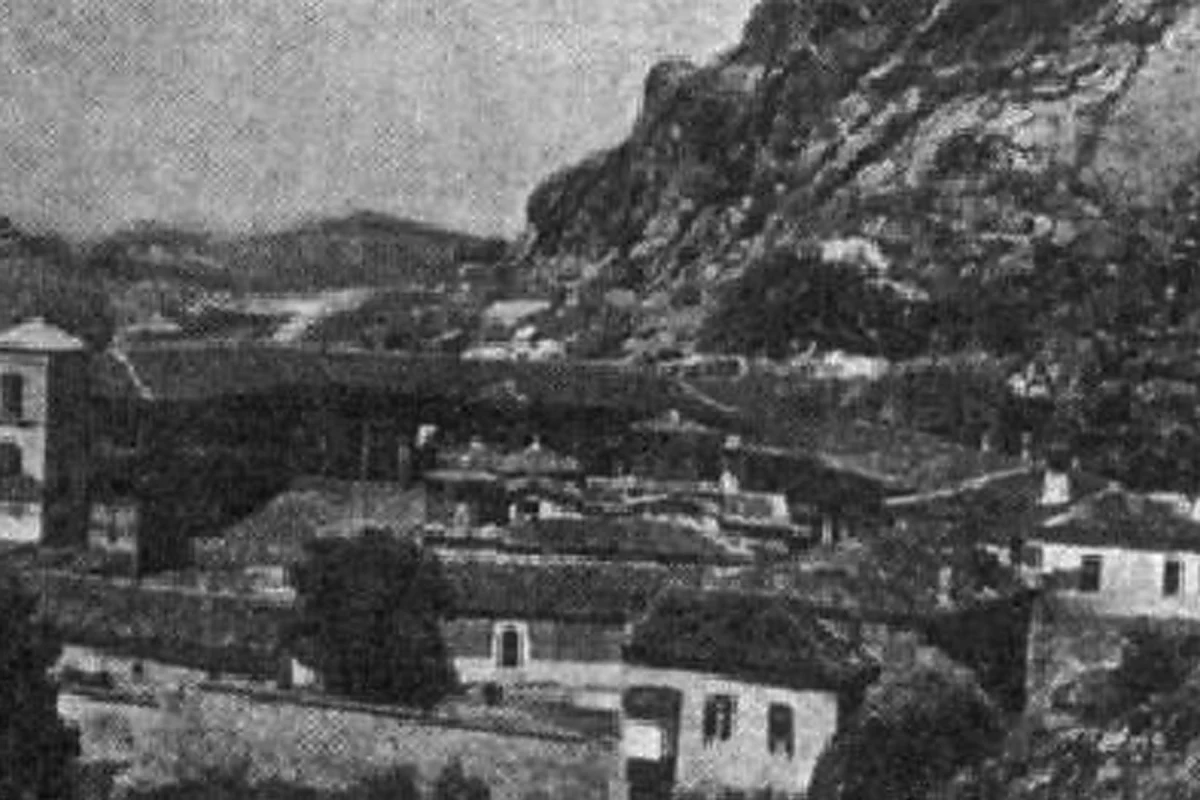
The old postcards and photographs remain the heart of Macedonian Cities. Originals are preserved byte-for-byte; carefully enlarged display copies make them easier to see without inventing documentary detail.

Open old photos

Macedonia in detail

Twelve facts. A country of surprises.

A concise set of sourced details about the people, settlements, mountains, lakes and protected heritage behind the map.

  1. 1,781 settlements

    The 2021 census recorded 1,781 settlements across the country; 205 had no resident population at the time of enumeration.

  2. A population of 1,836,713

    That is the official resident population counted in the 2021 census, distinct from citizens recorded as living abroad for more than twelve months.

  3. Eight regions, eighty municipalities

    Statistical reporting uses eight regions, while local government is organized through eighty municipalities, including the special ten-municipality City of Skopje.

  4. Thirty-four official towns and cities

    The census identifies thirty-four urban settlements. This archive preserves detailed collections for thirty of them, reflecting the scope of the original family website.

  5. Ohrid is millions of years old

    UNESCO describes Lake Ohrid as an ancient tectonic lake that has existed continuously for roughly two to three million years.

  6. More than 200 lake endemics

    Lake Ohrid shelters more than two hundred plant and animal species found nowhere else in the world, including endemic fish, snails, crustaceans and other freshwater life.

  7. Natural and cultural heritage together

    The Ohrid region is a UNESCO property recognized for both nature and culture—an uncommon mixed designation first established in 1979 and expanded in 1980.

  8. A second World Heritage property

    The primeval beech forest of Dlaboka Reka in Mavrovo forms part of UNESCO's transnational Ancient and Primeval Beech Forests property.

  9. A transboundary biosphere reserve

    Ohrid and Prespa belong to a UNESCO biosphere reserve shared with Albania, designated in 2014 to connect lake, mountain and community conservation.

  10. Over 260 bird species at Prespa

    UNESCO records more than 260 bird species in the Prespa region—over half the bird species found in Europe—with the Dalmatian pelican as a flagship.

  11. Korab reaches 2,764 metres

    The country's highest summit rises on the western border, while several other ranges exceed 2,500 metres and retain glacial lakes and alpine pasture.

  12. A NATO member since 2020

    The country became NATO's thirtieth member on 27 March 2020, following the deposit of its instrument of accession in Washington.

Sources