
Southwestern
Struga
Струга
- Residents · 2021 census
- 15,009
- Old photographs
- 21
- Photographs
- 58
Poetry, bridges and the Black Drin at Lake Ohrid
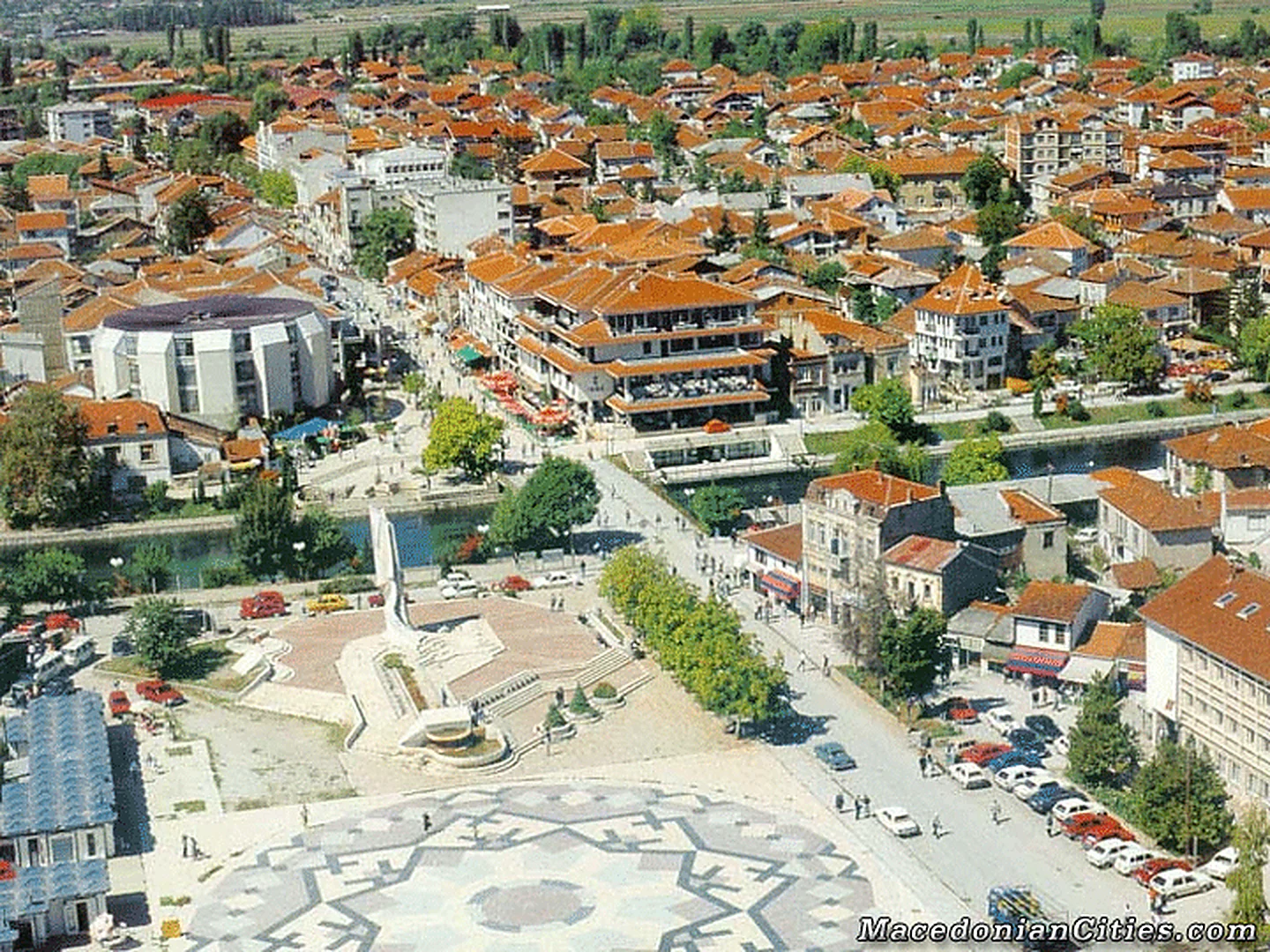
Struga stands at the northern end of Lake Ohrid where the Black Drin flows out of the lake, dividing the centre before continuing north toward Albania. The waterfront, river bridges and open lake horizon give the town a character distinct from nearby Ohrid, while the municipality extends from lakeside villages to the Jablanica and Karaorman mountains.
Overview
City overview
Meet Struga.
A grounded introduction to the city, its landscape, people, history and wider municipality.
Struga stands at the northern end of Lake Ohrid where the Black Drin flows out of the lake, dividing the centre before continuing north toward Albania. The waterfront, river bridges and open lake horizon give the town a character distinct from nearby Ohrid, while the municipality extends from lakeside villages to the Jablanica and Karaorman mountains.
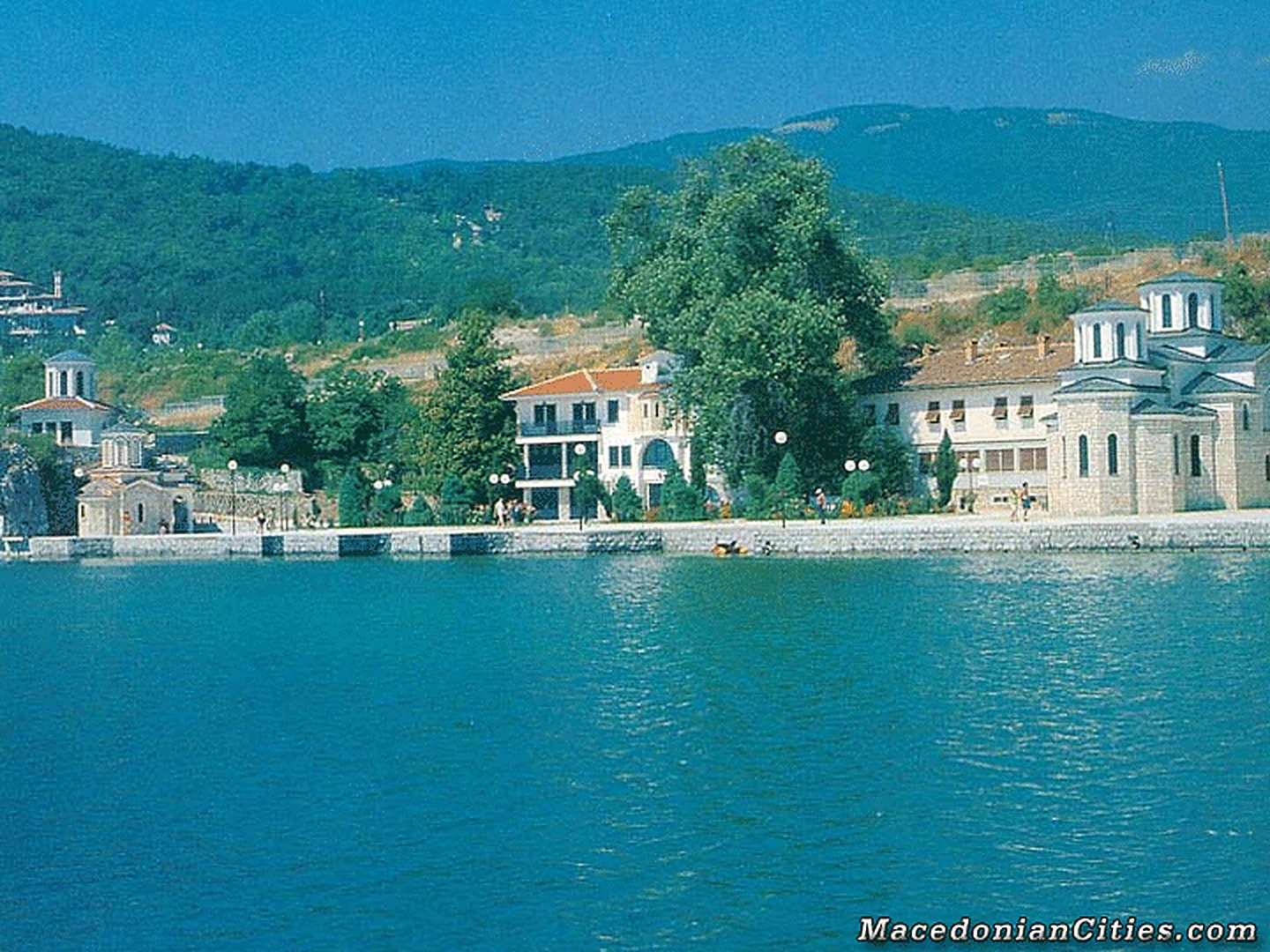
Archaeological finds around the shore and in villages such as Oktisi attest to long settlement, and the Lake Ohrid region's exceptional natural and cultural values are recognized by UNESCO. Medieval churches, cave sanctuaries and the Kalishta monastic landscape add a quieter layer of heritage beyond the town centre.
Modern Struga is multilingual and closely connected to a municipality of 50 villages. Macedonian and Albanian are both prominent in public life, alongside smaller communities, and the town serves the western lake shore and Black Drin valley through trade, education, health care, construction and tourism.
Literature is Struga's most internationally visible cultural language. The Miladinov brothers were born here, and the Struga Poetry Evenings grew from a local gathering into a global festival whose Golden Wreath has honoured major poets from many countries. Football, handball, lake recreation and village festivals animate the rest of the calendar.
The 2021 census counted 15,009 residents in Struga itself and 50,980 across the wider municipality; 35,971 people lived outside the city settlement. That distinction between the urban centre and its surrounding communities is important in Macedonian demographic reporting and in understanding everyday local life.
At a glance
Useful facts, in one place.
Settlement and municipality figures are kept distinct wherever sources permit.
- Municipality
- Struga Municipality
- City population
- 15,009
- Municipality population
- 50,980
- Population year
- 2021
- Municipal area
- 483 km²
- Elevation
- 693 m
- Approx. road distance from Skopje
- 174 km
- Postal code
- 6330
- Climate
- Lake-moderated climate combining continental and Mediterranean influences, with milder temperature extremes along Lake Ohrid and colder, wetter conditions on Jablanica and Karaorman.
- Sports teams
-
- FC Struga Trim-Lum
- FK Karaorman
- RK Struga
- Culture
-
- The Struga Poetry Evenings bring international poets to readings beside the Black Drin and award the Golden Wreath for lifetime achievement.
- The Miladinov brothers' legacy anchors the town's literary identity and memorial institutions.
- Macedonian and Albanian cultural traditions coexist across the town and a municipality in which most residents live outside the central urban settlement.
- Population snapshot
- 15,009 city residents and 50,980 municipality residents in the 2021 census; 35,971 lived outside the city settlement.
- Statistical region
- Southwestern
- Settlements
- 51
- Villages
- 50
- Rural and other settlement population
- 35,971
- Population scope
- Population figures use the 2021 census: 15,009 for the settlement of Struga and 50,980 for Struga Municipality.
Known for
The city's signature.
Landmarks, foods, landscapes and traditions that give Struga its character.
- The Black Drin flowing out of Lake Ohrid
- Struga Poetry Evenings and the Golden Wreath
- The Miladinov brothers
- Lakeside beaches and riverfront promenades
- Multilingual cultural life in the Ohrid basin
Geography
Geography
Land shapes the city.
Terrain, waterways, climate and transport explain why Struga grew where it did.
Struga lies where Lake Ohrid releases its water into the Black Drin. The river runs through the centre beneath several bridges, giving the town two waterfronts: the open lake shore and the narrower, fast-moving riverbanks. Jablanica Mountain rises west of the plain, while low ground eastward links Struga with Ohrid and the rest of the protected lake basin.
The town's climate is moderated by the lake, and its beaches, reed beds and long waterfront support tourism and recreation. Yet Struga is also the commercial centre for a broad, multilingual municipality of lakeside villages, farming areas and mountain settlements. The Black Drin ultimately flows north toward Debar and Albania, so the water leaving Struga ties the city to landscapes far beyond the Ohrid basin.
History
History
A concise, rewritten account.
Written afresh from cross-checked municipal, archaeological, heritage and institutional sources—not copied website text.
Archaeological evidence around the northern shore of Lake Ohrid includes prehistoric pile dwellings as well as sites from the Hellenistic, Roman and early medieval periods. Struga's development was always bound to fishing, the lake outlet and roads along the shore. Under Ottoman rule it grew as a market town with crafts and trade serving both the lake communities and the Drin route.
The nineteenth century gave Struga two of its most influential cultural figures, the brothers Dimitar and Konstantin Miladinov. Their collecting and publication of South Slavic folk songs became a landmark of the regional cultural revival. The town later passed through the same border changes, wars and Yugoslav modernization that transformed the rest of the lake region, but its smaller scale preserved a strong relationship between the centre, river and shore.
In 1961 a local poetry reading grew into the Struga Poetry Evenings. The festival now brings poets from around the world to readings beside the Drin, and its Golden Wreath has honoured many major international writers. That event did not invent Struga's literary identity; it gave a contemporary global form to an older local association with language, song and the Miladinov brothers.
The preserved legacy narrative
Open the preserved legacy narrative
Struga is an ancient settlement area with archaeological traces reaching back to the Neolithic. Finds around the northern shore of Lake Ohrid show that prehistoric communities used the lake's resources, and evidence of pile-dwelling settlements has been recovered in the wider basin. The inherited text's precise date of 3000 BC and its identification of a particular fishing settlement at the Black Drin outlet should be treated as an older interpretation rather than an uncontested conclusion.
Ancient writers and later scholarship associate the Ohrid basin with peoples including the Bryges, Enchelei and Dassaretae, although their exact sequence and the location of a settlement called Enchalon remain debated. The eel became a powerful symbol of Struga because European eels leave the lake system and migrate toward the Sargasso Sea in the North Atlantic. The old claim that Philip II conquered Enchalon in 334 BC is chronologically impossible—Philip died in 336 BC—and no firm evidence establishes that event as written. The region later formed part of the Roman state, and the nearby Via Egnatia connected the Adriatic with Thessalonica and the eastern Mediterranean.
Christianity spread through the Lake Ohrid region in late antiquity, and remains of early Christian basilicas have been found around Struga, including at Oktisi. Local church tradition associates Saint Erasmus of Antioch with early missionary activity in the Ohrid area, but the biographical details cannot be independently established. The conversion of ancient sacred spaces into churches occurred across the late Roman world and should not be asserted for every Struga site without archaeological evidence.
The name Struga appears in medieval written sources. Documents also record valuable fishing rights at the lake outlet and their connection with monasteries, while local traditions link Clement of Ohrid and Tsar Samuel with churches and teaching in the district. Claims that Samuel ordered one hundred bridges across the Black Drin, sometimes attributed to Anna Komnene, are not securely supported by her text and are best presented as legend. What is clear is that fishing, river crossings and religious estates were central to medieval Struga.
By the sixth and seventh centuries the region had undergone the political and demographic changes that affected the Byzantine Balkans, including Slavic settlement. Linguists have proposed several origins for the name Struga: words connected with shearing or driving sheep through a narrow passage, and terms referring to a river branch or current. None of these explanations is universally accepted, so the alternatives belong to the history of the name rather than to a single proven derivation.
Ottoman-era travellers described Struga as a caravan stop, market and fishing centre. A traveller named Bernard wrote of caravan inns in 1591, while Evliya Çelebi's account from the seventeenth century describes houses, inns, shops and a large periodic fair. His striking numbers—including crowds of up to 50,000—are a traveller's report and cannot be read as a modern census. Traditions also associate a bridge and waterside residence with a local notable, Emin Ağa. The place-name Panagjurishte preserves the memory of the fairground.
Struga appeared on John Bew's 1783 map of European Turkey. A local chronicle attributed to Nikola Pop Stefanov records forced labour on the waterside residence of Geladin Bey in 1808. The building, remembered as a saray set in or beside the Black Drin, attracted the attention of later travellers, although descriptions of its exact form vary. These accounts show the river not only as an economic resource but also as the stage on which the Ottoman town presented its authority.
The brothers Dimitar and Konstantin Miladinov, born in Struga, became leading teachers, folklorists and cultural figures of the nineteenth century. Their collection was published in Zagreb in 1861 under the historical title Bulgarian Folk Songs; it contains material largely gathered in Macedonia and occupies an important, sometimes nationally contested place in Macedonian and Bulgarian cultural history. Both brothers died in an Ottoman prison in Istanbul in 1862. Struga residents later participated in the Ilinden Uprising and the anti-fascist partisan movement. Vlado Maleski, also born here, wrote the lyrics of the Macedonian anthem; accounts that it was first sung in Struga belong to the town's commemorative tradition.
After the Second World War, Struga expanded with new streets, housing, commerce, tourism and cultural institutions while retaining the river and lakefront as its defining public spaces. The Struga Poetry Evenings began in 1961 and developed into a major international festival held in honour of the town's literary heritage. Modern Struga is also a multilingual municipal centre whose economy and everyday life connect the urban shore with dozens of villages across the lake plain and surrounding mountains.
Profile sources (16)
- whc.unesco.org/en/list/99
- struga.org/eng/history.htm
- struga.org/eng/str_eve_poet_intro.htm
- unesco.org/en/articles/ko-un-and-harry-man-winners-2014-struga-poetry-evenings
- stat.gov.mk/publikacii/2022/POPIS_DZS_web_EN.pdf
- citypopulation.de/en/northmacedonia/jugozapaden/710__struga
- struga.org/eng/points_interest.htm
- svp.org.mk/en
- struga.org/eng/dimitarmiladinov.htm
- struga.org/eng/ristokrle.htm
- struga.org/eng/vladomaleski.htm
- struga.org/eng/vangel_kodzoman.htm
- struga.org/mac/arsenijovkov_mac.htm
- struga.org/eng/jovanstrezovski.htm
- struga.org/eng/photo_gallery_churches_monast.htm
- makstat.stat.gov.mk/PXWeb/pxweb/en/MakStat/MakStat__Popisi__Popis2021__NaselenieVkupno__PodatociNaselenie/T1501P21.px
Interesting Facts
Interesting facts
Details worth remembering.
Local landmarks, customs, foods and historical details that reward a closer look at Struga.
-
The river begins in the town
The Black Drin leaves Lake Ohrid at Struga, passes through the centre and continues north through the municipality before entering Albania.
-
Most residents live beyond the central town
In 2021, Struga town had 15,009 residents while the municipality had 50,980. The remaining 35,971 residents lived in its 50 other official settlements.
-
Part of a mixed UNESCO property
Struga and its lake-shore cultural landscape fall within the Natural and Cultural Heritage of the Ohrid Region, one of UNESCO's mixed properties recognized for both natural and cultural significance.
-
Poetry grew from a local gathering
The Struga Poetry Evenings began in 1961; by 1966 the event had become an international cultural festival and had established the Golden Wreath award.
-
Birthplace of the Miladinov brothers
Dimitar and Konstantin Miladinov, major figures in nineteenth-century Macedonian cultural history and collectors of South Slavic folk songs, were both born in Struga.
-
Churches inside the rock at Kalishta
The Kalishta religious landscape includes cave churches formed within the limestone above Lake Ohrid, including sanctuaries of the Nativity of the Virgin and Saint Athanasius.
-
A natural-history museum born from one collection
The town's natural-history museum traces its origin to 1928, when physician and naturalist Nikola Nezlobinski opened a collection of specimens he had assembled in the region.
People
Celebrities
Lives linked to the city.
Writers, musicians, artists, athletes, public figures and historical personalities with a clearly stated connection to Struga.
- Notable person Dimitar Miladinov Struga-born teacher, folklorist and cultural revival figure who collected folk literature across Macedonia.
- Notable person Konstantin Miladinov Struga-born poet and folklorist remembered especially for the poem Longing for the South.
- Notable person Vlado Maleski Struga-born writer, diplomat and partisan who wrote the lyrics of the Macedonian national anthem.
-
Dimitar Miladinov education and folklore
Born in Struga in 1810 and active as a teacher in the town and wider region.
Teacher, cultural activist and collector of folk songs who worked with his brother Konstantin on the landmark collection Bulgarian Folk Songs.
Source -
Konstantin Miladinov literature and folklore
Born in Struga in 1830; the town's poetry festival and memorial house preserve his legacy.
Poet and folklorist whose poem Longing for the South has an enduring place in Macedonian literature.
Source -
Risto Krle theatre and literature
Born in Struga in 1900 and began writing from the social world he knew there.
Playwright and an important contributor to twentieth-century Macedonian drama, known especially for Money Is Murderous.
Source -
Vlado Maleski literature and public life
Born in Struga in 1919.
Writer, diplomat and public figure credited with writing the lyrics of North Macedonia's national anthem.
Source -
Vangel Kodzoman visual art
Born in Struga in 1904 and repeatedly portrayed the town and Lake Ohrid region.
Painter and educator whose work documented Macedonian landscapes, towns and everyday life.
Source -
Arsenij Jovkov journalism and film
Born in Selci, now a village in Struga Municipality, in 1884.
Journalist, poet, photographer and early Macedonian film documentarian associated with the Ilinden commemorative tradition.
Source -
Jovan Strezovski literature
Born in Podgorci, Struga Municipality, in 1931.
Writer and poet whose novels, stories and work for younger readers form part of contemporary Macedonian literature.
Source -
Nikola Nezlobinski science and medicine
Not Struga-born; he settled and worked in Struga after the First World War and opened the museum collection there in 1928.
Physician and naturalist who assembled regional zoological specimens and founded Struga's natural-history museum.
Source
Villages & Monasteries
Villages
The wider municipality.
Every verified village and rural settlement in the current municipal scope, followed by known monasteries in the surrounding cultural landscape.
50 villages and rural settlements are included.
- Bezovo Small rural settlement in the Karaorman-side interior of Struga Municipality. Source
- Bidzhevo Agricultural village on the Struga plain near the town and airport corridor. Source
- Bogojci Foothill village in the municipality's northern hinterland. Source
- Borojec Upland village on the Jablanica side of Struga Municipality. Source
- Brchevo Mountain-foot settlement above the western part of the Struga plain. Source
- Burinec Small mountain village in the municipality's remote northern interior. Source
- Delogozhdi Large village and local service centre north of Struga. Source
- Dobovjani Lowland village in the Black Drin agricultural corridor. Source
- Dolna Belica Lower of the two Belica settlements on the Jablanica side of the municipality. Source
- Dolno Tateshi Lower settlement of the Tateshi pair in northern Struga Municipality. Source
- Draslajca Village close to Struga on the northern plain, associated with Saint Nedela Monastery. Source
- Drenok Remote upland village near the municipality's northern mountain boundary. Source
- Dzhepin Small rural settlement north of the Black Drin corridor. Source
- Frangovo Village on the western shore corridor of Lake Ohrid, immediately southwest of Struga. Source
- Globochica Official reservoir-area settlement recorded with no resident population in the 2021 census. Source
- Gorna Belica High Jablanica village known for traditional mountain architecture and seasonal pastoral connections. Source
- Gorno Tateshi Upper settlement of the Tateshi pair in the northern foothills. Source
- Jablanica Small village sharing its name with the mountain range along the municipality's western side. Source
- Kalishta Lake-shore village south of Struga, known for the Kalishta monastery and its cave churches. Source
- Koroshishta Large agricultural village north of Struga, closely linked with neighbouring Delogozhdi. Source
- Labunishta One of the municipality's largest villages and a service centre at the foot of Jablanica. Source
- Lakaica Official rural settlement recorded with no resident population in the 2021 census. Source
- Livada Agricultural village on the fertile Struga plain. Source
- Lokov Official mountain settlement recorded with no resident population in the 2021 census. Source
- Lozhani Lowland village near the Black Drin north of Struga. Source
- Lukovo Village in the Black Drin valley in the municipality's north. Source
- Mali Vlaj Small western-shore village between Lake Ohrid and Jablanica near the Albanian border. Source
- Misleshevo Large peri-urban village immediately north of Struga. Source
- Mislodezhda Upland rural settlement in northern Struga Municipality. Source
- Modrich Village in the municipality's northern Black Drin and mountain corridor. Source
- Moroishta Large village directly north of Struga, associated with Saint Spas Monastery. Source
- Nerezi Village in the upper Black Drin valley, distinct from Gorno Nerezi in Skopje. Source
- Novo Selo Agricultural settlement in the municipality's northern lowlands. Source
- Oktisi Large Jablanica-foot village known for the remains of an early Christian basilica and Saint Nicholas Monastery. Source
- Piskupshtina Small mountain settlement in the northern part of Struga Municipality. Source
- Podgorci Large foothill village below Jablanica and birthplace of writer Jovan Strezovski. Source
- Poum Upland village on the western side of the municipality. Source
- Prisovjani Small rural settlement in the Karaorman-side interior. Source
- Radolishta Large village on the plain west of Struga. Source
- Radozhda Fishing and tourism village on Lake Ohrid near the Albanian border, noted for a cave church and Saint Nedela Monastery. Source
- R'zhanovo Official rural settlement recorded with no resident population in the 2021 census. Source
- Selci Mountain village in the municipality's north and birthplace of journalist and filmmaker Arsenij Jovkov. Source
- Shum Village west of Struga near the springs and foothills of Jablanica. Source
- Tashmarunishta Black Drin valley village in northern Struga Municipality. Source
- Toska Official rural settlement recorded with no resident population in the 2021 census. Source
- Veleshta One of Struga Municipality's largest settlements and an important commercial and service centre on the western plain. Source
- Vishni Jablanica mountain village associated with a historic Saint Nicholas monastery and cave-church landscape. Source
- Vranishta Large village on the Black Drin just north of Struga. Source
- Zagrachani Peri-urban village immediately west of Struga. Source
- Zbazhdi Small upland settlement in the municipality's northern interior. Source
Monasteries nearby
Places of continuity.
Verified monastic sites within the municipality or its immediate cultural landscape.
-
Holy Mother of God Monastery
Kalishta
Lake Ohrid monastery complex incorporating a principal church and historic cave sanctuaries in the rock above the shore.
Source -
Saint Peter Monastery
Kalishta
Small monastic site in the wider Kalishta religious landscape, listed in the municipality's church and monastery gallery.
Source -
Saint Nedela Monastery
Radozhda
Orthodox monastery associated with the Lake Ohrid village of Radozhda.
Source -
Saint Petka Monastery
Struga
Monastic religious site listed within the town's heritage by the municipal cultural portal.
Source -
Saint Dimitrija Monastery
Struga
Orthodox monastic site in Struga included in the municipality's heritage gallery.
Source -
Saint Nicholas Monastery
Struga
Town-area monastery listed among Struga's Orthodox religious sites.
Source -
Saint Nicholas Monastery
Oktisi
Village monastery at the foot of Jablanica, distinct from the early Christian basilica remains at Oktisi.
Source -
Saint Nedela Monastery
Draslajca
Rural monastery associated with Draslajca on the northern Struga plain.
Source -
Saint Nicholas Monastery
Vishni
Mountain-village monastery in the Jablanica landscape above Lake Ohrid.
Source -
Saint Spas Monastery
Moroishta
Orthodox monastery serving the large village immediately north of Struga.
Source
Old Photos (21)
Old Photos
The rare collection.
Every surviving full-size historical file is included, including originals that the old page markup accidentally omitted. Family-preserved originals remain untouched.
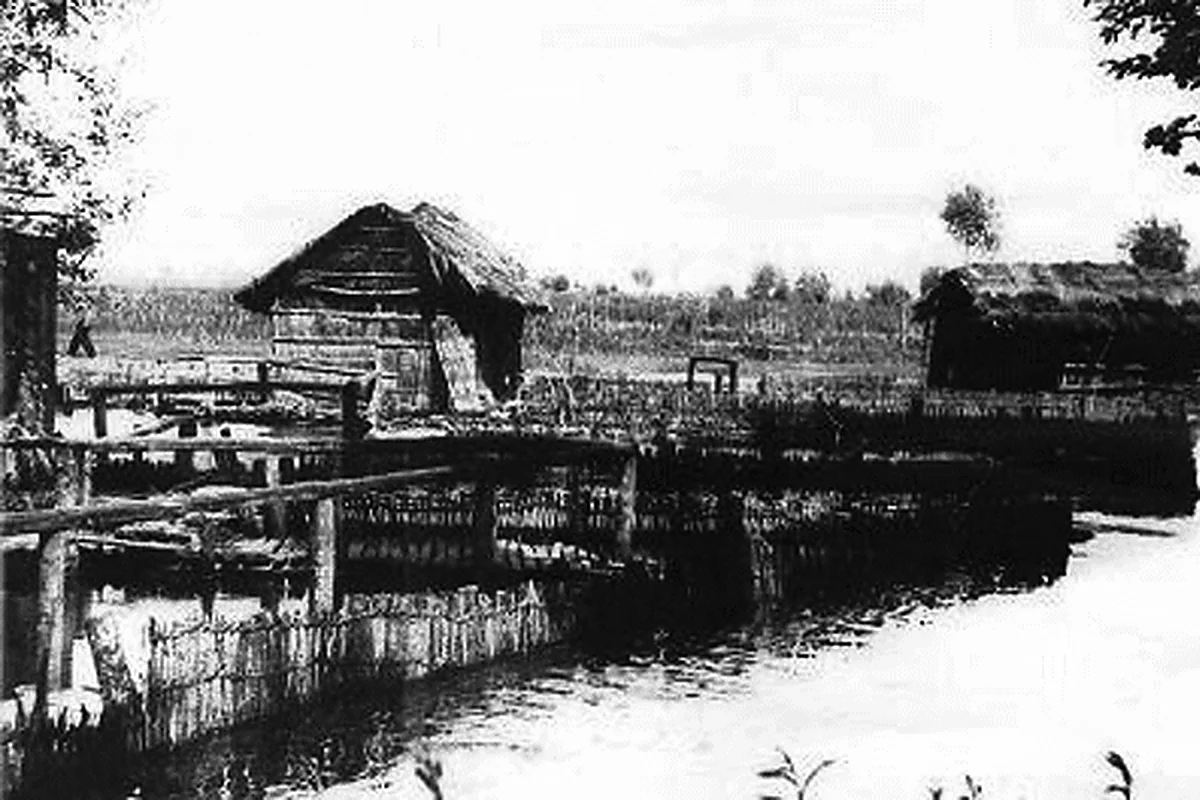
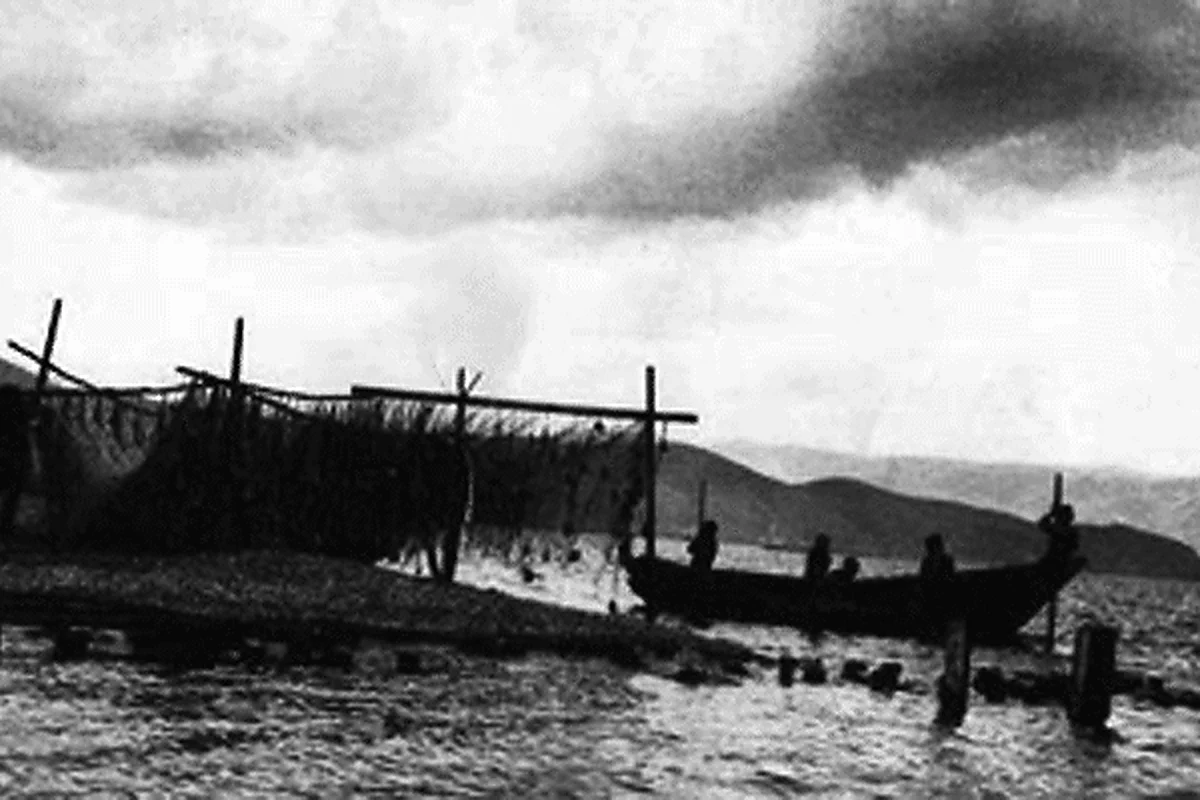
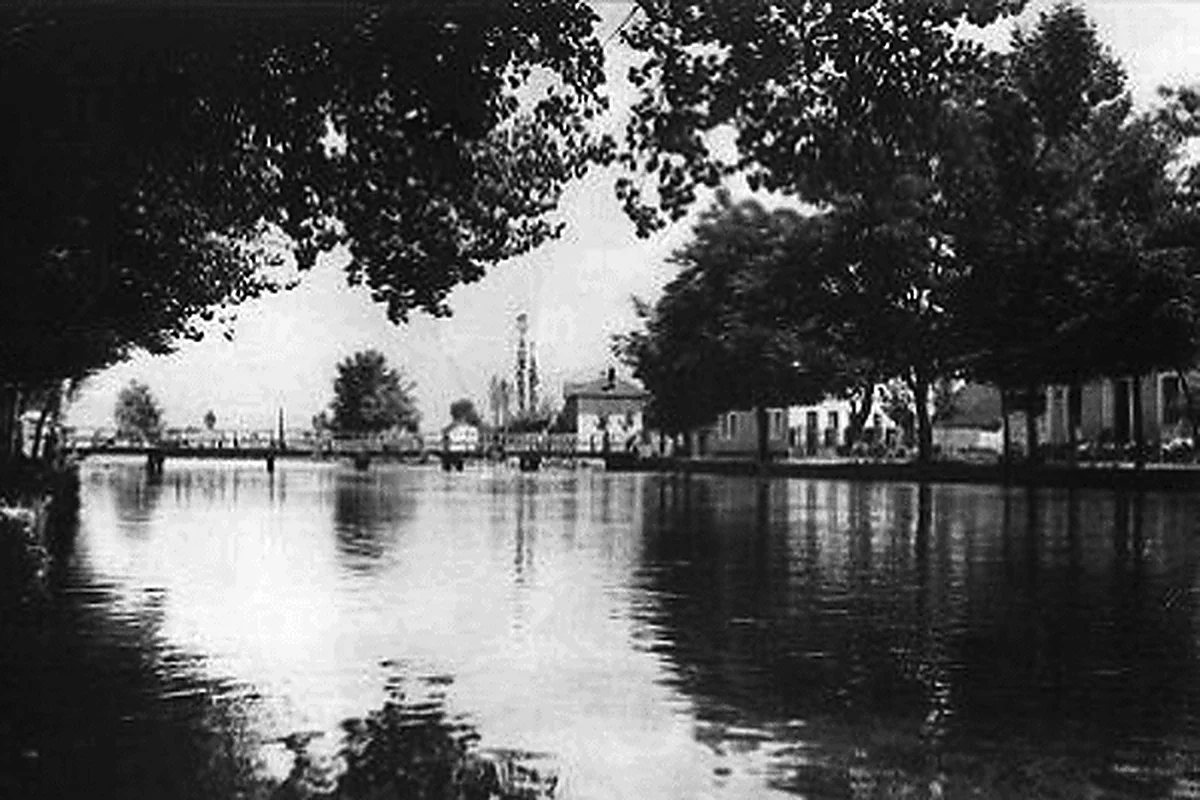
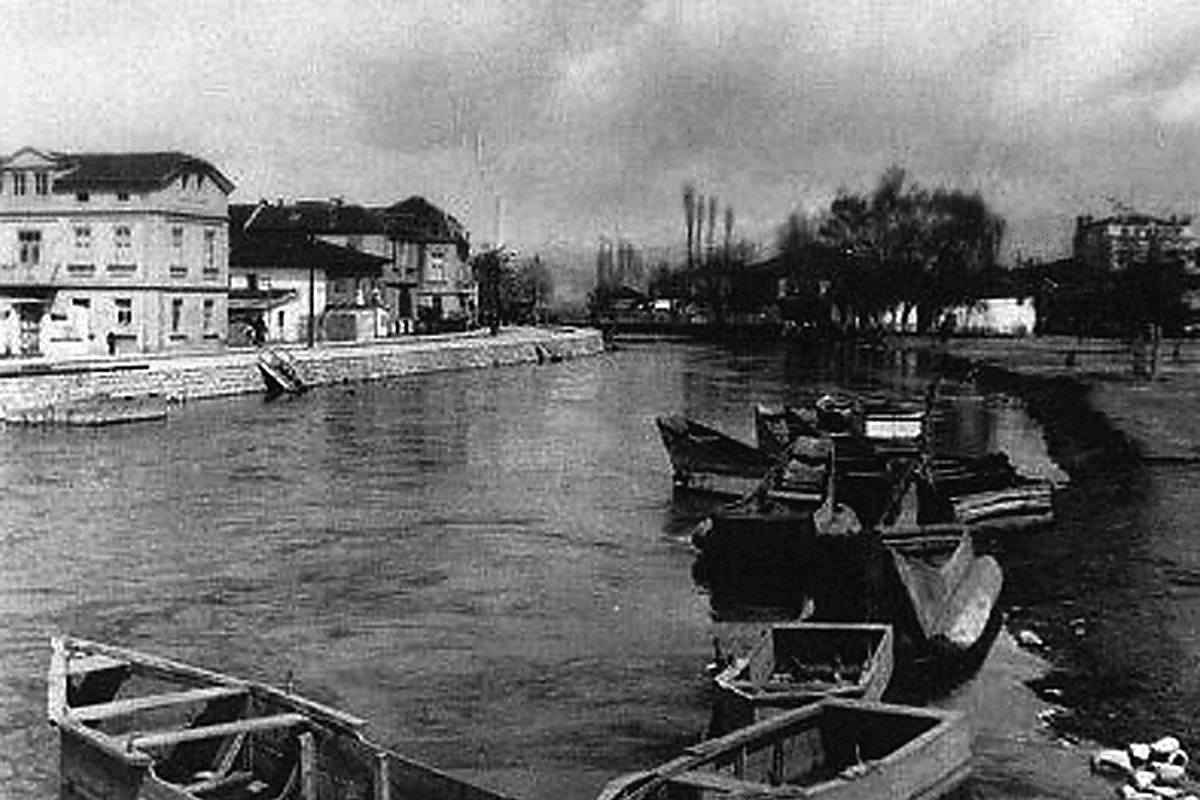
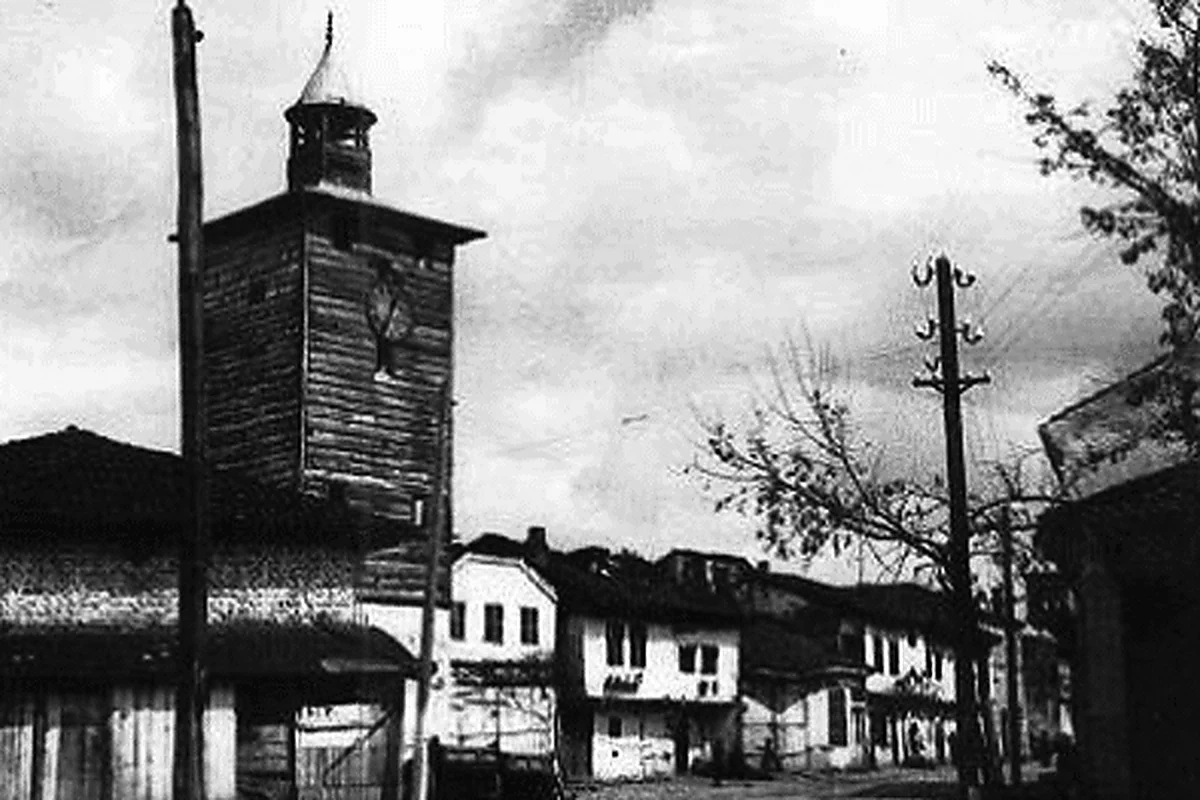
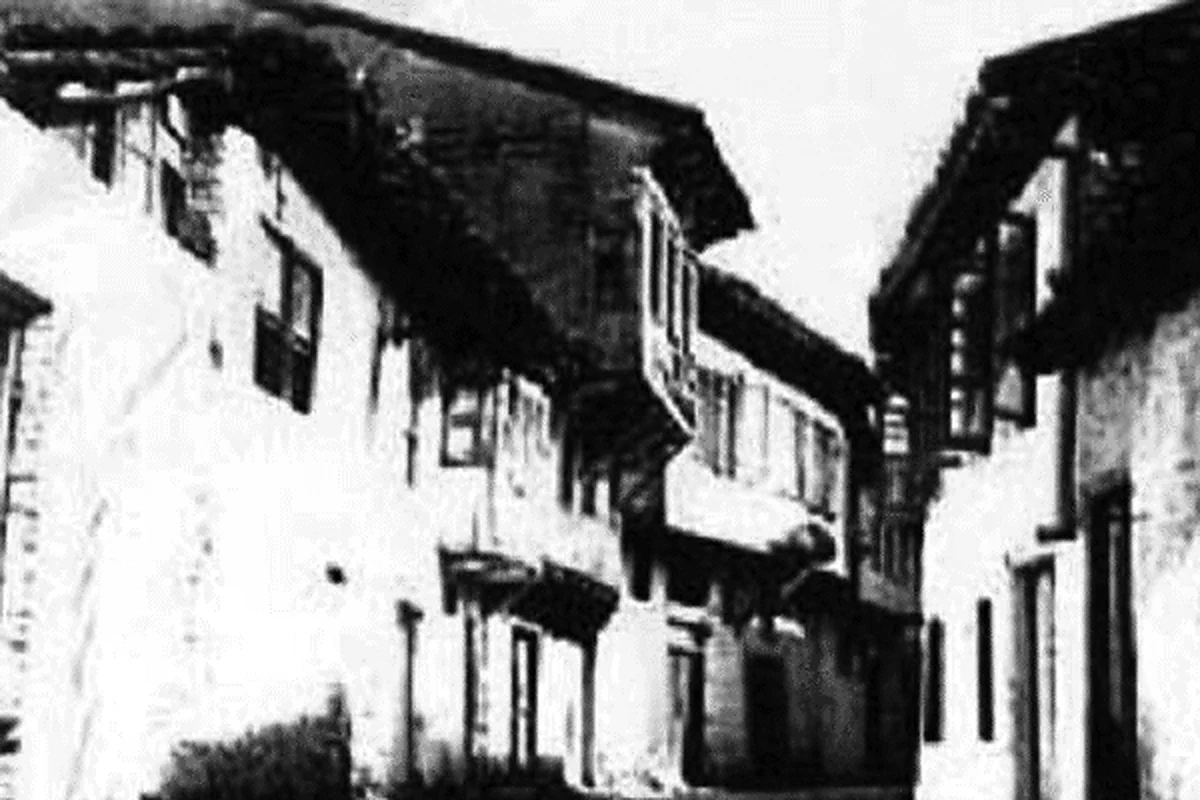
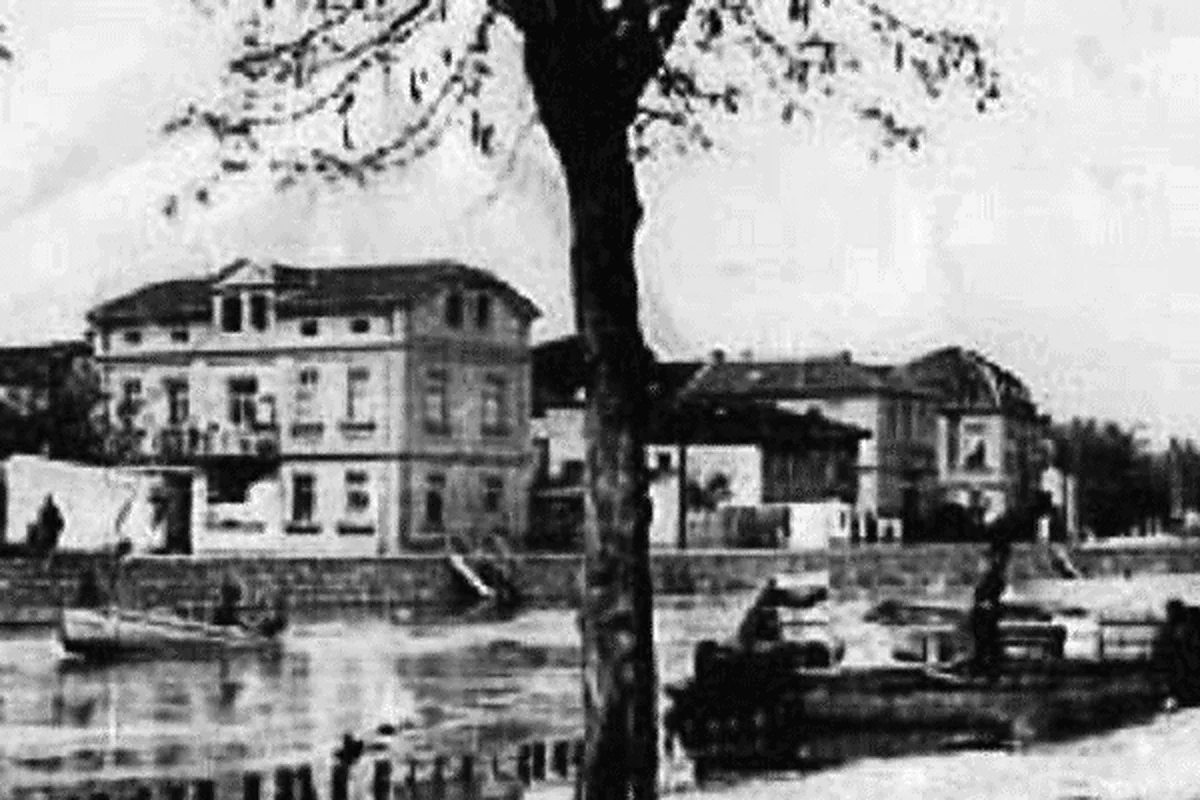
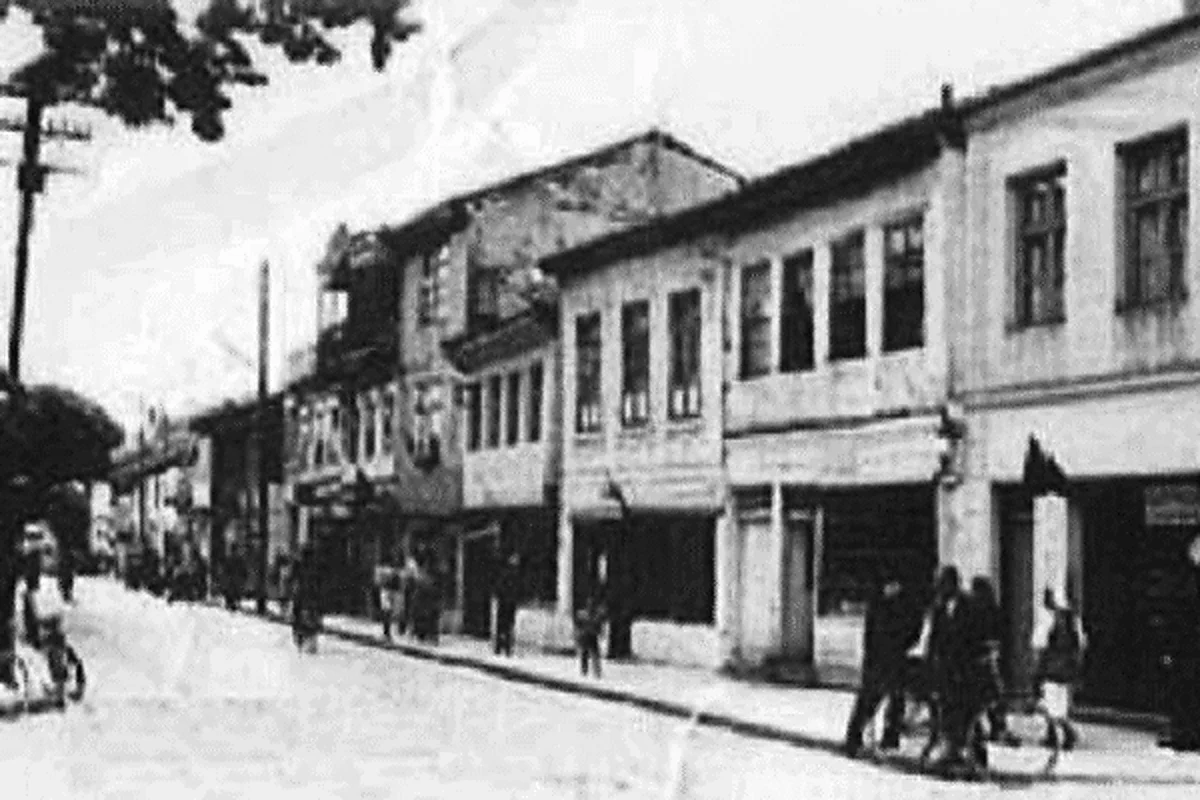
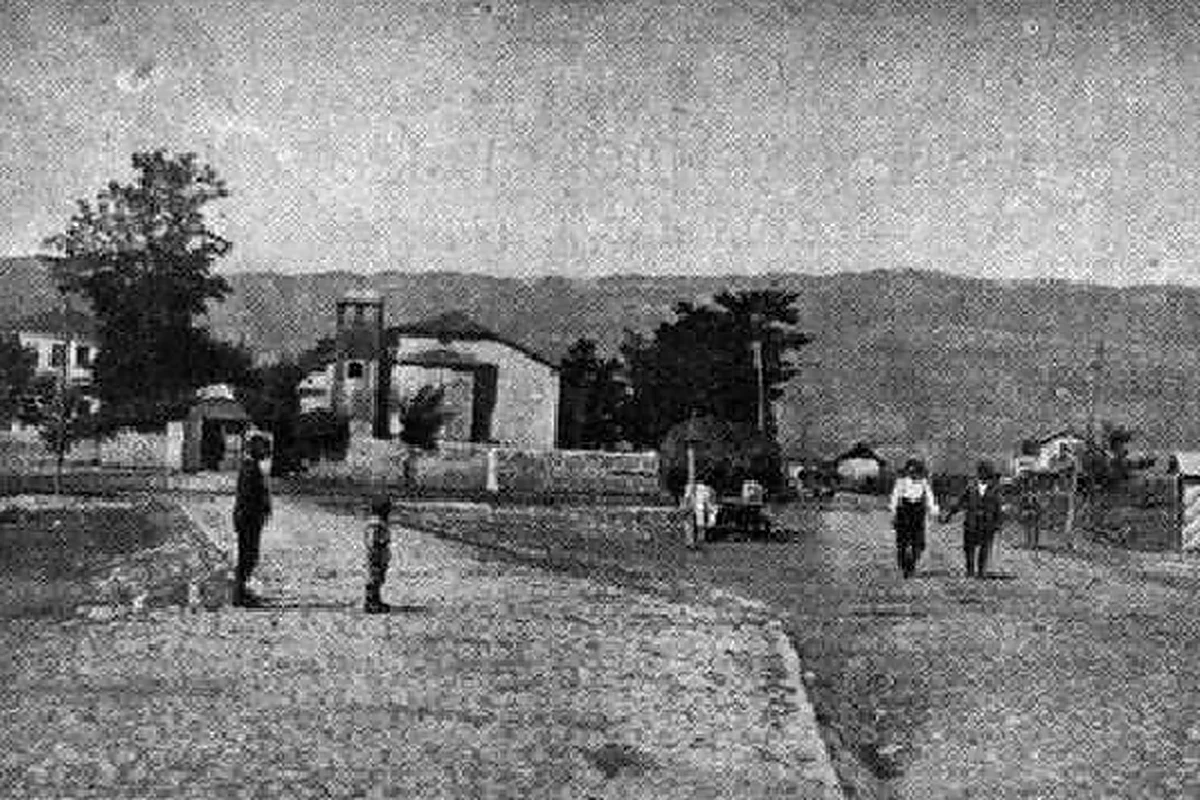
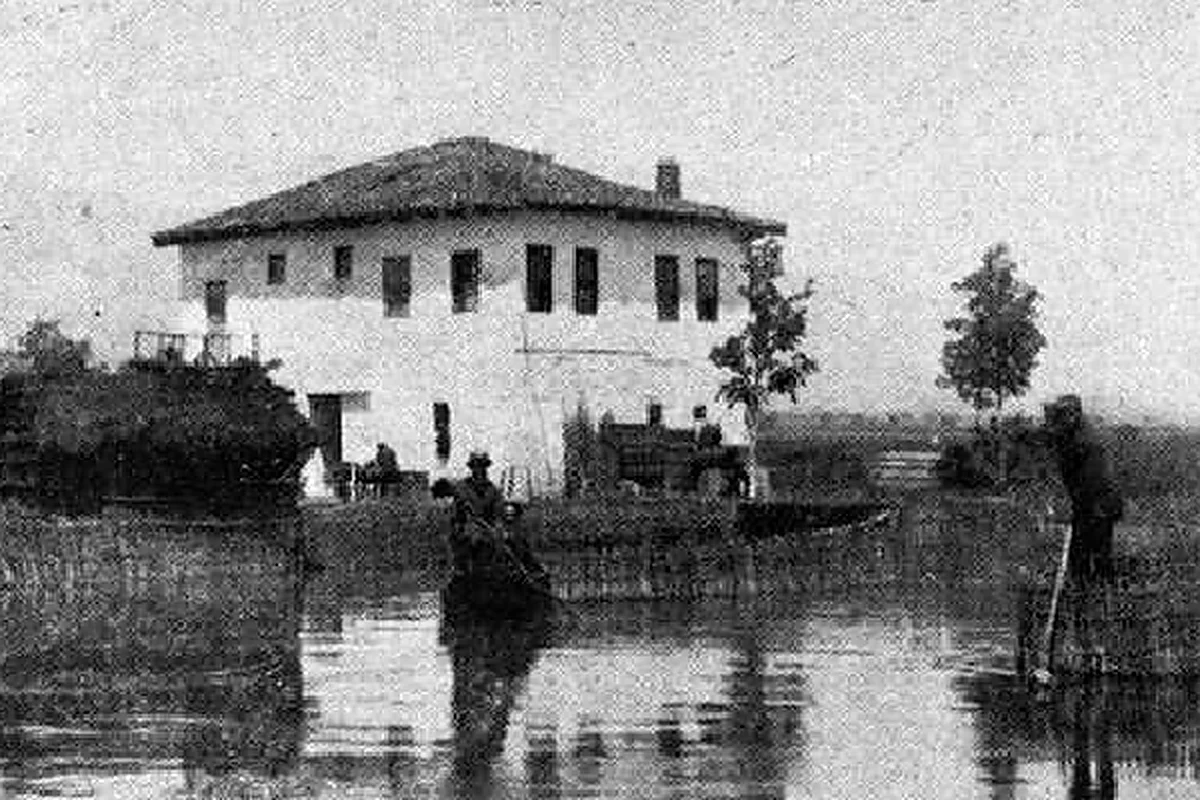
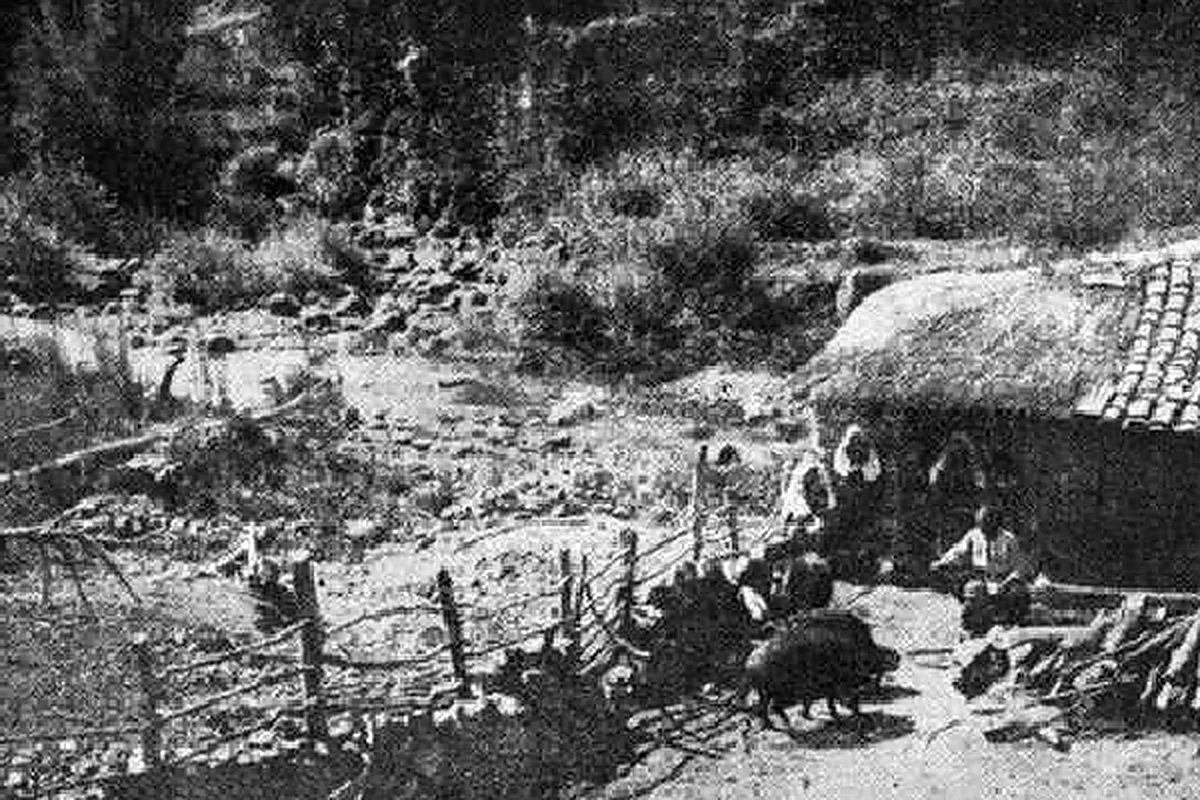
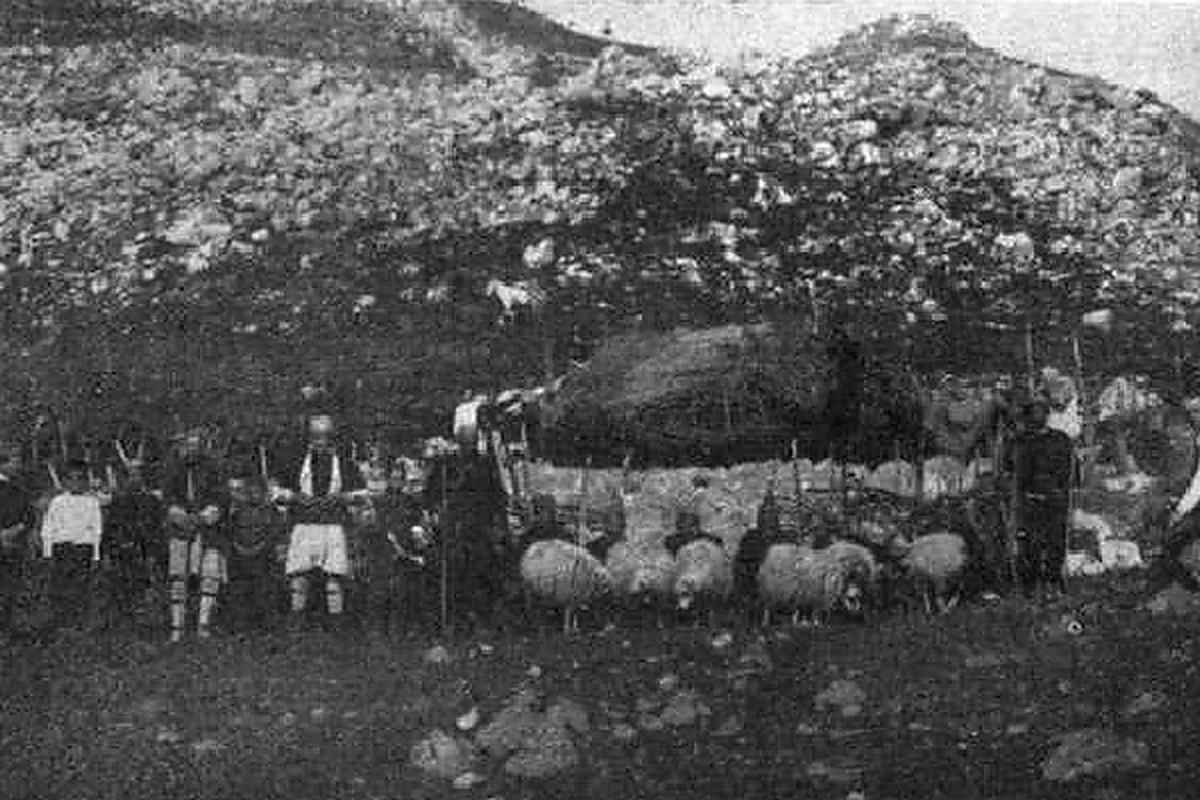
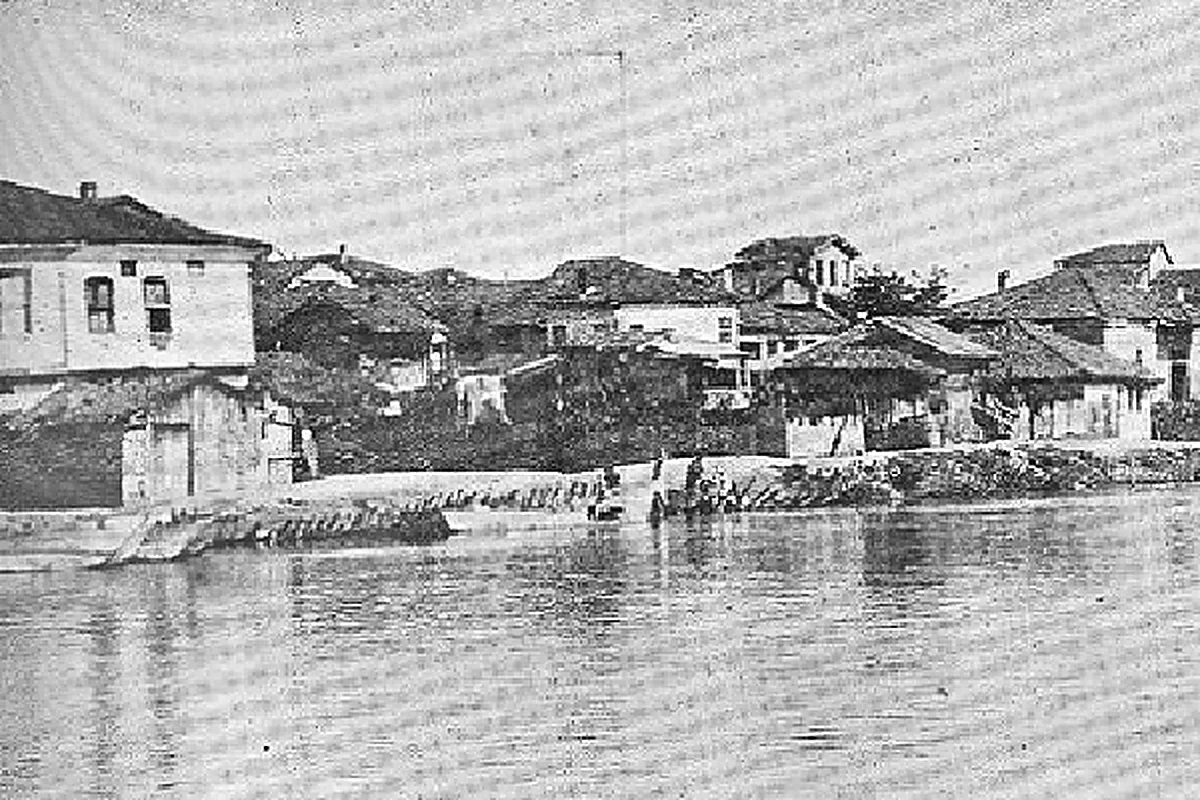
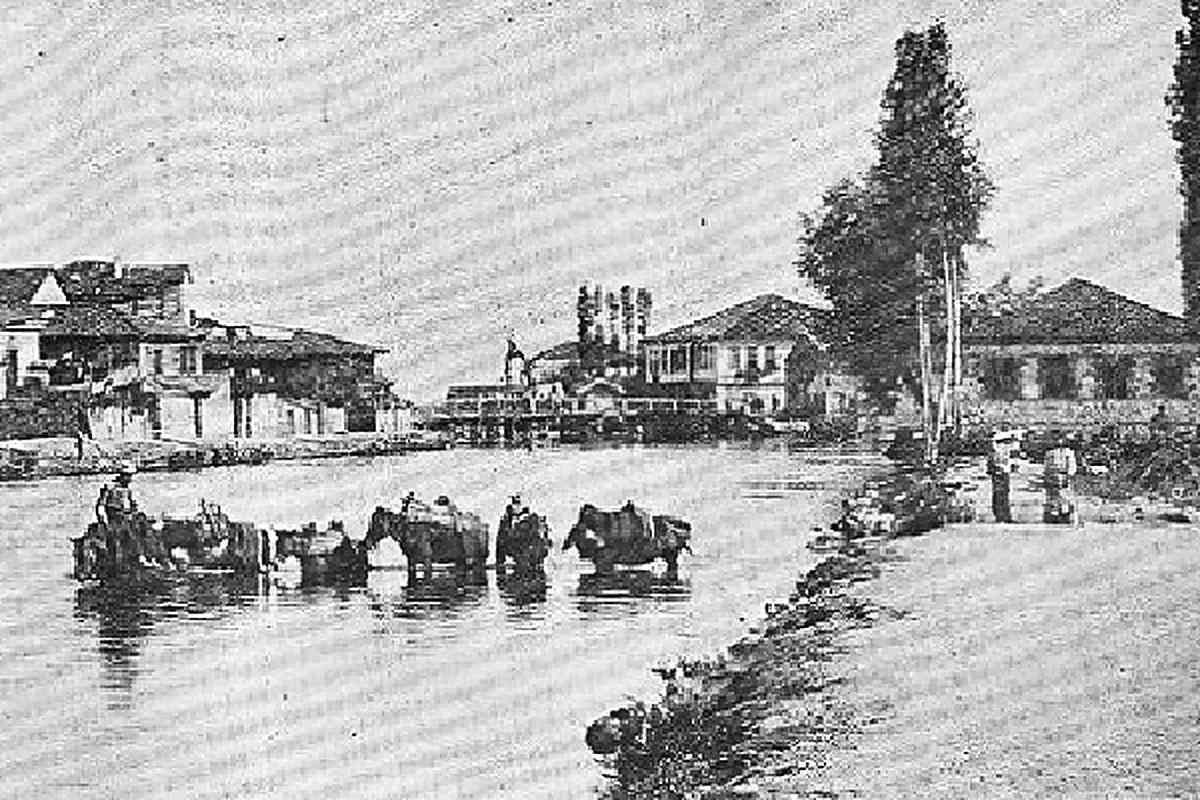
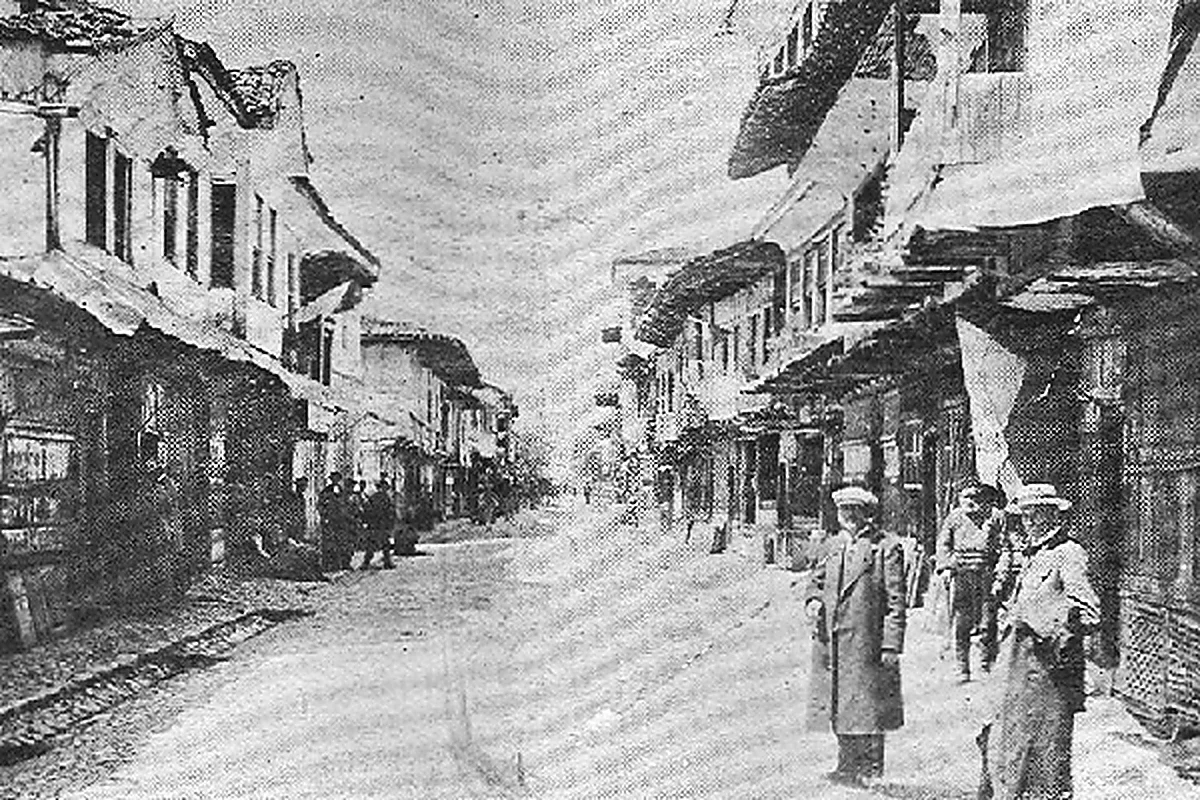
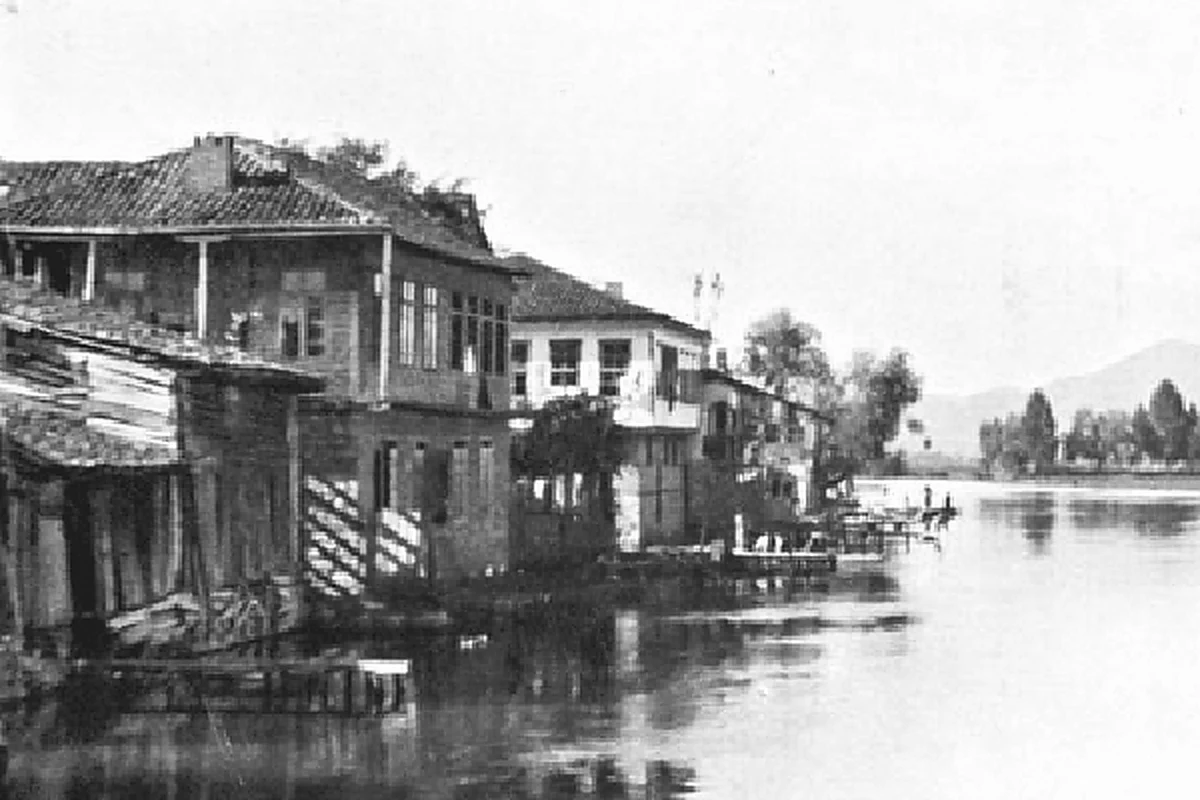
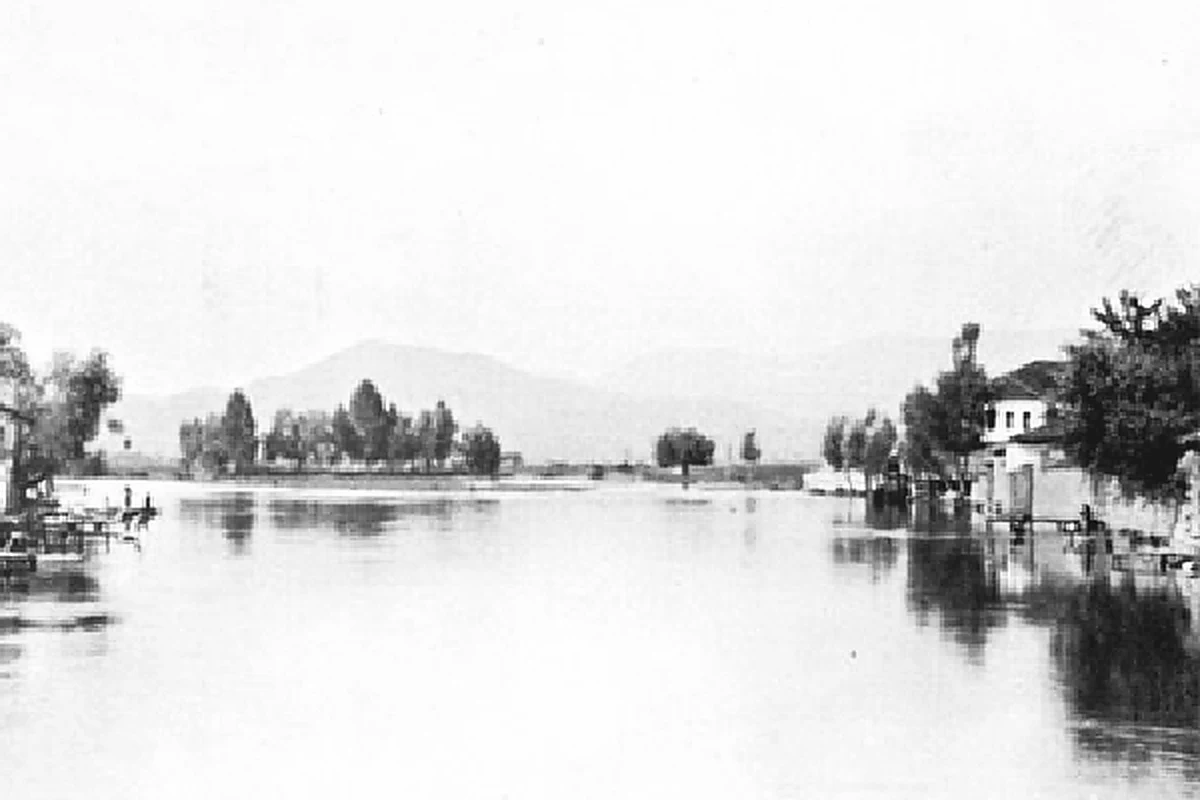
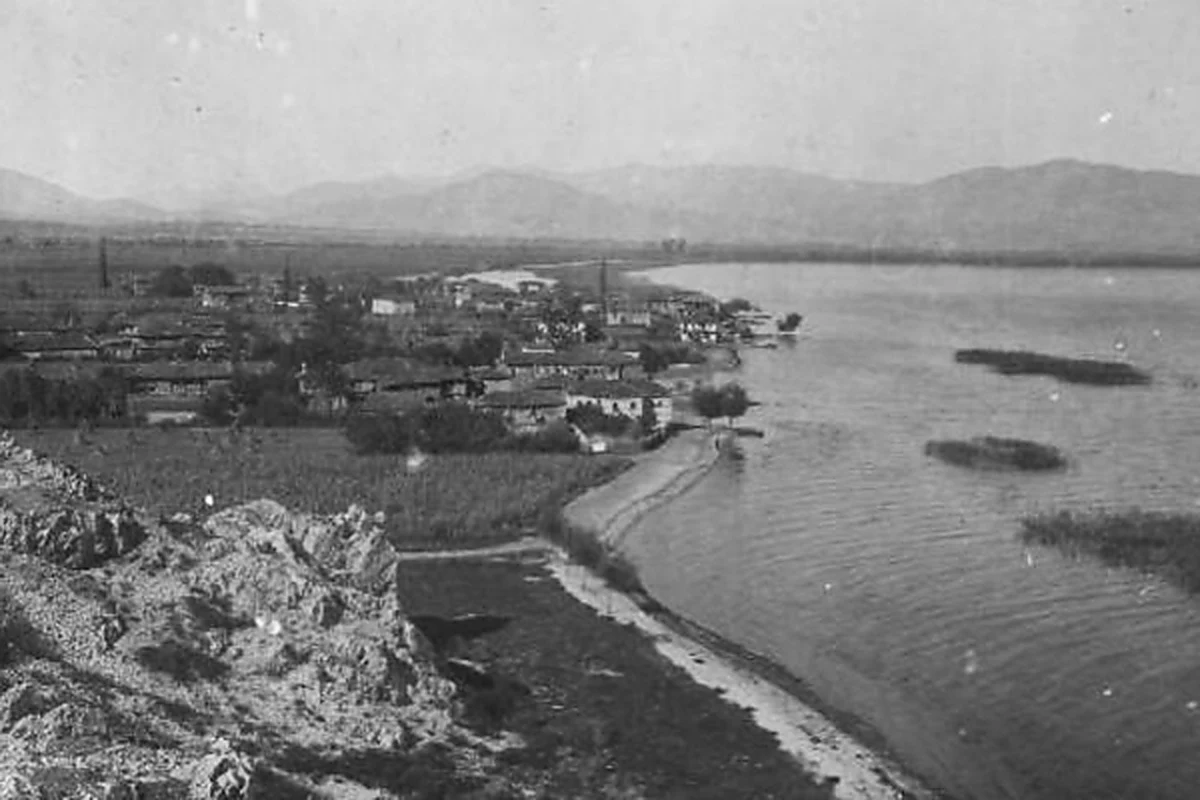
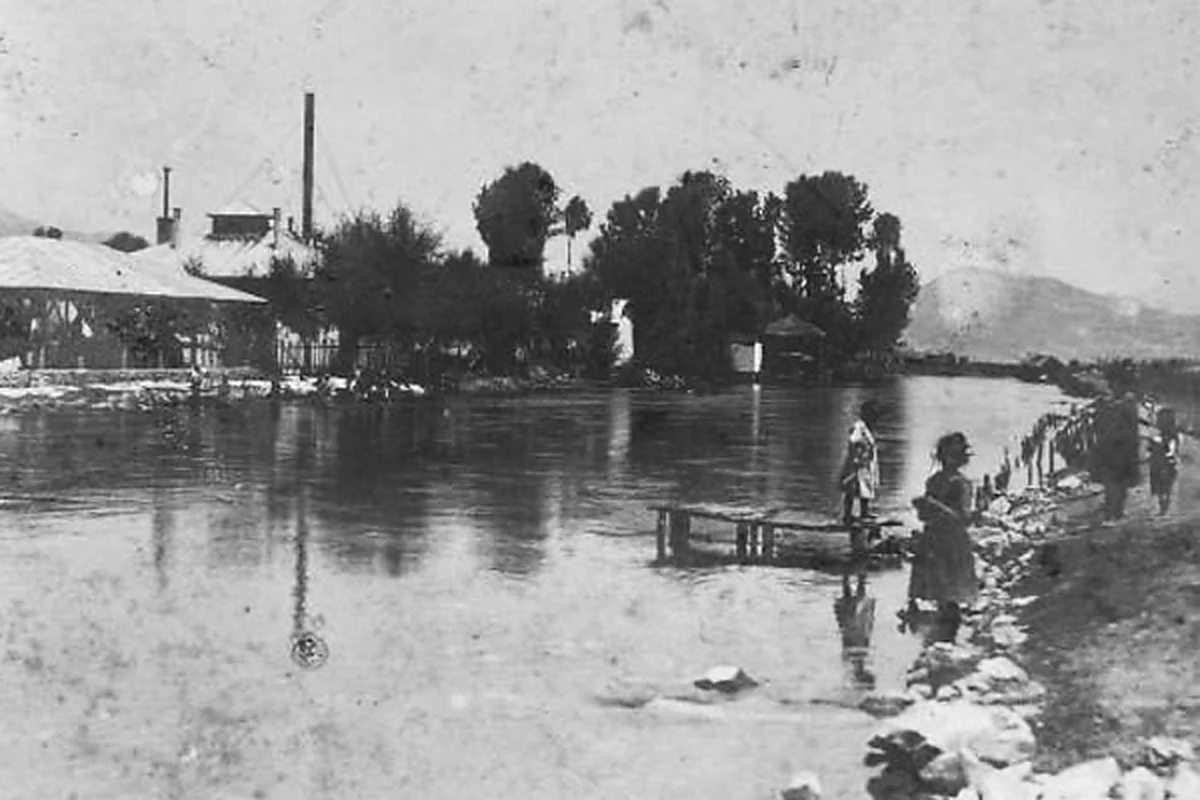
Photo Gallery (58)
Photo Gallery
Struga, frame by frame.
A responsive family gallery, including city views recovered from the old rotating banner system.
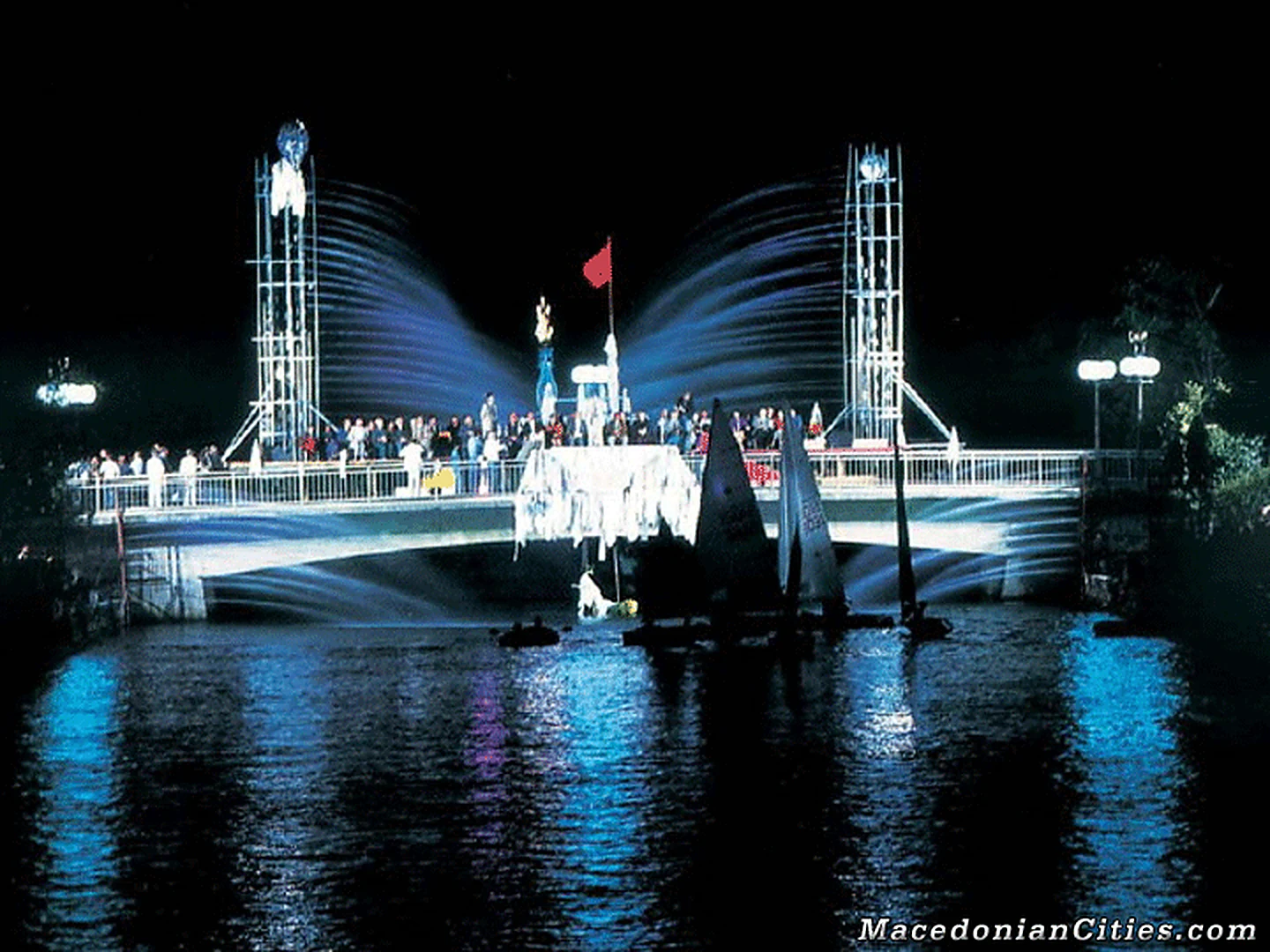
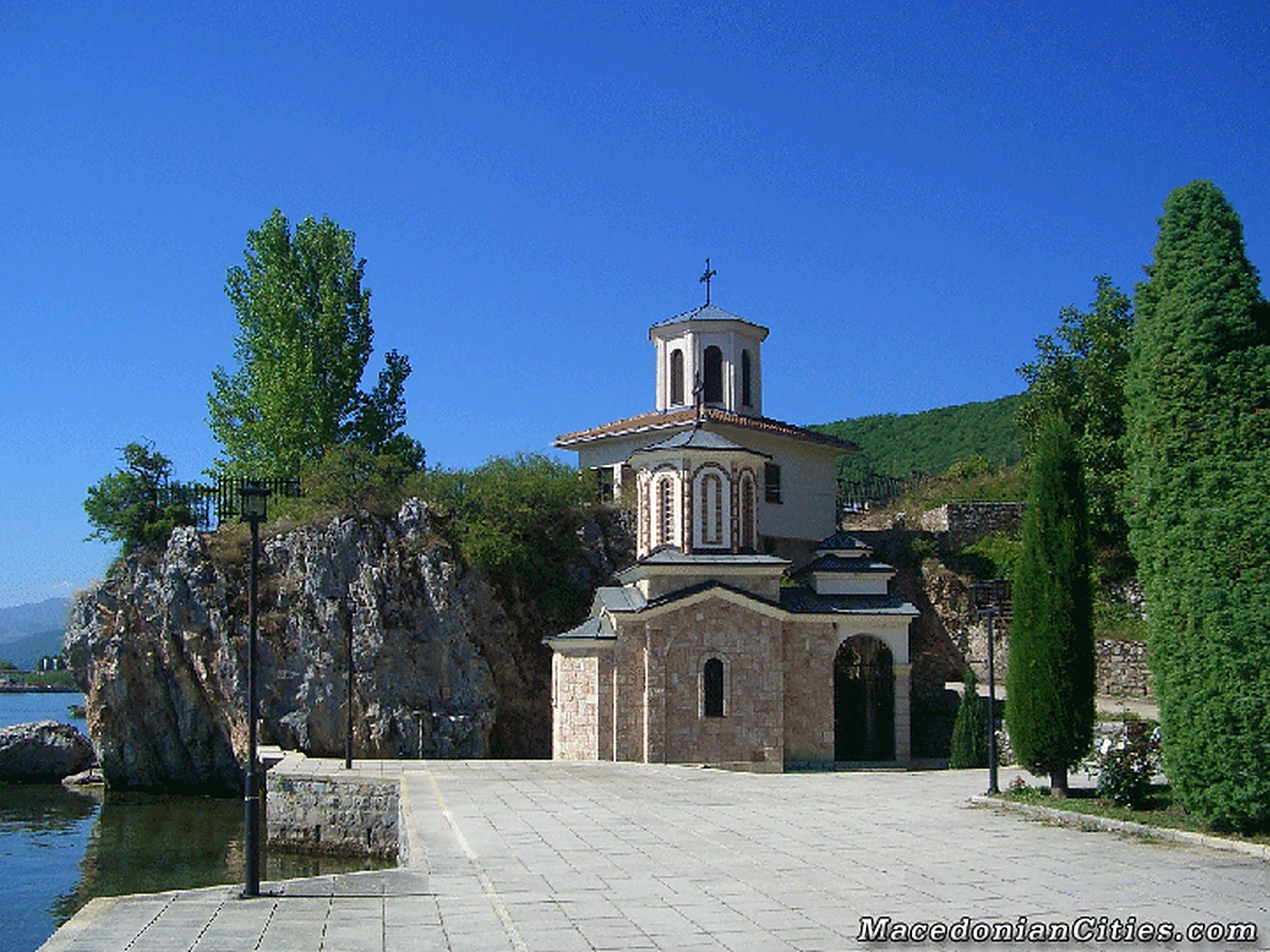
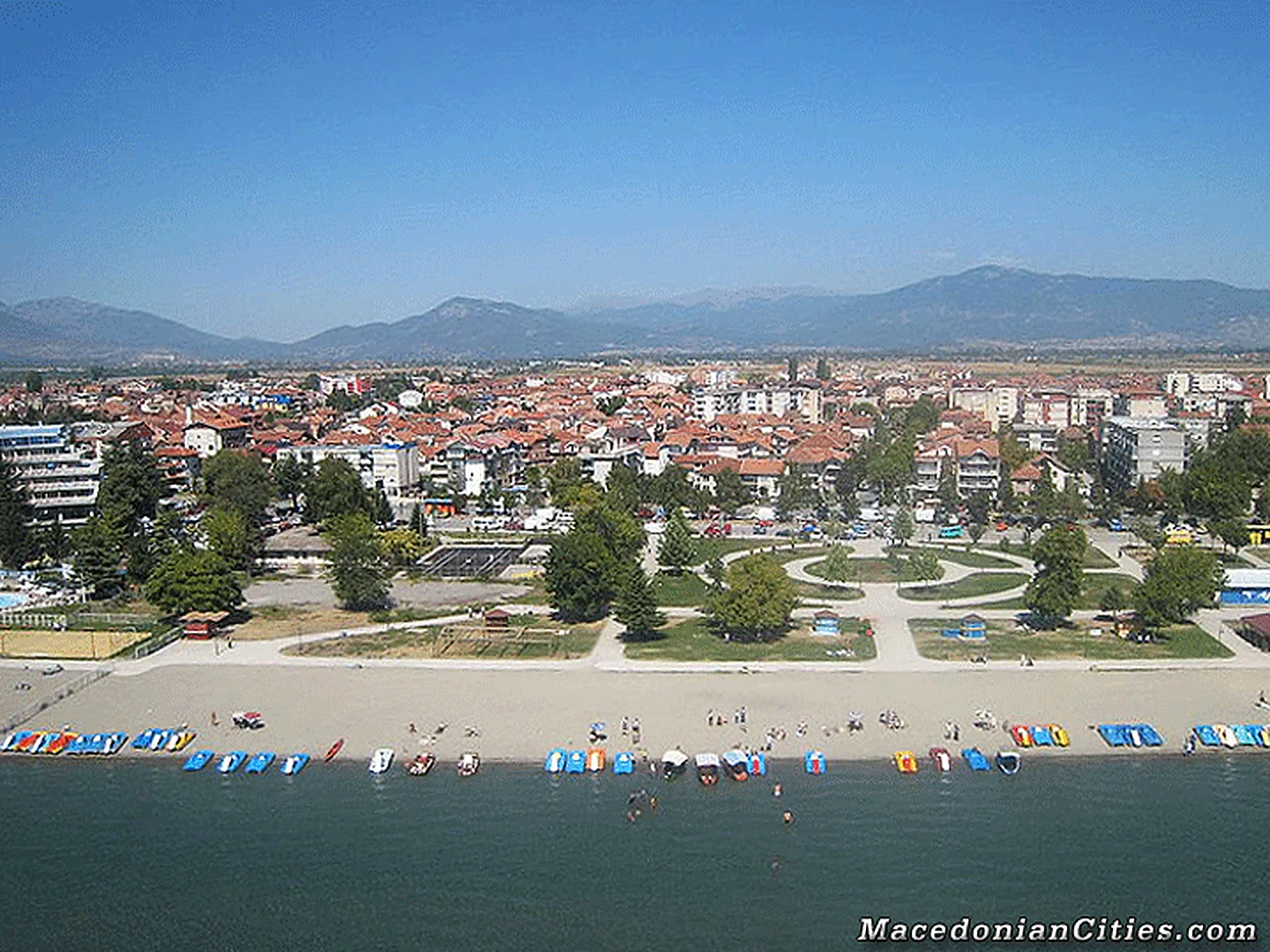
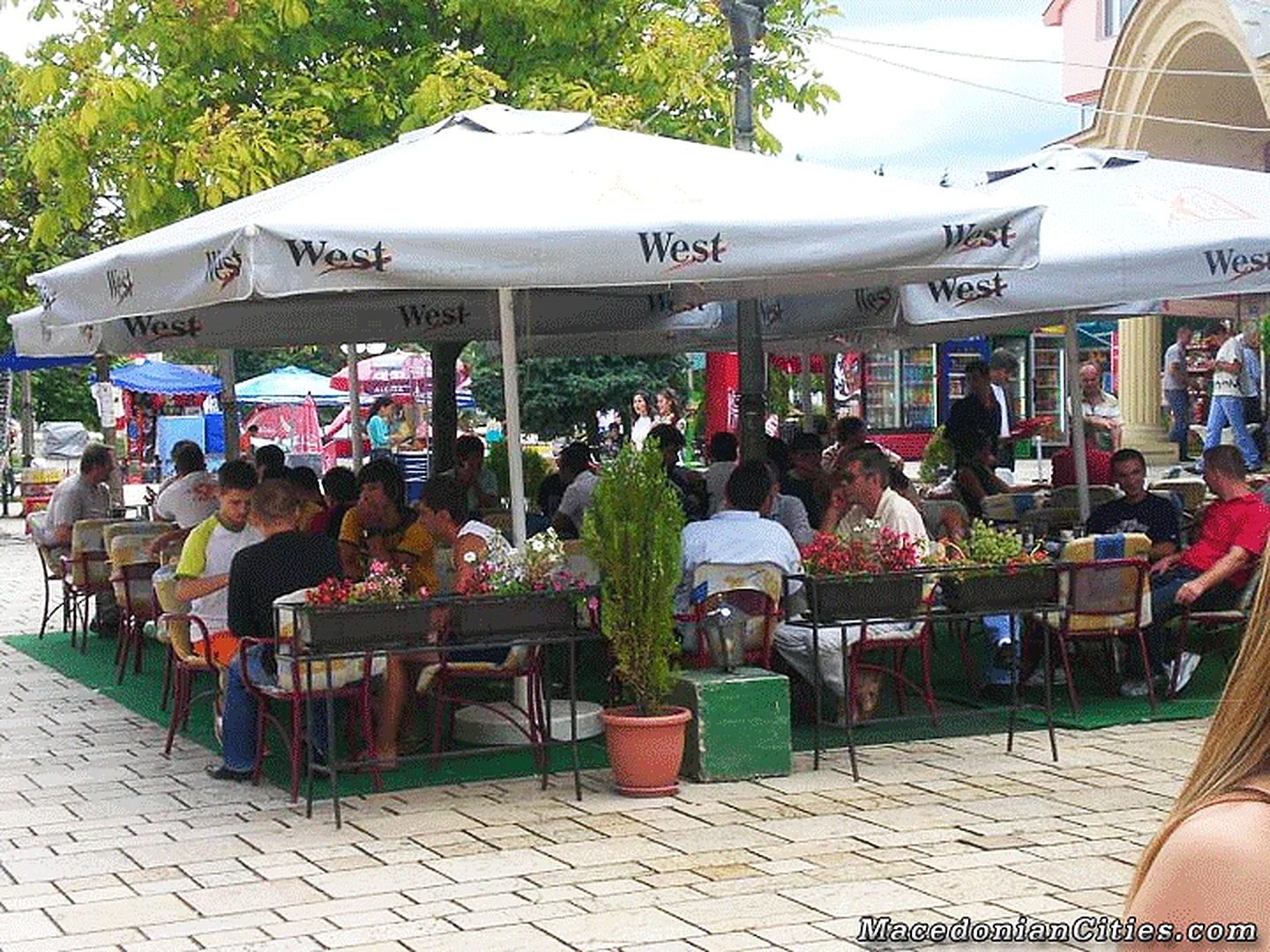
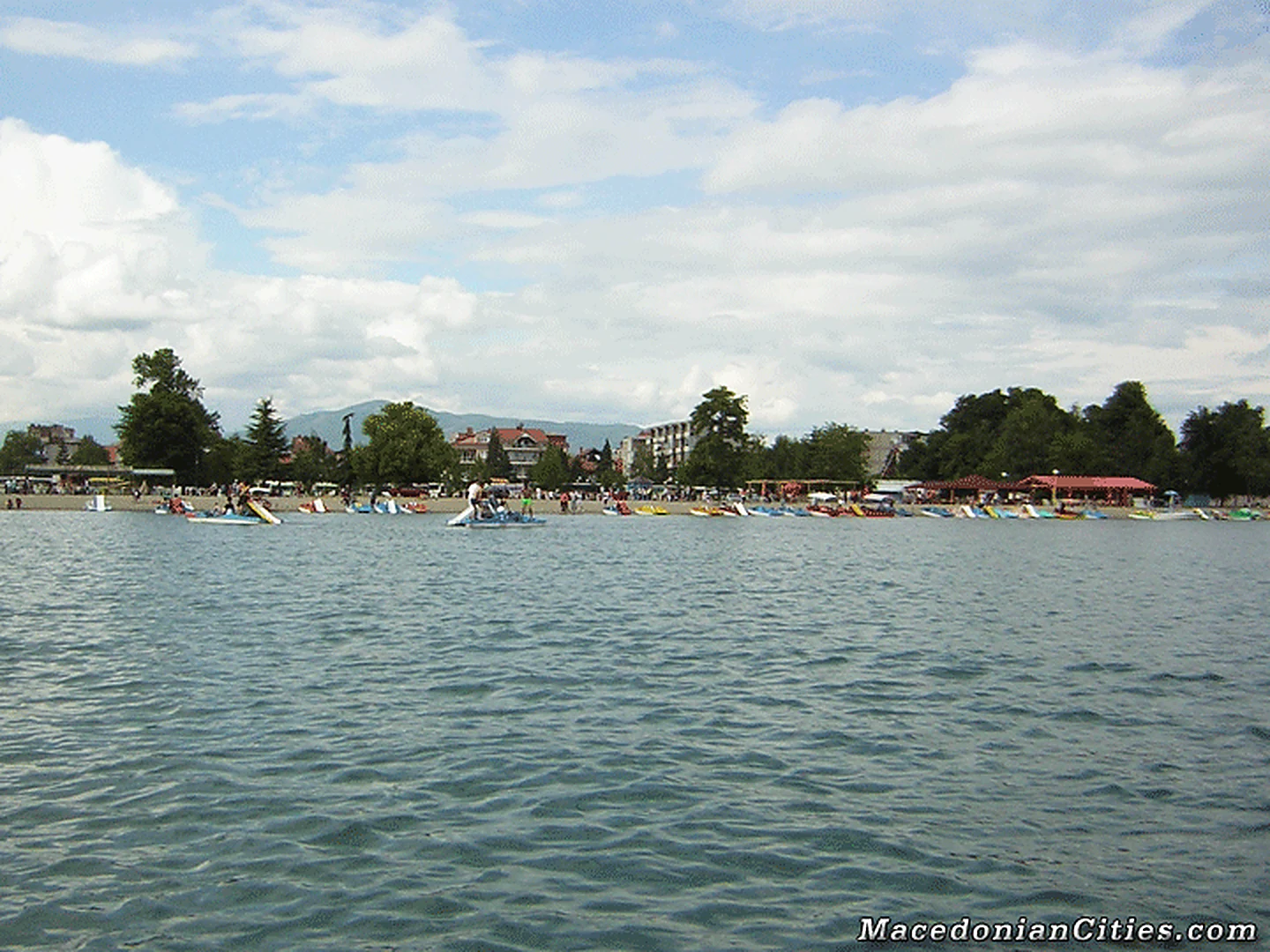
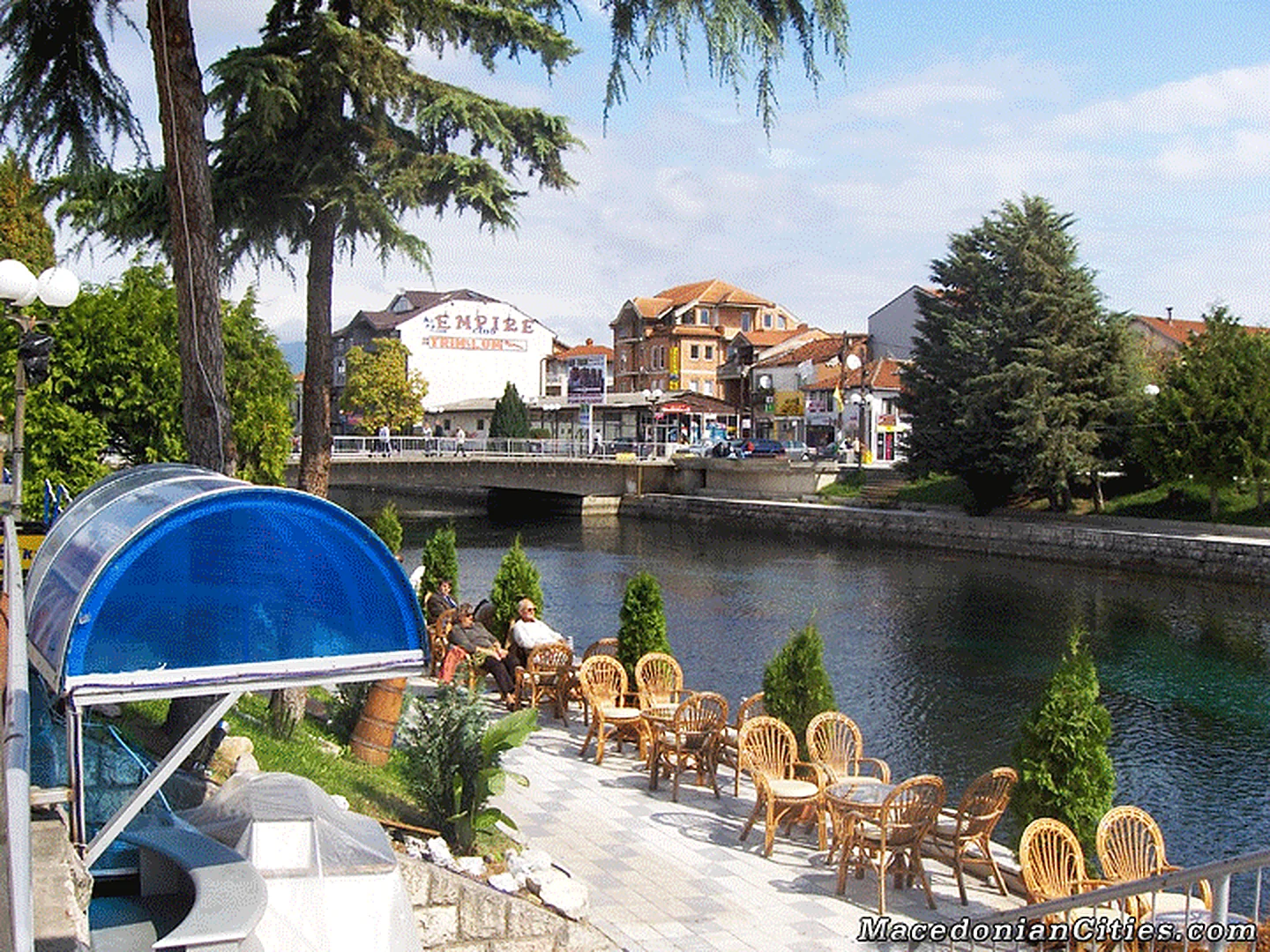
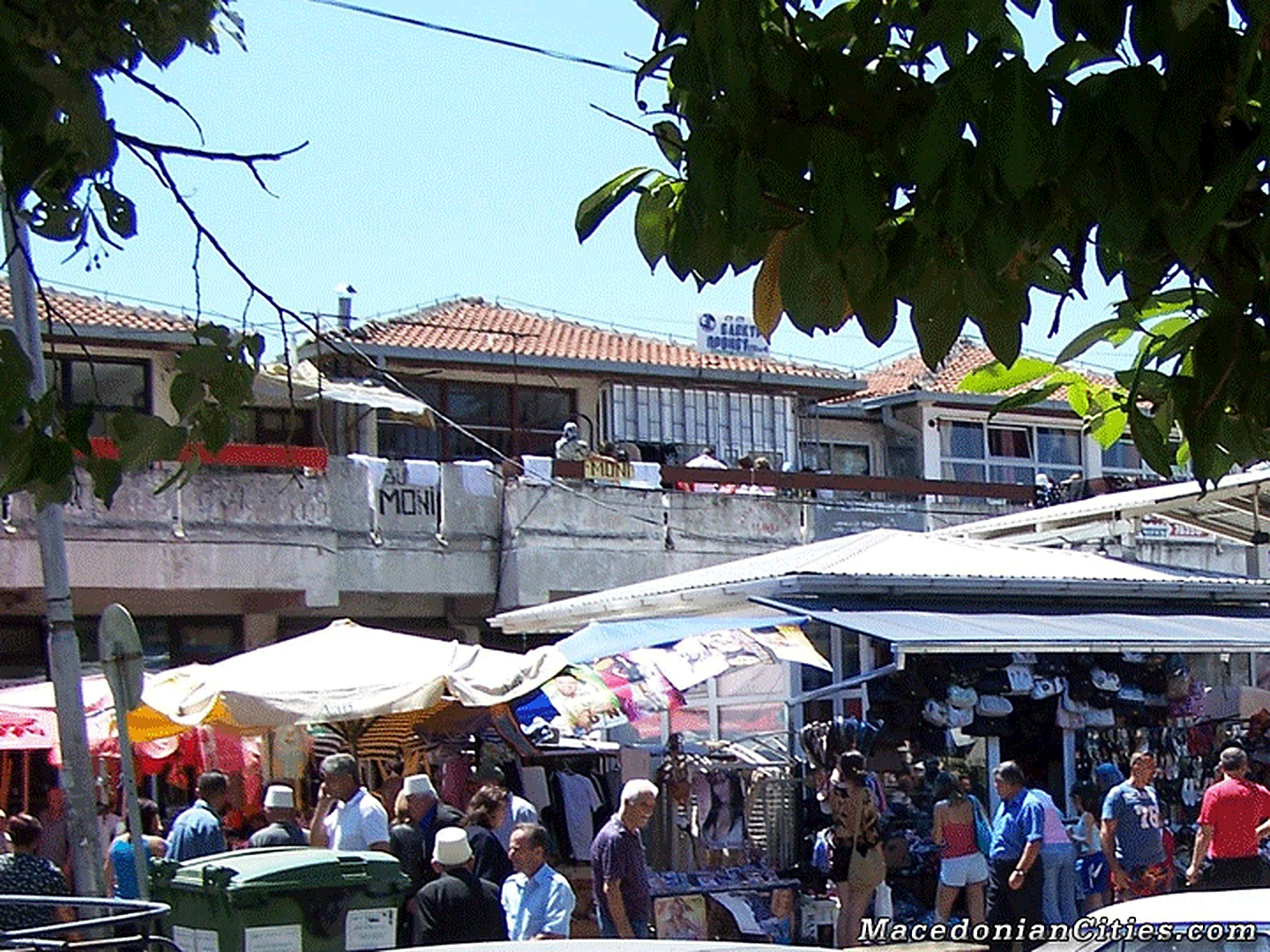
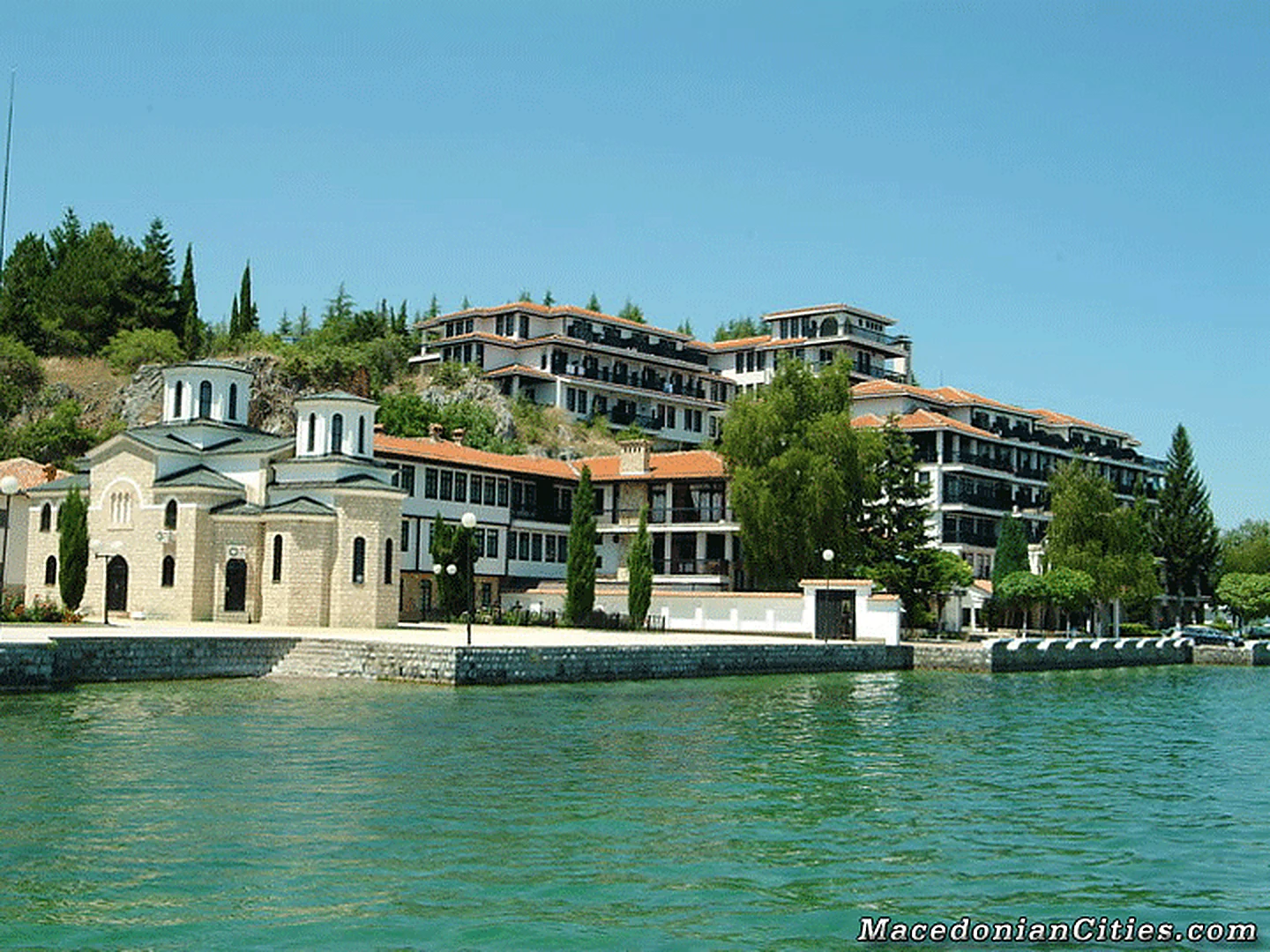
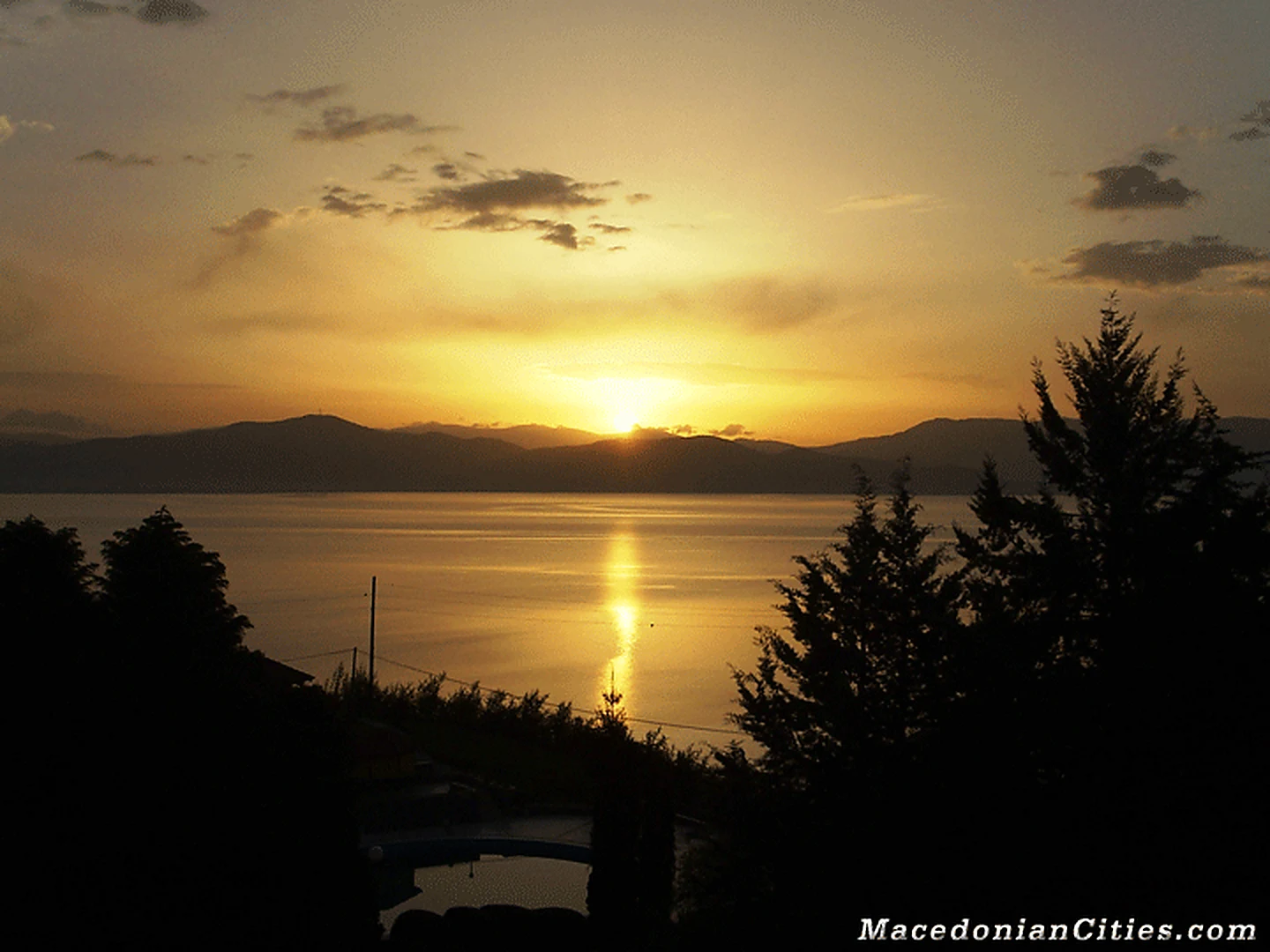
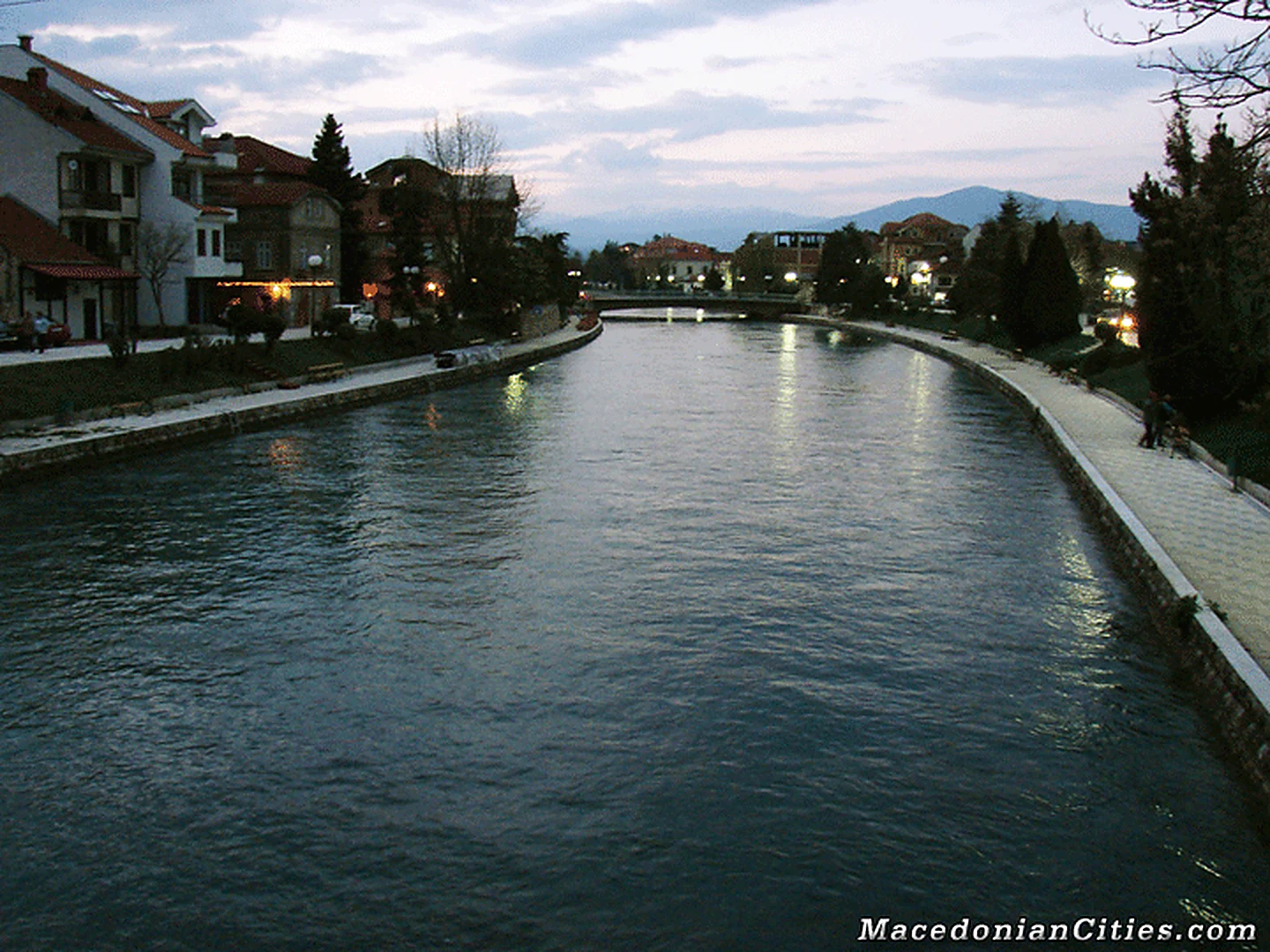
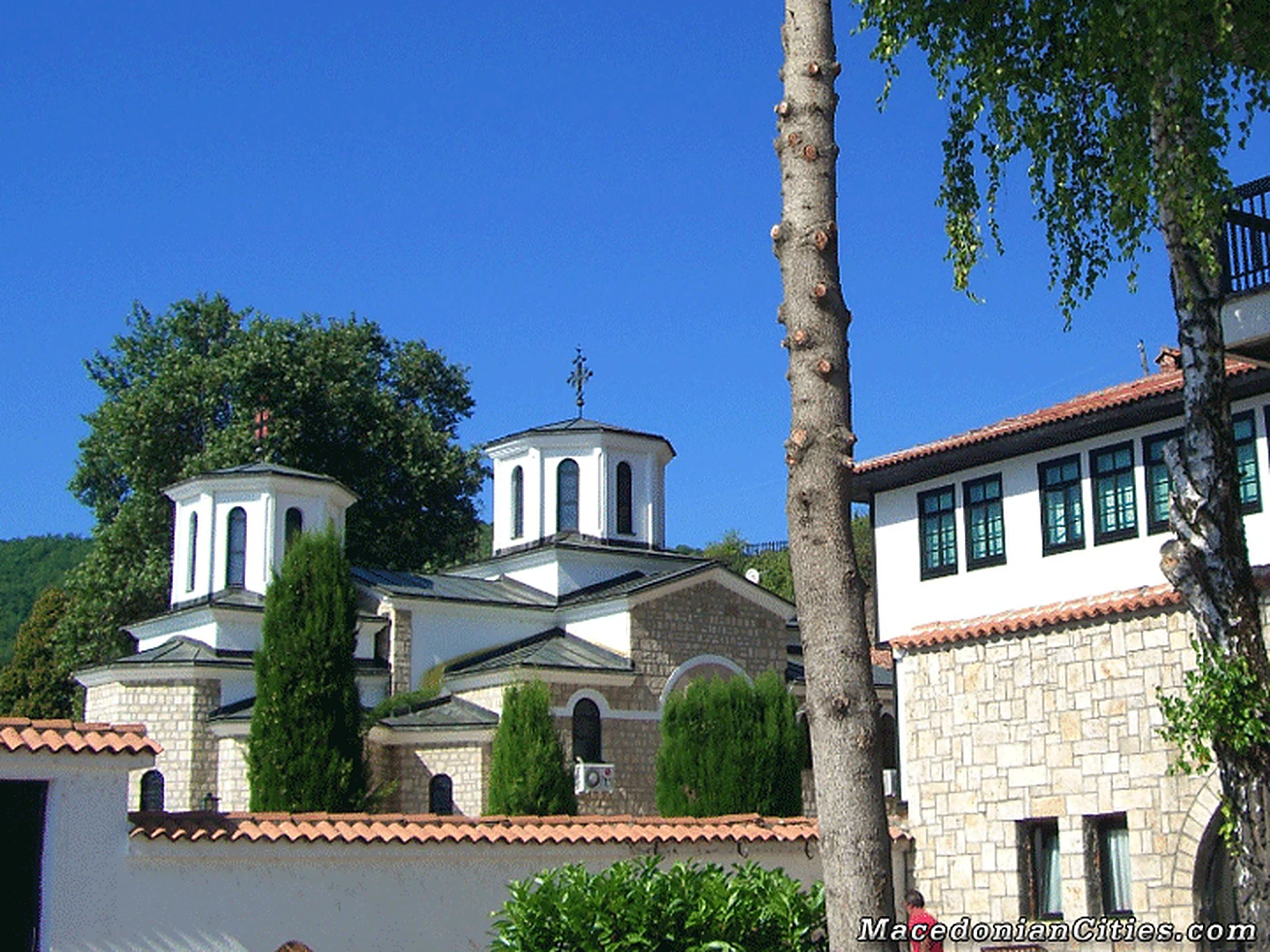
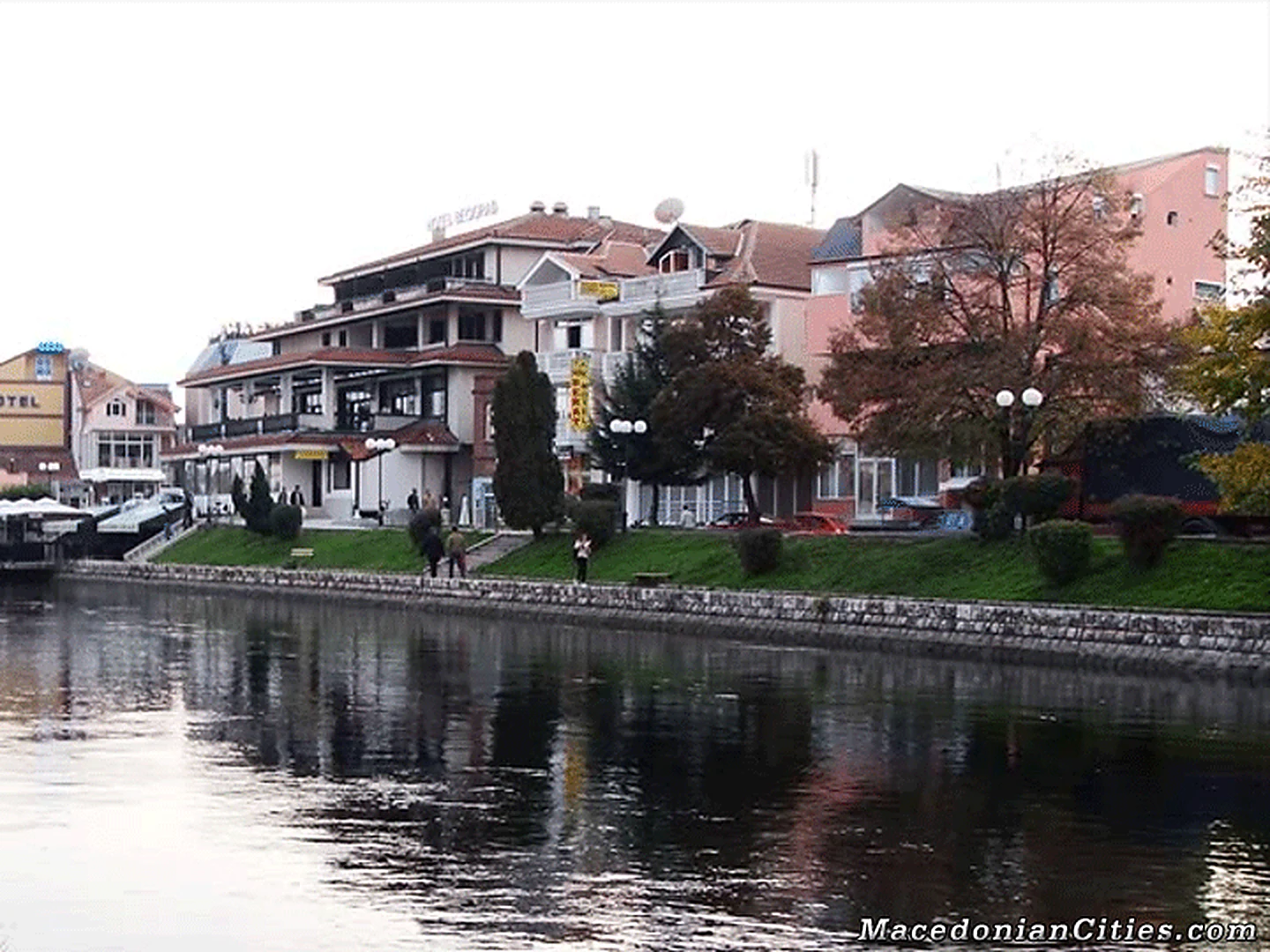
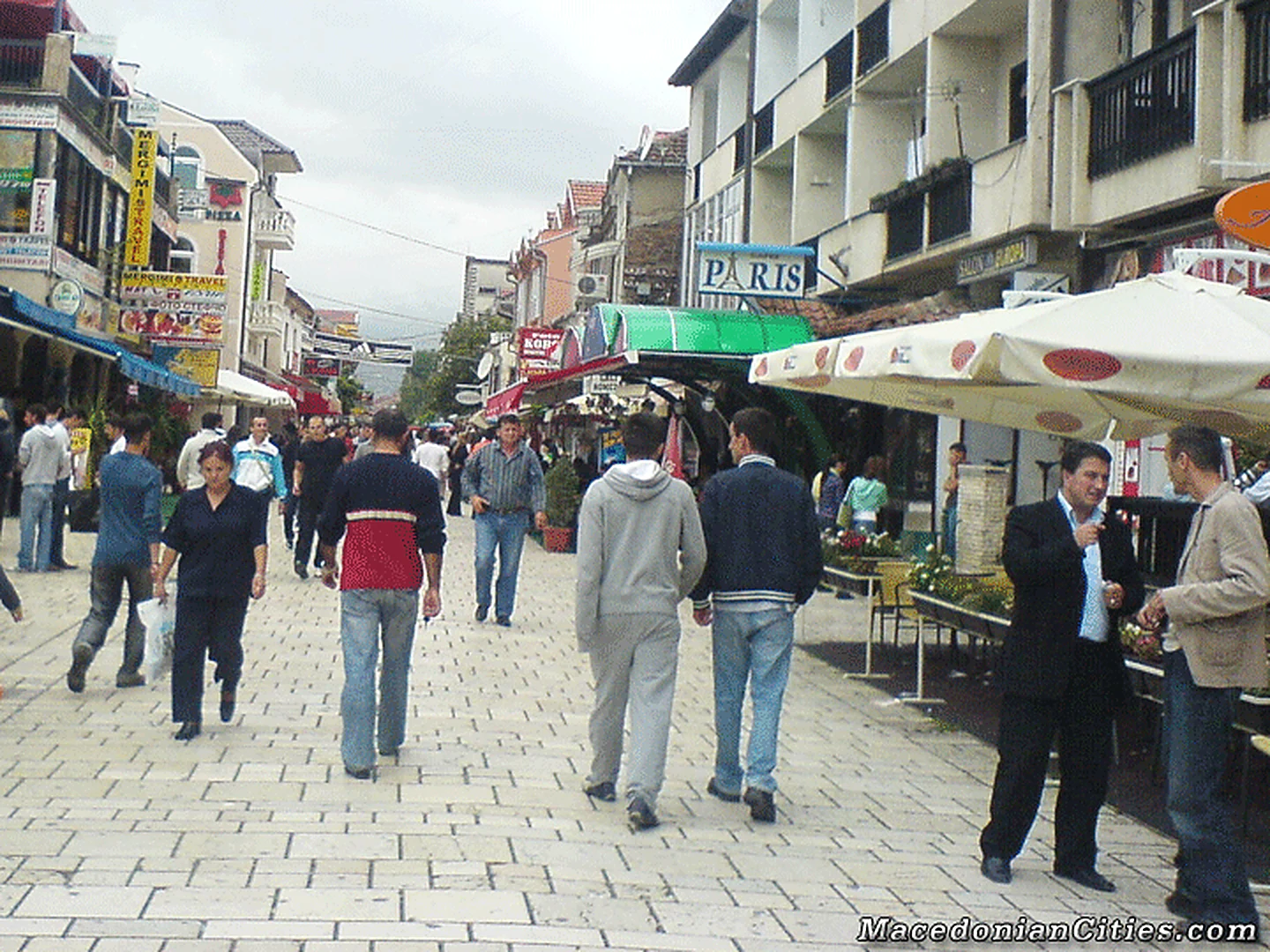
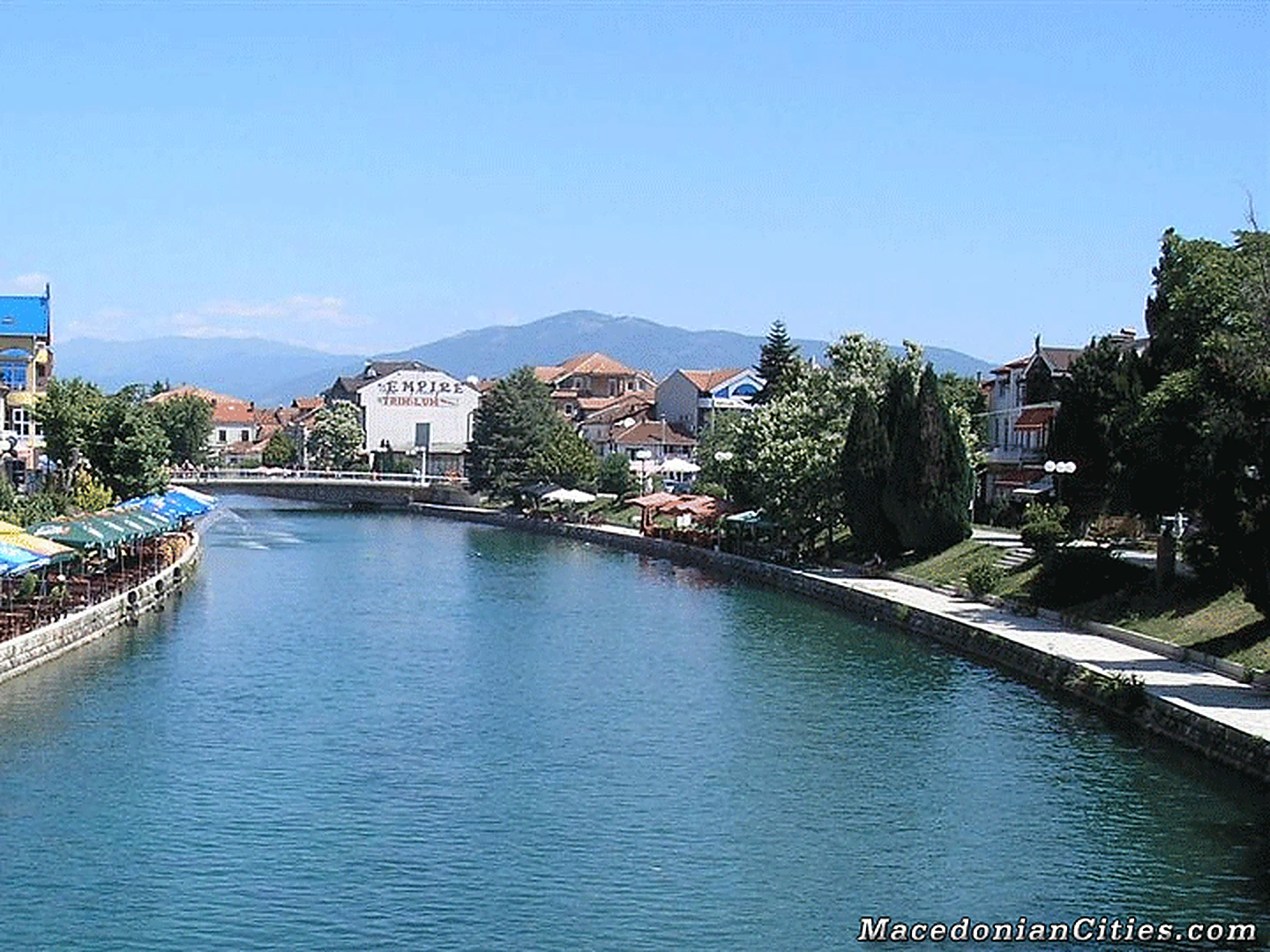
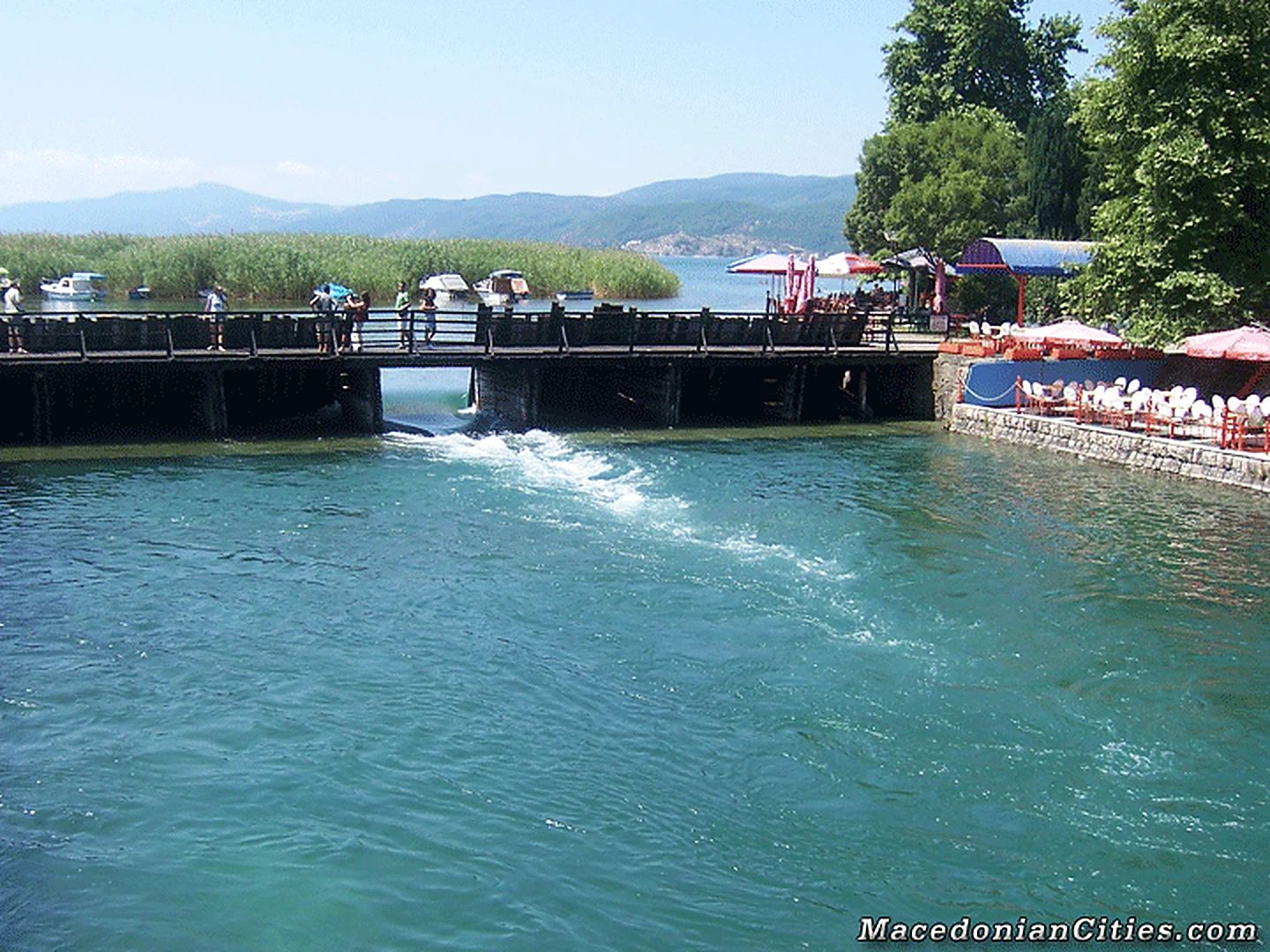
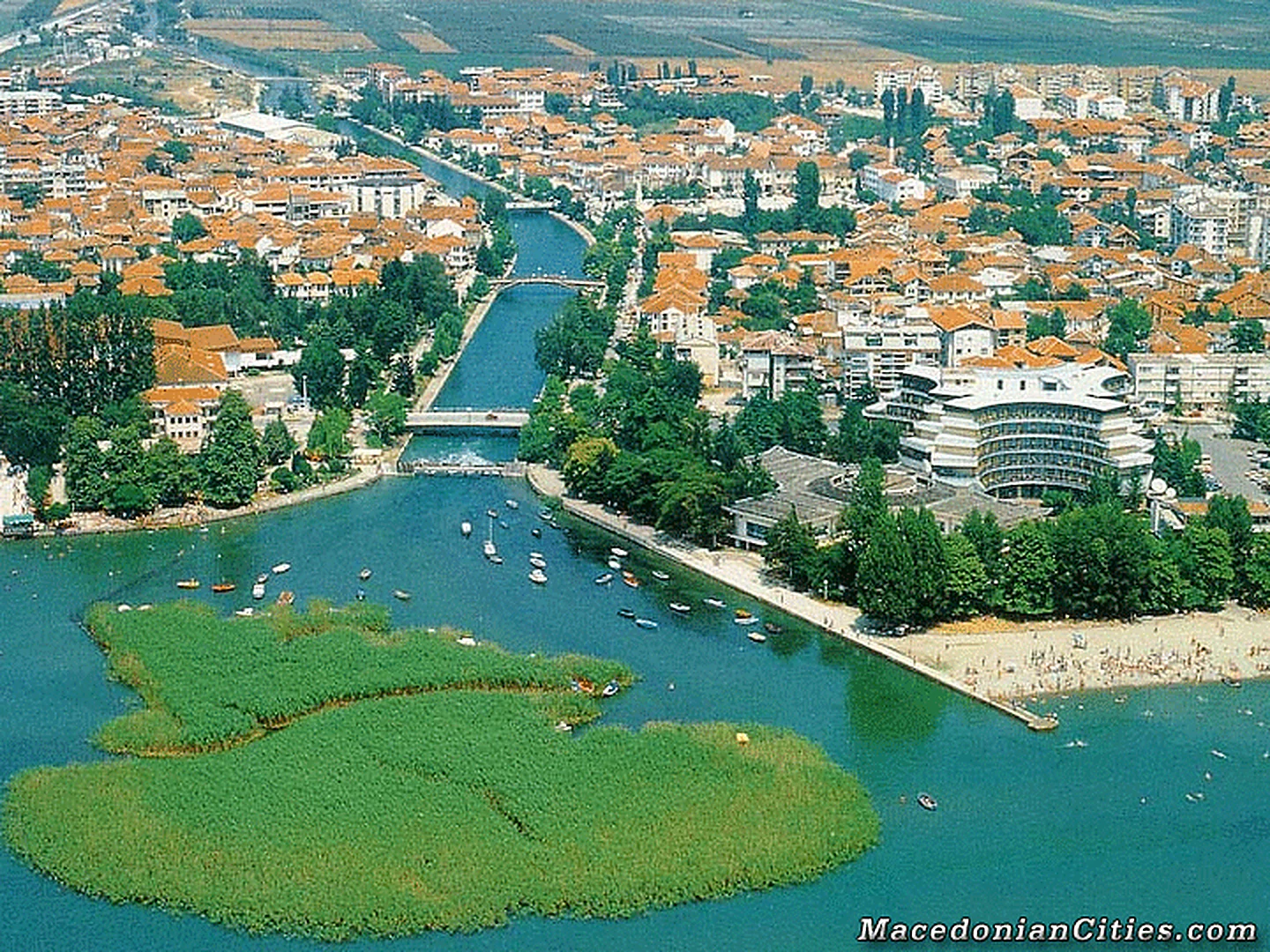
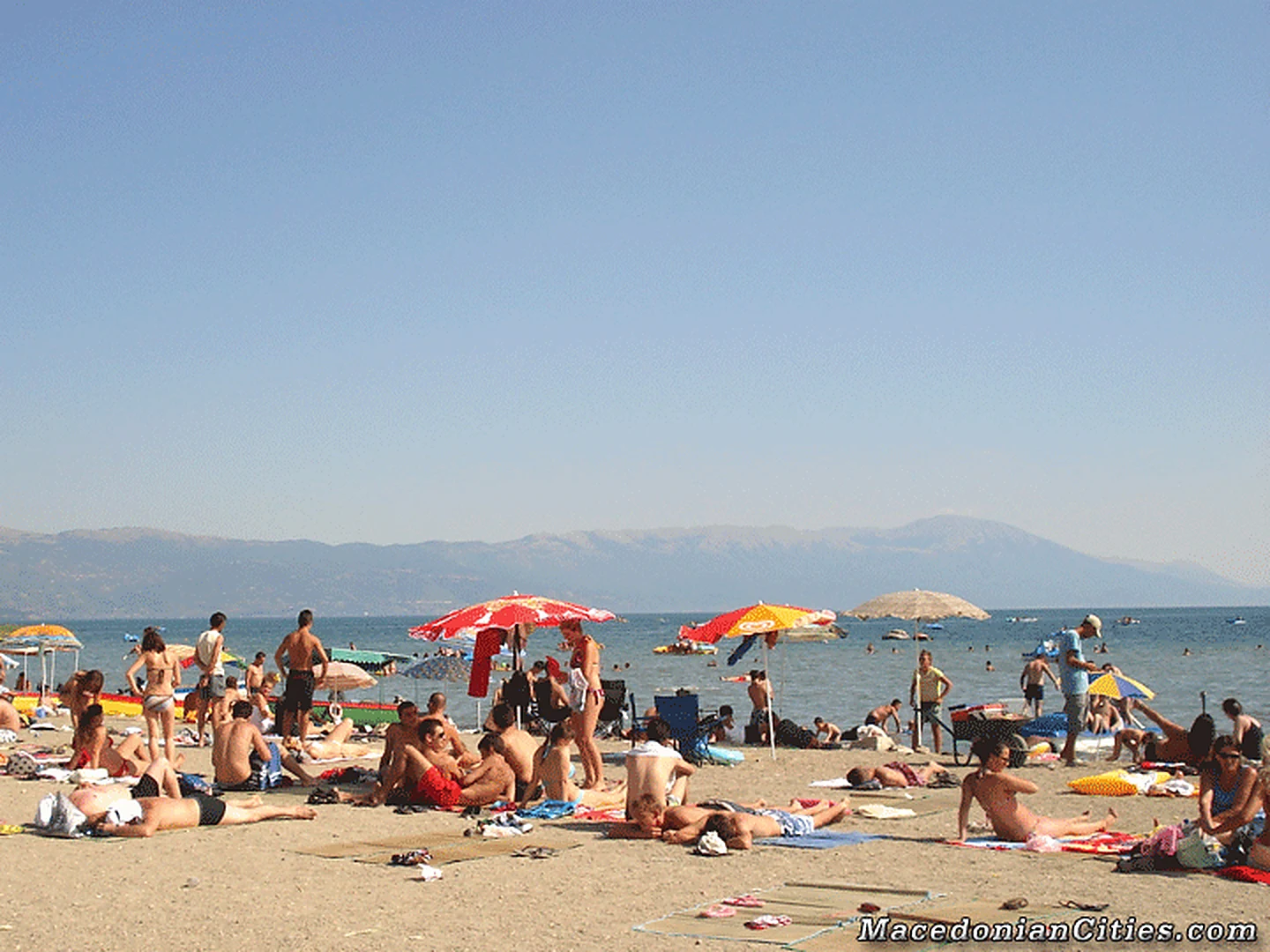
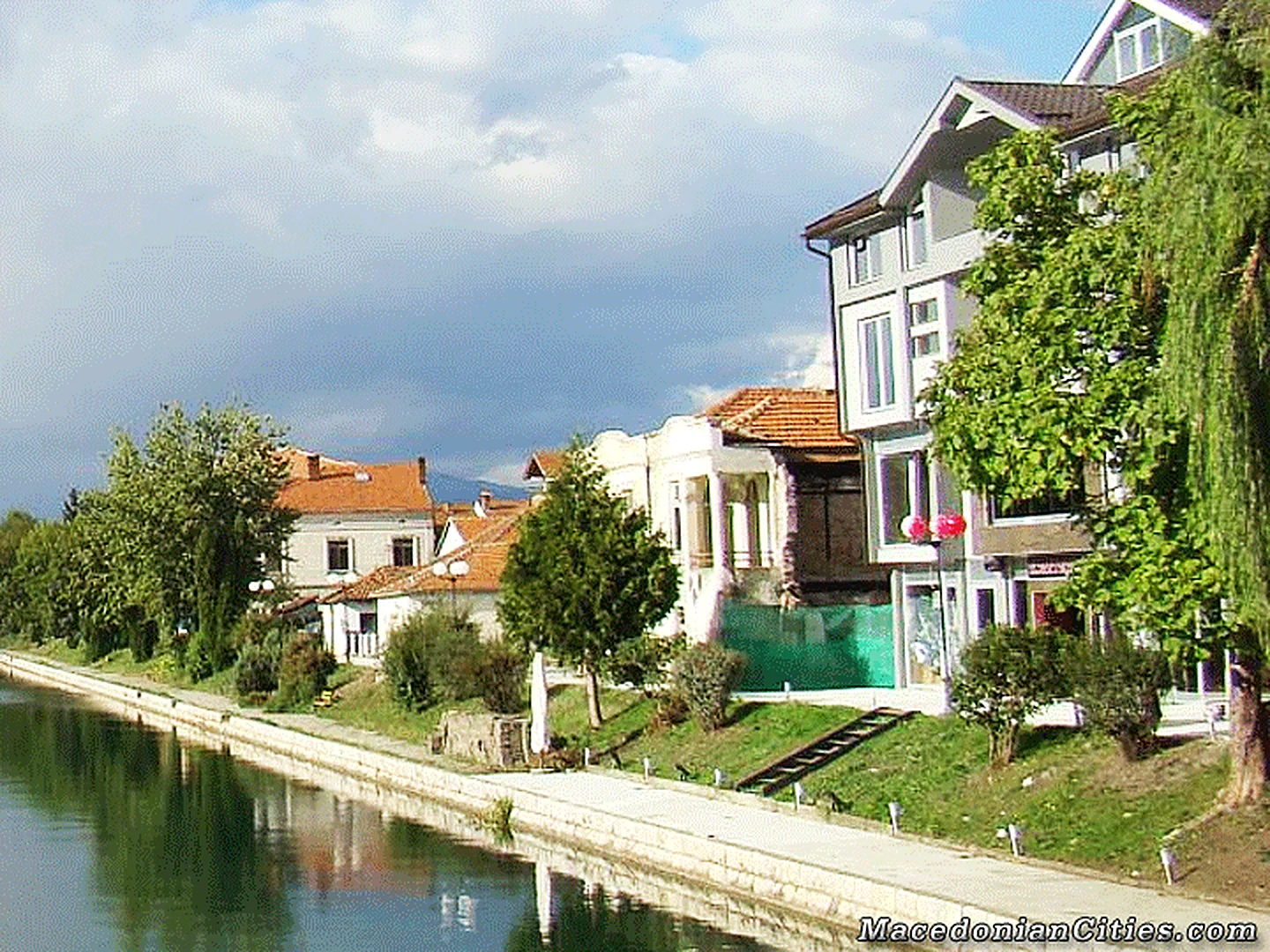
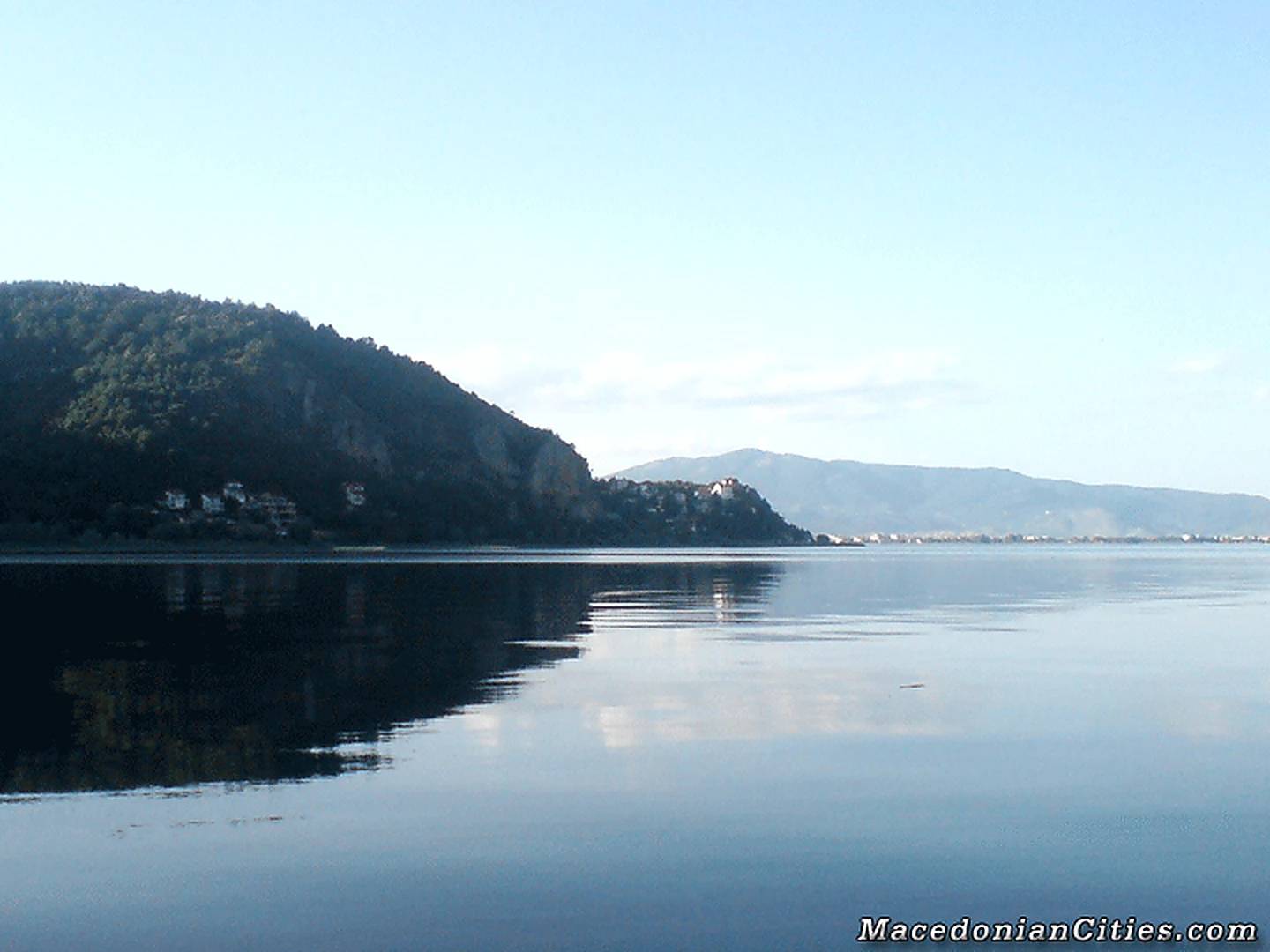
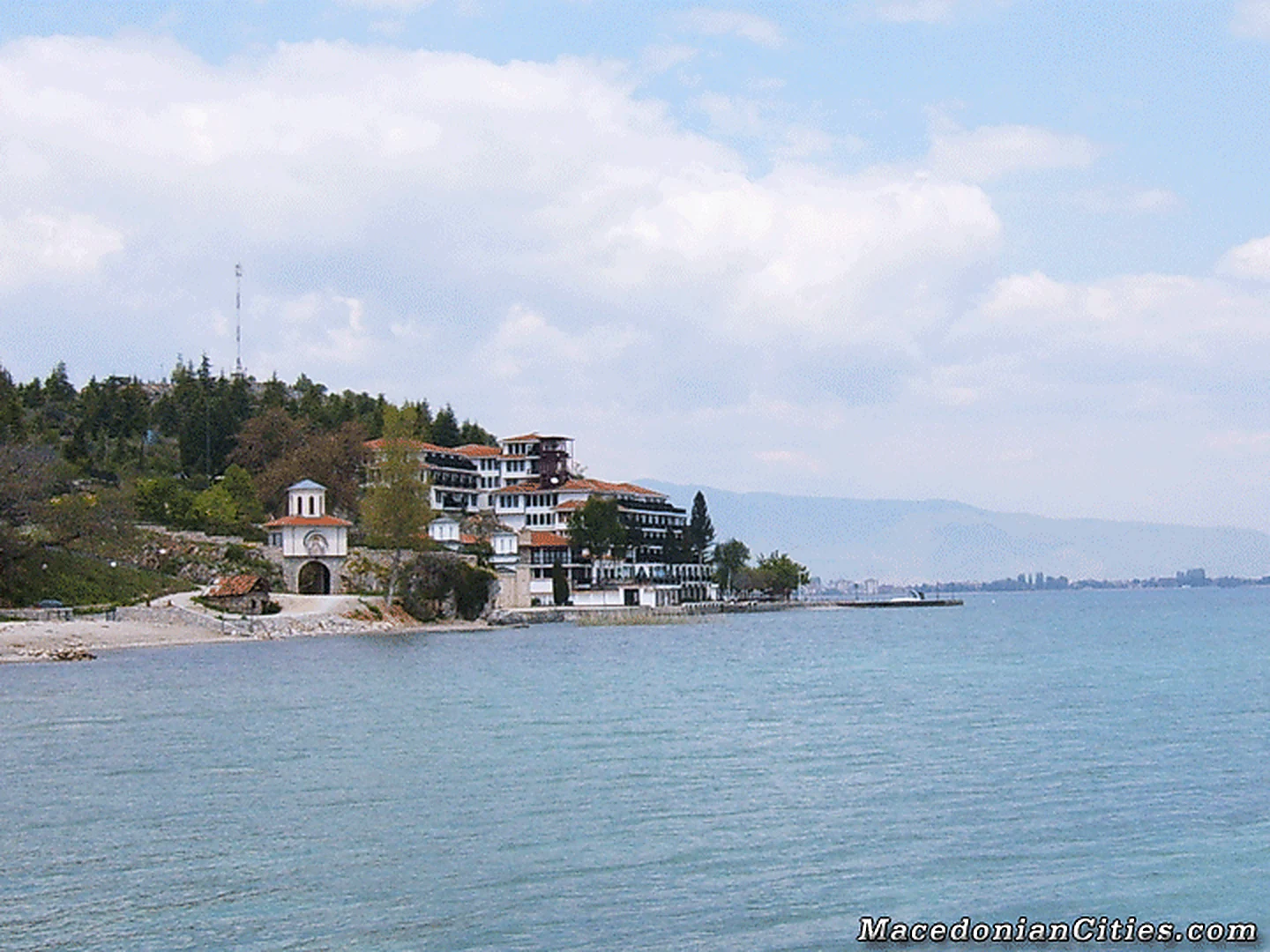
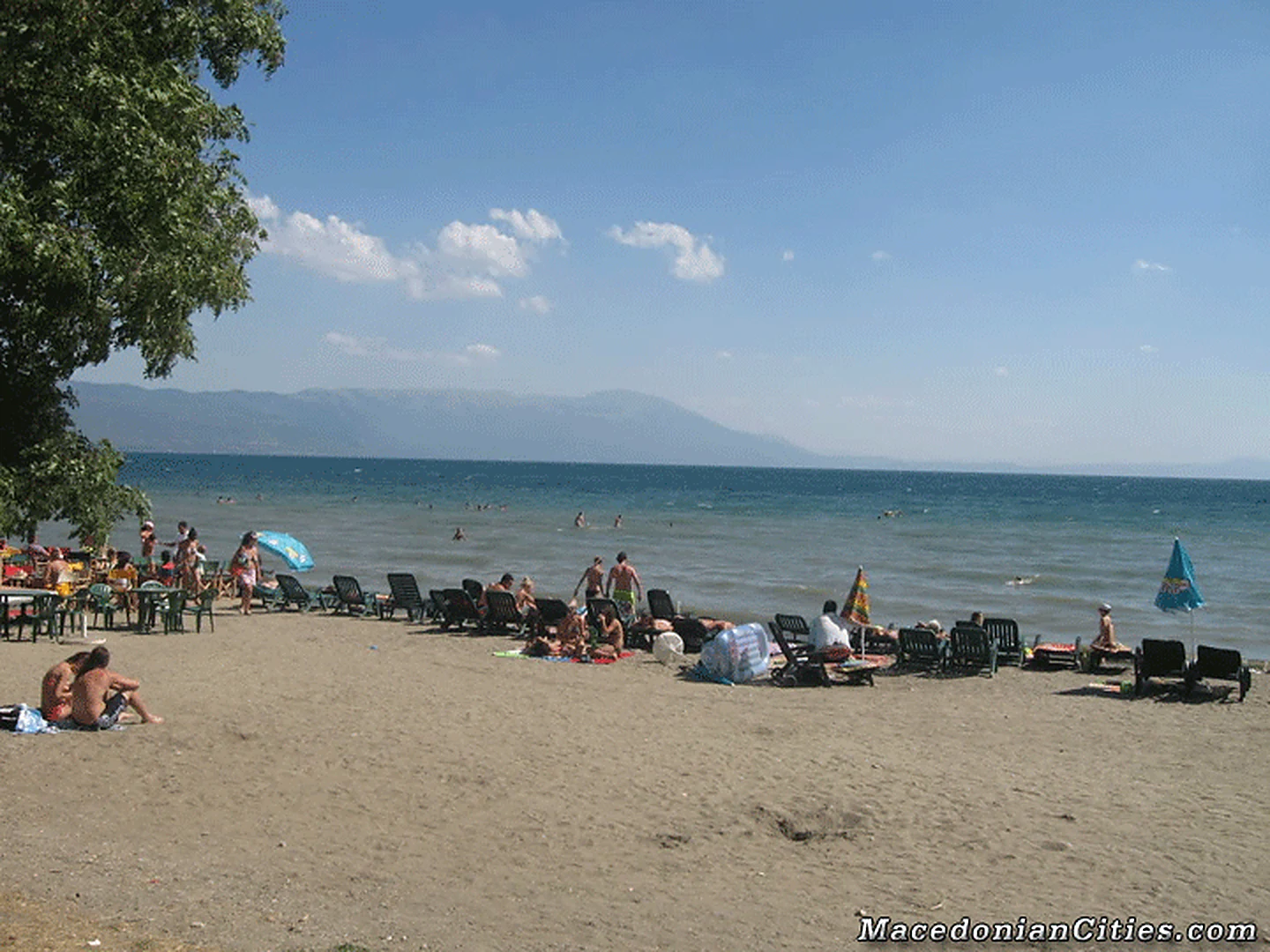
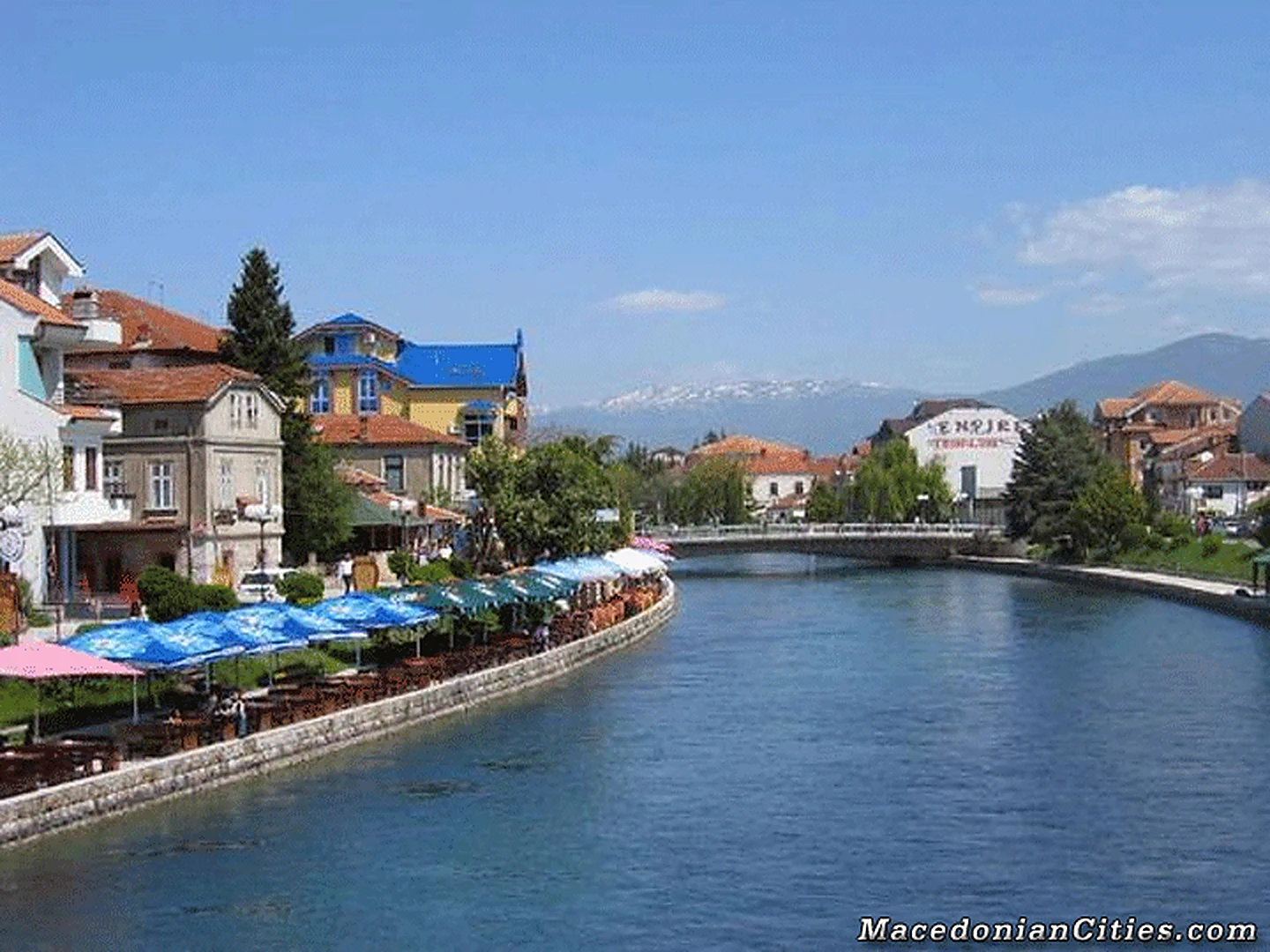
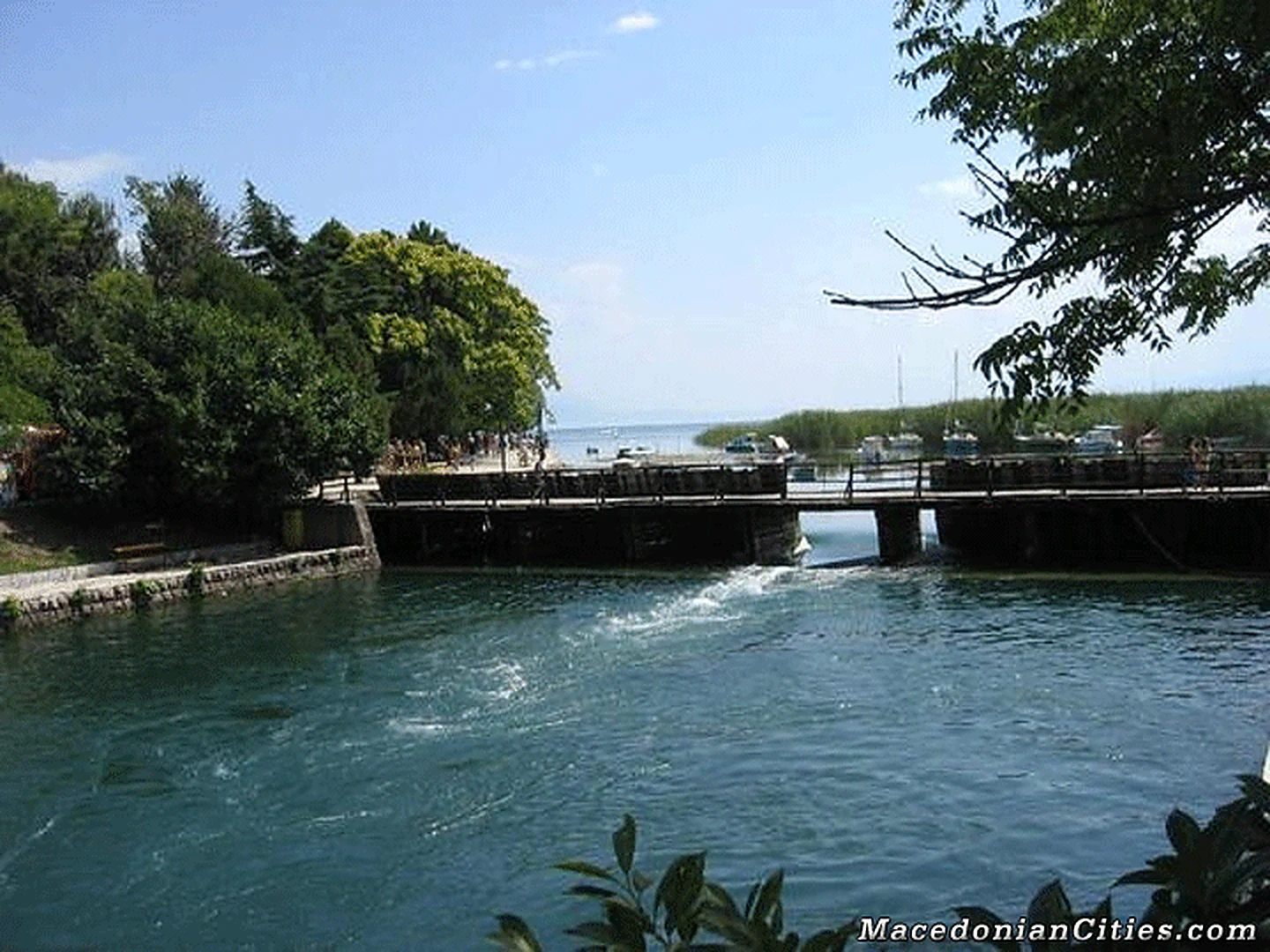
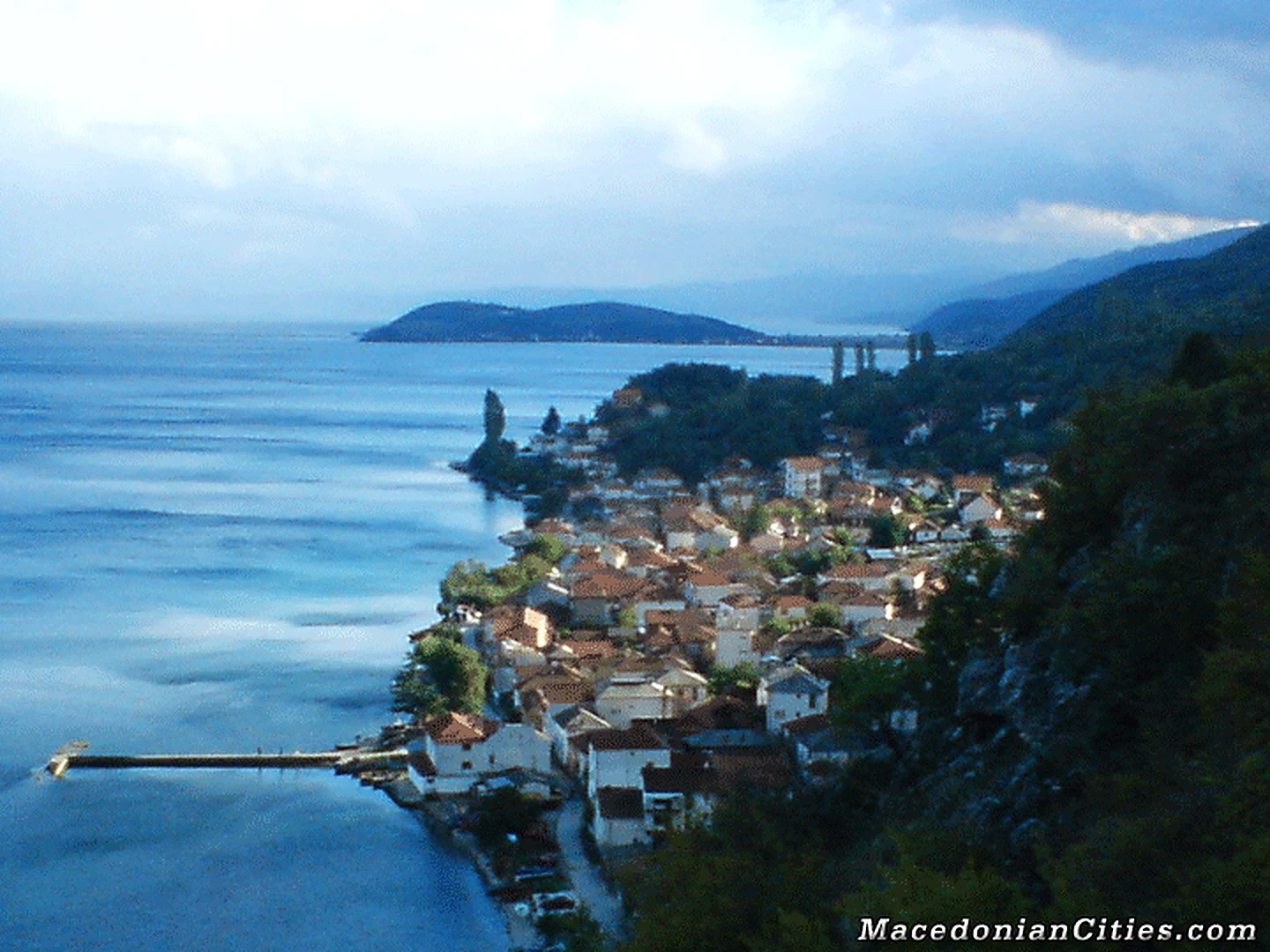
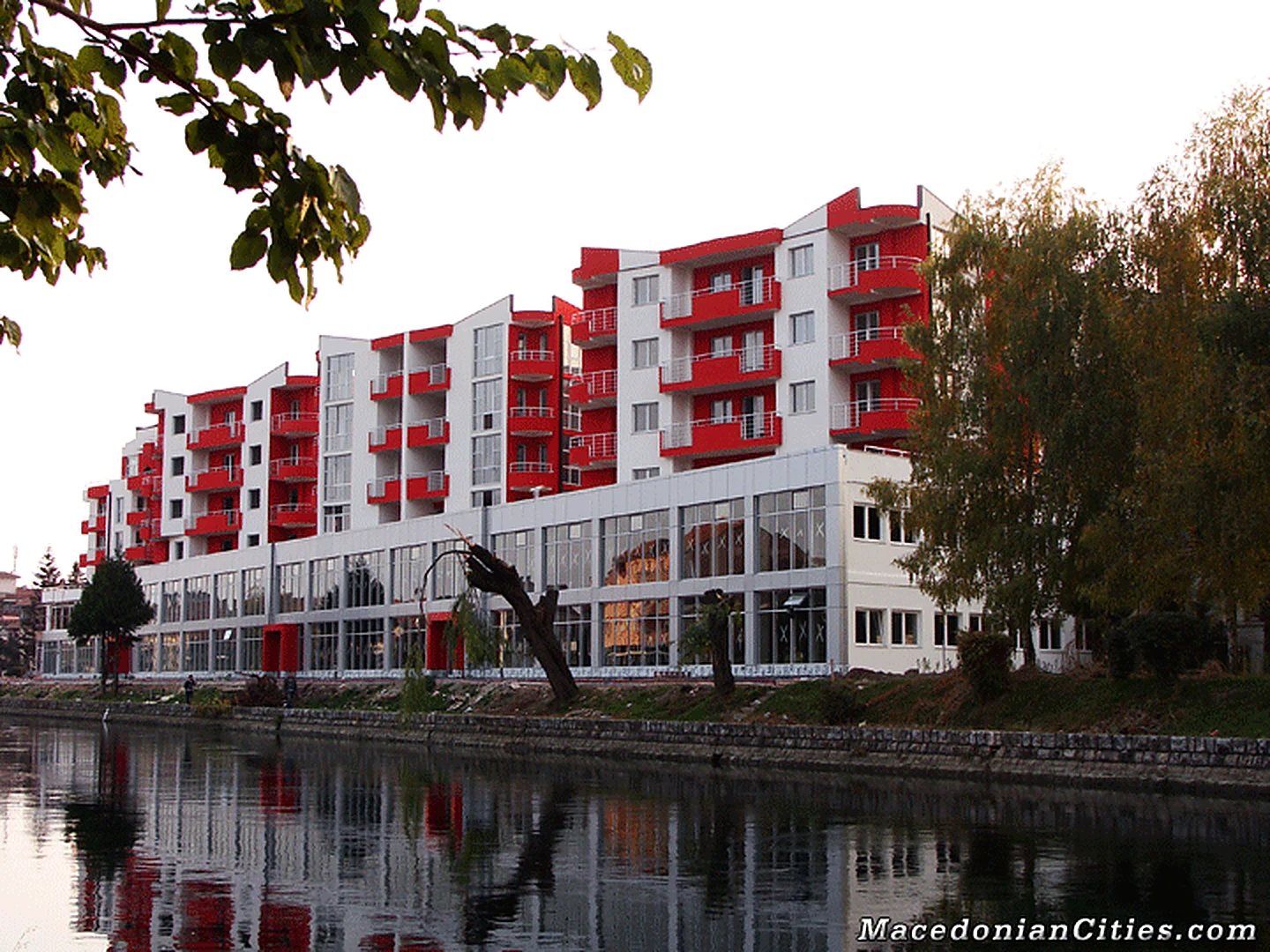
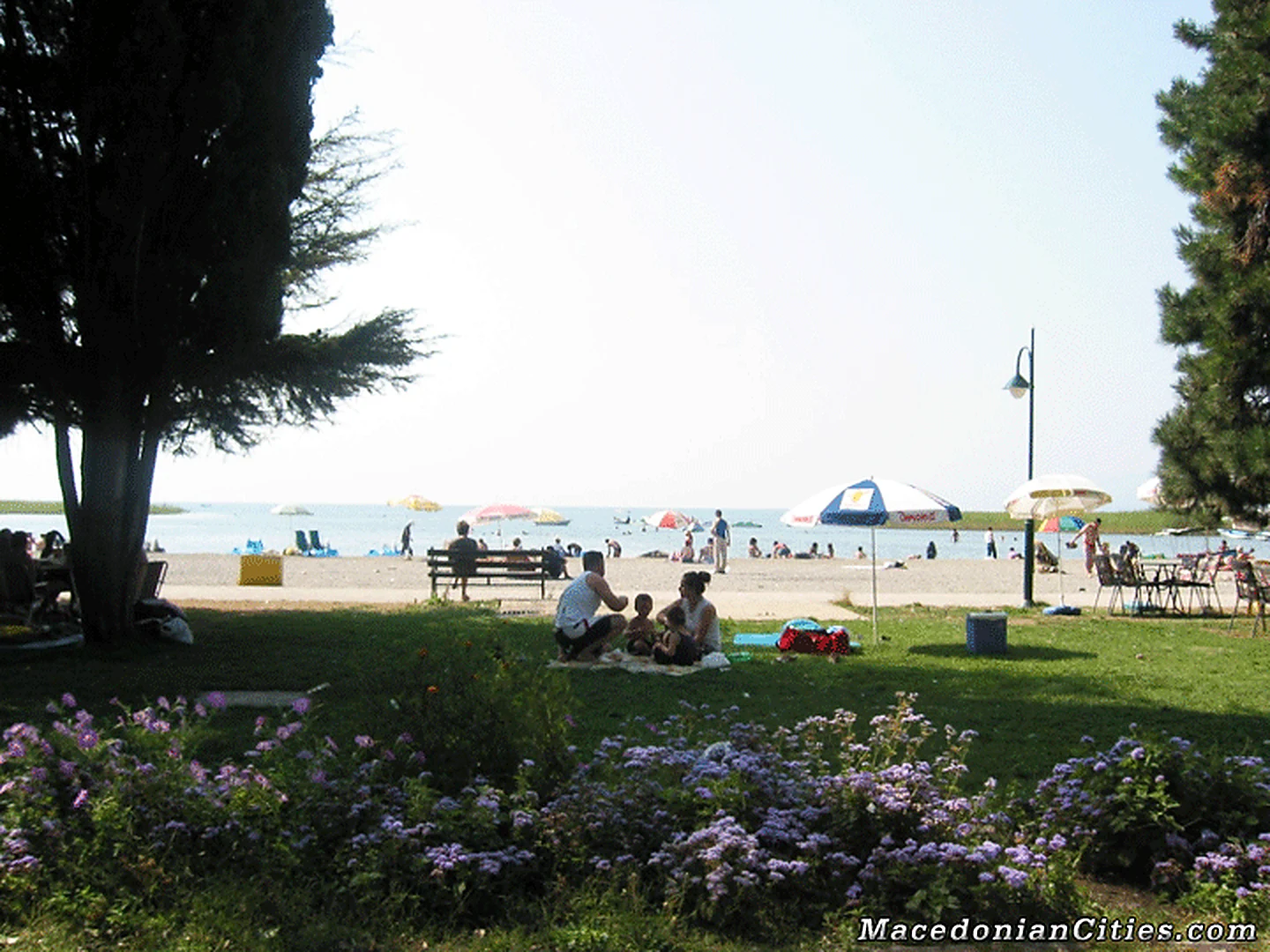
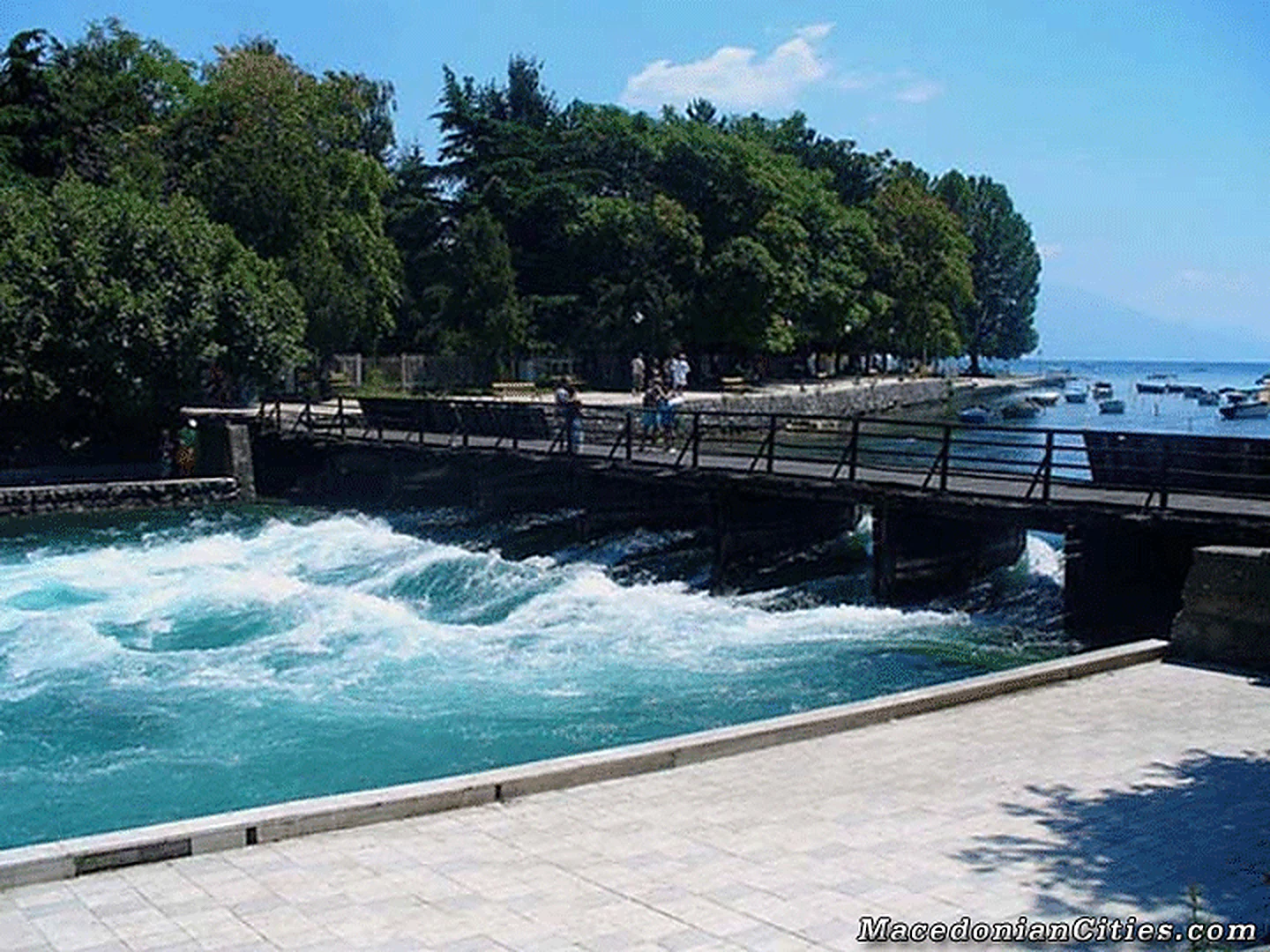
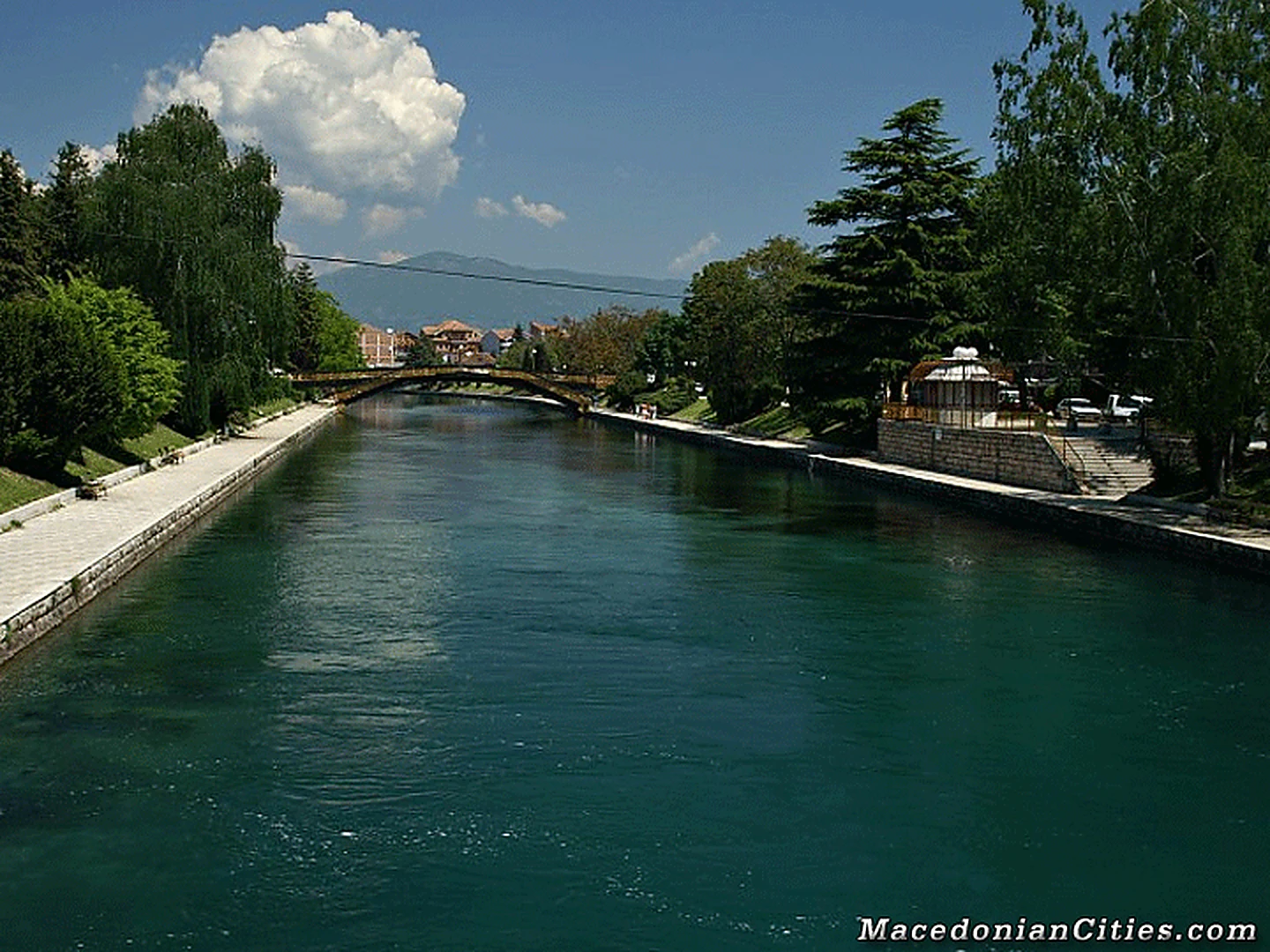
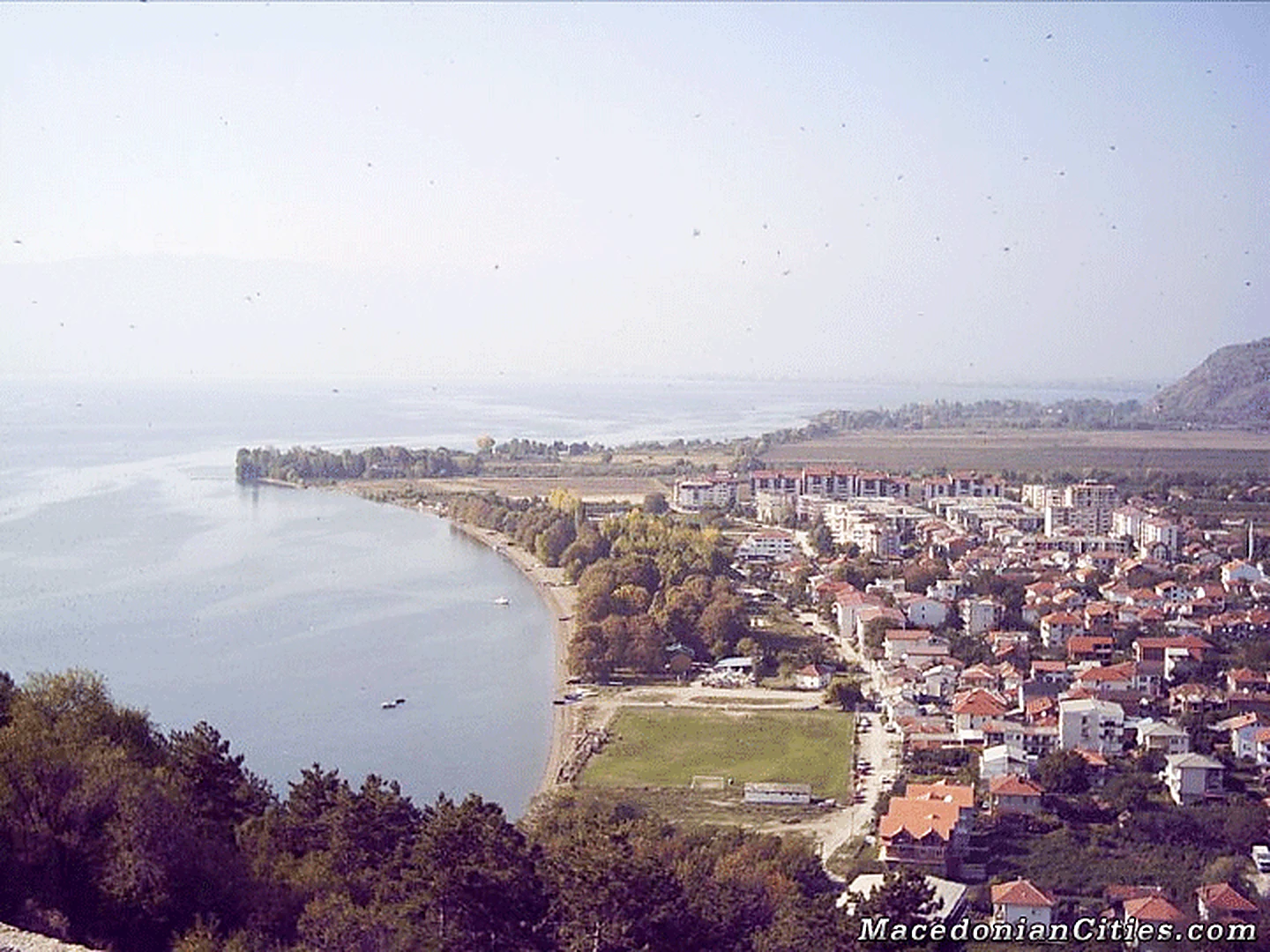
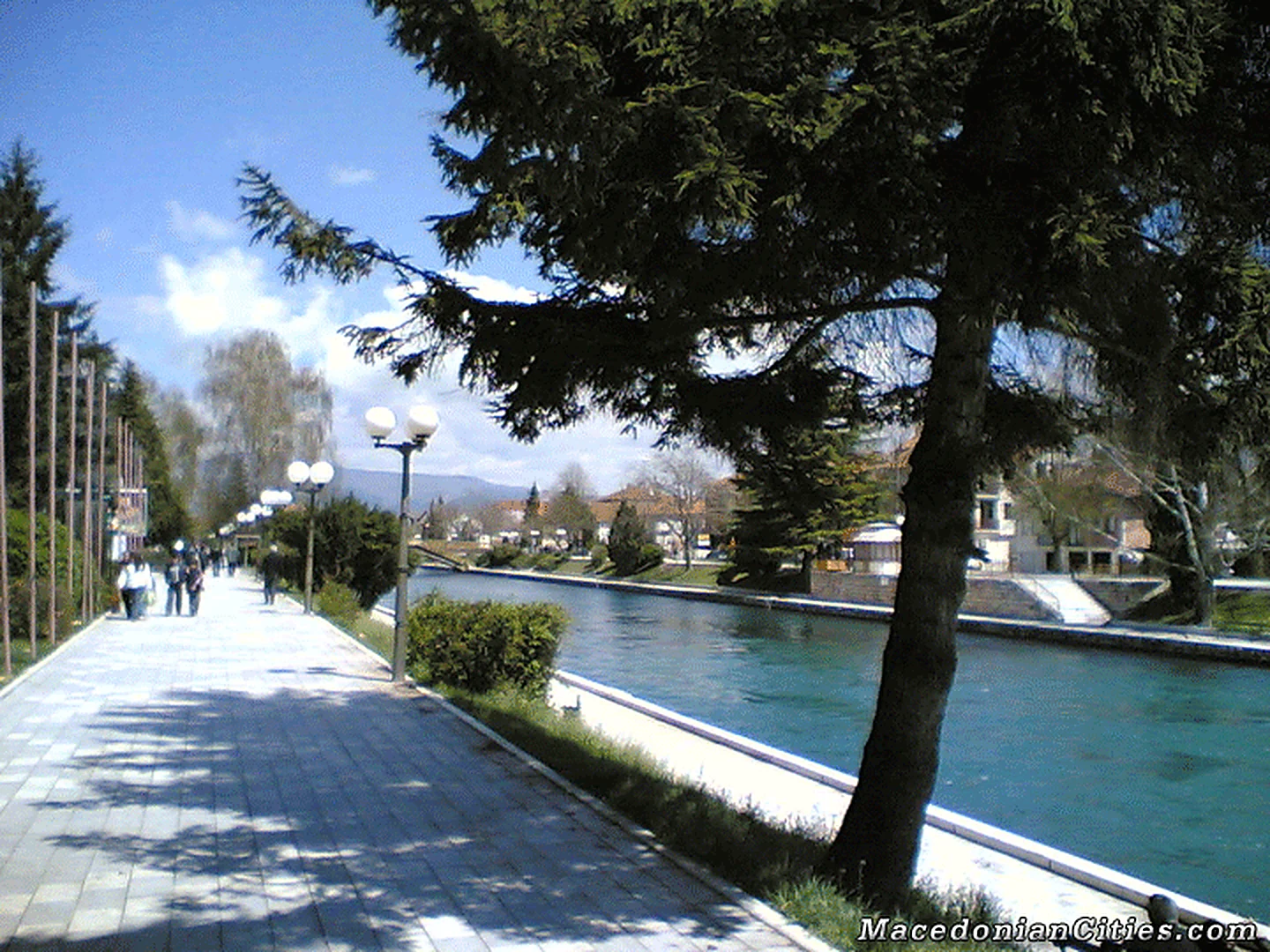
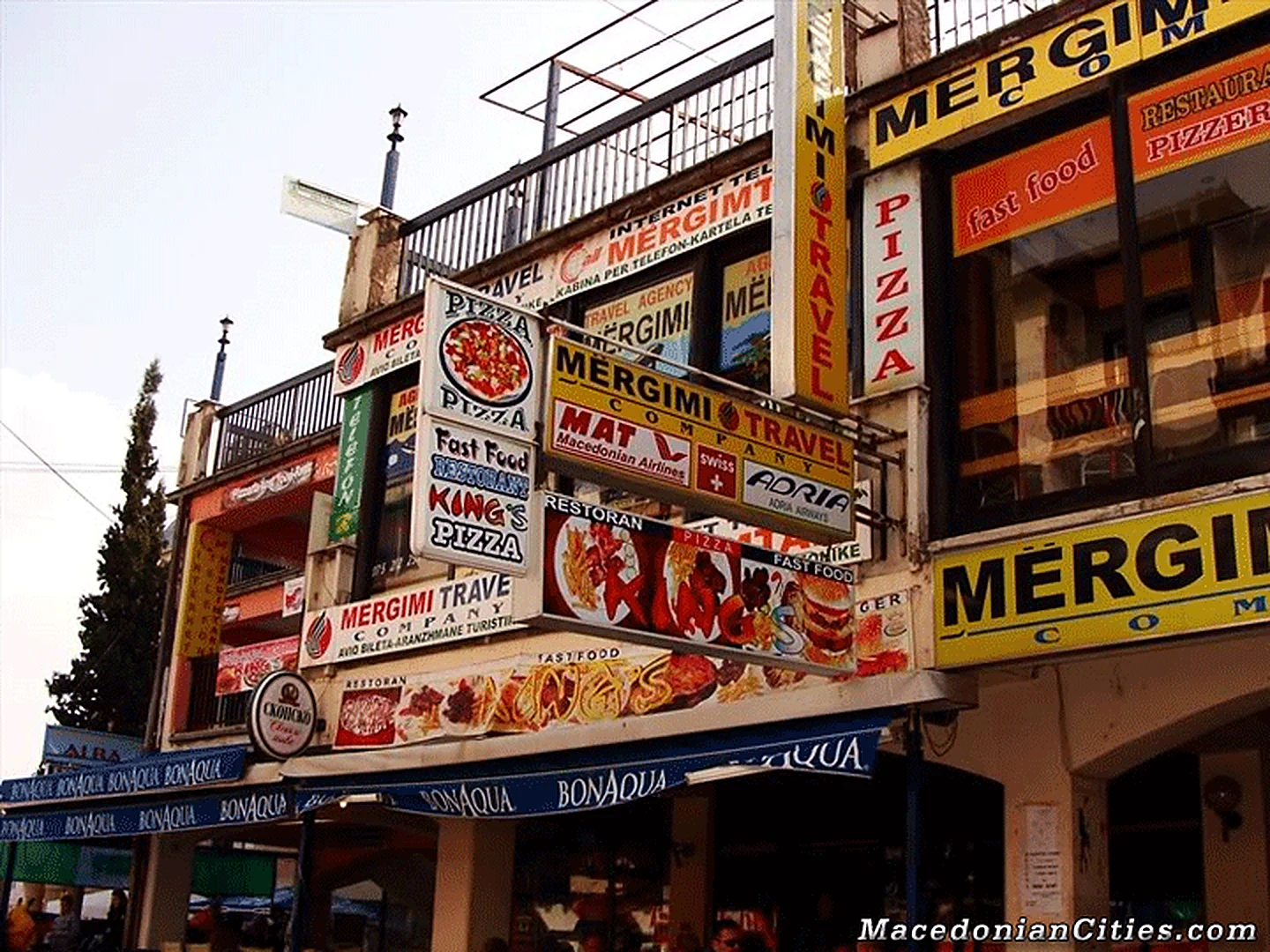
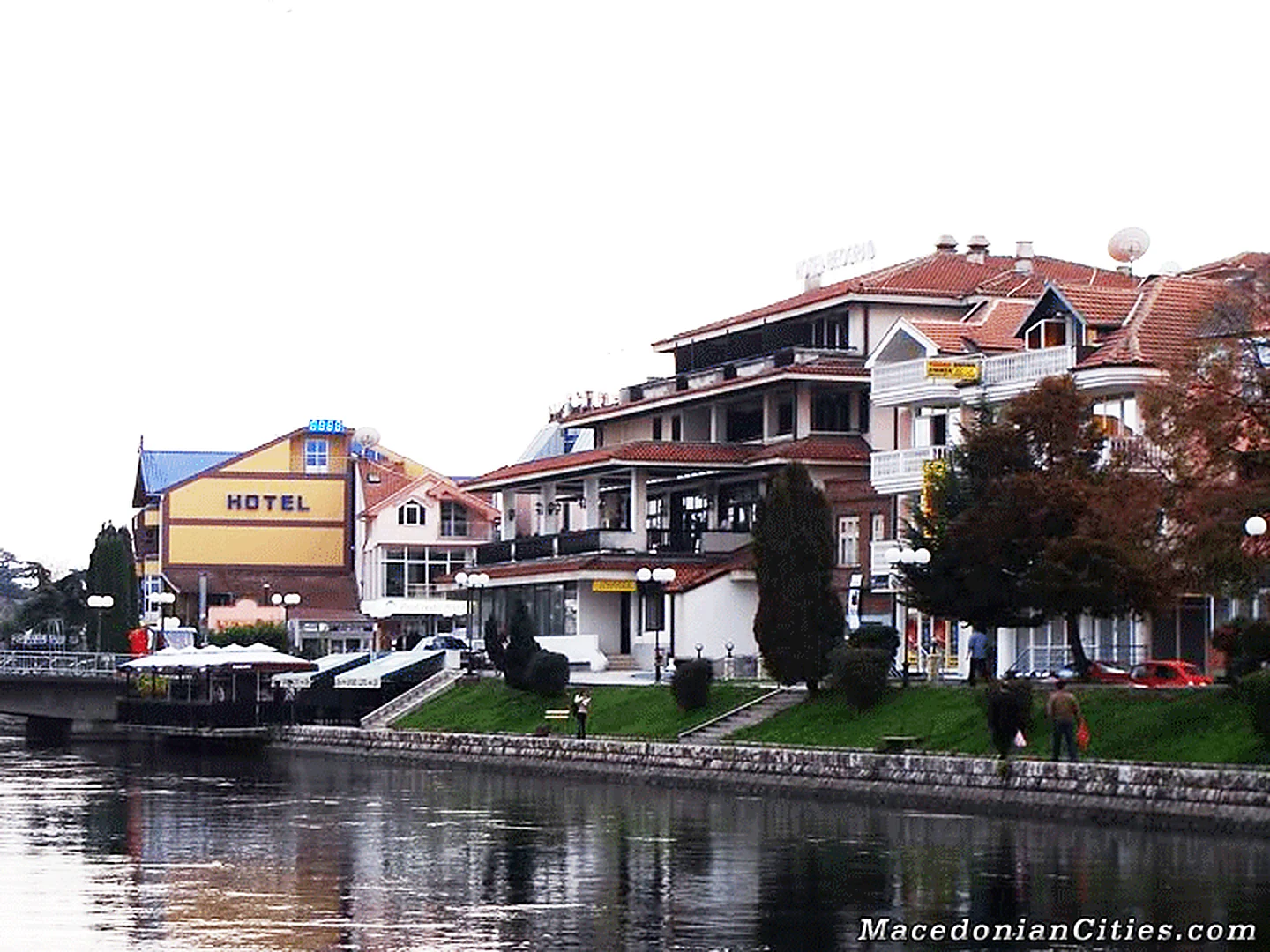
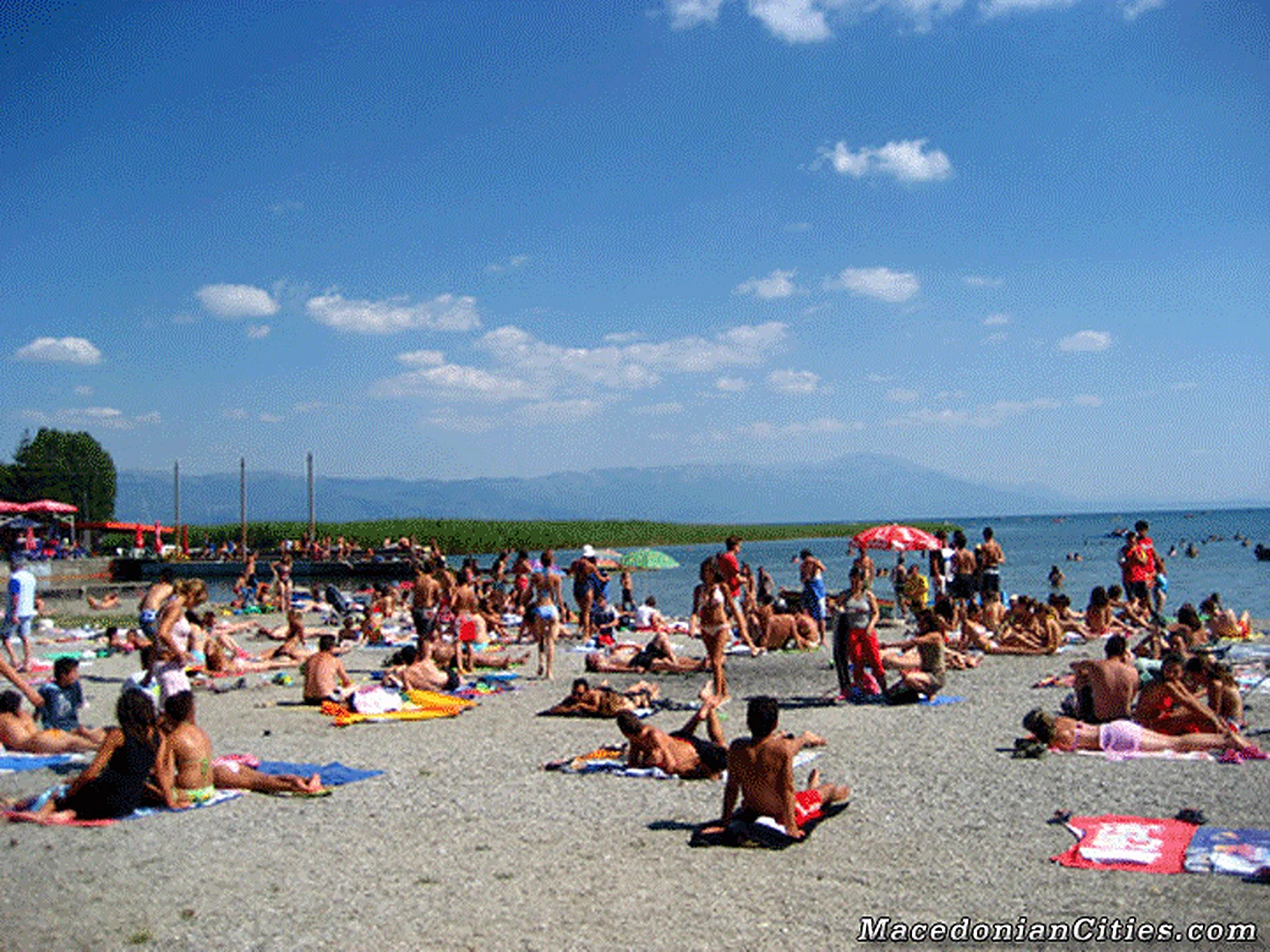
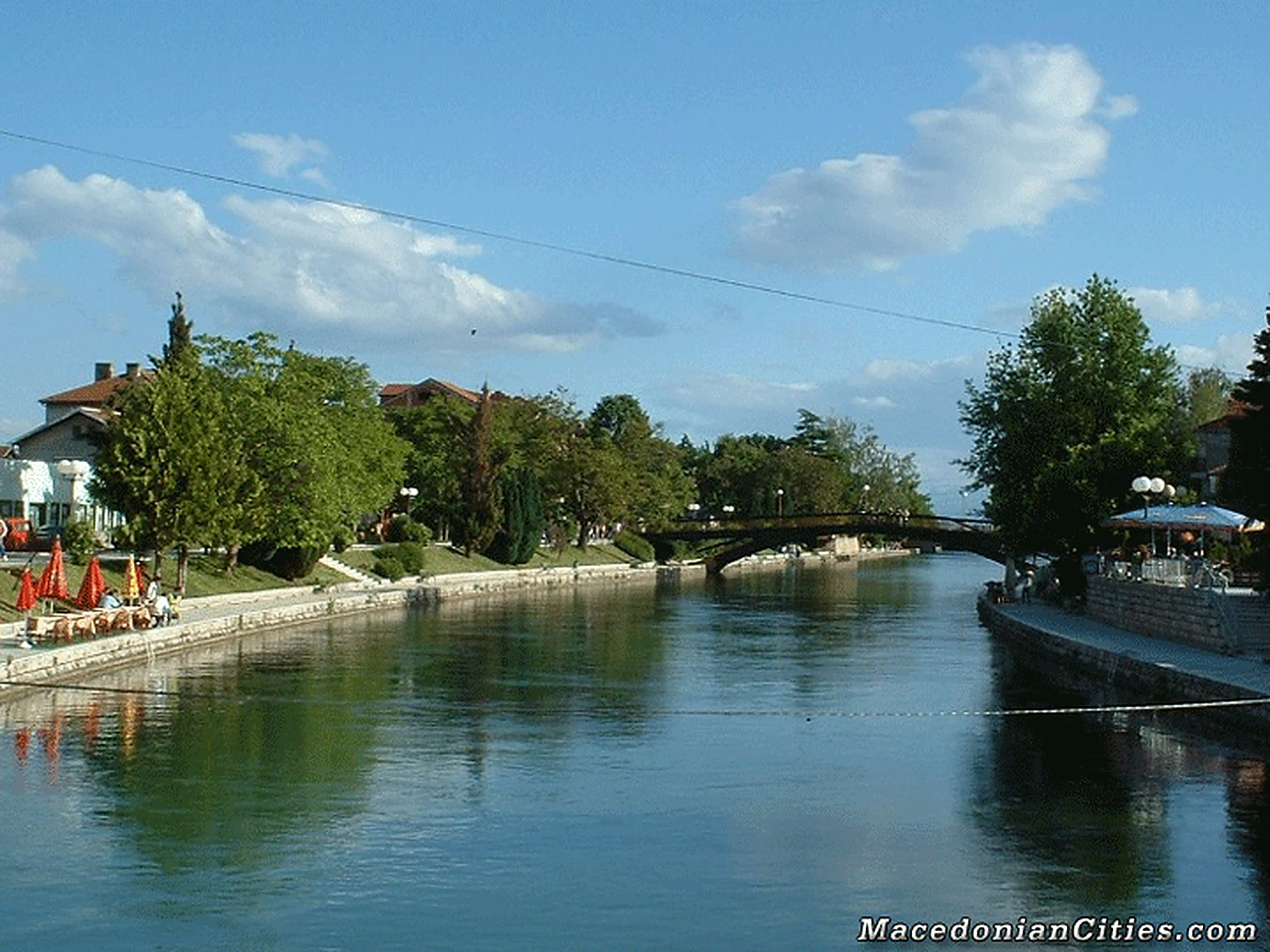
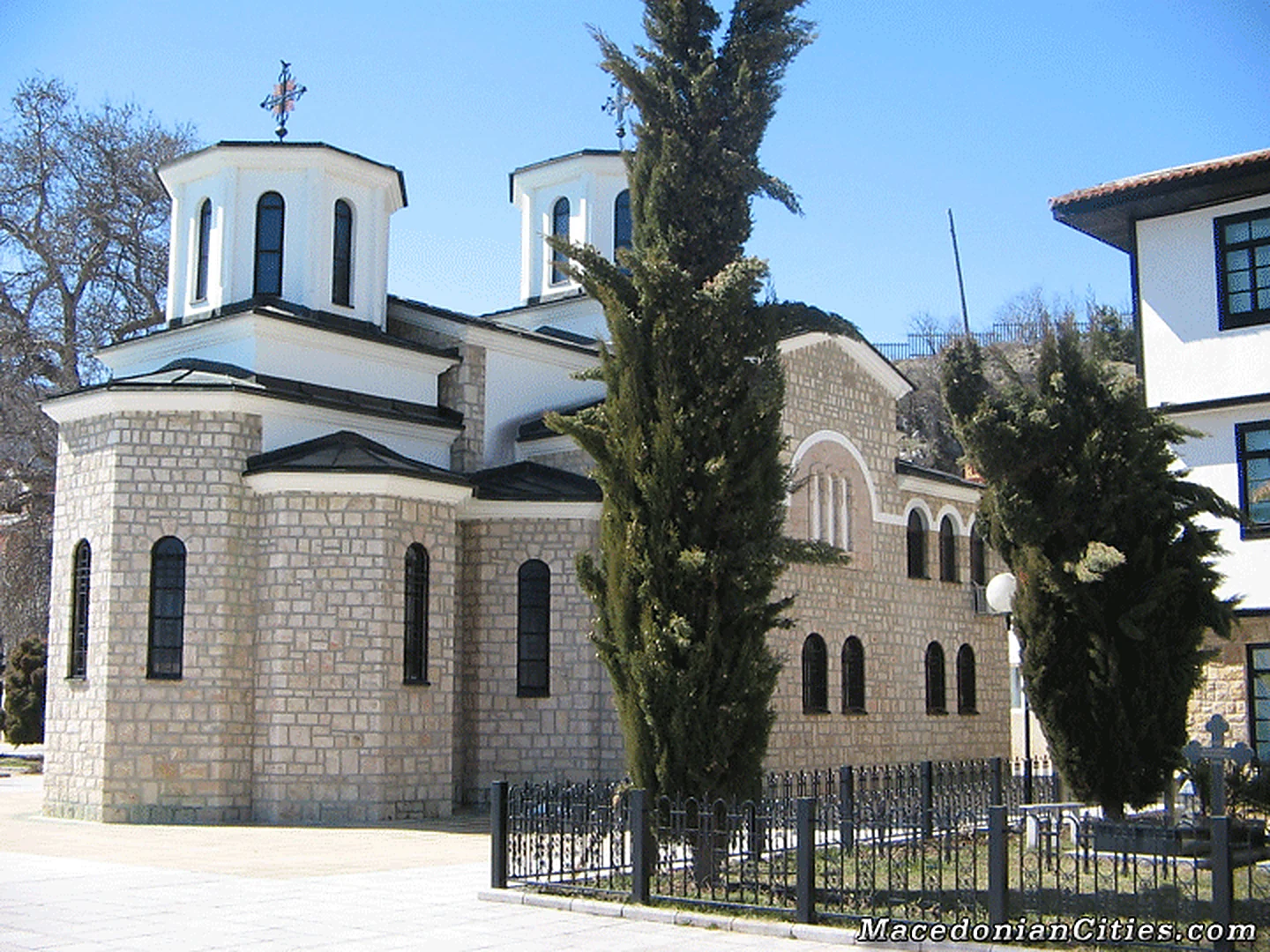
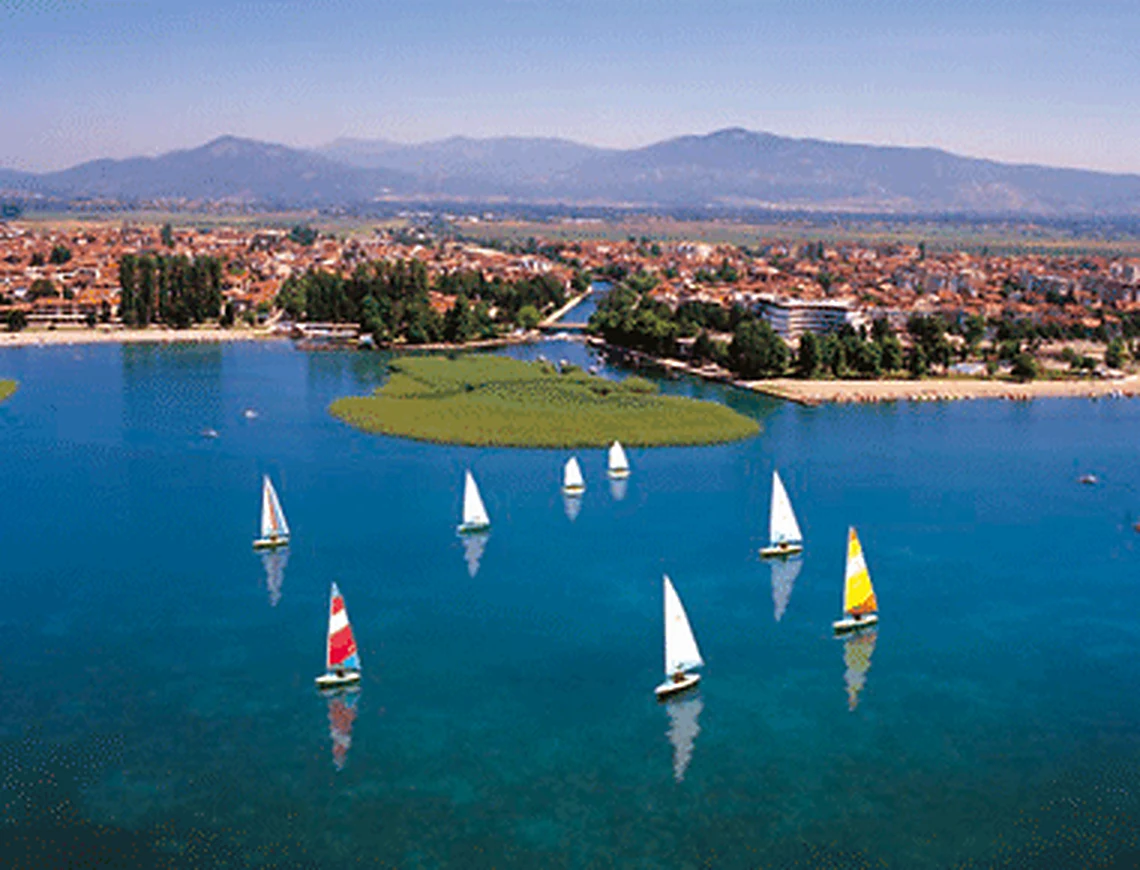
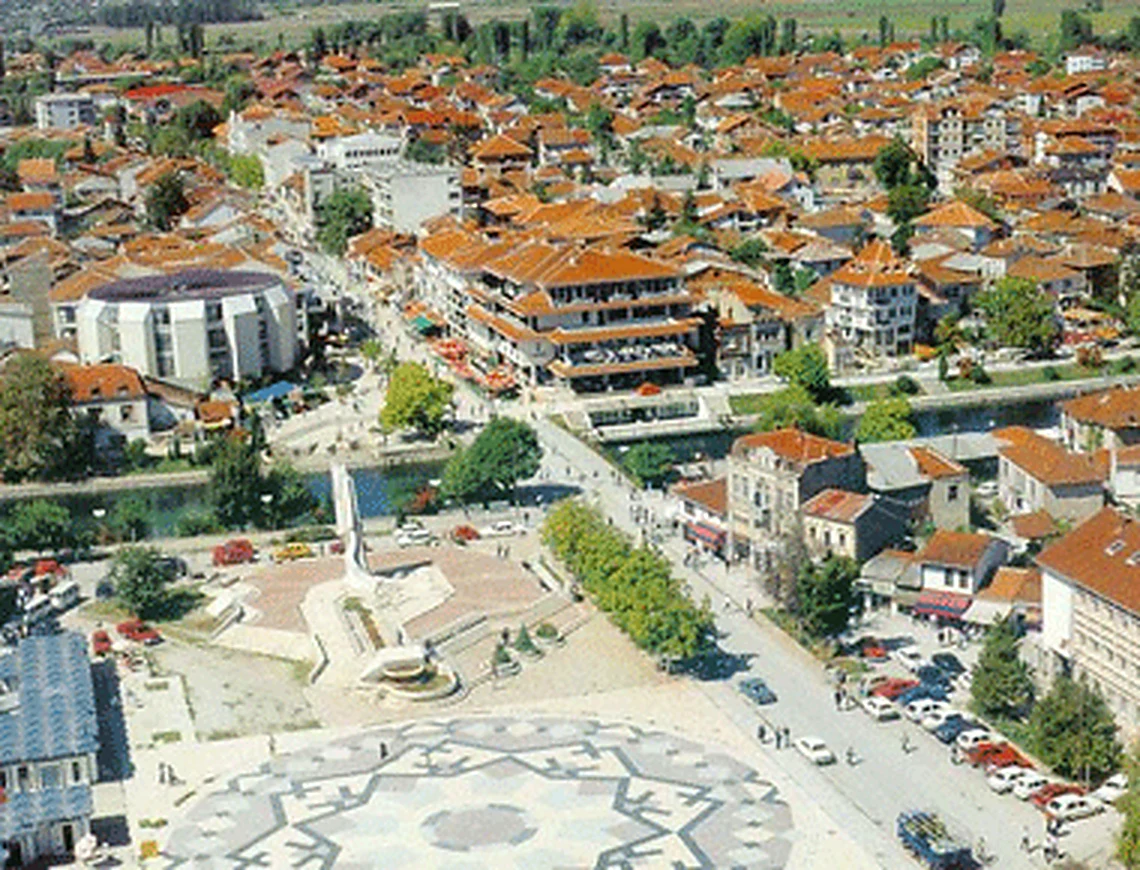
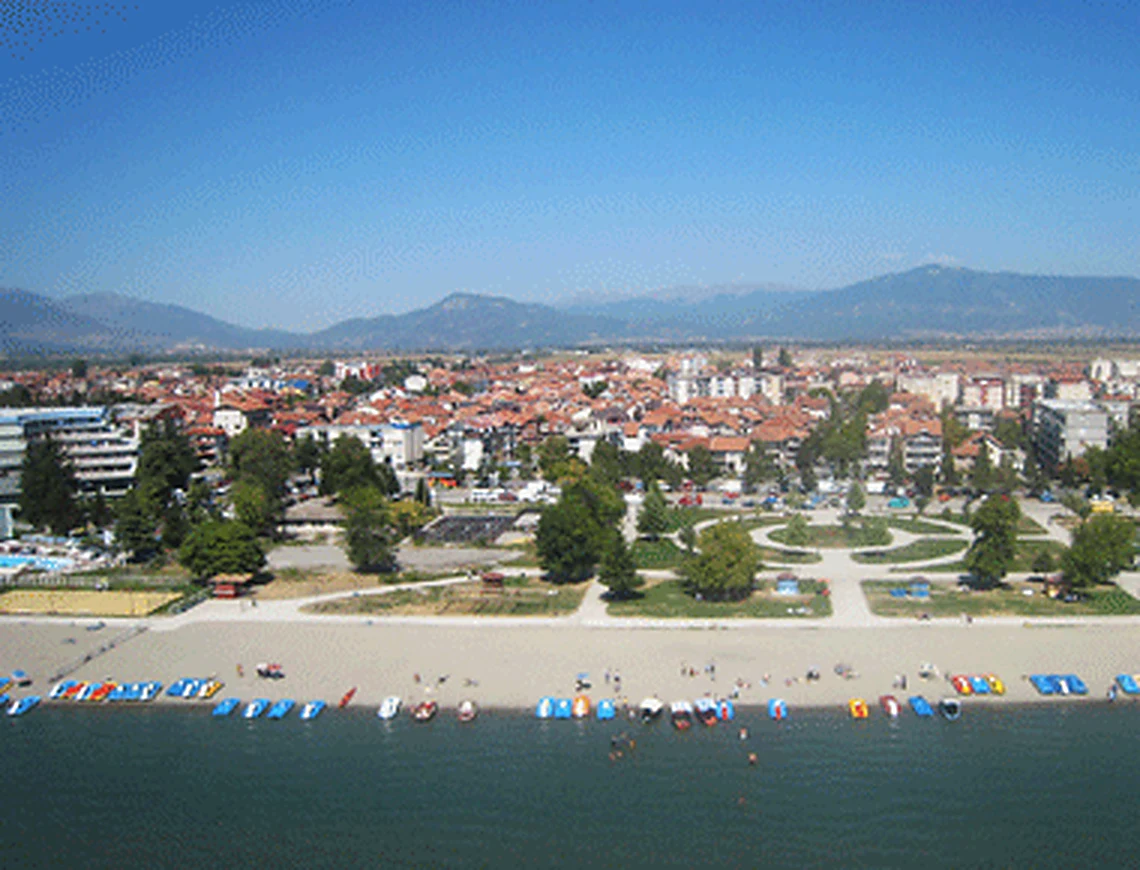
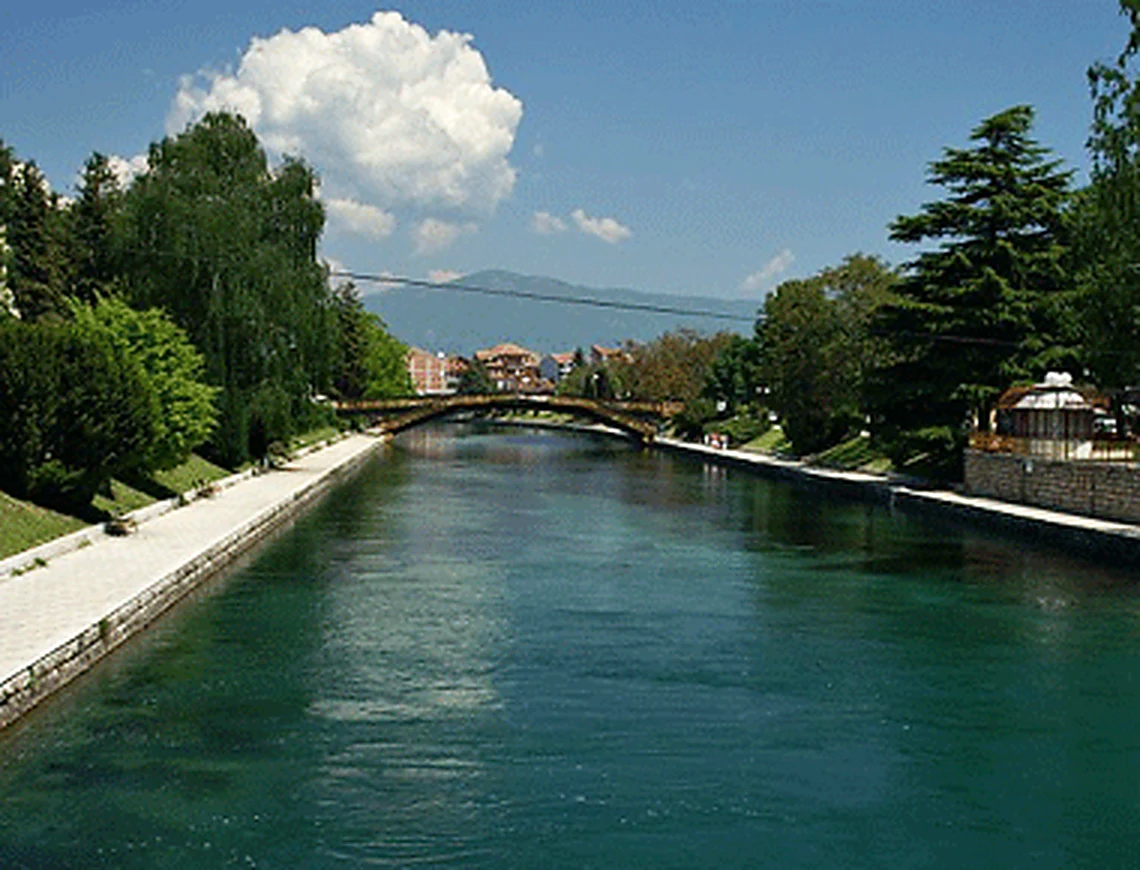
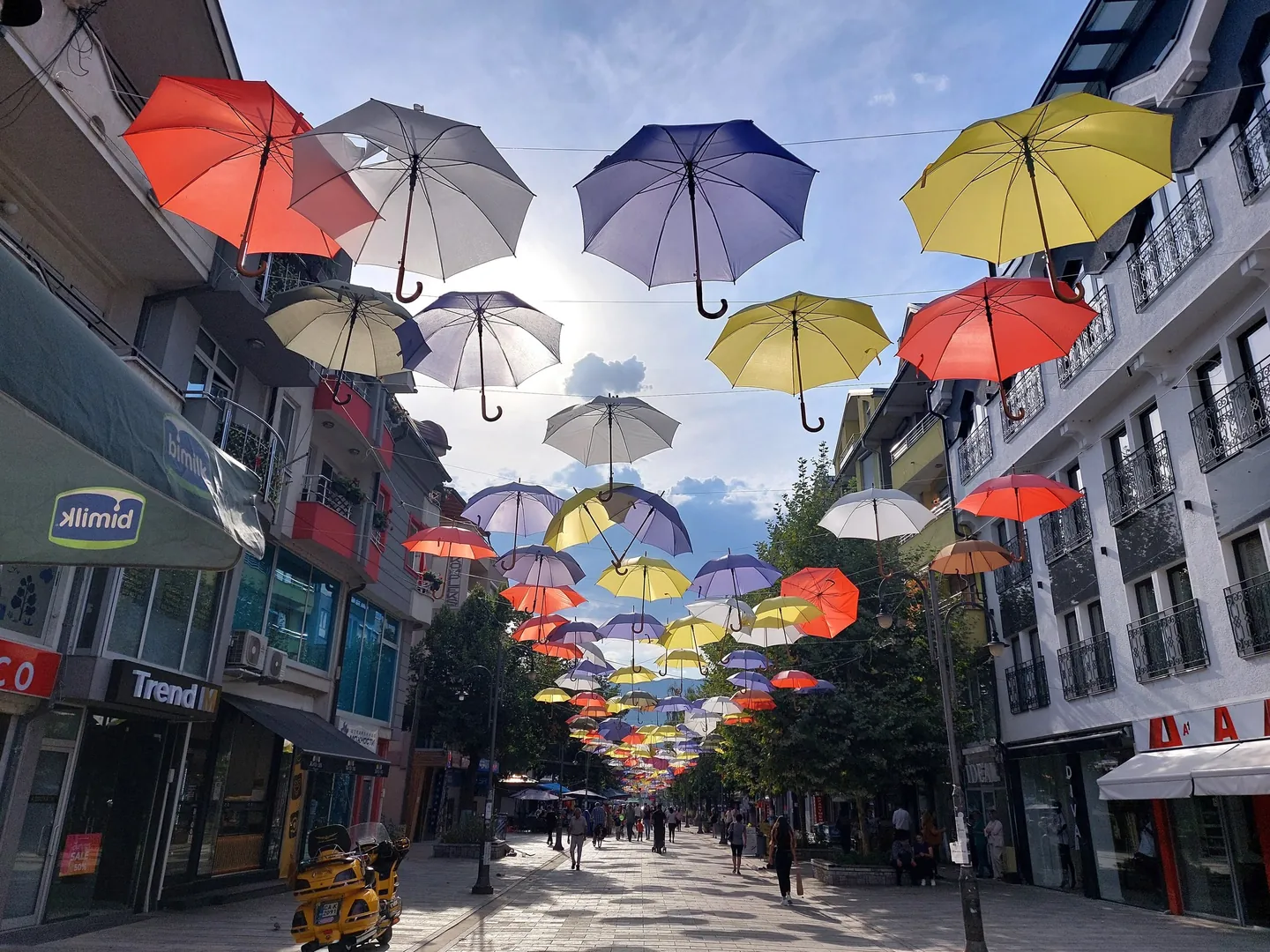
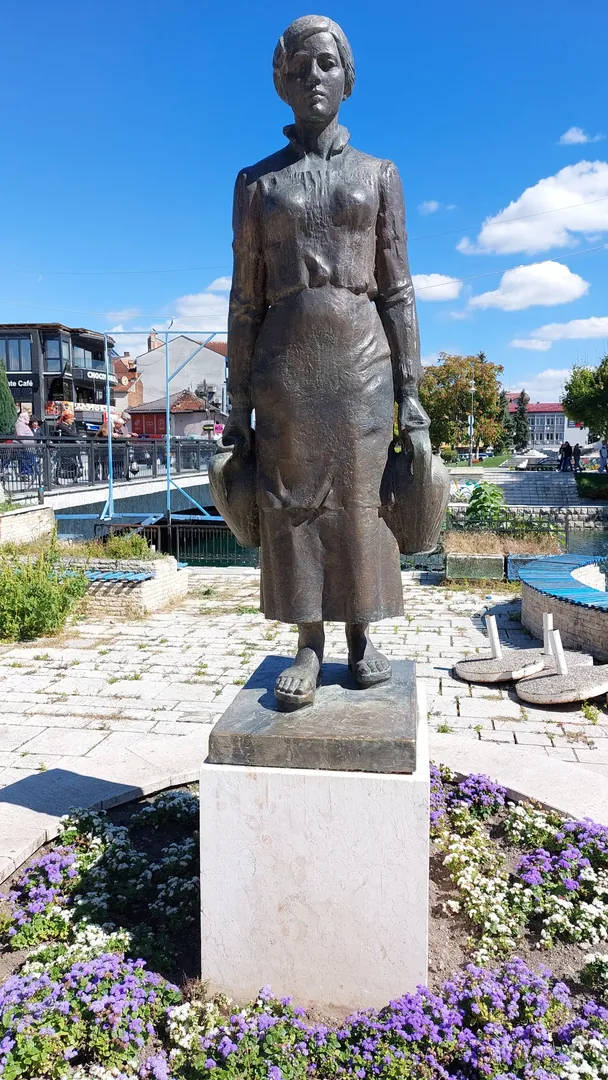
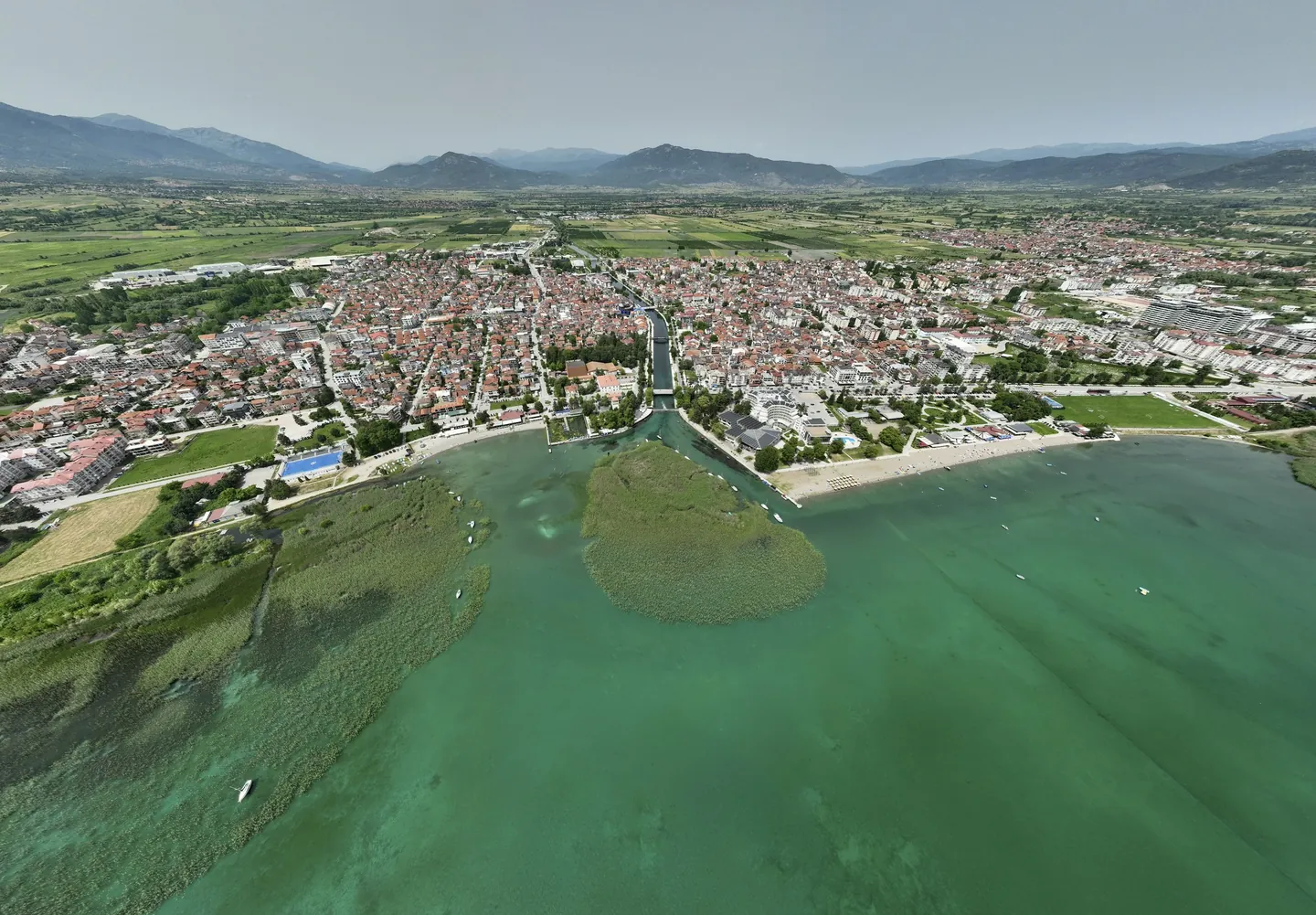
Photo credits
- Marshal Tito Street in Struga, with colourful umbrellas hung above the pedestrian street between shops and apartment buildings. Photo: Marion GolsteijnCC BY 4.0Wikimedia Commons
- Struga: a bronze statue of a woman on a stone plinth among purple flowers, with a bridge and water behind. Photo: 5R-MFTCC BY-SA 4.0Wikimedia Commons
- Aerial view of Struga on the shore of Lake Ohrid, where the Crn Drim river leaves the lake, with mountains beyond. Photo: Petar MiloševićCC BY-SA 4.0Wikimedia Commons


