
Polog
Tetovo
Тетово
- Residents · 2021 census
- 63,176
- Old photographs
- 20
- Photographs
- 35
A Polog centre known for colour, craft and mountain culture
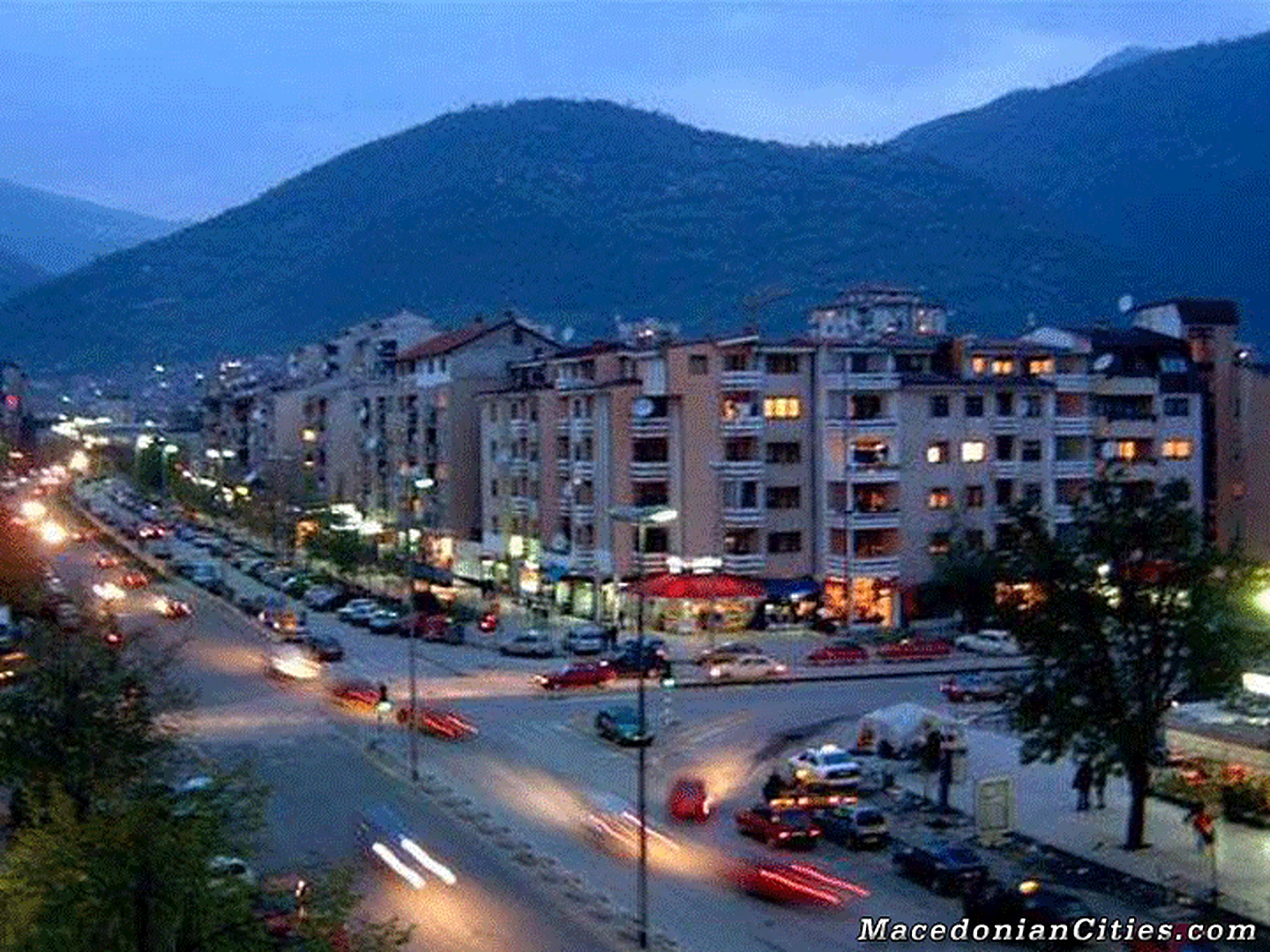
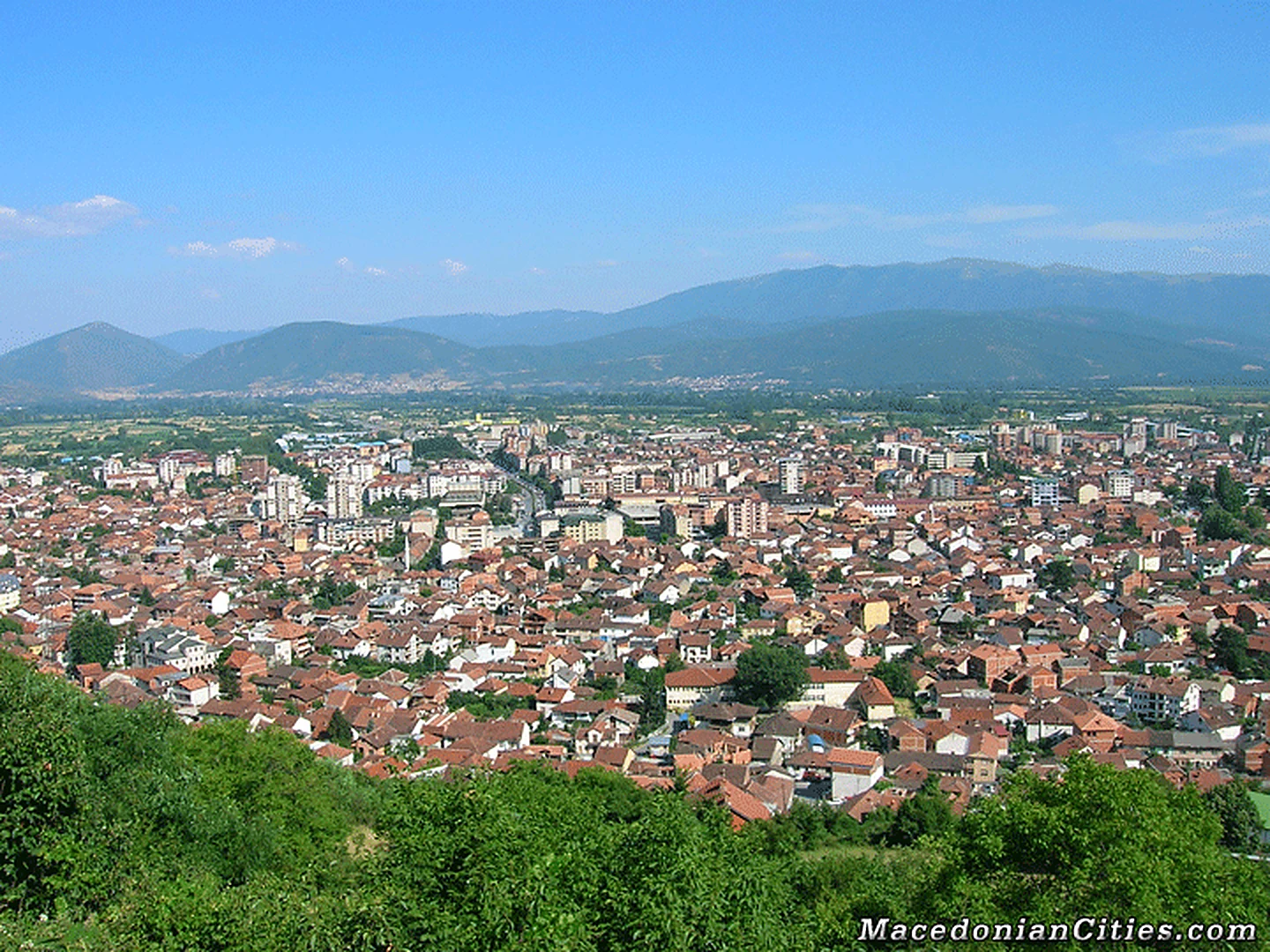
Tetovo spreads across the western edge of the Polog plain where the Pena River leaves the Shar Mountain. The city sits around 470 metres above sea level, but its municipality climbs rapidly through wooded slopes, high villages and summer pastures to Titov Vrv at 2,747 metres.
Overview
City overview
Meet Tetovo.
A grounded introduction to the city, its landscape, people, history and wider municipality.
Tetovo spreads across the western edge of the Polog plain where the Pena River leaves the Shar Mountain. The city sits around 470 metres above sea level, but its municipality climbs rapidly through wooded slopes, high villages and summer pastures to Titov Vrv at 2,747 metres. Mountain water, snow and the open basin have always shaped how Tetovo moves, farms and trades.
The old centre preserves several of the country's most distinctive Ottoman-period monuments. The Painted Mosque, the former double hammam and Abdurrahman Pasha's hilltop Kale tell an urban story of craft, patronage and movement, while Arabati Baba Tekke adds a major Bektashi religious and cultural layer. Nearby Orthodox churches and monastic sites show that the city's heritage cannot be reduced to a single tradition.
Tetovo is one of North Macedonia's most culturally and linguistically varied cities. The 2021 census counted 63,176 people in the city and 84,770 in the municipality. Albanian and Macedonian family histories are especially prominent, alongside Turkish, Roma and other communities; both the University of Tetova and South East European University give the city a youthful, regional reach.
Nineteen villages belong to the municipality, ranging from large plain settlements such as Golema Rechica and Dzhepchishte to Shar Mountain villages including Shipkovica, Vejce, Brodec and Veshala. Football loyalties, market days, mountain food, village weddings and trips to Popova Shapka keep the municipal centre closely tied to this wider Polog landscape.
At a glance
Useful facts, in one place.
Settlement and municipality figures are kept distinct wherever sources permit.
- Municipality
- Tetovo Municipality
- City population
- 63,176
- Municipality population
- 84,770
- Population outside the city
- 21,594
- Population year
- 2021
- Municipal area
- 261.89 km²
- Elevation
- 470 m
- Approx. road distance from Skopje
- 43 km
- Postal code
- 1200
- Climate
- Continental Polog-basin climate with Mediterranean influence and alpine conditions on the high Shar Mountain
- Sports teams
-
- KF Shkendija
- FK Teteks
- FK Ljuboten
- Culture
-
- Albanian and Macedonian languages, foodways and family traditions are especially visible in everyday life.
- The Painted Mosque and Arabati Baba Tekke are central to the city's Ottoman and Islamic heritage.
- Football, skiing and mountain recreation connect urban Tetovo with the Shar Mountain.
- Population snapshot
- 63,176 city residents and 84,770 municipality residents in the 2021 census; 21,594 lived outside the city settlement.
- Municipal elevation range
- 460–2,747 m
- Highest point
- Titov Vrv, 2,747 m
Known for
The city's signature.
Landmarks, foods, landscapes and traditions that give Tetovo its character.
- Painted Mosque
- Arabati Baba Tekke
- Shar Mountains and Popova Shapka
- Leshok Monastery in the surrounding area
- Albanian-language higher education and Polog commerce
Geography
Geography
Land shapes the city.
Terrain, waterways, climate and transport explain why Tetovo grew where it did.
Tetovo occupies the western side of the Polog valley where the Pena River descends from the Shar Mountains. The city lies beneath steep wooded and alpine slopes but opens eastward across one of the country's broadest cultivated basins. This setting creates a striking vertical range: busy urban streets at roughly 450 metres, mountain villages above them and high pasture and ski terrain around Popova Shapka.
The Shar massif supplies water, forest and recreation, while the Polog plain supports crops, orchards, livestock and dense settlement. Tetovo's position on the main route between Skopje, Gostivar and Kosovo has encouraged trade and rapid urban growth. It is a university city and the largest centre in northwestern North Macedonia, serving a predominantly Albanian-speaking but culturally diverse region.
History
History
A concise, rewritten account.
Written afresh from cross-checked municipal, archaeological, heritage and institutional sources—not copied website text.
Medieval documents record a settlement in the Polog area that developed into Tetovo. Its greatest urban growth came under Ottoman rule, especially from the fifteenth century onward, when mosques, baths, markets, bridges and religious foundations reshaped the town. The Painted Mosque, first founded in the fifteenth century and lavishly redecorated in the nineteenth, is remarkable for floral, geometric and architectural scenes spread across its exterior and interior.
The Arabati Baba Tekke developed into an important Bektashi complex with residences, fountains, prayer spaces and richly worked timber buildings. Orthodox churches and the nearby Leshok Monastery reflect other parts of the valley's religious history. By the nineteenth century Tetovo was a craft and trading centre whose connections ran across the Shar passes as well as along Polog.
Rail and road links, post-war industry and migration transformed Tetovo into a large modern city. South East European University and the State University of Tetova strengthened its educational role. Contemporary Tetovo is shaped by the energy of a young regional centre, but also by pressures familiar to a fast-growing basin city: traffic, air quality, construction and the need to protect river and mountain environments.
The preserved legacy narrative
Open the preserved legacy narrative
Stone Age
Archaeological excavations at the Neolithic Tumba near Dolno Palčište in 1987–88 and Pod Selo Tumba near Stenče in 2000 revealed some of the earliest securely dated settlement evidence in Polog. Occupation began around 6100 BC, more than eight thousand years ago. Finds include abundant pottery fragments, several complete vessels, cult objects and anthropomorphic figurines often interpreted in relation to female symbolism. Rock carvings and other rock-art compositions have also been recorded in the Tetovo area, although their dating and ritual meaning require cautious interpretation.
Throughout much of the Neolithic, Polog participated in the Anzabegovo–Vršnik cultural horizon also known from the Skopje region and eastern Macedonia. Early levels show connections with the Velušina–Porodin complex of Pelagonia, visible in pottery and figurines such as examples from Stenče that scholars associate with a “Great Mother” tradition. Later Neolithic material reflects interaction with the Vinča cultural sphere to the north. These archaeological labels describe networks of material culture and should not be read as fixed ethnic identities.
Metal Age
The inherited account dates the first Copper Age changes to the late fourth century BC, but the intended chronology is the late fourth millennium BC. Population movement and exchange helped form the Sălcuţa–Bubanj–Krivodol cultural complex across the Balkans, with related traces reported at Palčište, Želino and elsewhere in Polog. Older interpretations attributed this change directly to incoming Indo-European steppe peoples; current archaeology treats the process as more complex. During the Middle Bronze Age, regional communities became more stable and southern contacts intensified. A high-status bronze sword found near Tetovo has been linked with Mycenaean production or influence.
Although later prehistory included further movement and disruption, Iron Age settlement became more stable and trade expanded. A large ceramic pithos used for grain storage, found near Larce, belongs to this broad period and illustrates the agricultural foundations of the valley.
The legacy text uses coins associated with Damastion, passages in Strabo and later personal names to argue that Bryges lived in Polog and formed a substrate of Paionian, Macedonian and neighbouring peoples. Bryges are indeed attested in ancient traditions, but their exact distribution and their proposed role in later ethnogenesis remain disputed. Such linguistic and onomastic reconstructions are hypotheses rather than settled archaeological fact.
Early Antiquity
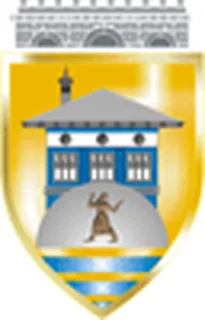
Growing contact with Greek craft centres changed local material culture and helped mark the transition from prehistory into the archaic and classical eras. Imported and locally imitated pottery, jewellery and luxury goods appeared alongside changing burial customs and religious imagery. Elite “princely” burials display these connections most clearly. The celebrated bronze Maenad from Tetovo, found with a rich archaic-period assemblage, became the principal image on North Macedonia's 5,000-denar banknote issued in 1996 and also appears on Tetovo's coat of arms.
The inherited narrative assigns Polog, northern Macedonia, eastern Kosovo and southern Serbia to the Agrianians until the third century BC. Ancient sources identify the Agrianians as a Paionian or Paionian-related people and praise their light infantry under King Langarus, who aided Alexander III against the Triballians in 335 BC and later campaigned in Asia. Their precise homeland and the extent of their control are still debated, however, so the broad territorial claim cannot be treated as consensus.
Fourth-century BC silver coins naming Pelagia have been connected with the Damastion mining and minting sphere. Some researchers place Pelagia near present-day Tetovo and regard it as an ancient urban predecessor of the city. The further derivation of the Slavic regional name Polog from Pelagia, compared in the legacy with Scupi–Skopje, Astibo–Štip and Thessalonike–Solun, is attractive but remains an unproven etymology.
By the late fourth century BC, the regional balance shifted toward the Paionian king Audoleon, while Dardanian power expanded southward during the third century. Archaeological discontinuities in Polog have been read in this context, but precise borders are uncertain. Dardanian forces repeatedly used northern approaches for raids into Macedonia, even after Rome defeated the Macedonian kingdom in 168 BC. Full Roman control over Dardania and Polog was consolidated only later.
Roman Period
Rome secured Polog with the wider Dardanian interior by about 29 BC, beginning a long period of imperial administration, trade and gradual social change. Funerary stelae from the second and third centuries AD—not BC, as the legacy states—carry Greek inscriptions and suggest that Polog lay within a predominantly Greek epigraphic sphere, unlike more Latinized areas around Scupi and Kosovo. Provincial boundaries changed: Polog is commonly linked with Macedonia in the early imperial period and Macedonia Secunda in Late Antiquity, though frontier details remain debated. Personal names on the monuments show strong local continuity and relatively limited Romanization away from the main roads.
Repeated incursions by Goths, Huns and other groups from the third century onward encouraged the fortification of dominant hills in Late Antiquity. Castra, refuges and fortified settlements have been identified near present-day Rogle, Orašje, Leshok, Stenče, Jegunovce and Gradec, as well as at Isar–Banjiche above Tetovo. Not every site has been excavated or dated with equal certainty, but together they show a landscape organized for defence.
Christianity spread gradually through Macedonia after the apostolic age and especially after Constantine legalized the religion in 313. It cannot be assumed that Paul's journeys immediately Christianized Polog, as the older account implies. Archaeologists and local inventories report sixteen early Christian basilicas in the valley—twelve in the Tetovo area and four around Gostivar. The fifth-century basilica at Stenče, with an unusual baptismal arrangement, and the sixth-century triconch church at Tudence are among the best known, although superlative claims about their uniqueness should be treated cautiously.
Avar and Slavic incursions in the late sixth and early seventh centuries disrupted the late antique settlement system. Many forts were abandoned, though not always destroyed. When stronger medieval polities emerged two or three centuries later, some defensible sites were restored and reused by predominantly Slavic-speaking communities, helping to shape a new network of medieval settlements.
Ottoman Period
Tetovo and the rest of the region entered the Ottoman Empire near the end of the fourteenth century. An Ottoman register for the Tetovo nahiye records 153 Christian and 56 Muslim households in 1453, and 180 Christian and 41 Muslim households in 1468. These are tax-register household counts rather than modern population censuses, but they offer an important view of the early Ottoman town.
Tetovo retained an Orthodox ecclesiastical role while Muslim institutions, baths and markets expanded from the fifteenth century. The Painted, or Šarena, Mosque was founded in 1495; the legacy gives 1495, but the date used by the municipality and most current descriptions is 1495. Trade in farm produce and crafts made Ottoman Kalkandelen an important market and military point. Seventeenth-century writers such as Kâtip Çelebi described its growth on the plain. In the nineteenth century Ami Boué estimated about 4,500 inhabitants in the town and 30,000–40,000 in the wider district. His labels—Bulgarians, Albanians and Serbs, divided by religion—reflect the categories and limitations of contemporary travel writing rather than a modern census.
Present day
Tetovo became one of the principal theatres of the 2001 armed conflict between state security forces and the ethnic Albanian National Liberation Army. Fighting affected surrounding villages and the Shar slopes as well as the city. The Ohrid Framework Agreement ended the conflict and expanded local representation and language rights; its political and social consequences continue to shape contemporary Tetovo.
Profile sources (29)
- tetova.gov.mk/history_cultural_perspective
- tetova.gov.mk/visit_arabati
- kovz.gov.mk/ns-newsarticle-painted-mosque---tetovo.nspx
- old.tetova.gov.mk/getartm.aspx?aid=288&lan=3&men=15&sub=94
- stat.gov.mk/pdf/2022/2.1.22.10Popis-mk-en.pdf
- citypopulation.de/en/northmacedonia/poloski/507__tetovo
- tetova.gov.mk/assets/docs/files/file_698ee2fb7c56d.pdf
- old.tetova.gov.mk/getartm.aspx?aid=270&lan=2&men=11&sub=71
- old.tetova.gov.mk/docs/5d90692d_STATUT.pdf
- tetova.gov.mk/visit_sharr_mountain
- old.tetova.gov.mk/getartm.aspx?aid=326&lan=3&men=17&sub=111
- old.tetova.gov.mk/getartm.aspx?aid=327&lan=3&men=17&sub=111
- old.tetova.gov.mk/getartm.aspx?aid=329&lan=3&men=17&sub=111
- old.tetova.gov.mk/getartm.aspx?aid=328&lan=3&men=17&sub=111
- old.tetova.gov.mk/getartm.aspx?aid=137&lan=3&men=17&sub=110
- unite.edu.mk
- seeu.edu.mk
- tetova.gov.mk/futboll
- unite.edu.mk/en/the-mosaic-dedicated-to-the-founder-of-the-university-of-tetova-prof-dr-fadil-sulejmani-is-unveiled
- sobranie.mk/-243f0e9b-41f0-4a59-9c57-7c7f03657ff8-ns_article-arben-xhaferi-94_.nspx
- sobranie.mk/pratenici-30568bf7-37e0-4e89-b5b7-a59725b7ad96-ns_article-teuta-arifi-en.nspx
- sobranie.mk/partia-demokratike-shqiptare-ce1f4bbc-6a7c-4b1e-af71-9fa86cfa7825-ns_article-menduh-thaci-02.nspx
- sobranie.mk/besa-16-en-ns_article-biljal-kasami-16-en.nspx
- en.wikipedia.org/wiki/Blerim_D%C5%BEemaili
- macedonianfootball.com/interview-with-agim-ibraimi
- en.wikipedia.org/wiki/Ferhan_Hasani
- tge.mk/eparhija/tsrkva-sv-atanasij-tetovo
- tge.mk/cveti-naum-oxridski-1
- makstat.stat.gov.mk/PXWeb/pxweb/en/MakStat/MakStat__Popisi__Popis2021__NaselenieVkupno__PodatociNaselenie/T1501P21.px
Interesting Facts
Interesting facts
Details worth remembering.
Local landmarks, customs, foods and historical details that reward a closer look at Tetovo.
-
A city between river plain and high mountain
Tetovo lies on the Pena in the Polog basin, while the municipality rises to Titov Vrv at 2,747 metres, the highest summit of the Shar range.
-
The Painted Mosque began in 1495
The mosque was founded in the late fifteenth century; the richly decorated form seen today is principally associated with an 1833-1834 rebuilding under Abdurrahman Pasha.
-
Arabati Baba is a Bektashi landmark
The large tekke developed as a religious, educational and cultural complex and remains one of Tetovo's most important sixteenth-century heritage sites.
-
A fortress built above the city
Tetovo Kale occupies Baltepe above the centre; the surviving complex was built for Abdurrahman Pasha beginning around 1820.
-
The old hammam once served both women and men
The sixteenth-century double hammam opposite the Painted Mosque was planned with paired bathing sections and today survives as part of the city's cultural landscape.
-
Popova Shapka is the mountain gateway
The resort lies about 18 kilometres from Tetovo at roughly 1,780 metres and provides the municipality's best-known access to skiing and high-mountain recreation.
-
Two universities shape the modern city
Tetovo is home to both the University of Tetova and South East European University, making higher education an important part of its regional role.
-
Football crosses neighbourhood and language lines
Shkendija, Teteks and Ljuboten anchor an unusually deep local football culture; the municipality traces Ljuboten's history to 1919.
-
The city grew while the wider municipality contracted
Census figures show Tetovo city rising from 52,915 residents in 2002 to 63,176 in 2021, while the municipality moved from 86,580 to 84,770.
People
Celebrities
Lives linked to the city.
Writers, musicians, artists, athletes, public figures and historical personalities with a clearly stated connection to Tetovo.
- Notable person Blerim Dzemaili Tetovo-born Swiss international footballer who played in major European leagues and at multiple World Cups.
-
Fadil Sulejmani Education
Born in Bozovce, a village in Tetovo Municipality, and closely identified with the city's university history.
Albanologist and university professor who founded and became the first rector of the University of Tetova.
Source -
Arben Xhaferi Public life
Born in Tetovo.
Political leader and member of parliament who was an influential figure in post-independence Albanian political life.
Source -
Teuta Arifi Public life
Born in Tetovo and later served as the city's mayor.
Philologist, university professor and politician who served as deputy prime minister and mayor.
Source -
Menduh Thaci Public life
Born in Tetovo.
Dentist and long-serving political party leader and member of parliament.
Source -
Bilall Kasami Public life
Born in Tetovo and serving as municipal mayor during the current research period.
Economist and politician who has served in parliament and municipal government.
Source -
Blerim Dzemaili Sport
Born in Tetovo before moving to Switzerland as a child.
Former Swiss international midfielder who played in Serie A, the Turkish Super Lig and Major League Soccer.
Source -
Agim Ibraimi Sport
Born in Tetovo and strongly associated with KF Shkendija.
Former North Macedonia international attacking midfielder with a club career across southeastern Europe.
Source -
Ferhan Hasani Sport
Born in Tetovo and repeatedly represented his home-town club.
North Macedonia international footballer and a long-serving creative player for KF Shkendija.
Source
Villages & Monasteries
Villages
The wider municipality.
Every verified village and rural settlement in the current municipal scope, followed by known monasteries in the surrounding cultural landscape.
19 villages and rural settlements are included.
- Bozovce A Shar Mountain village with 174 residents recorded in the 2021 census. Source
- Brodec A high mountain village with 734 residents recorded in 2021. Source
- Vejce A Shar Mountain village with 848 residents recorded in 2021. Source
- Veshala A high mountain settlement with 291 residents recorded in 2021. Source
- Gajre A foothill village above Tetovo with 633 residents recorded in 2021. Source
- Golema Rechica The municipality's largest village in the 2021 census, with 3,604 residents. Source
- Gjermo A village near the Polog plain with 569 residents recorded in 2021. Source
- Jedoarce A small municipal settlement with 16 residents recorded in 2021. Source
- Lavce A foothill village close to Tetovo with 313 residents recorded in 2021. Source
- Lisec A Shar foothill village with 384 residents recorded in 2021. Source
- Mala Rechica A large settlement adjoining Tetovo, with 2,468 residents recorded in 2021. Source
- Otunje A very small mountain settlement with 3 residents recorded in 2021. Source
- Poroj A large village north of Tetovo with 2,653 residents recorded in 2021. Source
- Sarakino A Polog plain village with 1,153 residents recorded in 2021. Source
- Selce A large mountain-foot village with 2,239 residents recorded in 2021. Source
- Setole A small mountain settlement with 22 residents recorded in 2021. Source
- Falishe A Polog plain village with 612 residents recorded in 2021. Source
- Dzhepchishte One of the municipality's largest villages, with 3,338 residents recorded in 2021. Source
- Shipkovica A major Shar Mountain village with 1,540 residents recorded in 2021. Source
Monasteries nearby
Places of continuity.
Verified monastic sites within the municipality or its immediate cultural landscape.
-
Monastery Church of St Athanasius
Baltepe above Tetovo
An Orthodox monastic church on the hill above the city; the diocese connects the site with a late-thirteenth-century complex, while the present building was reconstructed in 1922.
Source -
Monastery of St Naum of Ohrid
Popova Shapka
An active Orthodox mountain monastery and feast-day gathering place at the Popova Shapka resort.
Source -
Dormition of the Mother of God at Plocha
Shar Mountain, Tetovo Municipality
A historical monastic site cited in diocesan accounts of the region; the present condition and active monastic status require field verification.
Source
Old Photos (20)
Old Photos
The rare collection.
Every surviving full-size historical file is included, including originals that the old page markup accidentally omitted. Family-preserved originals remain untouched.
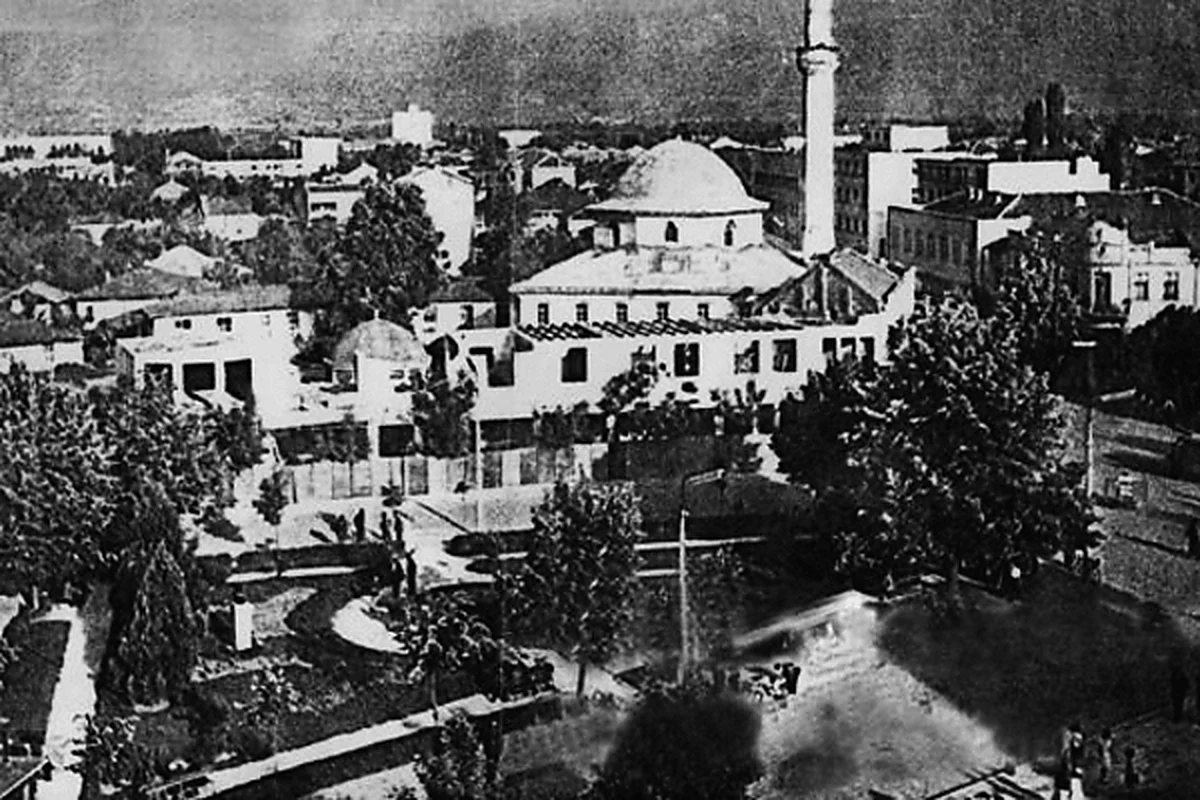
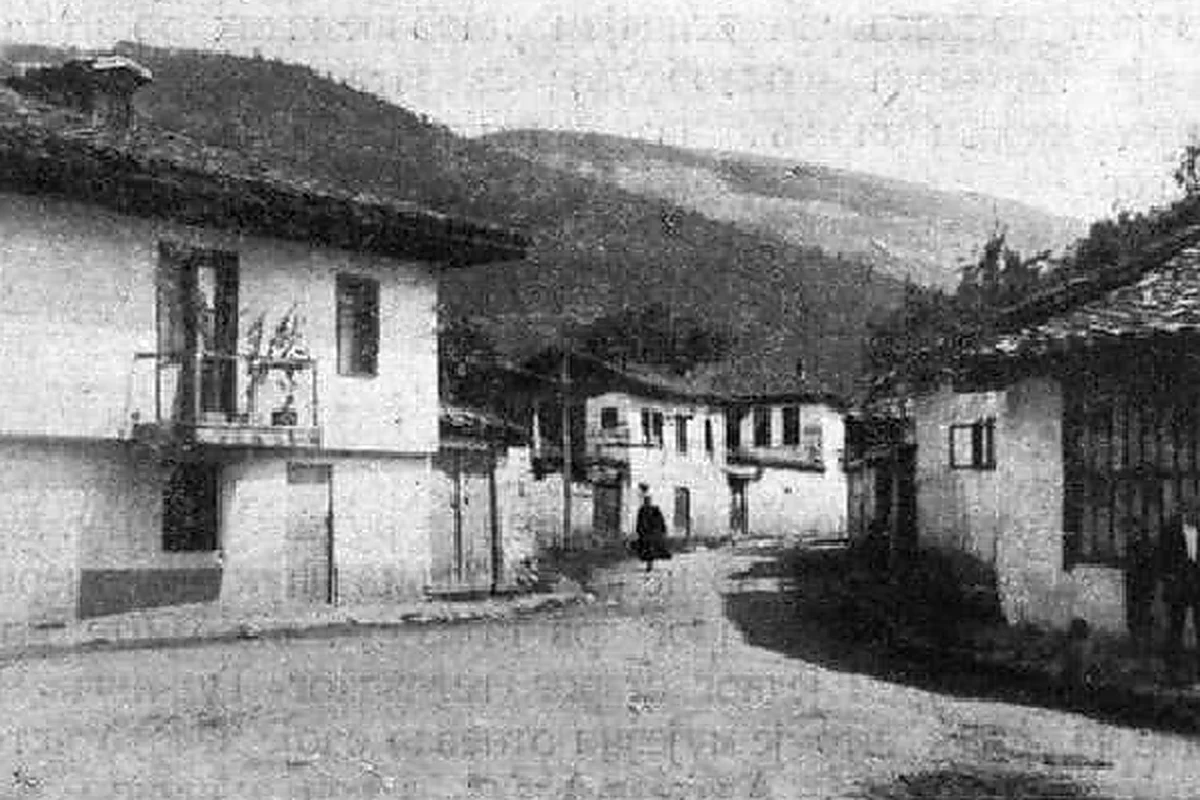
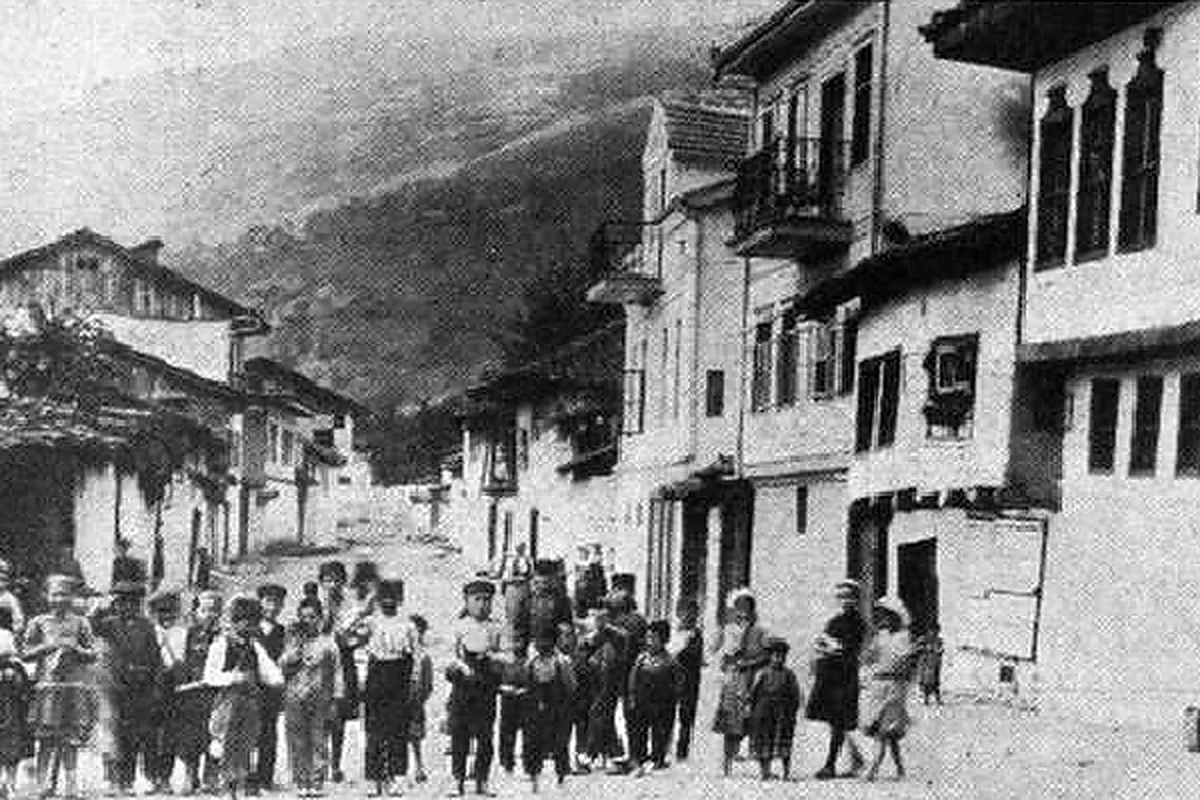
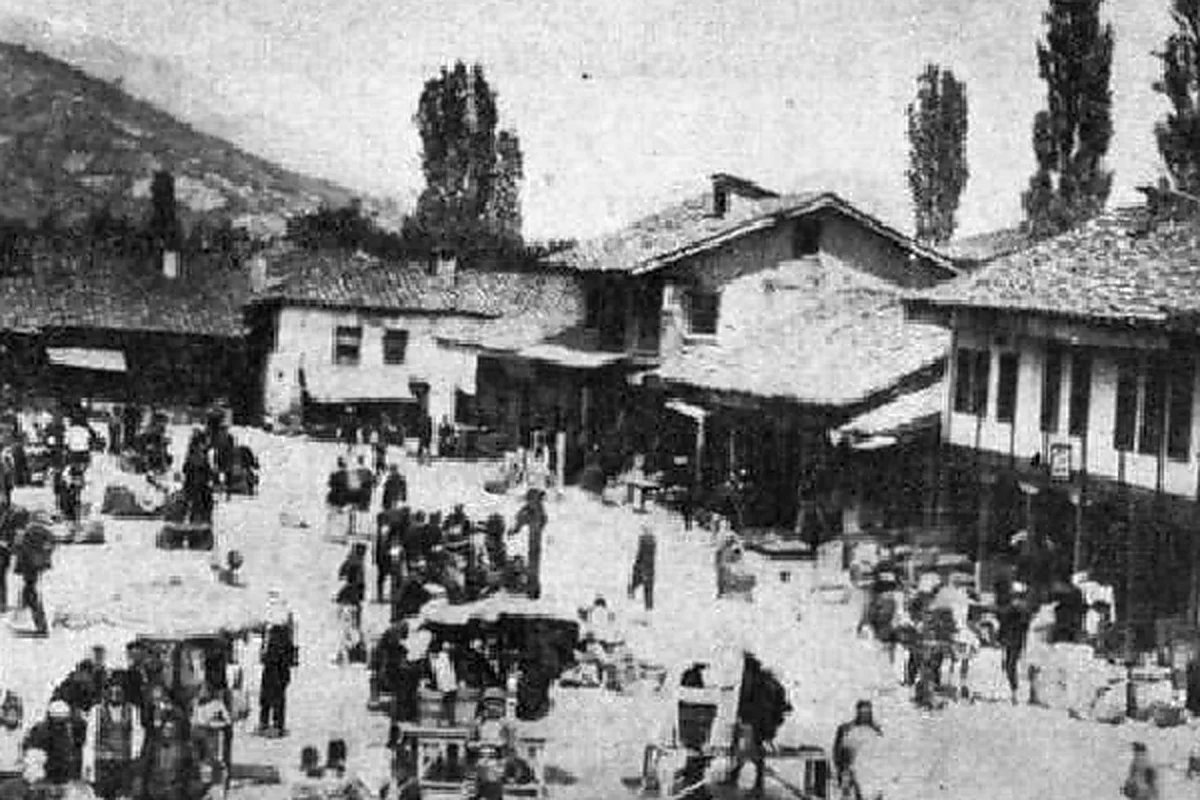
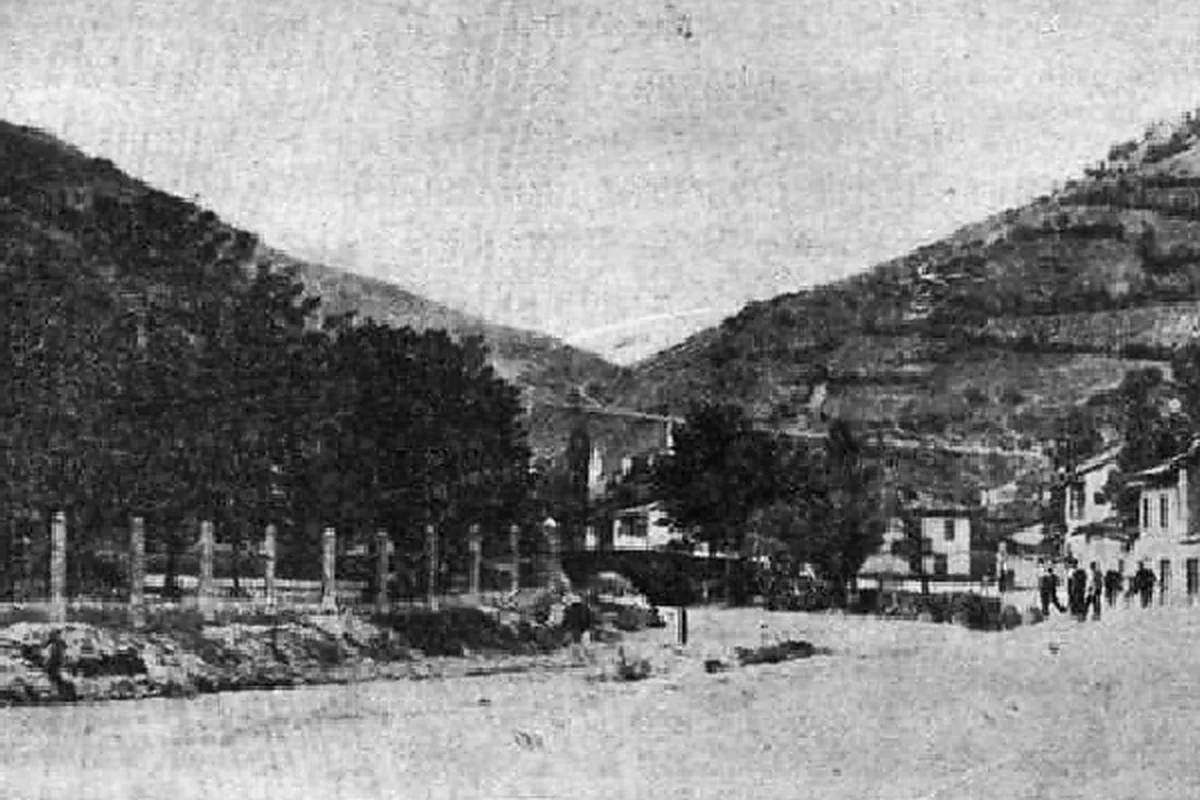
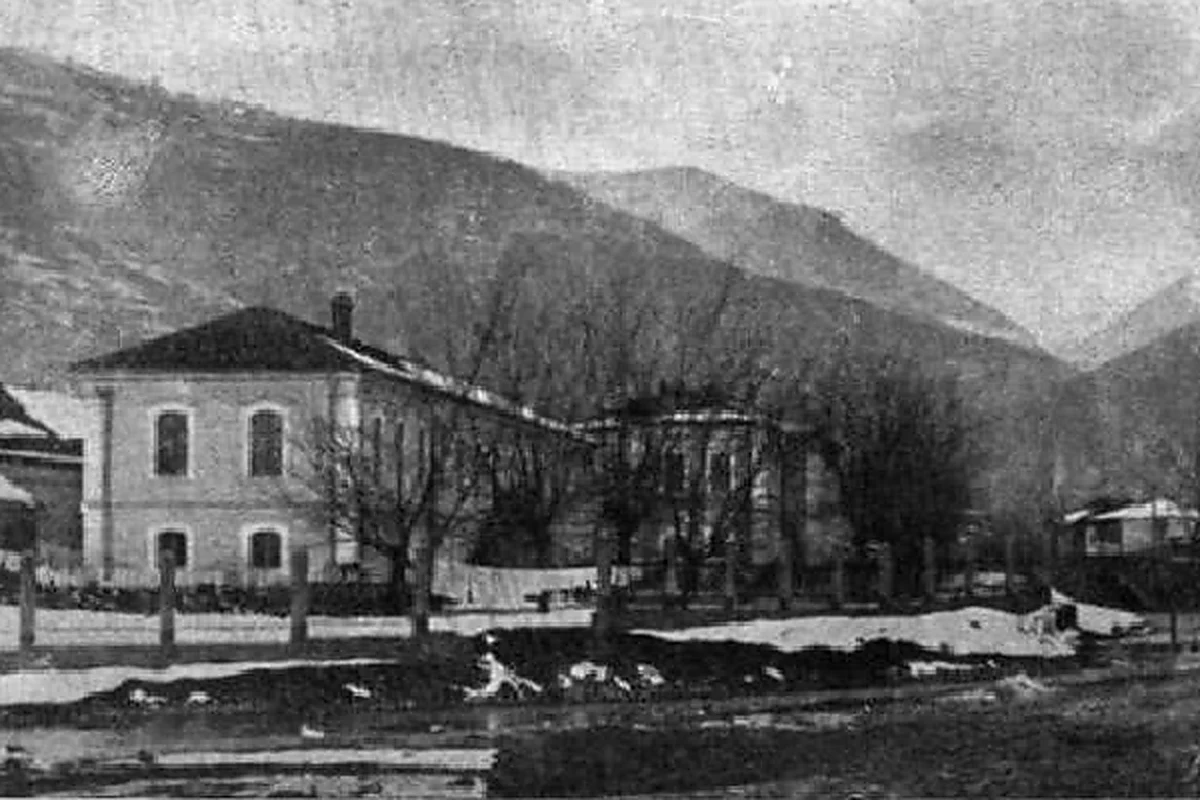
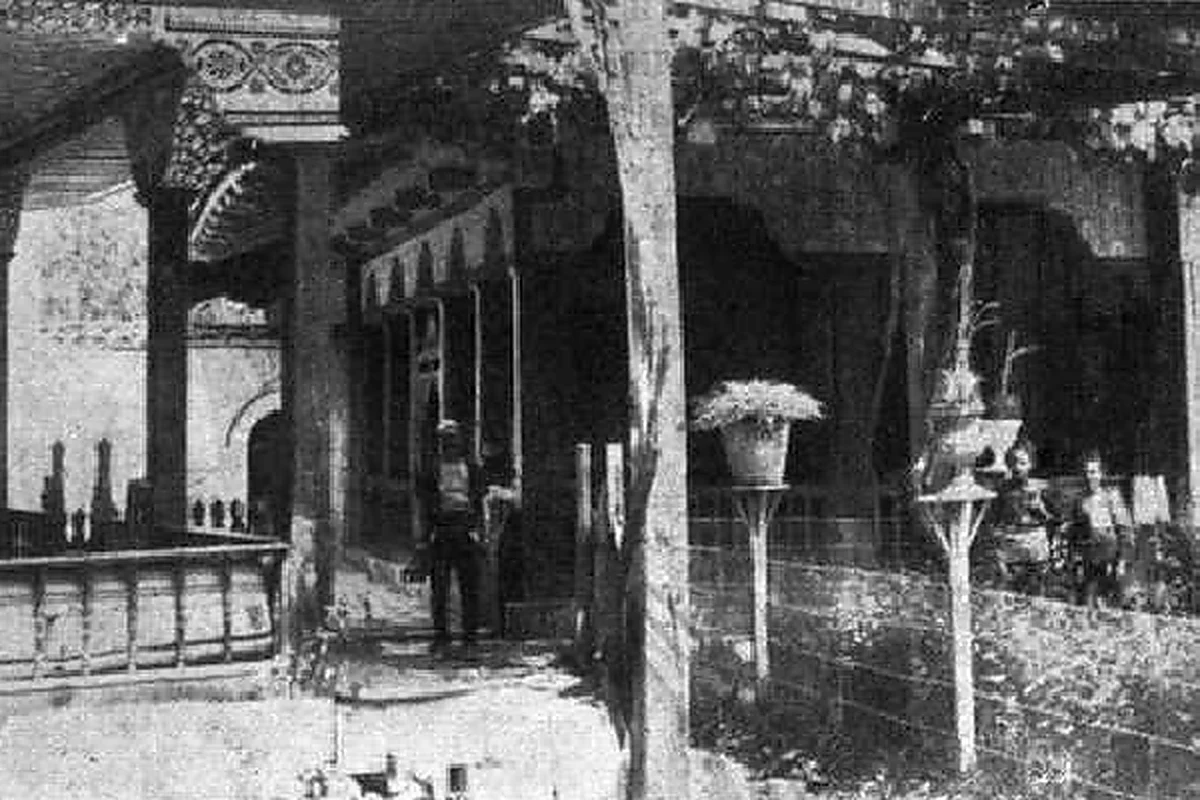
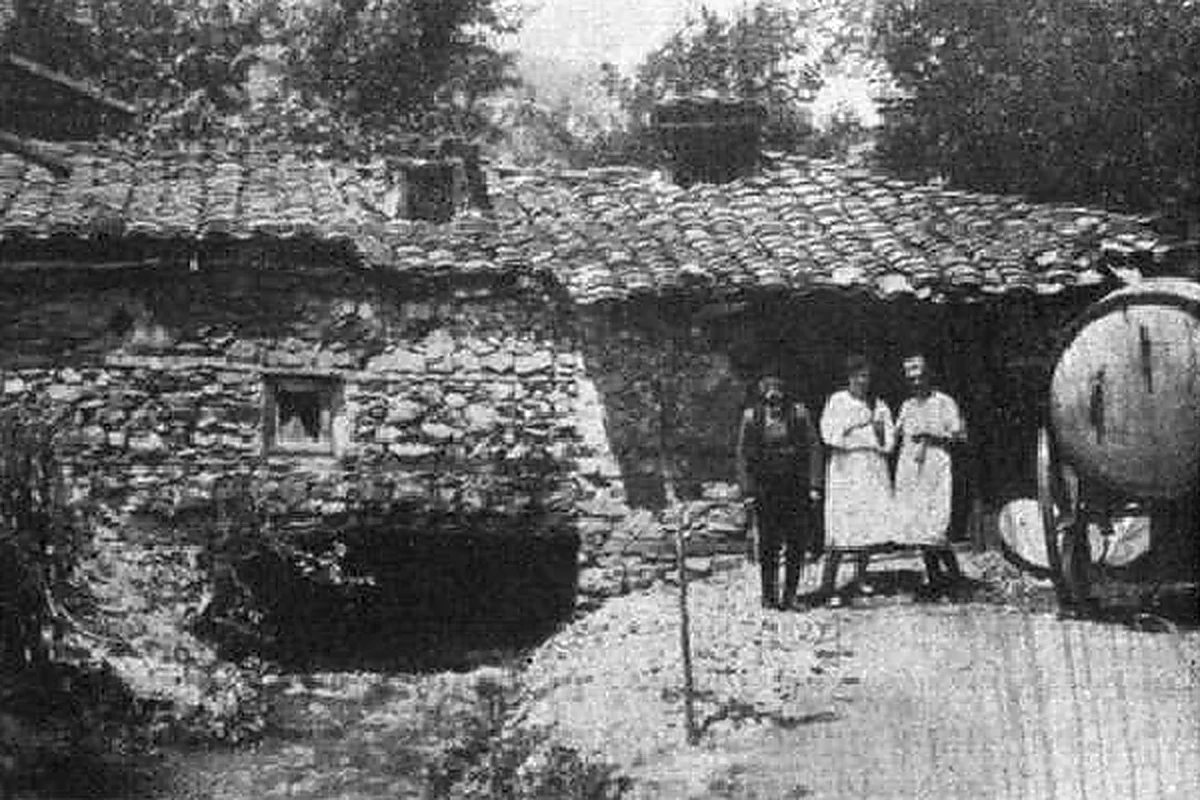
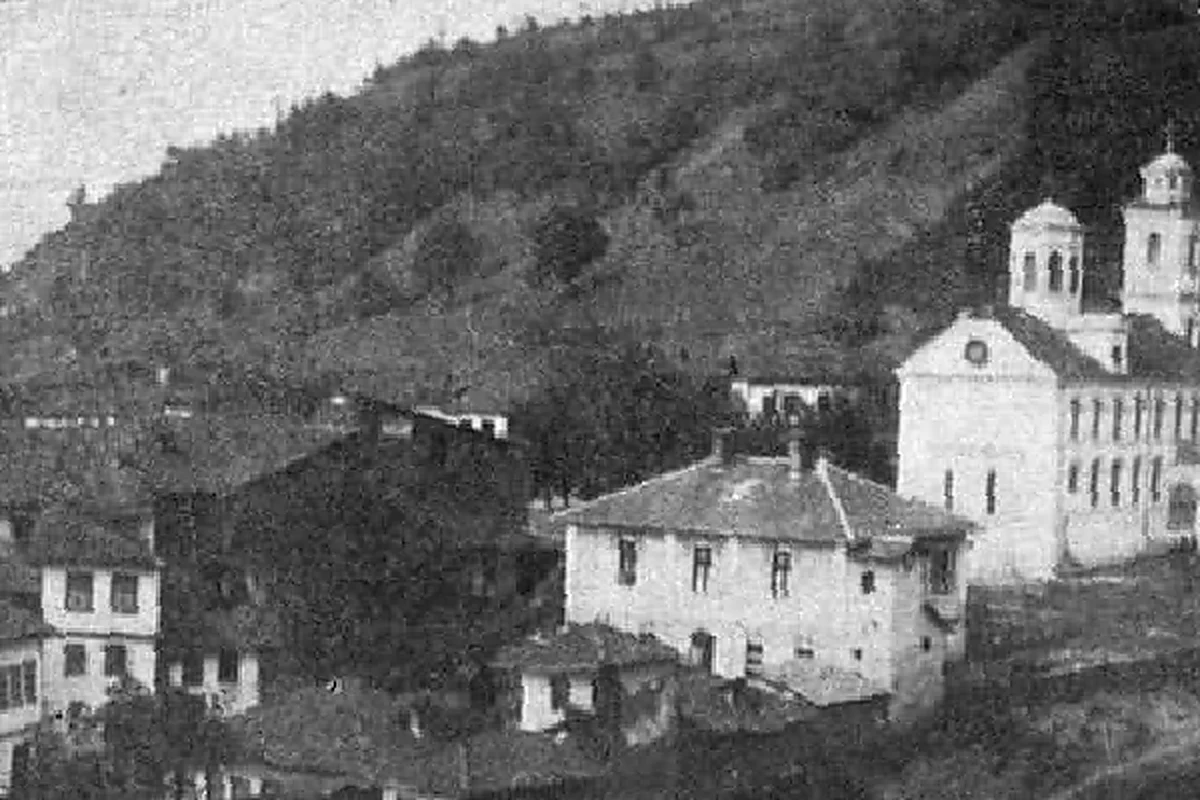
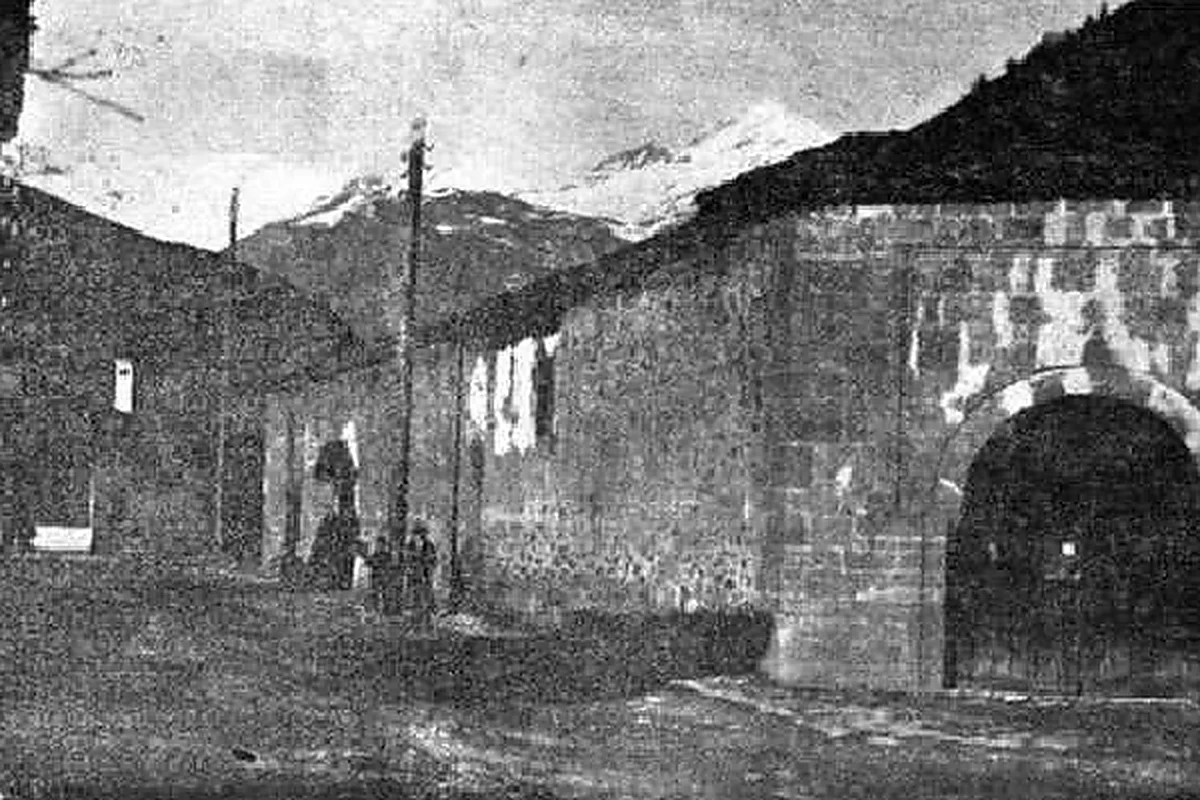
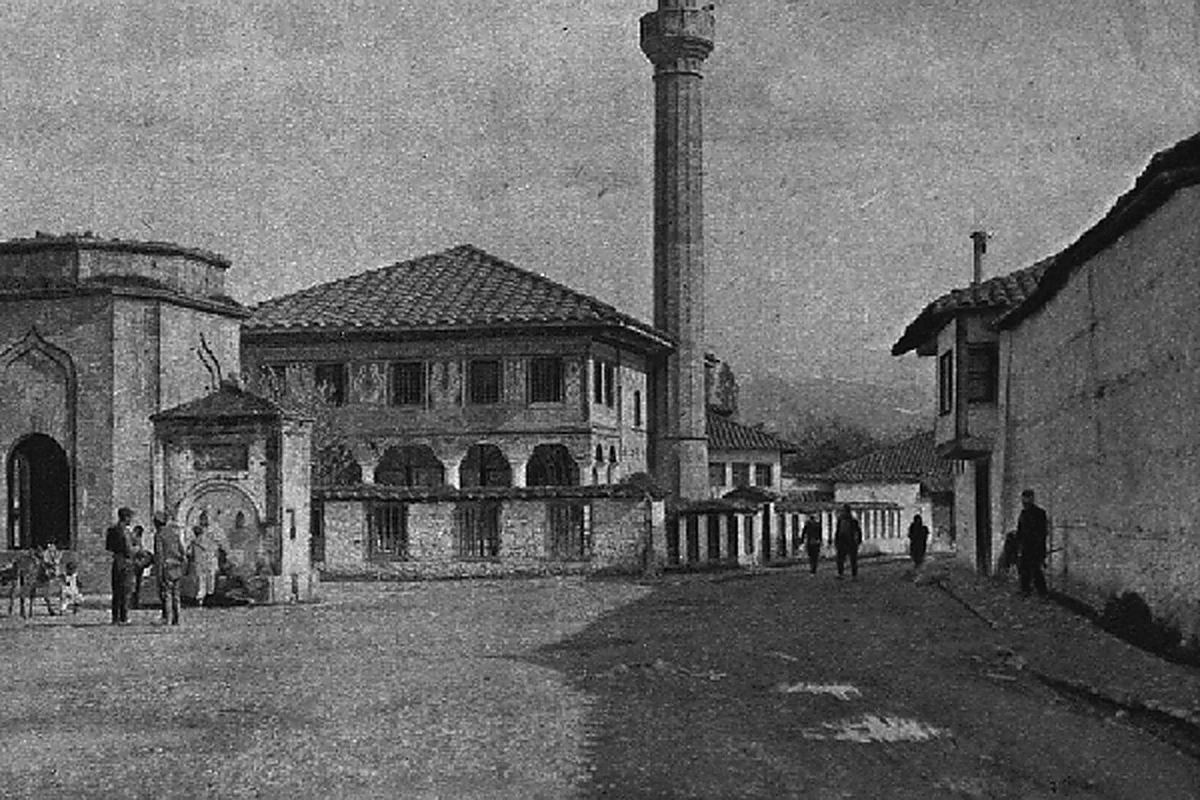
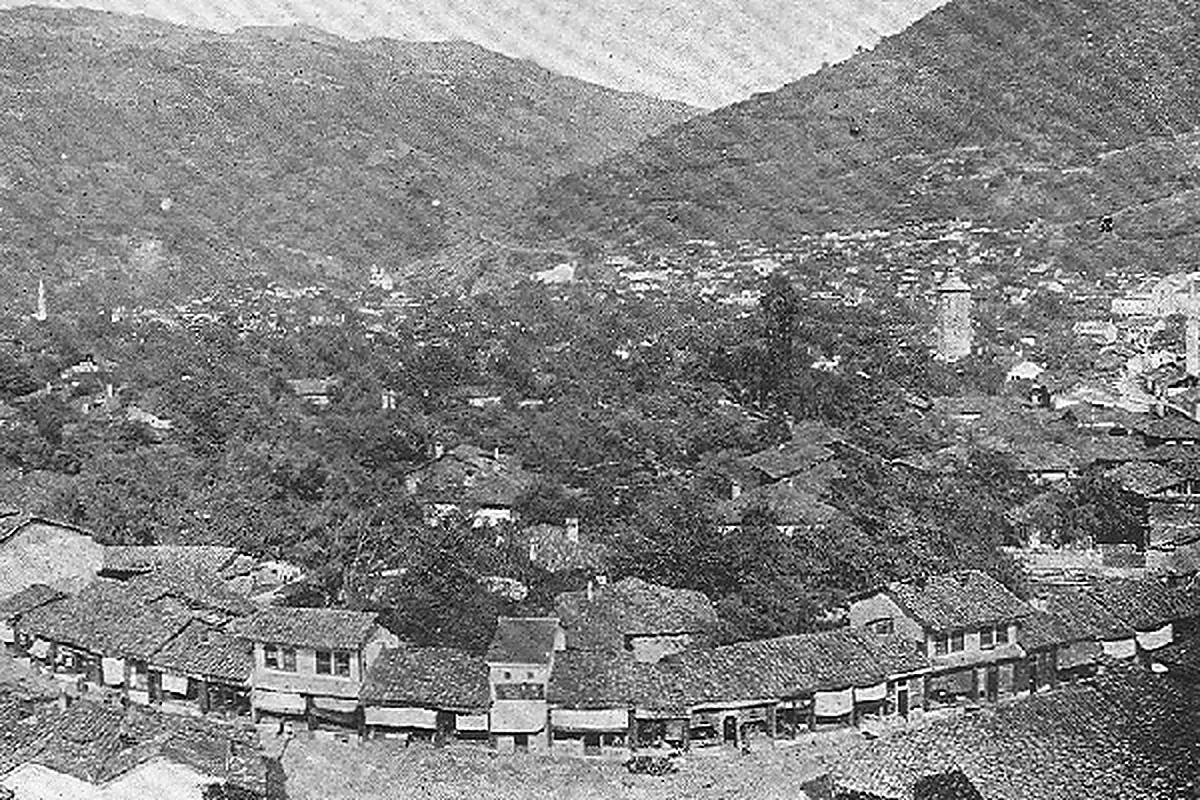
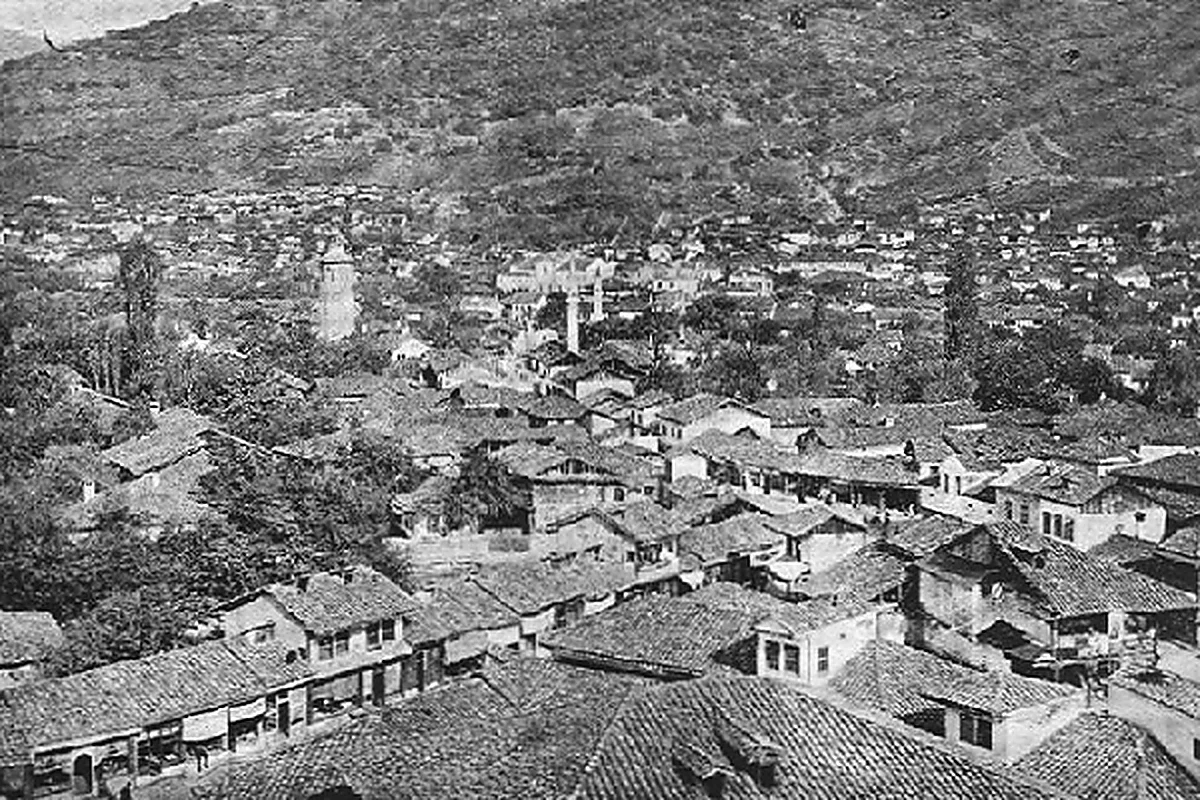
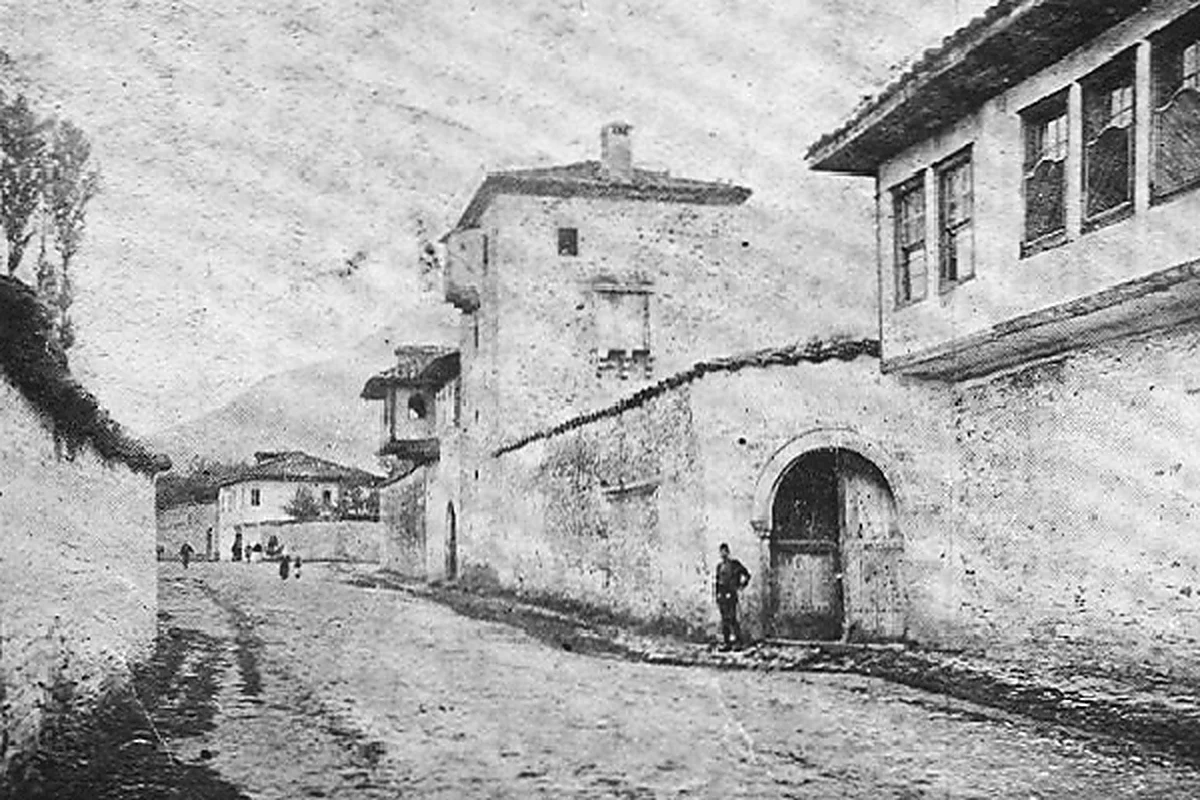
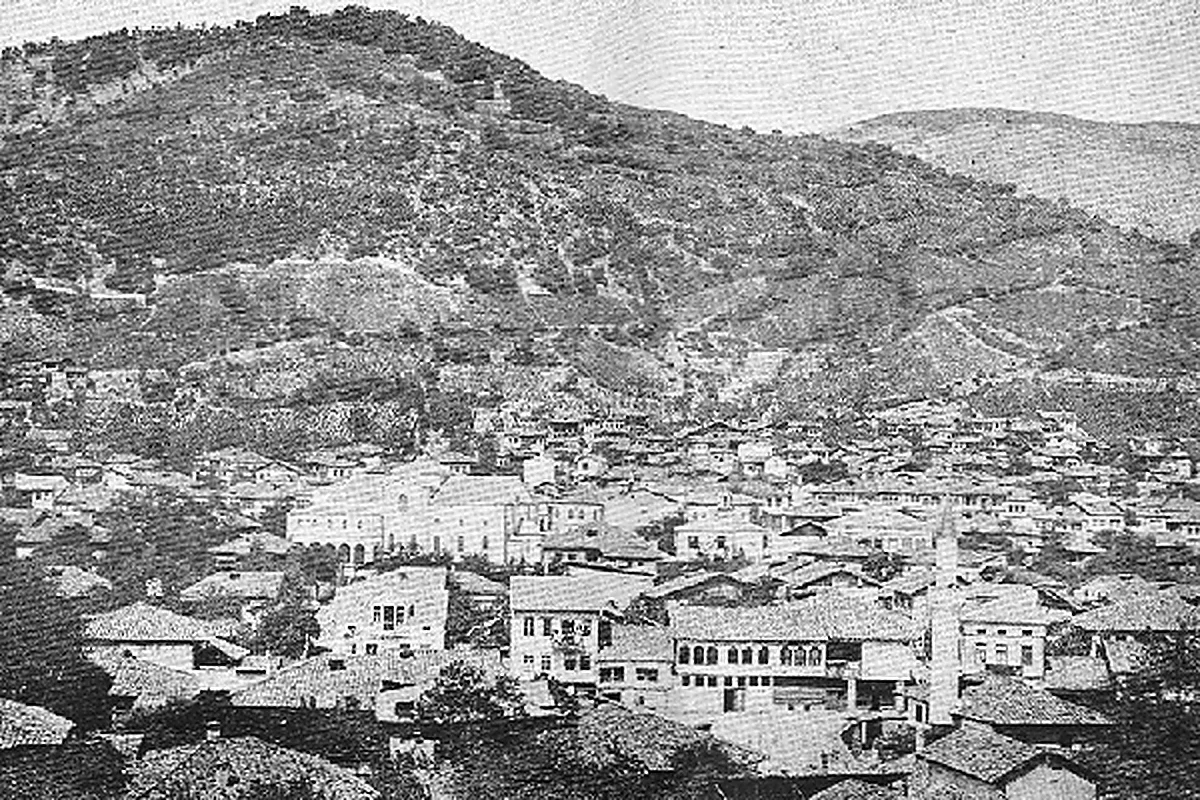
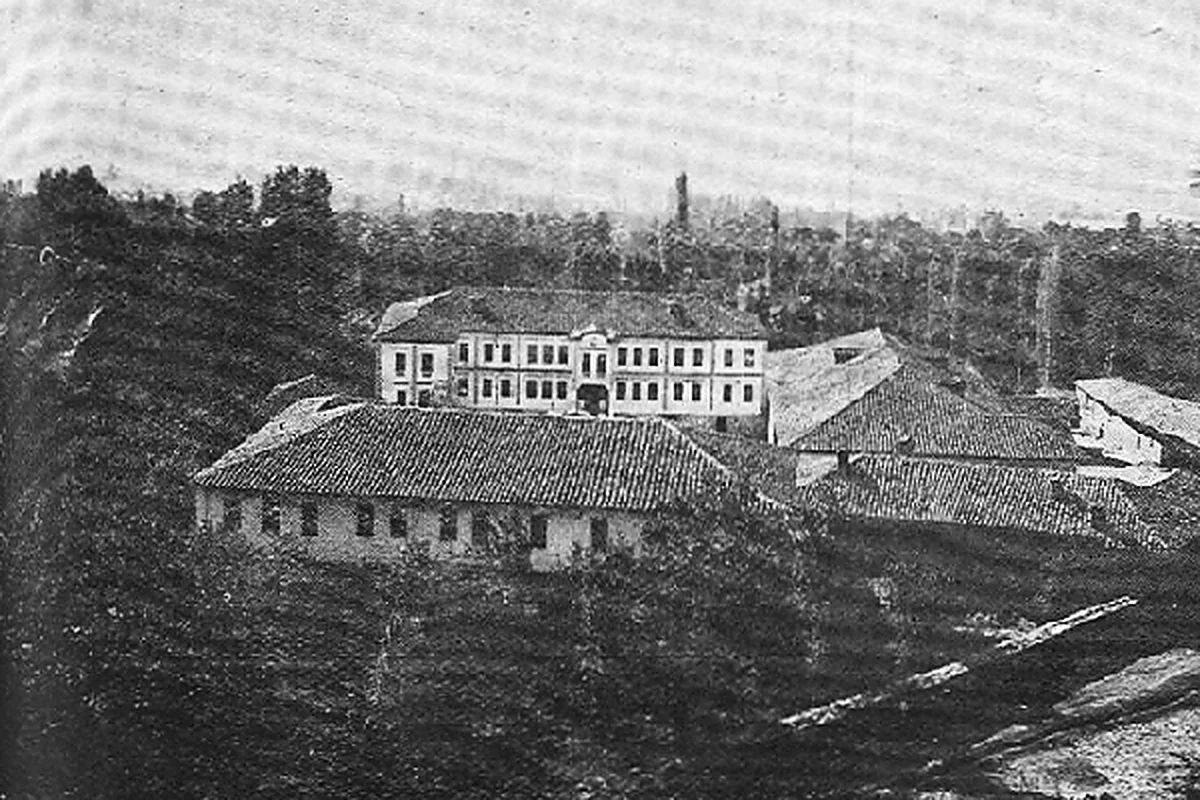
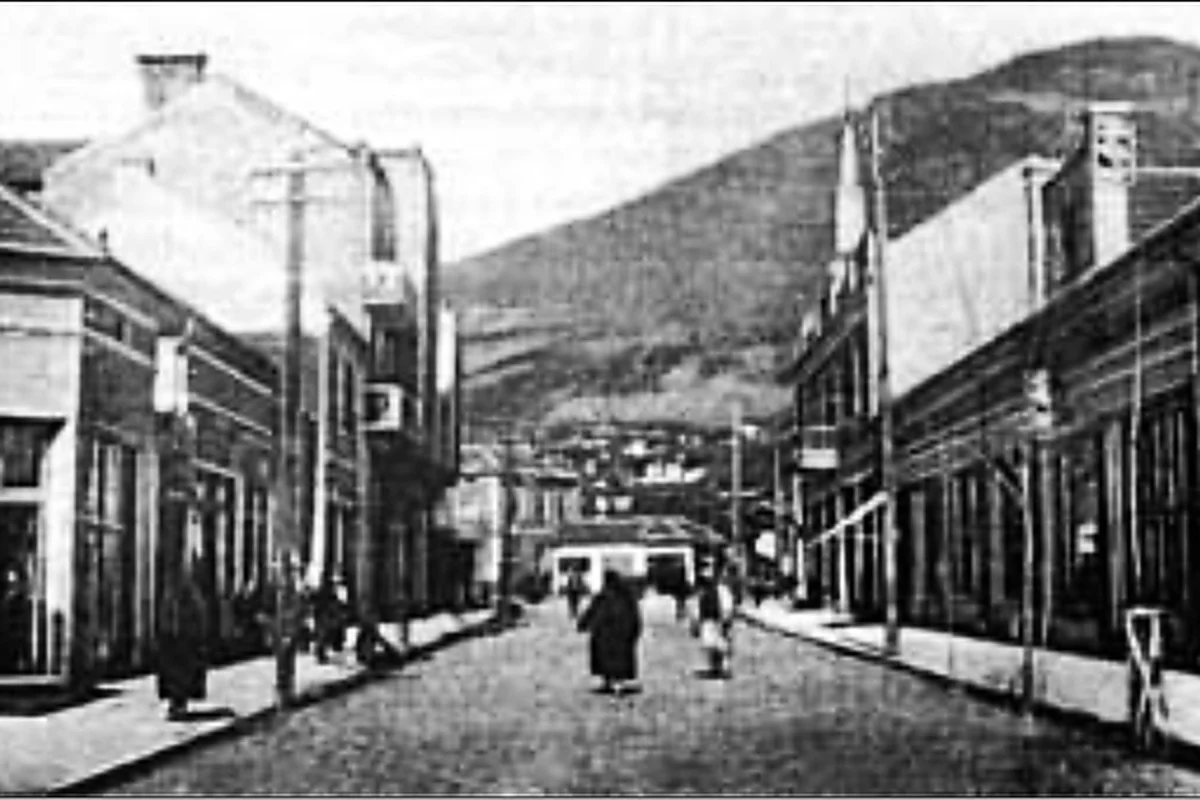
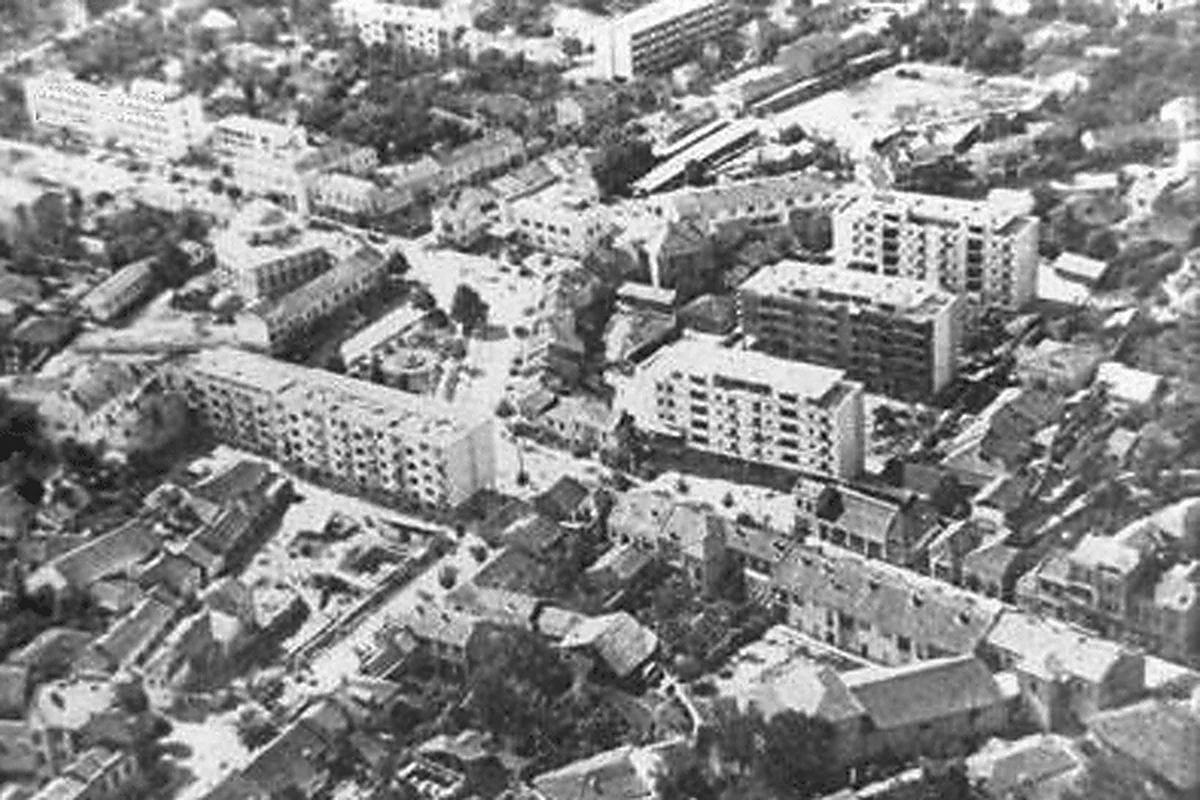
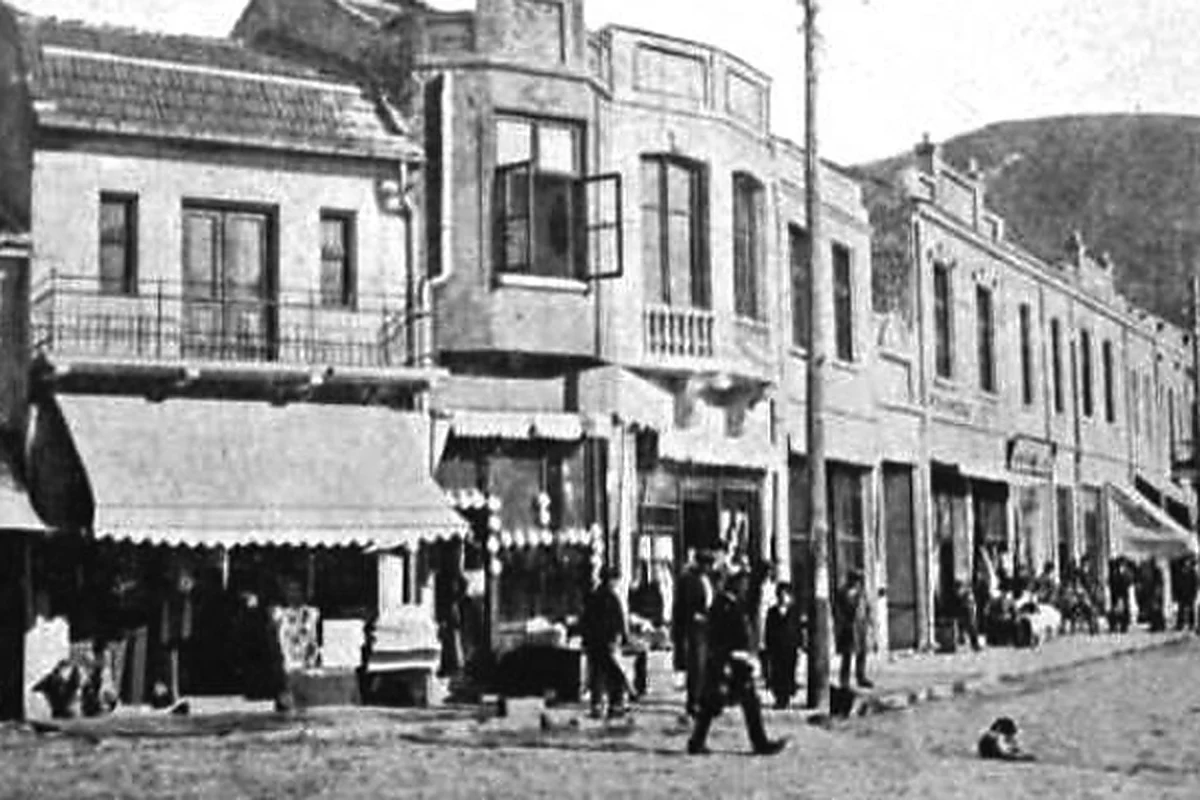
Photo Gallery (35)
Photo Gallery
Tetovo, frame by frame.
A responsive family gallery, including city views recovered from the old rotating banner system.
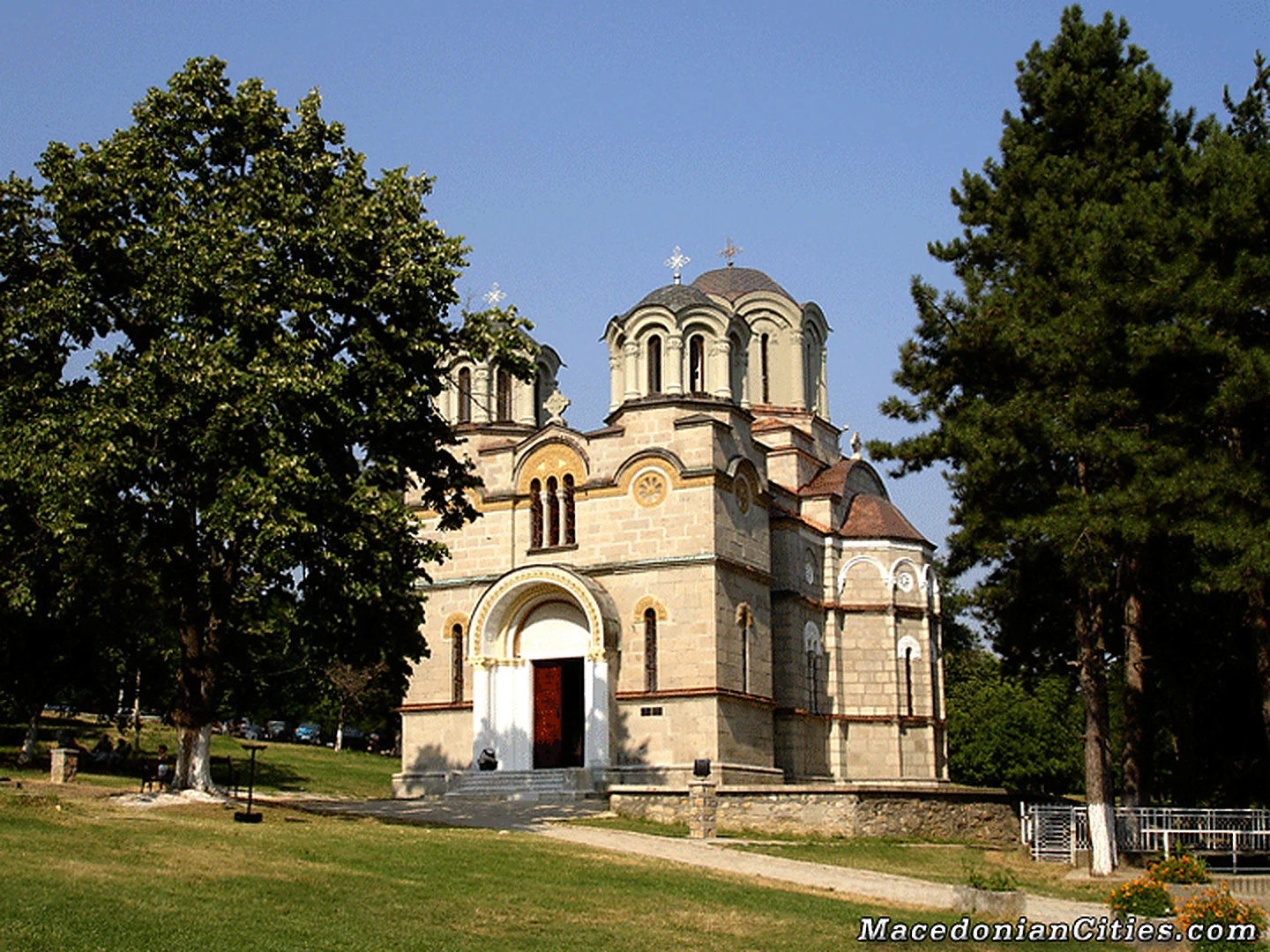
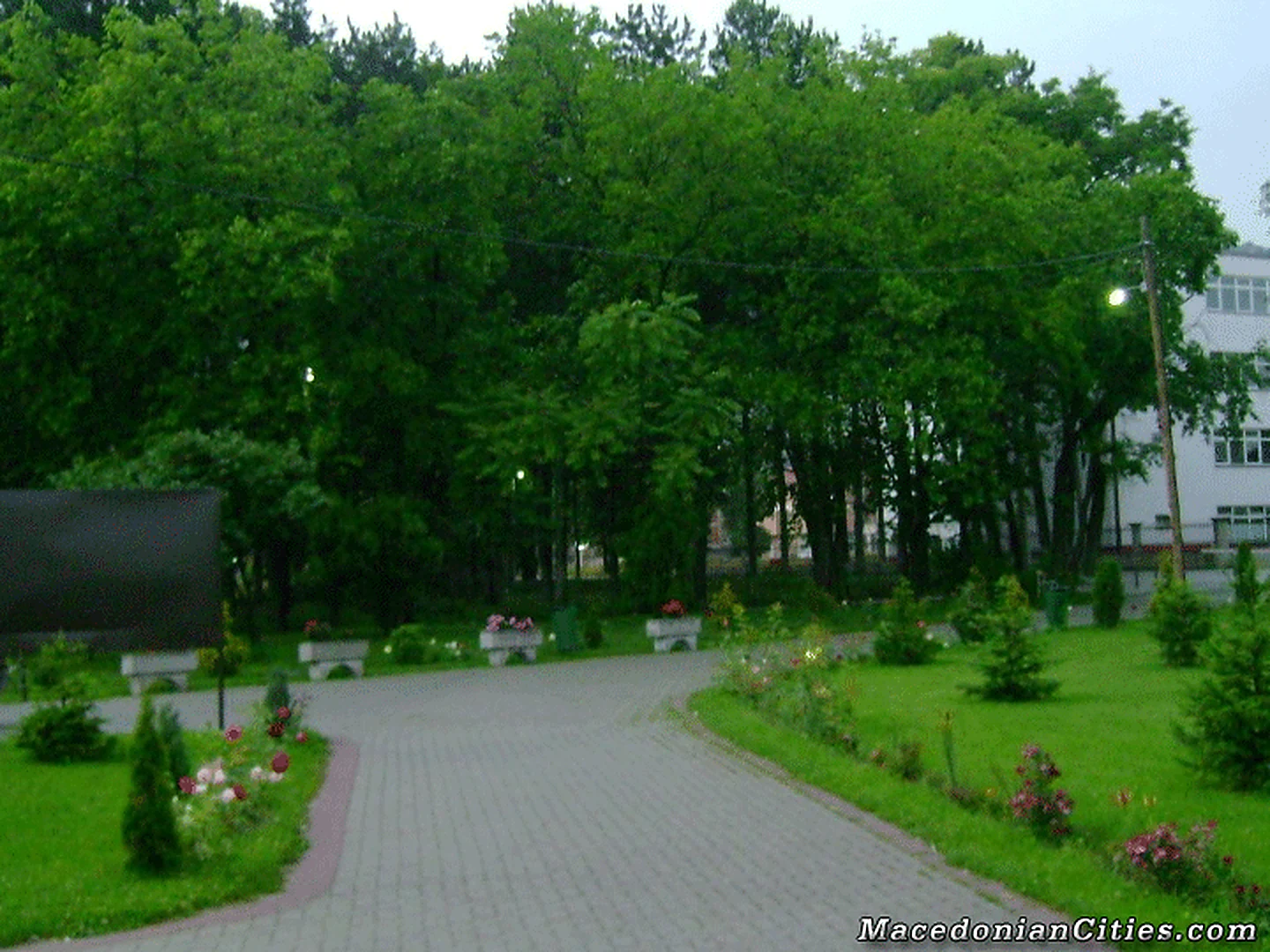
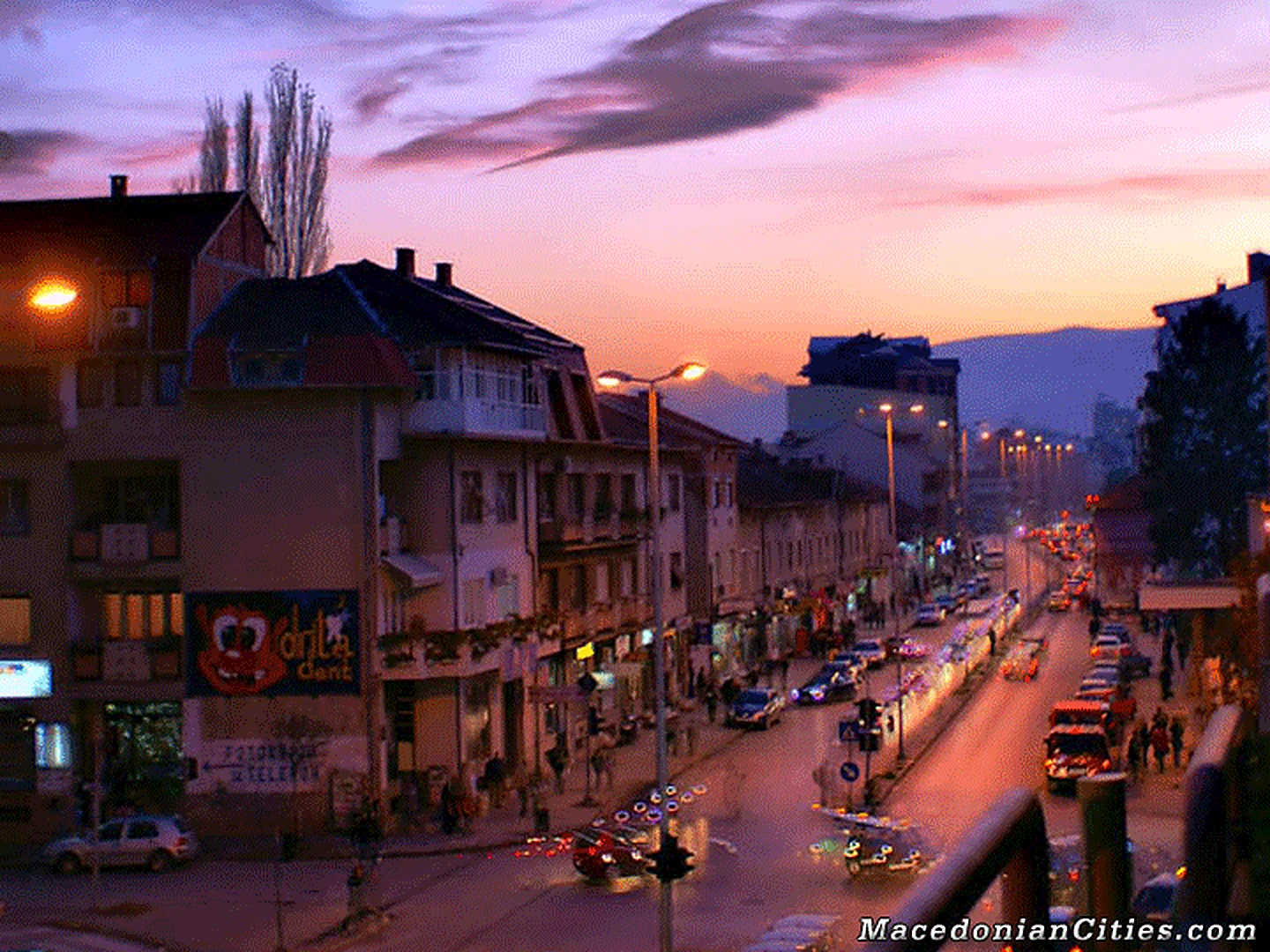
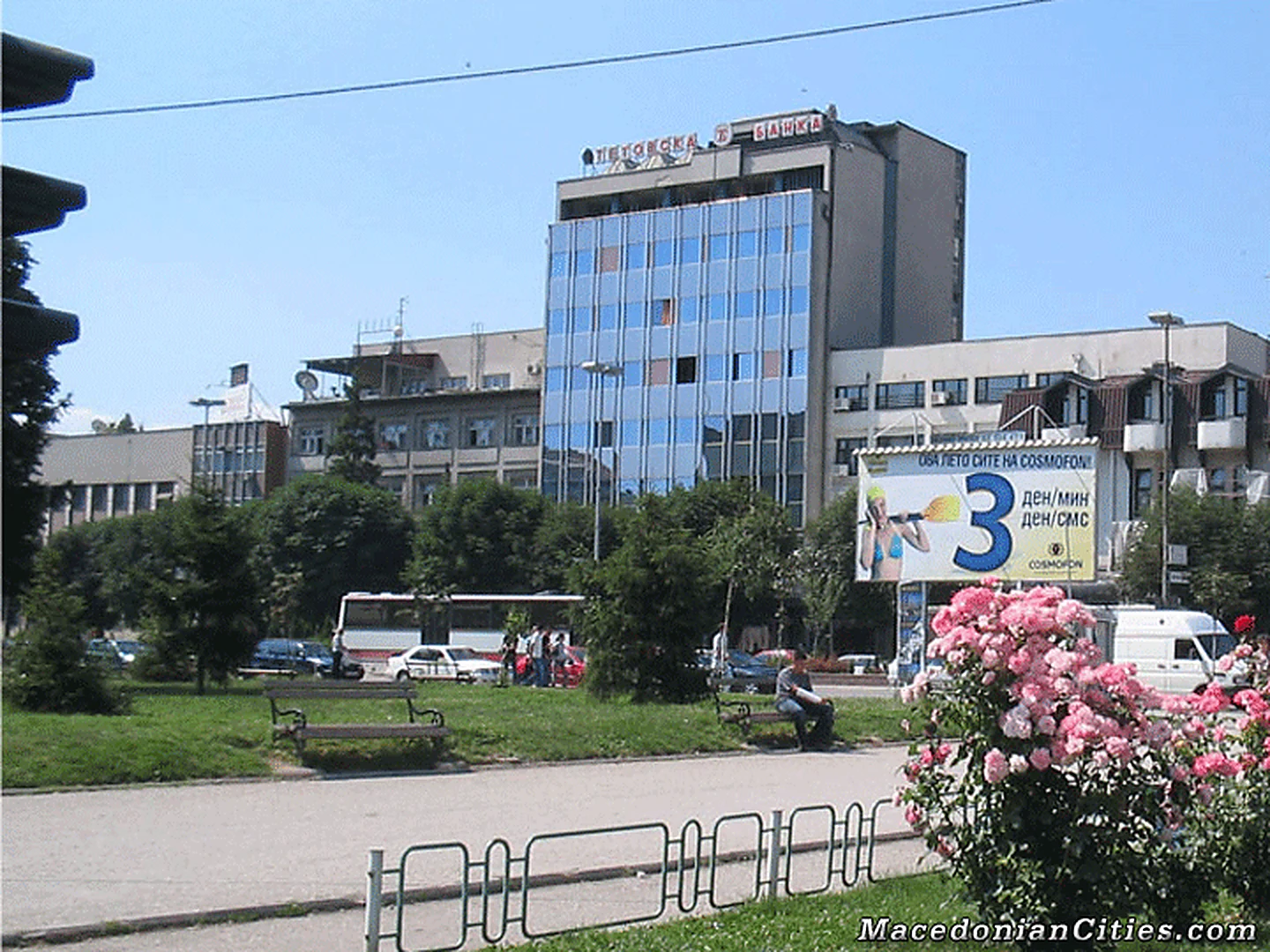
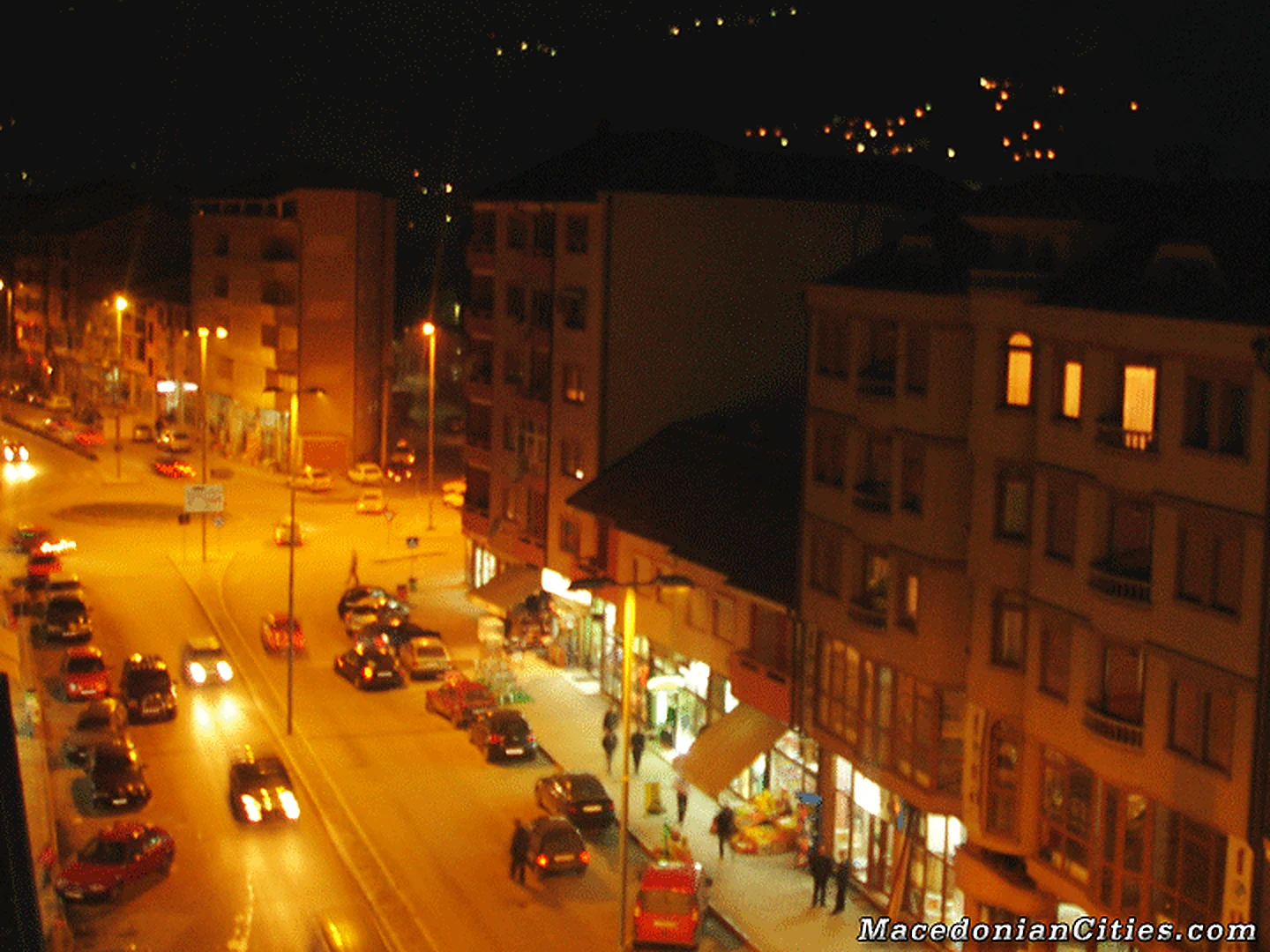
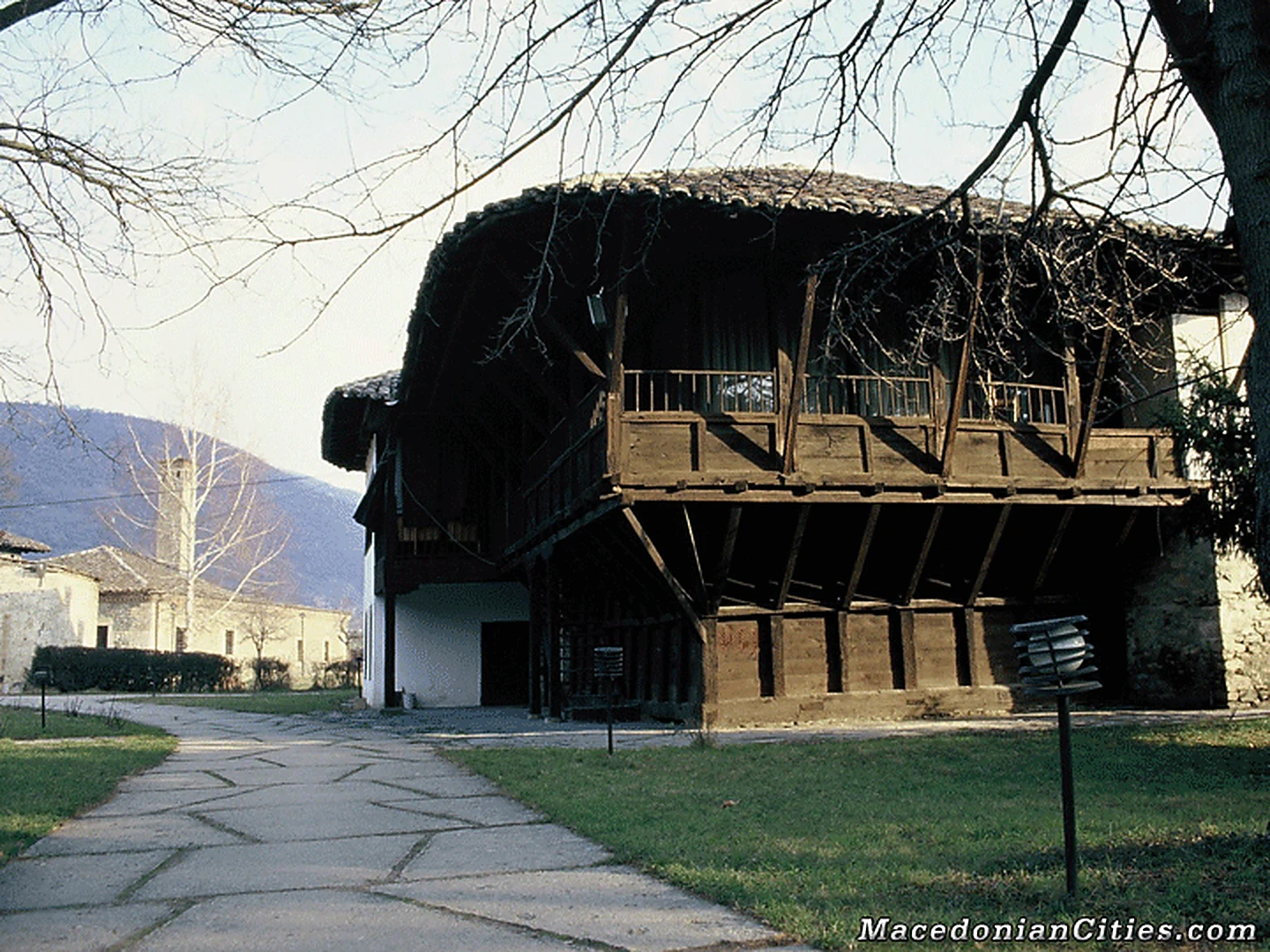
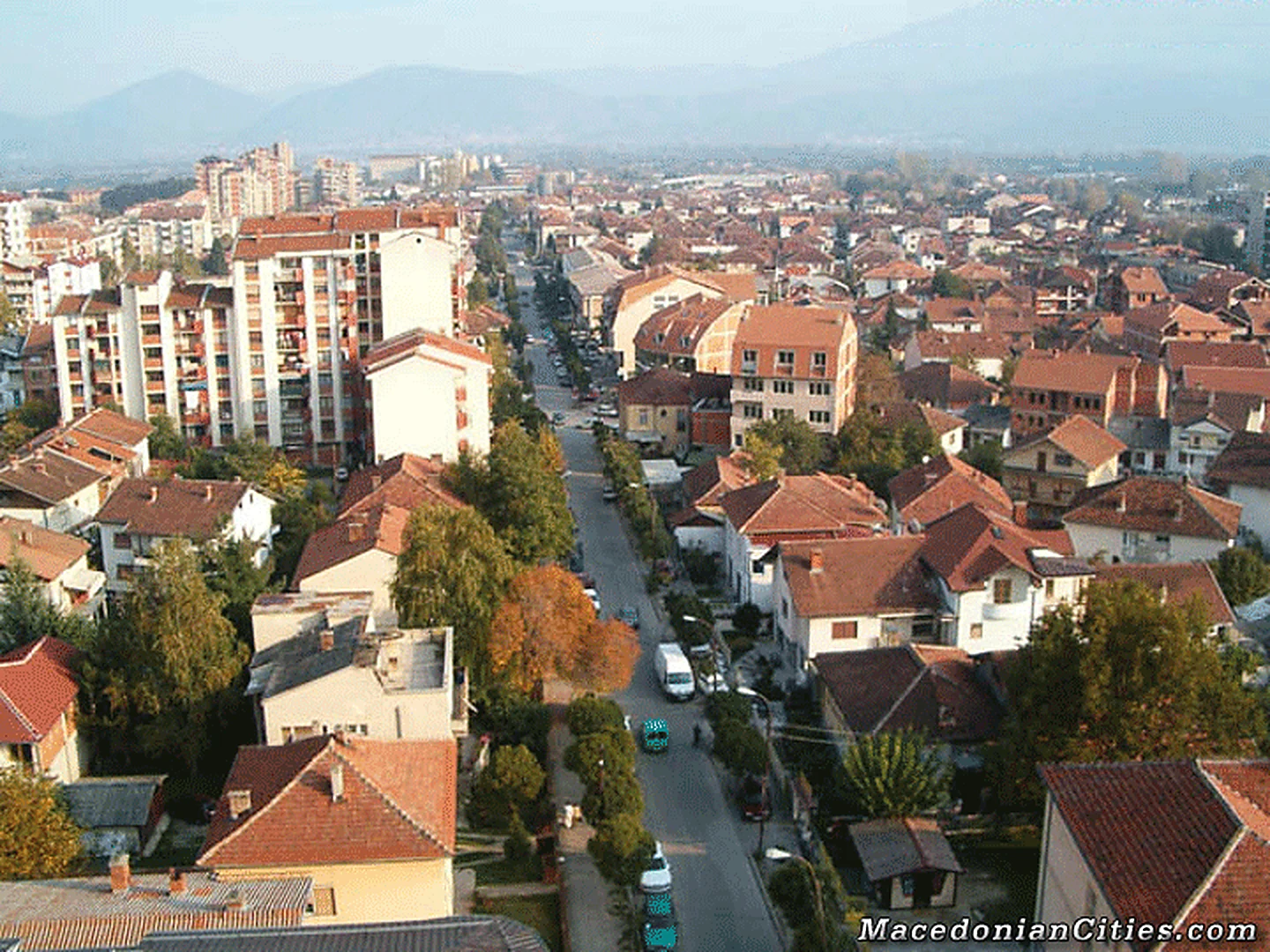
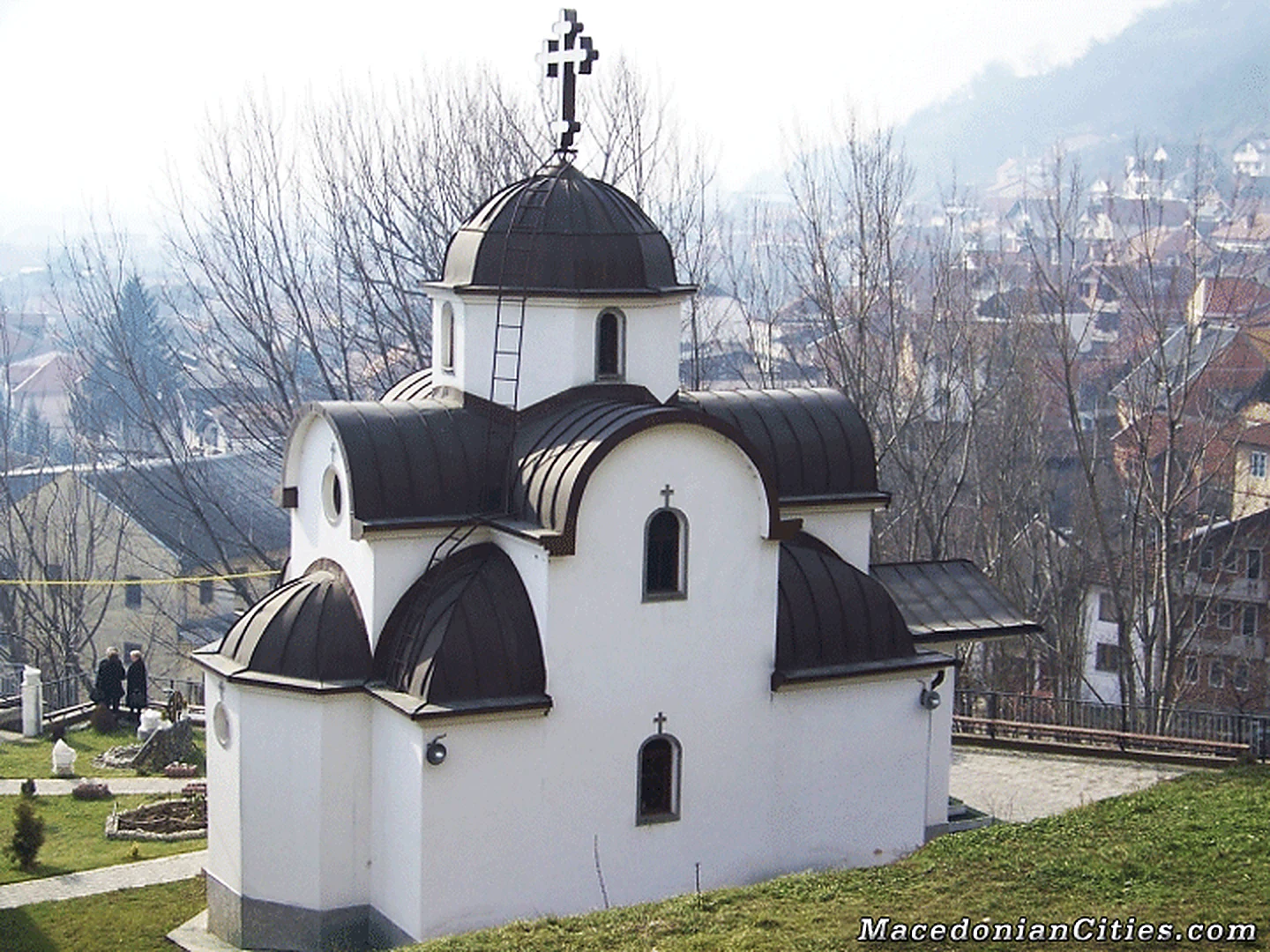
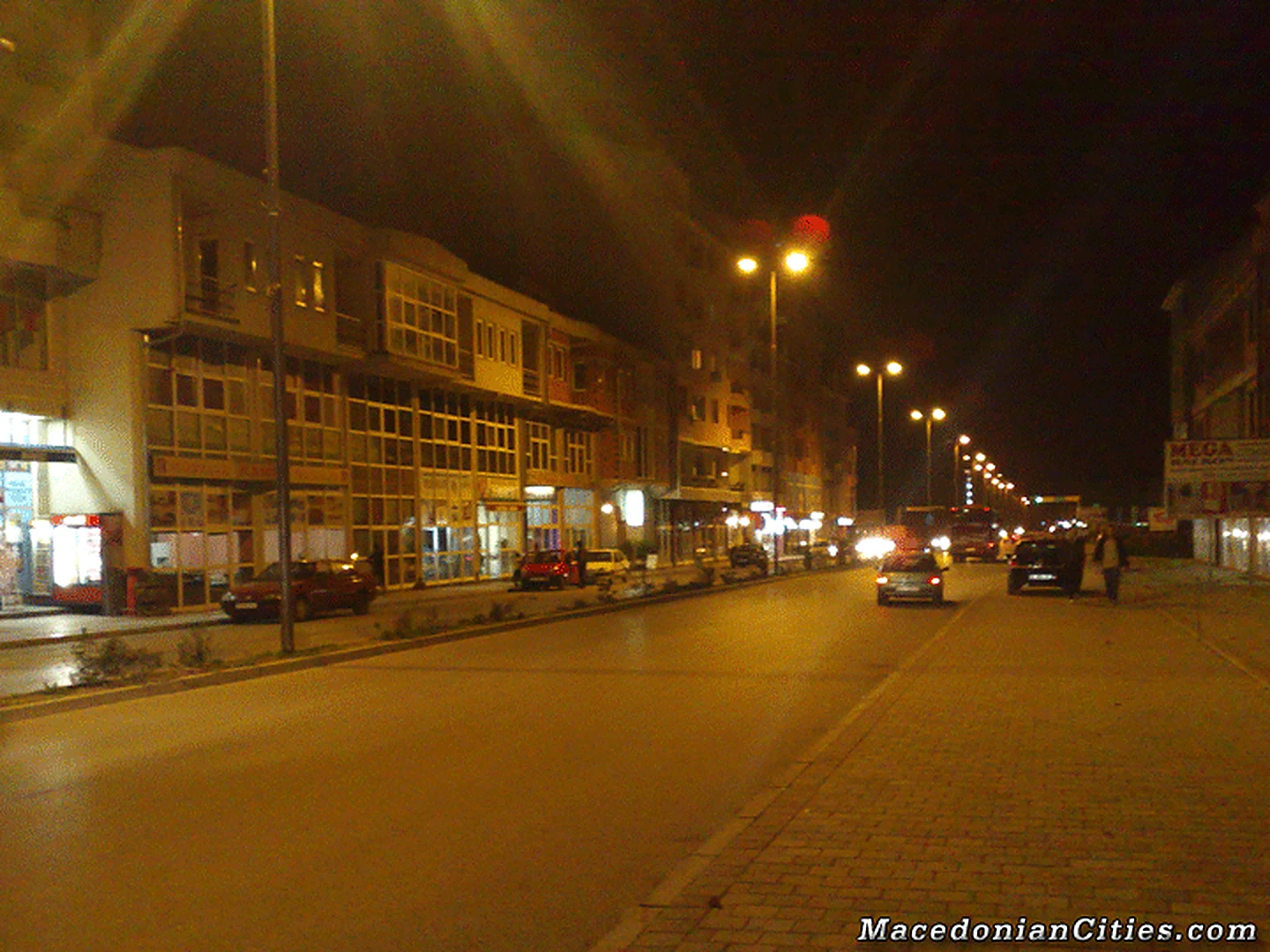
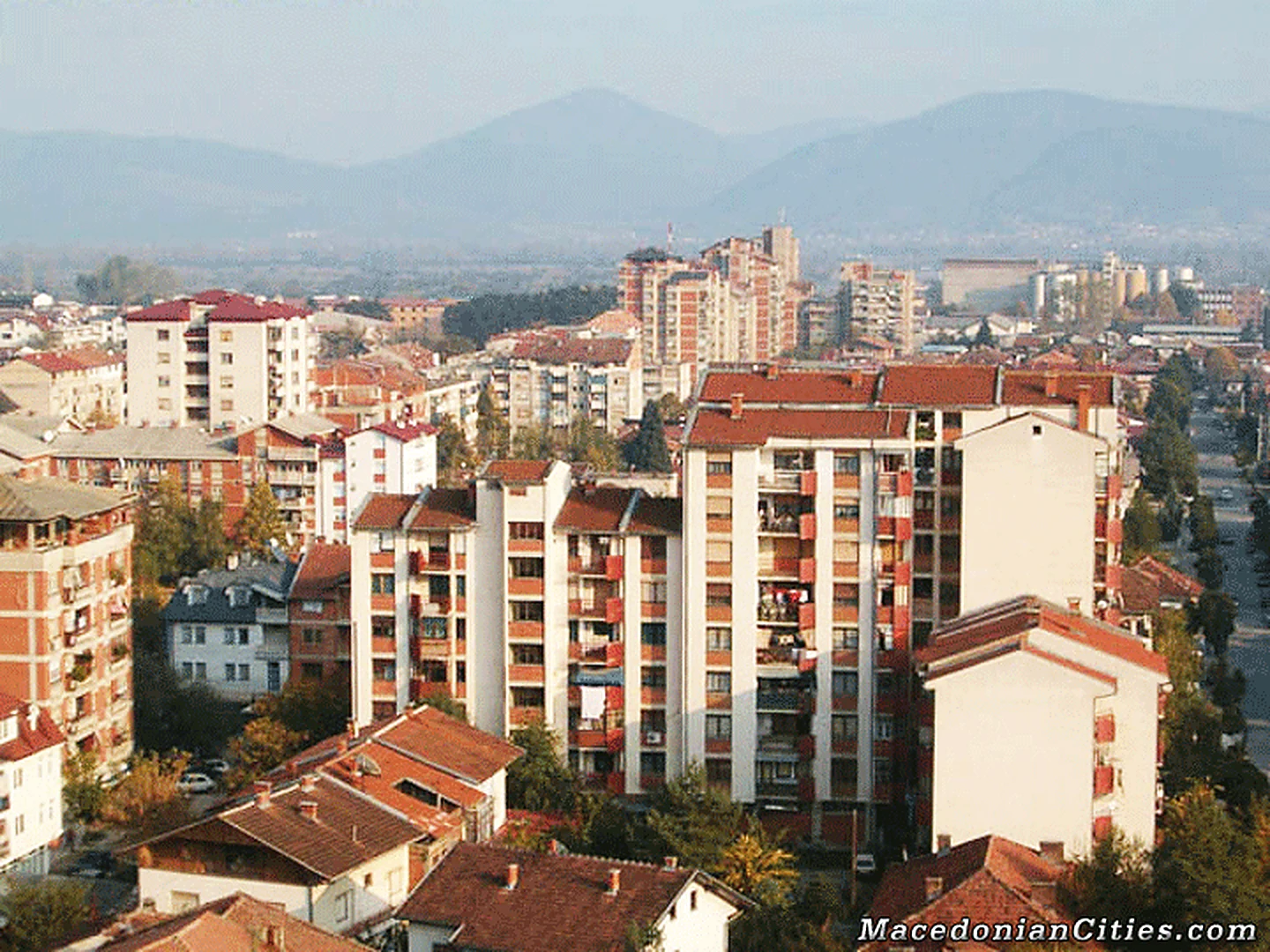
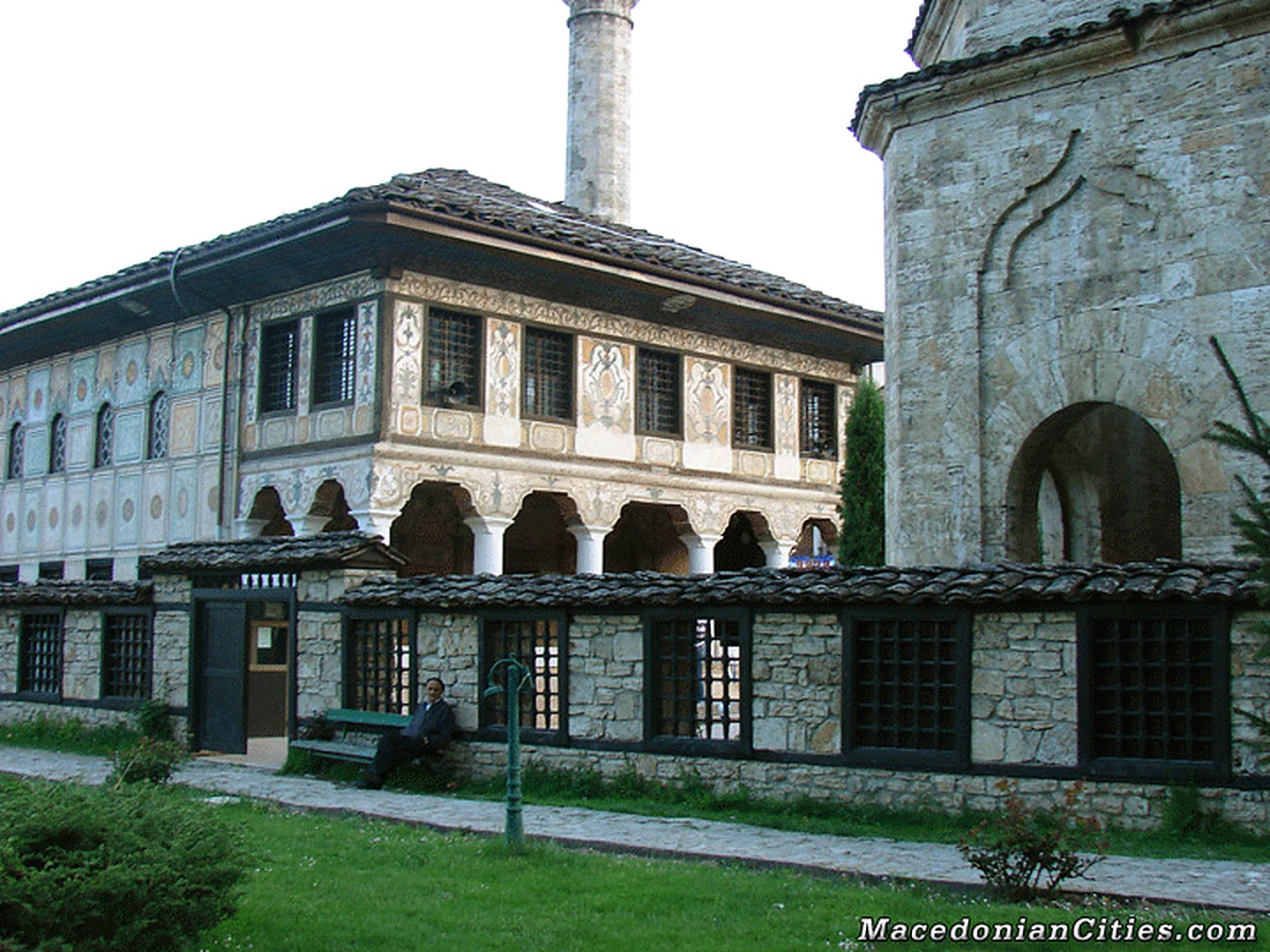
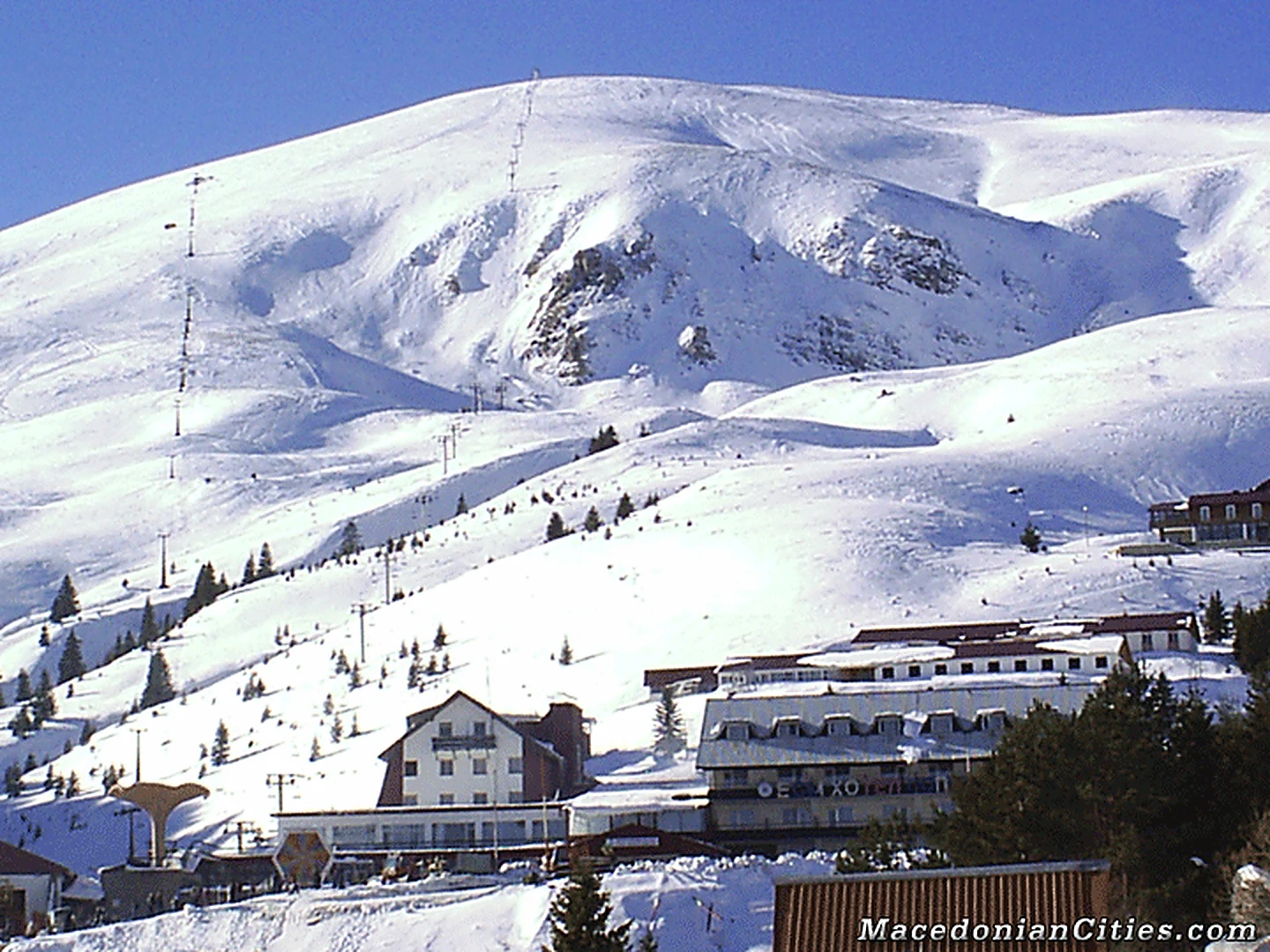
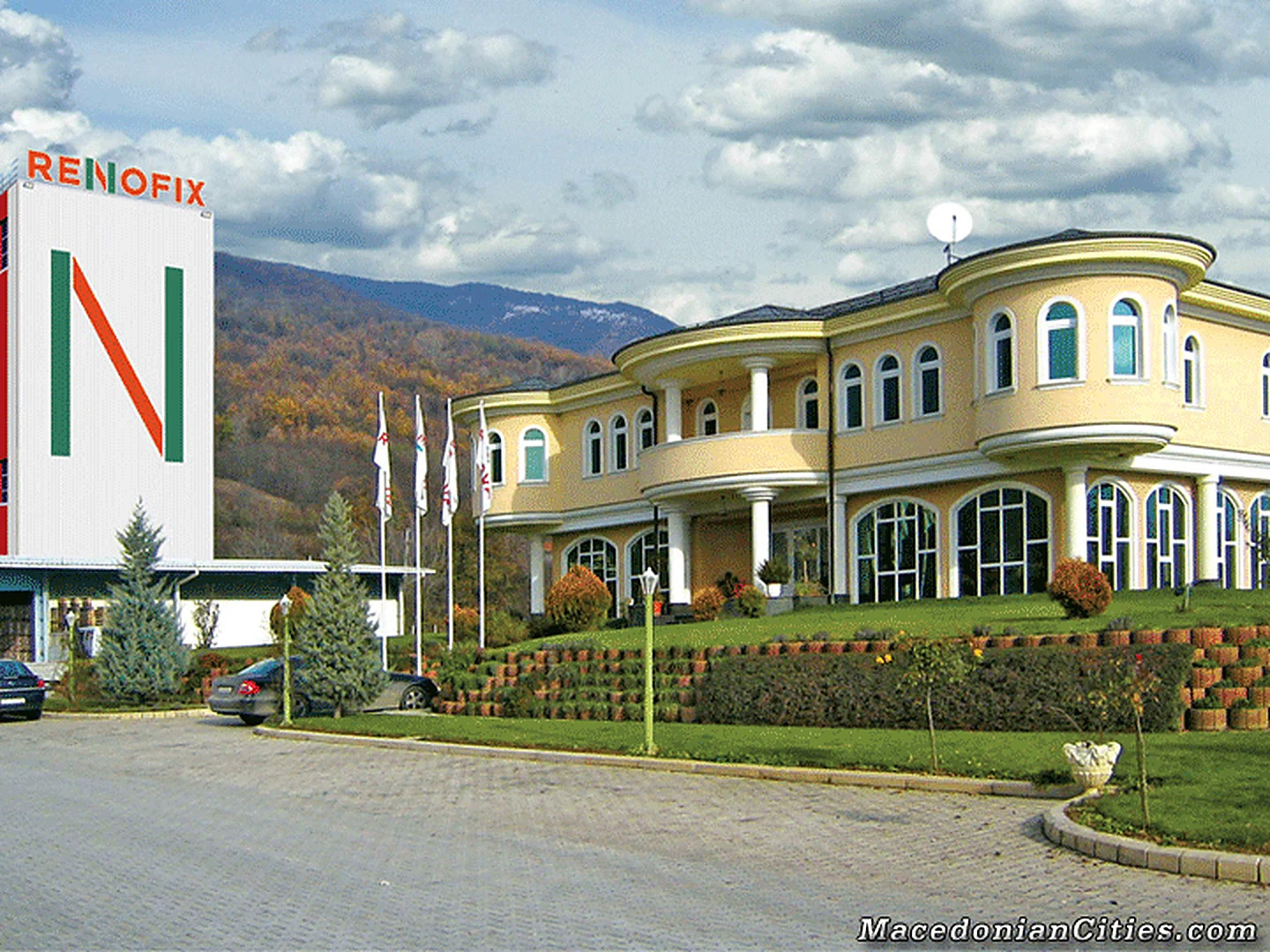
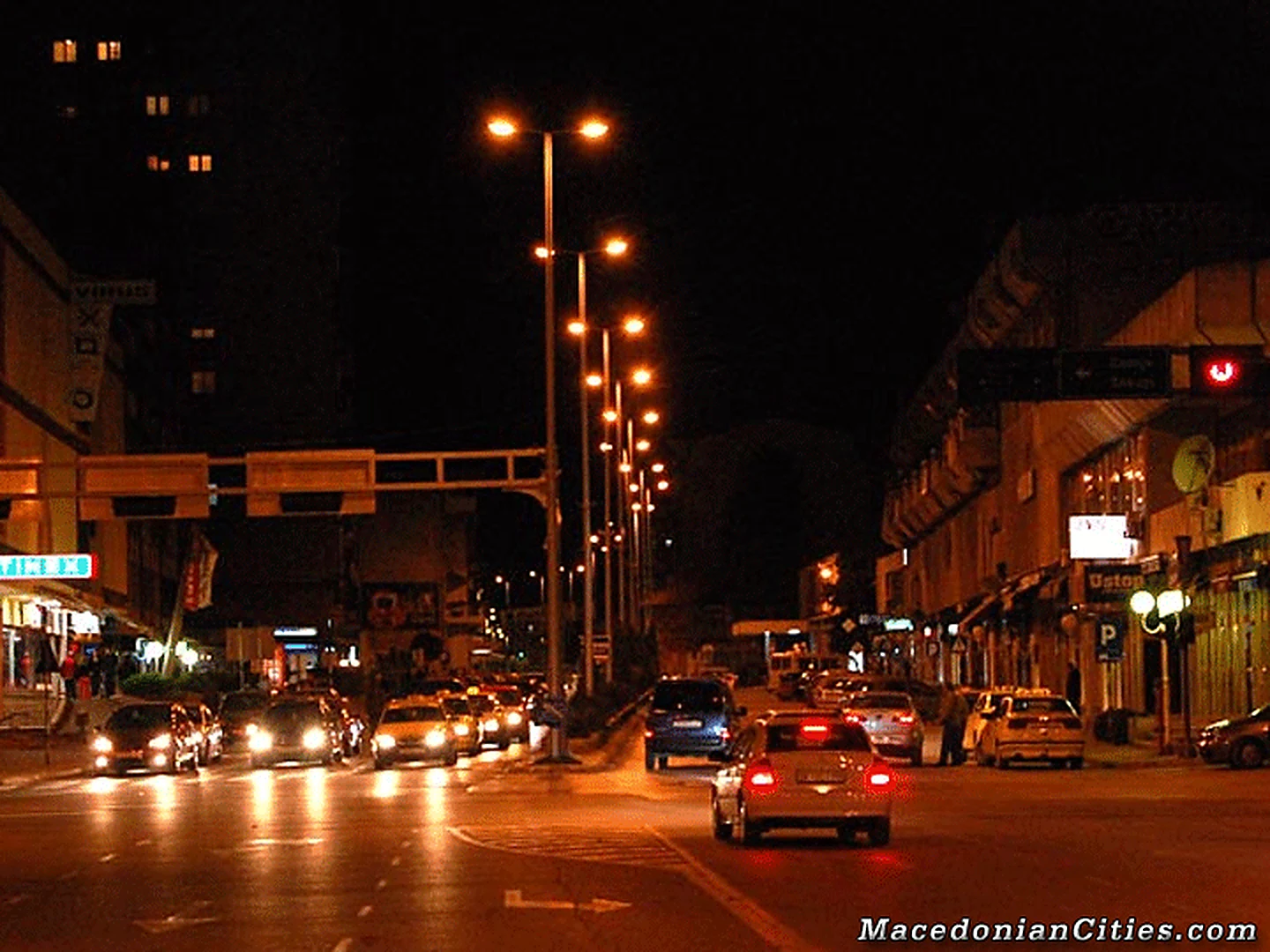
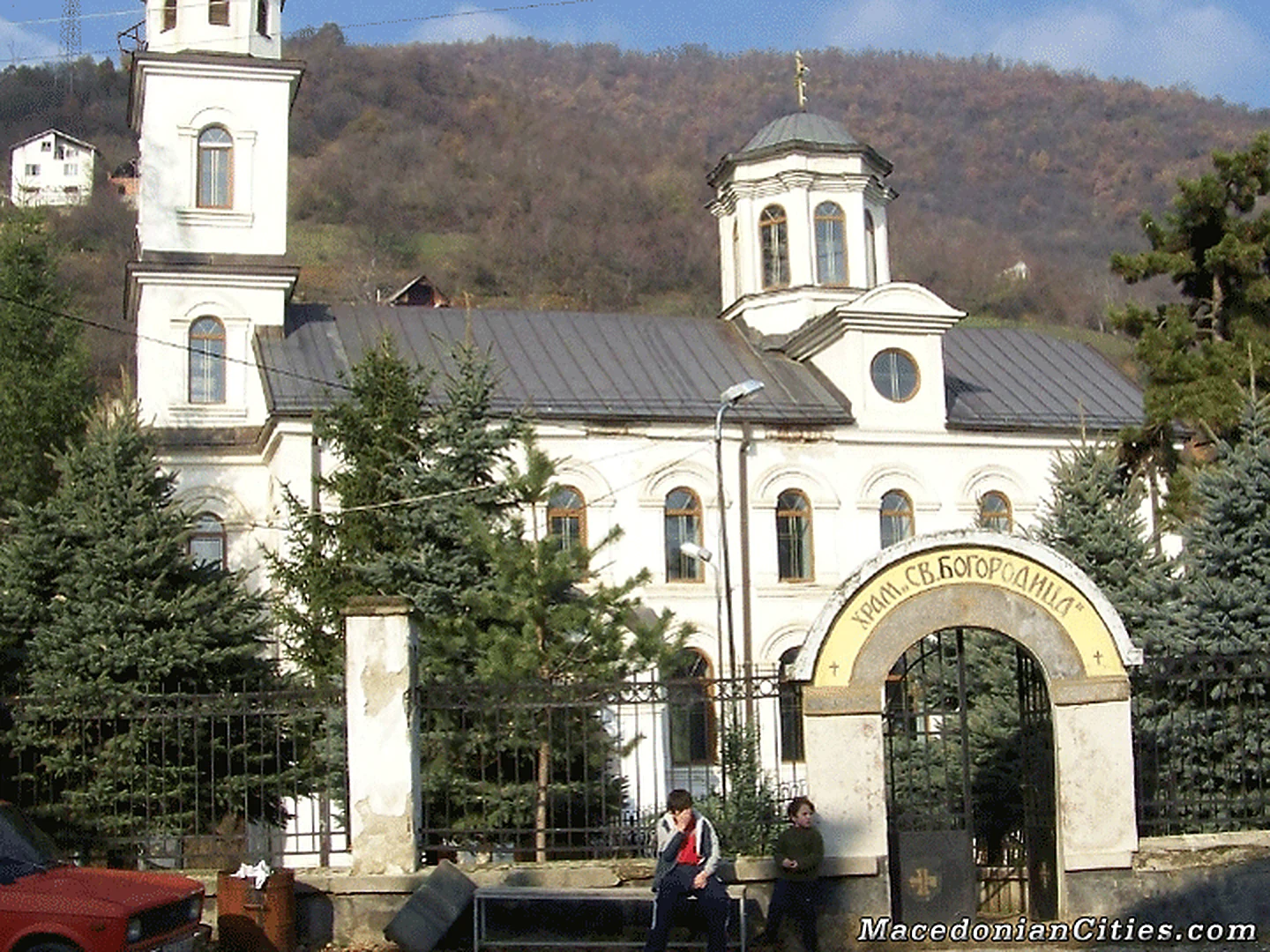
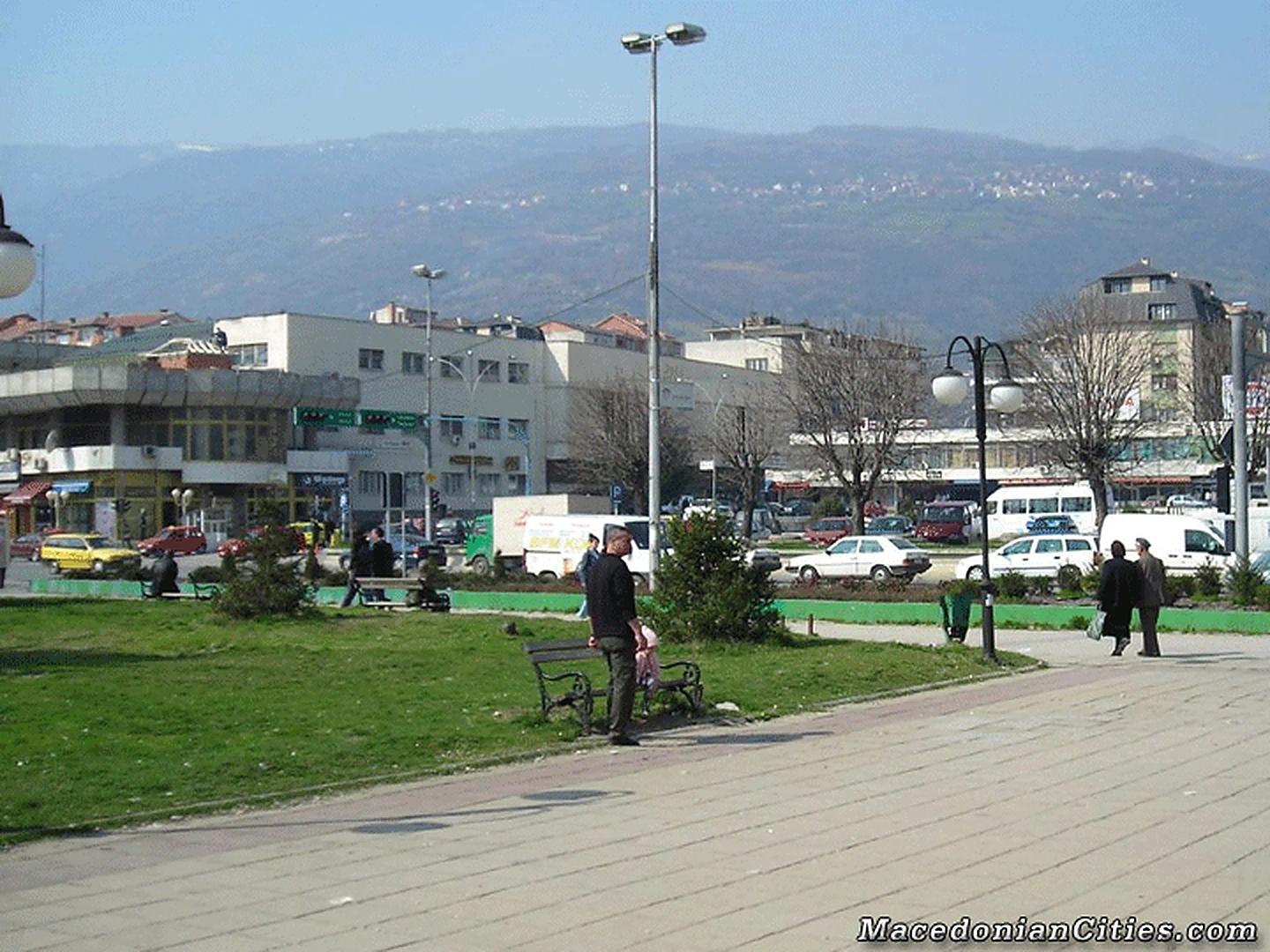
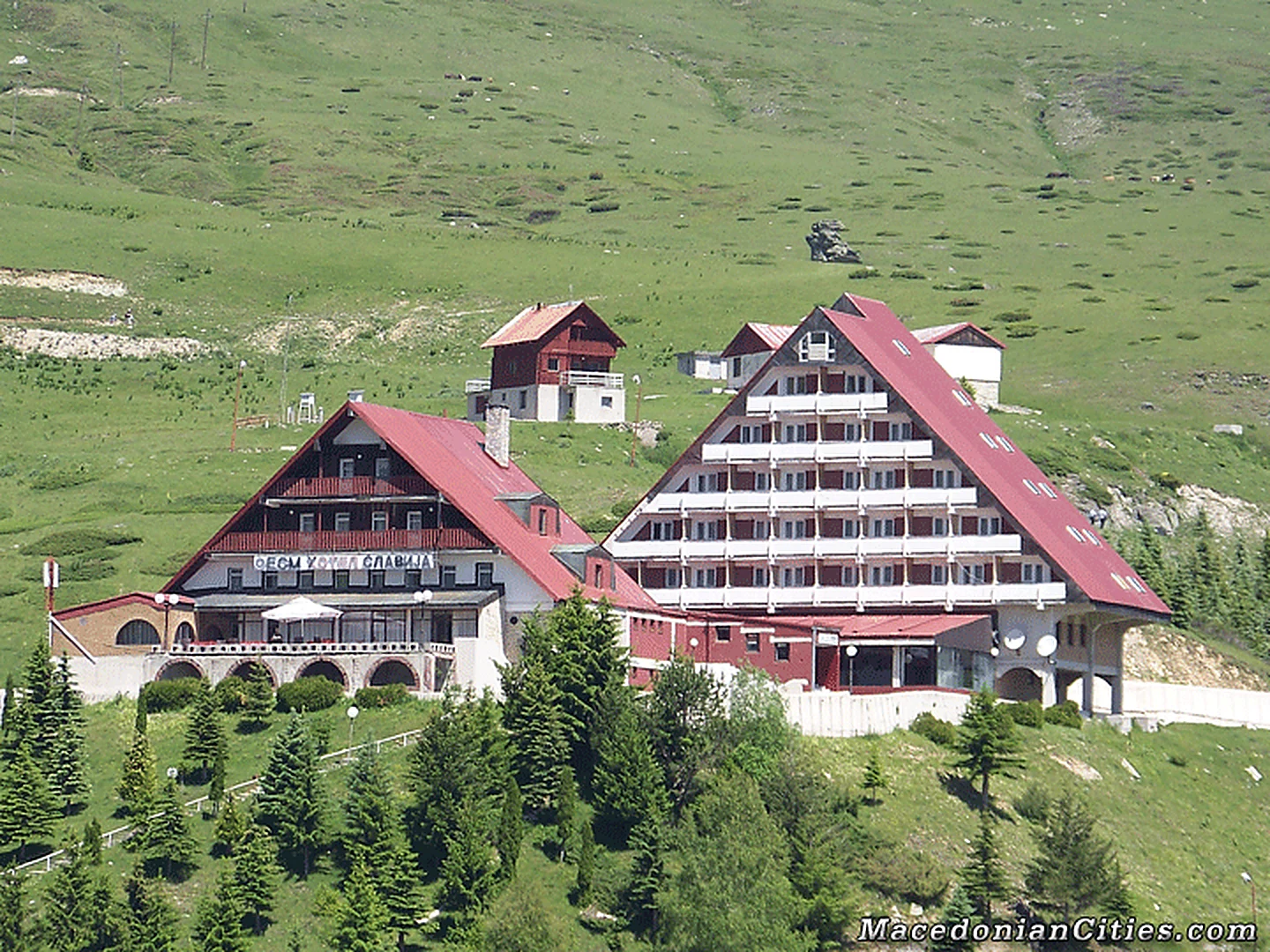
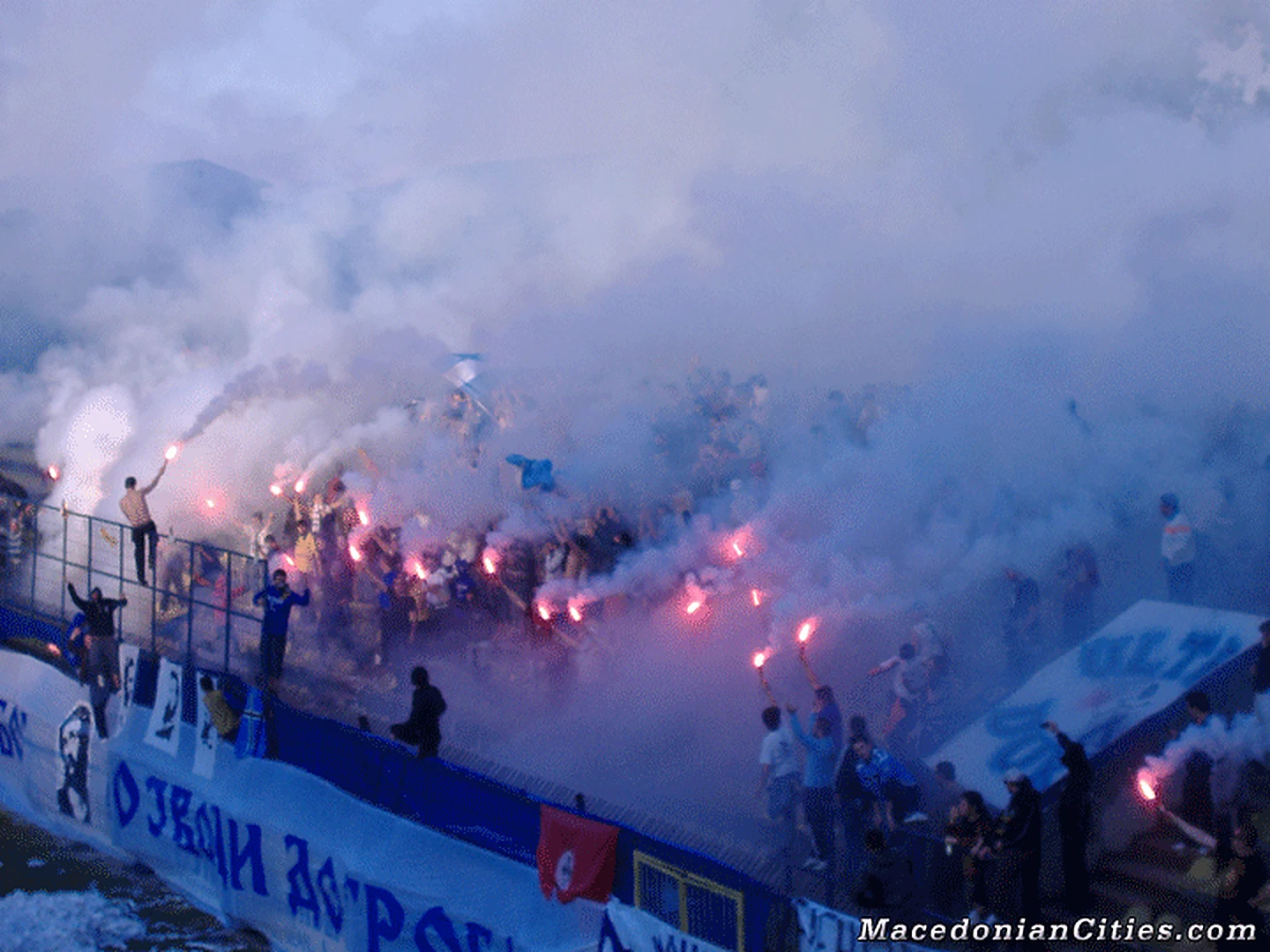
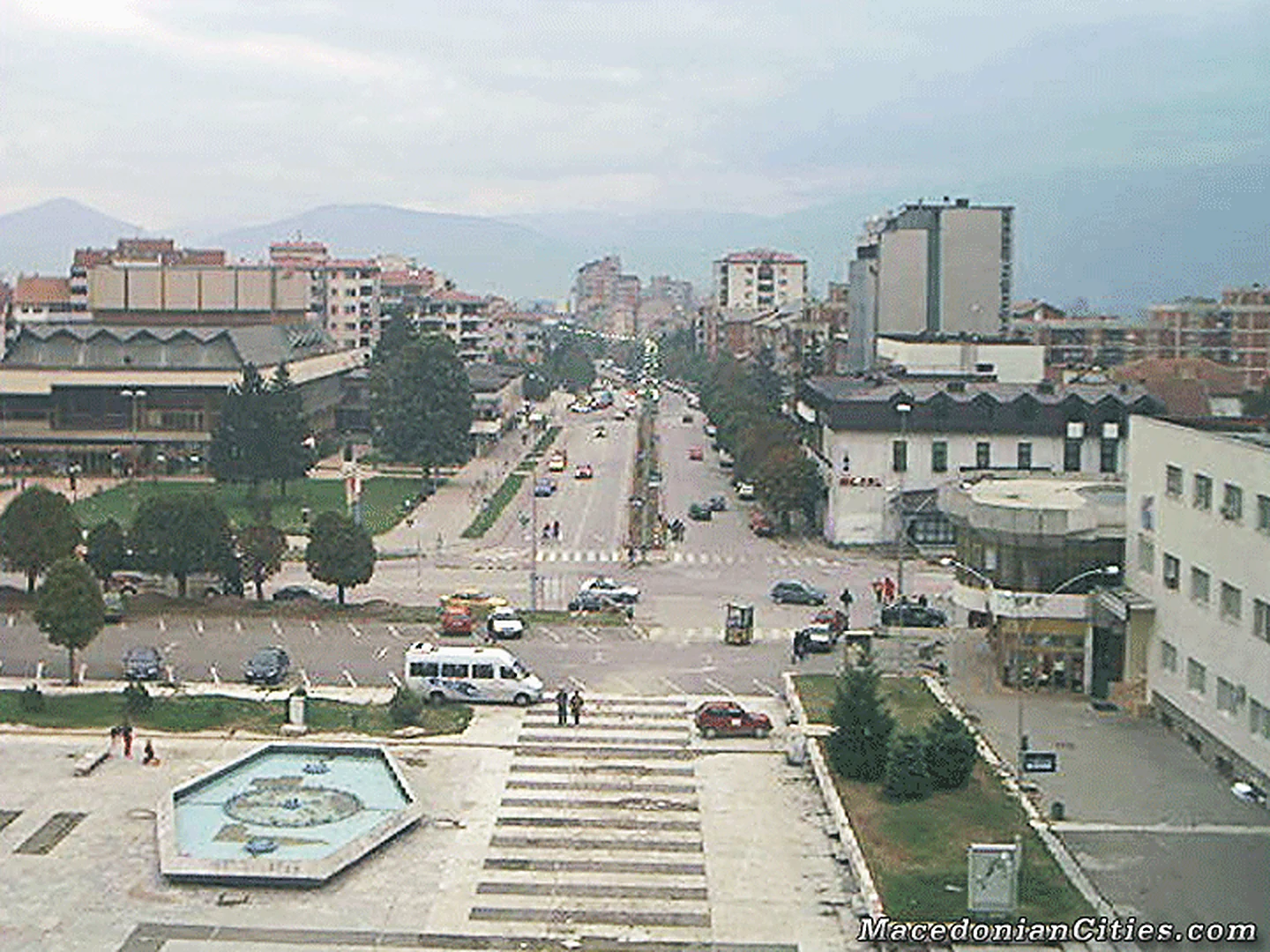
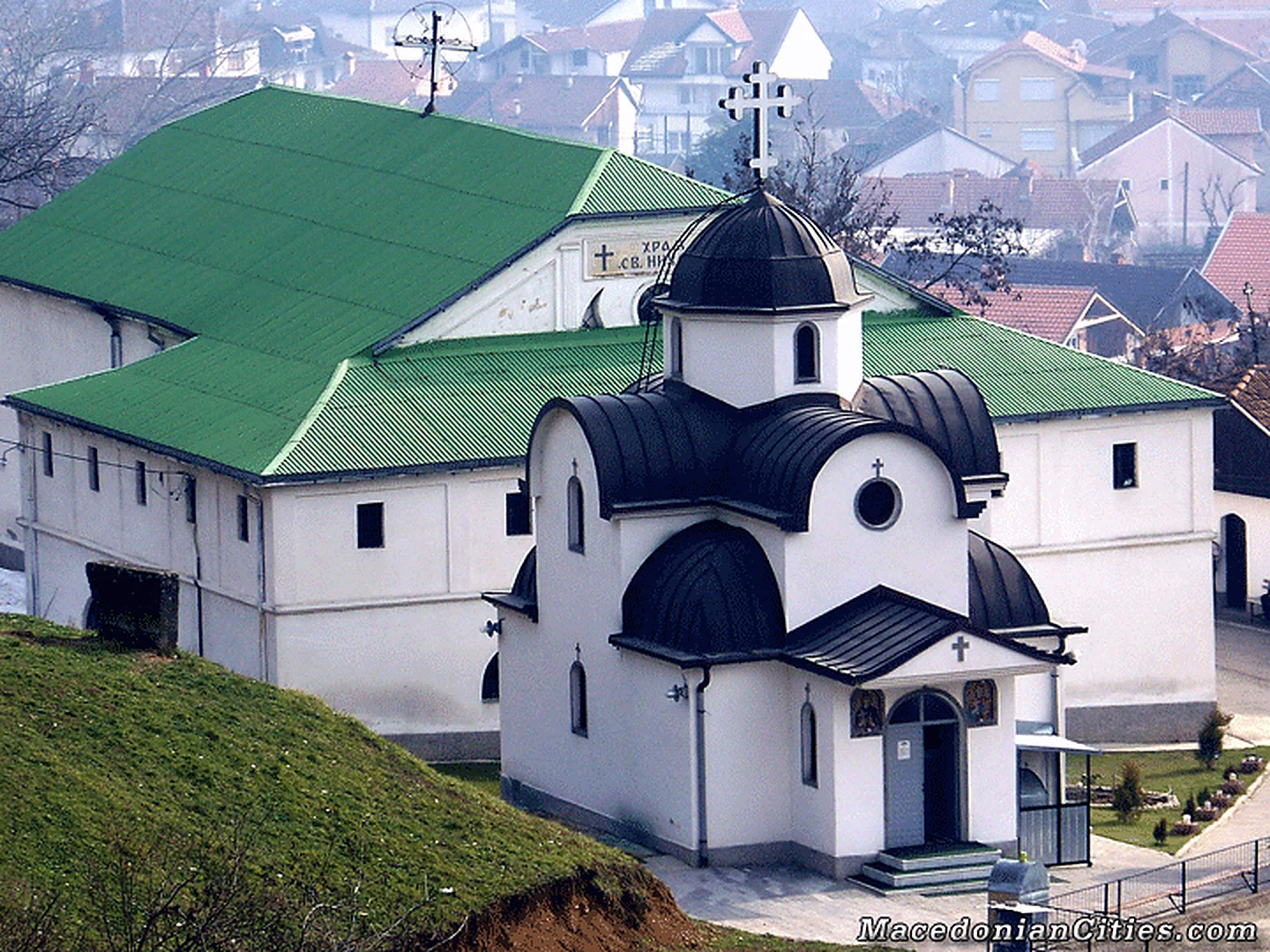
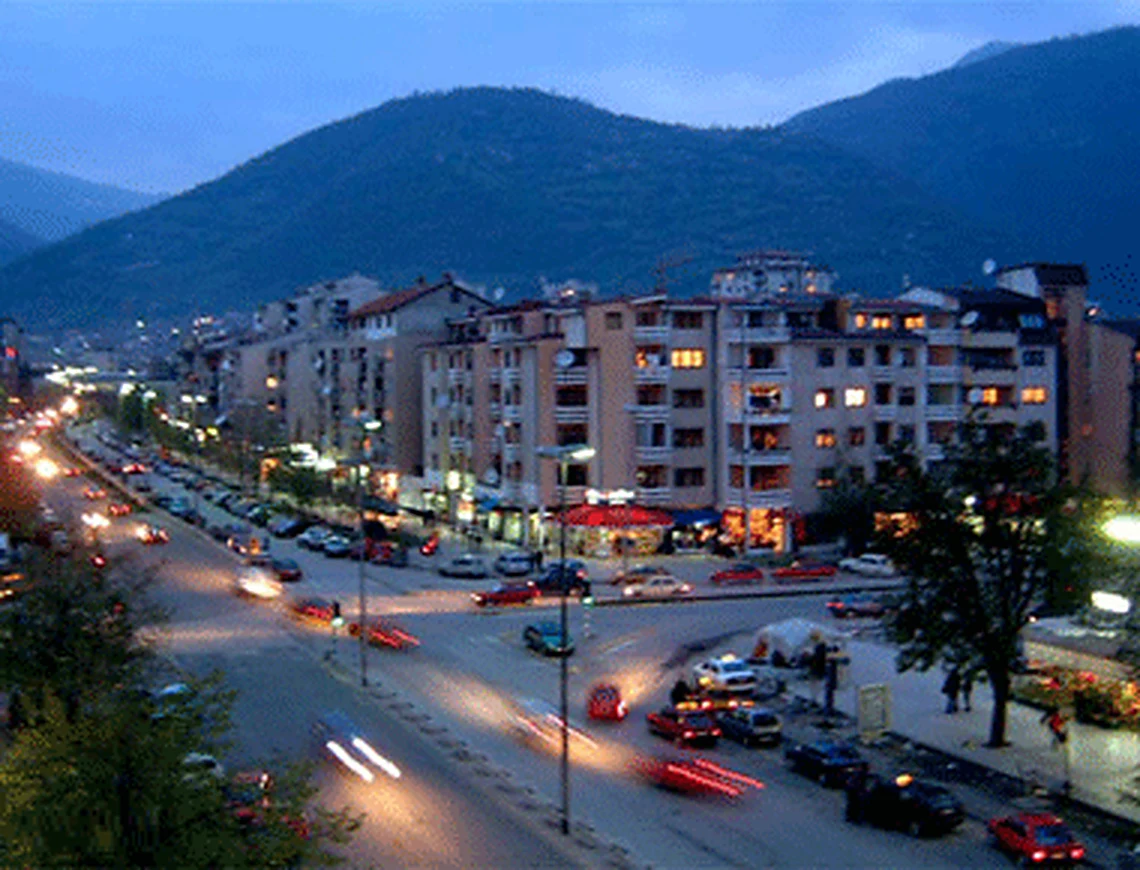
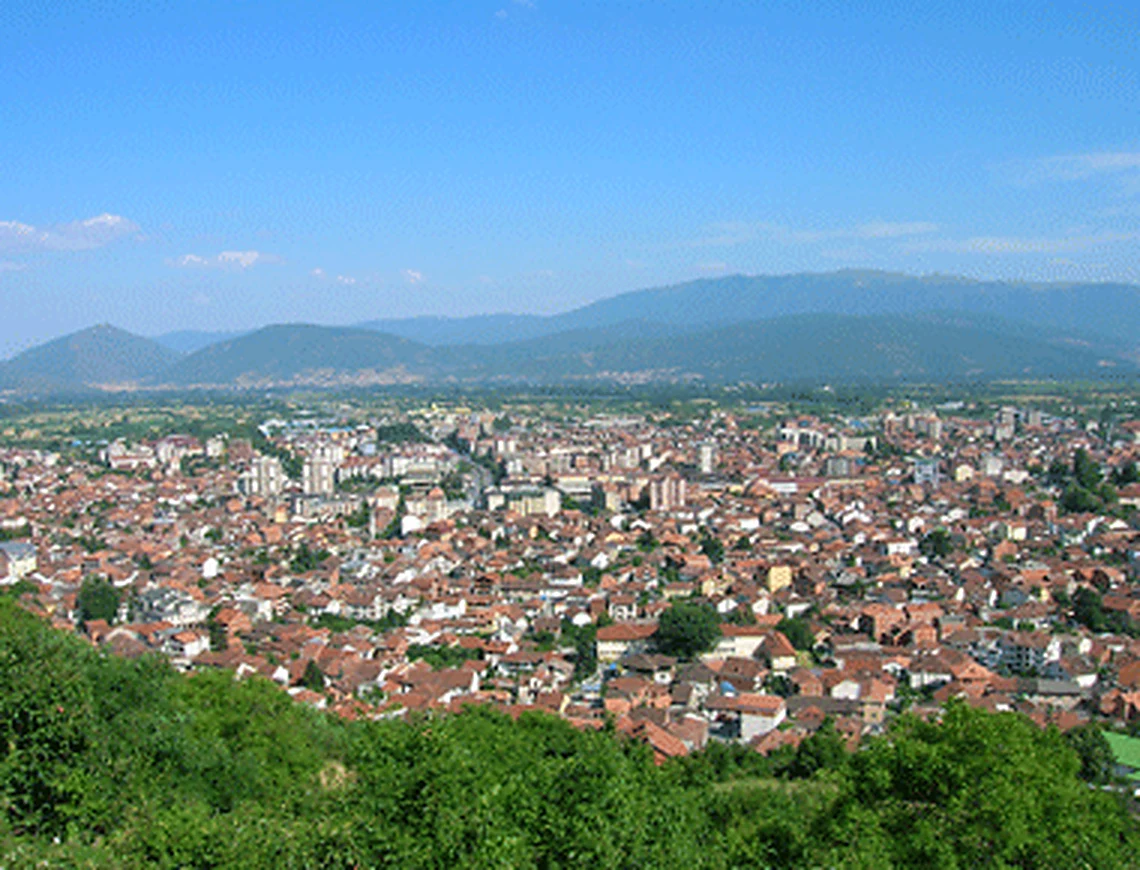
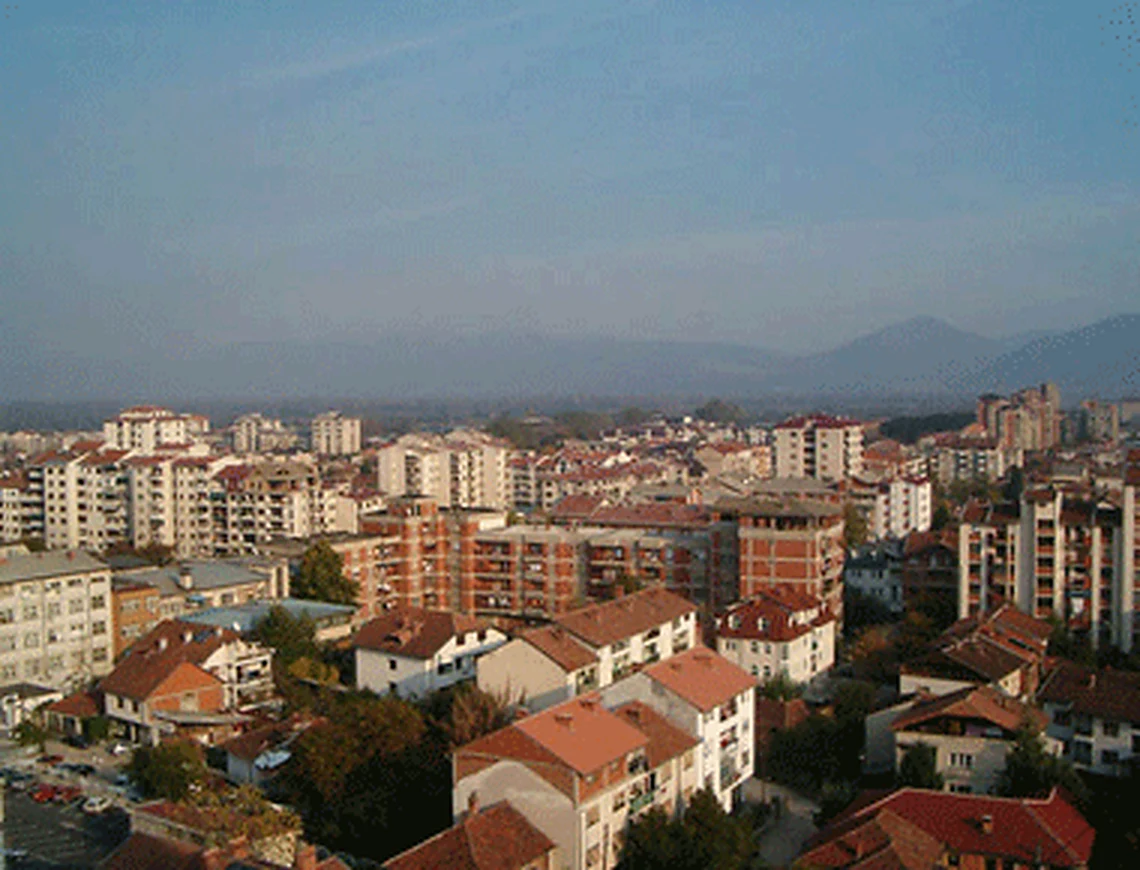
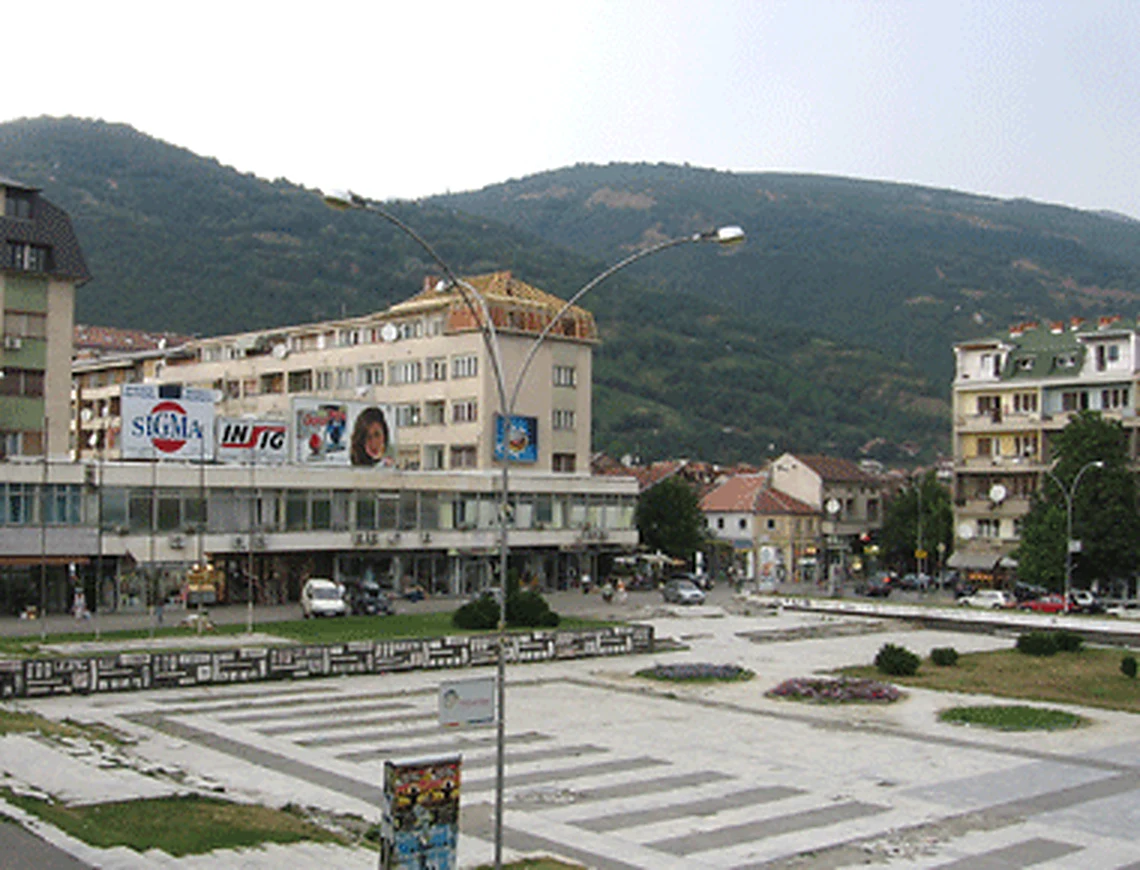
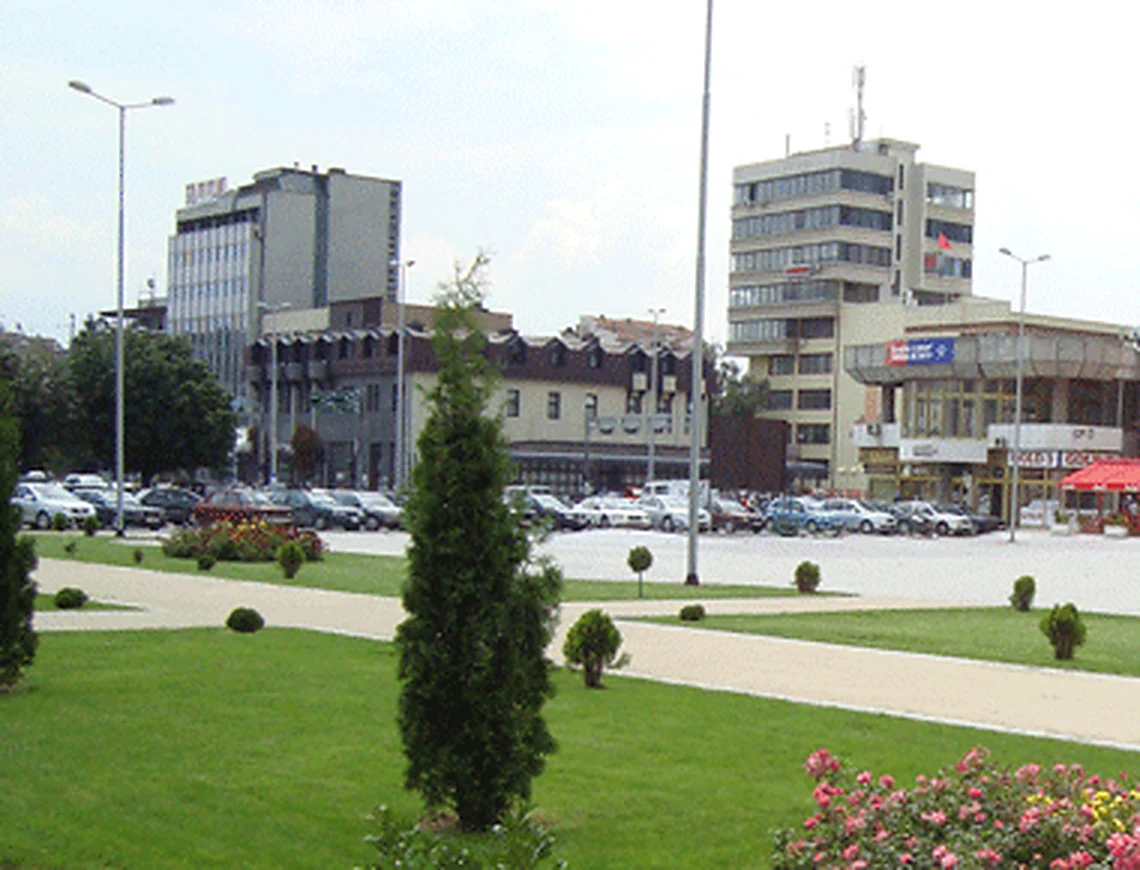
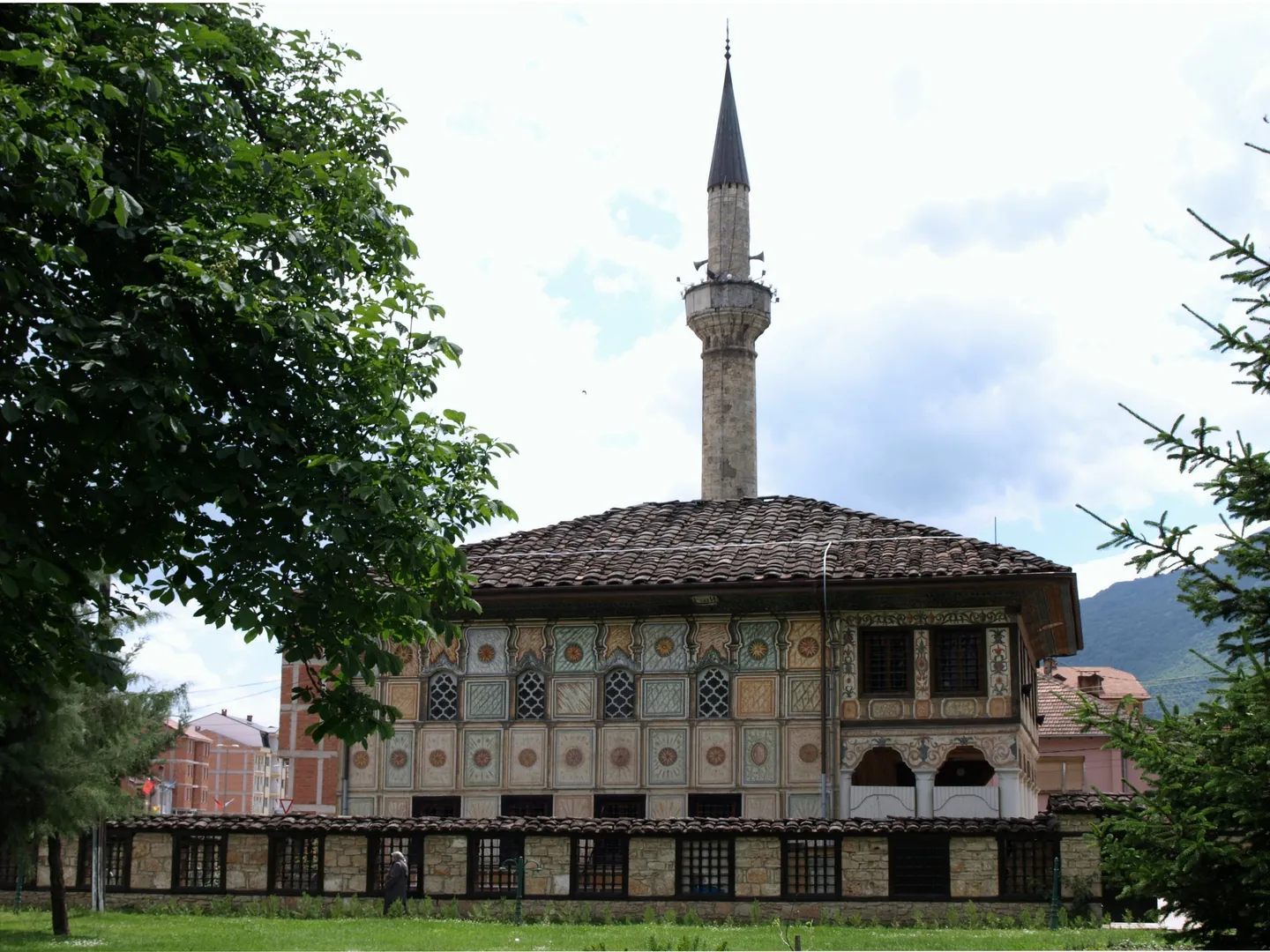
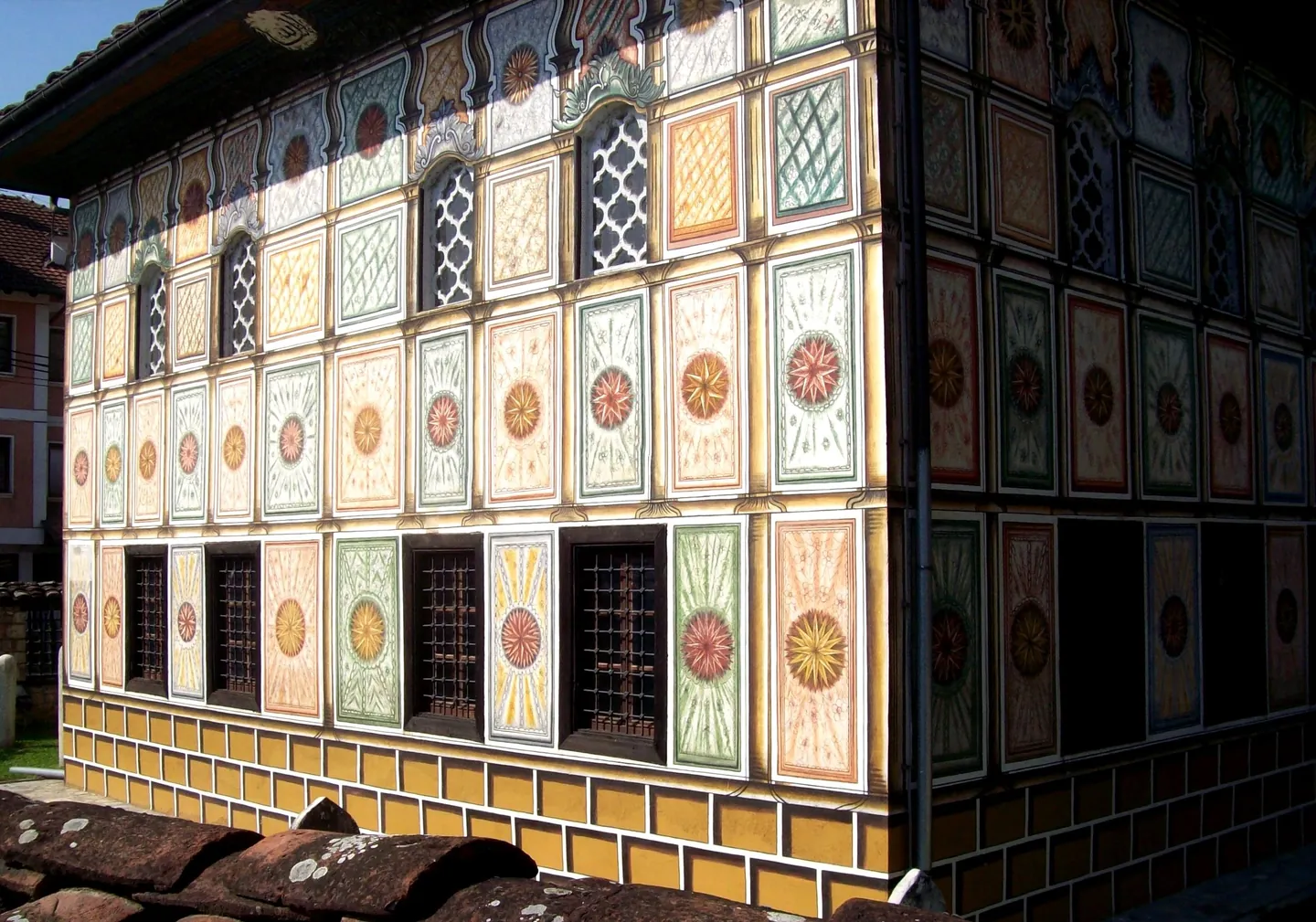
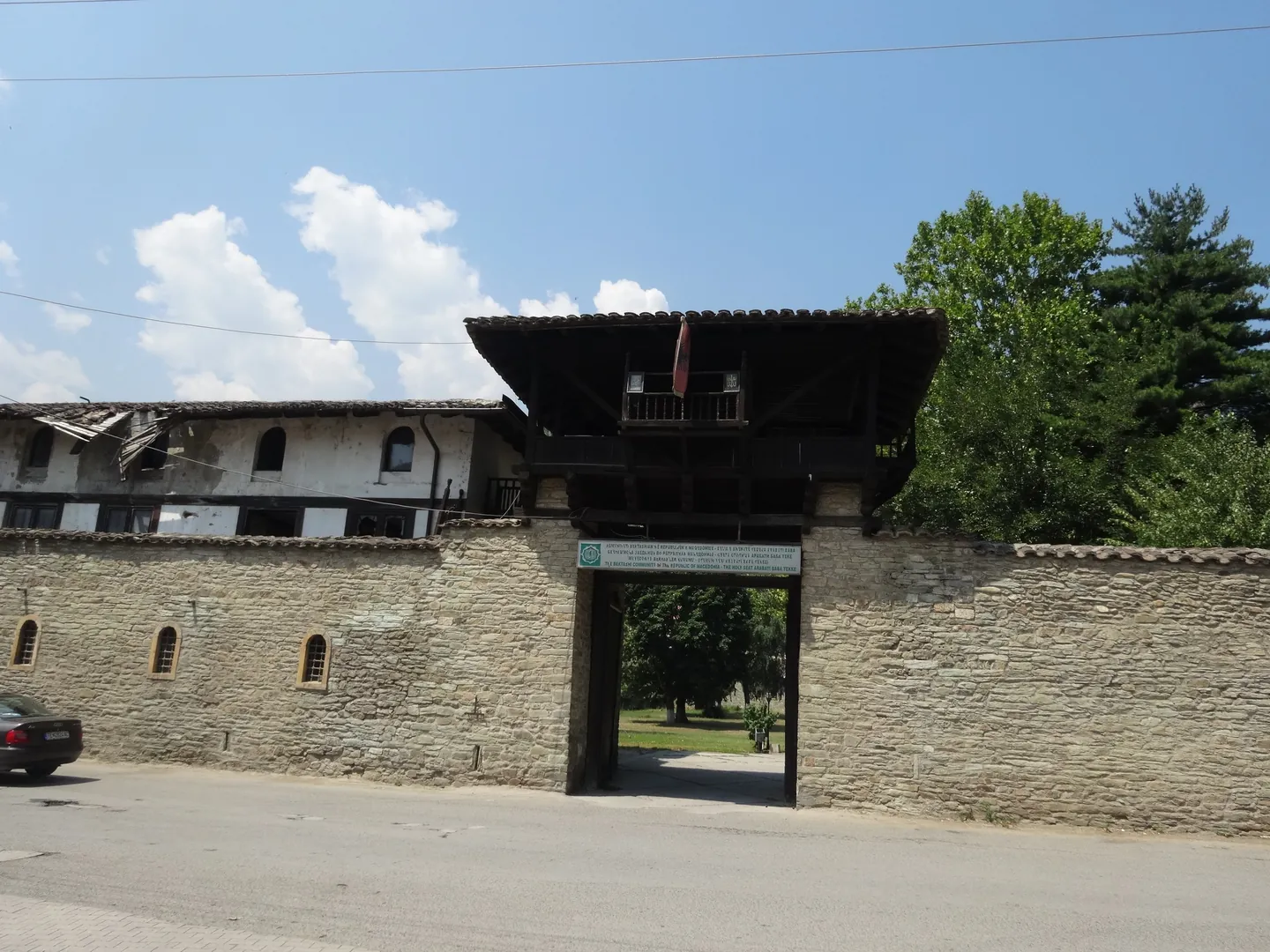
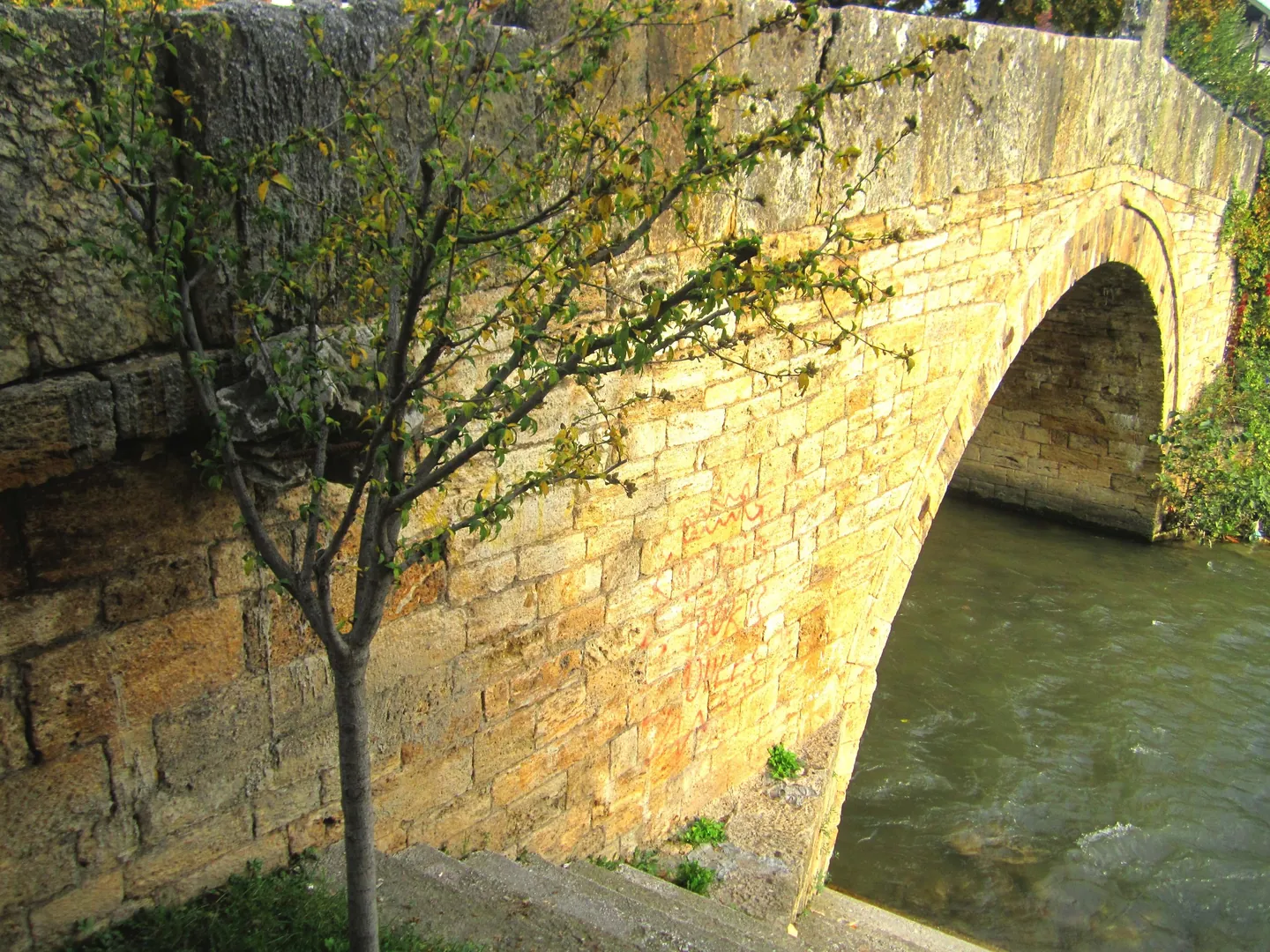
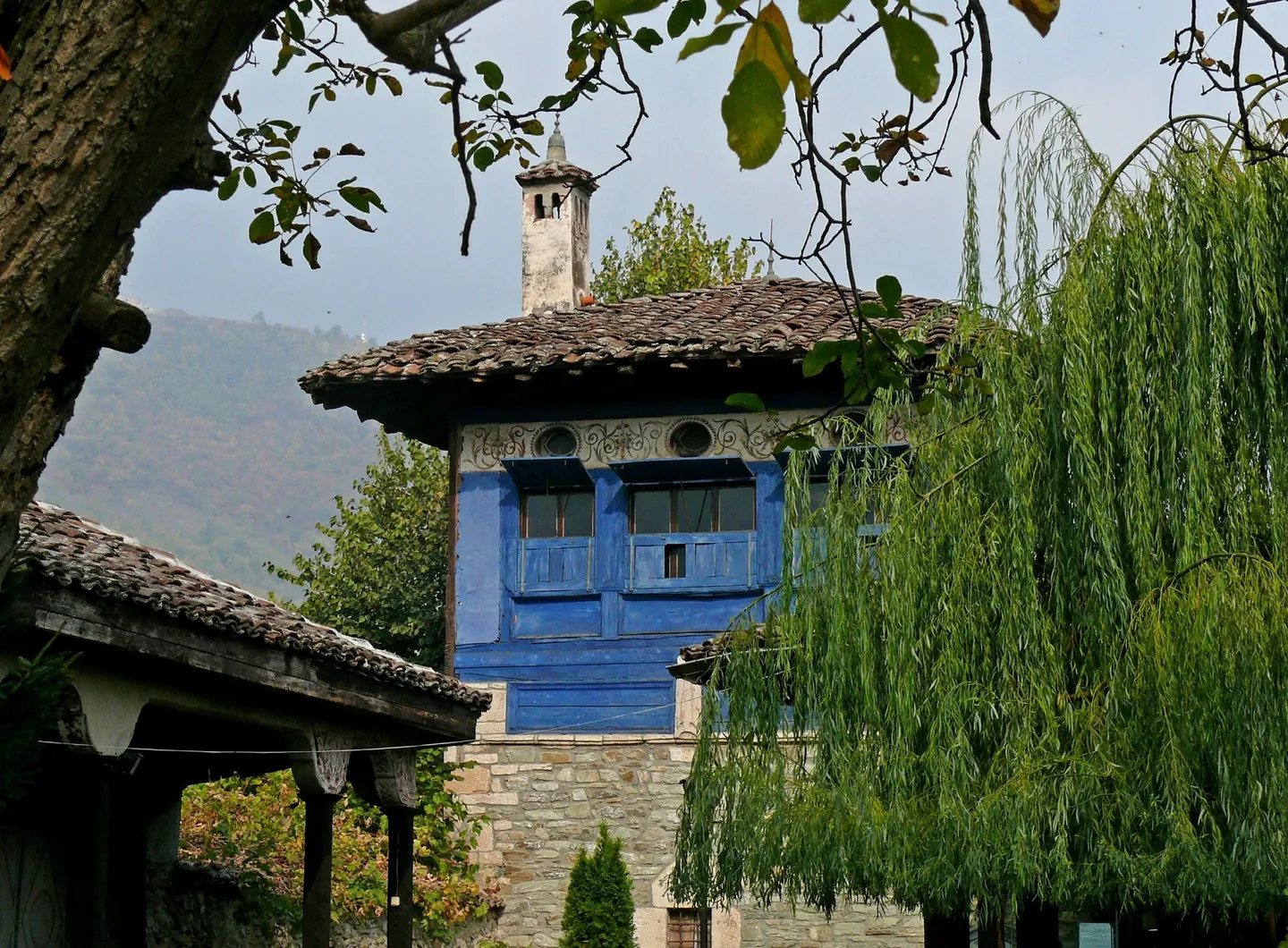
Photo credits
- Tetovo: the Šarena Džamija mosque, its painted walls below a tiled roof and a tall grey minaret. Photo: VaurienCC BY-SA 3.0Wikimedia Commons
- Tetovo: a close view of the Šarena Džamija mosque, its walls covered in painted panels and flowers. Photo: ARistoskaCC BY 3.0Wikimedia Commons
- Tetovo: the main gate of Arabati Baba Teke, with a timber watchtower above a long stone wall. Photo: Mickey MystiqueCC BY-SA 4.0Wikimedia Commons
- Tetovo: the old stone bridge over the Pena River, a high stone arch with a young tree beside it. Photo: ДелфинаCC BY-SA 3.0Wikimedia Commons
- Tetovo: Arabati Baba Teke, a blue-walled building with a tiled roof behind a weeping willow. Photo: Paul WilliamsCC BY-SA 2.0Wikimedia Commons


