
Southeastern
Radovish
Радовиш
- Residents · 2021 census
- 14,460
- Old photographs
- 14
- Photographs
- 33
A southeastern market town below Plačkovica
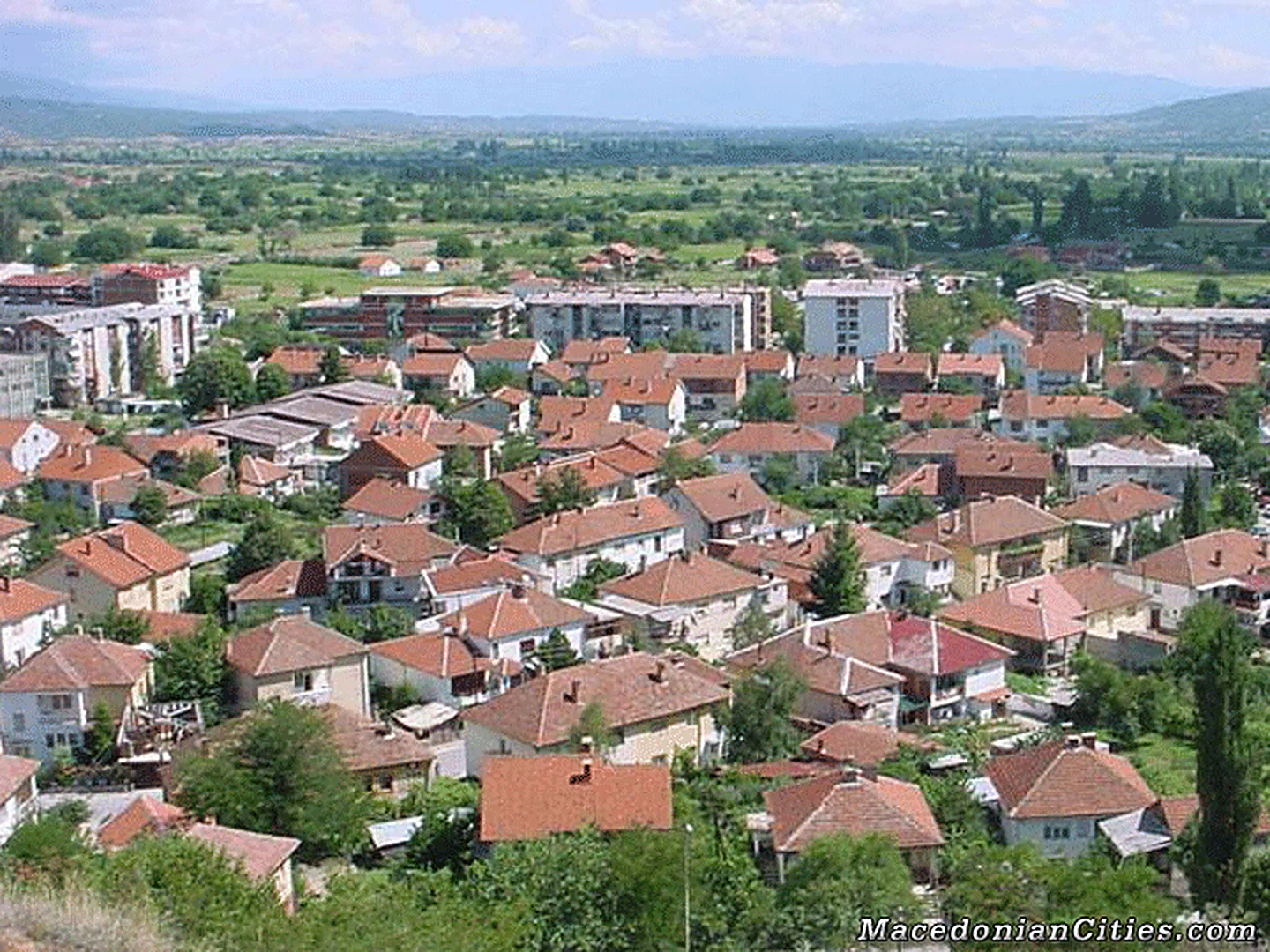
Radovish stands in the Strumica-Radovish basin below Plachkovica, where routes from the Vardar valley, Strumica and the eastern mountains meet. The municipality combines the town, fertile fields, mining landscapes and 35 villages ranging from accessible lowland communities to depopulated mountain settlements.
Overview
City overview
Meet Radovish.
A grounded introduction to the city, its landscape, people, history and wider municipality.
Radovish stands in the Strumica-Radovish basin below Plachkovica, where routes from the Vardar valley, Strumica and the eastern mountains meet. The municipality combines the town, fertile fields, mining landscapes and 35 villages ranging from accessible lowland communities to depopulated mountain settlements.
The town is documented in Ottoman-era sources and grew as a market and craft centre serving the surrounding countryside. Agriculture, livestock raising and regional commerce remained important, while the opening and expansion of the Buchim copper mine added a major industrial layer to the local economy in the twentieth century.
Radovish is culturally diverse, with Macedonian, Turkish and Yörük traditions visible in food, language, music and village life. The Aco Karamanov poetry meetings honour the town's young poet and partisan, while wrestling traditions, local festivals and religious celebrations connect municipal life with the wider southeastern region.
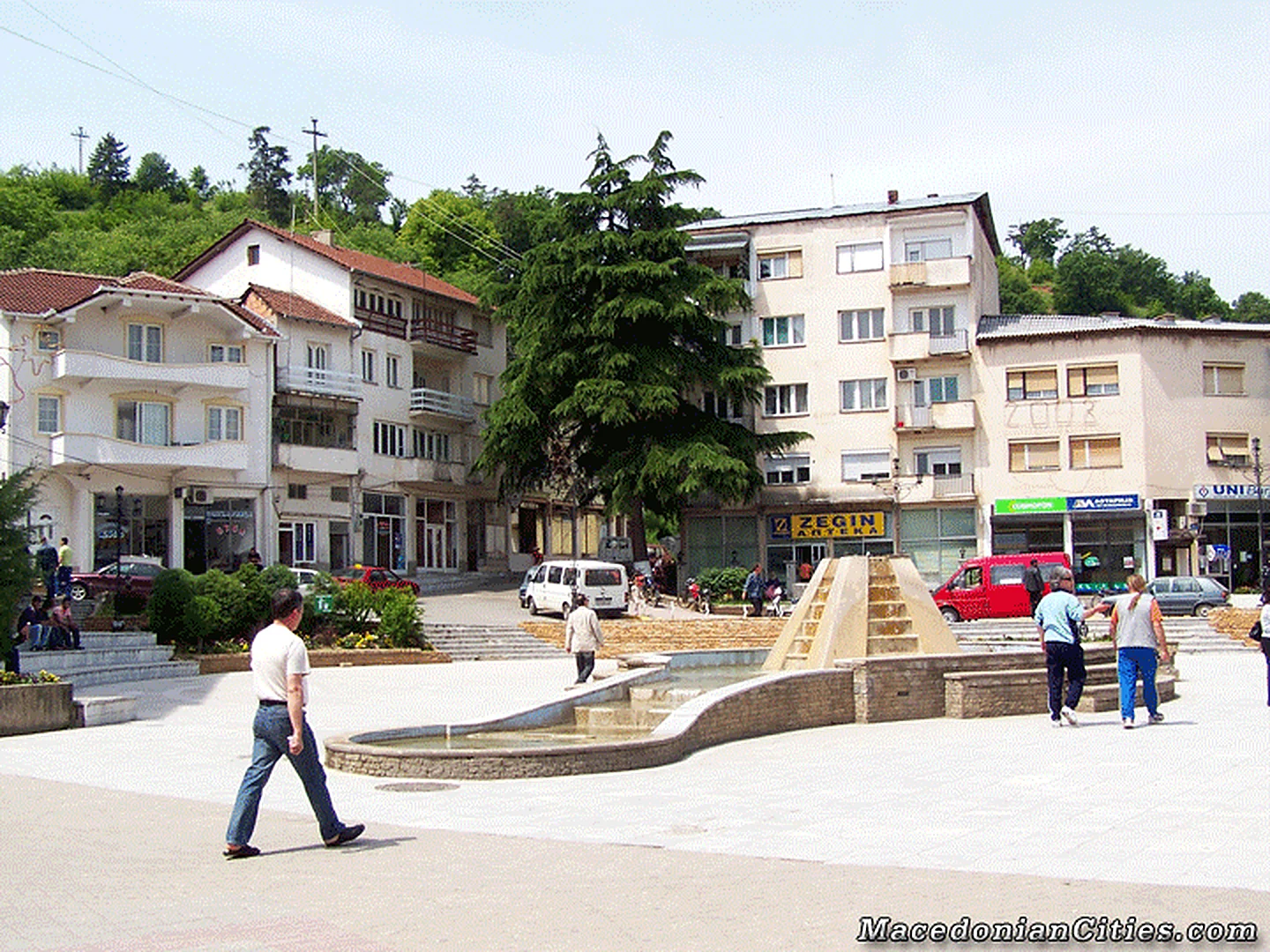
The contemporary visitor landscape reaches beyond the town centre to Plachkovica's trails, Oraovica's Saint George monastery, village architecture and agricultural foodways. The modern Holy Trinity church is a prominent urban landmark, while the municipality's planning documents increasingly emphasize rural tourism, environmental care and the challenge of sustaining small settlements.
The 2021 census counted 14,460 residents in Radovish itself and 24,122 across the wider municipality; 9,662 people lived outside the city settlement. That distinction between the urban centre and its surrounding communities is important in Macedonian demographic reporting and in understanding everyday local life.
At a glance
Useful facts, in one place.
Settlement and municipality figures are kept distinct wherever sources permit.
- Municipality
- Radovish Municipality
- City population
- 14,460
- Municipality population
- 24,122
- Population year
- 2021
- Municipal area
- 608 km²
- Elevation
- 380 m
- Approx. road distance from Skopje
- 122 km
- Postal code
- 2420
- Climate
- Modified continental climate with Mediterranean influence: warm, comparatively dry summers in the basin and cooler, wetter conditions on Plachkovica.
- Sports teams
-
- FK Detonit Plachkovica
- RK Radovish
- BK Buchim-Radovish
- KK Radovish
- Culture
-
- The Aco Karamanov poetry meetings connect Radovish with contemporary Macedonian and international poetry.
- Macedonian, Turkish and Yörük traditions contribute to the municipality's food, music and settlement culture.
- Local events include wrestling traditions and the Samun em Tatlija food festival.
- Population snapshot
- 14,460 city residents and 24,122 municipality residents in the 2021 census; 9,662 lived outside the city settlement.
- Statistical region
- Southeastern
- Settlements
- 36
- Villages
- 35
- Uninhabited villages
- 13
- Settlement-list note
- The municipal urban audit identifies 22 inhabited villages and 13 uninhabited villages in addition to Radovish
Known for
The city's signature.
Landmarks, foods, landscapes and traditions that give Radovish its character.
- Plachkovica Mountain landscapes
- Bučim copper mine
- The old Radovish plane tree
- Church of the Holy Trinity
- Tobacco, farming and eastern Macedonian food traditions
Geography
Geography
Land shapes the city.
Terrain, waterways, climate and transport explain why Radovish grew where it did.
Radovish stands in a broad valley at the northern side of the Strumica basin system, beneath the slopes of Plachkovica Mountain. The Radovishka River passes through the town before its waters join the Strumeshnica network. Hills shelter the urban area on several sides, while passes toward Shtip and Strumica have made Radovish a natural link between eastern and southeastern North Macedonia.
The meeting of mountain and basin supports varied land use: tobacco and cereals on open ground, vegetables and orchards in warmer pockets, livestock in the uplands and forest on Plachkovica. The Bučim copper mine west of town is a major industrial presence in the municipality. At the same time, nearby mountain trails, springs and villages keep Radovish closely tied to its rural setting rather than allowing it to read as a purely industrial centre.
History
History
A concise, rewritten account.
Written afresh from cross-checked municipal, archaeological, heritage and institutional sources—not copied website text.
The Radovish area contains prehistoric and ancient remains, but the town enters the documentary record clearly in the Middle Ages. A settlement called Radovishte appears in an early eleventh-century ecclesiastical charter. Its valley position supported agriculture and local exchange, and under Ottoman rule Radovish developed as a small market and administrative centre serving surrounding villages.
Nineteenth-century travel and local records describe a mixed craft-and-farming town. The end of Ottoman government, the Balkan wars and two world wars repeatedly altered borders and institutions across the region. Radovish entered the Yugoslav period with an economy still strongly grounded in agriculture, crafts and livestock.
After the Second World War, new housing, factories and mining employment changed the scale of the town. Yet older markers remain prominent: the long-lived plane tree in the centre is treated as both natural monument and witness to town life, while the large modern Church of the Holy Trinity has become a newer visual landmark. Cultural institutions bearing the name of poet Aco Karamanov connect contemporary Radovish with one of its best-known literary voices.
The preserved legacy narrative
Open the preserved legacy narrative
Radovish was first mentioned in 1019, during the reign of Byzantine emperor Basil II, under the medieval name Radovishte. At that time it was an important regional centre for trade, crafts and mining. The settlement then lay northwest of the present town, along the Old River, where traces of several churches survive, including the Church of the Holy Archangel.
In the fourteenth century, as Byzantine power receded, Radovish became part of the medieval Serbian state. Emperor Uroš stayed in Radovish in 1361. Under Ottoman rule, the town belonged to the Kyustendil Sanjak and, in the seventeenth century, fell within the ecclesiastical jurisdiction of the Metropolitanate of Kyustendil. At that time Radovish reportedly had between 3,000 and 4,000 inhabitants.
Profile sources (21)
- arhiva.radovis.gov.mk/wp-content/uploads/2022/07/08.Turisticka-Brosura.pdf
- arhiva.radovis.gov.mk/wp-content/uploads/2022/07/Statute-of-Municipality-of-Radovish-EN-1.pdf
- arhiva.radovis.gov.mk/%D1%80%D0%B5%D0%BA%D0%BE%D0%BD%D1%81-%D0%BF%D0%B0%D1%80%D0%BA-%D1%98%D0%B0%D0%B2
- arhiva.radovis.gov.mk/%D0%BF%D0%BE%D1%82%D0%BF%D0%B8%D1%88%D0%B0%D0%BD%D0%B8-%D0%B4%D0%BE%D0%B3%D0%BE%D0%B2%D0%BE%D1%80%D0%B8-%D0%B7%D0%B0-%D0%B4%D0%B2%D0%B0-%D0%BF%D1%80%D0%BE%D0%B5%D0%BA%D1%82%D0%B0-%D0%BE%D0%B4-%D1%98
- arhiva.radovis.gov.mk/wp-content/uploads/2026/02/%D0%9F%D0%95%D0%95-%D0%9E%D0%BF%D1%88%D1%82%D0%B8%D0%BD%D0%B0-%D0%A0%D0%B0%D0%B4%D0%BE%D0%B2%D0%B8%D1%88-%D0%9C%D0%9A-1-%D0%B7%D0%B0%D0%B2%D0%B5%D1%80%D0%B5%D0%BD%D0%B0.pdf
- arhiva.radovis.gov.mk/wp-content/uploads/2023/11/%D0%A3%D0%A0%D0%91%D0%90%D0%9D%D0%90-%D0%A0%D0%95%D0%92%D0%98%D0%97%D0%98%D0%88%D0%90-%D0%9E%D0%9F%D0%A8%D0%A2%D0%98%D0%9D%D0%90-%D0%A0%D0%90%D0%94%D0%9E%D0%92%D0%98%D0%A8.pdf
- arhiva.radovis.gov.mk/wp-content/uploads/2022/07/Strategija_Za_Turizam.pdf
- radovis.gov.mk
- macedonianfootball.com/team/plachkovica
- makstat.stat.gov.mk/PXWeb/pxweb/en/MakStat/MakStat__Popisi__Popis2021__NaselenieVkupno__PodatociNaselenie/T1501P21.px
- en.wikipedia.org/wiki/Aco_Karamanov
- sokom.mk/en/stojkov-stojan
- poemhunter.com/borce-panov/ebooks/?ebook=0&filename=borce_panov_2009_2.pdf
- macedonianfootball.com/this-day-in-history/1990-12-16
- en.wikipedia.org/wiki/Sibel_Red%C5%BEep
- national-football-teams.com/player/73014/Kosta_Manev.html
- sobranie.mk/union-of-reform-forces-of-macedonia-ns_article-time-andonov-91-_.nspx
- sobranie.mk/social-democratic-union-of-macedonia-3267e351-1ef1-4bca-abfc-8b8bead97c4a-ns_article-vancho-chifliganec-94.nspx
- radovis.gov.mk/wp-content/uploads/2023/11/%D0%A3%D0%A0%D0%91%D0%90%D0%9D%D0%90-%D0%A0%D0%95%D0%92%D0%98%D0%97%D0%98%D0%88%D0%90-%D0%9E%D0%9F%D0%A8%D0%A2%D0%98%D0%9D%D0%90-%D0%A0%D0%90%D0%94%D0%9E%D0%92%D0%98%D0%A8.pdf
- radovis.gov.mk/wp-content/uploads/2026/02/%D0%9F%D0%95%D0%95-%D0%9E%D0%BF%D1%88%D1%82%D0%B8%D0%BD%D0%B0-%D0%A0%D0%B0%D0%B4%D0%BE%D0%B2%D0%B8%D1%88-%D0%9C%D0%9A-1-%D0%B7%D0%B0%D0%B2%D0%B5%D1%80%D0%B5%D0%BD%D0%B0.pdf
- radovis.gov.mk/wp-content/uploads/2022/07/Strategija_Za_Turizam.pdf
Interesting Facts
Interesting facts
Details worth remembering.
Local landmarks, customs, foods and historical details that reward a closer look at Radovish.
-
Thirty-five villages, thirteen uninhabited
The municipal urban audit lists 35 villages outside Radovish; 22 were inhabited and 13 were recorded as uninhabited, illustrating the scale of rural depopulation.
-
A 2021 population of 24,122
The 2021 census counted 24,122 people in Radovish Municipality, of whom 14,460 lived in the town.
-
Plachkovica rises above the basin
The Plachkovica massif shapes the municipality's climate, water, biodiversity and outdoor landscape, creating a sharp contrast with the warm agricultural basin below.
-
Copper at Buchim
The Buchim copper mine is a defining part of Radovish's modern industrial economy and of the landscape around Buchim village.
-
Old and new at Oraovica
The Saint George monastic site north of Oraovica combines remains associated with an older medieval foundation and a renewed twenty-first-century complex.
-
Poetry remembers Aco Karamanov
Radovish hosts the Karamanov poetry meetings in memory of Aco Karamanov, the local poet and partisan who died at only 17.
People
Celebrities
Lives linked to the city.
Writers, musicians, artists, athletes, public figures and historical personalities with a clearly stated connection to Radovish.
- Notable person Aco Karamanov Radovish-born poet and partisan whose brief body of work became an important part of twentieth-century Macedonian literature.
-
Aco Karamanov literature and history
Born in Radovish; the city's Karamanov poetry meetings bear his name.
Poet and partisan whose surviving work made him an important voice in modern Macedonian literature despite his death at 17.
Source -
Stojan Stojkov music
Born in the village of Podaresh in Radovish Municipality.
Composer and pedagogue known for orchestral, chamber, choral and stage works shaped in part by Macedonian musical traditions.
Source -
Borce Panov literature
Born in Radovish and active in the city's cultural life.
Poet, essayist and cultural organizer whose work has appeared in international translation.
Source -
Dragan Gjorgiev sport
Born in Radovish.
Professional footballer who has played for clubs in North Macedonia and abroad.
Source -
Sibel Redzep music
Born in Radovish before moving to Sweden as a child.
Swedish-Macedonian singer who became widely known through Swedish Idol and Melodifestivalen.
Source -
Kosta Manev sport
Born in Radovish.
Professional footballer who has represented clubs in North Macedonia, Finland and Bosnia and Herzegovina.
Source -
Time Andonov politics
Born in Radovish.
Engineer and politician who served as a member of the Assembly of the Republic of Macedonia.
Source -
Vancho Chifliganec business and politics
Born in Radovish and associated with the region's mining and business life.
Business executive and former member of the Assembly of the Republic of Macedonia.
Source
Villages & Monasteries
Villages
The wider municipality.
Every verified village and rural settlement in the current municipal scope, followed by known monasteries in the surrounding cultural landscape.
35 villages and rural settlements are included.
- Ali Koch Inhabited village listed in the municipal urban audit. Source
- Buchim Inhabited mining village beside the Buchim copper complex. Source
- Voislavci Inhabited lowland village west of Radovish. Source
- Damjan Inhabited village near the western side of the municipality, with archaeological and mining landscapes nearby. Source
- Zleovo Inhabited rural settlement in Radovish Municipality. Source
- Injevo Large inhabited village immediately south of Radovish. Source
- Jargulica Inhabited agricultural village in the Radovish basin. Source
- Kalauzlija Inhabited village reflecting the municipality's Macedonian and Turkish cultural geography. Source
- Kalugjerica Inhabited village on the eastern side of the Radovish basin. Source
- Kozbunar Inhabited rural settlement in Radovish Municipality. Source
- Kodzhalija Inhabited village in the municipality's diverse rural landscape. Source
- Oraovica Large inhabited village north of Radovish, near the Saint George monastic complex. Source
- Podaresh Large inhabited village and birthplace of composer Stojan Stojkov. Source
- Pokrajchevo Inhabited lowland village close to Radovish. Source
- Prnalija Inhabited village with a strong Yörük Turkish cultural presence. Source
- Raklish Inhabited village immediately south of Radovish. Source
- Smilanci Inhabited village toward Plachkovica and a base for rural landscapes and hiking. Source
- Suldurci Inhabited agricultural village in the Radovish basin. Source
- Supurge Inhabited rural settlement in Radovish Municipality. Source
- Topolnica Inhabited village known regionally for Turkish and Yörük traditions and wrestling culture. Source
- Shipkovica Inhabited village in Radovish Municipality. Source
- Shturovo Inhabited rural settlement near Radovish. Source
- Ali Lobasi Recorded as uninhabited in the municipal urban audit. Source
- Drzhanci Recorded as uninhabited in the municipal urban audit. Source
- Durutlija Recorded as uninhabited in the municipal urban audit. Source
- Karalobosi Recorded as uninhabited in the municipal urban audit. Source
- Karadzhalar Recorded as uninhabited in the municipal urban audit. Source
- Novo Selo Recorded as uninhabited in the municipal urban audit; distinct from other Macedonian settlements with the same name. Source
- Papavnica Recorded as uninhabited in the municipal urban audit. Source
- Pogulevo Recorded as uninhabited in the municipal urban audit. Source
- Sarigol Recorded as uninhabited in the municipal urban audit. Source
- Hudaverlija Recorded as uninhabited in the municipal urban audit. Source
- Cheshme Maale Recorded as uninhabited in the municipal urban audit. Source
- Shaintash Recorded as uninhabited in the municipal urban audit. Source
- Kjoselija Recorded as uninhabited in the municipal urban audit. Source
Monasteries nearby
Places of continuity.
Verified monastic sites within the municipality or its immediate cultural landscape.
-
Saint George Monastery
About two kilometres north of Oraovica
Renewed monastic complex at a site with older remains traditionally dated to the medieval period, with a modern church and visitor accommodation.
Source -
Saint Panteleimon Monastery
Near Pilav Tepe in the western Radovish area
Small monastic destination in a natural setting, identified in the municipal tourism strategy as part of the local religious landscape.
Source
Old Photos (14)
Old Photos
The rare collection.
Every surviving full-size historical file is included, including originals that the old page markup accidentally omitted. Family-preserved originals remain untouched.
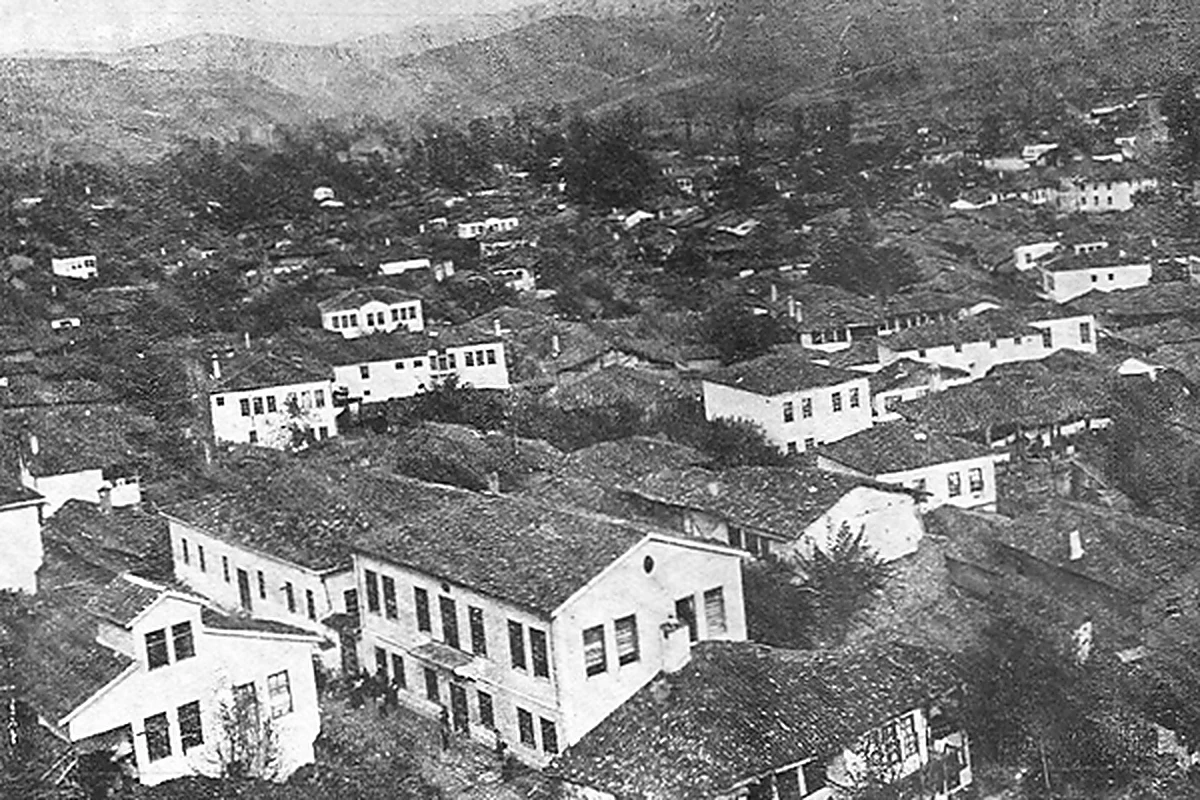
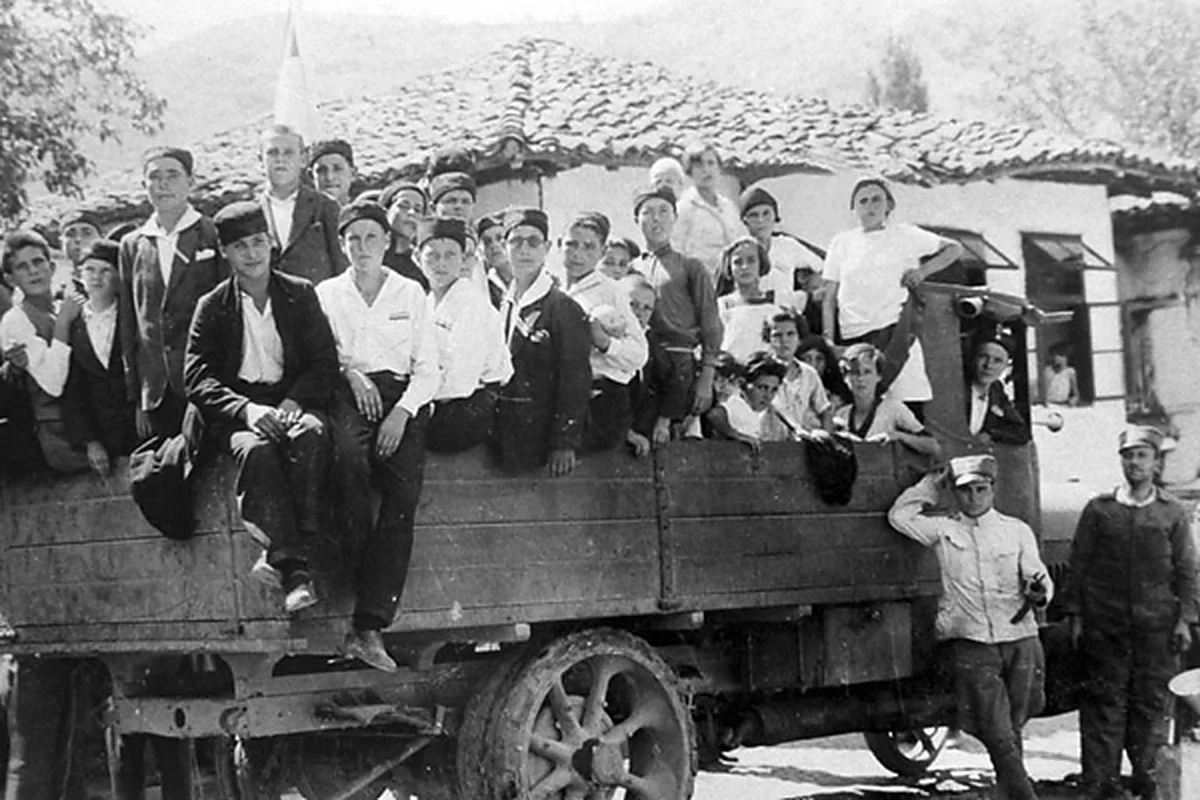
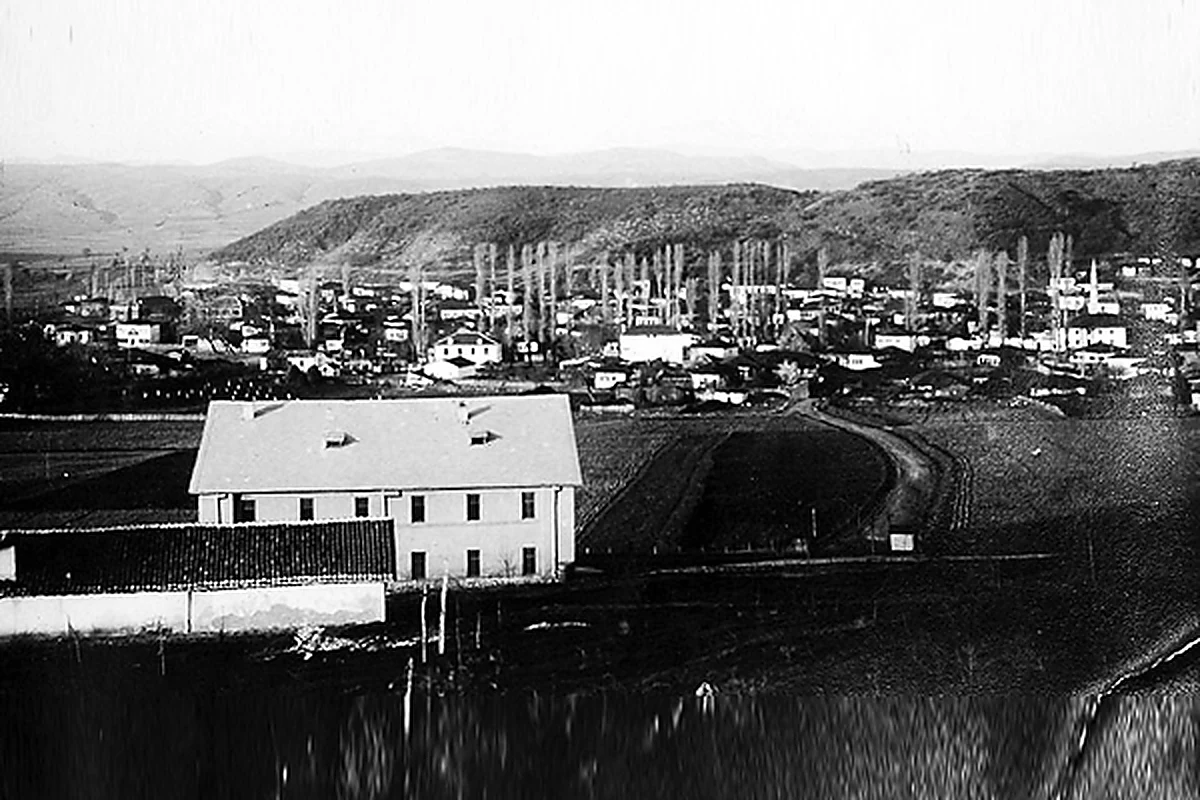
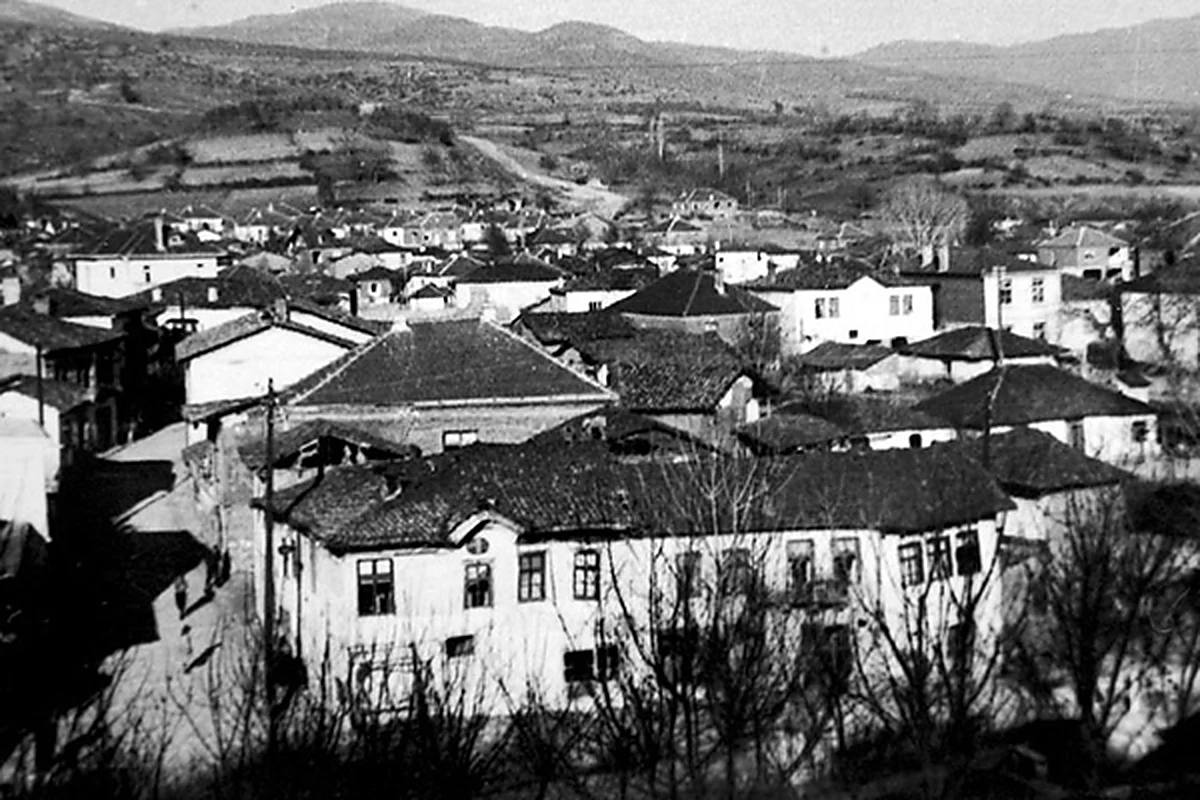
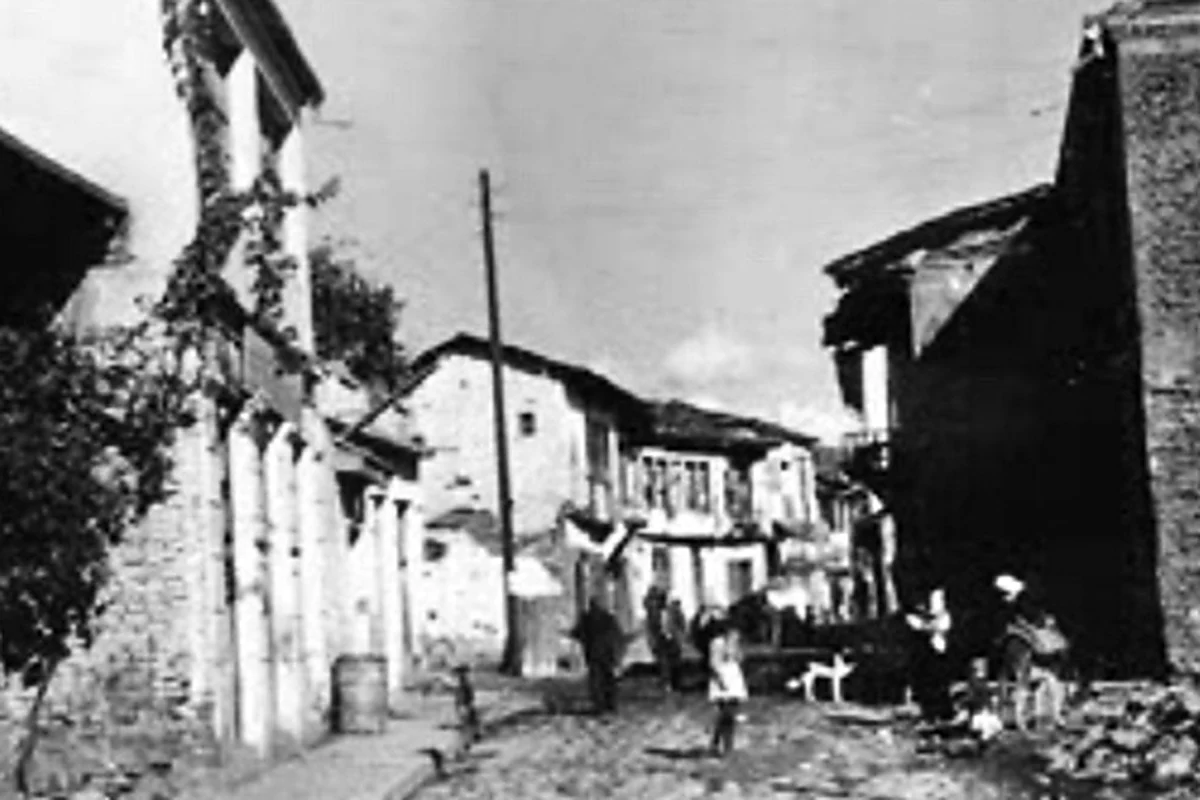
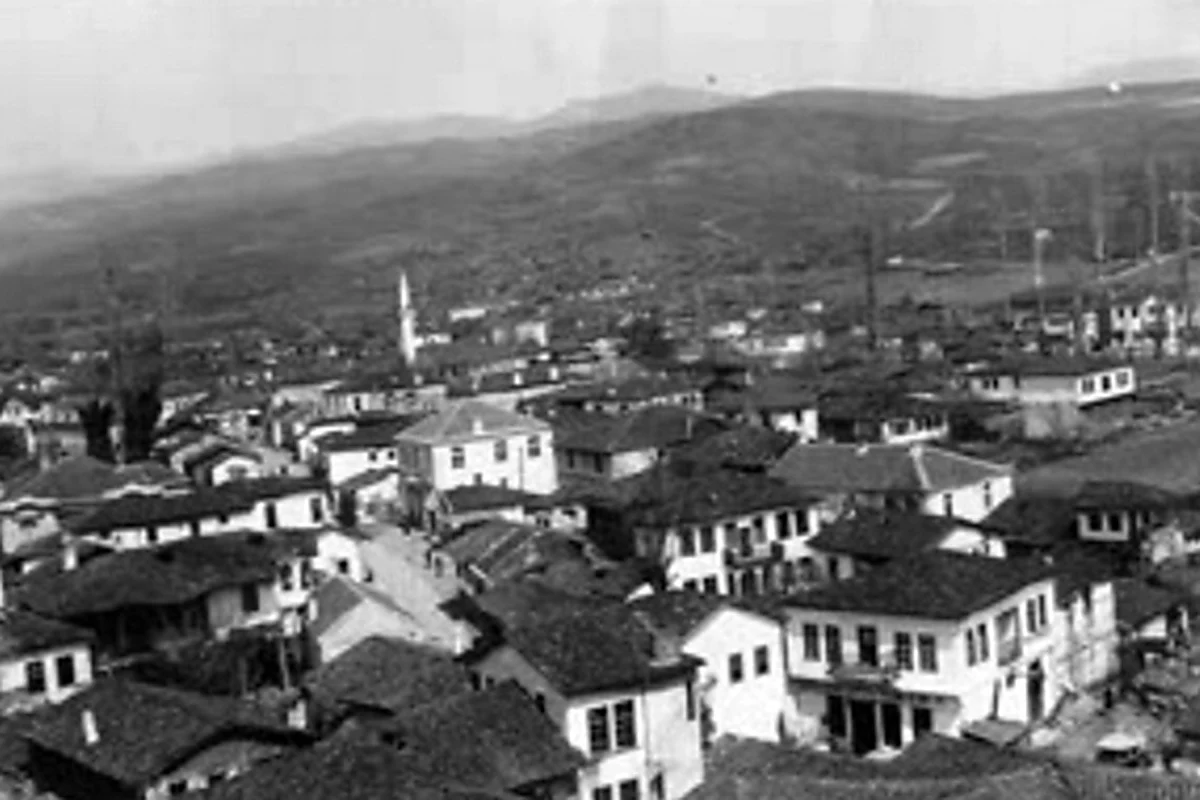
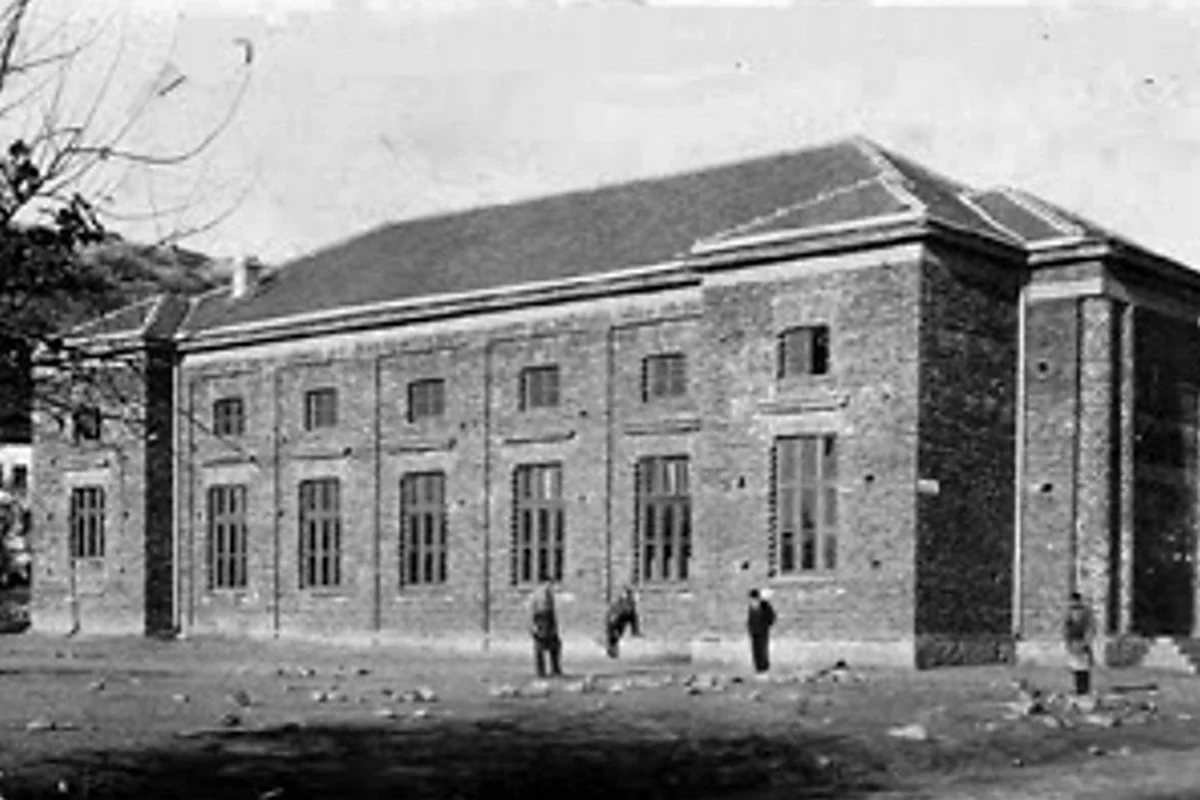
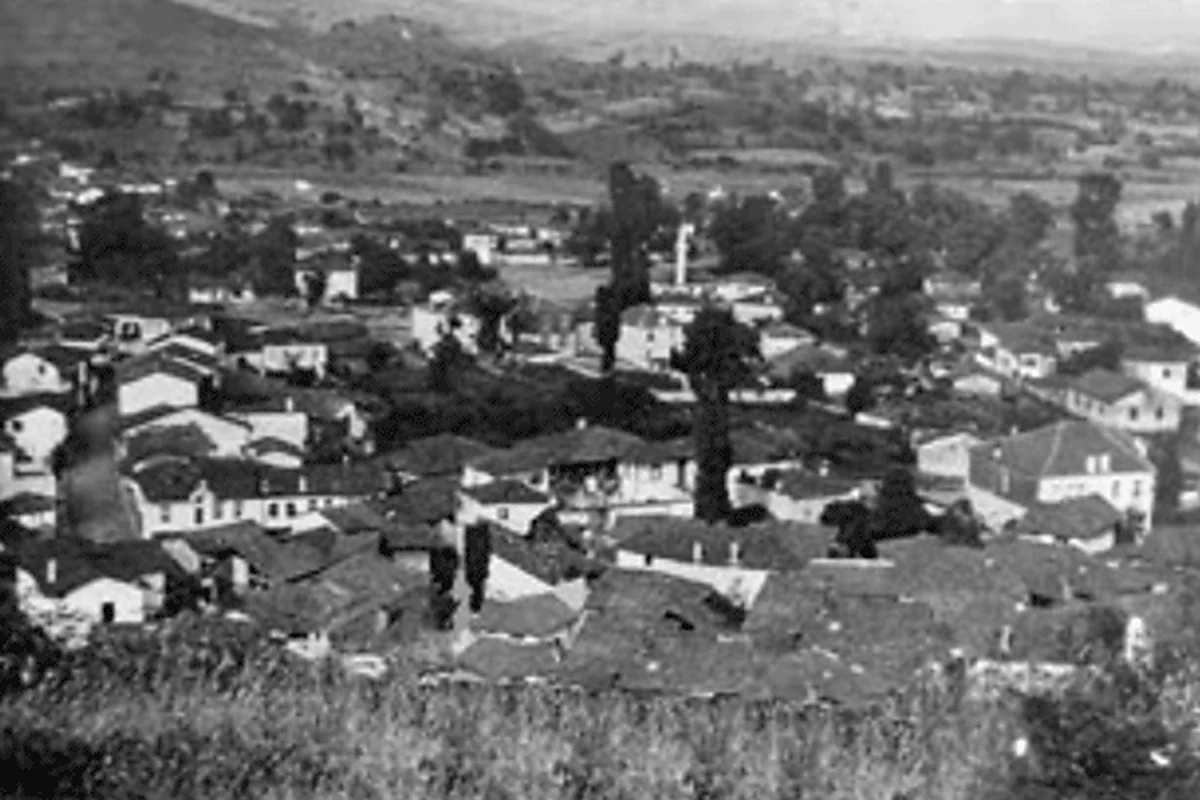
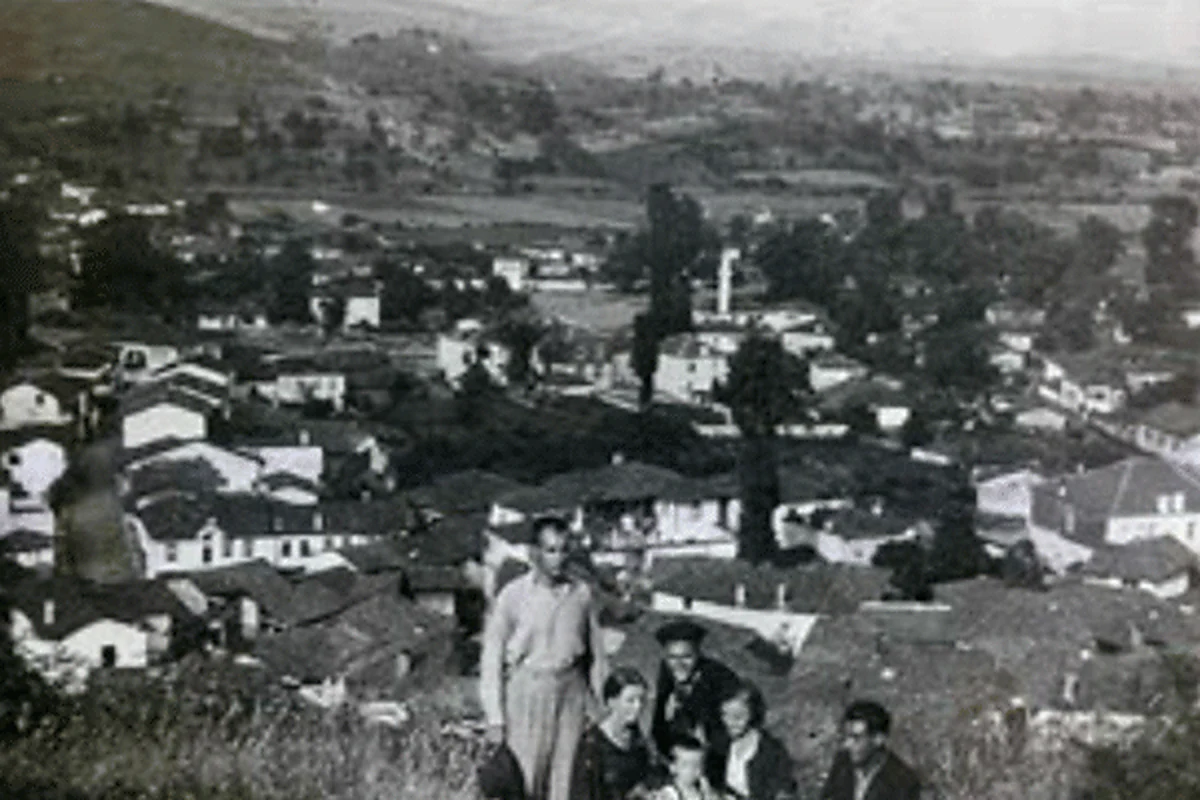
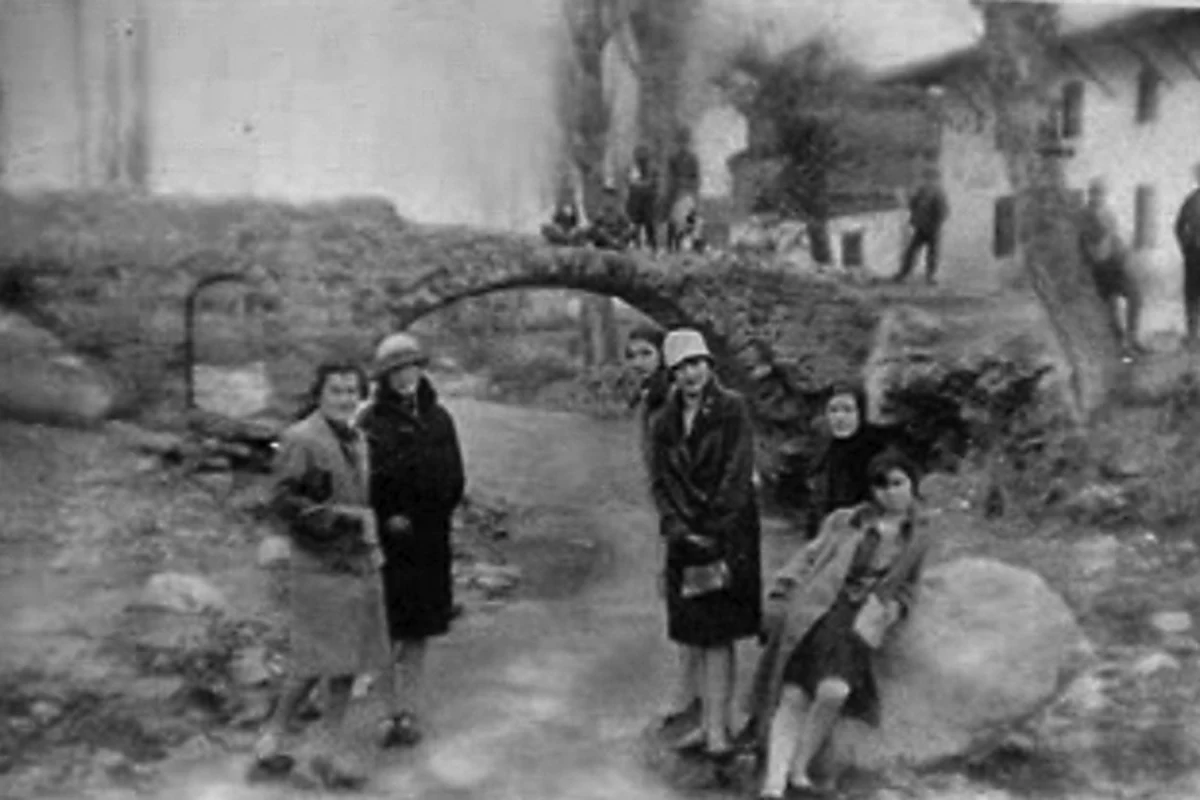
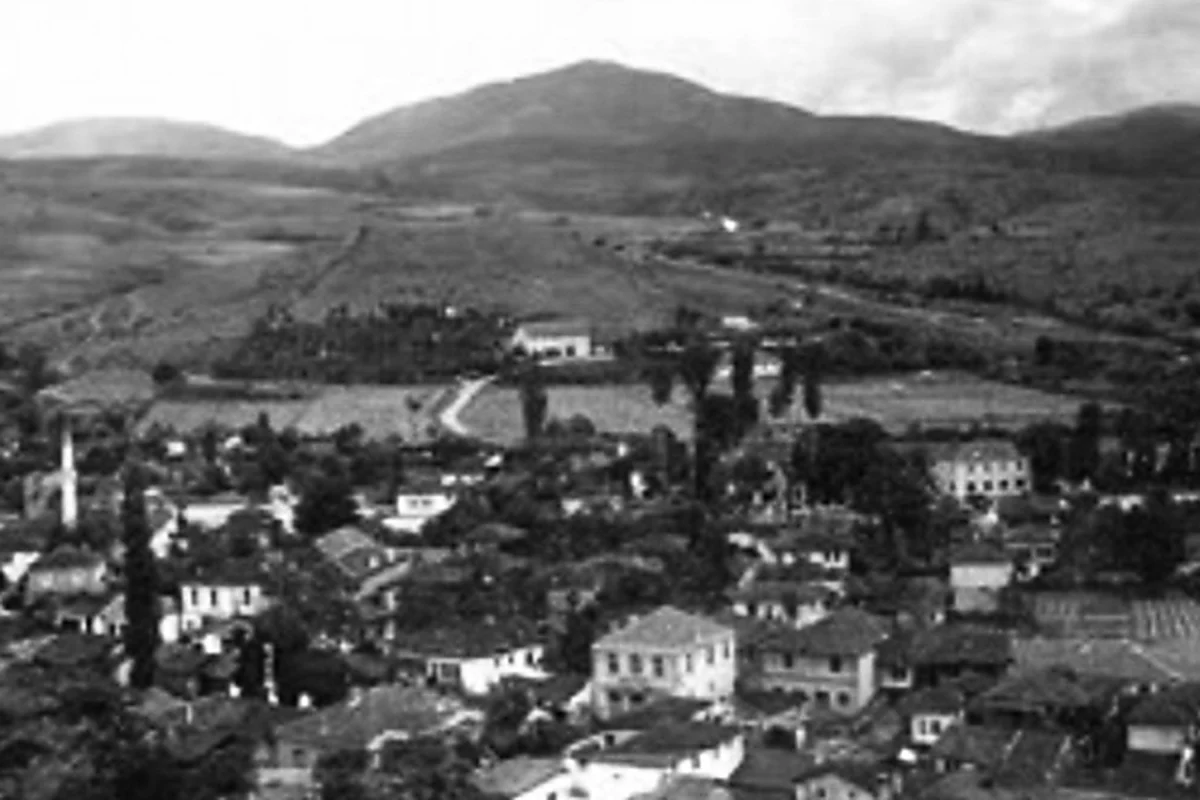
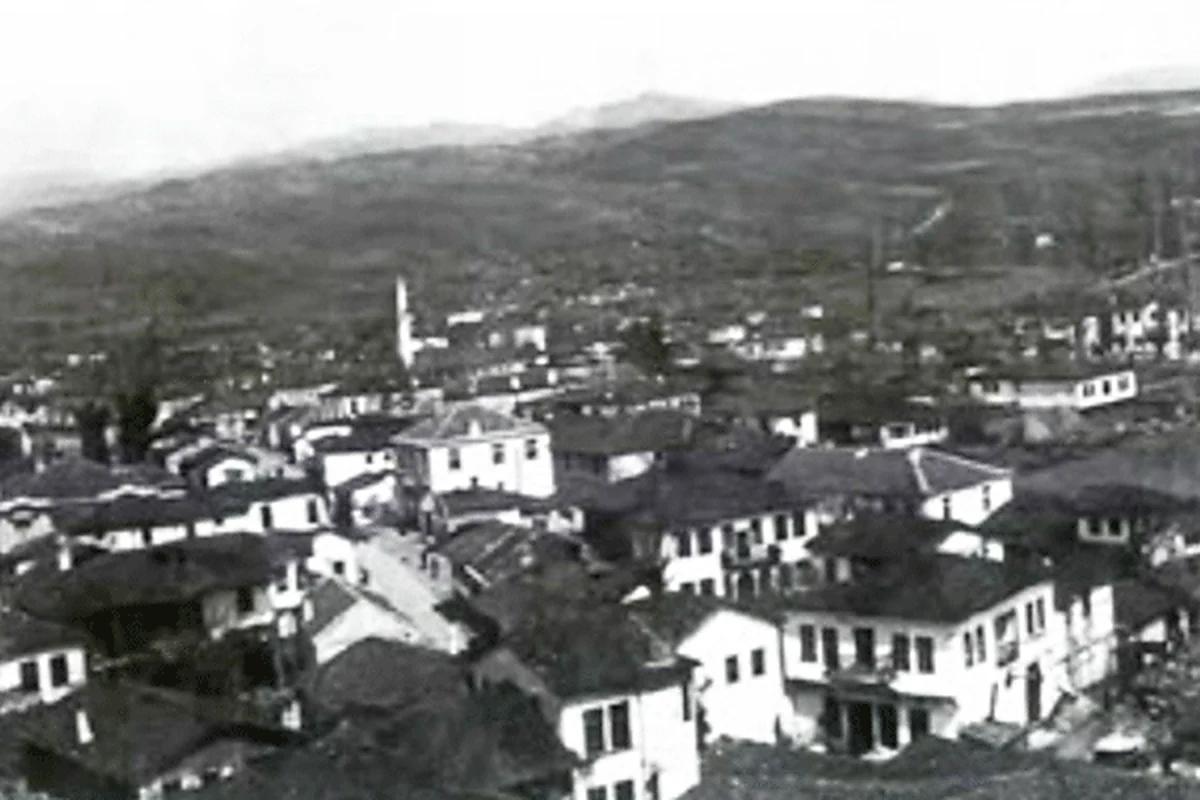
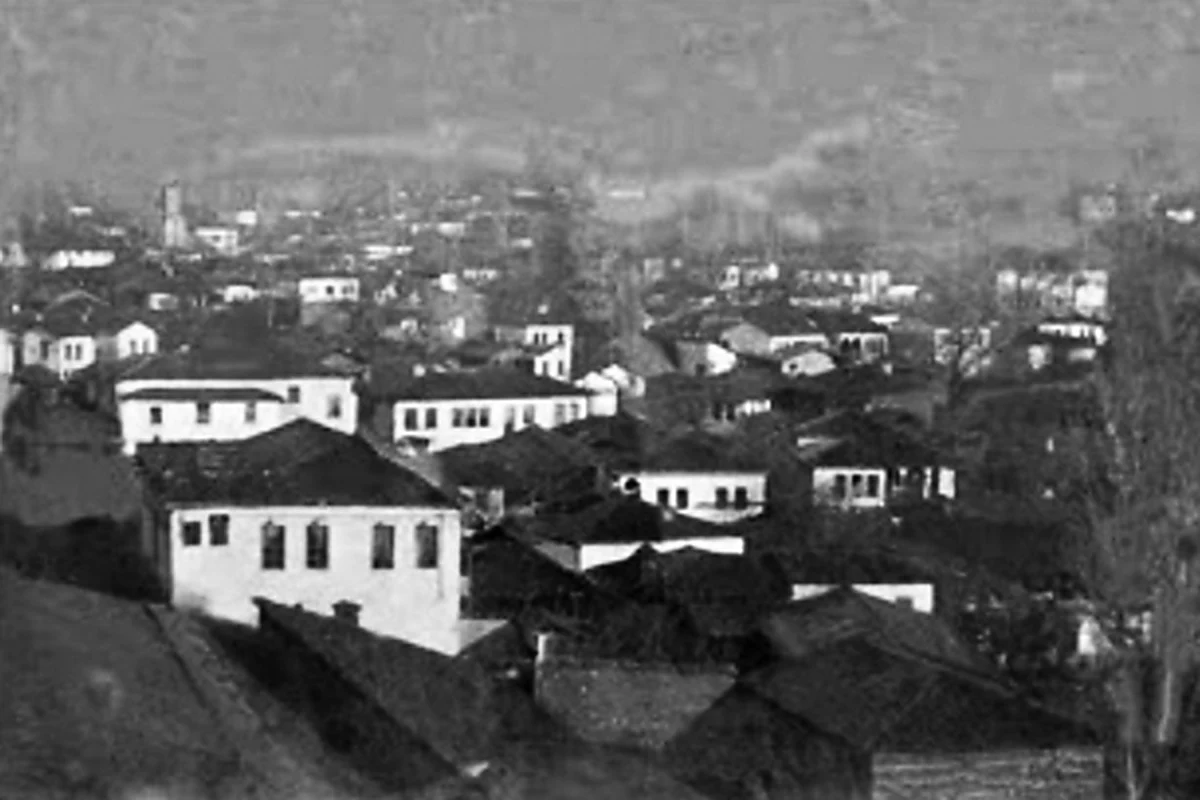
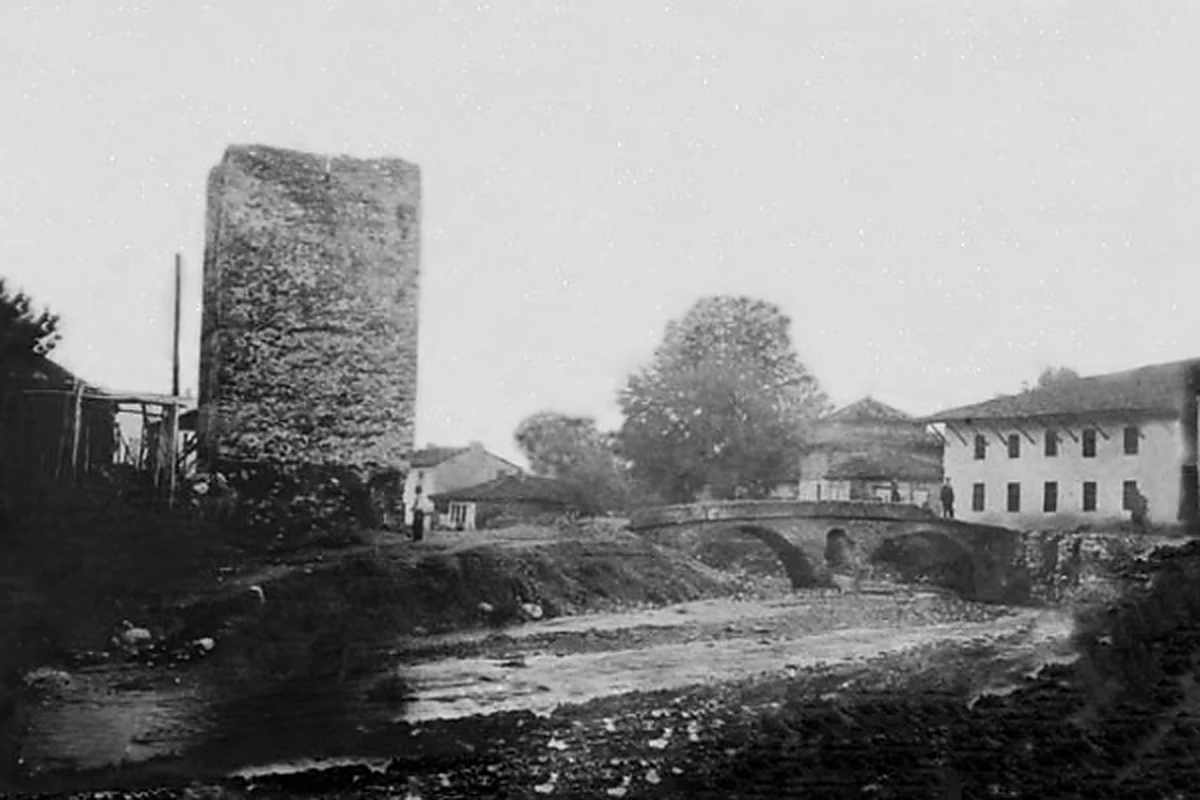
Photo Gallery (33)
Photo Gallery
Radovish, frame by frame.
A responsive family gallery, including city views recovered from the old rotating banner system.
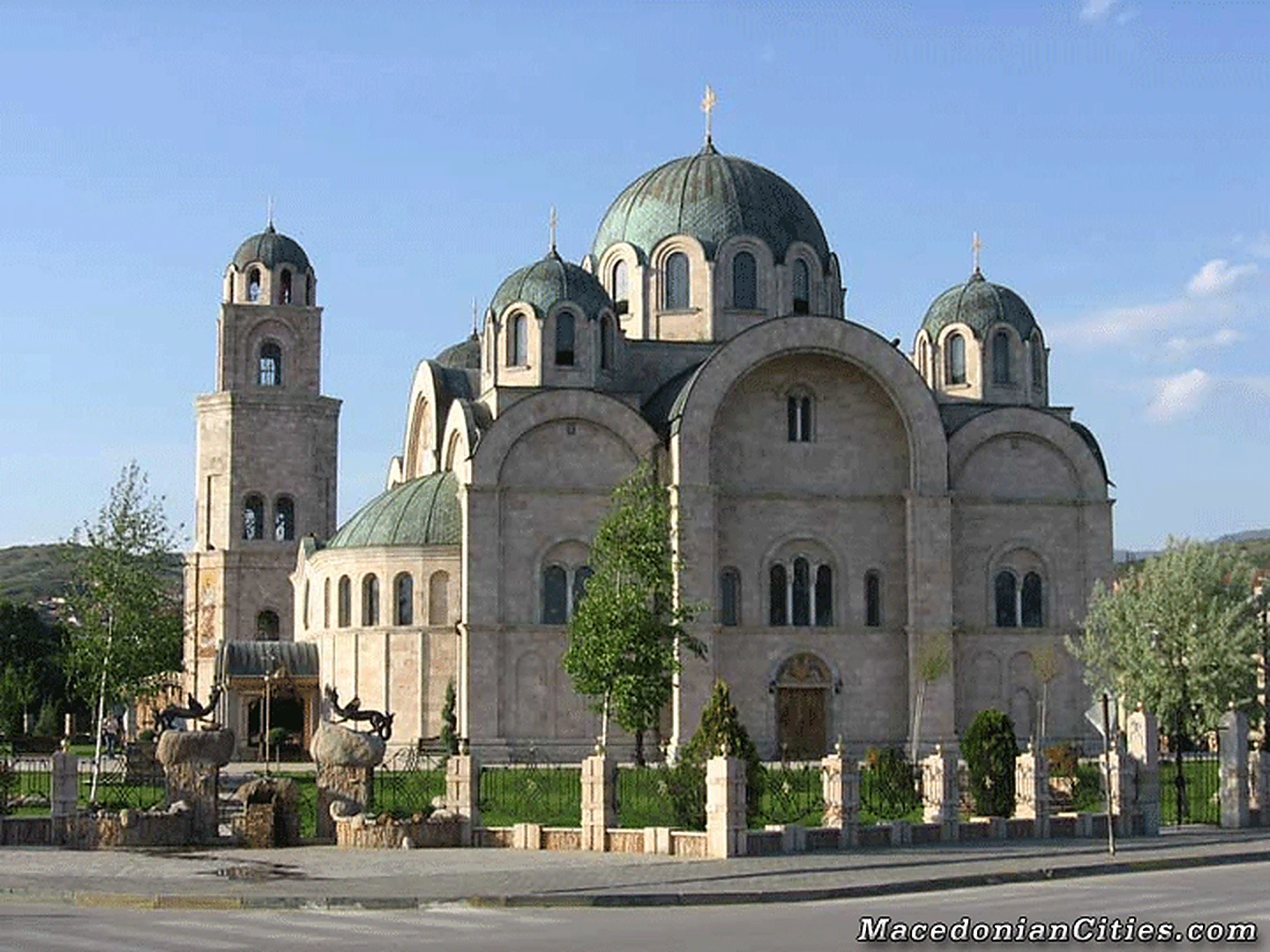
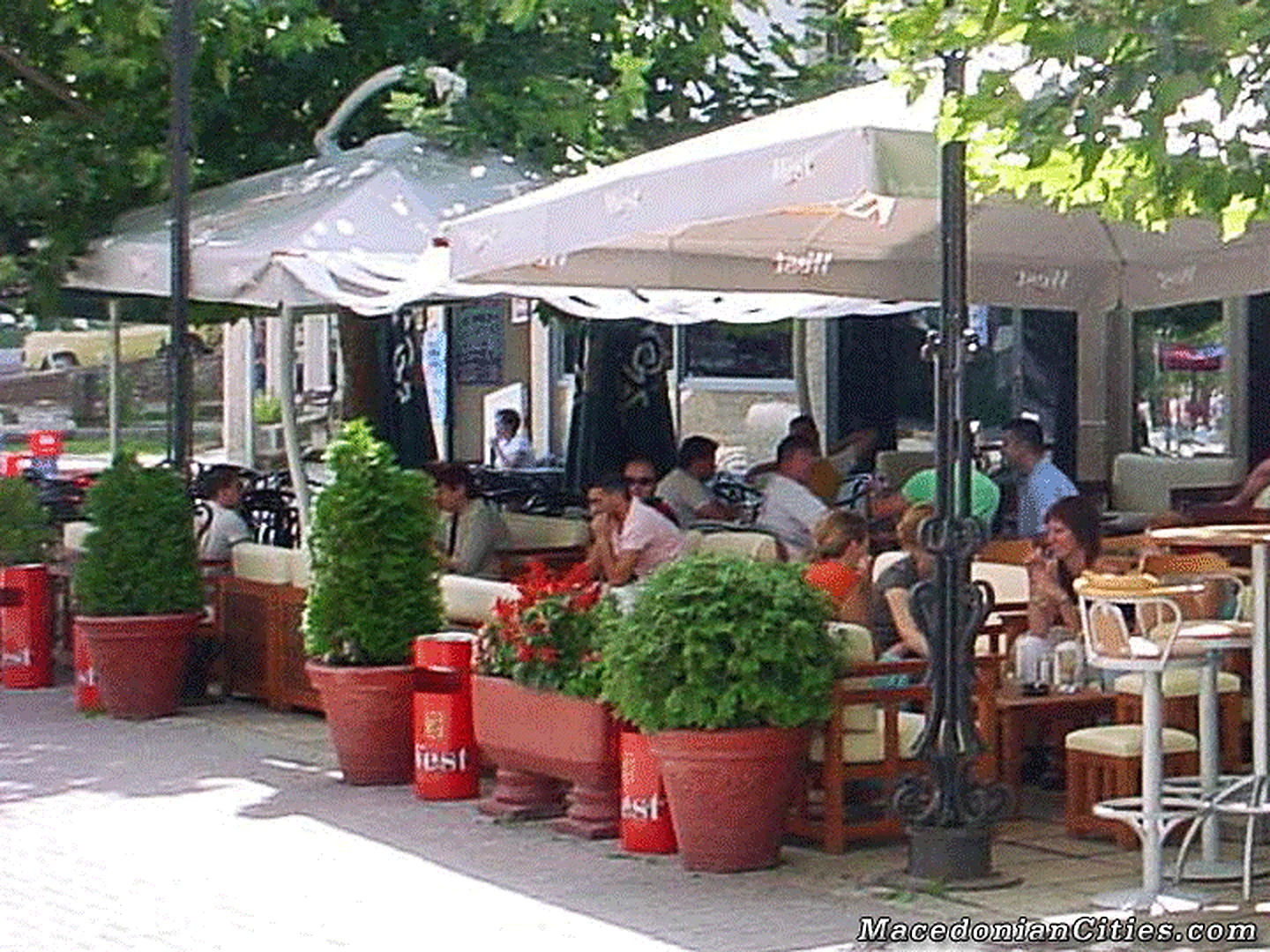
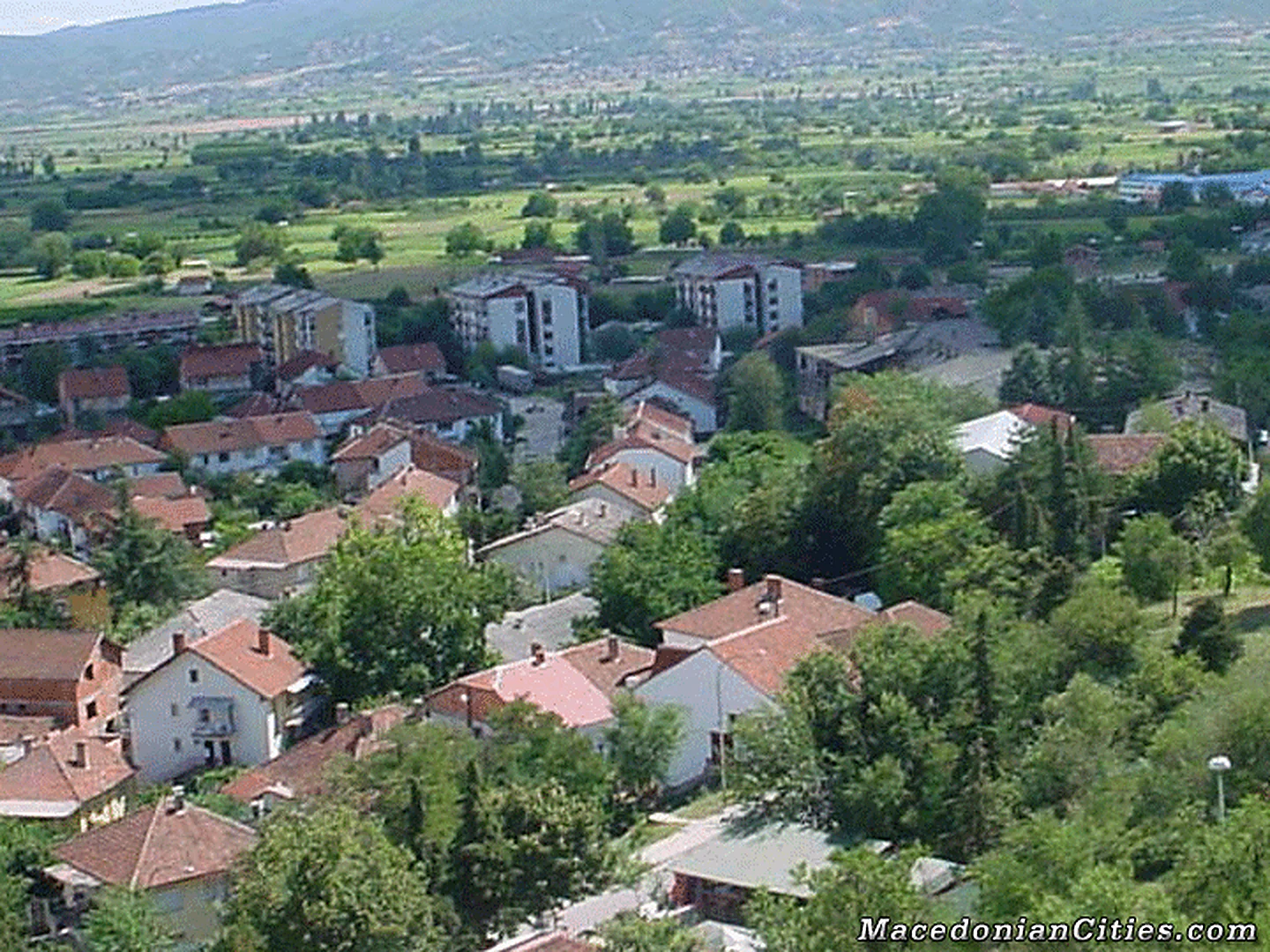
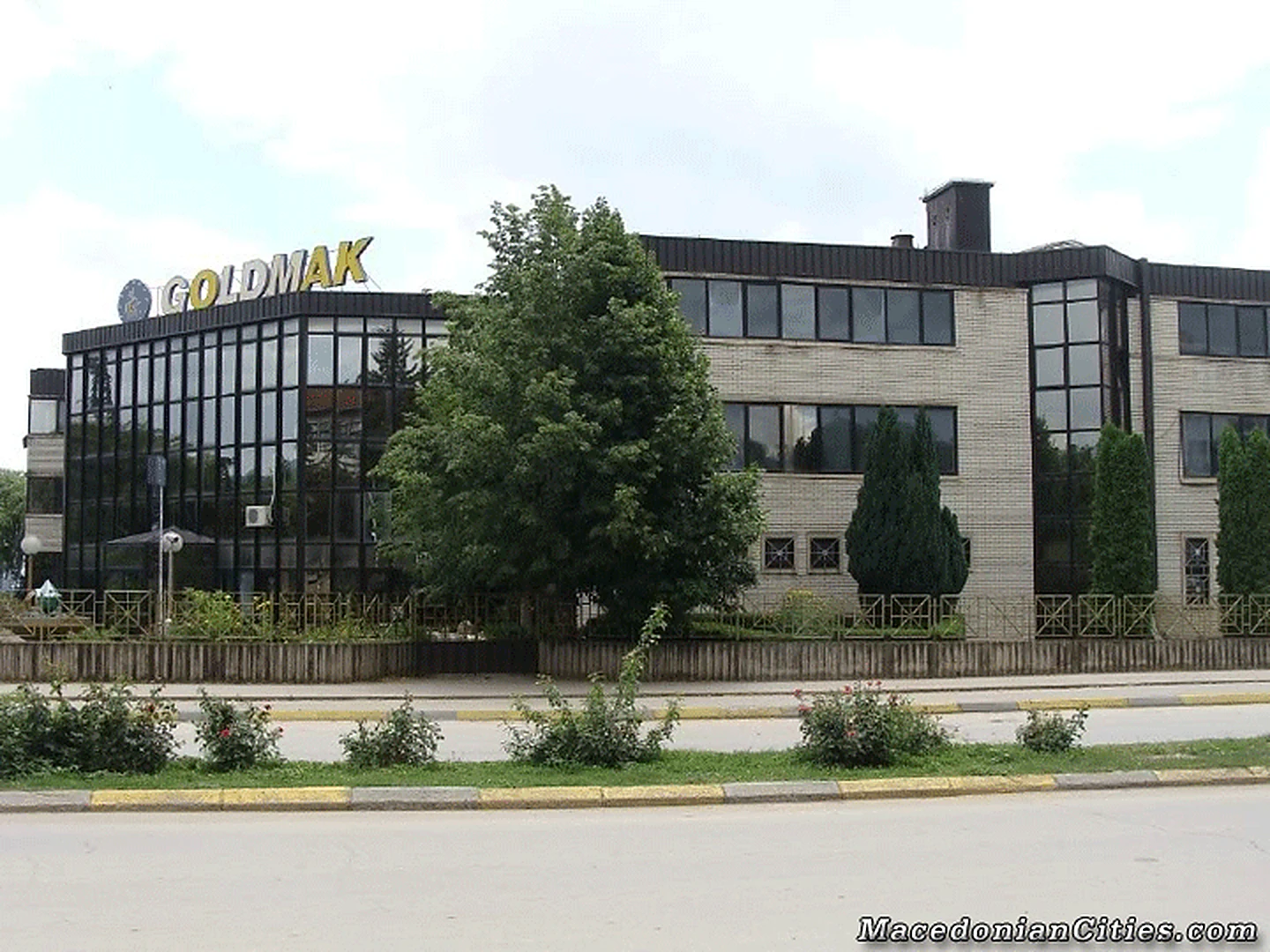
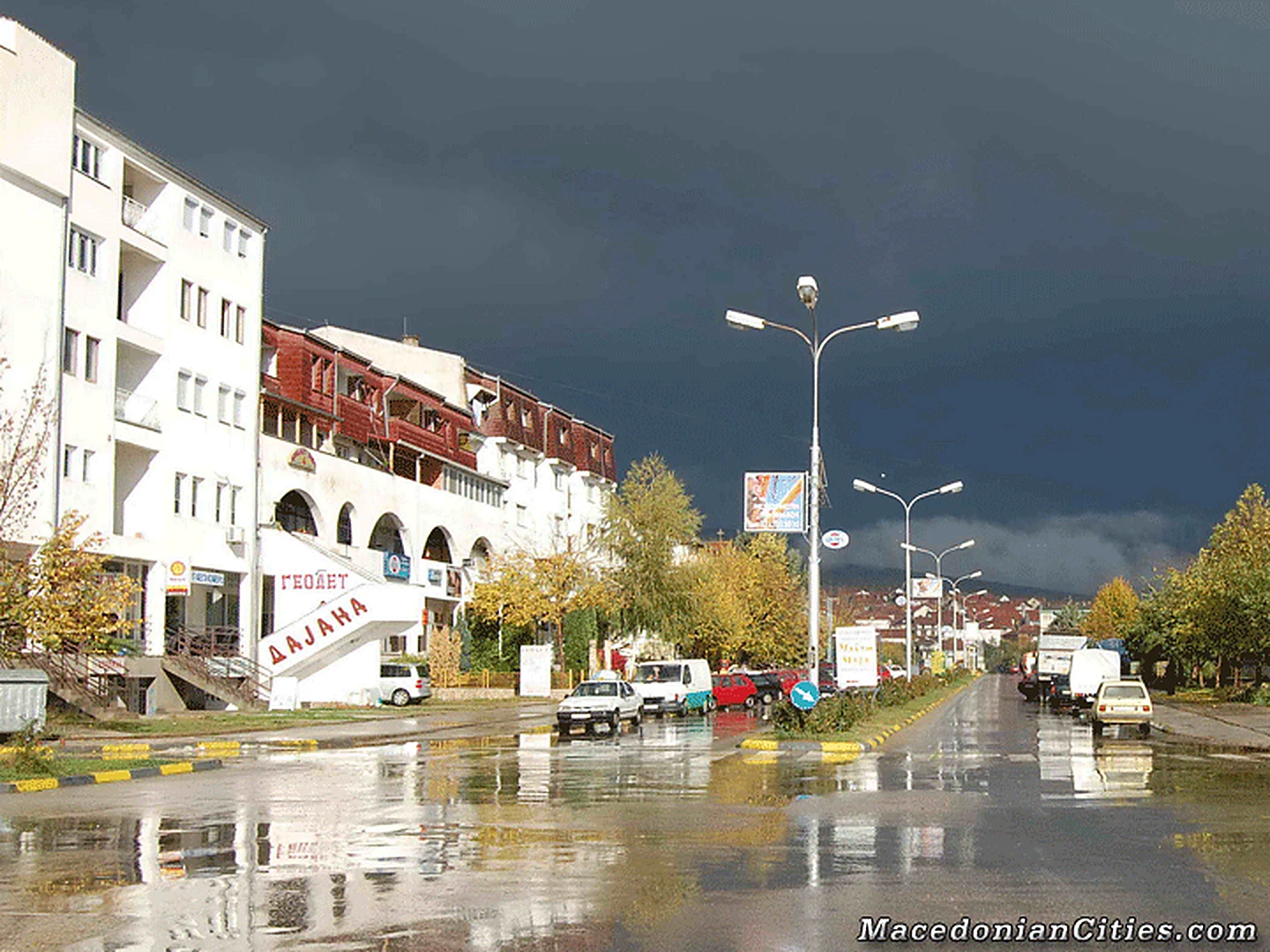
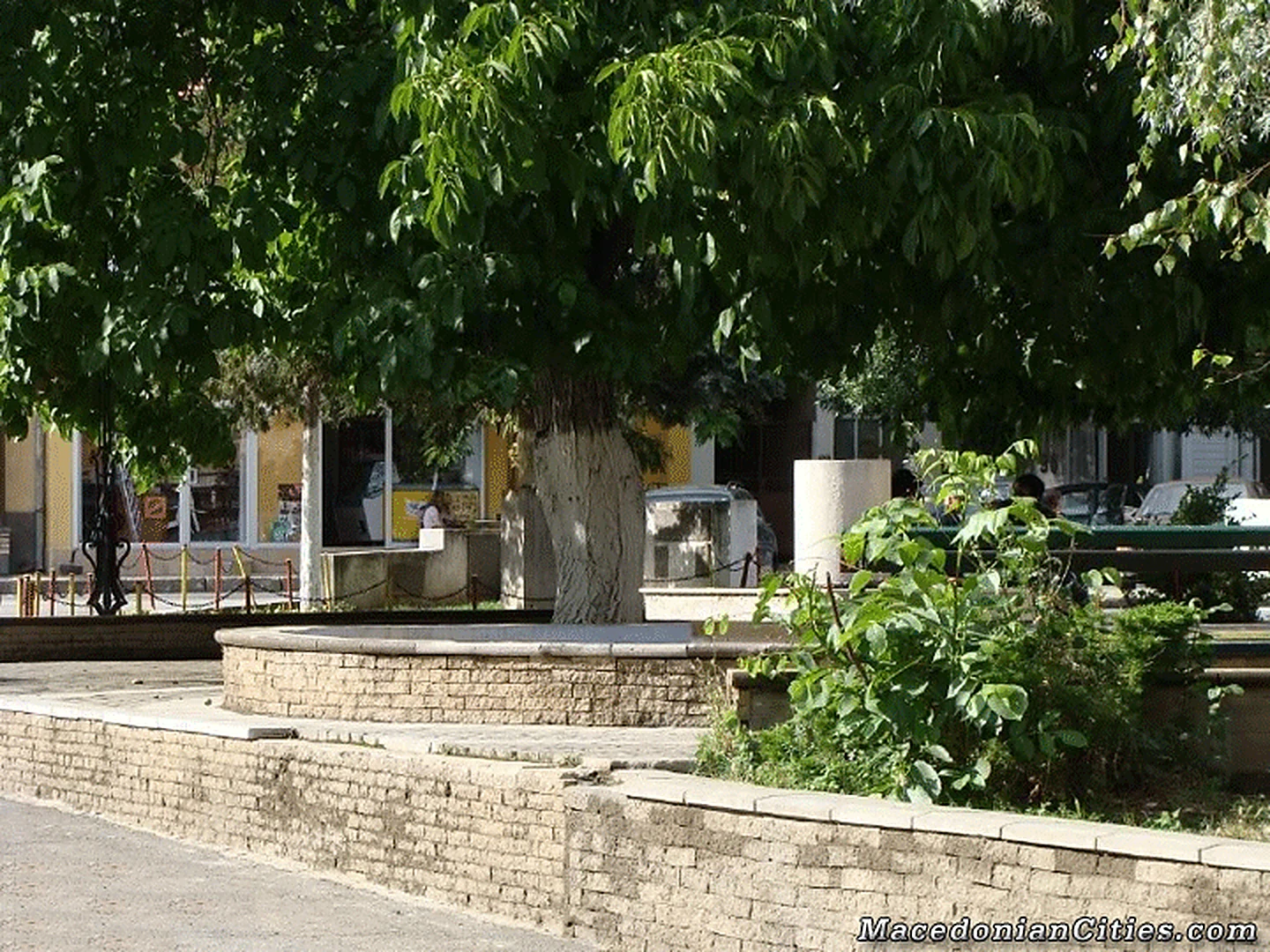
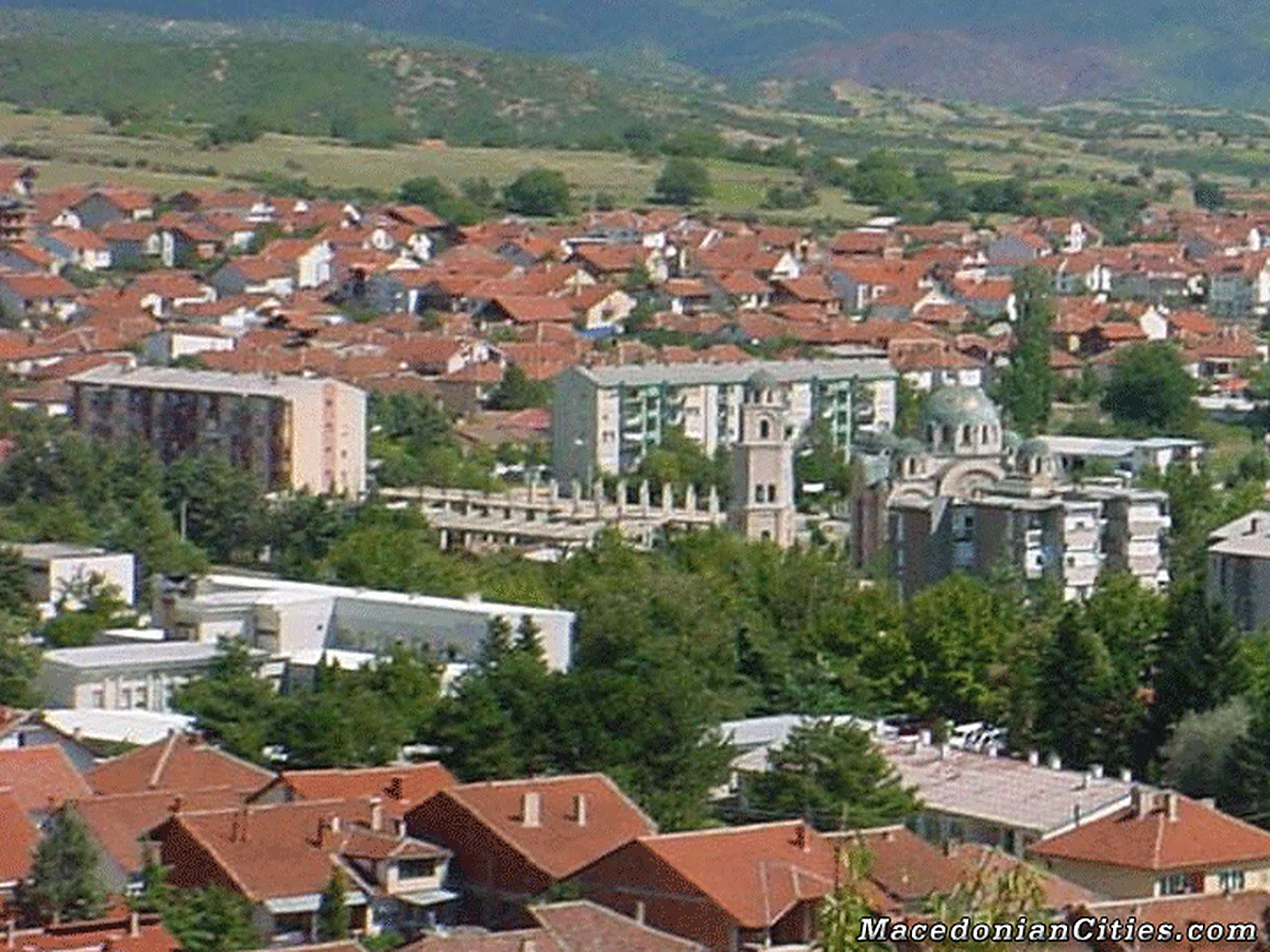
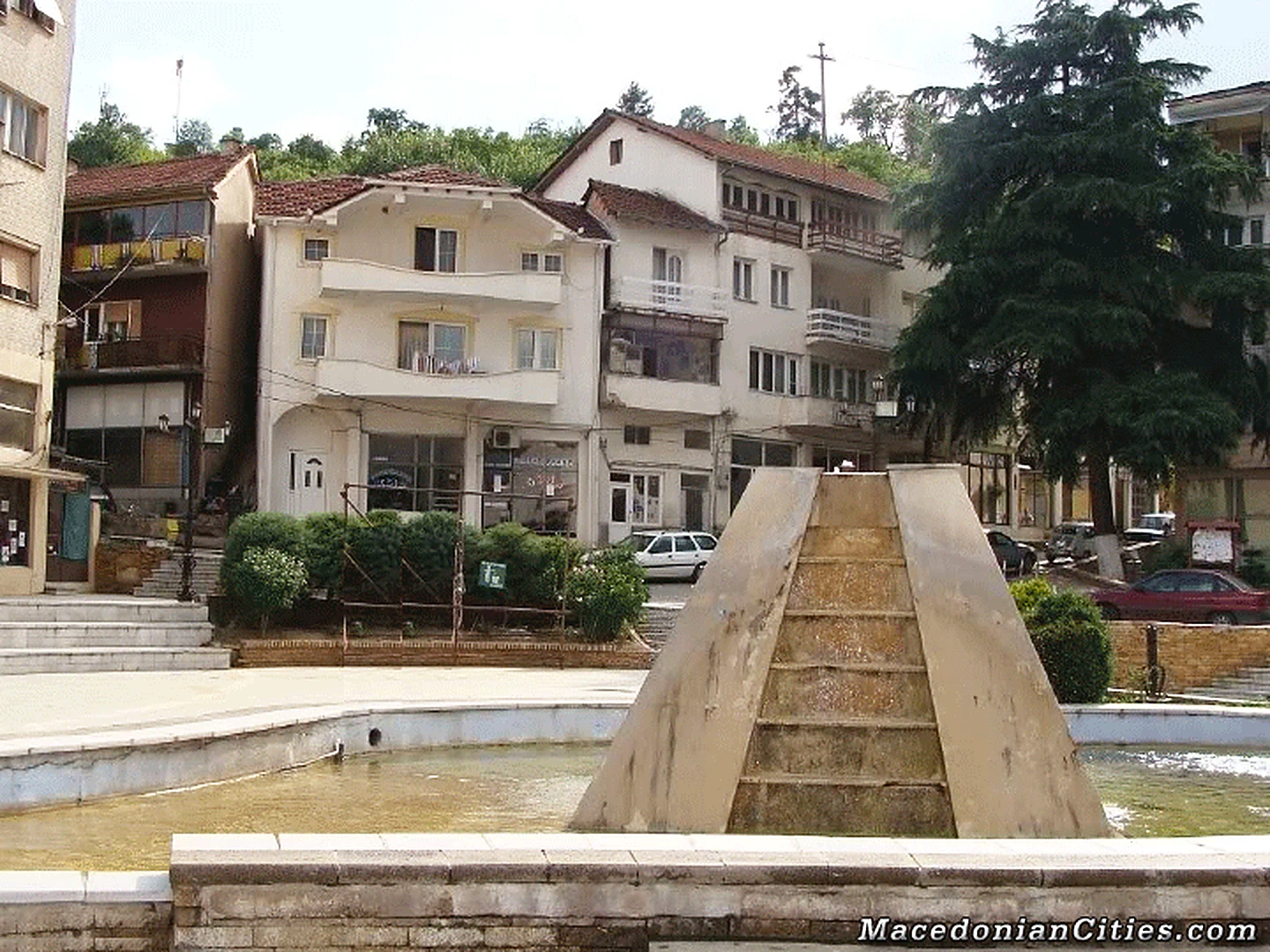
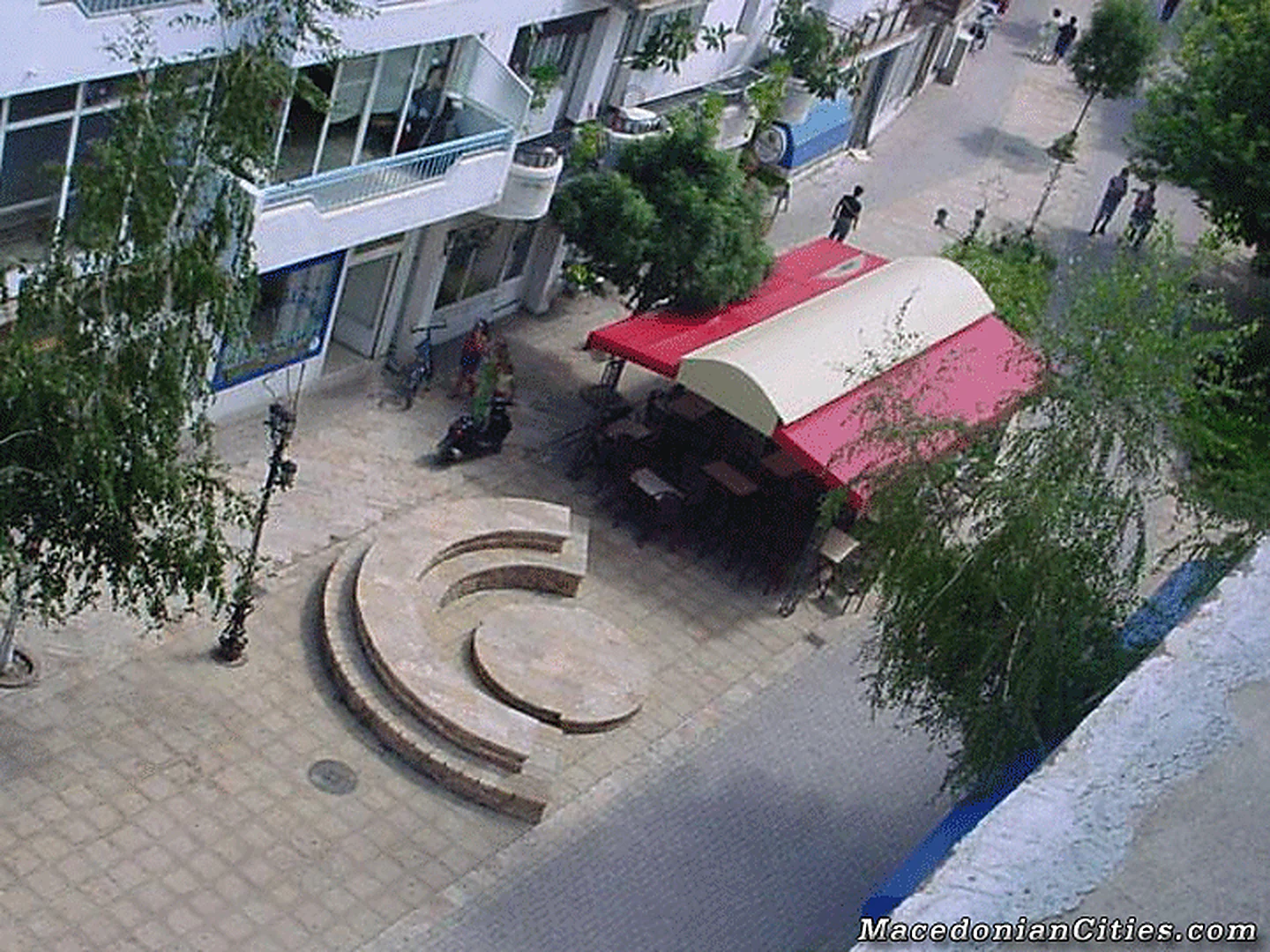
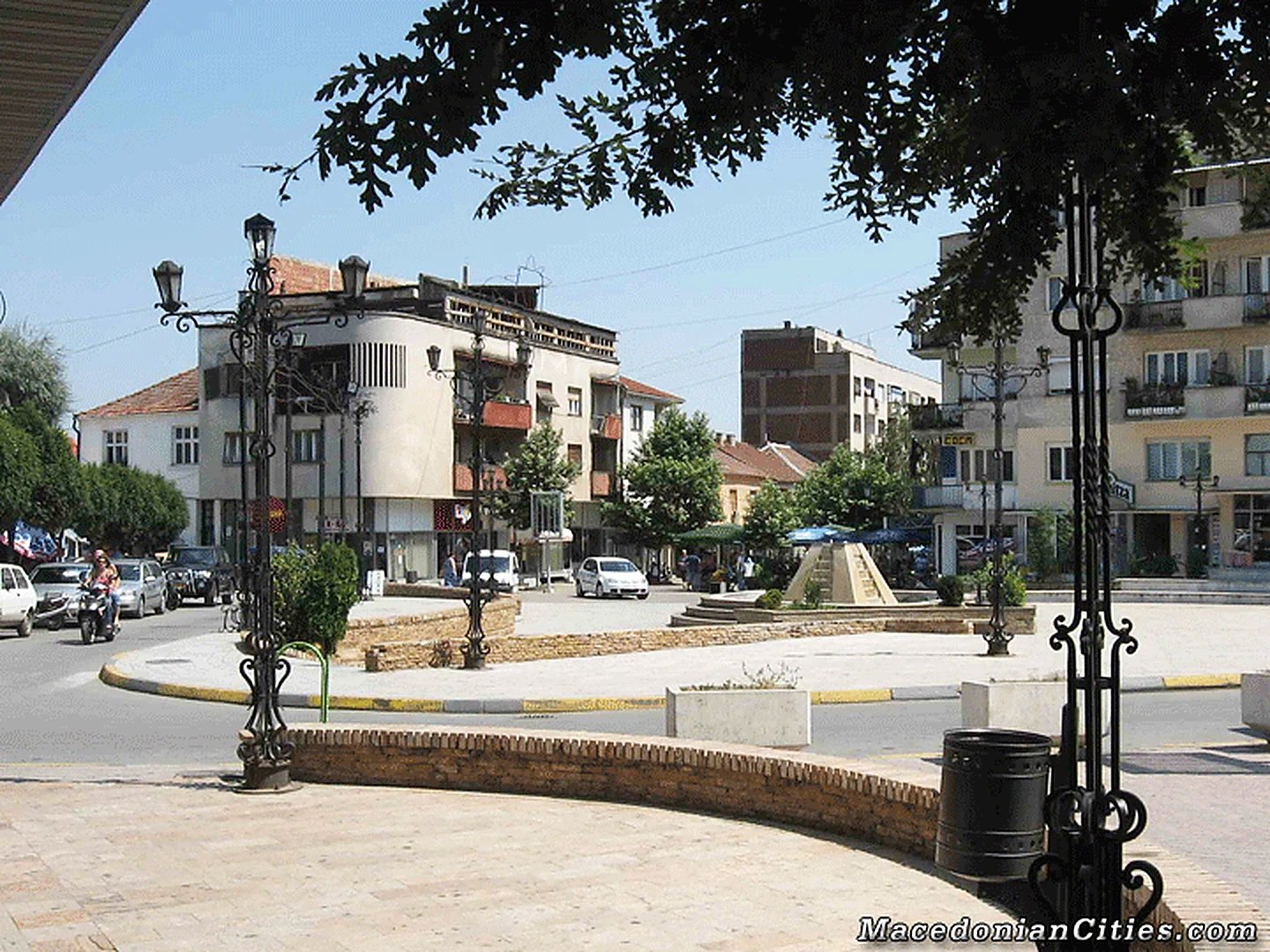
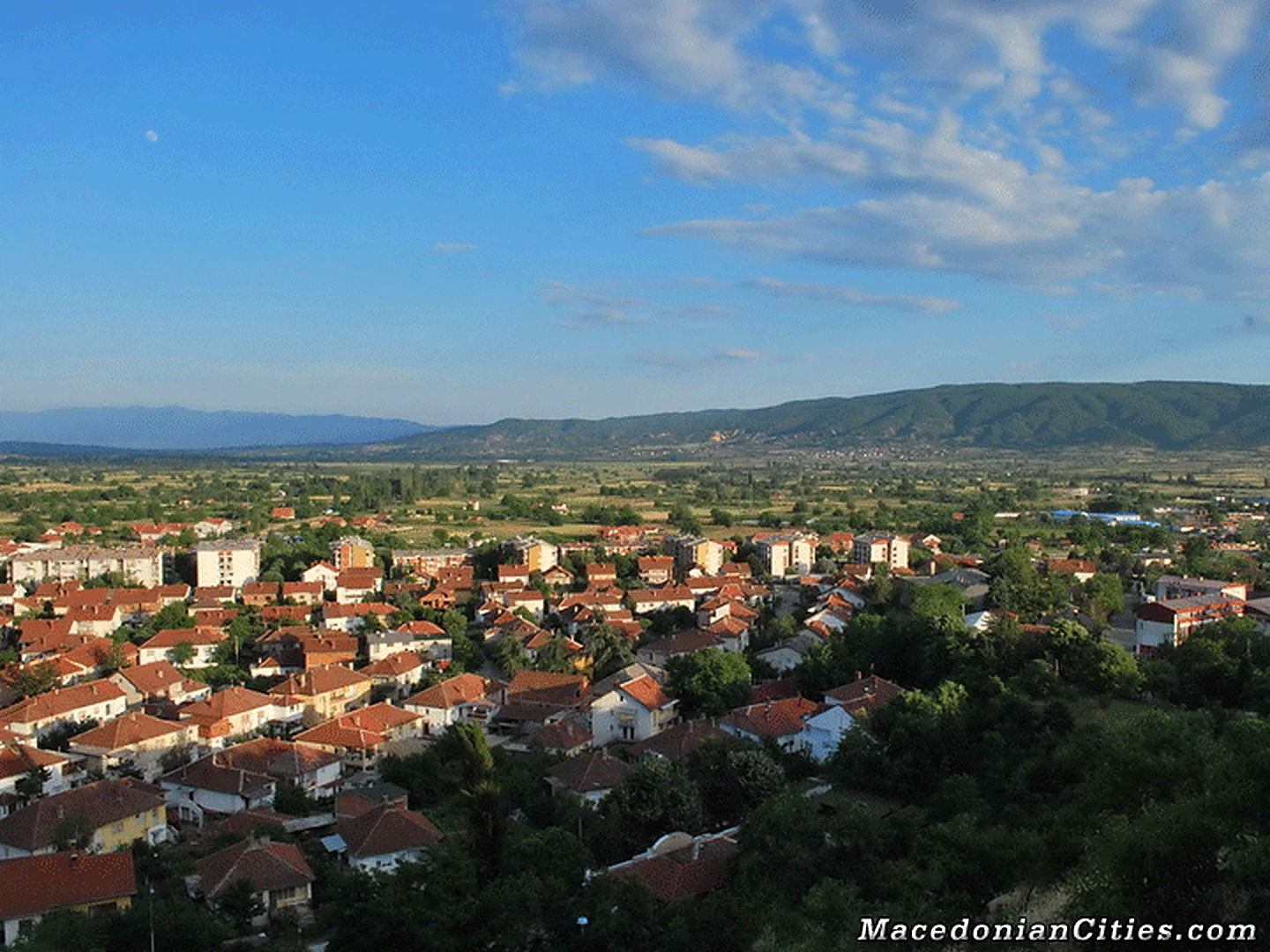
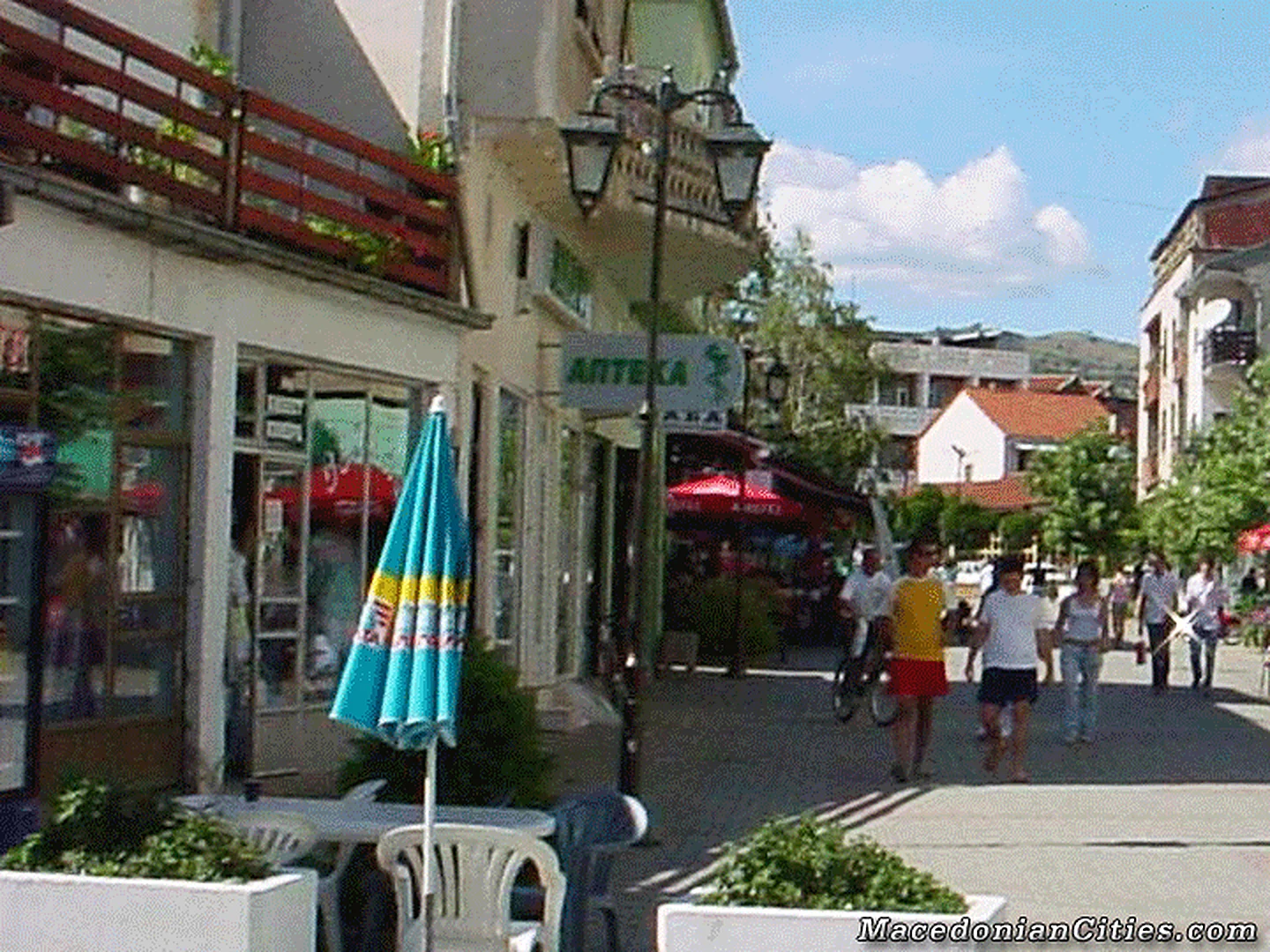
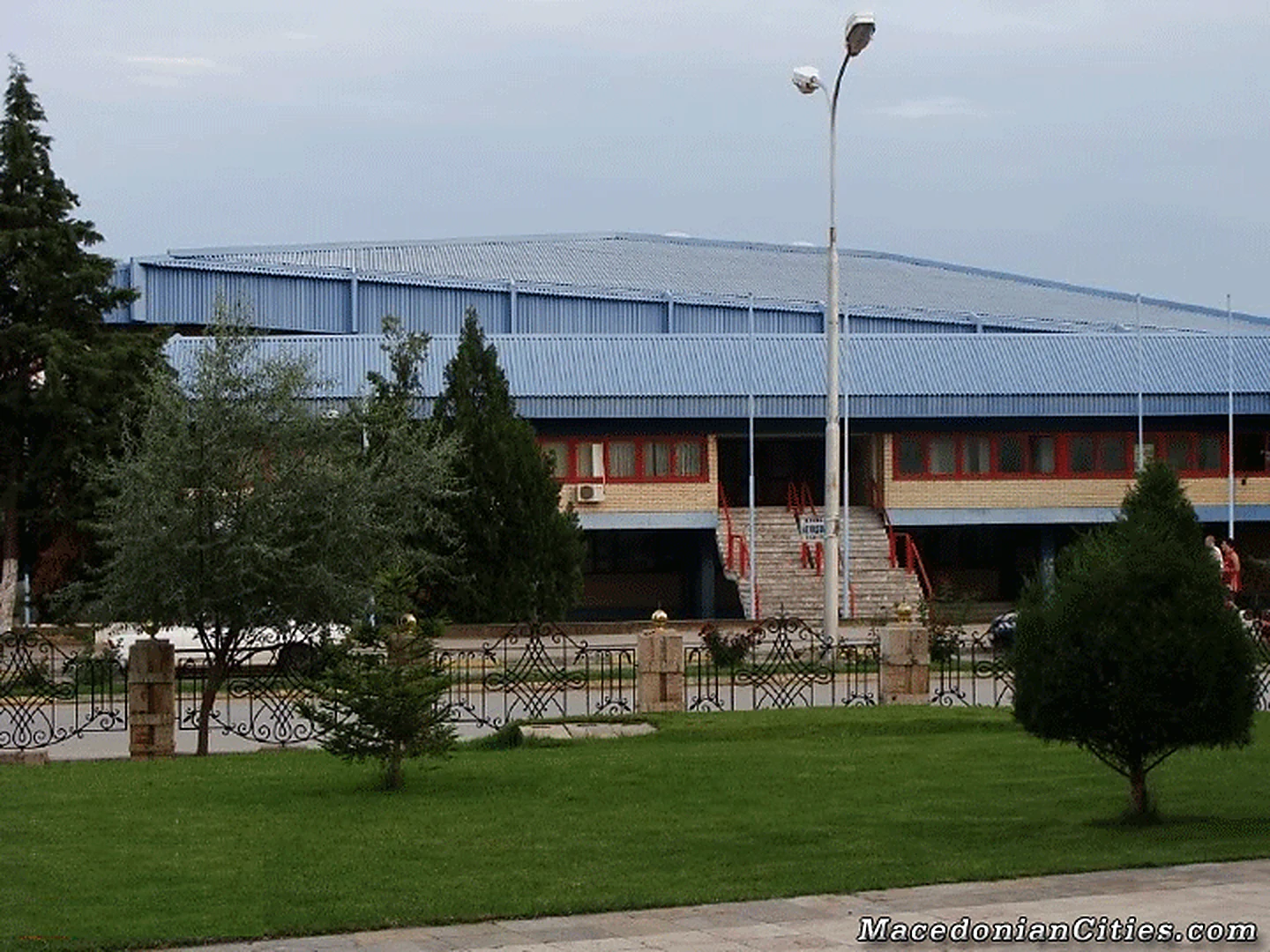
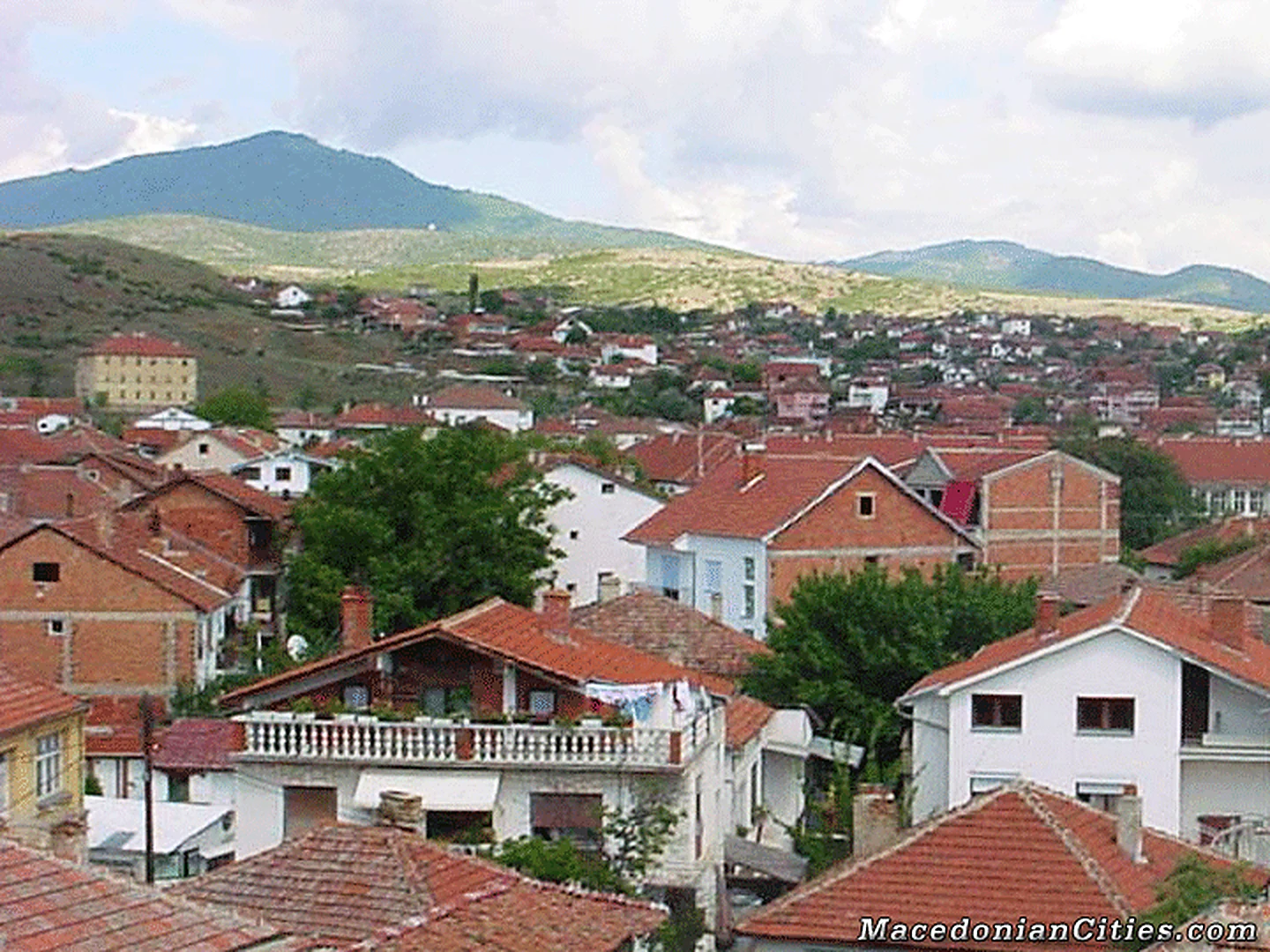
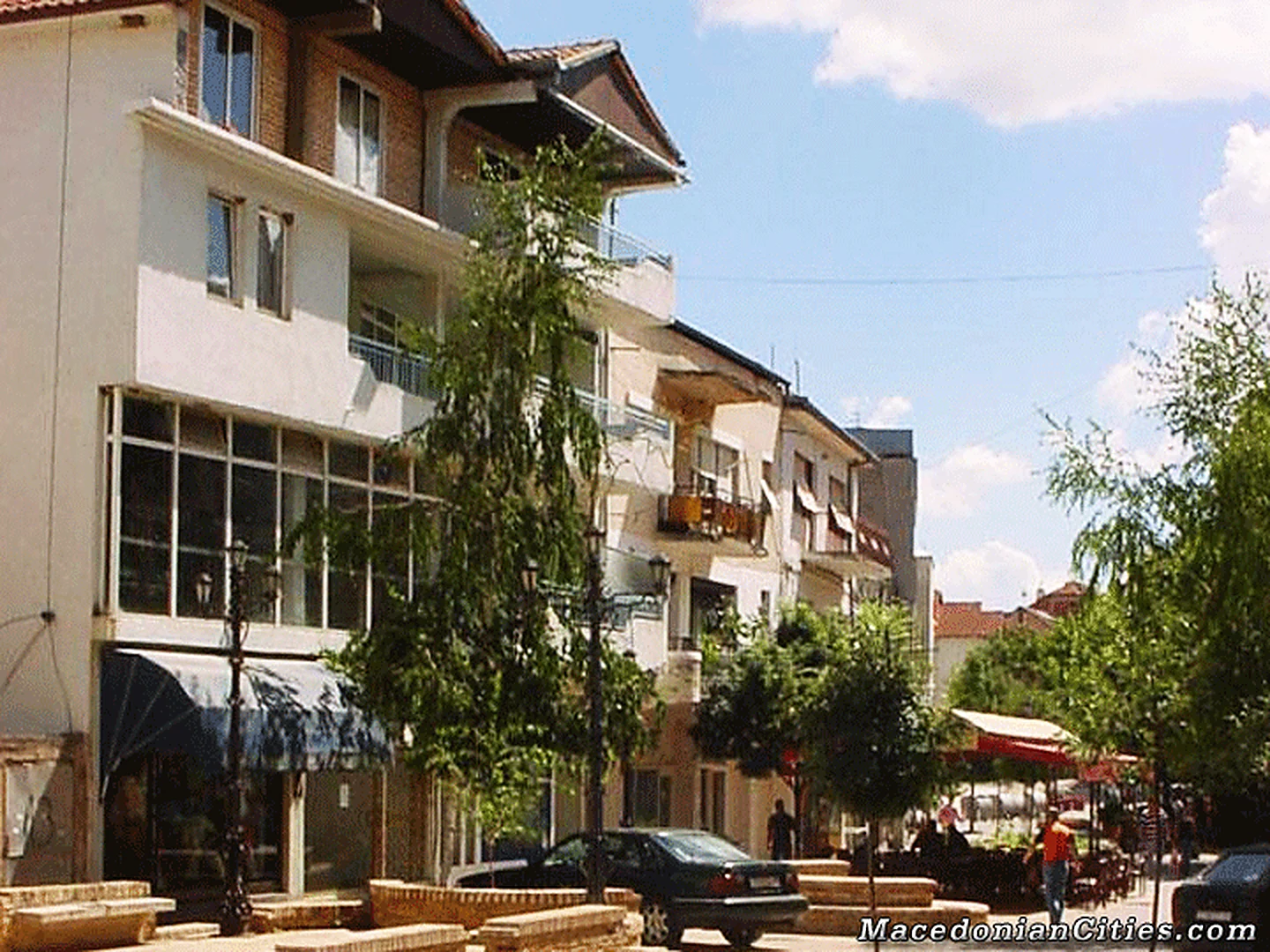
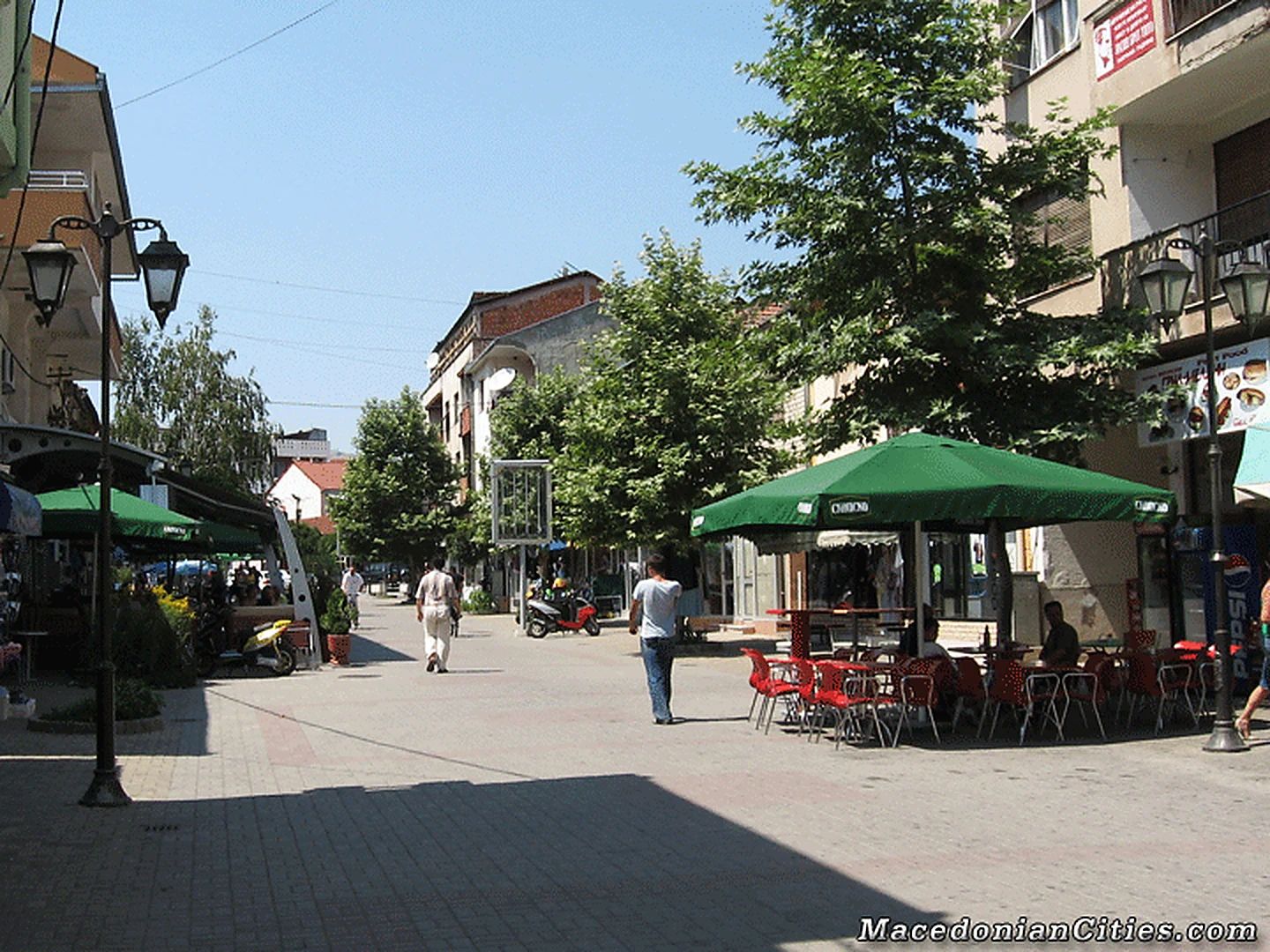
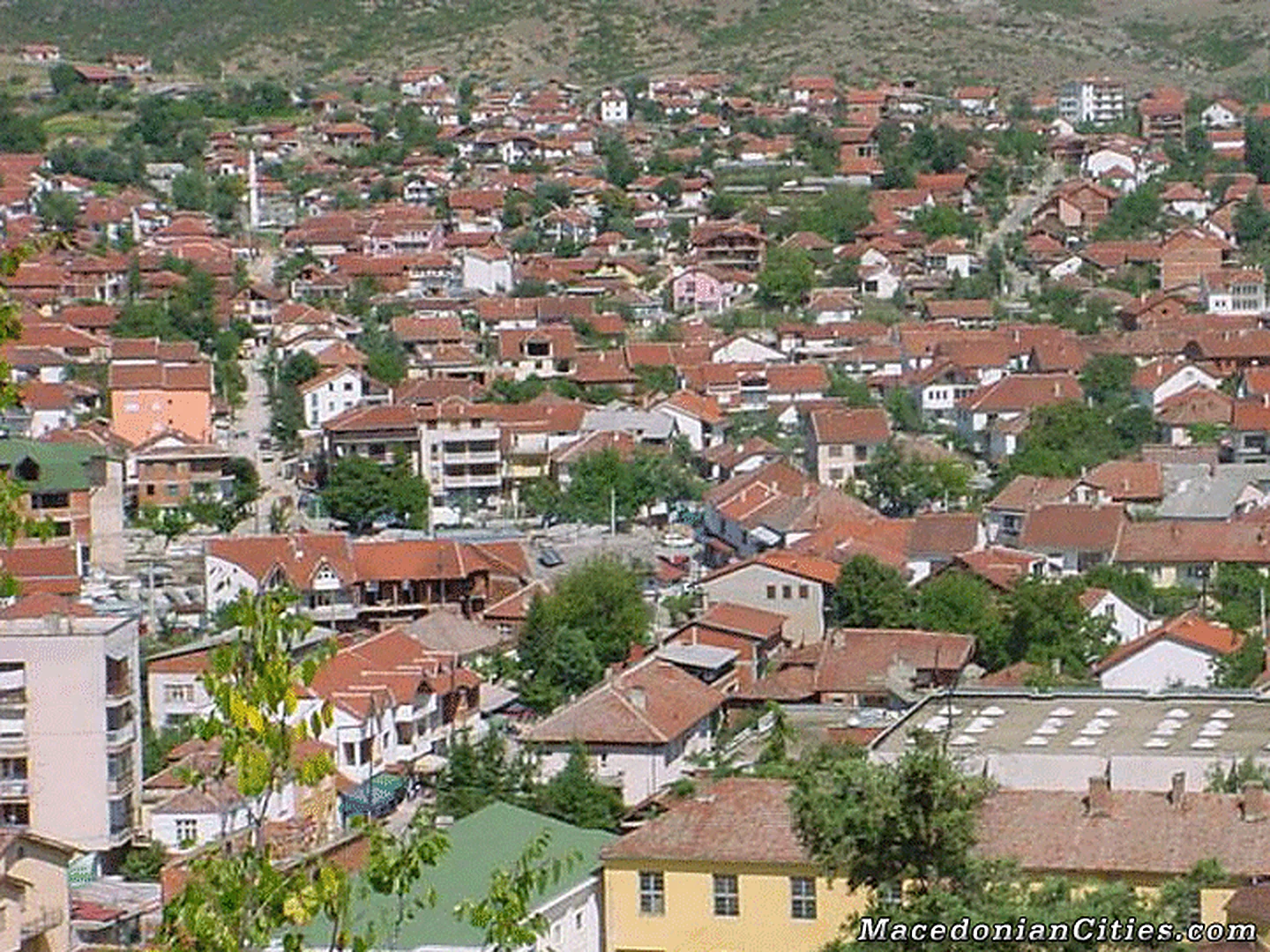
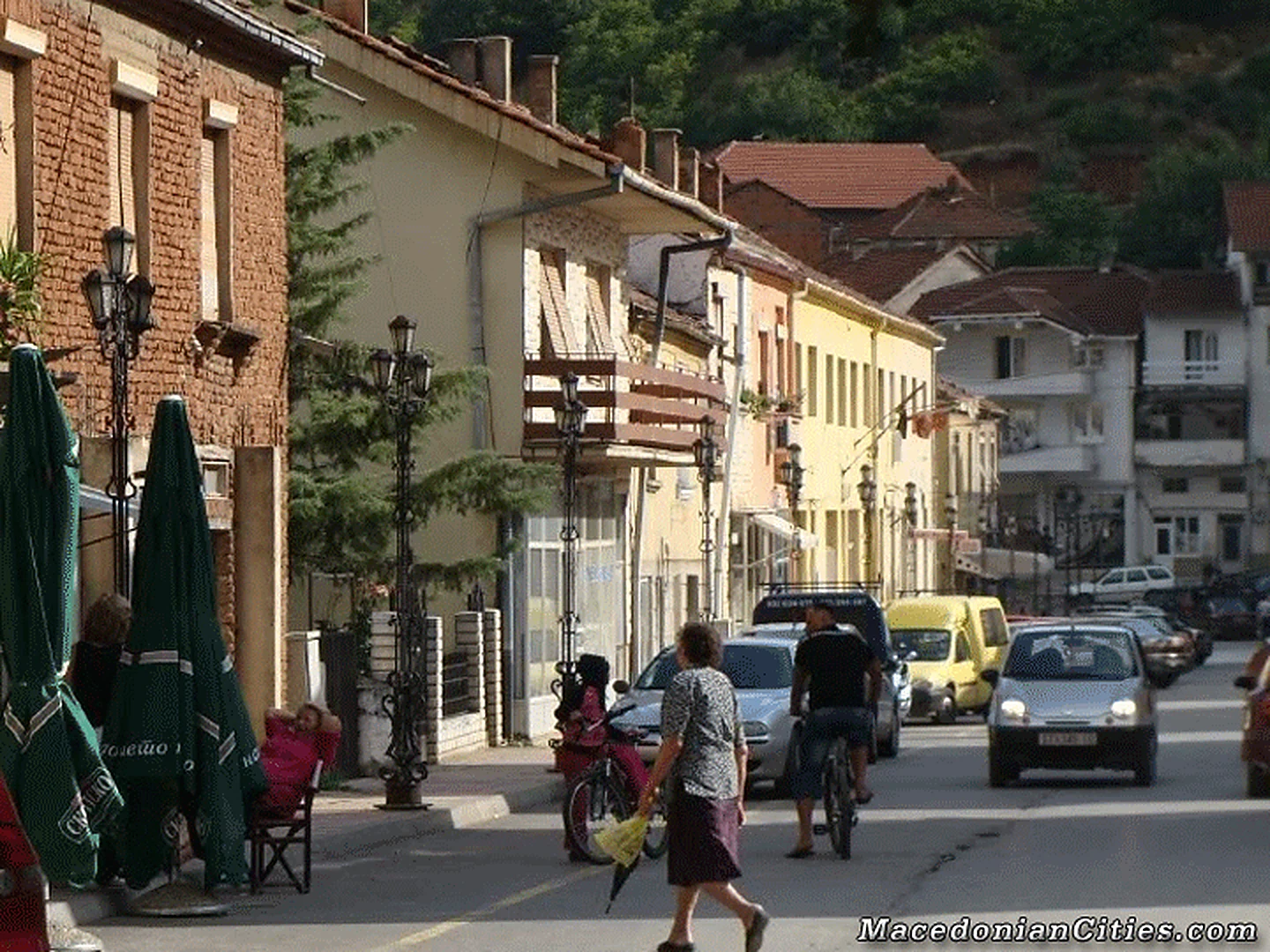
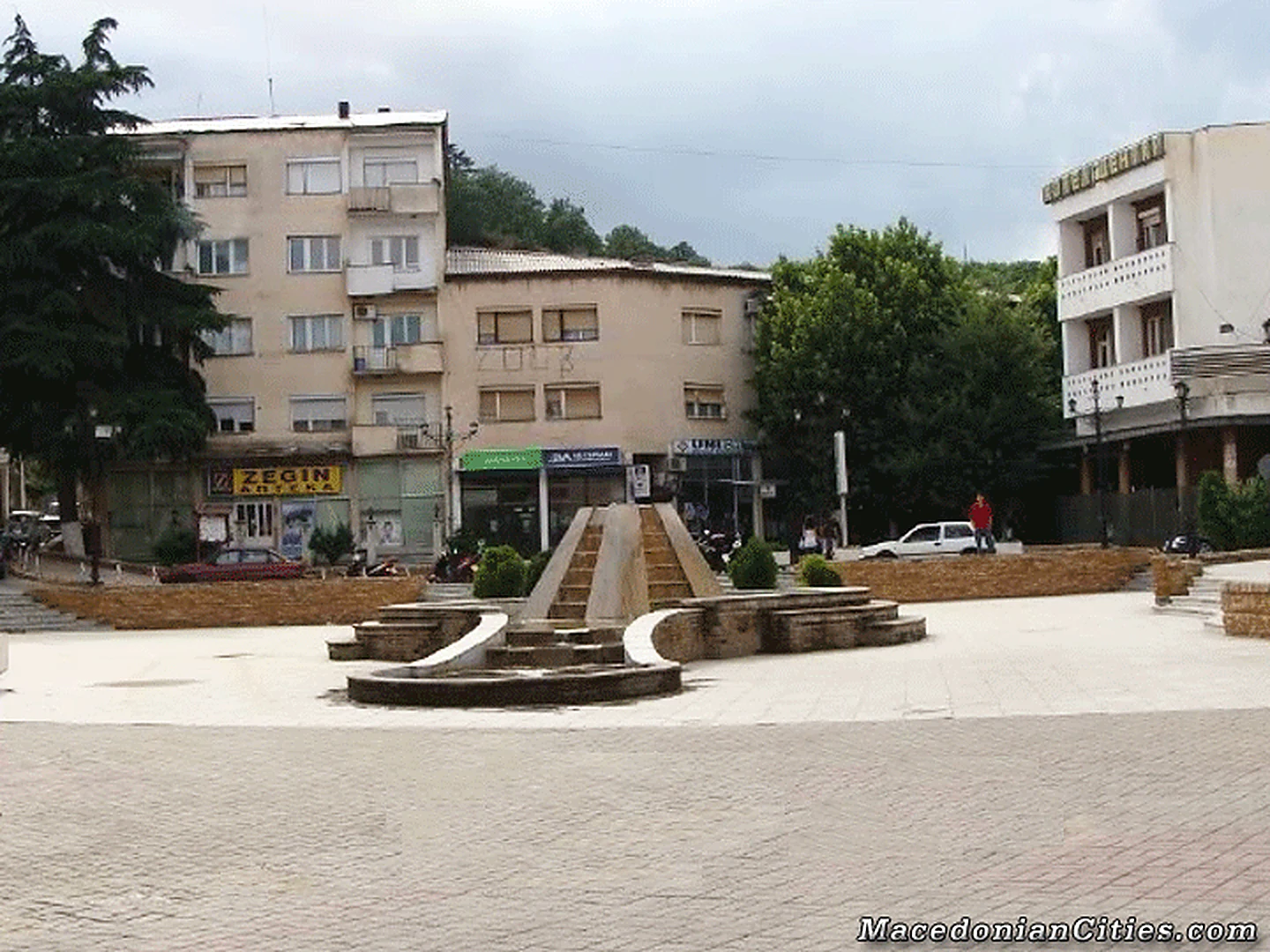
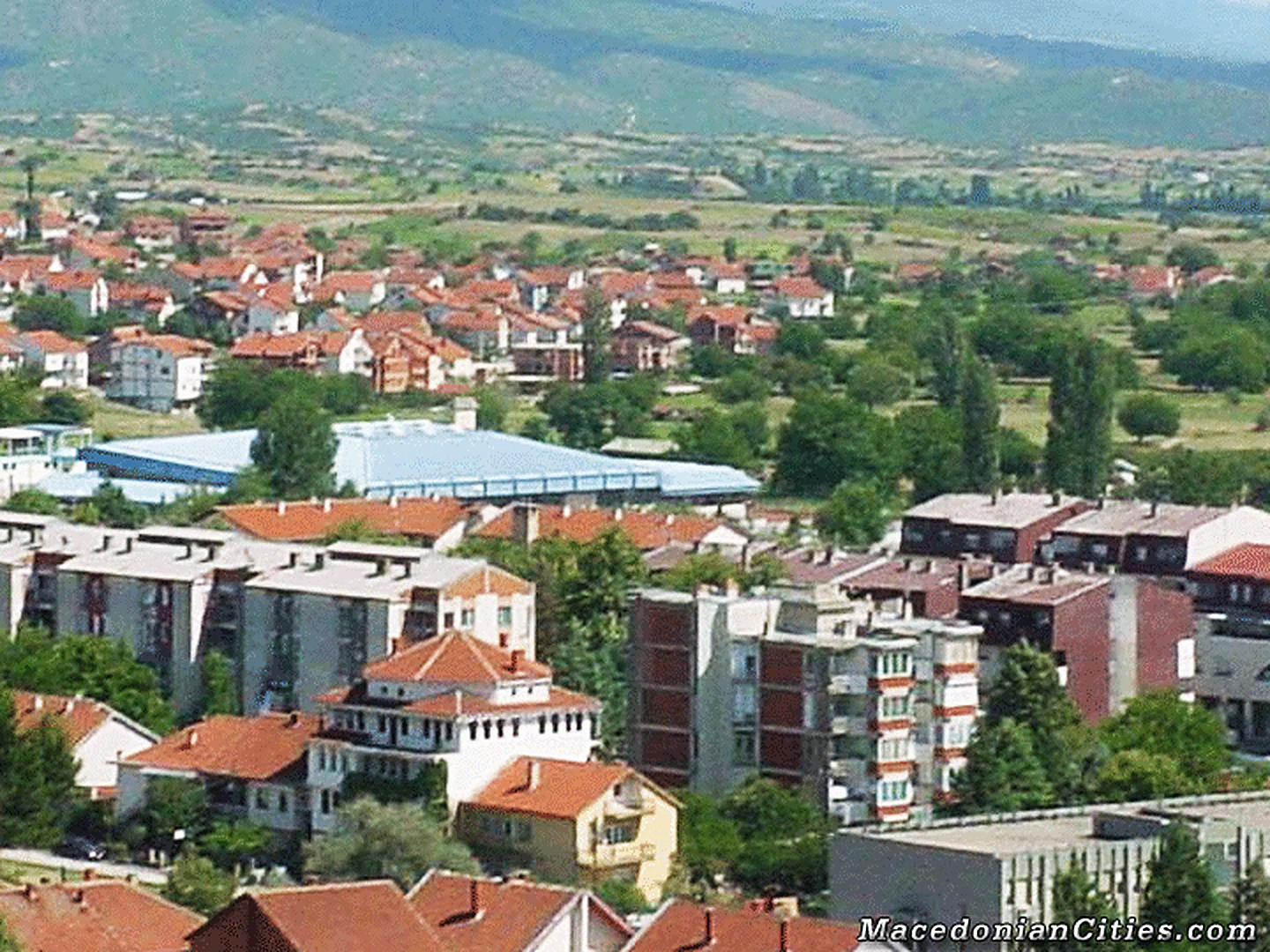
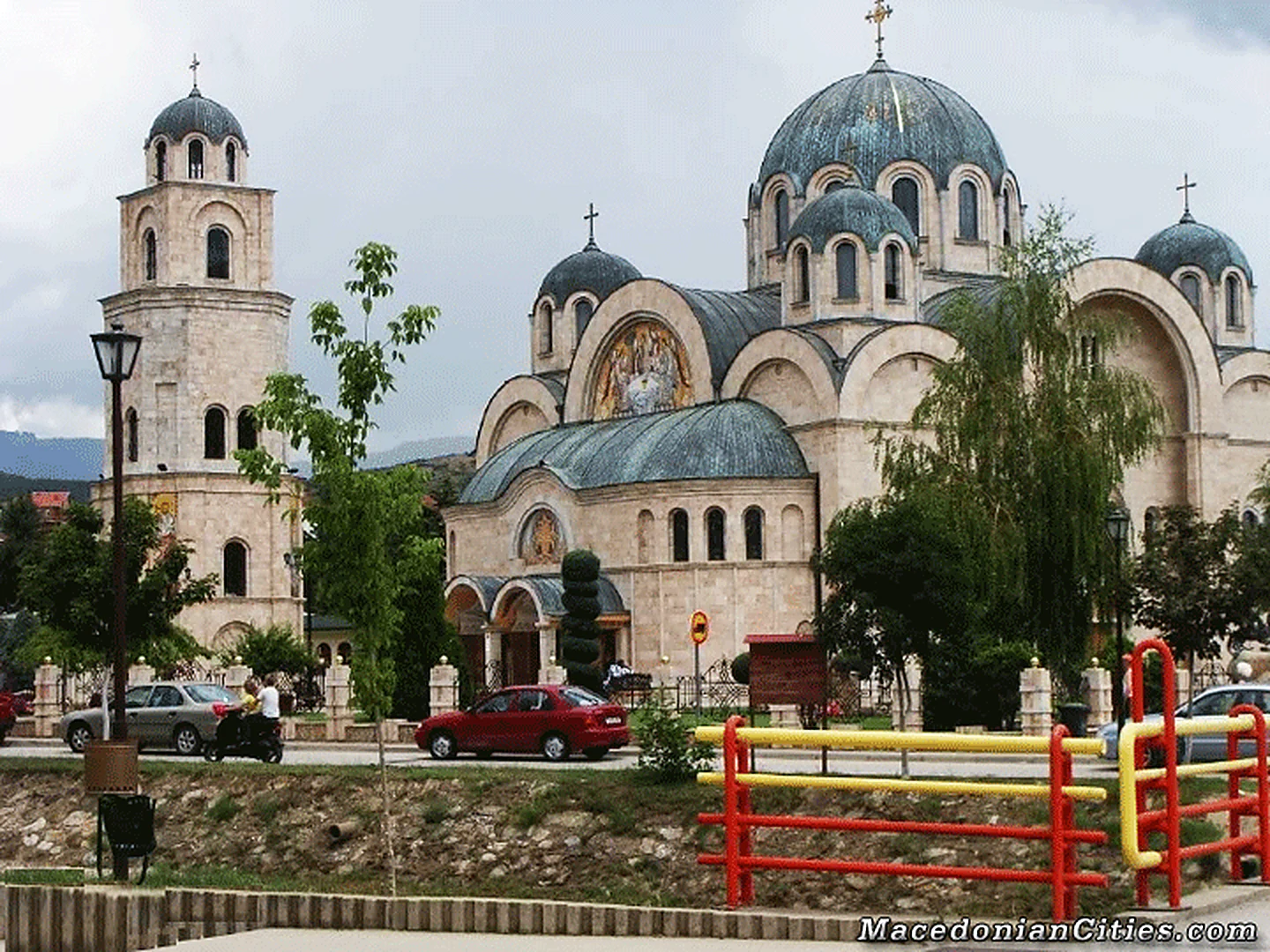
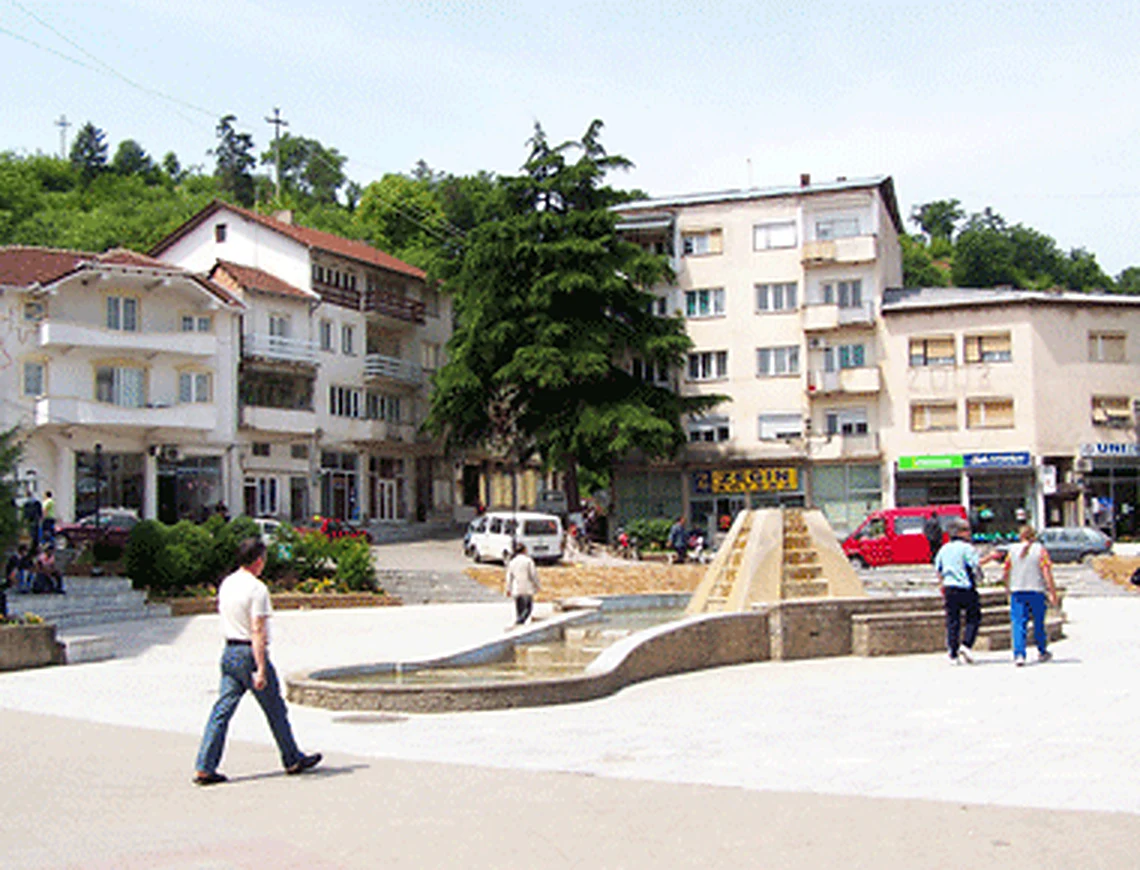
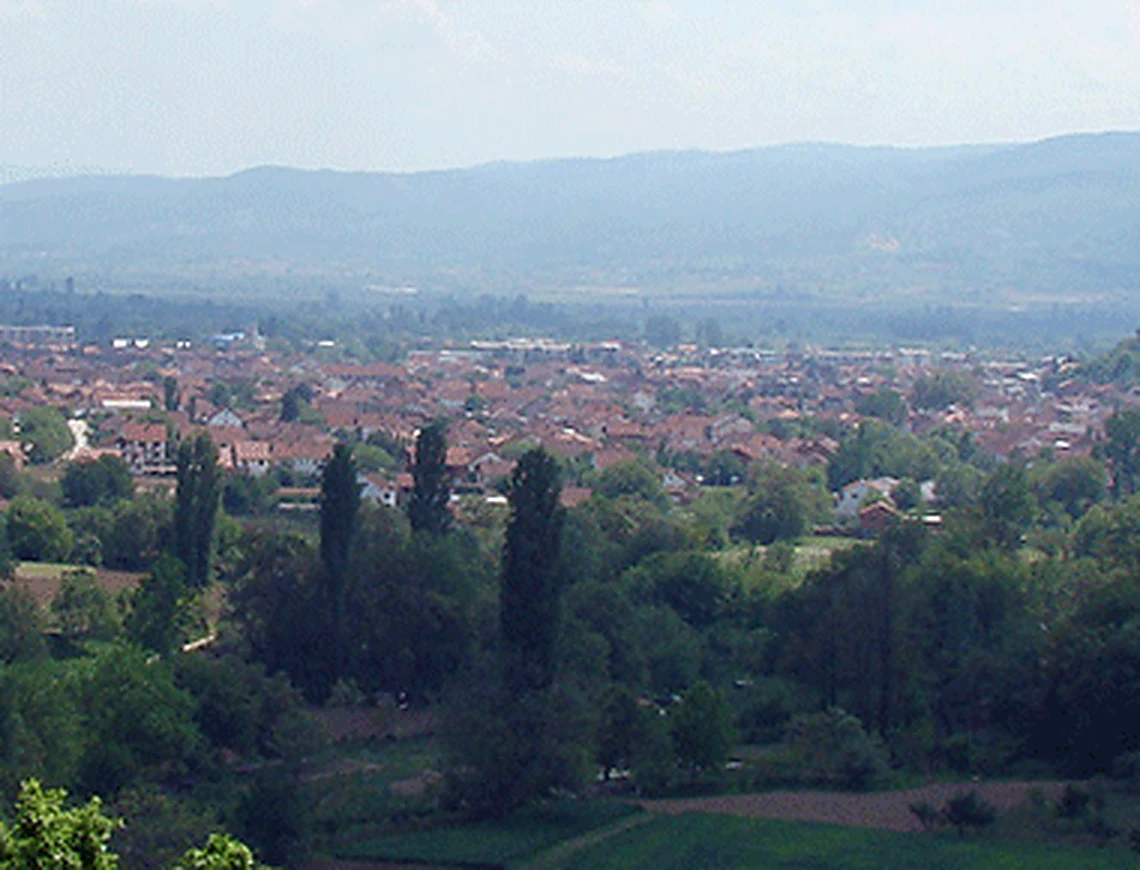
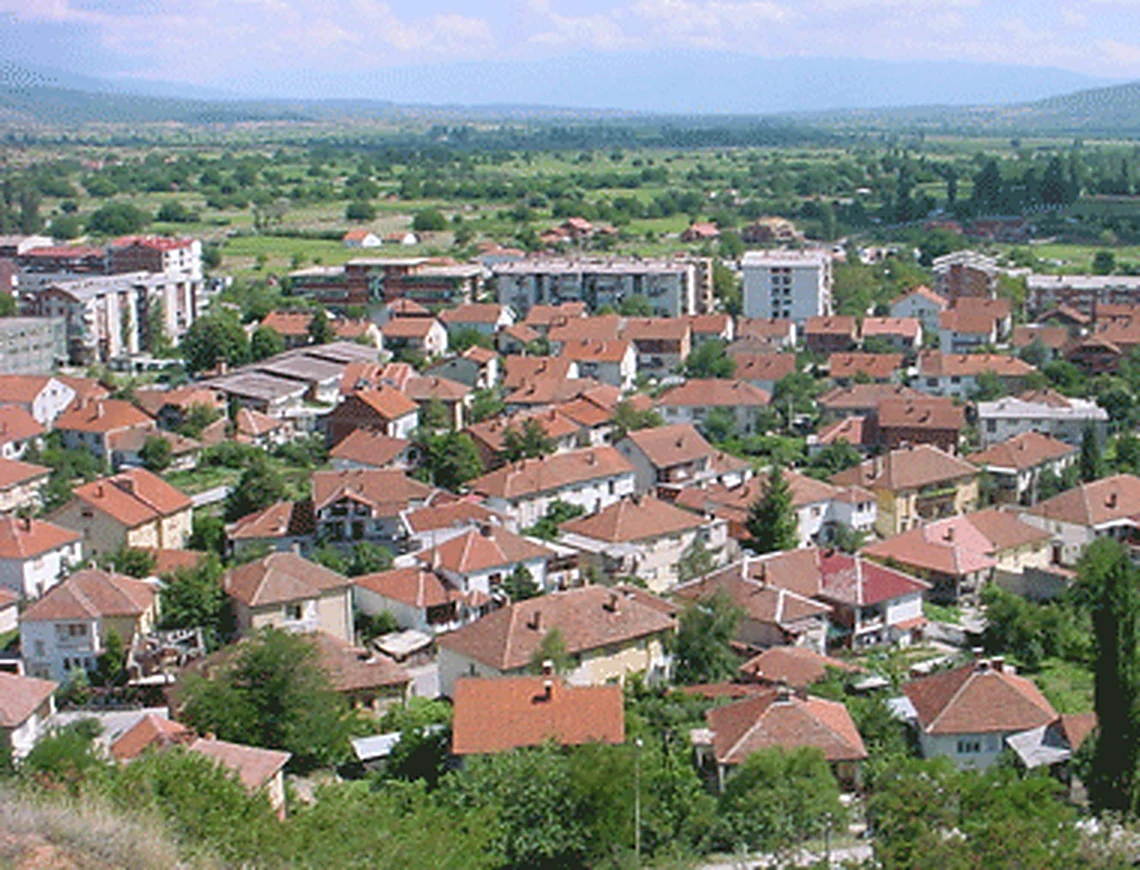
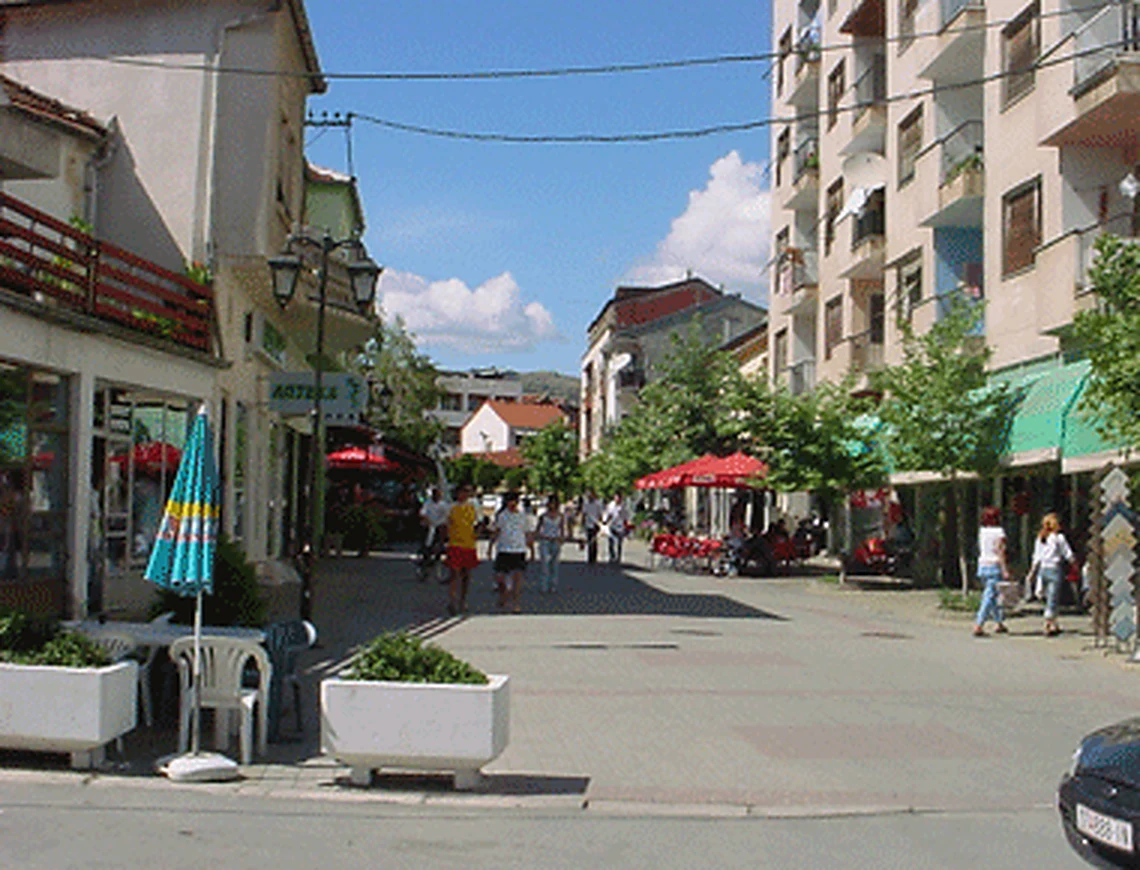
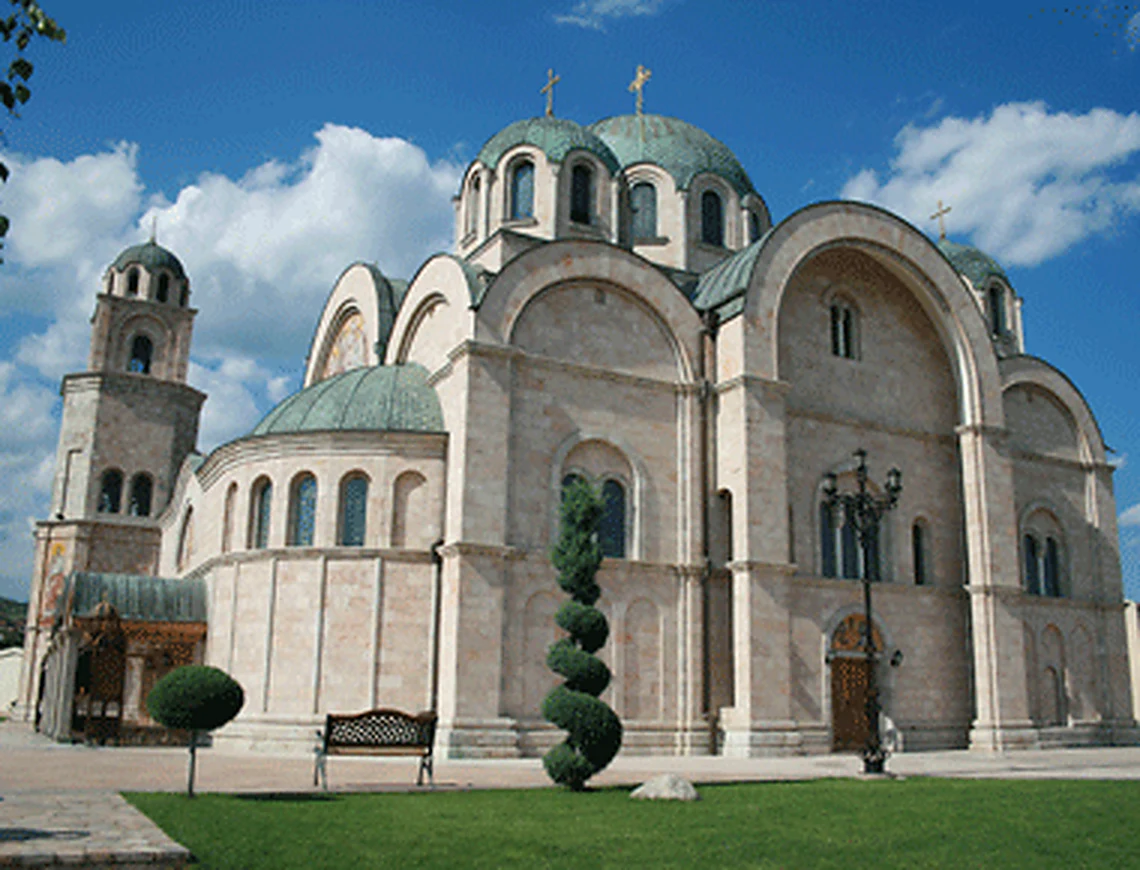
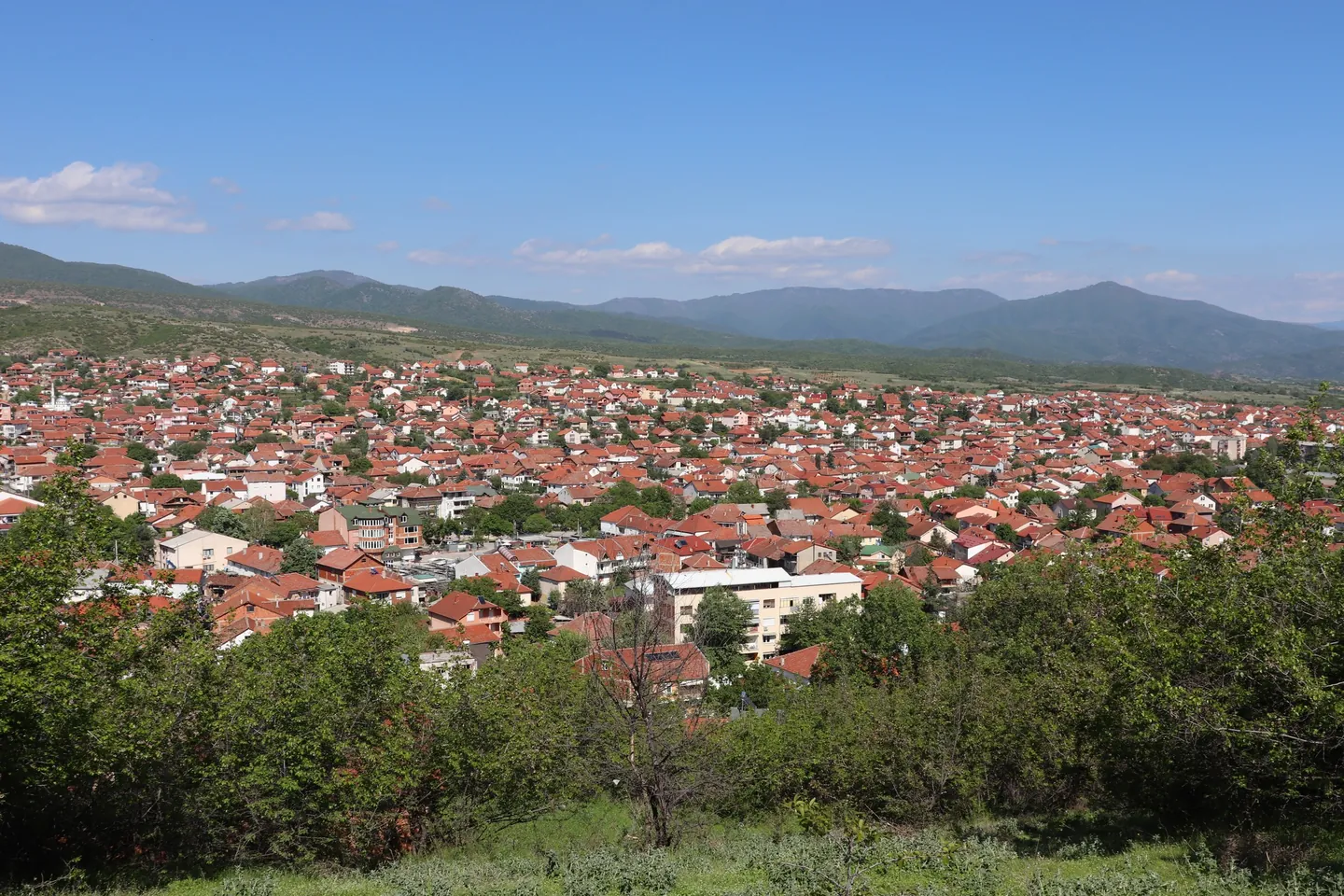
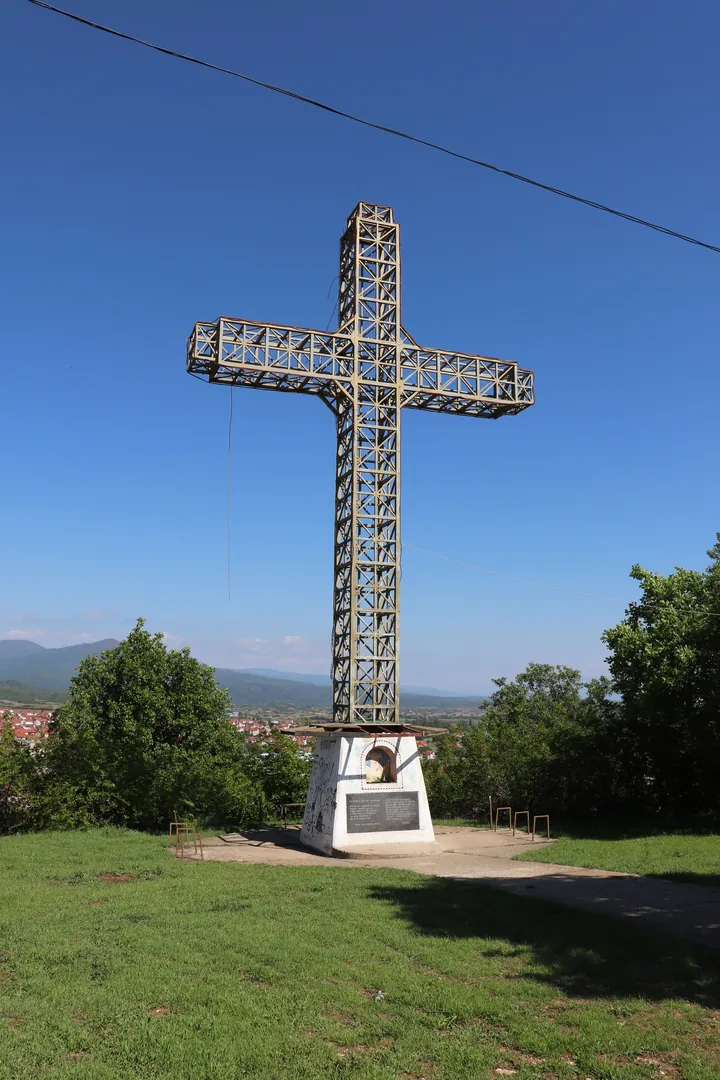
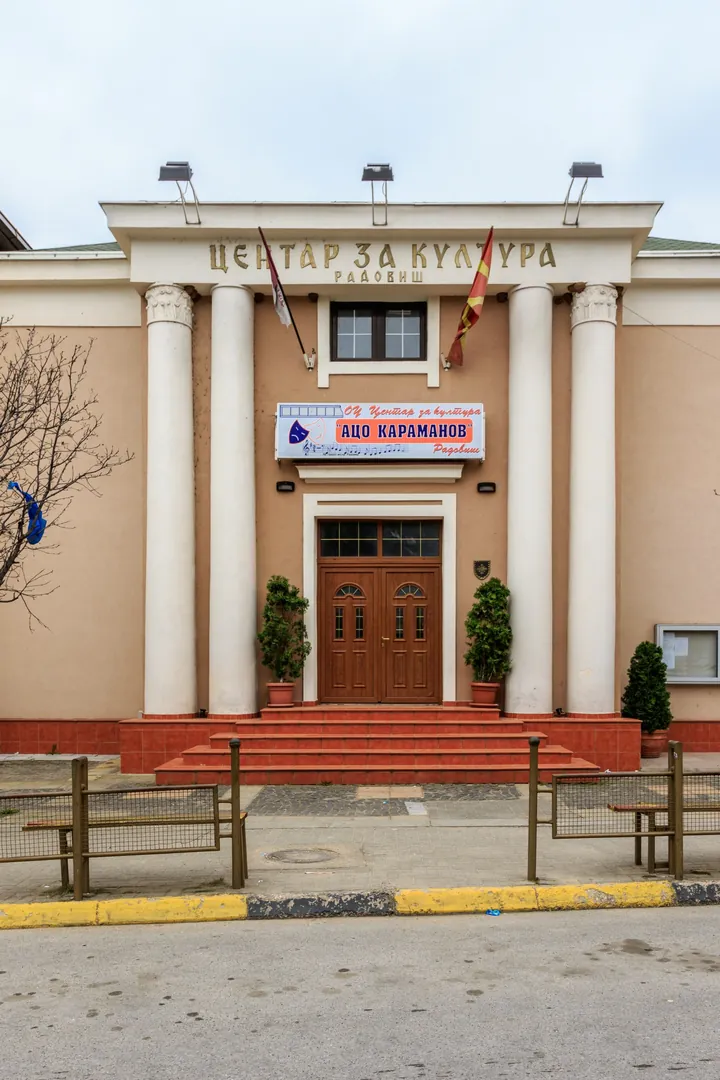
Photo credits
- Radovish: red-roofed houses spread below green hills, seen from a wooded slope. Photo: PatkicaCC BY-SA 4.0Wikimedia Commons
- Radovish: the Radovish Cross, a tall steel lattice cross on a white base, standing on a grassy hilltop. Photo: PatkicaCC BY-SA 4.0Wikimedia Commons
- Radovish: the Aco Karamanov Cultural Centre, a cream building with white columns and a red entrance stair. Photo: PetrovskyzCC BY-SA 4.0Wikimedia Commons


