

2011 NEWS ARCHIVES

Lifetime Achievement Award
In recognition of her exceptional civic leadership and tireless commitment to heritage preservation, the Canadian Macedonian Historical Society (CMHS) honors Past President Virginia Evans for her receipt of the prestigious Queen Elizabeth II Diamond Jubilee Medal. This distinguished award celebrates Virginia’s decades of service in documenting Macedonian-Canadian history and her significant contributions to the cultural fabric of Canada. Through her advocacy, philanthropy, and executive leadership, she has played a vital role in elevating the profile of the CMHS and fostering a deeper understanding of the community's legacy. This formal commendation reflects her unwavering dedication to public service and serves as a testament to her lasting impact on both the Macedonian community and the broader Canadian public.
Happy 20th Anniversary
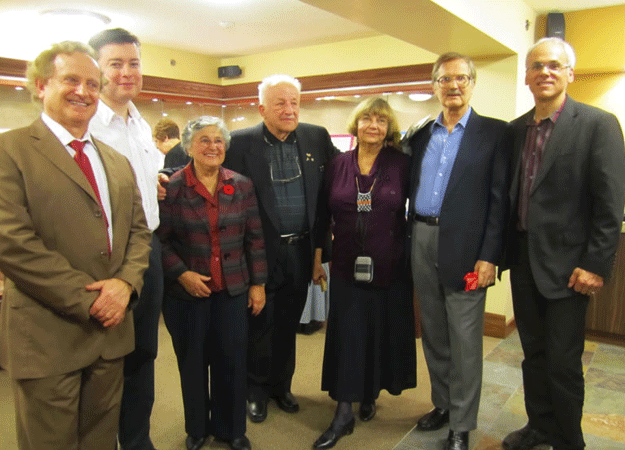
Happy 20th Anniversary On November 11th the Canadian Macedonian Historical Society celebrated its 20th anniversary with a wine and cheese night of remembrance. Those in attendance included members of the society, the present board of directors, an...
Reassessing the Demotic Text of the Rosetta Stone
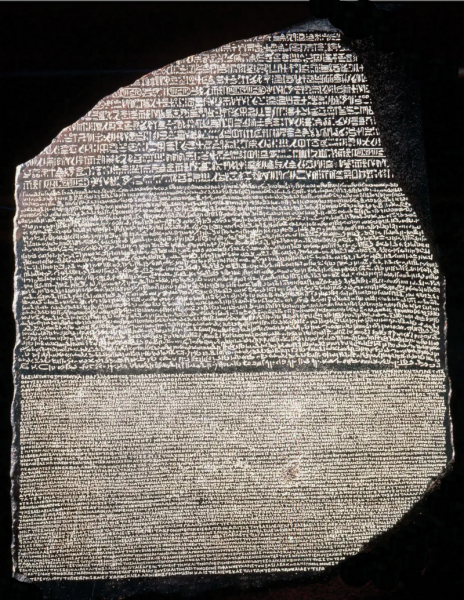
On Sunday, May 15, 2011, the Canadian Macedonian Historical Society (CMHS) hosted a landmark inaugural Skype lecture featuring Dr. Tome Boshevski and Dr. Aristotel Tentov, who presented their pioneering research into the middle text of the Rosetta Stone. The researchers identified this script—historically categorized as Demotic—as the language of the ancient Macedonians who ruled Egypt during the Ptolemaic period. Utilizing a "wiring for sound" methodology to identify 27 consonants and 8 vowels, they revealed a sophisticated syllabic script with a complex grammatical structure that shares characteristics with modern Slavic languages. This methodology was successfully applied to other ancient artifacts, such as the Canopus Decree and items from the Vincha culture, suggesting a remarkable linguistic continuity dating back to 3000 B.C. The lecturers concluded that the Rosetta Stone served as a multi-ethnic communication tool, with the Macedonian text providing significantly more detail than the Greek version, thereby offering profound new implications for the study of historical linguistics and the enduring legacy of the ancient Macedonian language.