
Eastern
Berovo
Берово
- Residents · 2021 census
- 5,850
- Old photographs
- 9
- Photographs
- 20
Pine forests, mountain air and the calm of Maleševo
Berovo lies high in the Maleševo basin near North Macedonia’s eastern frontier, where the young Bregalnica gathers water from forested mountains. At roughly 800–850 metres, the air is cooler than in the Vardar valleys, summers are gentle, winters are properly snowy and Berovo Lake gives the town a quiet mountain horizon.
Overview
City overview
Meet Berovo.
A grounded introduction to the city, its landscape, people, history and wider municipality.
Berovo lies high in the Maleševo basin near North Macedonia’s eastern frontier, where the young Bregalnica gathers water from forested mountains. At roughly 800–850 metres, the air is cooler than in the Vardar valleys, summers are gentle, winters are properly snowy and Berovo Lake gives the town a quiet mountain horizon.
The town took clearer shape during the Ottoman centuries, around farming, stock raising, craft and the religious institutions that local families defended with determination. The 1818 Church of St Archangel Michael and the old convent carry that story, while the Razlovci Uprising of 1876 connects Berovo directly with the struggle led by Dimitar Popgeorgiev Berovski.
The 2021 census counted 10,890 people in the municipality and 5,850 in the town. Population loss is real, yet Berovci continue to make the place feel generous through monastery feasts, music, woodcraft and a table rich in Maleševo cheese, honey, potatoes, plums and preserved forest fruit.
Eight villages complete the municipality, from larger Rusinovo, Dvorište and Ratevo to the smaller Mačevo. Ratevo’s Bamburci, the reservoir landscape near Ratevo and the farming communities along the Bregalnica show that Berovo is best understood as the centre of a whole Maleševo way of life.
At a glance
Useful facts, in one place.
Settlement and municipality figures are kept distinct wherever sources permit.
- Municipality
- Berovo Municipality
- City population
- 5,850
- Municipality population
- 10,890
- Population year
- 2021
- Municipal area
- 595 km²
- Elevation
- 800 m
- Elevation note
- Municipal average; the town is commonly placed somewhat higher.
- Approx. road distance from Skopje
- 161 km
- Postal code
- 2330
- Climate
- Cool continental mountain-basin climate
- Sports teams
- FK Malesh
- Culture
-
- Maleševo cheese, honey, potatoes and forest-fruit preserves are strong local food signatures.
- The Bamburci masked custom in Ratevo is among the municipality’s most distinctive living traditions.
- The two Berovo monasteries remain important gathering places for worship, family visits and local identity.
- Population snapshot
- 5,850 city residents and 10,890 municipality residents in the 2021 census; 5,040 lived outside the city settlement.
Known for
The city's signature.
Landmarks, foods, landscapes and traditions that give Berovo its character.
- Berovo Lake and the Maleševo Mountains
- Pine forests, clean air and cool mountain summers
- Maleševo cheese, honey and potato dishes
- The Monastery of the Archangel Michael
Geography
Geography
Land shapes the city.
Terrain, waterways, climate and transport explain why Berovo grew where it did.
Berovo sits high in the Maleševo basin in the far east of North Macedonia, close to the Bulgarian border. At roughly 850 metres above sea level, it has cooler summers and snowier winters than the country's lower valleys. Forested slopes rise around the town, while the upper Bregalnica and its tributaries drain a landscape of pasture, orchards and small farms.
Berovo Lake lies about seven kilometres from town in the foothills of the Maleševo Mountains. Although it is a reservoir rather than a natural lake, its pine-framed shore has become the area's best-known recreation setting. Berovo remains the practical centre of the wider Maleševo countryside, connected by mountain roads to Pehčevo, Delčevo, Kočani and Strumica.
History
History
A concise, rewritten account.
Written afresh from cross-checked municipal, archaeological, heritage and institutional sources—not copied website text.
Berovo developed as a permanent settlement during the Ottoman centuries, with the present town taking clearer shape between the sixteenth and nineteenth centuries. Its position in a wooded upland favoured stock raising, woodcraft and trade on the eastern mountain routes. The Church of the Nativity of the Virgin and the nearby Monastery of the Archangel Michael preserve the memory of the strong religious and community institutions that emerged here in the nineteenth century.
The Maleševo district became an important centre of resistance to Ottoman rule. Dimitar Pop Georgiev-Berovski, born in Berovo, helped lead the Razlovci Uprising of 1876 and later took part in the Kresna–Razlog Uprising. These movements were defeated, but they became lasting parts of the historical identity of eastern Macedonia.
During the twentieth century Berovo grew into the administrative, educational and service centre of Maleševo. Forestry and farming remained important, while the mountain climate, lake and traditional food gradually created a second identity for the town as a quiet nature destination.
The preserved legacy narrative
Open the preserved legacy narrative
The legacy account describes Berovo as an ancient settlement with traces reaching back to the Neolithic. It says archaeological evidence points to a prehistoric community and to lakeshore settlements dating to about 3000 BCE. It then places the first fishing settlement, built on piles, where the Black Drin flows out of Lake Ohrid. That geography belongs to Ohrid rather than Berovo, so this portion of the inherited text appears to have been copied from another city profile and should not be treated as evidence for Berovo without independent verification. The account continues by saying that, after Christianity spread by the late third century CE, ancient temples were destroyed and Christian basilicas were erected on their sites; it adds that remains have continued to be found around Berovo and names the Antiochene bishop Saint Erasmus as the area’s first Christian missionary. Saint Erasmus and the archaeological setting described here are likewise associated with Ohrid, reinforcing the likelihood of a legacy mix-up.
The same legacy text states that Berovo was first mentioned in an eleventh-century document. It refers to a sixteenth-century document called the Kaliman Charter, said to order that income from the town’s fishing grounds be given to the Zograf Monastery, and records a legend that Saint Clement of Ohrid founded a school in Berovo. It also alludes, somewhat fragmentarily, to the grounds and to a map titled “Turkey in Europe” on which Berovo appears. Finally, it cites the chronicler Nikola Pop Stefanov, whose Chronicles describe forced labour on 6 June 1808 to build Geladin Bey’s saray in the river. The account says that the saray stood in the middle of the Drin and attracted travel writers passing through Berovo. Because the Drin does not flow through Berovo, these final details also appear geographically inconsistent and require verification against the original local sources.
Profile sources (13)
- macedonia-timeless.com/eng/cities_and_regions/cities/berovo
- berovo.gov.mk
- en.wikipedia.org/wiki/Dimitar_Popgeorgiev
- stat.gov.mk/pdf/2022/2.1.22.10Popis-mk-en.pdf
- citypopulation.de/en/northmacedonia/istocen/301__berovo
- berovo.gov.mk/geografska-lokatsija-i-reljef
- ipard.gov.mk/wp-content/uploads/2019/03/Annex-2_List-of-Mountainous-areas.pdf
- berovo.gov.mk/wp-content/uploads/2020/12/Strategija-za-razvoj-na-turizam-vo-Opshtina-Berovo-2019.pdf
- en.wikipedia.org/wiki/Ilyo_Voyvoda
- en.wikipedia.org/wiki/List_of_people_from_Berovo
- en.wikipedia.org/wiki/Nikica_Klin%C4%8Darski
- en.wikipedia.org/wiki/Tim%C4%8Do_Mucunski
- makstat.stat.gov.mk/PXWeb/pxweb/en/MakStat/MakStat__Popisi__Popis2021__NaselenieVkupno__PodatociNaselenie/T1501P21.px
Interesting Facts
Interesting facts
Details worth remembering.
Local landmarks, customs, foods and historical details that reward a closer look at Berovo.
-
At the headwaters of the Bregalnica
Berovo occupies the high Maleševo basin where the upper Bregalnica and its tributaries begin their journey across eastern Macedonia.
-
A municipality dominated by mountains
The municipality describes most of its 595 square kilometres as hilly or mountainous, with flatter cultivated land following the Bregalnica valley.
-
Berovo Lake is a reservoir
The pine-framed lake southwest of town is an artificial highland reservoir that has become the municipality’s main recreation landscape.
-
The Archangel Michael church was consecrated in 1818
Built under restrictive Ottoman-era conditions, the church became the heart of a convent noted for worship, education and weaving.
-
Berovo and the Razlovci Uprising
Berovo-born Dimitar Popgeorgiev Berovski was a principal organizer of the 1876 uprising that began at Razlovci and became a defining memory of Maleševo.
-
Bamburci still visit Ratevo
The winter masked custom in Ratevo brings costumed Bamburci into village streets, preserving a striking piece of Maleševo intangible heritage.
-
A smaller town than two decades ago
Census data record a decline in Berovo town from 7,002 residents in 2002 to 5,850 in 2021, reflecting the wider demographic pressure on eastern rural municipalities.
People
Celebrities
Lives linked to the city.
Writers, musicians, artists, athletes, public figures and historical personalities with a clearly stated connection to Berovo.
- Notable person Dimitar Pop Georgiev-Berovski Berovo-born teacher and revolutionary who helped lead the Razlovci Uprising of 1876.
-
Dimitar Popgeorgiev Berovski History
Born in Berovo in 1840 and permanently identified with the town’s revolutionary history.
Teacher, revolutionary and one of the principal leaders of the Razlovci Uprising of 1876.
Source -
Ilyo Voyvoda History
Born in Berovo and associated throughout his life with the Maleševo revolutionary tradition.
Nineteenth-century revolutionary commander widely remembered as Dedo Iljo Maleševski.
Source -
Atanas Razdolov Literature and history
Born in Berovo in 1872.
Poet, writer, printer and revolutionary activist from the late Ottoman and early twentieth-century period.
Source -
Gavril Atanasov Visual art
Born in Berovo and worked on icons connected with the Berovo convent.
Nineteenth-century icon painter whose work belongs to the religious art of eastern Macedonia.
Source -
Nikica Klincharski Sport
Born in Berovo in 1957.
Former footballer who represented Yugoslavia at the 1980 Olympic tournament.
Source -
Timcho Mucunski Public life
Born in Berovo in 1989.
Law professor and politician who has served as a mayor, member of parliament and government minister.
Source -
Vancho Shontevski Public life
Born in Berovo and listed among the town’s notable public figures.
Twentieth-century Macedonian political and public figure.
Source
Villages & Monasteries
Villages
The wider municipality.
Every verified village and rural settlement in the current municipal scope, followed by known monasteries in the surrounding cultural landscape.
8 villages and rural settlements are included.
- Budinarci A village in the upper Bregalnica countryside northwest of Berovo. Source
- Vladimirovo One of the municipality’s larger farming villages in the Maleševo basin. Source
- Dvorište A remote mountain-border village east of Berovo. Source
- Mačevo A small rural settlement in Berovo Municipality. Source
- Mitrašinci A village in the lower part of the municipality toward the Bregalnica valley. Source
- Ratevo A village near Berovo Lake known for the Bamburci masked tradition. Source
- Rusinovo The municipality’s largest village, closely tied to Berovo by work, school and family life. Source
- Smojmirovo A village immediately north of Berovo in the Maleševo basin. Source
Monasteries nearby
Places of continuity.
Verified monastic sites within the municipality or its immediate cultural landscape.
-
Monastery of St Archangel Michael
Berovo
A historic women’s monastic complex centred on the church consecrated in 1818, once noted for a large sisterhood, education and weaving.
Source -
Monastery of the Most Holy Mother of God — Eastern Friday (Balaklija)
Near Berovo
A newer male monastic complex whose construction began in the 1970s and which now serves as a prominent spiritual and visitor site.
Source
Old Photos (9)
Old Photos
The rare collection.
Every surviving full-size historical file is included, including originals that the old page markup accidentally omitted. Family-preserved originals remain untouched.
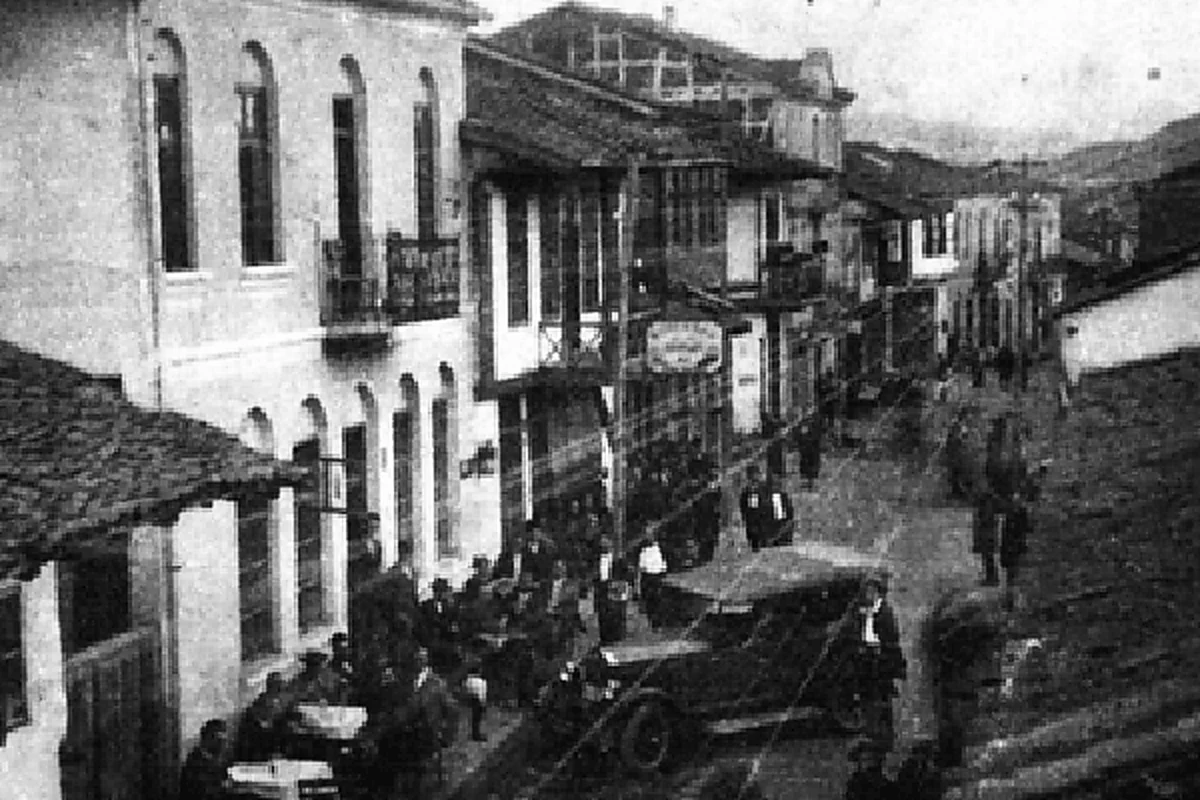
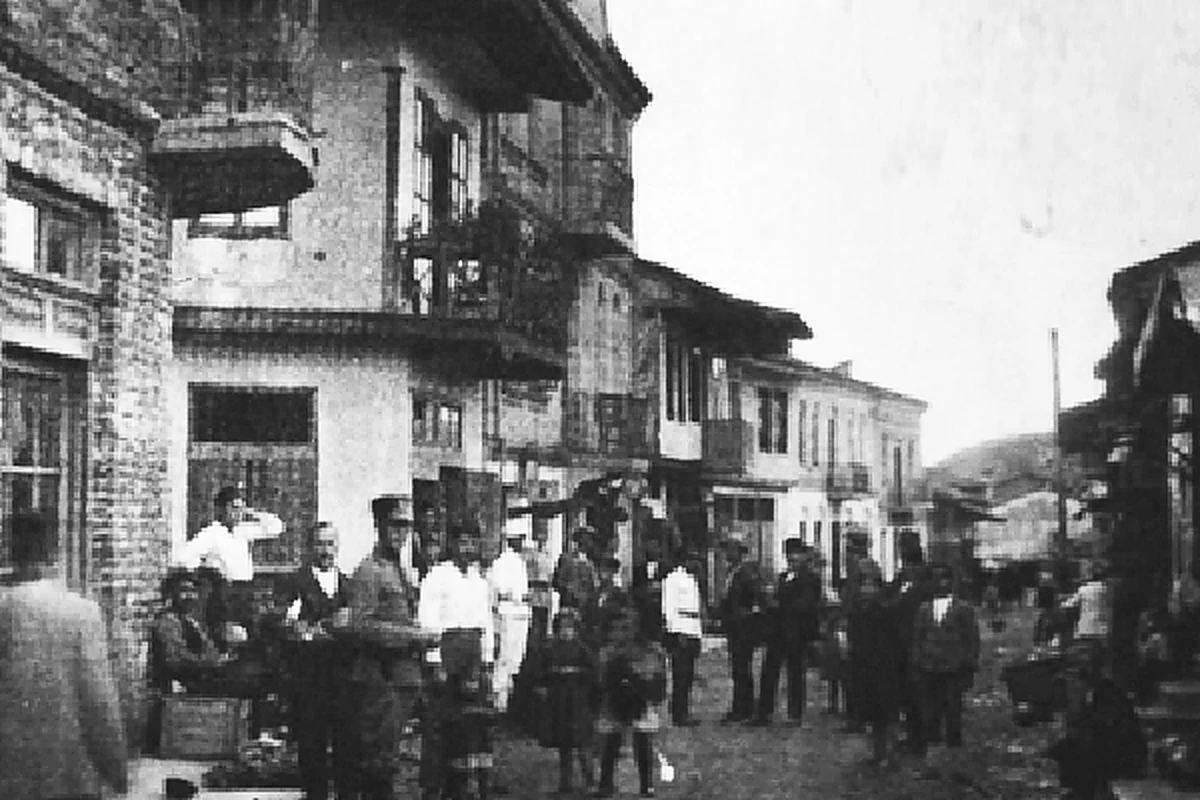
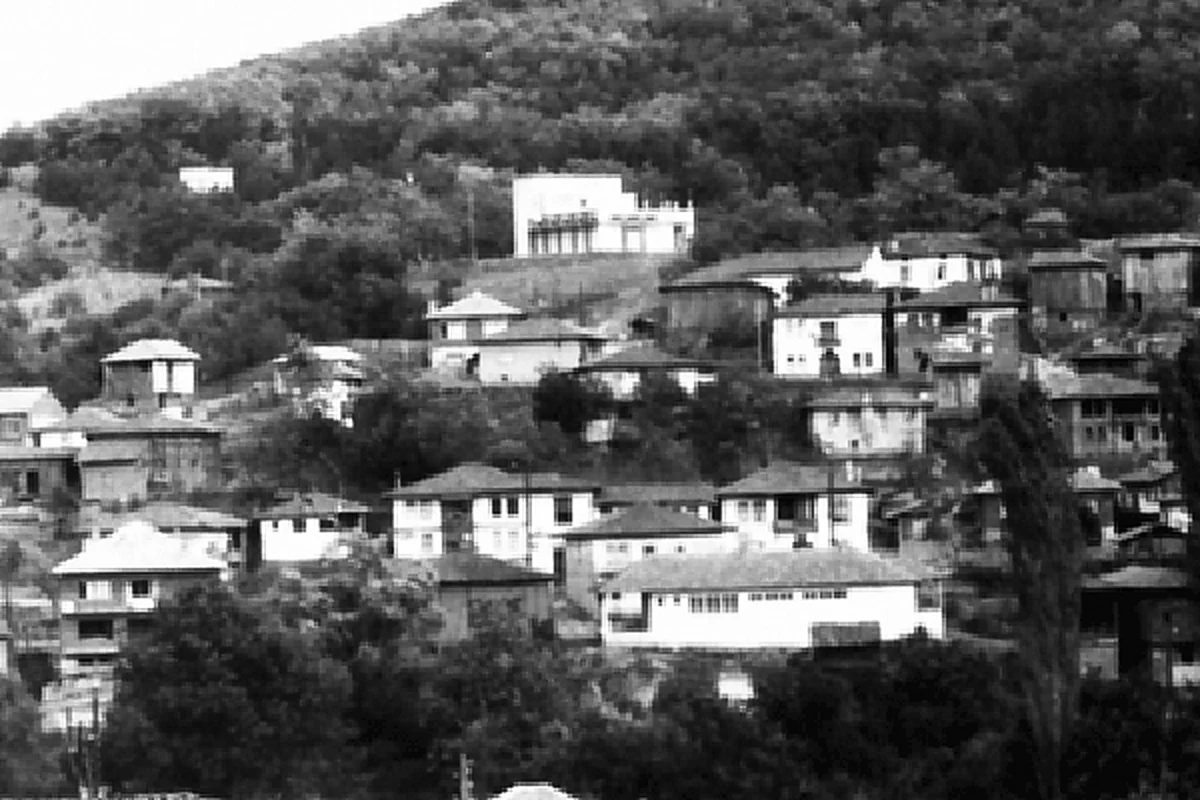
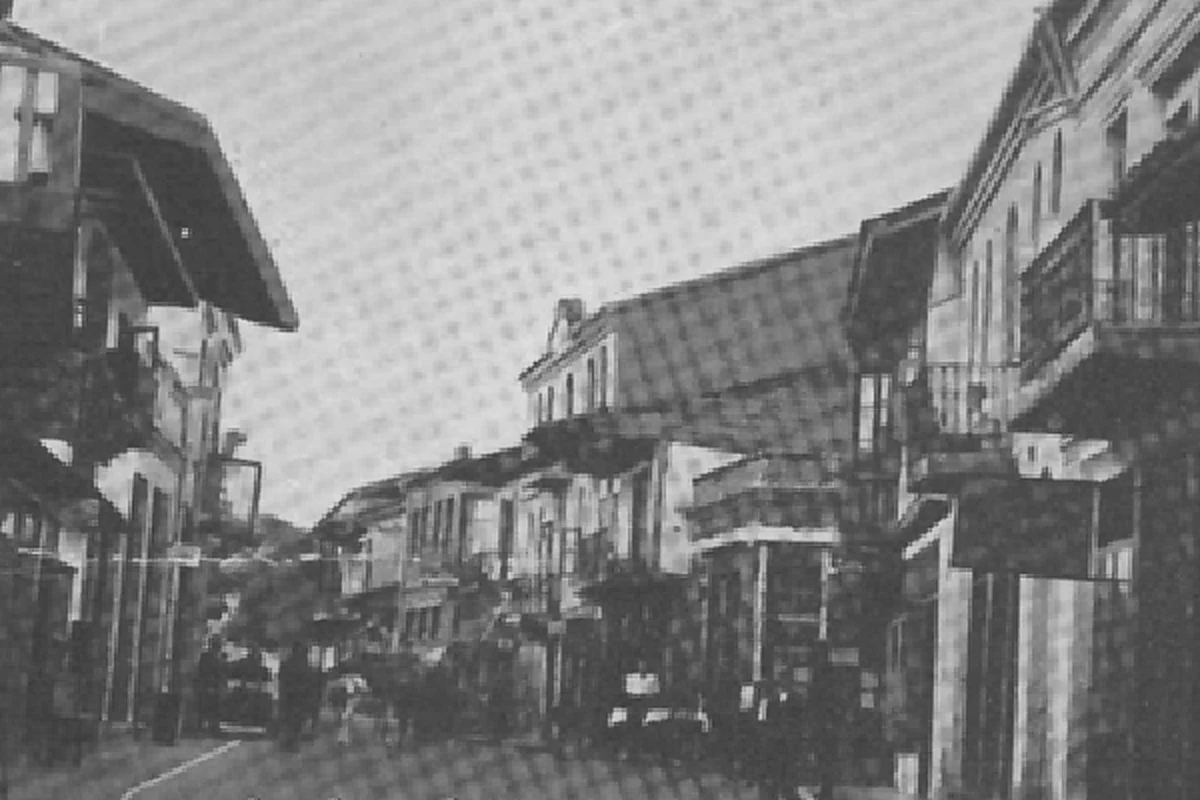
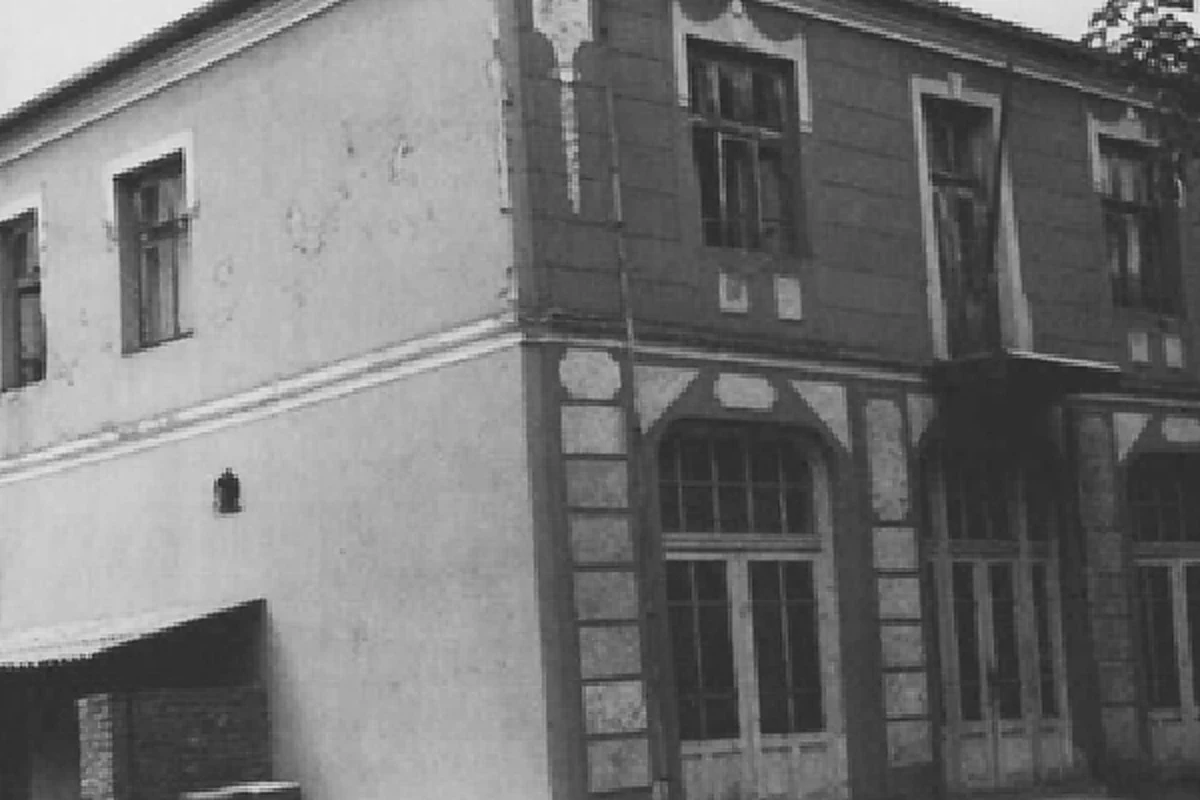
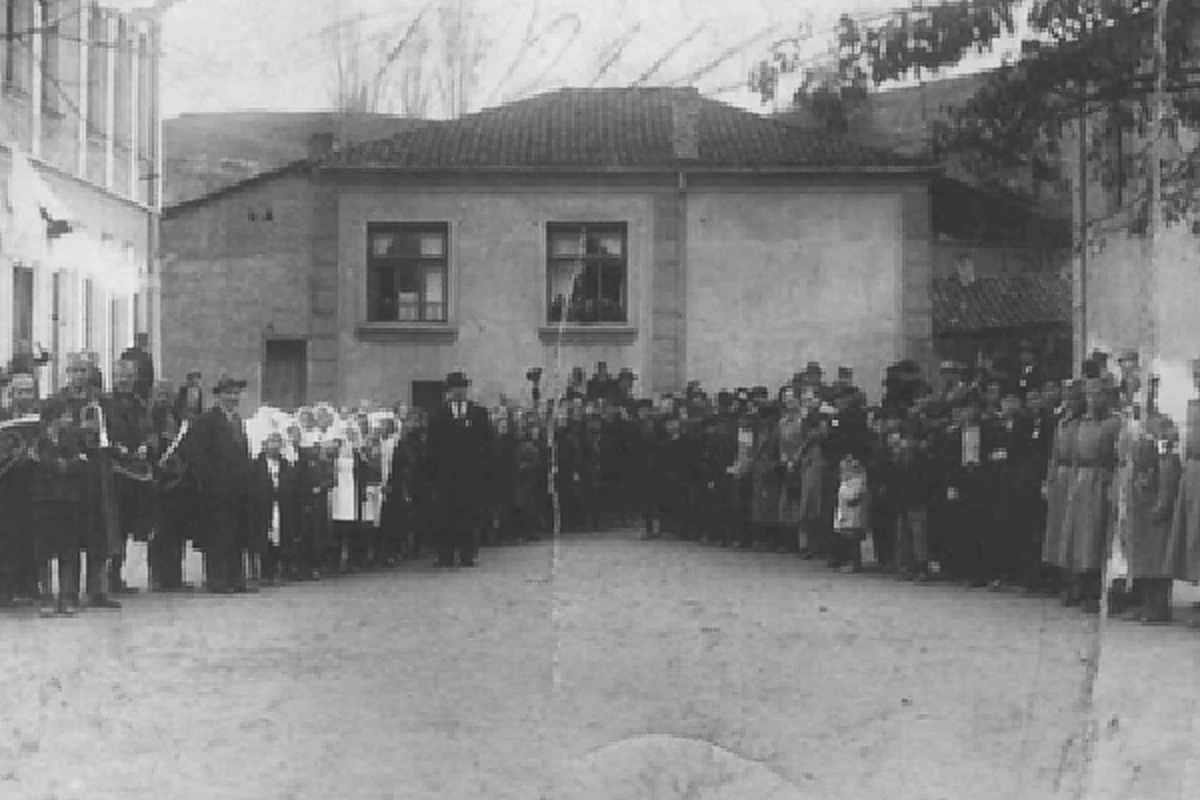
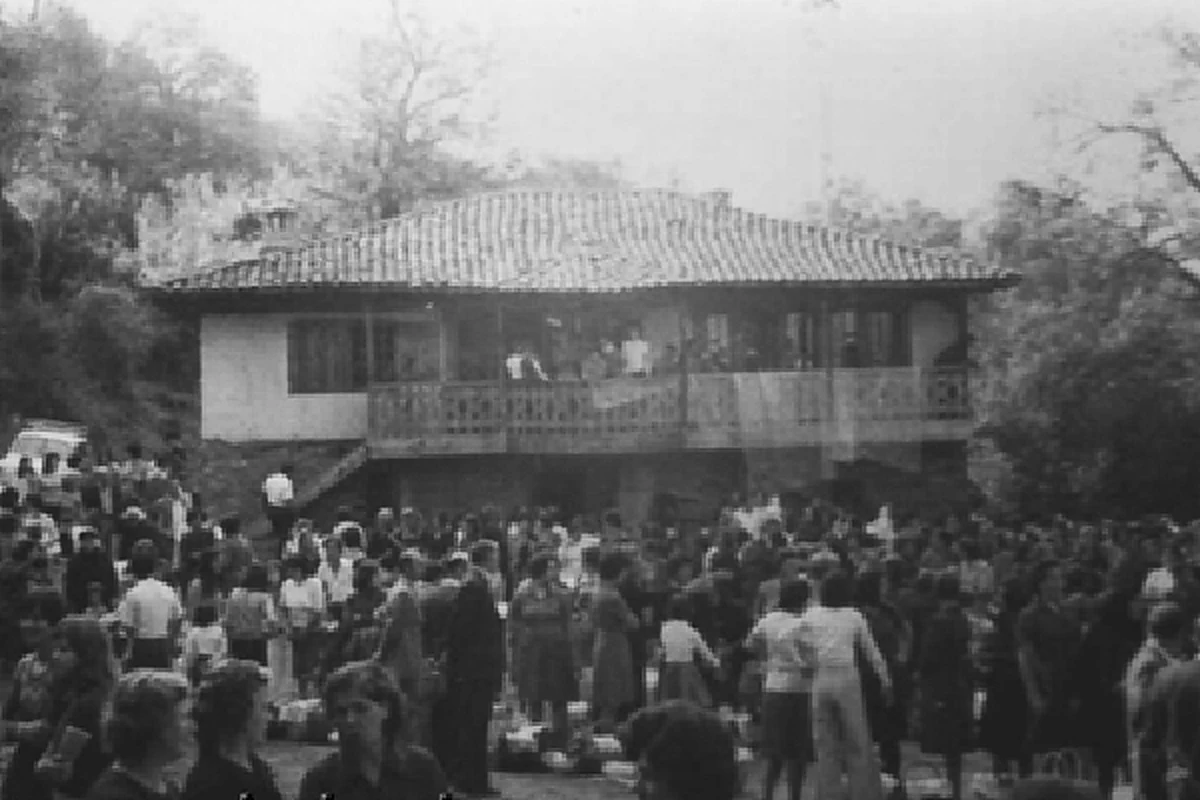
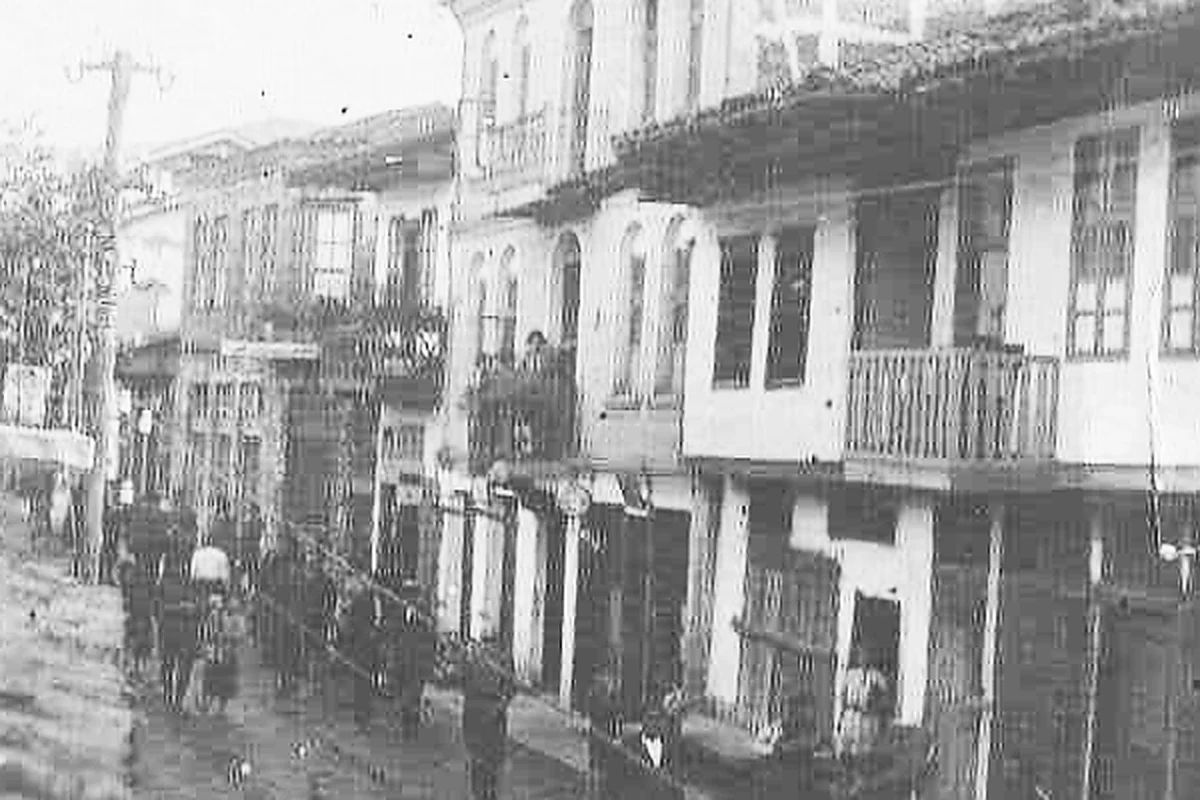
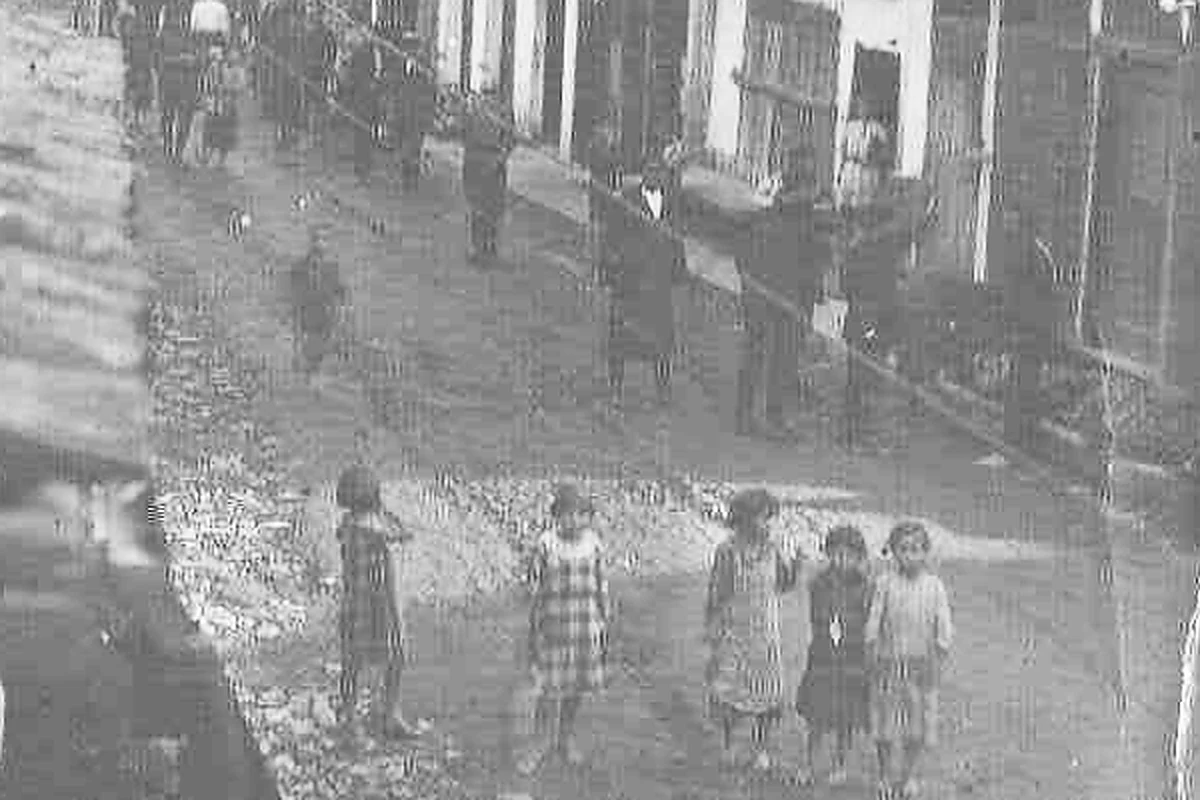
Photo Gallery (20)
Photo Gallery
Berovo, frame by frame.
A responsive family gallery, including city views recovered from the old rotating banner system.
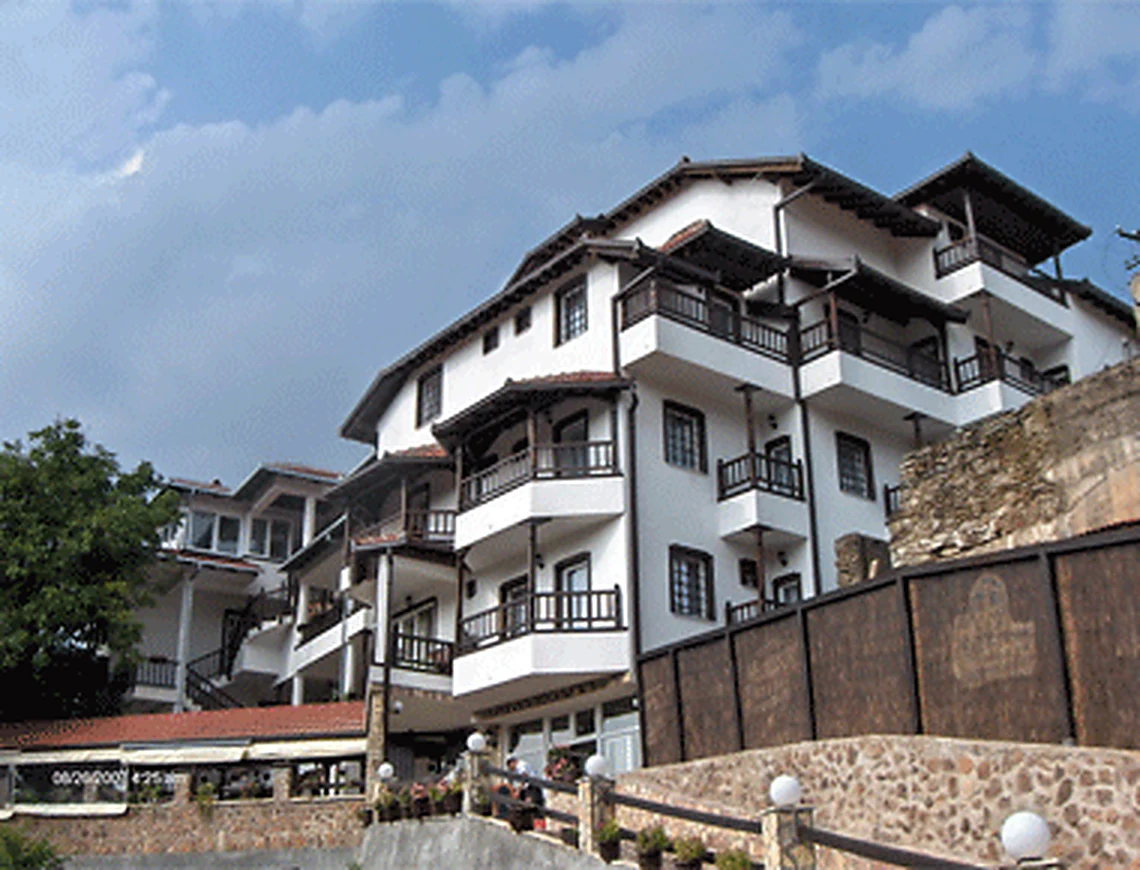
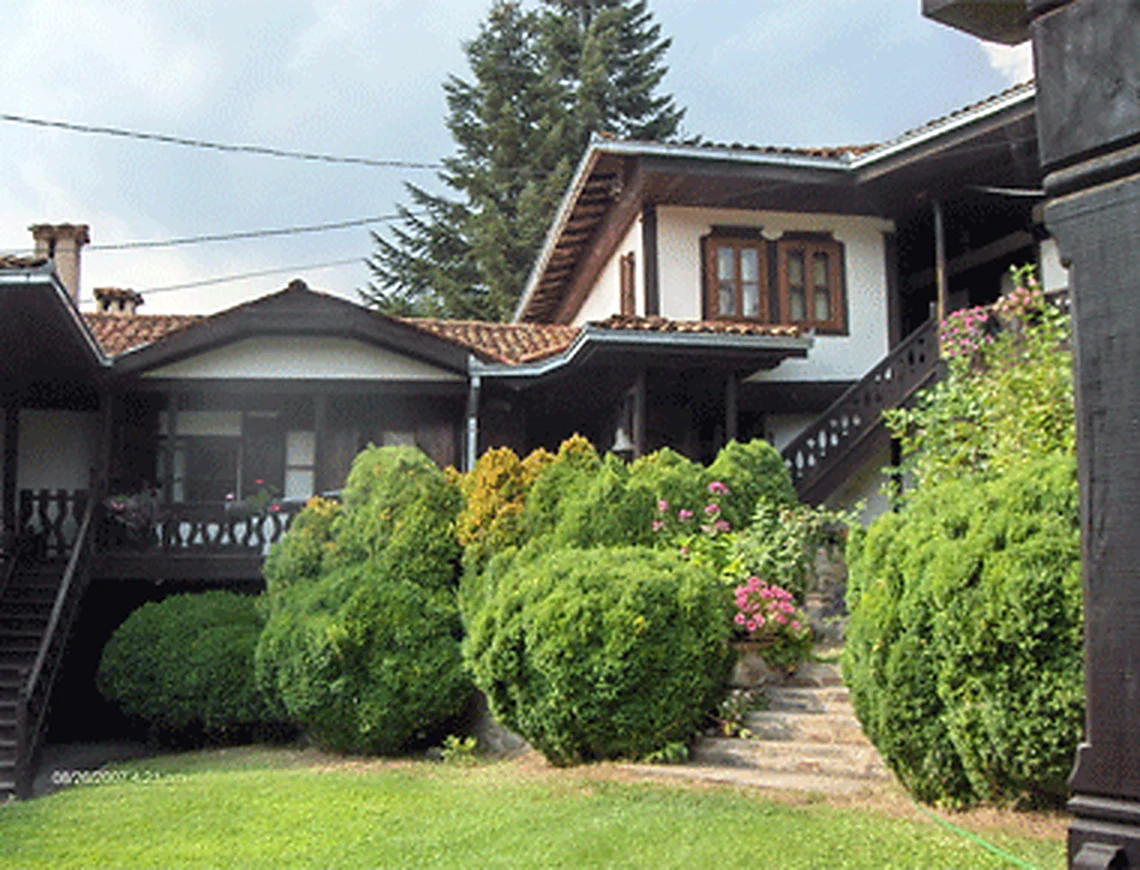
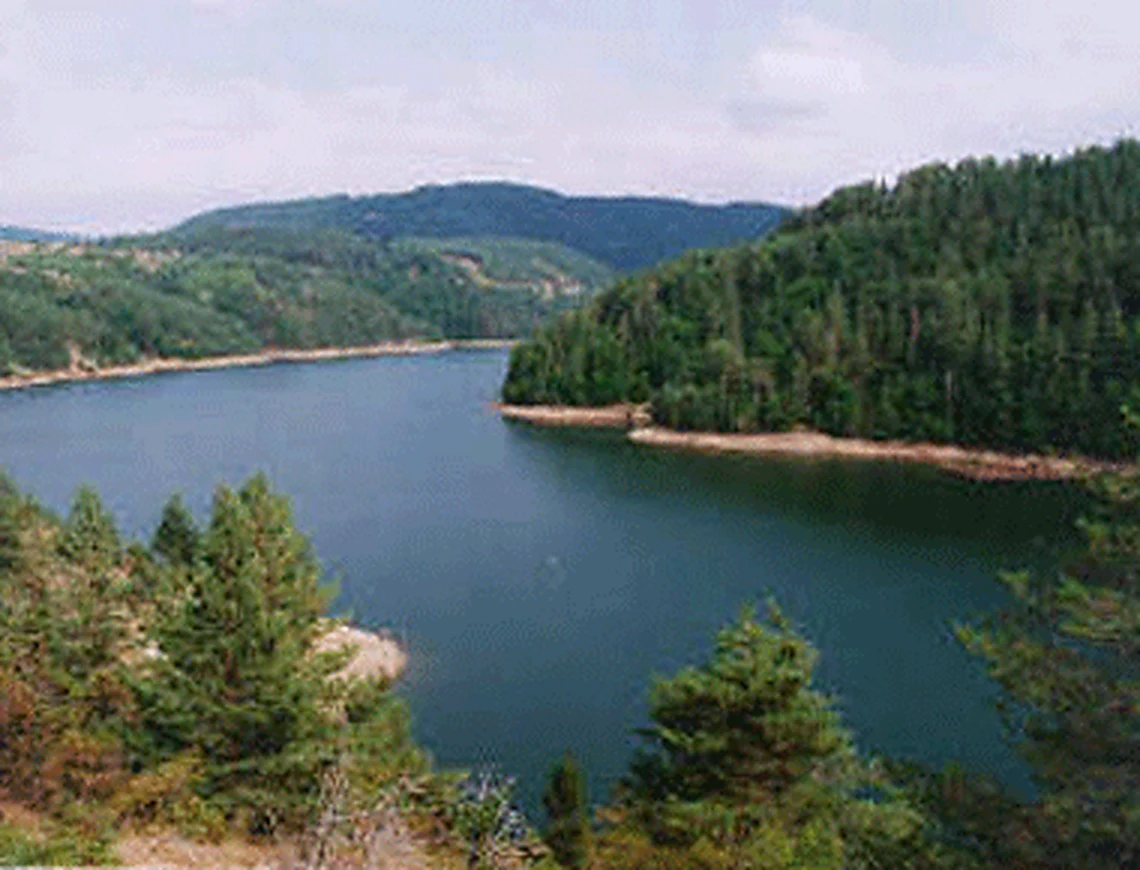
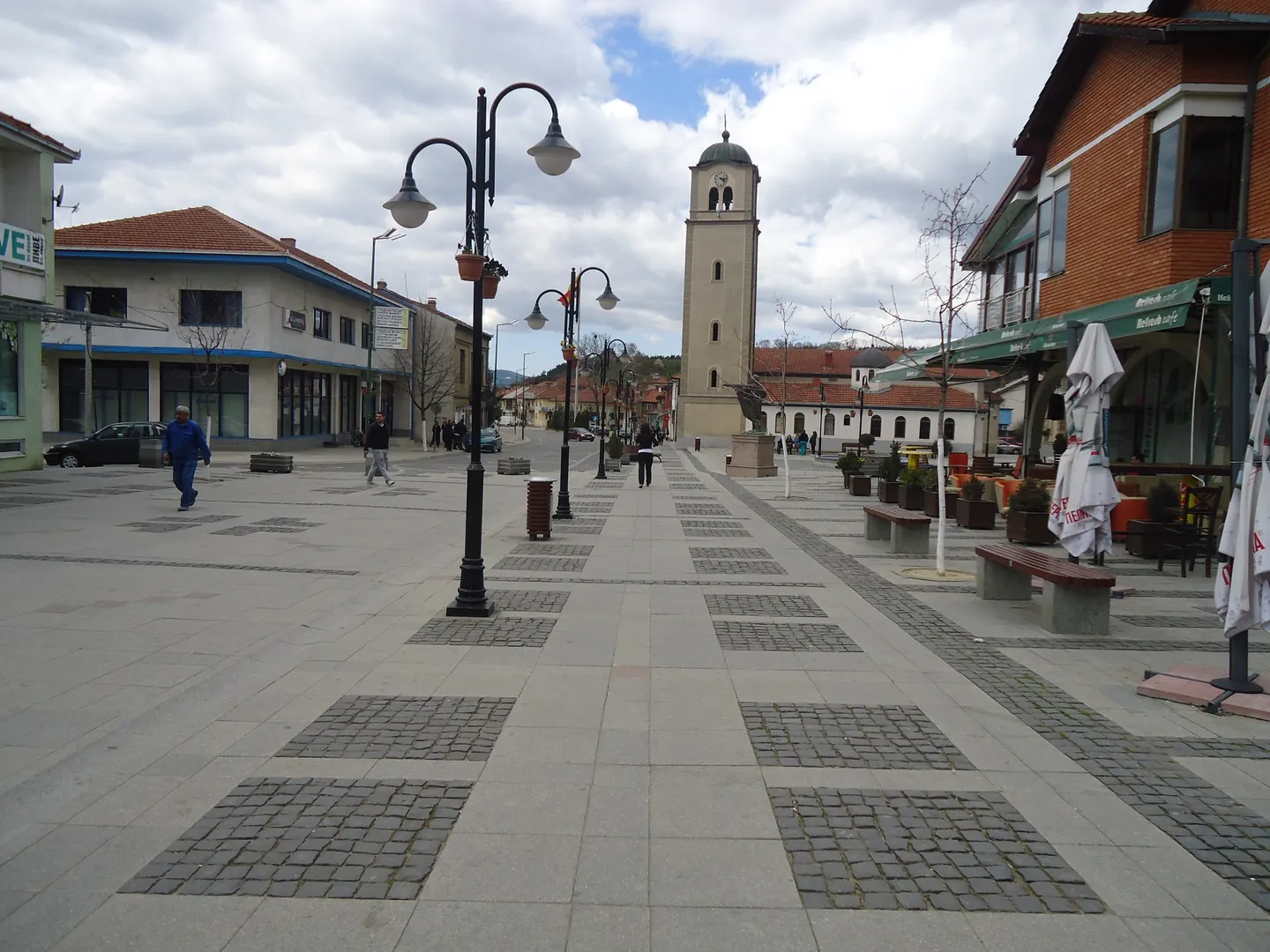
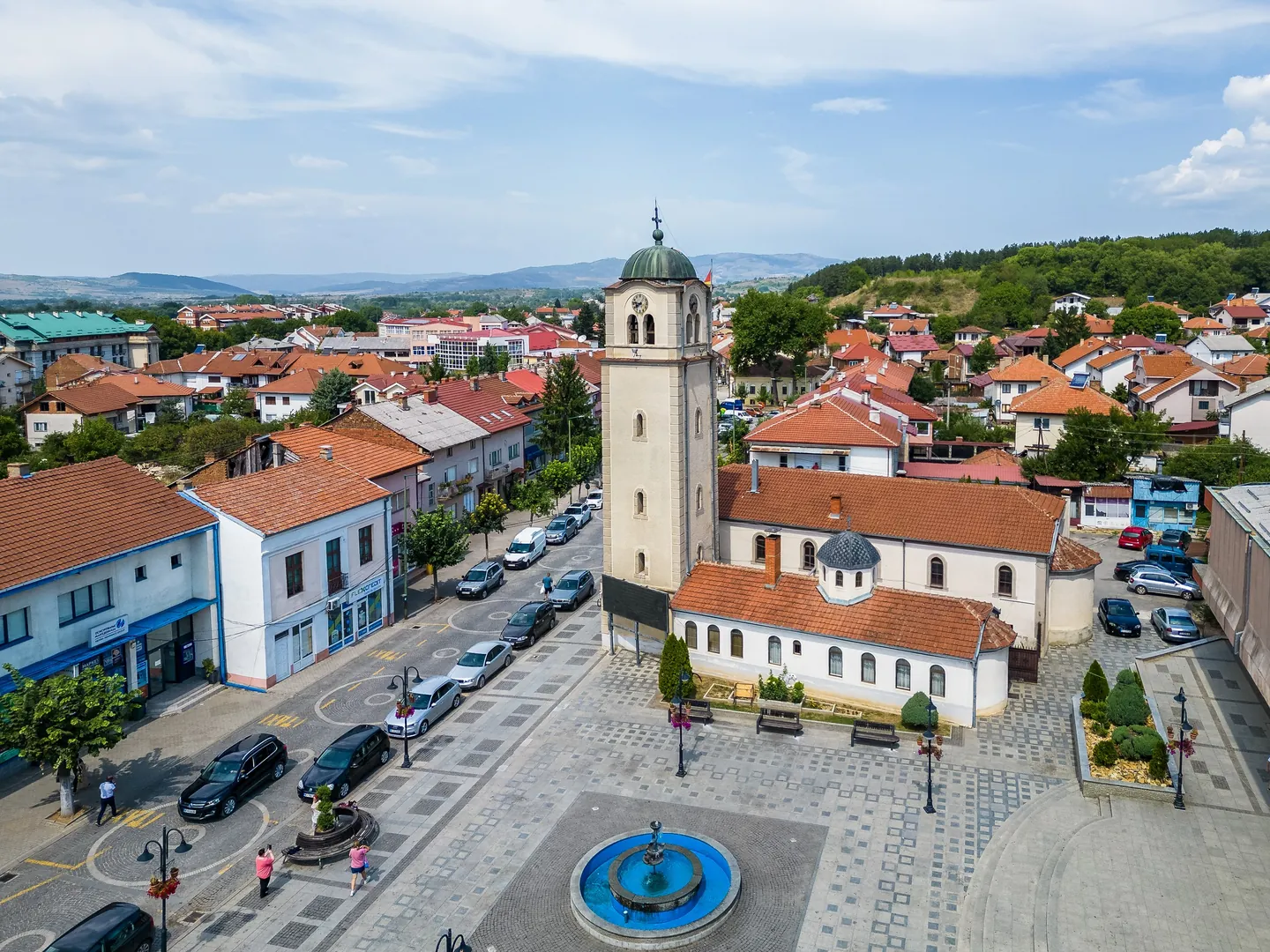
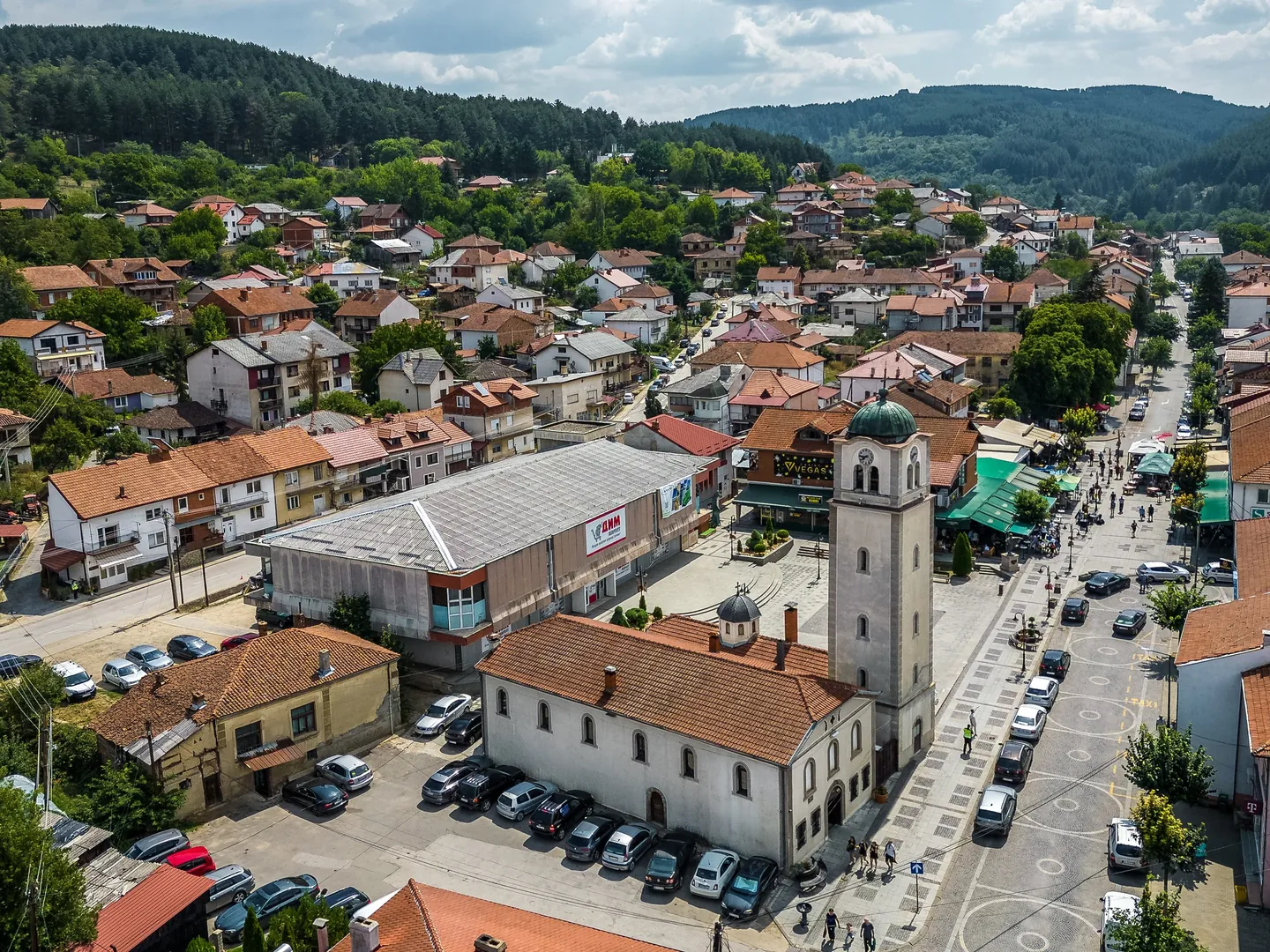
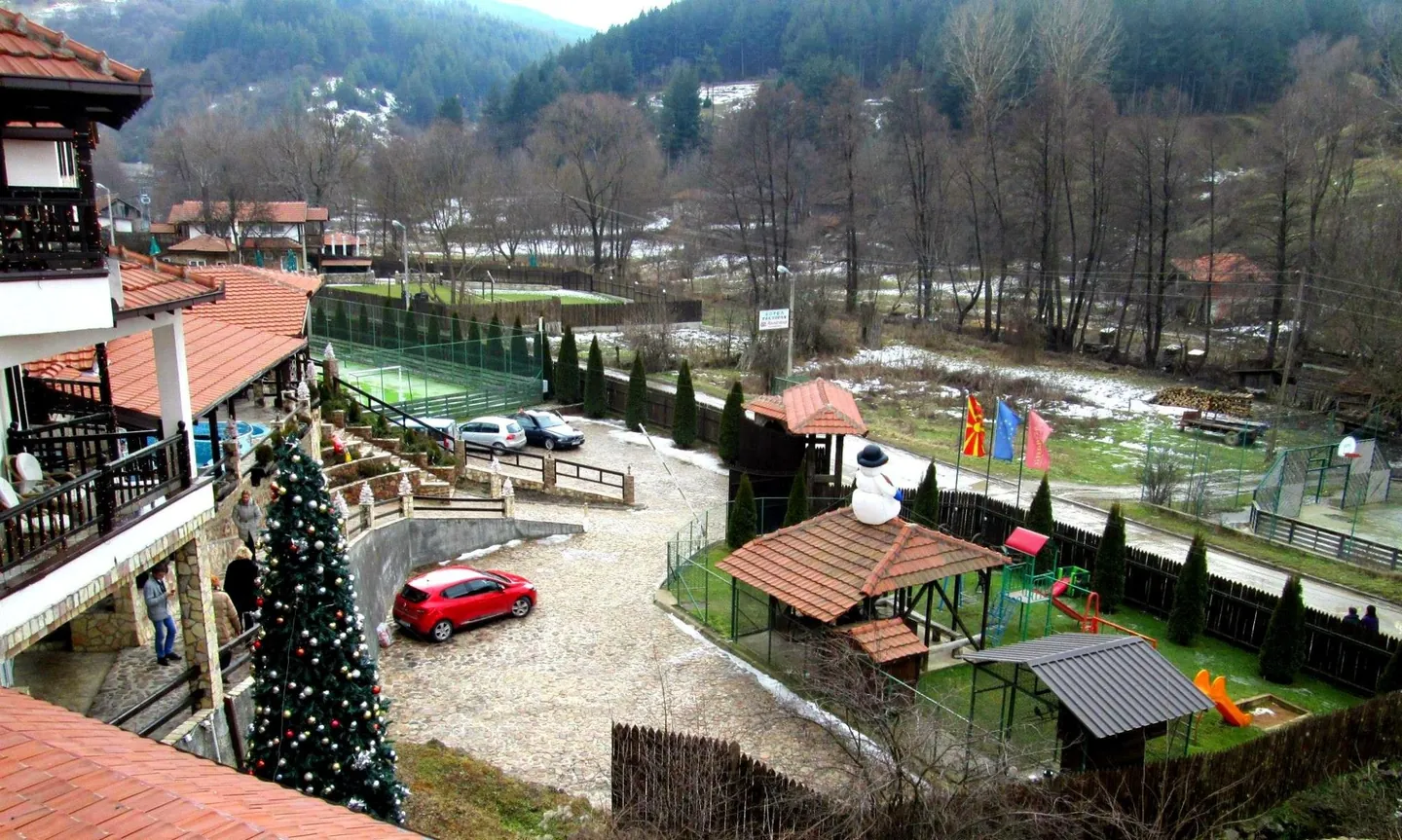
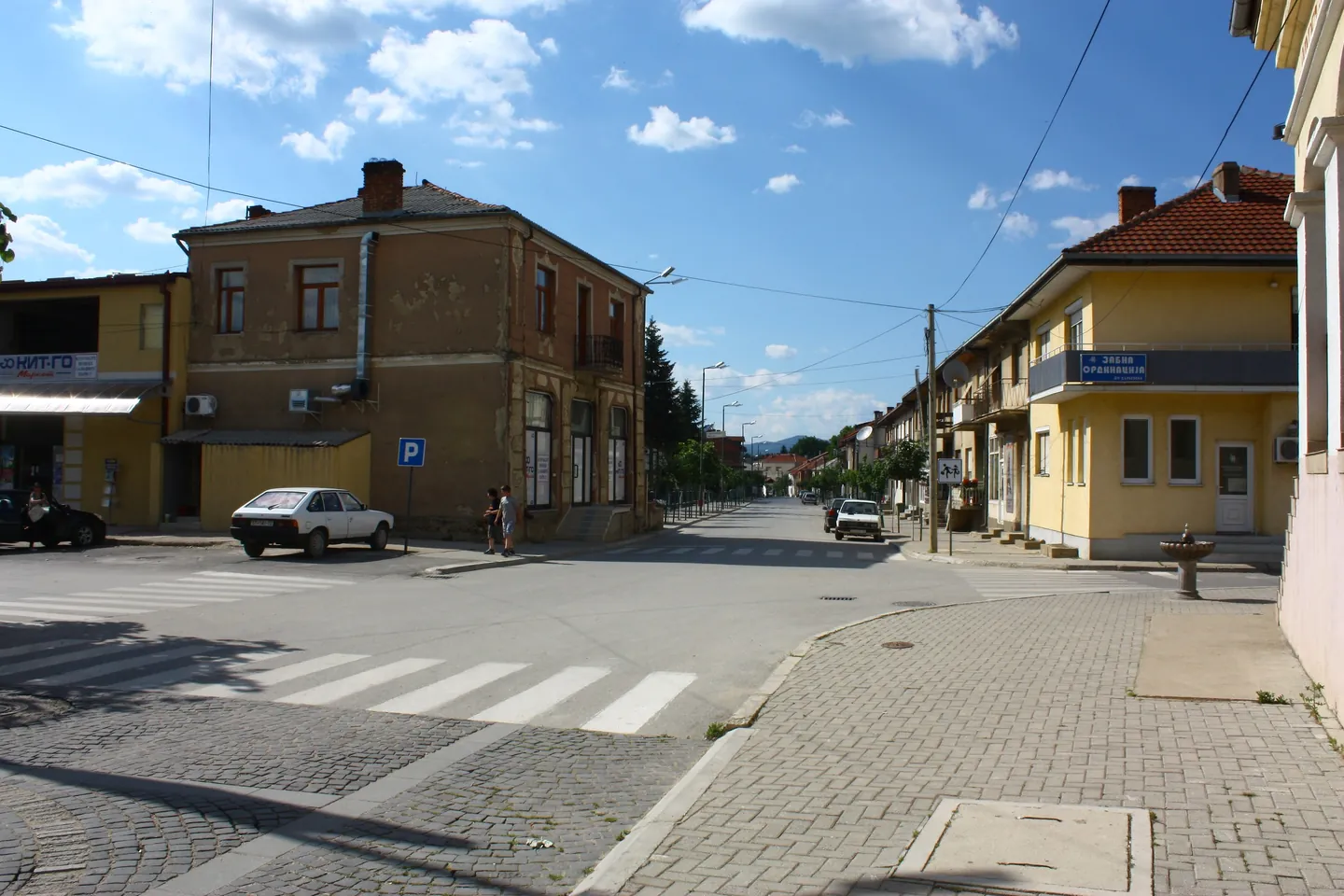
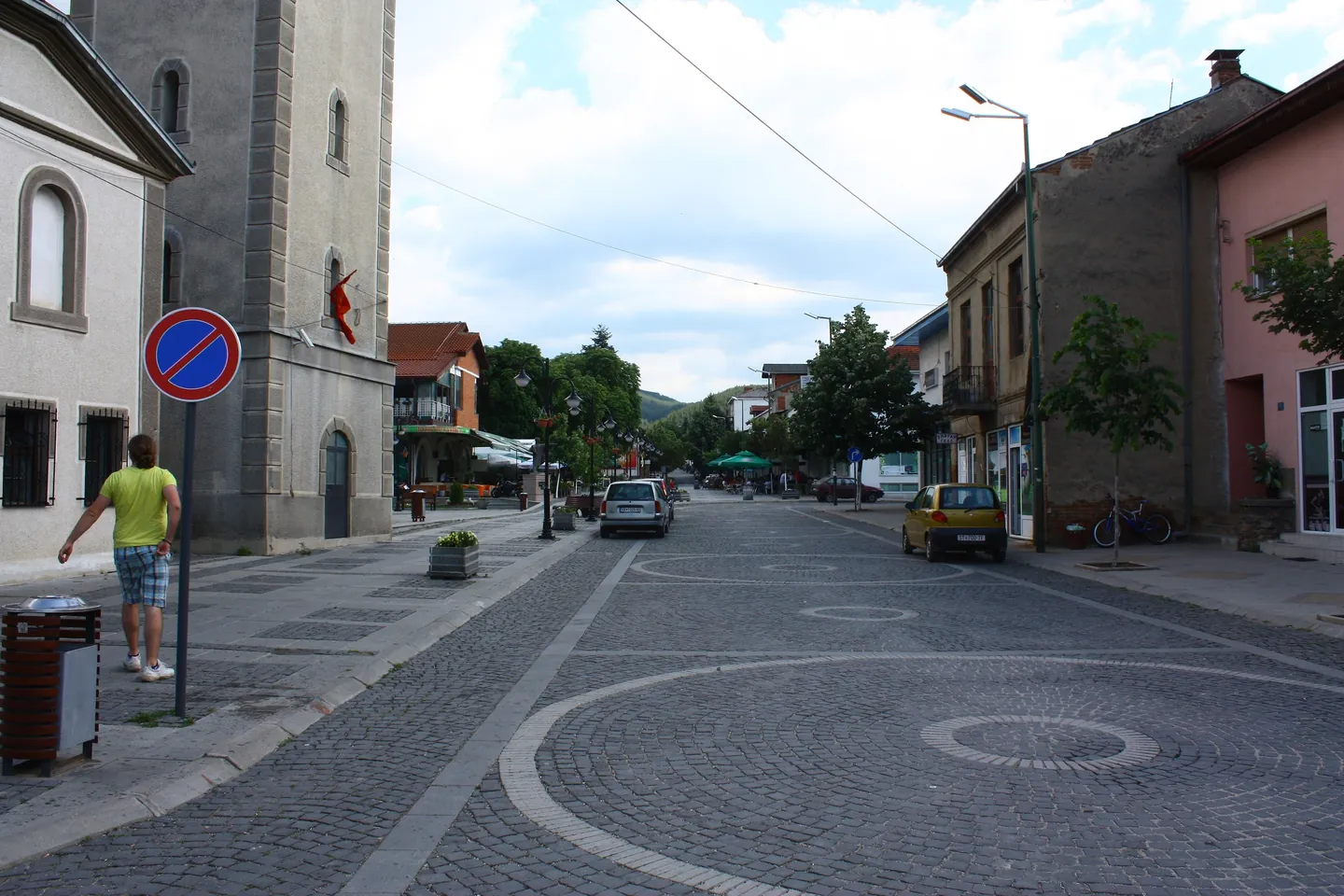
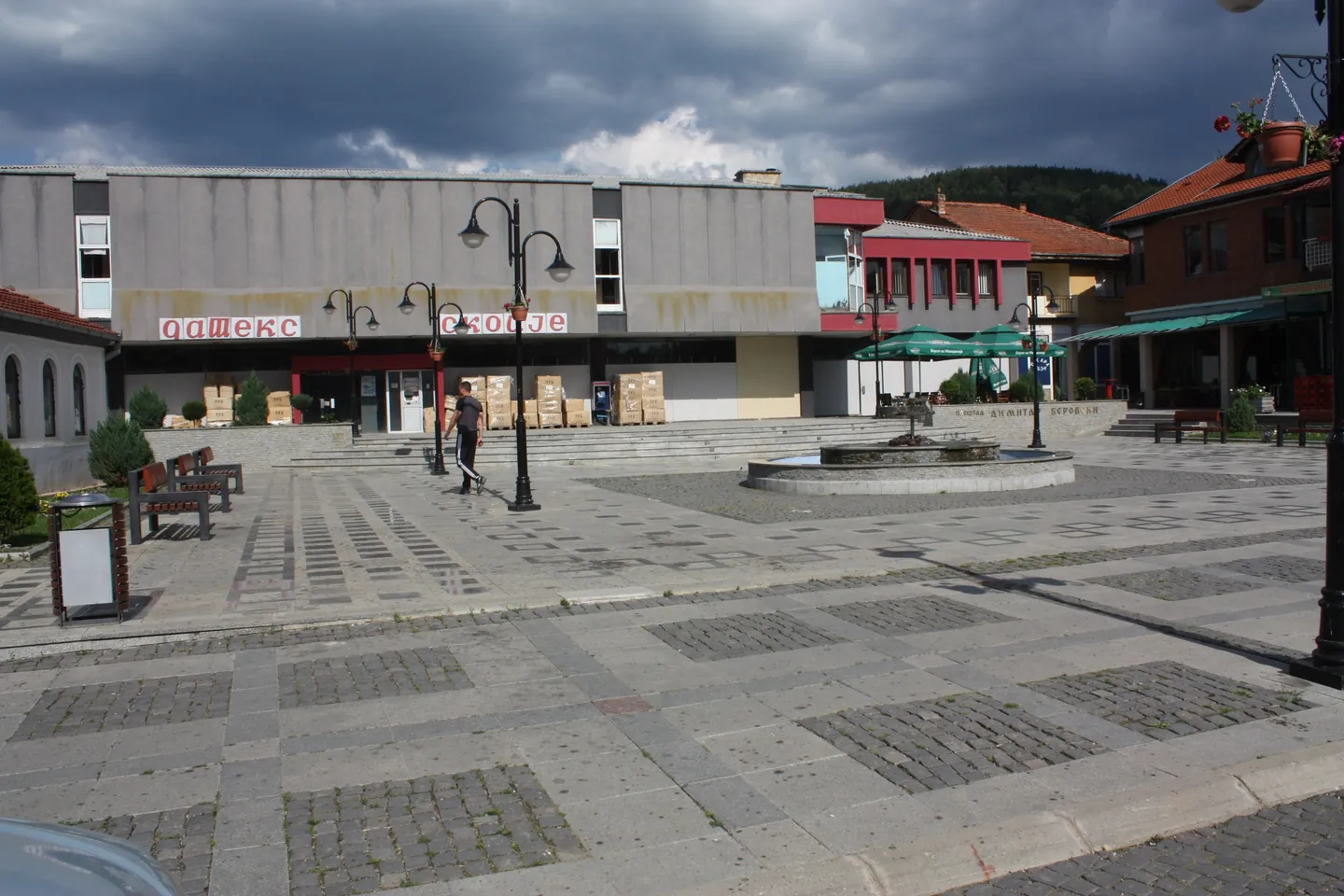
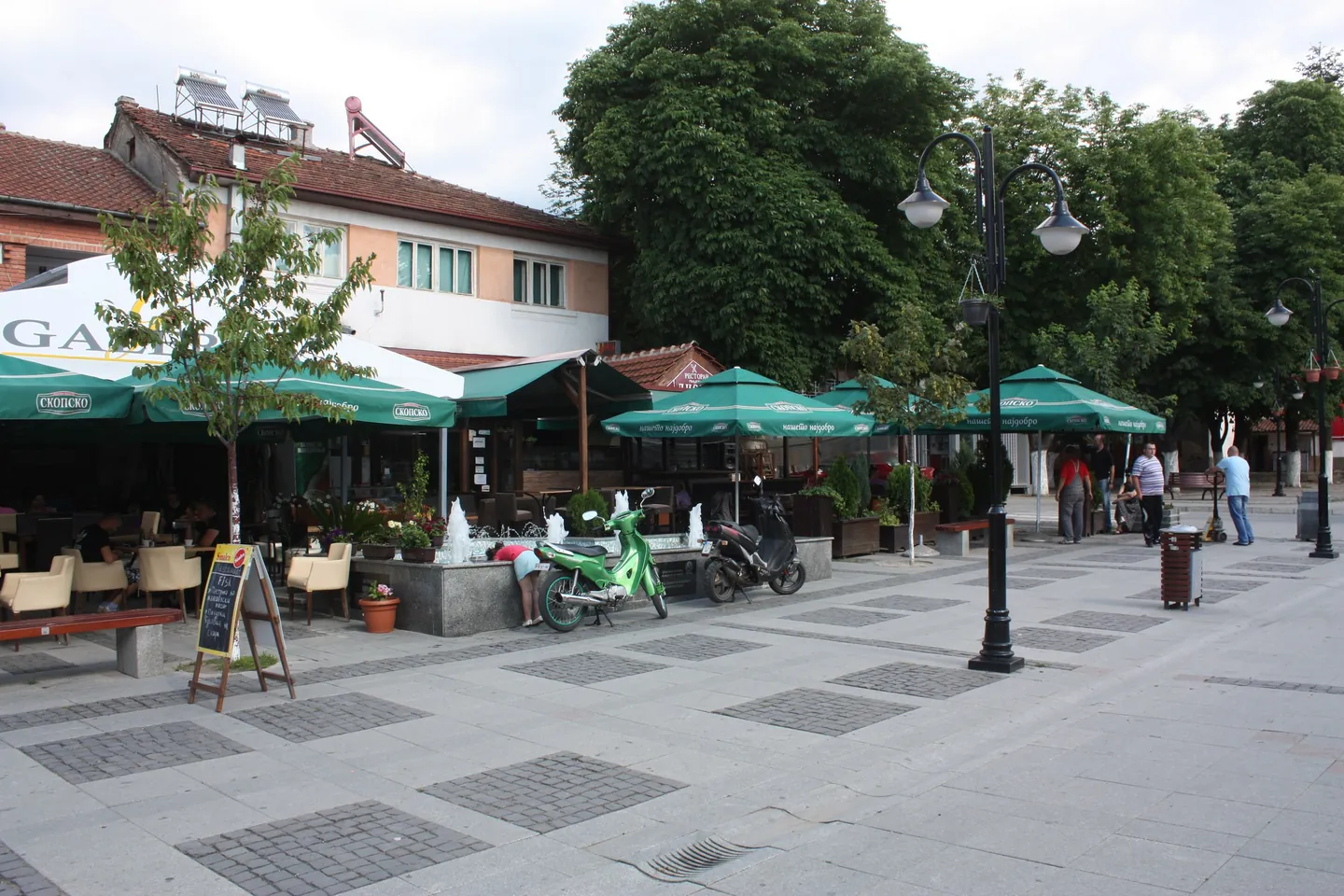
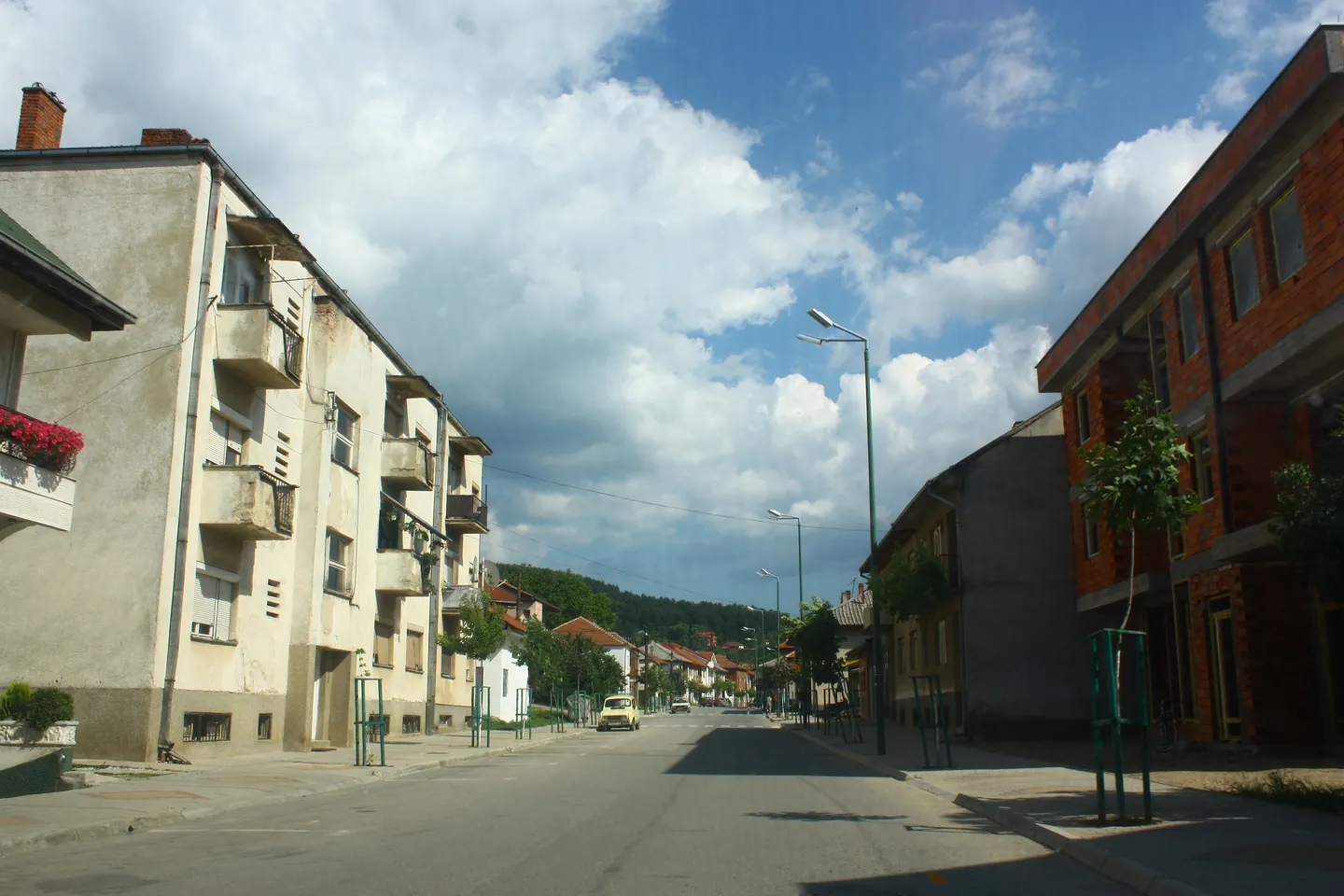
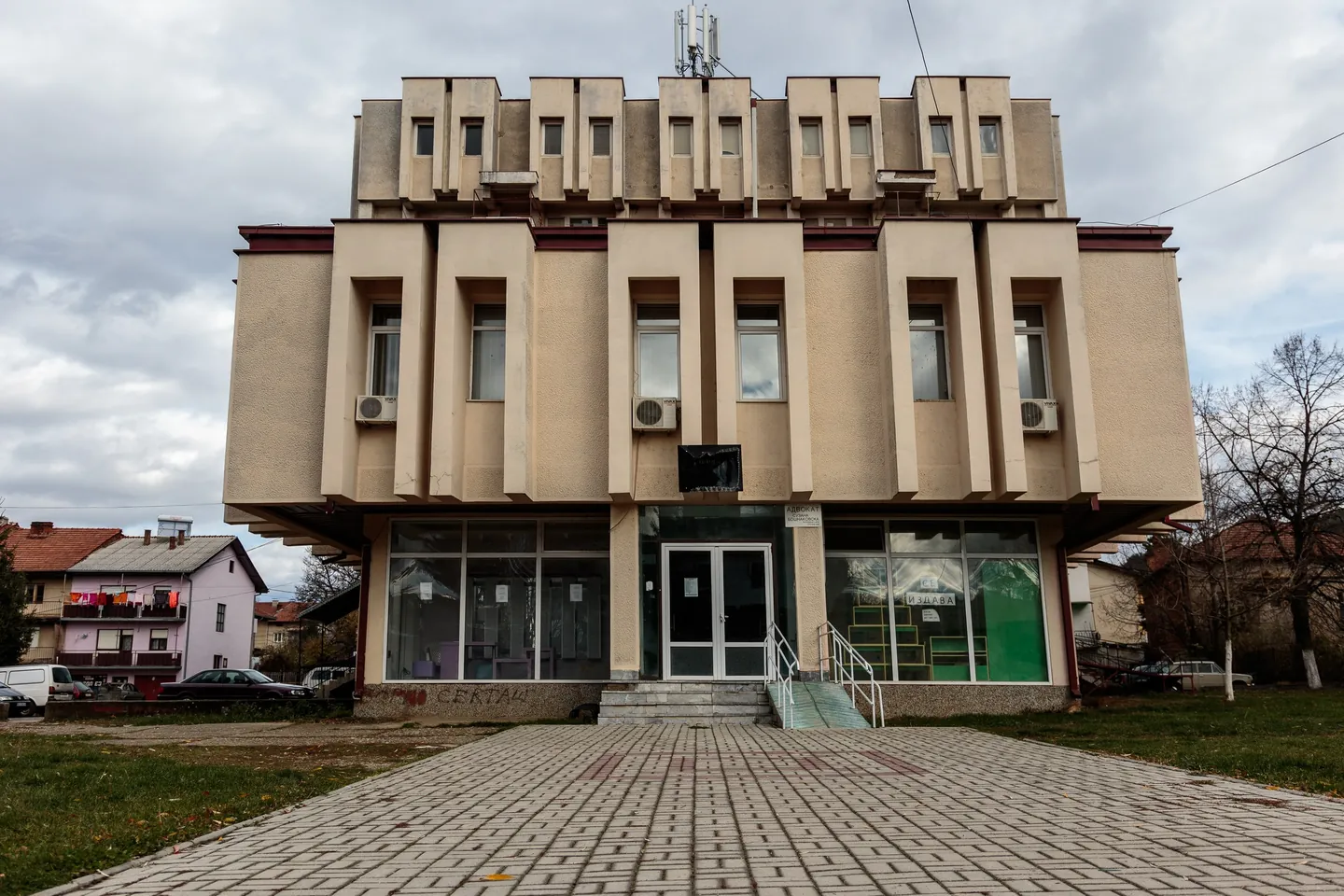
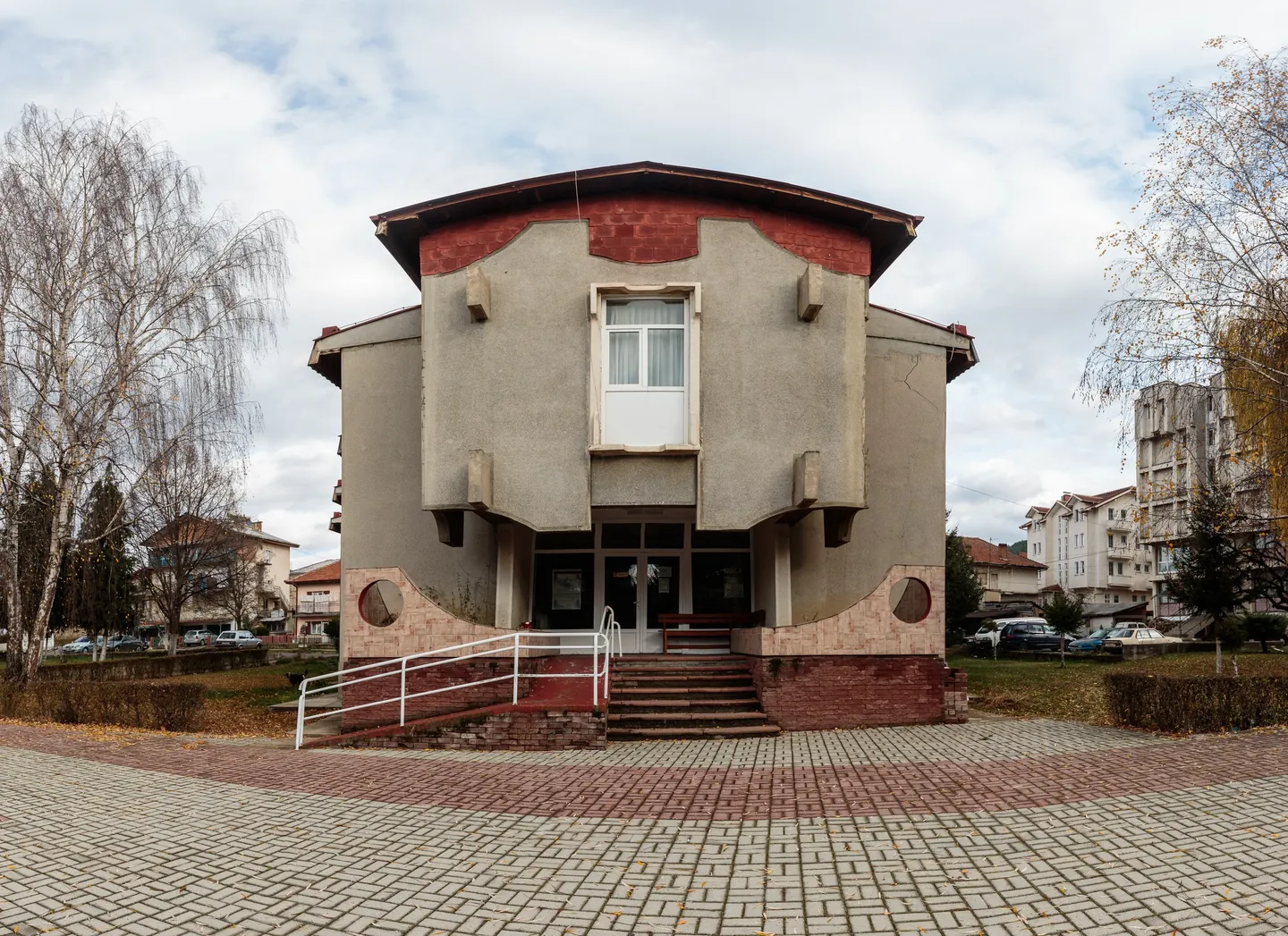
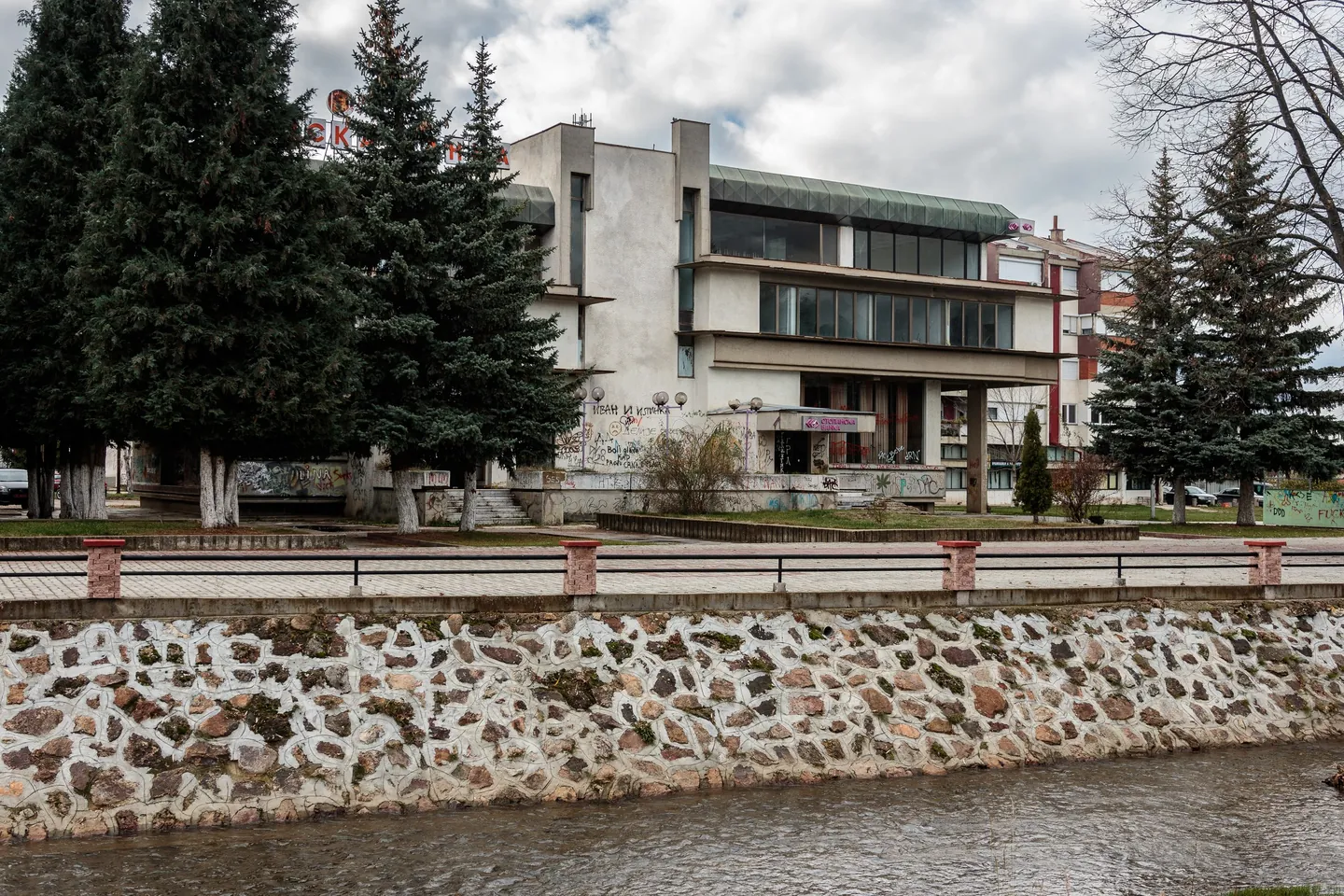
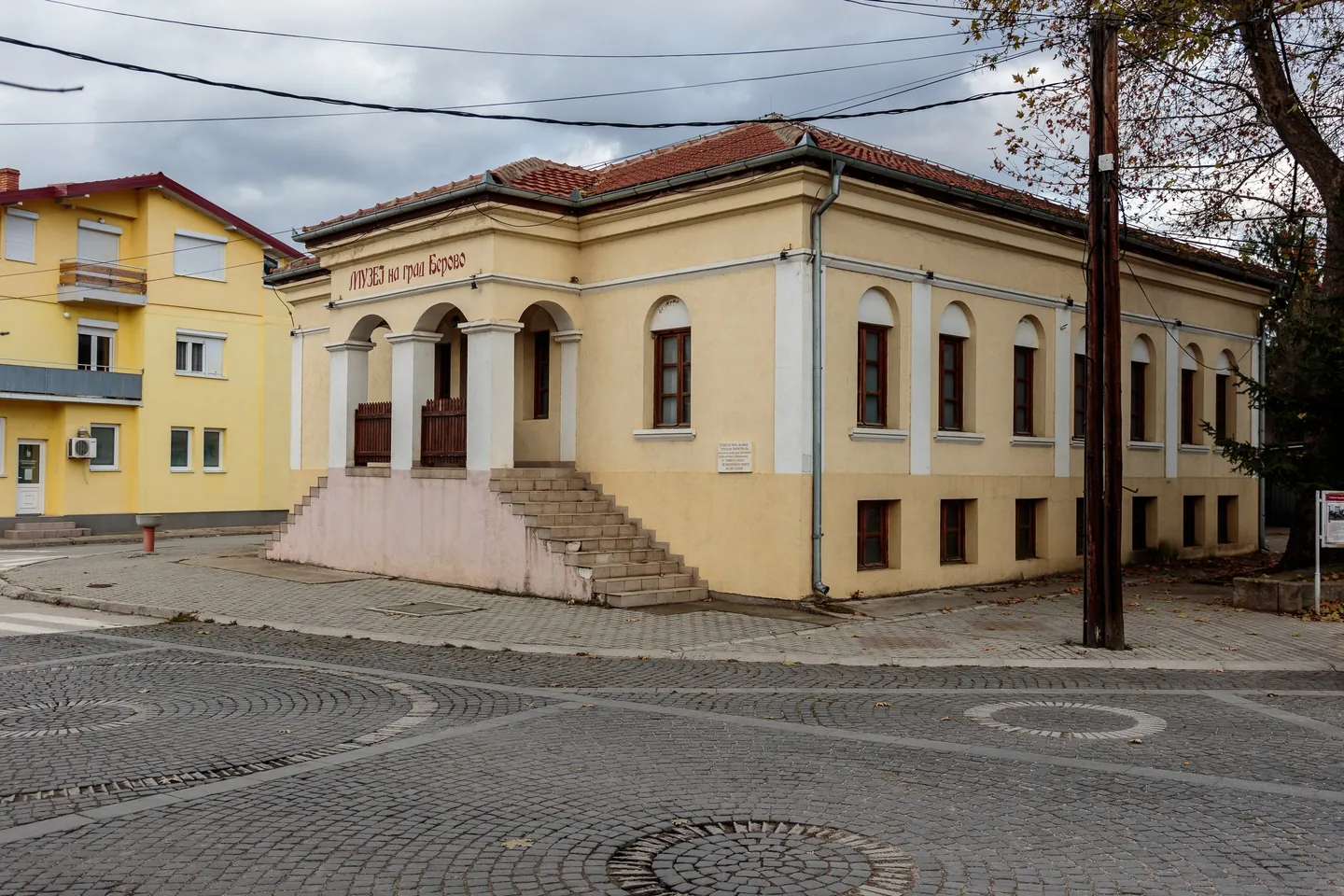
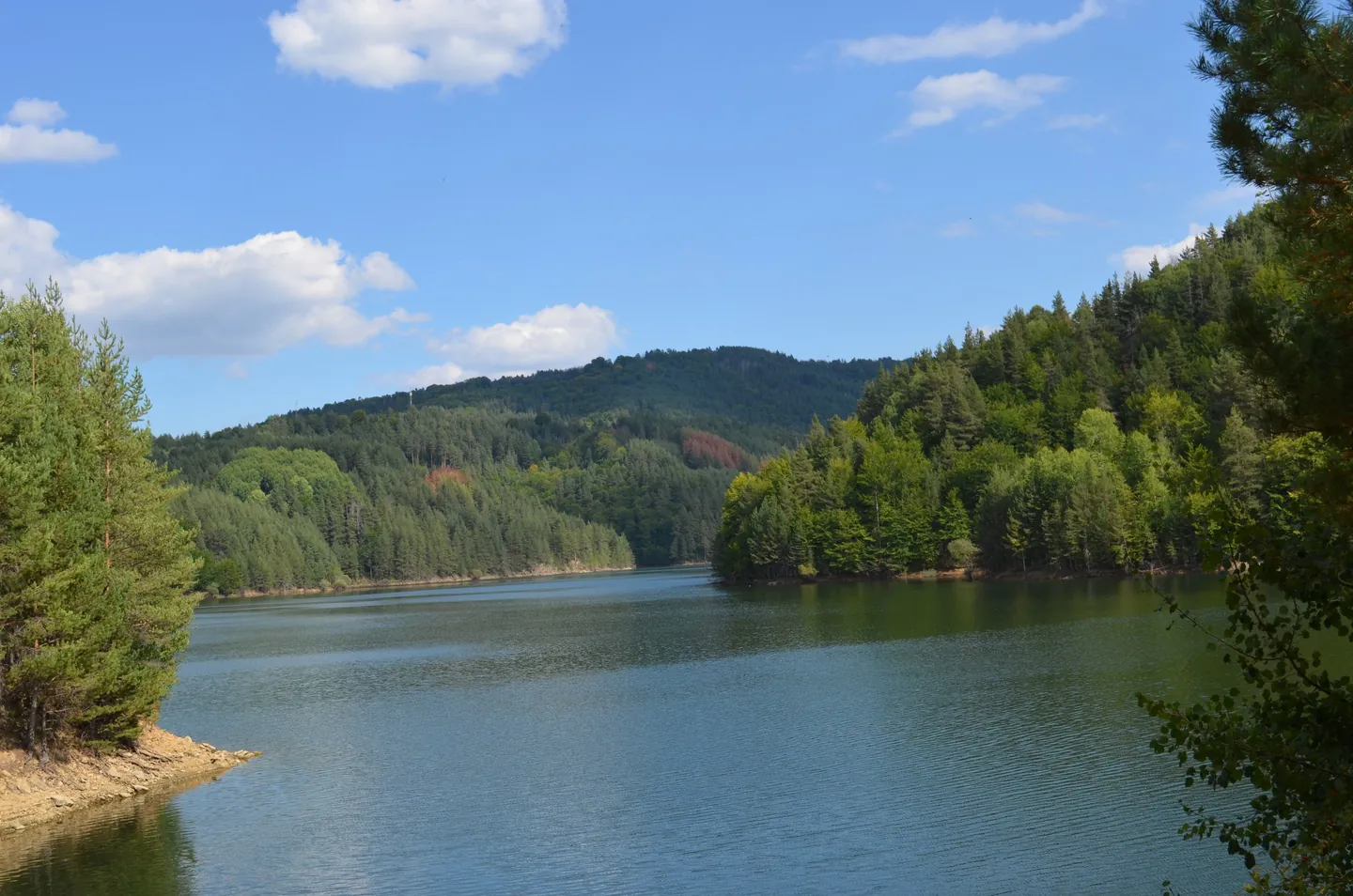
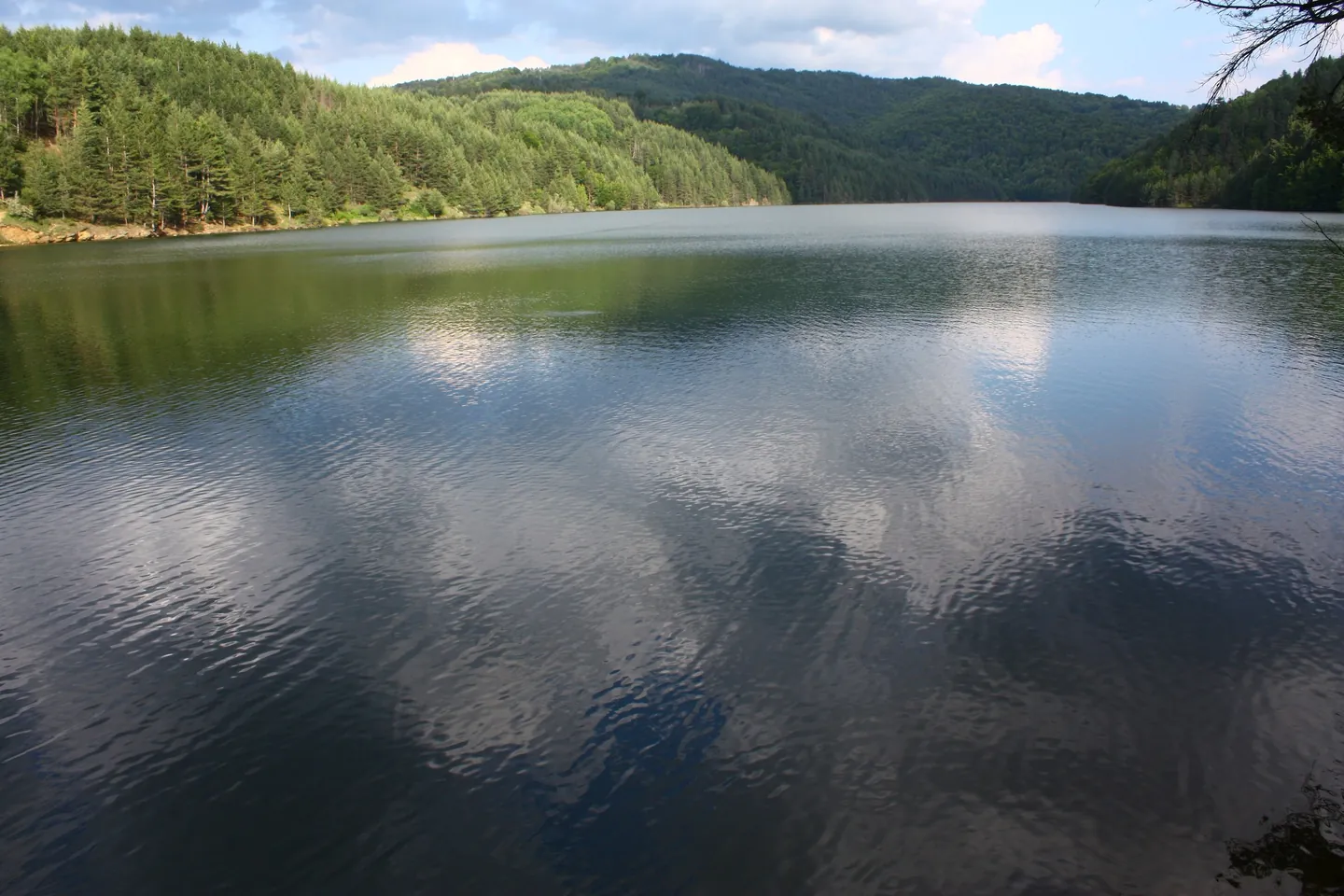
Photo credits
- Berovo: a paved square with street lamps and café seating, a clock tower standing at the far end. Photo: MKDCC BY-SA 3.0Wikimedia Commons
- Berovo: a clock tower beside a church and a fountain square, seen from above, with red-roofed houses and hills behind. Photo: Meri BoshkoskaCC BY-SA 4.0Wikimedia Commons
- Berovo: a clock tower and church beside a car park and a busy street, red-roofed houses and wooded hills beyond. Photo: Meri BoshkoskaCC BY-SA 4.0Wikimedia Commons
- Berovo: a small garden with a playground and a Christmas tree below wooded hills, seen from a balcony (file titled Hotel Manastir). Photo: Zoran Kurelić RabkoCC BY-SA 3.0Wikimedia Commons
- Berovo: a quiet street junction with a zebra crossing and yellow and brown buildings under a blue sky. Photo: RašoCC BY-SA 3.0Wikimedia Commons
- Berovo: a cobbled street curving past a grey stone tower, a pedestrian in a green shirt and a no-parking sign. Photo: RašoCC BY-SA 3.0Wikimedia Commons
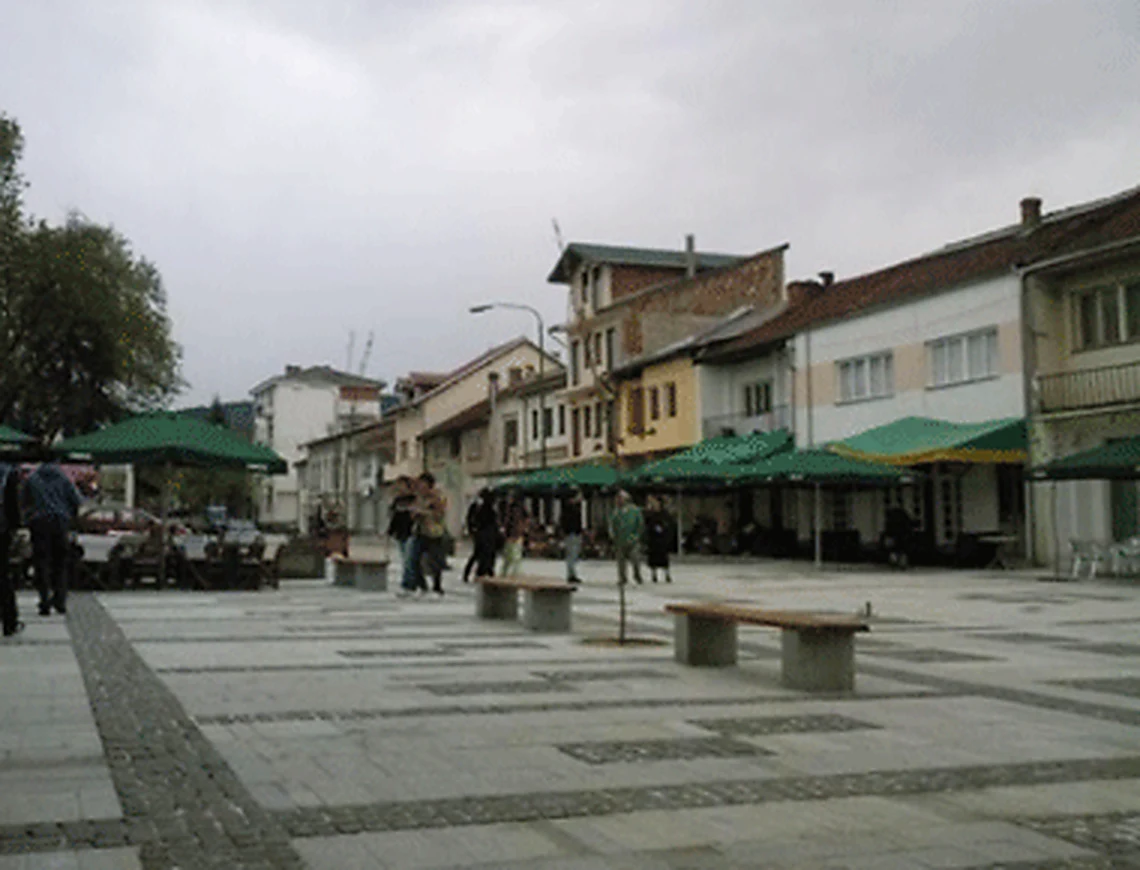
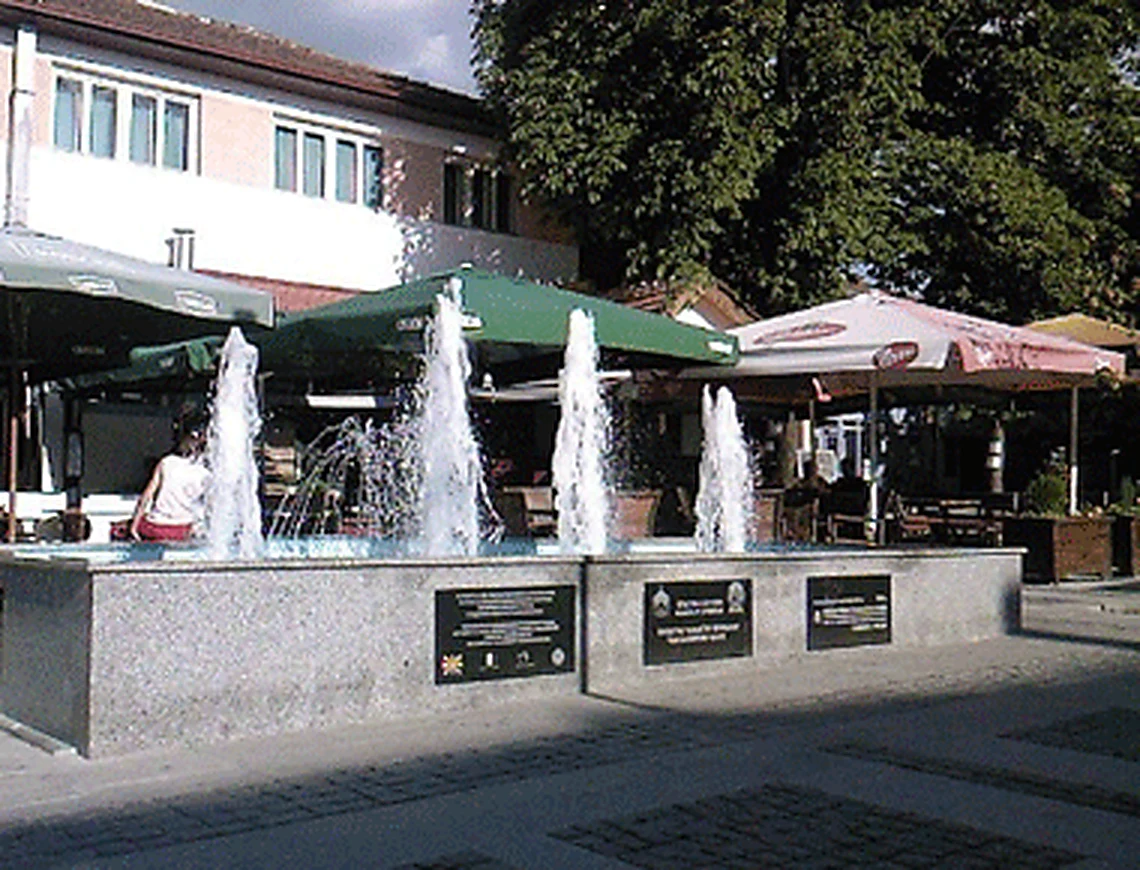
- Berovo: a wide paved square with lamp posts and a low fountain, a flat-roofed building under heavy cloud. Photo: RašoCC BY-SA 3.0Wikimedia Commons
- Berovo: café umbrellas and tables at the edge of a paved square, with lamp posts and tall trees. Photo: RašoCC BY-SA 3.0Wikimedia Commons
- Berovo: a street of flats and shop fronts leading towards wooded hills under a blue sky. Photo: RašoCC BY-SA 3.0Wikimedia Commons
- Berovo: a tall concrete building with vertical piers and a glazed ground floor, set on a brick-paved plaza. Photo: petrovskyzCC BY-SA 3.0Wikimedia Commons
- Berovo: the primary court, a pale building with a reddish gable and entrance steps, on a paved forecourt. Photo: petrovskyzCC BY-SA 3.0Wikimedia Commons
- Berovo: a modern building among spruce trees beyond a stone-faced river wall. Photo: petrovskyzCC BY-SA 3.0Wikimedia Commons
- Berovo: the city museum, a cream building with an arched porch and stone steps on a cobbled corner. Photo: petrovskyzCC BY-SA 3.0Wikimedia Commons
- Berovo Lake: blue water ringed by forested hills under scattered cloud. Photo: Darko NikolovskiCC BY-SA 3.0Wikimedia Commons
- Berovo Lake: calm water reflecting clouds, with pine-covered hills along the far shore. Photo: RašoCC BY-SA 3.0Wikimedia Commons


