
Southwestern
Kichevo
Кичево
- Residents · 2021 census
- 23,428
- Old photographs
- 57
- Photographs
- 35
A mountain-basin town at the meeting point of western routes
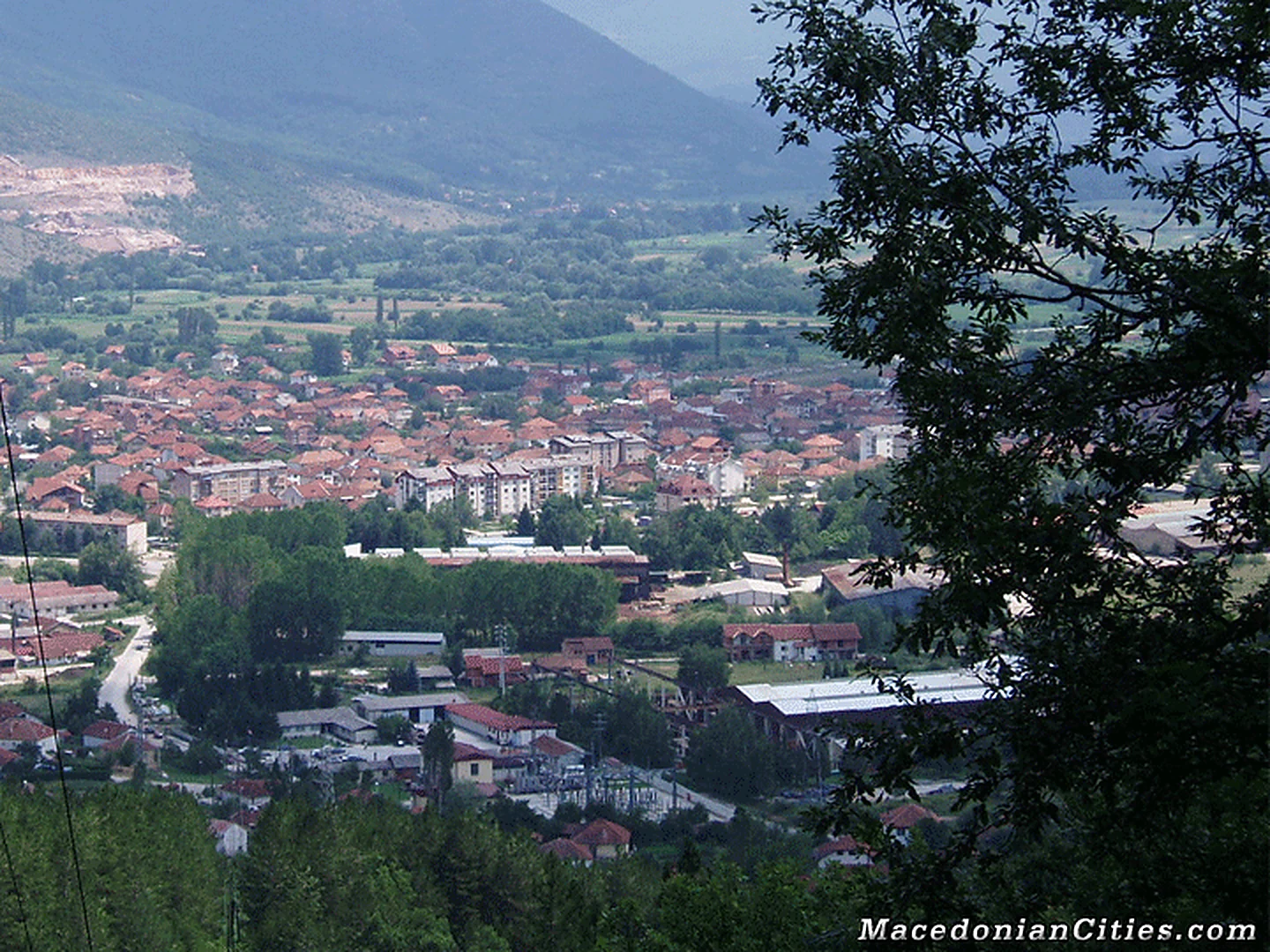
Kichevo sits in a high, enclosed basin at the headwaters of the Treska, with Bistra, Ilinska and the Poreche mountains shaping every road out. At roughly 625–650 metres, the town is a natural western crossroads: north over Strazha, south toward Ohrid, southeast to Demir Hisar and east down the Treska valley.
Overview
City overview
Meet Kichevo.
A grounded introduction to the city, its landscape, people, history and wider municipality.
Kichevo sits in a high, enclosed basin at the headwaters of the Treska, with Bistra, Ilinska and the Poreche mountains shaping every road out. At roughly 625–650 metres, the town is a natural western crossroads: north over Strazha, south toward Ohrid, southeast to Demir Hisar and east down the Treska valley.
A charter of Basil II records Kicavis in 1018, while Kitino Kale still watches over the modern centre from its low fortified hill. Ottoman Kırçova became a market and craft town; roads, the railway opened in 1952, mining and energy later turned it into a busy inland service centre.
The unified municipality counted 39,669 residents in 2021, including 23,428 in the city. Macedonian, Albanian, Turkish and Roma neighbours share the basin, heard in its markets, bakeries, schools, football clubs and religious calendar; that layered social life is as characteristic as any monument.
Since the 2013 merger, the municipality includes seventy-eight villages and the territories of former Drugovo, Vraneshtica, Zajas and Oslomej municipalities. Large communities such as Zajas, Srbica and Drugovo sit beside tiny mountain settlements, while places like Cer, Tajmishte, Izvor and Vraneshtica carry distinct histories within the same broad Kichevo homeland.
At a glance
Useful facts, in one place.
Settlement and municipality figures are kept distinct wherever sources permit.
- Municipality
- Kichevo Municipality
- City population
- 23,428
- Municipality population
- 39,669
- Population year
- 2021
- Municipal area
- 837 km²
- Elevation
- 638 m
- Elevation range
- 625–650 m
- Approx. road distance from Skopje
- 110 km
- Postal code
- 6250
- Climate
- Temperate continental basin climate with mountain influence
- Sports teams
-
- FK Napredok
- KF Vëllazërimi 77
- Culture
-
- The municipality’s Macedonian, Albanian, Turkish and Roma communities sustain a notably multilingual local culture.
- Kichevo is known regionally for bakeries, burek and strong market-day food traditions.
- Kichevska Prechista and the Knezhino monastery remain major Orthodox gathering places.
- Population snapshot
- 23,428 city residents and 39,669 municipality residents in the 2021 census; 16,241 lived outside the city settlement.
Known for
The city's signature.
Landmarks, foods, landscapes and traditions that give Kichevo its character.
- Kitino Kale fortress park
- A strategic crossroads in western North Macedonia
- Kičevska Prečista monastery
- A multilingual local culture
- Burek and a strong bakery tradition
Geography
Geography
Land shapes the city.
Terrain, waterways, climate and transport explain why Kichevo grew where it did.
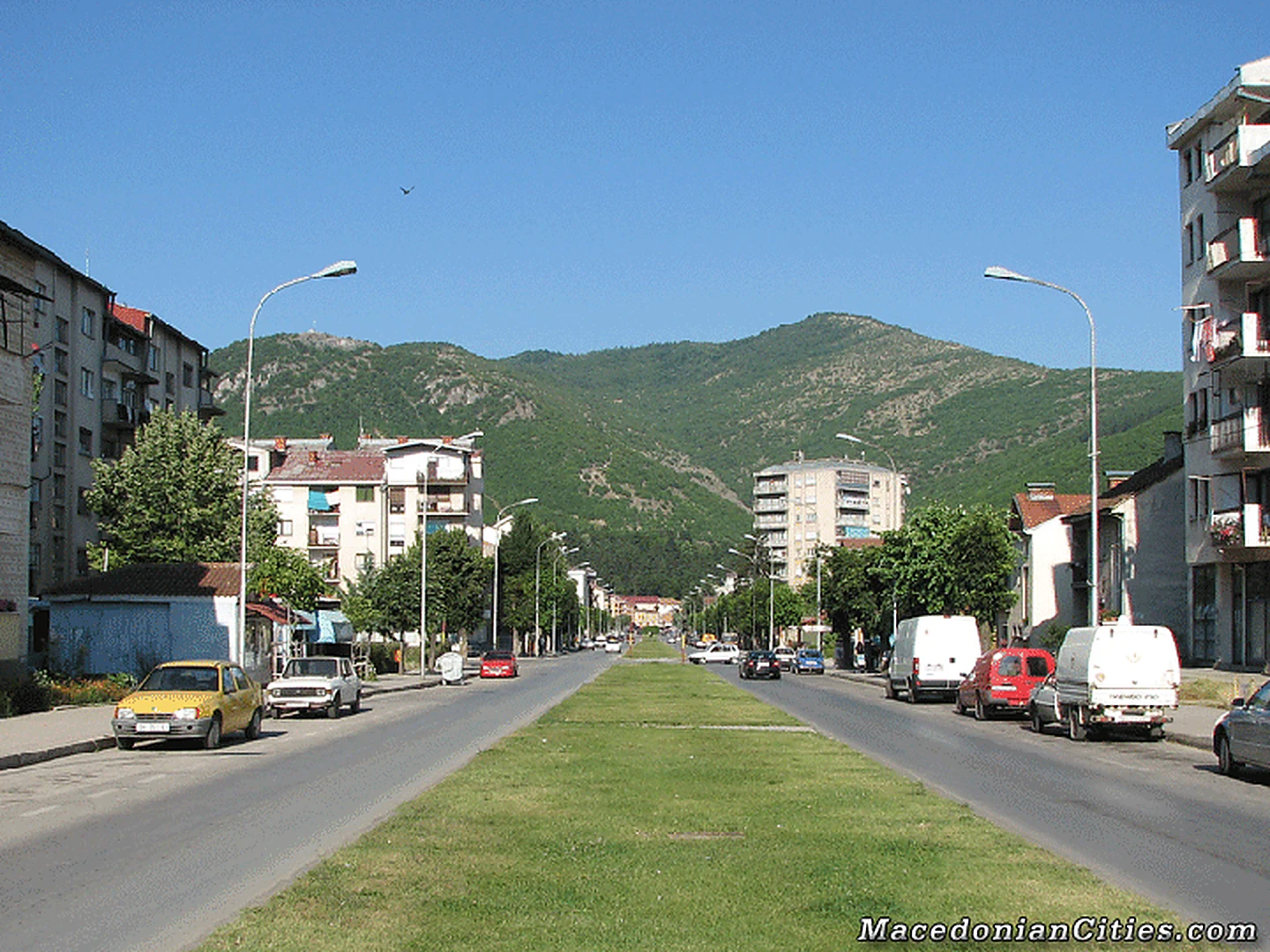
Kichevo lies in a high basin in the central-western interior, surrounded by Bistra, Stogovo, Ilinska and Suva Gora. The town occupies the valley of the upper Treska system at about 620 metres above sea level. Forested mountains and agricultural villages ring the basin, giving the urban centre a compact, enclosed setting.
Its importance comes from the roads that leave the basin in four directions: north over Straža toward Gostivar and Skopje, south toward Ohrid, southeast toward Demir Hisar and Bitola, and east along the Treska toward Makedonski Brod. Kitino Kale, a low fortified hill now used as a park, rises beside the centre and provides an immediate view across the town.
History
History
A concise, rewritten account.
Written afresh from cross-checked municipal, archaeological, heritage and institutional sources—not copied website text.
A charter issued by Byzantine emperor Basil II in 1018 refers to a place usually read as Kičavis, the earliest secure written link to Kichevo. The fortress at Kitino Kale guarded the basin and its routes during the medieval period. Under Ottoman rule the settlement—known in several forms including Kırçova—grew into a local market, craft and administrative centre.
Road building in the early twentieth century and the arrival of the Skopje–Kichevo railway in 1952 reinforced its role as western Macedonia's inland junction. Mining, energy and manufacturing brought new workers and neighbourhoods during socialist Yugoslavia. The nearby Oslomej lignite complex shaped the local economy but also left a long-term environmental and transition challenge.
Kichevo's cultural landscape is shared by Macedonian, Albanian, Turkish and Roma communities. Religious landmarks include the Church of Saints Peter and Paul in town and the Monastery of the Immaculate Mother of God, commonly called Kičevska Prečista, in the mountains nearby. The municipality's present identity combines this older basin culture with its modern role as a transport and service centre.
The preserved legacy narrative
Open the preserved legacy narrative
Although historians have noted a city called Uskana somewhere near Kichevo, associated with the reign of the ancient Macedonian king Perseus and the Macedonian–Roman wars of 170–169 BCE, its precise location and relationship to modern Kichevo remain uncertain. Kichevo itself is first mentioned in 1018 CE in a charter of the Byzantine emperor Basil II under the name Kichavis. After the fall of Tsar Samuil's state, it belonged ecclesiastically to the Ohrid Archbishopric. The inherited account says the town was inhabited by the Bersites, or Brsjaci, whom it describes as skilled farmers; this broad tribal identification should be treated cautiously.
During the Middle Ages these territories belonged for a time to the medieval Serbian state. A donation made in 1294 to the Monastery of St George at Knezhino is cited as confirmation. Kichevo came under Ottoman rule by the end of the fourteenth century and was subsequently turned into an Ottoman military and administrative centre.
According to the legacy narrative, the first local nucleus of the Macedonian Revolutionary Organization grew from the work of the priest Josif at the Monastery of the Most Holy Mother of God Prechista and of teachers in several surrounding villages.
After establishing contact with people from villages around Kichevo, Pere Toshev and Josif are said to have formed the first armed detachment in 1878. It was led by Duko Tasev and included Jordan Piperkata, later associated in the account with the well-known Brsjak Revolt of 1880. On 2 August 1903, people from the Kichevo area joined the struggle for Macedonian independence under the commanders Arso and Jordan Piperkata. The inherited text says they held liberated territory until 9 August, when the uprising was suppressed. Ottoman rule in Kichevo ended in 1912 after the First Balkan War, following roughly five centuries.
Following the post-war settlement formalized through the Paris peace system and the Treaty of Versailles in 1919, the region formed part of the Kingdom of Serbs, Croats and Slovenes. The legacy account characterizes the new administration as pursuing systematic assimilation of the population; this is its interpretive framing and should be attributed as such.
During the Second World War, Kichevo was occupied by Italian fascist forces. The inherited account emphasizes that the town maintained its revolutionary tradition and answered the Communist movement's call to armed resistance, with Kuzman Josifovski-Pitu presented as an exemplary leader. The first local party organization was formed in the village of Karbunica on 15 December 1941. Kichevo was first liberated on 11 September 1943, immediately after Italy's capitulation. Between then and 1945 control changed repeatedly, and the town was liberated six times. It is often remembered in the local narrative as the first liberated town in Macedonia, a distinction whose precise definition depends on the wartime chronology being used.
Mirko Mileski and Miha Mihajlovski are remembered among the leading local heroes. The Kitino Kale memorial also commemorates the wider group of 555 fighters cited in the inherited account.
Profile sources (18)
- web.archive.org/web/20251015184750/https://macedonia-timeless.com/eng/cities_and_regions/cities/kicevo
- kicevo.gov.mk
- en.wikipedia.org/wiki/Vlatko_Lozanoski
- en.macedonism.org/Macedonian-Encyclopedia/todorovski-goce
- stat.gov.mk/publikacii/2022/POPIS_DZS_web_EN.pdf
- citypopulation.de/en/northmacedonia/jugozapaden/705__ki%C4%8Devo
- kicevo.gov.mk/mestopolozhba
- kicevo.gov.mk/sq/naselenie
- kicevo.gov.mk/wp-content/uploads/2022/09/English-rekonstrukcija-na-uzicka-_1_.pdf
- dke.org.mk/hramovi-i-manastiri/manastiri
- en.wikipedia.org/wiki/Kaliopi
- en.wikipedia.org/wiki/Omer_Kaleshi
- imdb.com/search/name/?birth_place=Kicevo%2C+Macedonia
- en.wikipedia.org/wiki/Jakub_Selimoski
- en.wikipedia.org/wiki/Florijan_Kadriu
- en.wikipedia.org/wiki/Angel_Tanasov
- makstat.stat.gov.mk/PXWeb/pxweb/en/MakStat/MakStat__Popisi__Popis2021__NaselenieVkupno__PodatociNaselenie/T1501P21.px
- northmacedonia-timeless.com/eng/cities_and_regions/cities/kicevo
Interesting Facts
Interesting facts
Details worth remembering.
Local landmarks, customs, foods and historical details that reward a closer look at Kichevo.
-
Kicavis in 1018
The earliest secure written link to Kichevo is the name Kicavis in a charter issued by Byzantine emperor Basil II in 1018.
-
A four-direction road junction
The basin sends roads north over Strazha, south to Ohrid, southeast to Demir Hisar and east along the Treska toward Makedonski Brod.
-
The railway arrived in 1952
Completion of the Skopje–Kichevo railway strengthened mining and made the town an important western freight station.
-
Kitino Kale is now a town park
The old fortified hill, where coins from the periods of Alexander the Great and Justinian were found, has been landscaped as a public park above the centre.
-
Prechista’s present church dates to 1850
The monastery has older roots, but its present monumental church was built in the nineteenth century and preserves a major iconostasis, books and work connected with Dichi Zograf’s circle.
-
Five municipalities became one
In 2013 Drugovo, Vraneshtica, Zajas and Oslomej were joined to Kichevo, creating today’s large municipality of seventy-nine settlements including the city.
-
A genuinely high urban basin
The municipality places the town at 625–650 metres above sea level and many of its villages between 600 and more than 1,000 metres.
People
Celebrities
Lives linked to the city.
Writers, musicians, artists, athletes, public figures and historical personalities with a clearly stated connection to Kichevo.
- Notable person Vlatko Lozanoski Kichevo-born pop singer who represented North Macedonia at the Eurovision Song Contest in 2013.
- Notable person Goce Todorovski Kichevo-born stage, film and television actor with a long career in Macedonian comedy and drama.
-
Vlatko Lozanoski Music
Born and raised in Kichevo.
Pop singer and songwriter who represented Macedonia at the 2013 Eurovision Song Contest with Esma Redzhepova.
Source -
Kaliopi Music
Born in Ohrid but raised in Kichevo, where her early musical identity took shape.
Singer, composer and two-time Eurovision representative with a major career across the former Yugoslav region.
Source -
Omer Kaleshi Visual art
Born in 1932 in Srbica, now in Kichevo Municipality.
Internationally exhibited Albanian, Macedonian and French painter especially known for his expressive heads.
Source -
Goce Todorovski Performance
Born in Kichevo in 1951.
Stage, film and television actor with a long career in Macedonian comedy and drama.
Source -
Mile Grozdanoski Performance
Born in Kichevo in 1950.
Film and television actor whose screen work included productions across Yugoslavia.
Source -
Jakub Selimoski Religious life
Born in Kichevo in 1946.
Islamic scholar and cleric who served as the last Grand Mufti of Yugoslavia from 1991 to 1993.
Source -
Florijan Kadriu Sport
Born in Kichevo in 1995 and developed with Zajazi.
Professional football forward with club experience in North Macedonia, Albania, Azerbaijan and Kazakhstan.
Source -
Angel Tanasov History
Born around 1850 in Cer, now a village in Kichevo Municipality.
Nineteenth-century rebel leader active in the struggles of the western Macedonian region.
Source
Villages & Monasteries
Villages
The wider municipality.
Every verified village and rural settlement in the current municipal scope, followed by known monasteries in the surrounding cultural landscape.
78 villages and rural settlements are included.
- Arangel A village in the unified Kichevo Municipality. Source
- Atishta A small rural settlement in the Kichevo region. Source
- Bachishta A village close to the western side of Kichevo. Source
- Belica A mountain village in the southern part of the municipality. Source
- Berikovo A village in the wider Kichevo basin. Source
- Bigor Dolenci A small village in the former Drugovo area. Source
- Brzhdani A rural settlement in the municipality’s southern country. Source
- Bukojchani A village north of Kichevo in the Strazha approaches. Source
- Chelopeci A village in the Kichevo basin. Source
- Cer A high southern village with deep historical associations and traditional stone-built surroundings. Source
- Crvivci A village near Kichevo in the former Oslomej area. Source
- Dlapkin Dol A small settlement in the unified municipality. Source
- Dolna Dushegubica A mountain village in the former Drugovo territory. Source
- Dolno Dobrenojec A rural settlement in southern Kichevo Municipality. Source
- Dolno Strogomishte A village in the basin’s western part. Source
- Drugovo A large village and the seat of a former municipality merged into Kichevo in 2013. Source
- Dupjani A small village in the Kichevo countryside. Source
- Garani A village in the former Oslomej municipal area. Source
- Golemo Crsko A southern mountain village paired by name with Malo Crsko. Source
- Gorna Dushegubica A high mountain settlement in the former Drugovo area. Source
- Gorno Dobrenojec A small southern village in the municipality. Source
- Gorno Strogomishte A village in the western Kichevo basin. Source
- Greshnica A sizeable village near Kichevo in the former Oslomej area. Source
- Ivanchishta A small village in southern Kichevo Municipality. Source
- Izvor A village in the upper Treska basin, its name reflecting the region’s springs. Source
- Jagol A village in the northern Kichevo country. Source
- Jagol Dolenci A rural settlement associated with the Jagol area. Source
- Javorec A small mountain village in the former Drugovo territory. Source
- Ehloec A remote mountain village in the municipality’s southern part. Source
- Judovo A small village in the Kichevo region. Source
- Karbunica A village west of the city in the Kichevo basin. Source
- Kladnik A mountain settlement in the municipality’s southern country. Source
- Klenoec A village in the former Drugovo area. Source
- Knezhino A village above Kichevo associated with the Monastery of St George. Source
- Kolari A village on the southern route from Kichevo. Source
- Kolibari A settlement close to Kichevo’s urban edge. Source
- Kozica A remote eastern mountain village in the Treska watershed. Source
- Kozichino A mountain village in the municipality’s eastern country. Source
- Krushica A small rural settlement in Kichevo Municipality. Source
- Lavchani A village near Kichevo in the basin’s settled core. Source
- Lazarovci A small village in the wider Kichevo basin. Source
- Leshnica A rural settlement in the municipality. Source
- Malkoec A village in the southern, former Drugovo area. Source
- Malo Crsko A southern mountain village paired by name with Golemo Crsko. Source
- Mamudovci A village in the former Zajas area. Source
- Manastirsko Dolenci The village associated with the Kichevska Prechista monastery landscape. Source
- Midinci A small village in the Kichevo region. Source
- Miokazi A village near the city in the basin’s northern part. Source
- Novo Selo A village in the unified Kichevo Municipality. Source
- Orlanci A rural settlement in the former Oslomej area. Source
- Oslomej A former municipal seat known for the nearby lignite and power complex. Source
- Osoj A village in the Kichevo basin. Source
- Papradishte A small rural settlement in the municipality. Source
- Patec A mountain village in the former Drugovo territory. Source
- Podvis A historic village in the southern Kichevo region. Source
- Popoec A village in the former Drugovo area. Source
- Popolzhani A sizeable village in the Treska basin south of Kichevo. Source
- Popovjani A village in the Kichevo countryside. Source
- Premka A rural settlement close to Kichevo. Source
- Prostranje A mountain village in the eastern part of the municipality. Source
- Rabetino A village in the wider Kichevo basin. Source
- Rashtani A settlement adjoining Kichevo’s urban area. Source
- Rechani-Chelopechko A small village distinguished from the municipality’s other Rechani by its Chelopeci association. Source
- Rechani-Zajasko A village in the former Zajas municipal area. Source
- Srbica A large, culturally significant village and birthplace of painter Omer Kaleshi. Source
- Srbjani A sizeable village southeast of Kichevo. Source
- Staroec A village in the former Drugovo territory. Source
- Strelci A sizeable village west of Kichevo. Source
- Shutovo A village in the former Oslomej area. Source
- Svetorache A rural settlement in the southern municipality. Source
- Svinjishte A small village in the Kichevo region. Source
- Tajmishte A northern village on the mountain route toward Strazha and Gostivar. Source
- Trapchin Dol A settlement close to Kichevo in the basin’s core. Source
- Tuin A large western village and local centre in the former Zajas territory. Source
- Vidrani A village in the former Drugovo area. Source
- Vraneshtica A village and former municipal seat merged into Kichevo in 2013. Source
- Zajas A major village and former municipal seat northwest of Kichevo. Source
- Zhubrino A village in the eastern part of Kichevo Municipality. Source
Monasteries nearby
Places of continuity.
Verified monastic sites within the municipality or its immediate cultural landscape.
-
Kichevska Prechista — Monastery of the Annunciation of the Most Holy Mother of God
Near Manastirsko Dolenci, about 10 km southeast of Kichevo
The municipality’s great monastic landmark, set at about 920 metres; its present church dates to 1850 and preserves important carving, painting and books.
Source -
Knezhino Monastery of St George the Victorious
Above Knezhino, west of Kichevo
An active monastery on an older sacred site overlooking the Kichevo basin, restored with a church, lodgings and renewed monastic life.
Source
Old Photos (57)
Old Photos
The rare collection.
Every surviving full-size historical file is included, including originals that the old page markup accidentally omitted. Family-preserved originals remain untouched.
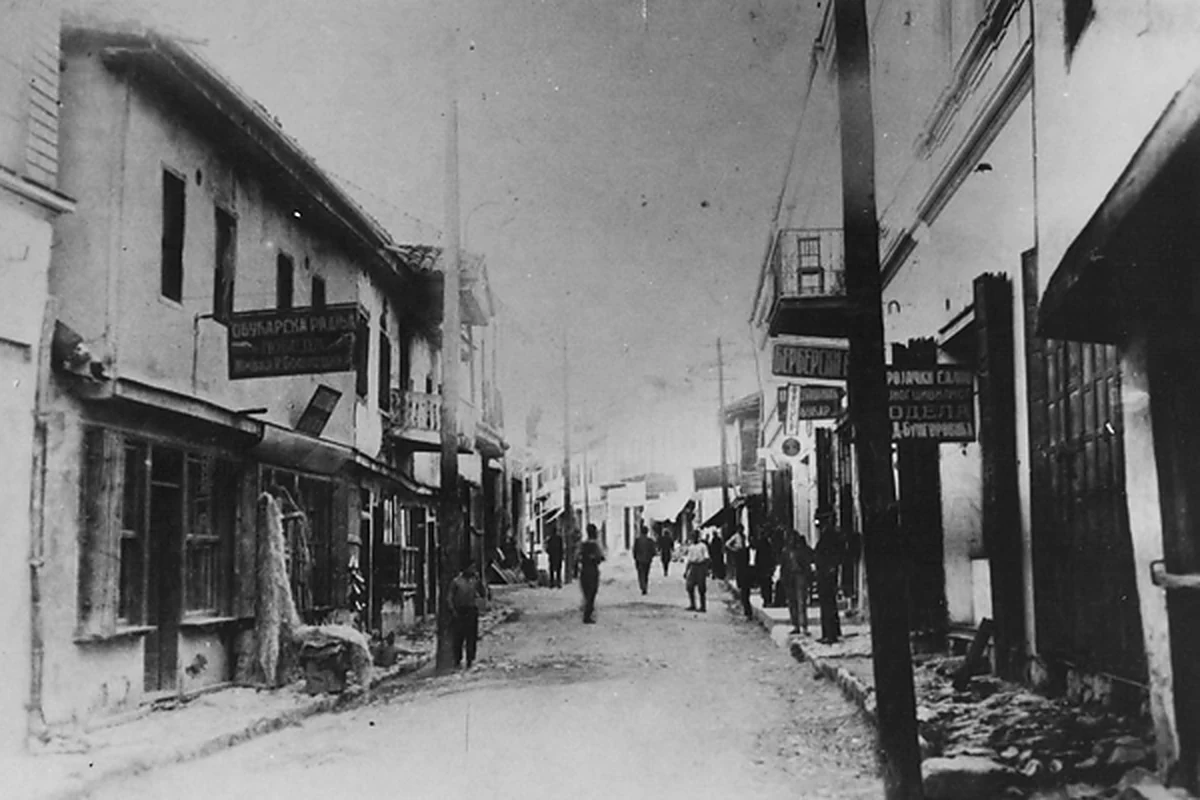
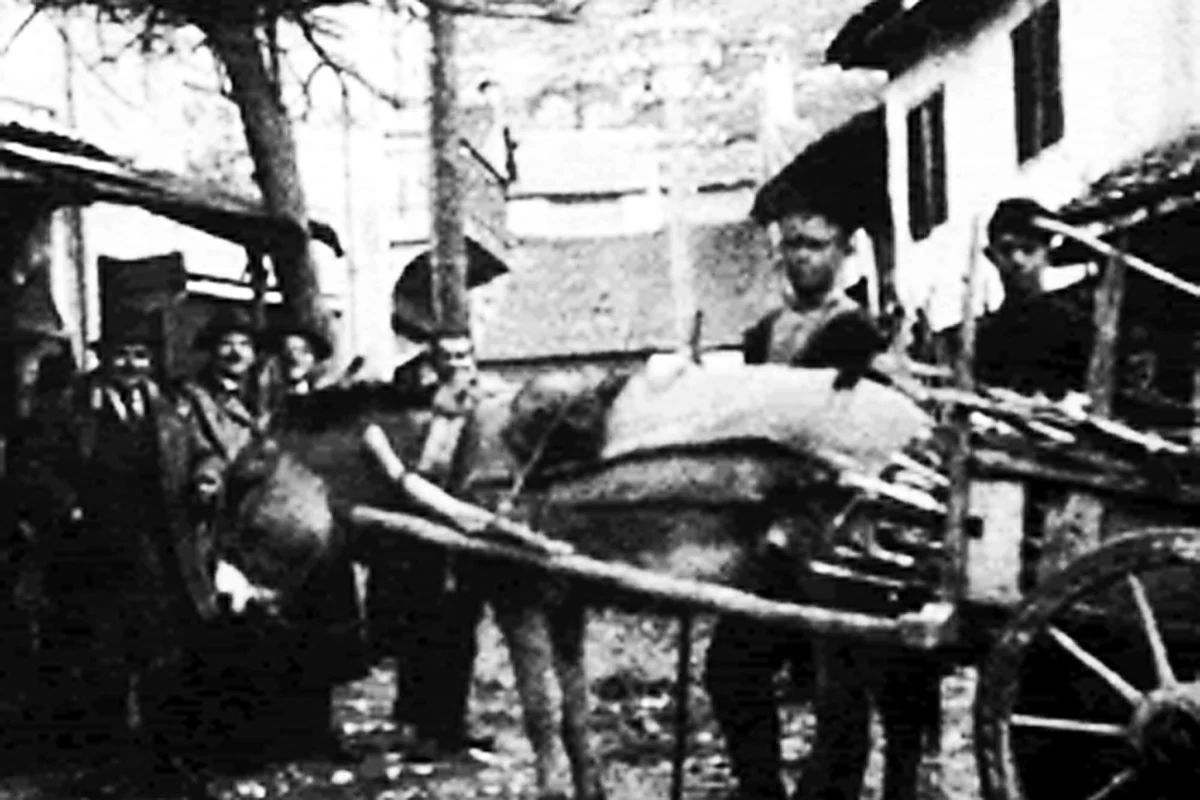
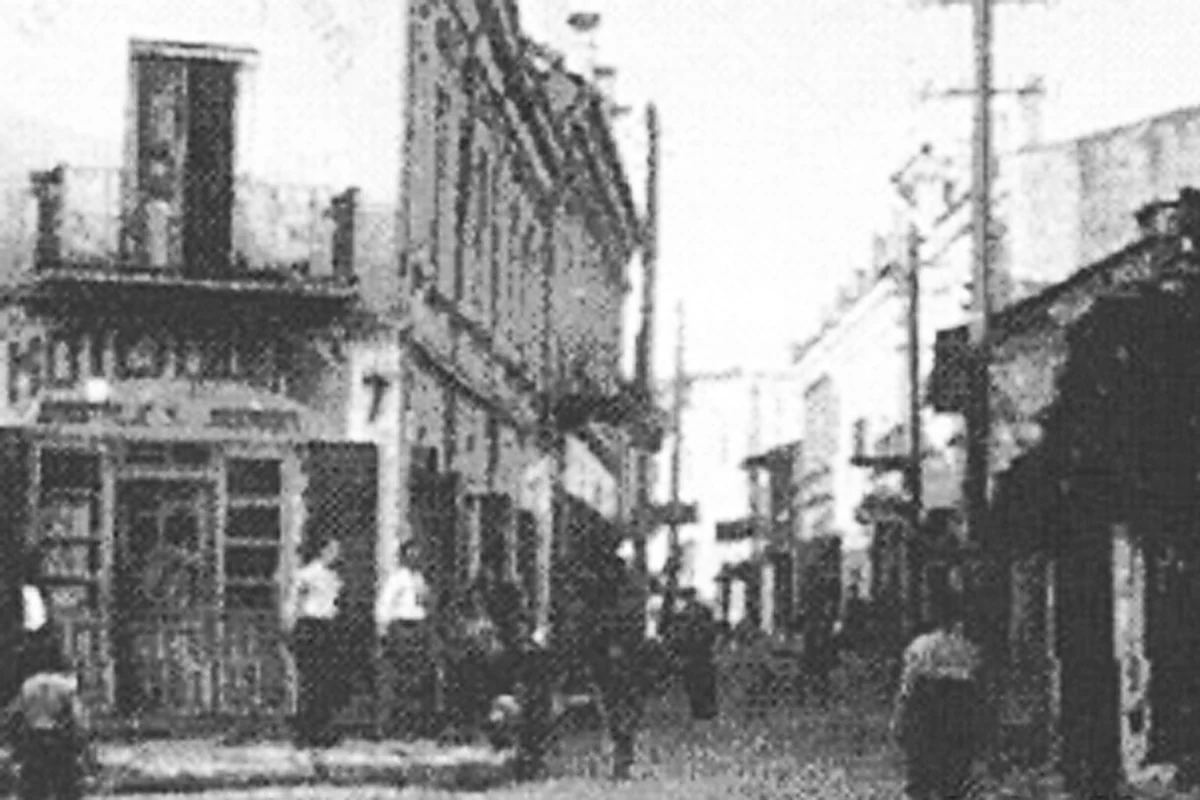
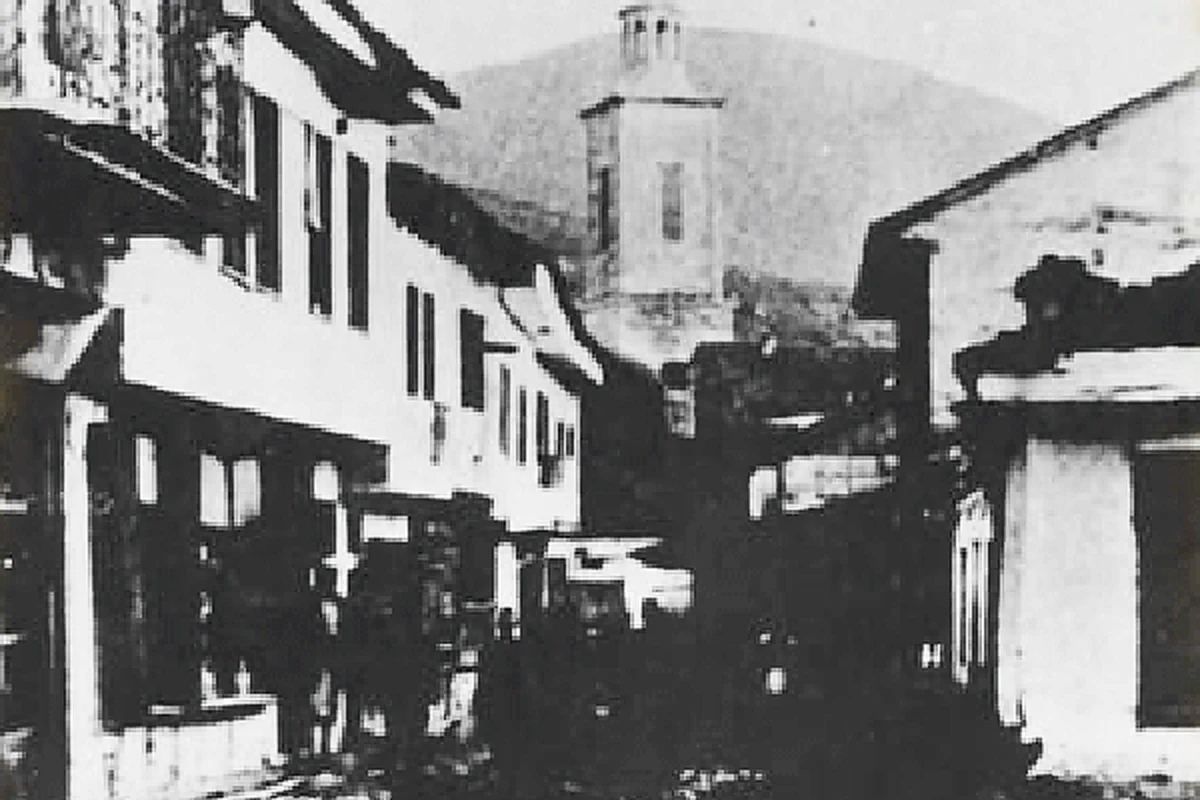
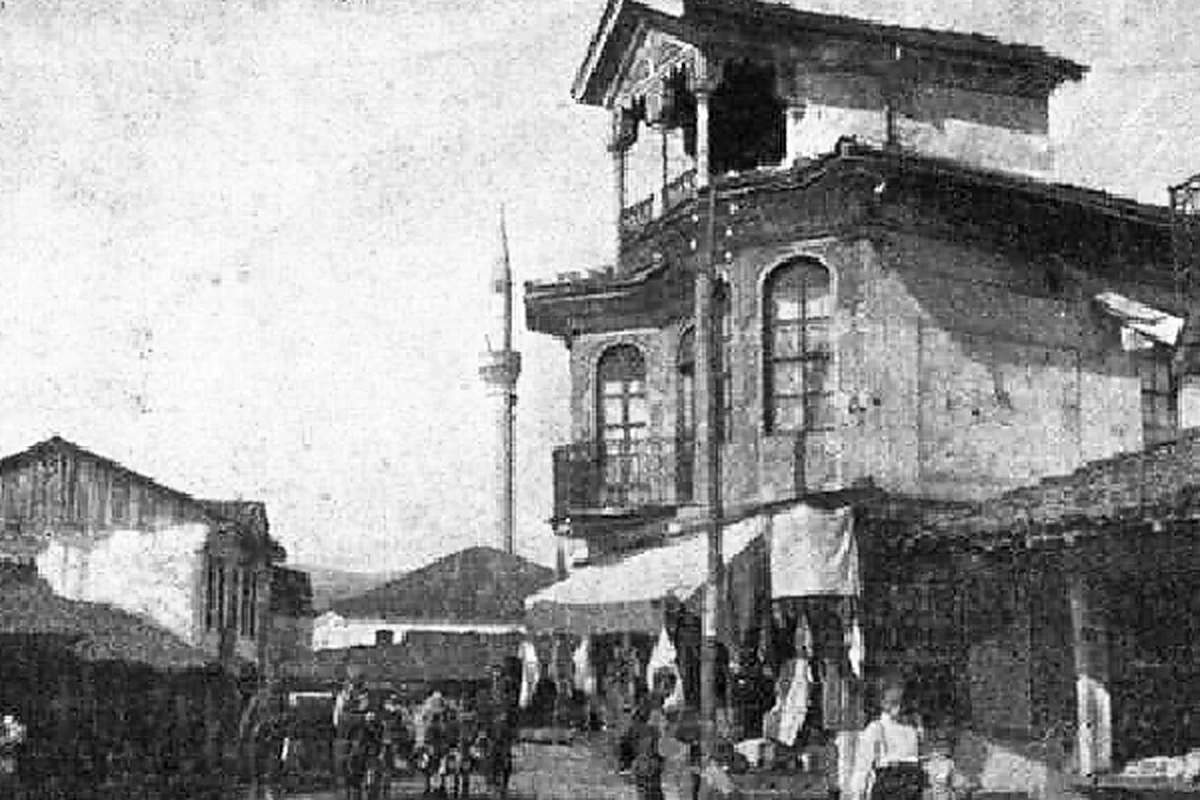
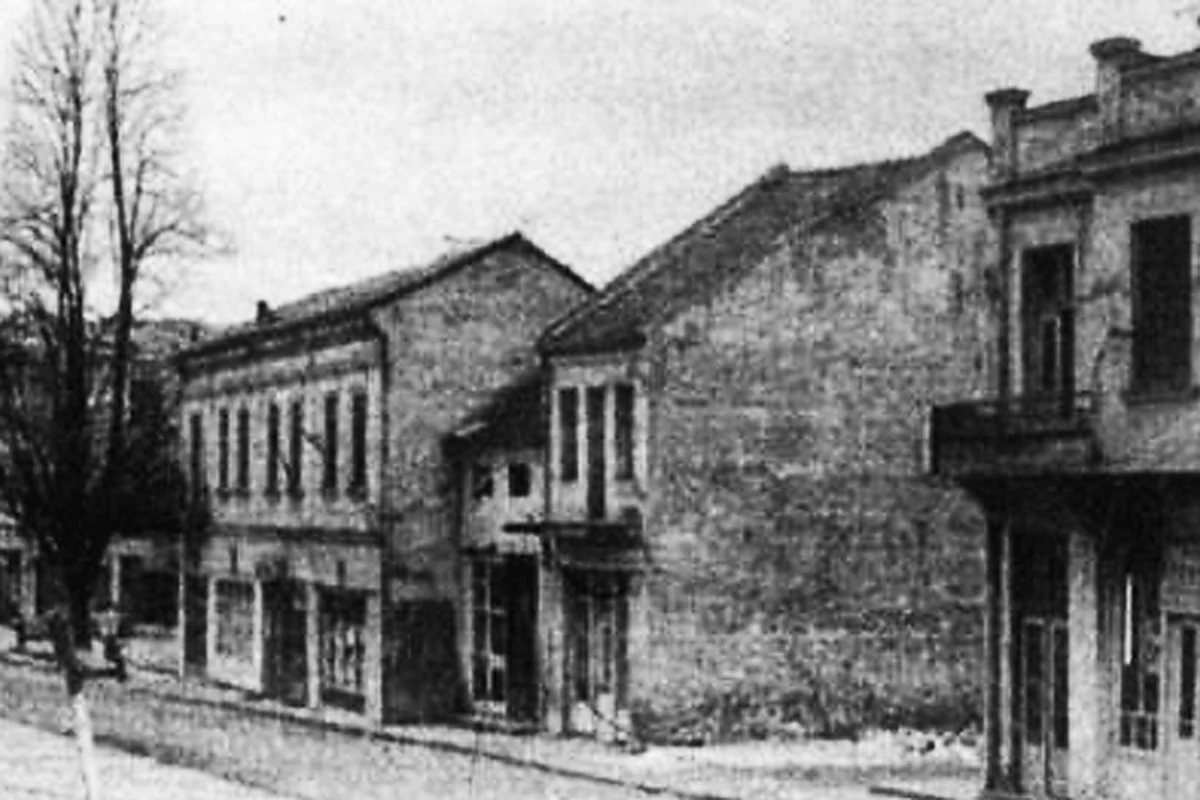
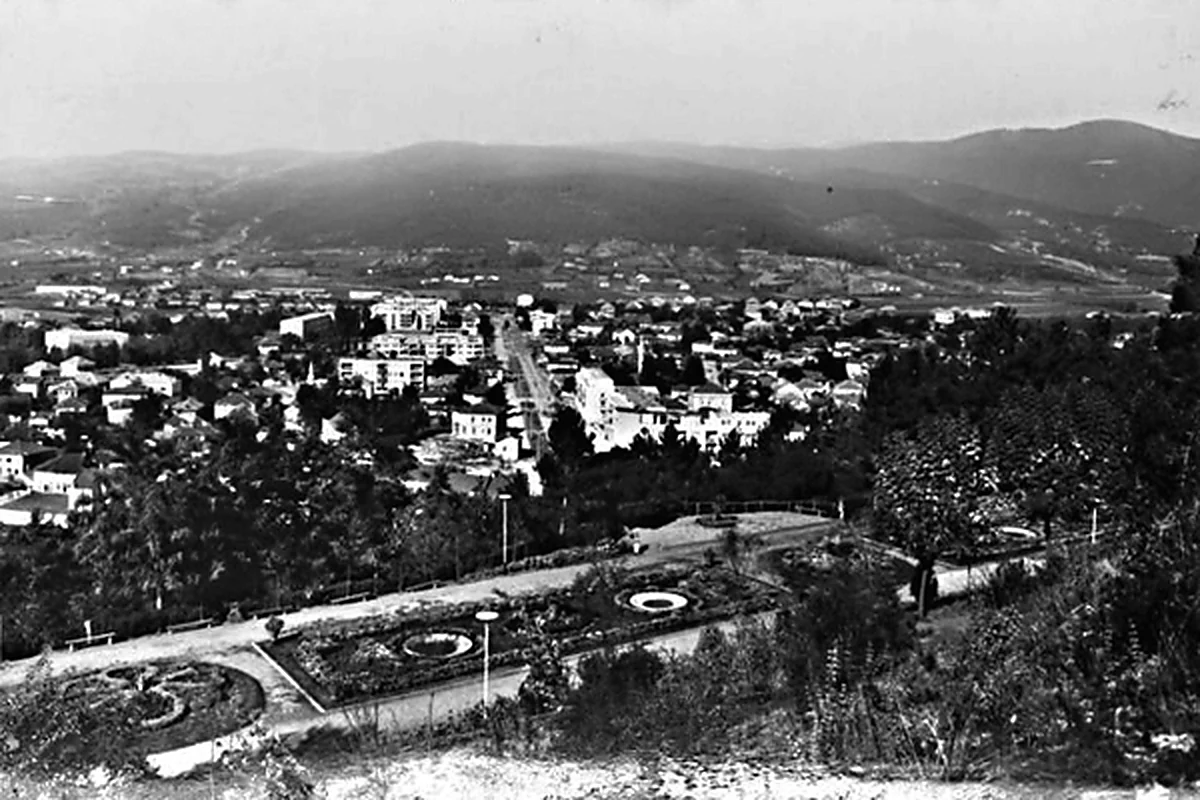
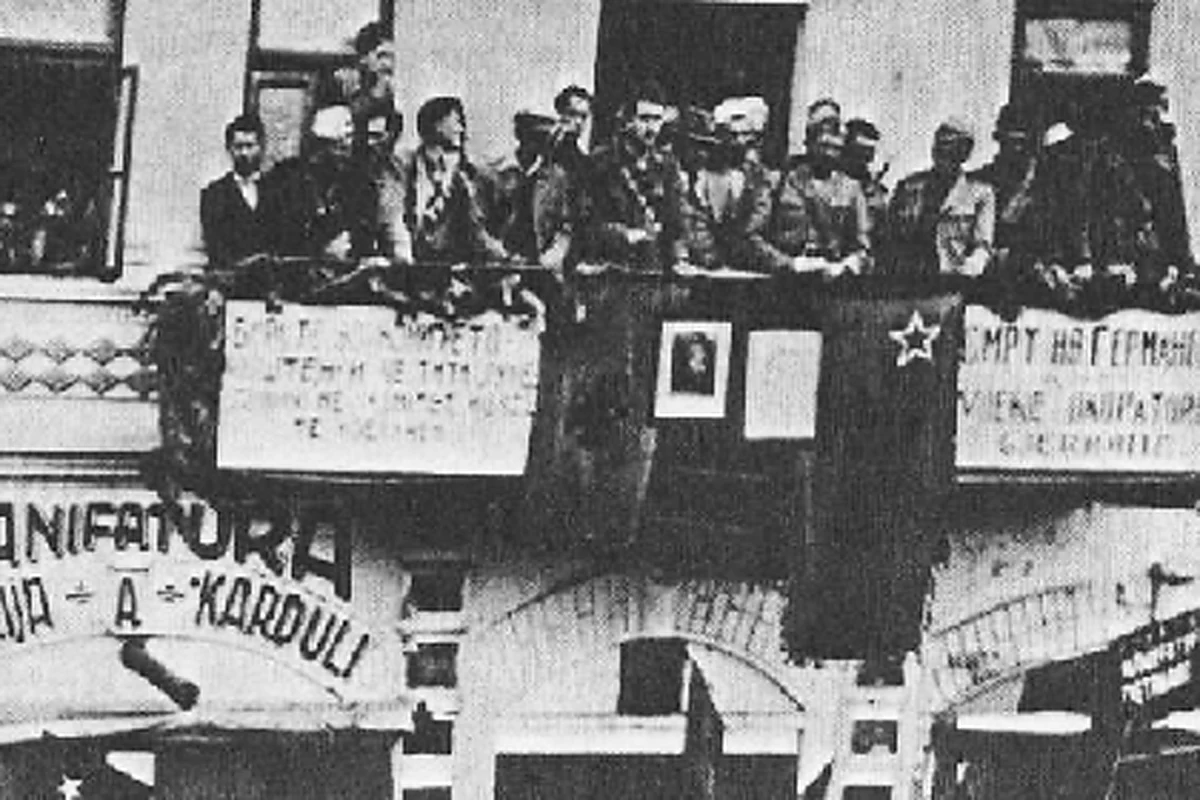
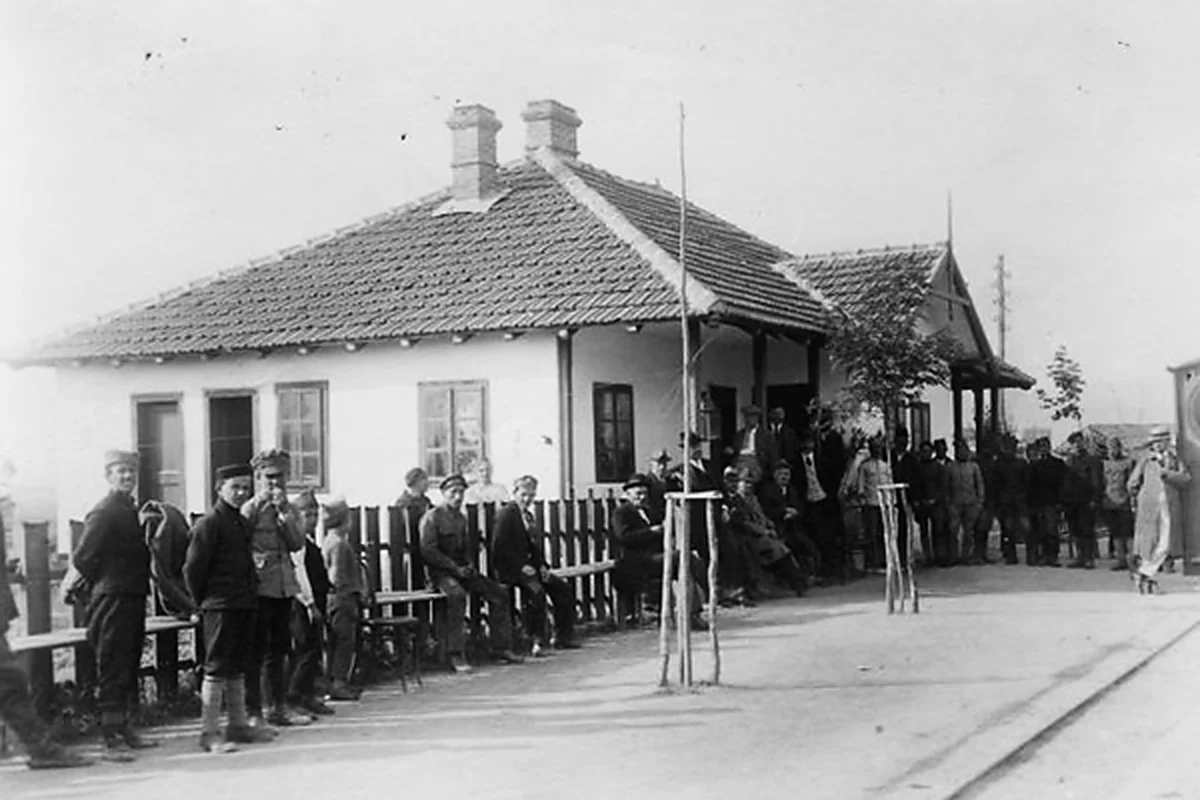
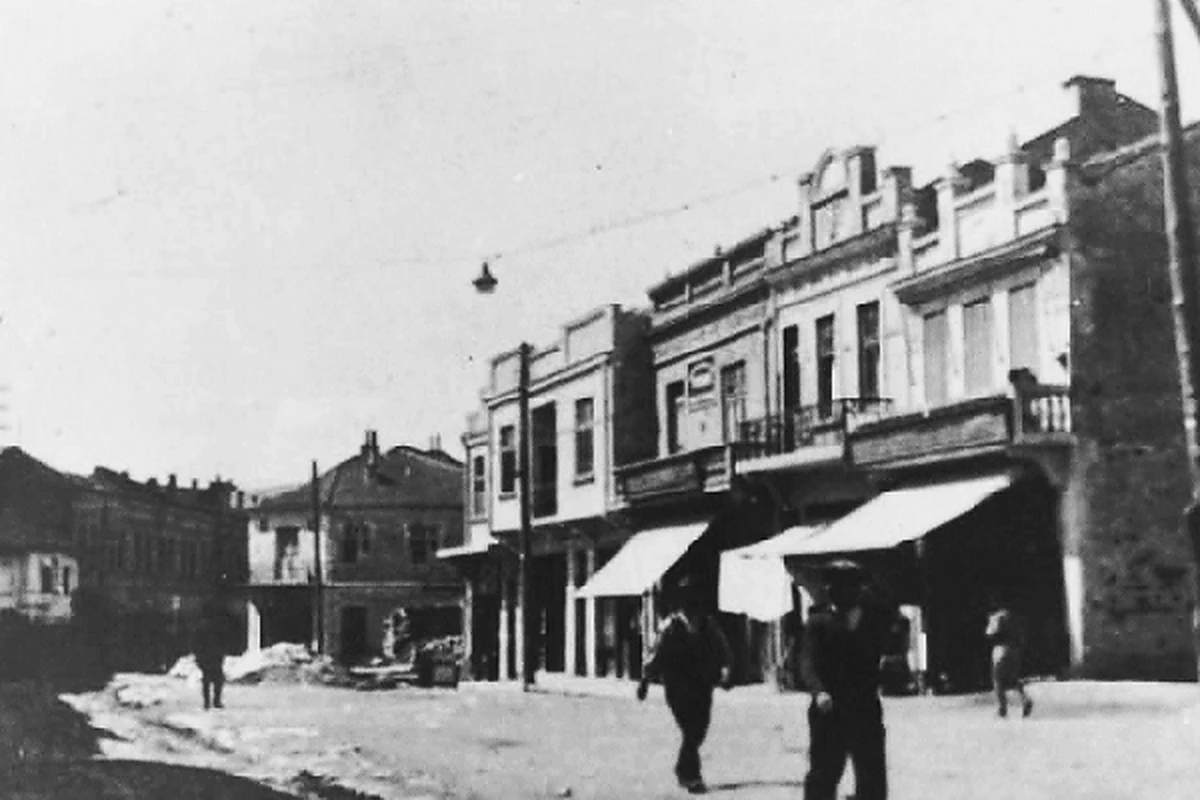
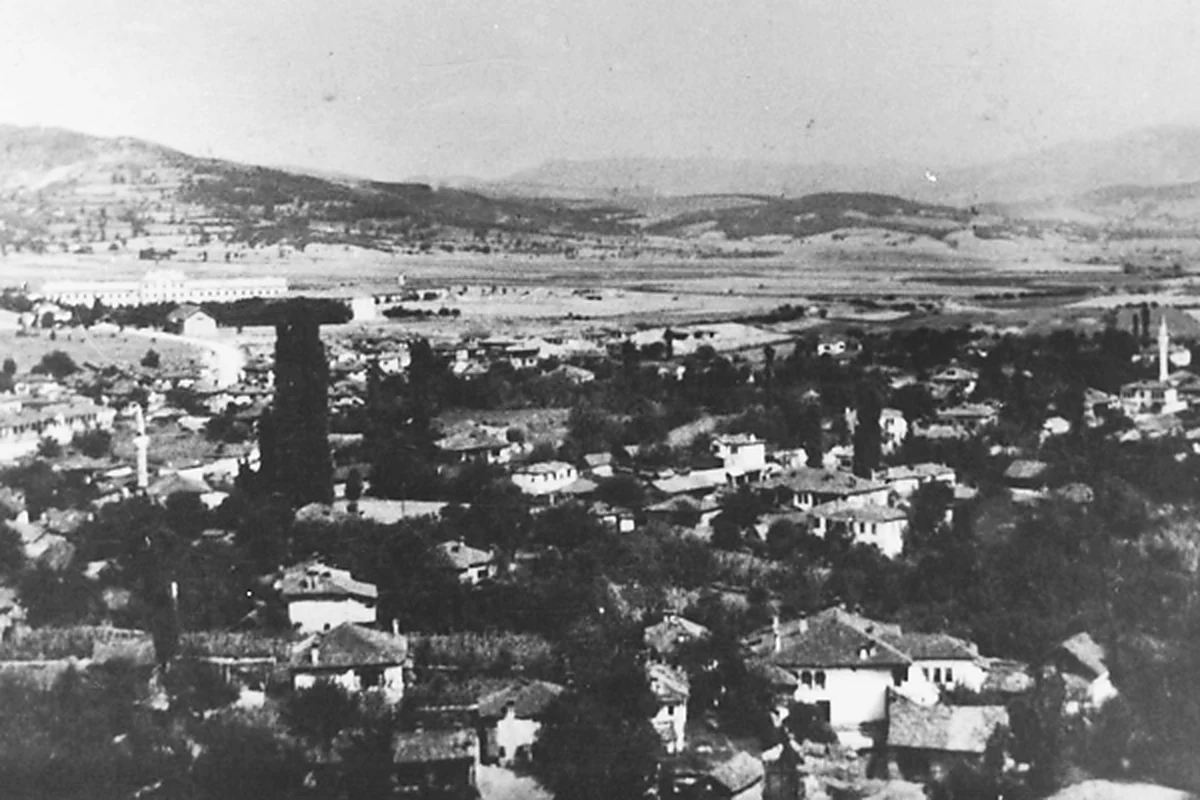
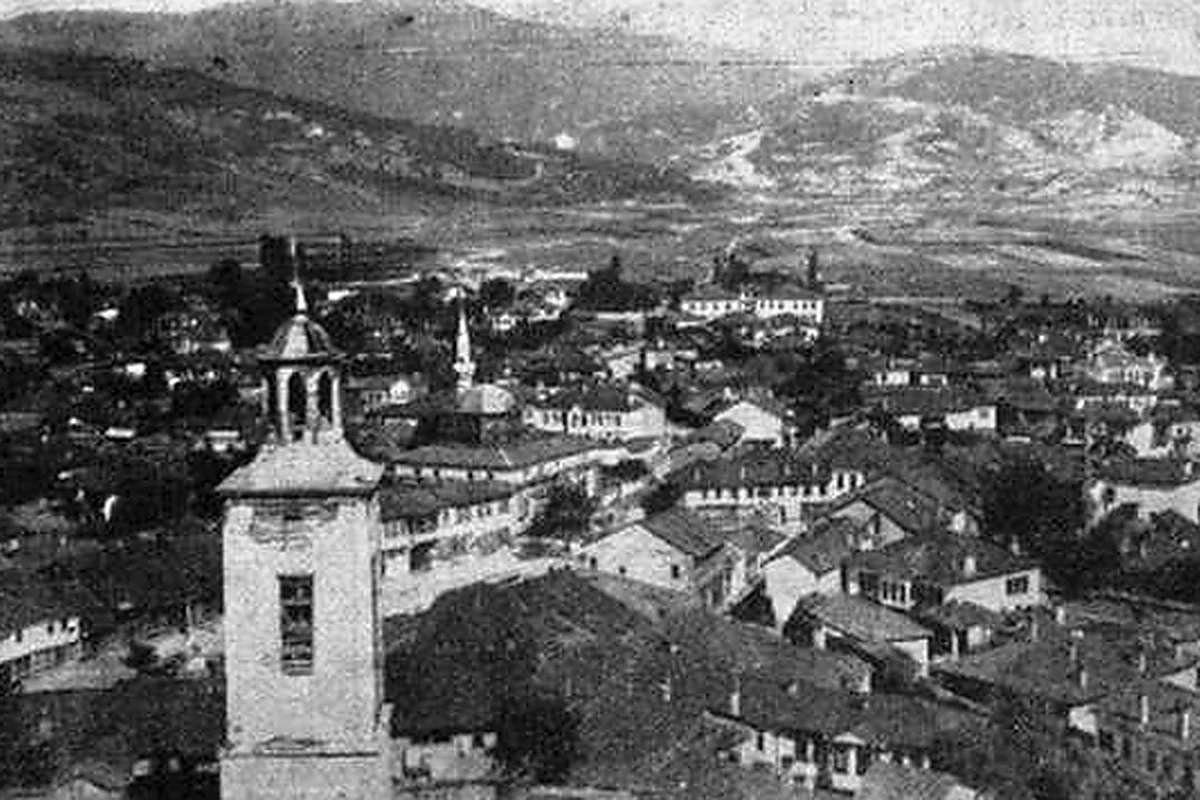
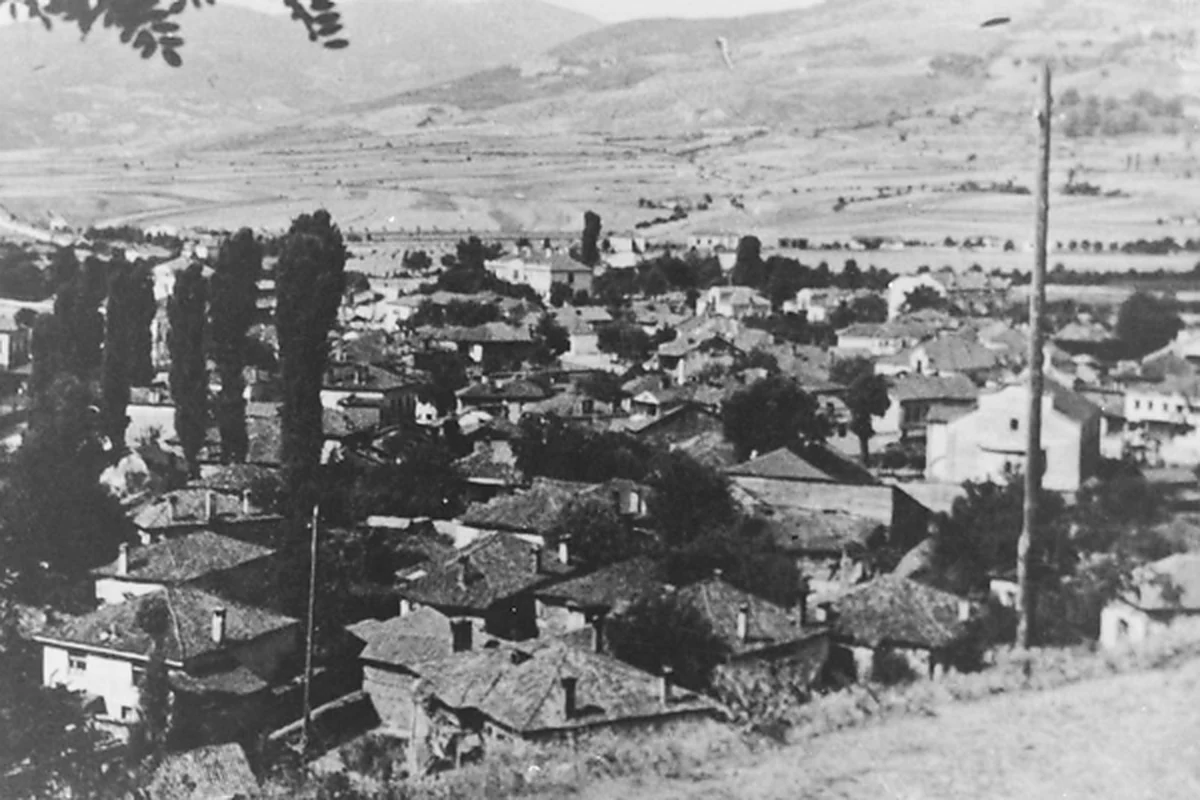
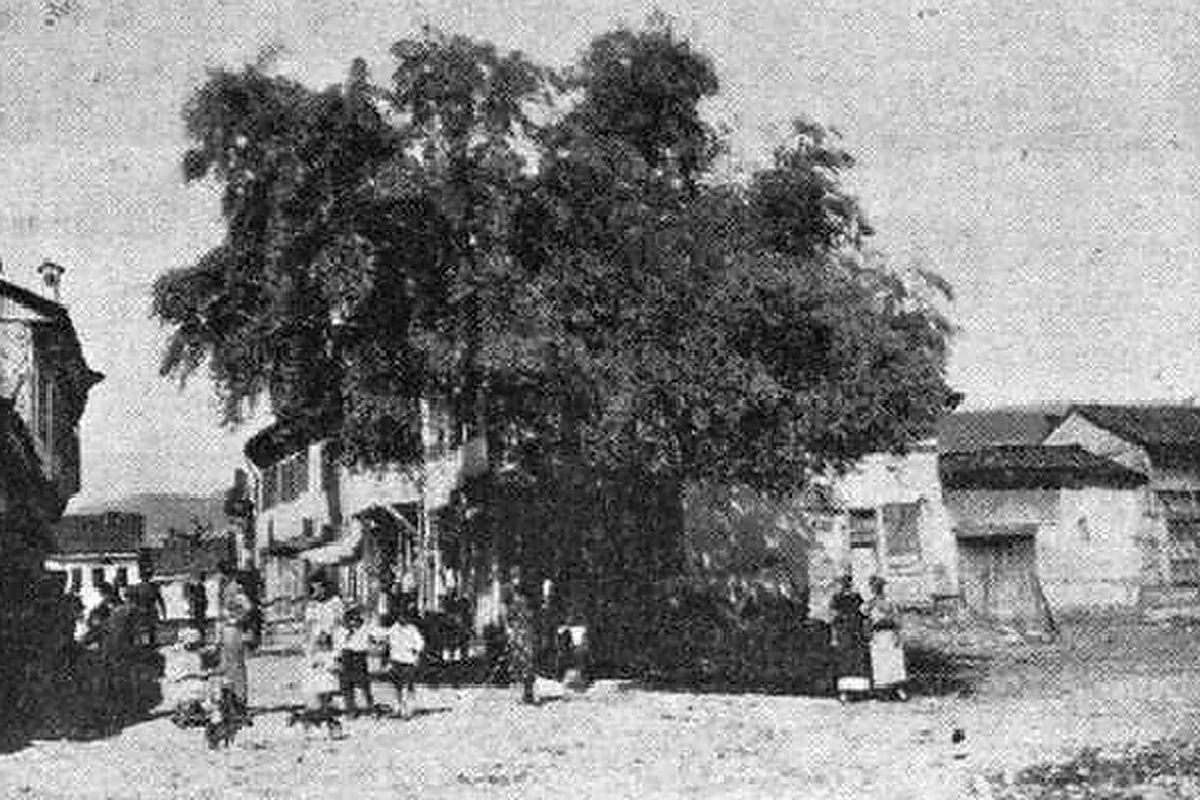
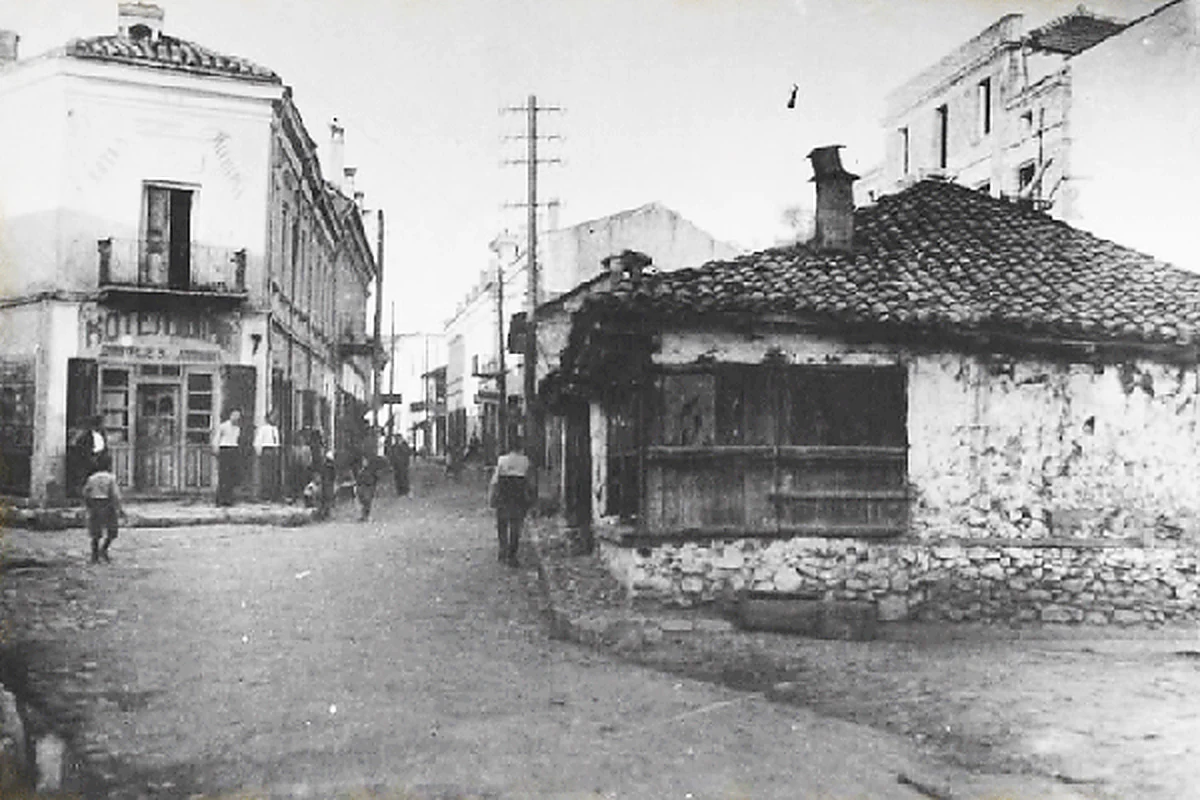
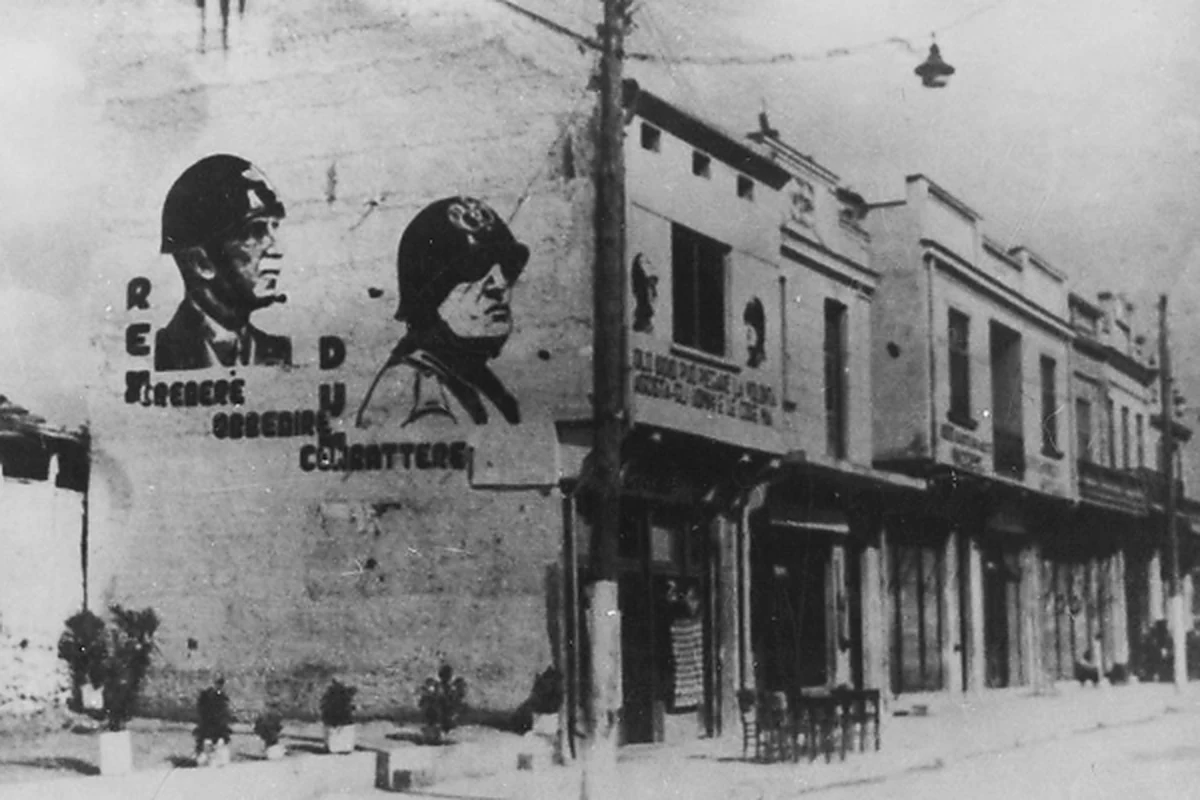
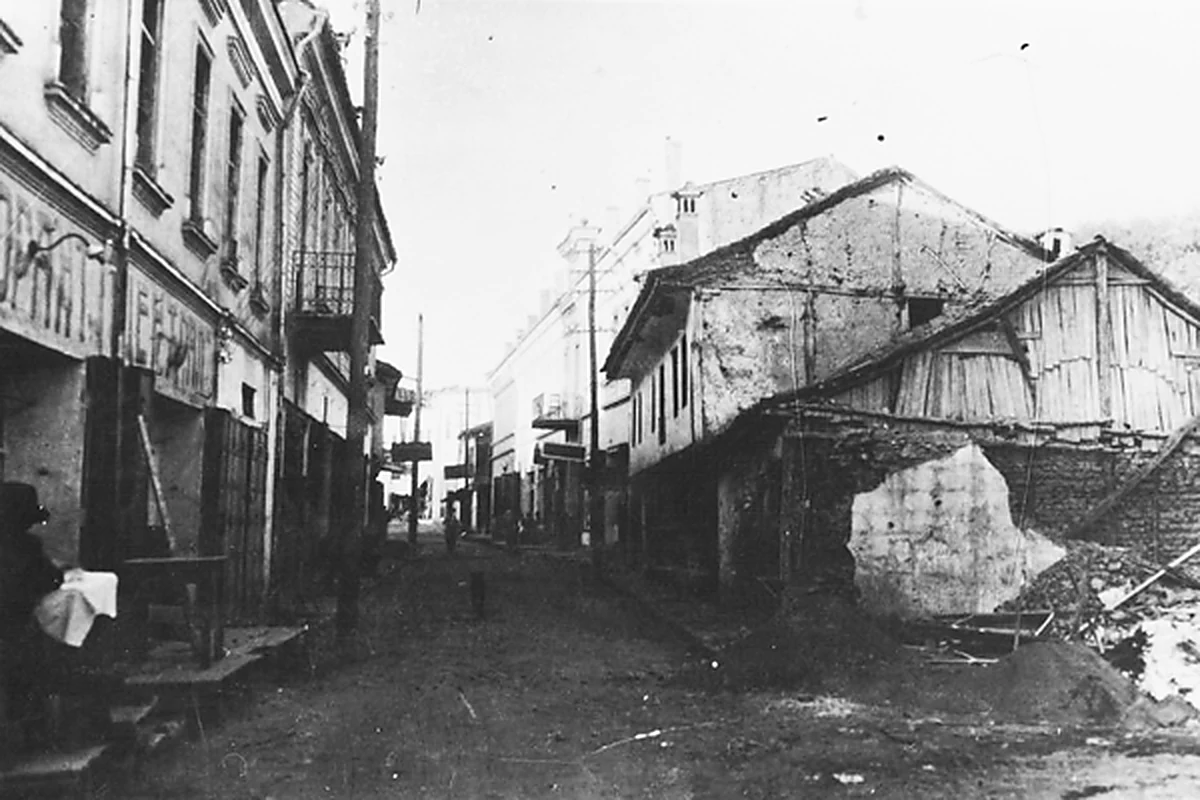
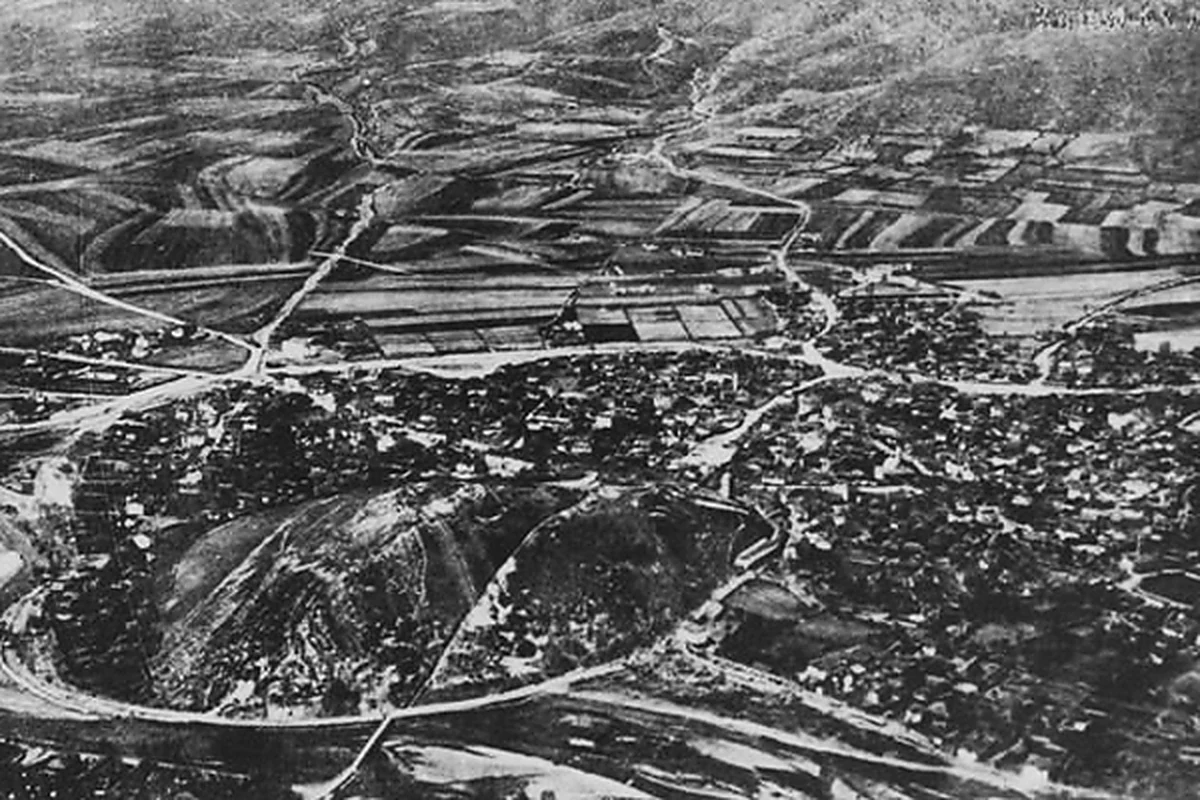
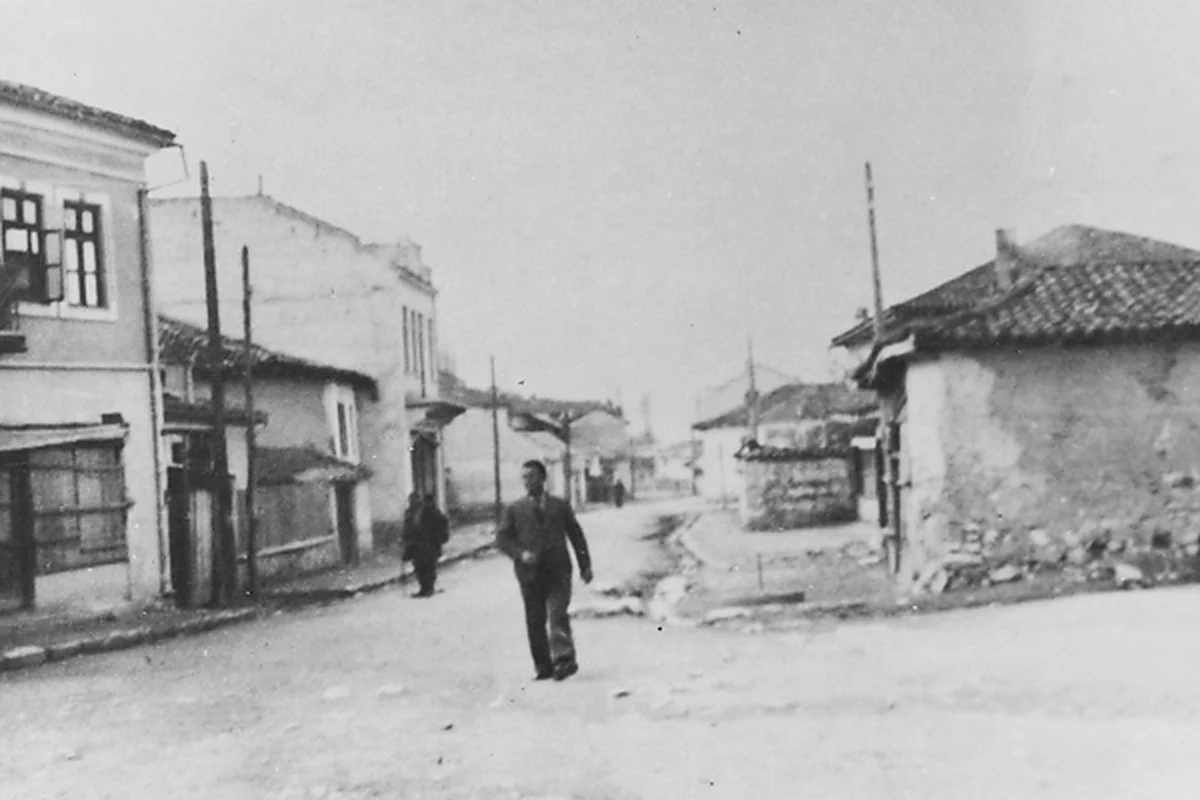
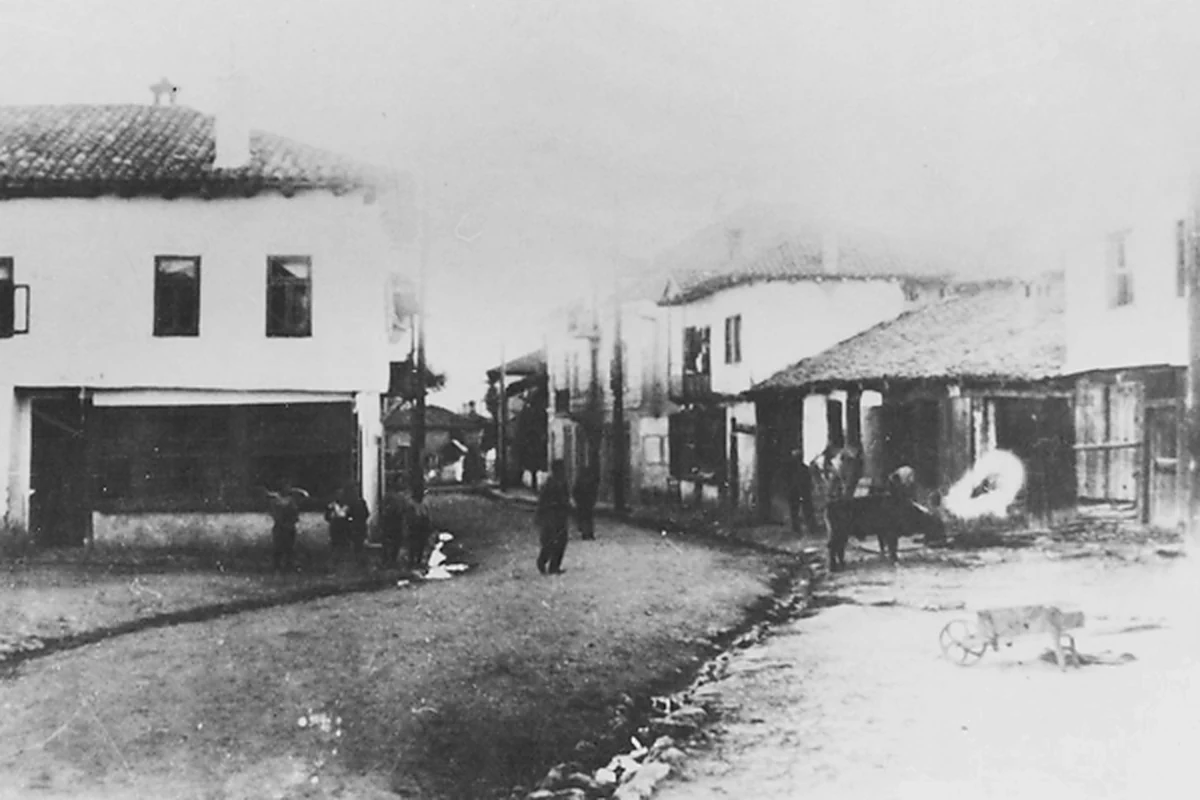
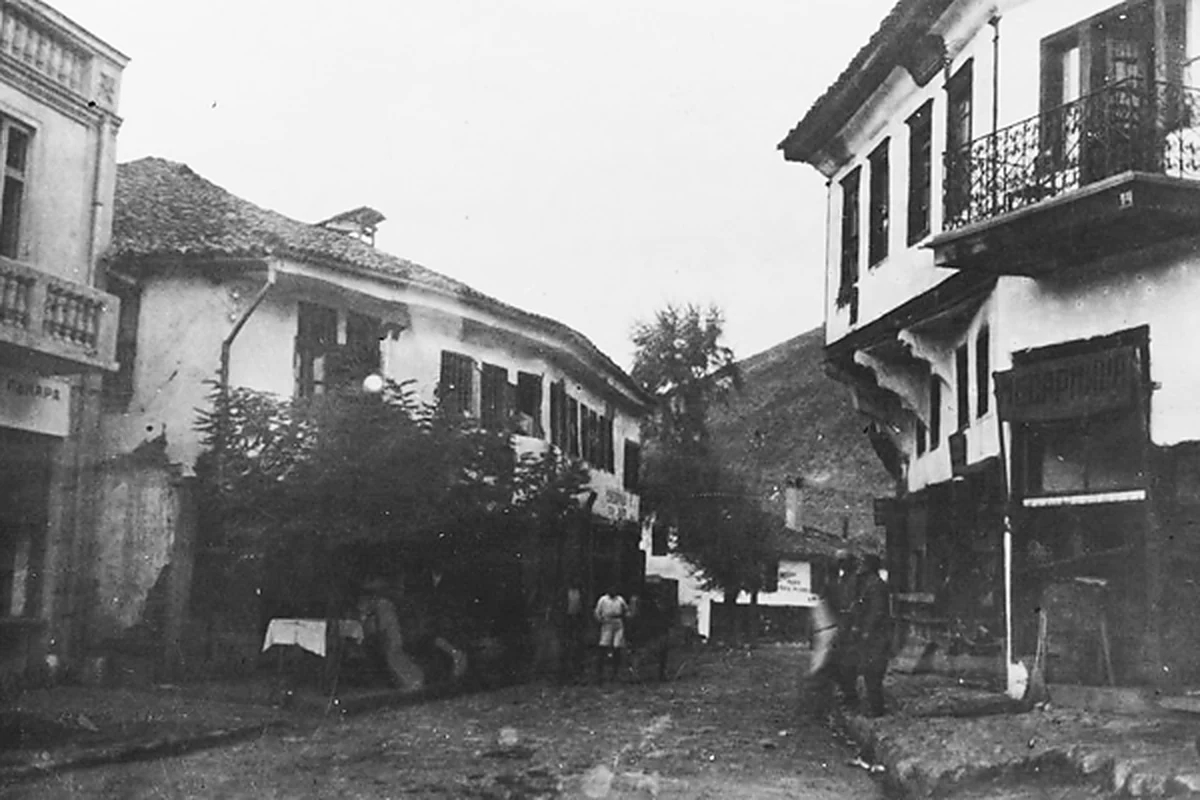
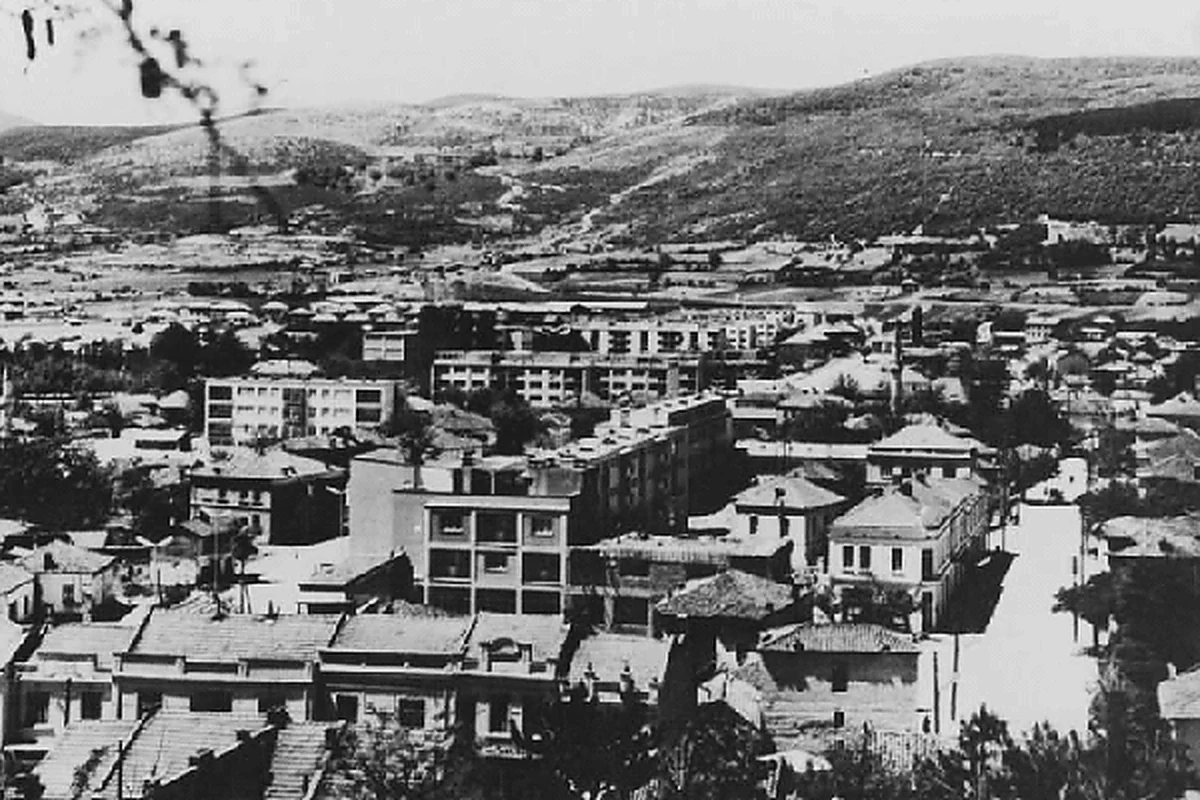
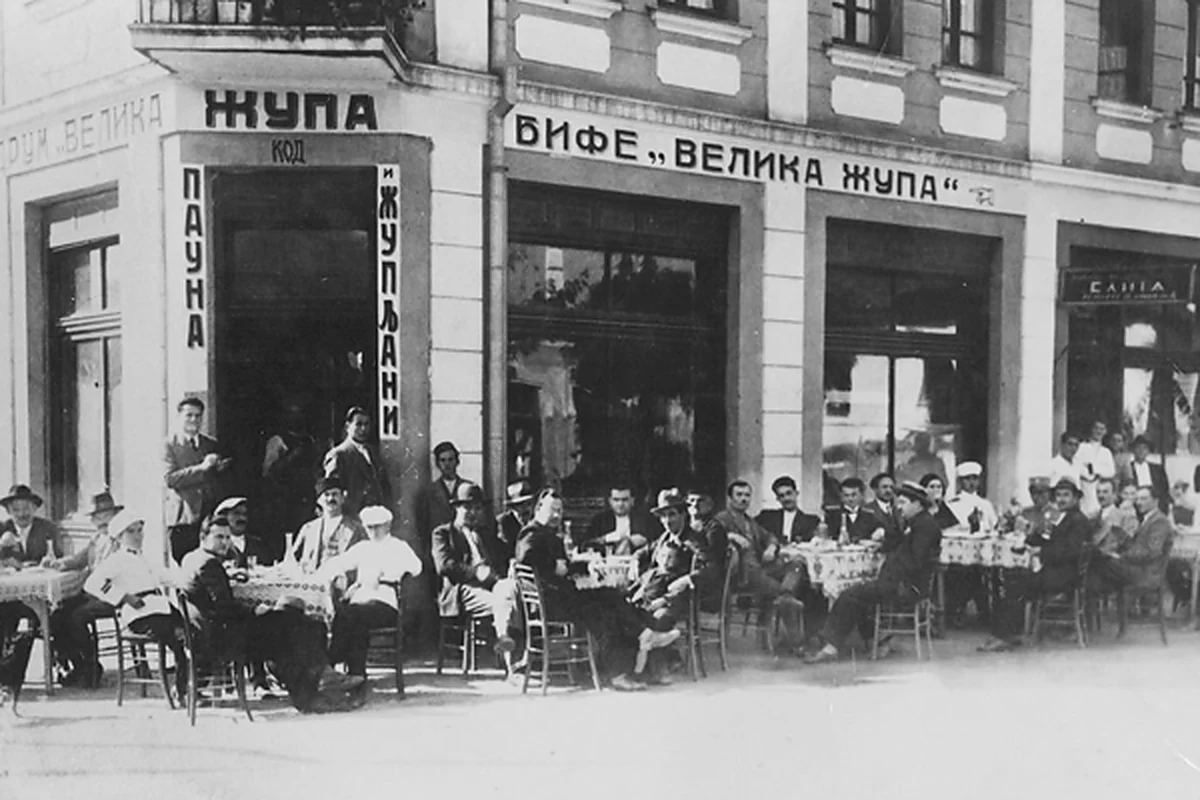
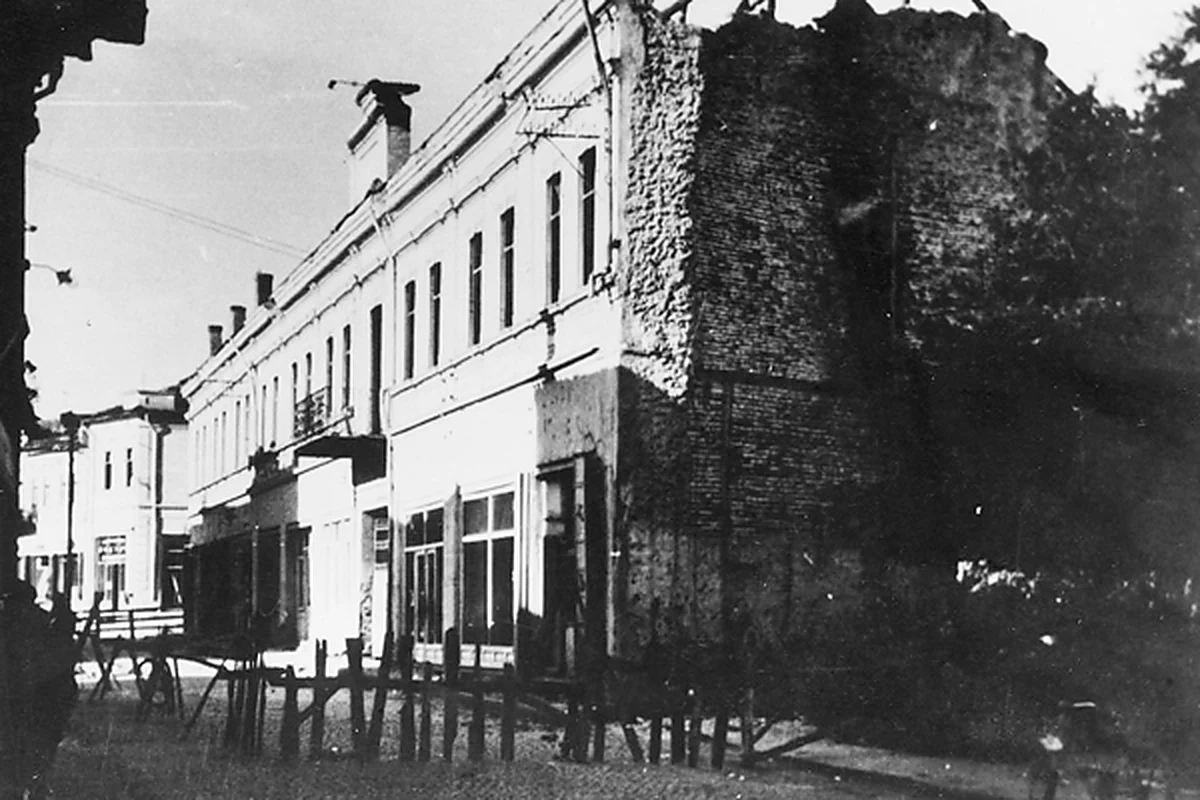
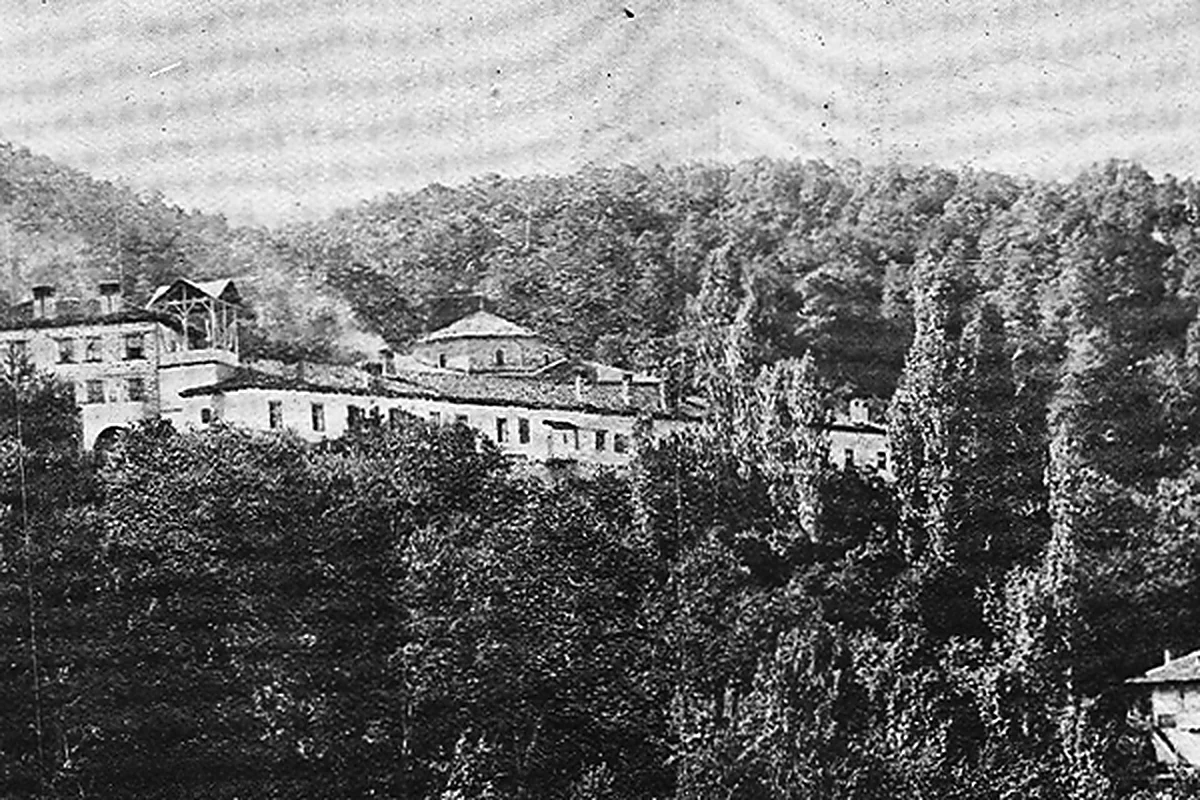
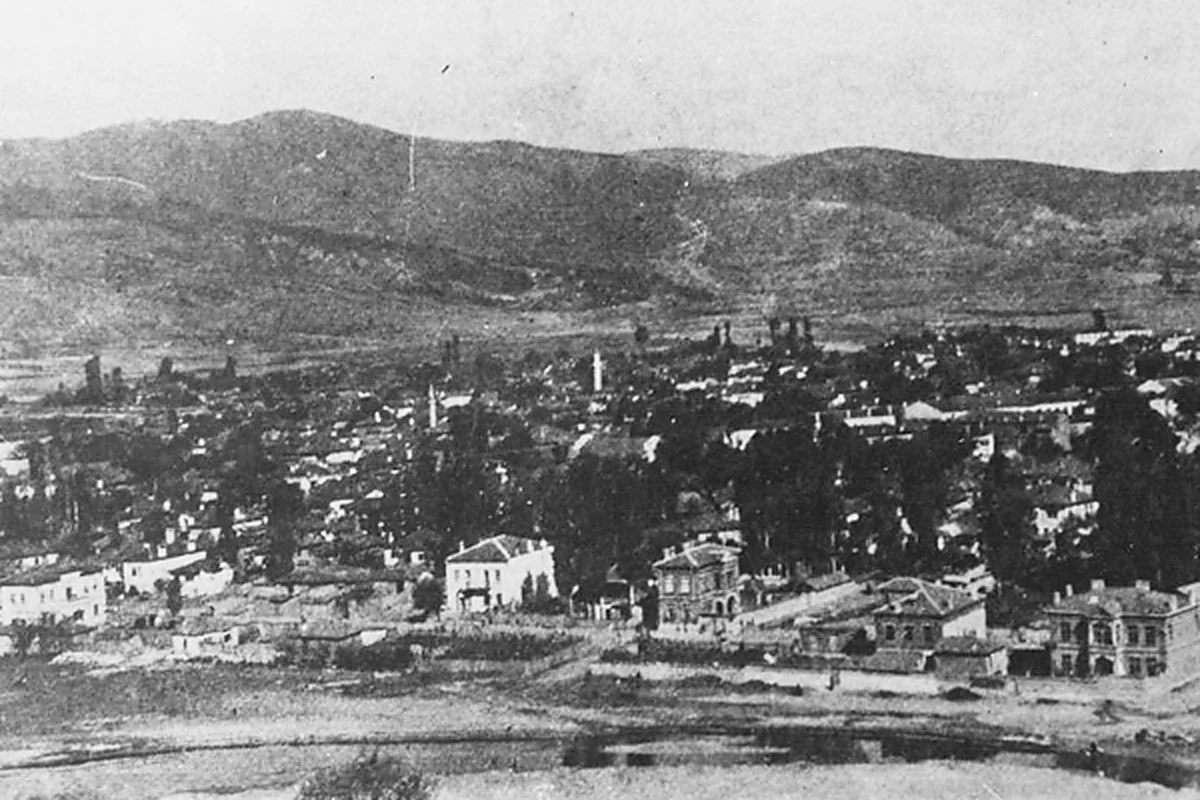
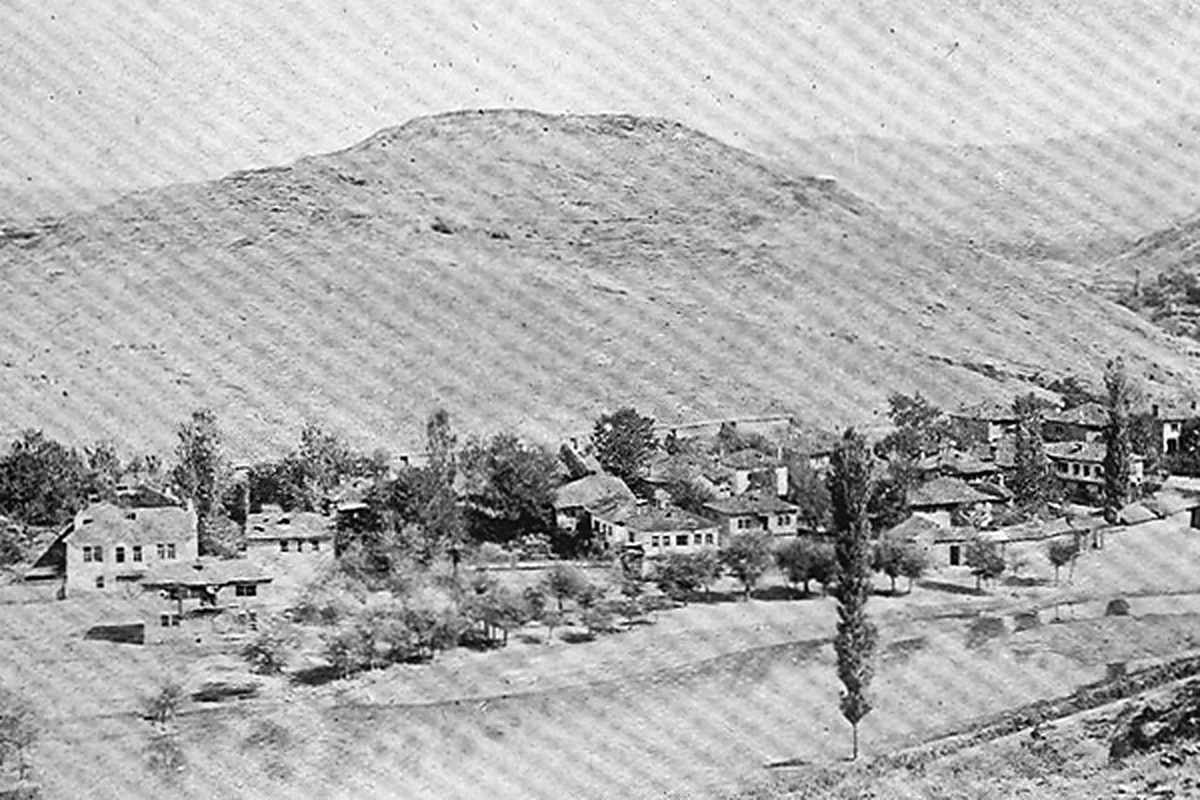
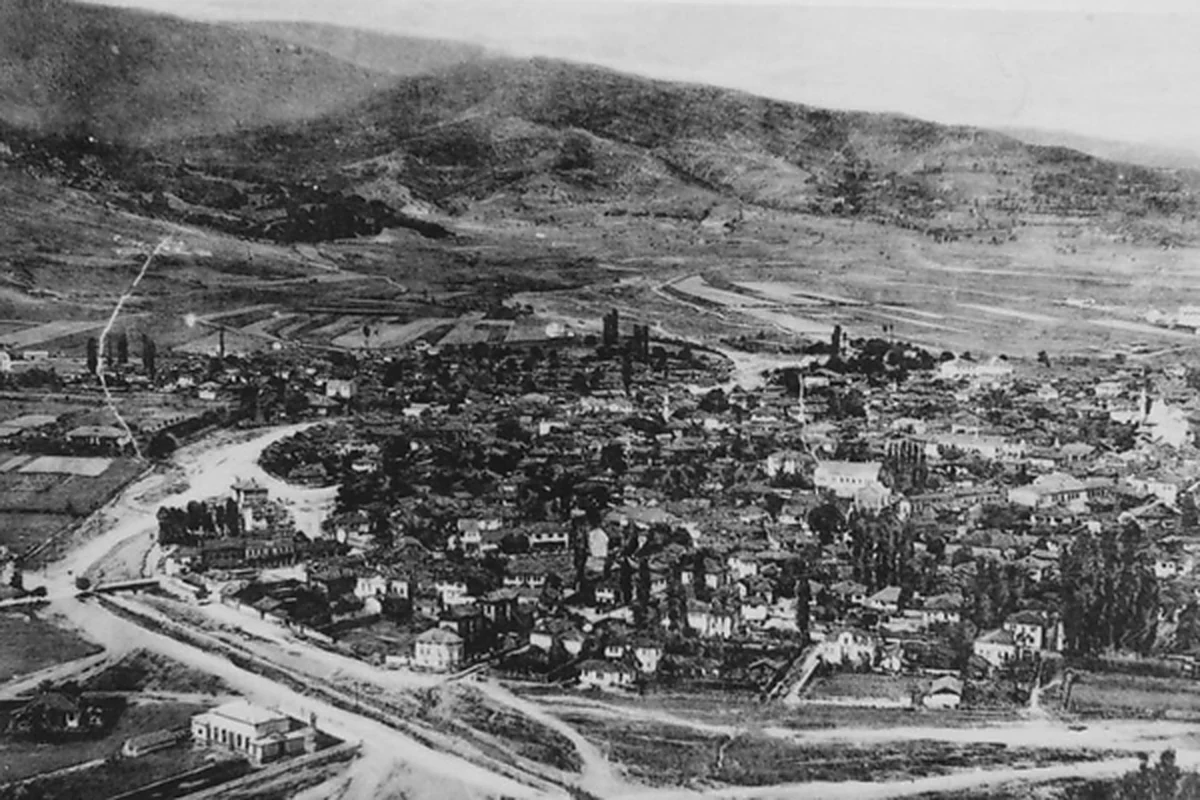
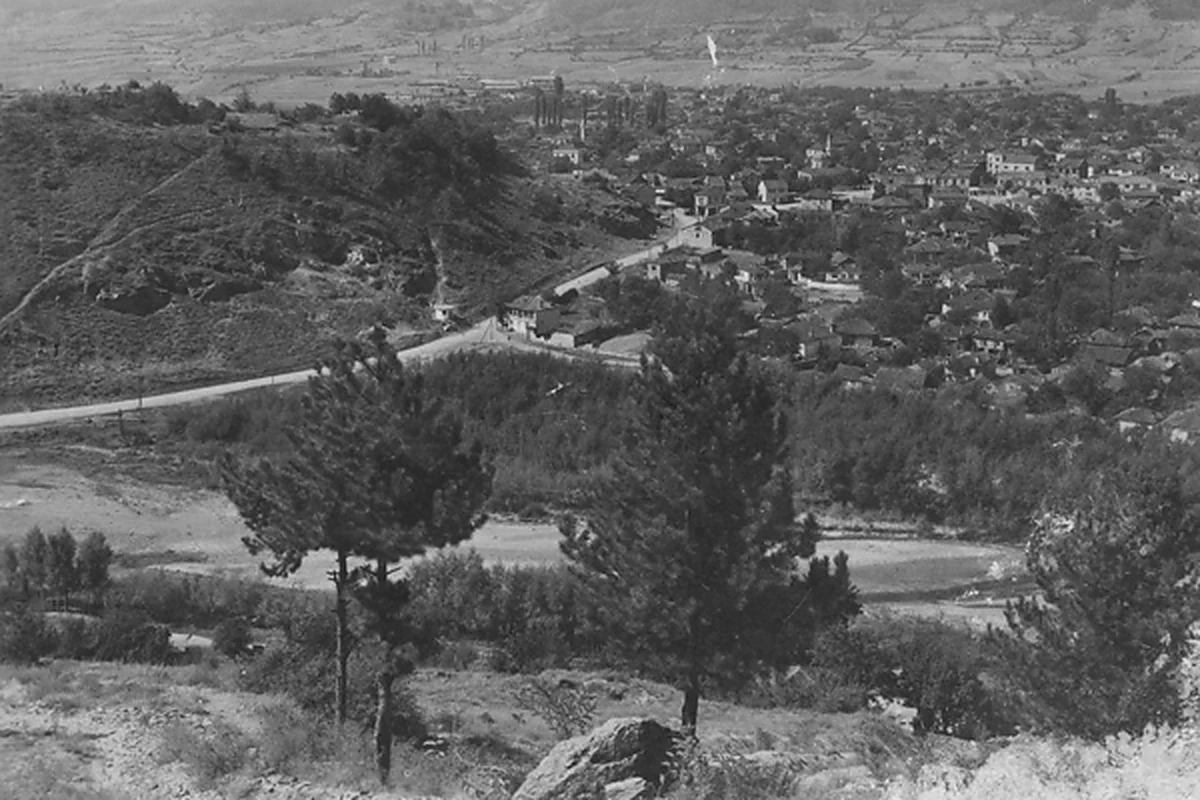
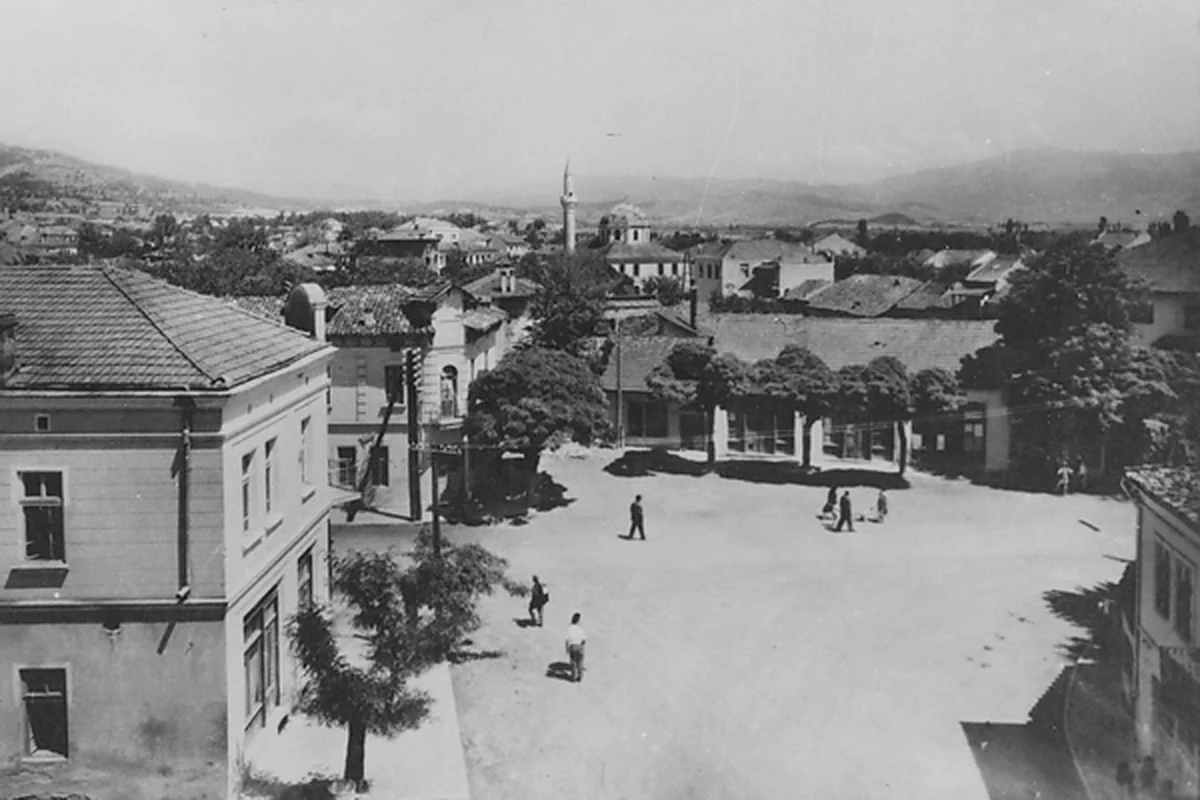
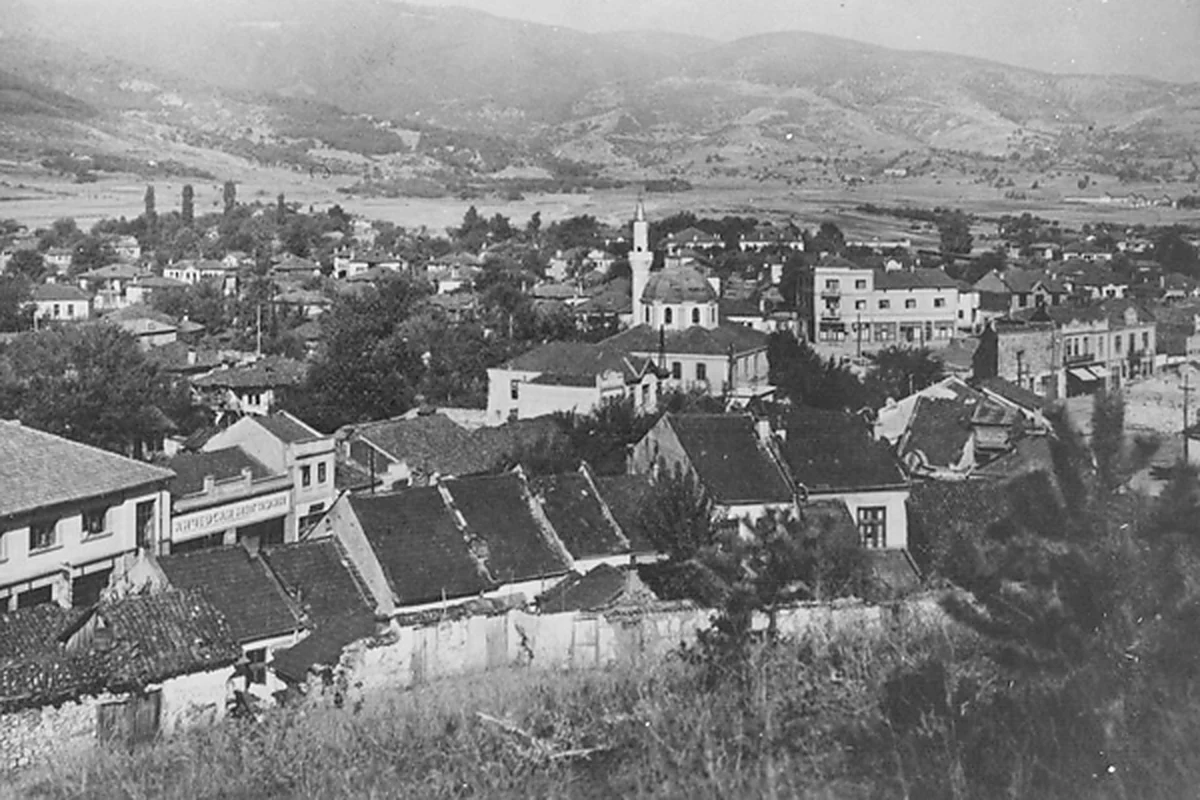
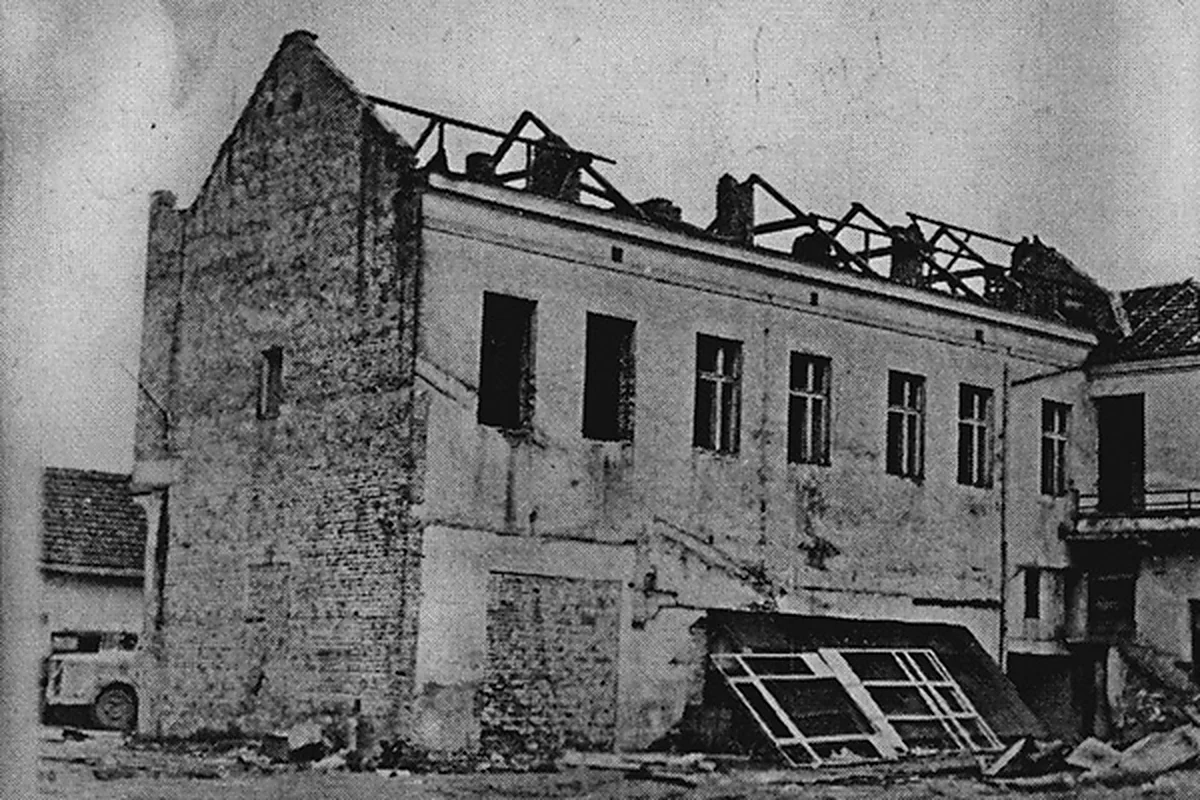
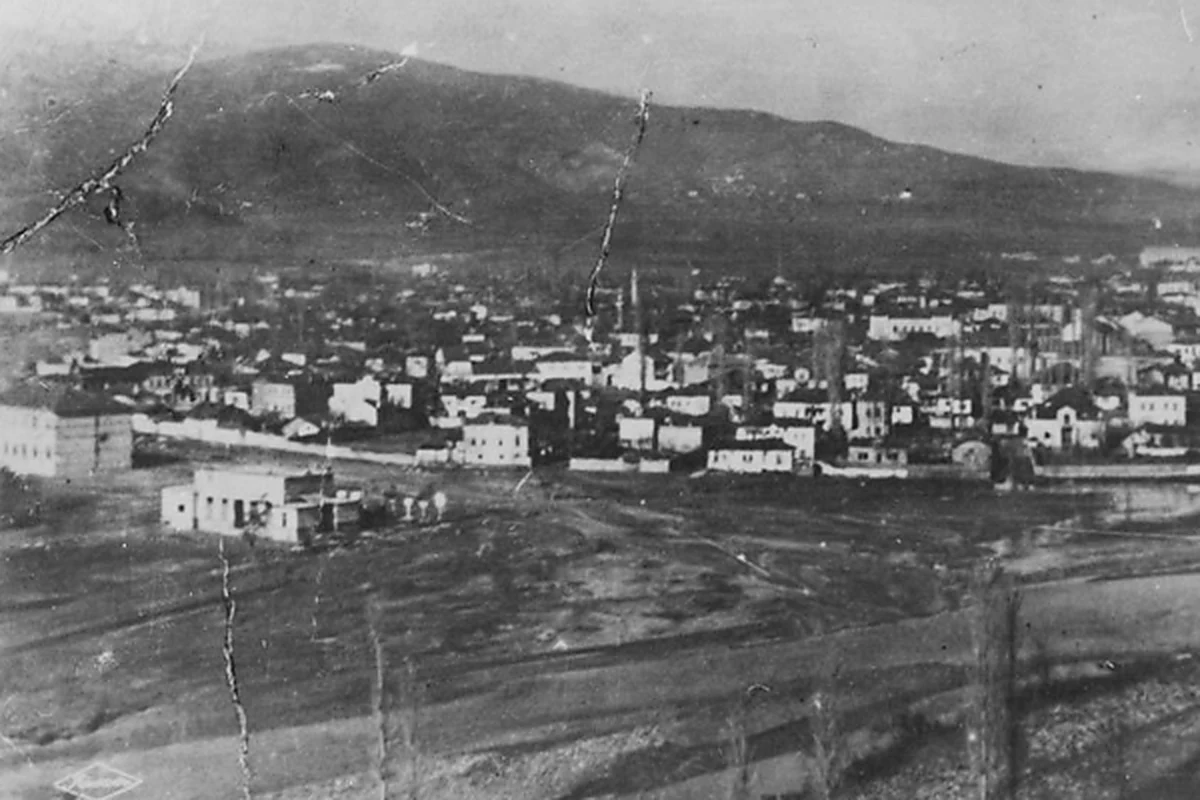
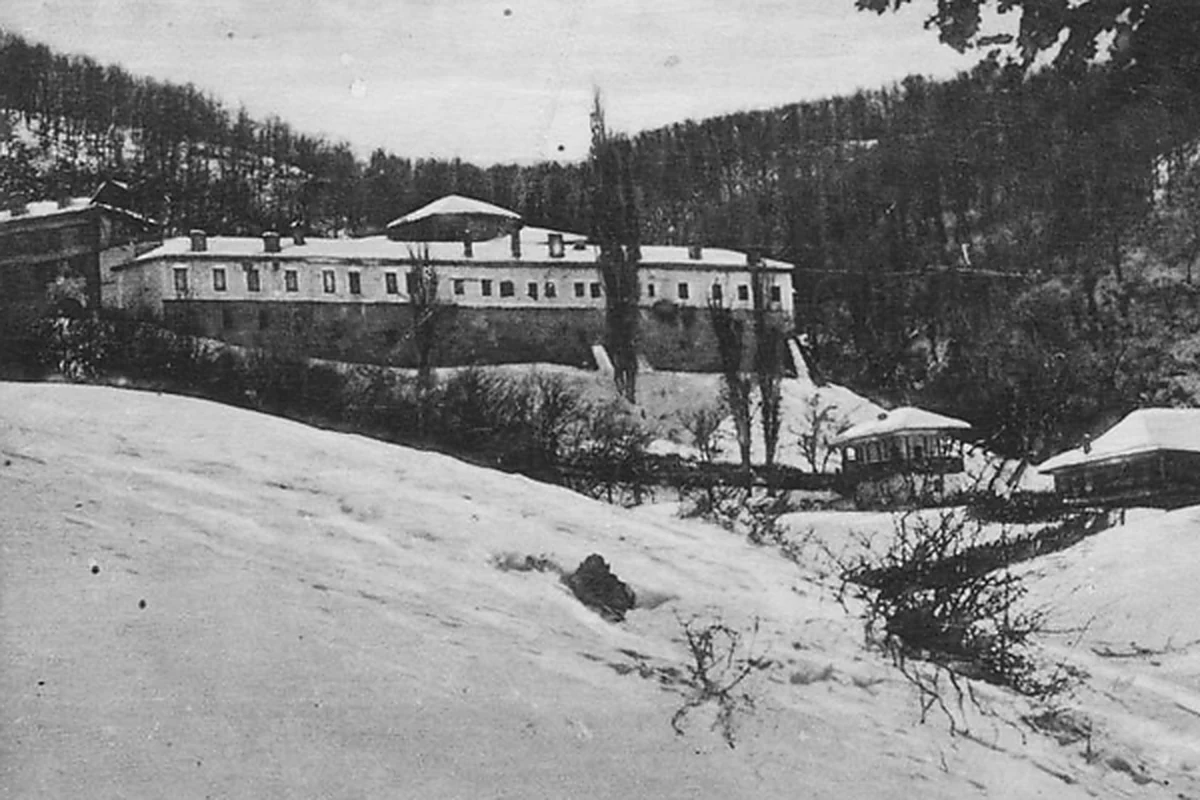
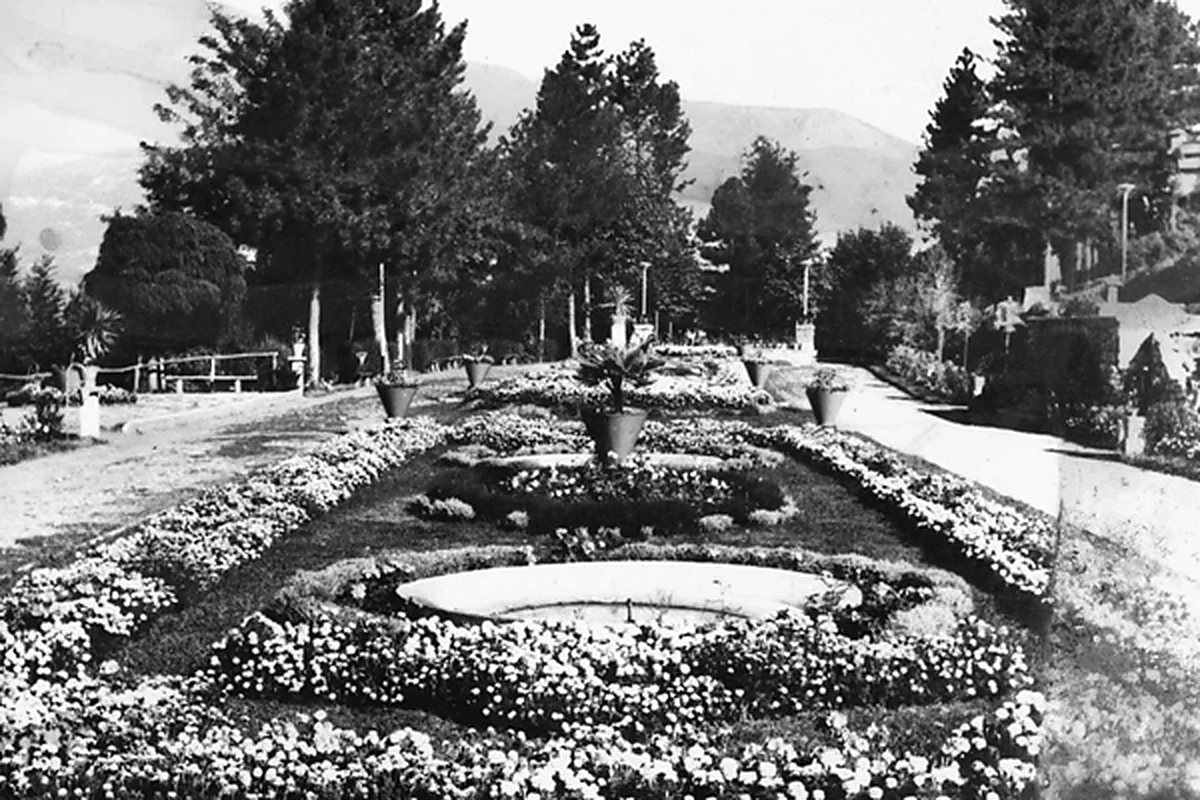
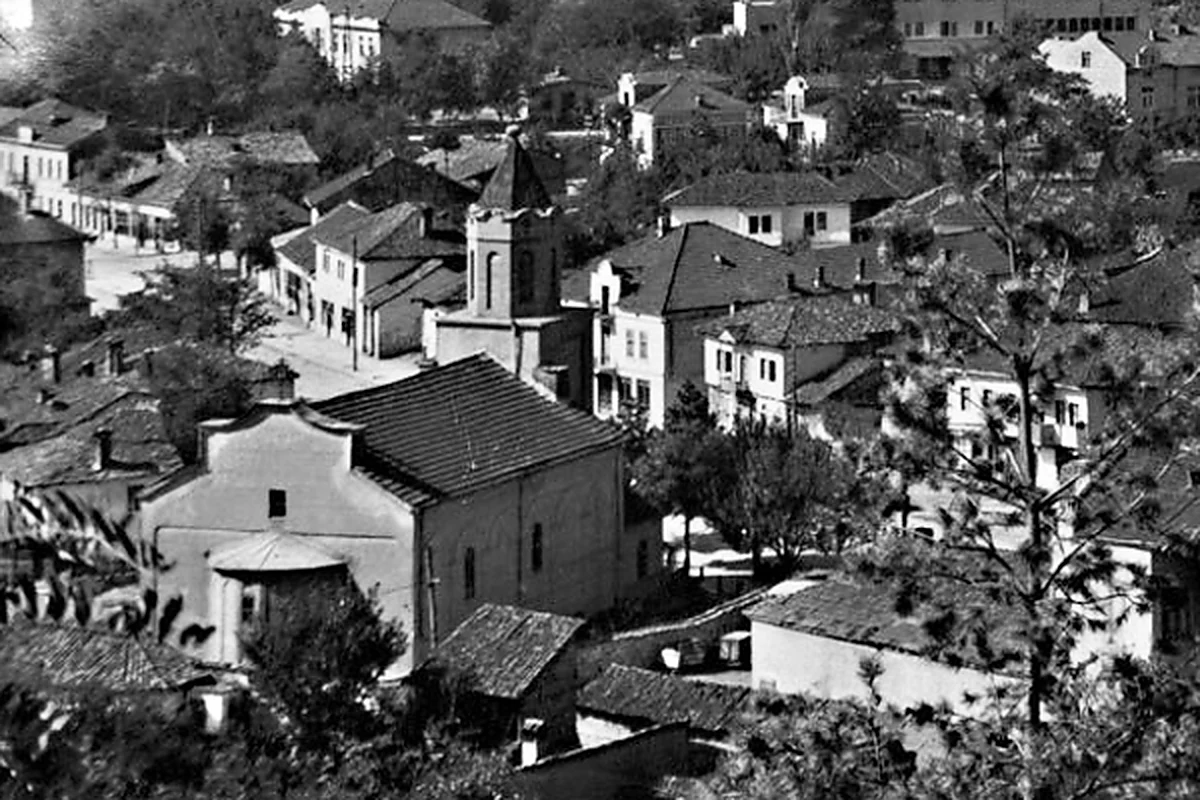
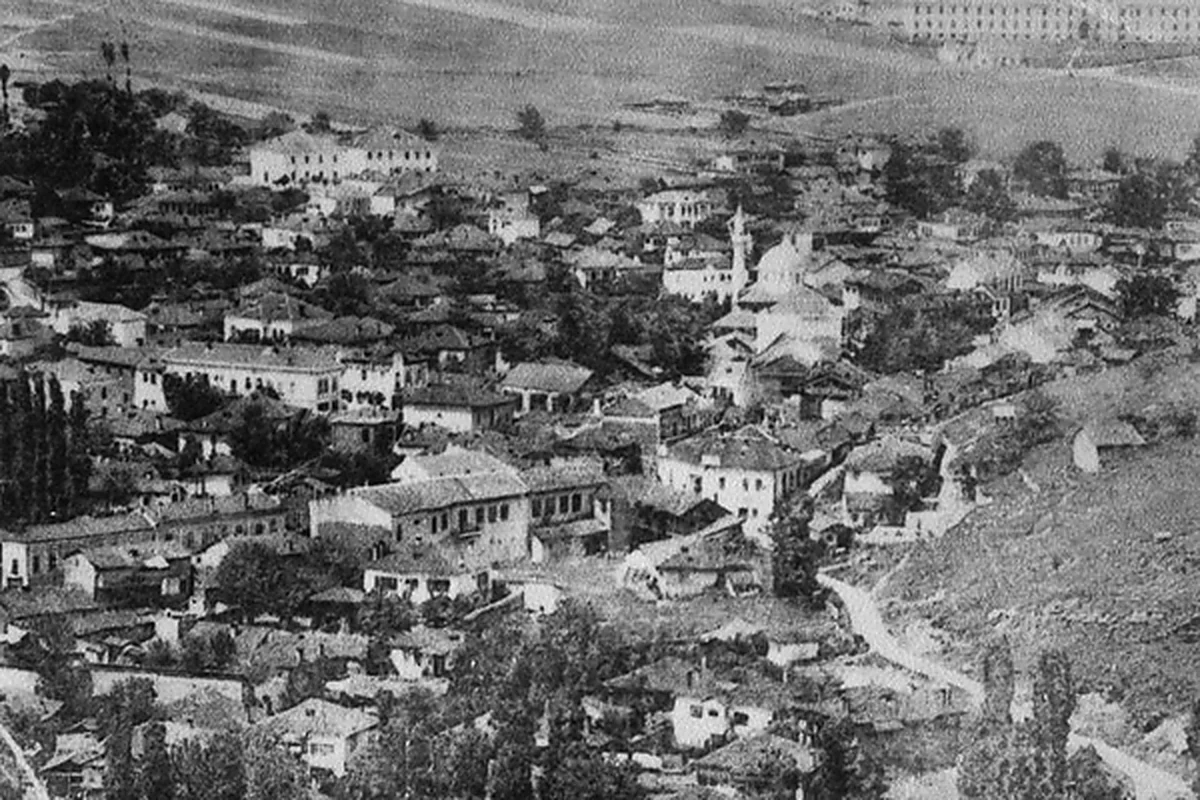
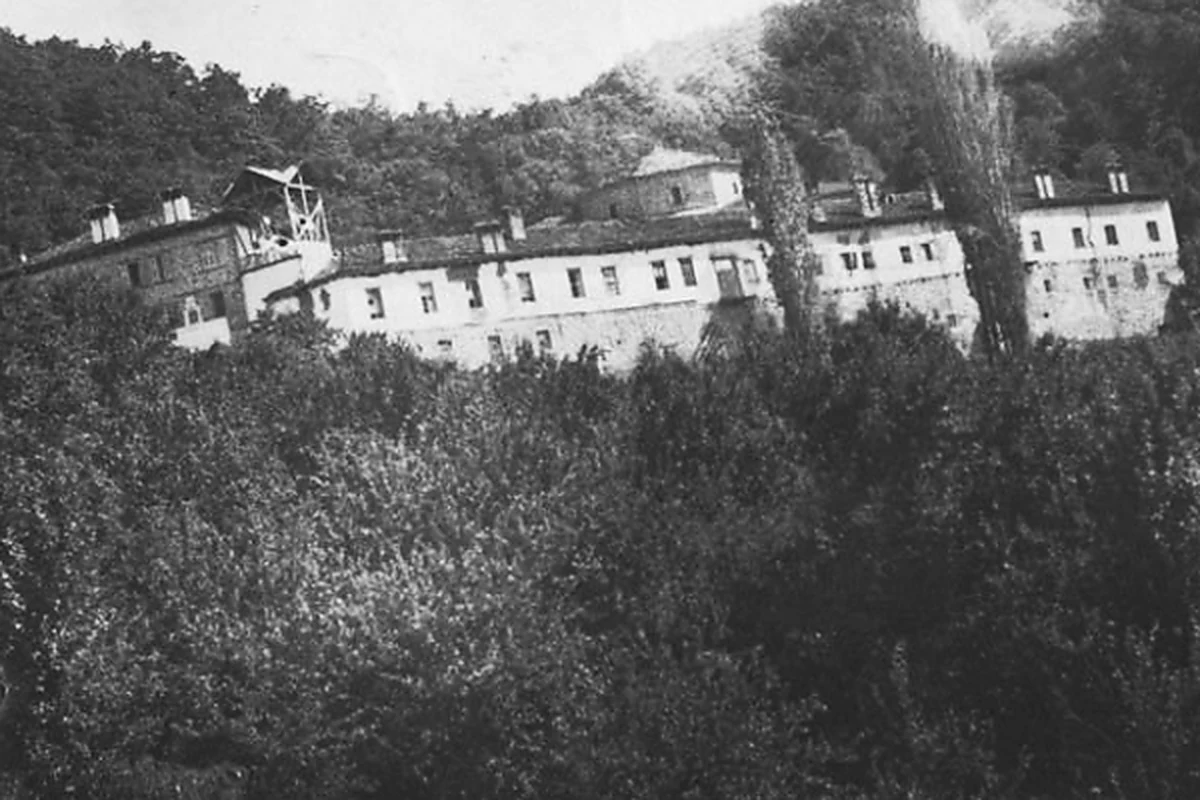
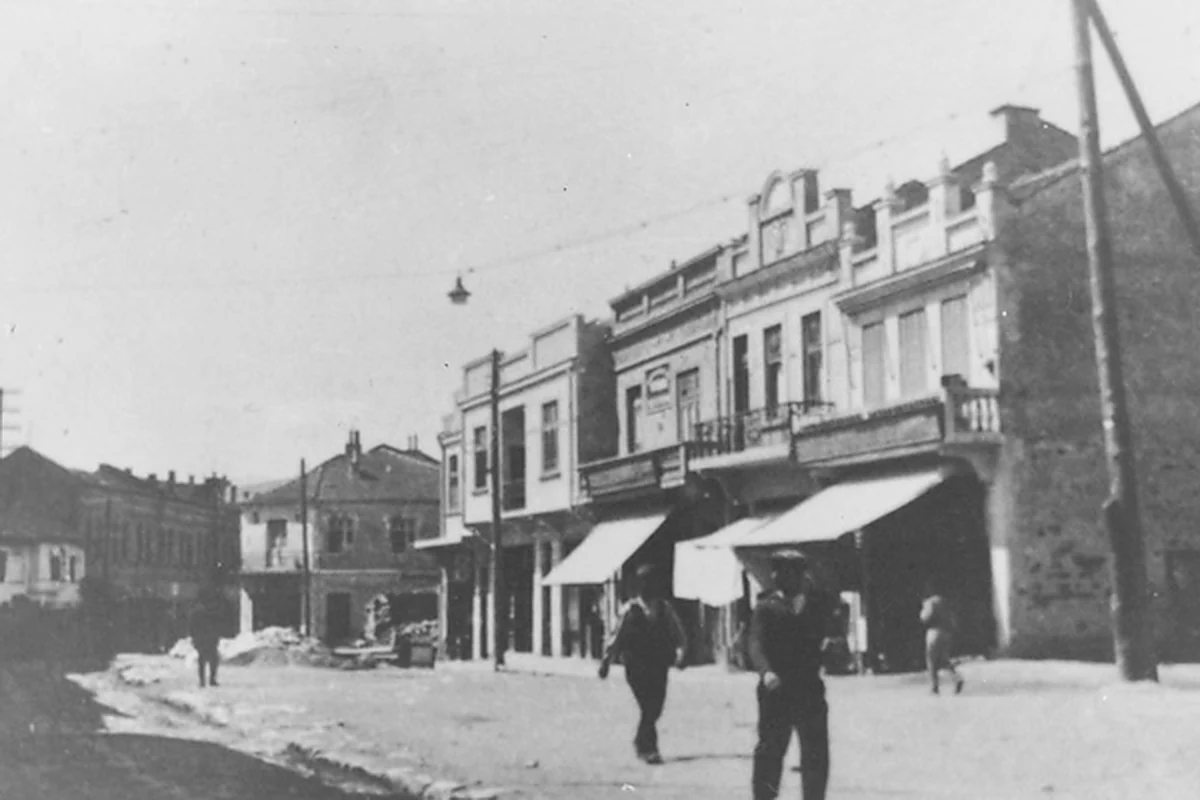
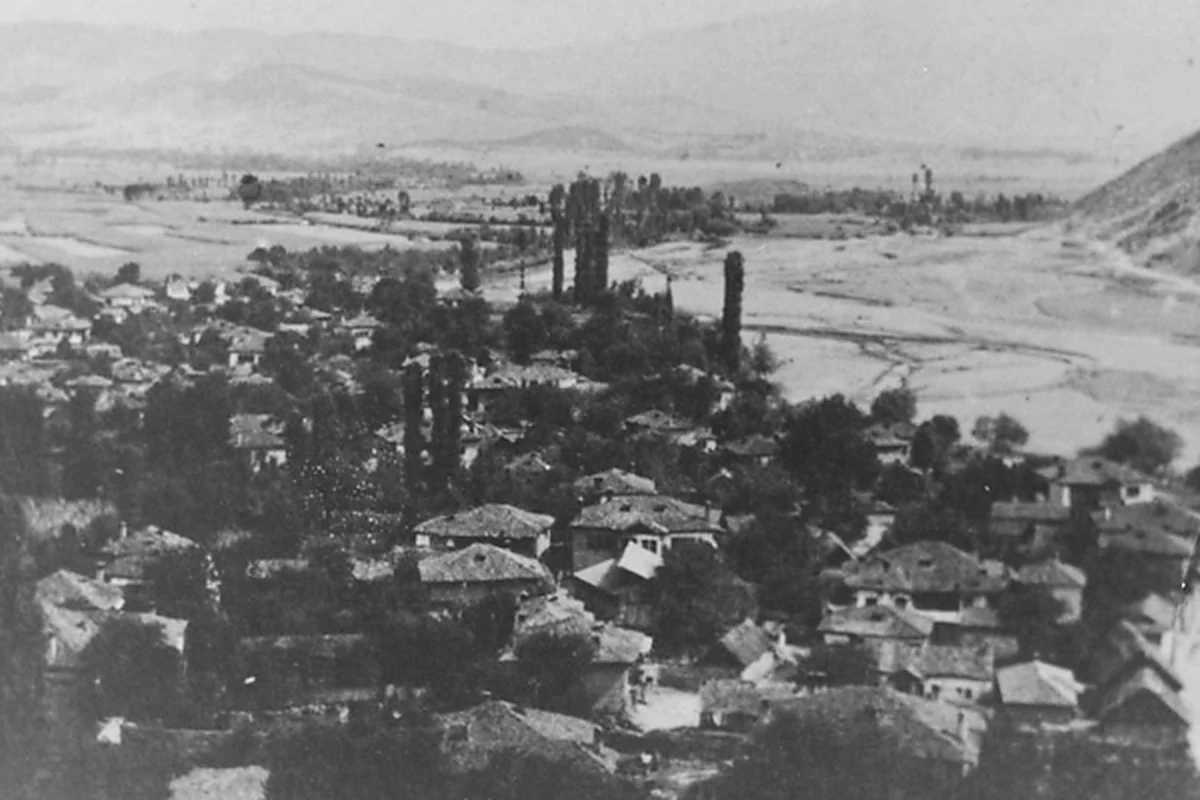
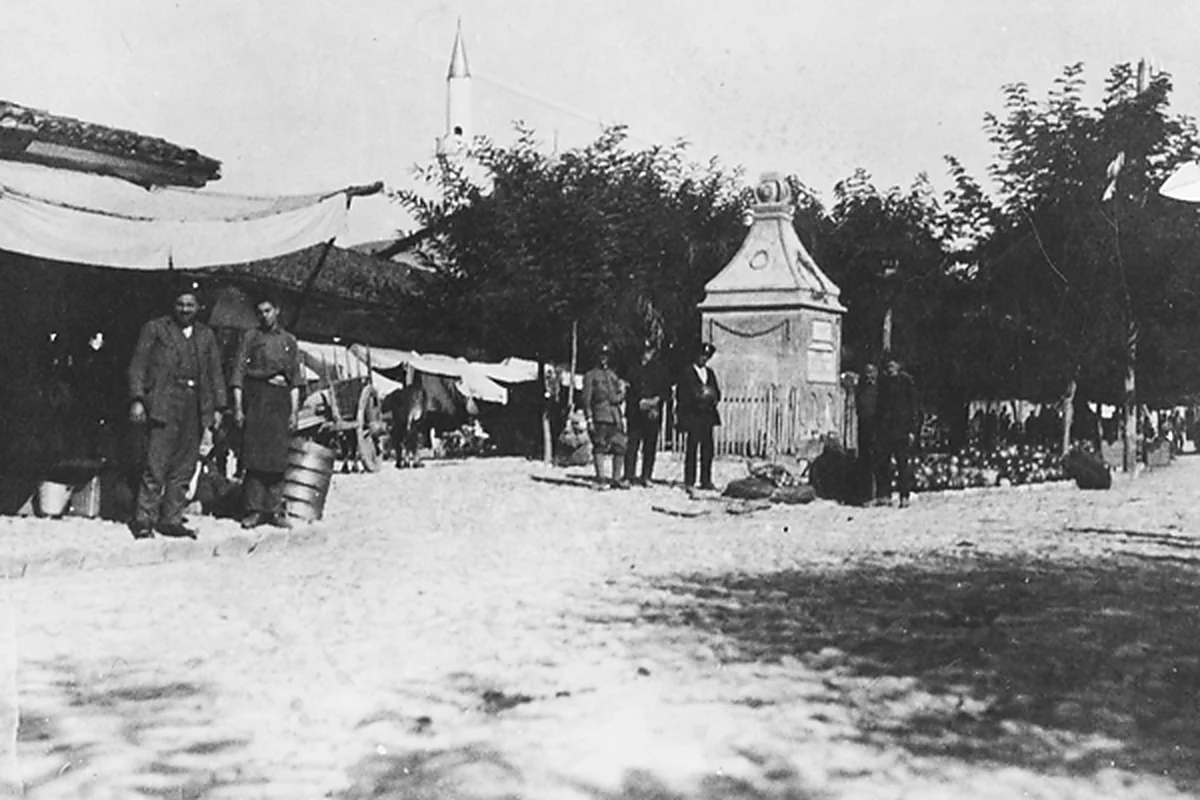
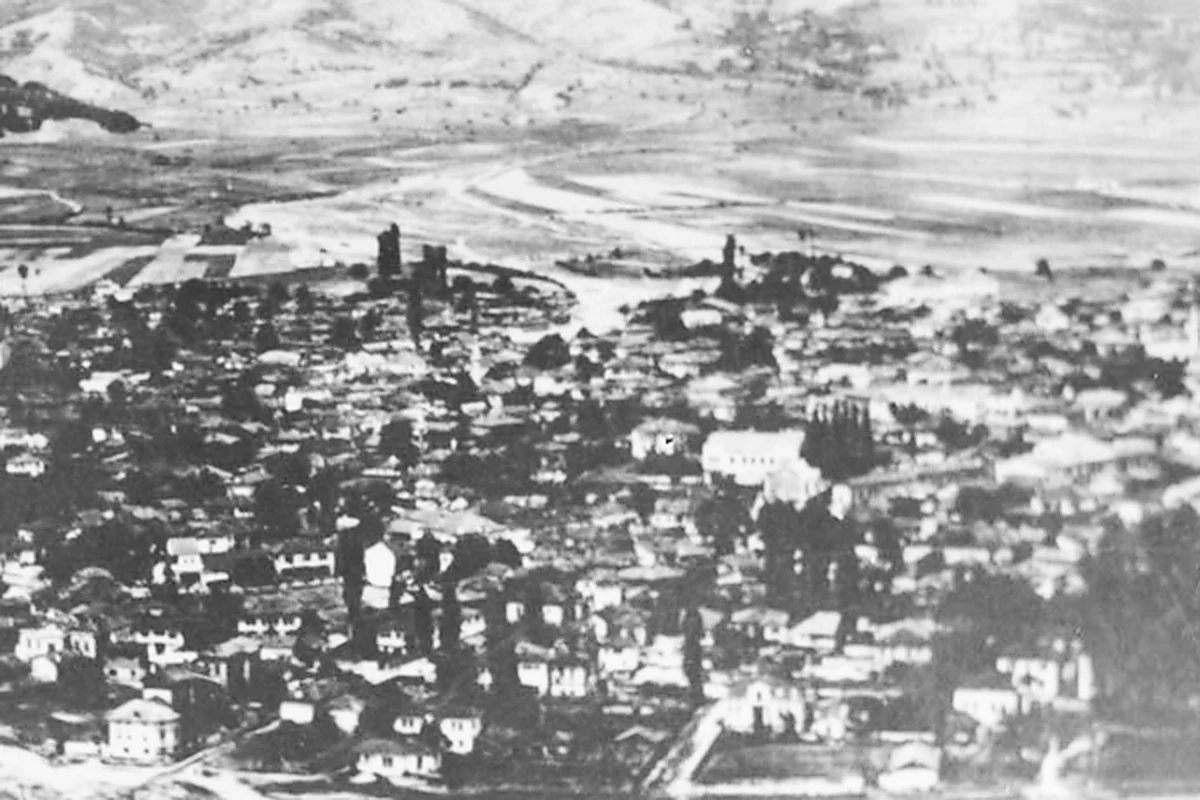
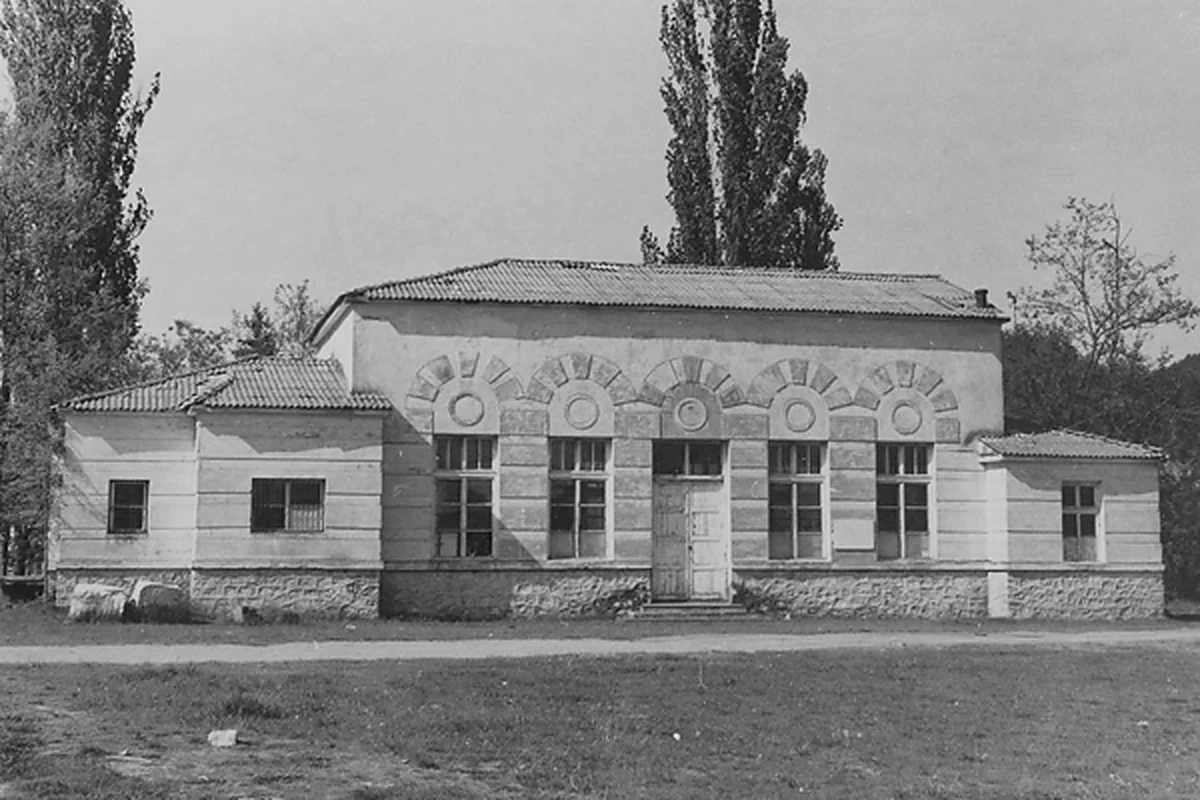
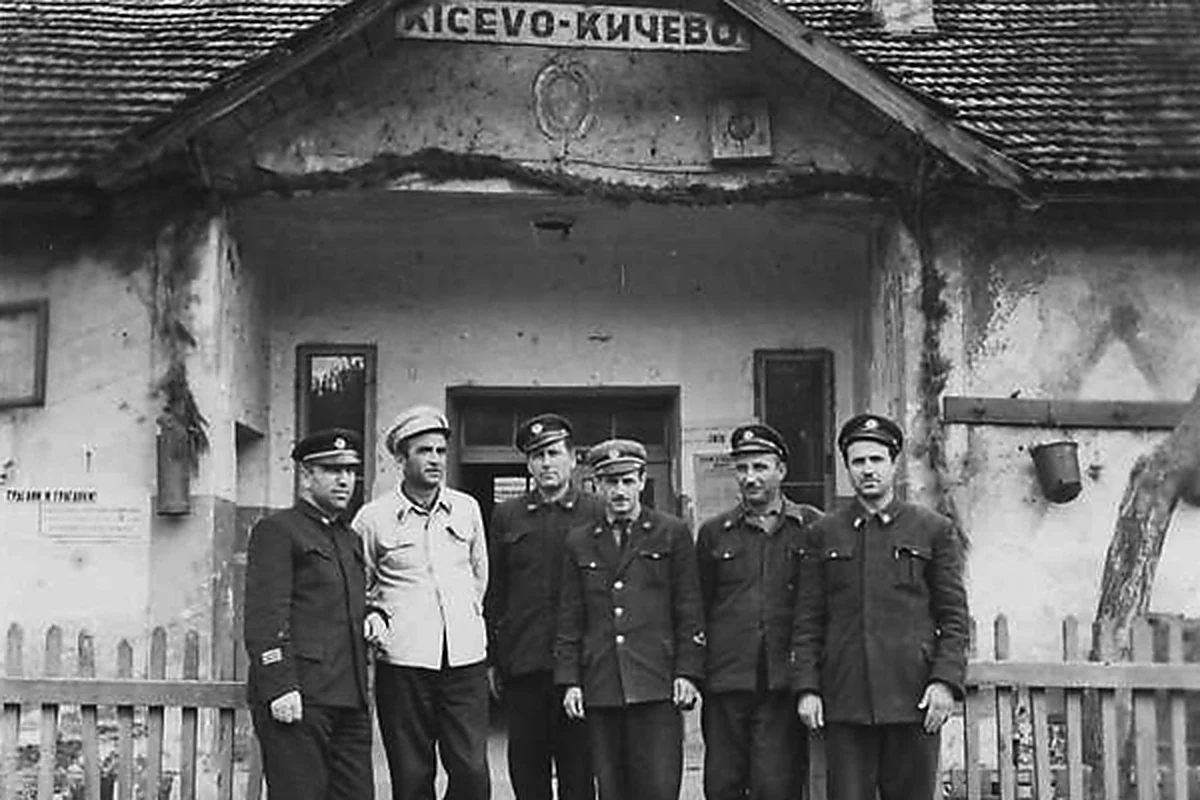
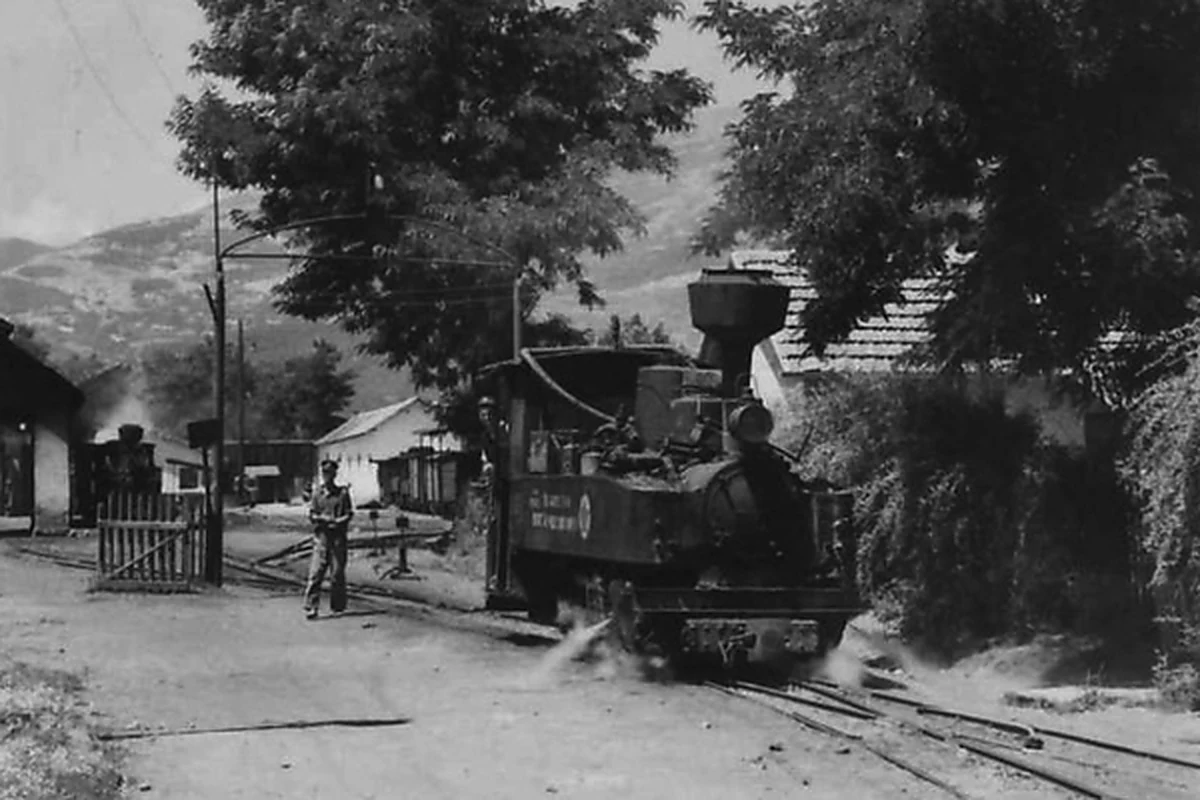
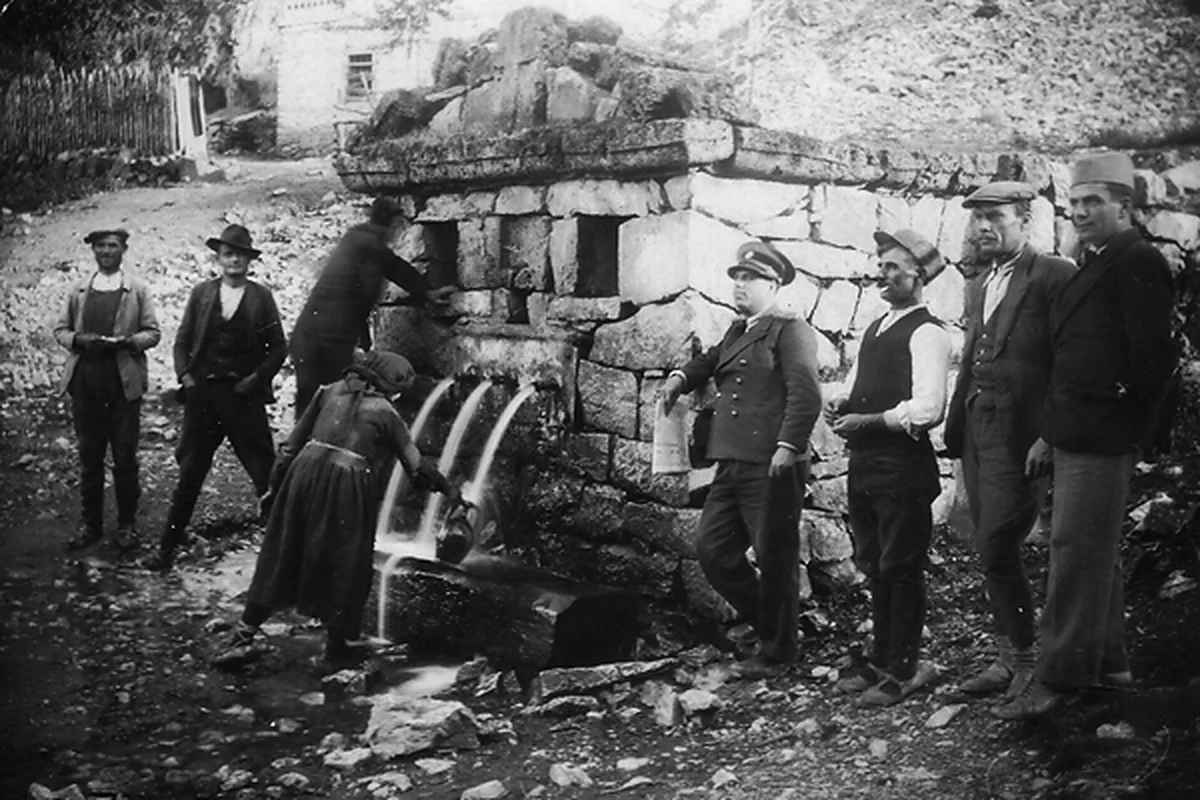
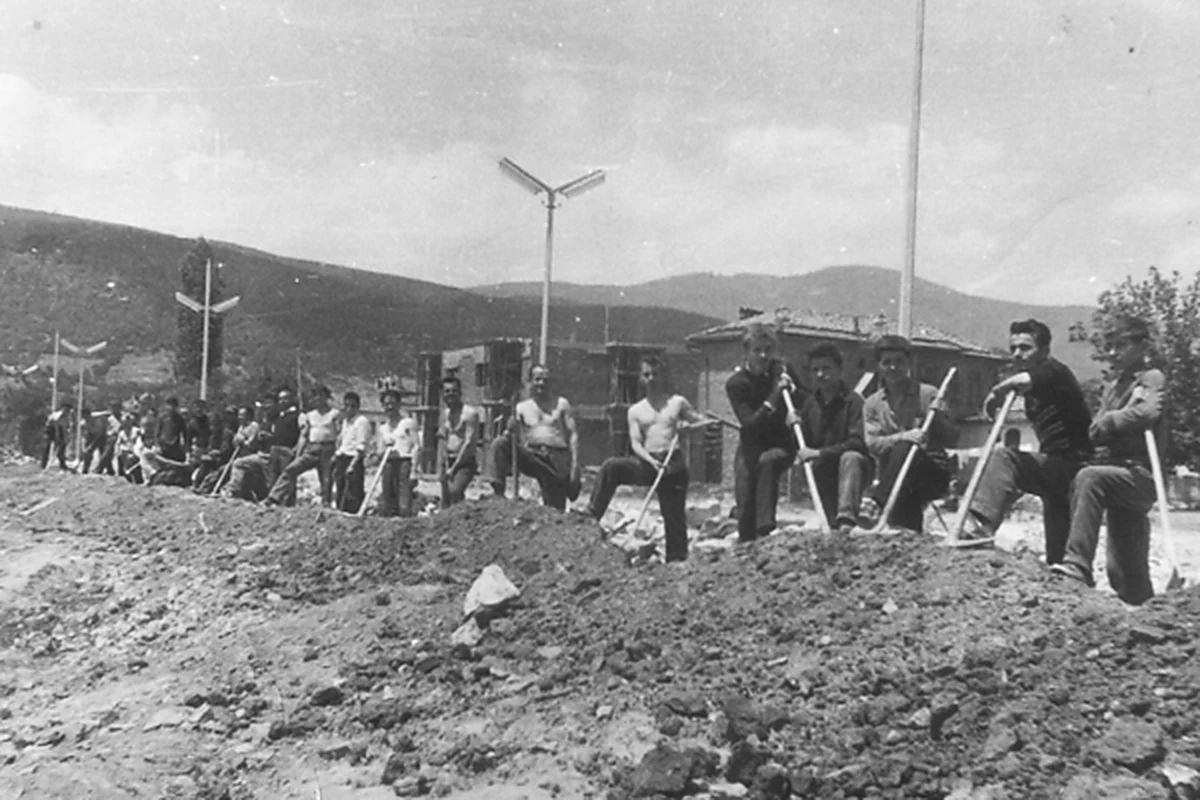
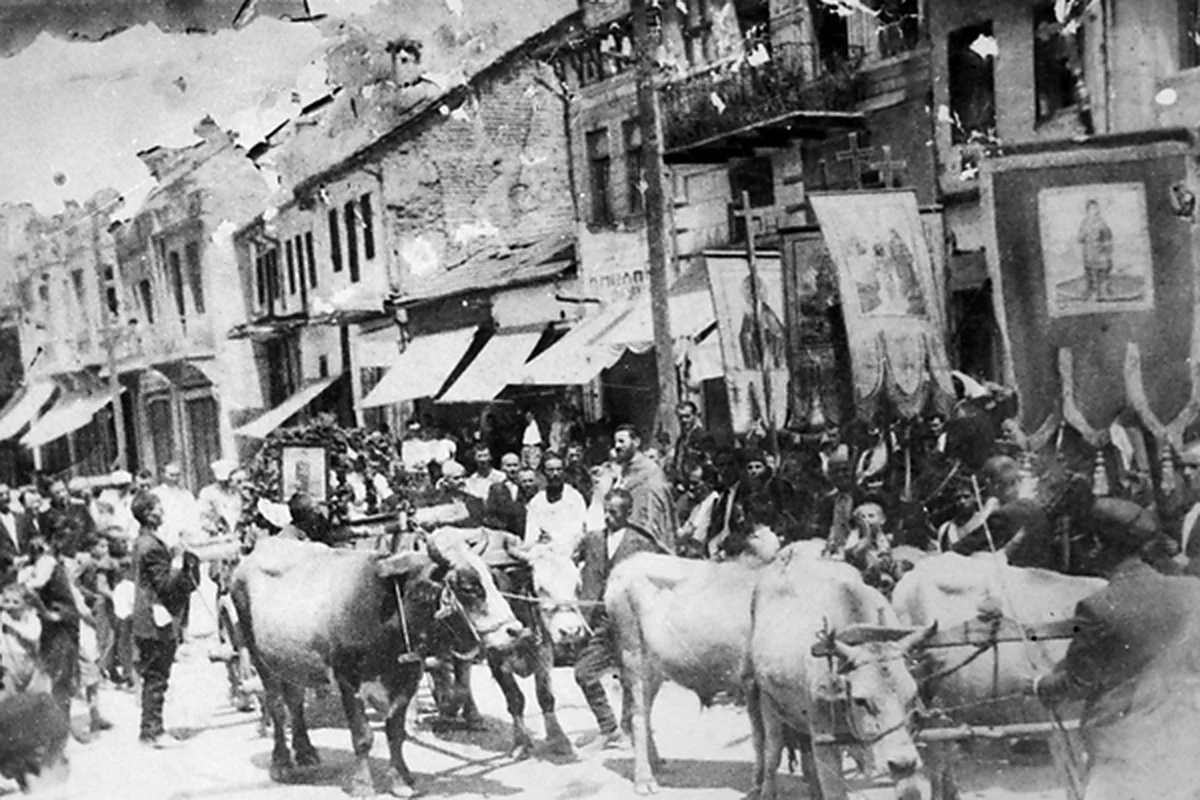
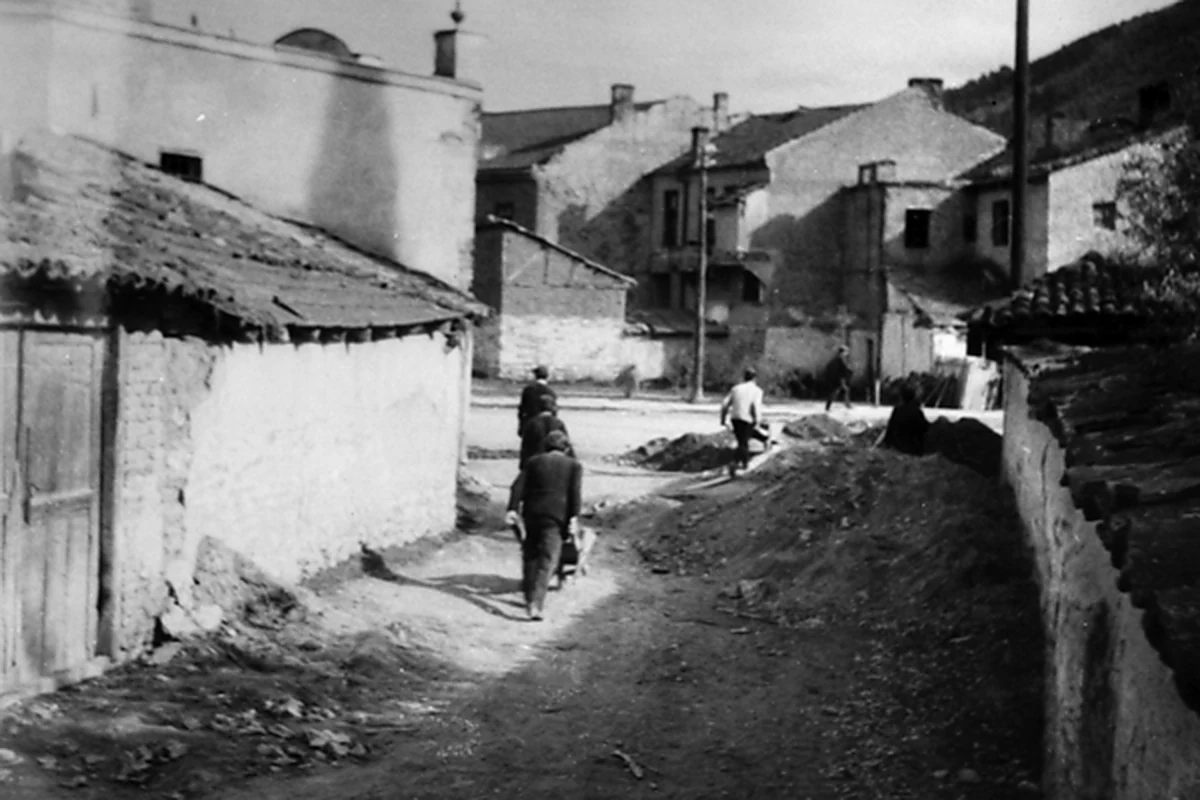
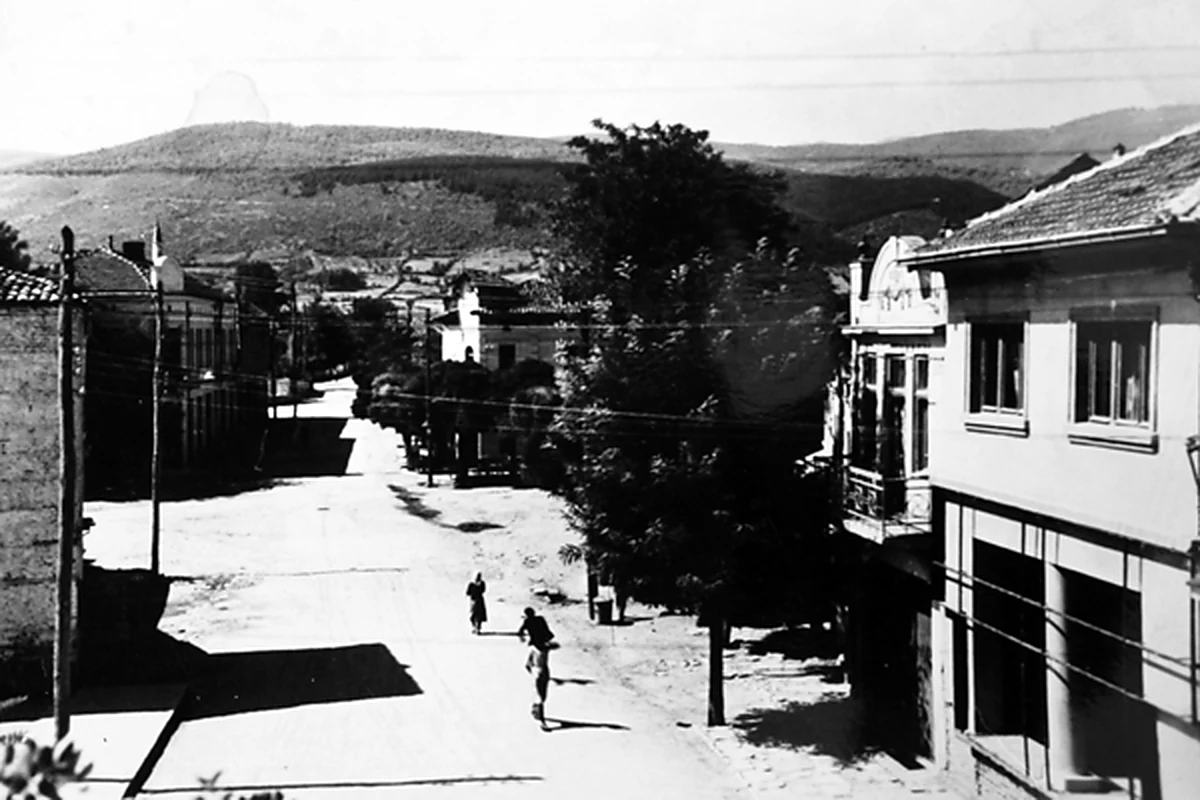
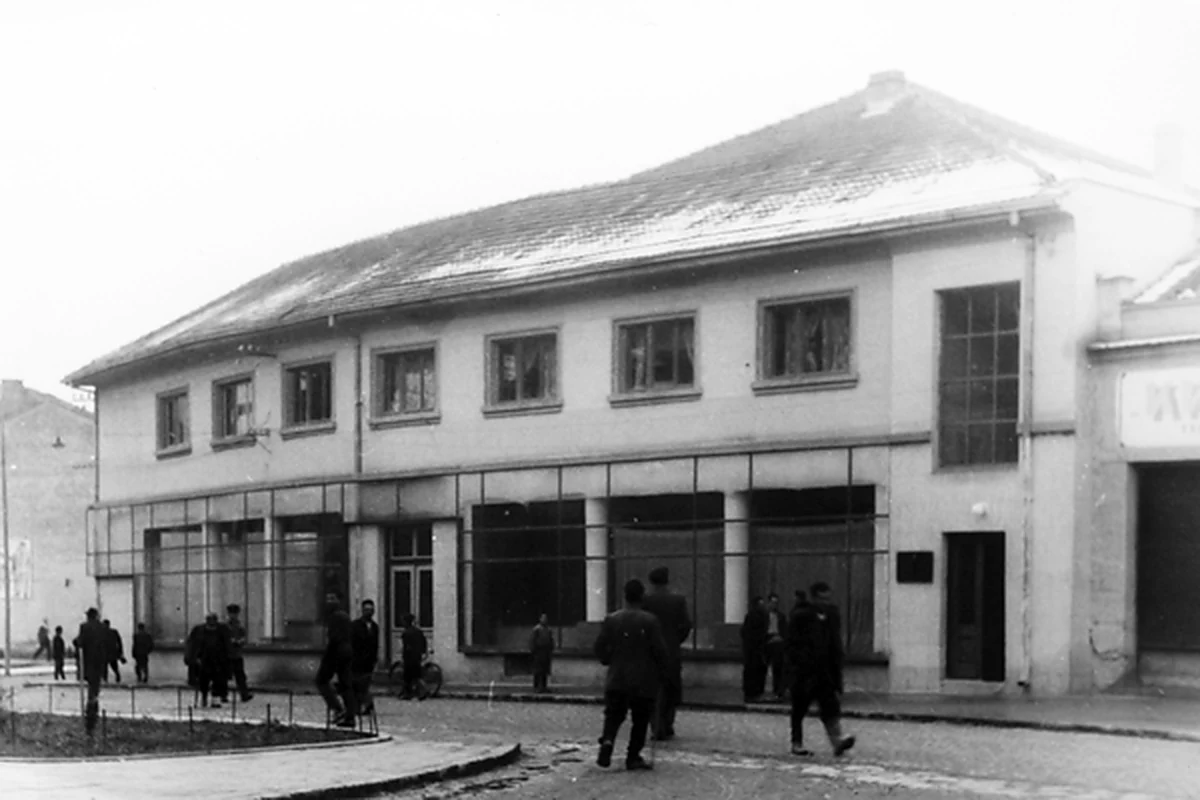
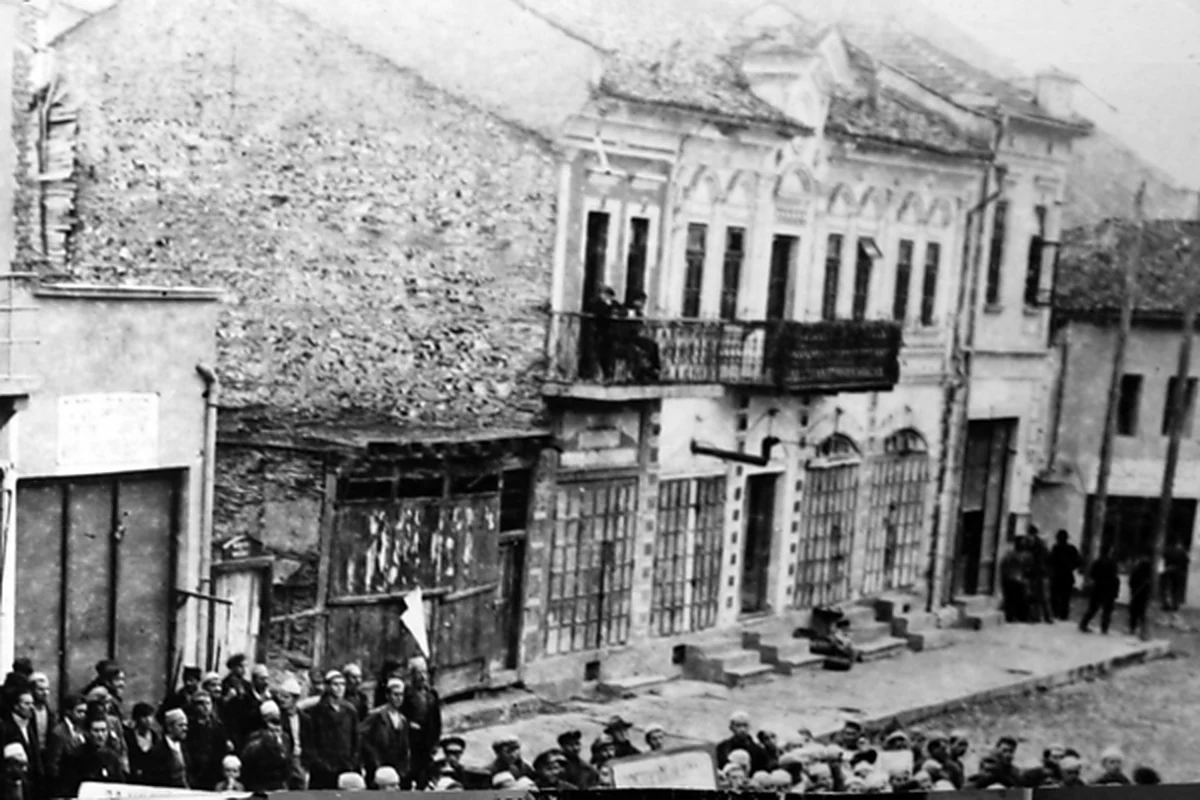
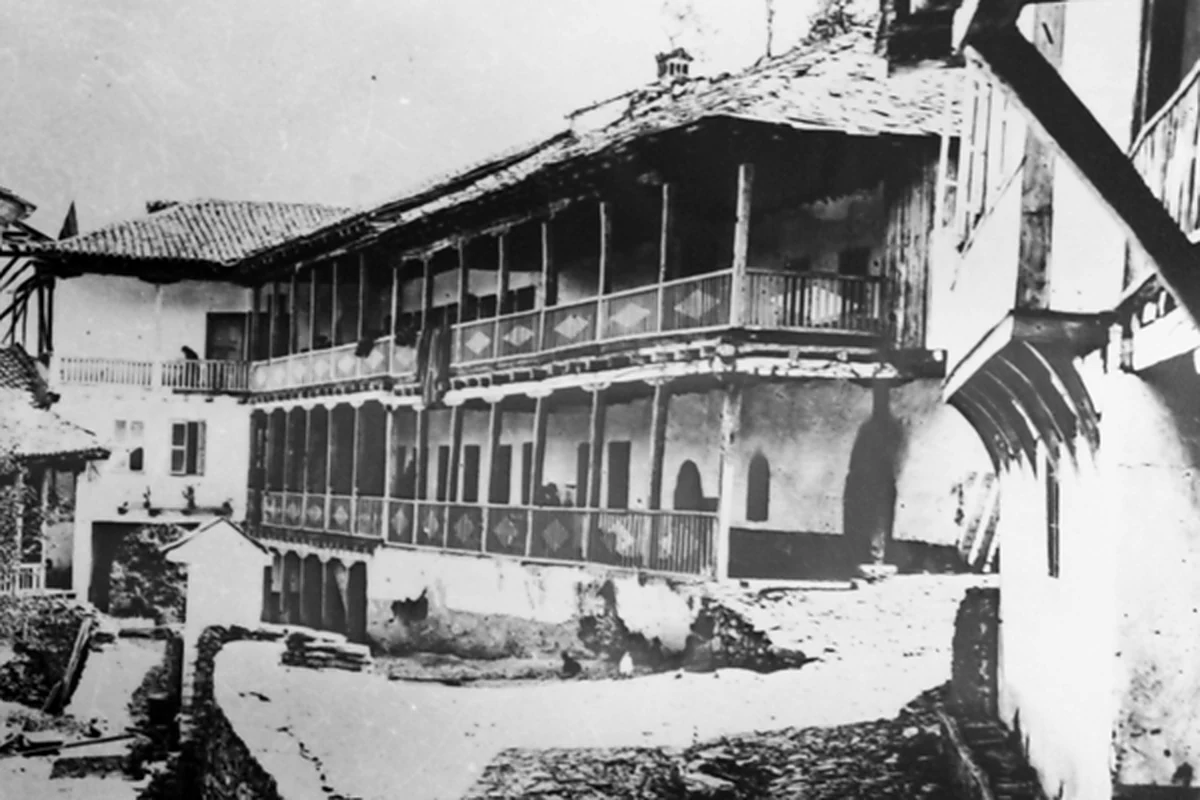
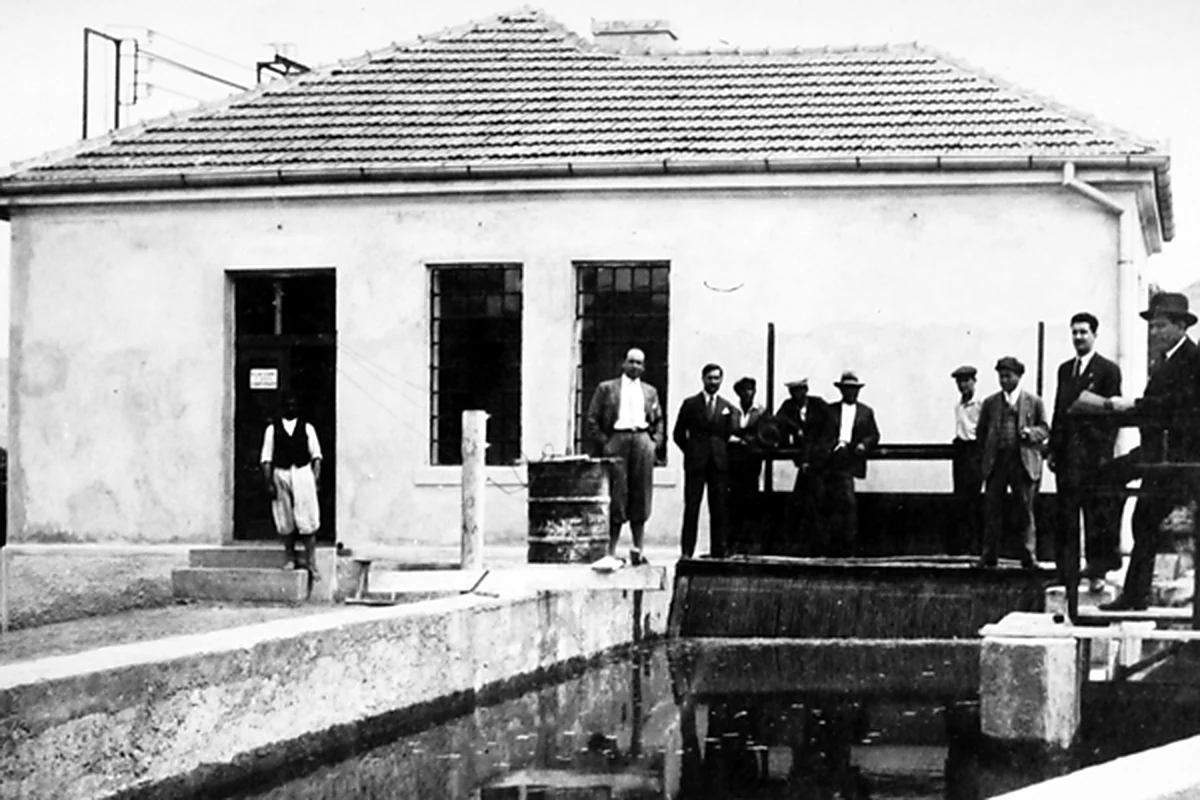
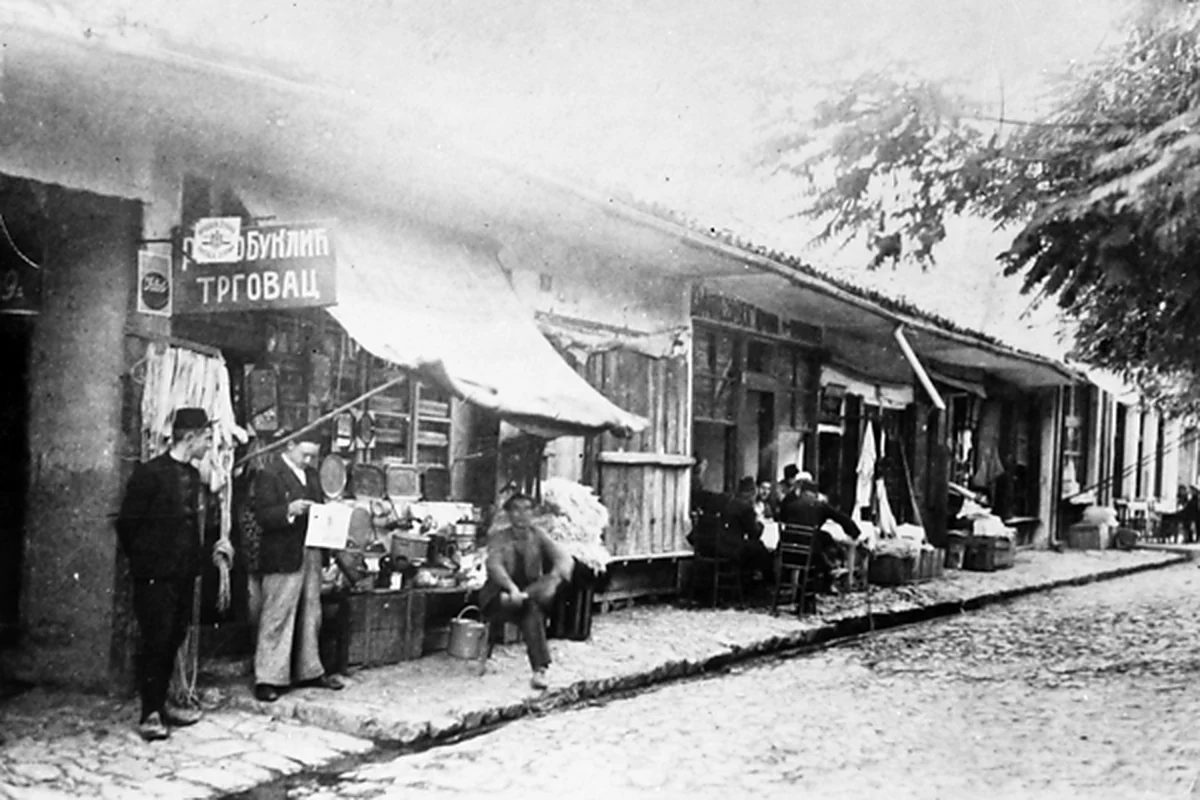
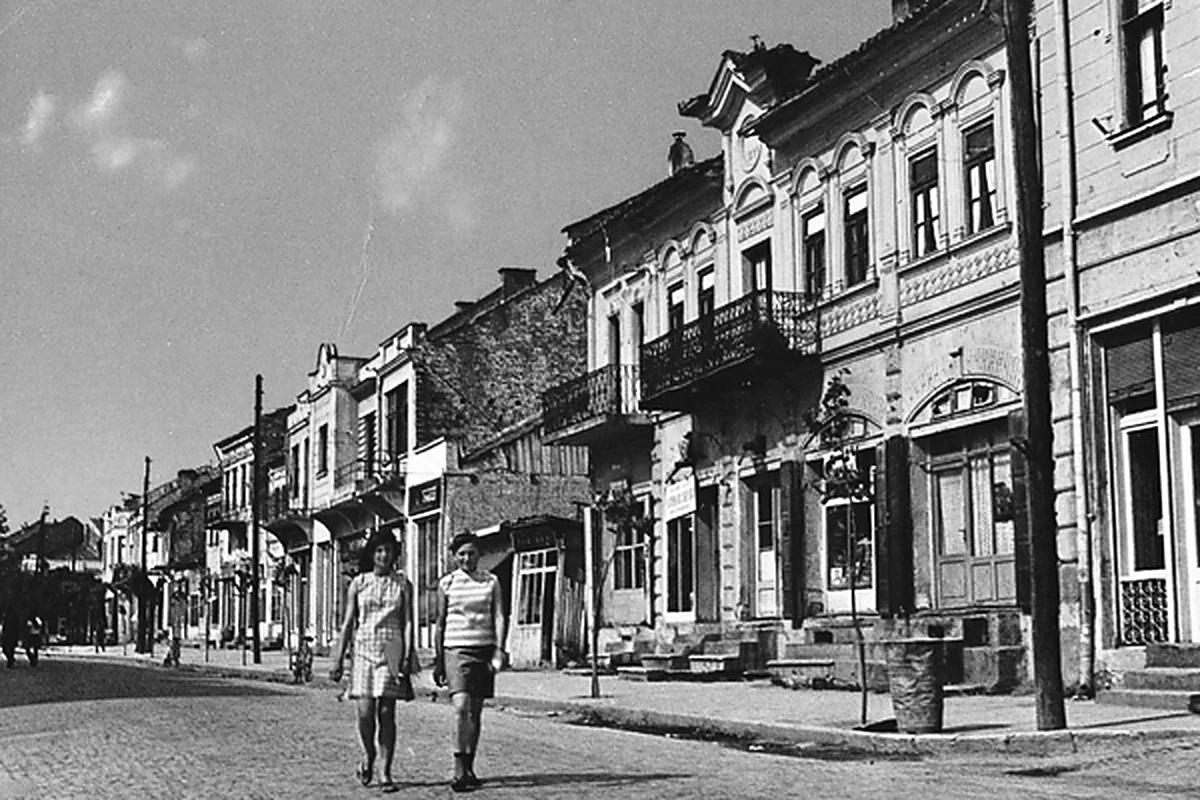
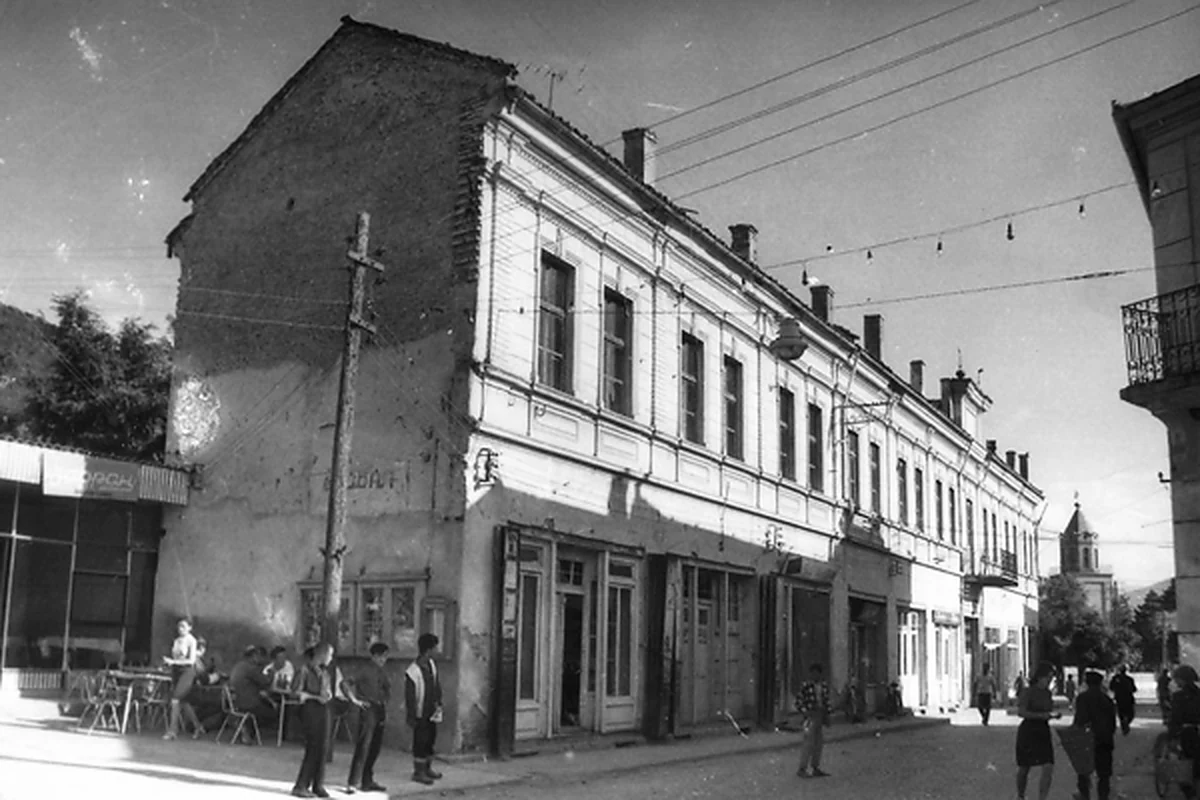
Photo Gallery (35)
Photo Gallery
Kichevo, frame by frame.
A responsive family gallery, including city views recovered from the old rotating banner system.
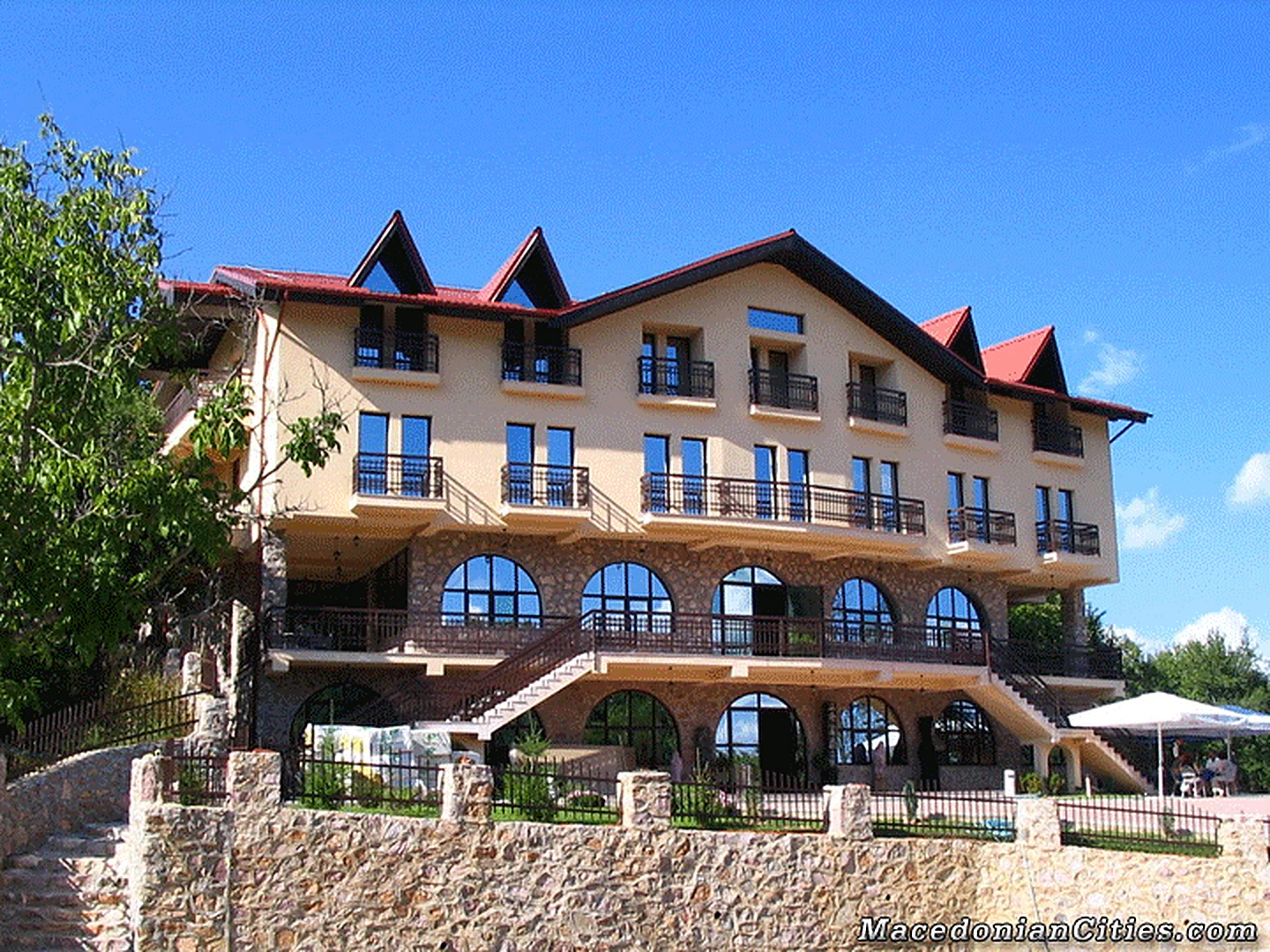
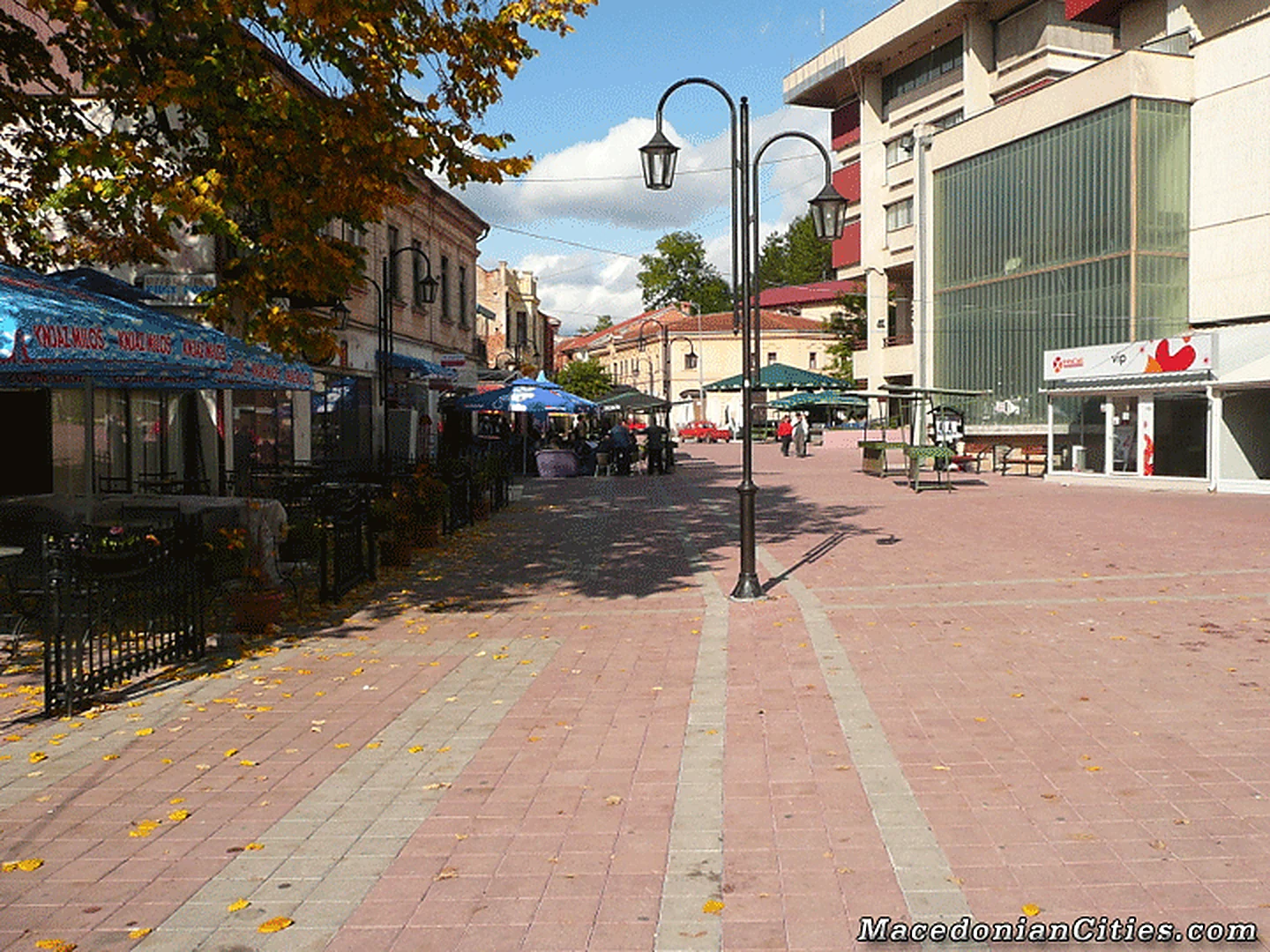
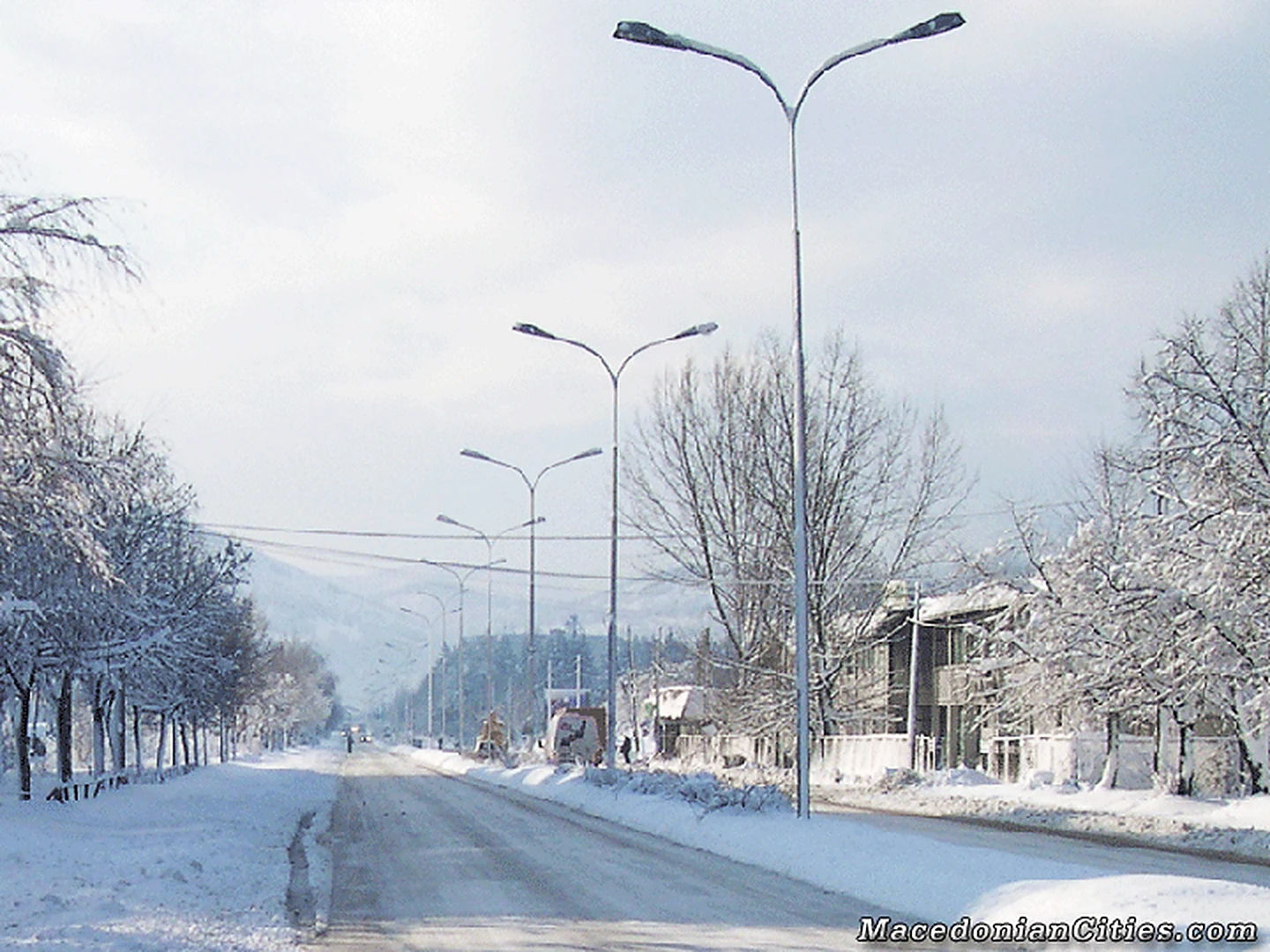
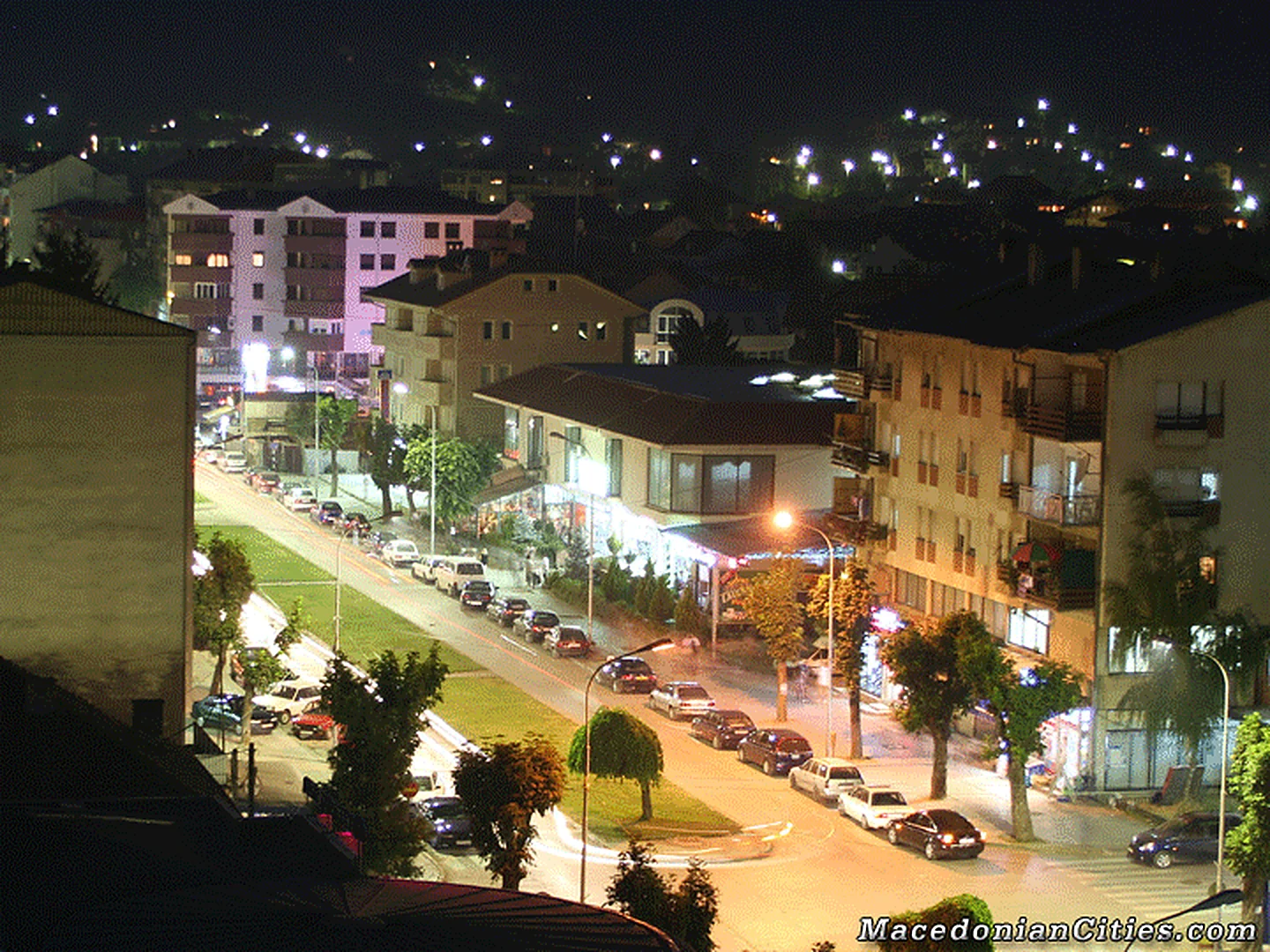
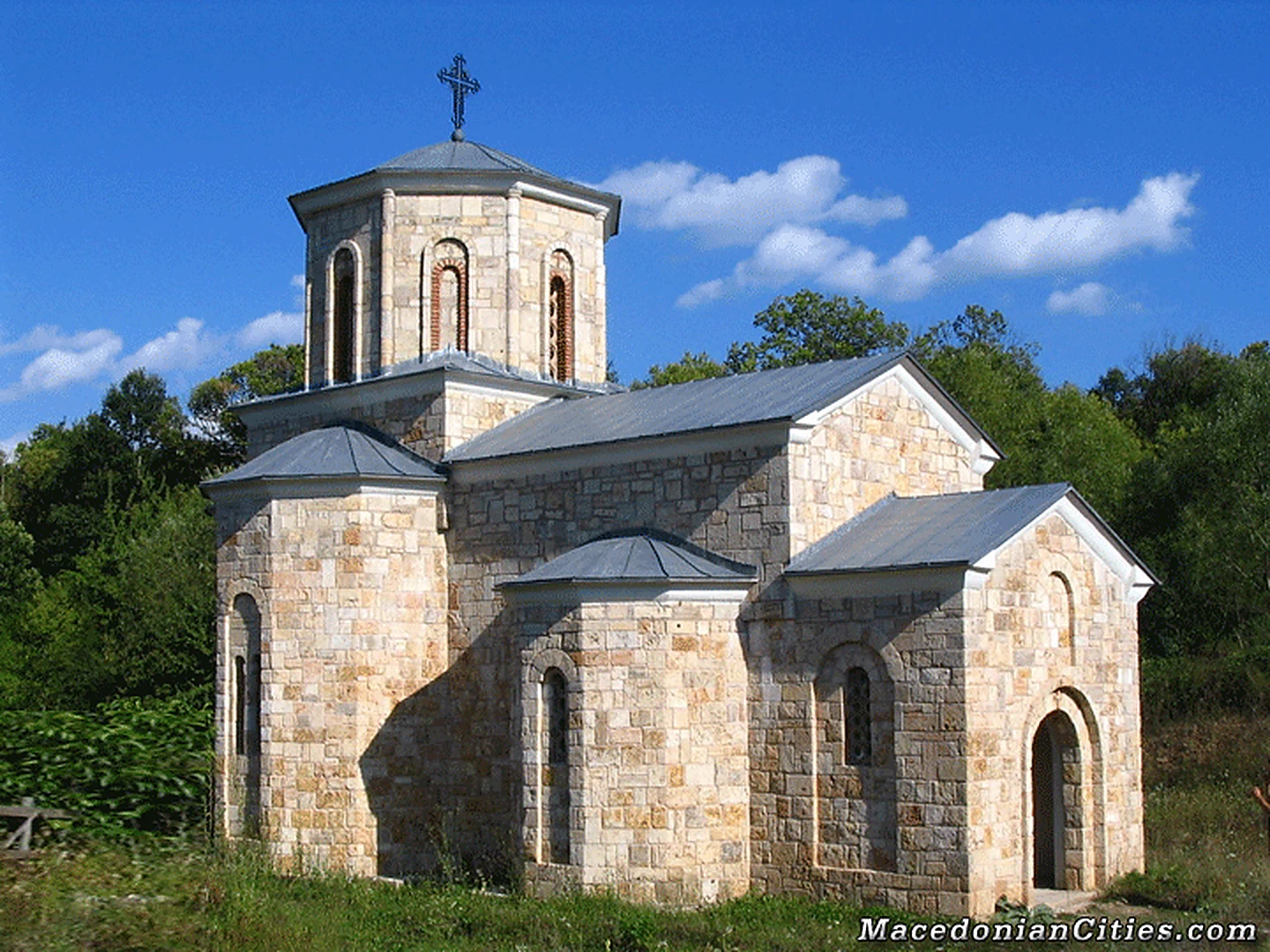
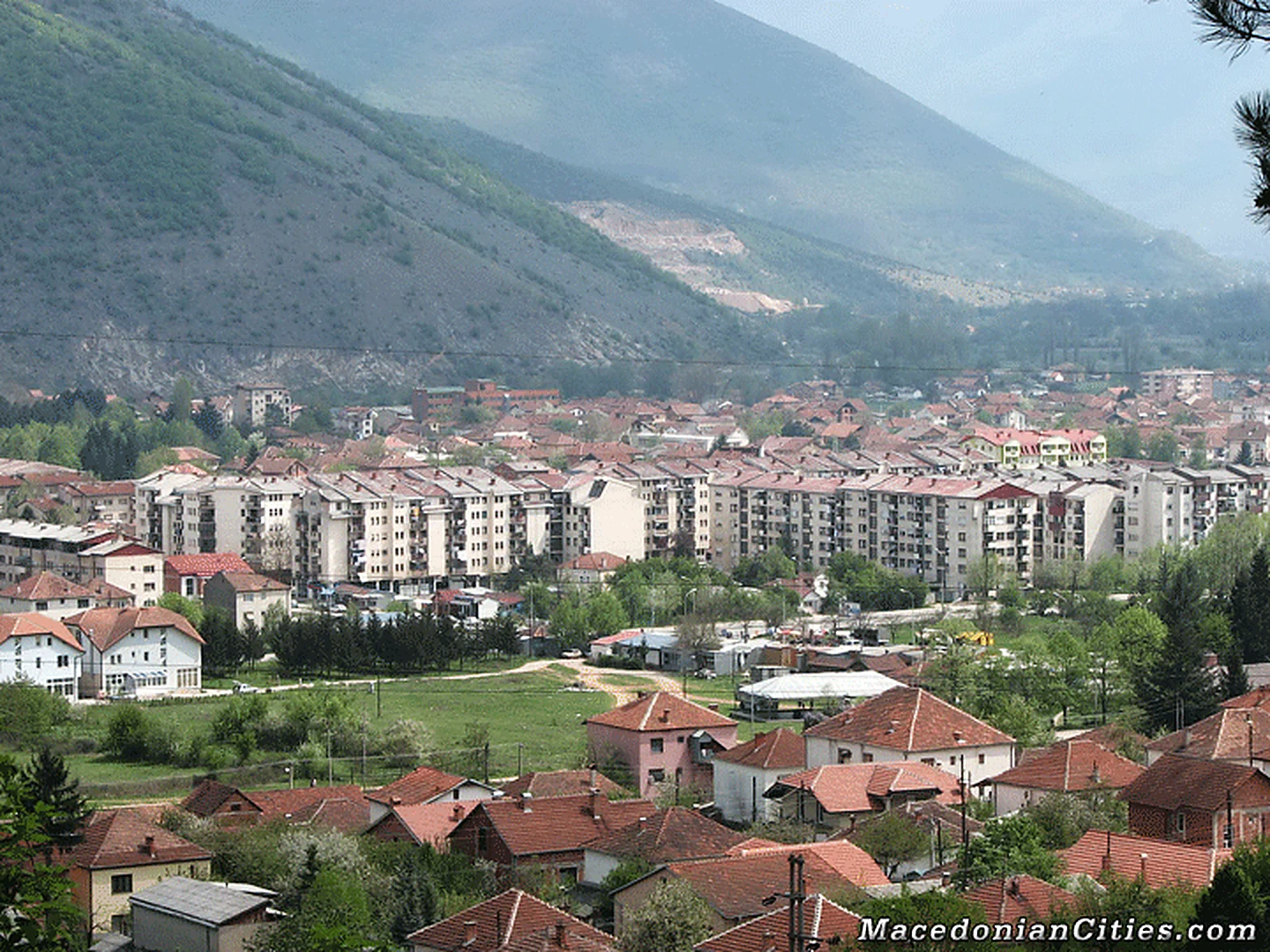
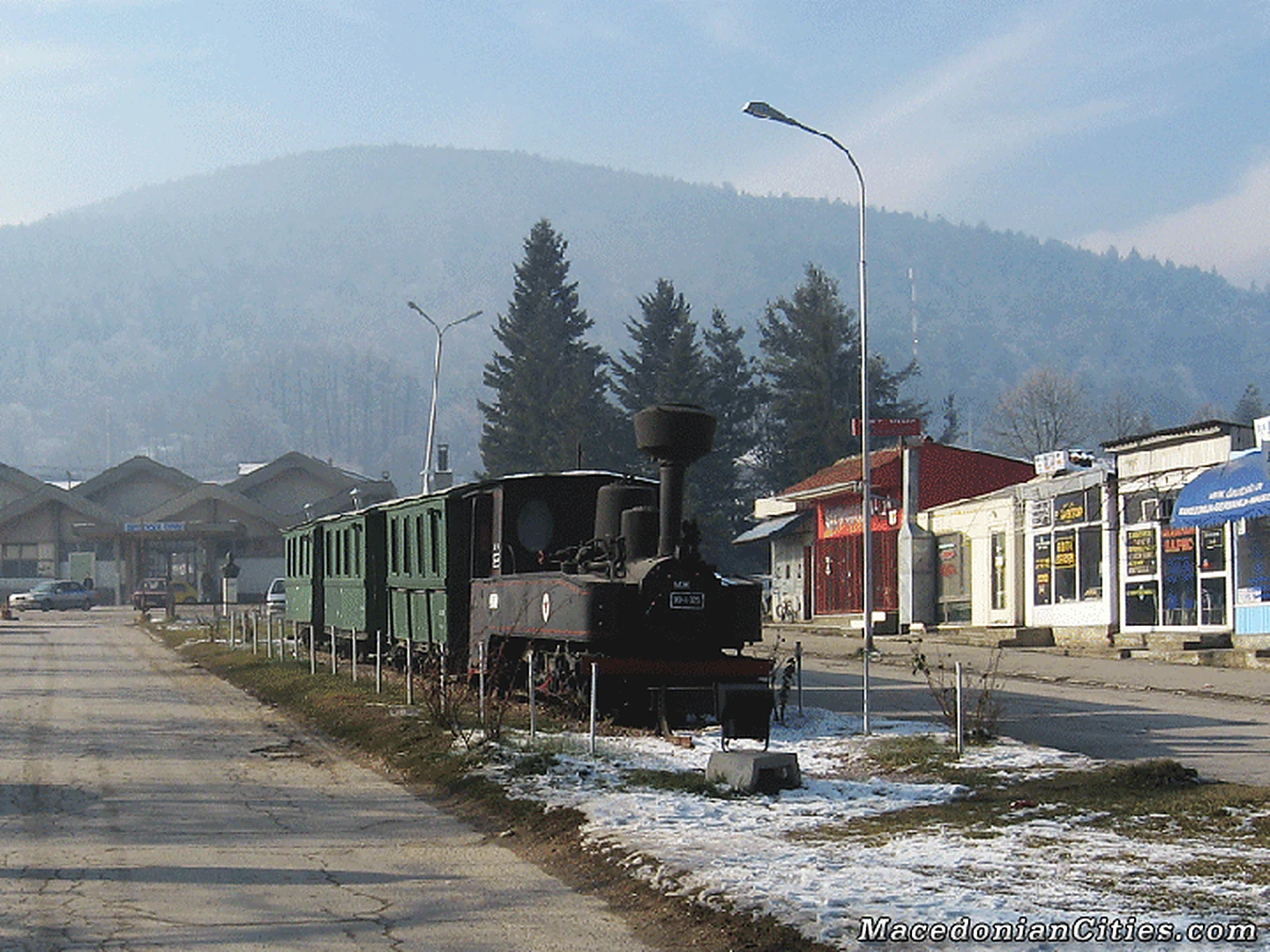
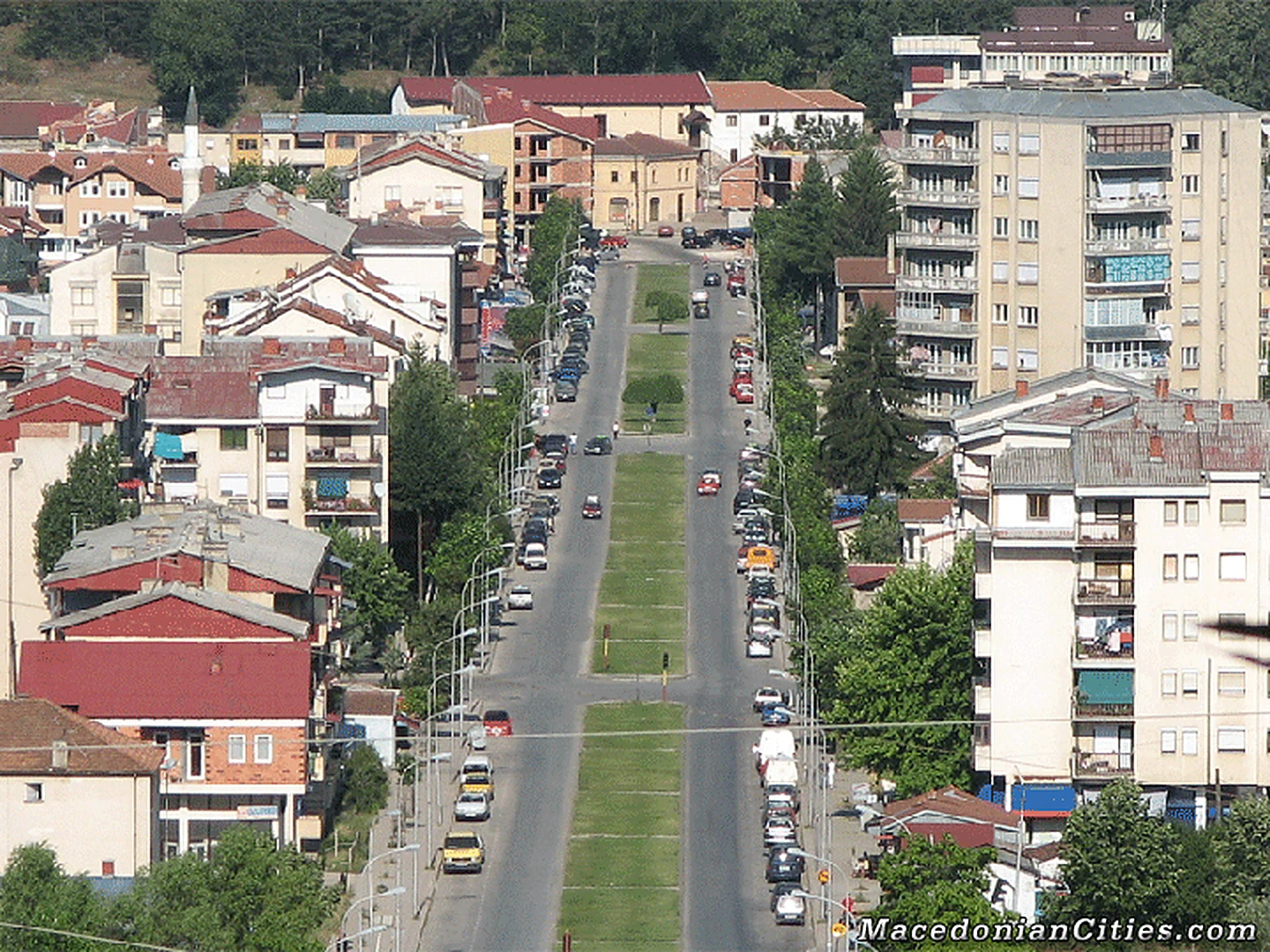
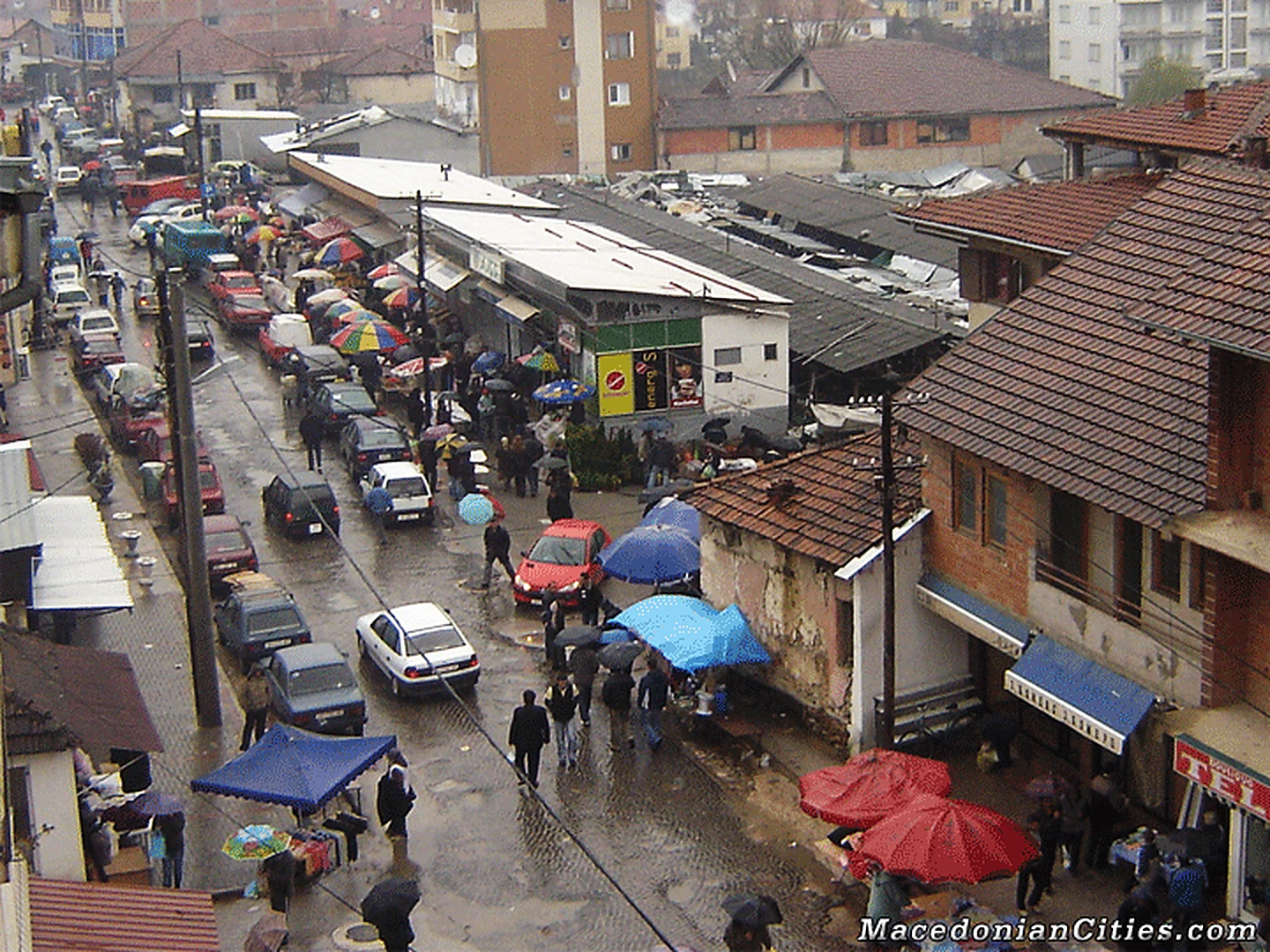
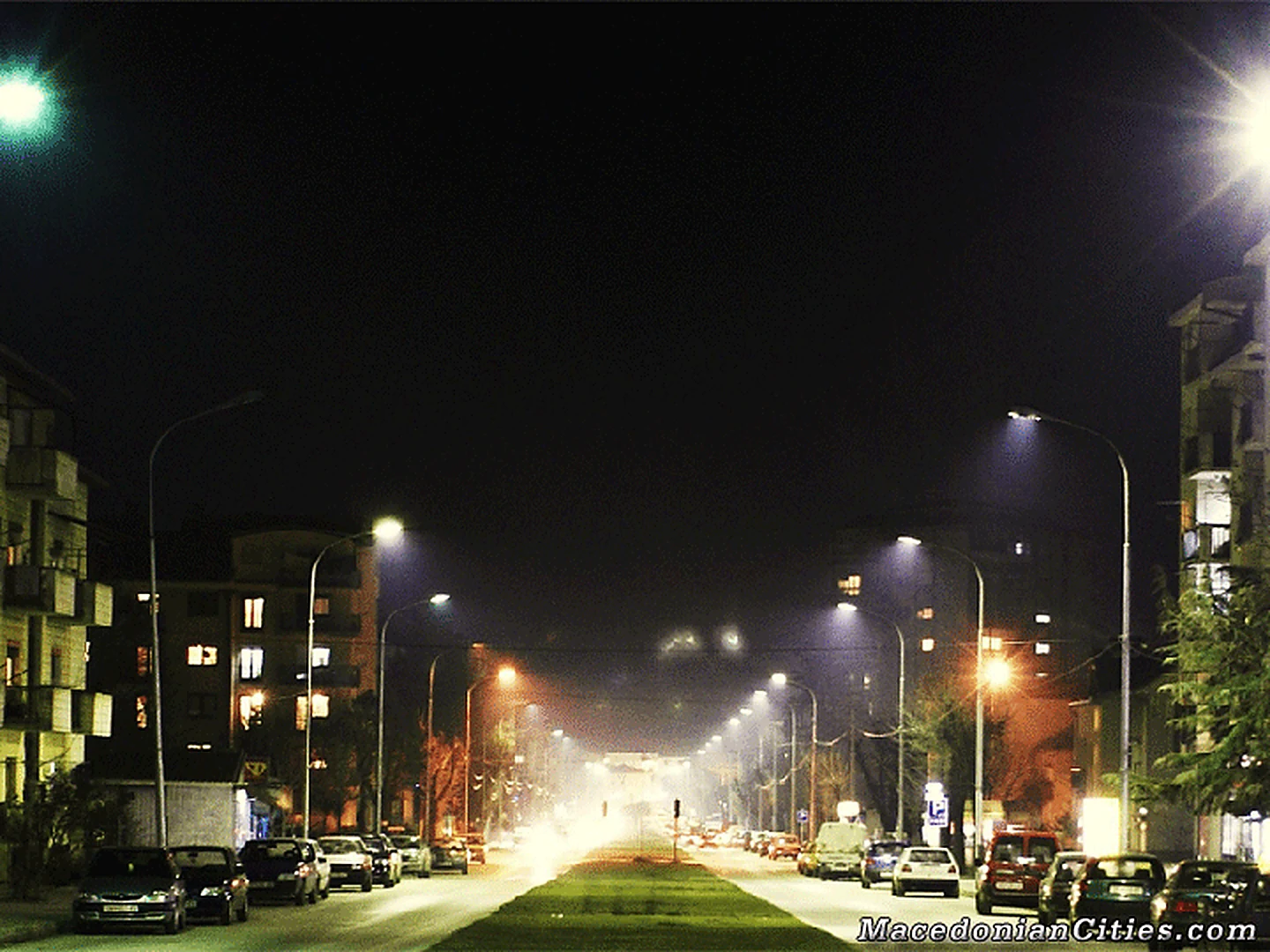
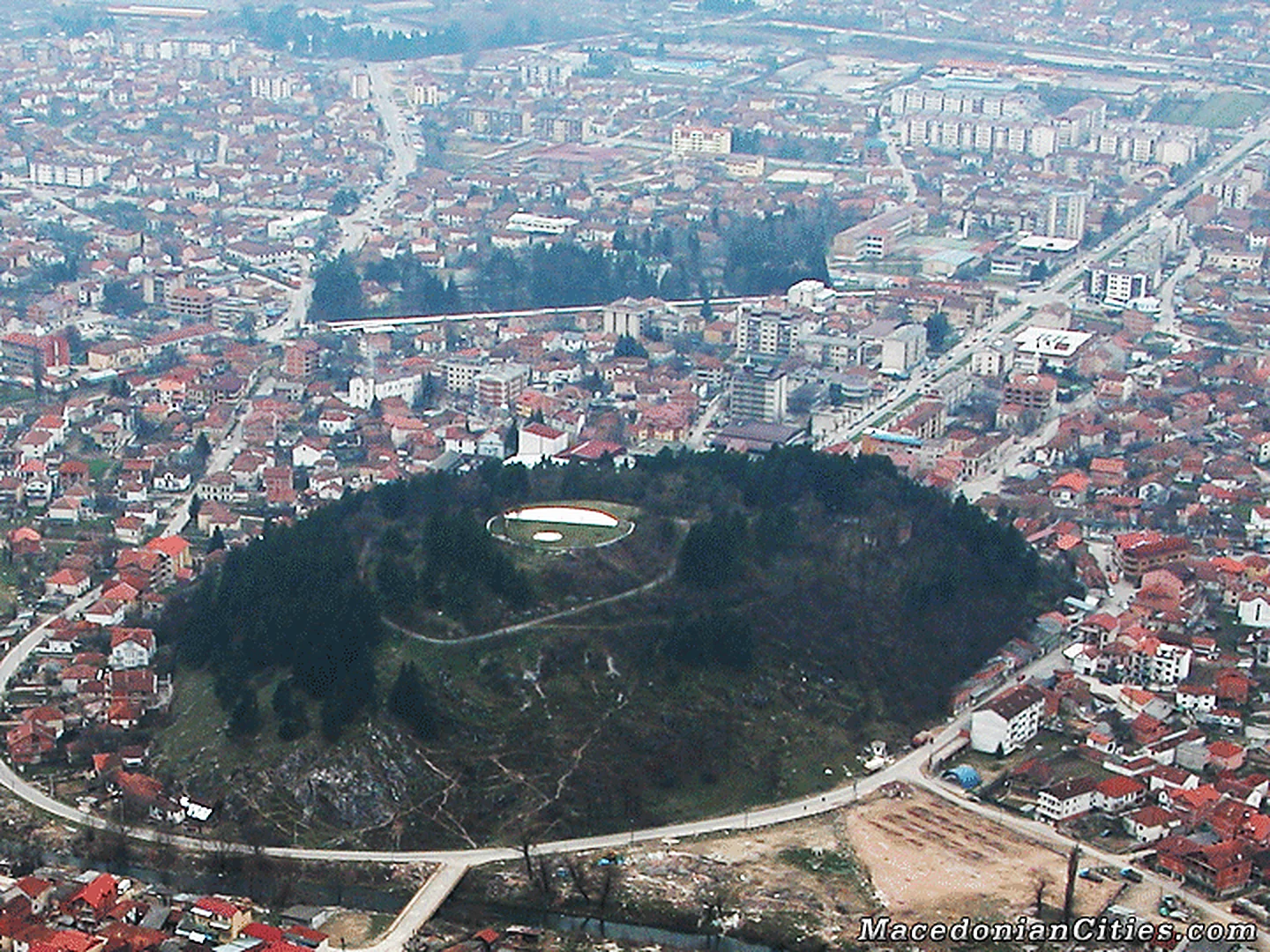
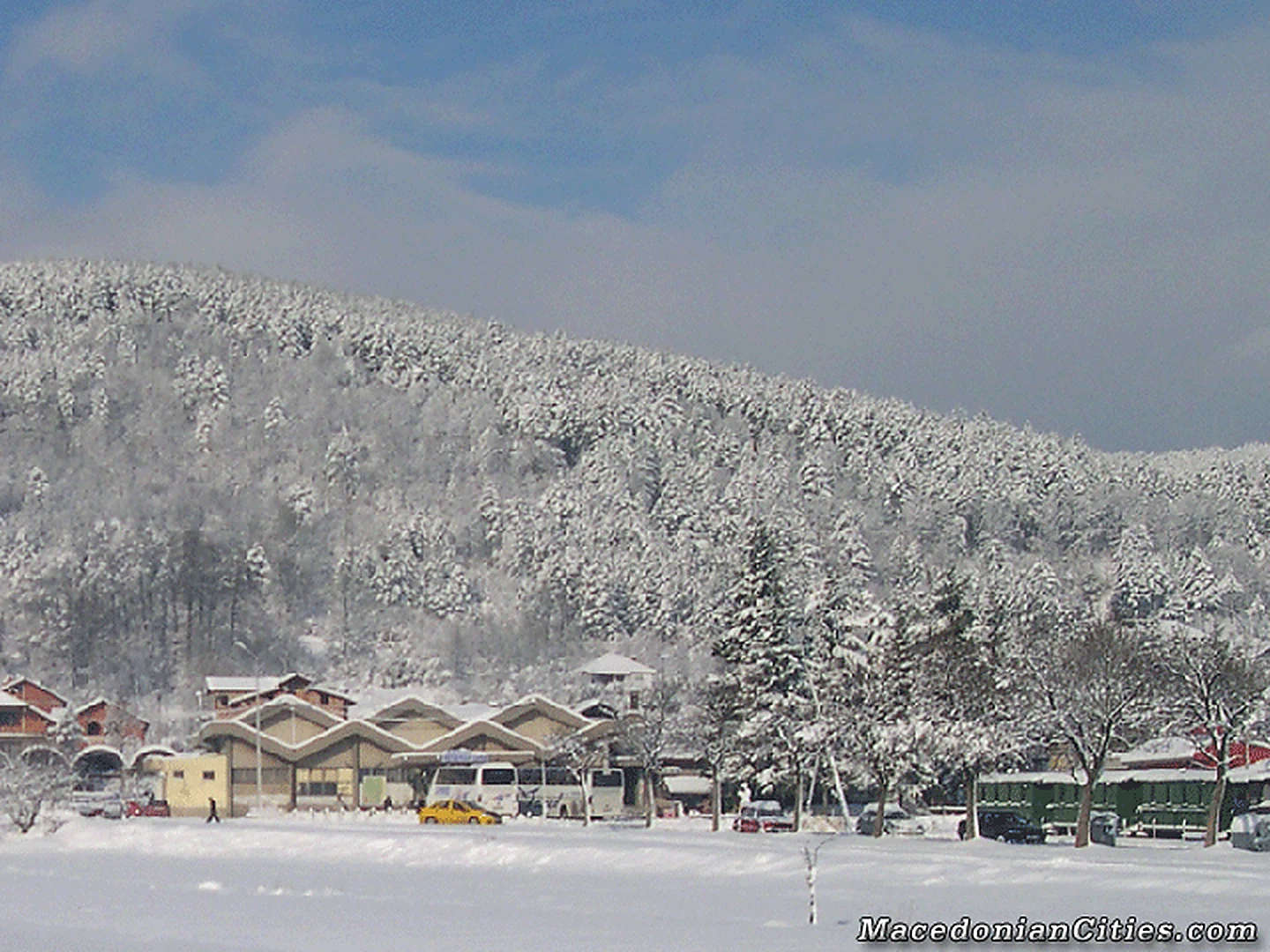
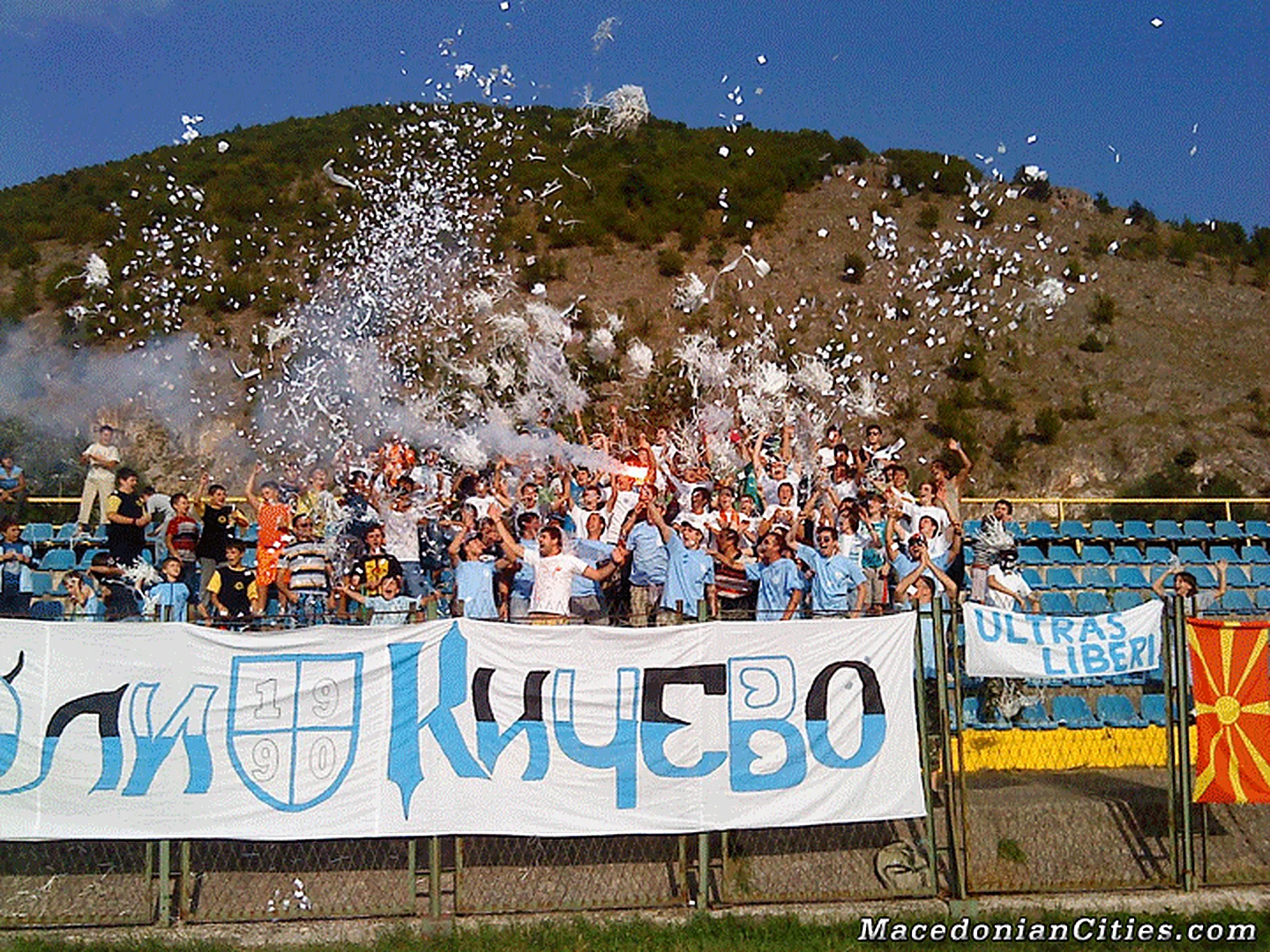
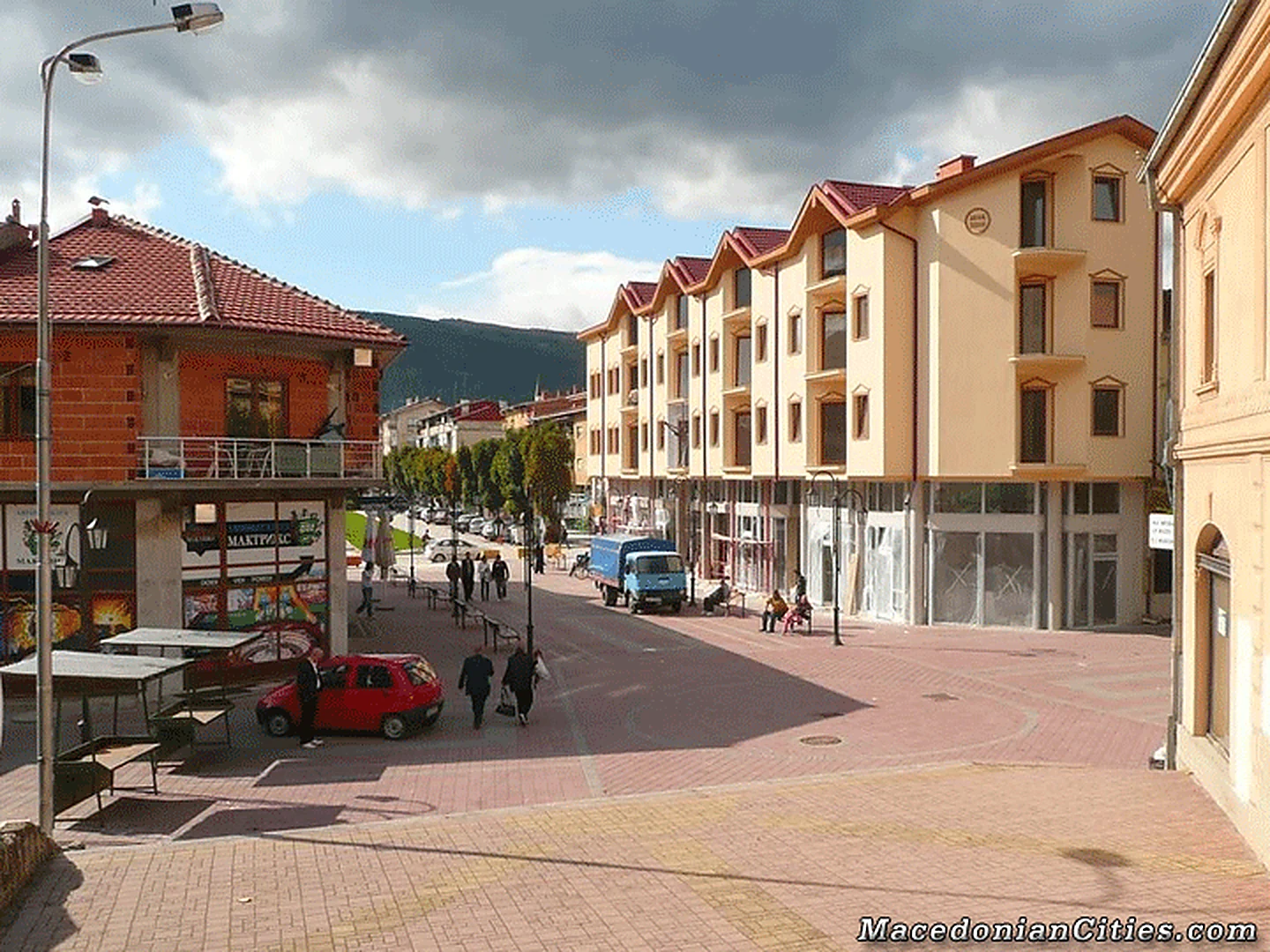
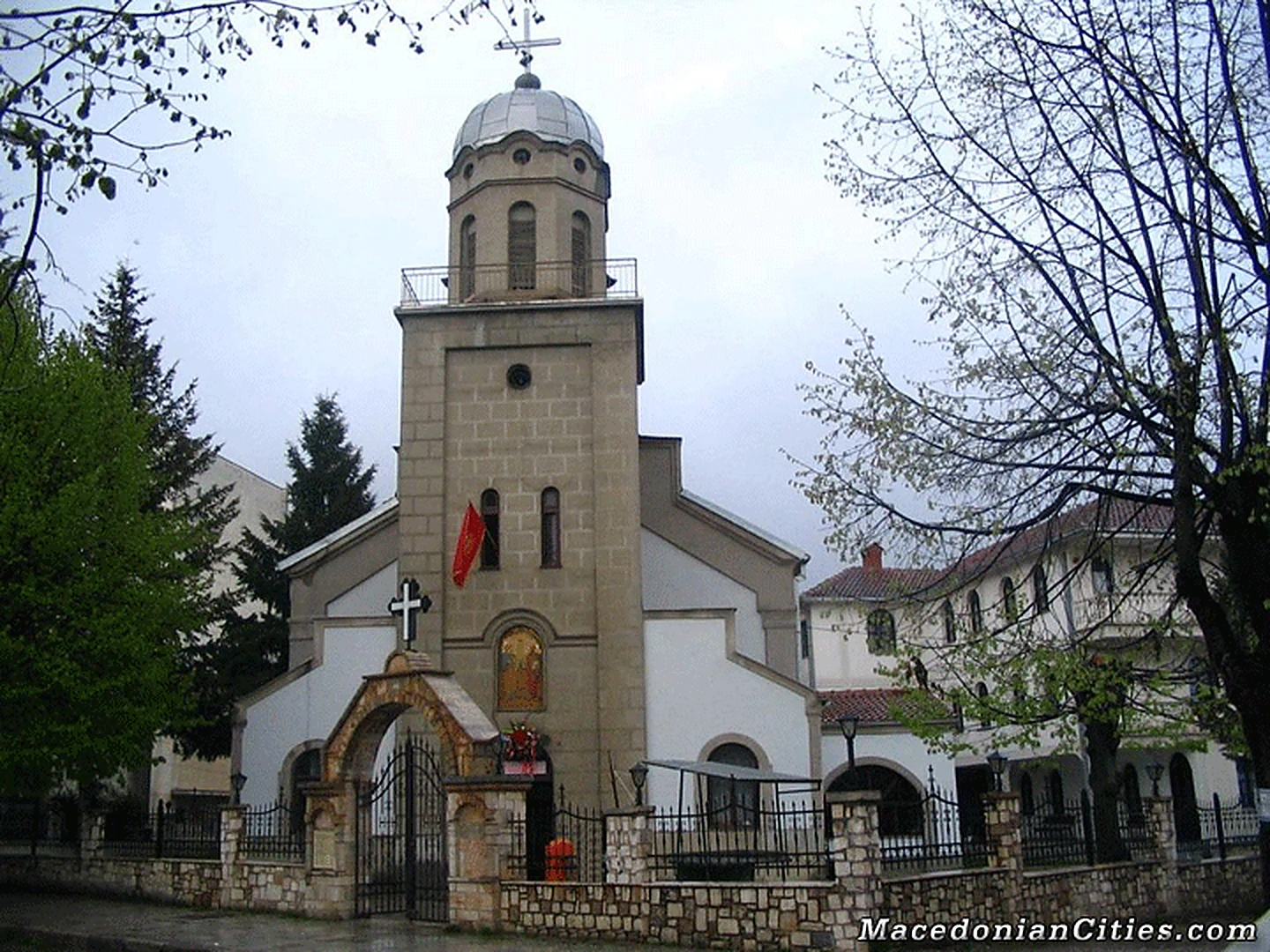
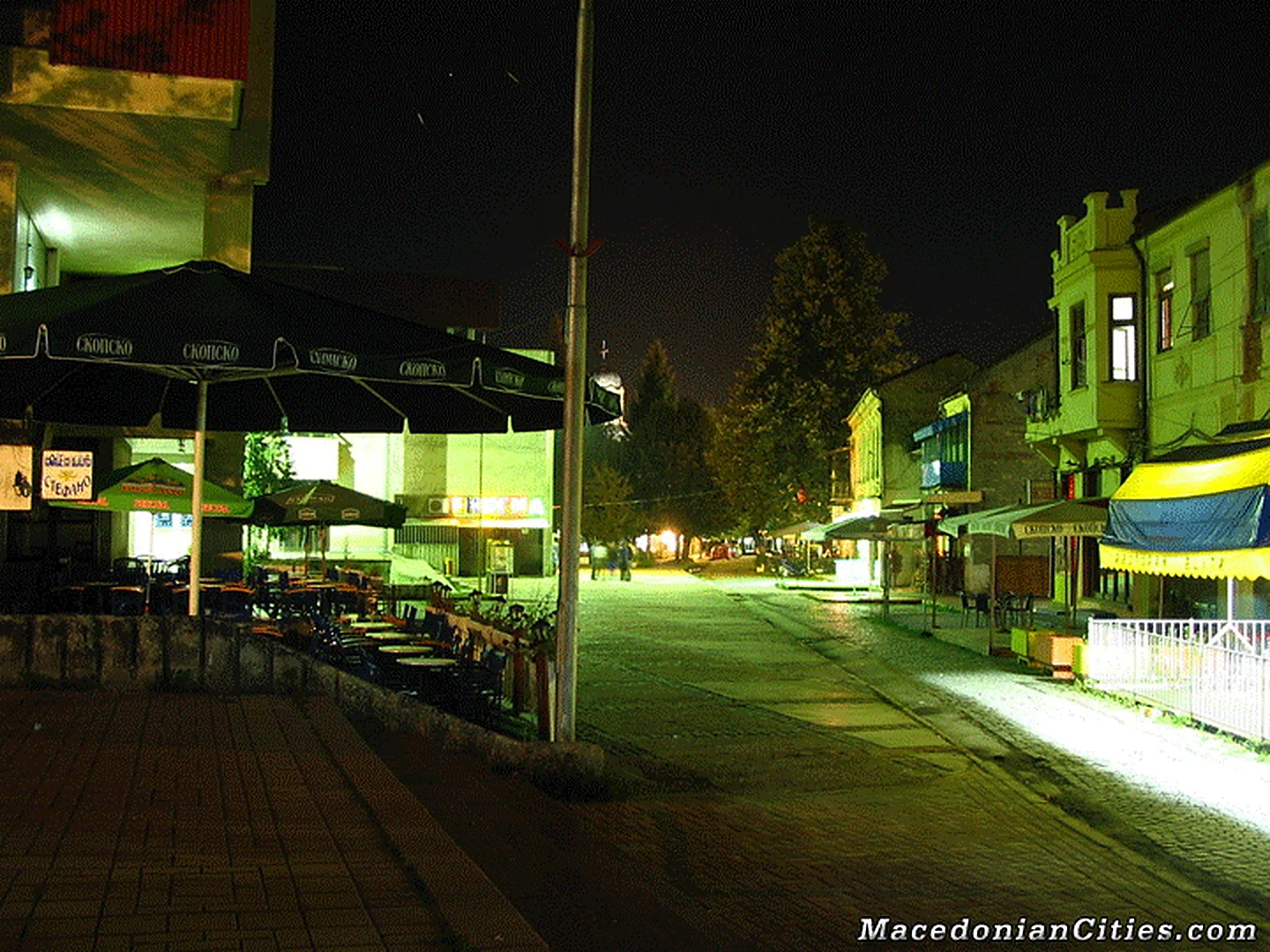
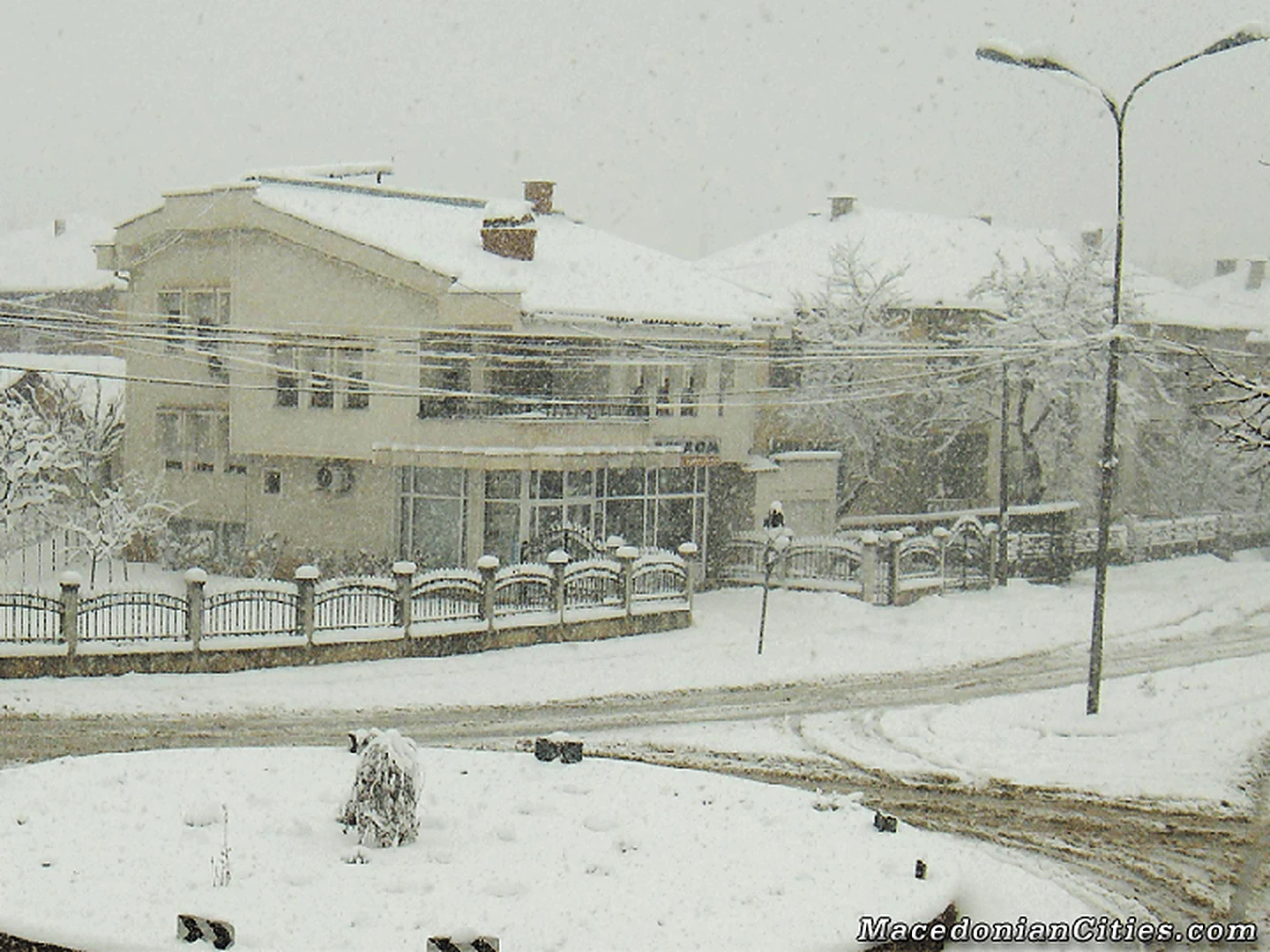
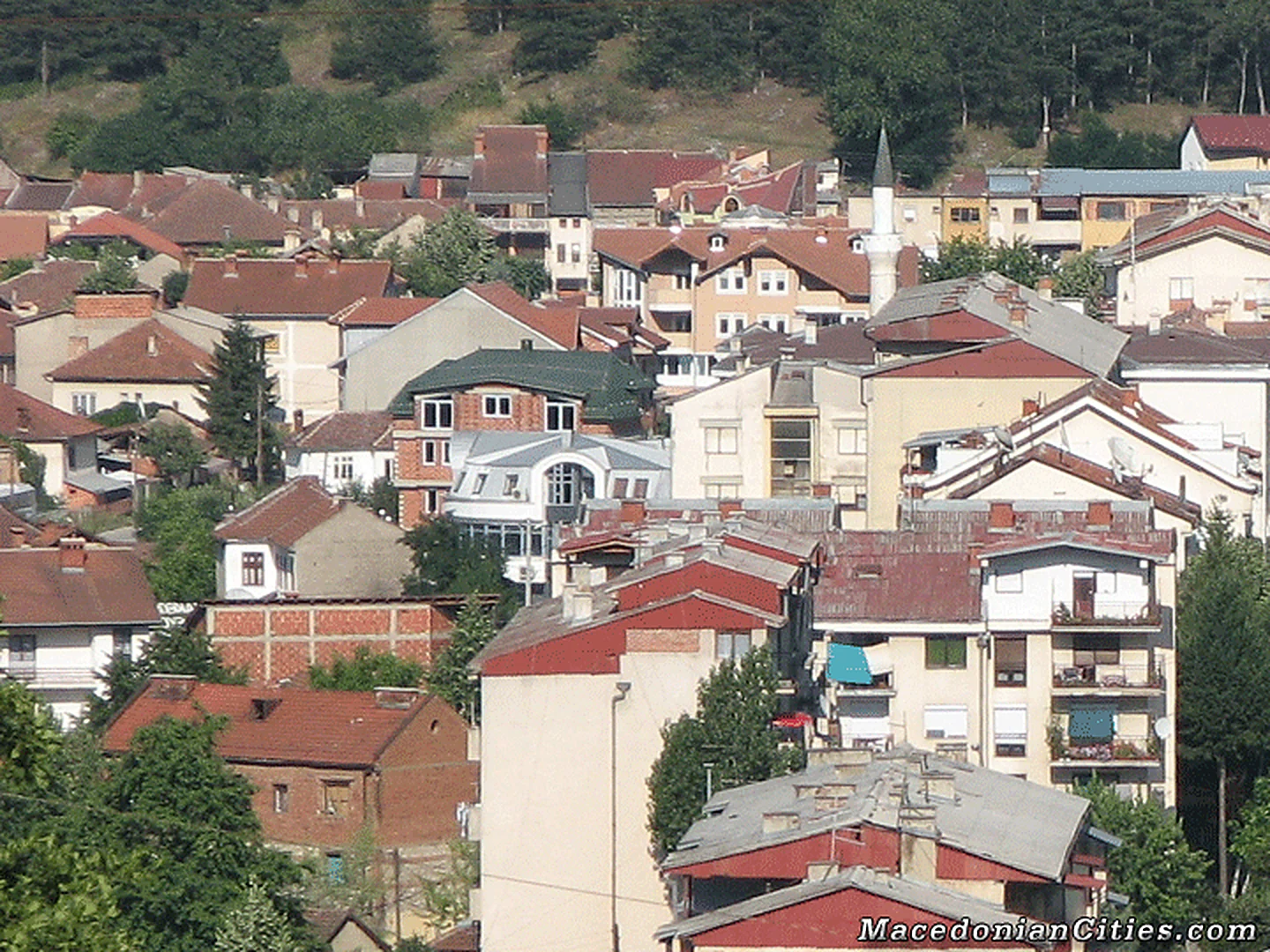
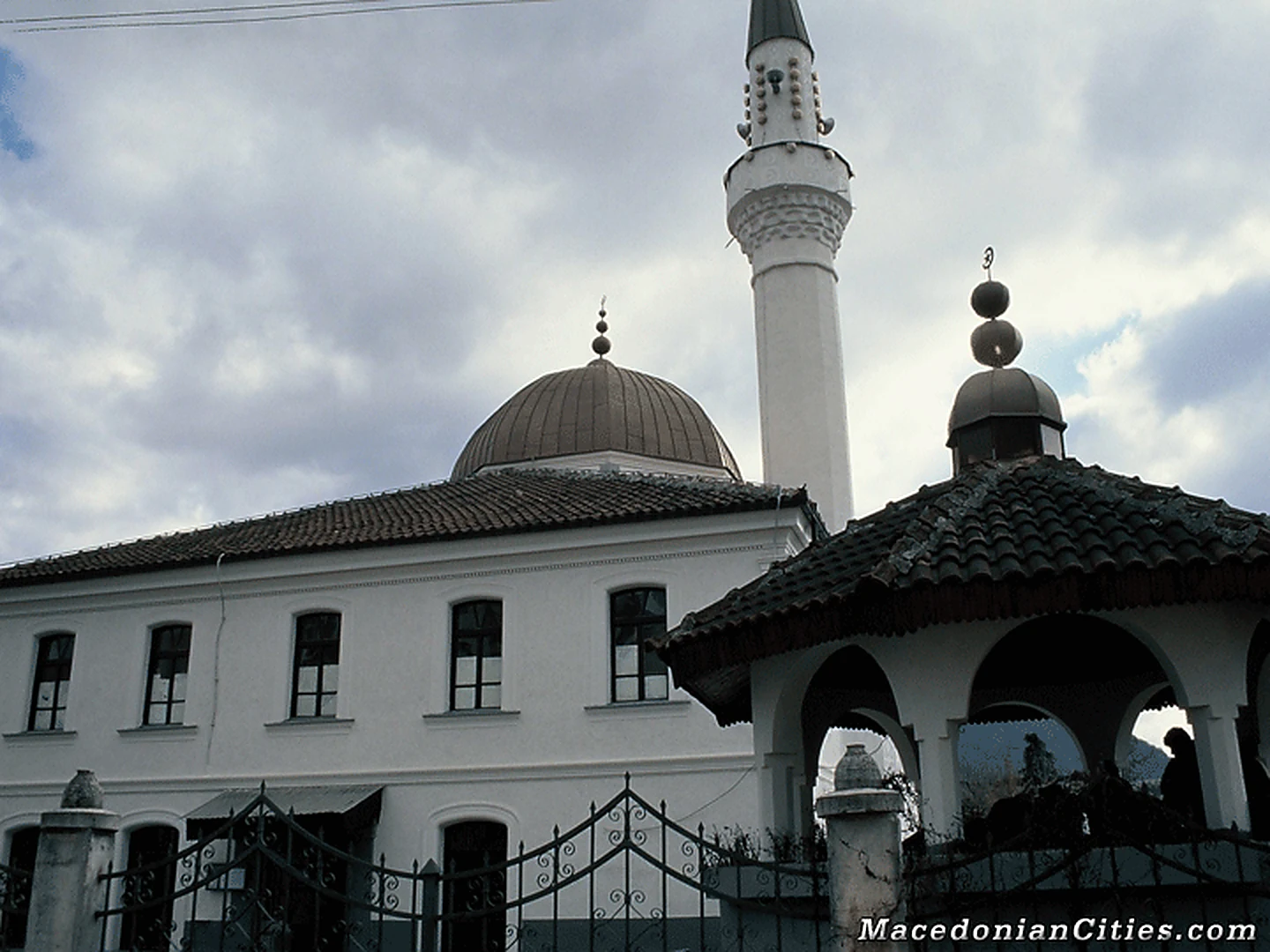
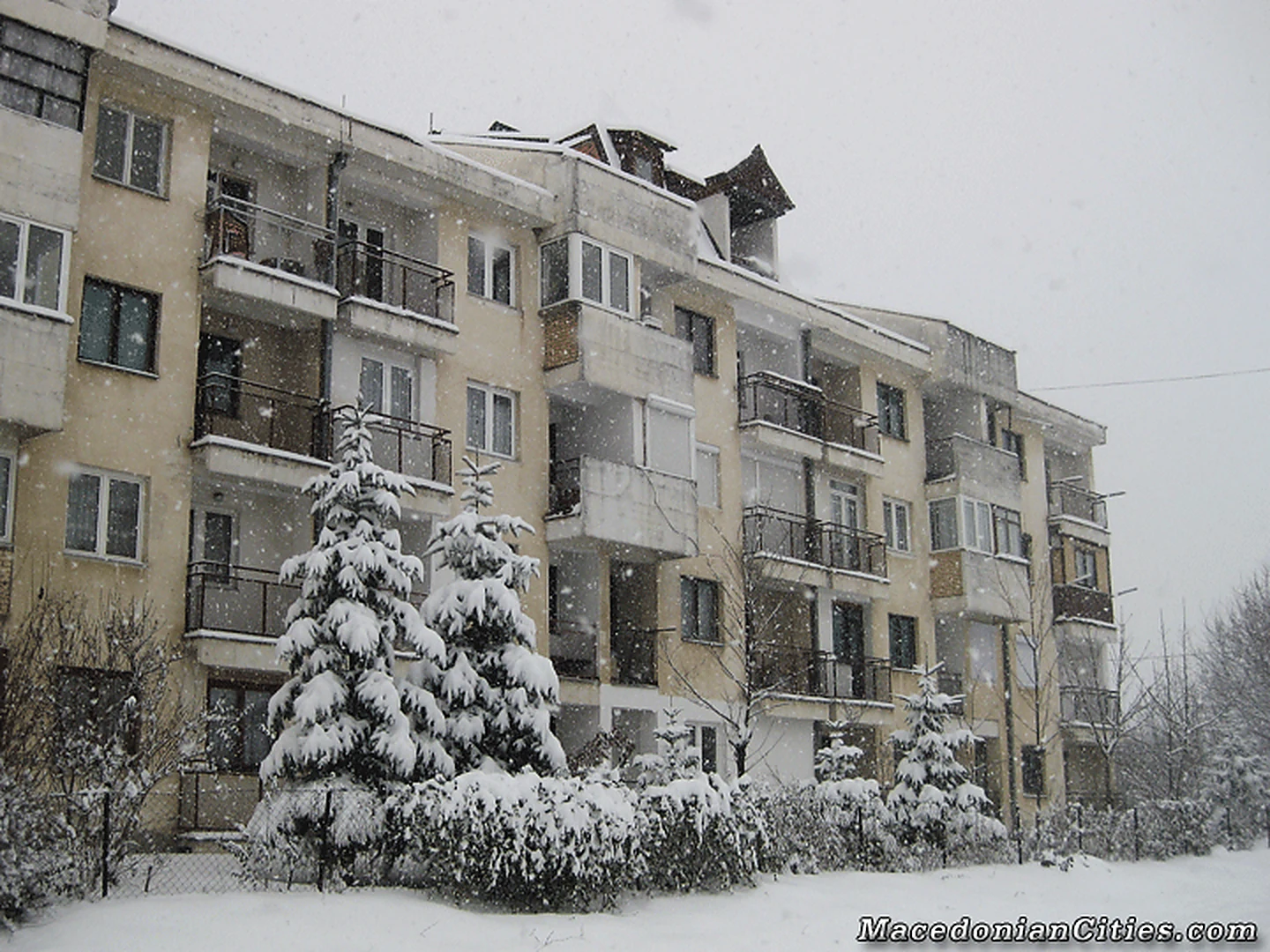
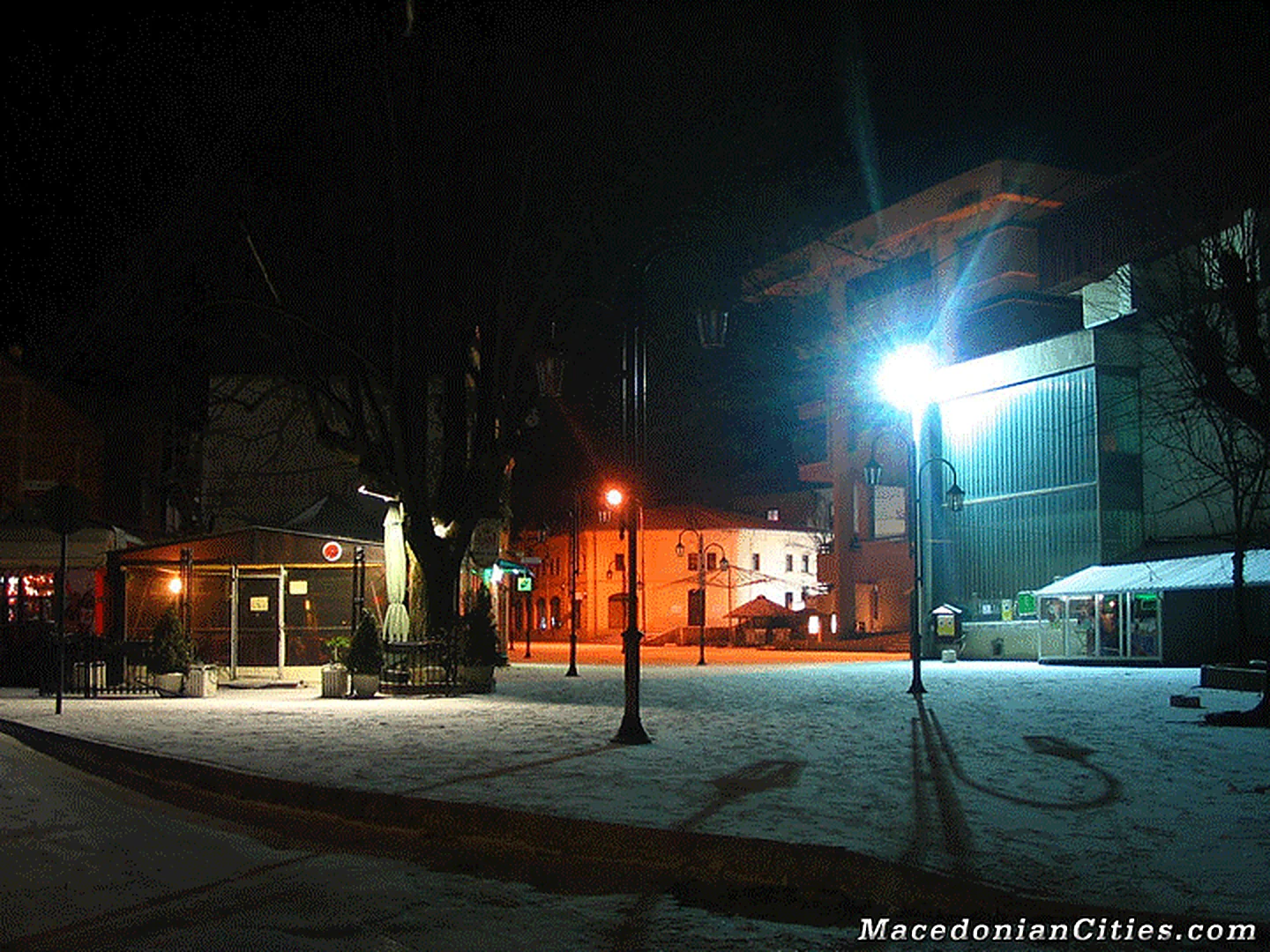
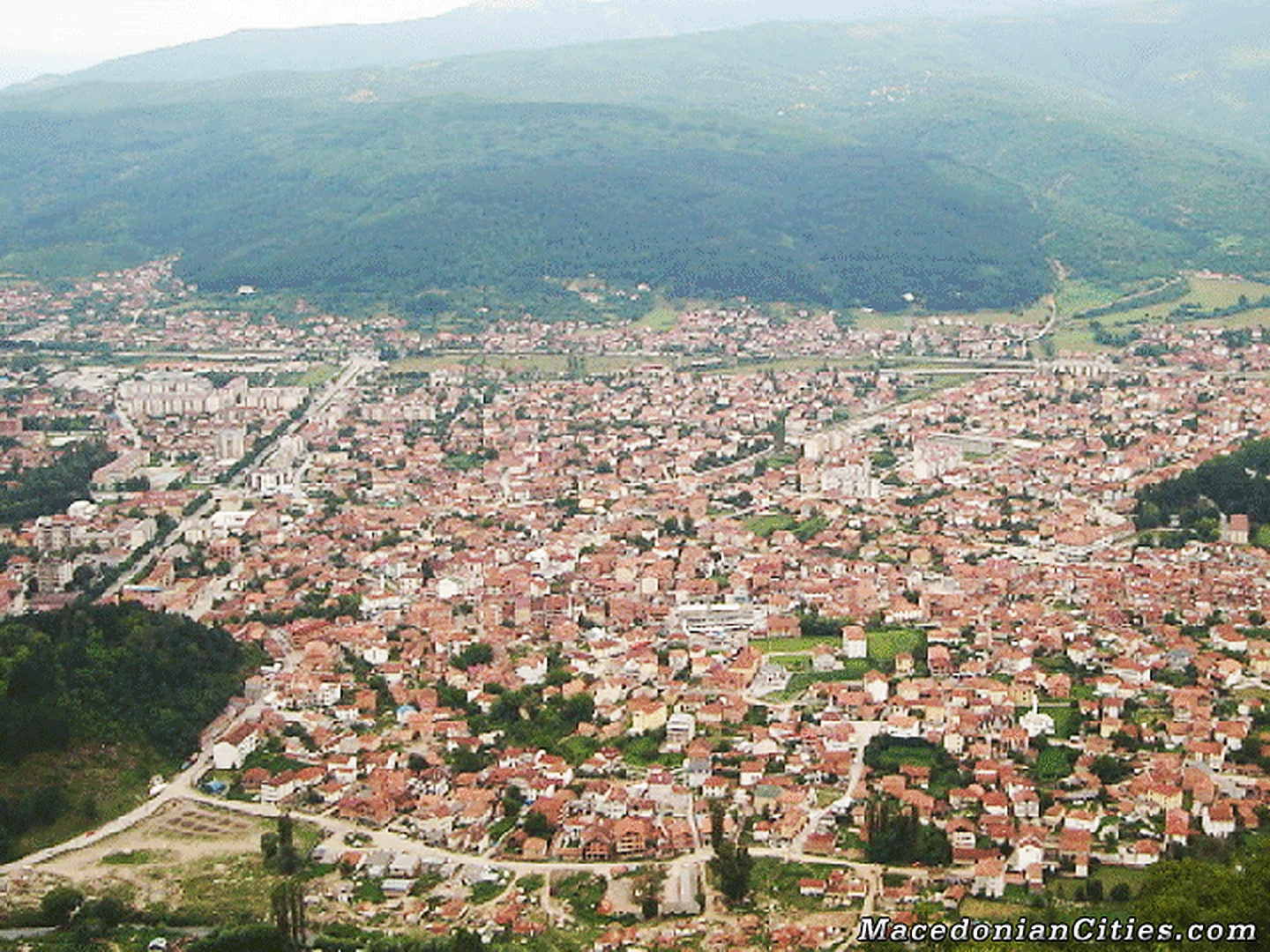
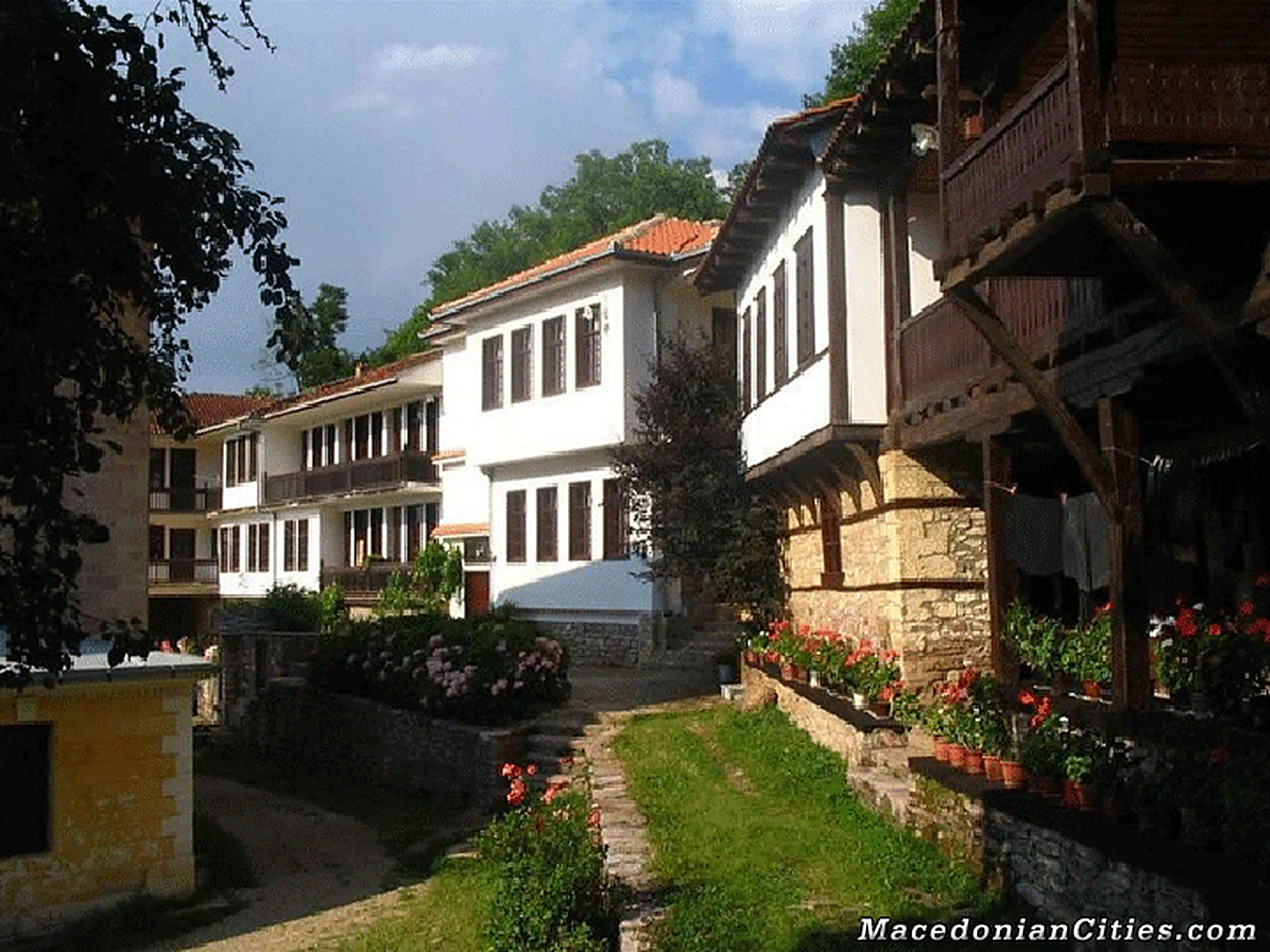
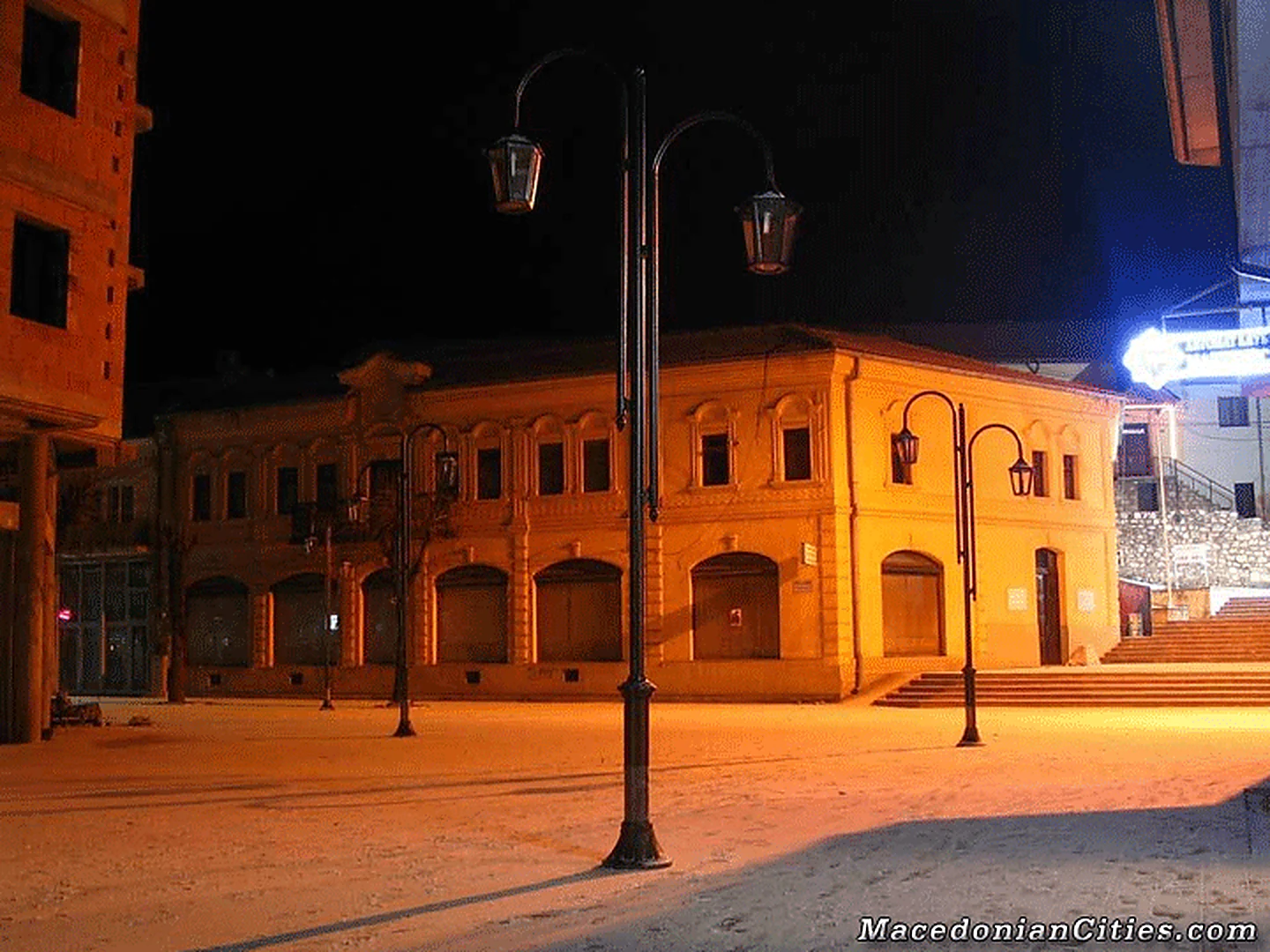
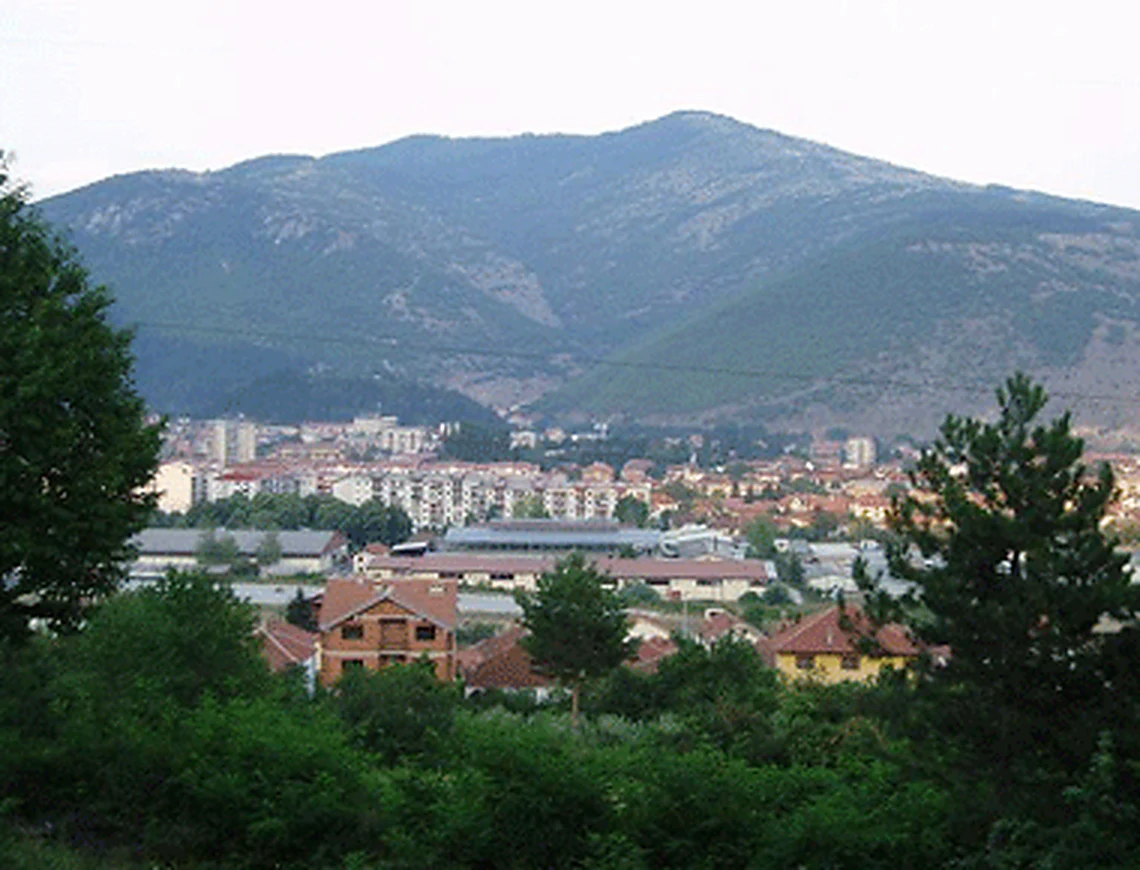
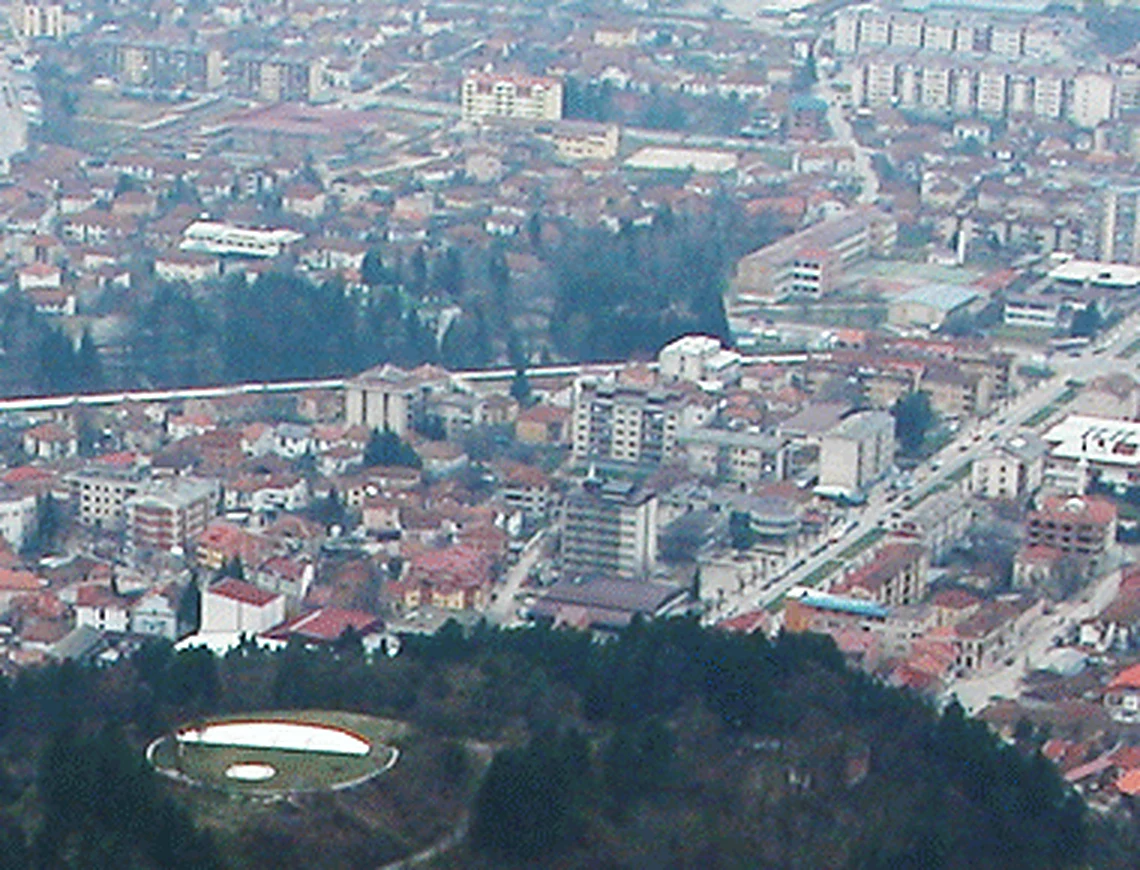
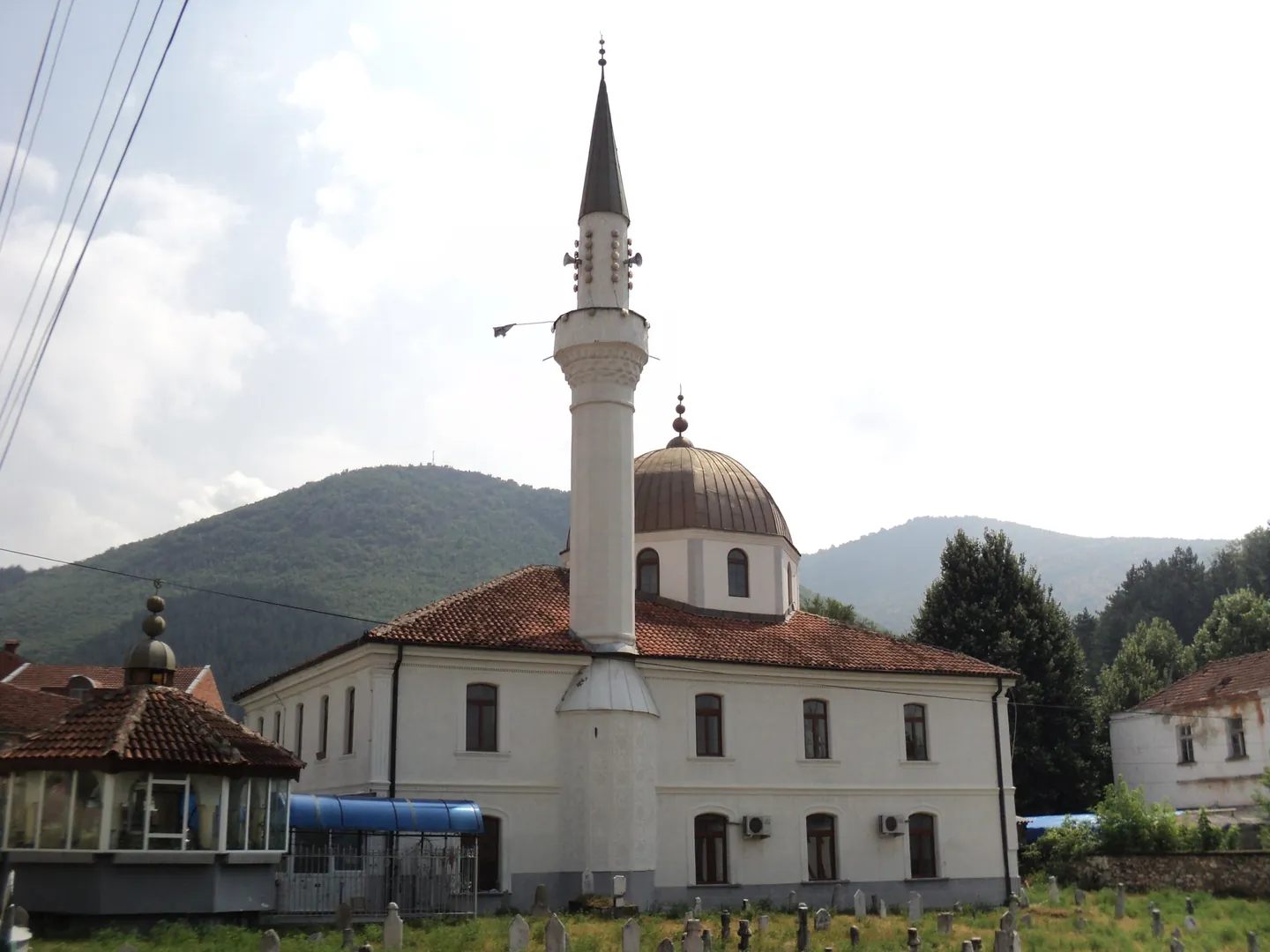
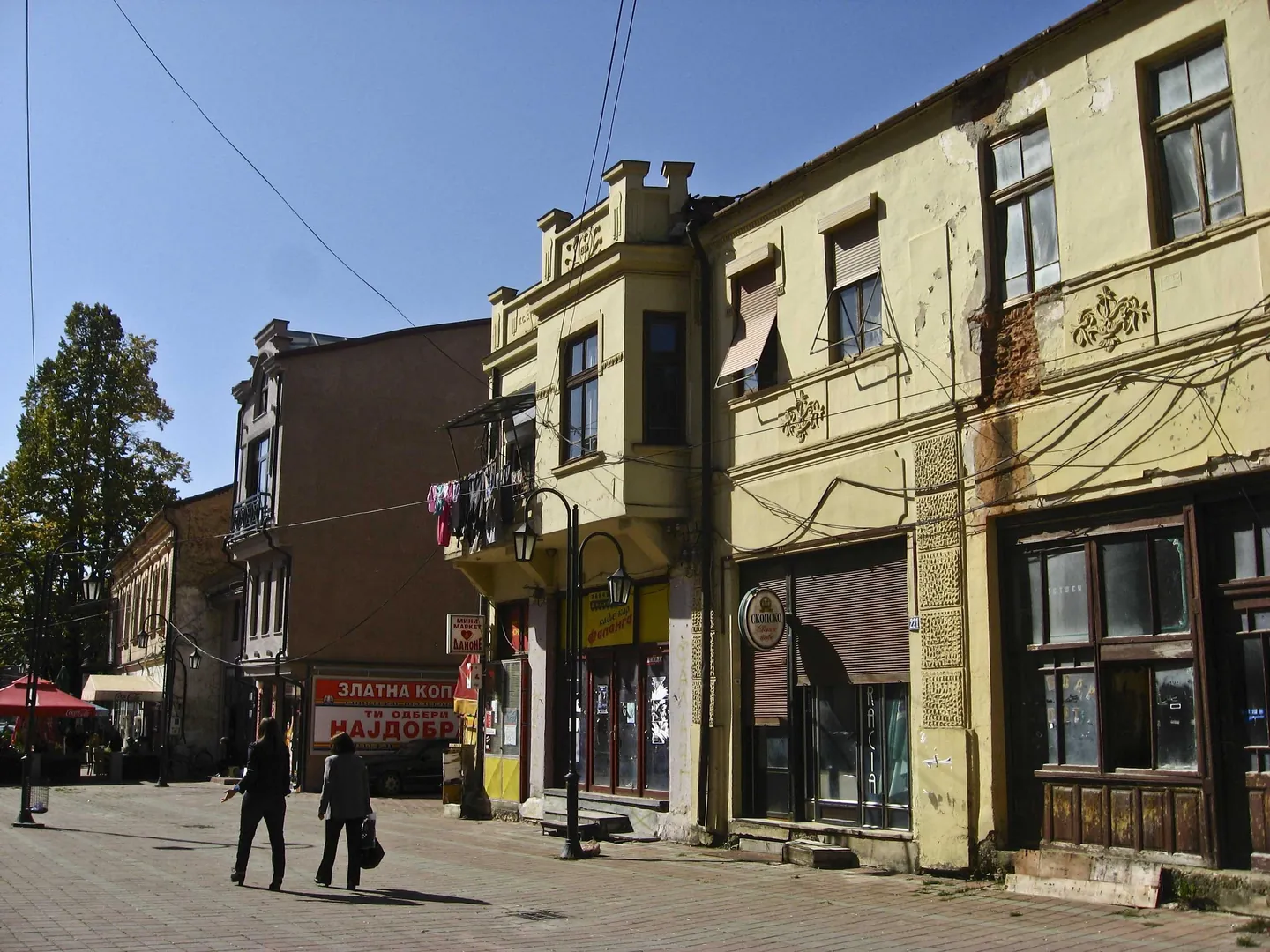
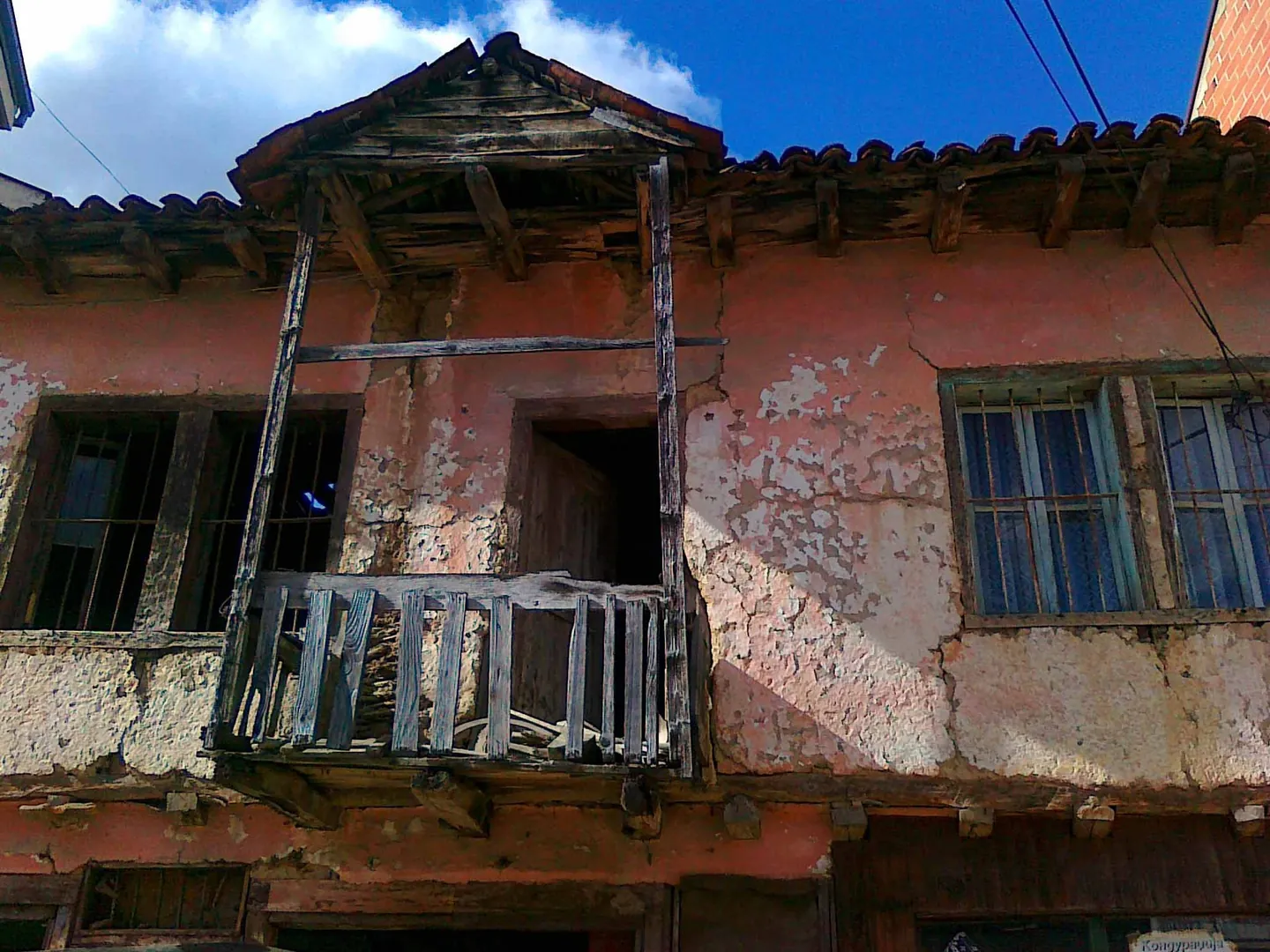
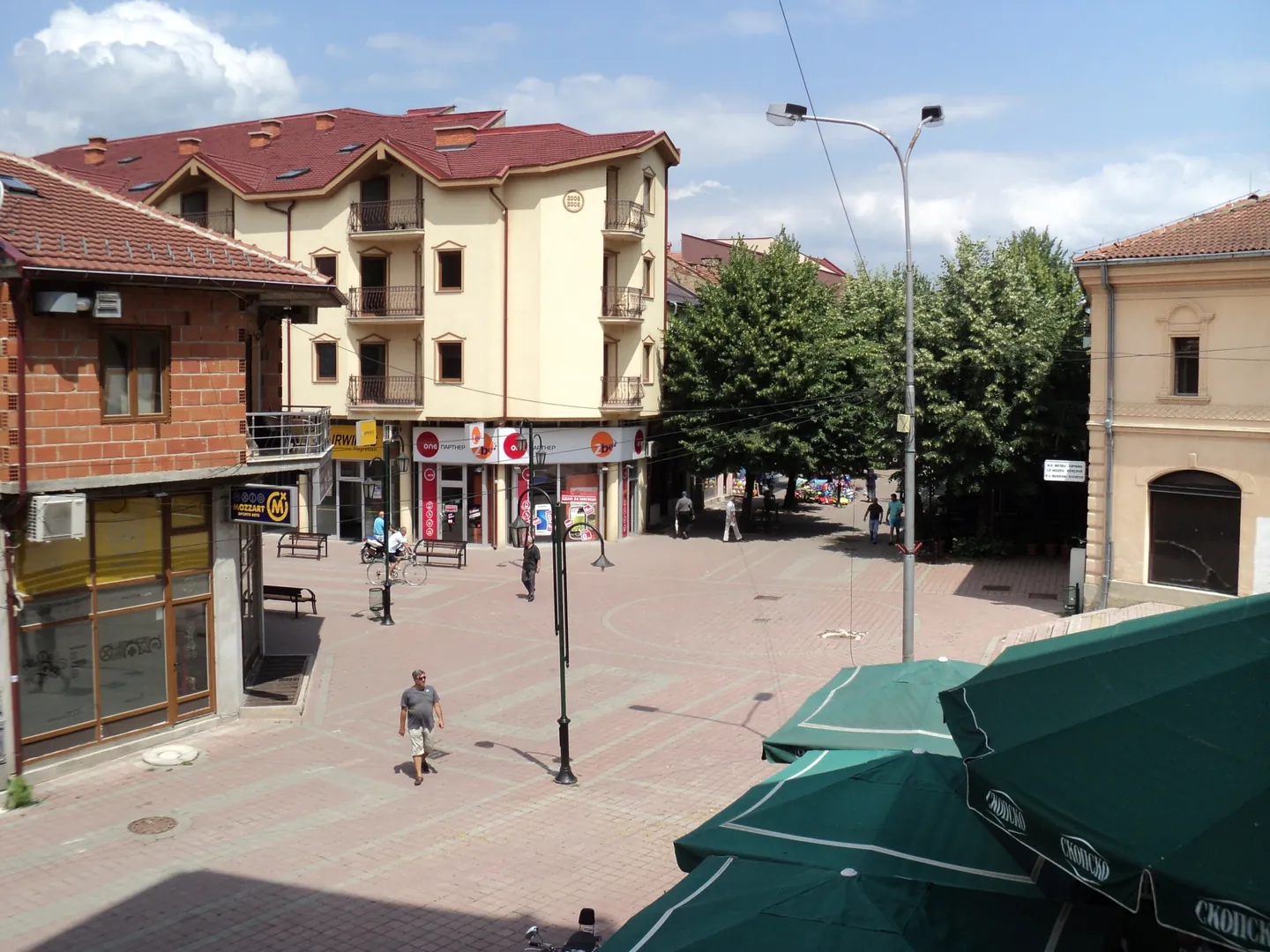
Photo credits
- Kichevo: Sultan Bayazit Mosque, a white building with a red-tiled roof, dome and minaret, hills behind. Photo: FlammardCC BY-SA 3.0Wikimedia Commons
- Kichevo: a paved street of old shopfronts and upper balconies, with people walking past. Photo: Ilievski VladimirCC BY-SA 3.0Wikimedia Commons
- Kichevo: an old abandoned house with peeling pink plaster, a weathered wooden balcony and a tiled roof. Photo: BijonseCC BY-SA 3.0Wikimedia Commons
- Kichevo: the centre of town, a paved square with cafe umbrellas, shops and red-roofed buildings. Photo: FlammardCC BY-SA 3.0Wikimedia Commons


