
Eastern
Shtip
Штип

- Residents · 2021 census
- 42,000
- Old photographs
- 14
- Photographs
- 35
An eastern cultural centre at the meeting of two rivers
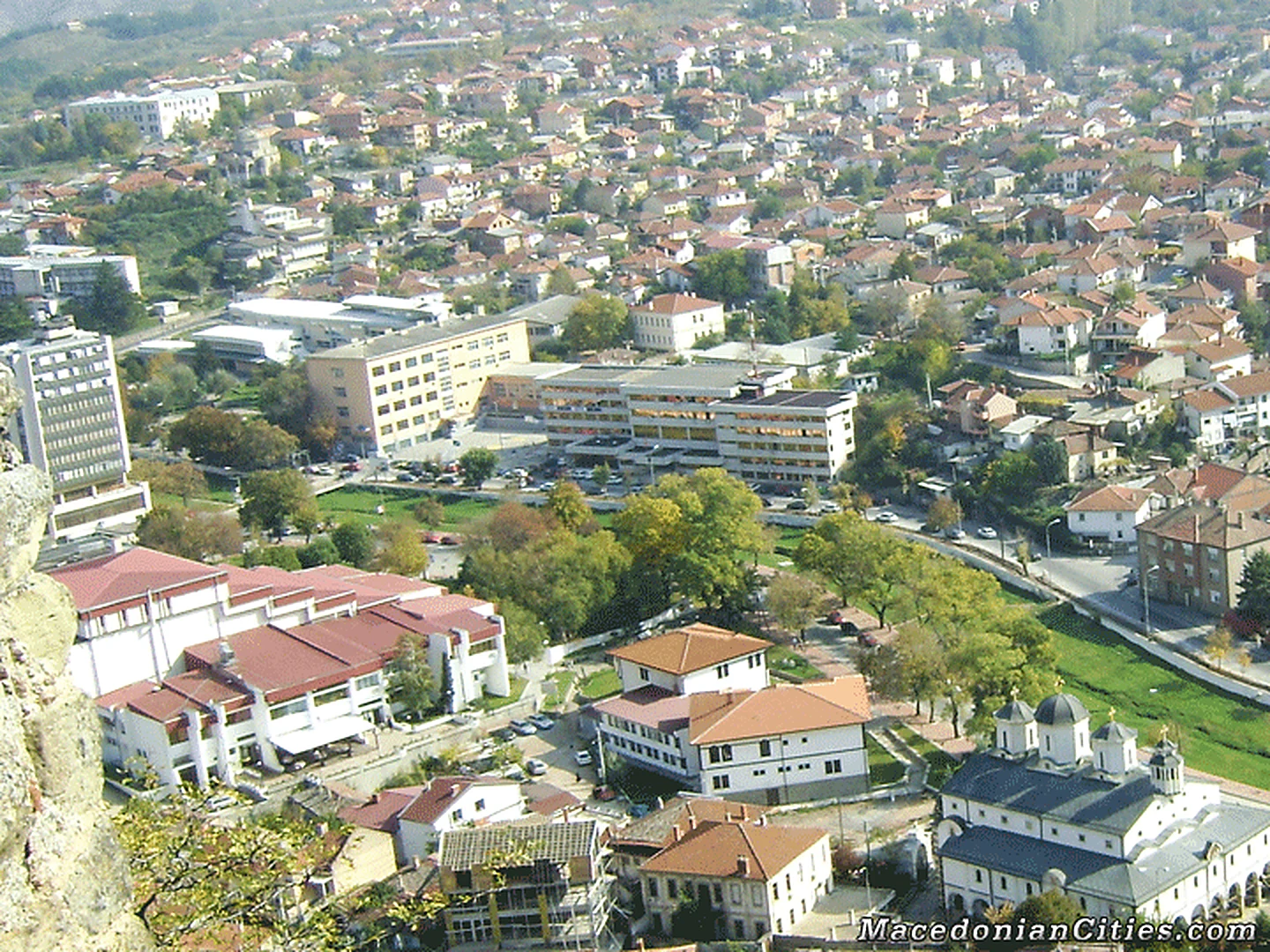
Shtip is the principal urban centre of eastern North Macedonia, set where the Bregalnica and Otinja rivers meet beneath the rocky Isar ridge. Its compact old core, Novo Selo quarter and hilltop fortress preserve the shape of a regional market town, while later neighbourhoods spread across the surrounding dry basin.
Overview
City overview
Meet Shtip.
A grounded introduction to the city, its landscape, people, history and wider municipality.
Shtip is the principal urban centre of eastern North Macedonia, set where the Bregalnica and Otinja rivers meet beneath the rocky Isar ridge. Its compact old core, Novo Selo quarter and hilltop fortress preserve the shape of a regional market town, while later neighbourhoods spread across the surrounding dry basin.
The wider area has been occupied since prehistoric and ancient times. Medieval Shtip developed around the Isar, passed through Serbian and Ottoman rule and became an important craft and trading centre. Churches, the Bezisten, Novo Selo's traditional streetscape and the archaeological landscape around the city record those successive layers.
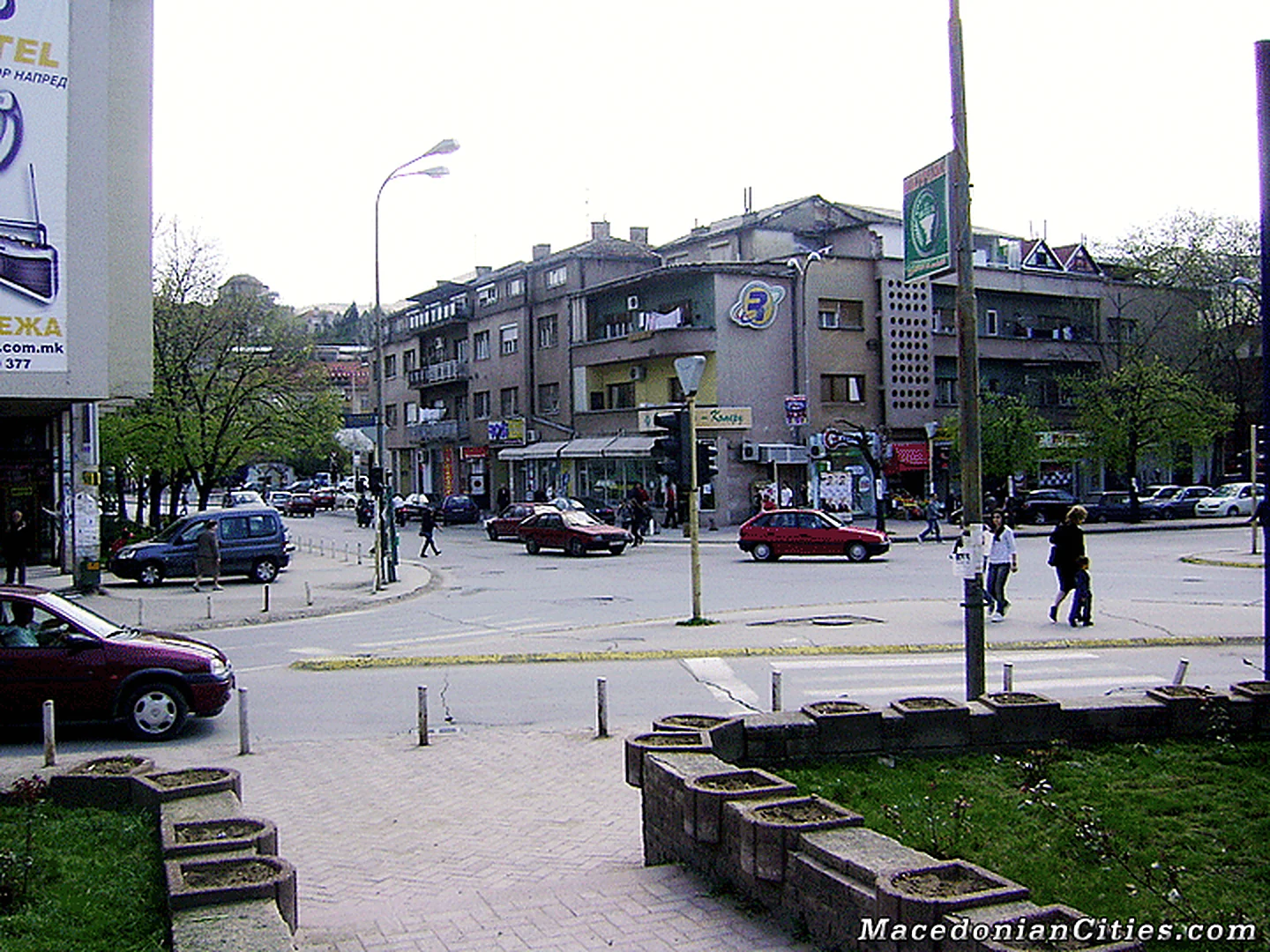
Modern Shtip is a university, administrative and industrial city. Textile and clothing production have long been especially prominent, supported by education, health care and services for the eastern region. Goce Delchev University has added a large student community and strengthened the city's cultural calendar.
The municipality combines the city with 43 officially recognized rural settlements. Its identity is expressed through football, the Makfest music festival, the UNESCO-inscribed Chet'rse spring custom and the Isar landscape, while the hot mineral waters at Kezhovica remain a distinctive local natural resource.
The 2021 census counted 42,000 residents in Shtip itself and 44,866 across the wider municipality; 2,866 people lived outside the city settlement. That distinction between the urban centre and its surrounding communities is important in Macedonian demographic reporting and in understanding everyday local life.
At a glance
Useful facts, in one place.
Settlement and municipality figures are kept distinct wherever sources permit.
- Municipality
- Shtip Municipality
- City population
- 42,000
- Municipality population
- 44,866
- Population year
- 2021
- Municipal area
- 583.24 km²
- Elevation
- 300 m
- Approx. road distance from Skopje
- 92 km
- Postal code
- 2000
- Climate
- Temperate continental climate with hot, dry summers, cool winters and frequent air movement through the Bregalnica valley.
- Sports teams
- FK Bregalnica Shtip
- Culture
-
- Chet'rse, the Feast of the Holy Forty Martyrs, is inscribed on UNESCO's Representative List of the Intangible Cultural Heritage of Humanity.
- Makfest has made Shtip an important stage for Macedonian popular music.
- The Isar fortress, Novo Selo and the Ottoman Bezisten form the core of the city's visible historic landscape.
- Population snapshot
- 42,000 city residents and 44,866 municipality residents in the 2021 census; 2,866 lived outside the city settlement.
- Statistical region
- Eastern
- Settlements
- 44
- Villages
- 43
- Urban share
- 93.6%
- Population scope
- Population figures use the 2021 census: 42,000 for the settlement of Shtip and 44,866 for Shtip Municipality.
Known for
The city's signature.
Landmarks, foods, landscapes and traditions that give Shtip its character.
- Isar fortress and the old Novo Selo quarter
- Bargala archaeological site
- Textile and clothing industry
- Shtipska pastrmajlija
- Kezhovica thermal springs and Goce Delchev University
Geography
Geography
Land shapes the city.
Terrain, waterways, climate and transport explain why Shtip grew where it did.
Shtip occupies a strategic meeting point in eastern North Macedonia, where the short Otinja River joins the Bregalnica beneath the rocky Isar hill. Neighbourhoods spread through narrow valleys and over dry slopes, giving the city a layered, amphitheatre-like form. The larger Bregalnica valley connects Shtip westward to the Vardar corridor and eastward toward Kochani, Delchevo and the Bulgarian border.
The climate is mostly temperate continental with warmer influences and frequent wind. Plachkovica Mountain rises nearby, while the Kezhovica thermal springs emerge on the edge of the city near Novo Selo. Shtip's central position within the east has made it a service, education and transport hub for surrounding farming and mining districts, not merely the administrative centre of its own municipality.
History
History
A concise, rewritten account.
Written afresh from cross-checked municipal, archaeological, heritage and institutional sources—not copied website text.
An ancient settlement known as Astibo stood in this area, and the wider Bregalnica valley contains important Roman and early Christian remains. The late antique city of Bargala, northeast of modern Shtip, became an episcopal centre with basilicas, fortifications and a wine-making installation. Medieval Shtip grew around the Isar fortress; its names in Byzantine and later sources trace the gradual passage from ancient to Slavic urban life.
Ottoman rule brought mosques, baths, bridges, craft quarters and a market town tied to regional trade. Novo Selo, below the fortress, retains much of the older street pattern and religious landscape. In the nineteenth and early twentieth centuries Shtip became an educational, commercial and political centre for the eastern region, then passed through the upheavals of the Balkan wars and both world wars.
Post-war factories made textiles the city's best-known industry and drew workers from the surrounding countryside. Although that industrial base has changed, clothing production remains part of Shtip's identity. Goce Delchev University, founded in 2007, reinforced the city's role as an eastern academic centre, while Isar, Bargala, Kezhovica and the old quarter keep its much longer history visible.
The preserved legacy narrative
Open the preserved legacy narrative
Shtip's ancient predecessor is generally associated with Astibo, a settlement in Paeonia near the river of the same name, usually identified with the Bregalnica. The inherited account calls it the Paeonians' capital and assigns particular tribes, coin types and events to the site, but those details are interpretations rather than a settled local chronology. Paeonian communities occupied the wider Axius and Bregalnica region before the area was incorporated into the ancient Macedonian kingdom and later the Roman state.
The name Astibo appears in ancient geographical and historical traditions, and Roman-period evidence places an important station on the route between Stobi and Pautalia in this region. Archaeology, rather than the precise claims about coronations found in older popular accounts, provides the firmer record. Nearby Bargala flourished as a fortified late Roman and early Christian centre with basilicas and an episcopal role, while settlement around modern Shtip continued through late antiquity.
Slavic settlement transformed the region during the early medieval centuries, and forms of the modern name Shtip emerged gradually in Byzantine and Slavic sources. The popular story that Cyril and Methodius personally preached here before their Moravian mission is not securely documented and should be presented, if retained, as local tradition. The town passed among Byzantine, Bulgarian and Serbian states; it was incorporated into Stefan Dechanski's realm in the fourteenth century and came under Ottoman control later that century. As Ottoman İştip it developed as an administrative, market and craft centre. A Habsburg advance briefly disrupted Ottoman rule in 1689, but the empire retained the town until the Balkan Wars.
After 1912–13 Shtip became part of the Kingdom of Serbia and subsequently the Kingdom of Serbs, Croats and Slovenes, later Yugoslavia. German aircraft bombed the city during the Axis invasion of April 1941, after which it was occupied by Bulgarian forces allied with the Axis; German units assumed control in September 1944 as Bulgaria changed sides. The city was taken on 8 November 1944 amid operations involving Macedonian partisans and the now Allied Bulgarian army, a sequence best described with care because national narratives emphasize different actors. The date is observed locally as Liberation Day. Post-war industrialization, especially textile production, and the later establishment of Goce Delchev University shaped modern Shtip.
Profile sources (18)
- stip.gov.mk/prirodni-resursi
- zavodimuzejstip.mk/en/portfolio-items/archaeological-site-isar-shtip
- stip.gov.mk/anticki-lokalitet-bargala
- stip.gov.mk/wp-content/uploads/2026/02/Integriran-razvoen-plan-2024-2027.pdf
- stat.gov.mk/publikacii/2022/POPIS_DZS_web_EN.pdf
- citypopulation.de/en/northmacedonia/istocen/309__%C5%A1tip
- stip.gov.mk/infrastruktura
- stip.gov.mk/wp-content/uploads/2025/11/Izvestaj-SEA-%D0%A13.03-KO-Stip.pdf
- ich.unesco.org/en/RL/feast-of-the-holy-forty-martyrs-in-stip-00734
- stip.gov.mk/delovni-informacii
- ugd.edu.mk/en/about
- stip.gov.mk/category/kultura
- zavodimuzejstip.mk/en/portfolio-items/bezisten-stip
- stip.gov.mk/wp-content/uploads/2024/10/Poznati-licnosti-koi-poteknuvaat-od-Stip.pdf
- stip.gov.mk/wp-content/uploads/2022/07/3.1-Plan-JN-2019-v3.pdf
- en.macedonism.org/Macedonian-Encyclopedia/saint-pokrov-of-the-virgin
- zavodimuzejstip.mk/en/portfolio-items/church-sv-spas
- makstat.stat.gov.mk/PXWeb/pxweb/en/MakStat/MakStat__Popisi__Popis2021__NaselenieVkupno__PodatociNaselenie/T1501P21.px
Interesting Facts
Interesting facts
Details worth remembering.
Local landmarks, customs, foods and historical details that reward a closer look at Shtip.
-
A strongly urban municipality
The 2021 census counted 42,000 people in the city and 44,866 in the municipality, so about 93.6% of municipal residents lived in the urban settlement.
-
Forty greetings on Isar
During Chet'rse on 22 March, participants climb Isar hill, greet forty acquaintances and collect forty pebbles before completing other ritual acts. UNESCO inscribed the custom in 2013.
-
A fortress between two rivers
The Isar rises between the Bregalnica and Otinja and preserves fortification remains associated with medieval Shtip; the municipality treats the ridge as one of the city's defining cultural landmarks.
-
Hot mineral water beside the Bregalnica
The municipality reports a constant temperature of about 58 degrees Celsius for the Kezhovica and L'dzhi mineral water, which supports bathing and rehabilitation facilities southwest of the centre.
-
A city shaped by textiles
Shtip's municipal business profile identifies textile and clothing production as a particularly developed part of the local industrial base.
-
A university city since 2007
Goce Delchev University was established with its headquarters in Shtip on 27 March 2007 and has since grown to twelve faculties and three academies.
-
A market hall turned cultural venue
Shtip's stone Bezisten probably dates from the sixteenth or seventeenth century. Once a covered market, it now hosts exhibitions, book promotions, art and small concerts.
People
Celebrities
Lives linked to the city.
Writers, musicians, artists, athletes, public figures and historical personalities with a clearly stated connection to Shtip.
- Notable person Kiro Gligorov Shtip-born statesman who became the first president of independent Macedonia.
- Notable person Aco Shopov Shtip-born poet and translator, widely regarded as one of the founders of modern Macedonian poetry.
- Notable person Nikola Kljusev Shtip-born economist who served as the first prime minister after independence.
-
Kiro Gligorov politics
Born in Shtip in 1917.
Statesman who became the first president of the independent Republic of Macedonia and guided the country through the early 1990s.
Source -
Aco Shopov literature
Born in Shtip in 1923 and repeatedly drew on the city and its wartime experience in his work.
Poet, translator, academician and diplomat, regarded as one of the foundational voices of modern Macedonian poetry.
Source -
Nikola Kljusev politics and economics
Born in Shtip in 1927.
Economist and politician who served as the first prime minister after the country's declaration of independence.
Source -
Dragoslav Shekularac sport
Born in Shtip in 1937.
Influential Yugoslav footballer and coach, celebrated for his technique and his career with Red Star Belgrade and the national team.
Source -
Archbishop Michael (Metodij Gogov) religion
Born in Novo Selo, now within Shtip's historic urban area, in 1912.
Senior Orthodox cleric who became Archbishop of Ohrid and Macedonia in 1993.
Source -
Aleksandar Grlichkov politics and economics
Born in Shtip in 1923.
Economist and senior Yugoslav-era political figure who held republican and federal offices.
Source
Villages & Monasteries
Villages
The wider municipality.
Every verified village and rural settlement in the current municipal scope, followed by known monasteries in the surrounding cultural landscape.
43 villages and rural settlements are included.
- Baltalija Small rural settlement in the eastern part of Shtip Municipality. Source
- Brest Upland village in Shtip Municipality's sparsely populated rural interior. Source
- Chardaklija Agricultural village in the Bregalnica landscape north of Shtip. Source
- Chiflik Official rural settlement recorded with no resident population in the 2021 census. Source
- Creshka Official rural settlement recorded with no resident population in the 2021 census. Source
- Dobroshani Small agricultural settlement south of the city. Source
- Dolani Rural settlement in the hills north of Shtip. Source
- Dragojevo Agricultural village in the Lakavica side of the municipality. Source
- Gorachino Small upland settlement in the municipality's northern countryside. Source
- Hadzhi-Hamzali Official rural settlement recorded with no resident population in the 2021 census. Source
- Hadzhi-Redzhepli Official rural settlement recorded with no resident population in the 2021 census. Source
- Hadzhi-Sejdeli Official rural settlement recorded with no resident population in the 2021 census. Source
- Jamularci Official rural settlement recorded with no resident population in the 2021 census. Source
- Edeklerci Official rural settlement recorded with no resident population in the 2021 census. Source
- Kalapetrovci Small rural settlement in Shtip Municipality. Source
- Koshevo Foothill village in the municipality's western rural zone. Source
- Krivi Dol Village close to Shtip in the Bregalnica valley corridor. Source
- Lakavica Valley village that gives its name to the Lakavica river and surrounding rural area. Source
- Leskovica Established village in the southern hills of Shtip Municipality. Source
- Lipov Dol Official rural settlement recorded with no resident population in the 2021 census. Source
- Ljuboten Foothill village west of Shtip, distinct from the Skopje-area settlement of the same name. Source
- Nikoman Small upland village in the municipality's northern sector. Source
- Novo Selo Historic settlement at the foot of Isar, now physically incorporated into Shtip's urban fabric; it remains separately listed in the settlement register. Source
- Penush Agricultural village northeast of the city. Source
- Piperovo Village in the Lakavica valley area south of Shtip. Source
- Pochivalo Small rural settlement in the municipality's northern countryside. Source
- Puhche Village east of Shtip in an agricultural and low-hill landscape. Source
- Sarchievo Small agricultural settlement south of Shtip in the Lakavica-side countryside. Source
- Shashavarlija Rural settlement east of Shtip on the road toward Koshevo. Source
- Selce Foothill village close to Shtip's northeastern edge. Source
- Skandalci Official rural settlement recorded with no resident population in the 2021 census. Source
- Sofilari Village on the Bregalnica plain northwest of Shtip. Source
- Shopur Official rural settlement recorded with no resident population in the 2021 census. Source
- Star Karaorman Village on the plain northwest of Shtip, separate from the newer urban-industrial Karaorman area. Source
- Stepanci Small upland settlement in the municipality's rural north. Source
- Sudik Rural settlement north of Shtip. Source
- Sushevo Official rural settlement recorded with no resident population in the 2021 census. Source
- Suvo Grlo Sparsely populated rural settlement in the southern part of the municipality. Source
- Tanatarci Small settlement in Shtip Municipality's eastern countryside. Source
- Testemelci Official rural settlement recorded with no resident population in the 2021 census. Source
- Toplik Official rural settlement recorded with no resident population in the 2021 census. Source
- Tri Cheshmi Large suburban and industrial-corridor settlement northwest of Shtip. Source
- Vrsakovo Agricultural village northeast of Shtip. Source
Monasteries nearby
Places of continuity.
Verified monastic sites within the municipality or its immediate cultural landscape.
-
Resurrection of Christ Monastery
Shtip Municipality
Contemporary monastic site for which the municipality's 2019 procurement plan records construction of an access road.
Source -
Protection of the Most Holy Theotokos Monastery Church
Novo Selo
Monastic church in the historic Novo Selo quarter, associated with a small religious complex beneath Isar.
Source -
Saint Spas
Shtip
A historic former monastery church whose surviving building and archaeological setting are maintained as part of Shtip's religious heritage.
Source
Old Photos (14)
Old Photos
The rare collection.
Every surviving full-size historical file is included, including originals that the old page markup accidentally omitted. Family-preserved originals remain untouched.
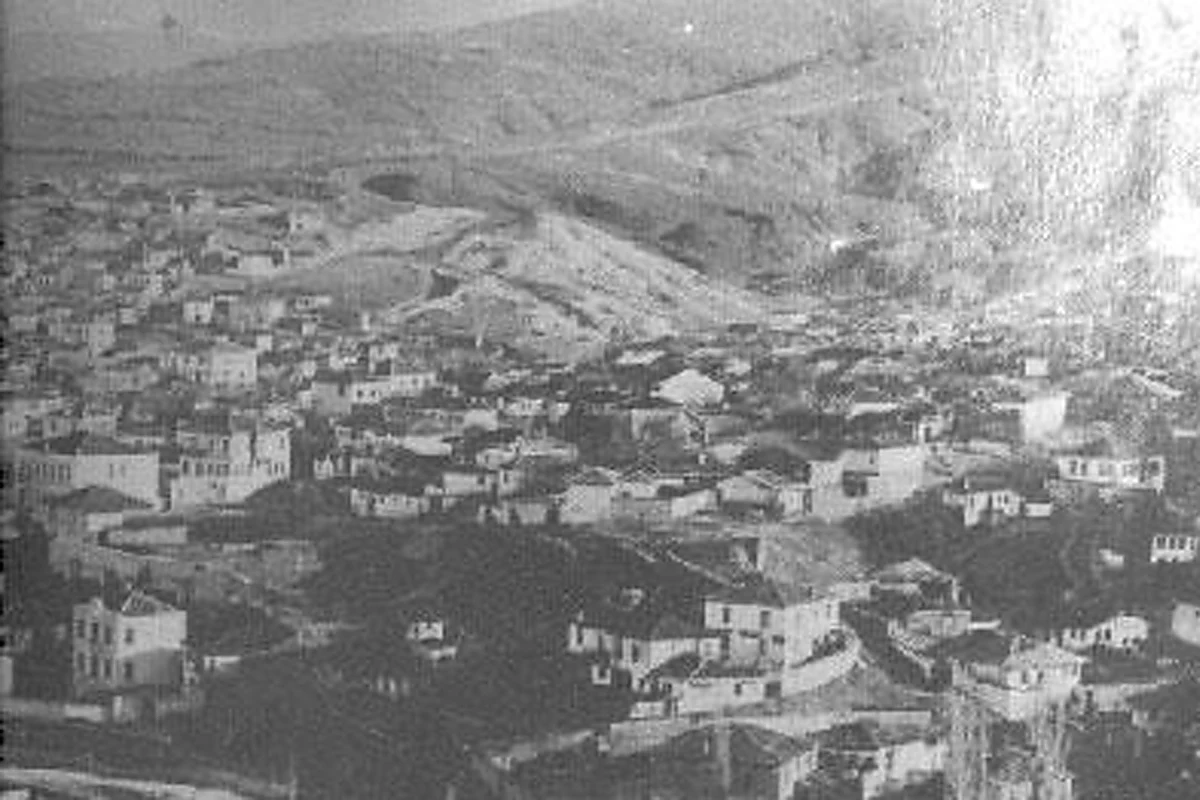
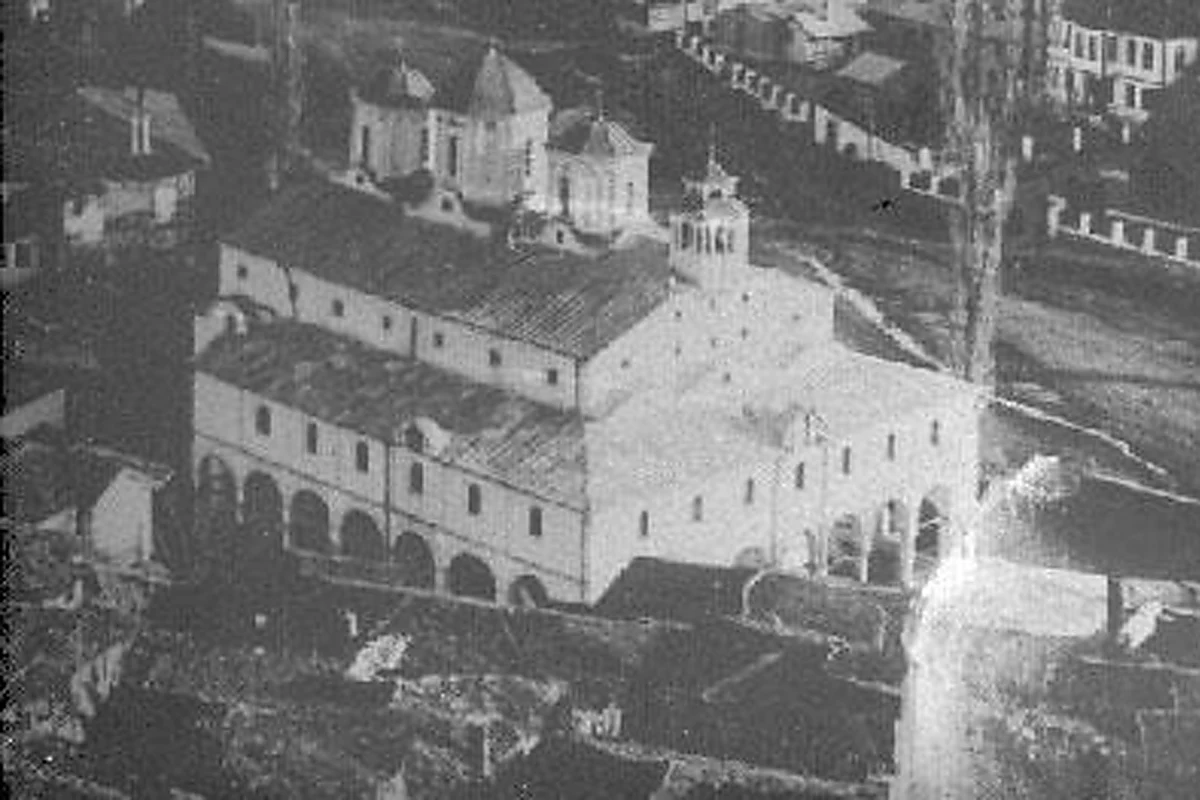
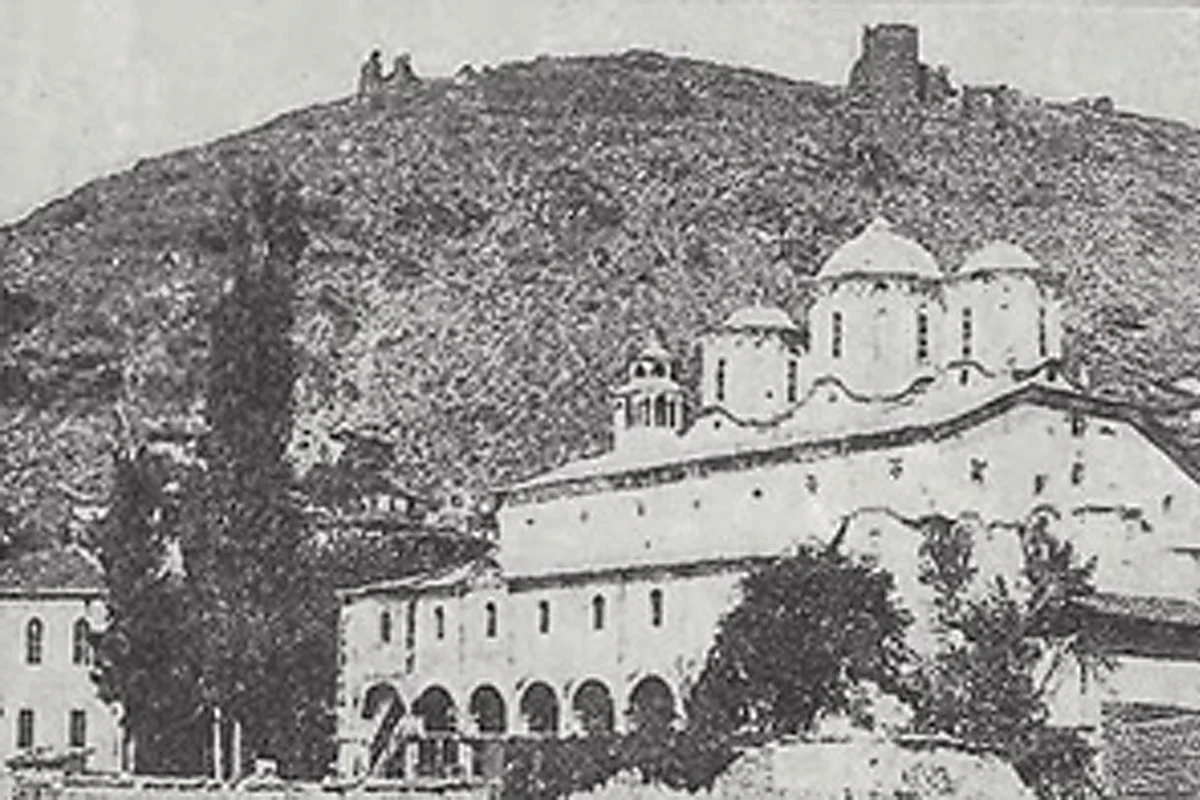
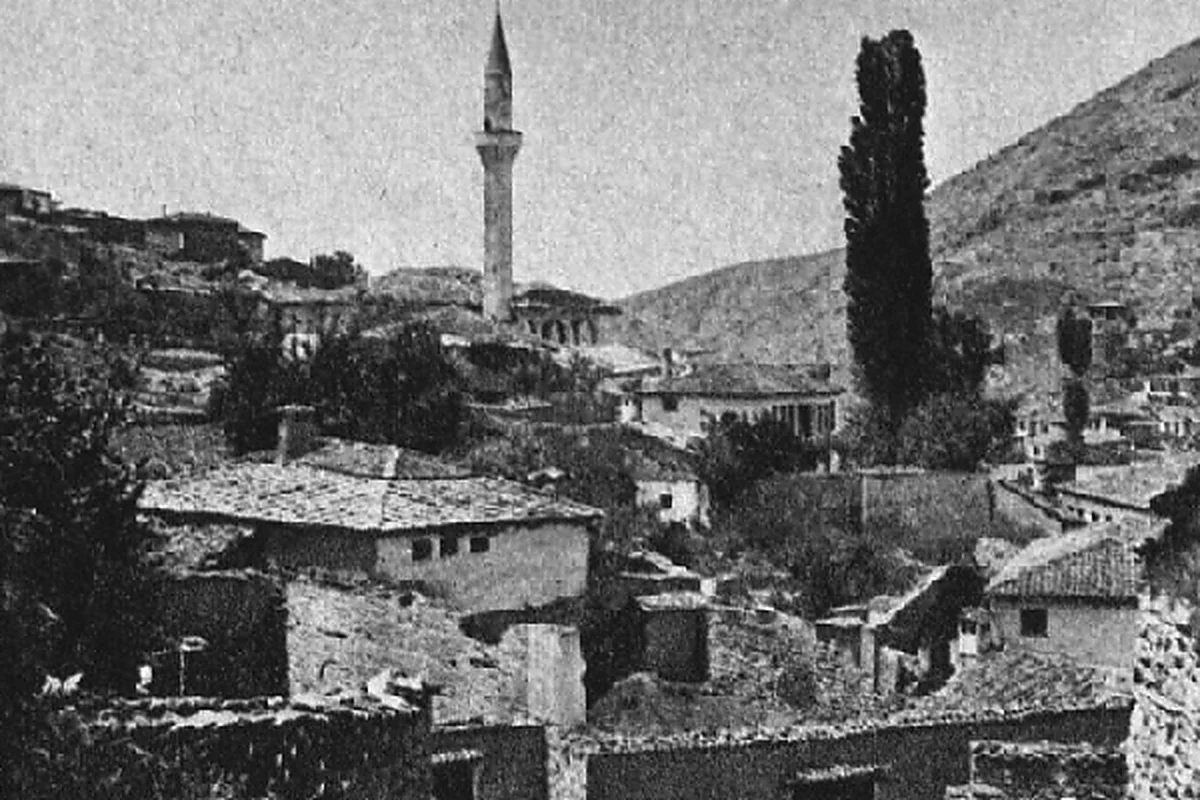
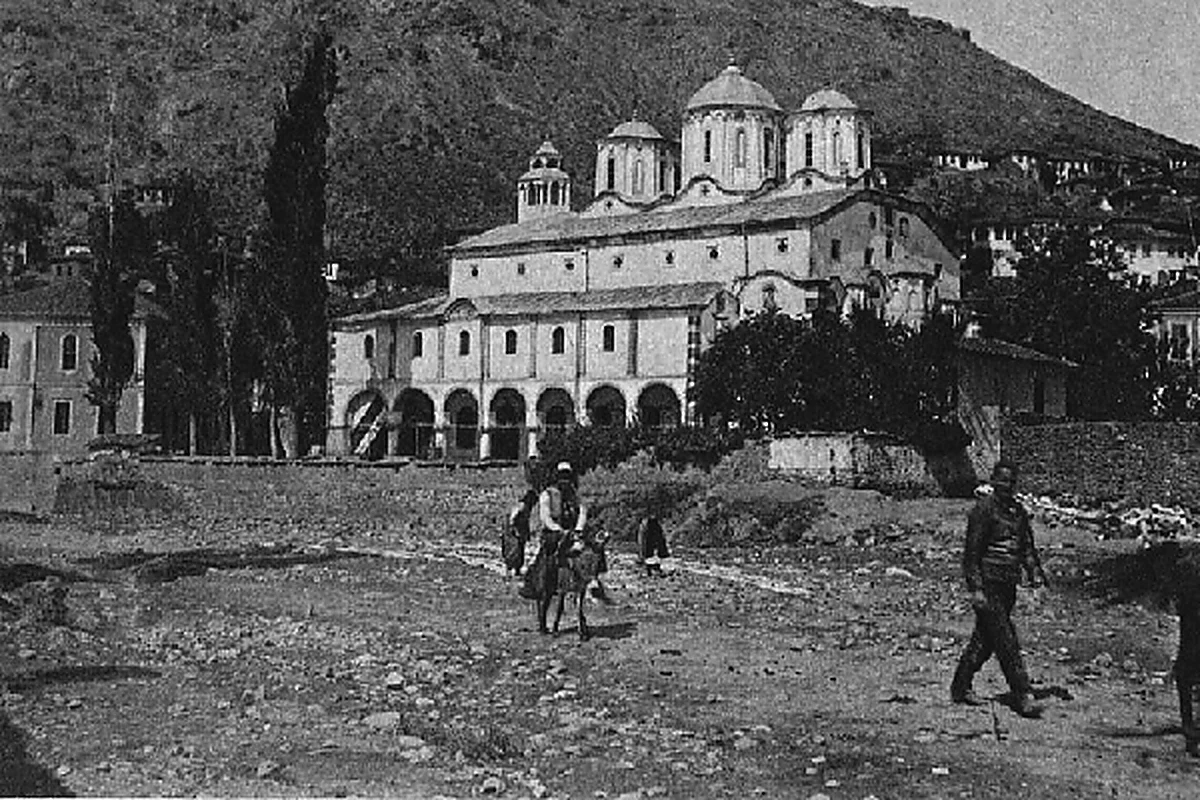
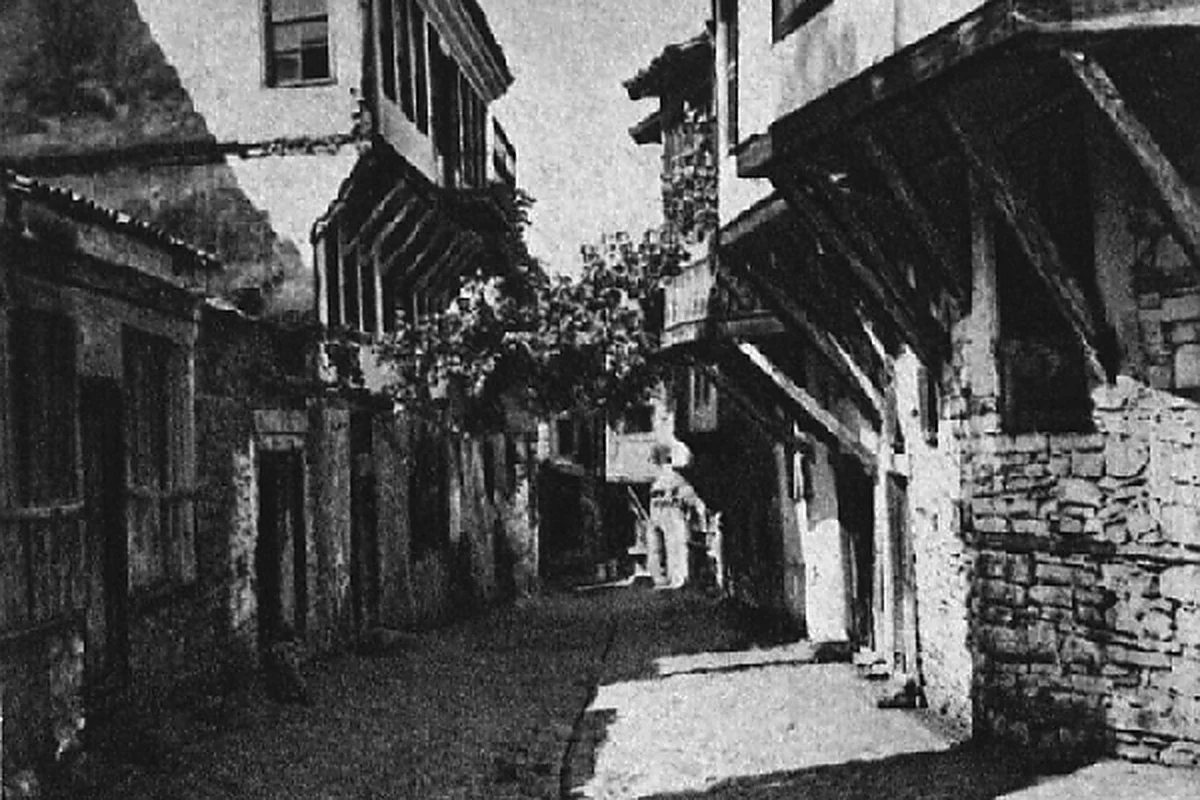
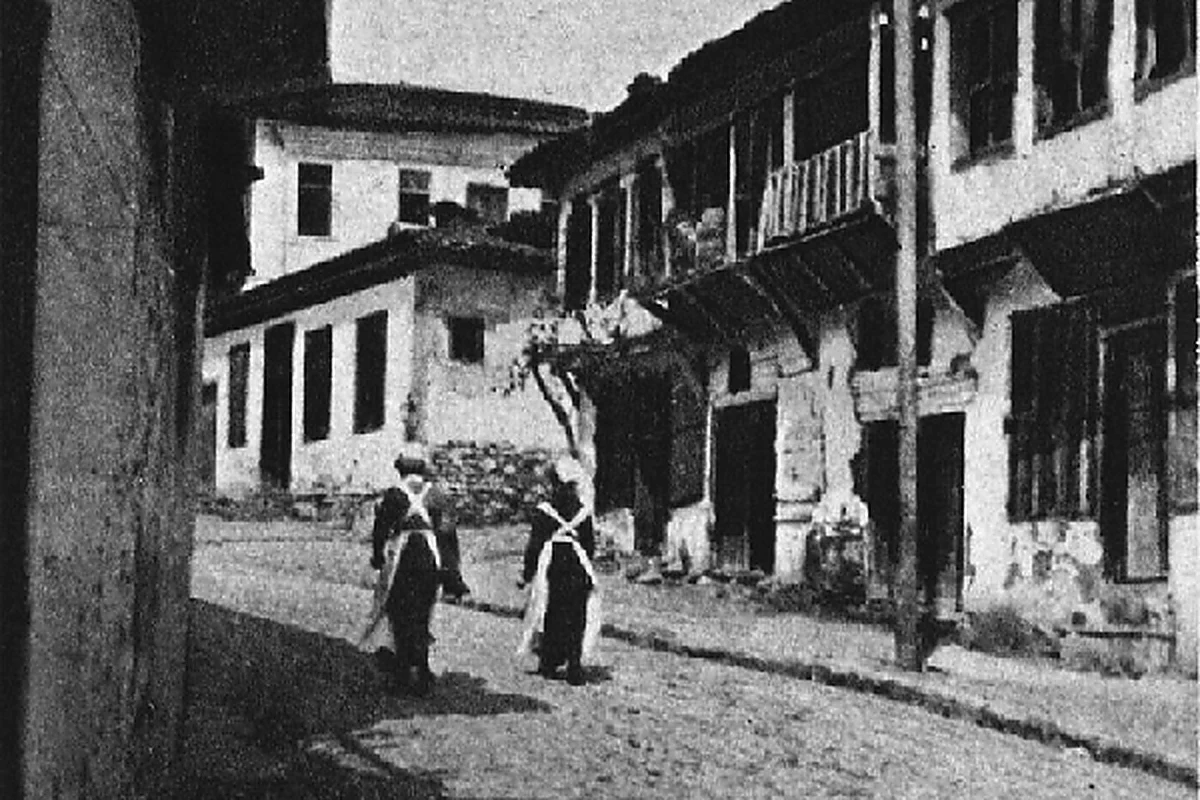
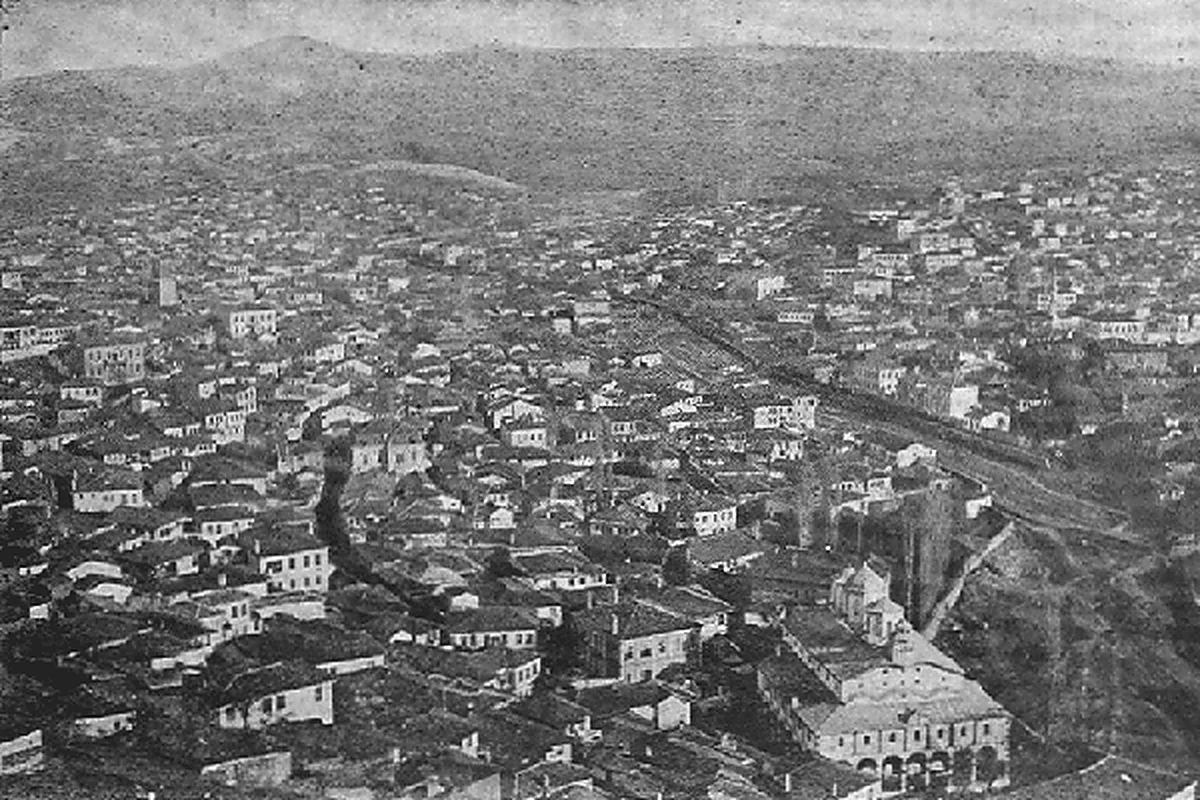
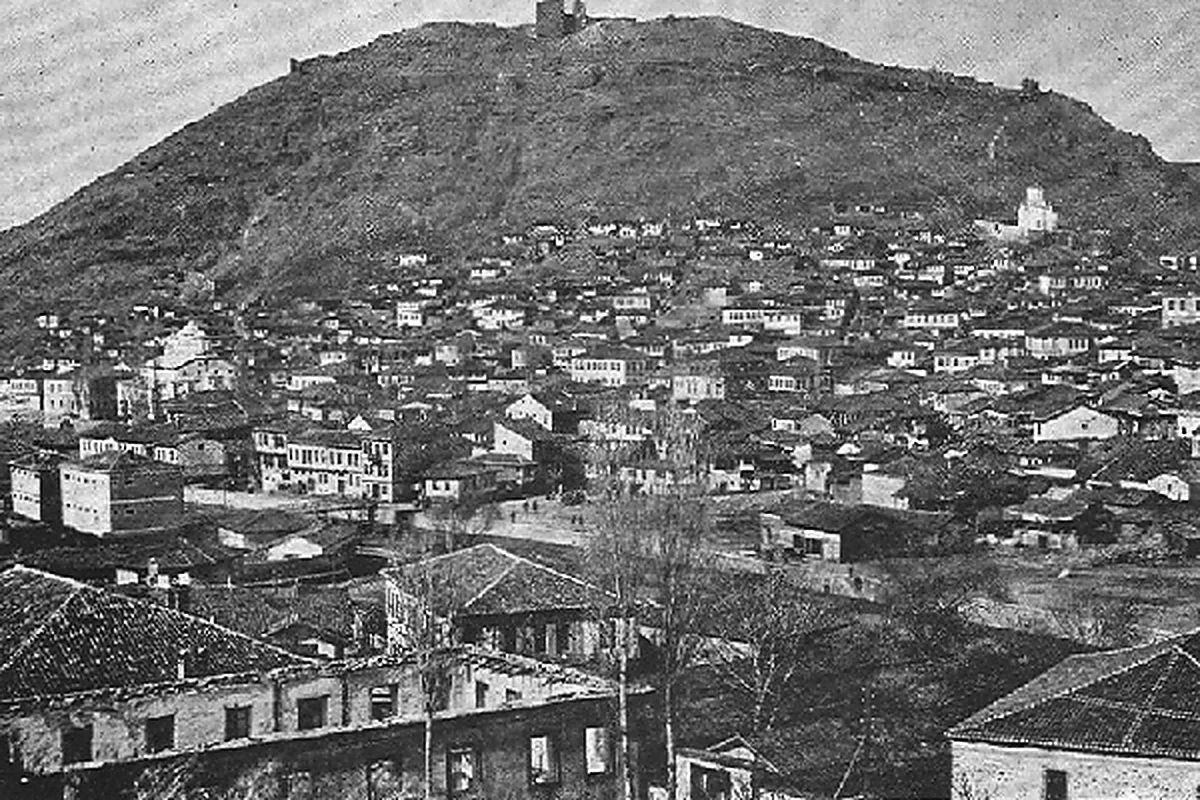
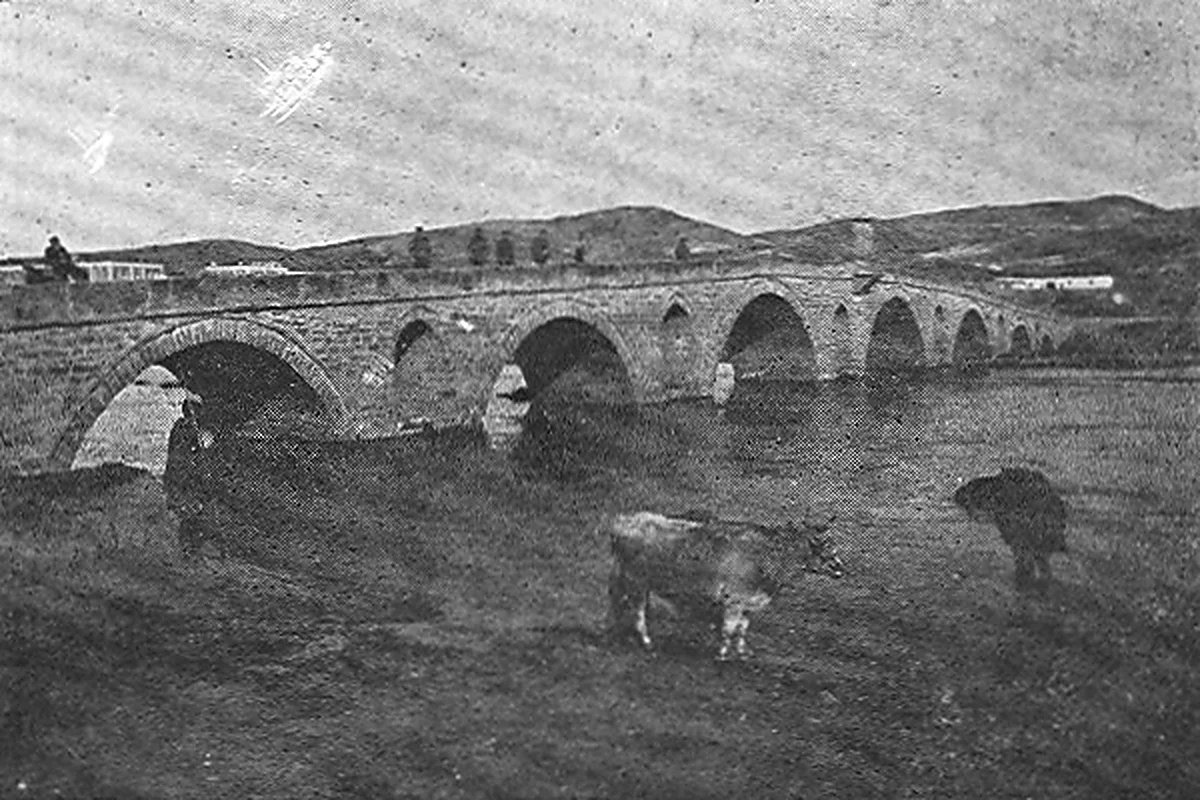
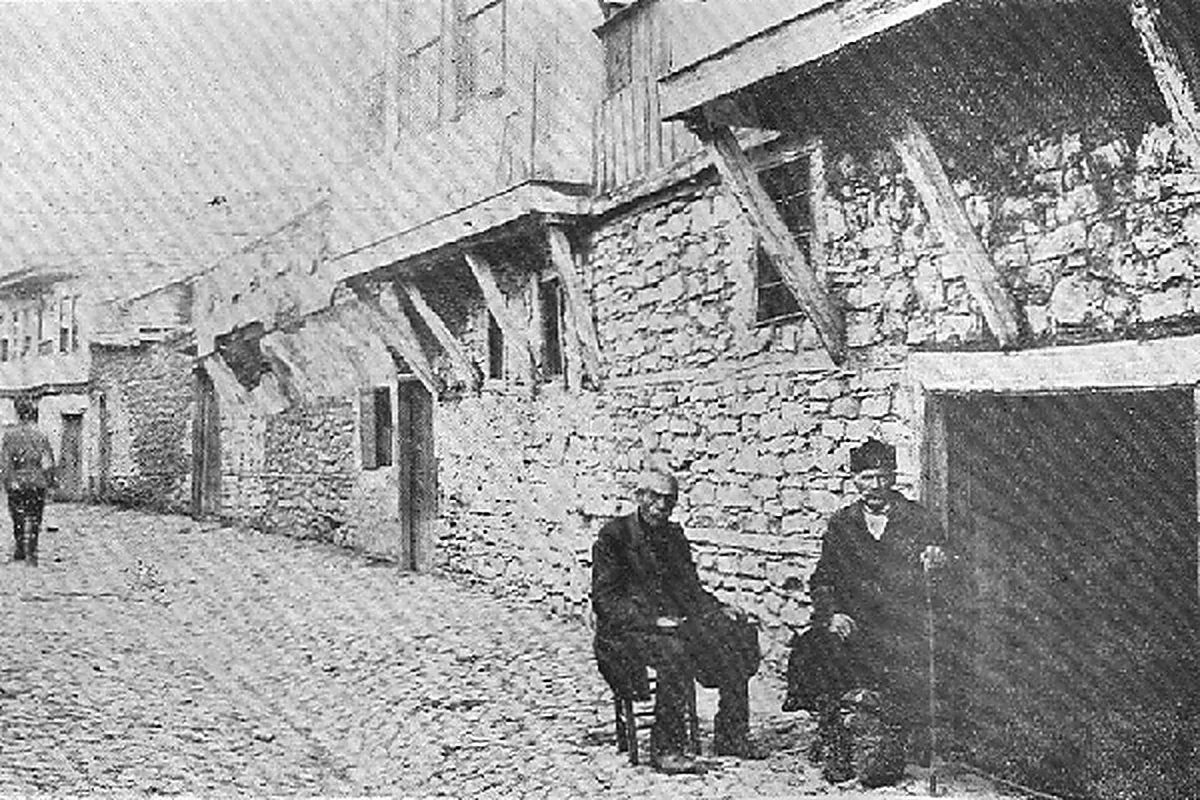
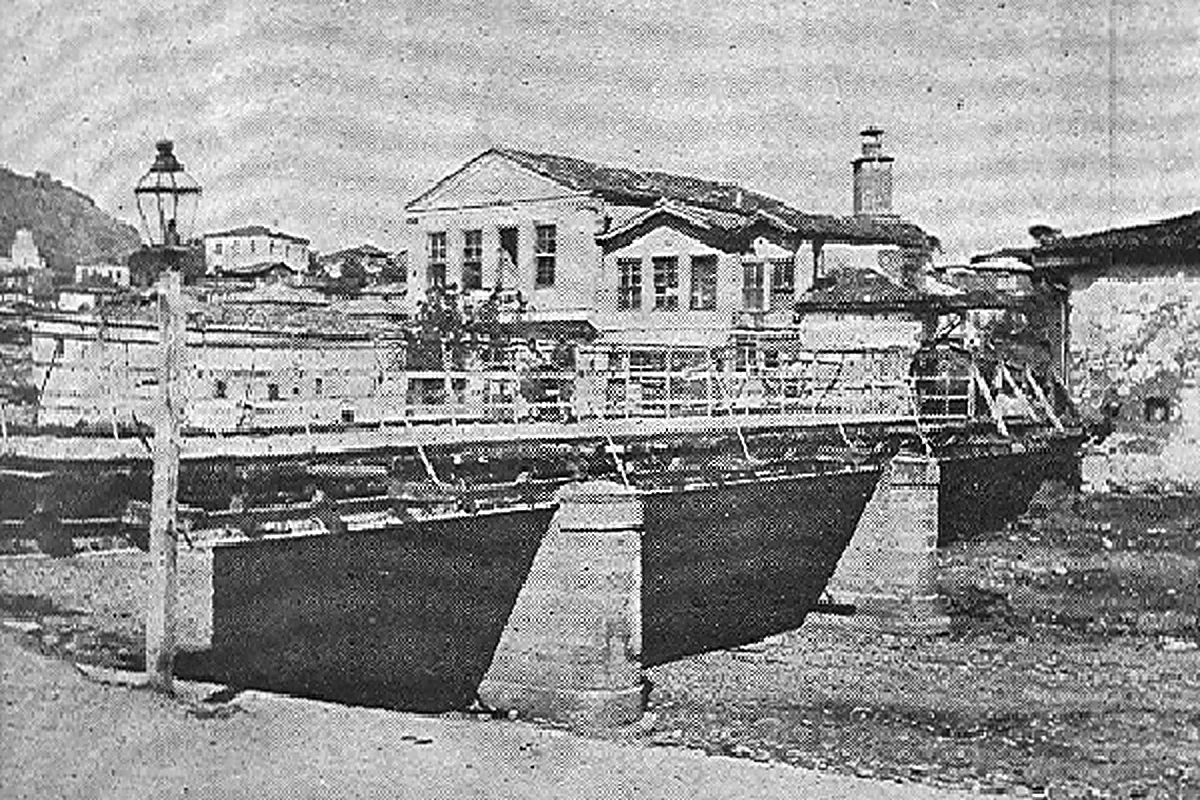
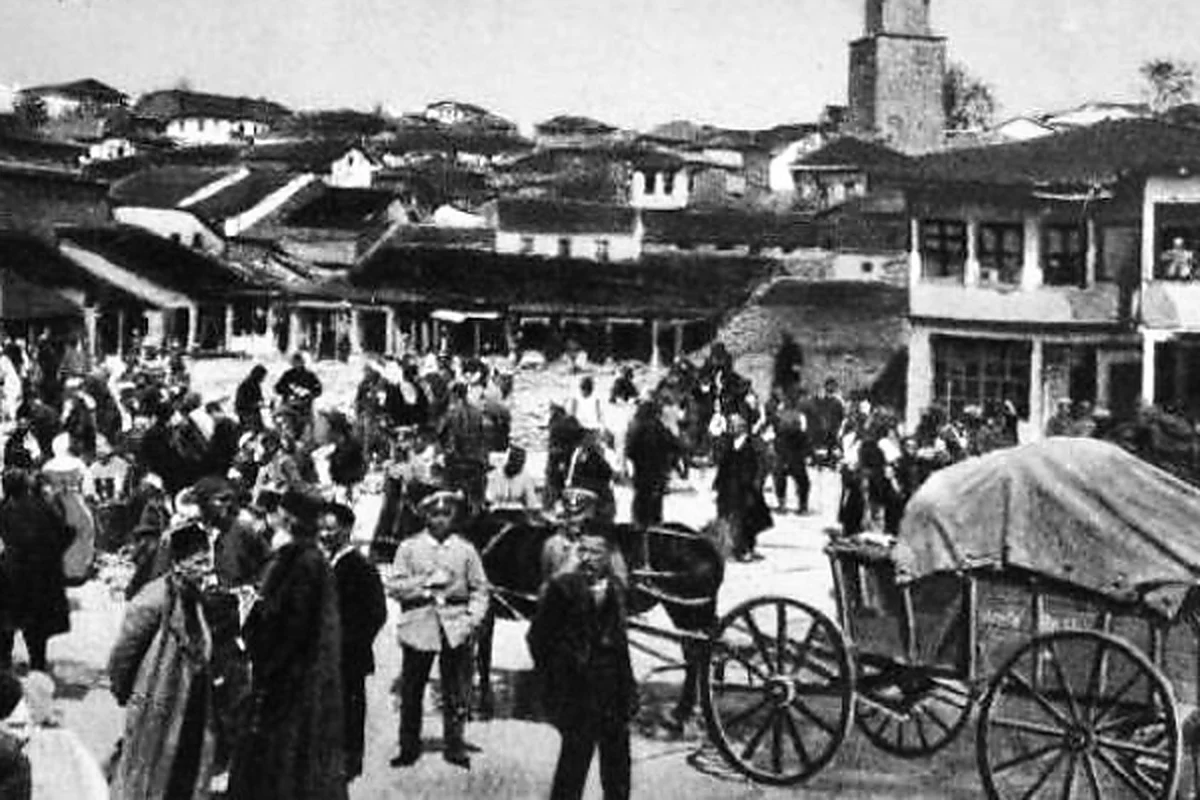
Photo Gallery (35)
Photo Gallery
Shtip, frame by frame.
A responsive family gallery, including city views recovered from the old rotating banner system.
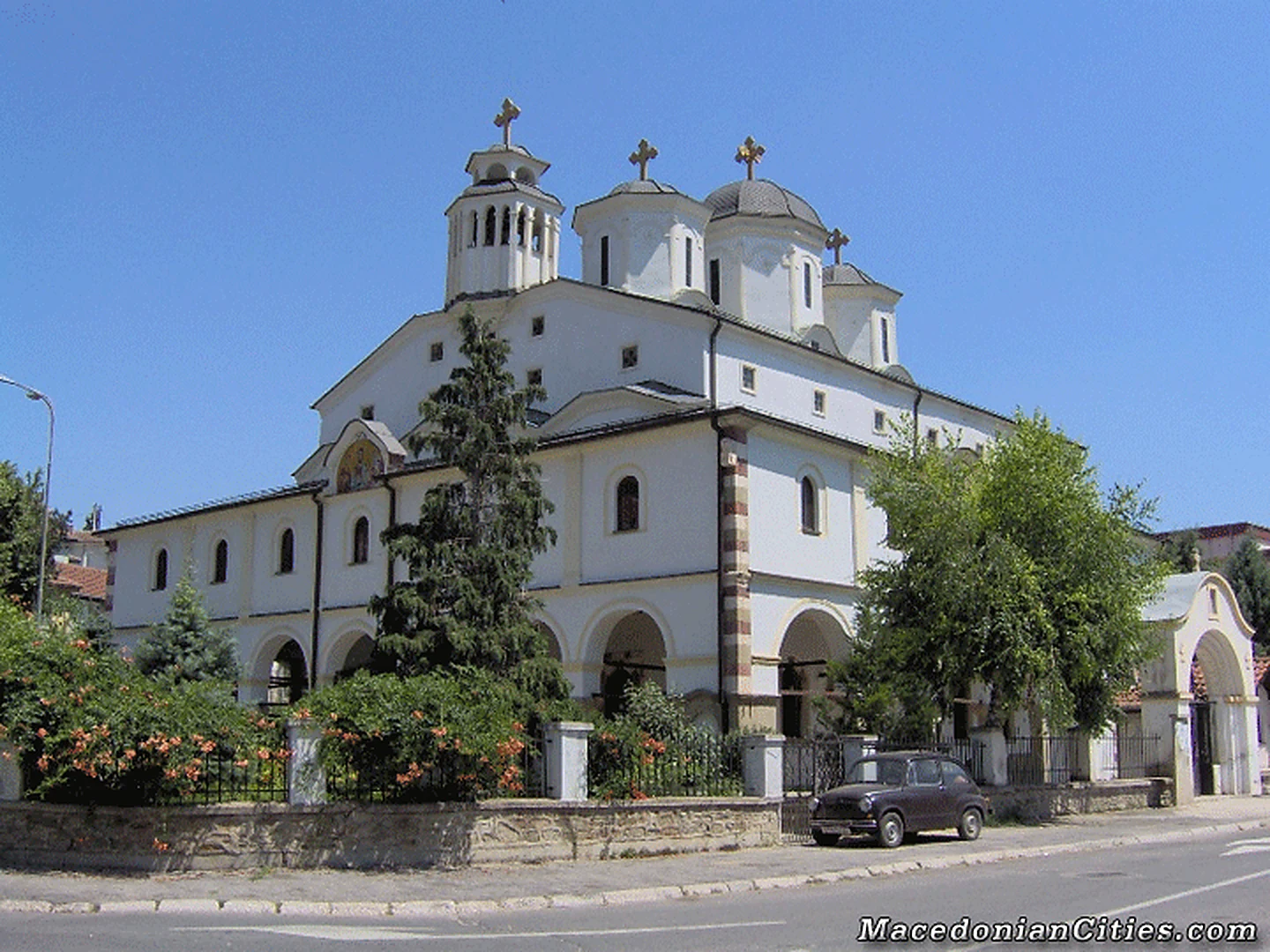
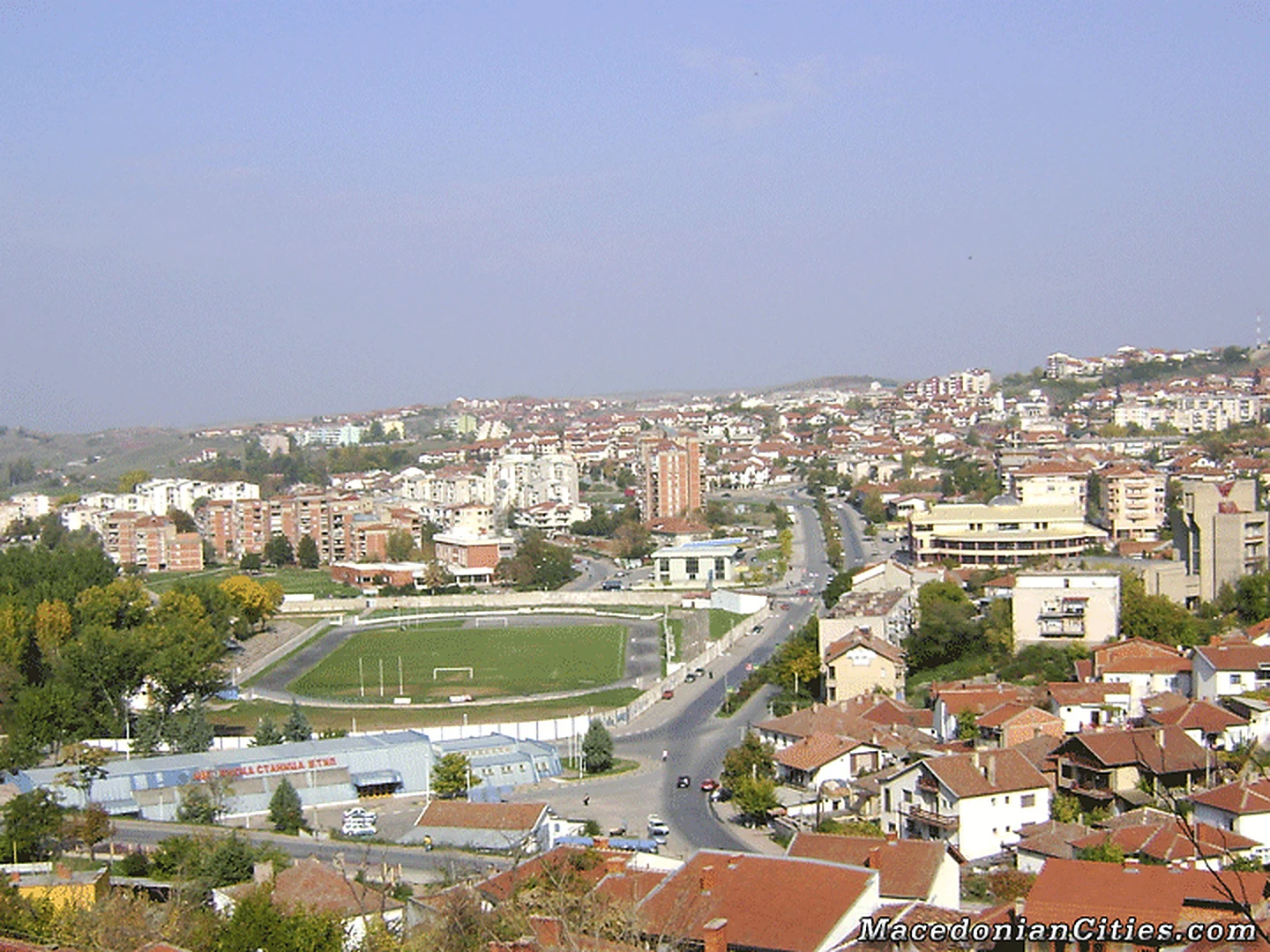
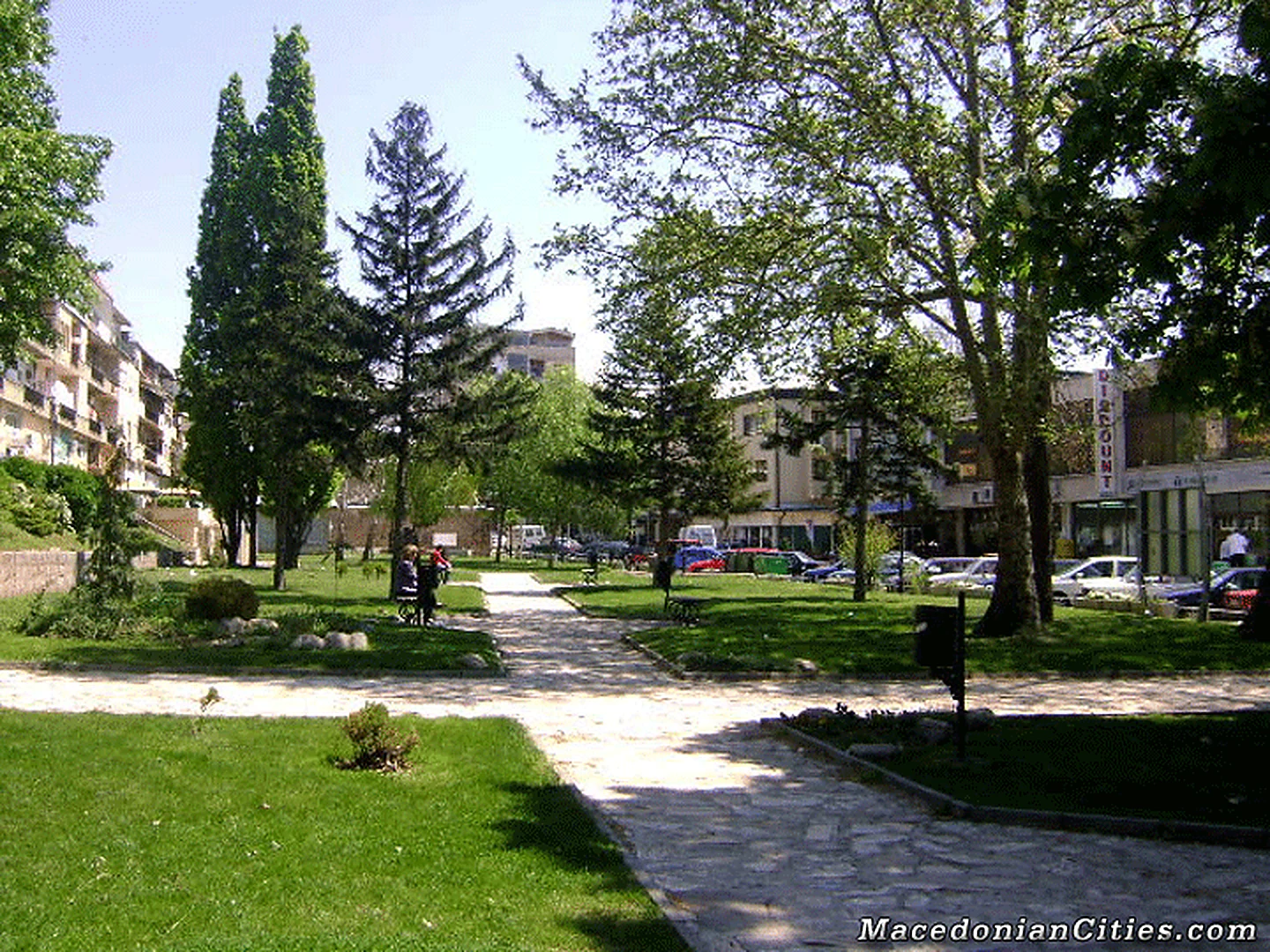
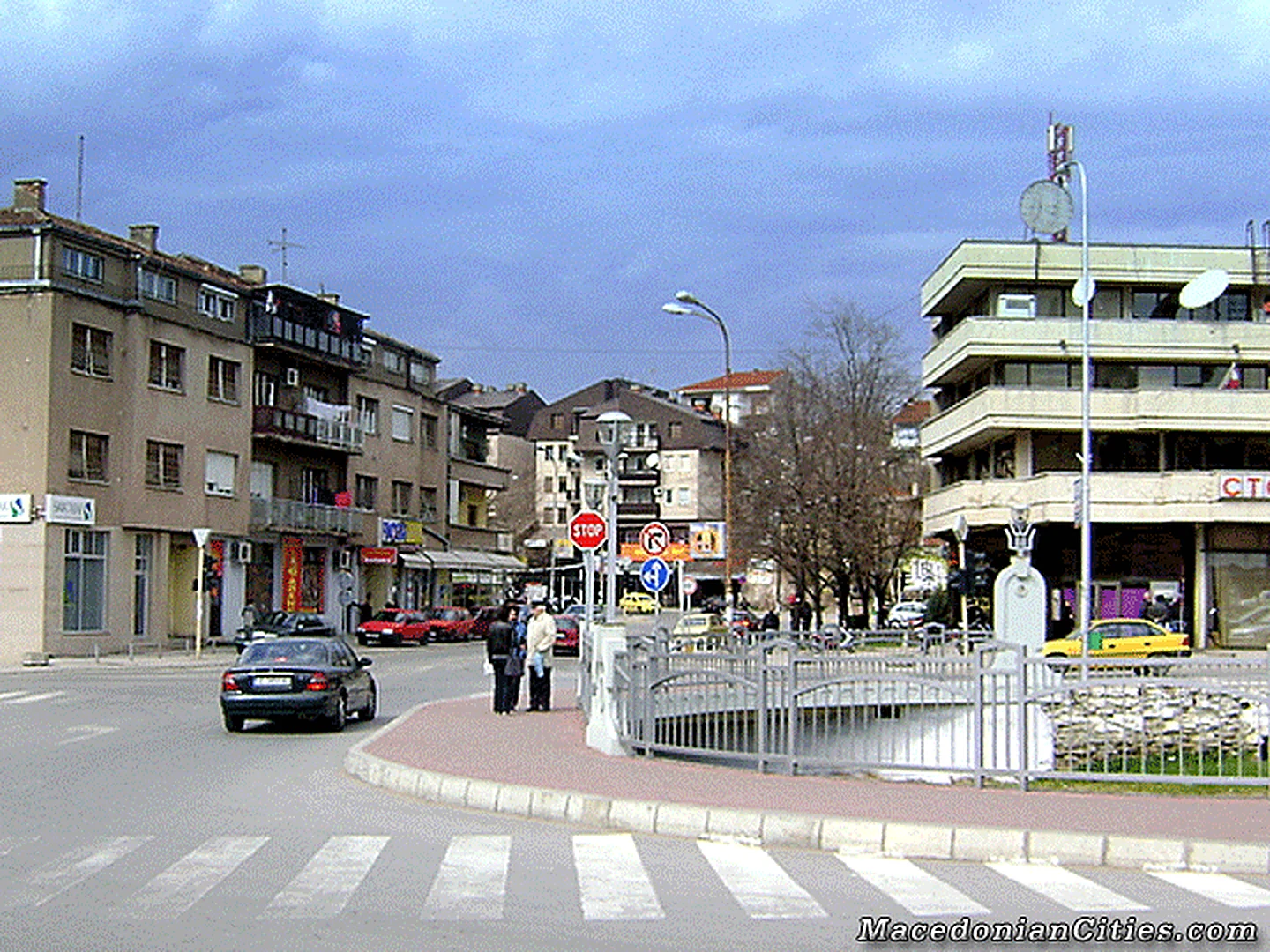
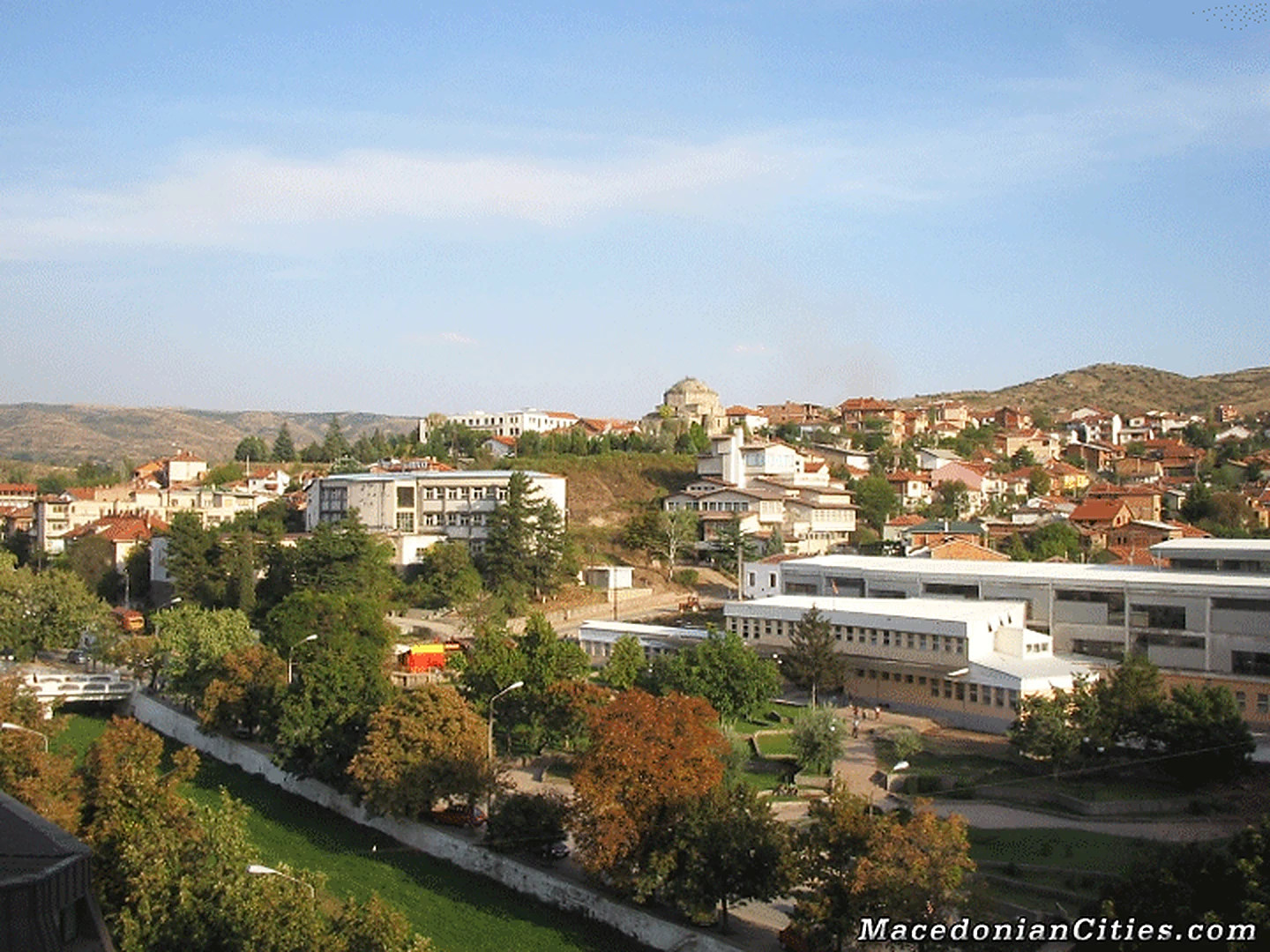
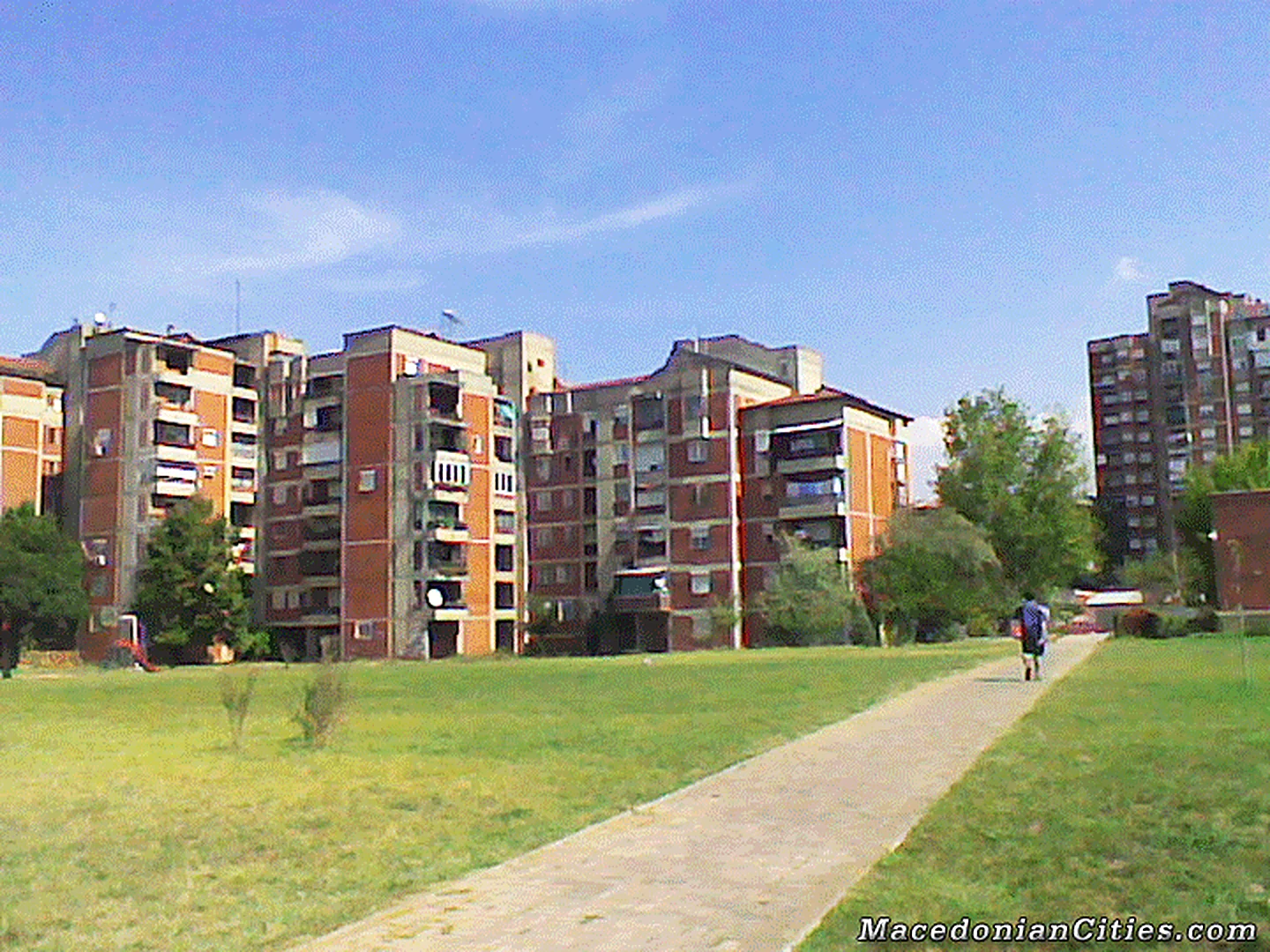
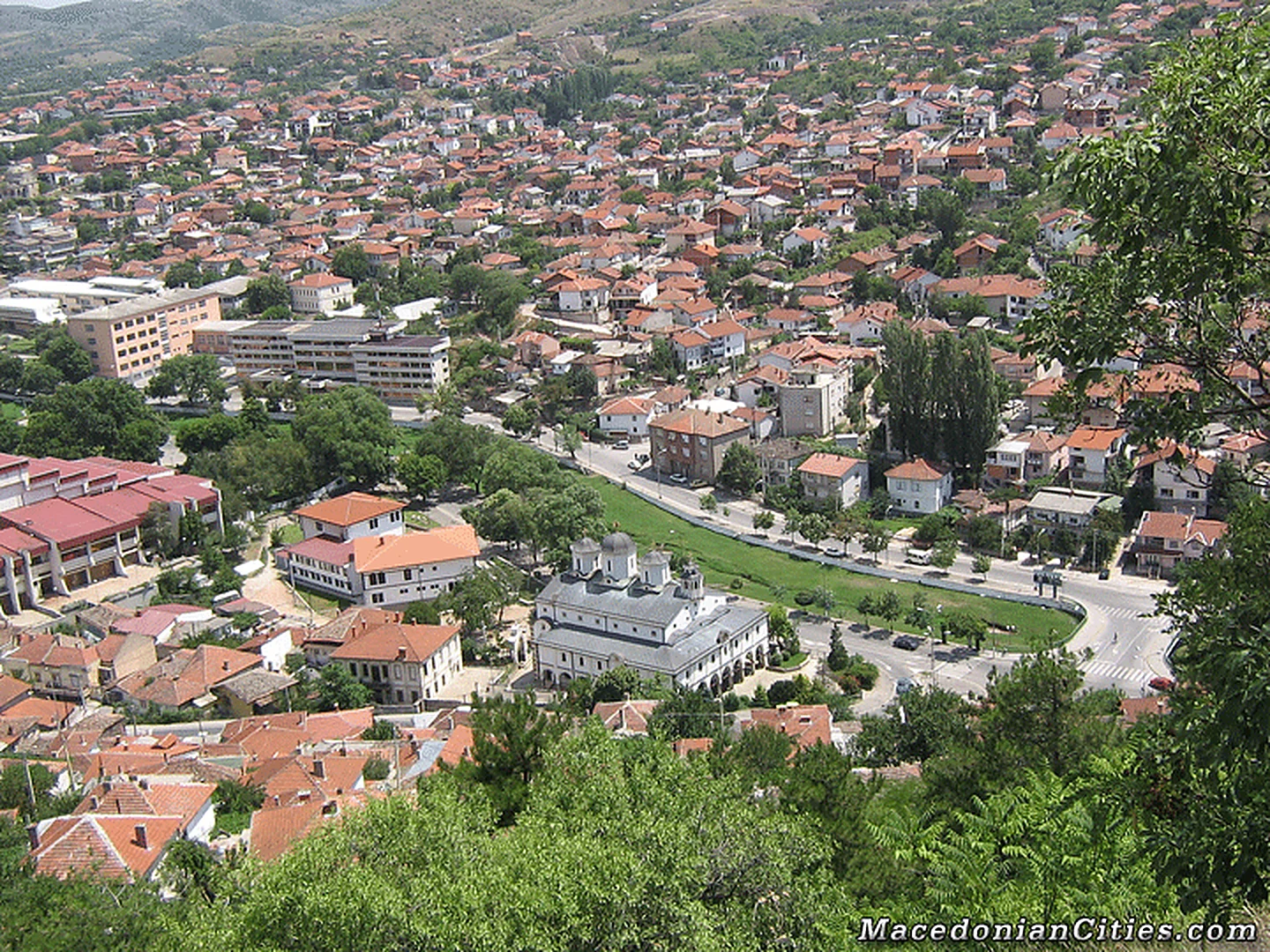
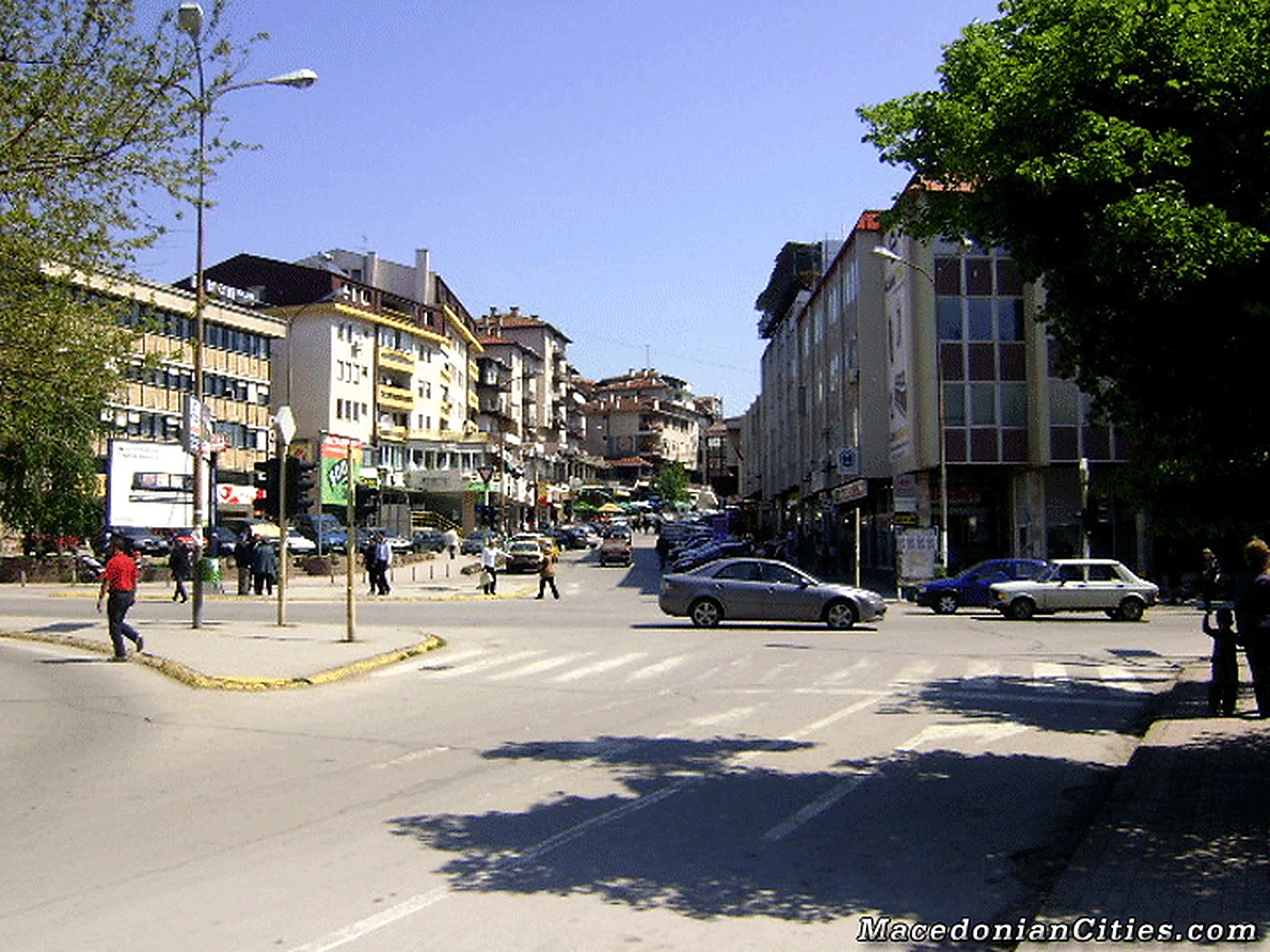
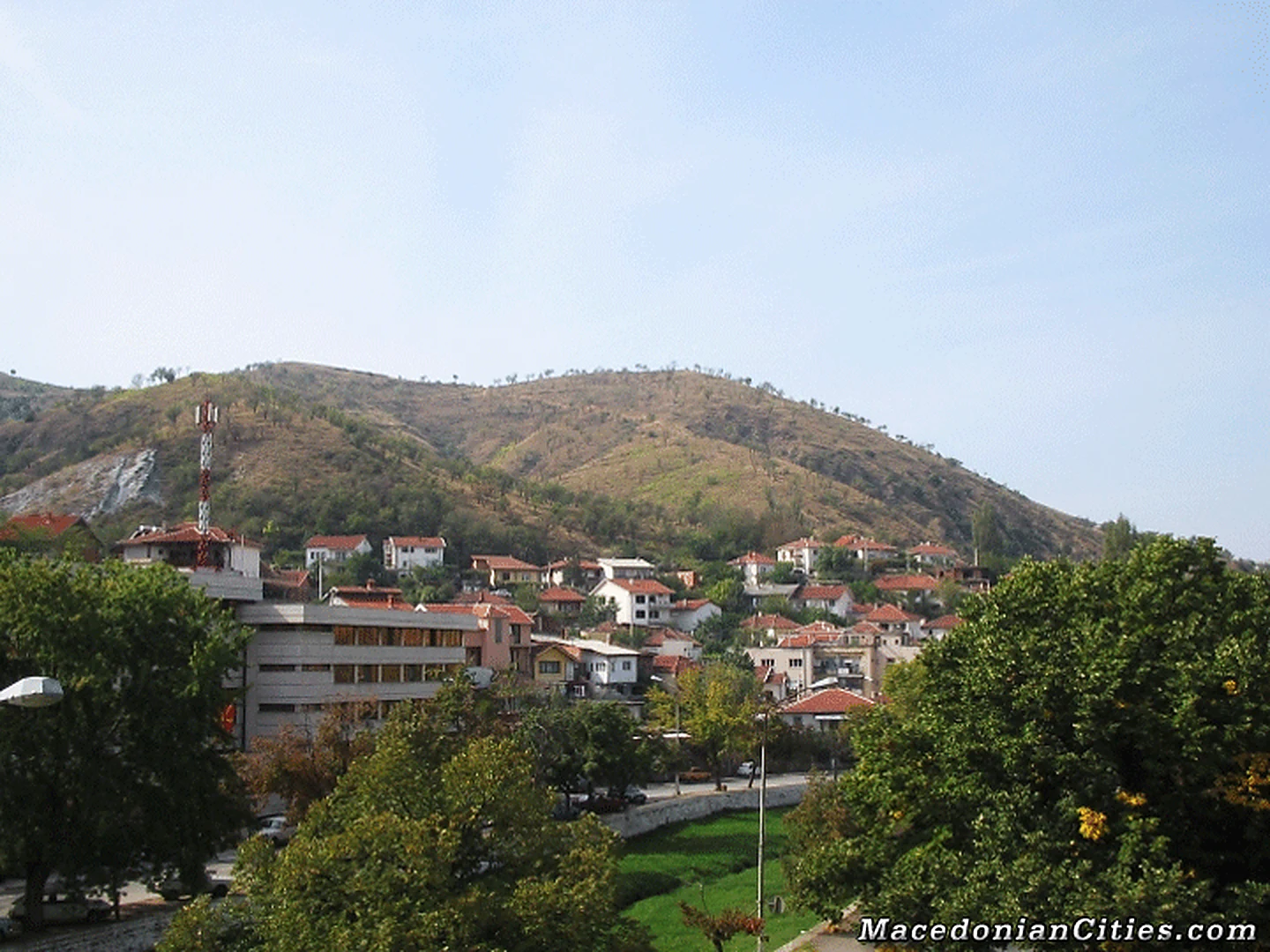
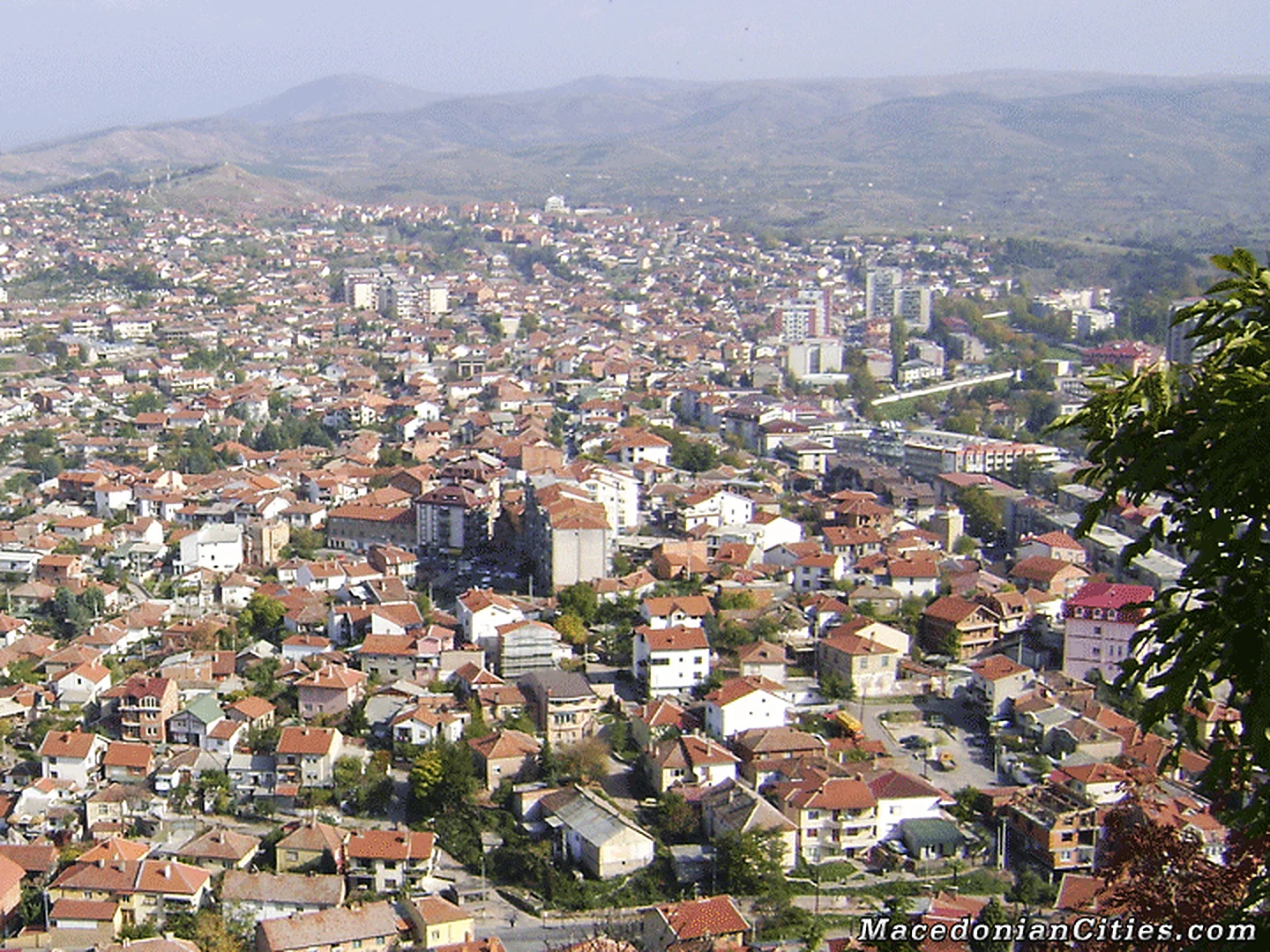
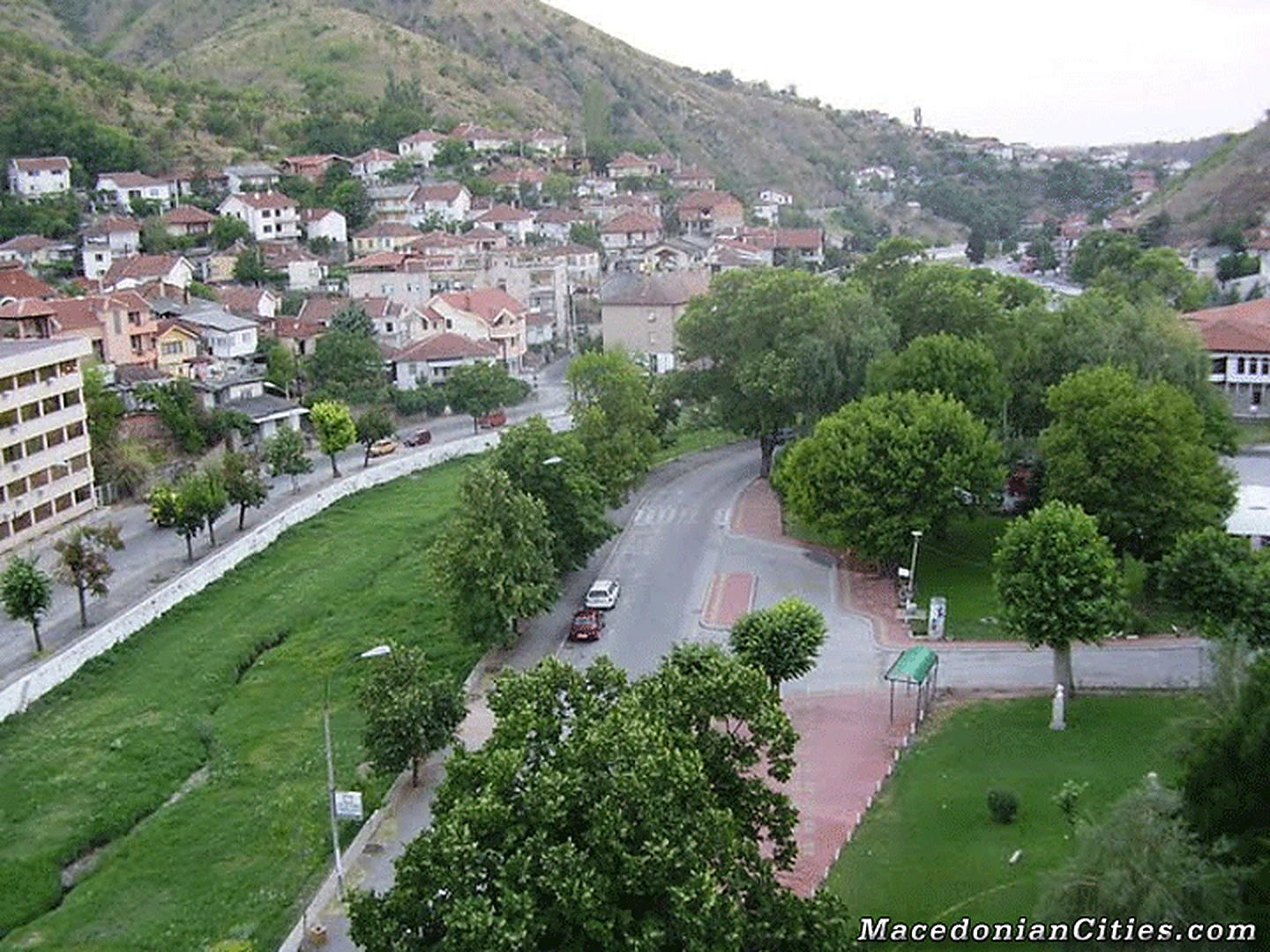
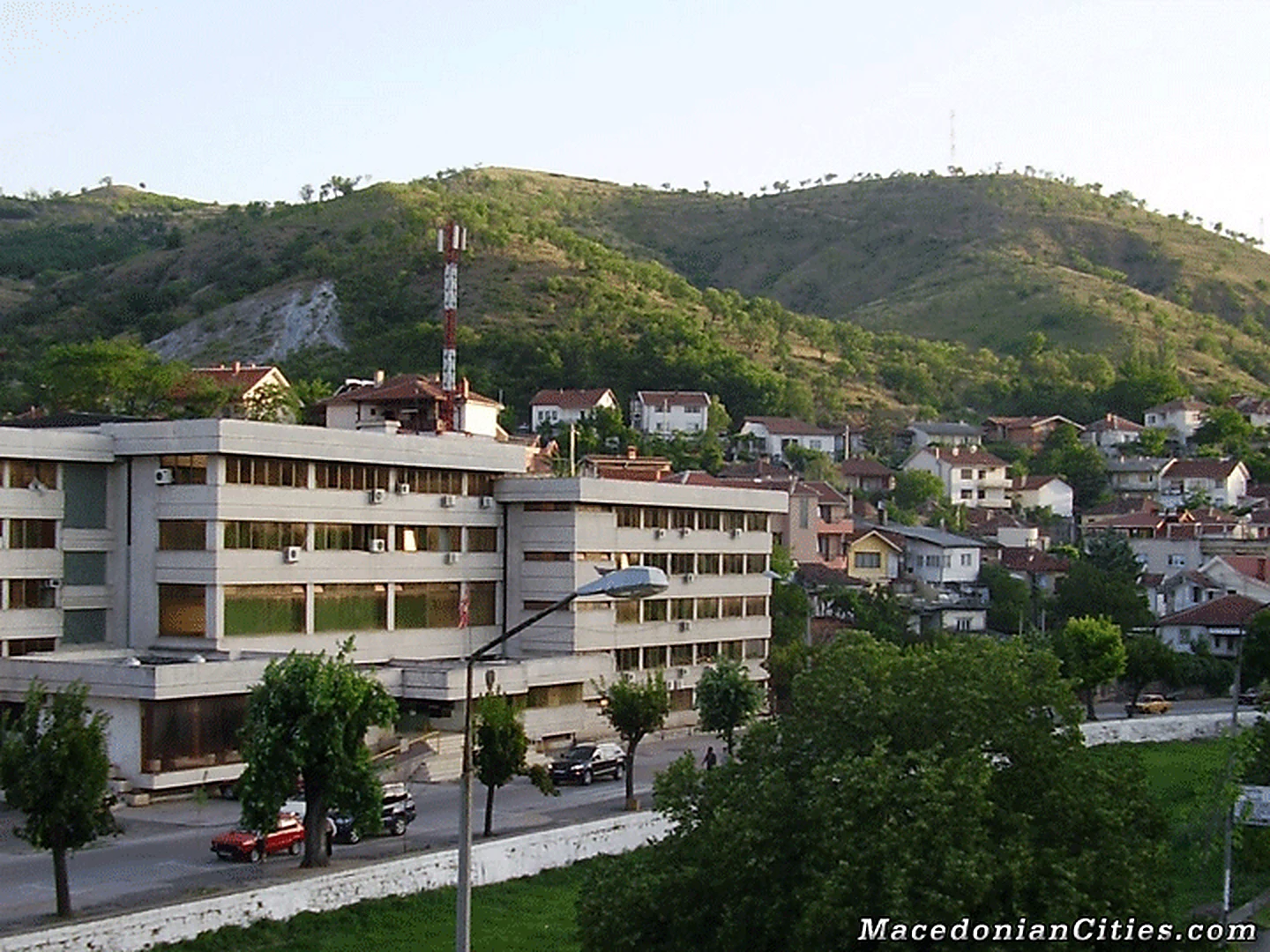
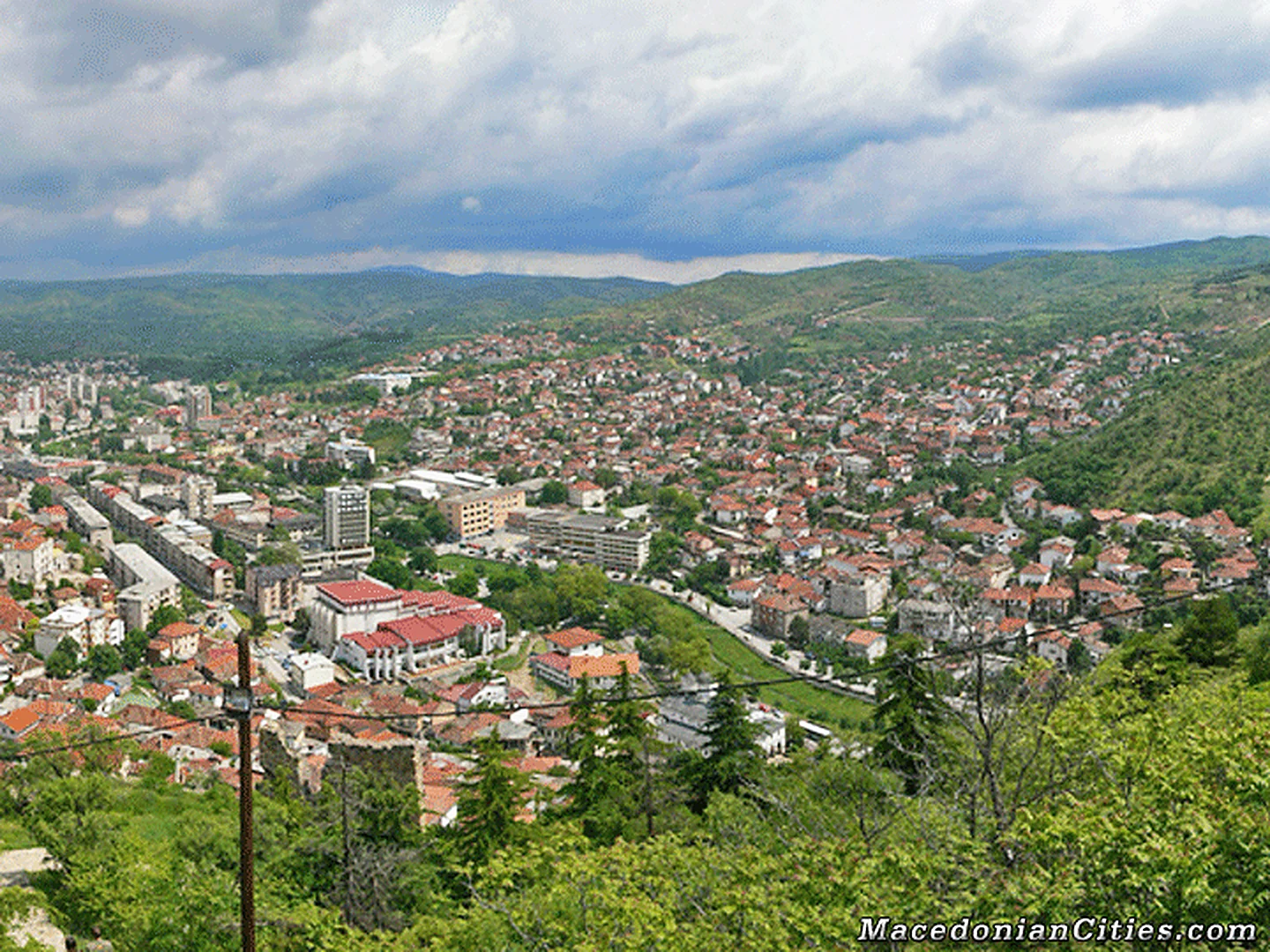
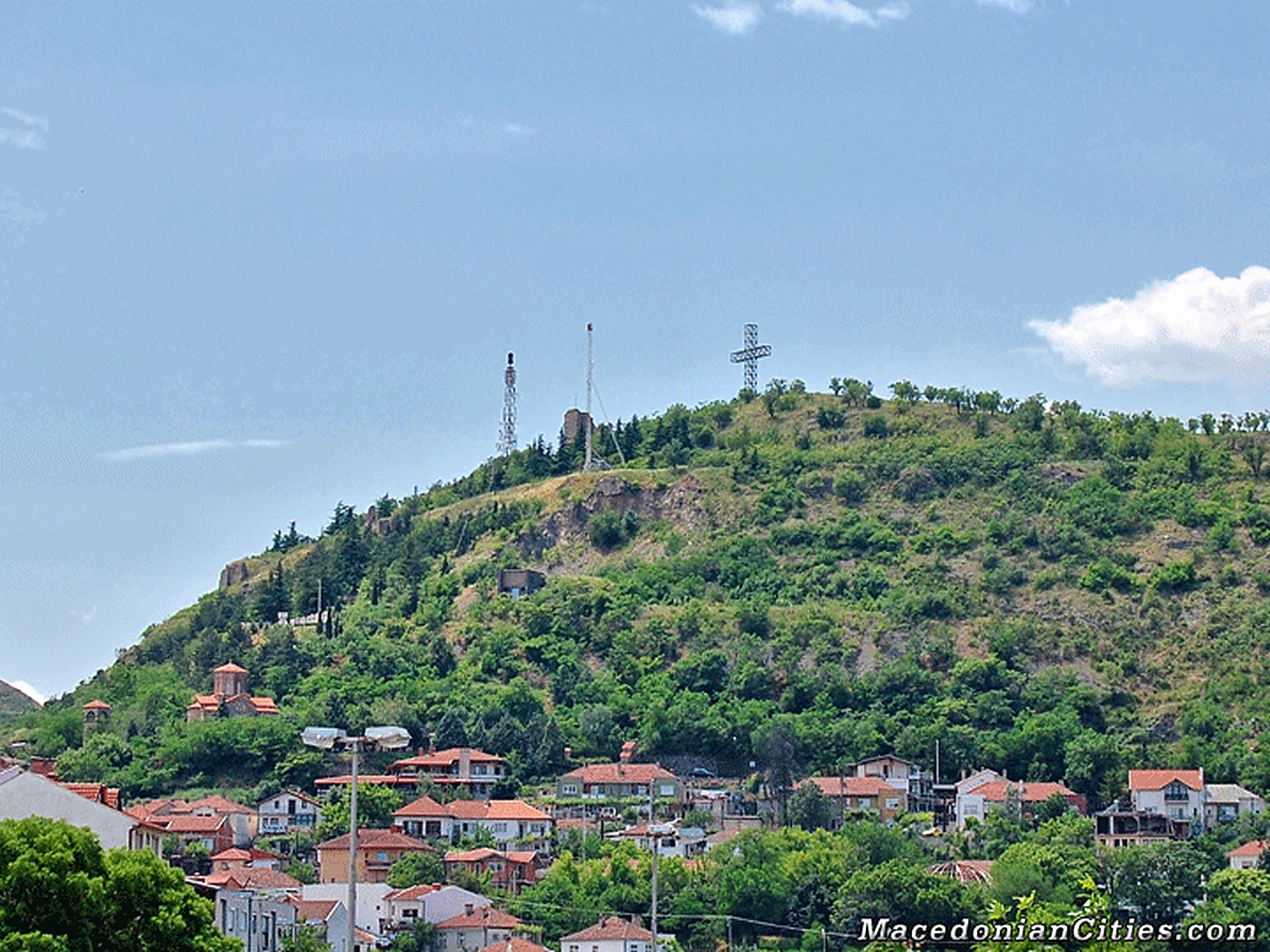
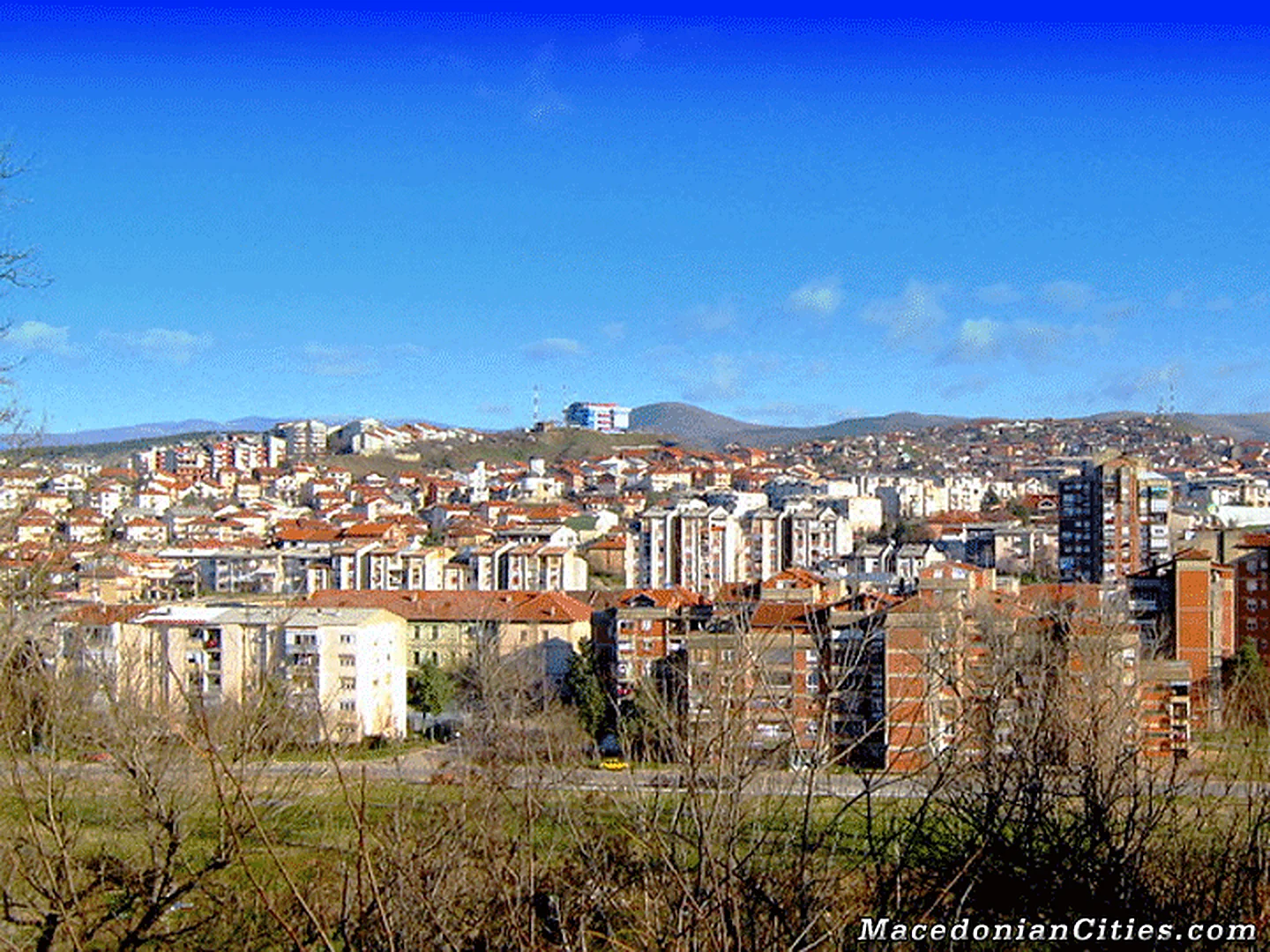
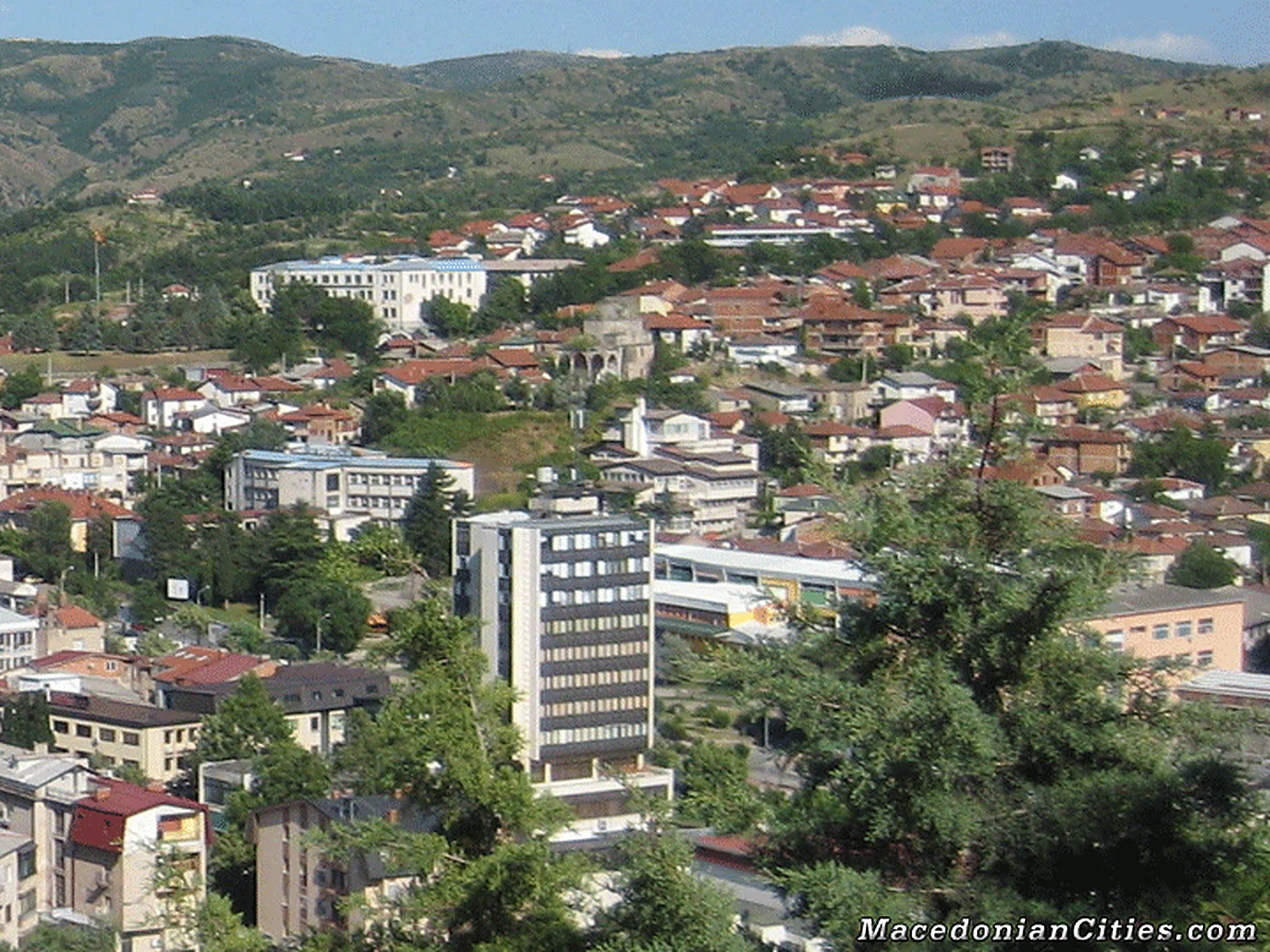
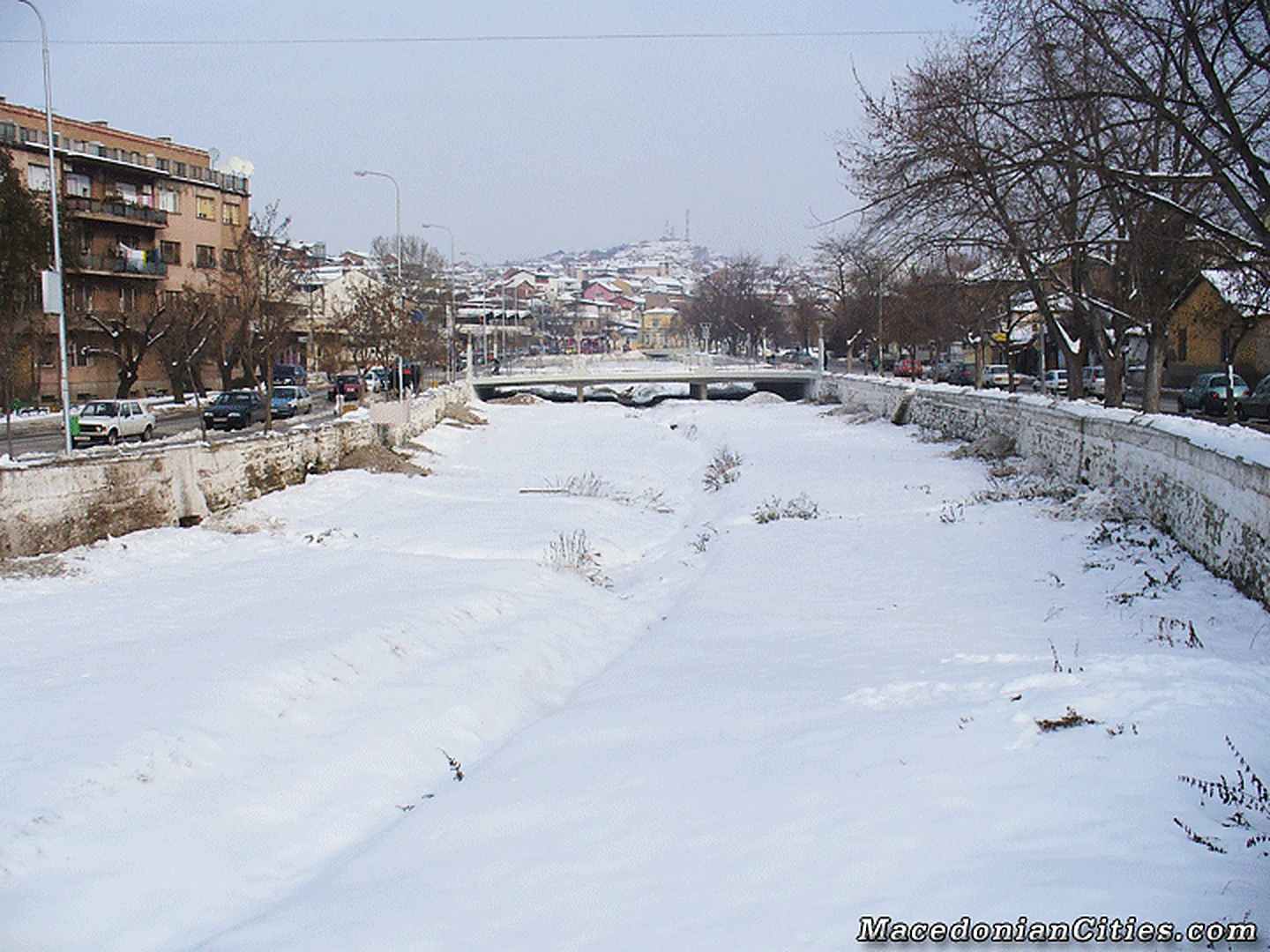
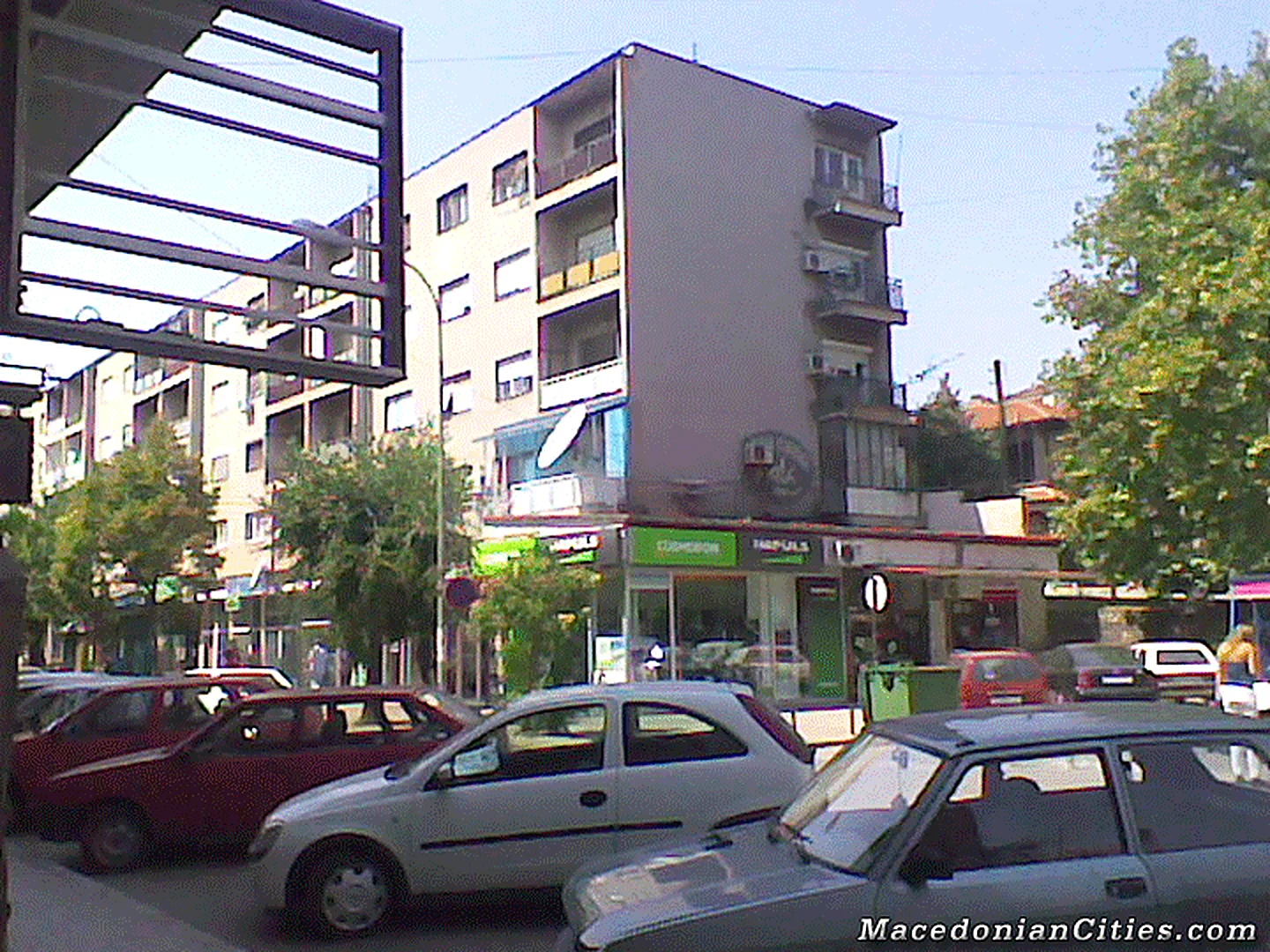
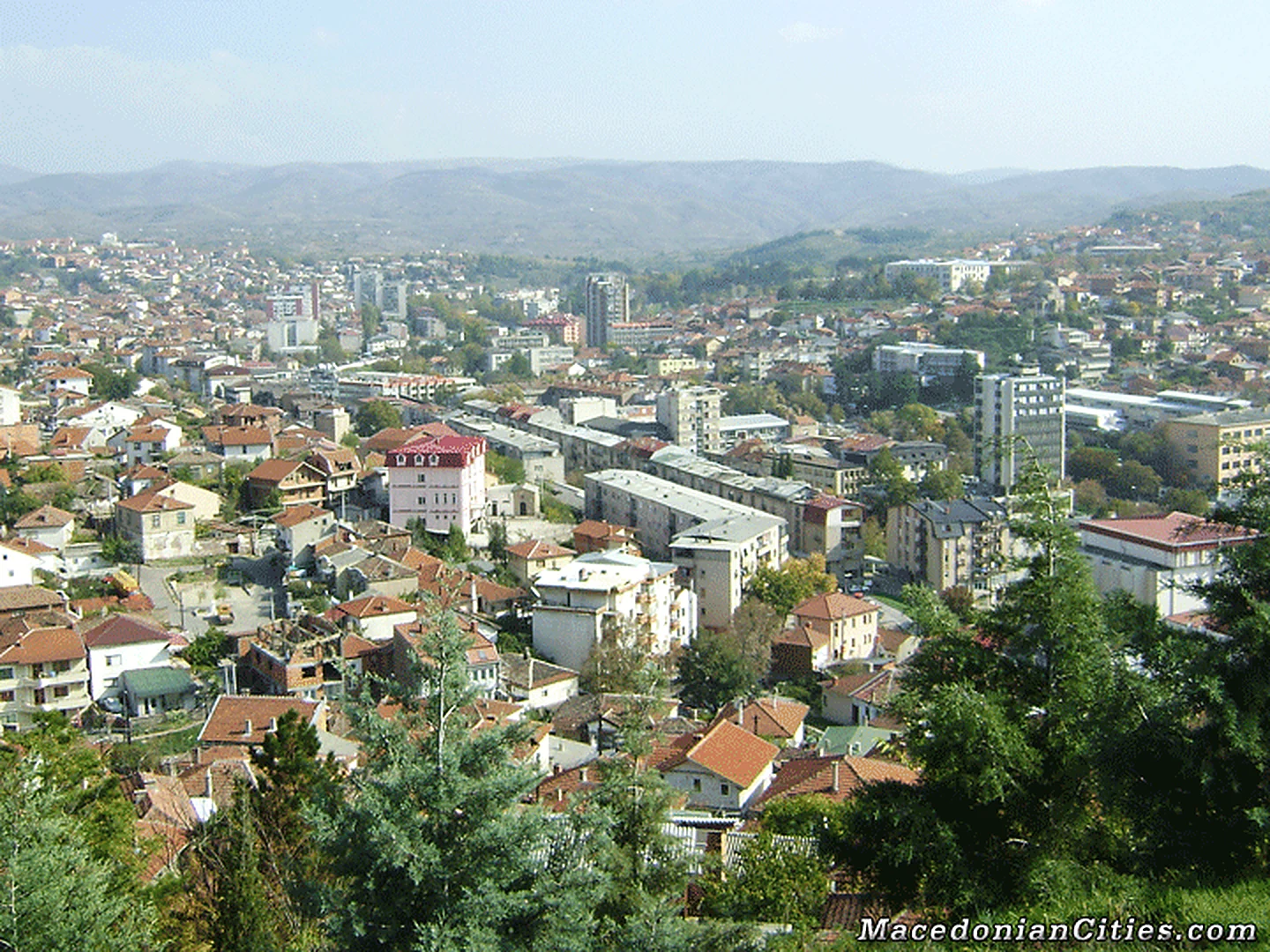
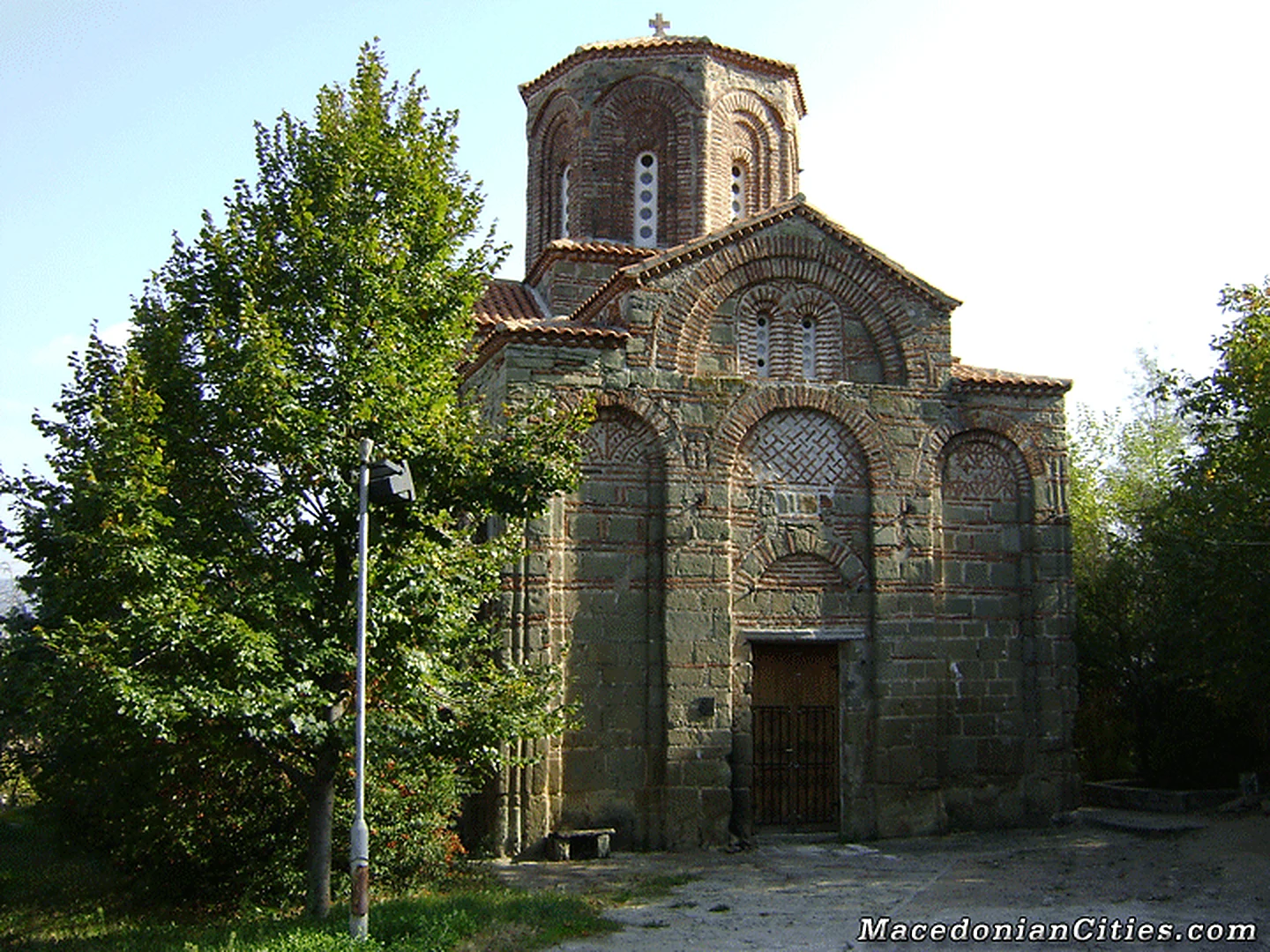
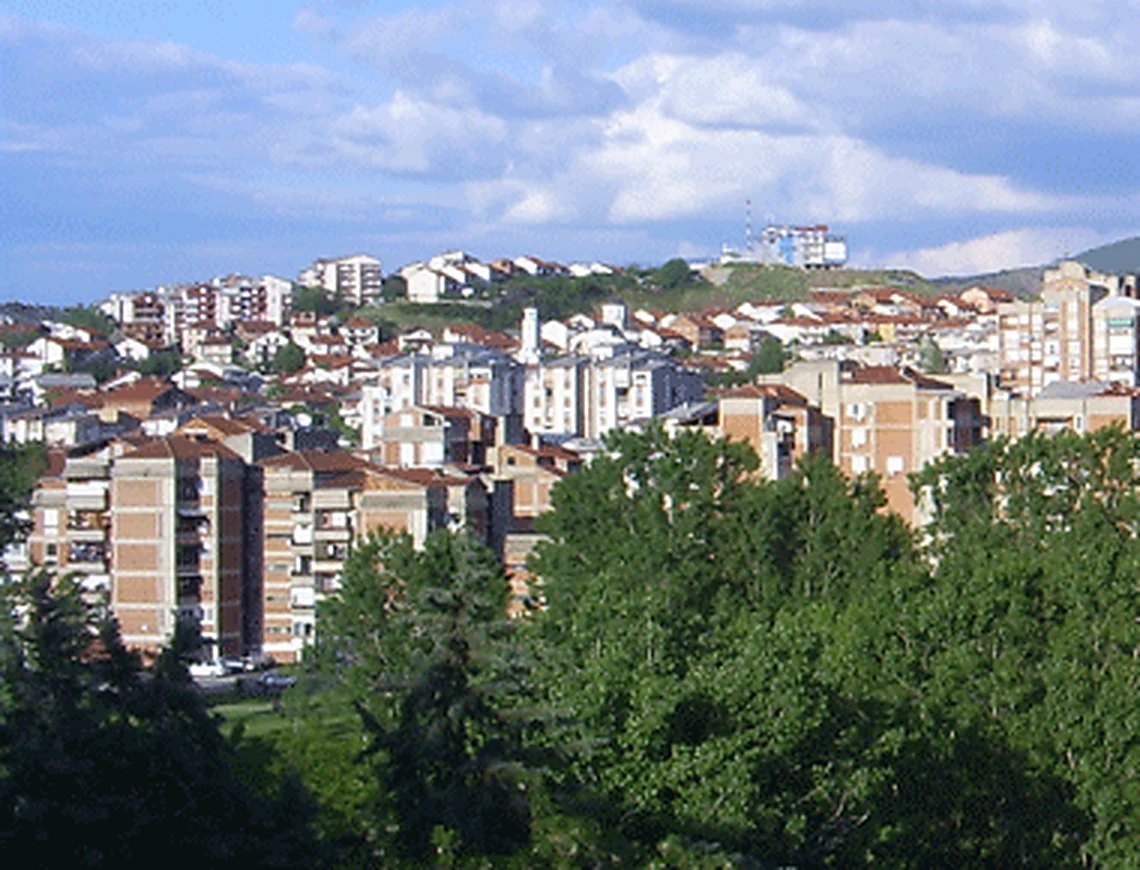
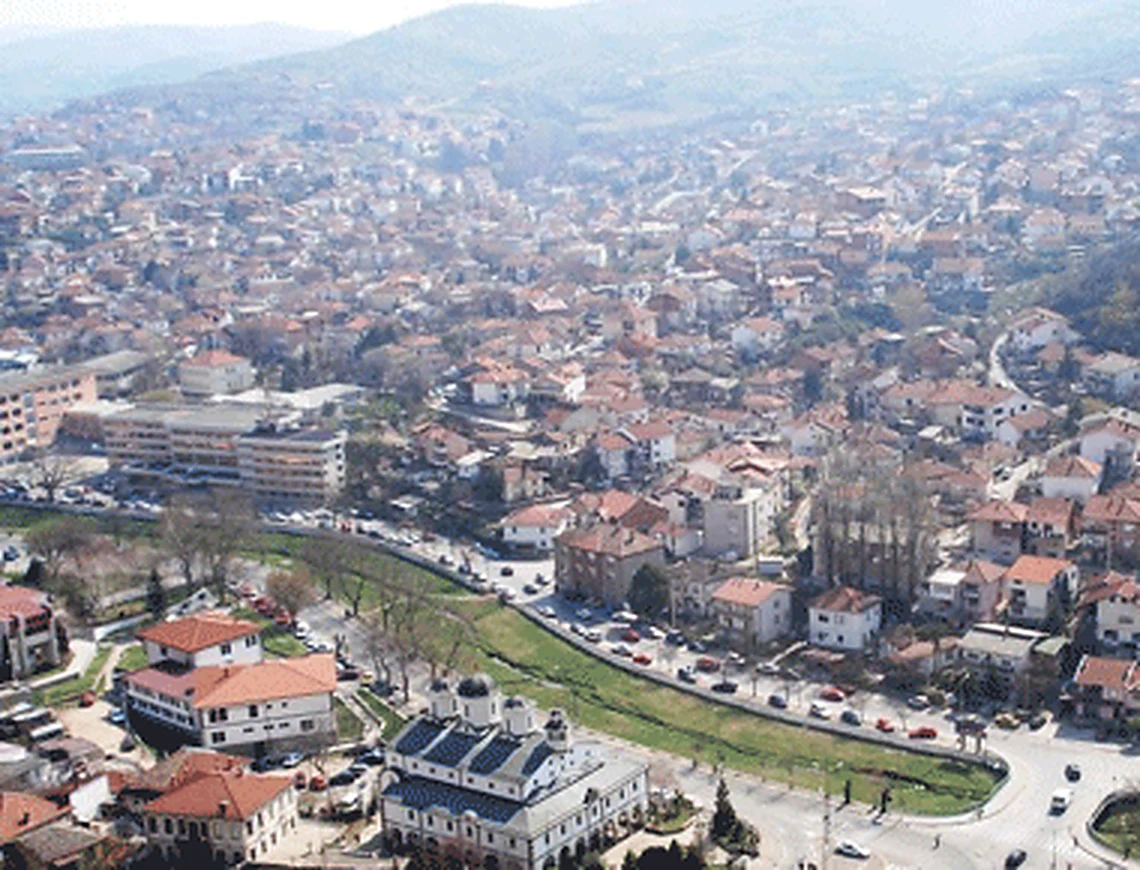
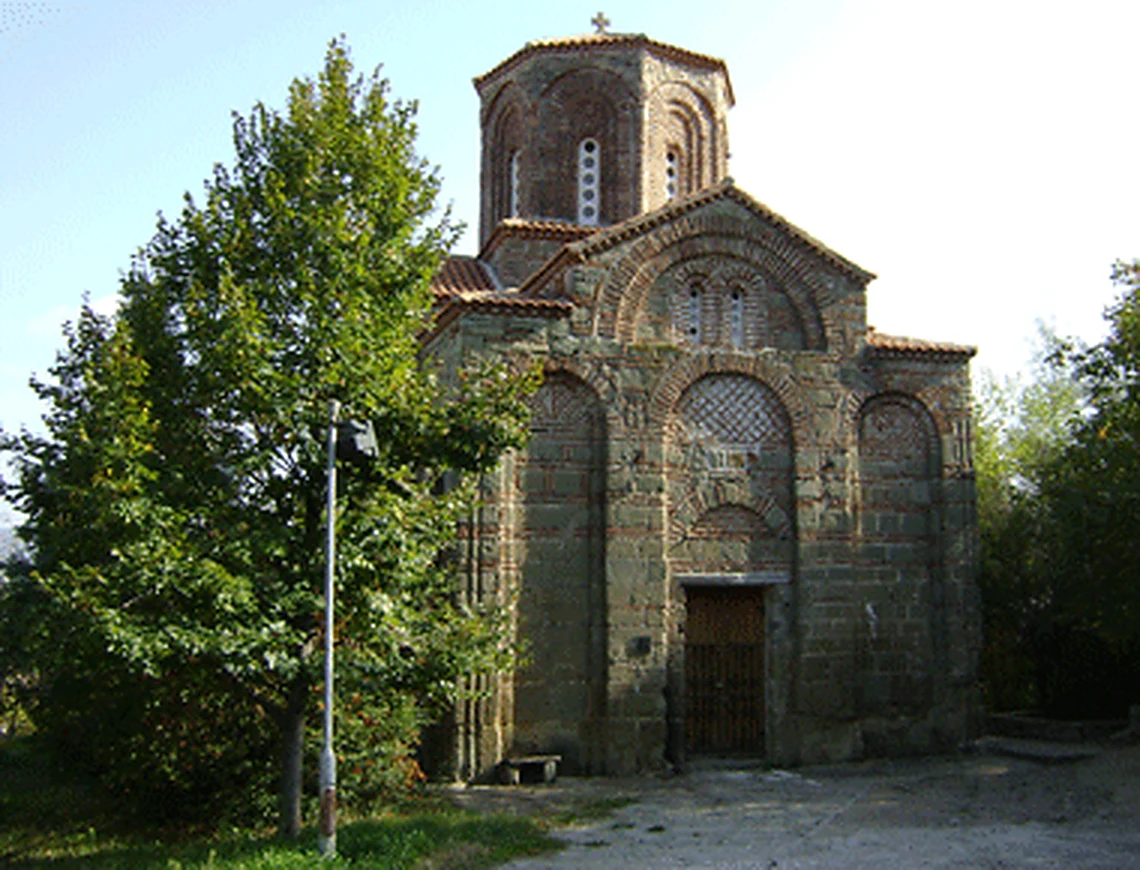
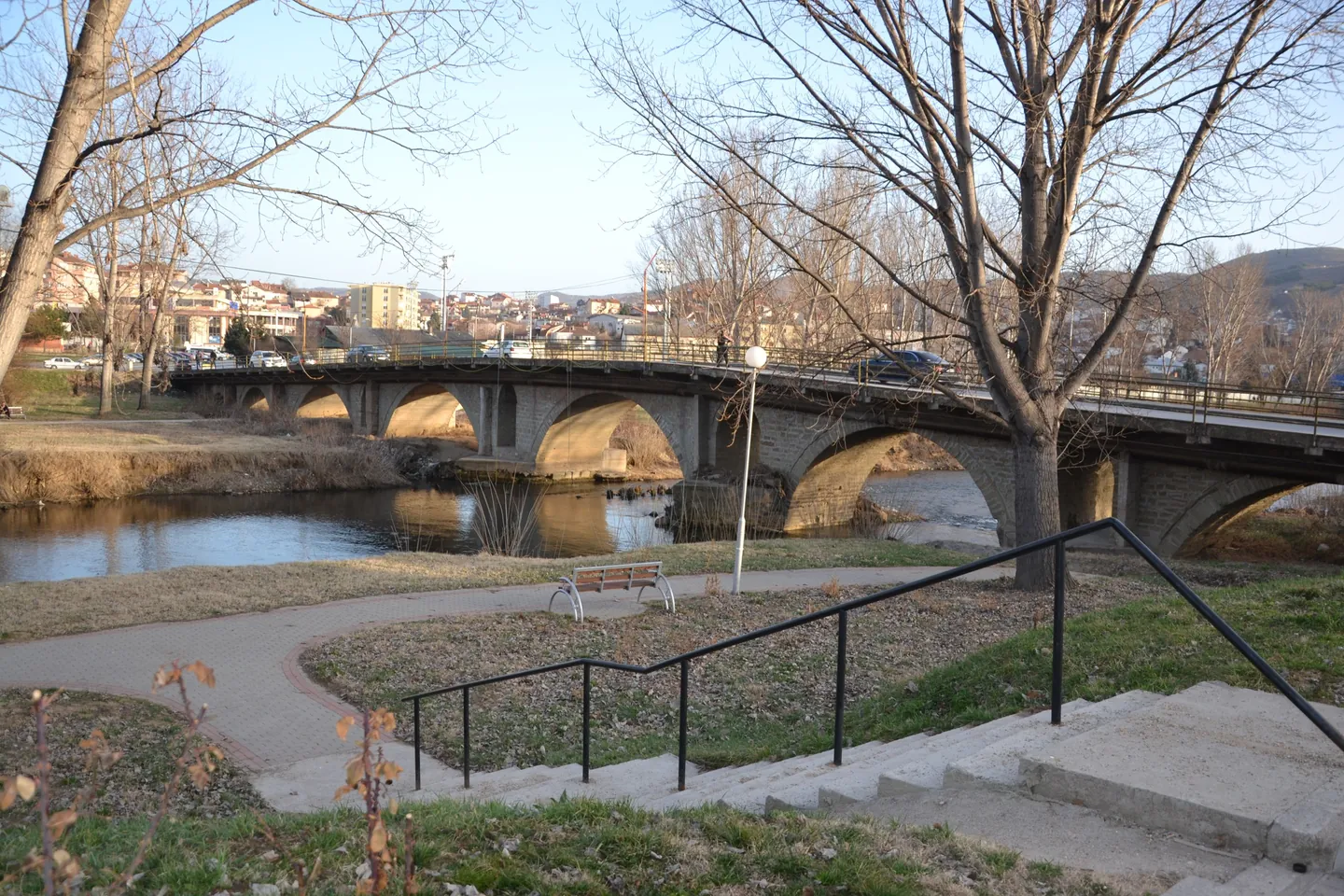
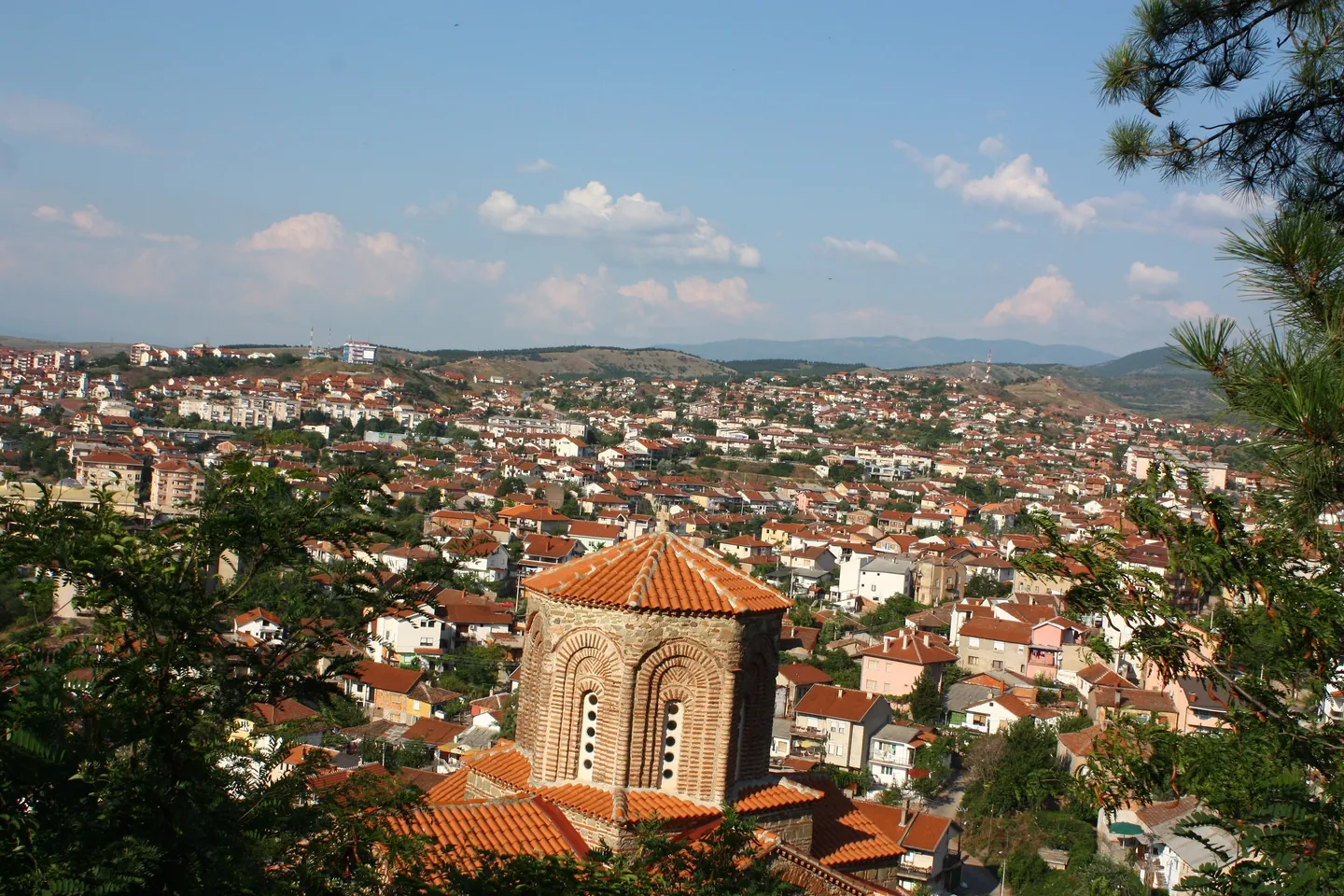
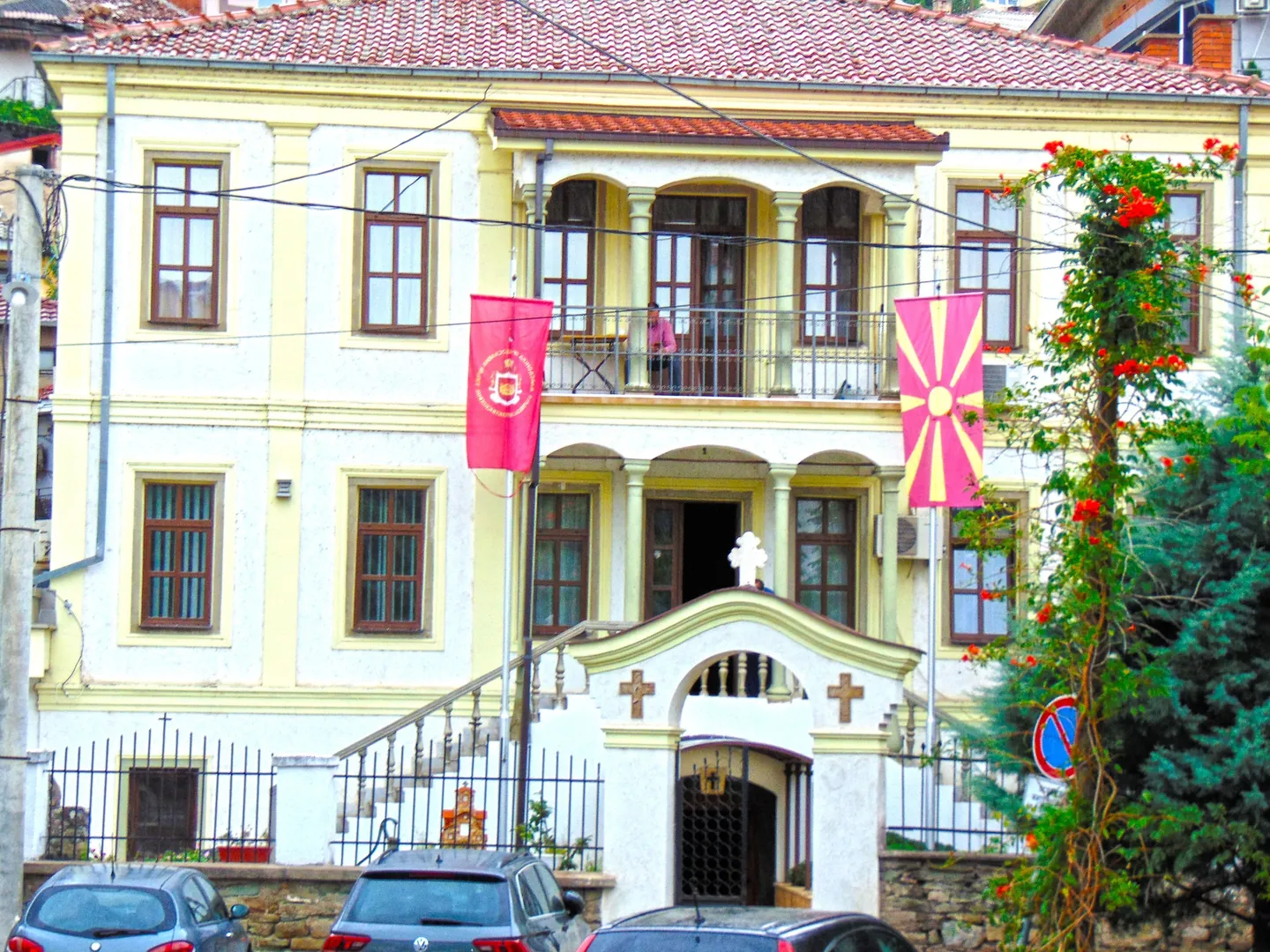
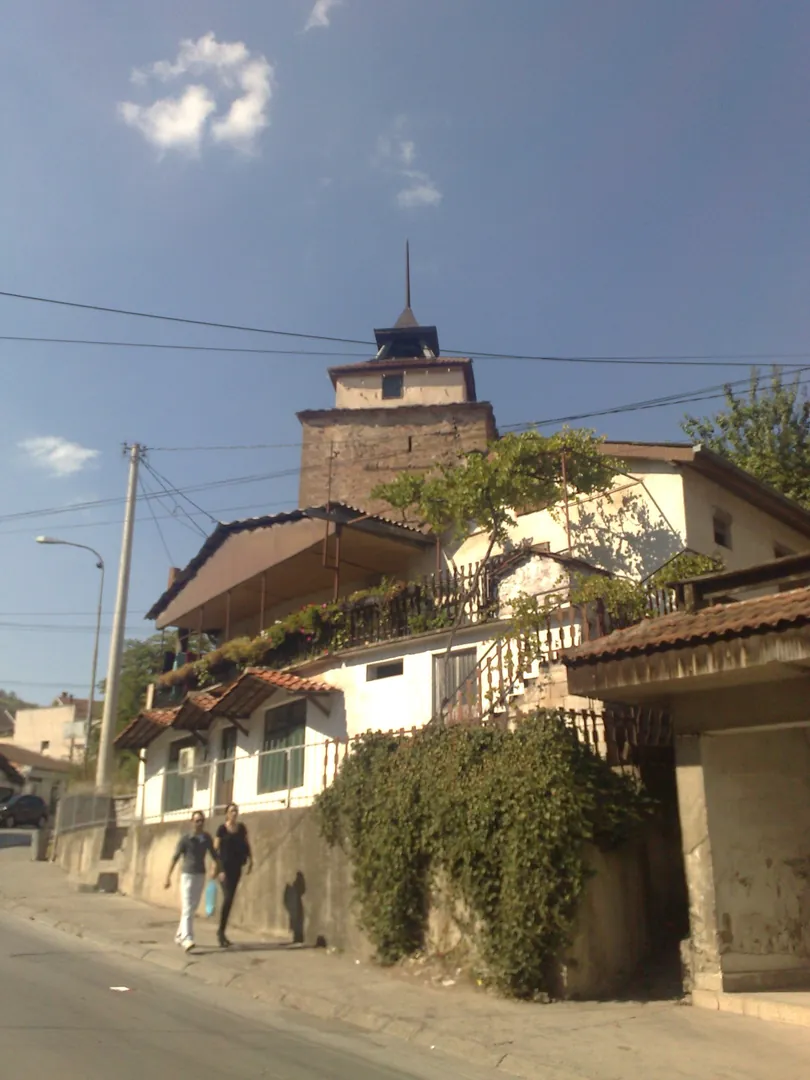
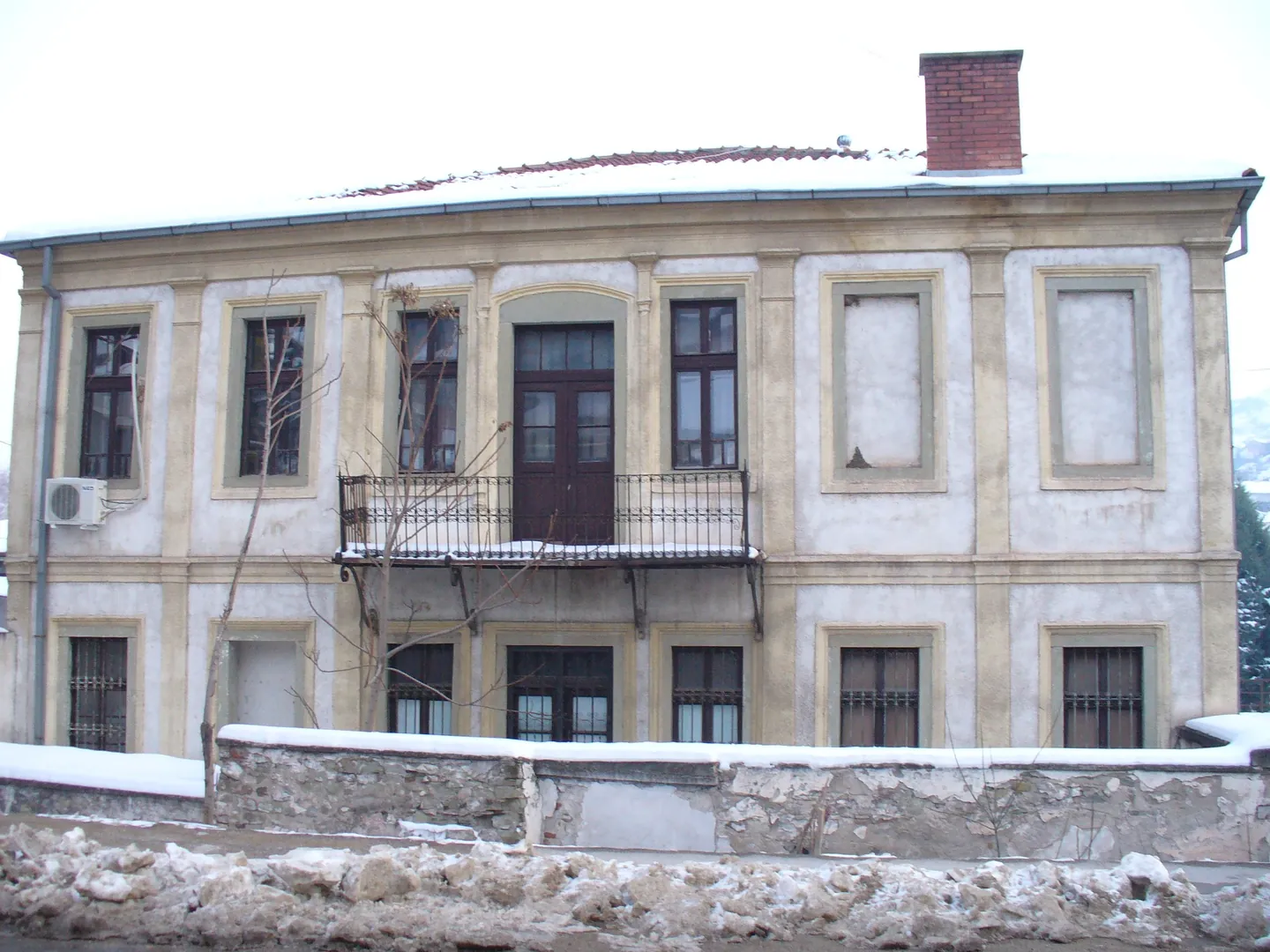
Photo credits
- Shtip: the Emir Kucuk Sultanov bridge, a stone bridge of low arches over a river, with a park path. Photo: Тоши ТрајчевCC BY-SA 4.0Wikimedia Commons
- Shtip: St Michael the Archangel Church, its brick roof rising above the town's red rooftops. Photo: RašoCC BY-SA 3.0Wikimedia Commons
- Shtip: the Diocese of Bregalnica administrative building, pale yellow with arched entrances and flags. Photo: ТиверополникCC BY-SA 4.0Wikimedia Commons
- Shtip: the clock tower above a steep street, with whitewashed houses and trees below. Photo: МакедонецCC BY-SA 3.0Wikimedia Commons
- Shtip: an old two-storey house with a small balcony and panelled walls, snow on the wall in front. Photo: Novica NakovCC BY-SA 2.0Wikimedia Commons


