
Eastern
Vinica
Виница

- Residents · 2021 census
- 8,584
- Old photographs
- 2
- Photographs
- 34
An eastern town linked to the Vinica Fortress icons
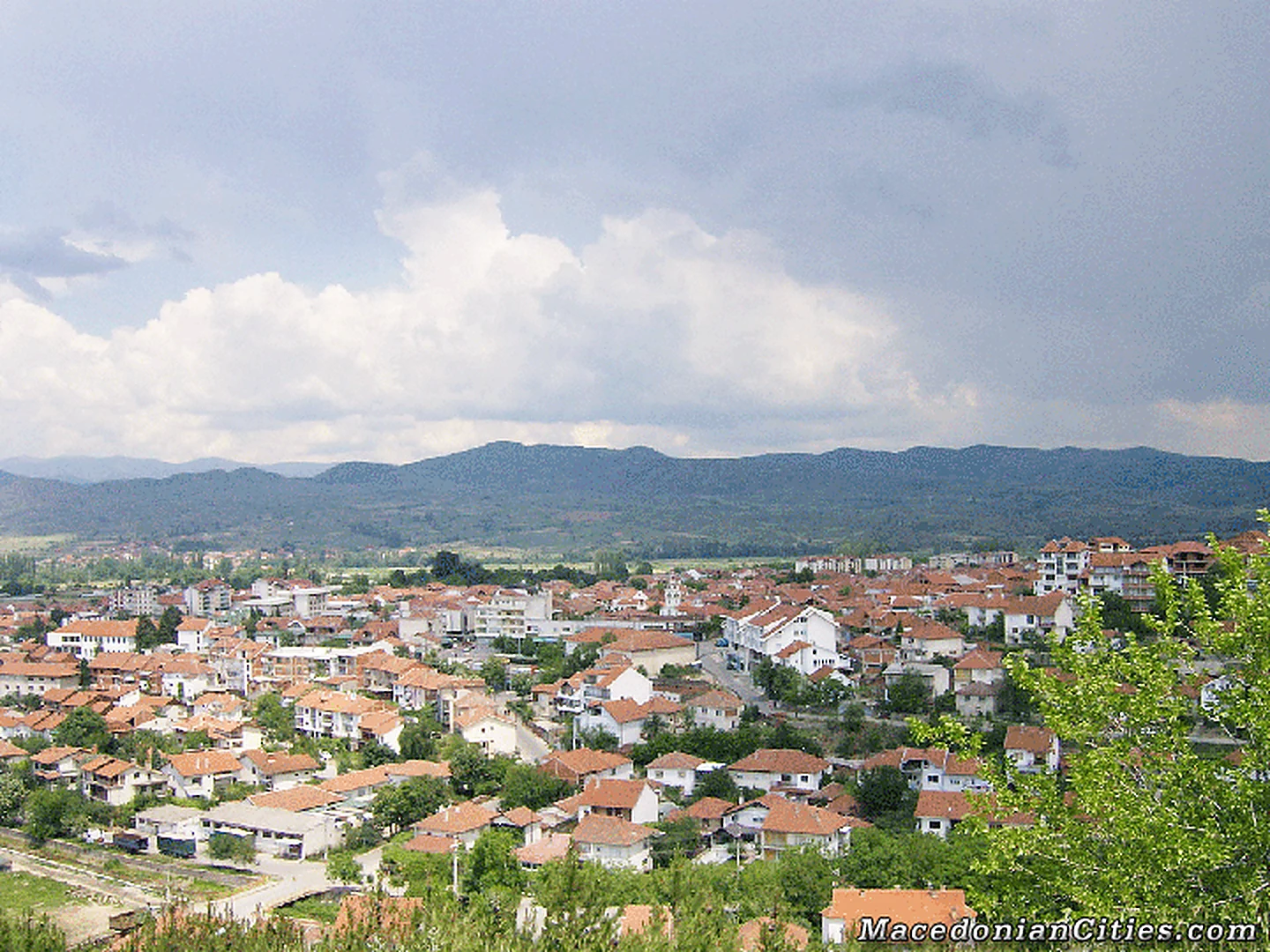
Vinica lies in the eastern Kochani-Vinica valley beneath Plachkovica, where the Gradechka and Vinichka rivers descend toward the Bregalnica. Cultivated land spreads across the lower country around 390 to 450 metres, while the municipality climbs through foothill villages and forest to mountain terrain above 1,700 metres.
Overview
City overview
Meet Vinica.
A grounded introduction to the city, its landscape, people, history and wider municipality.
Vinica lies in the eastern Kochani-Vinica valley beneath Plachkovica, where the Gradechka and Vinichka rivers descend toward the Bregalnica. Cultivated land spreads across the lower country around 390 to 450 metres, while the municipality climbs through foothill villages and forest to mountain terrain above 1,700 metres.
The town's most remarkable historical signature comes from Vinichko Kale. Excavation revealed a late-antique fortified settlement and an exceptional group of moulded terracotta relief icons, now interpreted in the city museum. Their images and inscriptions make Vinica more than a regional service town: they connect the modern streets with an early Christian artistic world of rare material richness.
Vinica counted 8,584 residents in 2021 and the municipality 14,475. Agriculture, textile work, schools and small businesses sustain everyday life, while Macedonian, Roma, Turkish and Vlach family histories all belong to the local story. Cartoon art, folk dance, football and feast days give the town's civic calendar a distinctive character.
Sixteen villages complete the municipality. Gradec, Istibanja, Blatec and Jakimovo are the largest; Istibanja adds geothermal water and a well-known folklore gathering, while the smaller settlements reach into the slopes and valleys around Plachkovica and Golak. Vinica is best understood as the centre of this full rural network, not only as the built-up town.
At a glance
Useful facts, in one place.
Settlement and municipality figures are kept distinct wherever sources permit.
- Municipality
- Vinica Municipality
- City population
- 8,584
- Municipality population
- 14,475
- Population outside the city
- 5,891
- Population year
- 2021
- Municipal area
- 433 km²
- Elevation
- 400 m
- Approx. road distance from Skopje
- 129 km
- Postal code
- 2310
- Climate
- Moderately continental eastern-valley climate
- Sports teams
-
- FK Sloga 1934
- RK Toro Sport
- Table Tennis Club Vinspin
- Culture
-
- The Vinica terracotta icons are the municipality's defining archaeological and artistic inheritance.
- In Vinica Veritas brings international cartoon and satirical art into the town's cultural calendar.
- Istibanjsko Zdravozivo combines folk performance, village gathering and river-side ritual.
- Population snapshot
- 8,584 city residents and 14,475 municipality residents in the 2021 census; 5,891 lived outside the city settlement.
- Lowland elevation range
- 390–450 m
- Municipal elevation range
- 360–1,754 m
- Average annual temperature
- 13 °C
- Average annual precipitation
- 530 mm
Known for
The city's signature.
Landmarks, foods, landscapes and traditions that give Vinica its character.
- Early Christian terracotta icons
- Vinichko Kale archaeological fortress
- Vineyards, orchards and Bregalnica valley farming
- Mineral and thermal springs
- Gateway between the Kochani basin and the eastern uplands
Geography
Geography
Land shapes the city.
Terrain, waterways, climate and transport explain why Vinica grew where it did.
Vinica lies on the eastern side of the Kochani-Vinica valley, between the Bregalnica basin and the lower slopes that rise toward Plachkovica and the Osogovo uplands. The town looks west across agricultural country toward Kochani and sits on regional roads leading east to Delchevo and Berovo. A low hill immediately above the settlement carries Vinica Fortress, or Vinichko Kale.
The valley climate supports cereals, vines, orchards and vegetables, with rice cultivation prominent in the broader Bregalnica lowlands. Forest and pasture begin close to the town as the terrain rises. Mineral and thermal springs are another feature of the municipality's geology. Vinica therefore sits at a small but productive transition between irrigated basin agriculture and the wooded mountain country of the east.
History
History
A concise, rewritten account.
Written afresh from cross-checked municipal, archaeological, heritage and institutional sources—not copied website text.
Archaeological evidence in the Vinica district begins in prehistory and continues through Roman and late antique settlement. Vinichko Kale is the key site. Excavations there revealed fortifications, buildings and an extraordinary group of moulded terracotta relief plaques, most dated to the fifth and sixth centuries. Their Christian images and Latin inscriptions connect local workshops with the religious and visual world of the late Roman Balkans.
Life continued in the district through the medieval and Ottoman periods, although the centre and scale of settlement changed over time. The modern name is often linked with wine and vineyards, an interpretation reinforced by the area's agricultural tradition, but place-name origins are rarely as simple as a single folk explanation. Vinica remained a compact market town serving villages at the eastern end of the valley.
Twentieth-century roads, schools, housing and light industry enlarged the town. Since the discovery of the terracotta icons in 1977, archaeology has given Vinica a cultural importance far beyond its size. The local museum and the fortress now place those objects in context, while farming and regional services continue to shape daily life below the hill.
The preserved legacy narrative
Open the preserved legacy narrative
Antiquity in Vinica
Available evidence places settled life in the Vinica area at least as early as the Iron Age, from the eighth to the sixth centuries BC. The wider region was inhabited by Paeonian communities; older accounts sometimes inaccurately described the Paeonians simply as an Illyrian tribe, whereas their identity and language remain subjects of scholarly discussion.
Classical antiquity and Roman rule
Expanding trade in the late sixth and early fifth centuries BC encouraged the economic development of Paeonian communities. Their political independence later diminished: Philip II brought Paeonia under Macedonian dominance in the fourth century BC, traditionally dated here to 358 BC. After the Roman conquest of Macedonia in 168 BC, the region was incorporated into the Roman provincial system; 146 BC is conventionally associated with the formal establishment of the Roman province of Macedonia.
Archaeology indicates that a late Roman and early Byzantine settlement preceded the modern town. The fertile valley supported cereal cultivation and viticulture. A popular explanation derives the name Vinica from wine production, and the local landscape certainly has a long wine-growing tradition, although the precise etymology cannot be established from that association alone.
Profile sources (17)
- uzkn.gov.mk/mk/wp-content/uploads/2023/02/Archaeological-sites-EN.pdf
- haemus.org.mk/vinica
- vinica.gov.mk
- stat.gov.mk/pdf/2022/2.1.22.10Popis-mk-en.pdf
- citypopulation.de/en/northmacedonia/istocen/310__vinica
- citypopulation.de/en/northmacedonia/istocen/vinica/402516__vinica
- eprints.ugd.edu.mk/24096/1/Strategija%20za%20turizam%20opstina%20Vinica%20EN.pdf
- macedonianfootball.com/team/sloga-1934
- en.wikipedia.org/wiki/Vlatko_Go%C5%A1ev
- en.wikipedia.org/wiki/Zlatko_Gocevski
- statscrew.com/worldfootball/stats/p-mitroiva001
- worldathletics.org/athletes/north-macedonia/adrijana-pop-arsova-rashikj-14708398
- en.wikipedia.org/wiki/Kiril_Mihajlovski
- sobranie.mk/socijalist-party-e3b721e4-589a-4152-a566-1f72772b6e9f-ns_article-mirko-pecov-94-_.nspx
- etno.pmf.ukim.mk/index.php/eaz/article/download/230/205
- sdk.mk/index.php/magazin/nekolku-iljadi-luge-dojdoa-na-vtorata-iselenichka-sredba-vo-vinichkoto-selo-blatets-na-koja-beshe-osveten-lokalniot-manastir
- makstat.stat.gov.mk/PXWeb/pxweb/en/MakStat/MakStat__Popisi__Popis2021__NaselenieVkupno__PodatociNaselenie/T1501P21.px
Interesting Facts
Interesting facts
Details worth remembering.
Local landmarks, customs, foods and historical details that reward a closer look at Vinica.
-
A unique group of terracotta icons
Excavations at Vinichko Kale produced about sixty complete moulded relief icons and hundreds of fragments, generally dated between the late fourth and seventh centuries.
-
A museum built around the discovery
The Terracotta Museum opened in 2006 and displays the icons alongside more than 300 archaeological and historical objects from the region.
-
Valley, rivers and mountains meet here
The municipality occupies the southeastern Kochani-Vinica valley between Plachkovica, Golak and Obozna, crossed by tributaries flowing toward the Bregalnica.
-
Istibanja has geothermal water
Geothermal resources around Istibanja are identified as one of the municipality's significant natural assets and future visitor opportunities.
-
Cartoons cross borders in Vinica
The international In Vinica Veritas festival and competition brings humour, satire and cartoon art from artists in North Macedonia and abroad.
-
A village festival enters the Bregalnica
Istibanjsko Zdravozivo combines a folklore parade and performances with the placing of flower wreaths in the Bregalnica River.
-
Old gold-working galleries survive near Pekljani
Mining galleries discovered at the Rashka locality near Pekljani in 1977 are interpreted in the municipal tourism strategy as evidence of historical gold extraction.
-
The town lost more than two thousand residents
Vinica's census population declined from 10,863 in 2002 to 8,584 in 2021, while the municipality recorded 14,475 residents in 2021.
People
Celebrities
Lives linked to the city.
Writers, musicians, artists, athletes, public figures and historical personalities with a clearly stated connection to Vinica.
-
Vlatko Goshev Sport
Born in Vinica.
Former professional goalkeeper who represented North Macedonia internationally.
Source -
Zlatko Gocevski Sport
Born in Vinica.
Professional basketball player whose career included clubs in North Macedonia and abroad.
Source -
Ivan Mitrov Sport
Born in Vinica.
Professional footballer who played in the domestic league and for clubs outside the country.
Source -
Adrijana Pop Arsova Rashikj Sport
Born in Vinica.
Distance runner and national record holder who has represented North Macedonia in major international competition.
Source -
Kiril Mihajlovski History
Born in Vinica in 1916.
Partisan commander and later military officer whose career belongs to the contested political and military history of twentieth-century Yugoslavia.
Source -
Mirko Pecov Public life
Born in Laki, in today's Vinica Municipality.
Public official who served as a member of the Assembly of the Republic of Macedonia.
Source -
Galaba Palikrusheva Scholarship
Born in Vinica.
Historian and ethnologist whose scholarship examined social organisation, customary law and cultural life in Macedonia.
Source
Villages & Monasteries
Villages
The wider municipality.
Every verified village and rural settlement in the current municipal scope, followed by known monasteries in the surrounding cultural landscape.
16 villages and rural settlements are included.
- Blatec A large Plachkovica-foot village with 896 residents recorded in 2021 and a renewed monastery gathering place. Source
- Crn Kamen A small rural settlement with 58 residents recorded in 2021. Source
- Dragobrashte A village with 265 residents recorded in 2021. Source
- Gradec The municipality's largest village in the 2021 census, with 1,013 residents. Source
- Grljani A rural settlement with 114 residents recorded in 2021. Source
- Istibanja A major village with 897 residents in 2021, known for geothermal water and its folklore festival. Source
- Jakimovo A large village close to Vinica with 827 residents recorded in 2021. Source
- Kalimanci A rural settlement with 96 residents recorded in 2021. Source
- Krushevo A small village with 53 residents recorded in 2021. Source
- Laki A village with 162 residents recorded in 2021. Source
- Leski A substantial rural settlement with 439 residents recorded in 2021. Source
- Lipec A village with 202 residents recorded in 2021. Source
- Pekljani A village with 302 residents in 2021, near documented historical mining galleries. Source
- Trsino A substantial rural settlement with 444 residents recorded in 2021. Source
- Trstija A current municipal settlement with 65 residents recorded in the 2021 census. Source
- Vinichka Krshla A small rural settlement with 58 residents recorded in 2021. Source
Monasteries nearby
Places of continuity.
Verified monastic sites within the municipality or its immediate cultural landscape.
-
Monastery Church of the Ascension of Christ — Holy Saviour
Border of the Pekljani, Blatec and Dragobrashte village areas
A small church built in 1948 over the remains of an older basilica and renovated in 1996; the surrounding site is used for religious gathering.
Source -
Holy Cross historical monastery site
Samovilec locality near Grljani
A ruined or archaeological monastic locality documented beneath the Holy Saviour site; it should be presented as historical remains rather than an active monastery.
Source -
St Panteleimon historical monastery site
Golak area
A documented old monastic locality in the Golak landscape whose current active status is not established.
Source -
Manastirec historical monastery site
Borovec, southeast of Pekljani
A recorded historical monastery locality preserved principally as archaeological or ruined remains.
Source -
Monastery of the Nativity of the Most Holy Mother of God
Blatec
A modern monastery complex developed over several decades and formally consecrated in 2023 during a large village and diaspora gathering.
Source
Old Photos (2)
Old Photos
The rare collection.
Every surviving full-size historical file is included, including originals that the old page markup accidentally omitted. Family-preserved originals remain untouched.
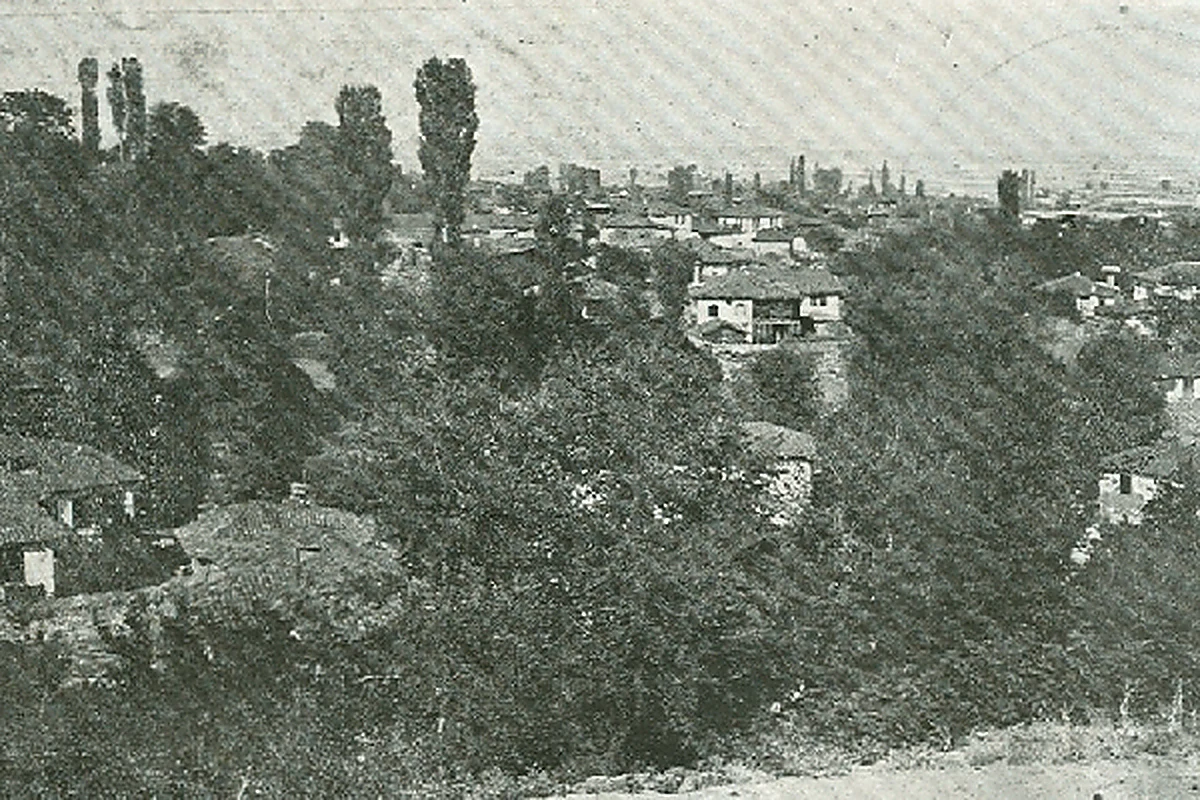
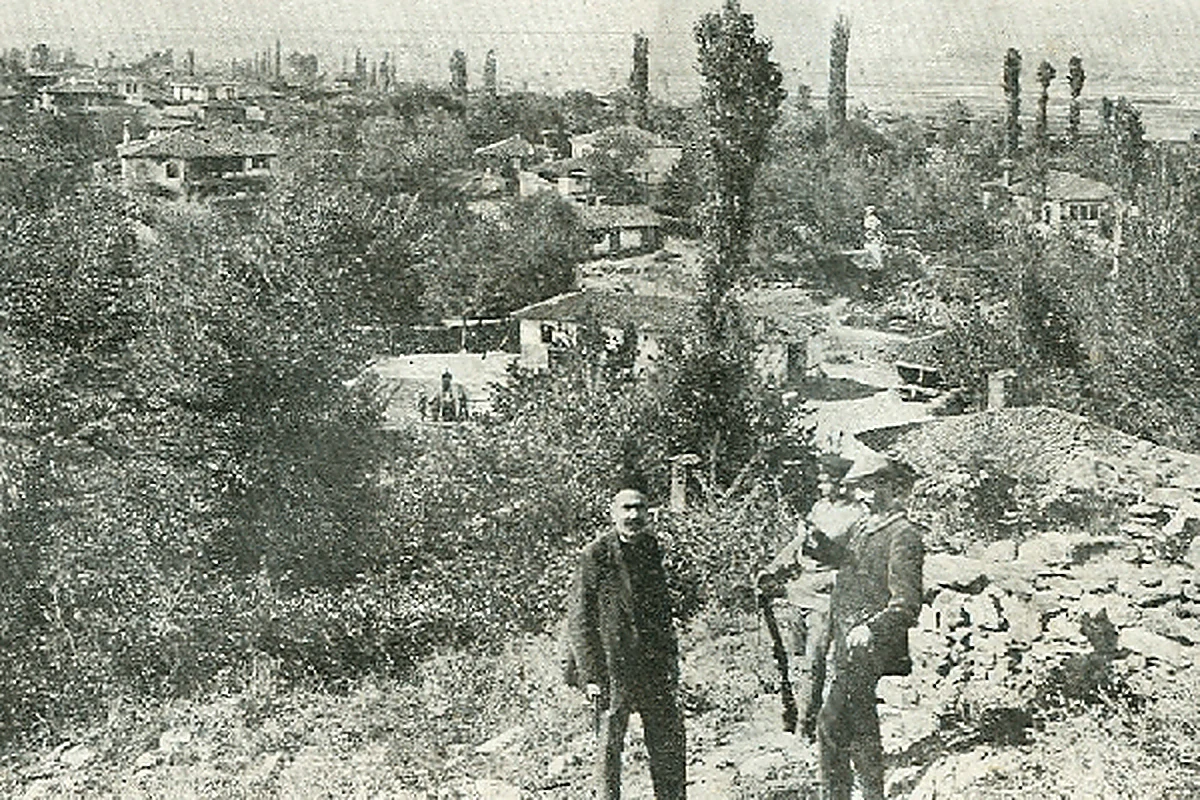
Photo Gallery (34)
Photo Gallery
Vinica, frame by frame.
A responsive family gallery, including city views recovered from the old rotating banner system.
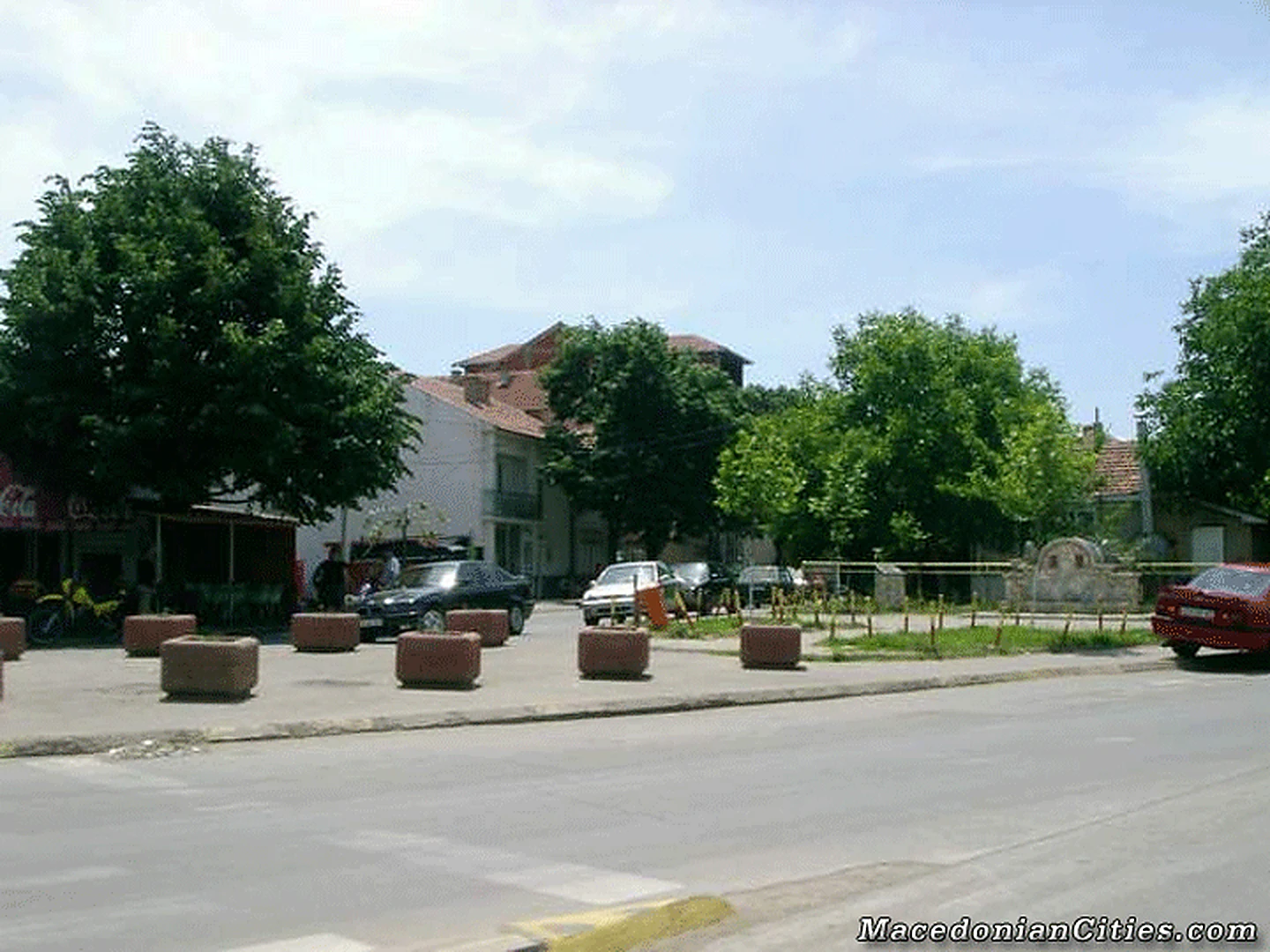
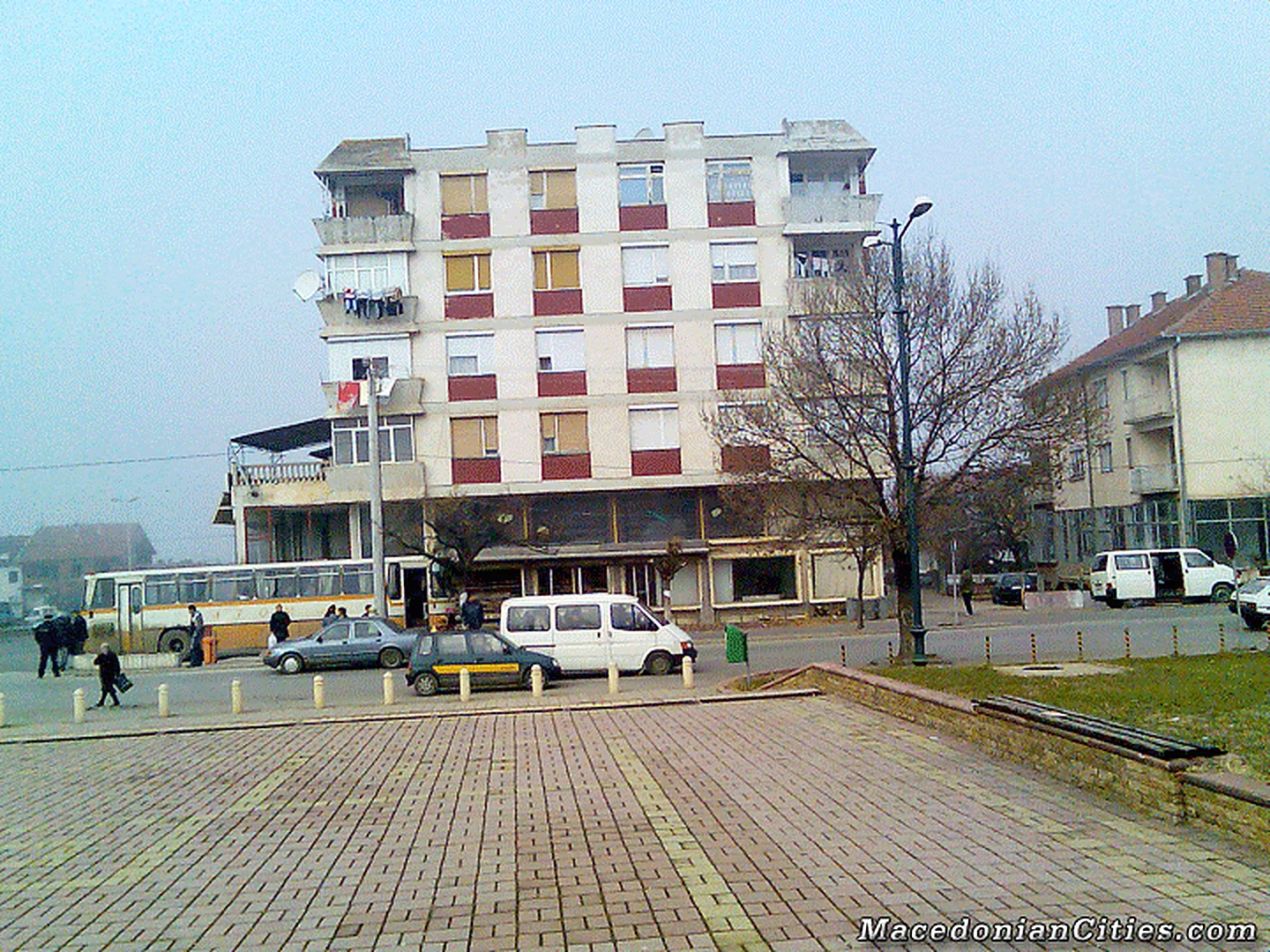
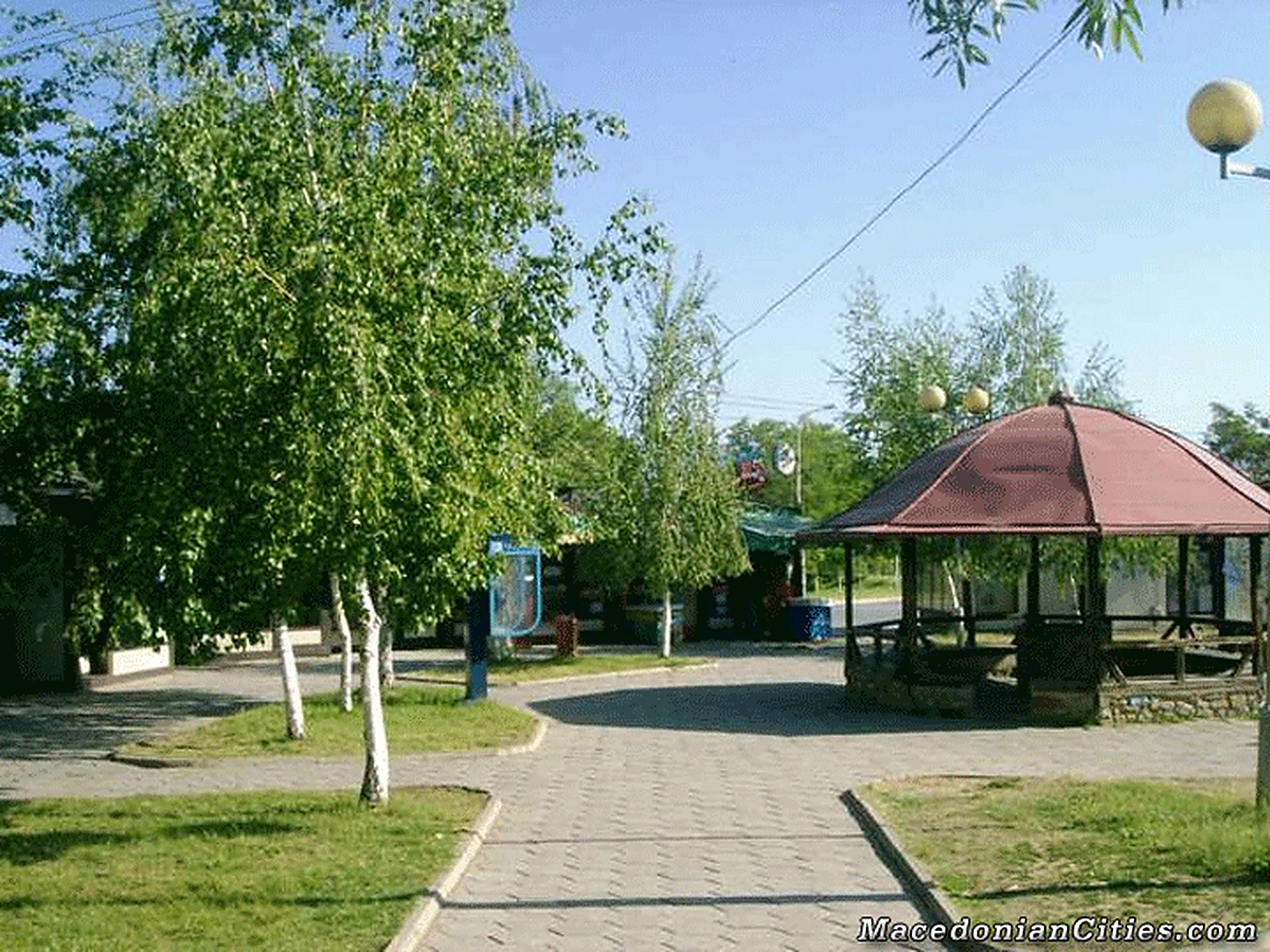
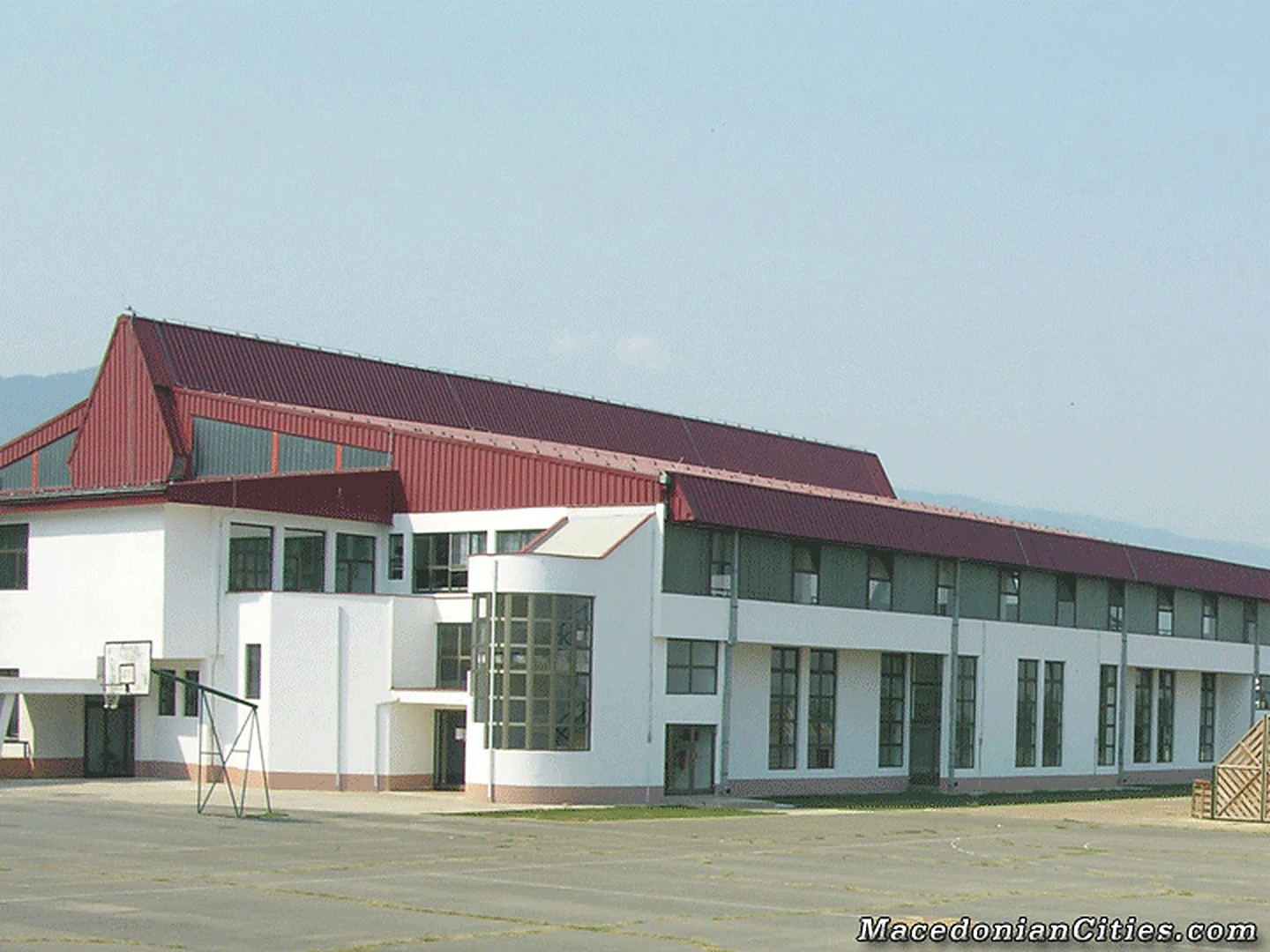
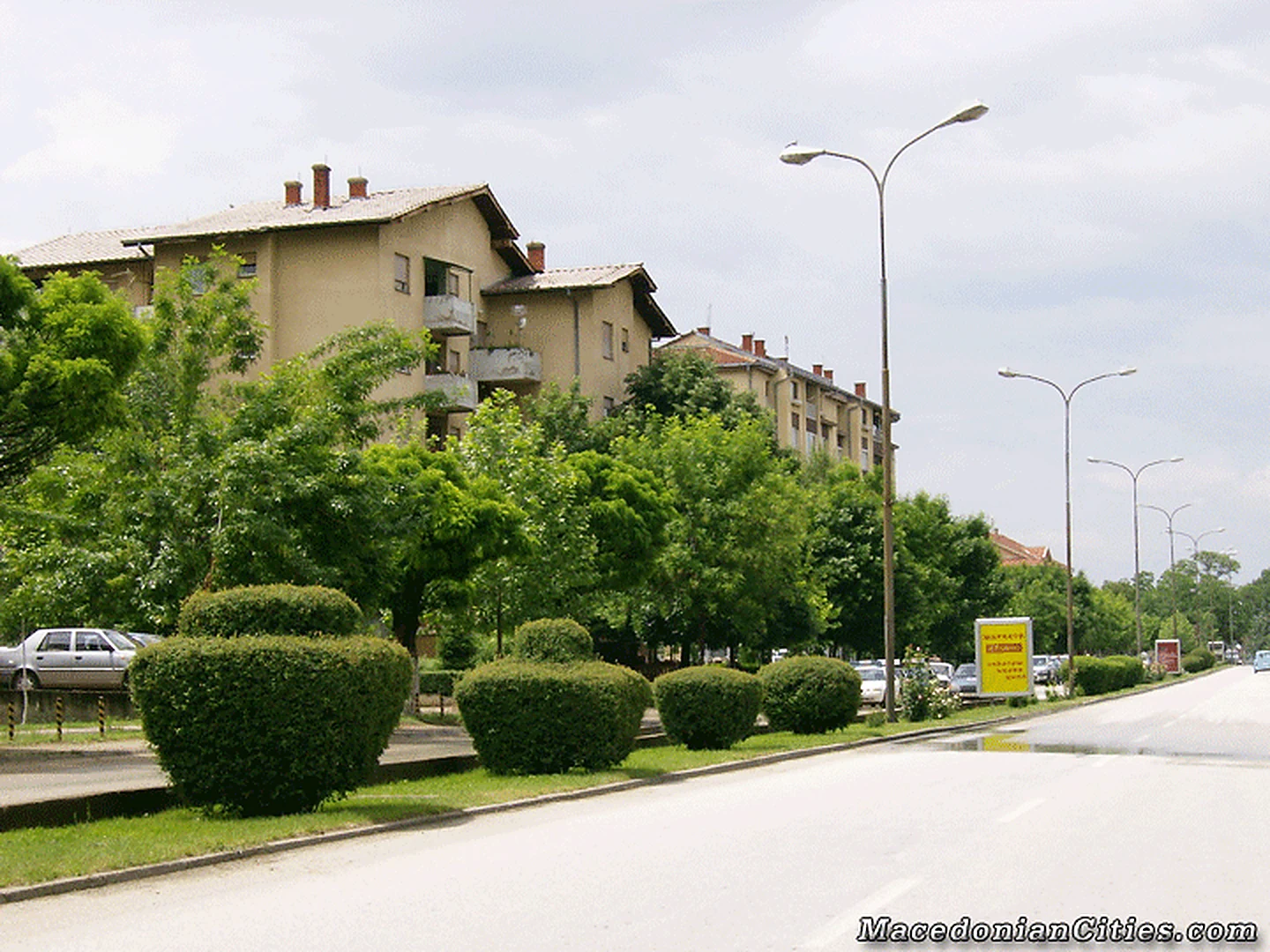
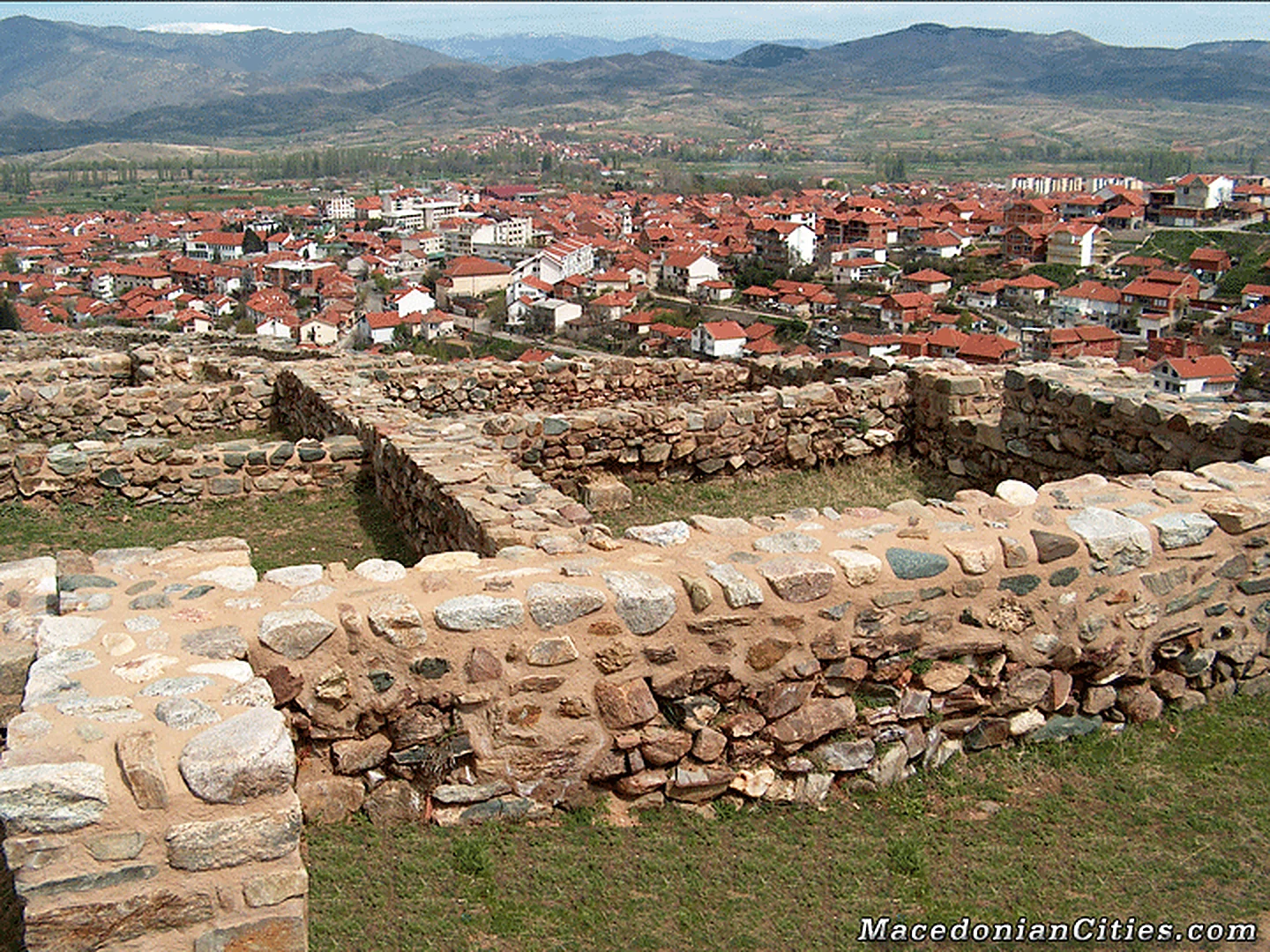
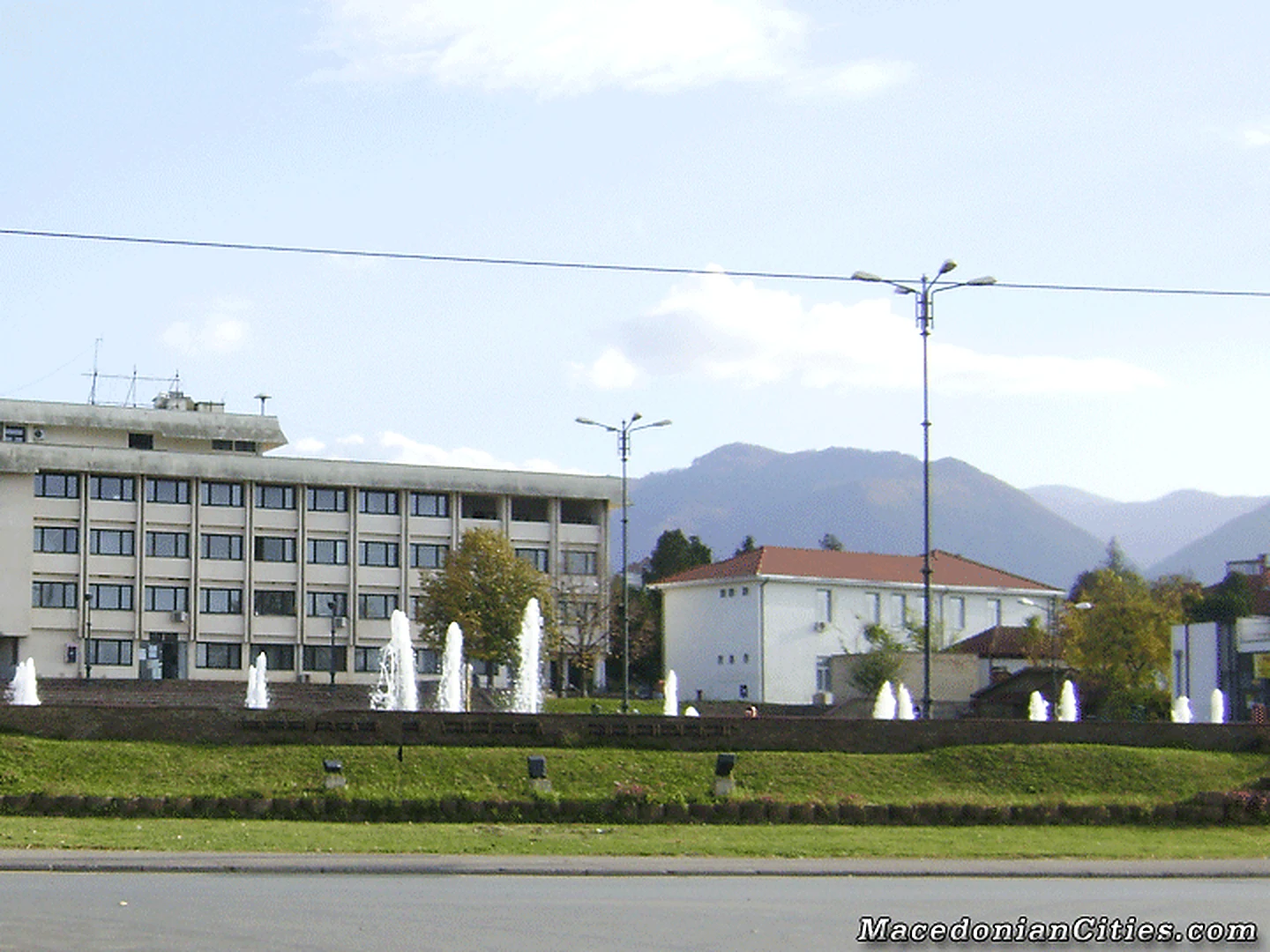
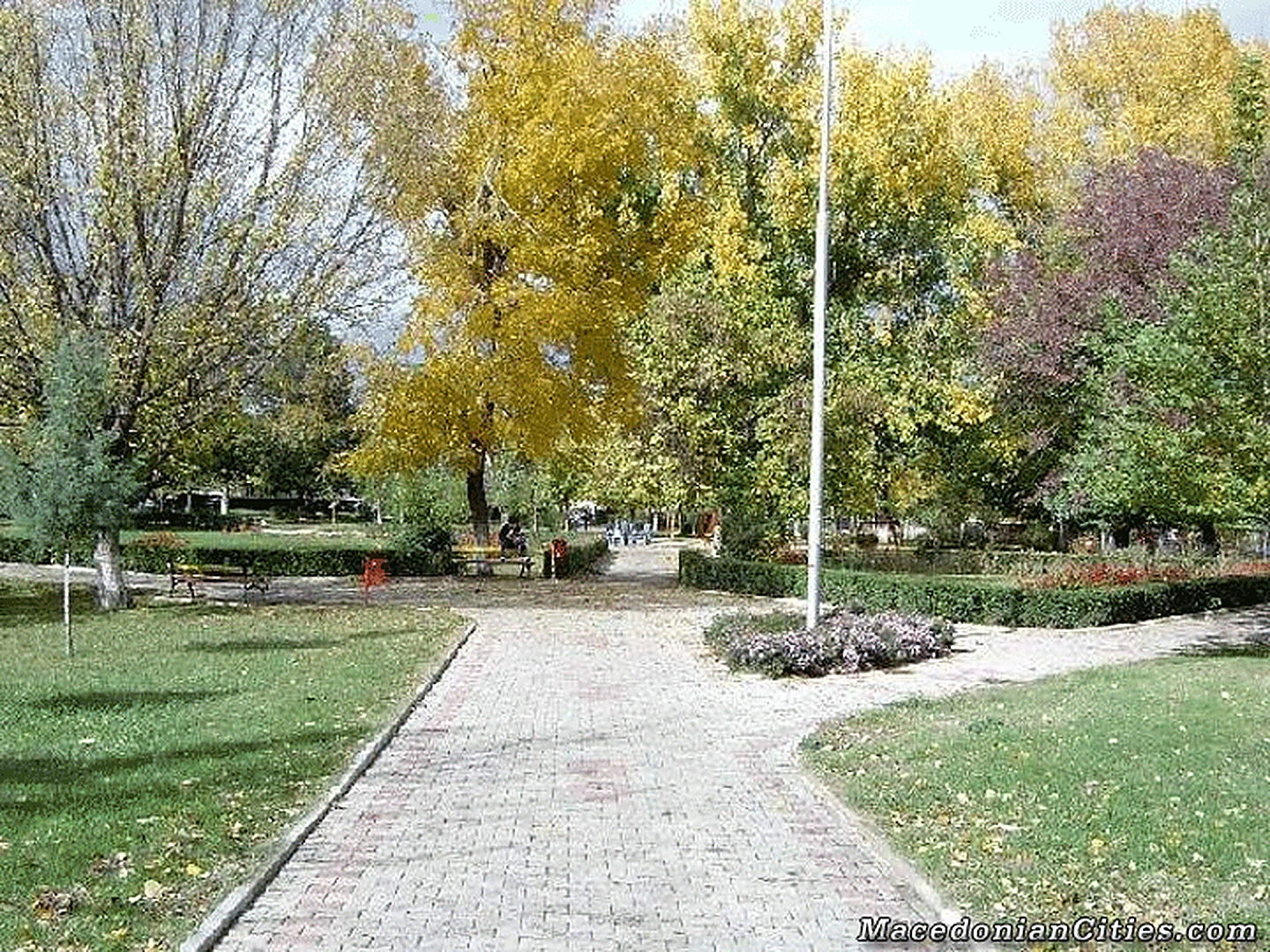
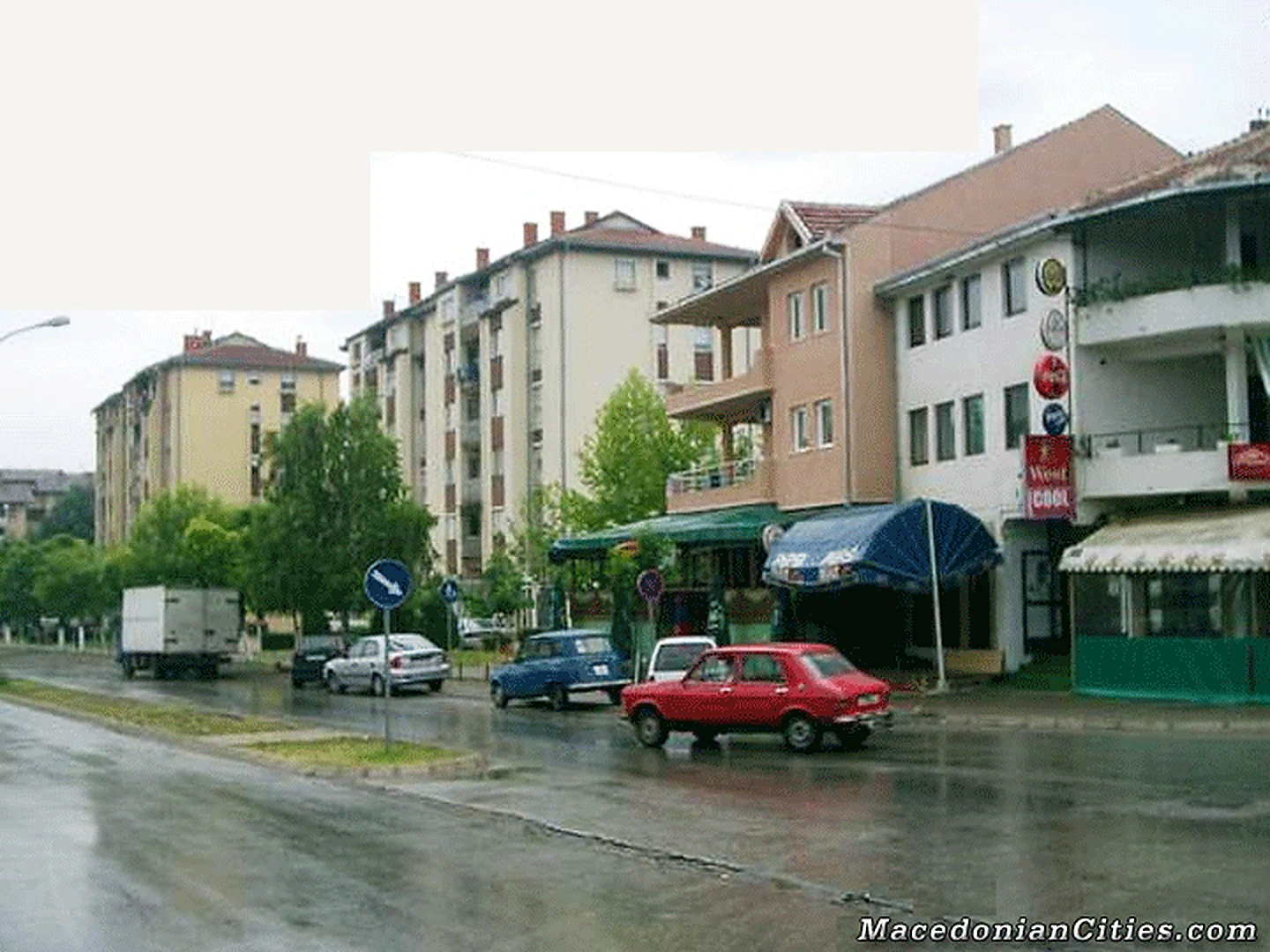
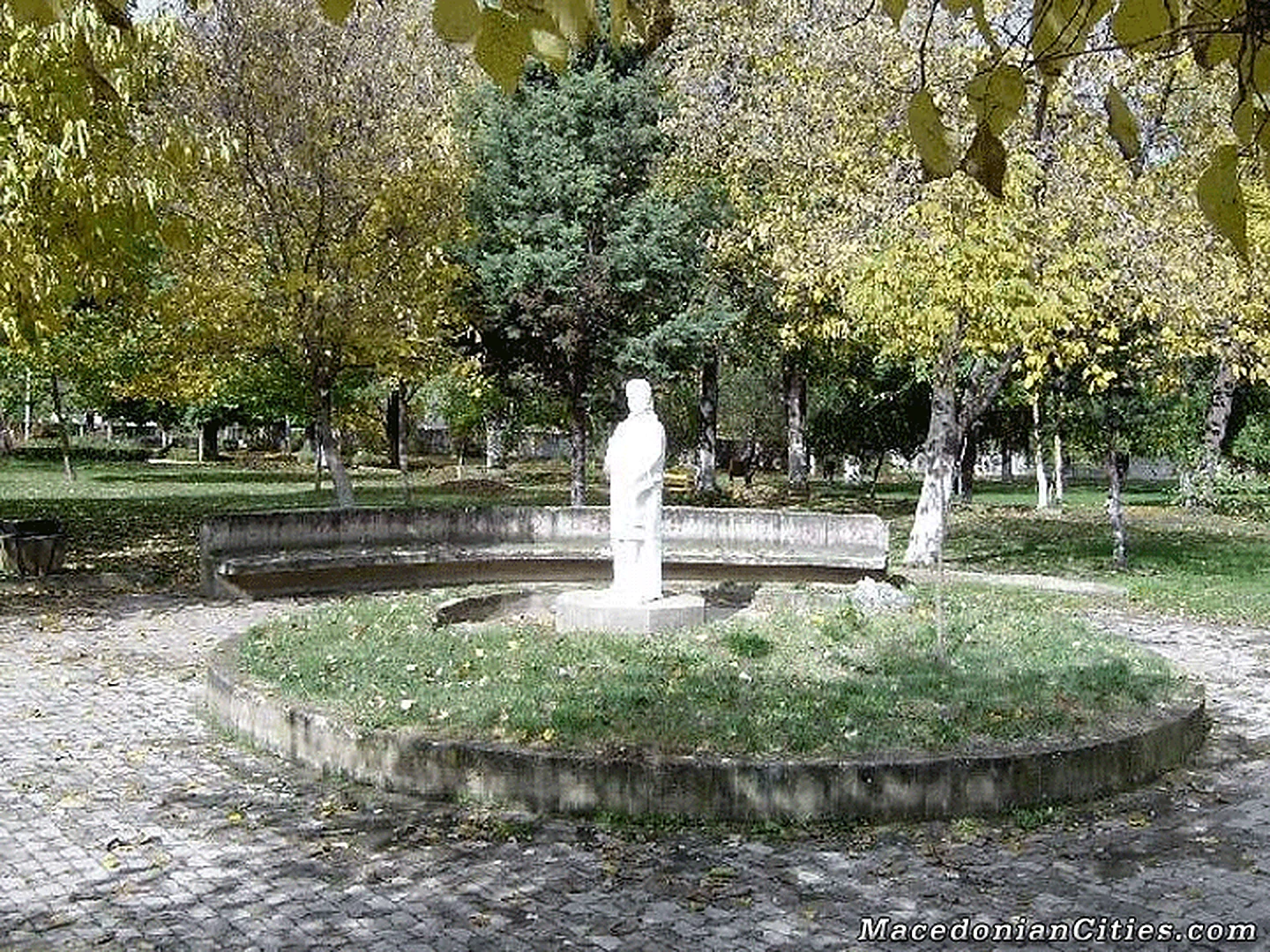
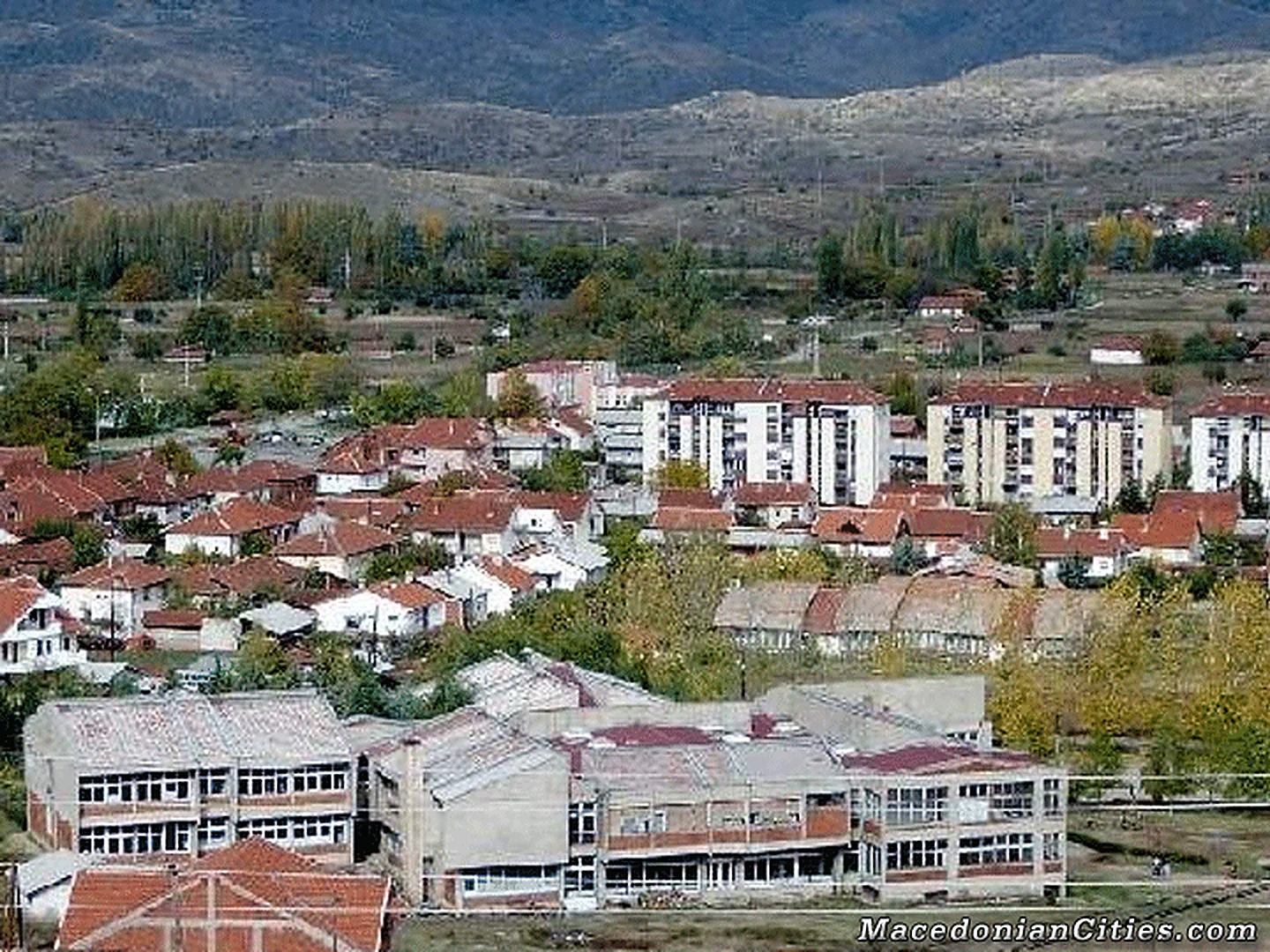
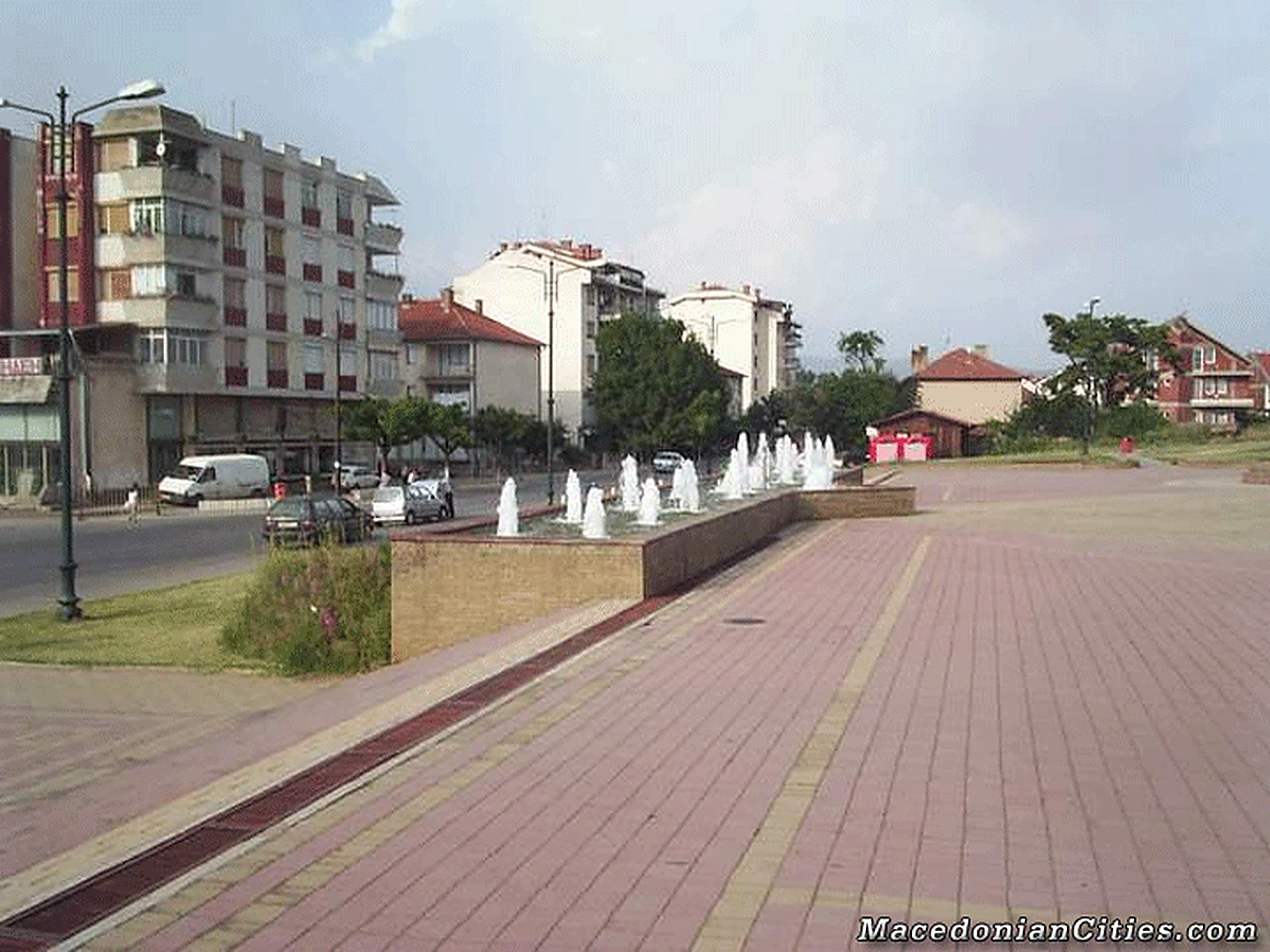
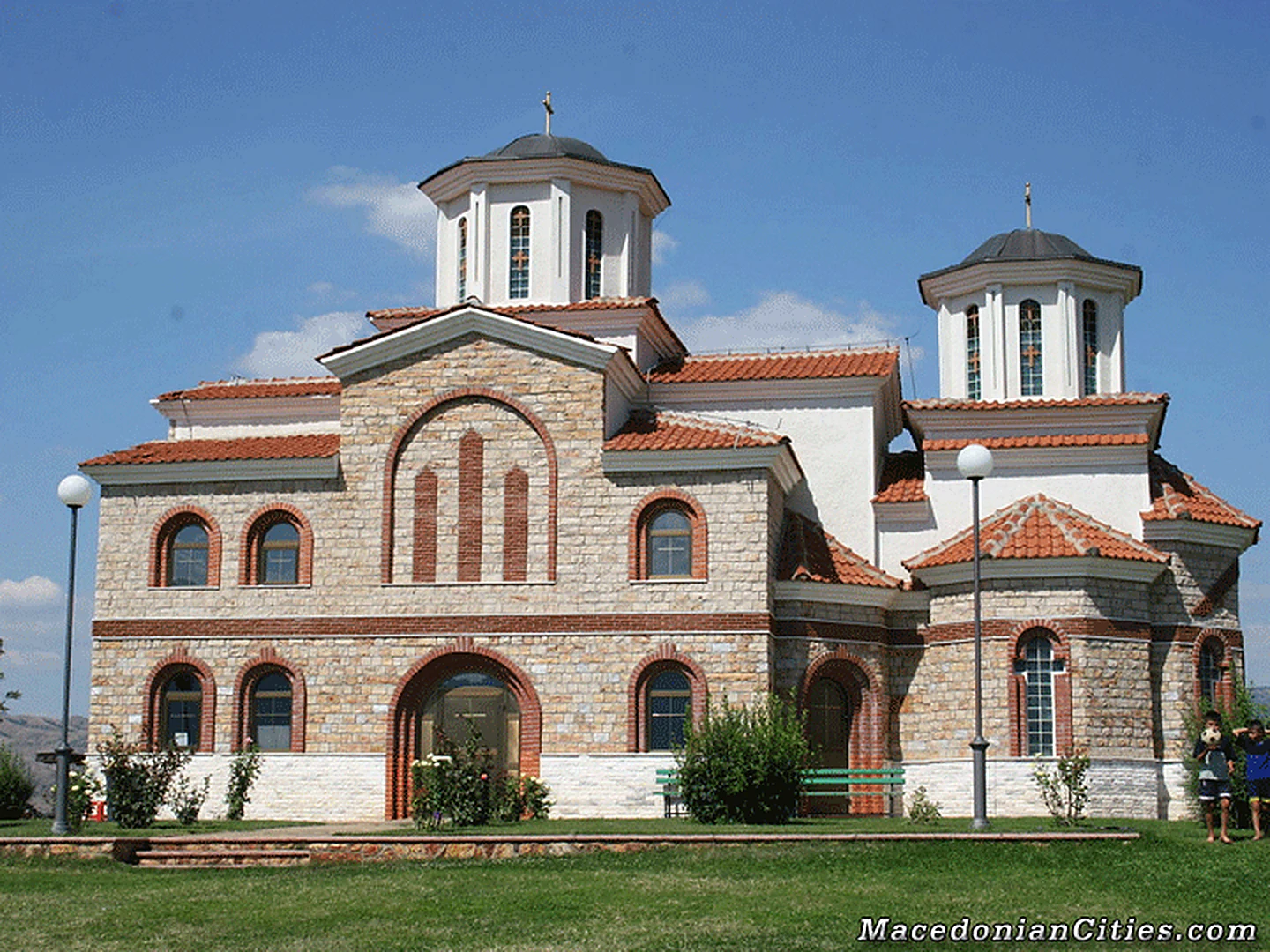
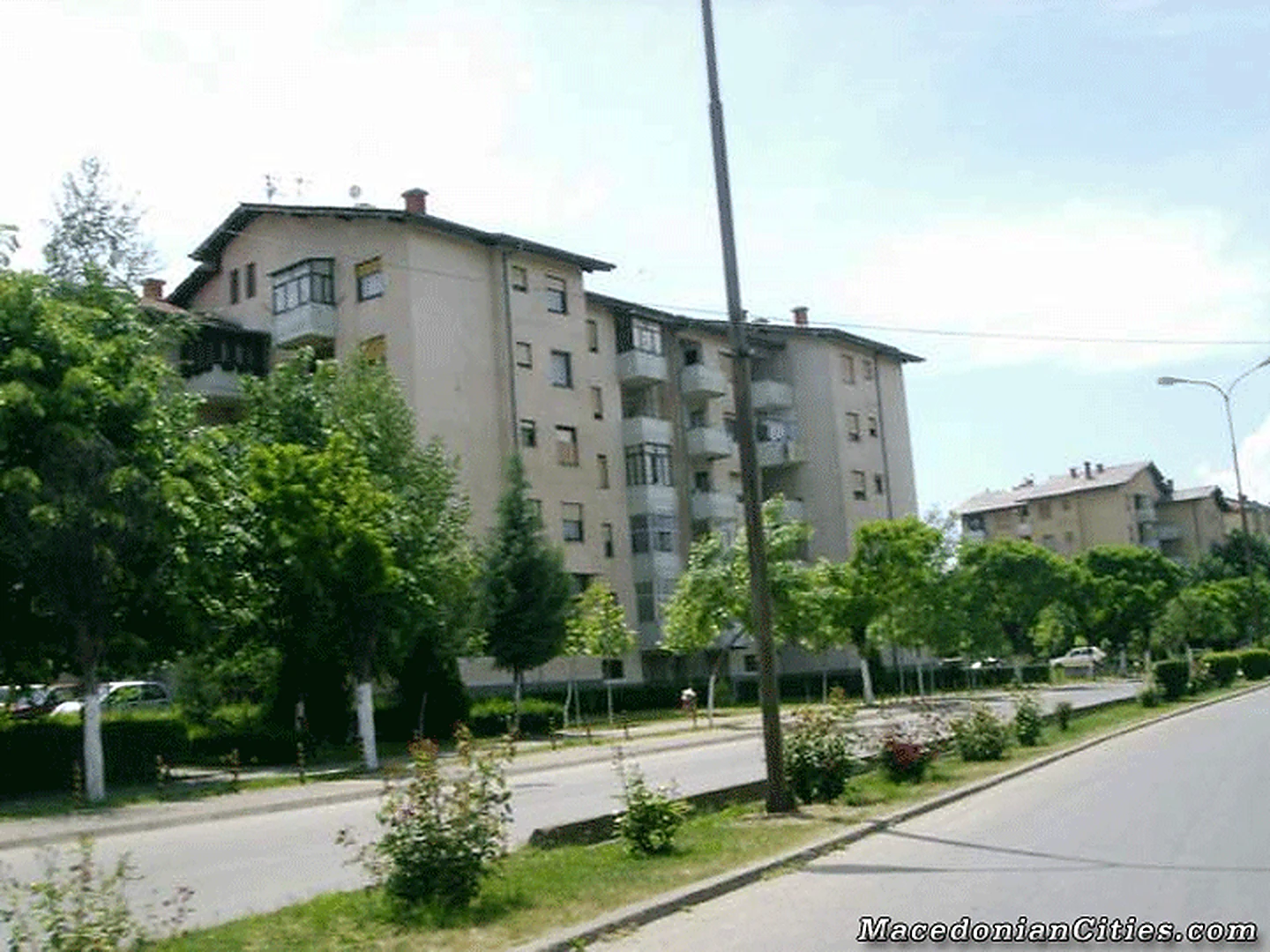
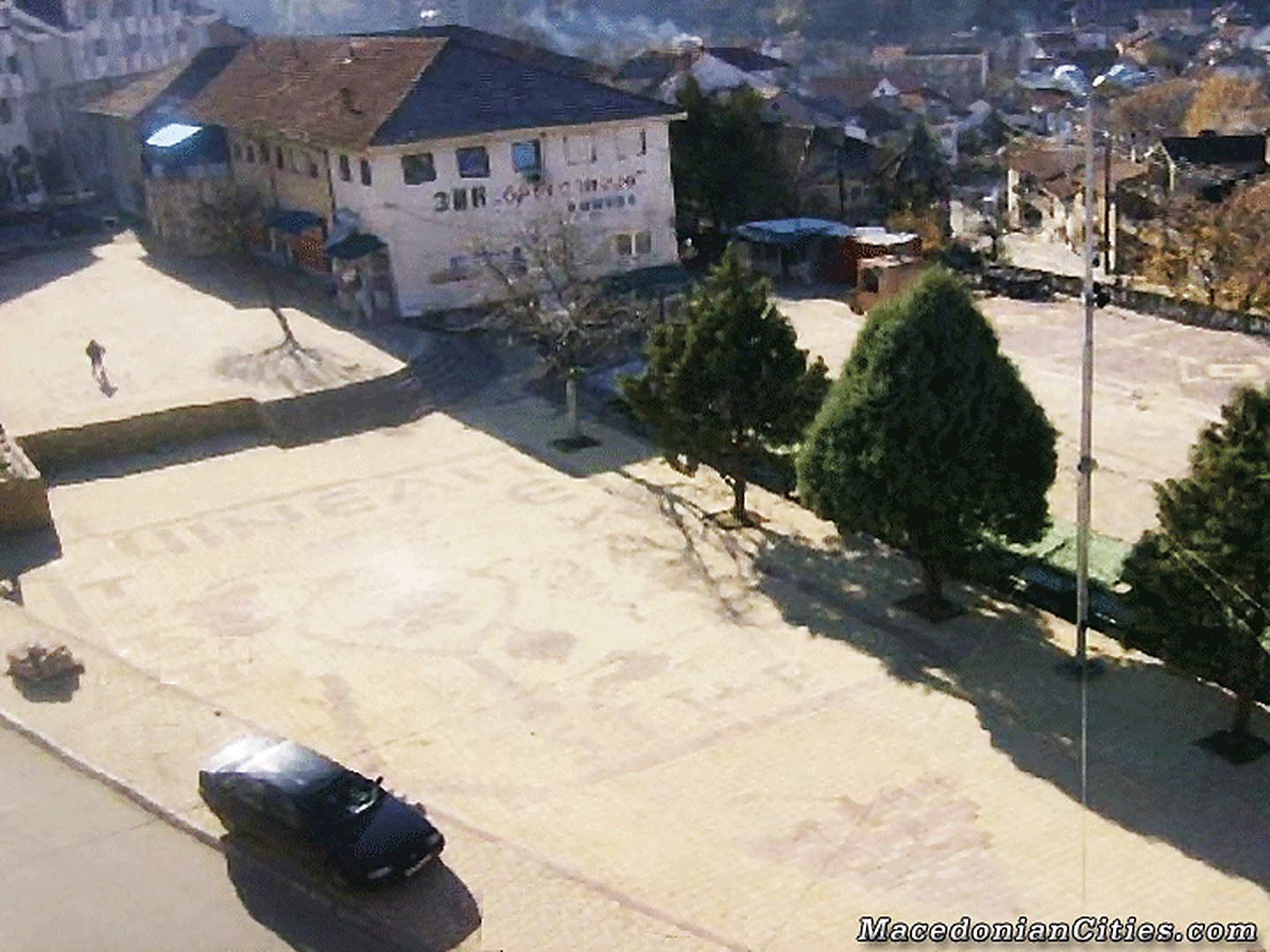
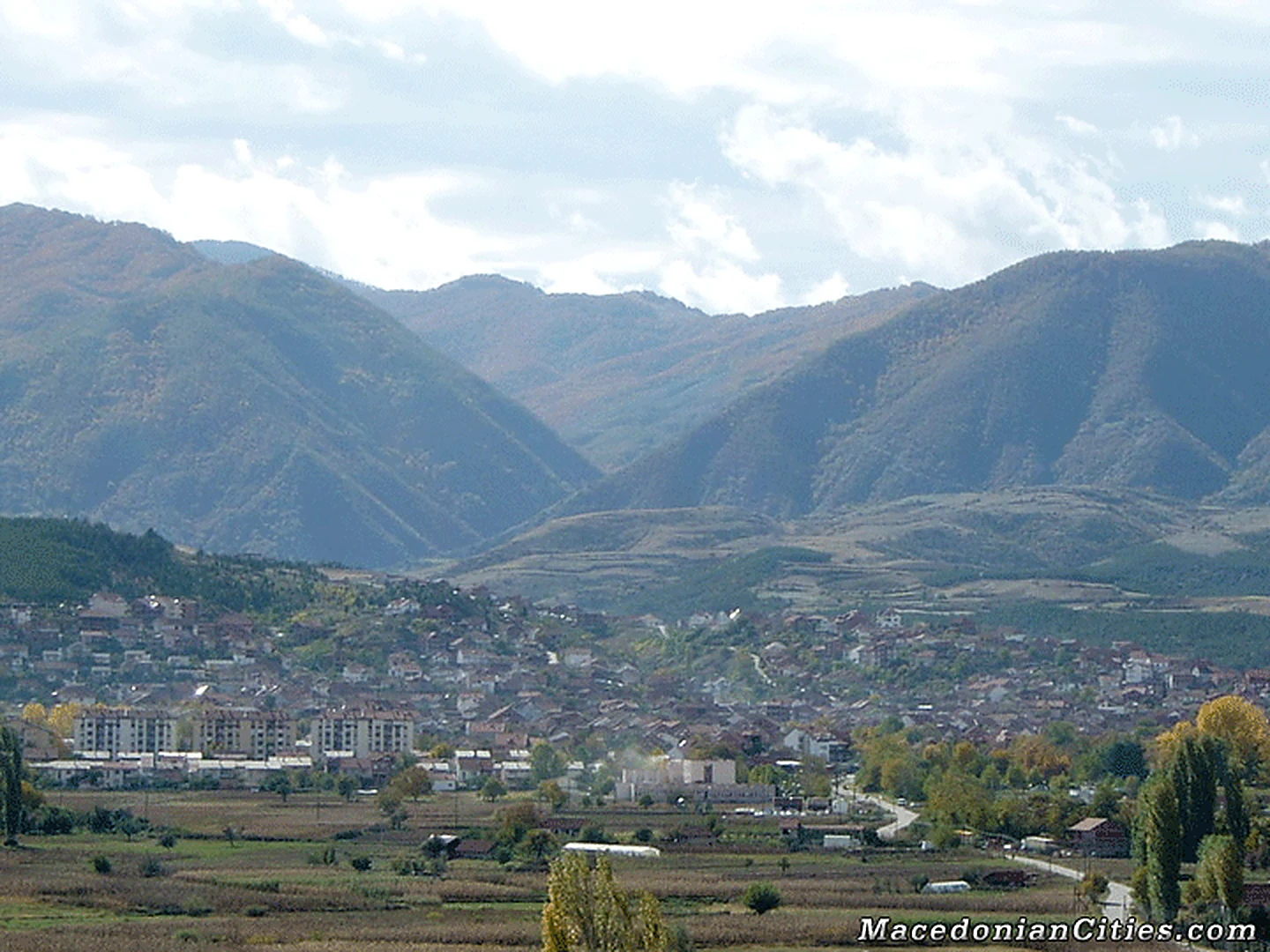
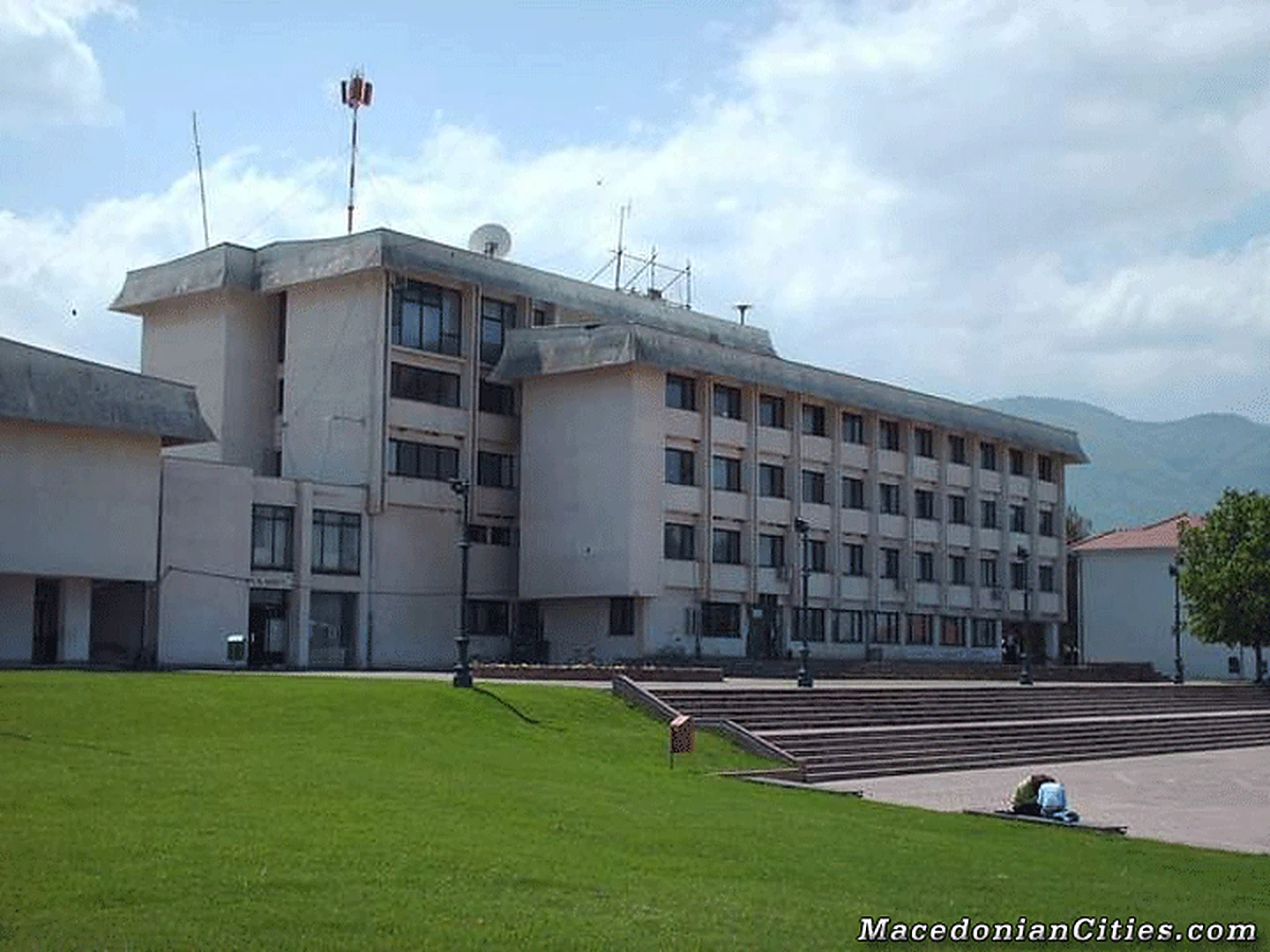
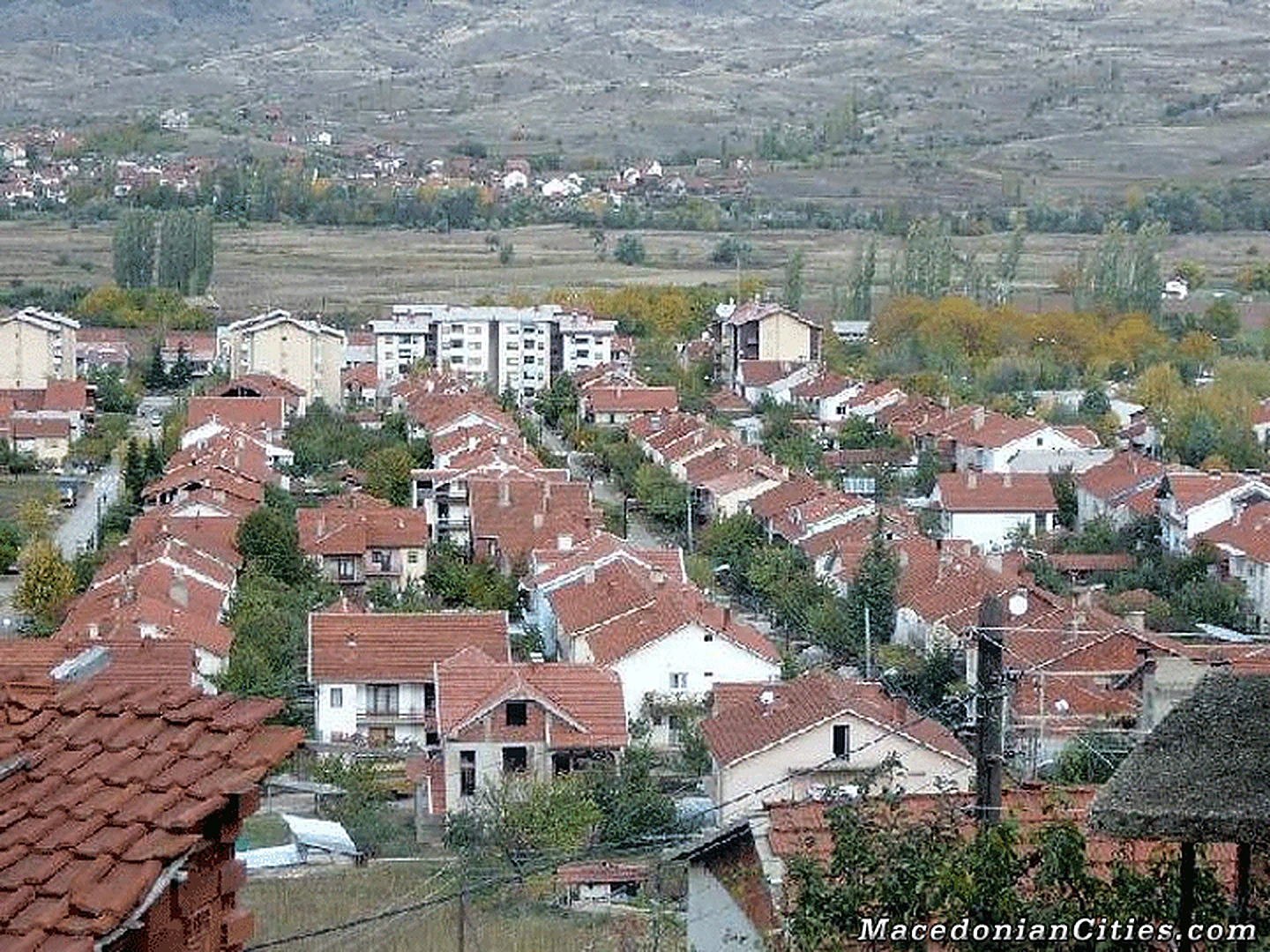
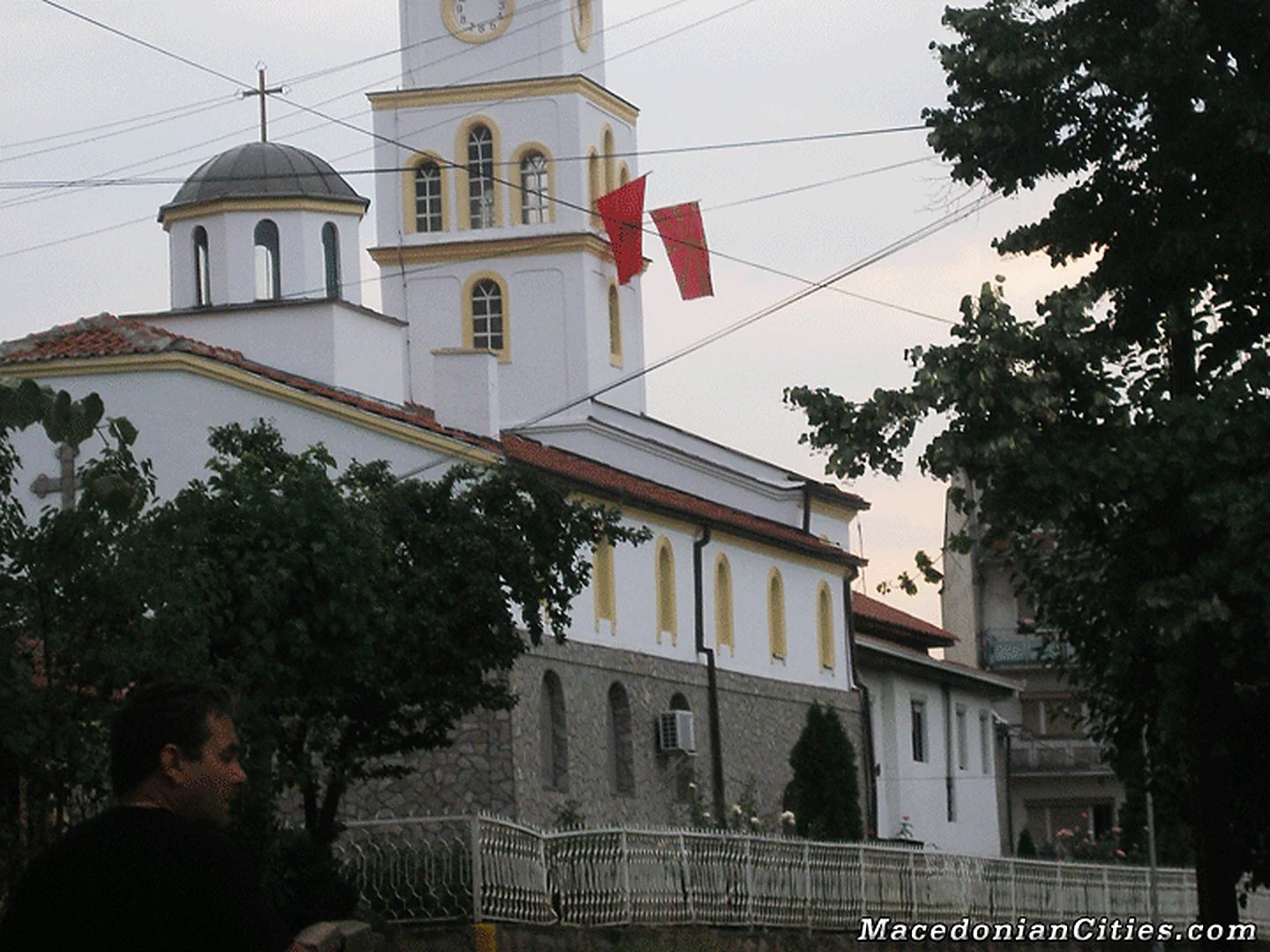
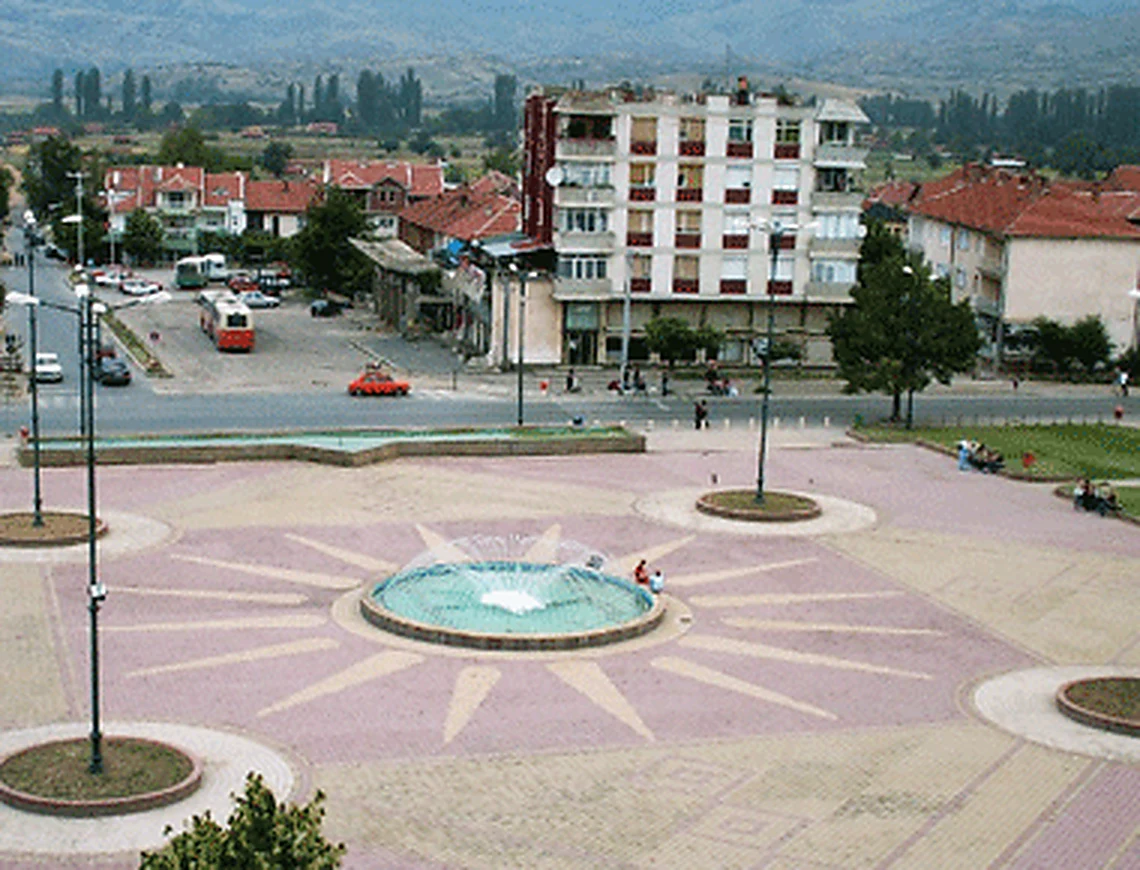
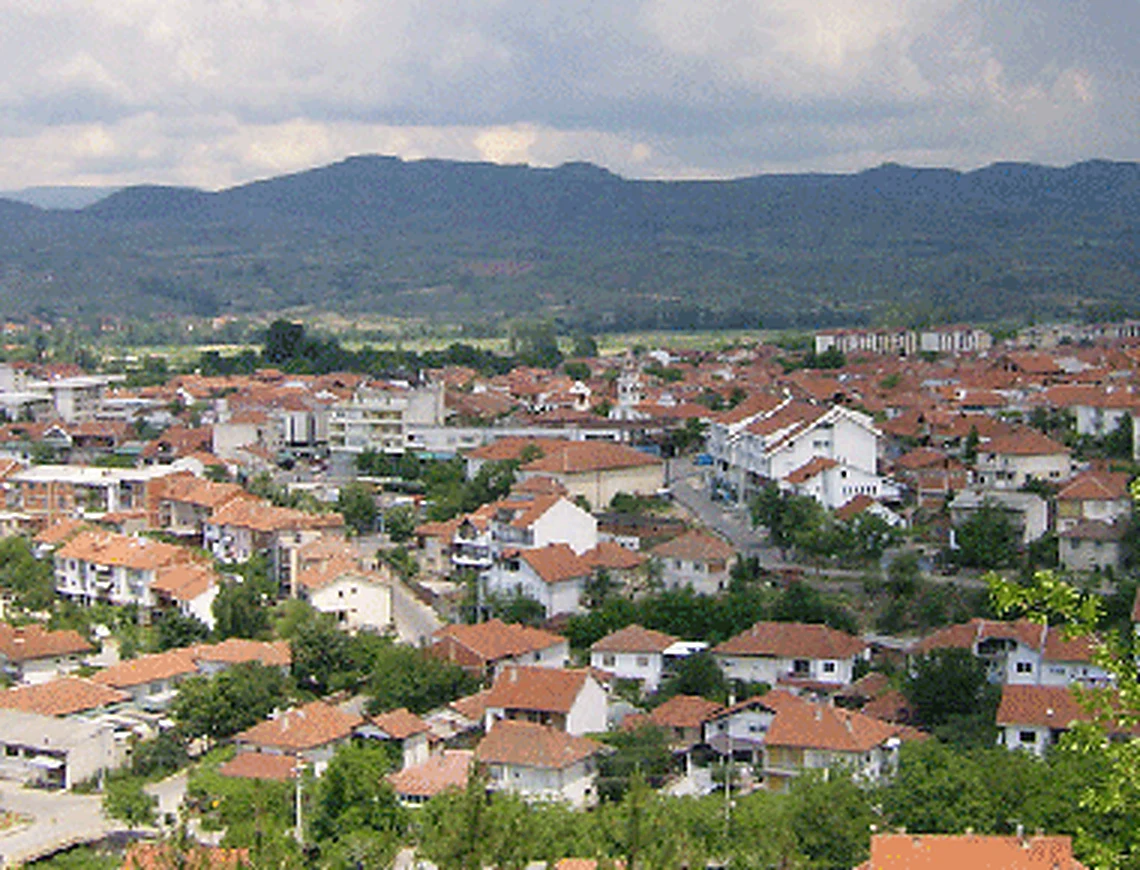
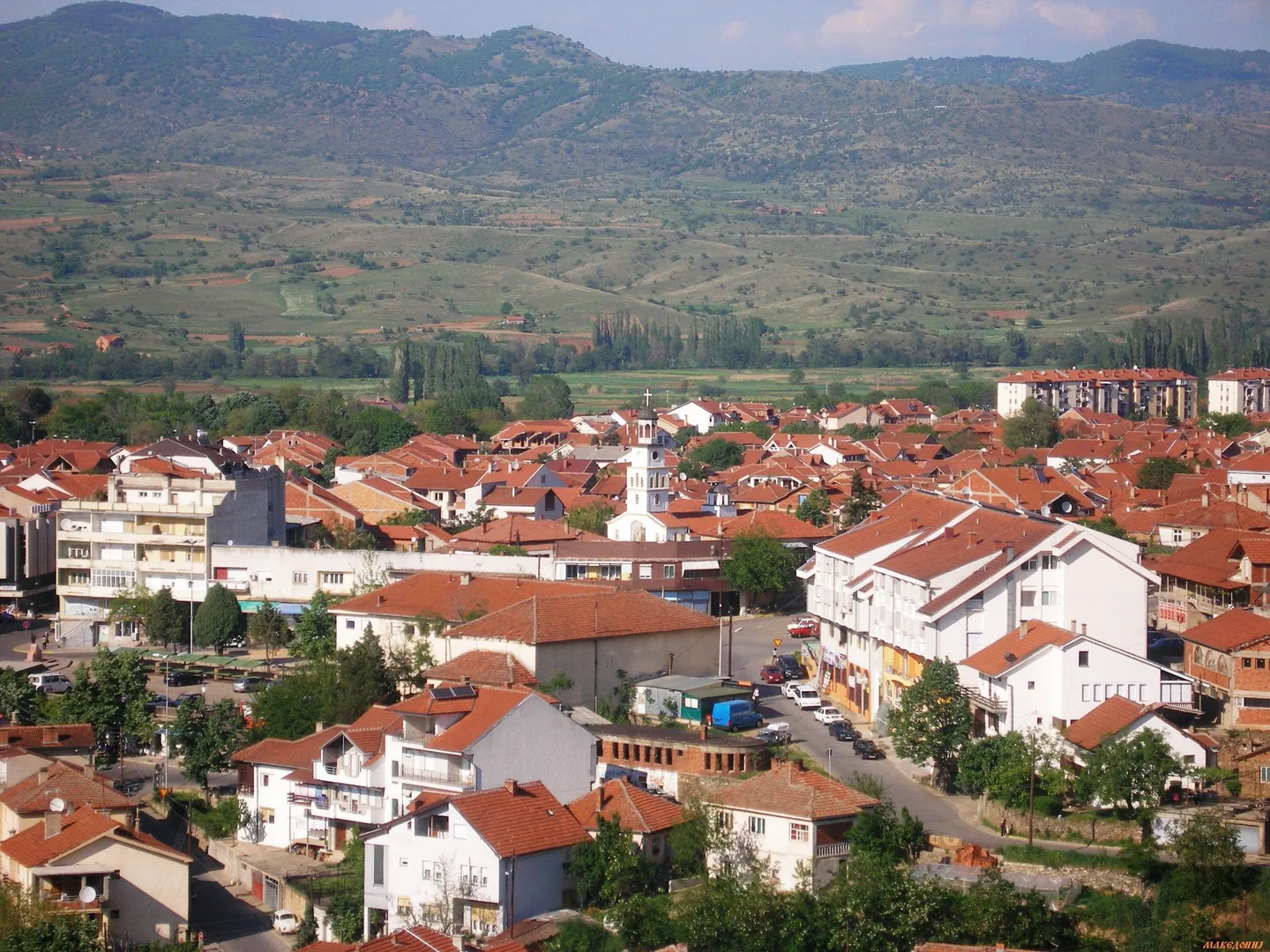
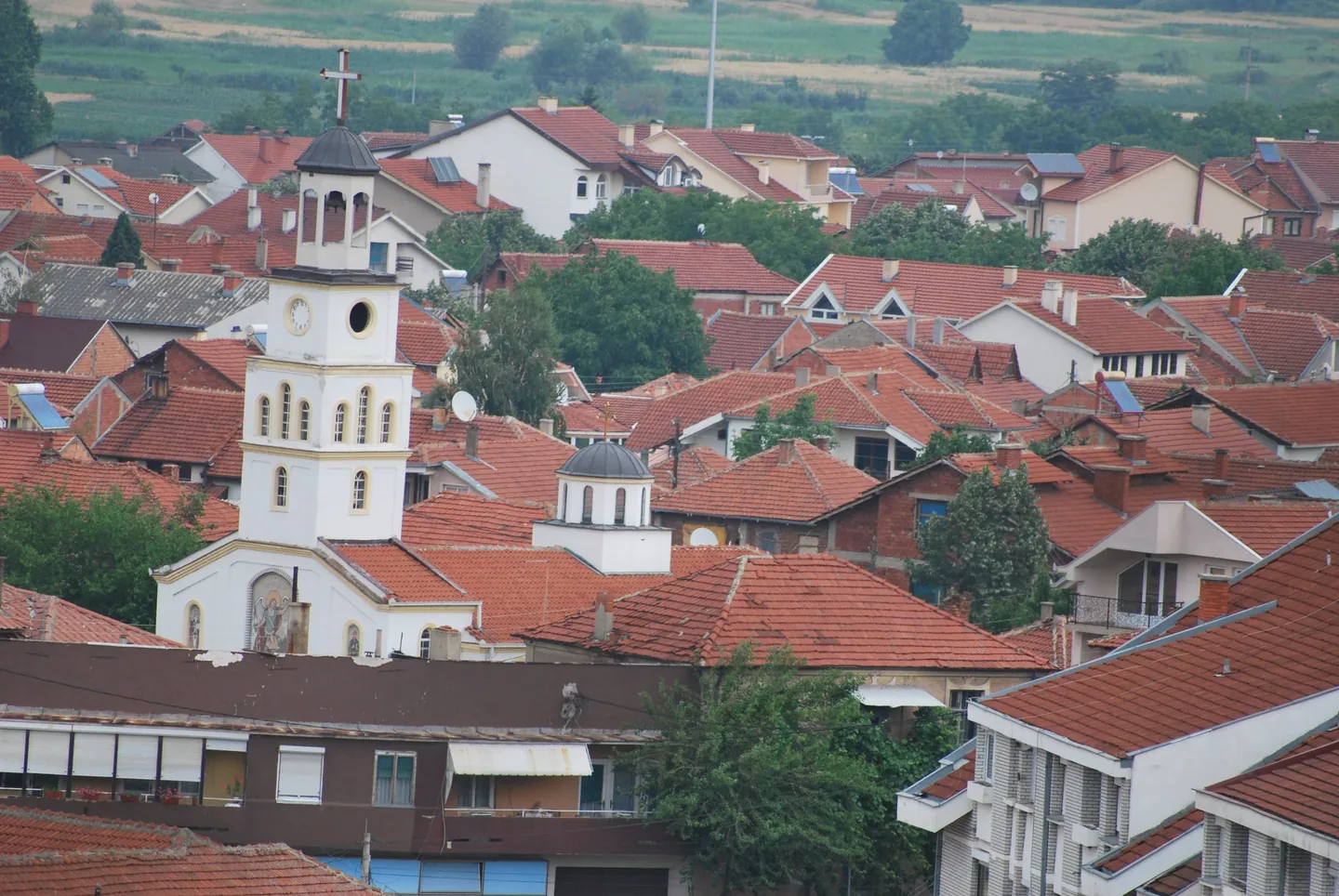
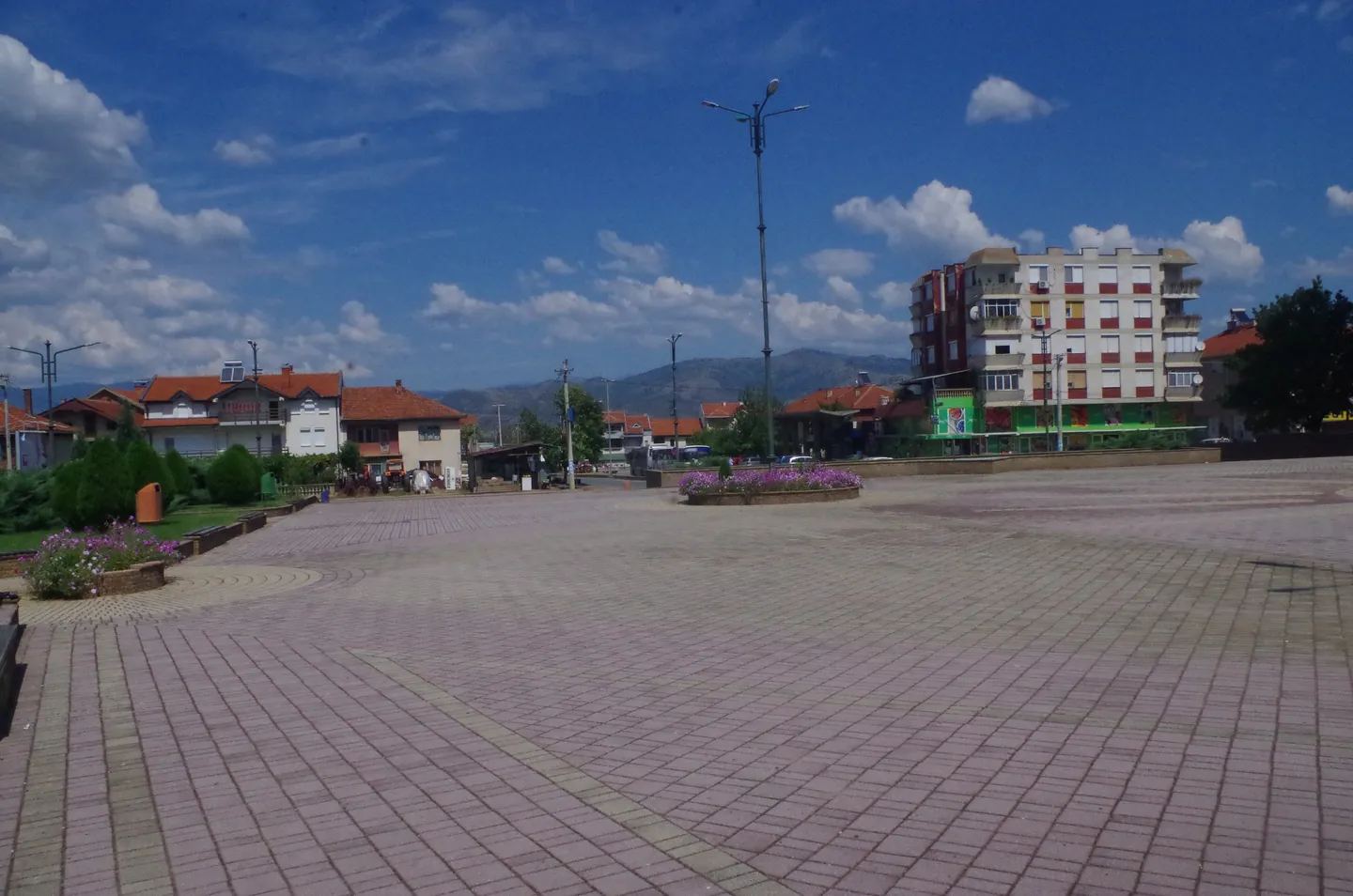
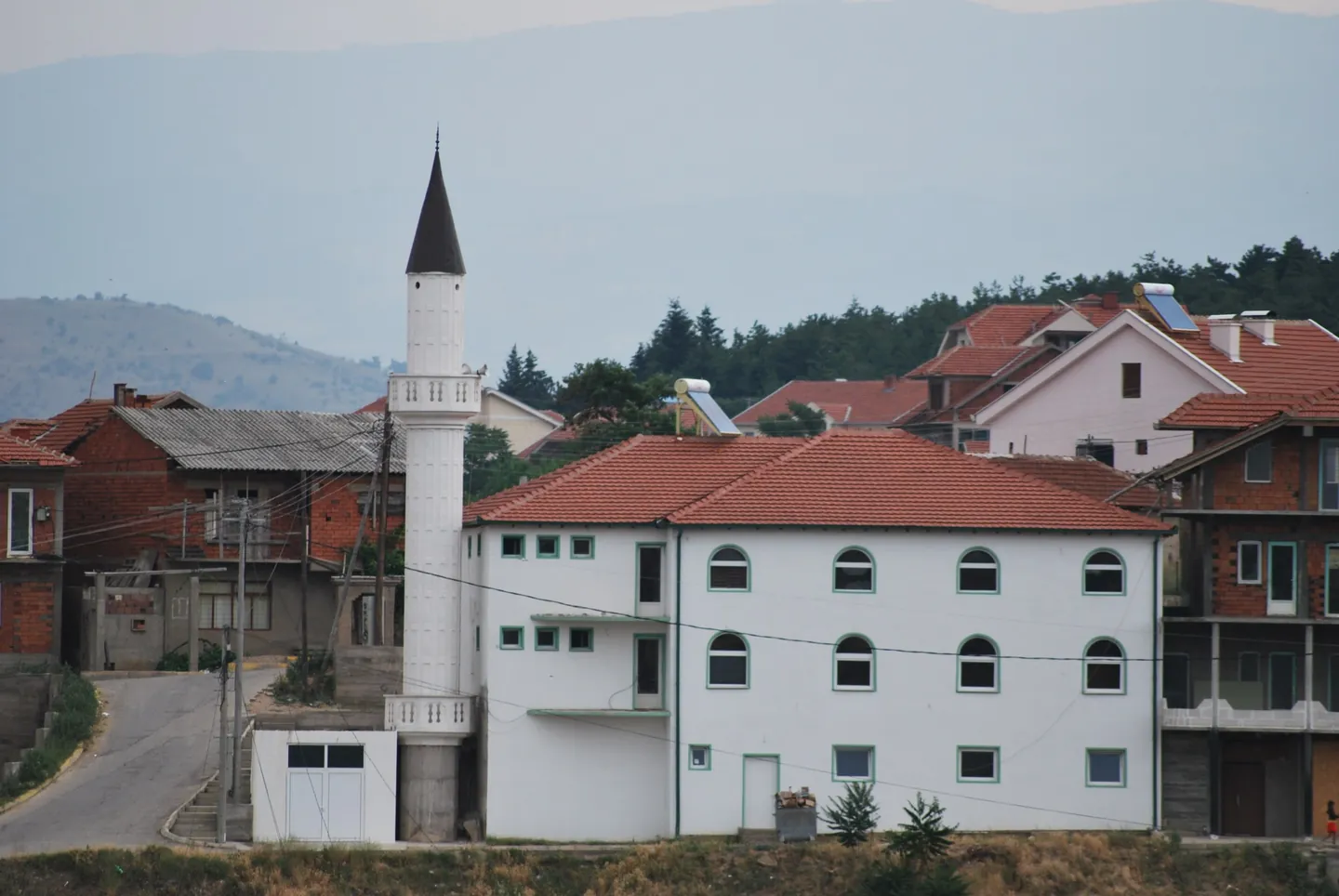
Photo credits
- Vinica: the view from Vinica fortress over the old centre, its red roofs below farmland and hills. Photo: MakedonijCC BY 2.5 mkWikimedia Commons
- Vinica: St Michael the Archangel Church, a white bell tower among red-tiled rooftops. Photo: RašoCC BY-SA 3.0Wikimedia Commons
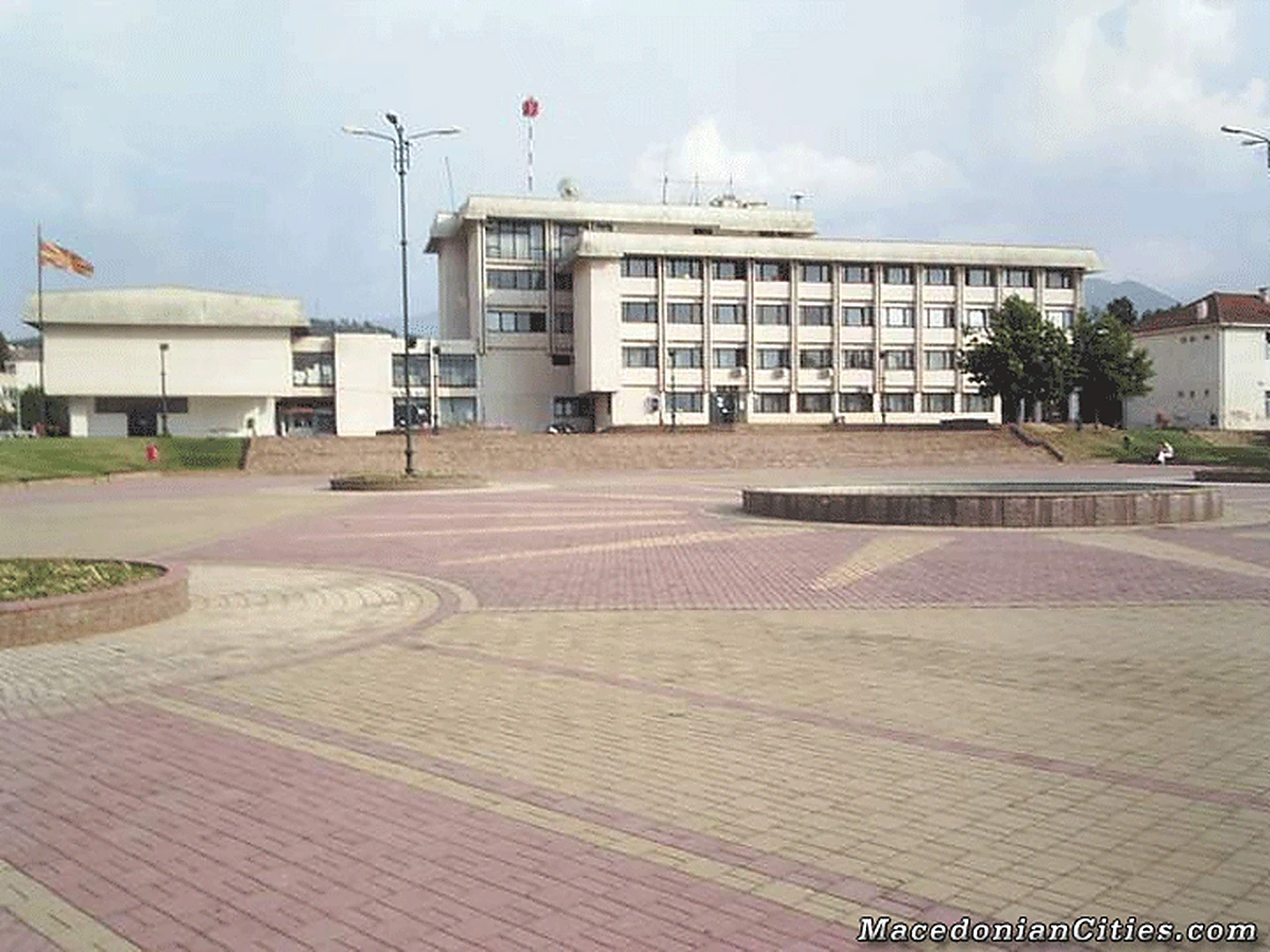
- Vinica: the new main square, a wide paved space with flower beds and an apartment block beyond. Photo: МакедонецCC BY-SA 4.0Wikimedia Commons
- Vinica: a white mosque with a tall minaret among red-roofed houses, with hills behind. Photo: RašoCC BY-SA 3.0Wikimedia Commons


