
Vardar
Kavadarci
Кавадарци

- Residents · 2021 census
- 32,038
- Old photographs
- 7
- Photographs
- 35
The wine-growing heart of Tikveš
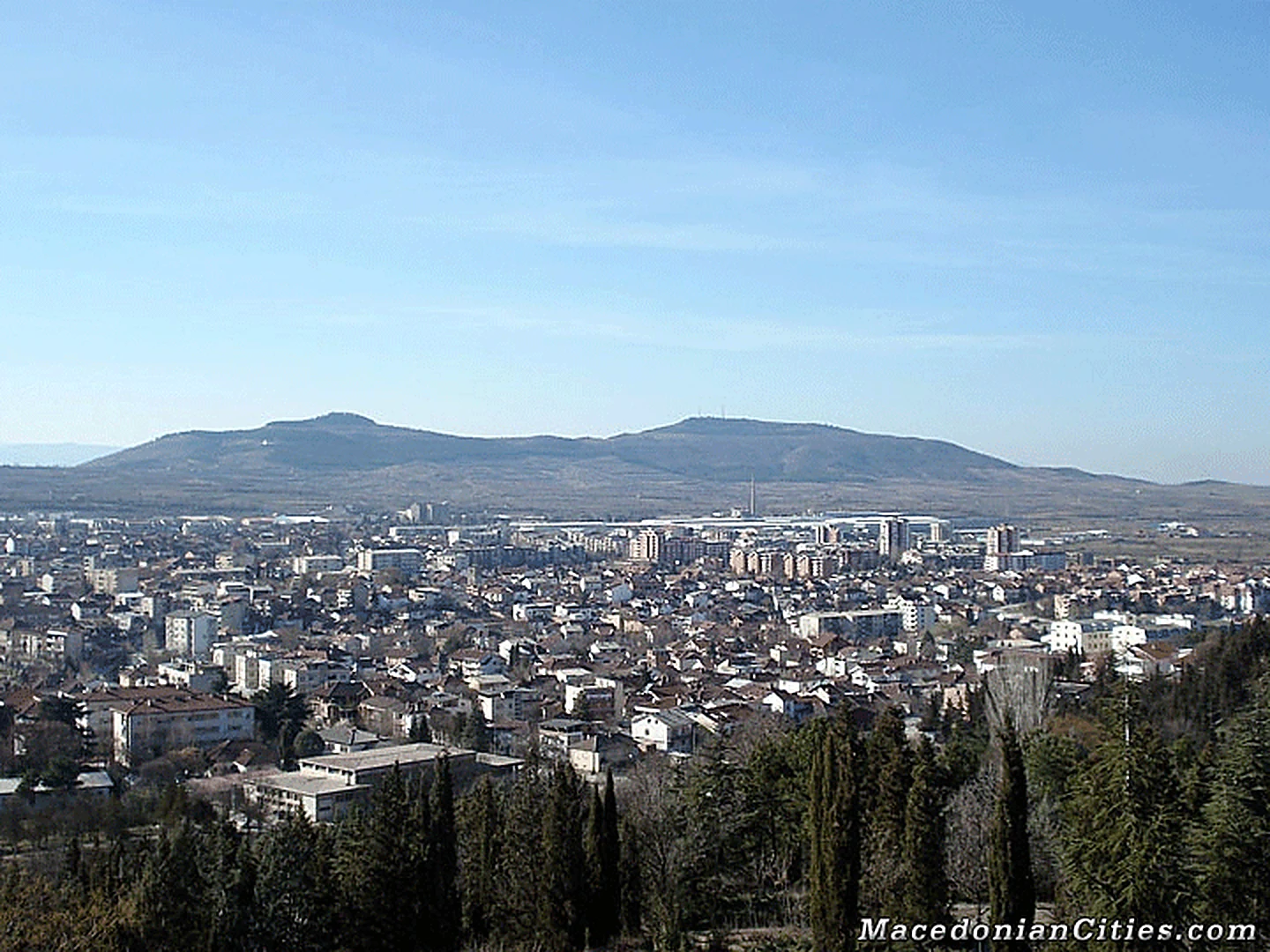
Kavadarci is the urban heart of Tikvesh, a sunlit basin where vines stripe the low hills around the Luda Mara. The city sits at roughly 250 metres, between the Vardar corridor and the high plateaus of Vitachevo and Kozhuf, in a climate that generations of growers have learned to read through grapes.
Overview
City overview
Meet Kavadarci.
A grounded introduction to the city, its landscape, people, history and wider municipality.
Kavadarci is the urban heart of Tikvesh, a sunlit basin where vines stripe the low hills around the Luda Mara. The city sits at roughly 250 metres, between the Vardar corridor and the high plateaus of Vitachevo and Kozhuf, in a climate that generations of growers have learned to read through grapes.
The name appears in an Ottoman register in 1519, while nineteenth-century records show a market and administrative centre serving the wider Tikvesh countryside. The 1913 Tikvesh Uprising, the murder of twelve young people at Vatasha in 1943 and post-war industrial growth all remain close to local memory.
In 2021 the municipality had 35,733 residents, 32,038 of them in Kavadarci itself. Winegrowing is more than an industry here: harvest work, family barrels, cellar knowledge and the Grozdober festival give the town a shared seasonal rhythm, alongside football, basketball, handball and a lively local arts scene.
The municipality extends far beyond the dense city into thirty-nine villages. Vatasha and Glishikj touch the urban edge; Brushani, Begnishte and Vozarci face Tikvesh Lake; Konopishte and the Boshava villages carry the road deep into the south; and mountain settlements such as Rozhden, R’zhanovo and Majden preserve a much more remote Tikvesh.
At a glance
Useful facts, in one place.
Settlement and municipality figures are kept distinct wherever sources permit.
- Municipality
- Kavadarci Municipality
- City population
- 32,038
- Municipality population
- 35,733
- Population year
- 2021
- Municipal area
- 992.44 km²
- Elevation
- 250 m
- Elevation range
- 230–270 m
- Approx. road distance from Skopje
- 105 km
- Postal code
- 1430
- Climate
- Humid subtropical (Köppen Cfa), with hot dry summers in the Tikvesh basin
- Sports teams
-
- GFK Tikvesh
- KK EuroNickel 2005
- GRK Tikvesh
- Culture
-
- Tikvesh grape growing and winemaking shape work, food, family tradition and the city’s public image.
- Tikveshki Grozdober welcomes the grape harvest with music, food and a street procession.
- The Vatasha memorial and annual commemorations keep the wartime execution of twelve young people in public memory.
- Population snapshot
- 32,038 city residents and 35,733 municipality residents in the 2021 census; 3,695 lived outside the city settlement.
Known for
The city's signature.
Landmarks, foods, landscapes and traditions that give Kavadarci its character.
- Tikveš vineyards and wineries
- The annual Tikveški Grozdober grape-harvest festival
- Tikveš Lake and the Polog Monastery
- Vranec and Smederevka grape varieties
Geography
Geography
Land shapes the city.
Terrain, waterways, climate and transport explain why Kavadarci grew where it did.
Kavadarci is the main urban centre of Tikveš, a warm, dry basin in the middle Vardar zone. The city spreads along both banks of the Luda Mara at roughly 250 metres above sea level. Low hills, long hours of sunshine and soils suited to vines make vineyards the defining feature of the surrounding countryside.
Roads connect Kavadarci with the Vardar corridor at Gradsko and with Prilep across the uplands. Southwest of the city, the Crna River is held by the large Tikveš reservoir, whose cliffs and coves form a striking contrast with the cultivated basin. The broader municipality reaches into high, sparsely settled country toward Kožuf and the Mariovo edge.
History
History
A concise, rewritten account.
Written afresh from cross-checked municipal, archaeological, heritage and institutional sources—not copied website text.
Kavadarci appears in an Ottoman register from 1519 as a small rural settlement. By the seventeenth century it was serving a wide group of Tikveš villages, and in the nineteenth century it developed into the district's administrative, market and craft centre. Viticulture was already fundamental: wine, grapes and rakija linked household agriculture with regional commerce.
The end of Ottoman rule was followed by the Tikveš Uprising of 1913 against the new Serbian administration. Its suppression brought killings and destruction across the district, a traumatic episode still central to local remembrance. The two world wars and shifting state borders then placed Kavadarci within successive Yugoslav states.
After 1945 the town grew rapidly around food processing, metal industry and organized wine production. Wineries expanded the reputation of Tikveš beyond the country, while the annual grape harvest celebration turned an agricultural cycle into a civic festival. Kavadarci remains a working wine town rather than a decorative wine destination: vineyards, cellars and seasonal labour still structure everyday life.
The preserved legacy narrative
Open the preserved legacy narrative
Classical period
Many artefacts and structures dating from prehistory have been discovered in the Tikvesh region around Kavadarci. Bronze and ceramic objects from the sixth and seventh centuries BCE have also been found at the nearby archaeological site of Stobi.
Stobi developed during the Hellenistic period. Its position on routes connecting the Danube and Aegean worlds, including links with the Via Egnatia network, helped make it an important military, economic and cultural centre.
A mint established under Roman rule contributed to the city's prosperity and its attainment of municipium status. Denarii and other coins bearing the inscription “Municipium Stobensium” were struck there, and excavations have uncovered numerous buildings and monuments from the period, including a theatre.
A Jewish community existed at Stobi by the third century. Its synagogue was demolished in the fourth century and a Christian basilica was later constructed on the site.
In the late fifth and early sixth centuries the town was devastated amid the upheavals traditionally associated with the Avar and Slavic incursions. Stobi, formerly the main centre of the region, eventually gave way to the newer settlement of Dukena.
The Ottoman Empire
The region changed greatly after the Ottoman conquest in the fourteenth century. The legacy narrative claims that the conquerors destroyed all existing villages and replaced them with oriental architecture; this sweeping assertion should be treated cautiously. It further says that villagers fleeing Rashtani and Dukena settled at a new site, accompanied by families whose descendants still live in Kavadarci. A village grew from that settlement and, during the seventeenth century, attracted substantial migration from the surrounding hills and villages, helping establish the town of Kavadarci.
Records cited for the end of the nineteenth century list 1,330 houses in Kavadarci: 620 described as Slavic, 709 as Turkish and one as Jewish. At the time, the town fell within the Bitola pashalik, an Ottoman territorial unit governed by a pasha. With a Turkish Muslim majority, it contained numerous beys' residences and several mosques. By then Kavadarci was firmly established as the centre of the Tikvesh region.
After Dame Gruev formed a TMORO committee in 1894, and through the period of the Ilinden–Preobrazhenie Uprising, revolutionary detachments operated in Tikvesh with the aim of ending Ottoman rule in Macedonia.
The twentieth century
Following the Balkan Wars of 1912–1913 and the dissolution of Ottoman authority, many Muslim inhabitants began leaving the area. Most of Kavadarci's Turkish and Muslim population departed by 1935–1936. During these decades the town grew into an important economic, administrative and political centre of Tikvesh, although war, occupation and the division of the wider Macedonian region among neighbouring states repeatedly disrupted that development.
The Tikvesh Uprising broke out in June 1913 against the new Serbian authorities. Insurgents temporarily took control of much of the region, including Kavadarci, Negotino, Vatasha and several villages. The inherited account states that Serbian forces killed about 1,200 people and burned more than 1,000 homes; because figures for this episode vary among sources, those totals should be presented as claims from the legacy narrative rather than settled counts. Many Turkish residents also left for Turkey. Recep Vardarlı was among those who moved there; in 1943 he founded the dairy company Tikveşli—its name meaning “from Tikveş” in Turkish—which was sold to Danone in 1998.
During the Second World War the town spent four years under Axis occupation, administered first through German and then Bulgarian control, and the district suffered severe losses. The legacy account gives more than 300 deaths before Bulgarian forces withdrew. In Vatasha, a memorial commemorates twelve young resistance supporters executed by Bulgarian forces on 16 June 1943.
Profile sources (20)
- web.archive.org/web/20251015184147/https://macedonia-timeless.com/eng/cities_and_regions/cities/kavadarci
- kavadarci.gov.mk
- en.wikipedia.org/wiki/Tikve%C5%A1_uprising
- stat.gov.mk/publikacii/2022/POPIS_DZS_web_EN.pdf
- citypopulation.de/en/northmacedonia/vardarski/804__kavadarci
- kavadarci.gov.mk/za-kavadarci
- kavadarci.gov.mk/za-kavadarci/legendi-predanija-za-kavadarci
- kavadarci.gov.mk/sites/default/files/alfa/doc/oglasi/ilrp-konechna-verzija.pdf
- kavadarci.gov.mk/public/wp-content/uploads/%D0%93%D0%BE-%D0%A1%D0%B0%D0%BA%D0%B0%D0%BC-%D0%9A%D0%B0%D0%B2%D0%B0%D0%B4%D0%B0%D1%80%D1%86%D0%B8.pdf
- en.wikipedia.org/wiki/Stojan_Andov
- en.wikipedia.org/wiki/Stra%C5%A1o_Pind%C5%BEur
- en.wikipedia.org/wiki/Zafir_Had%C5%BEimanov
- en.wikipedia.org/wiki/Petar_Mazev
- en.wikipedia.org/wiki/Andon_Don%C4%8Devski
- en.wikipedia.org/wiki/Petar_Angelov_(handballer)
- en.wikipedia.org/wiki/Todor_Ge%C4%8Devski
- en.wikipedia.org/wiki/Vrbica_Stefanov
- en.wikipedia.org/wiki/Van%C4%8De_%C5%A0ikov
- makstat.stat.gov.mk/PXWeb/pxweb/en/MakStat/MakStat__Popisi__Popis2021__NaselenieVkupno__PodatociNaselenie/T1501P21.px
- macedonia-timeless.com/eng/cities_and_regions/cities/kavadarci
Interesting Facts
Interesting facts
Details worth remembering.
Local landmarks, customs, foods and historical details that reward a closer look at Kavadarci.
-
Recorded in 1519
The settlement appears as Kavadarche, also called Vatasha, in an Ottoman register of the Kyustendil sanjak.
-
A vineyard landscape measured in thousands of hectares
The Tikvesh vineyards around Kavadarci and Negotino cover about 11,000 hectares, with Vranec, Smederevka and Kratoshija among the characteristic varieties.
-
Tikvesh Lake dates from 1968
The Crna River was dammed with a 104-metre rock-fill structure to create a reservoir used for irrigation, electricity, fishing and recreation.
-
A carving dated 1492
Polog Monastery’s carved wooden chandelier bears the date 1492 and is described as the oldest dated woodcarving in North Macedonia.
-
An ancient and medieval hill became an island
When Tikvesh Lake filled, only the upper part of the fortified Gradot site near Resava remained above water.
-
Moklishko Lake formed in a single landslide
A 1956 landslide blocked the Luda Mara valley at Moklishte, creating a rare natural landslide-dammed lake.
-
Monasteries once doubled as classrooms
Municipal planning research records monastic schools at Moklishte, Polog and Boshava during the eighteenth and nineteenth centuries.
People
Celebrities
Lives linked to the city.
Writers, musicians, artists, athletes, public figures and historical personalities with a clearly stated connection to Kavadarci.
-
Stojan Andov Public life
Born in Kavadarci in 1935.
Politician, economist and writer who became the first president of the Assembly after independence.
Source -
Strasho Pindzhur History
Born in 1915 in Strumica and raised in Vatasha, now part of Kavadarci Municipality.
Anti-fascist organizer and national hero remembered in Macedonian public history.
Source -
Zafir Hadzhimanov Music and performance
Born in Kavadarci in 1943.
Singer, composer, poet and actor with a career across the former Yugoslav cultural space.
Source -
Petar Mazev Visual art
Born in Kavadarci in 1927.
Influential Macedonian painter and professor known for expressive colour and monumental work.
Source -
Andon Donchevski Sport
Born in Kavadarci in 1935.
Former footballer and coach who managed the first North Macedonia national side.
Source -
Petar Angelov Sport
Born in Kavadarci in 1977.
International handball goalkeeper nicknamed Divi, with a long club and national-team career.
Source -
Todor Gechevski Sport
Born in Kavadarci in 1977 and began his senior career with Tikvesh.
Former North Macedonia basketball international and one of the country’s best-known centres.
Source -
Vrbica Stefanov Sport
Born in Kavadarci in 1973.
Former national-team point guard who played in several leading European leagues.
Source -
Vanche Shikov Sport
Born in Kavadarci in 1985.
Former North Macedonia international defender with a career at home and abroad.
Source
Villages & Monasteries
Villages
The wider municipality.
Every verified village and rural settlement in the current municipal scope, followed by known monasteries in the surrounding cultural landscape.
39 villages and rural settlements are included.
- Begnishte A Tikvesh village near the lake country southwest of Kavadarci. Source
- Bohula A small southern village in the Boshava–Kozhuf landscape. Source
- Bojanchishte A small rural settlement in Kavadarci Municipality. Source
- Brushani A village on the eastern shore area of Tikvesh Lake. Source
- Bunarche A small settlement in the wider Tikvesh countryside. Source
- Chemersko A remote southern village in the municipality. Source
- Dabnishte A village close to Kavadarci in the cultivated Tikvesh basin. Source
- Dobrotino A small rural settlement in Kavadarci Municipality. Source
- Dolna Boshava A village in the lower Boshava valley. Source
- Dradnja A small southern Tikvesh settlement. Source
- Dragozhel A rural village in the municipality’s northern country. Source
- Drenovo A sizeable northern village near the road junction toward Prilep and the Vardar corridor. Source
- Farish A village on the northern approaches to Kavadarci Municipality. Source
- Galishte A small village in the Tikvesh Lake hinterland. Source
- Garnikovo A remote village in the municipality’s southern interior. Source
- Glishikj A settlement adjoining Kavadarci whose census population is now folded closely into the urban edge. Source
- Gorna Boshava A mountain-valley village along the upper Boshava. Source
- Grbovec A small rural settlement in the Tikvesh region. Source
- Kesendre A small village in Kavadarci Municipality. Source
- Klinovo A remote southern village near the Kozhuf highlands. Source
- Konopishte A principal village in the southern Boshava valley and a centre for nearby hamlets. Source
- Koshani A small rural settlement in Kavadarci Municipality. Source
- Krnjevo A nearly empty or uninhabited settlement recorded in the municipality. Source
- Kumanichevo A southern village in the Vitachevo–Boshava country. Source
- Majden A remote mountain settlement associated with the mineral-rich southern border country. Source
- Marena A large lowland village immediately east of Kavadarci. Source
- Mrezhichko A village in the wooded southern part of the municipality. Source
- Pravednik A small upland village with historic church heritage. Source
- Radnja A small rural settlement in Kavadarci Municipality. Source
- Raec A northern village near the Raec valley route toward Prilep. Source
- Resava A village near the fortified Gradot site and Tikvesh Lake. Source
- Rozhden A remote southern mountain village in the mineral belt near the Greek border. Source
- R’zhanovo A high southern settlement historically associated with nickel-ore mining. Source
- Sheshkovo A Tikvesh village near the Crna River and reservoir landscape. Source
- Shivec A rural village southwest of Kavadarci. Source
- Sopot A large village on the northern side of the Kavadarci basin. Source
- Stragovo A small settlement in the municipality’s southern country. Source
- Vatasha A historic village adjoining Kavadarci, known nationally for the 1943 massacre memorial. Source
- Vozarci A village beside the Crna River route and the dam end of Tikvesh Lake. Source
Monasteries nearby
Places of continuity.
Verified monastic sites within the municipality or its immediate cultural landscape.
-
Polog Monastery of St George
Left shore of Tikvesh Lake, southwest of Kavadarci
A fourteenth-century monastery celebrated for a fully frescoed church and a dated carved chandelier from 1492.
Source -
Moklishte Monastery of St Nicholas
Moklishte, near Vatasha
A sixteenth-century monastery in the Luda Mara valley that also hosted one of the area’s early monastic schools.
Source -
Boshava Monastery
Boshava valley, southern Kavadarci Municipality
A historic monastic centre of the Boshava villages, documented as a place of cell-school education in the eighteenth and nineteenth centuries.
Source
Old Photos (7)
Old Photos
The rare collection.
Every surviving full-size historical file is included, including originals that the old page markup accidentally omitted. Family-preserved originals remain untouched.
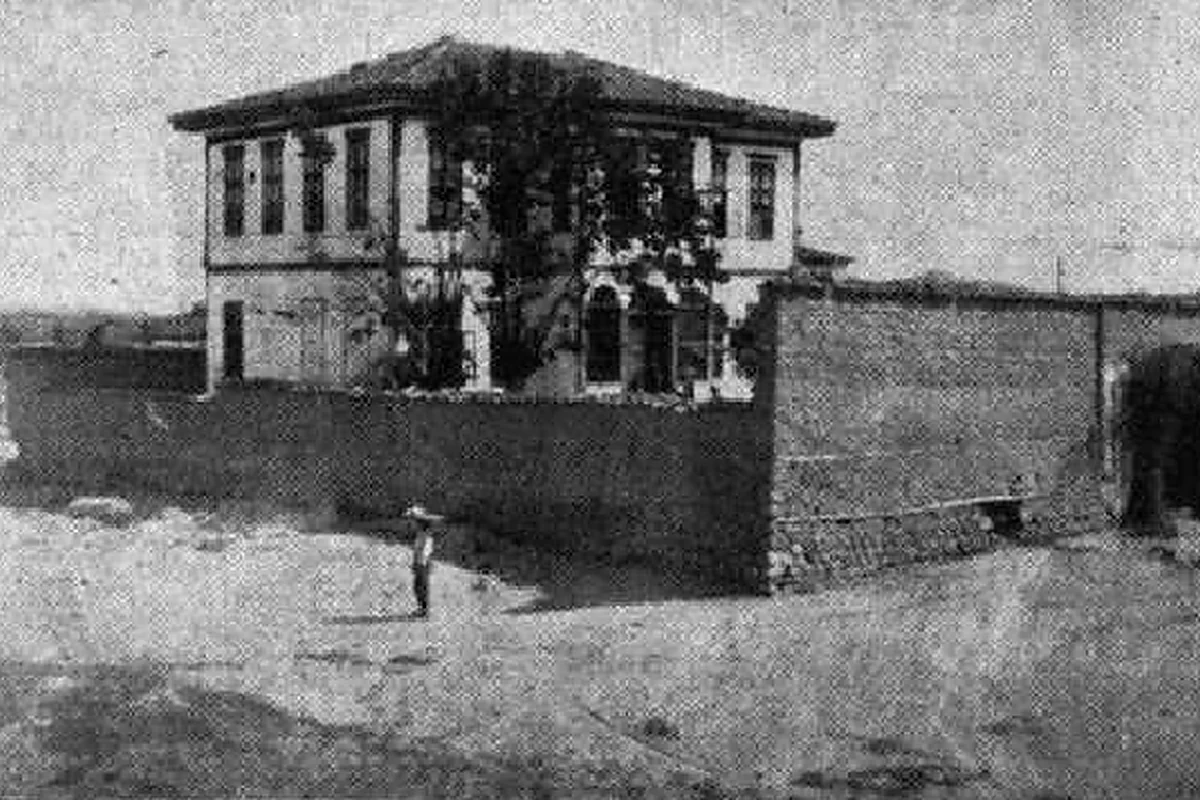
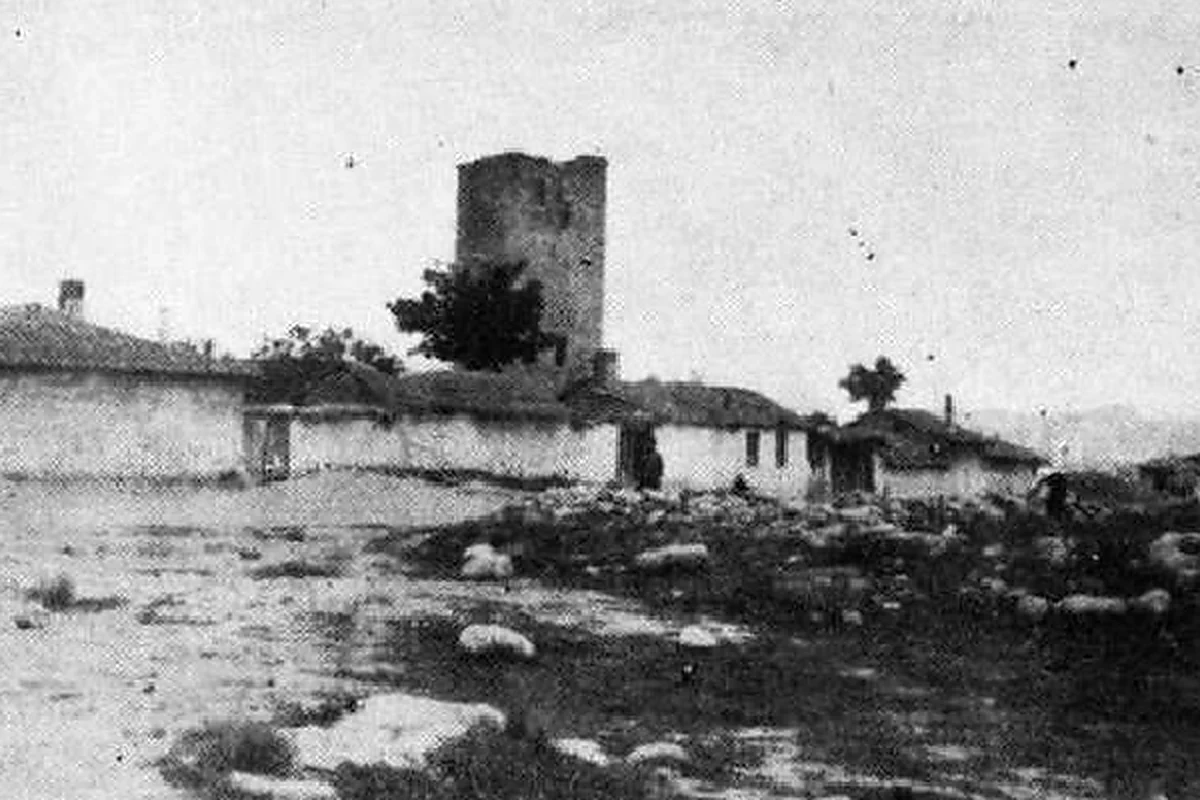
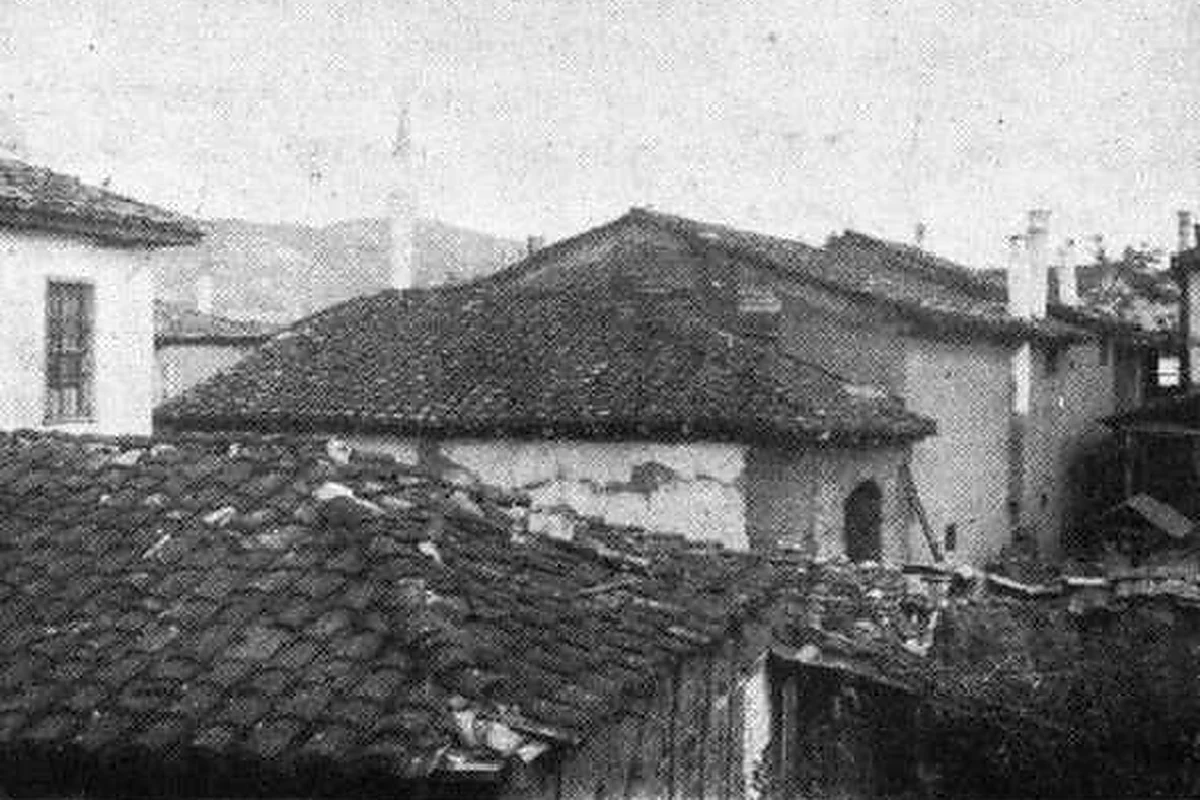
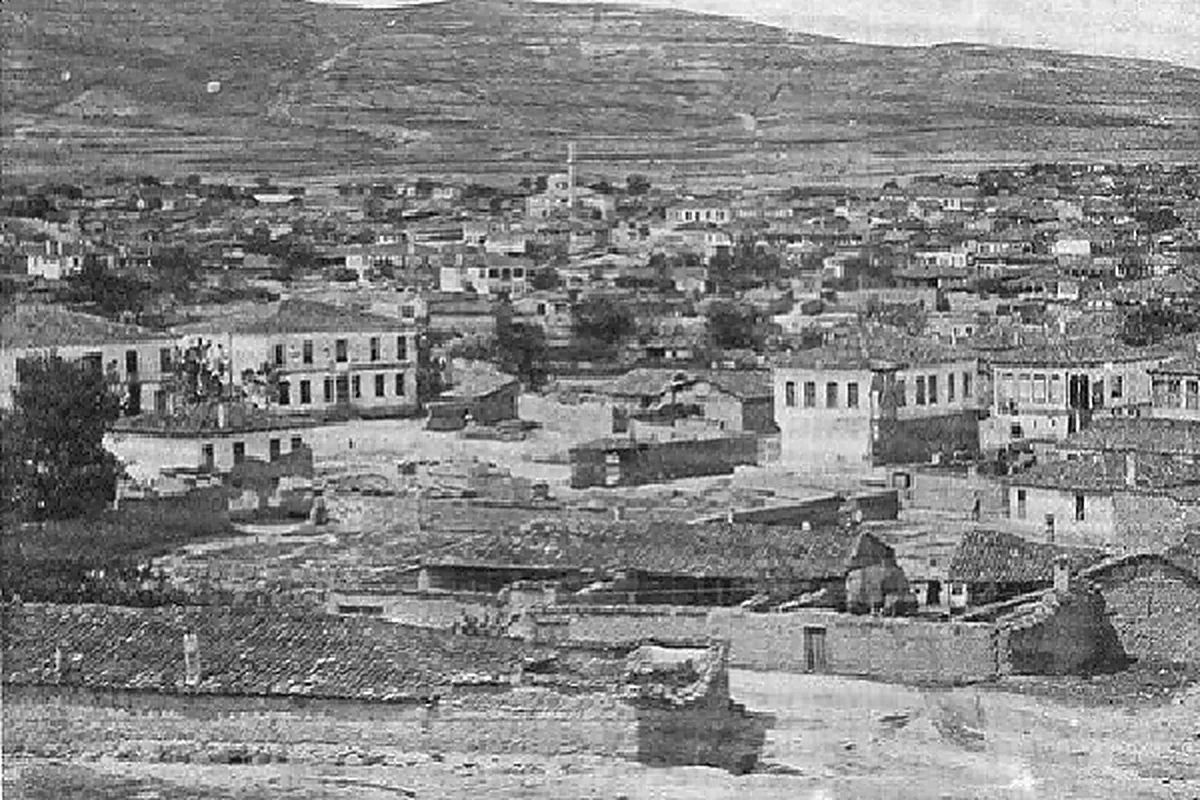
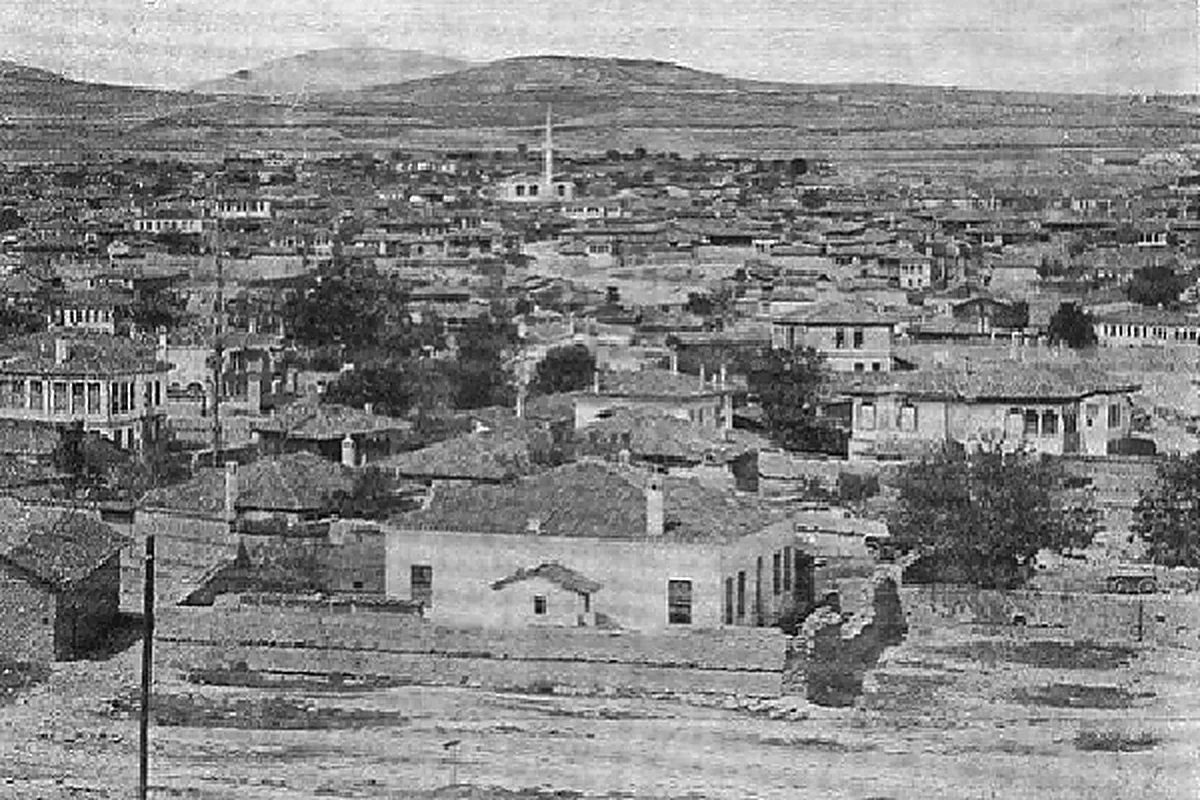
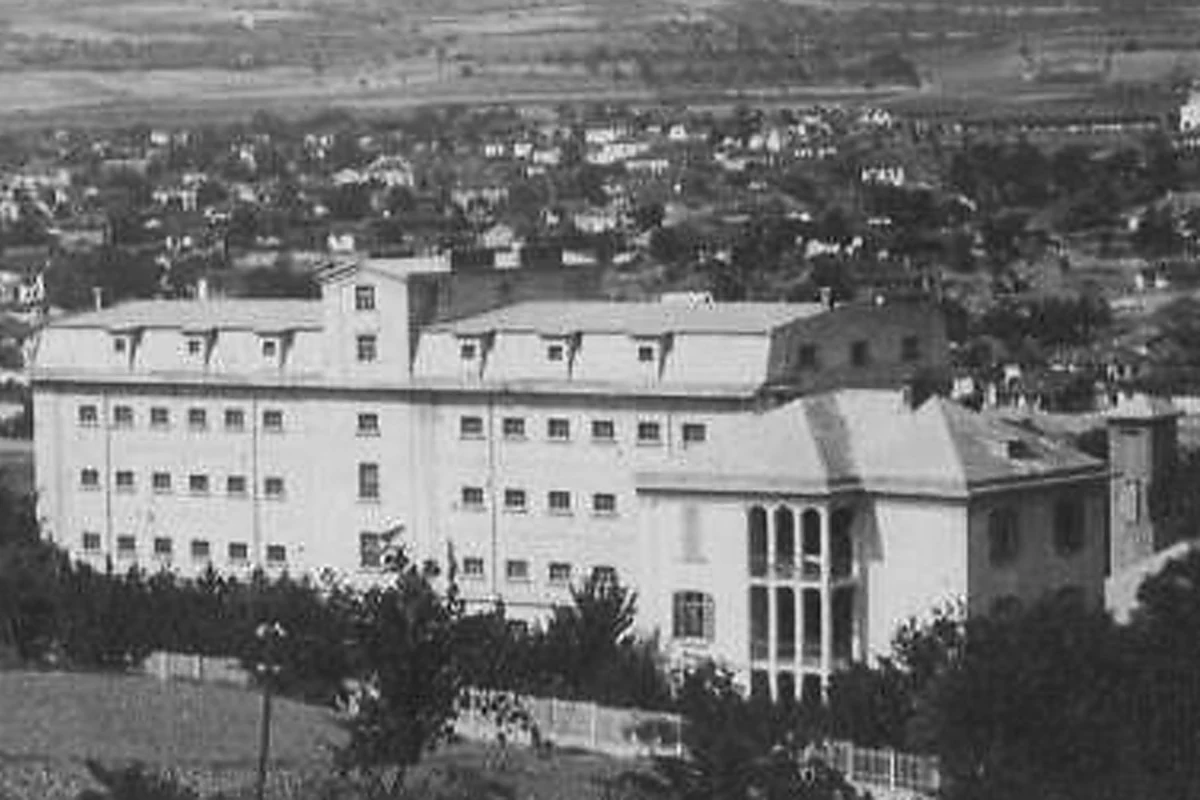
Photo Gallery (35)
Photo Gallery
Kavadarci, frame by frame.
A responsive family gallery, including city views recovered from the old rotating banner system.
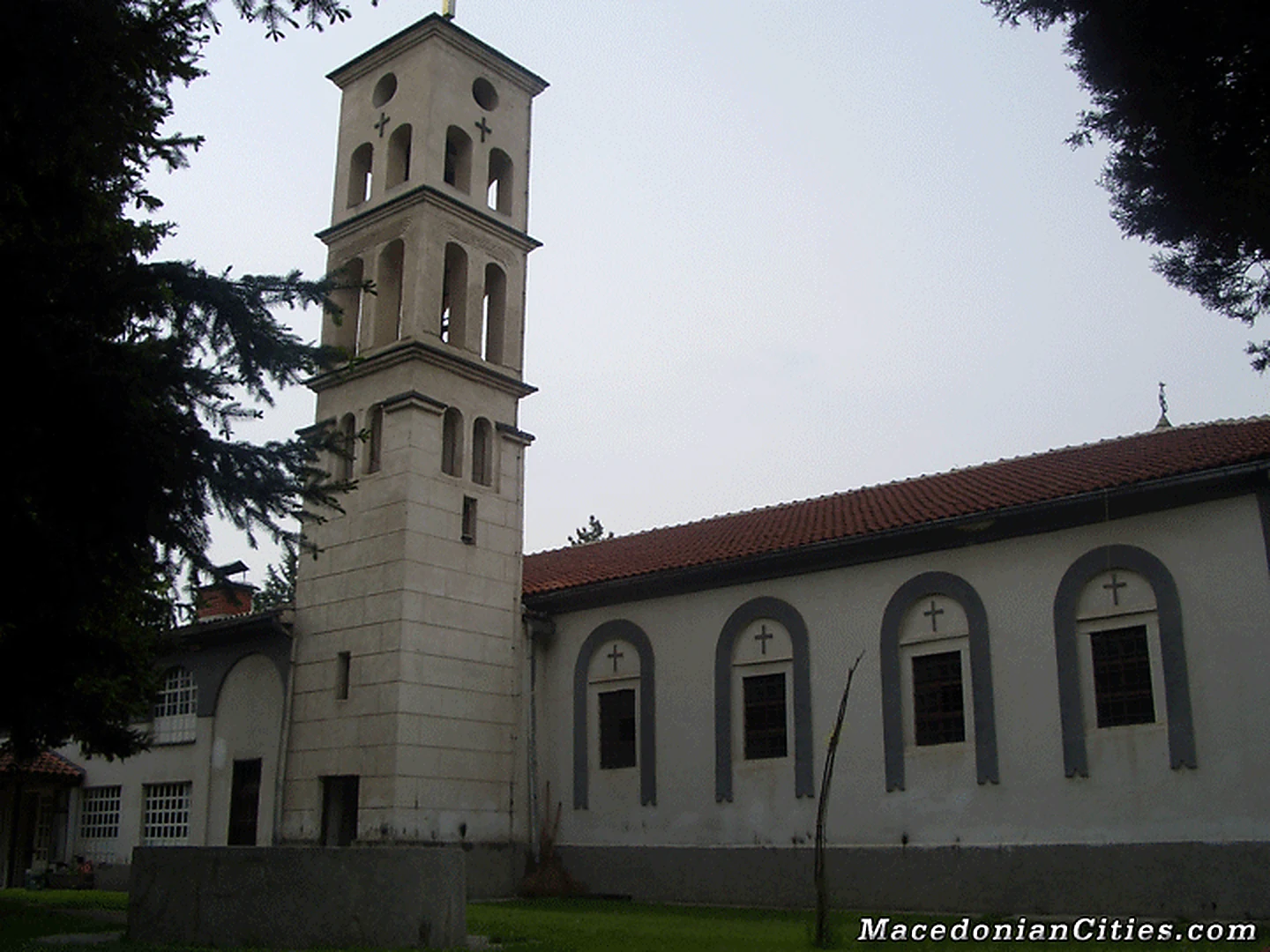
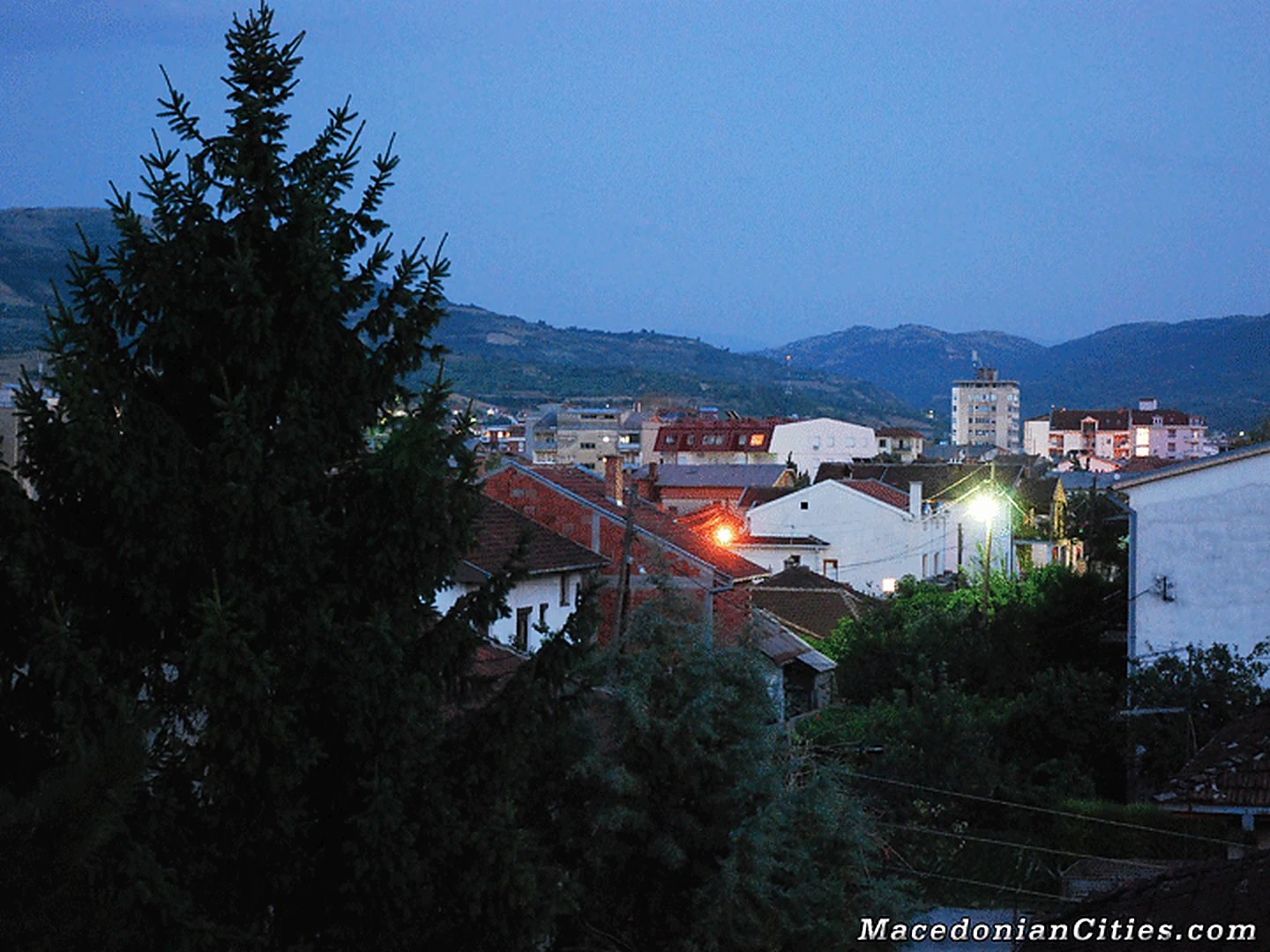
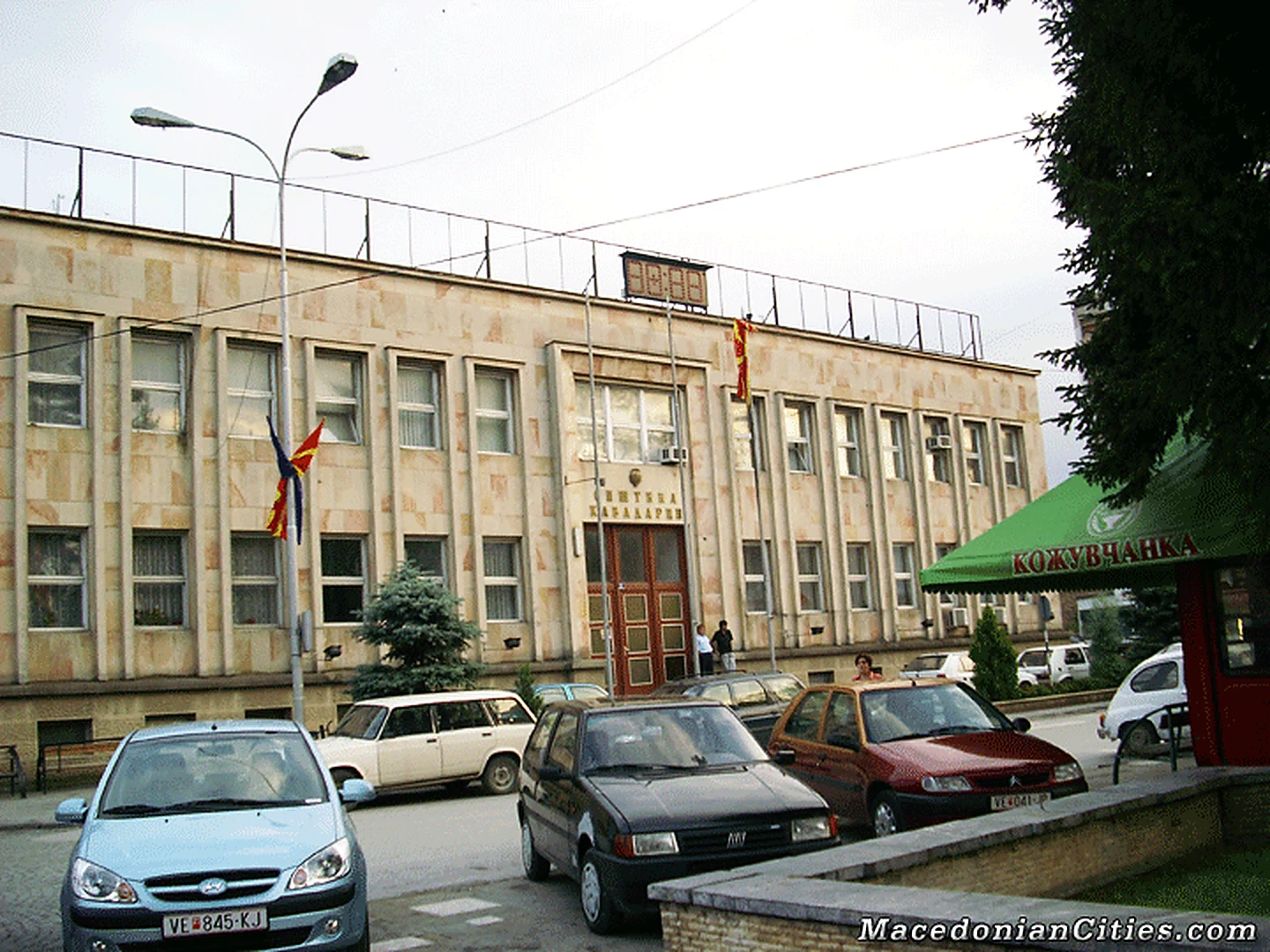
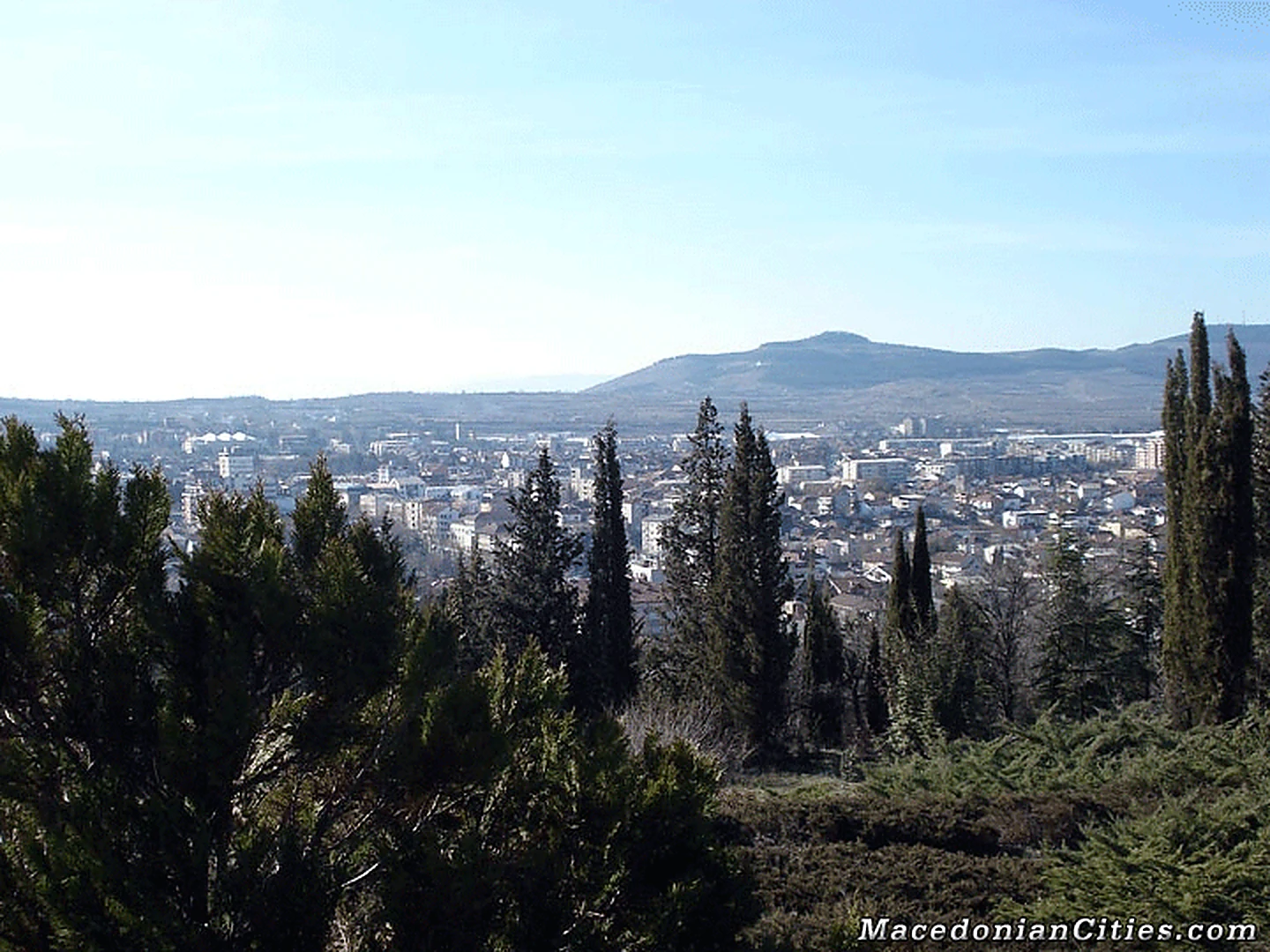
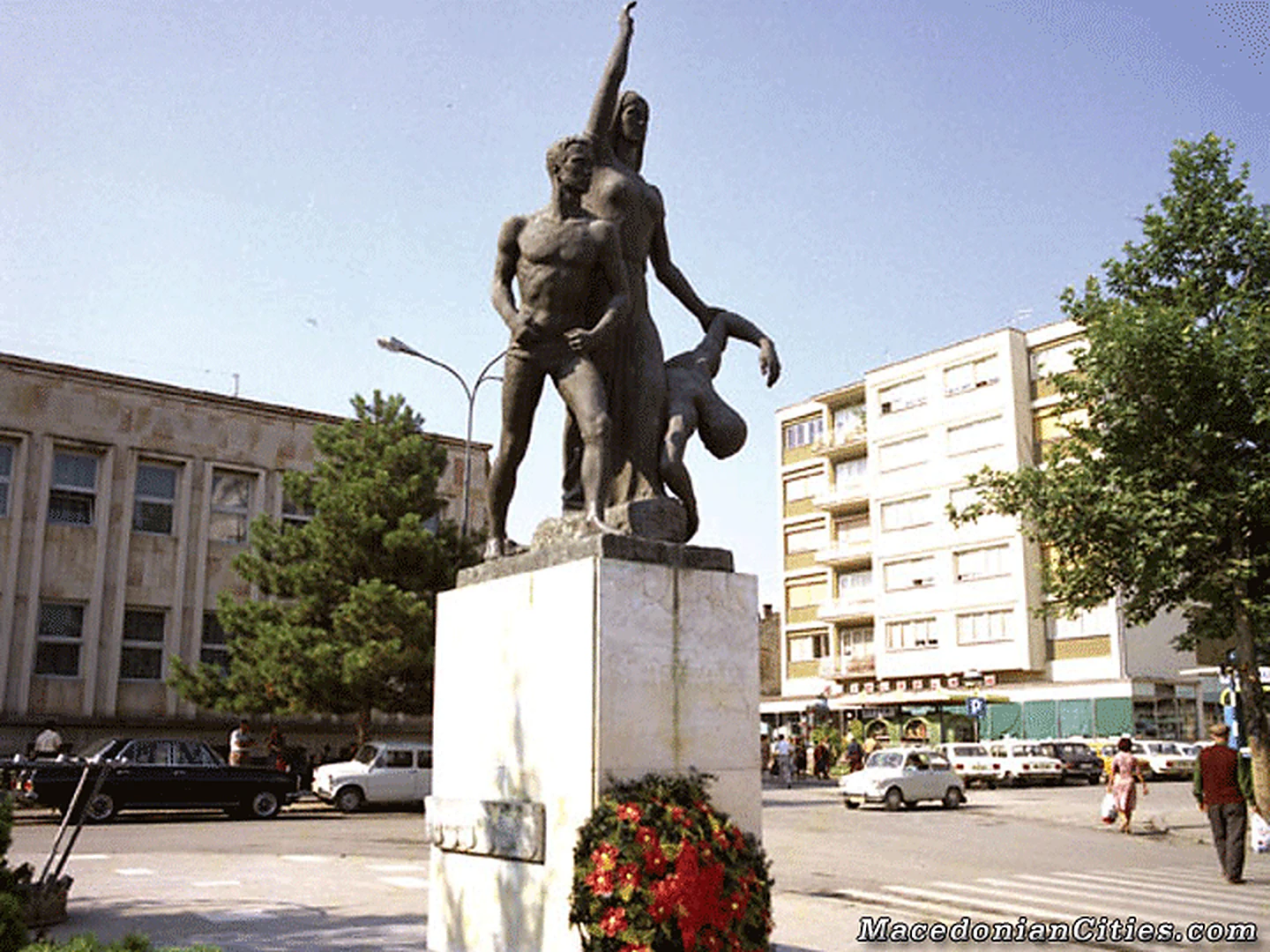
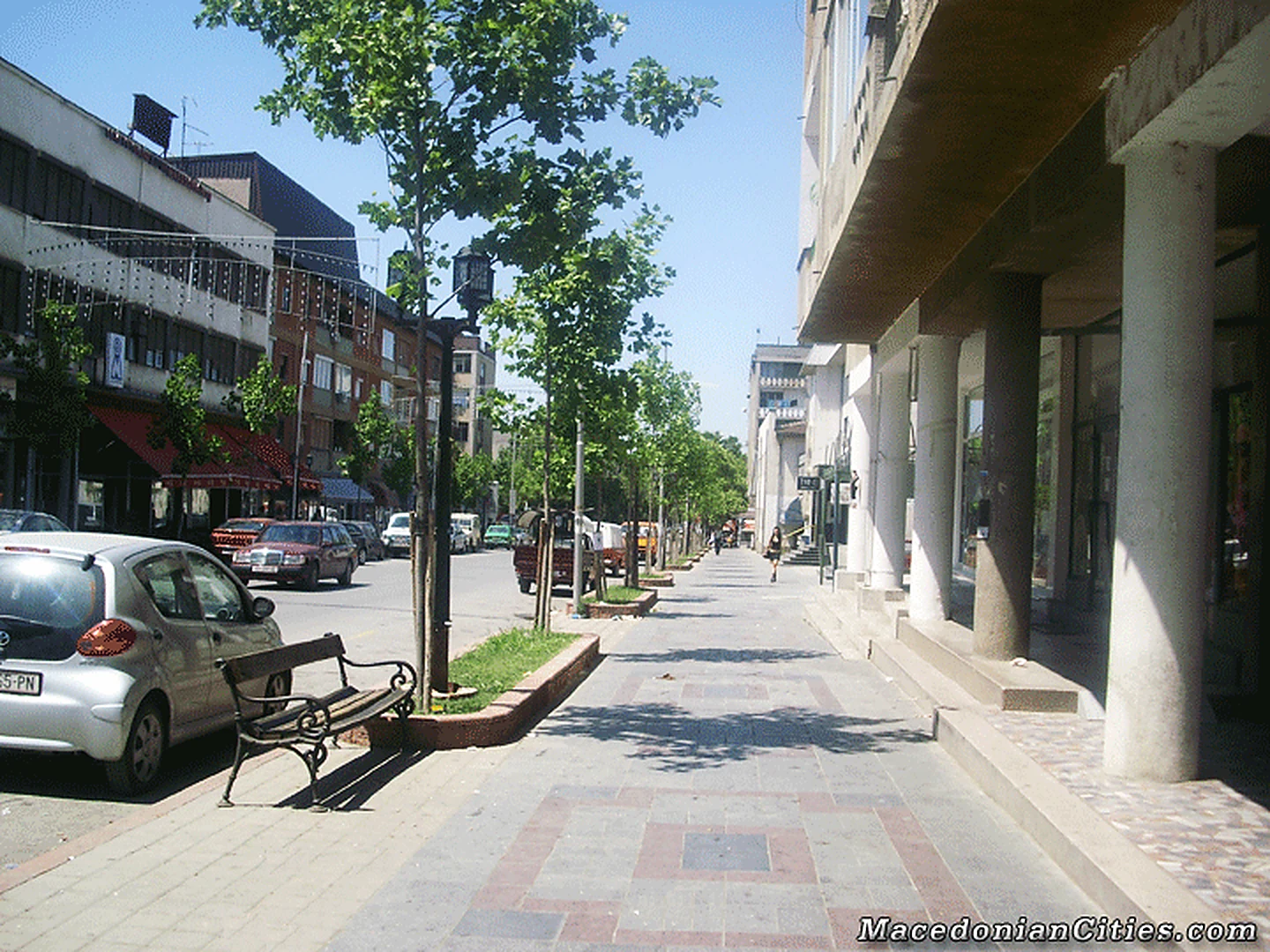
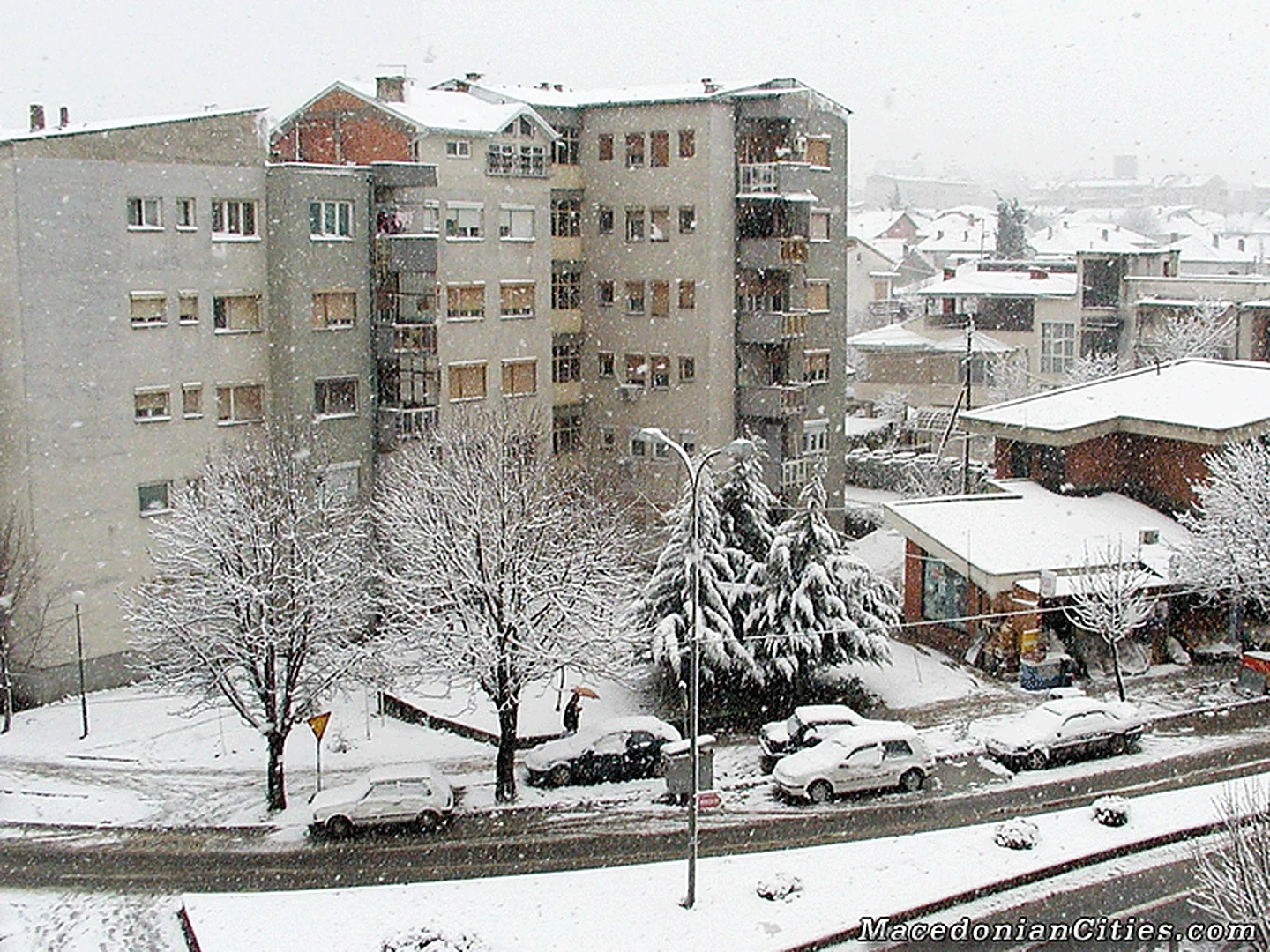
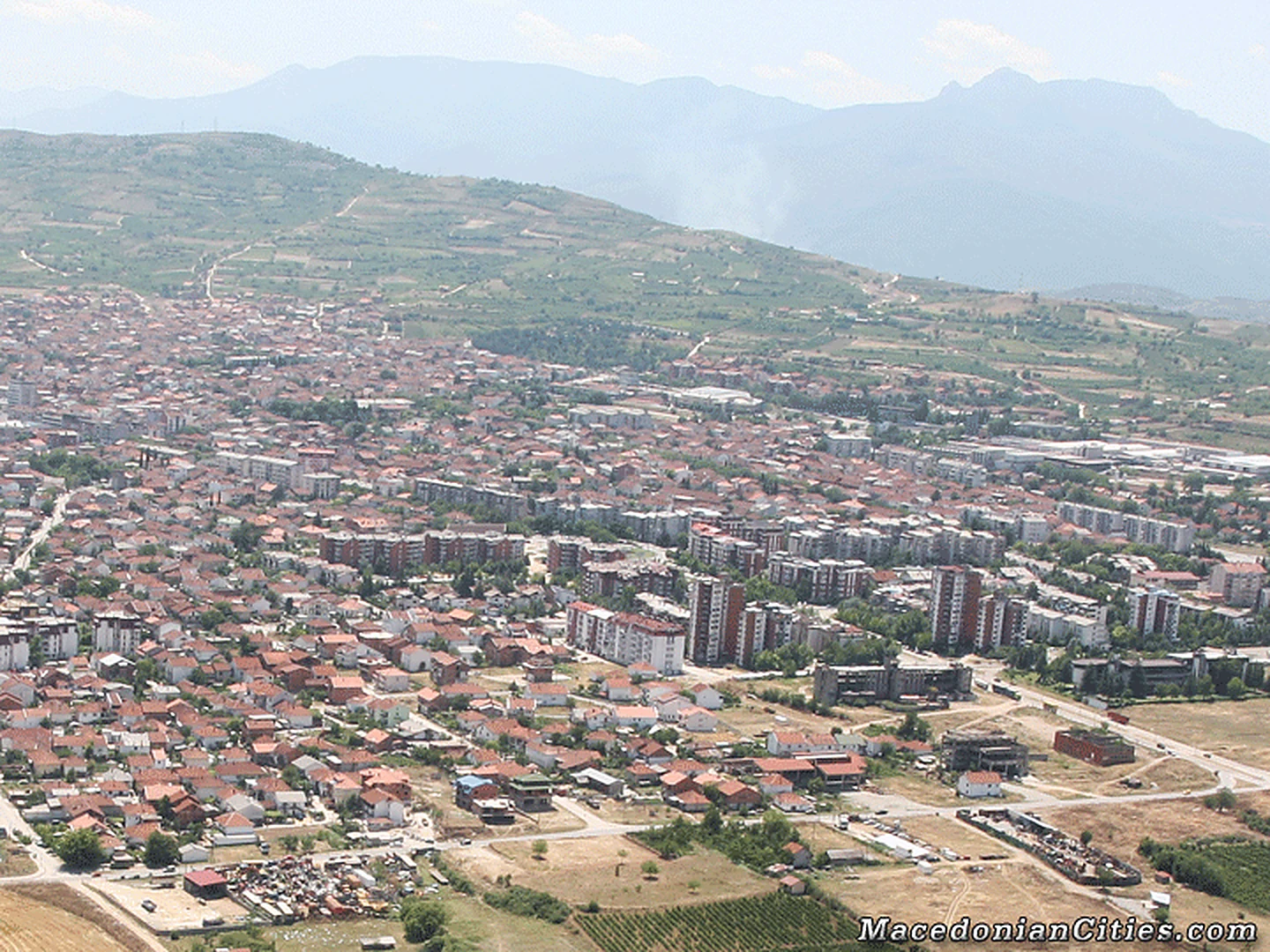
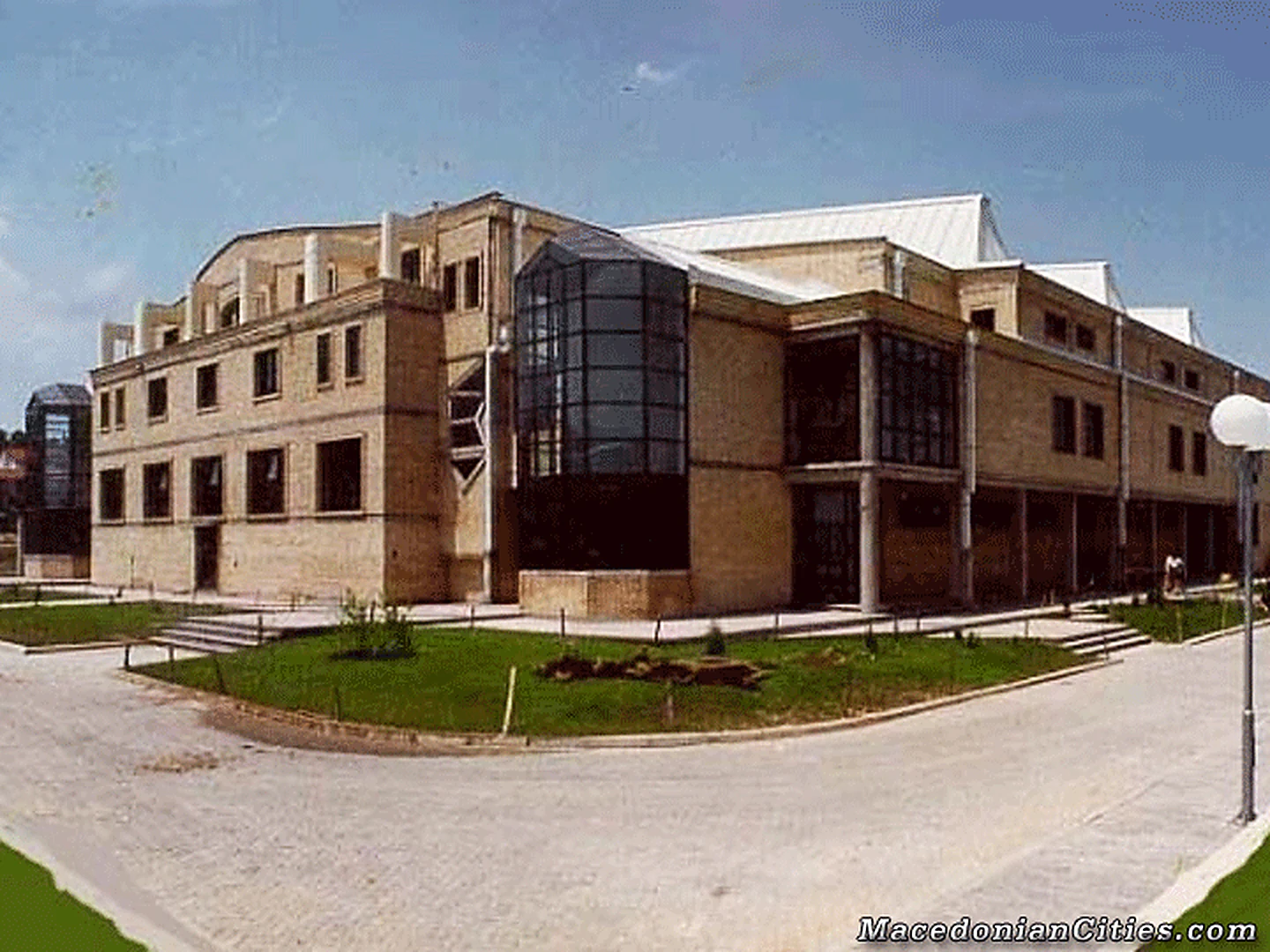
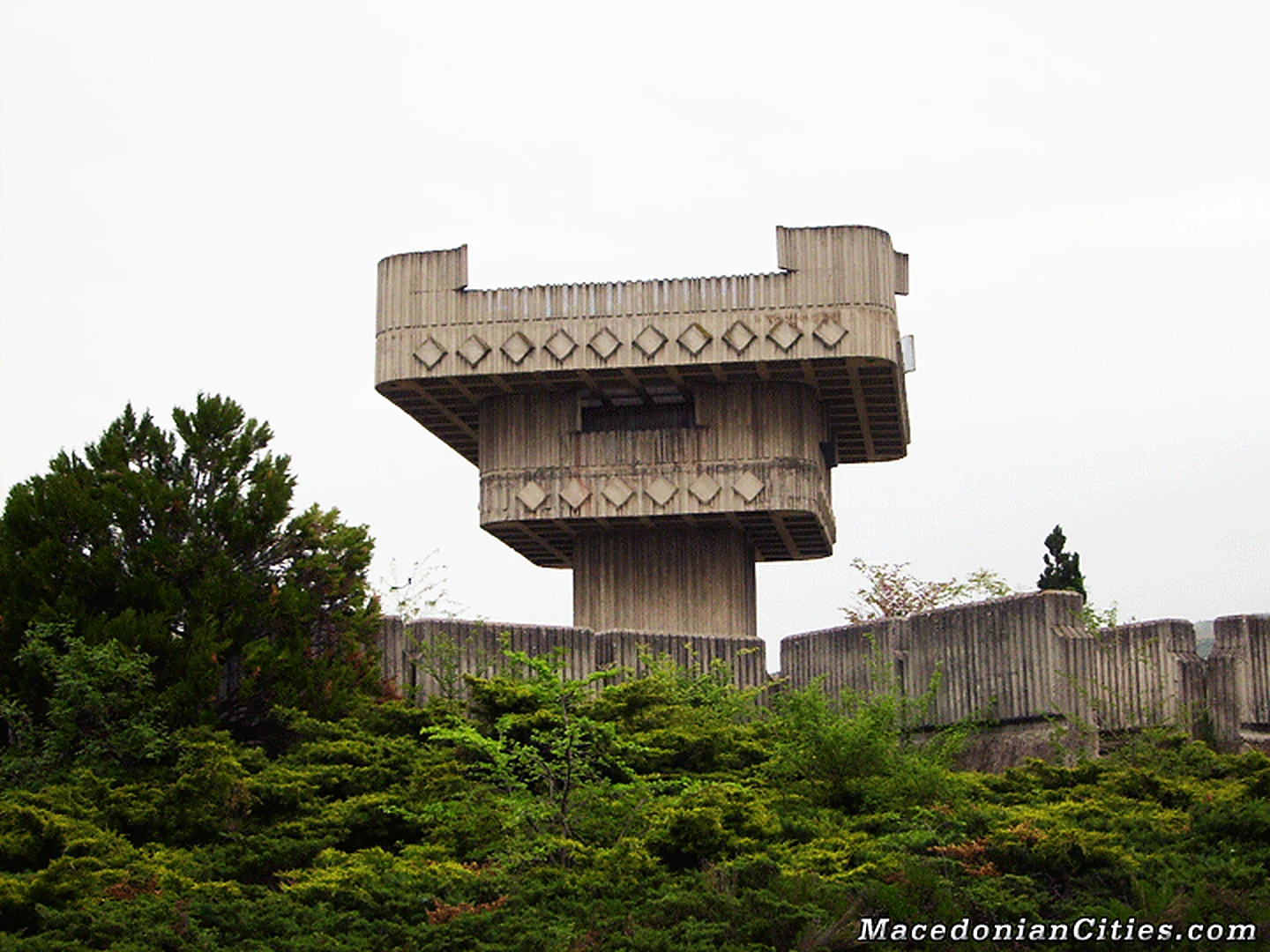
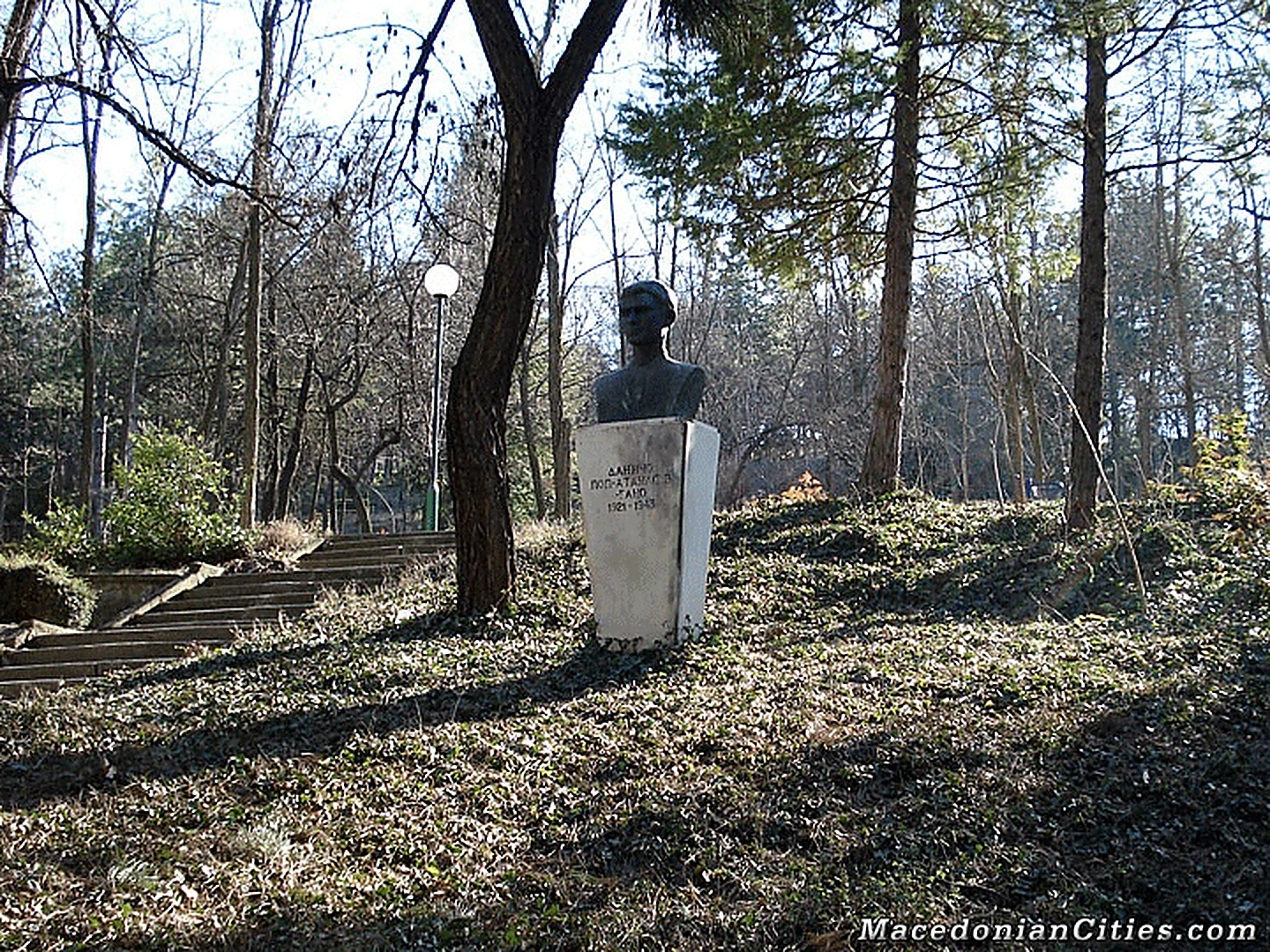
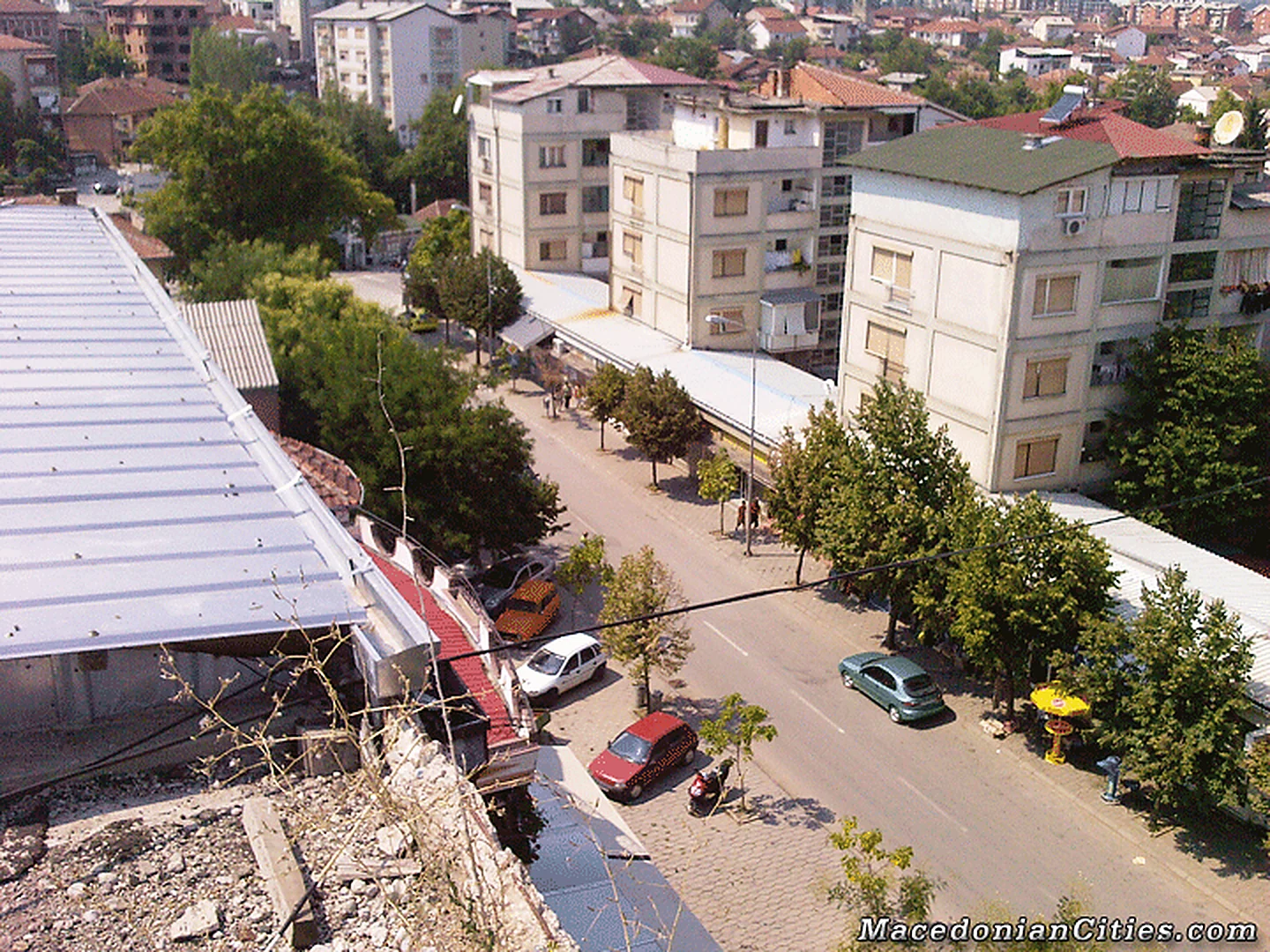
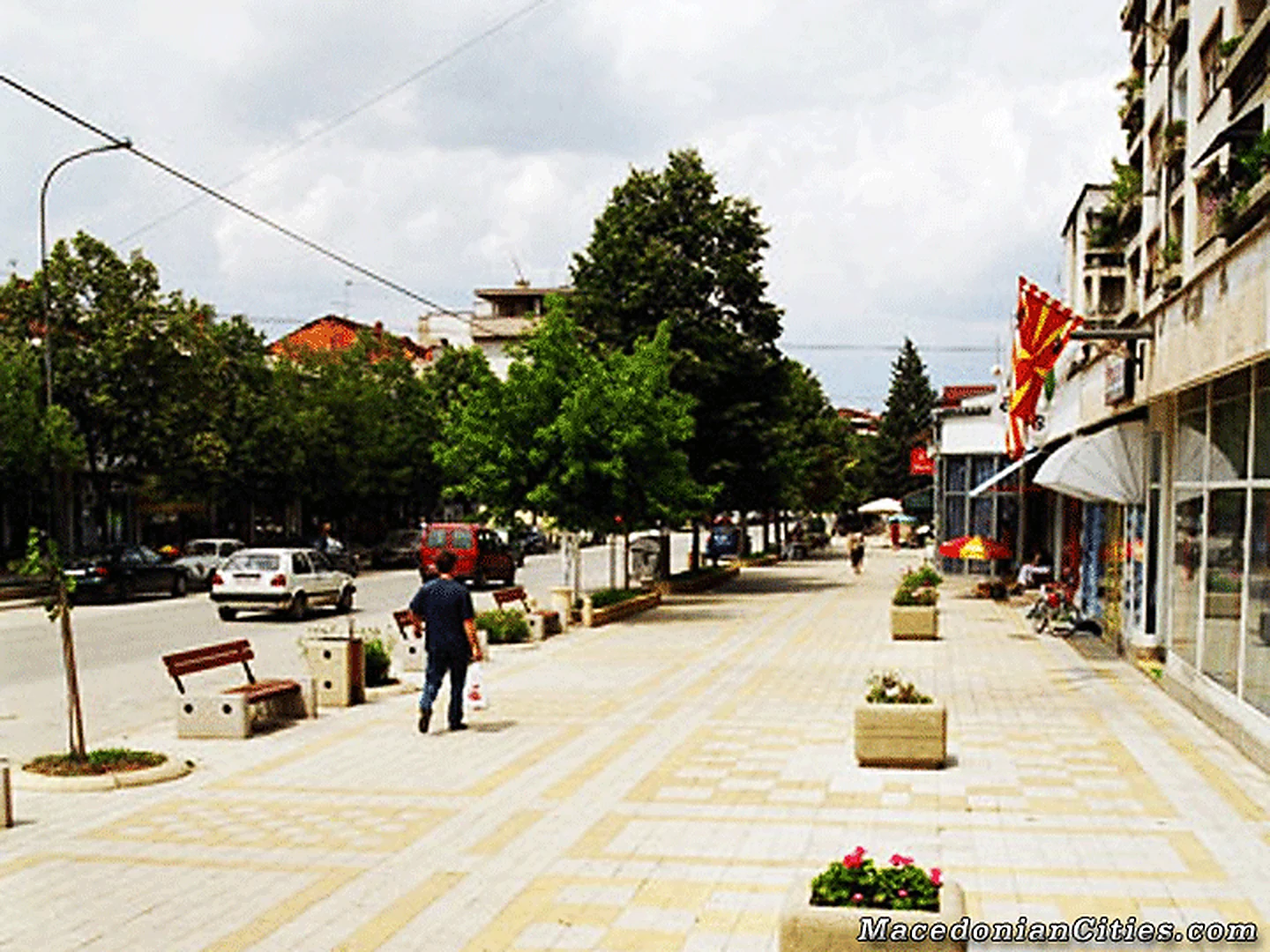
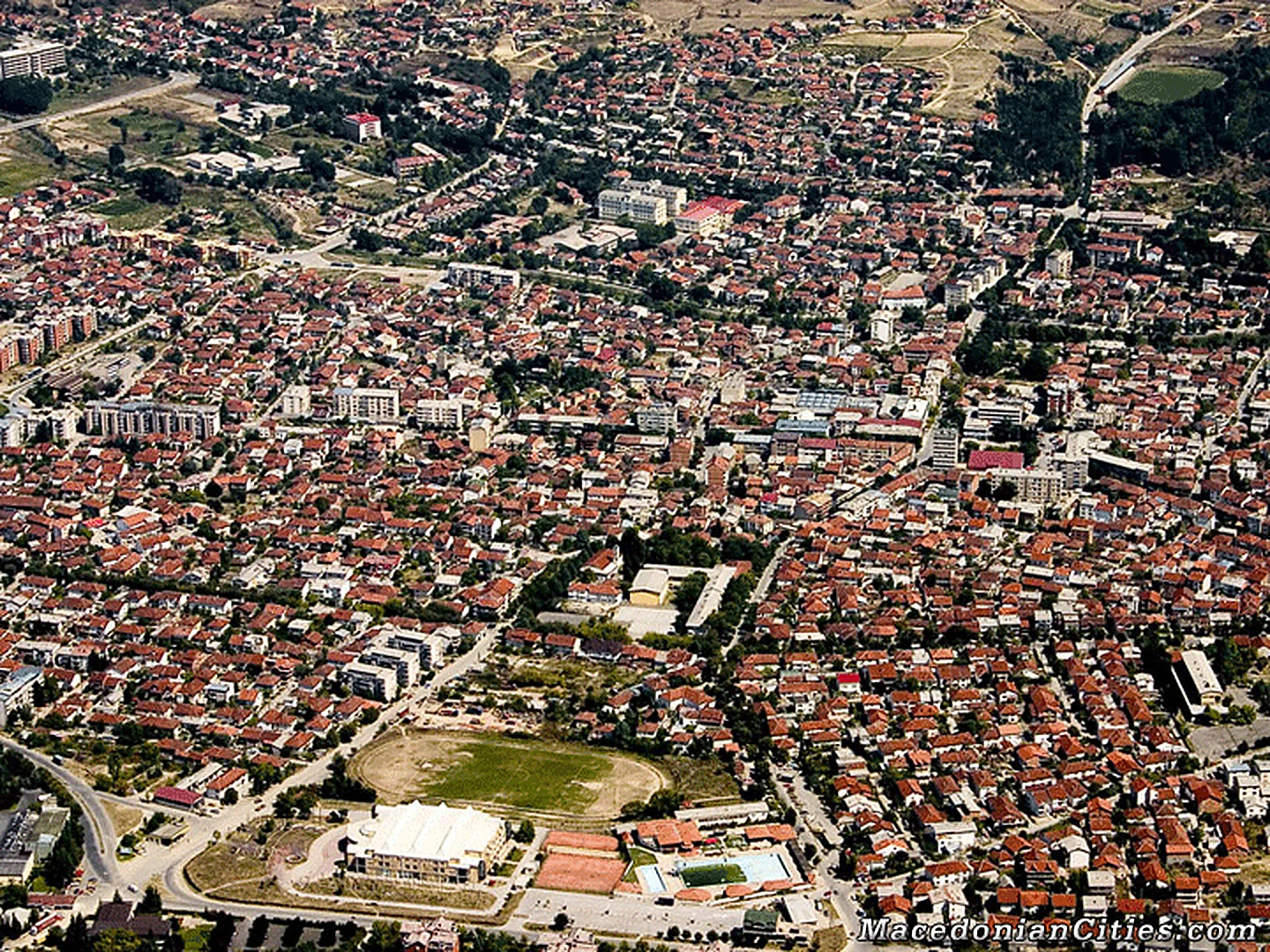
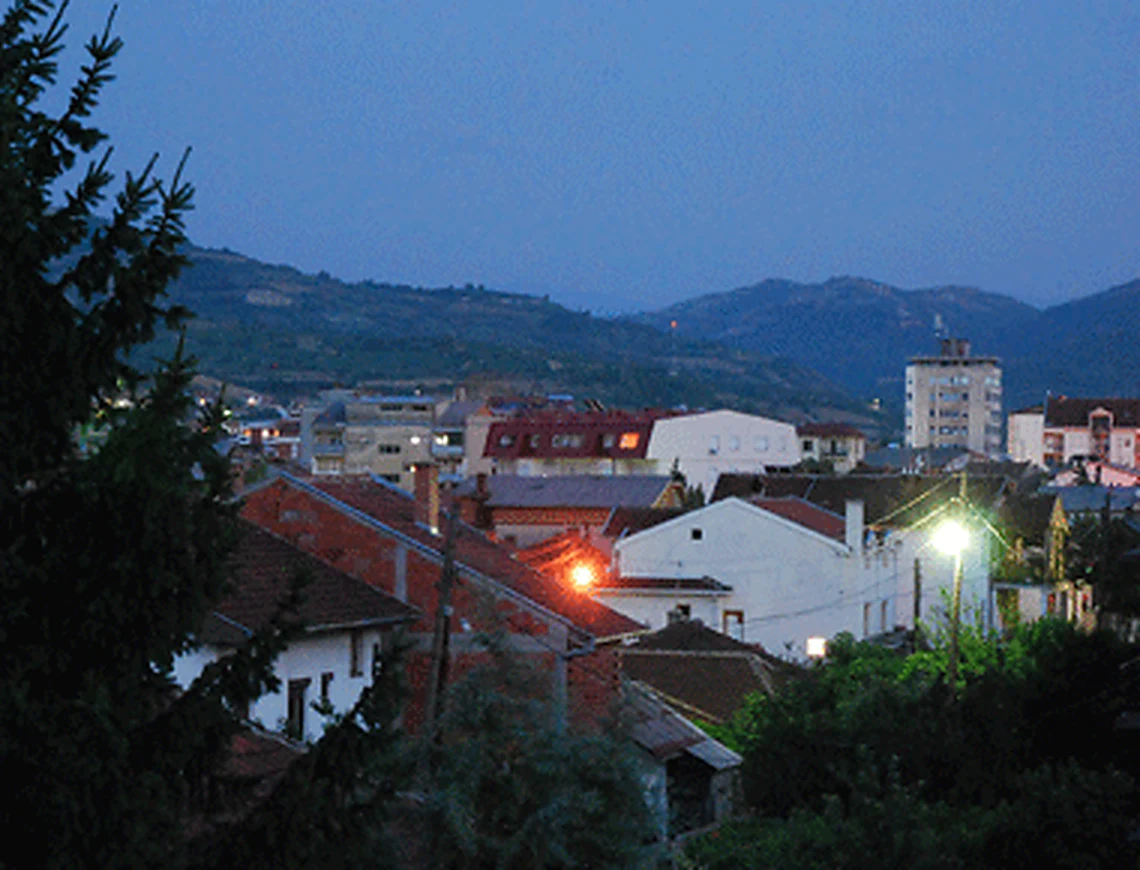
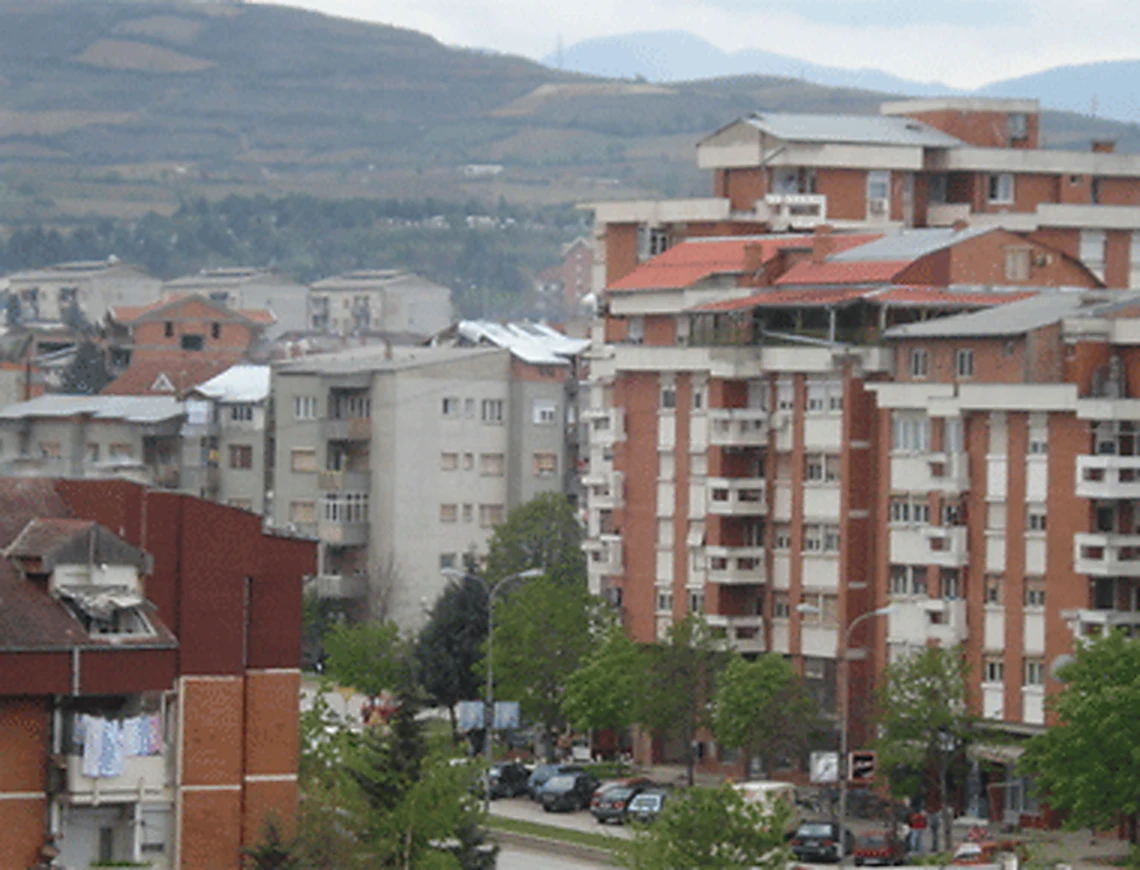
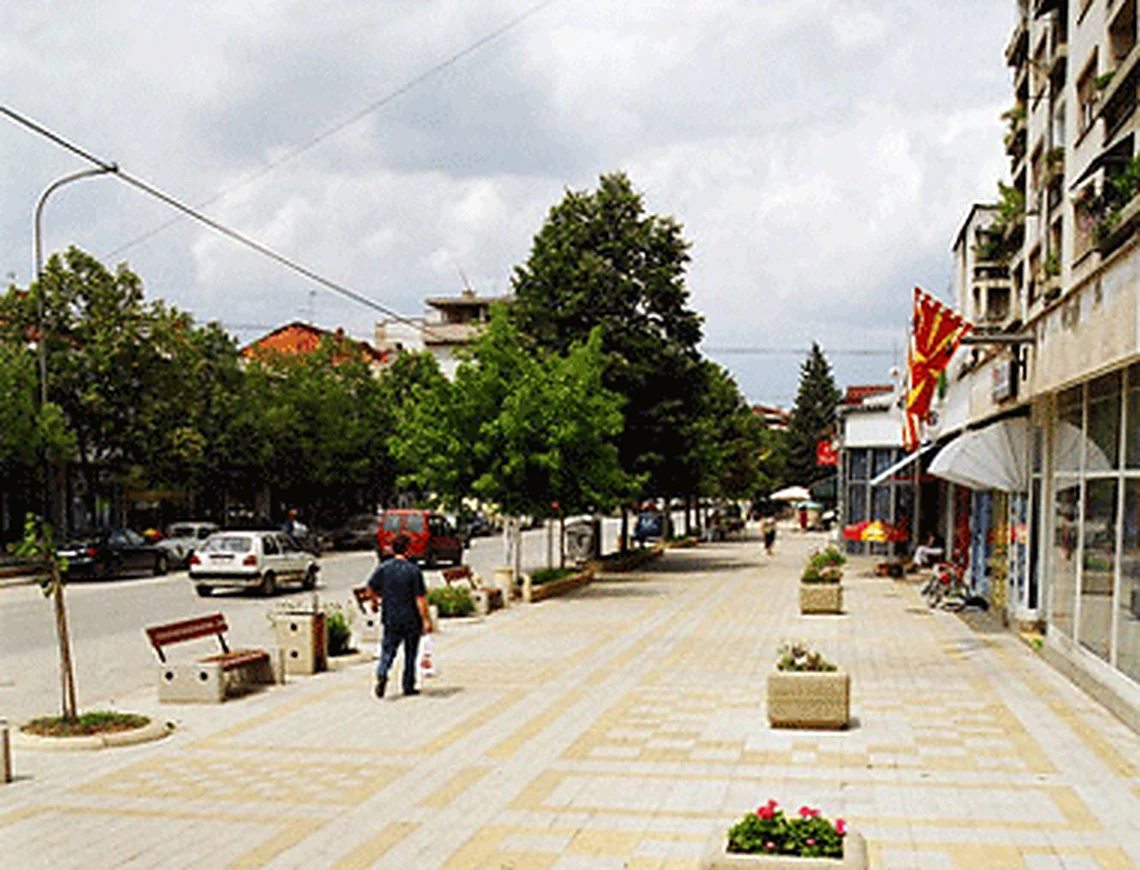
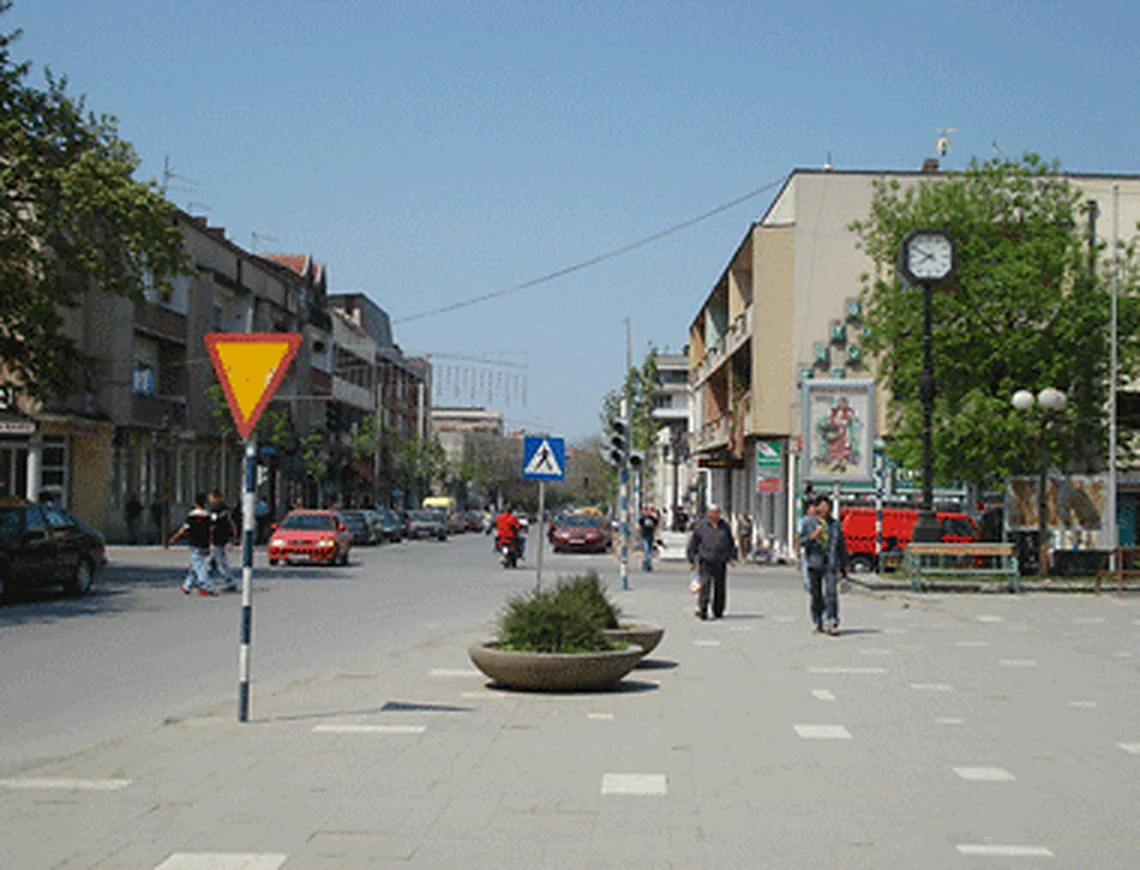
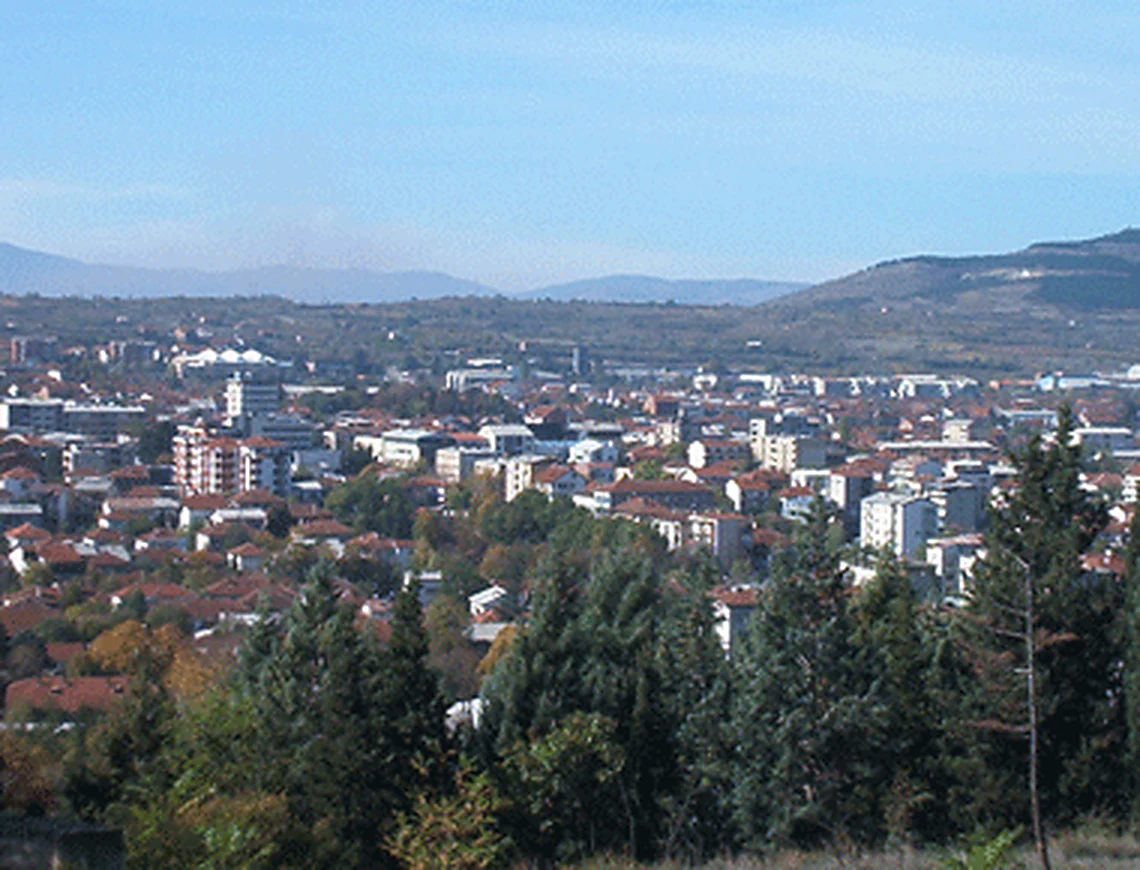
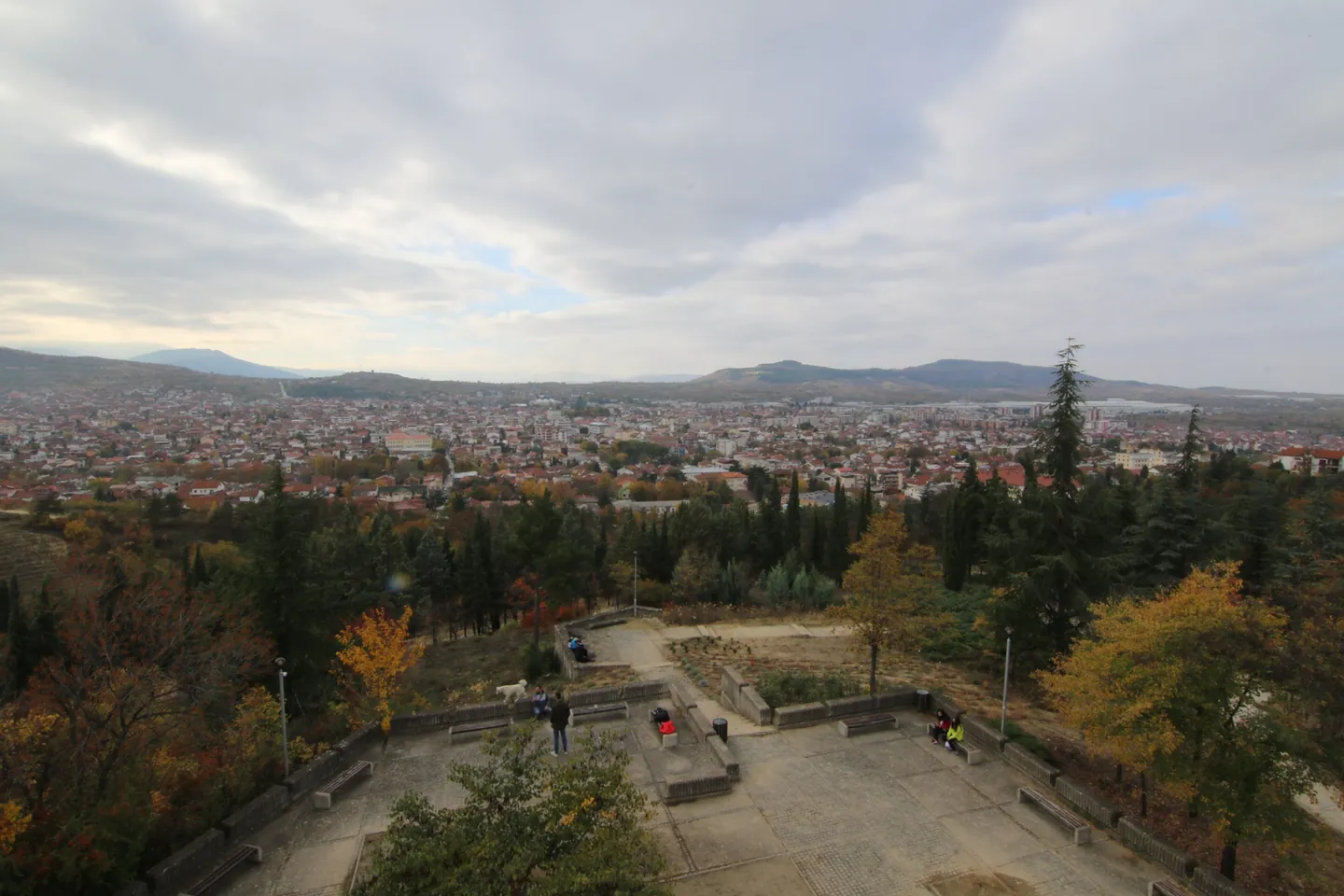
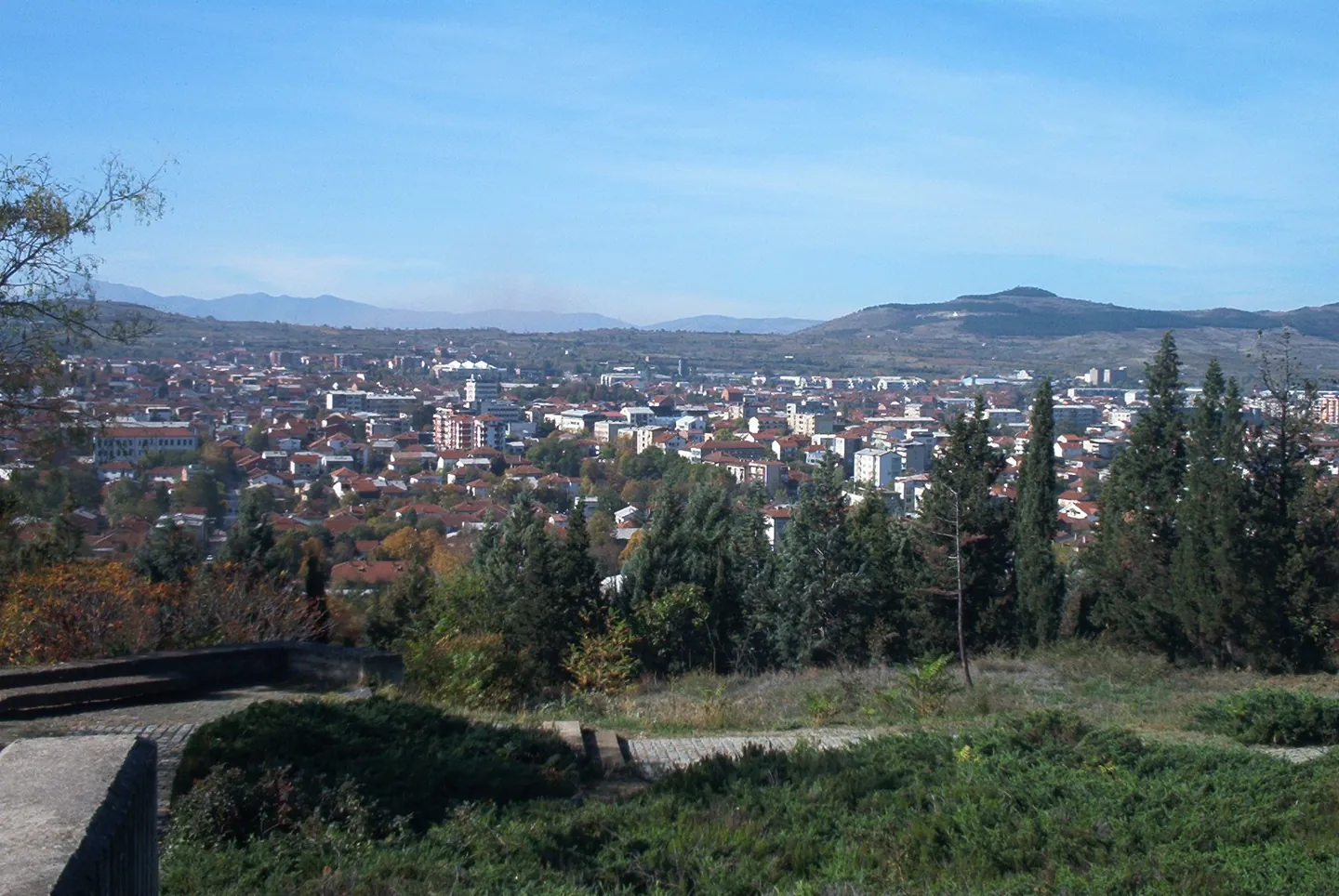
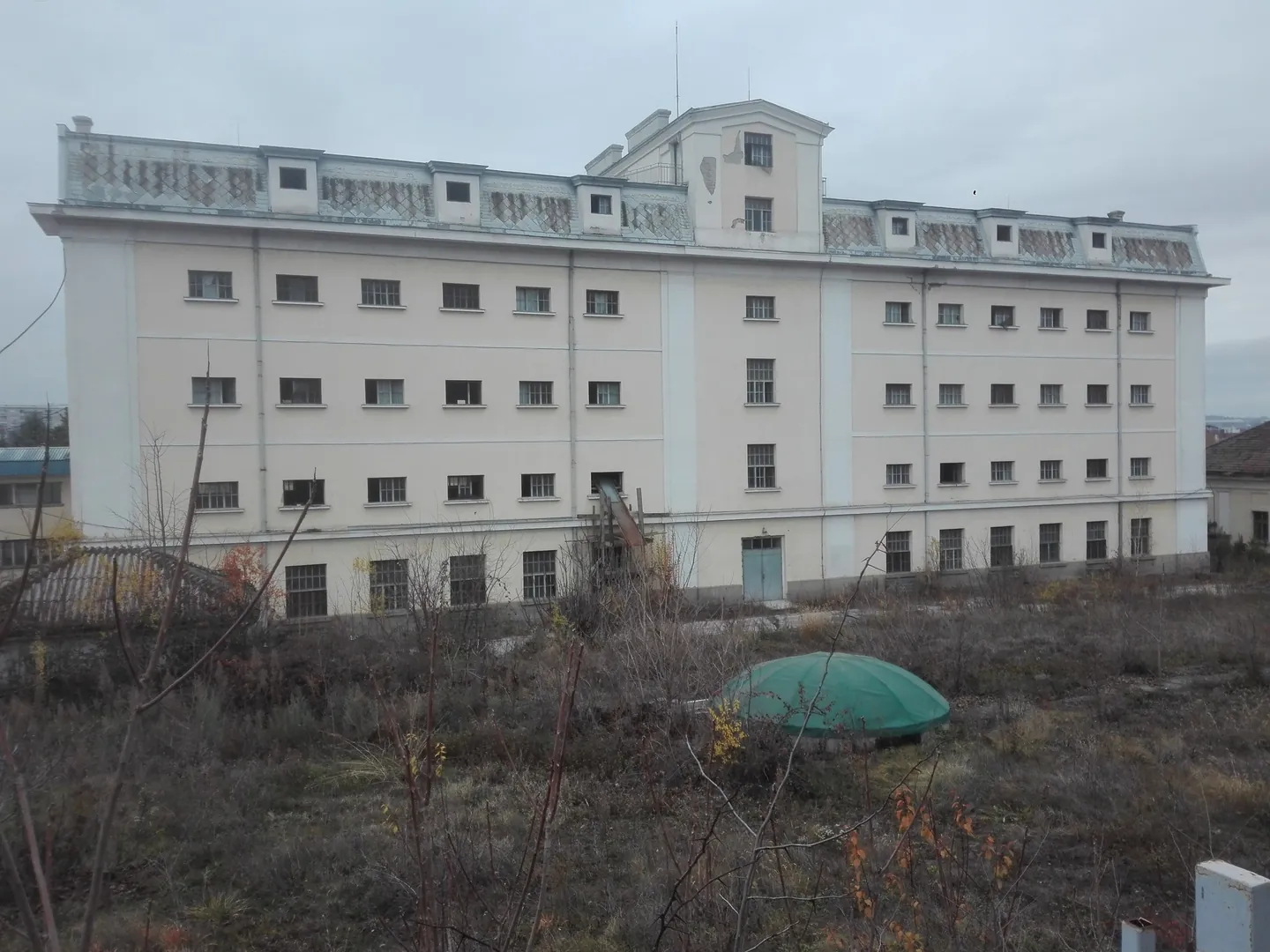
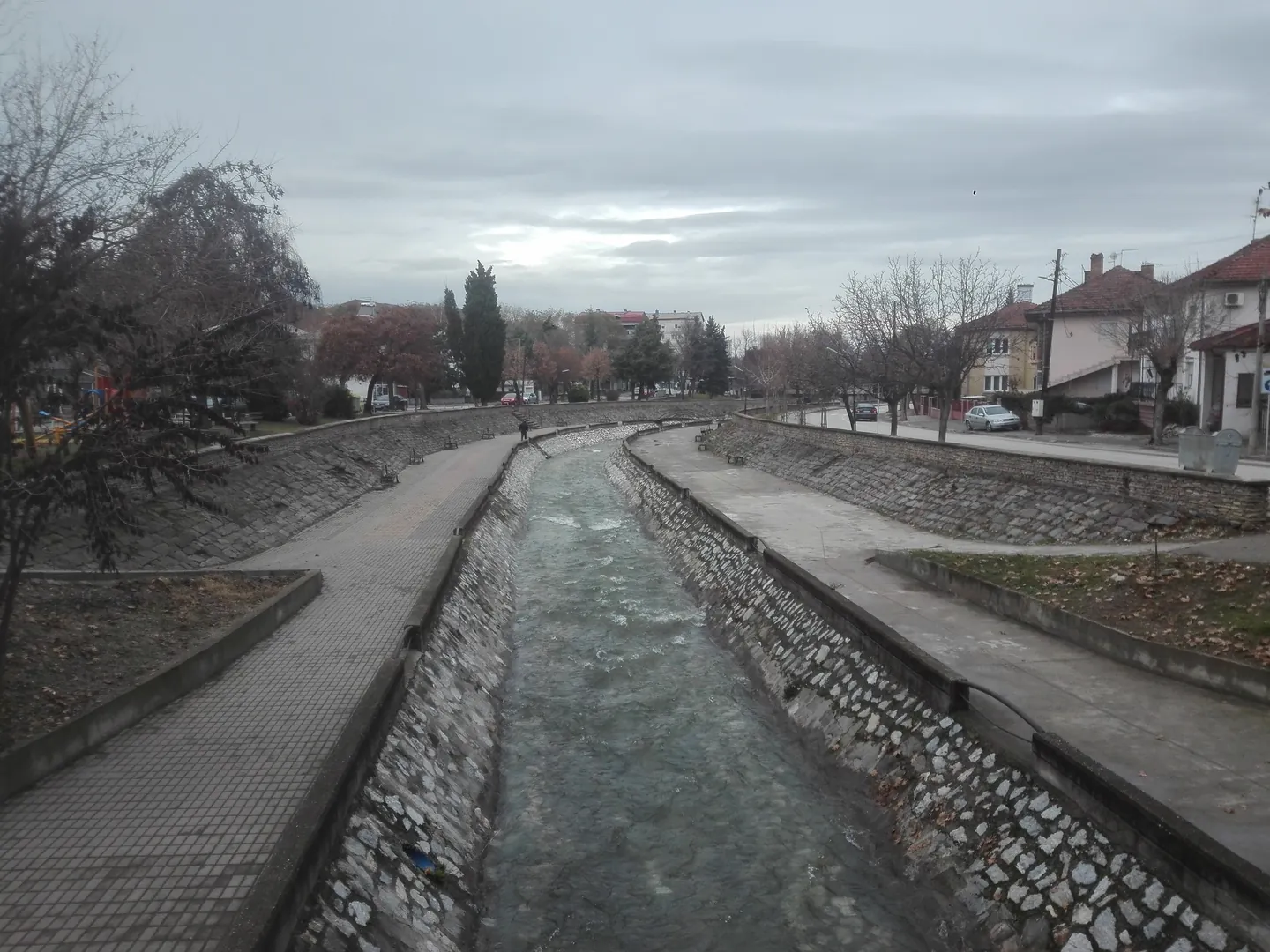
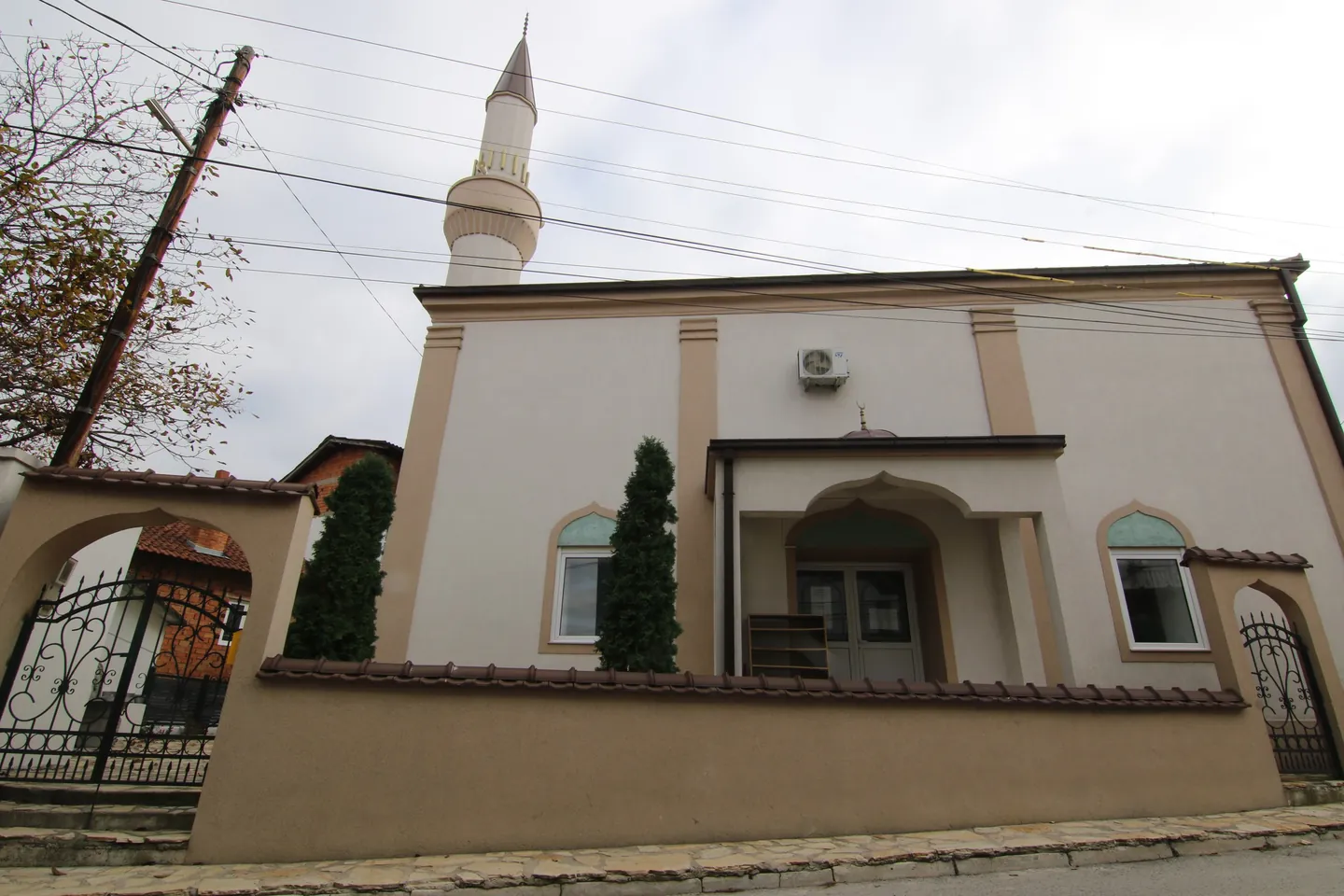
Photo credits
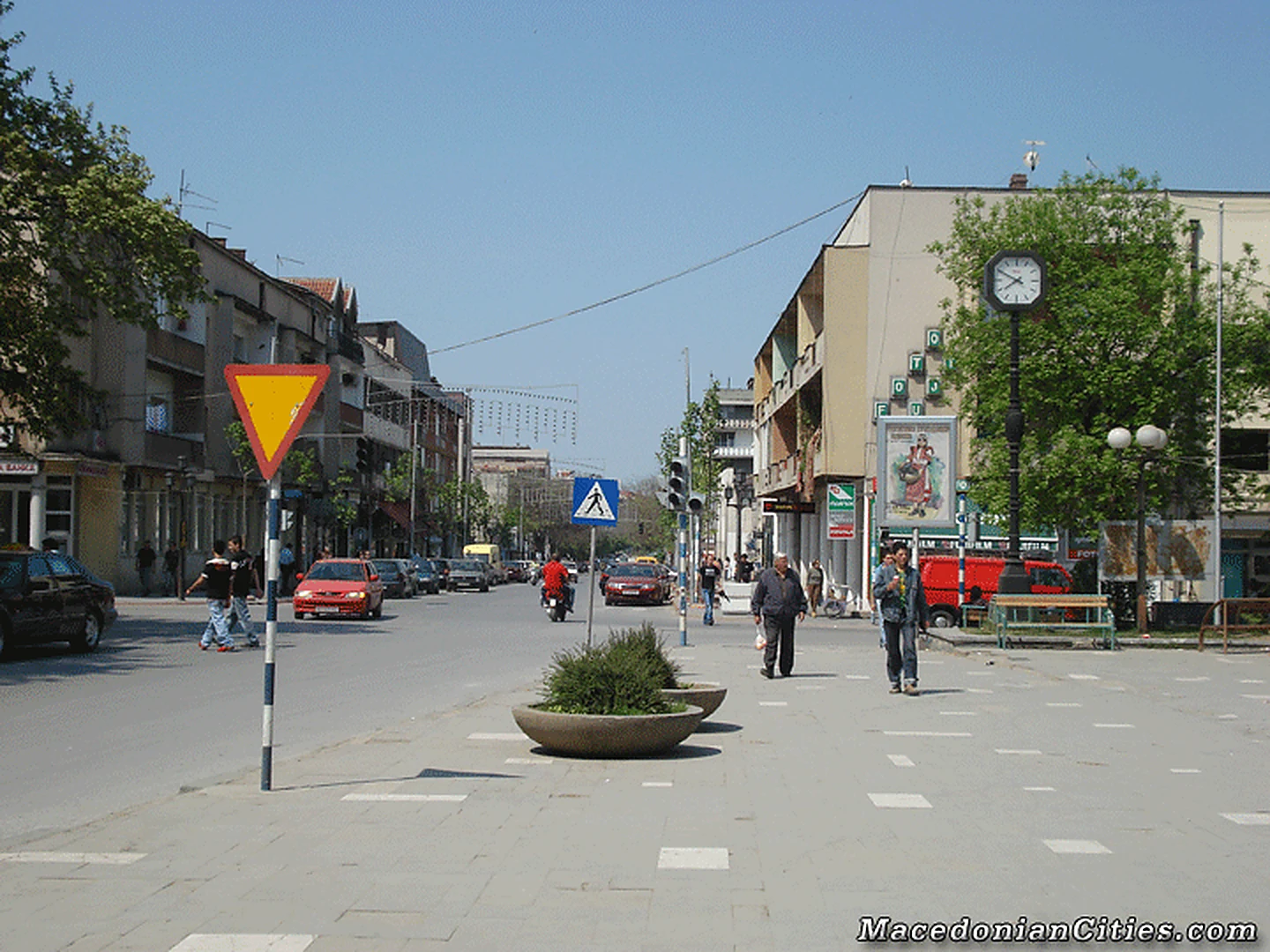
- Kavadarci: a panoramic view over the town from a wooded hilltop, with a paved terrace in the foreground. Photo: 44martin88CC BY-SA 4.0Wikimedia Commons
- Kavadarci: the town seen from a hillside garden, with cypress trees in front and low hills behind. Photo: Pero Veliki at Slovenian WikipediaPublic domainWikimedia Commons
- Kavadarci: the old tobacco factory, a long pale multi-storey building with a decorated roofline. Photo: IMarkovacevCC BY-SA 4.0Wikimedia Commons
- Kavadarci: the Luda Mara River running between stone-lined banks with paved walkways and bare trees. Photo: IMarkovacevCC BY-SA 4.0Wikimedia Commons
- Kavadarci: the central mosque, a cream building with a white minaret, behind a low wall and gate. Photo: 44martin88CC BY-SA 4.0Wikimedia Commons


