

2008 NEWS ARCHIVES
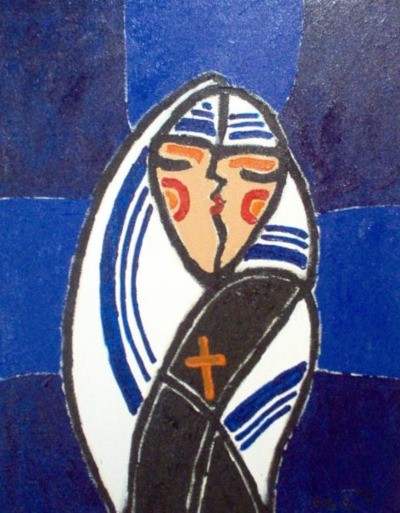
Canadian Macedonian Artist Michael Close - on his work and Mother Teresa
On December 26, 2008, Canadian-Macedonian artist Michael Close was recognized for his humanistic and philanthropic approach to contemporary art, particularly through his evocative portraits of Mother Teresa. A graduate of OCAD University with a background in scenic design for film and theater, Close developed a distinct style that blends strong figurative lines with pensive, harmonious themes to explore global humanity. His deep connection to his heritage is most evident in his tributes to the "Macedonian Mother Teresa," with his work featured in the Mother Teresa Museum in Skopje, linking her legacy of compassion to her birthplace. Often collaborating with organizations like the Canadian Macedonian Historical Society, Close utilized his international exhibitions and frequent art donations to bridge cultural history with charitable action, solidifying his role as a key artistic voice in the diaspora.
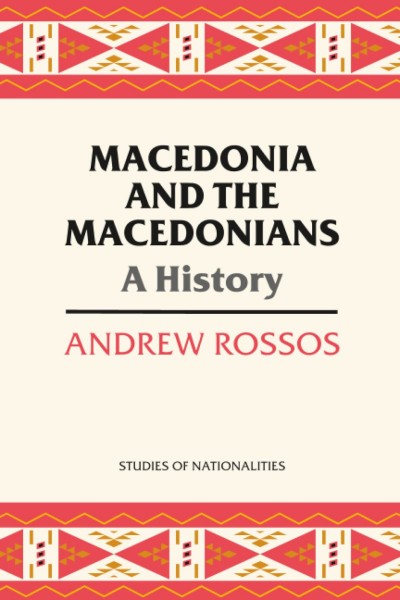
"Macedonia and the Macedonians - A History" By Professor Andrew Rossos Book Launch
On November 2, 2008, the Canadian Macedonian Historical Society celebrated the launch of Professor Andrew Rossos’s highly anticipated book, Macedonia and the Macedonians, at the University of Toronto’s Victoria College. Addressing an audience of over fifty scholars and community members, Professor Rossos—himself a child refugee from Aegean Macedonia—shared the arduous journey of his research, including the challenges of navigating restrictive archives in Sofia, Athens, and Skopje. The event underscored the significance of having a Macedonian-born academic provide a meticulous, comprehensive account of Macedonian nationalism and the complex geopolitical transitions the nation has endured. Beyond the academic discussion, the gathering fostered a sense of community pride, complemented by traditional Macedonian food and the recognition of Dr. Rossos's tenacity in documenting a history often obscured by the agendas of neighboring states.
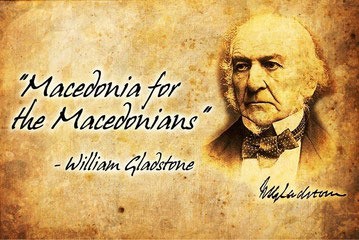
1913 Treaty of Bucharest: Macedonia's Partition by Risto Stefov
In a compelling lecture for the Canadian Macedonian Historical Society on May 18, 2008, historian Risto Stefov detailed the systemic destabilization and eventual partition of Macedonia between 1878 and 1913. He argued that Macedonia's fate was dictated by the "Great Powers" and neighboring monarchies who prioritized economic corridors and territorial expansion over the self-determination of the Macedonian people. By utilizing "soft power" cultural propaganda through foreign schools and churches, and subsequently exploiting the failed 1903 Ilinden Uprising, these external forces transitioned from "liberators" to occupiers during the Balkan Wars. The presentation concluded with the 1913 Treaty of Bucharest, a document signed without Macedonian representation that institutionalized the division of the homeland into Aegean, Vardar, and Pirin Macedonia, initiating a century of displacement and a persistent struggle for the recognition of Macedonian identity.