
Vardar
Sveti Nikole
Свети Николе
- Residents · 2021 census
- 11,728
- Old photographs
- 0
- Photographs
- 20
The principal town of the wide Ovče Pole plain
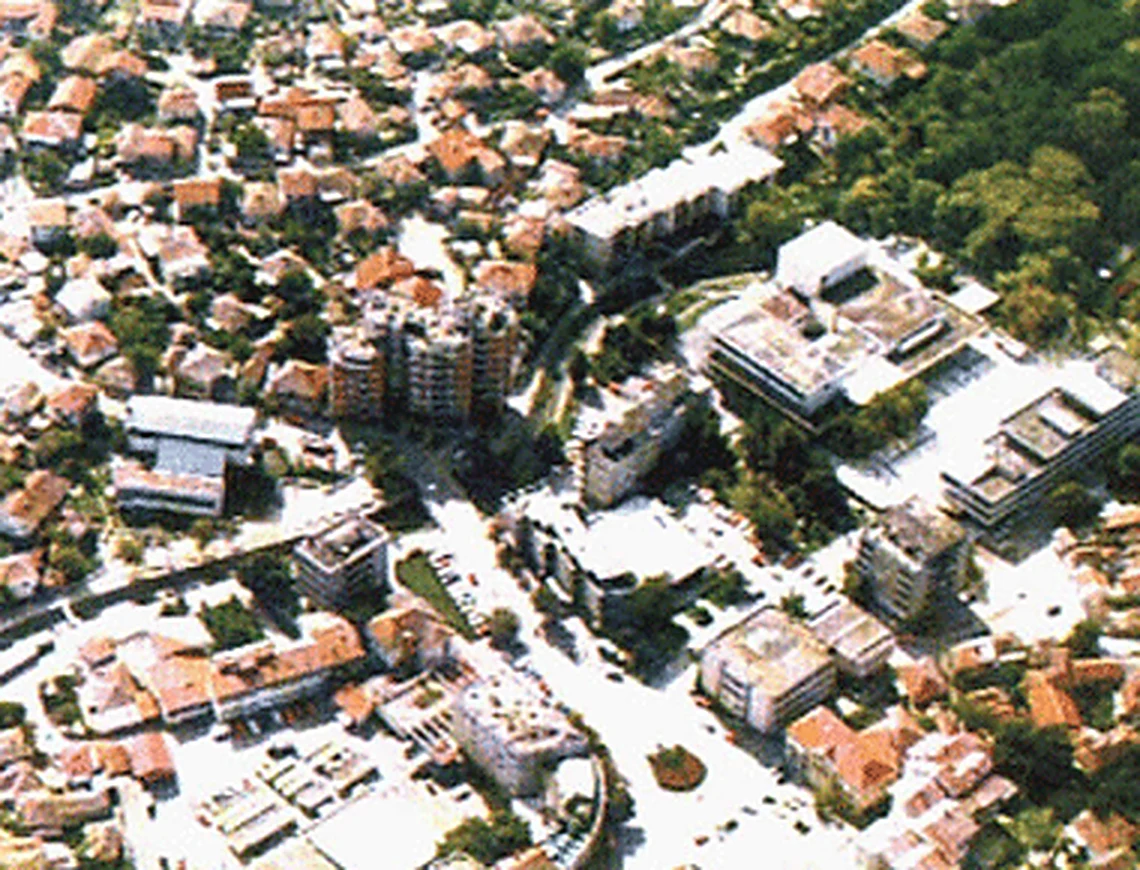
Sveti Nikole sits near the centre of Ovche Pole, an open, sunlit basin drained by the Azmak toward the Bregalnica. Low rolling country, broad fields and persistent winds give the town a landscape very different from Macedonia's mountain settlements; grain growing, sheep raising and other forms of agriculture have long shaped its working life.
Overview
City overview
Meet Sveti Nikole.
A grounded introduction to the city, its landscape, people, history and wider municipality.
Sveti Nikole sits near the centre of Ovche Pole, an open, sunlit basin drained by the Azmak toward the Bregalnica. Low rolling country, broad fields and persistent winds give the town a landscape very different from Macedonia's mountain settlements; grain growing, sheep raising and other forms of agriculture have long shaped its working life.
Archaeological traces show that the basin was settled well before the modern town appeared. Municipal history connects Sveti Nikole's growth with a settlement moved away from marshier ground, a church dedicated to Saint Nicholas and the market-town role that developed around the surrounding villages.
The 2021 census counted 11,728 residents in the town and 15,320 in the municipality. The local museum, with archaeological, ethnological, historical and stone collections, helps make that long story visible, while the Todorica folk festival and village feast days keep culture in the public square rather than only behind glass.
Thirty-two villages complete the municipality. Gorobinci, Erdzelija, Amzabegovo and Mustafino remain substantial rural communities, while many smaller settlements recorded only a handful of residents, or none, in 2021. That contrast makes Sveti Nikole both the everyday service centre of Ovche Pole and the keeper of a rapidly changing village landscape.
At a glance
Useful facts, in one place.
Settlement and municipality figures are kept distinct wherever sources permit.
- Municipality
- Sveti Nikole Municipality
- City population
- 11,728
- Municipality population
- 15,320
- Population outside the city
- 3,592
- Population year
- 2021
- Municipal area
- 480 km²
- Elevation
- 270 m
- Approx. road distance from Skopje
- 76 km
- Postal code
- 2220
- Climate
- Continental basin climate with Mediterranean influence, hot dry summers and cool winters
- Sports teams
- FK Ovche Pole
- Culture
-
- Todorica is the municipality's best-known international folk-dance gathering.
- The National Museum of Sveti Nikole interprets archaeology, ethnology and local history.
- Ovche Pole's grain, livestock and village traditions remain central to local identity.
- Population snapshot
- 11,728 city residents and 15,320 municipality residents in the 2021 census; 3,592 lived outside the city settlement.
- Main plain elevation
- 250–320 m
Known for
The city's signature.
Landmarks, foods, landscapes and traditions that give Sveti Nikole its character.
- Ovche Pole agricultural plain
- Sheep farming, dairy and lamb traditions
- Persistent winds and open steppe-like scenery
- Church and feast traditions associated with Saint Nicholas
- Central market and service role for surrounding villages
Geography
Geography
Land shapes the city.
Terrain, waterways, climate and transport explain why Sveti Nikole grew where it did.
Sveti Nikole is the main town of Ovche Pole, a wide, undulating basin east of Skopje and north of Shtip. It stands on the Svetinikolska River, also called the Azmak, a tributary in the Bregalnica drainage. Although the name Ovche Pole suggests an unbroken plain, the municipality ranges from low agricultural ground around 250 to 320 metres to ridges above 700 metres.
The basin receives both continental and modified Mediterranean influences, with dry summers, cold winter spells and persistent winds. Cereals, fodder crops, vines, sunflower and livestock have long supported local villages; sheep husbandry is embedded in the region's very name and food traditions. The open terrain now also attracts renewable-energy development, while road connections toward Shtip, Veles, Kumanovo and Skopje reinforce the town's role as the plain's service centre.
History
History
A concise, rewritten account.
Written afresh from cross-checked municipal, archaeological, heritage and institutional sources—not copied website text.
Archaeology in and around Sveti Nikole reaches back to the Neolithic and antiquity. Municipal historical research associates an early settlement with the name Probaton, a term related to sheep, while medieval sources use Ovche Pole for both the district and a fortified settlement. Marshy conditions are said to have encouraged the inhabited centre to shift toward firmer ground beside the present river.
A church dedicated to Saint Nicholas was built in 1292, and the saint's name gradually became the name of the settlement. Ottoman records preserve variants including Isvi Nikola, while travellers also used Kilisali, meaning a place by a church. The town served a landscape of villages rather than a large urban market; only in the nineteenth century, after receiving a regular market day, did it grow more clearly into a small town.
Twentieth-century administration, schools, food processing and other local industries expanded Sveti Nikole, but Ovche Pole remained its frame of reference. The modern town is best understood as the civic centre of the plain: a place where rural trade, transport, seasonal festivals and public services meet.
The preserved legacy narrative
Open the preserved legacy narrative
Folk tradition says that Sveti Nikole took its name from a church dedicated to Saint Nicholas, built by King Milutin in 1313. This date differs from the 1292 date given in the municipality's modern historical profile and should therefore be presented as part of the inherited tradition rather than as an uncontested chronology.
The Sveti Nikole region is rich in evidence of human activity, bearing witness to cultural layers accumulated over a long historical sequence. The Barutnica archaeological site near the village of Amzabegovo is especially important.
In the now almost deserted village of Burilovci stands a small medieval, single-nave Church of Saint Nicholas. It is particularly valued for its fresco painting, whose beauty demonstrates the skill of its anonymous artist.
Profile sources (22)
- svetinikole.gov.mk/informatsii/profil-na-opshtinata/geografska-polozhba
- svetinikole.gov.mk/informatsii/profil-na-opshtinata/istorijat
- svetinikole.gov.mk/wp-content/uploads/2025/01/ILRP-2024-2027.pdf
- stat.gov.mk/pdf/2022/2.1.22.10Popis-mk-en.pdf
- citypopulation.de/en/northmacedonia/vardarski/808__sveti_nikole
- citypopulation.de/en/northmacedonia/vardarski/sveti_nikole/413623__sveti_nikole
- svetinikole.gov.mk/kultura
- svetinikole.gov.mk/informatsii/profil-na-opshtinata/kontak-informatsii
- svetinikole.gov.mk/wp-content/uploads/2024/09/%D0%9F%D0%A0%D0%9E%D0%93%D0%A0%D0%90%D0%9C%D0%90-%D0%97%D0%90-%D0%95%D0%9D%D0%95%D0%A0%D0%93.%D0%95%D0%A4%D0%98%D0%9A%D0%90%D0%A1%D0%9D%D0%9E%D0%A1%D0%A2-24-26-.pdf
- svetinikole.gov.mk/wp-content/uploads/Strategija_LER_Sv.Nikole_FV_GesSol.pdf
- svetinikole.gov.mk/galerija/manastir-g-urishte
- svetinikole.gov.mk/postaven-kamen-temelnik-na-manastir-vo-selo-neman-itsi
- en.wikipedia.org/wiki/Sveti_Nikole
- en.wikipedia.org/wiki/Kiril_Lazarov
- playmakerstats.com/player/filip-lazarov/574617?epoca_id=136
- en.wikipedia.org/wiki/Lazar_Koli%C5%A1evski
- macedonianfootball.com/robert-petrov-signed-for-slavia-sofia
- en.wikipedia.org/wiki/Andreja_Efremov
- en.wikipedia.org/wiki/Gordan_Zdravkov
- en.wikipedia.org/wiki/Mirsad_Jonuz
- msu.edu.mk/lena-g-urik-so-izlozhba-vo-msu-sv-nikole/?lang=en
- makstat.stat.gov.mk/PXWeb/pxweb/en/MakStat/MakStat__Popisi__Popis2021__NaselenieVkupno__PodatociNaselenie/T1501P21.px
Interesting Facts
Interesting facts
Details worth remembering.
Local landmarks, customs, foods and historical details that reward a closer look at Sveti Nikole.
-
At the heart of Ovche Pole
The municipality occupies the broad Ovche Pole basin, where the Azmak drainage connects the plain to the Bregalnica river system.
-
A low and open landscape
Most settled and cultivated terrain lies roughly 250 to 320 metres above sea level, exposed to both continental weather and warmer influences from the south.
-
The town moved away from marshier ground
Municipal history describes an older settlement site and a later shift toward the present location, where a church of Saint Nicholas helped give the town its name.
-
A four-part museum collection
The National Museum in Sveti Nikole presents archaeological, ethnological and historical material together with an outdoor lapidarium of carved stone.
-
Todorica brings folklore into town
The international Todorica festival gathers folk ensembles around a traditional spring calendar date and has become a signature municipal cultural event.
-
Gjurište joins heritage and contemporary art
The monastery landscape at Gjurište is also associated with an art colony, linking a religious gathering place with modern cultural activity.
-
A marked population decline
The town's census population fell from 13,746 in 2002 to 11,728 in 2021, while the municipality recorded 15,320 residents in 2021.
-
Several villages now have no resident population
The 2021 census recorded zero residents in a number of current municipal settlements, illustrating the depth of rural depopulation across Ovche Pole.
People
Celebrities
Lives linked to the city.
Writers, musicians, artists, athletes, public figures and historical personalities with a clearly stated connection to Sveti Nikole.
-
Kiril Lazarov Sport
Born in Sveti Nikole and developed in the youth system of RK Ovche Pole.
Record-setting handball right back and later national-team coach, widely regarded as one of the country's most accomplished athletes.
Source -
Filip Lazarov Sport
Born in Sveti Nikole.
Former international handball player whose club career included teams in North Macedonia and abroad.
Source -
Lazar Kolishevski Public life
Born in Sveti Nikole in 1914.
Influential post-war Yugoslav Macedonian political figure whose long public career remains part of twentieth-century political history.
Source -
Robert Petrov Sport
Born in Sveti Nikole.
Former North Macedonia international defender with a club career in Bulgaria, Greece and elsewhere.
Source -
Andreja Efremov Sport
Born in Sveti Nikole and trained with Ovche Pole as a youth.
Goalkeeper who has played in the domestic league and represented North Macedonia internationally.
Source -
Gordan Zdravkov Sport
Born in Sveti Nikole and began in the Ovche Pole youth system.
Former professional footballer and coach with domestic and international experience.
Source -
Mirsad Jonuz Sport
Born in Sveti Nikole.
Former goalkeeper and football coach who managed the North Macedonia national team.
Source -
Lena Djuric Visual art
Born in Sveti Nikole and has exhibited at the International Slavic University in her home town.
Visual artist whose exhibitions explore form, colour and contemporary personal experience.
Source
Villages & Monasteries
Villages
The wider municipality.
Every verified village and rural settlement in the current municipal scope, followed by known monasteries in the surrounding cultural landscape.
32 villages and rural settlements are included.
- Alakinci An Ovche Pole settlement with 3 residents recorded in the 2021 census. Source
- Amzabegovo A substantial rural settlement with 428 residents recorded in 2021. Source
- Arbasanci A current municipal settlement with no resident population recorded in the 2021 census. Source
- Bogoslovec A small Ovche Pole settlement with 1 resident recorded in 2021. Source
- Burilovci A small municipal settlement with 1 resident recorded in 2021. Source
- Delisinci A small rural settlement with 2 residents recorded in 2021. Source
- Dolno Crnilishte An Ovche Pole village with 61 residents recorded in 2021. Source
- Dolno Gjughjanci A rural settlement with 88 residents recorded in 2021. Source
- Gorno Crnilishte One of the municipality's larger villages, with 373 residents recorded in 2021. Source
- Gorno Gjughjanci A small rural settlement with 3 residents recorded in 2021. Source
- Gorobinci A major village of the municipality, with 602 residents recorded in 2021. Source
- Erdzelija The municipality's largest village in the 2021 census, with 852 residents. Source
- Kadrifakovo An Ovche Pole village with 150 residents recorded in 2021. Source
- Knezhje A rural settlement with 57 residents recorded in 2021. Source
- Krushica A small village with 5 residents recorded in 2021. Source
- Makresh A current municipal settlement with no resident population recorded in the 2021 census. Source
- Malino A small village with 20 residents recorded in 2021. Source
- Mechkuevci A current municipal settlement with no resident population recorded in the 2021 census. Source
- Mezdra A current municipal settlement with no resident population recorded in the 2021 census. Source
- Mustafino A substantial Ovche Pole village with 400 residents recorded in 2021. Source
- Nemanjici A village with 75 residents recorded in 2021 and a renewed Saint Elijah monastery site. Source
- Orel A small rural settlement with 9 residents recorded in 2021. Source
- Patetino A current municipal settlement with no resident population recorded in the 2021 census. Source
- Pavleshenci A small village with 26 residents recorded in 2021. Source
- Peshirovo A farming village with 256 residents recorded in 2021. Source
- Preod A small rural settlement with 25 residents recorded in 2021. Source
- Ranchenci A small rural settlement with 25 residents recorded in 2021. Source
- Sopot An Ovche Pole village with 58 residents recorded in 2021. Source
- Stanjevci A village with 47 residents recorded in 2021. Source
- Stanulovci A current municipal settlement with no resident population recorded in the 2021 census. Source
- Stroimanci A small municipal settlement with 1 resident recorded in 2021. Source
- Trstenik A small rural settlement with 24 residents recorded in 2021. Source
Monasteries nearby
Places of continuity.
Verified monastic sites within the municipality or its immediate cultural landscape.
-
Monastery of the Mother of God at Gjurište
Gjurište locality, Sveti Nikole Municipality
A monastery and pilgrimage landscape whose church was rebuilt in the early twentieth century; the site also hosts cultural gatherings and an art colony.
Source -
Monastery of the Holy Prophet Elijah
Staro Selo locality, Nemanjici
A renewed monastery complex established at the site of an older Saint Elijah church, with the foundation of the modern complex formally blessed by the diocese and municipality.
Source
Old Photos (0)
Old Photos
The rare collection.
Every surviving full-size historical file is included, including originals that the old page markup accidentally omitted. Family-preserved originals remain untouched.
No Old Photos are currently present for Sveti Nikole.
Photo Gallery (20)
Photo Gallery
Sveti Nikole, frame by frame.
A responsive family gallery, including city views recovered from the old rotating banner system.
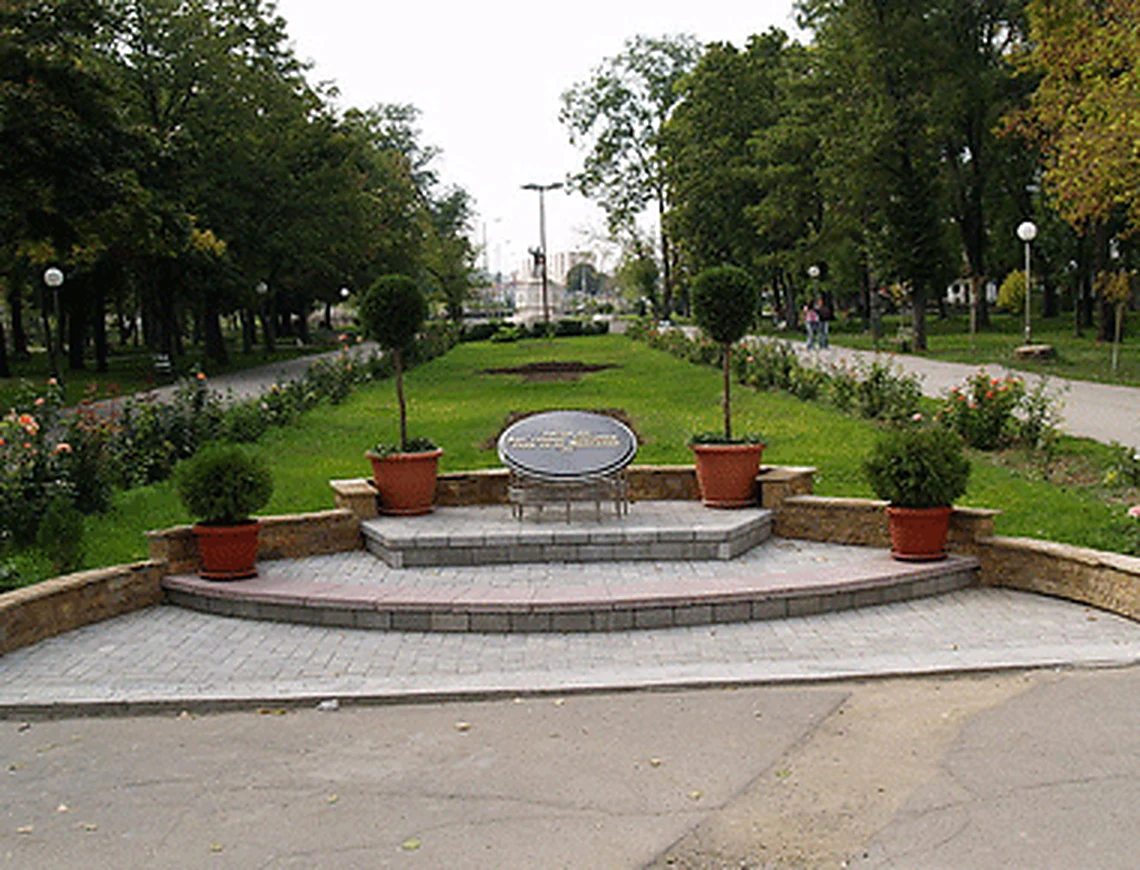
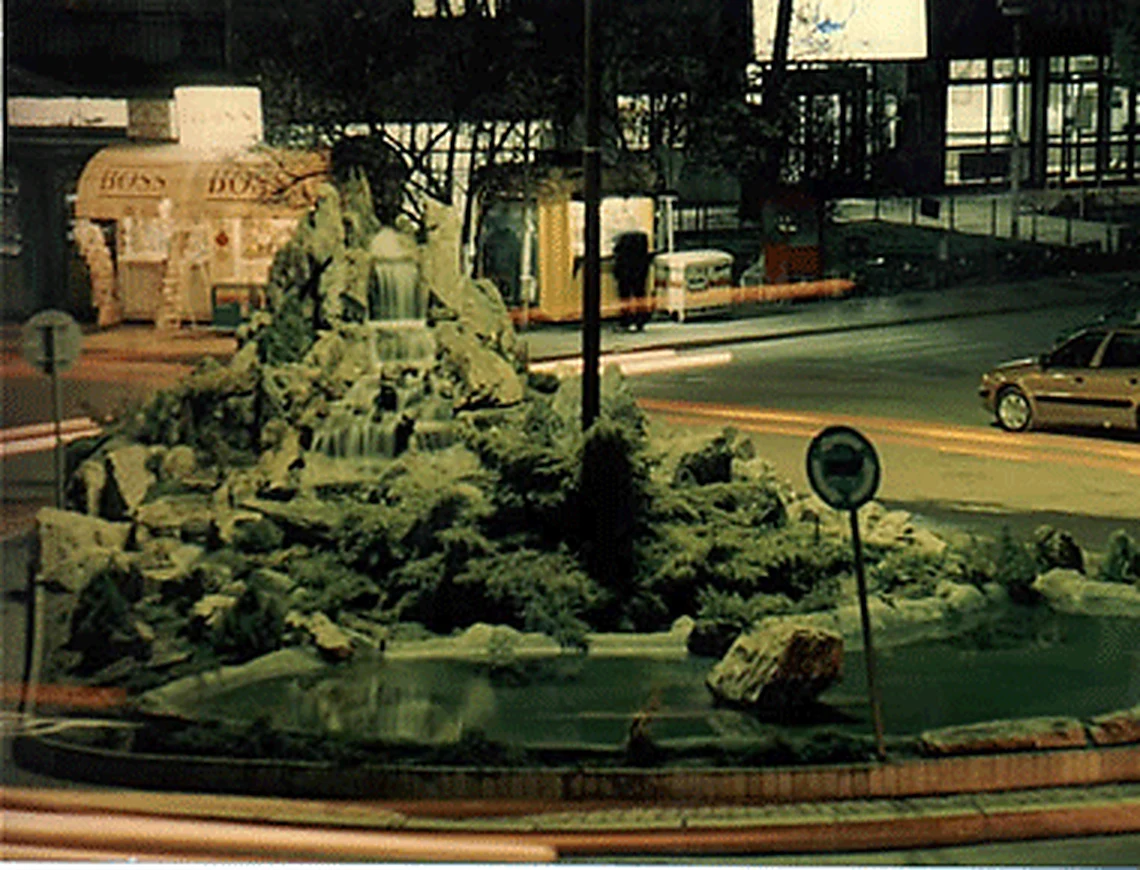
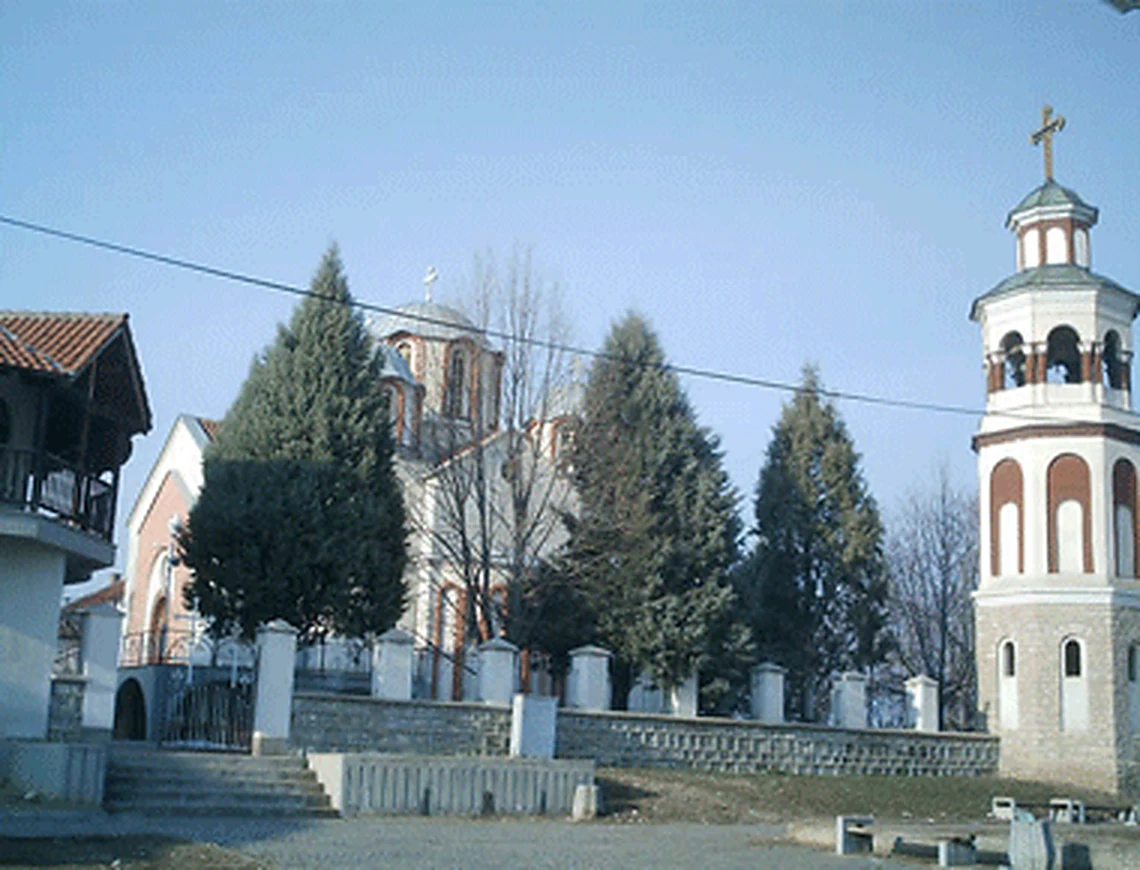
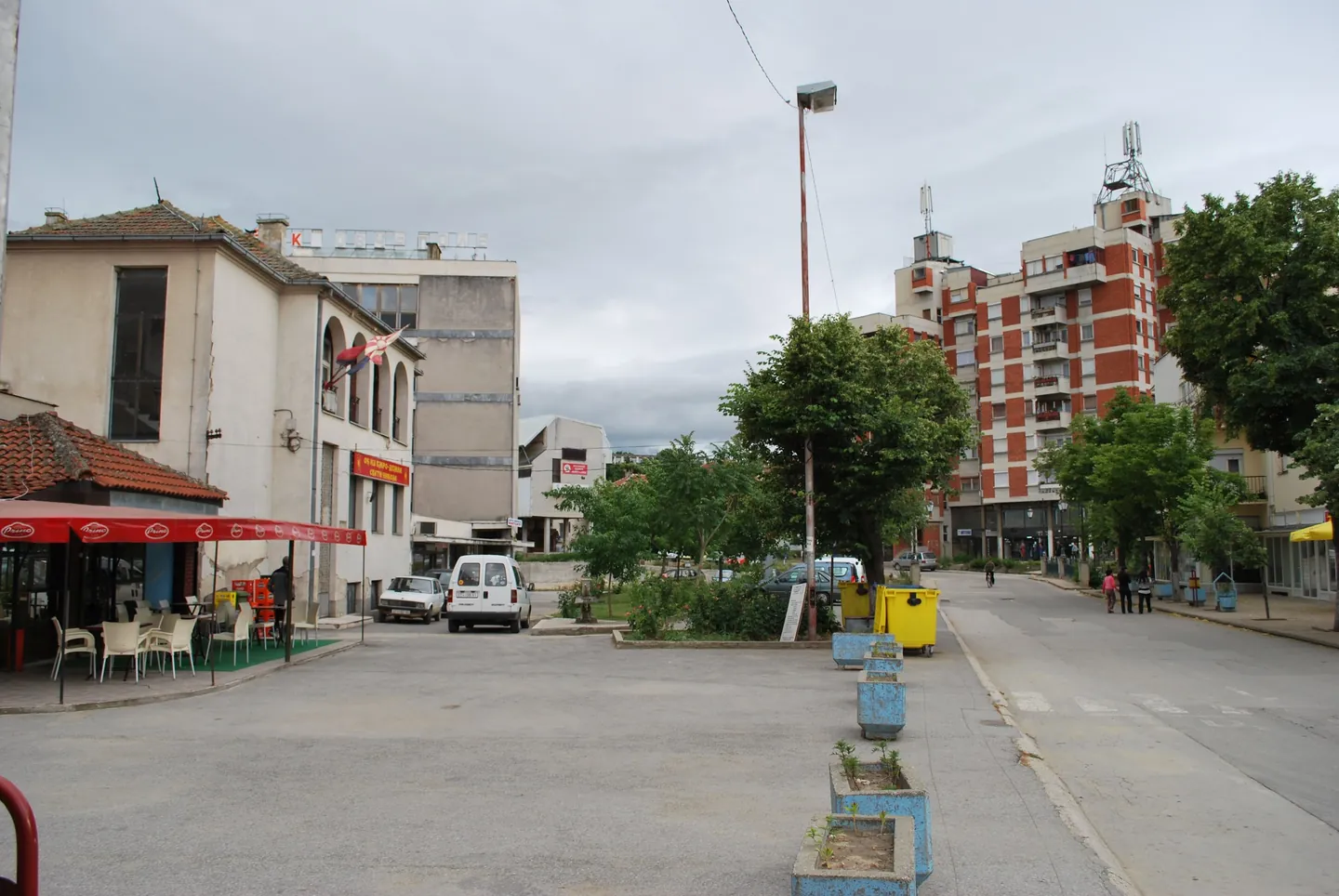
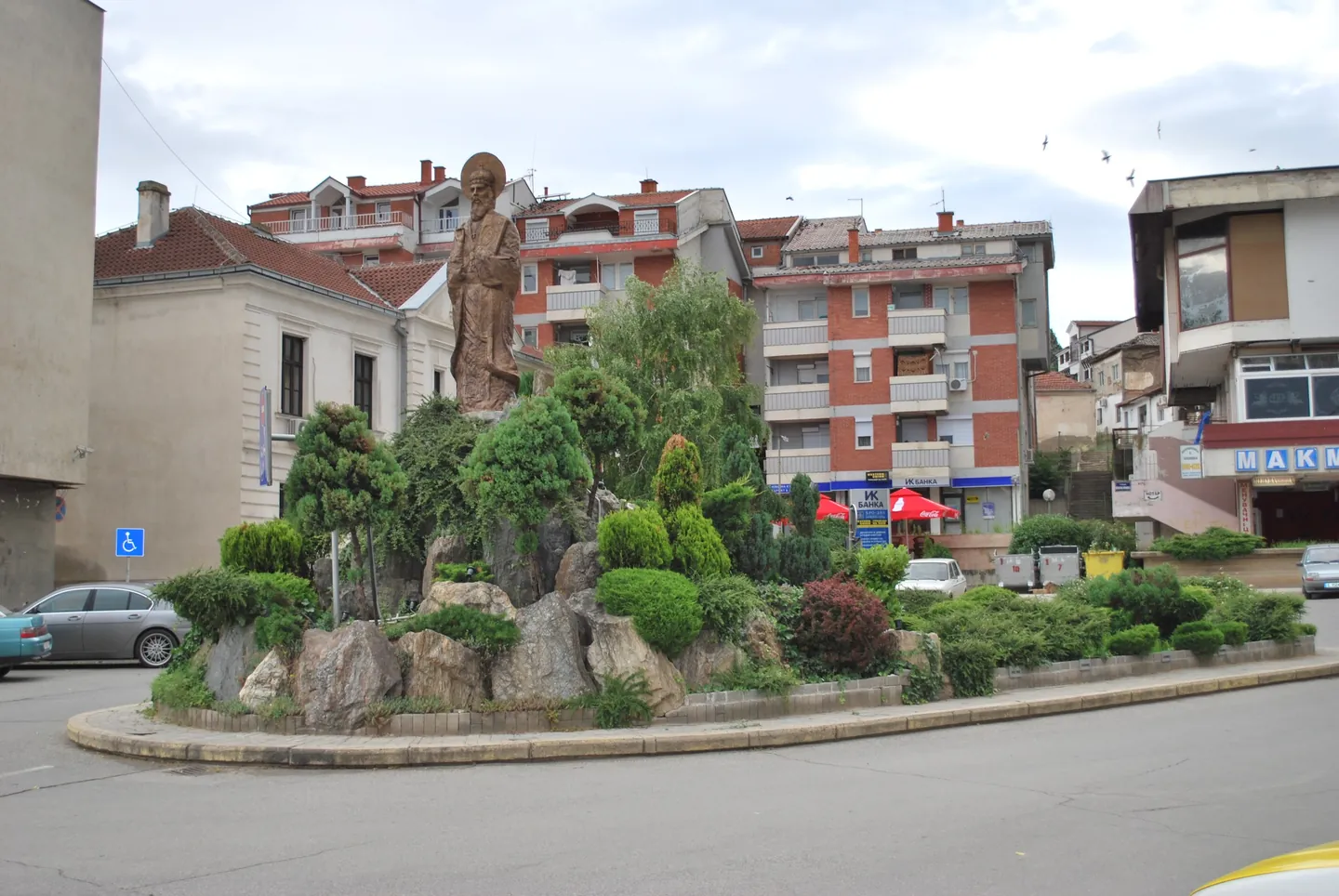
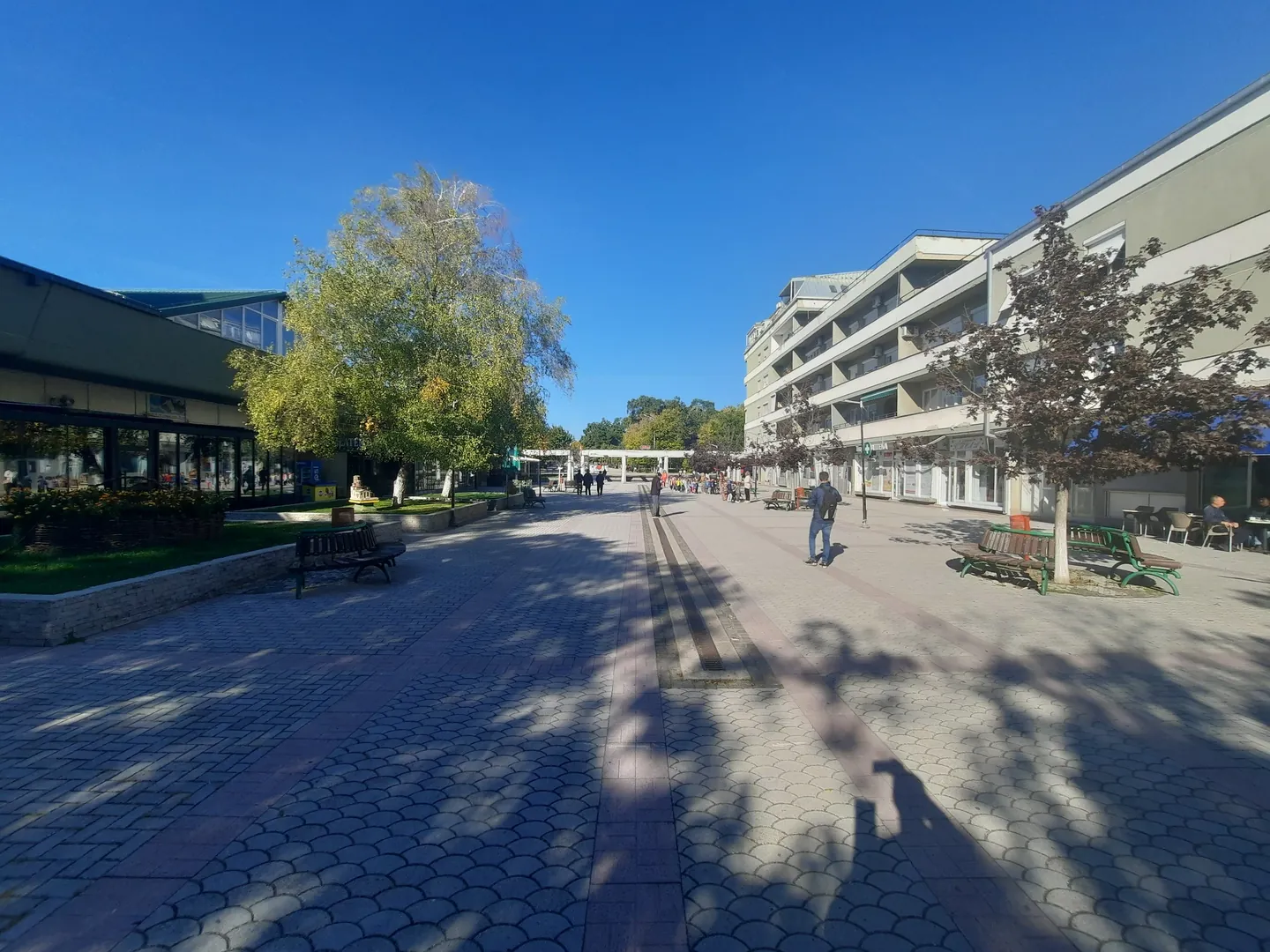
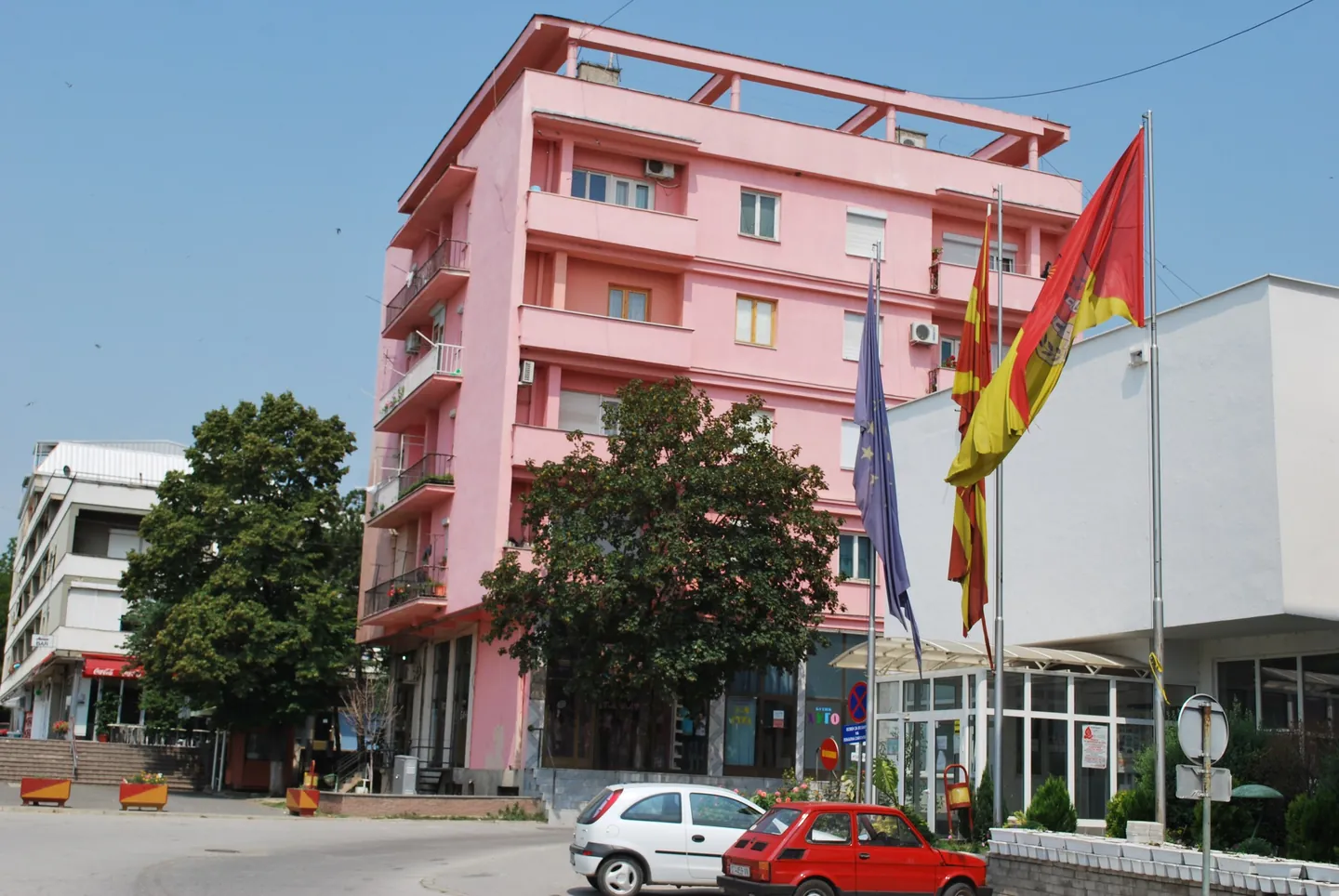
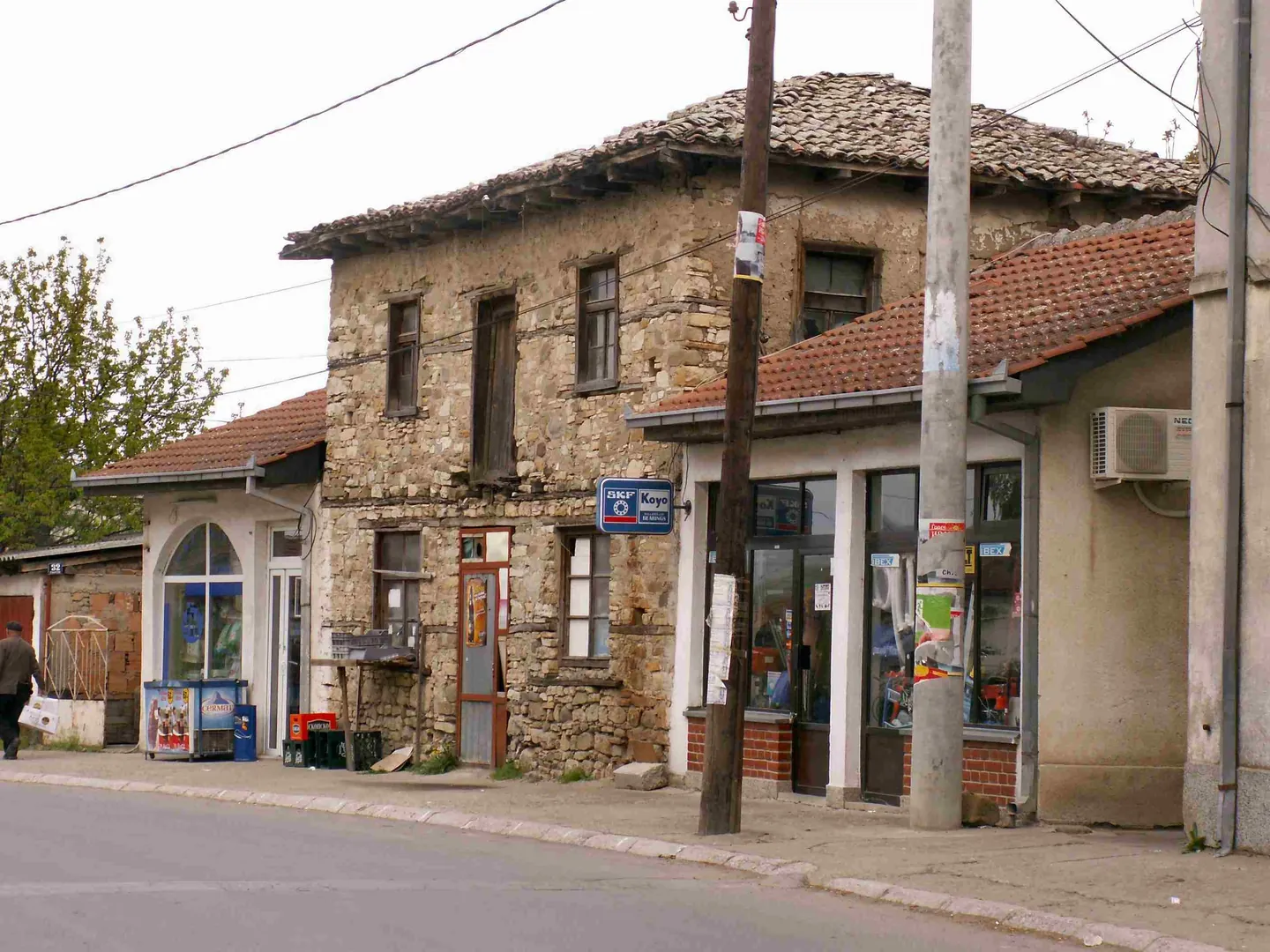
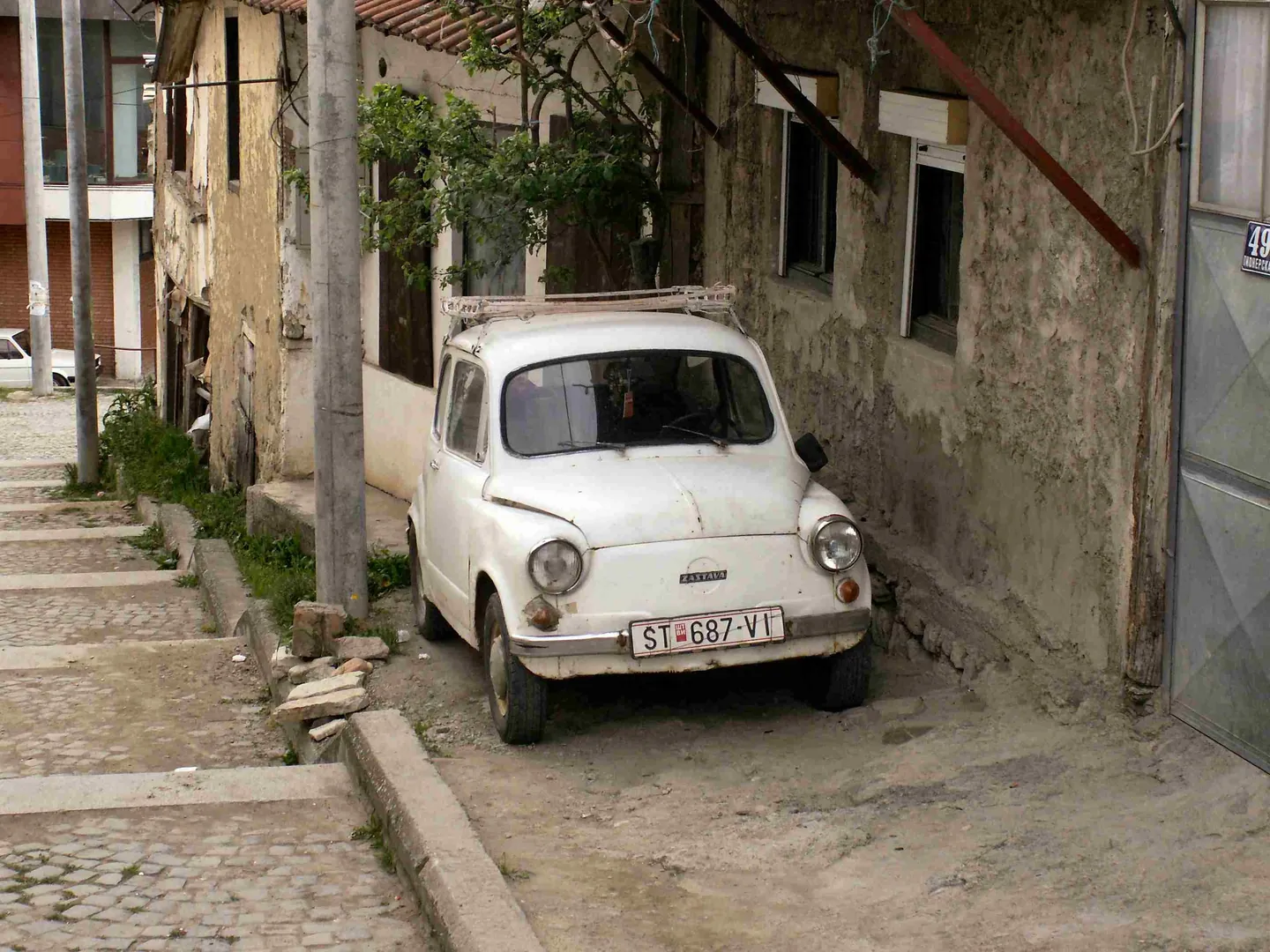
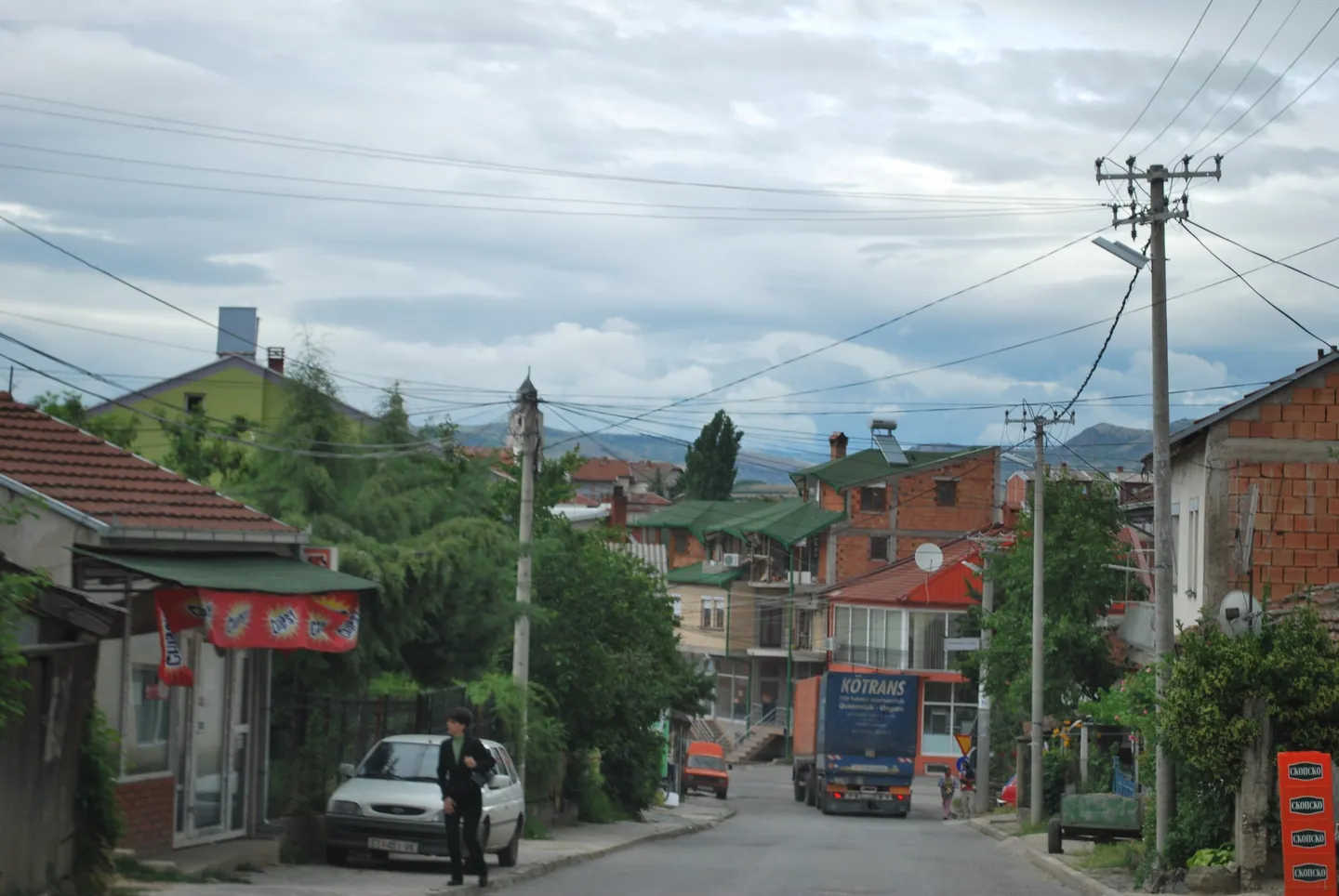
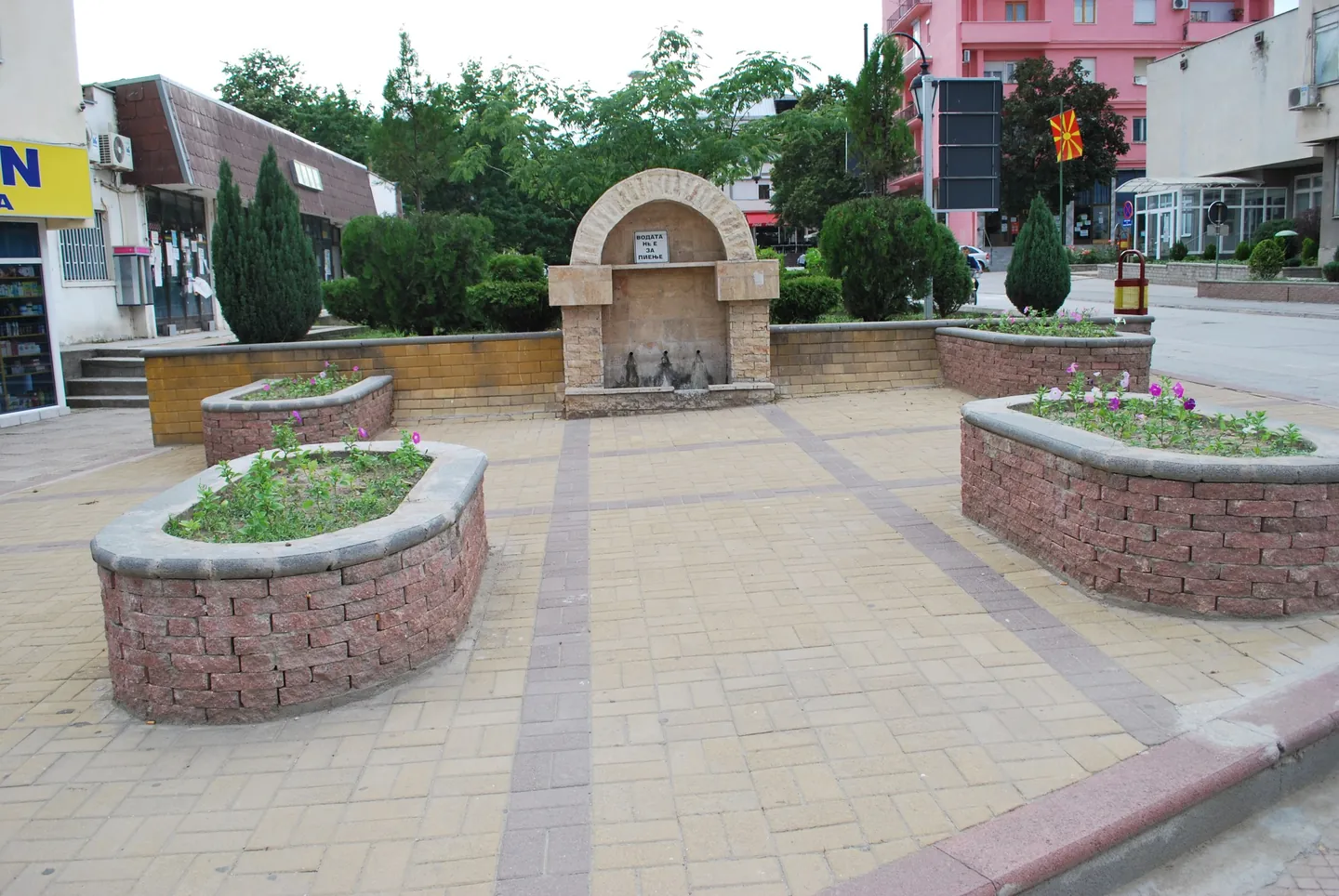
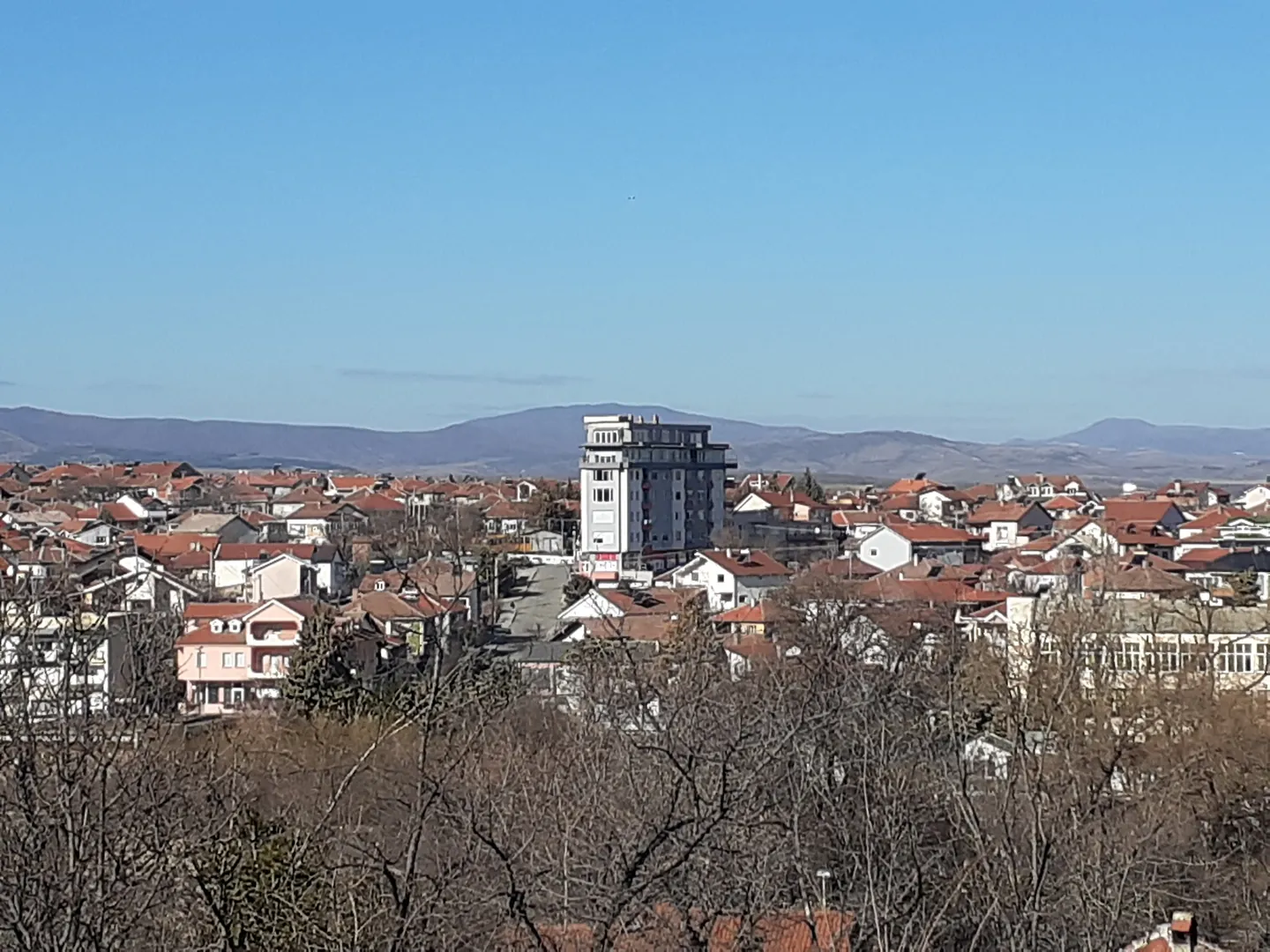
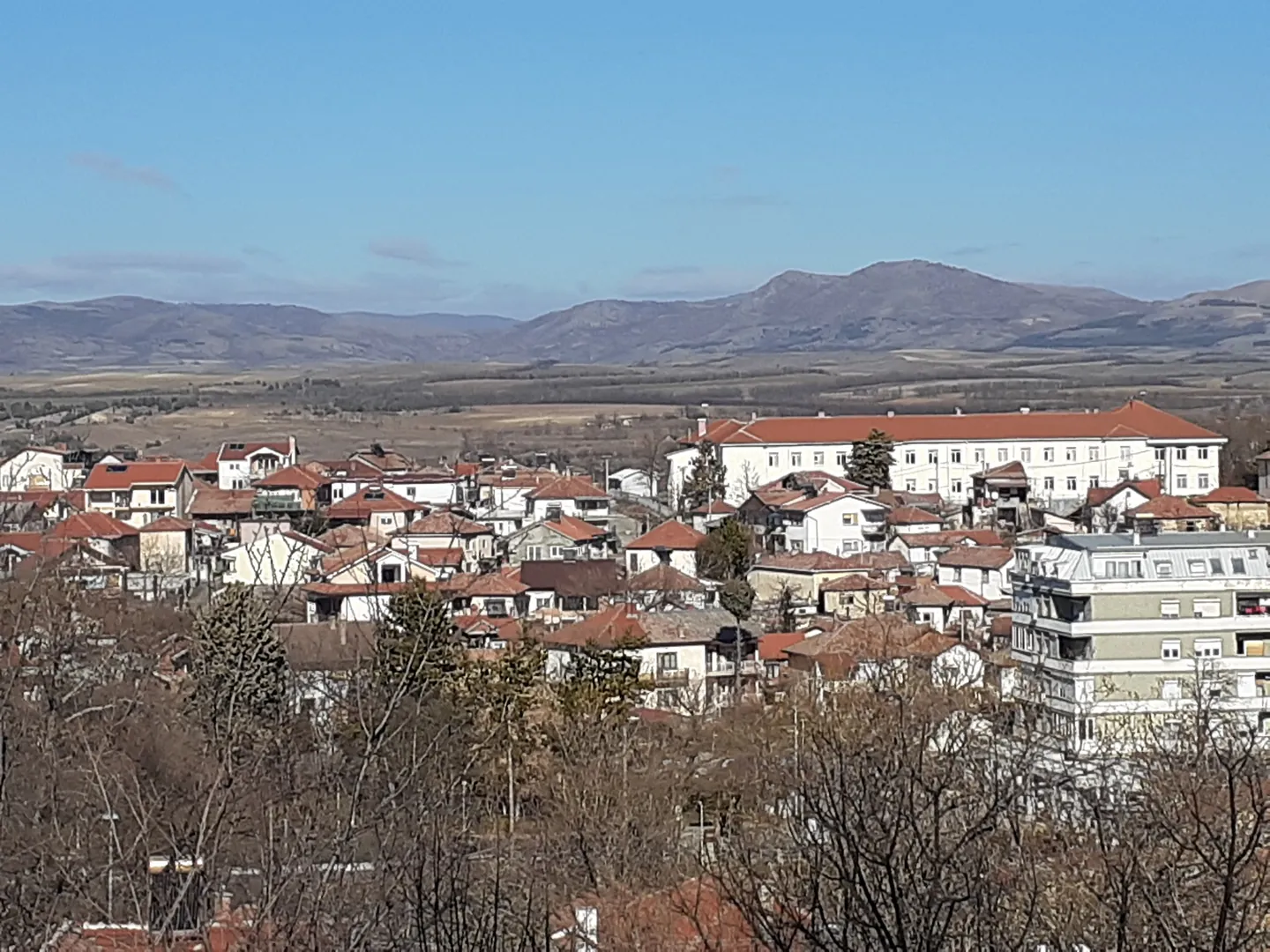
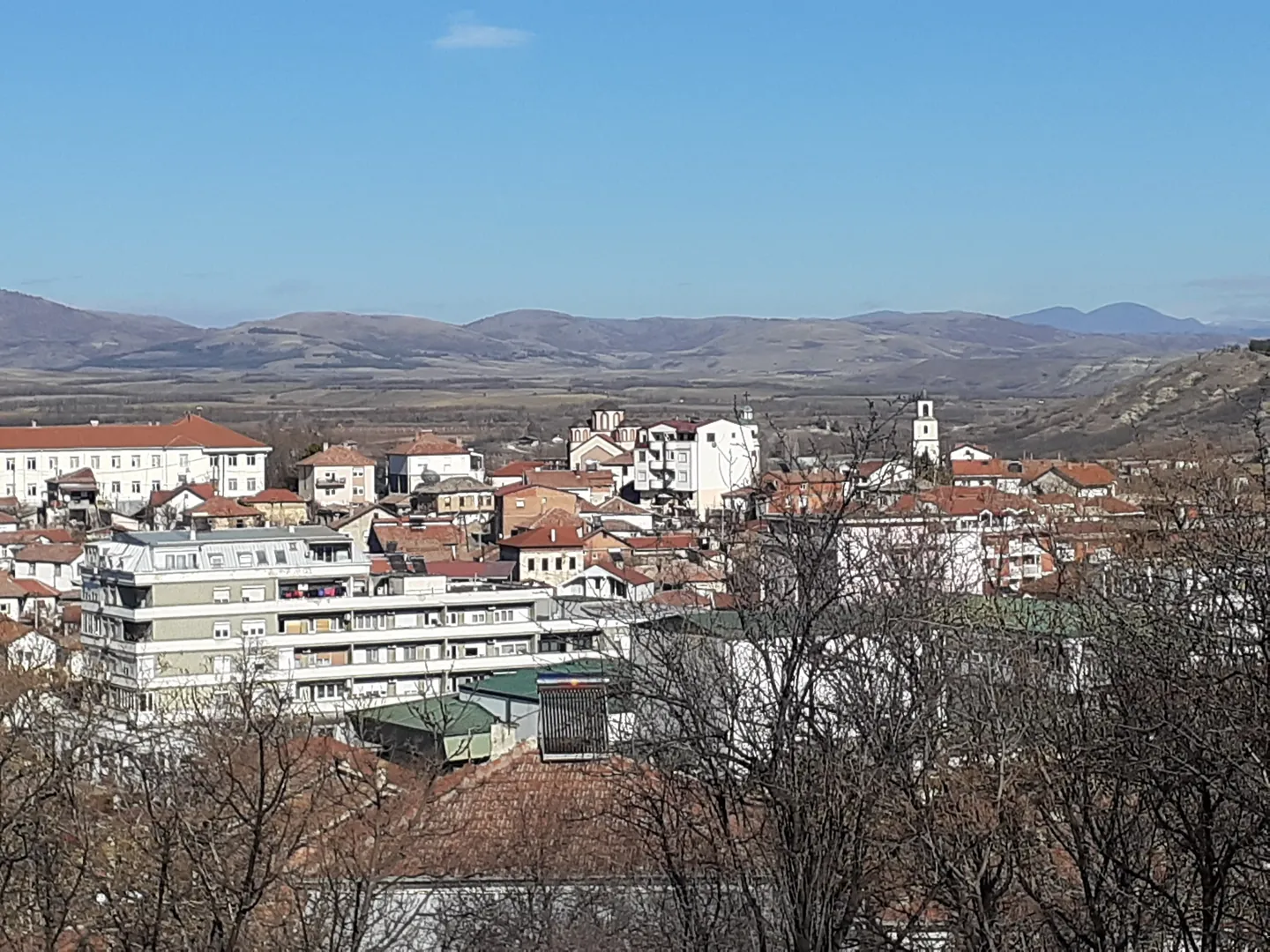
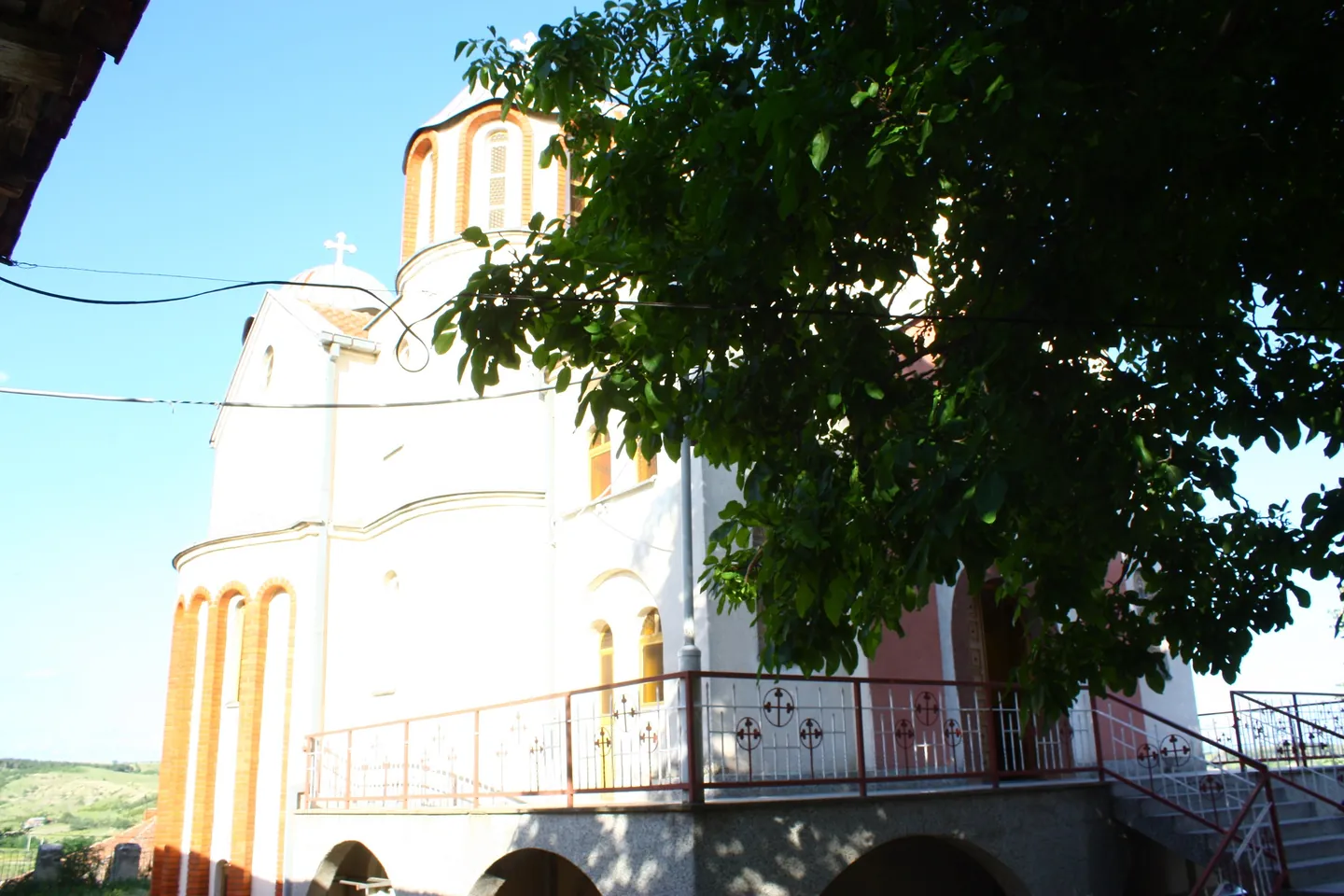
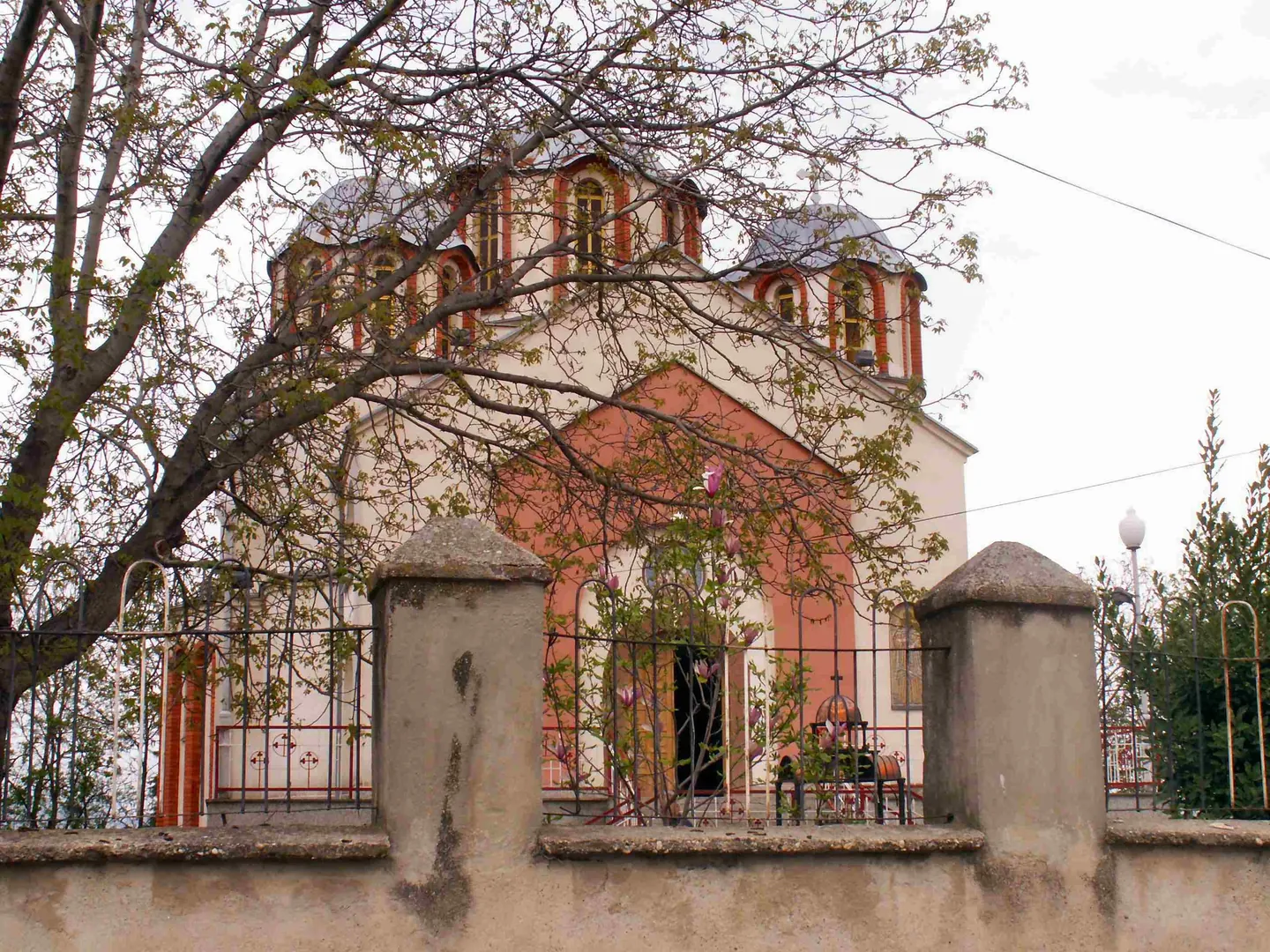
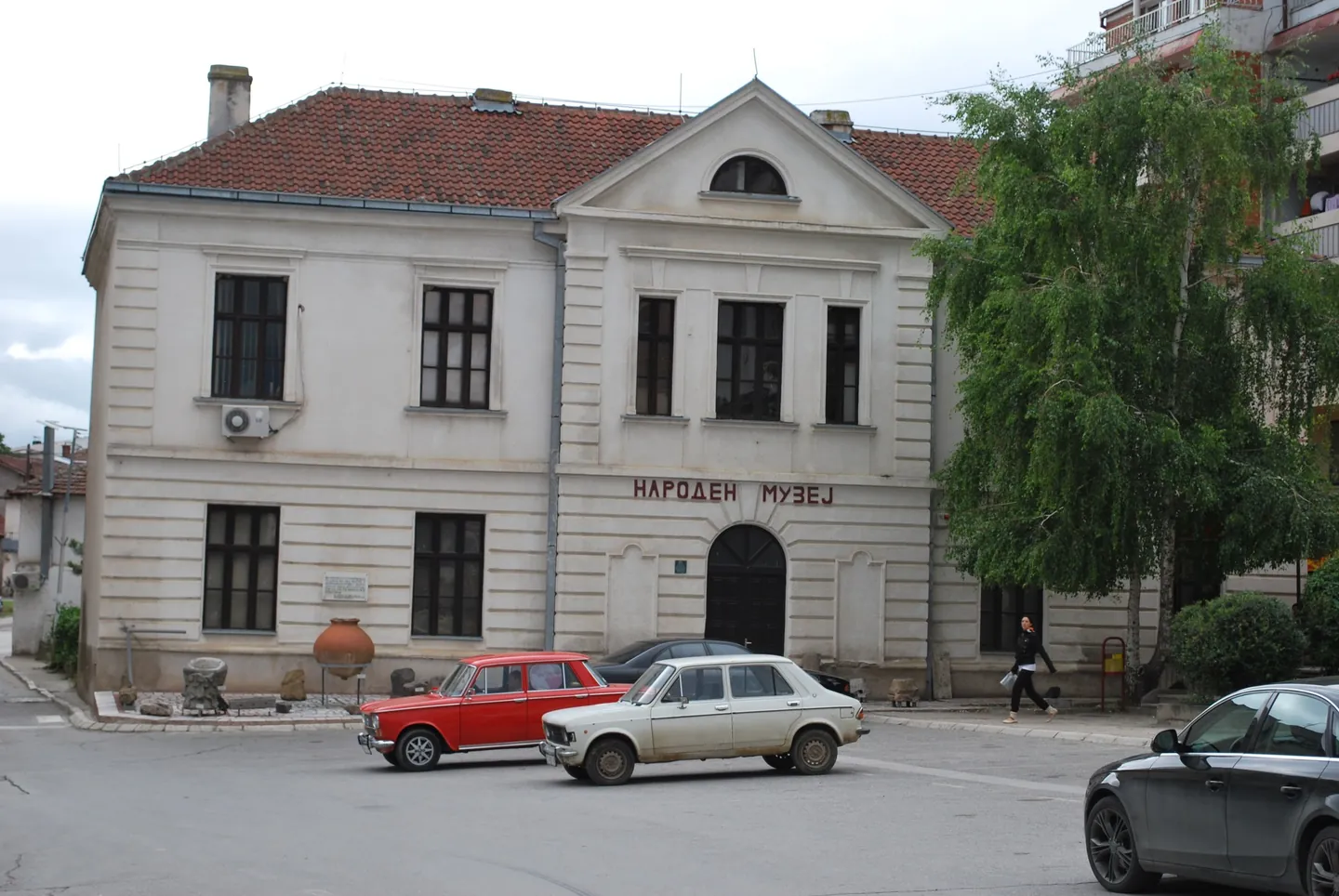
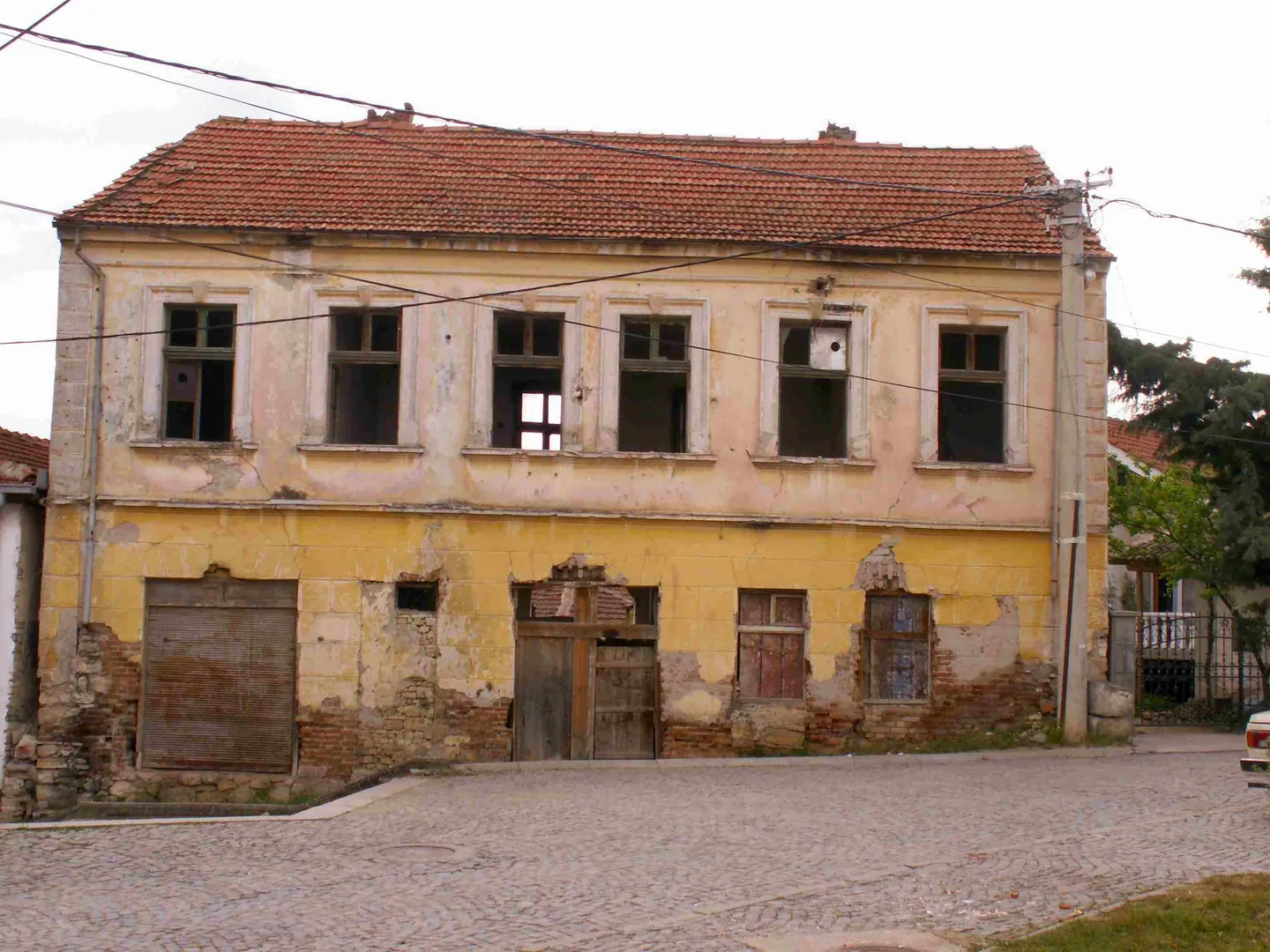
Photo credits
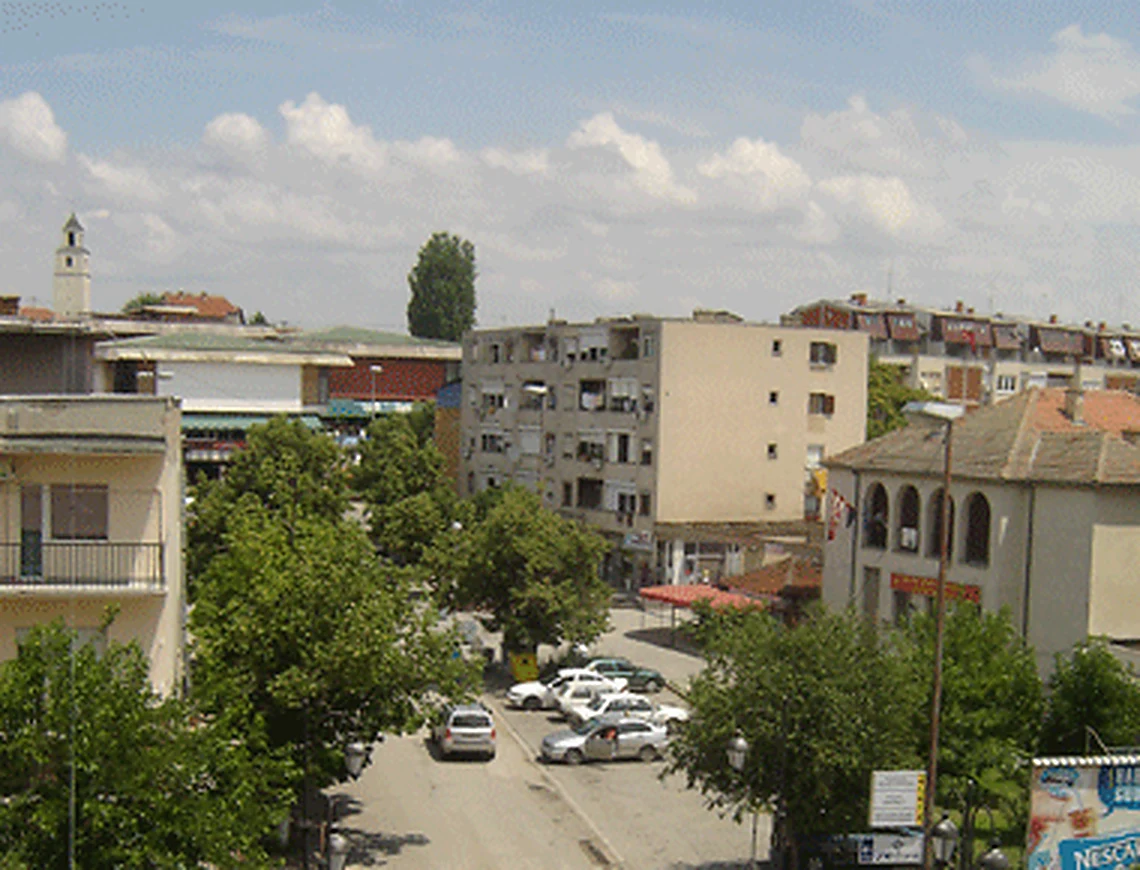
- Sveti Nikole: a street corner with a café awning, a pedestrian lane and a red-brick tower block beyond. Photo: RašoCC BY-SA 3.0Wikimedia Commons
- Sveti Nikole: a roundabout with a rockery and shrubs, a carved figure standing on top, and flats behind. Photo: RašoCC BY-SA 3.0Wikimedia Commons
- Sveti Nikole: Ilinden Square, a broad paved square with blue-grey paving, a weeping willow and a long white building. Photo: DandarmkdCC BY-SA 4.0Wikimedia Commons
- Sveti Nikole: a pink block of flats beside a white building flying flags, with small cars in the street. Photo: RašoCC BY-SA 3.0Wikimedia Commons
- Sveti Nikole: an old stone building with a tiled roof next to a small shop, on a street with utility poles. Photo: Pero KvrzicaCC BY 2.0Wikimedia Commons
- Sveti Nikole: an old white car parked in a steep cobbled lane beside crumbling plastered walls. Photo: Pero KvrzicaCC BY 2.0Wikimedia Commons
- Sveti Nikole: a street lined with houses, utility poles and a delivery truck, under a cloudy sky. Photo: RašoCC BY-SA 3.0Wikimedia Commons
- Sveti Nikole: a small paved plaza with brick planters and a stone fountain niche, a pink building behind. Photo: RašoCC BY-SA 3.0Wikimedia Commons
- Sveti Nikole: red-tiled roofs below bare trees, a tall dark building rising among them and hills far away. Photo: ГПCC BY-SA 4.0Wikimedia Commons
- Sveti Nikole: houses and a long pale building with a red roof below bare trees, with distant hills. Photo: ГПCC BY-SA 4.0Wikimedia Commons
- Sveti Nikole: a view over the town's rooftops to a wide plain and hills, with a small church tower among the houses. Photo: ГПCC BY-SA 4.0Wikimedia Commons
- Sveti Nikole: St. Nicholas Church, a white church with orange-framed arches and domes, seen under leafy branches. Photo: RašoCC BY-SA 3.0Wikimedia Commons
- Sveti Nikole: a pale church with orange-pink arches seen through an iron fence and bare branches. Photo: Pero KvrzicaCC BY 2.0Wikimedia Commons
- Sveti Nikole: a pale two-storey building with a sign above the door reading "НАРОДЕН МУЗЕЈ", cars parked before it. Photo: RašoCC BY-SA 3.0Wikimedia Commons
- Sveti Nikole: a derelict two-storey building with a red-tiled roof and empty windows on a cobbled square. Photo: Pero KvrzicaCC BY 2.0Wikimedia Commons


