
Pelagonia
Resen
Ресен
- Residents · 2021 census
- 7,904
- Old photographs
- 10
- Photographs
- 35
The orchard town of Prespa and the Saraj
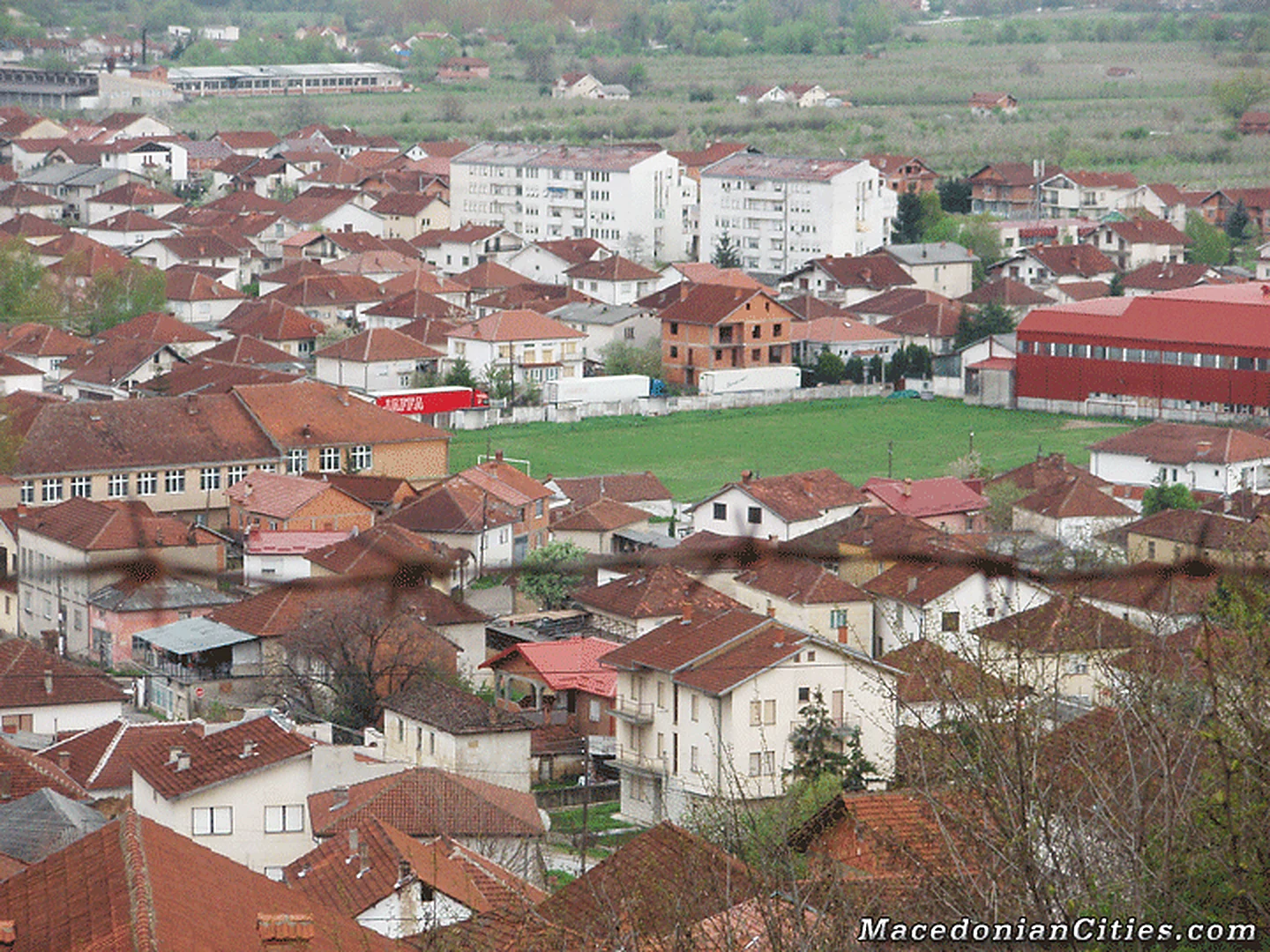
Resen is the urban centre of the Prespa basin, a high plateau enclosed by Baba, Galichica, Bigla and Plakenska mountains. The town stands north of Great Prespa Lake amid orchards, while the municipality reaches the lake, the Albanian and Greek borderlands and parts of two national parks.
Overview
City overview
Meet Resen.
A grounded introduction to the city, its landscape, people, history and wider municipality.
Resen is the urban centre of the Prespa basin, a high plateau enclosed by Baba, Galichica, Bigla and Plakenska mountains. The town stands north of Great Prespa Lake amid orchards, while the municipality reaches the lake, the Albanian and Greek borderlands and parts of two national parks.
The area's archaeology and churches document settlement from antiquity through the medieval period. Under Ottoman rule Resen became a market town for the villages of Prespa, and the Young Turk officer Ahmed Niyazi Bey gave it its most recognizable civic landmark: the French-influenced Saraj.
Fruit growing, above all apples, remains central to municipal life and identity. The lake, Ezerani Nature Park and Golem Grad also make environmental stewardship unusually important: Prespa is a shared ecosystem whose water, bird habitats and endemic species cross three national borders.
Contemporary Resen combines a small town with 43 officially recognized rural settlements. The Saraj houses cultural institutions and art collections, the international ceramic colony continues a local pottery tradition, and villages such as Brajchino, Ljubojno, Kurbinovo and Slivnica connect mountain landscapes with exceptional religious heritage.
The 2021 census counted 7,904 residents in Resen itself and 14,373 across the wider municipality; 6,469 people lived outside the city settlement. That distinction between the urban centre and its surrounding communities is important in Macedonian demographic reporting and in understanding everyday local life.
At a glance
Useful facts, in one place.
Settlement and municipality figures are kept distinct wherever sources permit.
- Municipality
- Resen Municipality
- City population
- 7,904
- Municipality population
- 14,373
- Population year
- 2021
- Municipal area
- 739 km²
- Elevation
- 880 m
- Approx. road distance from Skopje
- 198 km
- Postal code
- 7310
- Climate
- High-basin continental climate moderated by Great Prespa Lake, with cold winters, warm summers, strong daily temperature ranges and cooler conditions on the surrounding mountains.
- Sports teams
- FK Prespa Resen
- Culture
-
- The Resen Ceramic Colony, founded in 1973, links the town's pottery tradition with international contemporary ceramics.
- The Saraj contains the Dragi Tozija House of Culture, museum displays, galleries and the municipal library.
- Prespa's village calendar, apple harvest and Orthodox feast days remain important parts of local cultural life.
- Population snapshot
- 7,904 city residents and 14,373 municipality residents in the 2021 census; 6,469 lived outside the city settlement.
- Statistical region
- Pelagonia
- Settlements
- 44
- Villages
- 43
- Land area
- 562 km²
- Water area
- 177 km²
- Population scope
- Population figures use the 2021 census: 7,904 for the settlement of Resen and 14,373 for Resen Municipality.
Known for
The city's signature.
Landmarks, foods, landscapes and traditions that give Resen its character.
- Prespa apple orchards
- The Saraj of Niyazi Bey
- Resen Ceramic Colony
- Access to Great Prespa Lake and Golem Grad
- Ezerani wetlands and pelican habitat
Geography
Geography
Land shapes the city.
Terrain, waterways, climate and transport explain why Resen grew where it did.
Resen is the only town in the Prespa basin, set inland north of Great Prespa Lake rather than directly on its shore. The town lies around the valley of Golema Reka, enclosed by Baba Mountain and Pelister to the east, Galichica to the west, and the Bigla and Plakenska uplands to the north. This high basin sits at a meeting point of North Macedonia, Albania and Greece and has a cooler, more continental climate than nearby Ohrid's lakeshore.
Orchards form the working landscape around Resen. Prespa's altitude, sunny days and temperature range favour apples, and fruit growing shapes employment, seasonal routines and the appearance of the plain. Beyond the orchards lie wetlands at Ezerani, mountain forest, lake villages and Golem Grad island. The municipality overlaps the protected landscapes of both Pelister and Galichica and shares responsibility for an ecosystem whose water levels, bird life and endemic species cross national borders.
History
History
A concise, rewritten account.
Written afresh from cross-checked municipal, archaeological, heritage and institutional sources—not copied website text.
The Prespa basin preserves traces of settlement from prehistory through antiquity and the medieval period. Routes across the basin connected the Via Egnatia corridor with communities around the two Prespa lakes, while islands, headlands and mountain approaches acquired churches, fortifications and monastic sites. Resen grew as the inland market centre for this dispersed lake-and-orchard landscape.
During the late Ottoman era, the town became associated with Ahmed Niyazi Bey, an officer and leading participant in the Young Turk Revolution of 1908. The large residence he commissioned, known simply as the Saraj, brought a striking European-influenced facade to Resen. It later served civic and cultural purposes and remains the town's defining architectural landmark.
In the Yugoslav and independent Macedonian periods, commercial apple production became the municipality's economic signature. Resen also cultivated a distinctive arts life: the Saraj houses cultural collections, and the long-running Resen Ceramic Colony has brought artists to Prespa since the 1970s. Today the town's future is inseparable from both orchard adaptation and the ecological health of a lake basin under pressure from climate change, water use and migration.
The preserved legacy narrative
Open the preserved legacy narrative
Resen's historical setting is the Prespa basin, an upland lake region with archaeological evidence extending from prehistory through antiquity.
Ancient and early Christian life in Prespa is documented by settlements, roads, churches and finds across the basin. Golem Grad island preserves Roman-period and medieval remains, while the surrounding shores formed part of routes linking communities around the Prespa lakes with the Via Egnatia corridor.
During the tenth and early eleventh centuries Prespa was one of the central regions of Samuel's medieval state. The nearby island and lakeside sites preserve important traces of that era, and the churches of the wider district—notably the twelfth-century Church of Saint George at Kurbinovo—show the basin's continuing religious and artistic importance.
The Prespa region passed under Ottoman rule in the late fourteenth century. Resen subsequently developed as an inland market and administrative centre for the villages dispersed around the lake, mountain slopes and fertile plain. This local role explains the town's growth.
By the nineteenth century Resen had an increasingly diverse commercial and craft life, supported by agriculture and exchange with neighbouring Balkan regions. Churches, schools and community institutions expanded during the century, while prominent local families participated in the political and cultural movements that reshaped late Ottoman Macedonia.
Resen became especially associated with Ahmed Niyazi Bey, the Ottoman officer who took a leading role in the Young Turk Revolution of 1908. The monumental residence he commissioned, now called the Saraj, was inspired by European architecture and became the town's defining landmark. Hristo Tatarchev, born in Resen, was another influential figure of the late Ottoman period.
The Balkan Wars and the First World War transformed Prespa into a divided borderland. New frontiers separated communities around the lakes among several states, military operations and displacement affected local families, and Resen became part of the Kingdom of Serbia and then the Kingdom of Serbs, Croats and Slovenes.
In the Yugoslav period Resen consolidated its role as the urban centre of the Macedonian part of Prespa, while organized apple production became the foundation of the local economy. Since North Macedonia's independence, the town has combined orchard agriculture with cultural institutions in the Saraj, the international ceramic colony and nature-based tourism. Its present challenges include population decline, adaptation of fruit growing and protection of the transboundary Prespa ecosystem.
Profile sources (20)
- resen.gov.mk/%d0%b3%d0%b5%d0%be%d0%b3%d1%80%d0%b0%d1%84%d1%81%d0%ba%d0%b0-%d0%bf%d0%be%d0%bb%d0%be%d0%b6%d0%b1%d0%b0
- eda.admin.ch/countries/north-macedonia/en/home/internationale-zusammenarbeit/projekte.html/content/dezaprojects/SDC/en/2011/7F08182/phase1?oldPagePath=%2Fcontent%2Fcountries%2Fnorth-macedonia%2Fen%2Fhome%2Finternationale-zusammenarbeit%2Fprojekte.html
- documents1.worldbank.org/curated/en/458861580698828134/pdf/North-Macedonia-Agriculture-Modernization-Project.pdf
- stat.gov.mk/publikacii/2022/POPIS_DZS_web_EN.pdf
- citypopulation.de/en/northmacedonia/pelagoniski/409__resen
- resen.gov.mk/%d0%bd%d0%b0%d1%81%d0%b5%d0%bb%d0%b5%d0%bd%d0%b8%d0%b5-%d0%b8-%d0%bd%d0%b0%d1%81%d0%b5%d0%bb%d0%b1%d0%b8
- arhiva.resen.gov.mk/wp-content/uploads/2021/08/20210623-Nacrt-SOZS-proekt-za-drz.pat-A3-obikolnica-na-Resen_Diwi.pdf
- seerural.org/wp-content/uploads/2014/11/1.-General-brochure_Prespa.pdf
- pelagonijaregion.mk/en/region/tourism-and-culture
- uzkn.gov.mk/mk/wp-content/uploads/2023/02/Archaeological-sites-EN.pdf
- mpc.org.mk/english/monasteries.asp
- arhiva.resen.gov.mk/wp-content/uploads/2021/02/%D0%A1%D1%82%D1%83%D0%B4%D0%B8%D1%98%D0%B0-%D0%B7%D0%B0-%D0%BC%D0%B0%D0%BD%D0%B0%D1%81%D1%82%D0%B8%D1%80%D1%81%D0%BA%D0%B8-%D1%82%D1%83%D1%80%D0%B8%D0%B7%D0%B0%D0%BC-%D0%BD%D0%B0-%D0%91%D0%B0%D0%B1%D0%B0-%D0%9F%D0%BB%D0%B0%D0%BD%D0%B8%D0%BD%D0%B0.pdf
- journals.openedition.org/ceb/pdf/1052
- researchgate.net/publication/309538741_Dr_Hristo_Tatarcev_-_respected_doctor_with_a_European_diploma_and_prominent_revolutionary
- old-news.bnr.bg/en/post/100220165/with-a-kind-word-and-a-soft-tread-the-administration-of-andrey-lyapchev
- en.wikipedia.org/wiki/Simeon_Radev
- en.wikipedia.org/wiki/Trayko_Kitanchev
- revbio.hypotheses.org/1060
- en.wikipedia.org/wiki/Tanja_Carovska
- makstat.stat.gov.mk/PXWeb/pxweb/en/MakStat/MakStat__Popisi__Popis2021__NaselenieVkupno__PodatociNaselenie/T1501P21.px
Interesting Facts
Interesting facts
Details worth remembering.
Local landmarks, customs, foods and historical details that reward a closer look at Resen.
-
A municipality made partly of water
Resen Municipality covers 739 square kilometres: 562 square kilometres of land and 177 square kilometres of water. It officially contains Resen and 43 rural settlements.
-
One lake, three countries
Great Prespa Lake is shared across North Macedonia, Albania and Greece; the municipality reports approximately 65%, 18% and 17% of its surface in those countries respectively.
-
Ezerani's bird habitat
Ezerani Nature Park covers 1,917 hectares at the lake's northern end and supports about 200 recorded bird species, including pelicans.
-
Golem Grad is natural and archaeological
The roughly 20-hectare island of Golem Grad preserves Roman and medieval remains, church sites and distinctive plant habitat within Galichica National Park.
-
The palace of a Young Turk officer
The Saraj was commissioned by Resen-born Ottoman officer and Young Turk figure Ahmed Niyazi Bey; it now serves as the town's principal cultural building.
-
Ceramics since 1973
The Resen Ceramic Colony was founded in 1973 to sustain local pottery knowledge while creating a collection of contemporary ceramic art; it is a member of the International Academy of Ceramics.
-
An orchard economy
Municipal geography identifies fruit growing, especially apple cultivation, as the main agricultural livelihood across the Prespa basin.
People
Celebrities
Lives linked to the city.
Writers, musicians, artists, athletes, public figures and historical personalities with a clearly stated connection to Resen.
- Notable person Ahmed Niyazi Bey Resen-born Ottoman officer prominent in the 1908 Young Turk Revolution and patron of the town's landmark Saraj.
-
Ahmed Niyazi Bey history
Born in Resen in 1873 and closely identified with the Resen district.
Ottoman officer and leading participant in the Young Turk Revolution, remembered locally as the patron of the Saraj.
Source -
Hristo Tatarchev medicine and history
Born in Resen in 1869; a memorial house in the town presents his life and family.
Physician, memoirist and founding member and first Central Committee president of the Internal Macedonian Revolutionary Organization.
Source -
Andrey Lyapchev politics
Born and initially educated in Resen.
Politician and economist who served as prime minister of Bulgaria from 1926 to 1931.
Source -
Simeon Radev literature and diplomacy
Born in Resen in 1879 and educated there during his childhood.
Journalist, historian, writer and diplomat, best known for The Builders of Modern Bulgaria.
Source -
Trayko Kitanchev education and public life
Born in Podmochani, today a village in Resen Municipality.
Teacher, poet, translator, public figure and revolutionary active in late nineteenth-century Balkan politics.
Source -
Naum Tyufekchiev history
Born in Resen in 1864; included with an explicit description of the controversial nature of his activity.
Pyrotechnics-trained arms dealer and revolutionary activist associated with several violent political conspiracies in Bulgaria and the Ottoman Balkans.
Source -
Tanja Tzarovska music
Born in Resen in 1980.
Singer, songwriter and composer whose vocal and screen-music work has crossed folk, pop and film soundtracks.
Source
Villages & Monasteries
Villages
The wider municipality.
Every verified village and rural settlement in the current municipal scope, followed by known monasteries in the surrounding cultural landscape.
43 villages and rural settlements are included.
- Arvati Rural settlement in Resen Municipality's eastern Prespa basin. Source
- Asamati Lakeside-area village near Ezerani Nature Park and Great Prespa Lake. Source
- Bolno Agricultural village northwest of Resen in the orchard belt. Source
- Brajchino Pelister-side mountain village known for traditional architecture, hiking and Saint Petka Monastery. Source
- Carev Dvor Large orchard village east of Resen and an important local service settlement. Source
- Dolna Bela Crkva Agricultural village in the central Prespa plain. Source
- Dolno Dupeni Southern Prespa village near the Greek border and lake shore. Source
- Dolno Perovo Village north of Great Prespa Lake, often shortened locally to Perovo. Source
- Drmeni Orchard village close to the eastern edge of Resen. Source
- Gorna Bela Crkva Village paired geographically with Dolna Bela Crkva in the central basin. Source
- Gorno Dupeni Southern borderland village above Dolno Dupeni. Source
- Gorno Krushje Small upland settlement in the northern part of Resen Municipality. Source
- Grnchari Village on the eastern side of the Prespa basin near the Pelister foothills. Source
- Ilino Official rural settlement recorded with no resident population in the 2021 census. Source
- Izbishta Orchard and foothill village north of Resen. Source
- Jankovec Large village immediately north of Resen, closely connected with the town. Source
- Jevla Mountain village in the municipality's northern interior. Source
- Ezerani Village that shares its name with the protected wetland at Great Prespa Lake's northern shore. Source
- Konjsko Remote lakeside and mountain settlement on the western Prespa shore. Source
- Kozjak Small rural settlement in the northern Prespa landscape. Source
- Krani Lakeside-area village below Baba Mountain, with camping and visitor facilities nearby. Source
- Kriveni Foothill village north of Resen on the approaches to the surrounding mountains. Source
- Kurbinovo Village associated with the twelfth-century Church of Saint George and its celebrated frescoes. Source
- Lavci Small settlement close to Resen in the orchard-growing plain. Source
- Leskojec Official rural settlement recorded with no resident population in the 2021 census. Source
- Leva Reka Mountain village in the northeastern part of the municipality. Source
- Ljubojno Historic southern Prespa village with substantial traditional architecture and church heritage. Source
- Nakolec Lakeside village on Great Prespa Lake's eastern shore with a fishing and farming tradition. Source
- Oteshevo Former lake resort settlement recorded with no resident population in the 2021 census. Source
- Petrino Official upland settlement recorded with no resident population in the 2021 census. Source
- Podmochani Orchard village known for a large private ethnological collection and as Trayko Kitanchev's birthplace. Source
- Pokrvenik Agricultural village in the eastern Prespa basin. Source
- Preljubje Small rural settlement in the northern part of Resen Municipality. Source
- Pretor Lake tourism and farming village on Great Prespa Lake's eastern shore. Source
- Rajca Village on the western side of the basin near Galichica National Park. Source
- Slivnica Pelister-side village above the lake, associated with the Nativity of the Mother of God monastery. Source
- Sopotsko Village north of Resen in the municipality's orchard belt. Source
- Stenje Western-shore fishing and borderland village facing Great Prespa Lake. Source
- Stipona Official rural settlement recorded with no resident population in the 2021 census. Source
- Shtrbovo Southern Prespa village between the mountain slopes and lakeside settlements. Source
- Shurlenci Small agricultural village in the eastern part of the basin. Source
- Volkoderi Orchard village west of Resen in the central Prespa plain. Source
- Zlatari Foothill village north of Resen on the route toward the northern mountains. Source
Monasteries nearby
Places of continuity.
Verified monastic sites within the municipality or its immediate cultural landscape.
-
Nativity of the Most Holy Theotokos Monastery
Slivnica
Prespa monastery above Great Prespa Lake, centred on a historic church and included in the national church's register of notable monasteries.
Source -
Saint Petka Monastery
Above Brajchino
Mountain monastery with surviving late-fifteenth-century painting and later phases of rebuilding, reached on foot from Brajchino.
Source
Old Photos (10)
Old Photos
The rare collection.
Every surviving full-size historical file is included, including originals that the old page markup accidentally omitted. Family-preserved originals remain untouched.
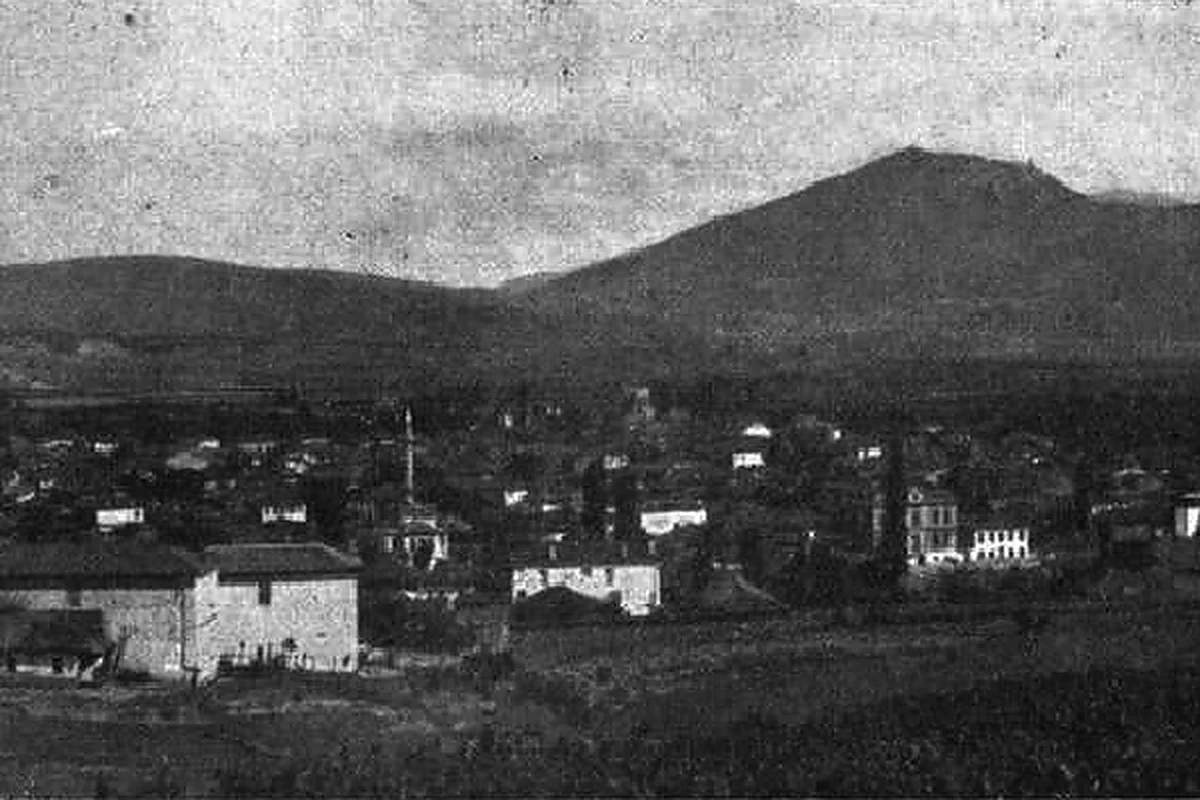
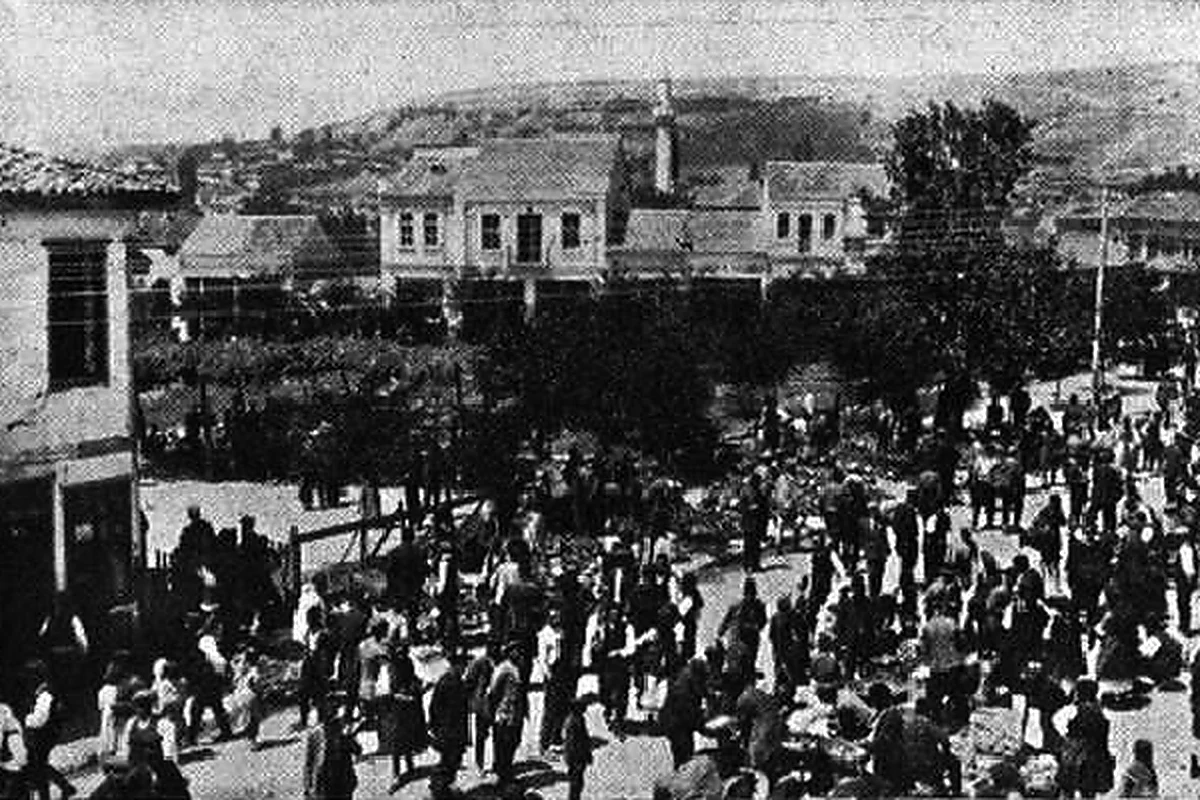
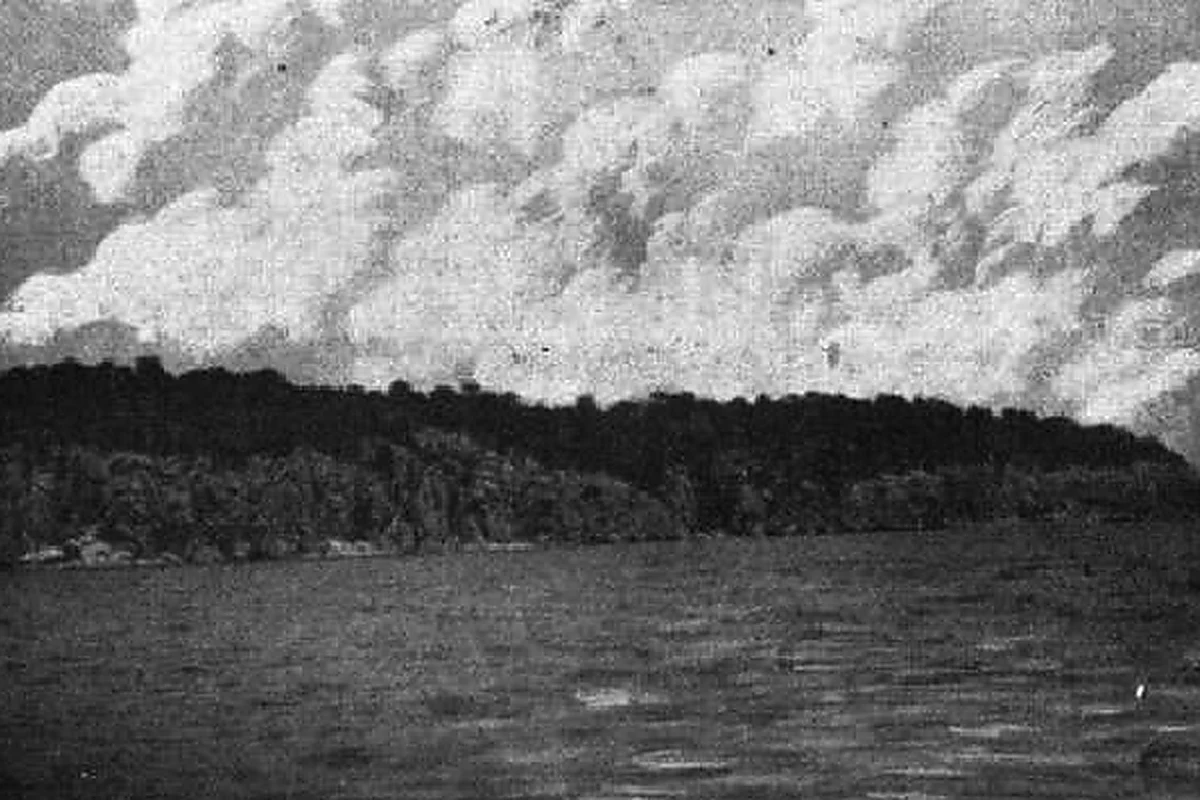
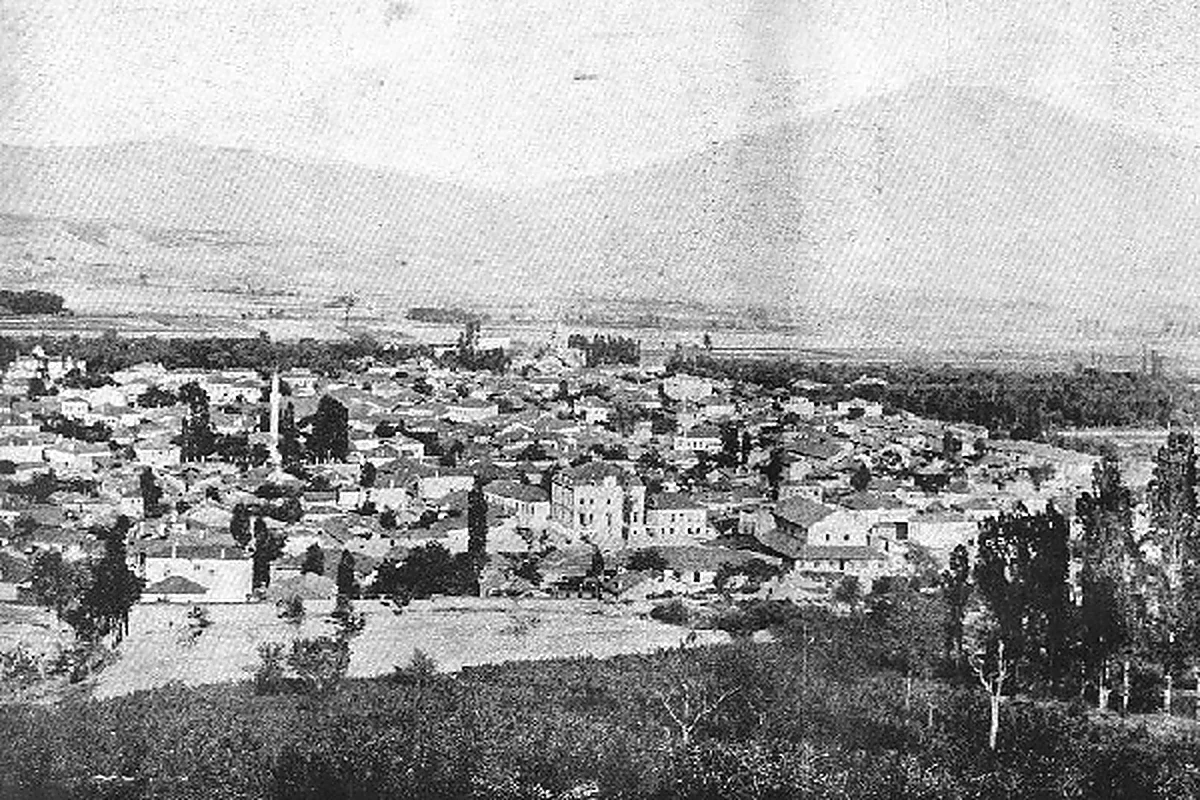
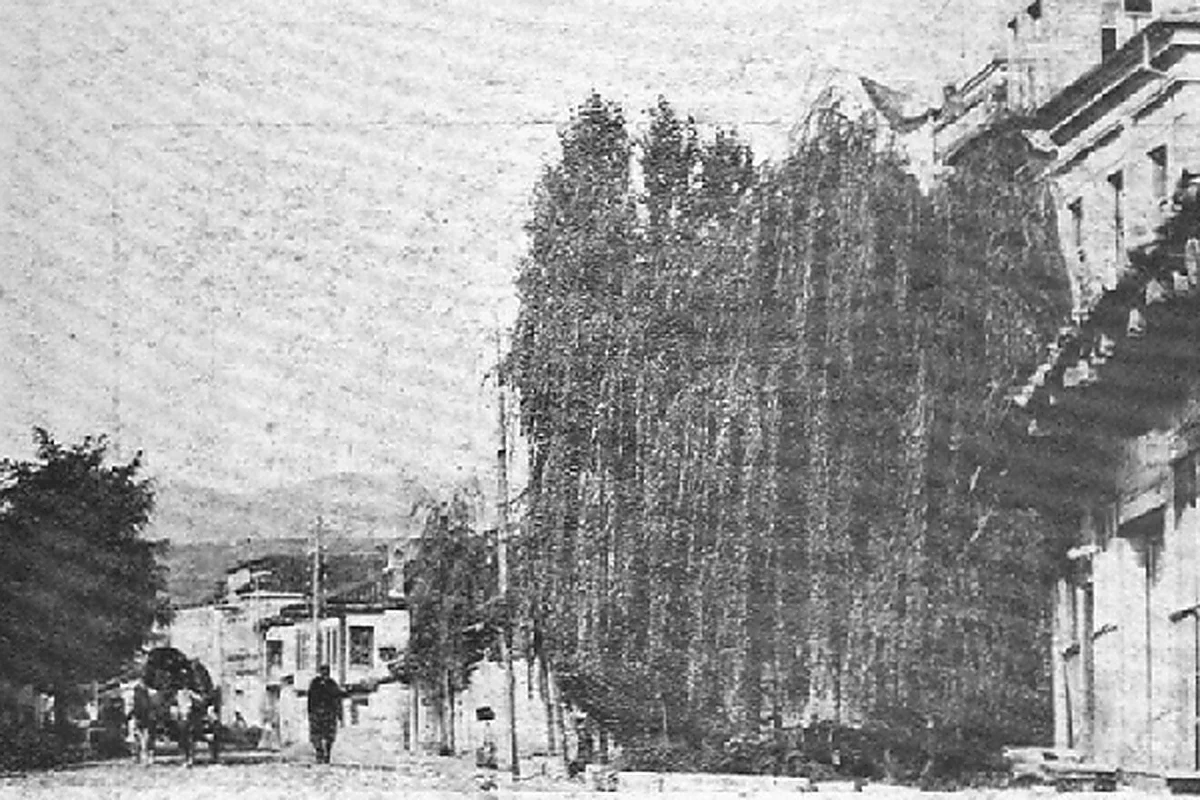
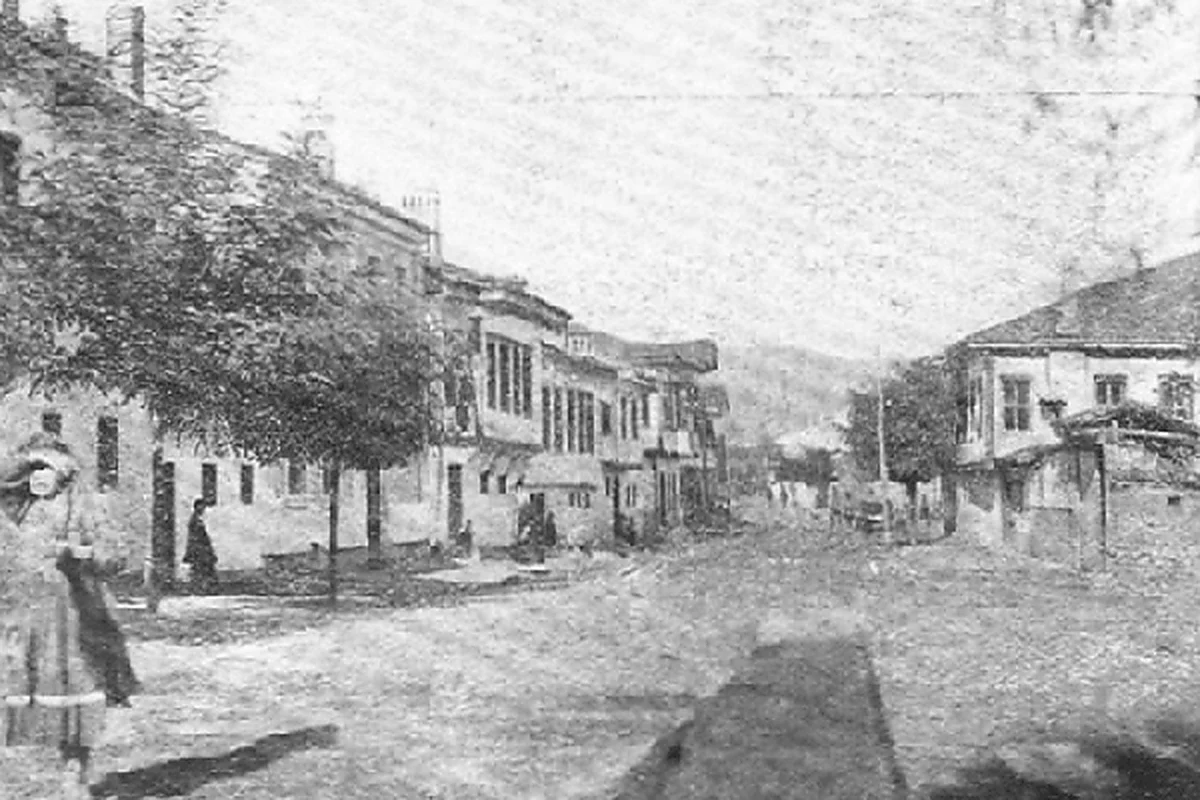
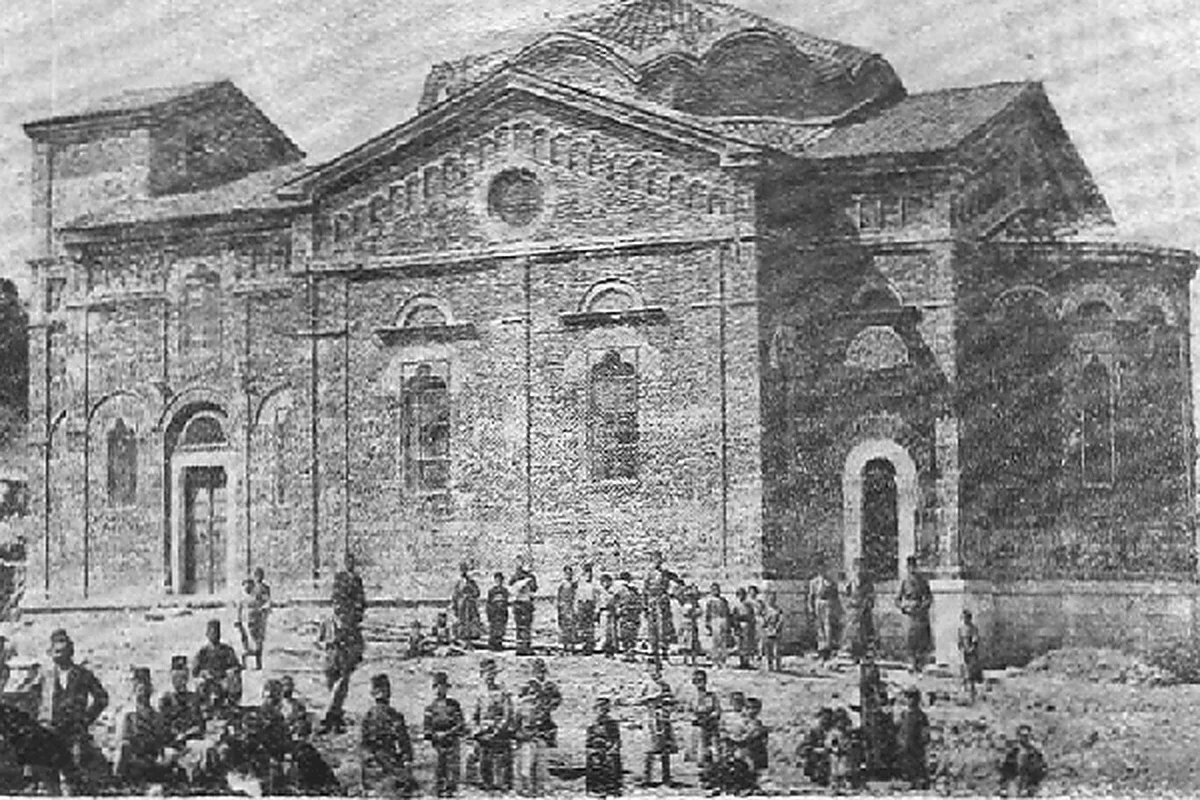
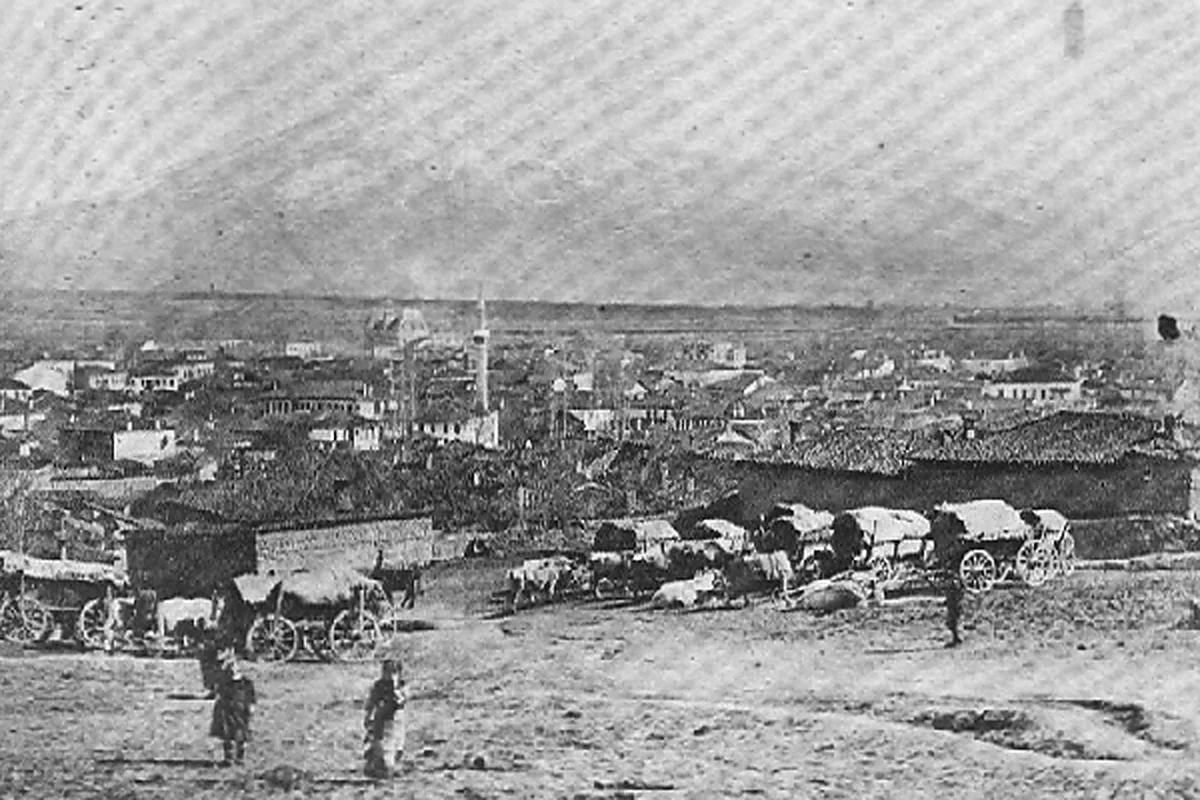
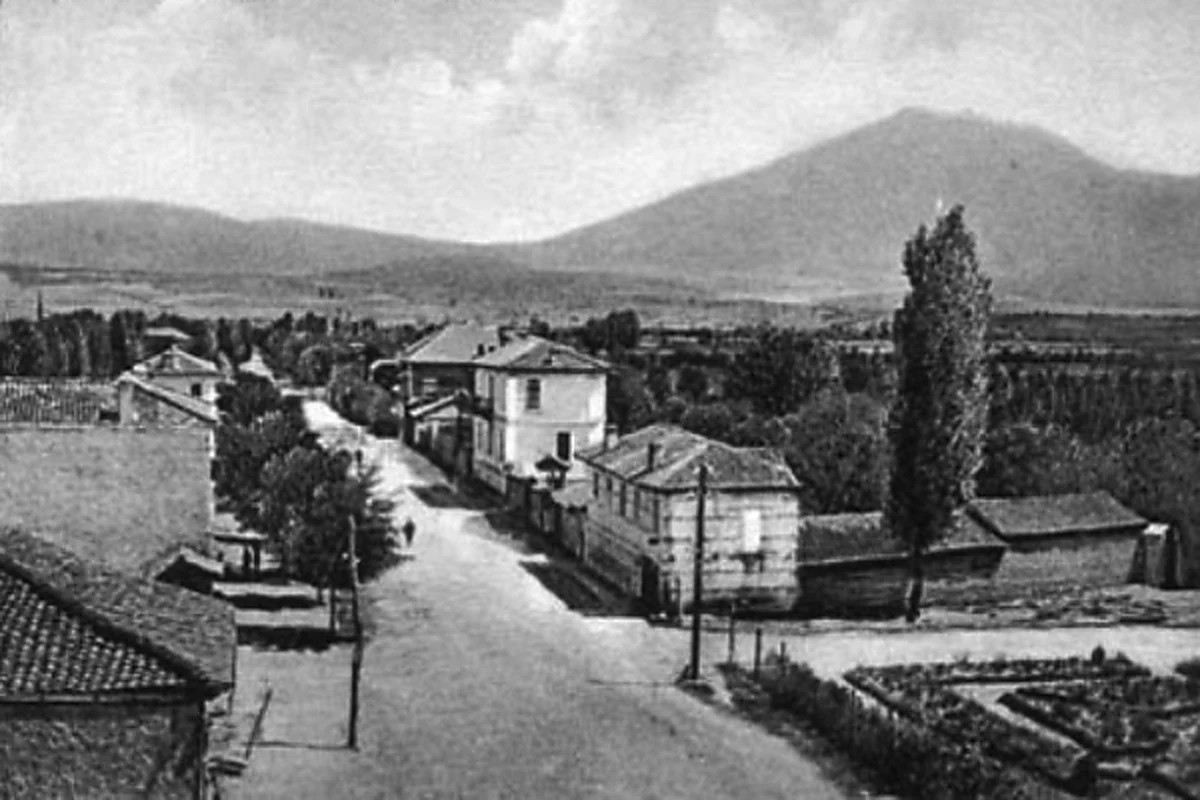
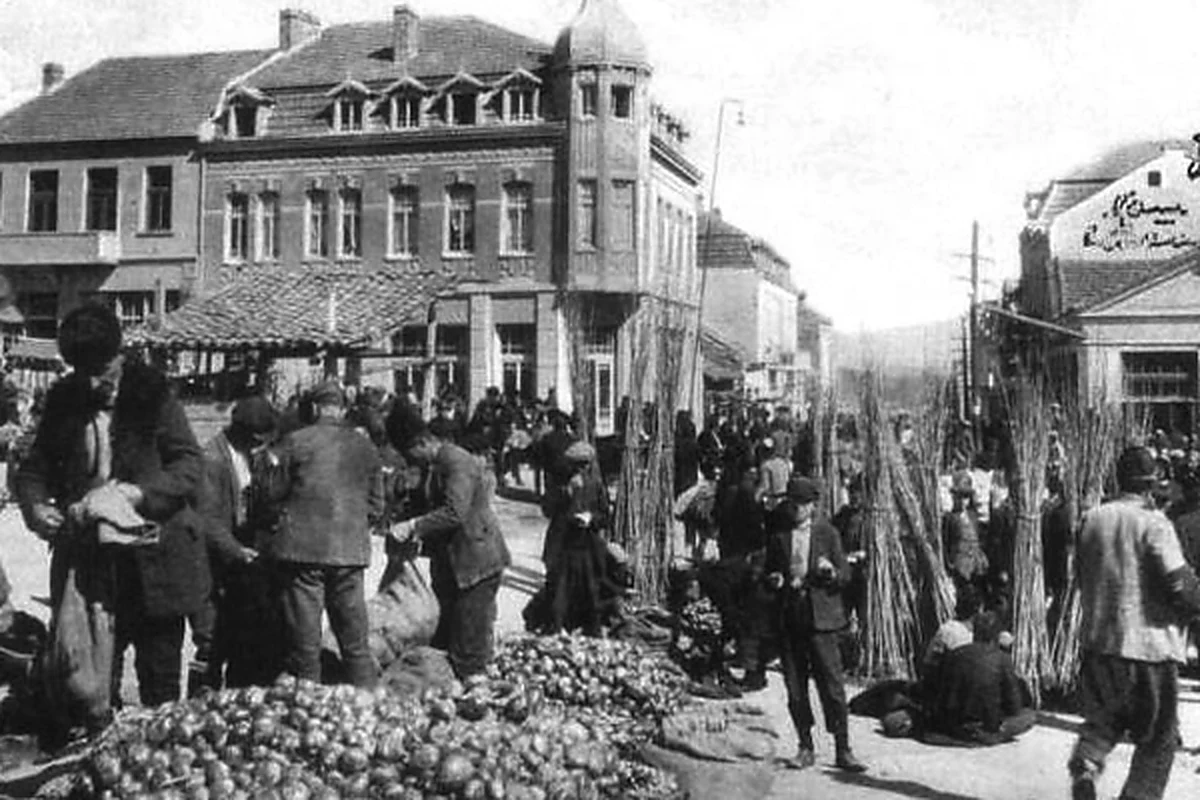
Photo Gallery (35)
Photo Gallery
Resen, frame by frame.
A responsive family gallery, including city views recovered from the old rotating banner system.
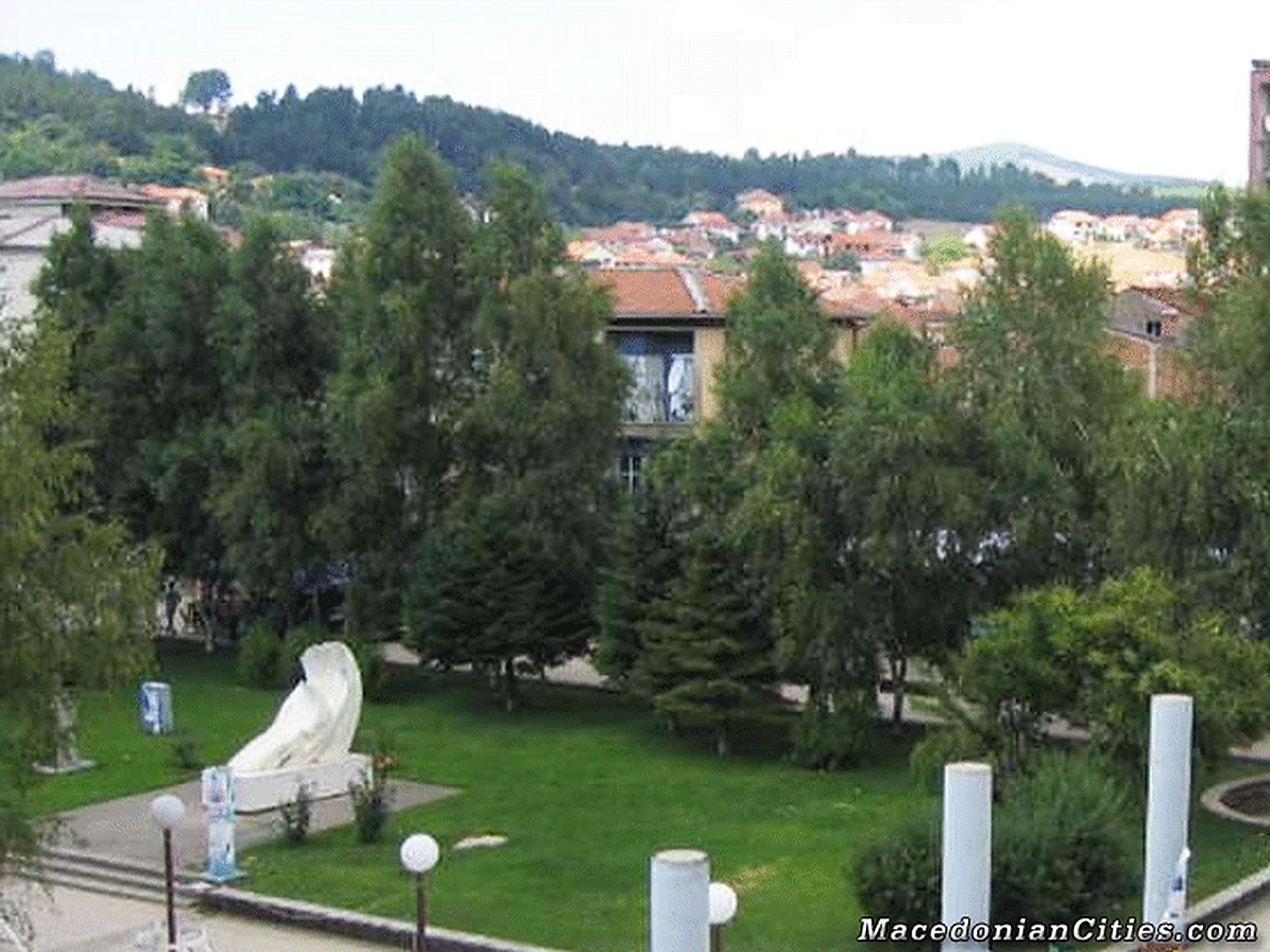
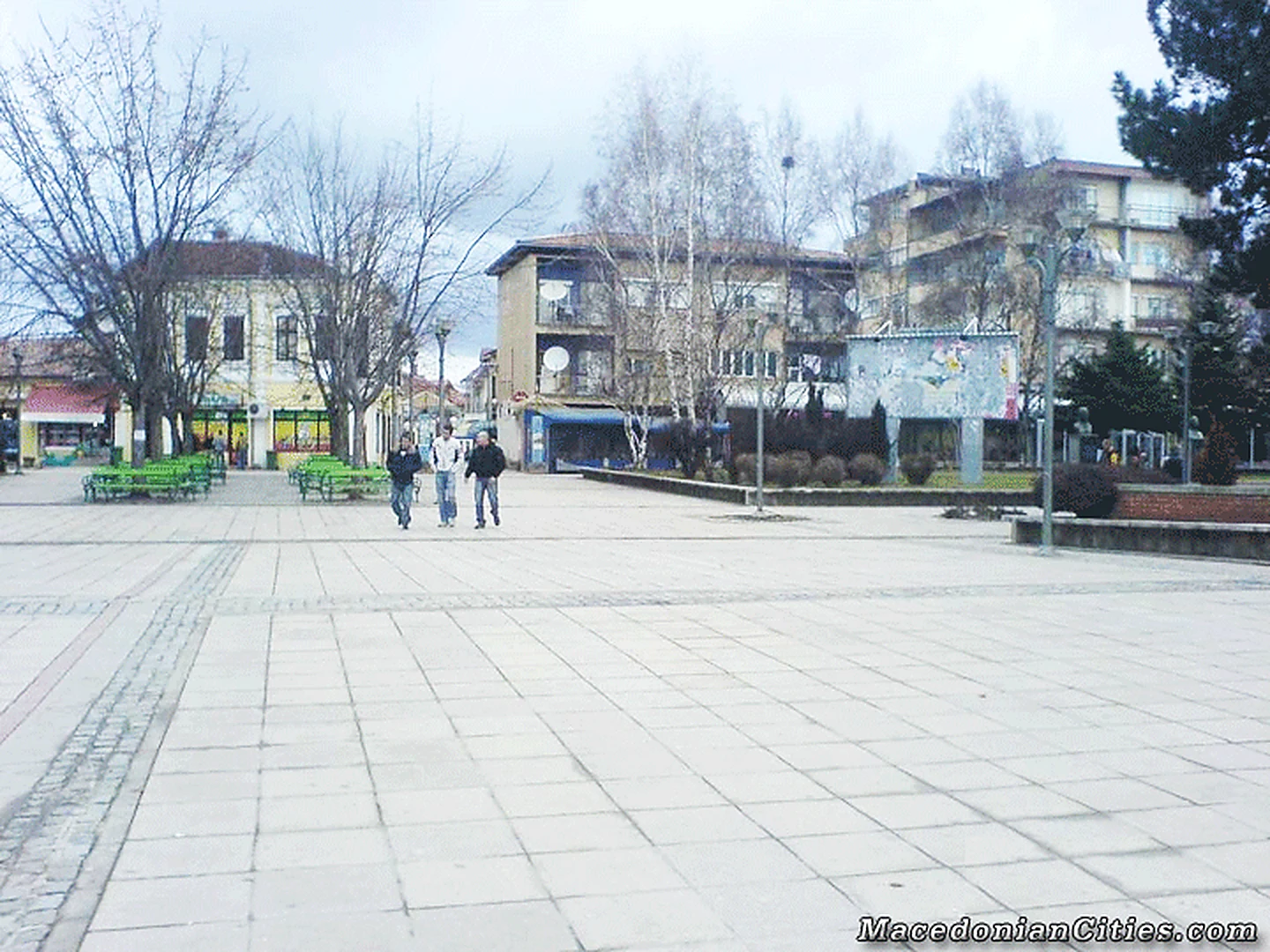
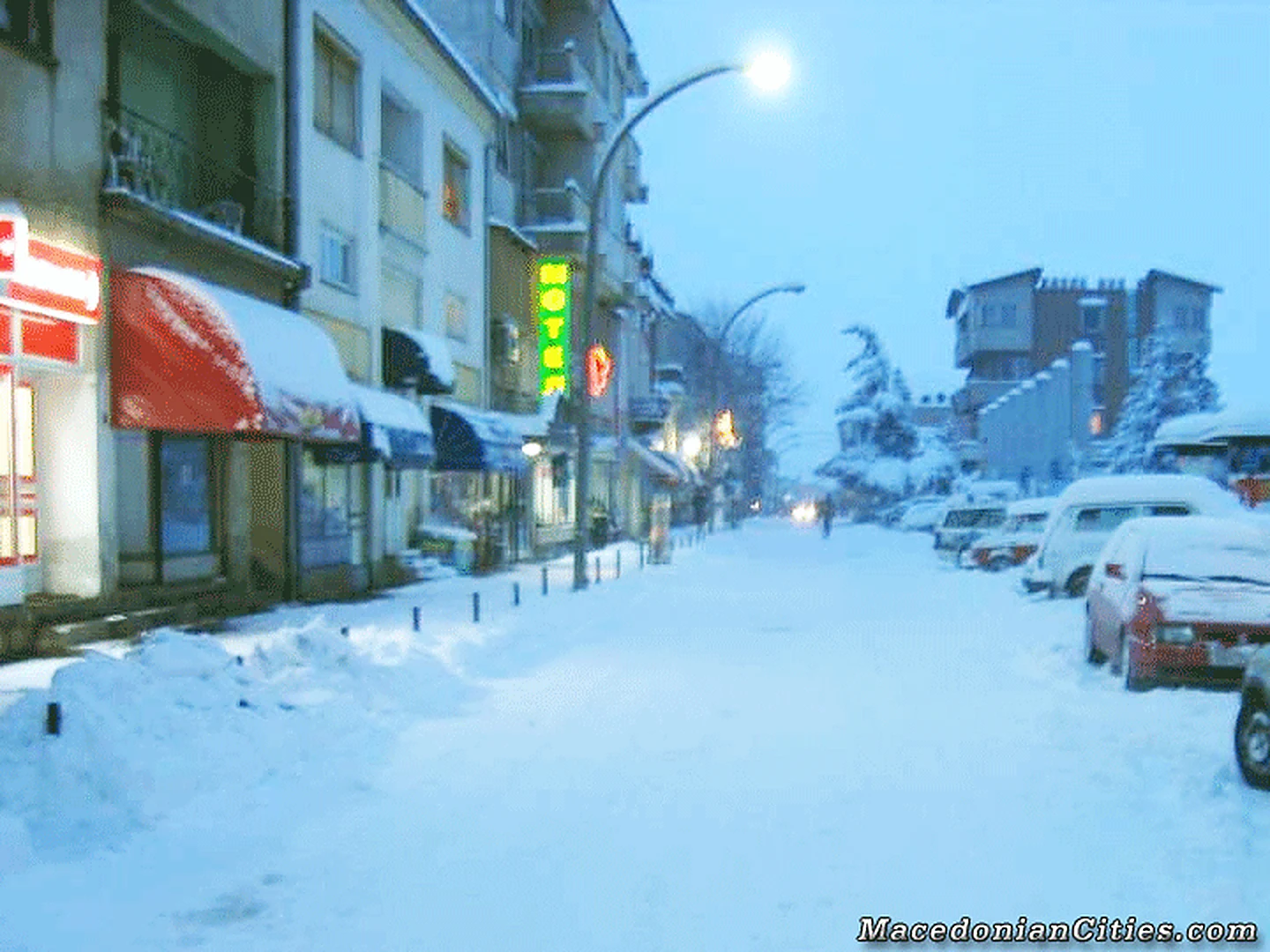
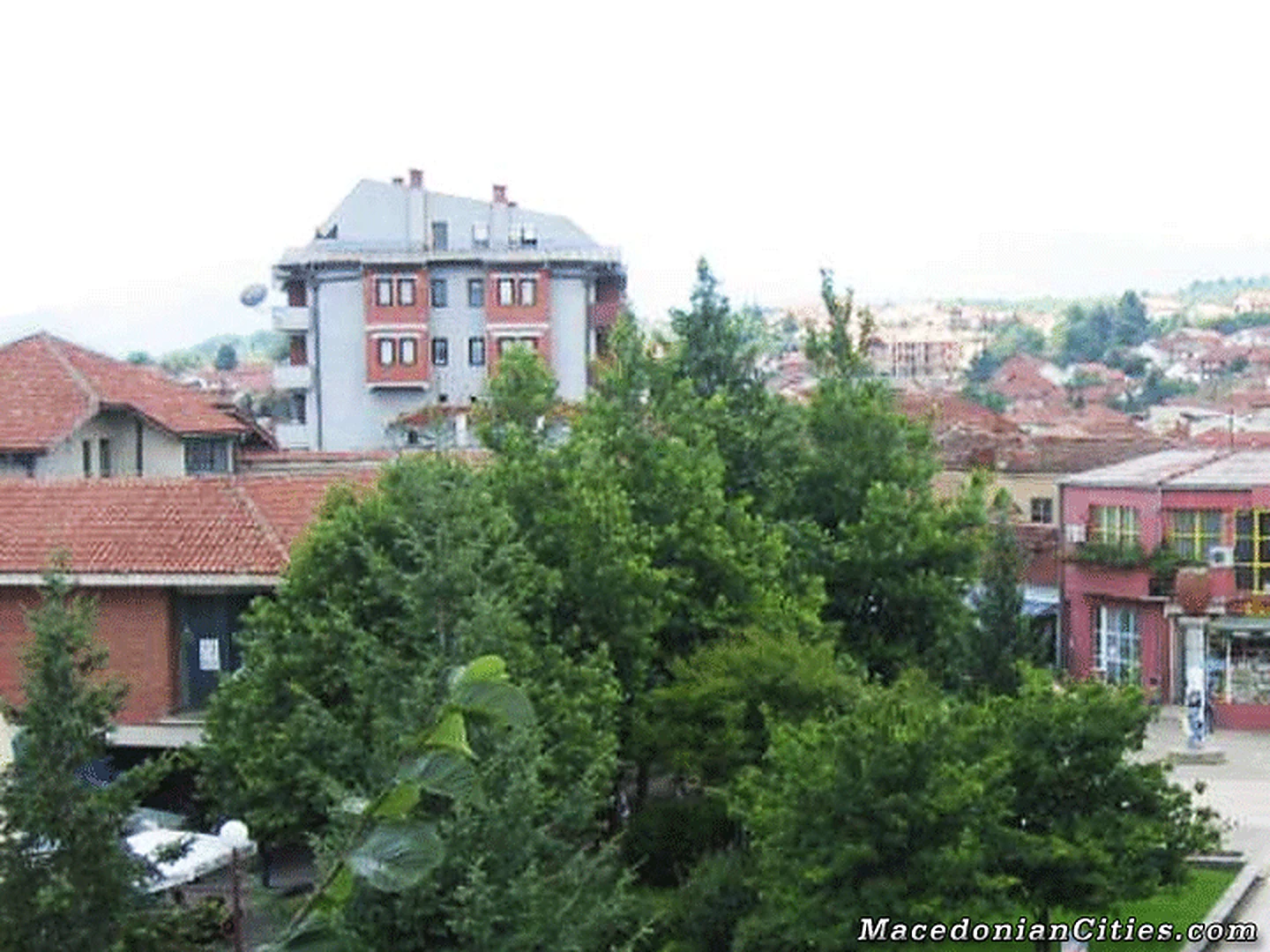
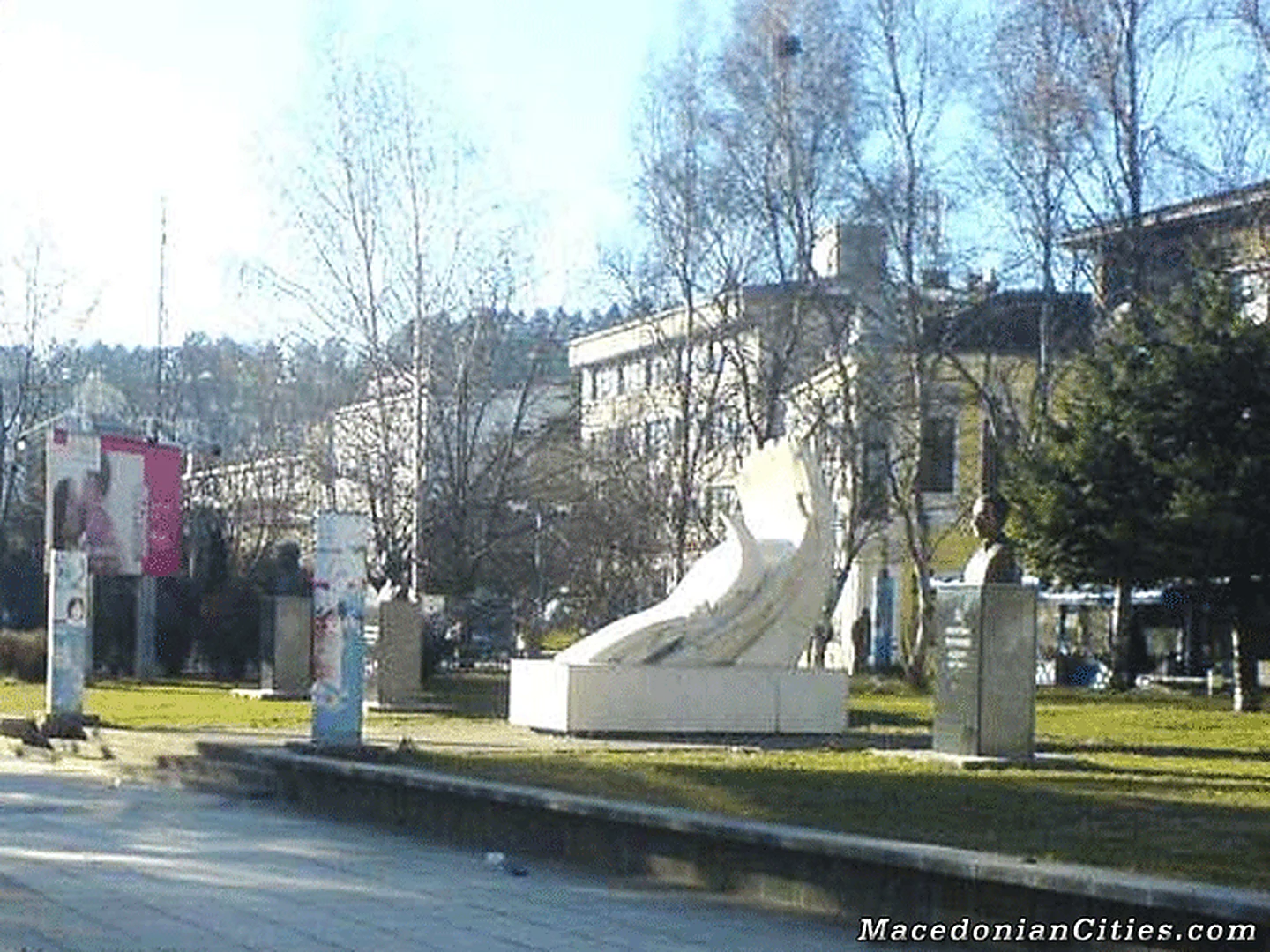
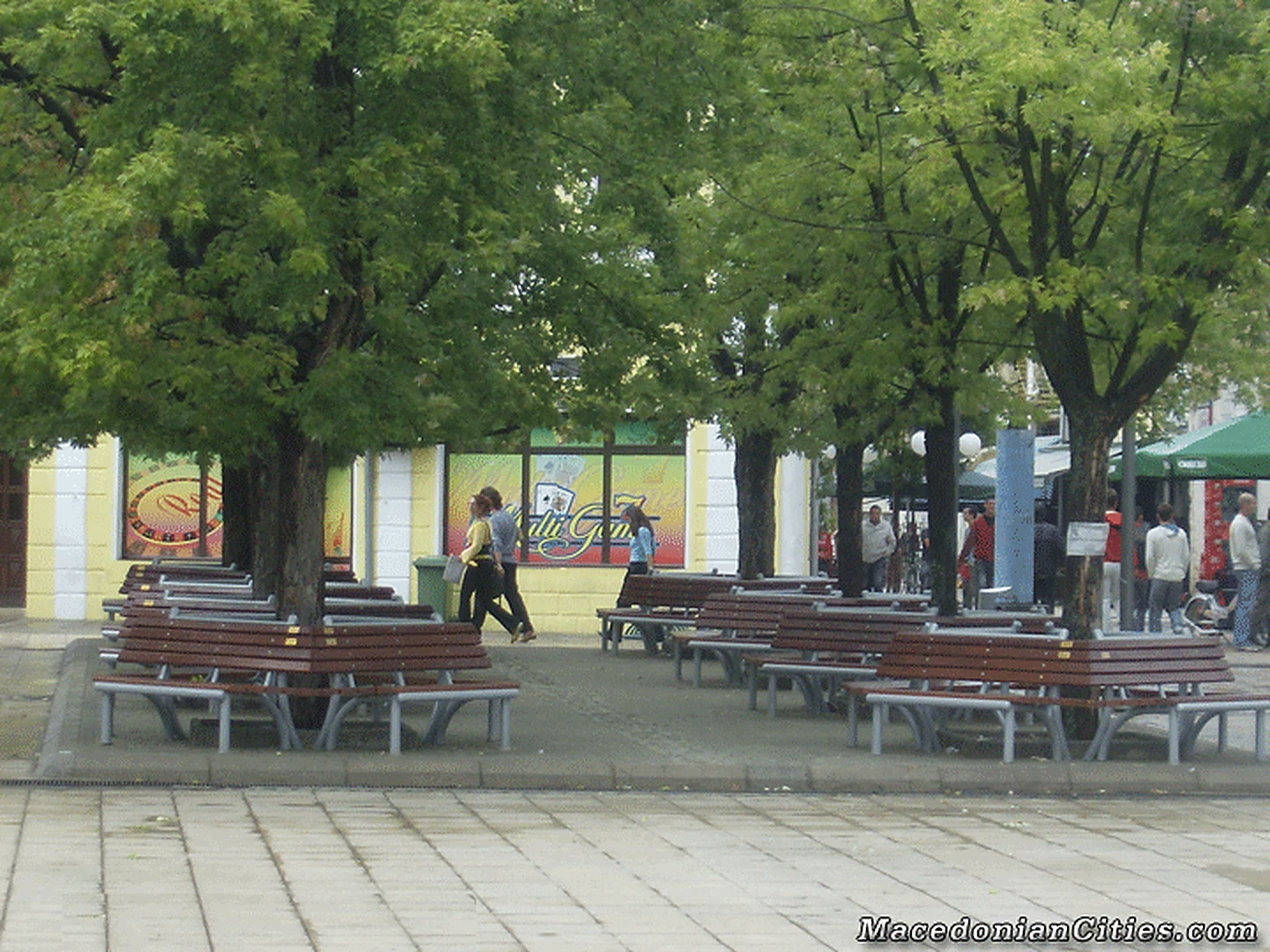
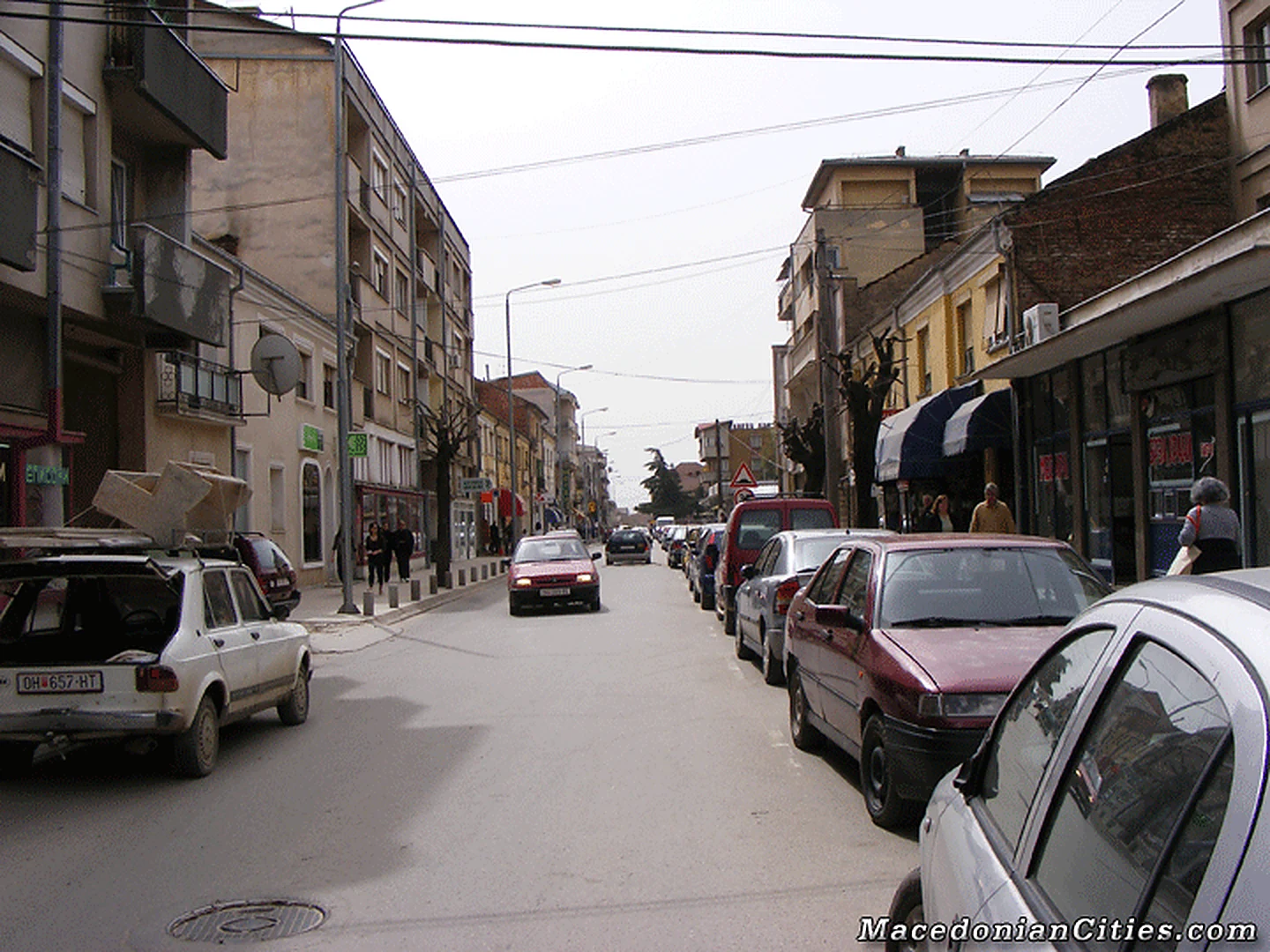
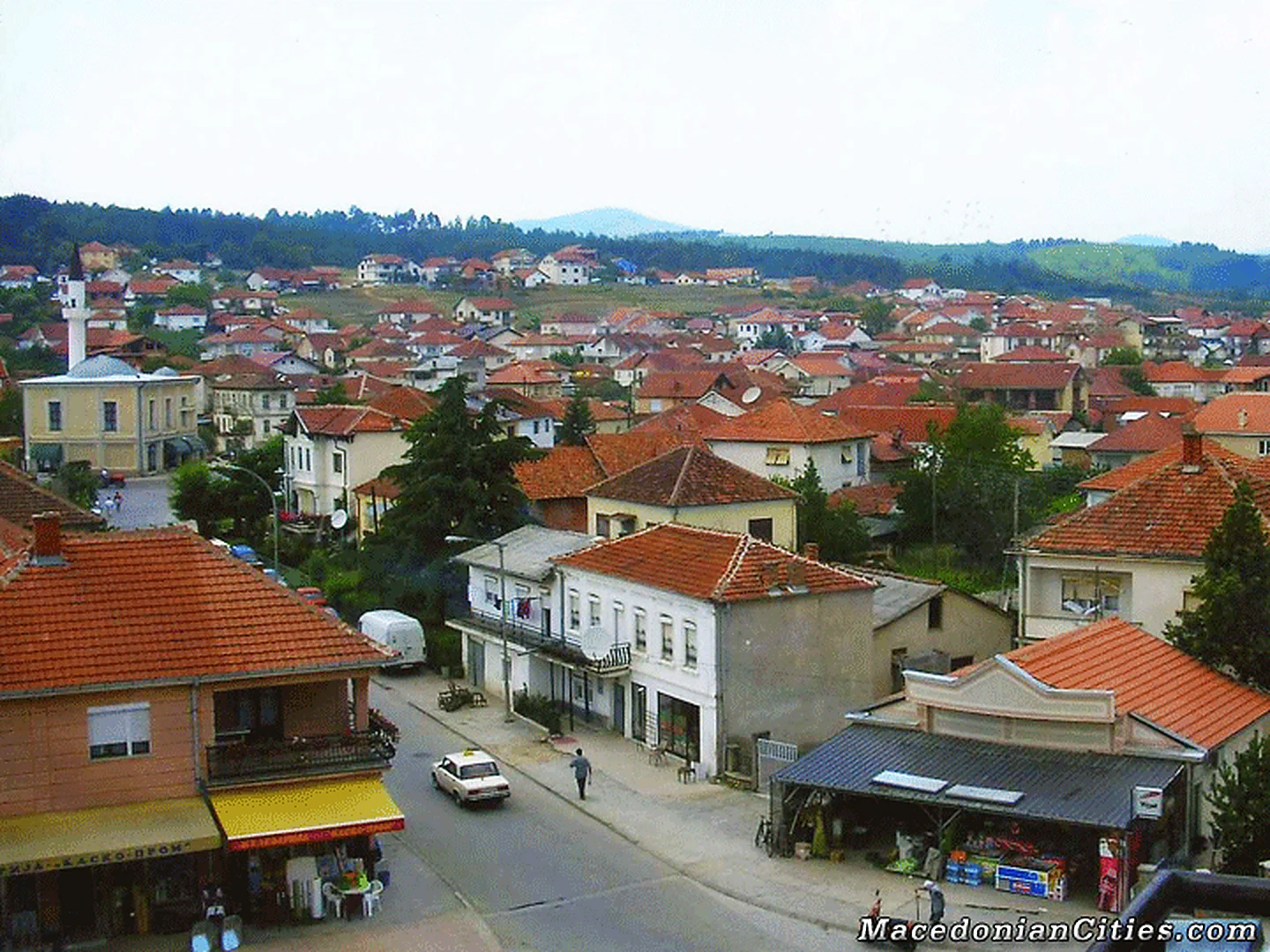
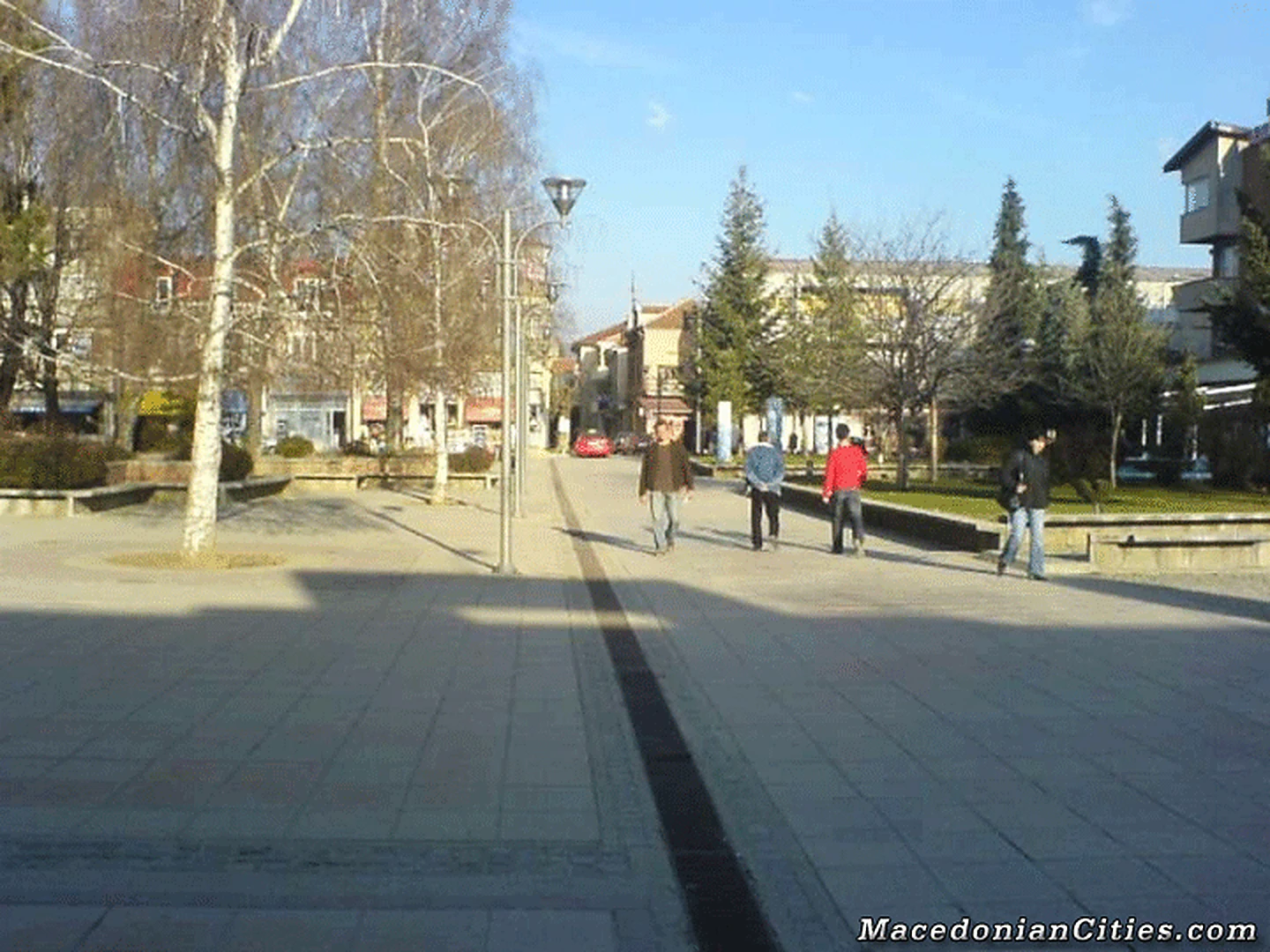
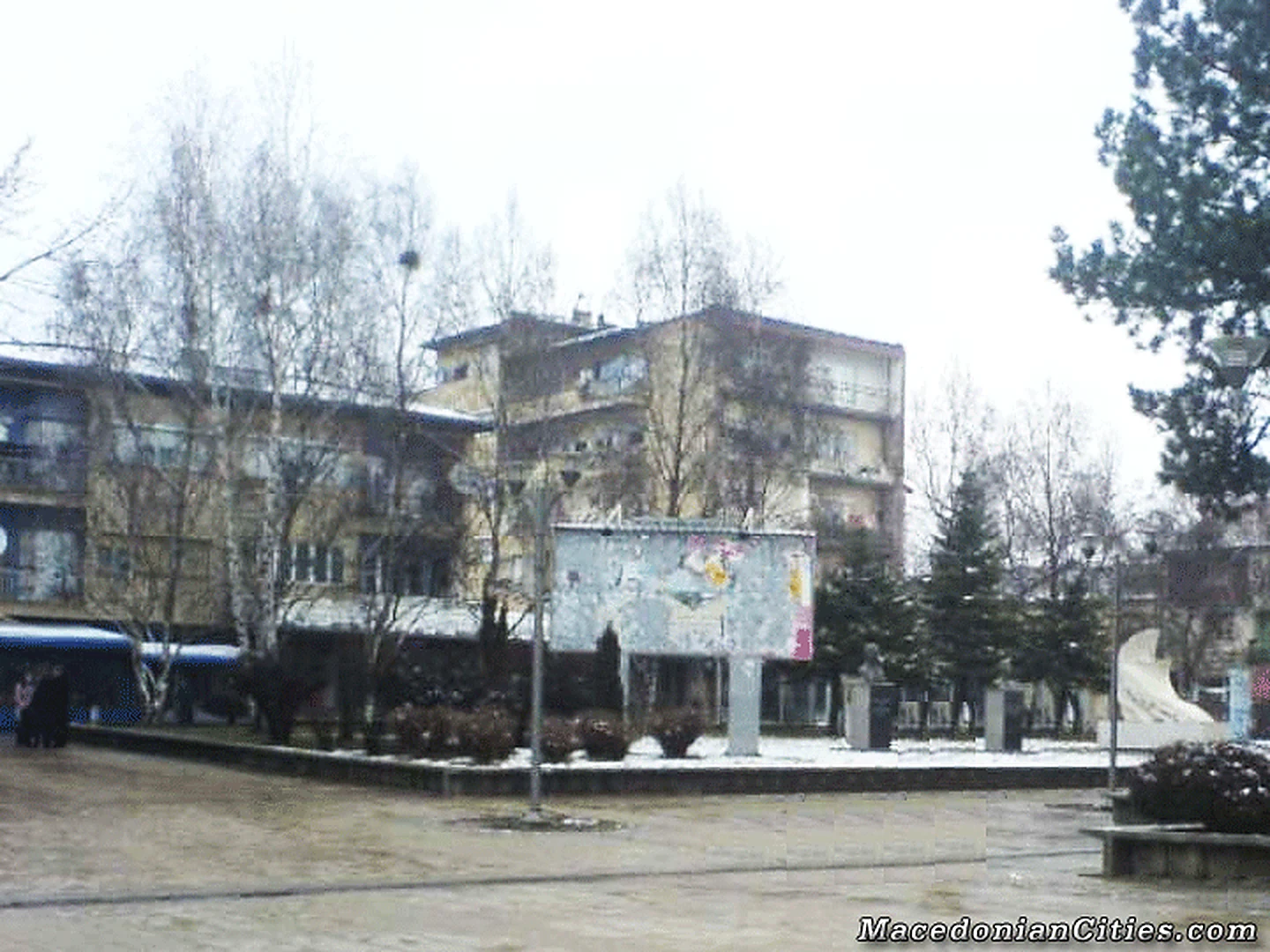
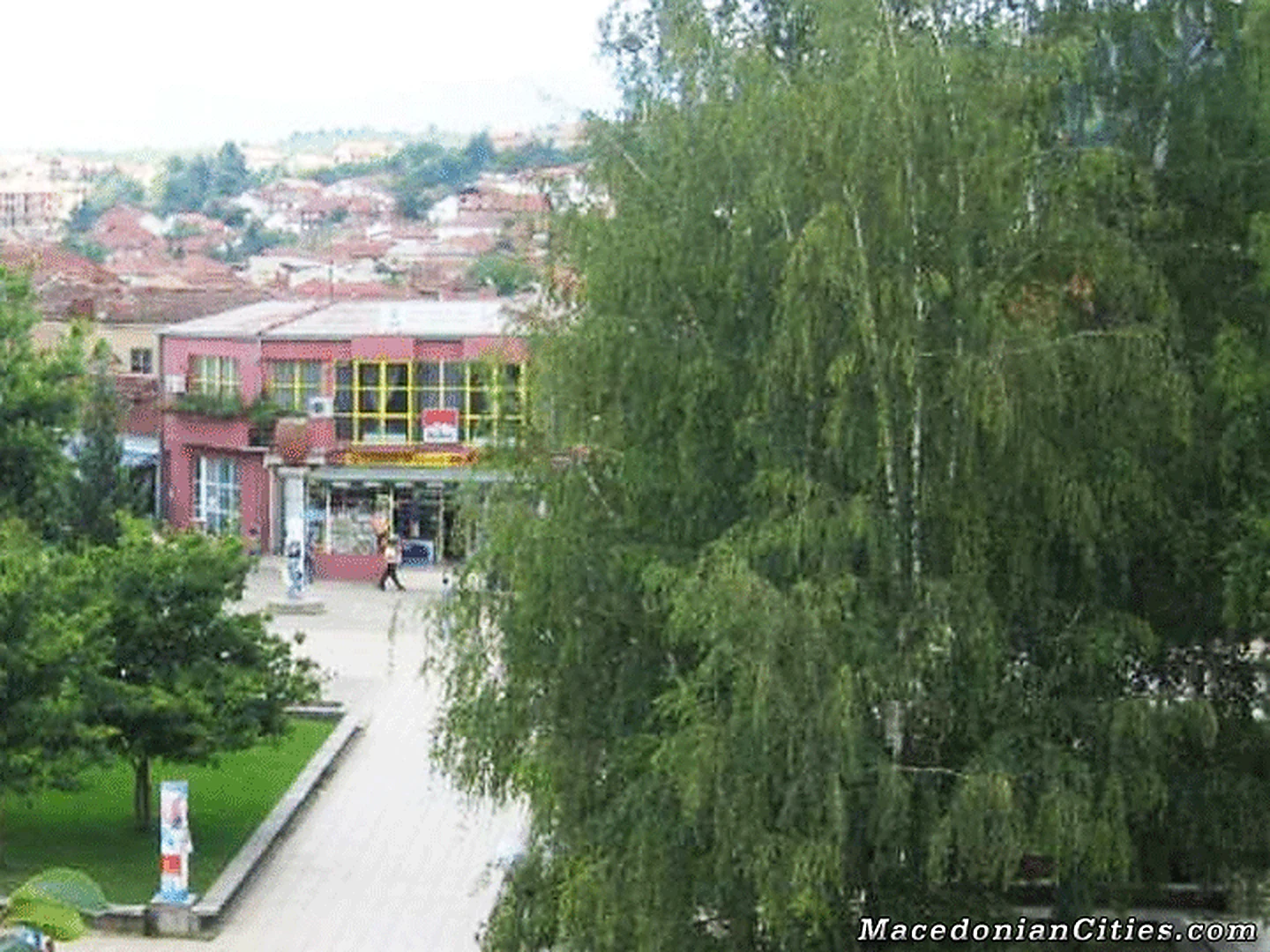
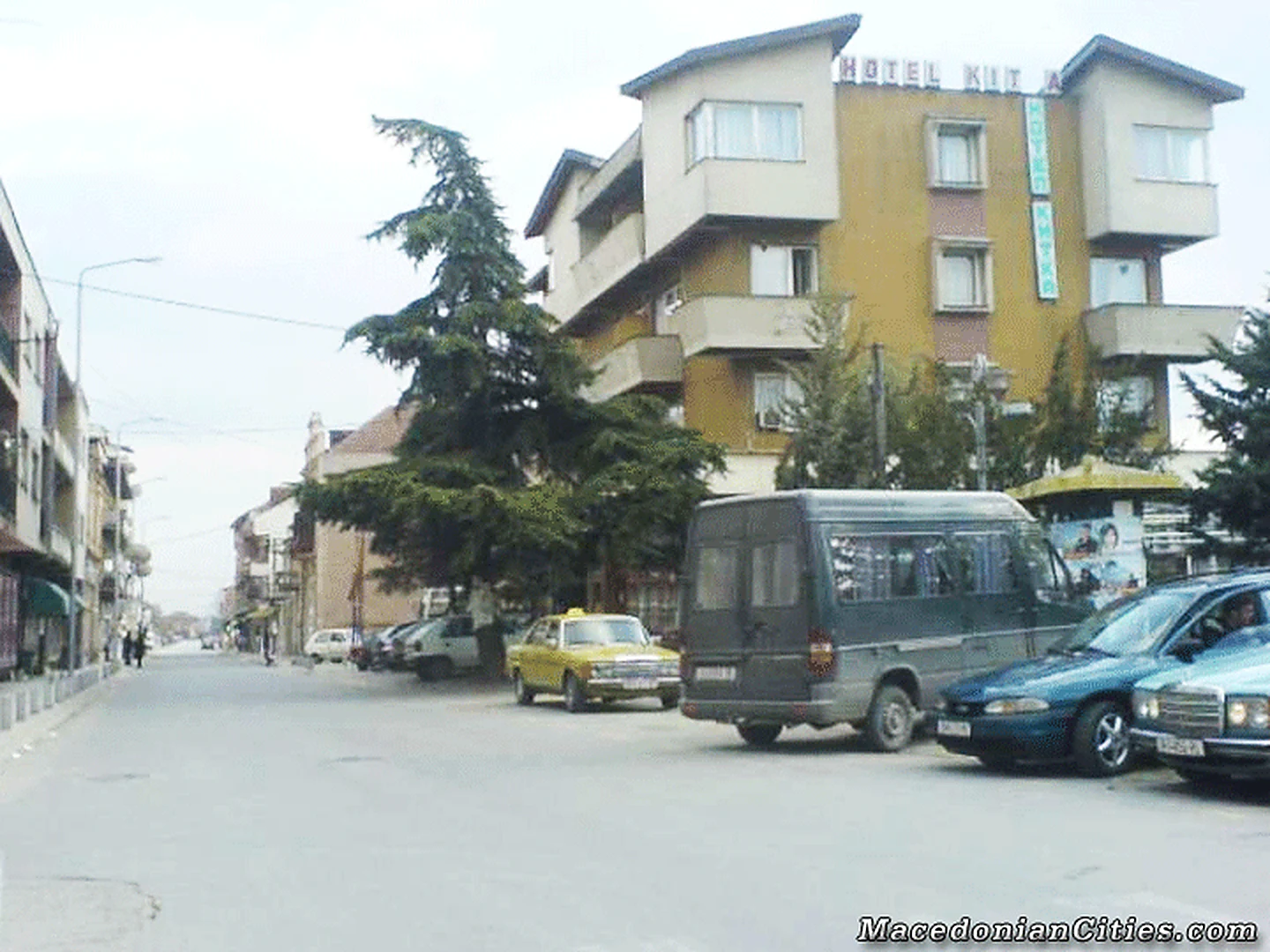
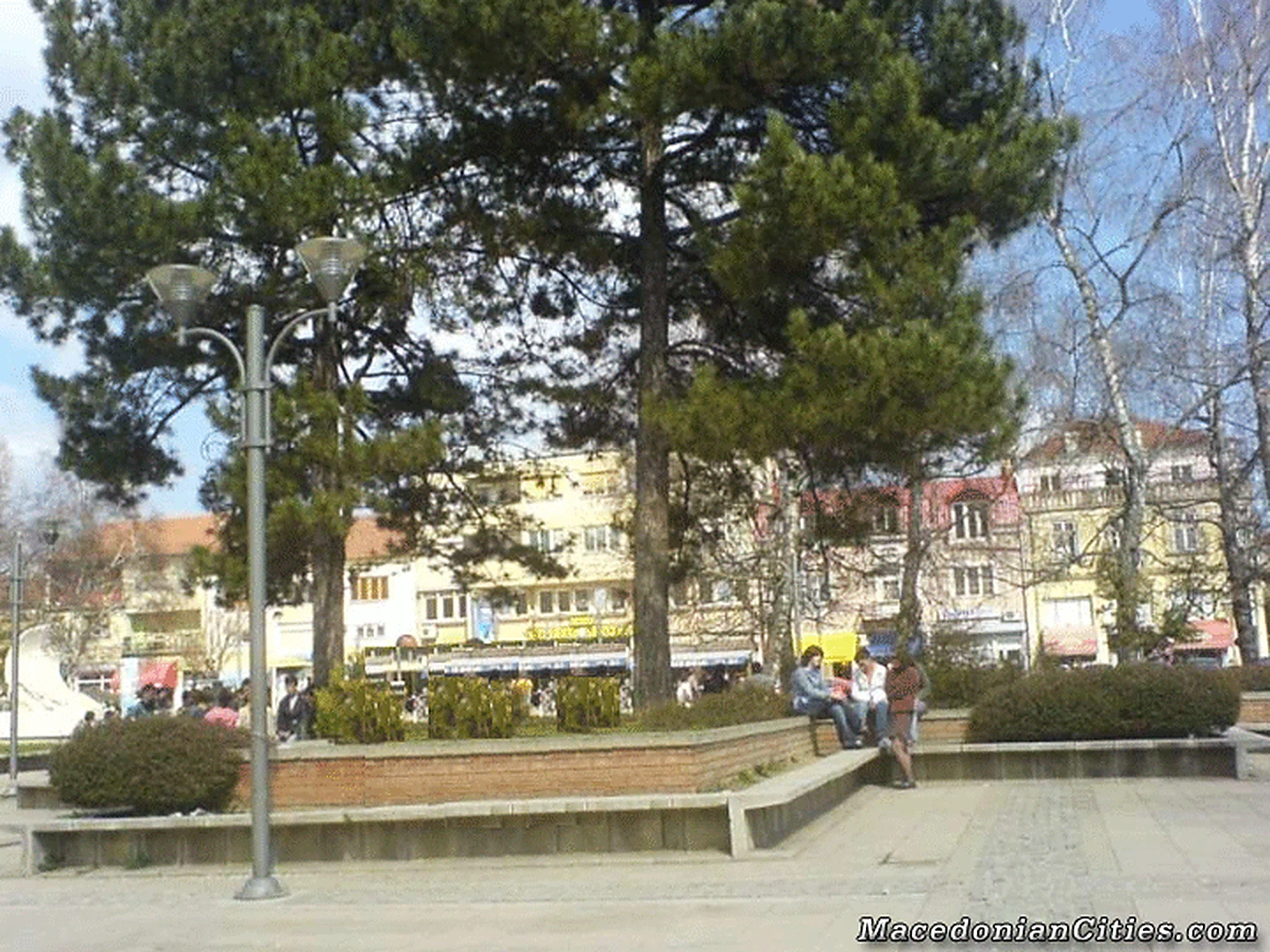
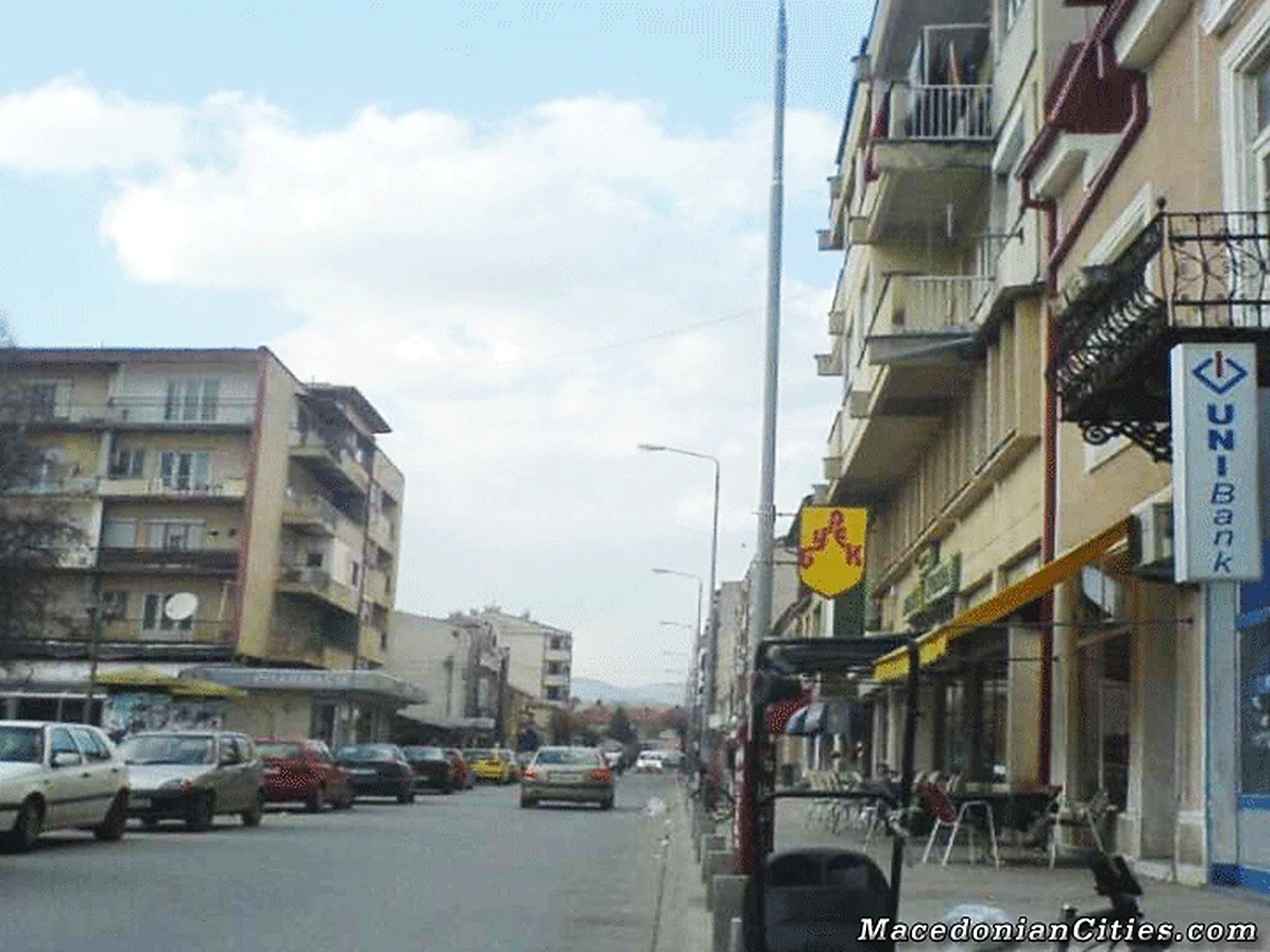
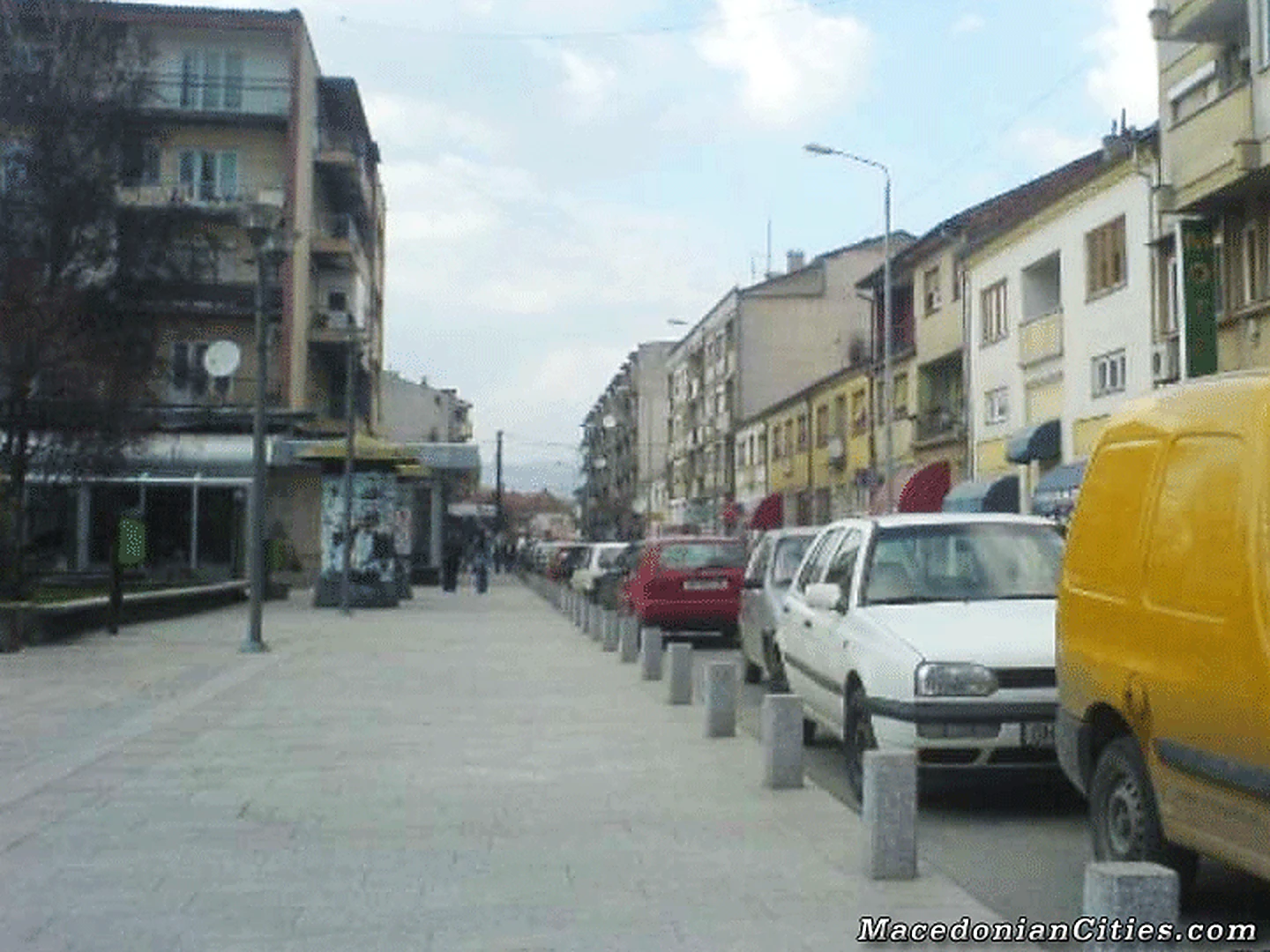
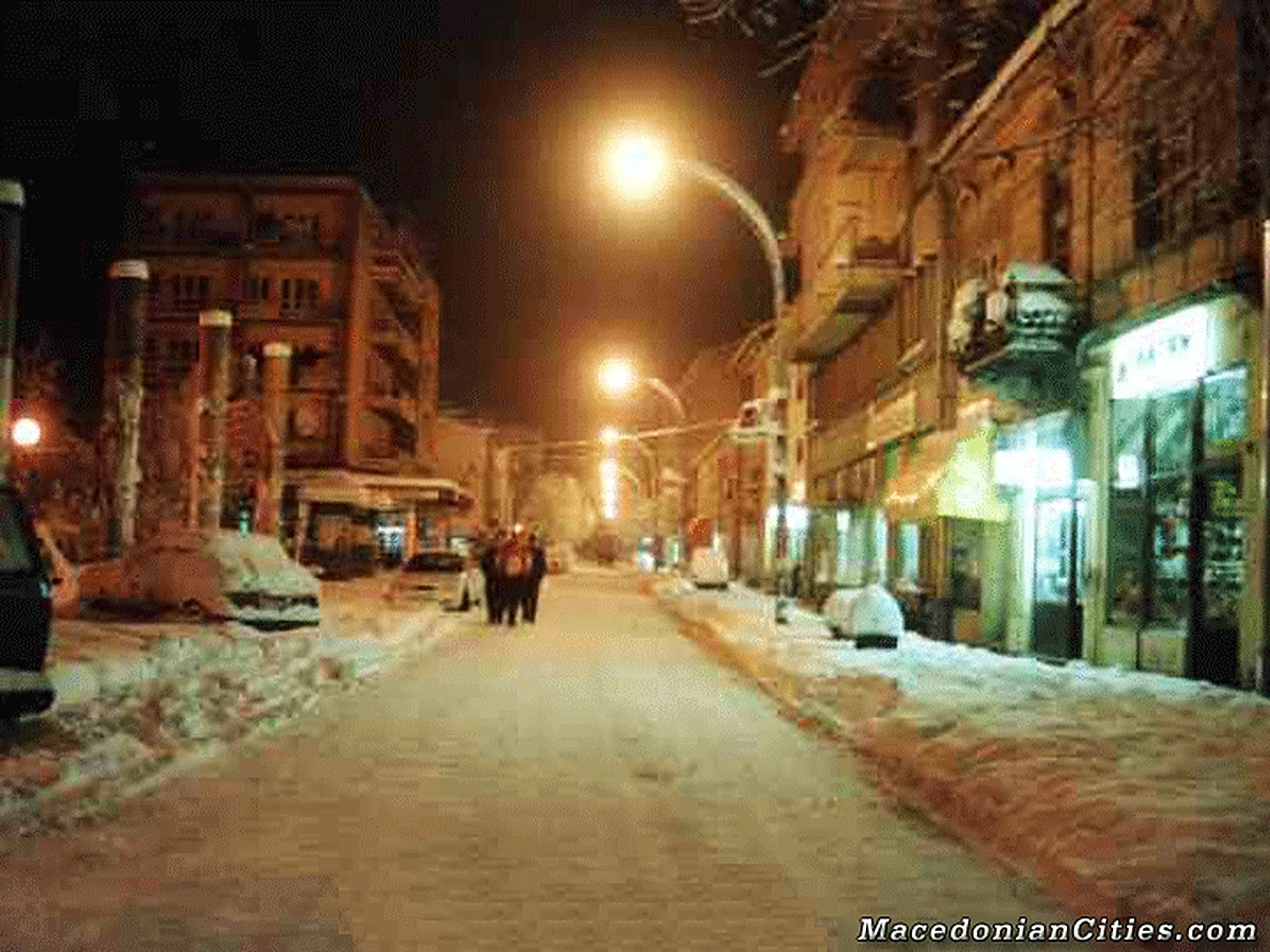
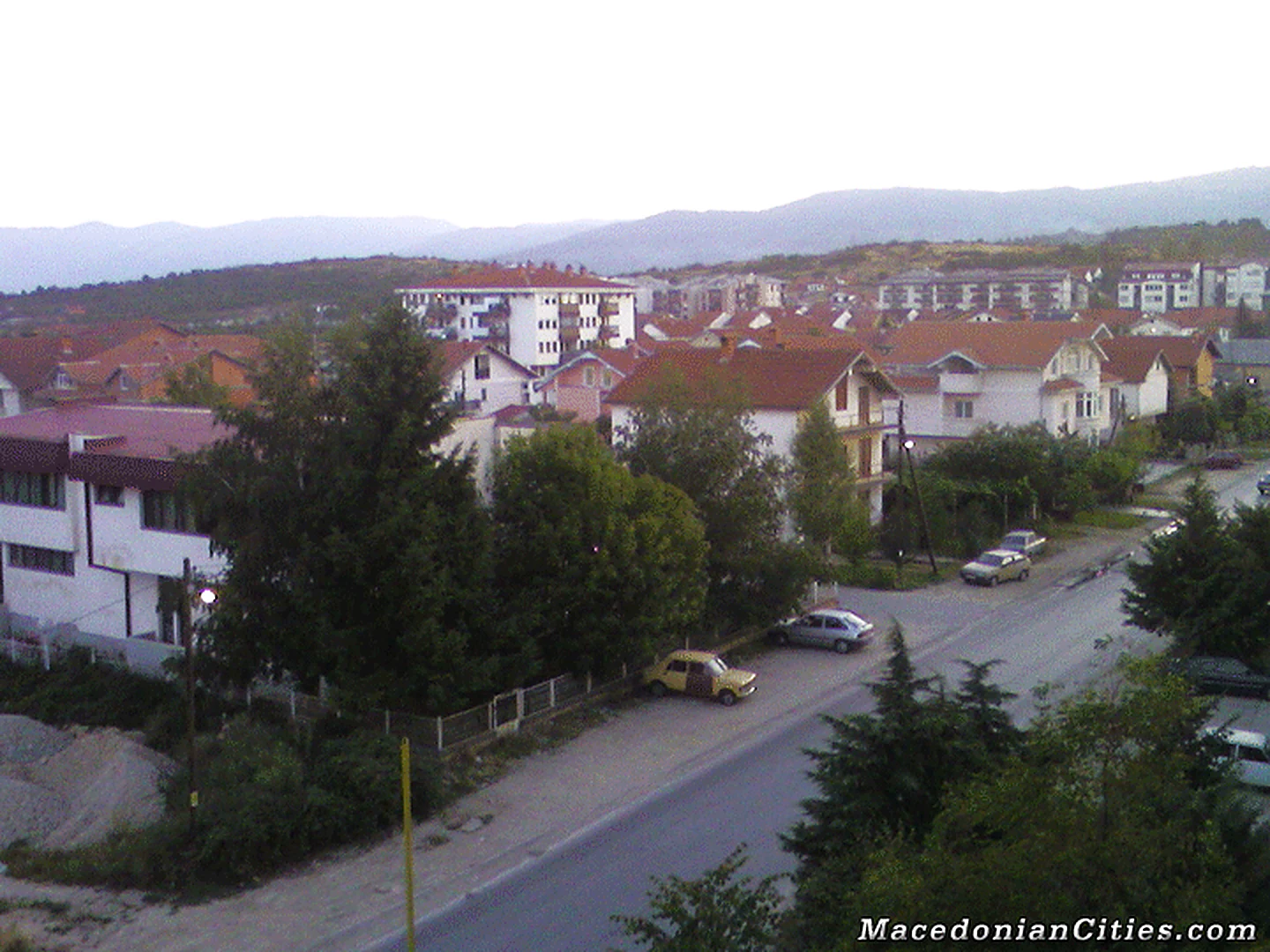
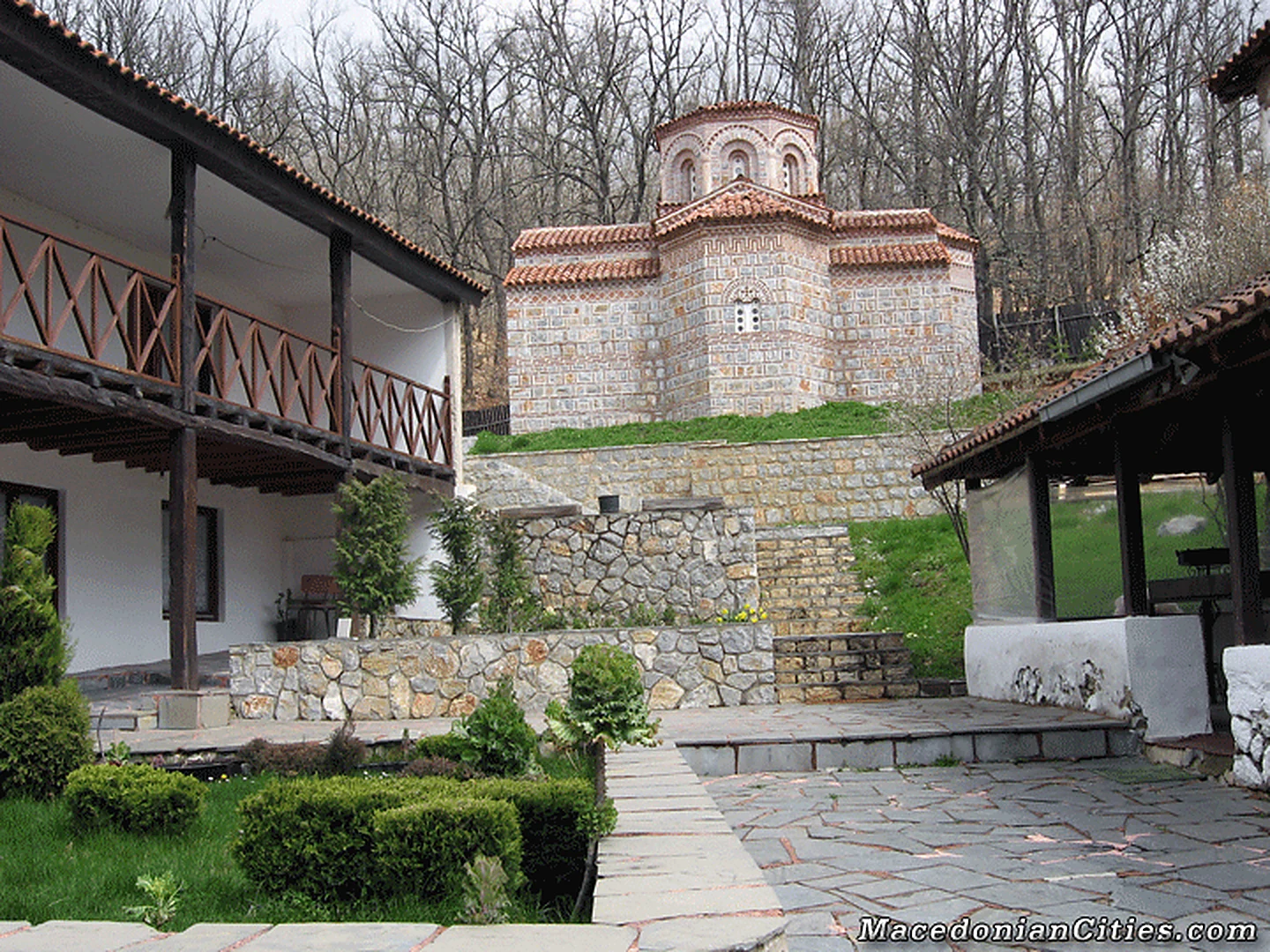
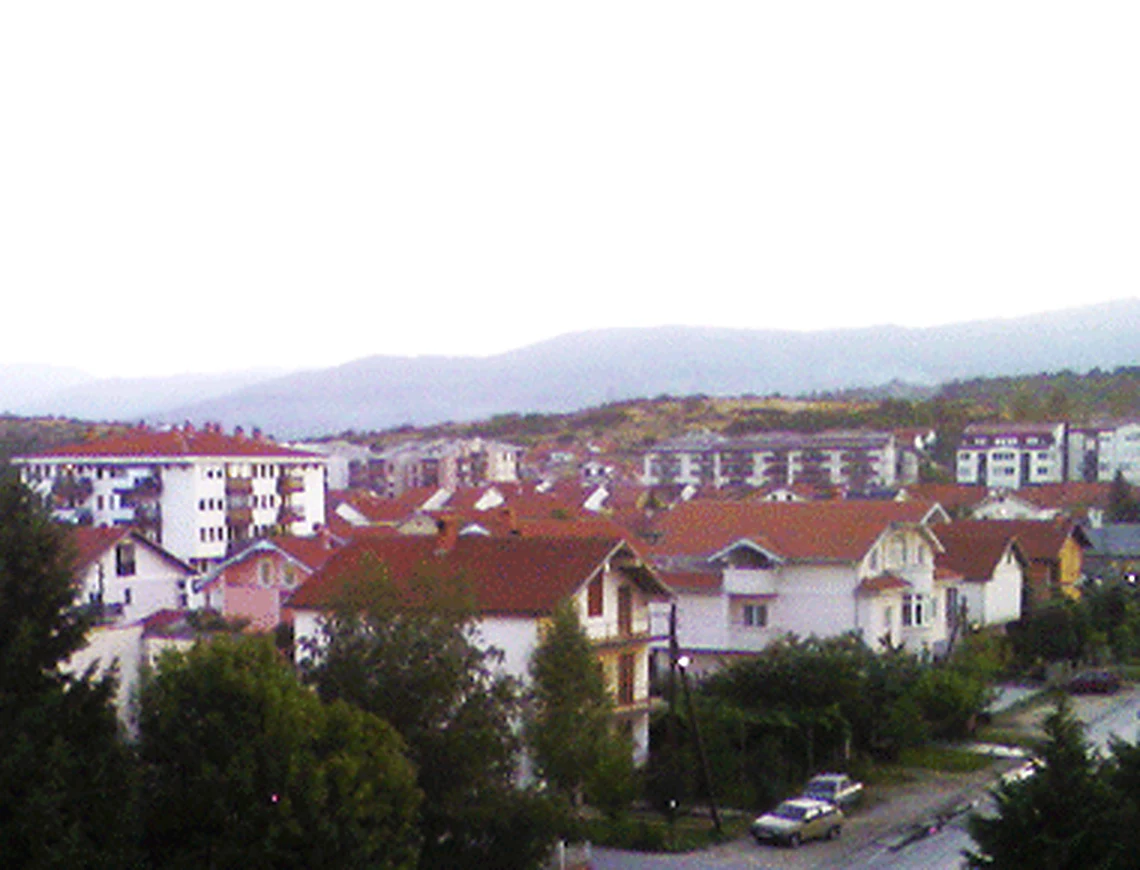
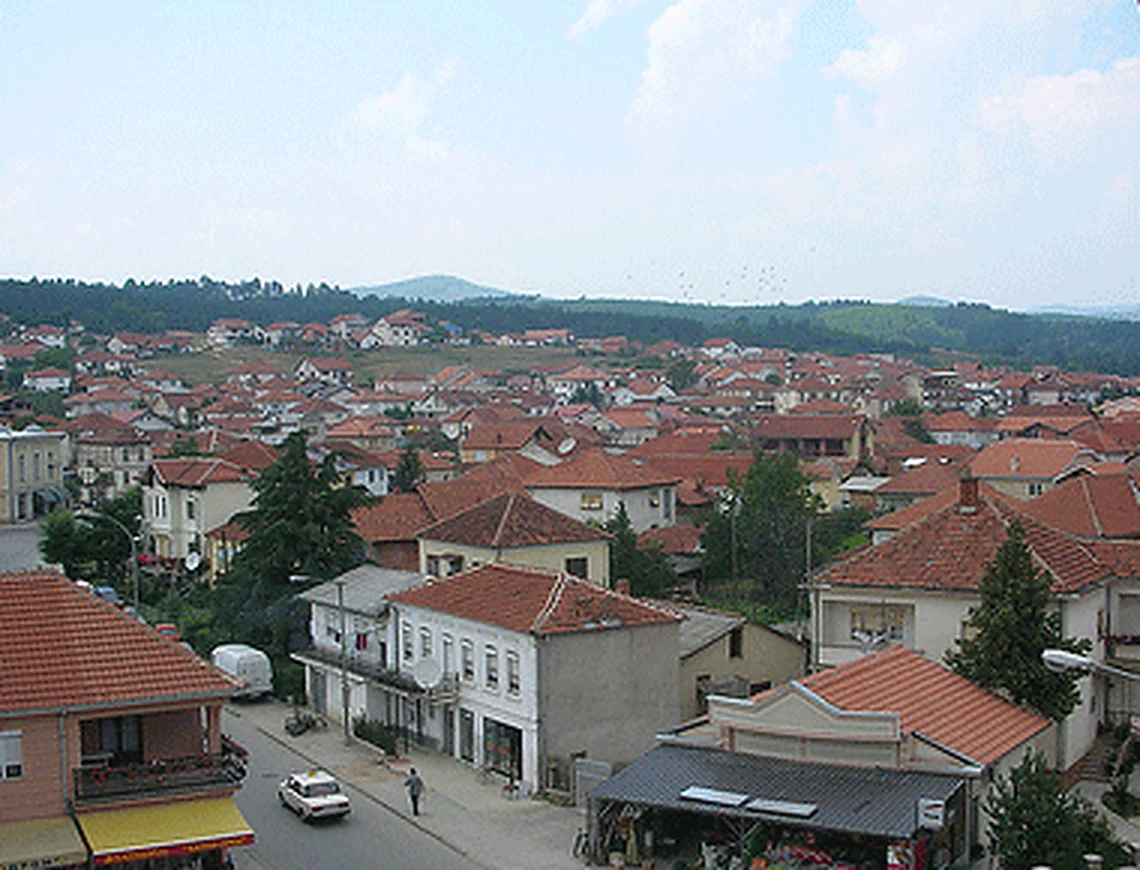
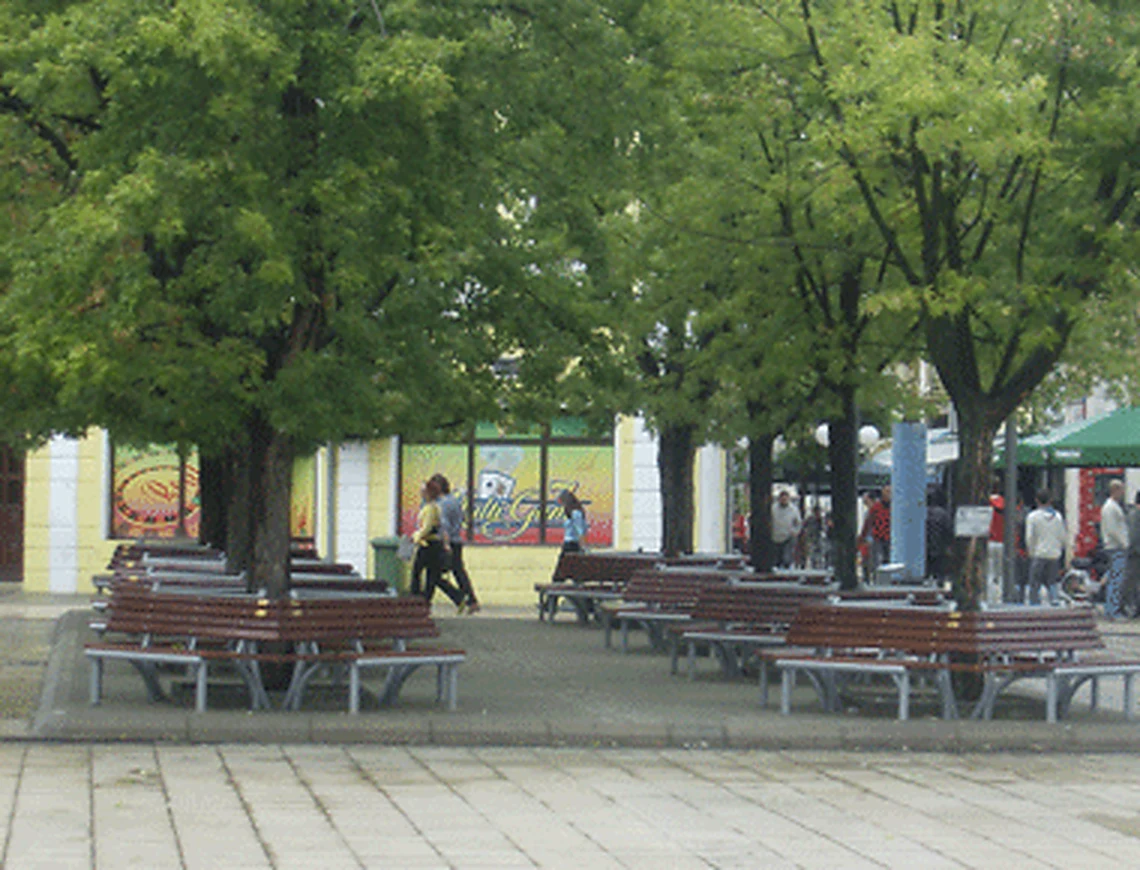
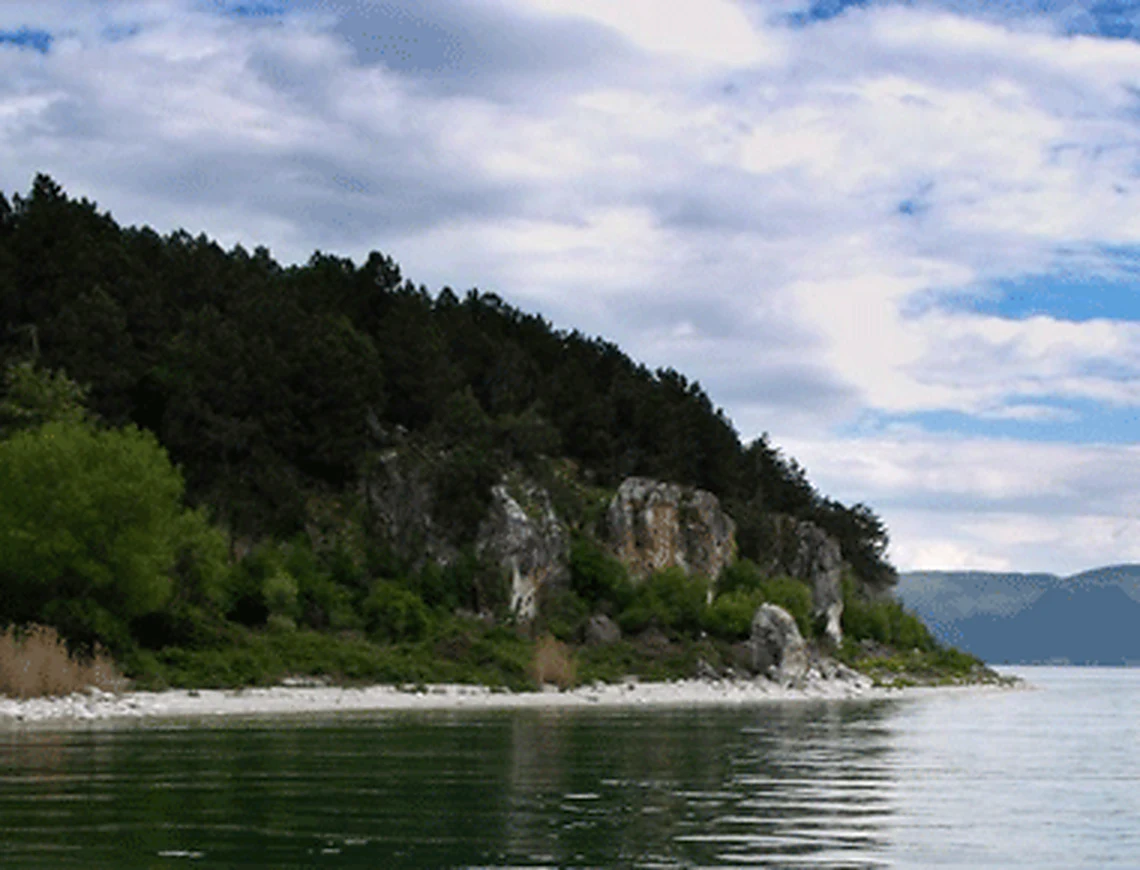
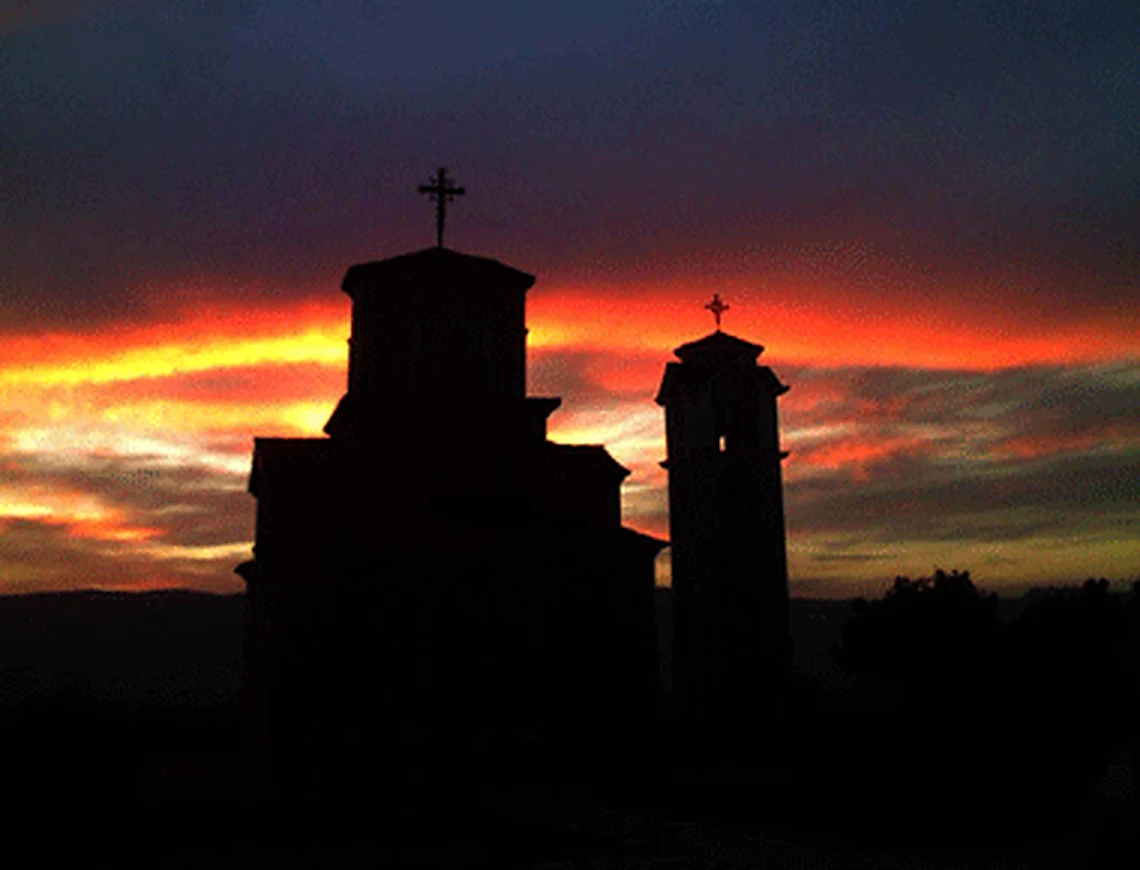
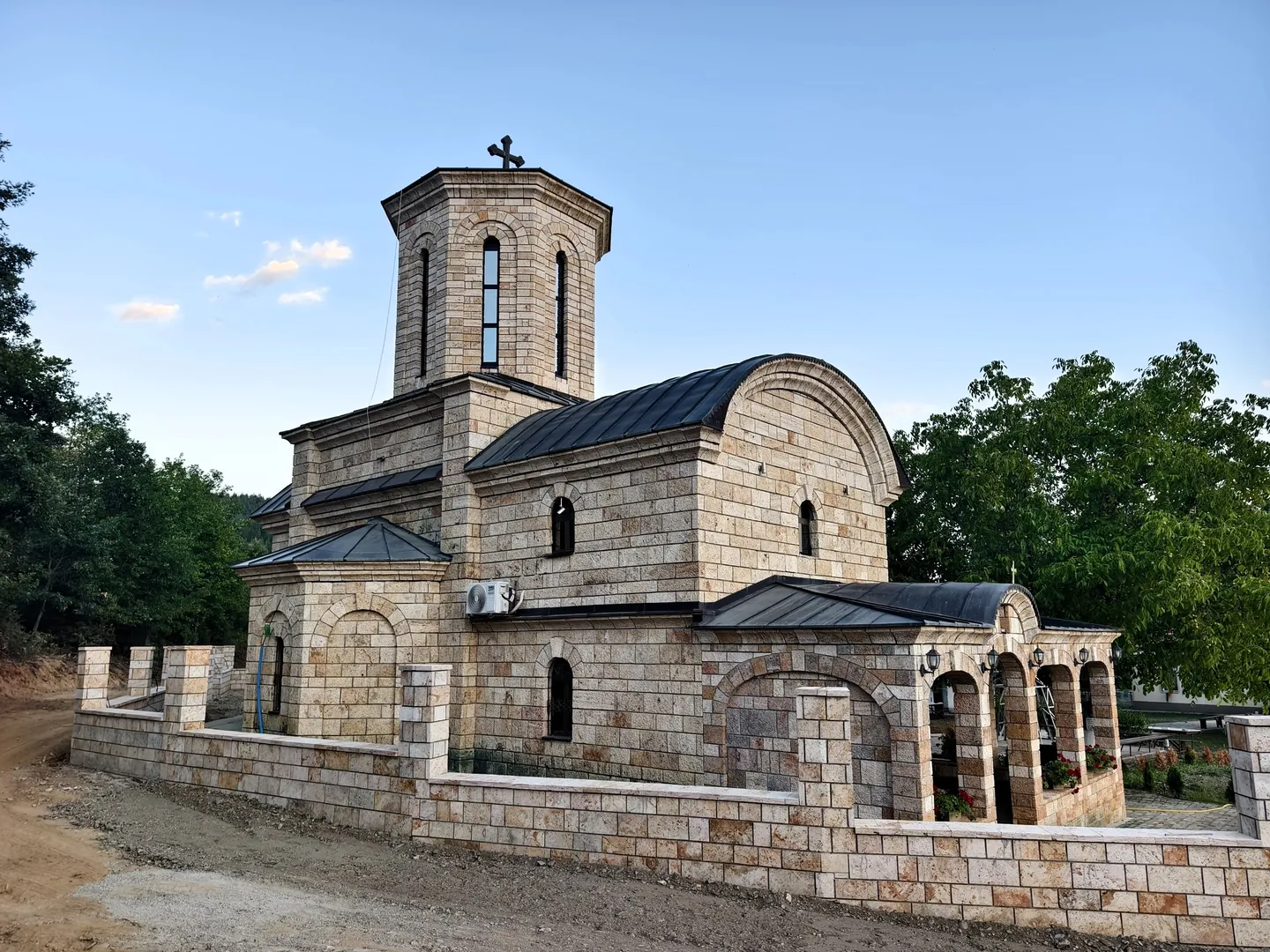
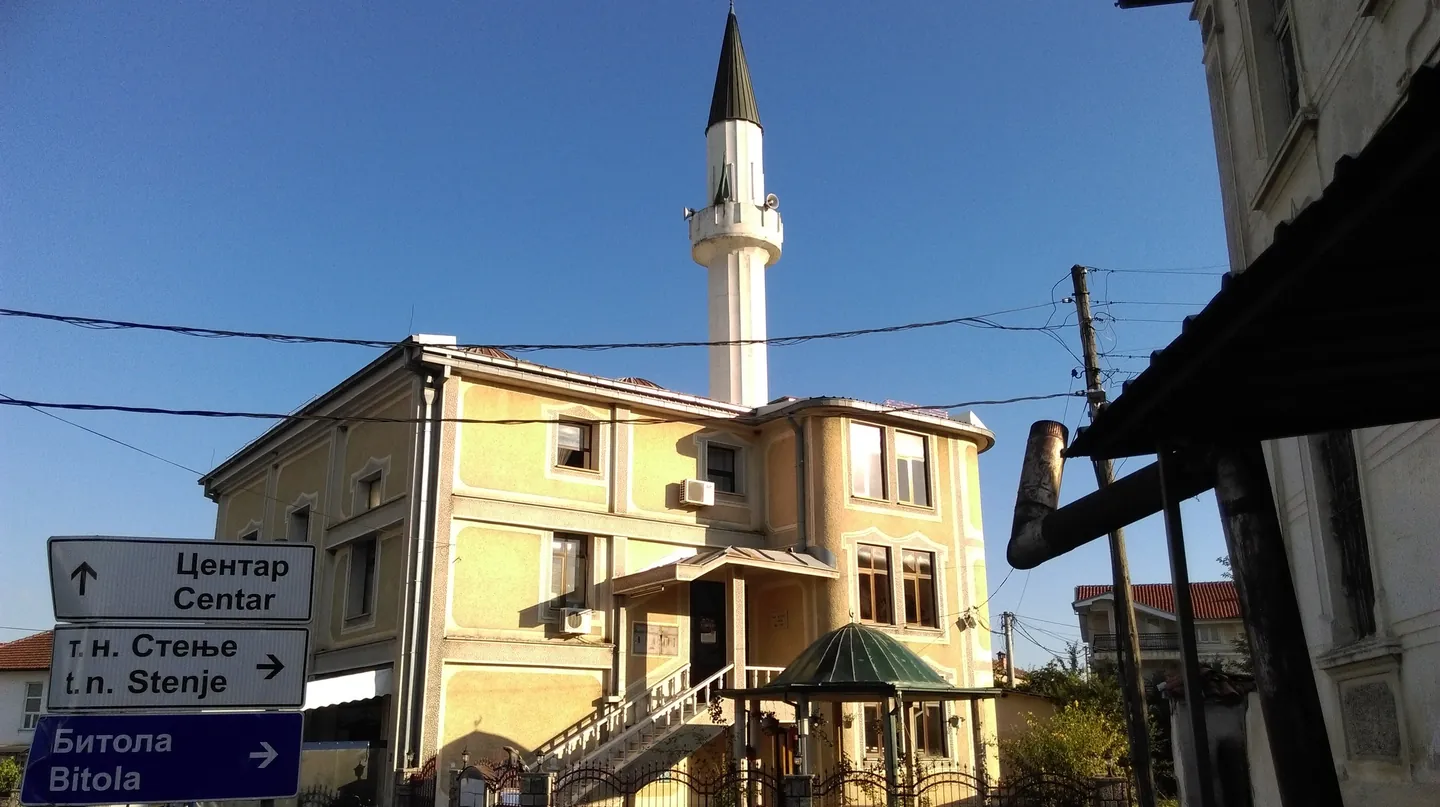
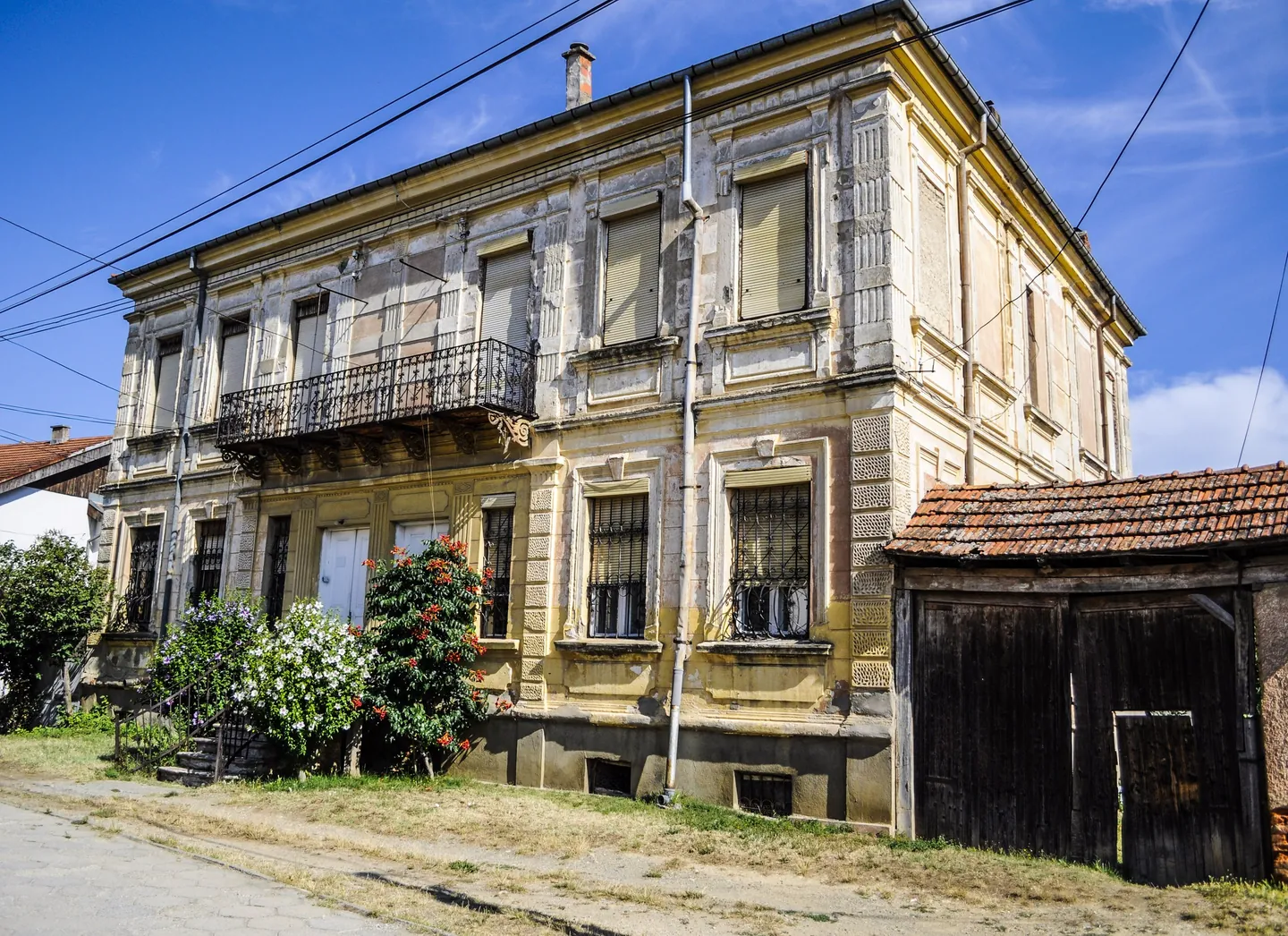
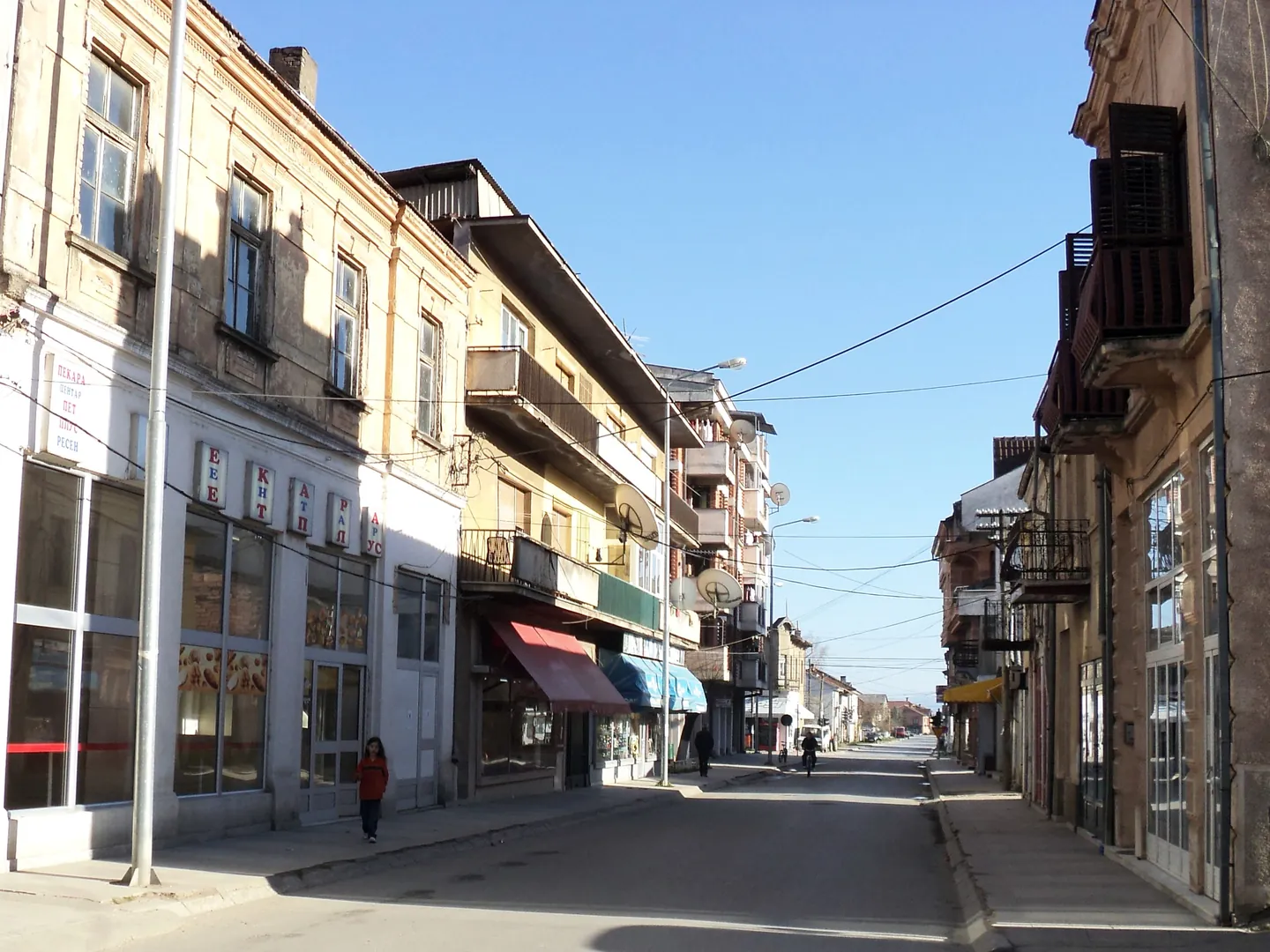
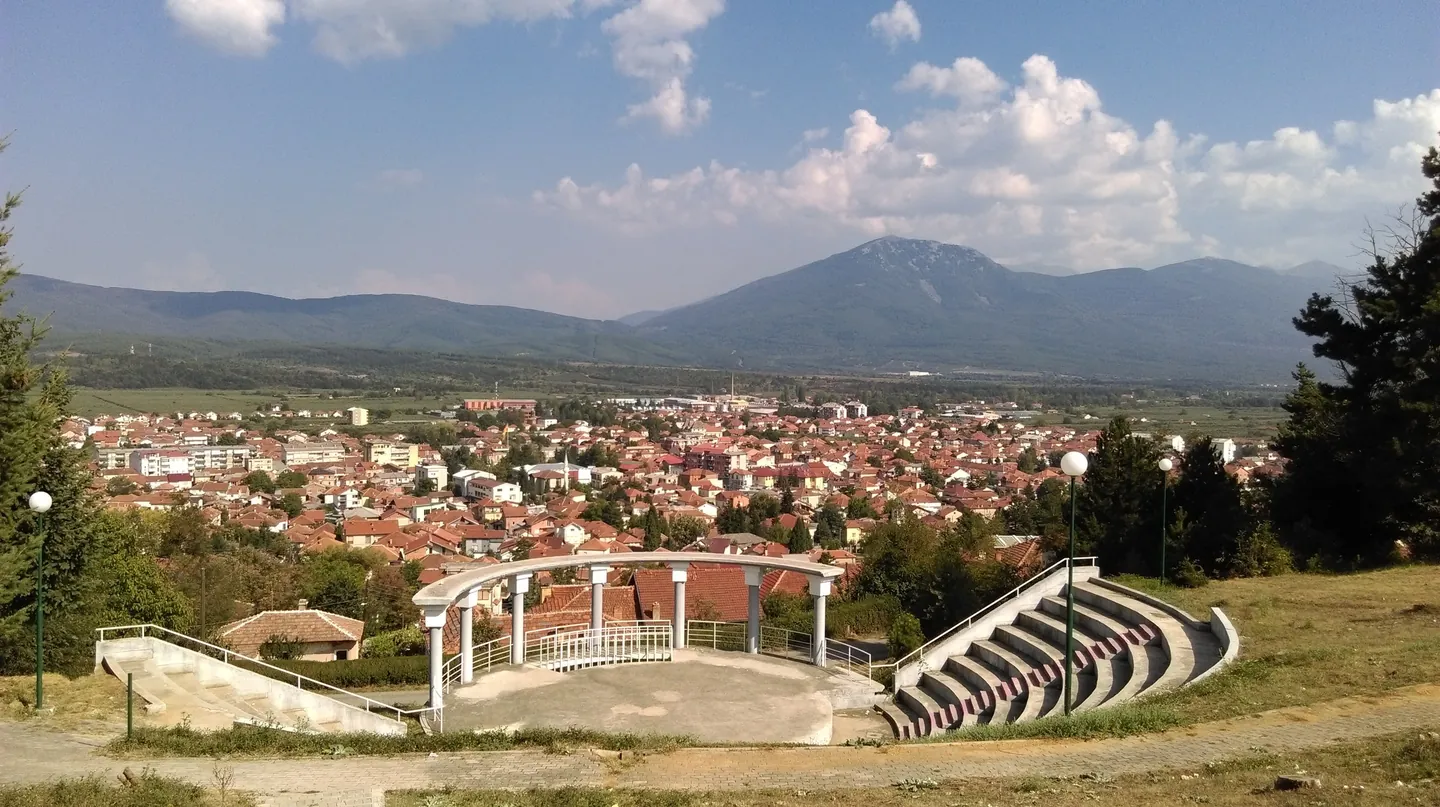
Photo credits
- Resen: a stone church with a square tower and an arcaded porch, behind a low stone wall. Photo: CepiceCC BY-SA 4.0Wikimedia Commons
- Resen: Haji Murat Mosque, a yellow building with a white minaret above a signpost for the centre and Bitola. Photo: ResnjariCC BY-SA 4.0Wikimedia Commons
- Resen: an old house with a balcony, shuttered windows and flowering shrubs, beside a timber outbuilding. Photo: DarkocvCC BY-SA 4.0Wikimedia Commons
- Resen: a street of shopfronts and older buildings with balconies, running into the distance. Photo: Photo BalkanCC BY-SA 3.0Wikimedia Commons
- Resen: the town and a mountain beyond, seen over a hillside open-air amphitheatre with stone seating. Photo: ResnjariCC BY-SA 4.0Wikimedia Commons


