
Vardar
Negotino
Неготино
- Residents · 2021 census
- 12,488
- Old photographs
- 15
- Photographs
- 34
Vineyards and river landscapes in the central Vardar region
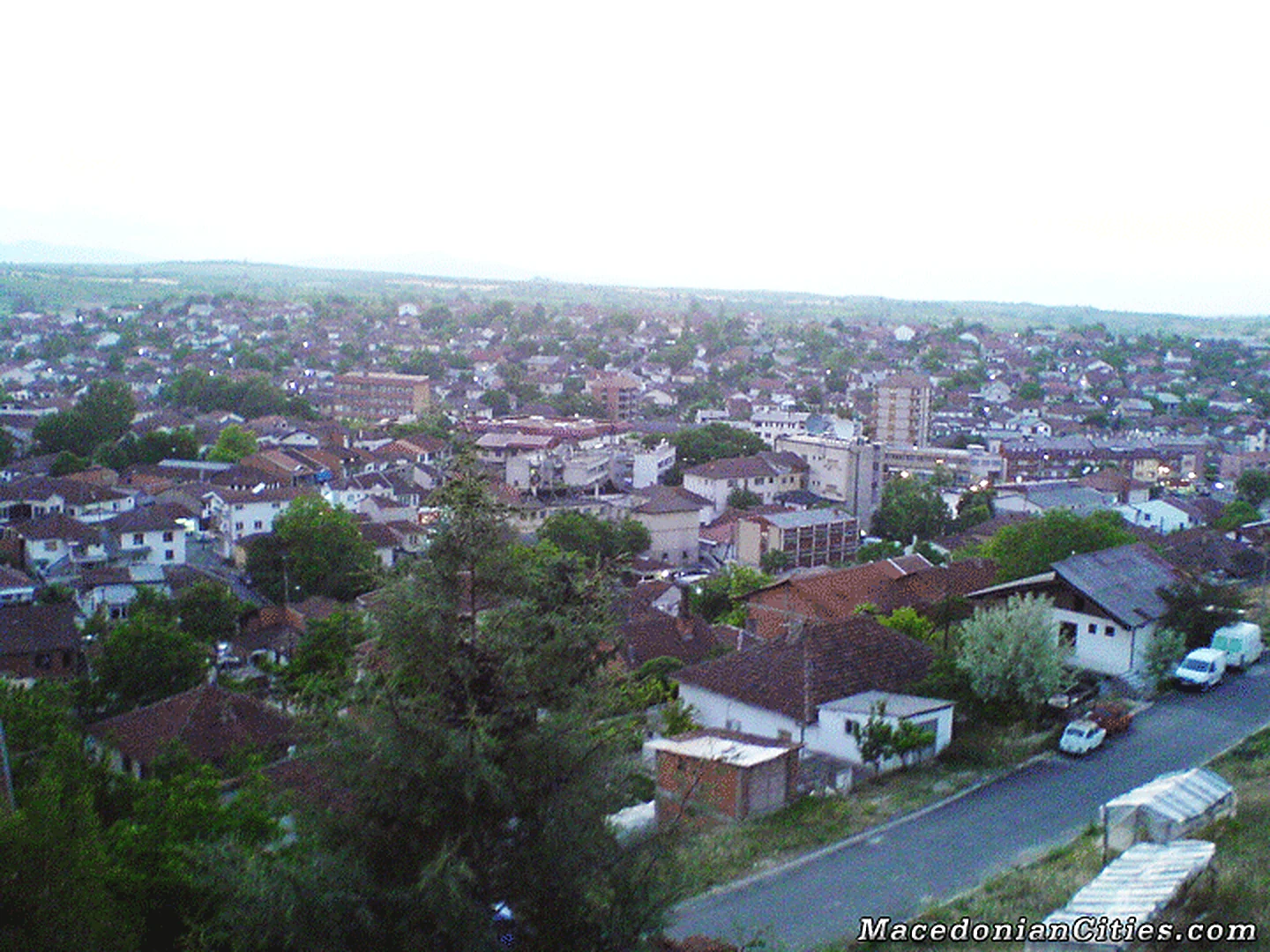
Negotino lies at the eastern edge of the Tikves basin beside North Macedonia's main Vardar road and rail corridor. Dry hills, warm summers and the river valley create one of the country's defining wine landscapes.
Overview
City overview
Meet Negotino.
A grounded introduction to the city, its landscape, people, history and wider municipality.
Negotino lies at the eastern edge of the Tikves basin beside North Macedonia's main Vardar road and rail corridor. Dry hills, warm summers and the river valley create one of the country's defining wine landscapes.
Archaeological sites record long settlement along the routes between the Vardar and the interior. Claims that individual ruins are ancient Antigoneia remain debated, so the safer public story emphasizes the well-documented continuity of farming, travel and exchange.
The Ottoman-period settlement developed as a market and service town for an agricultural hinterland. In the twentieth century, organized viticulture, wineries and modern transport established Negotino as one of the working centres of the Tikves wine district.
The city museum, Saint George monastery and Saint Tryphon vine-growing customs connect material heritage with the agricultural calendar. The municipality includes 18 villages, ranging from Vardar-side settlements to dry uplands and vineyard country.
The 2021 census counted 12,488 residents in Negotino itself and 18,194 across the wider municipality; 5,706 people lived outside the city settlement. That distinction between the urban centre and its surrounding communities is important in Macedonian demographic reporting and in understanding everyday local life.
At a glance
Useful facts, in one place.
Settlement and municipality figures are kept distinct wherever sources permit.
- Municipality
- Negotino Municipality
- City population
- 12,488
- Municipality population
- 18,194
- Population year
- 2021
- Municipal area
- 426.46 km²
- Elevation
- 150 m
- Approx. road distance from Skopje
- 98 km
- Postal code
- 1440
- Climate
- Modified Mediterranean-continental climate with hot, dry summers, relatively mild winters and strong suitability for vines.
- Sports teams
- FK Vardar Negotino
- Culture
-
- Saint Tryphon celebrations publicly mark the pruning season and the town's wine identity.
- Negotino City Museum preserves archaeological, ethnological and modern historical collections.
- The town belongs to the wider Tikves wine region shared with Kavadarci and neighbouring municipalities.
- Population snapshot
- 12,488 city residents and 18,194 municipality residents in the 2021 census; 5,706 lived outside the city settlement.
- Statistical region
- Vardar
- Settlements
- 19
- Villages
- 18
- Area note
- The municipality's newer 2027 energy plan gives 426.46 km2; an older general-information page gives 414 km2. The newer official figure is used here.
Known for
The city's signature.
Landmarks, foods, landscapes and traditions that give Negotino its character.
- Tikves vineyards and wine production
- Saint Tryphon vine-growing traditions
- Negotino City Museum
- Location on the Vardar transport corridor
Geography
Geography
Land shapes the city.
Terrain, waterways, climate and transport explain why Negotino grew where it did.
Negotino sits near the eastern edge of the Tikves basin, where the low hills open toward the Vardar River corridor. This is a dry, sunlit part of central-southern North Macedonia: continental air reaches the basin from the north, while warmer influences travel up the Vardar from the Aegean. The town's position beside the country's principal north-south route has long made it a practical stopping point between Skopje and Gevgelija.
Vines define the surrounding landscape. Stony, well-drained slopes and hot summers favour wine grapes, while fields closer to the river support cereals, vegetables and orchard crops. The wider municipality also reaches into rugged country cut by seasonal streams, so the compact town quickly gives way to vineyards, scrub and pale hills. Negotino and neighbouring Kavadarci form the working heart of the Tikves wine district rather than two isolated wine towns.
History
History
A concise, rewritten account.
Written afresh from cross-checked municipal, archaeological, heritage and institutional sources—not copied website text.
People have occupied the lower Tikves landscape since prehistory, and archaeological sites around Negotino record ancient settlement along routes that linked the Vardar valley with the interior. The ruins near the modern town are often discussed in connection with ancient Antigoneia, although the precise identification of individual sites should be treated cautiously. What is certain is that farming, movement along the river corridor and the exchange of local goods shaped the area well before the present town took form.
During the Ottoman centuries, Negotino developed as a road settlement and market for a productive agricultural hinterland. Its urban character became clearer in the nineteenth century, when craft, trade and wine growing expanded. The end of Ottoman rule and the Balkan wars brought upheaval, after which the town became part of successive Yugoslav states.
In the twentieth century, organized viticulture, wineries and transport links turned an old agricultural centre into one of the country's best-known wine towns. The City Museum, founded in 1978, now preserves archaeological, ethnological and historical material from the municipality. The annual observance of Saint Tryphon, patron of vine growers, gives public expression to a much older local rhythm: pruning in winter, tending through the dry summer and harvest at the edge of autumn.
The preserved legacy narrative
Open the preserved legacy narrative
This town in the Vardar valley has a rich and eventful past. A settlement existed here in antiquity and is traditionally identified with Antigonia, or Antigoneia, said to have been founded in the third century BC by the Macedonian king Antigonus Gonatas, who ruled from 278 to 239 BC. After extending his authority over Paeonia and the settlements along the middle Vardar, the new foundation is said to have received his name. The precise identification of the archaeological site, however, remains debated.
Material finds and local tradition place Antigonia, regarded in the legacy account as Negotino's predecessor, twelve Roman miles south of ancient Stobi on the road to Thessaloniki, at Gradište near today's Negotino railway station. Coins bearing portraits of Roman emperors, valuable jewellery and other remains from the Roman and Byzantine periods have been found there. The account holds that the ancient town survived until the sixth century, when a disastrous earthquake struck much of Macedonia and damaged or destroyed cities including Scupi, Stobi, Heraclea, Astibo and Idomenae; the scale and exact effects of that event should be treated cautiously.
In the tenth and eleventh centuries, the Negotino area formed part of the state ruled by Tsar Samuel and his successors.
The Vardar valley and the Negotino district came under Ottoman authority in 1385 during the campaign of Timurtaş Pasha. During the Ottoman period, Ali Pasha of Ioannina is said to have reactivated a nearby fortress because the Skopje–Thessaloniki road passed close by on the right bank of the Vardar. His soldiers collected tolls from merchants at the canyon passage.
In the first years of the nineteenth century, Negotino was a bey's estate of about thirty houses. Kazim Bey and Kantur Bey held estates on the site of the present town, worked by the local Macedonian population.
In 1821, the wealthy Hadži Tair built a clock tower, a mosque and a covered market with about fifteen shops. The settlement then began to grow as merchants and craftspeople arrived from nearby places. Negotino was first described as a town in 1837, when a church and school were built. Goods were carried toward Thessaloniki on rafts along the Vardar, which the account describes as navigable from Veles to the Aegean Sea.
The years of the Balkan Wars and the First World War, from 1913 to 1918, were especially dark for Negotino. The town was burned on several occasions, its population was scattered, and many people died defending their homes. Competing armies and state interests divided families; in some cases brothers fought on opposing sides. Residents were pressured to alter the endings of their surnames, while men returning from one war were sent into another before they had even seen their closest relatives.
Negotino's history is therefore marked by events that repeatedly changed the town's course, each leaving another layer in its collective memory.
Profile sources (13)
- negotino.gov.mk/opshti-informacii
- muzejnegotino.mk/Istor.aspx?id=2
- vardarregion.gov.mk/en/region/municipalities
- un.org/en/ga/president/bios/bio32.shtml
- negotino.gov.mk/wp-content/uploads/2026/06/%D0%9E%D0%95%D0%9F-2027-%D0%9D%D0%B5%D0%B3%D0%BE%D1%82%D0%B8%D0%BD%D0%BE-2027-%D0%B3%D0%BE%D0%B4%D0%B8%D0%BD%D0%B0.pdf
- negotino.gov.mk/%D0%B2%D0%B5%D1%80%D1%81%D0%BA%D0%B8-%D0%BE%D0%B1%D1%98%D0%B5%D0%BA%D1%82%D0%B8
- negotino.gov.mk/wp-content/uploads/2025/05/%D0%A1%D0%BB%D1%83%D0%B6%D0%B1%D0%B5%D0%BD-%D0%B3%D0%BB%D0%B0%D1%81%D0%BD%D0%B8%D0%BA-%D0%B1%D1%80.-6-2025.pdf
- makstat.stat.gov.mk/PXWeb/pxweb/en/MakStat/MakStat__Popisi__Popis2021__NaselenieVkupno__PodatociNaselenie/T1501P21.px
- en.wikipedia.org/wiki/Kristina_Arnaudova
- musicbrainz.org/artist/307b689c-4eb3-4be4-a769-781790a5e422
- macedonianfootball.com/this-day-in-history/1979-05-13
- prabook.com/web/aleksandar.belov/2558689
- en.wikipedia.org/wiki/Sijce_Andonova
Interesting Facts
Interesting facts
Details worth remembering.
Local landmarks, customs, foods and historical details that reward a closer look at Negotino.
-
A current 2021 baseline
Negotino Municipality recorded 18,194 residents in the 2021 census.
-
Nineteen settlements
The municipality consists of Negotino and 18 officially listed villages.
-
Built for wine country
High sunshine, dry summers and mixed Mediterranean-continental influence help make the Tikves basin North Macedonia's principal viticultural landscape.
-
Saint George since 1860
Residents built the Saint George monastery in 1860 at Crkvishte near the Vardar; later work expanded the complex while retaining its historic core.
-
A national transport corridor
The motorway and railway through the municipality follow the Vardar corridor between Skopje and Gevgelija/Thessaloniki.
-
A municipal museum
The City Museum, established in 1978, preserves archaeology, ethnology, art and local historical material.
People
Celebrities
Lives linked to the city.
Writers, musicians, artists, athletes, public figures and historical personalities with a clearly stated connection to Negotino.
- Notable person Lazar Mojsov Negotino-born diplomat and jurist who served as Yugoslavia's UN representative and president of the 32nd United Nations General Assembly.
-
Lazar Mojsov diplomacy
Born in Negotino.
Diplomat, jurist and statesman who served as president of the 32nd United Nations General Assembly.
Source -
Kristina Arnaudova music
Born in Negotino.
Pop singer and founder of a humanitarian organization supporting children and families.
Source -
Angel Dimov music
Born in Negotino according to the cited artist authority record.
Musician associated with Macedonian popular and folk performance.
Source -
Mile Krstev sport
Born in Negotino.
Former professional footballer and North Macedonia international.
Source -
Aleksandar Belov music
Born in Negotino.
Singer who became known through regional television music competitions.
Source -
Sijce Andonova sport
Born in Negotino.
Footballer who represented North Macedonia internationally.
Source
Villages & Monasteries
Villages
The wider municipality.
Every verified village and rural settlement in the current municipal scope, followed by known monasteries in the surrounding cultural landscape.
18 villages and rural settlements are included.
- Brusnik Officially listed rural settlement in Negotino Municipality. Source
- Veshje Officially listed rural settlement in Negotino Municipality. Source
- Vojshanci Officially listed rural settlement in Negotino Municipality. Source
- Gorni Disan Vineyard-country village in Negotino Municipality. Source
- Dolni Disan Vineyard-country village in Negotino Municipality. Source
- Dubrovo Village close to the Vardar transport and energy corridor. Source
- Janoshevo Officially listed rural settlement in Negotino Municipality. Source
- Kalanjevo Officially listed rural settlement in Negotino Municipality. Source
- Krivolak Large Vardar-side village whose name is also used for the nearby military training area. Source
- Kurija Officially listed rural settlement in Negotino Municipality. Source
- Lipa Officially listed rural settlement in Negotino Municipality. Source
- Pepelishte Large agricultural village near the Vardar River. Source
- Peshternica Officially listed rural settlement in Negotino Municipality. Source
- Timjanik Village immediately south of Negotino in the Tikves vineyard landscape. Source
- Tremnik Officially listed rural settlement in Negotino Municipality. Source
- Crveni Bregovi Officially listed rural settlement in Negotino Municipality. Source
- Dzidimirci Officially listed rural settlement in Negotino Municipality. Source
- Sheoba Officially listed rural settlement in Negotino Municipality. Source
Monasteries nearby
Places of continuity.
Verified monastic sites within the municipality or its immediate cultural landscape.
-
Saint George Monastery
Crkvishte, near Negotino on the right bank of the Vardar
Monastery founded by townspeople in 1860, with renovated nineteenth-century guest quarters and annual religious gatherings.
Source
Old Photos (15)
Old Photos
The rare collection.
Every surviving full-size historical file is included, including originals that the old page markup accidentally omitted. Family-preserved originals remain untouched.
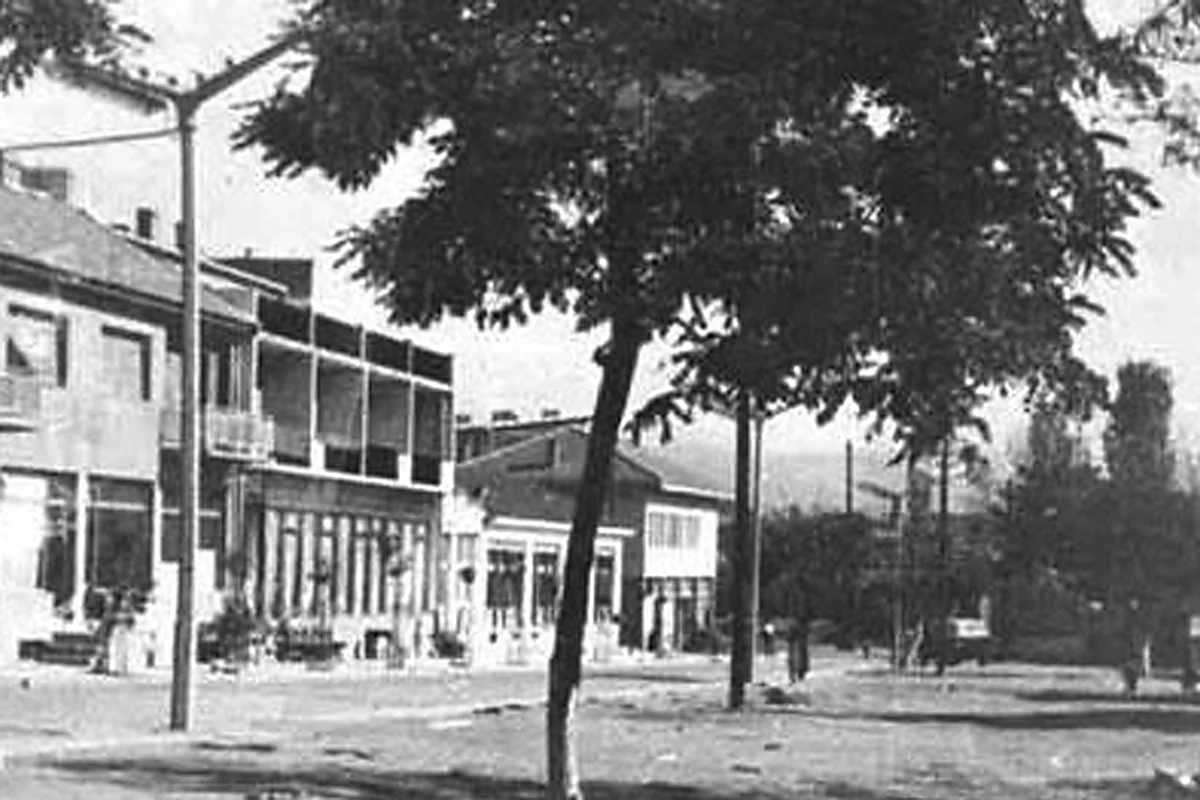
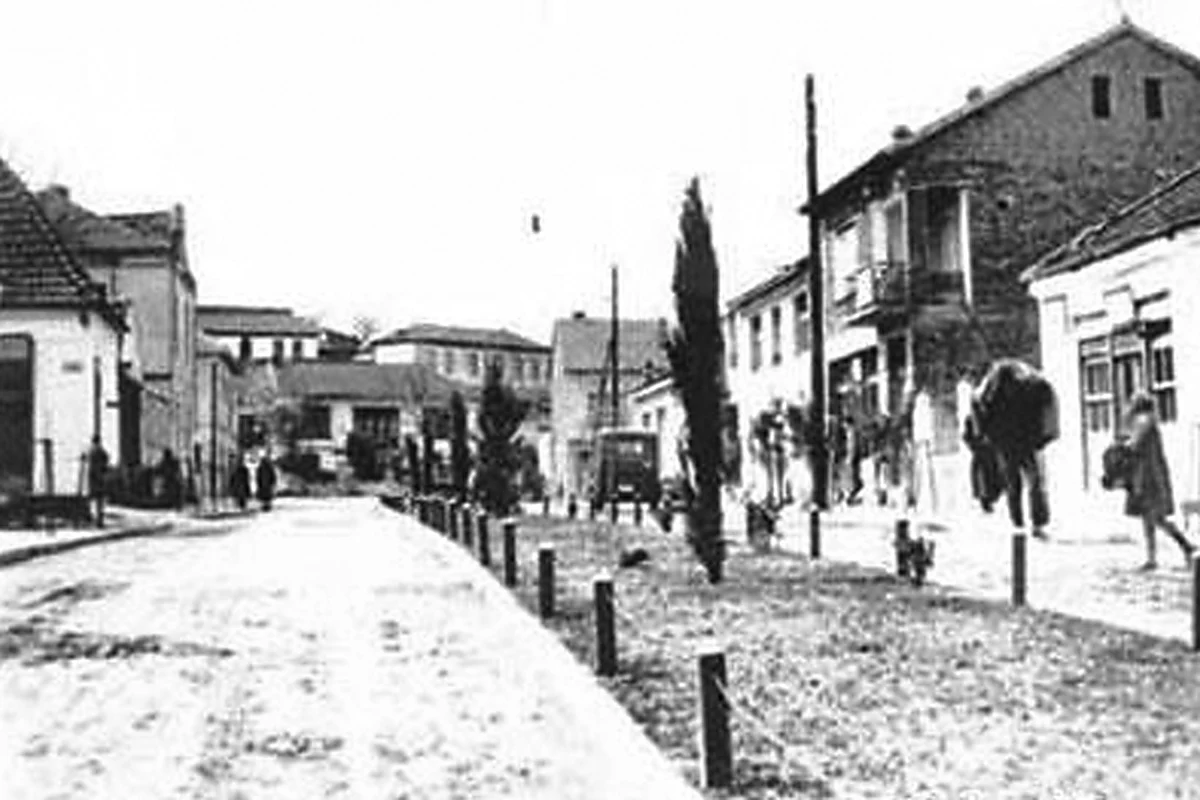
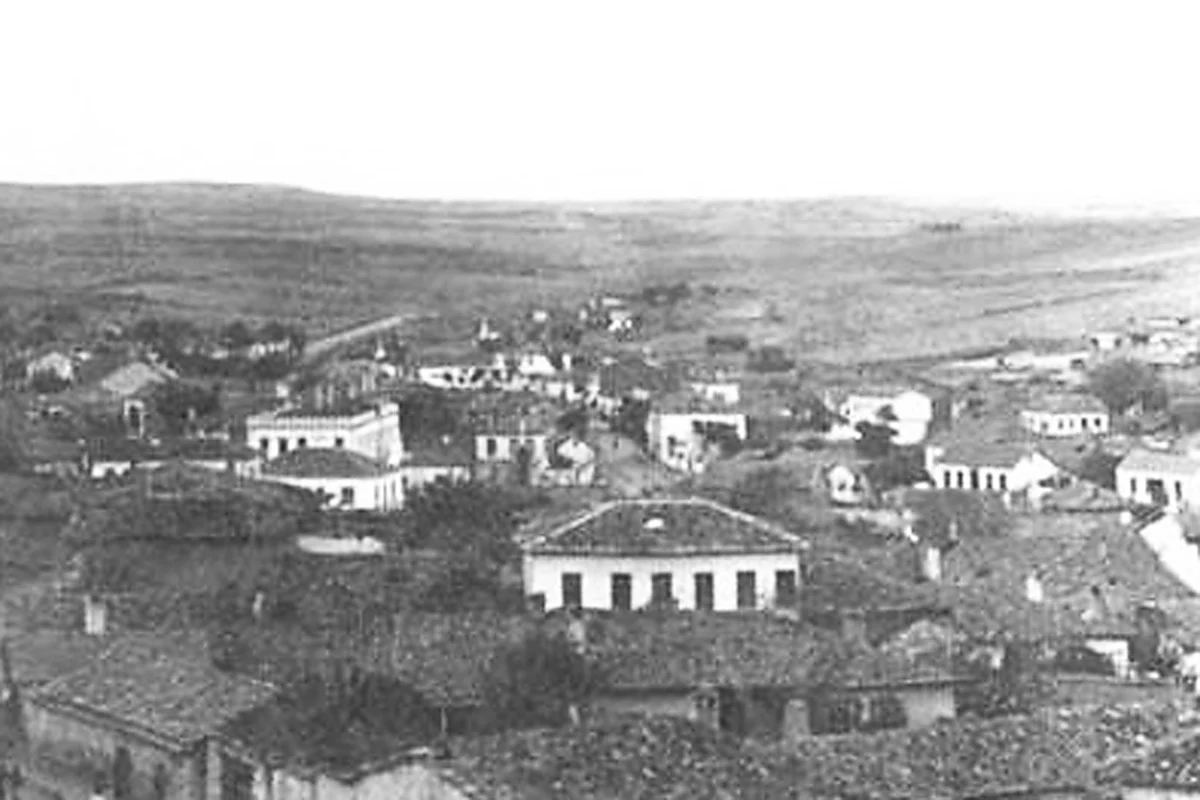
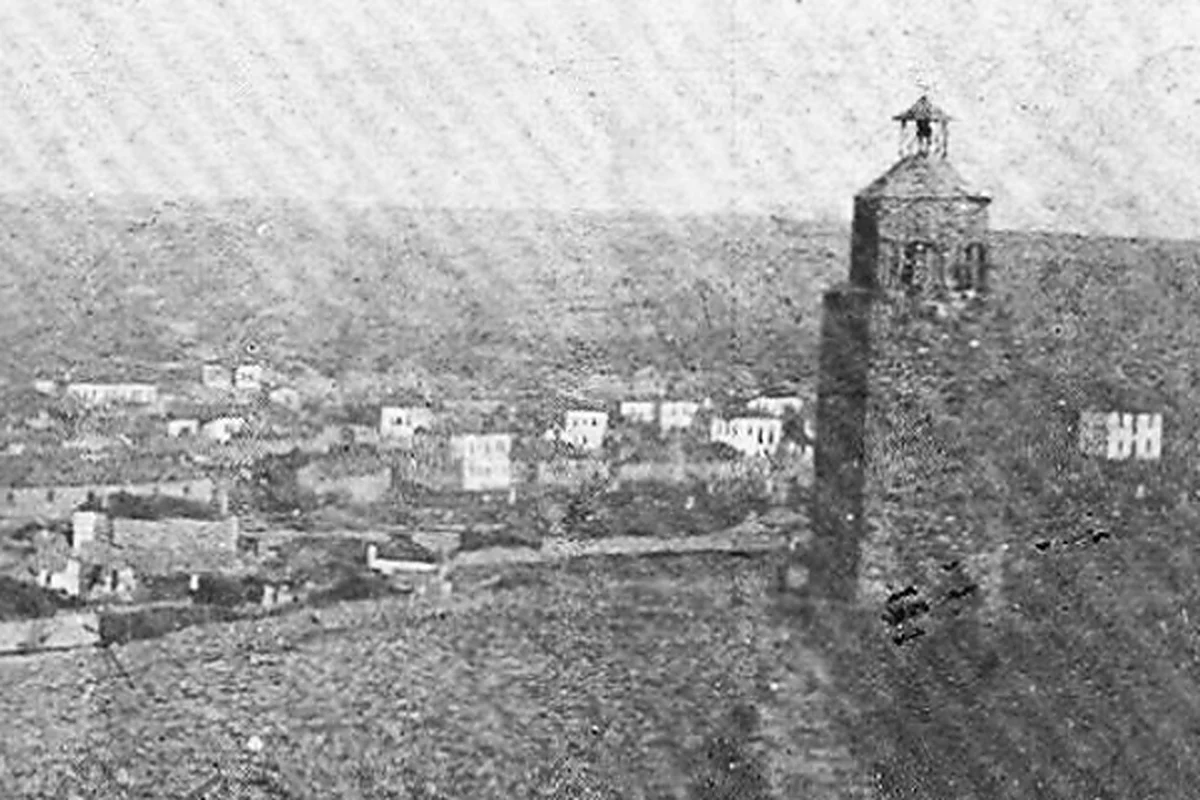
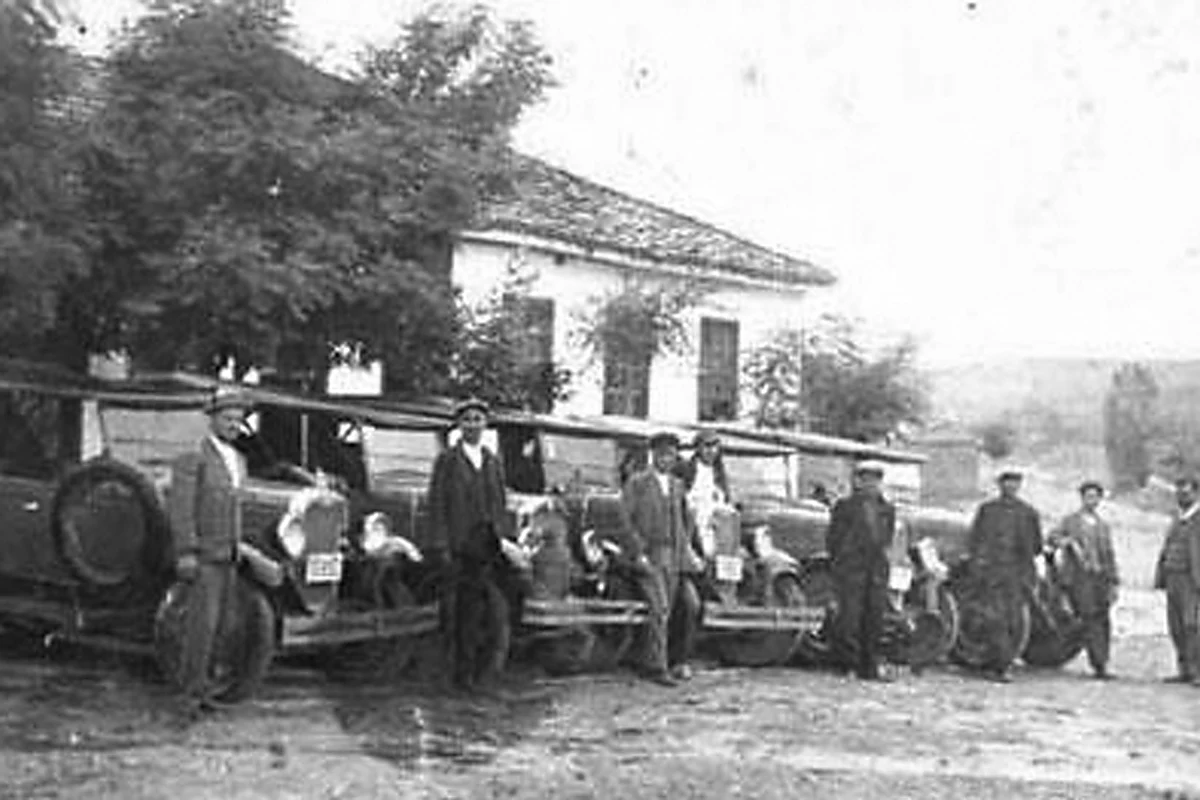
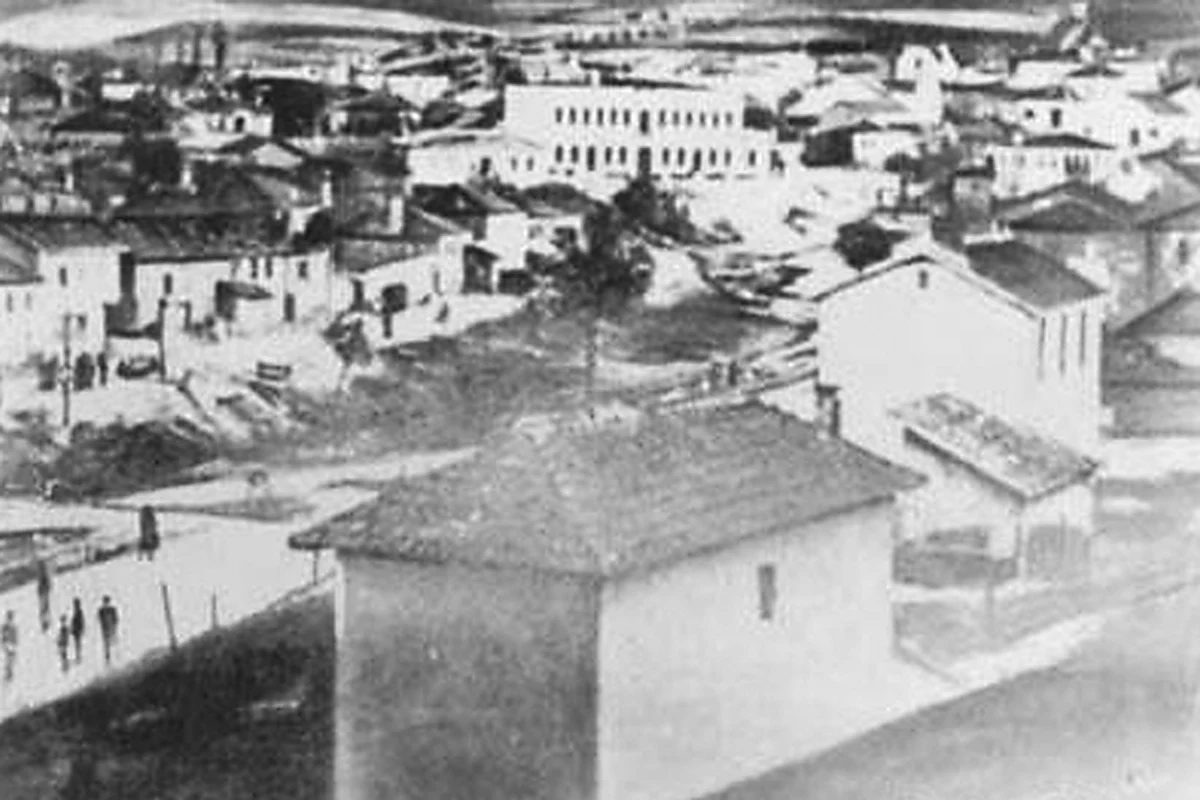
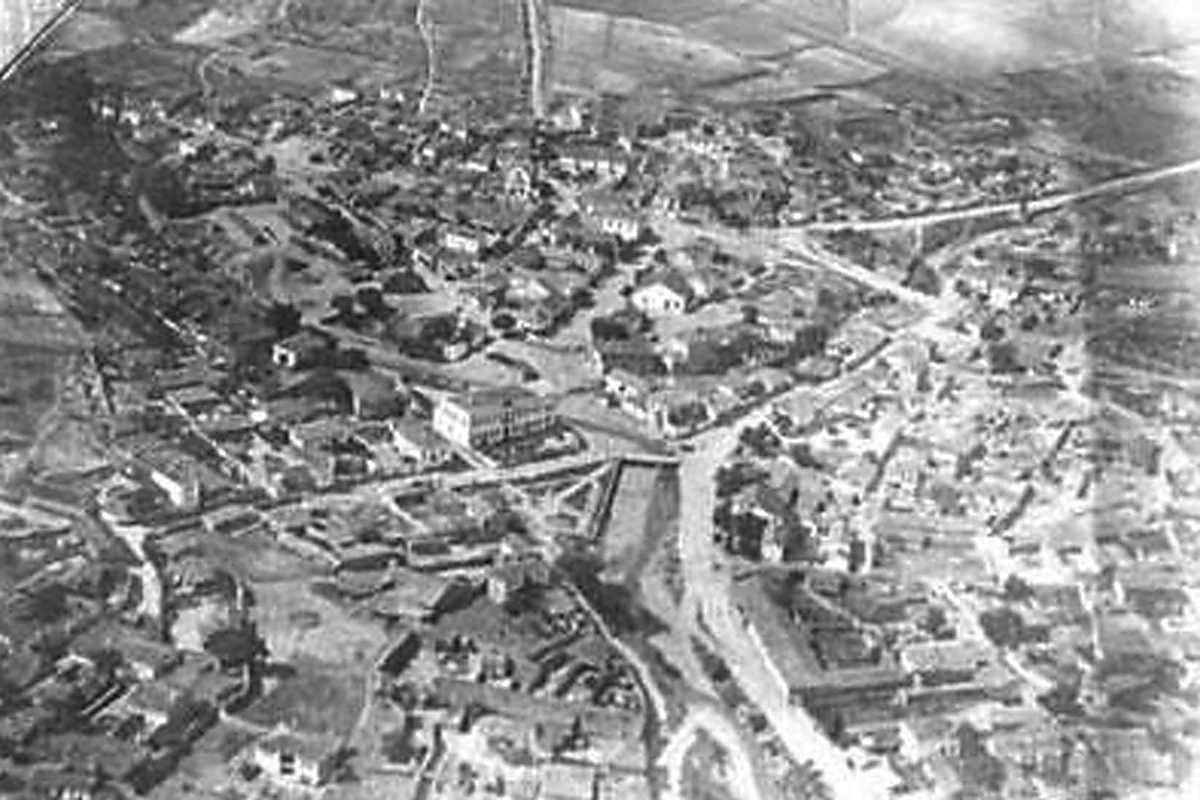
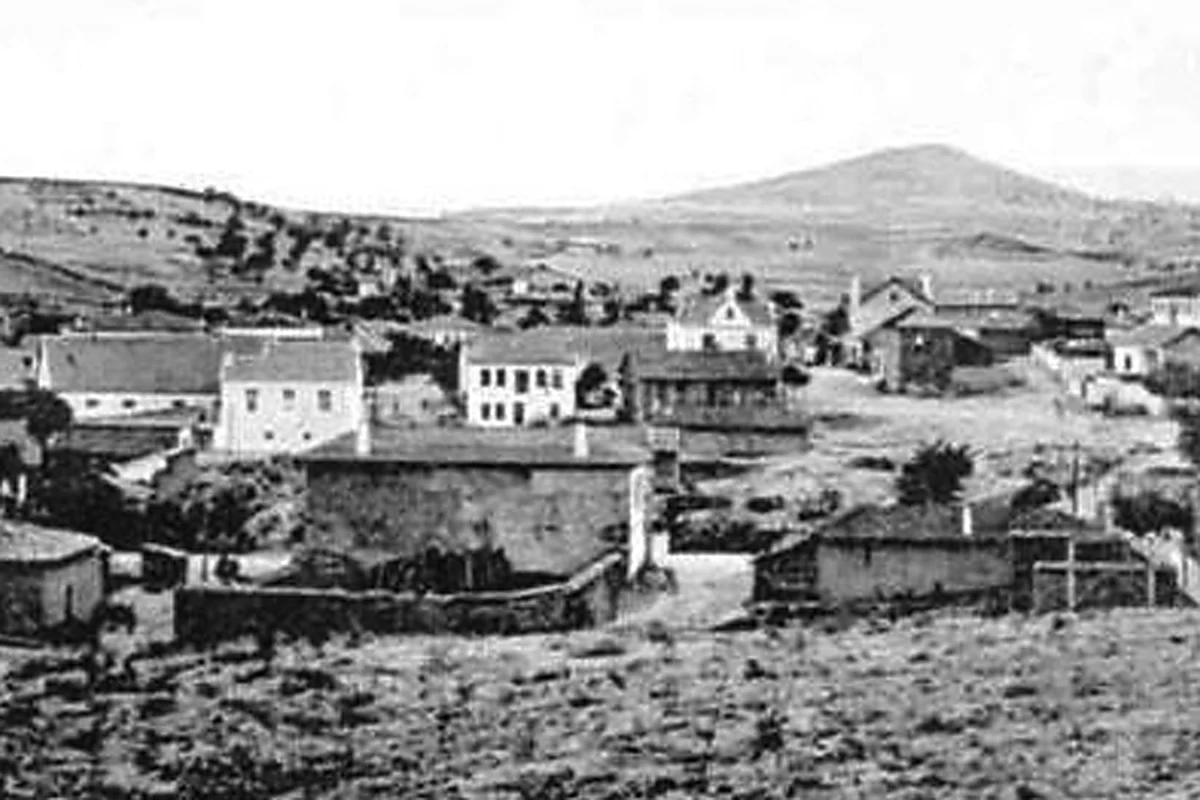
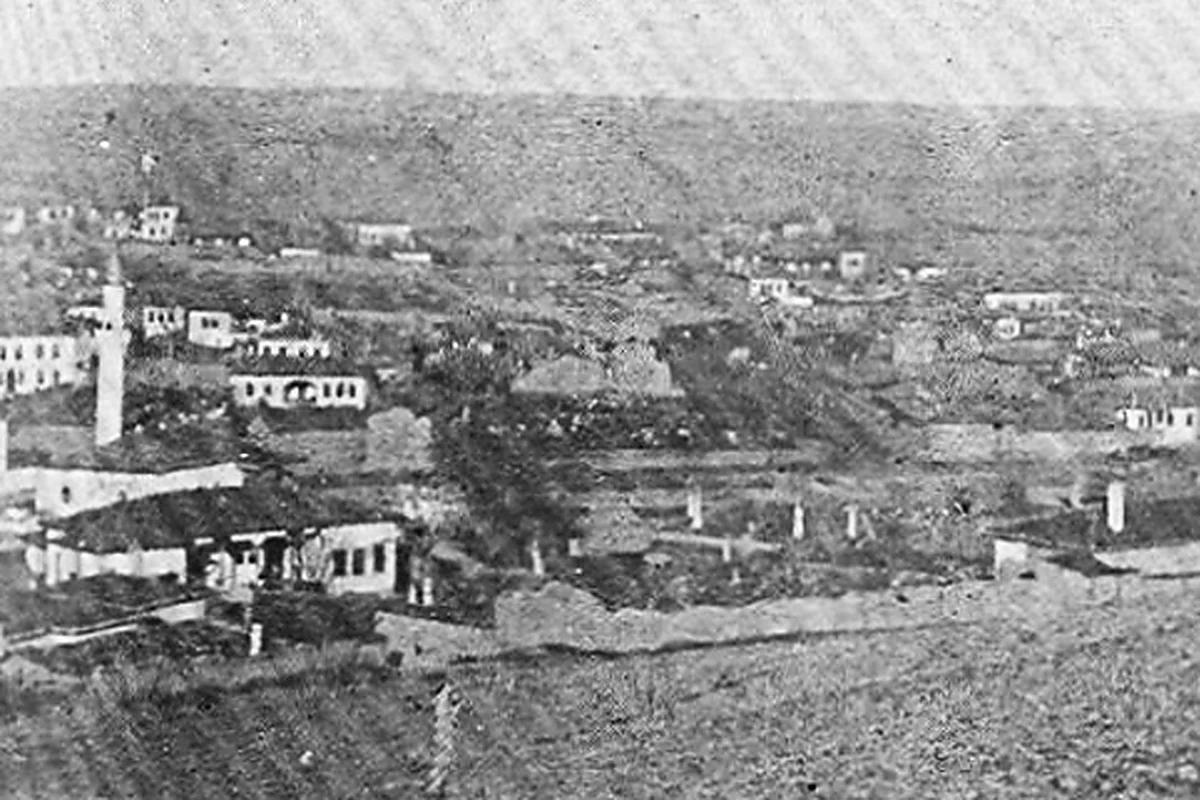
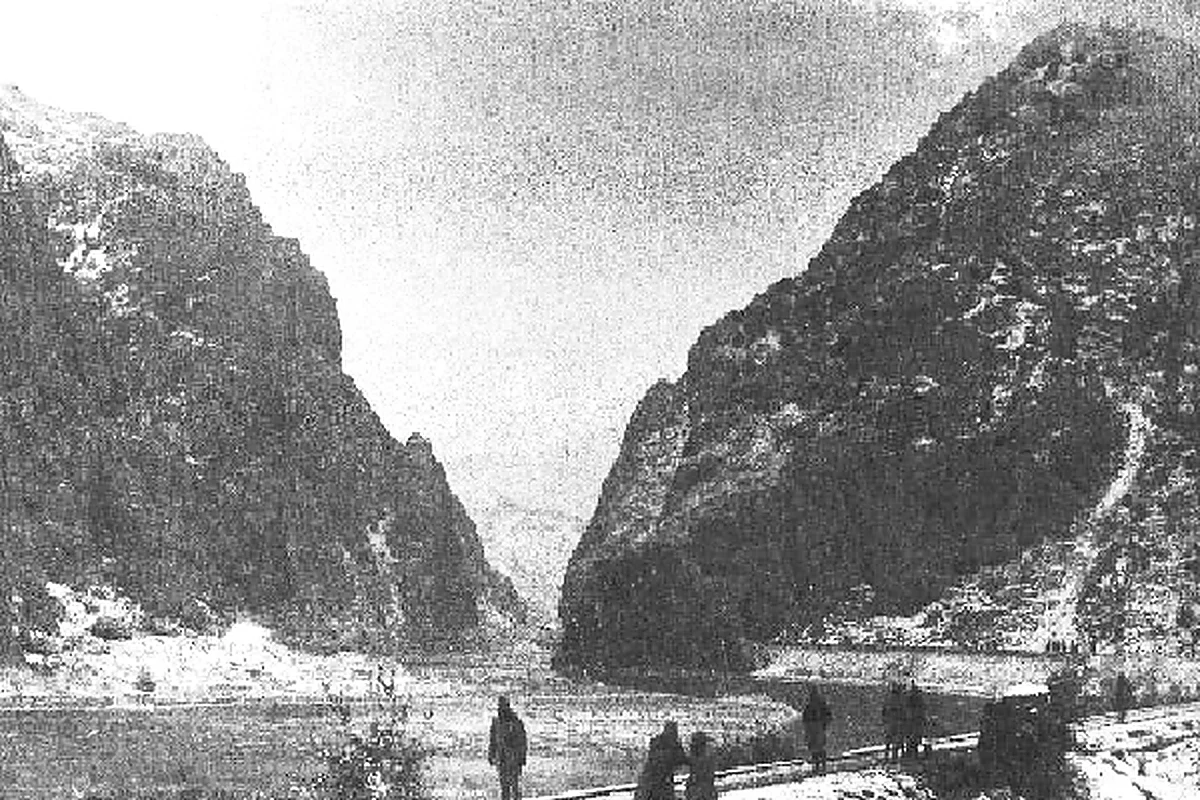
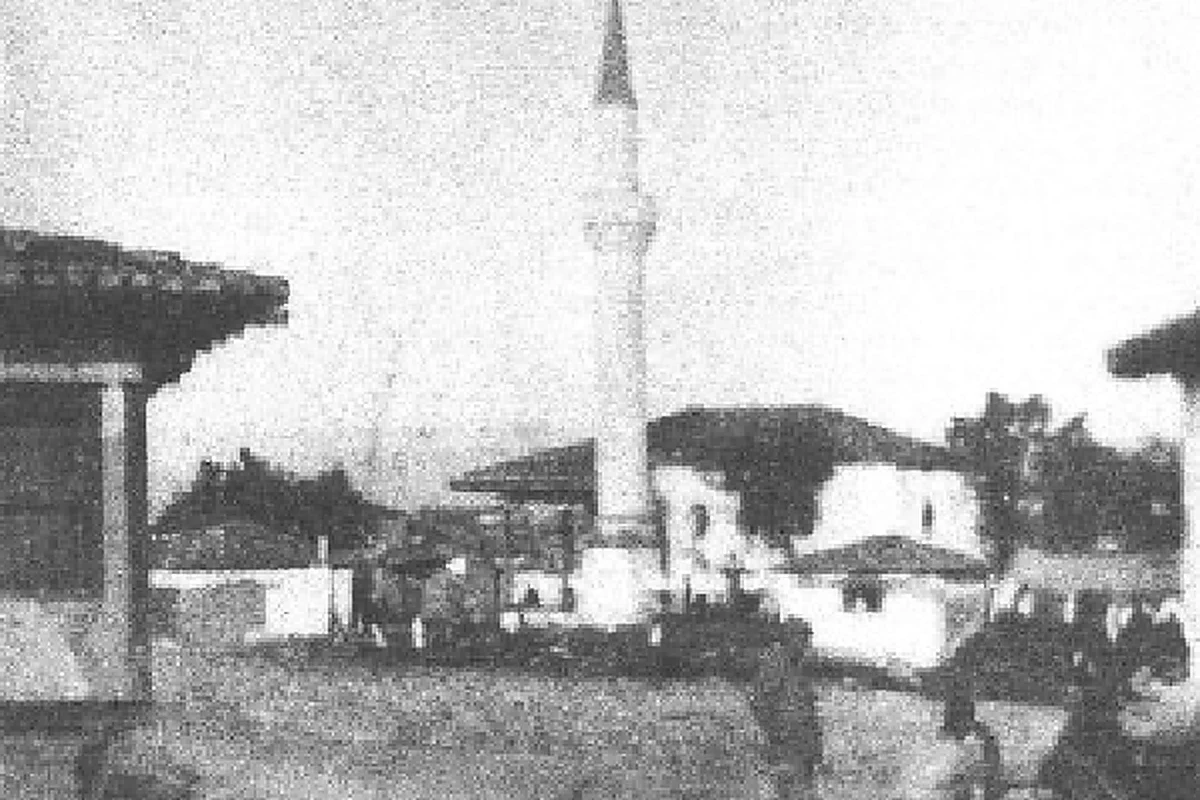
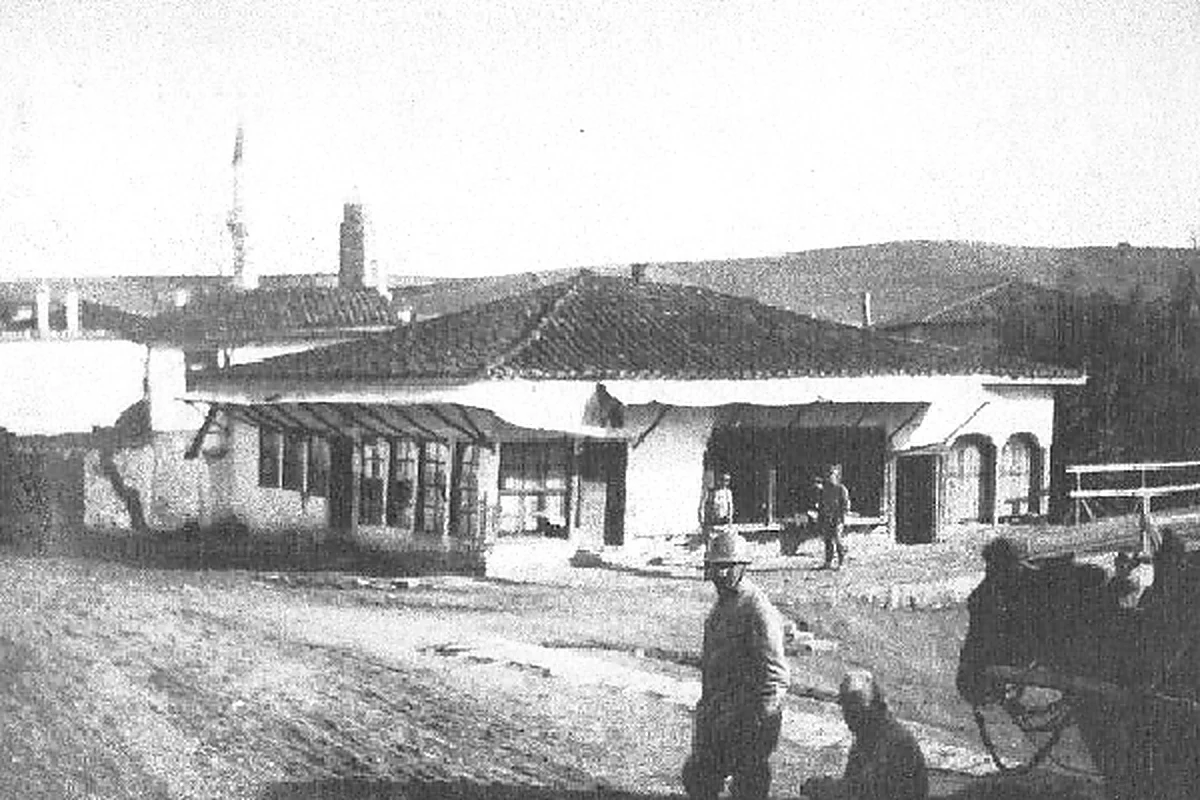
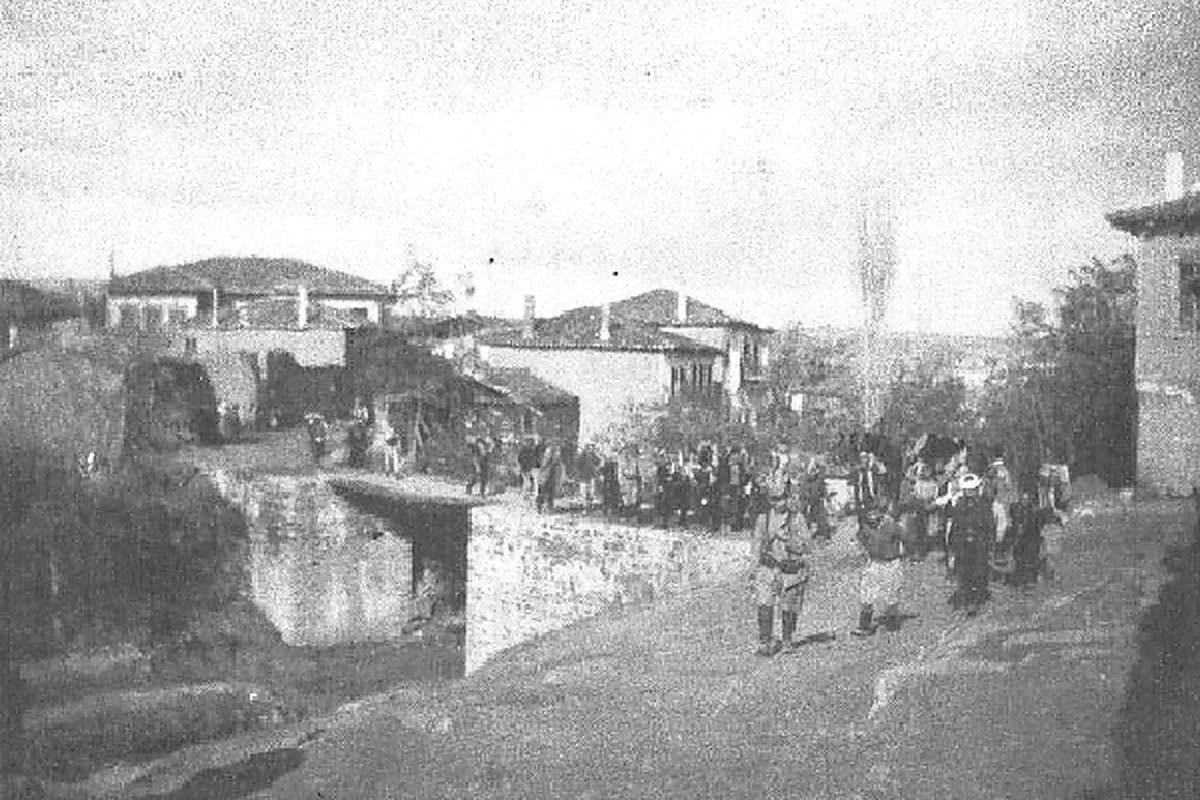
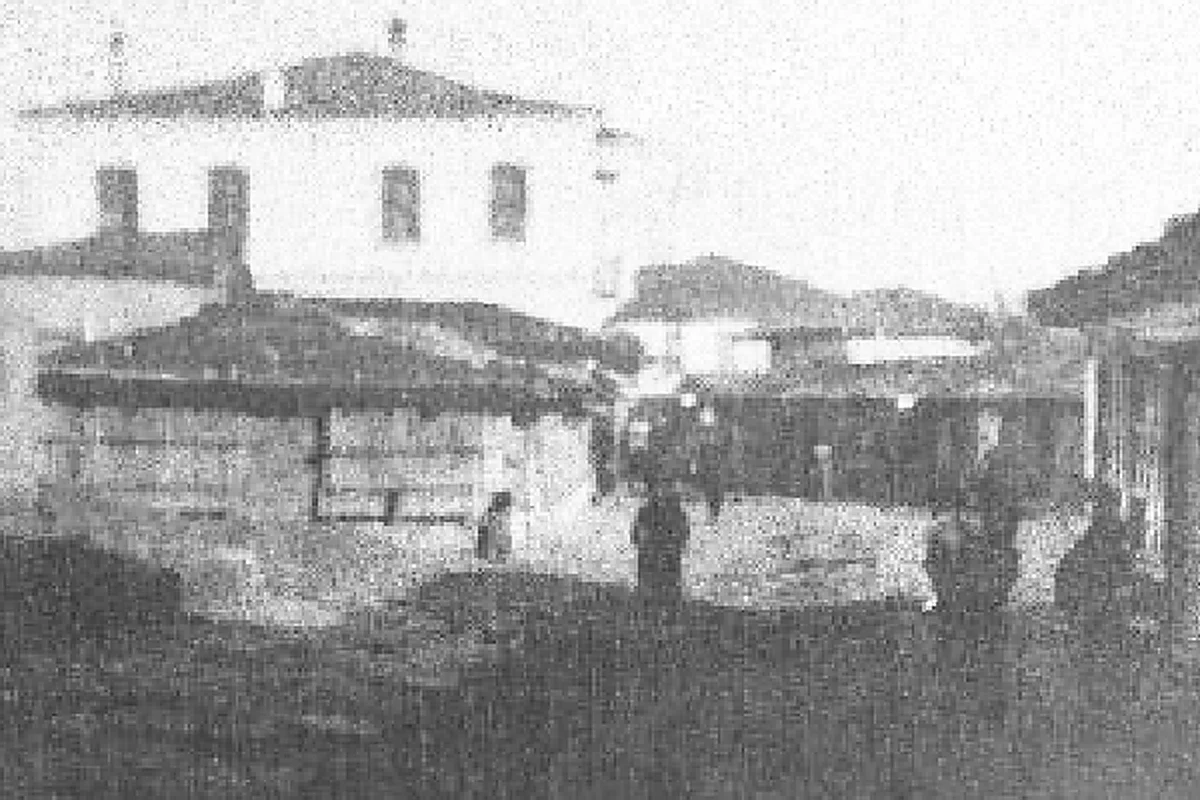
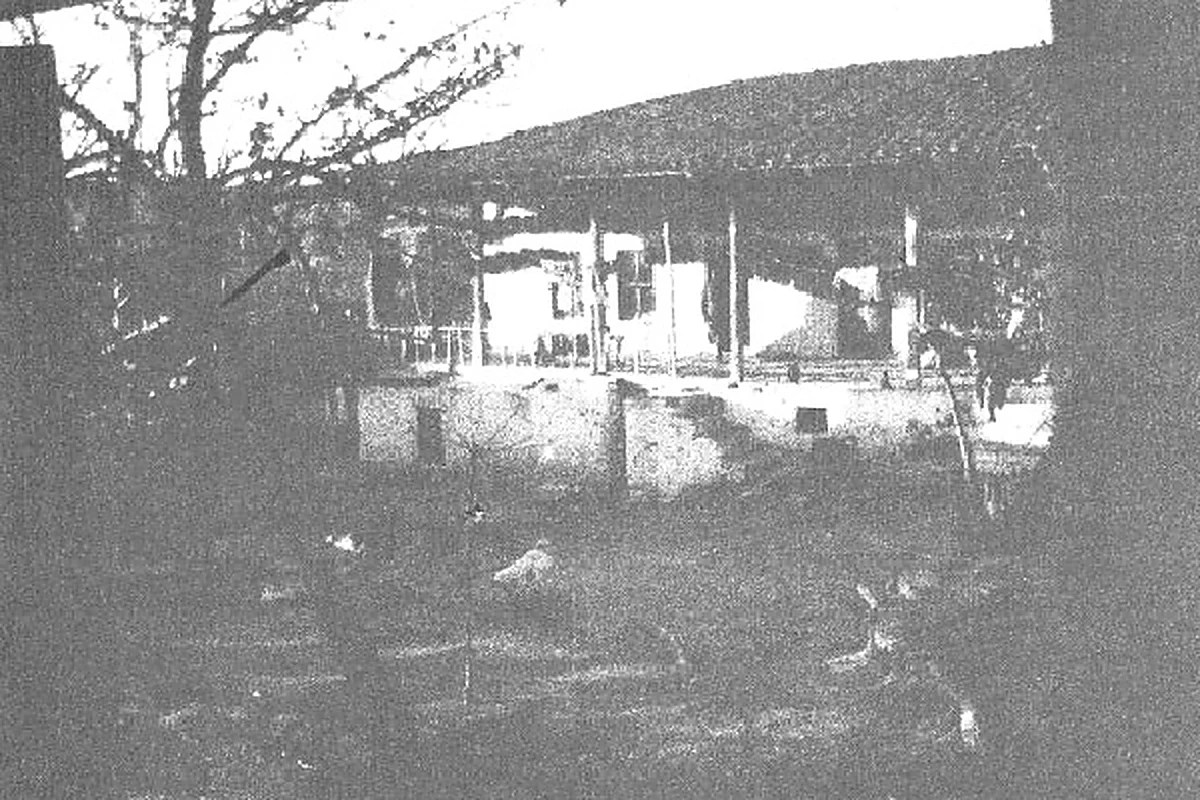
Photo Gallery (34)
Photo Gallery
Negotino, frame by frame.
A responsive family gallery, including city views recovered from the old rotating banner system.
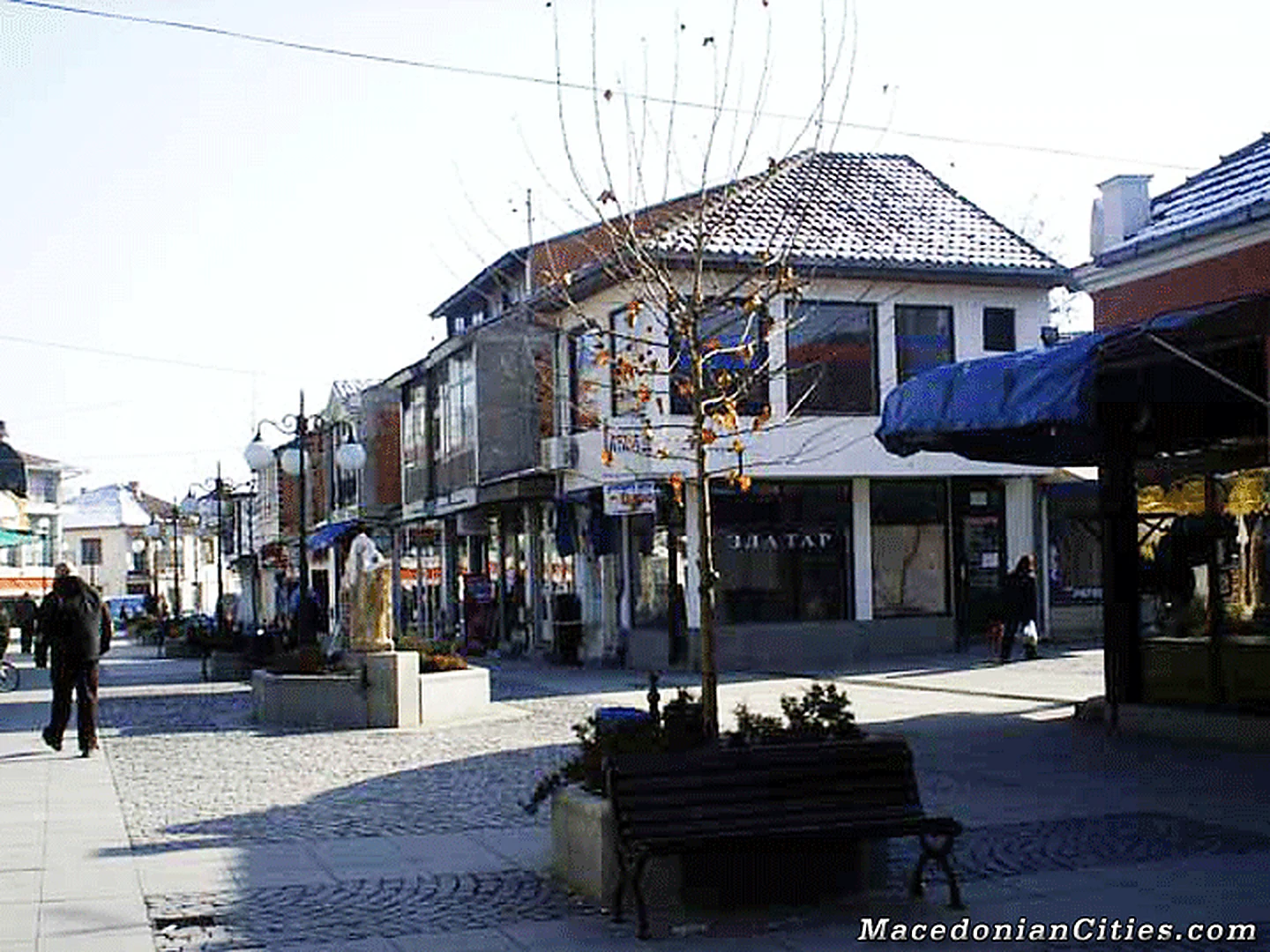
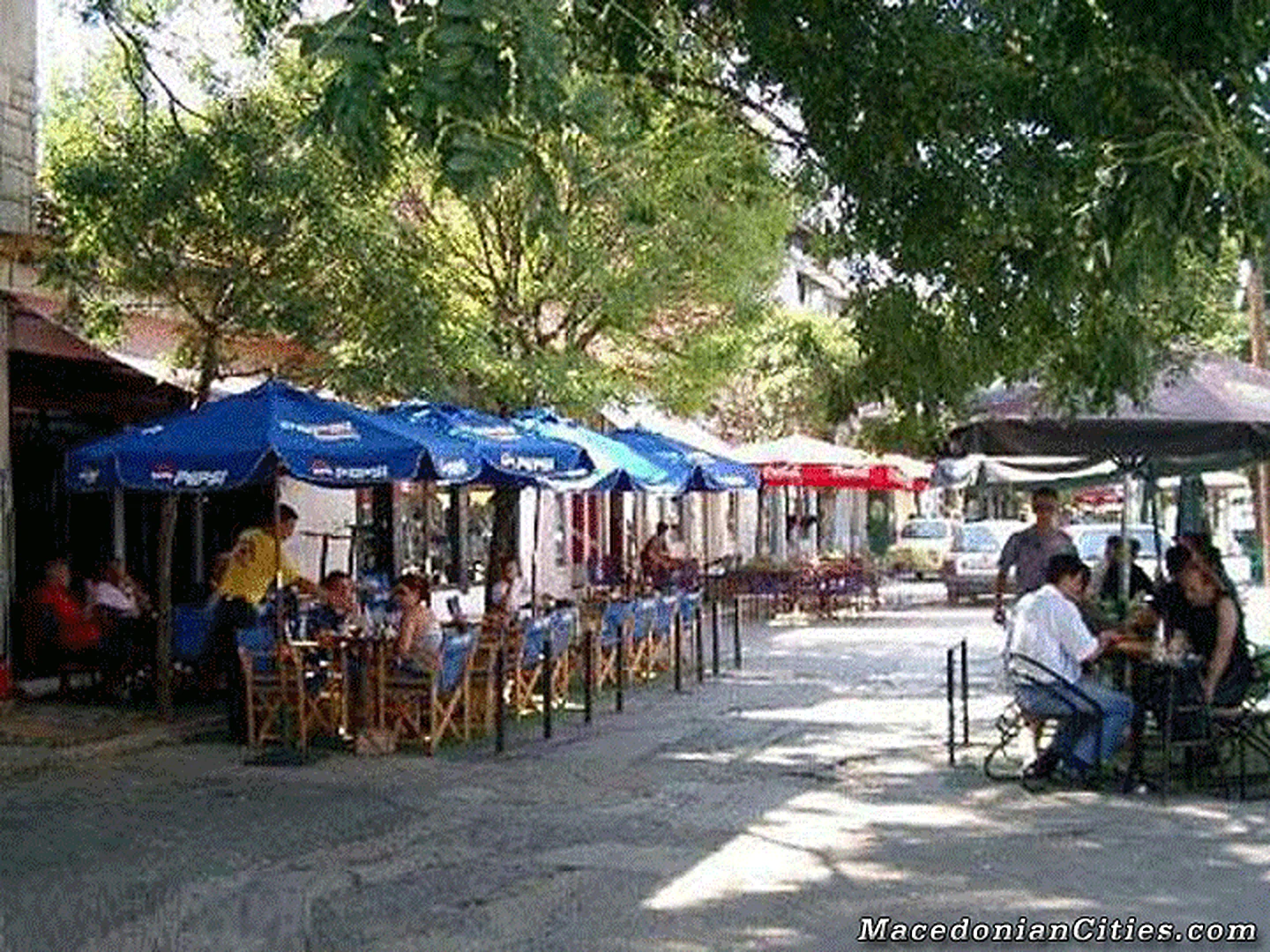
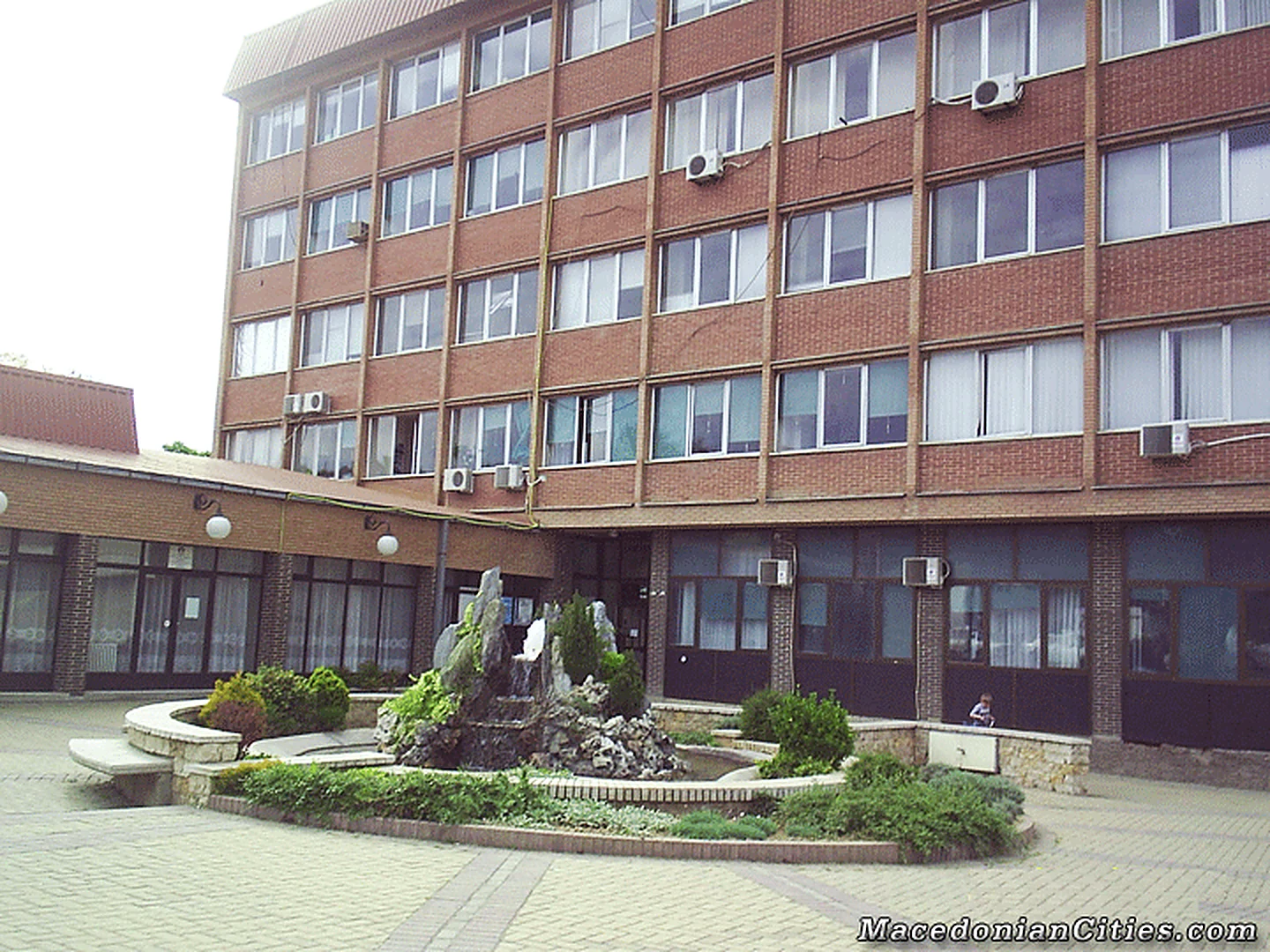
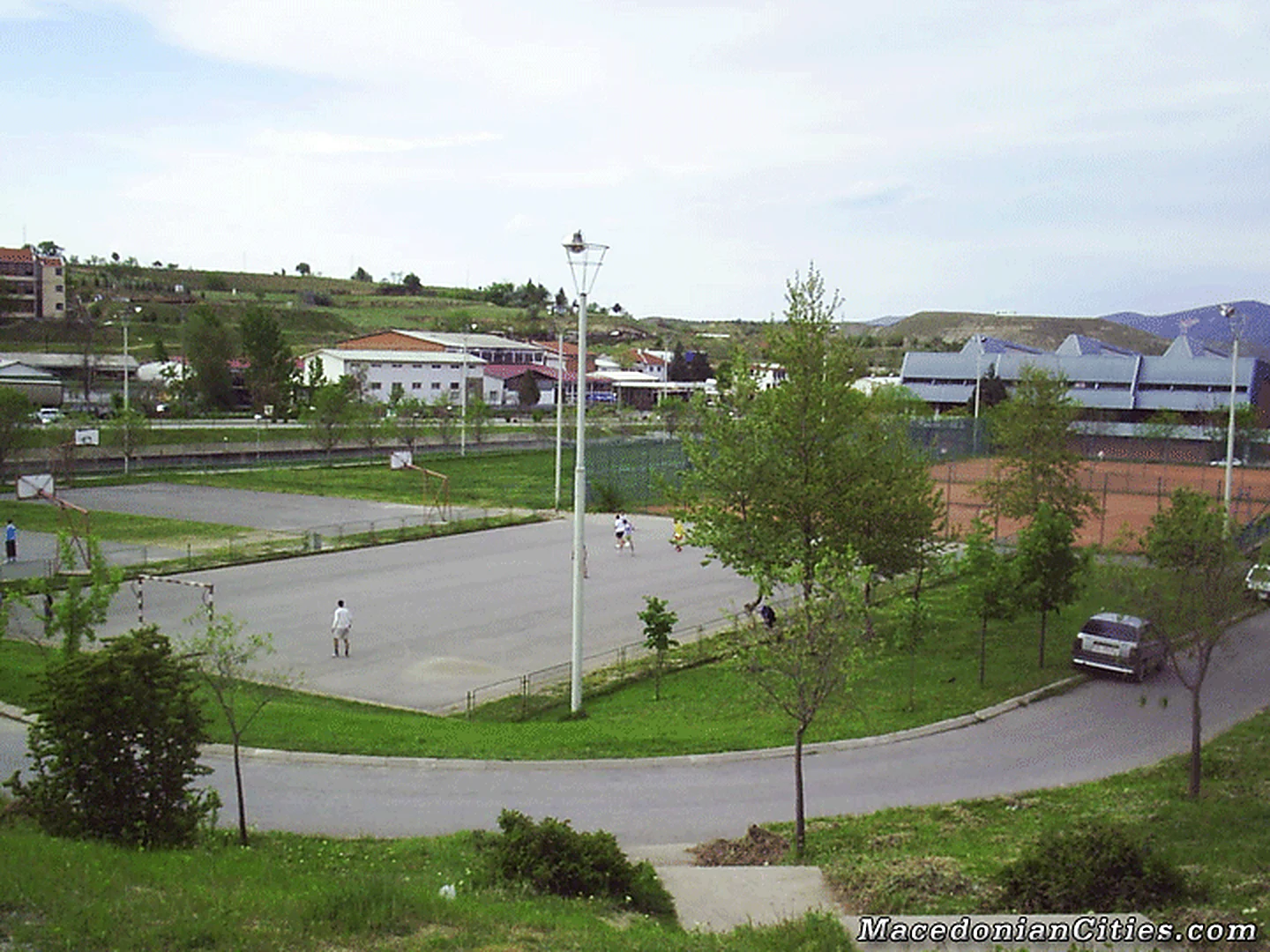
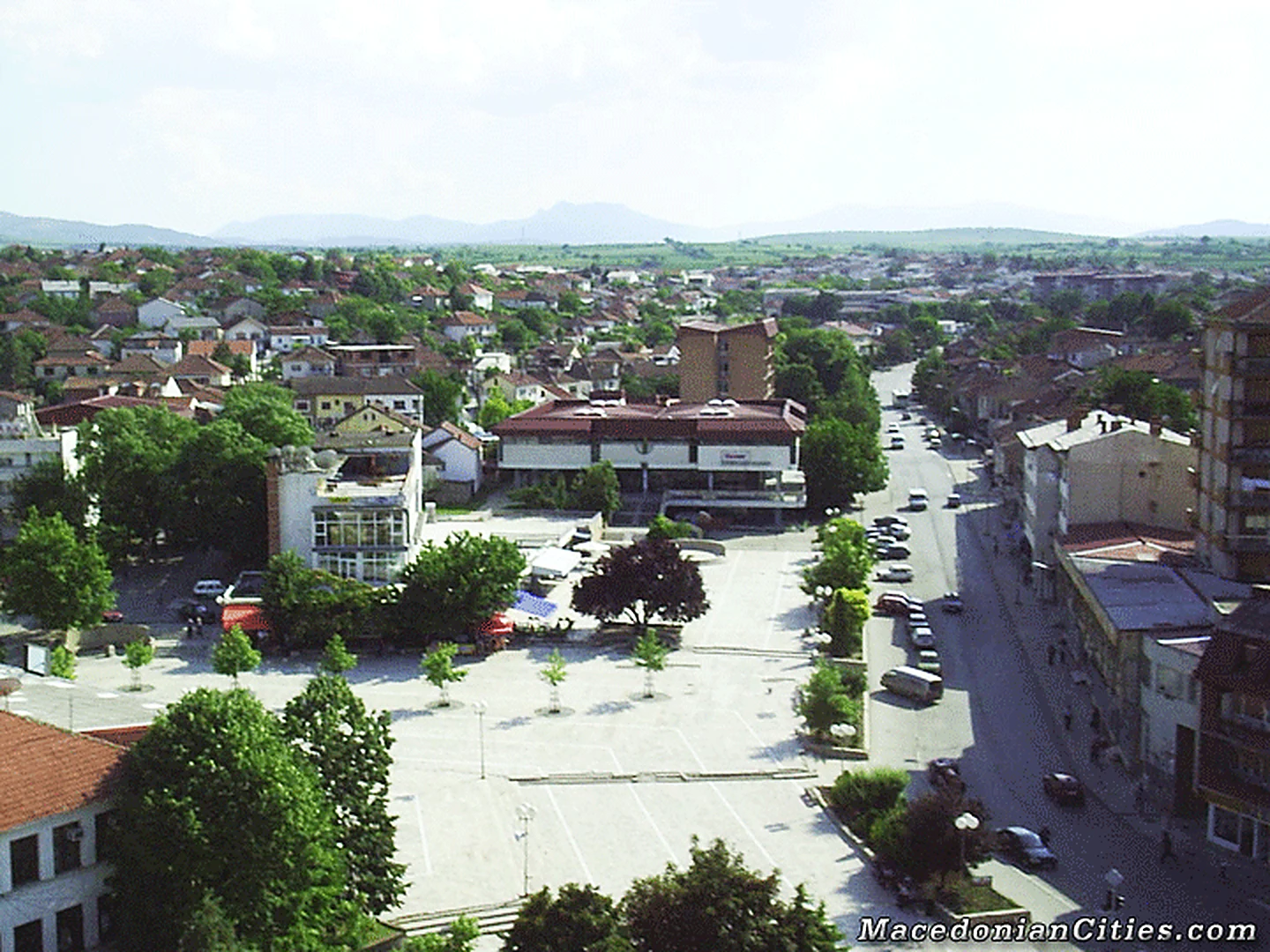
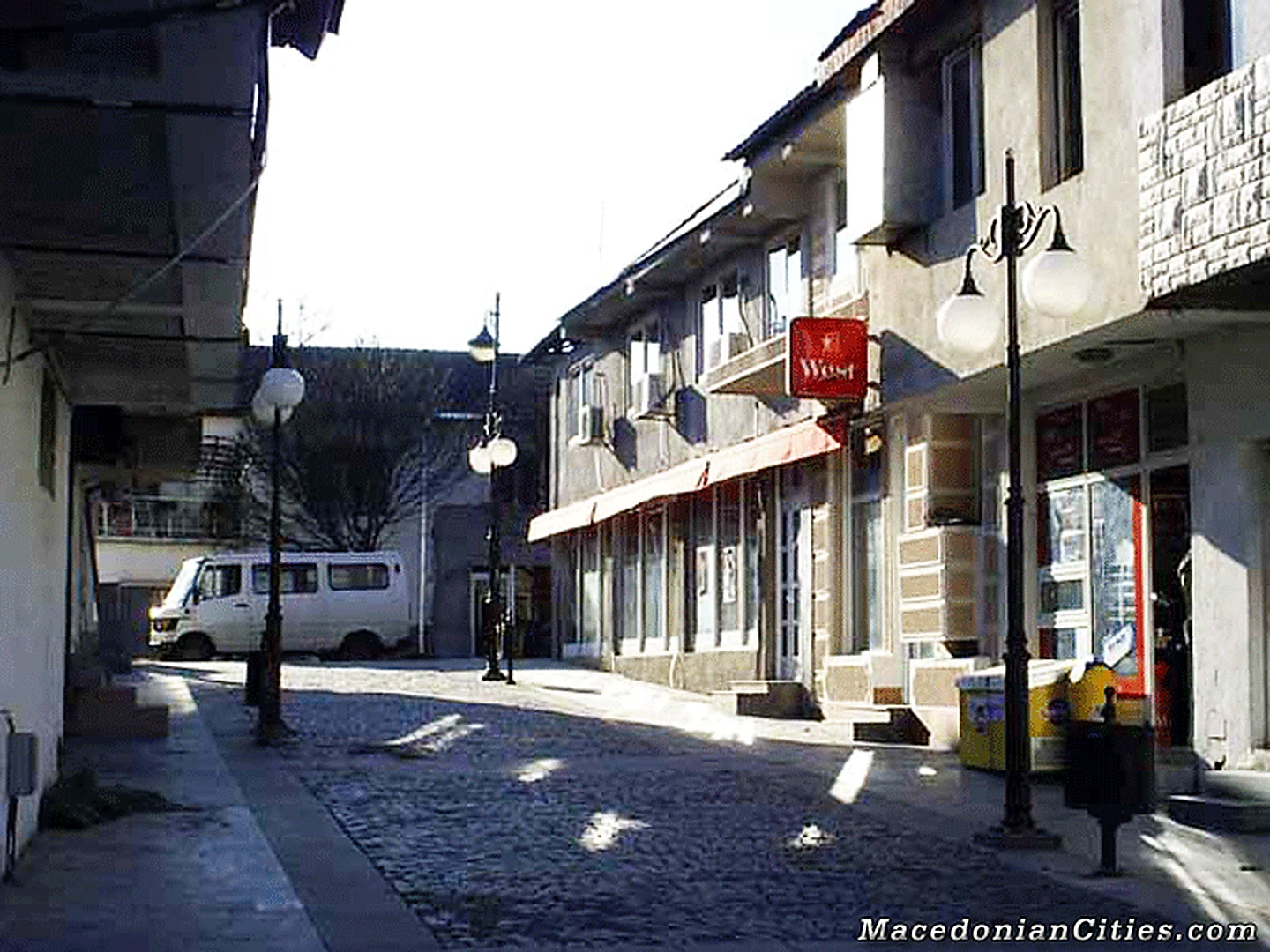
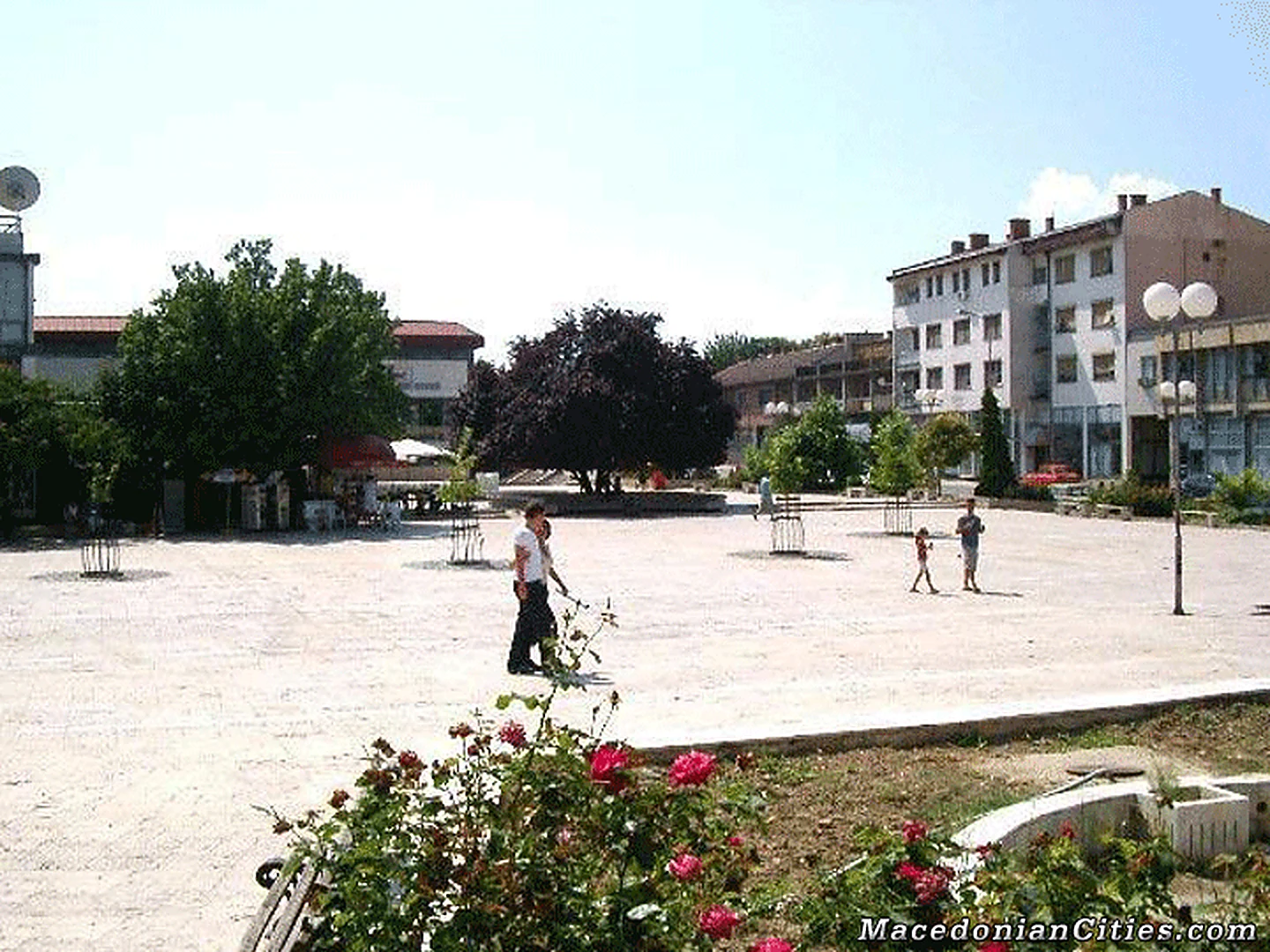
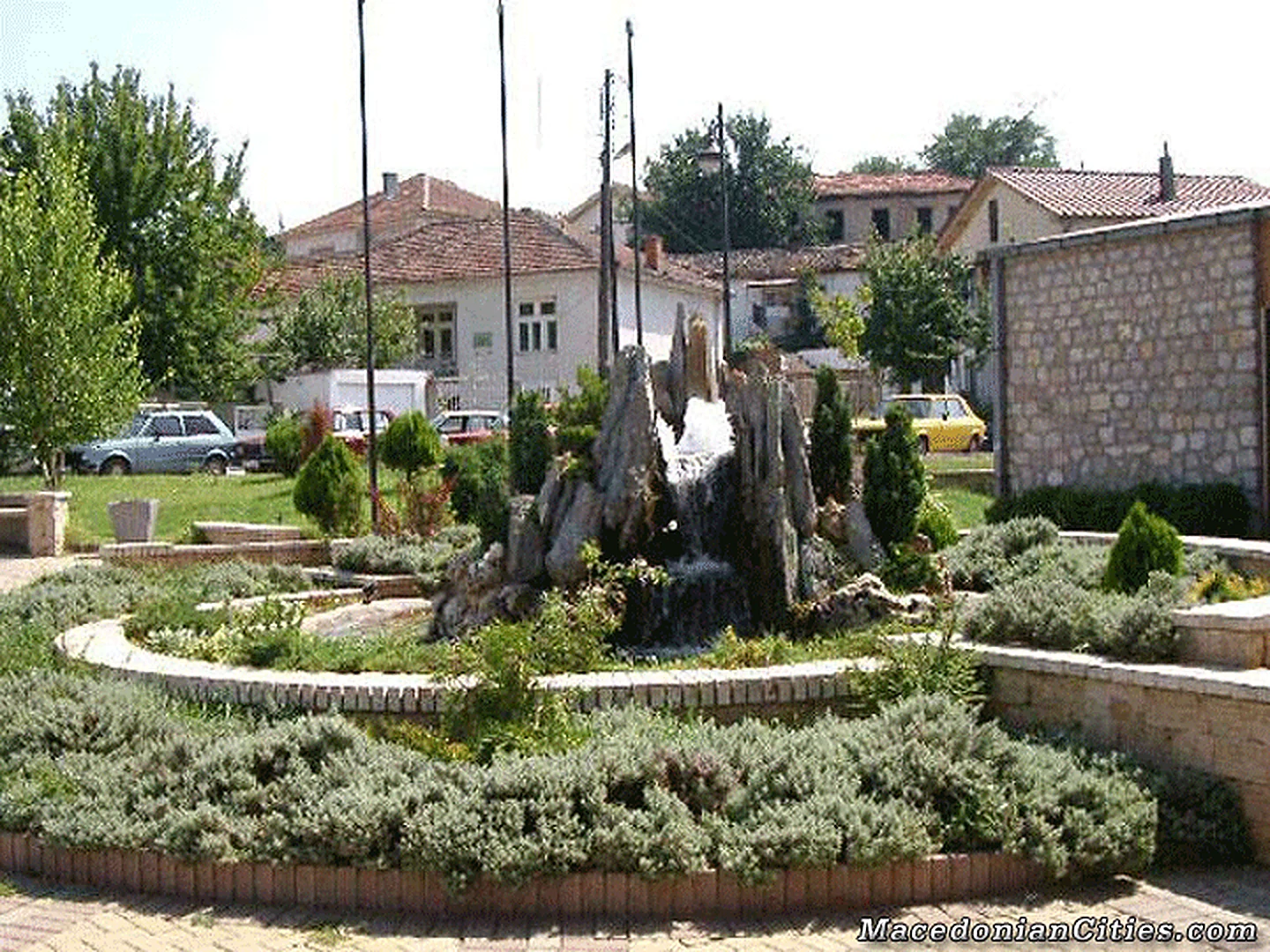
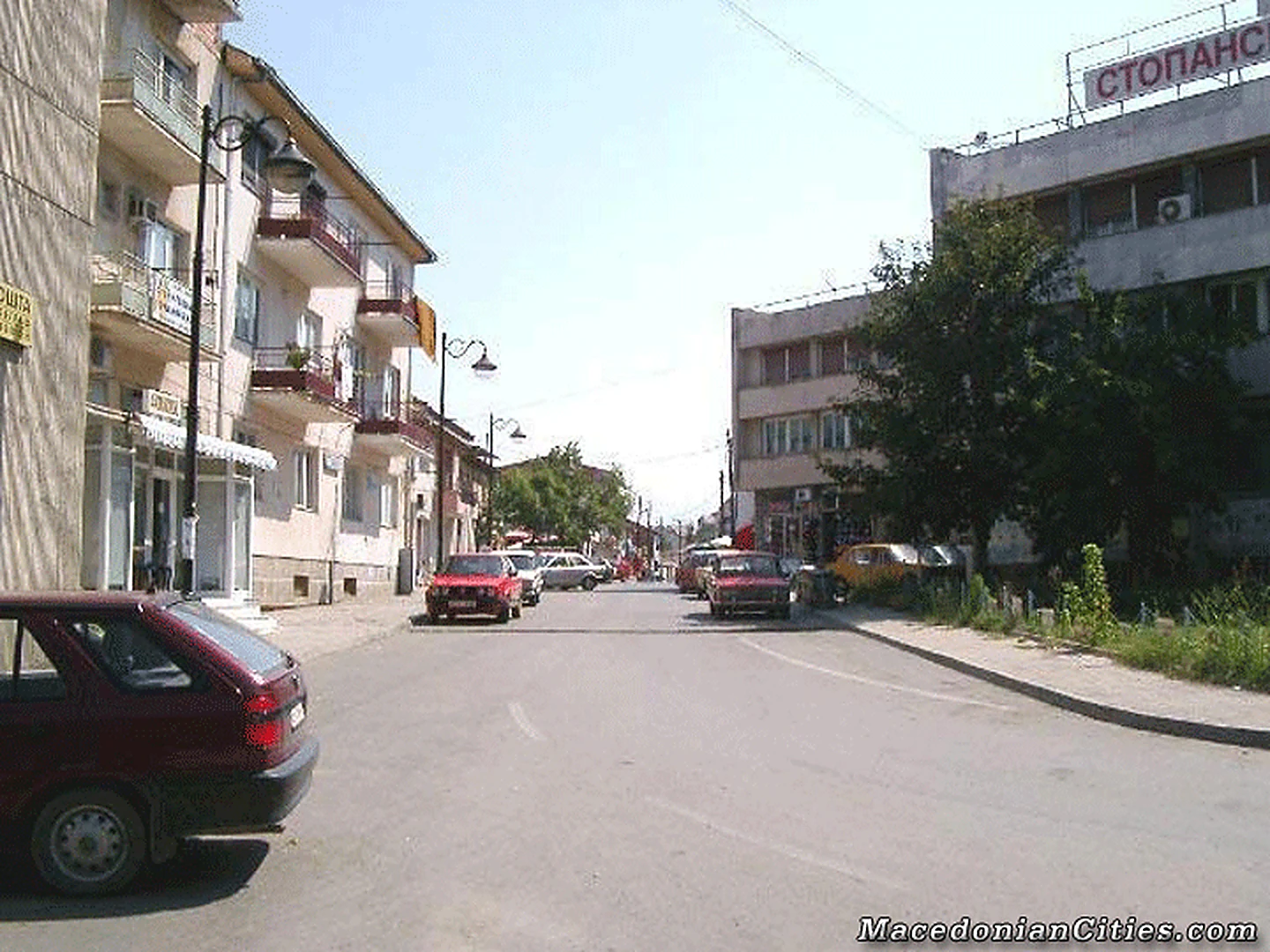
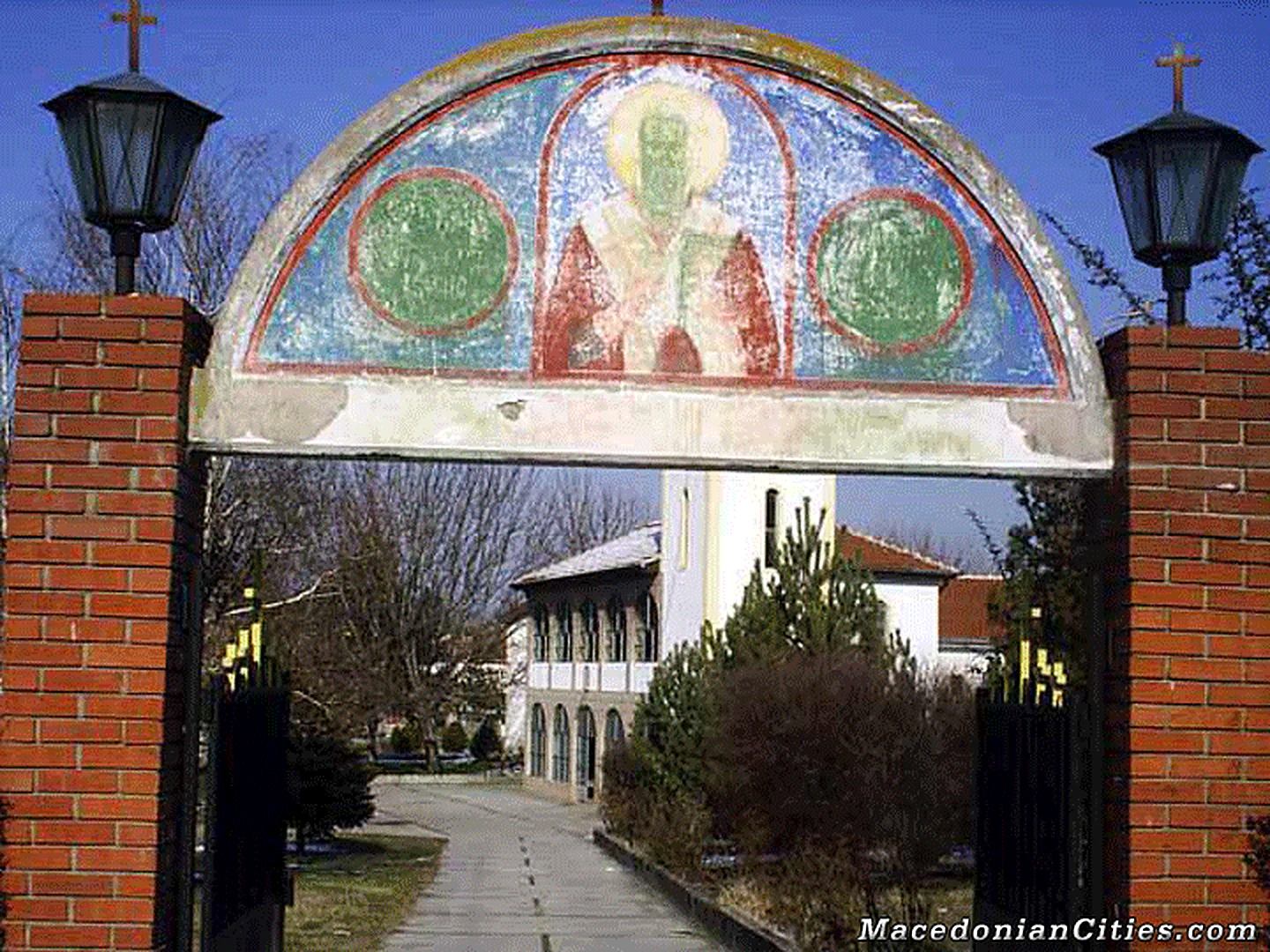
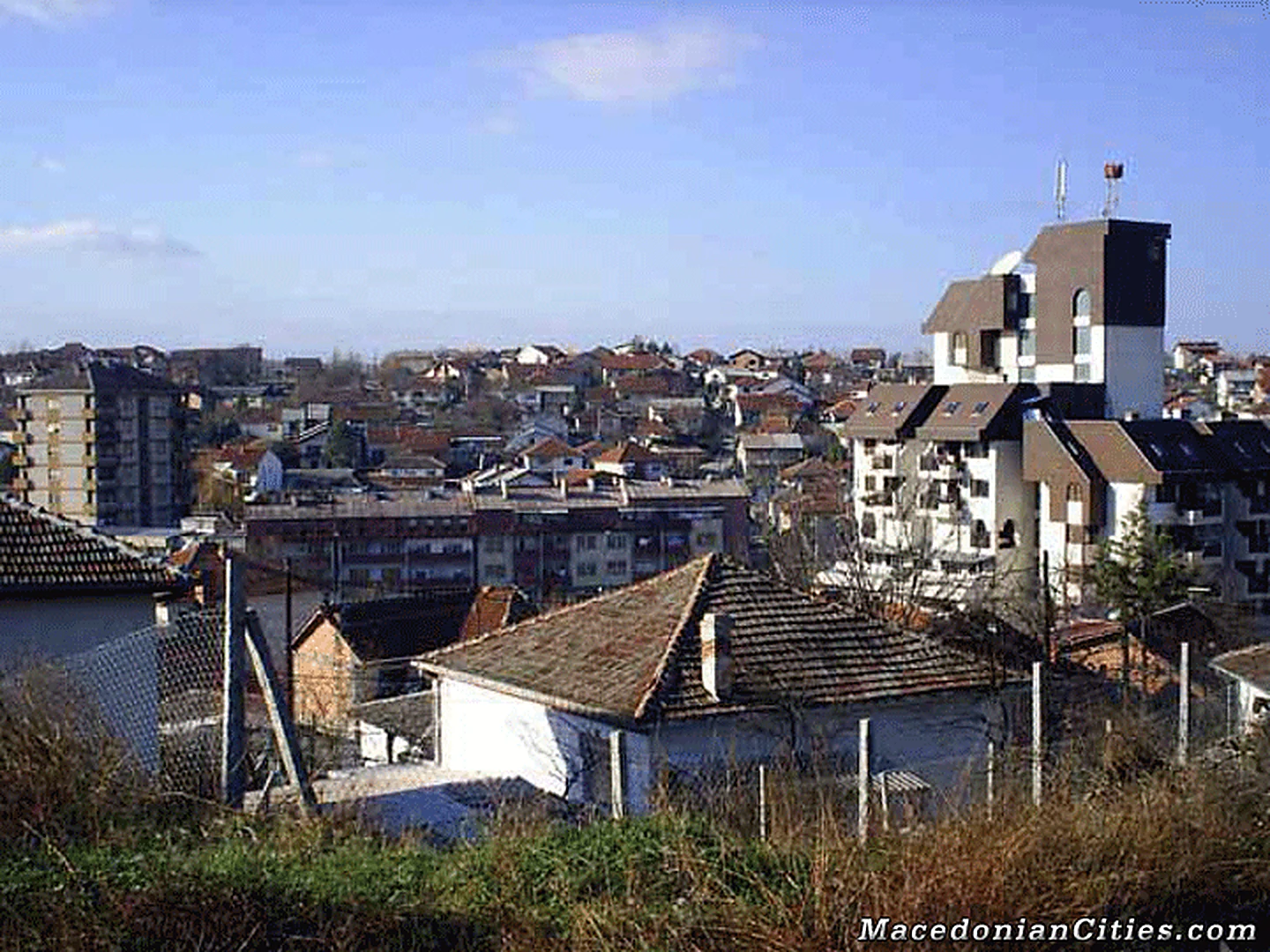
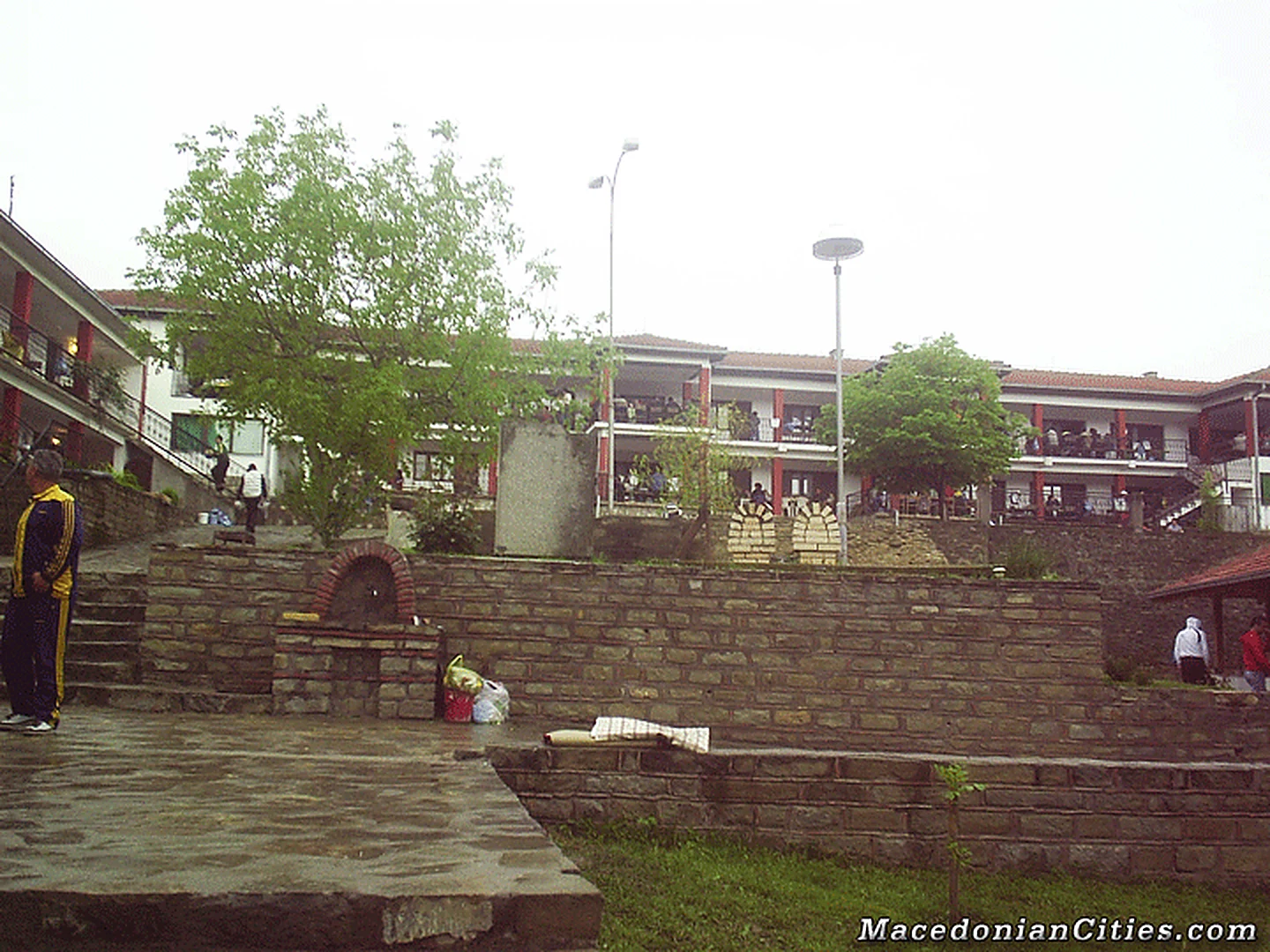
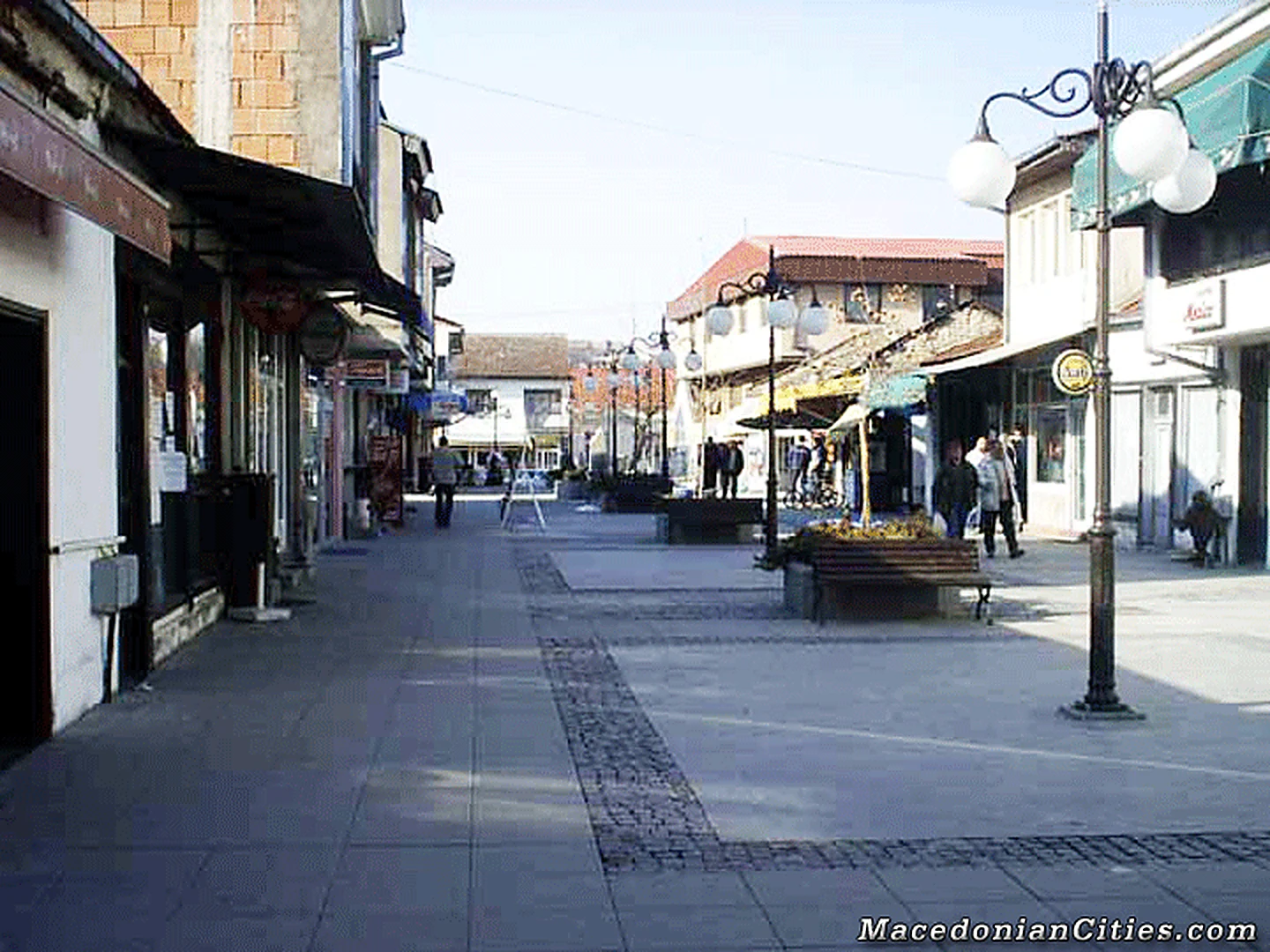
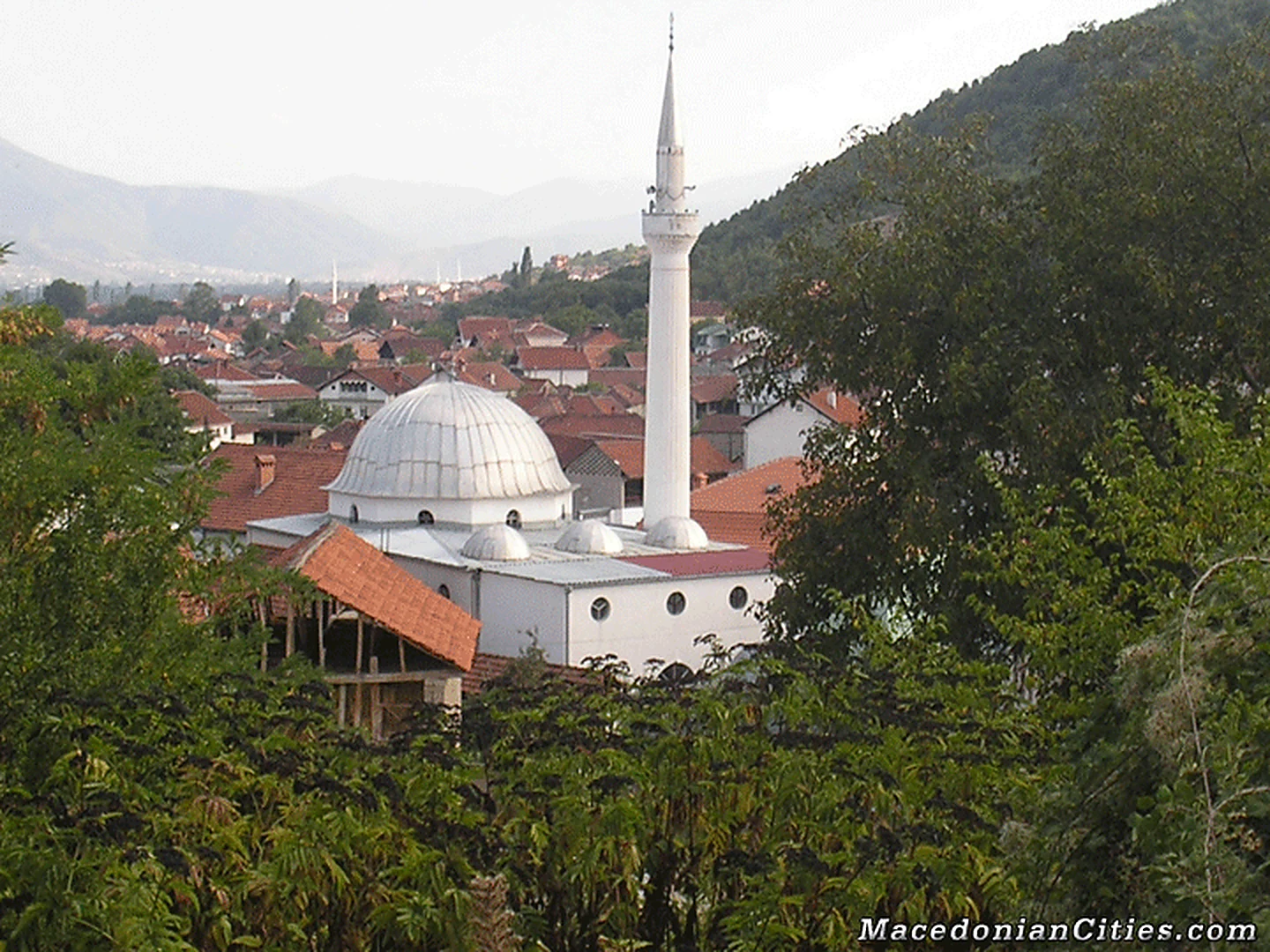
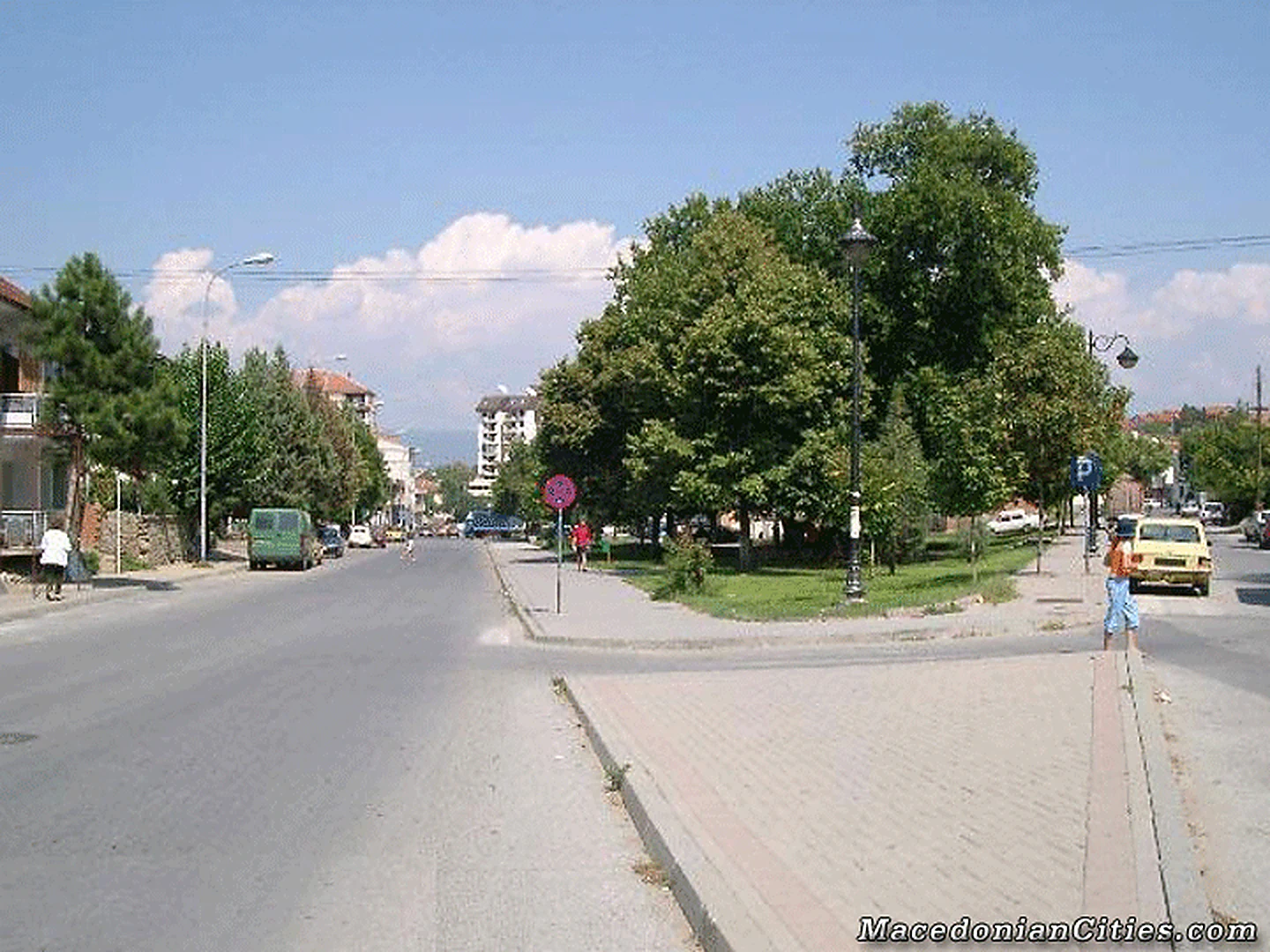
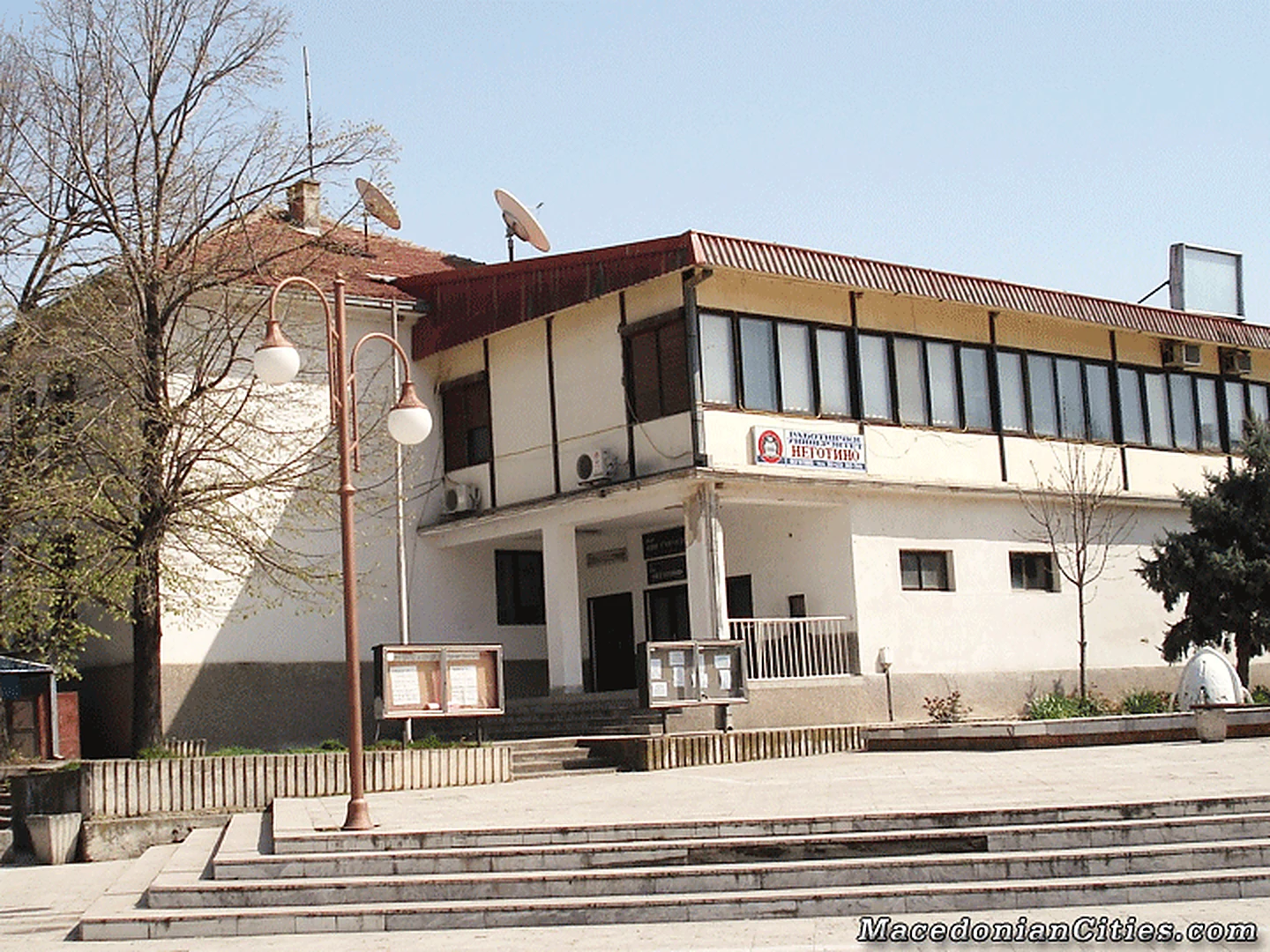
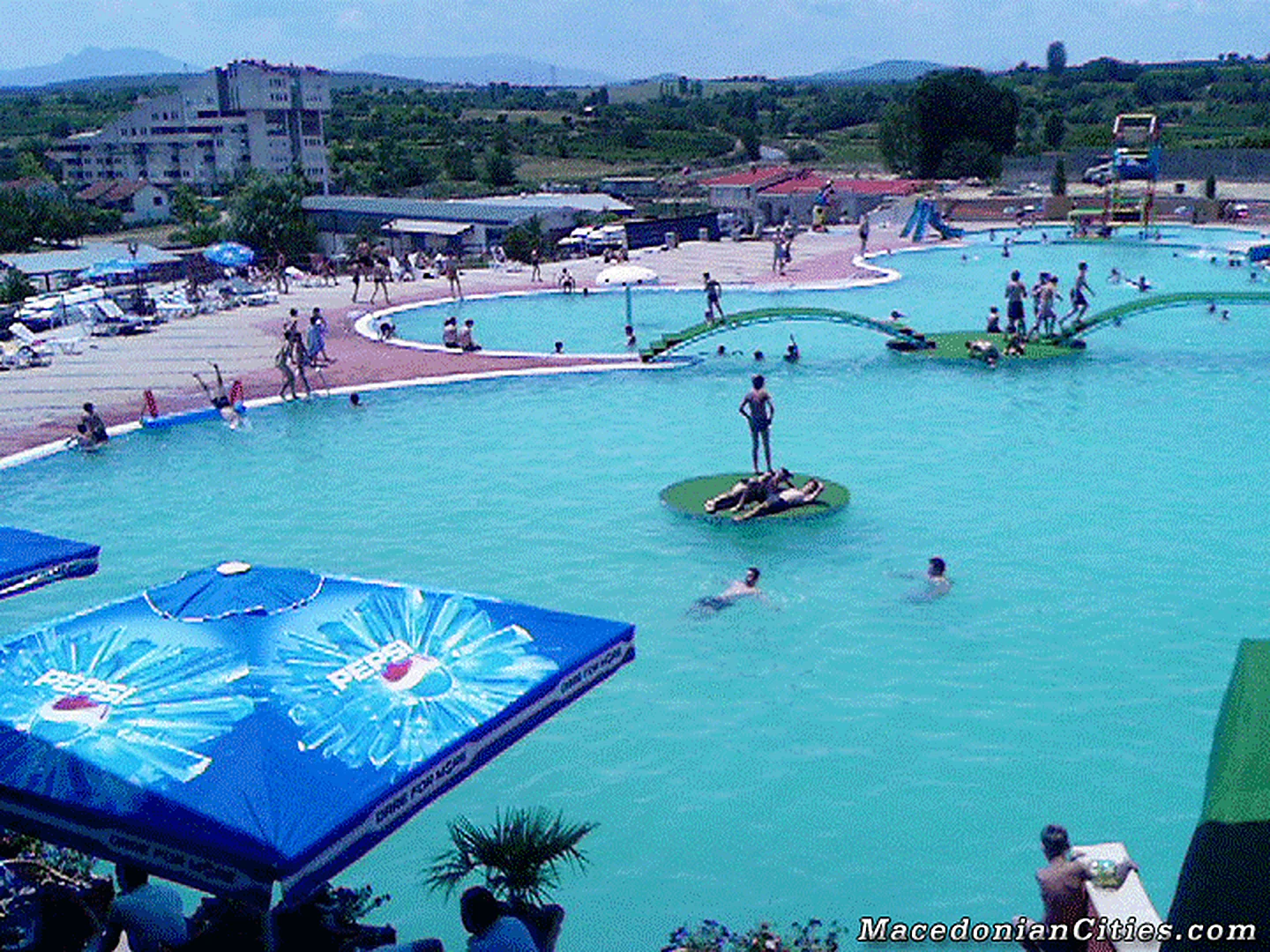
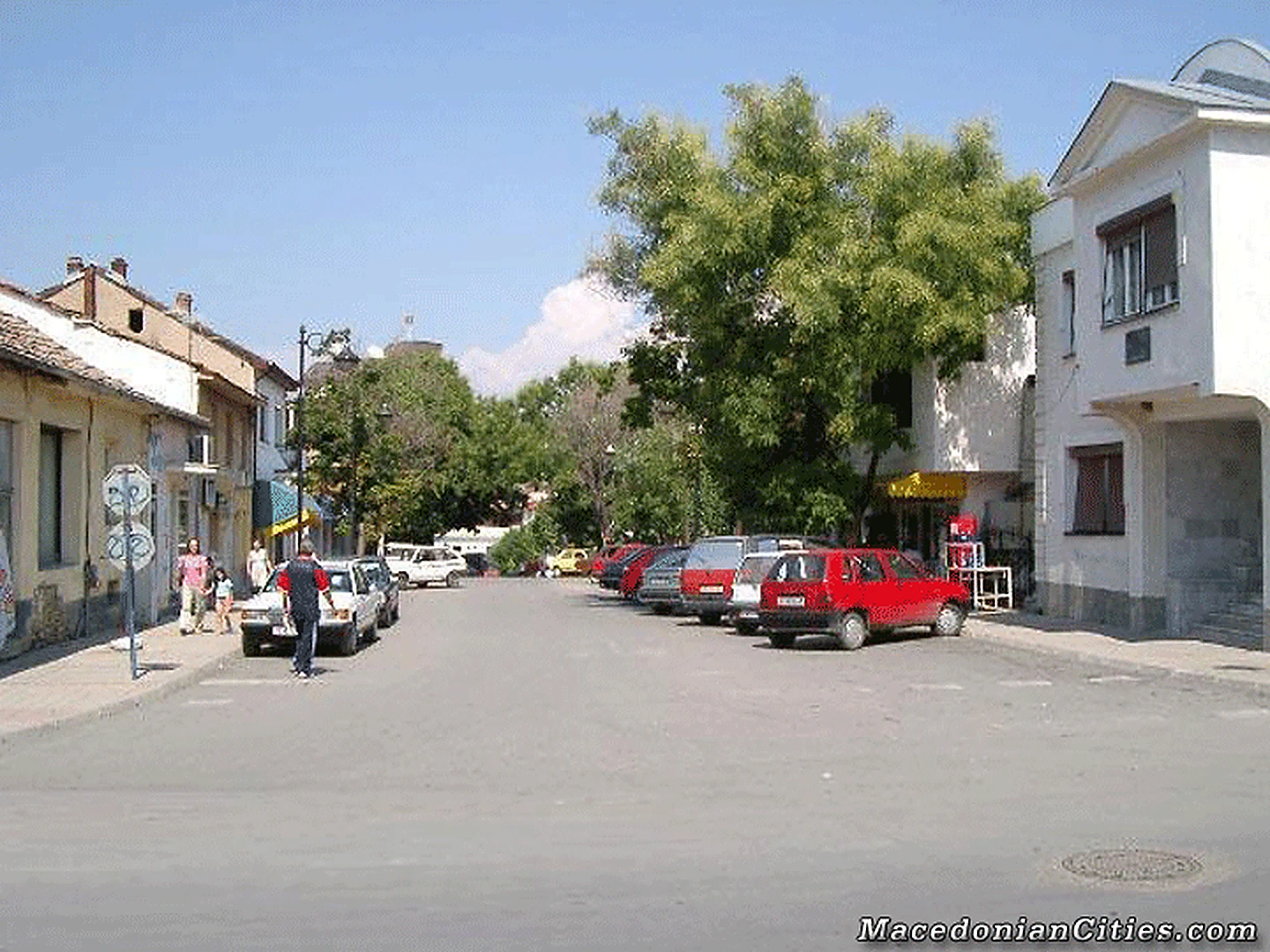
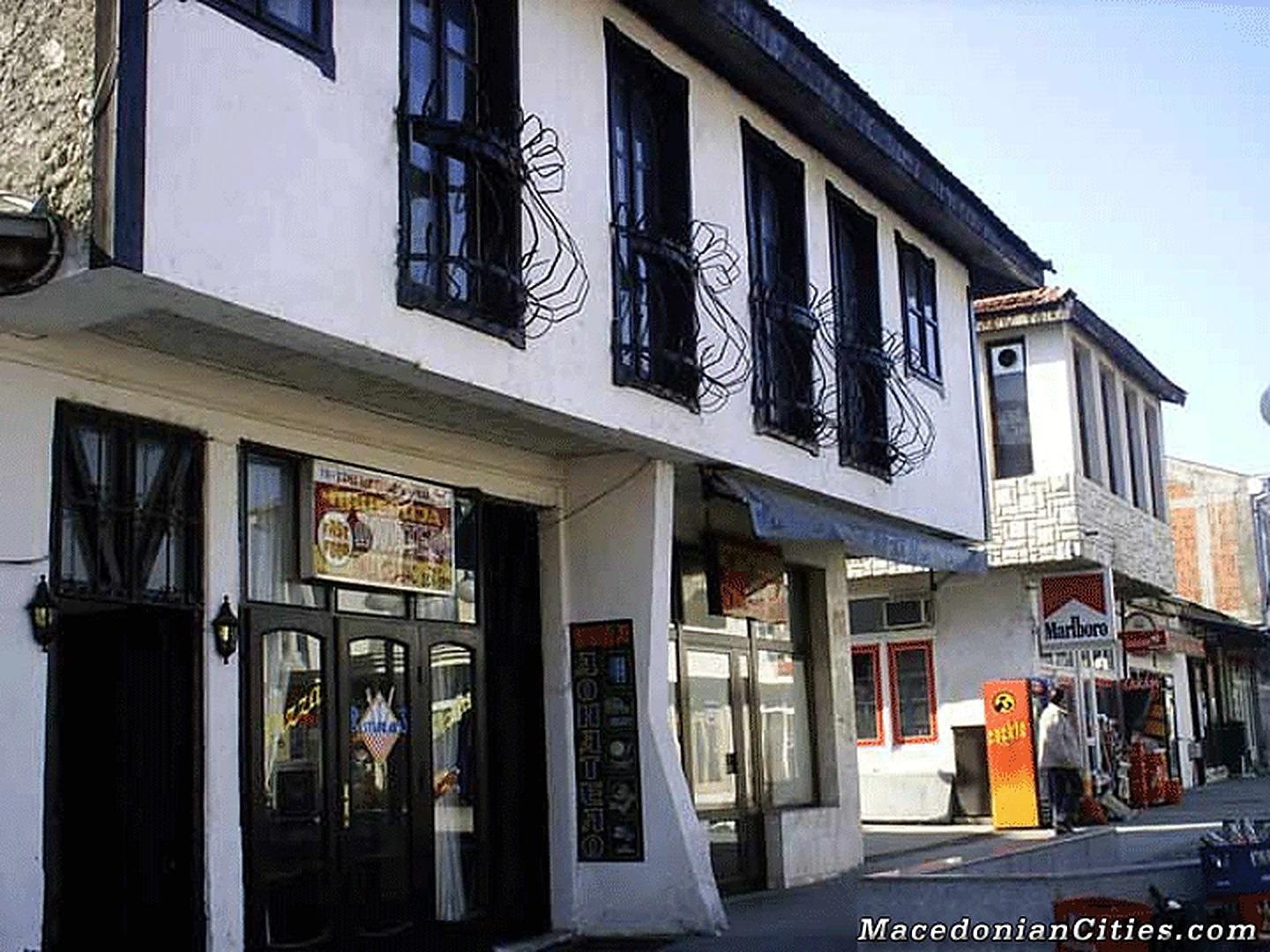
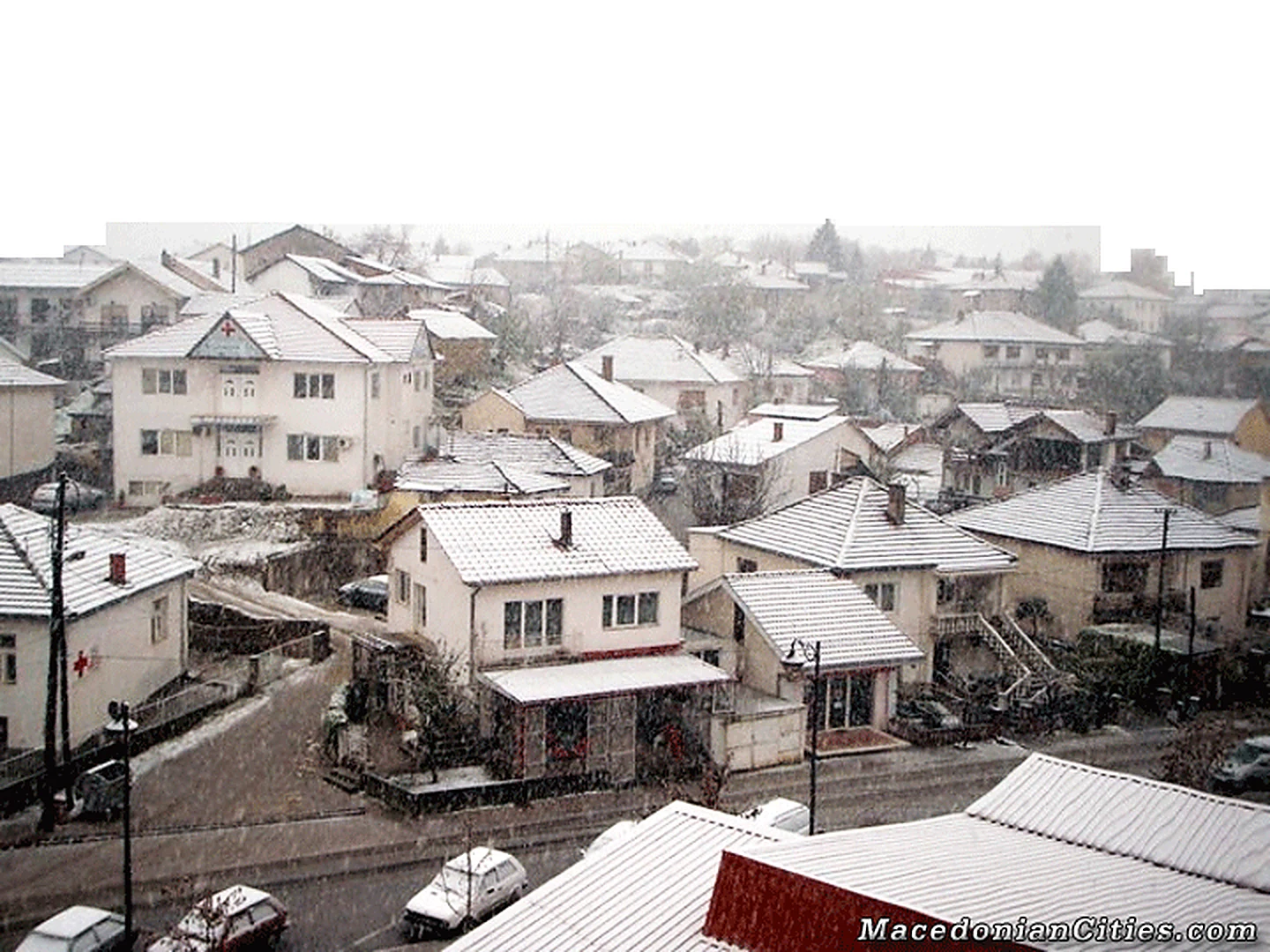
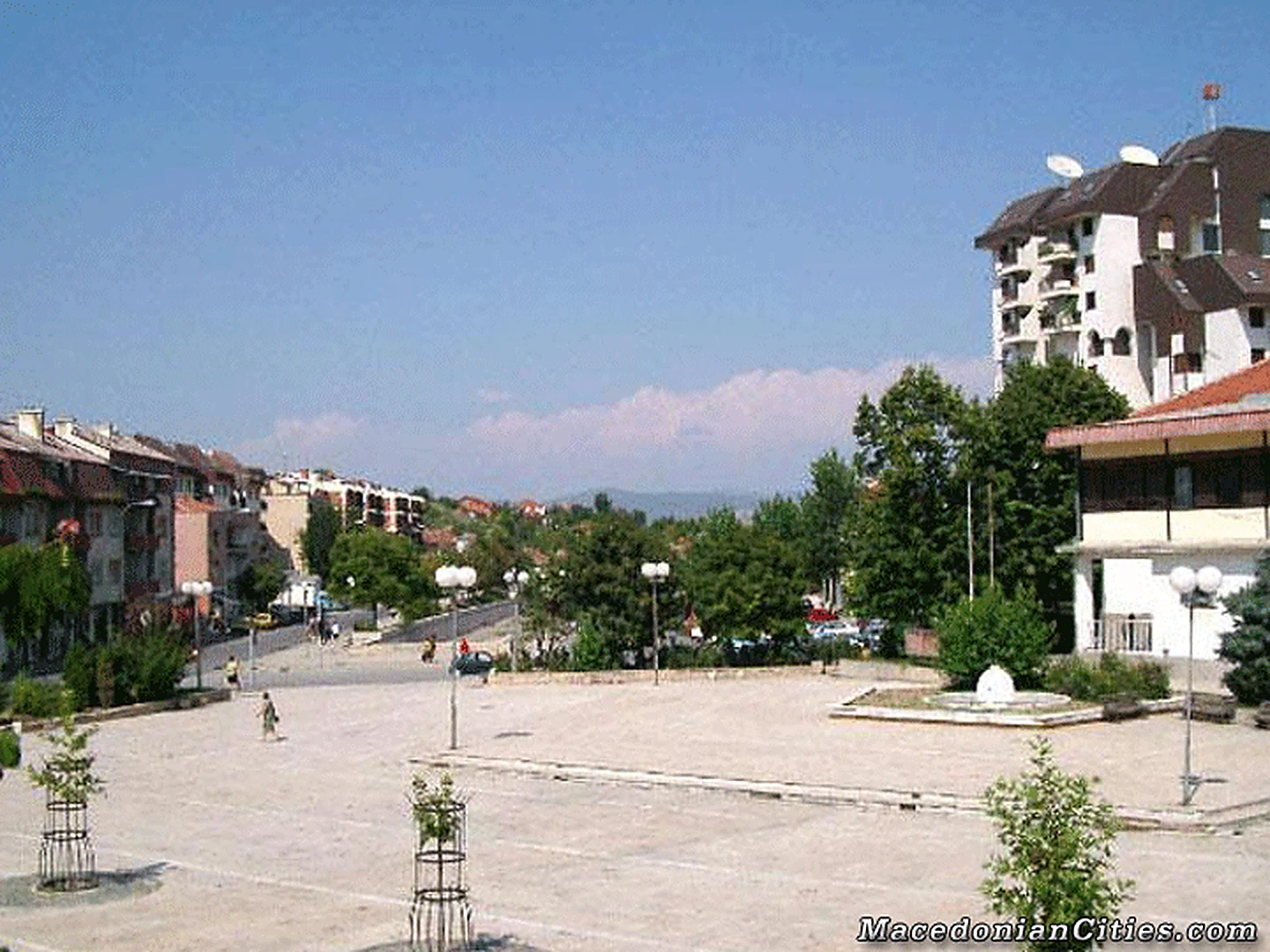
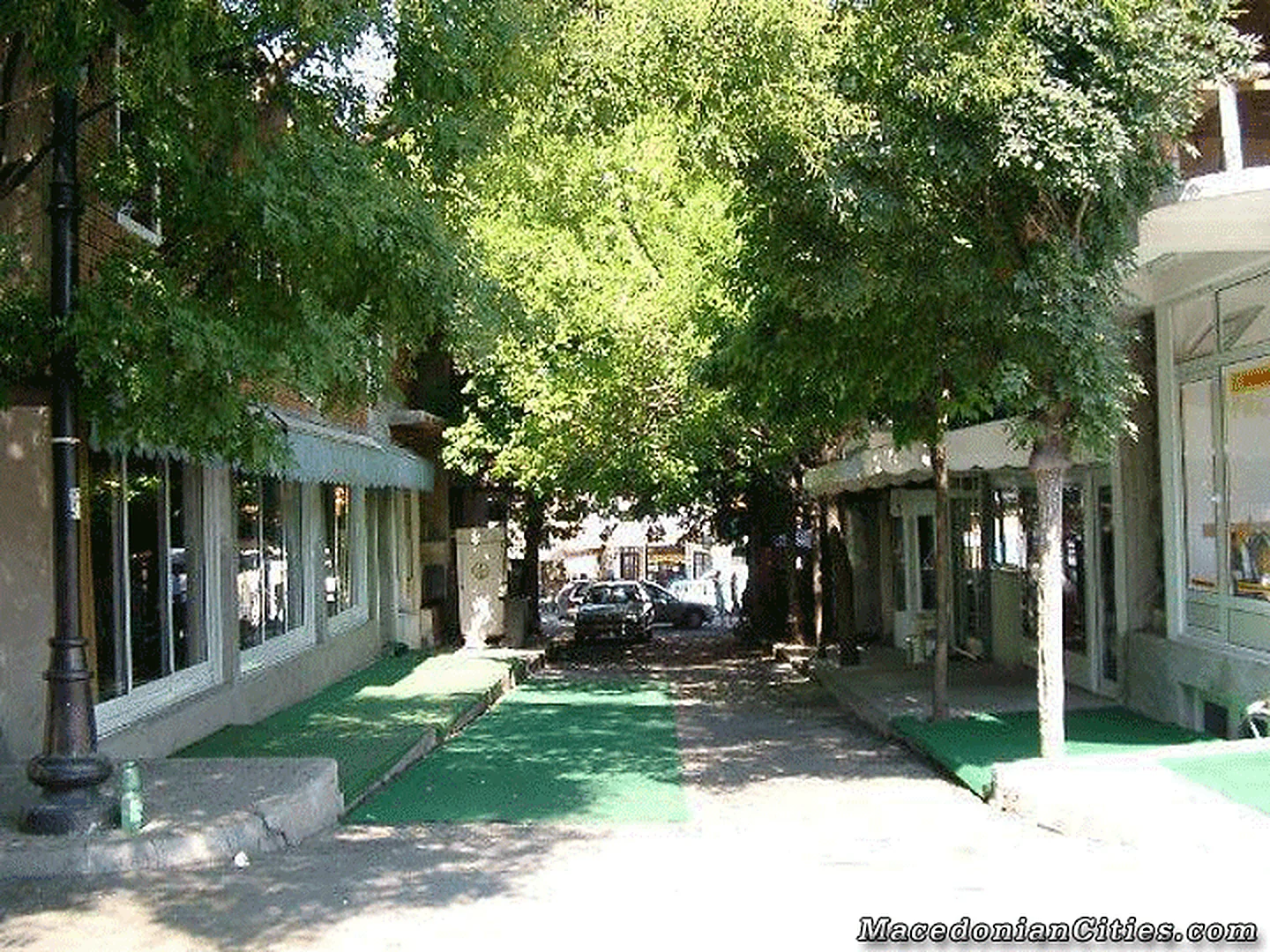
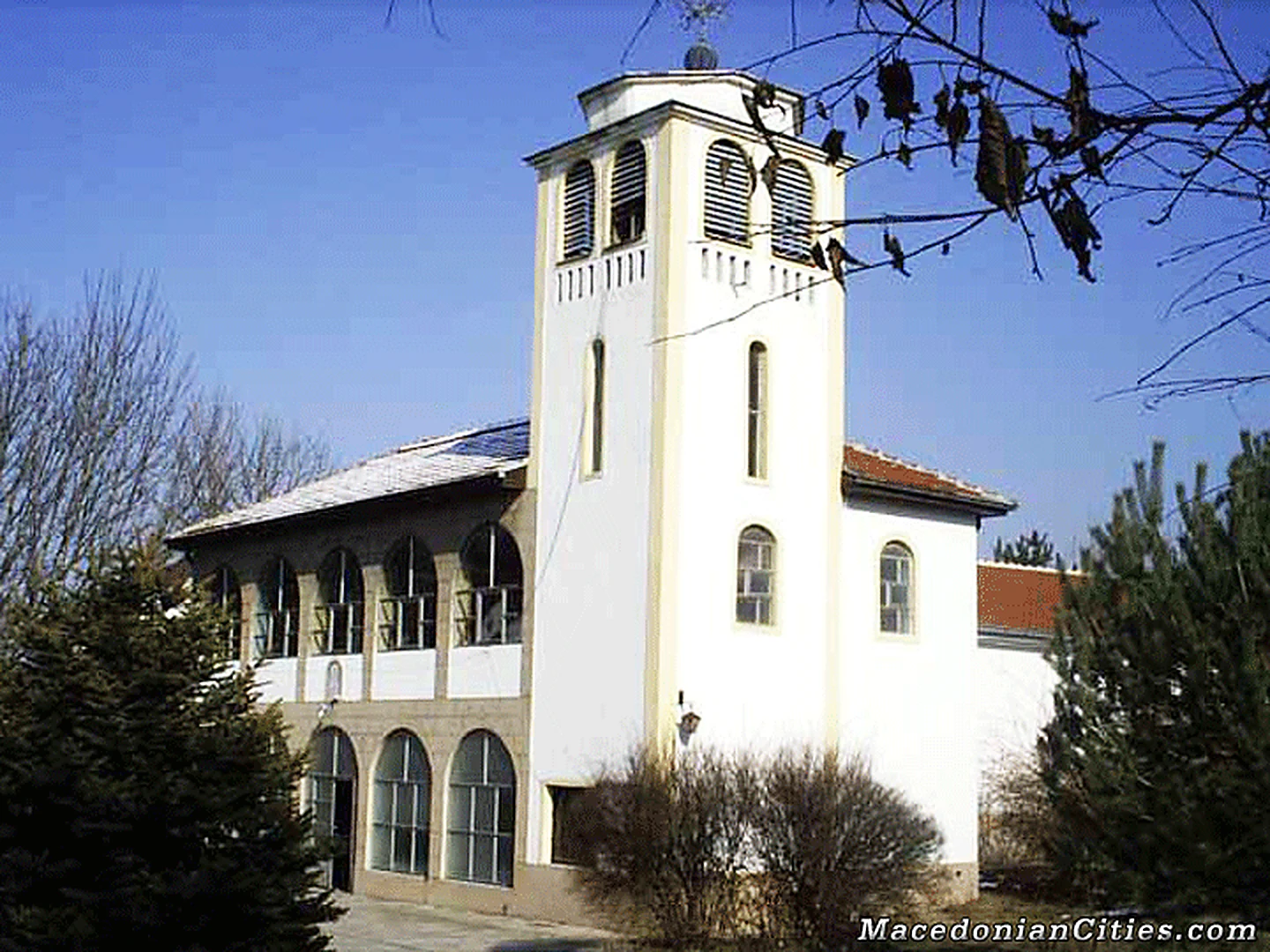
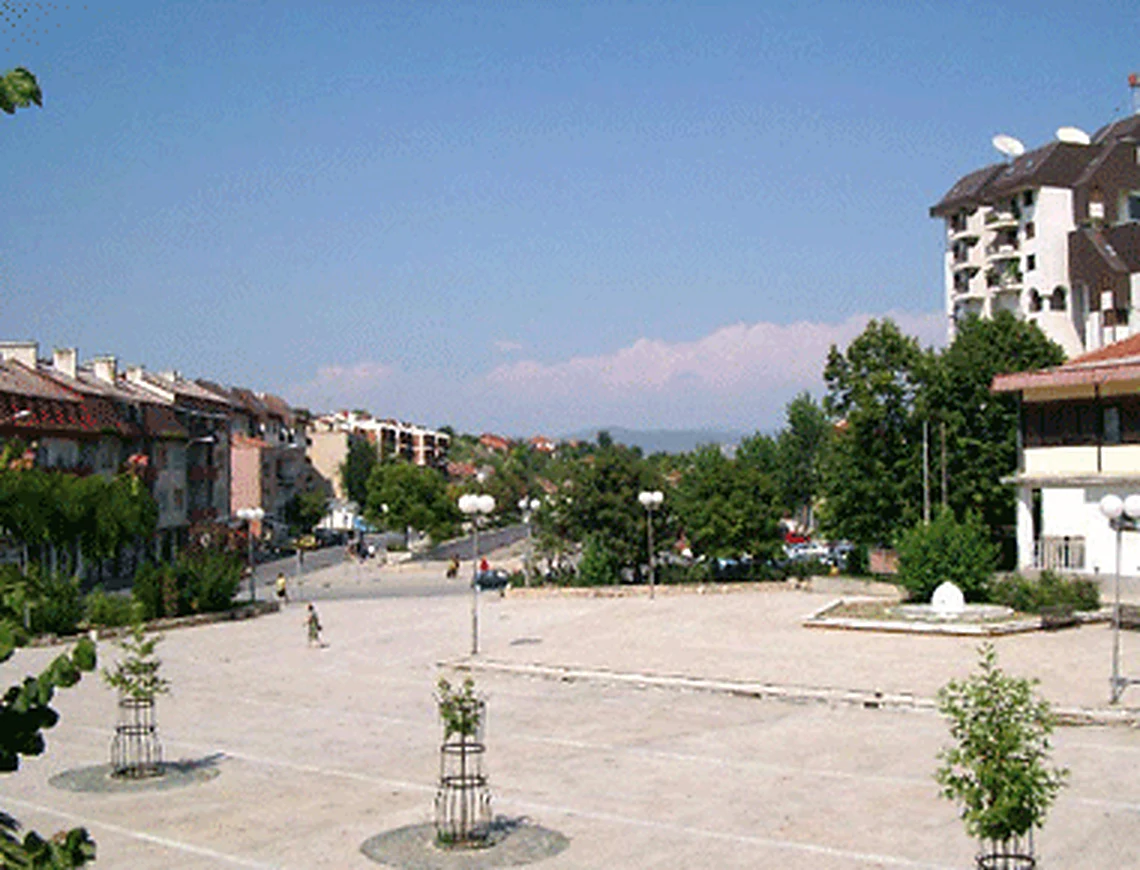
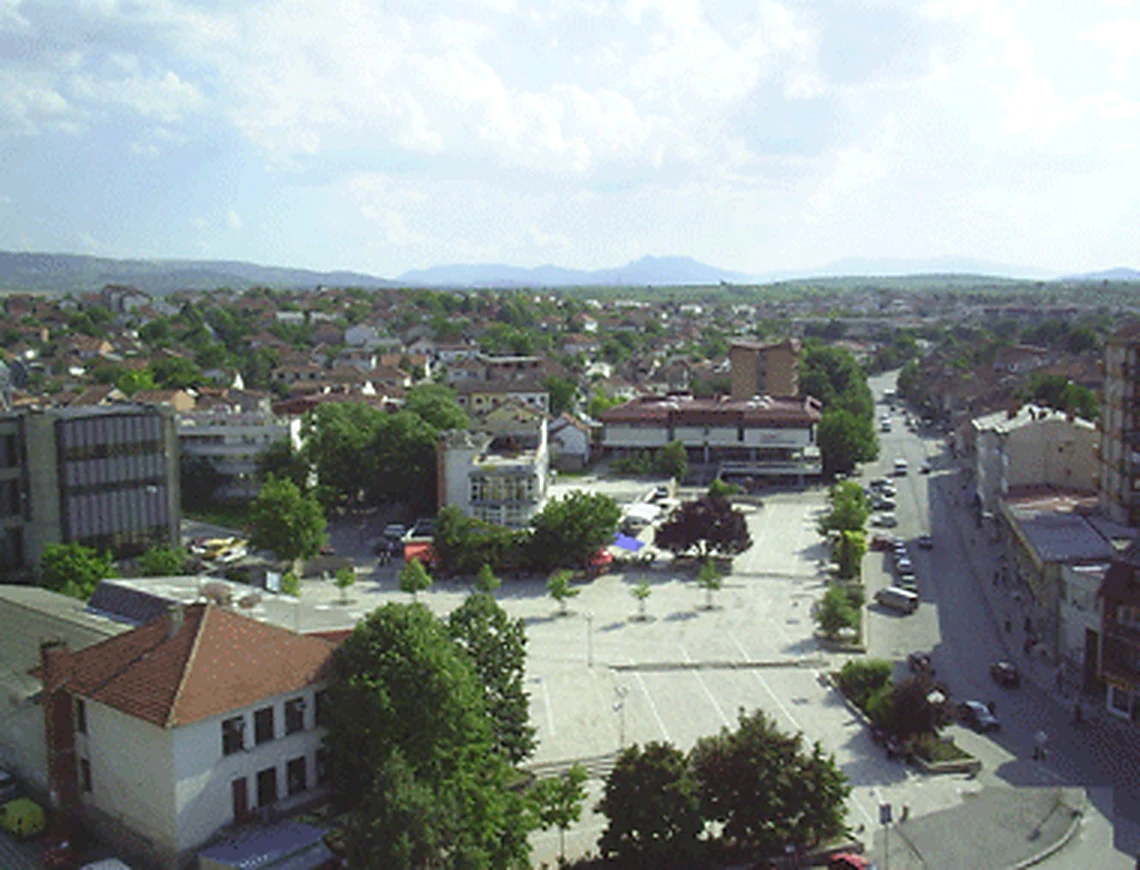
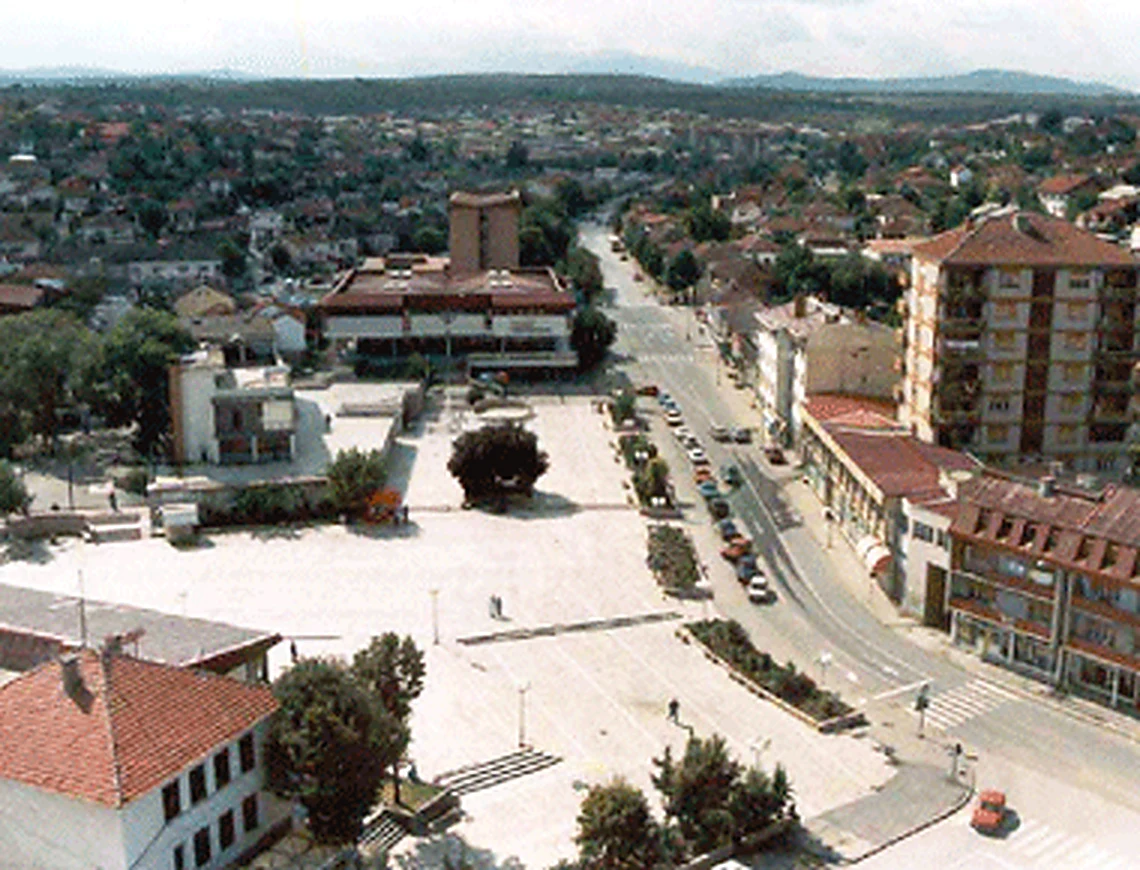
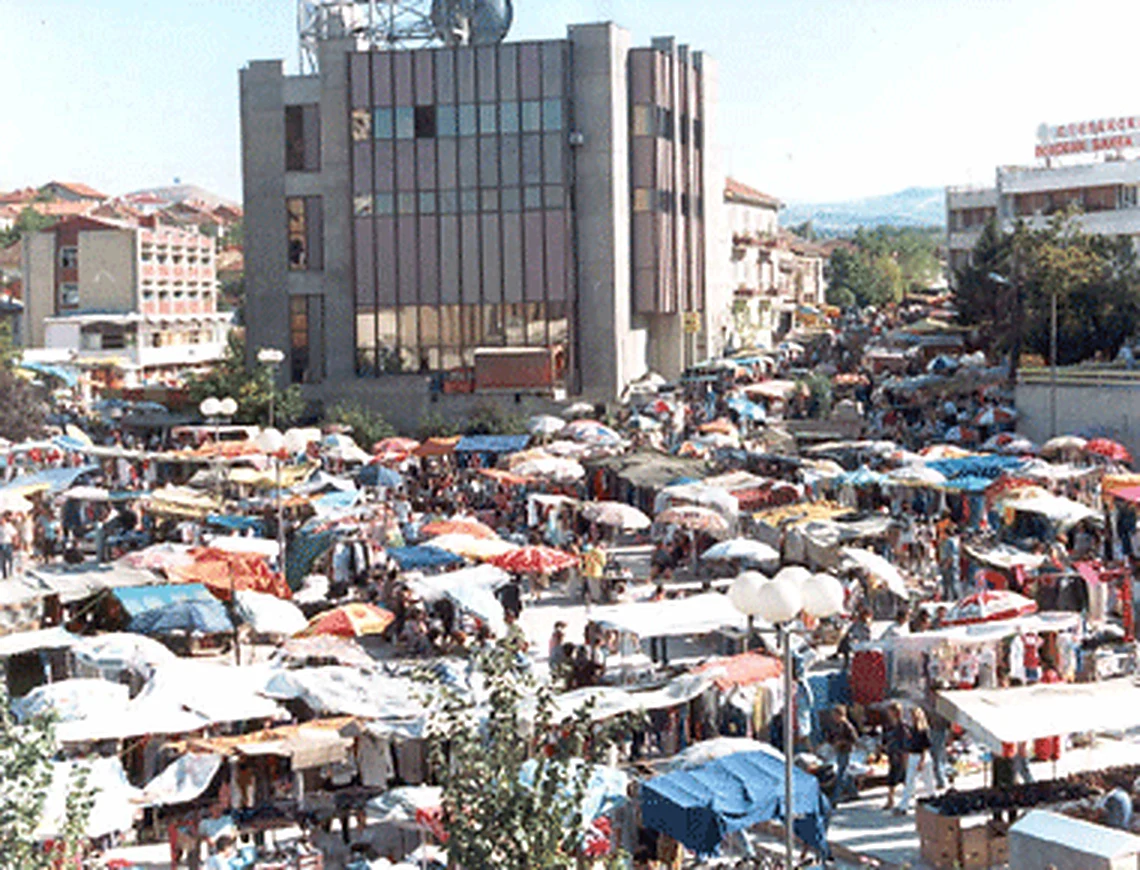
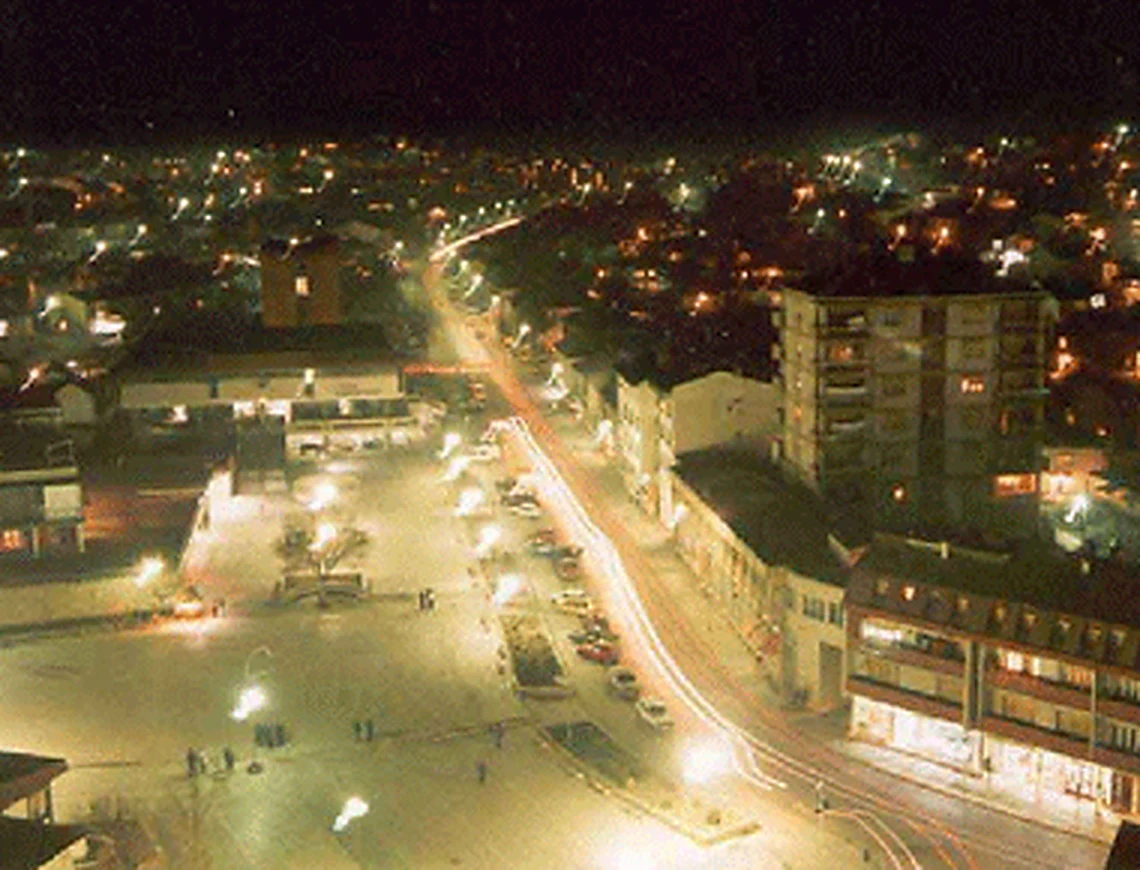
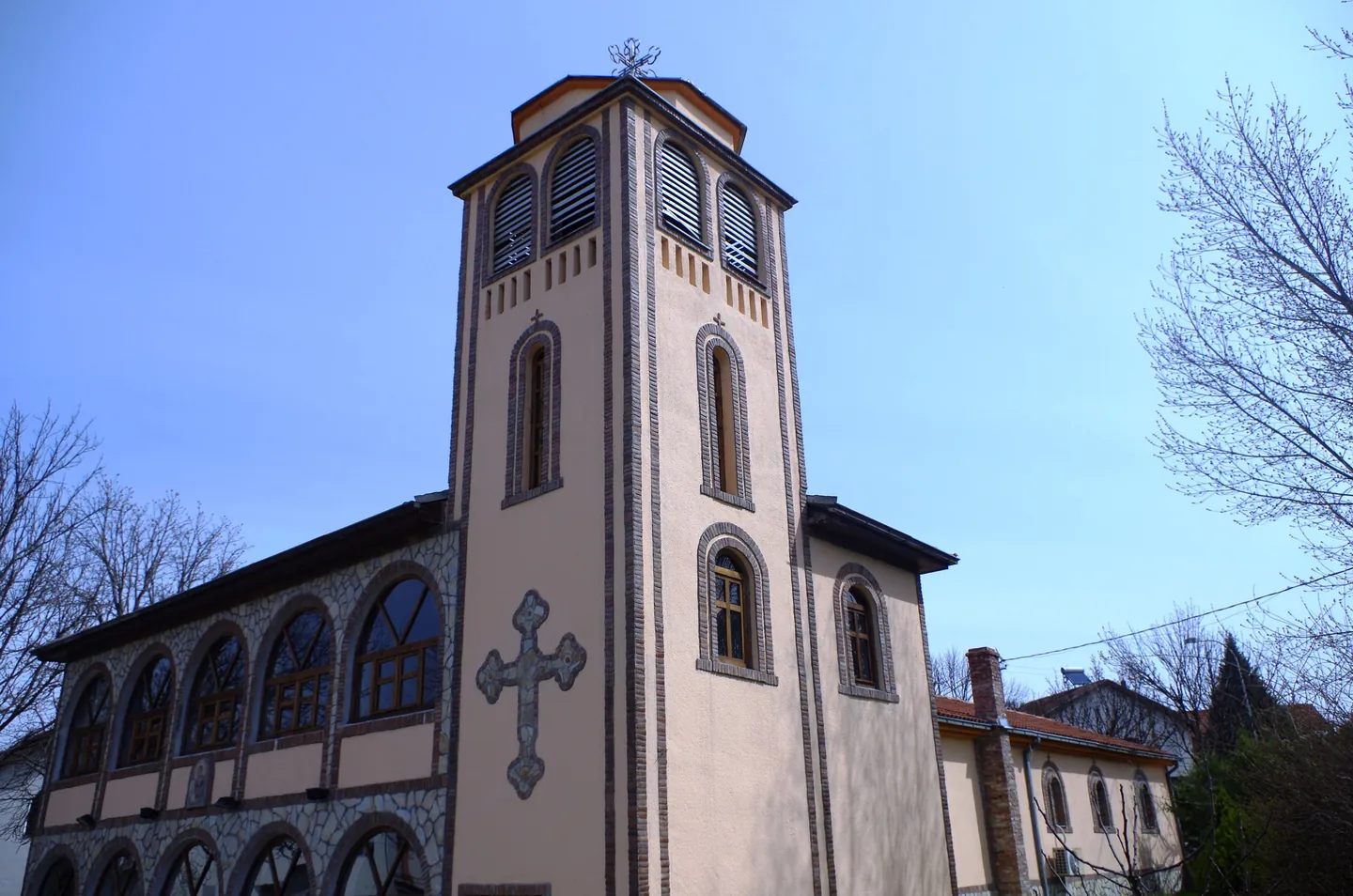
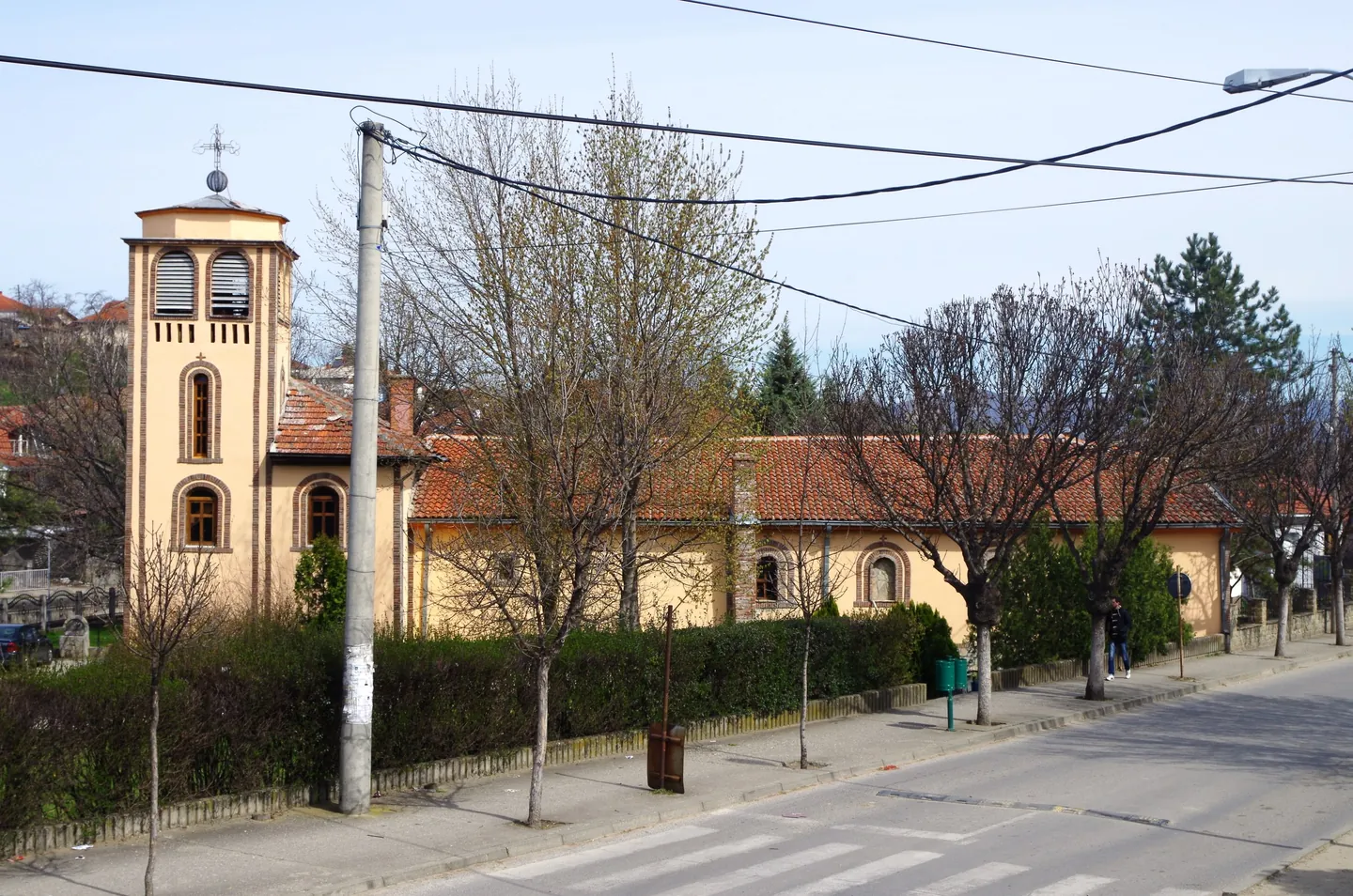
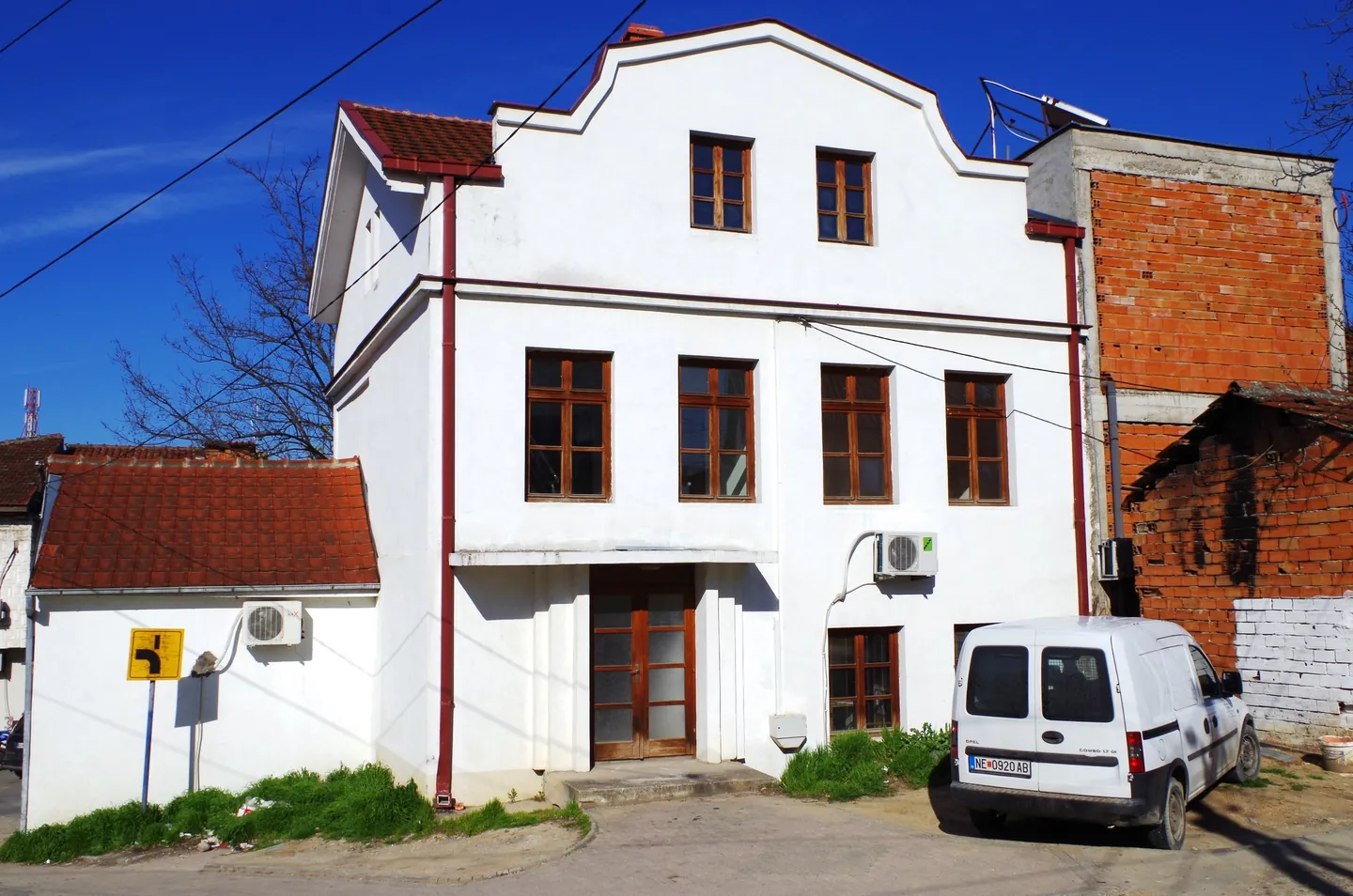
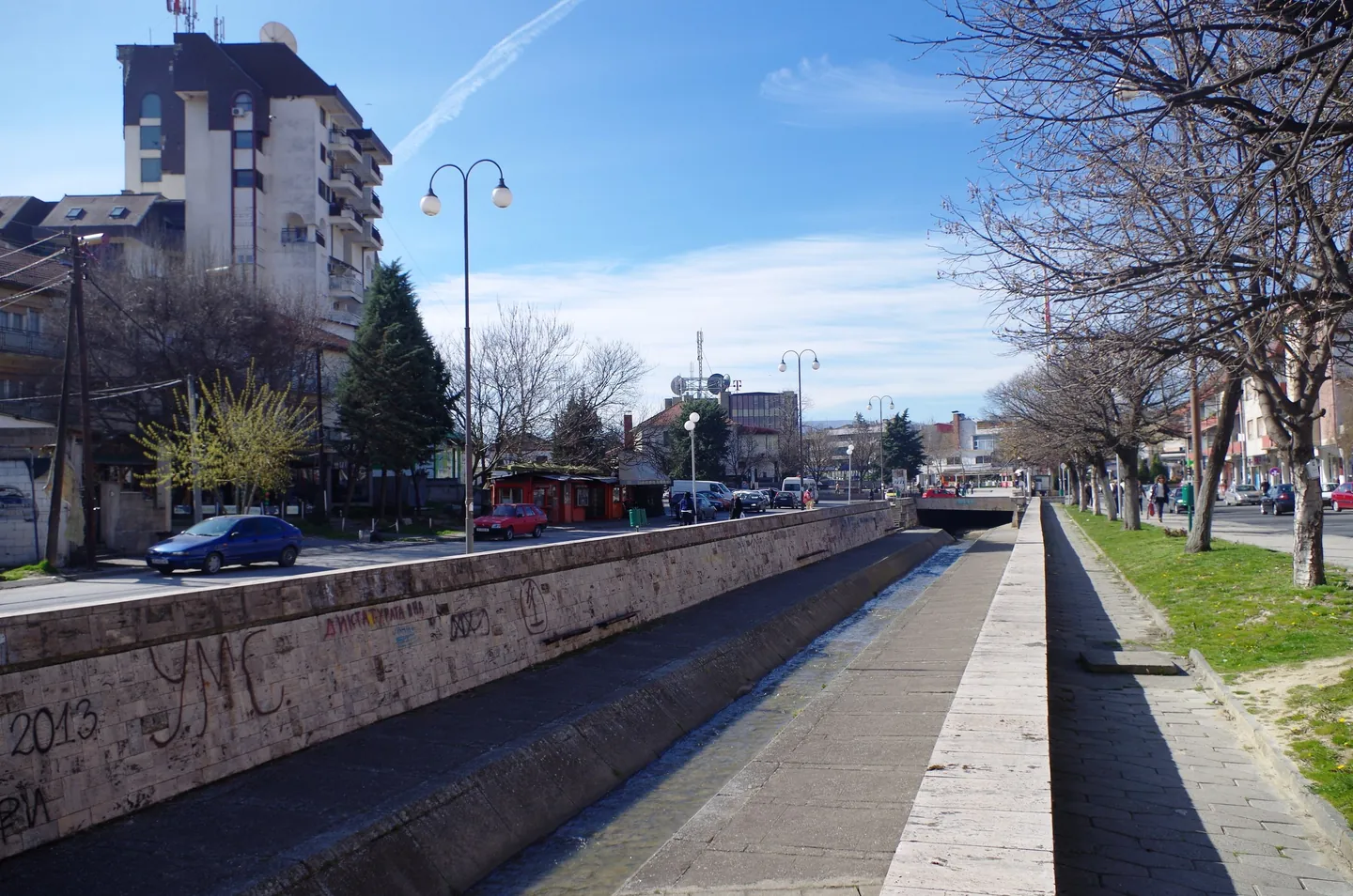
Photo credits
- Negotino: the church of St Athanasius the Great, with a tall pink bell tower and a cross on its wall. Photo: CibrevCC BY-SA 4.0Wikimedia Commons
- Negotino: the church of St Athanasius the Great, a yellow bell tower beside a street and a hedge. Photo: CibrevCC BY-SA 4.0Wikimedia Commons
- Negotino: the Želkov House, a white house with brown window frames and a stepped gable, a van beside it. Photo: CibrevCC BY-SA 4.0Wikimedia Commons
- Negotino: a river running through the centre of town between concrete walls, with a tree-lined path. Photo: Ehrlich91CC BY-SA 4.0Wikimedia Commons


