
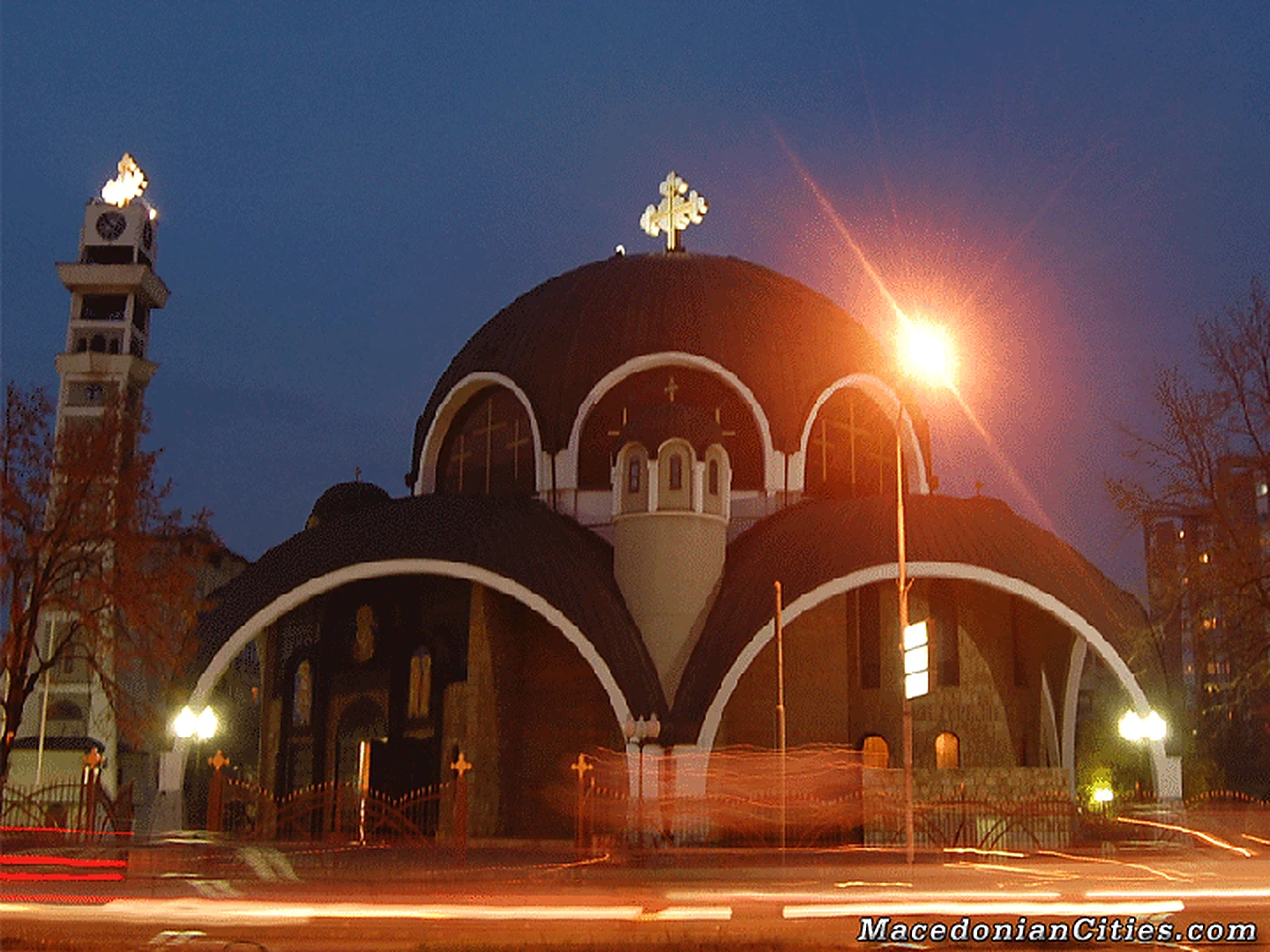
Skopje
Skopje
Скопје
- Residents · 2021 census
- 422,540
- Old photographs
- 98
- Photographs
- 62
A capital of contrasts on the Vardar
Skopje is North Macedonia's capital and largest urban centre, occupying a broad basin on the Vardar River between Vodno, Skopska Crna Gora and the western mountain passes. This profile uses the legally defined City of Skopje: a special local-government unit composed of ten municipalities, not merely the continuously built-up settlement.
Overview
City overview
Meet Skopje.
A grounded introduction to the city, its landscape, people, history and wider municipality.
Skopje is North Macedonia's capital and largest urban centre, occupying a broad basin on the Vardar River between Vodno, Skopska Crna Gora and the western mountain passes. This profile uses the legally defined City of Skopje: a special local-government unit composed of ten municipalities, not merely the continuously built-up settlement.
The basin has supported settlement for millennia. Neolithic Tumba Madzhari, Roman Scupi, the medieval fortress and the Ottoman-era bazaar belong to different sites and periods, but together explain why Skopje became the region's political and commercial focus. The Stone Bridge still joins the historic bazaar with the civic centre on opposite banks of the Vardar.
A catastrophic earthquake on 26 July 1963 destroyed much of the city and triggered an extraordinary international reconstruction effort. The post-earthquake plan, associated most famously with Kenzo Tange's team and United Nations coordination, introduced modernist housing, institutions and infrastructure whose bold concrete architecture is now central to Skopje's identity.
Contemporary Skopje concentrates national government, universities, museums, media, finance and much of the country's creative economy. Its cultural life ranges from the Macedonian Opera and Ballet and Philharmonic to Albanian, Turkish and Roma institutions, neighbourhood festivals, football, handball and basketball.
The City of Skopje also contains landscapes that feel far removed from a capital: 53 official rural or non-urban settlements, the Treska gorge and Matka reservoir, vineyards and fields in the east, and mountain villages in Saraj and Butel. The list below deliberately excludes urban neighbourhood names and includes only official settlements outside the statistical settlement of Skopje.
The 2021 census counted 422,540 residents in Skopje itself and 526,502 across the wider municipality; 103,962 people lived outside the city settlement. That distinction between the urban centre and its surrounding communities is important in Macedonian demographic reporting and in understanding everyday local life.
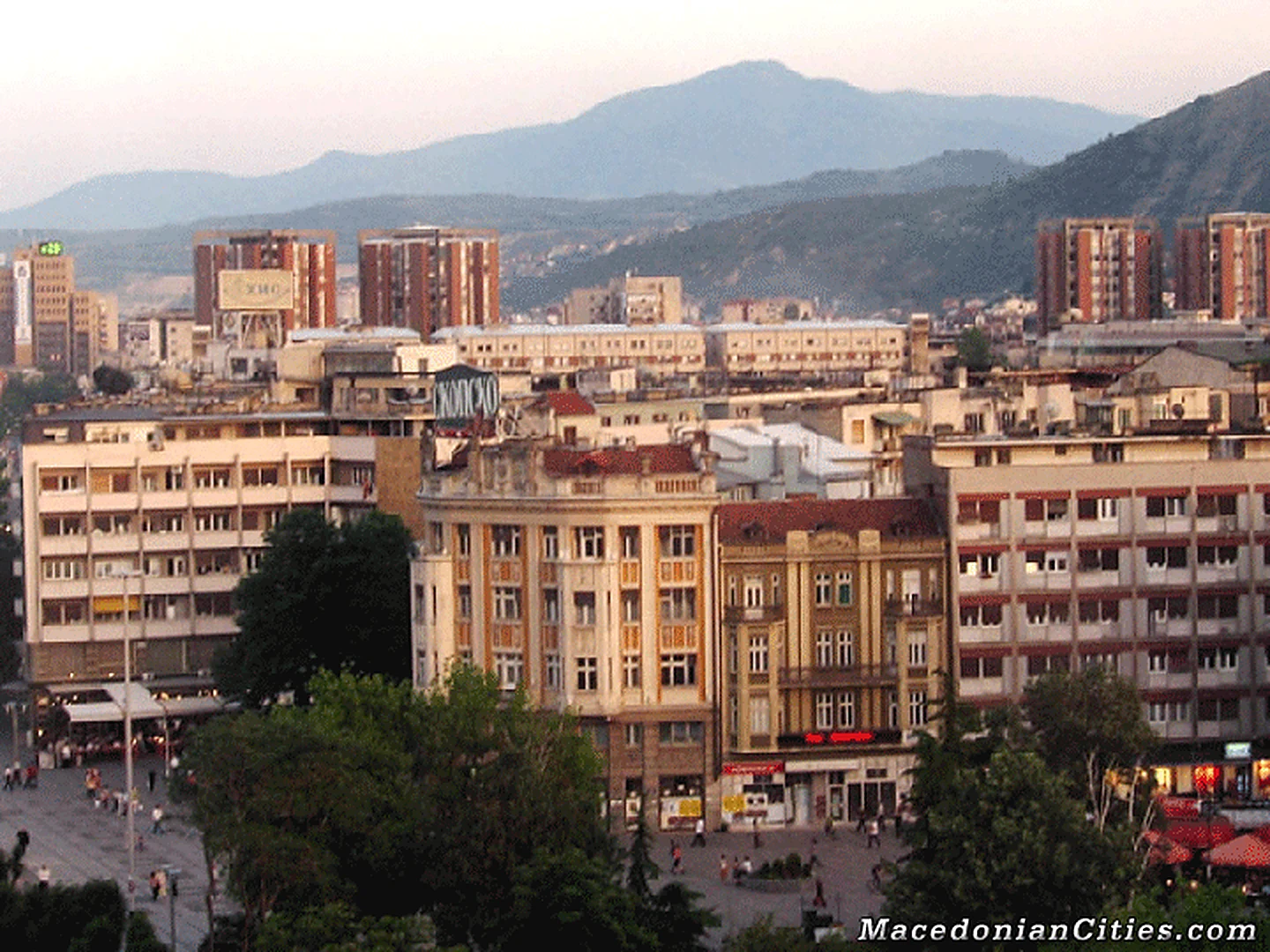
At a glance
Useful facts, in one place.
Settlement and municipality figures are kept distinct wherever sources permit.
- Municipality
- City of Skopje (special local-government unit of ten municipalities)
- City population
- 422,540
- Municipality population
- 526,502
- Population year
- 2021
- Municipal area
- 571.46 km²
- Elevation
- 245 m
- Postal code
- 1000
- Climate
- Basin-modified continental climate with Mediterranean influence: hot, relatively dry summers and cold winters in which fog and temperature inversions can trap air pollution.
- Sports teams
-
- FK Vardar
- RK Vardar 1961
- KK MZT Skopje Aerodrom
- KK Rabotnichki
- FK Shkupi
- ZRK Gjorche Petrov
- Culture
-
- The Old Bazaar remains a living commercial quarter and a protected cultural ensemble of special importance.
- Skopje's post-1963 modernist buildings form one of southeastern Europe's most distinctive reconstruction landscapes.
- The city's institutions and public life are multilingual and reflect Macedonian, Albanian, Roma, Turkish, Serbian, Bosniak and other communities.
- Population snapshot
- 422,540 city residents and 526,502 municipality residents in the 2021 census; 103,962 lived outside the city settlement.
- Statistical region
- Skopje
- Constituent municipalities
-
- Aerodrom
- Butel
- Gazi Baba
- Gjorche Petrov
- Karposh
- Kisela Voda
- Saraj
- Centar
- Chair
- Shuto Orizari
- Skopje settlement population
- 422,540
- Ten-municipality City population
- 526,502
- Rural settlements
- 53
- Population scope
- The 422,540 figure is for the statistical settlement of Skopje. The 526,502 figure is the aggregate resident population of the ten municipalities that constitute the City of Skopje. Neighbourhoods are not treated as villages.
Known for
The city's signature.
Landmarks, foods, landscapes and traditions that give Skopje its character.
- Stone Bridge, Kale fortress and the Old Bazaar
- 1963 earthquake and international modernist reconstruction
- Vodno Mountain and nearby Matka Canyon
- National institutions, universities and cultural venues
- A multilingual and multi-faith urban heritage
Geography
Geography
Land shapes the city.
Terrain, waterways, climate and transport explain why Skopje grew where it did.
Skopje spreads across a broad basin in the upper Vardar valley, almost midway through the Balkan Peninsula. The river divides the urban core before continuing southeast, while tributaries including the Treska and Lepenec enter the wider basin. Vodno rises immediately south of the centre; Skopska Crna Gora frames the north; and the Matka gorge cuts through the mountains to the west. This enclosure gives the capital a dramatic setting but can also trap winter fog and polluted air.
The city is both a dense metropolitan area and a collection of distinct landscapes. Ottoman-era lanes climb toward Kale on the north bank, nineteenth- and twentieth-century districts line the river, Yugoslav boulevards extend east and west, and newer neighbourhoods reach toward the basin edge. Ten municipalities form the City of Skopje. Together they concentrate national government, universities, hospitals, media, culture and commerce on a scale unmatched elsewhere in the country.
History
History
A concise, rewritten account.
Written afresh from cross-checked municipal, archaeological, heritage and institutional sources—not copied website text.
Roman Scupi developed northwest of today's centre and became an important city before an earthquake devastated it in 518. A medieval settlement grew around the fortress above the Vardar and passed among Byzantine, Bulgarian and Serbian rulers. Ottoman forces took the city in 1392. Over the following five centuries, Üsküb became a major Balkan market whose stone bridge, covered bazaar, inns, baths, mosques and churches drew together merchants and communities from across the region. Fire, warfare and the earthquake of 1555 repeatedly altered its fabric.
Skopje became part of Serbia in 1912 and later of Yugoslavia. Railways and industry accelerated its growth, and after 1944 it became the capital of the Socialist Republic of Macedonia. On 26 July 1963 a powerful earthquake killed more than a thousand people and destroyed much of the city. International assistance and a reconstruction plan associated with Kenzo Tange produced a new civic centre, transport complex and large modern neighbourhoods.
Since independence in 1991, Skopje has remained the country's political and economic centre. Its urban landscape also records sharp debates about memory and identity, especially after extensive monument and facade projects in the 2010s. The most rewarding picture is therefore not one style or era but the coexistence of the Old Bazaar, modernist reconstruction, riverside public space, diverse neighbourhoods and the mountains at the city's edge.
The preserved legacy narrative
Open the preserved legacy narrative
Early phase
The Skopje basin has been inhabited since prehistory, with Neolithic sites such as Tumba Madzhari demonstrating settled life by the fifth millennium BC. Archaeological remains have also been reported around Kale, although Roman Scupi was a separate city northwest of the modern centre. Paionian and Dardanian communities occupied the wider region before Rome secured it in the second century BC. Scupi first belonged to the province of Macedonia and later to Moesia; under the Flavian emperors it gained colonia status and became an administrative centre. Late Roman reforms placed it in Dardania, and after the division of 395 it remained within the Eastern Roman, or Byzantine, Empire.
The first bishop of Scupi known by name is Paregorius, who attended the Council of Serdica in 343. By the fifth century the city was probably a metropolitan see, the ancestor of the later Latin Archdiocese of Skopje.
Medieval era
An earthquake in 518 devastated Scupi. Emperor Justinian I, born at Tauresium southeast of present-day Skopje, founded Justiniana Prima in the sixth century; older scholarship often identified it with Skopje, but most modern research places it elsewhere. A medieval town developed around Kale and the Vardar crossing. It was repeatedly contested by Byzantium and the Bulgarian Empire, serving as an important centre during the age of Samuel and later as the seat of a Byzantine katepanate after 1018. Earthquakes and warfare altered its fortunes. In the thirteenth century it was connected with the domains of Konstantin Tih Asen, and in 1282 it was taken by the Serbian king Stefan Uroš II Milutin. His grandson Stefan Dušan made Skopje an imperial capital and was crowned emperor there in 1346.
Ottoman era
Ottoman forces took Skopje in 1392, beginning roughly five centuries of Ottoman rule. Known in Ottoman Turkish as Üsküb, the city occupied an important strategic position on routes linking the central Balkans with Thessaloniki and lands farther north. Its precise administrative rank changed over time; in the late Ottoman period it became the centre of the Kosovo Vilayet.
Under Ottoman rule the urban focus shifted toward the confluence of the Serava and Vardar. Muslim institutions transformed the skyline, while the commercial quarter grew around inns such as Kapan An and Suli An. The Stone Bridge was rebuilt or substantially renewed in the fifteenth century, though parts of its chronology remain debated, and the Daut Pasha Hamam was erected late in that century. Sephardic Jews expelled from Iberia settled in the Ottoman Balkans and became an important part of Skopje's commercial and cultural life.
The Old Bazaar expanded alongside mosques including Sultan Murad, Aladža and Mustafa Pasha, while some earlier ecclesiastical properties were appropriated or converted. The earthquake of 1555 destroyed much of the centre, although trade recovered; travellers' estimates of 30,000 to 60,000 residents are too uncertain to treat as census figures. In 1689 Habsburg general Enea Silvio Piccolomini briefly occupied Skopje during a plague outbreak and ordered it burned. Sources differ over whether the stated purpose was disease control, military strategy or retaliation connected with the Ottoman siege of Vienna.
Skopje declined during the next two centuries and may have had about 10,000 inhabitants in the nineteenth century. The railway to Thessaloniki, completed in 1873, revived trade and helped the population rise toward 30,000 by the century's end. The city became a centre of competing reformist, revolutionary and national movements. Networks in Skopje supported the Ilinden Uprising of 1903, although the short-lived Kruševo Republic was proclaimed in Kruševo, not in the capital. Ottoman rule ended during the First Balkan War in 1912.
Balkan and World Wars
As the seat of the Kosovo Vilayet, late Ottoman Skopje stood amid growing Albanian opposition to central rule. During the Albanian revolt of 1912, thousands of insurgents entered the city in August after the authorities' position collapsed; contemporary estimates often cite about 15,000 participants. This episode preceded the wider defeat of the empire by the Balkan League later that year.
The Battle of Kumanovo in October 1912 enabled Serbian forces to secure Skopje, which remained under Serbia after the Second Balkan War. Bulgaria occupied the city during the First World War from 1915, not 1914, until the Allied advance of 1918. Skopje then joined the Kingdom of Serbs, Croats and Slovenes, renamed Yugoslavia in 1929; it did not cease belonging to that state in 1939, as the inherited account suggests. Interwar centralization and colonization changed the city's institutions and population and restricted Macedonian political expression. Axis forces occupied Skopje in April 1941, after which it was administered by Bulgaria. In March 1943 the occupying Bulgarian authorities deported 3,286 Jews from Skopje to the German extermination camp at Treblinka, where almost all were murdered. Macedonian partisan forces liberated the city on 13 November 1944, and it became the capital of the People's Republic of Macedonia within federal Yugoslavia.
Socialist Macedonia
From 1944 to 1991 Skopje was the capital of socialist Macedonia. Industrialization and migration expanded the city dramatically, from roughly 150,000 inhabitants after the war to a metropolitan population approaching half a million by the end of the Yugoslav period; the legacy's figure of almost 600,000 depends on the boundary used. A Vardar flood struck in 1962. On 26 July 1963 a magnitude-6.1 earthquake killed 1,070 people, left about 120,000 without homes and destroyed or severely damaged much of the urban fabric. International relief coordinated through the United Nations supported rapid rebuilding. A master-plan competition and Kenzo Tange's celebrated city-centre proposal shaped the reconstruction, while the ruined old railway station, its clock stopped at 5:17, became the city museum and principal memorial.
The earthquake destroyed or damaged many neoclassical civic buildings, including the National Theatre, as well as sections of Kale. Emergency housing and prefabricated settlements accommodated survivors, and the rebuilt city acquired a striking body of modernist architecture. The inherited text dismisses this work as “concrete monstrosities,” but these buildings are now studied as an important international reconstruction landscape. Much of the Ottoman commercial quarter survived and remains one of Skopje's strongest links with its pre-earthquake past.
Independence
Skopje became the capital of an independent state in 1991. It hosted international missions connected with the Kosovo crisis in 1998–99 and received many refugees. The armed conflict of 2001 affected the capital politically and occasionally through violence, but it was not simply urban rioting; the Ohrid Framework Agreement expanded representation and language rights. Subsequent reconstruction and the controversial “Skopje 2014” programme rebuilt the National Theatre, added museums, monuments and historicizing façades, and profoundly changed the riverfront. Kale was conserved in stages, while newer landmarks included the archaeological museum, constitutional court complex and Philharmonic. The former Philip II Arena is now the National Arena Toše Proeski, and the airport is officially Skopje International Airport, replacing the names cited in the older account.
Profile sources (28)
- skopje.gov.mk/en_us/footer/fakti-simboli
- starportal.skopje.gov.mk/Uploads/LEAP2GS.pdf
- britannica.com/biography/Mother-Teresa
- stat.gov.mk/publikacii/2022/POPIS_DZS_web_EN.pdf
- makstat.stat.gov.mk/PXWeb/pxweb/en/MakStat/MakStat__Popisi__Popis2021__NaselenieVkupno__PodatociNaselenie/T1501P21.px
- citypopulation.de/en/northmacedonia/cities/?cityid=3409
- skopje.gov.mk/media/9690/rsm_rs-strategy-and-ap-for-skopje-_mk.pdf
- skopje.gov.mk/media/9154/d28-tehnical-review-needs-assessment-for-north-macedonia.pdf
- skopje.gov.mk/mk/vesti/2019/24072020_programa_26juli_2020
- post.moma.org/curating-the-yugoslav-identity-the-reconstruction-of-skopje
- whc.unesco.org/en/statesparties/mk/Laws
- uefa.com/uefasupercup/news/0250-0c5116f6a37b-1e9553e2fa87-1000--skopje-city-guide
- mpc.org.mk/english/monasteries.asp
- nobelprize.org/prizes/peace/1979/teresa/biographical
- en.macedonism.org/Macedonian-Encyclopedia/redzepova-esma
- eeas.europa.eu/eeas/milcho-manchevski_en
- ffm.mk/en/ateam/elif-elmas
- ffm.mk/en/enis-bardhi
- olympedia.org/athletes/6172
- en.macedonism.org/Macedonian-Encyclopedia/trpceski-simon
- citypopulation.de/en/northmacedonia/skopski/101__aerodrom
- citypopulation.de/en/northmacedonia/skopski/102__butel
- citypopulation.de/en/northmacedonia/skopski/103__gazi_baba
- citypopulation.de/en/northmacedonia/skopski/104__%C7%B5orche_petrov
- citypopulation.de/en/northmacedonia/skopski/105__karpo%C5%A1
- citypopulation.de/en/northmacedonia/skopski/106__kisela_voda
- citypopulation.de/en/northmacedonia/skopski/107__saraj
- citypopulation.de/en/northmacedonia/skopski/110__%C5%A1uto_orizari
Interesting Facts
Interesting facts
Details worth remembering.
Local landmarks, customs, foods and historical details that reward a closer look at Skopje.
-
Two valid population totals
The 2021 census recorded 422,540 residents in the statistical settlement of Skopje, while the broader ten-municipality City of Skopje had 526,502 residents. The difference is largely the population of other official settlements inside the capital's legal boundary.
-
A capital made of ten municipalities
The City of Skopje is a special local-government unit comprising Aerodrom, Butel, Gazi Baba, Gjorche Petrov, Karposh, Kisela Voda, Saraj, Centar, Chair and Shuto Orizari.
-
The earthquake of 26 July 1963
The magnitude-6.1 earthquake killed 1,070 people, injured thousands and destroyed or seriously damaged much of Skopje, leaving the city to be rebuilt on an international scale.
-
An international modernist reconstruction
A United Nations-backed planning process brought experts from many countries to post-earthquake Skopje; Kenzo Tange's team's city-centre proposal became the best-known architectural expression of that collaboration.
-
The bazaar has special legal protection
North Macedonia adopted a dedicated law proclaiming the Old Skopje Bazaar cultural heritage of special importance, recognizing the whole urban ensemble rather than only individual monuments.
-
Neolithic and Roman cities beneath the modern basin
Tumba Madzhari preserves a Neolithic settlement in the eastern city, while Scupi, northwest of the centre, was the Roman urban predecessor whose remains include a theatre and public architecture.
-
A low basin capital
The city government gives Skopje's characteristic elevation as 245 metres above sea level; surrounding mountains rise sharply above the basin and channel its weather and transport routes.
-
A monastic landscape inside the capital
Matka, Gorno Nerezi and Ljubanci place medieval and later Orthodox monasteries within the City of Skopje's legal limits, even though their gorge and mountain settings feel rural.
People
Celebrities
Lives linked to the city.
Writers, musicians, artists, athletes, public figures and historical personalities with a clearly stated connection to Skopje.
- Notable person Mother Teresa Nobel Peace Prize laureate and founder of the Missionaries of Charity, born in Ottoman-era Skopje in 1910.
- Notable person Esma Redzhepova Skopje-born Roma singer and humanitarian whose international career made her one of the city's most recognizable cultural figures.
- Notable person Milcho Manchevski Skopje-born filmmaker and artist best known internationally for the Academy Award-nominated film Before the Rain.
-
Mother Teresa humanitarian and religion
Born Anjezë Gonxhe Bojaxhiu in Skopje in 1910, when the city was part of the Ottoman Empire.
Catholic religious sister and missionary, founder of the Missionaries of Charity and recipient of the 1979 Nobel Peace Prize.
Source -
Esma Redzhepova music
Born in Skopje in 1943 and began her performing career in the city.
Romani and Macedonian singer, songwriter and humanitarian whose international career made her an emblematic interpreter of Roma music.
Source -
Milcho Manchevski film
Born in Skopje in 1959.
Film director, screenwriter, photographer and artist whose feature Before the Rain was nominated for an Academy Award and won the Golden Lion in Venice.
Source -
Darko Panchev sport
Born in Skopje in 1965 and launched his senior career with FK Vardar.
Football striker who won the European Cup with Red Star Belgrade and received the European Golden Shoe for the 1990–91 season.
Source -
Eljif Elmas sport
Born in Skopje in 1999 and developed at Rabotnichki.
North Macedonia international footballer who developed as an attacking midfielder before playing in Turkey, Italy and Germany.
Source -
Enis Bardhi sport
Born in Skopje in 1995.
North Macedonia international footballer known as a midfielder and set-piece specialist.
Source -
Blagoja Georgievski sport
Born in Skopje in 1950 and closely associated with Rabotnichki's basketball tradition.
Basketball player and coach who won an Olympic silver medal with Yugoslavia at the 1976 Montreal Games.
Source -
Simon Trpcheski music
Born in Skopje in 1979 and educated at the city's Faculty of Music.
International concert pianist recognized for performances and recordings of the classical and Macedonian repertoires.
Source
Villages & Monasteries
Villages
The wider municipality.
Every verified village and rural settlement in the current municipal scope, followed by known monasteries in the surrounding cultural landscape.
53 villages and rural settlements are included.
- Dolno Lisiche Official non-urban settlement in Aerodrom Municipality, on the southeastern edge of the capital near the Vardar plain. Source
- Ljubanci Mountain-foot village in Butel Municipality, below Skopska Crna Gora and associated with Saint Nicholas Monastery. Source
- Ljuboten Large village in Butel Municipality on the southern slopes of Skopska Crna Gora. Source
- Radishani Official settlement in Butel Municipality that is closely connected to the northern built-up area. Source
- Vizbegovo Official settlement in Butel Municipality, now strongly shaped by suburban and industrial development. Source
- Brnjarci Rural settlement in Gazi Baba Municipality on the eastern side of the Skopje basin. Source
- Bulachani Foothill village in Gazi Baba Municipality below Skopska Crna Gora. Source
- Creshevo Village in Gazi Baba Municipality in the northeastern basin. Source
- Goce Delchev Official settlement in Gazi Baba Municipality, distinct from similarly named urban streets and institutions. Source
- Idrizovo Eastern-basin settlement in Gazi Baba Municipality near major transport and institutional sites. Source
- Indzhikovo Suburbanizing settlement in Gazi Baba Municipality east of the continuous city. Source
- Jurumleri Large agricultural and suburban settlement in Gazi Baba Municipality on the eastern plain. Source
- Rashtak Foothill village in Gazi Baba Municipality beneath Skopska Crna Gora. Source
- Singelikj Official settlement in Gazi Baba Municipality in the city's eastern growth corridor. Source
- Smiljkovci Village in Gazi Baba Municipality near the northeastern edge of the urban basin. Source
- Stajkovci Large settlement in Gazi Baba Municipality on the eastern plain, heavily affected by the 2016 flash flood. Source
- Strachinci Foothill village in Gazi Baba Municipality northeast of the city. Source
- Trubarevo Agricultural and suburban settlement in Gazi Baba Municipality close to the Vardar corridor. Source
- Viniche Small foothill settlement in Gazi Baba Municipality. Source
- Grachani Official settlement in Gjorche Petrov Municipality recorded with no resident population in the 2021 census. Source
- Kisela Jabuka Suburban settlement in Gjorche Petrov Municipality on the capital's western plain. Source
- Kuchkovo Village in Gjorche Petrov Municipality on the western hills above the Skopje basin. Source
- Nikishtane Rural settlement in Gjorche Petrov Municipality near the city's northwestern boundary. Source
- Novo Selo Official settlement in Gjorche Petrov Municipality in the western suburban belt. Source
- Orman Village in Gjorche Petrov Municipality on the northwestern plain. Source
- Volkovo Large suburban settlement in Gjorche Petrov Municipality and an important western rail and road corridor community. Source
- Bardovci Official settlement in Karposh Municipality, now an affluent and rapidly suburbanized northern extension of the city. Source
- Gorno Nerezi Vodno-slope village in Karposh Municipality, internationally known for the twelfth-century Saint Panteleimon monastery church. Source
- Drachevo Large official settlement in Kisela Voda Municipality on the southeastern edge of metropolitan Skopje. Source
- Usje Official settlement in Kisela Voda Municipality at the foot of Vodno, strongly integrated with the built-up city. Source
- Arnakija Rural settlement in Saraj Municipality in the western Skopje basin. Source
- Bojane Large village in Saraj Municipality on the western plain. Source
- Bukovikj Upland village in Saraj Municipality near the capital's western boundary. Source
- Chajlane Rural settlement in Saraj Municipality west of the continuous city. Source
- Dolno Svilare Lower village of the Svilare pair in Saraj Municipality, near the Treska corridor. Source
- Dvorce Small rural settlement in Saraj Municipality. Source
- Glumovo Large settlement in Saraj Municipality near the entrance to the Matka and Treska landscape. Source
- Gorno Svilare Upper village of the Svilare pair in Saraj Municipality. Source
- Grchec Large suburban settlement in Saraj Municipality immediately west of the built-up capital. Source
- Kondovo Large settlement in Saraj Municipality on the principal western approach to Skopje. Source
- Kopanica Village in Saraj Municipality in the western basin. Source
- Krushopek Suburban settlement in Saraj Municipality between the city and the western villages. Source
- Laskarci Village in Saraj Municipality beside the main westbound road and rail corridor. Source
- Ljubin Official settlement in Saraj Municipality close to the western edge of the continuous city. Source
- Matka Village in Saraj Municipality at the Treska gorge, associated with the reservoir, canyon recreation and several monasteries. Source
- Panichari Small rural settlement in Saraj Municipality. Source
- Radusha Large village in Saraj Municipality near the northwestern edge of the City of Skopje. Source
- Raovikj Rural settlement in Saraj Municipality in the western hills. Source
- Rashche Village in Saraj Municipality near the spring system that supplies much of Skopje's drinking water. Source
- Rudnik Radusha Official settlement in Saraj Municipality historically associated with mining activity near Radusha. Source
- Semenishte Village in Saraj Municipality on the western Skopje plain. Source
- Shishevo Village in Saraj Municipality at the approach to Matka Canyon and the Saint Nicholas Shishevski monastery. Source
- Gorno Orizari The sole official non-urban settlement in Shuto Orizari Municipality, north of the continuous urban area. Source
Monasteries nearby
Places of continuity.
Verified monastic sites within the municipality or its immediate cultural landscape.
-
Dormition of the Most Holy Theotokos Monastery
Matka, Saraj Municipality
Historic monastery at the entrance to Matka Canyon, within the western rural part of the City of Skopje.
Source -
Saint Nicholas Shishevski Monastery
Above Shishevo, Saraj Municipality
Medieval monastic church on a high terrace above the Treska and Matka reservoir, reached by trail or water approach.
Source -
Saint Andrew Monastery
Matka, Saraj Municipality
Late-fourteenth-century monastery church beside the Treska in Matka Canyon, commissioned by Prince Andrew, son of King Vukashin.
Source -
Saint Panteleimon Monastery
Gorno Nerezi, Karposh Municipality
Monastery church founded in 1164, renowned for Komnenian-period frescoes of exceptional artistic importance.
Source -
Saint Nicholas Monastery
Ljubanci, Butel Municipality
Orthodox monastery above Ljubanci on the slopes of Skopska Crna Gora, inside the capital's northern municipal boundary.
Source
Old Photos (98)
Old Photos
The rare collection.
Every surviving full-size historical file is included, including originals that the old page markup accidentally omitted. Family-preserved originals remain untouched.
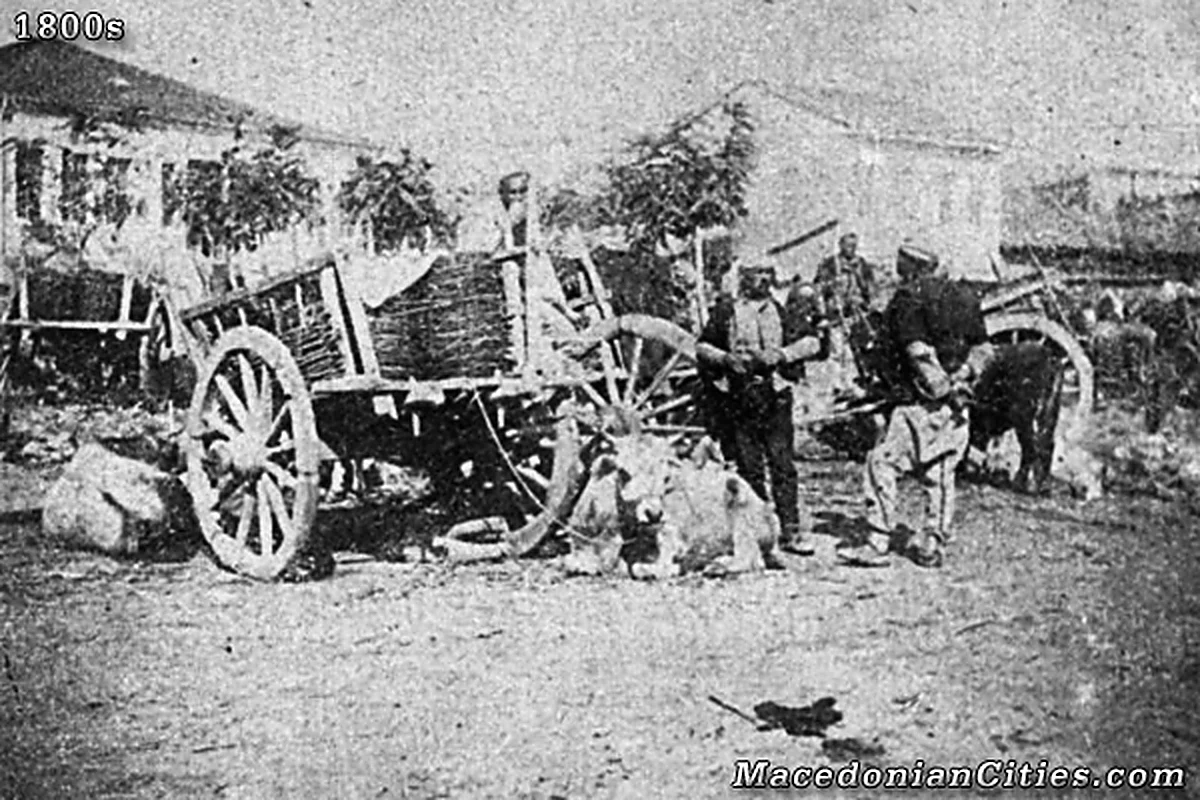
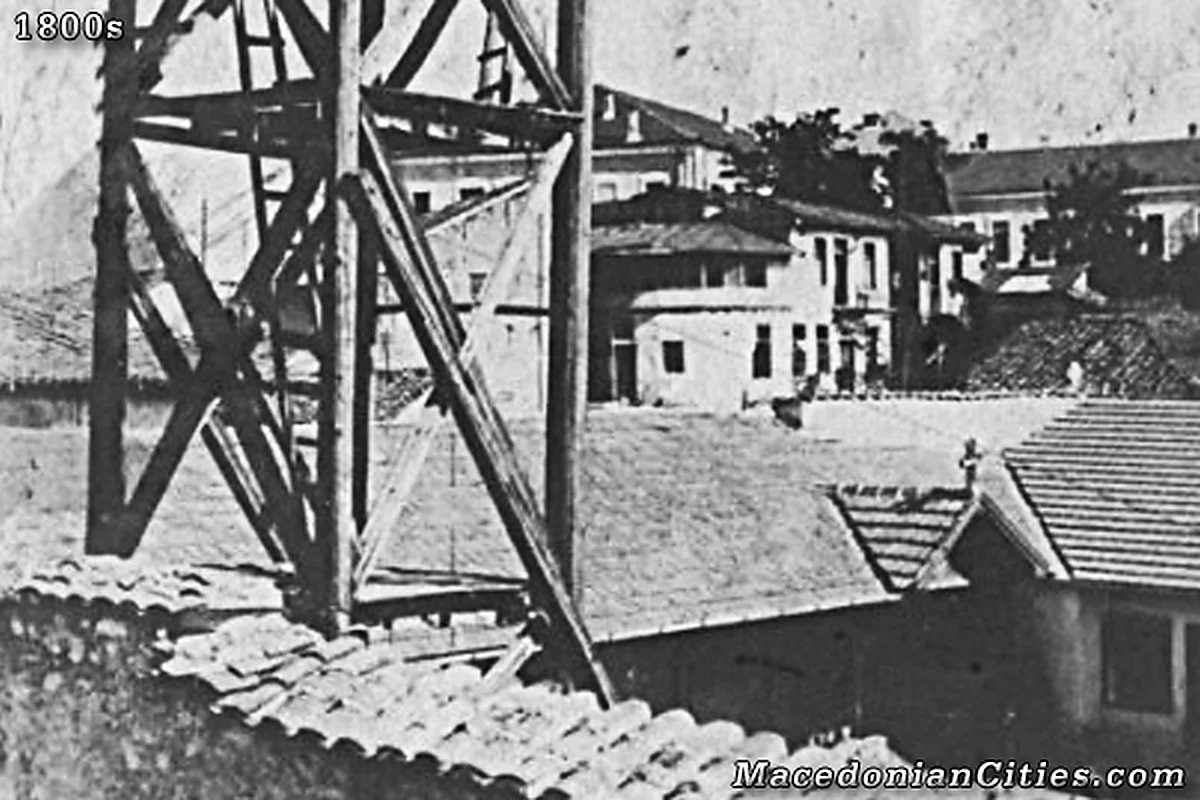
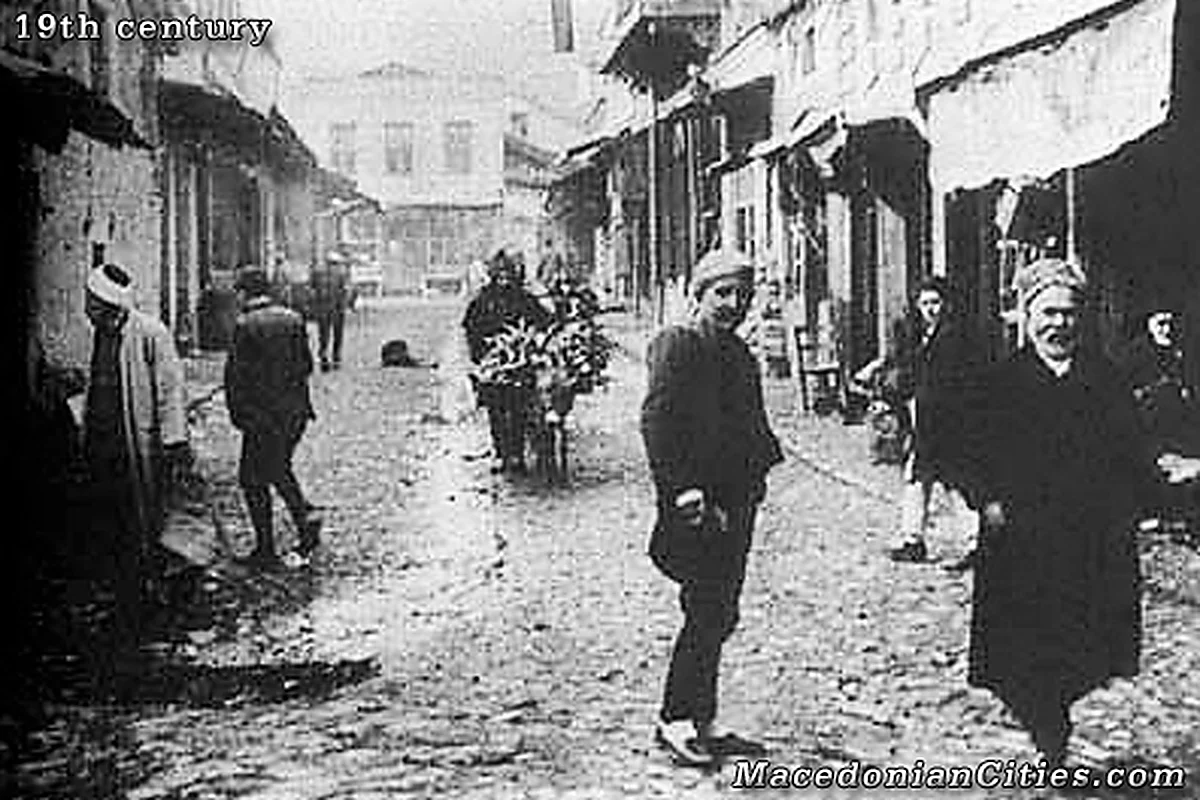
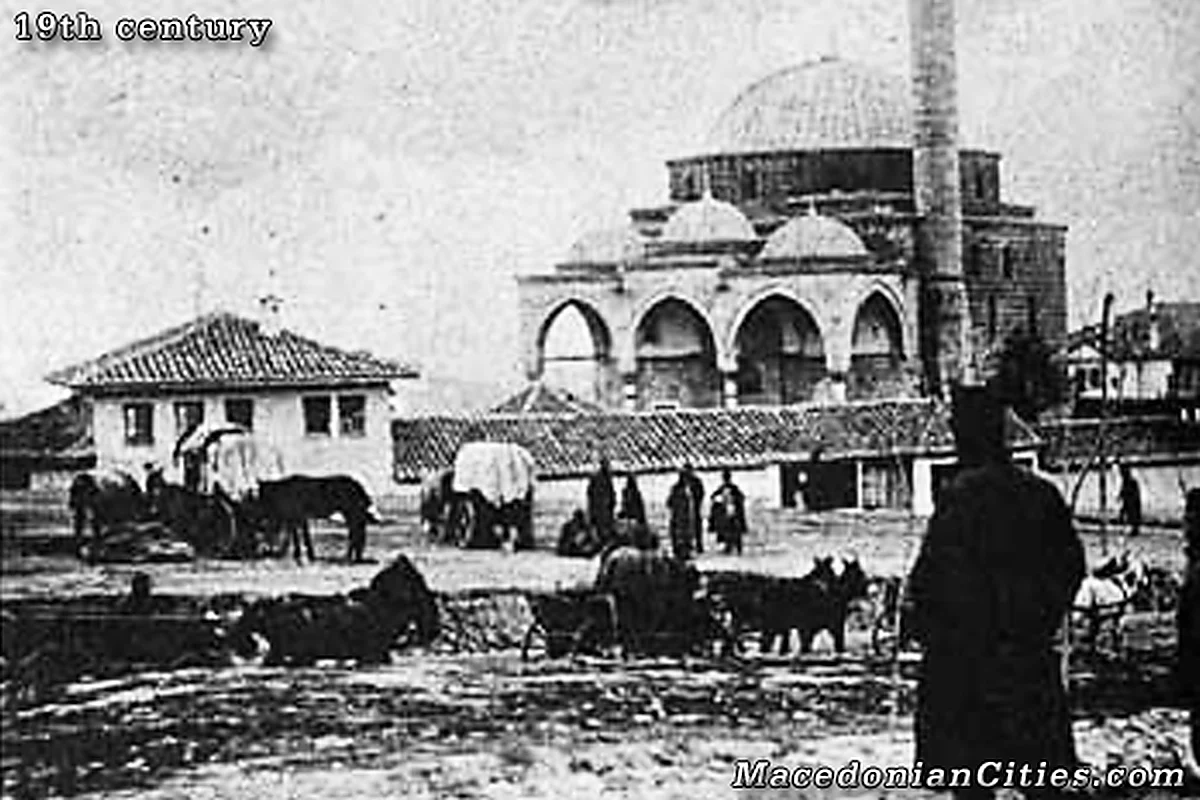
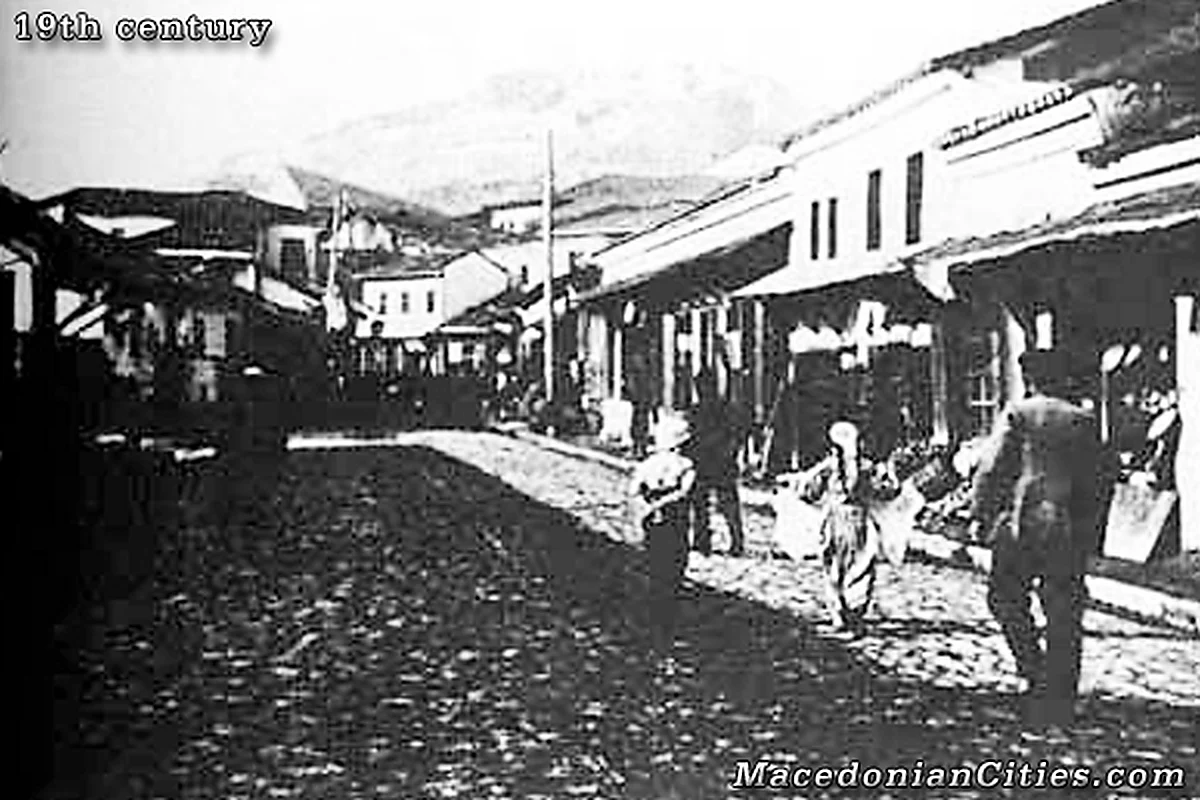
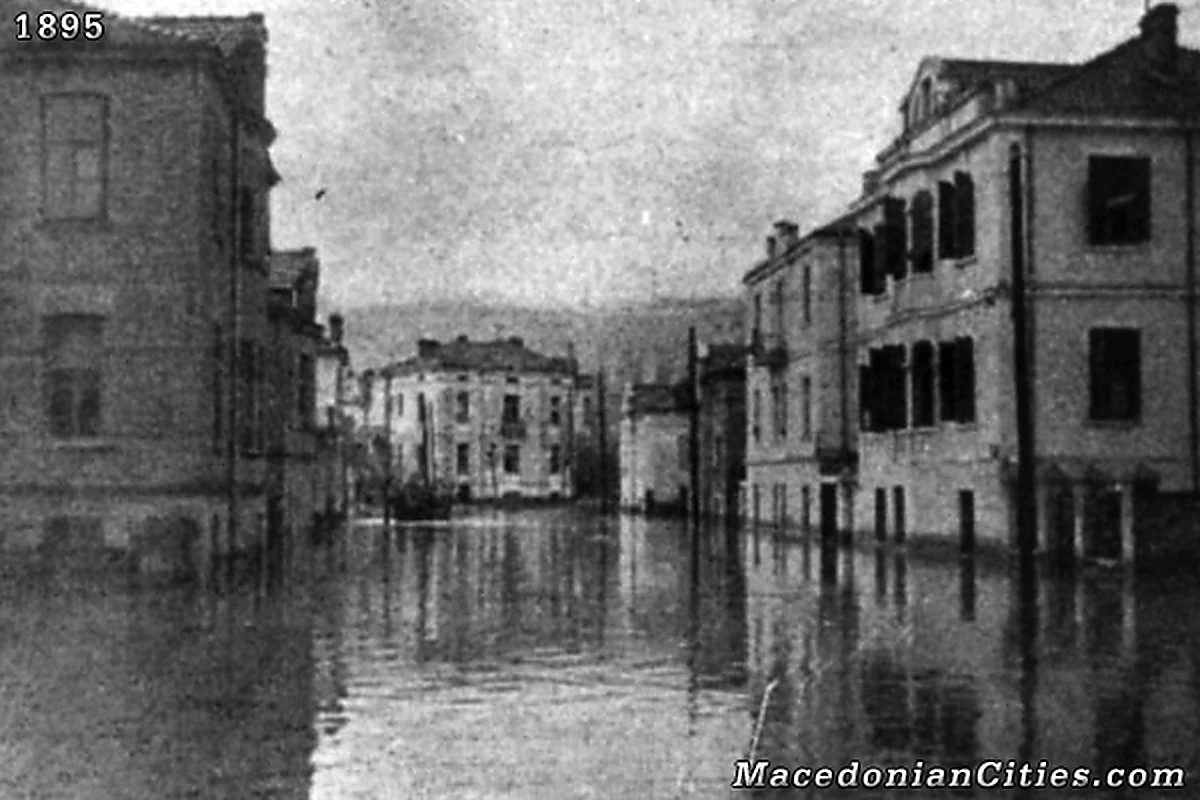
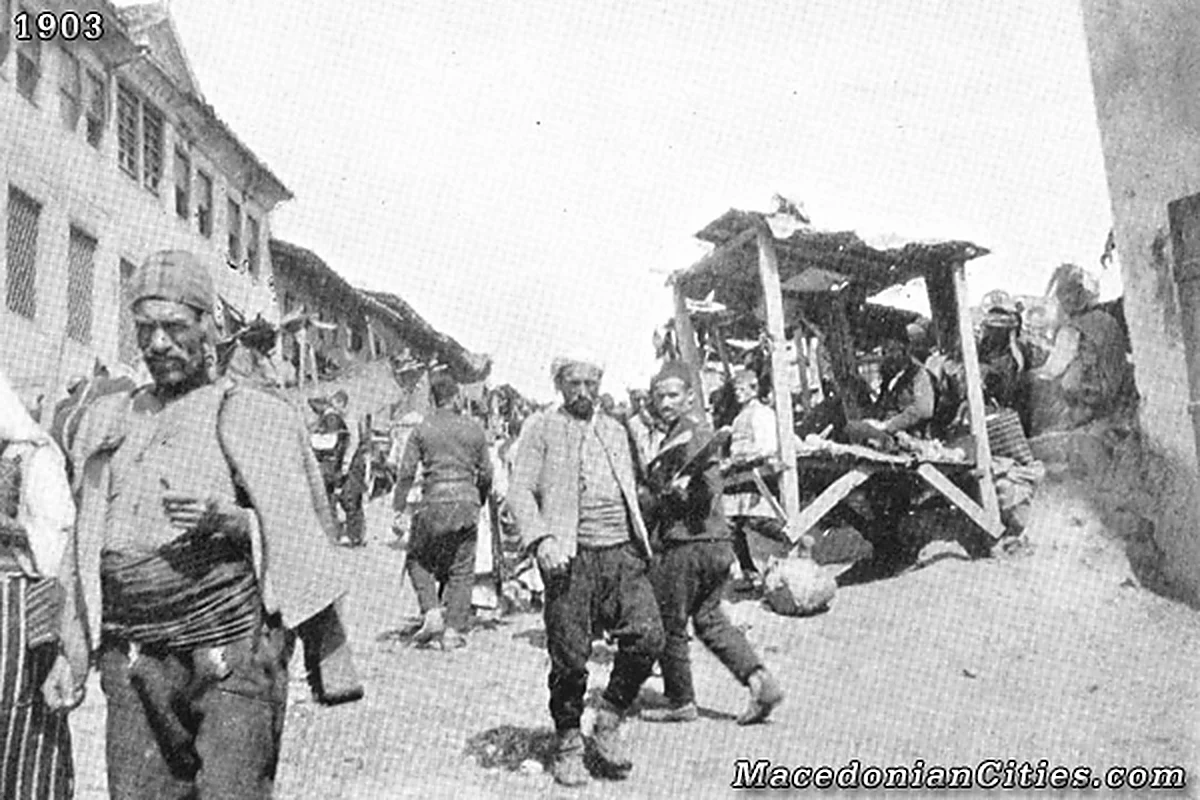
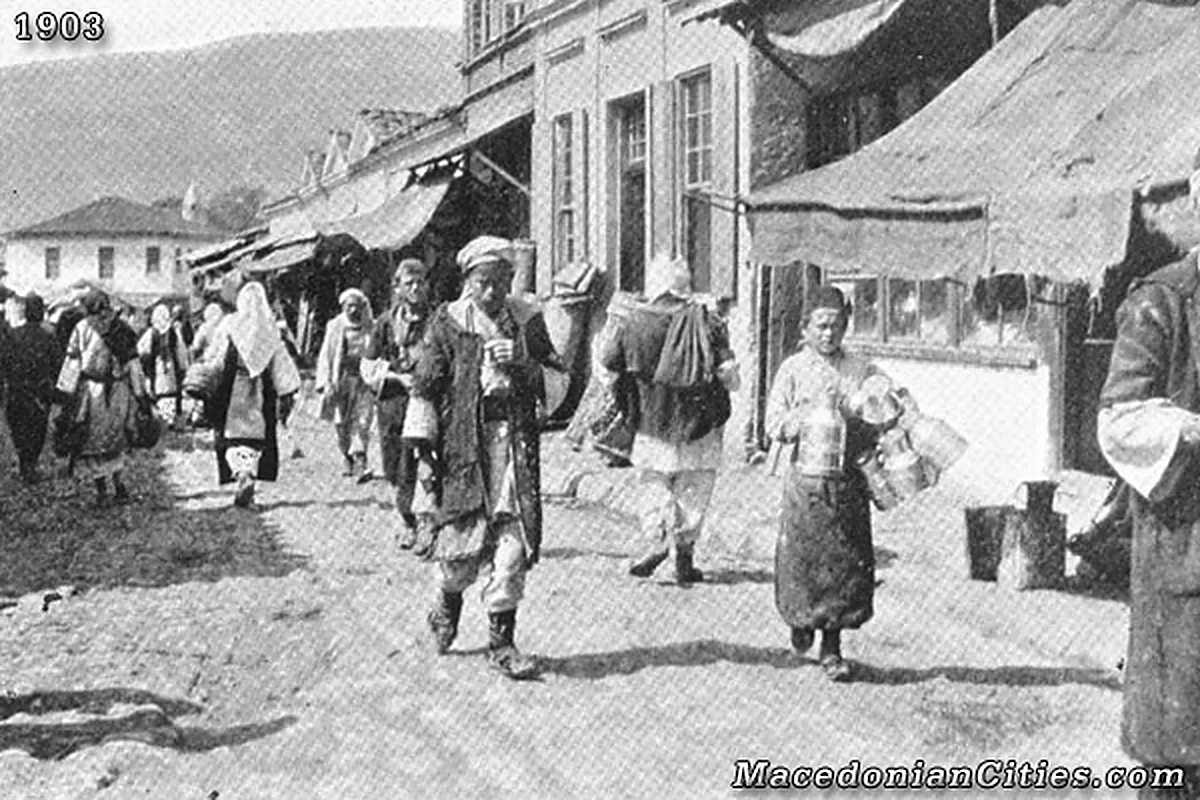
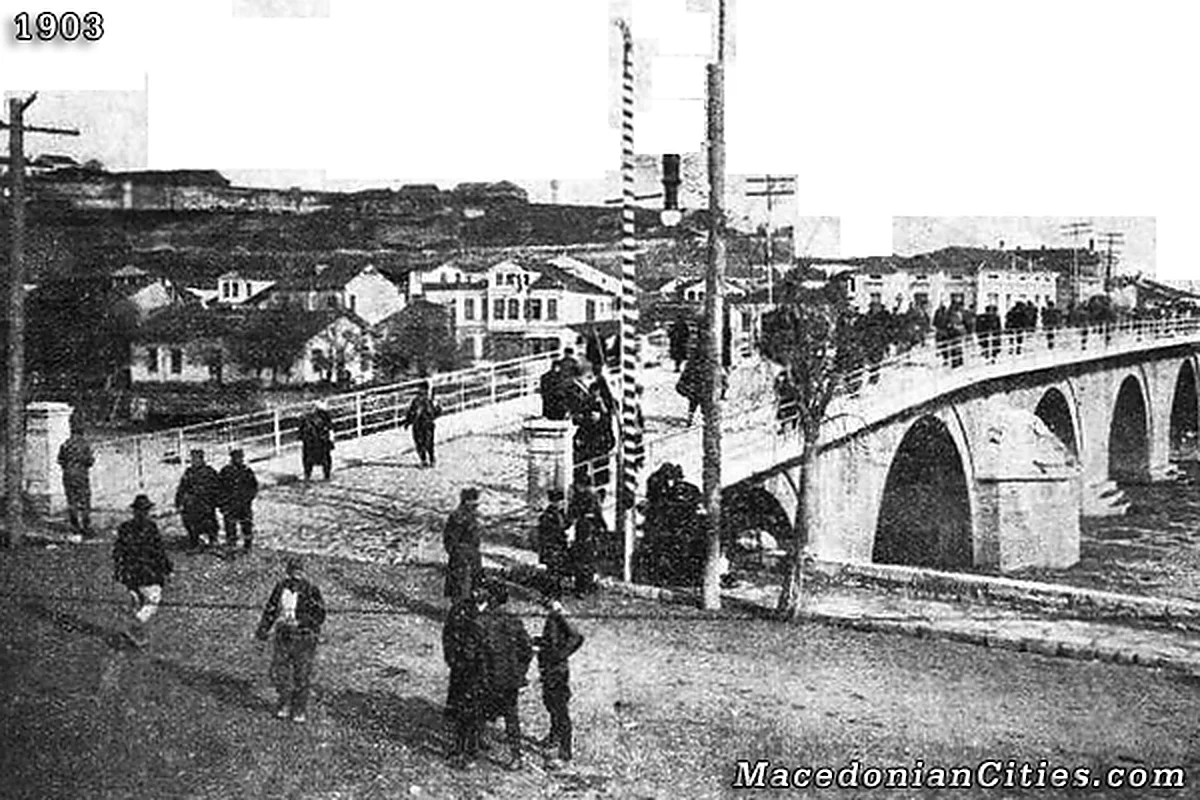
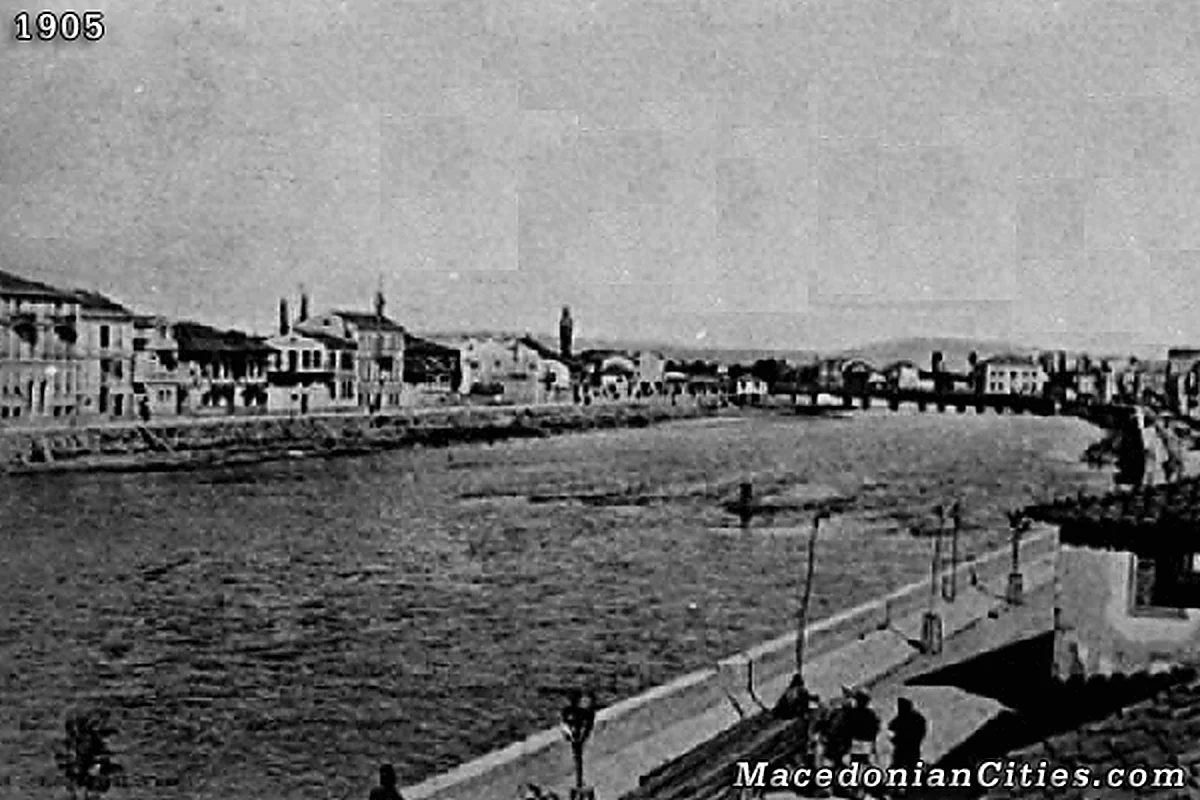
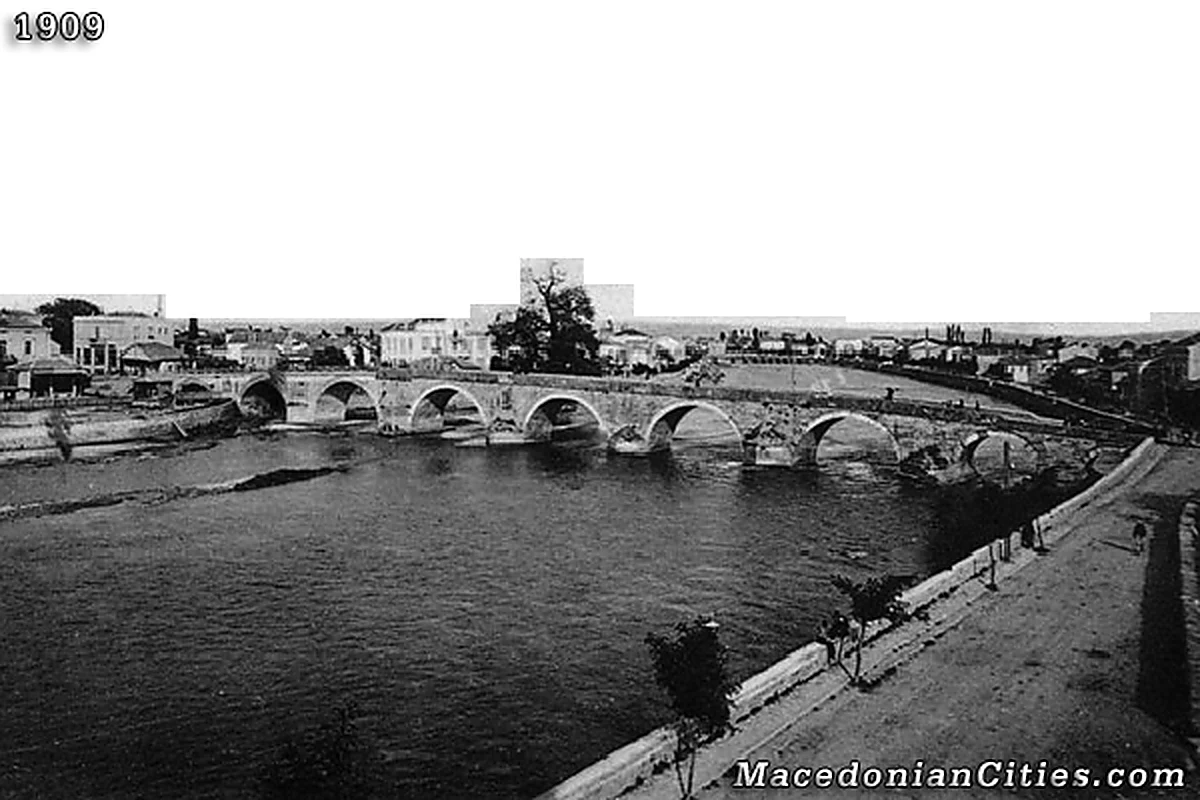
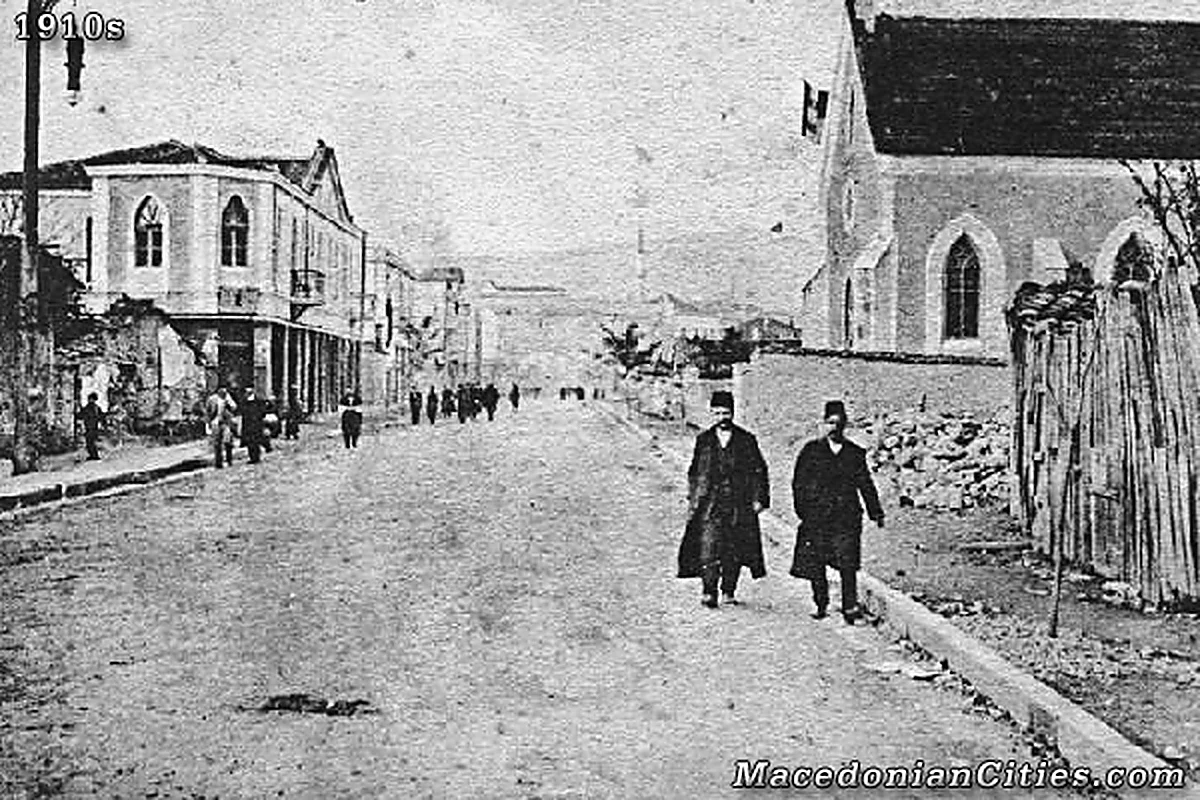
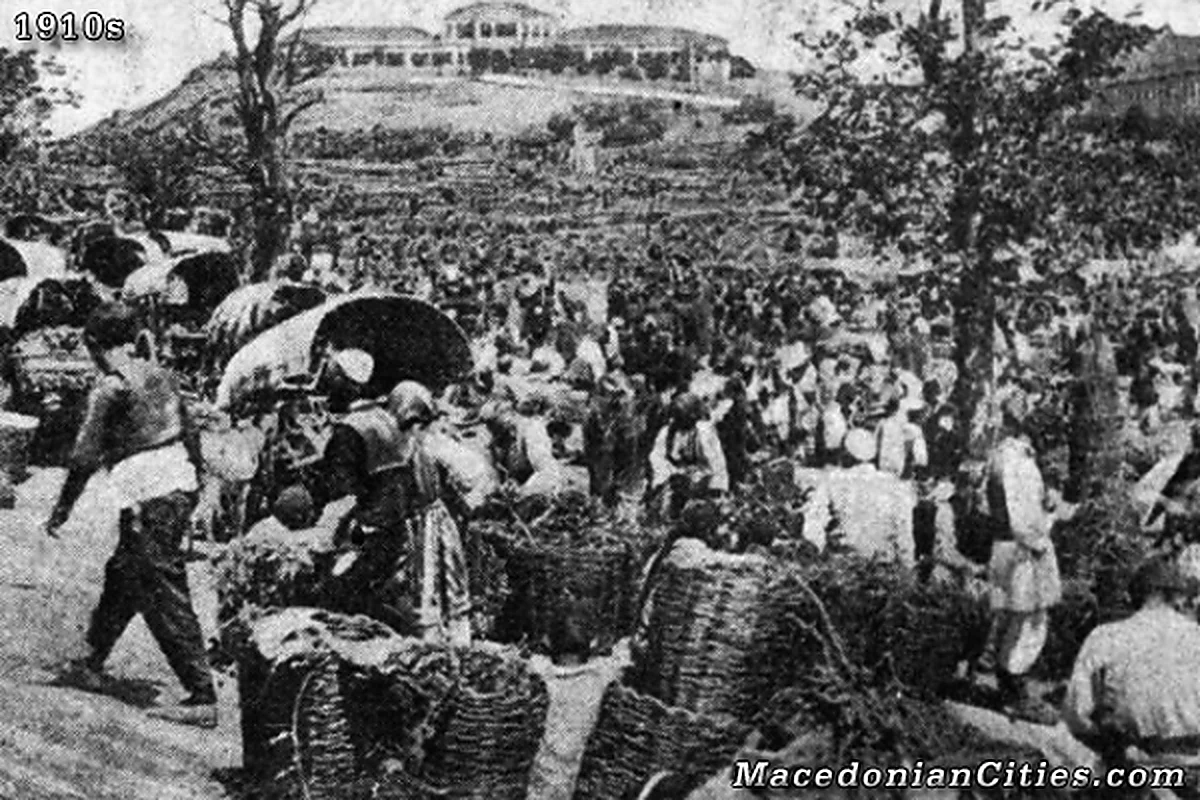
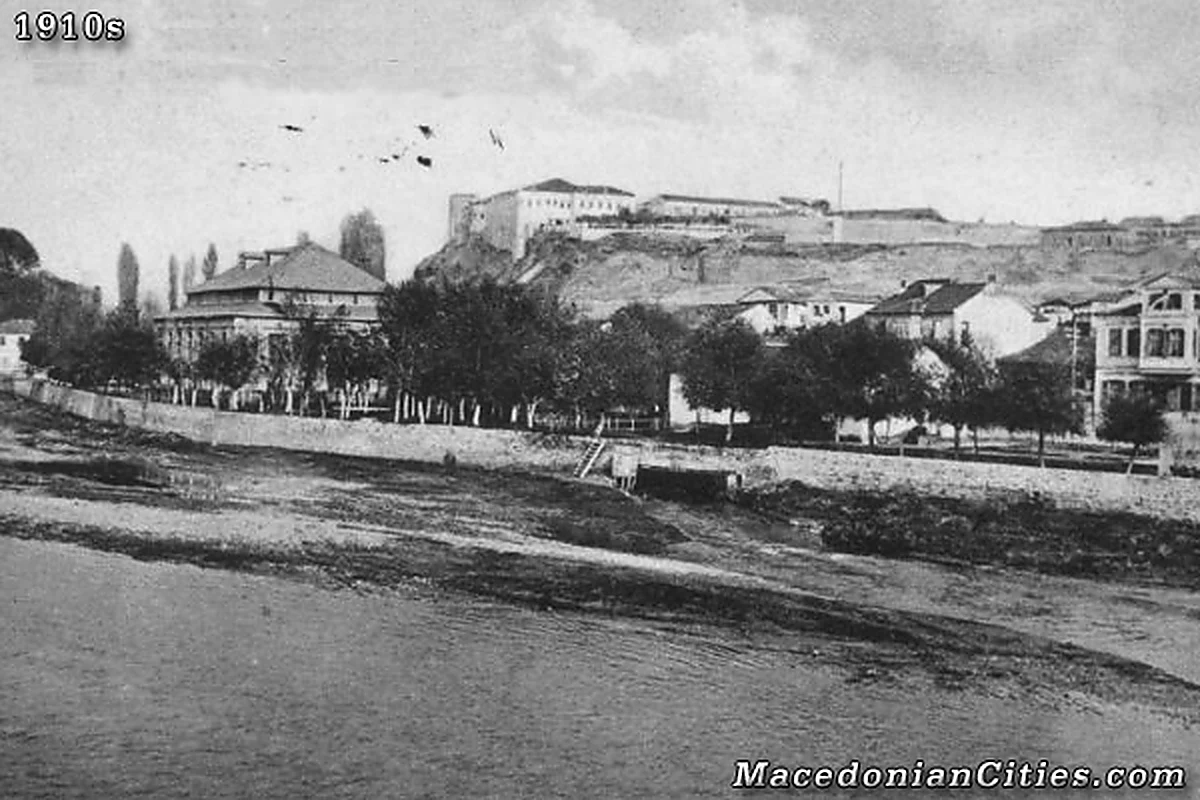
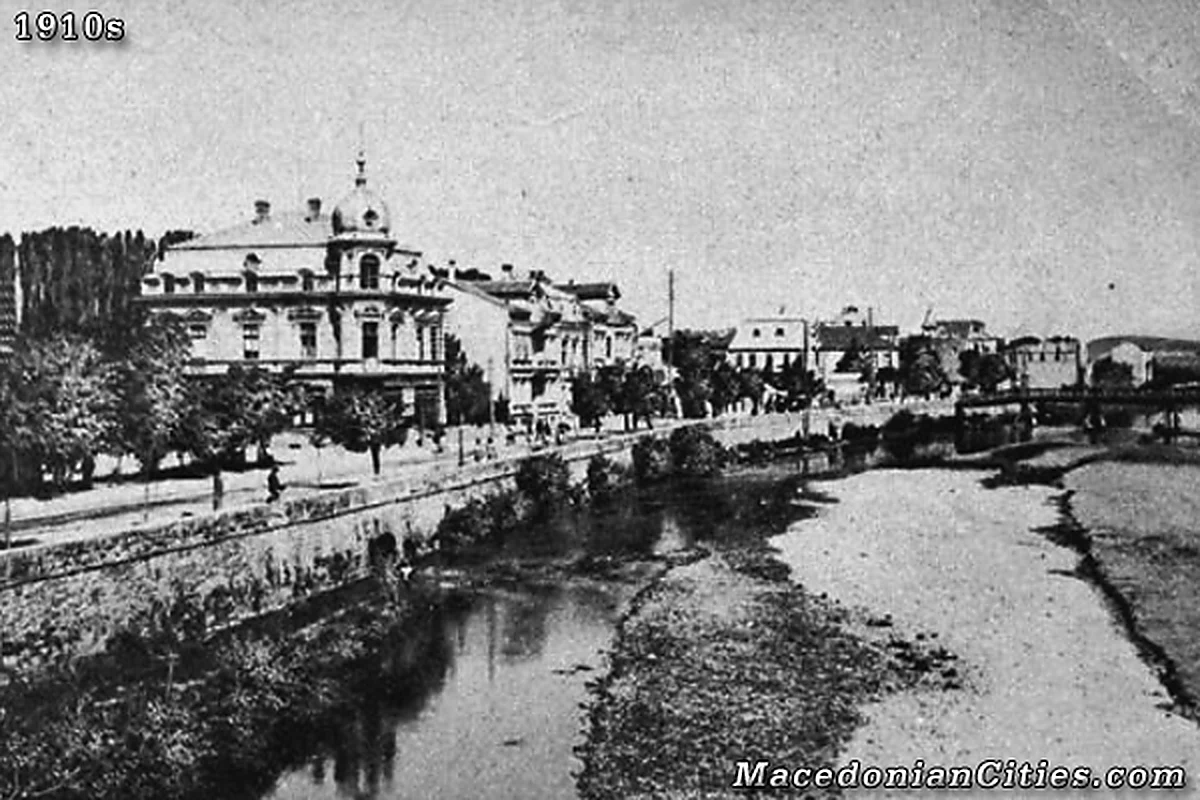
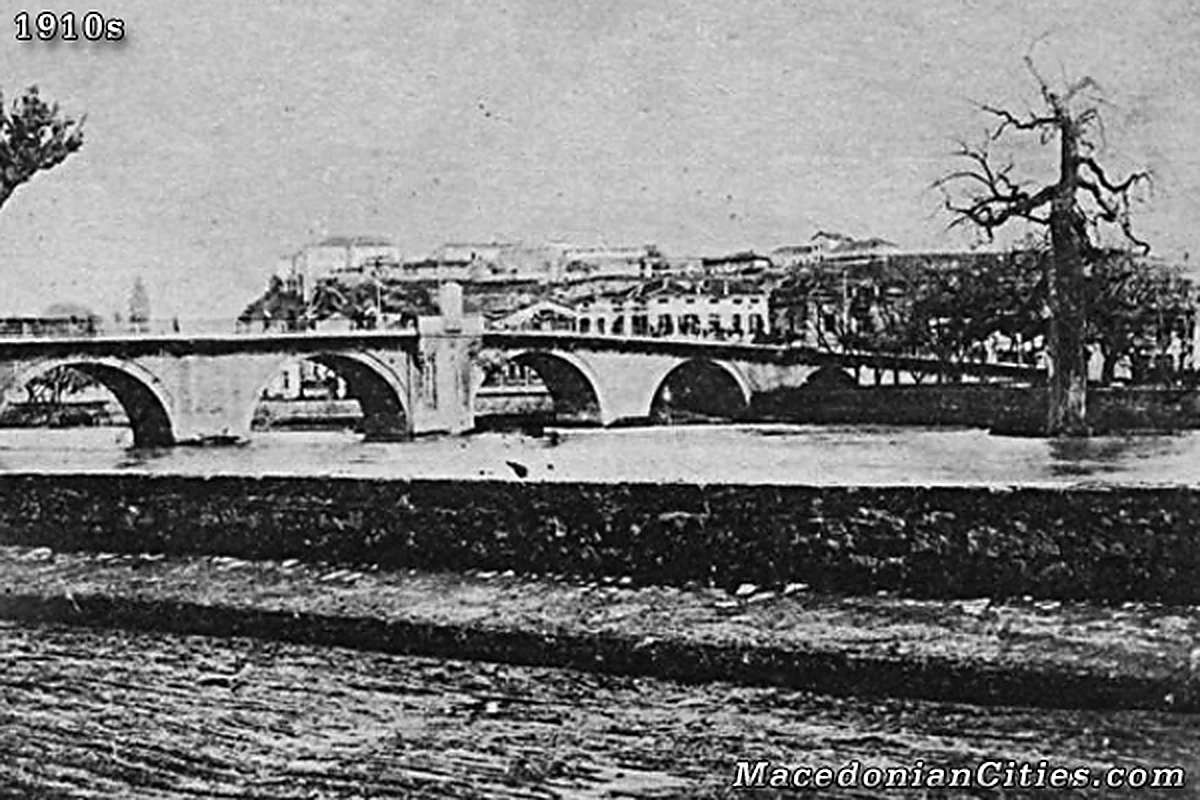
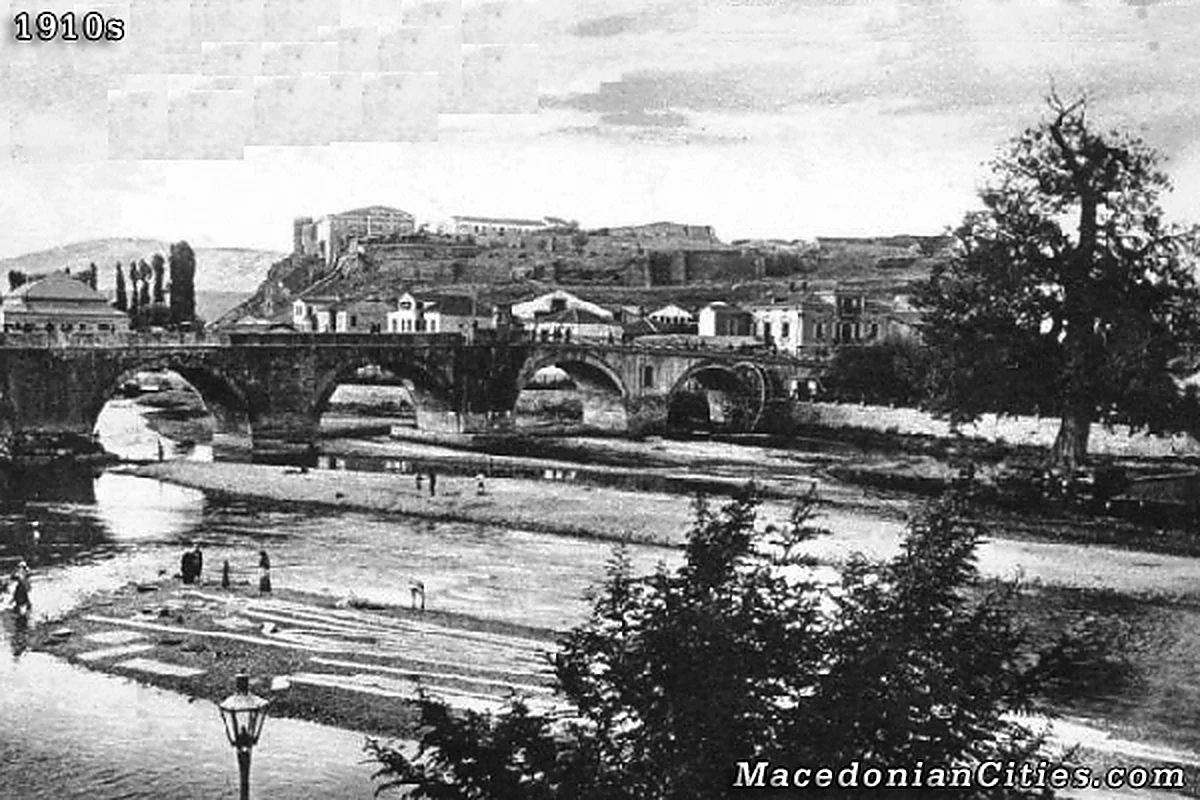
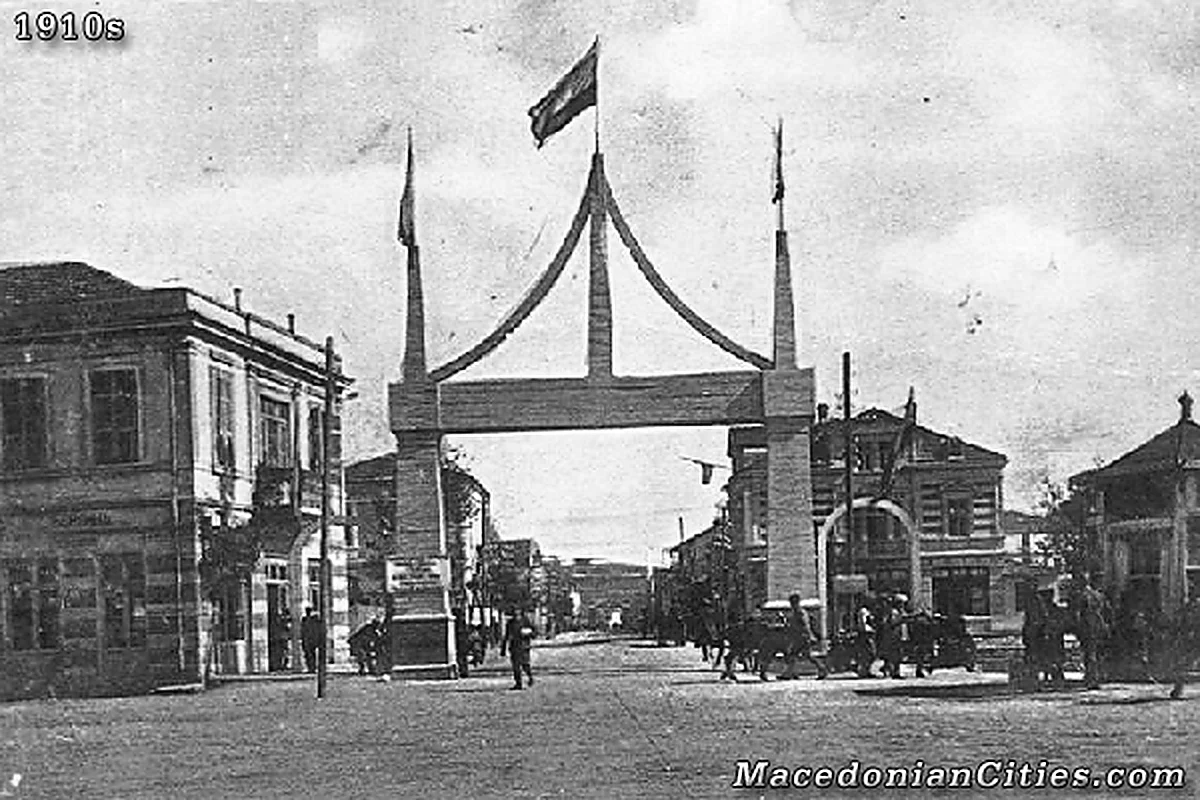
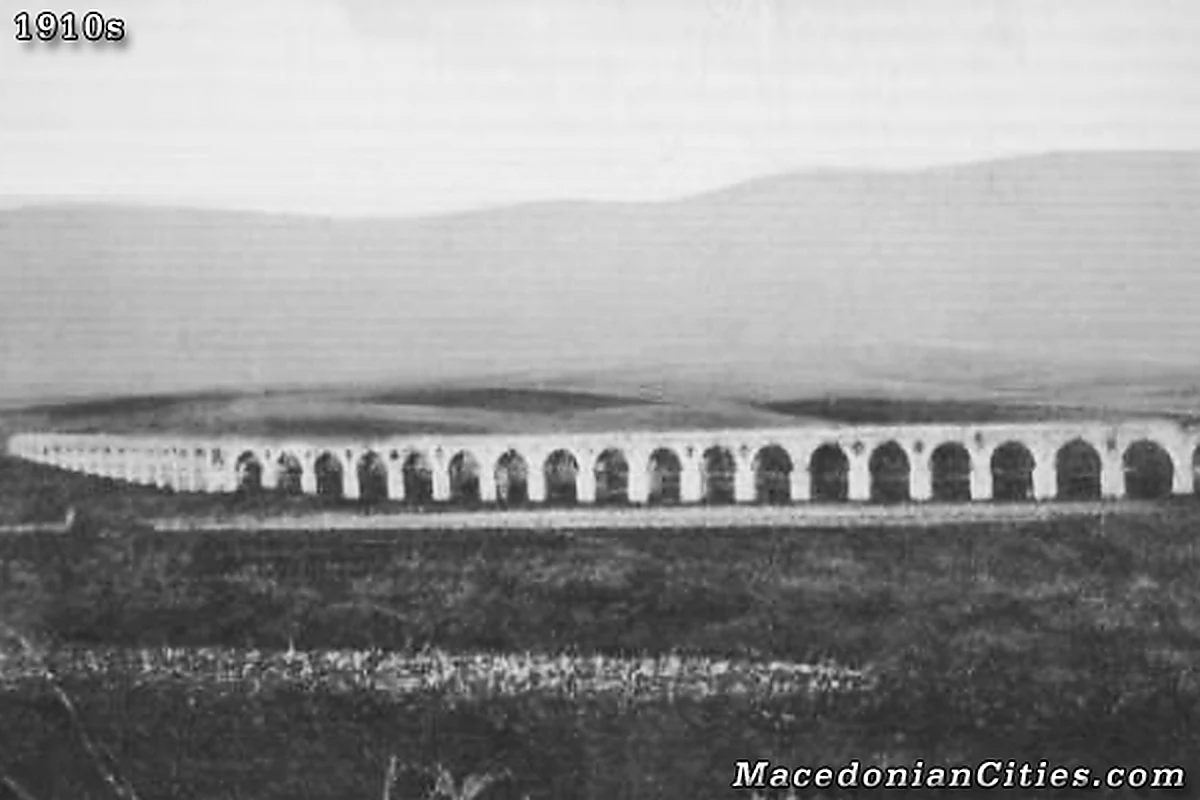
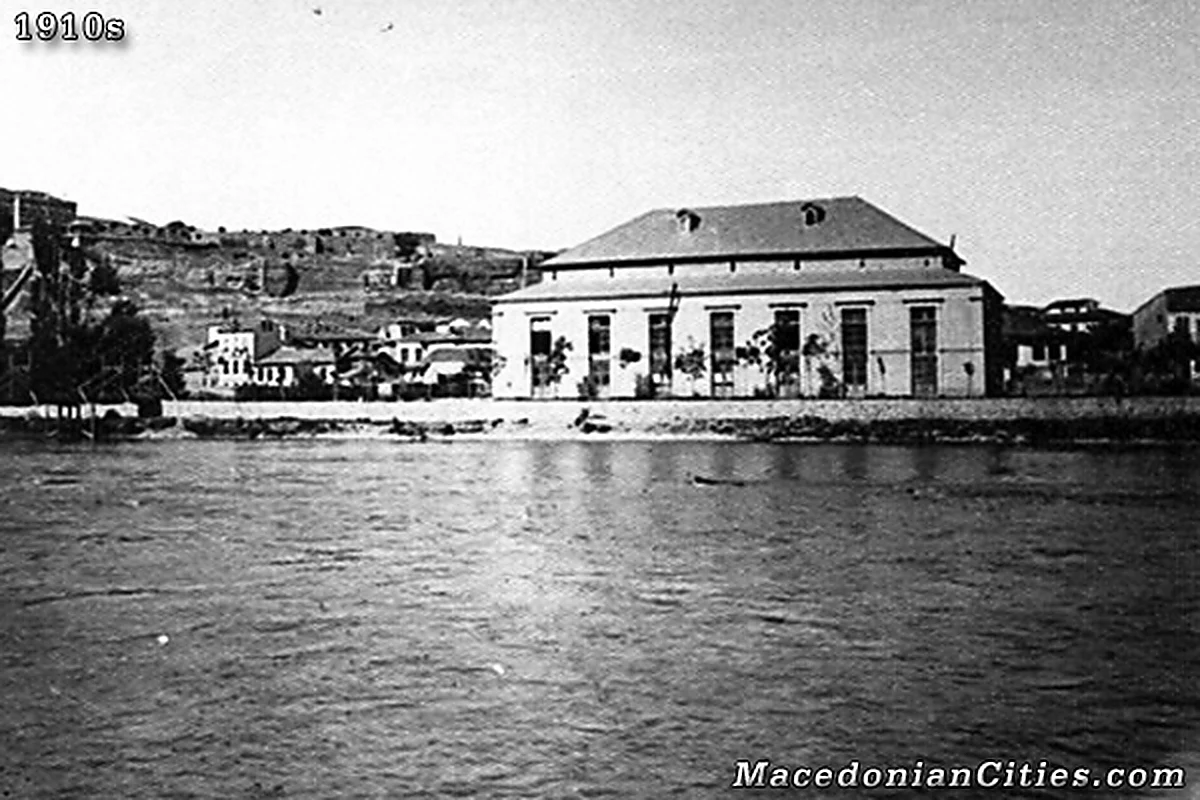
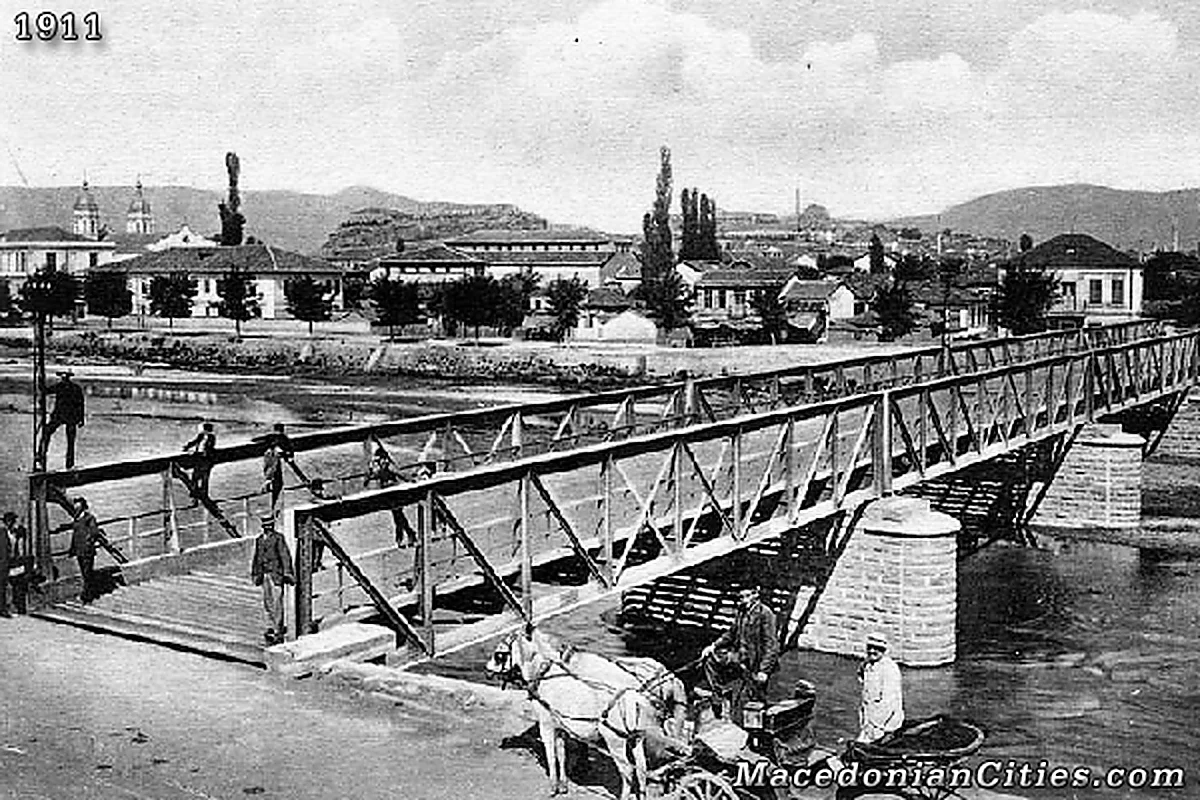
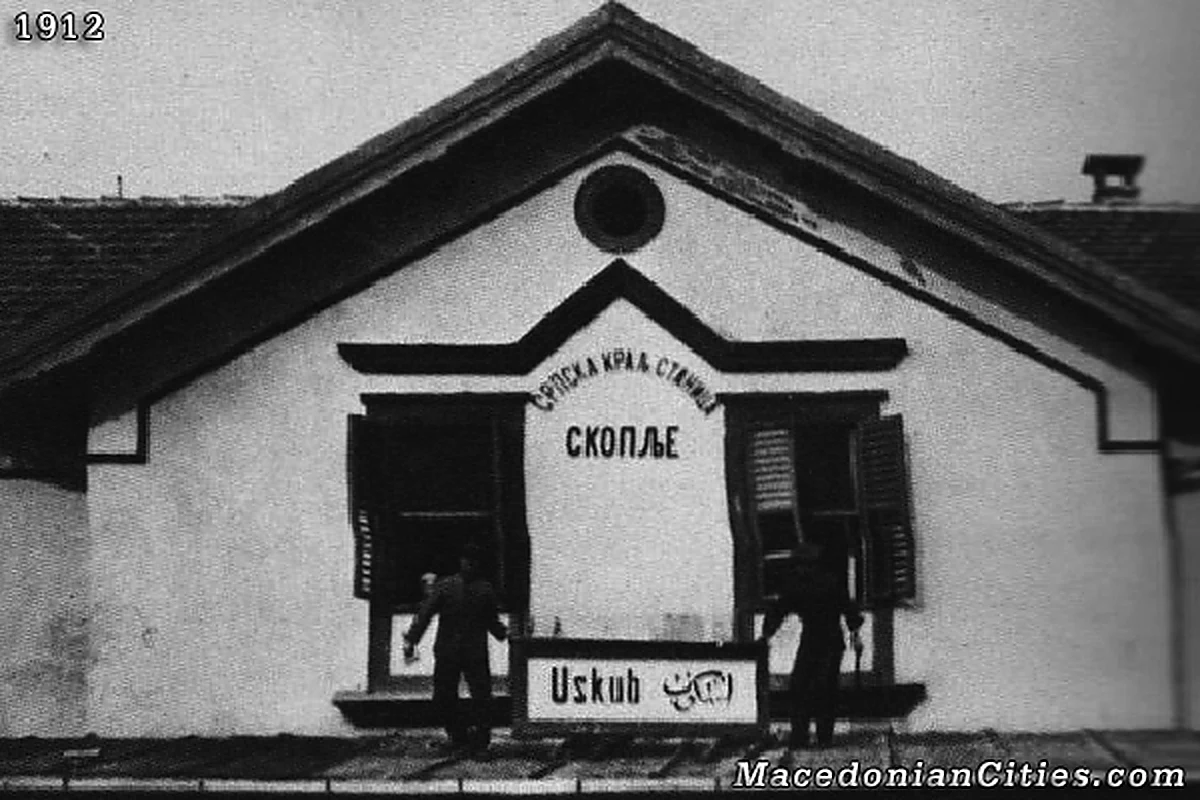
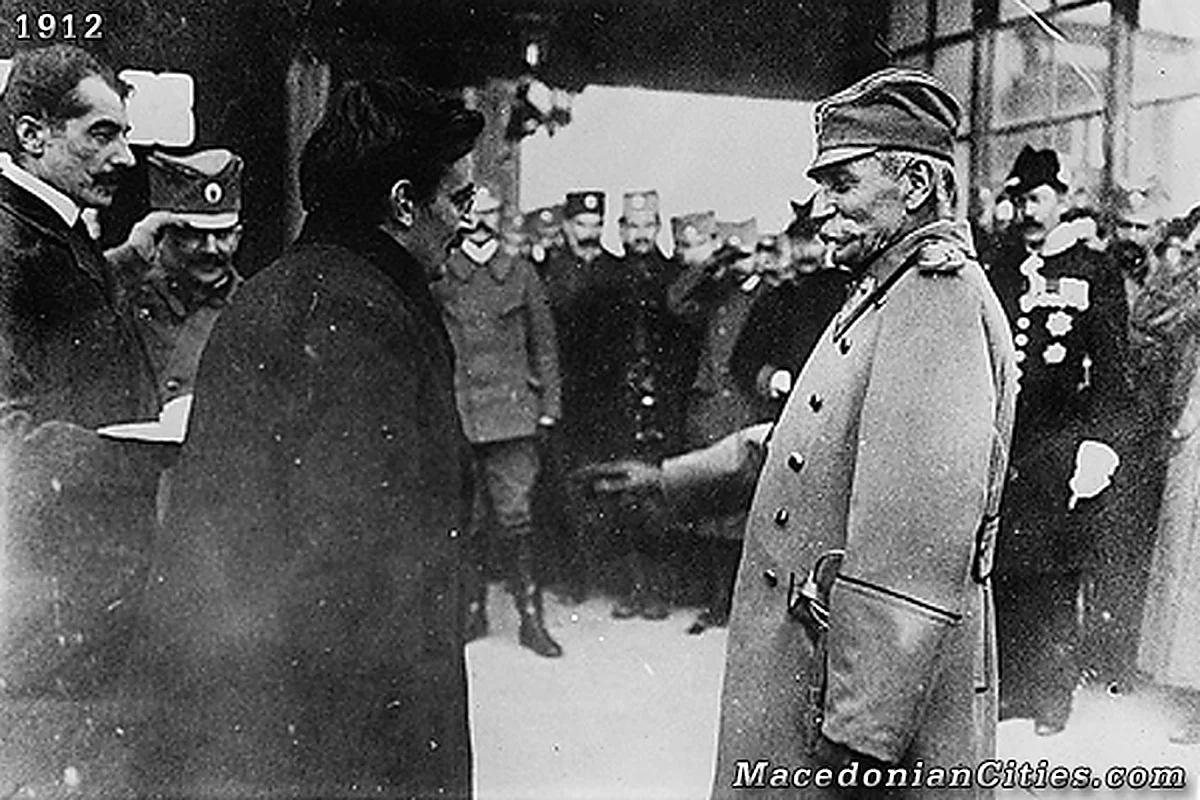
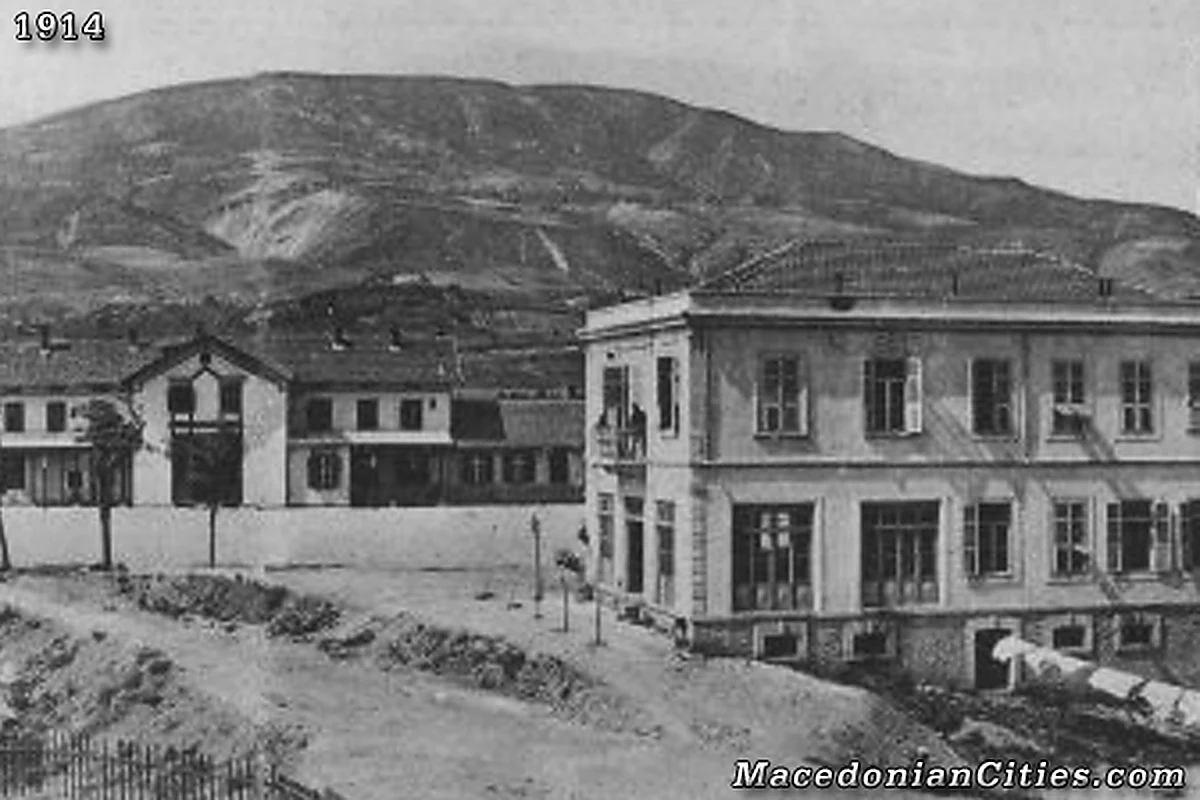
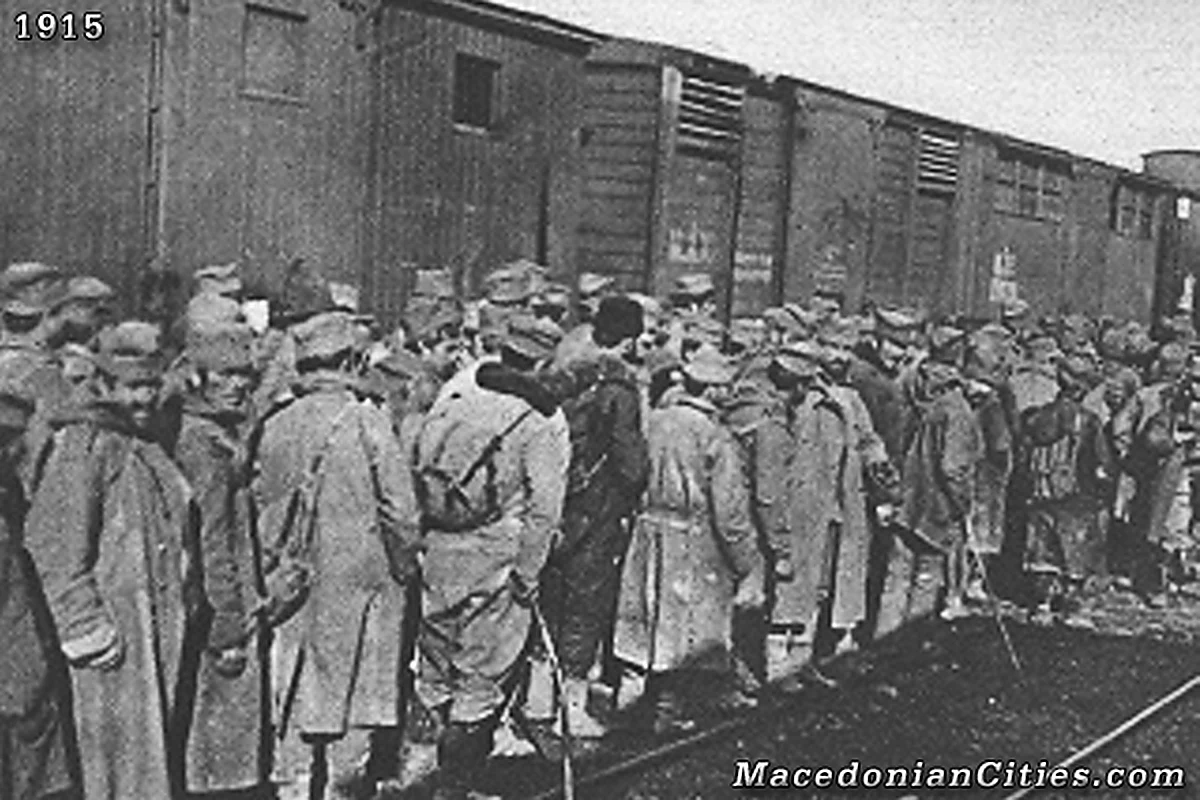
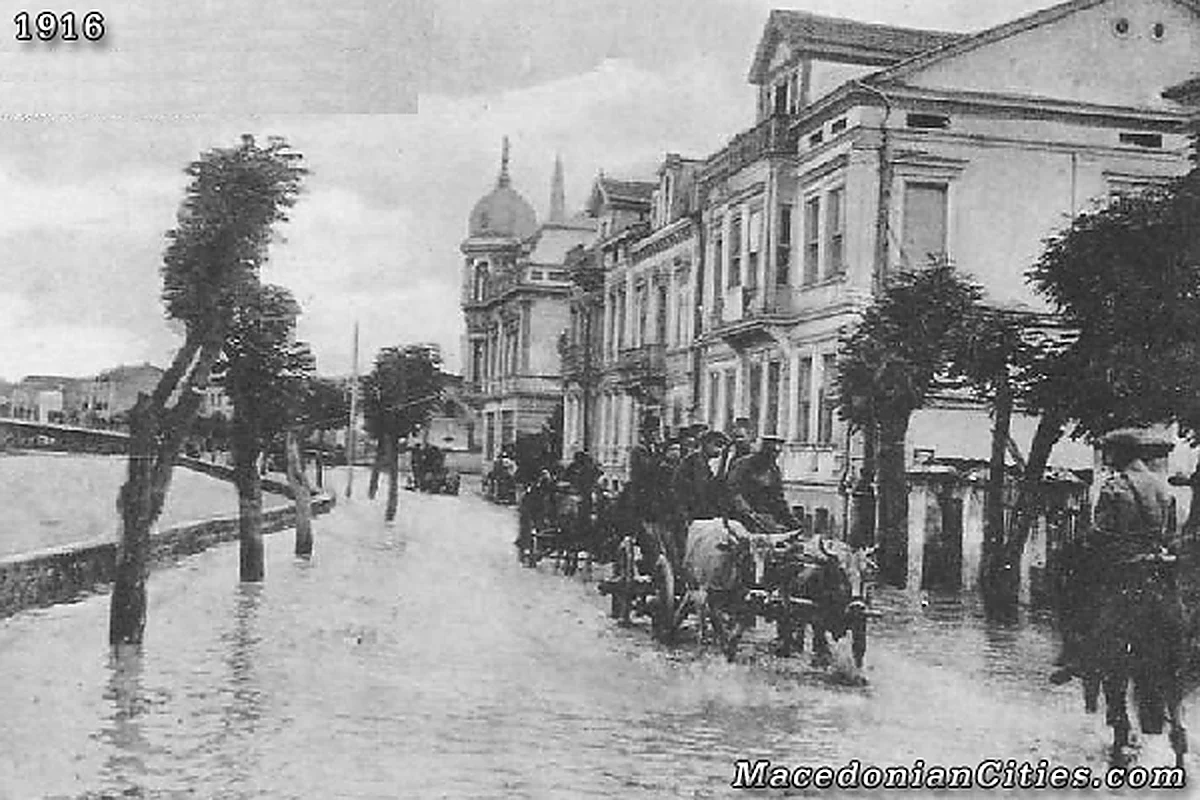
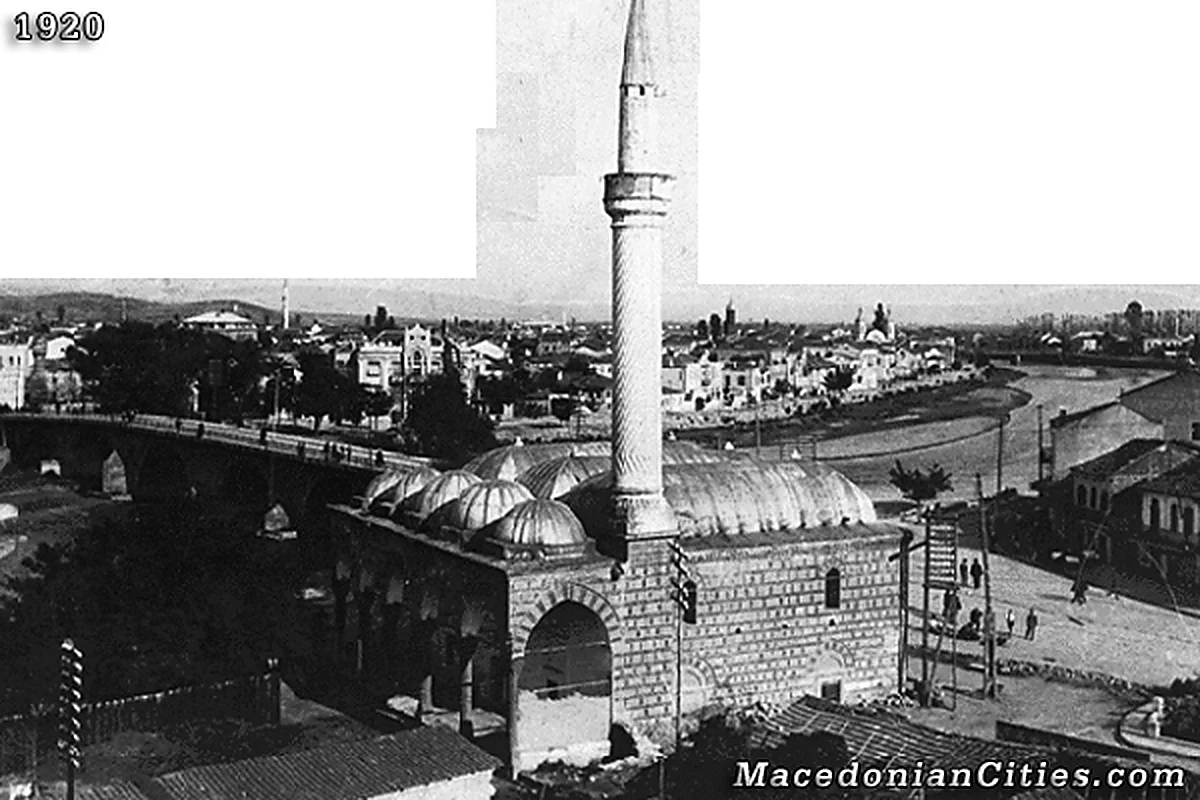
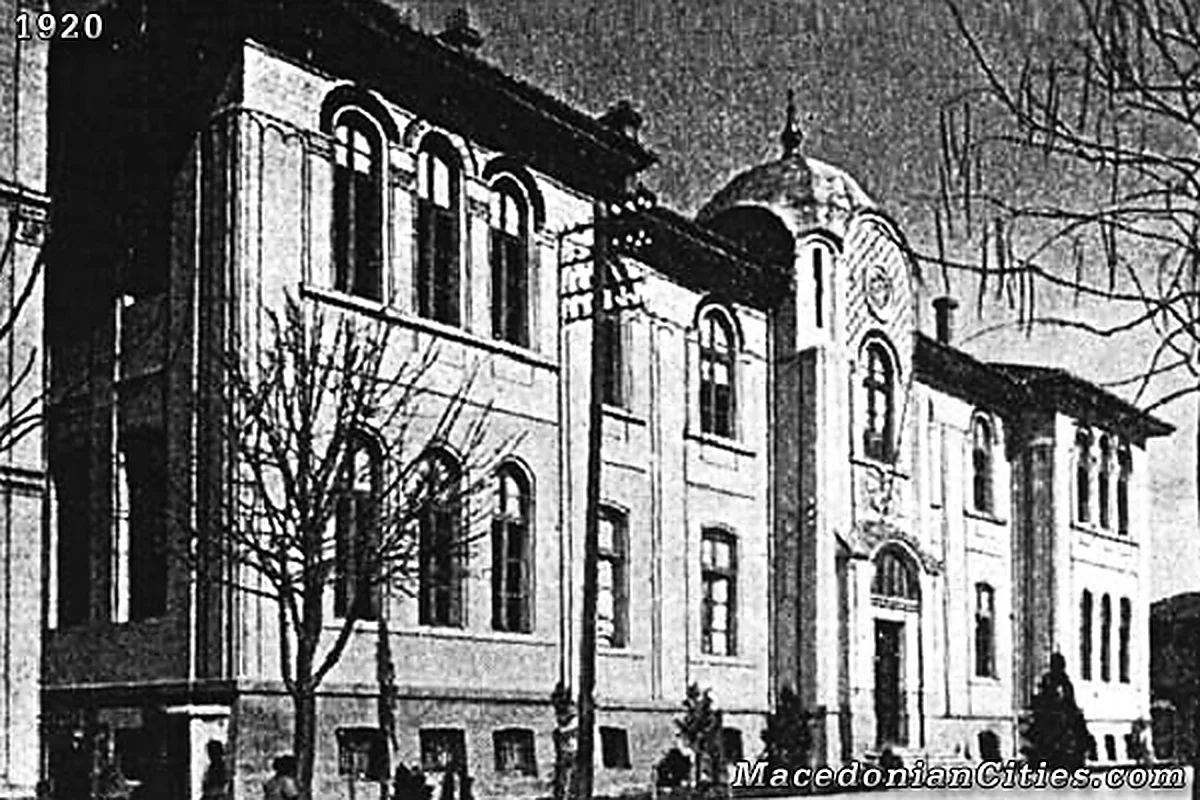
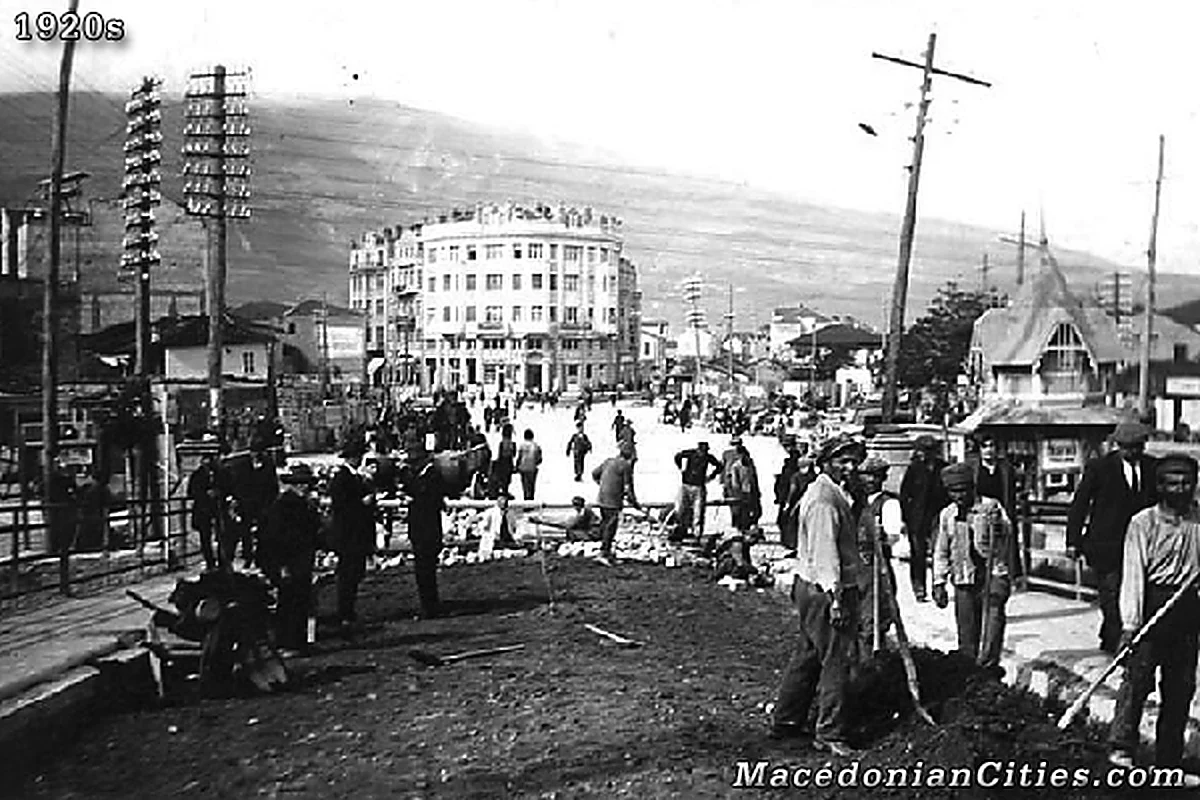
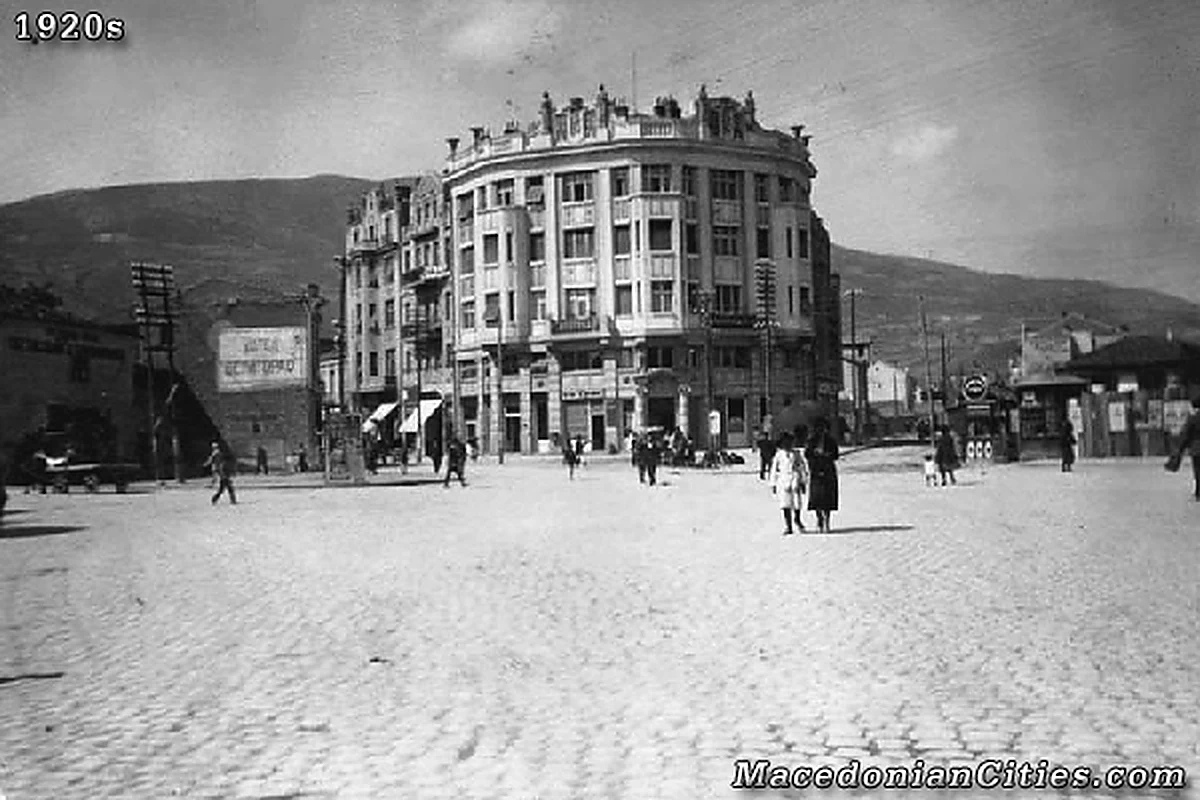
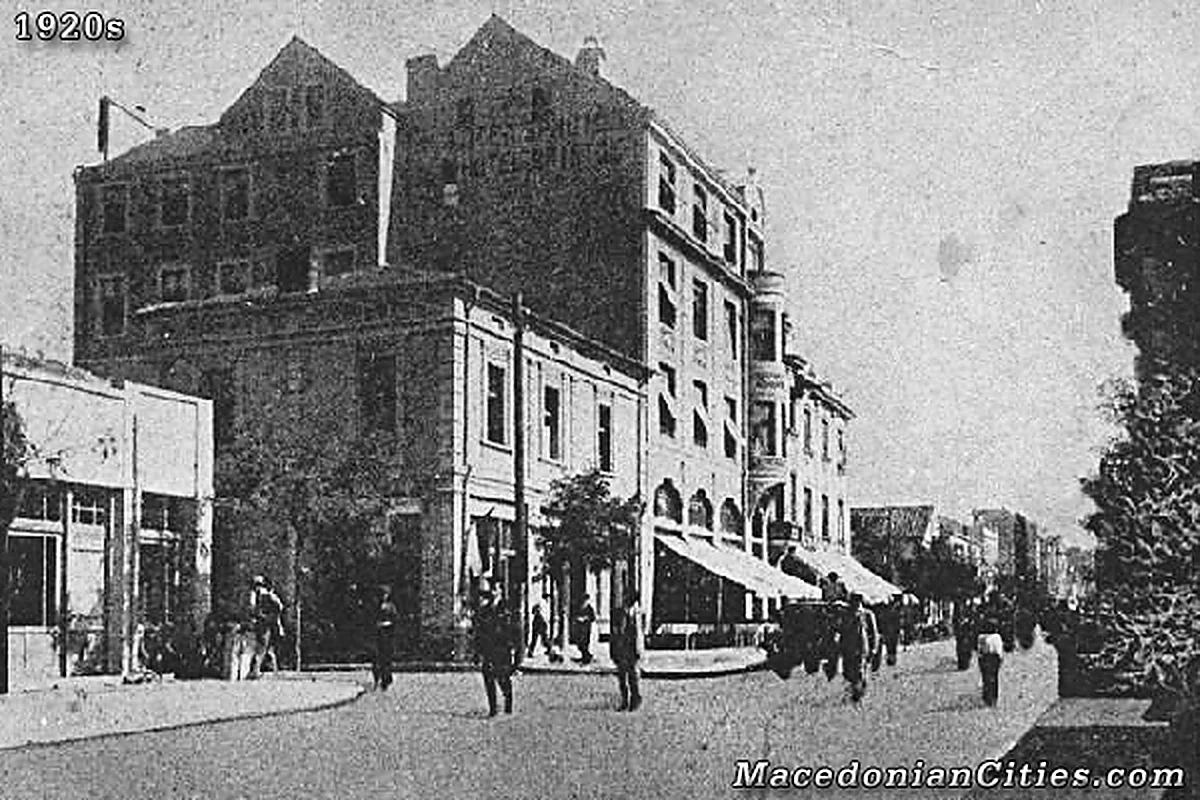
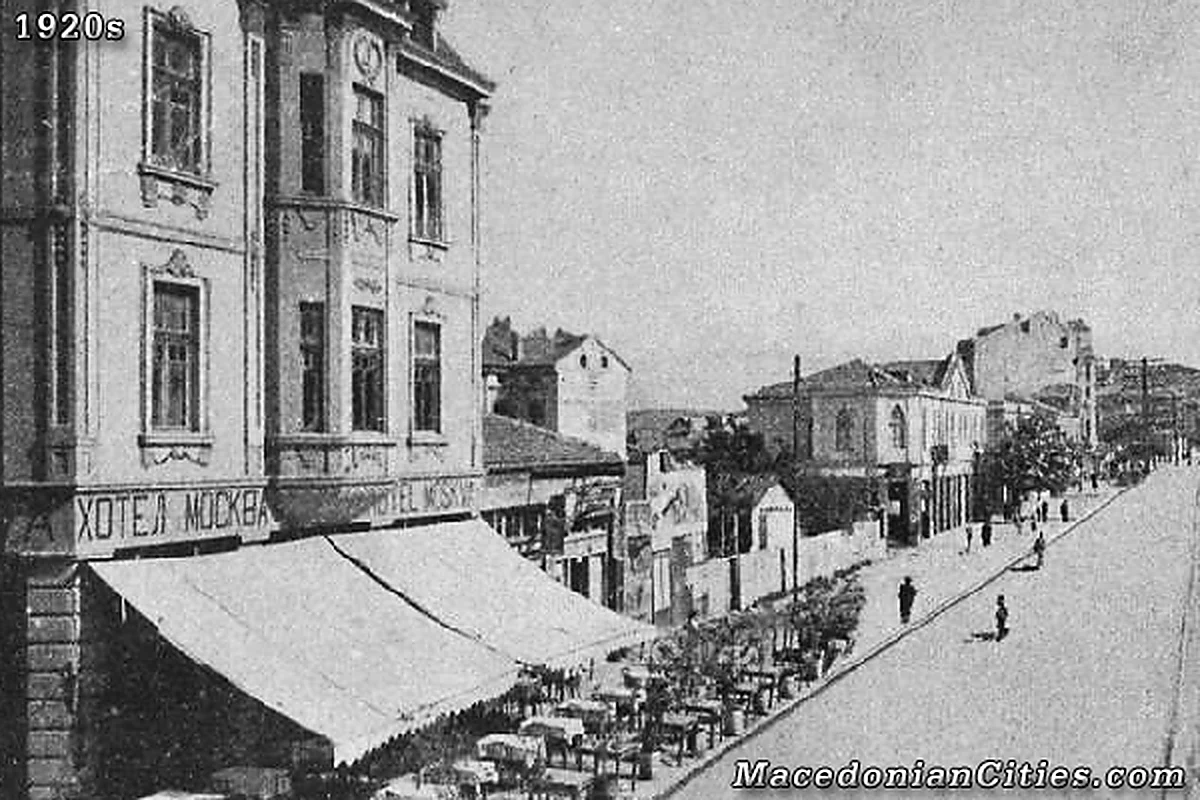
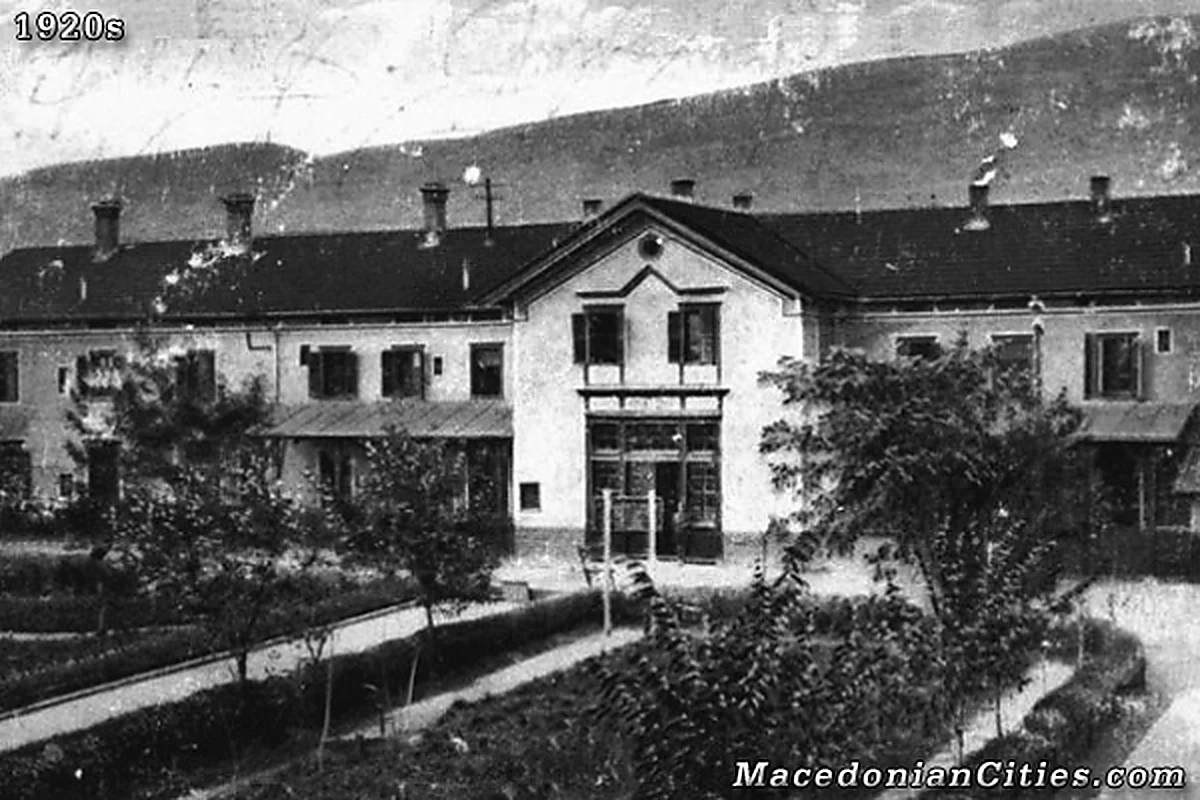
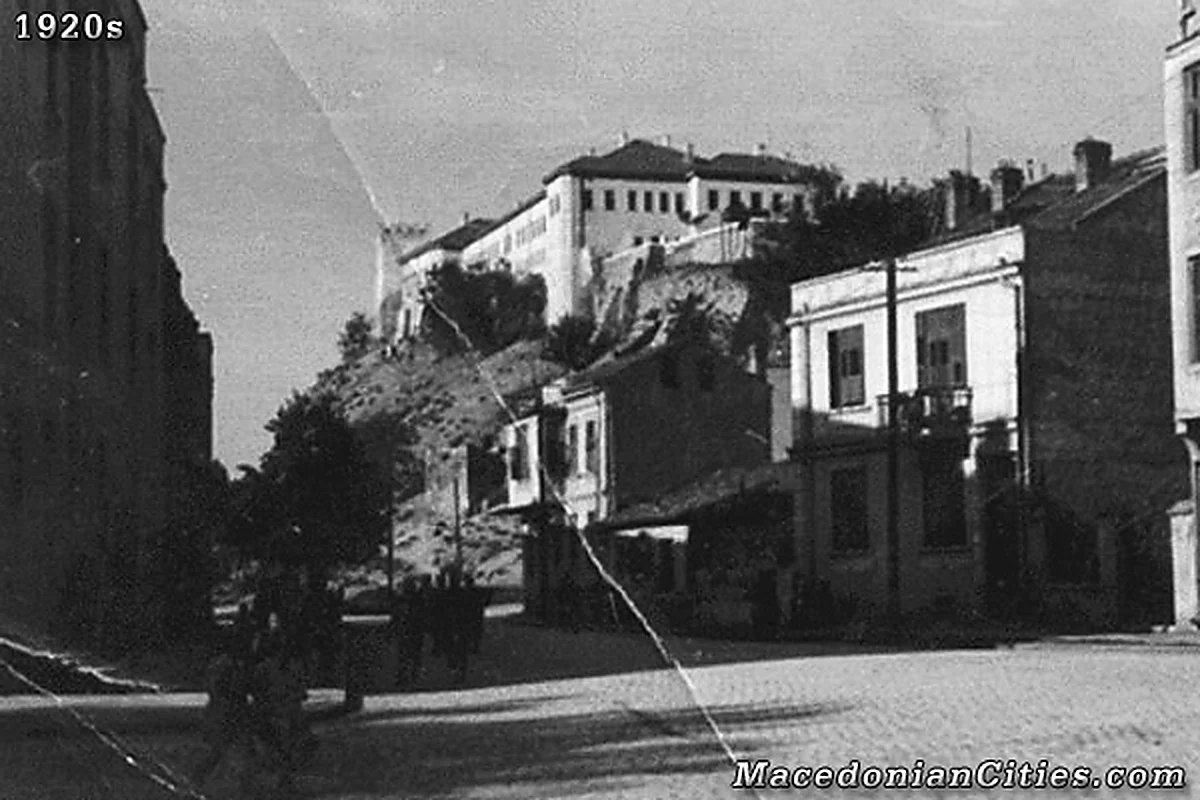
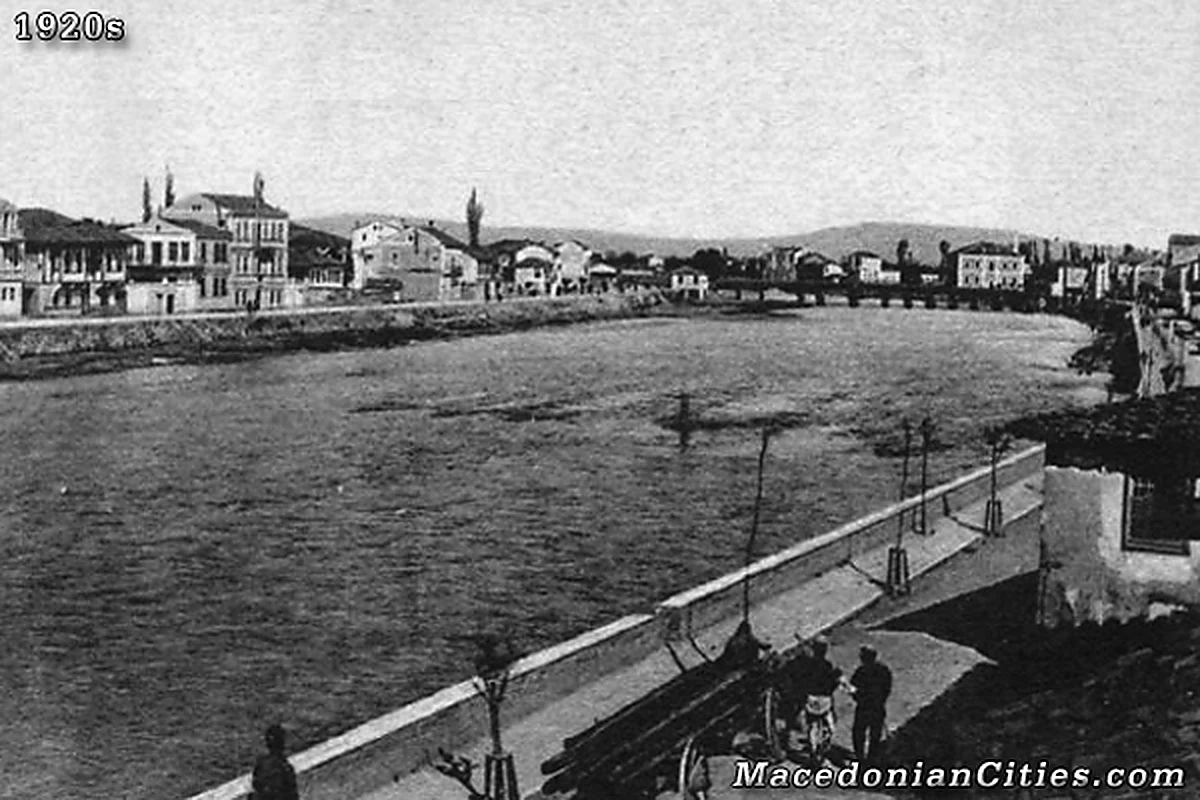
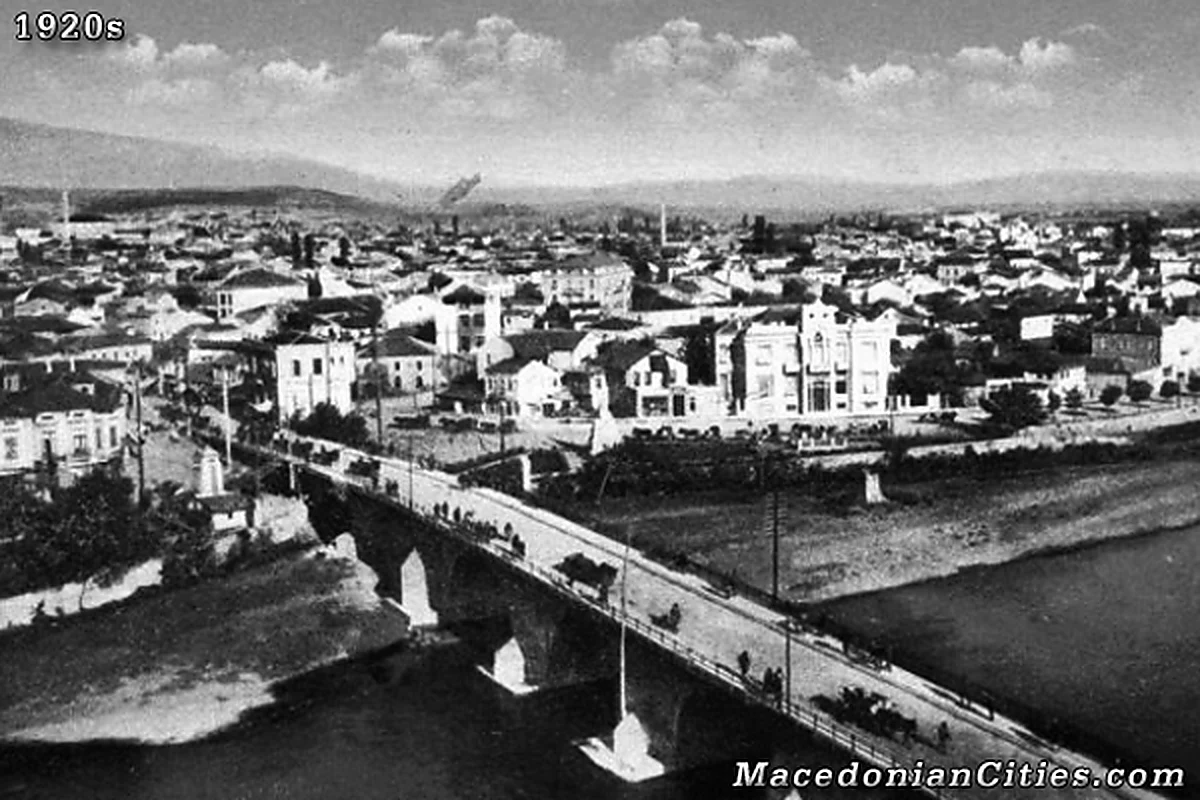
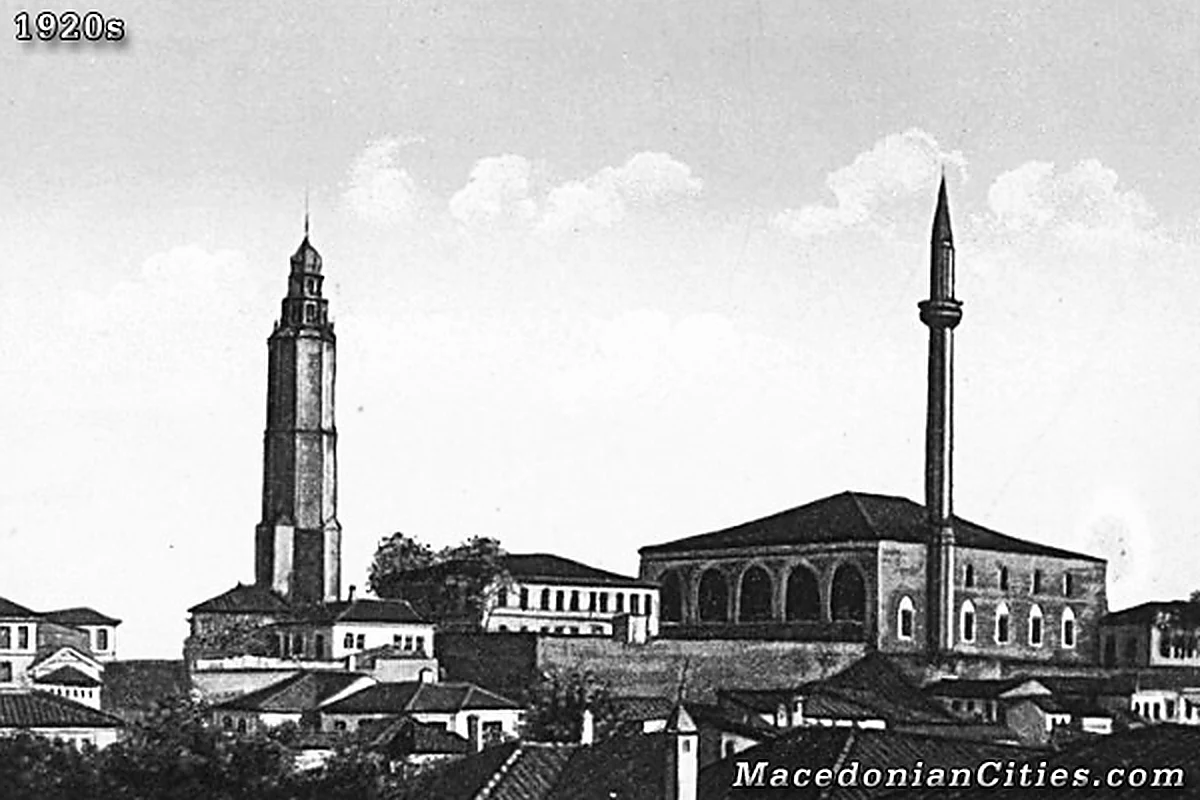
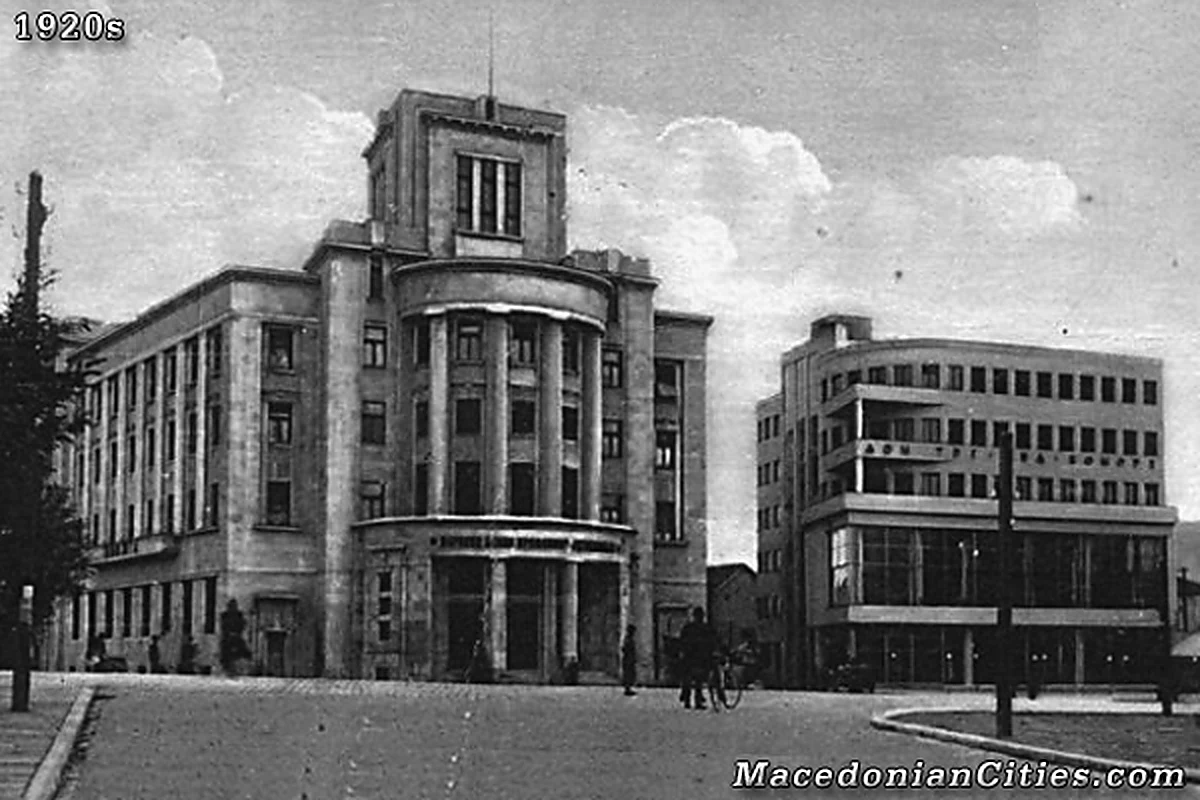
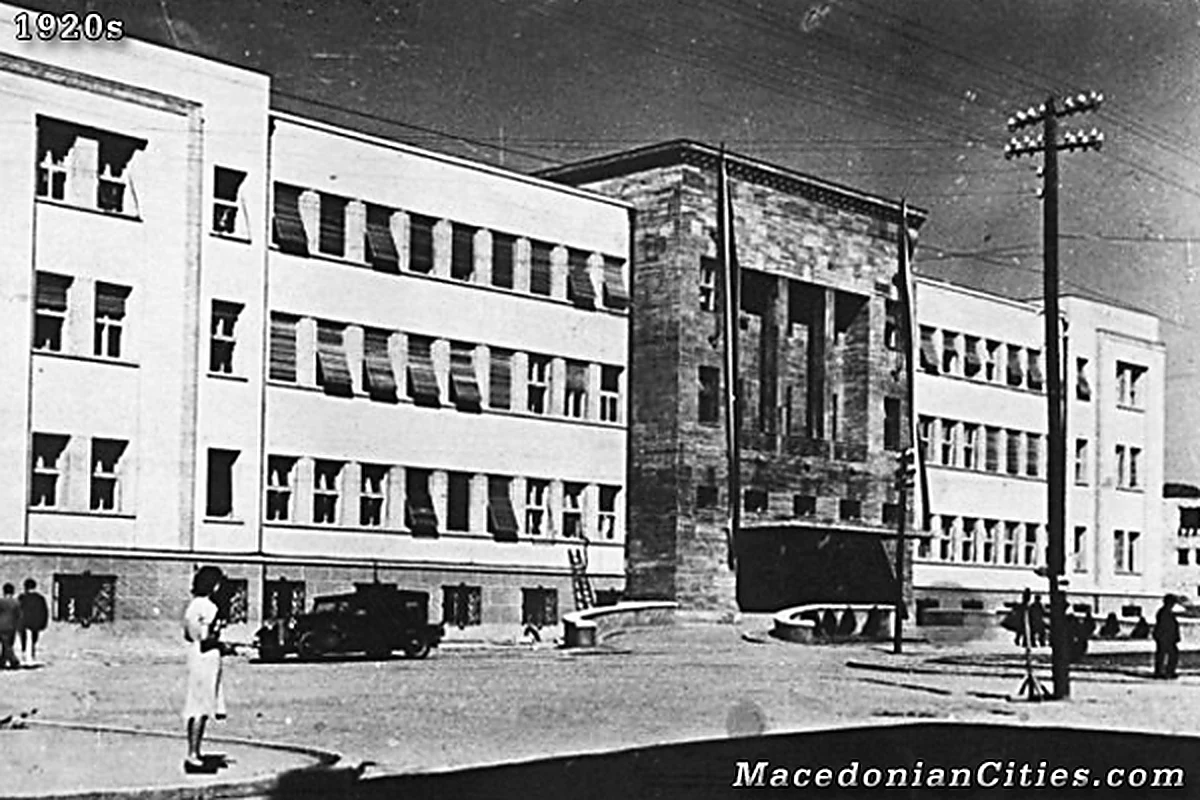
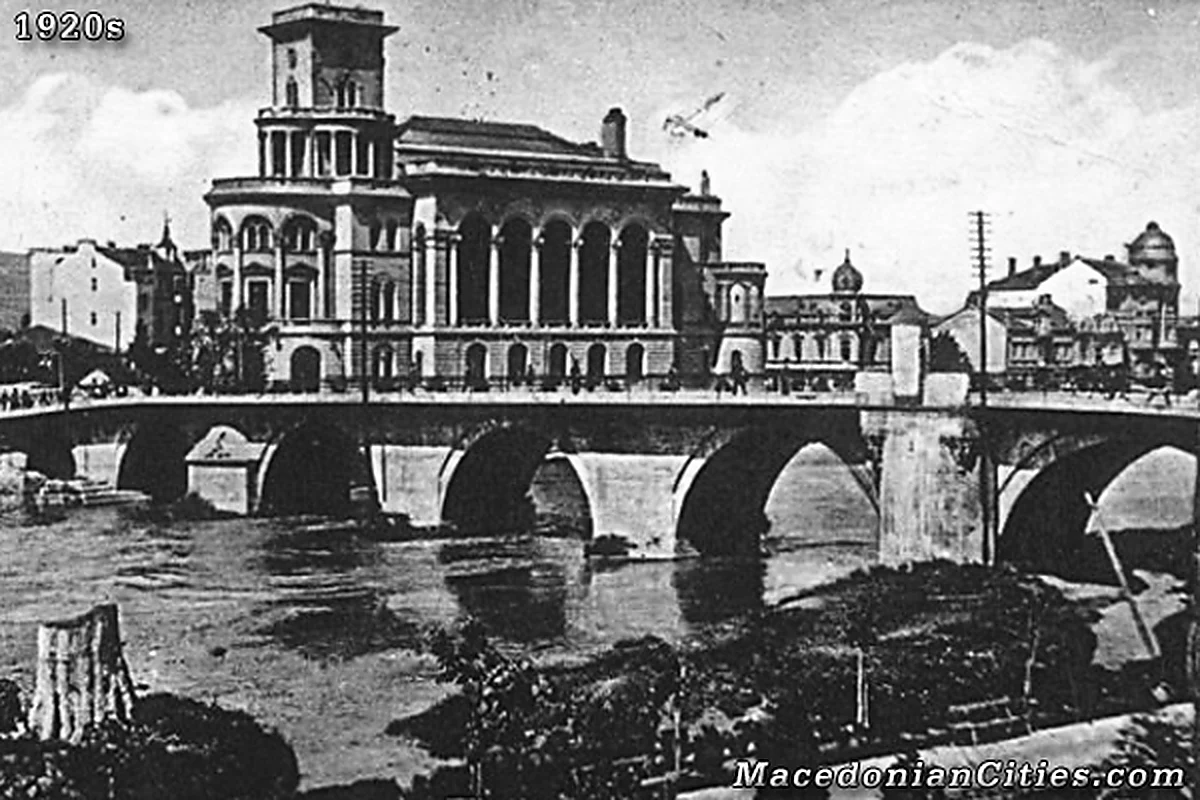
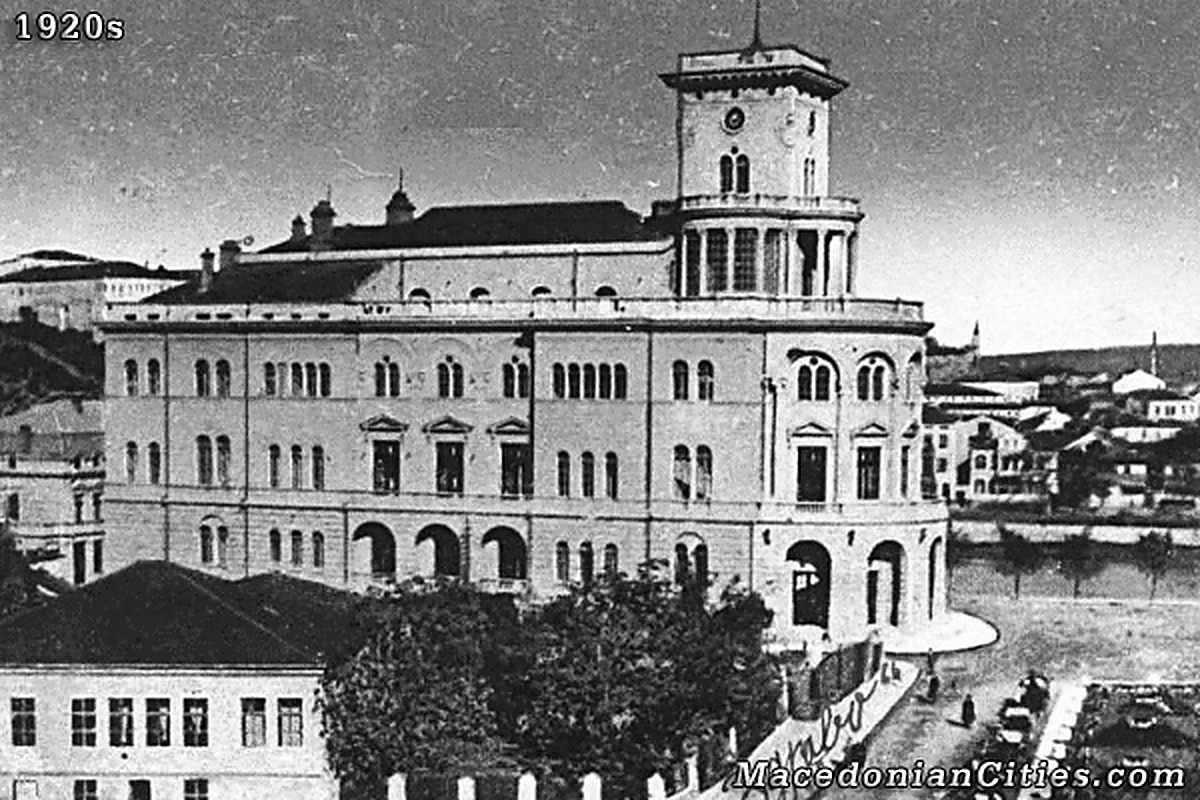
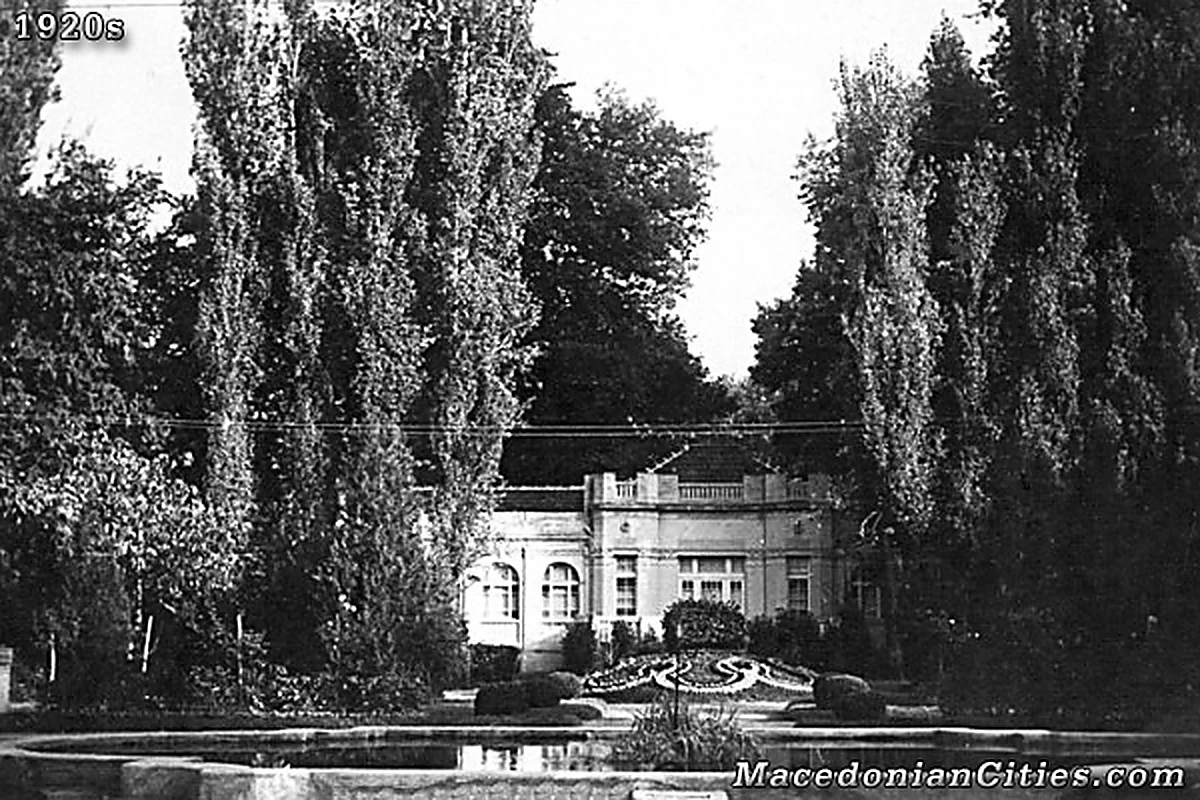
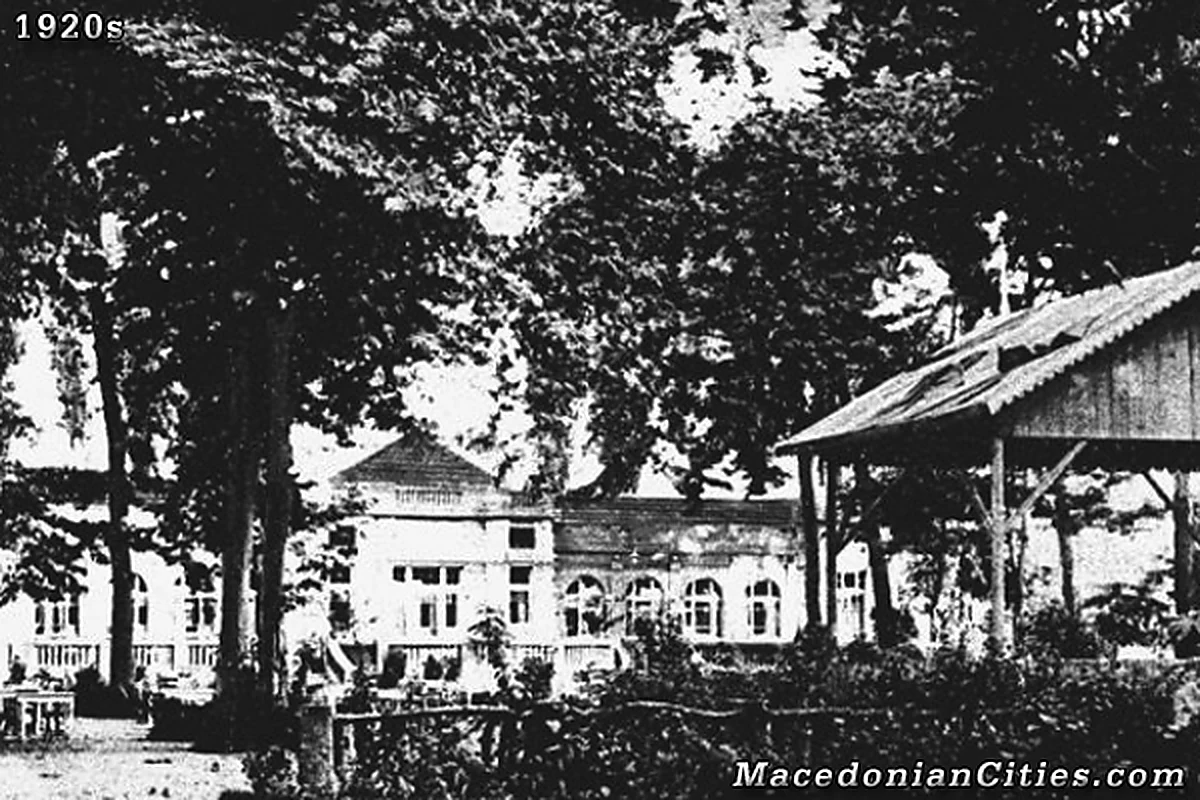
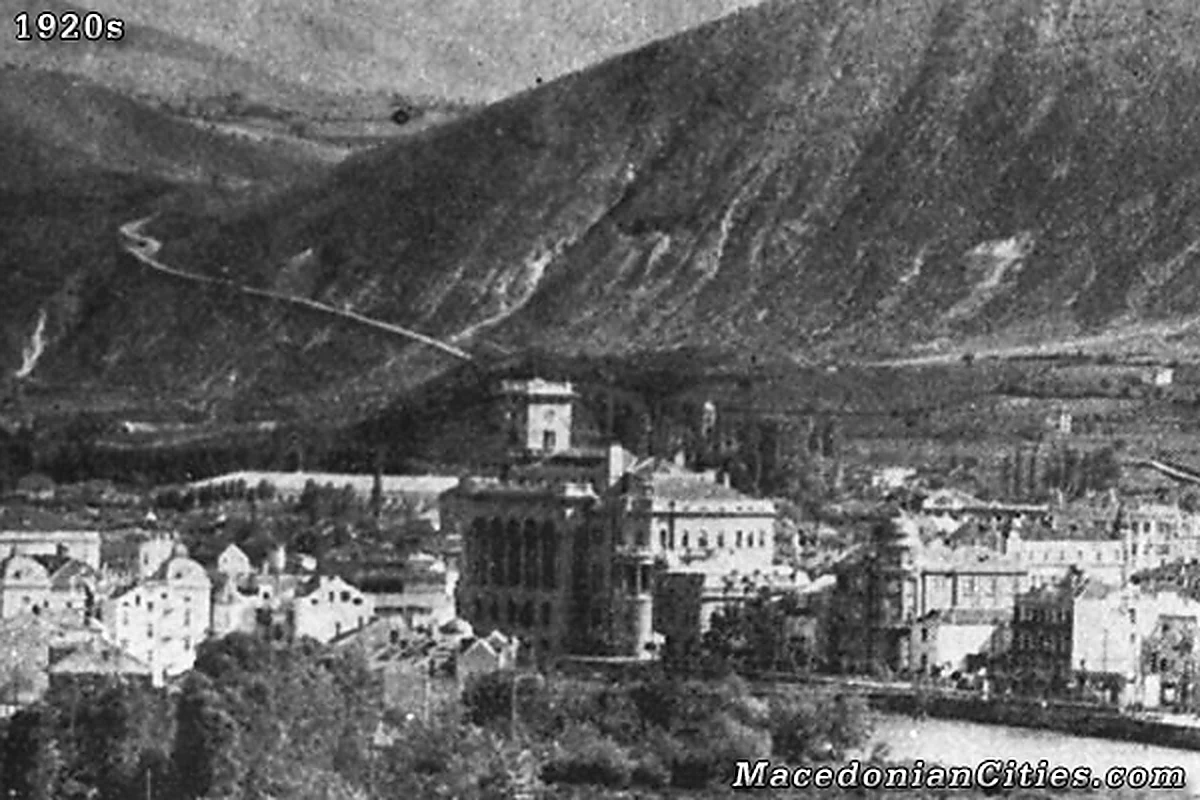
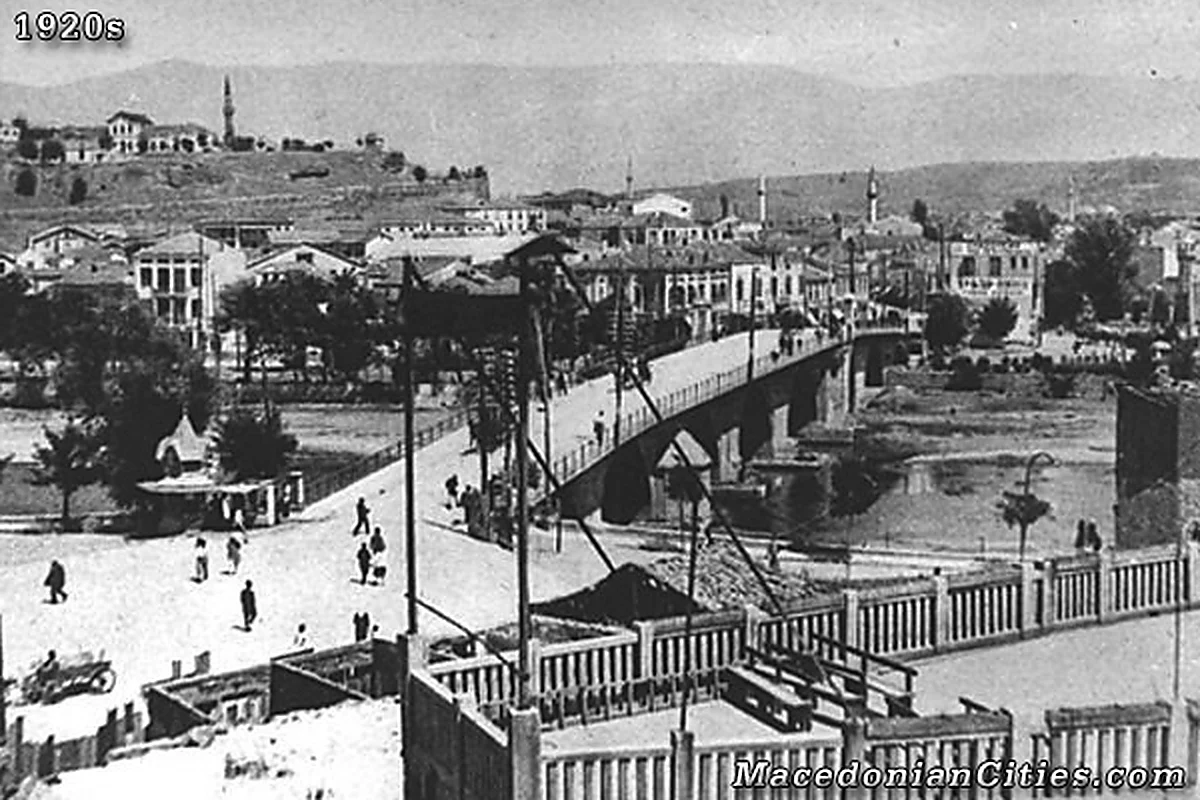
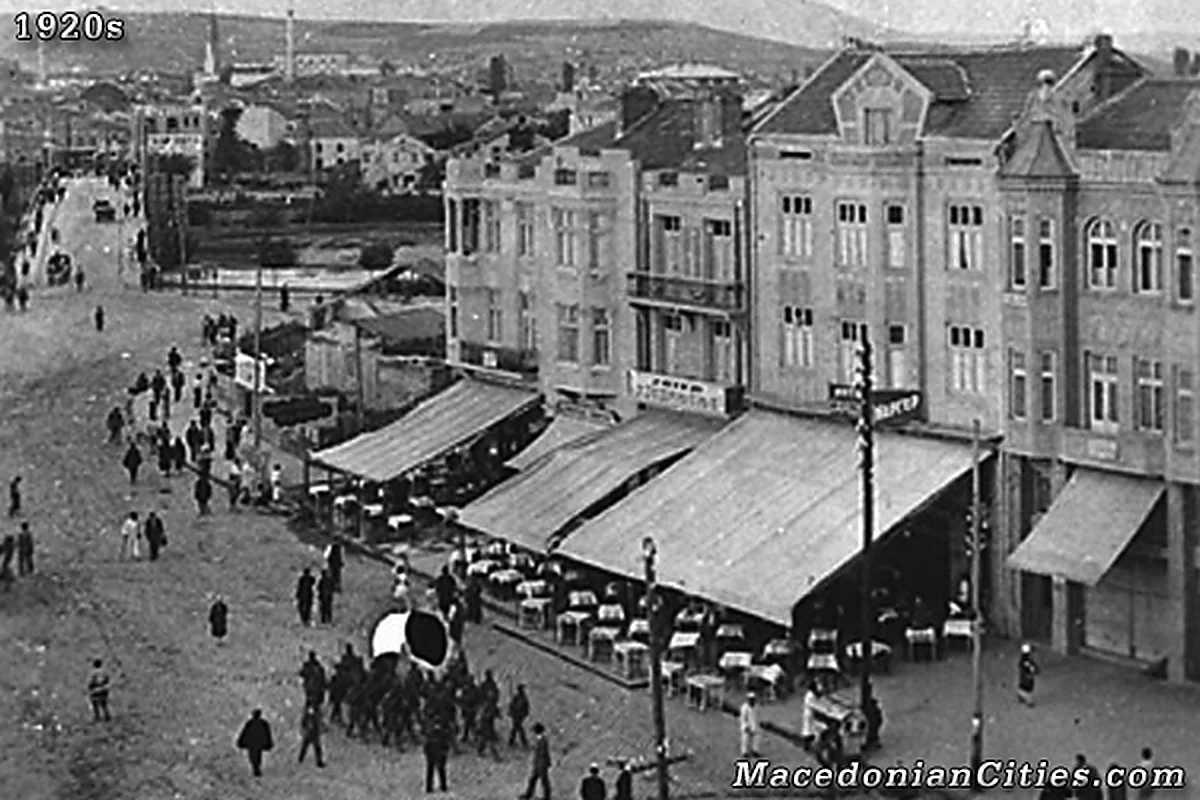
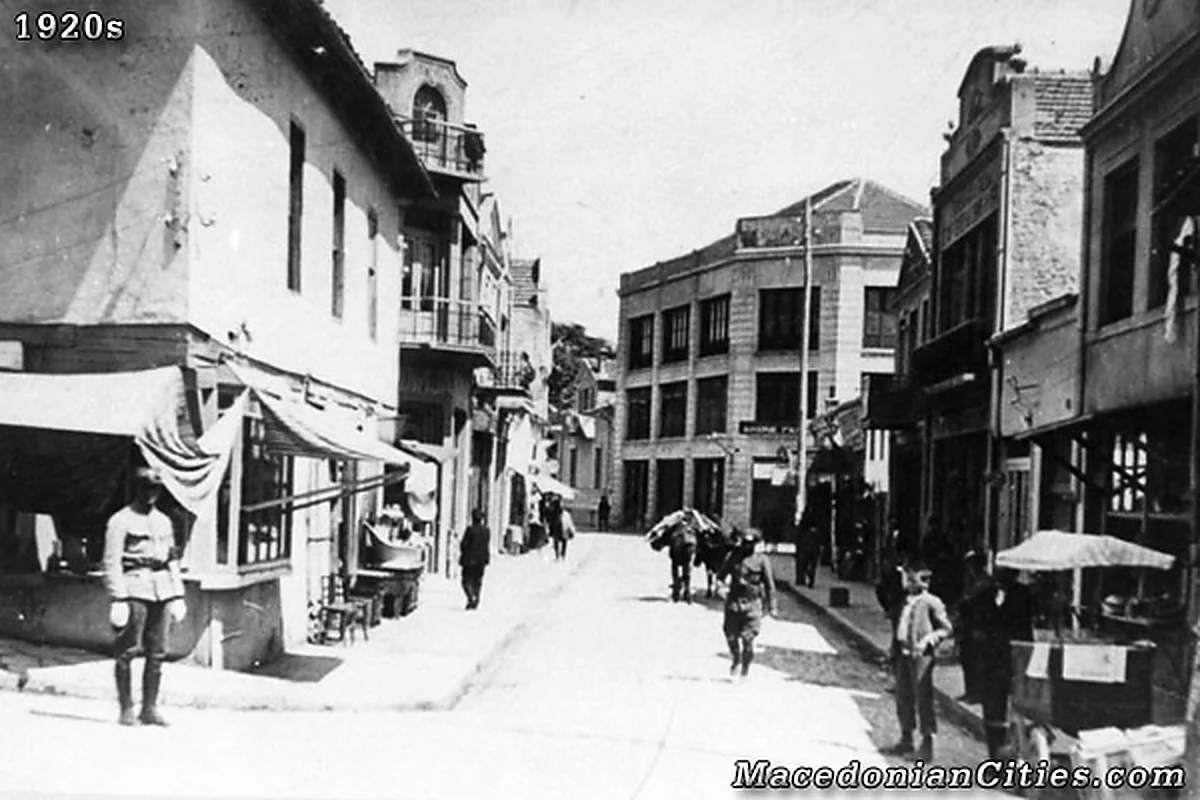
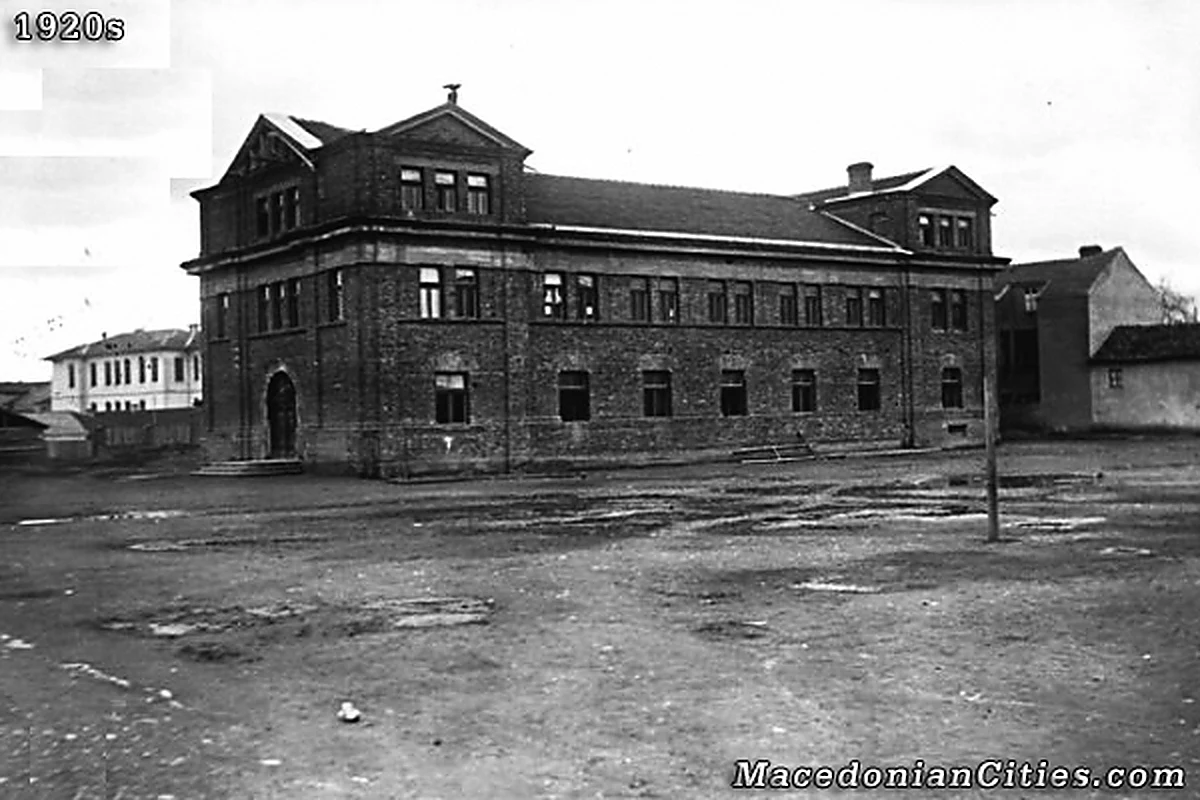
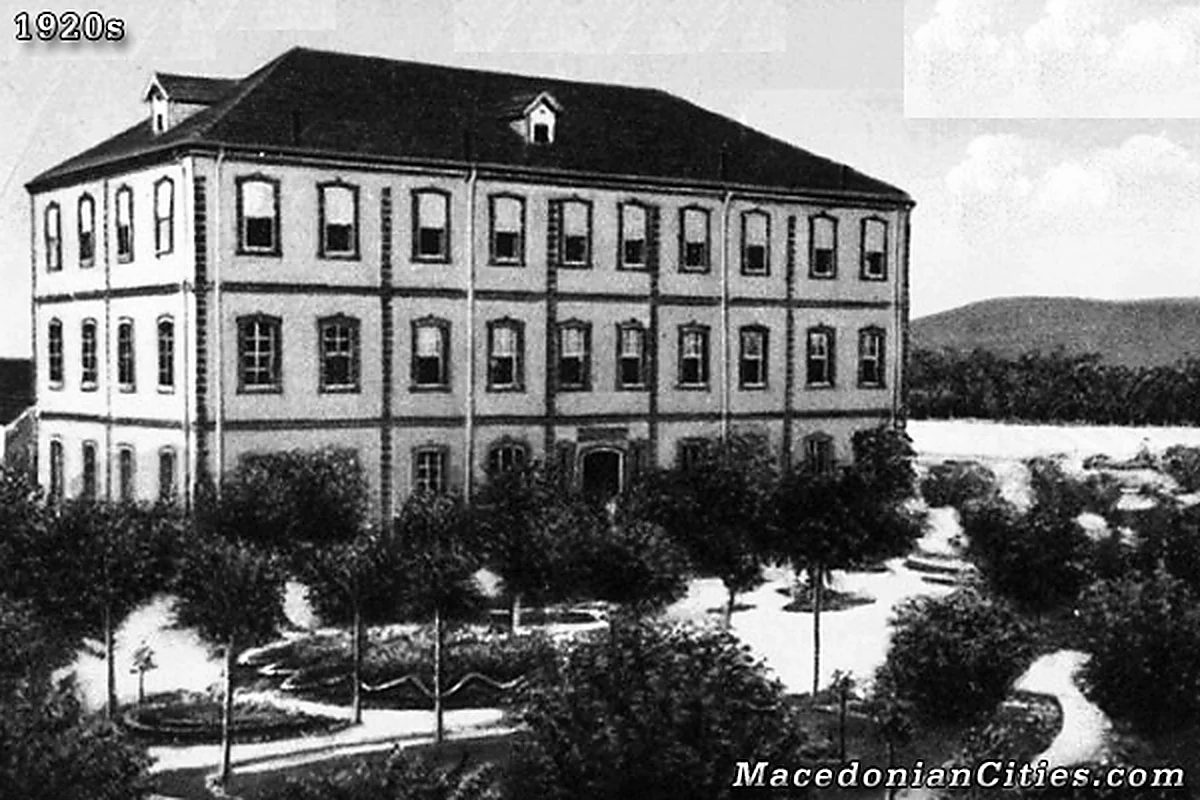
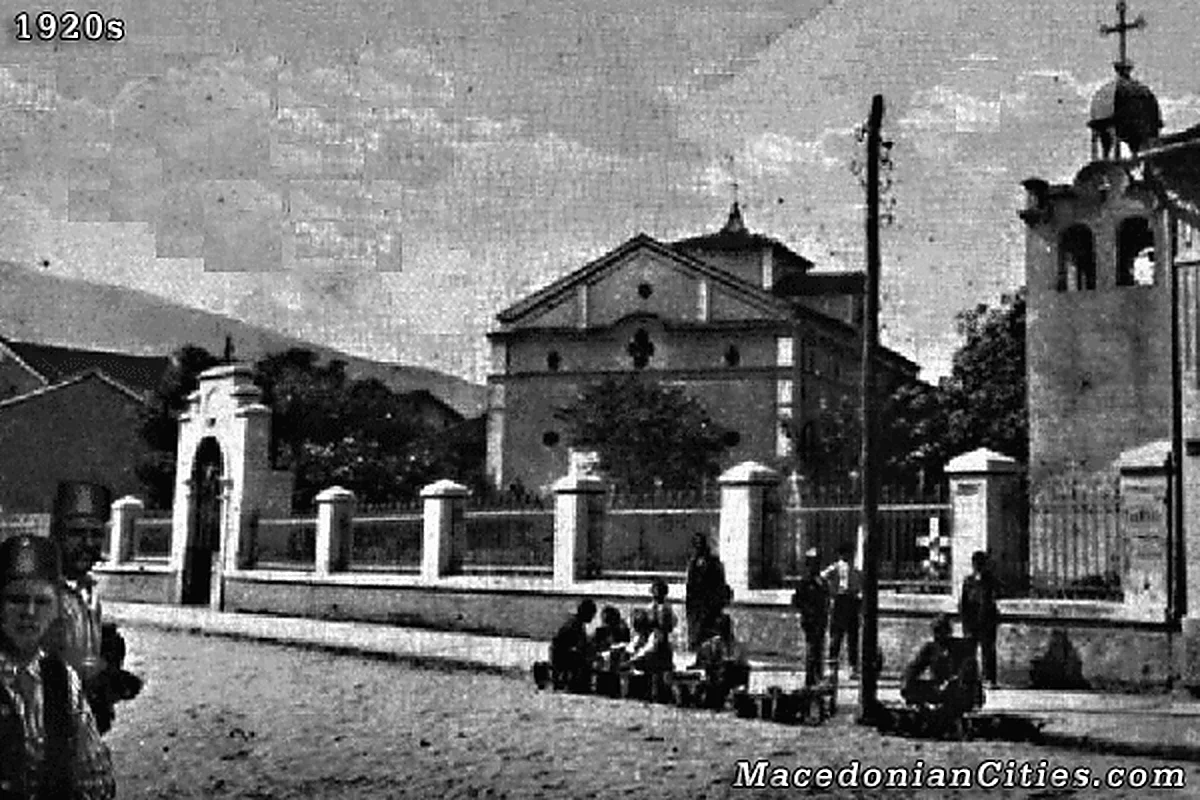
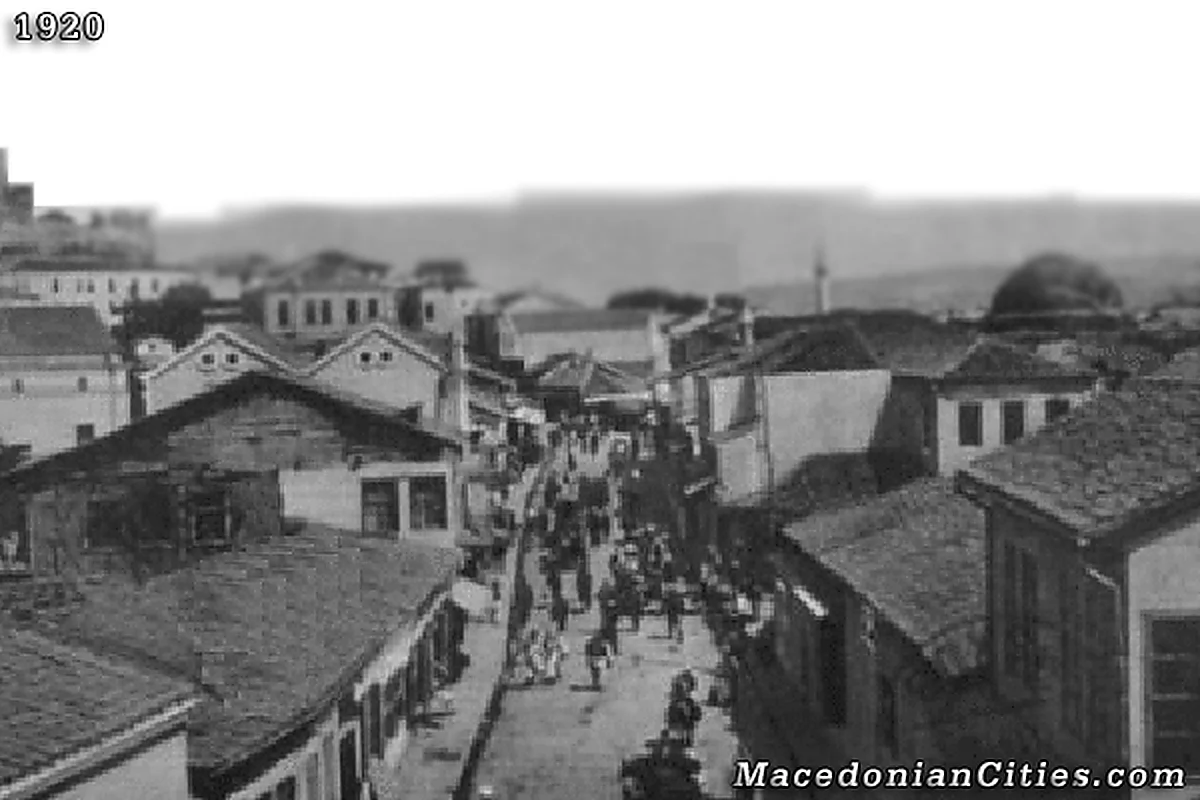
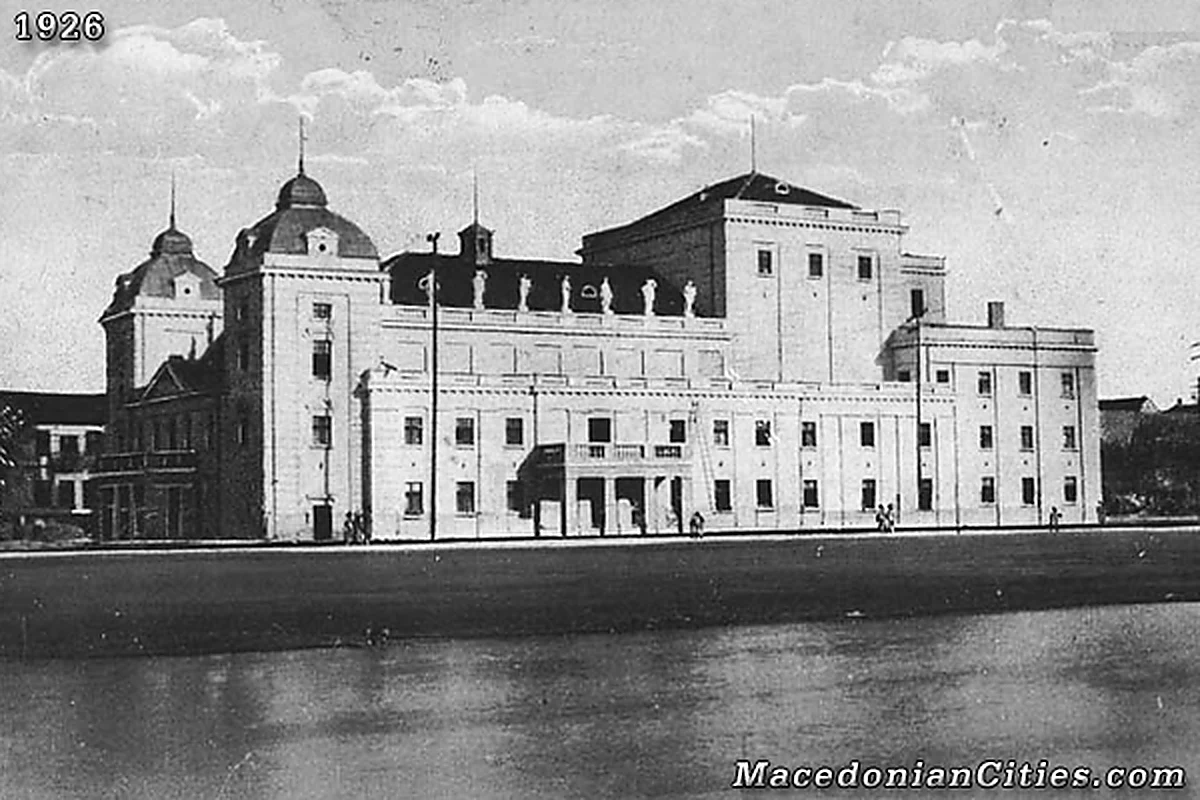
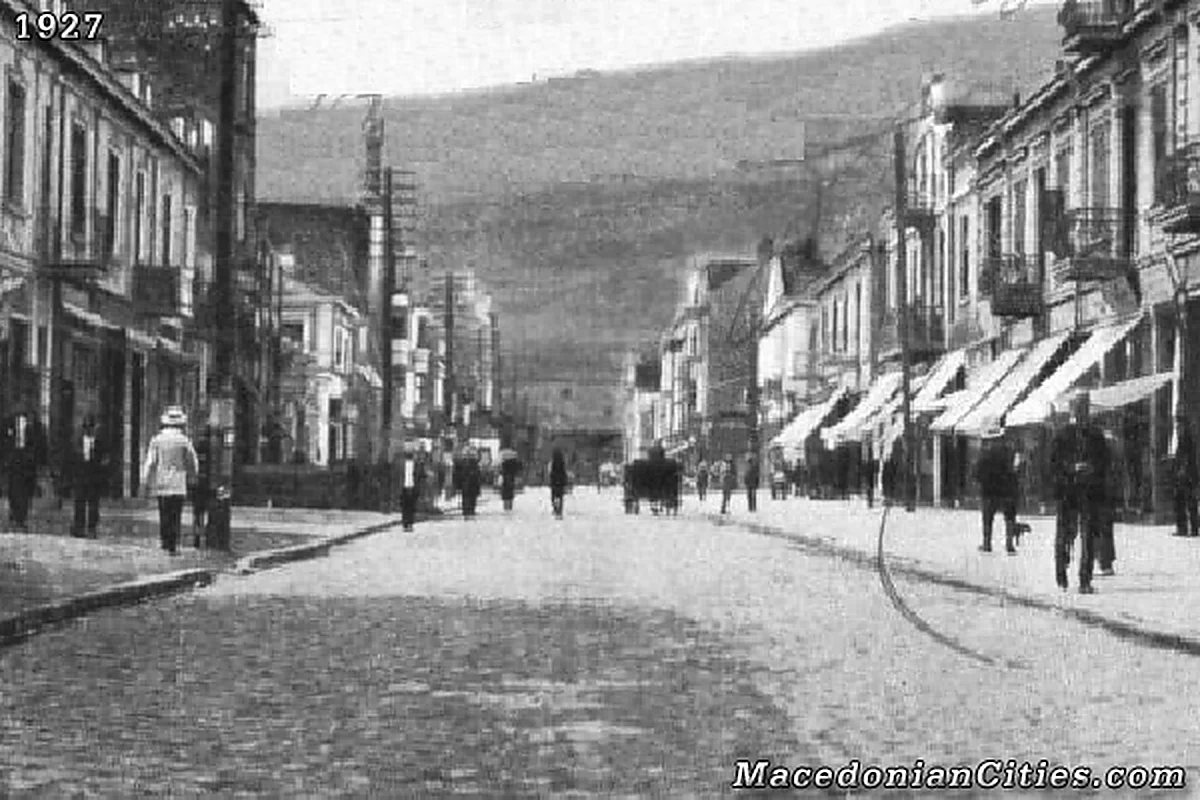
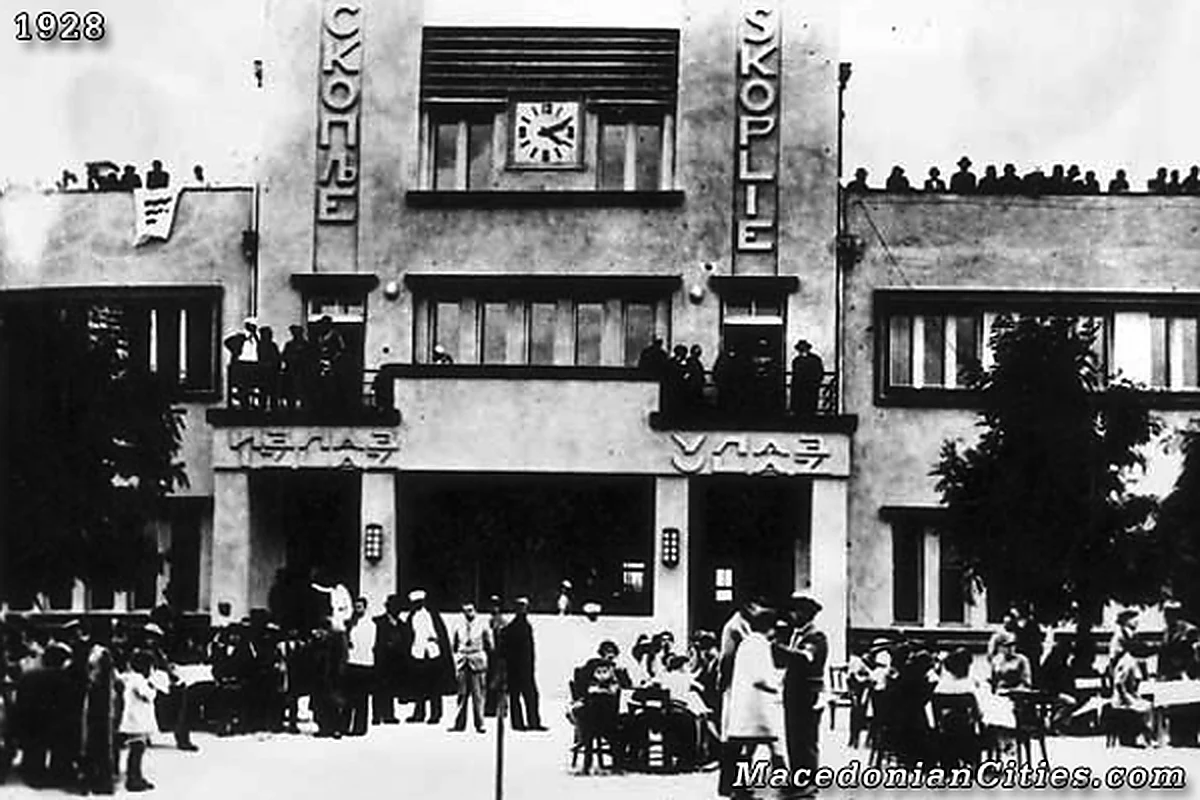
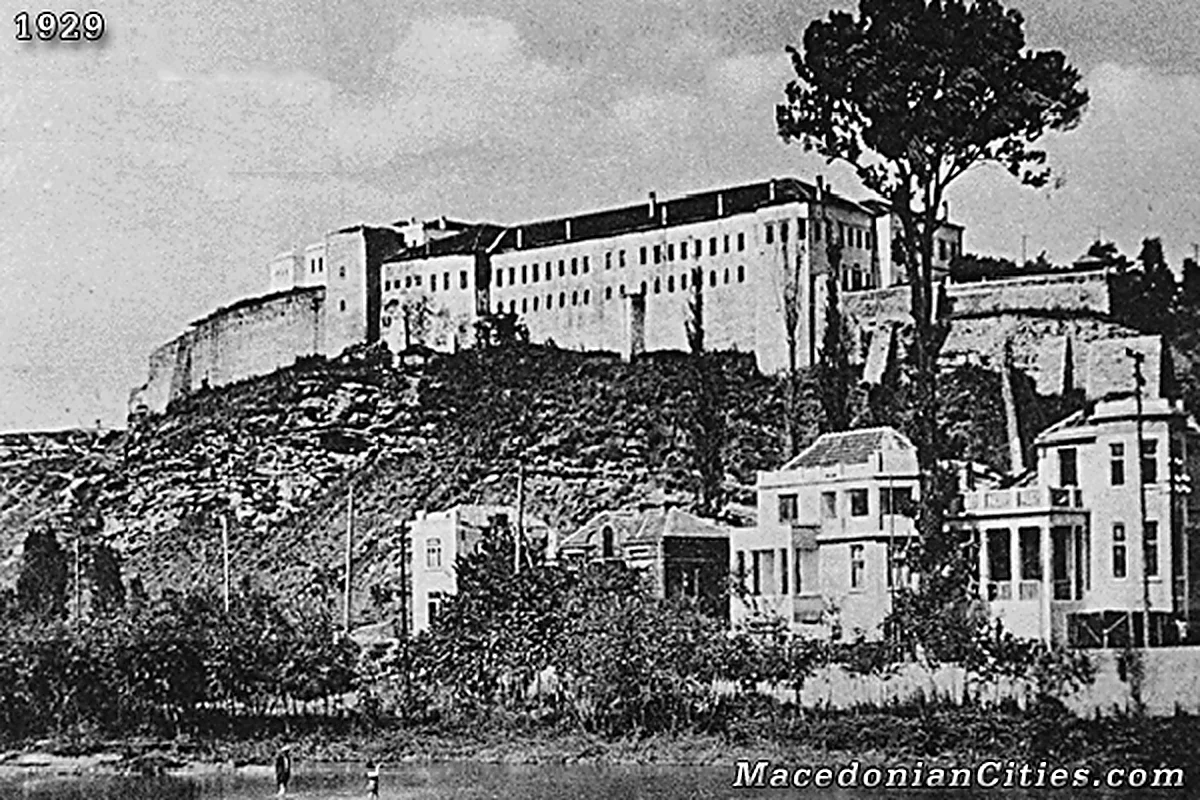
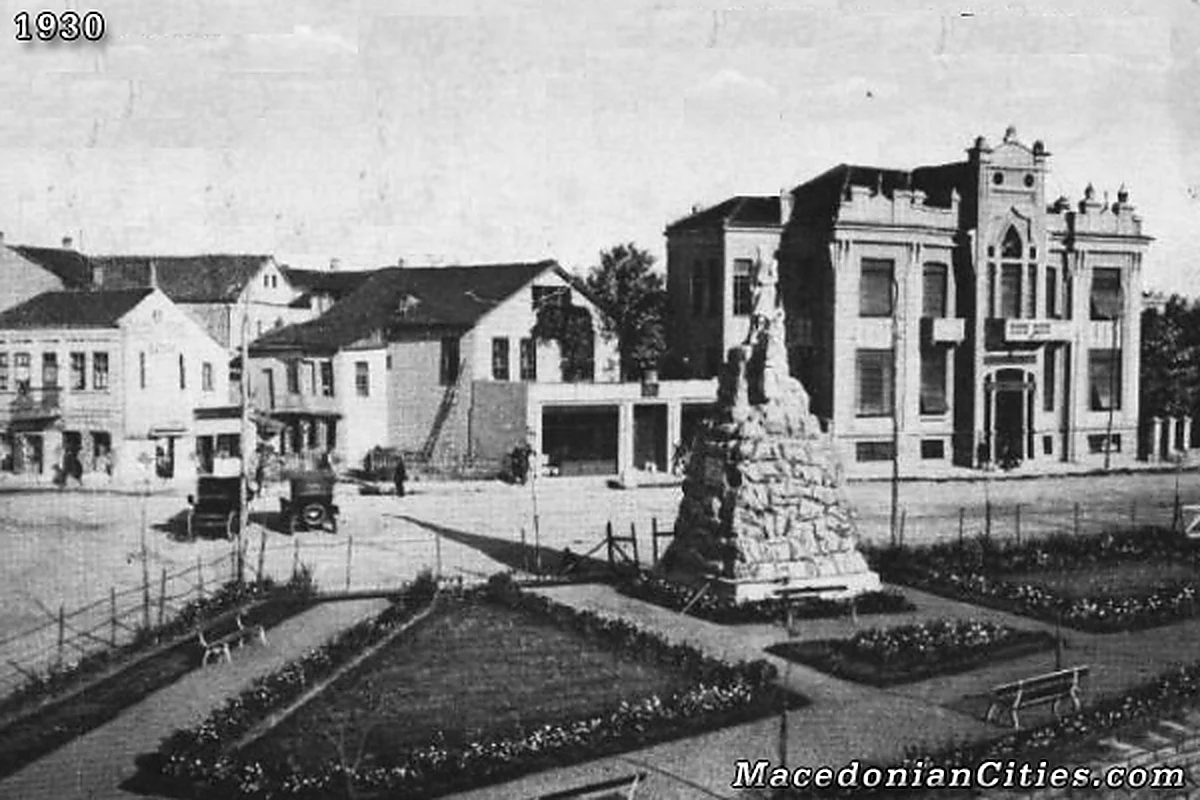
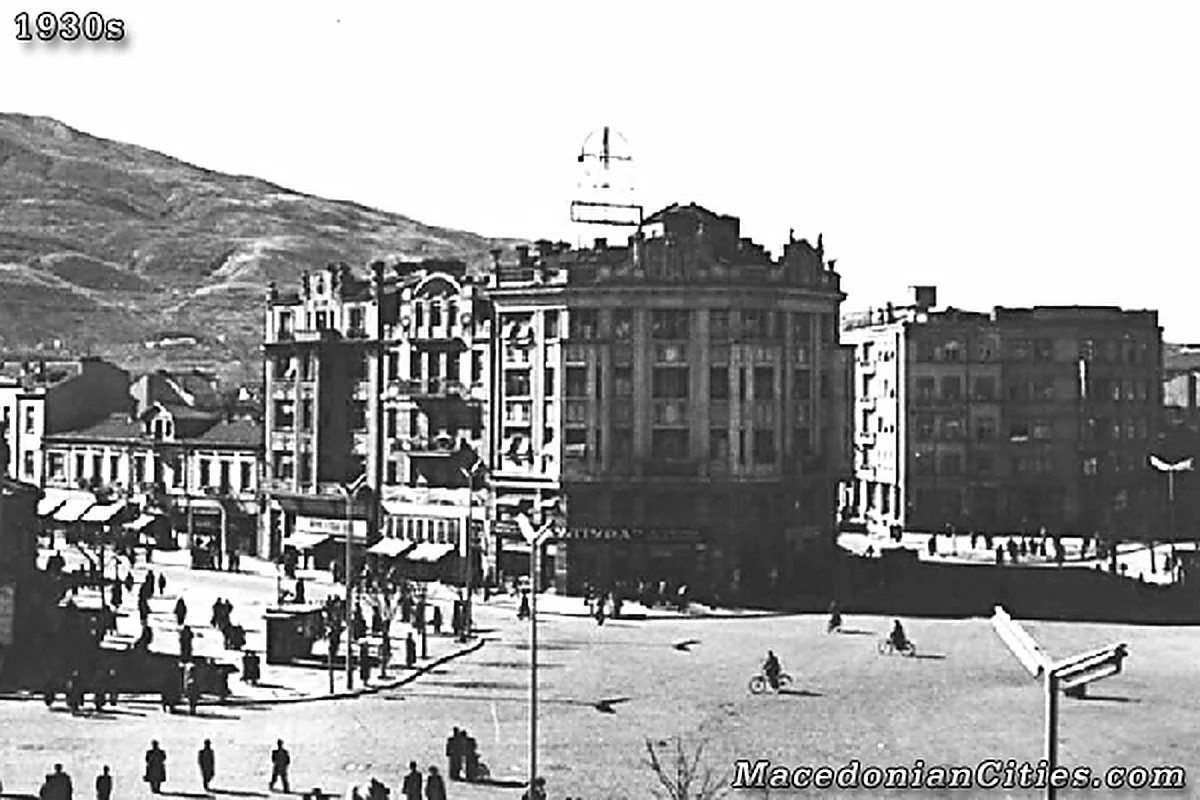
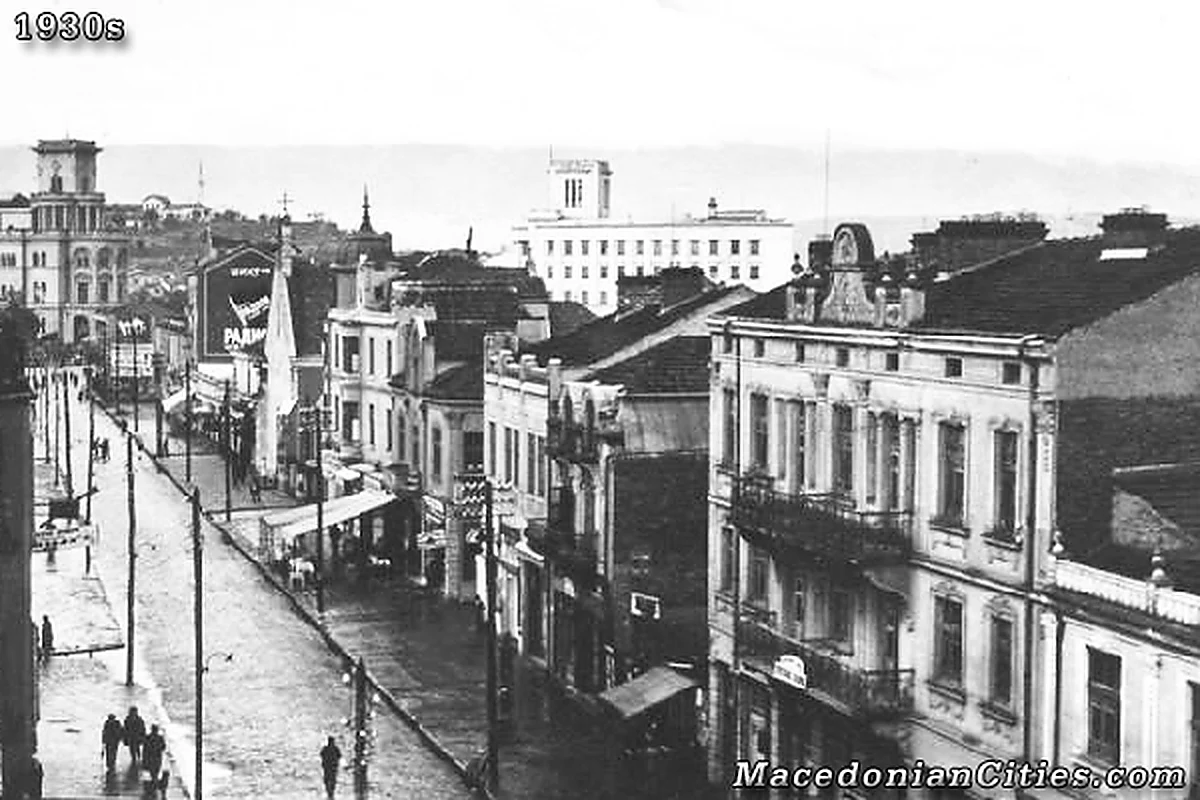
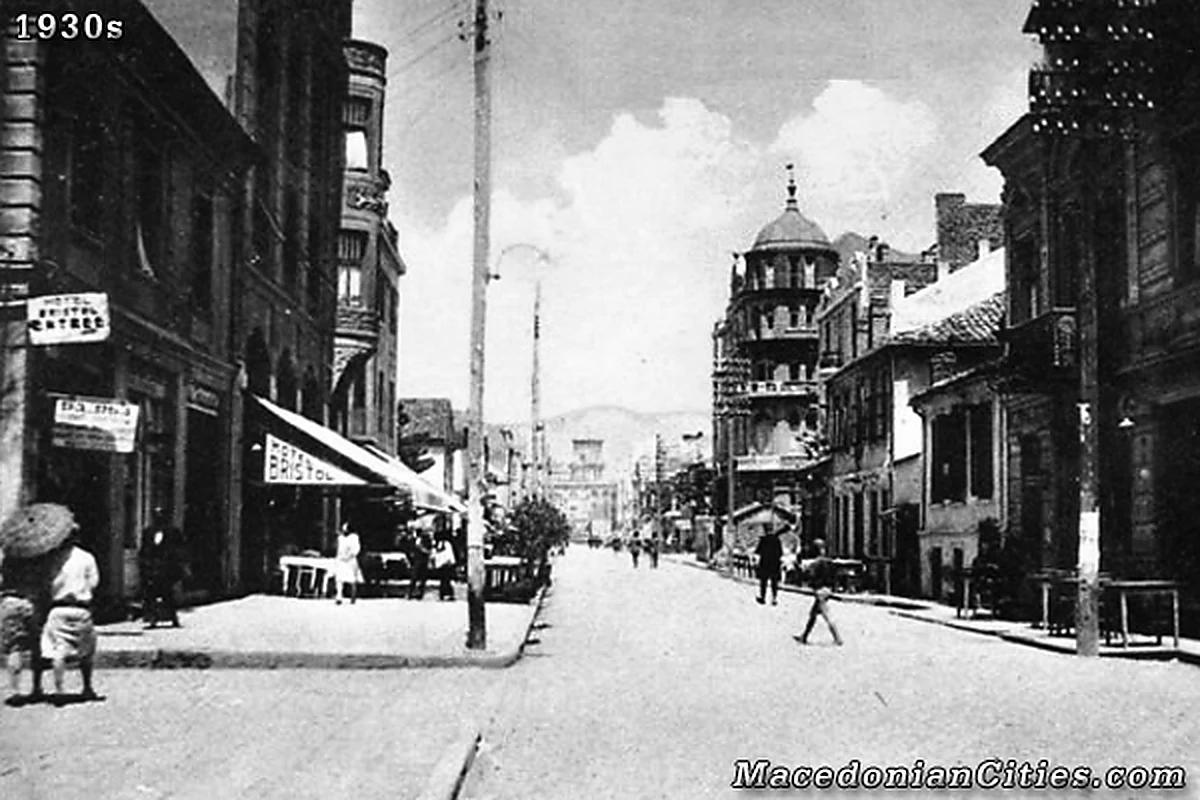
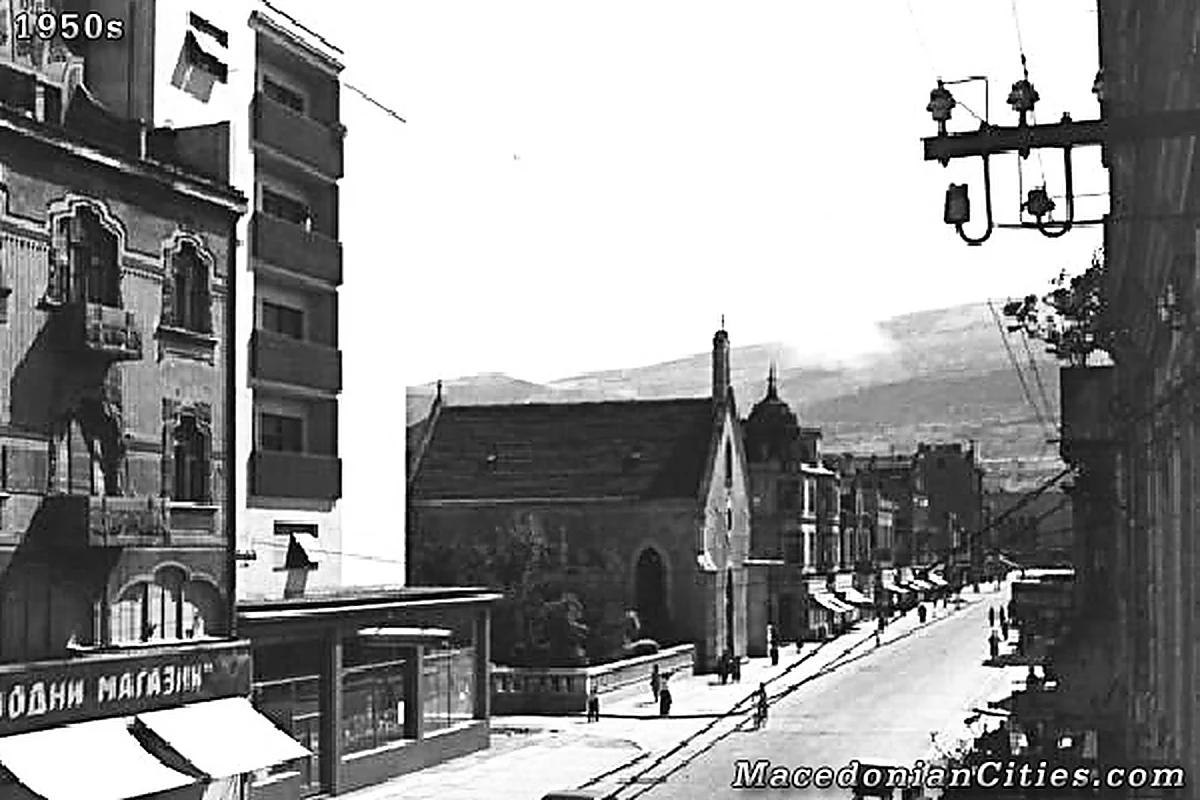
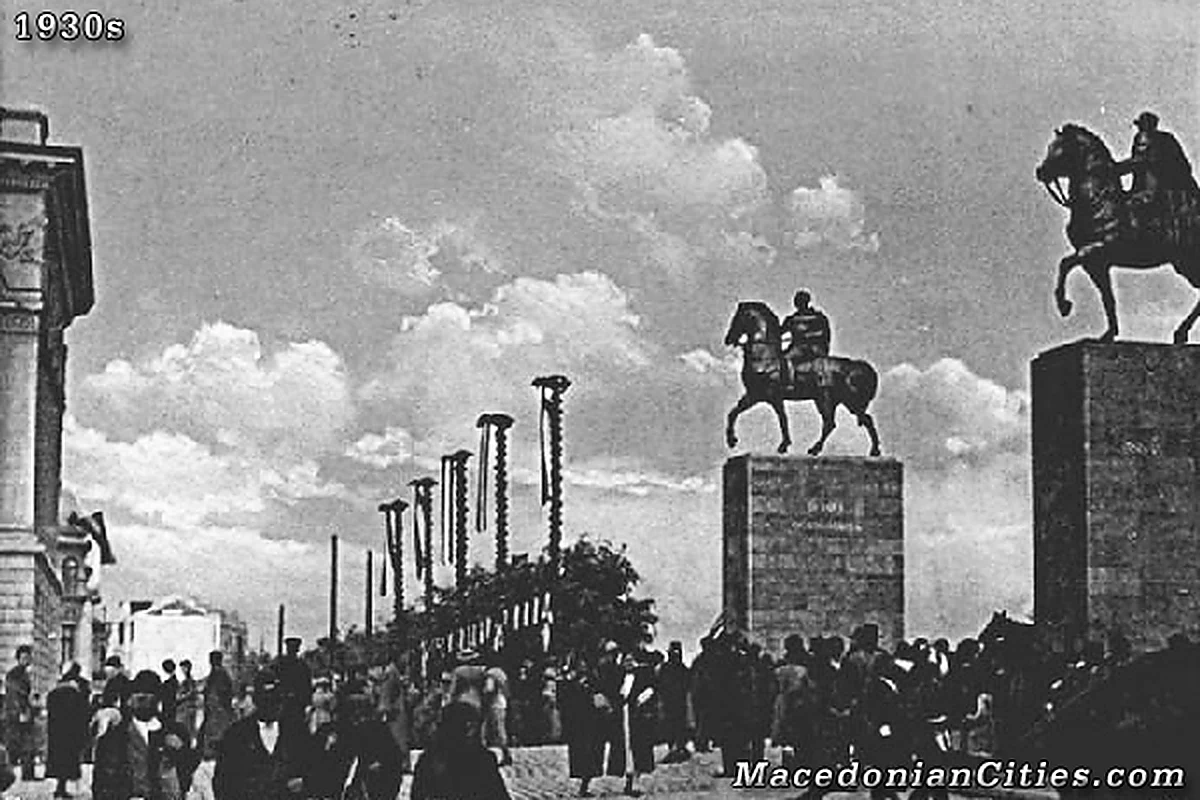
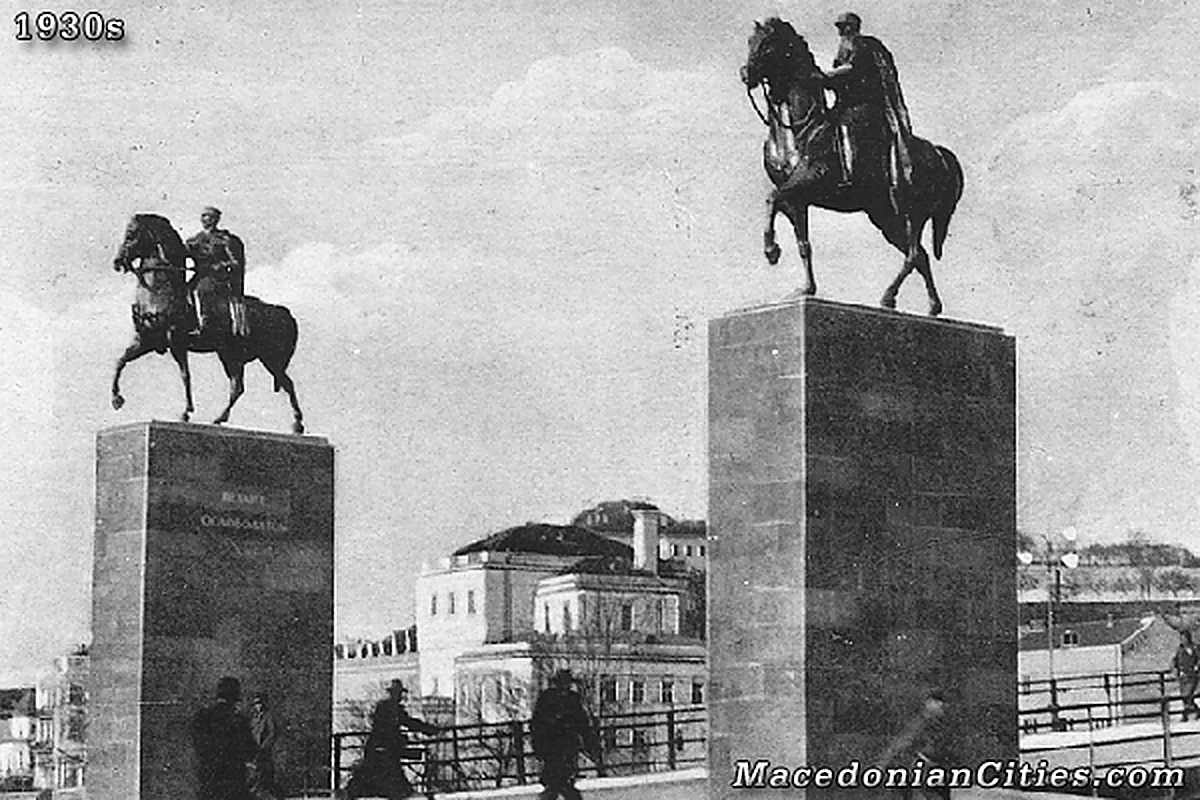
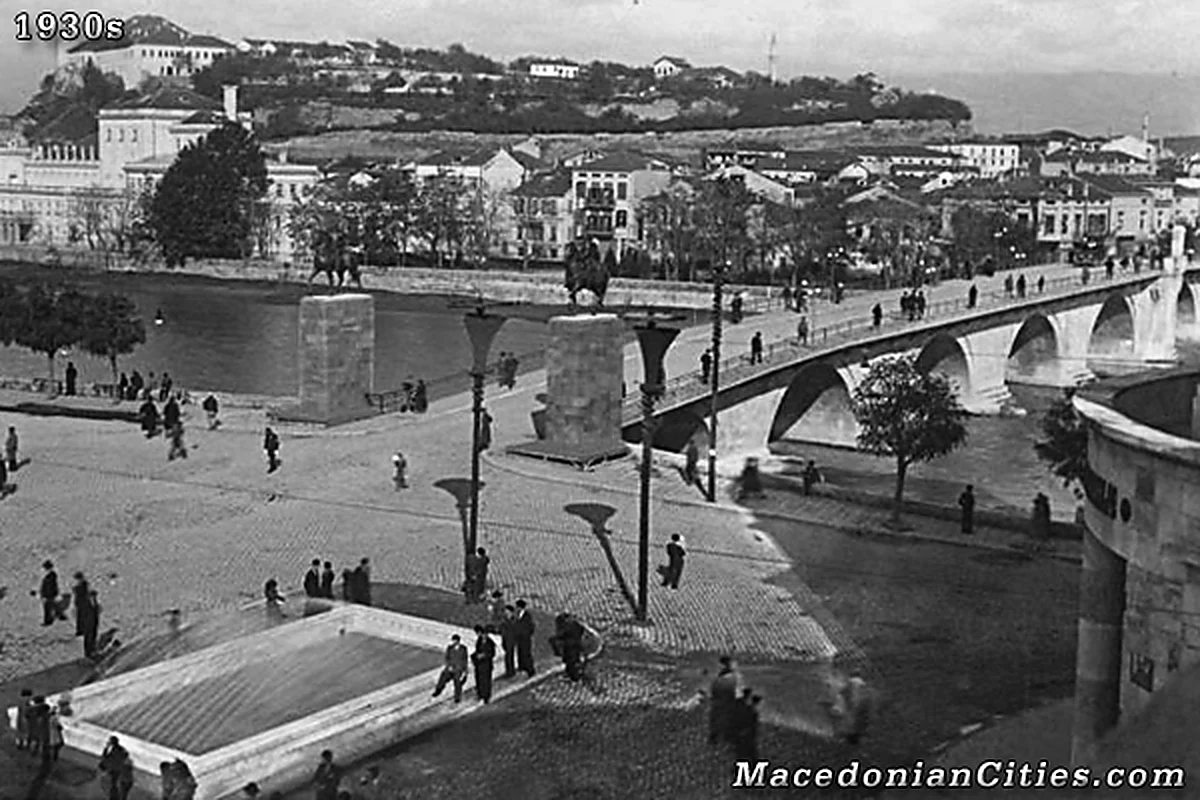
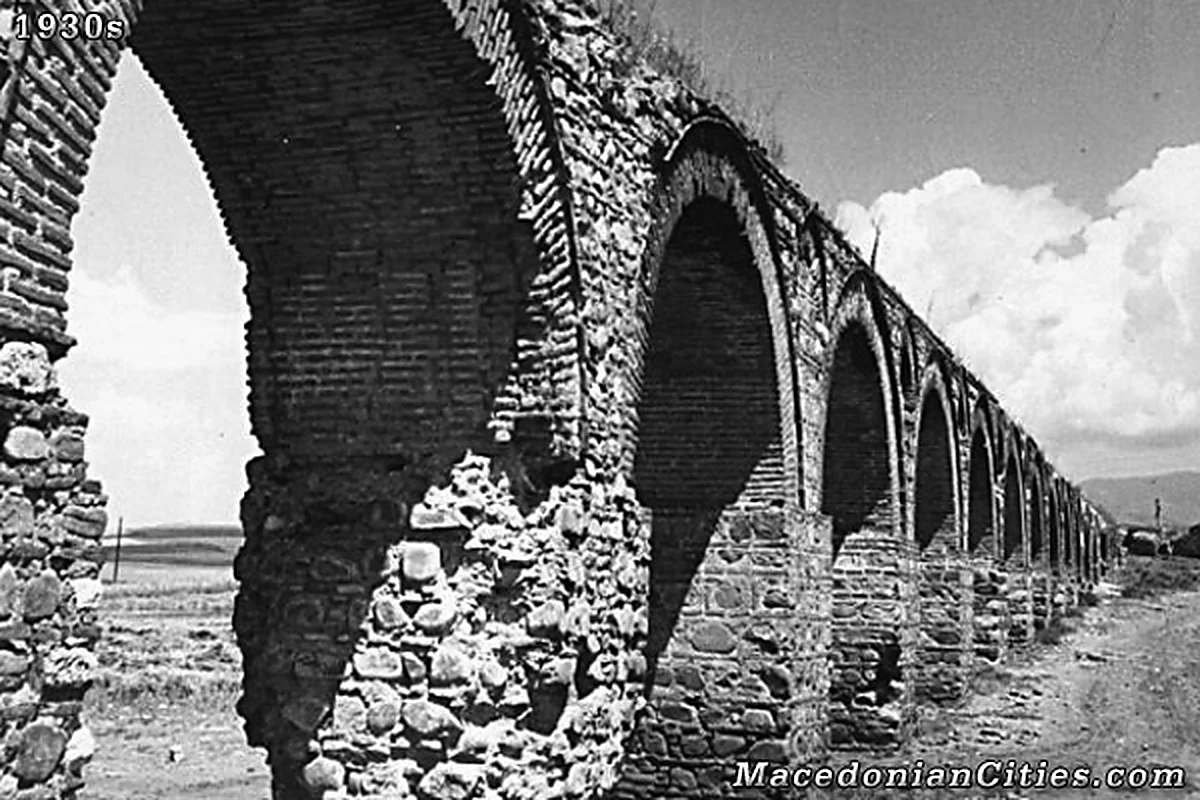
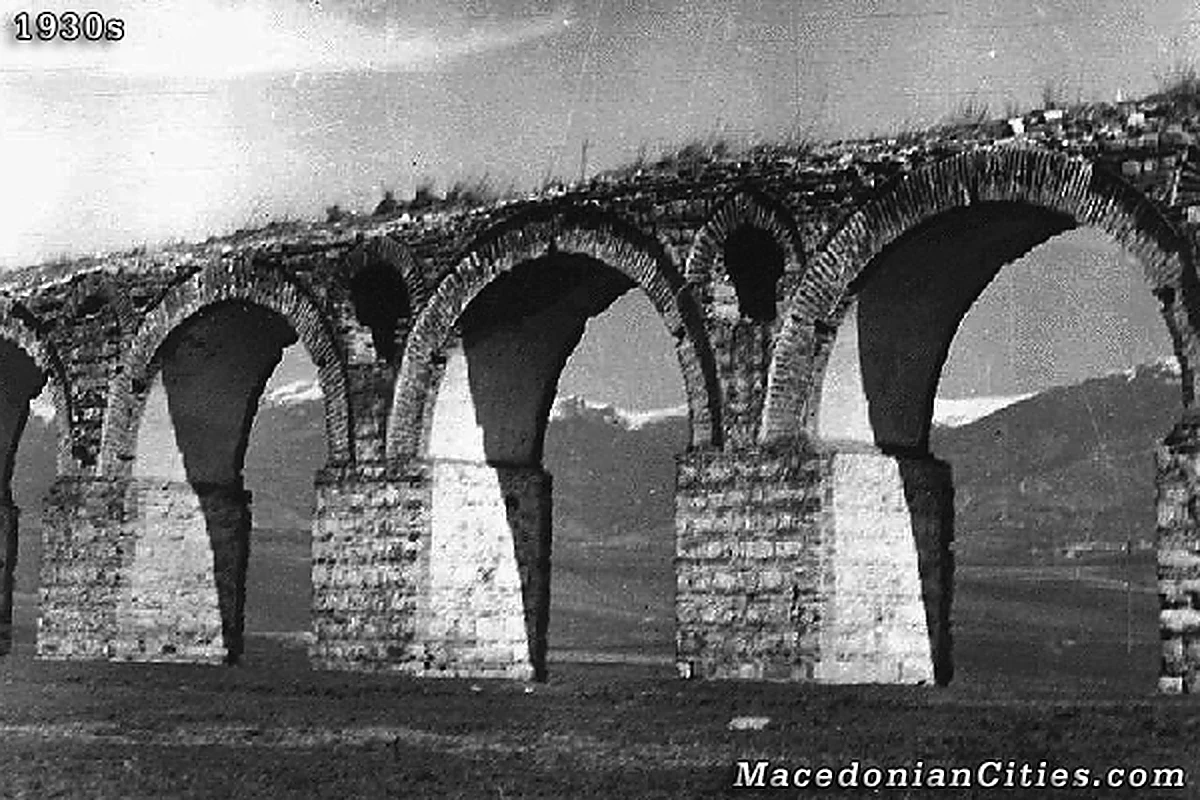
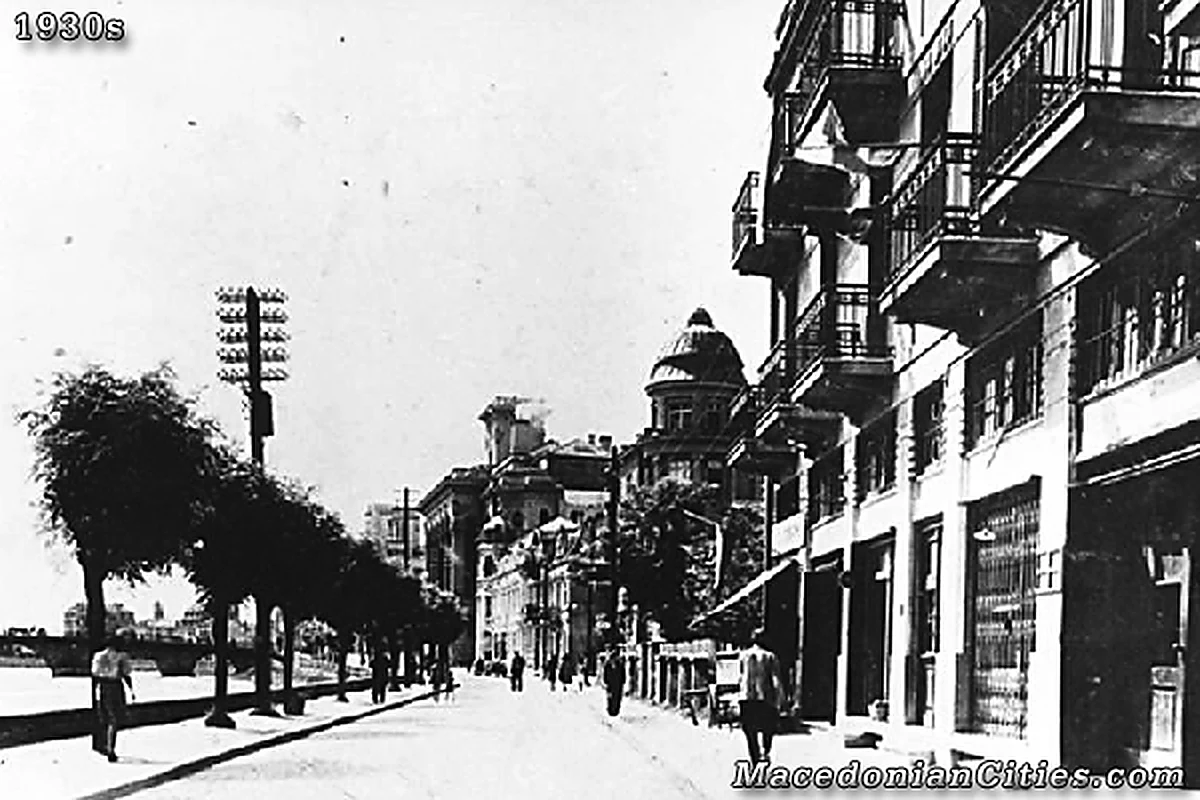
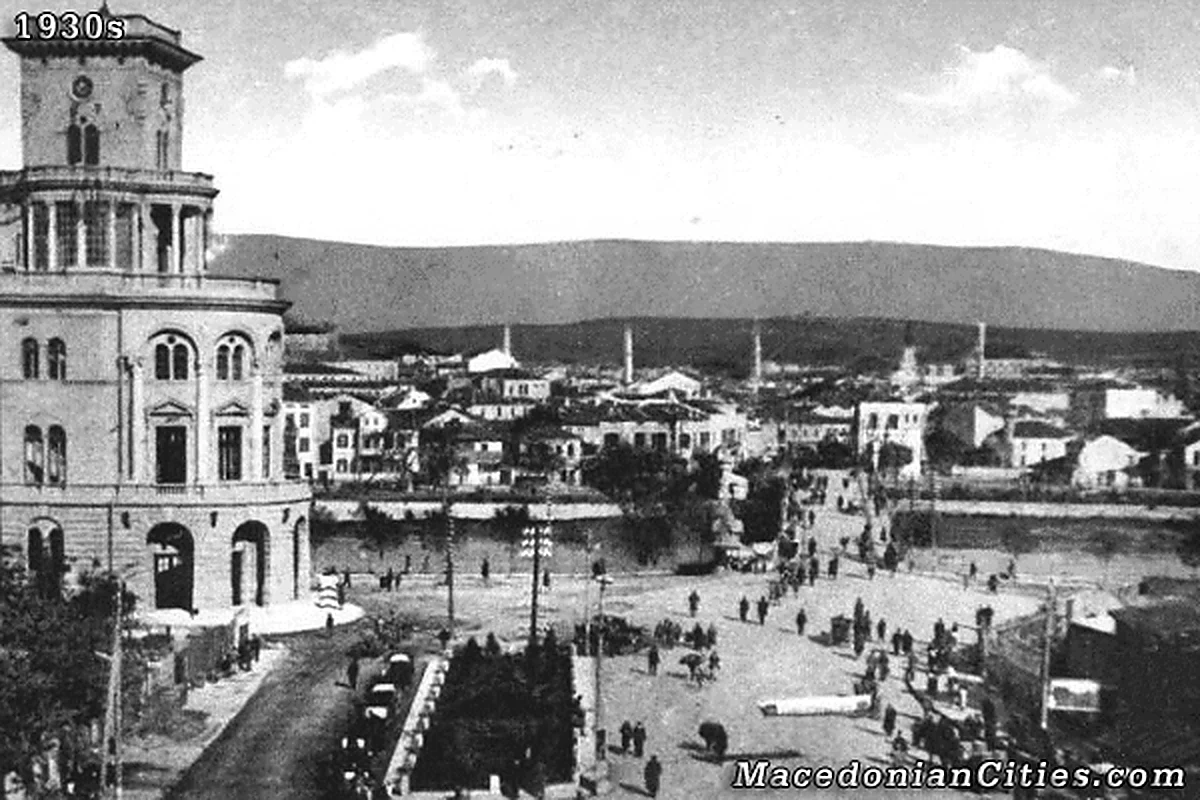
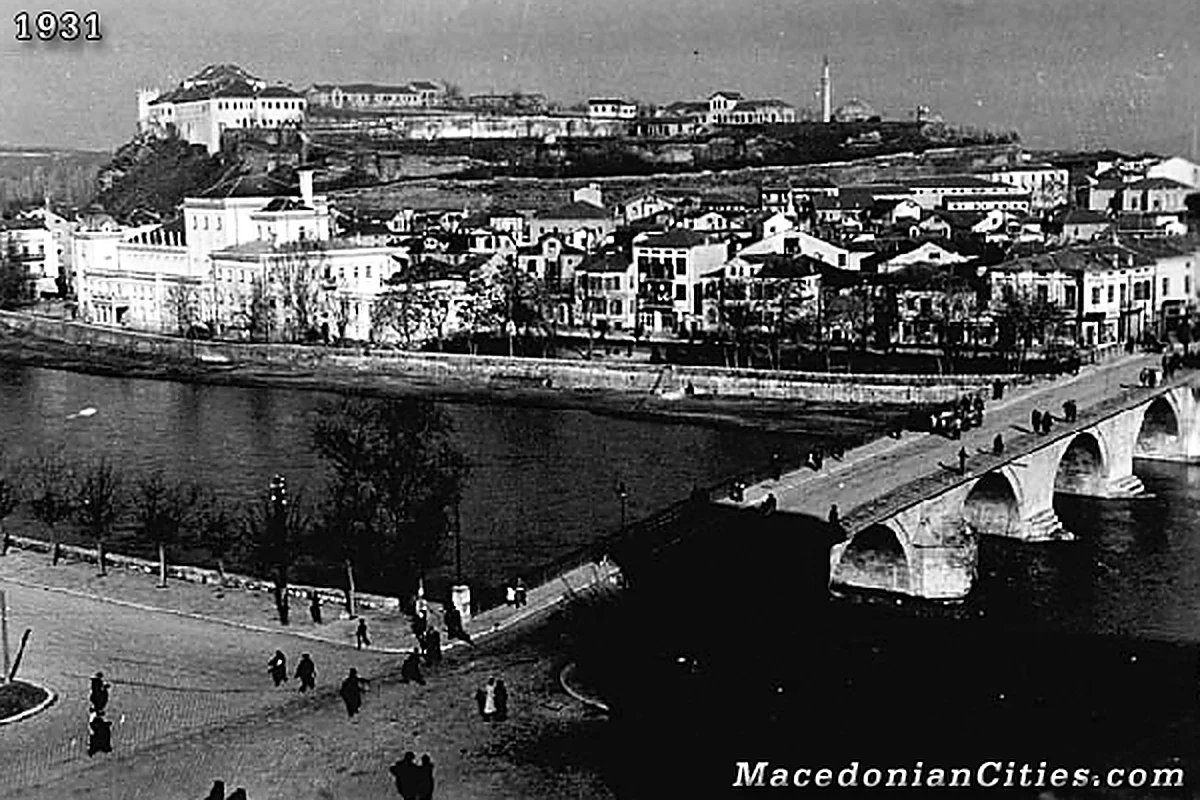
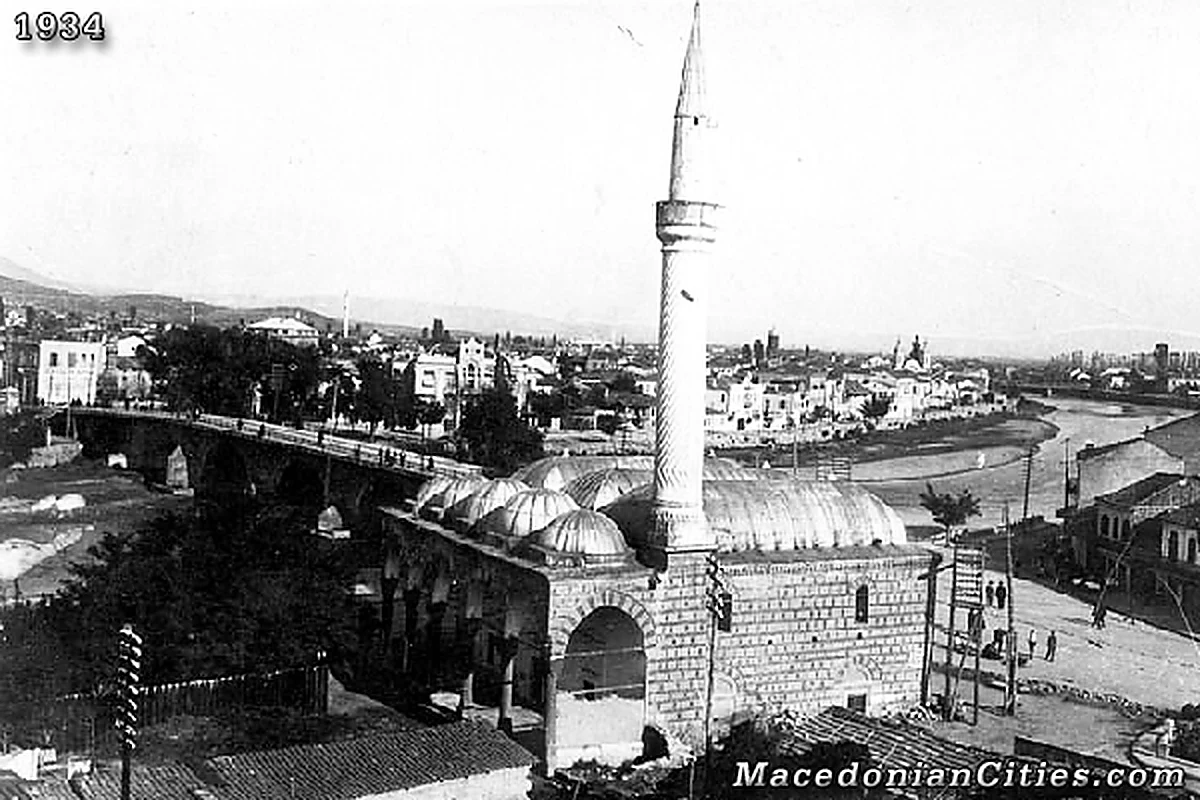
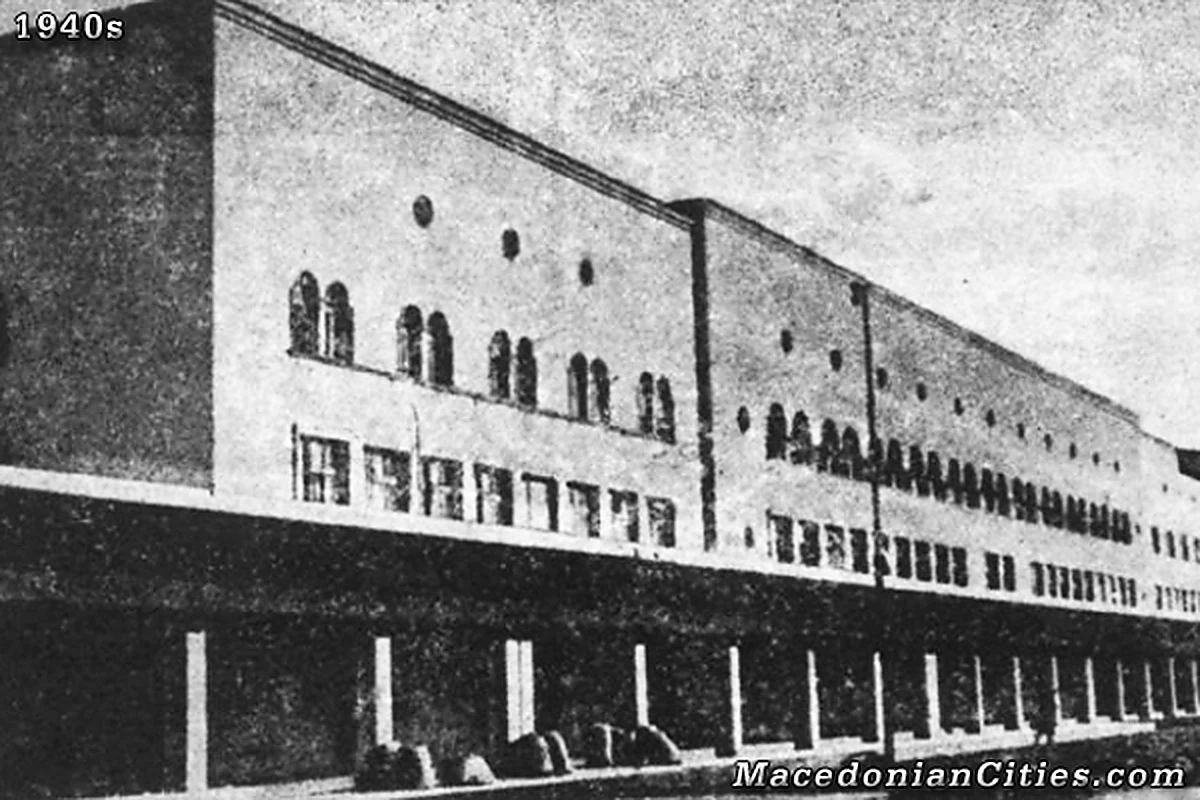
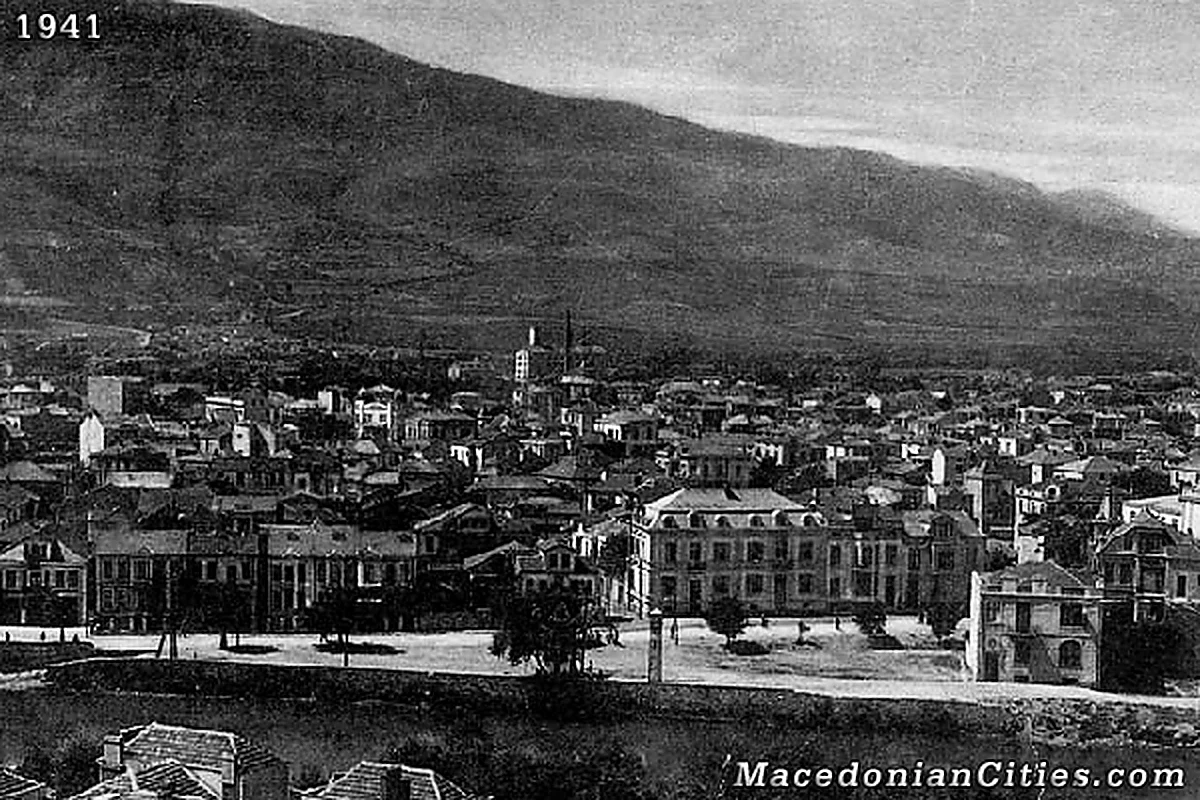
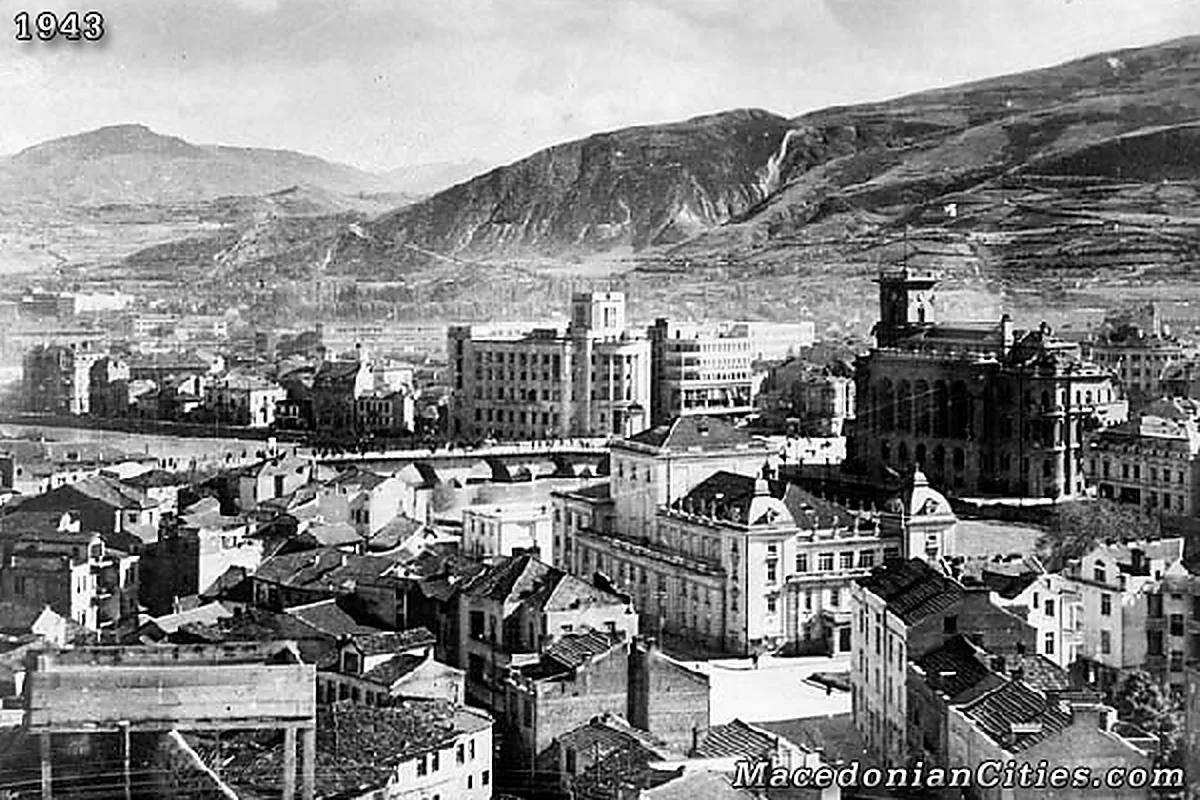
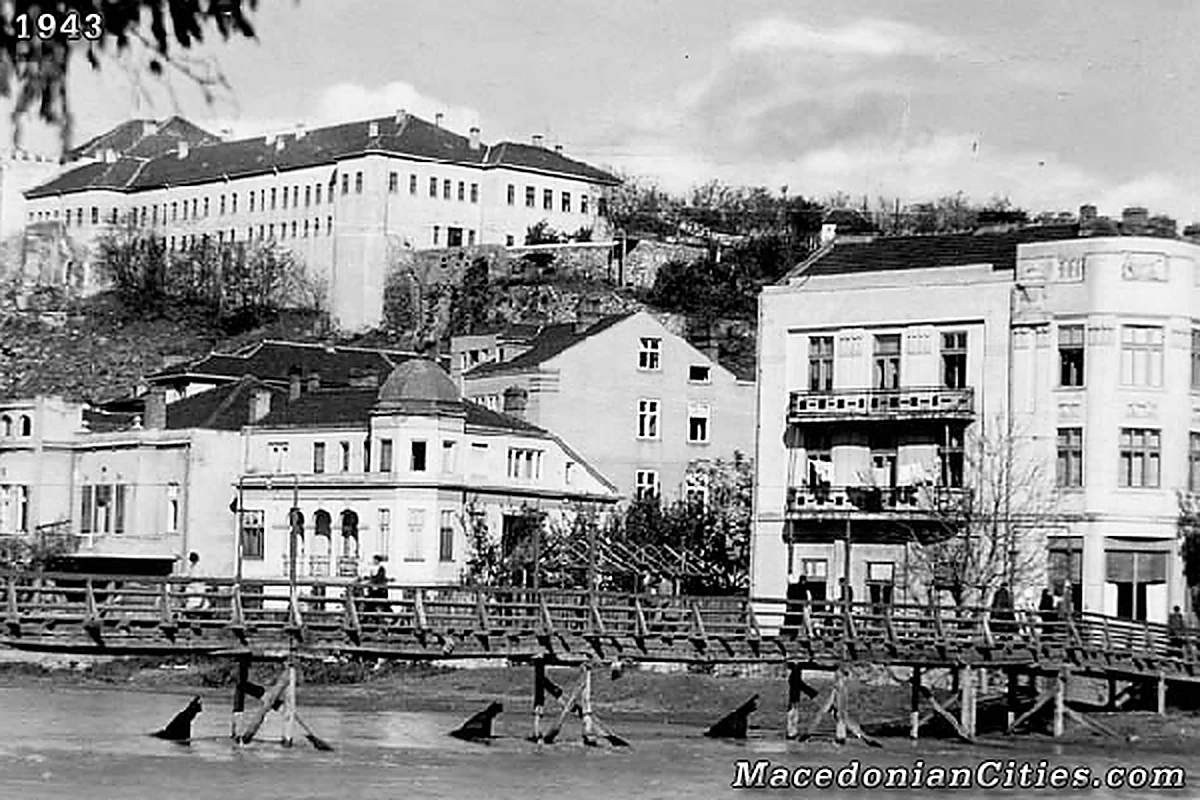
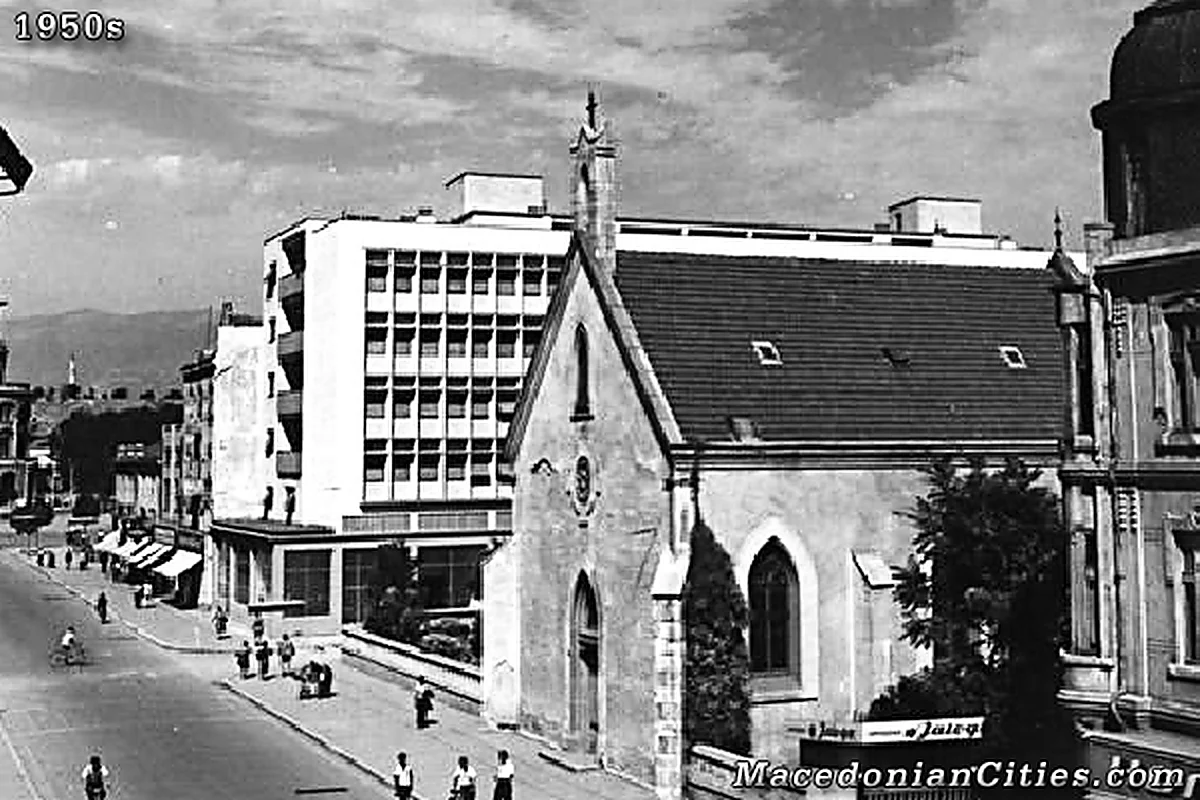
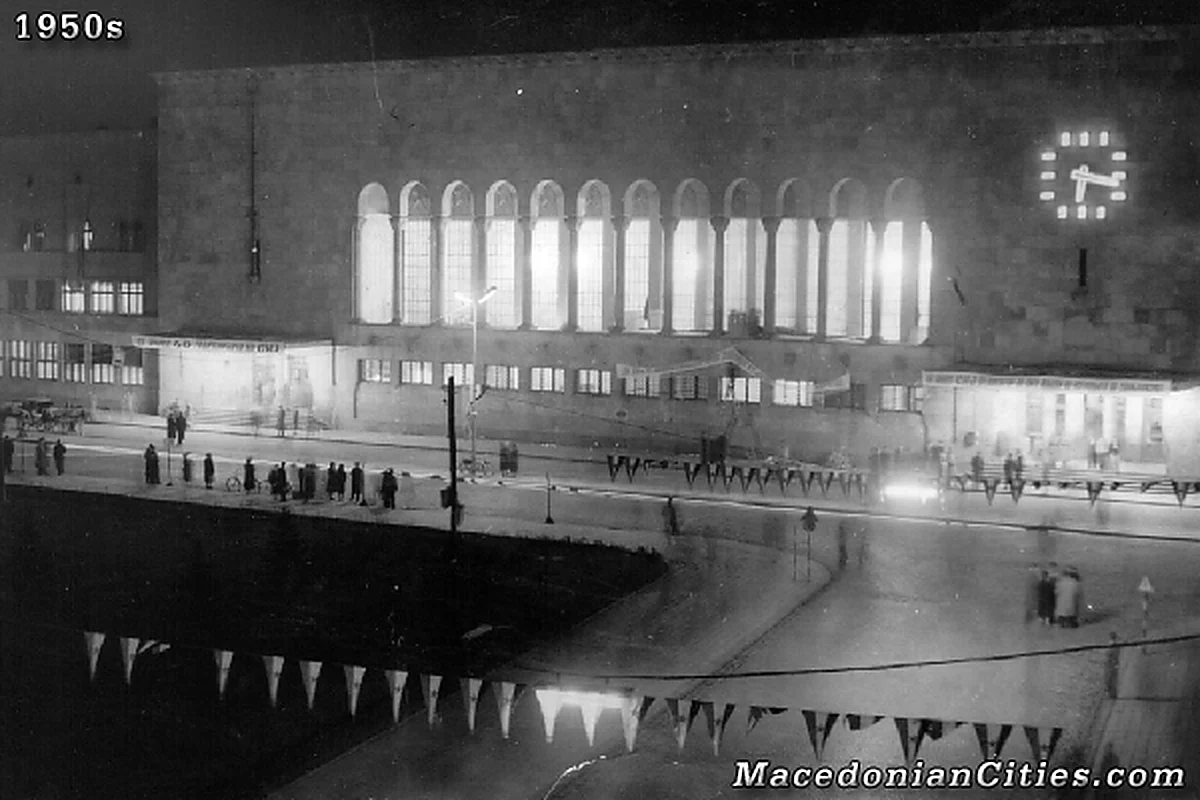
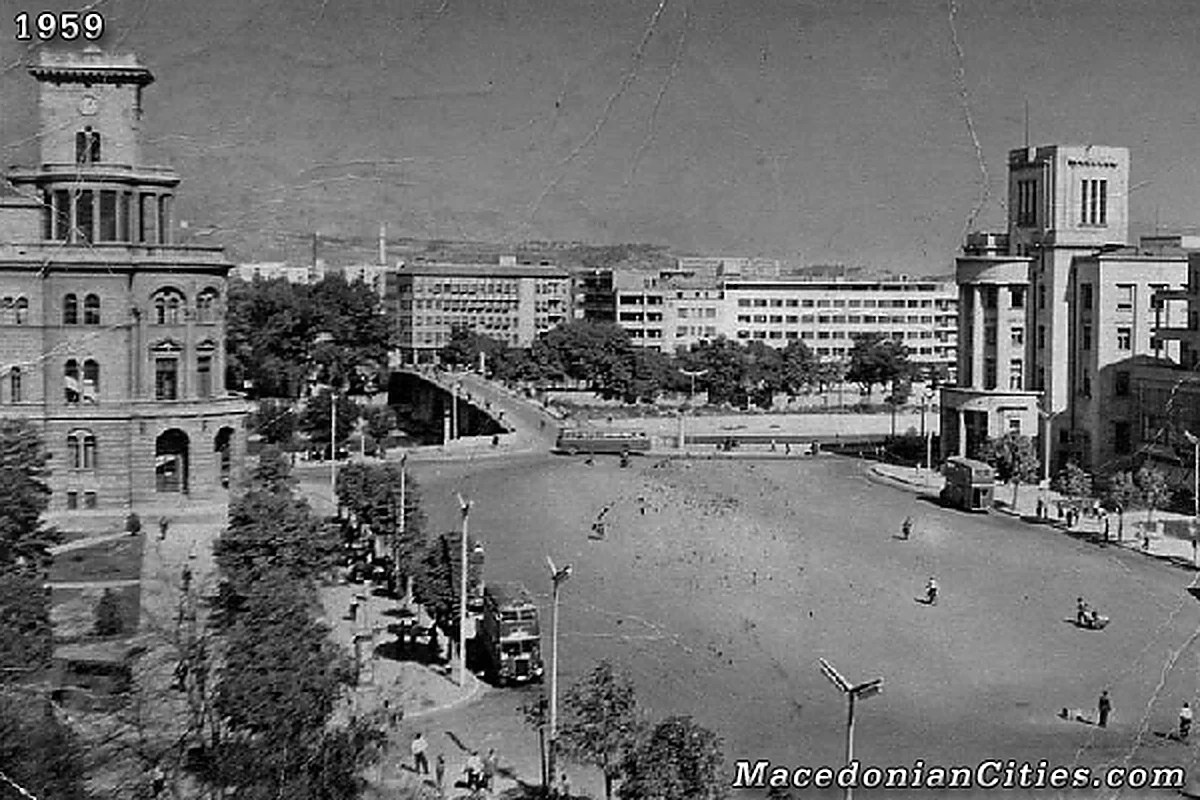
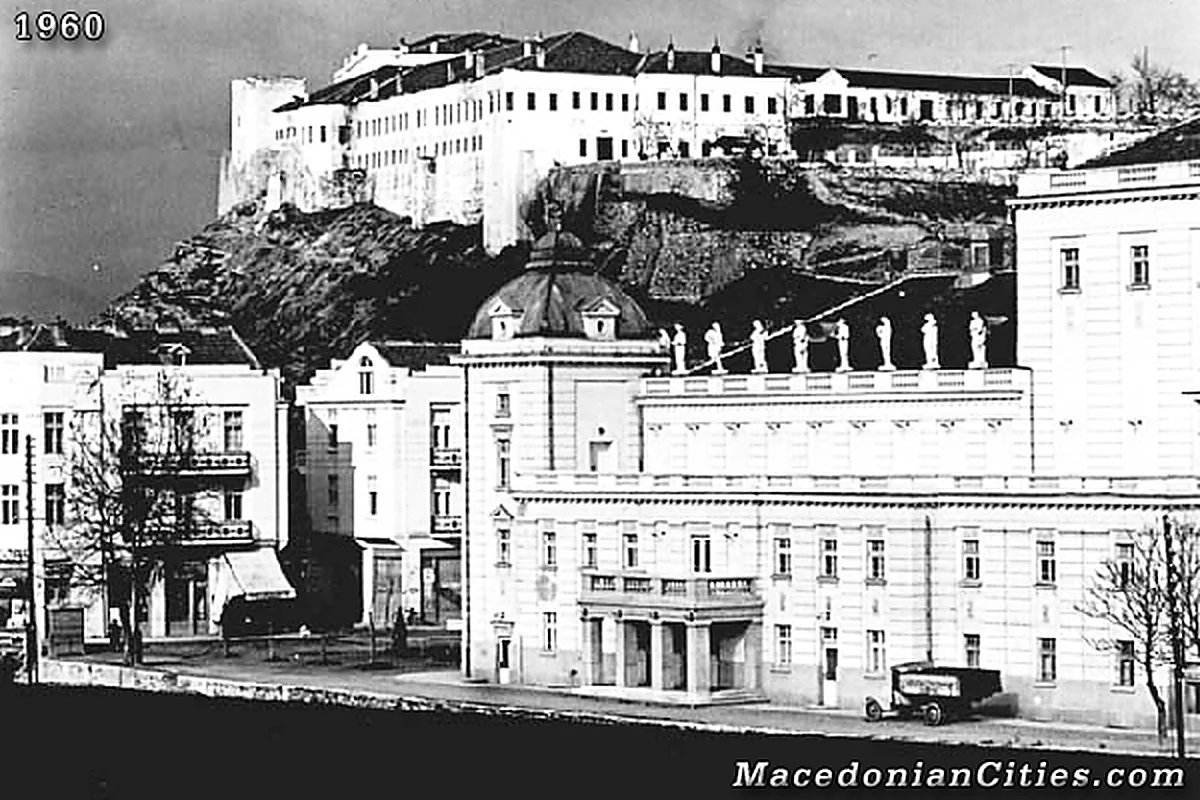
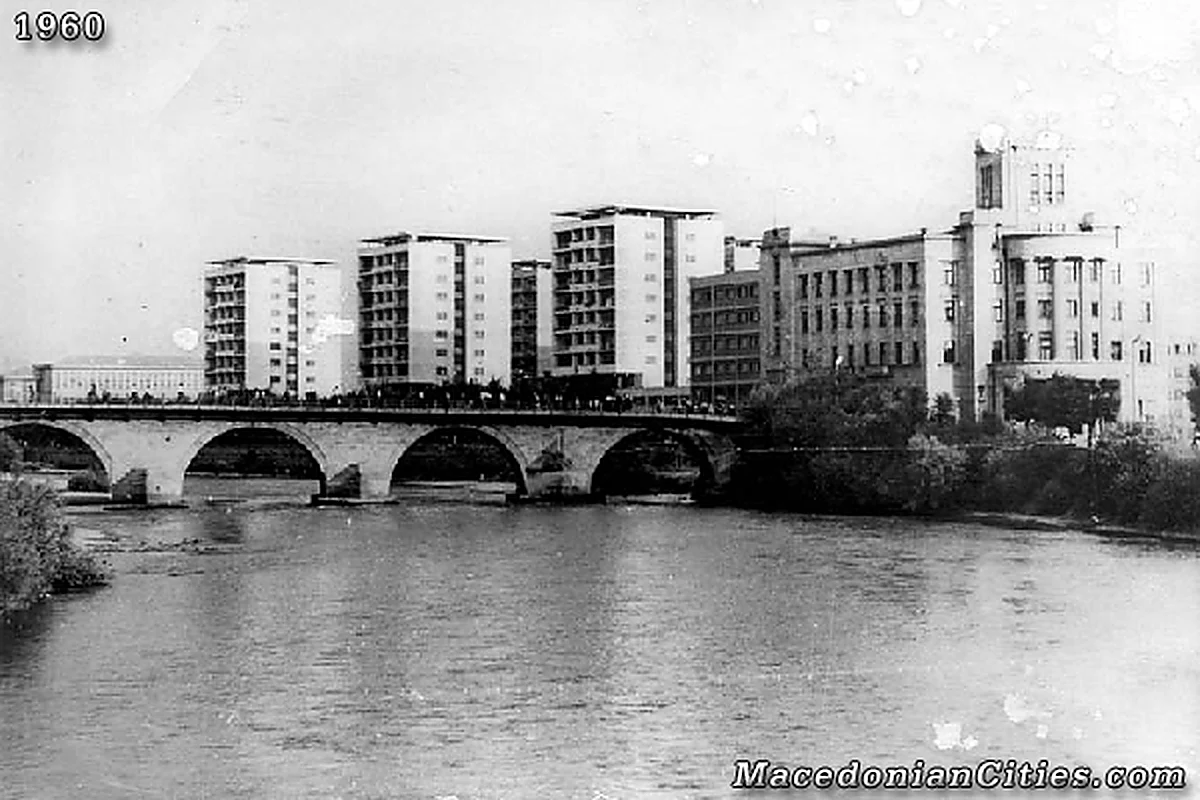
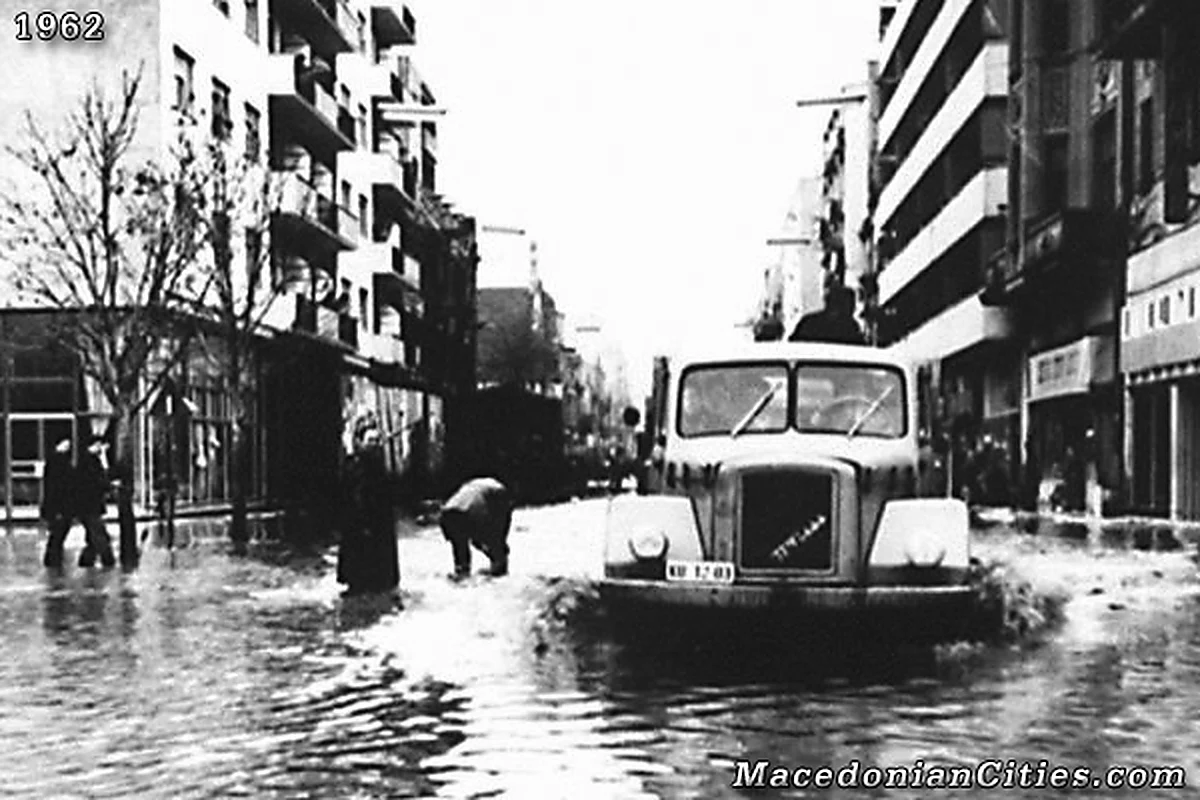
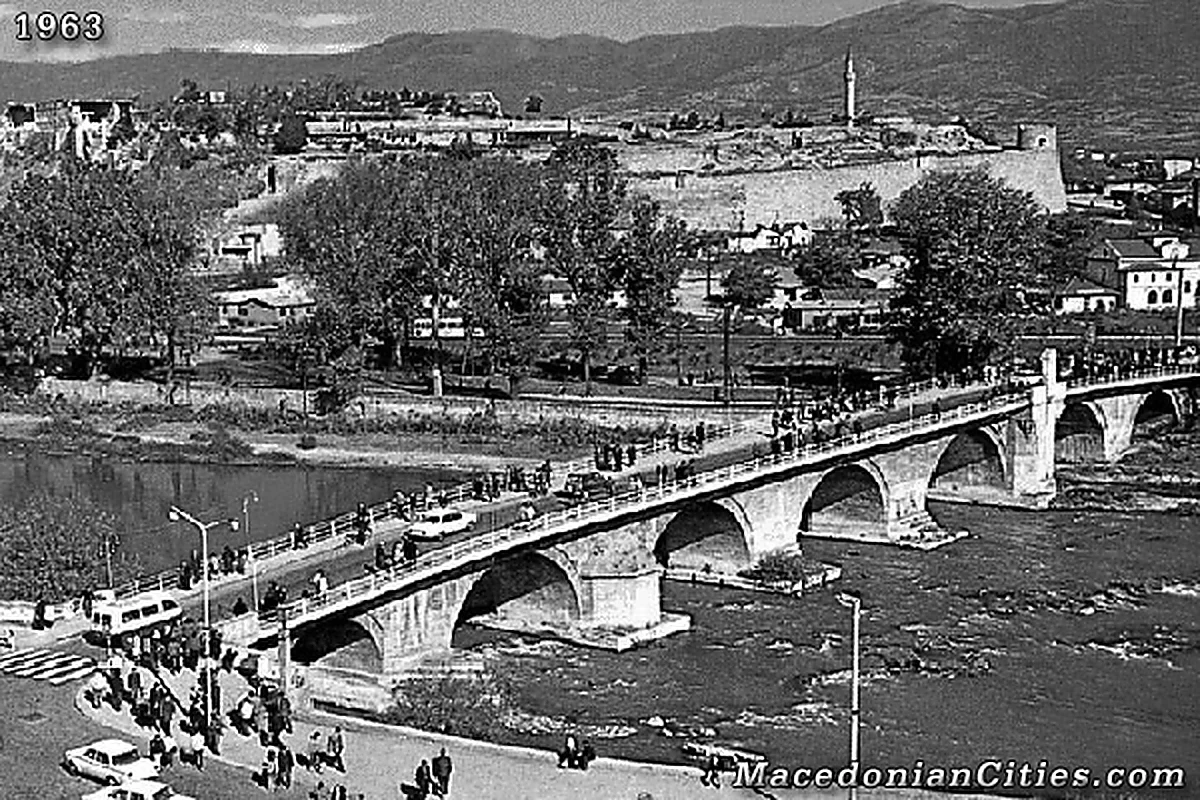
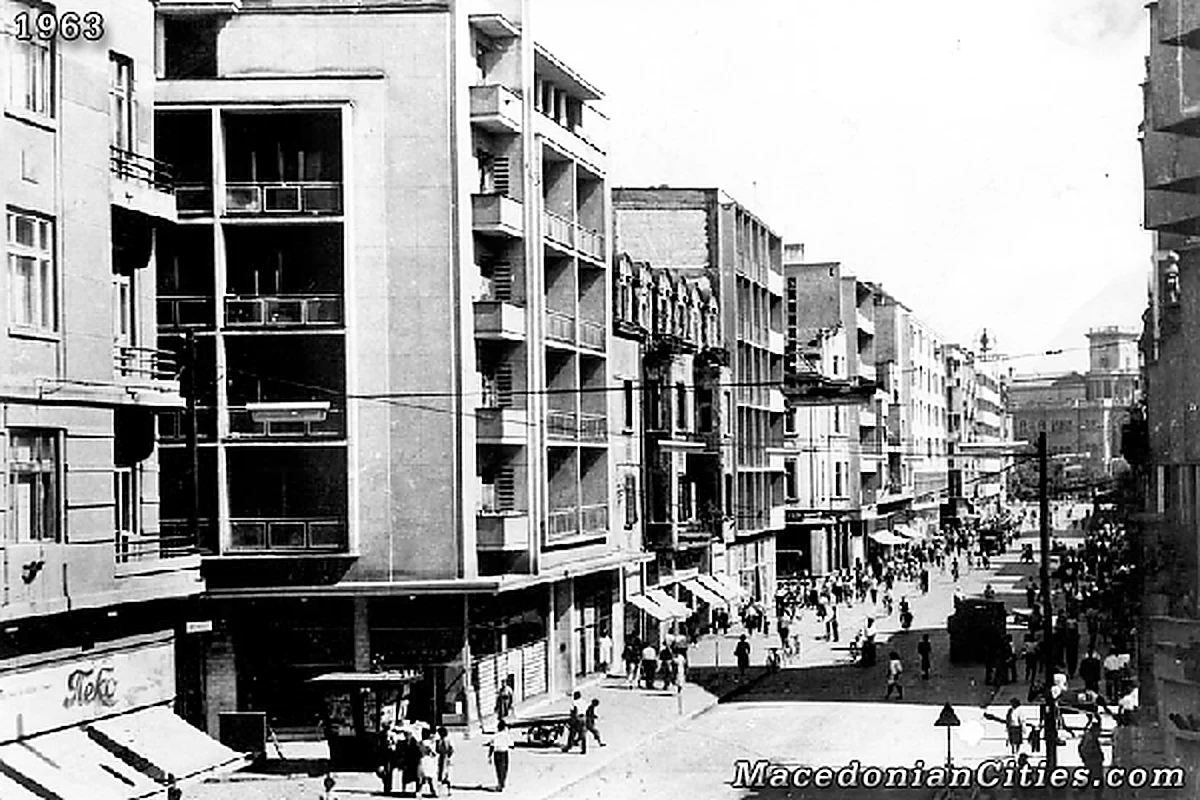
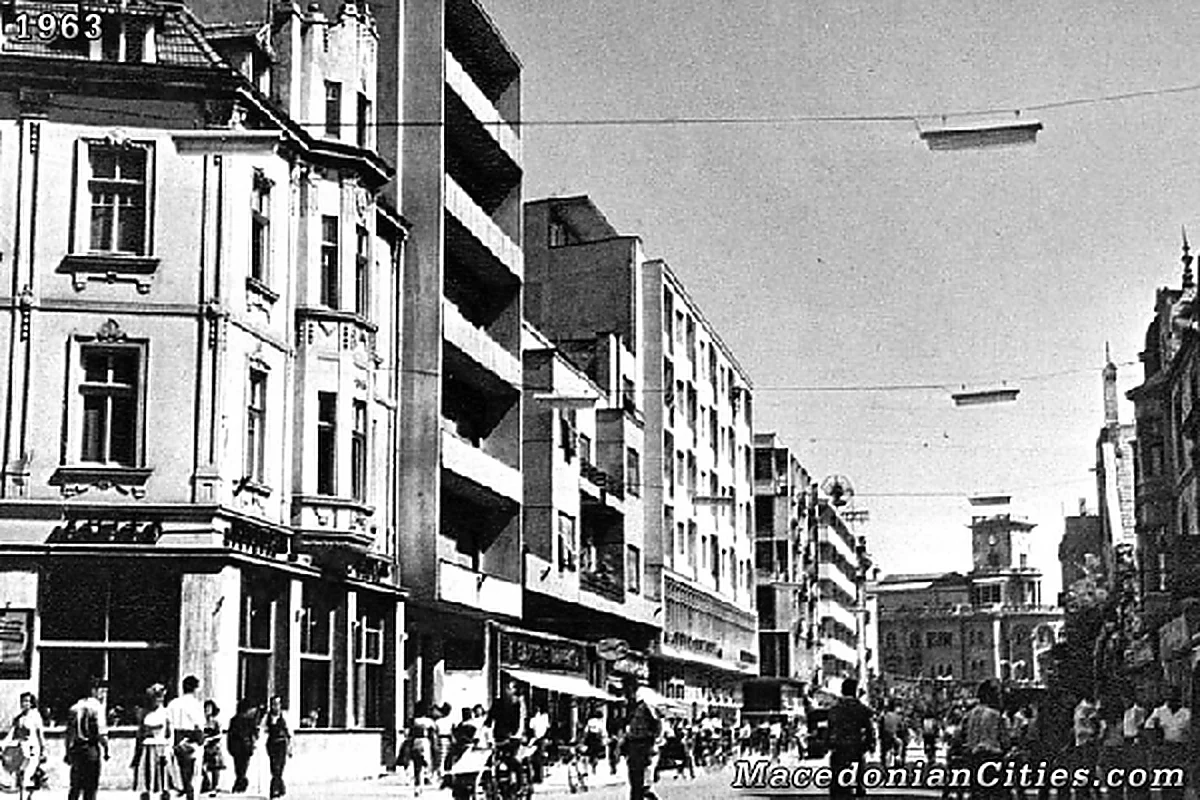
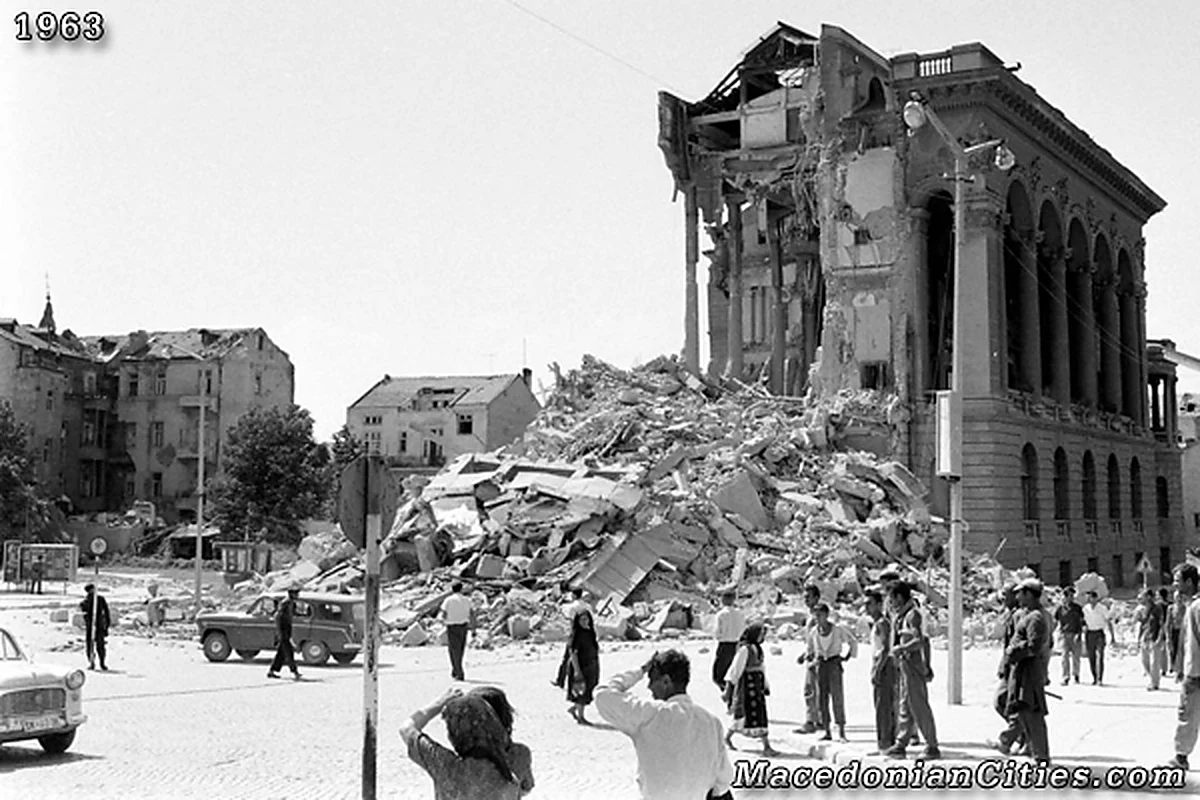
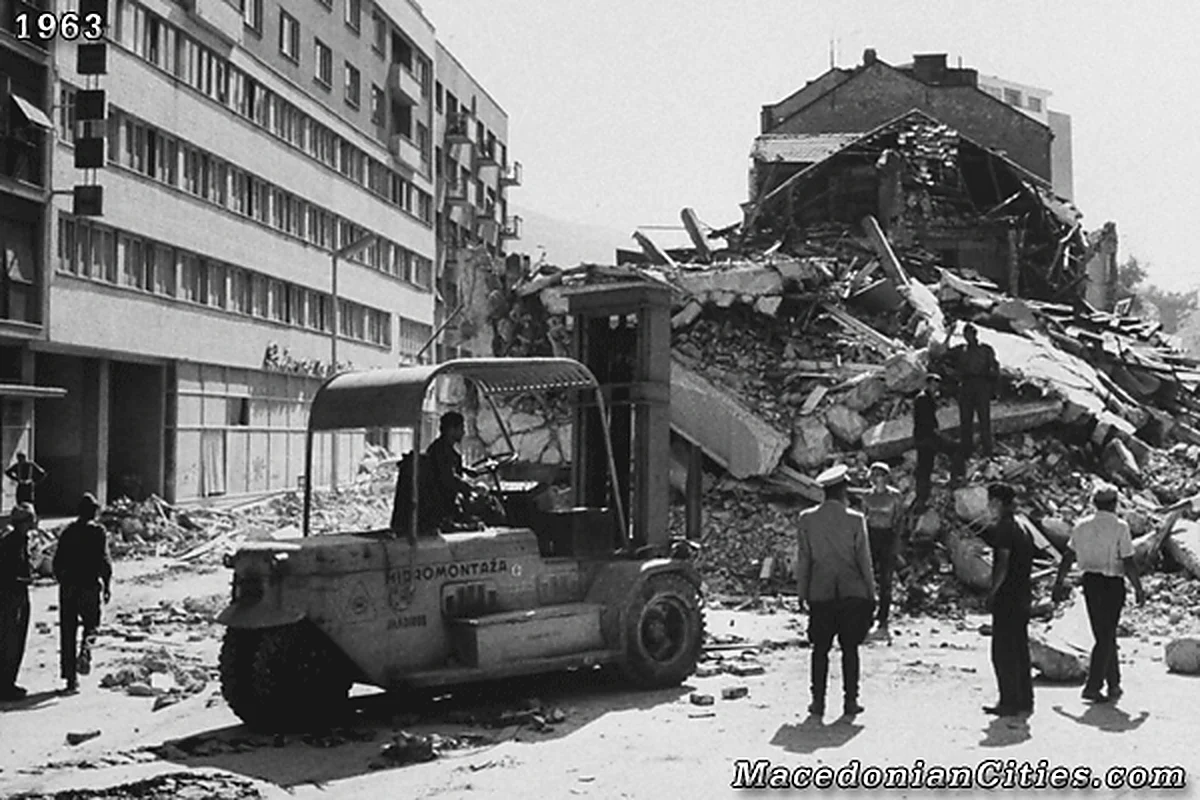
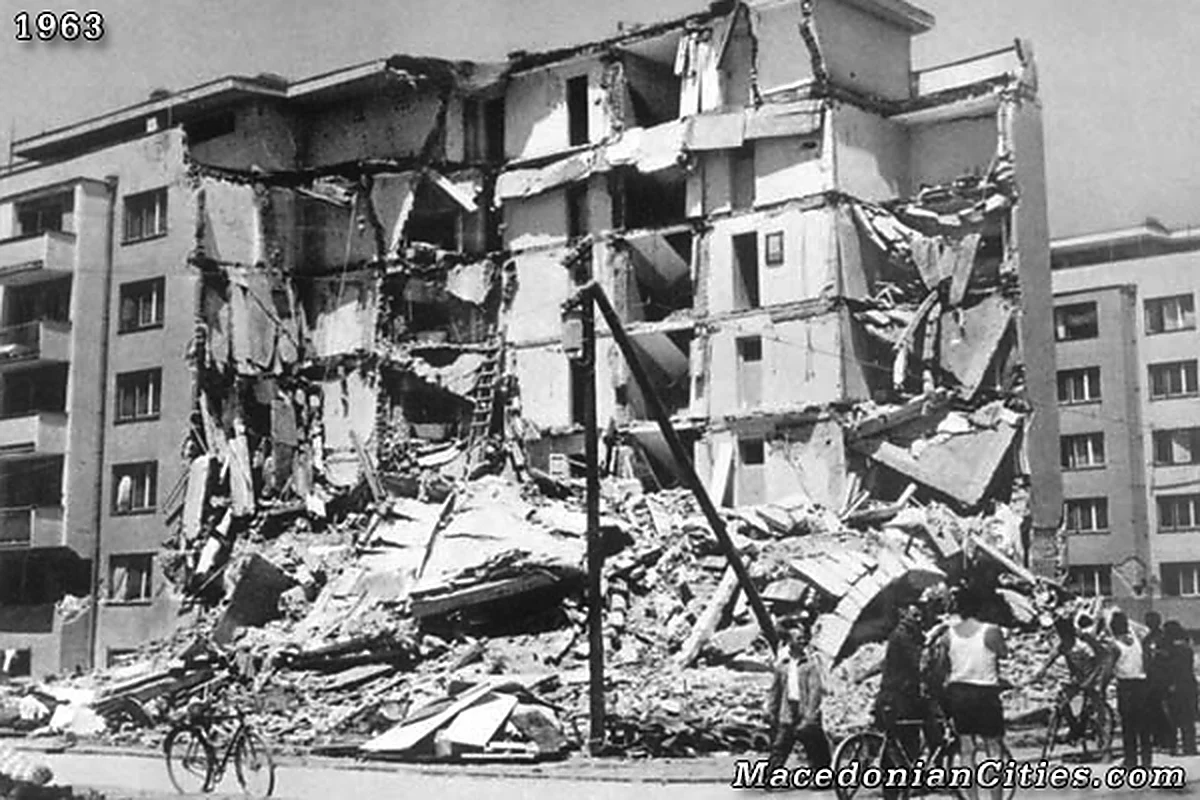
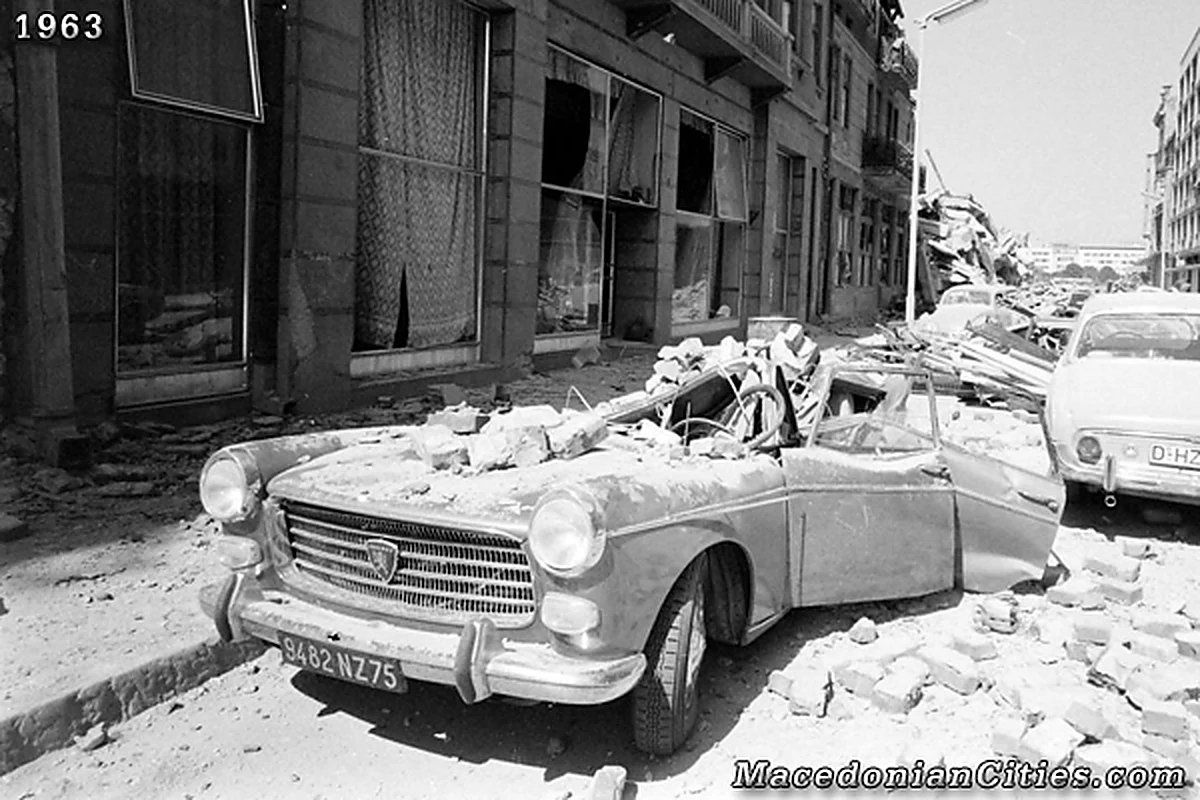
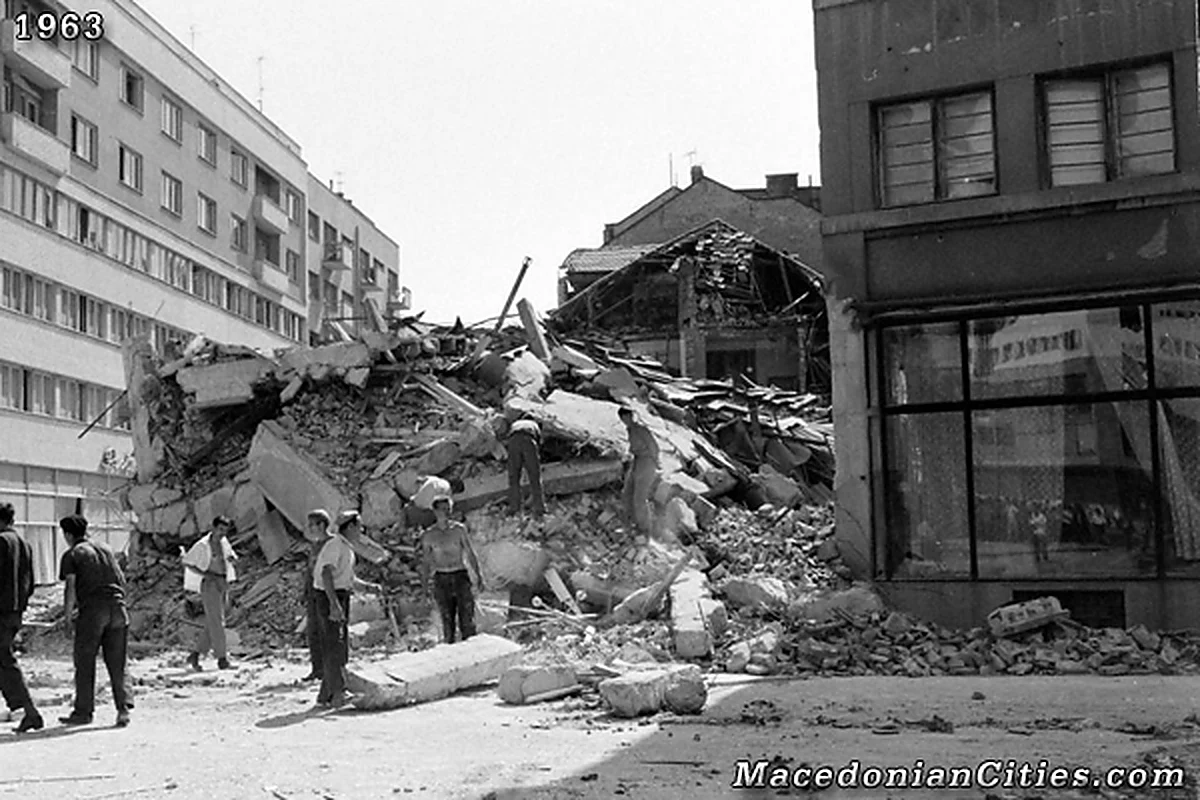
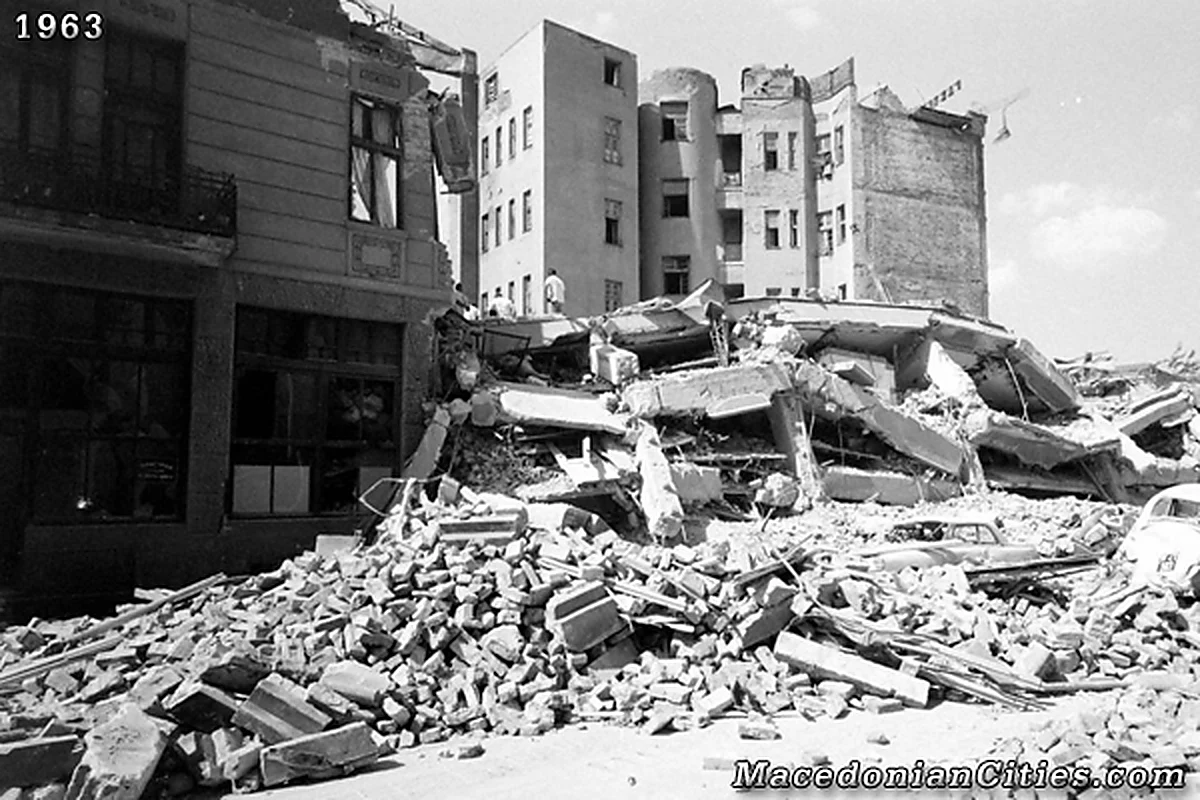
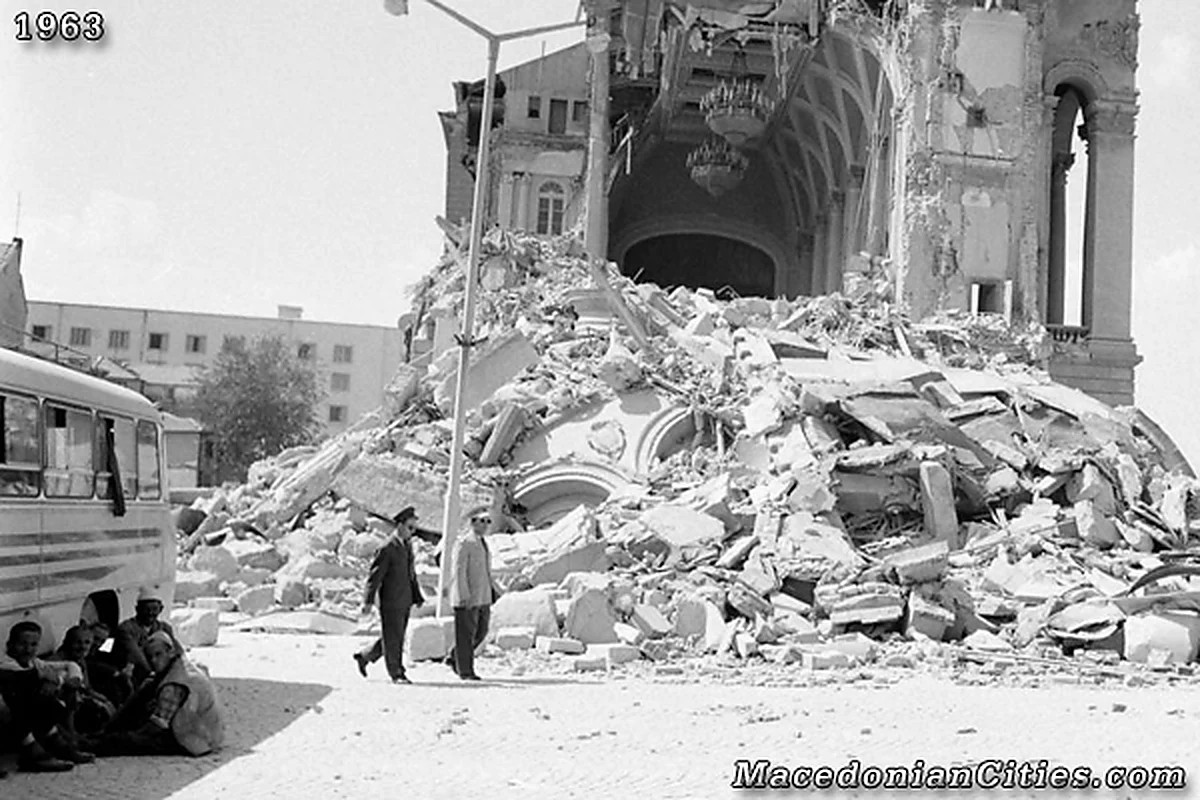
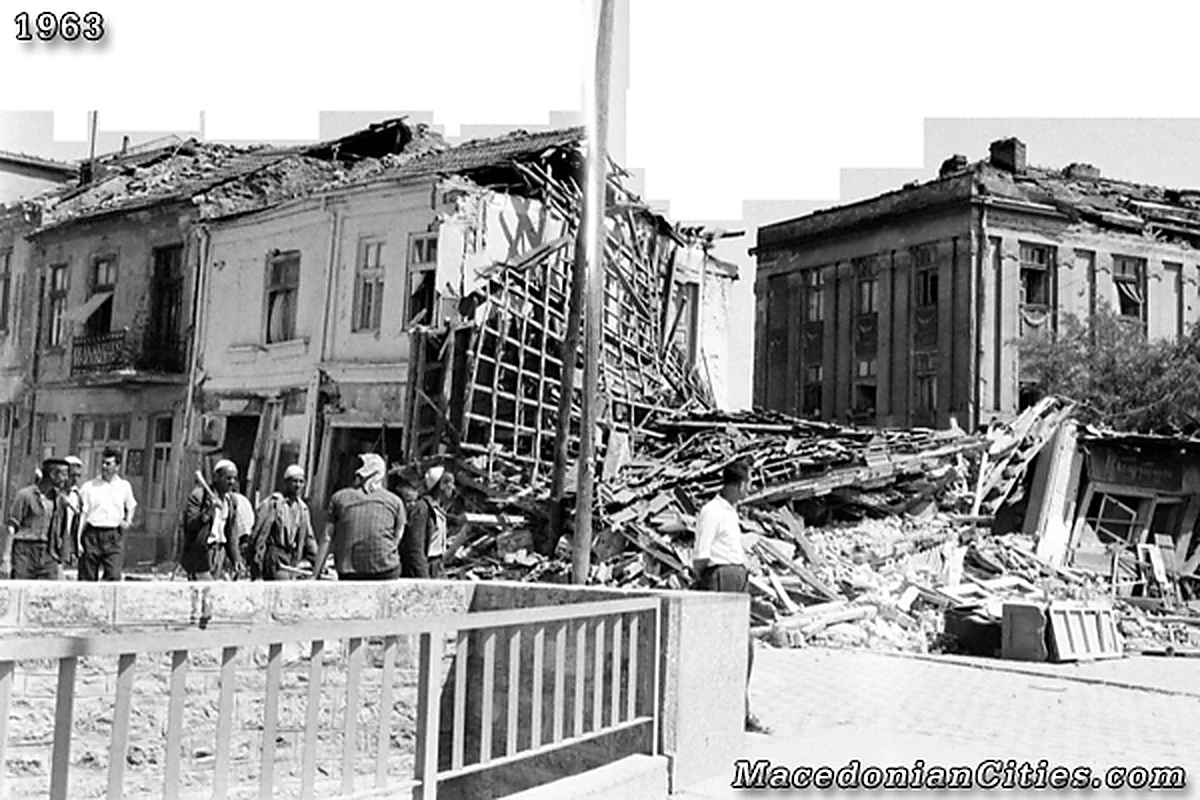
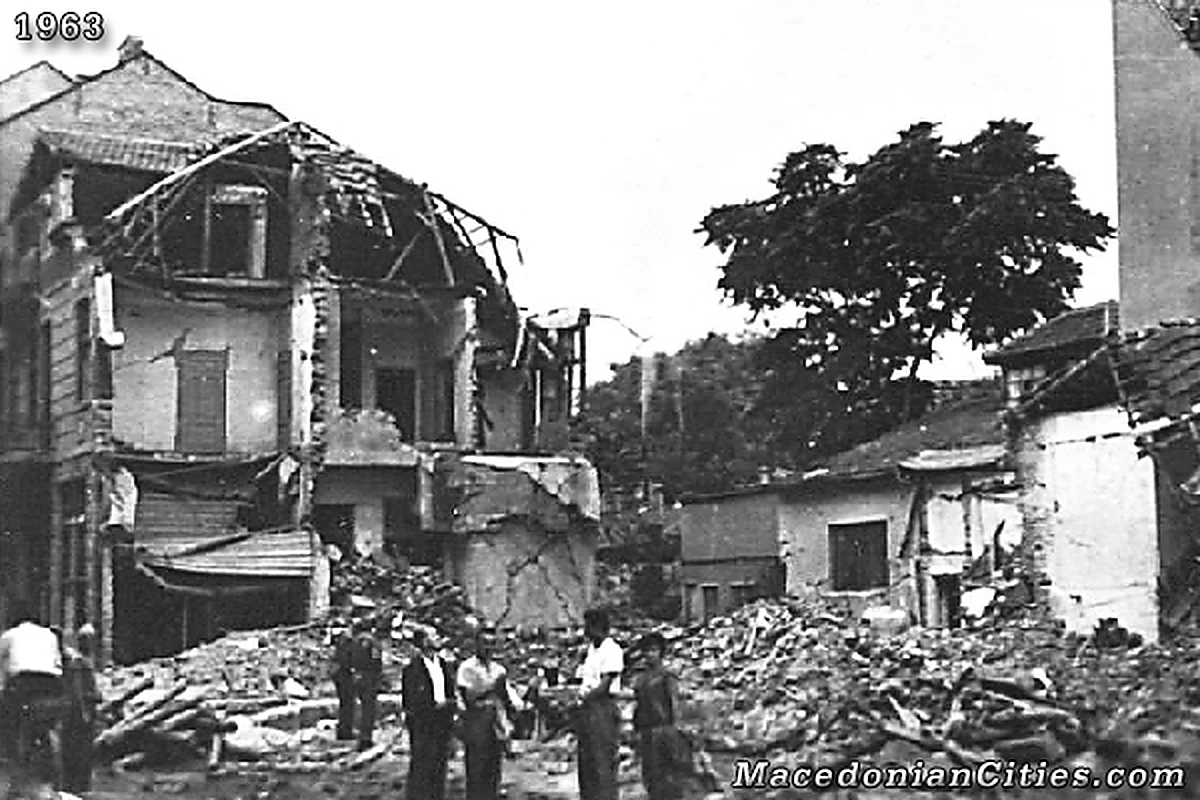
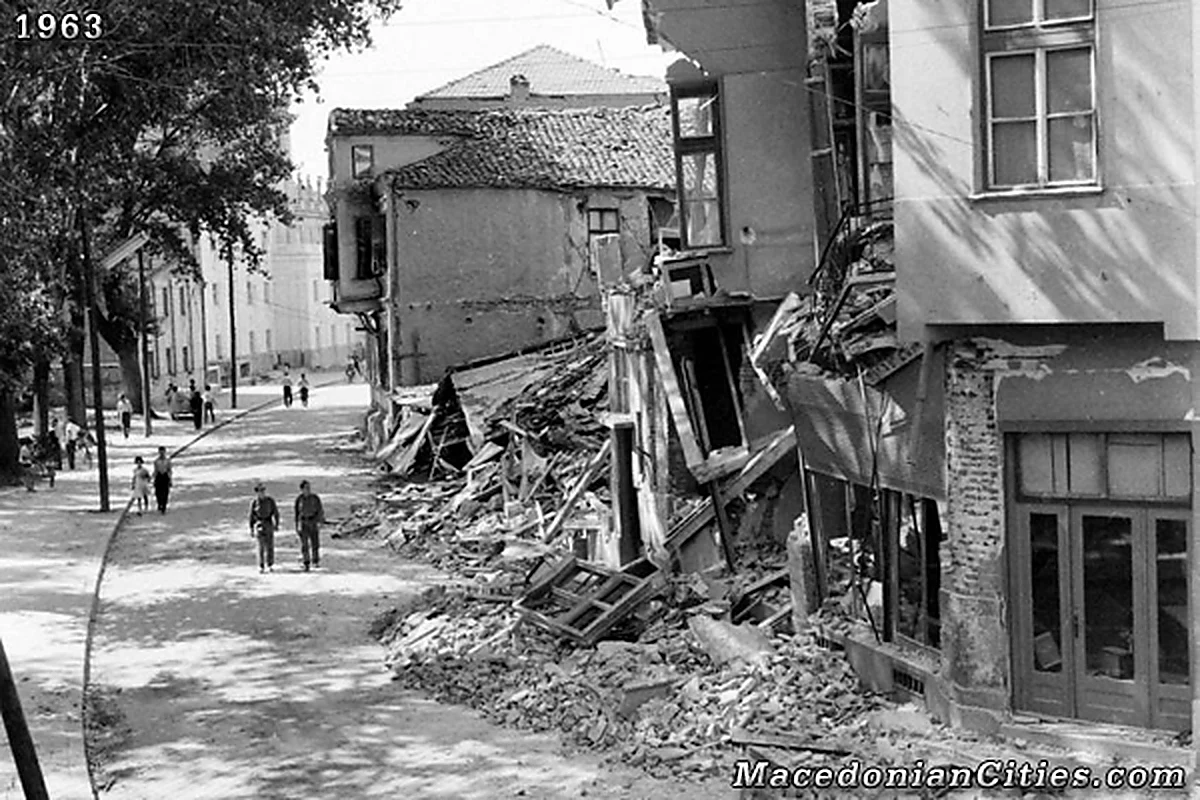
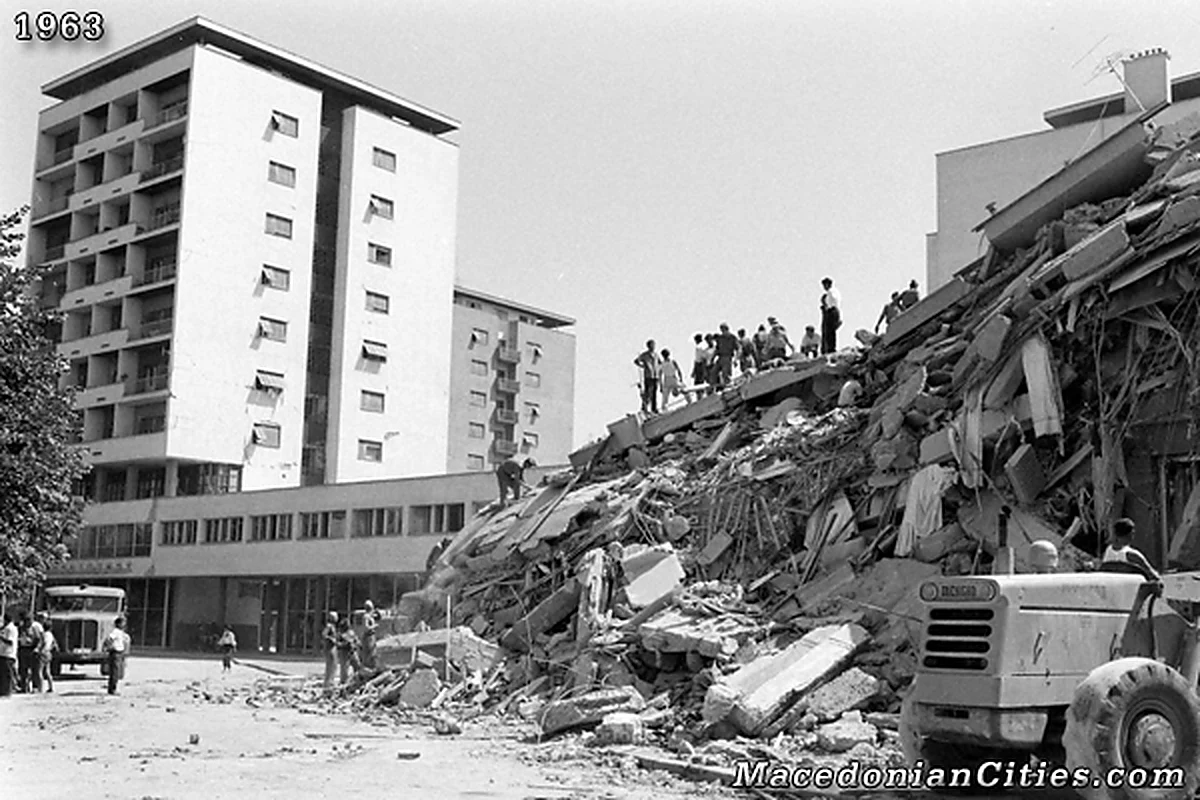
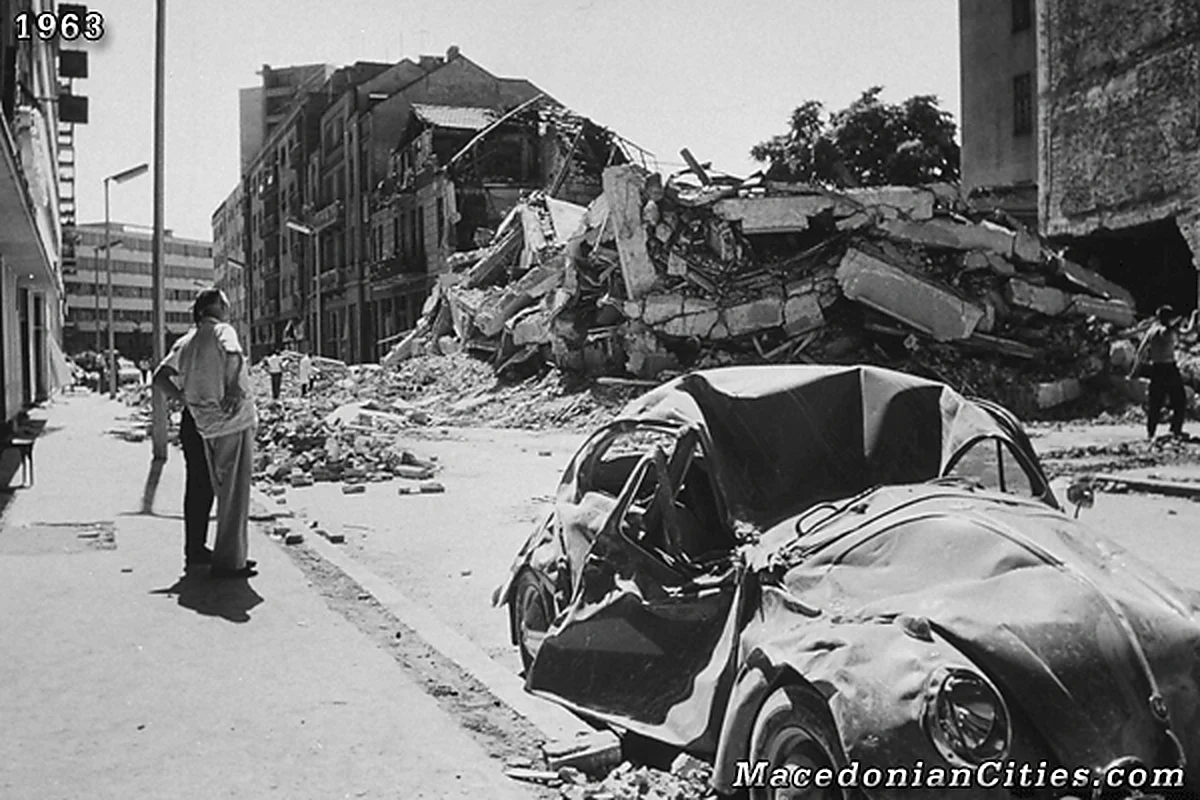
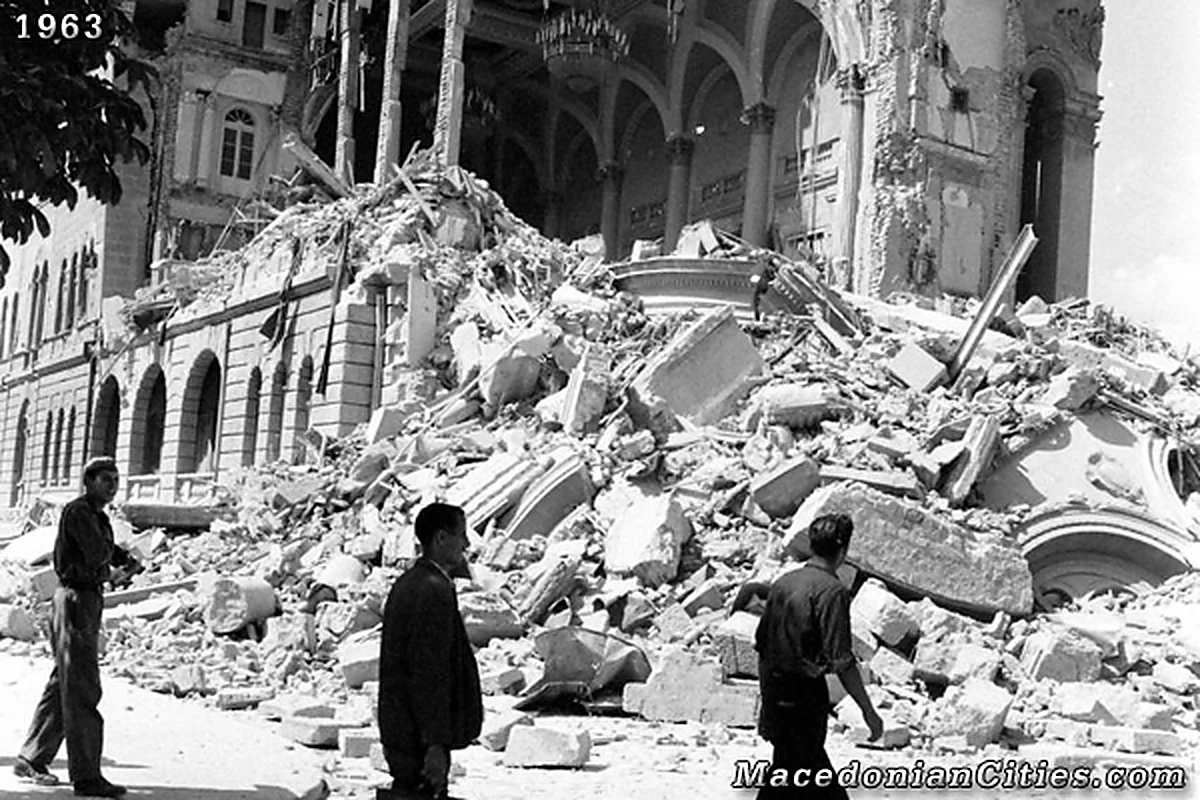
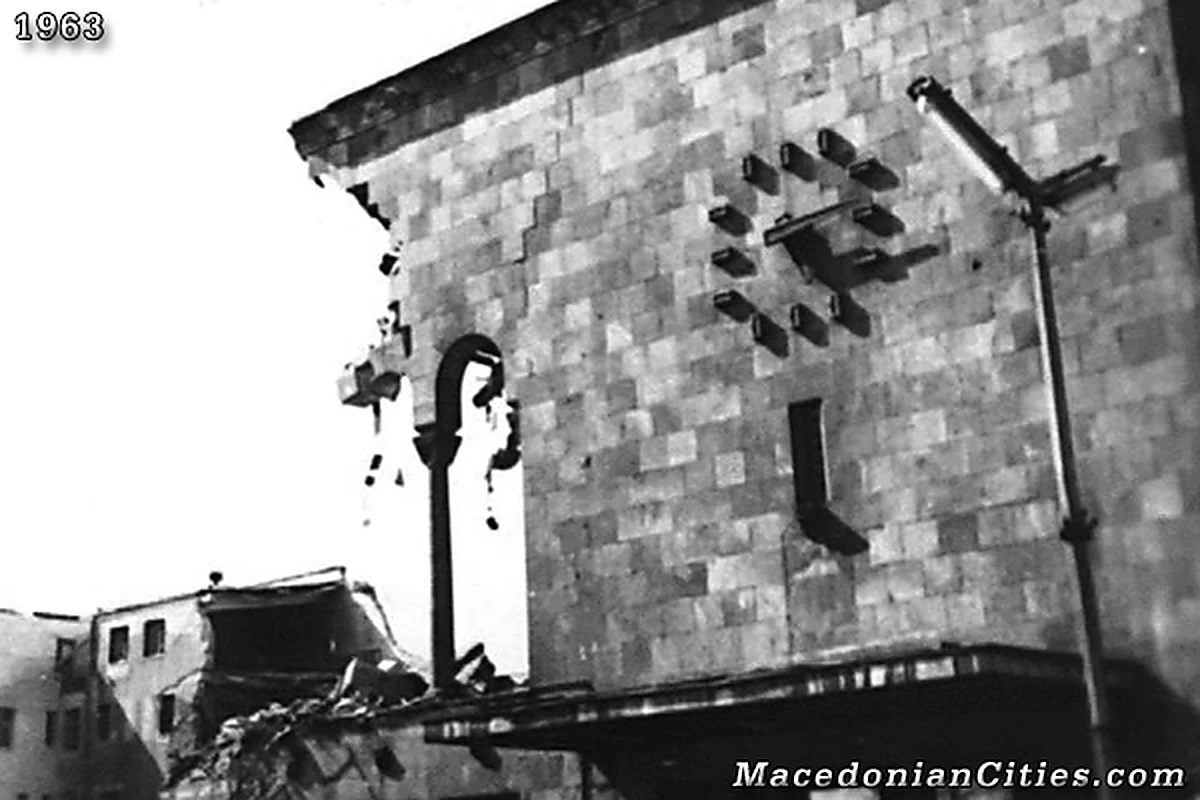
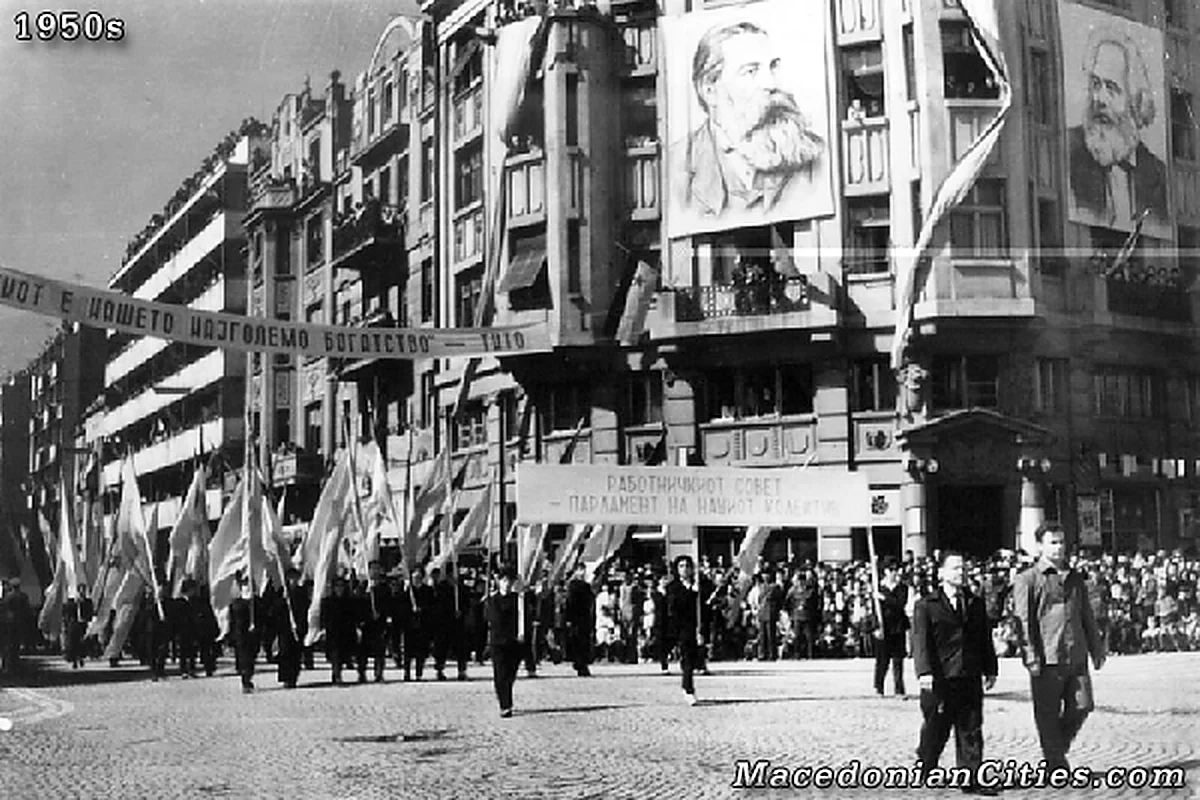
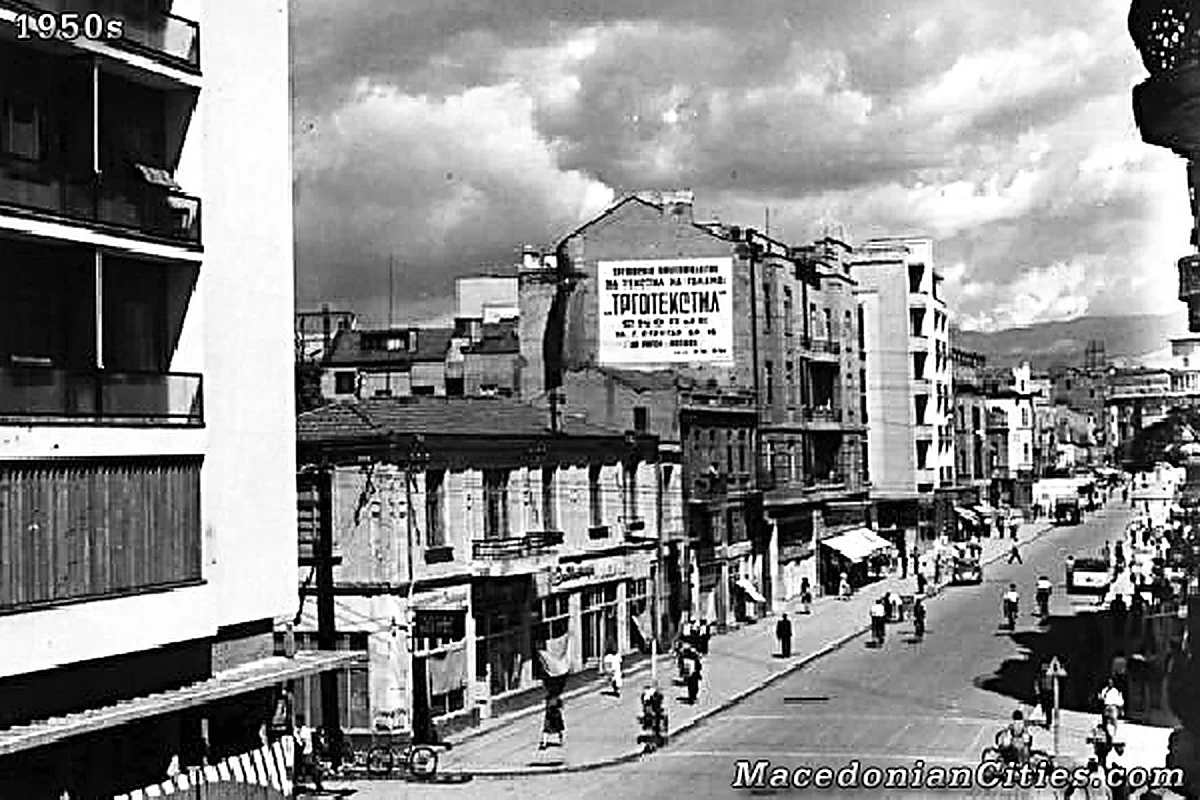
Photo Gallery (62)
Photo Gallery
Skopje, frame by frame.
A responsive family gallery, including city views recovered from the old rotating banner system.
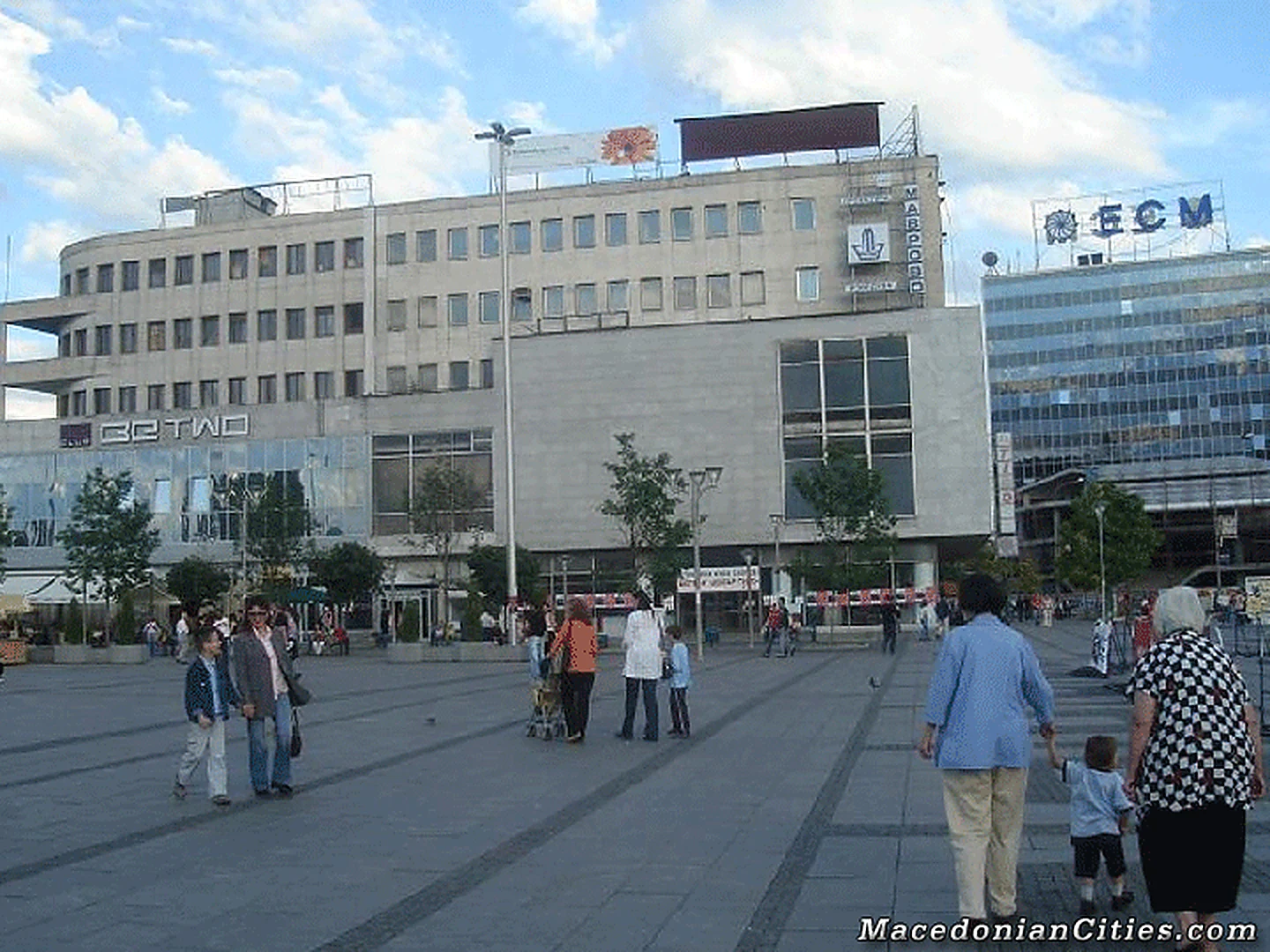
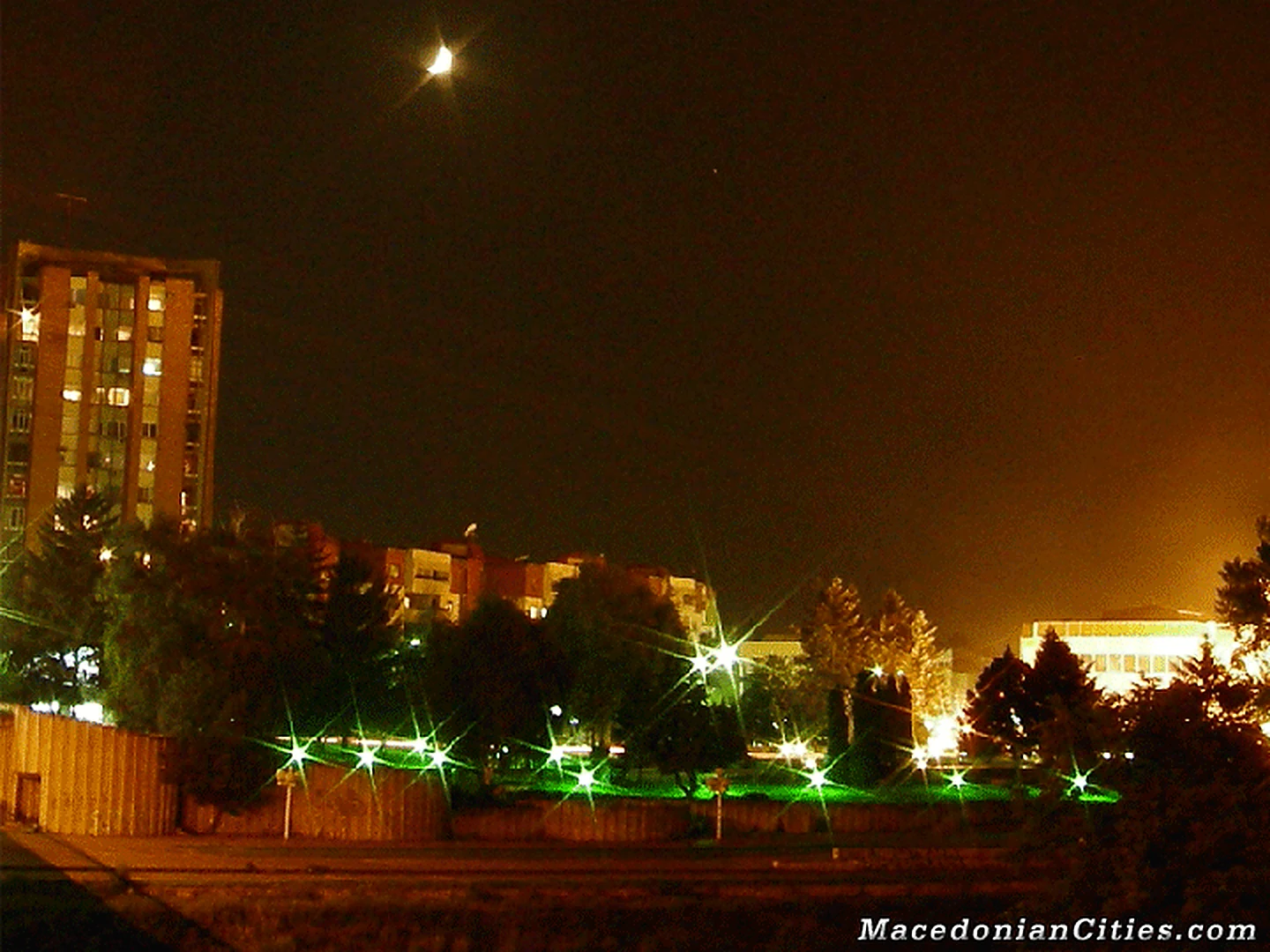
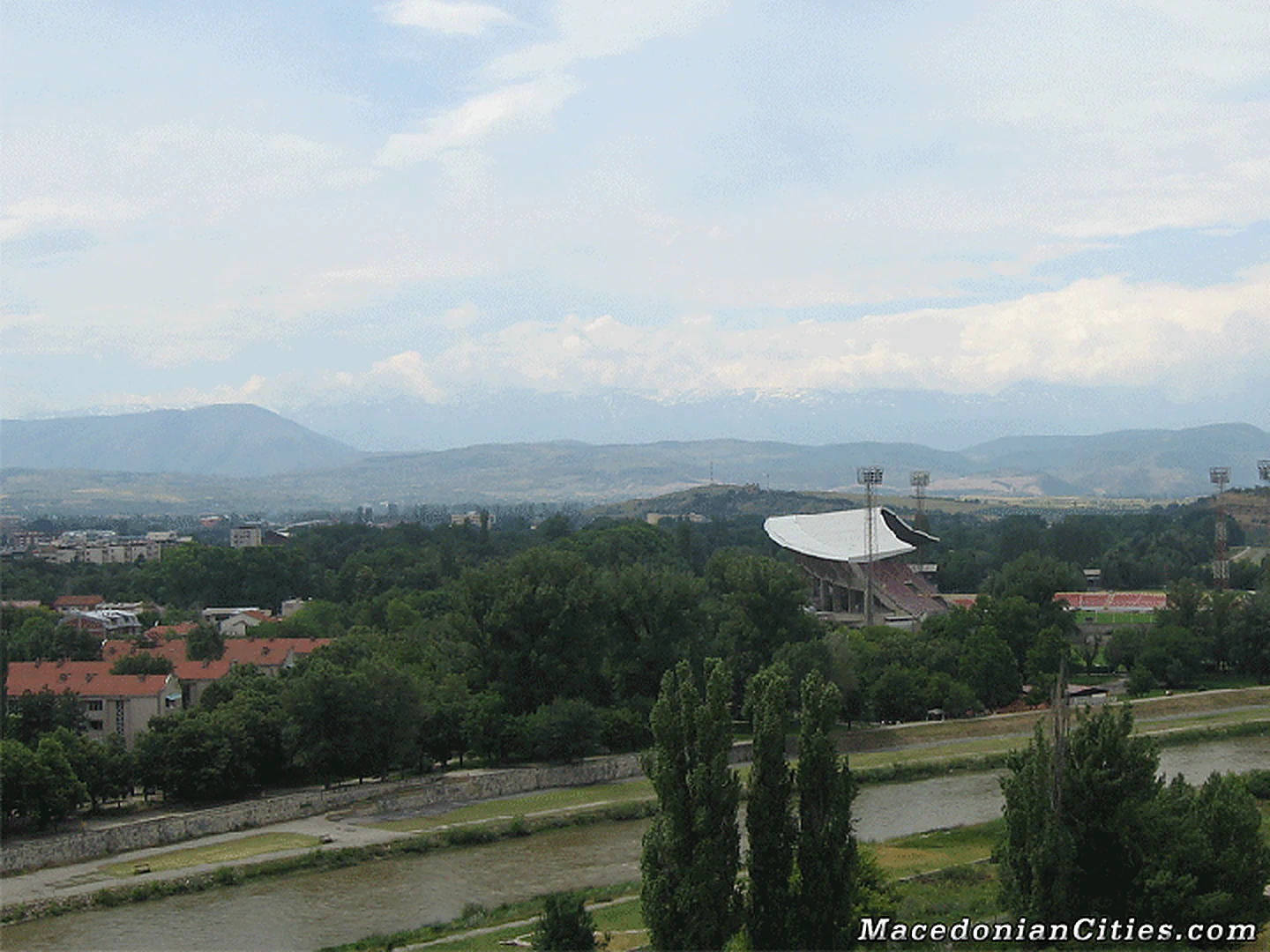
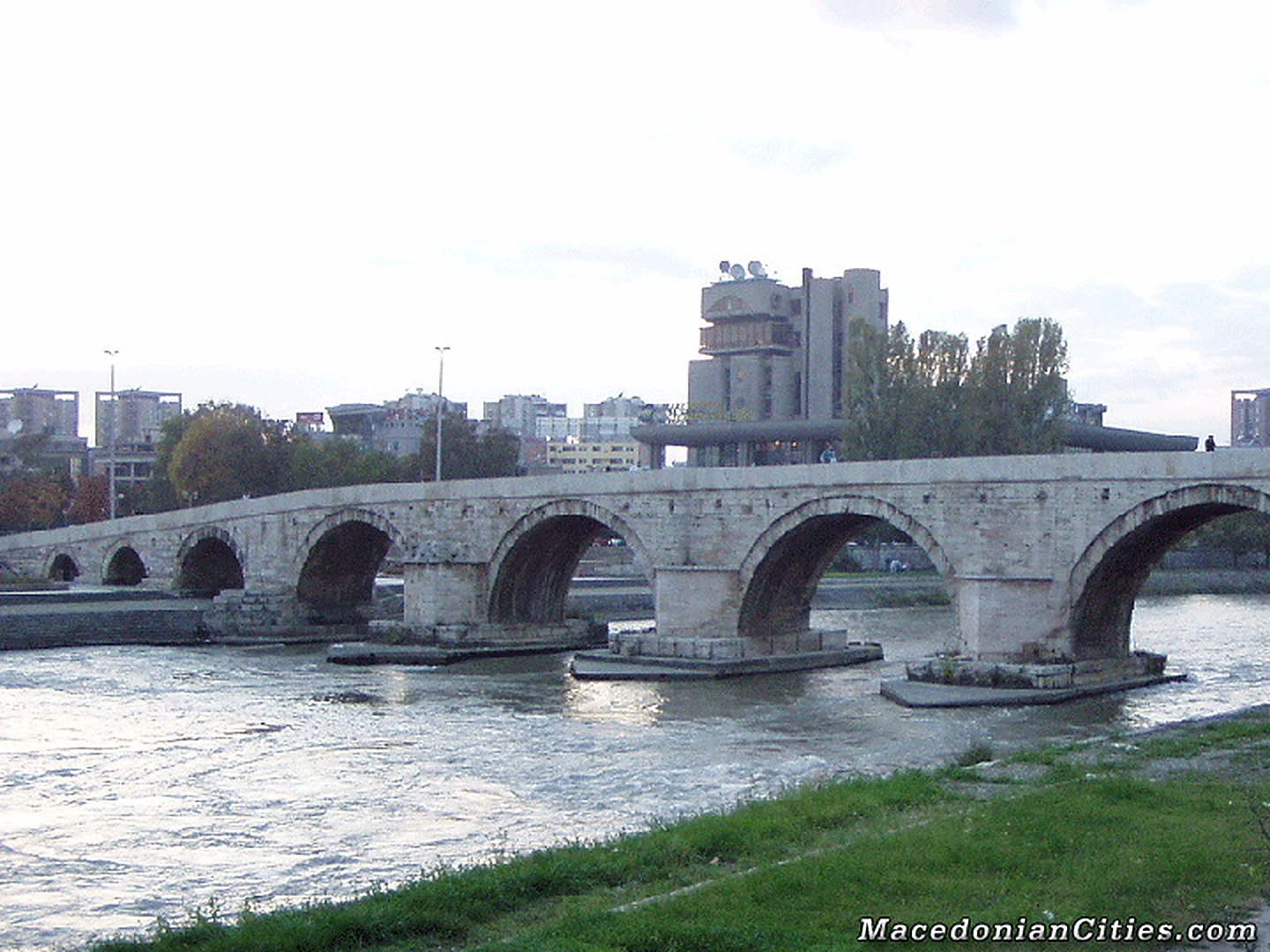
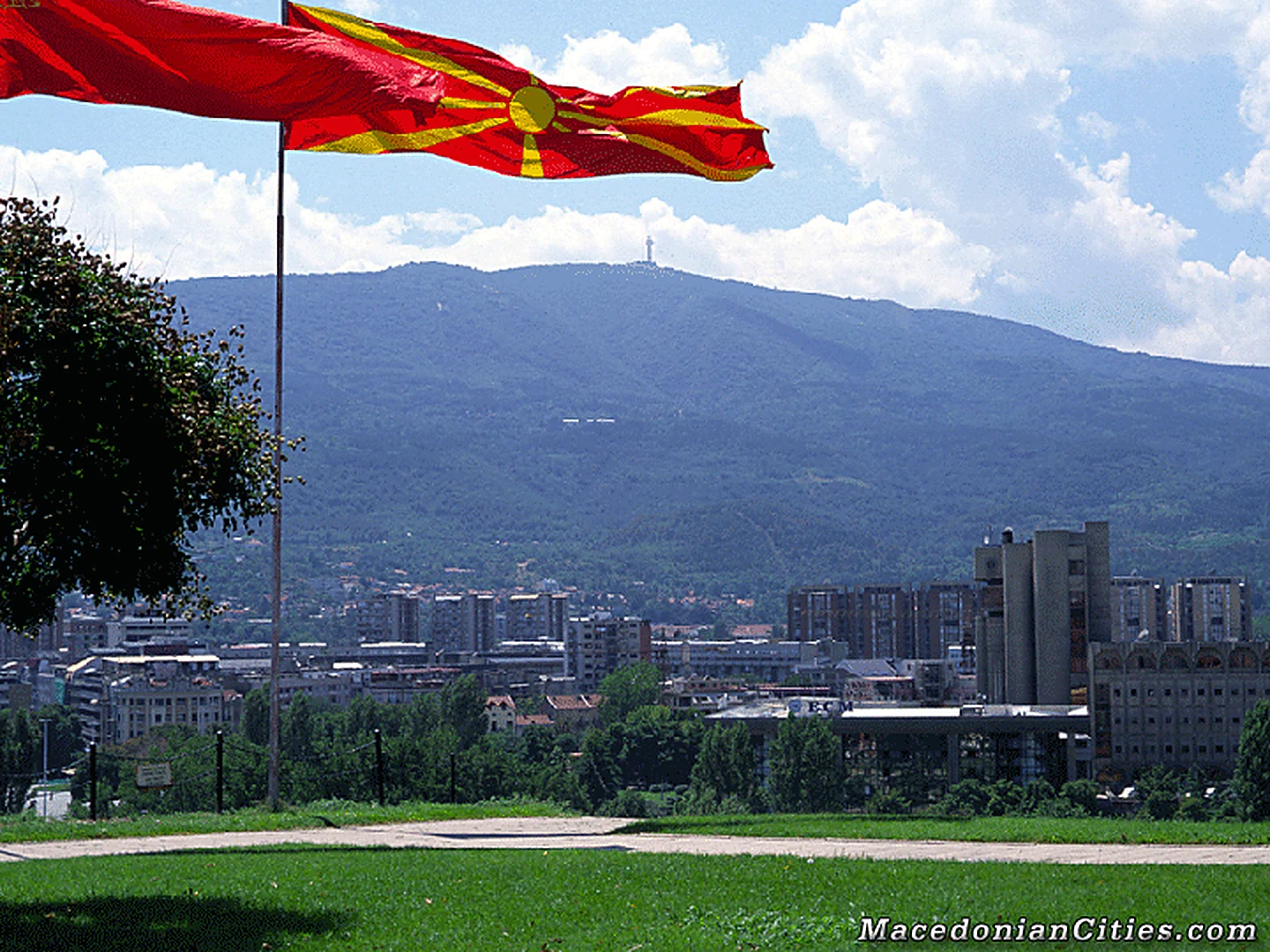
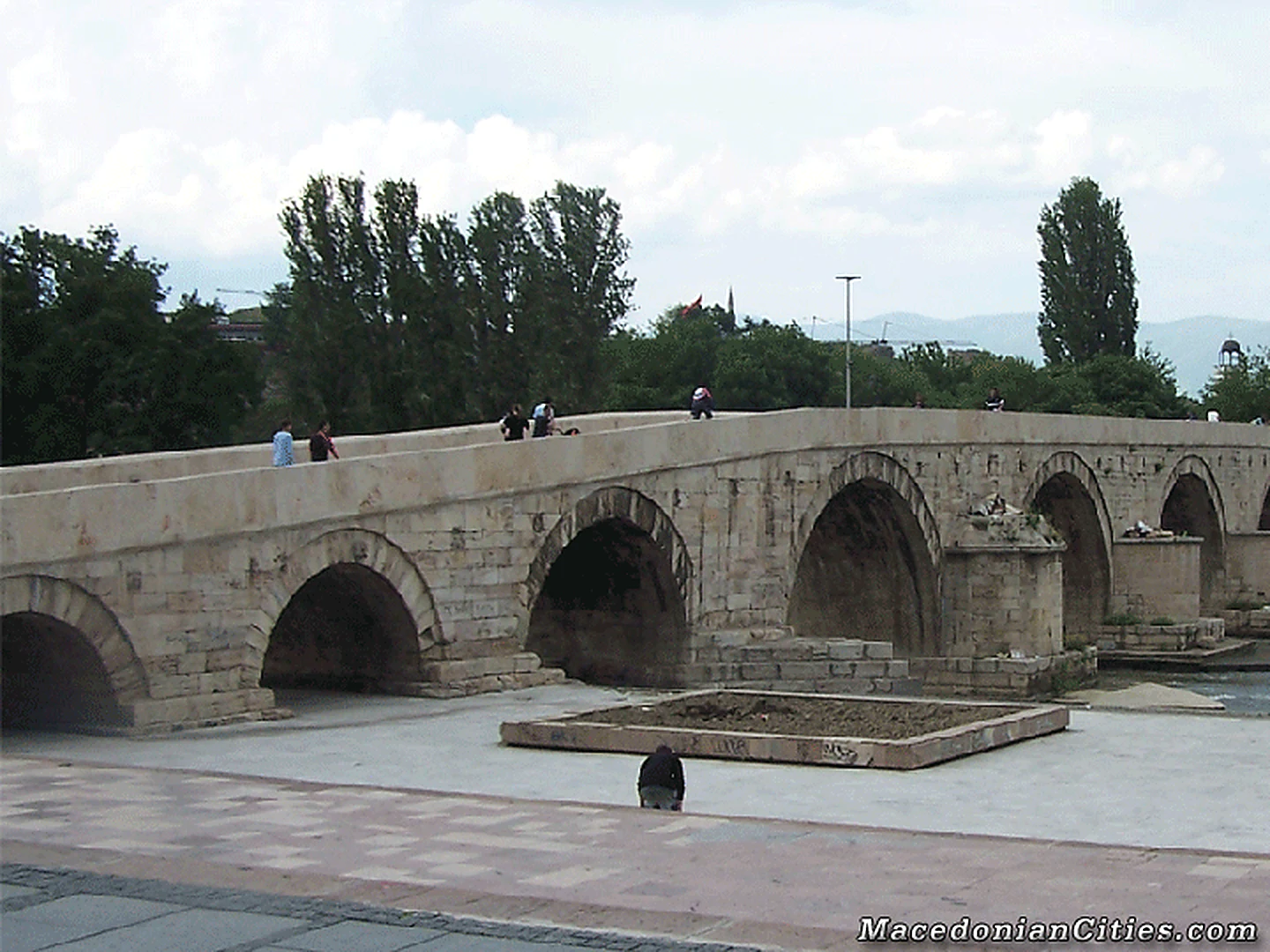
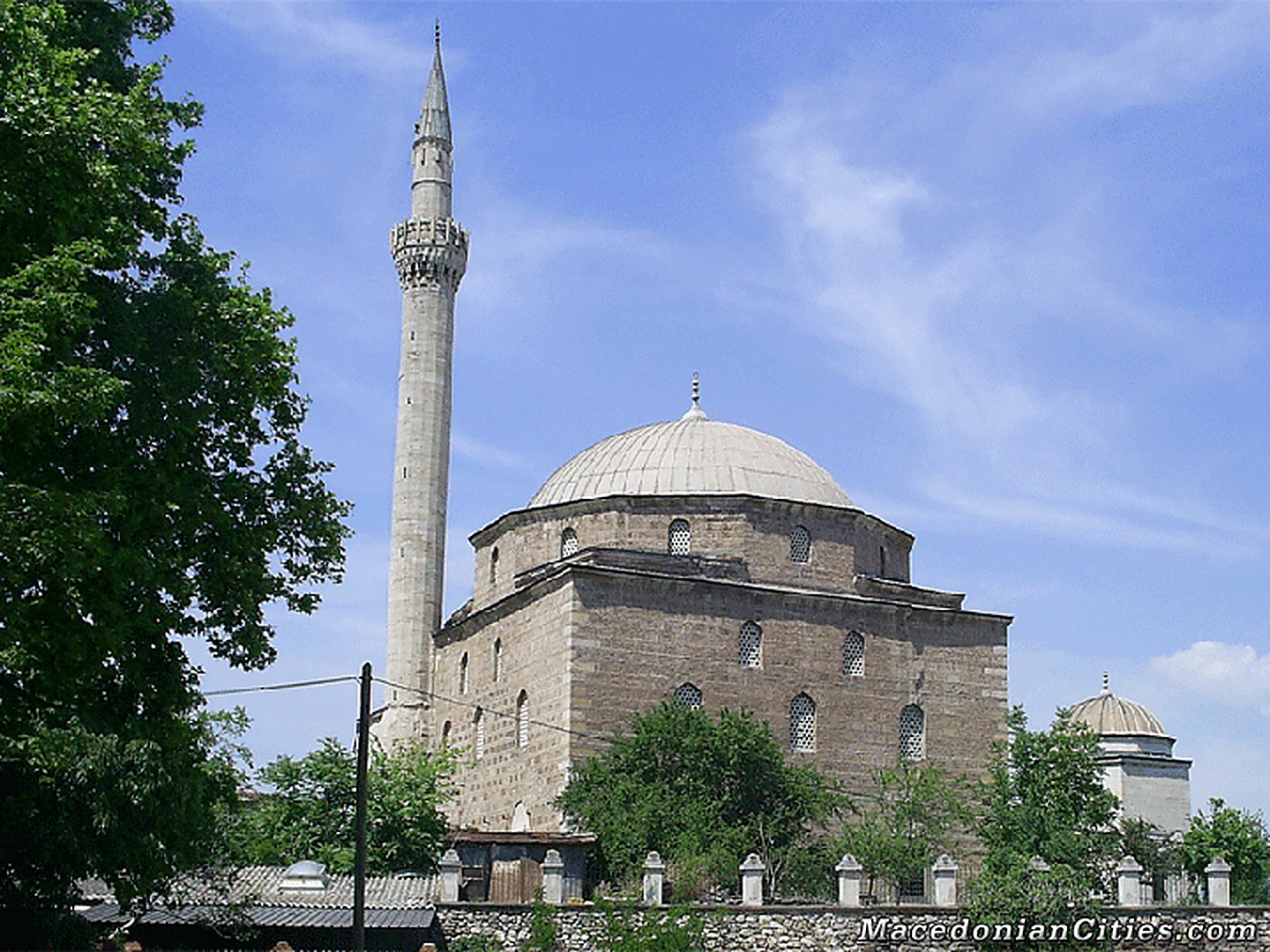
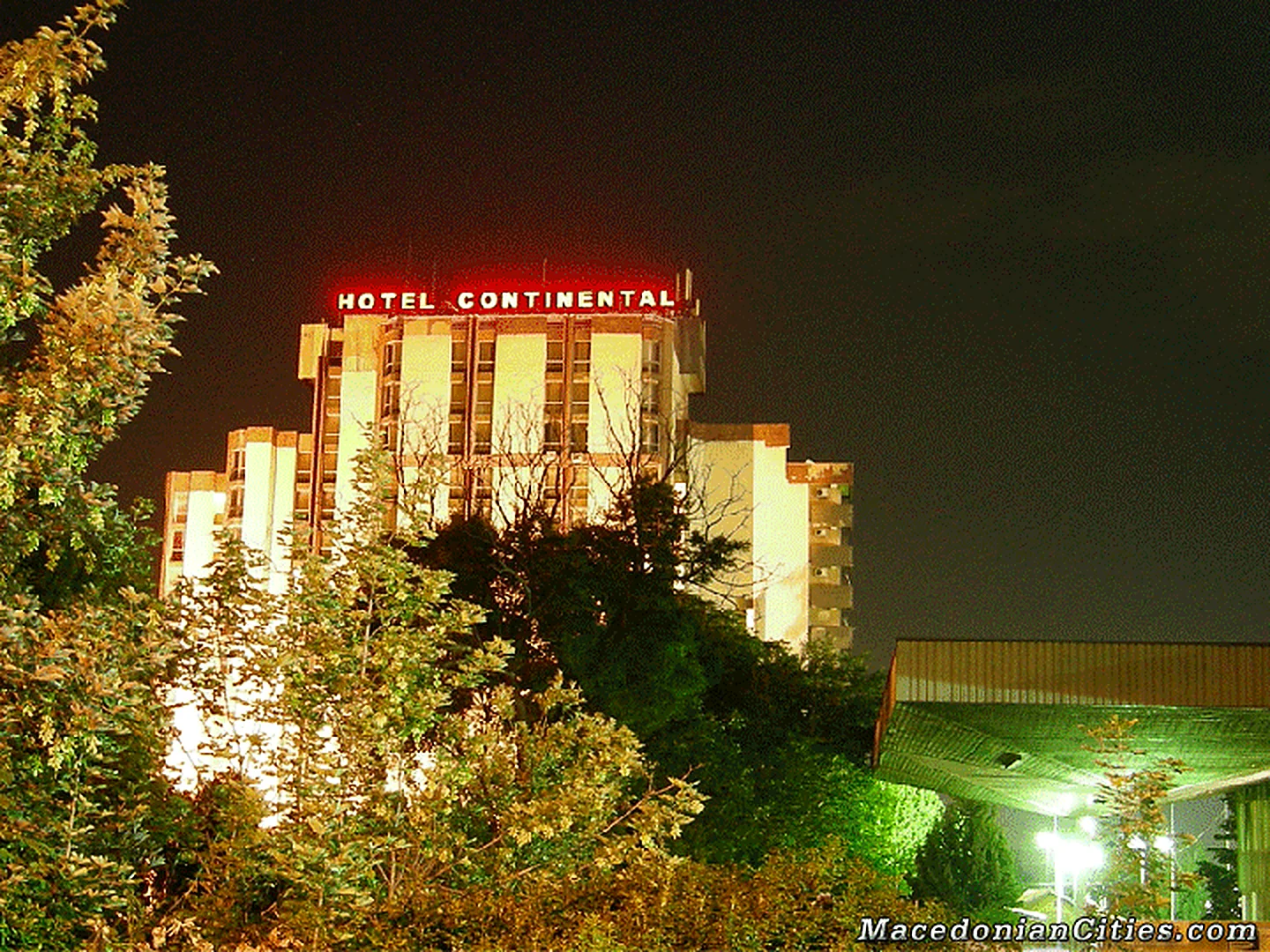
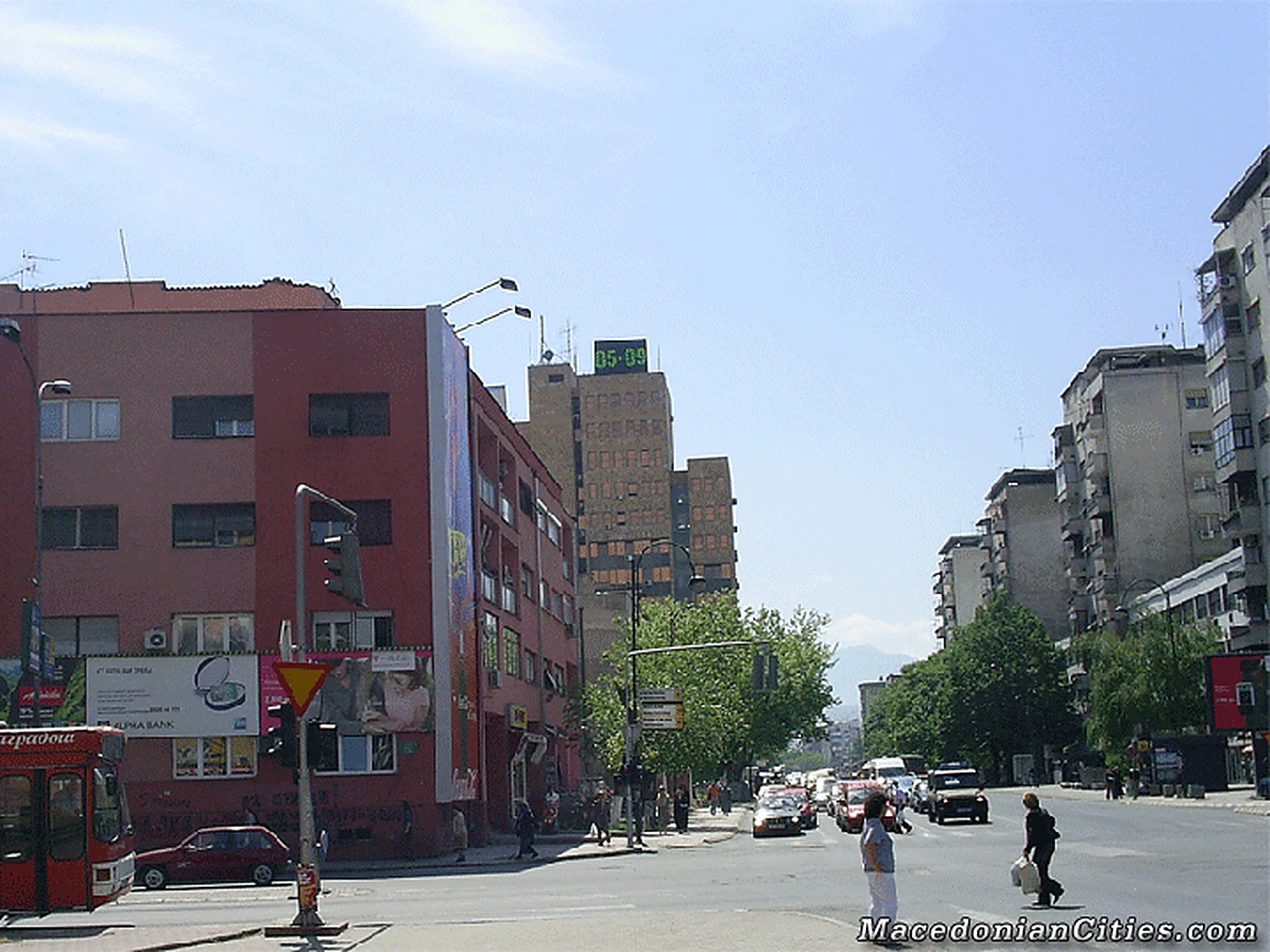
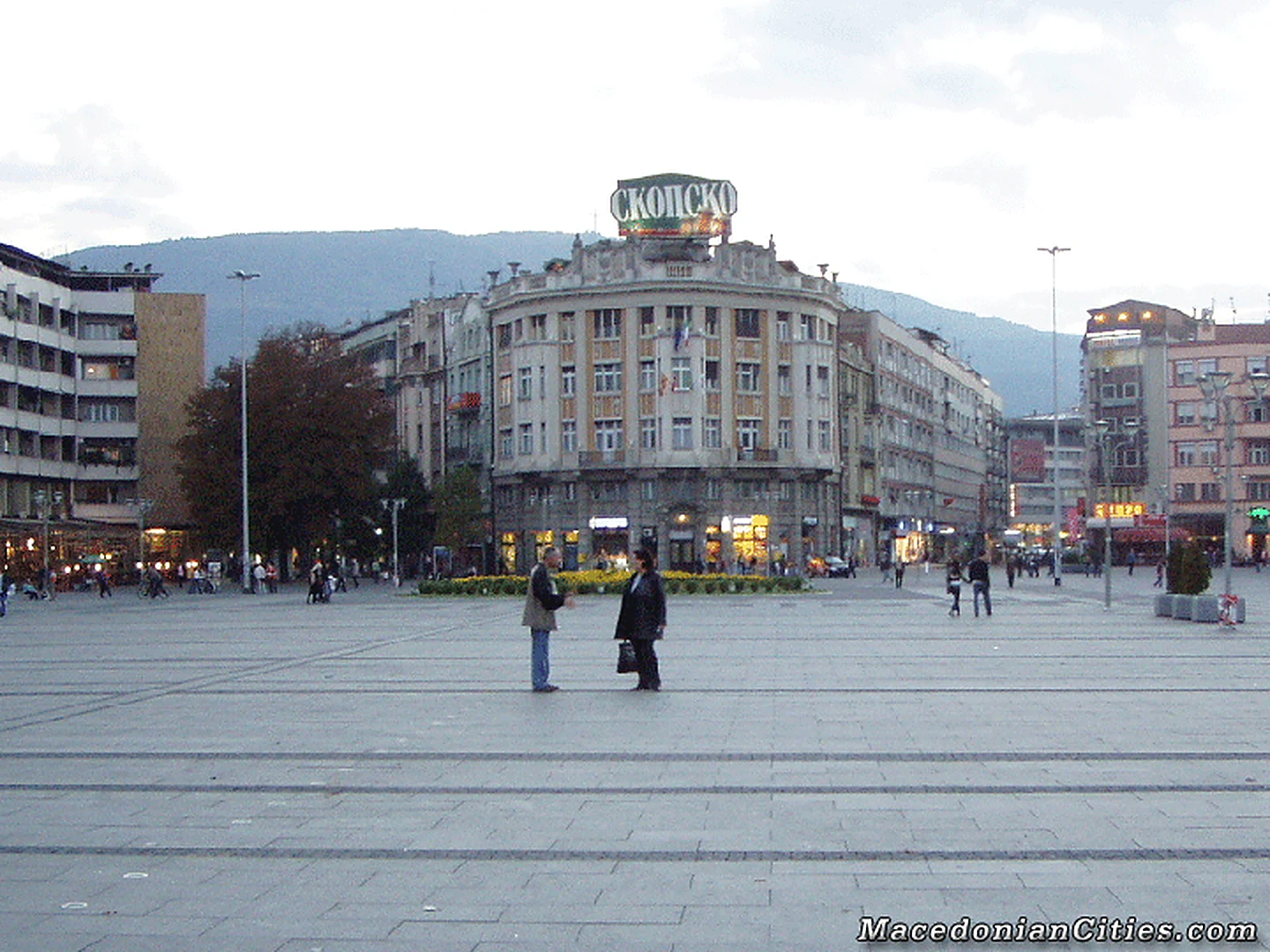
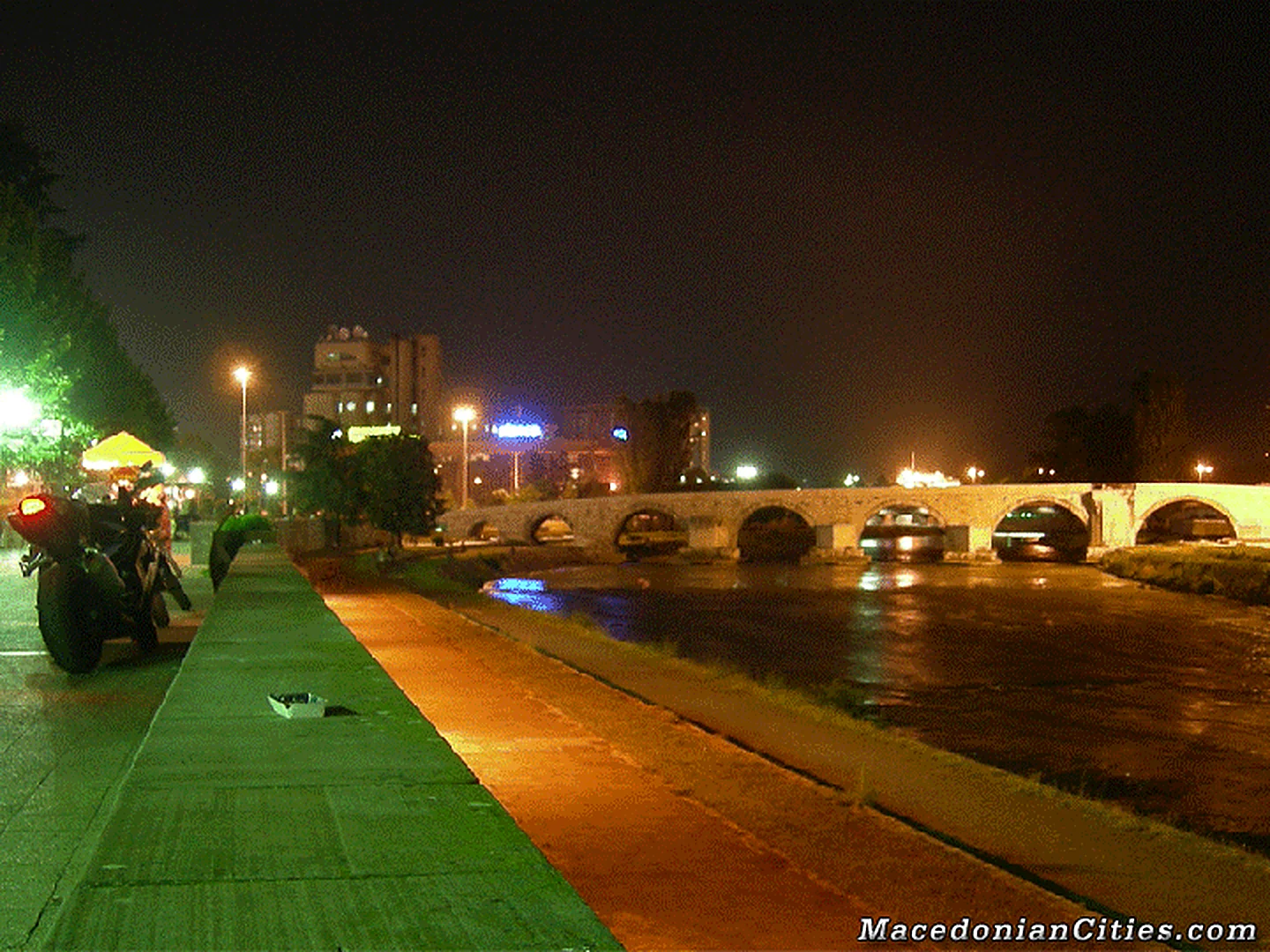
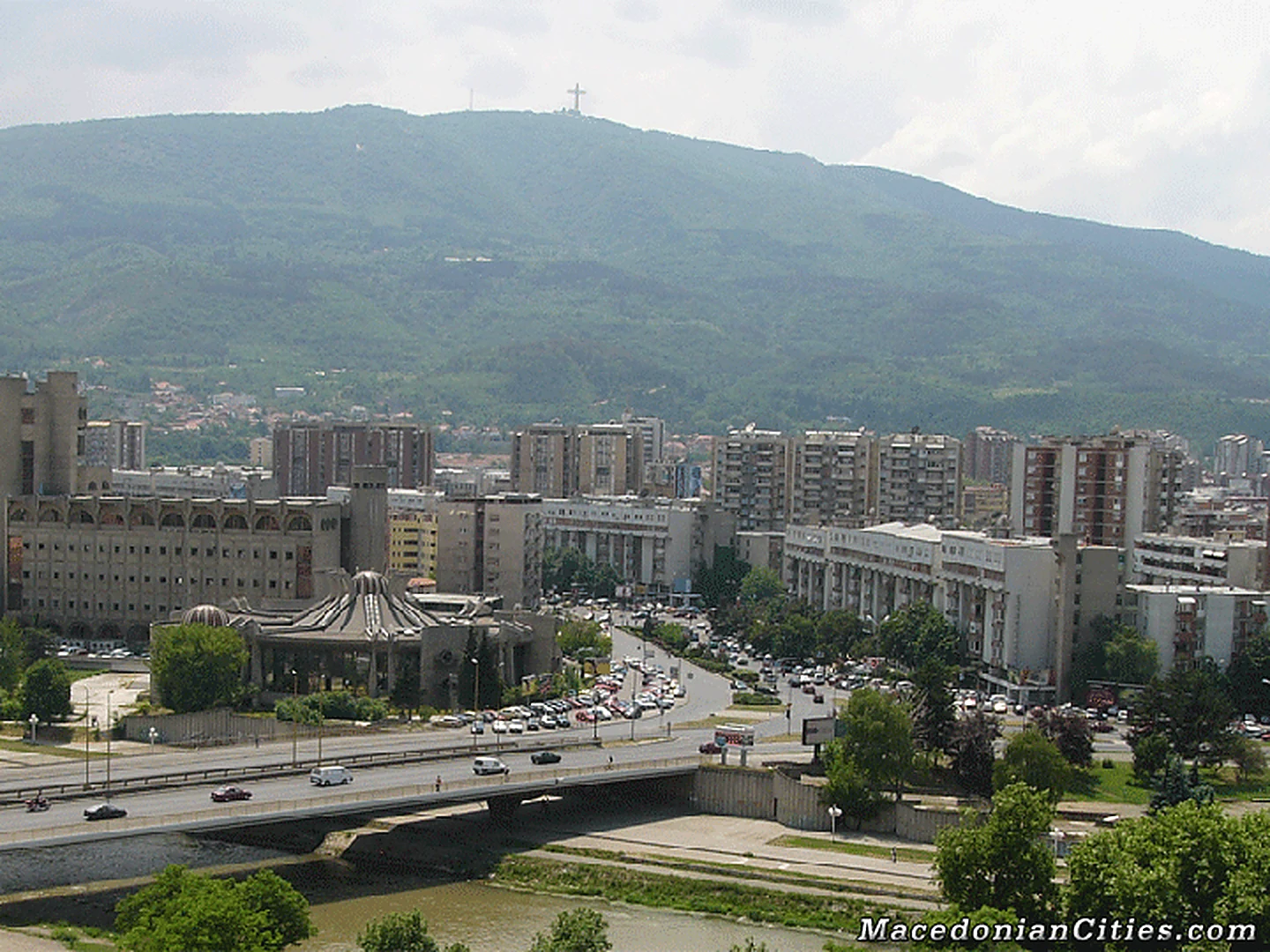
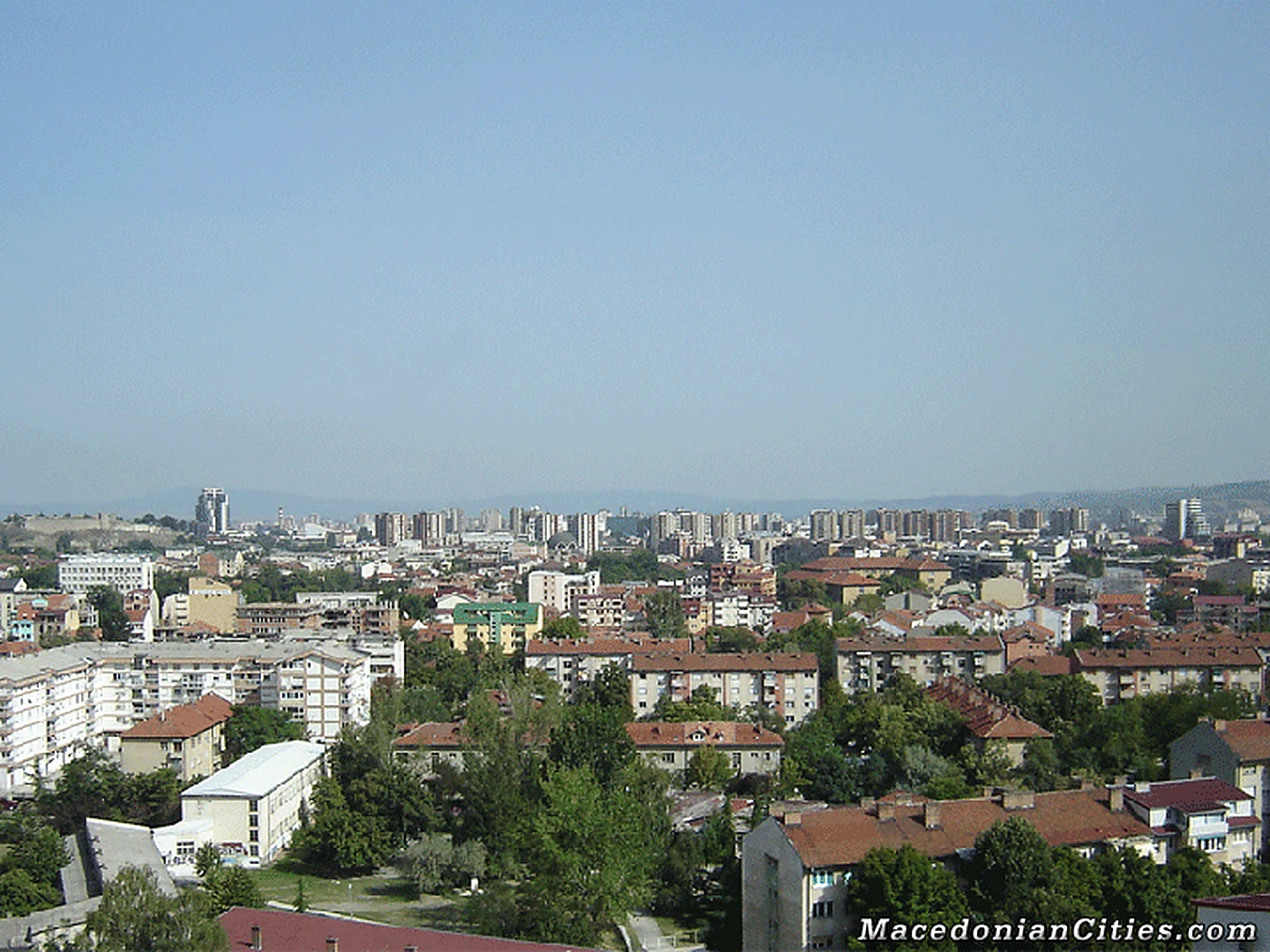
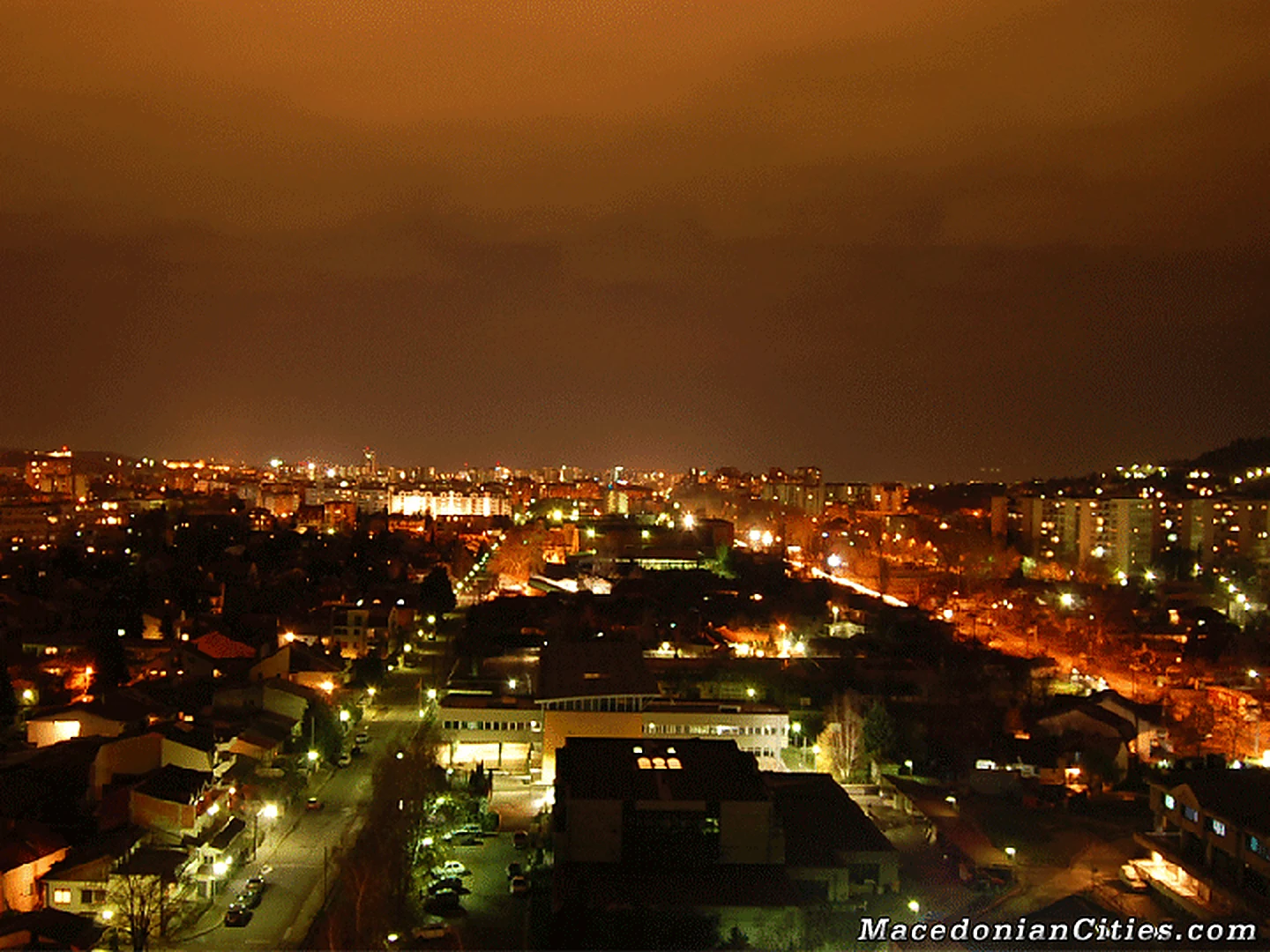
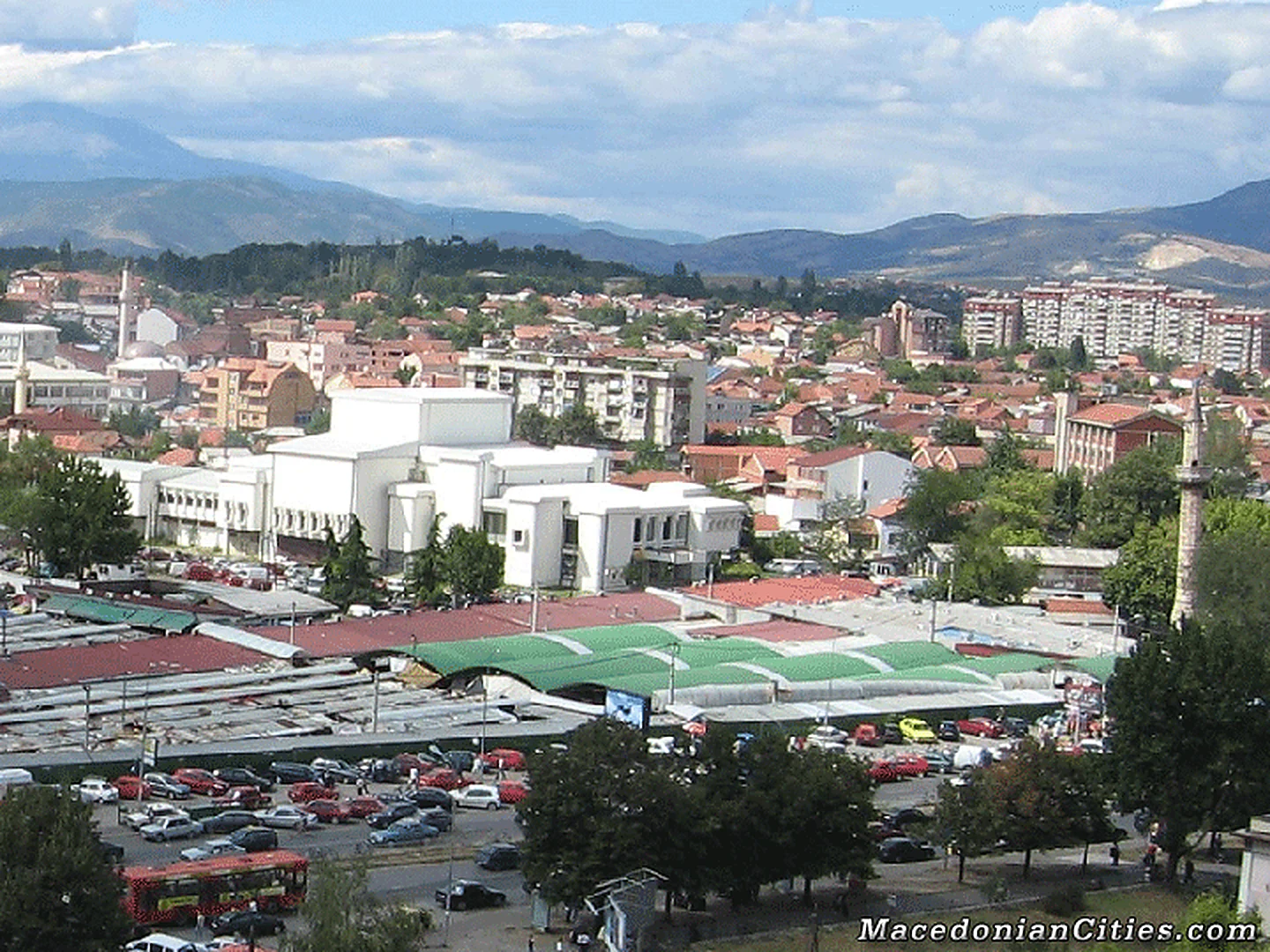
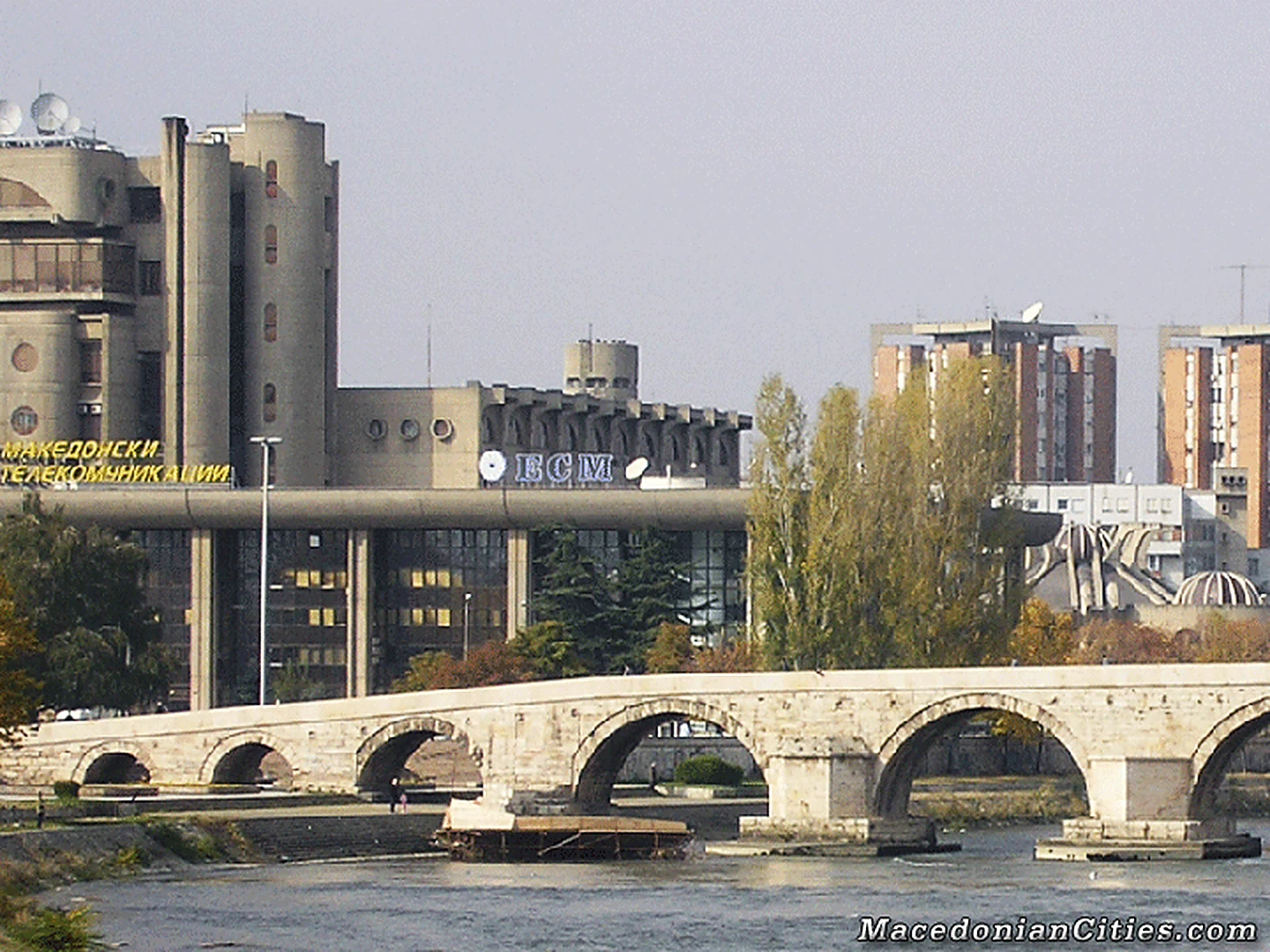
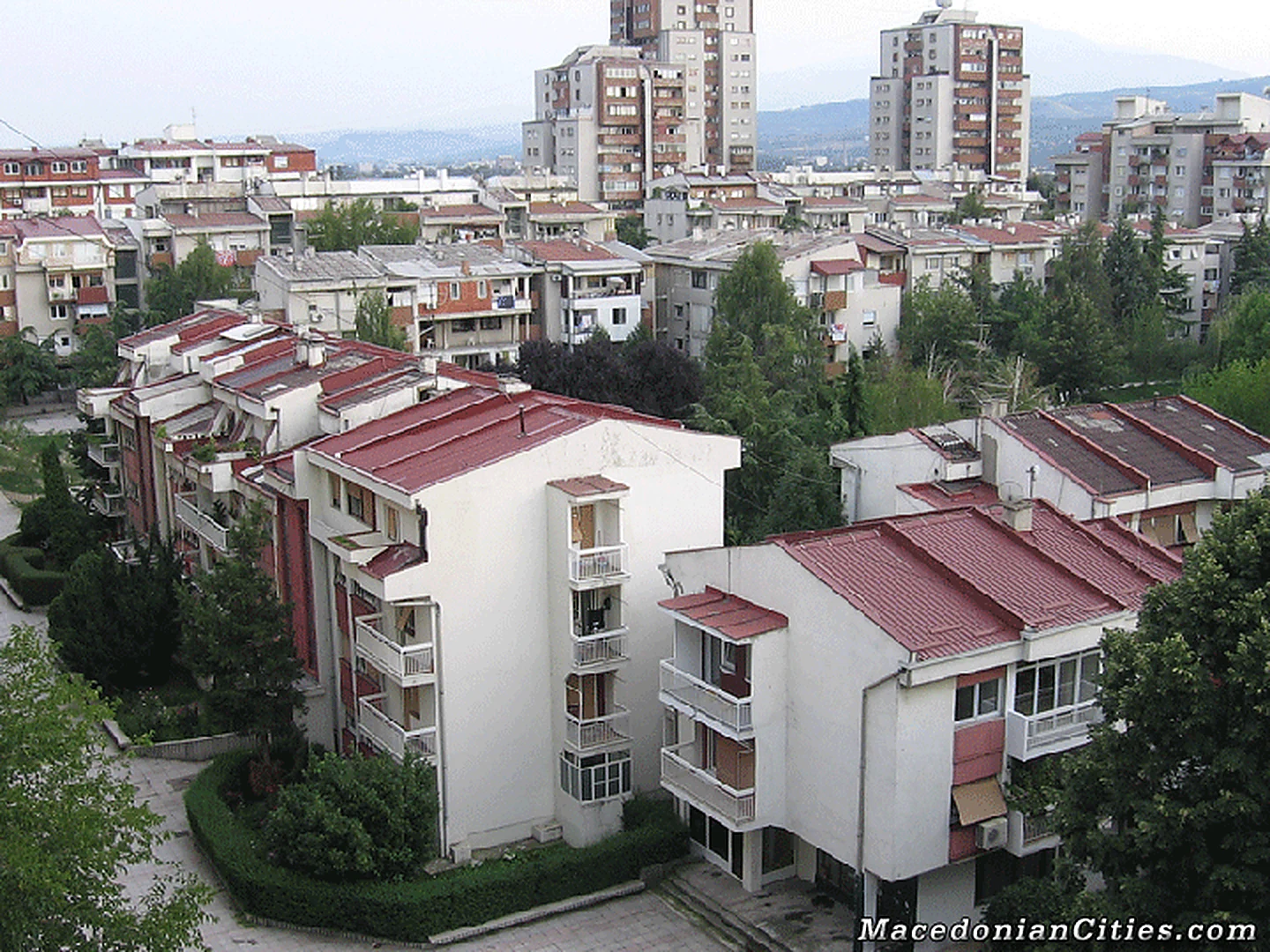
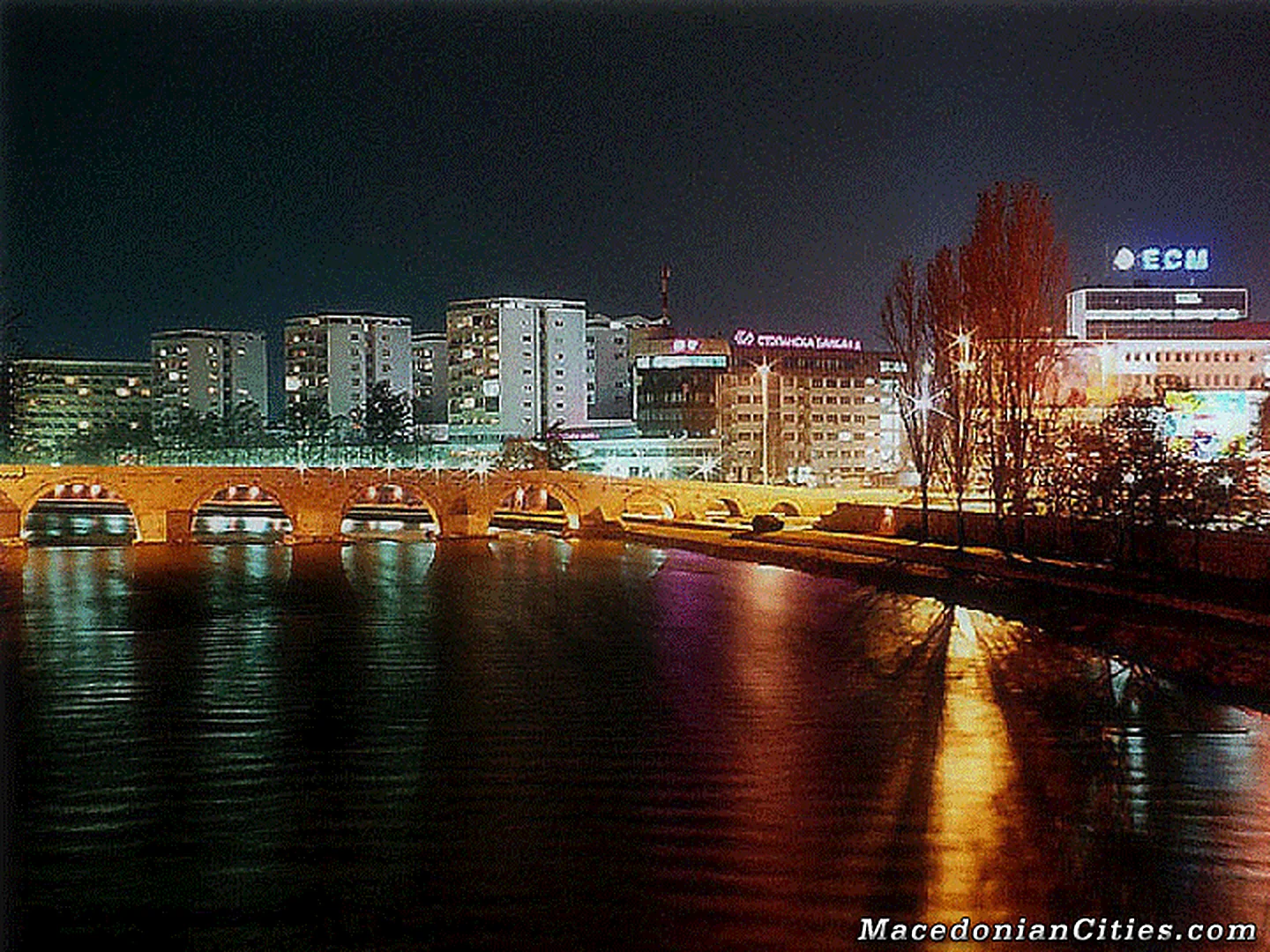
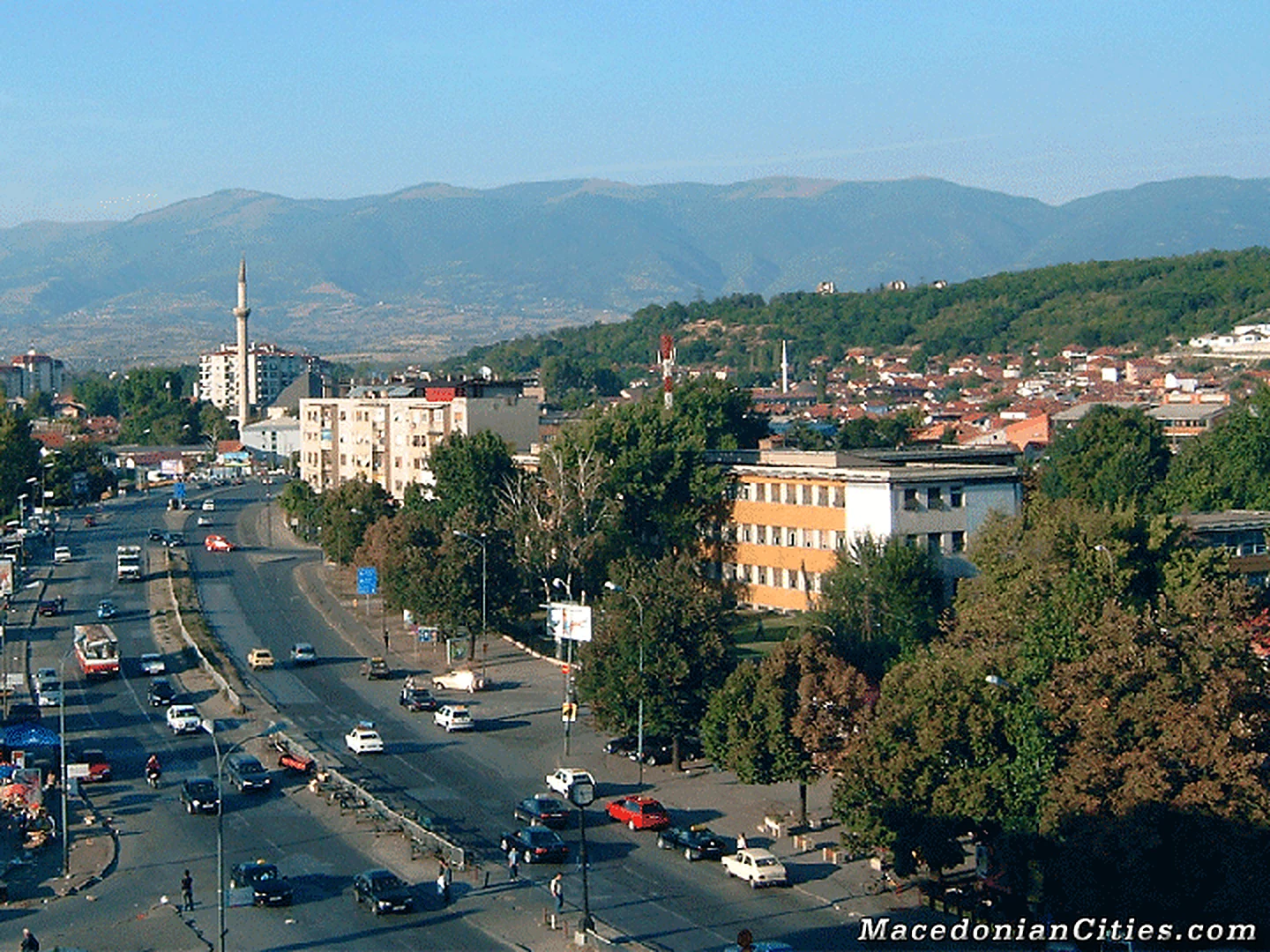
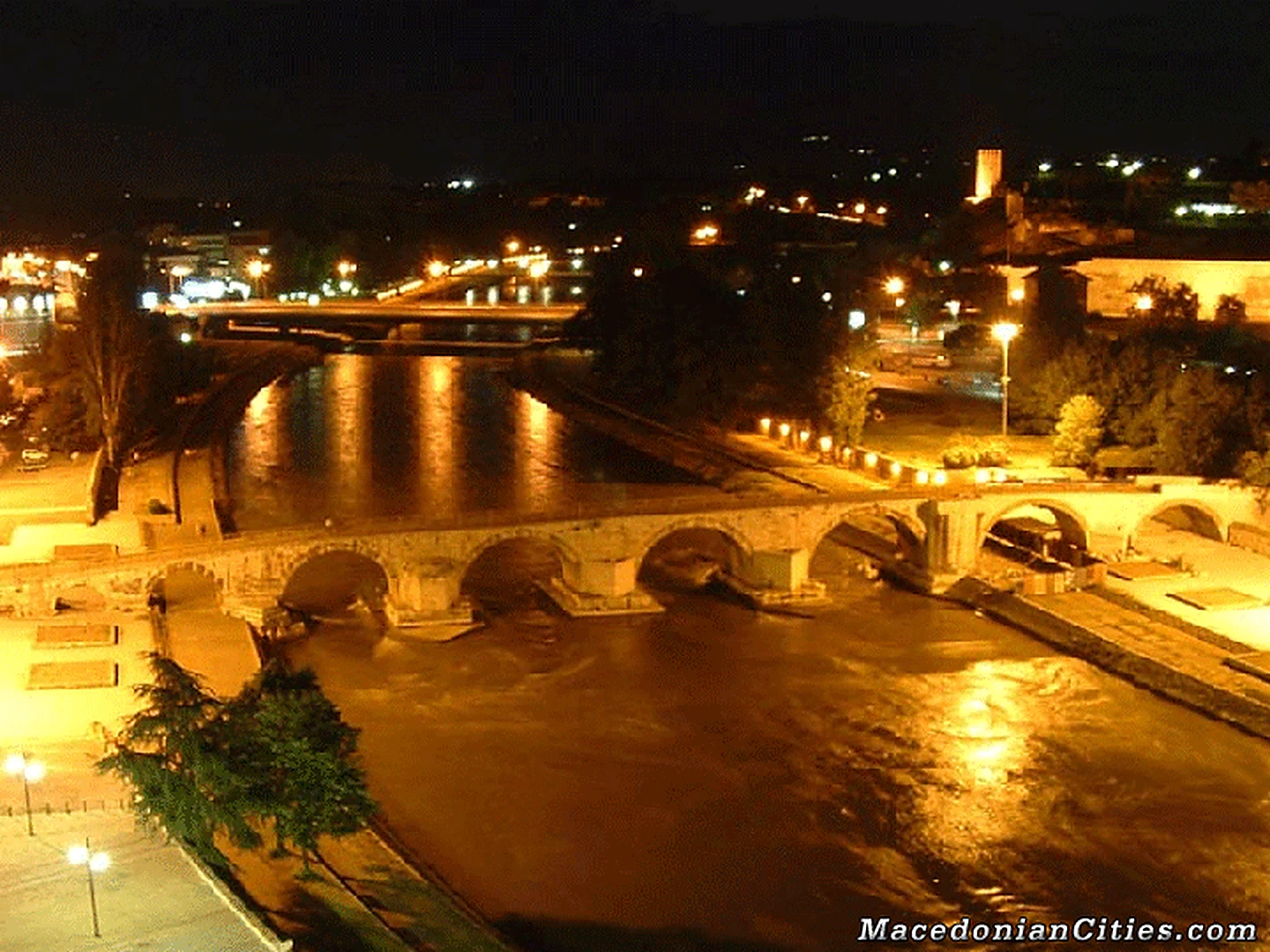
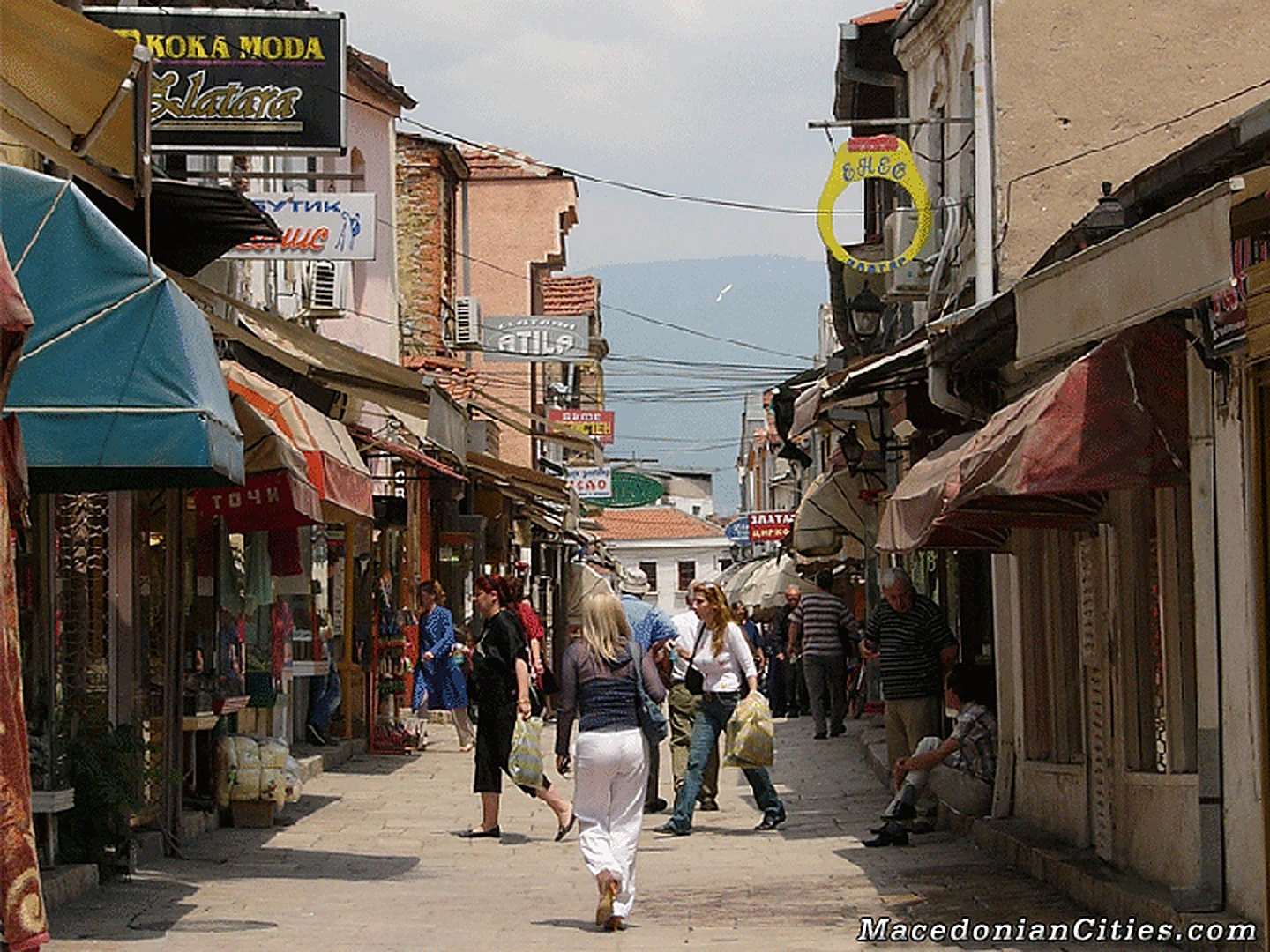
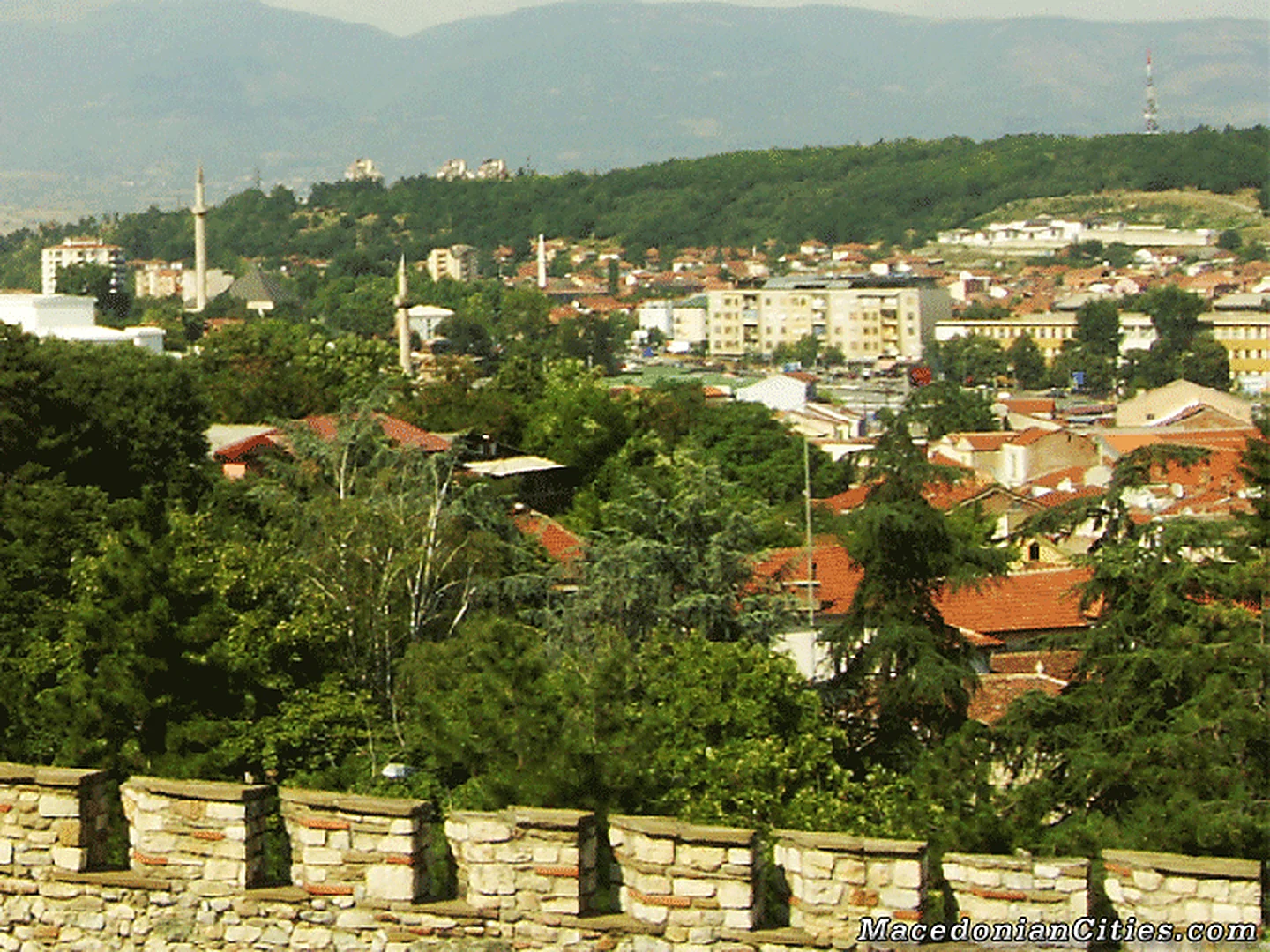
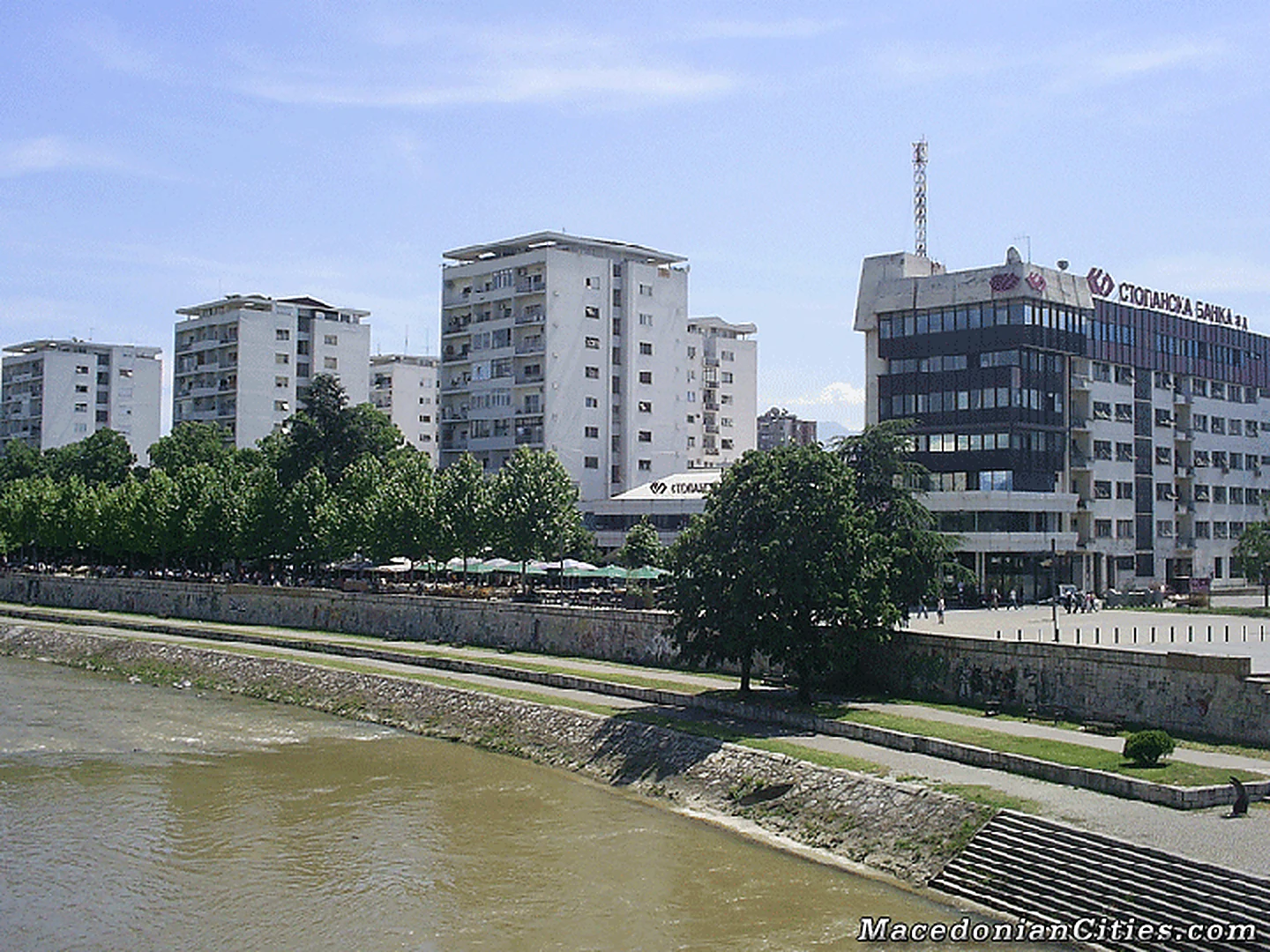
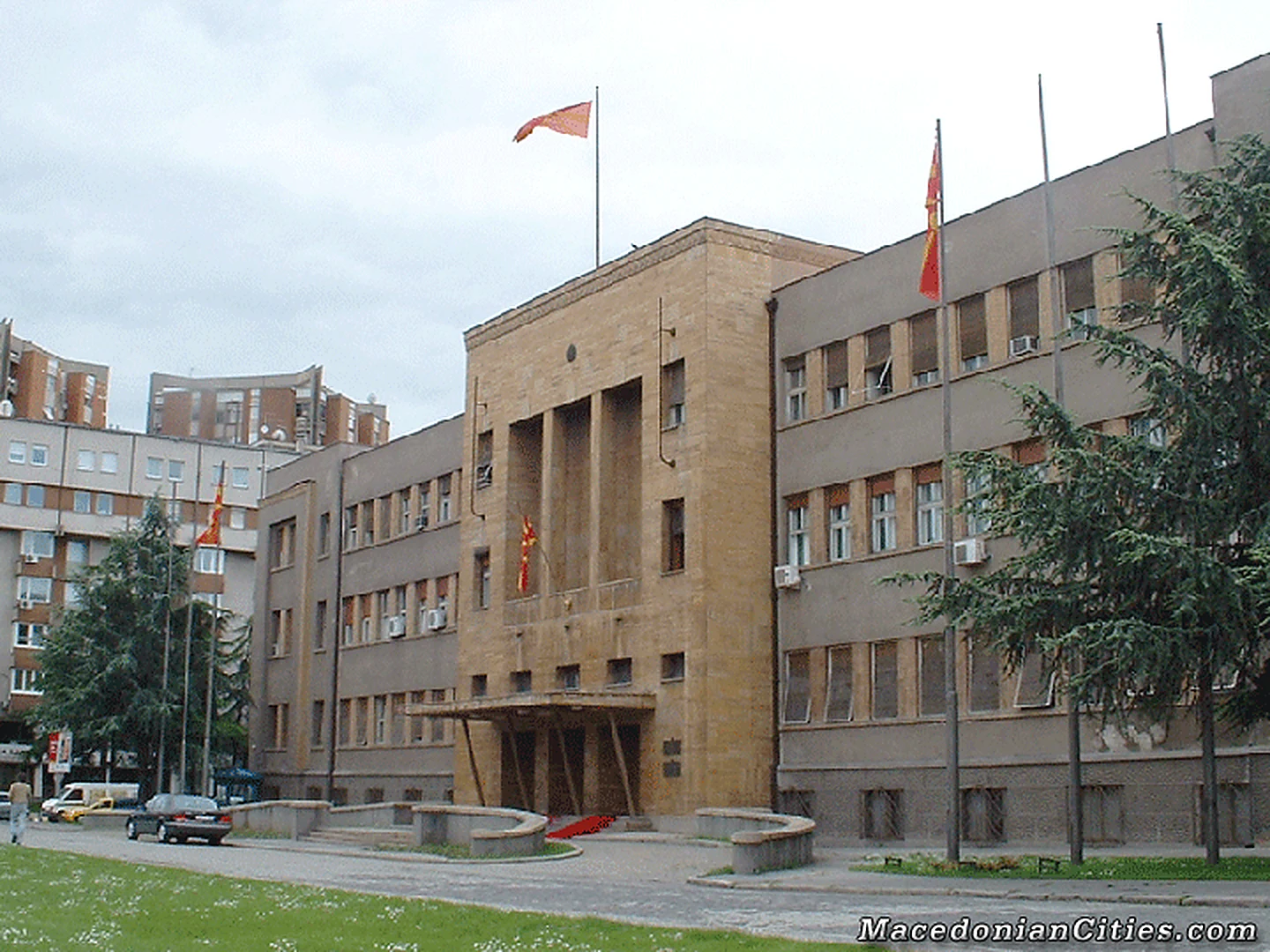
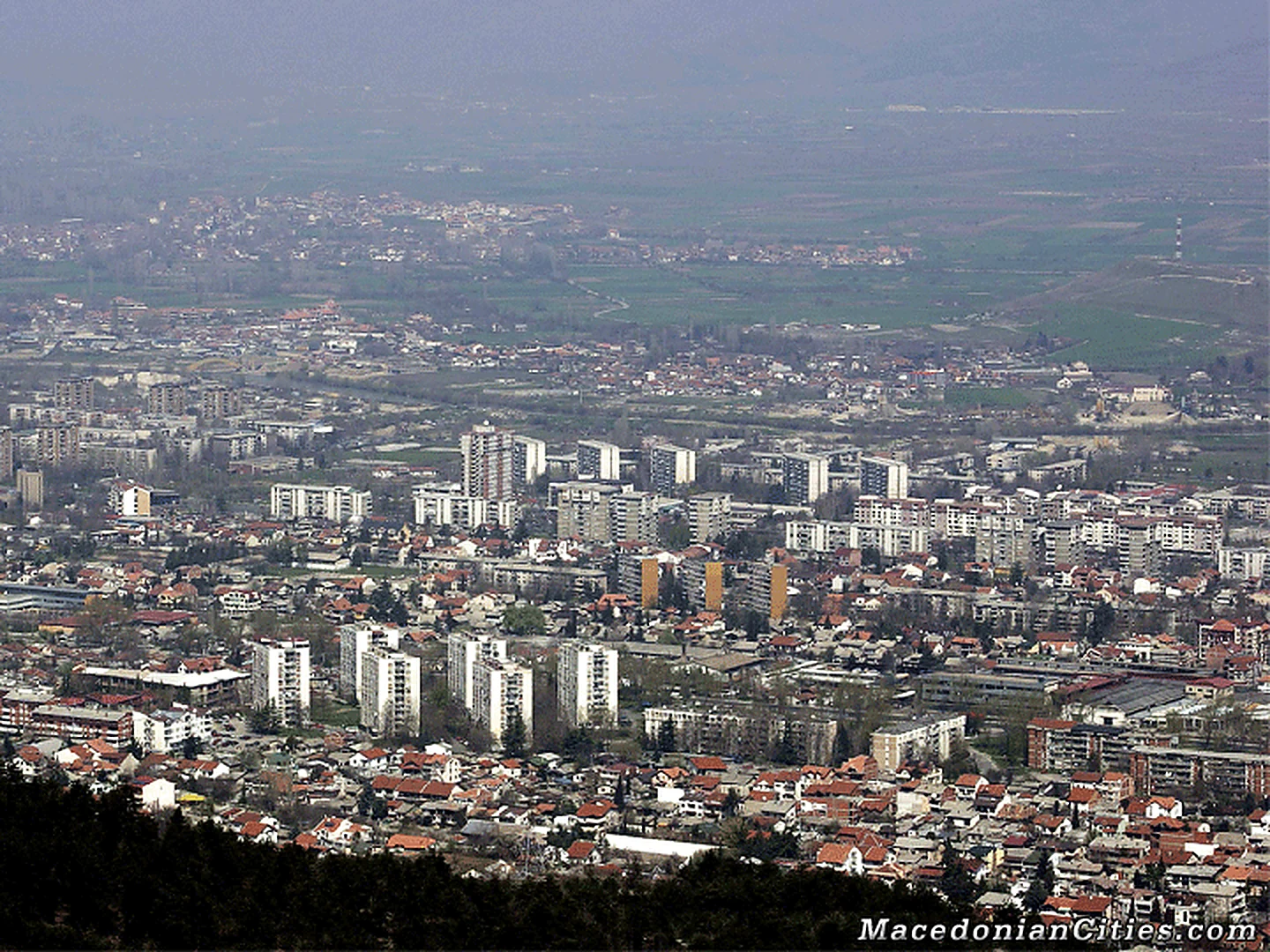
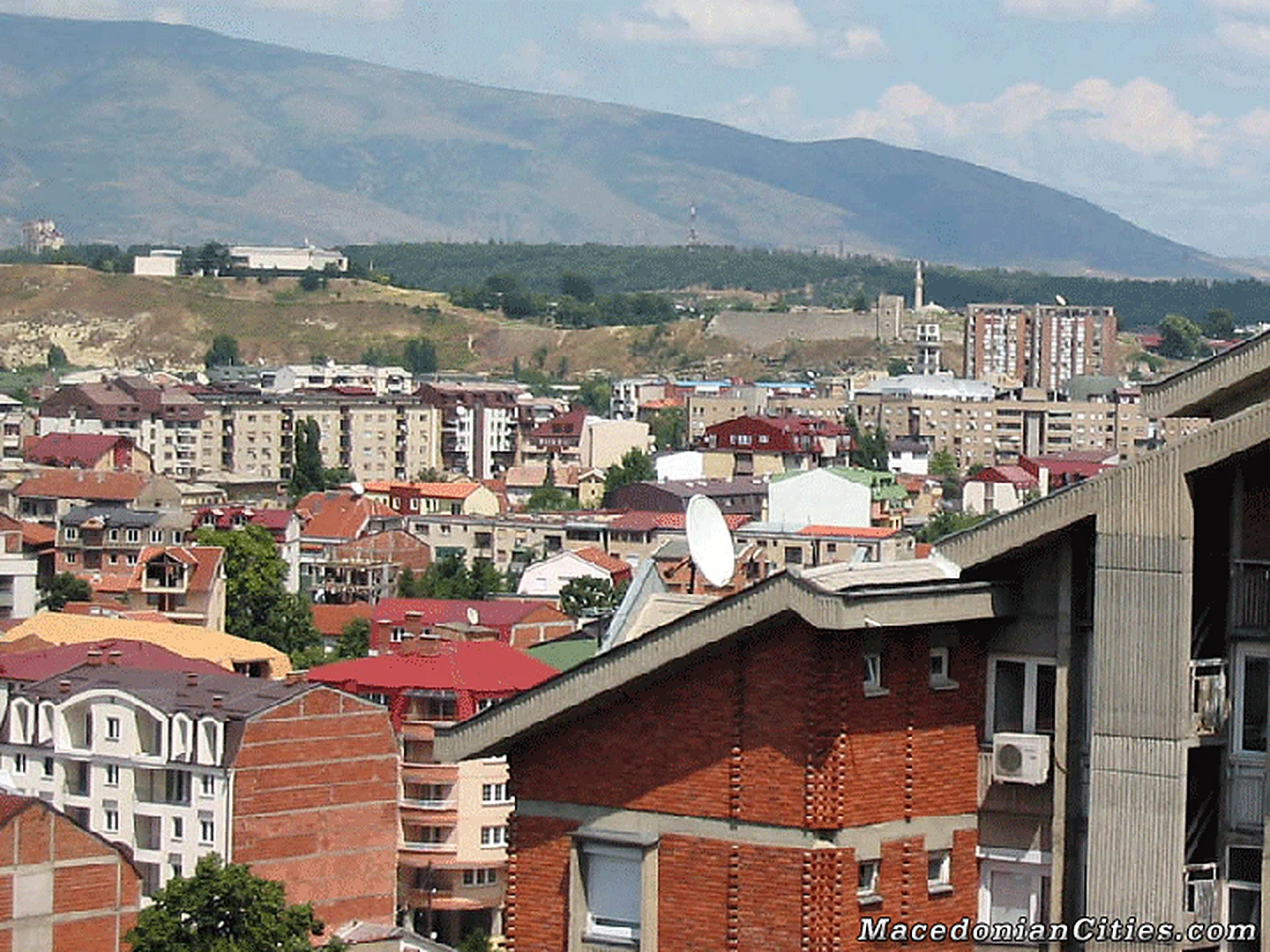
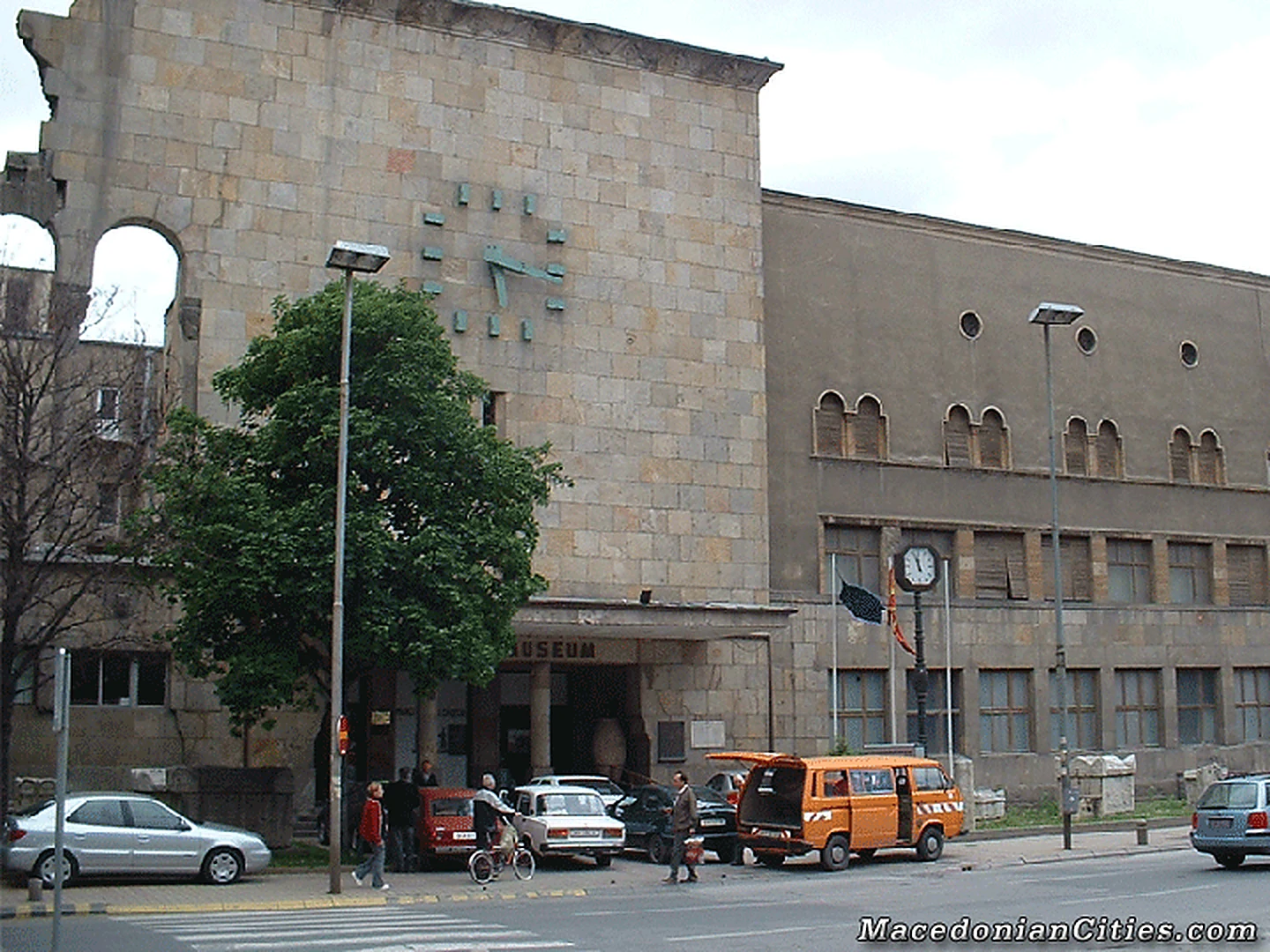
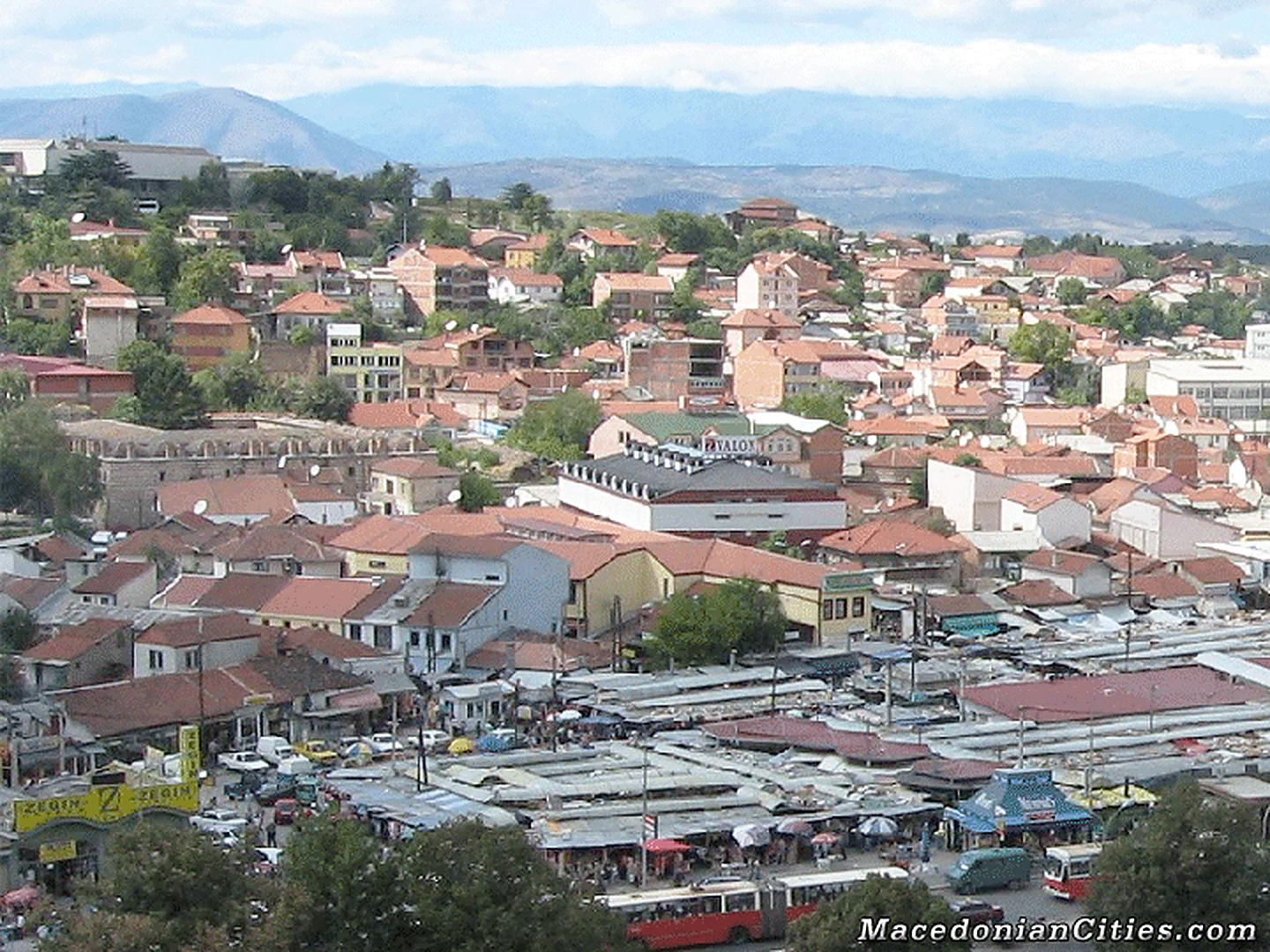
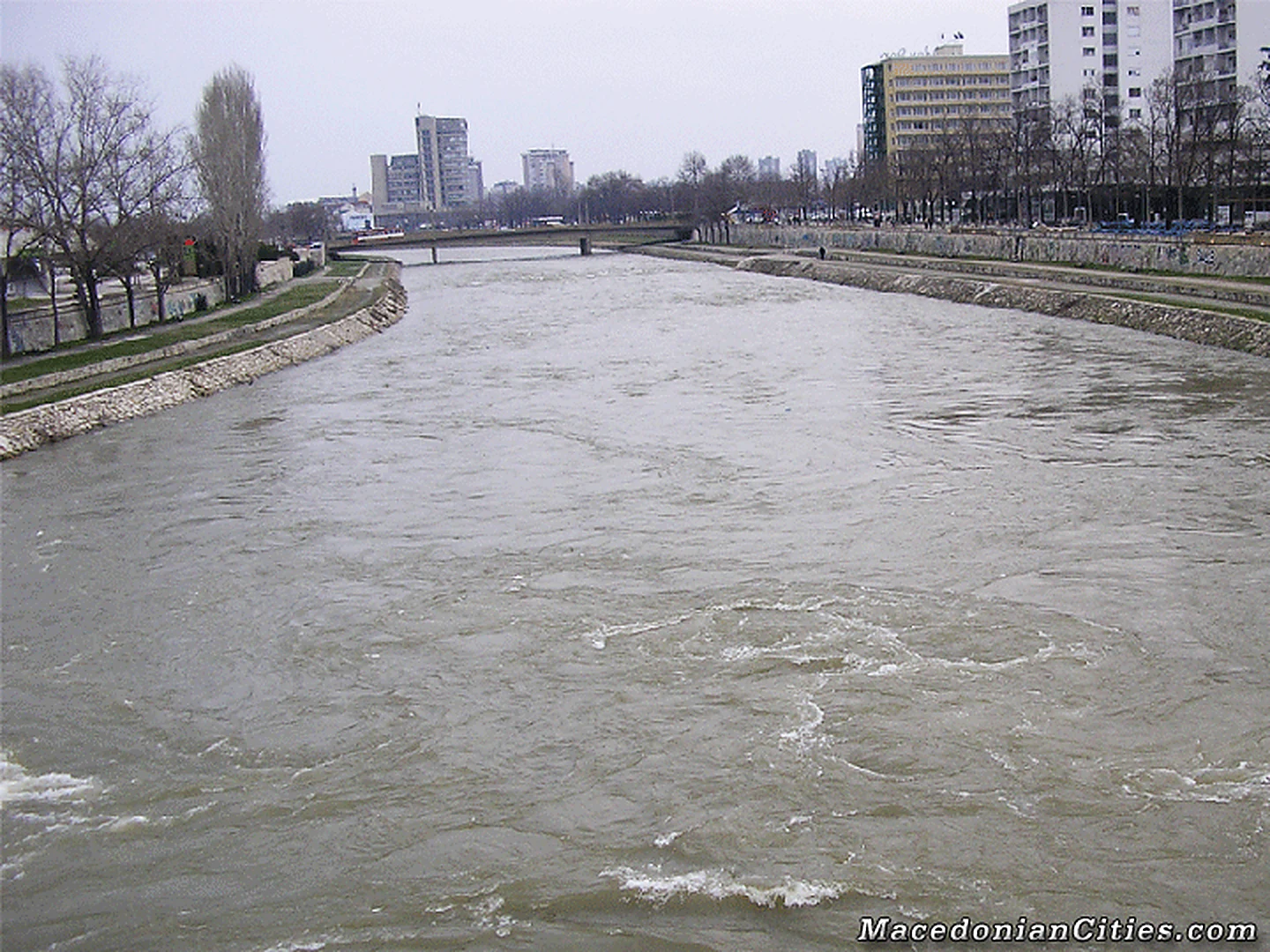
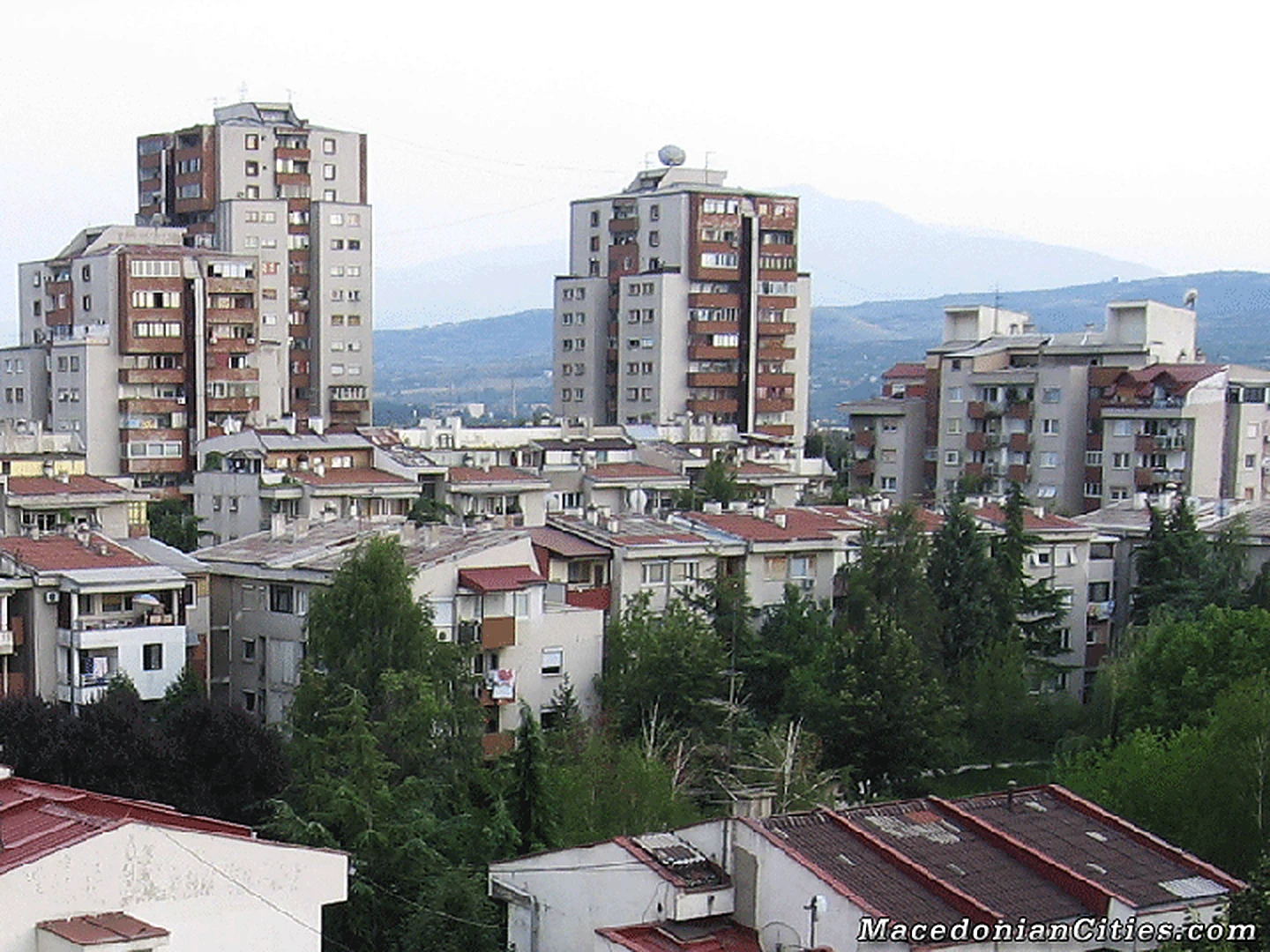
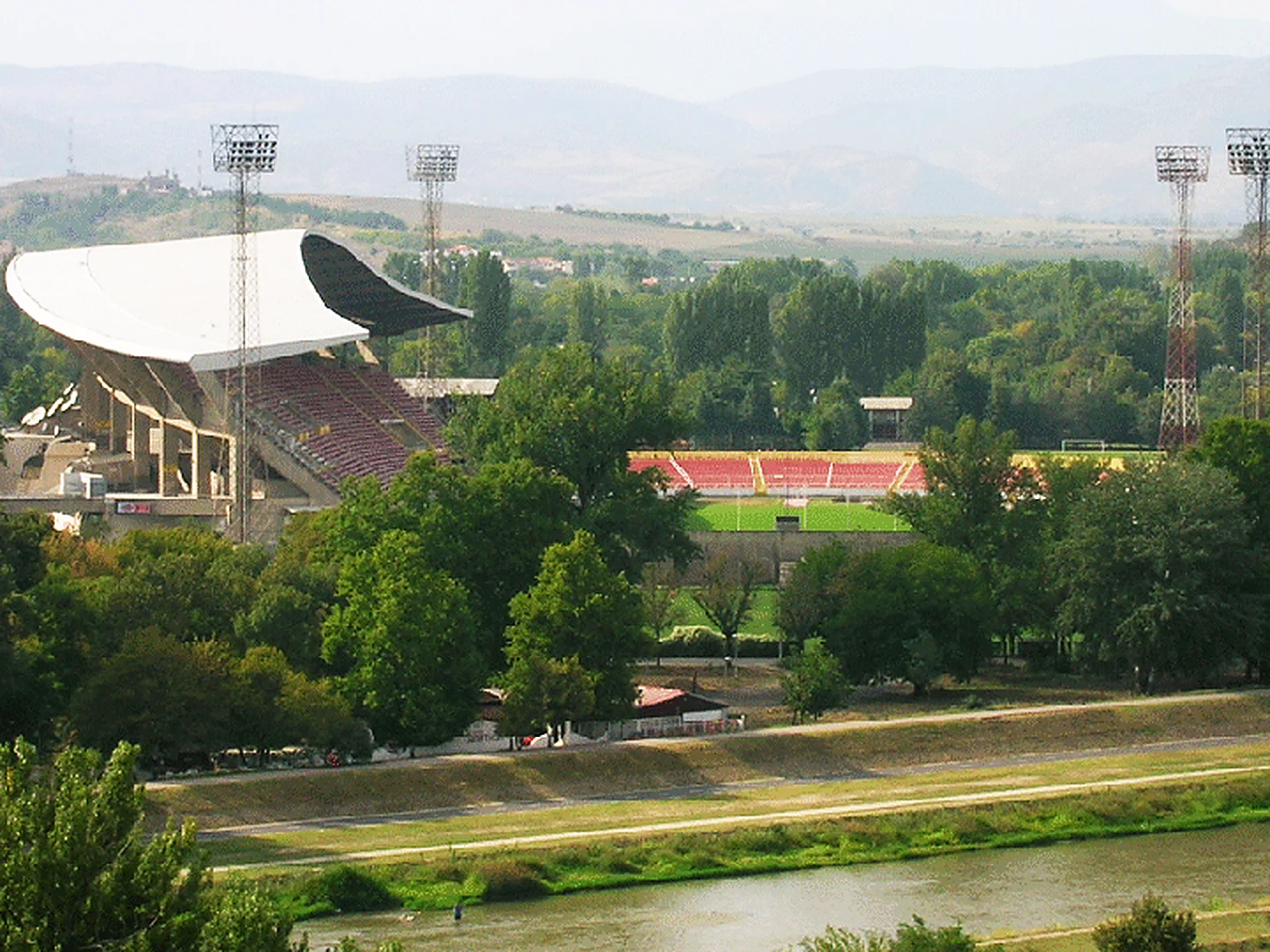
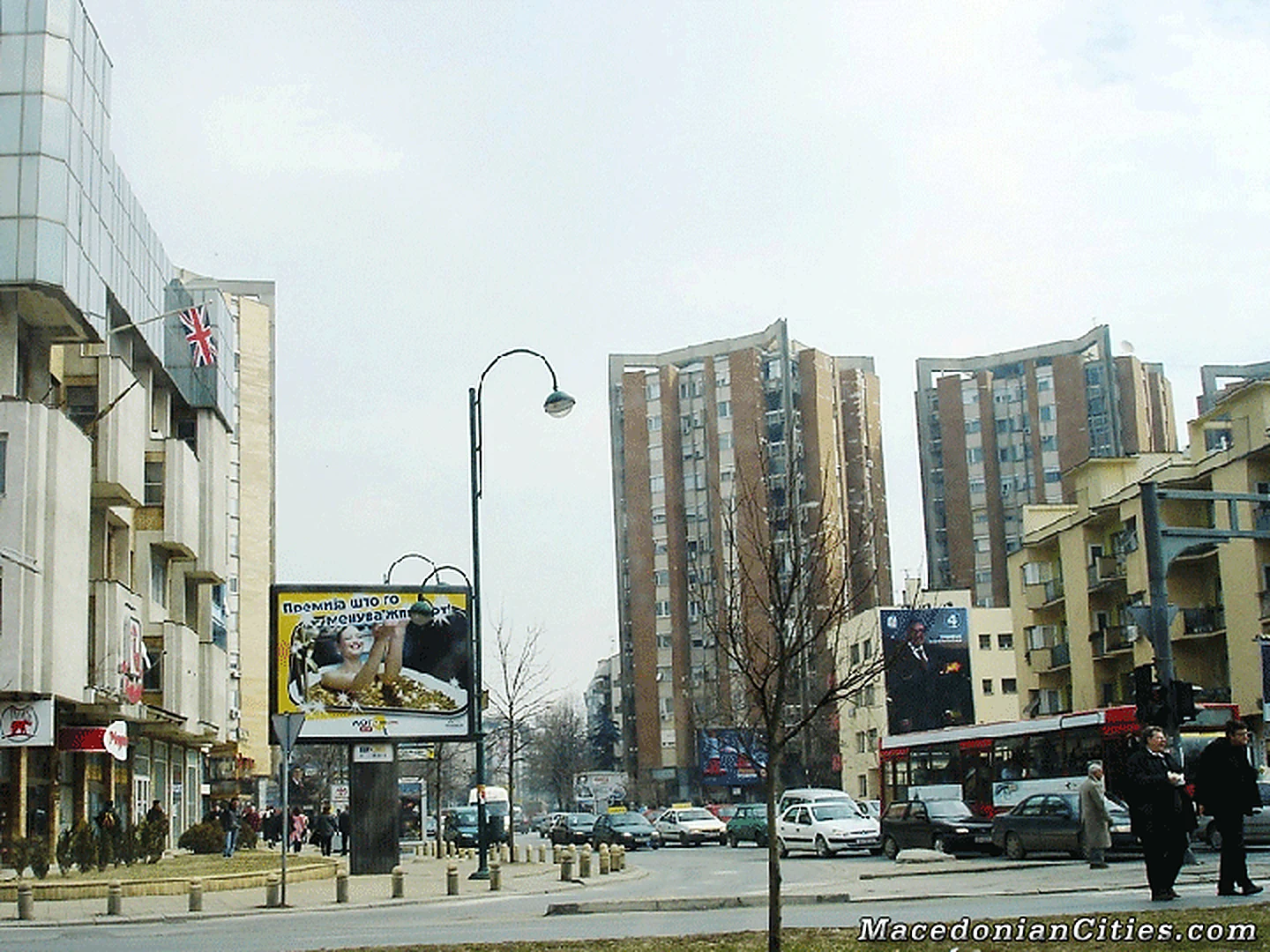
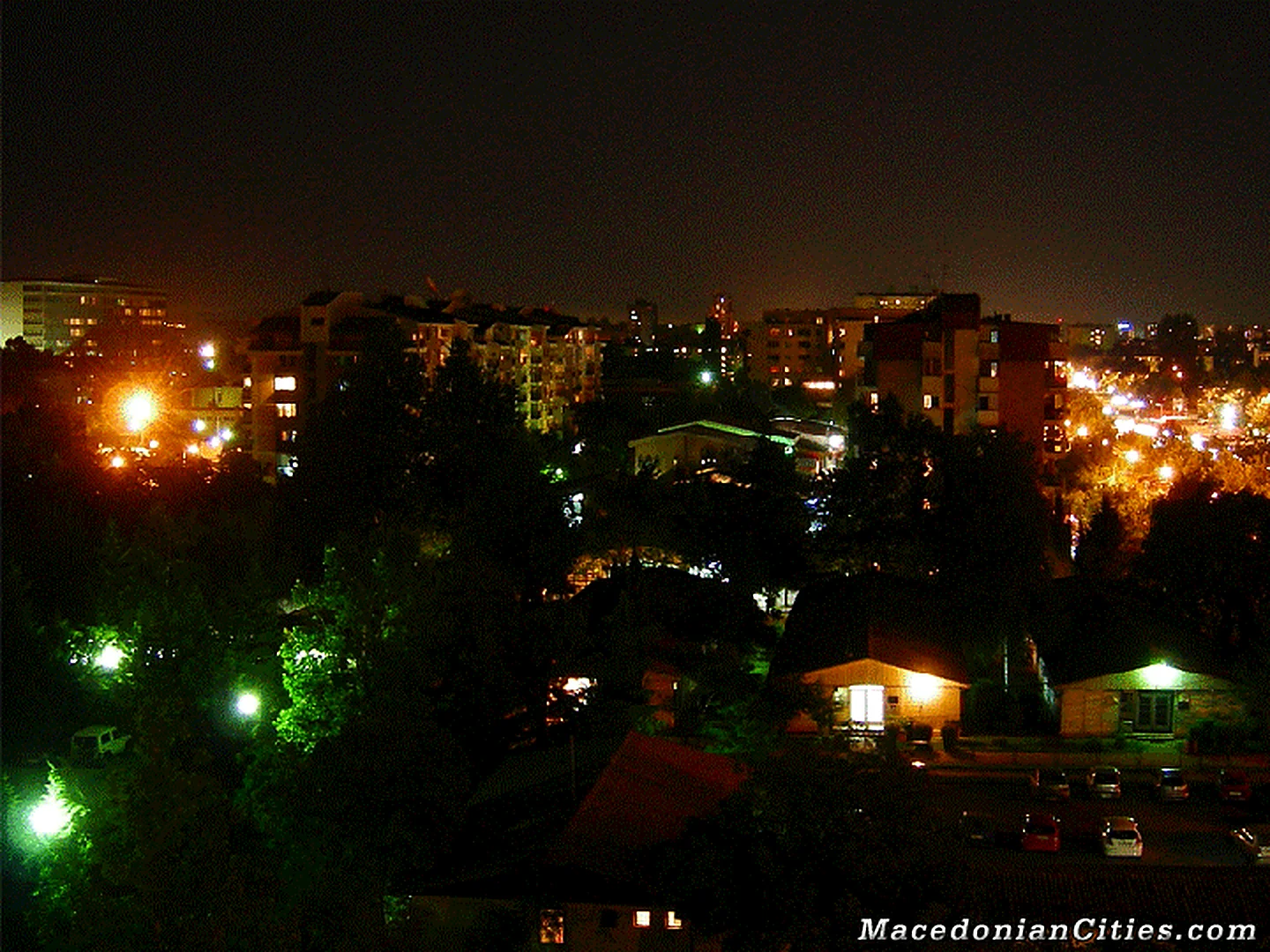
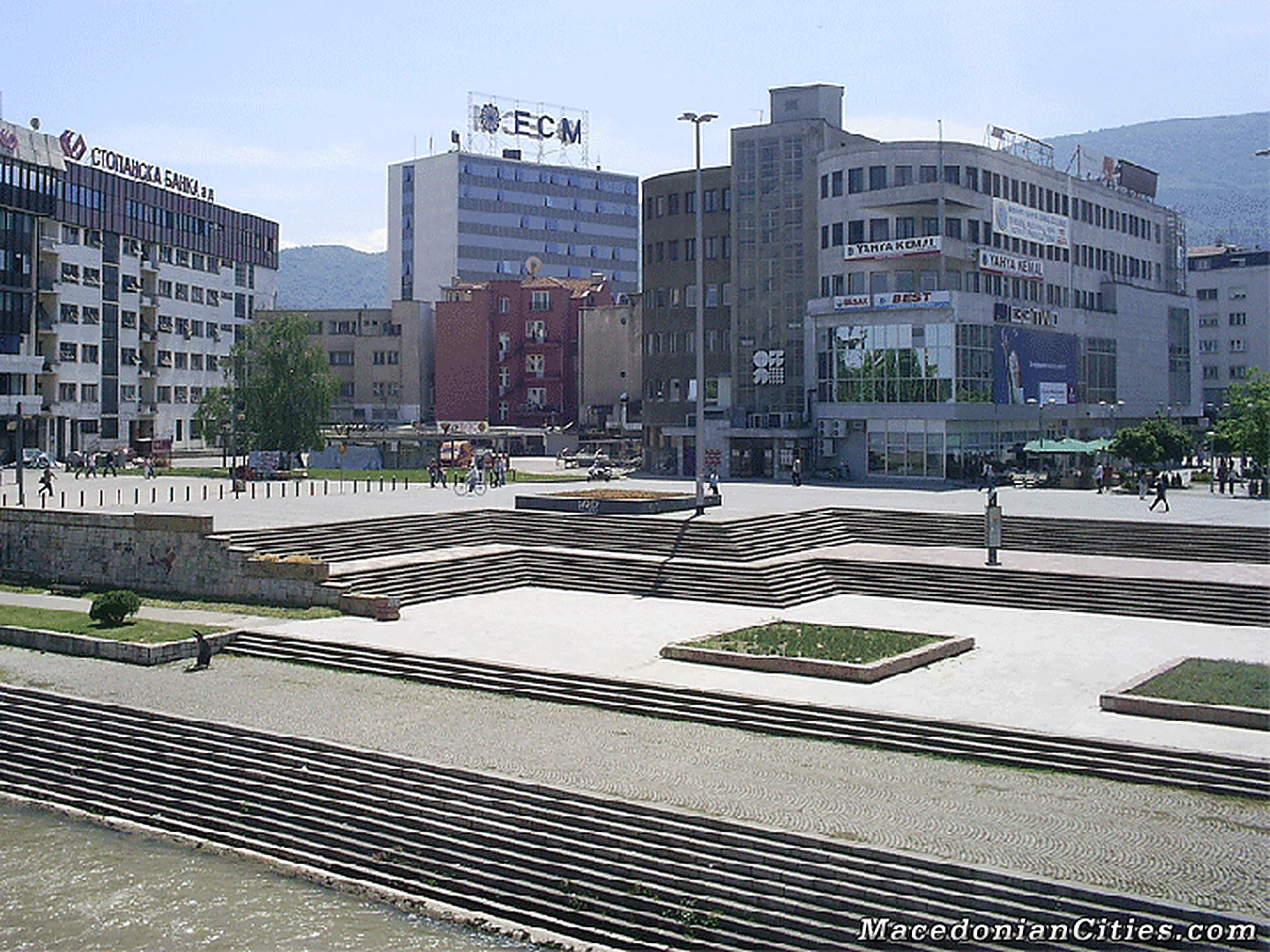
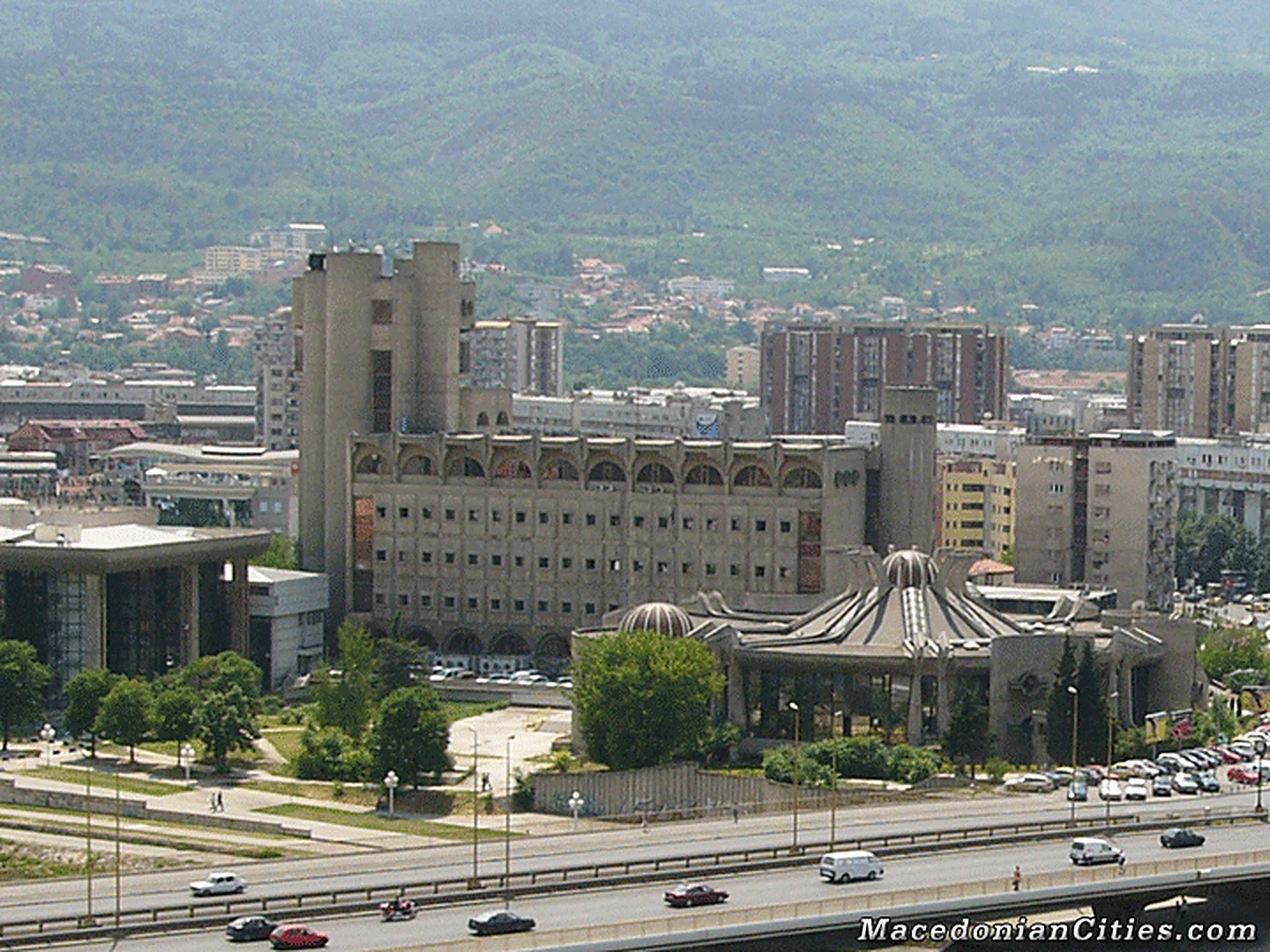
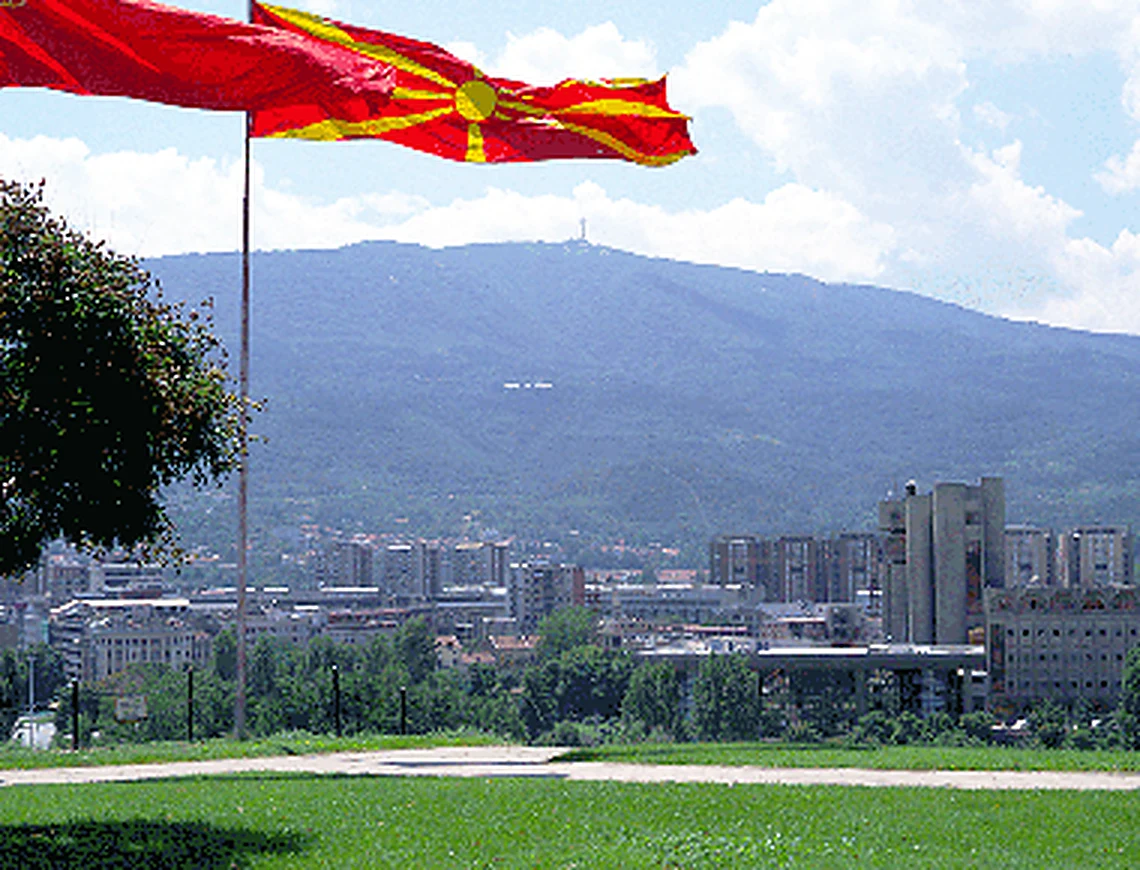
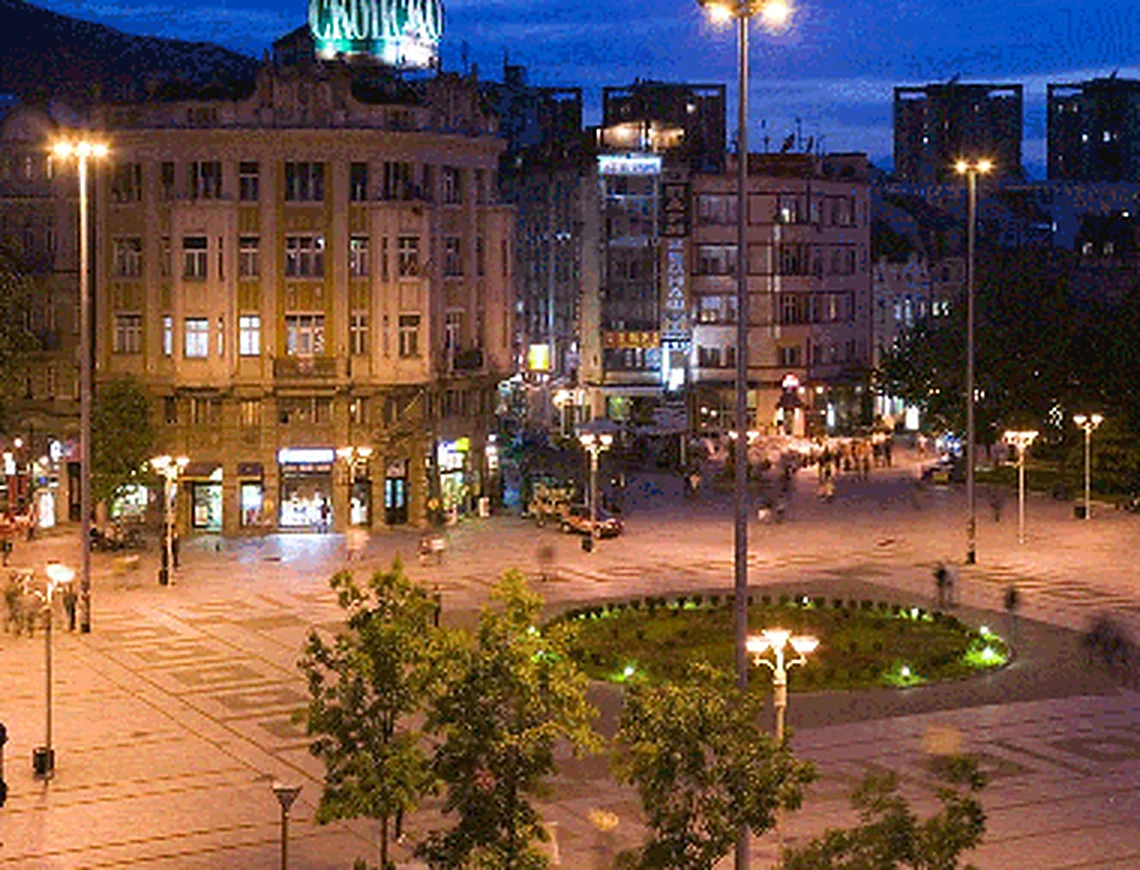
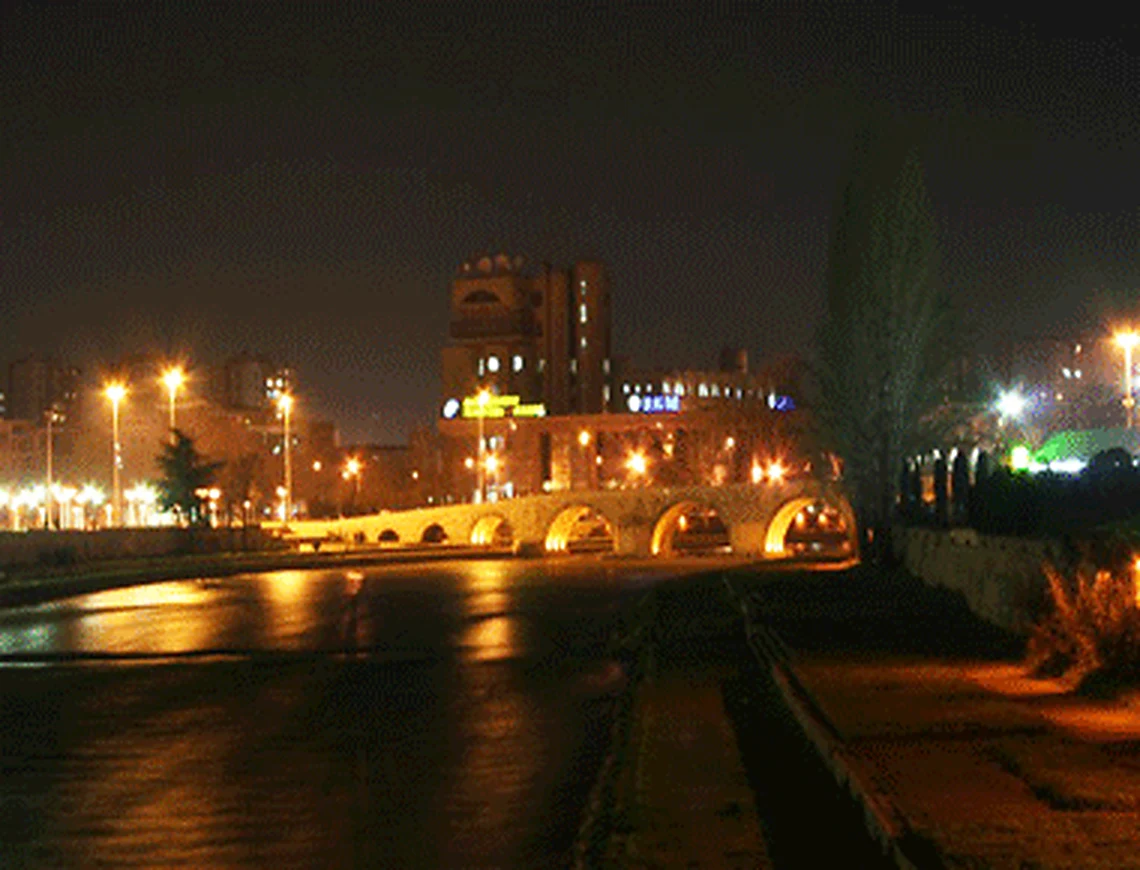
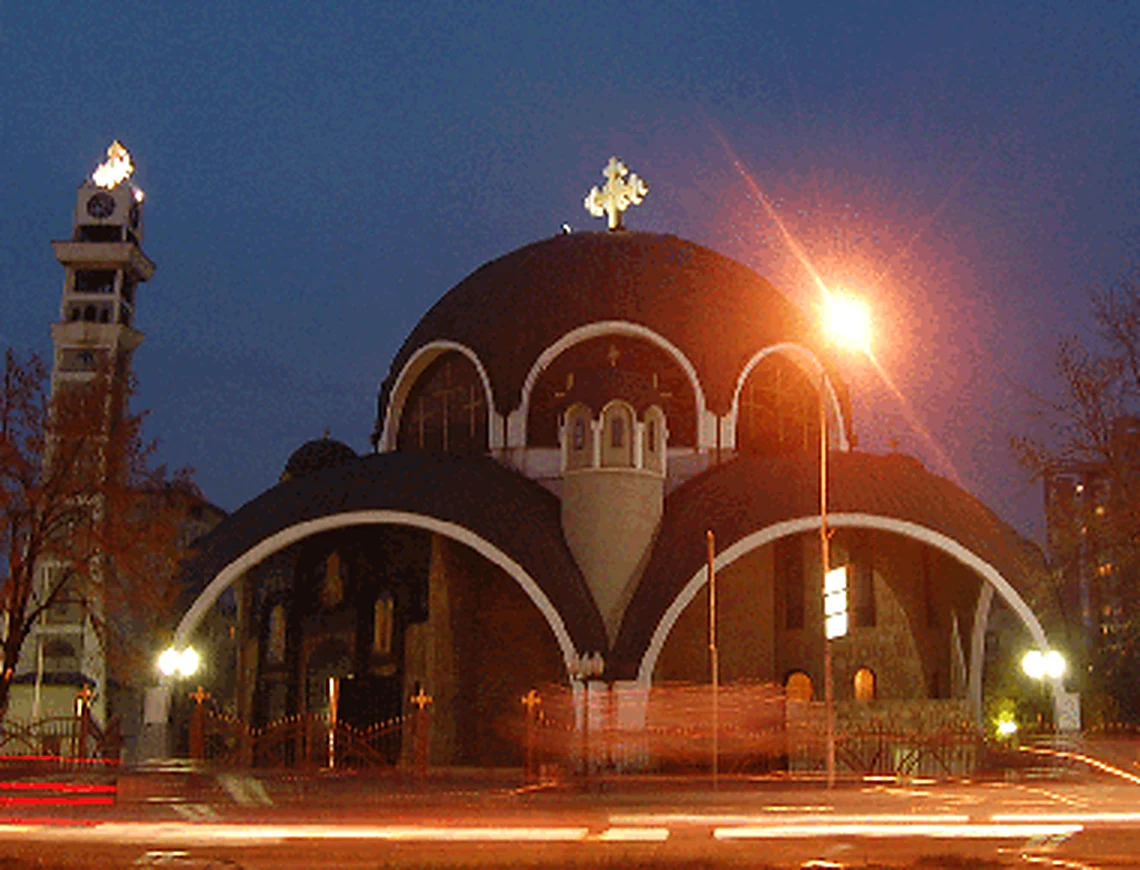
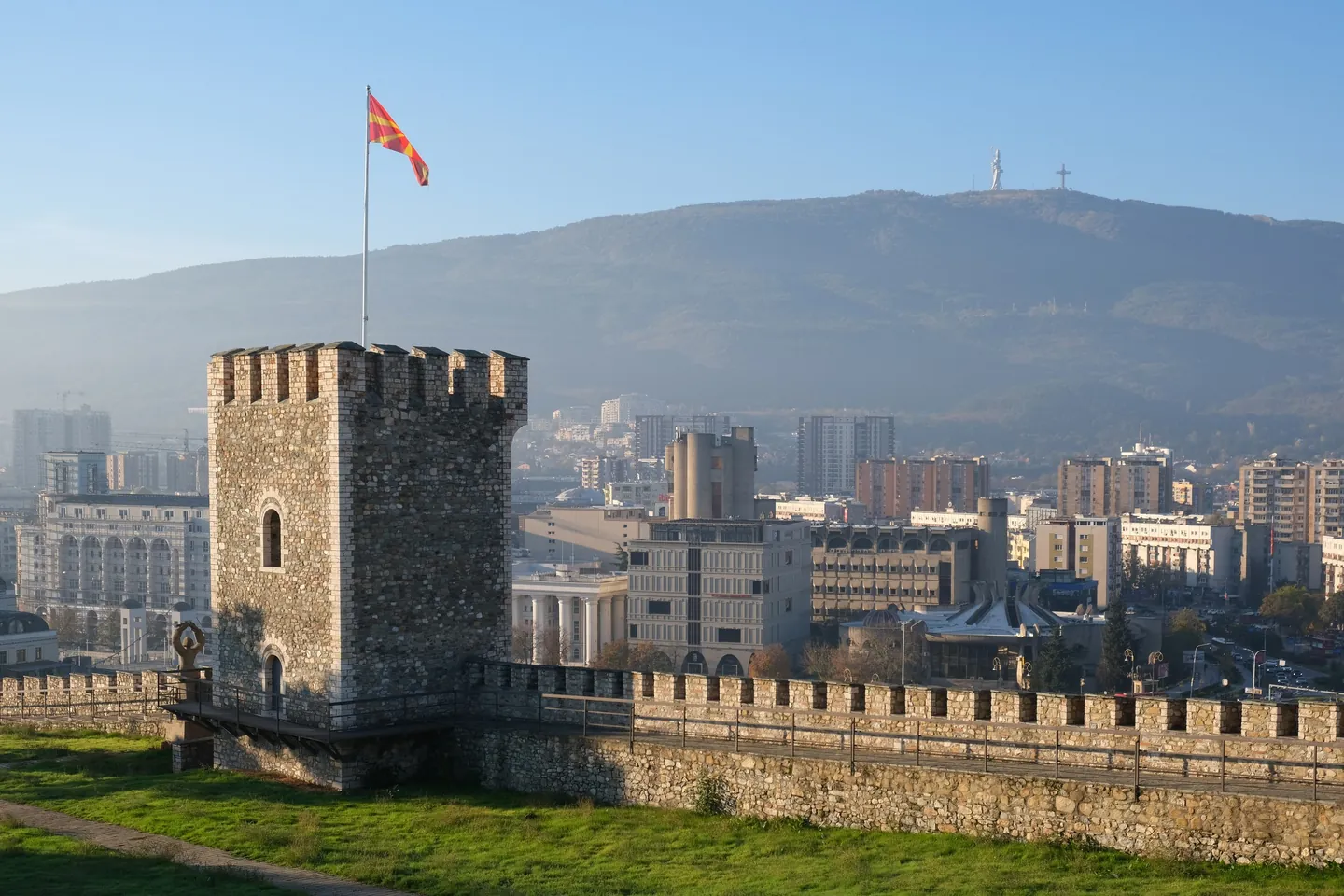
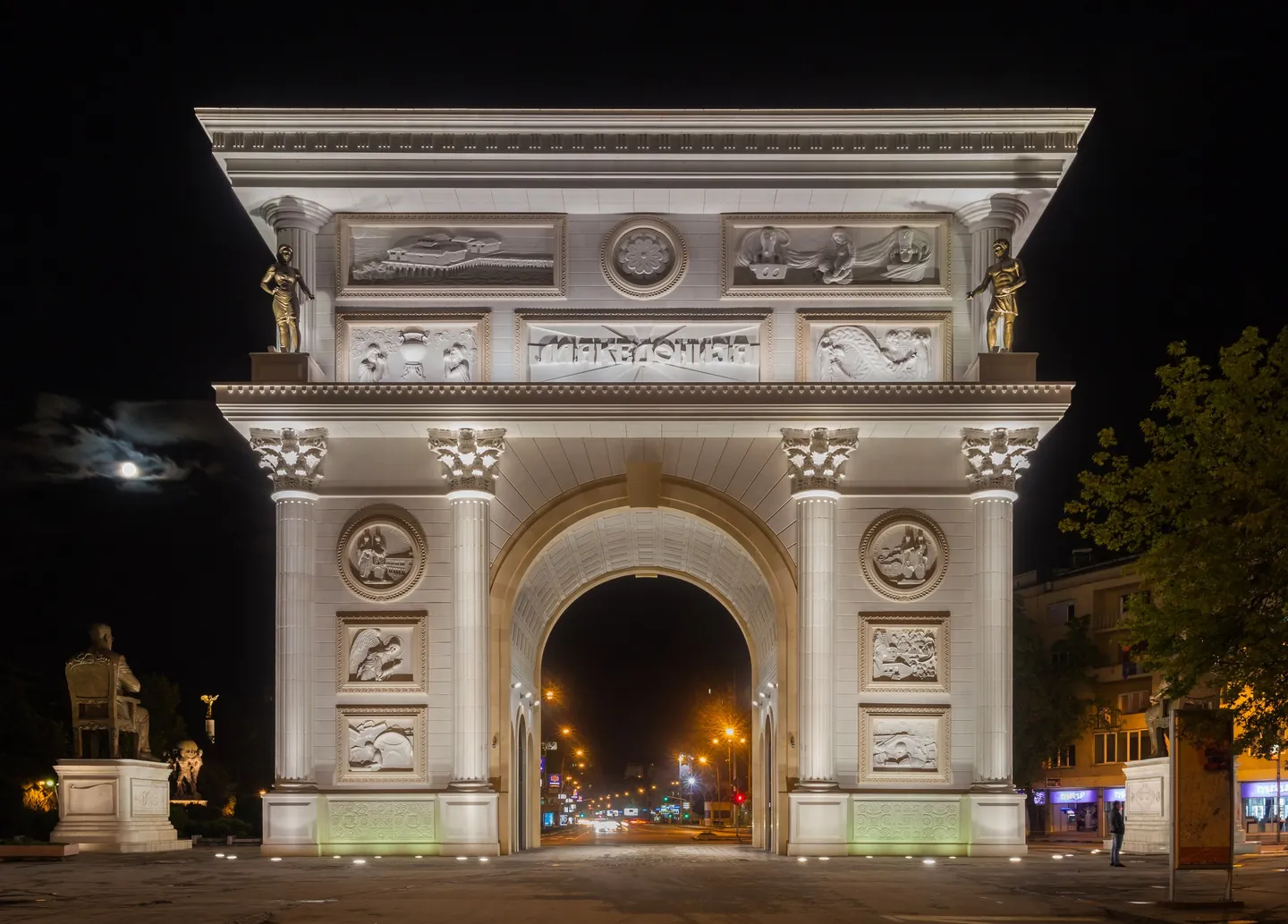
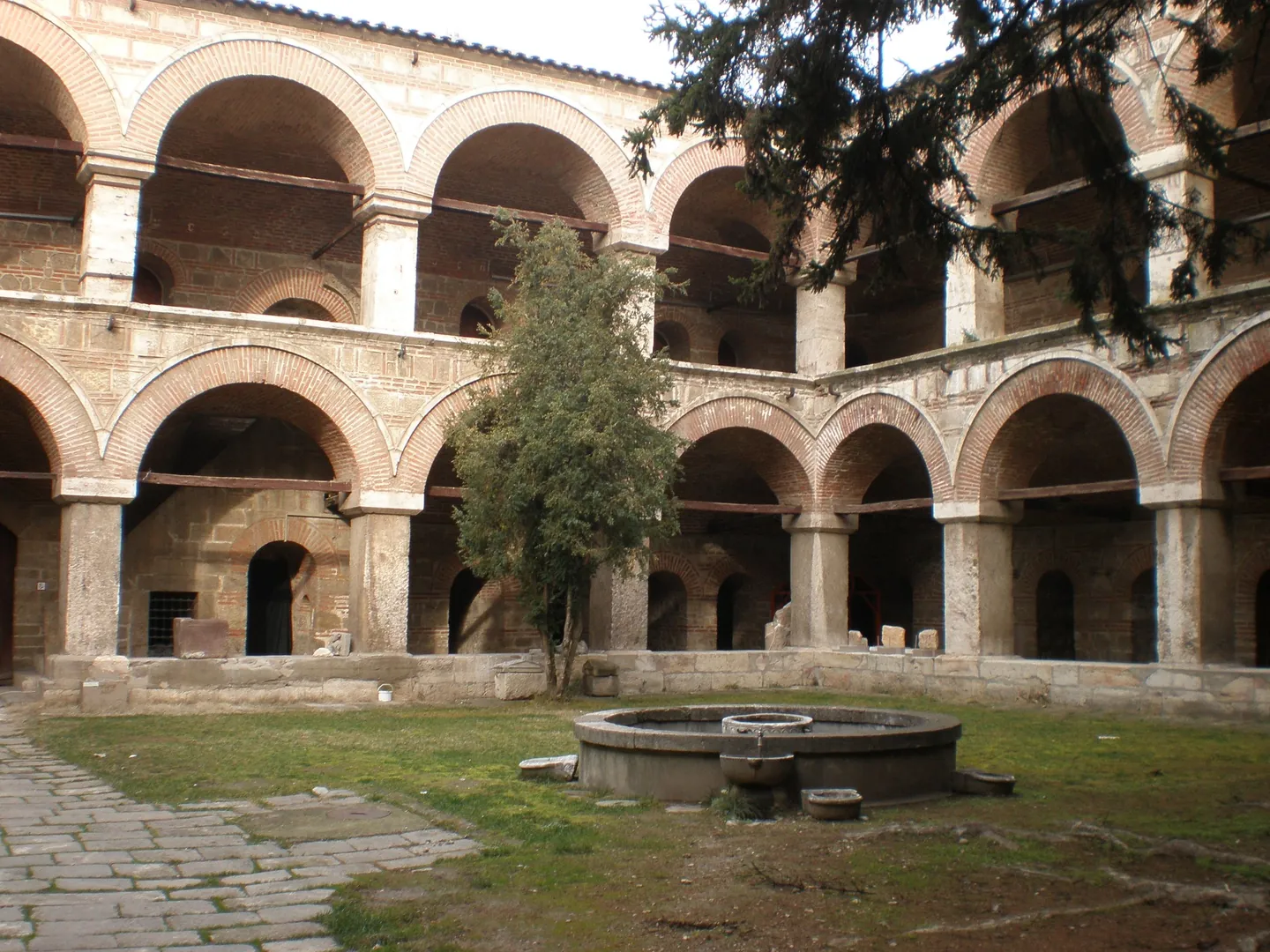
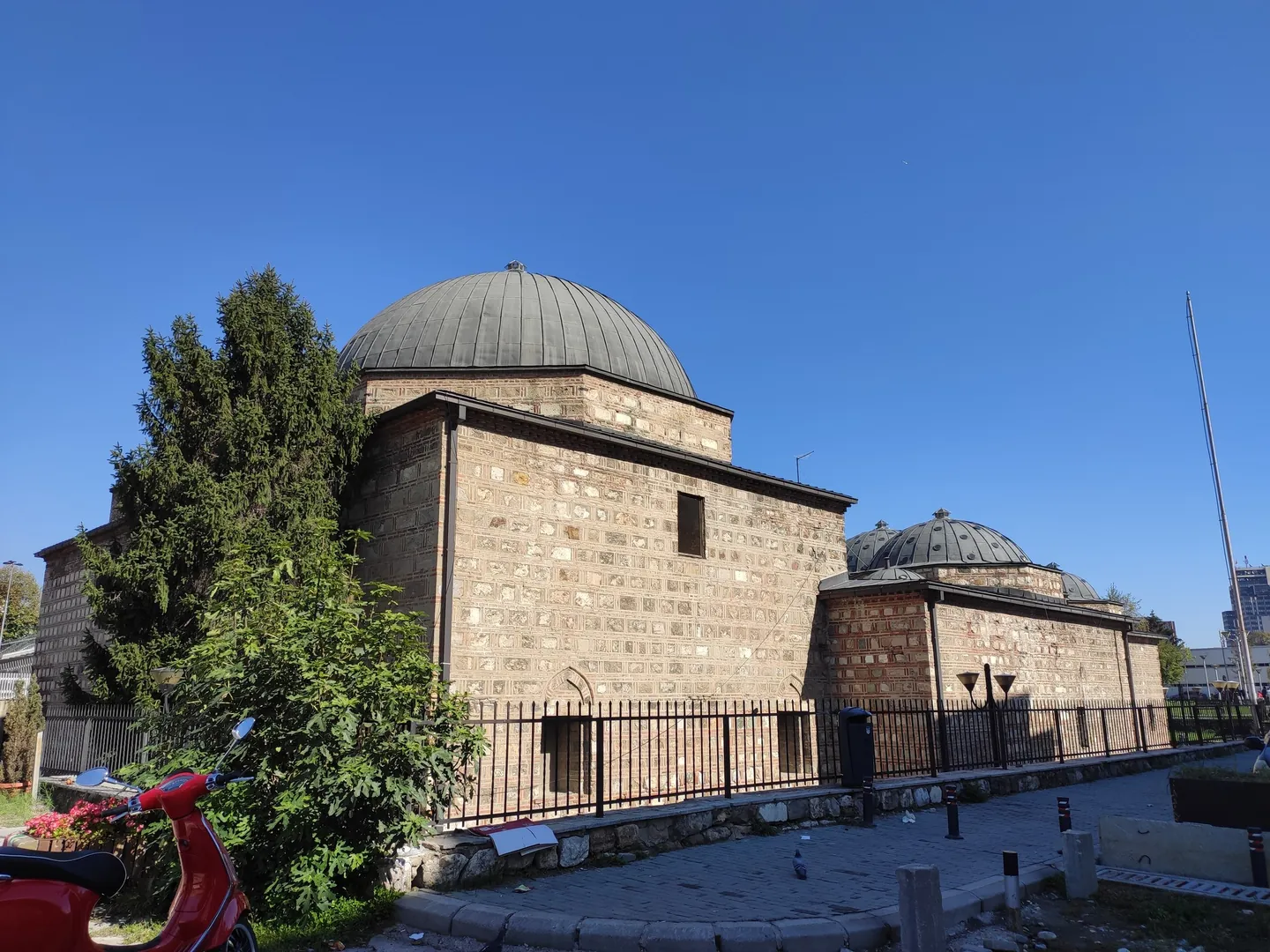
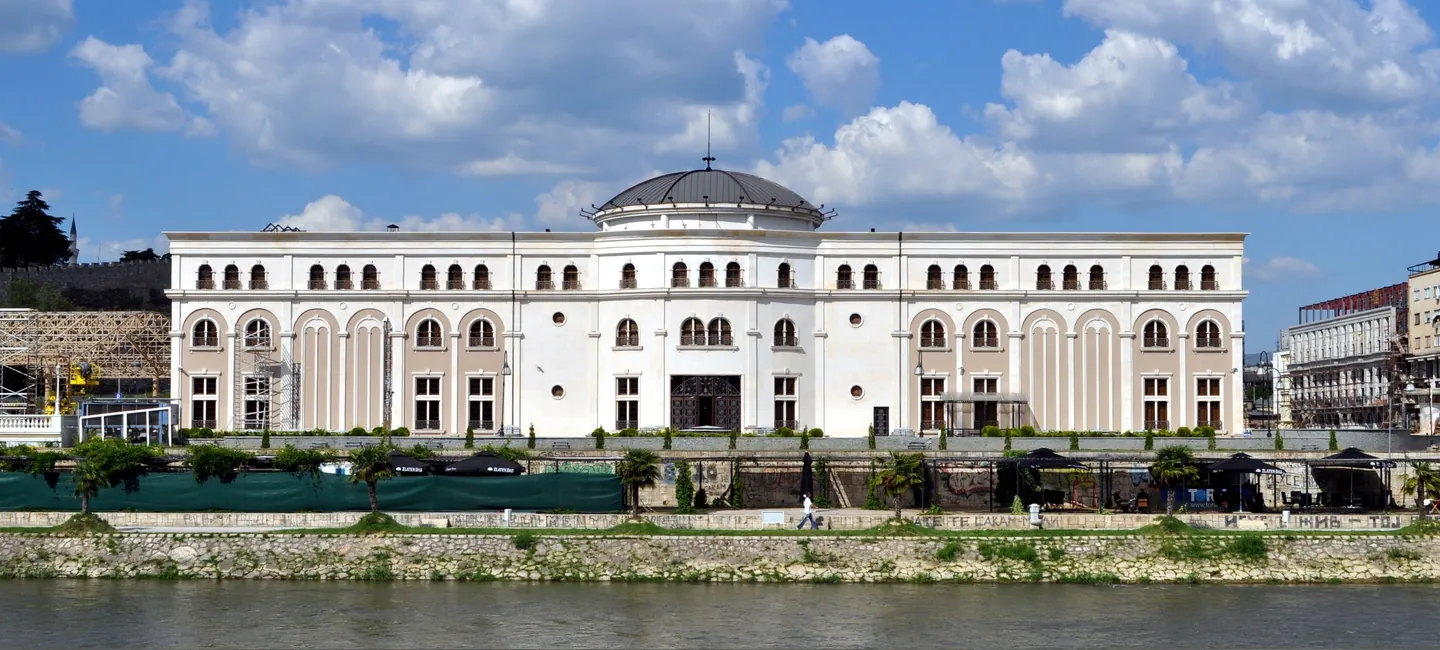
Photo credits
- Skopje Fortress: a crenellated stone tower and wall above the city, with a flag and a hill behind. Photo: kallernaCC BY-SA 4.0Wikimedia Commons
- Skopje: Porta Macedonia, a carved triumphal arch lit at night, with a statue beside it and a street beyond. Photo: Diego DelsoCC BY-SA 3.0Wikimedia Commons
- Skopje: the arcaded courtyard of the Kurshumli An, with a round stone fountain and a tree on the grass. Photo: МакедонецCC BY 3.0Wikimedia Commons
- Skopje: the Daut Pasha Hammam, a stone building with grey domes, seen from the street beside an iron fence. Photo: Soghomon MatevosyanCC BY-SA 4.0Wikimedia Commons
- Skopje: the Museum of the Macedonian Struggle, a pale domed building with arched windows, seen across the river. Photo: Paweł 'pbm' SzubertCC BY-SA 3.0Wikimedia Commons


