

2000 NEWS ARCHIVES
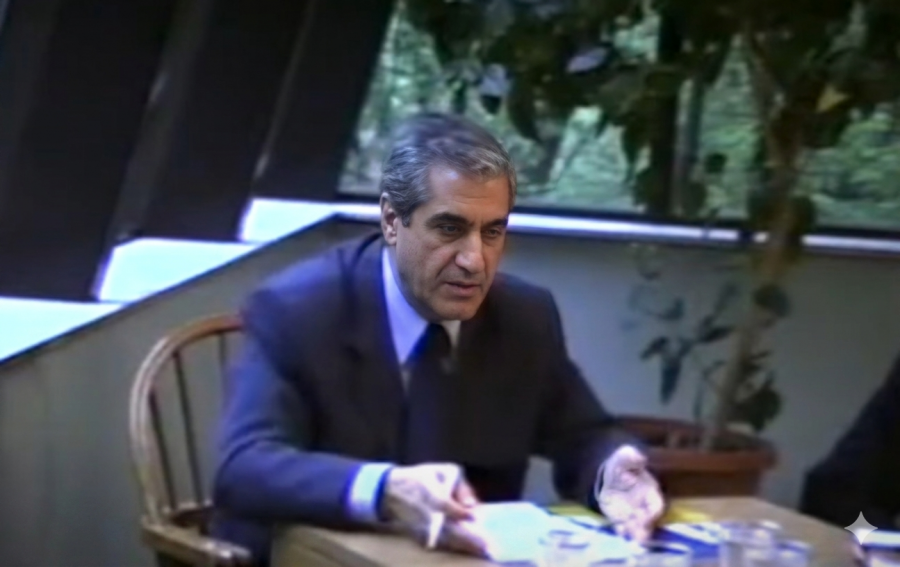
Ethnic Culture of the population of Macedonia by Aleksandar Stoimilov
Professor Aleksandar Stoimilov’s 2001 lecture, hosted by the Canadian Macedonian Historical Society, provides a rigorous geographical and sociological analysis of Macedonia’s ethnic landscape during a period of intense national crisis. Stoimilov dismantles the complexities of the "Macedonian Question" by classifying the population into distinct categories—the state-building nation, national minorities with external kin-states, and stateless ethnic groups—while highlighting the existential threats posed by the "triple denial" of identity from neighboring Bulgaria, Greece, and Serbia. Ultimately, the lecture serves as a strategic call to action for the diaspora, warning that "demographic desertification" of rural areas threatens the country's territorial integrity and urging expatriates to maintain their ancestral roots through land ownership and economic investment to ensure the survival of the Macedonian state.
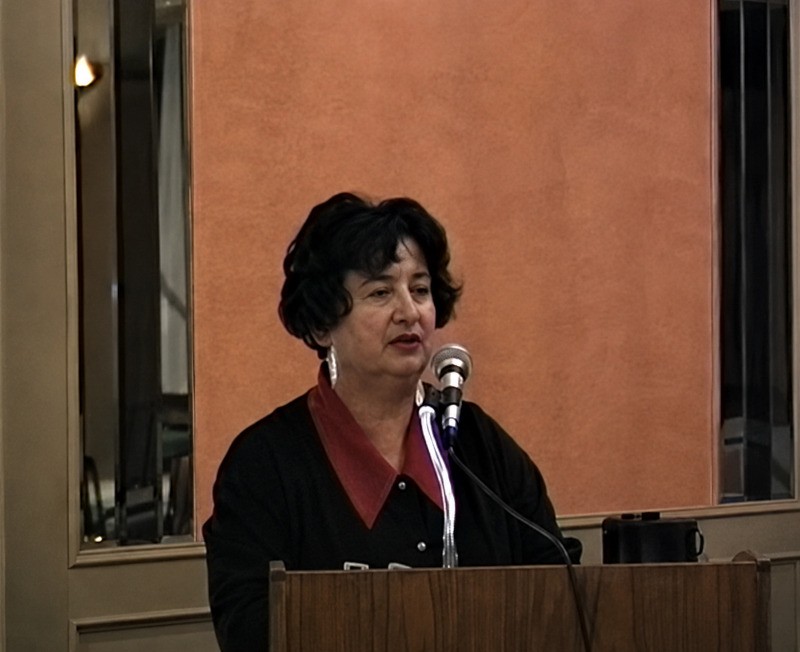
Macedonian language by Vera Antic
Organized by the Canadian Macedonian Historical Society (CMHS), the lecture on the Macedonian language by Vera Antić-Stojčevska stands as an important scholarly contribution to the understanding of one of the Balkans’ most historically layered and culturally significant languages. Preserved within the CMHS archival lecture series, this presentation examines the historical development, literary codification, linguistic uniqueness, and cultural significance of the Macedonian language, situating it within both the Slavic linguistic family and the broader historical experience of Macedonia. As a distinguished scholar of Macedonian literature and medieval texts, Antić-Stojčevska approaches the language not merely as a system of grammar and vocabulary, but as a living historical organism shaped by migration, empire, religion, and national identity. Her lecture reveals how language functions as one of the strongest pillars of cultural continuity and historical survival for the Macedonian people.

Ancient Rock Carvings in Macedonia with Vasil Ilov
Organized by the Canadian Macedonian Historical Society (CMHS) in 1999, the lecture Ancient Rock Carvings in Macedonia by Vasil Ilov represents an important contribution to the study of Macedonia’s prehistoric and protohistoric past, focusing on one of the oldest and least understood forms of human expression: rock carvings, or petroglyphs. Through this lecture, preserved in the CMHS archival lecture series, Ilov explores the archaeological significance of ancient carvings discovered throughout Macedonia, situating them within broader questions of early human spirituality, communication, astronomy, ritual, and social organization. His presentation highlights the importance of Macedonia as a prehistoric cultural landscape, emphasizing that its rocky terrain contains evidence of human symbolic activity stretching back thousands of years. Recent institutional and archaeological documentation confirms the significance of Macedonian rock art, particularly in areas such as Kratovo and the Osogovo region, where extensive rock carvings have been recorded and studied.
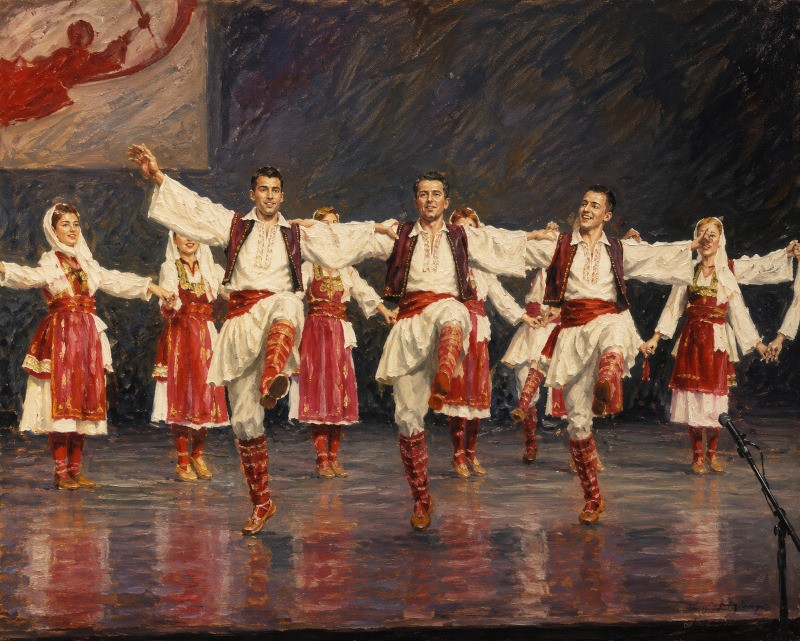
Rhythm and Dance by Z. Chesky Neceski
The Canadian Macedonian Historical Society’s 1997 lecture on Macedonian Rhythm and Dance by Z. Chesky Neceski offered a rich exploration of Macedonian folk dance as a living expression of history, identity, and communal memory. Neceski demonstrated how Macedonian dance, particularly the oro (circle dance), is deeply rooted in asymmetrical rhythms, regional traditions, ritual life, and social structures, reflecting the diversity and resilience of Macedonian village culture. He highlighted the role of dance in weddings, religious feast days, courtship, and cultural survival under Ottoman rule, emphasizing its importance as both social communication and historical preservation. The lecture also underscored the significance of maintaining these traditions in the diaspora, where dance continues to connect generations to their heritage, making it one of the strongest enduring symbols of Macedonian cultural continuity.

Fred A. Reed and his book, Salonica Terminus, Journey into the Balkan Nightmare
Fred A. Reed’s Salonica Terminus dismantles the myth that Balkan wars were caused by “ancient hatreds,” arguing instead that economic collapse, political manipulation, and international intervention drove the violence. Through historical analysis and travel writing, Reed reveals the Balkans as a region shaped by empire, contested identities, and unfinished histories.
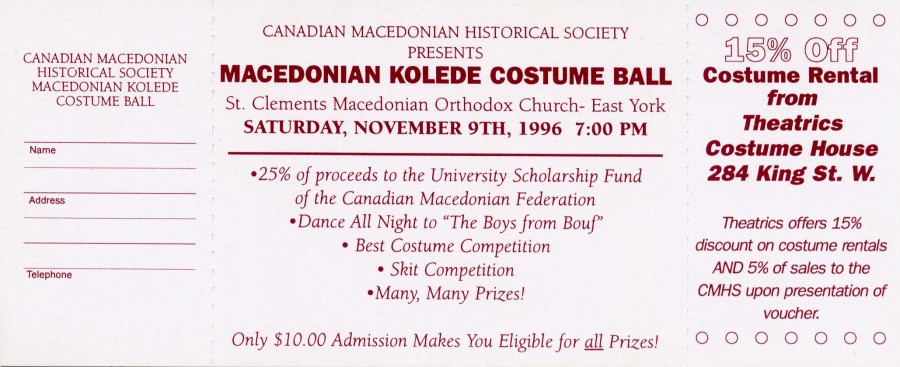
Macedonian Kolede Costume Ball
The 1996 Macedonian Kolede Costume Ball, hosted by the Canadian Macedonian Historical Society at St. Clements Cathedral, served as a vital cultural bridge that united the Toronto diaspora through a blend of traditional heritage and modern philanthropy. By centering the event on the Kolede theme—an ancient winter tradition symbolizing community warmth and the warding off of spirits—the society successfully preserved Balkan folkloric customs while raising crucial funds for the University Scholarship Fund. Between the traditional music of "The Boys from Bouf" and the creative costume competitions, the evening reinforced a sense of shared identity across generations, ensuring that Macedonian history and values remained a vibrant, active force within the Canadian multicultural landscape.
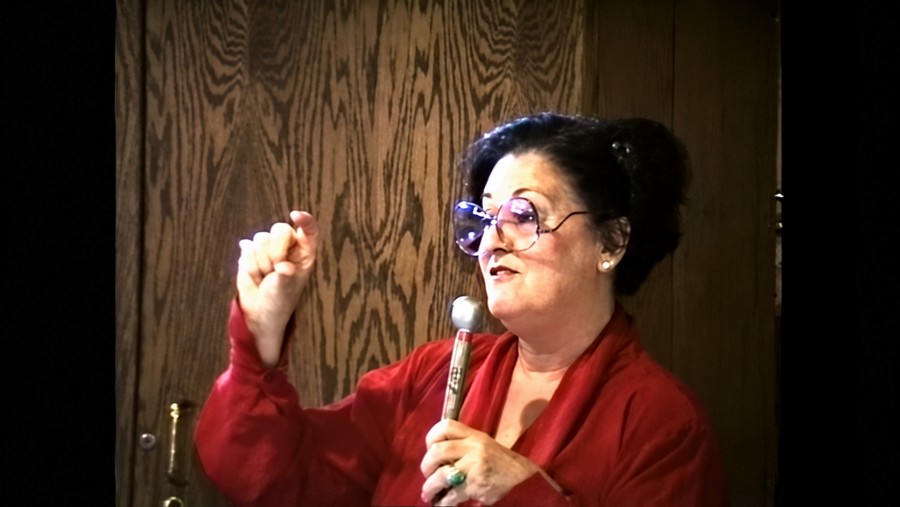
Cooking with Baba Nicky Alexiou
Hosted by the Canadian Macedonian Historical Society (CMHS) on October 20, 1996, this lecture features Nicky Alexiou in a poignant exploration of the "Baba" as the central pillar of traditional Macedonian life. Alexiou masterfully weaves personal anecdotes with historical context to illustrate how grandmothers served as the family’s emotional core, primary educators, and expert household managers. The event provides a rare look into authentic culinary practices—from the hand-crafting of clay cookware to the preservation of foraged mountain mushrooms and artisanal cheeses—while emphasizing a "zero-waste" philosophy rooted in love and communal survival. Ultimately, the lecture serves as a powerful call to preserve these matriarchal traditions, framing the Baba not just as a figure of the past, but as a vital root for the cultural continuity of future generations.
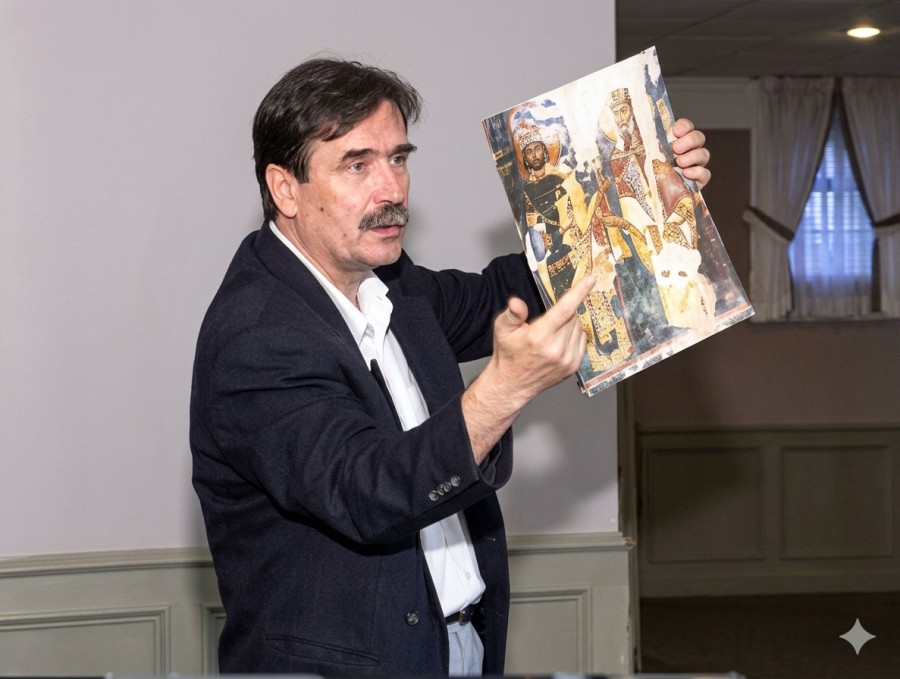
Macedonian National Experiences in Medicine Throughout the Centuries
On June 27, 1996, the Canadian Macedonian Historical Society (CMHS) presented the lecture "Macedonian National Experiences in Medicine Throughout the Centuries," featuring Dr. Gradimir Zdravković and Professor Vladimir Vuksan. The event explored the sophisticated medical heritage of Macedonia, using medieval frescoes as evidence of early diagnostic practices, quarantine systems, and surgical knowledge that predated Western European developments by centuries. Furthermore, the speakers bridged the gap between history and modern science by detailing the "Herbal Road" trade with China during the era of Alexander the Great and discussing contemporary clinical research into ancient Macedonian nutritional formulas designed for endurance and immunity.
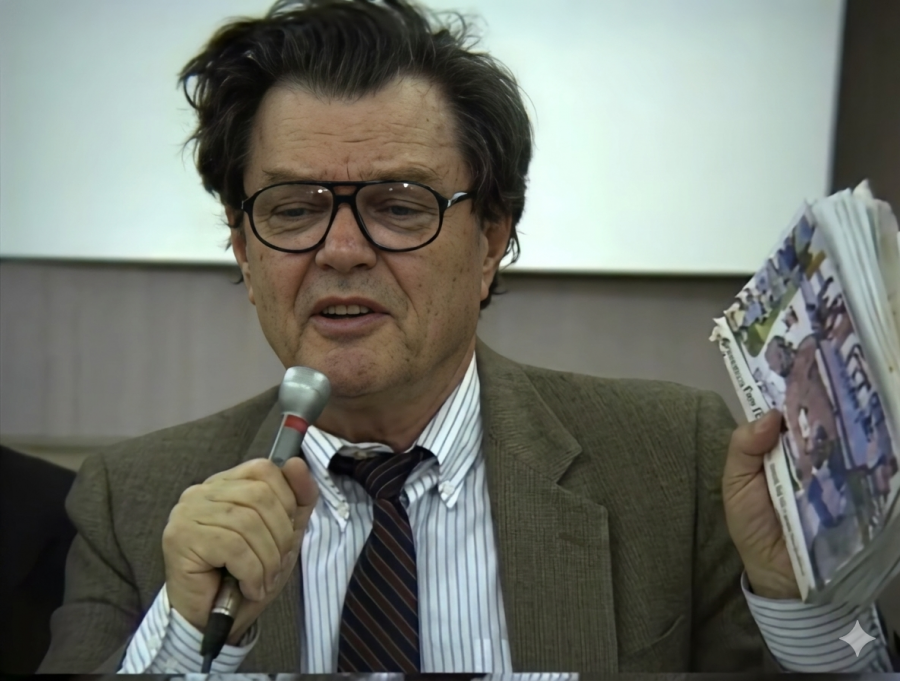
Macedonian History (Makedonska Istorija) with Tashko Belchev
Professor Belchev’s lecture remains a cornerstone of Macedonian identity studies. His work seeks to unify the ancient and modern Macedonian experiences into a single, continuous timeline. By utilizing paleolinguistics to decode ancient Balkan scripts, he provides a scientific framework for the indigenous origins of the Macedonian people. His lecture serves as both a historical revelation and a call to action for the diaspora to preserve and promote the unique cultural legacy of Macedonia.
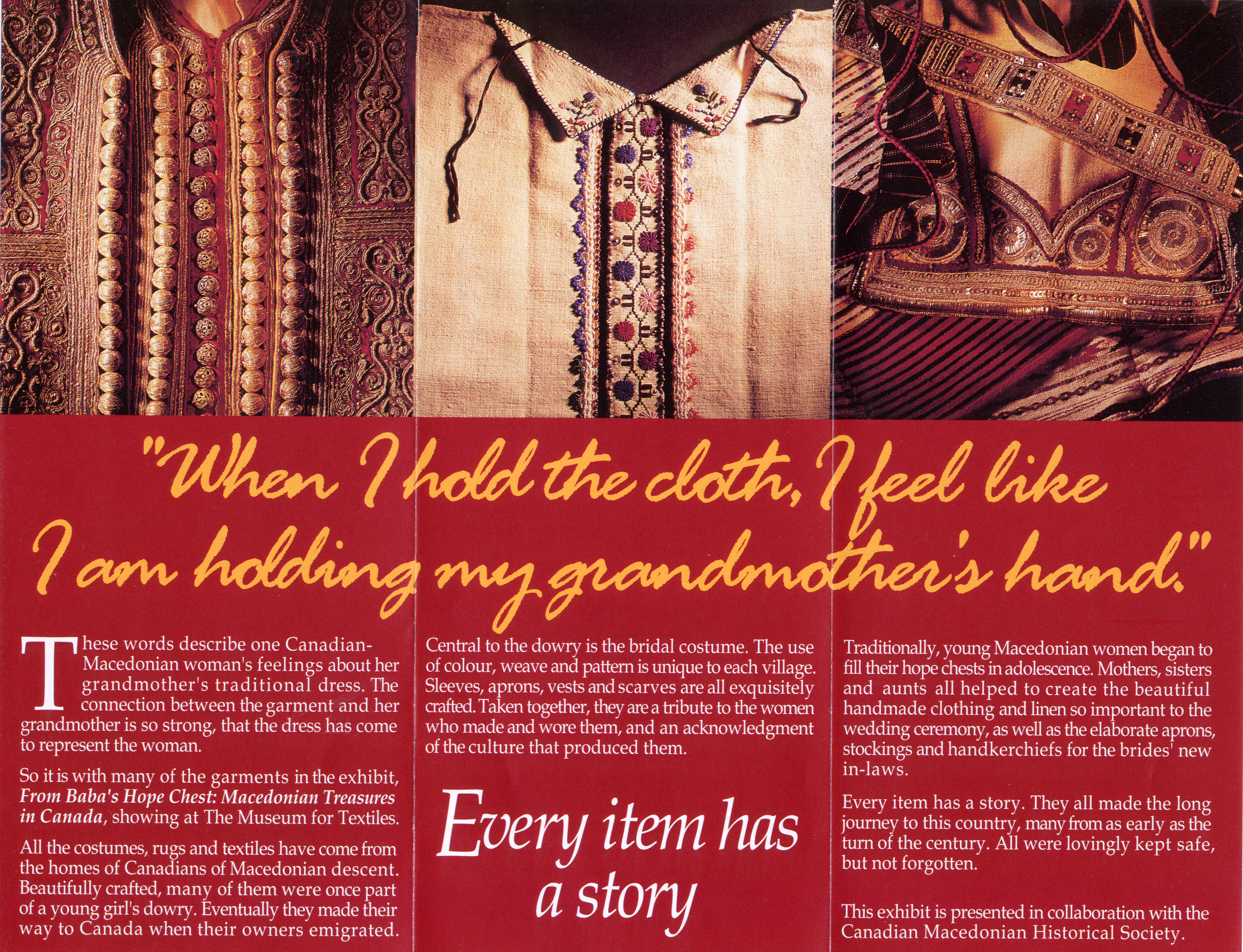
From Baba's Hope Chest
The "From Baba's Hope Chest" exhibition (1995) was a monumental achievement for the Canadian Macedonian Historical Society, born from the vision of educator Annie Wood and brought to life by a dedicated 19-member committee. This team worked tirelessly over three years to secure public funding and collaborate with the Museum for Textiles to curate a professional showcase of over 1,500 documented pieces of Macedonian textile art. By documenting oral histories and photographing heirlooms from private homes across Canada, the project created a "bridge to memory" that elevated traditional village crafts into a prestigious public gallery setting. The exhibition’s cultural impact was so profound it even inspired the Fall collection of renowned designer Marilyn Brooks, successfully proving that the private treasures of Macedonian "Babas" are essential threads in the fabric of Canada’s multicultural identity.