

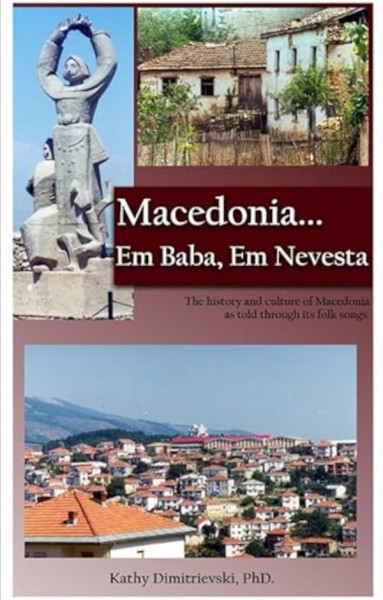
Em Baba, Em Nevesta Lecture by Dr. Kathy Dimitrievski
The Canadian Macedonian Historical Society launched its 2005 lecture series with Dr. Kathy Dimitrievski’s presentation, "Macedonia... Em Baba, Em Nevesta," which explored Macedonian history through the evolution of its folk music. Based on her 2001 doctoral research, Dr. Dimitrievski argued that because formal Macedonian education was suppressed until the mid-20th century, izvorni (traditional) songs served as the primary oral archive for the nation's collective memory, documenting centuries of struggle and joy. Featuring rare footage of legendary singers like Vaska Ilieva and Aleksander Sarievski, the event concluded with a community social over planinski čaj, highlighting the vital role of oral histories in preserving identity across the global Macedonian diaspora.
Opening of the CMHS Resource Centre
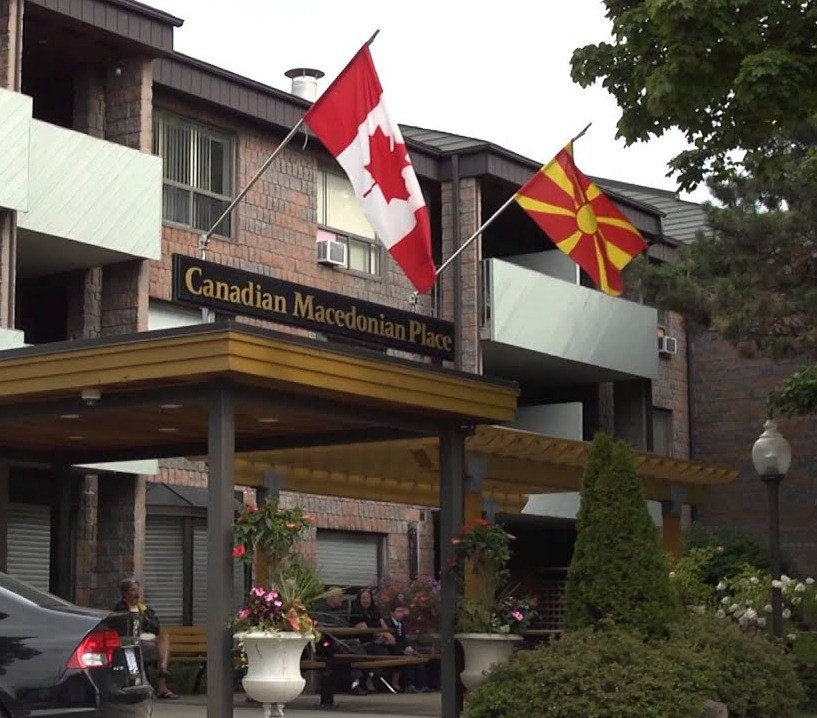
Opening of the CMHS Resource Centre The Library is open upon request. Call 416-755-3117 or e-mail at info@macedonianhistory.ca Location: lower level of Canadian Macedonian Place, 850 O'Connor Drive, Toronto - click here to view directions map. For...
The Prize Winning Documentary "The Children of 1948"
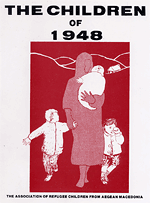
The Prize Winning Documentary "The Children of 1948" On Sunday March 13, 2005, the Canadian Macedonian Historical Society presented the new documentary "The Children of 1948". Synopsis: The Children of 1948Fifty-six years ago, one of the biggest h...
Macedonia The Fire Within - by John Evans
Produced and authored by John Evans, Macedonia: The Fire Within is a poignant documentary short that explores the resilience and cultural survival of the Macedonian people. Released in its digital form on February 15, 2015, following a significant event presentation in 2004, the film frames Macedonia as an undeniable nation and a cornerstone of European history that has persevered through centuries of repression and denial. By highlighting the powerful symbols of the Oro, Zdravetz, and the Star, Evans illustrates the spiritual "luggage" carried by the diaspora to North America, where they found the cultural freedom to flourish. Ultimately, the documentary serves as both a tribute to the ancestors who secured a future in Canada and a call to action for younger generations to nurture the "fire within" and honor their enduring heritage.
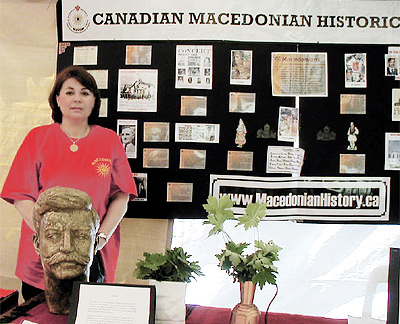
Carabram Multicultural Festival
Carabram Multicultural Festival Brampton, Ontario 2004 The Canadian Macedonian Historical Society participated in Carabram, Brampton's multicultural festival from July 9-11, 2004. St. Ilija Church sponsored and organized this magnificent pavilion,...
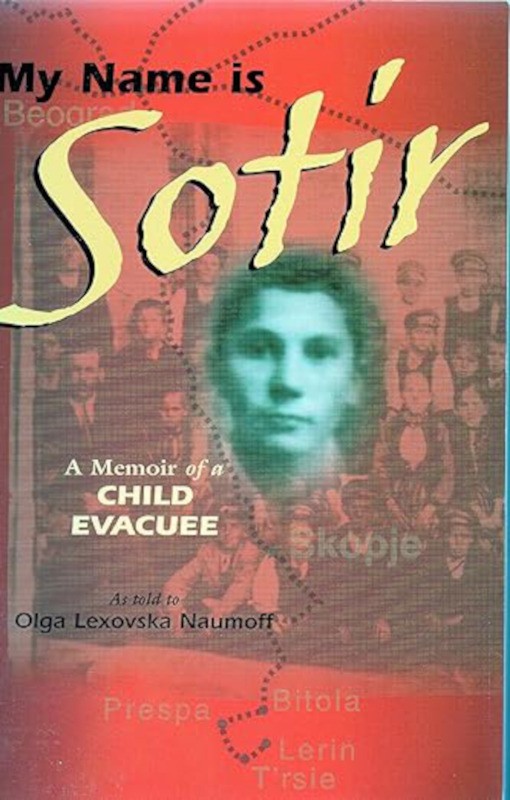
"MY NAME IS SOTIR: A Memoir of a Child Evacuee"
On June 12, 2004, the Canadian Macedonian Place and the Canadian Macedonian Historical Society launched the celebrations marking the 25th anniversary of Canadian Macedonian Place with a special lecture featuring author Olga Lexovska Naumoff and Macedonian child evacuee Sotir Nitchov. The presentation centered on Naumoff’s book My Name Is Sotir: A Memoir of a Child Evacuee, which recounts Nitchov’s experiences as one of the thousands of Macedonian children evacuated from Aegean Macedonia during the Greek Civil War. Through a moving combination of historical narrative and personal testimony, Olga captivated the audience with stories of hardship, resilience, and survival, while highlighting Sotir’s lifelong dedication to preserving the history and struggles of the Macedonian Detsa Begaltsi. The event not only celebrated the publication of an important memoir but also underscored the ongoing efforts of both Naumoff and Nitchov to preserve Macedonian history, culture, and collective memory for future generations.
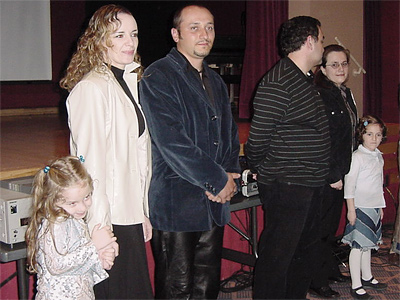
"Just Arrived"
"Just Arrived" World Premiere of the Documentary Friday, May 7, 2004 A world premiere screening of the documentary Just Arrived was presented recently by the Canadian Macedonian Historical Society at the North York Central Library. The expectant c...
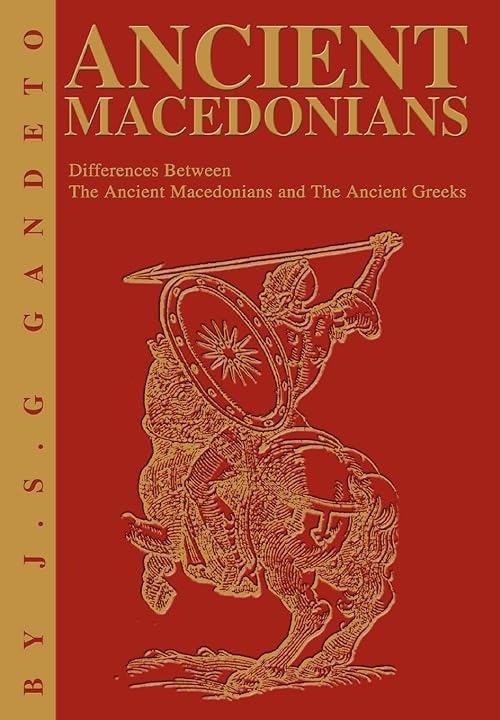
Presentation by JSG Gandeto, Author of "Ancient Macedonians"
On Sunday, November 30, 2003, the Toronto Macedonian community gathered for a pivotal intellectual event that bridged the gap between academic research and community activism. This historic presentation was a collaborative effort, jointly hosted by three influential pillars of the diaspora: the Canadian Macedonian Historical Society, St. Clement of Ohrid Macedonian Orthodox Cathedral, and the Macedonian Human Rights Movement of Canada (MHRMC).
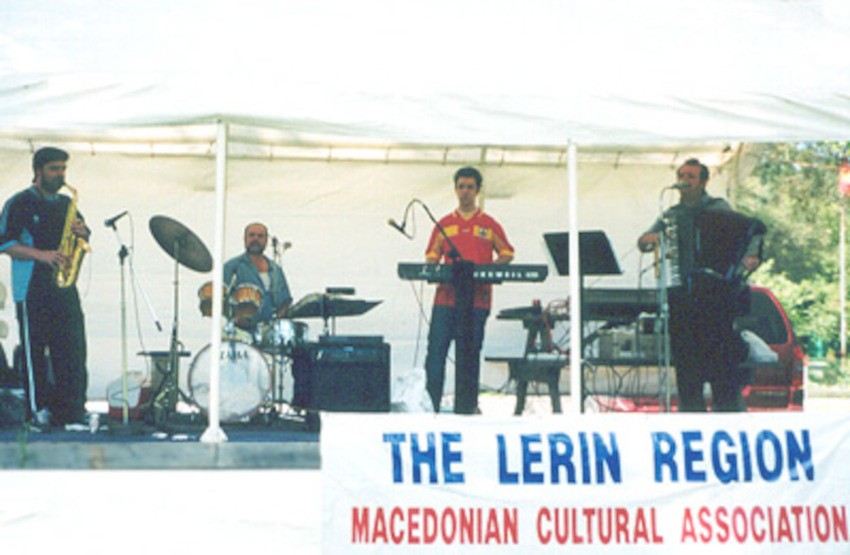
Lerin Society's Annual Picnic
The Lerin Society’s Annual Picnic, held on August 17, 2003, at Sv. Ilija Park in Mississauga, served as a vital cultural bridge for the Macedonian-Canadian community, blending festive tradition with historical preservation. By hosting the Canadian Macedonian Historical Society, the event transformed a typical summer gathering into a "living archive" where families from the Lerin (Florina) region could celebrate their unique heritage through music and food while documenting their ancestral stories. This collaboration underscored the importance of regional societies in maintaining cultural identity within the diaspora, ensuring that the history of Aegean Macedonians remained accessible to younger generations during the symbolic season of the Ilinden festivities.
Doors Open - Toronto Archives
Doors Open Toronto - Toronto Archives May 24, 2003 On Saturday, May 24, 2003 the Toronto Archives held its annual Doors Open Toronto exhibit. Various organizations from the Toronto area, including the Canadian Macedonian Historical Society were in...