Canadian Macedonian Heritage Society Canadian Macedonian Heritage Society Become a member!

Tagged “Music and Dance”

Browse Tagged “Music and Dance” from the Canadian Macedonian Heritage Society archive, library and community collections.

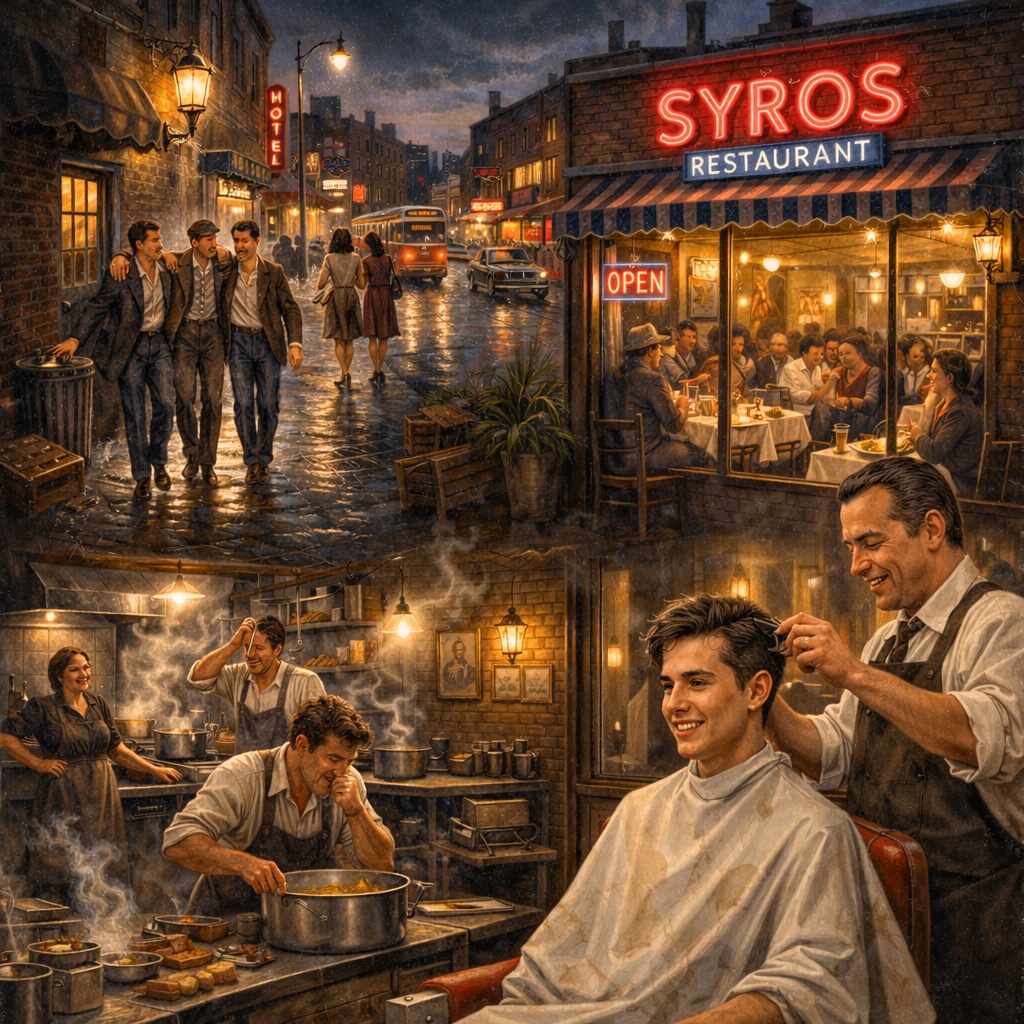
Friends Came to See Me

Friends came to see me From the great and busy city. “But why sit here like this?” they said, “You’ll grow faint and dizzy.” One night they took me with them To chase after the girls; But their brothers spotted us, And we scattered through the alleys. They brought me back at morning light, Straight into the kitchen; Half past five the day began, And the routine continued. There we worked ...

Spero Thompson - SPIRIT OF MOTHER MACEDONIA (sweet singer of song)

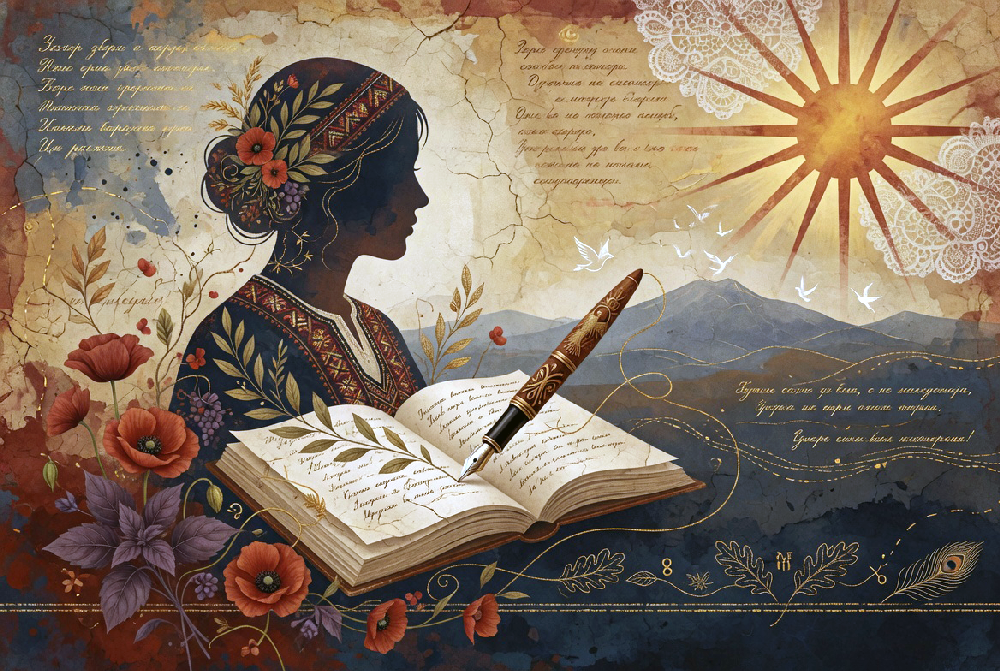
Dear patriotic spirit and Mother of the people Many children emigrated from you with deep regrets To their new lands, languages and hope No matter distance; it`s Mother no child ever forgets. With song you nourish your peoples soul As when you sang at Ilinden That day the Narod rose up to say We are not Bulgars, Greek or Serb, we are Macedonian Mother Macedonia sweet singer of song Please sing us a song for today ...

Spero Thompson - THE CHOIR OF SAINT CLEMENT OHRID (From many Macedonian lips One Golden Voice)

Sunday mornings at the Cathedral of Saint Clement Ohrid The congregation gathers in the Church sanctuary There, traditional Byzantine frescoes on the ceiling and walls Depict the Birth, Life, Death and Resurrection of our Lord Jesus In whose memory the communion service is celebrated. Stand at the back, unobtrusively taking in the whole scene Inhale the wafting scent of incense and melting candles Observe the ...

Chris Dafeff

On September 7, 1894, in the Macedonian town of Radovish, a son was born to the poor meat-peddler Daffe Antonoff and his wife Gona. They named him Christo and as he was always called Christo Dafeff (Daffe's Christo) that became his name in after years. Christo was a sickly but talented child. At six he started school and was an exceptionally good student, but was forced to stop school because of his health ... Young Christo couldn't take his studies easily, he was too intense. At seven he started to play the flute-. His father couldn't afford a musical instrument, so Christo "borrowed" 15 Turkish coptseta from his father's meagre store and went into partnership with a neighbour's boy, who also put in 15 coptseta, to buy a mandolin. One week, Christo had it, the next his partner. One day his mother sent the boy up to the attic to fetch something. There, among things left in storage by an uncle who had gone to Canada, Christo found a violin! He tuned it. He drew the bow. And, in that dusty attic, his errand forgotten, on his first try Daffe's Christo played a popular Macedonian air. There were no two ways about it. Music was his vocation. Poor as they were, his parents determined to do what they could to help him.

CMHS AGMM and Special Event: Balkan Echoes

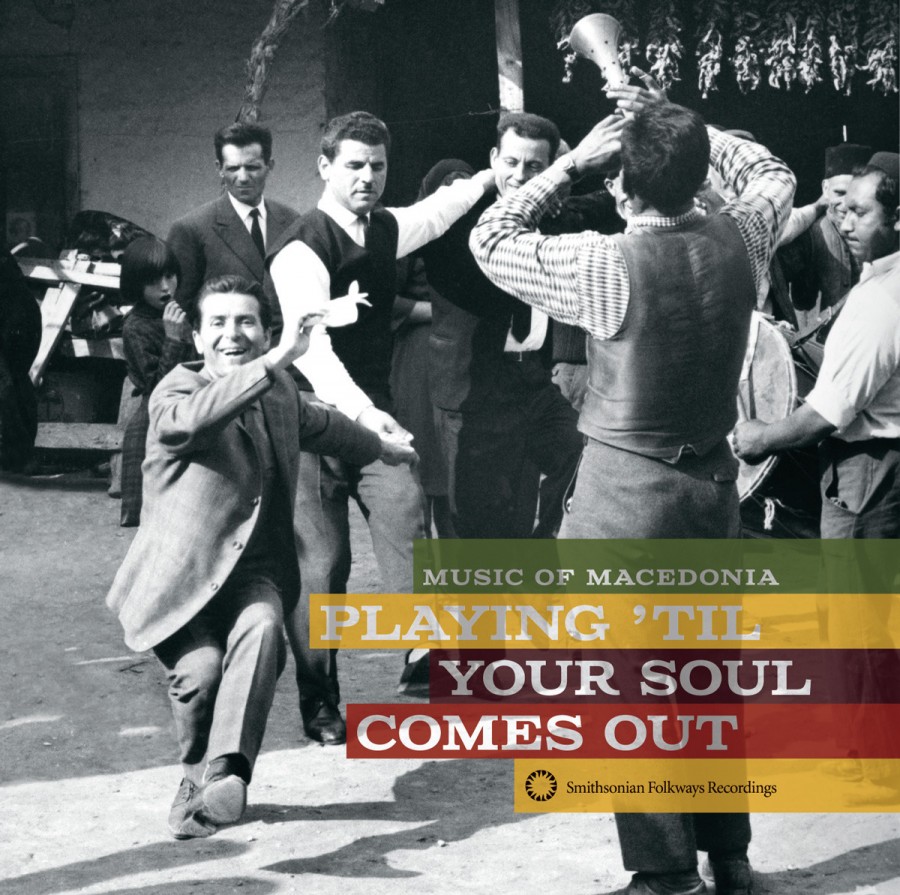
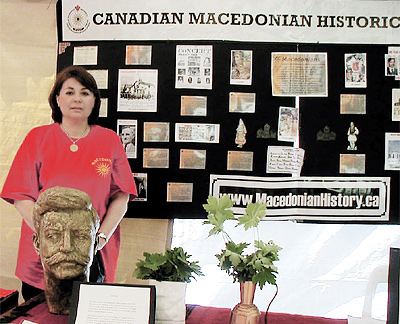
At the 23rd Annual Meeting of the Canadian Macedonian Historical Society (CMHS), President Tony Markovsky honored the legacy of Gotse Delchev and emphasized the organization's mandate to preserve Macedonian heritage through digital archiving projects and website updates. Highlights of the year included the successful digitization of two decades of interviews and a guest presentation by renowned ethnographer Martin Koenig, who discussed his collaboration with the Smithsonian Institution to preserve traditional Macedonian music and dance from the 1960s. Looking toward the future, Markovsky announced a long-term goal to establish a permanent Canadian Macedonian Museum and Cultural Centre while encouraging community donations to support Koenig's ongoing preservation efforts.

Vasil Patsko

Vasil Patsko was born in the village of Zhelevo, Macedonia November 28th, 1907 to Done and Sophia (nee Hadjipaul) Patsko. Siblings included Elinka (died in infancy) Louis, Zoya, and Alex. As a young boy, he played music with his father and younger brothers.

Patsy Sider - MY BELOVED FATHER, AVRAAM BOSSOTAS (1908-1987)

It was painted on my father's face, the joy and the fear The times when he held the radio close to his ear. He was hearing Macedonian songs Prohibited by the Greeks, the Macedonian songs. The volume of the radio was too low Any lower could not go. He wondered, if the Greek policeman was outside of his home Hidden under the window, or the porch, for eavesdropping. Mother was shaking as a leaf. She was whispering to ...

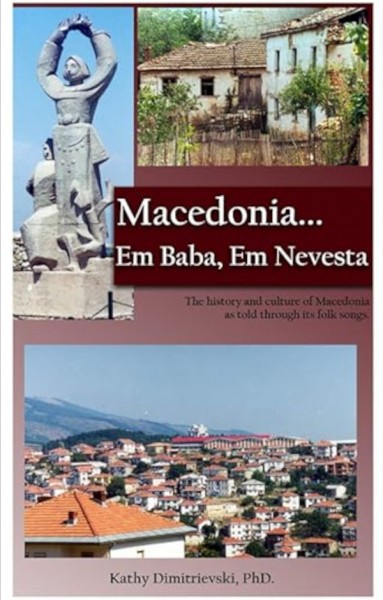
Em Baba, Em Nevesta Lecture by Dr. Kathy Dimitrievski

The Canadian Macedonian Historical Society launched its 2005 lecture series with Dr. Kathy Dimitrievski’s presentation, "Macedonia... Em Baba, Em Nevesta," which explored Macedonian history through the evolution of its folk music. Based on her 2001 doctoral research, Dr. Dimitrievski argued that because formal Macedonian education was suppressed until the mid-20th century, izvorni (traditional) songs served as the primary oral archive for the nation's collective memory, documenting centuries of struggle and joy. Featuring rare footage of legendary singers like Vaska Ilieva and Aleksander Sarievski, the event concluded with a community social over planinski čaj, highlighting the vital role of oral histories in preserving identity across the global Macedonian diaspora.

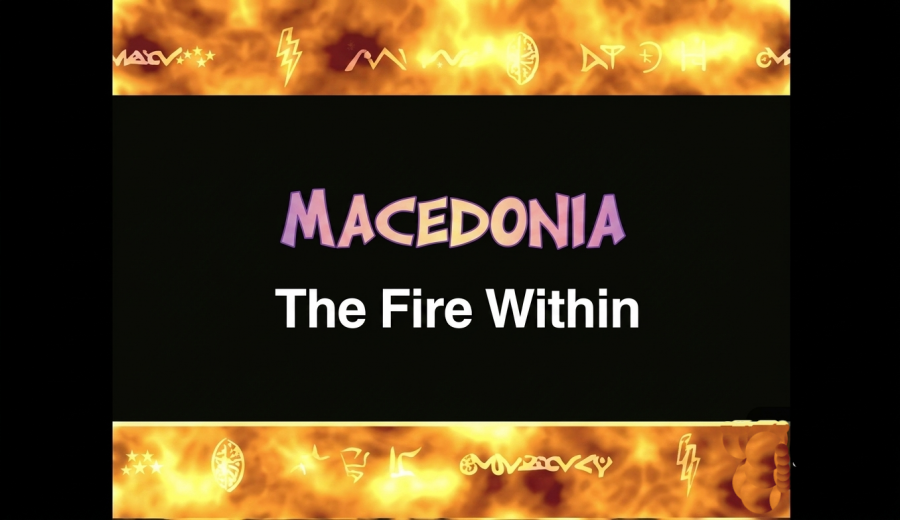
Macedonia The Fire Within - by John Evans

Produced and authored by John Evans, Macedonia: The Fire Within is a poignant documentary short that explores the resilience and cultural survival of the Macedonian people. Released in its digital form on February 15, 2015, following a significant event presentation in 2004, the film frames Macedonia as an undeniable nation and a cornerstone of European history that has persevered through centuries of repression and denial. By highlighting the powerful symbols of the Oro, Zdravetz, and the Star, Evans illustrates the spiritual "luggage" carried by the diaspora to North America, where they found the cultural freedom to flourish. Ultimately, the documentary serves as both a tribute to the ancestors who secured a future in Canada and a call to action for younger generations to nurture the "fire within" and honor their enduring heritage.