Canadian Macedonian Heritage Society Canadian Macedonian Heritage Society Become a member!

Tagged “Historical Writing”

Browse Tagged “Historical Writing” from the Canadian Macedonian Heritage Society archive, library and community collections.

16 Century Macedonian Lexicon Found at the Vatican

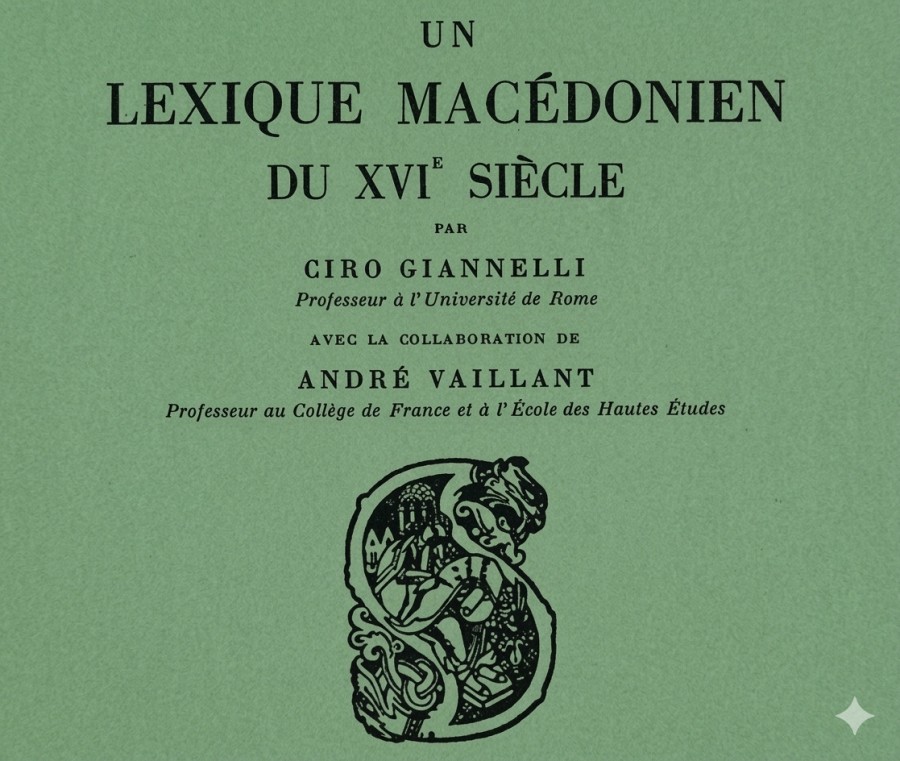
On October 27, 2013, the Canadian Macedonian Historical Society hosted a lecture at the East York Civic Centre featuring professors Joseph Schallert and Kosta Peev, who presented a significant 16th-century Macedonian lexicon discovered in the Vatican archives. Originally found in the late 1940s and written in the Greek alphabet, the manuscript was eventually identified as the Old Kostur dialect of Macedonian rather than Greek, as evidenced in the 1954 study Un Lexique Macédonien du XVIe Siècle. Odyssey Belchevsky, the Director of Cultural Events, noted that a copy of this scholarly work was personally delivered to the Society by Macedonian President George Ivanov, serving as vital historical proof of the Macedonian language's long-standing existence centuries before the formation of the modern state.
One Hundred Years of Occupation

Lecture - presented for the Historical Society in Toronto on January 27, 2013 In spite of the Macedonian people having risen in 1903 to fight for their freedom and to create an Independent Macedonian state, only ten years later, Macedonia was brutally invaded, occupied and partitioned by its neighbours Greece, Serbia and Bulgaria; a partition validated by the European Great Powers on August 10, 1913 by the Treaty of Bucharest. Why did this happen? What were the factors leading ...

Reassessing the Demotic Text of the Rosetta Stone

On Sunday, May 15, 2011, the Canadian Macedonian Historical Society (CMHS) hosted a landmark inaugural Skype lecture featuring Dr. Tome Boshevski and Dr. Aristotel Tentov, who presented their pioneering research into the middle text of the Rosetta Stone. The researchers identified this script—historically categorized as Demotic—as the language of the ancient Macedonians who ruled Egypt during the Ptolemaic period. Utilizing a "wiring for sound" methodology to identify 27 consonants and 8 vowels, they revealed a sophisticated syllabic script with a complex grammatical structure that shares characteristics with modern Slavic languages. This methodology was successfully applied to other ancient artifacts, such as the Canopus Decree and items from the Vincha culture, suggesting a remarkable linguistic continuity dating back to 3000 B.C. The lecturers concluded that the Rosetta Stone served as a multi-ethnic communication tool, with the Macedonian text providing significantly more detail than the Greek version, thereby offering profound new implications for the study of historical linguistics and the enduring legacy of the ancient Macedonian language.

The Jews of Macedonia

The Canadian Macedonian Historical Society successfully launched its lecture season with a capacity-crowd event at the North York Central Library, featuring presentations on the intersection of Jewish and Macedonian history. Co-President Ginny Evans introduced guest speakers Dr. Christina Kramer, who detailed the history of Macedonian Jews from their 15th-century arrival to the tragic loss of 98 percent of the population during the Holocaust, and filmmaker Marija Makeska, who screened her documentary Get To Know Us and the film Soulmates. The evening highlighted the resilience of the Jewish community, noting the contemporary construction of a Holocaust Memorial in Skopje and the passage of pioneering restitution laws in the Republic of Macedonia. Attended by Consul General Trenevski, the event fostered an engaging dialogue on historical shared struggles and cultural preservation, underscored by a poignant recitation in Ladino, the ancestral language of Sephardic Jews.

"Macedonia and the Macedonians - A History" By Professor Andrew Rossos Book Launch

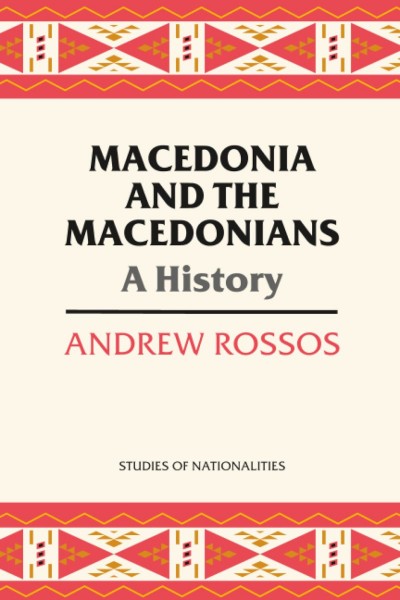
On November 2, 2008, the Canadian Macedonian Historical Society celebrated the launch of Professor Andrew Rossos’s highly anticipated book, Macedonia and the Macedonians, at the University of Toronto’s Victoria College. Addressing an audience of over fifty scholars and community members, Professor Rossos—himself a child refugee from Aegean Macedonia—shared the arduous journey of his research, including the challenges of navigating restrictive archives in Sofia, Athens, and Skopje. The event underscored the significance of having a Macedonian-born academic provide a meticulous, comprehensive account of Macedonian nationalism and the complex geopolitical transitions the nation has endured. Beyond the academic discussion, the gathering fostered a sense of community pride, complemented by traditional Macedonian food and the recognition of Dr. Rossos's tenacity in documenting a history often obscured by the agendas of neighboring states.

1913 Treaty of Bucharest: Macedonia's Partition by Risto Stefov

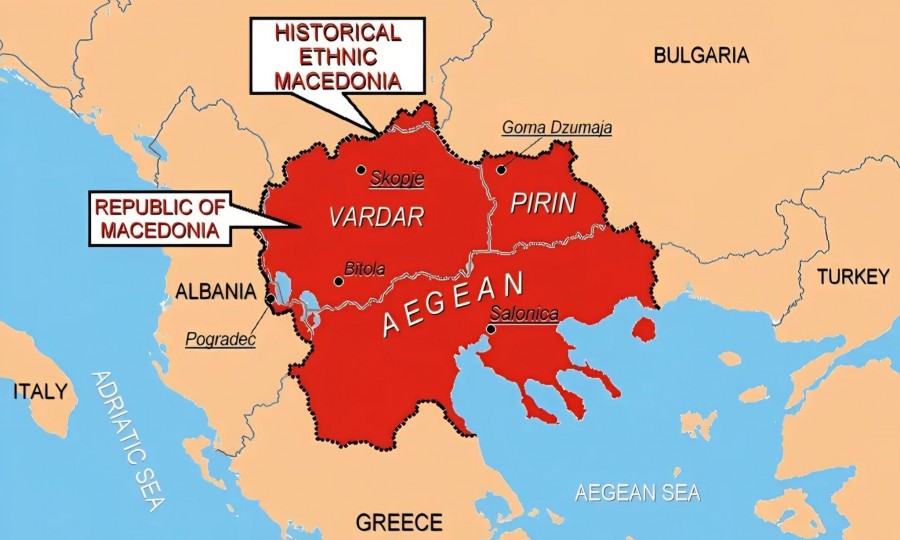
In a compelling lecture for the Canadian Macedonian Historical Society on May 18, 2008, historian Risto Stefov detailed the systemic destabilization and eventual partition of Macedonia between 1878 and 1913. He argued that Macedonia's fate was dictated by the "Great Powers" and neighboring monarchies who prioritized economic corridors and territorial expansion over the self-determination of the Macedonian people. By utilizing "soft power" cultural propaganda through foreign schools and churches, and subsequently exploiting the failed 1903 Ilinden Uprising, these external forces transitioned from "liberators" to occupiers during the Balkan Wars. The presentation concluded with the 1913 Treaty of Bucharest, a document signed without Macedonian representation that institutionalized the division of the homeland into Aegean, Vardar, and Pirin Macedonia, initiating a century of displacement and a persistent struggle for the recognition of Macedonian identity.

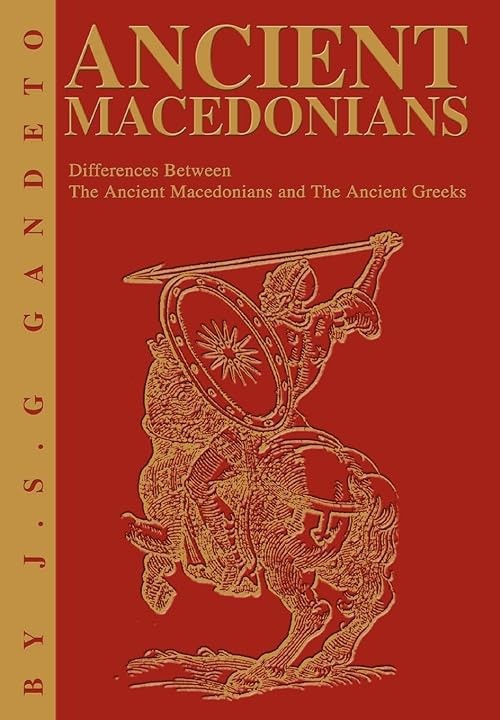
Presentation by JSG Gandeto, Author of "Ancient Macedonians"

On Sunday, November 30, 2003, the Toronto Macedonian community gathered for a pivotal intellectual event that bridged the gap between academic research and community activism. This historic presentation was a collaborative effort, jointly hosted by three influential pillars of the diaspora: the Canadian Macedonian Historical Society, St. Clement of Ohrid Macedonian Orthodox Cathedral, and the Macedonian Human Rights Movement of Canada (MHRMC).

When Bad Things Happened in the 19th Century to Good Macedonian People by Risto Stefov

On November 18, 2001, the Canadian Macedonian Historical Society (CMHS) hosted researcher Risto Stefov for a lecture exploring how 19th-century geopolitics manufactured the "Macedonian Question." Stefov argued that the region's modern instability stems from a combination of the Ottoman Empire's decline, the destructive impact of European economic imperialism on local industry, and the diplomatic betrayals of the Great Powers. The centerpiece of his analysis was the 1878 Congress of Berlin, where European diplomats prioritized a "balance of power" over local self-determination, returning Macedonia to Ottoman rule and setting the stage for the violent partitions and identity conflicts that followed.

Ancient Rock Carvings in Macedonia with Vasil Ilov

Organized by the Canadian Macedonian Historical Society (CMHS) in 1999, the lecture Ancient Rock Carvings in Macedonia by Vasil Ilov represents an important contribution to the study of Macedonia’s prehistoric and protohistoric past, focusing on one of the oldest and least understood forms of human expression: rock carvings, or petroglyphs. Through this lecture, preserved in the CMHS archival lecture series, Ilov explores the archaeological significance of ancient carvings discovered throughout Macedonia, situating them within broader questions of early human spirituality, communication, astronomy, ritual, and social organization. His presentation highlights the importance of Macedonia as a prehistoric cultural landscape, emphasizing that its rocky terrain contains evidence of human symbolic activity stretching back thousands of years. Recent institutional and archaeological documentation confirms the significance of Macedonian rock art, particularly in areas such as Kratovo and the Osogovo region, where extensive rock carvings have been recorded and studied.