Canadian Macedonian Heritage Society Canadian Macedonian Heritage Society Become a member!

All news & events

Browse All news & events from the Canadian Macedonian Heritage Society archive, library and community collections.

Lifetime Achievement Award

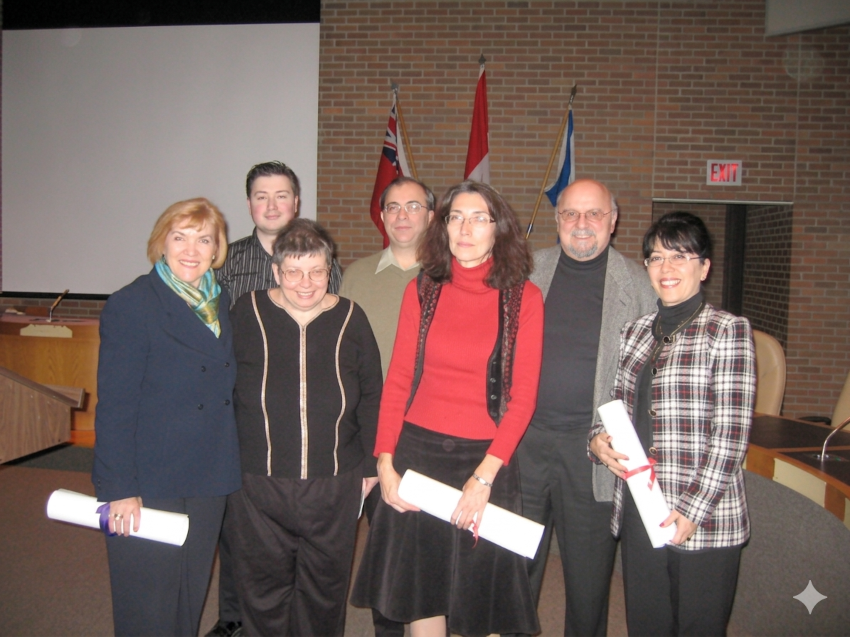
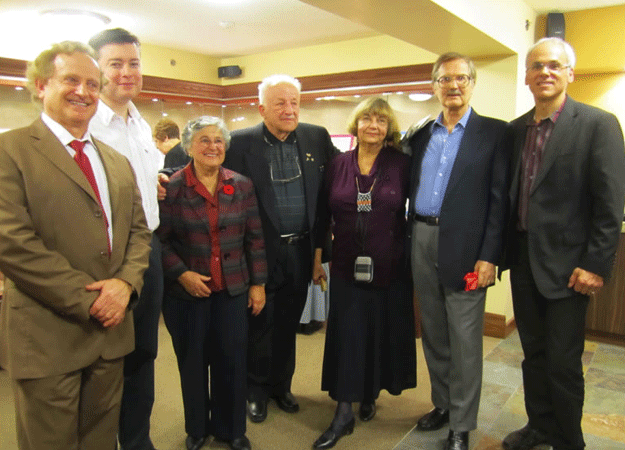
In recognition of her exceptional civic leadership and tireless commitment to heritage preservation, the Canadian Macedonian Historical Society (CMHS) honors Past President Virginia Evans for her receipt of the prestigious Queen Elizabeth II Diamond Jubilee Medal. This distinguished award celebrates Virginia’s decades of service in documenting Macedonian-Canadian history and her significant contributions to the cultural fabric of Canada. Through her advocacy, philanthropy, and executive leadership, she has played a vital role in elevating the profile of the CMHS and fostering a deeper understanding of the community's legacy. This formal commendation reflects her unwavering dedication to public service and serves as a testament to her lasting impact on both the Macedonian community and the broader Canadian public.
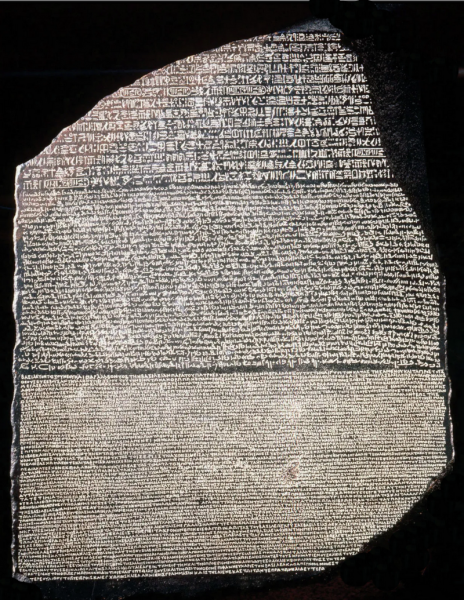
Reassessing the Demotic Text of the Rosetta Stone

On Sunday, May 15, 2011, the Canadian Macedonian Historical Society (CMHS) hosted a landmark inaugural Skype lecture featuring Dr. Tome Boshevski and Dr. Aristotel Tentov, who presented their pioneering research into the middle text of the Rosetta Stone. The researchers identified this script—historically categorized as Demotic—as the language of the ancient Macedonians who ruled Egypt during the Ptolemaic period. Utilizing a "wiring for sound" methodology to identify 27 consonants and 8 vowels, they revealed a sophisticated syllabic script with a complex grammatical structure that shares characteristics with modern Slavic languages. This methodology was successfully applied to other ancient artifacts, such as the Canopus Decree and items from the Vincha culture, suggesting a remarkable linguistic continuity dating back to 3000 B.C. The lecturers concluded that the Rosetta Stone served as a multi-ethnic communication tool, with the Macedonian text providing significantly more detail than the Greek version, thereby offering profound new implications for the study of historical linguistics and the enduring legacy of the ancient Macedonian language.

The Jews of Macedonia

The Canadian Macedonian Historical Society successfully launched its lecture season with a capacity-crowd event at the North York Central Library, featuring presentations on the intersection of Jewish and Macedonian history. Co-President Ginny Evans introduced guest speakers Dr. Christina Kramer, who detailed the history of Macedonian Jews from their 15th-century arrival to the tragic loss of 98 percent of the population during the Holocaust, and filmmaker Marija Makeska, who screened her documentary Get To Know Us and the film Soulmates. The evening highlighted the resilience of the Jewish community, noting the contemporary construction of a Holocaust Memorial in Skopje and the passage of pioneering restitution laws in the Republic of Macedonia. Attended by Consul General Trenevski, the event fostered an engaging dialogue on historical shared struggles and cultural preservation, underscored by a poignant recitation in Ladino, the ancestral language of Sephardic Jews.

Canadian Macedonian Artist Michael Close - on his work and Mother Teresa

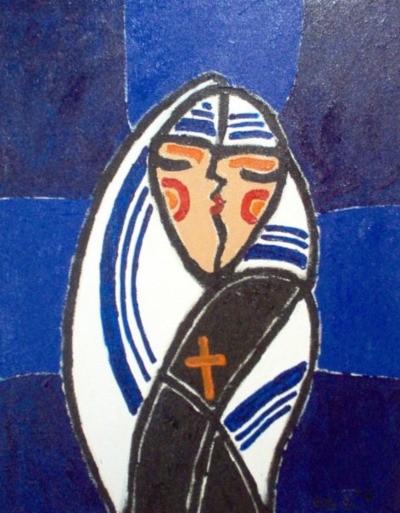
On December 26, 2008, Canadian-Macedonian artist Michael Close was recognized for his humanistic and philanthropic approach to contemporary art, particularly through his evocative portraits of Mother Teresa. A graduate of OCAD University with a background in scenic design for film and theater, Close developed a distinct style that blends strong figurative lines with pensive, harmonious themes to explore global humanity. His deep connection to his heritage is most evident in his tributes to the "Macedonian Mother Teresa," with his work featured in the Mother Teresa Museum in Skopje, linking her legacy of compassion to her birthplace. Often collaborating with organizations like the Canadian Macedonian Historical Society, Close utilized his international exhibitions and frequent art donations to bridge cultural history with charitable action, solidifying his role as a key artistic voice in the diaspora.

"Macedonia and the Macedonians - A History" By Professor Andrew Rossos Book Launch

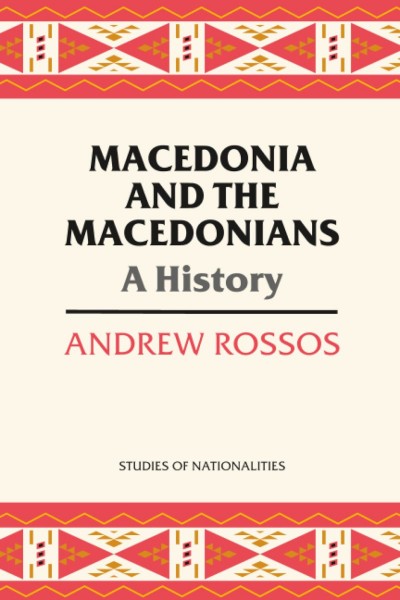
On November 2, 2008, the Canadian Macedonian Historical Society celebrated the launch of Professor Andrew Rossos’s highly anticipated book, Macedonia and the Macedonians, at the University of Toronto’s Victoria College. Addressing an audience of over fifty scholars and community members, Professor Rossos—himself a child refugee from Aegean Macedonia—shared the arduous journey of his research, including the challenges of navigating restrictive archives in Sofia, Athens, and Skopje. The event underscored the significance of having a Macedonian-born academic provide a meticulous, comprehensive account of Macedonian nationalism and the complex geopolitical transitions the nation has endured. Beyond the academic discussion, the gathering fostered a sense of community pride, complemented by traditional Macedonian food and the recognition of Dr. Rossos's tenacity in documenting a history often obscured by the agendas of neighboring states.

1913 Treaty of Bucharest: Macedonia's Partition by Risto Stefov

In a compelling lecture for the Canadian Macedonian Historical Society on May 18, 2008, historian Risto Stefov detailed the systemic destabilization and eventual partition of Macedonia between 1878 and 1913. He argued that Macedonia's fate was dictated by the "Great Powers" and neighboring monarchies who prioritized economic corridors and territorial expansion over the self-determination of the Macedonian people. By utilizing "soft power" cultural propaganda through foreign schools and churches, and subsequently exploiting the failed 1903 Ilinden Uprising, these external forces transitioned from "liberators" to occupiers during the Balkan Wars. The presentation concluded with the 1913 Treaty of Bucharest, a document signed without Macedonian representation that institutionalized the division of the homeland into Aegean, Vardar, and Pirin Macedonia, initiating a century of displacement and a persistent struggle for the recognition of Macedonian identity.

"Let Me Tell You a Story...": CMHS Immigration Symposium and Book Re-Launch

The Canadian Macedonian Historical Society’s 2007 symposium, "Let Me Tell You a Story…," served as a vital bridge between academic scholarship and personal heritage by documenting three distinct waves of Macedonian immigration to Canada. Moderated by Dr. Lillian Petroff, the event featured five speakers who shared intimate narratives spanning from early 20th-century "pechalbari" (migrant workers) in small-town Ontario to post-war Begaltsi refugees and modern-day professionals. A cornerstone of the afternoon was the re-launch of Prof. Harry Herman’s Men in White Aprons, a work that highlights the community's entrepreneurial resilience in the restaurant industry as a response to ethnic marginalization. By blending oral histories with formal research, the symposium reinforced the Society's mission to preserve the fragile cultural legacies of the diaspora, ensuring that future generations remain connected to the foundational struggles and successes of their ancestors.