

Canada 150 - Edith George Lecture
In celebration of Canada’s 150th birthday, Edith George delivered a captivating lecture that intertwined Macedonian immigration with local natural history. George connected her own heritage—specifically her grandfather’s journey from the village of Zhelevo to his influential role in building Toronto’s St. Clement of Ohrid Macedonian Orthodox Cathedral—with the 350-year-old story of a great red oak in her Toronto neighborhood. By linking an ancient tree in Ohrid, Macedonia, to heritage trees in Canada, she highlighted the urgent need for forest conservation and the use of the Ontario Urban Forest Council’s "Heritage Tree Toolkit." The event, which also featured patriotic musical performances and immigrant poetry, emphasized that protecting natural landmarks is a vital way to preserve the oral and human histories of the community.
The Story of Vasilka
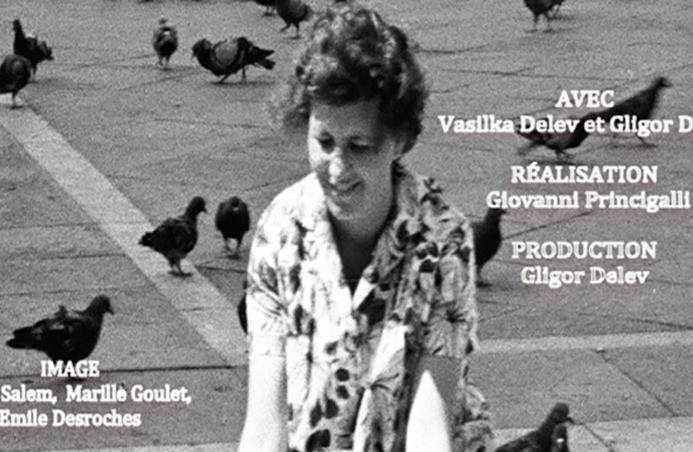
The Canadian Macedonian Historical Society (CMHS) transformed this year’s Annual General Meeting into a deeply resonant cultural experience. In a special collaboration with the Macedonian Film Festival, members were treated to a screening of the evocative documentary Story of Vasilka. Directed by Giovanni Princigalli, the film is a masterclass in narrative storytelling, weaving together intimate family photographs with rare archival footage from the Kinoteka (Cinémathèque) of Skopje to create an authoritative and emotionally charged historical record. A screening was set ...
Celebrating 25 Years - 1991-2016
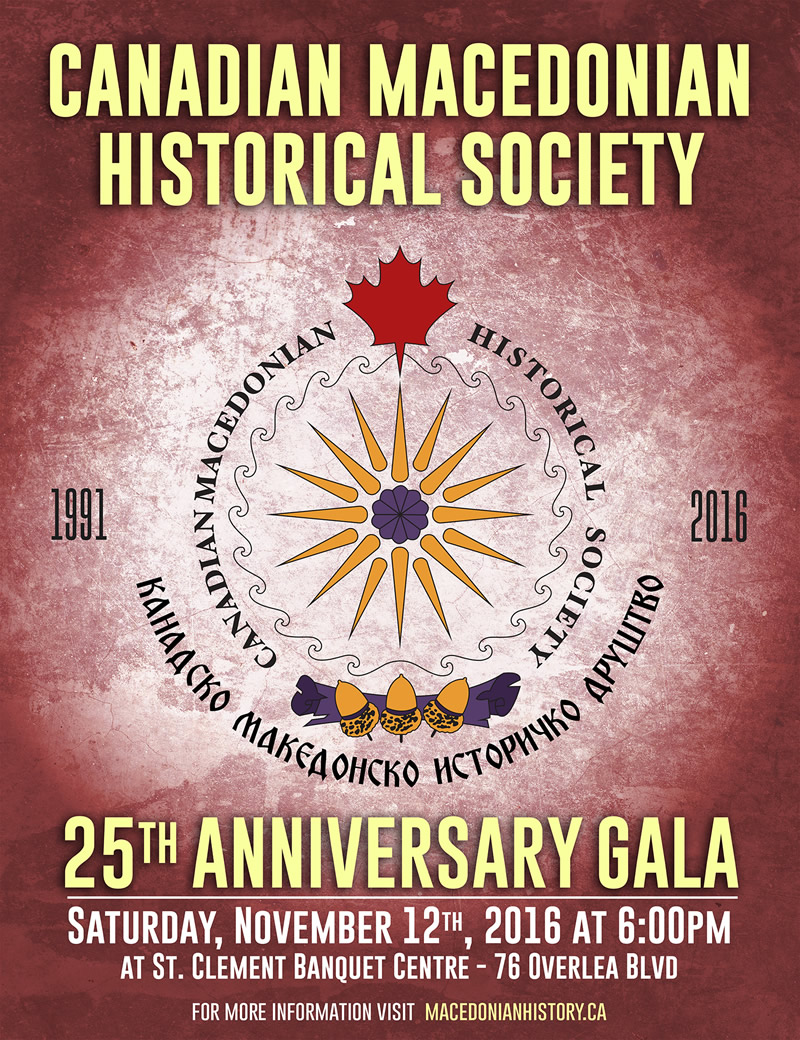
Celebrating 25 Years - 1991-2016 On Saturday November 12th, 2016 the CMHS will be celebrating "25 Years" in serving the Macedonian community in Canada. The Gala will be held at St. Clement of Ohrid Macedonian Orthodox Cathedral. Tickets are ...
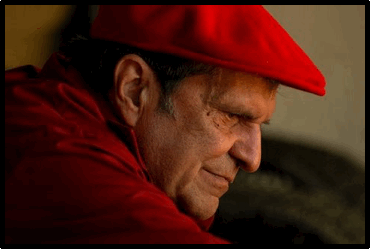
Alex Gigeroff: One Oro!
On a Sunday in September, the Canadian Macedonian Historical Society hosted "Zaedno Alex… One More Time!" at the University of Toronto to celebrate the remarkable life and legacy of Dr. Alex Gigeroff. The event showcased Gigeroff’s multifaceted contributions as a philosopher, historian, criminal lawyer, and artist, featuring an exhibition of his vibrant paintings and copies of his book, Baba’s Macedonian Socks. Family, friends, and distinguished guests—including his son, artist Andre Haines, and Judge Barry Stuart—shared poignant stories of Alex’s intellectual energy, his passionate advocacy for Macedonian identity, and his unique "rules for life," which encouraged others to live dangerously and seek justice. The celebration concluded with a traditional oro dance, embodying Alex’s lifelong philosophy of "Zaedno" (Togetherness) and his enduring belief that life should be lived with color, music, and a commitment to one's roots.
The First of its Kind - Macedonian Museum
On a warm May day, the Canadian Macedonian Historical Society officially opened a professionally curated museum within the Canadian Macedonian Place to preserve and showcase the rich heritage of the Macedonian community. Led by committee head Despina Bursey and supported by experts James and Dena Nicoloff, the museum features a meticulously documented collection of artifacts—including century-old costumes, hand-stitched baby blankets, and traditional dance items—donated by the community since 1991. The auspicious opening, which included a blessing by Metropolitan Metodij and the presence of Consul General Jovica Palasevski, marked a significant milestone in ensuring that the history and craftsmanship of all three regions of Macedonia are preserved and accessible for future generations to honor.
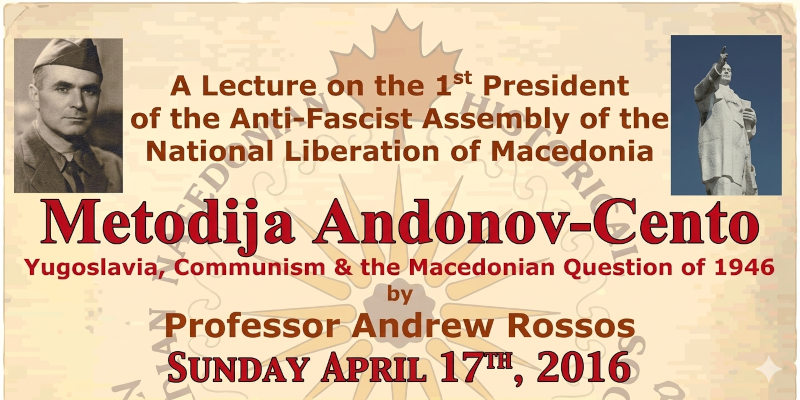
Metodija Andonov Cento
In April 2016, the Canadian Macedonian Historical Society hosted a lecture by Professor Andrew Rossos on Metodija Andonov-Čento, the first president of ASNOM and a pivotal figure in the "Macedonian Question" of 1946. A "National Communist" who fought for a unified, sovereign Macedonia with the constitutional right to secede from Yugoslavia, Čento was ultimately purged by the Belgrade-led regime, imprisoned for over a decade, and erased from history books until Macedonia's independence in 1991. The presentation highlighted his transition from a suppressed political martyr—whose name was once spoken only in whispers—to a celebrated national patriot whose legacy is now honored with a prominent monument in Skopje.
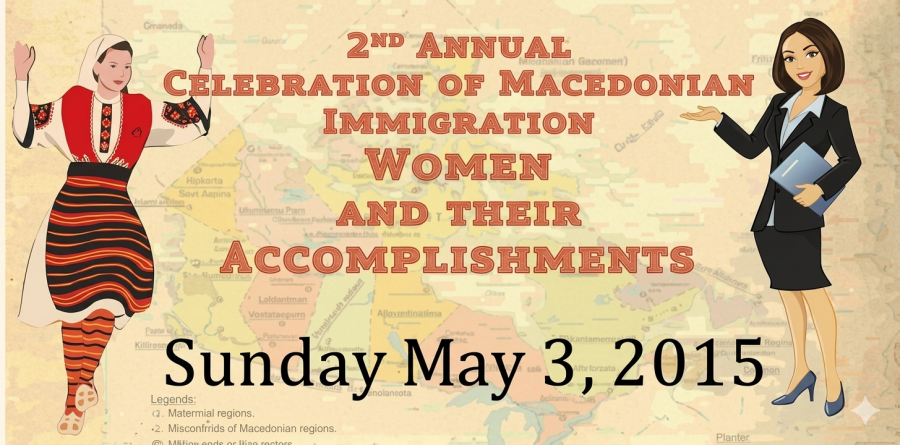
2nd Annual Canadian Immigration Celebration Women & their Accomplishments
The 2nd Annual Celebration of Macedonian Immigration to Canada was held at the East York library to honor the diverse professional and personal accomplishments of Macedonian-Canadian women. Departing from the early 20th-century narrative of "bride" immigration, the event showcased women from various regions of Macedonia who have excelled in fields such as engineering, media, international development, and the arts. Featured speakers included Natasha Denkovski, a national-team athlete and MBA; Pobeda Piskaceva, the creator of the Macedonian Edition TV program; filmmaker Sandra Danilovic; fashion designer Maria Lazarova Manceva; and development expert Vera Belazelkoska. The afternoon concluded with keynote speaker Aleksandra Nasteska, an award-winning advocate for sustainability and gender equality, illustrating how these women have moved beyond traditional family roles to drive social change and inspire future generations within both the Macedonian community and broader Canadian society.
Bitola Macedonia - 100 years of Postcards - Book Launch
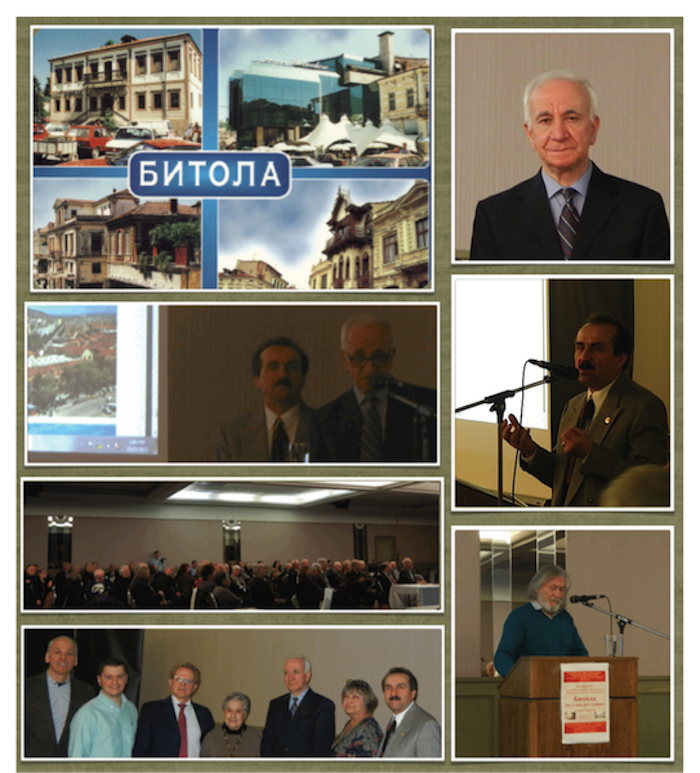
On March 22, 2015, the Canadian Macedonian Historical Society celebrated the launch of Dimce Najdov’s book, "Bitola: 100 Years of Postcards," at St. Clement of Ohrid Macedonian Orthodox Church. Introduced by Master Artist Georgi Danevski, the lecture highlighted Najdov’s meticulous journey in curating a visual chronology of Bitola across seven historical eras, ranging from the late Ottoman Empire and the devastating impacts of the World Wars to the modern Republic of Macedonia. By documenting the city's architectural and social evolution through postcards, the work serves as a "visual encyclopedia" that preserves the cultural heritage of the "City of Consuls" for both the local community and the Macedonian diaspora in Canada.
CMHS AGMM and Special Event: Balkan Echoes
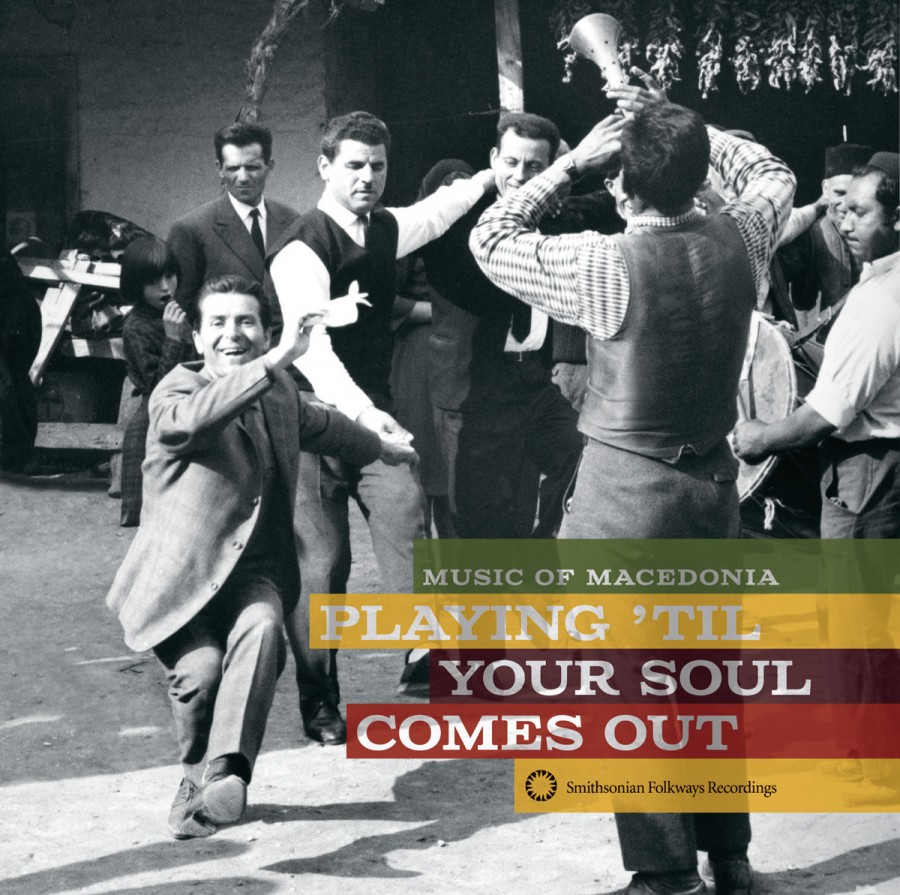
At the 23rd Annual Meeting of the Canadian Macedonian Historical Society (CMHS), President Tony Markovsky honored the legacy of Gotse Delchev and emphasized the organization's mandate to preserve Macedonian heritage through digital archiving projects and website updates. Highlights of the year included the successful digitization of two decades of interviews and a guest presentation by renowned ethnographer Martin Koenig, who discussed his collaboration with the Smithsonian Institution to preserve traditional Macedonian music and dance from the 1960s. Looking toward the future, Markovsky announced a long-term goal to establish a permanent Canadian Macedonian Museum and Cultural Centre while encouraging community donations to support Koenig's ongoing preservation efforts.

Democracy & The Rule of Law in Macedonia
At a well-attended community lecture on April 6, Macedonian parliamentarian Pavle Sazdov provided a detailed overview of the political and electoral system in the Republic of Macedonia, focusing on the role of the diaspora in the democratic process. Speaking as the elected representative for Macedonians in North and South America, Sazdov explained voter registration requirements, the structure of parliament, the role of political parties, and the functions of the president and judiciary. He emphasized the opportunities available to Macedonians abroad to participate in elections through newly established consular offices, while noting that voter turnout among the diaspora remains low despite these efforts. The presentation also explored Macedonia’s multi-party political landscape, the historical development of its democratic institutions, and the challenges of engaging a globally dispersed population. Attendees welcomed the opportunity to ask questions and gain a better understanding of contemporary Macedonian politics, highlighting the importance of such educational events in strengthening connections between the diaspora and their ancestral homeland.