Canadian Macedonian Heritage Society Canadian Macedonian Heritage Society Become a member!

Tagged “Village Life”

Browse Tagged “Village Life” from the Canadian Macedonian Heritage Society archive, library and community collections.

THE GREAT ESCAPE

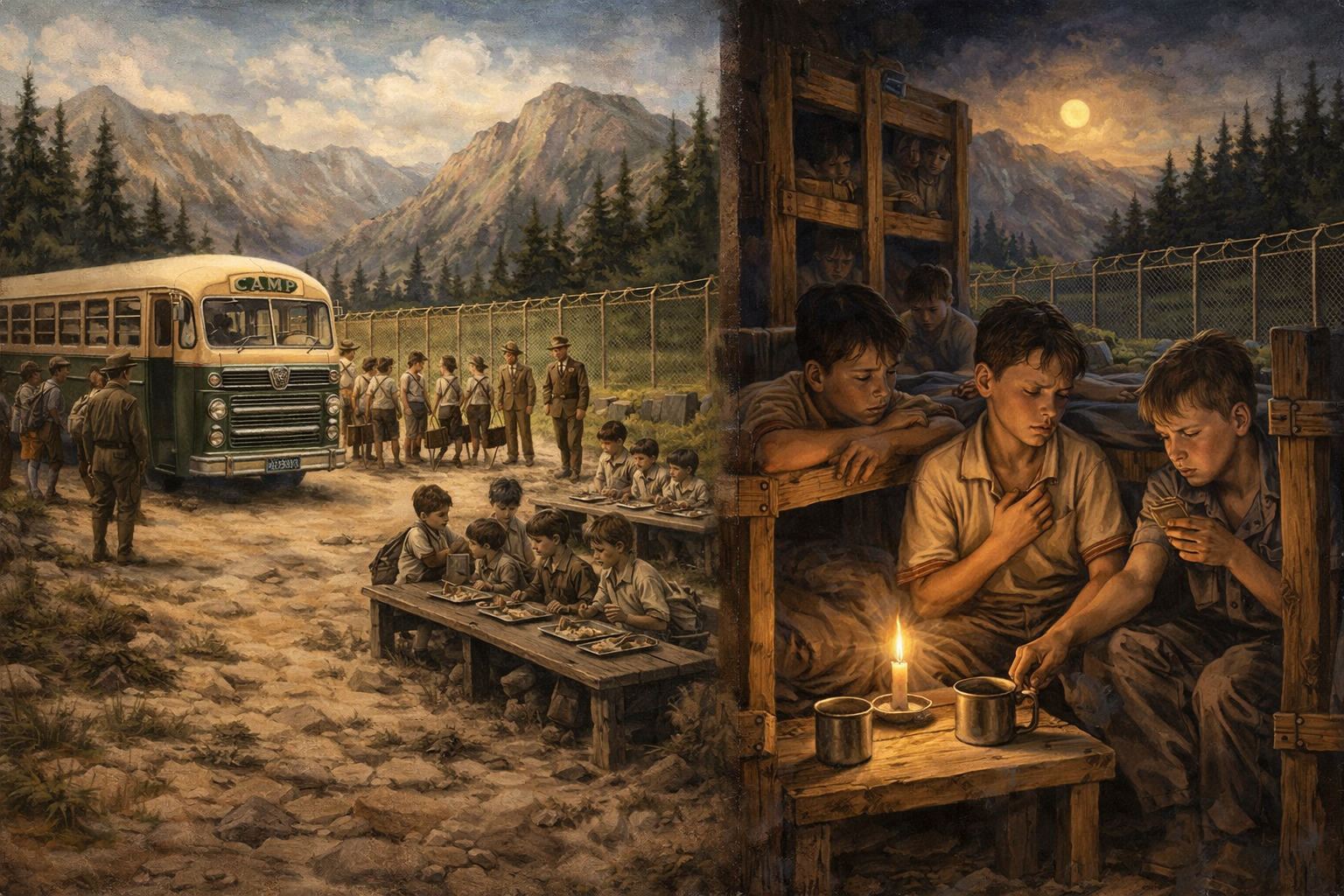
My first ride on a bus One summer day Off to camp we were Without any delay We were all skinny kids Full of ambition Ready for any blitz But all malnutrition We climbed the high mountain The air was so very fresh The camp had one big fountain And surrounded by wire mesh We ate four times a day Well prepared food Each had their own tray Life was going to be so good After a couple days We started ...

A talk with Victor Bivell on: Macedonia Genocide Books Homeland & Villages

Victor Bivell’s talk outlines four key efforts: promoting Macedonian literature through free ebooks, documenting the largely underrepresented Macedonian perspective on the Balkan Wars and genocide, encouraging diaspora return or support to sustain Macedonia as a homeland, and revitalizing declining villages by strengthening connections between communities and their ancestral roots.

Double Book Launch: "BANITSA IN THE MAELSTROM OF THE WARS, 1903-1949" and "THE BELLS WILL RING TOMORROW: Tales of Village Life in Aegean Macedonia"

The Canadian Macedonian Historical Society featured a Zoom double book launch moderated by Professor Emerita Christina Kramer on "BANITSA IN THE MAELSTROM OF THE WARS, 1903-1949' presented by Dr. Constantine Mallin and "THE BELLS WILL RING TOMORROW: Tales of Village Life in Aegean Macedonia" presented by Virginia Evans. "Banitsa was a big influential village and here is its story of turmoil affecting the unsettled lives of 3 generations of resilient Macedonians." "There is nothing in English that deals with Macedonian culture in this way. Human response to death, grieving, exploitation and fear, struggle and survival ... a powerful vehicle of storytelling." To order a copy of "Banitsa in the Maelstrom of the Wars, 1903-1949," please email Dr. Dan Mallin at: cdan.mallin@utoronto.ca To order a copy of "The Bells Will Ring Tomorrow: Tales of Village Life in Aegean Macedonia," please email Virginia Evans at: vaenter@rogers.com

Patsy Sider - THE MACEDONIAN VILLAGER

I sing for the Macedonian Villager. I have a great respect for him. In his life, he suffered greatly from the Greek Authorities But he never lost faith to God. The time when I visited a Macedonian village I felt the presence of the Lord. The villager has faith in his heart His gift is the virtue. In the past, the villager was walking with his head bend down The reason the Greeks had underestimated him The Macedonian ...

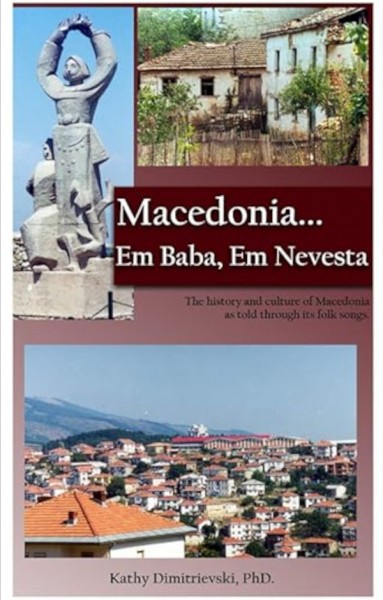
Em Baba, Em Nevesta Lecture by Dr. Kathy Dimitrievski

The Canadian Macedonian Historical Society launched its 2005 lecture series with Dr. Kathy Dimitrievski’s presentation, "Macedonia... Em Baba, Em Nevesta," which explored Macedonian history through the evolution of its folk music. Based on her 2001 doctoral research, Dr. Dimitrievski argued that because formal Macedonian education was suppressed until the mid-20th century, izvorni (traditional) songs served as the primary oral archive for the nation's collective memory, documenting centuries of struggle and joy. Featuring rare footage of legendary singers like Vaska Ilieva and Aleksander Sarievski, the event concluded with a community social over planinski čaj, highlighting the vital role of oral histories in preserving identity across the global Macedonian diaspora.

Ethnic Culture of the population of Macedonia by Aleksandar Stoimilov

Professor Aleksandar Stoimilov’s 2001 lecture, hosted by the Canadian Macedonian Historical Society, provides a rigorous geographical and sociological analysis of Macedonia’s ethnic landscape during a period of intense national crisis. Stoimilov dismantles the complexities of the "Macedonian Question" by classifying the population into distinct categories—the state-building nation, national minorities with external kin-states, and stateless ethnic groups—while highlighting the existential threats posed by the "triple denial" of identity from neighboring Bulgaria, Greece, and Serbia. Ultimately, the lecture serves as a strategic call to action for the diaspora, warning that "demographic desertification" of rural areas threatens the country's territorial integrity and urging expatriates to maintain their ancestral roots through land ownership and economic investment to ensure the survival of the Macedonian state.

Rhythm and Dance by Z. Chesky Neceski

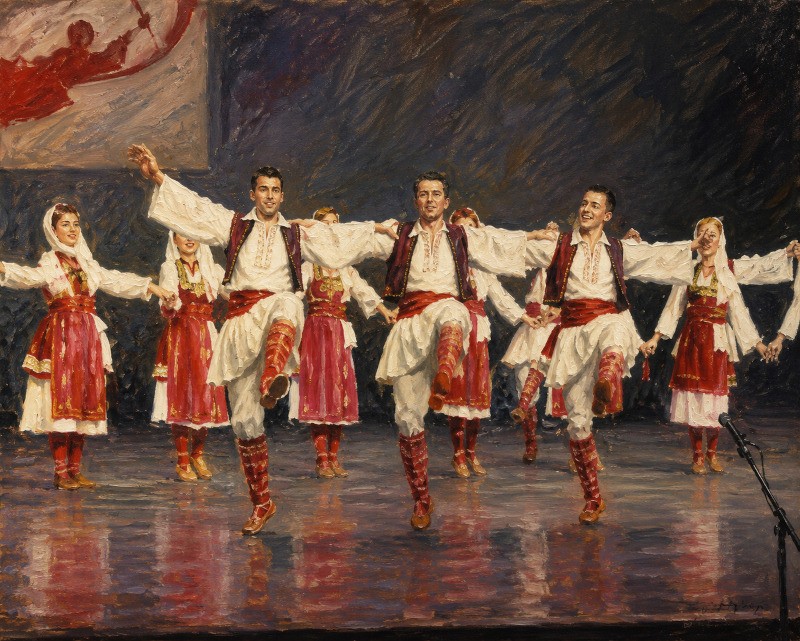
The Canadian Macedonian Historical Society’s 1997 lecture on Macedonian Rhythm and Dance by Z. Chesky Neceski offered a rich exploration of Macedonian folk dance as a living expression of history, identity, and communal memory. Neceski demonstrated how Macedonian dance, particularly the oro (circle dance), is deeply rooted in asymmetrical rhythms, regional traditions, ritual life, and social structures, reflecting the diversity and resilience of Macedonian village culture. He highlighted the role of dance in weddings, religious feast days, courtship, and cultural survival under Ottoman rule, emphasizing its importance as both social communication and historical preservation. The lecture also underscored the significance of maintaining these traditions in the diaspora, where dance continues to connect generations to their heritage, making it one of the strongest enduring symbols of Macedonian cultural continuity.

Cooking with Baba Nicky Alexiou

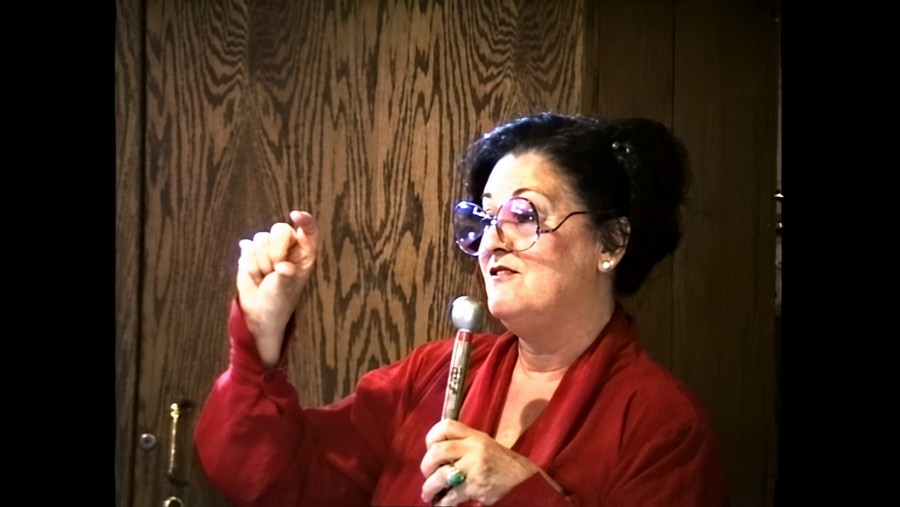
Hosted by the Canadian Macedonian Historical Society (CMHS) on October 20, 1996, this lecture features Nicky Alexiou in a poignant exploration of the "Baba" as the central pillar of traditional Macedonian life. Alexiou masterfully weaves personal anecdotes with historical context to illustrate how grandmothers served as the family’s emotional core, primary educators, and expert household managers. The event provides a rare look into authentic culinary practices—from the hand-crafting of clay cookware to the preservation of foraged mountain mushrooms and artisanal cheeses—while emphasizing a "zero-waste" philosophy rooted in love and communal survival. Ultimately, the lecture serves as a powerful call to preserve these matriarchal traditions, framing the Baba not just as a figure of the past, but as a vital root for the cultural continuity of future generations.