Canadian Macedonian Heritage Society Canadian Macedonian Heritage Society Become a member!

Tagged “National Identity”

Browse Tagged “National Identity” from the Canadian Macedonian Heritage Society archive, library and community collections.

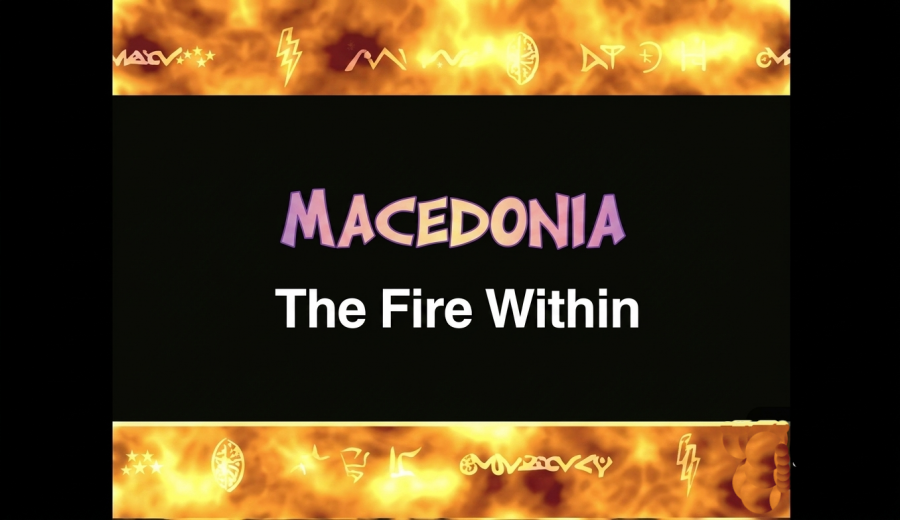
Macedonia The Fire Within - by John Evans

Produced and authored by John Evans, Macedonia: The Fire Within is a poignant documentary short that explores the resilience and cultural survival of the Macedonian people. Released in its digital form on February 15, 2015, following a significant event presentation in 2004, the film frames Macedonia as an undeniable nation and a cornerstone of European history that has persevered through centuries of repression and denial. By highlighting the powerful symbols of the Oro, Zdravetz, and the Star, Evans illustrates the spiritual "luggage" carried by the diaspora to North America, where they found the cultural freedom to flourish. Ultimately, the documentary serves as both a tribute to the ancestors who secured a future in Canada and a call to action for younger generations to nurture the "fire within" and honor their enduring heritage.
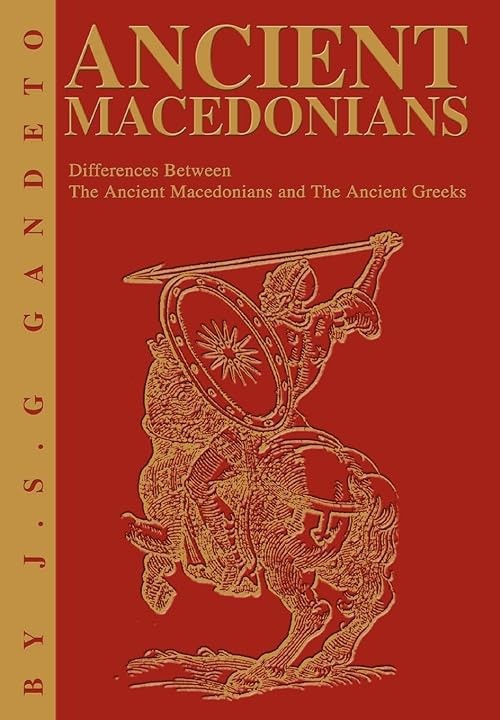
Presentation by JSG Gandeto, Author of "Ancient Macedonians"

On Sunday, November 30, 2003, the Toronto Macedonian community gathered for a pivotal intellectual event that bridged the gap between academic research and community activism. This historic presentation was a collaborative effort, jointly hosted by three influential pillars of the diaspora: the Canadian Macedonian Historical Society, St. Clement of Ohrid Macedonian Orthodox Cathedral, and the Macedonian Human Rights Movement of Canada (MHRMC).

When Bad Things Happened in the 19th Century to Good Macedonian People by Risto Stefov

On November 18, 2001, the Canadian Macedonian Historical Society (CMHS) hosted researcher Risto Stefov for a lecture exploring how 19th-century geopolitics manufactured the "Macedonian Question." Stefov argued that the region's modern instability stems from a combination of the Ottoman Empire's decline, the destructive impact of European economic imperialism on local industry, and the diplomatic betrayals of the Great Powers. The centerpiece of his analysis was the 1878 Congress of Berlin, where European diplomats prioritized a "balance of power" over local self-determination, returning Macedonia to Ottoman rule and setting the stage for the violent partitions and identity conflicts that followed.

Ethnic Culture of the population of Macedonia by Aleksandar Stoimilov

Professor Aleksandar Stoimilov’s 2001 lecture, hosted by the Canadian Macedonian Historical Society, provides a rigorous geographical and sociological analysis of Macedonia’s ethnic landscape during a period of intense national crisis. Stoimilov dismantles the complexities of the "Macedonian Question" by classifying the population into distinct categories—the state-building nation, national minorities with external kin-states, and stateless ethnic groups—while highlighting the existential threats posed by the "triple denial" of identity from neighboring Bulgaria, Greece, and Serbia. Ultimately, the lecture serves as a strategic call to action for the diaspora, warning that "demographic desertification" of rural areas threatens the country's territorial integrity and urging expatriates to maintain their ancestral roots through land ownership and economic investment to ensure the survival of the Macedonian state.

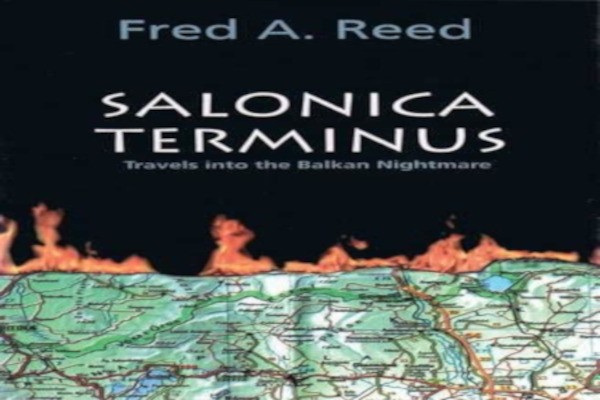
Fred A. Reed and his book, Salonica Terminus, Journey into the Balkan Nightmare

Fred A. Reed’s Salonica Terminus dismantles the myth that Balkan wars were caused by “ancient hatreds,” arguing instead that economic collapse, political manipulation, and international intervention drove the violence. Through historical analysis and travel writing, Reed reveals the Balkans as a region shaped by empire, contested identities, and unfinished histories.

Macedonian History with Professor Andrew Rossos

In this landmark 1993 lecture, Dr. Andrew Rossos provides a scholarly examination of the 150-year evolution of Macedonian nationalism, emphasizing its unique development within a hostile environment of competing Balkan interests and Ottoman theocratic constraints. He outlines four critical stages of national awakening—from the initial resistance against Greek ecclesiastical hegemony to the formal establishment of a Macedonian state post-WWII—while highlighting the "institutional homelessness" caused by the lack of an independent church. Central to his thesis is the concept of "Nashism," a grassroots peasant ideology that preserved a distinct Macedonian identity through folk traditions and shared speech, effectively insulating the population from foreign assimilation efforts. Ultimately, Rossos refutes claims that Macedonia is an artificial 20th-century creation, asserting instead that its sovereignty is the hard-won result of a persistent, organic struggle for self-determination and international recognition.

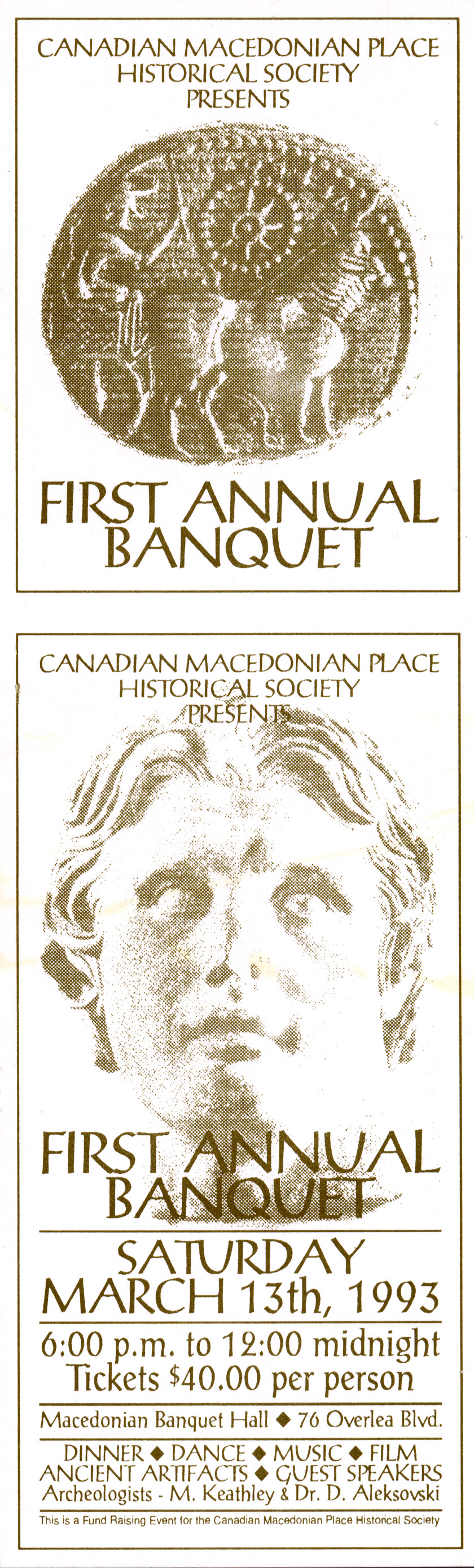
First Annual Banquet

The 1st Annual Banquet of the Canadian Macedonian Place Historical Society was a landmark event dedicated to the reclamation of Macedonian identity through scholarly evidence and community advocacy. Throughout the evening, experts and community leaders presented a multi-layered defense of Macedonian heritage, ranging from Professor Paul Robert Magocsi’s success in securing distinct Macedonian classification in the U.S. Census to Professor Michael Keathly’s archaeological proof of civilizational continuity from antiquity. The event also highlighted the cultural significance of the land through John Bitove Sr.’s discussion of unique botanical symbols and Professor Dusko Aleksovski’s pioneering research into prehistoric "stone art" found near Skopje. Ultimately, the banquet served as the formal launch of a permanent historical archive and library, signaling a strategic shift from anecdotal storytelling to the institutionalized preservation of Macedonian history in Canada.

Macedonian Human Rights Lecture with Michael Craig and Trian Dimitriou

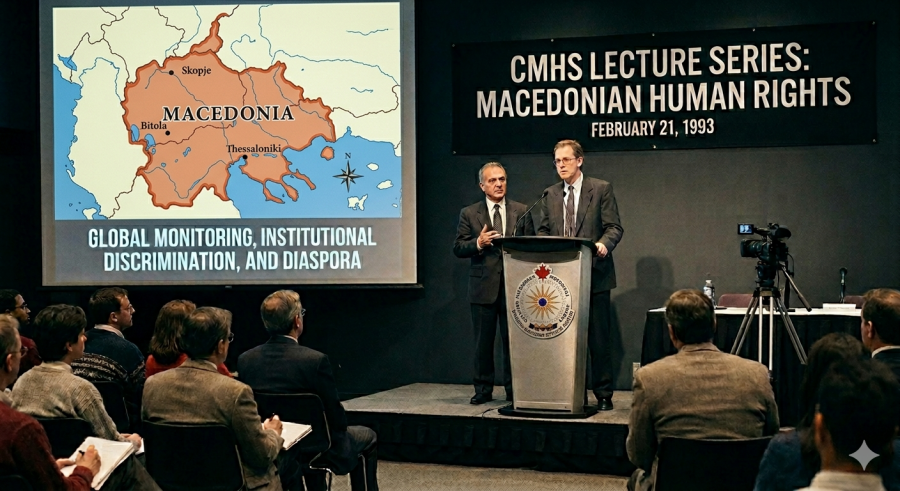
This landmark 1993 CMHS lecture provides a comprehensive analysis of the Macedonian human rights crisis during the early 1990s, featuring expert testimony from Michael Craig of Amnesty International and Trian Dimitriou of the Macedonian Canadian Human Rights Committee. The presentation meticulously documents the "human rights vacuum" in the Balkans, highlighting the imprisonment of ethnic Macedonians as prisoners of conscience and the systematic "cultural genocide" characterized by forced toponym changes, identity theft, and state-sponsored denationalization strategies. By integrating historical cartography dating back to 1477 with reports from international diplomatic missions in Helsinki and Moscow, the speakers elevated the Macedonian struggle to the global stage, while simultaneously addressing the local challenges of political harassment faced by the diaspora in Toronto. Ultimately, this archival record serves as a vital primary source that bridges the gap between historical erasure and the modern pursuit of international recognition and minority rights.