Canadian Macedonian Heritage Society Canadian Macedonian Heritage Society Become a member!

Tagged “Diaspora Life”

Browse Tagged “Diaspora Life” from the Canadian Macedonian Heritage Society archive, library and community collections.

Democracy & The Rule of Law in Macedonia

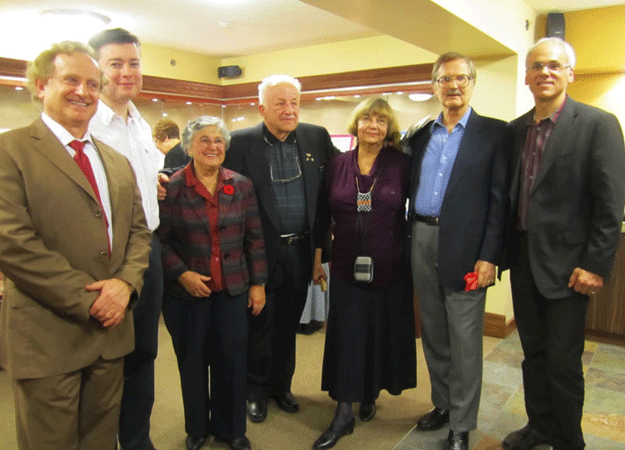
At a well-attended community lecture on April 6, Macedonian parliamentarian Pavle Sazdov provided a detailed overview of the political and electoral system in the Republic of Macedonia, focusing on the role of the diaspora in the democratic process. Speaking as the elected representative for Macedonians in North and South America, Sazdov explained voter registration requirements, the structure of parliament, the role of political parties, and the functions of the president and judiciary. He emphasized the opportunities available to Macedonians abroad to participate in elections through newly established consular offices, while noting that voter turnout among the diaspora remains low despite these efforts. The presentation also explored Macedonia’s multi-party political landscape, the historical development of its democratic institutions, and the challenges of engaging a globally dispersed population. Attendees welcomed the opportunity to ask questions and gain a better understanding of contemporary Macedonian politics, highlighting the importance of such educational events in strengthening connections between the diaspora and their ancestral homeland.

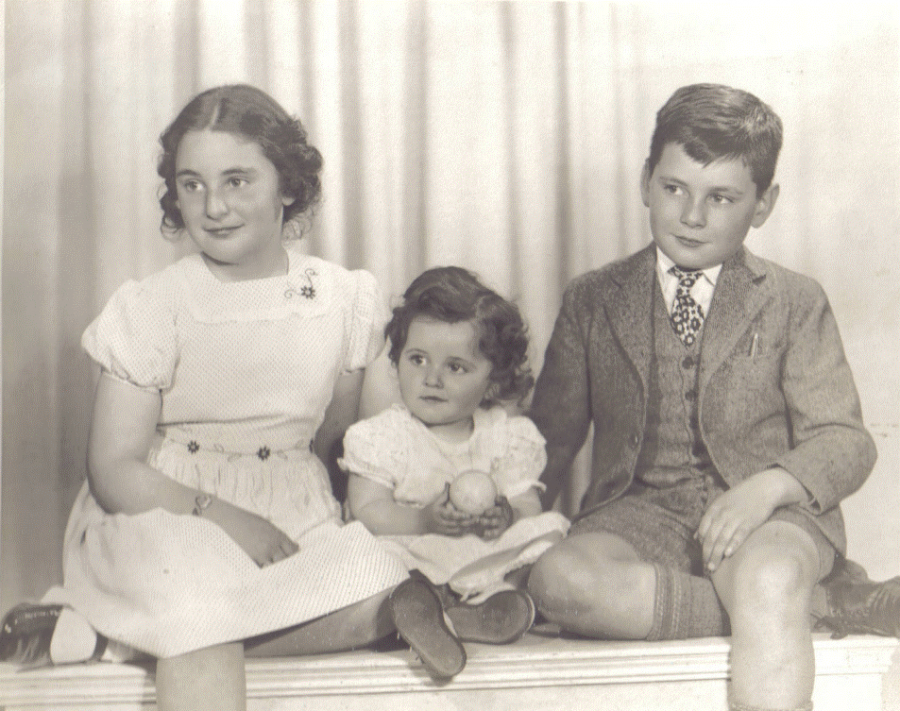
Jugloff, John

Despite the fact than Baba wasn’t born in Macedonia, culture was maintained by both both parents in several ways. - Involvement with the Macedonian church - Virtually all attendance at social gatherings such as picnics, weddings and name day celebration revolved around the Macedonian community - Sending our Jimmy and Kathryn to Macedonian (Bulgarian) school

Patsy Sider - O, BLESSED CANADA

At the Fifth Public School of Florina My teacher said to me with sarcasm. "Your name sounds Bulgarian I will change it to sound Greek" Each Macedonian pupil in school Had a nickname with bright colors. The teacher with unscrupulousness He was using vulgar language. Today I can see clearly the reason The Greek educators were mistreating the children. We were Macedonian Ethnicity People without identification. In the ...

Patsy Sider - THE CANADIAN CITIZENS, FROM FLORINA

The Canadian citizens, from Florina, who live in the free world of Canada The times when they visit my birthplace, the city of Florina-Lerin To my relatives and my acquaintances, for me personally, they say the following. "Shame on her, she hates the Greeks, she speaks the Macedonian language And she goes to Macedonian Church..." My heritage is Macedonian I do not see any shame to that The Macedonian language is one ...

Patsy Sider - MACEDONIAN HERITAGE

We were not familiar with the Macedonian Heritage The reason was, the Greeks Authorities hid it from us. In the Greek schools, we were taught the Greek language And they were accusing our language, the Macedonian language. They were insulting and physically abusing us, the Macedonians And they flooded our Macedonian land with the Greek refugees. They tore down the Macedonian churches And the Macedonians were sent to ...

Patsy Sider - THE MACEDONIAN VILLAGER

I sing for the Macedonian Villager. I have a great respect for him. In his life, he suffered greatly from the Greek Authorities But he never lost faith to God. The time when I visited a Macedonian village I felt the presence of the Lord. The villager has faith in his heart His gift is the virtue. In the past, the villager was walking with his head bend down The reason the Greeks had underestimated him The Macedonian ...

Canadian Macedonian Artist Michael Close - on his work and Mother Teresa

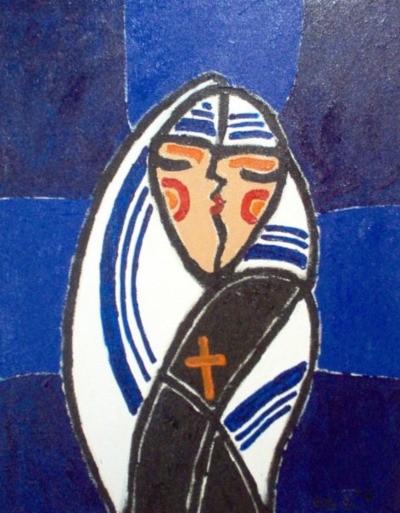
On December 26, 2008, Canadian-Macedonian artist Michael Close was recognized for his humanistic and philanthropic approach to contemporary art, particularly through his evocative portraits of Mother Teresa. A graduate of OCAD University with a background in scenic design for film and theater, Close developed a distinct style that blends strong figurative lines with pensive, harmonious themes to explore global humanity. His deep connection to his heritage is most evident in his tributes to the "Macedonian Mother Teresa," with his work featured in the Mother Teresa Museum in Skopje, linking her legacy of compassion to her birthplace. Often collaborating with organizations like the Canadian Macedonian Historical Society, Close utilized his international exhibitions and frequent art donations to bridge cultural history with charitable action, solidifying his role as a key artistic voice in the diaspora.

Em Baba, Em Nevesta Lecture by Dr. Kathy Dimitrievski

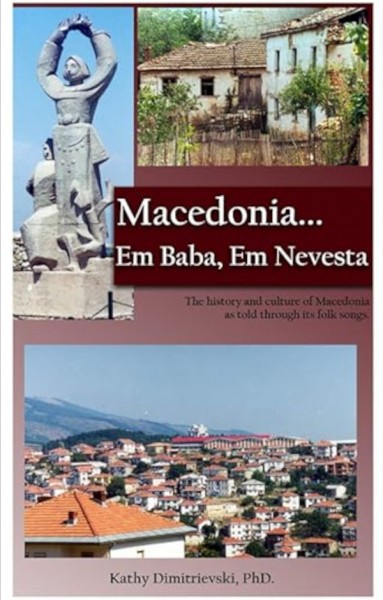
The Canadian Macedonian Historical Society launched its 2005 lecture series with Dr. Kathy Dimitrievski’s presentation, "Macedonia... Em Baba, Em Nevesta," which explored Macedonian history through the evolution of its folk music. Based on her 2001 doctoral research, Dr. Dimitrievski argued that because formal Macedonian education was suppressed until the mid-20th century, izvorni (traditional) songs served as the primary oral archive for the nation's collective memory, documenting centuries of struggle and joy. Featuring rare footage of legendary singers like Vaska Ilieva and Aleksander Sarievski, the event concluded with a community social over planinski čaj, highlighting the vital role of oral histories in preserving identity across the global Macedonian diaspora.

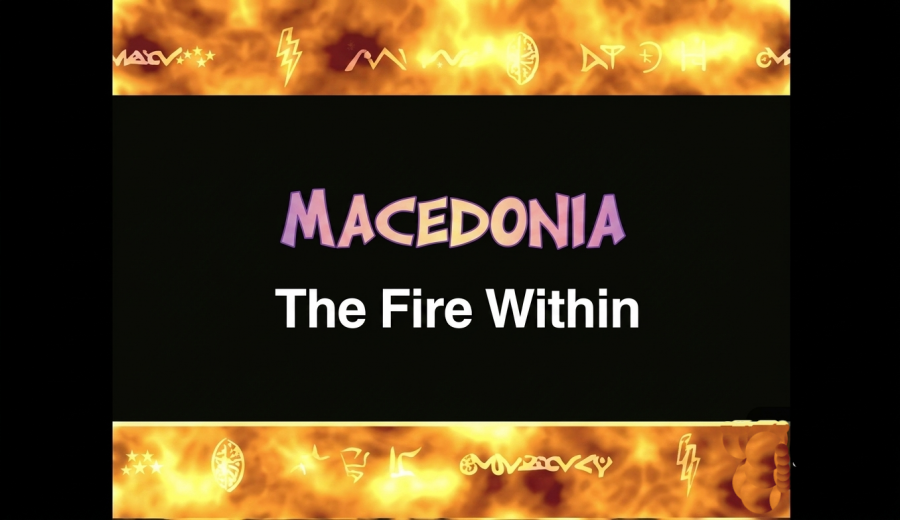
Macedonia The Fire Within - by John Evans

Produced and authored by John Evans, Macedonia: The Fire Within is a poignant documentary short that explores the resilience and cultural survival of the Macedonian people. Released in its digital form on February 15, 2015, following a significant event presentation in 2004, the film frames Macedonia as an undeniable nation and a cornerstone of European history that has persevered through centuries of repression and denial. By highlighting the powerful symbols of the Oro, Zdravetz, and the Star, Evans illustrates the spiritual "luggage" carried by the diaspora to North America, where they found the cultural freedom to flourish. Ultimately, the documentary serves as both a tribute to the ancestors who secured a future in Canada and a call to action for younger generations to nurture the "fire within" and honor their enduring heritage.