Canadian Macedonian Heritage Society Canadian Macedonian Heritage Society Become a member!

Tagged “Biography and Memoir”

Browse Tagged “Biography and Memoir” from the Canadian Macedonian Heritage Society archive, library and community collections.

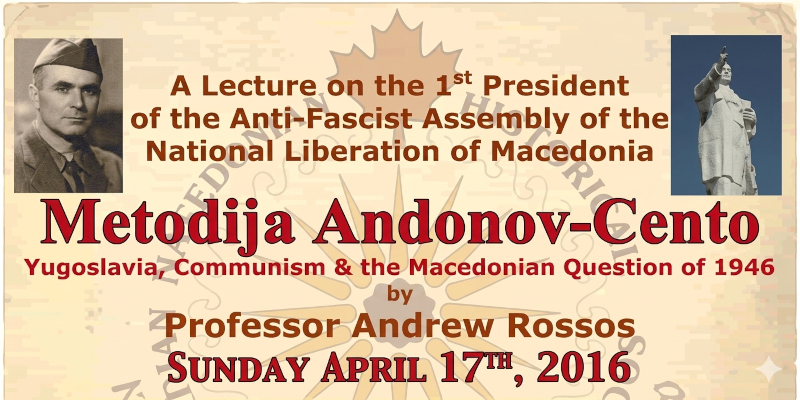
Metodija Andonov Cento

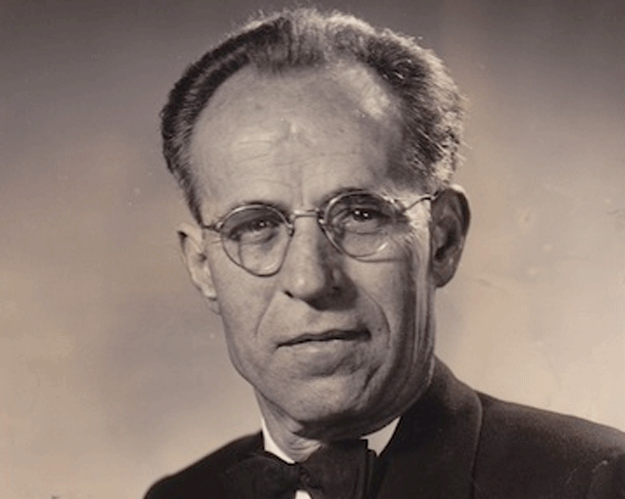
In April 2016, the Canadian Macedonian Historical Society hosted a lecture by Professor Andrew Rossos on Metodija Andonov-Čento, the first president of ASNOM and a pivotal figure in the "Macedonian Question" of 1946. A "National Communist" who fought for a unified, sovereign Macedonia with the constitutional right to secede from Yugoslavia, Čento was ultimately purged by the Belgrade-led regime, imprisoned for over a decade, and erased from history books until Macedonia's independence in 1991. The presentation highlighted his transition from a suppressed political martyr—whose name was once spoken only in whispers—to a celebrated national patriot whose legacy is now honored with a prominent monument in Skopje.
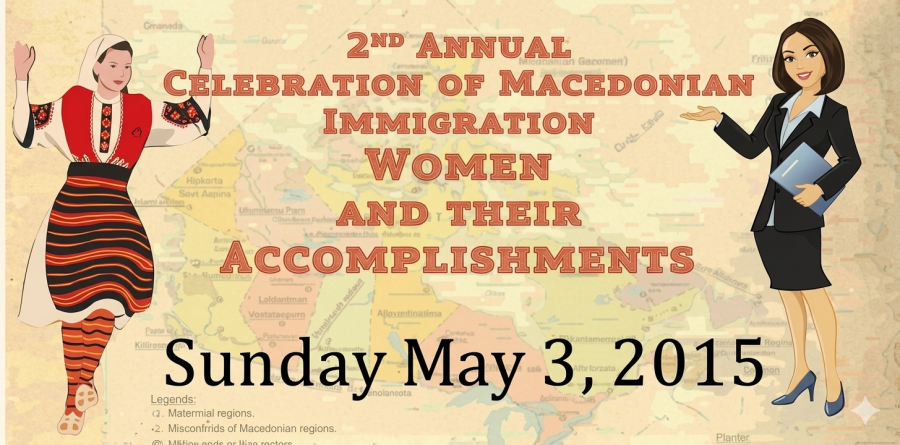
2nd Annual Canadian Immigration Celebration Women & their Accomplishments

The 2nd Annual Celebration of Macedonian Immigration to Canada was held at the East York library to honor the diverse professional and personal accomplishments of Macedonian-Canadian women. Departing from the early 20th-century narrative of "bride" immigration, the event showcased women from various regions of Macedonia who have excelled in fields such as engineering, media, international development, and the arts. Featured speakers included Natasha Denkovski, a national-team athlete and MBA; Pobeda Piskaceva, the creator of the Macedonian Edition TV program; filmmaker Sandra Danilovic; fashion designer Maria Lazarova Manceva; and development expert Vera Belazelkoska. The afternoon concluded with keynote speaker Aleksandra Nasteska, an award-winning advocate for sustainability and gender equality, illustrating how these women have moved beyond traditional family roles to drive social change and inspire future generations within both the Macedonian community and broader Canadian society.

Chris Dafeff

On September 7, 1894, in the Macedonian town of Radovish, a son was born to the poor meat-peddler Daffe Antonoff and his wife Gona. They named him Christo and as he was always called Christo Dafeff (Daffe's Christo) that became his name in after years. Christo was a sickly but talented child. At six he started school and was an exceptionally good student, but was forced to stop school because of his health ... Young Christo couldn't take his studies easily, he was too intense. At seven he started to play the flute-. His father couldn't afford a musical instrument, so Christo "borrowed" 15 Turkish coptseta from his father's meagre store and went into partnership with a neighbour's boy, who also put in 15 coptseta, to buy a mandolin. One week, Christo had it, the next his partner. One day his mother sent the boy up to the attic to fetch something. There, among things left in storage by an uncle who had gone to Canada, Christo found a violin! He tuned it. He drew the bow. And, in that dusty attic, his errand forgotten, on his first try Daffe's Christo played a popular Macedonian air. There were no two ways about it. Music was his vocation. Poor as they were, his parents determined to do what they could to help him.

Vasil Patsko

Vasil Patsko was born in the village of Zhelevo, Macedonia November 28th, 1907 to Done and Sophia (nee Hadjipaul) Patsko. Siblings included Elinka (died in infancy) Louis, Zoya, and Alex. As a young boy, he played music with his father and younger brothers.

Lifetime Achievement Award

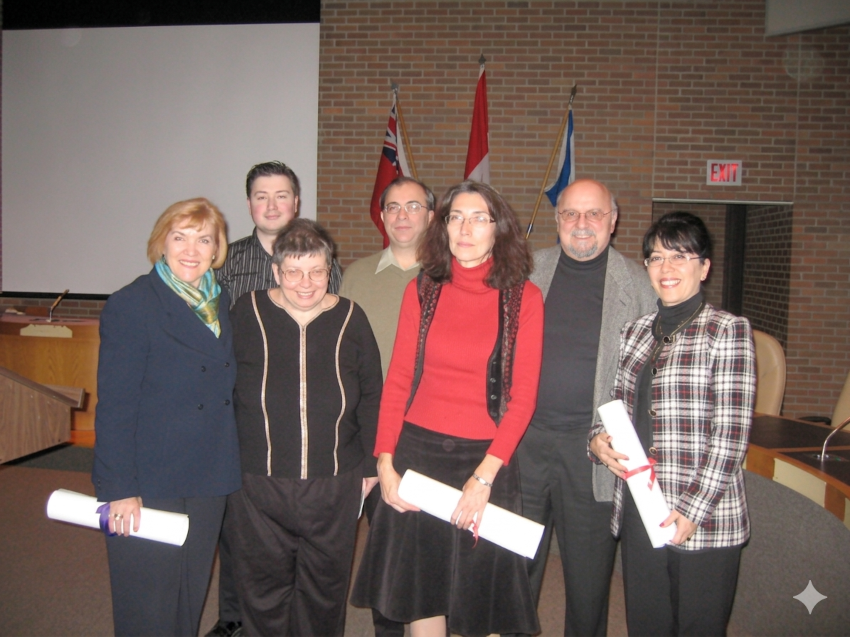
In recognition of her exceptional civic leadership and tireless commitment to heritage preservation, the Canadian Macedonian Historical Society (CMHS) honors Past President Virginia Evans for her receipt of the prestigious Queen Elizabeth II Diamond Jubilee Medal. This distinguished award celebrates Virginia’s decades of service in documenting Macedonian-Canadian history and her significant contributions to the cultural fabric of Canada. Through her advocacy, philanthropy, and executive leadership, she has played a vital role in elevating the profile of the CMHS and fostering a deeper understanding of the community's legacy. This formal commendation reflects her unwavering dedication to public service and serves as a testament to her lasting impact on both the Macedonian community and the broader Canadian public.

Patsy Sider - JOHN BITOVE

John Bitove is the founder of the Canadian Macedonian Place. God Bless him, and God Bless this Place. The seniors from all parts of Macedonia live in Canada happily Like one big family. Bitove... Bitove... Bitove... At all functions, the Macedonian people are calling his name with love A great admiration And with standing ovation. He is a philanthropist who brought to seniors' hope And by seeking the human rights ...

"Let Me Tell You a Story...": CMHS Immigration Symposium and Book Re-Launch

The Canadian Macedonian Historical Society’s 2007 symposium, "Let Me Tell You a Story…," served as a vital bridge between academic scholarship and personal heritage by documenting three distinct waves of Macedonian immigration to Canada. Moderated by Dr. Lillian Petroff, the event featured five speakers who shared intimate narratives spanning from early 20th-century "pechalbari" (migrant workers) in small-town Ontario to post-war Begaltsi refugees and modern-day professionals. A cornerstone of the afternoon was the re-launch of Prof. Harry Herman’s Men in White Aprons, a work that highlights the community's entrepreneurial resilience in the restaurant industry as a response to ethnic marginalization. By blending oral histories with formal research, the symposium reinforced the Society's mission to preserve the fragile cultural legacies of the diaspora, ensuring that future generations remain connected to the foundational struggles and successes of their ancestors.

Video Interview with Alex Gigeroff

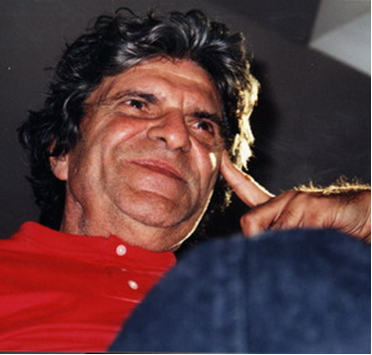
Alex Gigeroff was born in Toronto in 1931 to Macedonian immigrant parents from Oshchima and Zhelevo, growing up in poverty in a working-class immigrant neighborhood. Raised speaking the Macedonian dialect of the Lerin-Bitola region, Alex’s life became a remarkable story of educational and professional achievement. He earned multiple degrees from University of Toronto and London School of Economics, including a Ph.D. in criminology, and went on to become a scholar, lawyer, and professor, contributing to criminal law reform in Canada. Beyond academia, Alex was deeply involved in the arts as a painter, sculptor, playwright, and community builder, creating murals, theatre productions, and educational plays. His life reflects the resilience of the Macedonian immigrant experience and the transformative power of education, culture, and public service.

"MY NAME IS SOTIR: A Memoir of a Child Evacuee"

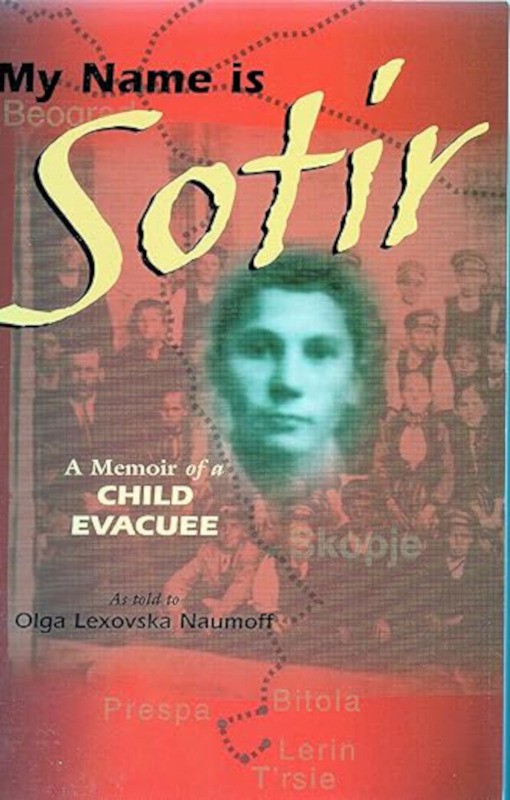
On June 12, 2004, the Canadian Macedonian Place and the Canadian Macedonian Historical Society launched the celebrations marking the 25th anniversary of Canadian Macedonian Place with a special lecture featuring author Olga Lexovska Naumoff and Macedonian child evacuee Sotir Nitchov. The presentation centered on Naumoff’s book My Name Is Sotir: A Memoir of a Child Evacuee, which recounts Nitchov’s experiences as one of the thousands of Macedonian children evacuated from Aegean Macedonia during the Greek Civil War. Through a moving combination of historical narrative and personal testimony, Olga captivated the audience with stories of hardship, resilience, and survival, while highlighting Sotir’s lifelong dedication to preserving the history and struggles of the Macedonian Detsa Begaltsi. The event not only celebrated the publication of an important memoir but also underscored the ongoing efforts of both Naumoff and Nitchov to preserve Macedonian history, culture, and collective memory for future generations.