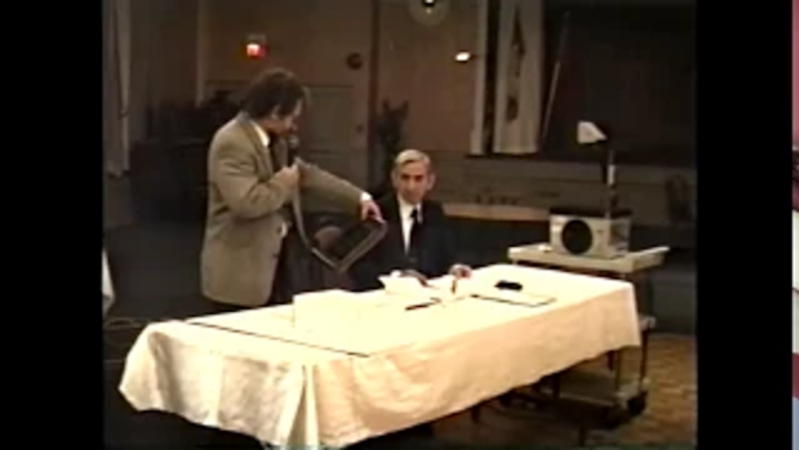
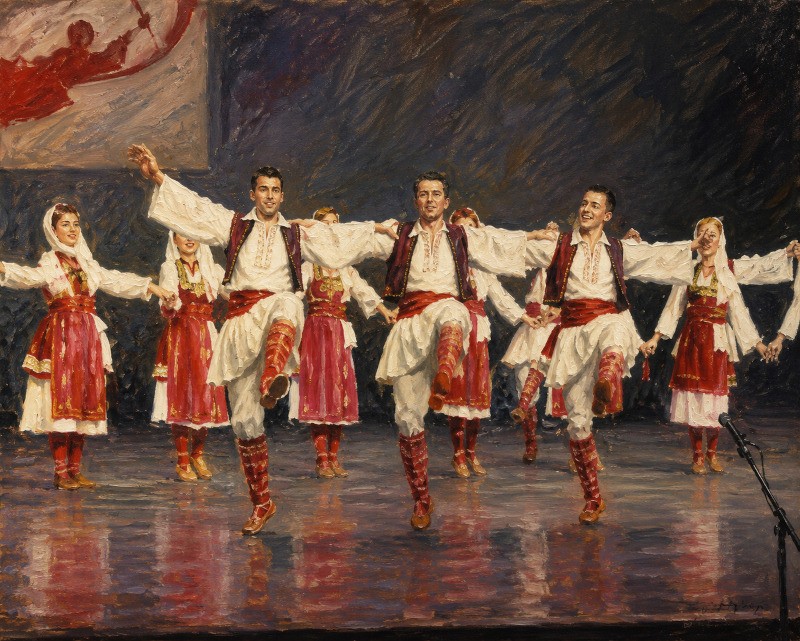
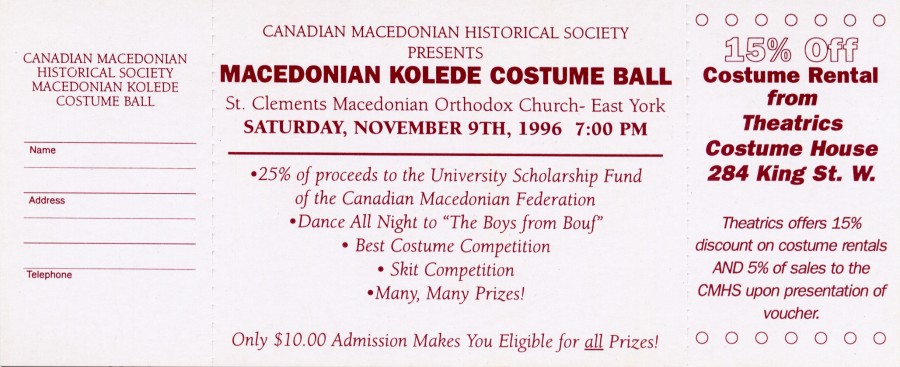
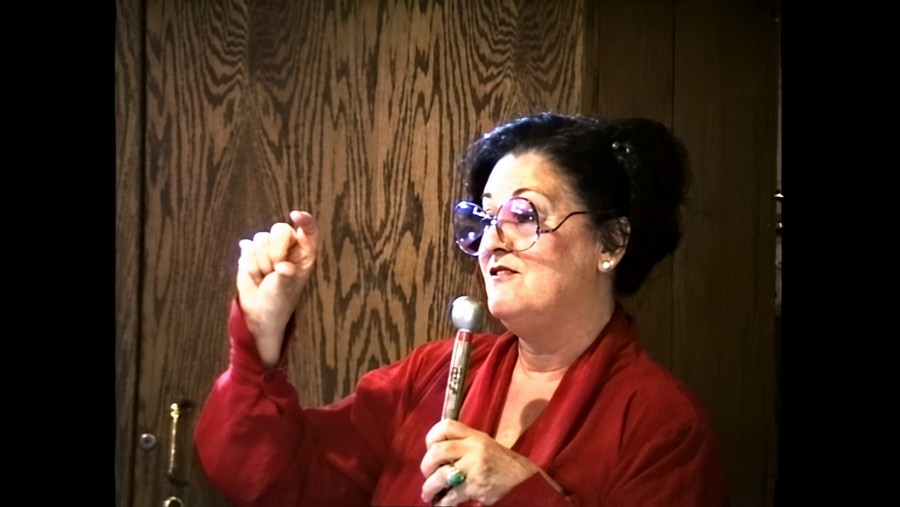
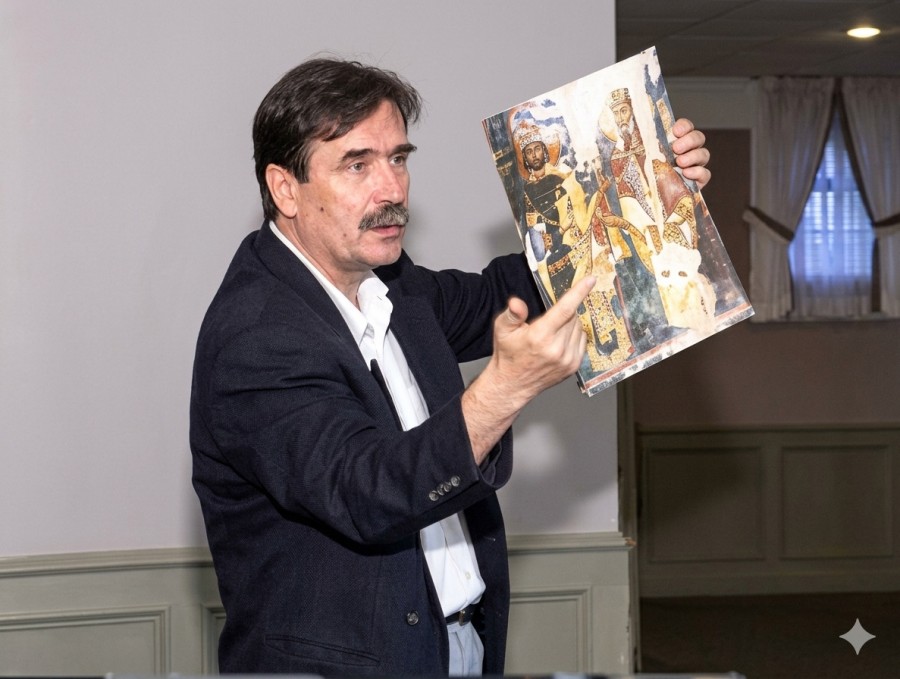
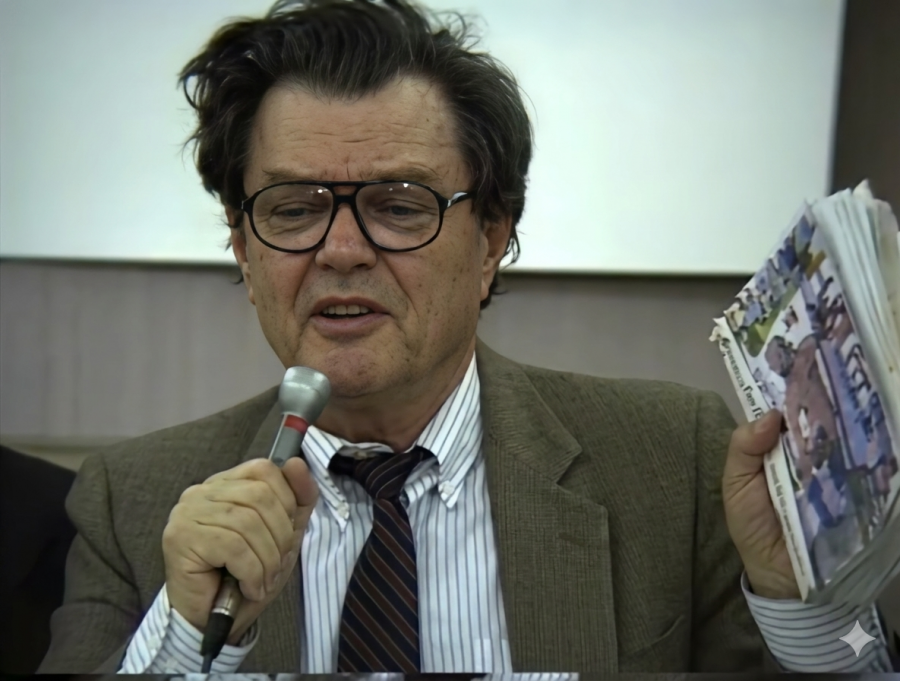
The Canadian Macedonian Historical Society’s 1997 lecture on Macedonian Rhythm and Dance by Z. Chesky Neceski offered a rich exploration of Macedonian folk dance as a living expression of history, identity, and communal memory. Neceski demonstrated how Macedonian dance, particularly the oro (circle dance), is deeply rooted in asymmetrical rhythms, regional traditions, ritual life, and social structures, reflecting the diversity and resilience of Macedonian village culture. He highlighted the role of dance in weddings, religious feast days, courtship, and cultural survival under Ottoman rule, emphasizing its importance as both social communication and historical preservation. The lecture also underscored the significance of maintaining these traditions in the diaspora, where dance continues to connect generations to their heritage, making it one of the strongest enduring symbols of Macedonian cultural continuity.