Tagged “Ottoman Period”
Browse Tagged “Ottoman Period” from the Canadian Macedonian Heritage Society archive, library and community collections.
Spero Thompson - ILINDEN (An Historical Inheritence)
Ilinden was the day chosen for the uprising of the people When, the Fathers of modern Macedonia With their brave compatriots Rose to throw off the Turkish yoke. Formed in the fire of revolution, self awareness as a nation Ilinden the forge, Macedonia the anvil, Freedom the hammer Macedonia for Macedonians was their rallying cry Of their resolve for independence, their martyrdom spoke. For a few historic days, the ...

Bitola Macedonia - 100 years of Postcards - Book Launch
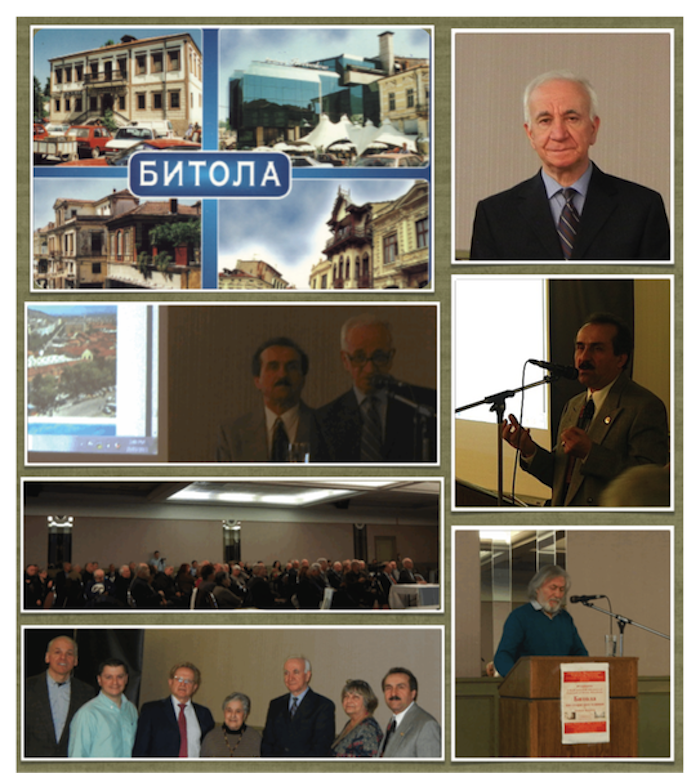
On March 22, 2015, the Canadian Macedonian Historical Society celebrated the launch of Dimce Najdov’s book, "Bitola: 100 Years of Postcards," at St. Clement of Ohrid Macedonian Orthodox Church. Introduced by Master Artist Georgi Danevski, the lecture highlighted Najdov’s meticulous journey in curating a visual chronology of Bitola across seven historical eras, ranging from the late Ottoman Empire and the devastating impacts of the World Wars to the modern Republic of Macedonia. By documenting the city's architectural and social evolution through postcards, the work serves as a "visual encyclopedia" that preserves the cultural heritage of the "City of Consuls" for both the local community and the Macedonian diaspora in Canada.
One Hundred Years of Occupation
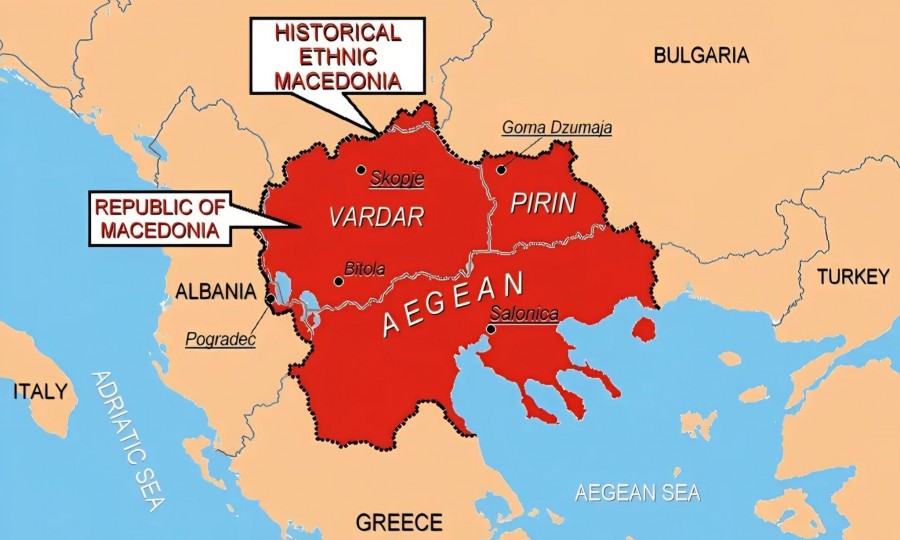
Lecture - presented for the Historical Society in Toronto on January 27, 2013 In spite of the Macedonian people having risen in 1903 to fight for their freedom and to create an Independent Macedonian state, only ten years later, Macedonia was brutally invaded, occupied and partitioned by its neighbours Greece, Serbia and Bulgaria; a partition validated by the European Great Powers on August 10, 1913 by the Treaty of Bucharest. Why did this happen? What were the factors leading ...
When Bad Things Happened in the 19th Century to Good Macedonian People by Risto Stefov
On November 18, 2001, the Canadian Macedonian Historical Society (CMHS) hosted researcher Risto Stefov for a lecture exploring how 19th-century geopolitics manufactured the "Macedonian Question." Stefov argued that the region's modern instability stems from a combination of the Ottoman Empire's decline, the destructive impact of European economic imperialism on local industry, and the diplomatic betrayals of the Great Powers. The centerpiece of his analysis was the 1878 Congress of Berlin, where European diplomats prioritized a "balance of power" over local self-determination, returning Macedonia to Ottoman rule and setting the stage for the violent partitions and identity conflicts that followed.

Private Screening of "DUST" with Milcho Manchevski
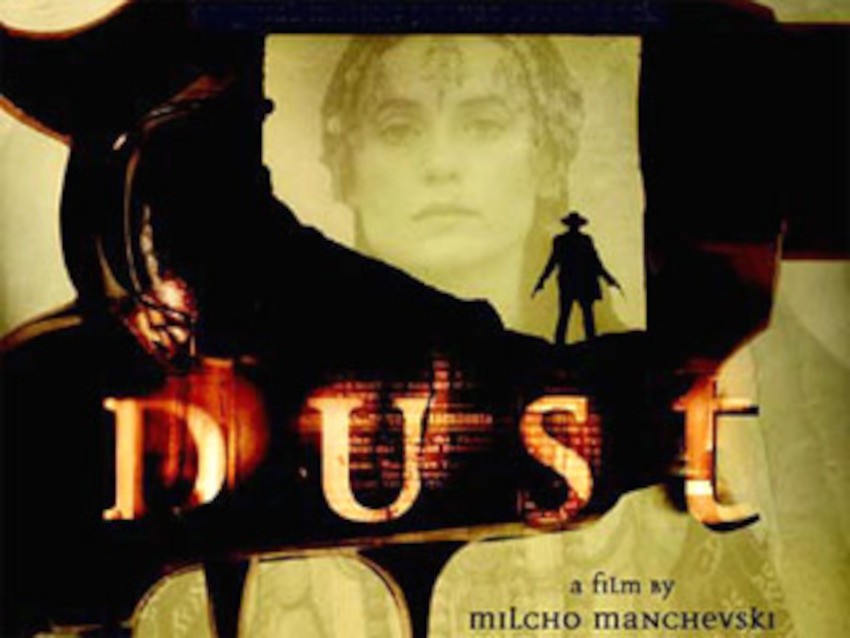
On March 29, 2003, the Canadian Macedonian Historical Society (CMHS) hosted a sold-out screening of the film Dust at the University of Toronto. Director Milcho Manchevski attended to discuss the film’s portrayal of the Macedonian revolutionary era. To honor his cultural impact, the CMHS presented him with a custom glass vase by artist Darinka Danevska, featuring depictions of the film’s central female figures and its iconic quote: "Where does the voice go when you are no more?"
The Macedonian Question and Instability in the Balkans
The Macedonian Question and Instability in the Balkans by Professor Andrew Rossos On March 9, 2003, Andrew Rossos, Professor of History, University of Toronto, spoke on The Macedonian Question and Instability in the Balkans. Professor Rossos' main...

Fred A. Reed and his book, Salonica Terminus, Journey into the Balkan Nightmare
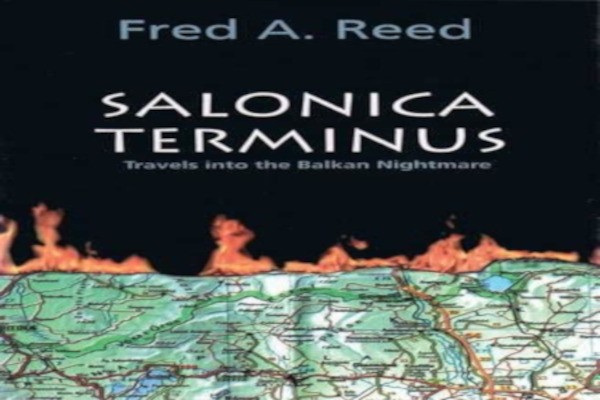
Fred A. Reed’s Salonica Terminus dismantles the myth that Balkan wars were caused by “ancient hatreds,” arguing instead that economic collapse, political manipulation, and international intervention drove the violence. Through historical analysis and travel writing, Reed reveals the Balkans as a region shaped by empire, contested identities, and unfinished histories.
Macedonian History with Professor Andrew Rossos
In this landmark 1993 lecture, Dr. Andrew Rossos provides a scholarly examination of the 150-year evolution of Macedonian nationalism, emphasizing its unique development within a hostile environment of competing Balkan interests and Ottoman theocratic constraints. He outlines four critical stages of national awakening—from the initial resistance against Greek ecclesiastical hegemony to the formal establishment of a Macedonian state post-WWII—while highlighting the "institutional homelessness" caused by the lack of an independent church. Central to his thesis is the concept of "Nashism," a grassroots peasant ideology that preserved a distinct Macedonian identity through folk traditions and shared speech, effectively insulating the population from foreign assimilation efforts. Ultimately, Rossos refutes claims that Macedonia is an artificial 20th-century creation, asserting instead that its sovereignty is the hard-won result of a persistent, organic struggle for self-determination and international recognition.