


The DNA Testing Landscape with Murray Maloney
Exploring the DNA Testing Landscape: Unlocking Family History Through Genetics
The Canadian Macedonian Heritage Society recently hosted an informative and engaging lecture on the evolving world of DNA testing and its growing importance in genealogical research. Presented by Murray Maloney, the session provided participants with a clear and practical overview of today’s DNA testing landscape and how it can help individuals uncover their ancestral roots and family connections.
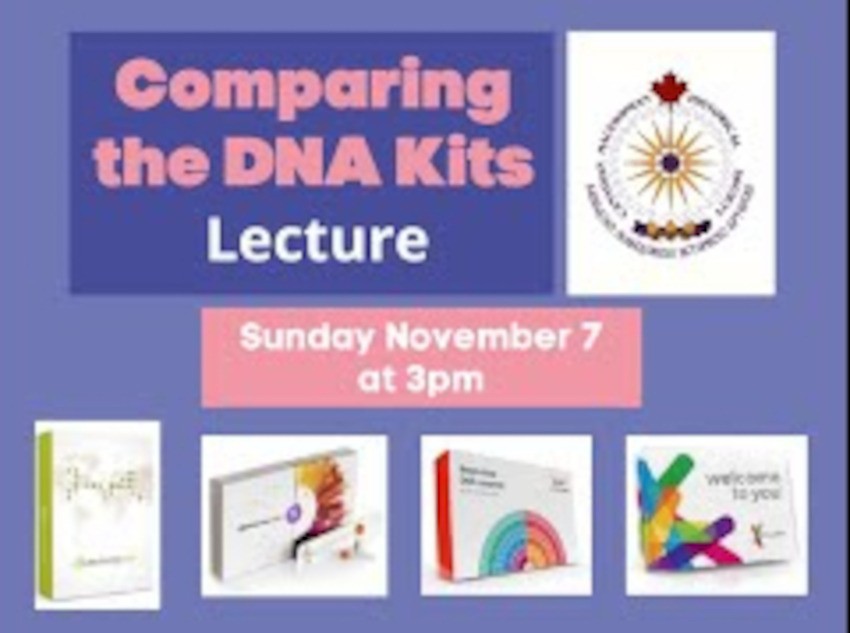
The lecture explored the major commercial DNA testing companies and the differences between their testing models, databases, and reporting systems. Participants gained insight into how autosomal DNA testing works, what ethnicity estimates really mean, and how DNA matches can help connect relatives across generations and continents.
A key focus of the presentation was understanding the strengths and limitations of the various testing kits. While many people approach DNA testing hoping for straightforward answers about their heritage, the lecture emphasized that DNA results are best understood as one tool among many in genealogical research. Traditional records—birth certificates, immigration documents, church records, and oral family histories—remain essential in building a fuller picture of family identity.
Particularly valuable was the discussion on how DNA testing can assist communities with fragmented historical records, including families affected by migration, war, displacement, and name changes—issues familiar to many Macedonian families throughout the diaspora. DNA can sometimes help bridge gaps where written documentation no longer exists.
The session also addressed privacy considerations, data sharing policies, and the importance of understanding what happens to genetic information once it is submitted to testing companies. This aspect of the discussion reminded attendees that while DNA testing offers exciting possibilities, it also requires informed decision-making.
Overall, the lecture provided an excellent introduction for beginners and useful comparative insights for those already engaged in genealogical research. It highlighted how modern genetic tools, when used thoughtfully, can deepen our understanding of identity, family history, and the journeys of our ancestors.
Through presentations like this, the Canadian Macedonian Heritage Society continues to support the preservation and exploration of Macedonian heritage, connecting the past with the present in meaningful and innovative ways.