



CMHS library opening at the Canadian Macedonian Place
Introduction and Community Milestone
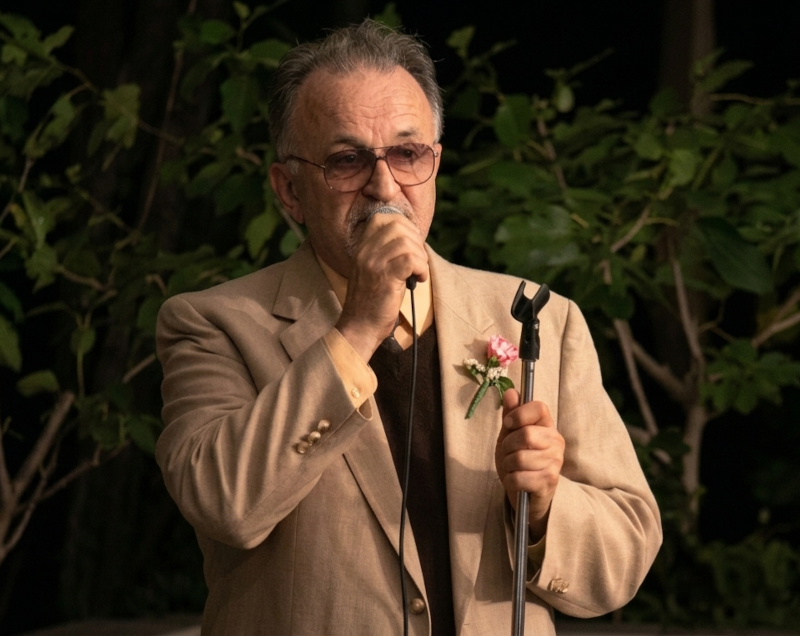
The formal opening of the Canadian Macedonian Heritage Society (CMHS) Library in 1993 marked a definitive and significant milestone for the Macedonian community in Canada, celebrating the establishment of the first dedicated space of its kind for preserving history, culture, and ethnic identity. Held within the foundational halls of the Canadian Macedonian Place in Toronto, the event served as a grand gathering for community leaders, tireless volunteers, and multiple generations of families who came together to witness the fruit of years of advocacy, grassroots fundraising, and cultural vision. The ceremony was characterized by an intentionally inclusive and democratic spirit; rather than opting for a traditional, exclusive ribbon-cutting by a few dignitaries, the organizers emphasized that the achievement belonged to the entire community. In a moving gesture of solidarity, they invited everyone present to participate in the symbolic "cutting of the ribbon," underscoring the library’s core mission to serve as a cornerstone and a living archive for Macedonian-Canadian heritage.
Key Contributors and Collaborative Efforts
The realization of such a professional library facility was made possible by the coordinated efforts of several key contributors and organizations whose roles were formally recognized during the proceedings. Sandra Ran, representing the New Horizons program, was acknowledged for her instrumental role in navigating the grant process and securing the necessary foundational funding to launch the project. Within the society itself, Virginia Stov was celebrated as the logistical "real boss" and executive secretary who managed the intricate coordination of decorations, architectural plans, and administrative hurdles. The physical transformation of the four rooms allocated by the Canadian Macedonian Place into a functional, multi-room library was credited to the architectural expertise of Tony Volas, a Ryerson graduate, alongside the specialized aesthetic work of decorator Nikki Alexou. Furthermore, Thomas D. Construction demonstrated a deep commitment to the community’s mission by completing the extensive building and renovation work at cost, ensuring that the project remained financially sustainable while meeting professional standards.
Library Facilities and Archival Standards
Designed to function as both a sophisticated research hub and a staff administrative center, the new library facilities were unveiled with a suite of specialized features tailored to historians and students alike. The research area was thoughtfully equipped with a signature curved librarian's desk, a dedicated computer for academic inquiry, a high-capacity photocopier, and extensive custom shelving to house an expanding collection of literature and periodicals. The layout also included a professional boardroom and an audio-visual area outfitted with a VCR, television, and overhead projectors, intended for community meetings, historical lectures, and educational presentations. During the opening, Alexander Nus provided a detailed briefing on the technical requirements for archive preservation, highlighting the urgent need for professional-grade ventilation and temperature control. He explained that these measures were vital to protect fragile, centuries-old books and historical documents from the damaging effects of heat and humidity, ensuring that the community's paper trail would not be lost to time.
Educational Mission and Community Impact
Beyond its physical walls, the library’s primary mission is to provide an accurate, self-determined historical narrative and a strengthened sense of identity for Macedonians worldwide. By establishing this center, the CMHS aimed to answer critical questions regarding Macedonian history and to correct long-standing misconceptions through objective, scholarly inquiry. Speakers at the event poignantly noted that the facility was built specifically for the next generation, frequently pointing to the children in the audience and encouraging students to utilize the library’s resources for their academic work to keep their heritage alive in a modern context. This educational focus was further evidenced by the announcement of the 1993–1994 lecture series, which was designed to bridge the gap between historical research and active community engagement through planned discussions on Orthodox history and the traditional artistry of Macedonian icons.
Special Presentations and Future Vision
The ceremony also served as a prestigious platform for several significant presentations and the announcement of ambitious future cultural exhibits that would project Macedonian heritage onto the national stage. The Devonian Collection formally donated a rare collector's plate featuring Alexander the Great, while other community members contributed invaluable rare documents, including a 1904 Polish-language study on Macedonia and archival records from the Polish Ministry of Education regarding Macedonian refugees from the period of 1948 to 1965. Additionally, Addy Wood shared exciting progress on a massive, large-scale exhibit project scheduled for 1995, which aimed to document and display Macedonian textiles, folk costumes, and village artifacts; she revealed that a team had already collected over one thousand slides to create a comprehensive digital and physical archive. Looking toward the long-term future, the society proposed high-level academic collaborations, including a major seminar with the University of Toronto. This initiative was intended to objectively explore Macedonian culture and language from the ancient and Byzantine eras, ensuring the community's legacy is recognized, studied, and respected within the broader Canadian academic and multicultural landscape.