Canadian Macedonian Heritage Society Canadian Macedonian Heritage Society Become a member!

Tagged “Aegean Macedonia”

Browse Tagged “Aegean Macedonia” from the Canadian Macedonian Heritage Society archive, library and community collections.

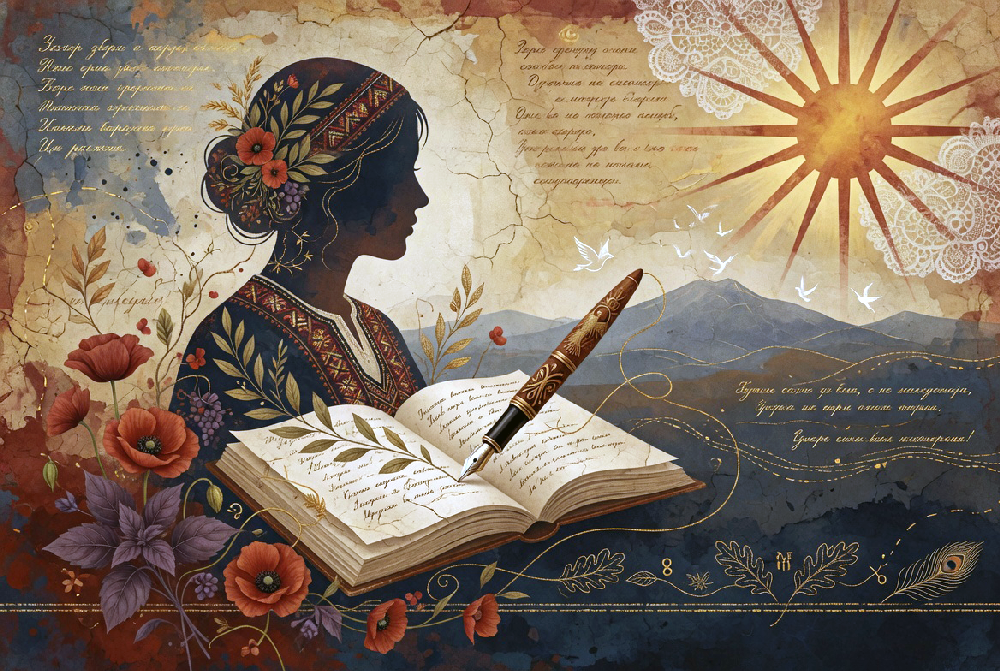
Patsy Sider - THE CANADIAN CITIZENS, FROM FLORINA

The Canadian citizens, from Florina, who live in the free world of Canada The times when they visit my birthplace, the city of Florina-Lerin To my relatives and my acquaintances, for me personally, they say the following. "Shame on her, she hates the Greeks, she speaks the Macedonian language And she goes to Macedonian Church..." My heritage is Macedonian I do not see any shame to that The Macedonian language is one ...

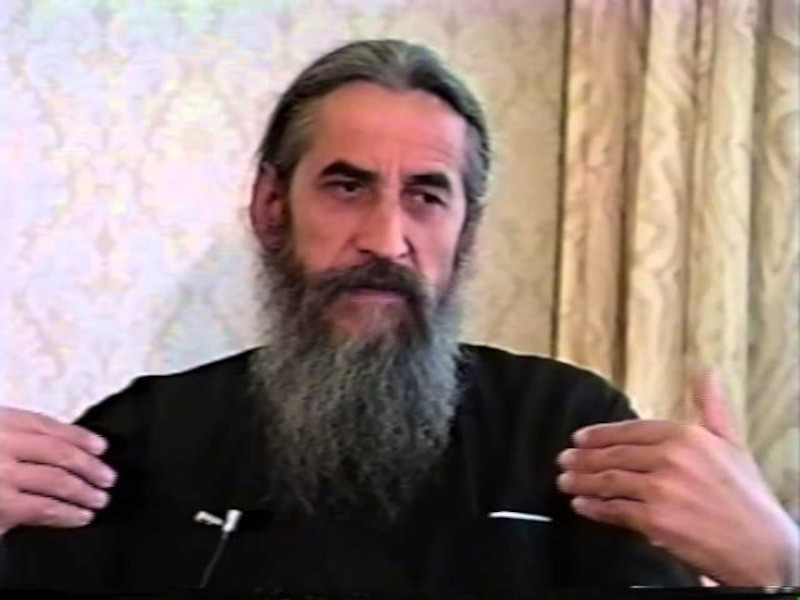
Father Nikodim Tsarknias and the Struggle for Religious Freedom

In his 1993 interview with Nickey Alexiou for the CMHS, Father Nikodim Tsarknias detailed his transition from a respected Greek Orthodox priest to a leading human rights activist for the Macedonian minority in Aegean Macedonia. He provided a firsthand account of the systematic Hellenization efforts in the Florina (Lerin) region, describing how the Greek state and church hierarchy worked to suppress Macedonian religious customs, linguistic heritage, and ethnic identity. Expelled from his post in 1991 for openly declaring his Macedonian roots, Tsarknias used the Toronto platform to appeal to the global diaspora, framing his struggle not as a political conflict, but as a fundamental fight for the right to religious freedom and the preservation of a culture being marginalized within Greek borders.

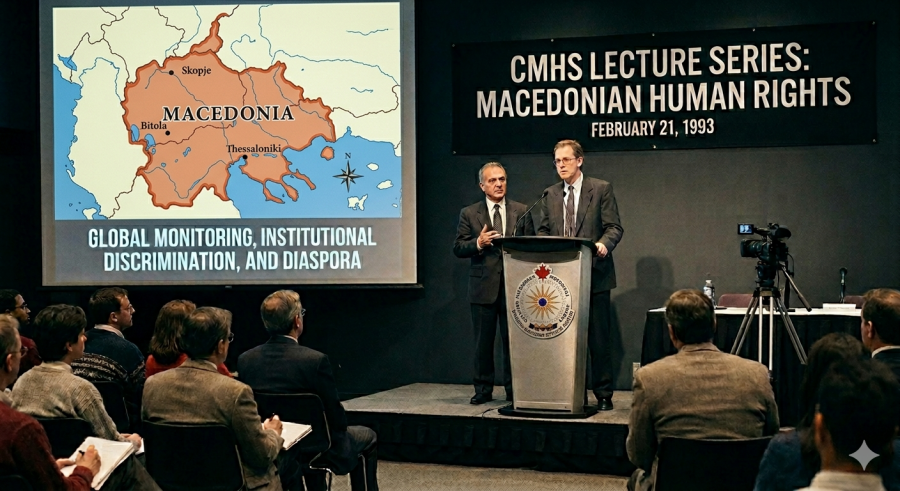
Macedonian Human Rights Lecture with Michael Craig and Trian Dimitriou

This landmark 1993 CMHS lecture provides a comprehensive analysis of the Macedonian human rights crisis during the early 1990s, featuring expert testimony from Michael Craig of Amnesty International and Trian Dimitriou of the Macedonian Canadian Human Rights Committee. The presentation meticulously documents the "human rights vacuum" in the Balkans, highlighting the imprisonment of ethnic Macedonians as prisoners of conscience and the systematic "cultural genocide" characterized by forced toponym changes, identity theft, and state-sponsored denationalization strategies. By integrating historical cartography dating back to 1477 with reports from international diplomatic missions in Helsinki and Moscow, the speakers elevated the Macedonian struggle to the global stage, while simultaneously addressing the local challenges of political harassment faced by the diaspora in Toronto. Ultimately, this archival record serves as a vital primary source that bridges the gap between historical erasure and the modern pursuit of international recognition and minority rights.