Canadian Macedonian Heritage Society Canadian Macedonian Heritage Society Become a member!

Tagged “Ilinden Uprising”

Browse Tagged “Ilinden Uprising” from the Canadian Macedonian Heritage Society archive, library and community collections.

One Hundred Years of Occupation

Lecture - presented for the Historical Society in Toronto on January 27, 2013 In spite of the Macedonian people having risen in 1903 to fight for their freedom and to create an Independent Macedonian state, only ten years later, Macedonia was brutally invaded, occupied and partitioned by its neighbours Greece, Serbia and Bulgaria; a partition validated by the European Great Powers on August 10, 1913 by the Treaty of Bucharest. Why did this happen? What were the factors leading ...
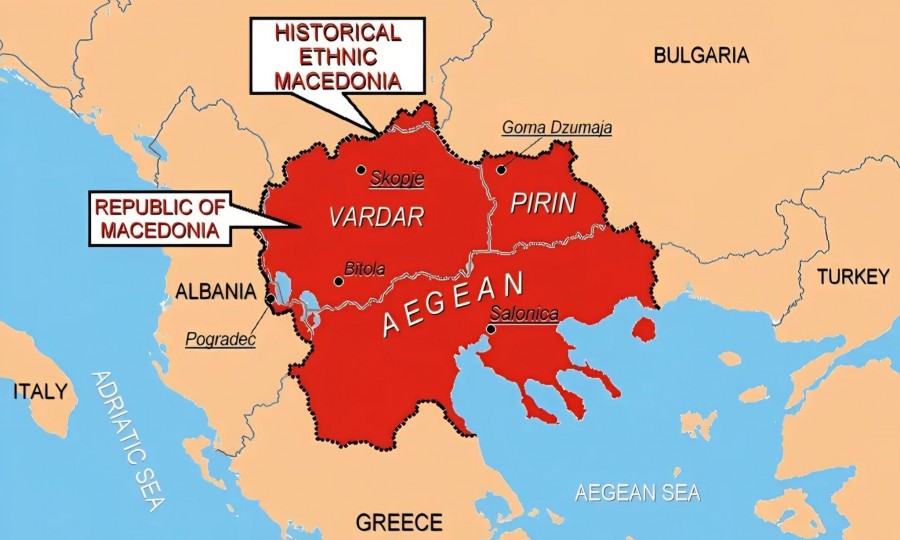

1913 Treaty of Bucharest: Macedonia's Partition by Risto Stefov

In a compelling lecture for the Canadian Macedonian Historical Society on May 18, 2008, historian Risto Stefov detailed the systemic destabilization and eventual partition of Macedonia between 1878 and 1913. He argued that Macedonia's fate was dictated by the "Great Powers" and neighboring monarchies who prioritized economic corridors and territorial expansion over the self-determination of the Macedonian people. By utilizing "soft power" cultural propaganda through foreign schools and churches, and subsequently exploiting the failed 1903 Ilinden Uprising, these external forces transitioned from "liberators" to occupiers during the Balkan Wars. The presentation concluded with the 1913 Treaty of Bucharest, a document signed without Macedonian representation that institutionalized the division of the homeland into Aegean, Vardar, and Pirin Macedonia, initiating a century of displacement and a persistent struggle for the recognition of Macedonian identity.

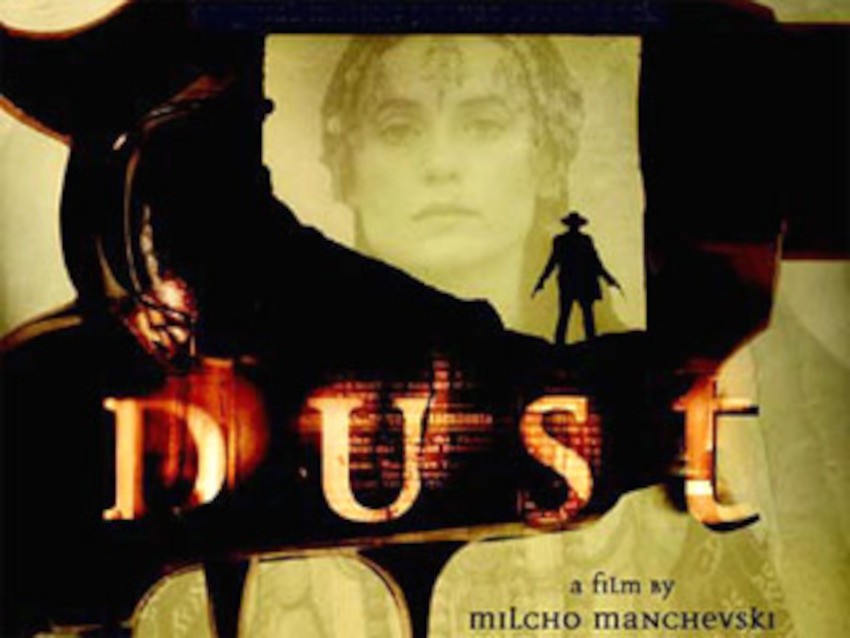
Private Screening of "DUST" with Milcho Manchevski

On March 29, 2003, the Canadian Macedonian Historical Society (CMHS) hosted a sold-out screening of the film Dust at the University of Toronto. Director Milcho Manchevski attended to discuss the film’s portrayal of the Macedonian revolutionary era. To honor his cultural impact, the CMHS presented him with a custom glass vase by artist Darinka Danevska, featuring depictions of the film’s central female figures and its iconic quote: "Where does the voice go when you are no more?"

Macedonian History with Professor Andrew Rossos

In this landmark 1993 lecture, Dr. Andrew Rossos provides a scholarly examination of the 150-year evolution of Macedonian nationalism, emphasizing its unique development within a hostile environment of competing Balkan interests and Ottoman theocratic constraints. He outlines four critical stages of national awakening—from the initial resistance against Greek ecclesiastical hegemony to the formal establishment of a Macedonian state post-WWII—while highlighting the "institutional homelessness" caused by the lack of an independent church. Central to his thesis is the concept of "Nashism," a grassroots peasant ideology that preserved a distinct Macedonian identity through folk traditions and shared speech, effectively insulating the population from foreign assimilation efforts. Ultimately, Rossos refutes claims that Macedonia is an artificial 20th-century creation, asserting instead that its sovereignty is the hard-won result of a persistent, organic struggle for self-determination and international recognition.