
Canadian Macedonian Heritage Society Canadian Macedonian Heritage Society Become a member!

Tagged “Macedonian Language”

Browse Tagged “Macedonian Language” from the Canadian Macedonian Heritage Society archive, library and community collections.

Macedonian Day of Renaissance

The Macedonian Day of Renaissance, held on April 23, 1994, was a landmark cultural event organized by the Canadian Macedonian Historical Society to document and celebrate the community’s rich heritage through a comprehensive program of academic seminars and practical workshops. Throughout the day, attendees engaged with experts on a wide variety of topics, ranging from traditional kaval music and ancestral folk dancing to discussions on Canadian political life and investment opportunities in Macedonia. The event successfully bridged the gap between different generations of the diaspora, culminating in a formal banquet featuring keynote speaker Dr. Christina Kramer, who shared her unique perspective on the importance of the Macedonian language. By combining scholarly research with hands-on cultural activities, the CMHS reinforced its role as a vital archive for preserving the traditions, language, and collective achievements of the Macedonian people in Canada.
Father Nikodim Tsarknias and the Struggle for Religious Freedom

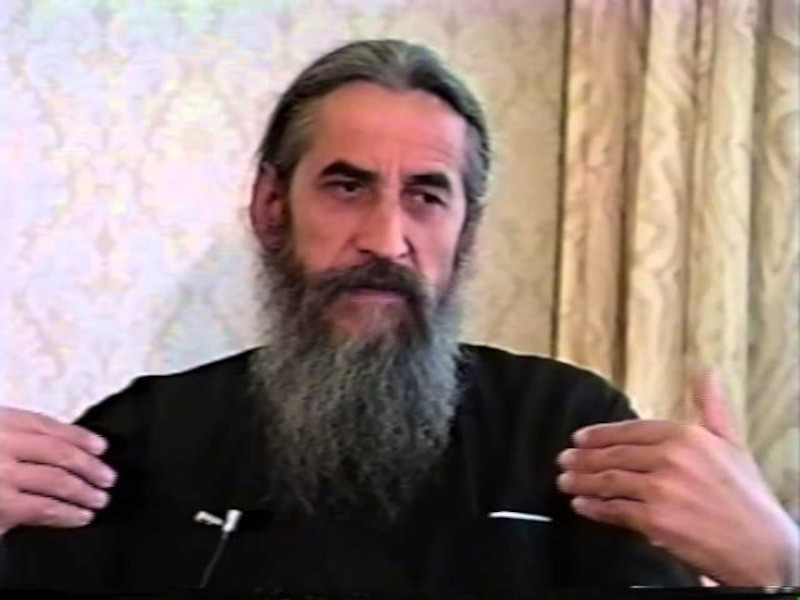
In his 1993 interview with Nickey Alexiou for the CMHS, Father Nikodim Tsarknias detailed his transition from a respected Greek Orthodox priest to a leading human rights activist for the Macedonian minority in Aegean Macedonia. He provided a firsthand account of the systematic Hellenization efforts in the Florina (Lerin) region, describing how the Greek state and church hierarchy worked to suppress Macedonian religious customs, linguistic heritage, and ethnic identity. Expelled from his post in 1991 for openly declaring his Macedonian roots, Tsarknias used the Toronto platform to appeal to the global diaspora, framing his struggle not as a political conflict, but as a fundamental fight for the right to religious freedom and the preservation of a culture being marginalized within Greek borders.