
Vardar
Veles
Велес
- Residents · 2021 census
- 40,664
- Old photographs
- 34
- Photographs
- 35
A steep-roofed city folded around the Vardar
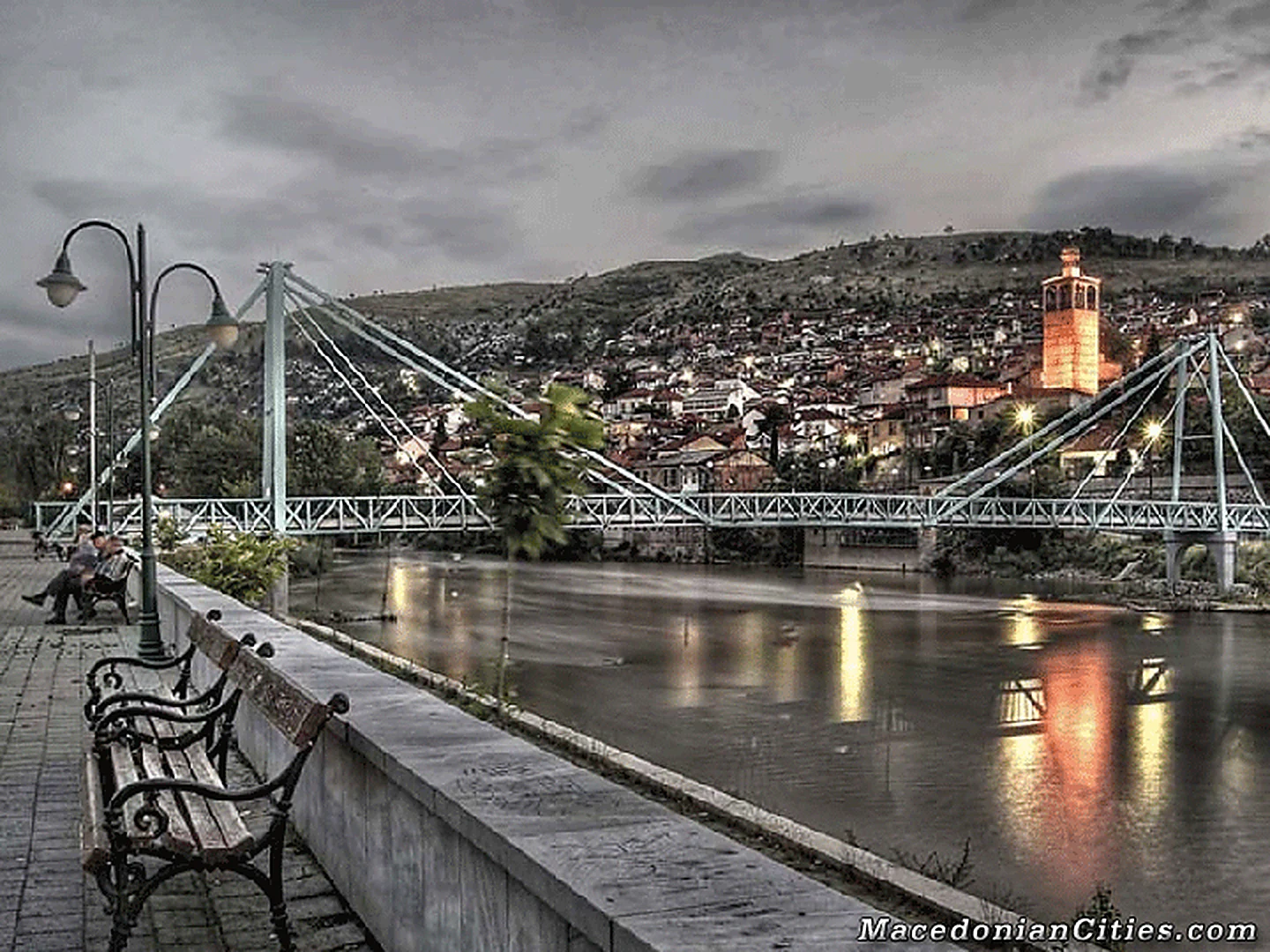
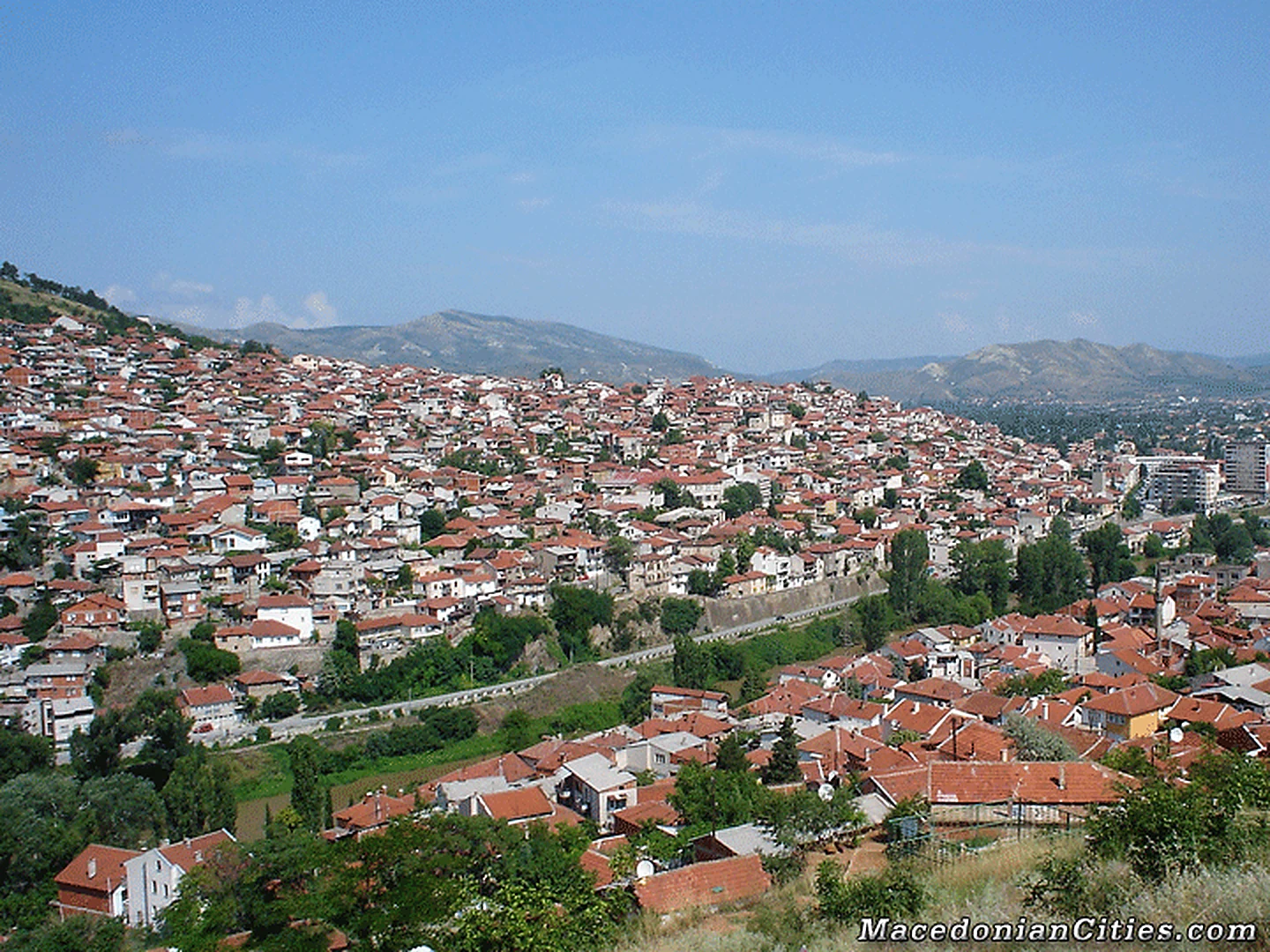
Veles rises in pale stone and tiled roofs from both banks of the Vardar, near the geographical centre of North Macedonia. The older neighbourhoods climb steeply above the river between roughly 150 and 260 metres, while the Topolka and Babuna valleys open toward villages, reservoirs and low mountains.
Overview
City overview
Meet Veles.
A grounded introduction to the city, its landscape, people, history and wider municipality.
Veles rises in pale stone and tiled roofs from both banks of the Vardar, near the geographical centre of North Macedonia. The older neighbourhoods climb steeply above the river between roughly 150 and 260 metres, while the Topolka and Babuna valleys open toward villages, reservoirs and low mountains. Road and rail routes make the city a natural national crossroads.
Its layered urban landscape includes old merchant houses, narrow hillside streets, churches, a clock tower and monuments to the Gemidzhii. The city is especially bound to poet Kocho Racin: his memorial house and the Racin Meetings keep literature part of Veles's civic identity rather than a chapter that ended with the past.
The 2021 census counted 40,664 residents in Veles and 48,463 in the municipality. The industrial legacy is complicated, including years of pollution and public environmental struggle, but the city also carries a vigorous cultural and sporting life through theatre, visual art, football and an unusually deep tradition of kayaking and canoeing.
Twenty-nine villages now form the municipality under its current planning boundary. Gorno Orizari and Buzalkovo are the largest, Bashino Selo meets the northern urban edge, and Otovica faces Lake Mladost. Many smaller settlements have only a few residents, so Veles serves both as a transport city and as the daily centre of a large, changing rural hinterland.
At a glance
Useful facts, in one place.
Settlement and municipality figures are kept distinct wherever sources permit.
- Municipality
- Veles Municipality
- City population
- 40,664
- Municipality population
- 48,463
- Population outside the city
- 7,799
- Population year
- 2021
- Municipal area
- 464.5 km²
- Elevation
- 210 m
- Approx. road distance from Skopje
- 54 km
- Postal code
- 1400
- Climate
- Temperate continental climate with modified Mediterranean influence
- Sports teams
-
- FK Borec 1919
- KK Borec Basket
- Kayak Canoe Club Arka-Borec
- Culture
-
- Kocho Racin's poetry and the annual Racin Meetings are central to the city's literary identity.
- Old hillside houses, the clock tower and house museums preserve the character of historic Veles.
- Kayaking and canoeing have an unusually visible place in local sporting life.
- Population snapshot
- 40,664 city residents and 48,463 municipality residents in the 2021 census; 7,799 lived outside the city settlement.
- City elevation range
- 150–260 m
- Average annual temperature
- 13.4 °C
- Average annual precipitation
- 477 mm
Known for
The city's signature.
Landmarks, foods, landscapes and traditions that give Veles its character.
- Hillside houses above the Vardar
- Kocho Racin and Macedonian literary history
- Saint Panteleimon church and old neighbourhoods
- Central rail and road connections
- Lake Mladost recreation area
Geography
Geography
Land shapes the city.
Terrain, waterways, climate and transport explain why Veles grew where it did.
Veles is folded into steep hills on both banks of the Vardar near the mouths of the Topolka and Babuna rivers. Red-tiled houses climb above the water, while rail and road corridors squeeze through the valley floor. Its position near the geographic centre of North Macedonia gives the city direct links north to Skopje, south to the Tikves district and Greece, and east toward Shtip.
The surrounding municipality ranges from dry Vardar slopes to river valleys, grazing land and the wooded country around Lake Mladost. Summers are hot and relatively dry; the Vardar channels wind through the city. This centrality explains why Veles has repeatedly served as a transport, industrial and trading centre, but it also left a difficult environmental inheritance from heavy industry along the river.
History
History
A concise, rewritten account.
Written afresh from cross-checked municipal, archaeological, heritage and institutional sources—not copied website text.
The Vardar narrows have carried traffic since antiquity, and archaeological sites across the wider area record long settlement. Claims that modern Veles can be identified securely with every ancient name proposed for the district remain debated. The documented urban story becomes clearer in the Middle Ages, when a fortified settlement above the river bore a form of the name Veles. Under Ottoman rule it was known as Köprülü, a name connected with its bridges, and developed into a craft and commercial town on the route through the Vardar valley.
During the nineteenth century, merchants, craftsmen, churches and schools created the dense hillside neighbourhoods still associated with old Veles. The city became an important centre of the Macedonian cultural revival. Railway connections and, later, Yugoslav industrialization expanded it dramatically, bringing metal, chemical, ceramic and other plants to the river corridor.
Industry provided work but also severe pollution, most notoriously from the lead and zinc smelter that later closed. Modern Veles continues to negotiate that legacy while promoting culture, services and recreation around Lake Mladost. Its strongest cultural emblem is the poet Kocho Racin, whose socially engaged work helped establish modern Macedonian literature and whose memorial house stands in the old town.
The preserved legacy narrative
Open the preserved legacy narrative
Veles lies in the heart of Macedonia, at the meeting point of three rivers: the Topolka, the Babuna and the Vardar. Older historical accounts describe an ancient settlement associated with Paeonian communities, but it is inaccurate to say that such tribes founded the city during the Roman period. Archaeological sites in the wider area contain material from deep prehistory, in some cases claimed to reach back about 70,000 years. A poetic inscription on a rock at the former Kale citadel speaks of preserving the warm memories of turbulent times, like the waters of the Vardar and the sunset over Veles. The district stood at the intersection of ancient Macedonian, Roman and early Slavic histories; however, the statement that Slavic tribes built the city in the fourth century is chronologically impossible, because Slavic settlement in the Balkans belongs chiefly to the sixth and seventh centuries.
Five centuries of Ottoman rule, followed by wars, revolutions and repeated changes of state, left a complex historical inheritance in Veles and Macedonia. During the first half of the twentieth century, some residents passed through the rule of several states without ever leaving their homeland—a striking measure of the region's political instability, although the often-repeated count of six depends on which wartime administrations are included.
From the fourteenth to the nineteenth century, Veles flourished in urban and religious architecture. Kojnik, one of the historic cores of the city, retains old houses and vernacular structures and is best explored on foot. Veles also prospered as a trading centre for travelling merchants and later became one of the country's industrial hubs. Alongside the caravans that paused there, the city was home to tailors, shoemakers, farmers and practitioners of many other crafts.
A small wooden bridge and a larger structure known as Zhelezen Most, or the Iron Bridge, enabled daily trade around the Sarachka Charshija, a craftsmen's market in the eastern part of the city above Sokolaana. Industry developed on both banks of the Vardar, including oil, brick and tobacco production. In the nineteenth century, the Church of St Panteleimon—widely regarded as one of the Balkans' finest Orthodox churches—was built above the city. Veles holds an exceptional place in Macedonian letters, from the poetry of Kocho Racin to the theatrical, educational and journalistic writing of Jordan Hadzhi Konstantinov-Dzhinot.
Profile sources (25)
- veles.gov.mk/dobredojdovte-vo-veles
- veles.gov.mk/downloads/strateskiDOC/english/Profile%20of%20%20Veles%20Municipality%20.pdf
- tourismmacedonia.gov.mk/wp-content/uploads/2018/09/Otomanskite-spomenici-ENG.pdf
- stat.gov.mk/pdf/2022/2.1.22.10Popis-mk-en.pdf
- citypopulation.de/en/northmacedonia/vardarski/809__veles
- veles.gov.mk/downloads/2024/mart/Plan-za-vozduh-Veles.pdf
- veles.gov.mk/downloads/2024/noemvri/Integriran%20lokalen%20razvoen%20plan%20Veles%202024%202027.pdf
- veles.gov.mk/podatoci-za-opstinata
- veles.gov.mk/kontakt
- veles.gov.mk/istorisko-kulturno-bogatsvotveles
- veles.gov.mk/%D0%B5%D0%B7%D0%B5%D1%80%D0%BE-%D0%BC%D0%BB%D0%B0%D0%B4%D0%BE%D1%81%D1%82-%D0%B2%D0%BE-%D0%B7%D0%BD%D0%B0%D0%BA%D0%BE%D1%82-%D0%BD%D0%B0-%D0%BA%D0%B0%D1%98%D0%B0%D0%BA%D0%BE%D1%82
- veles.gov.mk/na-dobri-sportisti-za-2024-godina
- en.wikipedia.org/wiki/Ko%C4%8Do_Racin
- en.wikipedia.org/wiki/Jordan_Had%C5%BEi_Konstantinov-D%C5%BEinot
- en.wikipedia.org/wiki/Vasil_Glavinov
- en.wikipedia.org/wiki/Panko_Brashnarov
- en.wikipedia.org/wiki/Rajko_%C5%BDinzifov
- en.wikipedia.org/wiki/Petre_Prli%C4%8Dko
- en.wikipedia.org/wiki/Pepi_Manaskov
- en.wikipedia.org/wiki/Goran_Petreski
- povardarska-eparhija.org.mk/pe/index.php?Itemid=55&id=52&option=com_content&task=view
- povardarska-eparhija.org.mk/pe/index.php?id=166&option=com_content&task=view
- povardarska-eparhija.org.mk/pe/index.php?id=511&option=com_content&task=view
- veles.gov.mk/downloads/2025/juni/odluka%20za%20nesproveduvanje%20strategiska%20ocena%2004062025/Urbanisticki%20proekt%20pateka%20KO%20Veles%20i%20KO%20Karaslari.pdf
- makstat.stat.gov.mk/PXWeb/pxweb/en/MakStat/MakStat__Popisi__Popis2021__NaselenieVkupno__PodatociNaselenie/T1501P21.px
Interesting Facts
Interesting facts
Details worth remembering.
Local landmarks, customs, foods and historical details that reward a closer look at Veles.
-
A central river-and-rail junction
Veles occupies a strategic position on the Vardar and on the country's principal north-south road and railway corridor, about 54 kilometres from Skopje.
-
A city built on two steep banks
Historic neighbourhoods climb from both sides of the Vardar through an elevation range of roughly 150 to 260 metres, creating Veles's characteristic terraced skyline.
-
Three waters define the municipality
The Vardar, Topolka and Babuna are the principal rivers, while the Lisiche reservoir is a crucial part of the municipal water-supply system.
-
The name Titov Veles lasted half a century
The city officially carried the name Titov Veles from 1946 until 1996, when the historic shorter name was restored.
-
Kocho Racin still anchors civic culture
The poet's memorial house and the Racin Meetings literary event make his work, especially White Dawns, a living part of the city's cultural calendar.
-
Old Veles survives in houses and landmarks
House museums, traditional hillside architecture, the clock tower and the Gemidzhii memorial form a compact record of the city's urban history.
-
Lake Mladost is a sporting landscape
The reservoir north of the city is used for recreation, outdoor events and organized kayaking and canoeing.
-
Kayak slalom remains a local strength
The municipality named kayak-slalom athlete Angel Petrushev its leading athlete for 2024, reflecting a sporting tradition visible across generations.
-
A smaller city than in 2002
The census population of Veles fell from 43,716 in 2002 to 40,664 in 2021; the municipality recorded 48,463 residents in 2021.
People
Celebrities
Lives linked to the city.
Writers, musicians, artists, athletes, public figures and historical personalities with a clearly stated connection to Veles.
- Notable person Kocho Racin Veles-born poet and activist whose White Dawns became a foundational work of modern Macedonian literature.
- Notable person Jordan Hadzi Konstantinov-Dzinot Veles-born nineteenth-century teacher, writer and dramatist active in education and the cultural revival.
-
Kocho Racin Literature
Born in Veles; his memorial house and the Racin Meetings are major city institutions.
Poet, essayist and political activist whose collection White Dawns is a landmark of modern Macedonian literature.
Source -
Jordan Hadzhi Konstantinov-Dzhinot Education and literature
Born in Veles.
Nineteenth-century educator, writer and theatre advocate associated with the Macedonian cultural revival.
Source -
Vasil Glavinov History
Born in Veles.
Early socialist organizer and labour activist whose work belongs to the region's modern political history.
Source -
Panko Brashnarov History
Born in Veles.
Teacher, revolutionary and prominent participant in the first session of ASNOM, later persecuted by the Yugoslav authorities.
Source -
Rajko Zhinzifov Literature
Born in Veles.
Nineteenth-century poet, translator and cultural revival figure who worked across several languages and intellectual worlds.
Source -
Petre Prlichko Performance
Born in Veles.
Influential stage and film actor remembered for a long career in Macedonian and Yugoslav theatre and cinema.
Source -
Pepi Manaskov Sport
Born in Veles.
Former international handball player and coach whose career included clubs in North Macedonia and abroad.
Source -
Goran Petreski Sport
Born in Veles.
Former professional footballer who represented North Macedonia internationally.
Source -
Angel Petrushev Sport
A Veles athlete named the municipality's top athlete for 2024.
Kayak-slalom athlete recognized for leading competitive results in the city's signature water sport.
Source -
Lenche Andreevska Sport
Named a municipal sports ambassador in the 2024 Veles sports awards.
Football figure recognized for representing and promoting Veles through sport.
Source
Villages & Monasteries
Villages
The wider municipality.
Every verified village and rural settlement in the current municipal scope, followed by known monasteries in the surrounding cultural landscape.
29 villages and rural settlements are included.
- Bashino Selo A large settlement on the northern edge of Veles, with 750 residents recorded in 2021. Source
- Beleshtevica A small municipal settlement with 4 residents recorded in 2021. Source
- Buzalkovo One of the municipality's two largest villages, with 1,614 residents recorded in 2021. Source
- Vetersko A small village with 3 residents recorded in 2021 and a historical Saint John monastery. Source
- Gorno Kalaslari A rural settlement with 50 residents recorded in 2021. Source
- Gorno Orizari The municipality's largest village in the 2021 census, with 1,723 residents. Source
- Dolno Kalaslari A substantial village with 410 residents recorded in 2021. Source
- Dolno Orizari A current municipal settlement with no resident population recorded in the 2021 census. Source
- Ivankovci A large rural settlement with 639 residents recorded in 2021. Source
- Karabunjishte A current municipal settlement with no resident population recorded in the 2021 census. Source
- Klukovec A current municipal village with 311 residents recorded in 2021; newer planning documents include it in Veles Municipality. Source
- Krushje A current municipal settlement with no resident population recorded in the 2021 census. Source
- Kumarino A rural settlement with 52 residents recorded in 2021. Source
- Lugunci A current municipal settlement with no resident population recorded in the 2021 census. Source
- Mamutchevo A village with 234 residents recorded in 2021. Source
- Novachani A small rural settlement with 1 resident recorded in 2021. Source
- Novo Selo A current municipal settlement with no resident population recorded in the 2021 census. Source
- Oraovec A small village with 24 residents recorded in 2021. Source
- Otovica A village beside the Lake Mladost landscape, with 315 residents recorded in 2021. Source
- Rashtani A village close to Veles with 257 residents recorded in 2021. Source
- Rlevci A small rural settlement with 9 residents recorded in 2021. Source
- Rudnik A small municipal settlement with 9 residents recorded in 2021. Source
- Slivnik A substantial village with 677 residents recorded in 2021. Source
- S'lp A small rural settlement with 16 residents recorded in 2021. Source
- Sojaklari A village with 125 residents recorded in 2021. Source
- Sopot A small rural settlement with 12 residents recorded in 2021. Source
- Crkvino A substantial village with 353 residents recorded in 2021. Source
- Chaloshevo A rural settlement with 209 residents recorded in 2021. Source
- Dzidimirci A small municipal settlement with 2 residents recorded in 2021. Source
Monasteries nearby
Places of continuity.
Verified monastic sites within the municipality or its immediate cultural landscape.
-
Monastery of St Demetrius
Approximately 2 km south of Veles
A monastery with medieval roots whose present church appearance principally dates from an 1855 rebuilding; it remains one of the city's principal Orthodox heritage sites.
Source -
Monastery of St John the Baptist
Vetersko
A village monastery traditionally dated to 1670 and associated in diocesan history with a manuscript and library tradition.
Source -
Monastery of St Elijah
Near Veles and Gorno Kalaslari
An active newer monastery complex reached from the country southeast of the city and documented in current diocesan and municipal access planning.
Source
Old Photos (34)
Old Photos
The rare collection.
Every surviving full-size historical file is included, including originals that the old page markup accidentally omitted. Family-preserved originals remain untouched.
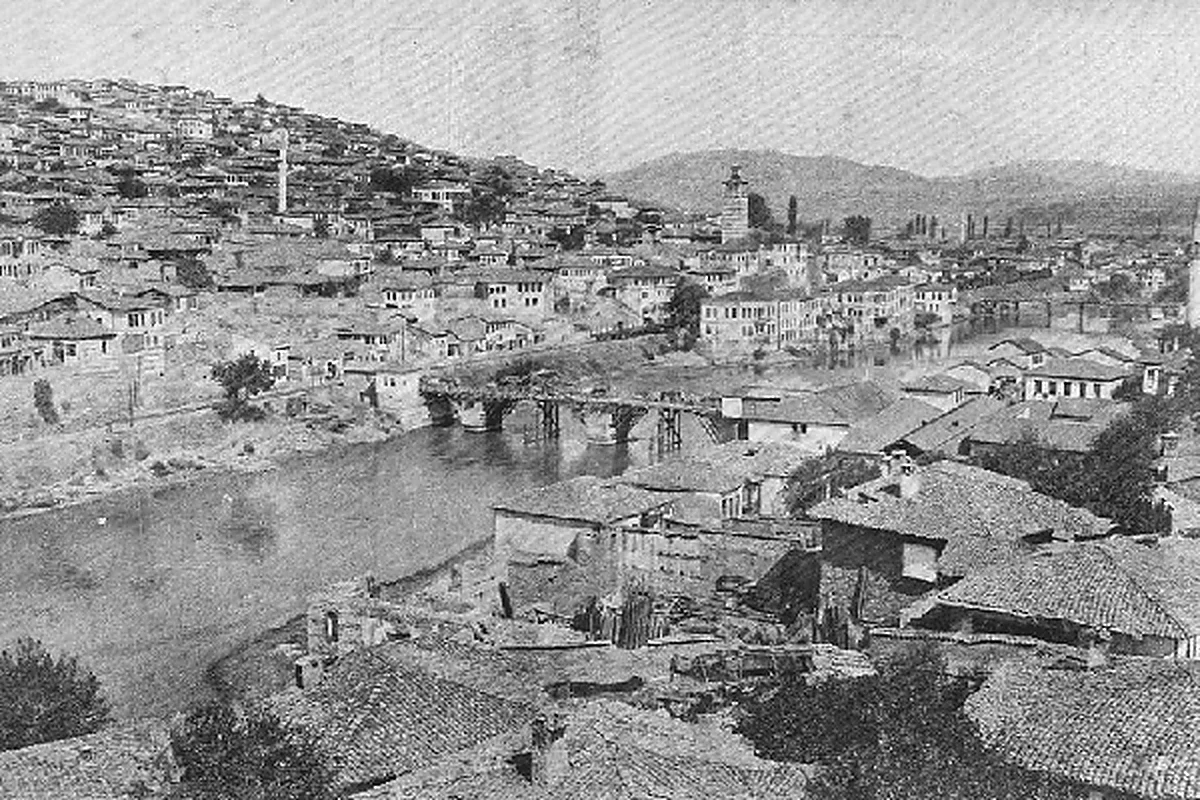
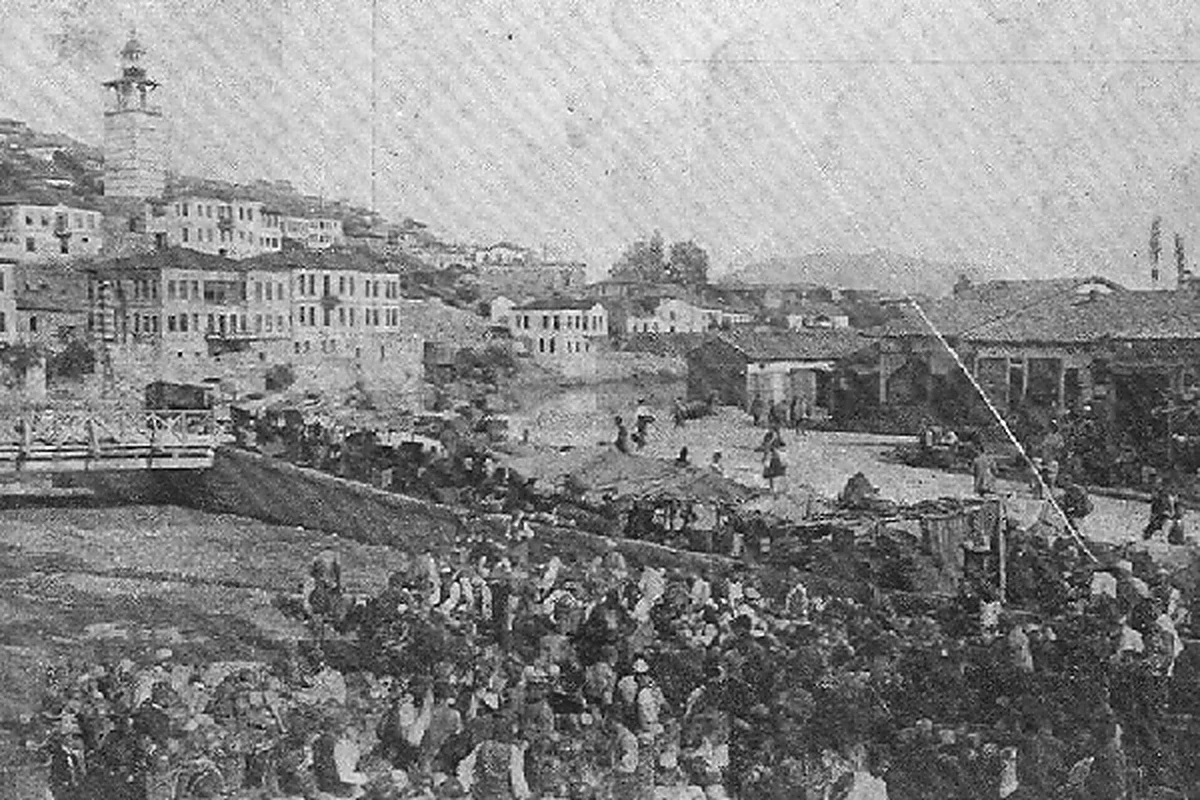
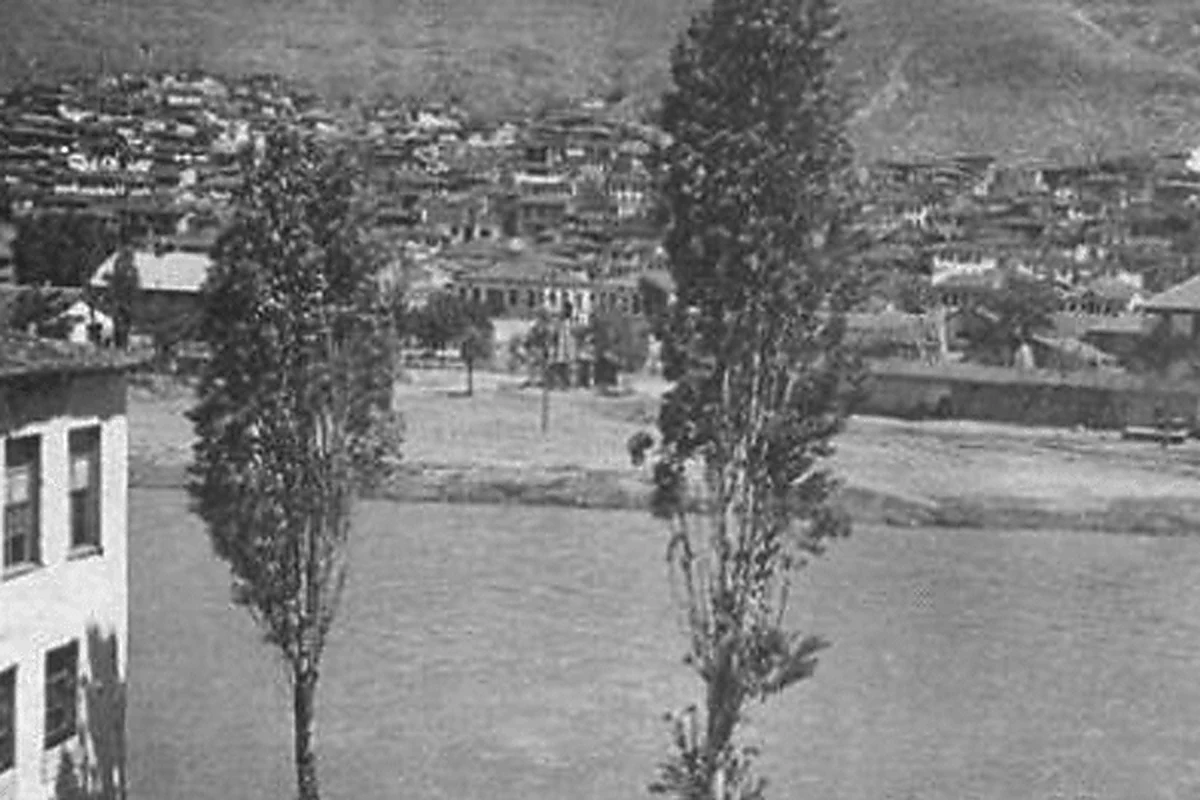
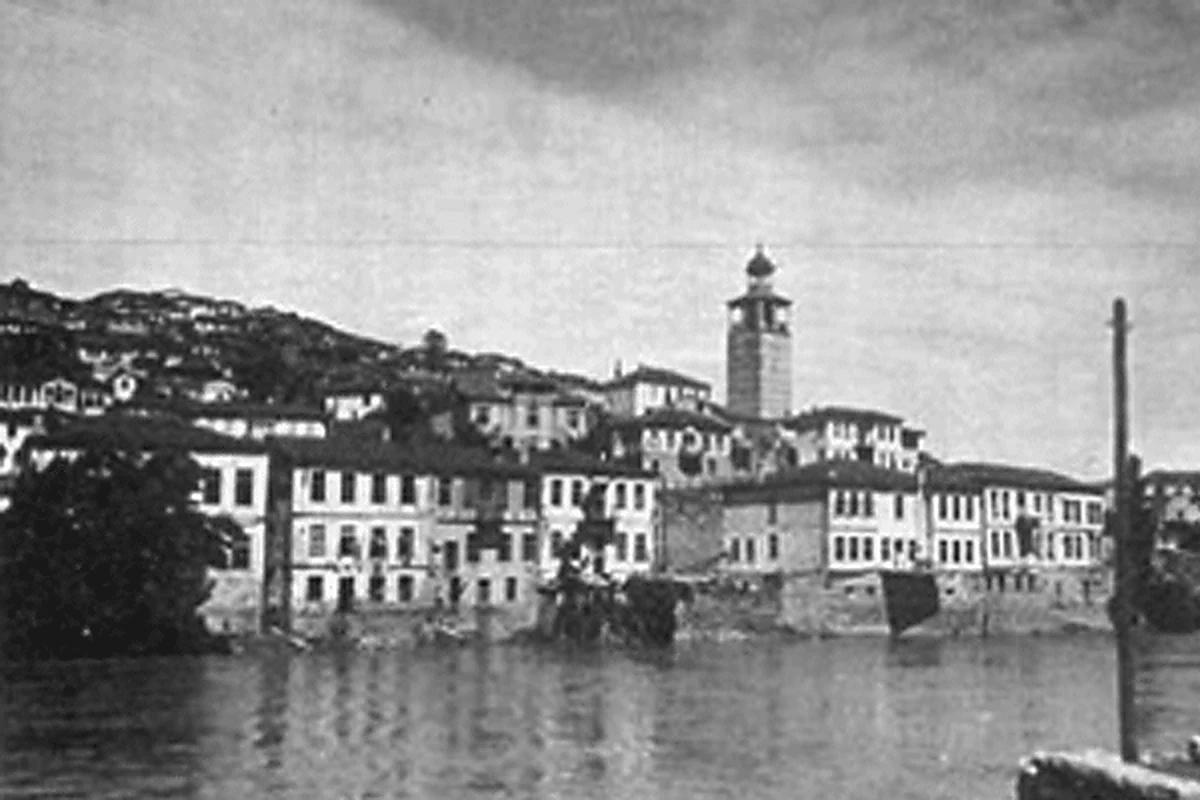
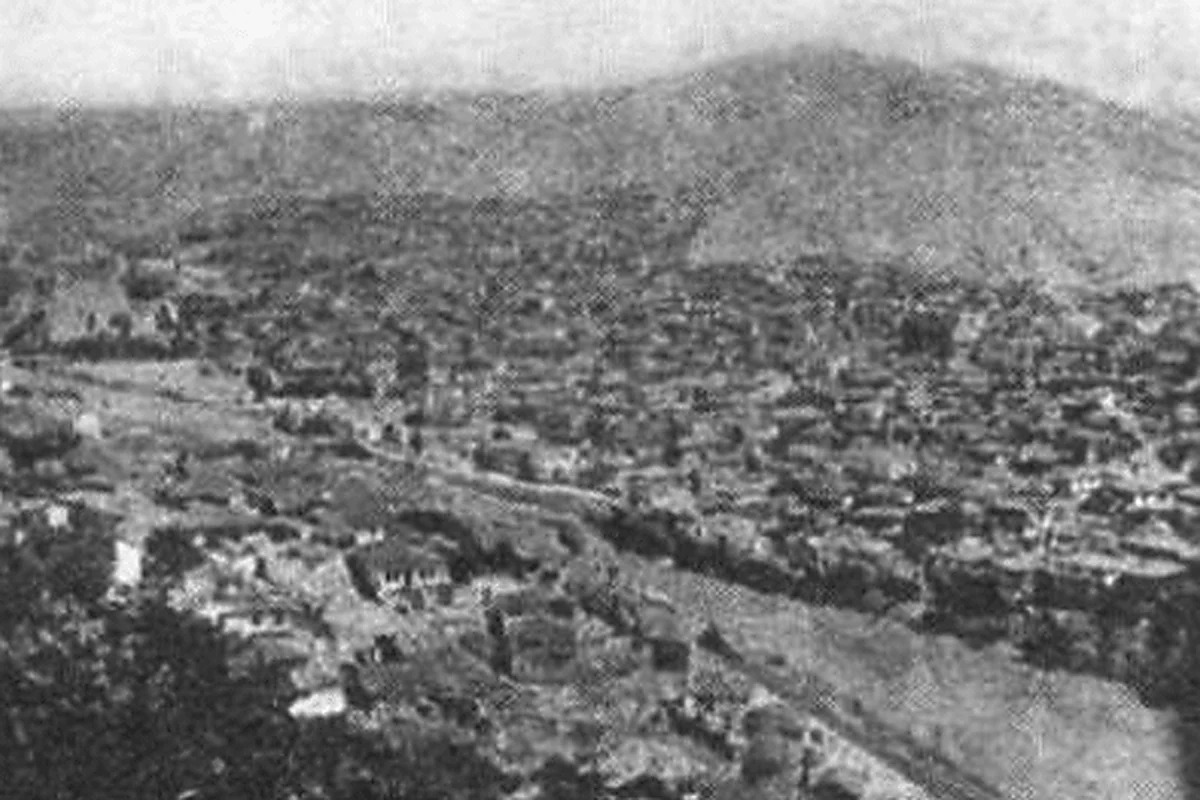
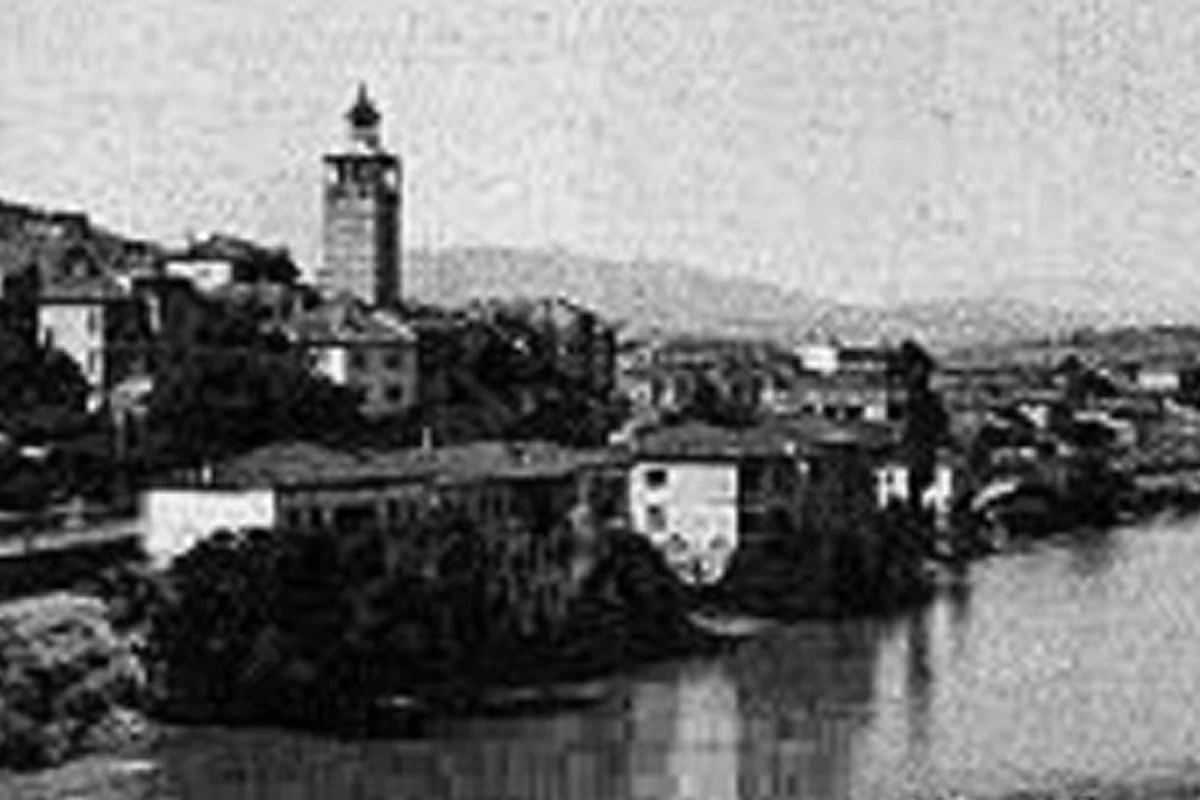
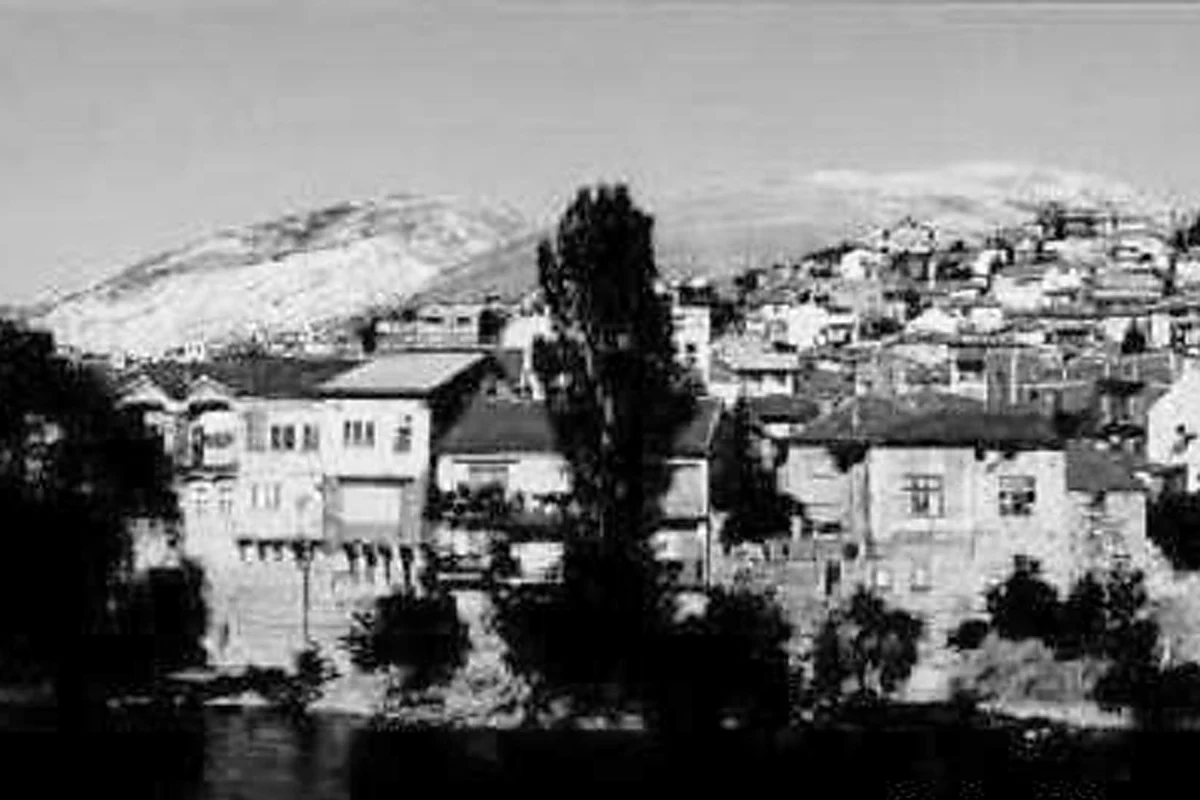
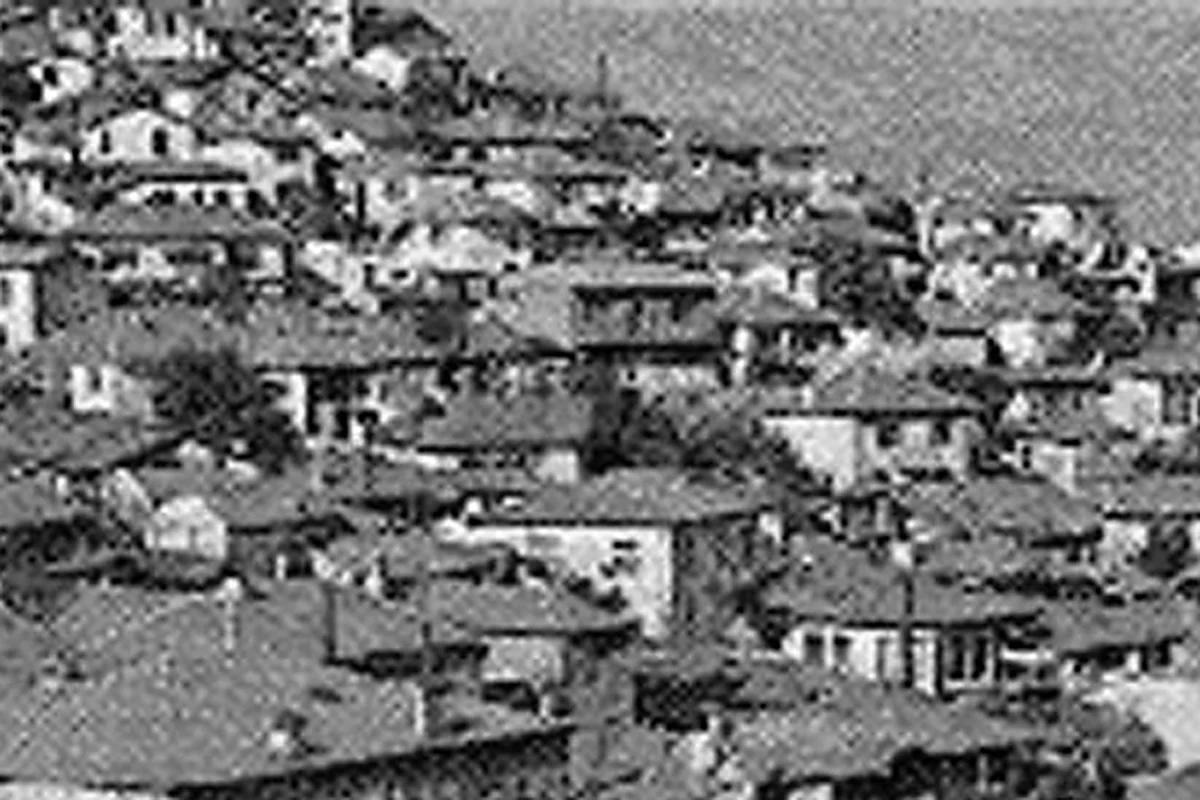
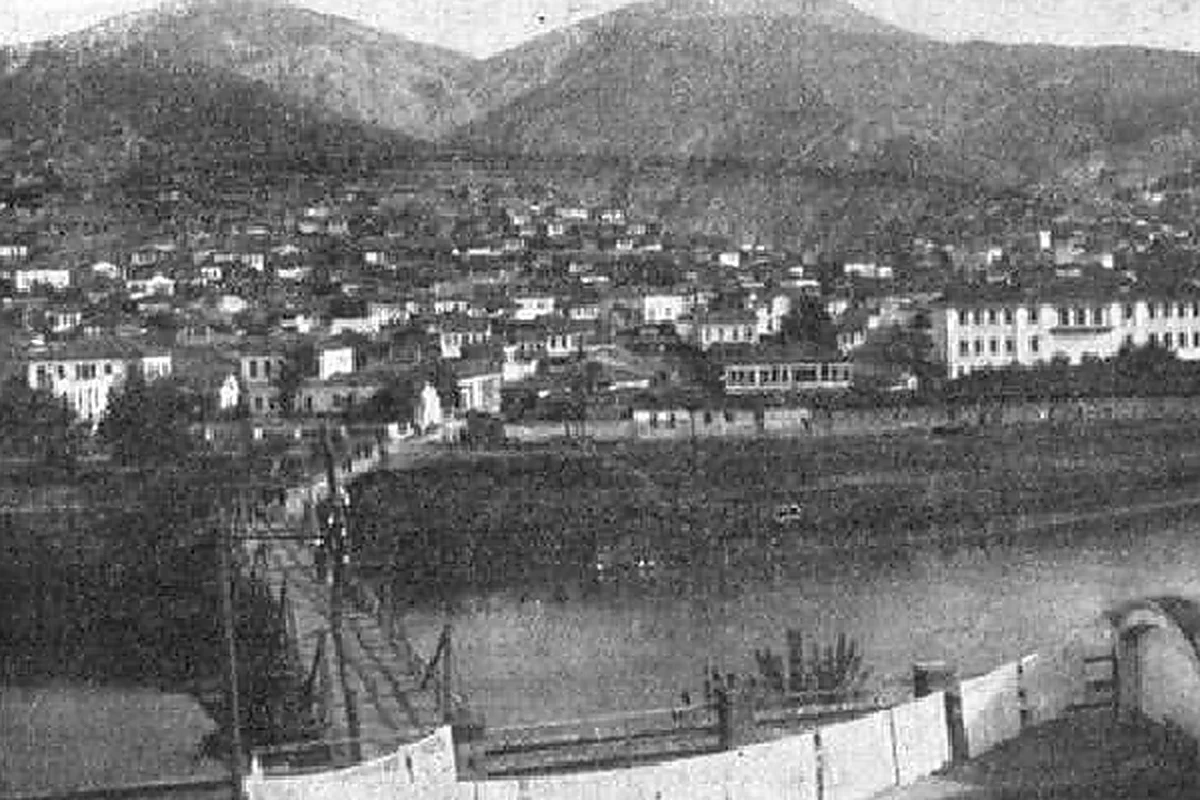
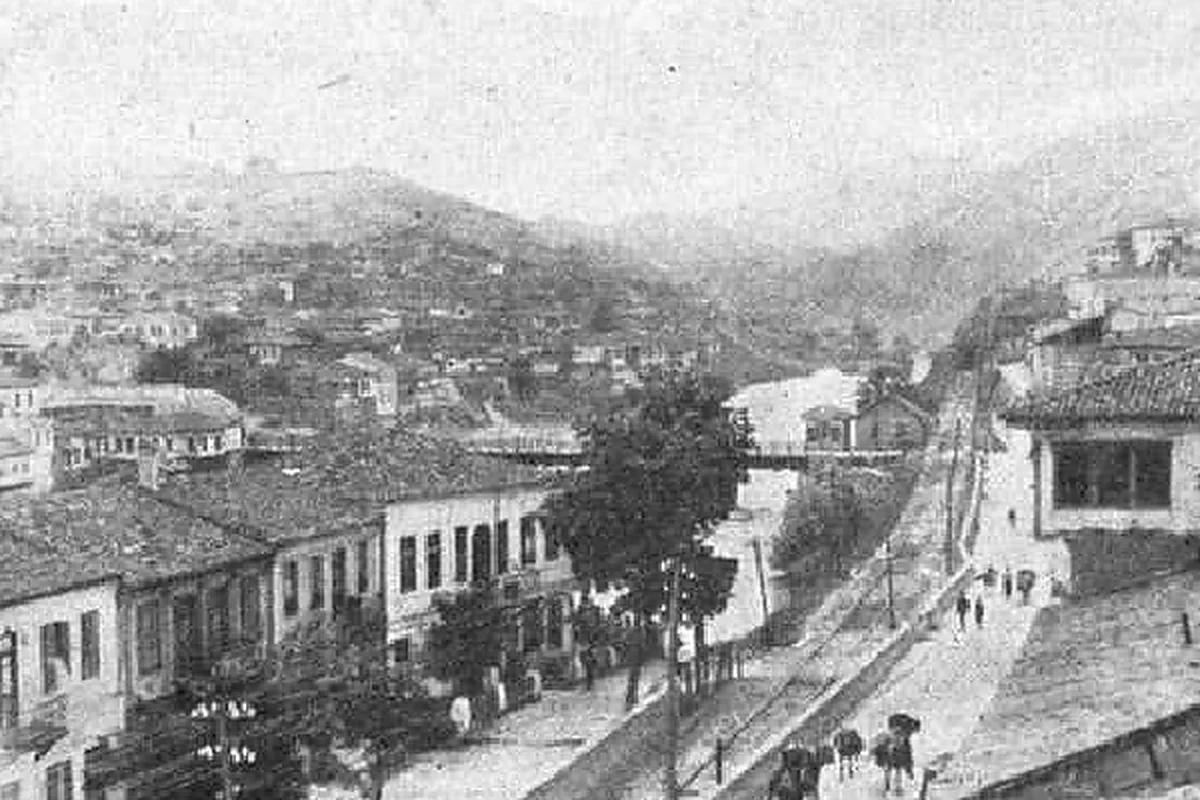
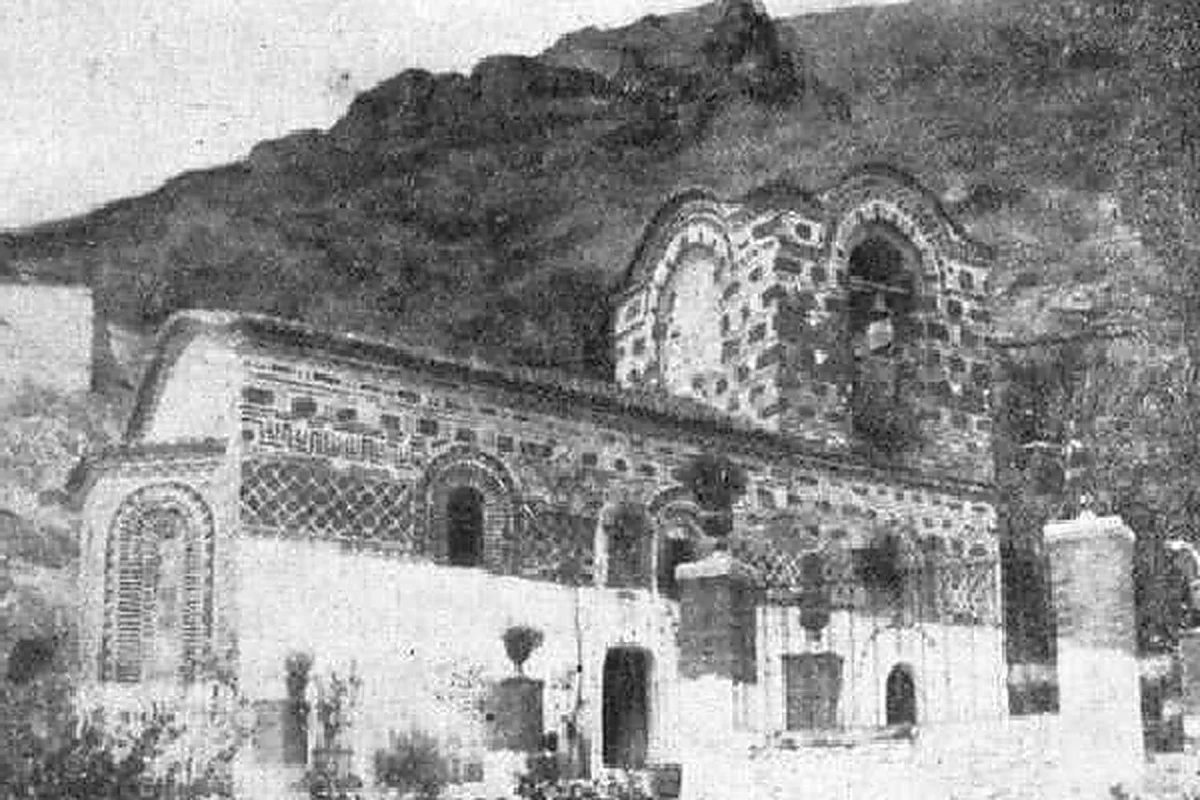
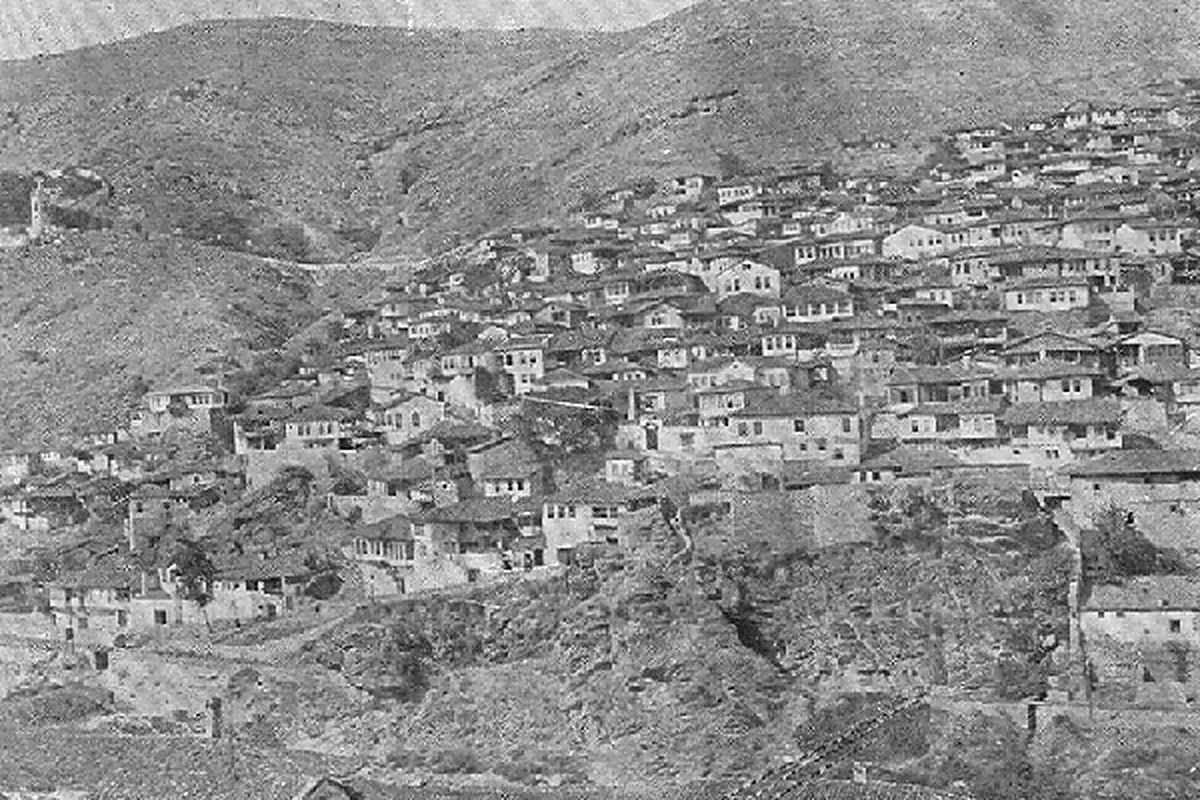
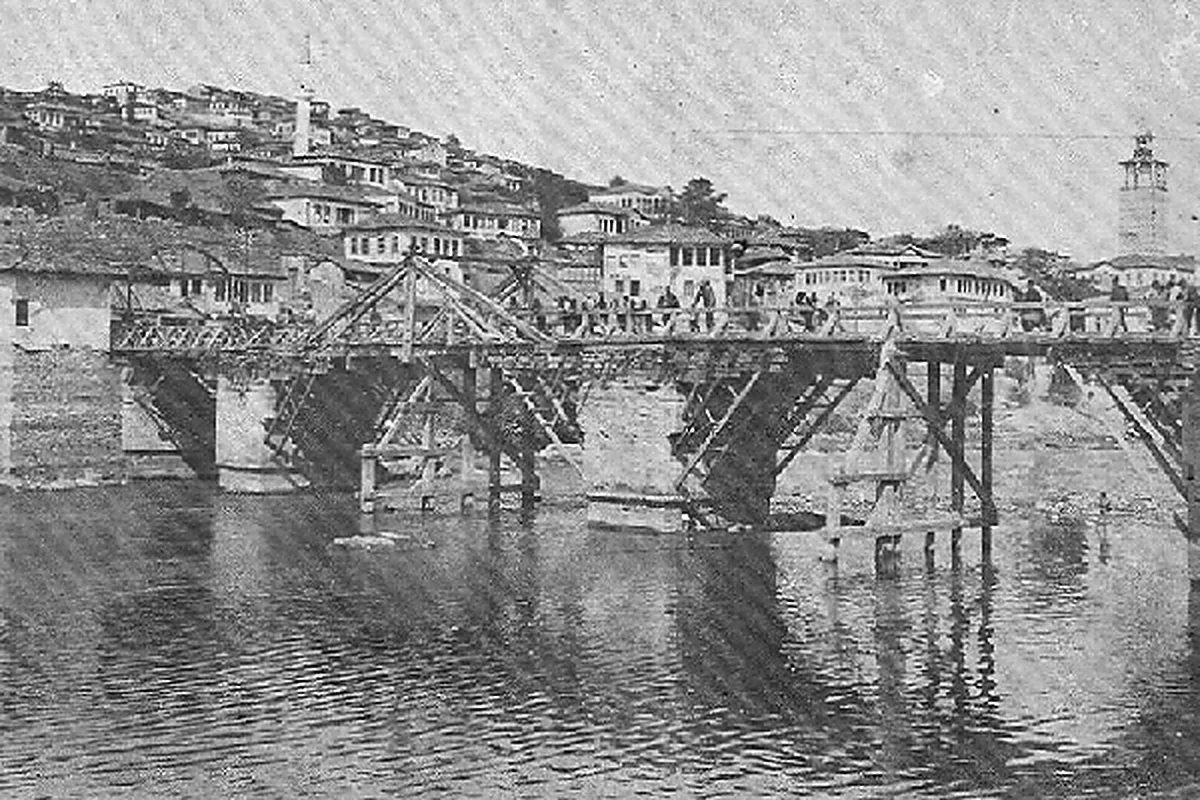
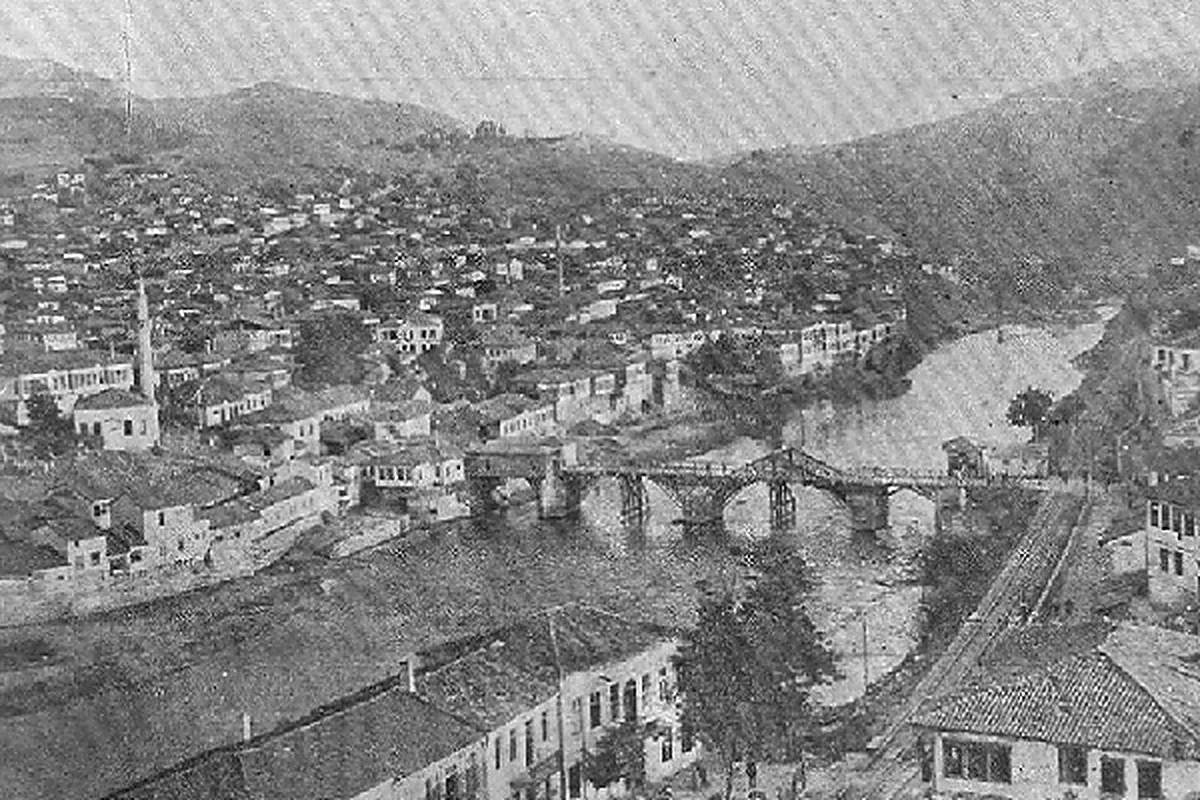
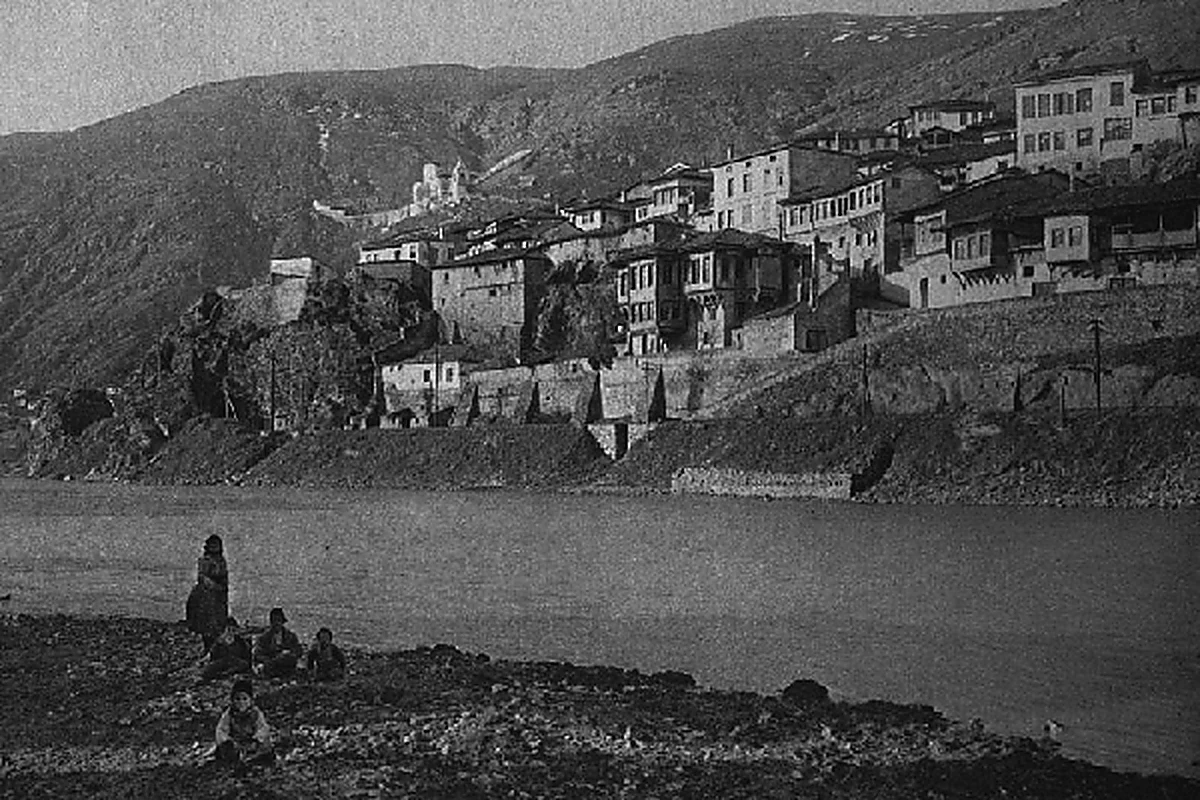
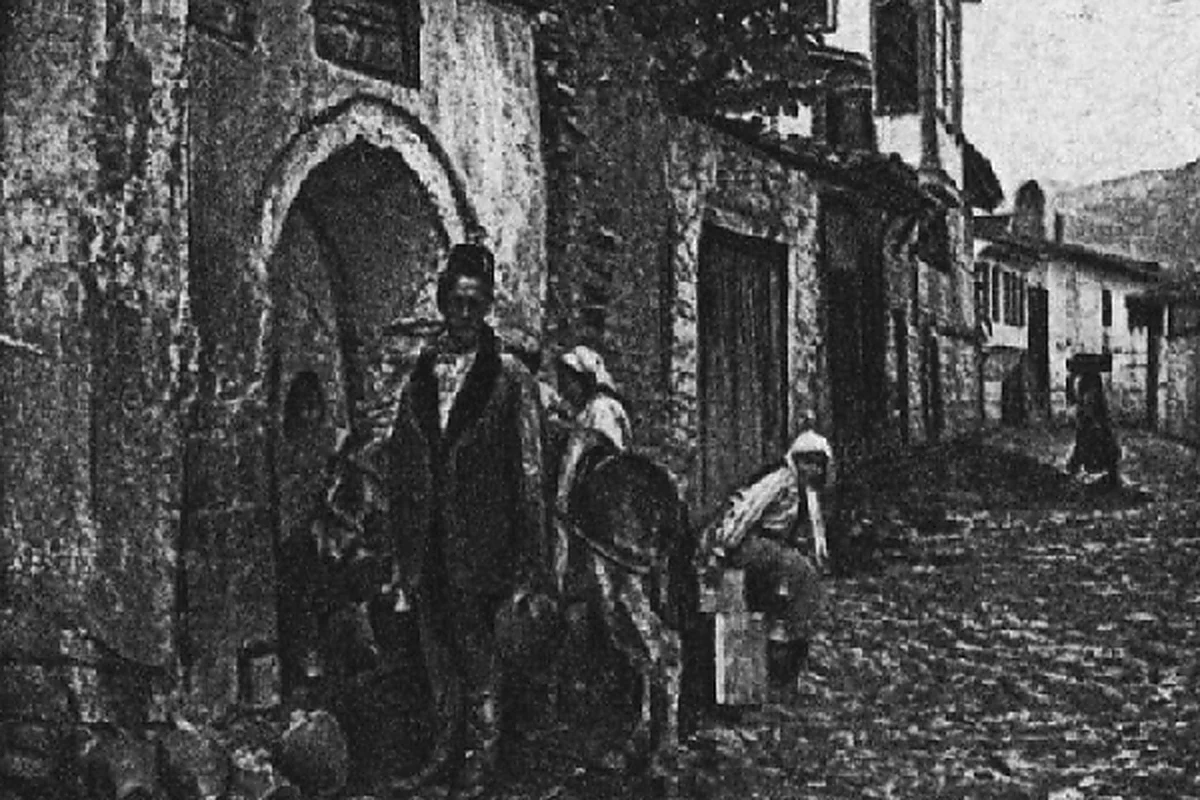
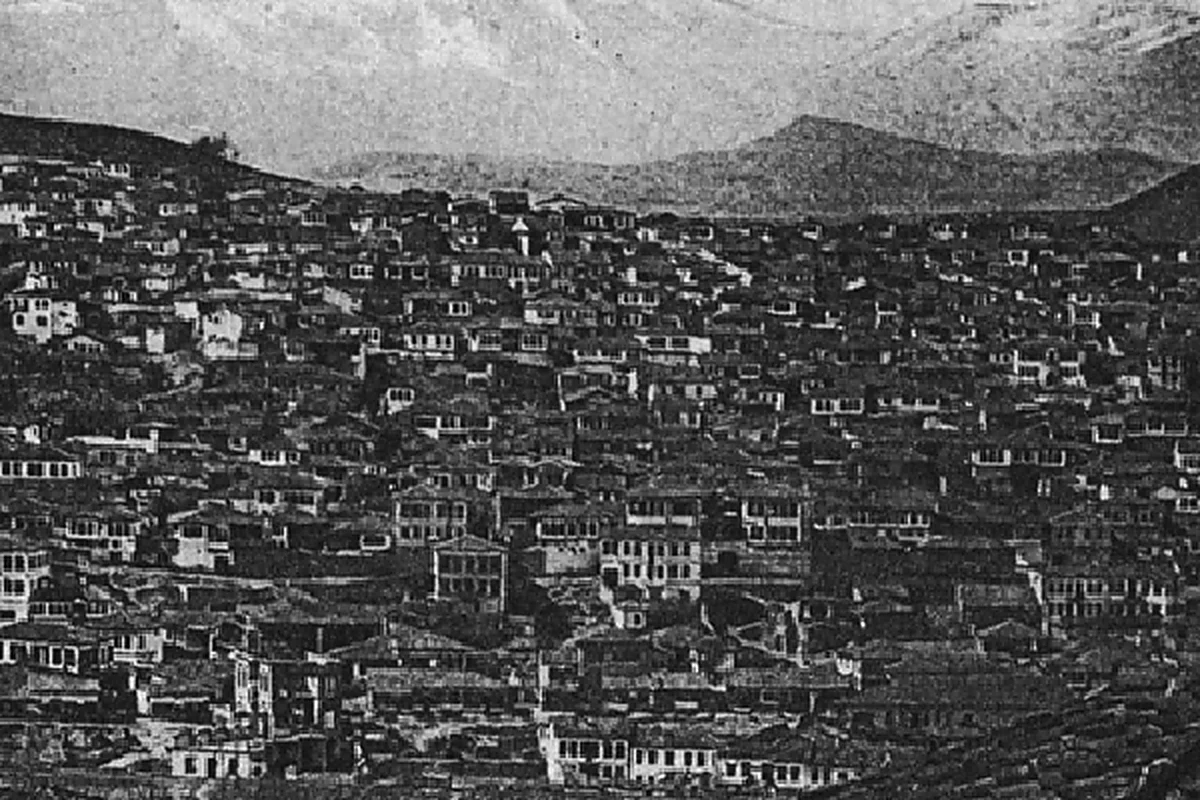
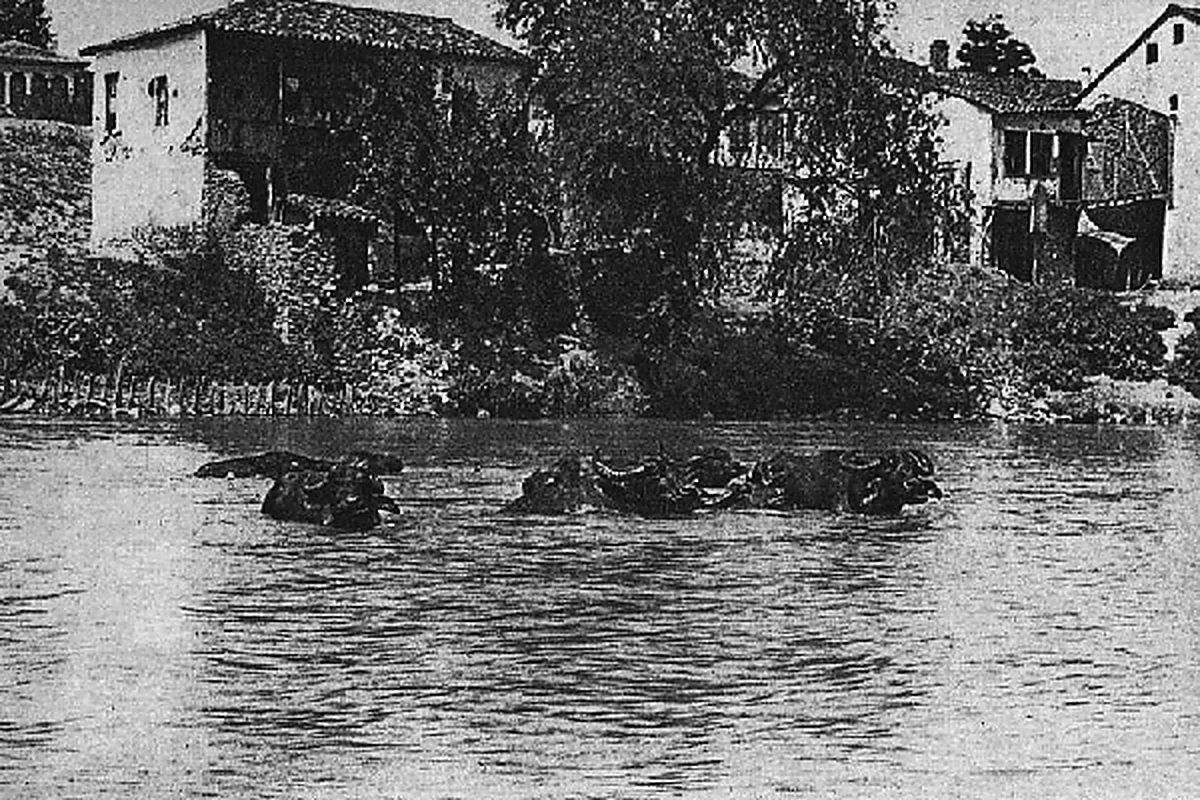
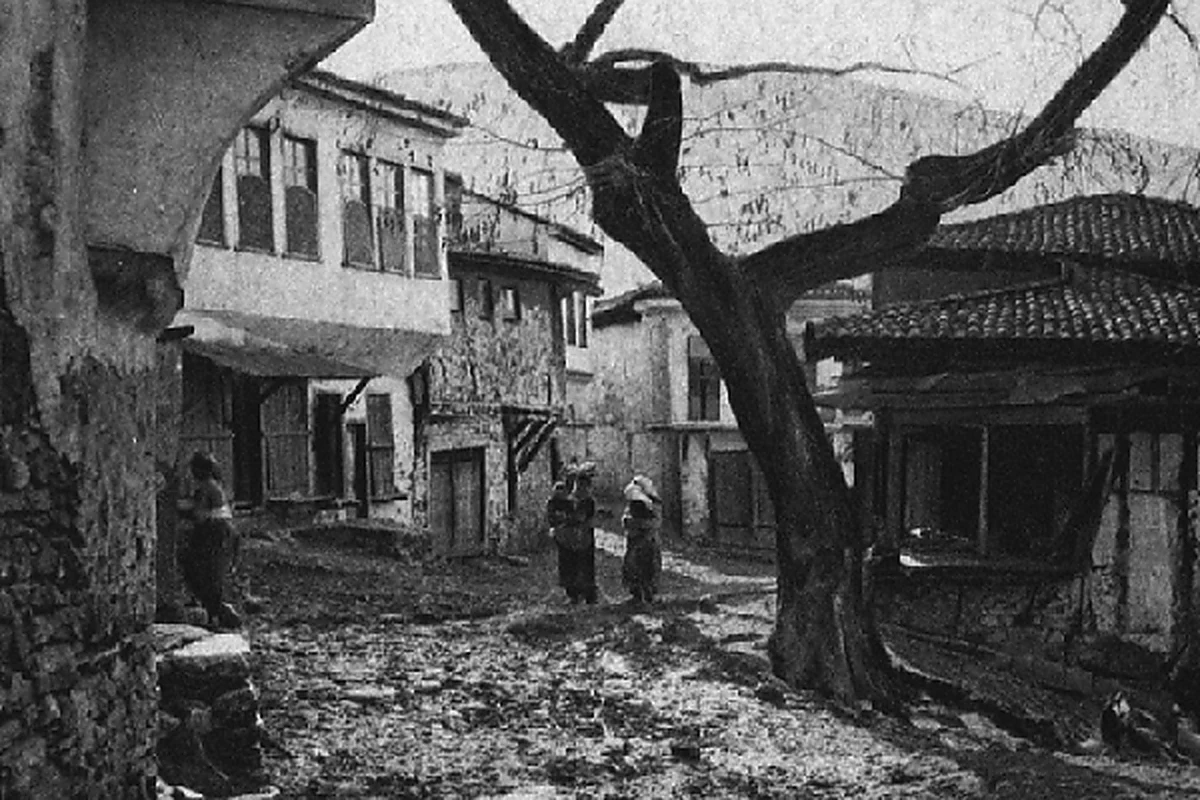
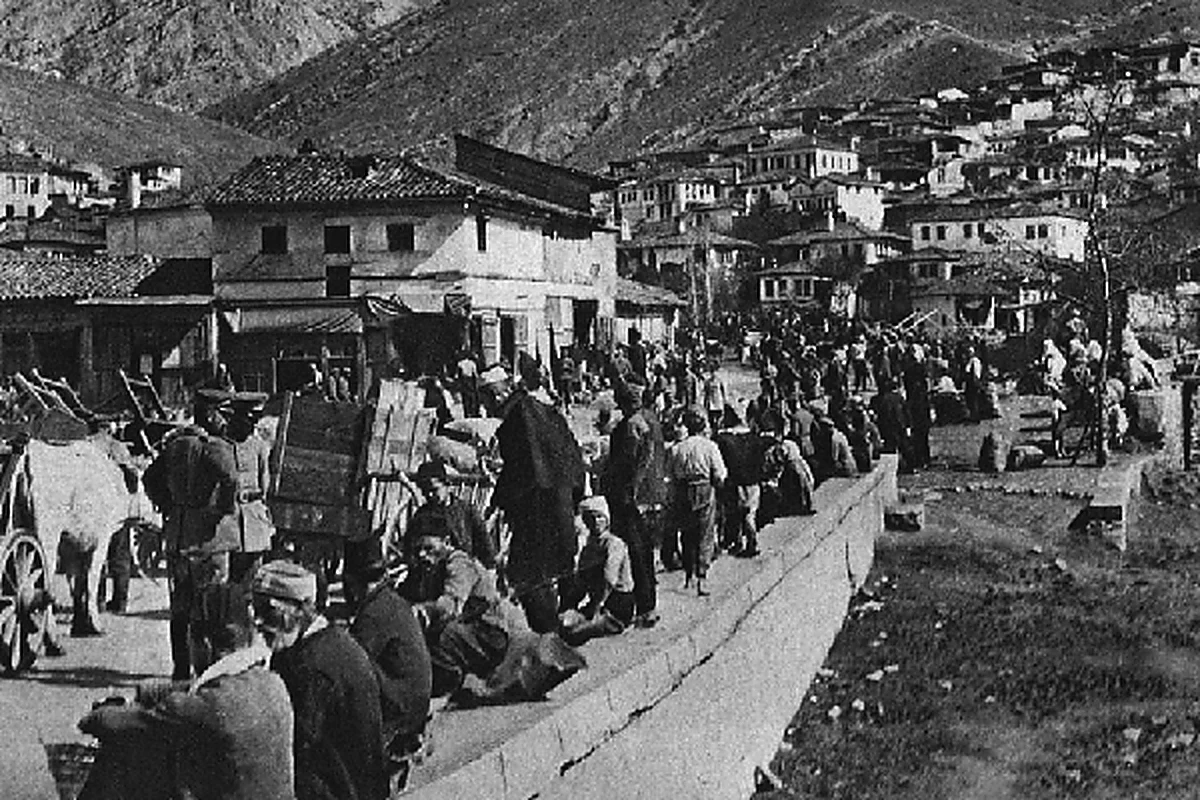
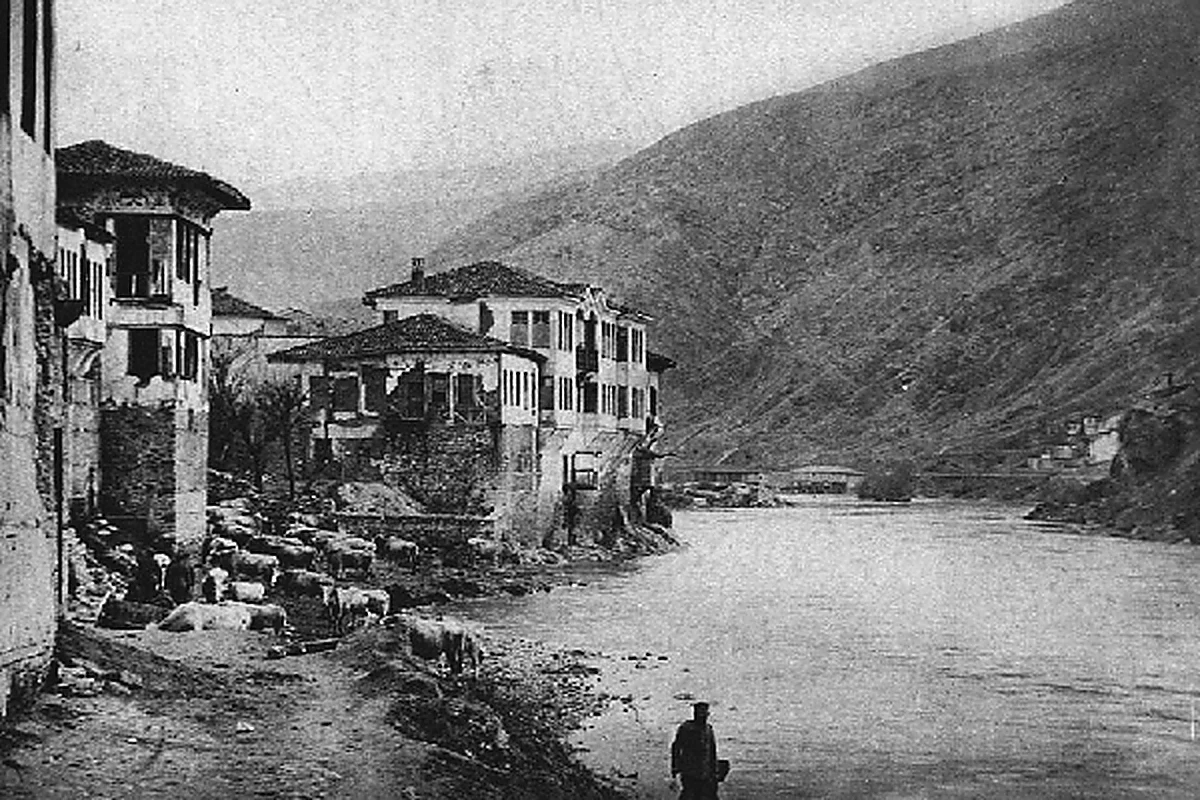
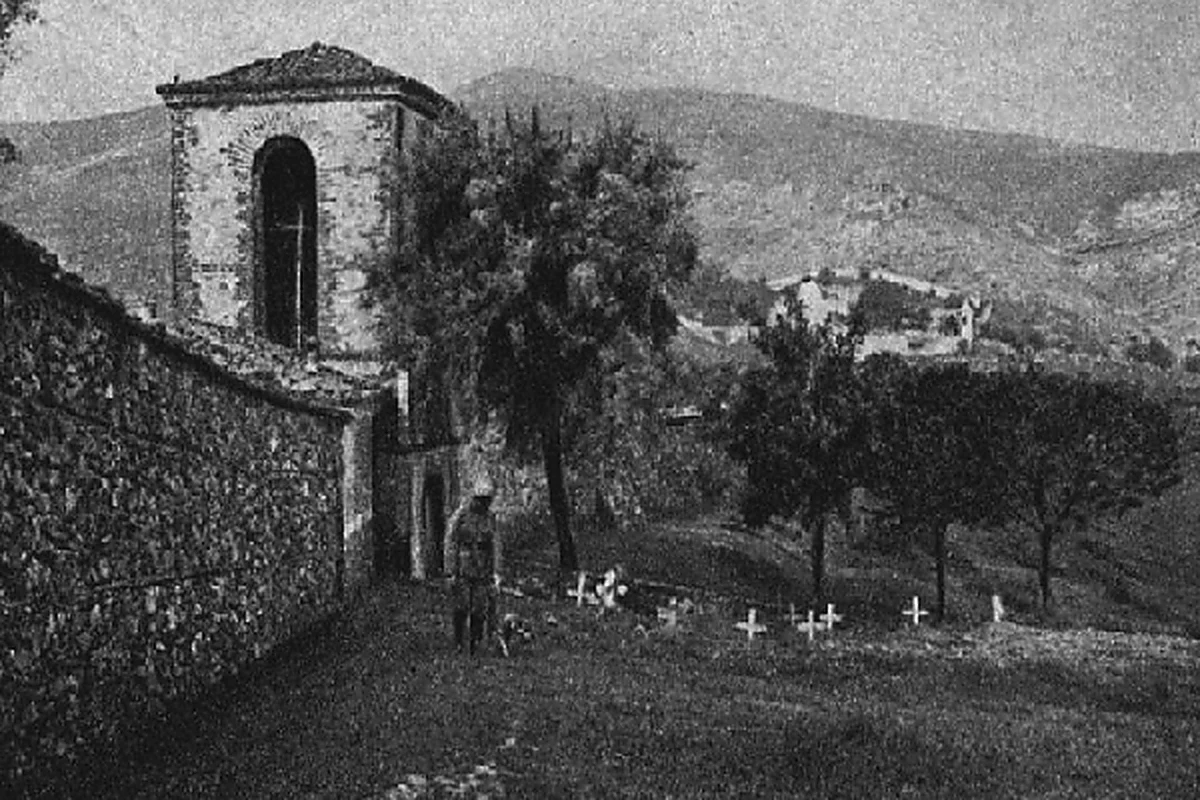
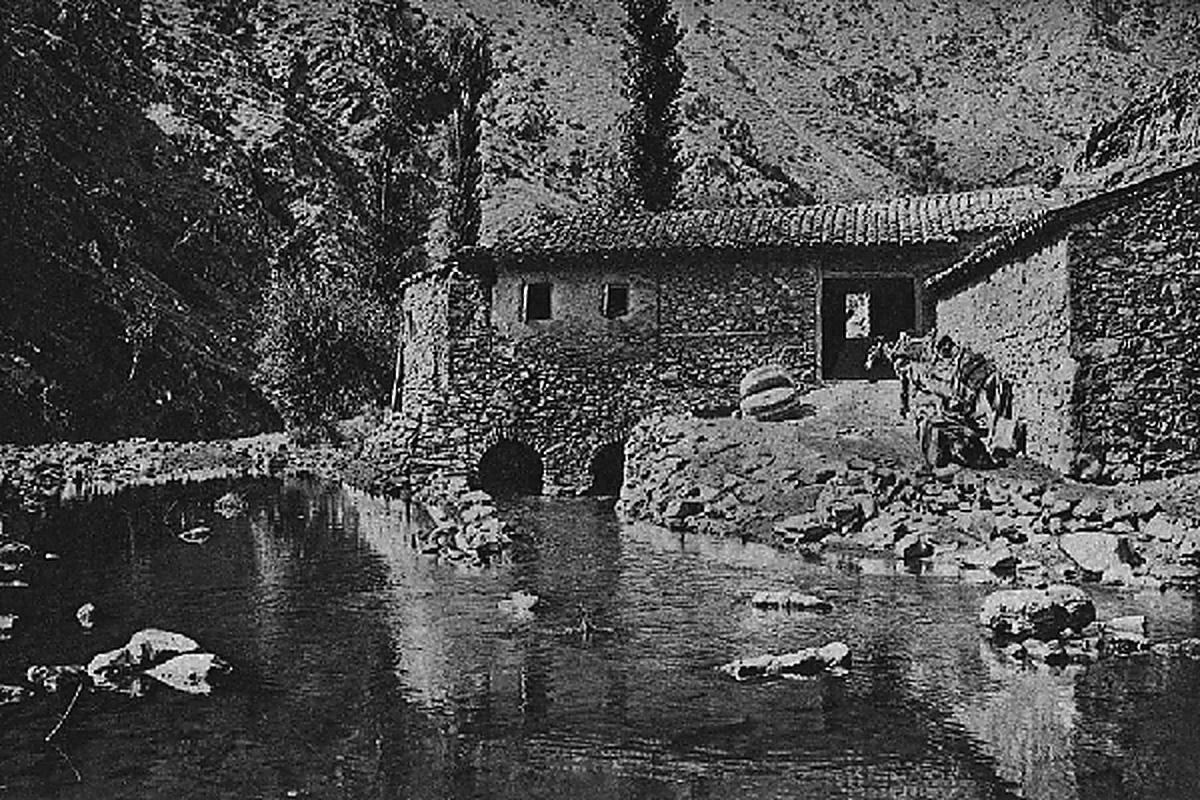
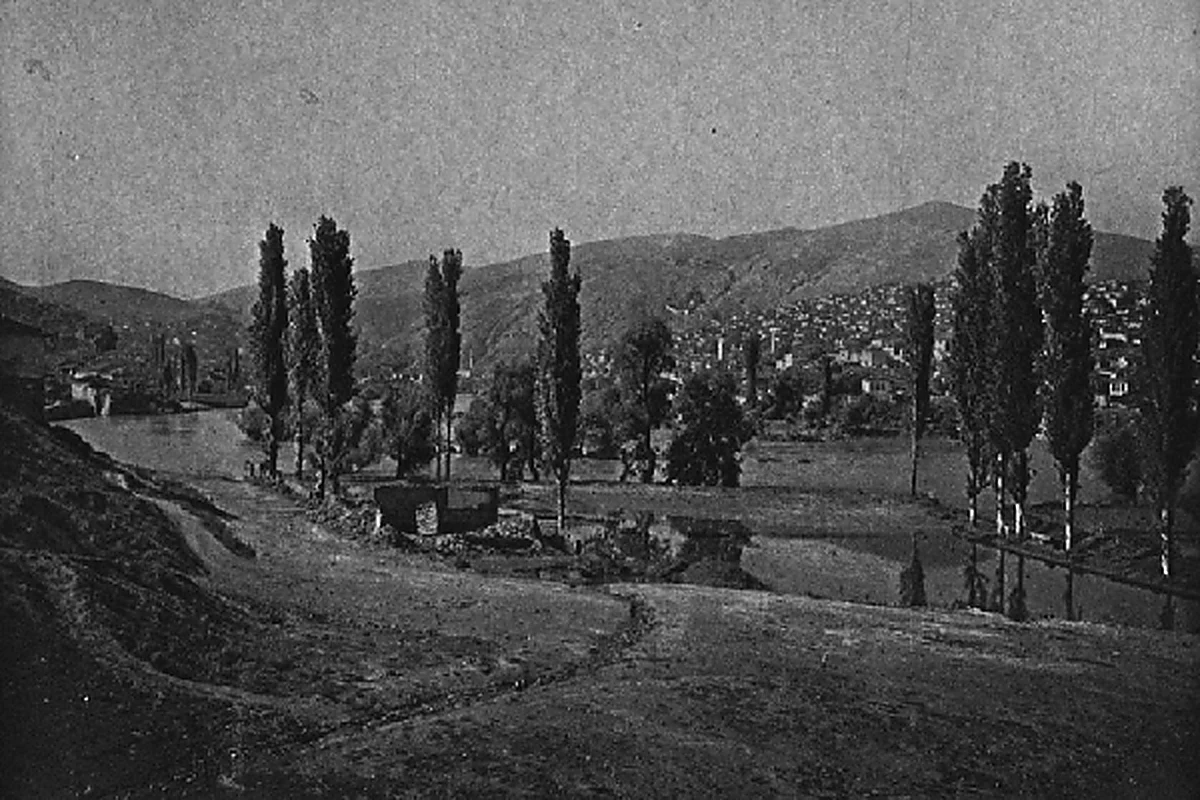
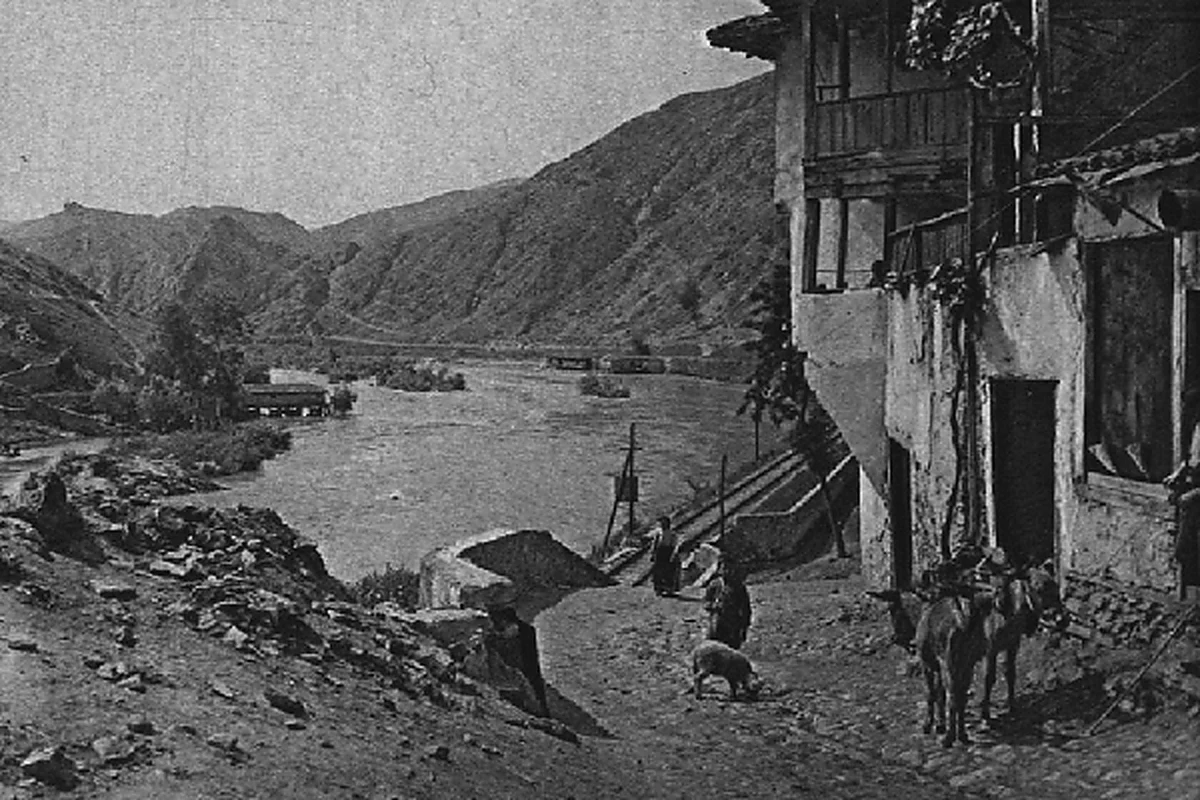
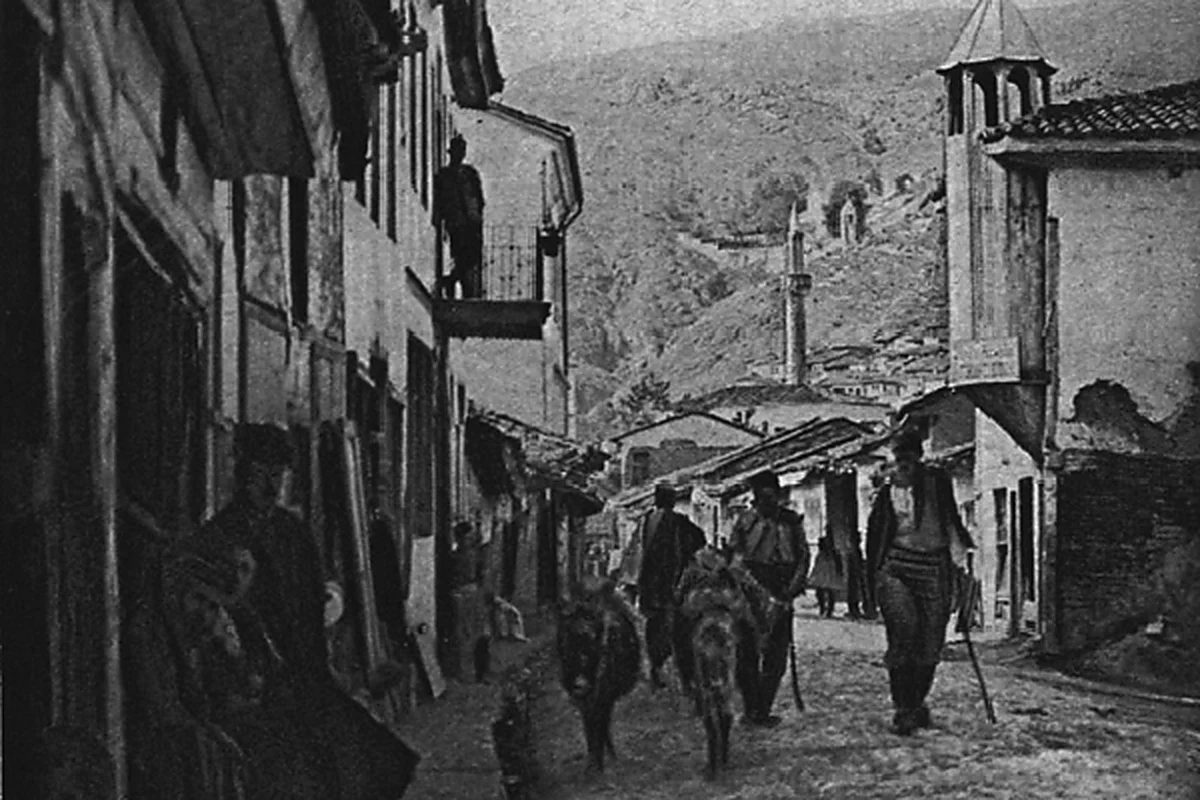
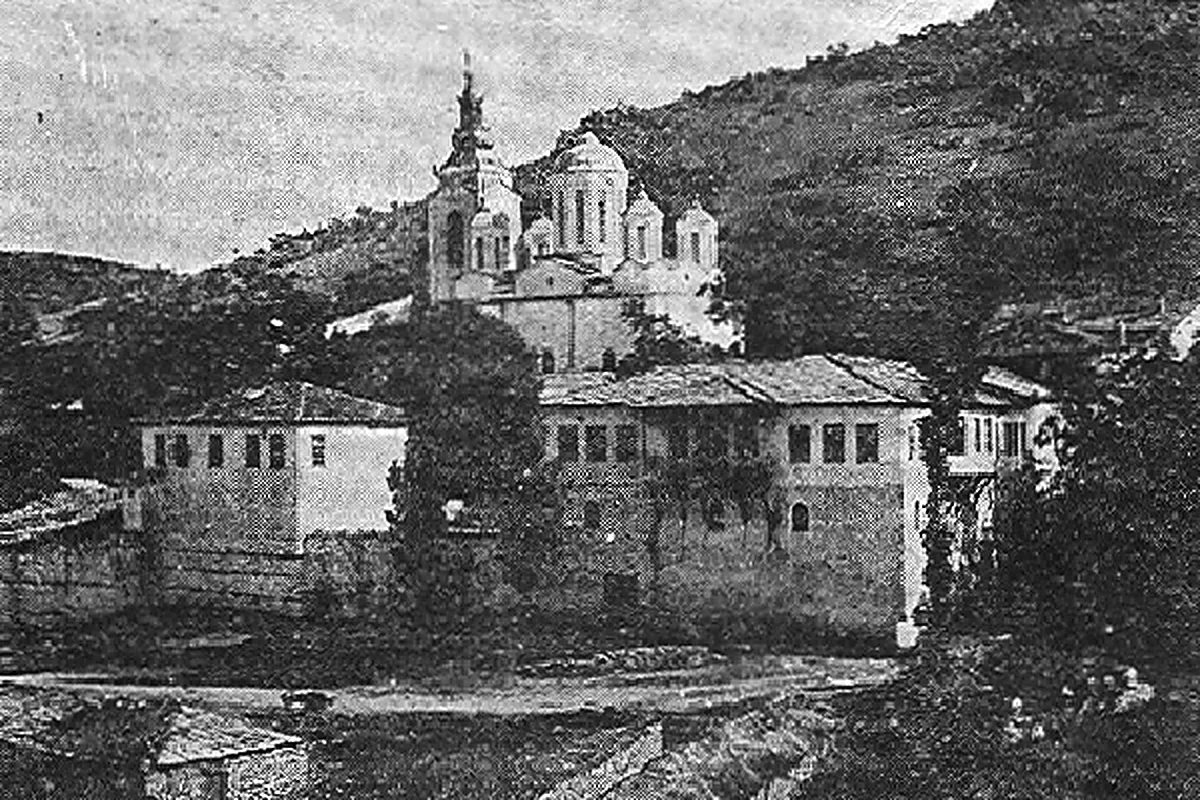
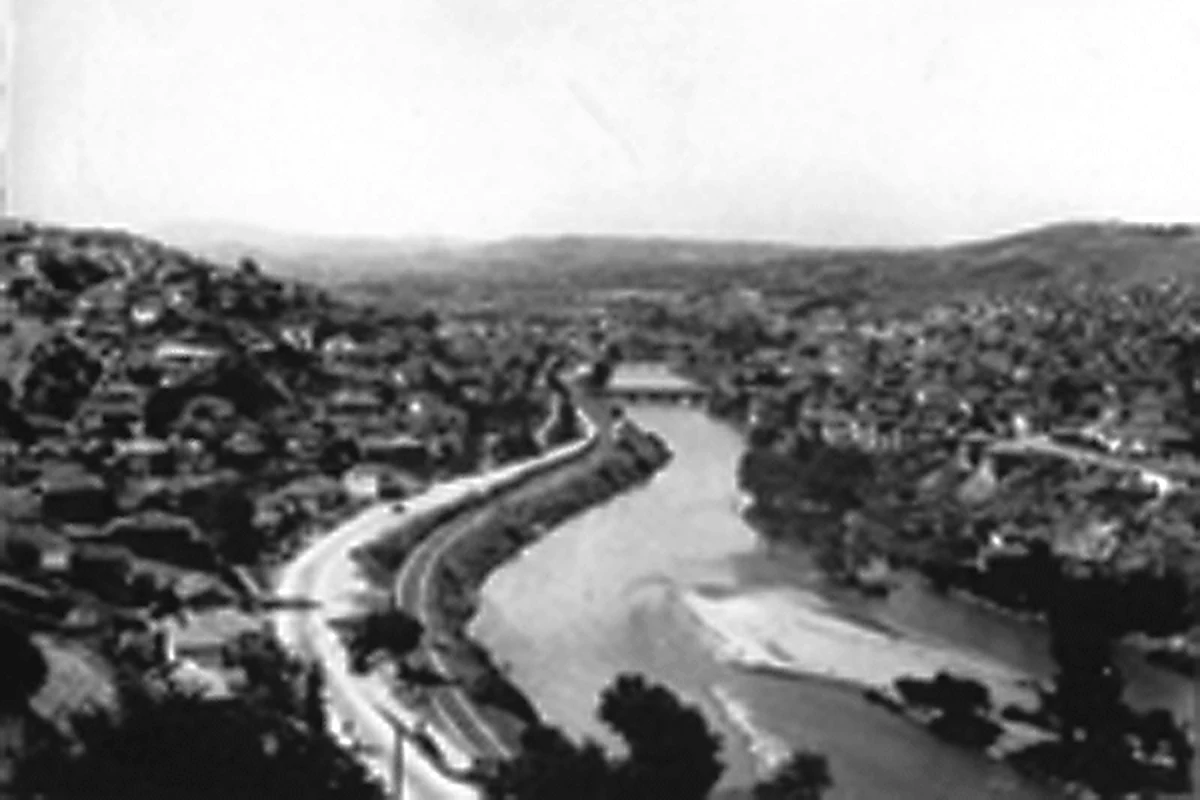
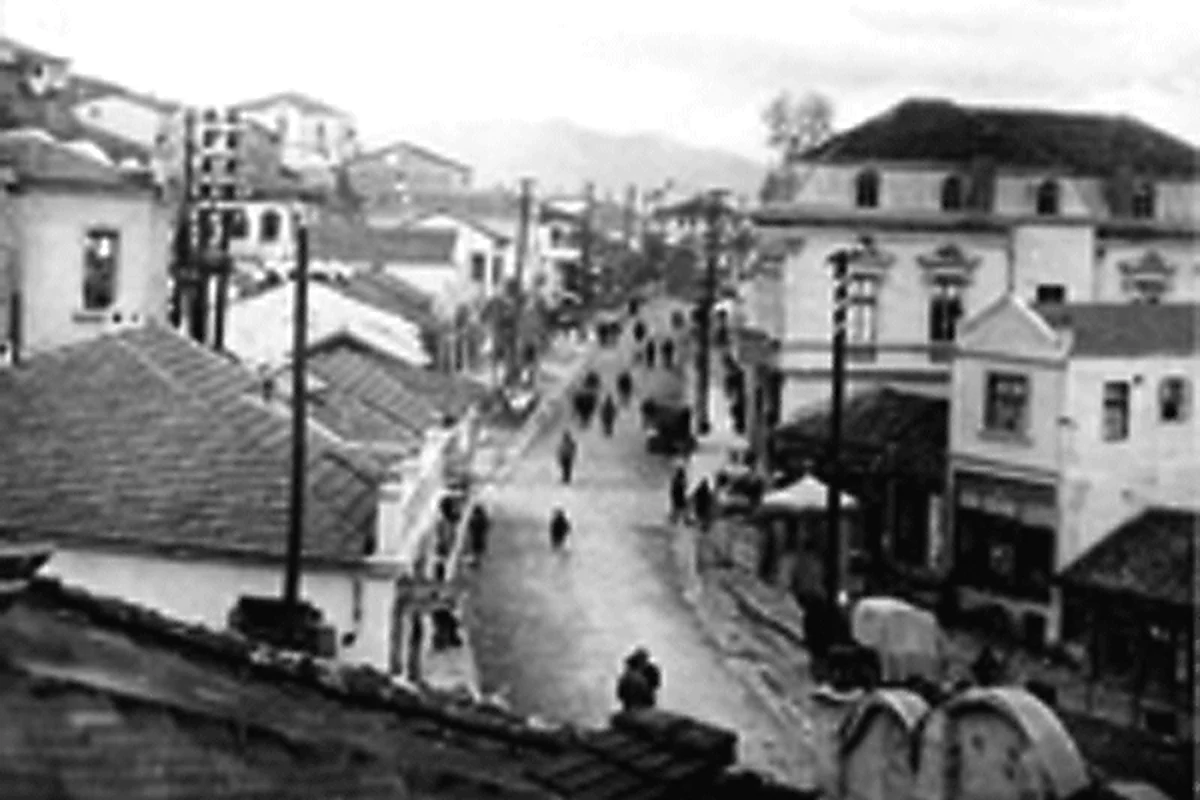
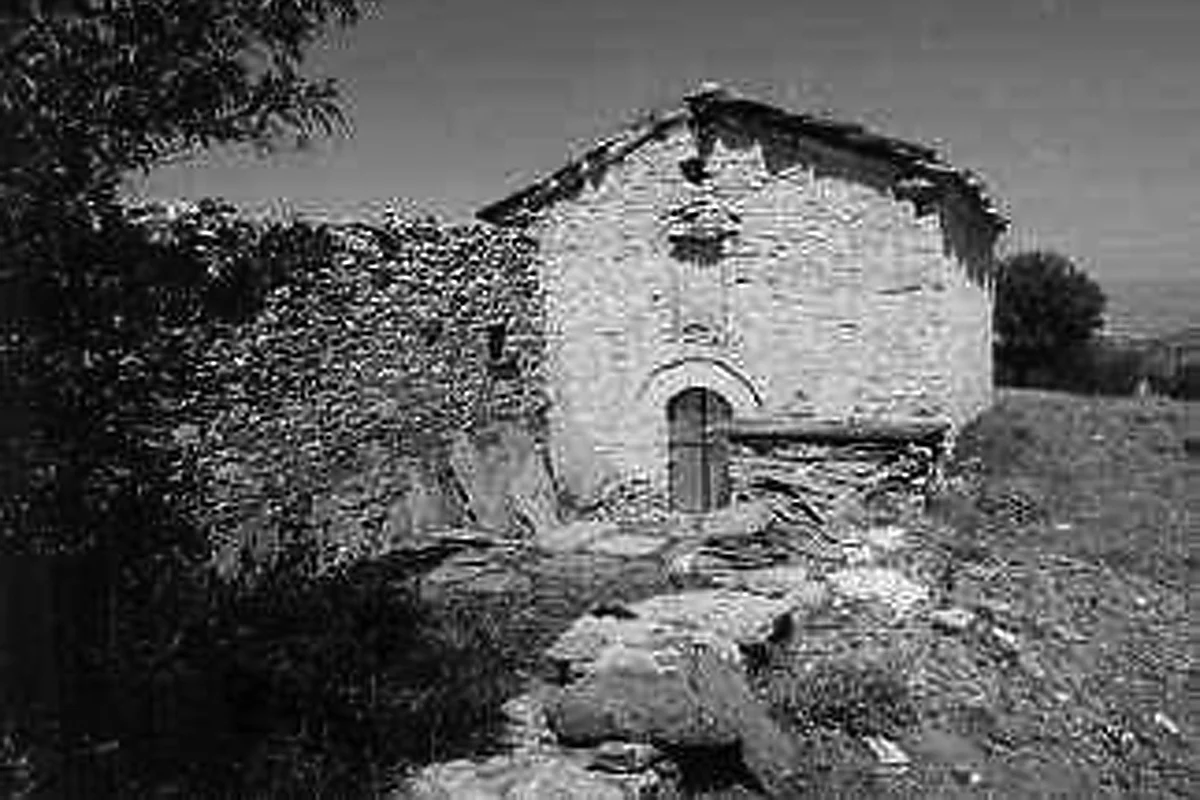
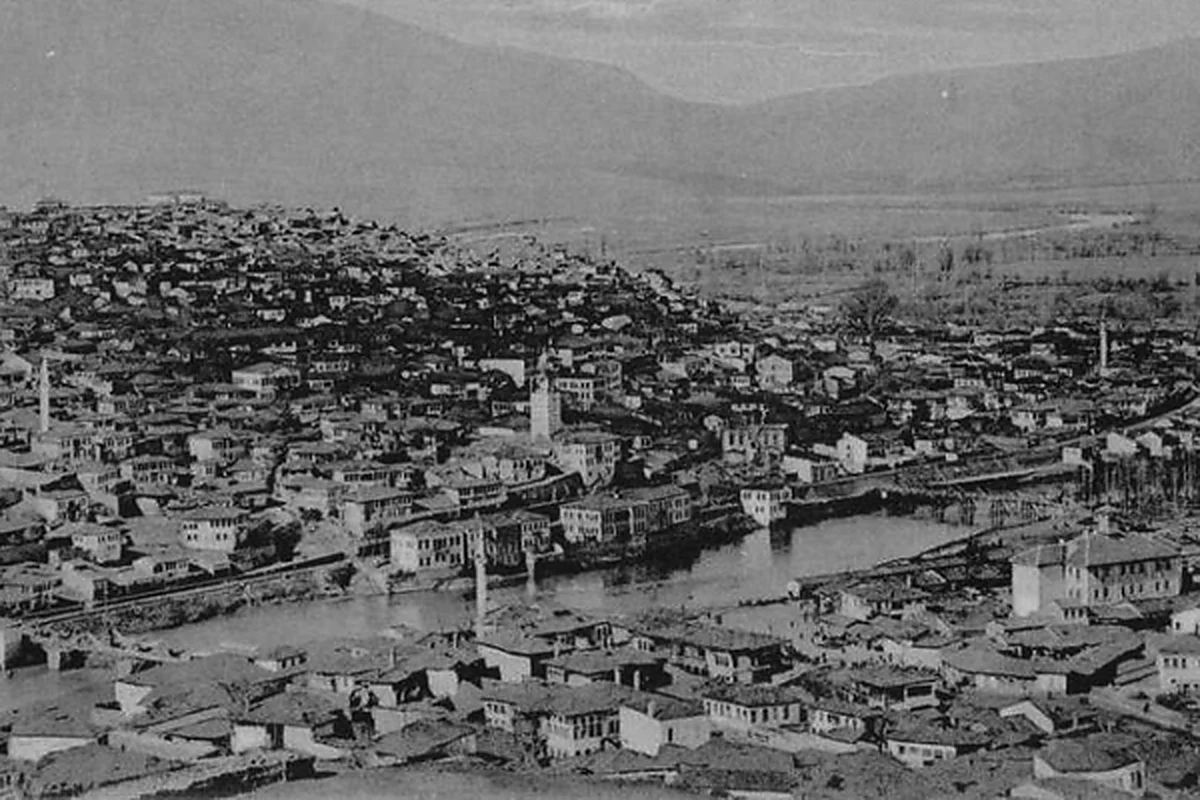
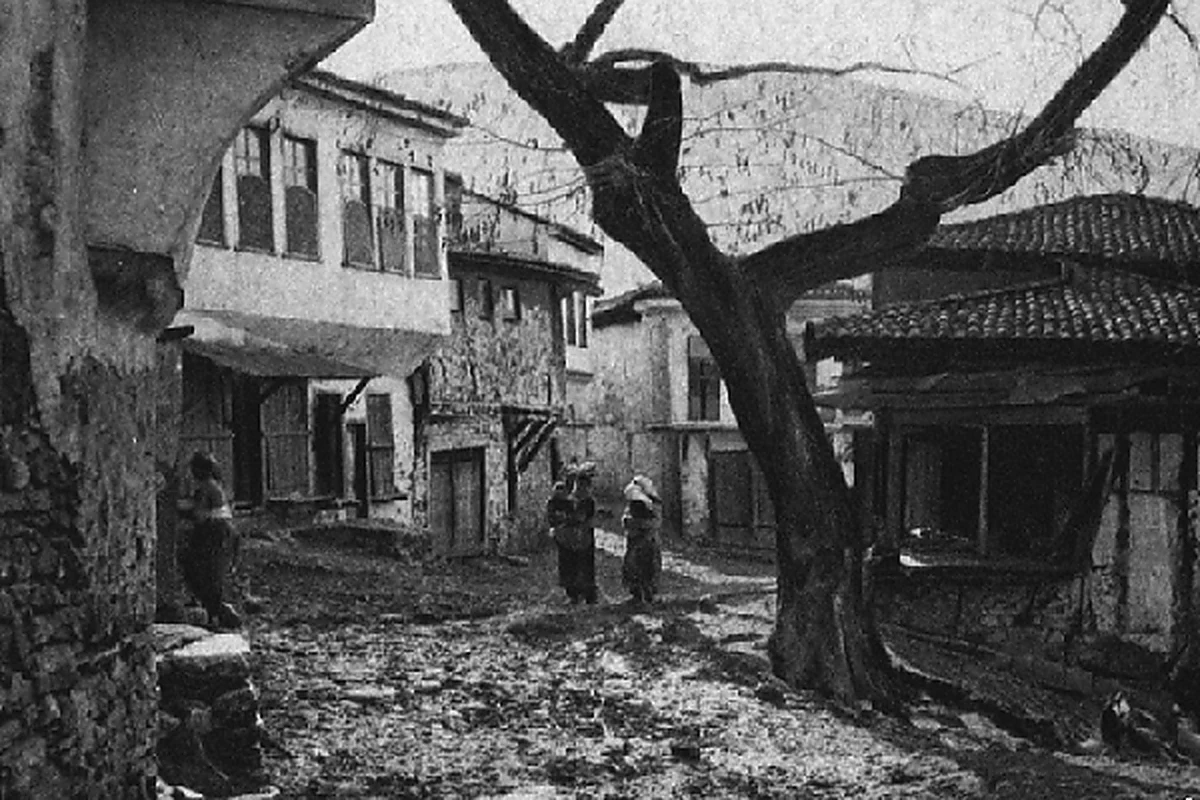
Photo Gallery (35)
Photo Gallery
Veles, frame by frame.
A responsive family gallery, including city views recovered from the old rotating banner system.
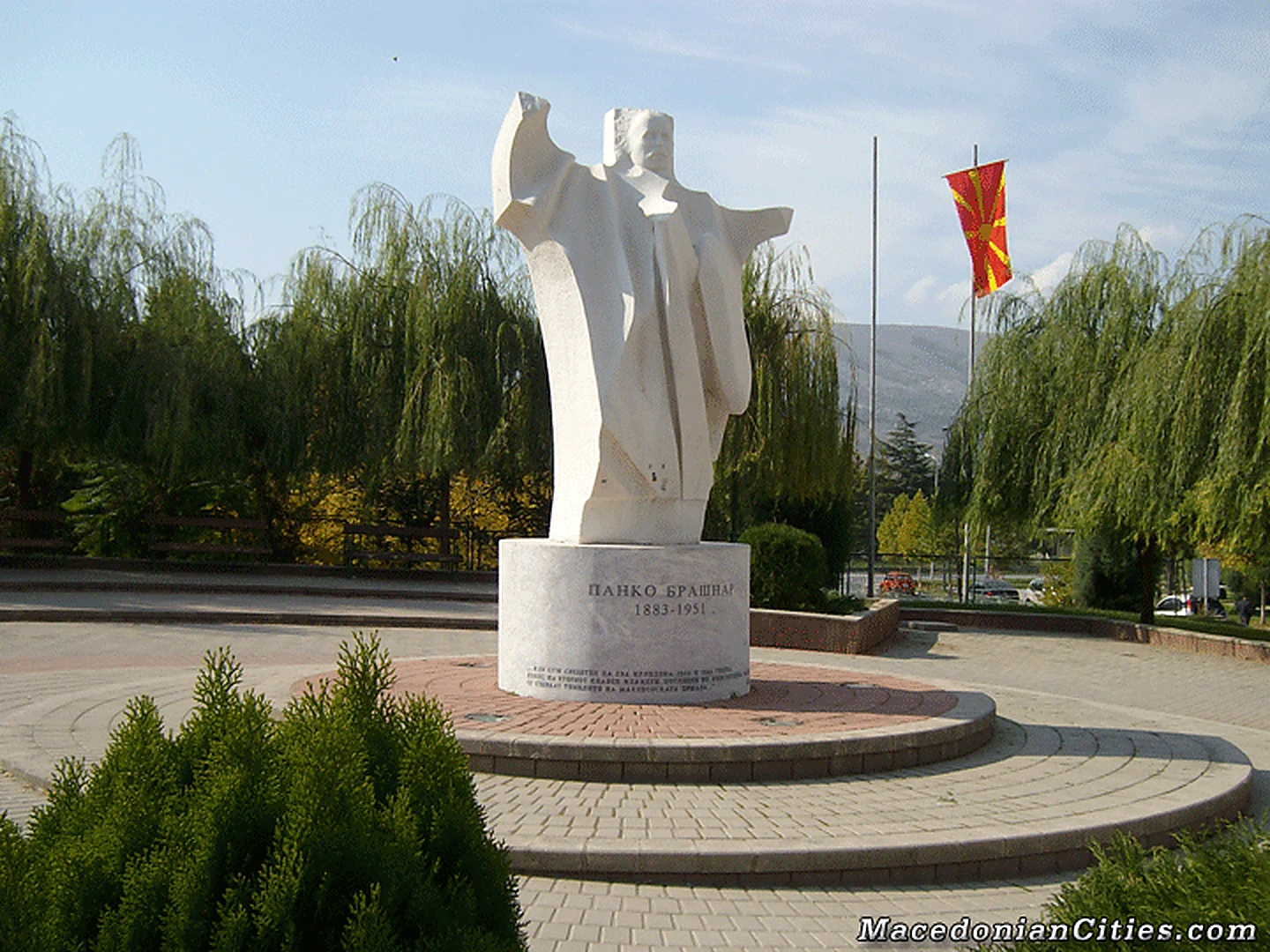
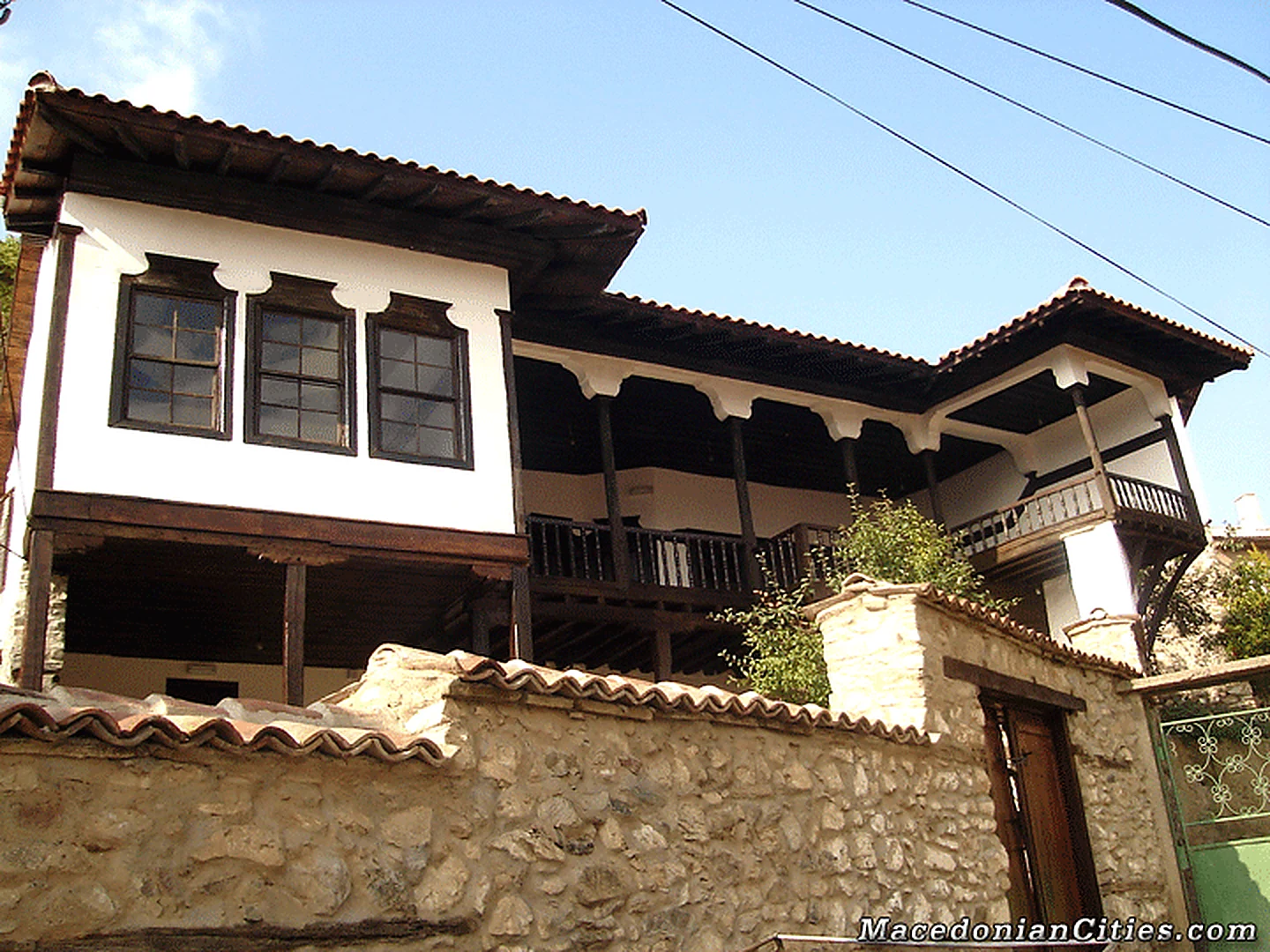
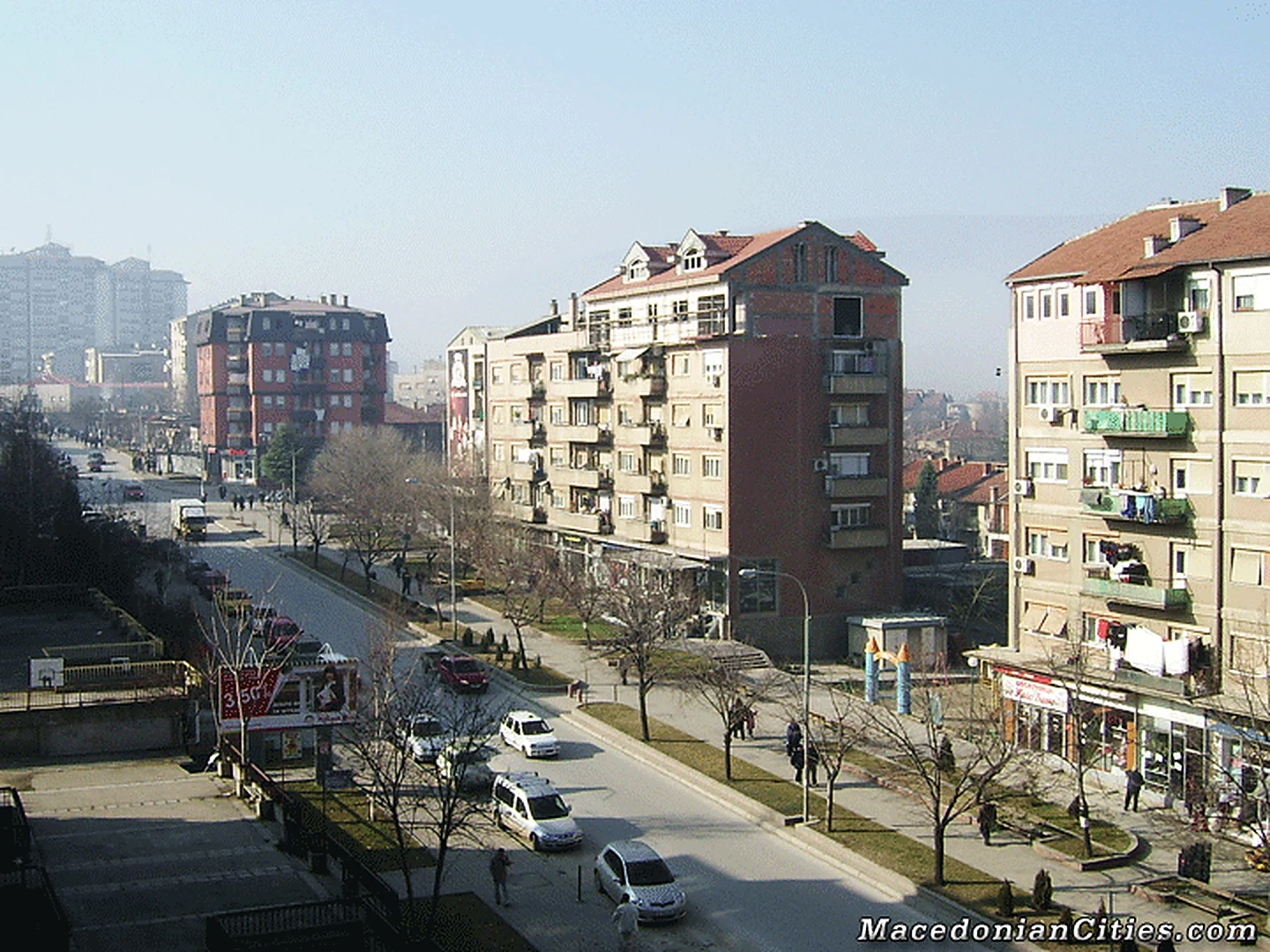
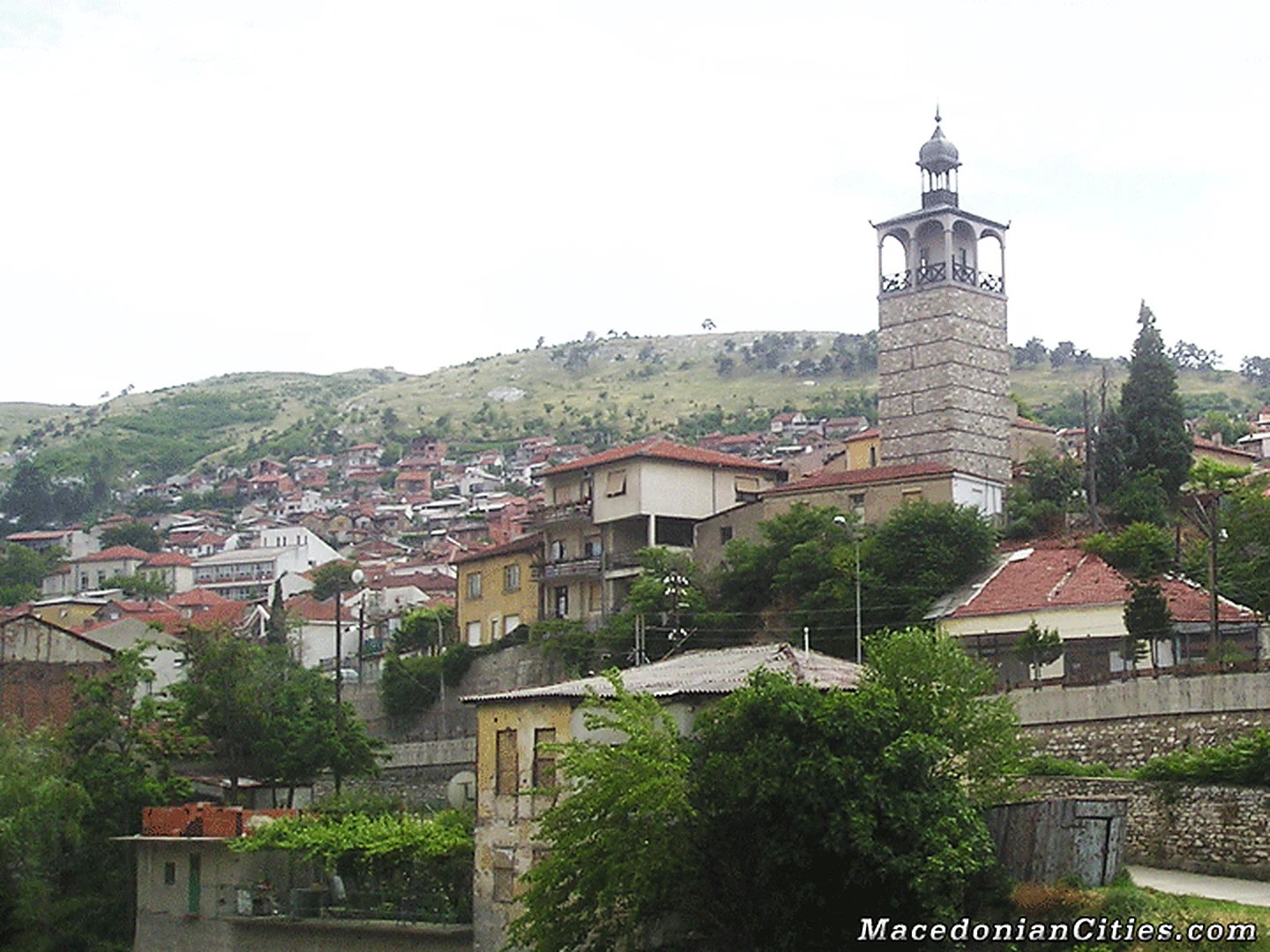
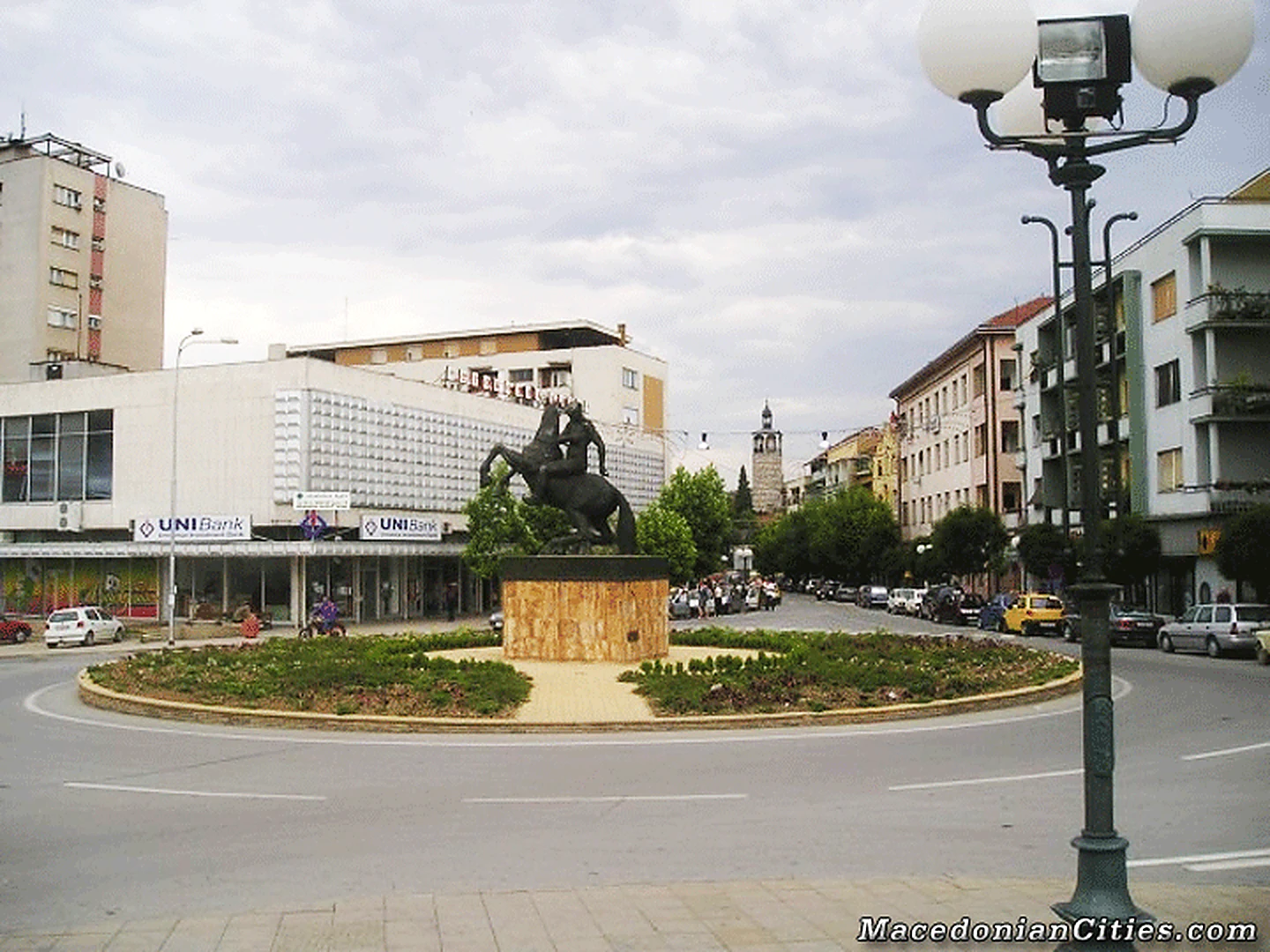
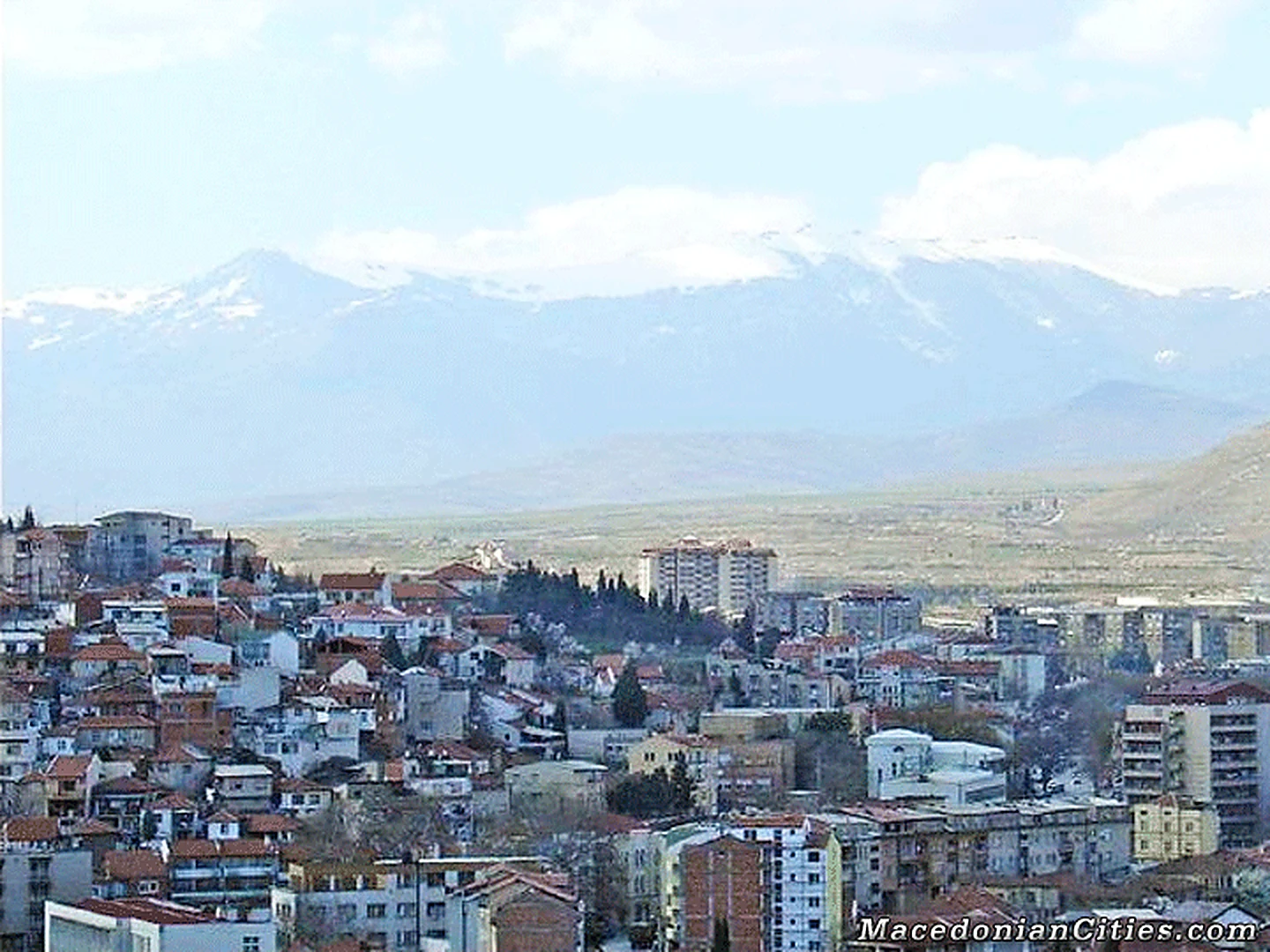
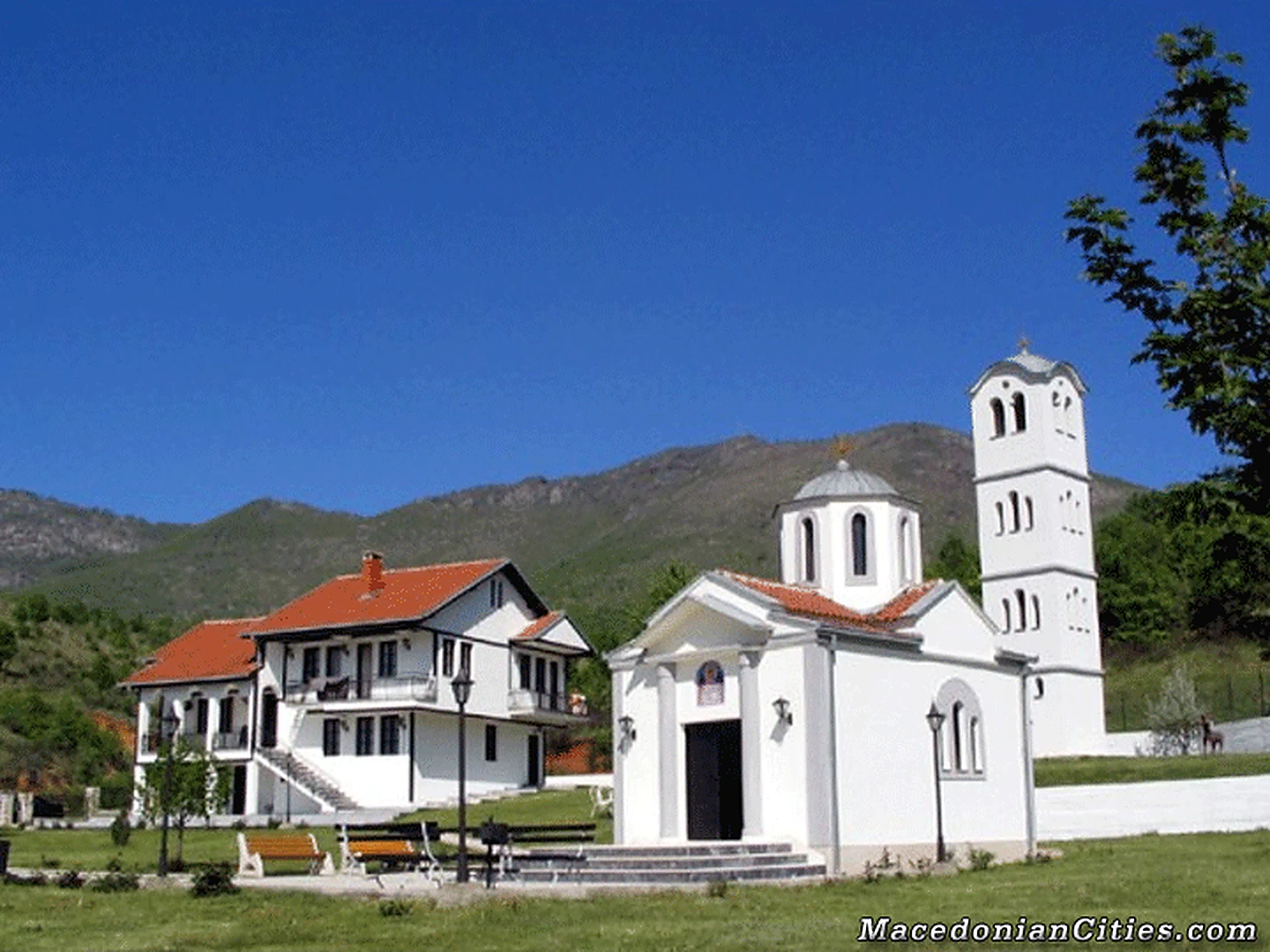
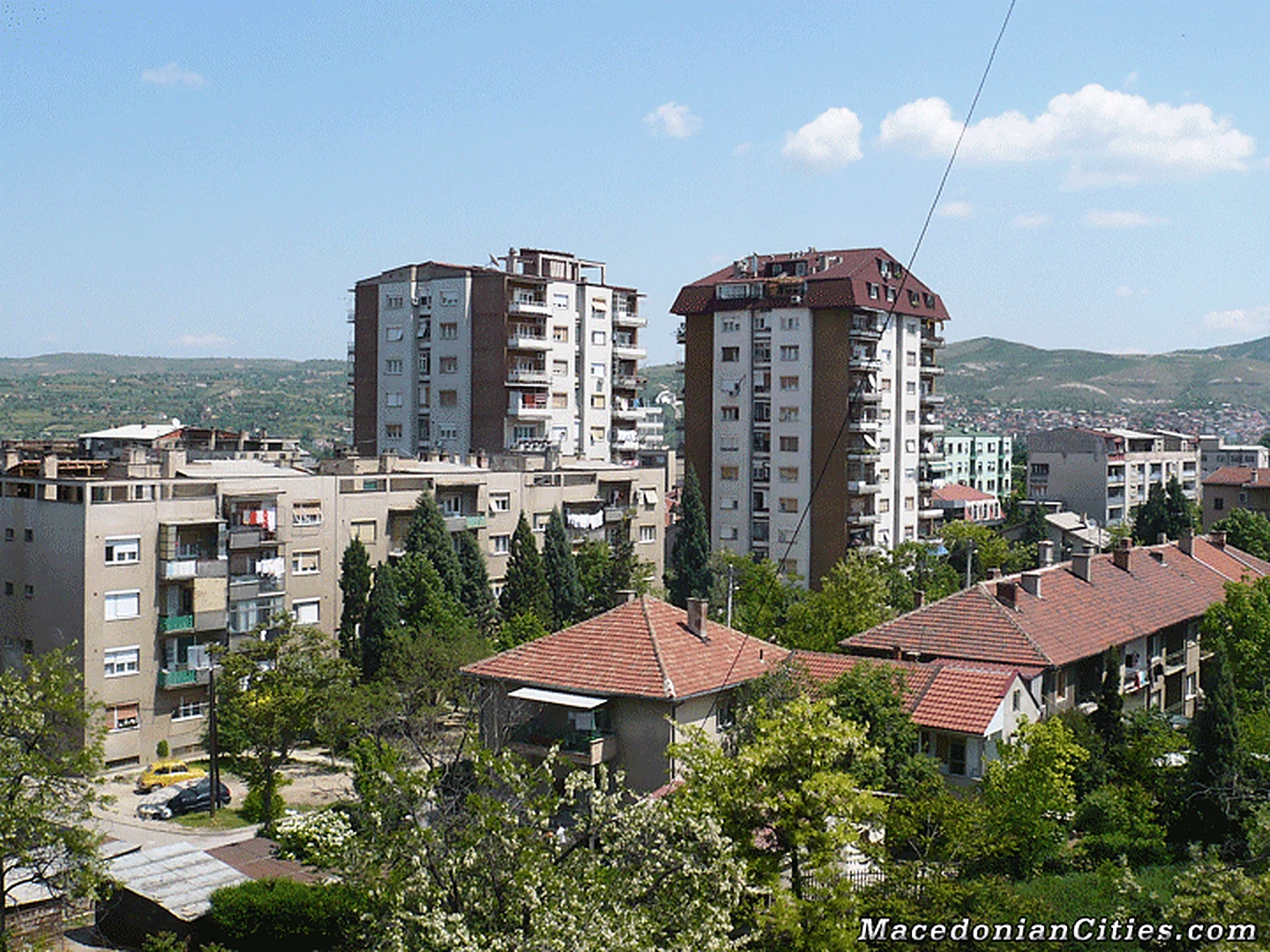
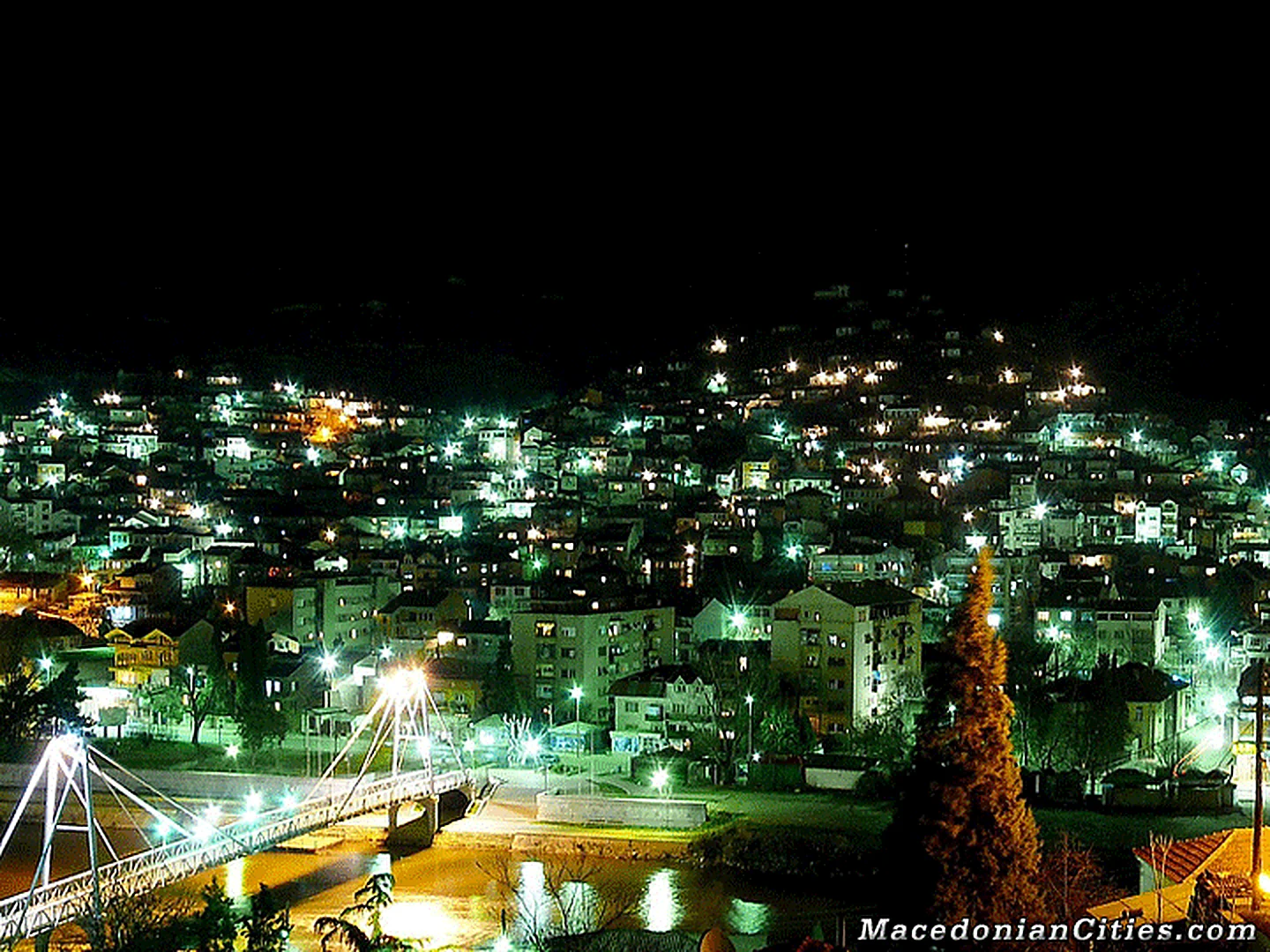
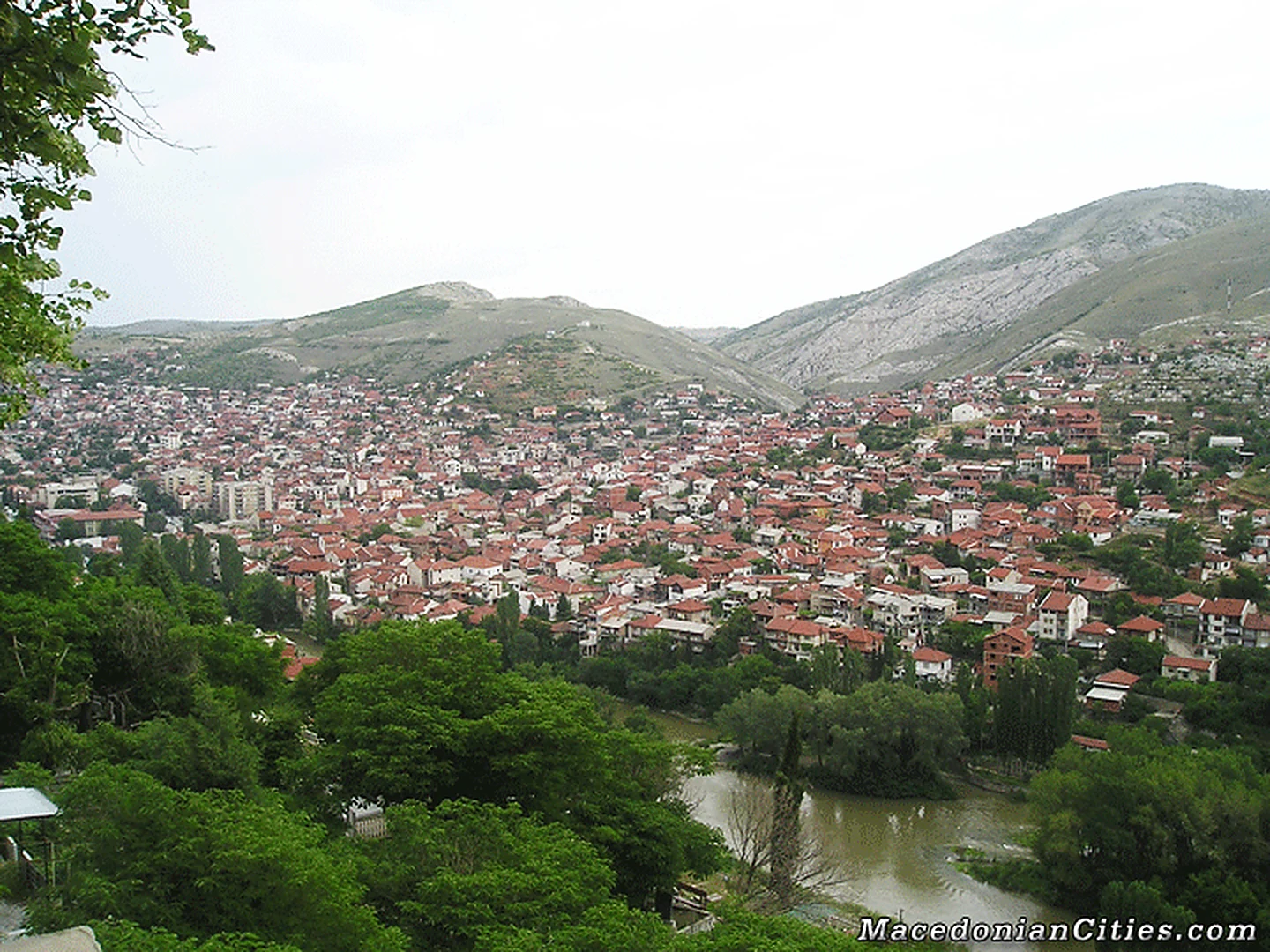
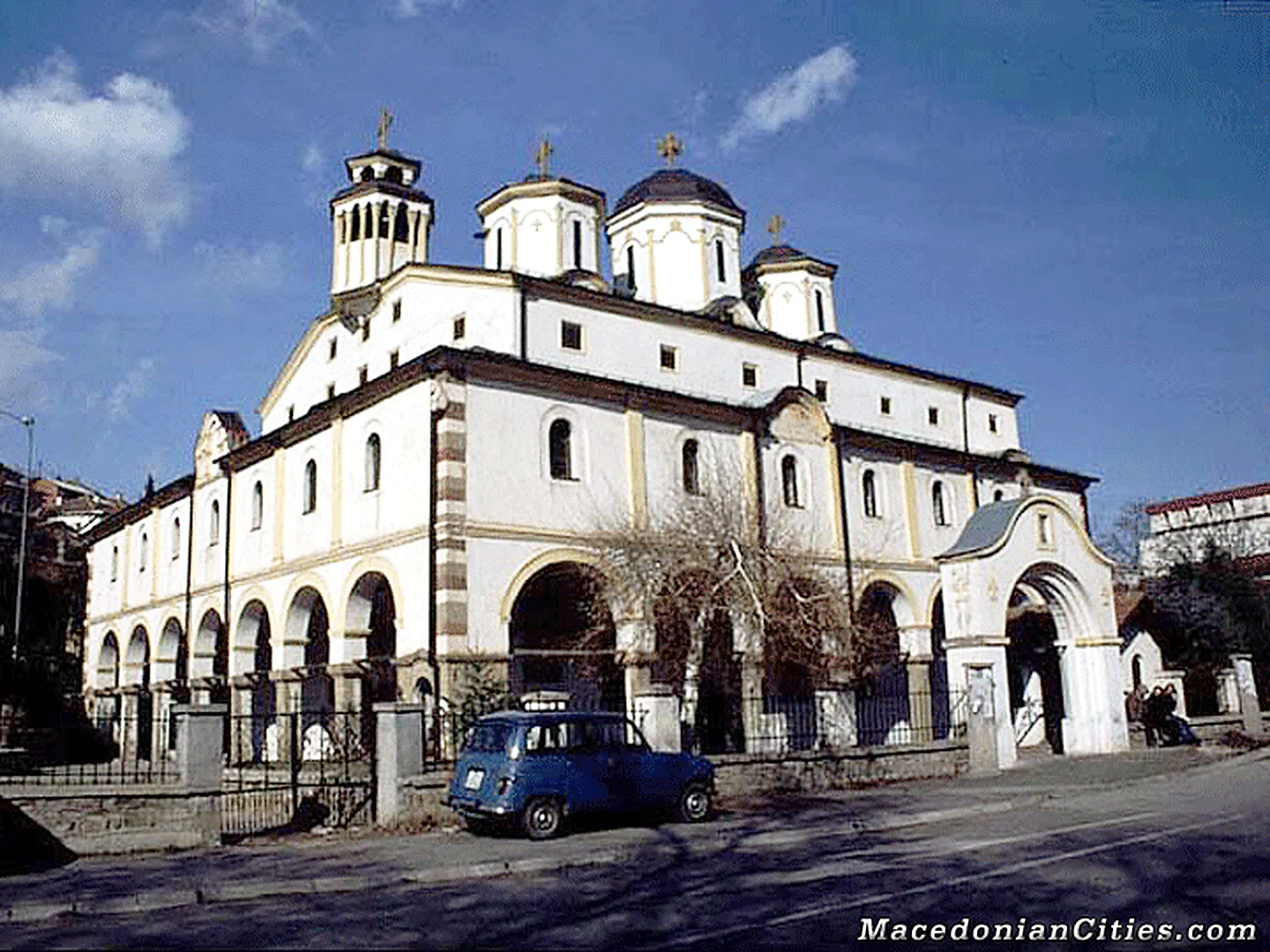
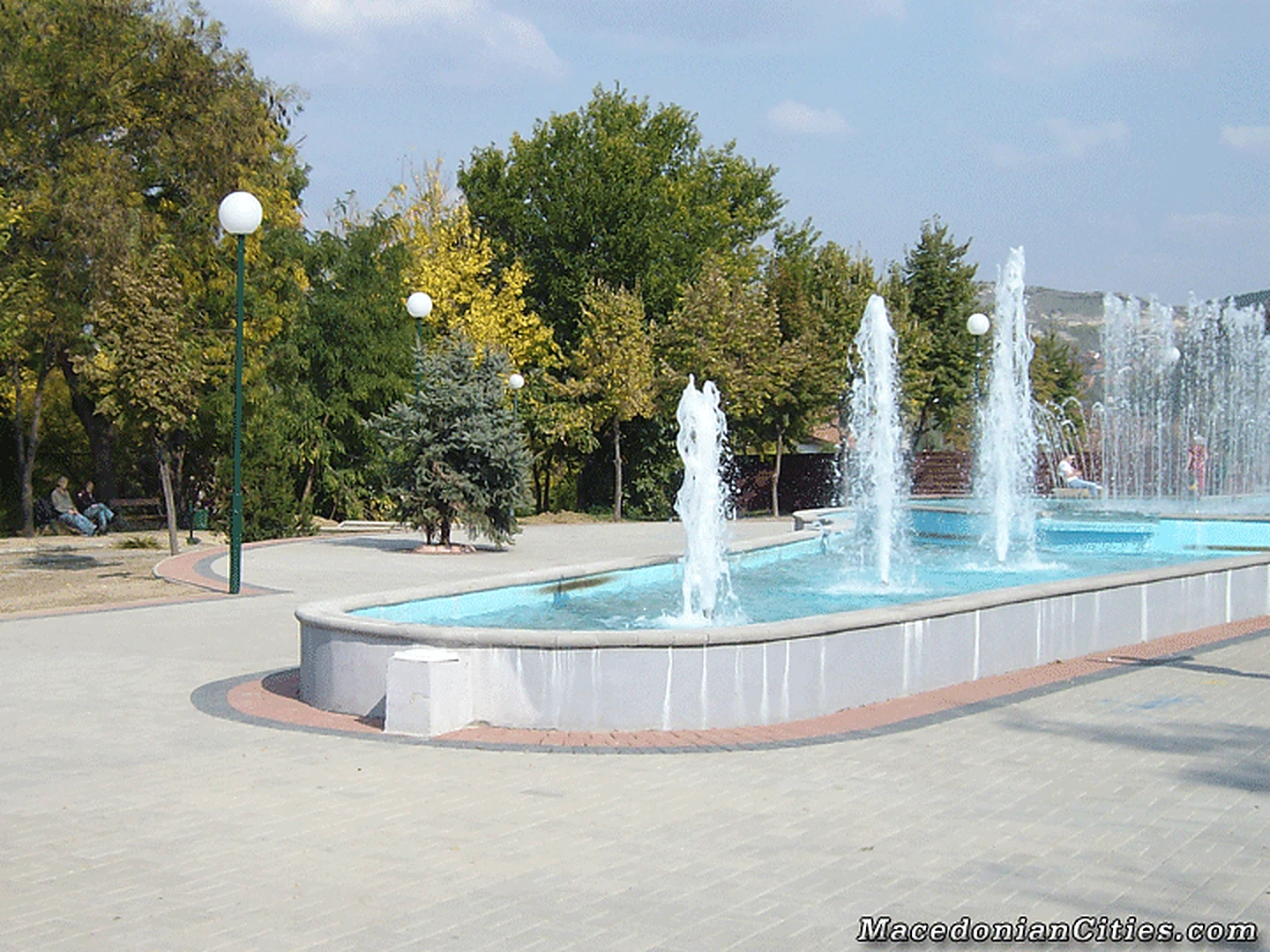
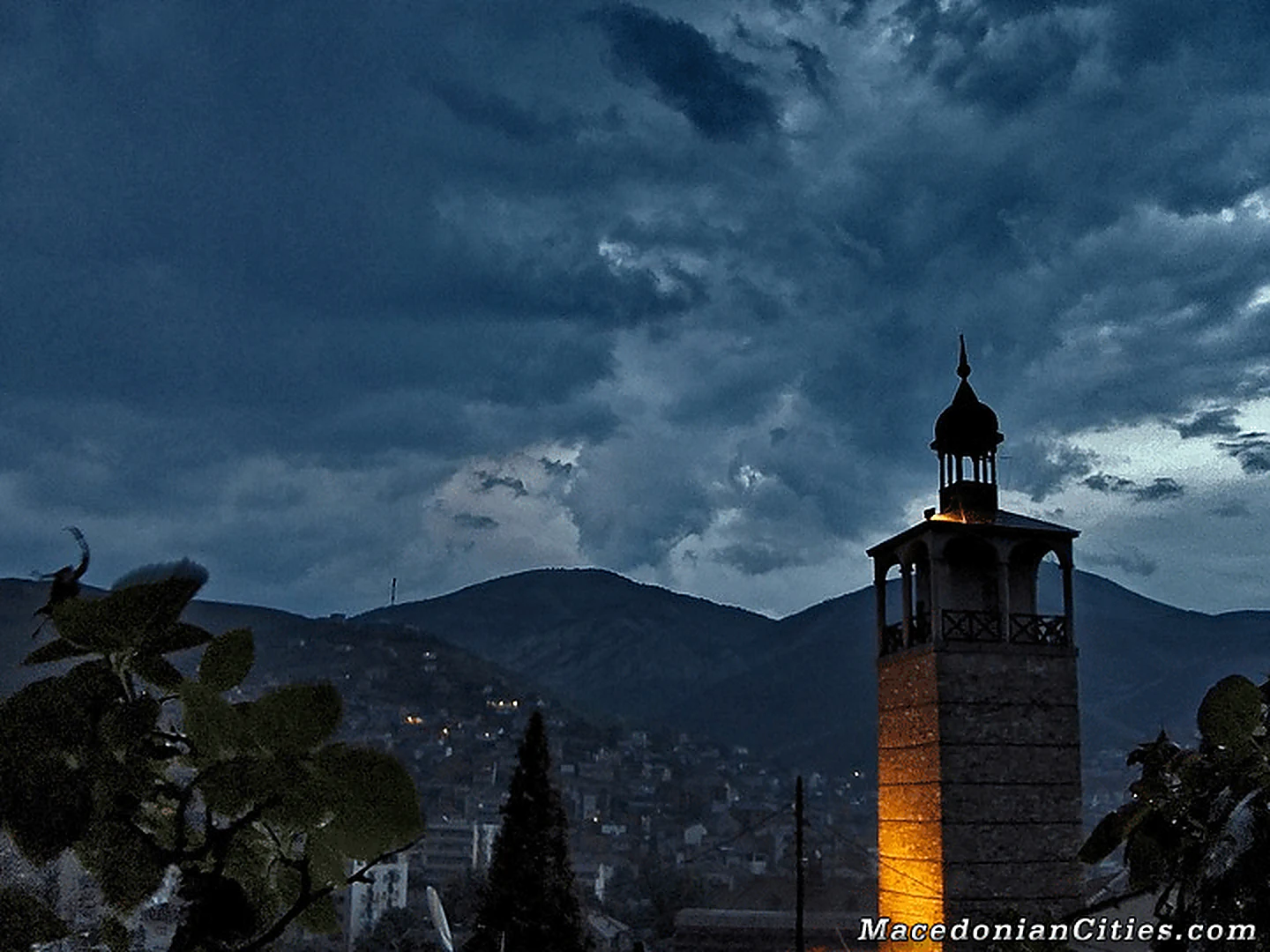
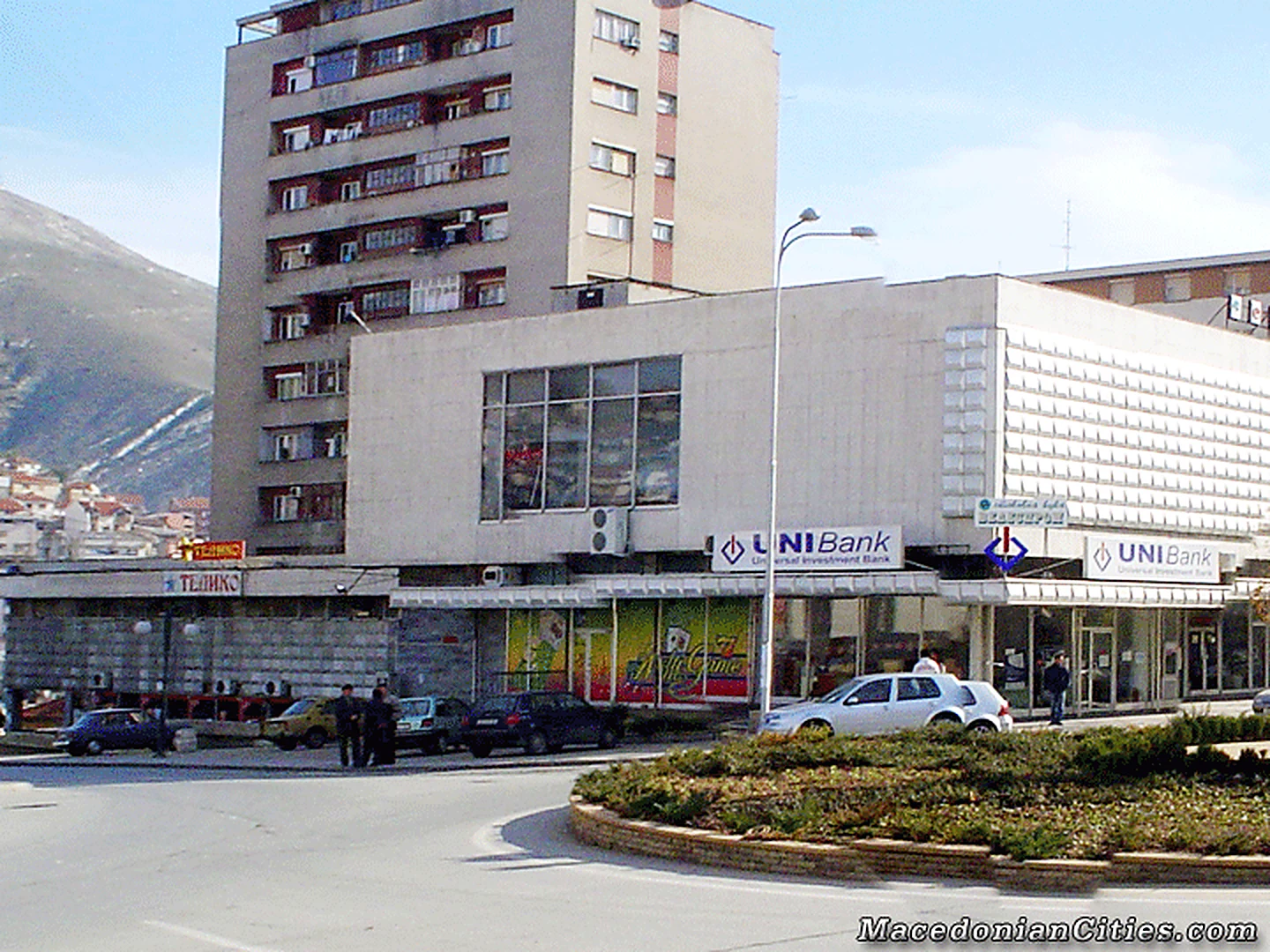
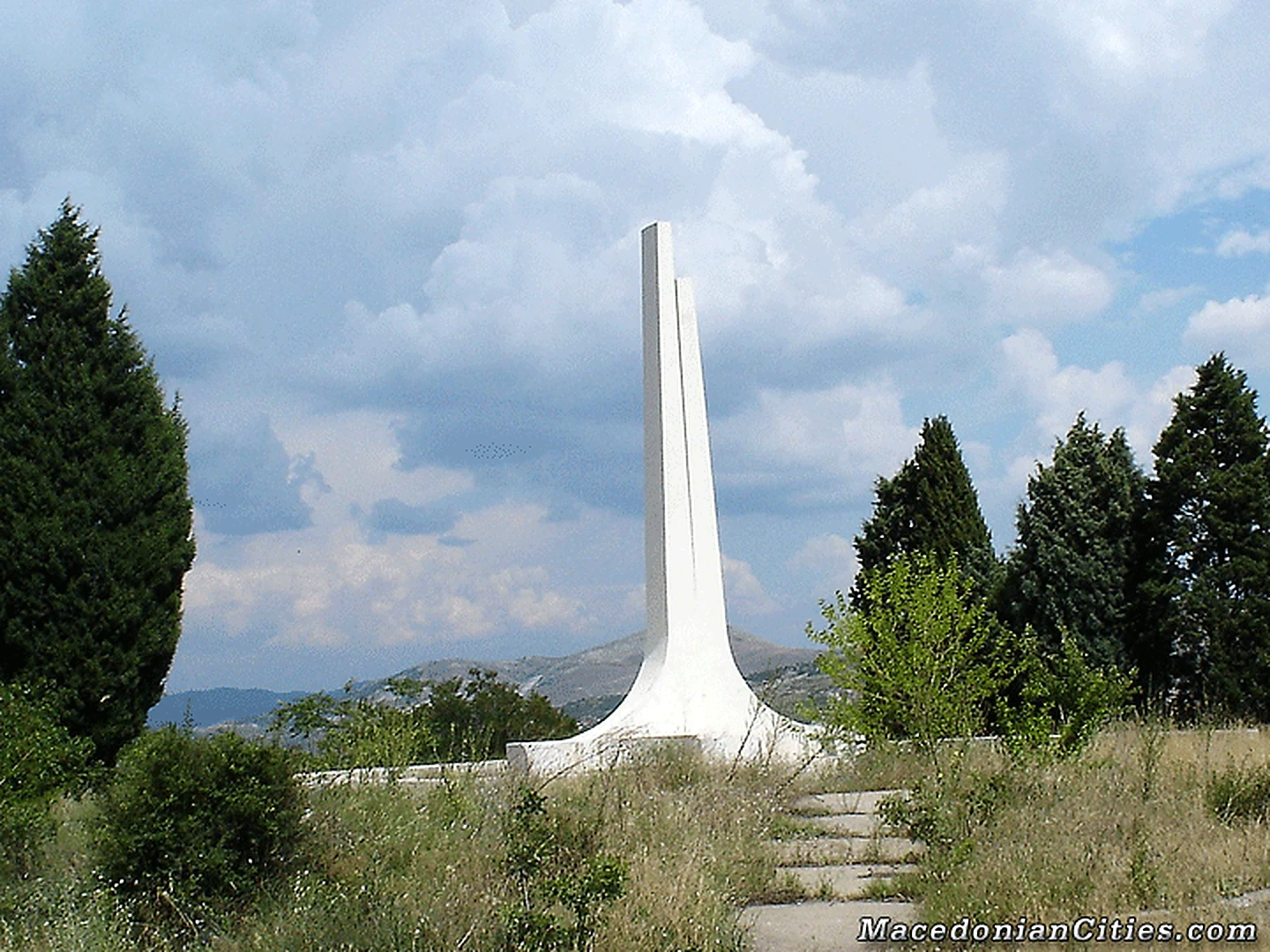
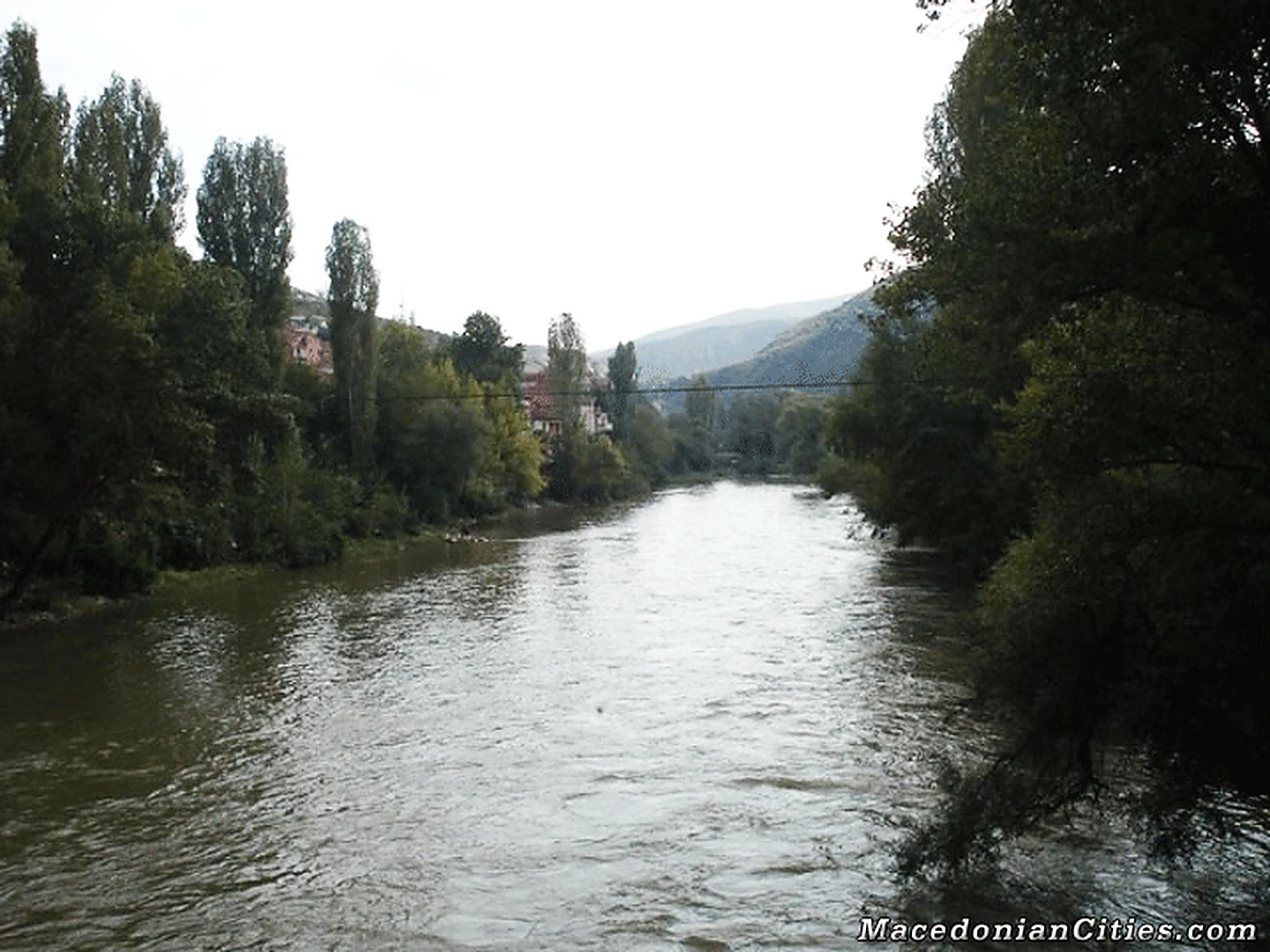
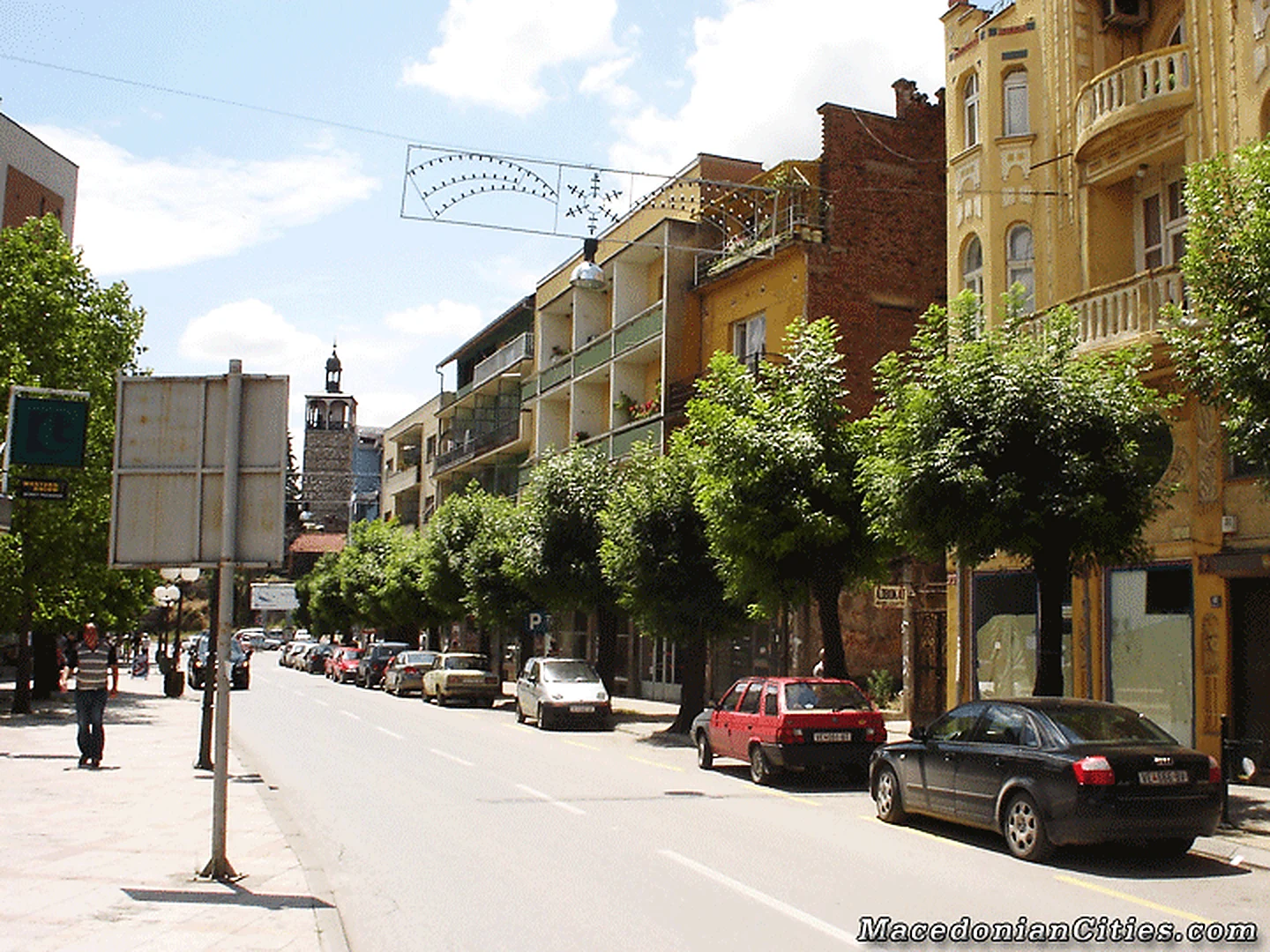
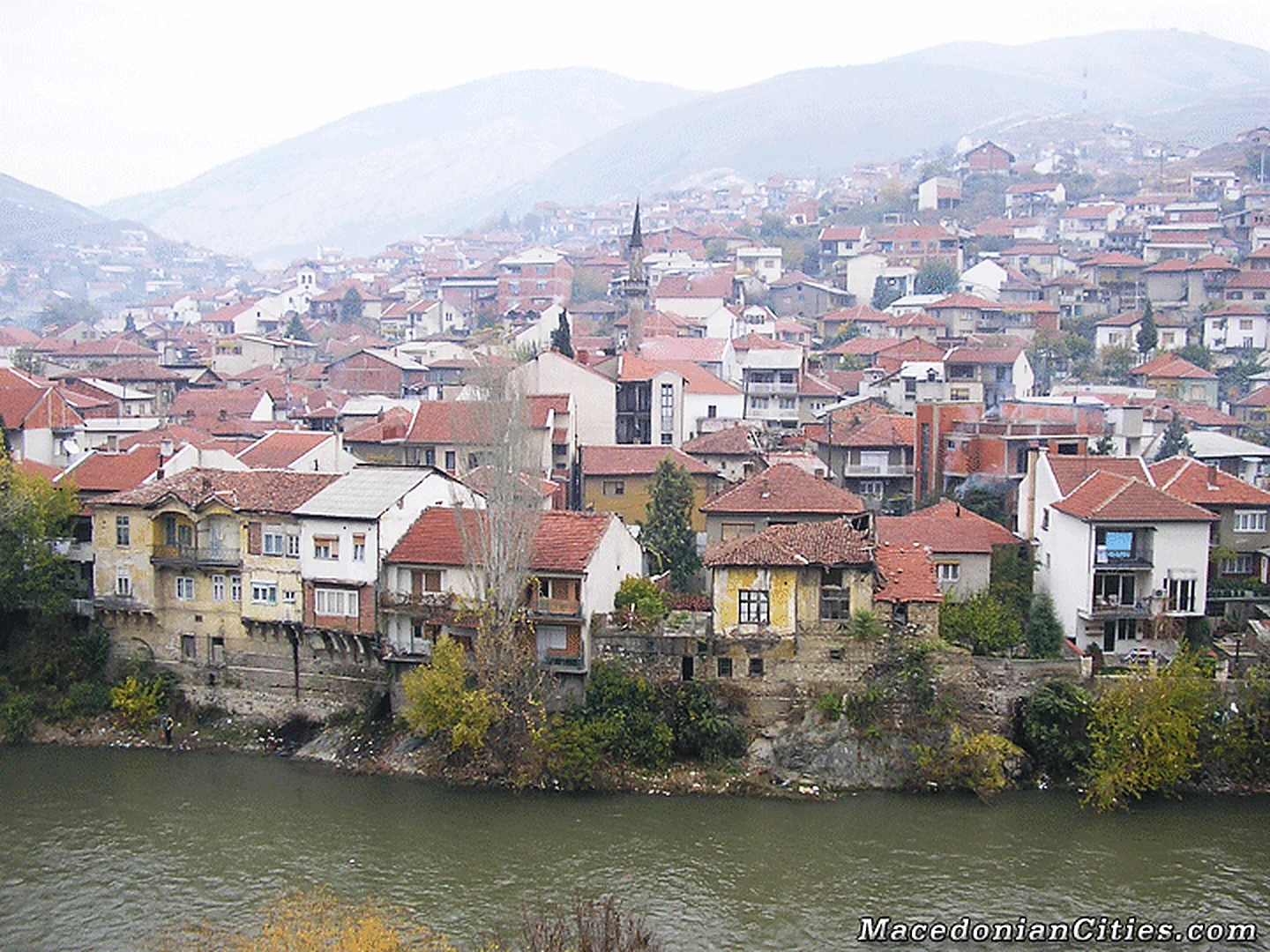
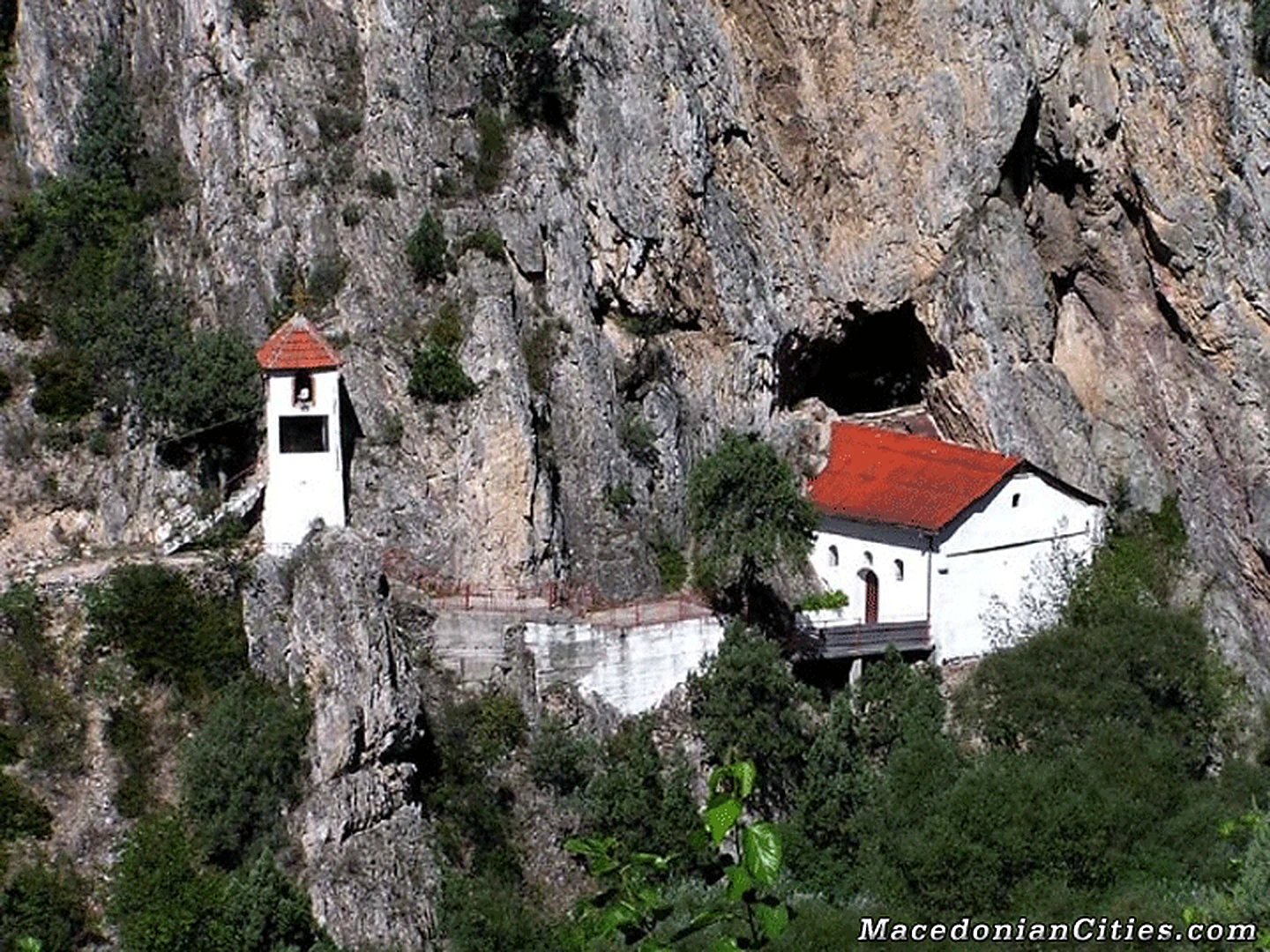
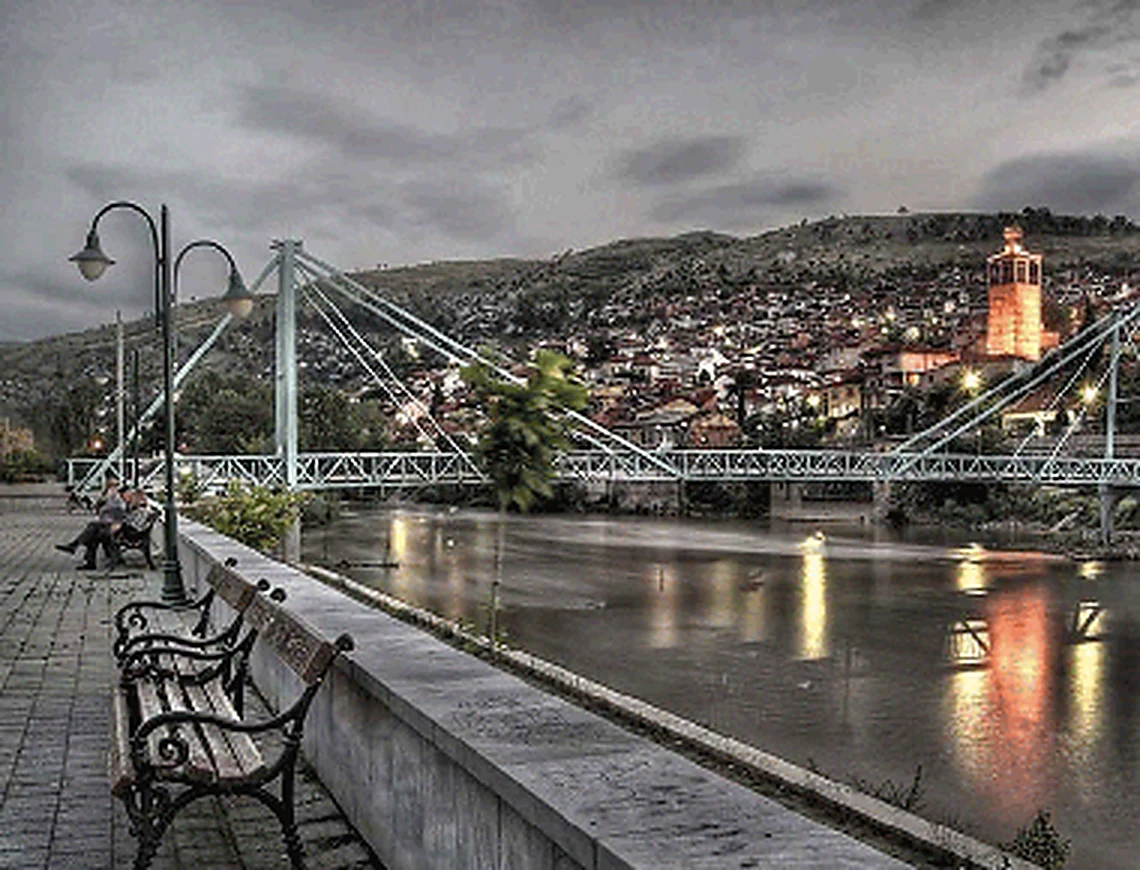
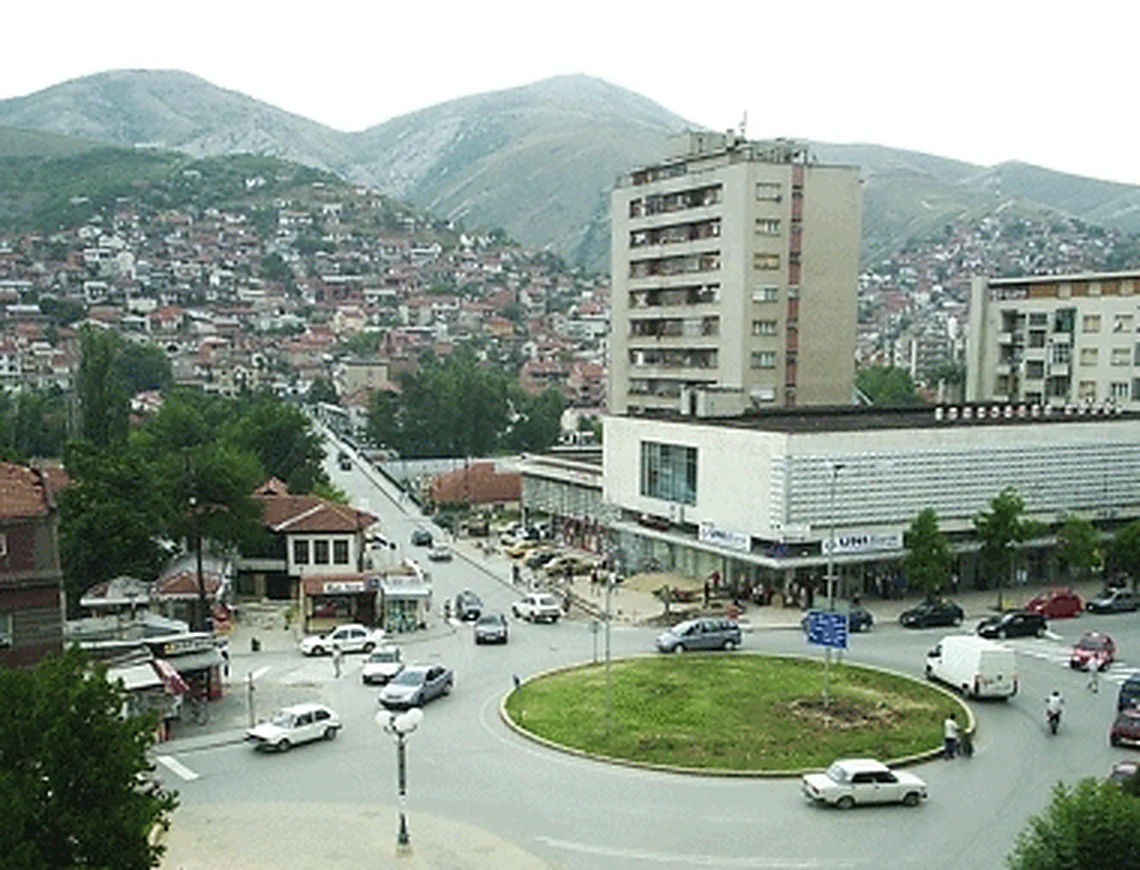
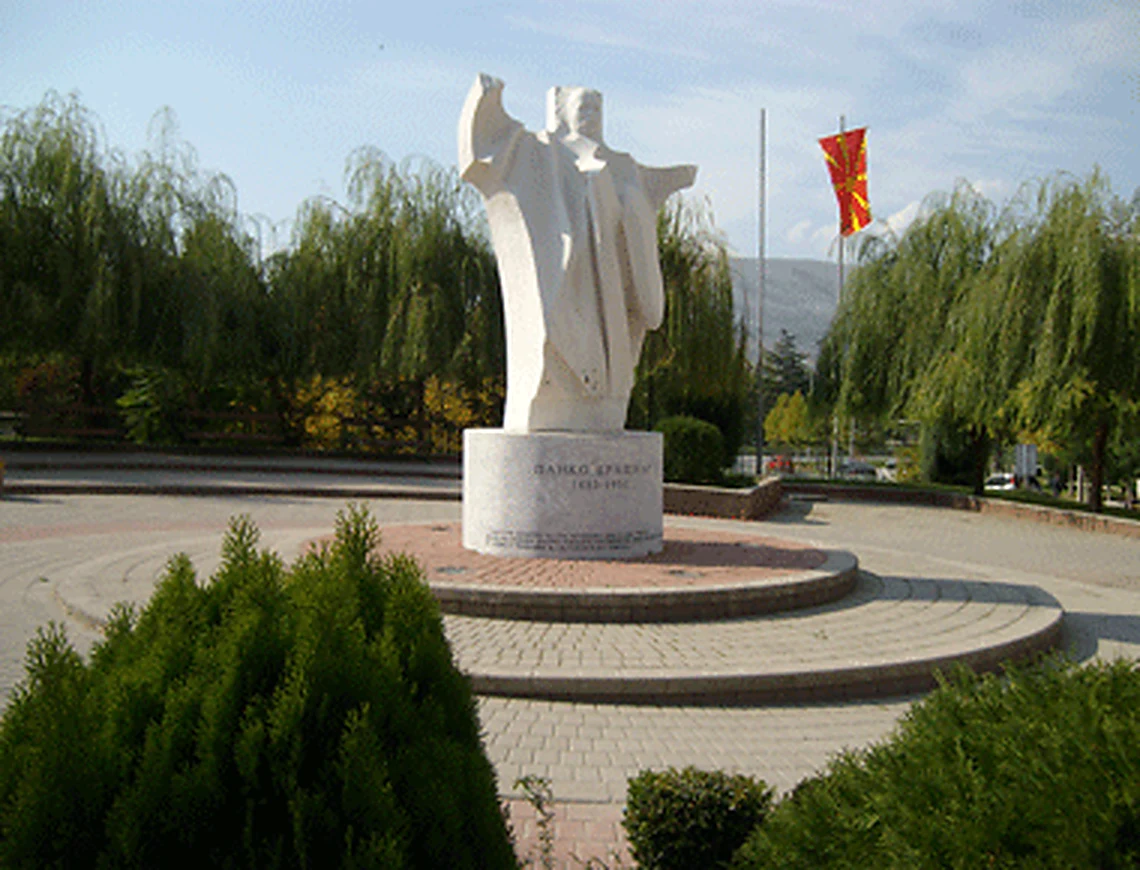
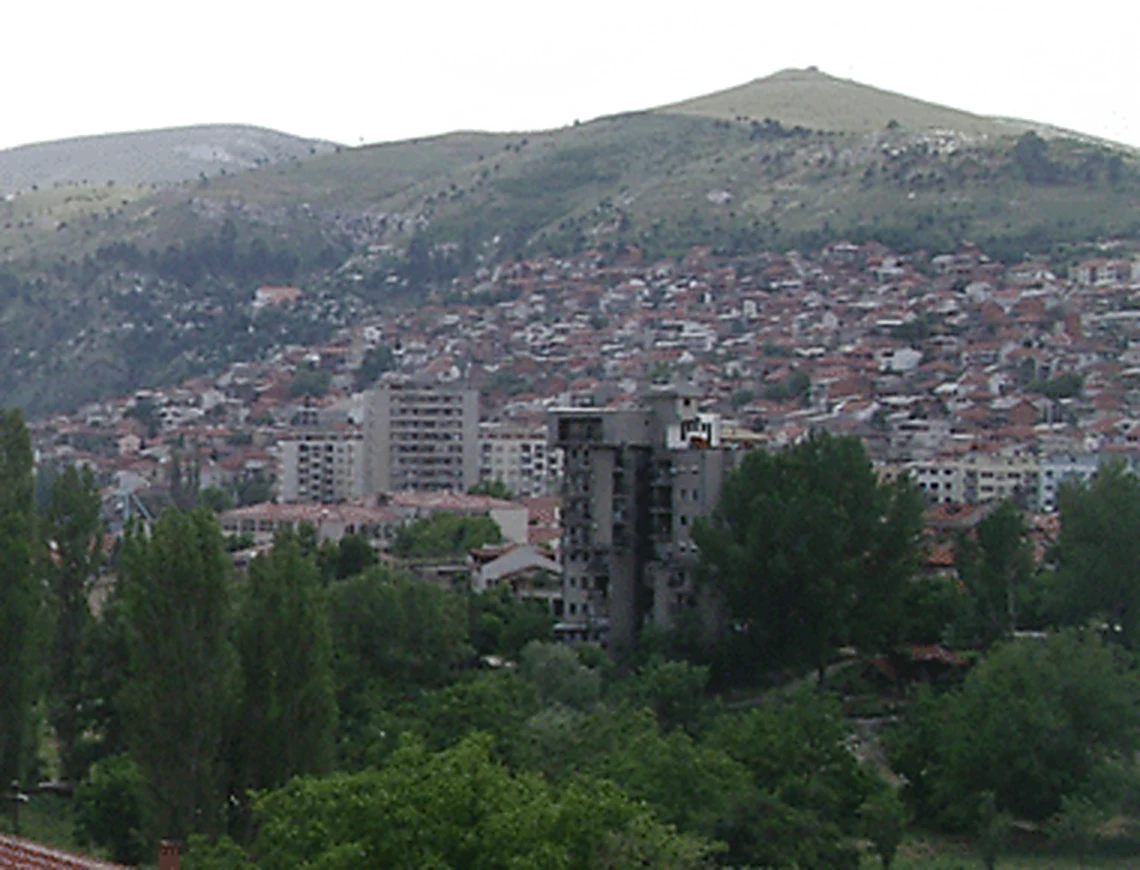
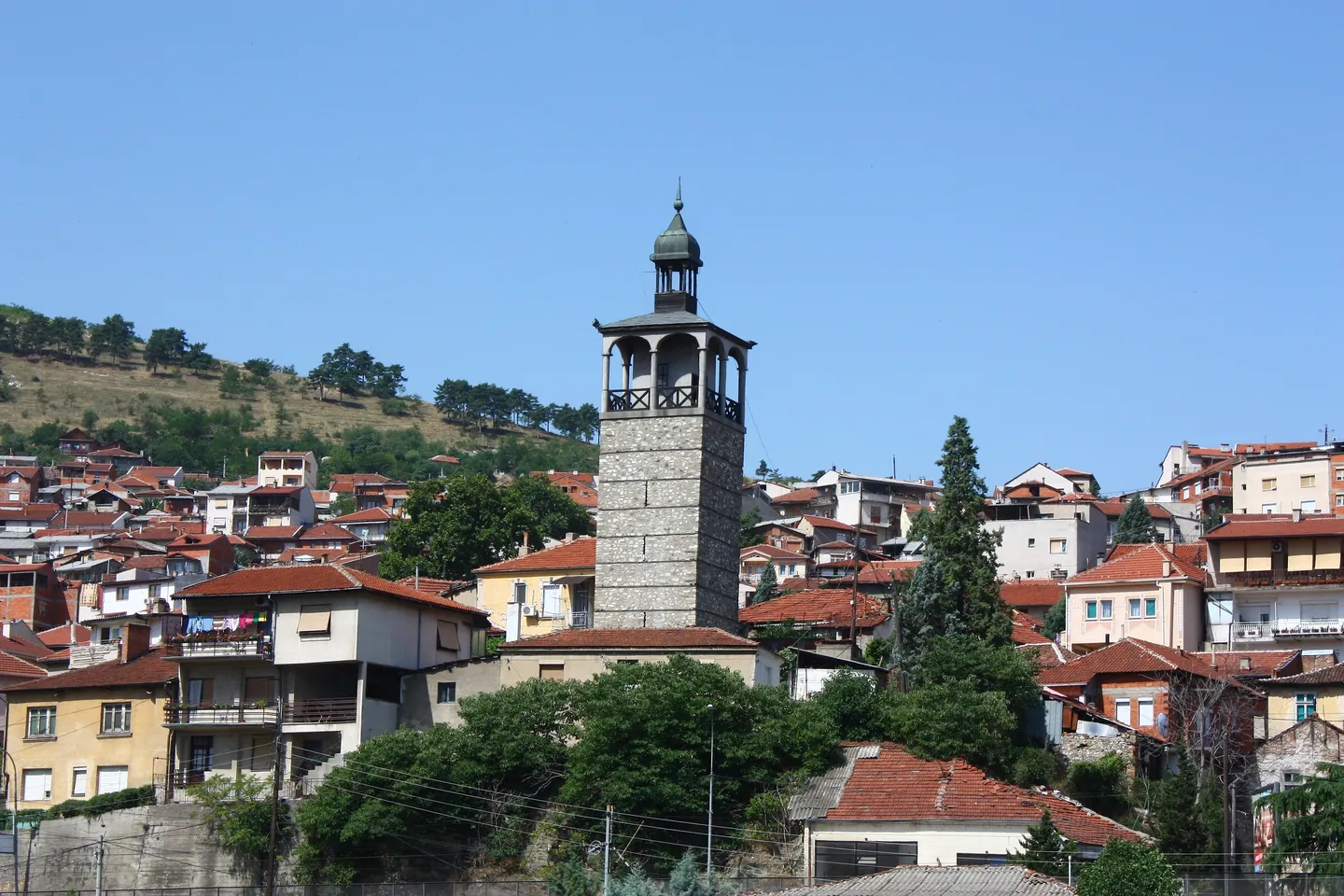
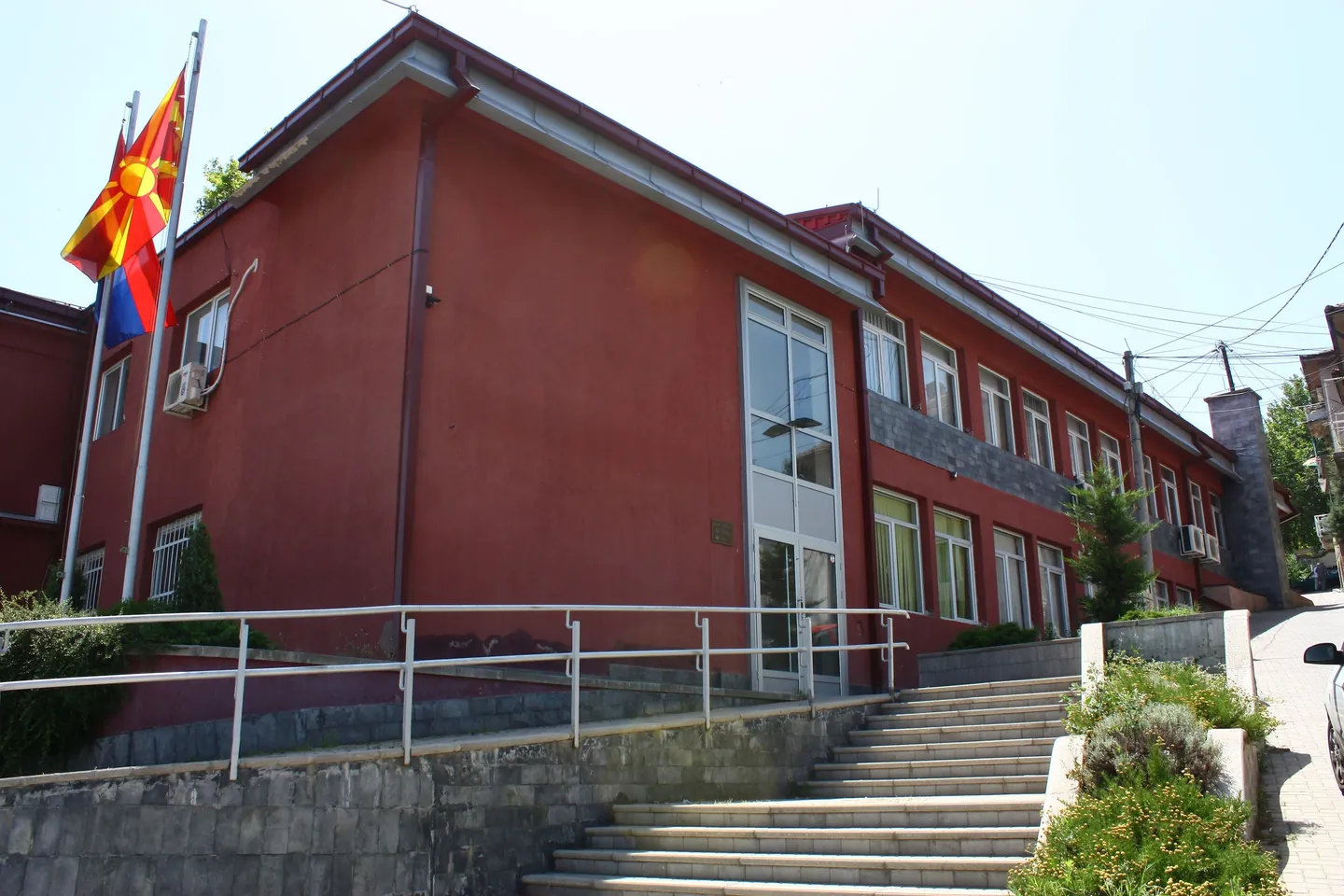
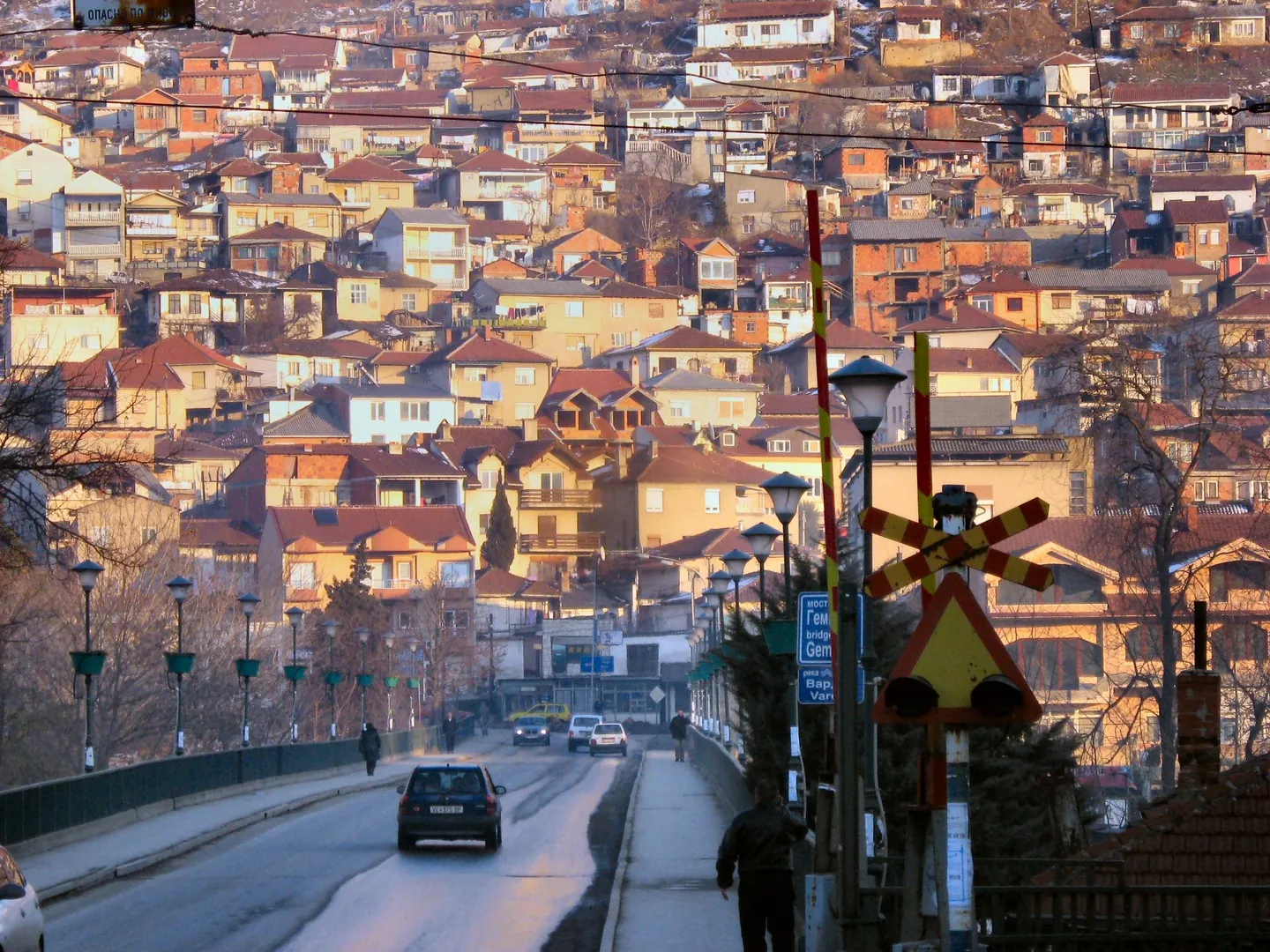
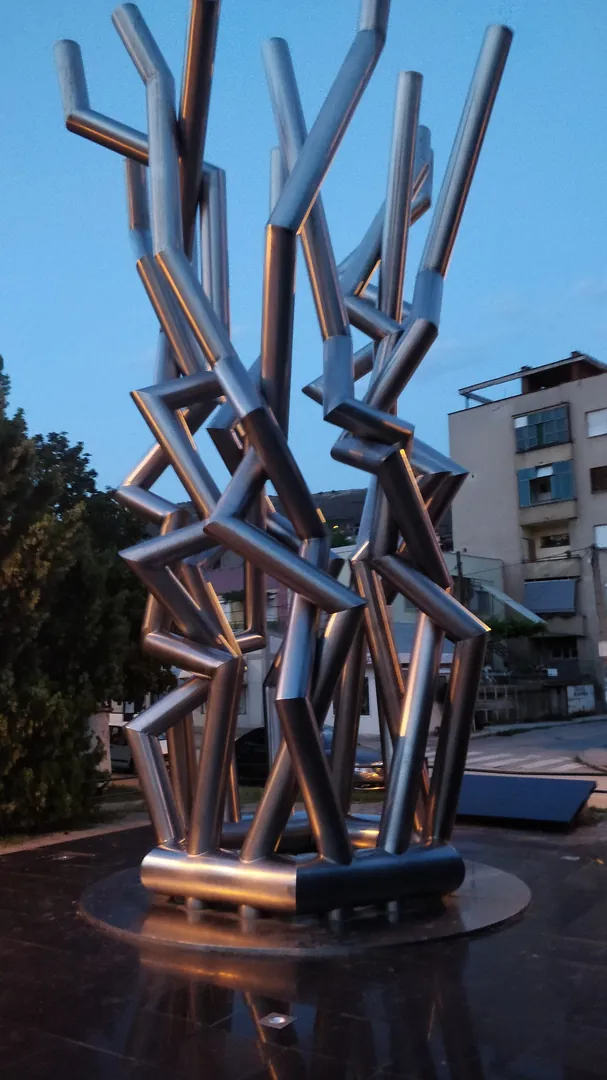
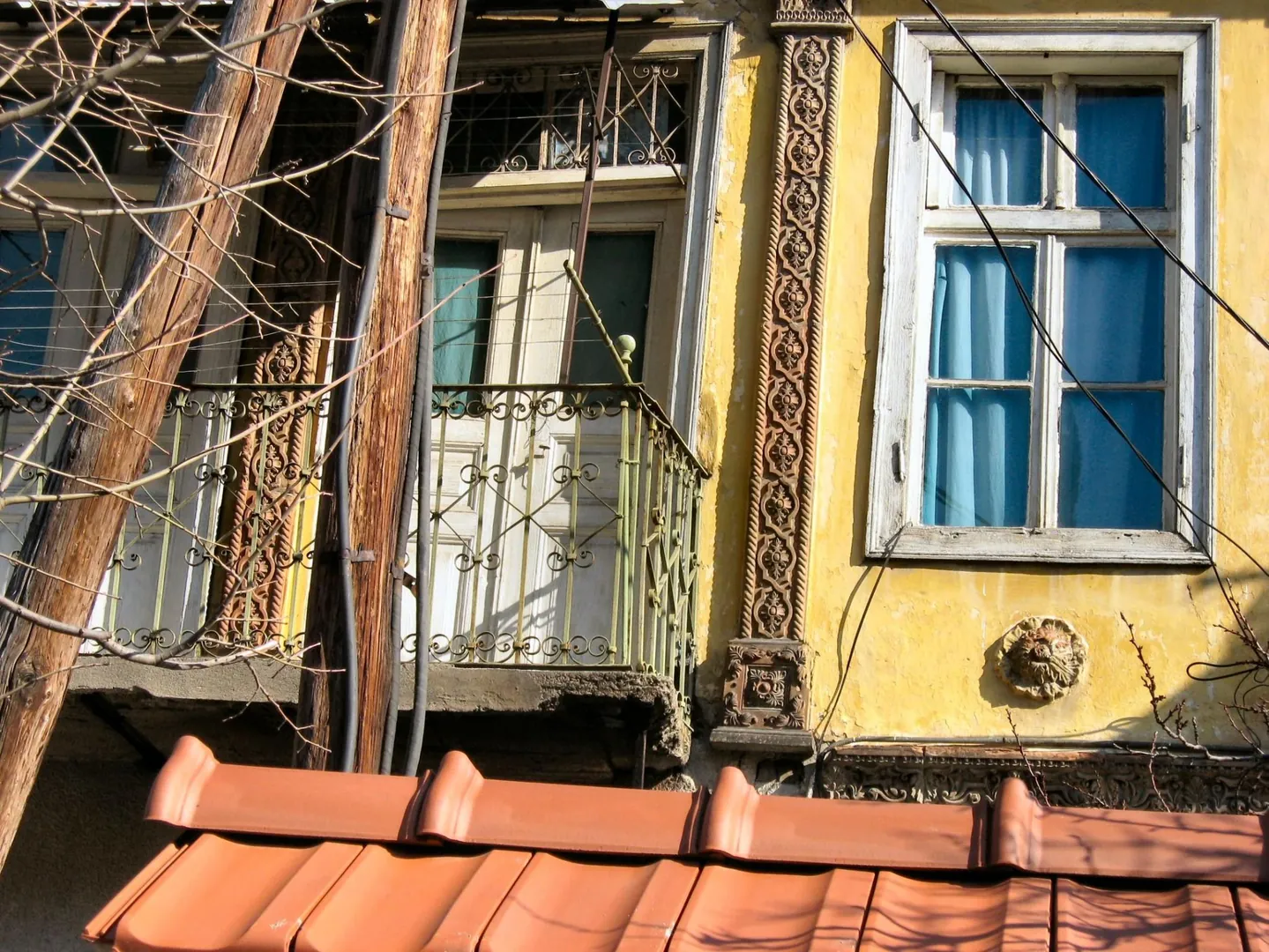
Photo credits
- Veles: a stone clock tower rising above hillside houses with red roofs, a wooded hill behind. Photo: RašoCC BY-SA 3.0Wikimedia Commons
- Veles: the Goce Delčev Local Library, a red building beside a flight of steps, with a flag on a pole. Photo: RašoCC BY-SA 3.0Wikimedia Commons
- Veles: a road with a level-crossing sign, with tiers of red-roofed houses climbing the hillside. Photo: Pero KvrzicaCC BY 2.0Wikimedia Commons
- Veles: a metal sculpture honouring the Gemidzii, tangled steel rods rising over a round base. Photo: Lili ArsovaCC0Wikimedia Commons
- Veles: Ottoman architecture, a yellow house front with iron balconies and carved wooden pillars. Photo: Pero KvrzicaCC BY 2.0Wikimedia Commons


