
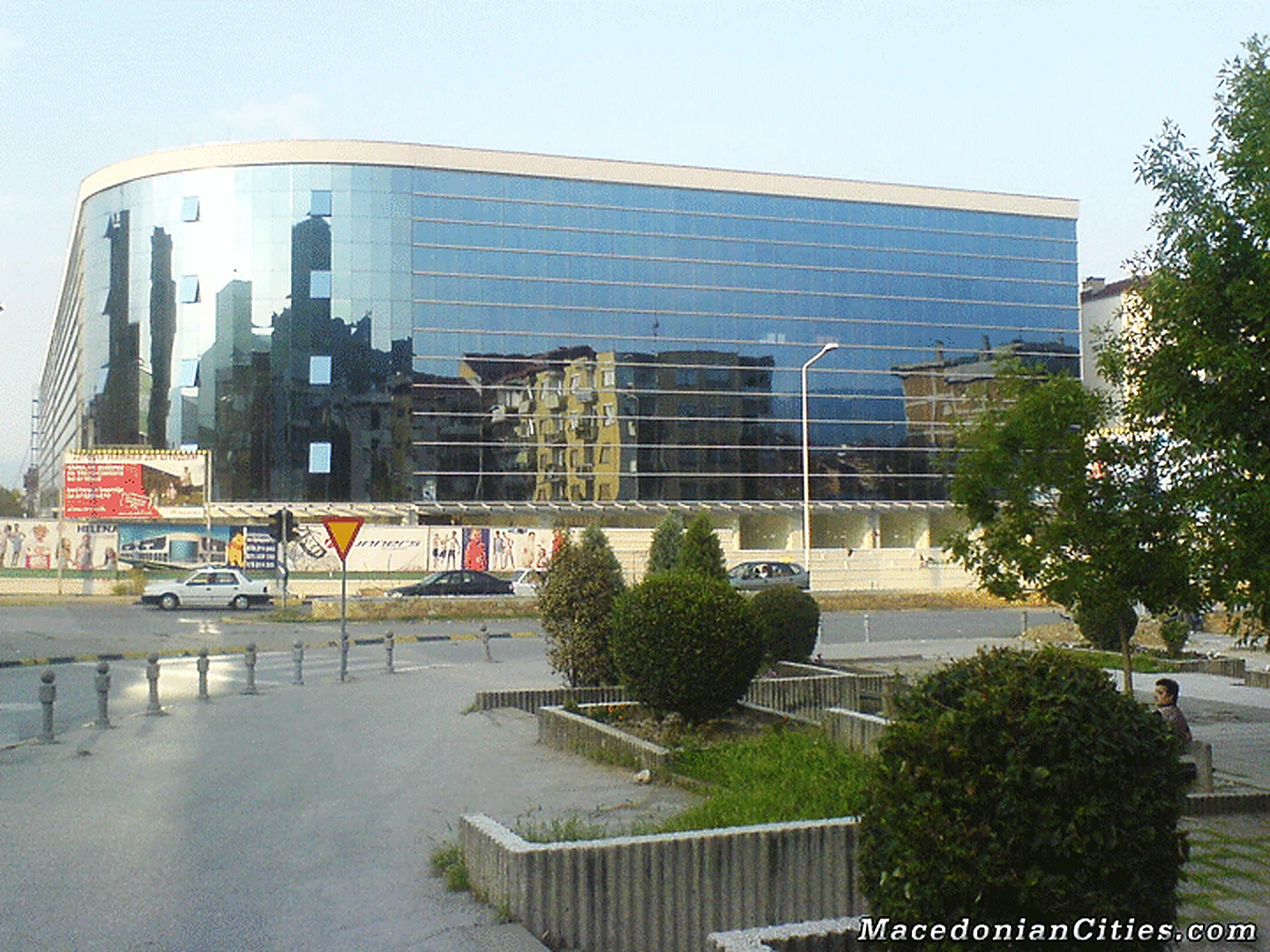
Southeastern
Strumica
Струмица
- Residents · 2021 census
- 33,825
- Old photographs
- 10
- Photographs
- 35
A lively southeastern city of festivals and fertile fields
Strumica is the urban centre of North Macedonia's warm southeastern basin, close to the borders with Bulgaria and Greece. The city lies below Mount Belasica and the Tsarevi Kuli ridge, surrounded by intensively cultivated fields that make the valley one of the country's most productive horticultural regions.
Overview
City overview
Meet Strumica.
A grounded introduction to the city, its landscape, people, history and wider municipality.
Strumica is the urban centre of North Macedonia's warm southeastern basin, close to the borders with Bulgaria and Greece. The city lies below Mount Belasica and the Tsarevi Kuli ridge, surrounded by intensively cultivated fields that make the valley one of the country's most productive horticultural regions.
Written references to ancient Astraion and the multi-period remains at Tsarevi Kuli reveal a settlement history extending well before the medieval city. Byzantine monastic complexes at Veljusa and Vodocha, Ottoman urban traces and the Roman-period bath at Bansko add important sites across the present municipality.
Today's economy combines agriculture, food distribution, trade, light industry and cross-border services. Peppers, tomatoes, cucumbers and other early vegetables thrive in the basin's long warm season, while the city provides education, health care, culture and sport for the wider southeastern region.
Strumica's carnival is its most visible public celebration, filling the pre-Lenten calendar with masks, satire and international groups. Theatre, music, football and volleyball complement village feast days and the living monastic tradition. The municipality contains Strumica and 24 officially recognized villages.
The 2021 census counted 33,825 residents in Strumica itself and 49,995 across the wider municipality; 16,170 people lived outside the city settlement. That distinction between the urban centre and its surrounding communities is important in Macedonian demographic reporting and in understanding everyday local life.
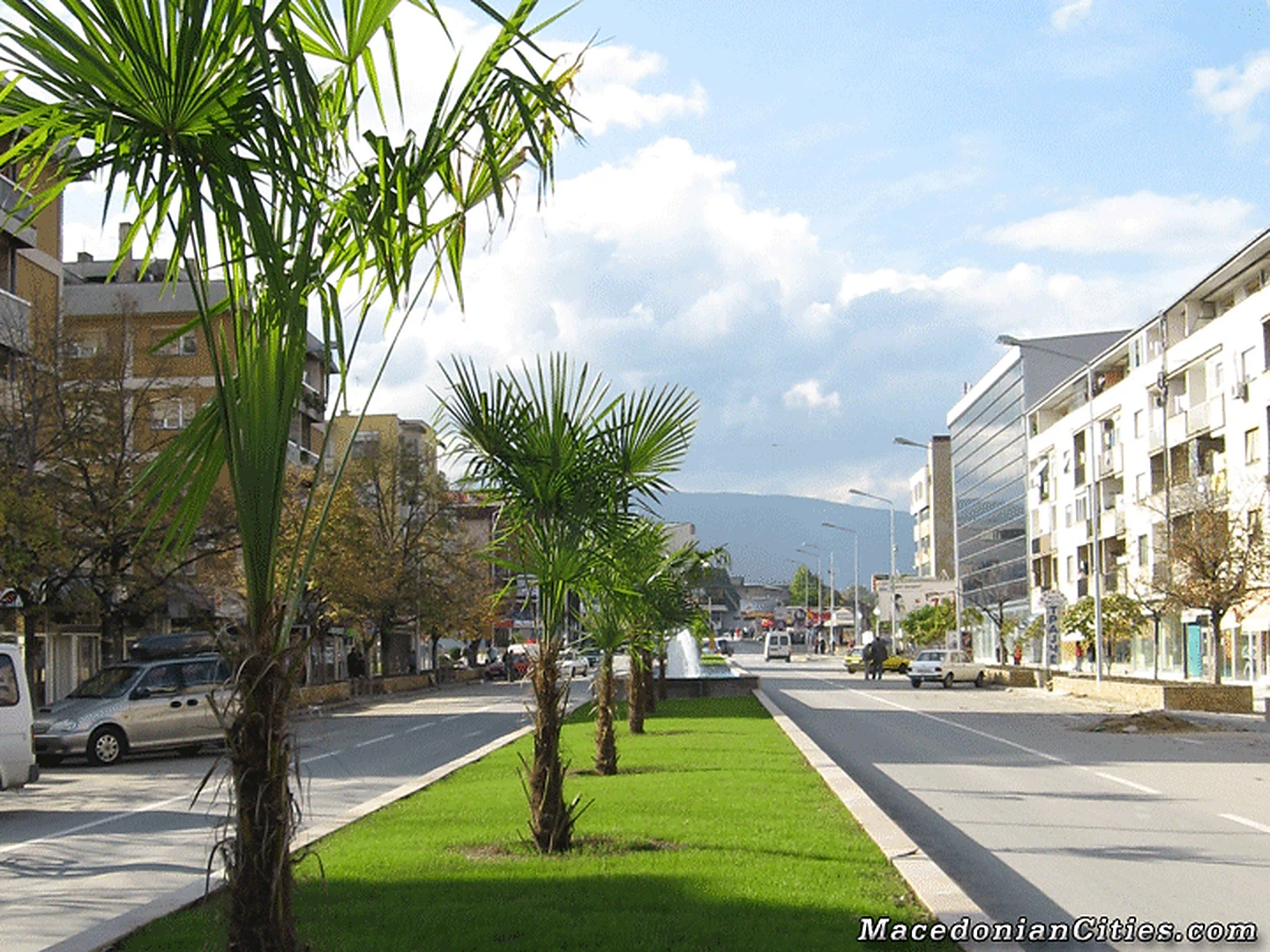
At a glance
Useful facts, in one place.
Settlement and municipality figures are kept distinct wherever sources permit.
- Municipality
- Strumica Municipality
- City population
- 33,825
- Municipality population
- 49,995
- Population year
- 2021
- Municipal area
- 321.89 km²
- Elevation
- 256 m
- Approx. road distance from Skopje
- 150 km
- Postal code
- 2400
- Climate
- Modified Mediterranean and temperate continental climate, with long hot summers, comparatively mild winters in the basin and cooler, wetter conditions on Belasica and the surrounding uplands.
- Sports teams
-
- FK Belasica
- FC AP Brera Strumica
- OK Strumica
- Culture
-
- The Strumica Carnival is a major pre-Lenten masked celebration and an international member of the Federation of European Carnival Cities.
- The Anton Panov Theatre continues a strong regional dramatic tradition.
- Veljusa and Vodocha remain active religious and cultural landmarks as well as exceptional examples of medieval architecture and painting.
- Population snapshot
- 33,825 city residents and 49,995 municipality residents in the 2021 census; 16,170 lived outside the city settlement.
- Statistical region
- Southeastern
- Settlements
- 25
- Villages
- 24
- Rural and other settlement population
- 16,170
- Population scope
- Population figures use the 2021 census: 33,825 for the settlement of Strumica and 49,995 for Strumica Municipality.
Known for
The city's signature.
Landmarks, foods, landscapes and traditions that give Strumica its character.
- Strumica Carnival
- Vegetable production and regional markets
- Tsarevi Kuli fortress
- Veljusa and Vodocha monasteries
- Smolare and Koleshino waterfalls in the wider region
Geography
Geography
Land shapes the city.
Terrain, waterways, climate and transport explain why Strumica grew where it did.
Strumica sits at the northern side of a fertile basin close to the borders with Bulgaria and Greece. Belasica Mountain forms the great southern wall of the landscape, Ogražden rises to the east and lower hills shelter the city on the north. Warm air reaches the valley from the Aegean, producing one of North Macedonia's mildest climates and a long growing season.
That climate makes the Strumica plain a national centre for peppers, tomatoes, cucumbers, melons and other early produce, much of it grown under glass or plastic. Mountain water descends through steep valleys and waterfalls before feeding the agricultural basin. Roads toward Valandovo, Radovish, Novo Selo and the border crossings place Strumica at the centre of a cross-border trading region as well as a rich farming district.
History
History
A concise, rewritten account.
Written afresh from cross-checked municipal, archaeological, heritage and institutional sources—not copied website text.
Settlement in the Strumica area reaches back to prehistory. Written history identifies the ancient town as Astraion and later Tiberiopolis, while archaeological layers at Tsarevi Kuli above the city span several periods. In late antiquity the town became a Christian centre. Medieval control shifted among Byzantine and regional powers, and the name Strumica emerged from the Slavic settlement of the valley. The nearby monasteries at Veljusa and Vodocha preserve outstanding evidence of the medieval religious landscape.
The Ottomans took Strumica in the late fourteenth century and governed it for more than five hundred years. The town developed an oriental market character and served a productive agricultural hinterland. The Balkan wars ended Ottoman rule, but brought severe destruction: retreating Greek troops burned much of Strumica in 1913. The district remained under Bulgarian administration until the post-First World War settlement placed it in the Kingdom of Serbs, Croats and Slovenes.
After 1944, Strumica expanded through food processing, textiles, trade and public institutions. Its revived pre-Lenten carnival has become the city's most visible annual event, filling the streets with masks and satirical costumes. Modern Strumica is equally defined by its produce market, football culture and easy access to Belasica's monasteries and waterfalls.
The preserved legacy narrative
Open the preserved legacy narrative
The Ancient Period
Archaeological evidence places the beginning of settled life in the Strumica region in the sixth millennium BC. The Neolithic site of Stranata near Angelci and finds from Tsarevi Kuli above Strumica document prehistoric occupation. At Tsarevi Kuli, cultural layers extend from the Late Neolithic through the Early Bronze Age, broadly from the early fourth to the middle of the third millennium BC.
The first written name associated with the city is Astraion, mentioned by Livy in connection with the execution in 181 BC of Demetrius, brother of the Macedonian king Perseus and son of Philip V. Local tradition derives Astraion from the Paionian Astrai, although the precise identification of the ancient place with modern Strumica remains a scholarly reconstruction. After Rome defeated Macedonia in 168 BC, Astraion belonged to the second of the four Macedonian merides; in 148 BC the region entered the Roman province of Macedonia. The later name Tiberiopolis is attested by an inscribed marble base honouring Tiberius Claudius Menon, dated around the late second or early third century AD. Church tradition places the martyrdom of the Fifteen Holy Hieromartyrs of Tiberiopolis under Emperor Julian in 361–363. After 395 the area belonged to the Eastern Roman Empire, passing through late antique provincial arrangements commonly identified as Macedonia Salutaris and Macedonia Secunda. The urban residence known as Mačuk is material evidence for a substantial late antique settlement.
The Byzantine and Slavic Period
Slavic migrations and settlement between the later sixth and early seventh centuries disrupted the late antique city. Medieval traditions connect the Strumjani with the Struma, or ancient Strymon, River and describe a local Sclavinia before Byzantine authority was restored, although the exact sequence is uncertain. A later tradition assigns Methodius an administrative role in the Bregalnica–Strumica region between 845 and 855; this cannot be verified like a contemporary office record. The Bulgarian ruler Boris I brought the region into the expanding Bulgarian state later in the ninth century.
A later episcopal list known as the Dičkanžov List says that Clement was appointed “bishop of Tiberiopolis and Velika” in 893; the document is useful but not contemporary with the event. The region remained within the Bulgarian realm and then the state of the Komitopuli, led by Samuel and his brothers. On 29 July 1014 the Battle of Kleidion, or Belasica, ended in a major Byzantine victory under Basil II over Samuel's army. Medieval chroniclers report that thousands of prisoners—traditionally 15,000—were blinded; the number and details are debated. Byzantium completed its conquest in 1018, and sources began using the name Strumica during the eleventh century. As central authority weakened, Dobromir Chrysos and later Strez held semi-independent lordships in the wider region. Serbian expansion followed: Hrelja controlled Strumica before Stefan Dušan took it in 1334. After Dušan's empire fragmented, Jovan Uglješa and then the Dejanović brothers ruled the area. Ottoman forces conquered Strumica around 1382–83, closing the medieval phase.
The Ottoman Period
The Ottoman administration called the town Üstrümce and incorporated it into the Köstendil, or Kyustendil, Sanjak under the timar system. Turkish-speaking pastoral and military groups settled in the district, while new religious and commercial buildings gave the town an increasingly Ottoman character. Registers for 1519 estimate 2,780 inhabitants—1,450 Christians and 1,330 Muslims—while figures derived from the 1570 register give about 1,230 Christians and 2,200 Muslims. These totals are reconstructions from fiscal households, not modern censuses, and the shift reflects conversion, migration and administrative classification rather than a single “peak” of Islamization.
By the seventeenth century Strumica was the seat of a kadi district. Kâtip Çelebi, also known as Haji Khalifa, and Evliya Çelebi described the town and its Muslim monuments in the 1660s and 1670s. In the late eighteenth and early nineteenth centuries it belonged to the Salonica Sanjak. Nineteenth-century struggles between supporters and opponents of the Patriarchate reshaped churches and schools; the legacy records a Macedonian school at Robovo in 1860, taught by Arsenij Kostenčev of Štip. Strumica painters Vasil Gjorgiev and Grigorij Pečanov produced frescoes and icons for many regional churches. After the Congress of Berlin in 1878, Muslim refugees displaced from territories lost by the Ottoman Empire arrived in Macedonia, some settling in Strumica.
These refugees were known as muhajirs. In the same late Ottoman decades, repression and demands for reform fed the development of the Internal Macedonian Revolutionary Organization, founded in Salonica on 23 October 1893 according to the calendar used in the legacy. Stojan Gjorgiev of Dabile organized the first local committee in Strumica, and revolutionary networks operated through the Ogražden district. Hristo Černopeev became one of the region's best-known leaders and participated in the Young Turk Revolution of 1908. Constitutional hopes soon faded, and Ottoman rule continued until the Balkan Wars.
Strumica in the 20th Century
In the First Balkan War of 1912 the Balkan League defeated the Ottoman Empire and ended Ottoman control of Strumica. Bulgarian forces occupied and administered the town.
Bulgaria lost the Second Balkan War in 1913, but the Treaty of Bucharest left Strumica under Bulgarian rule. Greek troops stationed there, angered by the order to withdraw, burned much of the town between 8 and 15 August; contemporary local accounts report more than 1,900 public buildings, houses and other structures destroyed. Strumica remained Bulgarian until 1919. The border transfer followed the Treaty of Neuilly, not the Treaty of Versailles as the inherited text states, and placed the district in the Kingdom of Serbs, Croats and Slovenes, renamed Yugoslavia in 1929.
The interwar kingdom restricted Macedonian political and cultural expression and pursued Serbianization. German forces entered Strumica on 6 April 1941; administration then passed to allied Bulgaria on 18 April. Local residents joined the wider Macedonian partisan resistance against the Axis occupation. The inherited chronology records the departure of Bulgarian forces on 11 September 1944 and of German forces on 5 November. Blagoj Jankov–Mučeto, killed in the resistance, was proclaimed Strumica's only recipient of the Yugoslav title People's Hero.
After the war, Macedonia became a constituent republic of federal Yugoslavia with formally equal status. In the referendum of 8 September 1991 the republic voted for independence. Contemporary Strumica is one of the country's stronger agricultural, commercial and cultural centres; the inherited description of it as simply one of the “most magnificent” towns is civic praise rather than a measurable historical claim.
Profile sources (19)
- strumica.gov.mk/%D0%B8%D1%81%D1%82%D0%BE%D1%80%D0%B8%D1%98%D0%B0
- uefa.com/news-media/news/025c-0f8e77bd0c0b-70f3c28eefb0-1000--european-football-stands-united-against-covid-19-crisis-
- tourismmacedonia.gov.mk/wp-content/uploads/2018/09/A-gudie-to-the-famous-products-places-landmarks-and-events-in-Macedonia.pdf
- stat.gov.mk/publikacii/2022/POPIS_DZS_web_EN.pdf
- citypopulation.de/en/northmacedonia/jugoistocen/608__strumica
- stat.gov.mk/Opstininm_en.aspx?mbop=2143
- airquality.moepp.gov.mk/uploads/admin/documents/8fba6707-8806-4b97-8067-81afd480cce7.pdf
- strumica.gov.mk/%D1%82%D1%83%D1%80%D0%B8%D0%B7%D0%B0%D0%BC
- mpc.org.mk/english/mpc/strumica/veljusa.asp
- strumica.gov.mk/%D0%BC%D0%B0%D0%BD%D0%B8%D1%84%D0%B5%D1%81%D1%82%D0%B0%D1%86%D0%B8%D0%B8
- en.wikipedia.org/wiki/Goran_Pandev
- cidob.org/en/lider-politico/boris-trajkovski
- formermembers.eu/wp-content/uploads/2020/12/Dossier-Study-Visit-to-North-Macedonia-2020-EN.pdf
- muzecorp.com/artists/vasil-garvanliev
- macedonianfootball.com/aco-stojkov
- fbref.com/en/players/37240fbe/Goran-Maznov
- cambridge.org/core/services/aop-cambridge-core/content/view/7EFE9311CFB5908A0C1FBF6CFCA60B9A/S0010417524000264a.pdf/mediums-media-and-mediated-post-truth-baba-vanga-in-the-russian-imagination.pdf
- arhiva.strumica.gov.mk/mk/arhiva-vesti/arhiva-vesti/660-vesti-dekemvri-2019/4872-hortikulturno-i-parterno-ureduvanje-na-okolinata-okolu-manastirot-sveti-leontij-vo-selo-vodocha
- makstat.stat.gov.mk/PXWeb/pxweb/en/MakStat/MakStat__Popisi__Popis2021__NaselenieVkupno__PodatociNaselenie/T1501P21.px
Interesting Facts
Interesting facts
Details worth remembering.
Local landmarks, customs, foods and historical details that reward a closer look at Strumica.
-
A city and 24 villages
The 2021 census counted 33,825 residents in Strumica city and 49,995 in the municipality, leaving 16,170 residents across its 24 other official settlements.
-
Astraion appears in an ancient campaign
The municipality's historical account identifies Astraion, an ancient predecessor associated with Strumica, in Livy's narrative of events in 181 BCE.
-
Tsarevi Kuli spans many eras
Archaeological work on the ridge above the city has revealed occupation from the late Copper and early Bronze ages through antiquity and the medieval fortress period.
-
Bansko's water emerges near boiling
Five mineral springs rise at Bansko; the principal spring is about 71 degrees Celsius and another about 56 degrees, beside the remains of a Roman-period thermal bath.
-
Veljusa has a dated medieval foundation
The monastery church of the Holy Mother of God Eleusa was founded in 1080 by Bishop Manuel, giving the complex an unusually precise historical starting point.
-
Carnival with a European network
Strumica joined the Federation of European Carnival Cities in 1994, formalizing the international dimension of a much older local masking tradition.
-
A climate built for early produce
The basin's modified Mediterranean influence, long warm season and irrigated plain support intensive cultivation of early vegetables and other high-value crops.
People
Celebrities
Lives linked to the city.
Writers, musicians, artists, athletes, public figures and historical personalities with a clearly stated connection to Strumica.
- Notable person Goran Pandev Strumica-born footballer, Champions League winner and the record goalscorer and appearance holder for North Macedonia's national team.
- Notable person Boris Trajkovski Strumica-born statesman who served as president of Macedonia from 1999 until his death in 2004.
-
Goran Pandev sport
Born in Strumica in 1983 and began his senior career with FK Belasica.
Football forward and national-team captain who won the 2010 UEFA Champions League with Inter and became North Macedonia's record goalscorer.
Source -
Boris Trajkovski politics
Born in Murtino, now in Strumica Municipality, in 1956.
Methodist lay leader and politician who served as president of the Republic of Macedonia from 1999 until his death in 2004.
Source -
Zoran Zaev politics
Born in Strumica in 1974; his family came from the village of Murtino, and his early elected career was based in the municipality.
Politician who served as mayor of Strumica and later as prime minister of North Macedonia.
Source -
Vasil Garvanliev music
Born in Strumica in 1984 and began performing there as a child.
Singer and operatic performer who represented North Macedonia at the Eurovision Song Contest in 2021.
Source -
Aco Stojkov sport
Born in Strumica in 1983 and developed in the local football environment before joining Inter's youth system.
Football forward who represented North Macedonia internationally and played for clubs in several European leagues.
Source -
Goran Maznov sport
Born in Strumica in 1981.
Former North Macedonia international football striker with club experience in Russia, Belgium and other leagues.
Source -
Baba Vanga popular culture and religion
Born Vangeliya Surcheva in Strumica in 1911, when the city was under Ottoman rule, and later lived most of her life in Bulgaria.
Blind mystic and healer who became a major figure in Bulgarian and wider post-socialist popular culture; prophetic claims attributed to her remain matters of belief rather than verified fact.
Source
Villages & Monasteries
Villages
The wider municipality.
Every verified village and rural settlement in the current municipal scope, followed by known monasteries in the surrounding cultural landscape.
24 villages and rural settlements are included.
- Banica Agricultural village immediately north of Strumica, closely connected with the expanding urban area. Source
- Bansko Belasica-foot village known for very hot mineral springs and the remains of a Roman-period thermal bath. Source
- Belotino Small agricultural village south of Strumica toward the Belasica foothills. Source
- Chepeli Official rural settlement recorded with no resident population in the 2021 census. Source
- Dabilje Large agricultural and suburban village east of Strumica. Source
- Dobrejci Large peri-urban village immediately north of the city. Source
- Dorlombos Small rural settlement in Strumica Municipality's agricultural hinterland. Source
- Gabrovo Belasica-foot village south of Strumica, approached through a wooded and stream-cut landscape. Source
- Gradsko Baldovci Agricultural village on the plain southeast of Strumica. Source
- Kosturino Large village on the southern road corridor through the Kosturino pass. Source
- Kuklish Large service and agricultural village south of Strumica at the entrance to the Belasica foothills. Source
- Memeshli Small rural settlement in the southeastern part of the municipality. Source
- Murtino Large agricultural village east of Strumica and birthplace of President Boris Trajkovski. Source
- Ormanli Small rural settlement in the municipality's southeastern plain. Source
- Popchevo Village southwest of Strumica near the lower slopes and reservoirs of the municipality. Source
- Prosenikovo Agricultural village on the plain east of Strumica. Source
- Raborci Village north of Strumica in the foothill and agricultural transition zone. Source
- Rich Small rural settlement in the southern part of Strumica Municipality. Source
- Sachevo Agricultural village southeast of the city. Source
- Svidovica Village on the municipality's eastern plain near the lower Strumeshnica basin. Source
- Tri Vodi Official rural settlement recorded with no resident population in the 2021 census. Source
- Veljusa Belasica-foot village internationally known for the eleventh-century Holy Mother of God Eleusa monastery. Source
- Vodocha Village northwest of Strumica centred on the medieval Saint Leontius monastery complex. Source
- Zleshevo Official rural settlement recorded with no resident population in the 2021 census. Source
Monasteries nearby
Places of continuity.
Verified monastic sites within the municipality or its immediate cultural landscape.
-
Holy Mother of God Eleusa Monastery
Veljusa
Active women's monastery centred on a church founded in 1080, celebrated for its distinctive architecture, mosaics and surviving medieval painting.
Source -
Saint Leontius Monastery
Vodocha
Active medieval monastic complex whose churches and archaeological layers form one of the municipality's principal religious monuments.
Source -
Saint Elijah Monastery
South of Strumica
Small monastery roughly four kilometres south of the city; the municipal tourism account associates its church and icons with the late sixteenth or early seventeenth century.
Source
Old Photos (10)
Old Photos
The rare collection.
Every surviving full-size historical file is included, including originals that the old page markup accidentally omitted. Family-preserved originals remain untouched.
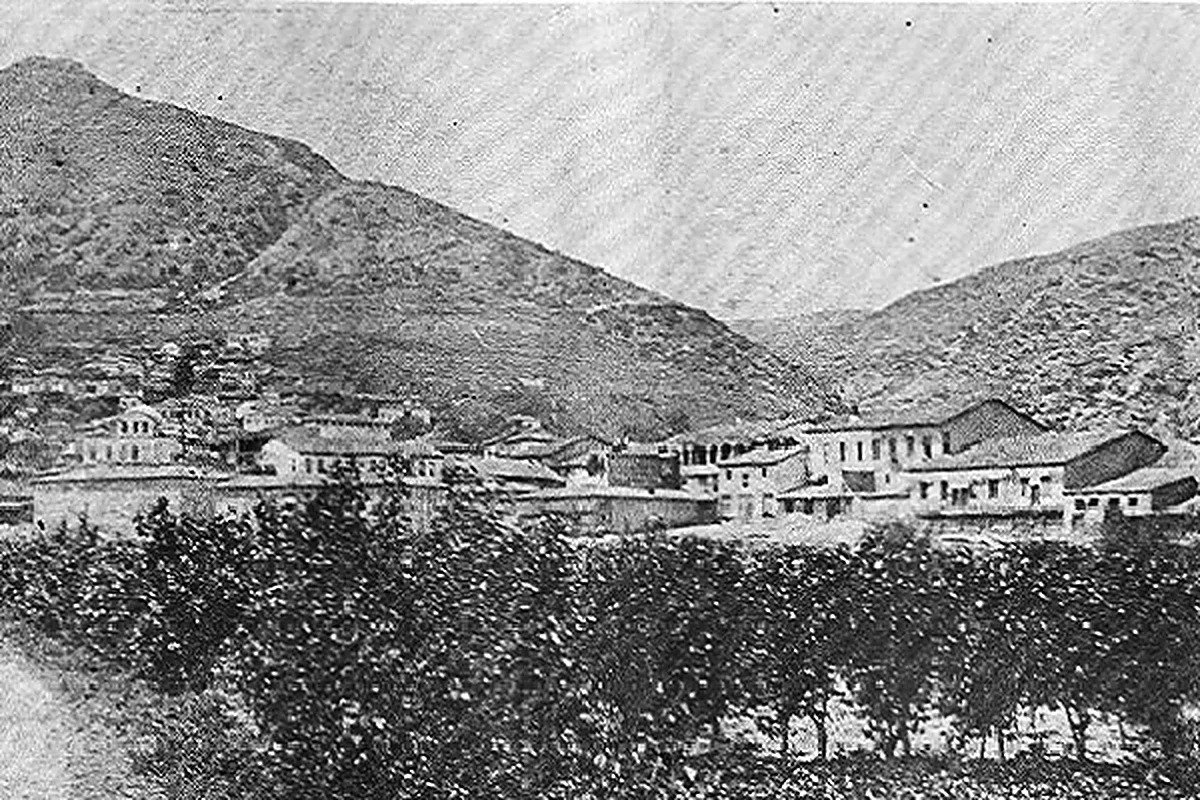
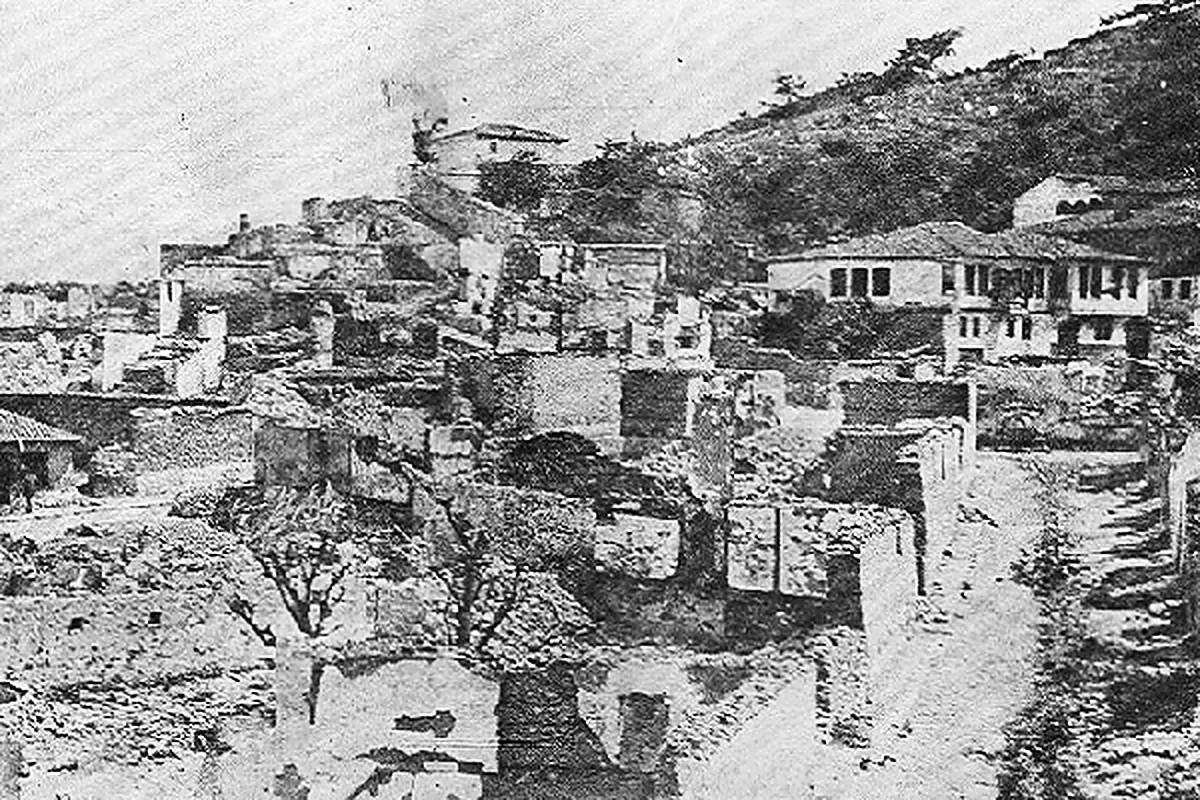
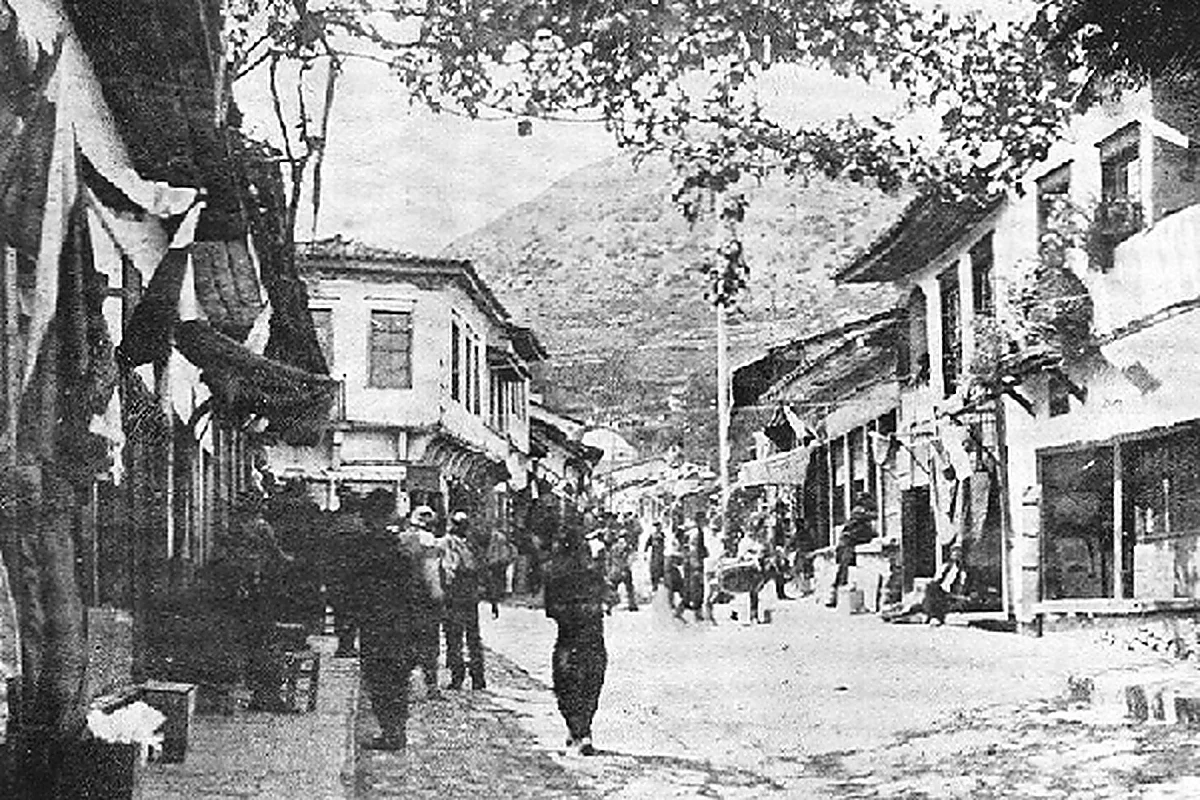
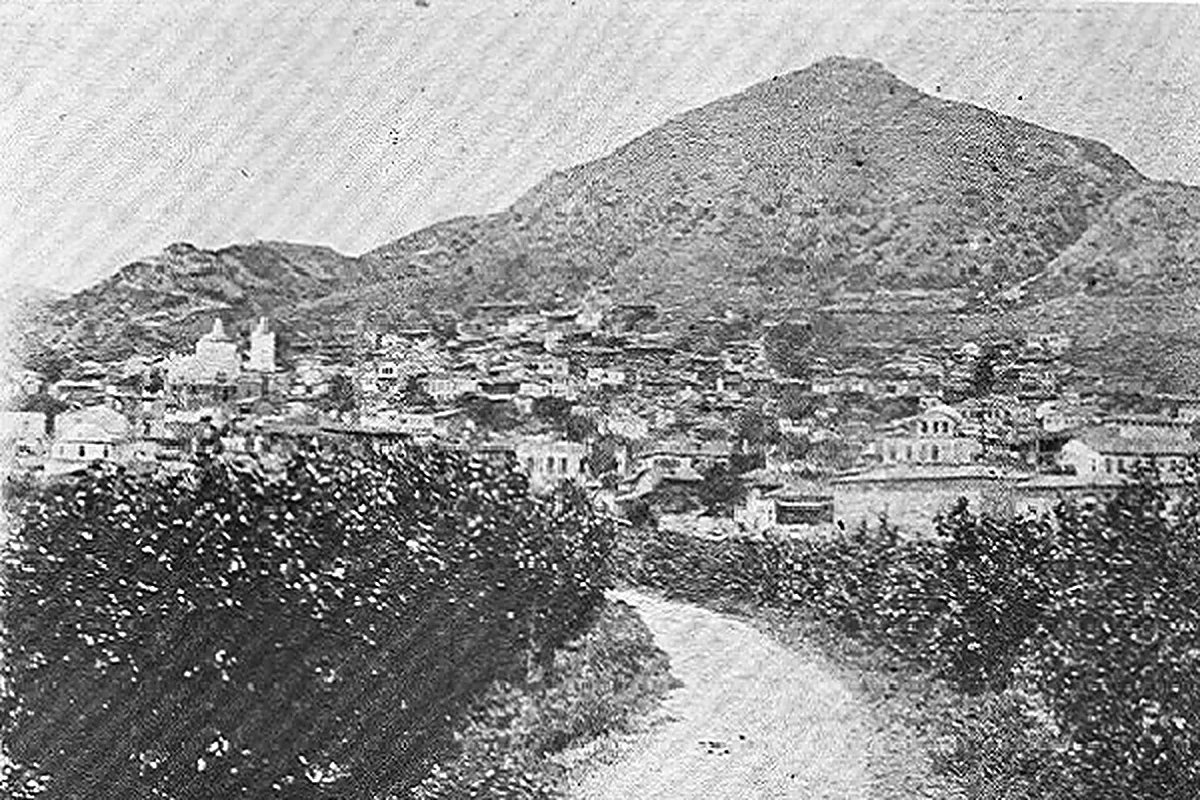
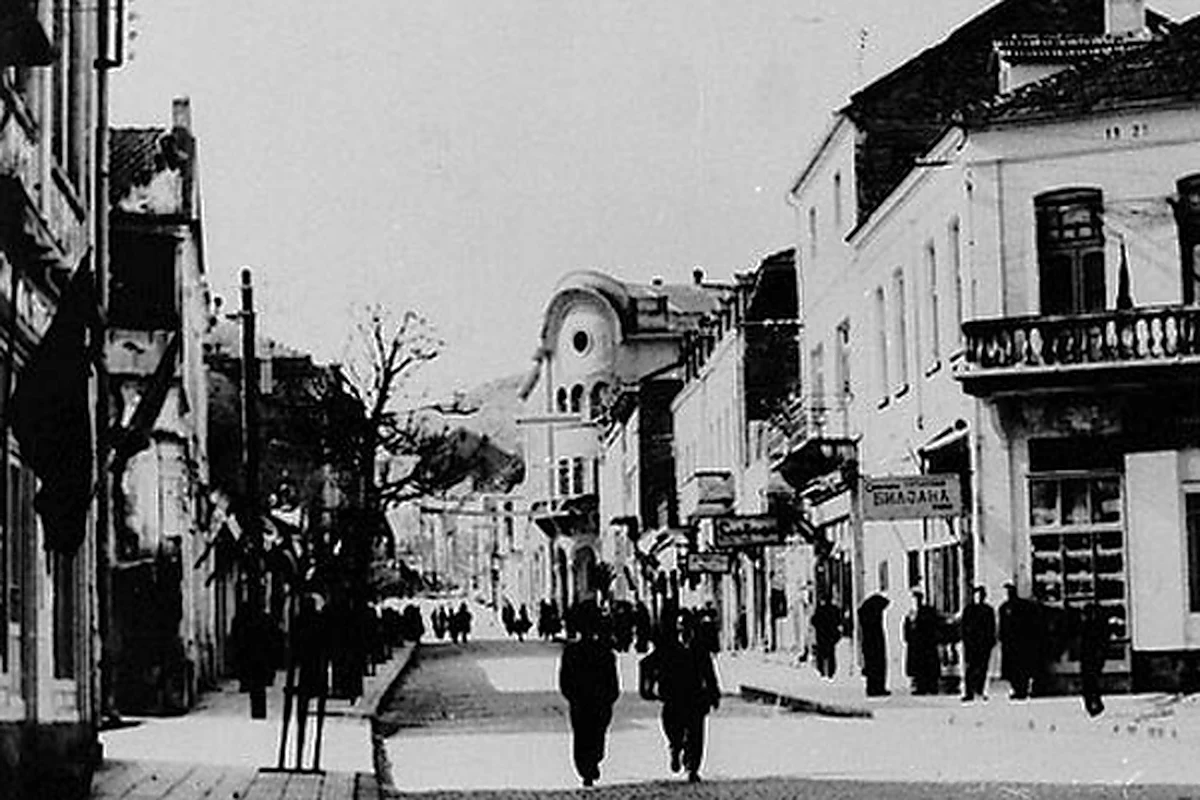
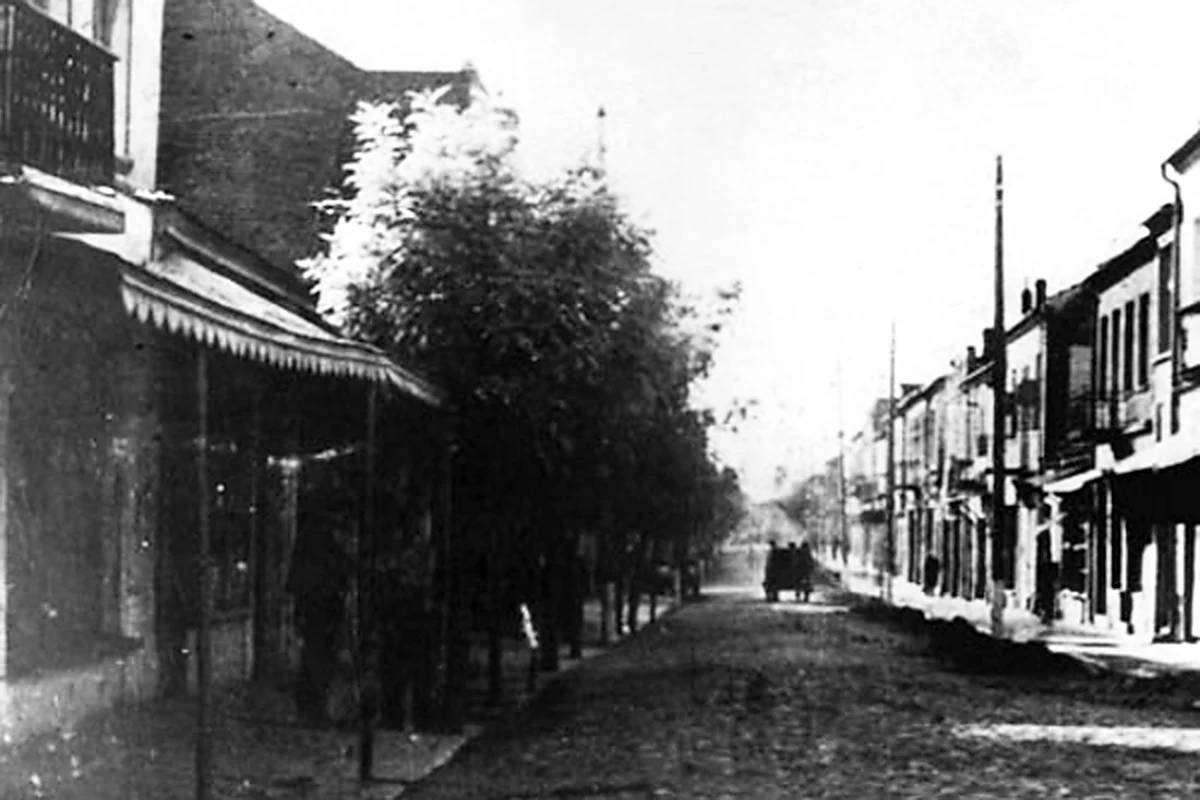
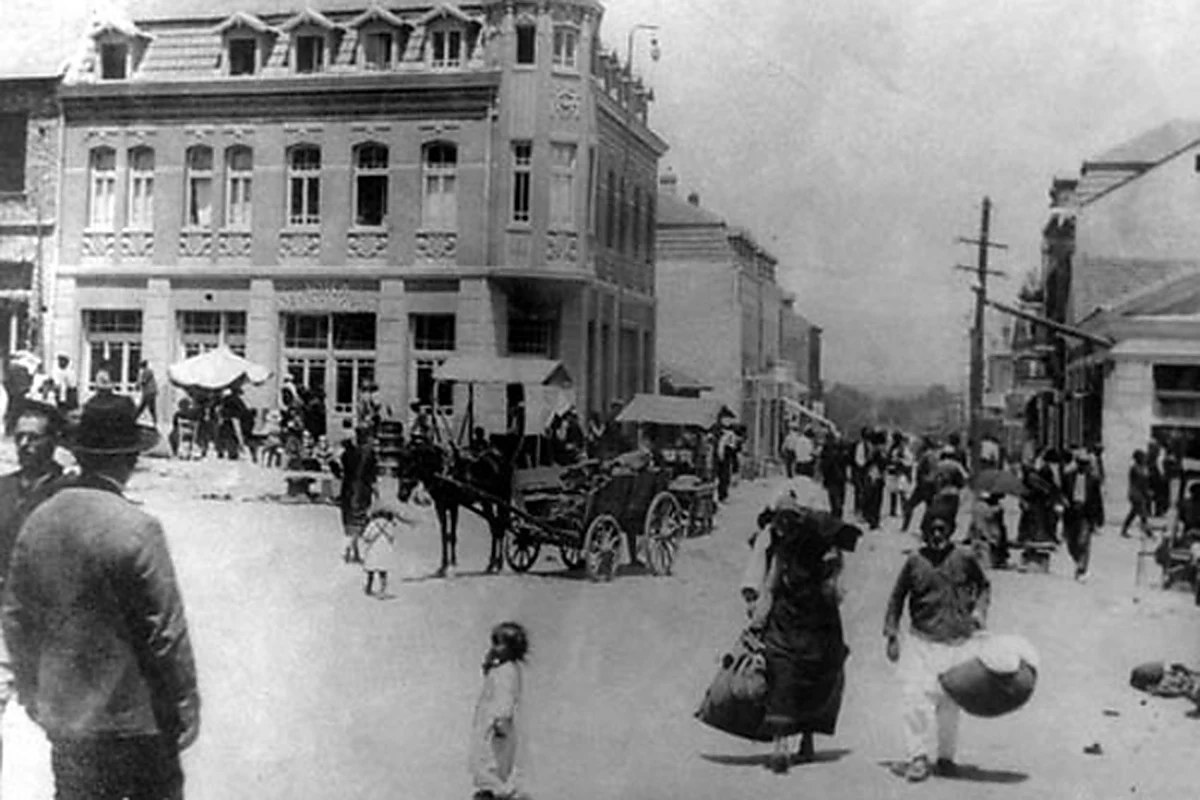
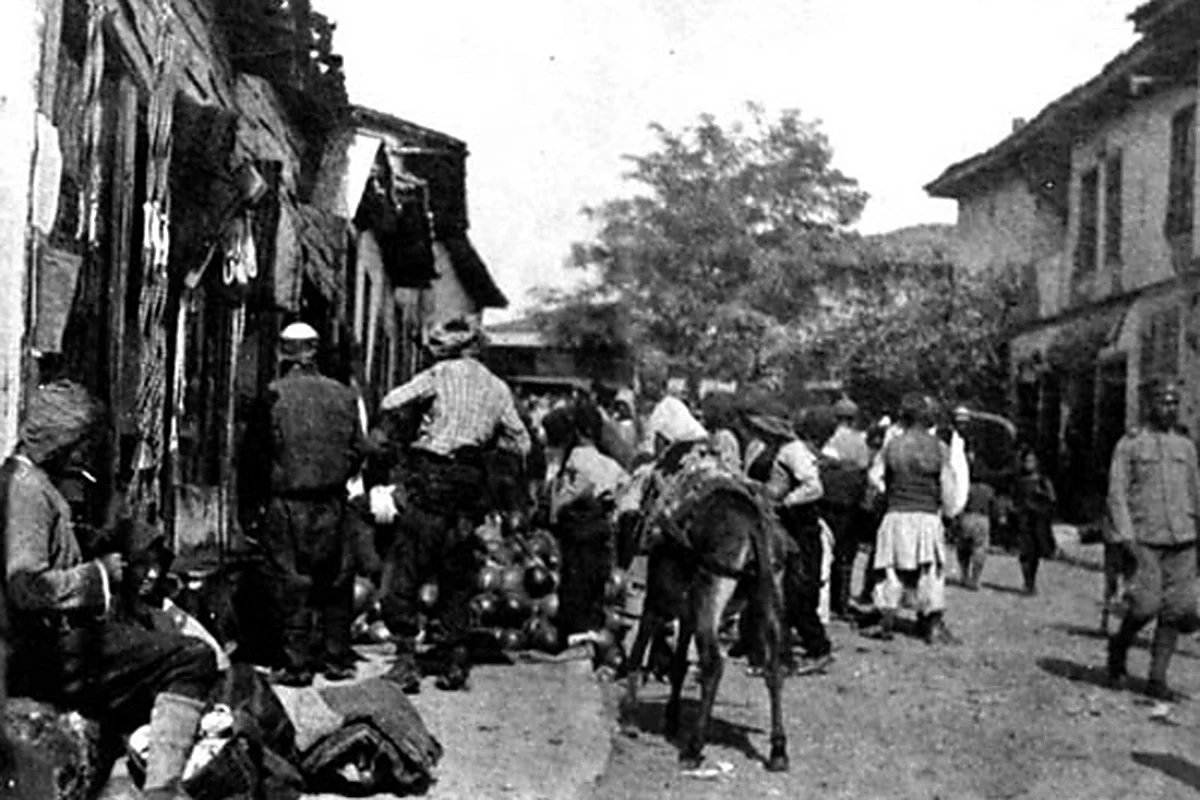
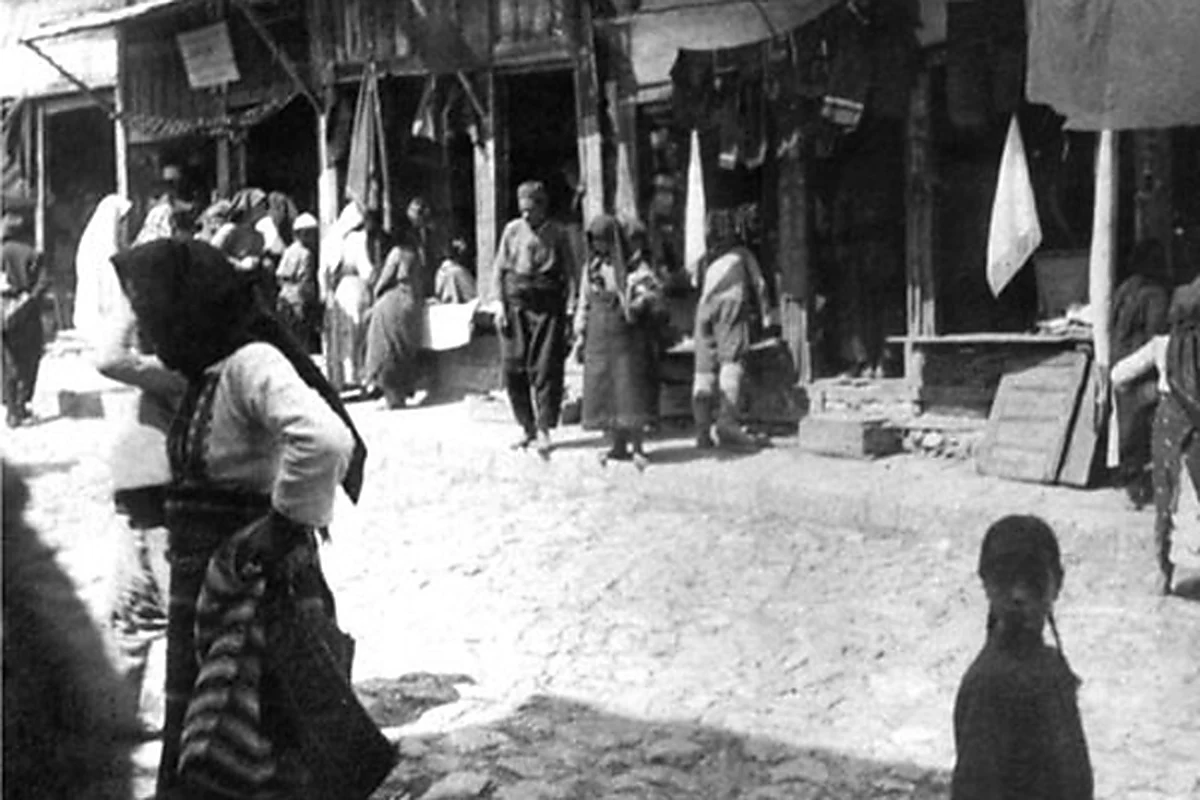
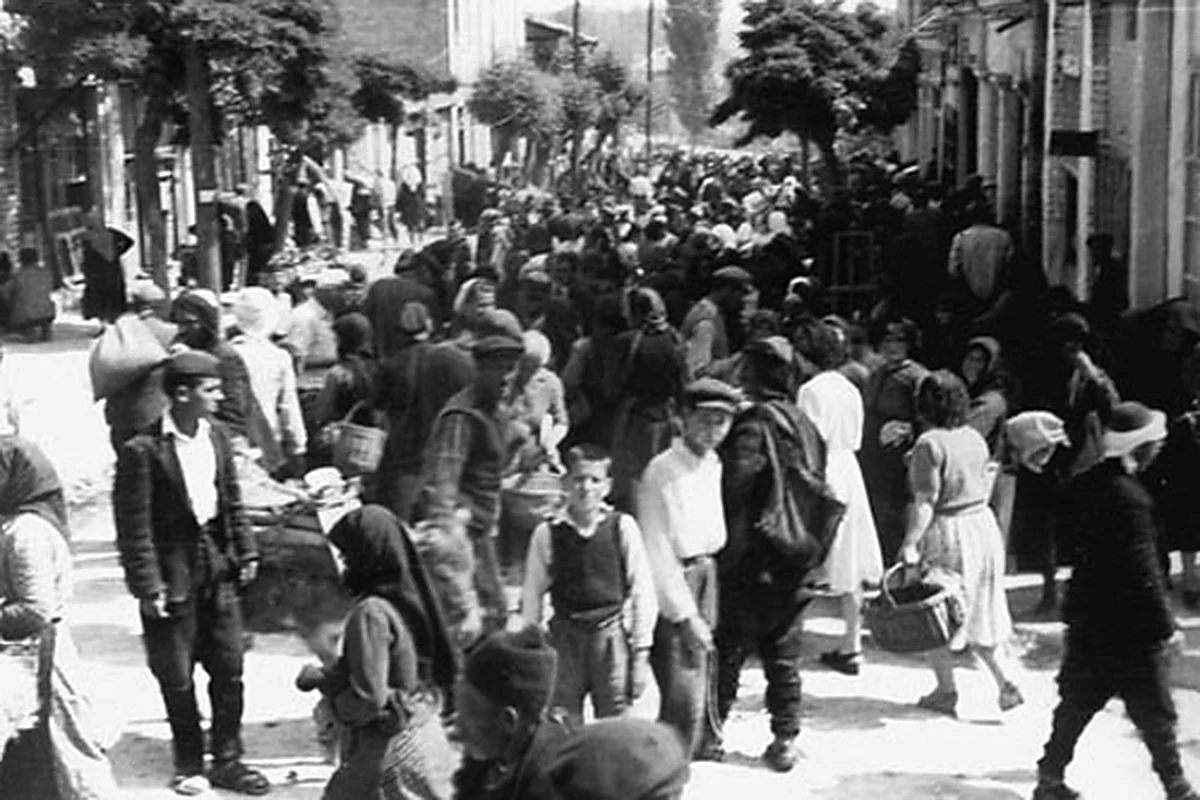
Photo Gallery (35)
Photo Gallery
Strumica, frame by frame.
A responsive family gallery, including city views recovered from the old rotating banner system.
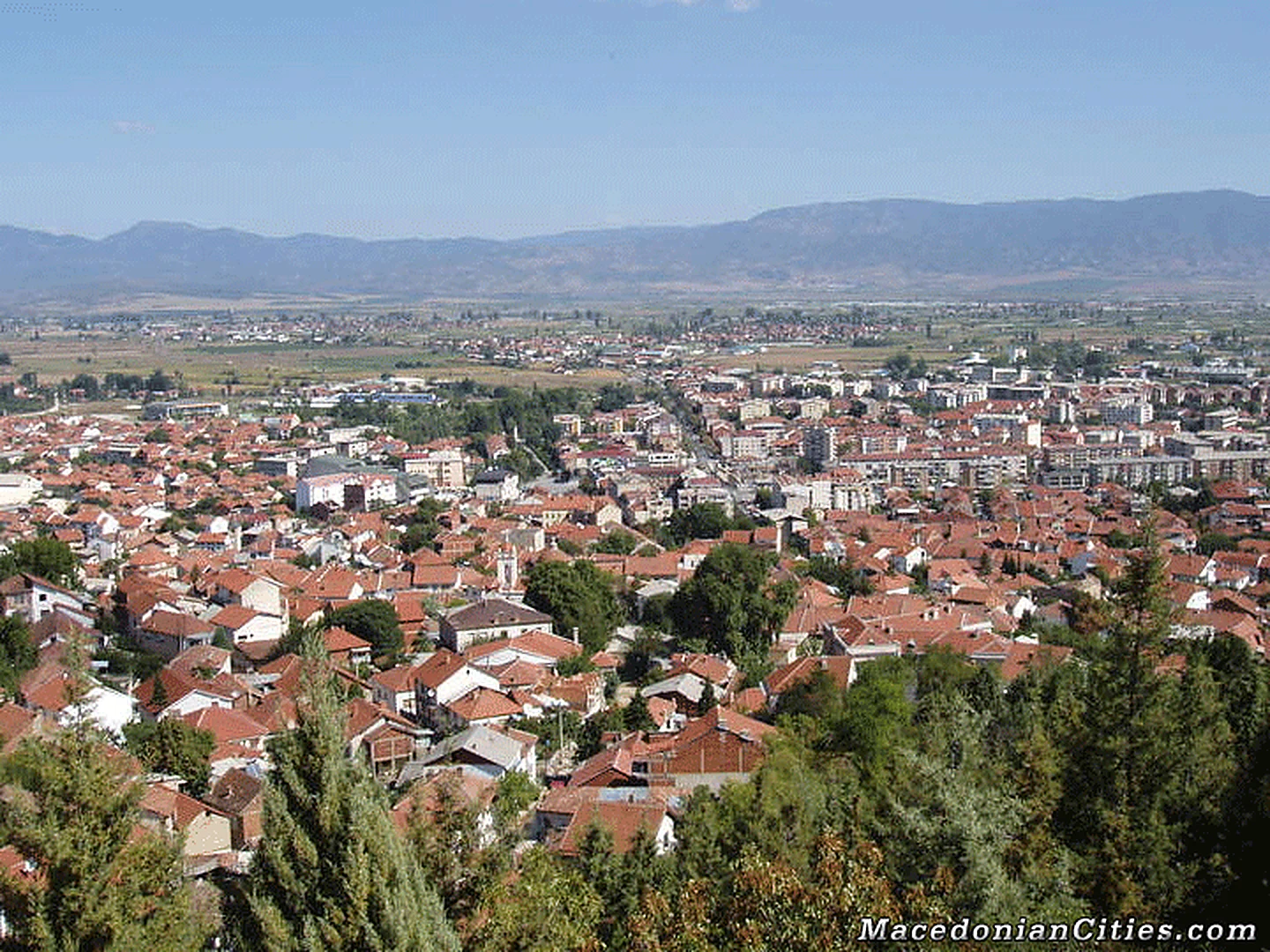
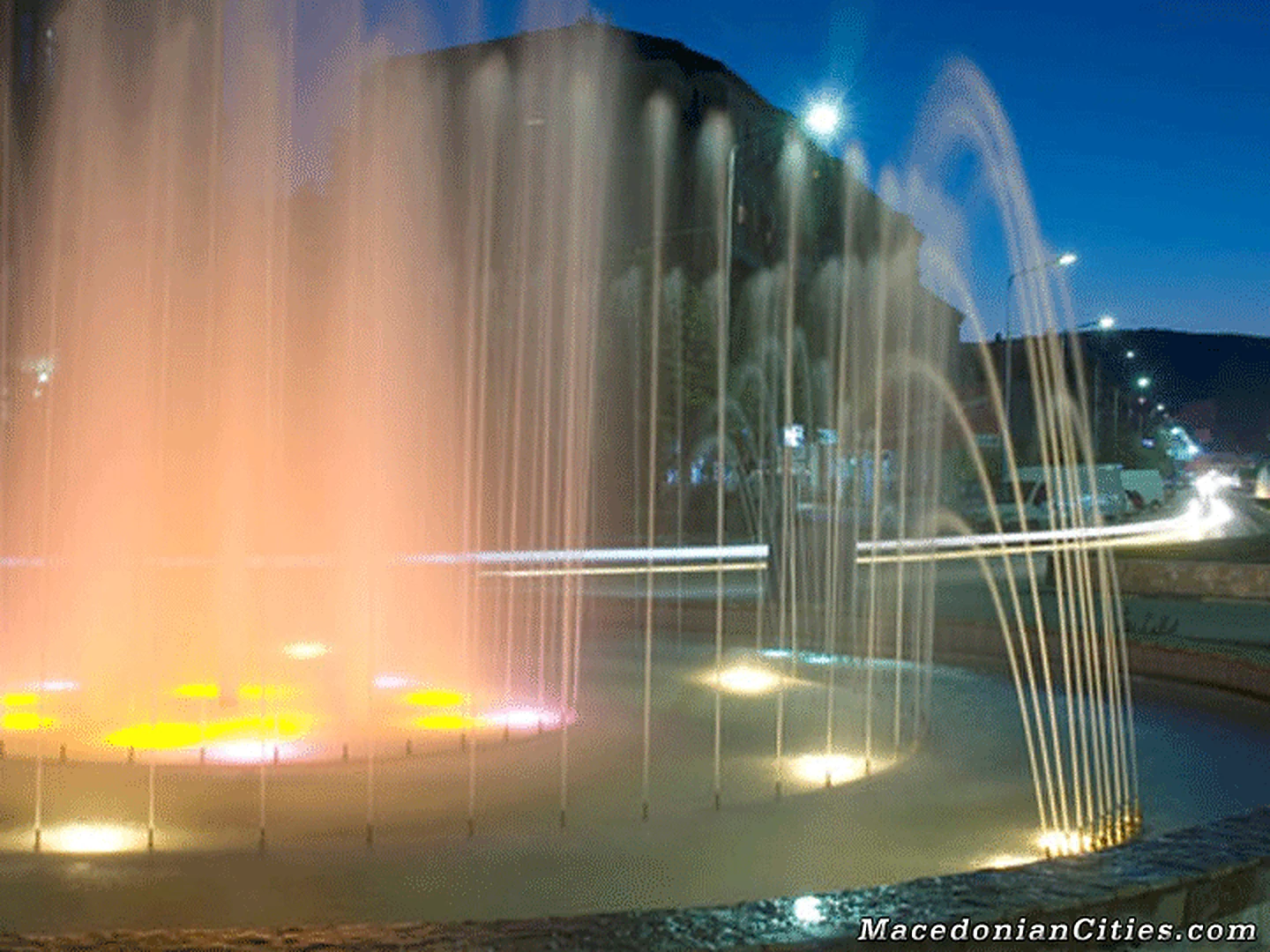
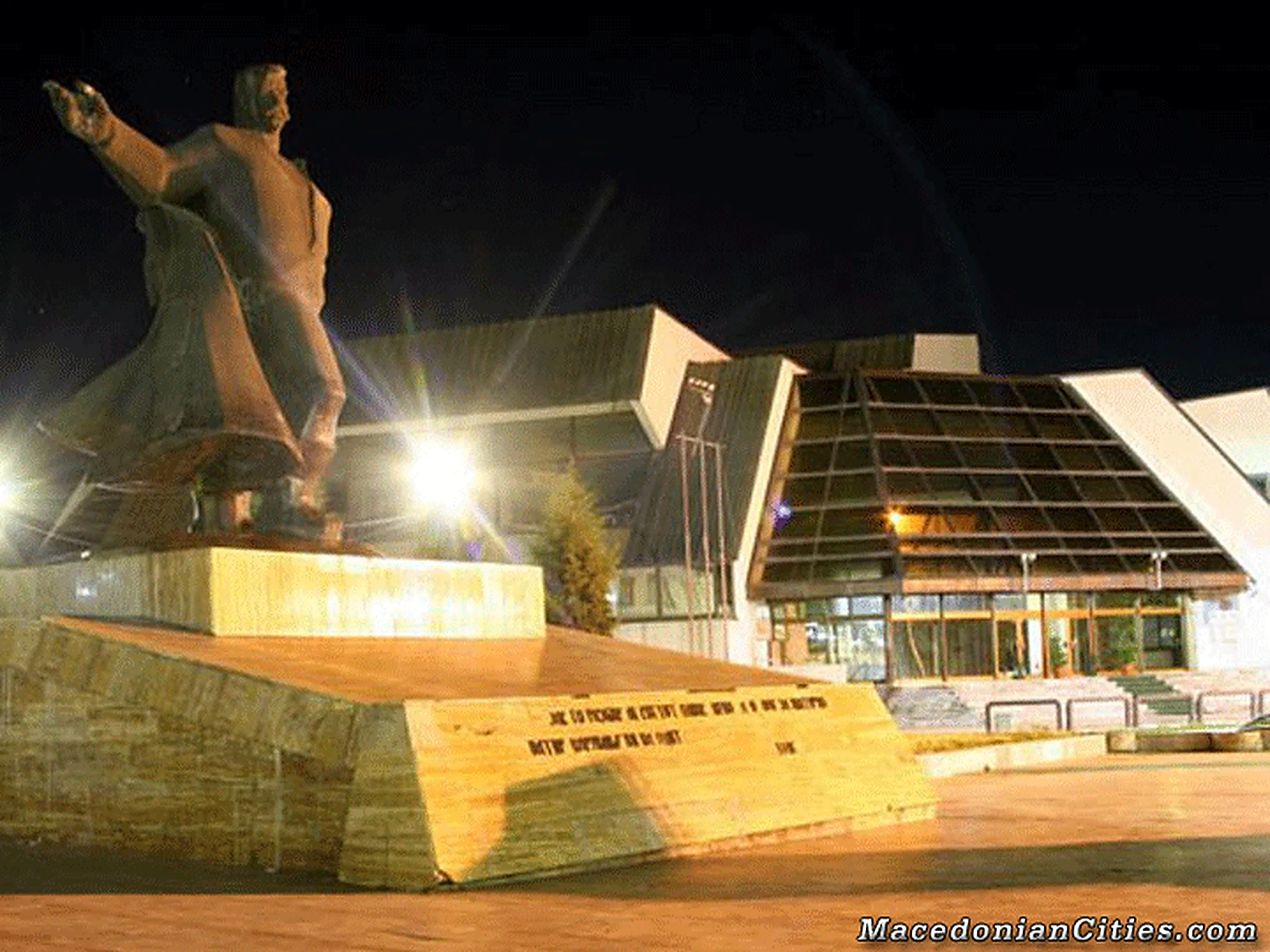
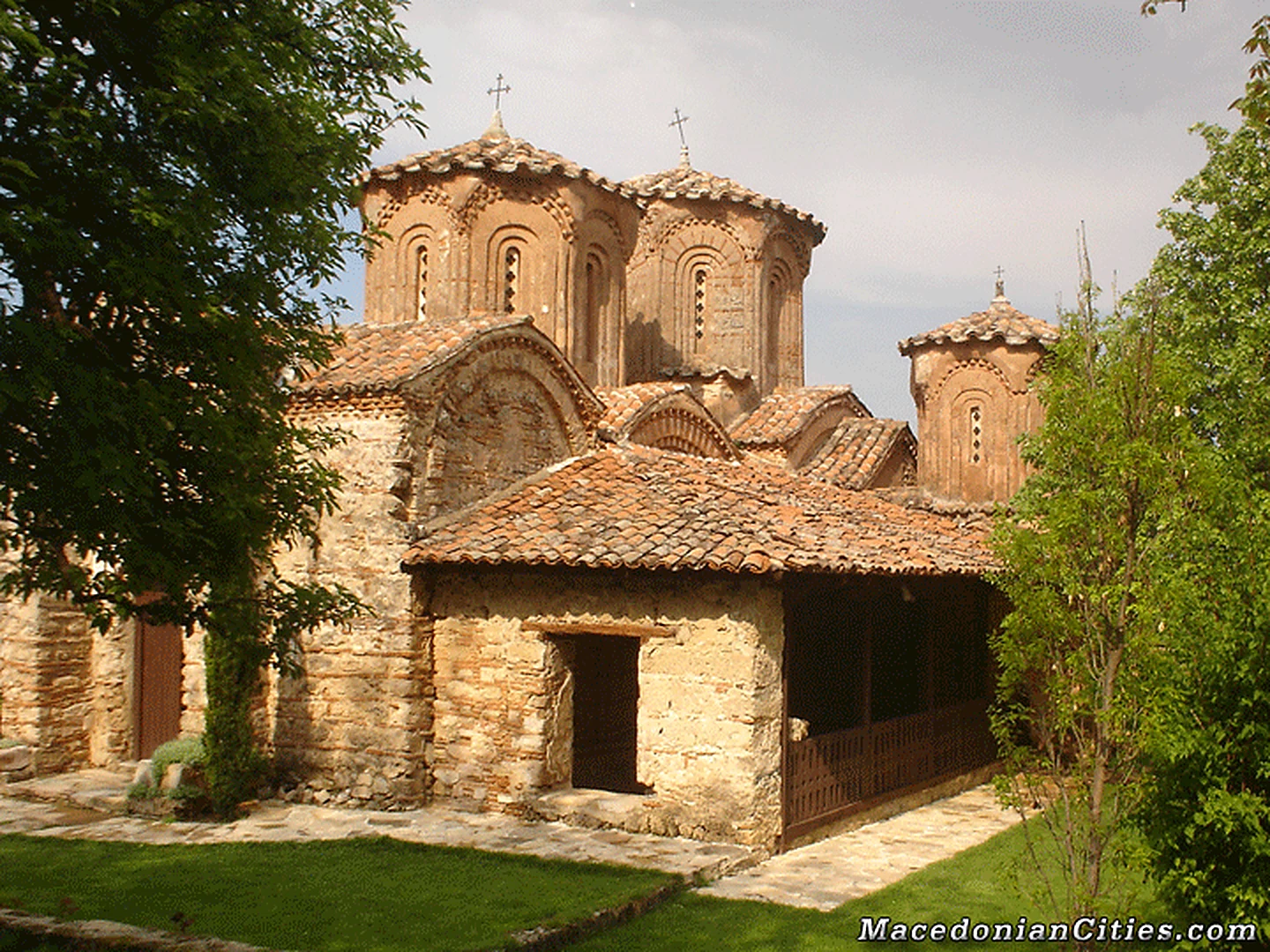
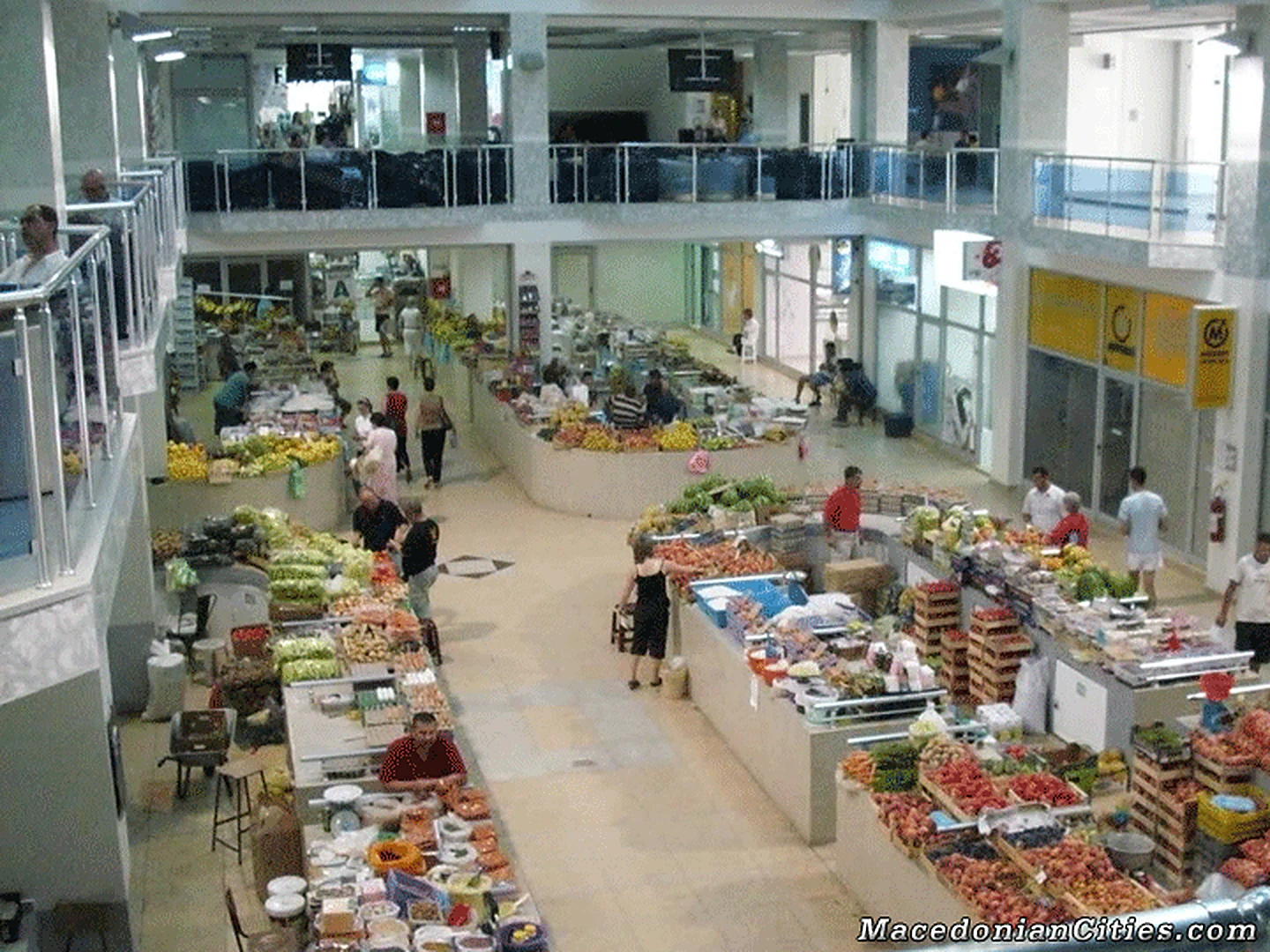
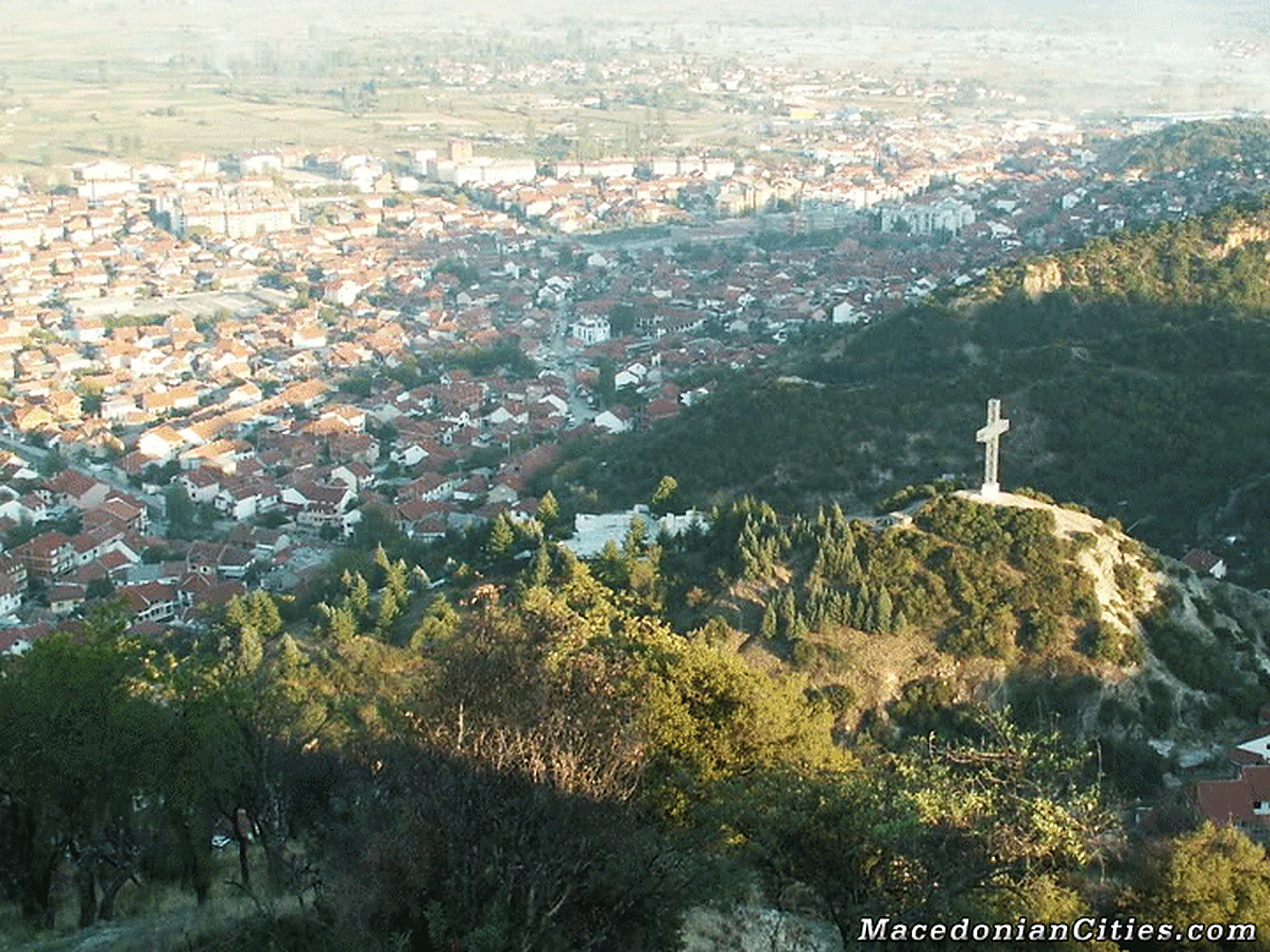
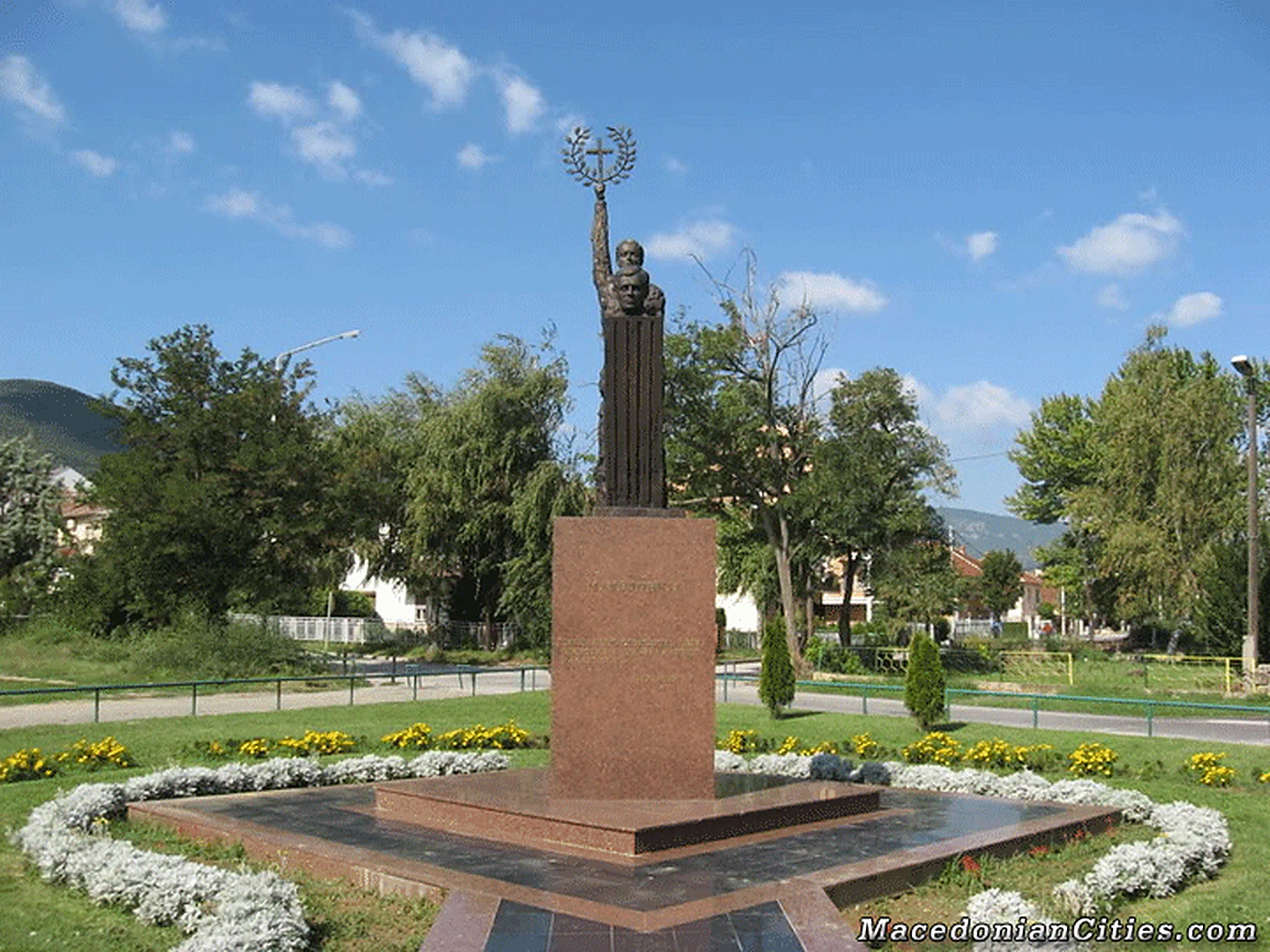
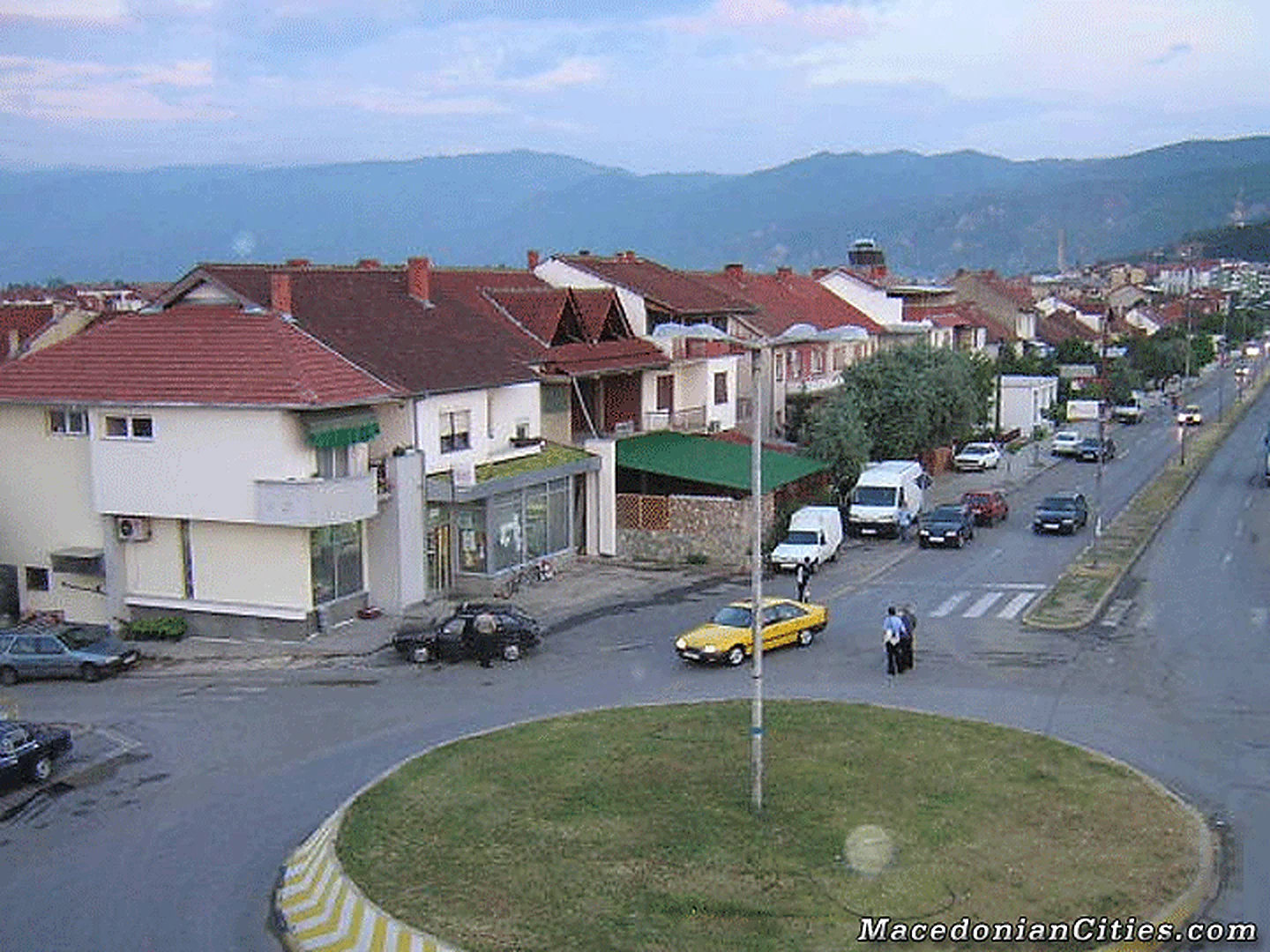
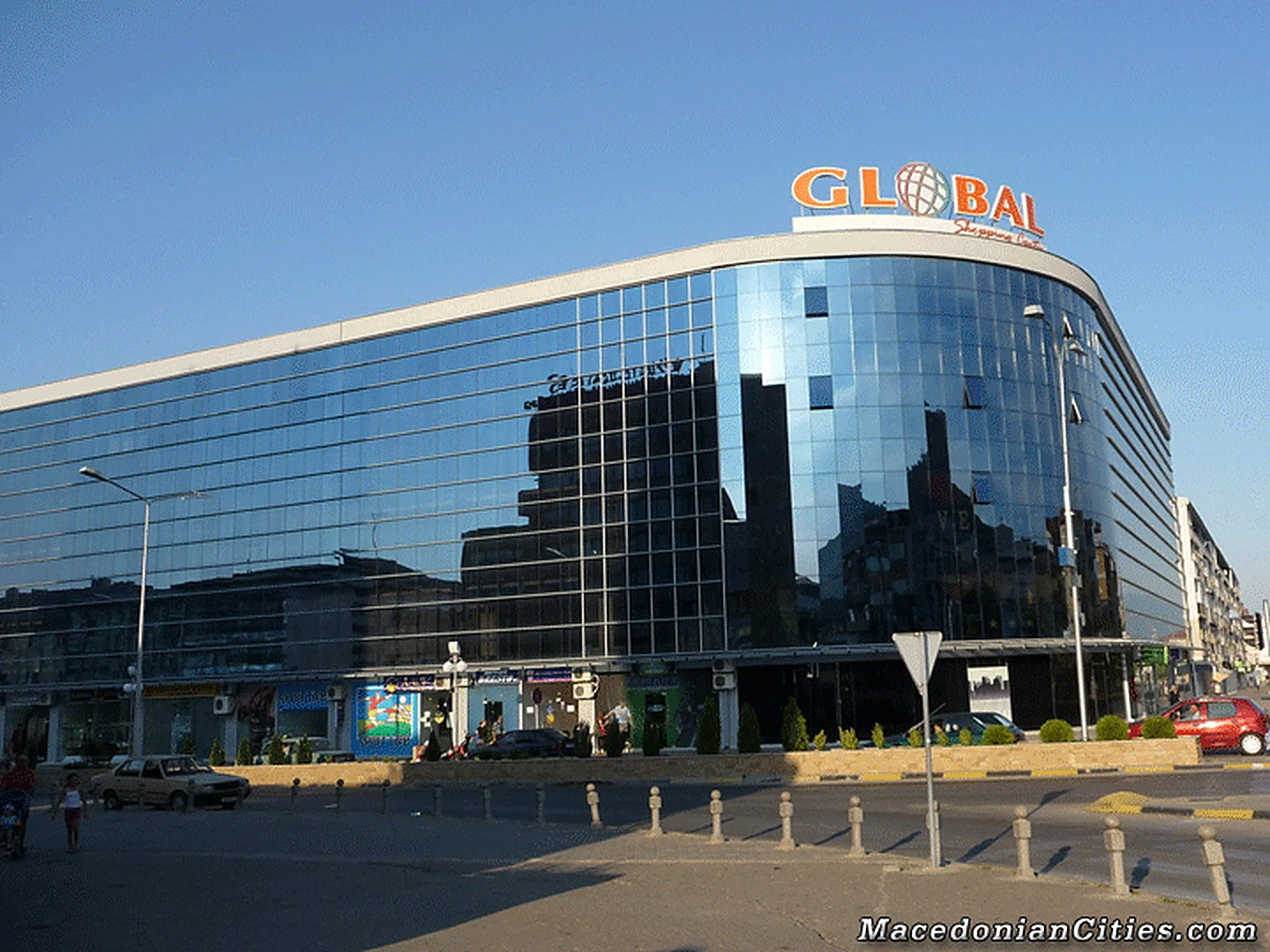
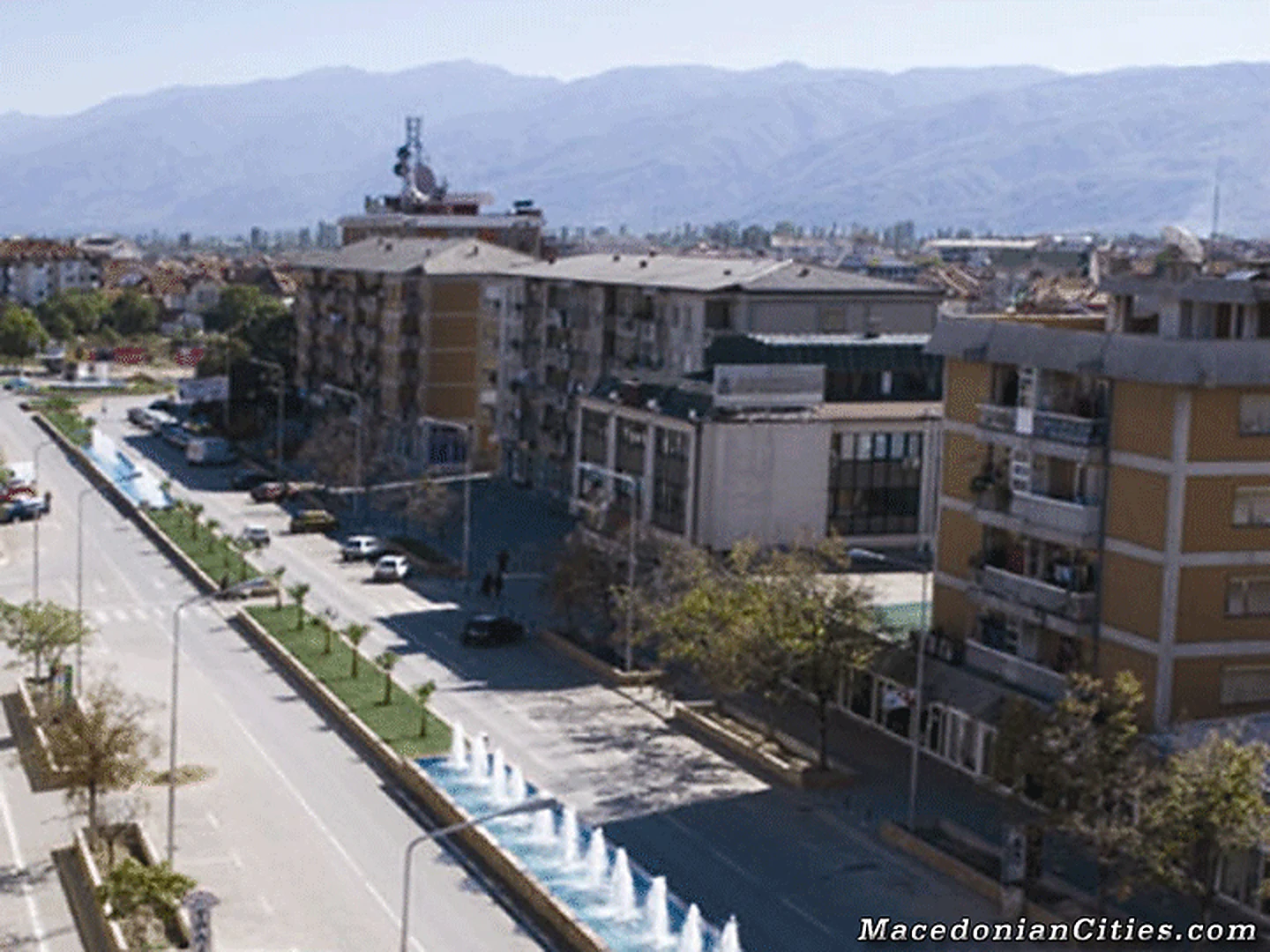
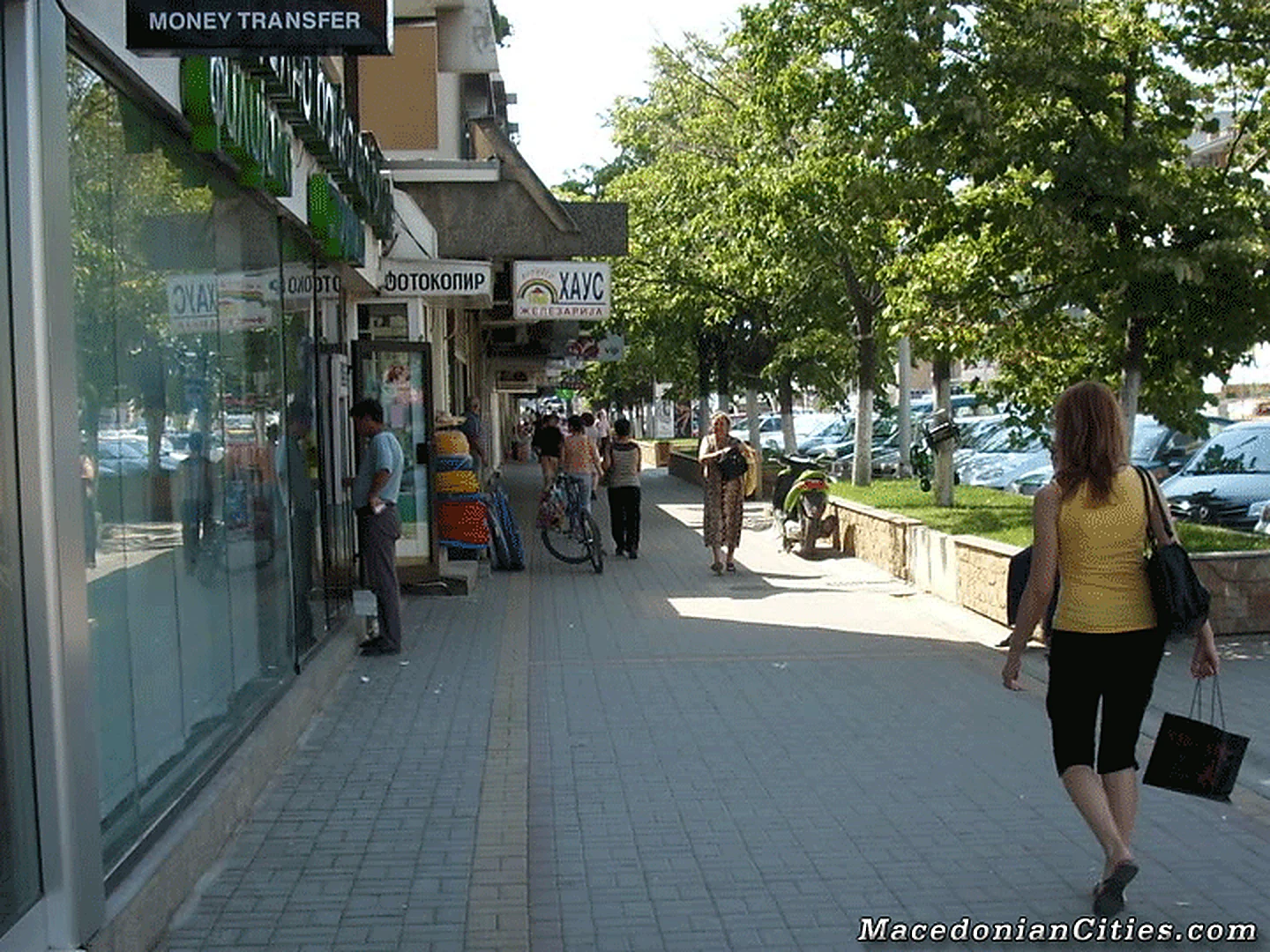
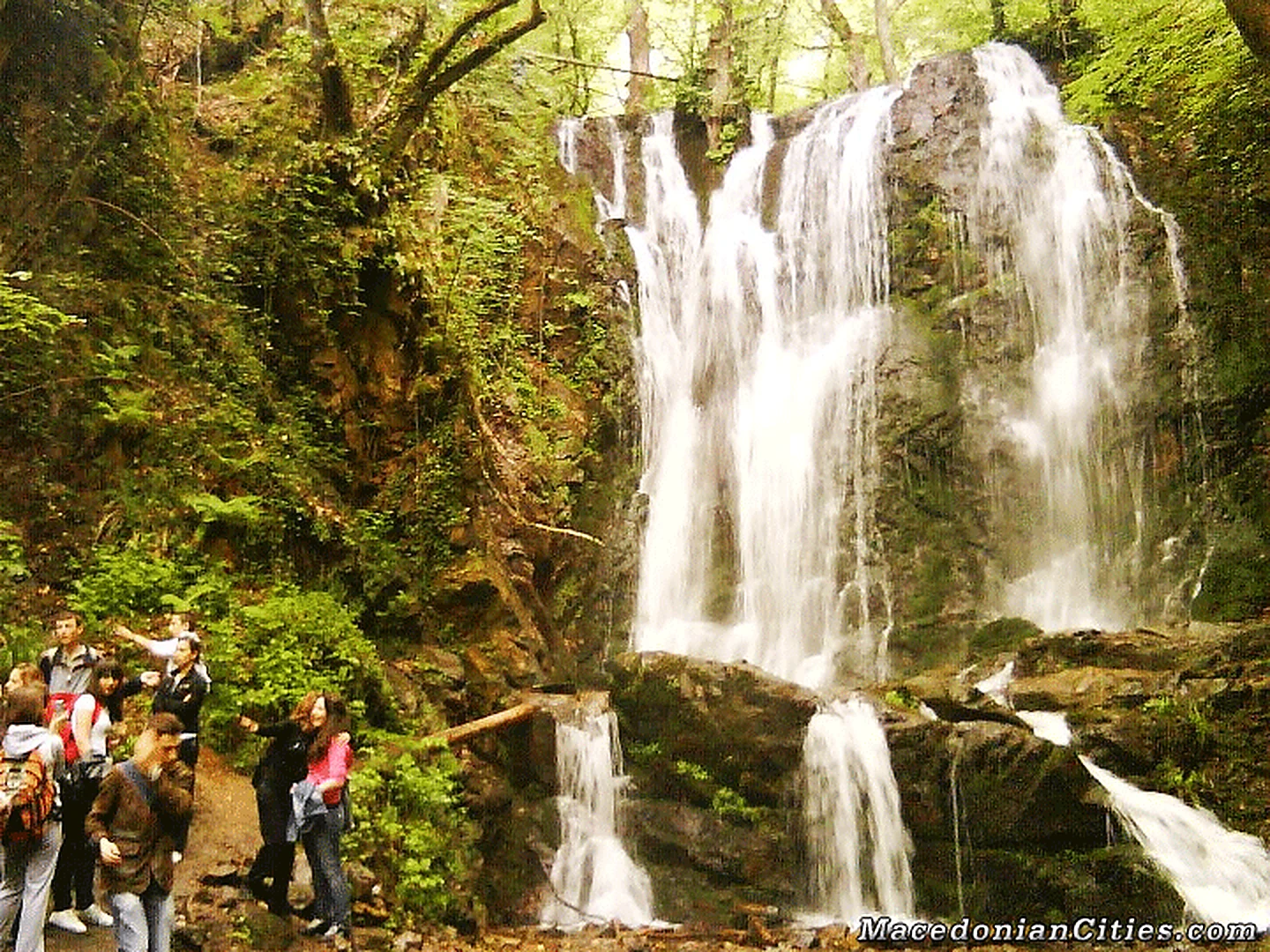
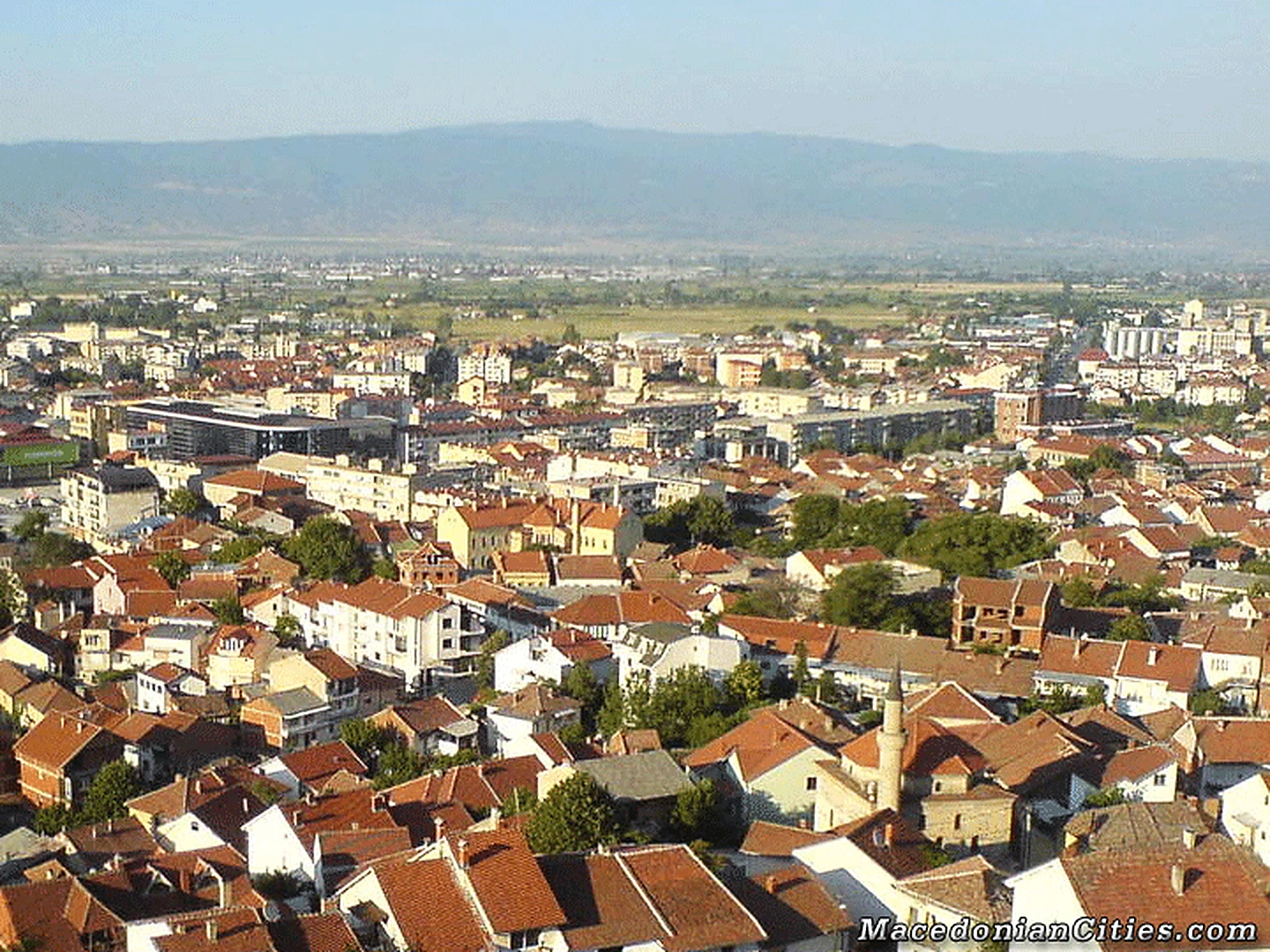
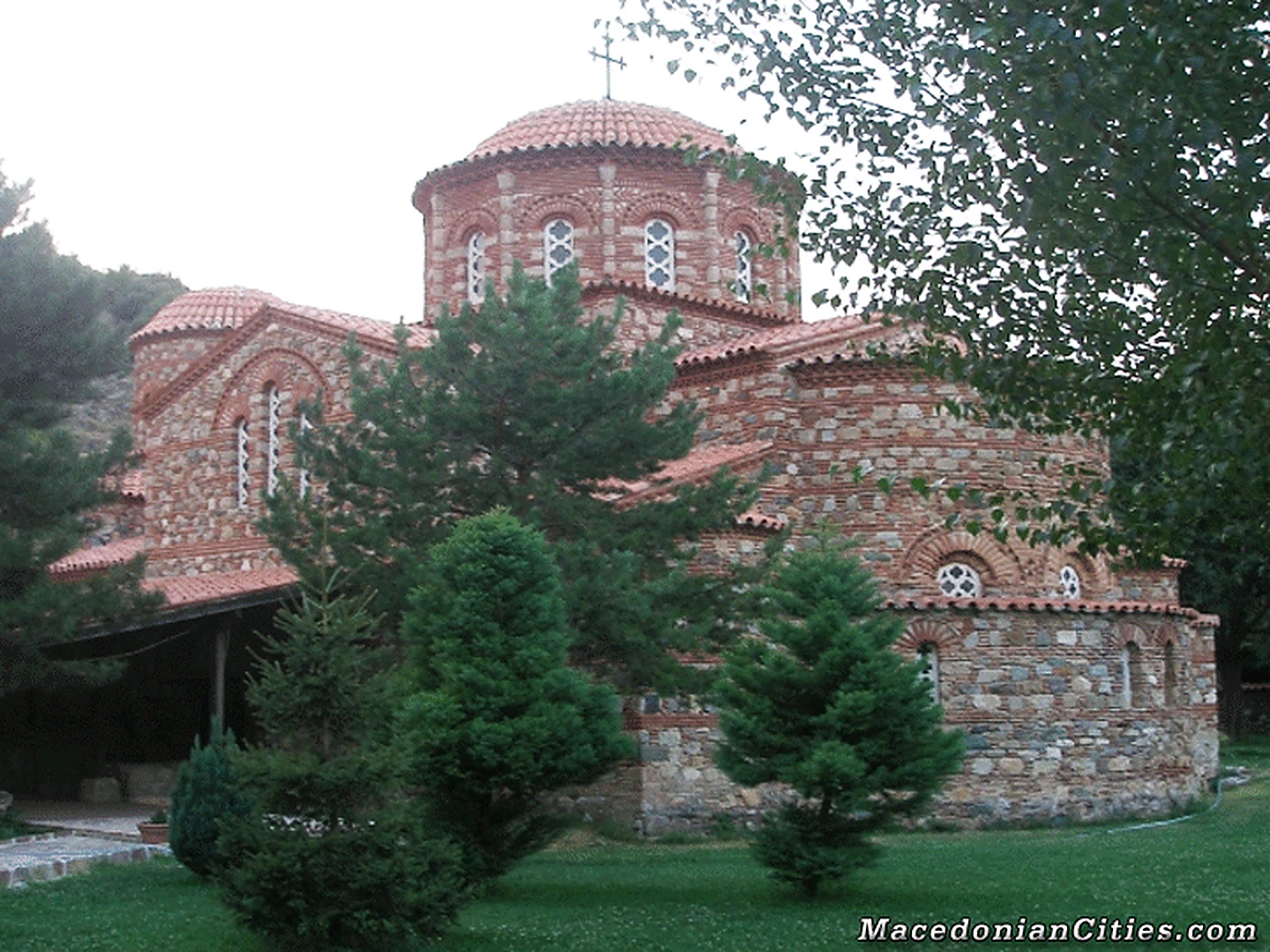
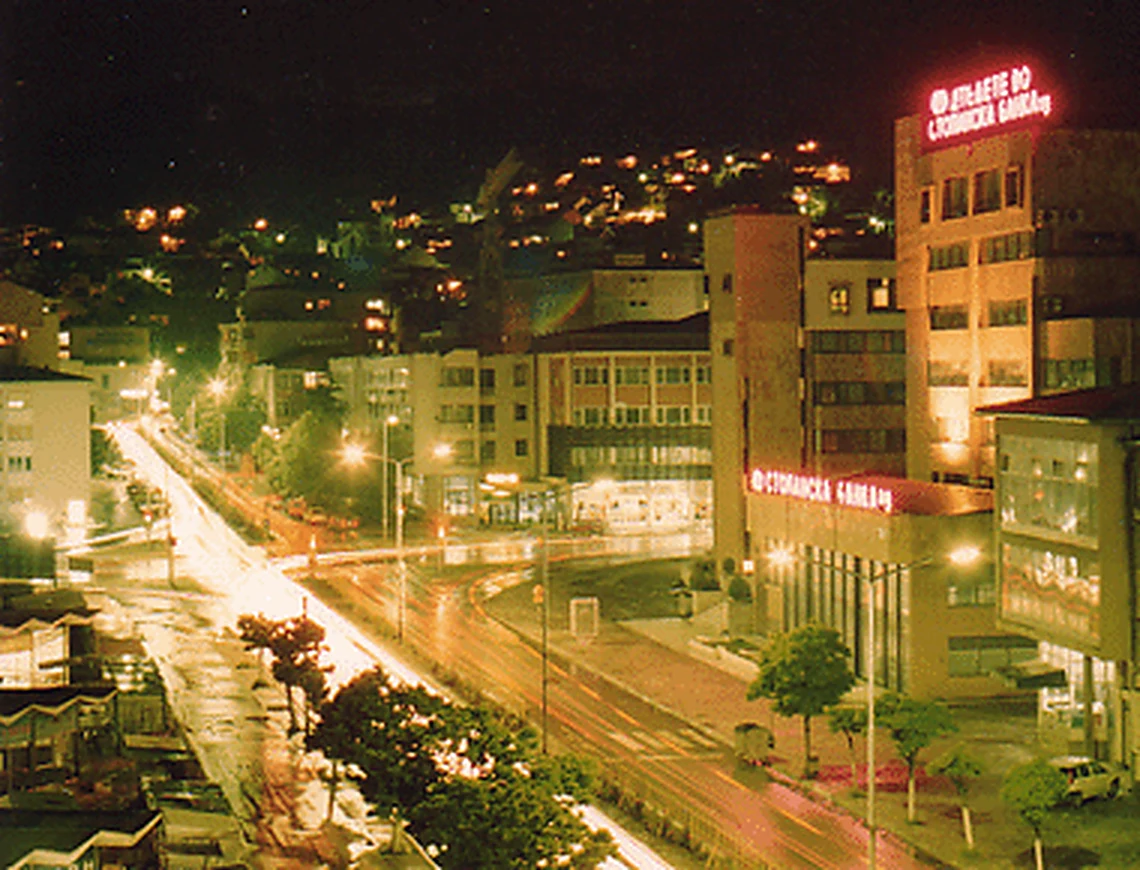
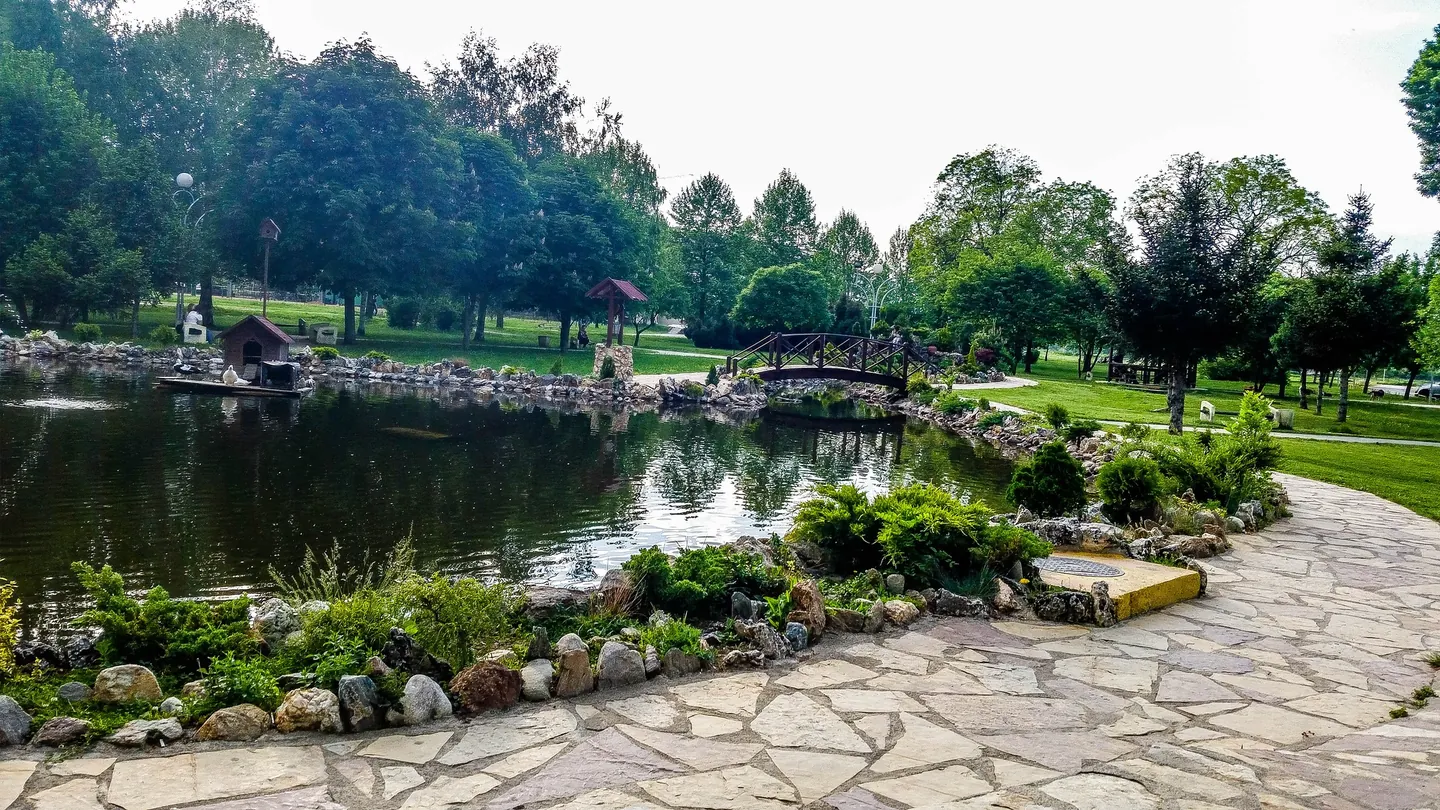
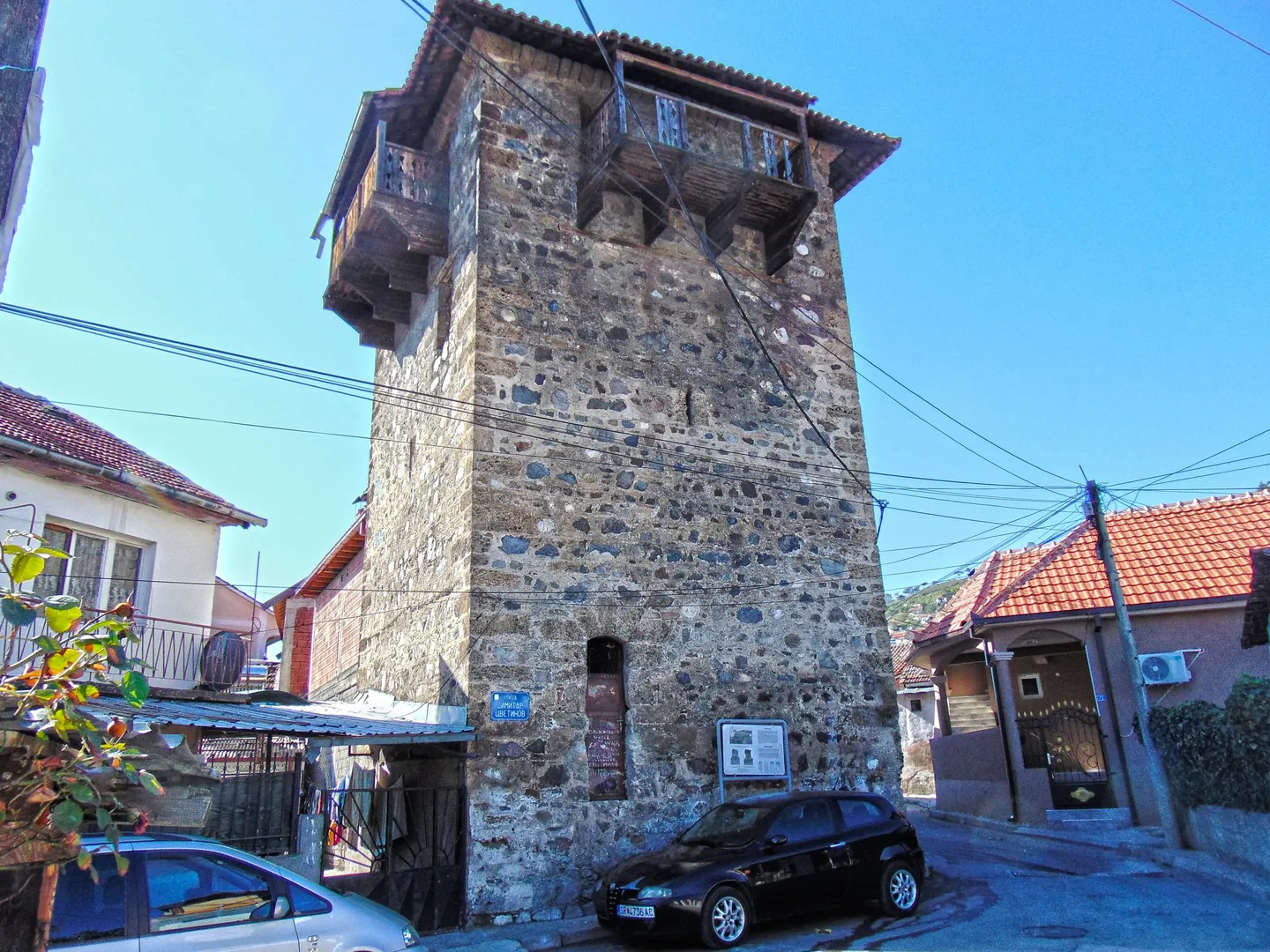
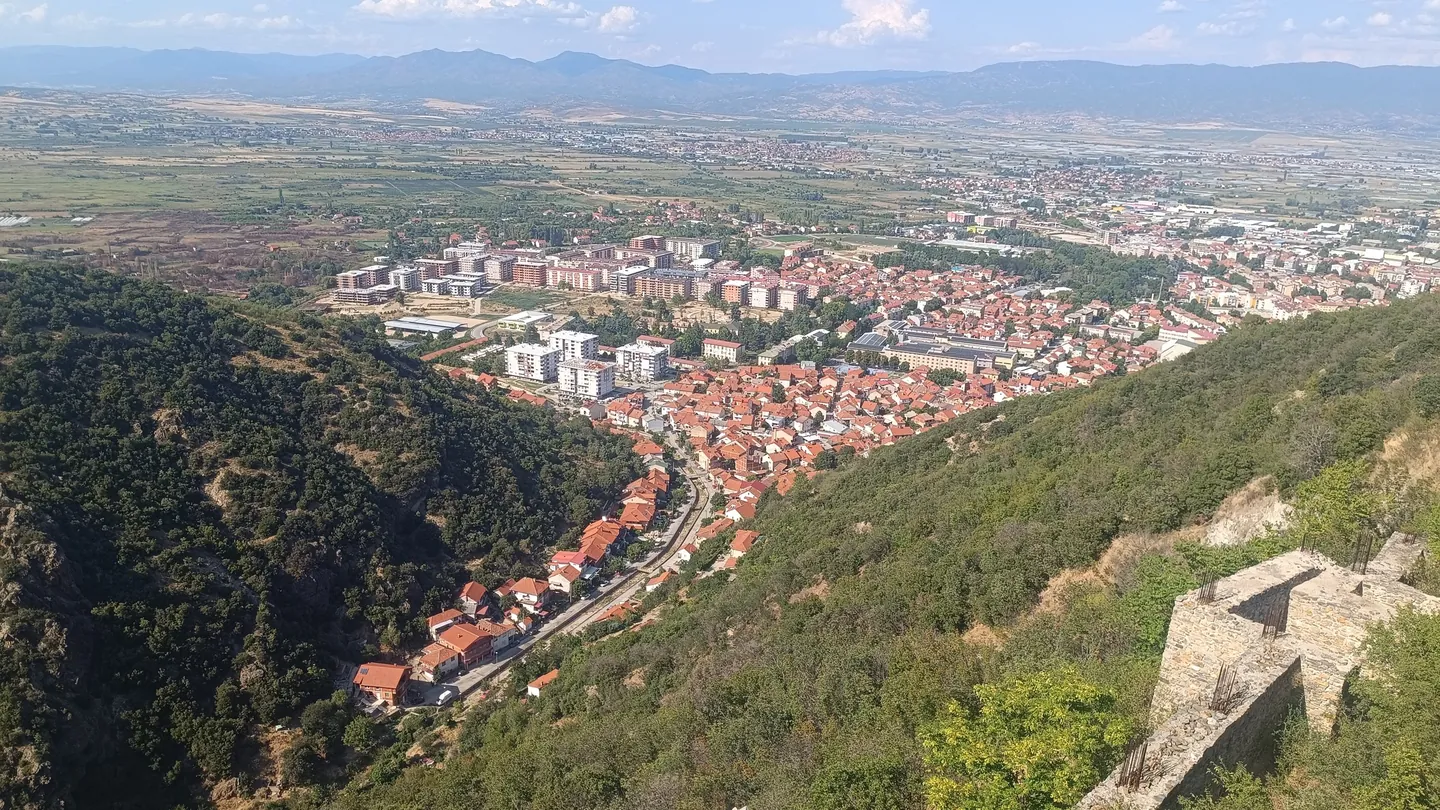
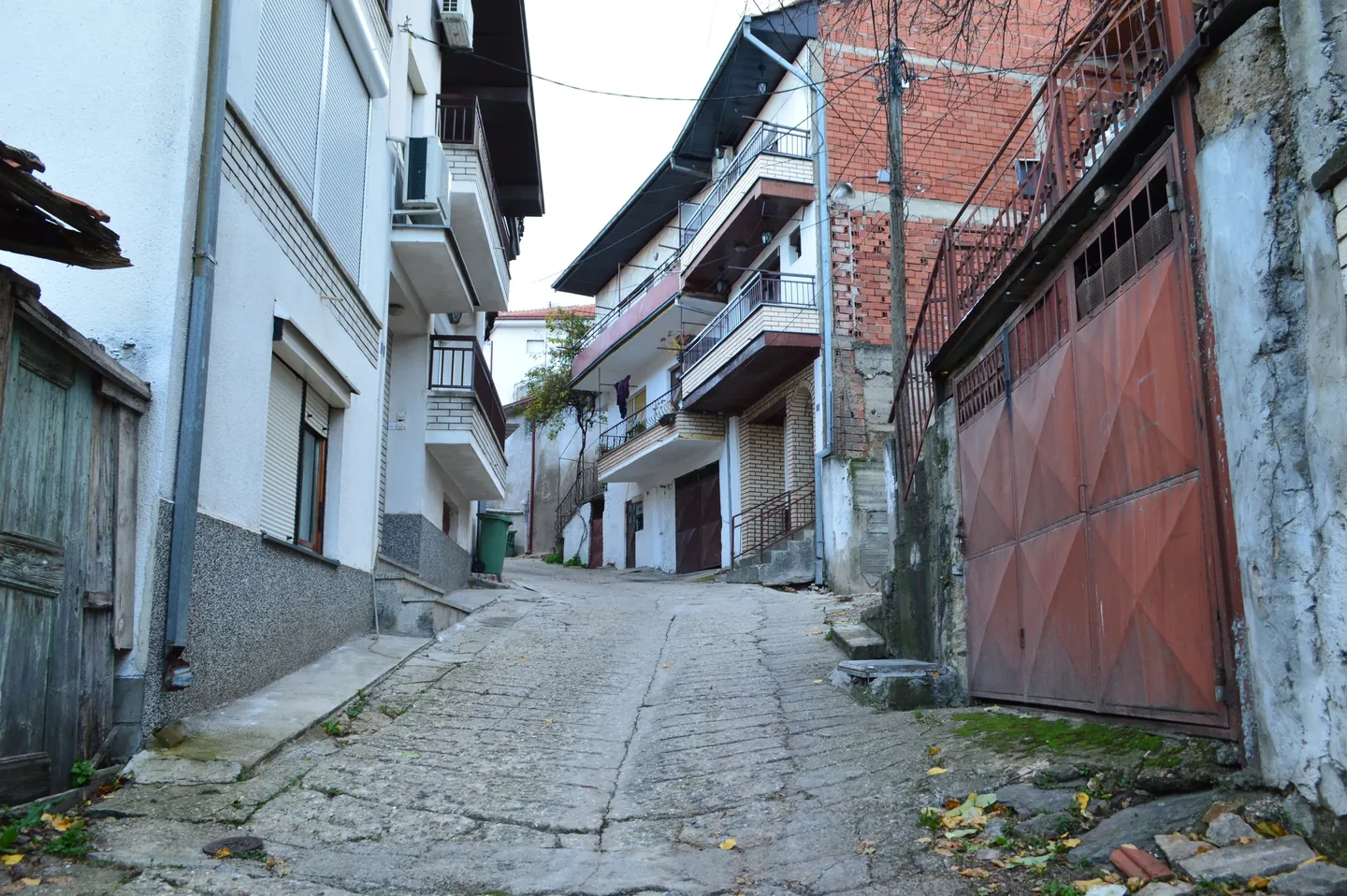
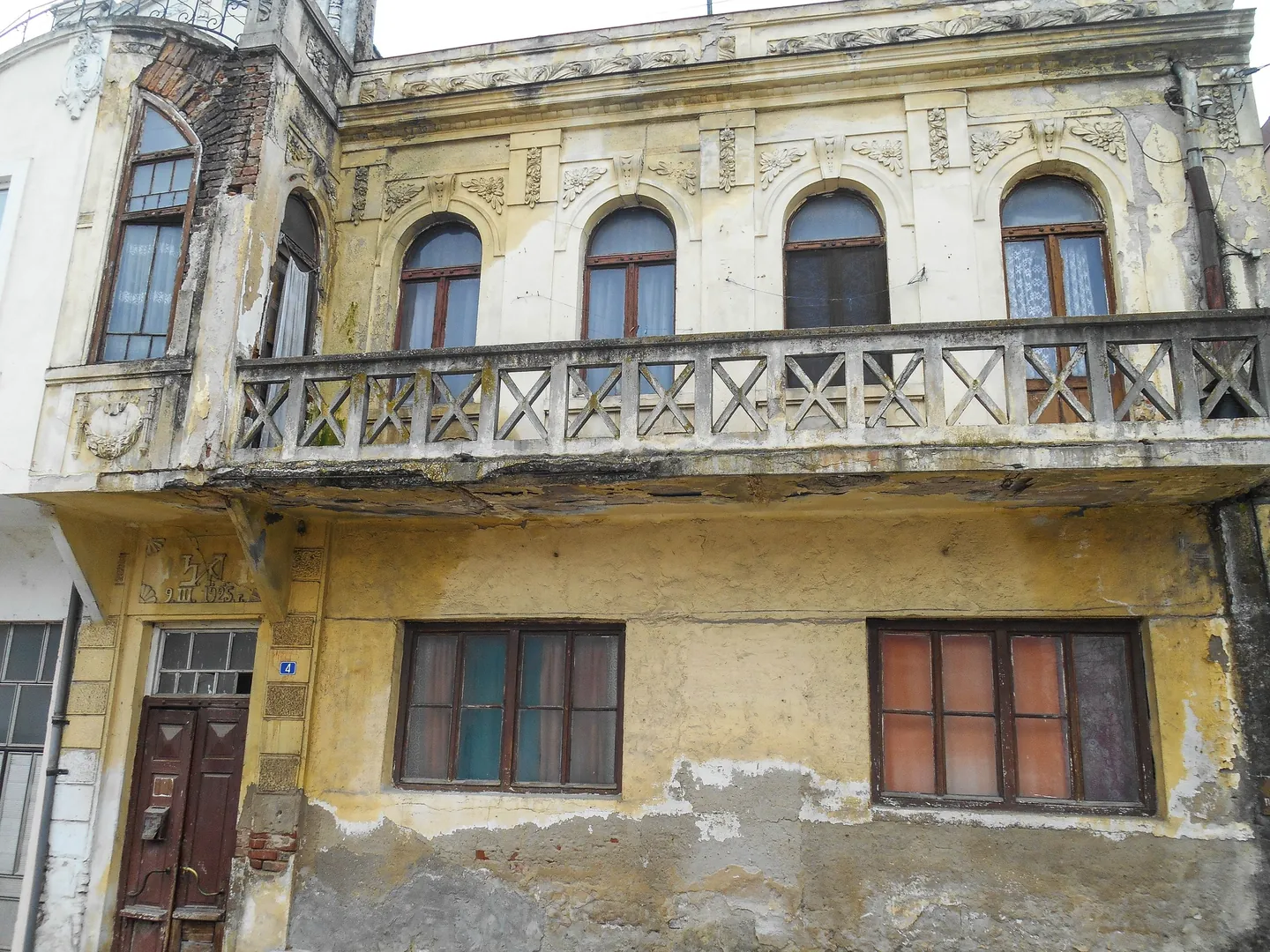
Photo credits
- Strumica: a pond with a wooden footbridge and paved stone edge in the City Park, among tall trees. Photo: ТиверополникCC BY-SA 4.0Wikimedia Commons
- Strumica: a stone tower with a wooden upper storey beside a street of houses, a car parked below. Photo: ТиверополникCC BY-SA 4.0Wikimedia Commons
- Strumica: the town seen from the fortress, red roofs on the valley floor, with a stone wall in view. Photo: Hotolmo22CC0Wikimedia Commons
- Strumica: houses in an alley in the Varosh neighbourhood, a cobbled lane between walls and gates. Photo: ИдеологистCC BY-SA 4.0Wikimedia Commons
- Strumica: an old house with a long wooden balcony, arched windows and flaking yellow plaster. Photo: ТиверополникCC BY-SA 4.0Wikimedia Commons


