
Eastern
Kochani
Кочани
- Residents · 2021 census
- 24,632
- Old photographs
- 3
- Photographs
- 33
Rice fields, geothermal springs and the Bregalnica valley
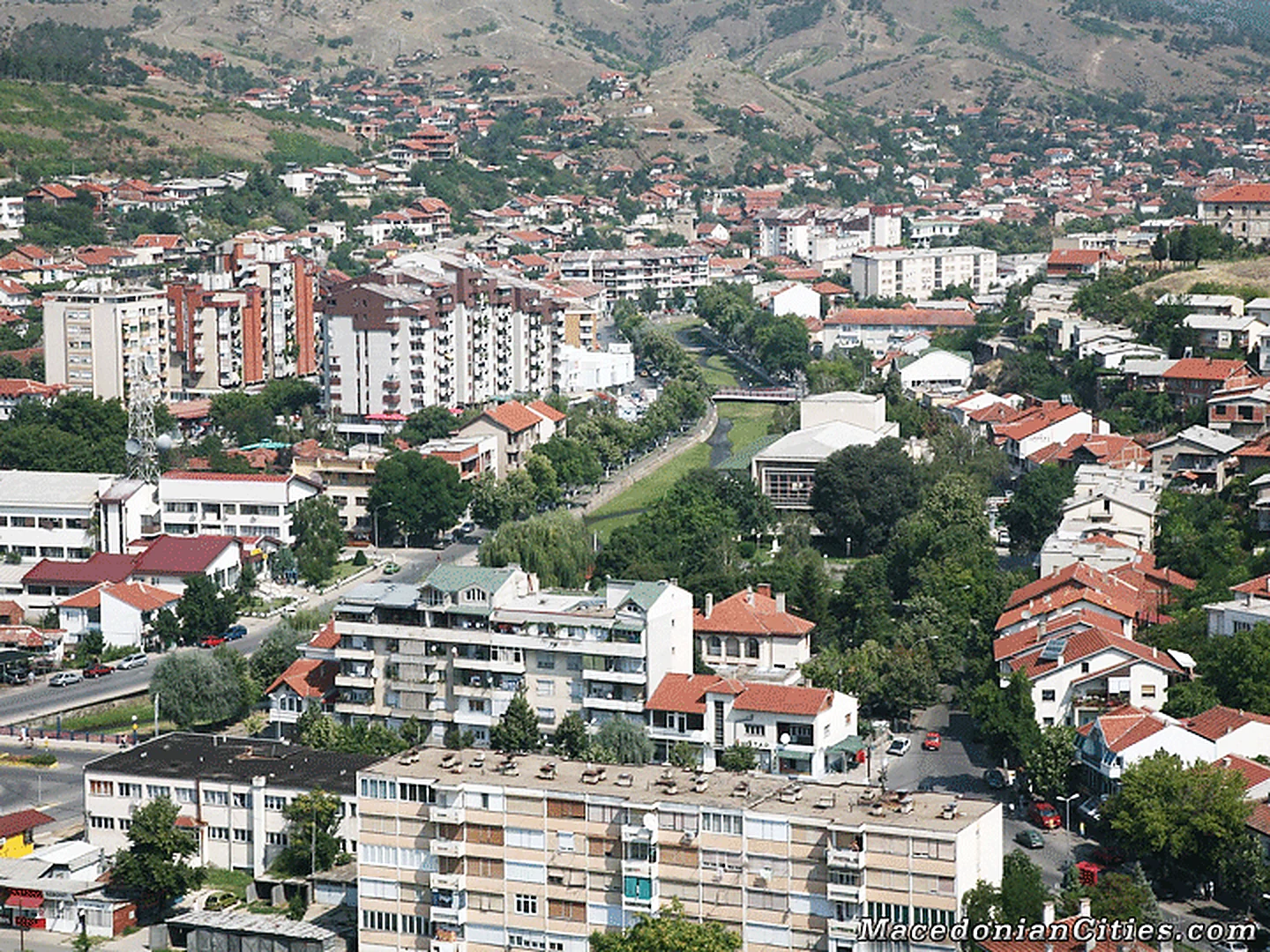
Kochani spreads along the northern side of its fertile valley, where the Kochani River leaves Osogovo and the plain opens toward Bregalnica. The town rises from about 350 to 450 metres, with Lake Gratche in the gorge above it and Ponikva’s beech forests much higher on the mountain.
Overview
City overview
Meet Kochani.
A grounded introduction to the city, its landscape, people, history and wider municipality.
Kochani spreads along the northern side of its fertile valley, where the Kochani River leaves Osogovo and the plain opens toward Bregalnica. The town rises from about 350 to 450 metres, with Lake Gratche in the gorge above it and Ponikva’s beech forests much higher on the mountain.
The name is first recorded in 1337. Under Ottoman rule the settlement grew around trade, water and rice cultivation; the surviving towers recall that older town, while the 1926 railway and post-war factories connected Kochani to a wider industrial economy.
The 2021 census counted 31,602 people in the municipality and 24,632 in the town. Rice remains the strongest shared symbol—seen in paddies, family recipes and the Days of Rice—while geothermal water, music, football and the bold mosaics of the Monument to Freedom tell other parts of Kochani’s character.
Twenty-seven villages complete the municipality, from rice-plain communities such as Grdovci, Trkanje, Dolni Podlog and Orizari to Osogovo villages such as Beli, Pantelej, Polaki and Jastrebnik. Kochani also carries fresh grief: the 16 March 2025 Pulse nightclub fire took 63 lives and injured more than 200 people, a loss the community commemorated together in 2026.
At a glance
Useful facts, in one place.
Settlement and municipality figures are kept distinct wherever sources permit.
- Municipality
- Kochani Municipality
- City population
- 24,632
- Municipality population
- 31,602
- Population year
- 2021
- Municipal area
- 382 km²
- Elevation
- 400 m
- Elevation range
- 350–450 m
- Approx. road distance from Skopje
- 120 km
- Postal code
- 2300
- Climate
- Warm continental valley climate with mountain influence
- Sports teams
- GFK Osogovo
- Culture
-
- Rice cultivation is commemorated through the Days of Rice festival, harvest customs and local cuisine.
- The Monument to Freedom combines architecture, an amphitheatre and large mosaics by Gligor Chemerski.
- Public commemorations now also honour the 63 people lost in the 2025 Pulse nightclub fire.
- Population snapshot
- 24,632 city residents and 31,602 municipality residents in the 2021 census; 6,970 lived outside the city settlement.
Known for
The city's signature.
Landmarks, foods, landscapes and traditions that give Kochani its character.
- Rice fields and the Days of Rice harvest festival
- Geothermal water
- The paired medieval–Ottoman towers
- The Monument to Freedom and its mosaics
- Lake Gratče and Ponikva on Osogovo
Geography
Geography
Land shapes the city.
Terrain, waterways, climate and transport explain why Kochani grew where it did.
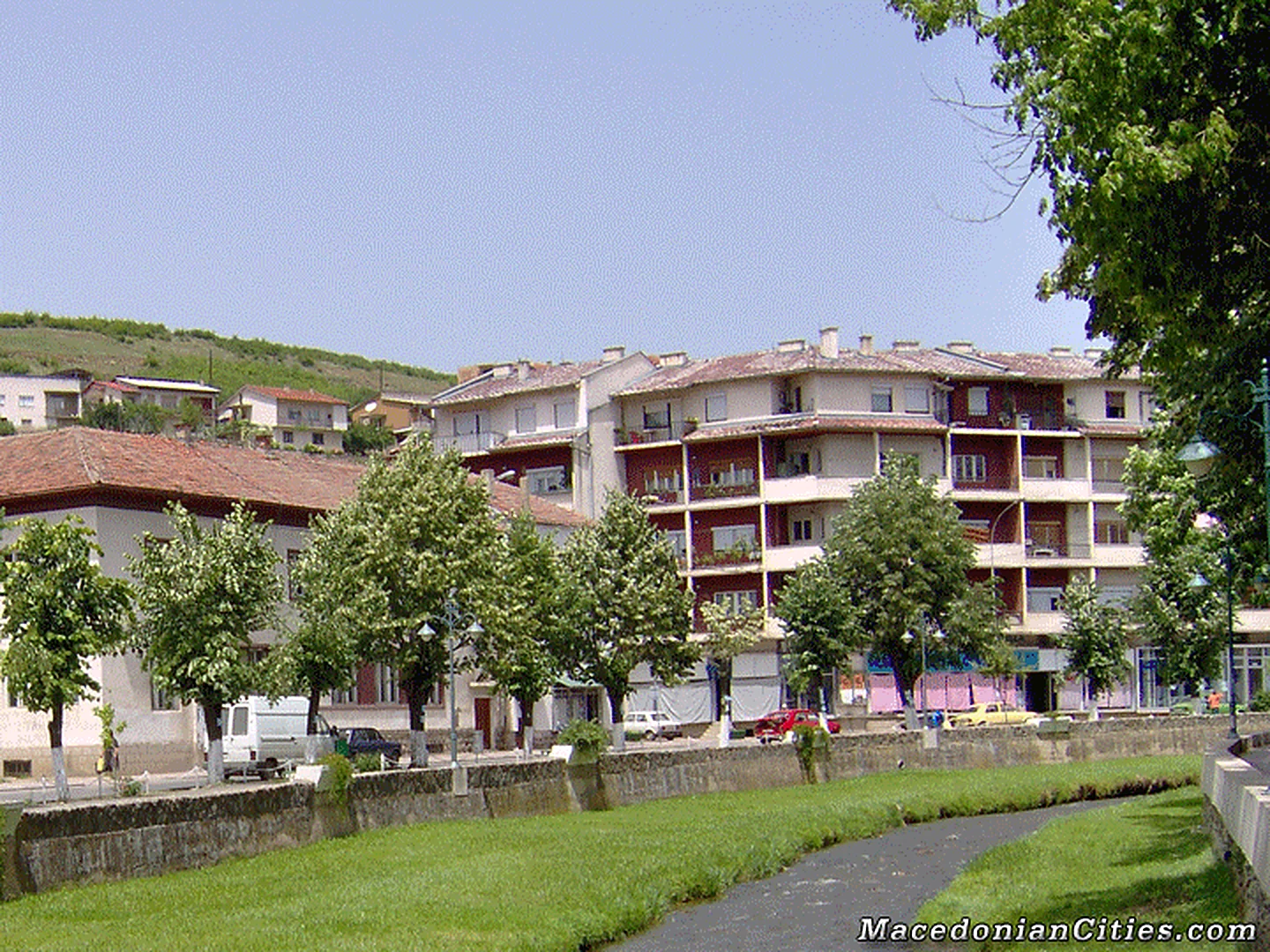
Kochani sits on the northern side of a fertile east–west valley beneath the Osogovo Mountains. The Kochani River passes through the town before joining the Bregalnica system, while the cultivated plain spreads south toward Plačkovica. Elevations rise quickly from roughly 350 metres in the lower town to the forested Osogovo slopes.
Abundant water, warm summers and level fields made the valley suitable for rice paddies, an unusual landscape in this part of Europe. The same basin also holds significant geothermal water, used for heating and agriculture. Lake Gratče lies in a gorge just north of town, and the mountain resort of Ponikva is reached by climbing deeper into Osogovo.
History
History
A concise, rewritten account.
Written afresh from cross-checked municipal, archaeological, heritage and institutional sources—not copied website text.
Kochani is recorded in medieval documents by the fourteenth century, but it became a substantial market settlement under Ottoman rule. Rice cultivation spread through the valley during the Ottoman centuries and permanently changed both its economy and scenery. Travellers described a town of workshops, watermills and surrounding fields, with the paired urban towers becoming its most recognizable historic structures.
Rail and road links in the twentieth century drew Kochani into national markets. After the Second World War the town expanded through food processing, light industry, education and new residential districts. Geothermal resources were developed for greenhouse agriculture and district uses, adding a modern technology to the valley's older dependence on water.
Rice remains Kochani's strongest cultural symbol. The Days of Rice festival marks the harvest and preserves work songs, foodways and field rituals even as mechanization has transformed farming. The Monument to Freedom, completed in the late Yugoslav period with mosaics by Gligor Čemerski, adds a very different but equally distinctive layer to the town's public art.
The preserved legacy narrative
Open the preserved legacy narrative
According to the legacy account, local administrative organization began to develop in 1945, shortly after the end of the Second World War. A political, social and administrative body known as the Local People's Administration was first established for Kochani. It was initially based in the village of Lopatica and, after changes to the republic's territorial and urban legislation, was transferred to Murgashevo.
Profile sources (21)
- web.archive.org/web/20250719183953/https://macedonia-timeless.com/eng/cities_and_regions/cities/kocani
- kocani.gov.mk
- kocani.gov.mk/%D0%B8%D1%81%D1%82%D0%BE%D1%80%D0%B8%D1%98%D0%B0
- stat.gov.mk/publikacii/2022/POPIS_DZS_web_EN.pdf
- kocani.gov.mk/%D0%BD%D0%B0%D1%81%D0%B5%D0%BB%D0%B5%D0%BD%D0%B8%D0%B5
- kocani.gov.mk/%D0%BC%D0%B5%D1%81%D1%82%D0%BE%D0%BF%D0%BE%D0%BB%D0%BE%D0%B6%D0%B1%D0%B0-%D0%B8-%D0%BF%D0%BE%D0%B2%D1%80%D1%88%D0%B8%D0%BD%D0%B0
- kocani.gov.mk/%D1%81%D1%82%D0%B0%D1%82%D1%83%D1%82-%D0%BD%D0%B0-%D0%BE%D0%BF%D1%88%D1%82%D0%B8%D0%BD%D0%B0-%D0%BA%D0%BE%D1%87%D0%B0%D0%BD%D0%B8
- kocani.gov.mk/wp-content/uploads/2018/10/turisticki-vodic.pdf
- kocani.gov.mk/wp-content/uploads/2018/10/manastirski-turizam.pdf
- abnase.com/one-year-after-kochani-fire-pain-remains-visible
- mia.mk/story/construction-of-memorial-for-kochani-fire-victims-approved-for-requested-location
- en.wikipedia.org/wiki/Haralampie_Manchev
- thedocs.worldbank.org/en/doc/743411391017926865-0560011976/original/WorldBankGroupArchivesFolder1771241.pdf
- primevideo.com/person/Blagoj-Veselinov/amzn1.dv.gti.7cb1fe47-31e3-4676-8681-e998c81b1dfc
- musicedict.choirbranko.rs/wp-content/uploads/2025/06/2025-booklet-finalna-verzija-1.pdf
- en.wikipedia.org/wiki/Mario_Krstovski
- en.wikipedia.org/wiki/Jovan_Manev
- en.wikipedia.org/wiki/Andrej_Lazarov
- makstat.stat.gov.mk/PXWeb/pxweb/en/MakStat/MakStat__Popisi__Popis2021__NaselenieVkupno__PodatociNaselenie/T1501P21.px
- macedonia-timeless.com/eng/cities_and_regions/cities/kocani
- new.mia.mk/index.php/en/story/one-year-after-kochani-fire-pain-remains-visible
Interesting Facts
Interesting facts
Details worth remembering.
Local landmarks, customs, foods and historical details that reward a closer look at Kochani.
-
First written in 1337
Although the valley was settled much earlier, the name Kochani first appears in a written document from 1337.
-
The railway changed the town in 1926
Municipal history identifies completion of the railway in 1926 as a decisive improvement in Kochani’s links with the rest of the country.
-
Rice is grown in a rare European landscape
The Kochani paddies support one of the relatively few established rice-growing traditions in southern Europe, celebrated as the valley’s ‘white gold.’
-
A high-temperature thermal basin
Explored geothermal waters around Kochani reach roughly 50–80°C, with major self-flowing wells around Dolni Podlog and Banja.
-
Lake Gratche was built in 1959
The small reservoir in the gorge above town has become a close, much-loved picnic and recreation landscape.
-
A 335-square-metre mosaic memorial
The Monument to Freedom was completed in 1981 around an open-basilica form, amphitheatre and a vast mosaic cycle by Gligor Chemerski.
-
A city carrying recent grief
The final casualty count cited in the Pulse nightclub fire case is 63 deaths and more than 200 injuries; Kochani marked the first anniversary in March 2026 and approved a permanent memorial.
People
Celebrities
Lives linked to the city.
Writers, musicians, artists, athletes, public figures and historical personalities with a clearly stated connection to Kochani.
-
Haralampie Manchev Medicine
Born in Kochani in 1898.
Physician and pioneering Macedonian paediatric researcher, especially known for work on childhood pathology and kala-azar.
Source -
Blagoj Popov Public life
Born in Kochani in 1919.
Partisan veteran and senior Yugoslav Macedonian official who served as Skopje mayor after the 1963 earthquake.
Source -
Blagoj Veselinov Performance
Born in Kochani in 1984.
Macedonian film, television and theatre actor.
Source -
Andreja Naunov Music
Born in Kochani.
Pianist, conductor and répétiteur who has worked with the Macedonian Philharmonic and National Opera and Ballet.
Source -
Mario Krstovski Sport
Born in Kochani in 1998.
Professional football forward and former North Macedonia under-21 international.
Source -
Jovan Manev Sport
Born in Kochani in 2001 and made his first senior appearances for the local club.
North Macedonia international centre-back who began his senior career with Osogovo.
Source -
Andrej Lazarov Sport
Born in Kochani in 1999 and died from injuries sustained while helping people escape the 2025 fire in his hometown.
Professional midfielder remembered both for his football career and for trying to rescue others during the Pulse fire.
Source
Villages & Monasteries
Villages
The wider municipality.
Every verified village and rural settlement in the current municipal scope, followed by known monasteries in the surrounding cultural landscape.
27 villages and rural settlements are included.
- Bezikovo A small Osogovo village in Kochani Municipality. Source
- Beli A mountain-foot village above Kochani with nearby monastery heritage. Source
- Vraninci A small rural settlement in the municipality. Source
- Gorni Podlog A village in the fertile valley near the Podlog geothermal area. Source
- Gorno Gratche A village in the Kochani River gorge above Lake Gratche. Source
- Glavovica A small settlement in Kochani Municipality. Source
- Grdovci A large rice-plain village east of Kochani. Source
- Dolni Podlog A valley village known for high-temperature geothermal wells. Source
- Dolno Gratche A village near the lower part of the Gratche gorge. Source
- Jastrebnik A high Osogovo village in the municipality’s mountain country. Source
- Kostin Dol A small rural settlement near Kochani. Source
- Leski A sizeable village in the Kochani valley. Source
- Mojanci A rice-plain village in the municipality. Source
- Nebojani A small settlement in Kochani Municipality. Source
- Nivichani A village in the eastern part of the Kochani valley. Source
- Novo Selo A village close to the Kochani urban area. Source
- Orizari A major valley settlement whose name and surroundings are closely tied to rice growing. Source
- Pantelej An Osogovo village known for its St Panteleimon monastery complex. Source
- Pashadzhikovo A small rural settlement in the municipality. Source
- Polaki A scattered Osogovo mountain village with the St Saviour monastery. Source
- Preseka A high mountain settlement in Kochani Municipality. Source
- Pribachevo A village on the immediate outskirts of Kochani. Source
- Pripor A small rural settlement in the municipality. Source
- Rajchani A village associated with the nearby Svilanovo memorial landscape of Nikola Karev’s death. Source
- Rechani An Osogovo-side village in Kochani Municipality. Source
- Trkanje A large village adjoining Kochani and its rice fields. Source
- Crvena Niva A small settlement in the Kochani valley. Source
Monasteries nearby
Places of continuity.
Verified monastic sites within the municipality or its immediate cultural landscape.
-
Monastery Complex of St Panteleimon
Pantelej, 12 km from Kochani
A complex with the Church of the Dormition built in 1872 on older foundations and the St Panteleimon church, with protected icons by Dimitrija Papradishki.
Source -
Monastery of St Elijah
Beli
A mountain-foot monastery included in the municipality’s official monastery-tourism route.
Source -
Monastery of St Basil the Great
Ponikva, Osogovo
A modern mountain monastery near the Ponikva recreation area and local hiking routes.
Source -
Monastery of St Saviour
Polaki
A rural Osogovo monastery serving the scattered Polaki area.
Source -
Dobra Voda Monastery
Orizari
A local pilgrimage and monastery site above the large village of Orizari.
Source
Old Photos (3)
Old Photos
The rare collection.
Every surviving full-size historical file is included, including originals that the old page markup accidentally omitted. Family-preserved originals remain untouched.
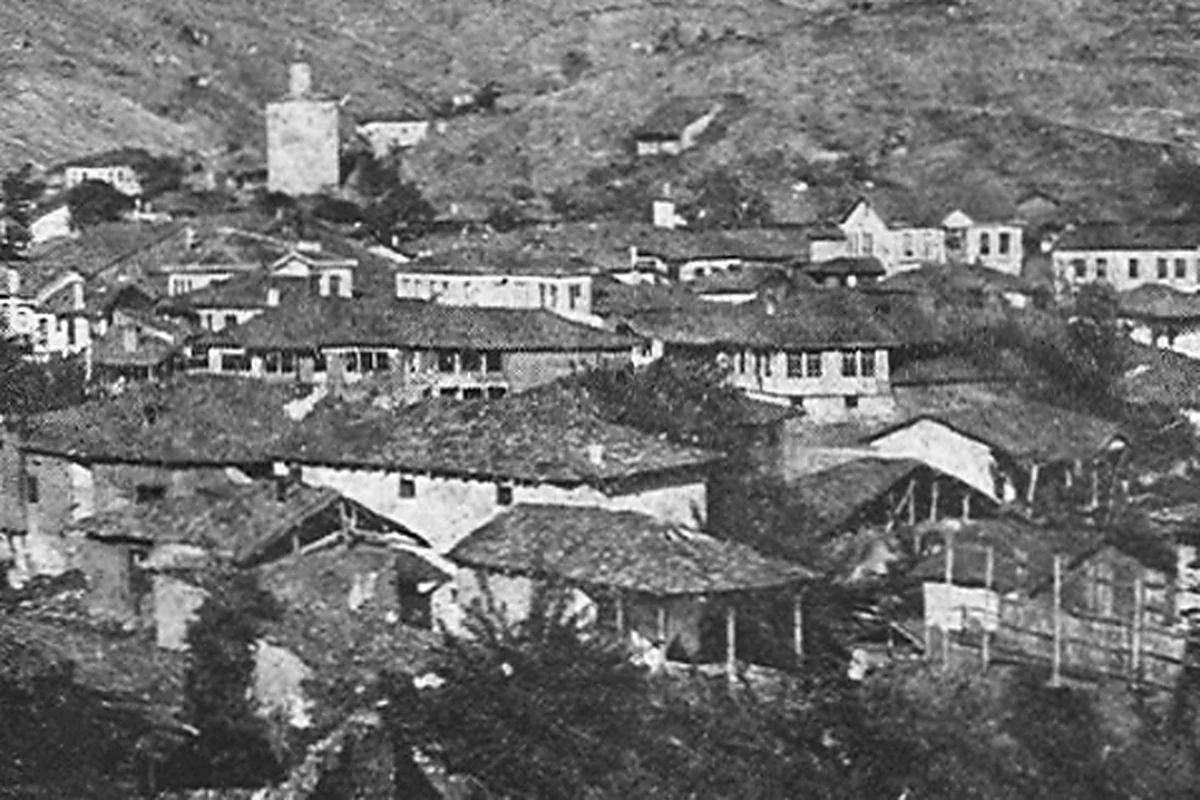
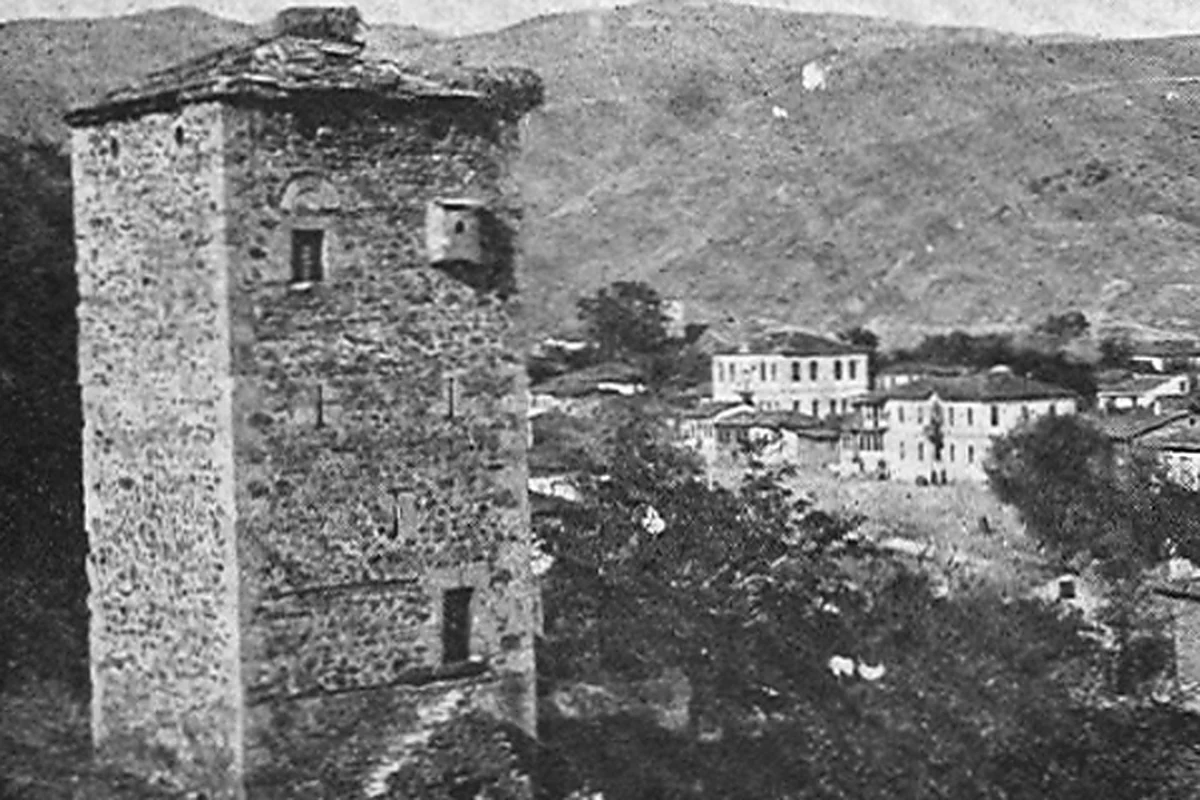
Photo Gallery (33)
Photo Gallery
Kochani, frame by frame.
A responsive family gallery, including city views recovered from the old rotating banner system.
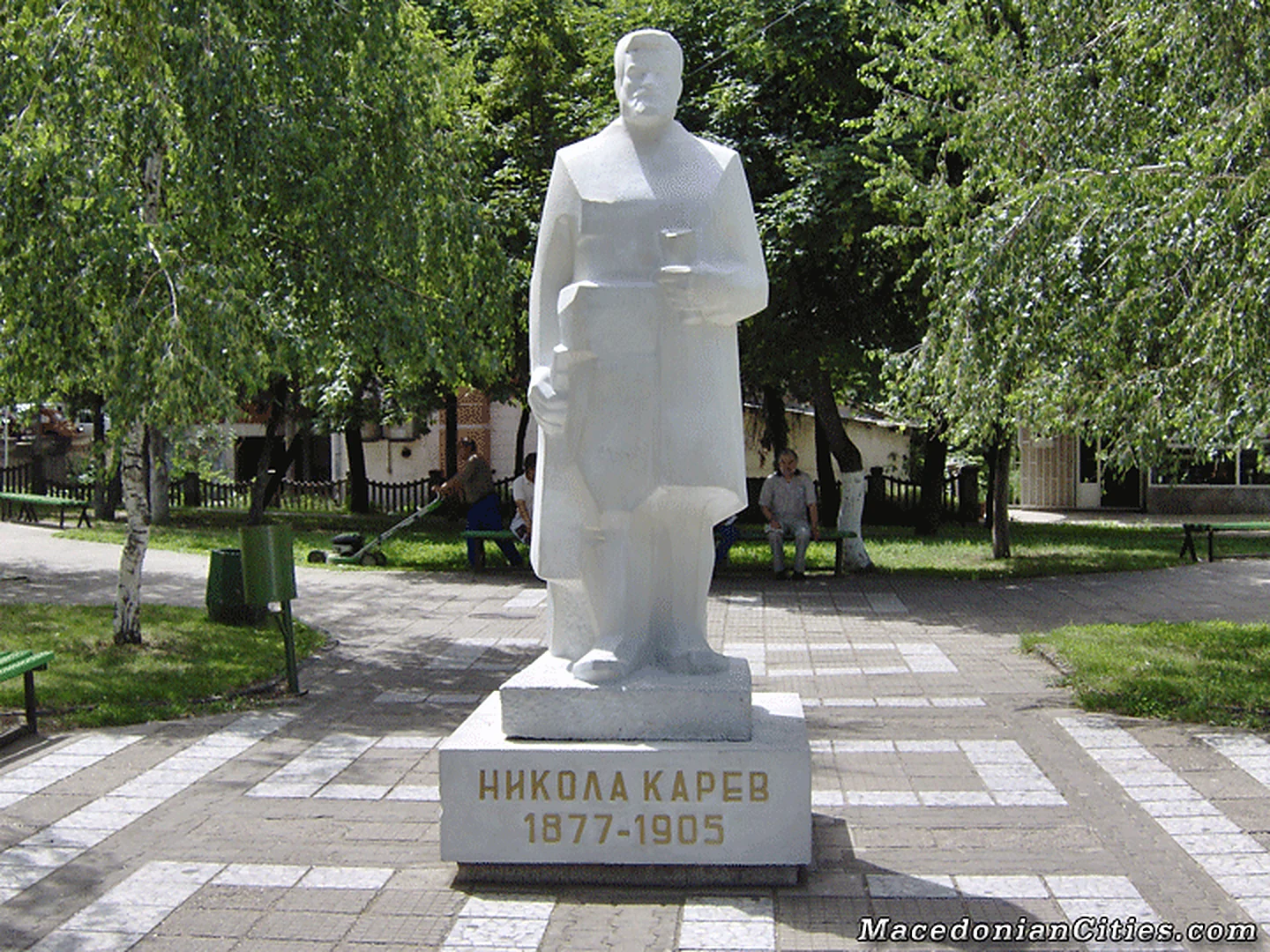
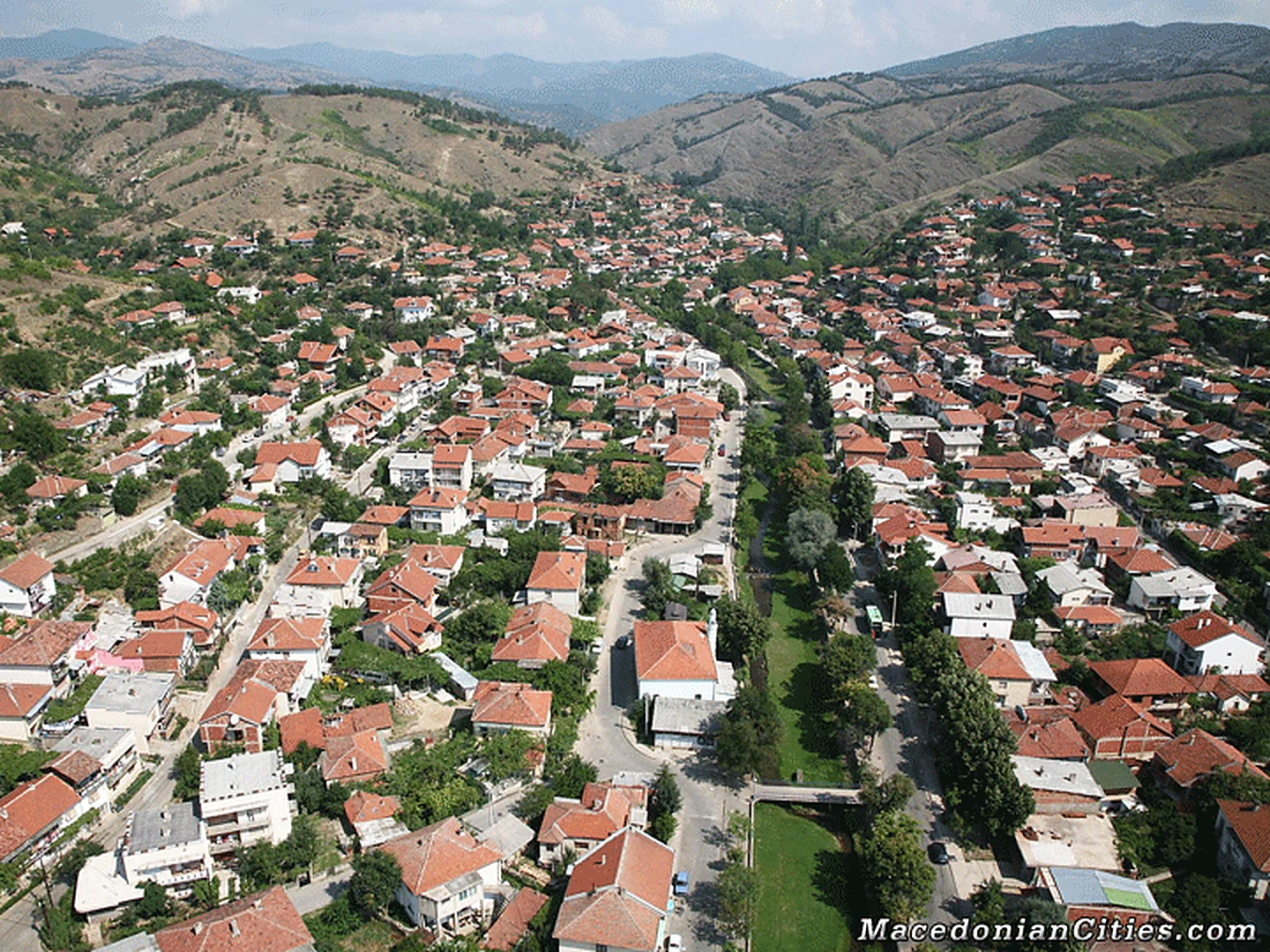
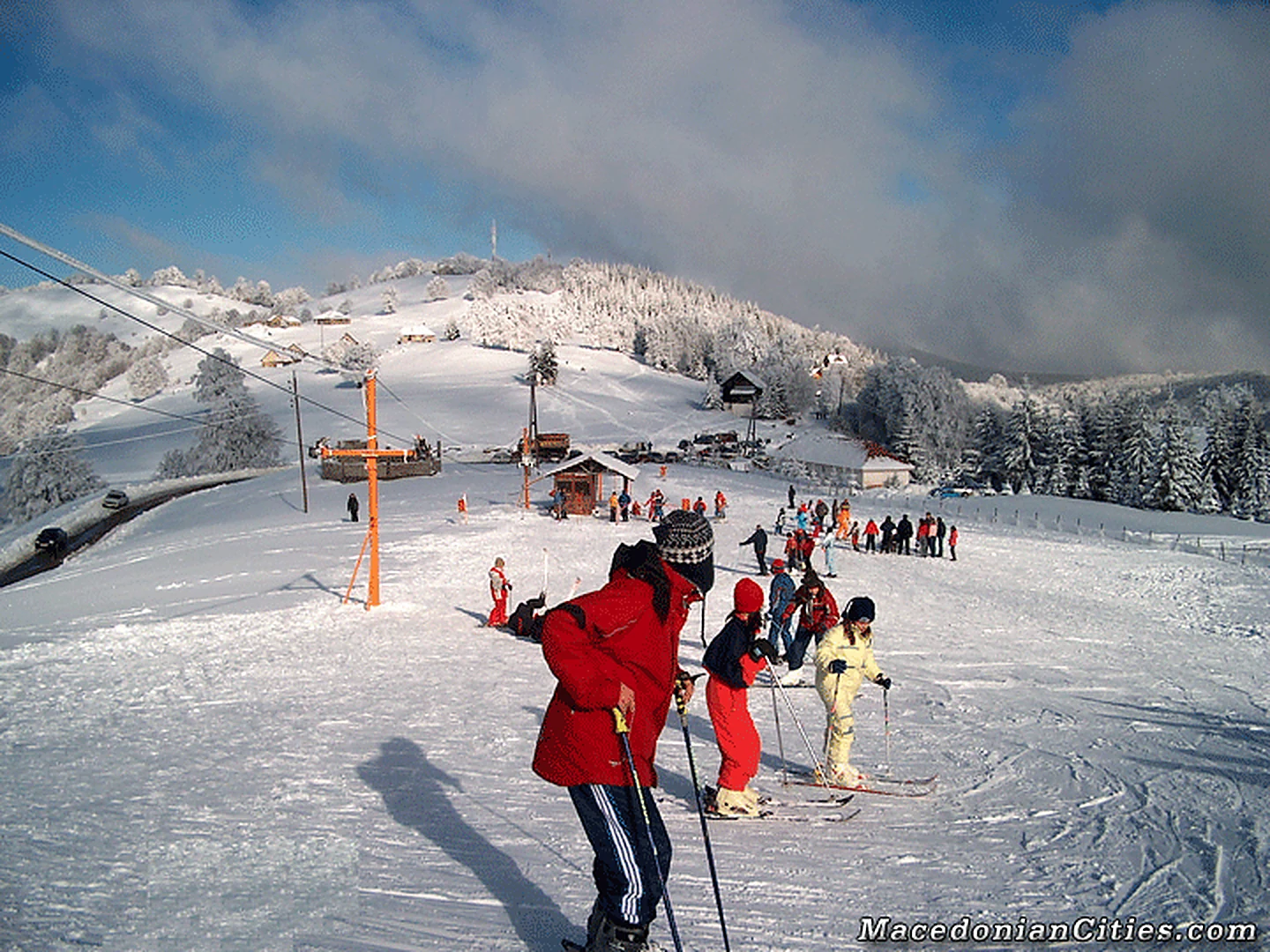
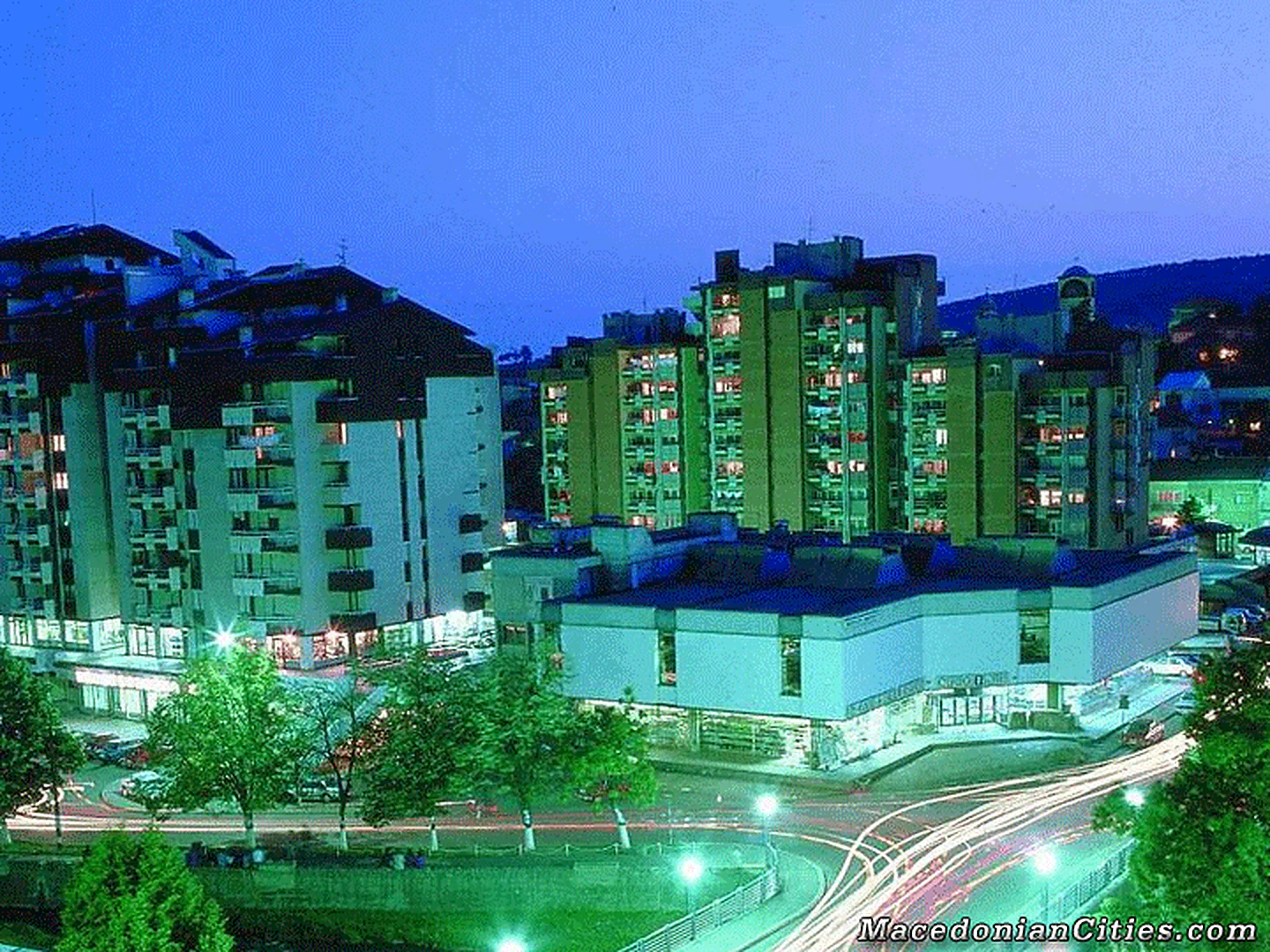
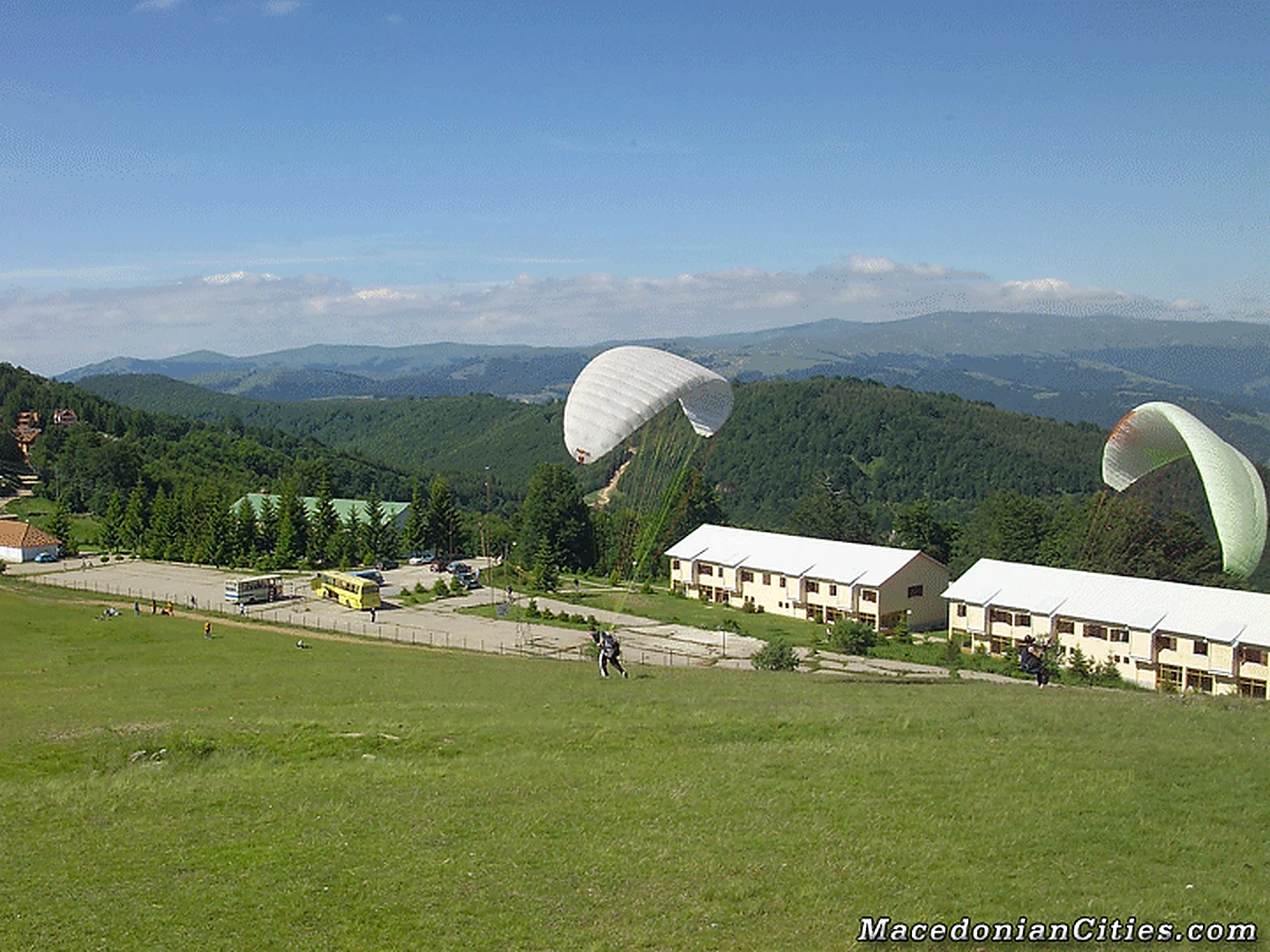
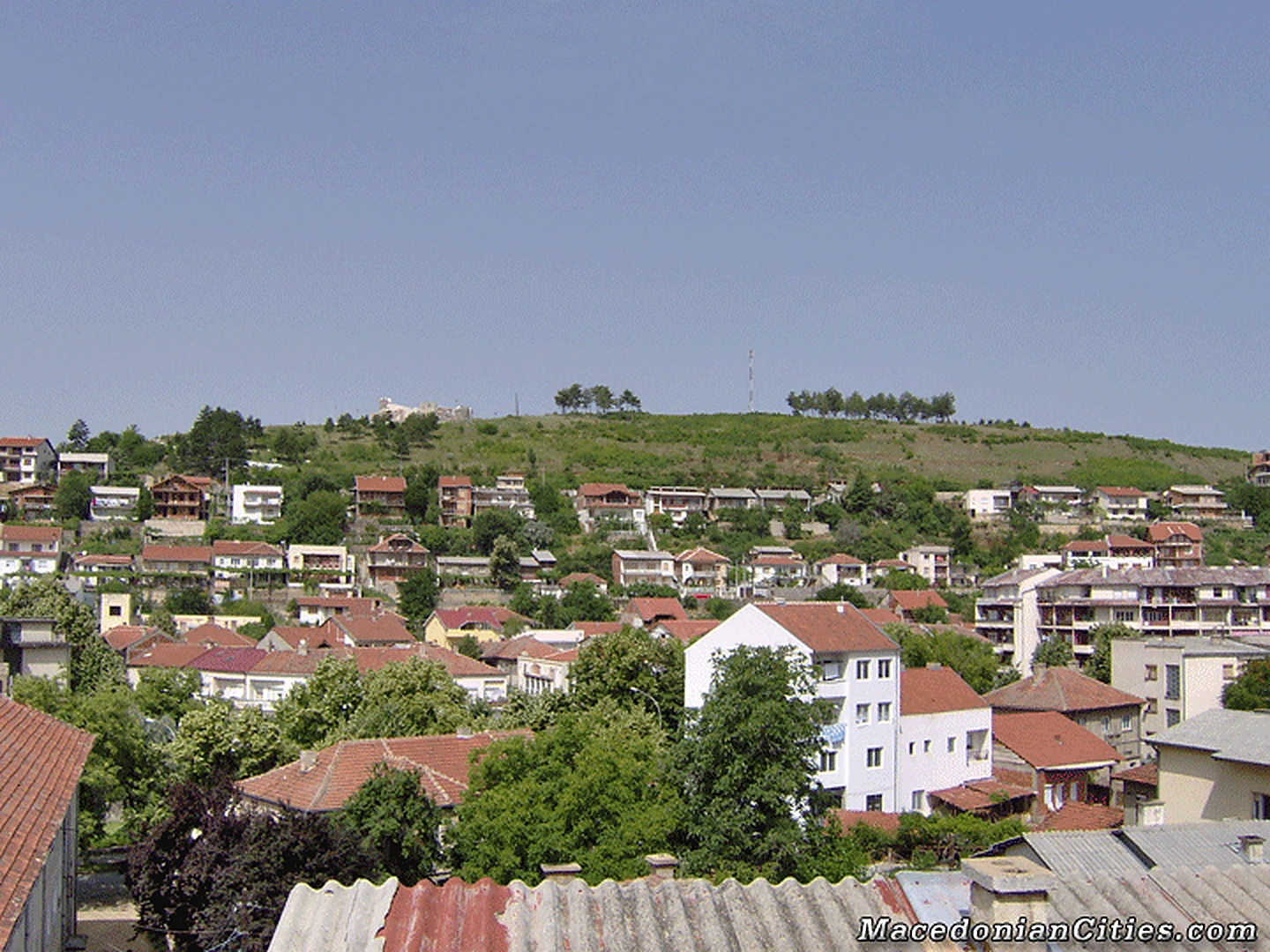
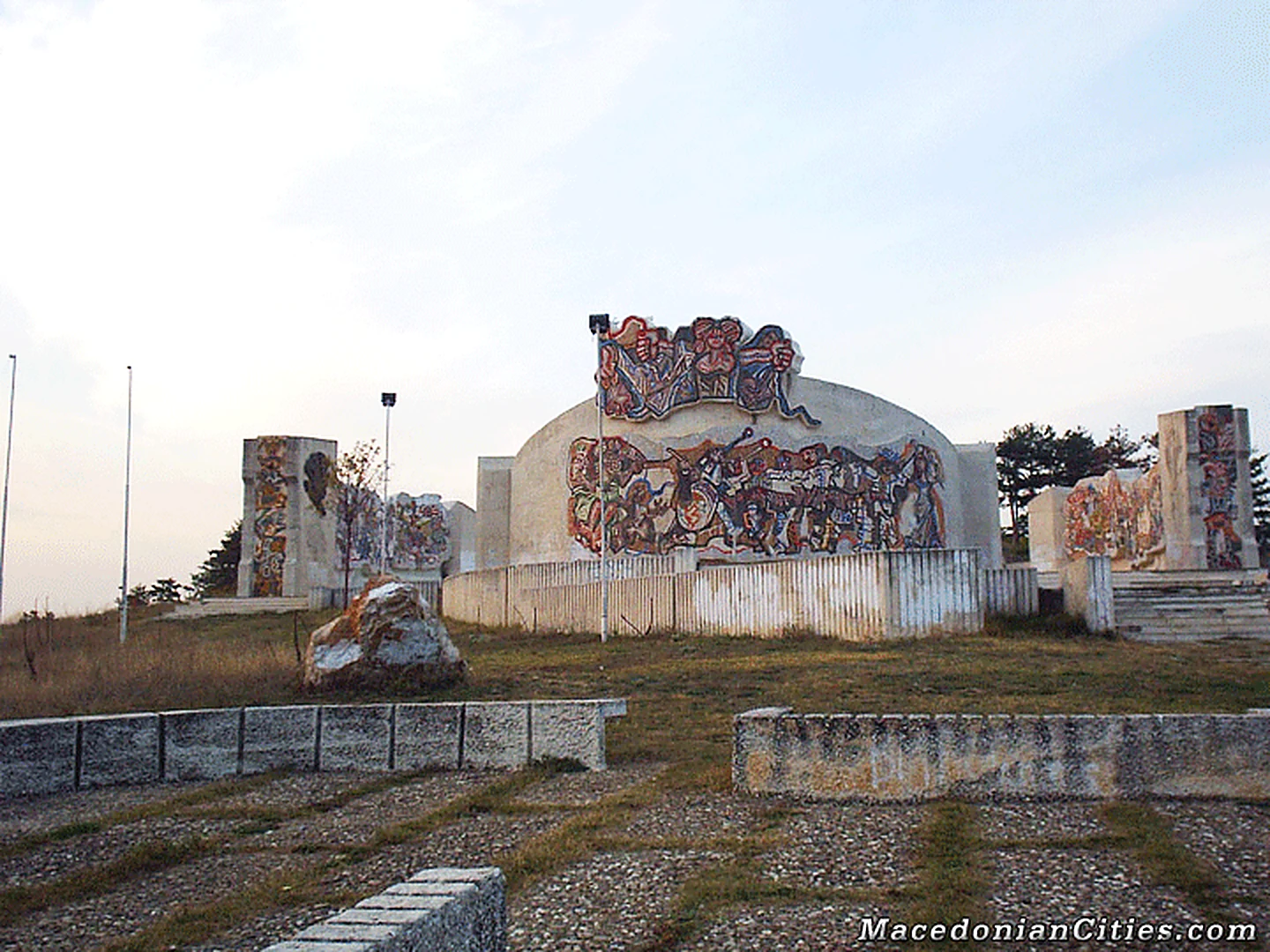
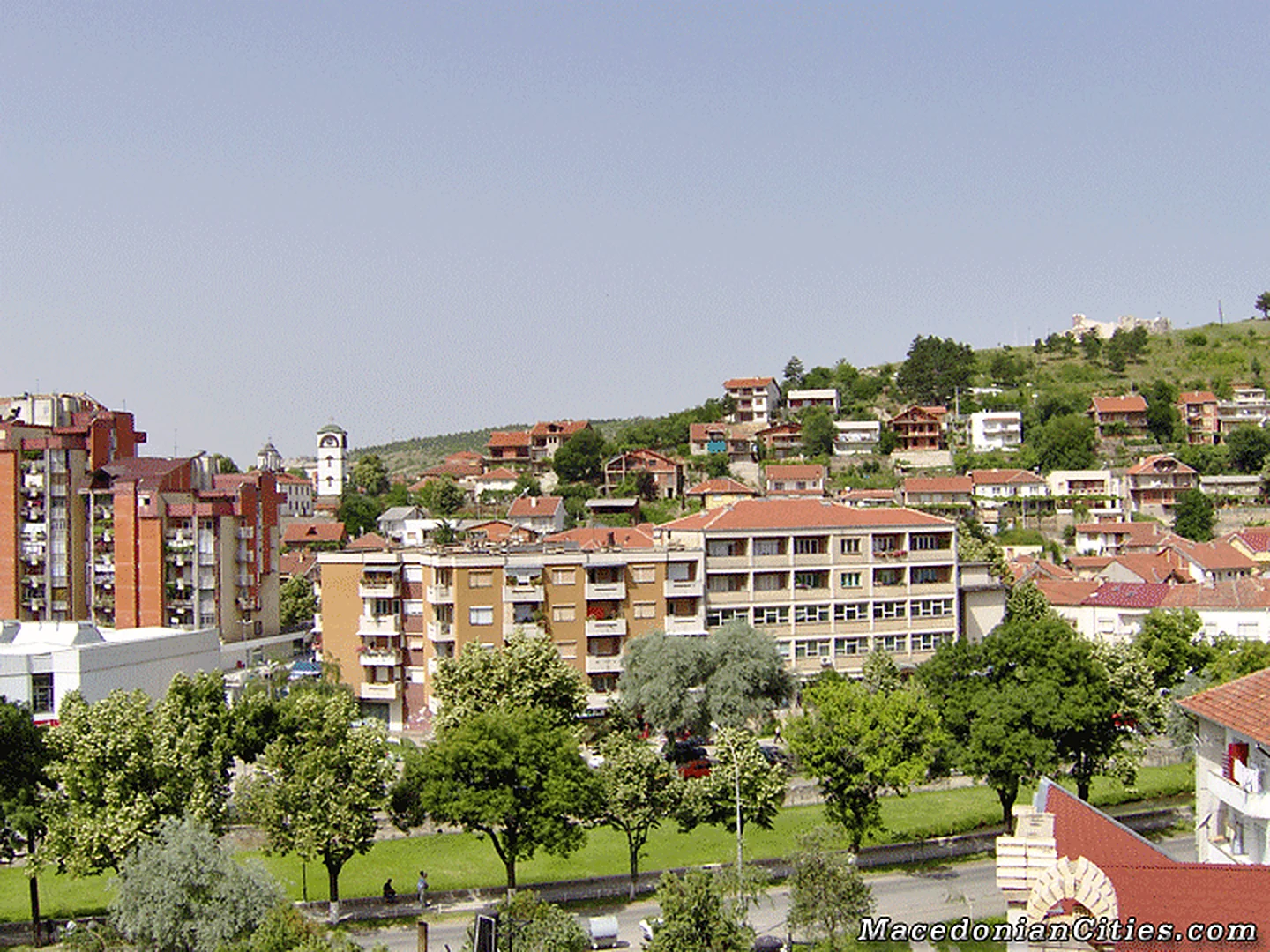
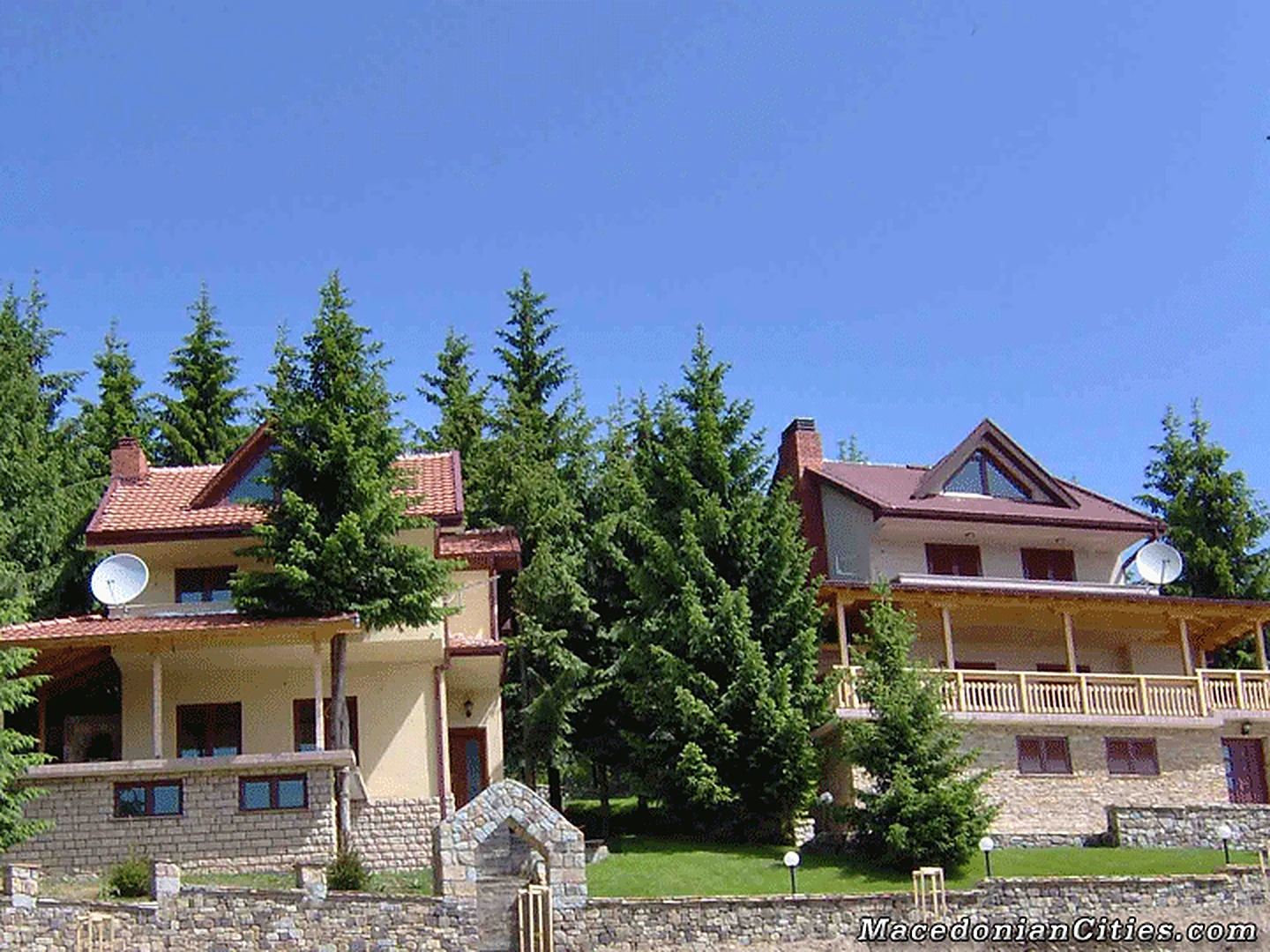
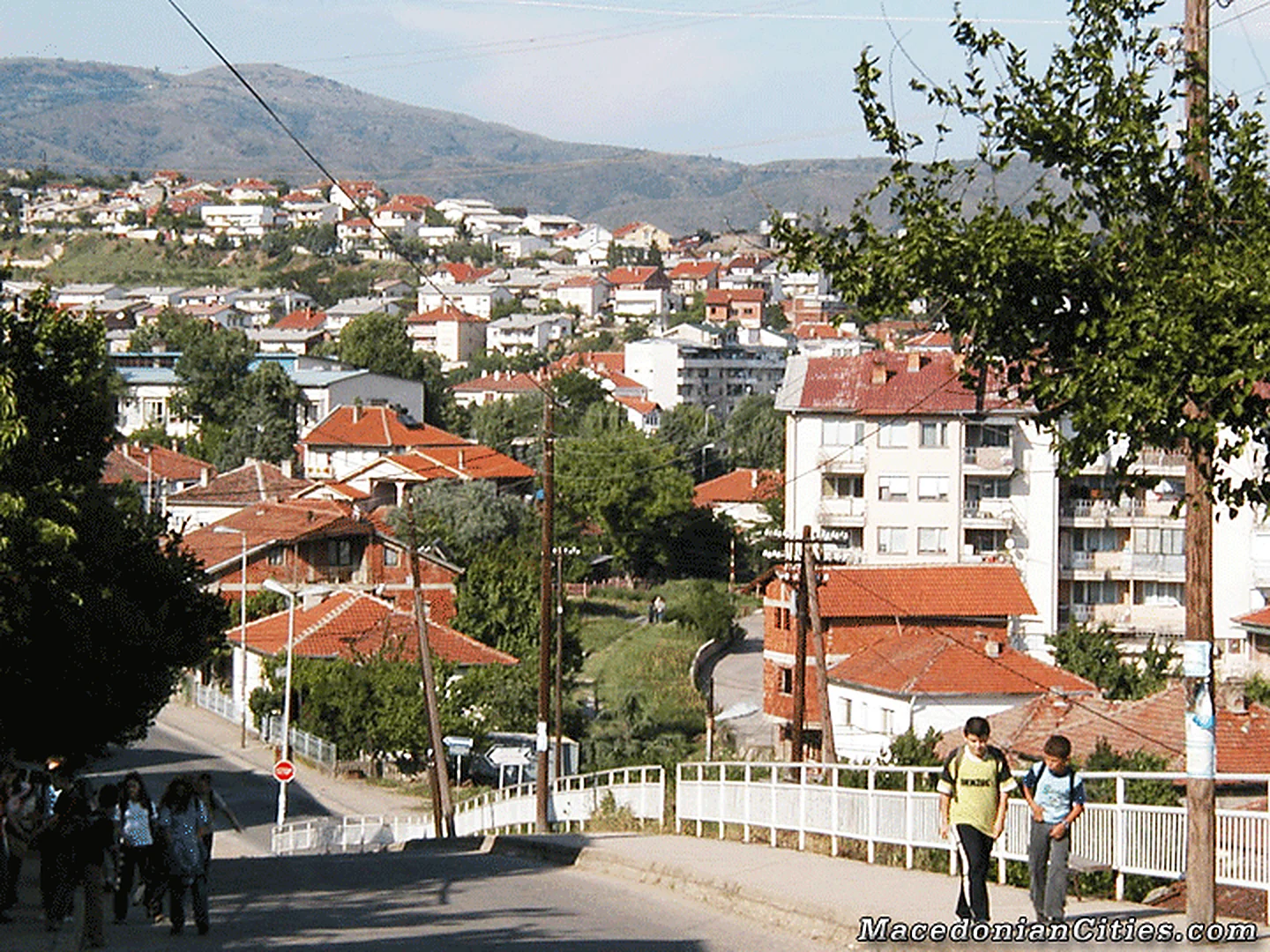
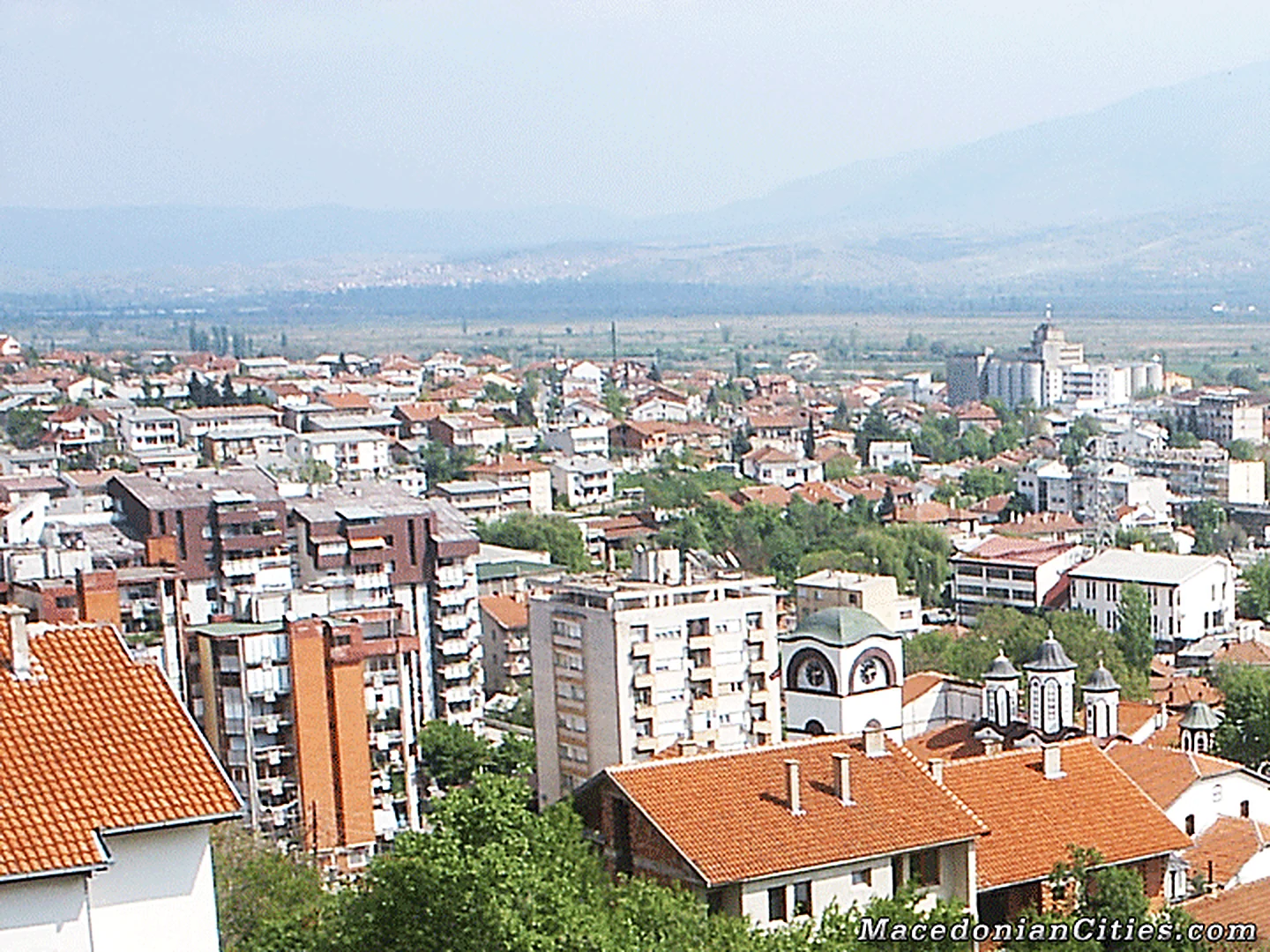
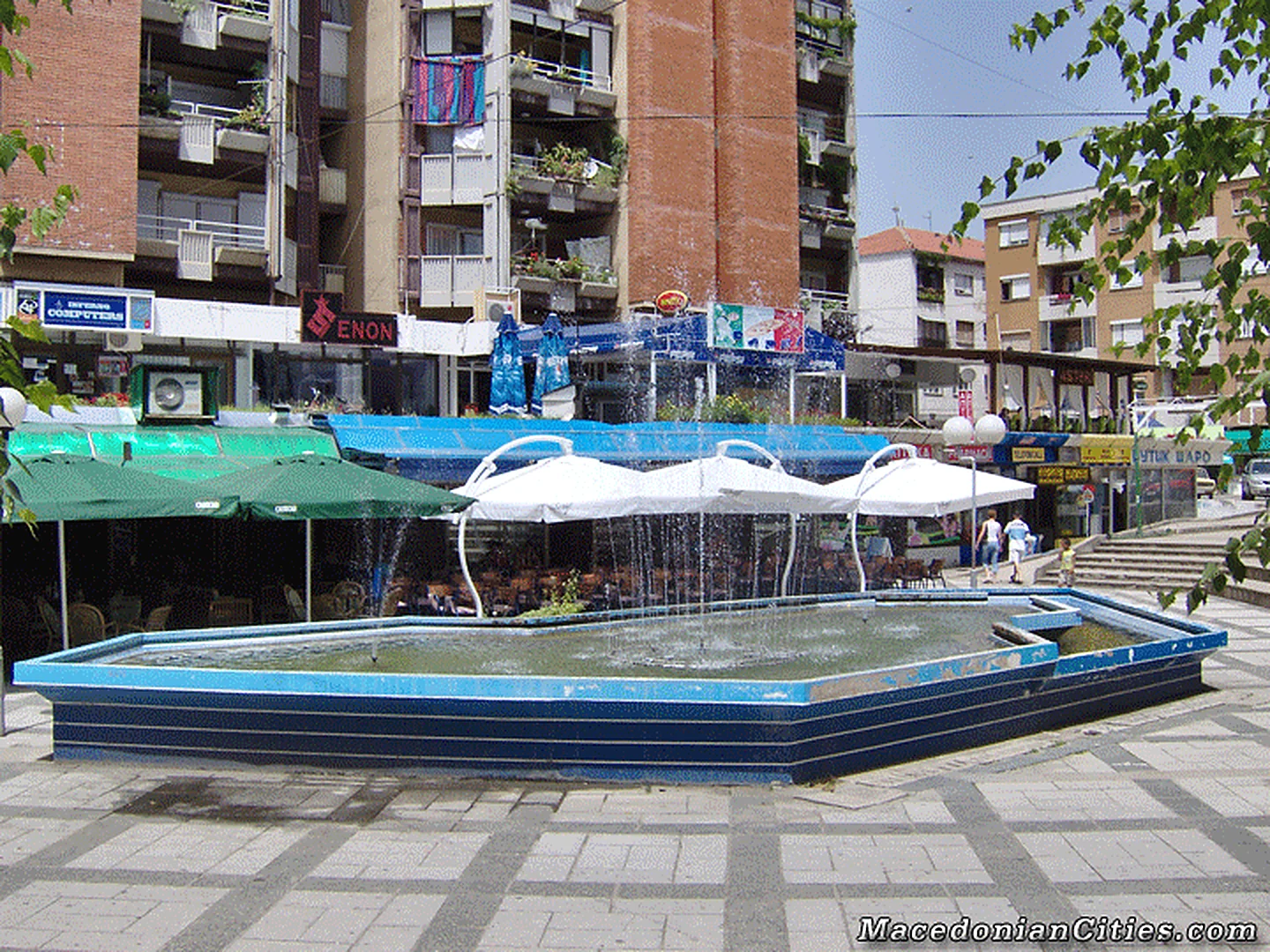
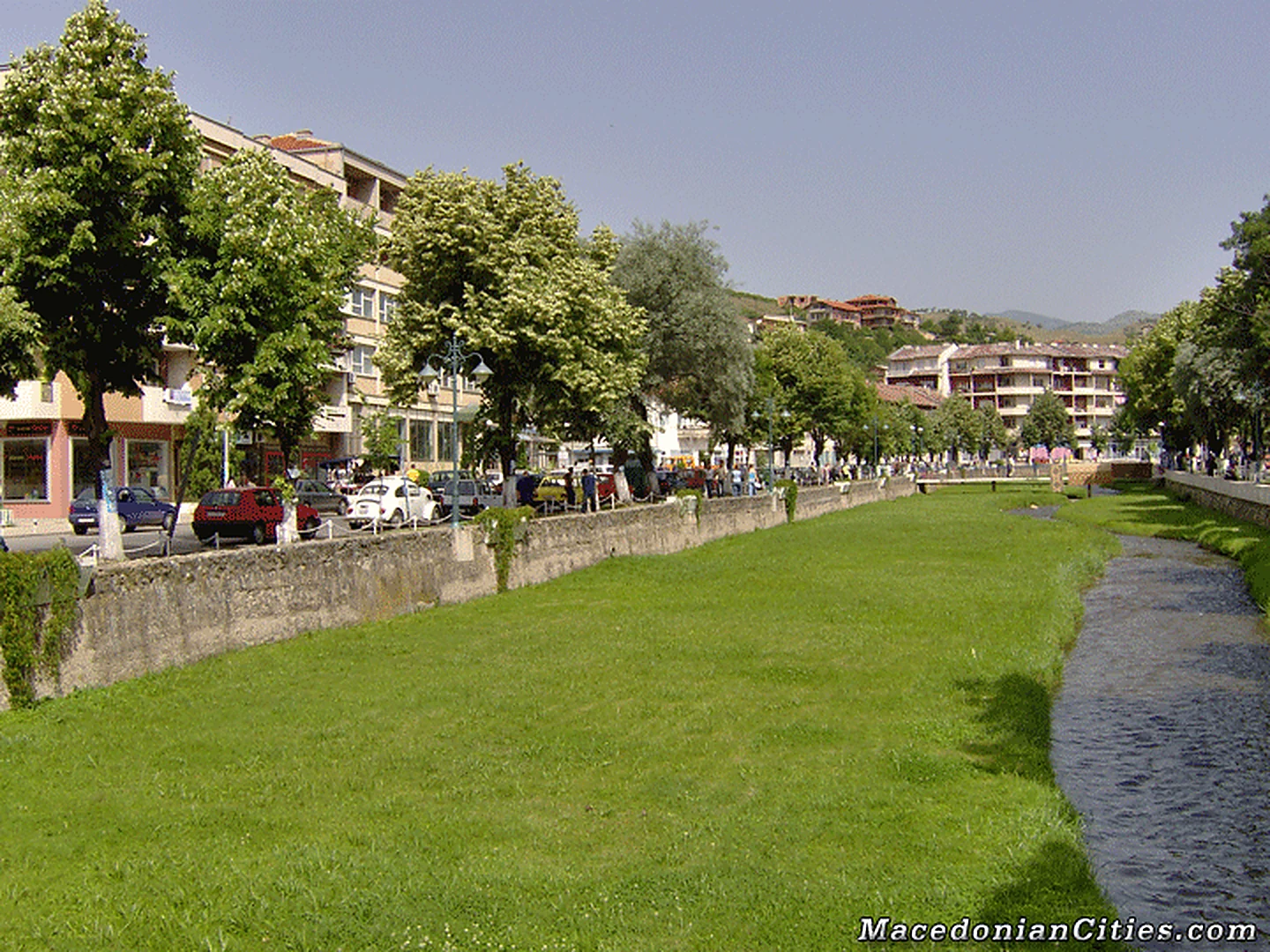
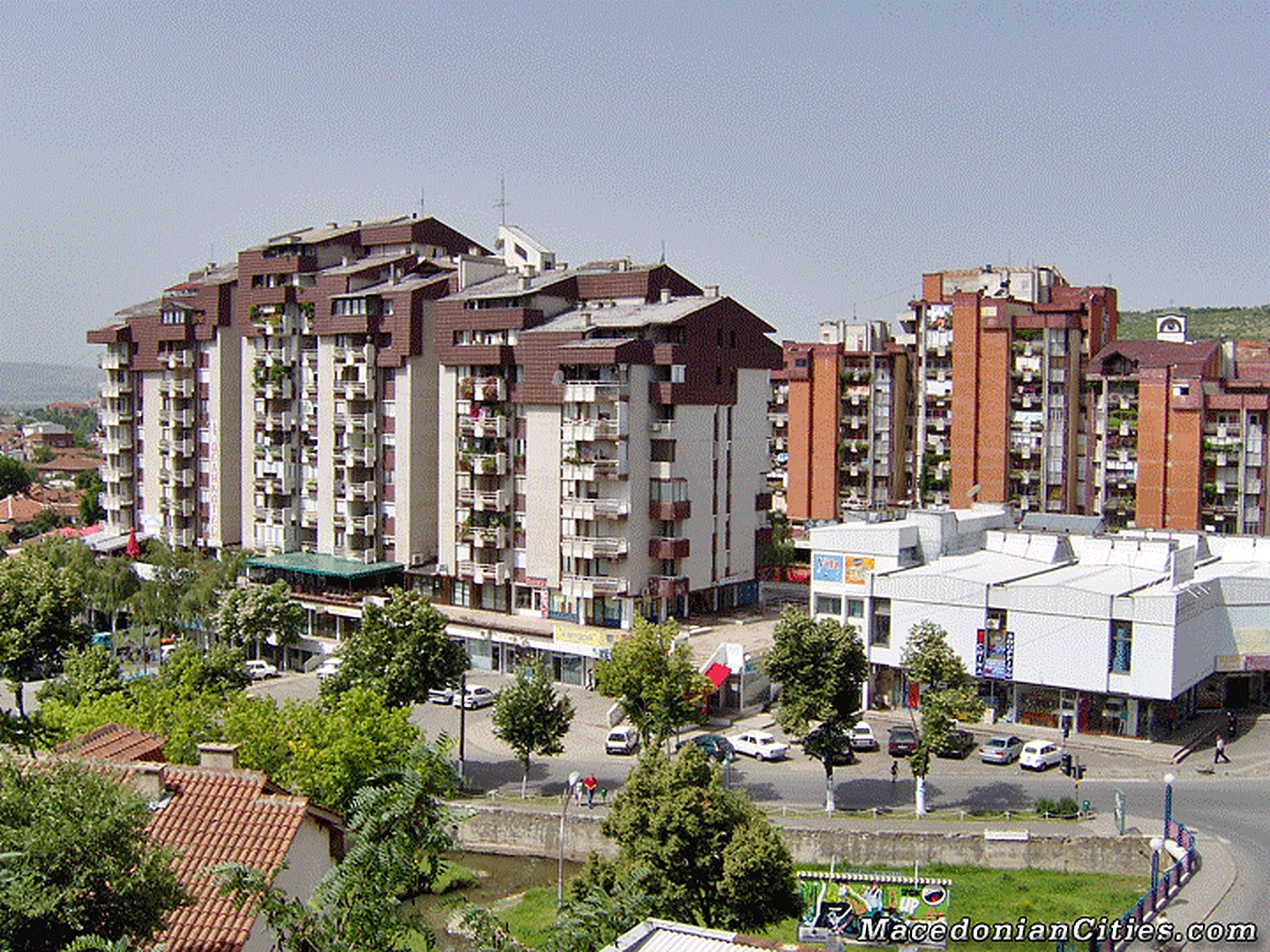
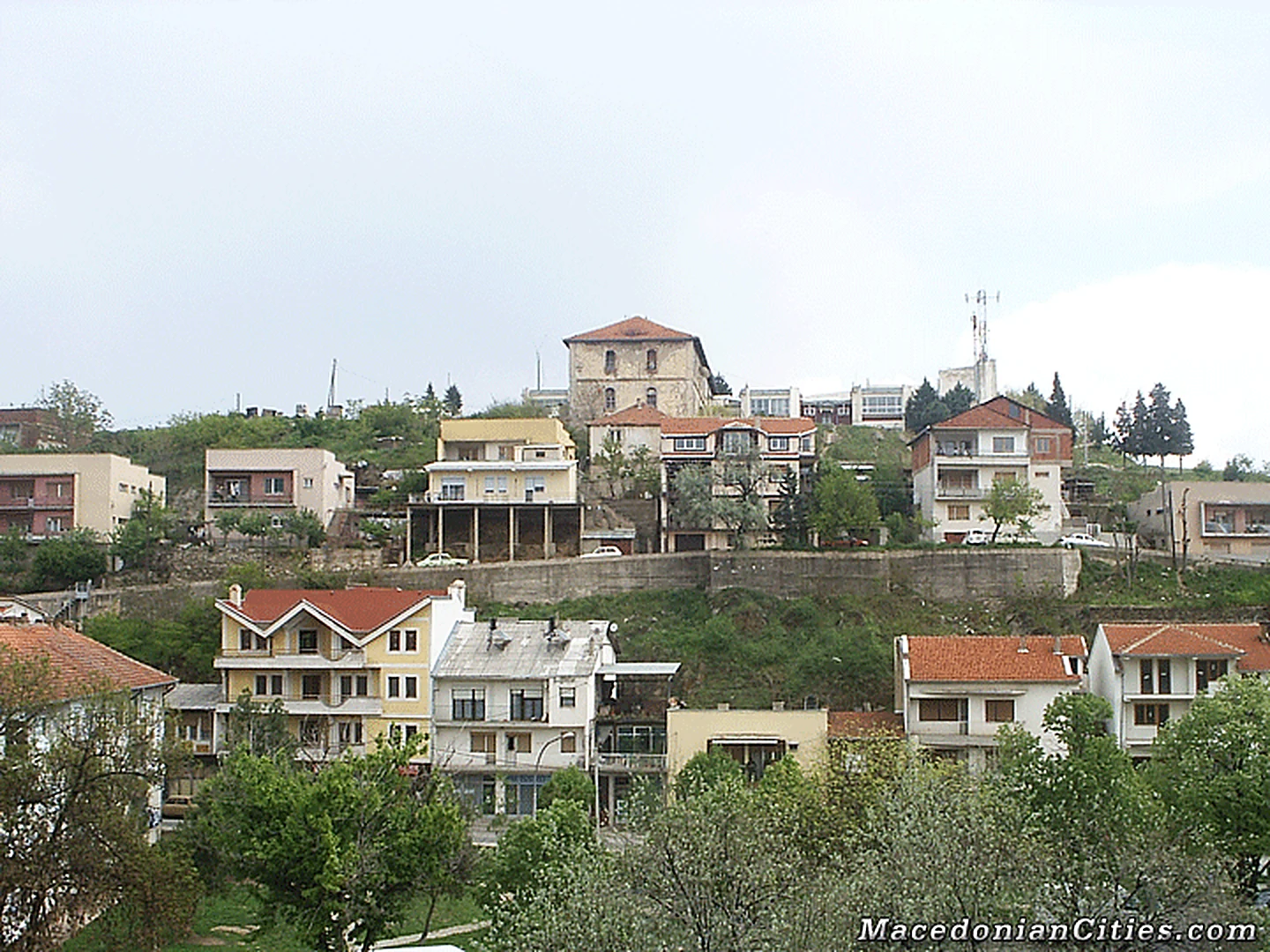
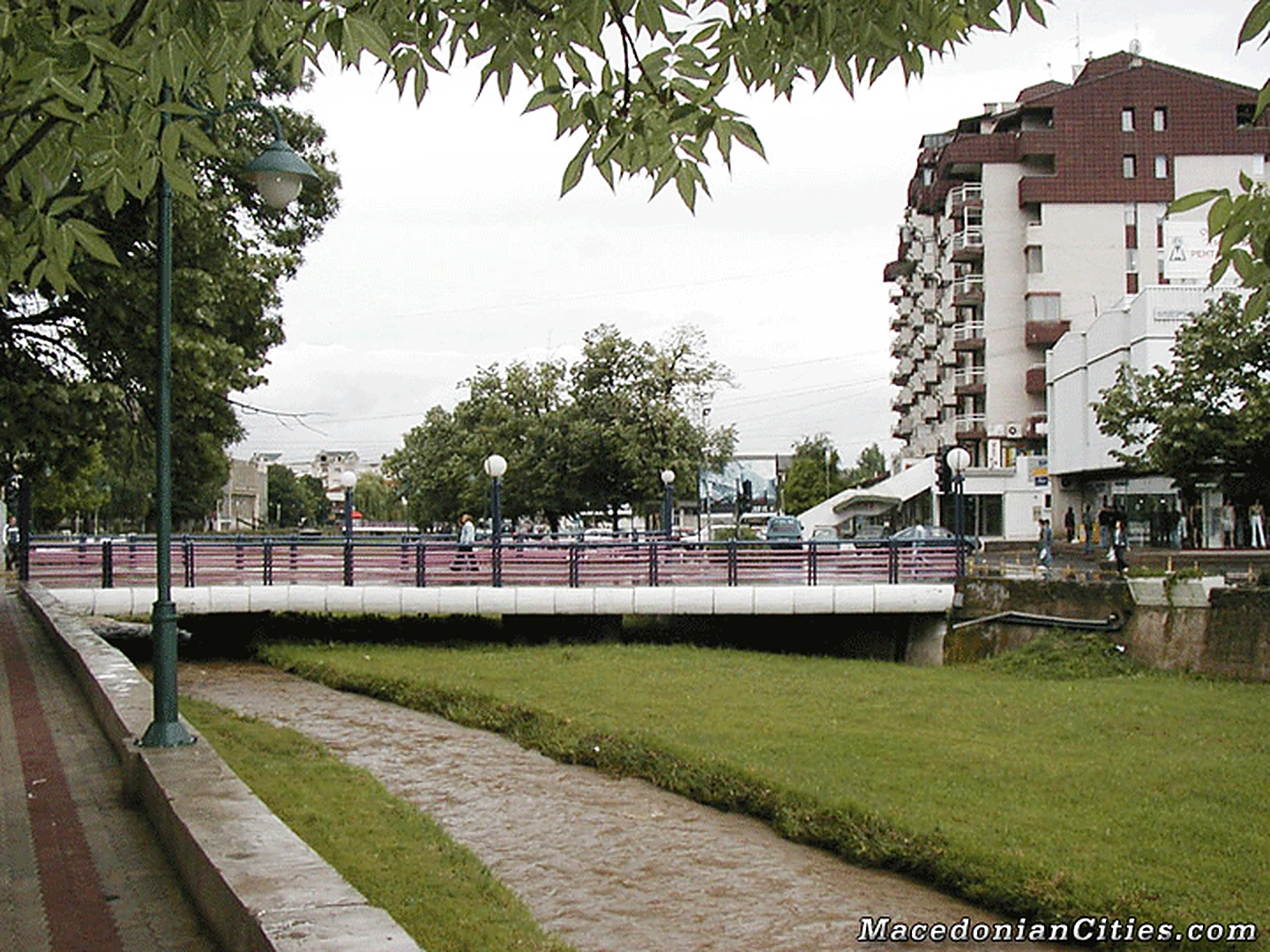
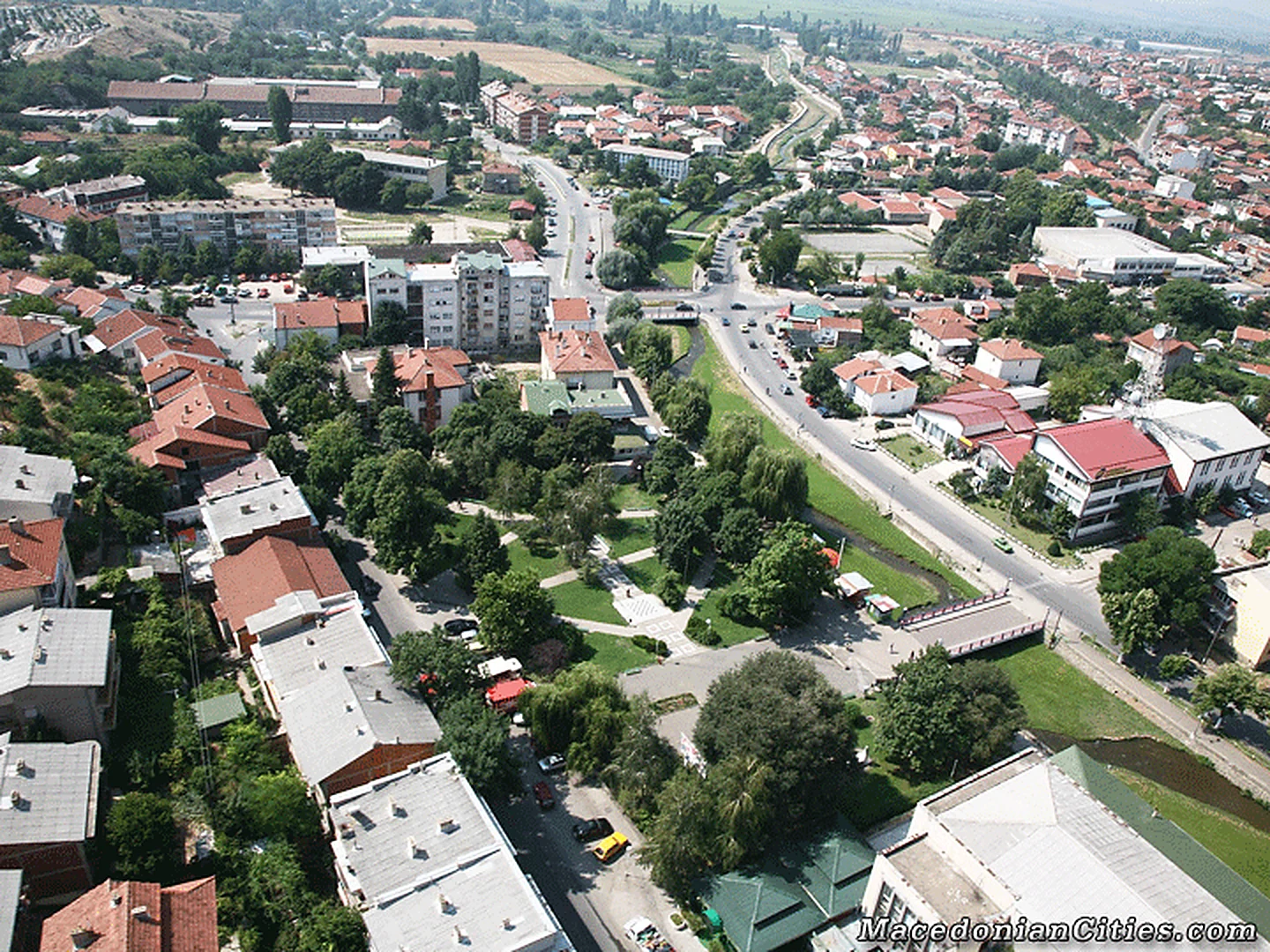
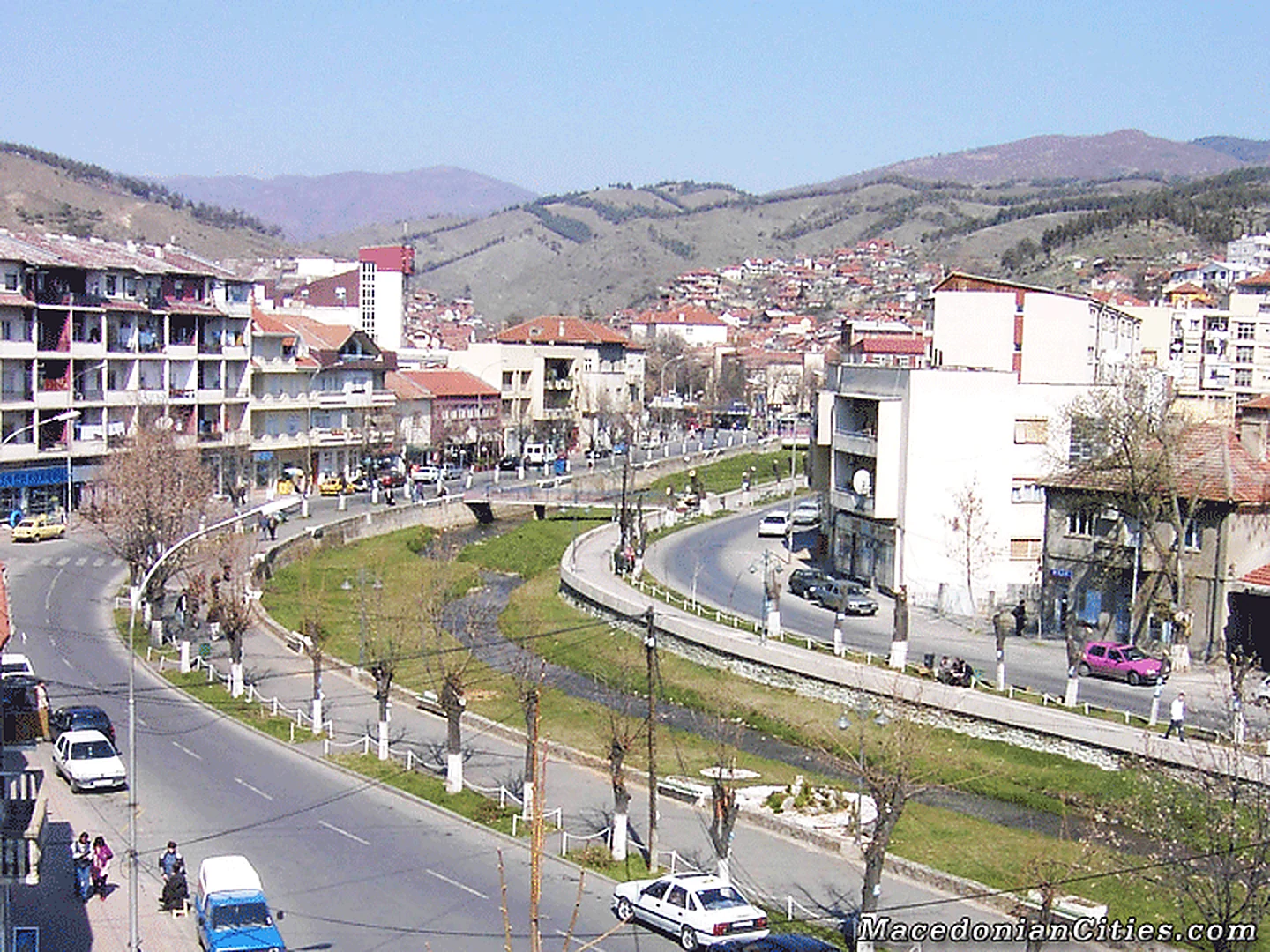
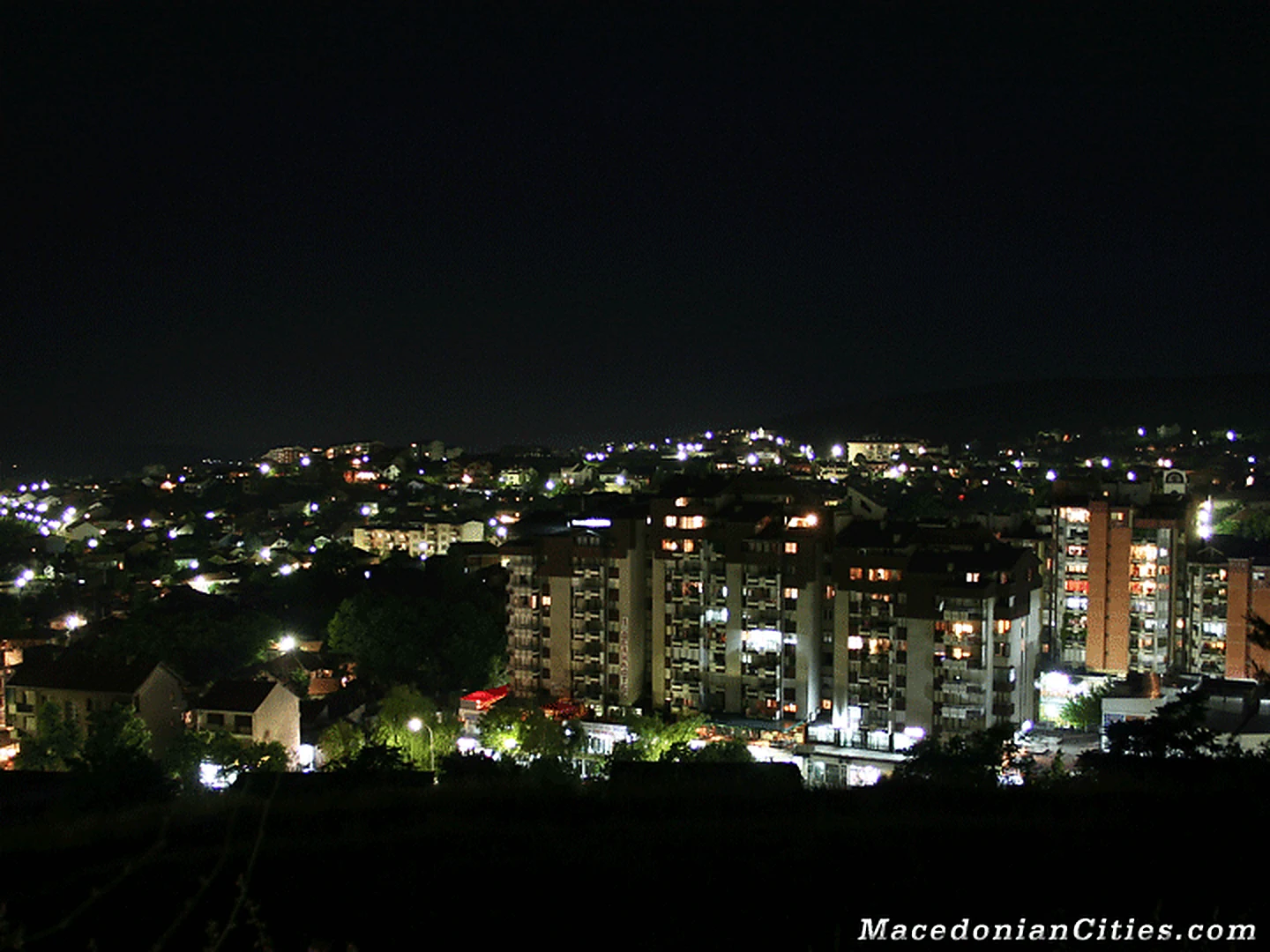
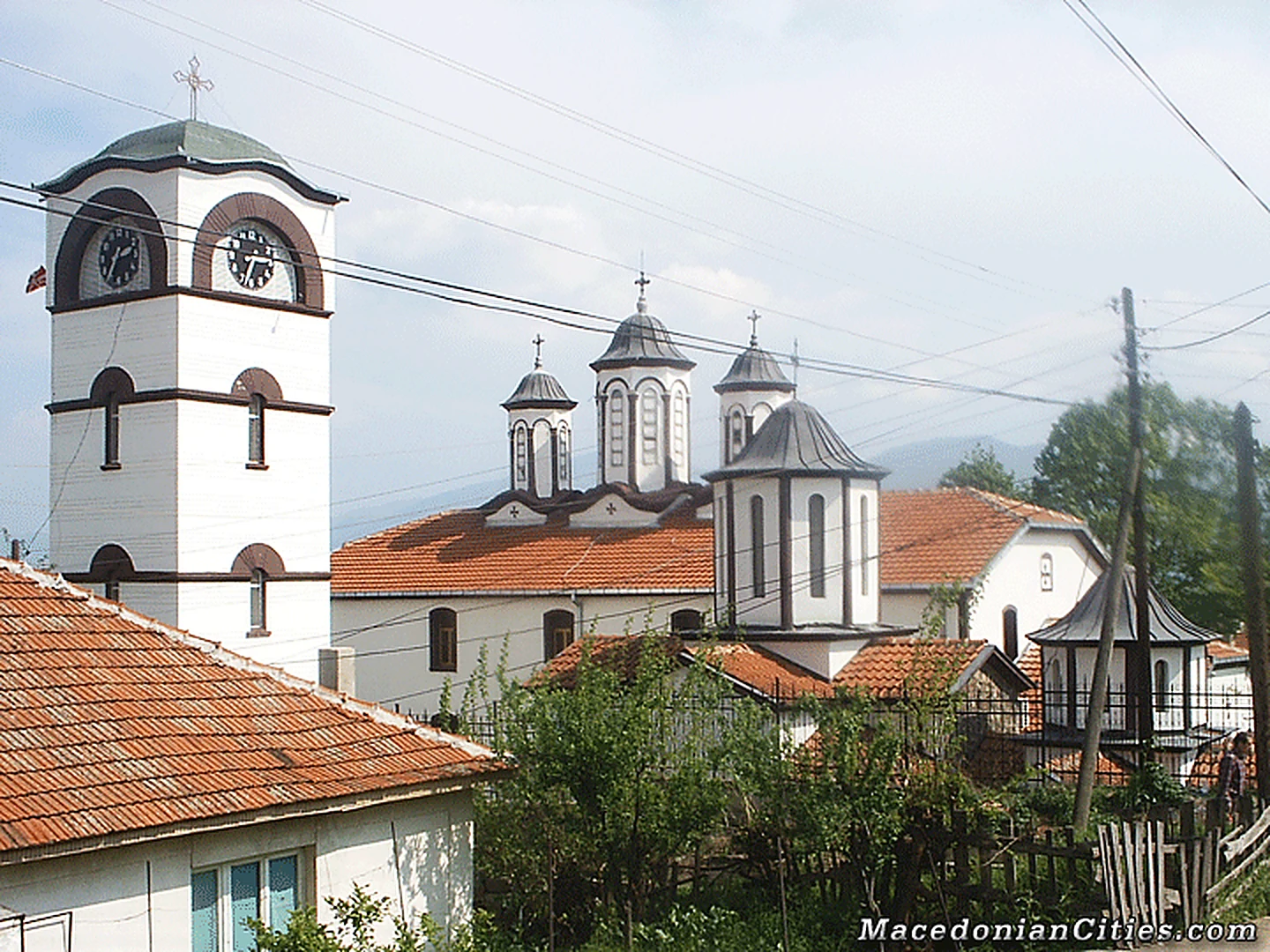
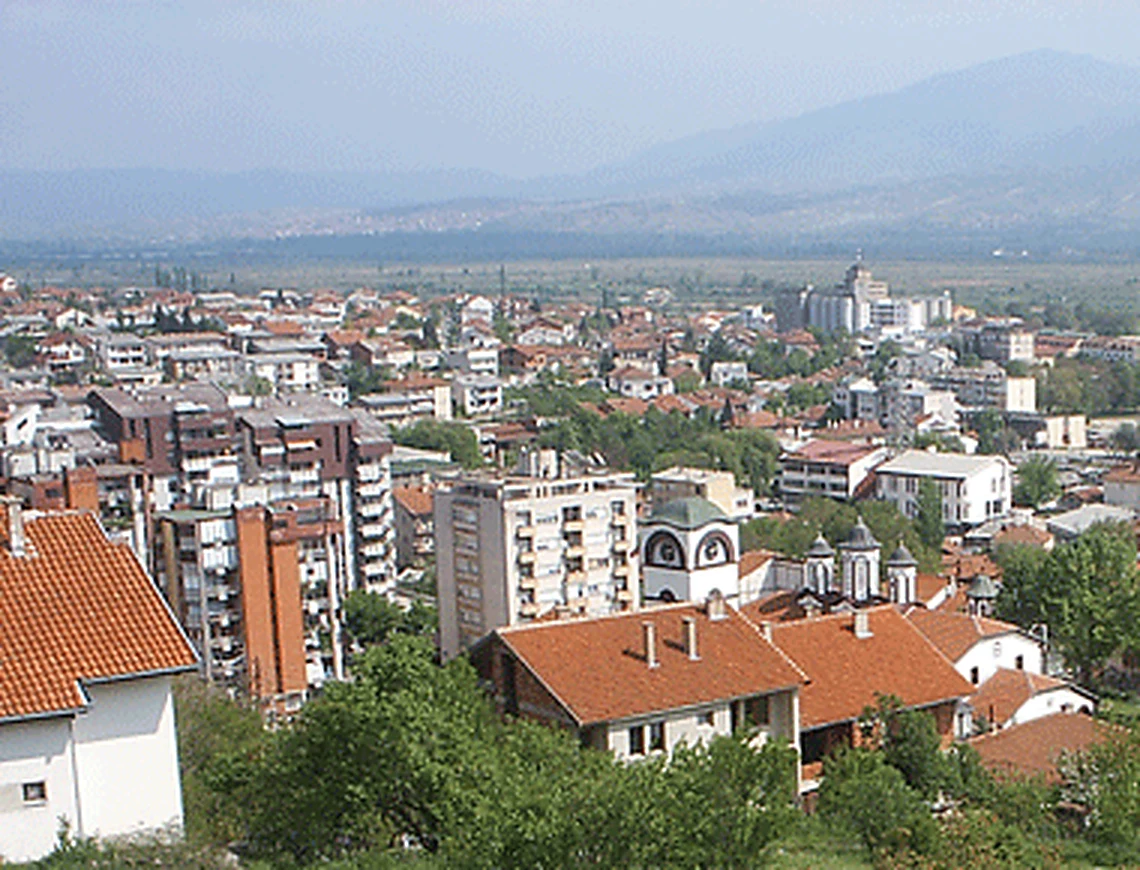
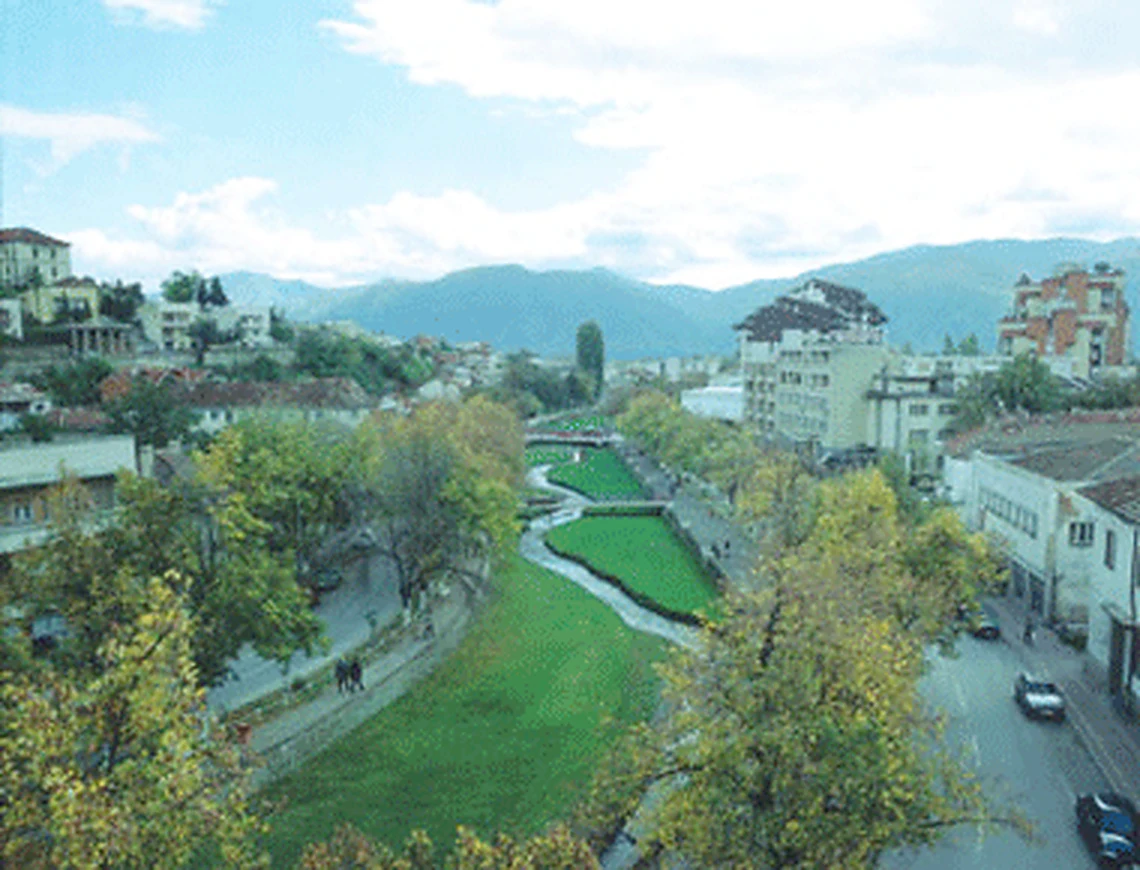
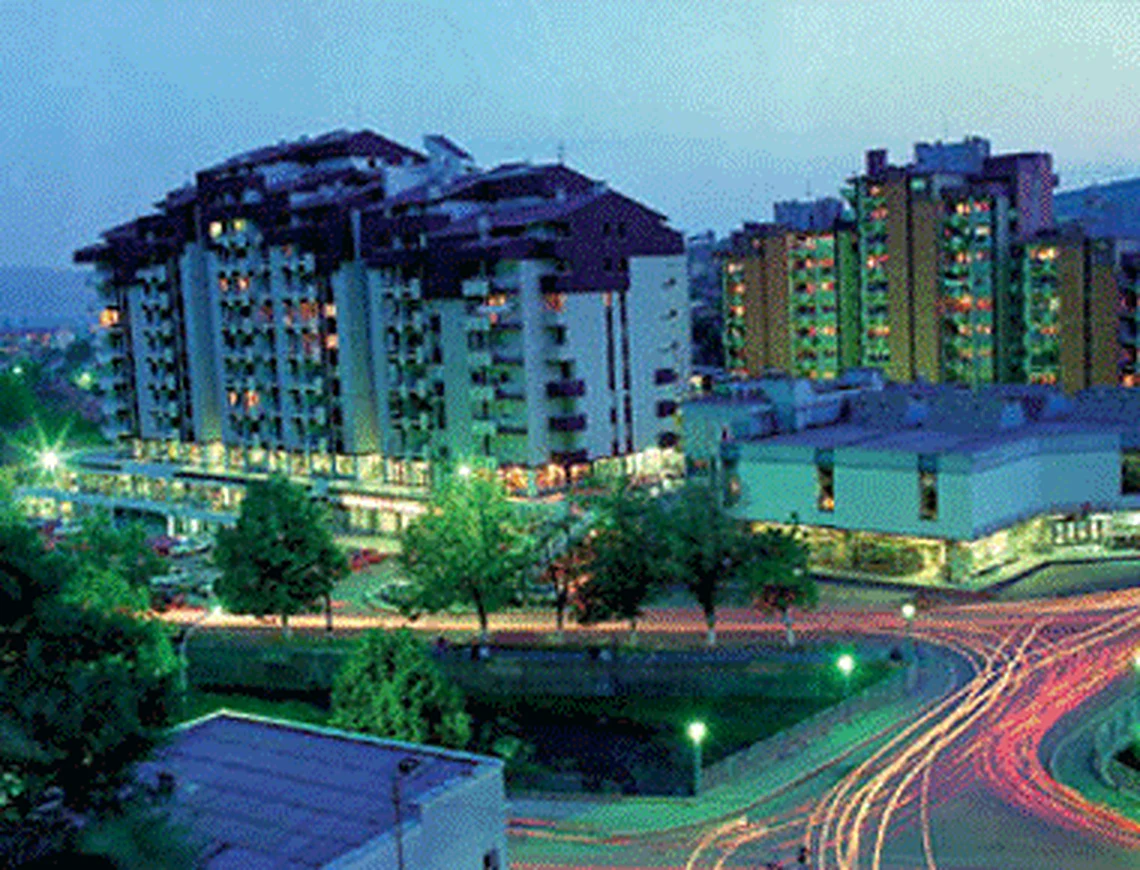
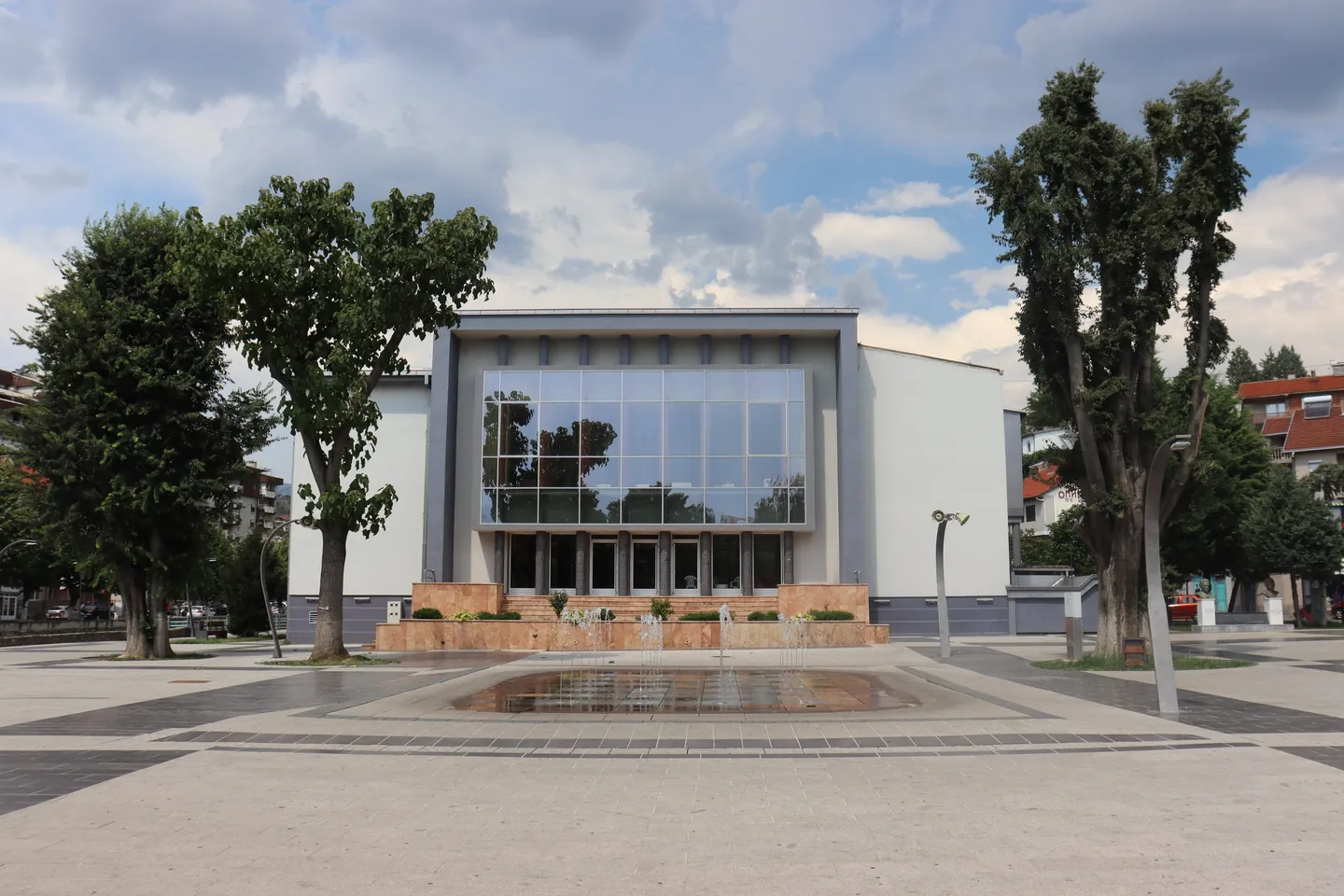
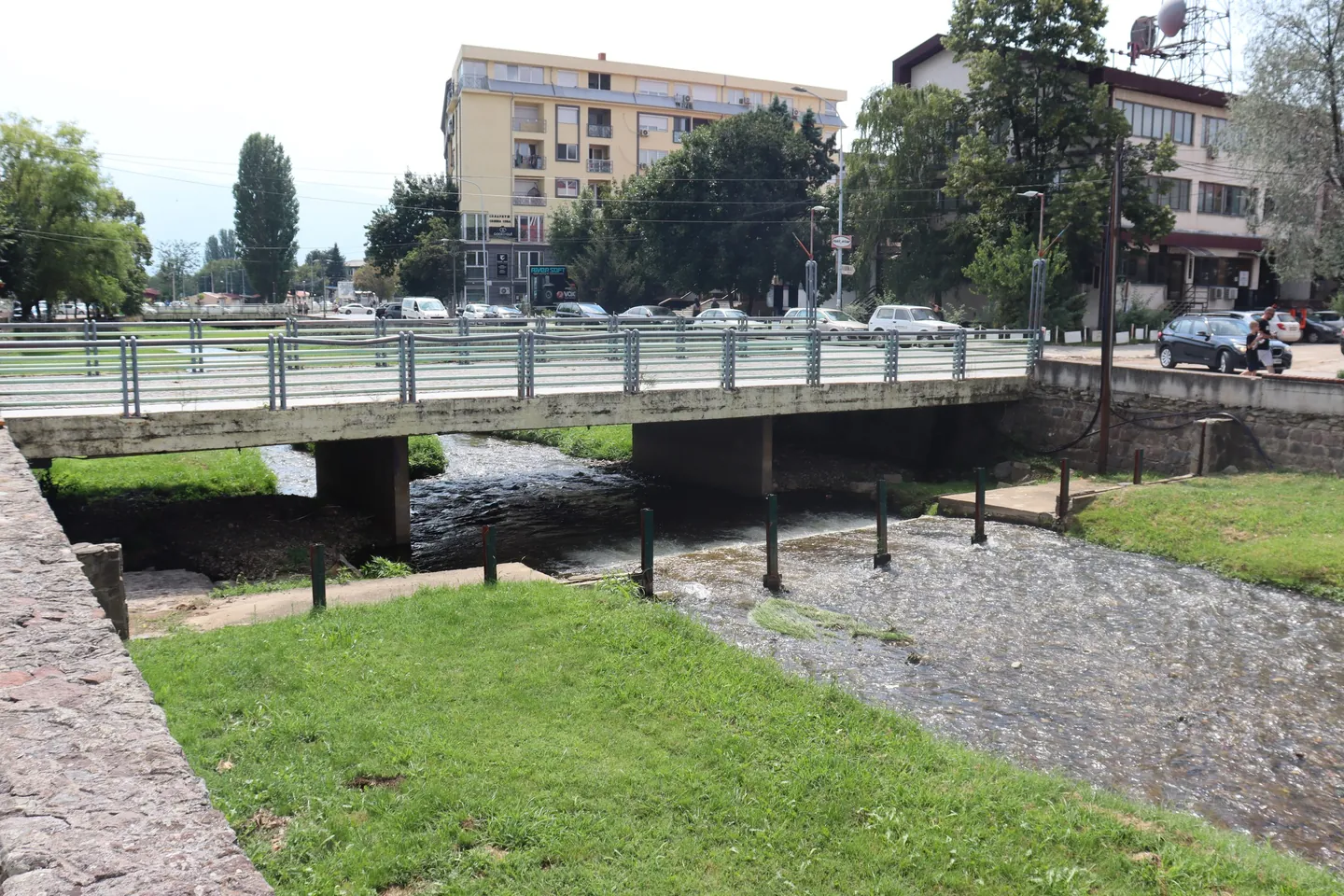
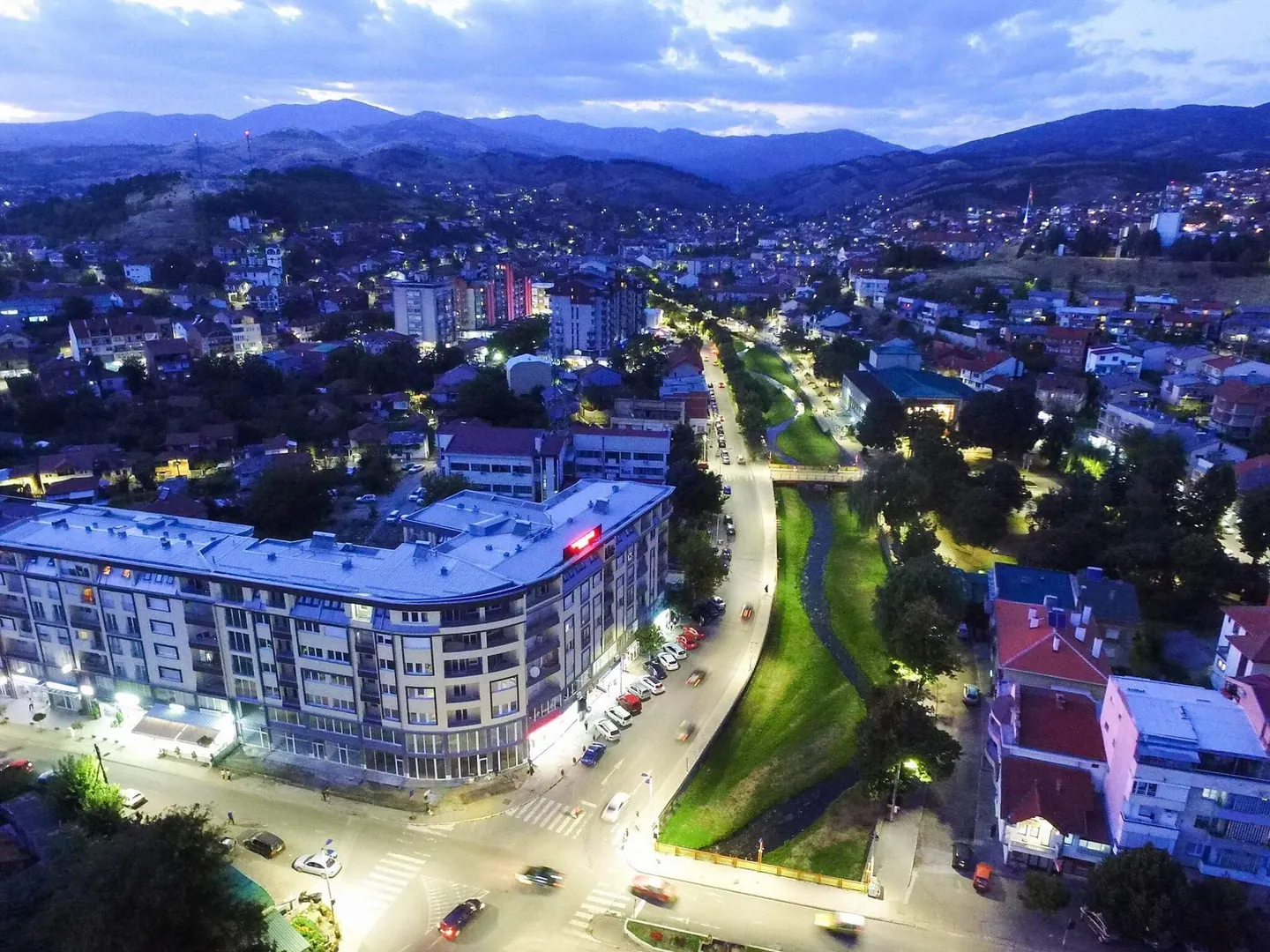
Photo credits
- Kochani: the White Dawns (Beli Mugri) Cultural Centre, a glass-fronted building above a paved square. Photo: DandarmkdCC BY-SA 4.0Wikimedia Commons
- Kochani: the Kočani River beside the White Dawns Cultural Centre, with a low bridge and a grassy bank. Photo: DandarmkdCC BY-SA 4.0Wikimedia Commons
- Kochani: a panoramic view of the town at dusk, with lit streets, a park strip and mountains beyond. Photo: AjtaCC BY-SA 4.0Wikimedia Commons


