
Southwestern
Debar
Дебар
- Residents · 2021 census
- 11,735
- Old photographs
- 3
- Photographs
- 33
A western crossroads shaped by mountains, water and craft
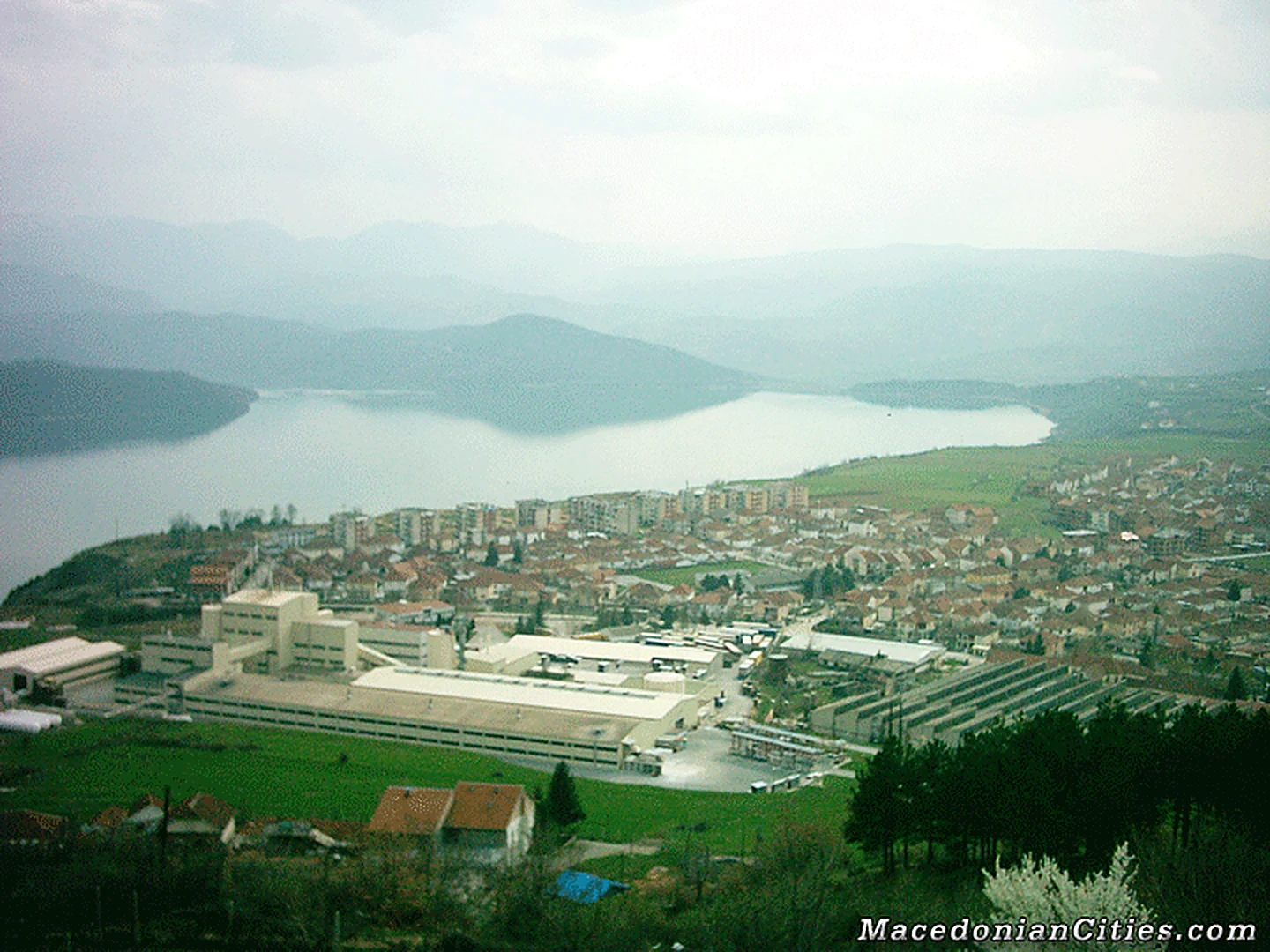
Debar occupies a compact western basin where the Black Drin and Radika landscapes meet almost at the Albanian border. Deshat and the Korab–Bistra mountain country rise around the town, while the long blue arms of Debar Lake give today’s city a shoreline that did not exist before the Shpilje dam.
Overview
City overview
Meet Debar.
A grounded introduction to the city, its landscape, people, history and wider municipality.
Debar occupies a compact western basin where the Black Drin and Radika landscapes meet almost at the Albanian border. Deshat and the Korab–Bistra mountain country rise around the town, while the long blue arms of Debar Lake give today’s city a shoreline that did not exist before the Shpilje dam.
Its position between Macedonia’s interior and the Drin valleys made Debar an old market and administrative centre. During the Ottoman centuries, builders, icon painters and woodcarvers from the wider Debar and Mijak region became famous far beyond home, leaving iconostases, churches and houses across the Balkans.
The municipality had 15,412 residents in 2021, of whom 11,735 lived in the town. Albanian and Macedonian are both used officially, and Albanian, Macedonian, Turkish, Roma and other family traditions meet in its mosques, churches, schools, shops, wedding music and food.
Seventeen villages surround the city, including spa settlements Banishte and the two Kosovrastis, craft-associated Gari, monastery village Rajchica and smaller Drin-basin communities. Several now have very few permanent residents, but family return, village feast days and the deep Debar diaspora keep their names and identities alive.
At a glance
Useful facts, in one place.
Settlement and municipality figures are kept distinct wherever sources permit.
- Municipality
- Debar Municipality
- City population
- 11,735
- Municipality population
- 15,412
- Population year
- 2021
- Households
- 4,157
- Municipal area
- 145.75 km²
- Approx. road distance from Skopje
- 131 km
- Postal code
- 1250
- Climate
- Continental mountain-basin climate with Adriatic influence through the Black Drin corridor
- Sports teams
- KF Korabi
- Culture
-
- Albanian and Macedonian both have official local standing and shape a naturally bilingual civic culture.
- Debar’s historic school of builders, woodcarvers and icon painters influenced religious and domestic architecture across the Balkans.
- Thermal bathing at Banishte and Kosovrasti is a long-standing regional health tradition.
- Population snapshot
- 11,735 city residents and 15,412 municipality residents in the 2021 census; 3,677 lived outside the city settlement.
Known for
The city's signature.
Landmarks, foods, landscapes and traditions that give Debar its character.
- Debar Lake and the meeting of the Black Drin and Radika valleys
- The historic Debar school of woodcarving, icon painting and building
- Banište and Kosovrasti mineral springs
- The Monastery of Saint George at Rajčica
Geography
Geography
Land shapes the city.
Terrain, waterways, climate and transport explain why Debar grew where it did.
Debar lies in a compact basin in the far west of North Macedonia, only a few kilometres from Albania. The town is set beneath Mount Dešat and the Korab–Koritnik mountain system, with Stogovo rising to the east. These high ridges enclose a landscape that feels both continental and Adriatic: winters can be snowy, yet milder air also reaches the basin through the Black Drin corridor.
The modern shoreline of Debar Lake begins beside the town. This reservoir was formed where the Radika enters the Black Drin, and its long arms extend into both river valleys. Mineral springs at Banište and Kosovrasti, the Radika gorge, and the nearby Rajčica monastery make Debar a gateway to a wider mountain-and-water landscape rather than an isolated border settlement.
History
History
A concise, rewritten account.
Written afresh from cross-checked municipal, archaeological, heritage and institutional sources—not copied website text.
Debar's position between the Drin valley, central Macedonia and the Albanian interior gave it regional importance long before the modern border existed. Medieval powers contested the area, and under the Ottoman Empire Debar became the seat of an administrative district and a market for the surrounding highlands. The town's population and religious life were diverse, reflecting movement through one of the western Balkans' natural corridors.
Debar became especially renowned for builders, woodcarvers and icon painters. Masters from the wider Debar and Mijak region worked far beyond their home district, shaping churches, houses and carved icon screens across the Balkans. Trade, metalwork, tailoring and other crafts supported the town, while periods of unrest and outward migration repeatedly changed its size and character during the nineteenth and early twentieth centuries.
The twentieth century turned Debar into a border town. The completion of the Špilje dam in 1969 created Debar Lake and permanently changed the valley, bringing hydroelectric production while submerging older roads and riverside land. Today's town remains an administrative and commercial centre distinguished by its Albanian and Macedonian cultural life, spa traditions and close relationship with the surrounding mountains.
The preserved legacy narrative
Open the preserved legacy narrative
The first recorded reference cited for Debar is Ptolemy’s map from about the middle of the second century, where the place appears as Deborus. The Byzantine emperor Basil II also knew of the settlement, and Felix Petančić referred to it as Dibri in 1502.
The city later belonged to the First Bulgarian Empire. By the early eleventh century it had passed to Byzantine control as Basil II completed the conquest of Samuil’s Bulgarian state.
Bohemond and his Norman army took the city in 1107. During the thirteenth and fourteenth centuries, control shifted among the Despotate of Epirus, the Second Bulgarian Empire, the Byzantine Empire and Serbia.
The Ottomans conquered Debar at the end of the fourteenth century.
During the era of the Albanian prince Gjergj Kastrioti Skanderbeg, Debar played an important role in uprisings by the Albanian population against Ottoman rule. From 1443 to 1465 the Debar region lay along the frontier between Ottoman and rebel forces and was repeatedly contested. Two major battles near Debar, on 29 April 1444 and 27 September 1446, both ended in Ottoman defeats according to the inherited account.
In the early nineteenth century, when Debar rebelled against the Ottoman sultan, the French traveller, publicist and scholar Ami Boué recorded 64 shops and 4,200 inhabitants. Debar first served as a sanjak centre in the Shkodër Province and, from 1877 to 1912, in the Monastir administrative sphere. Ottoman sources called it Debre or Debre-i Bala, meaning Upper Debre, to distinguish it from Debre-i Zir, the former name used for Peshkopi.
Debar was closely involved in the Albanian national movement. On 1 November 1878, Albanian leaders from the city participated in the founding activity of the League of Prizren.
During the First Balkan War of 1912–1913, the Kingdom of Serbia annexed the city. The inherited text describes a September 1913 uprising by Macedonians from Debar against continued rule by the Serbian kingdom, which it anachronistically calls the Kingdom of Yugoslavia; that state name was not adopted until 1929. Albanian armed forces occupied Debar during the uprising, but the Serbian army retook it later that month.
By the end of the nineteenth century the town reportedly had 15,500 inhabitants. Its population began to decline after the First World War.
The inherited account dates the Italian annexation of Debar and most of western Macedonia to 29 June 1939. This conflicts with the established chronology: the Axis occupation of Yugoslavia, including the transfer of Debar to Italian-controlled Albania, followed the invasion of April 1941, so the date in the legacy text requires correction. Under Italian rule, the enlarged Albanian state functioned as a protectorate, and local administration in Debar passed to Albanian authorities; Albanian-language schools, radio stations and newspapers were established. After Italy capitulated in September 1943, German forces took control. A bitter two-month struggle followed between Albanian partisans and German troops accompanied by pro-Nazi Albanian units. Enver Hoxha’s communist forces finally secured Debar on 30 August 1944. After the fighting ended and communist governments were established in both neighbouring states, Debar returned to Yugoslavia.
Profile sources (19)
- macedonia-timeless.com/eng/cities_and_regions/cities/debar
- dibra.gov.mk
- en.wikipedia.org/wiki/Nexhat_Agolli
- stat.gov.mk/pdf/2022/2.1.22.10Popis-mk-en.pdf
- citypopulation.de/en/northmacedonia/jugozapaden/debar/404195__debar
- citypopulation.de/en/northmacedonia/admin/jugozapaden/702__debar
- stat.gov.mk/PrebarajNM.aspx
- dibra.gov.mk/opshti-informacii
- dibra.gov.mk/istorichki-objekti
- en.wikipedia.org/wiki/Congress_of_Dibra
- en.wikipedia.org/wiki/Haki_St%C3%ABrmilli
- en.wikipedia.org/wiki/Vehbi_Dibra
- en.wikipedia.org/wiki/Ibe_Palikuqi
- sobranie.mk/pratenici-3670c62b-c58b-4aac-8973-d8aeb0cc6ade-ns_article-gzim-ostreni-02-_.nspx
- en.wikipedia.org/wiki/Said_Najdeni
- en.wikipedia.org/wiki/Debar#Notable_people
- en.wikipedia.org/wiki/Saint_Jovan_Bigorski_Monastery
- makstat.stat.gov.mk/PXWeb/pxweb/en/MakStat/MakStat__Popisi__Popis2021__NaselenieVkupno__PodatociNaselenie/T1501P21.px
- dibra.gov.mk/newmk/wp-content/uploads/2023/01/%D0%9D%D0%90%D0%A6%D0%A0%D0%A2-%D0%A3%D0%A0%D0%91%D0%90%D0%9D%D0%98%D0%A1%D0%A2%D0%98%D0%A7%D0%9A%D0%90-%D0%A0%D0%95%D0%92%D0%98%D0%97%D0%98%D0%88%D0%90-%D0%97%D0%90-%D0%9E%D0%9F%D0%A8%D0%A2%D0%98%D0%9D%D0%90-%D0%94%D0%95%D0%91%D0%90%D0%A0-2022.pdf
Interesting Facts
Interesting facts
Details worth remembering.
Local landmarks, customs, foods and historical details that reward a closer look at Debar.
-
A city at two river canyons
Debar sits where the Radika approaches the Black Drin, a natural corridor between western North Macedonia and Albania.
-
Debar Lake is the Shpilje reservoir
The reservoir beside the town powers a major hydroelectric plant; the municipality reports annual output above 300 million kilowatt-hours.
-
Two distinct thermal-water areas
Municipal research reports springs of roughly 36–39.3°C at Banishte and hotter water near 48°C at Kosovrasti.
-
A remarkable gypsum landscape
The municipal urban audit identifies high-purity gypsum deposits as one of Debar’s unusual geological resources.
-
Craftspeople carried Debar across the Balkans
Masters from the Debar–Mijak region became celebrated for building, icon painting and deeply carved wooden church furnishings.
-
Rajchica’s monastery dates from 1835
The Monastery of St George the Victorious stands about two kilometres from the city and remains an active women’s monastic community.
-
The Congress of Debar met in 1909
The congress brought Albanian political and cultural representatives together during the late Ottoman constitutional period.
-
A deliberately bilingual municipality
The municipal audit records both Macedonian and Albanian as official local languages, reflecting Debar’s lived social composition.
People
Celebrities
Lives linked to the city.
Writers, musicians, artists, athletes, public figures and historical personalities with a clearly stated connection to Debar.
- Notable person Nexhat Agolli Debar-born lawyer and political figure who served in the first government of the Macedonian republic within Yugoslavia.
-
Haki Stërmilli Literature
Born in Debar in 1895.
Albanian writer, journalist and activist best known for the novel ‘If I Were a Boy.’
Source -
Vehbi Dibra Religious and public life
Born in Debar in 1867 and carried the town’s name as his public surname.
Religious scholar, Albanian independence delegate and first Grand Mufti of Albania.
Source -
Ibe Palikuqi History
Born in Debar in 1927.
Young partisan organizer, declared a People's Hero of Yugoslavia in 1953.
Source -
Gëzim Ostreni Public life
Born in Debar in 1942.
Military officer and politician who held senior roles in North Macedonia.
Source -
Nexhat Agolli Public life
Born in Debar in 1914.
Lawyer, partisan and political figure who served in the first republican government within Yugoslavia.
Source -
Said Najdeni Education and history
Born in 1864 in Shehër, a village near Debar.
Teacher, religious scholar and Albanian-language education activist also known as Hoxha Voka.
Source -
Fuat Dibra Public life
Born in Debar and used the city name as his family identifier.
Albanian politician and minister active in the first half of the twentieth century.
Source -
Abdurrahman Dibra Public life
Born in Debar and publicly associated with the city through the surname Dibra.
Albanian political figure and government minister of the interwar period.
Source -
Sherif Langu Religious life
Born in Debar and formed part of the town’s influential scholarly-religious tradition.
Islamic cleric who later headed Albania’s Muslim community.
Source
Villages & Monasteries
Villages
The wider municipality.
Every verified village and rural settlement in the current municipal scope, followed by known monasteries in the surrounding cultural landscape.
17 villages and rural settlements are included.
- Banishte A mountain-foot village west of Debar known for thermal springs and spa facilities. Source
- Bomovo A small village in the Debar basin near the Albanian border. Source
- Gari A historic Mijak village renowned for builders, stonework and village architecture. Source
- Gorno Kosovrasti An upper village above the Radika valley and the Kosovrasti thermal-water area. Source
- Dolno Kosovrasti A Radika-side village associated with hot springs and spa use. Source
- Konjari A small rural settlement in Debar Municipality. Source
- Krivci A village in the compact Debar municipal area. Source
- Mogorche A mountain village east of Debar in the Stogovo country. Source
- Osoj A village associated with the wider Debar school of traditional craftsmanship. Source
- Otishani A village in the Debar basin near the lake landscape. Source
- Rajchica A village immediately east of Debar, known for the Monastery of St George the Victorious. Source
- Selokukji A small settlement close to Debar. Source
- Spas A village in the municipality’s border countryside. Source
- Tatar Elevci A small rural settlement in Debar Municipality. Source
- Trnanikj A small village whose current SSO name is Trnaniḱ. Source
- Hame A settlement on the immediate edge of Debar. Source
- Dzhepishte A village south of Debar near the Albanian border; it is included in the current SSO settlement register. Source
Monasteries nearby
Places of continuity.
Verified monastic sites within the municipality or its immediate cultural landscape.
-
Monastery of St George the Victorious
Rajchica, about 2 km from Debar
A nineteenth-century women’s monastery and historic metoch of Bigorski, known today for active monastic life and church craftsmanship.
Source -
Saint Jovan Bigorski Monastery
Radika valley, Mavrovo and Rostusha Municipality
The great regional monastery is culturally close to Debar and linked with Rajchica, but lies outside the present Debar municipal boundary; its carved iconostasis is a masterwork of the Debar–Mijak school.
Source
Old Photos (3)
Old Photos
The rare collection.
Every surviving full-size historical file is included, including originals that the old page markup accidentally omitted. Family-preserved originals remain untouched.
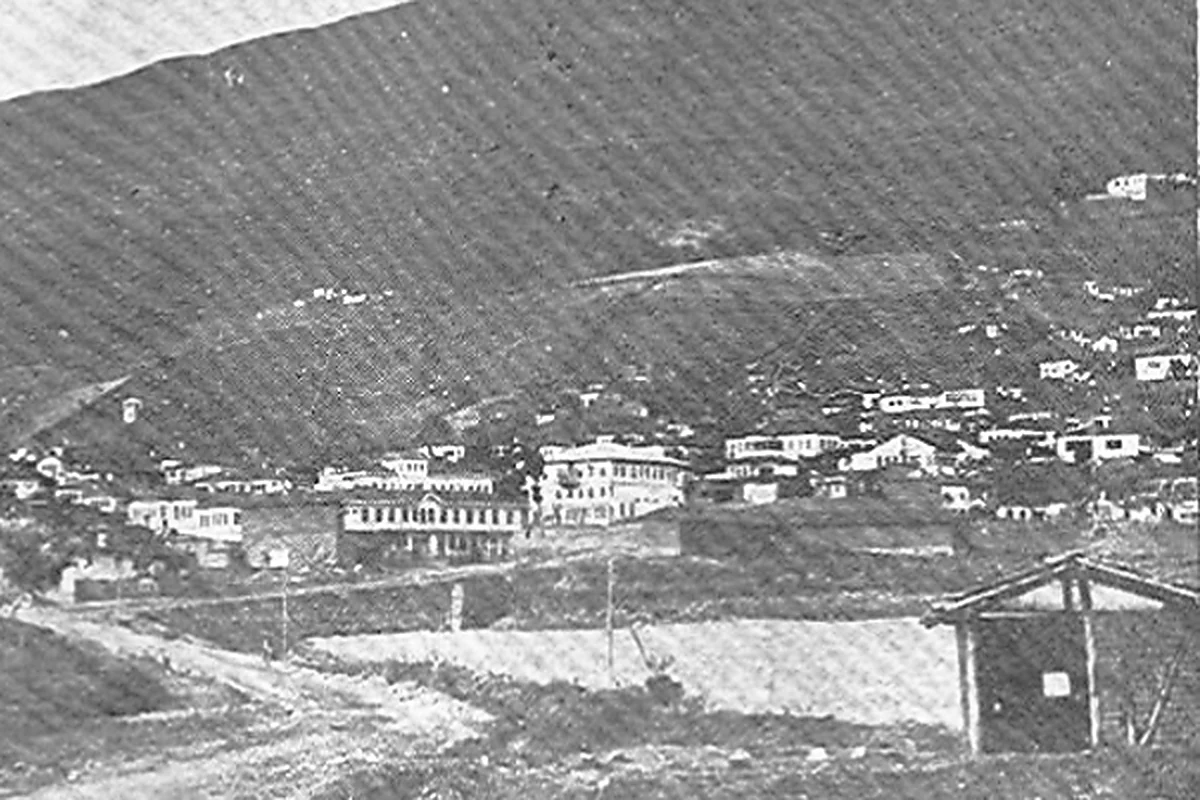
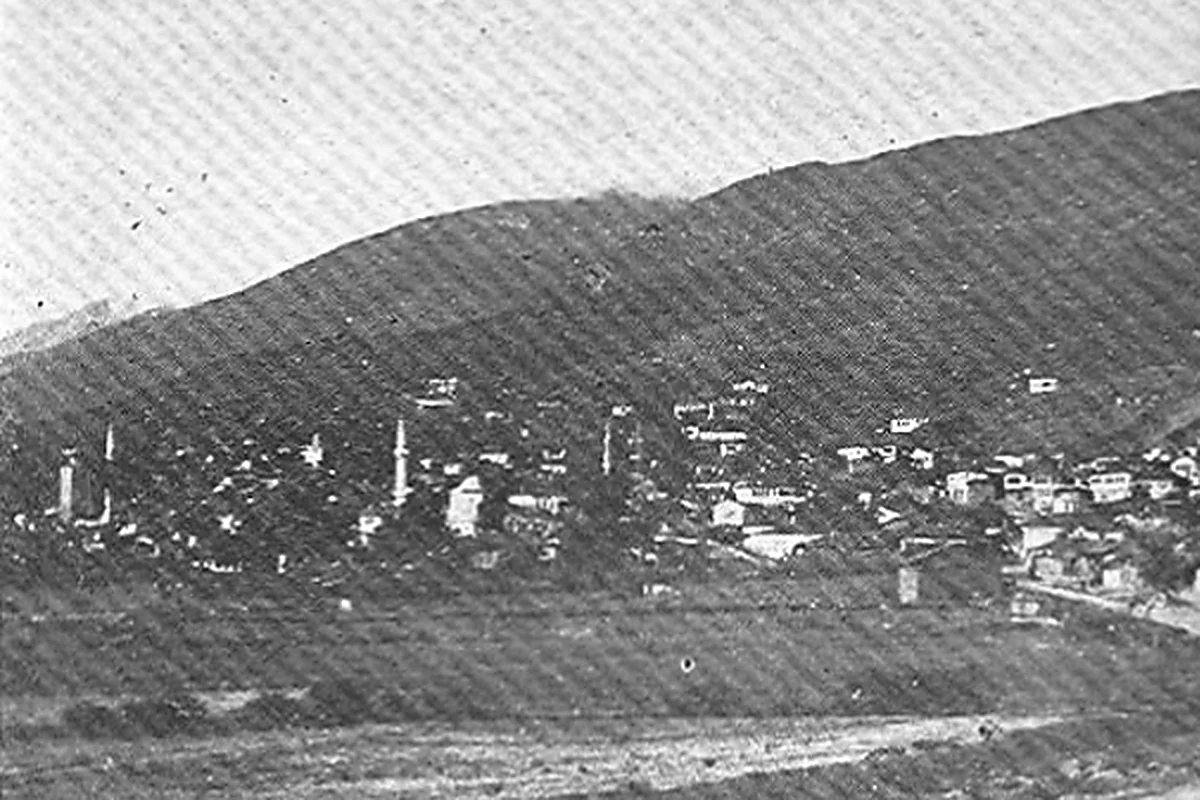
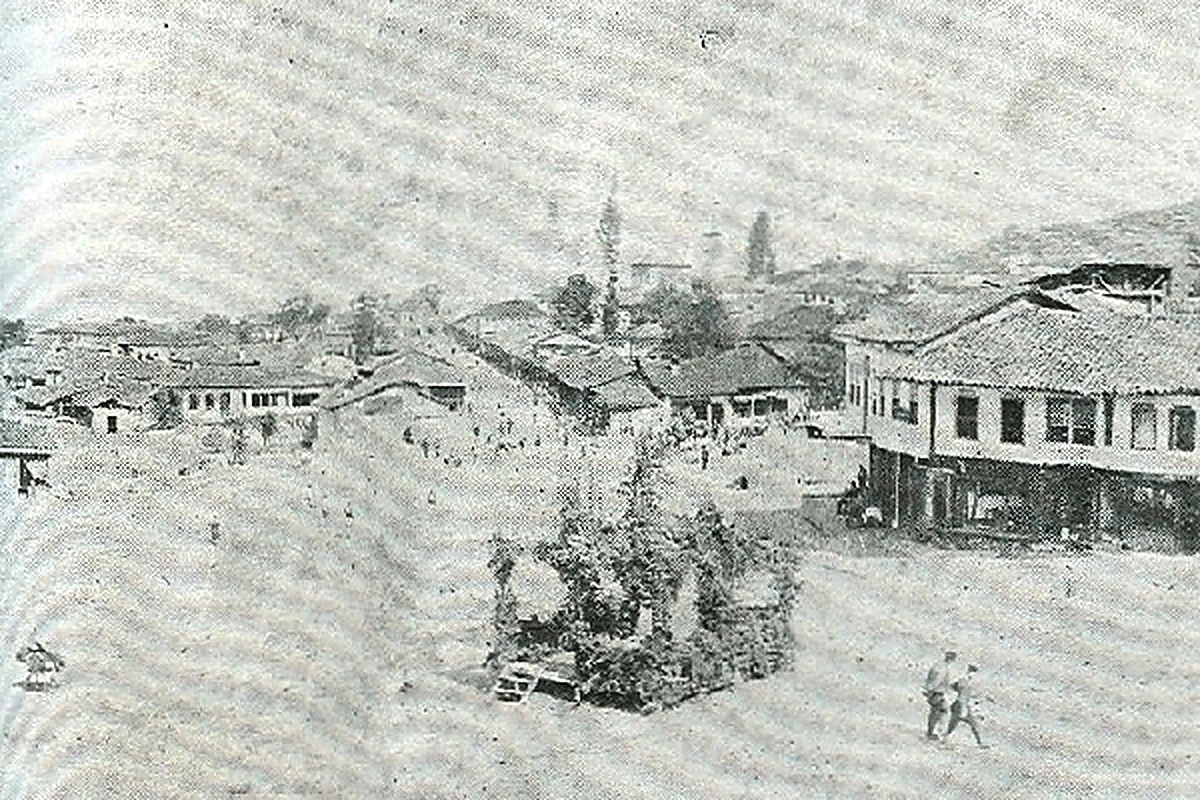
Photo Gallery (33)
Photo Gallery
Debar, frame by frame.
A responsive family gallery, including city views recovered from the old rotating banner system.
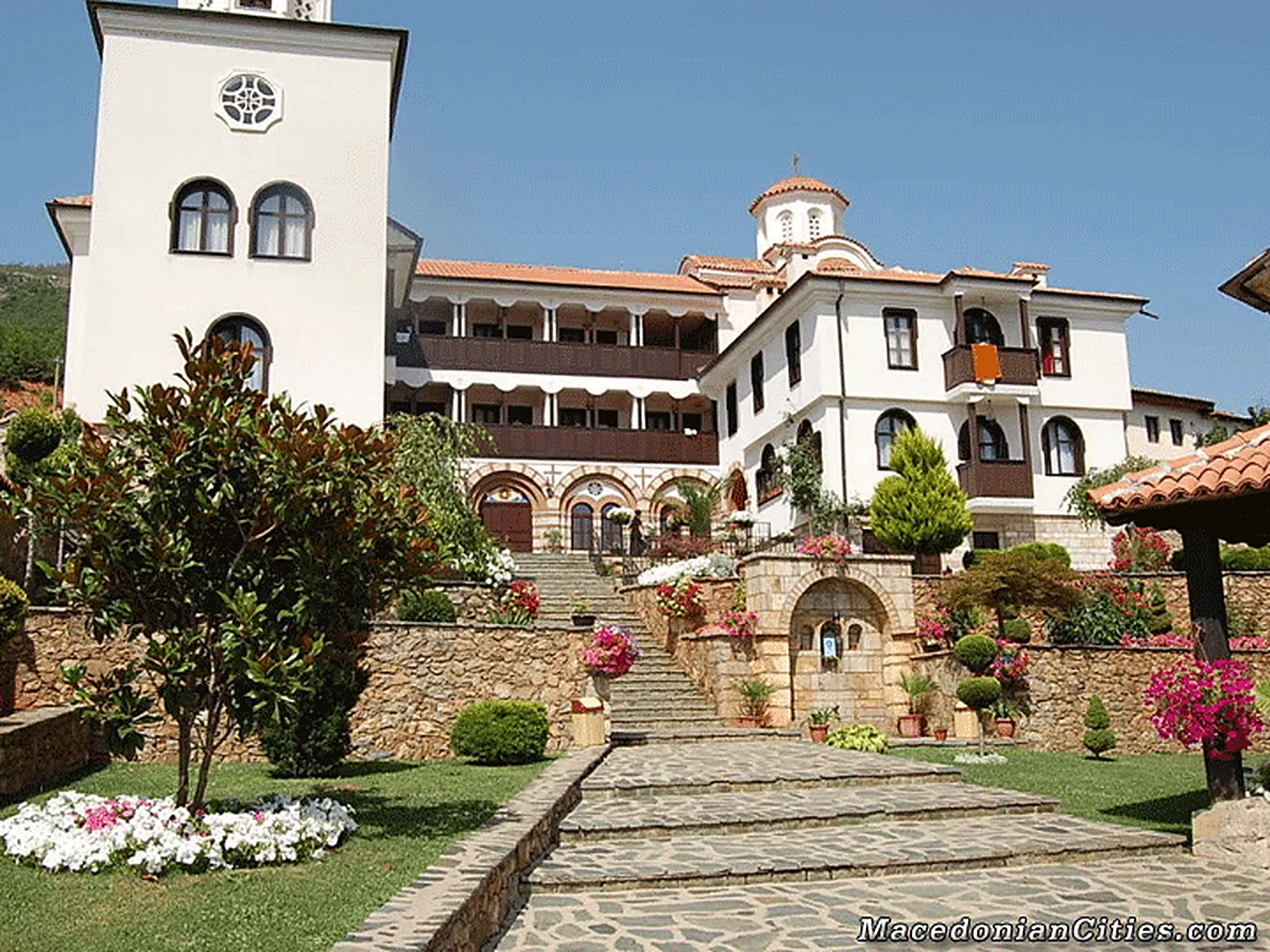
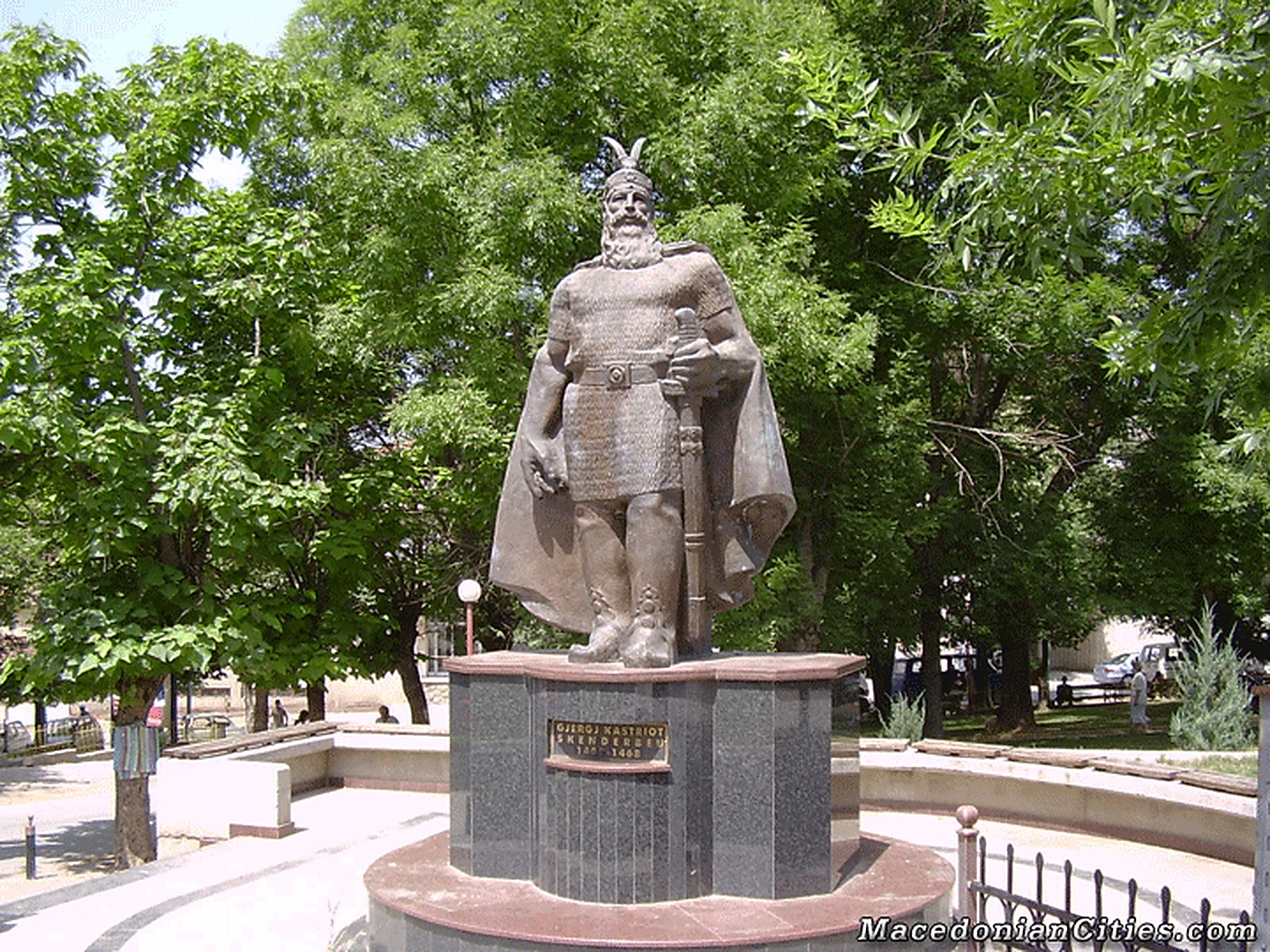
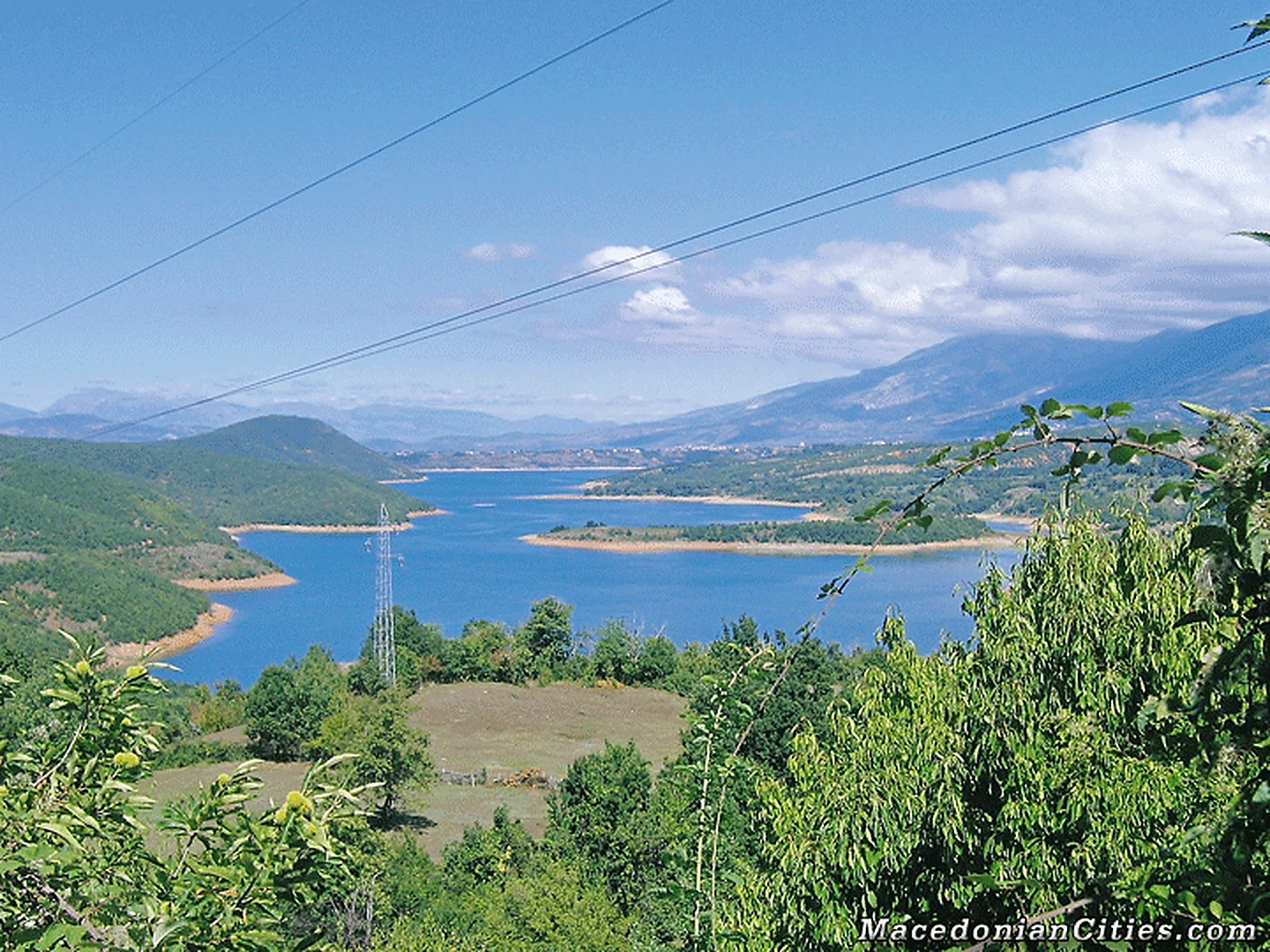
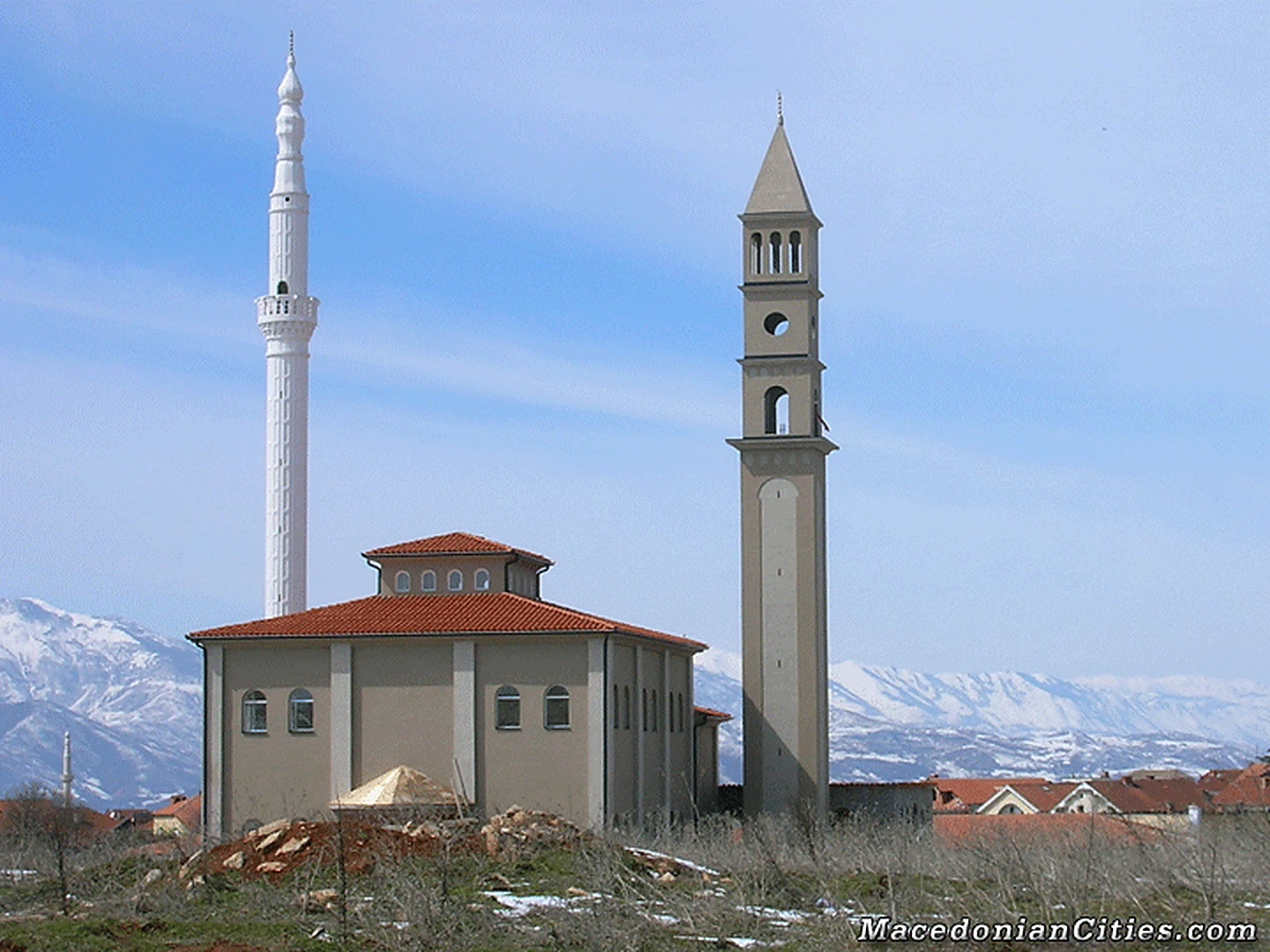
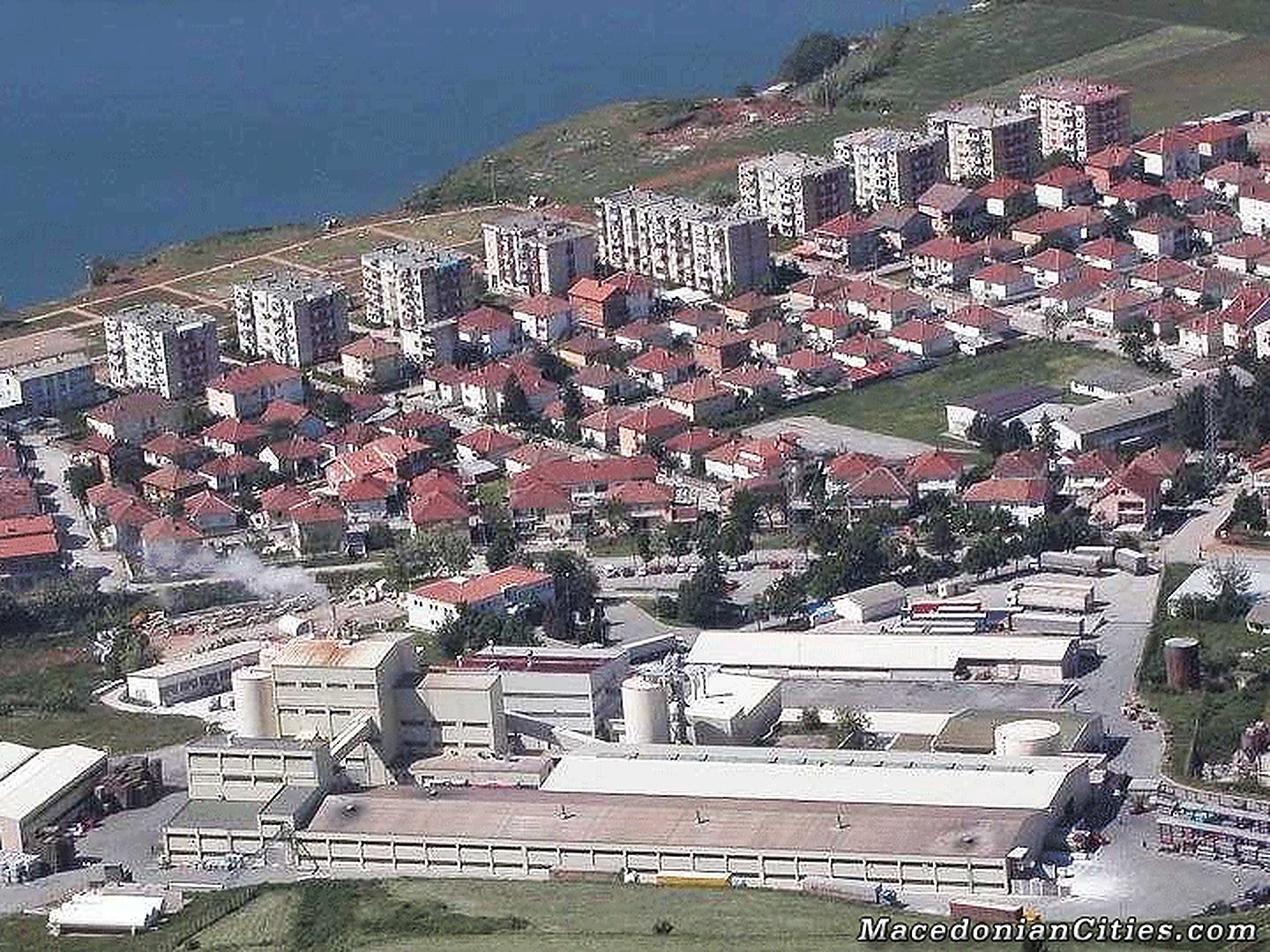
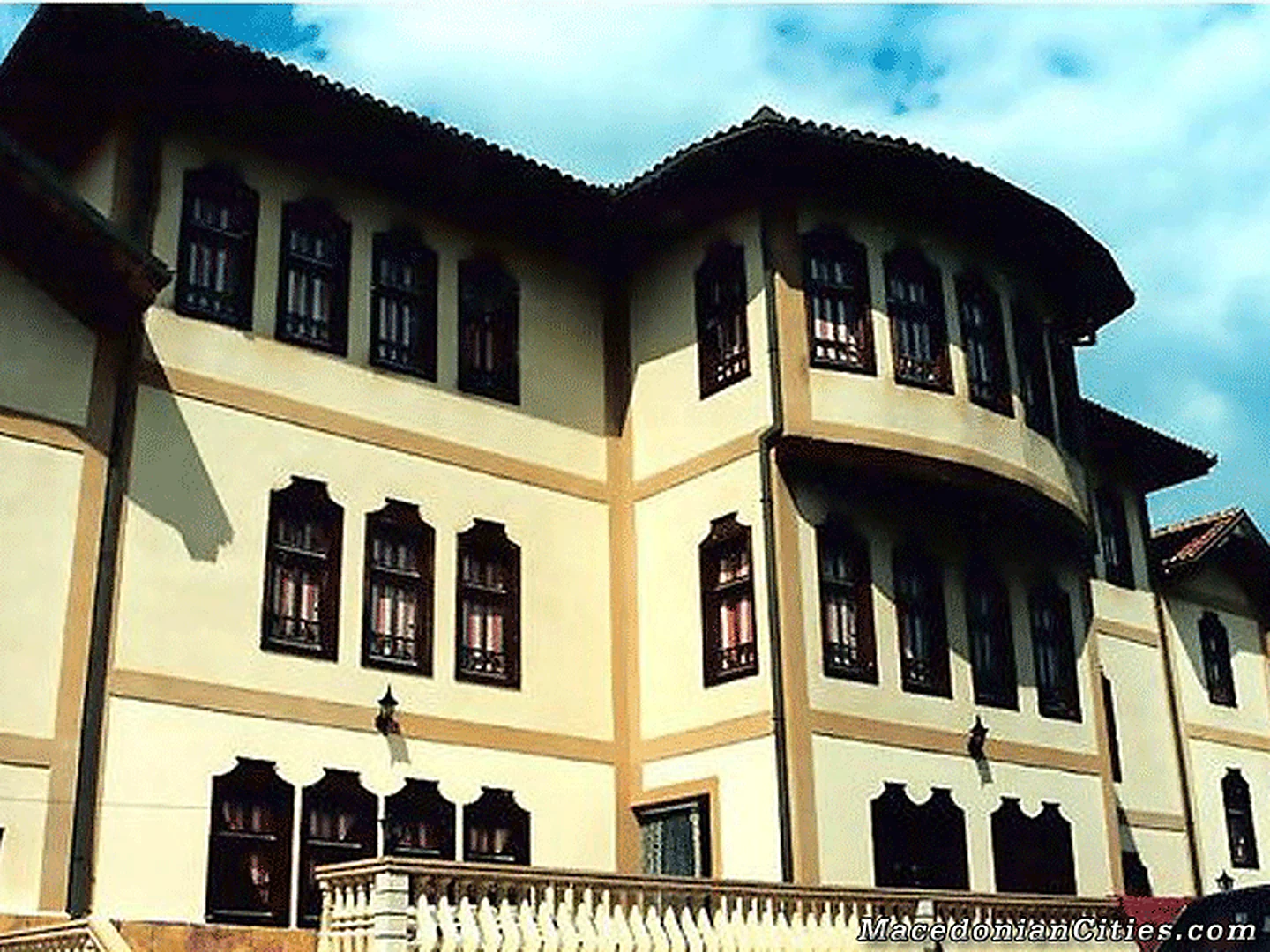
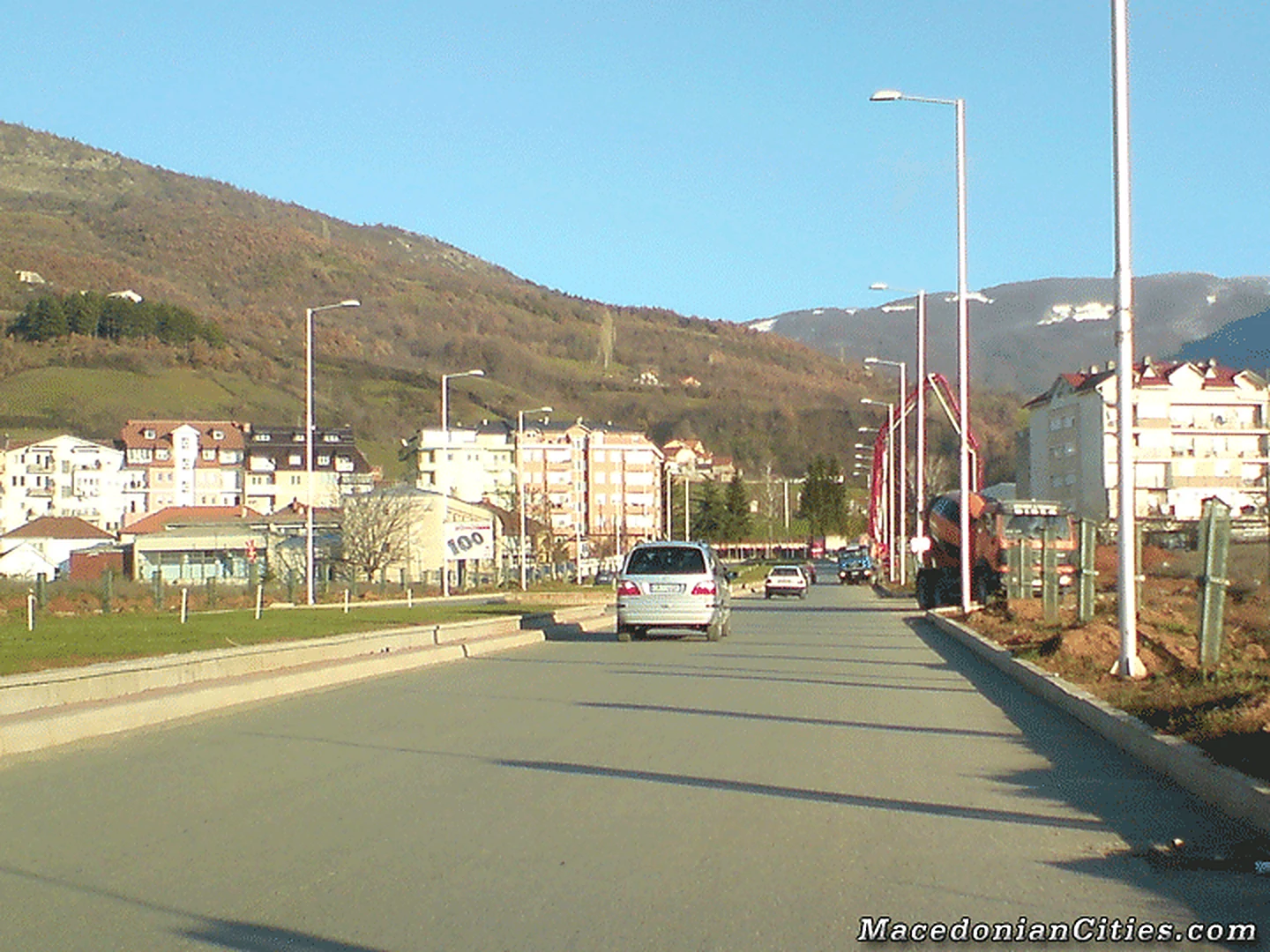
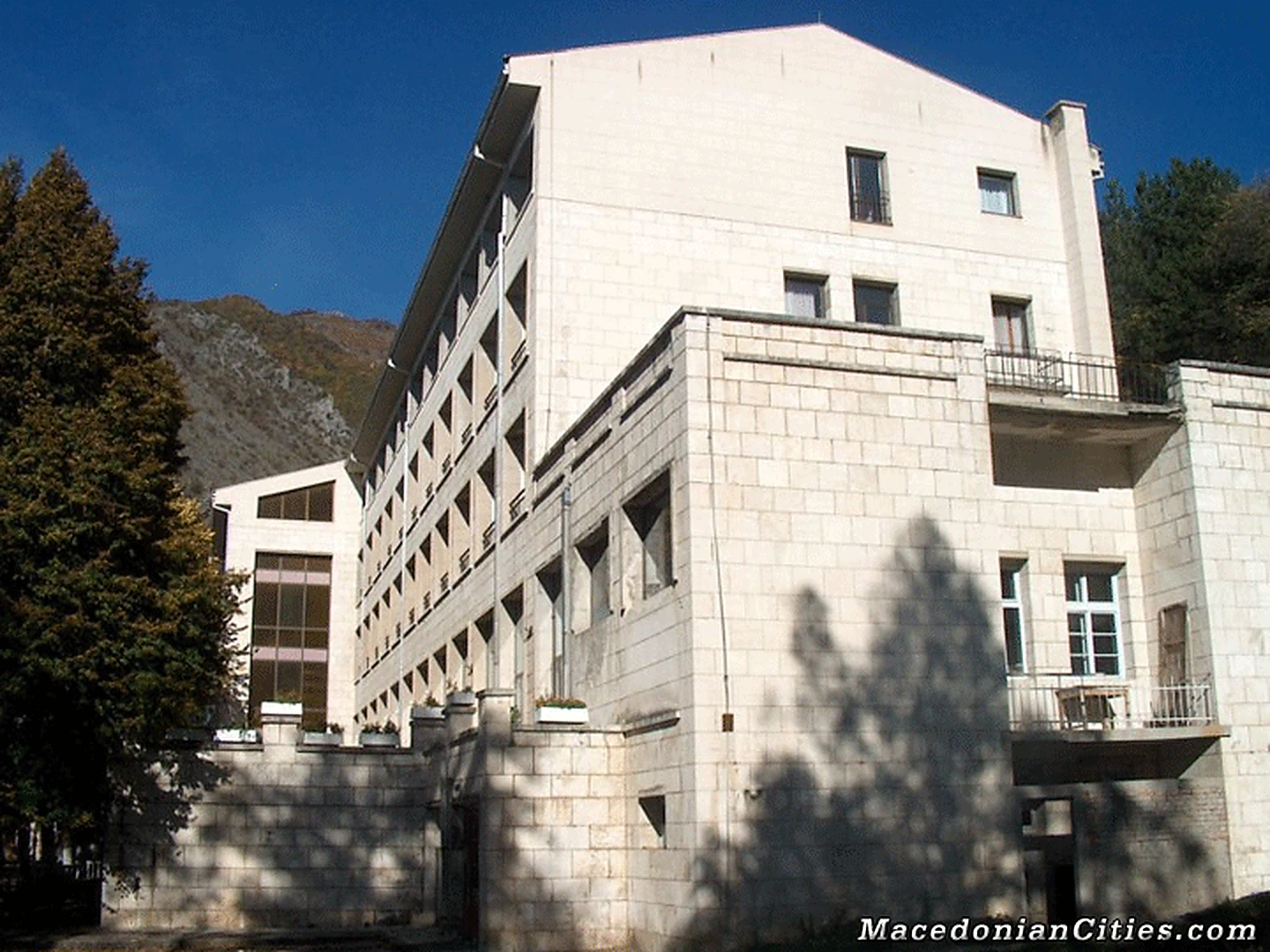
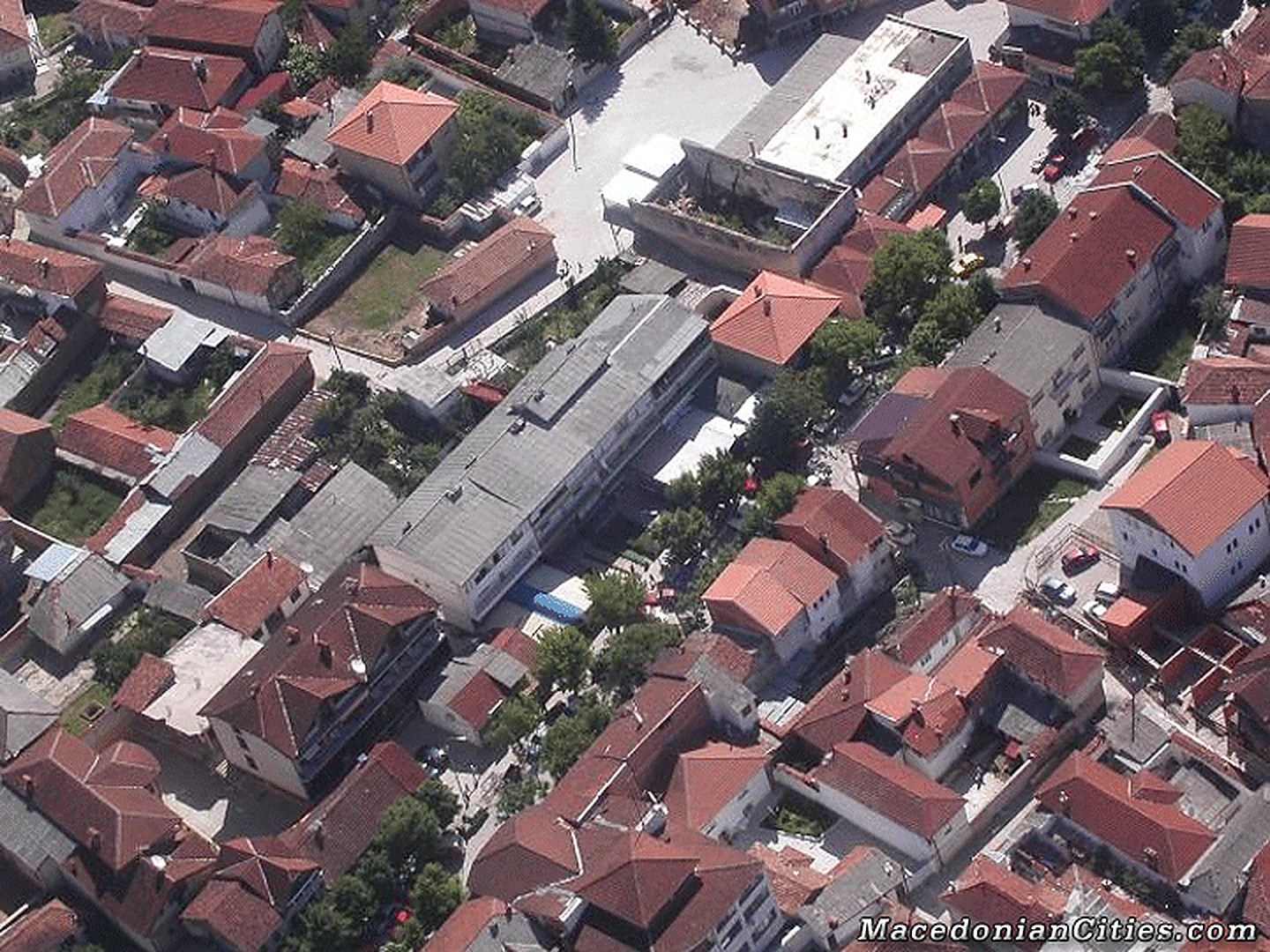
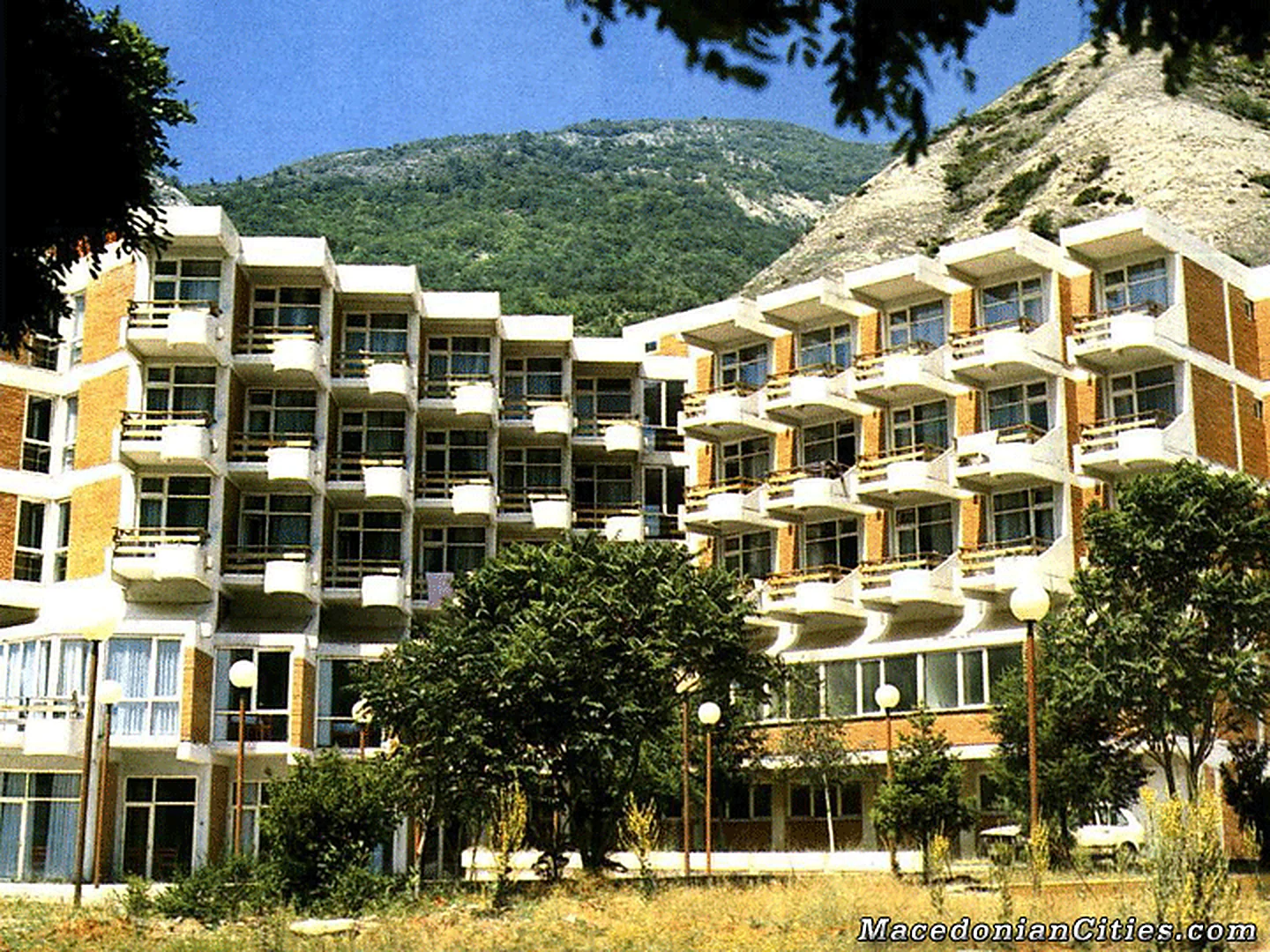
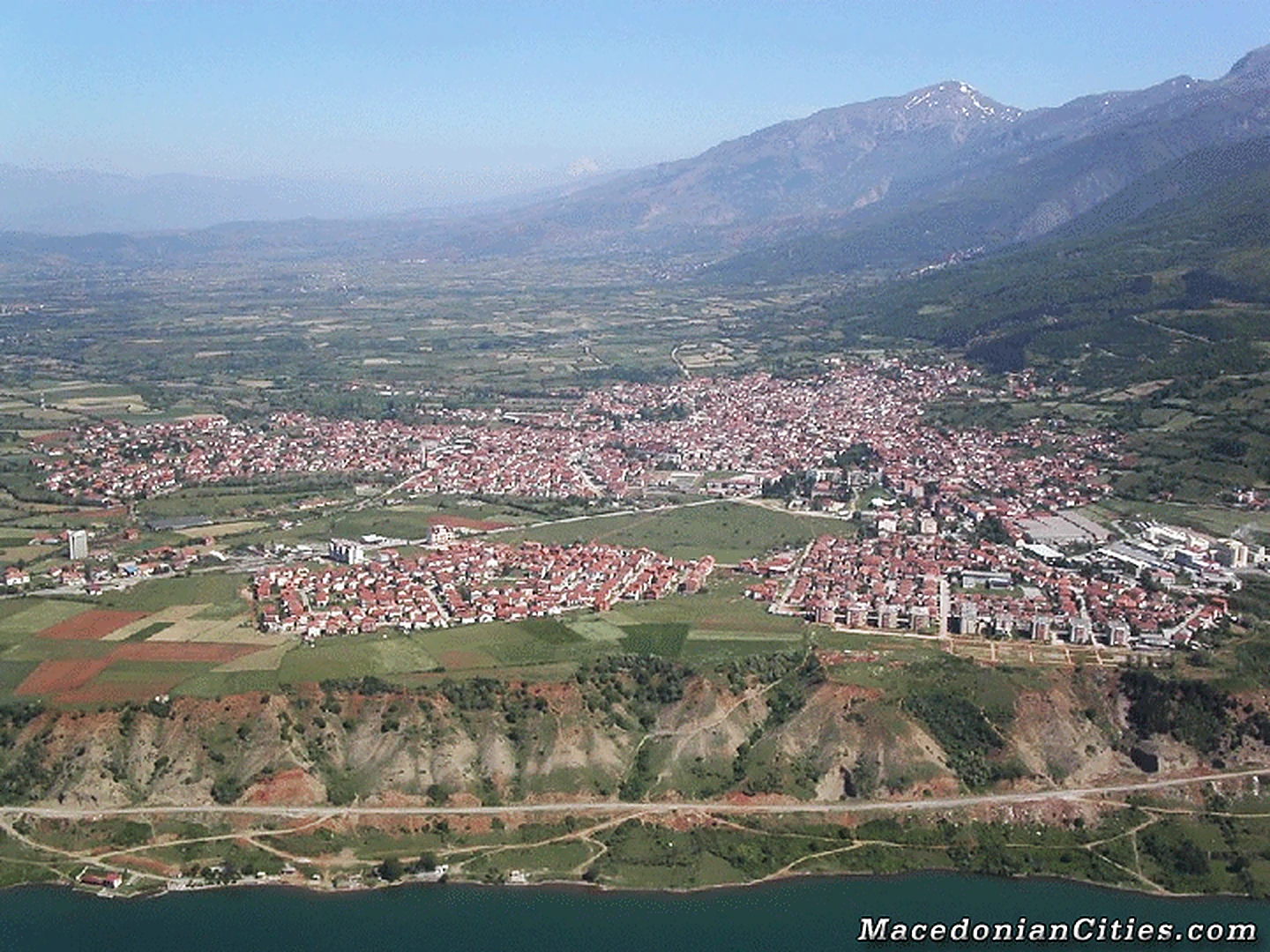
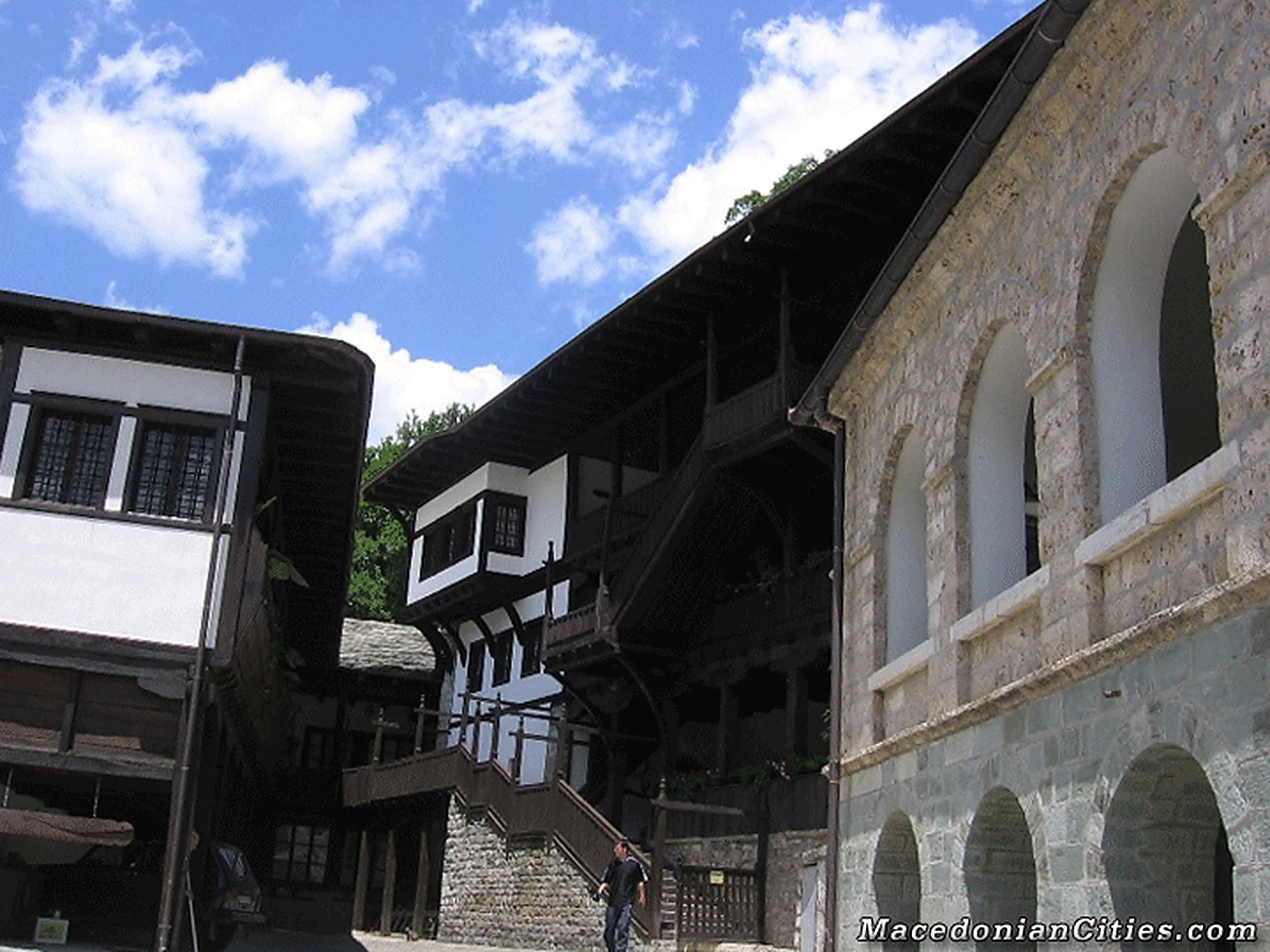
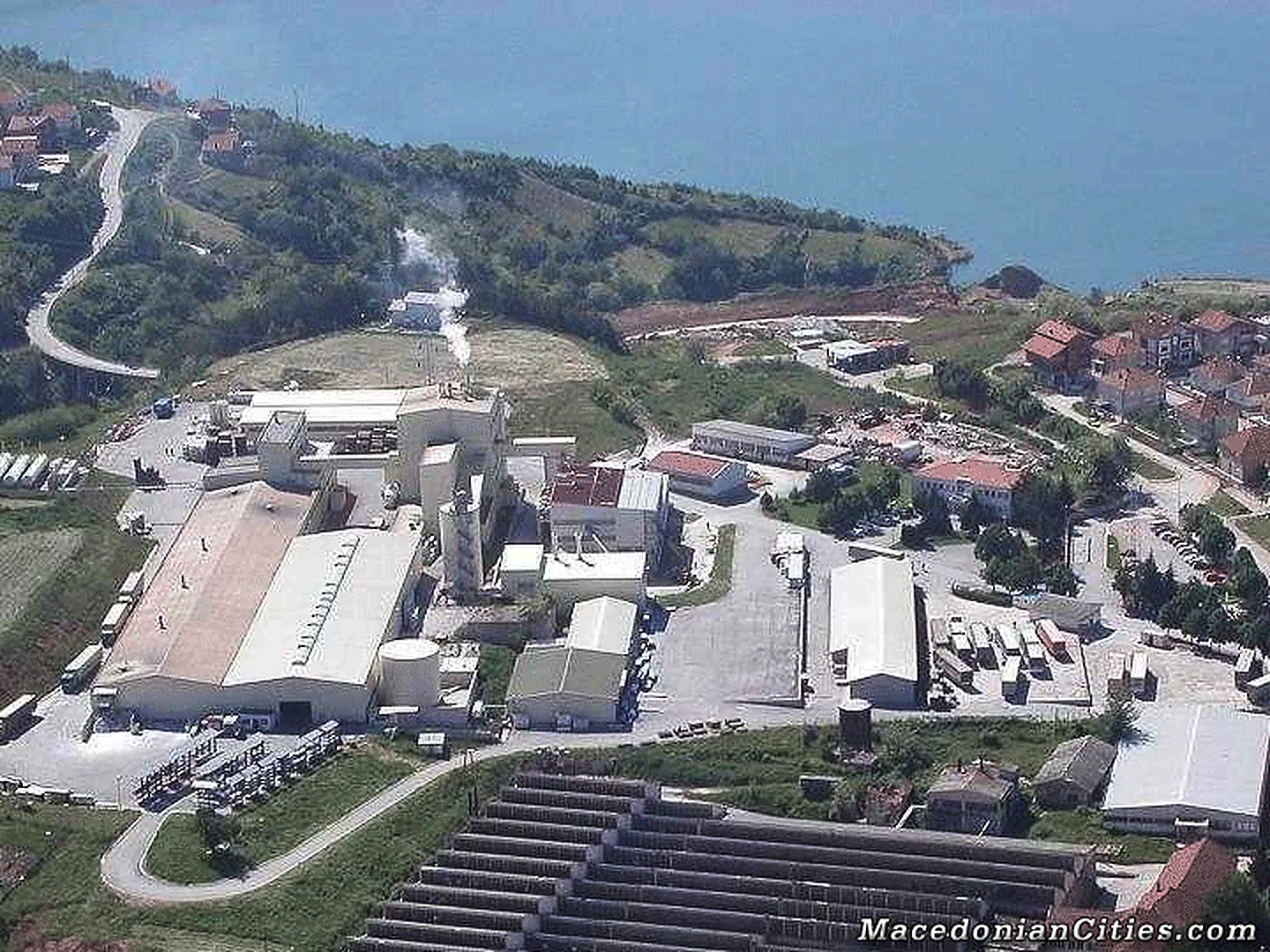
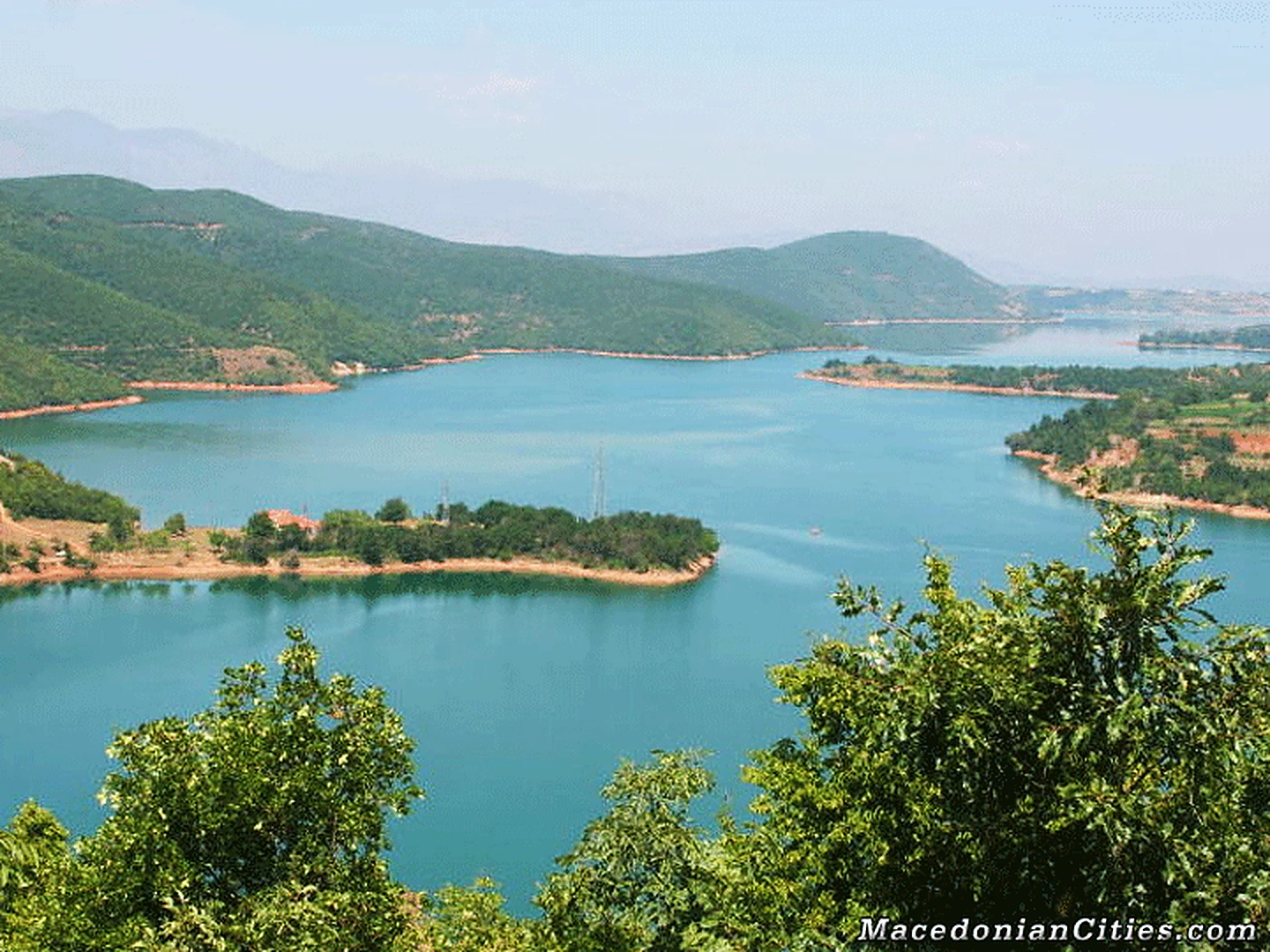
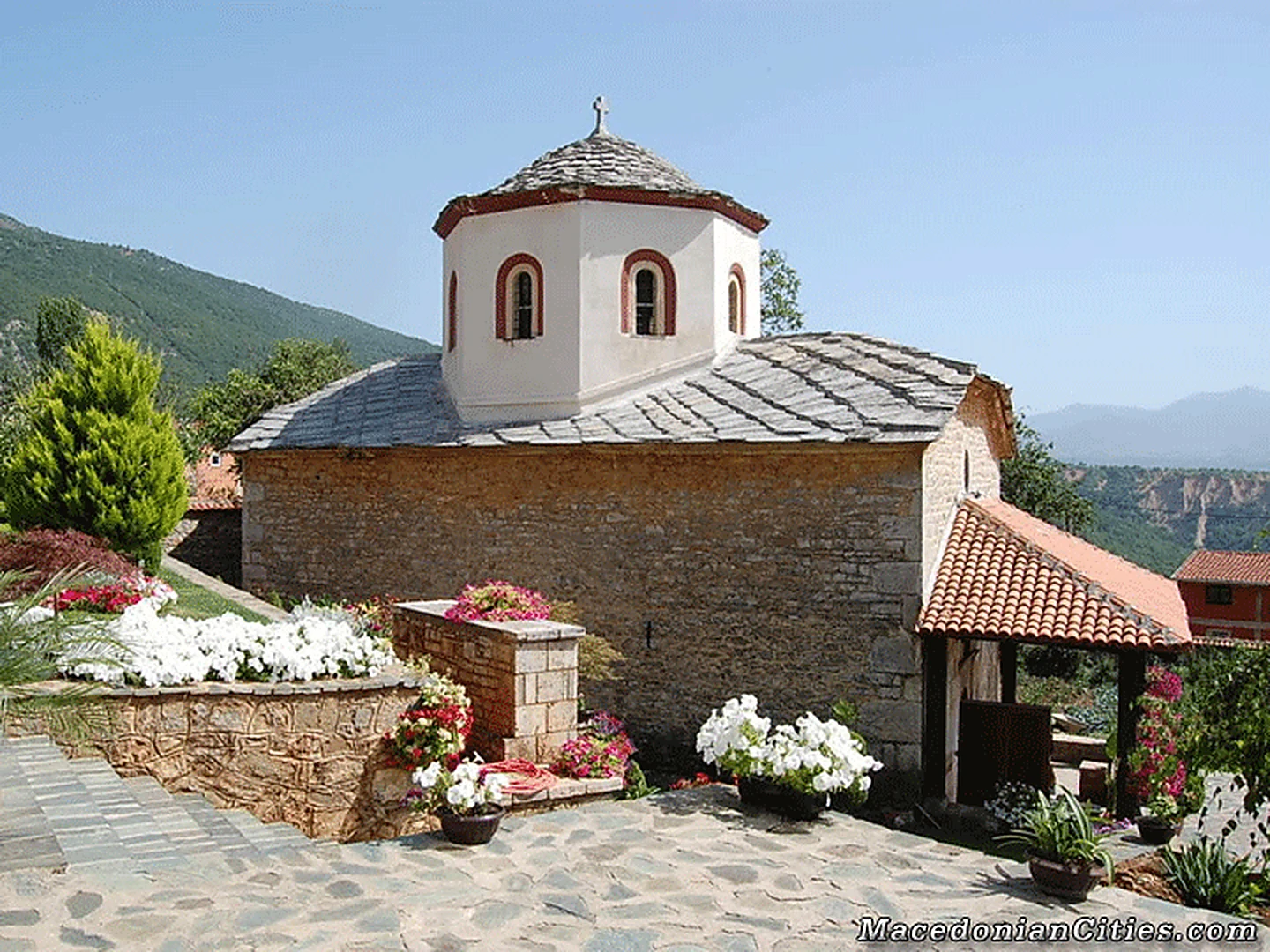
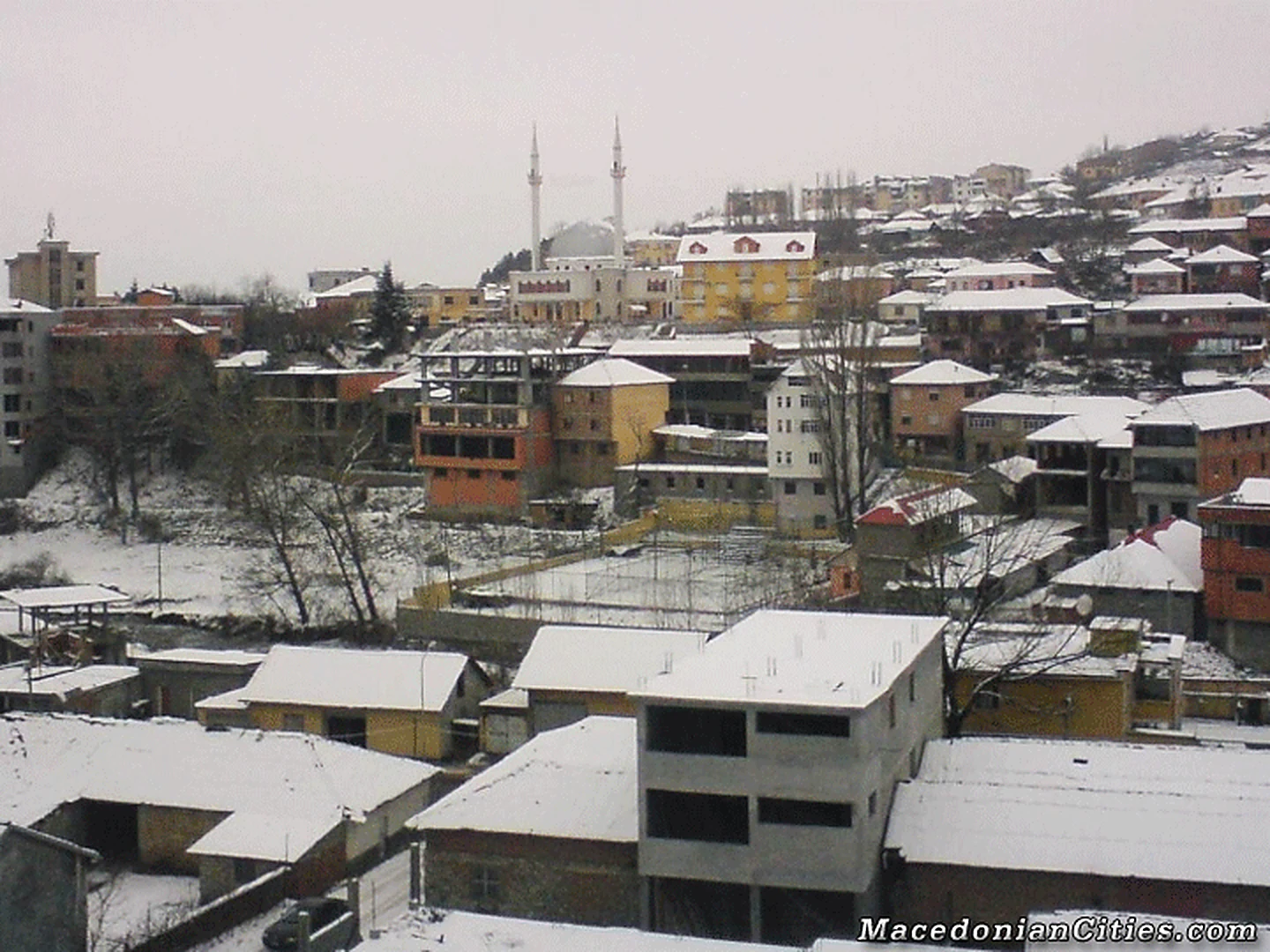
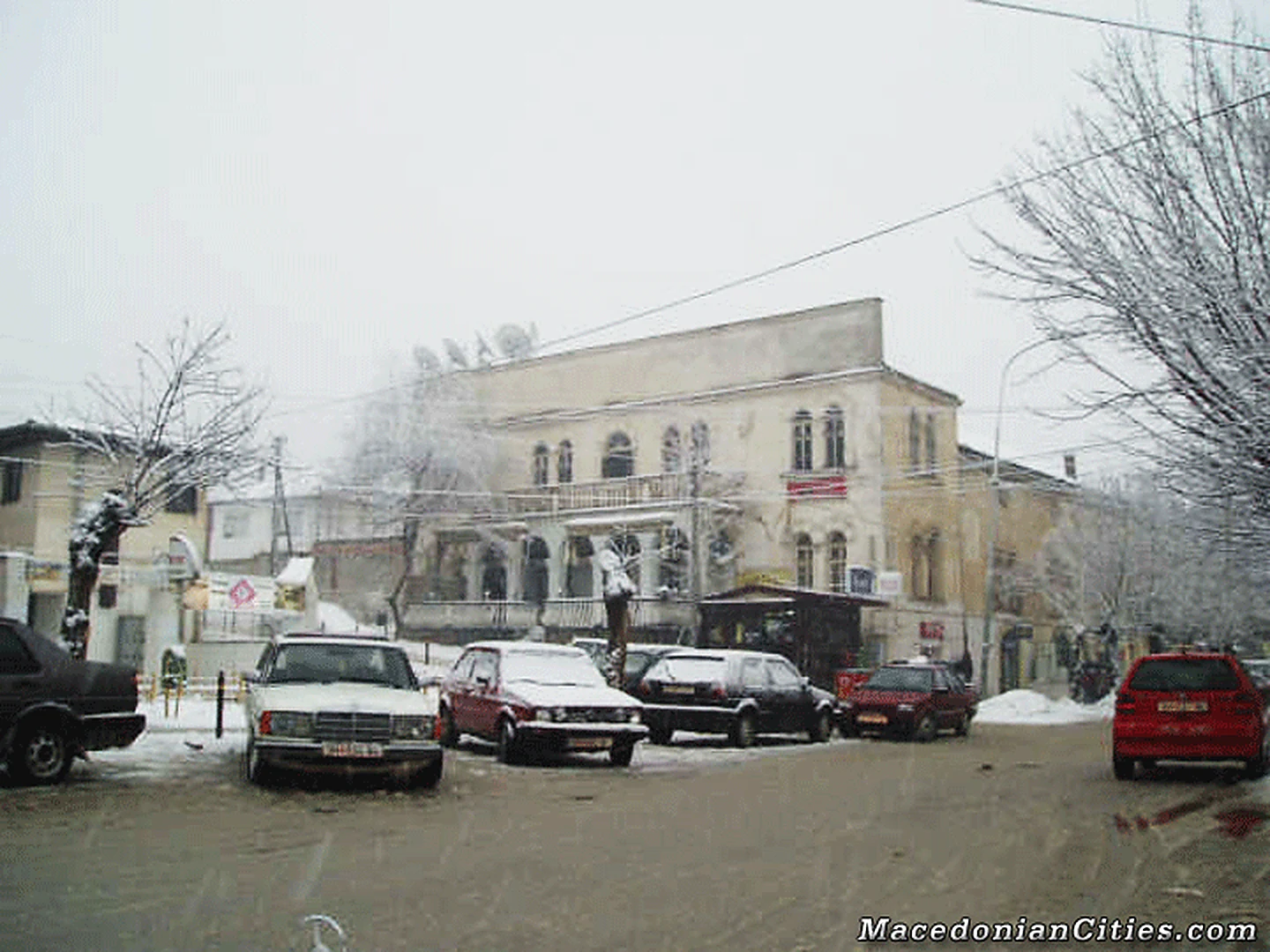
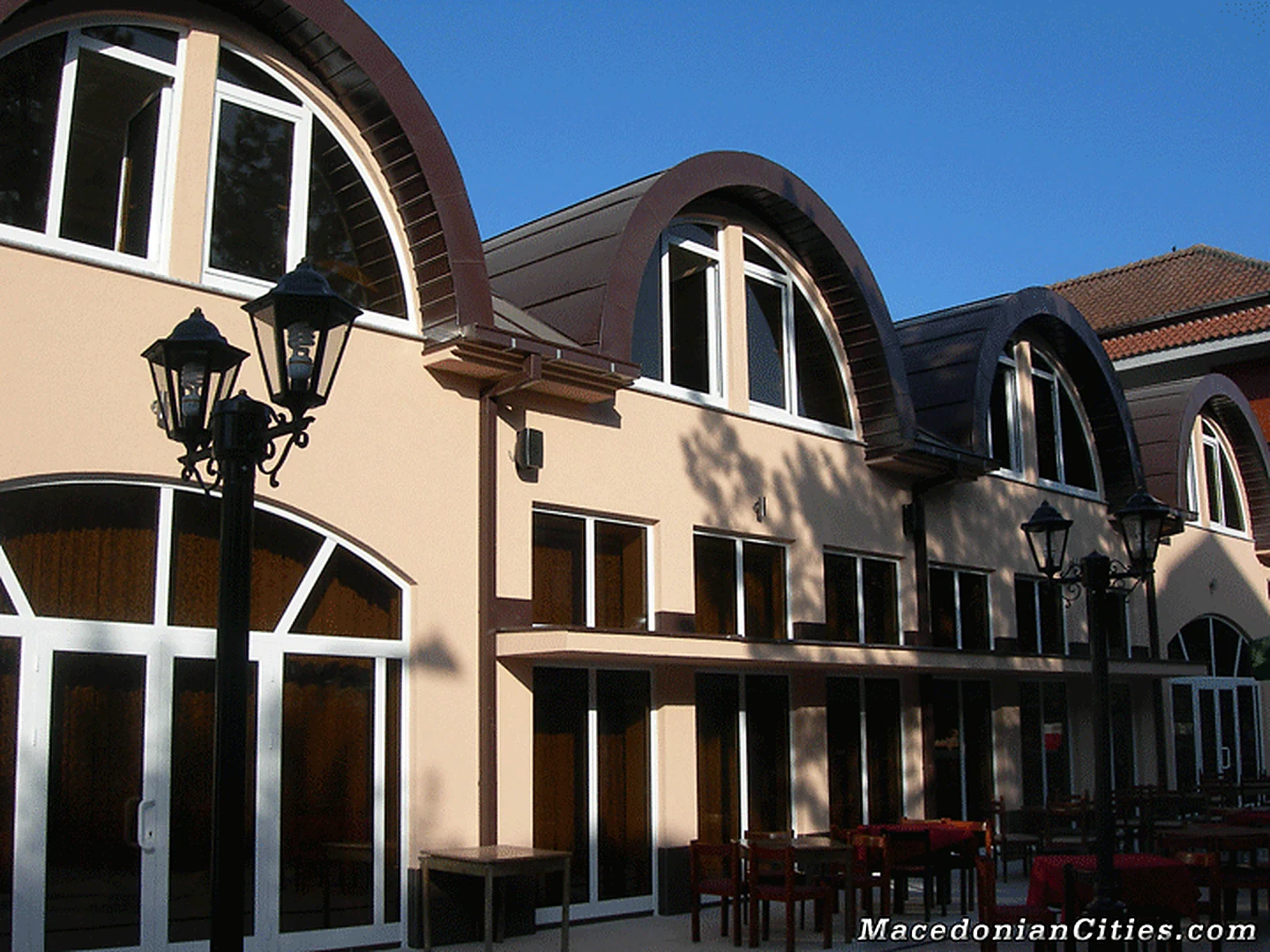
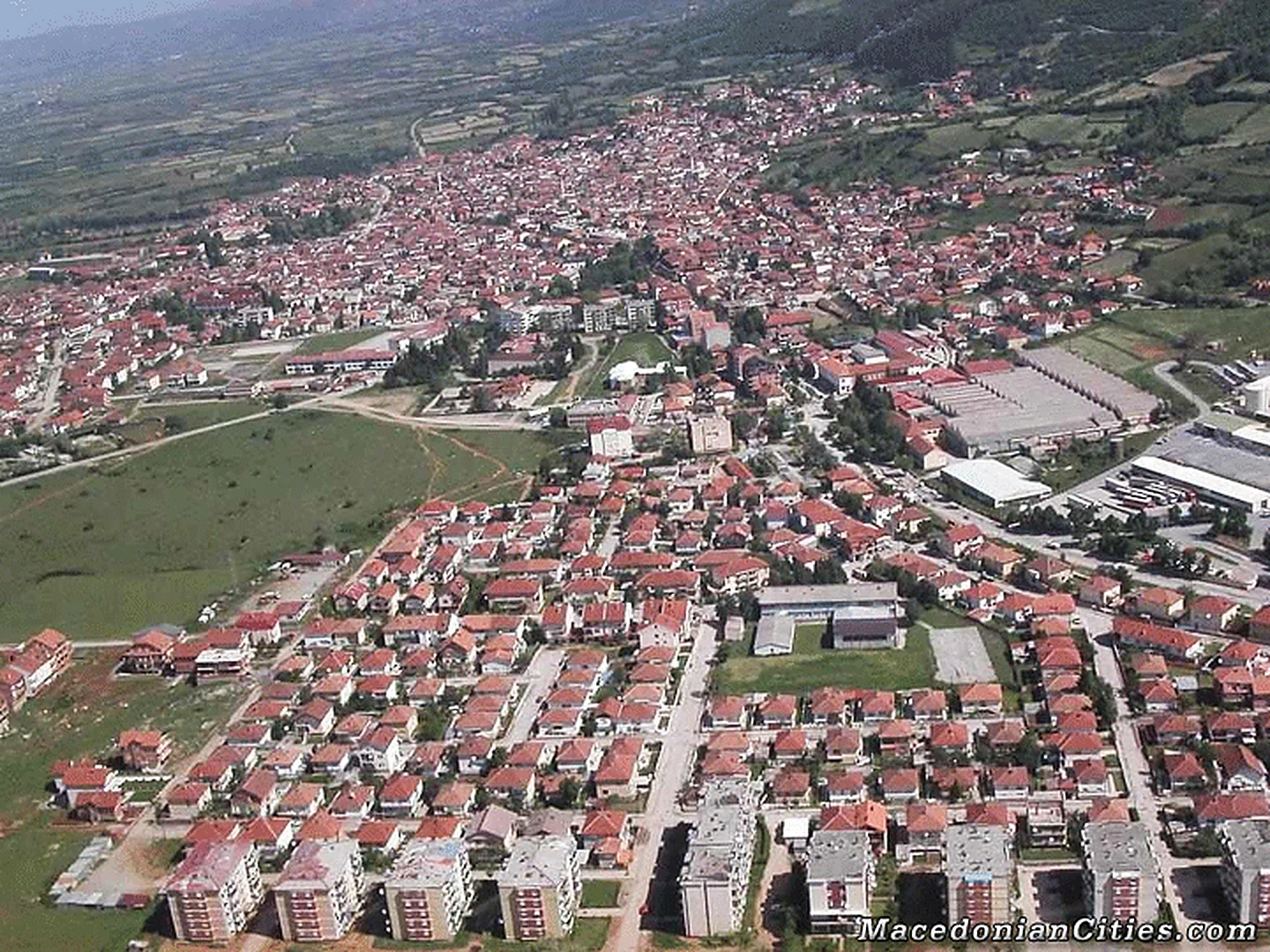
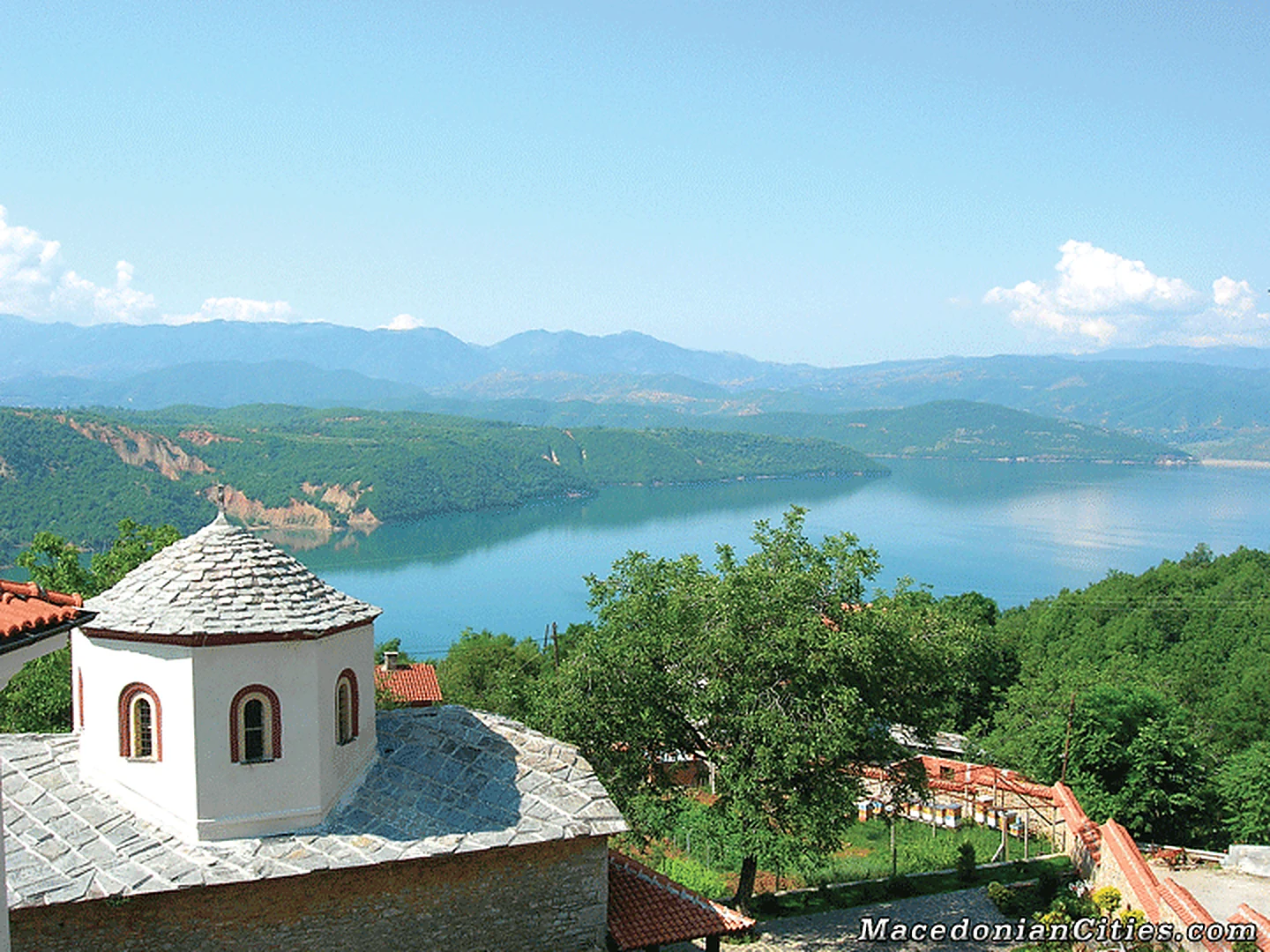
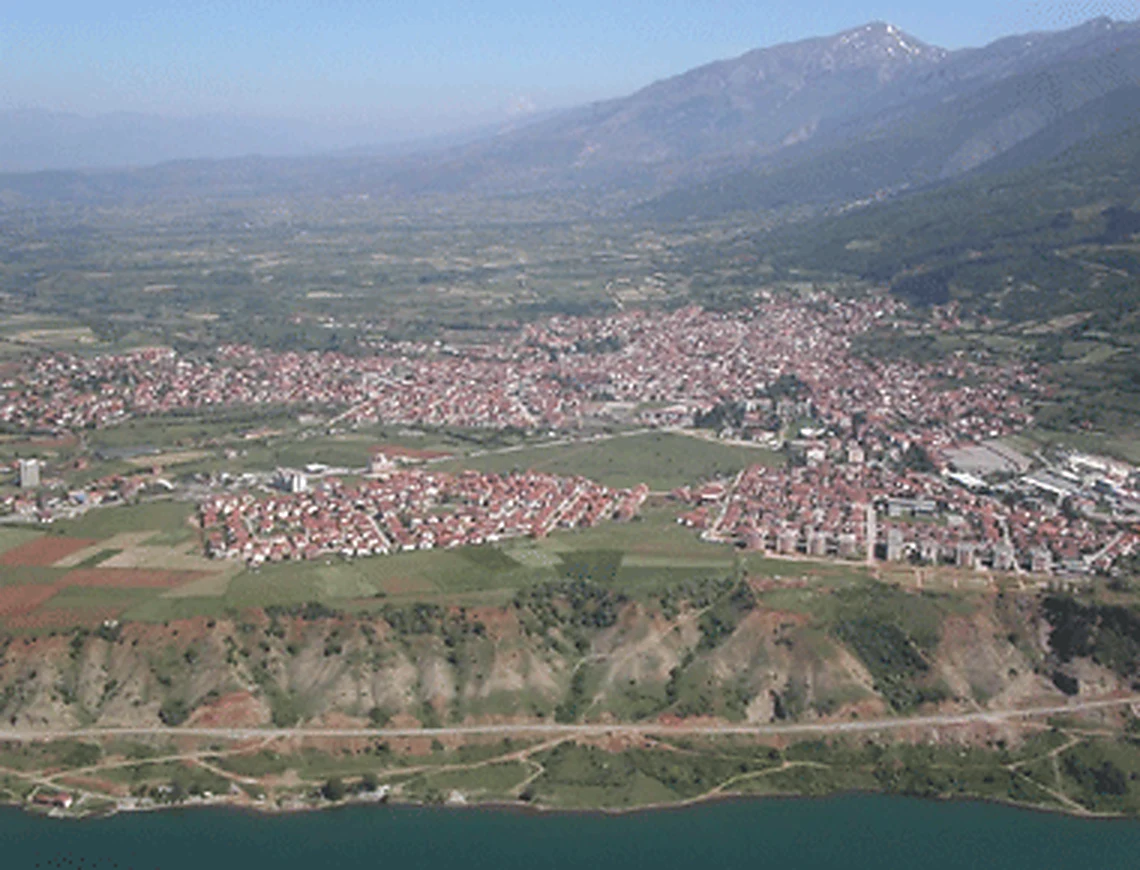
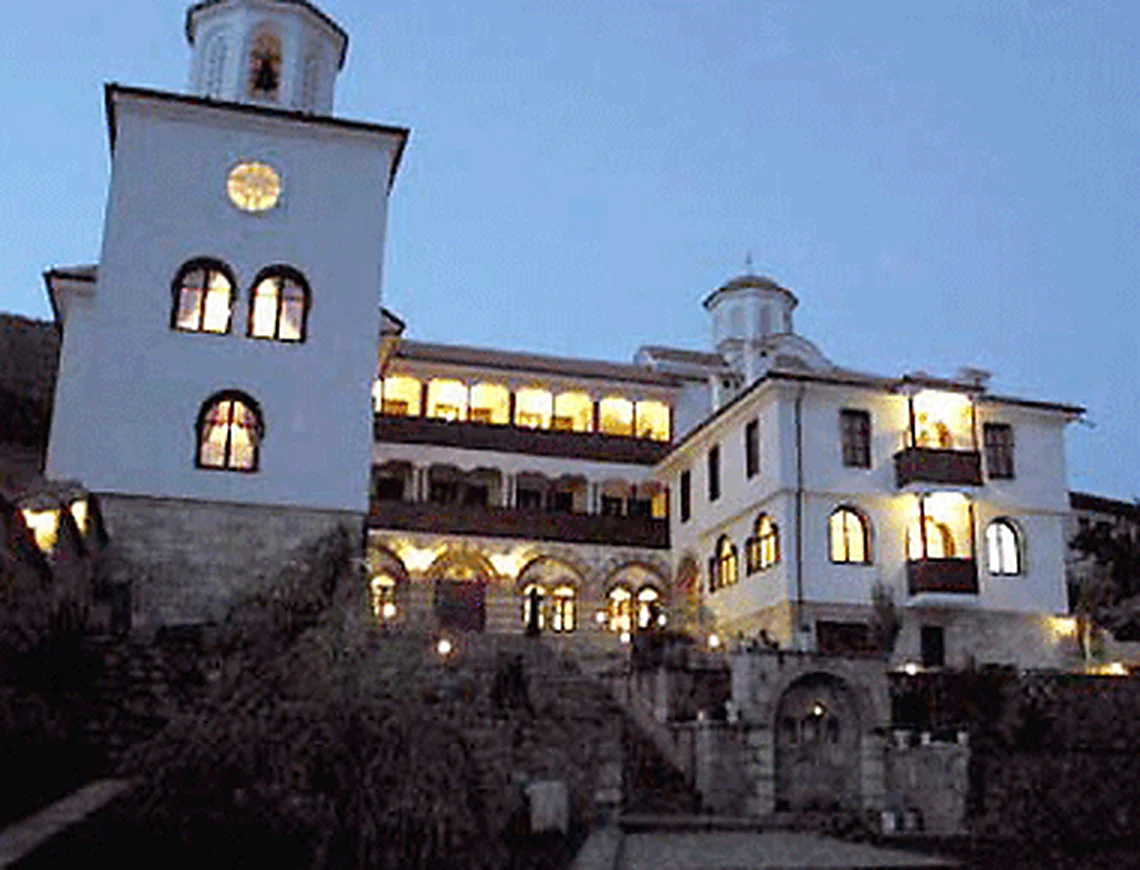
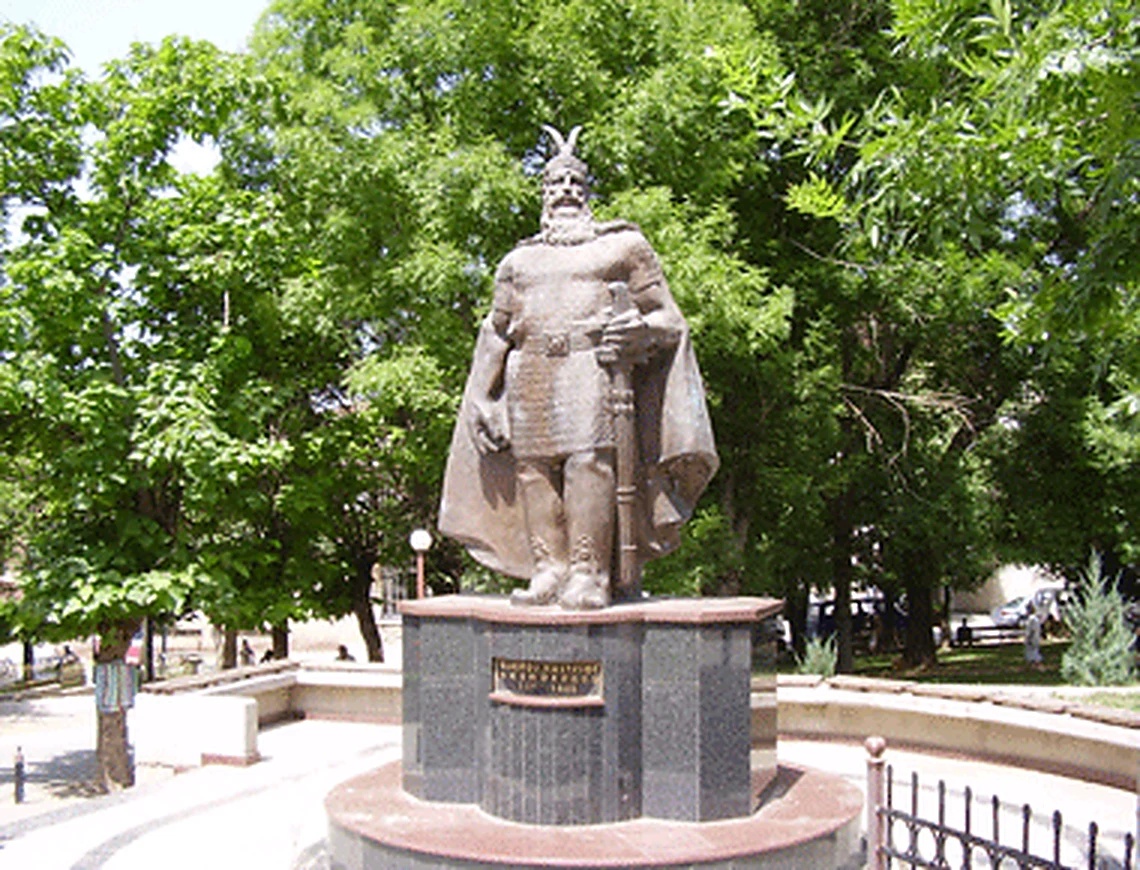
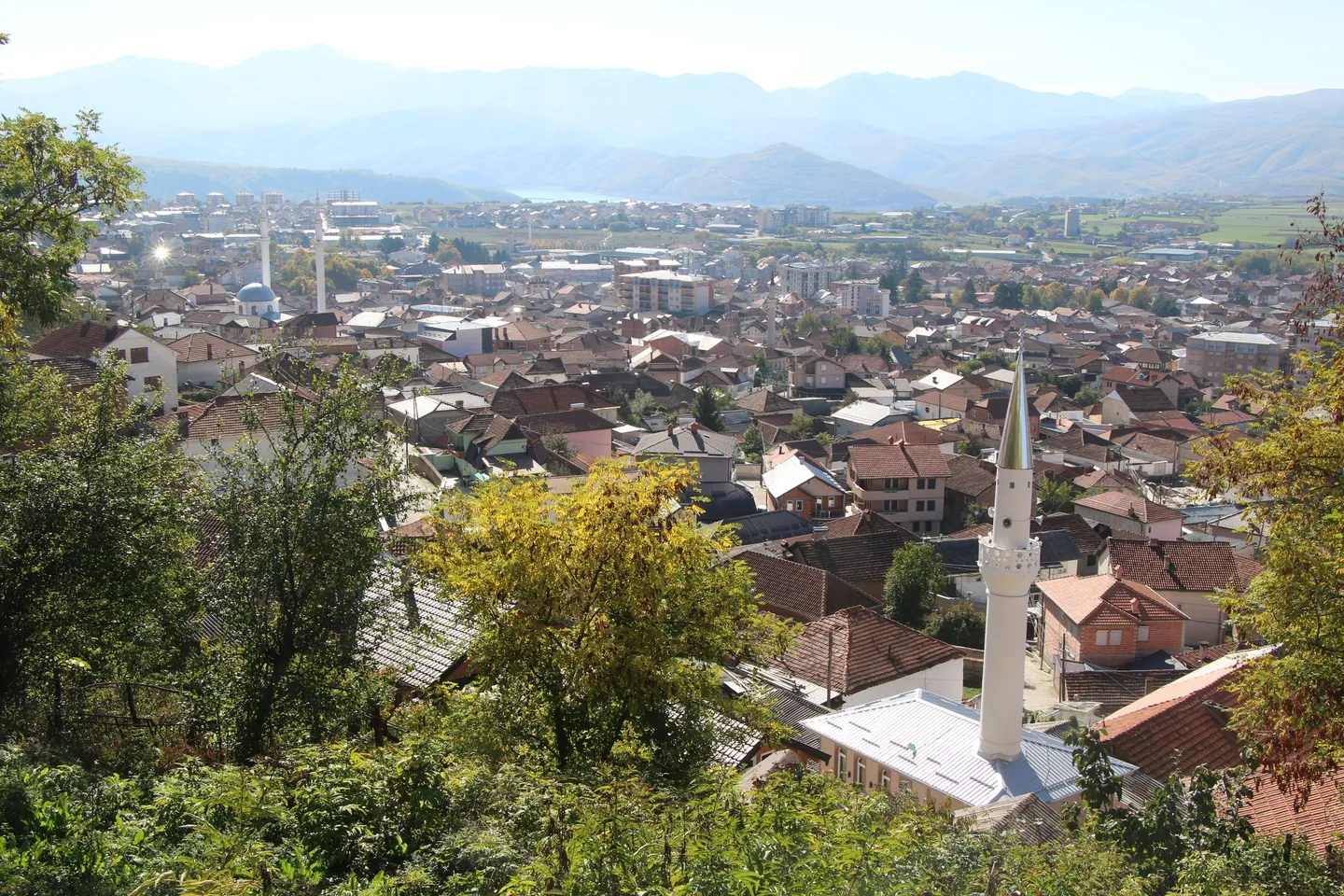
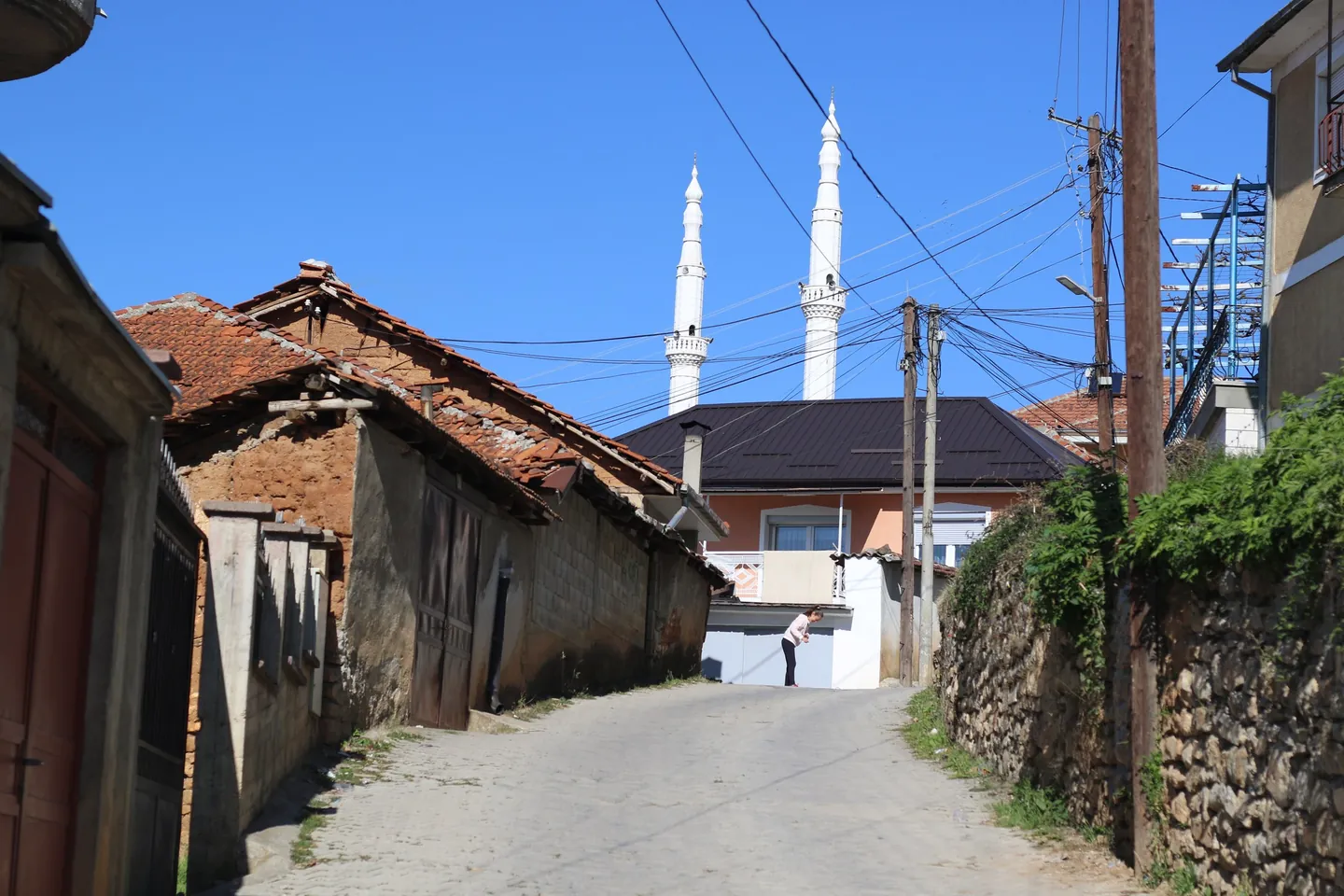
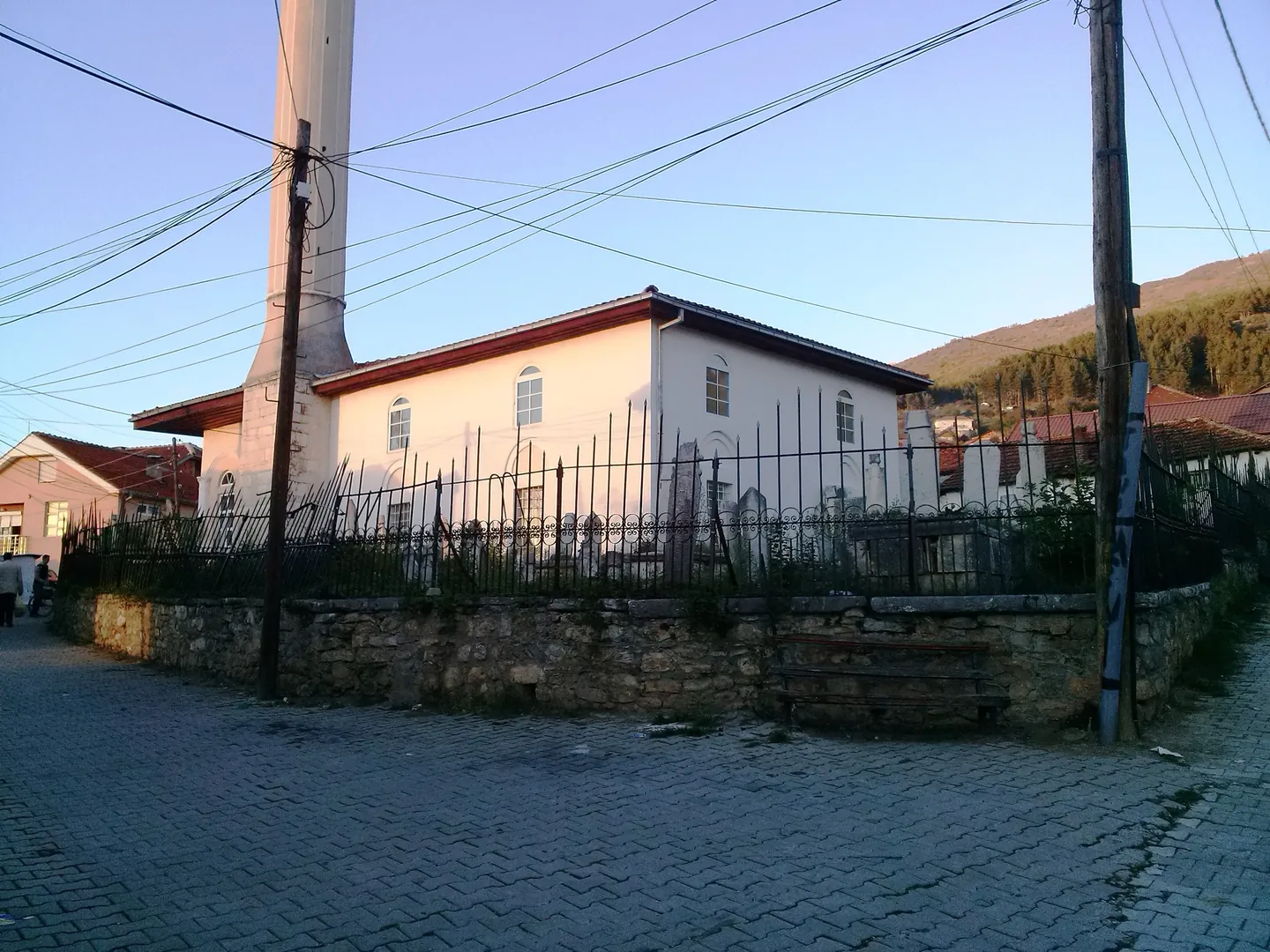
Photo credits
- Debar: red-tiled roofs and a white minaret in a town spread below hazy mountains, seen from a hillside. Photo: 44martin88CC BY-SA 4.0Wikimedia Commons
- Debar: a quiet street climbing between old walled houses, two white minarets rising over the rooftops. Photo: 44martin88CC BY-SA 4.0Wikimedia Commons
- Debar: Inkjar Mosque, a white building with a tall minaret behind an iron fence and a stone wall. Photo: CibrevCC BY-SA 4.0Wikimedia Commons


