
Northeastern
Kumanovo
Куманово
- Residents · 2021 census
- 75,051
- Old photographs
- 35
- Photographs
- 35
North Macedonia’s second-largest urban centre
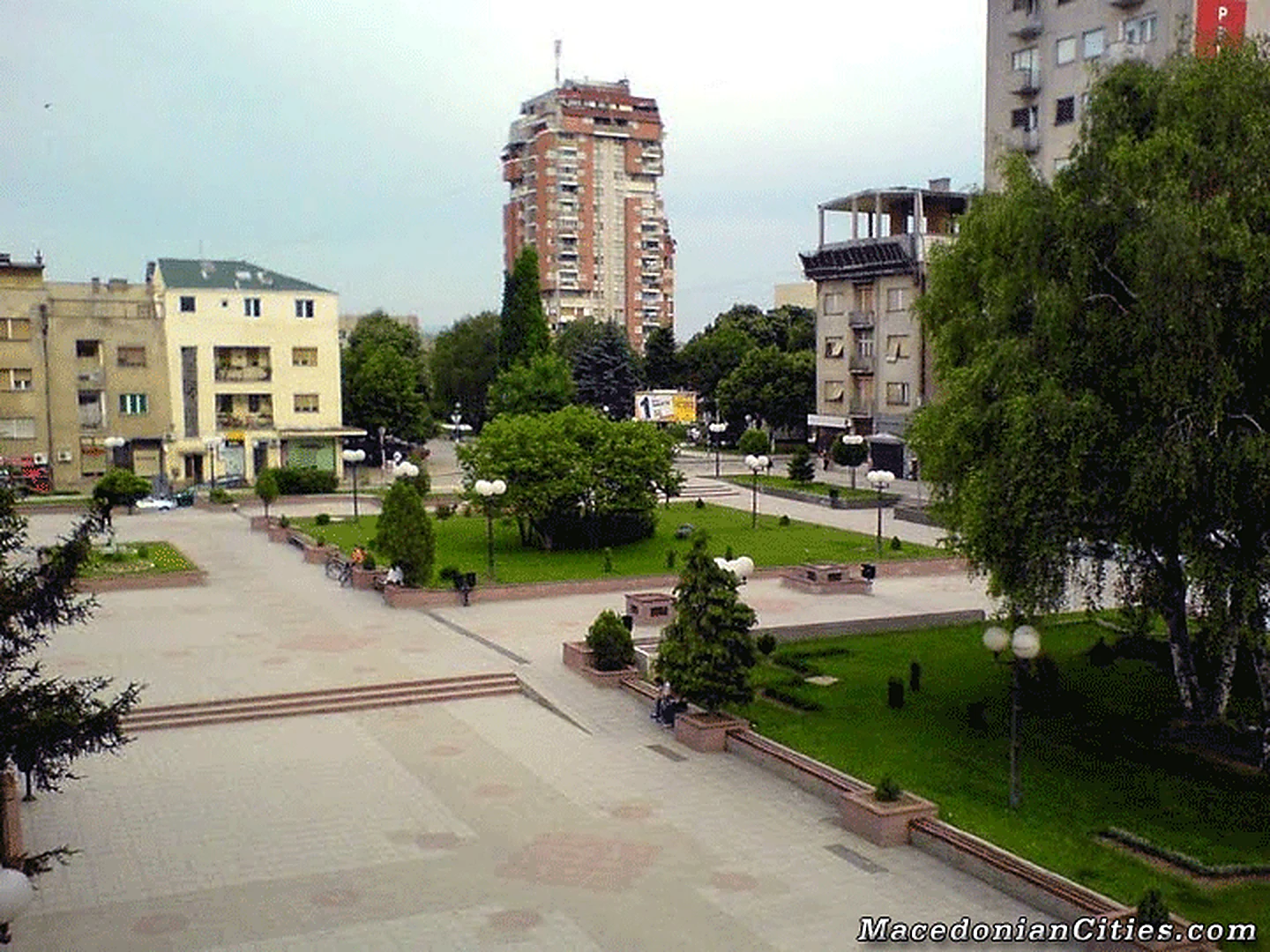
Kumanovo is the largest urban centre in northeastern North Macedonia, set in a broad basin on the road and rail routes linking Skopje with Serbia and Bulgaria. Its municipality had 98,104 residents in 2021 and is one of the country's most populous local-government areas.
Overview
City overview
Meet Kumanovo.
A grounded introduction to the city, its landscape, people, history and wider municipality.
Kumanovo is the largest urban centre in northeastern North Macedonia, set in a broad basin on the road and rail routes linking Skopje with Serbia and Bulgaria. Its municipality had 98,104 residents in 2021 and is one of the country's most populous local-government areas.
Ottoman registers mention Kumanovo in the early sixteenth century. It grew into a market town on routes between Skopje, Vranje, Kratovo and Kyustendil, and the wider district became an arena of the Karposh Uprising in 1689.
The Battle of Kumanovo in October 1912 ended Ottoman control of the area. Another defining date is 11 October 1941, when resistance actions in Kumanovo and Prilep came to be commemorated as the beginning of the organized anti-fascist uprising in Macedonia.
Post-war metal, textile, footwear and food industries drove rapid growth. Today Kumanovo is a multilingual, multiethnic city with a strong theatre, music, sports and comedy culture, while surrounding villages connect it to the rural Pchinja landscape.
At a glance
Useful facts, in one place.
Settlement and municipality figures are kept distinct wherever sources permit.
- Municipality
- Kumanovo Municipality
- City population
- 75,051
- Municipality population
- 98,104
- Population year
- 2021
- Municipal area
- 509.48 km²
- Elevation
- 340 m
- Approx. road distance from Skopje
- 42 km
- Postal code
- 1300
- Climate
- Temperate continental basin climate, with cold winters, hot summers and relatively modest precipitation.
- Sports teams
-
- KK Kumanovo
- ZRK Kumanovo
- MRK Kumanovo
- FK Bashkimi 1947
- Culture
-
- Kumanovo is known nationally for theatre, satire and a distinctive local dialect and humour.
- The Trajko Prokopiev Culture Centre, Kumanovo Theatre, museum and art gallery anchor the city's formal cultural life.
- Its population includes substantial Macedonian, Albanian, Serbian and Roma communities.
- Population snapshot
- 75,051 city residents and 98,104 municipality residents in the 2021 census; 23,053 lived outside the city settlement.
- Statistical region
- Northeastern
- Settlements in the municipal plan
- 49
- Villages in the municipal plan
- 48
- Rural entries represented here
- 49
- Settlement-register note
- A 2026 municipal plan states 49 settlements (one town and 48 villages), while the municipality's 2023-2027 rural strategy reproduces a legal list containing 49 rural names, including Vojinovik and Kosturnik. The villages array preserves every named legal-list entry rather than silently dropping one.
Known for
The city's signature.
Landmarks, foods, landscapes and traditions that give Kumanovo its character.
- The prehistoric ritual and archaeoastronomical site of Kokino nearby
- The 1912 Battle of Kumanovo
- A strong theatre, music and comedy tradition
- Its role as the northeastern transport hub
- Pelince and the ASNOM memorial landscape
Geography
Geography
Land shapes the city.
Terrain, waterways, climate and transport explain why Kumanovo grew where it did.
Kumanovo lies in a broad basin northeast of Skopje, near the meeting of routes from Serbia, Bulgaria and the central Vardar valley. The city stands at the foot of Skopska Crna Gora, with low agricultural country stretching east toward Kratovo and Kriva Palanka. Its road and rail position has made it North Macedonia's main northeastern urban centre.
Several small rivers and streams cross the basin before joining the Pčinja system. Beyond the built-up area, the landscape shifts from cultivated plains to the volcanic uplands around Kokino and the old villages of Staro Nagoričane. This wider district holds prehistoric sites, medieval churches and the Pelince memorial complex, all within day-trip distance of the city.
History
History
A concise, rewritten account.
Written afresh from cross-checked municipal, archaeological, heritage and institutional sources—not copied website text.
Ottoman registers mention Kumanovo as a village in 1519. It grew during the seventeenth century as a market on routes between Skopje, Vranje, Kratovo and Kyustendil. The Karpoš Uprising of 1689 began in this northeastern region and briefly challenged Ottoman authority before its violent suppression. During the nineteenth century, trade and the nearby railway accelerated urban growth.
The Battle of Kumanovo in October 1912 was one of the opening and decisive battles of the First Balkan War. Serbia's victory ended Ottoman control of the area, after which the city passed through war, occupation and incorporation into Yugoslavia. The Second World War again brought occupation and resistance; 11 October, commemorating the 1941 armed uprising that began in Kumanovo and Prilep, became a national holiday.
Post-war factories in metalworking, textiles, footwear and food processing drew residents from across the district. Kumanovo grew into one of the country's largest and most culturally mixed cities. Its distinctive urban personality is expressed as much through theatre, music and a famously dry local humour as through monuments and industry.
The preserved legacy narrative
Open the preserved legacy narrative
Prehistory
The wider area contains numerous prehistoric and ancient sites. These include Kostoperska Karpa, the Bronze Age site of Gradište near Pelince, the Neolithic settlement at Mlado Nagoričane, the Iron Age Groblje tumulus at Vojnik, the Roman necropolis of Drezga at Lopate, and the Roman settlement identified as Vicianus at Klečovce.
Early history
Kumanovo was first mentioned in 1519 in an Ottoman document held in Istanbul, although the legacy text gives no precise archival reference.
The fullest early description comes from Evliya Çelebi, who visited in 1660 or 1661. He portrayed Kumanovo as a district centre in the Skopje Sanjak, crossed by several rivers and containing about 600 tile-roofed houses. He also noted a handsome central mosque, a tekke, madrasa, hammam, shops and watermills, together with vineyards, gardens and a pleasant climate.
Kumanovo became an urban settlement and regional administrative centre near the end of the sixteenth or beginning of the seventeenth century. After turbulent events—most notably the Karposh Uprising of 1689—the town entered a period of stagnation, and by the late eighteenth century it had the character of an Ottoman provincial town.
The Karposh Uprising
According to the Ottoman historian Silahdar Fındıklılı Mehmed Ağa, Karposh initially led a band of hajduks near Dospat, in present-day Bulgaria. The Ottoman authorities later appointed him to command Christian auxiliary forces across a broad territory between Sofia, Veles, Dojran, Kyustendil and Nevrokop. Although he had served as an Ottoman vassal, in 1689—amid imperial weakness, dissatisfaction with higher taxation and an Austrian offensive—Karposh turned against the authorities. The revolt spread rapidly, and insurgents took Kratovo, Kriva Palanka, Kumanovo, Kačanik and other places. In conjunction with Habsburg forces acting under Emperor Leopold I, they sought to extend the campaign toward Skopje and Štip.
A change in the Balkan military and political situation proved decisive. The Austrian army withdrew, and stronger Ottoman forces, reinforced by Crimean Tatar detachments under Khan Selim I Giray, attacked the rebels. After fierce fighting they retook Kriva Palanka, the principal insurgent stronghold, then assaulted Kumanovo and its newly built fortification. Karposh was captured, taken to Skopje and executed at the Stone Bridge over the Vardar.
First Balkan War
In October 1912, during the First Balkan War, Serbian forces commanded by General Radomir Putnik won a decisive victory over the Ottoman army north of the town. The two-day Battle of Kumanovo ended Ottoman authority in Vardar Macedonia and opened the way for Serbian control of the region, which was later incorporated into Yugoslavia.
Second World War
Armed anti-fascist resistance associated with the Macedonian national and social liberation movement began in Kumanovo and Prilep on 11 October 1941. The struggle ended with the defeat of the occupying forces and the creation of a Macedonian federal republic within socialist Yugoslavia. One of Kumanovo's best-known partisans was Hristijan Todorovski-Karpoš. After 1945 the city underwent rapid economic, administrative and cultural development.
Modern history
Kumanovo's economy had already expanded in the late nineteenth century through agriculture, crafts and trade, but large-scale industrialisation came mainly after the Second World War. From 1945 the city grew quickly in economic, administrative and cultural terms, becoming a modern urban centre whose municipality today has close to 100,000 residents.
The 2001 conflict
The armed conflict of 2001 first intensified in the mountain outskirts of Tetovo and spread in May to the Kumanovo region, especially the villages north of the city. The fighting involved the National Liberation Army, state security forces and local communities; its causes, conduct and memory remain politically sensitive and should not be reduced to the legacy text's one-sided label of an 'Albanian insurgency.'
Profile sources (17)
- kumanovo.gov.mk
- whc.unesco.org/en/tentativelists/5413
- en.wikipedia.org/wiki/Trajko_Prokopiev
- imdb.com/name/nm2762049/bio
- kumanovo.gov.mk/wp-content/uploads/2026/06/%D0%A1%D0%BB%D1%83%D0%B6%D0%B1%D0%B5%D0%BD-%D0%B3%D0%BB%D0%B0%D1%81%D0%BD%D0%B8%D0%BA-%D0%B1%D1%80.-7-2026-%D0%B3.pdf
- kumanovo.gov.mk/wp-content/uploads/2024/11/SECAP-MK.pdf
- kumanovo.gov.mk/wp-content/uploads/2022/12/%D0%A1%D1%82%D1%80%D0%B0%D1%82%D0%B5%D0%B3%D0%B8%D1%98%D0%B0-%D0%B7%D0%B0-%D1%80%D1%83%D1%80%D0%B0%D0%BB%D0%B5%D0%BD-%D1%80%D0%B0%D0%B7%D0%B2%D0%BE%D1%98-2023-2027%D0%B3%D0%BE%D0%B4..pdf
- stat.gov.mk/Opstininm_en.aspx?mbop=1678
- makstat.stat.gov.mk/PXWeb/pxweb/en/MakStat/MakStat__Popisi__Popis2021__NaselenieVkupno__PodatociNaselenie/T1501P21.px
- britannica.com/event/Balkan-Wars
- visitkumanovo.wordpress.com/experience/famouscitizens/tprokopiev
- biografija.org/film/toni-mihajlovski
- en.wikipedia.org/wiki/Dimitar_Kova%C4%8Devski
- uefa.com/european-qualifiers/teams/players/250061619--taulant-seferi
- uefa.com/european-qualifiers/teams/players/250041569--naser-aliji
- en.wikipedia.org/wiki/Jordan_Cekov
- mpc.org.mk/english/monasteries.asp
Interesting Facts
Interesting facts
Details worth remembering.
Local landmarks, customs, foods and historical details that reward a closer look at Kumanovo.
-
A major municipality
Kumanovo Municipality recorded 98,104 residents in the 2021 census and covers 509.48 square kilometres.
-
A complicated settlement register
Current municipal planning says one town and 48 villages, while the municipality's own rural strategy quotes a legal list with 49 rural names. The discrepancy is retained transparently in this dataset.
-
The Battle of Kumanovo
The decisive battle fought near the city on 23-24 October 1912 was one of the opening engagements of the First Balkan War.
-
Eleventh of October
The resistance action in Kumanovo on 11 October 1941 is commemorated together with the action in Prilep by a national public holiday.
-
Kokino is nearby, not municipal
The Bronze Age Kokino site is a major regional attraction northeast of Kumanovo, but it lies in neighbouring Staro Nagoricane Municipality and should not be labelled as being inside Kumanovo Municipality.
-
A multiethnic urban centre
Municipal planning material explicitly describes Kumanovo as home to Macedonian, Albanian, Serbian, Roma and other communities.
People
Celebrities
Lives linked to the city.
Writers, musicians, artists, athletes, public figures and historical personalities with a clearly stated connection to Kumanovo.
- Notable person Trajko Prokopiev Kumanovo-born composer and conductor who helped shape twentieth-century Macedonian concert and stage music.
- Notable person Toni Mihajlovski Kumanovo-born actor known for theatre, film, television and comedy.
- Notable person Saško Kocev Kumanovo-born actor, stand-up comedian and television presenter.
-
Trajko Prokopiev music
Born in Kumanovo; the city's main culture centre bears his name.
Composer and conductor who helped establish twentieth-century Macedonian concert, choral and stage music.
Source -
Toni Mihajlovski theatre
Born in Kumanovo.
Actor known for theatre, film, television and comedy.
Source -
Sashko Kocev theatre
Born in Kumanovo.
Actor, comedian and television presenter with extensive stage and screen work.
Source -
Dimitar Kovachevski public life
Born in Kumanovo.
Economist and politician who served as prime minister of North Macedonia from 2022 to 2024.
Source -
Taulant Seferi sport
Born in Kumanovo.
Professional footballer and Albania international.
Source -
Naser Aliji sport
Born in Kumanovo.
Professional footballer who represented Albania internationally.
Source -
Jordan Cekov history
Born in Kumanovo.
Partisan commander and post-war public figure also known by the nom de guerre Dane.
Source
Villages & Monasteries
Villages
The wider municipality.
Every verified village and rural settlement in the current municipal scope, followed by known monasteries in the surrounding cultural landscape.
49 villages and rural settlements are included.
- Agino Selo Law-listed rural settlement in Kumanovo Municipality. Source
- Bedinje Law-listed settlement now closely integrated with Kumanovo's urban area. Source
- Beljakovce Law-listed rural settlement in Kumanovo Municipality. Source
- Biljanovce Law-listed rural settlement in Kumanovo Municipality. Source
- Brzak Law-listed rural settlement in Kumanovo Municipality. Source
- Vakov Law-listed rural settlement in Kumanovo Municipality. Source
- Vince Law-listed rural settlement in Kumanovo Municipality. Source
- Vojinovik Law-listed village noted by the municipal rural strategy as lacking a separately defined cadastral boundary. Source
- Gabresh Law-listed rural settlement in Kumanovo Municipality. Source
- Gorno Konjare Law-listed rural settlement in Kumanovo Municipality. Source
- Gradishte Law-listed rural settlement in Kumanovo Municipality. Source
- D'lga Law-listed rural settlement recorded with no resident population in recent census tables. Source
- Dobroshane Law-listed rural settlement in Kumanovo Municipality. Source
- Dovezence Law-listed rural settlement in Kumanovo Municipality. Source
- Dolno Konjare Law-listed settlement now closely connected to Kumanovo's urban area. Source
- Zhivinje Law-listed rural settlement in Kumanovo Municipality. Source
- Zubovce Law-listed rural settlement in Kumanovo Municipality. Source
- Jachince Law-listed rural settlement in Kumanovo Municipality. Source
- Karabichane Law-listed rural settlement in Kumanovo Municipality. Source
- Klechevce Village near the documented Roman-period site of Vicianus. Source
- Kokoshinje Law-listed rural settlement in Kumanovo Municipality. Source
- Kolicko Law-listed rural settlement in Kumanovo Municipality. Source
- Kosmatac Law-listed rural settlement in Kumanovo Municipality. Source
- Kosturnik Law-listed village noted by the municipal rural strategy as lacking a separately defined cadastral boundary. Source
- Kutlibeg Law-listed rural settlement in Kumanovo Municipality. Source
- Kuchkarevo Law-listed rural settlement in Kumanovo Municipality. Source
- K'shanje Law-listed rural settlement in Kumanovo Municipality. Source
- Lopate Law-listed rural settlement in Kumanovo Municipality. Source
- Ljubodrag Law-listed rural settlement in Kumanovo Municipality. Source
- Murgash Law-listed rural settlement in Kumanovo Municipality. Source
- Novo Selo Law-listed rural settlement in Kumanovo Municipality. Source
- Novoseljane Law-listed rural settlement in Kumanovo Municipality. Source
- Orashac Law-listed rural settlement in the eastern part of Kumanovo Municipality. Source
- Pezovo Law-listed rural settlement in Kumanovo Municipality. Source
- Proevce Law-listed settlement whose built area is closely integrated with Kumanovo. Source
- Pchinja Village on the Pchinja River and a law-listed municipal settlement. Source
- Rezhanovce Law-listed rural settlement in Kumanovo Municipality. Source
- Rechica Law-listed rural settlement in Kumanovo Municipality. Source
- Romanovce Large law-listed village southwest of Kumanovo. Source
- Skachkovce Law-listed rural settlement in Kumanovo Municipality. Source
- Sopot Law-listed rural settlement in Kumanovo Municipality. Source
- Studena Bara Law-listed rural settlement in Kumanovo Municipality. Source
- Sushevo Law-listed rural settlement in Kumanovo Municipality. Source
- Tabanovce Northern village beside the principal road and rail border crossing with Serbia. Source
- Tromegja Law-listed settlement at Kumanovo's northern urban edge. Source
- Umin Dol Law-listed rural settlement in Kumanovo Municipality. Source
- Cherkezi Law-listed rural settlement in Kumanovo Municipality. Source
- Chetirce Law-listed rural settlement in Kumanovo Municipality. Source
- Shupli Kamen Law-listed rural settlement in Kumanovo Municipality. Source
Monasteries nearby
Places of continuity.
Verified monastic sites within the municipality or its immediate cultural landscape.
-
Karpino Monastery
Suvi Orah, neighbouring Staro Nagoricane Municipality
Historic monastery of the Presentation of the Mother of God in the Kumanovo-Osogovo ecclesiastical region; outside Kumanovo Municipality but part of its immediate heritage circuit.
Source -
Matejche Monastery
Matejche, neighbouring Lipkovo Municipality
Medieval monastery on the slopes of Skopska Crna Gora, close to Kumanovo but administratively in Lipkovo.
Source -
Saint George Monastery and Church
Staro Nagoricane, neighbouring Staro Nagoricane Municipality
Important medieval church-monastery complex commonly visited from Kumanovo; explicitly outside the municipality.
Source
Old Photos (35)
Old Photos
The rare collection.
Every surviving full-size historical file is included, including originals that the old page markup accidentally omitted. Family-preserved originals remain untouched.
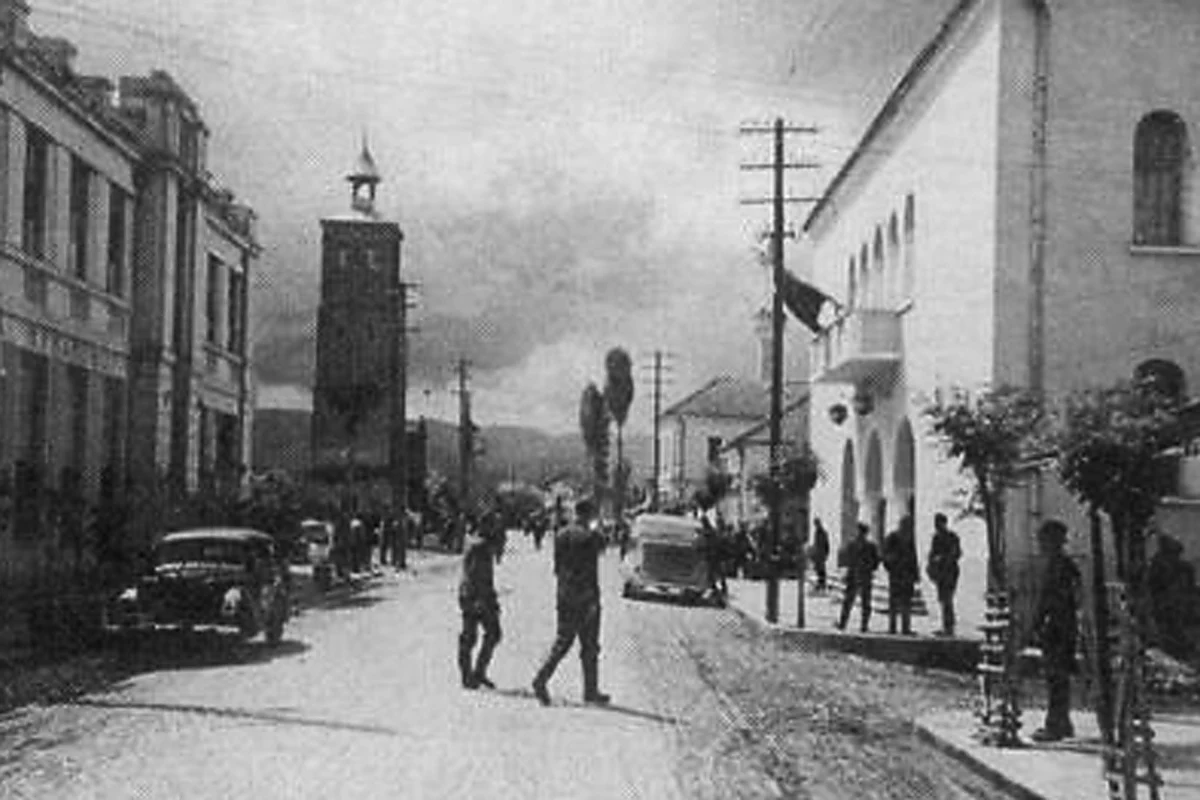
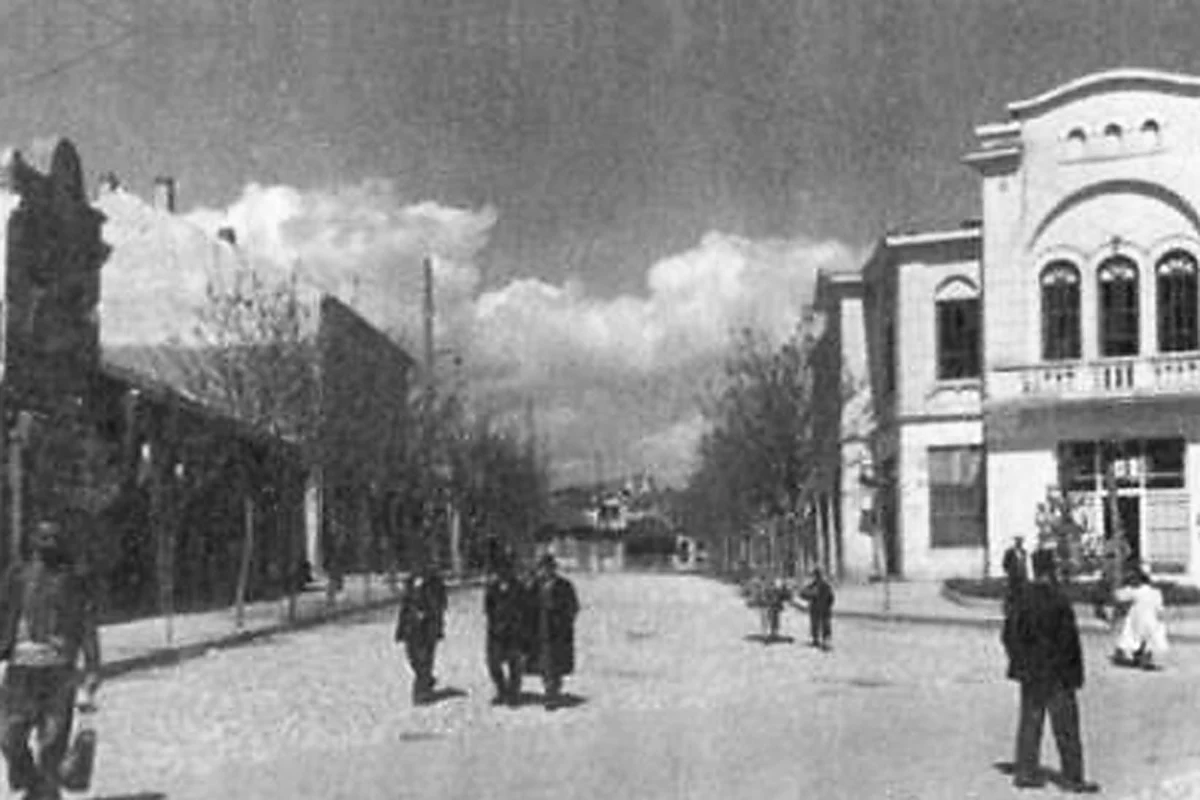
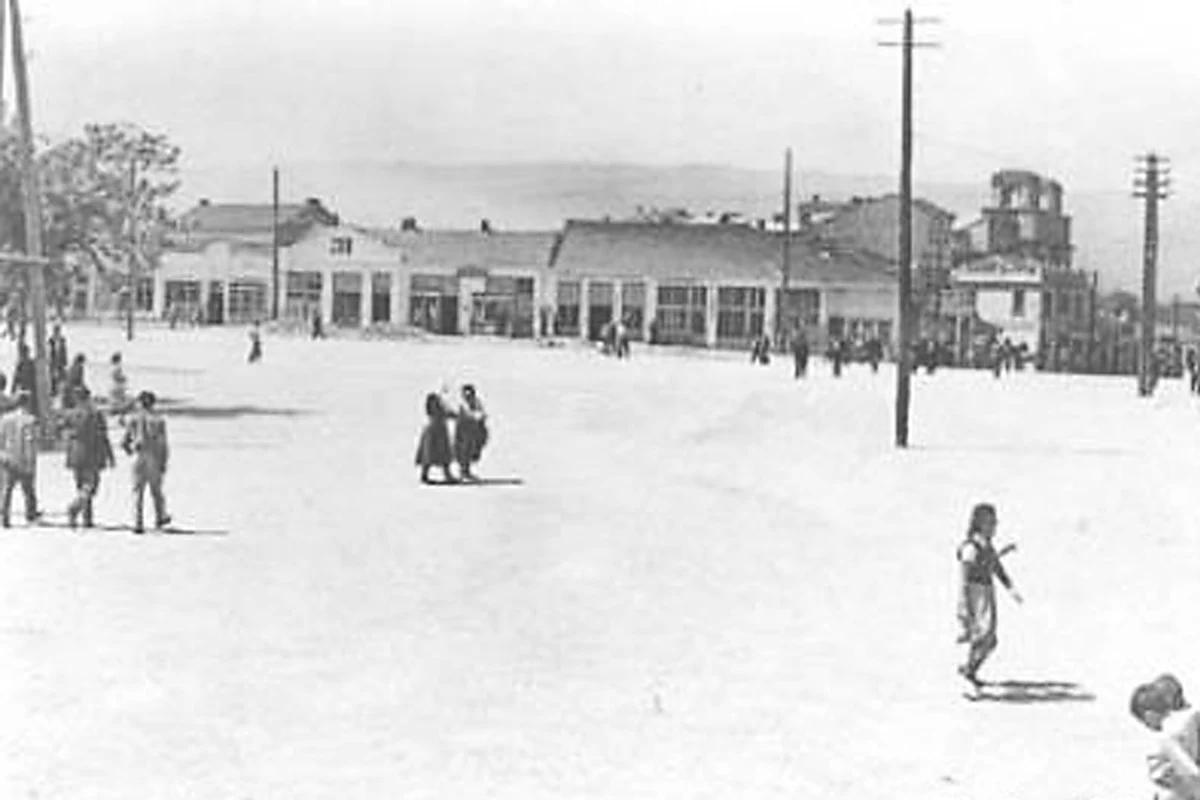
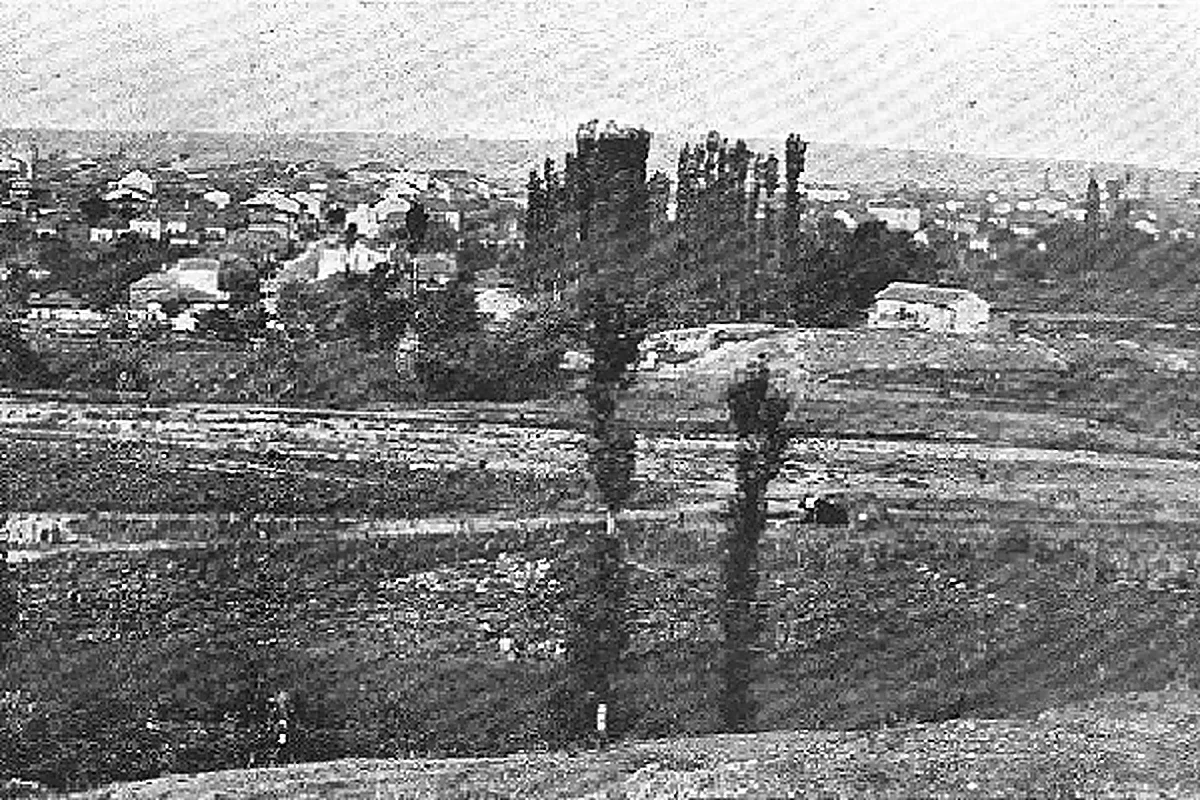
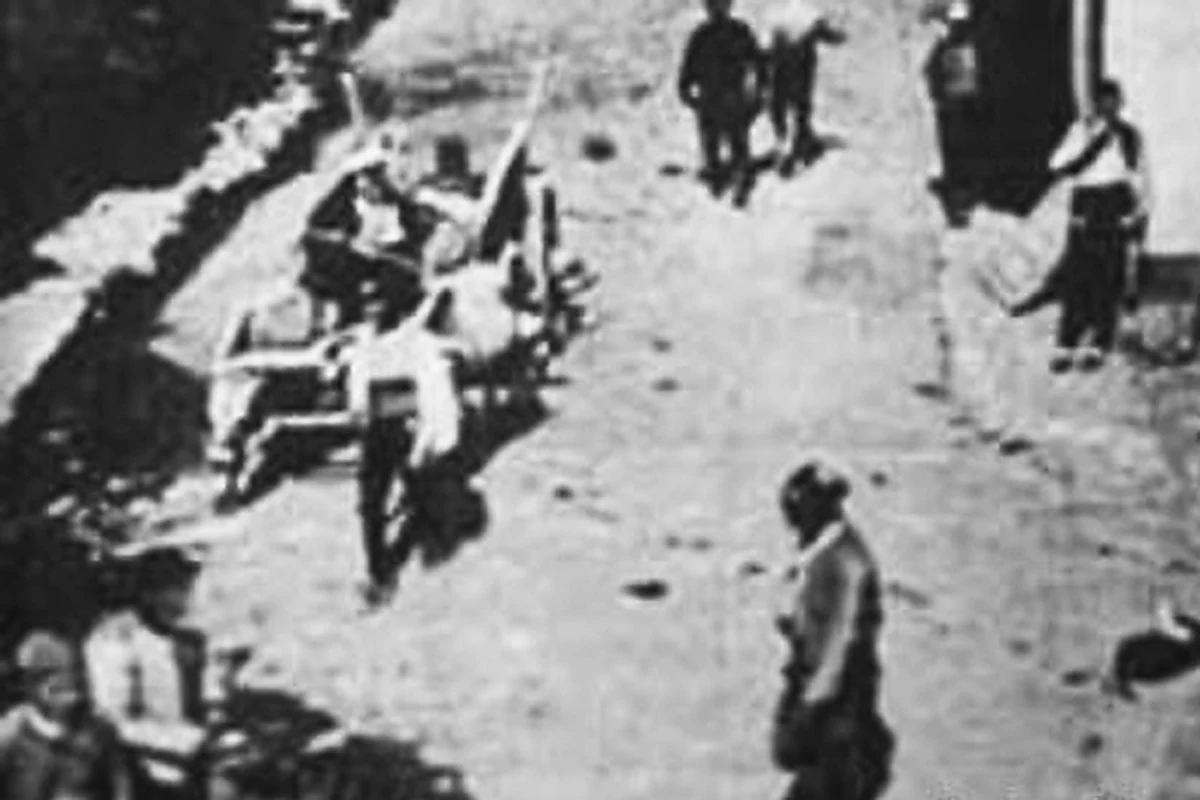
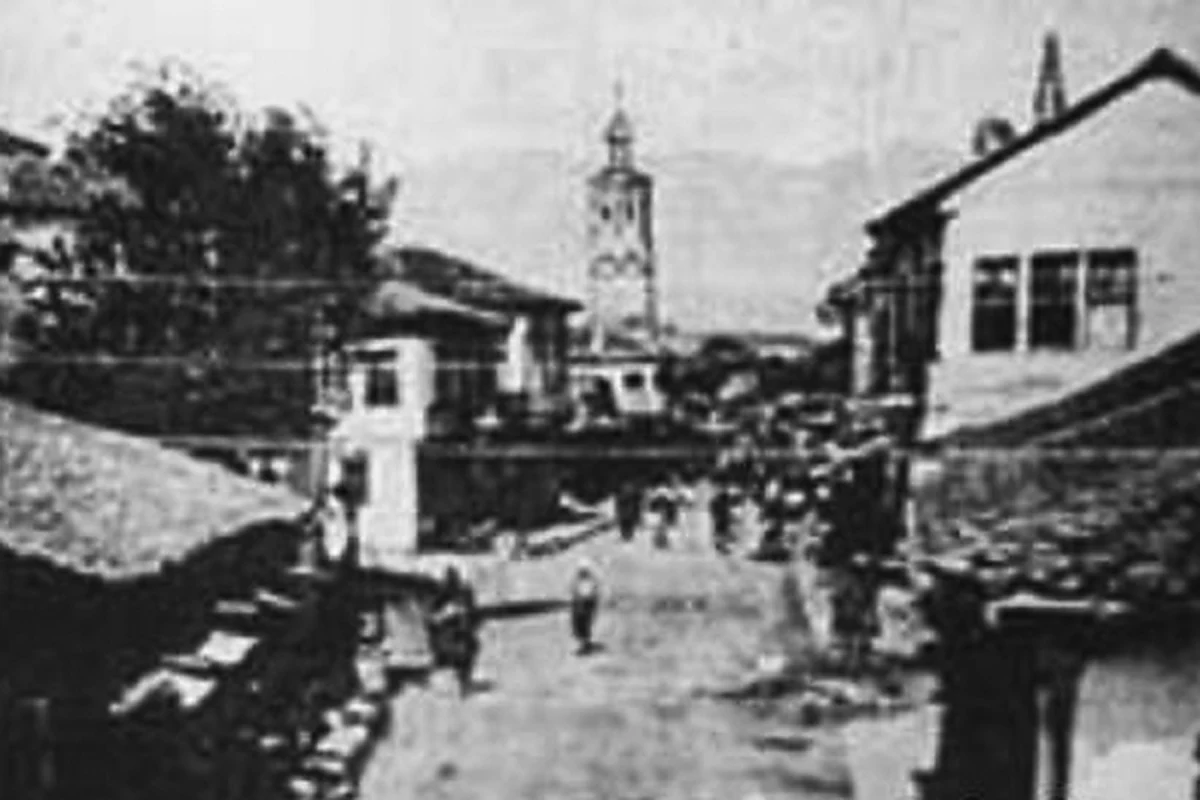
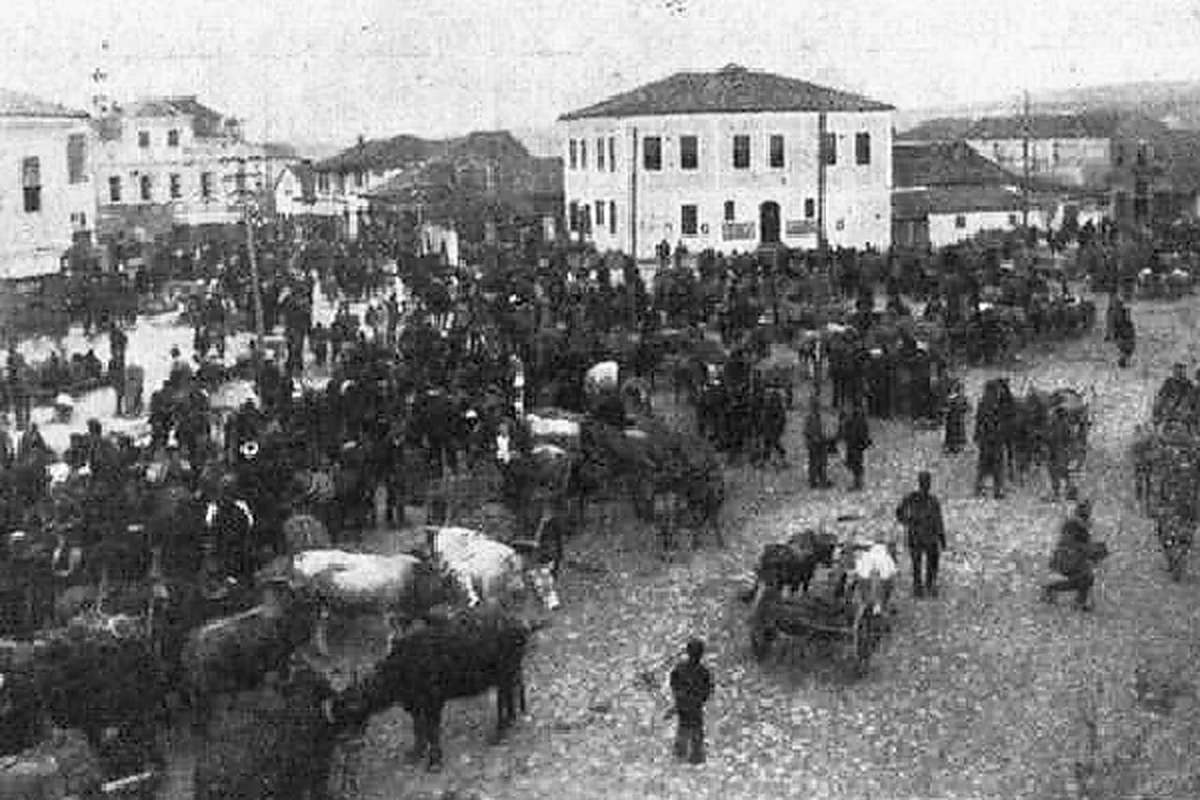
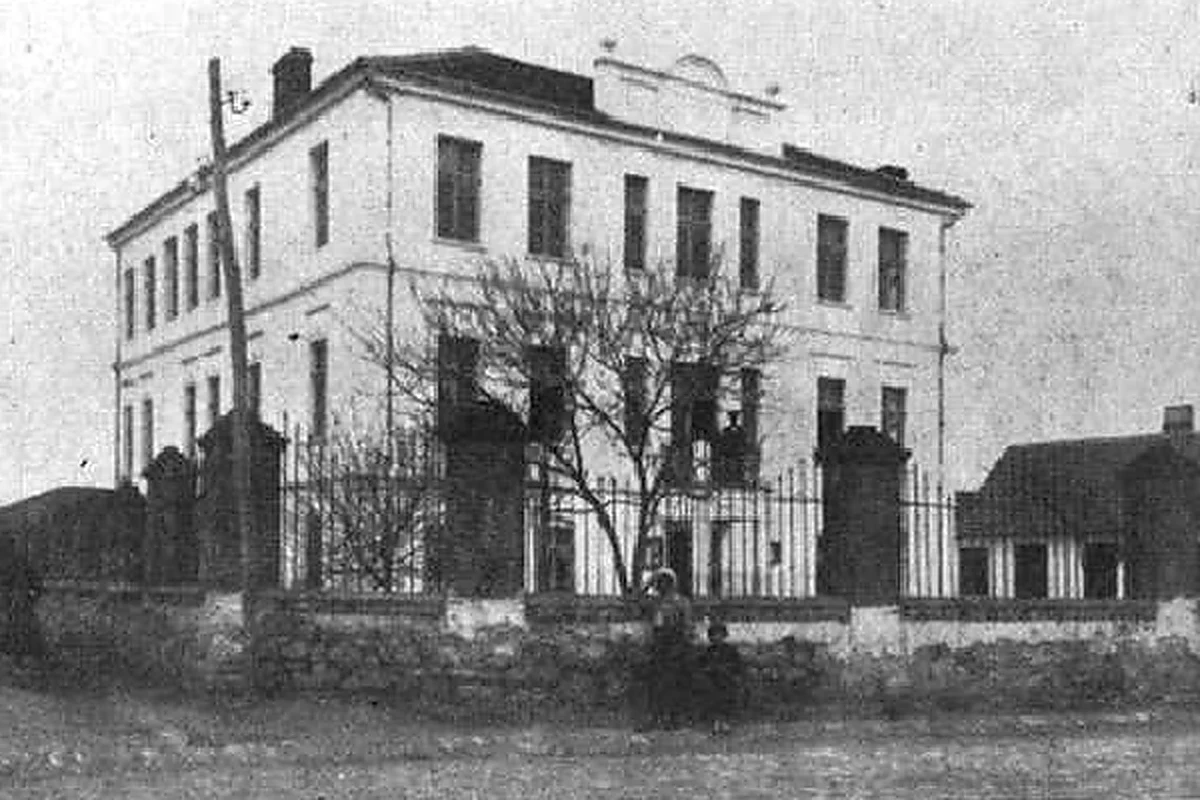
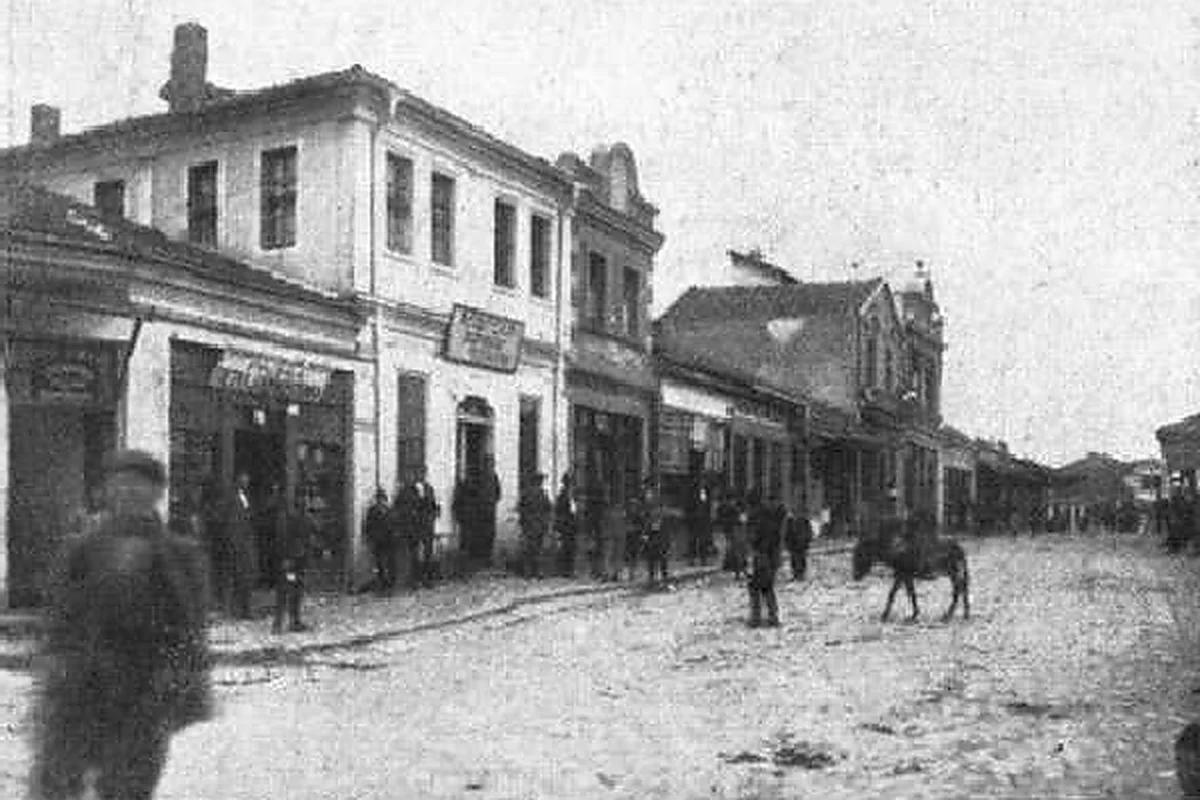
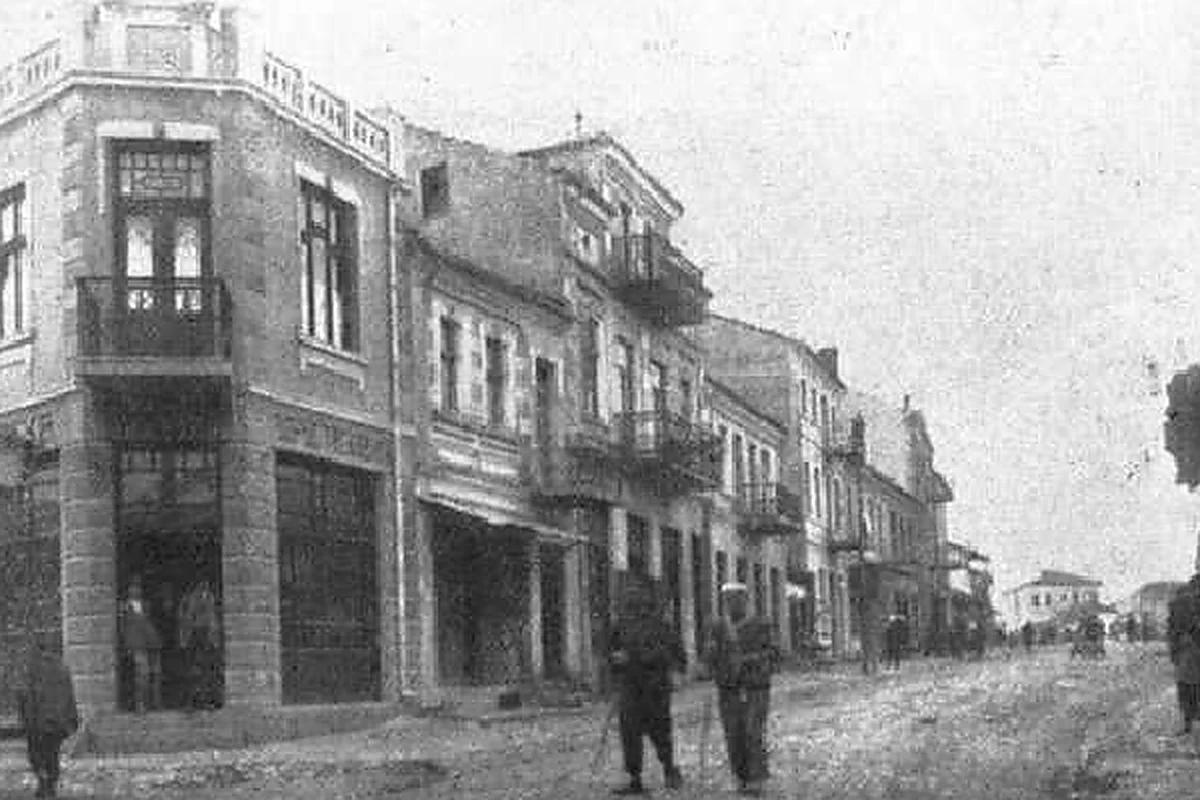
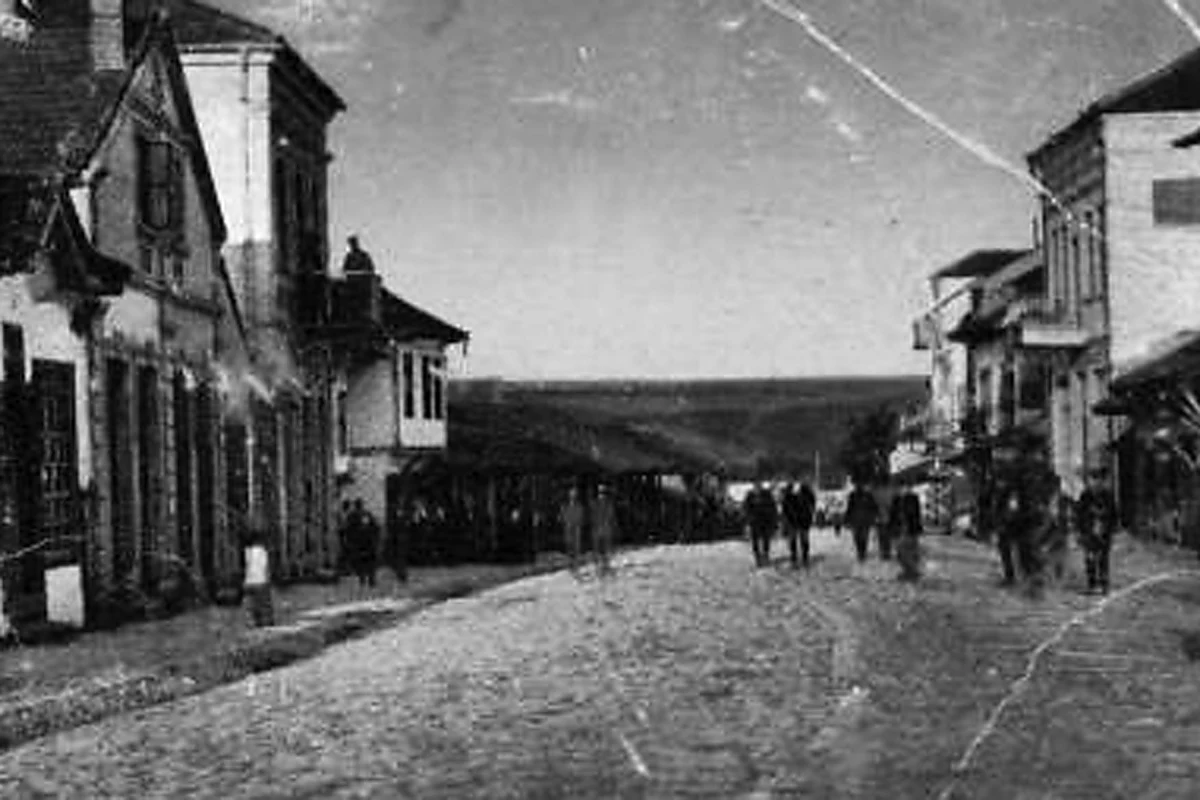
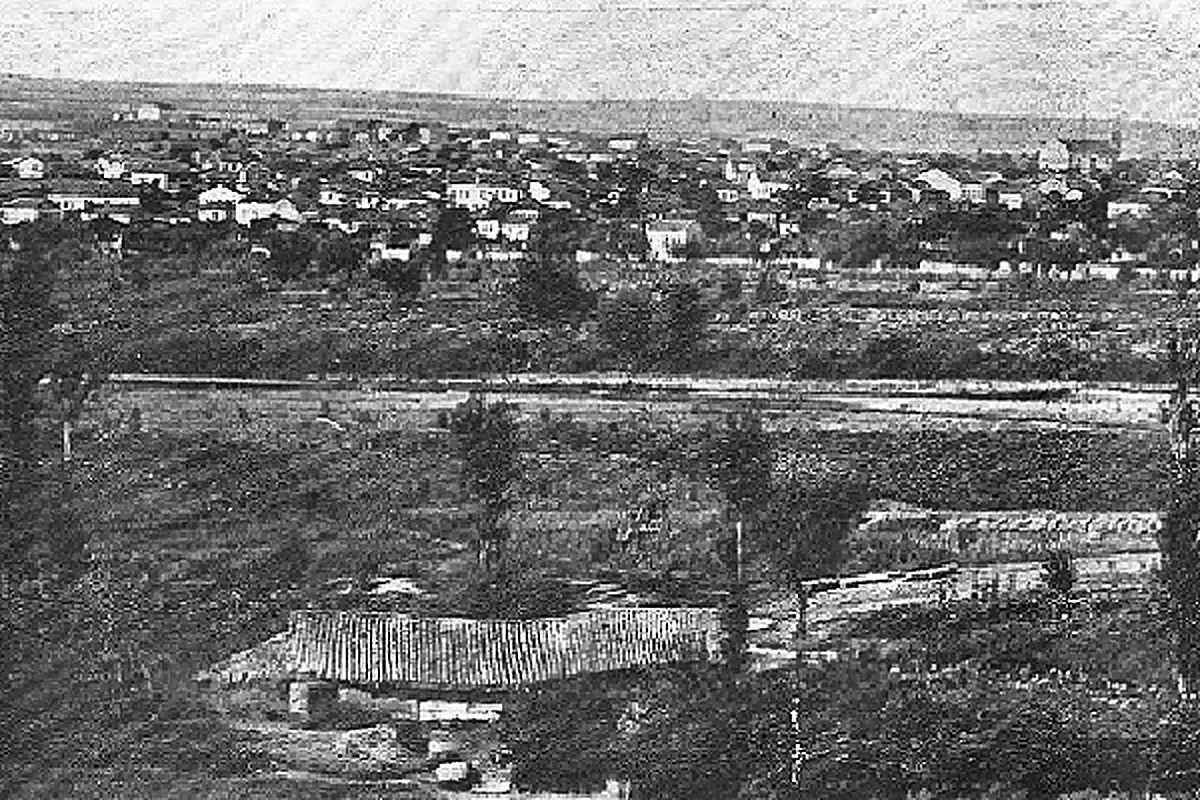
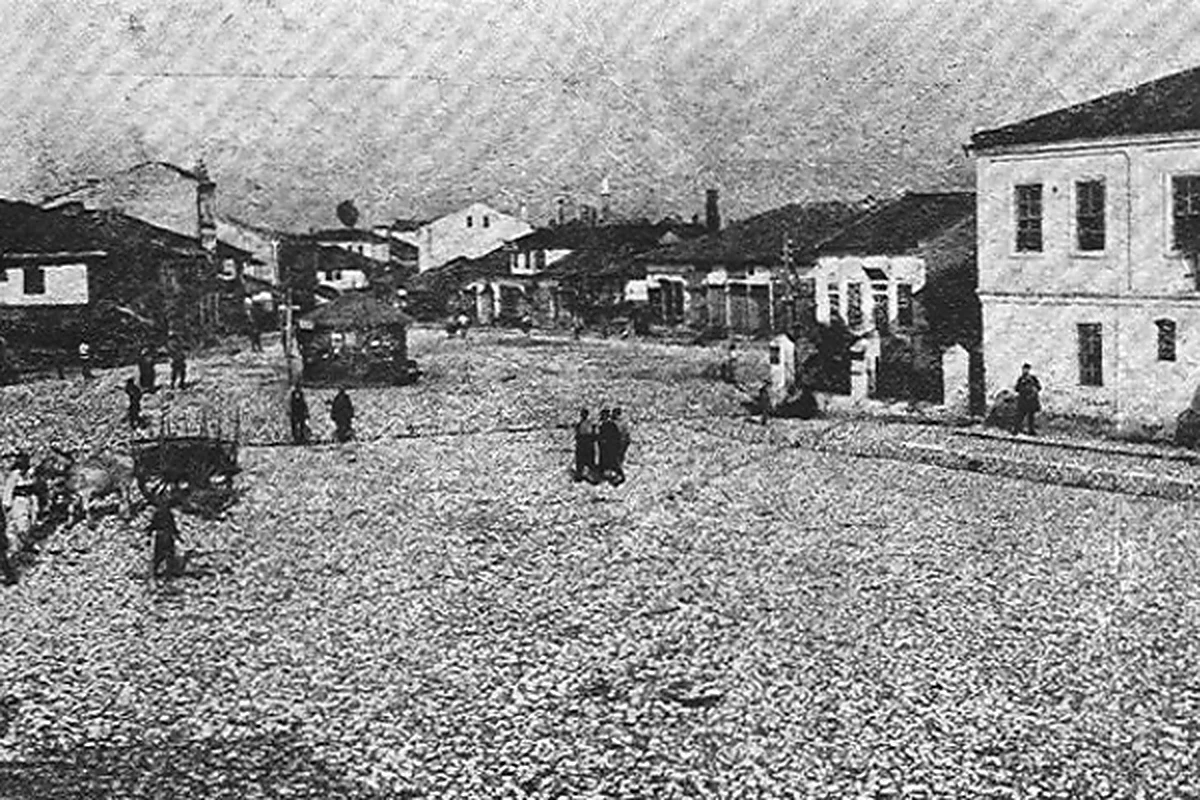
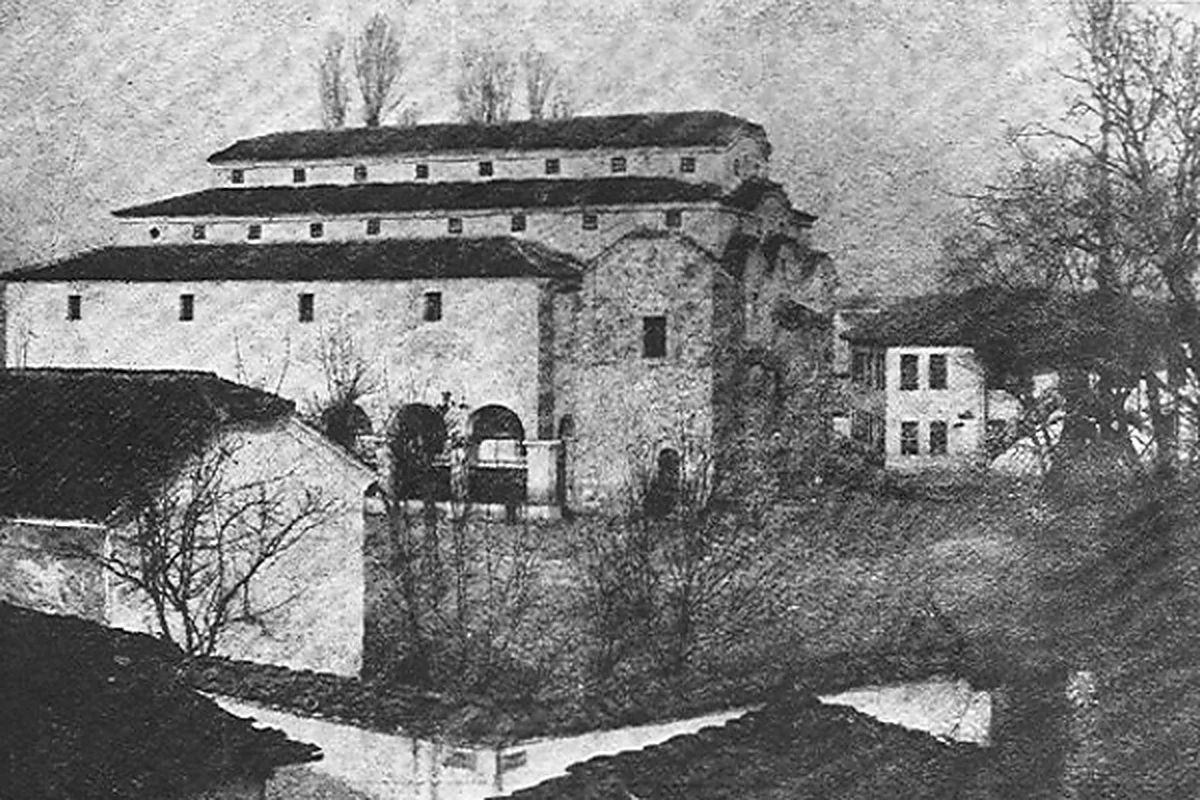
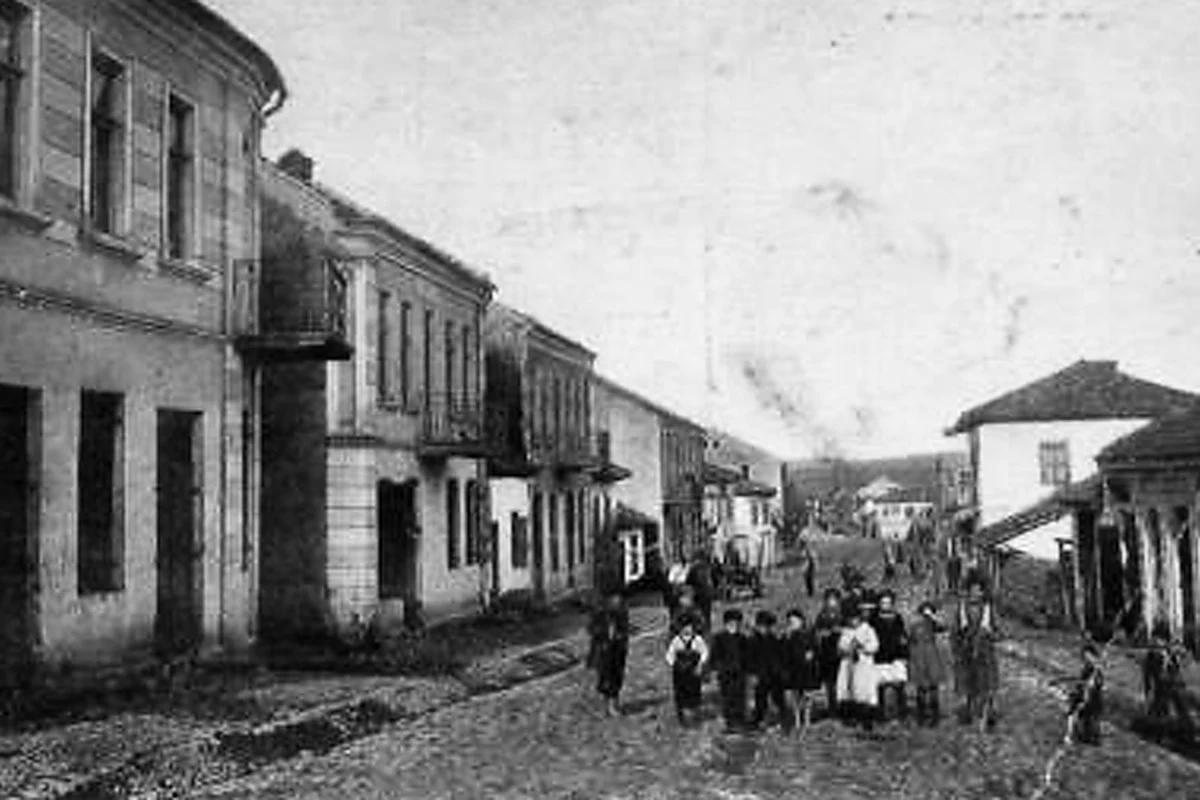
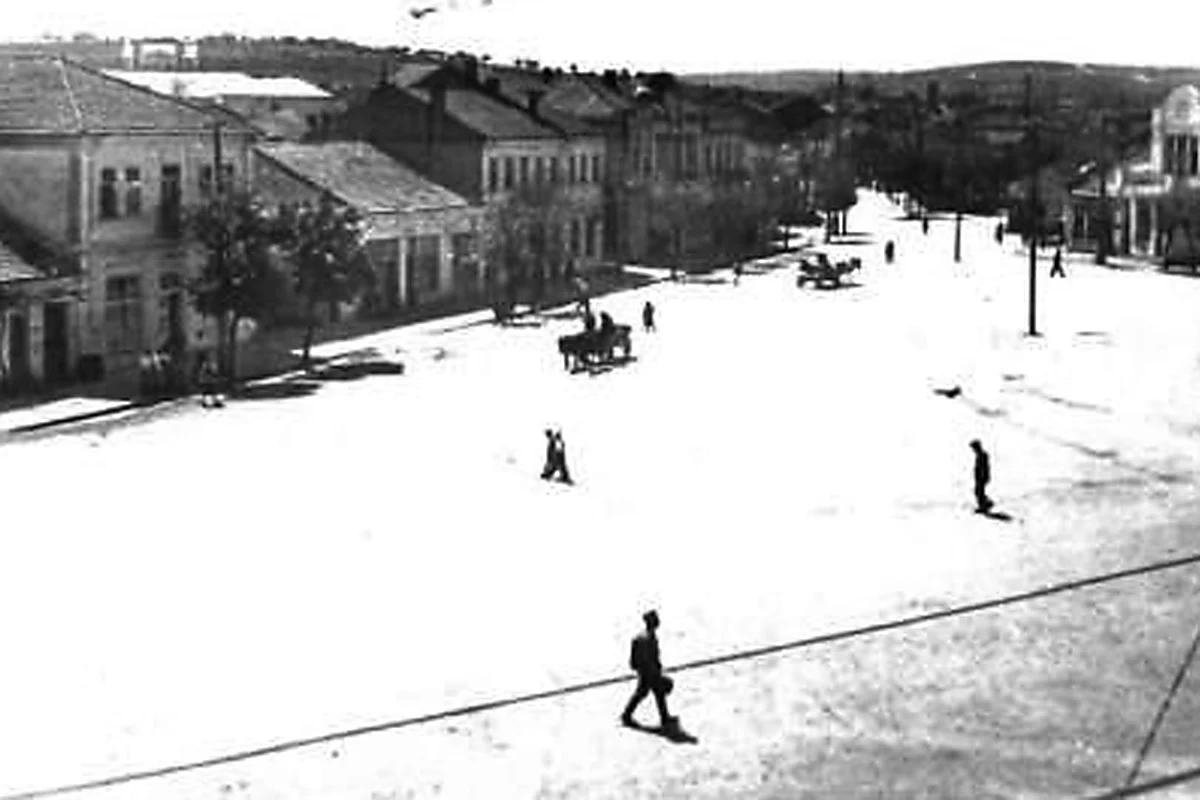
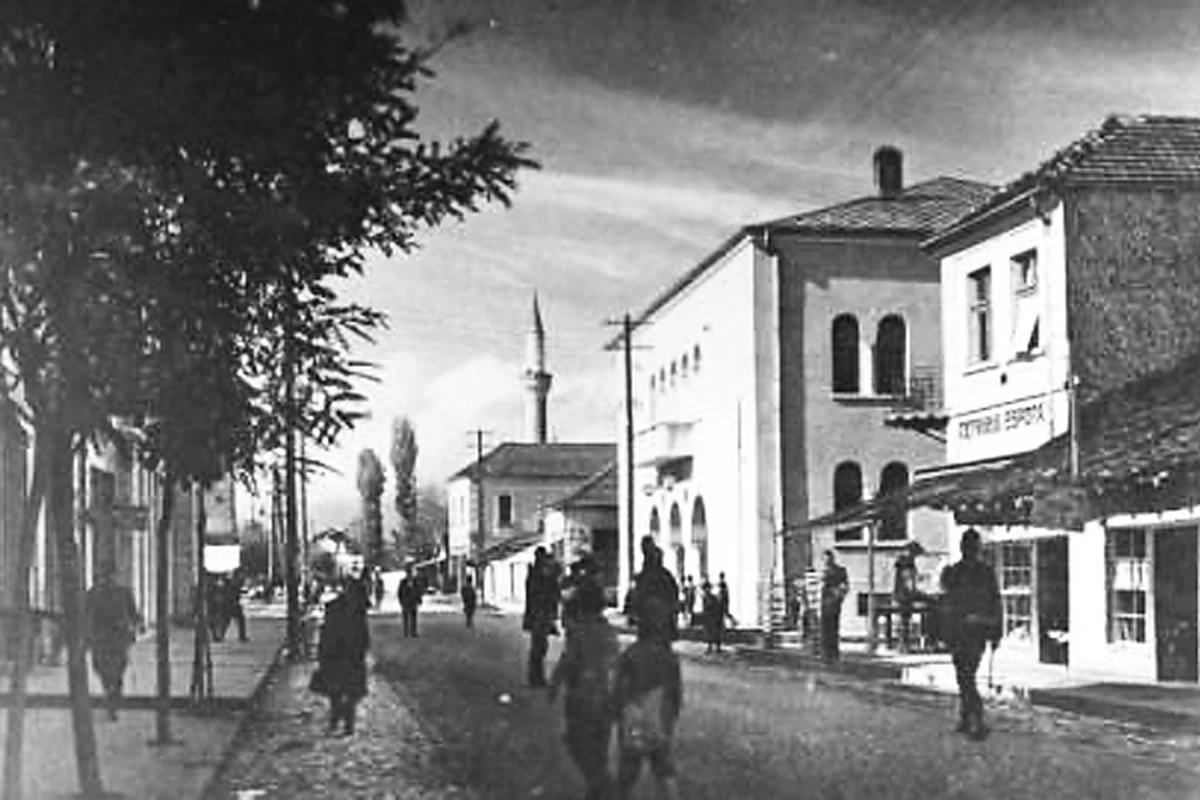
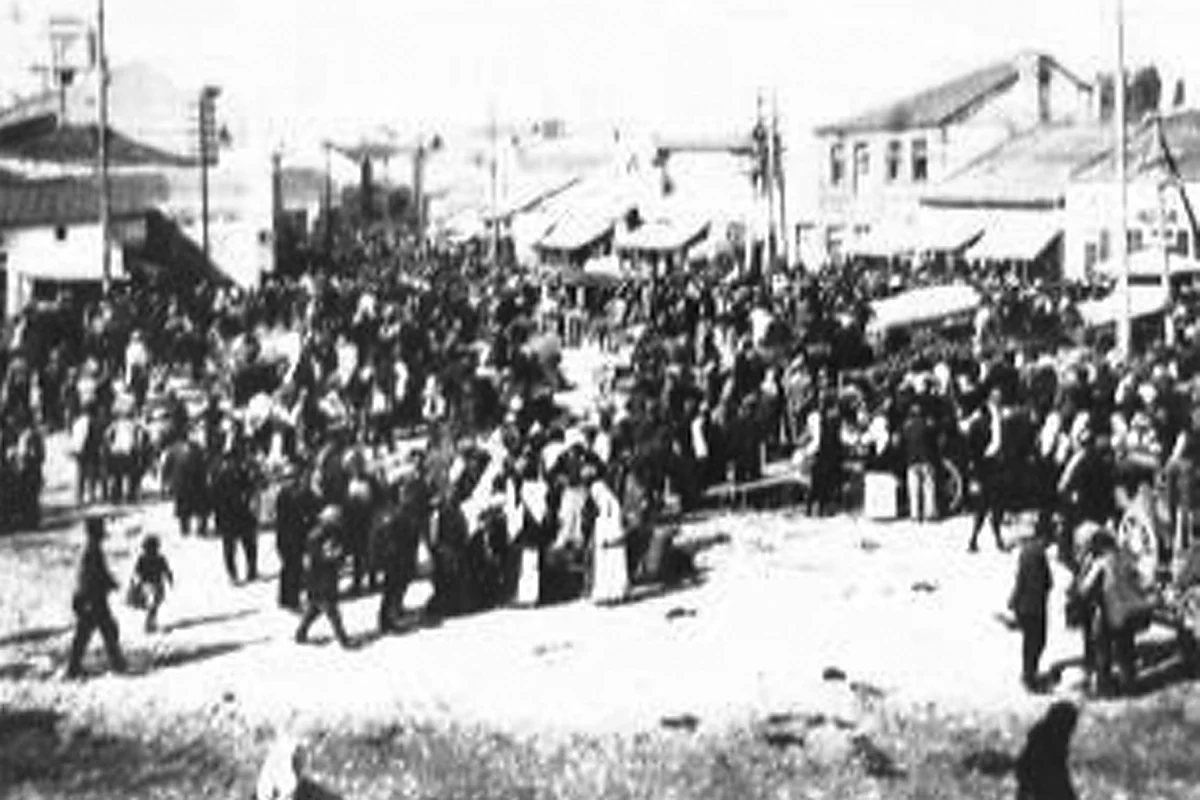
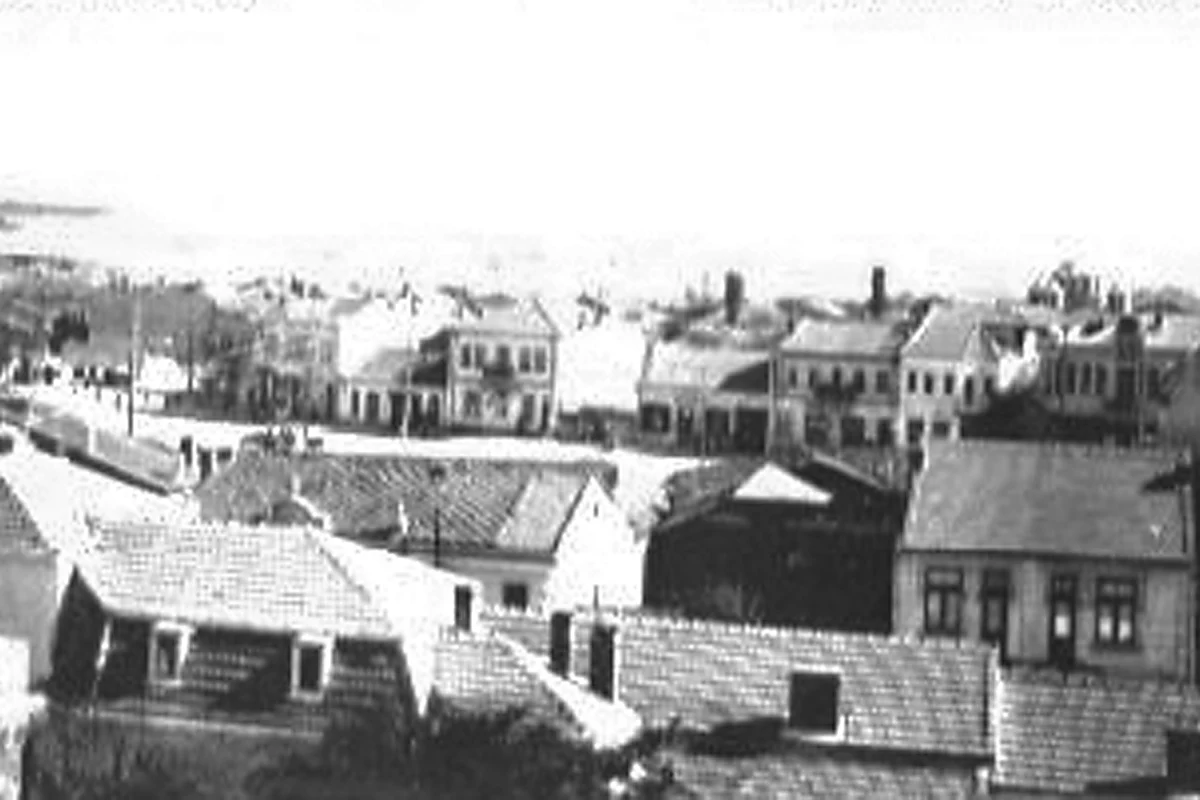
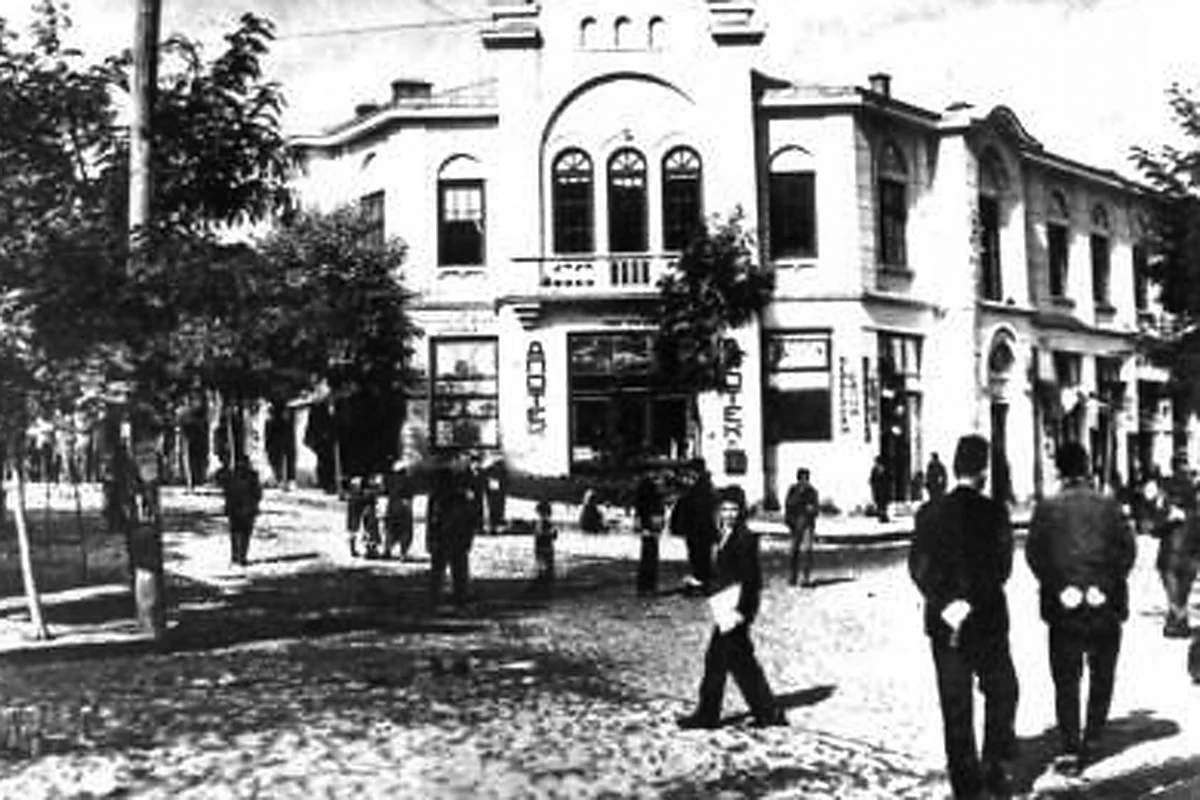
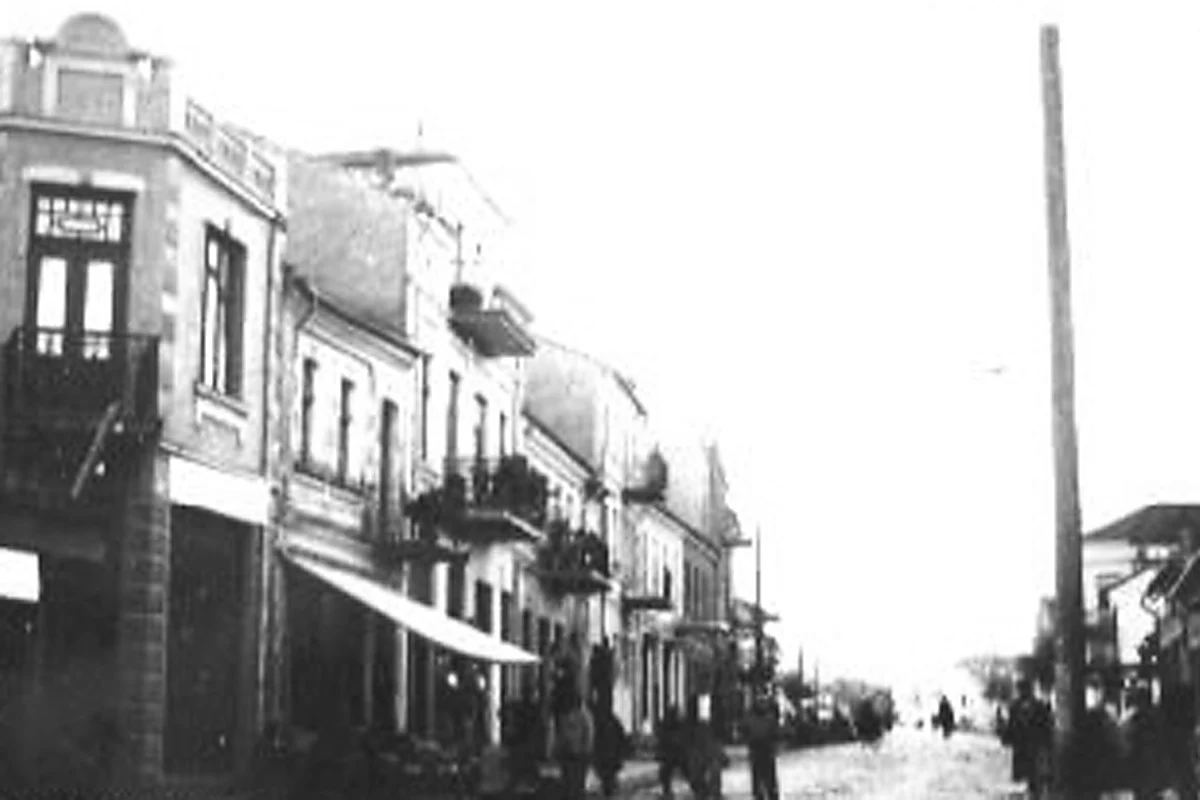
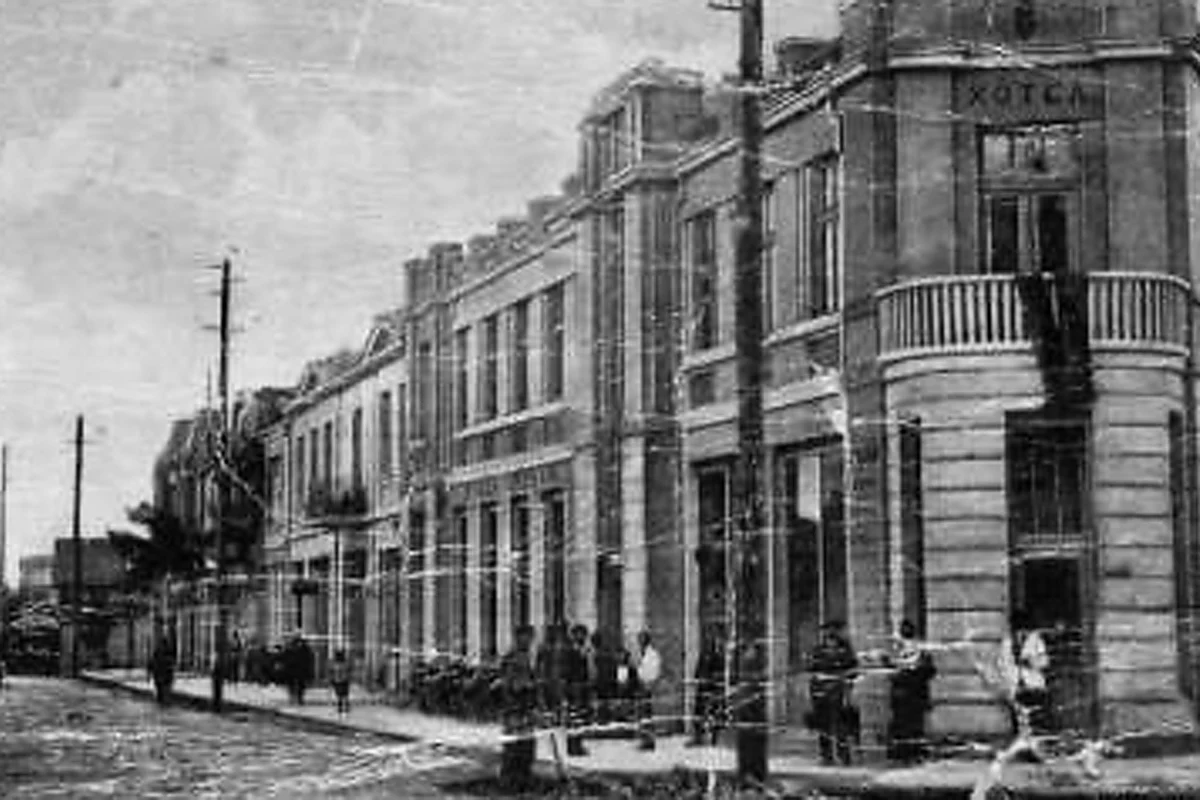
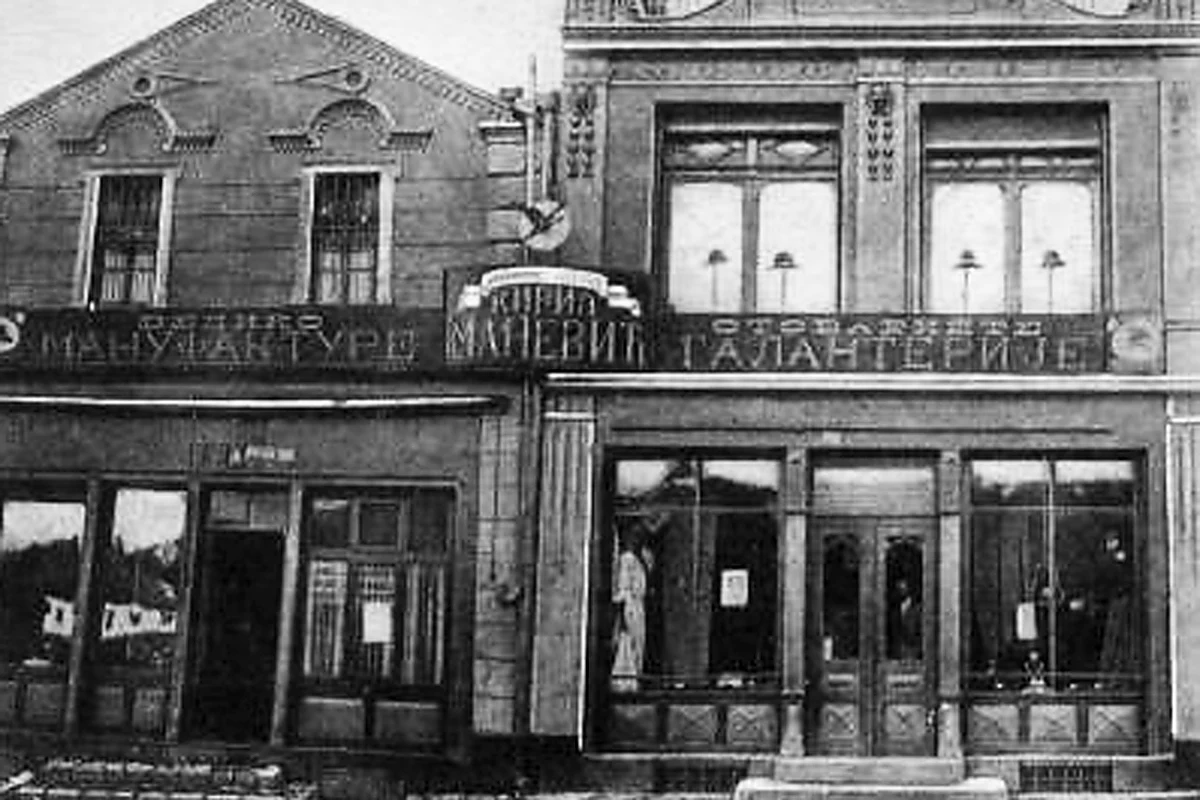
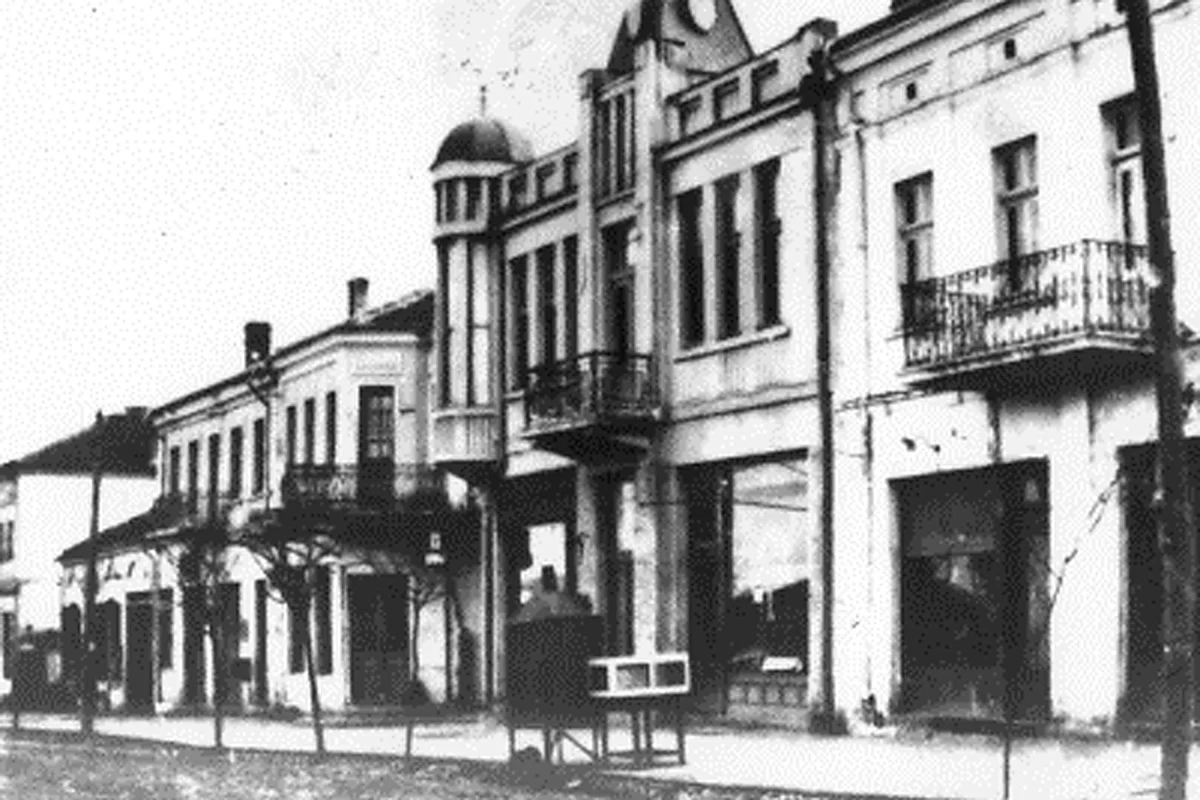
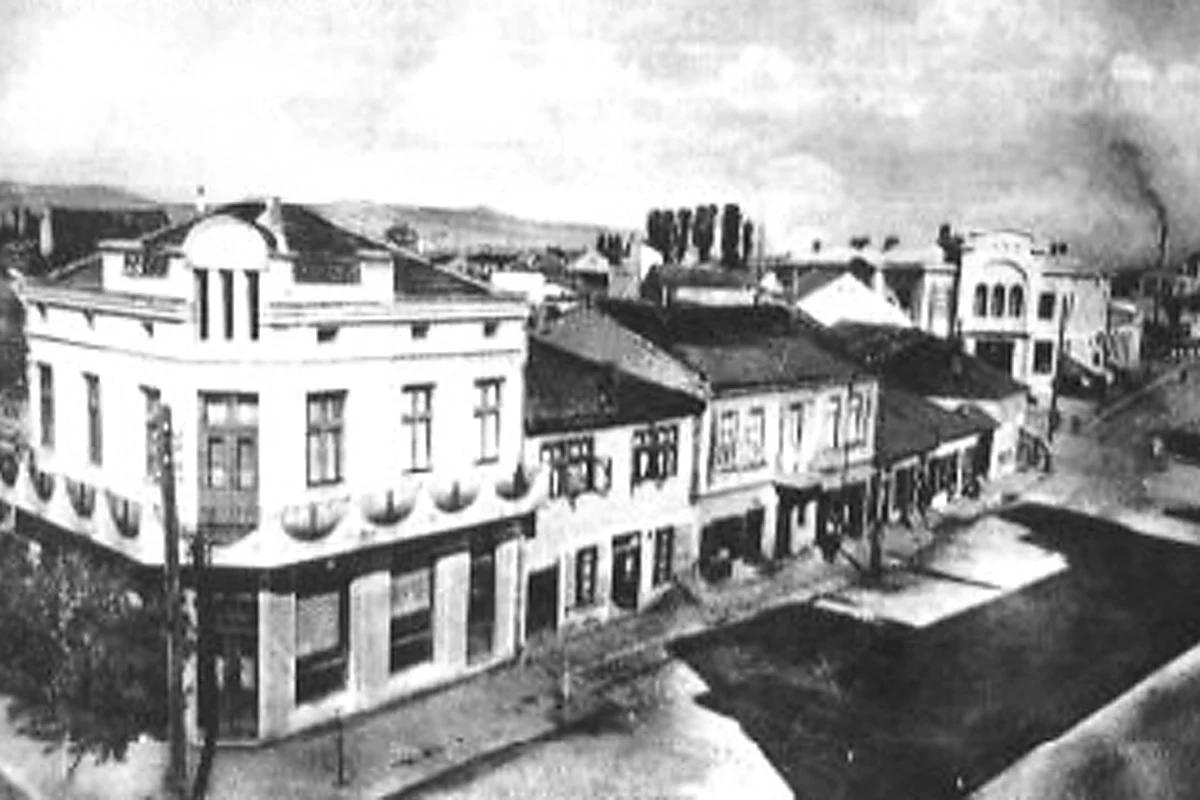
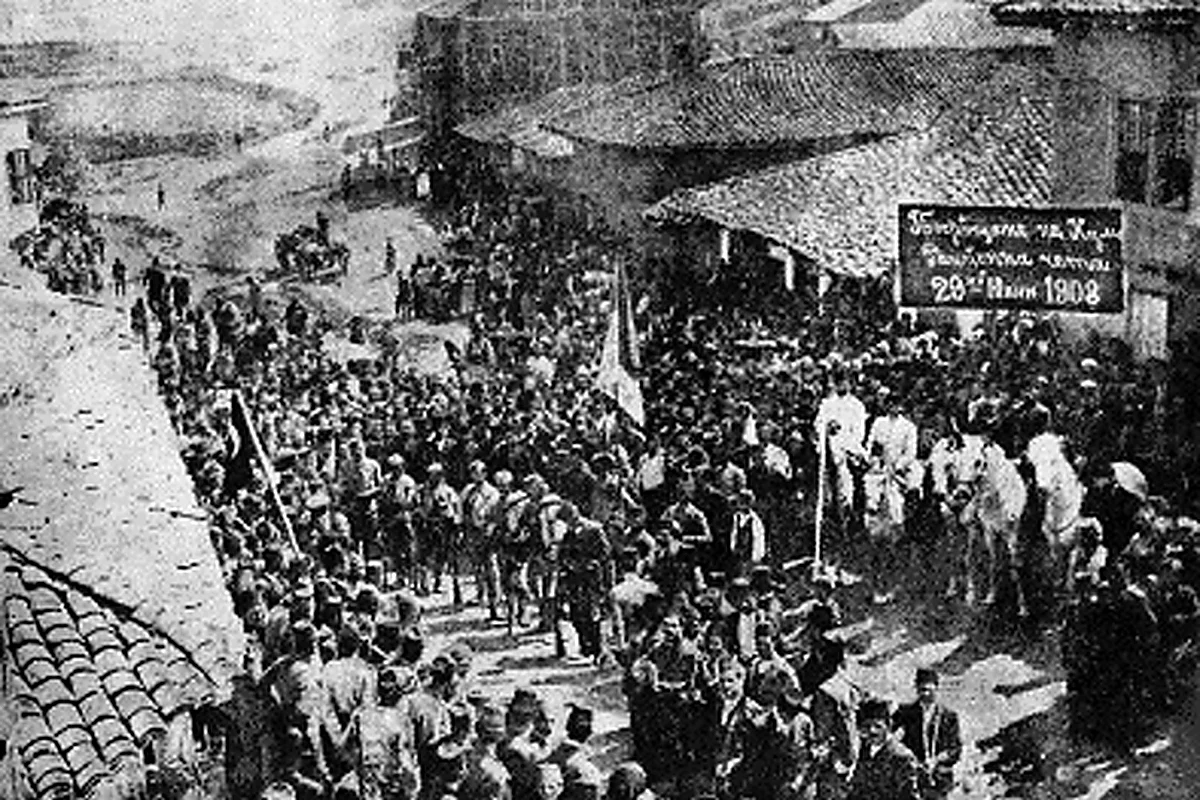
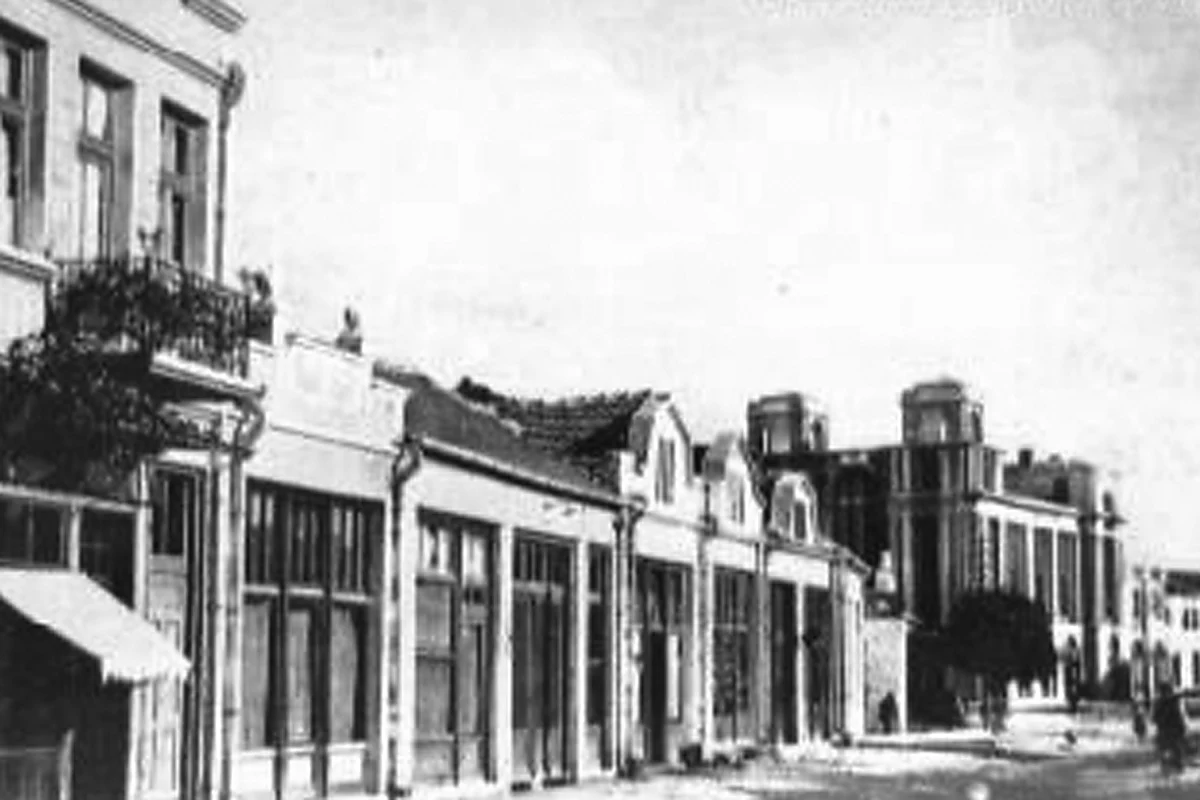
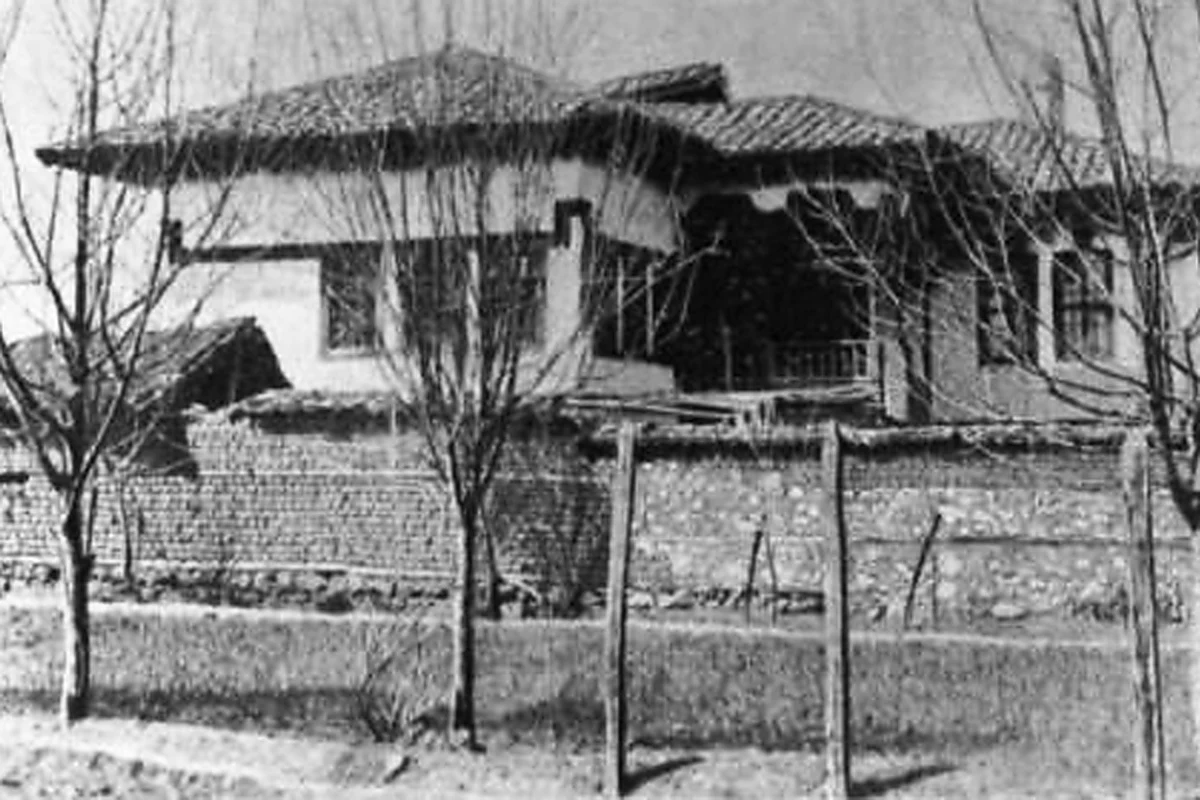
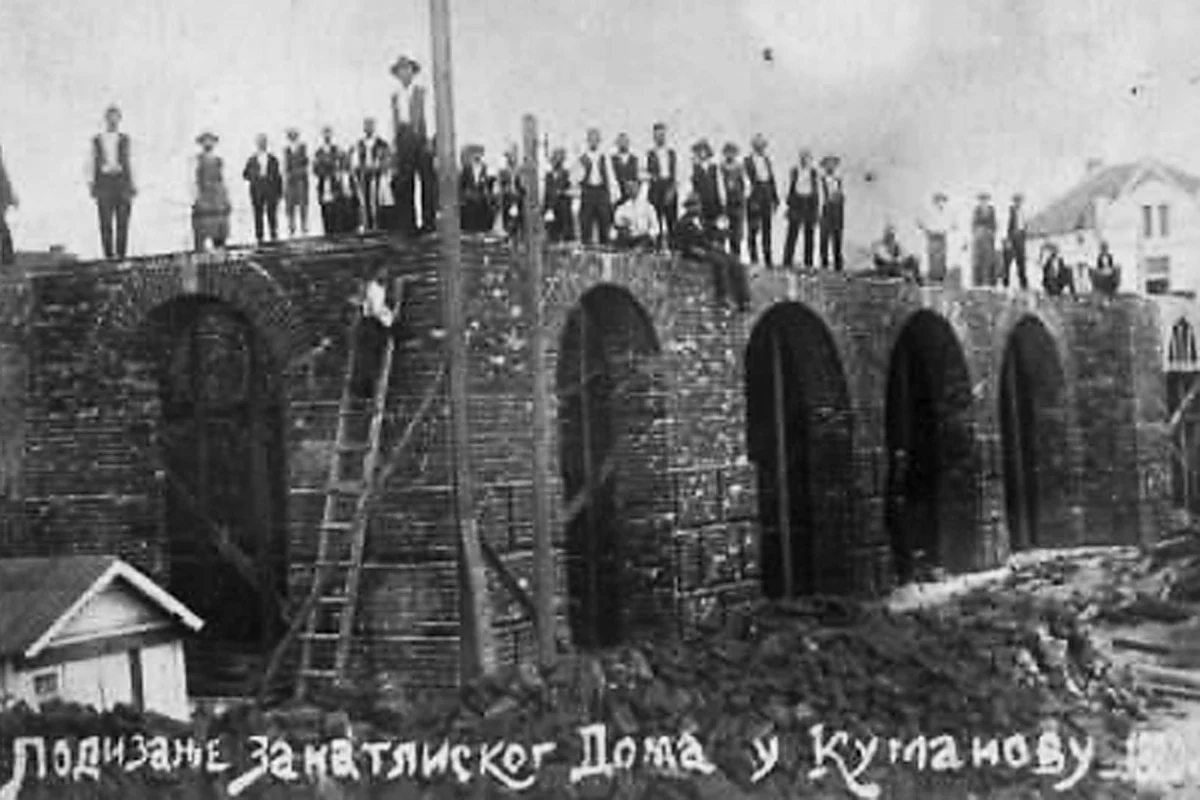
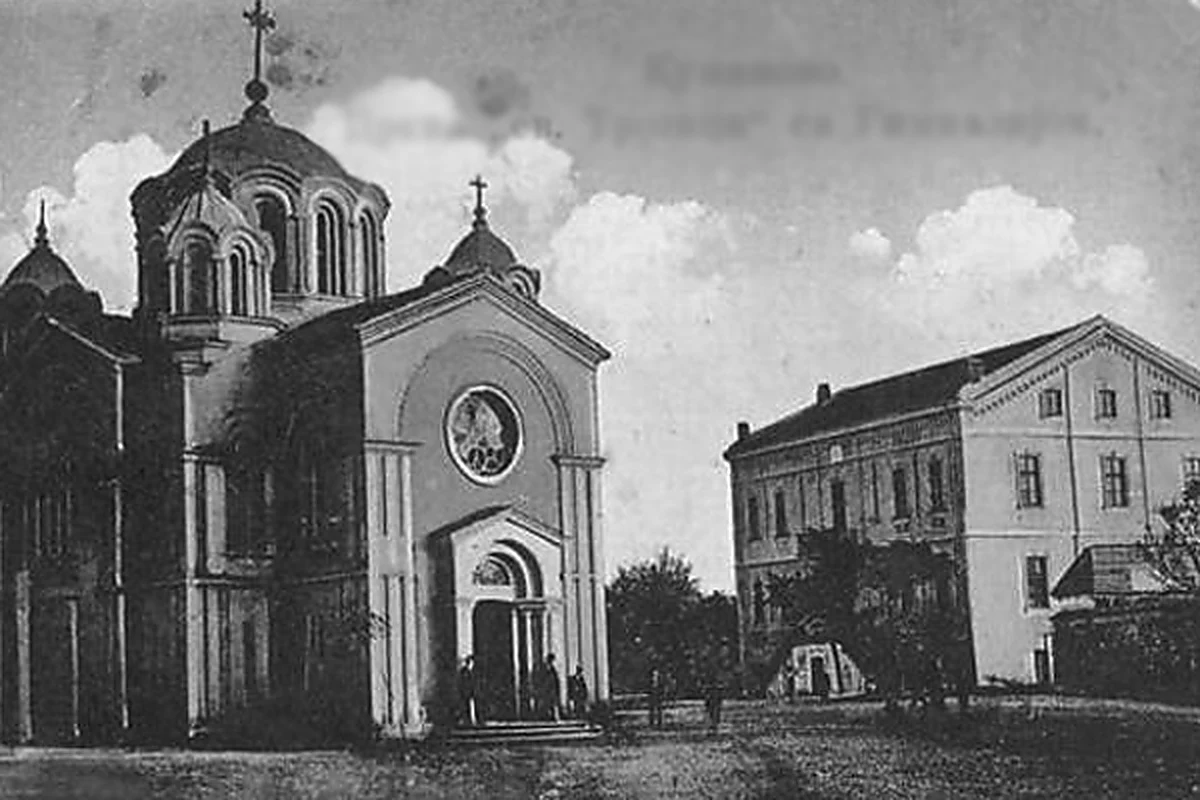
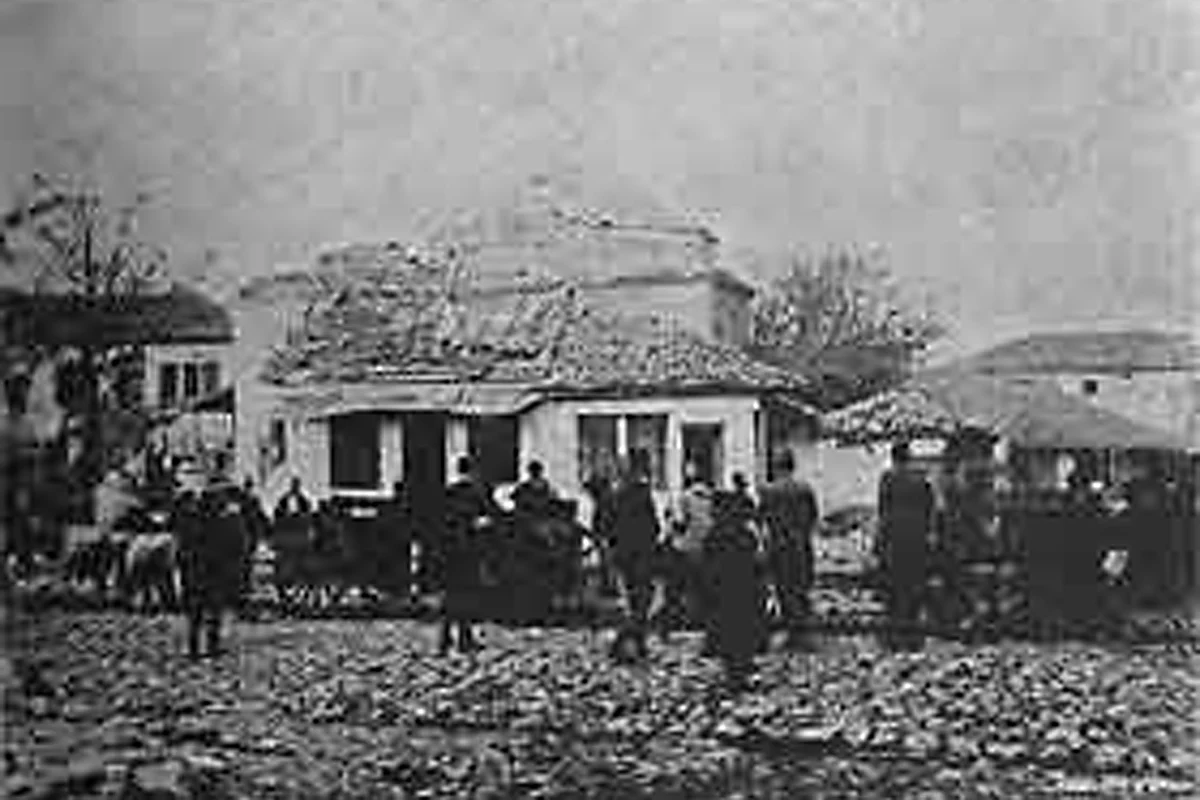
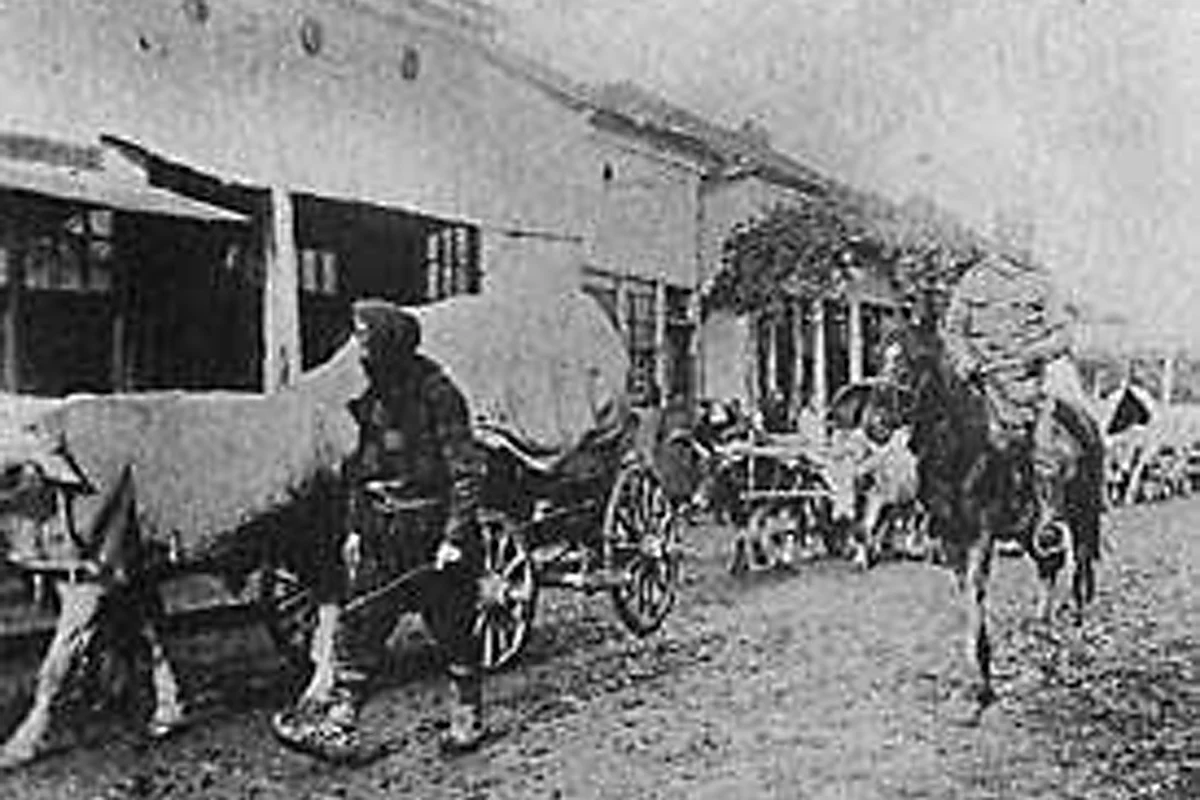
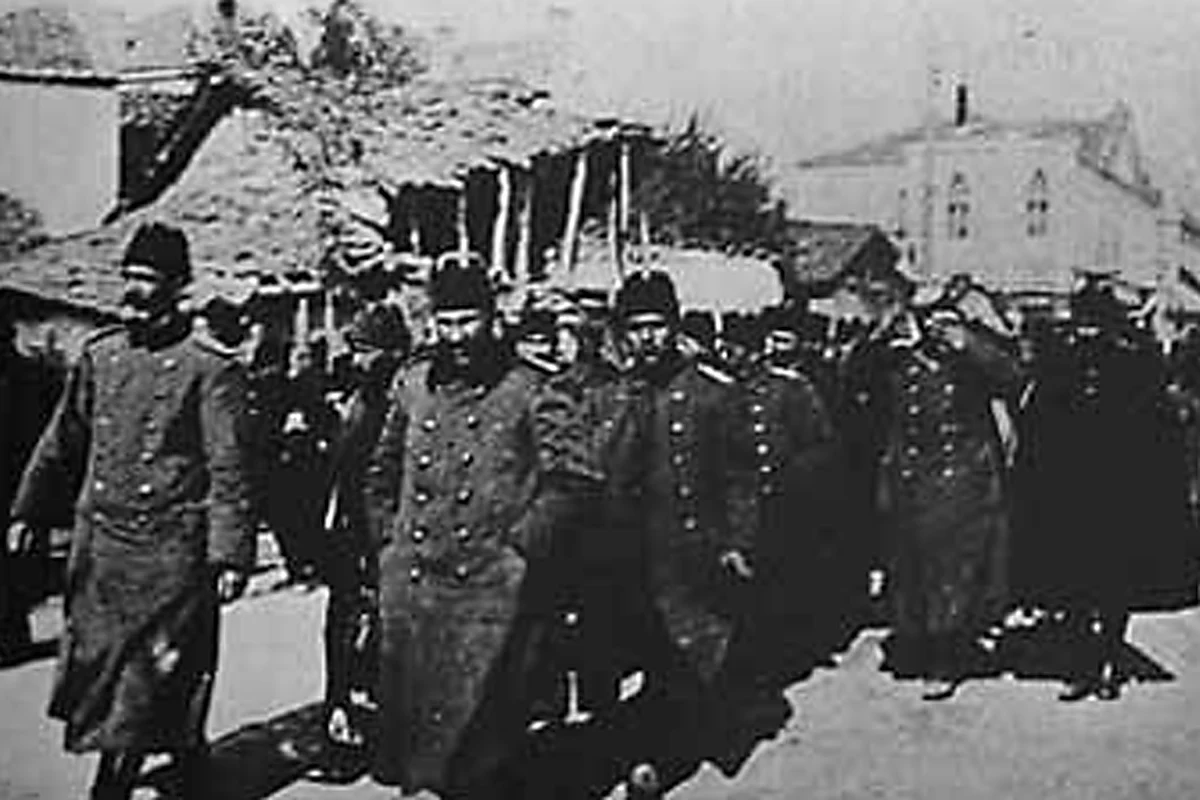
Photo Gallery (35)
Photo Gallery
Kumanovo, frame by frame.
A responsive family gallery, including city views recovered from the old rotating banner system.
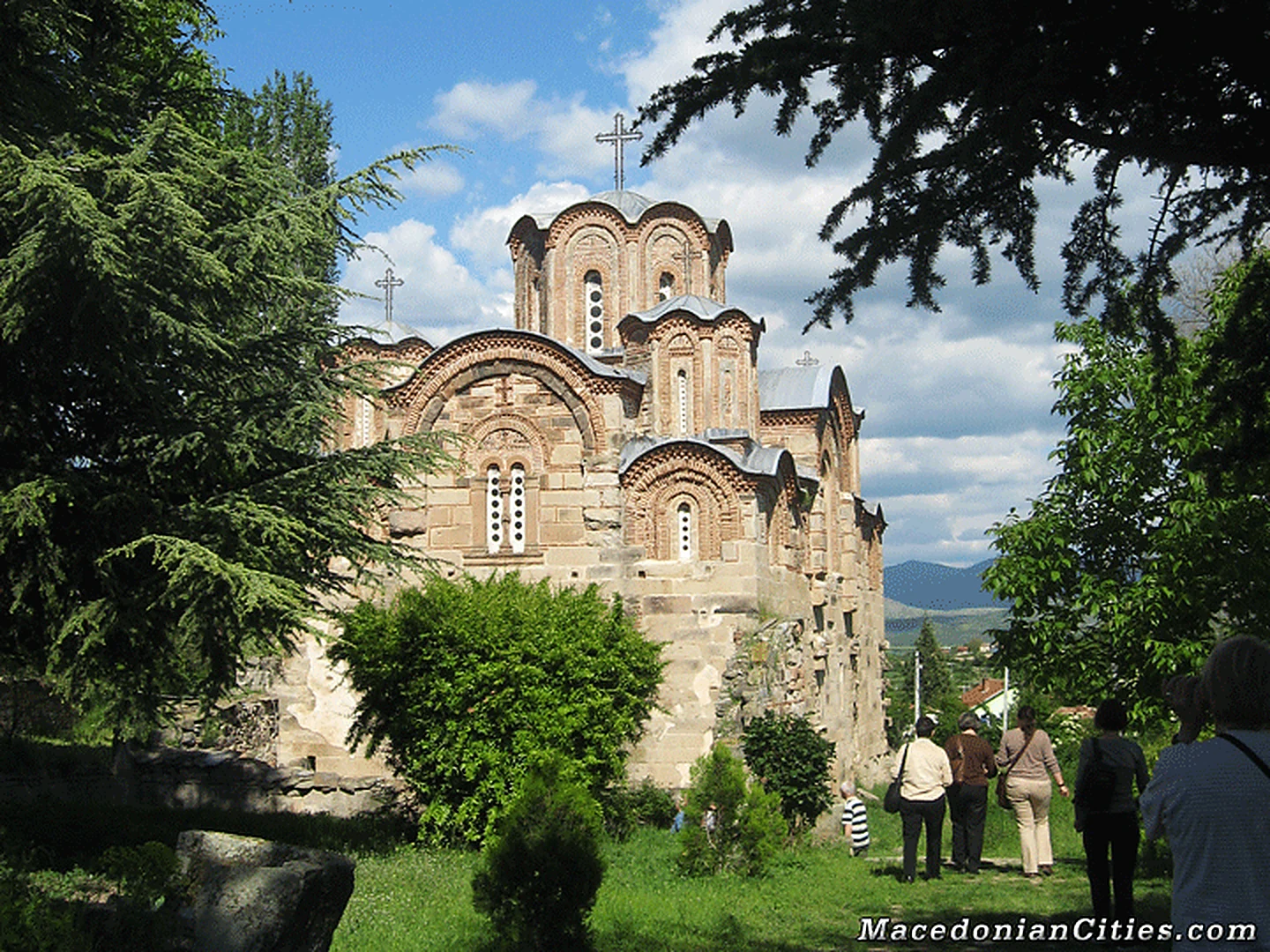
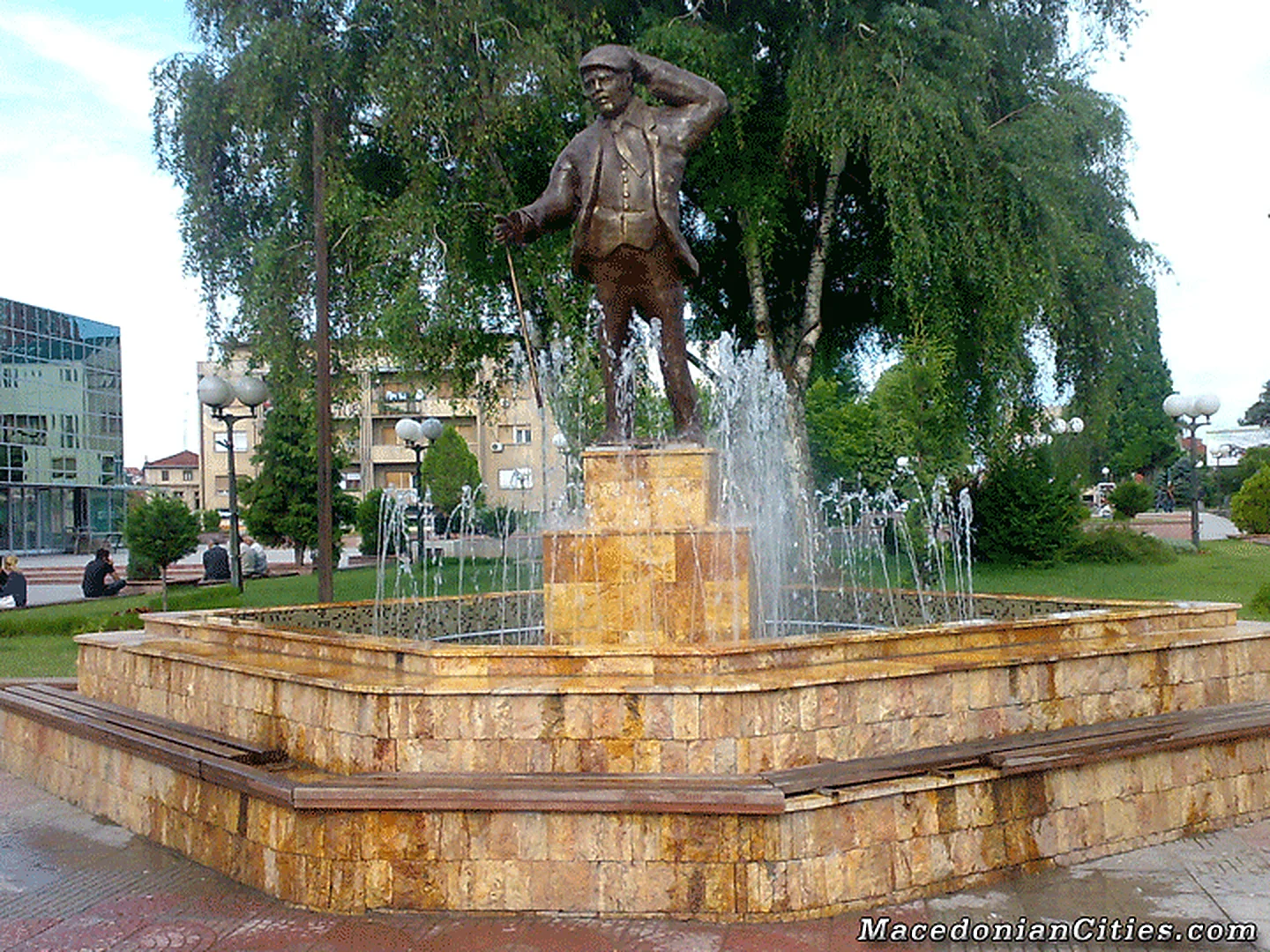
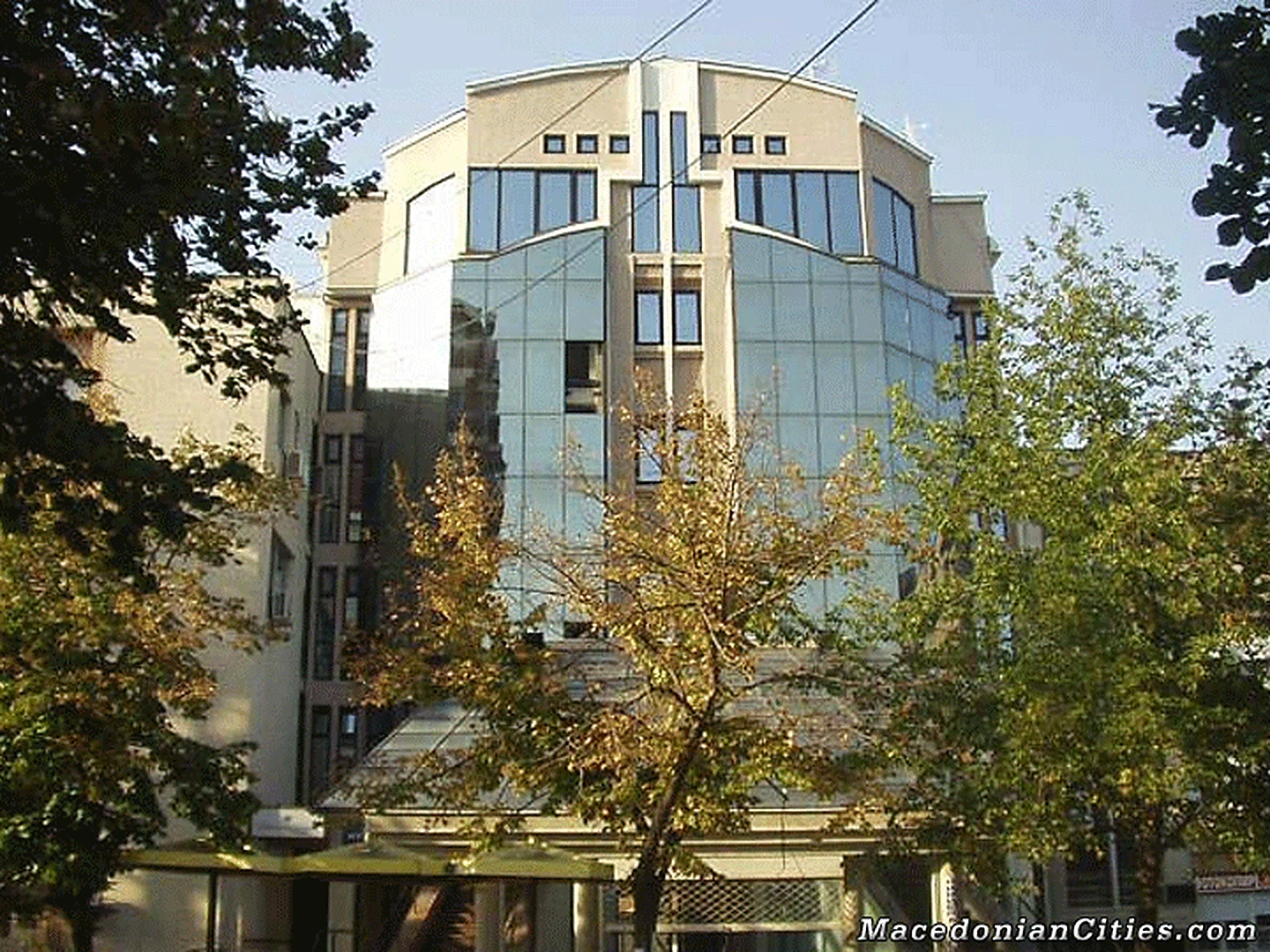
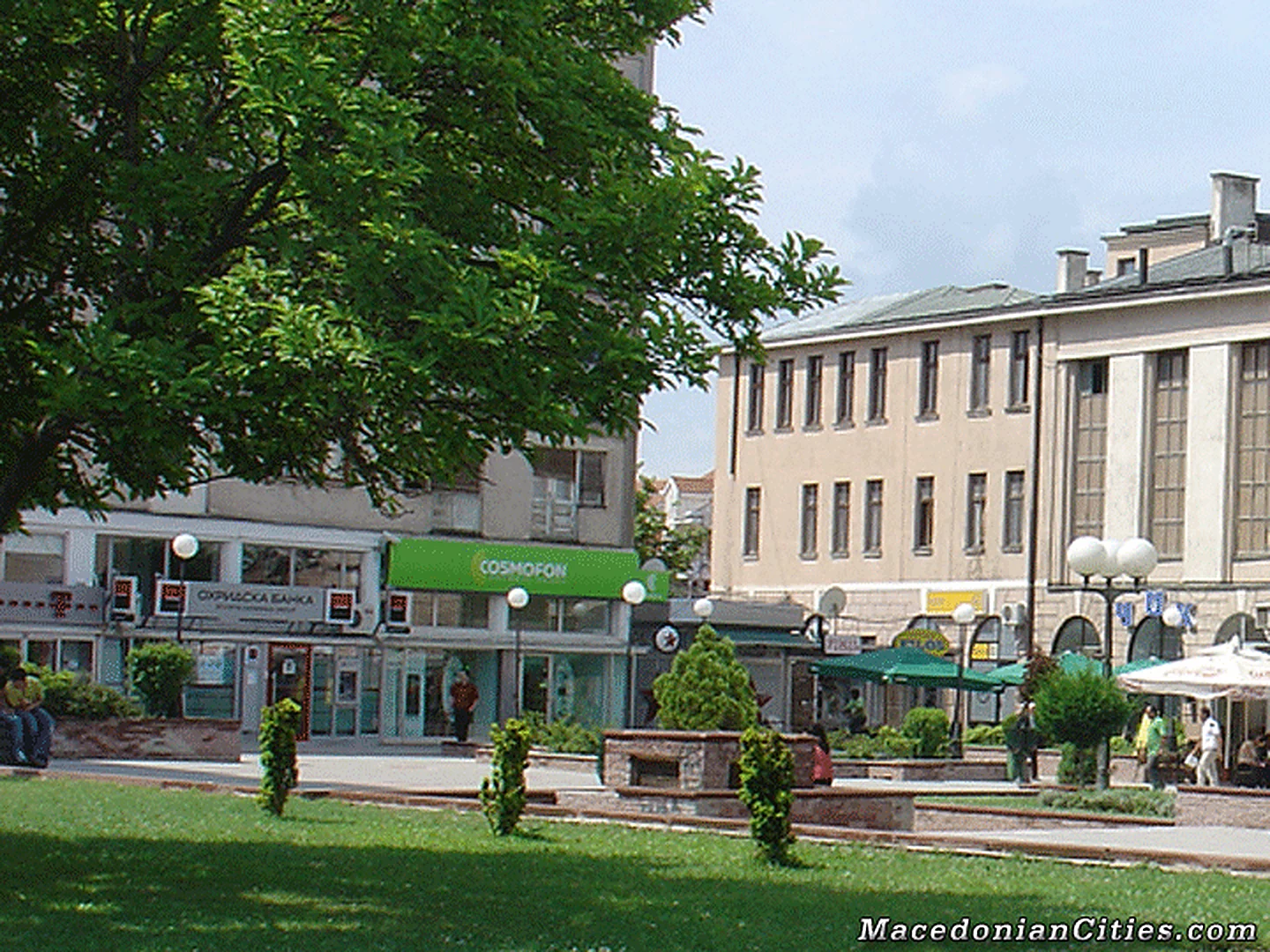
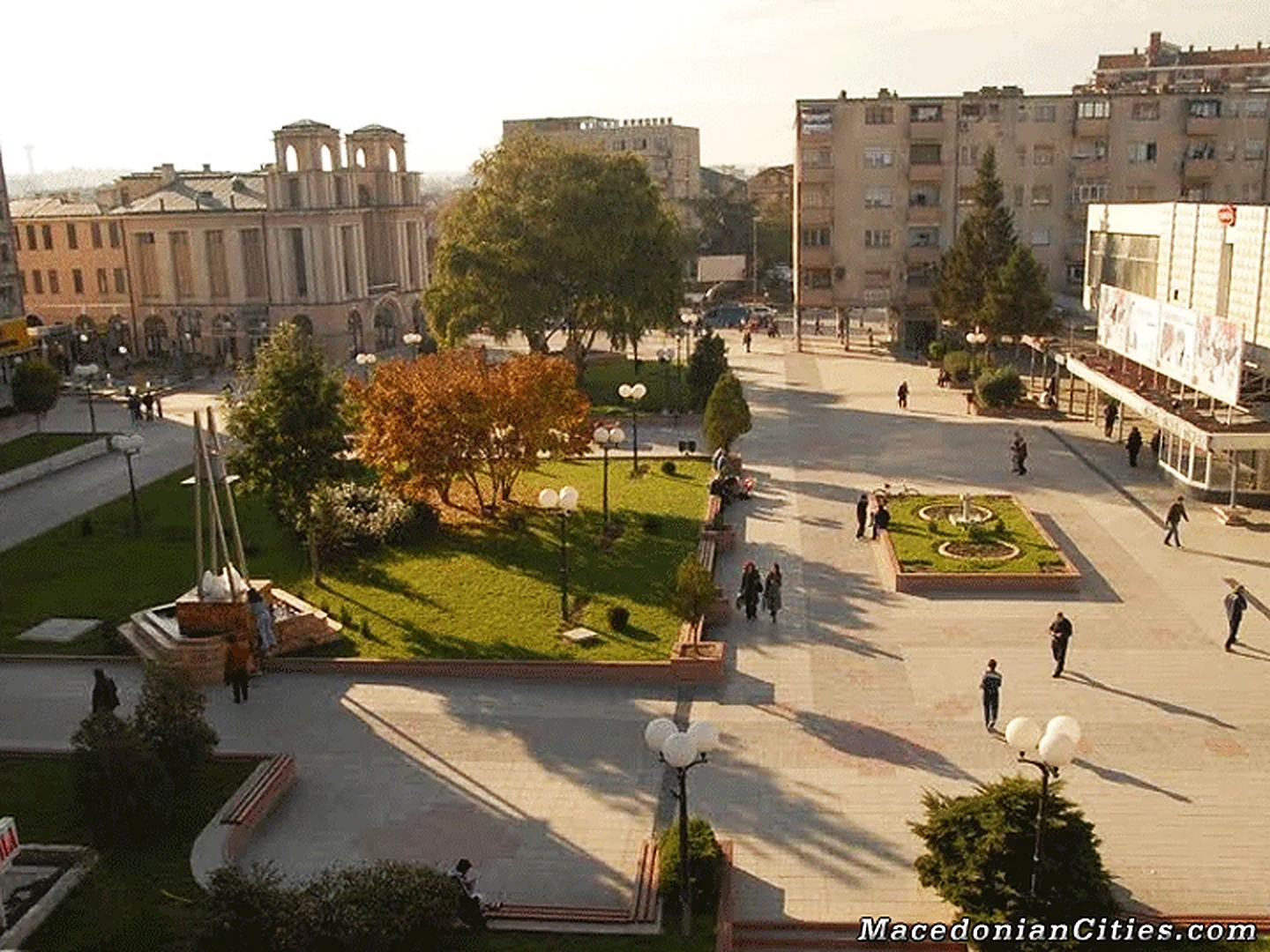
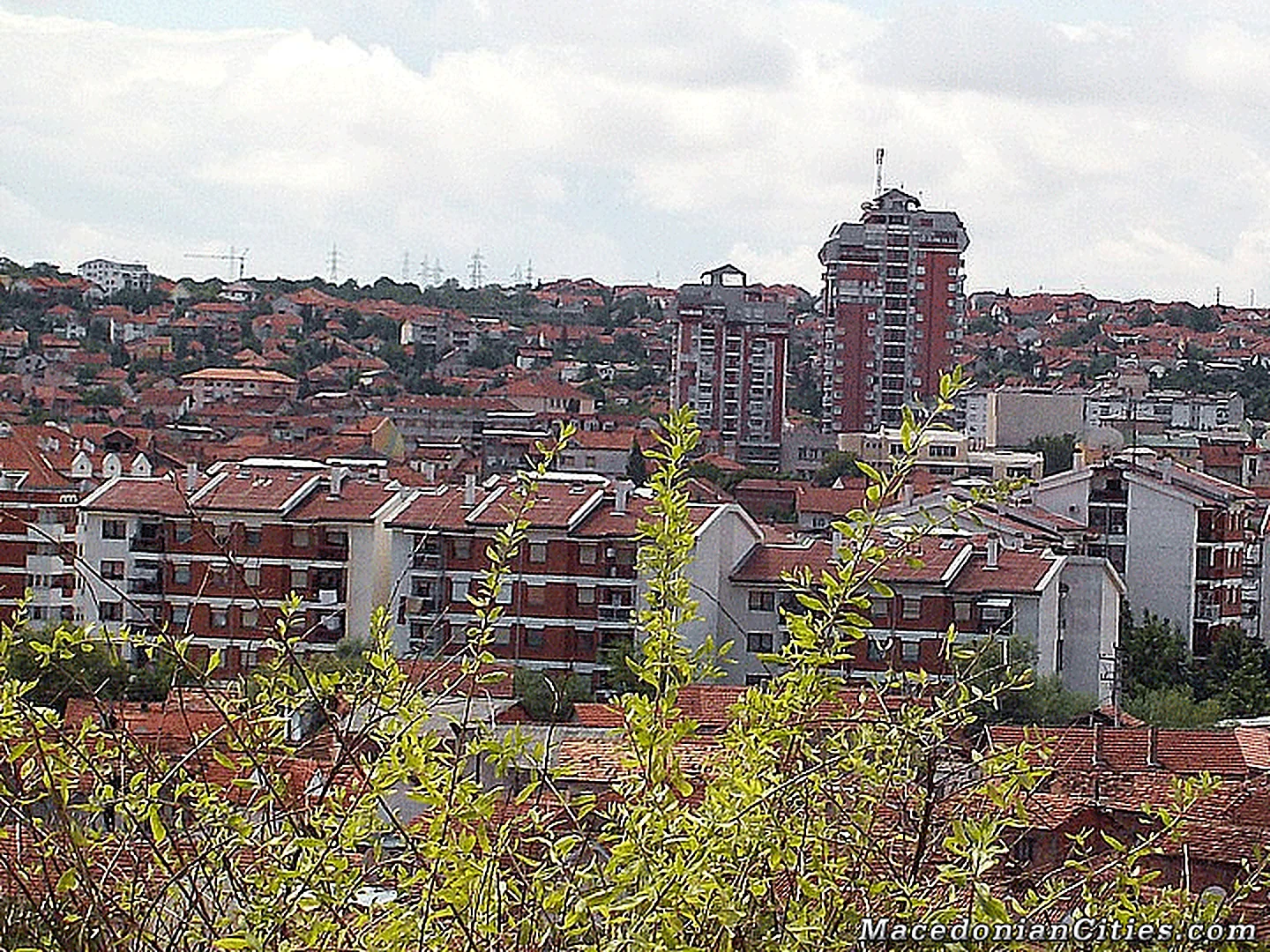
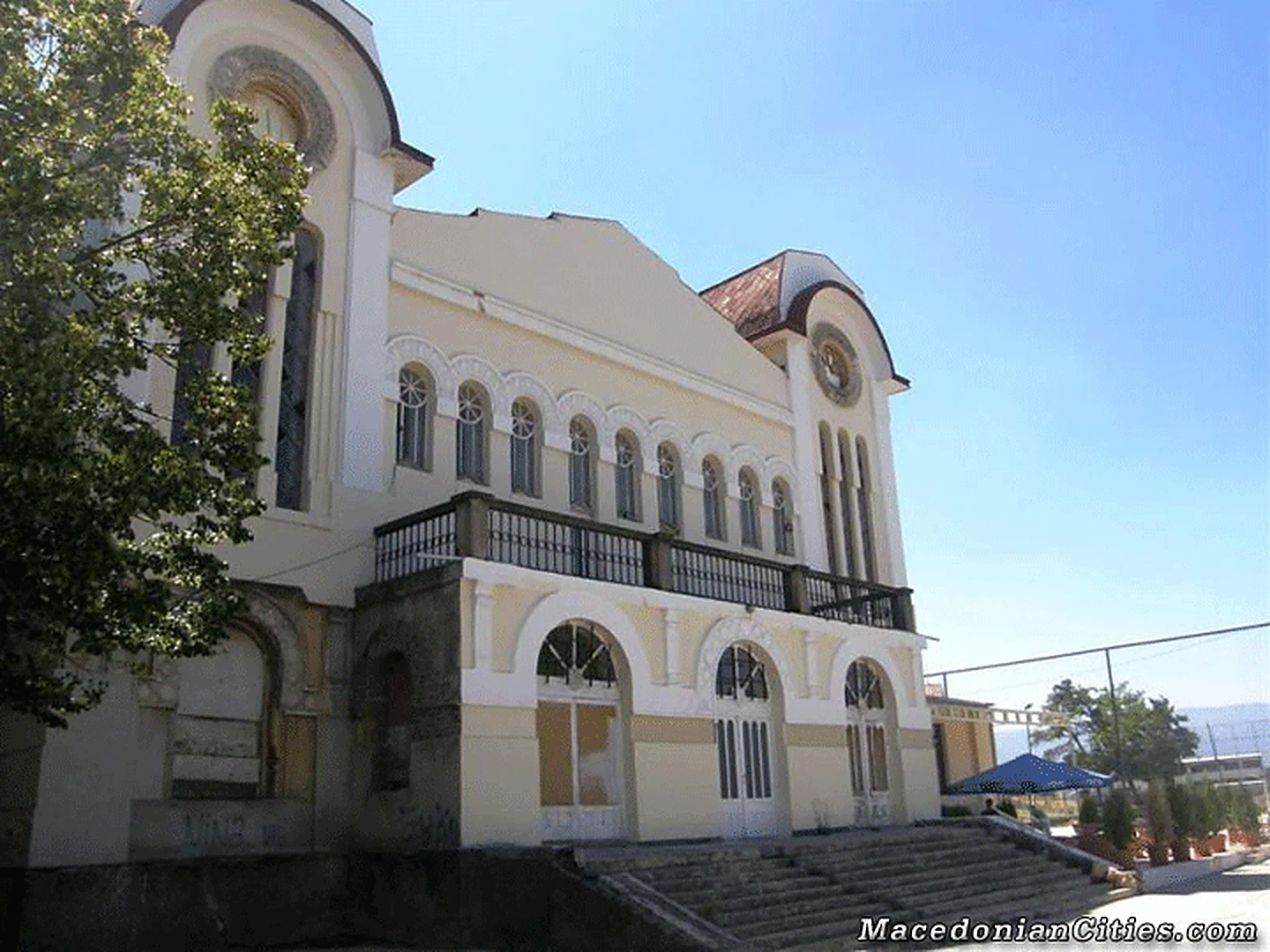
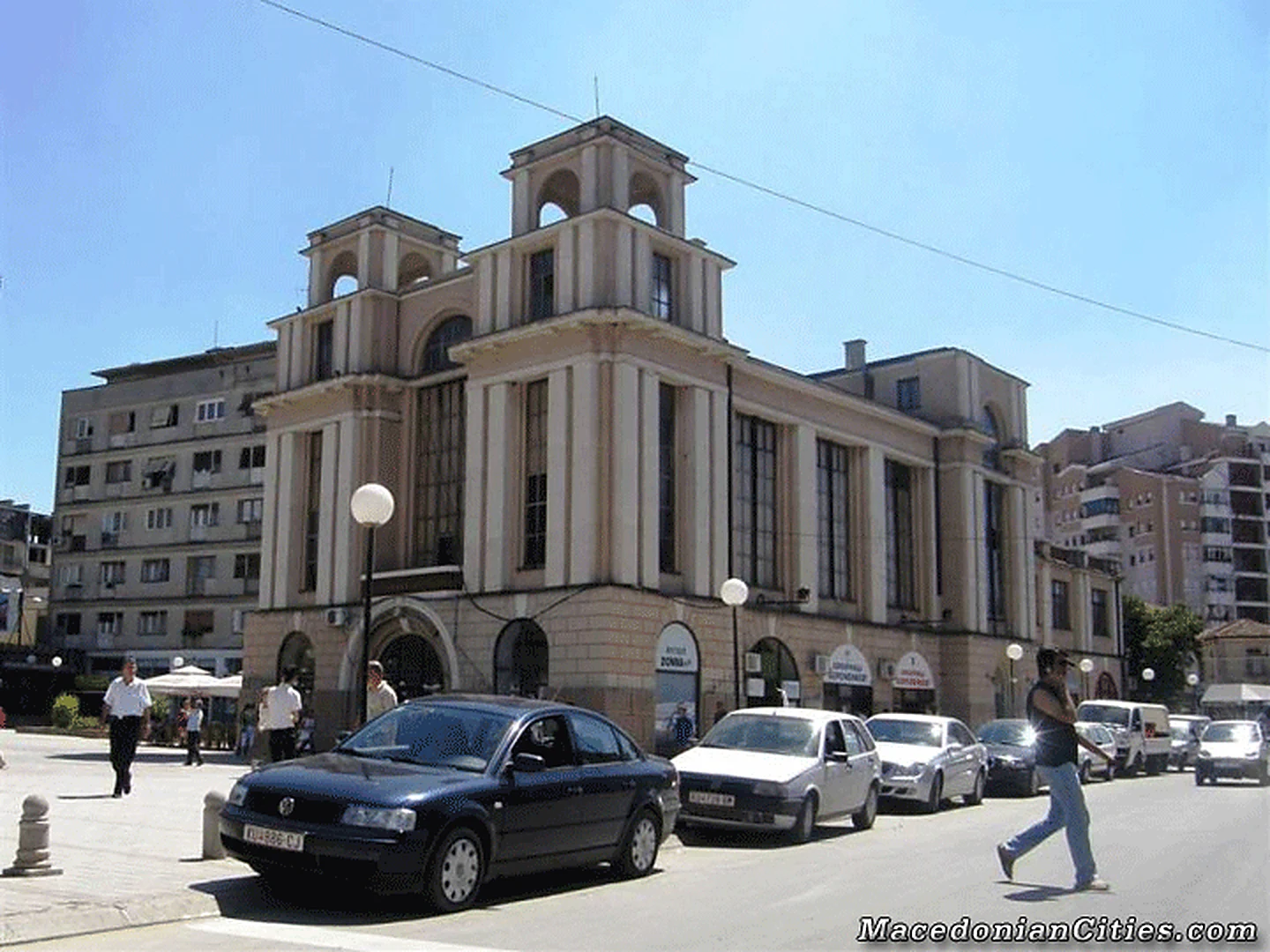
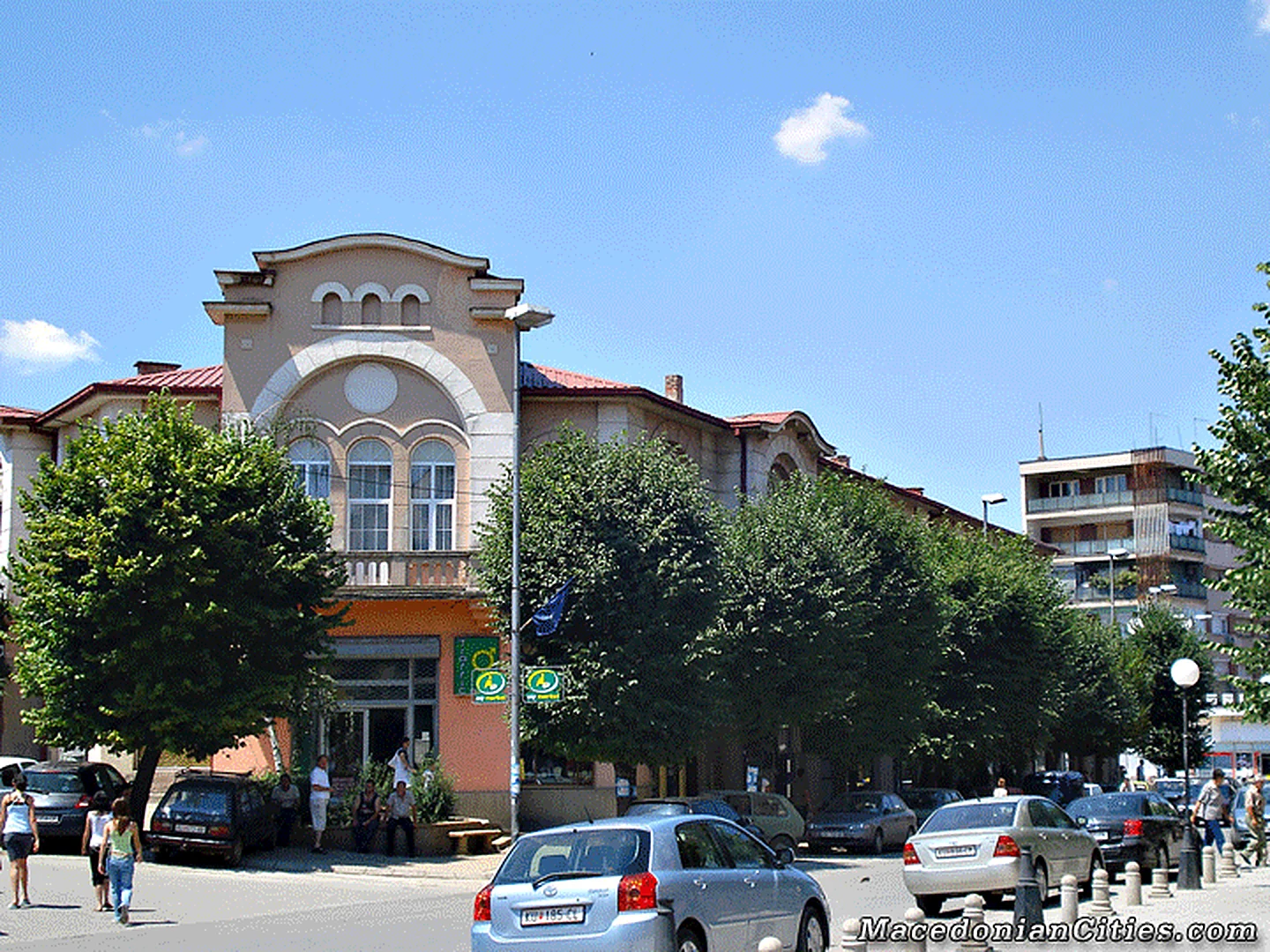
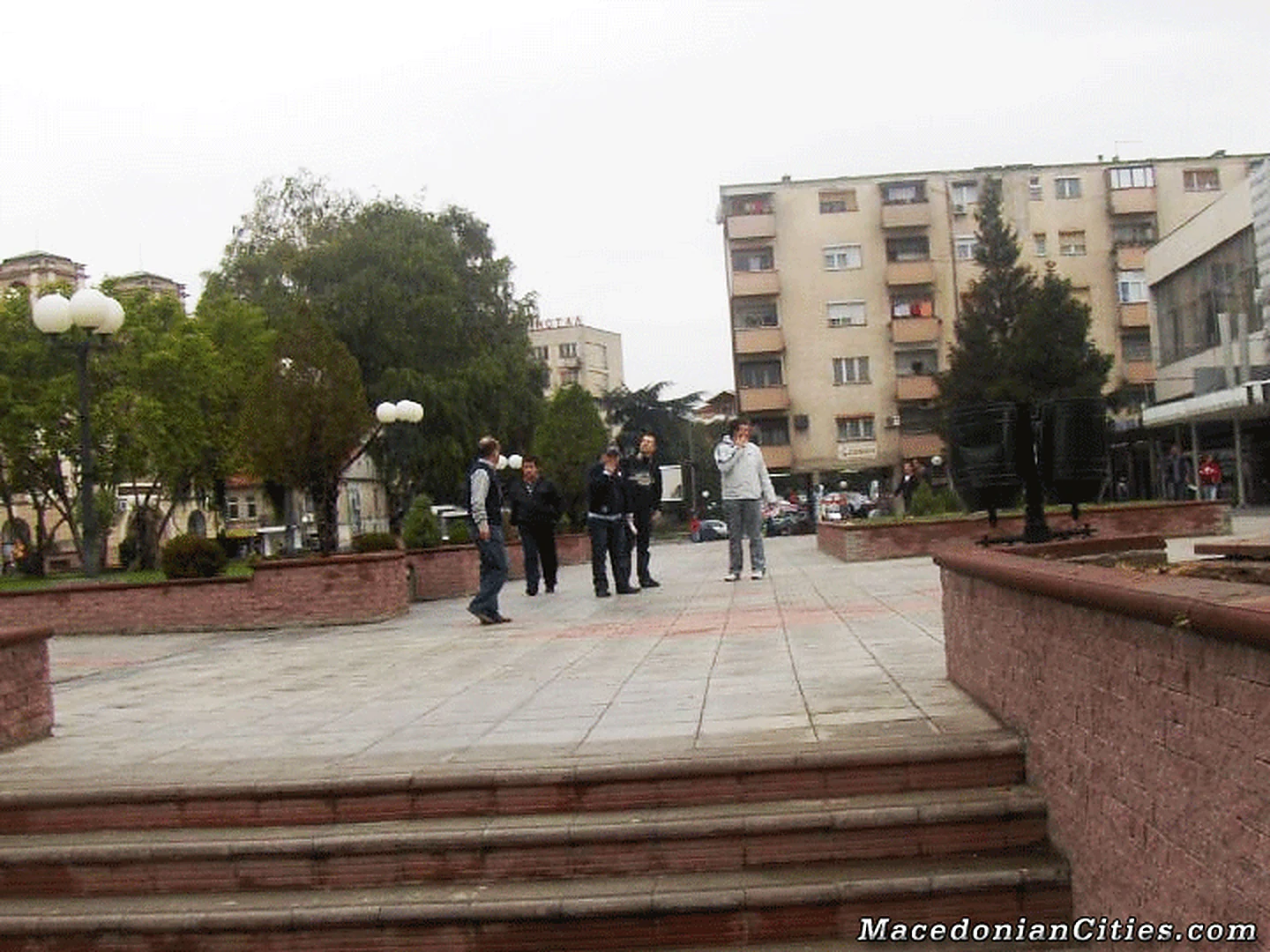
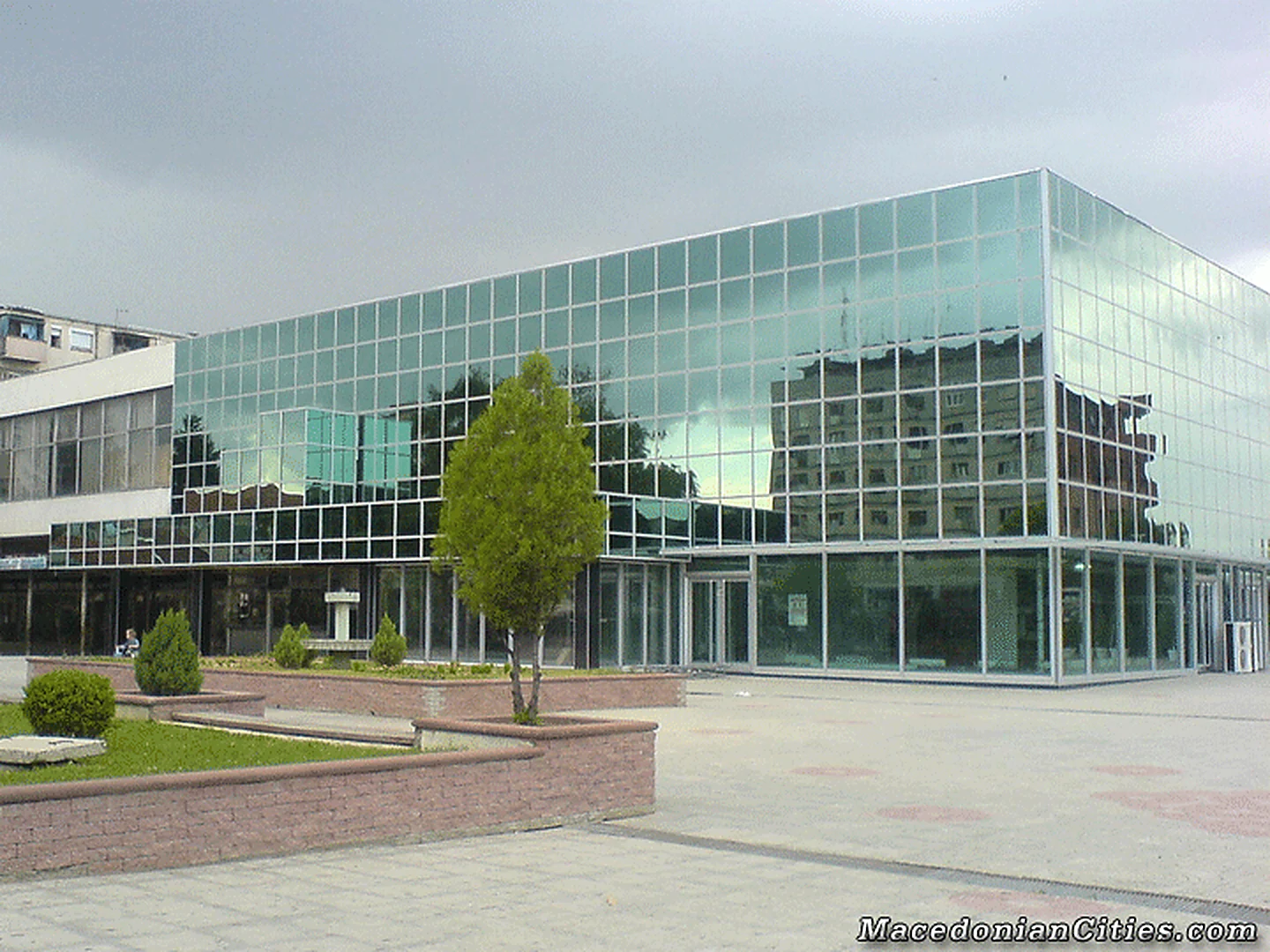
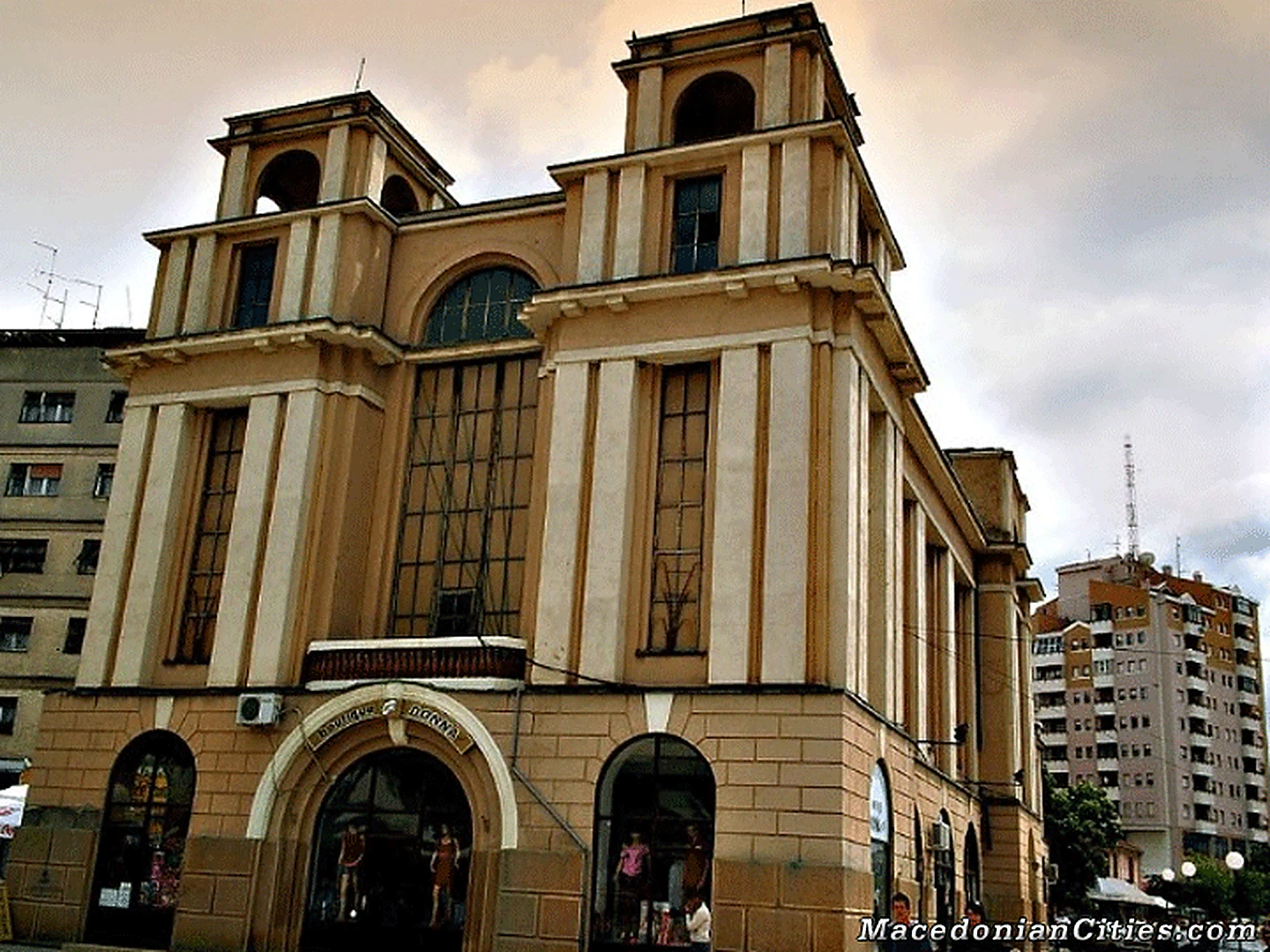
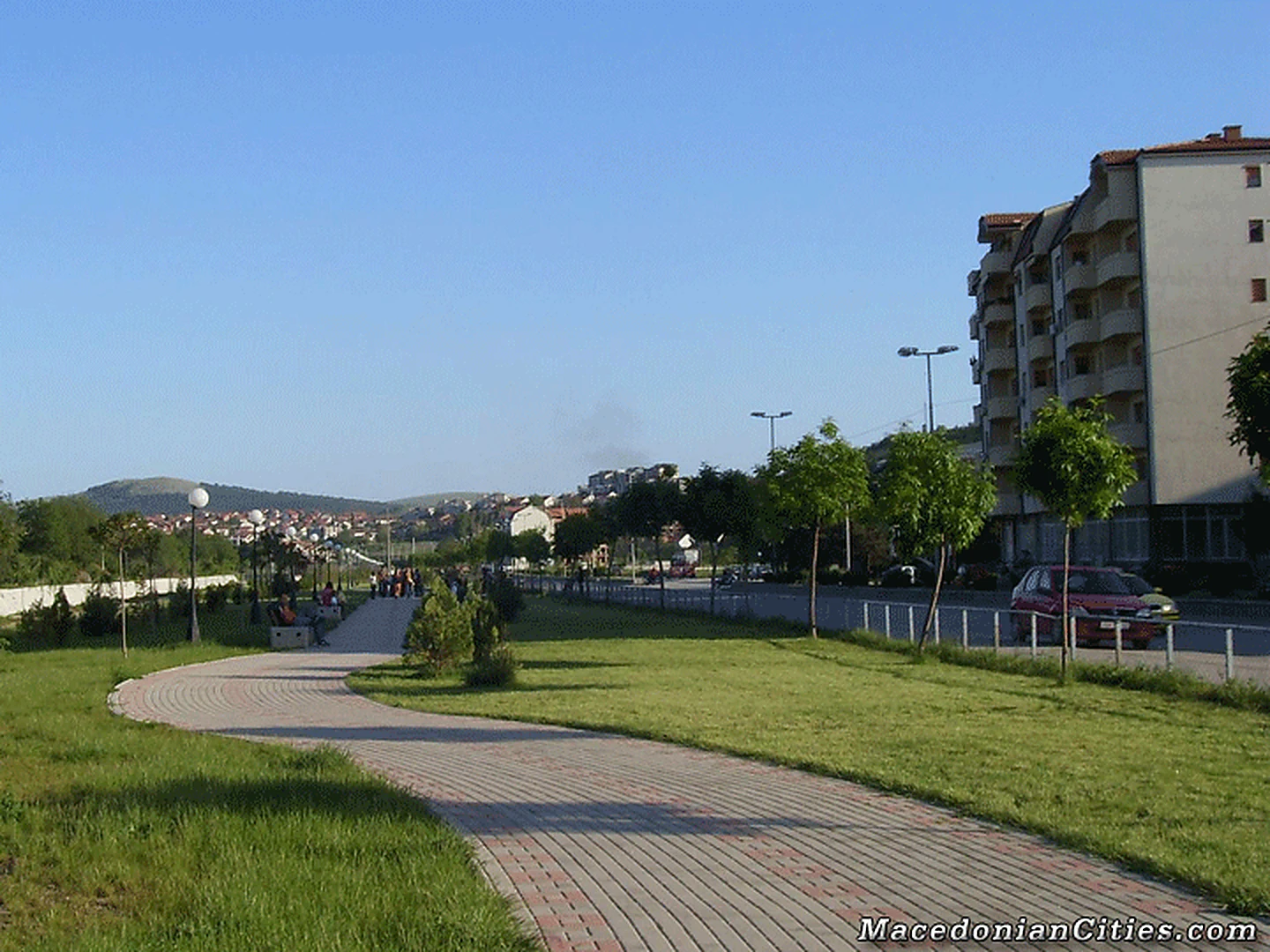
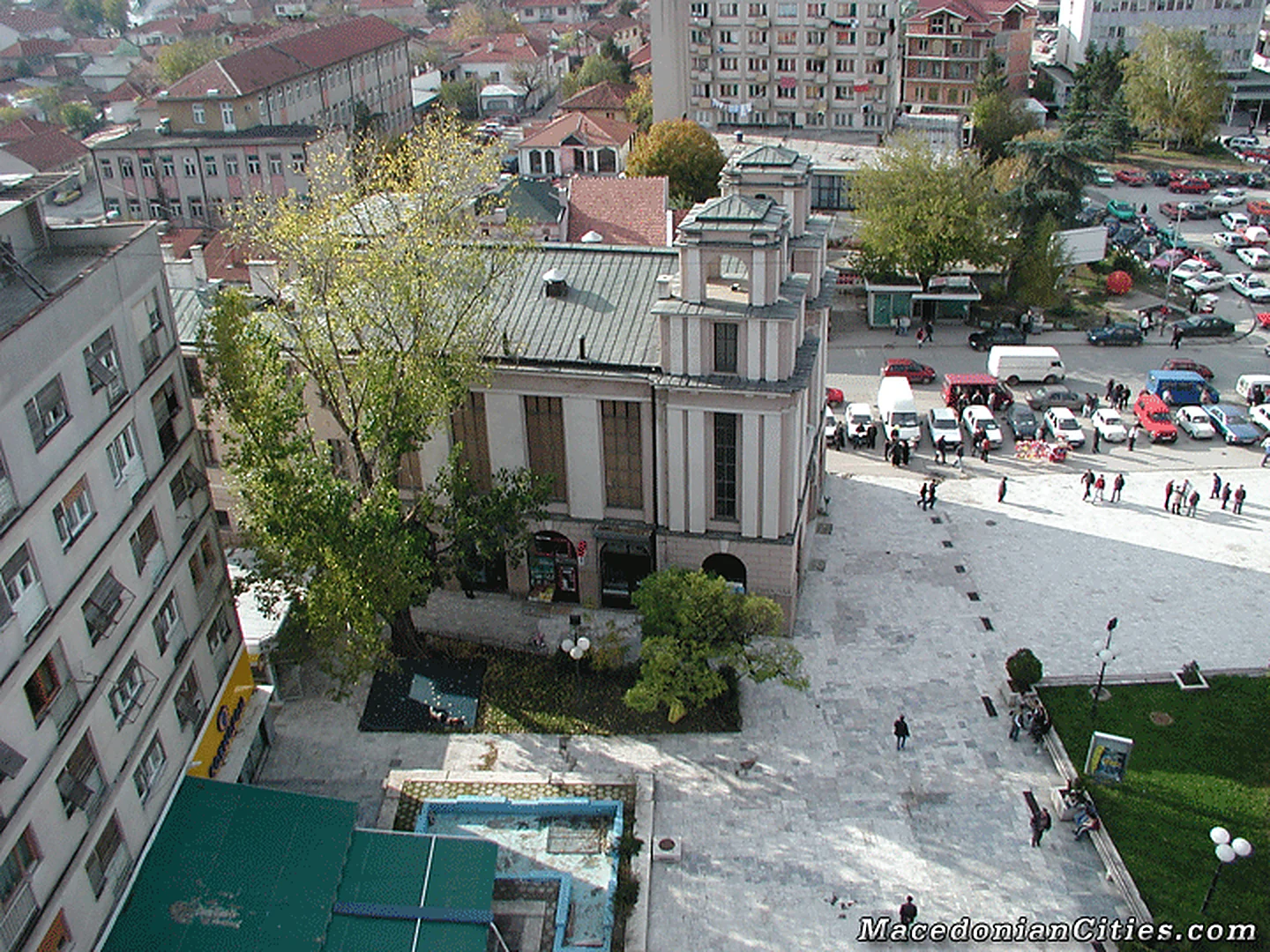
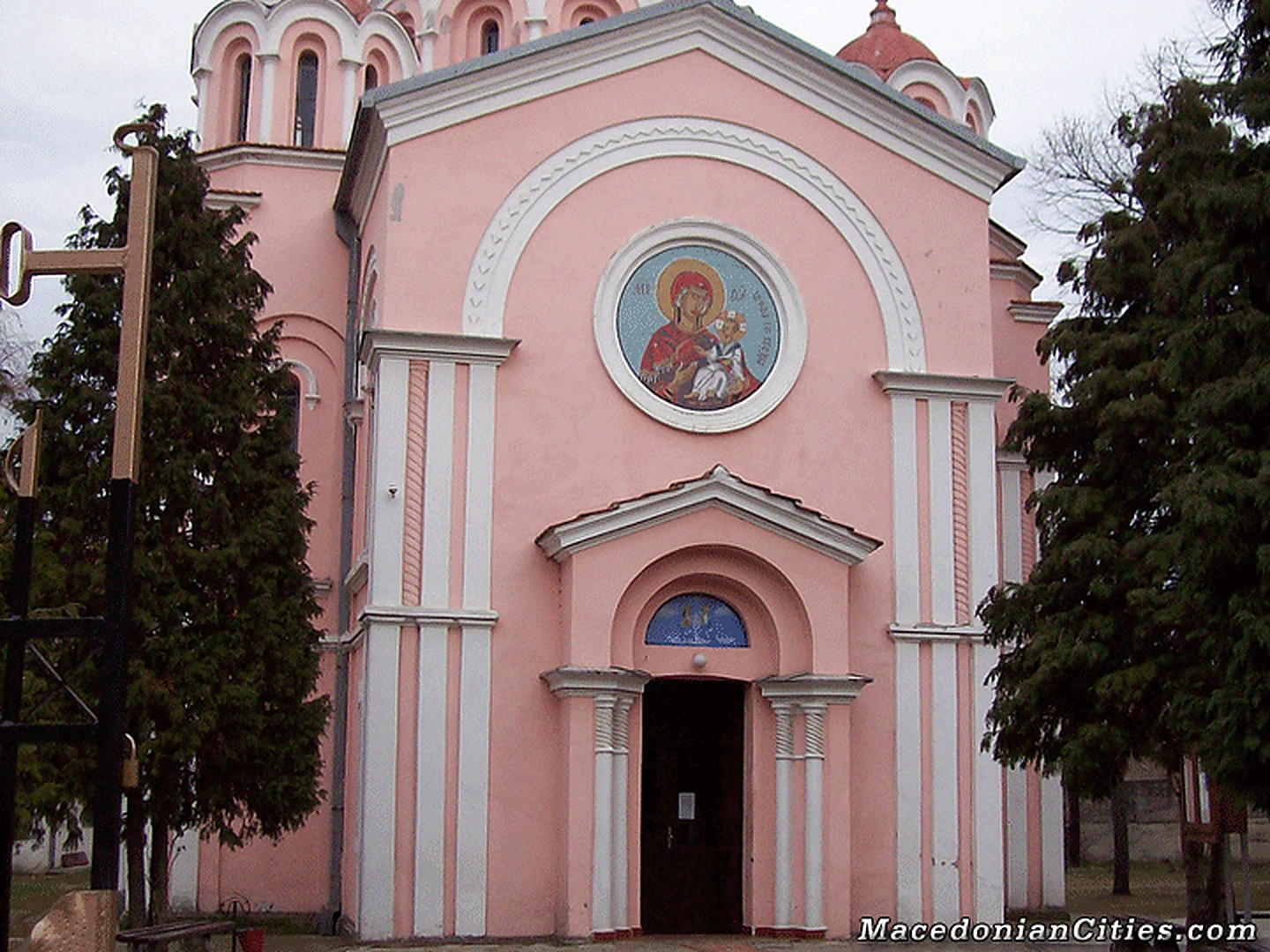
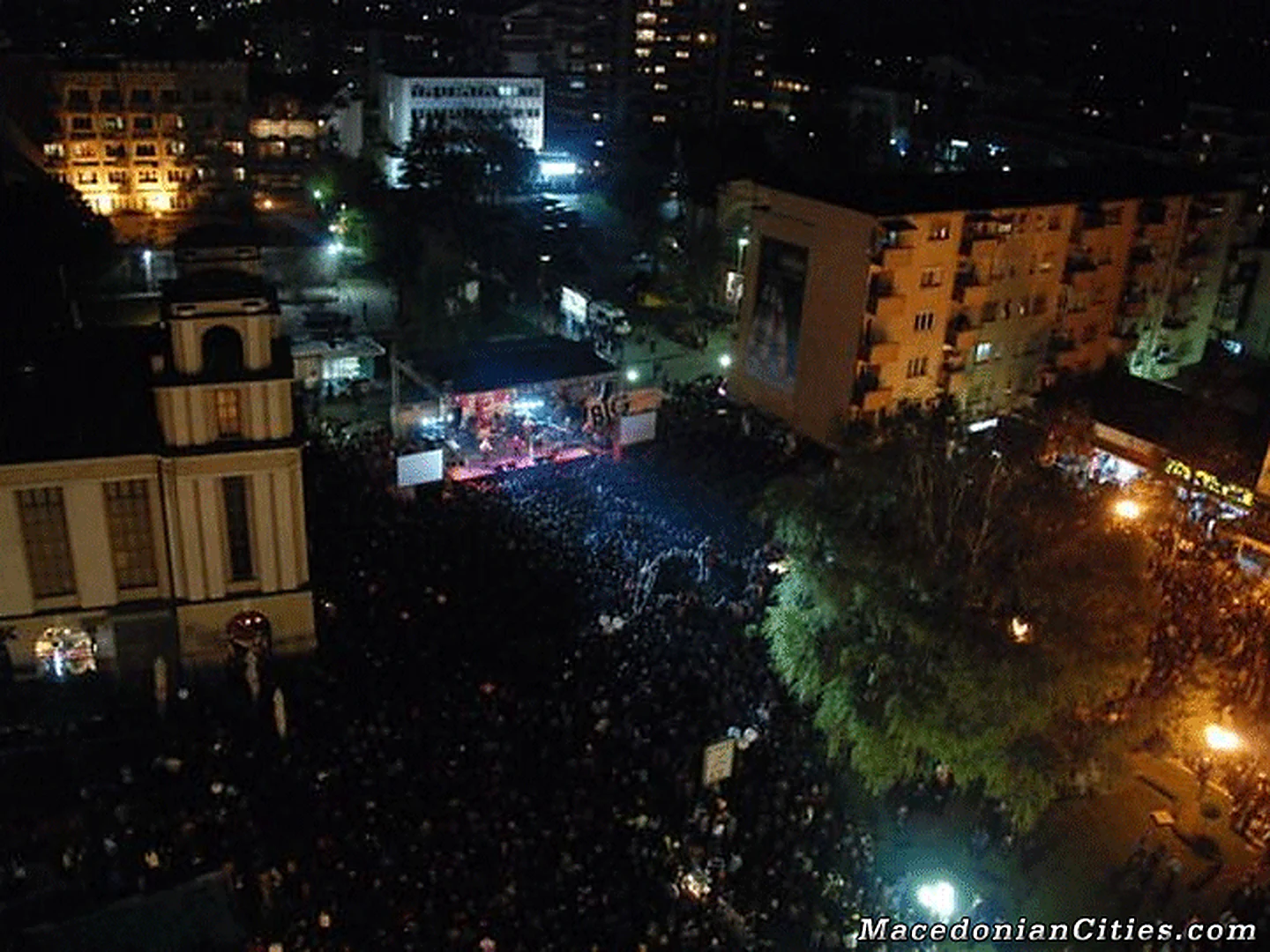
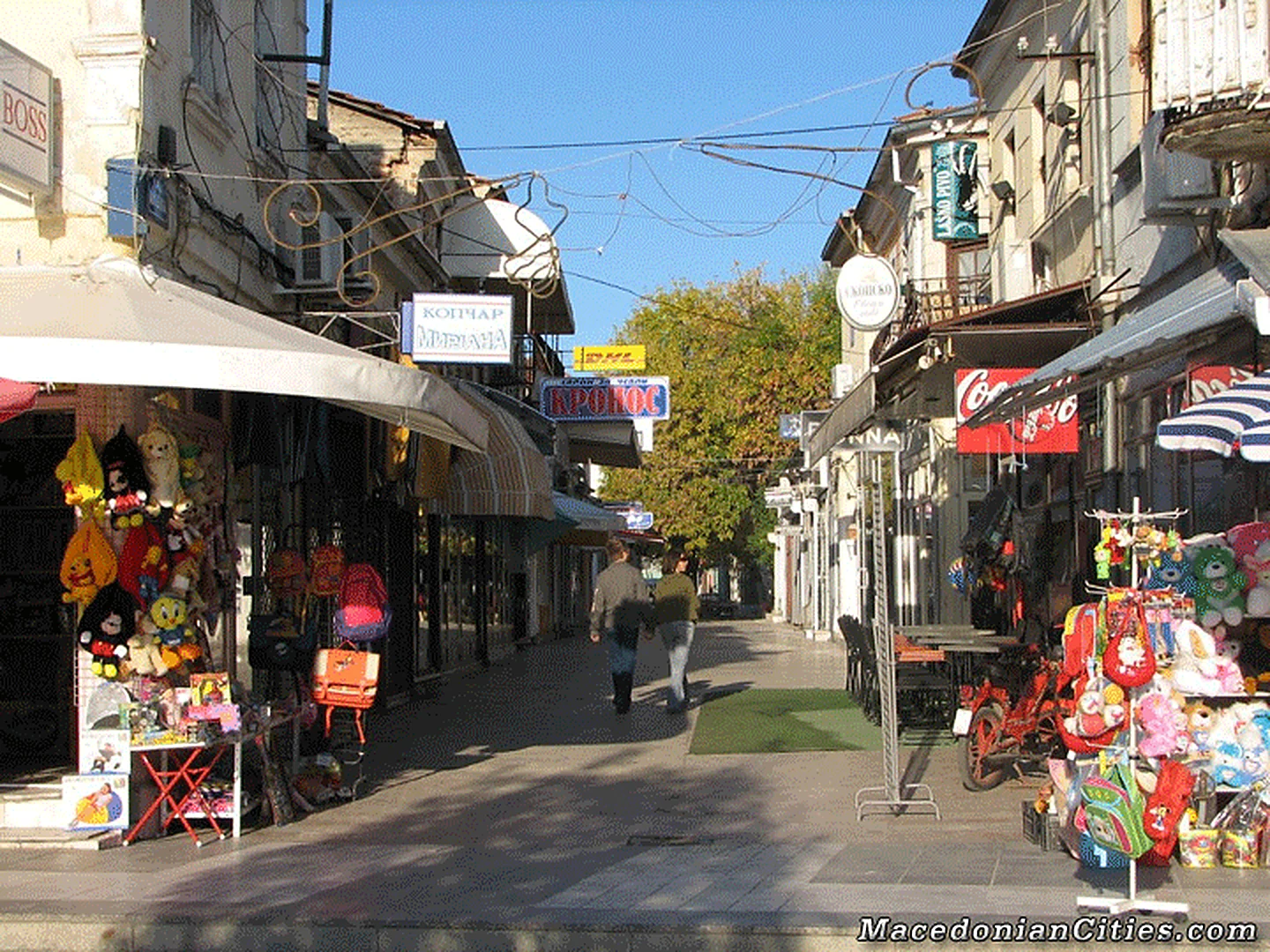
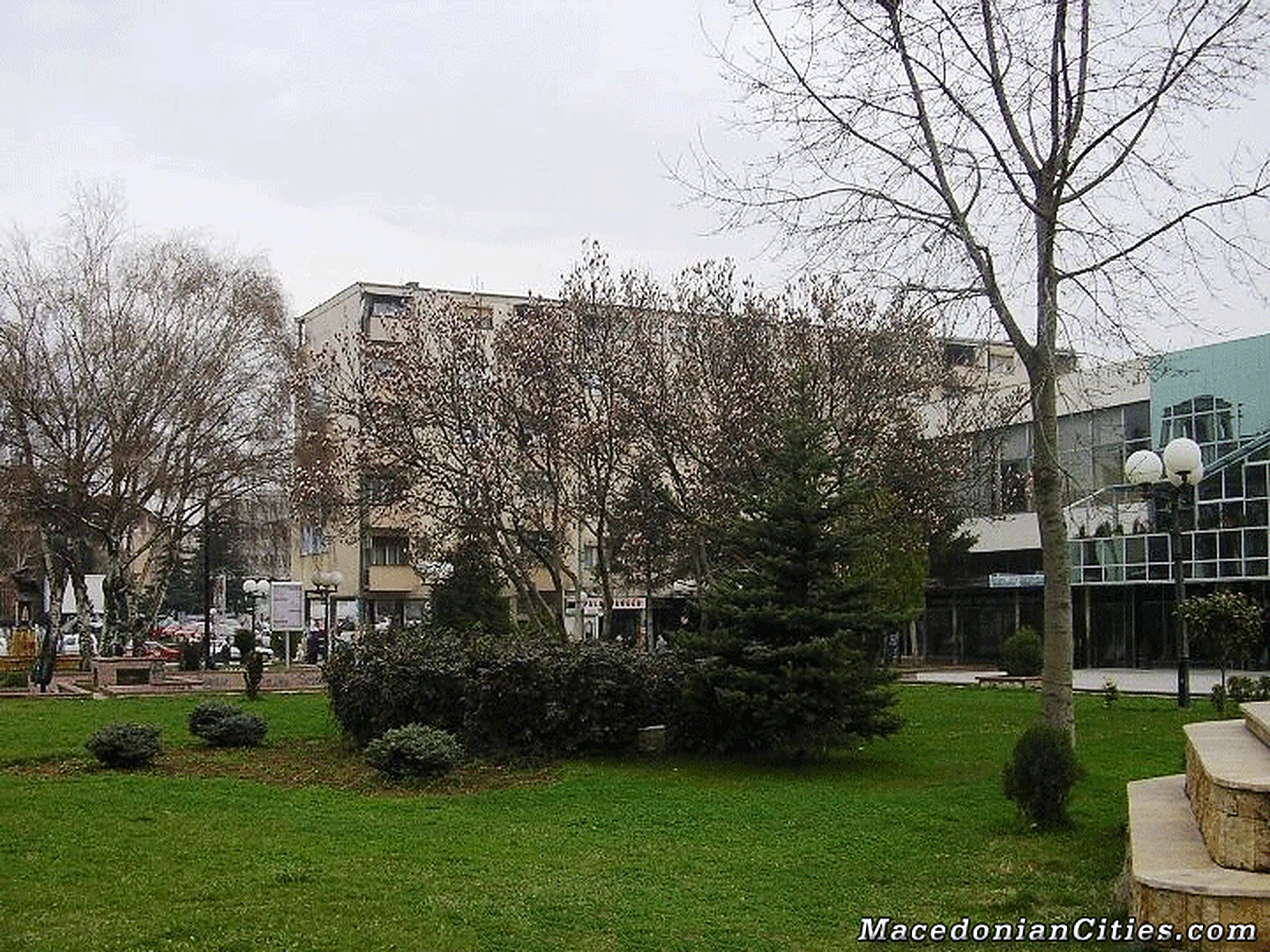
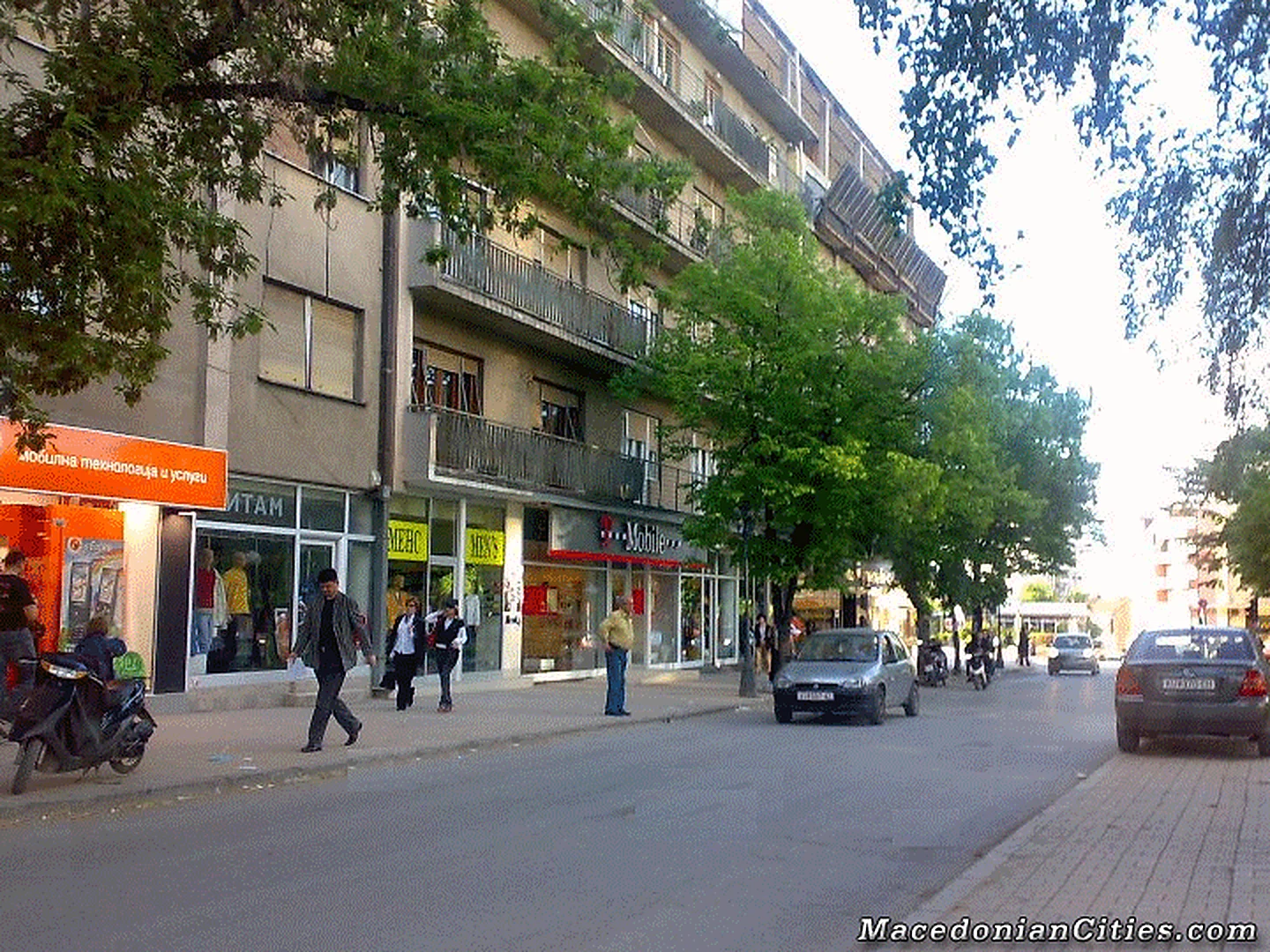
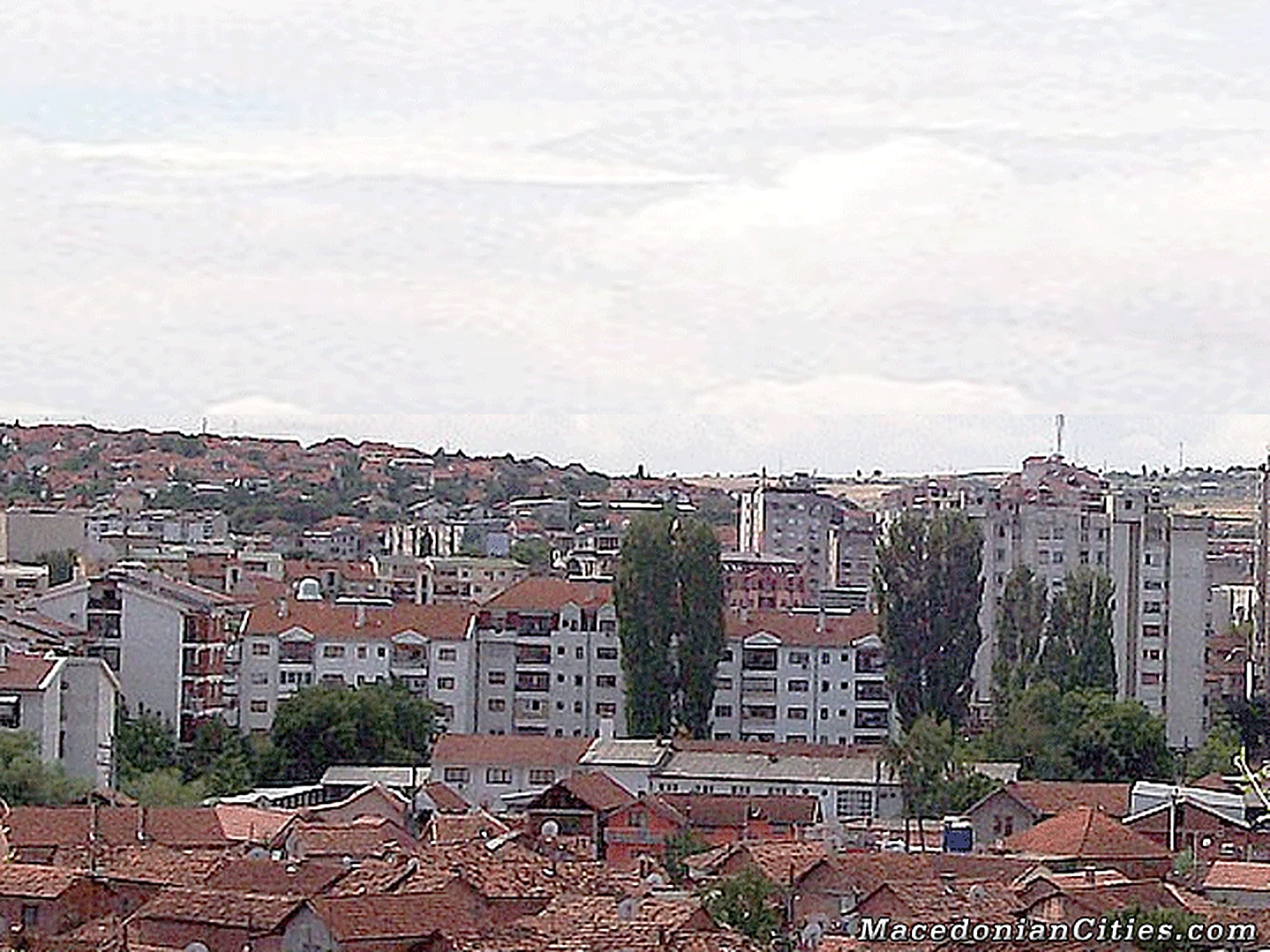
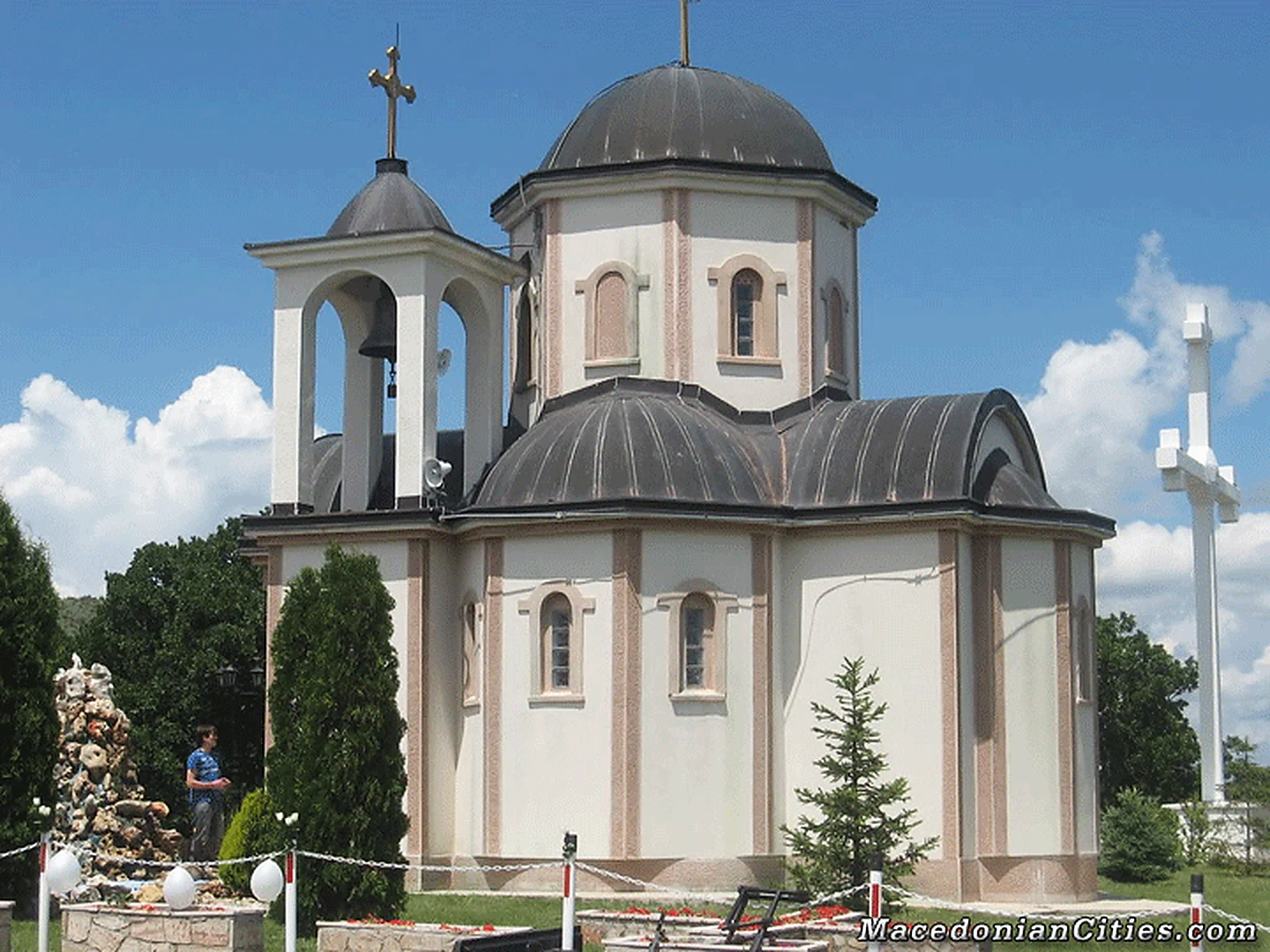
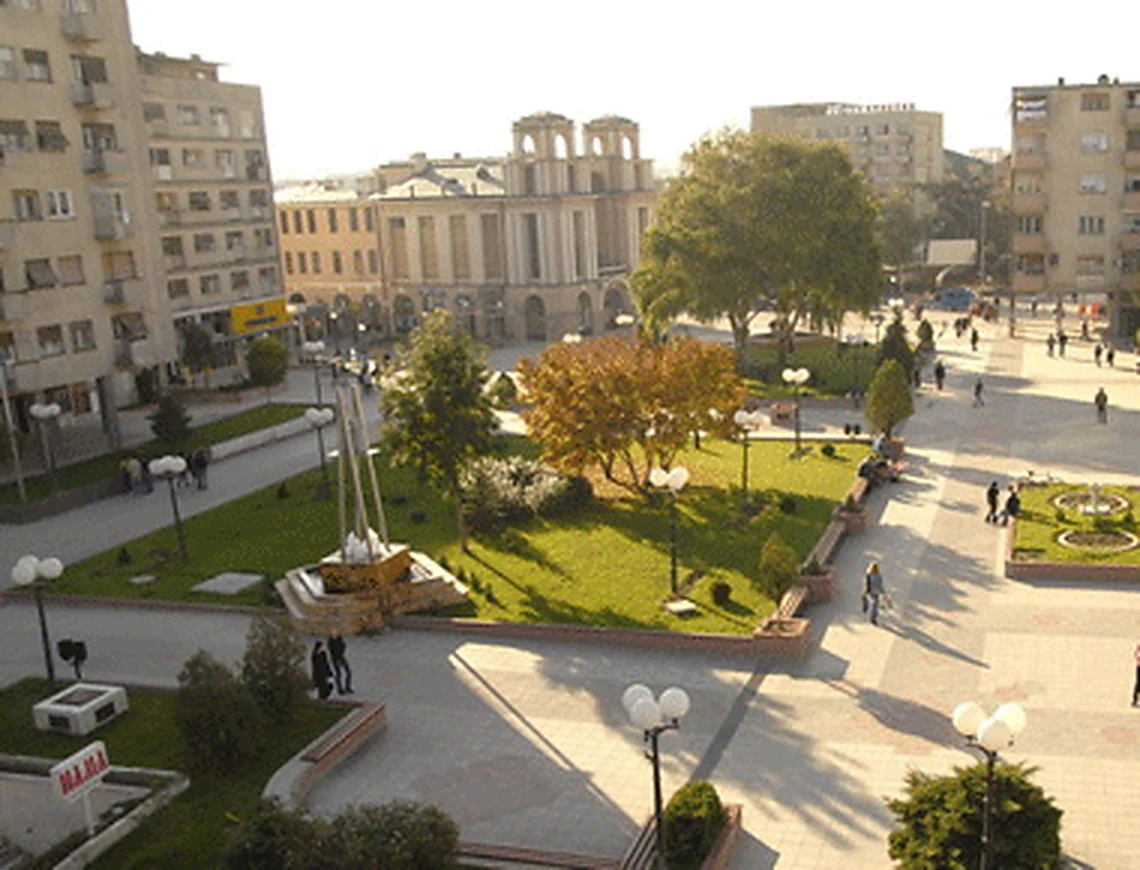
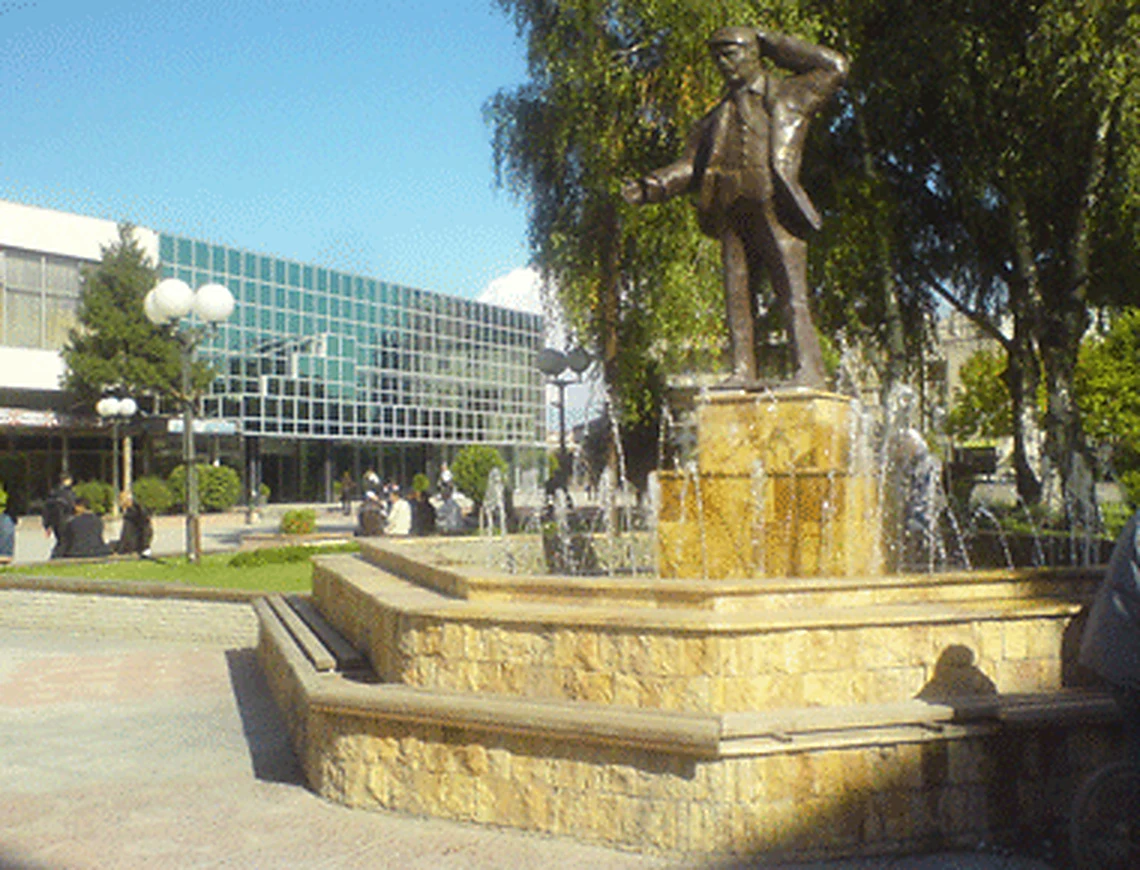
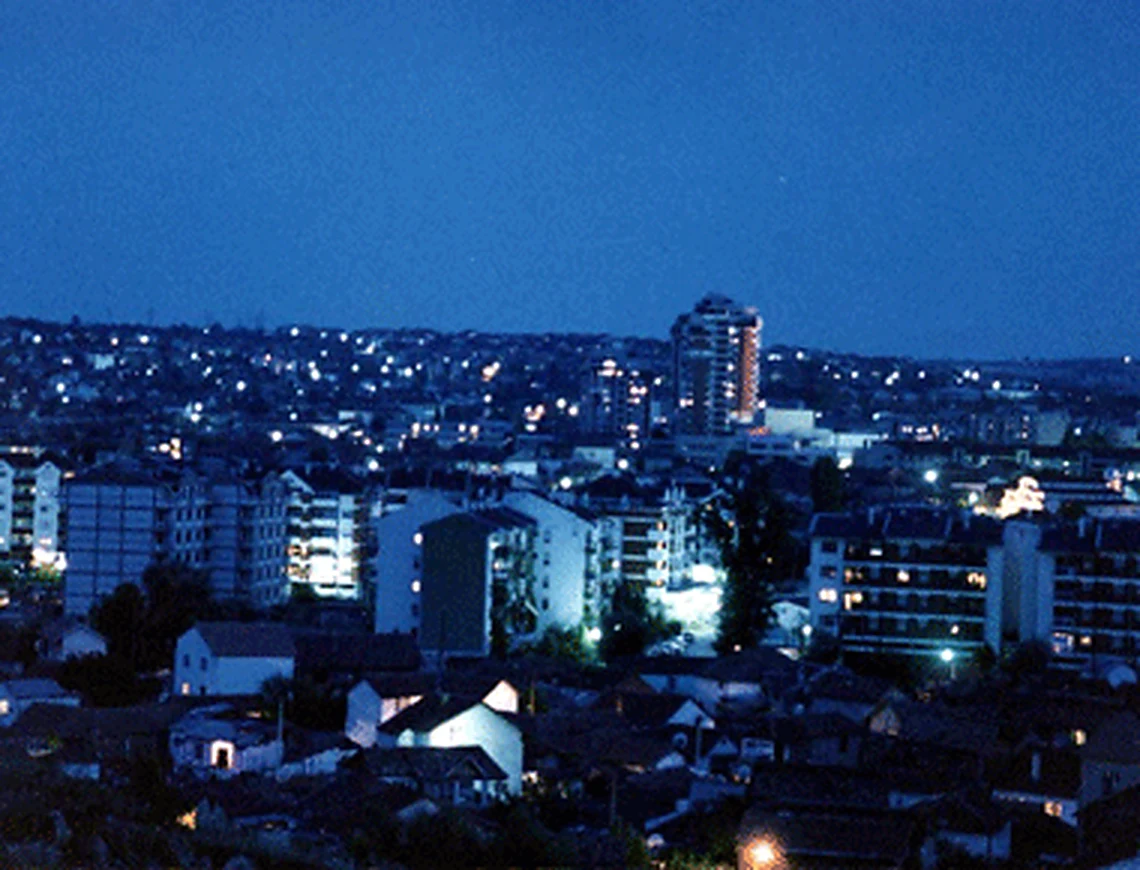
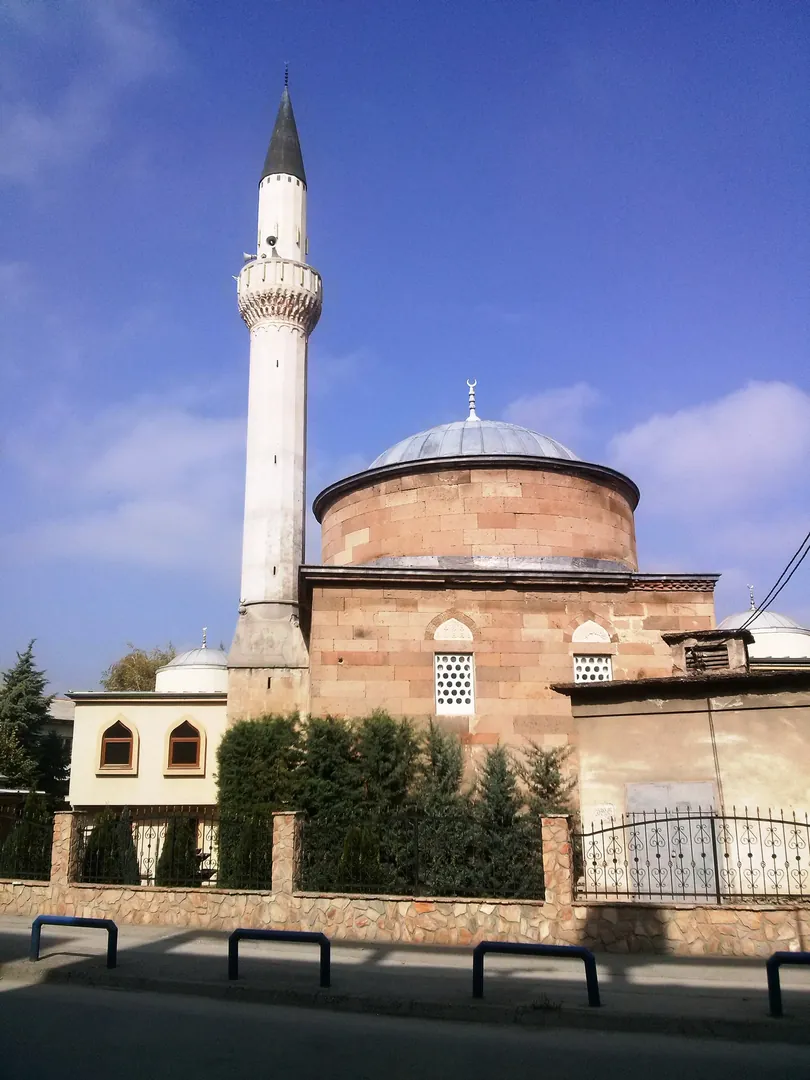
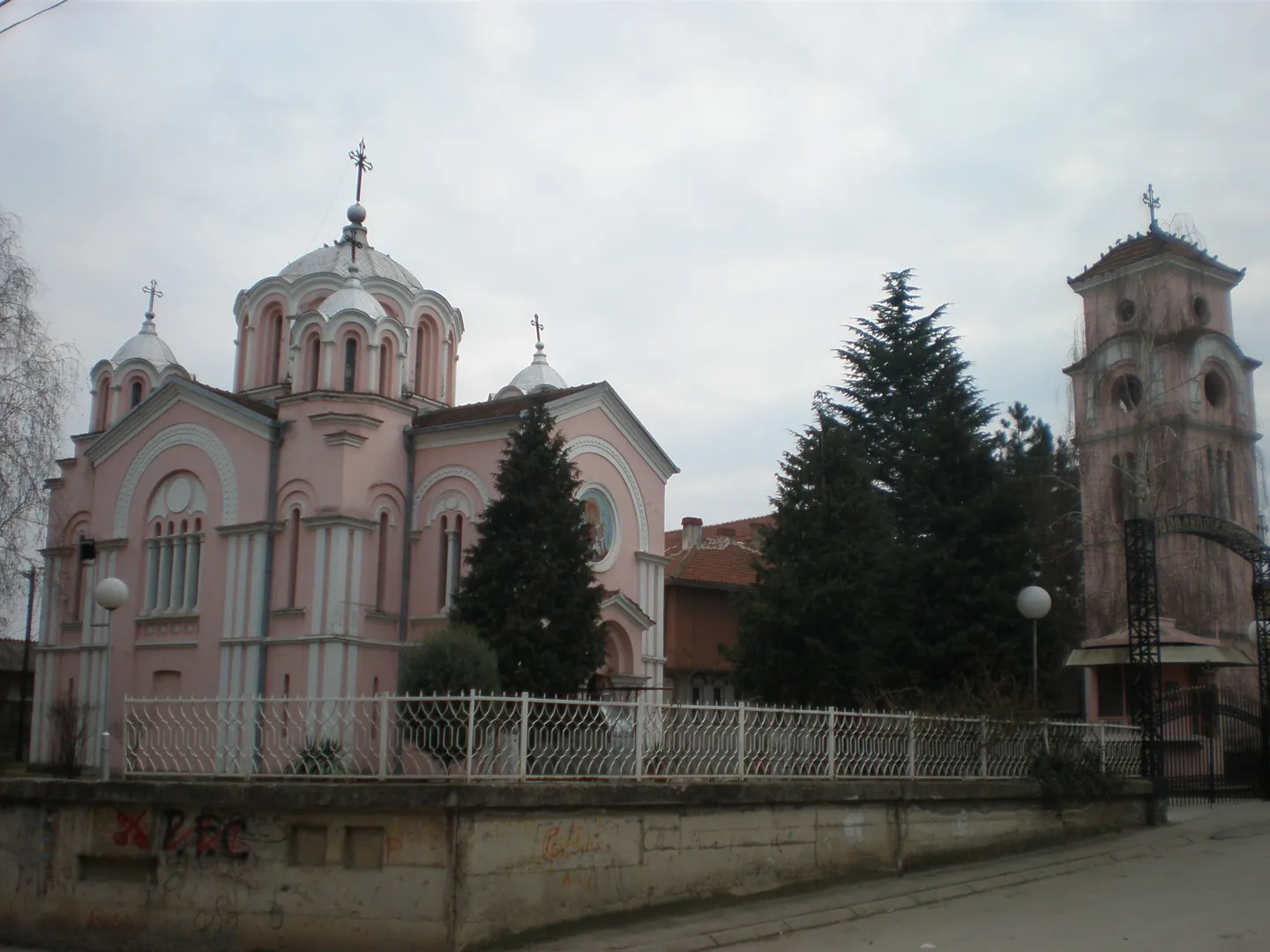
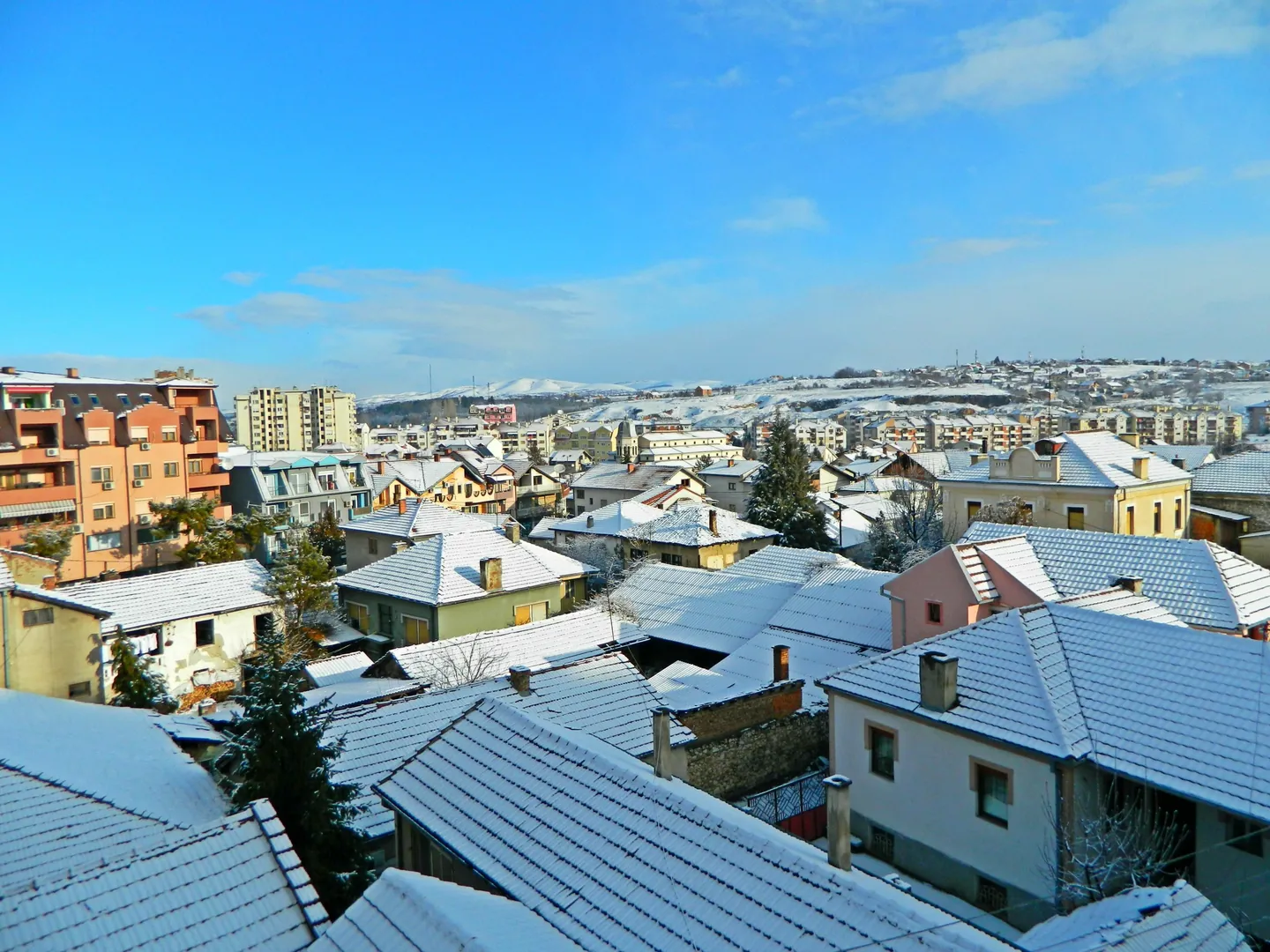
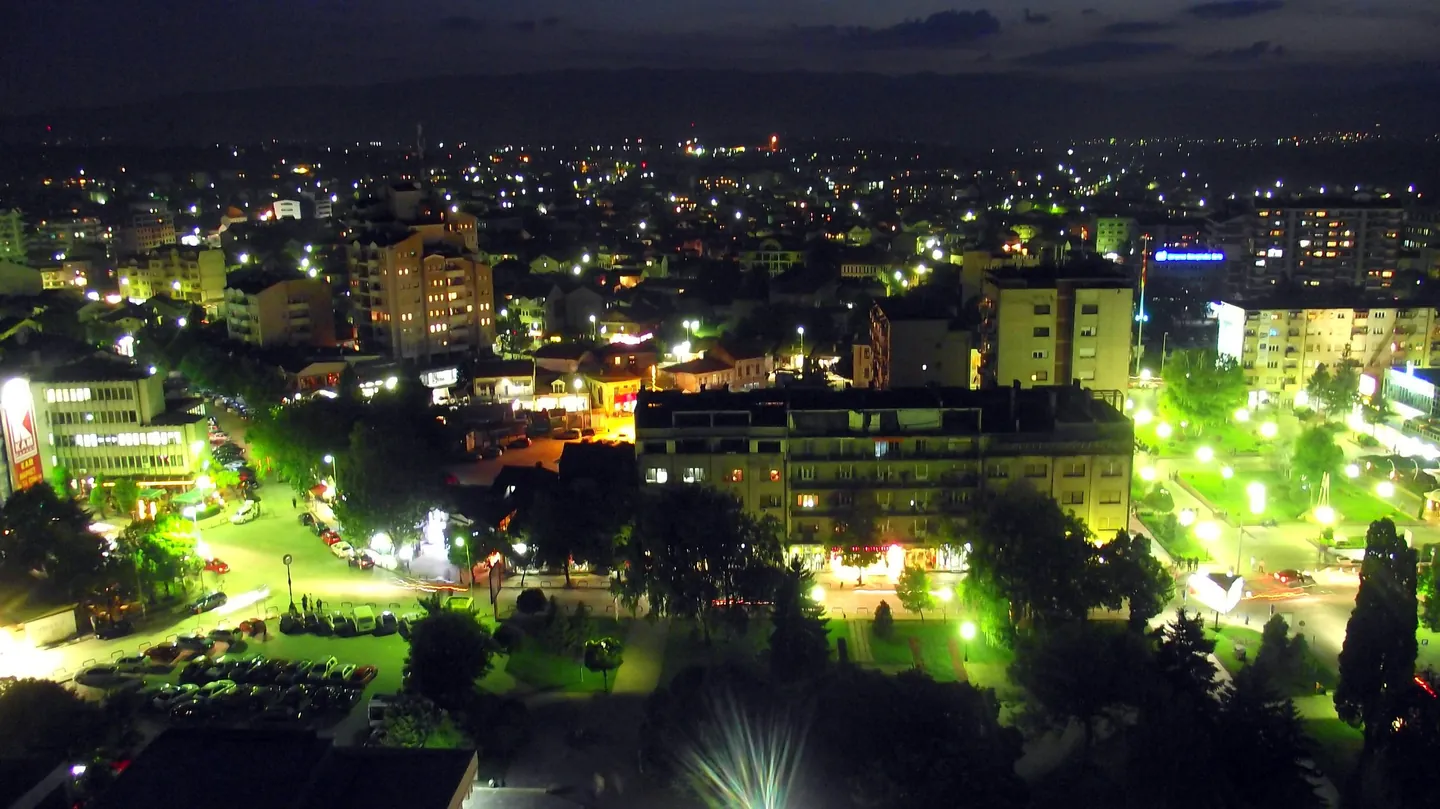
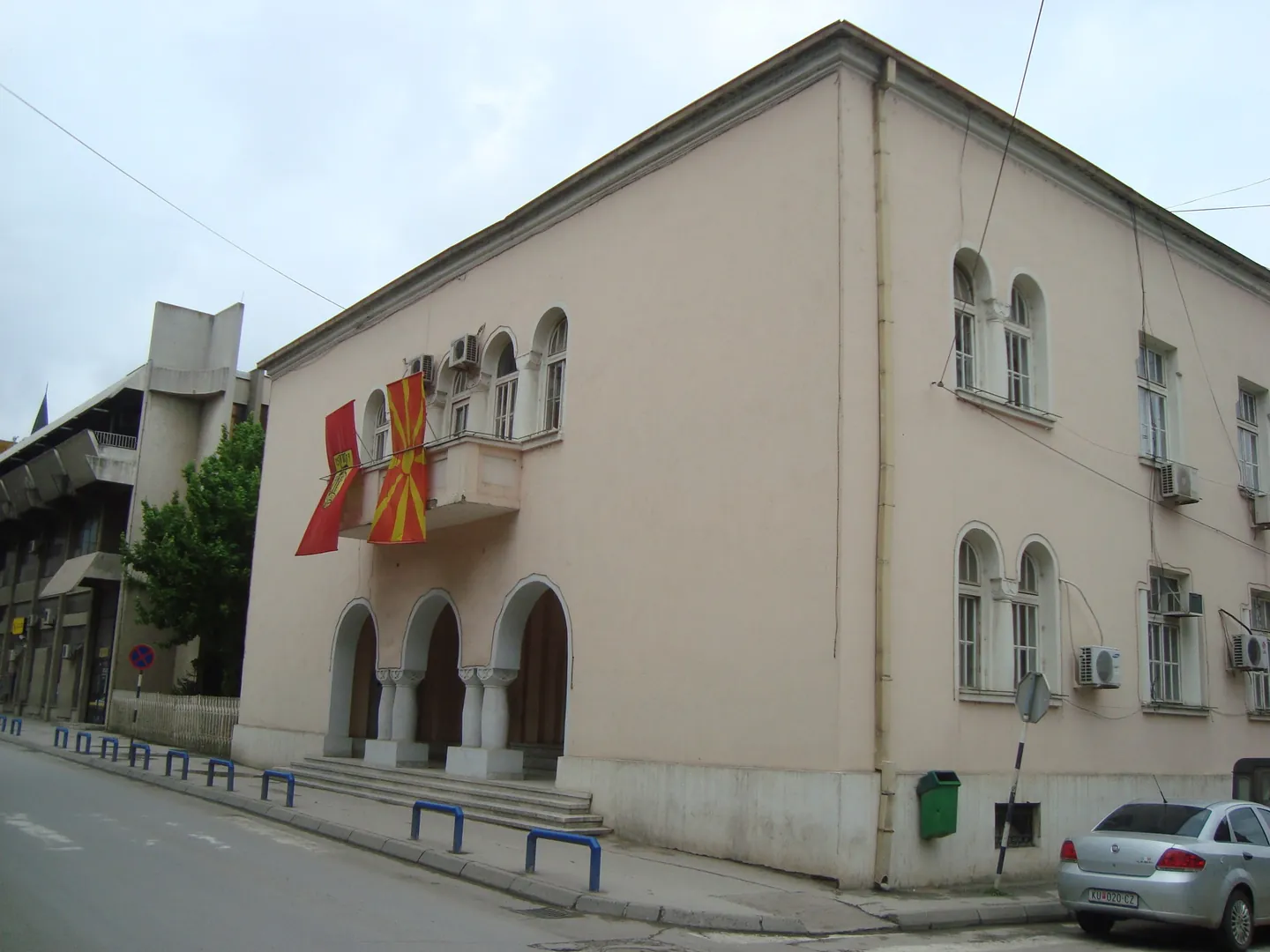
Photo credits
- Kumanovo: Tatar Sinan Beg Mosque, a stone mosque with a grey dome and a tall white minaret. Photo: CibrevCC BY-SA 4.0Wikimedia Commons
- Kumanovo: the church of the Holy Trinity, a pink domed church behind a railing, with a bell tower. Photo: МакедонецCC BY 3.0Wikimedia Commons
- Kumanovo: snow-dusted rooftops and houses in the foreground, with the town stretching to the horizon. Photo: Сања МалохоџиќCC BY-SA 4.0Wikimedia Commons
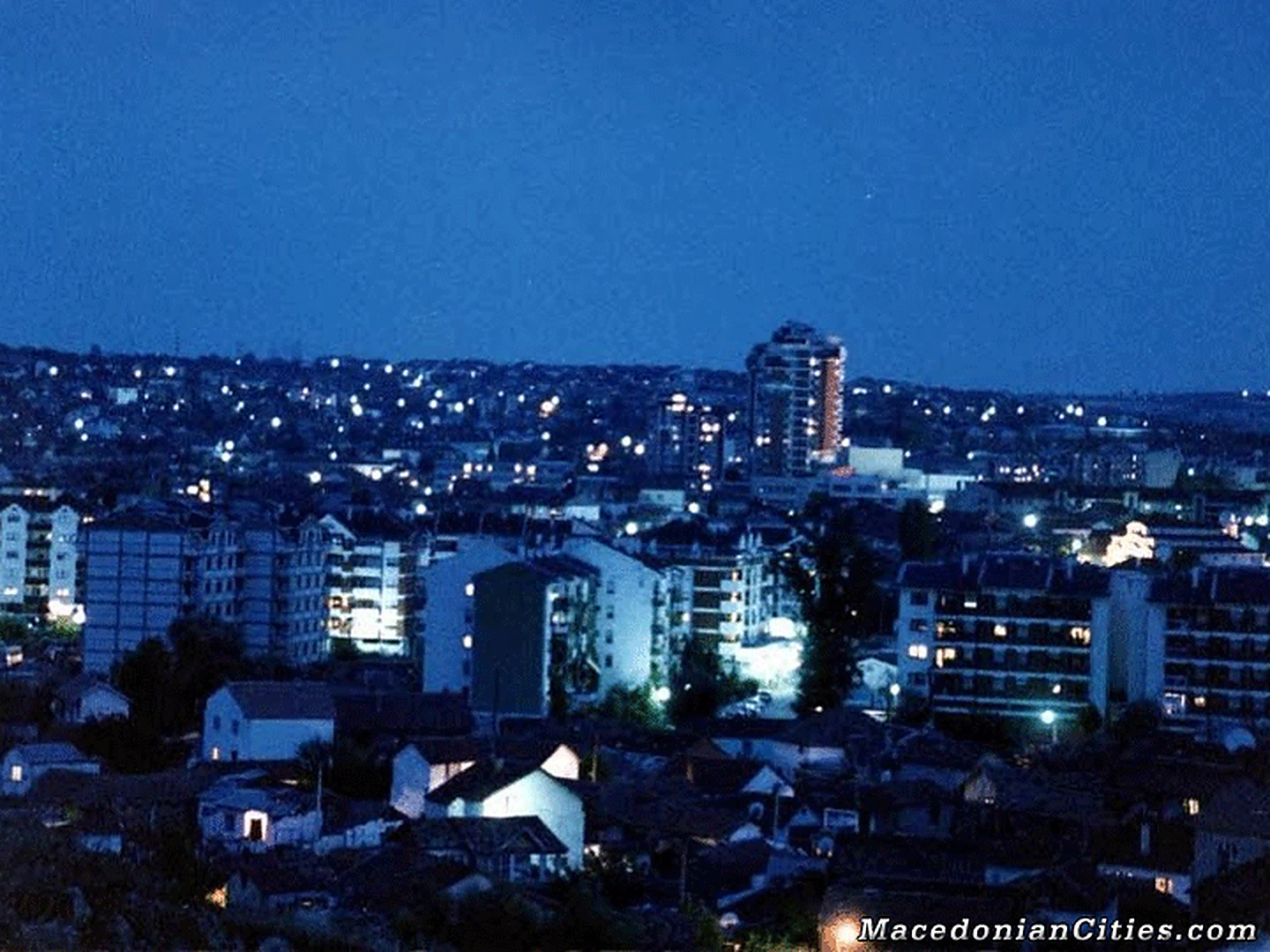
- Kumanovo: the town at night, seen from its tallest building, with green-lit park paths and lit blocks. Photo: LidiadesignCC BY-SA 3.0Wikimedia Commons
- Kumanovo: the City Hall, a cream two-storey building with arched windows and flags on its balcony. Photo: MacedonianBoyCC BY-SA 3.0Wikimedia Commons


