
Pelagonia
Krushevo
Крушево
- Residents · 2021 census
- 4,104
- Old photographs
- 12
- Photographs
- 59
A high mountain town of architecture, memory and flight
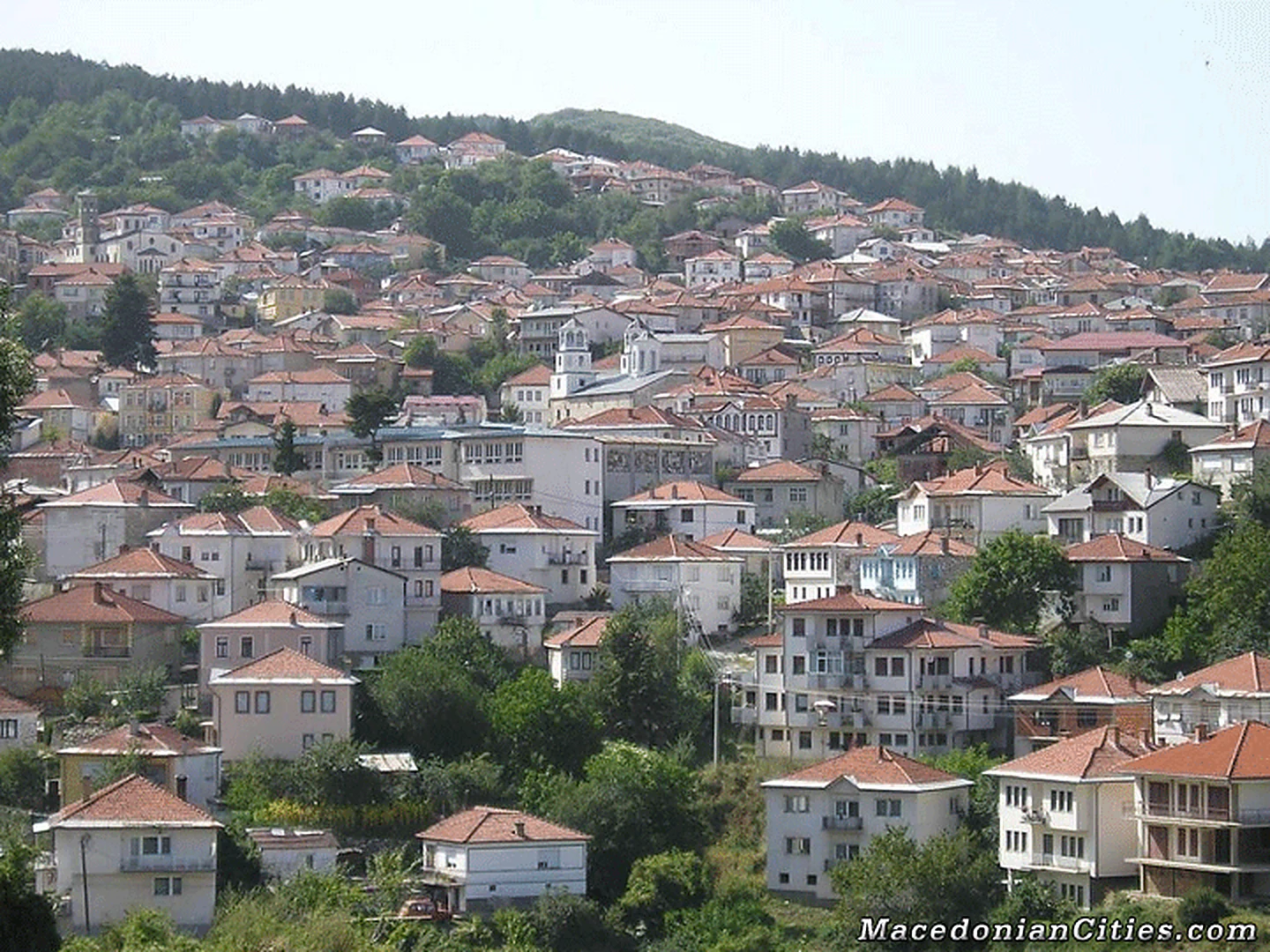
Krushevo is built high on Busheva Mountain at roughly 1,250 metres, making it the highest town in North Macedonia. Its amphitheatrical neighbourhoods overlook Pelagonia and retain a dense fabric of traditional houses, churches and narrow streets.
Overview
City overview
Meet Krushevo.
A grounded introduction to the city, its landscape, people, history and wider municipality.
Krushevo is built high on Busheva Mountain at roughly 1,250 metres, making it the highest town in North Macedonia. Its amphitheatrical neighbourhoods overlook Pelagonia and retain a dense fabric of traditional houses, churches and narrow streets.
The town grew rapidly in the late eighteenth and nineteenth centuries as Aromanian, Mijak Macedonian and other Orthodox families developed distinctive quarters and strong networks of trade, building, painting and woodcarving.
In August 1903 insurgents proclaimed the short-lived Krushevo Republic during the Ilinden Uprising. Nikola Karev led its provisional administration, while Pitu Guli and his fighters defended the approach at Mechkin Kamen before Ottoman forces retook the town.
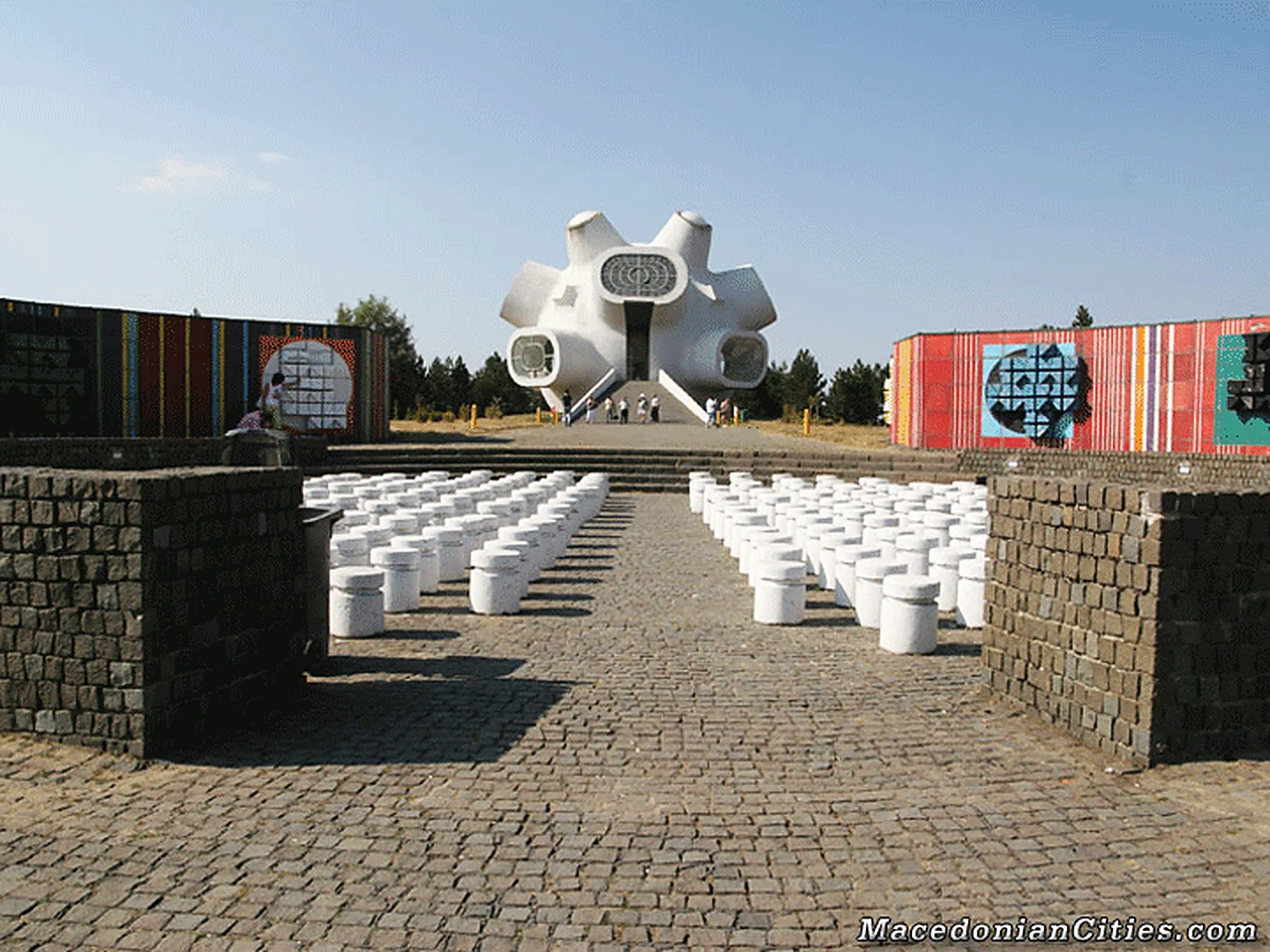
Modern Krushevo joins this historical memory with mountain sport. The Makedonium memorial, Tose Proeski Memorial House, winter landscape and internationally known paragliding launch make the town both a national memorial centre and an adventure destination.
The 2021 census counted 4,104 residents in Krushevo itself and 8,385 across the wider municipality; 4,281 people lived outside the city settlement. That distinction between the urban centre and its surrounding communities is important in Macedonian demographic reporting and in understanding everyday local life.
At a glance
Useful facts, in one place.
Settlement and municipality figures are kept distinct wherever sources permit.
- Municipality
- Krushevo Municipality
- City population
- 4,104
- Municipality population
- 8,385
- Population year
- 2021
- Municipal area
- 190.68 km²
- Elevation
- 1,250 m
- Approx. road distance from Skopje
- 159 km
- Postal code
- 7550
- Climate
- Cool mountain climate with snowy winters, mild summers and strong local flying conditions during the warmer season.
- Sports teams
- FK Pitu Guli
- Culture
-
- The Ten Days of the Krushevo Republic programme commemorates the events of August 1903.
- Aromanian and Mijak building traditions are visible in the historic neighbourhoods.
- The town is closely associated with singer and humanitarian Tose Proeski.
- Population snapshot
- 4,104 city residents and 8,385 municipality residents in the 2021 census; 4,281 lived outside the city settlement.
- Statistical region
- Pelagonia
- Settlements
- 19
- Villages
- 18
- Paragliding launch altitude
- 1,400 m
Known for
The city's signature.
Landmarks, foods, landscapes and traditions that give Krushevo its character.
- The 1903 Ilinden Uprising and Krushevo Republic
- Makedonium and Mečkin Kamen memorial landscapes
- High-altitude traditional town architecture
- Paragliding and mountain sports
- The legacy and memorial house of Toše Proeski
Geography
Geography
Land shapes the city.
Terrain, waterways, climate and transport explain why Krushevo grew where it did.
Krushevo is built high on the slopes of Buševa Mountain, overlooking the western edge of Pelagonia. At around 1,250 to 1,350 metres above sea level, it is North Macedonia's highest town and one of the highest urban settlements in the Balkans. Houses rise amphitheatrically around the headwaters of the Kruševska River, their upper storeys looking across tiled roofs toward the plain.
Altitude gives Krushevo a cool mountain climate, snowy winters and reliable rising air for paragliding. Forest tracks lead across Buševa toward Mečkin Kamen and other high ridges, while winding roads descend toward Prilep, Demir Hisar and the Pelagonia villages. The compact historic neighbourhoods remain closely tied to the surrounding mountain rather than to a flat suburban fringe.
History
History
A concise, rewritten account.
Written afresh from cross-checked municipal, archaeological, heritage and institutional sources—not copied website text.
Krushevo is first mentioned in Ottoman records in the fifteenth century, but its decisive growth came in the late eighteenth and early nineteenth centuries. Aromanian families displaced from Moscopole and the Gramos region, Mijak Macedonians from western mountain villages, and Orthodox Albanian settlers established distinct neighbourhoods. Their merchants, builders, painters and woodcarvers turned the remote settlement into an affluent craft town with far-reaching Balkan connections.
In August 1903 insurgents captured Krushevo during the Ilinden Uprising and proclaimed the short-lived Krushevo Republic. Nikola Karev headed its provisional administration, while Pitu Guli and his fighters defended the approaches at Mečkin Kamen. Ottoman forces retook the town after about ten days, killing defenders and burning a large part of Krushevo. The episode became one of the central national memories of modern North Macedonia.
The town never regained its nineteenth-century population, which helped preserve much of its scale and architecture. The Ilinden monument, usually called Makedonium, opened in 1974 as a bold modern memorial above the city. Krushevo is also inseparable from singer Toše Proeski, who grew up here and whose memorial house stands near the Makedonium. Winter sports, paragliding and heritage tourism now share the town with its older craft traditions.
The preserved legacy narrative
Open the preserved legacy narrative
Many early writers on Krushevo regarded it as a new settlement founded in the eighteenth century by Vlach pastoralists. Later research, however, showed that the settlement was older. The inherited text says that the latest documents available to its author first mentioned Krushevo in 1767 as a mezra—land recorded as uninhabited or formerly inhabited and assigned to a landholder for resettlement—belonging to Husein Bey alongside Prilep and other villages. It also refers to other Ottoman and non-Ottoman evidence for a settlement well before the eighteenth century. Because these two statements sit uneasily together, the precise first documentary mention requires verification. The account holds that Krushevo's first inhabitants were Macedonians, who gave the settlement its name.
Krushevo initially developed as a small stock-raising settlement. Its rapid growth is linked with the arrival of Vlachs in the eighteenth century and a substantial Macedonian population afterward. Many Vlachs came from Moscopole and other districts, fleeing oppression, while Macedonians arrived from the Debar region and elsewhere in western Macedonia, seeking safety from violence and better livelihoods. Among the newcomers—especially the Vlachs—were skilled merchants, craftspeople, herders and tenant farmers, who gave the town its commercial, artisanal and pastoral character.
Krushevo and its surrounding region entered a phase of organized revolutionary activity with what the inherited narrative presents as a long tradition of armed resistance against centuries of oppression.
The account says that the Krushevo population's desire for freedom was also expressed through the participation of many local fighters in the liberation struggles of neighbouring Serbian, Greek and Bulgarian peoples.
Organized resistance took shape in the Krushevo region and other parts of western Macedonia after the Eastern Crisis of 1878–1881.
Because of its revolutionary traditions, Krushevo was among the Macedonian towns in which revolutionary ideas spread quickly. The first organized revolutionary nucleus in the town was formed in 1895 by people belonging to prosperous local families.
In 1900 and 1901 more Macedonian socialists became active in Krushevo and elsewhere in the Bitola Revolutionary District. Their ideals of humane living and mutual understanding among peoples substantially influenced the revolutionary organization's ideological direction.
The year 1903 brought trial and violent struggle. Nikola Karev then led the Organization in the Krushevo region, and his name became inseparable from the events that made the town a symbol of the Macedonian struggle for freedom. Although the decision to launch the uprising was taken at Smilevo, Krushevo's leaders made their own detailed plan to liberate the town. Several insurgent detachments attacked, and after prolonged fighting with the authorities Krushevo was taken during the night of 2–3 August 1903. The inherited account hails the proclaimed Krushevo Republic as the first republic in the Balkans, a symbolic description that is not used uniformly by historians. On 4 August, at Karev's request, sixty prominent citizens—twenty from each community—met and elected a six-member provisional authority headed by Dinu Vangel. A flag was raised as a symbol of freedom. Members of the Executive Council divided responsibilities, established commissions and a people's police, and placed the Main Staff at Gumenje. The account says the new authority functioned beyond expectations.
On 6 August the Main Staff sent the proclamation now known as the Krushevo Manifesto to the surrounding Muslim villages. It explained the aims of the uprising, declaring that it was directed not against peaceful Turkish civilians but against exploitation and the sultan's tyranny, and appealed to the Muslim population not to support the opposing forces but to join the insurgents.
The Ottoman authorities regarded the loss of Krushevo as a serious challenge that damaged the army's reputation in Europe. Within ten days a large force began operations to retake the town. An army described in the inherited account as fifteen thousand strong, under Bakhtiyar Pasha, was ordered to defeat the insurgents. On 12 August the Main Staff received a demand to surrender and replied, in the account's remembered formulation, that they had risen not to surrender but to fight.
Fighting followed between roughly 1,200 insurgents and an Ottoman force estimated in the inherited text at 15,000 to 18,000. The bloodiest clashes were at Sliva, where thirty-two insurgents were killed, and at Mečkin Kamen under the leadership of Pitu Guli. A contemporary is quoted as presenting Guli as ready to give everything for Macedonia's freedom. He died with forty-five fighters and became a legend and an enduring example of resistance. The troop figures and heroic language come from the inherited narrative and should be read in their commemorative context.
The Ottoman army retook Krushevo and punished the town harshly. The commercial district and a large part of the town—especially the Vlach quarter—were shelled and destroyed, as was the prominent Church of Saint Nicholas.
The insurgents' brief liberation of Krushevo carried the town's name rapidly around the world. A place previously little known abroad became, for a time, the best-known Macedonian settlement in Europe.
Profile sources (15)
- krusevo.gov.mk
- toseproeski.org.mk
- en.wikipedia.org/wiki/Nikola_Karev
- krusevo.gov.mk/?page_id=28
- makstat.stat.gov.mk/PXWeb/pxweb/en/MakStat/MakStat__Popisi__Popis2021__NaselenieVkupno__PodatociNaselenie/T1501P21.px
- krusevo.gov.mk/wp-content/uploads/2025/03/business_information_provider.pdf
- krusevo.gov.mk/?page_id=38
- krusevo.mk
- krusevo.mk/paragliding.html
- elbasani.gov.al/wp-content/uploads/2024/09/Pinpoint-touristic-spots-Krusevo.pdf
- eprints.ugd.edu.mk/31786/1/Opportunities%20for%20development%20of%20religious%20tourism%20at%20Holy%20Savior-Krushevo%20monastery%20in%20the%20Republic%20of%20North%20Macedonia.pdf
- nationalgallery.mk/jubilee-exhibition-of-nikola-martinovski-in-daut-pasha-hammam__trashed/?lang=en
- en.wikipedia.org/wiki/Vasil_Iljoski
- en.wikipedia.org/wiki/Nikola_Kirov-Majski
- krusevo.gov.mk/wp-content/uploads/2023/12/20231212_ESMP-Krushevo-MK-finalen-po-Javna-Rasprava-2.pdf
Interesting Facts
Interesting facts
Details worth remembering.
Local landmarks, customs, foods and historical details that reward a closer look at Krushevo.
-
The country's highest town
Krushevo stands at about 1,250 metres on Busheva Mountain and is promoted as North Macedonia's highest town.
-
Nineteen municipal settlements
The municipality comprises Krushevo and 18 villages, with 8,385 residents recorded in 2021.
-
A ten-day republic
The Krushevo Republic proclaimed during the 1903 Ilinden Uprising survived only briefly, but became a central part of the country's public memory.
-
Makedonium's modernism
The Ilinden memorial complex known as Makedonium opened in 1974 and uses a radical sculptural language rather than conventional monumental classicism.
-
World-class paragliding
Krushevo has hosted the Paragliding World Cup and numerous international competitions; consistent thermals and a high launch support a long flying season.
-
A memorial to Tose Proeski
The singer's memorial house stands near Makedonium and presents his music, personal objects and humanitarian legacy.
People
Celebrities
Lives linked to the city.
Writers, musicians, artists, athletes, public figures and historical personalities with a clearly stated connection to Krushevo.
- Notable person Nikola Karev Krushevo-born revolutionary and head of the provisional government during the 1903 Krushevo Republic.
- Notable person Pitu Guli Aromanian revolutionary born in Krushevo and remembered for leading the defence at Mečkin Kamen.
- Notable person Toše Proeski Singer raised in Krushevo whose voice and humanitarian work made him one of the region's most beloved modern performers.
-
Nikola Karev history
Born in Krushevo and central to its Ilinden history.
Revolutionary and head of the provisional administration of the 1903 Krushevo Republic.
Source -
Pitu Guli history
Born in Krushevo and died defending its approaches during the Ilinden Uprising.
Aromanian revolutionary remembered for leading the defence at Mechkin Kamen in 1903.
Source -
Tose Proeski music
Born in Prilep but raised in Krushevo; the town contains his memorial house and grave.
Singer and humanitarian whose music became popular across southeastern Europe.
Source -
Nikola Martinoski visual art
Born in Krushevo; a memorial gallery occupies his family house in the town.
Major twentieth-century painter and one of the founders of modern Macedonian art institutions.
Source -
Vasil Iljoski theatre
Born in Krushevo.
Playwright, essayist and educator whose comedies are part of the Macedonian theatrical canon.
Source -
Nikola Kirov-Majski literature
Born in Krushevo and wrote about the town's revolutionary experience.
Teacher, writer and revolutionary associated with the Ilinden generation.
Source
Villages & Monasteries
Villages
The wider municipality.
Every verified village and rural settlement in the current municipal scope, followed by known monasteries in the surrounding cultural landscape.
18 villages and rural settlements are included.
- Aldanci Officially listed rural settlement in Krushevo Municipality. Source
- Arilevo Officially listed rural settlement in Krushevo Municipality. Source
- Belushino Officially listed rural settlement in Krushevo Municipality. Source
- Birino Officially listed rural settlement in Krushevo Municipality. Source
- Borino Officially listed rural settlement in Krushevo Municipality. Source
- Buchin Officially listed rural settlement in Krushevo Municipality. Source
- Vrboec Officially listed rural settlement in Krushevo Municipality. Source
- Gorno Divjaci Officially listed rural settlement in Krushevo Municipality. Source
- Dolno Divjaci Officially listed rural settlement in Krushevo Municipality. Source
- Jakrenovo Officially listed rural settlement in Krushevo Municipality. Source
- Miloshevo Officially listed rural settlement in Krushevo Municipality. Source
- Norovo Officially listed rural settlement in Krushevo Municipality. Source
- Ostrilci Officially listed rural settlement in Krushevo Municipality. Source
- Presil Officially listed rural settlement in Krushevo Municipality. Source
- Pusta Reka Officially listed rural settlement in Krushevo Municipality. Source
- Sazhdevo Village in an area noted by regional investment material for high-purity quartz resources. Source
- Sveto Mitrani Officially listed rural settlement in Krushevo Municipality. Source
- Selce Officially listed rural settlement in Krushevo Municipality. Source
Monasteries nearby
Places of continuity.
Verified monastic sites within the municipality or its immediate cultural landscape.
-
Monastery of the Holy Transfiguration
North of Krushevo on Busheva Mountain
Modern monastic complex strongly associated with Tose Proeski, who helped support its construction.
Source -
Saint Basil the Great Monastery
Krushevo Municipality
Monastery identified in the cross-border inventory of Krushevo cultural sites.
Source -
Holy Saviour Monastery
Forested road between Krushevo and Prilep
Monastery and religious-tourism site in the Krushevo area, studied for its heritage and visitor potential.
Source
Old Photos (12)
Old Photos
The rare collection.
Every surviving full-size historical file is included, including originals that the old page markup accidentally omitted. Family-preserved originals remain untouched.
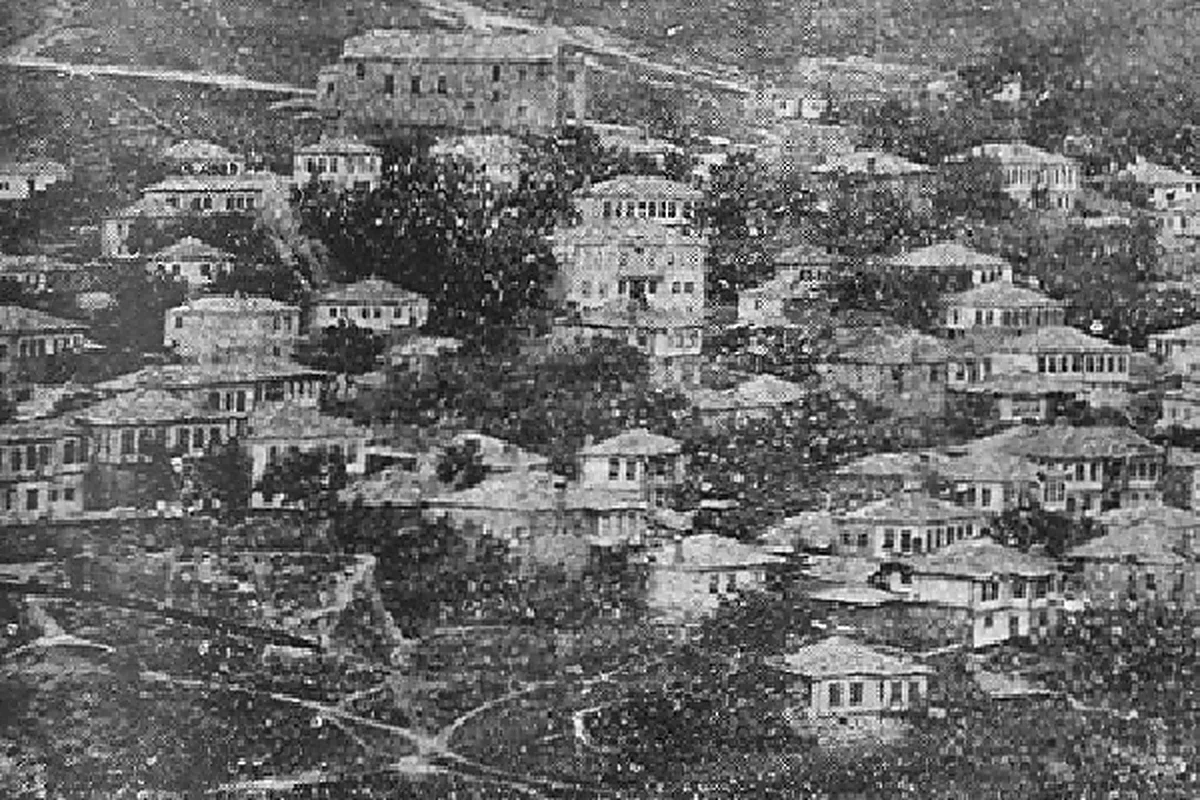
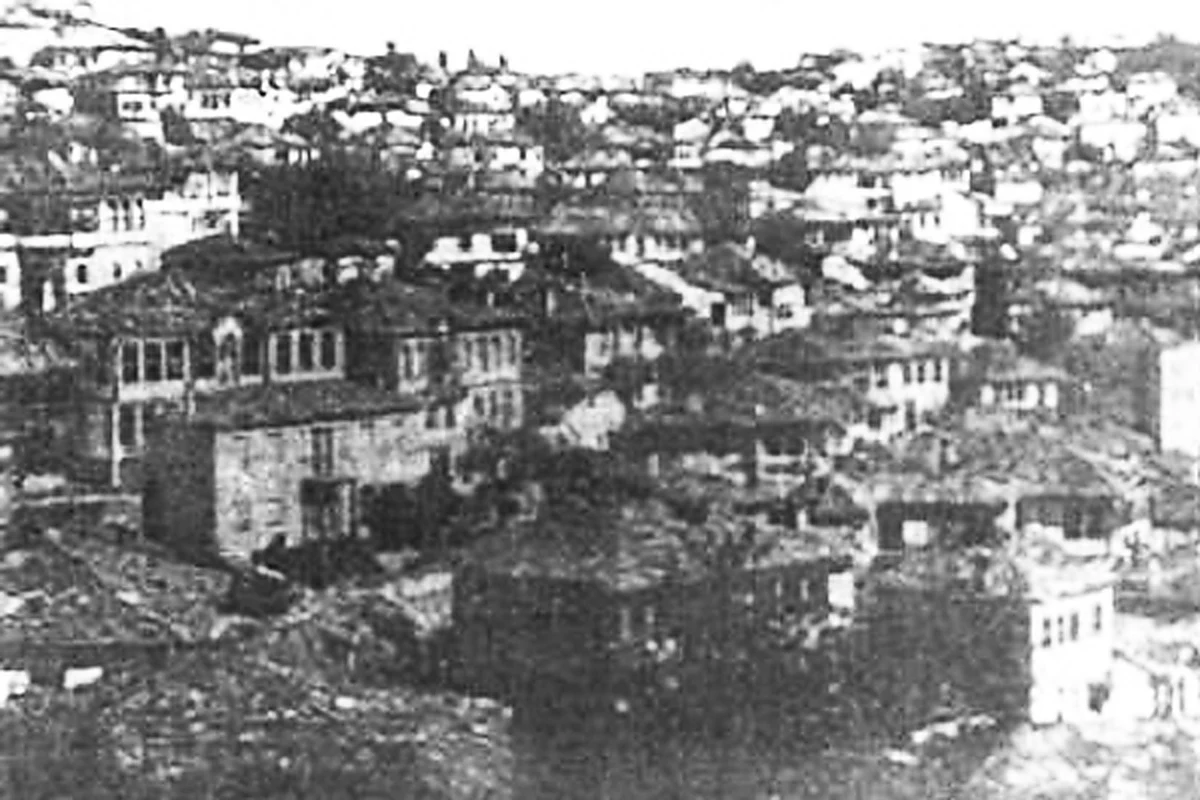
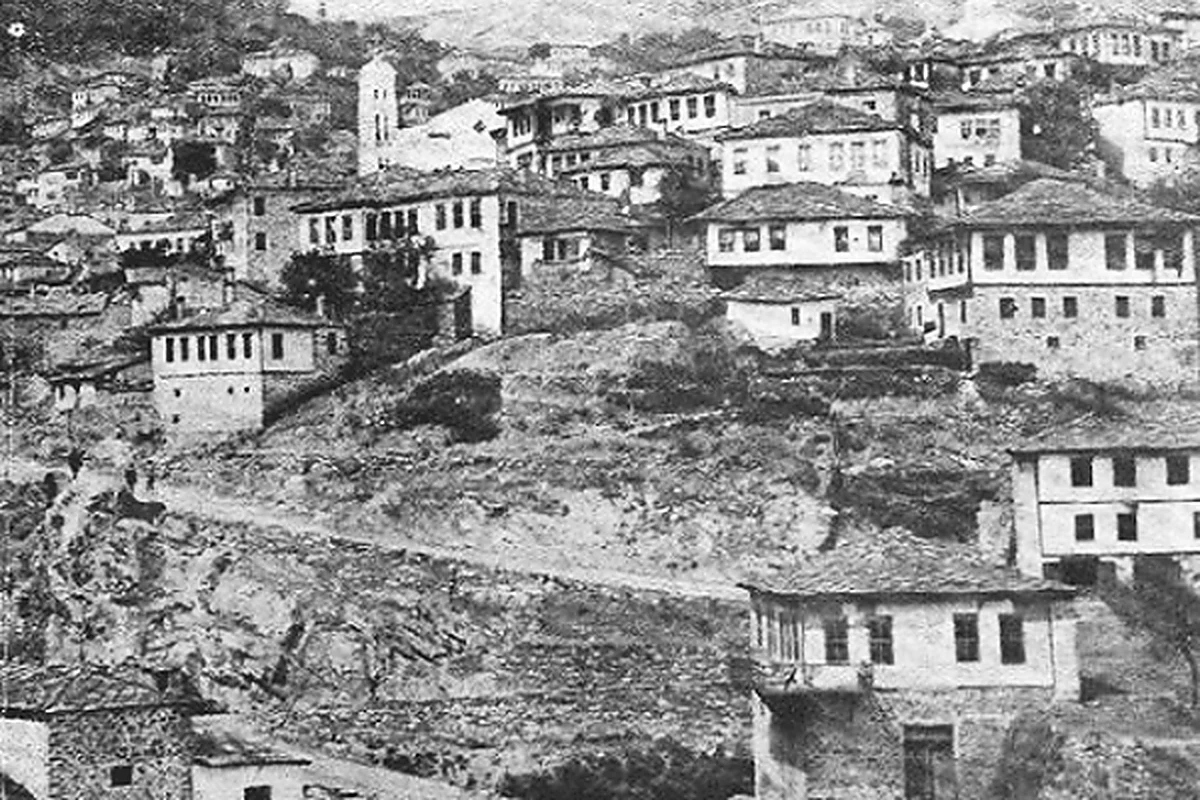
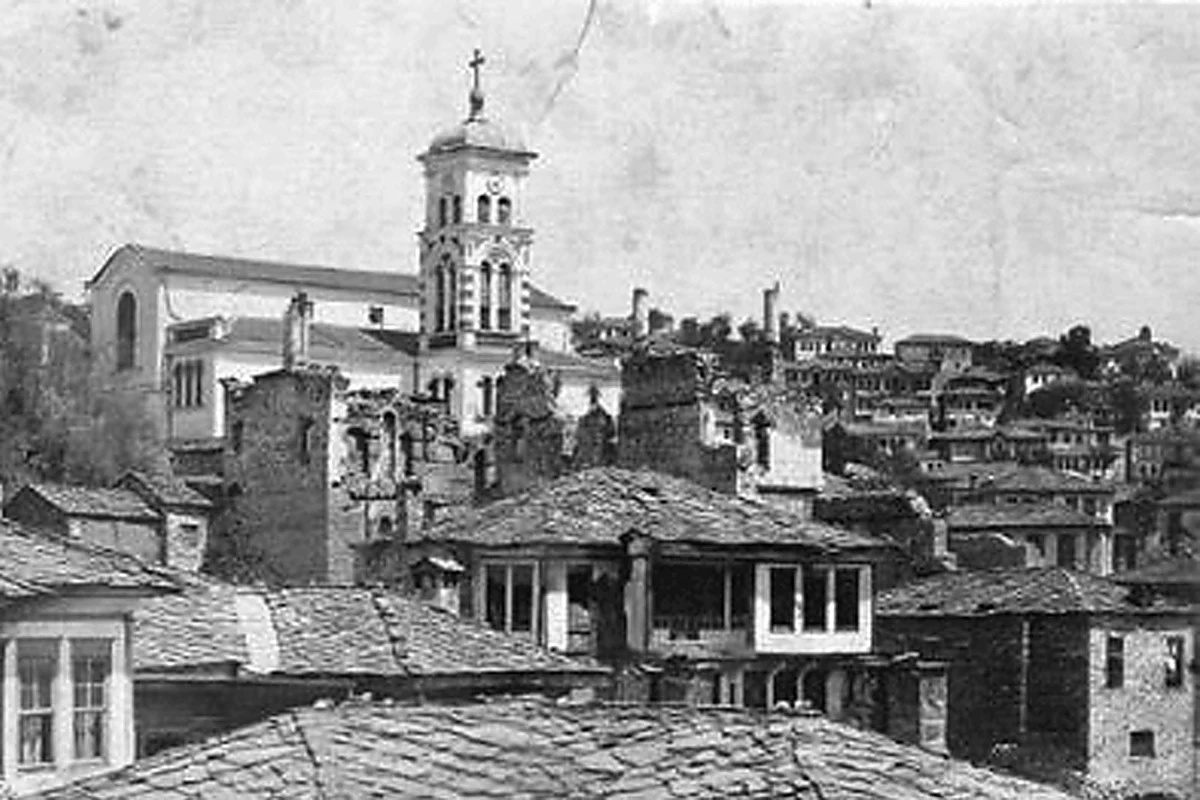
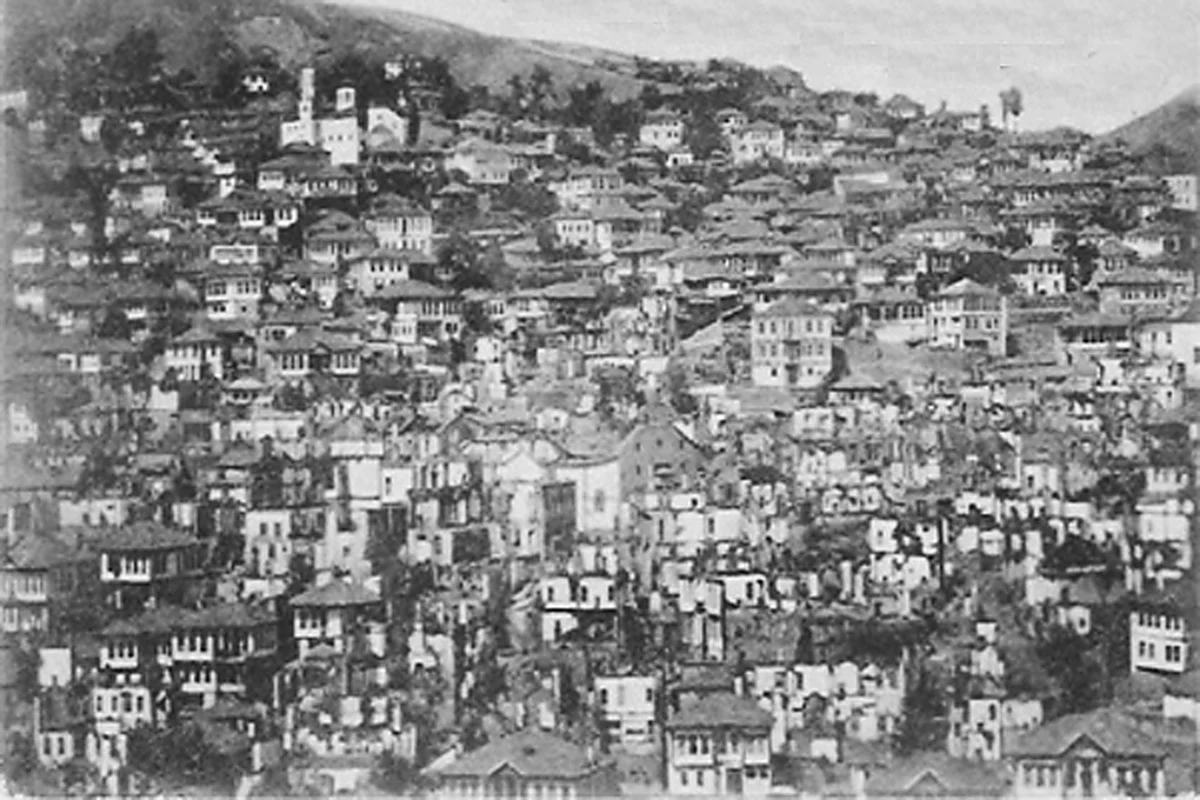
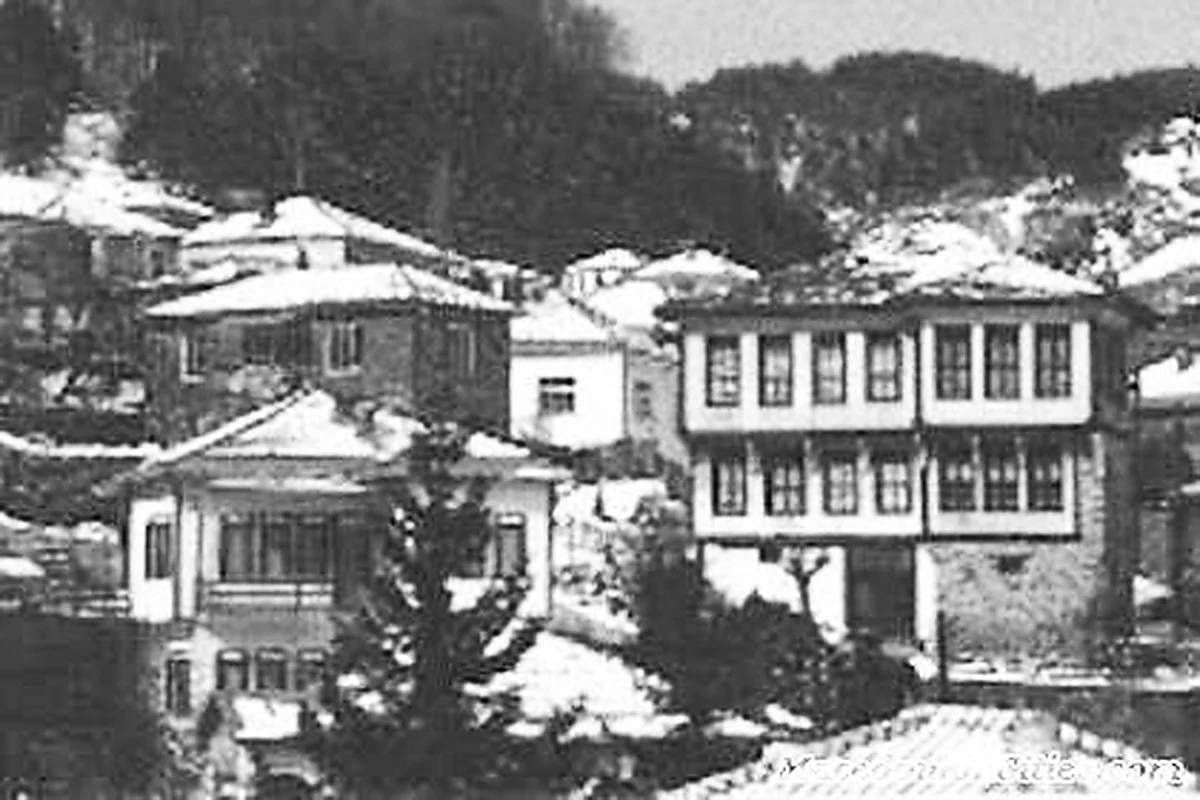
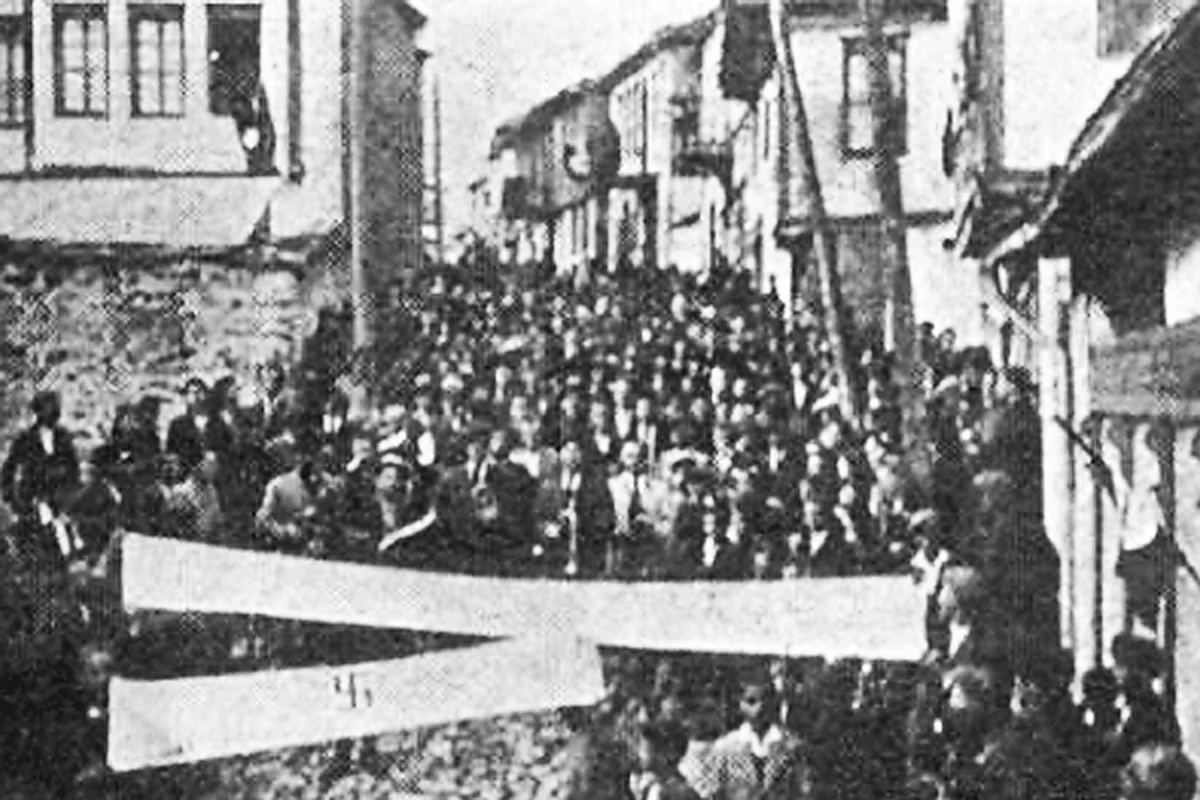
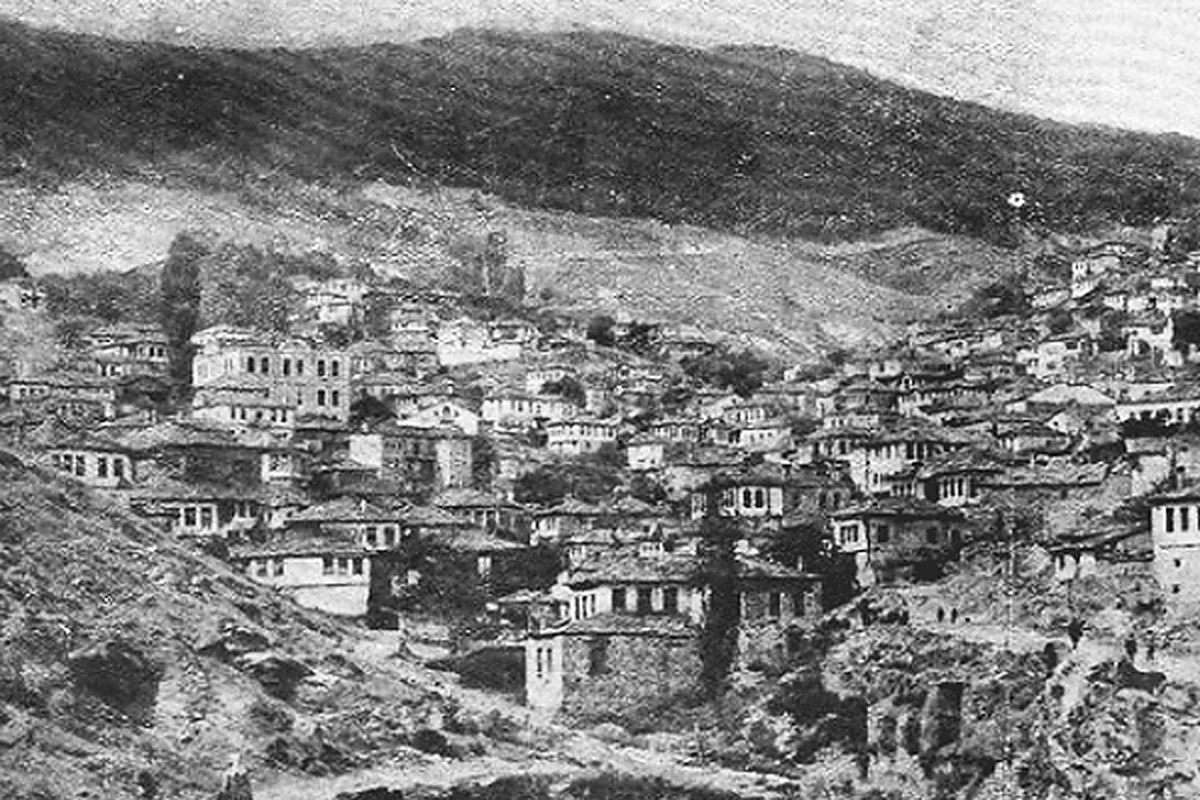
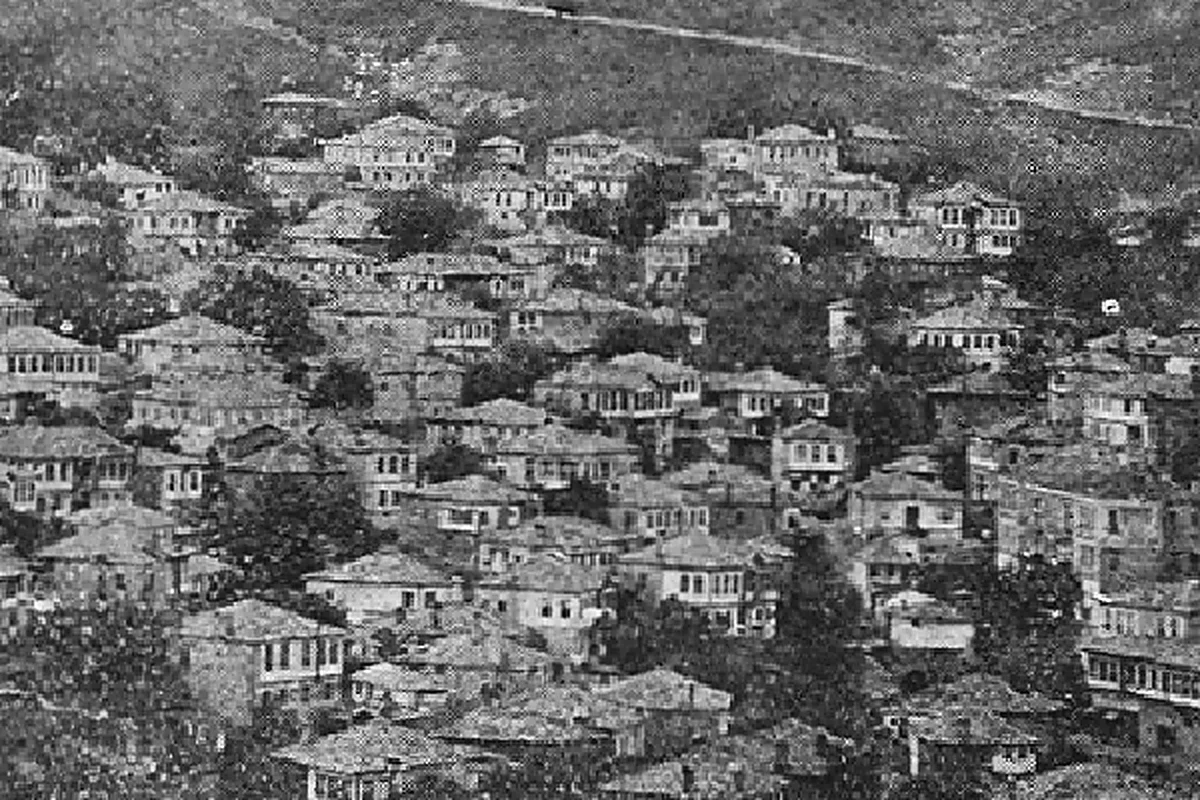
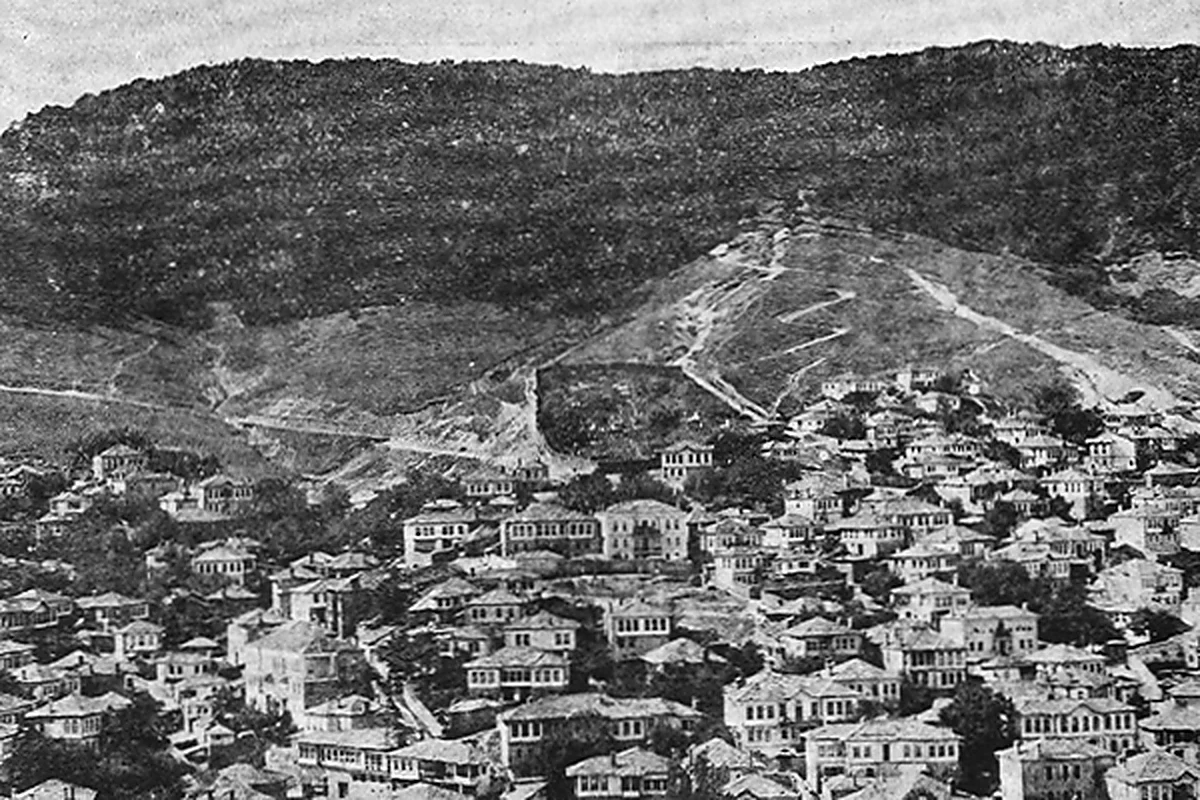
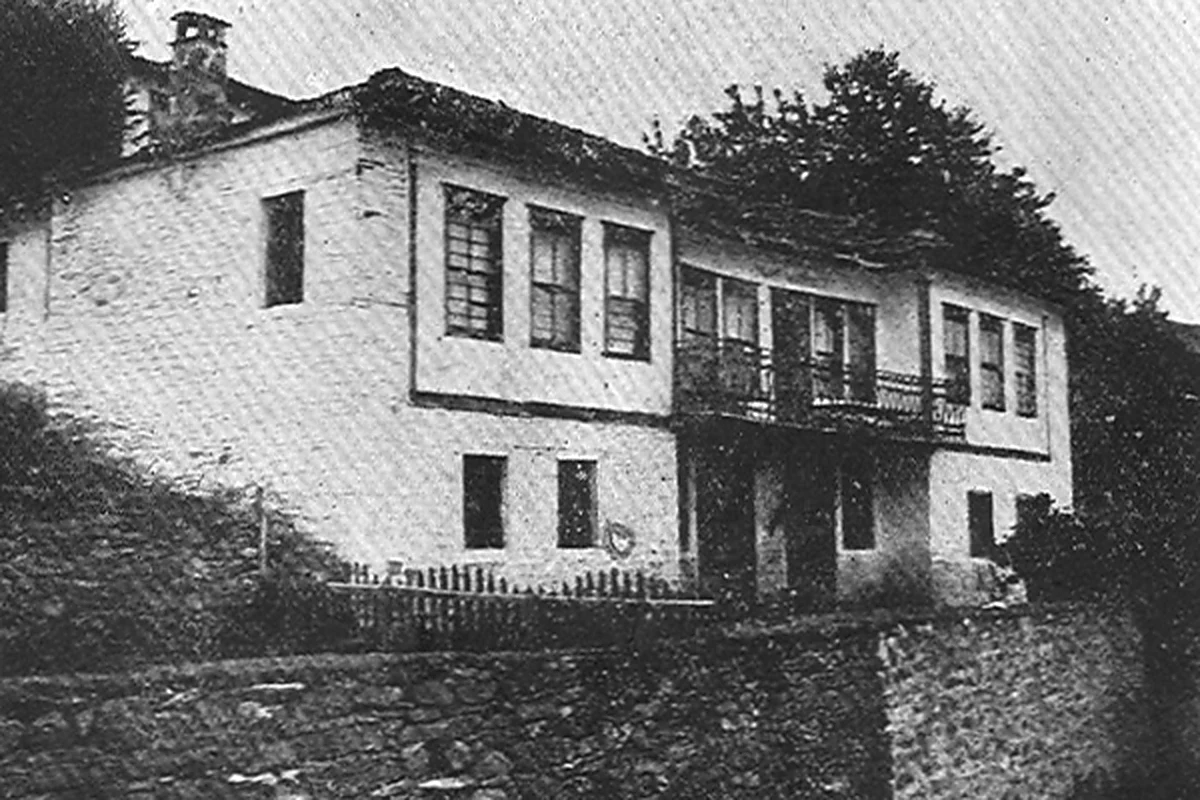
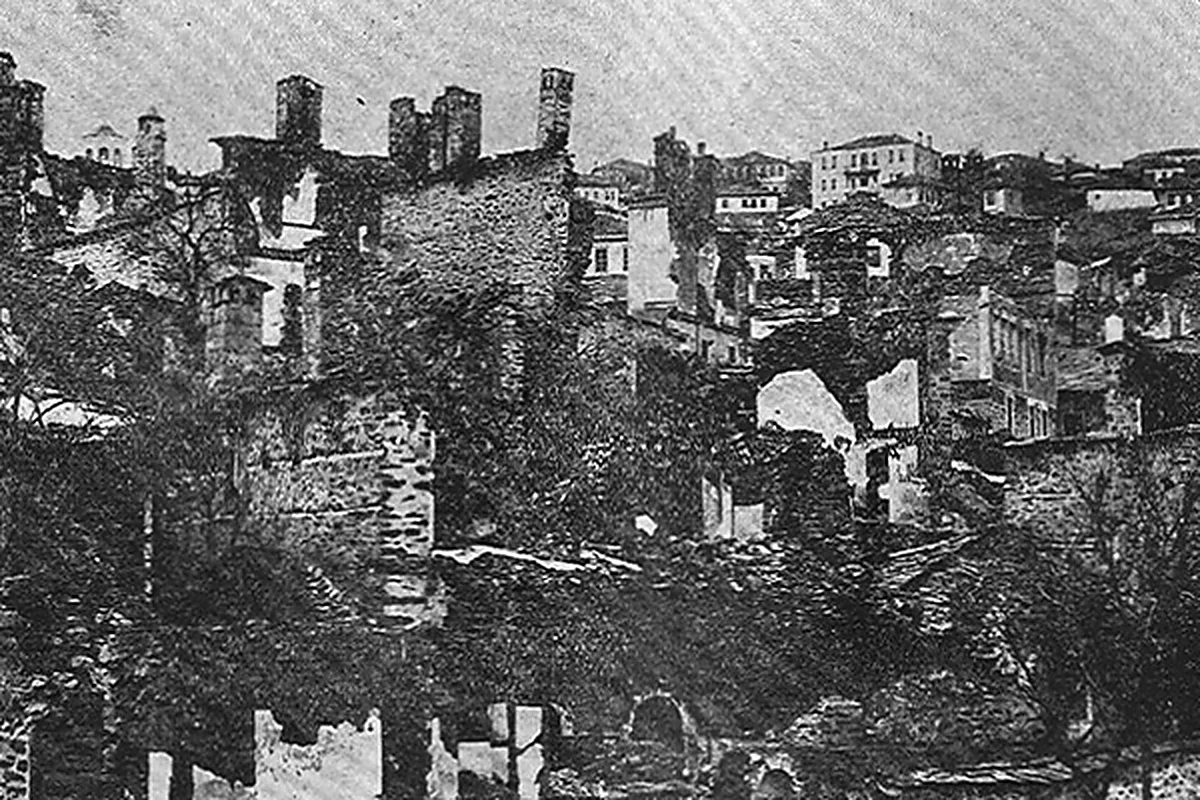
Photo Gallery (59)
Photo Gallery
Krushevo, frame by frame.
A responsive family gallery, including city views recovered from the old rotating banner system.
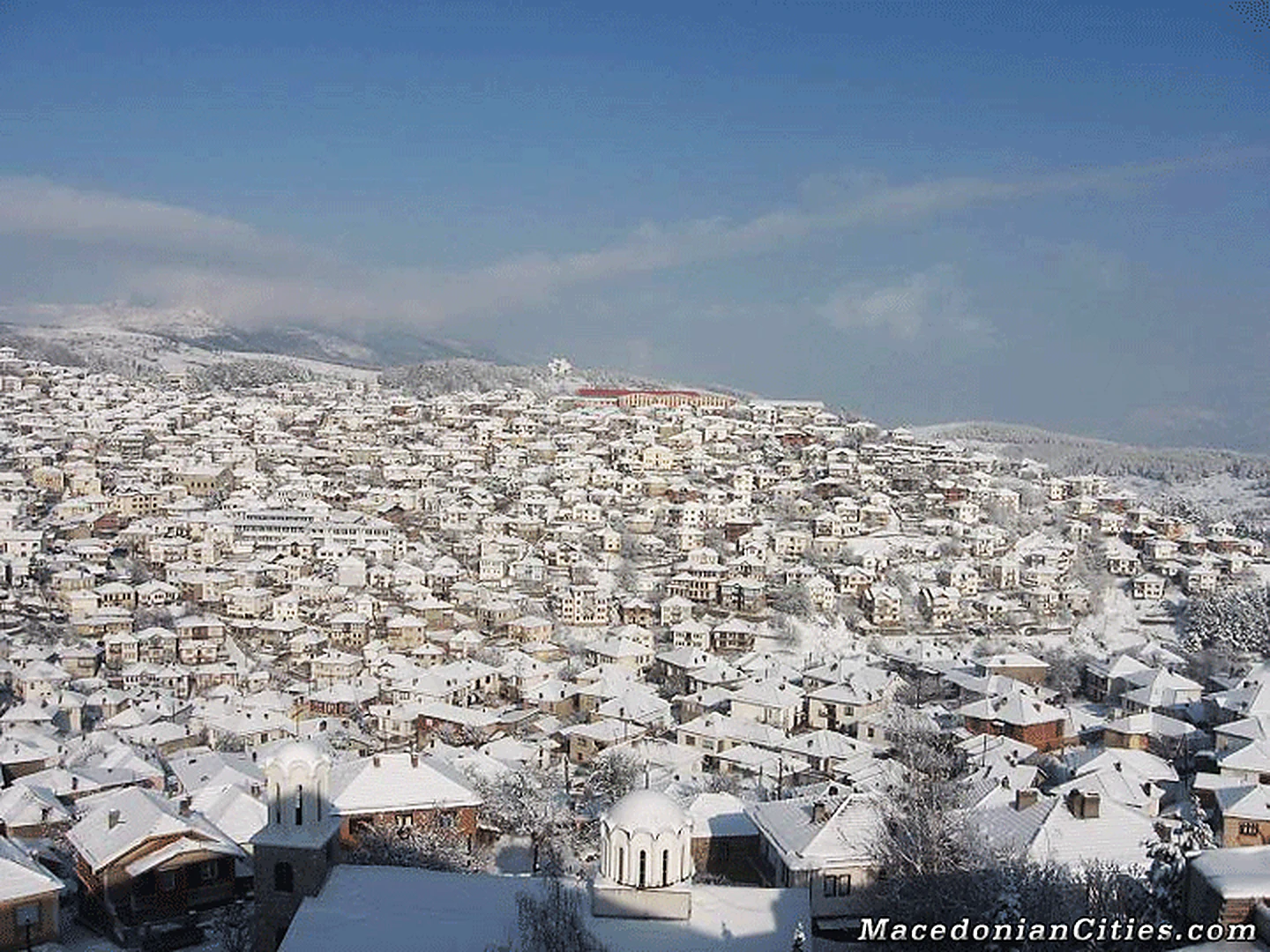
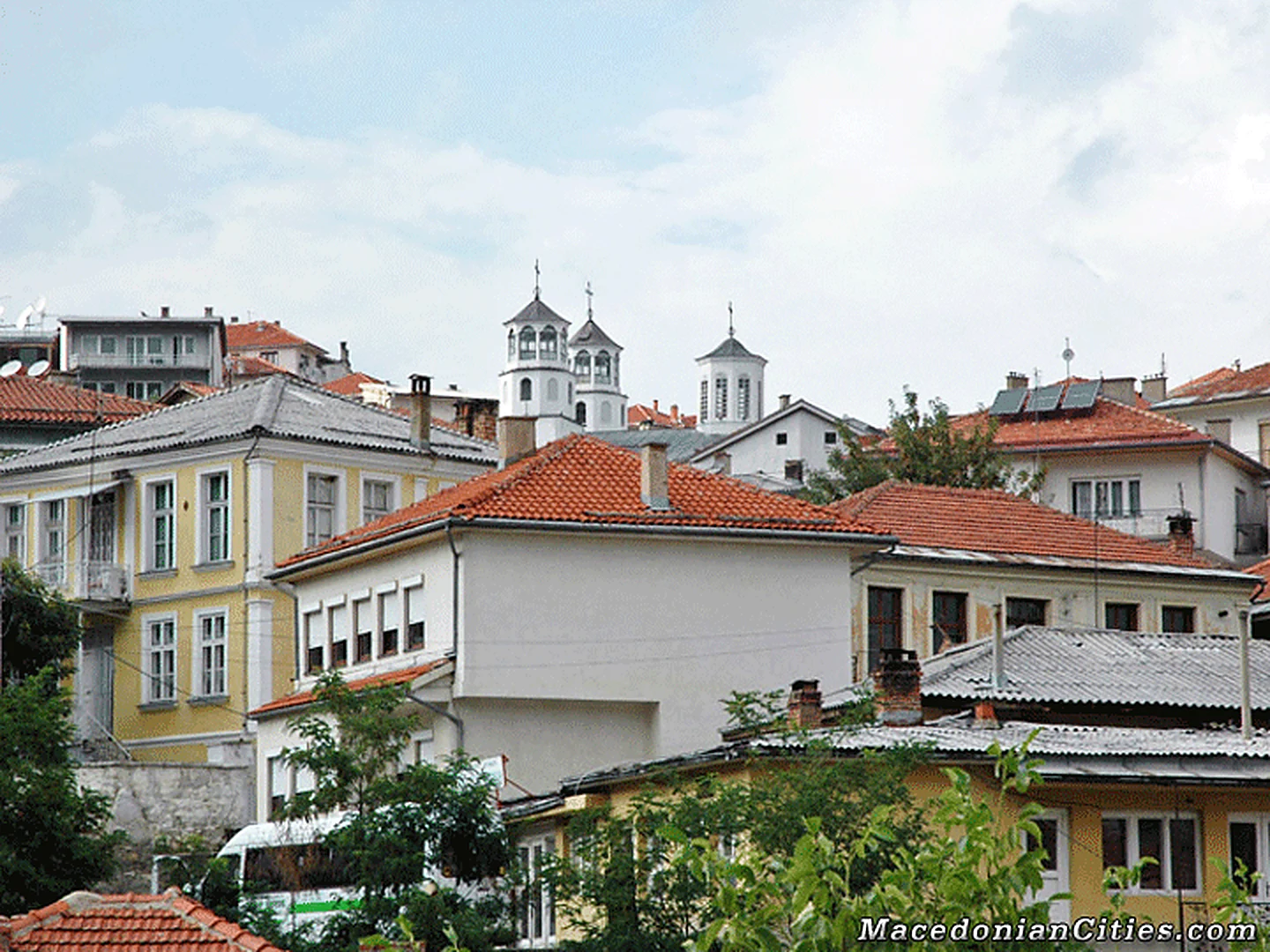
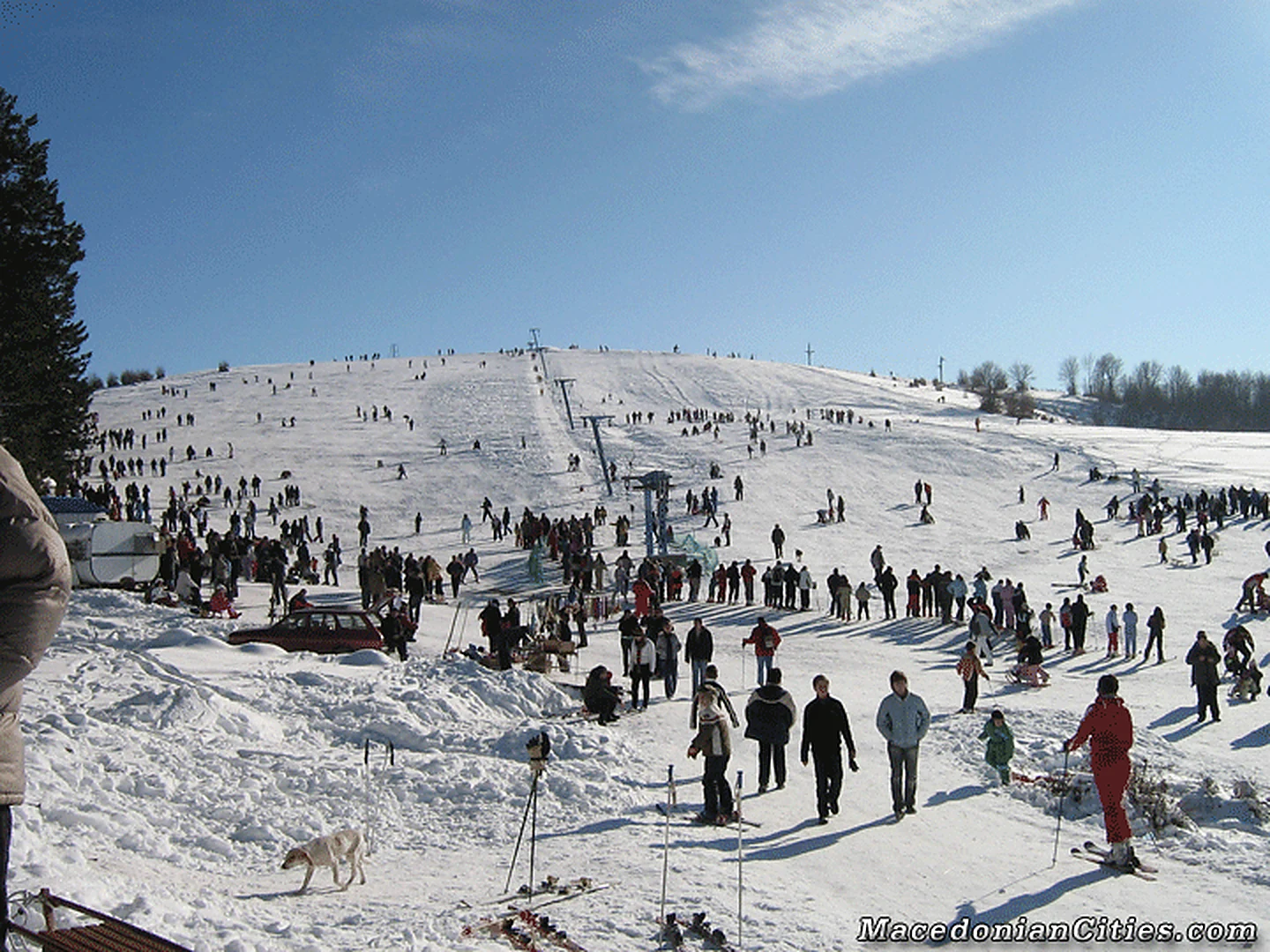
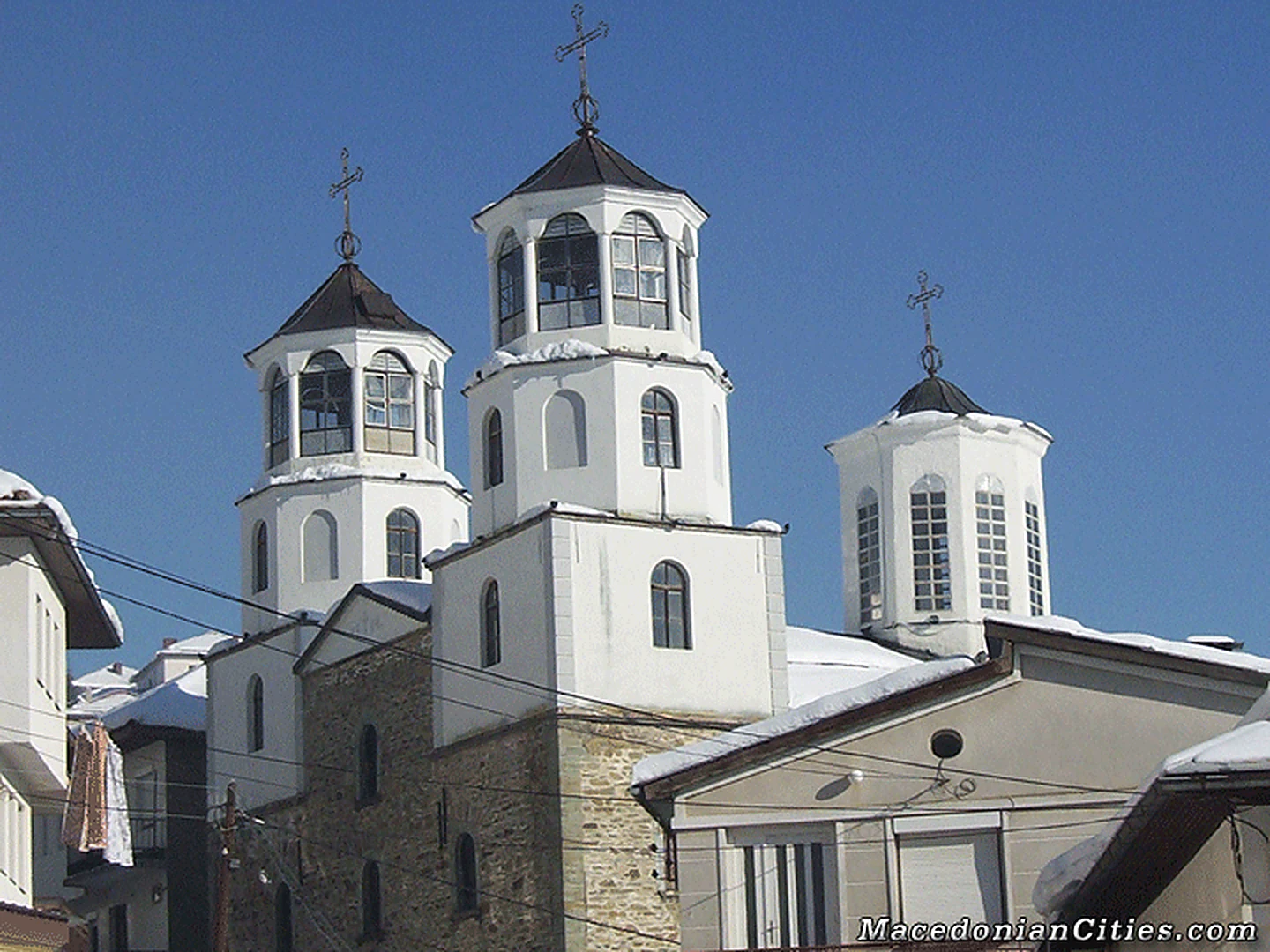
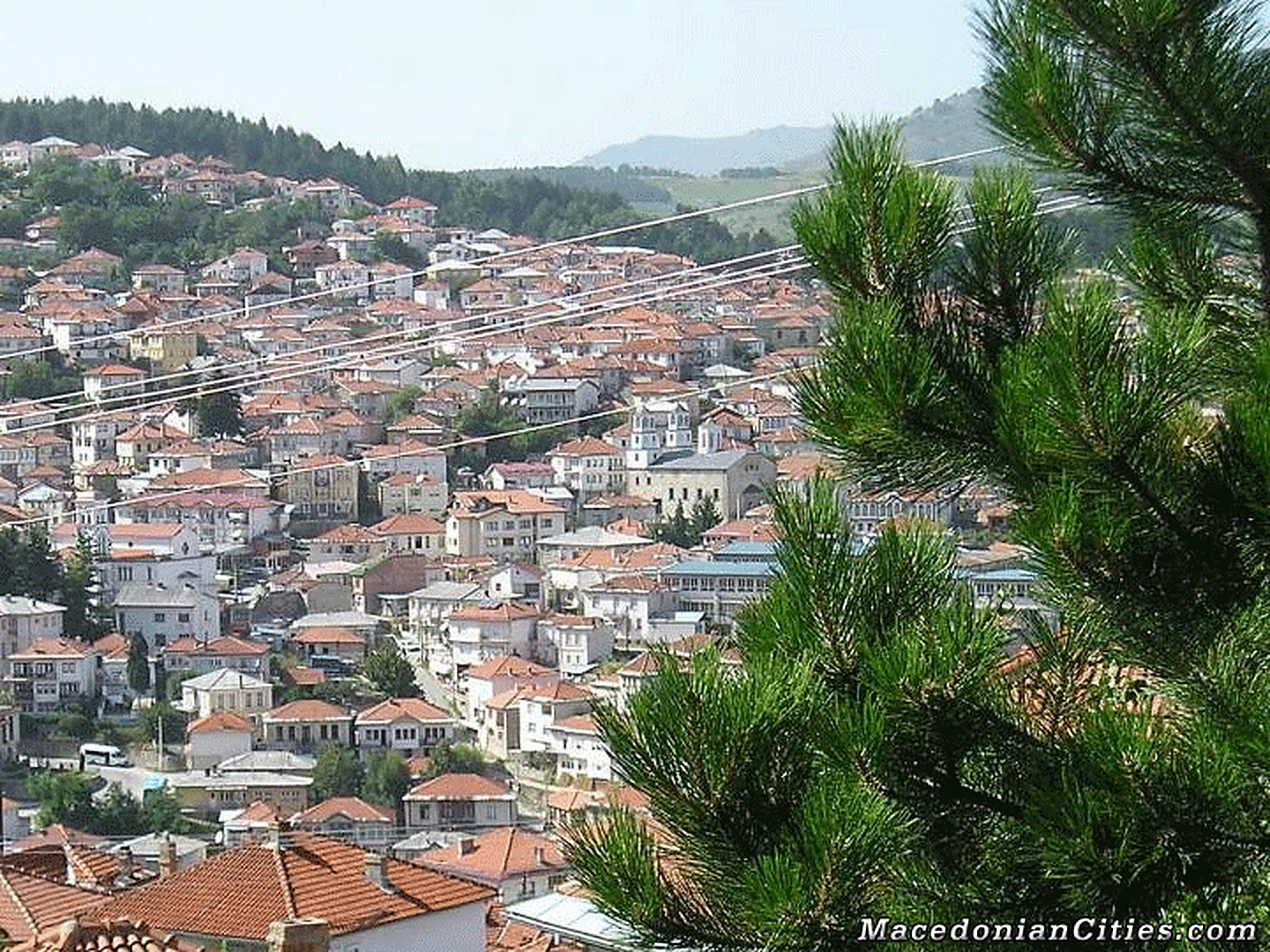
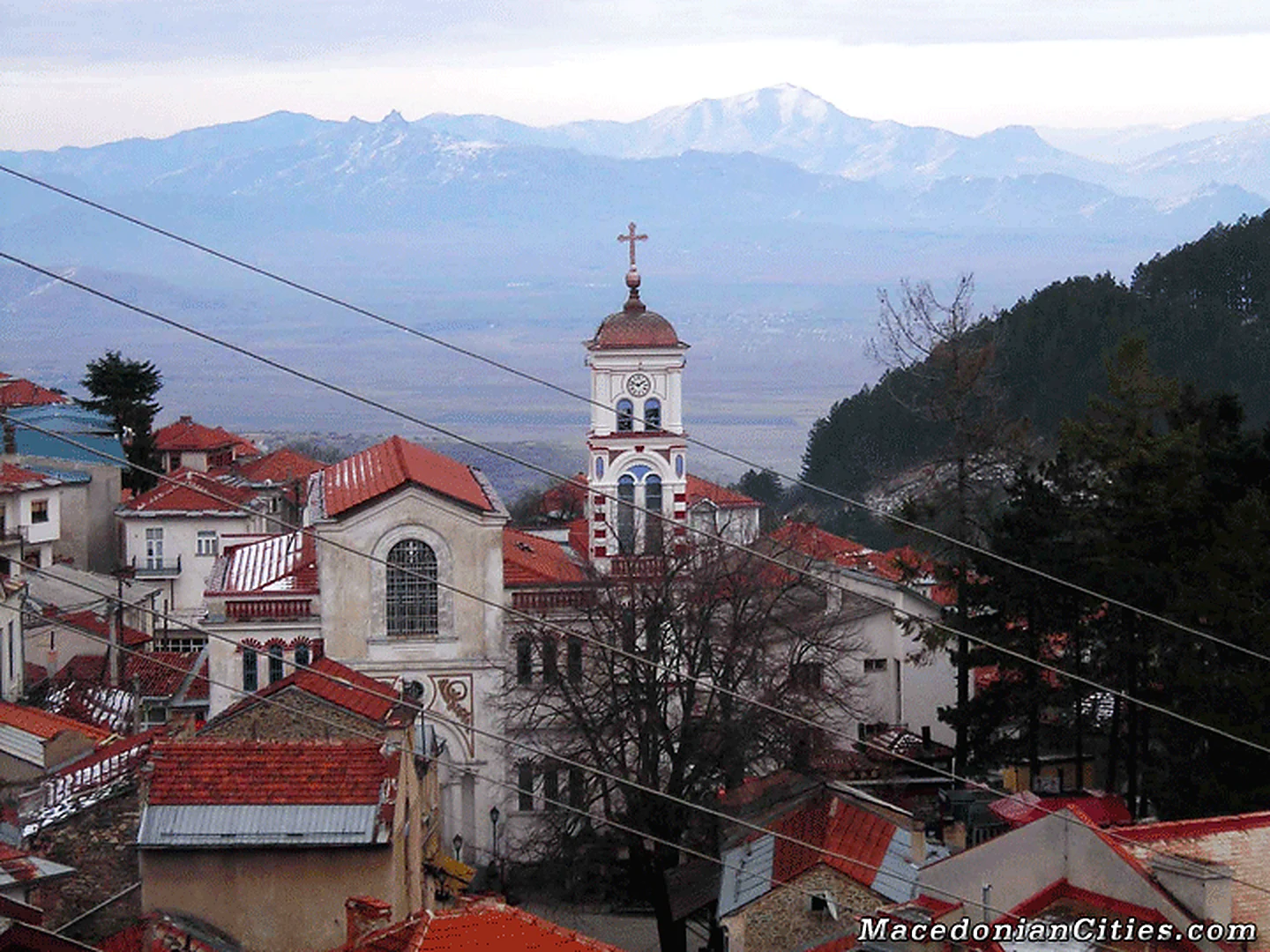
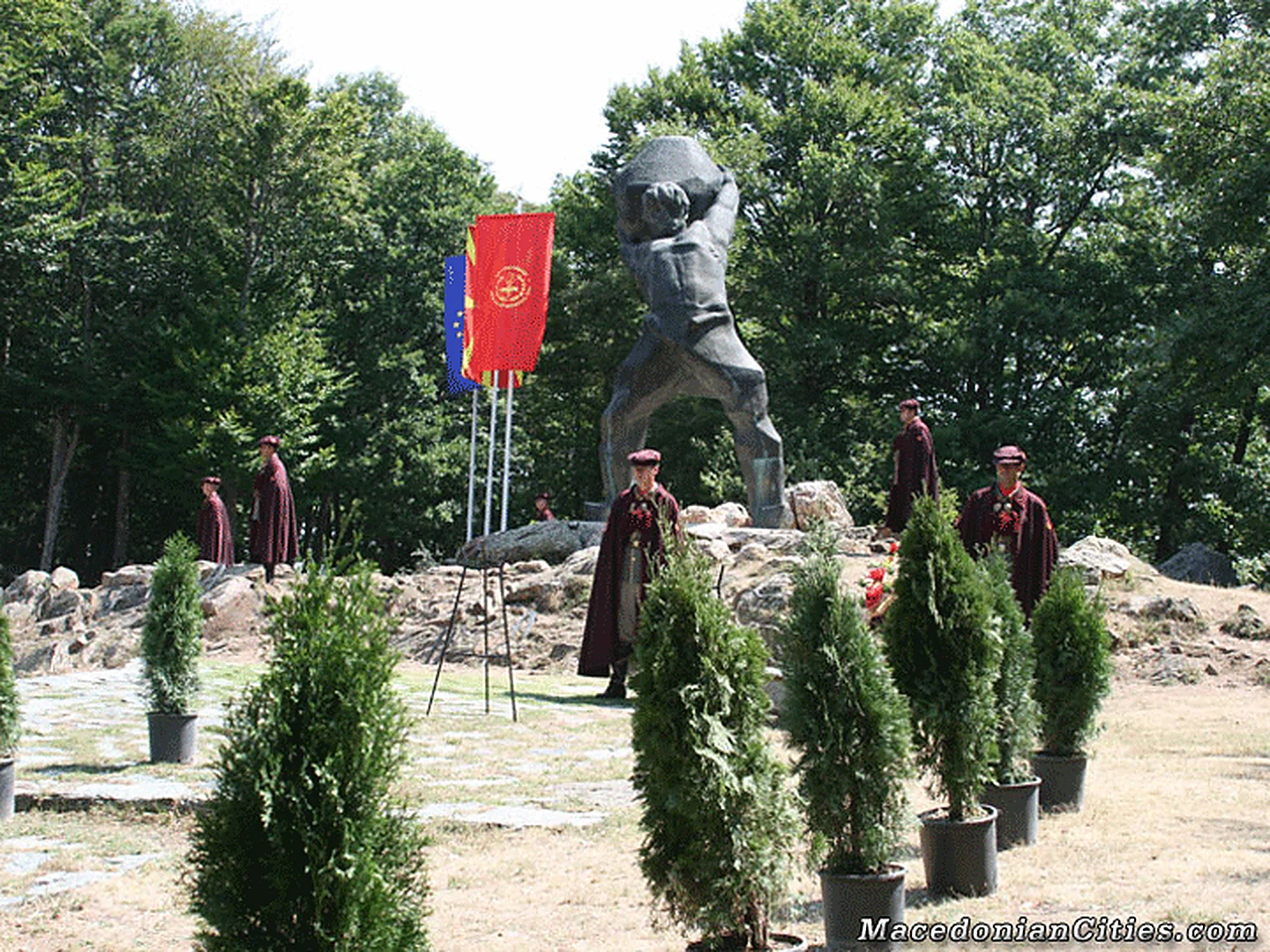
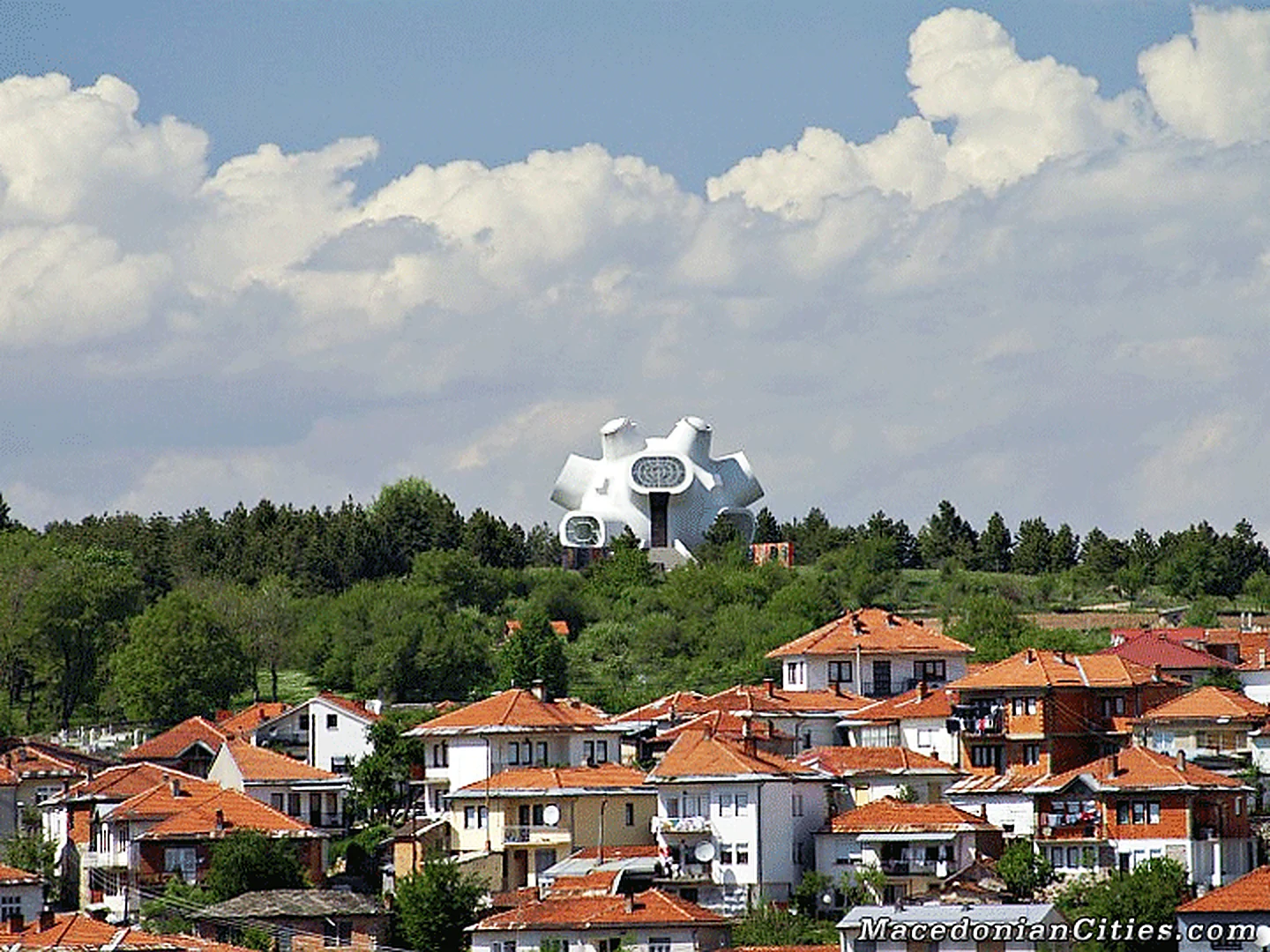
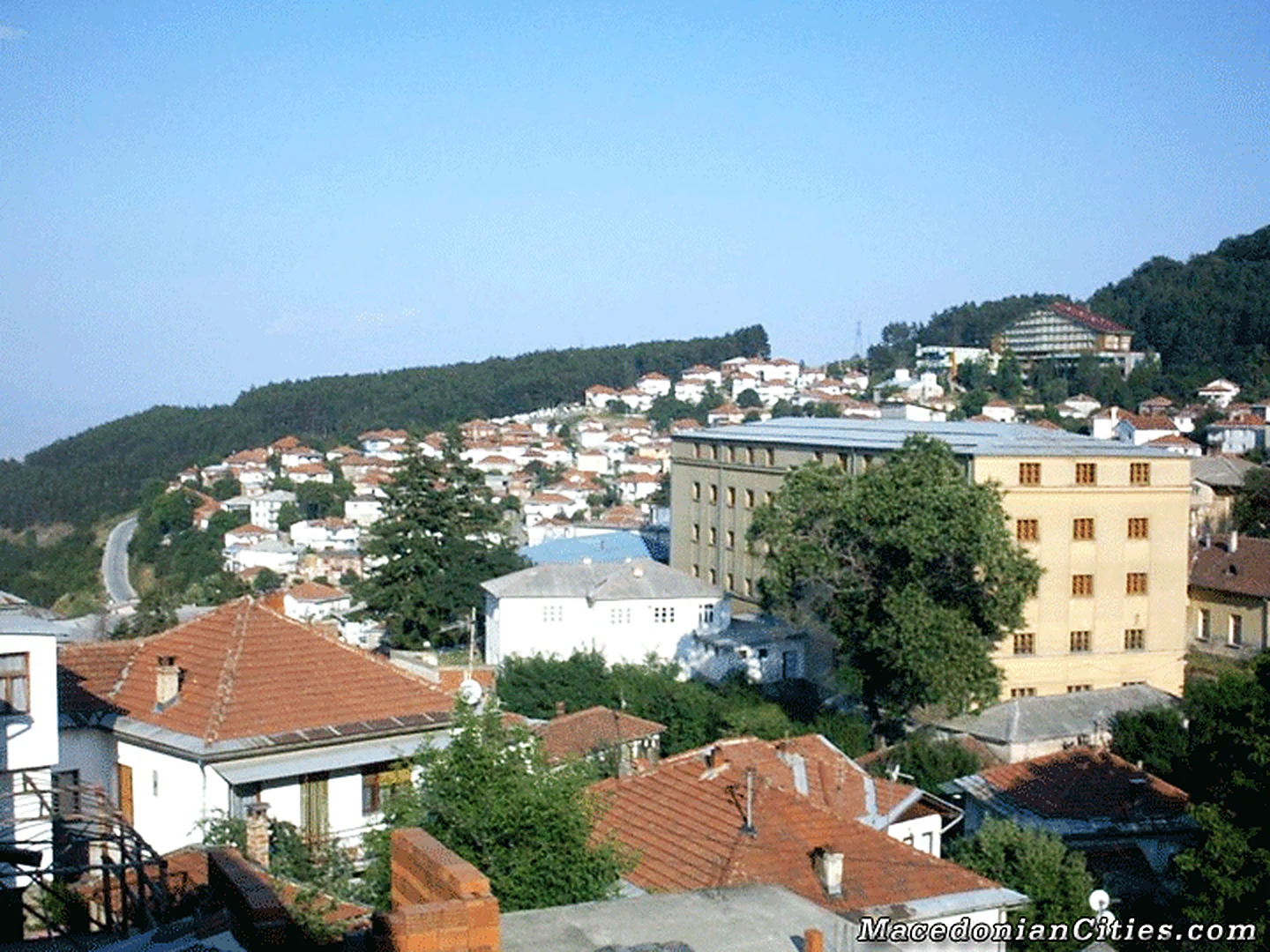
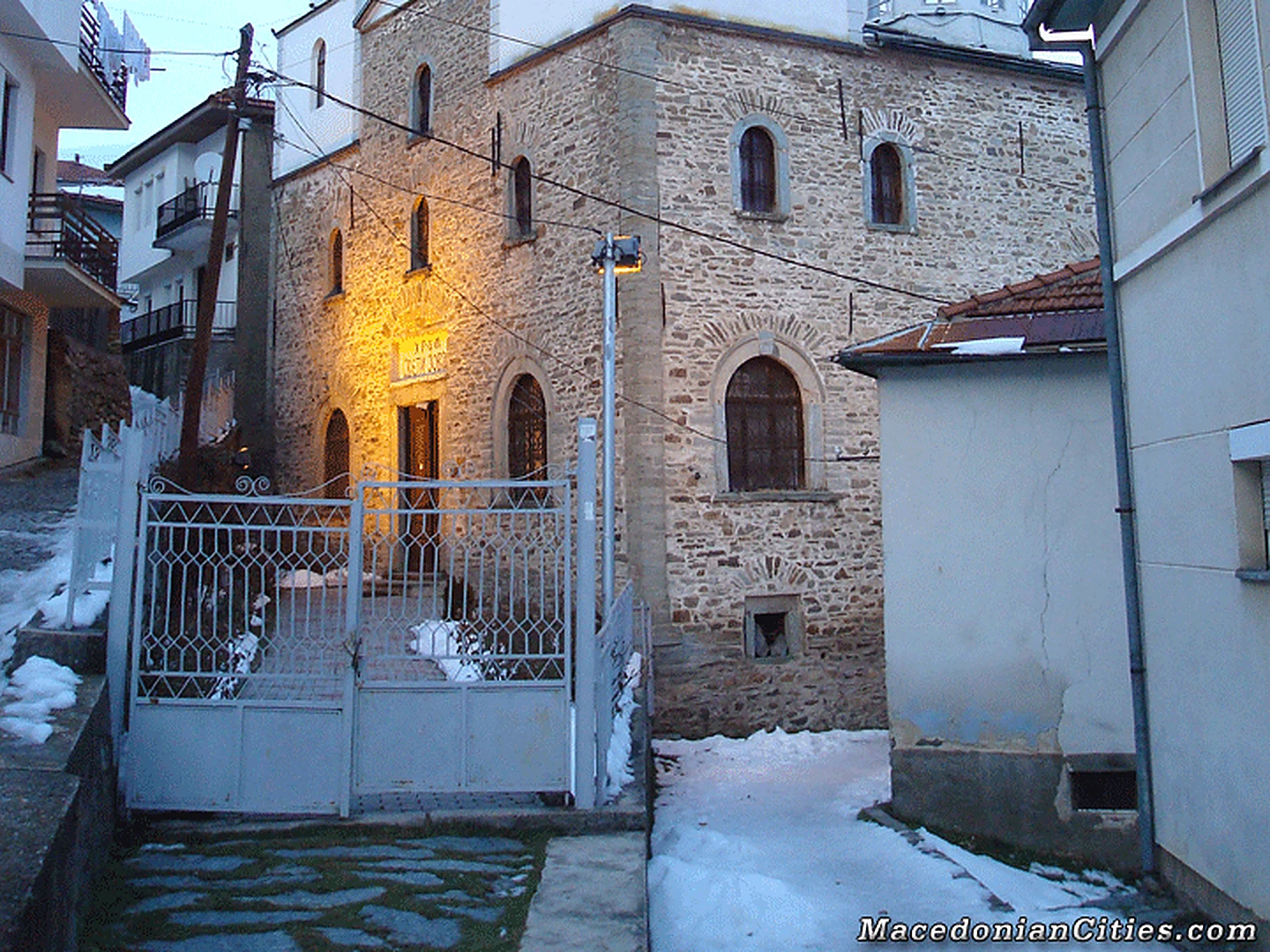
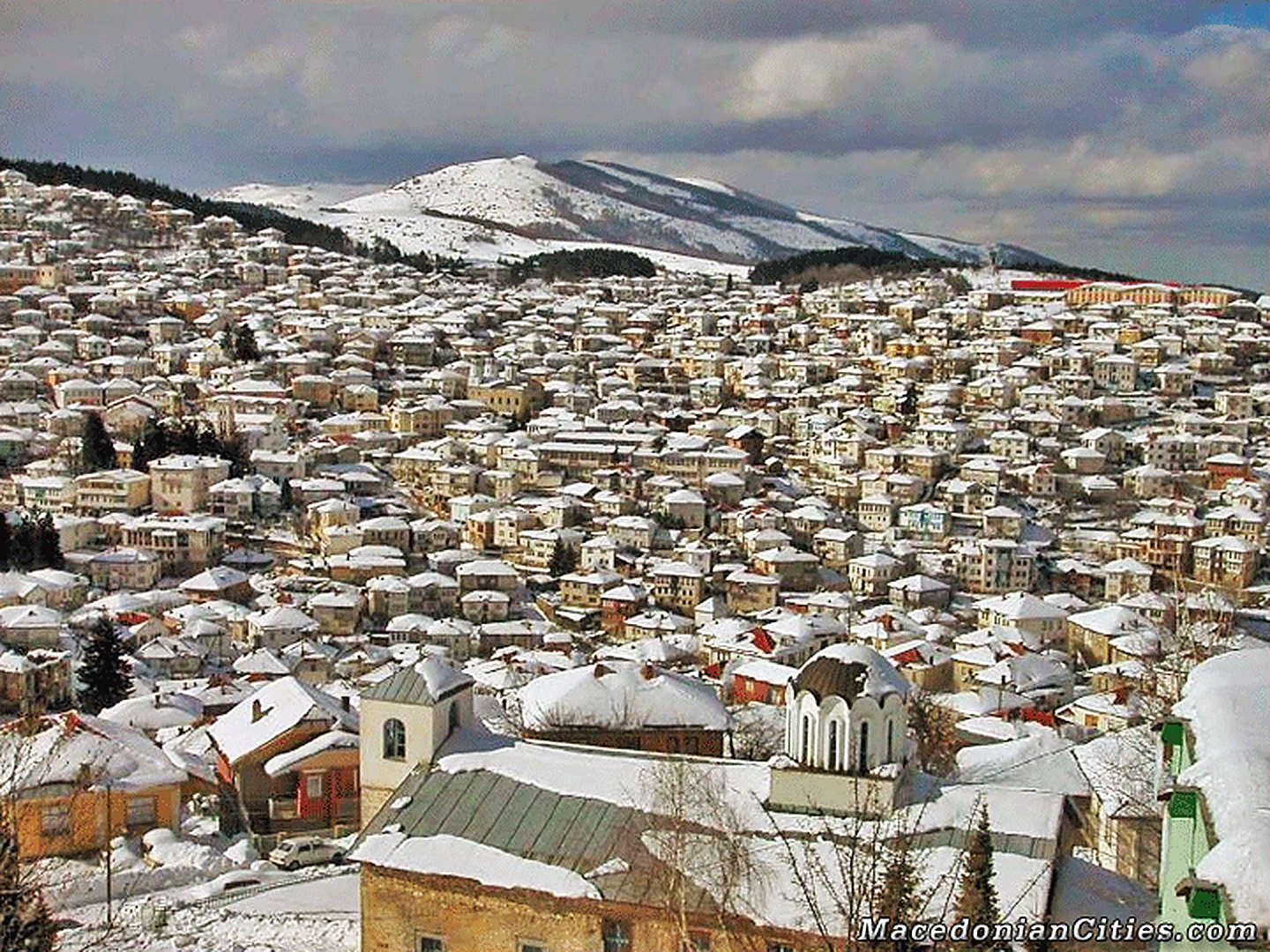
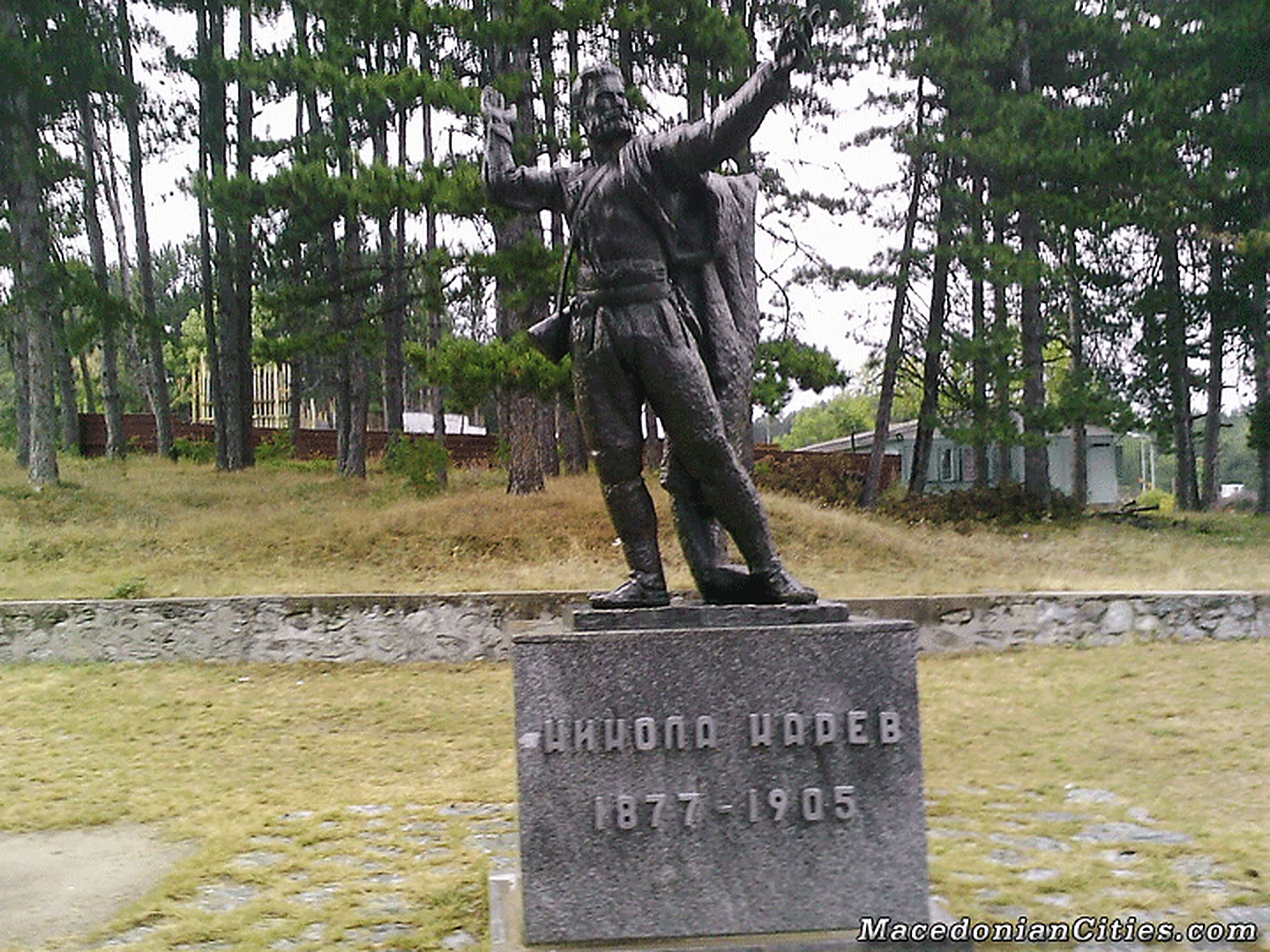
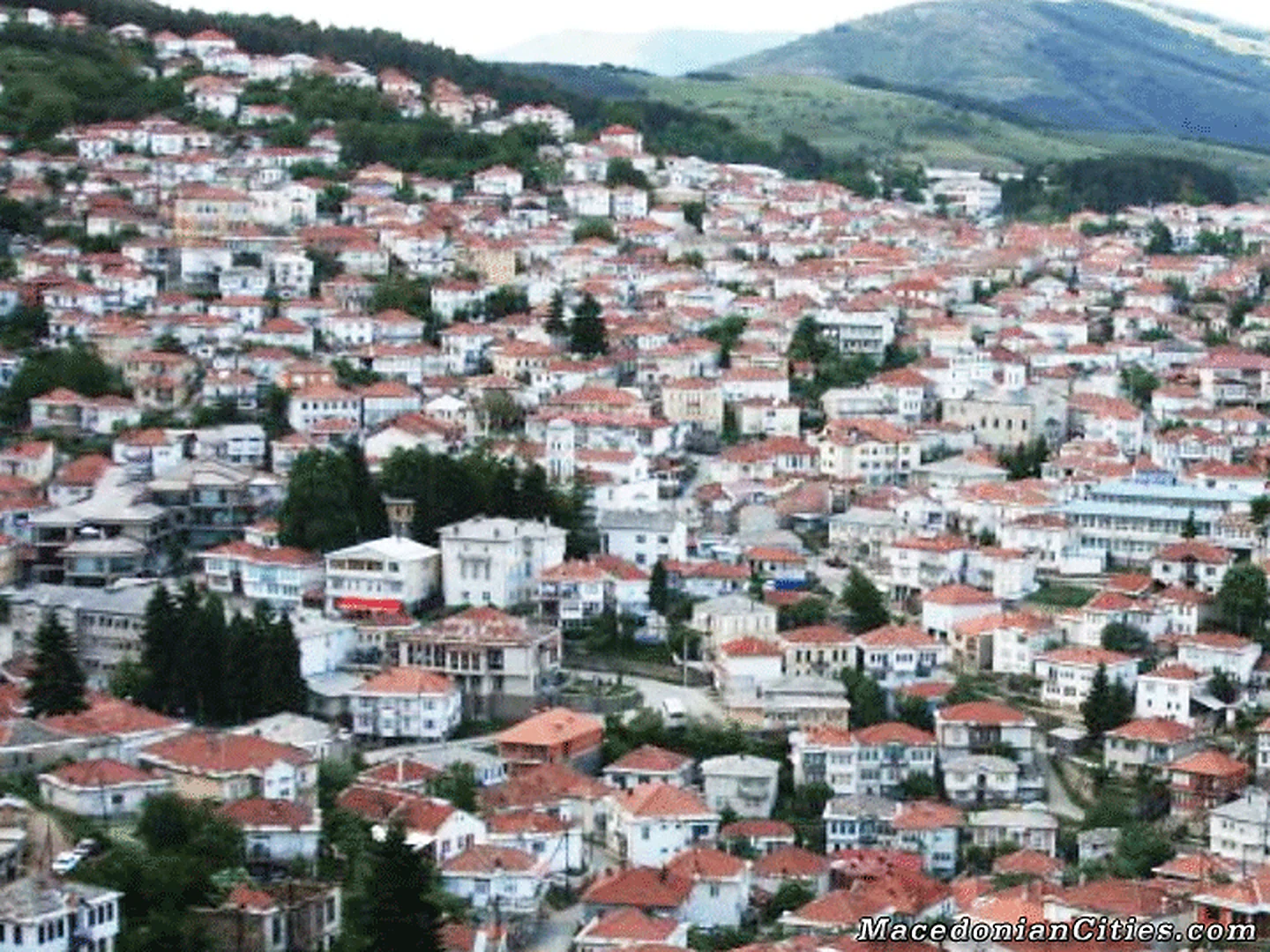
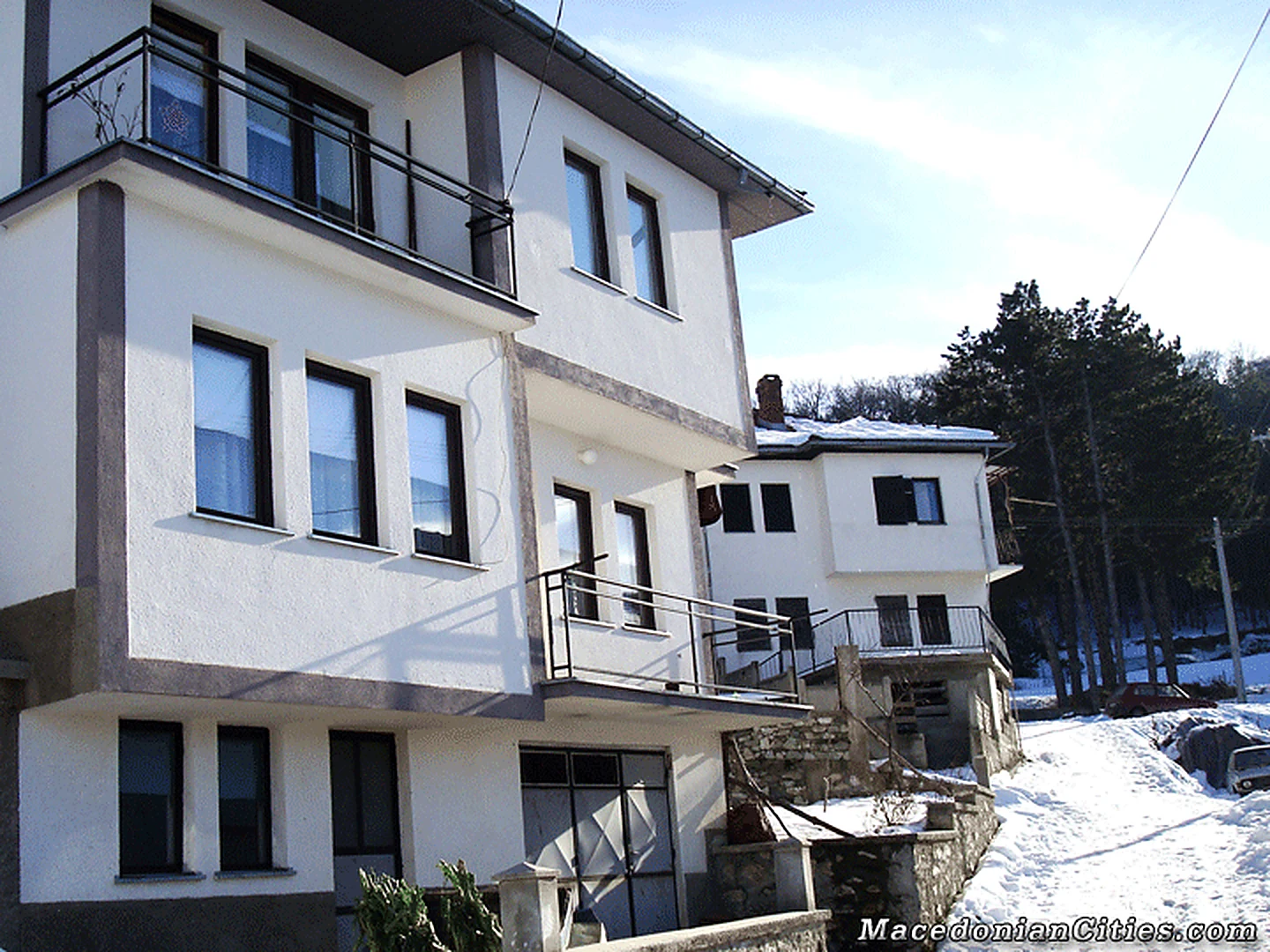
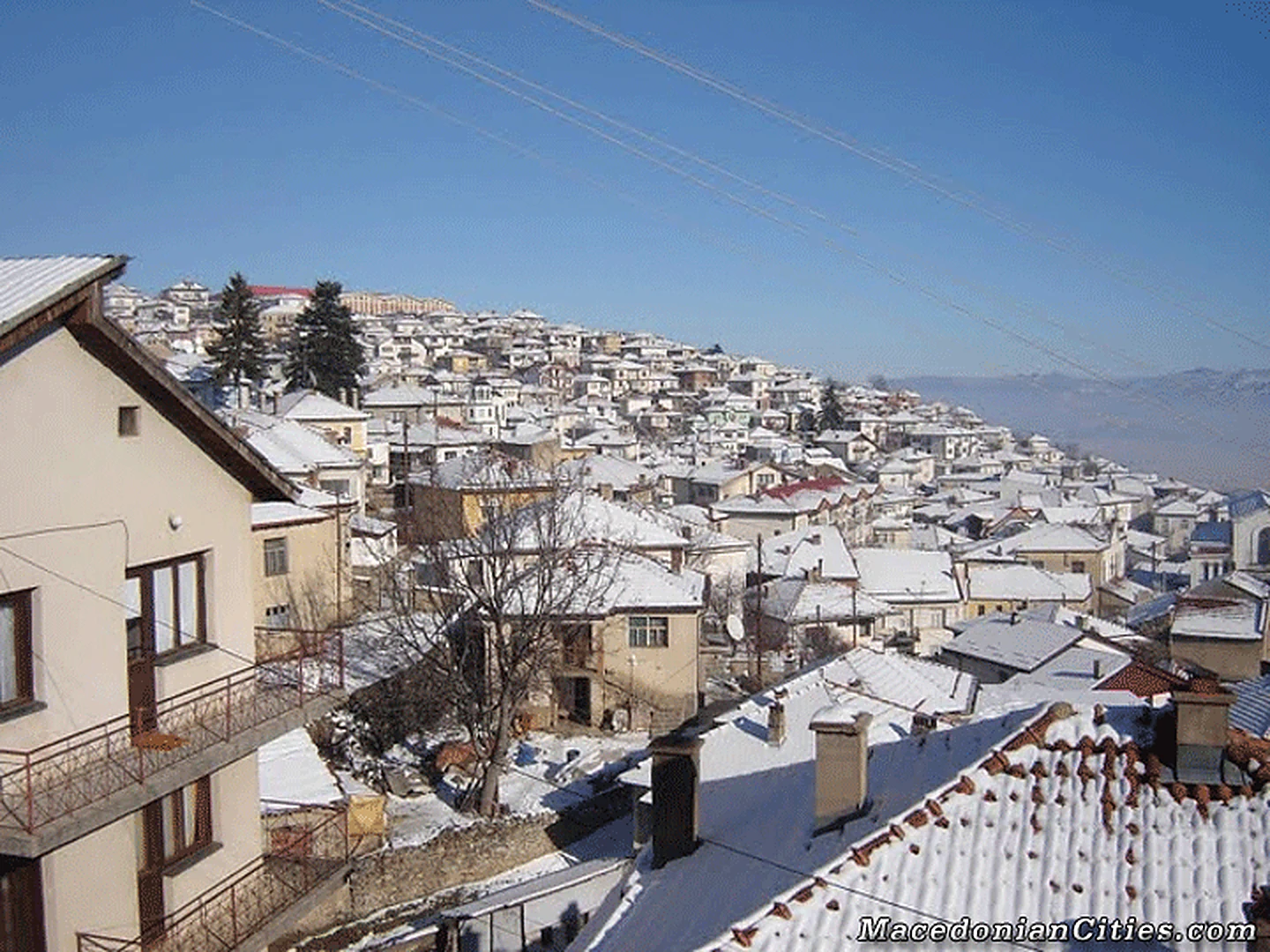
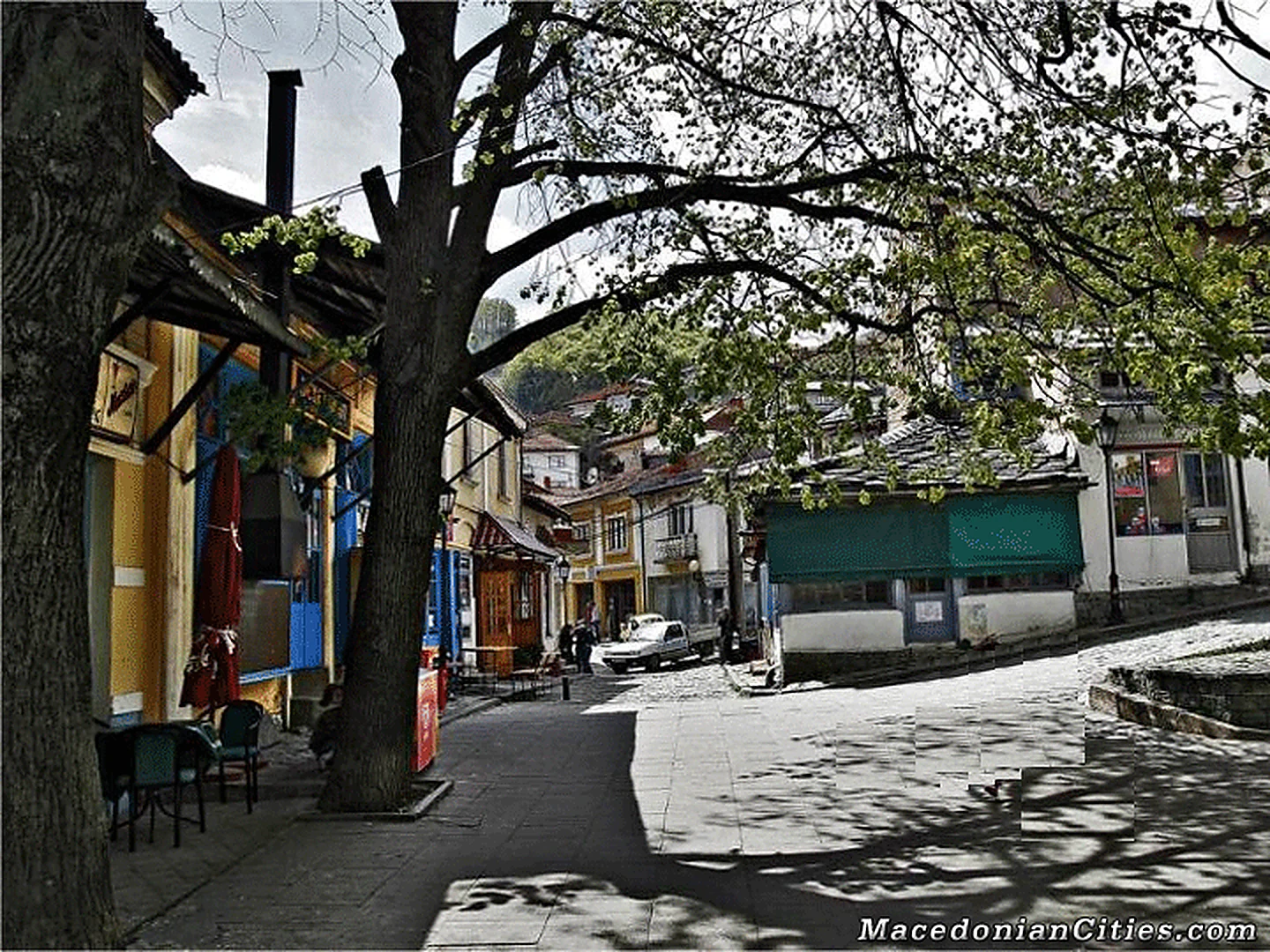
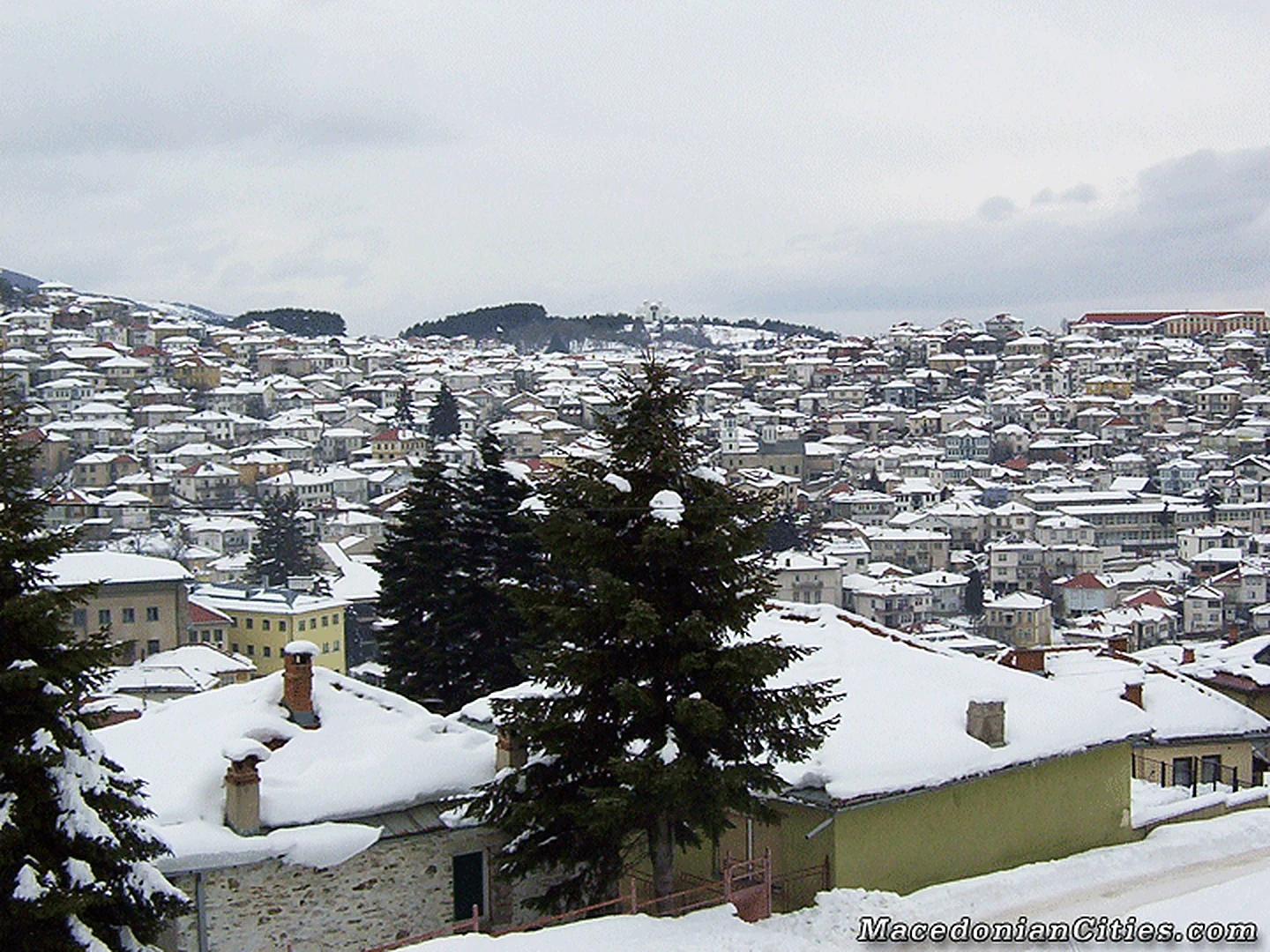
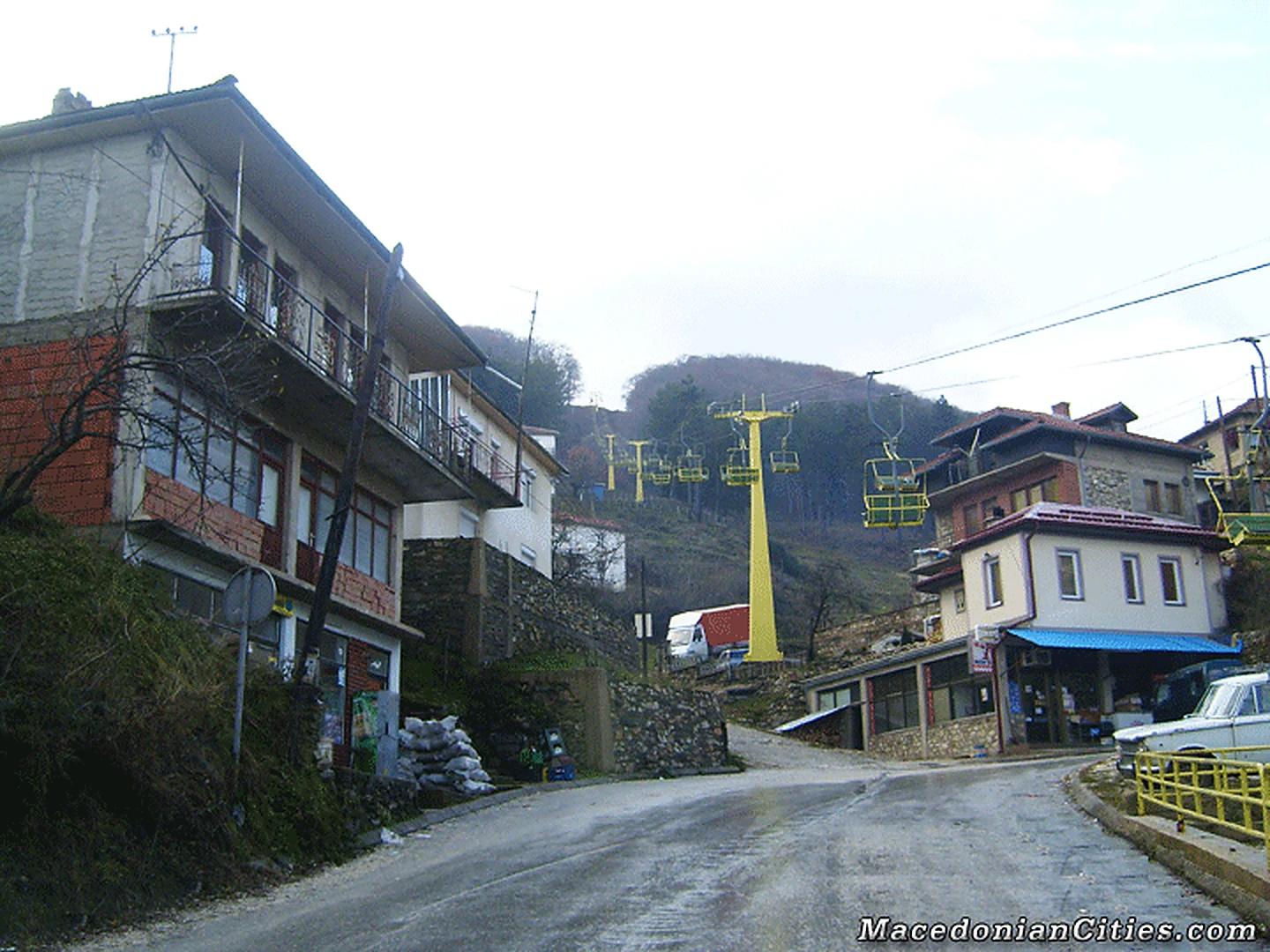
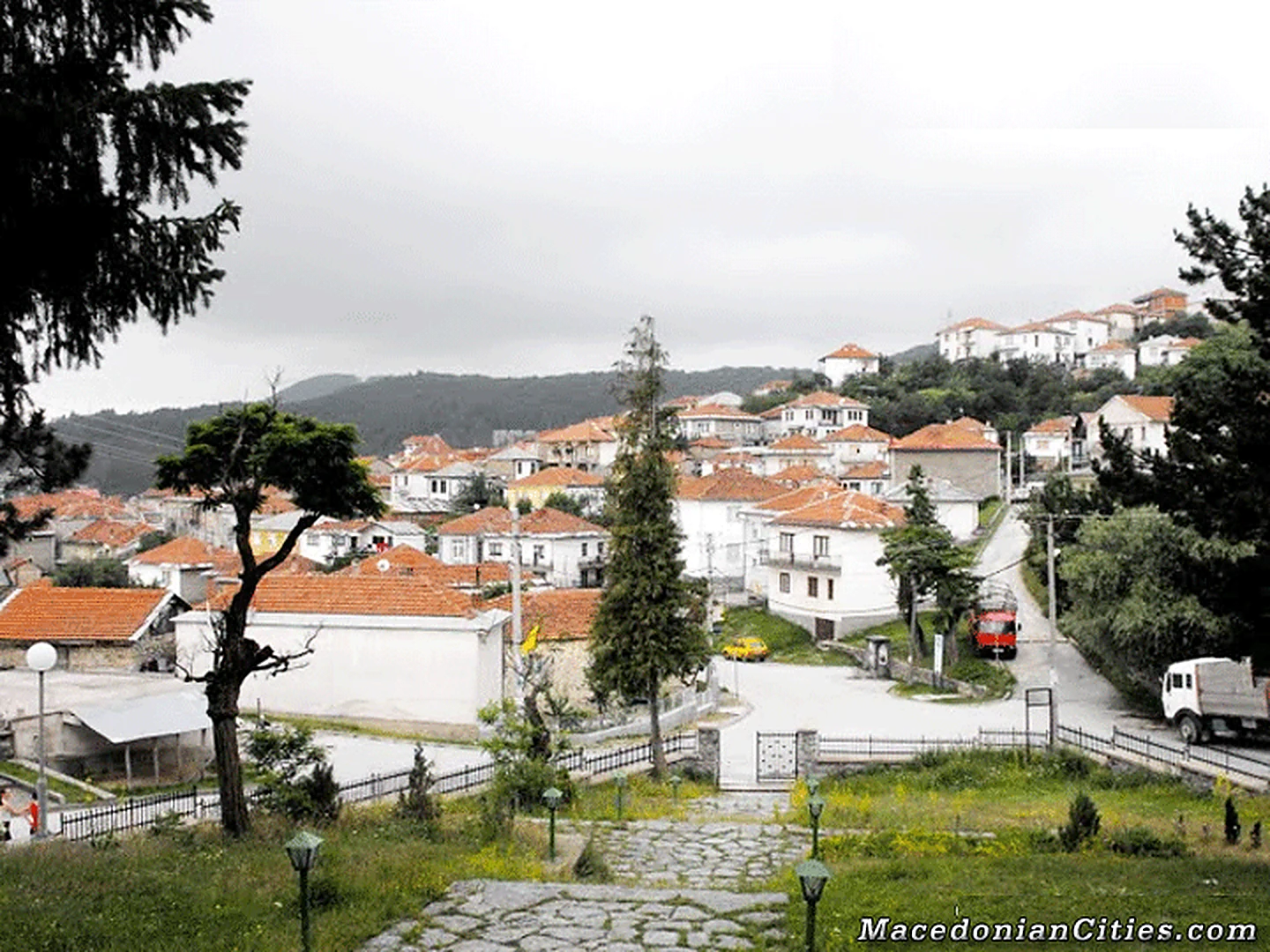
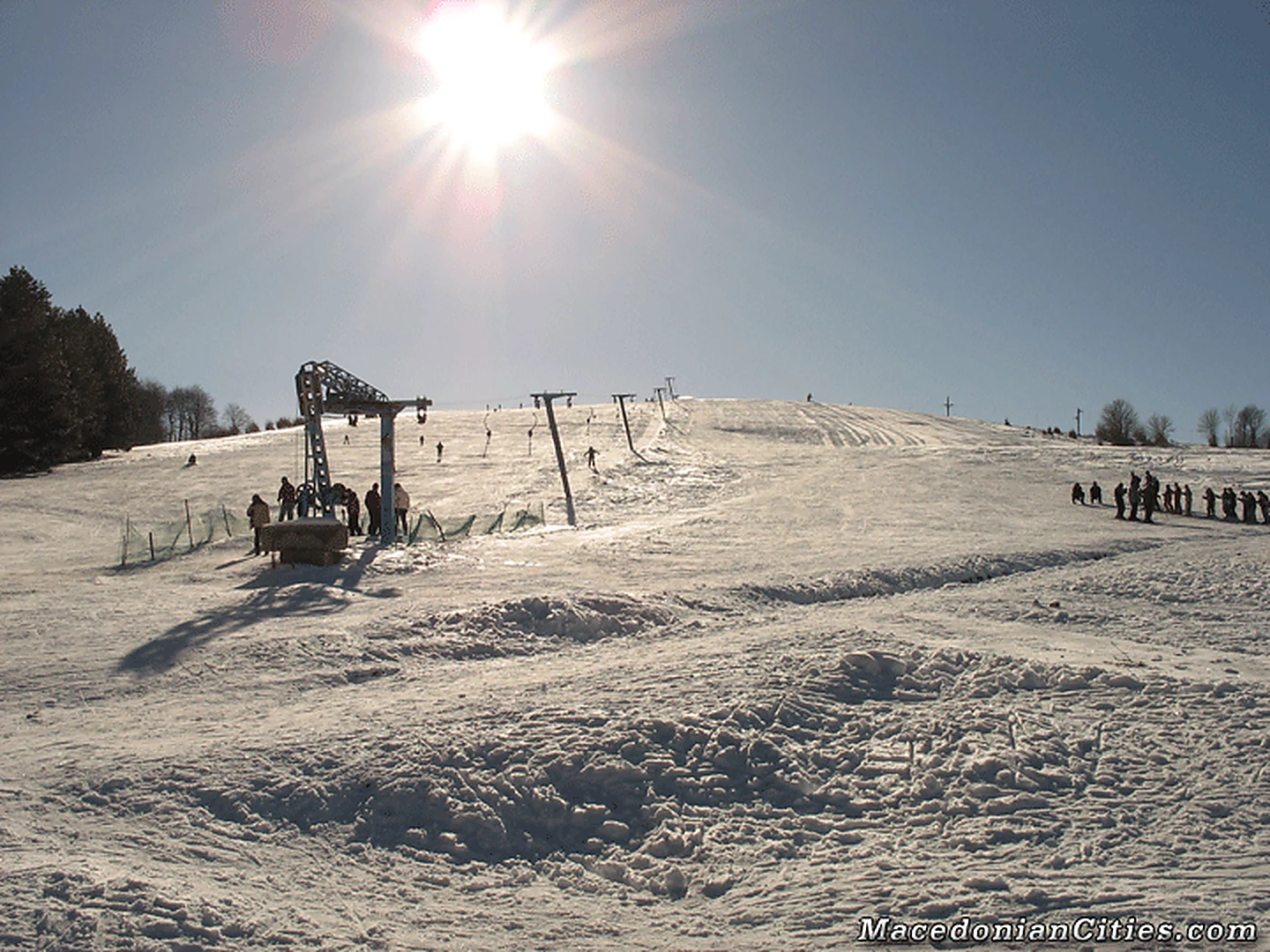
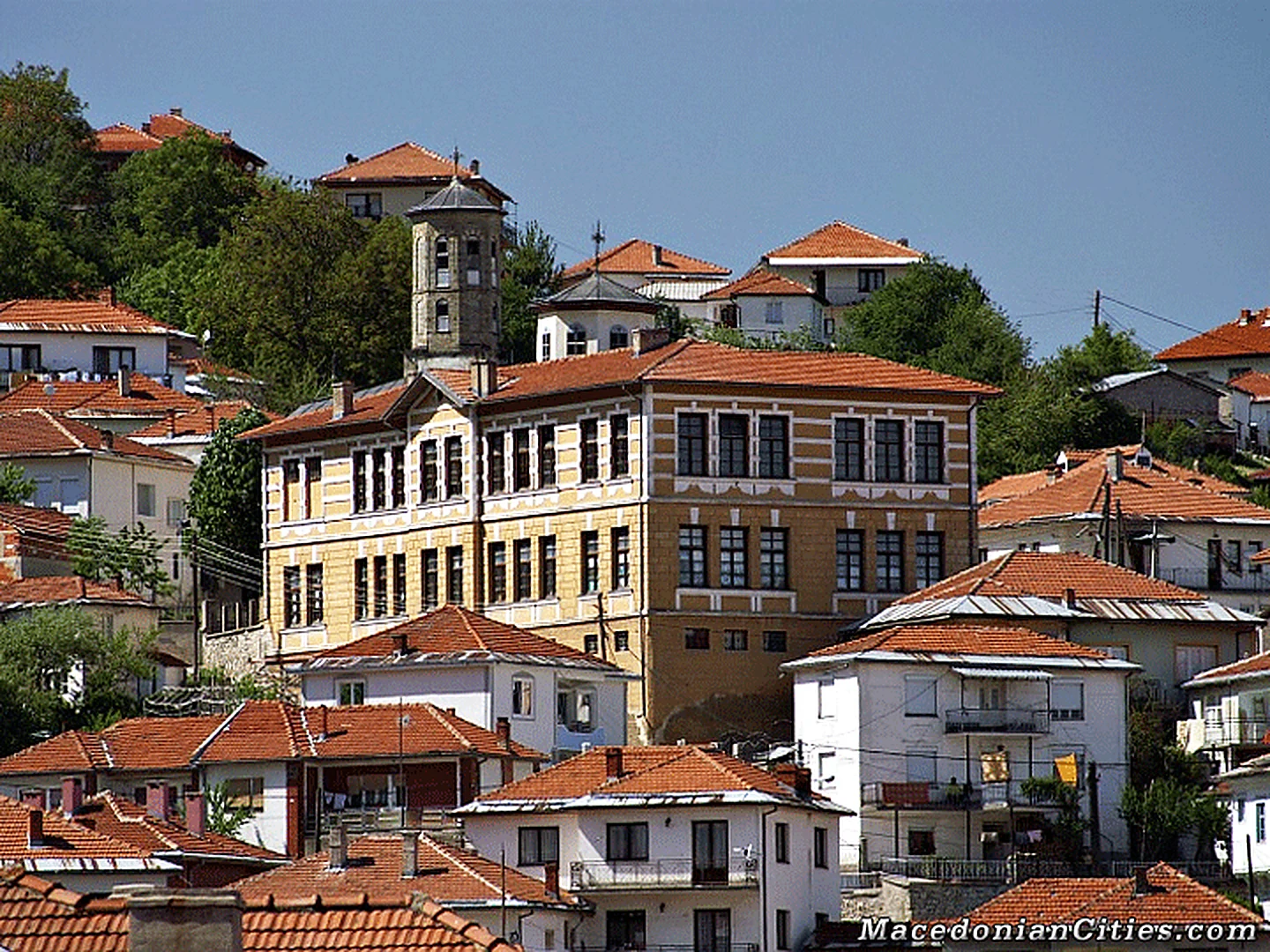
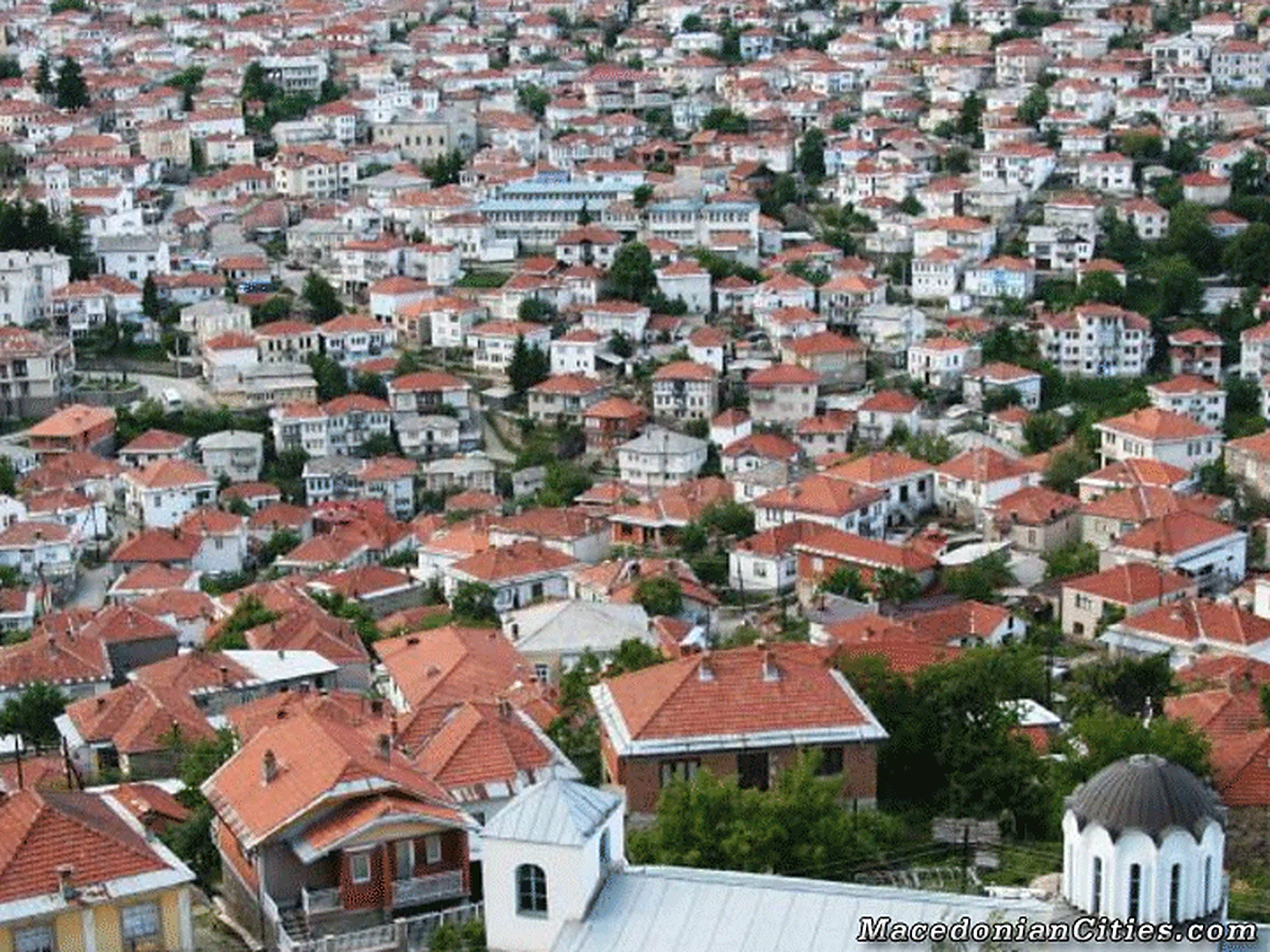
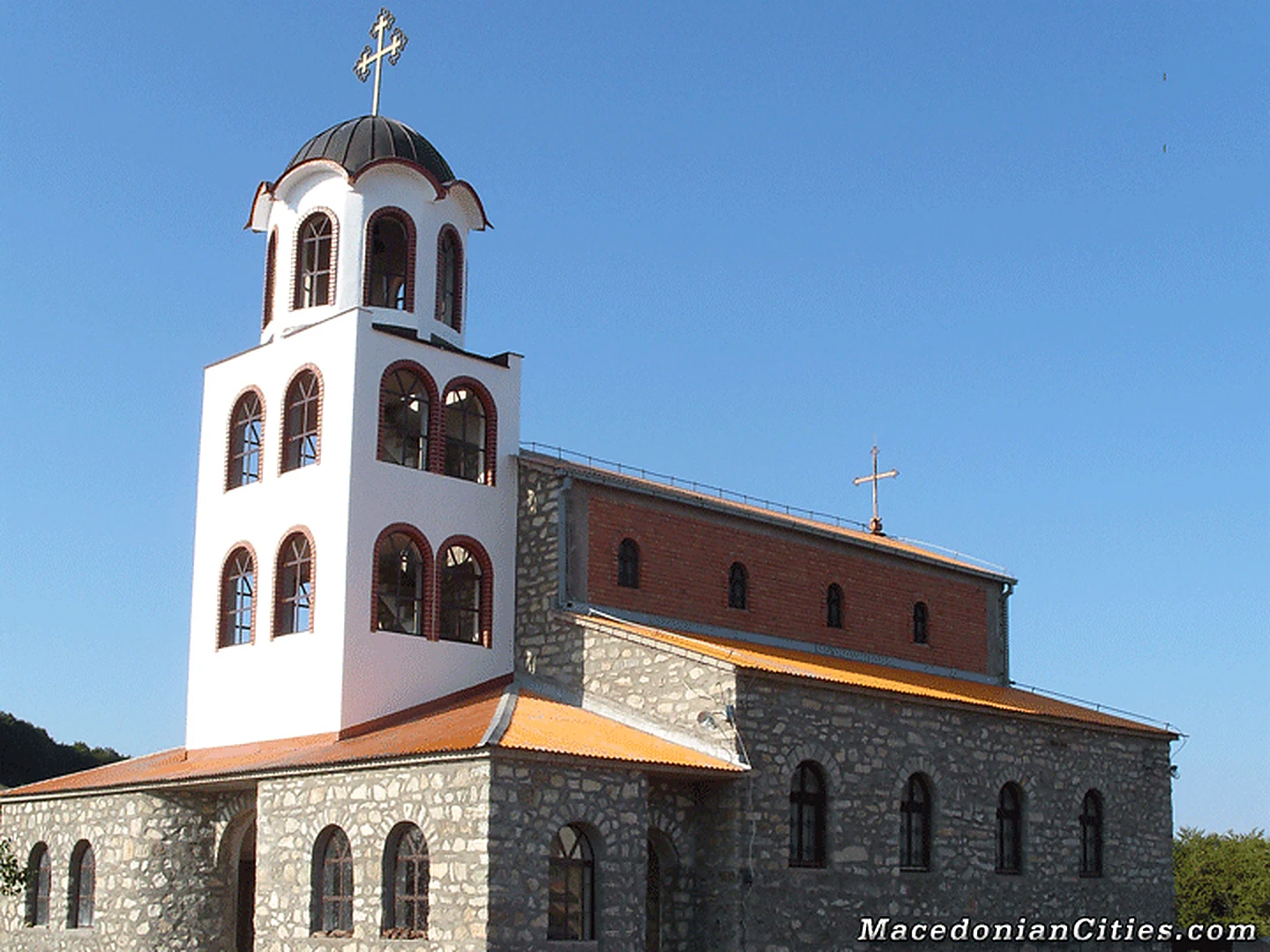
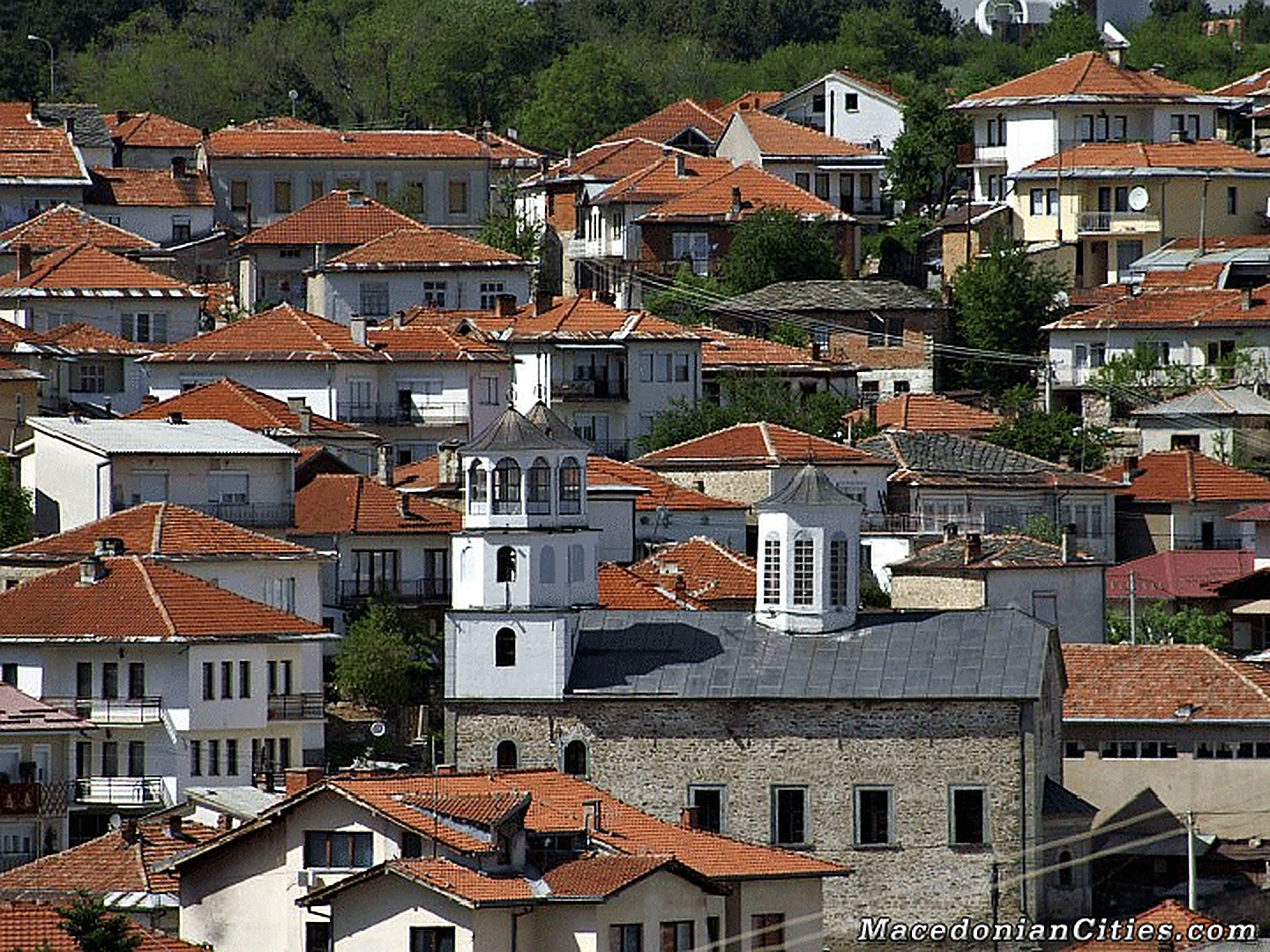
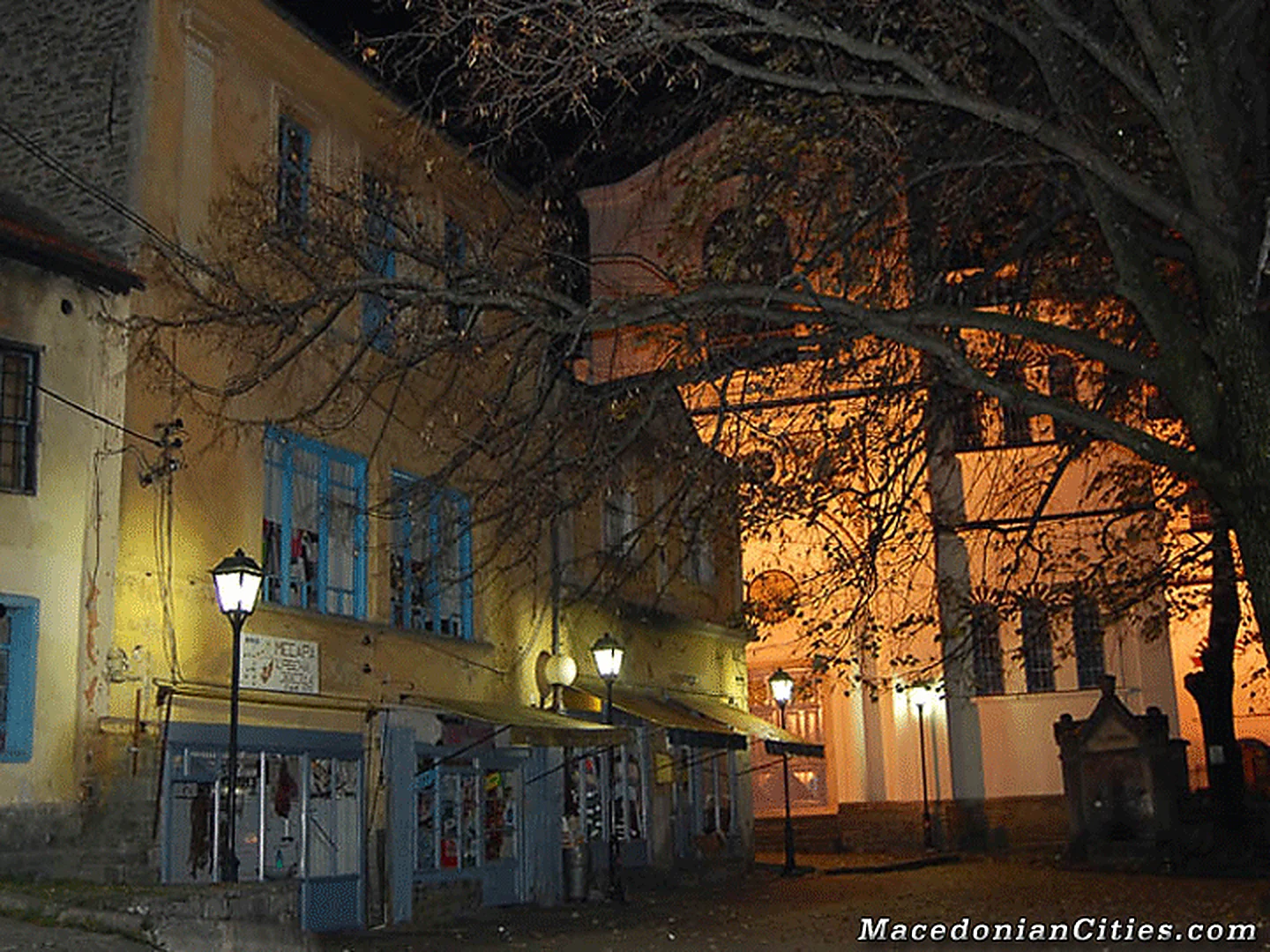
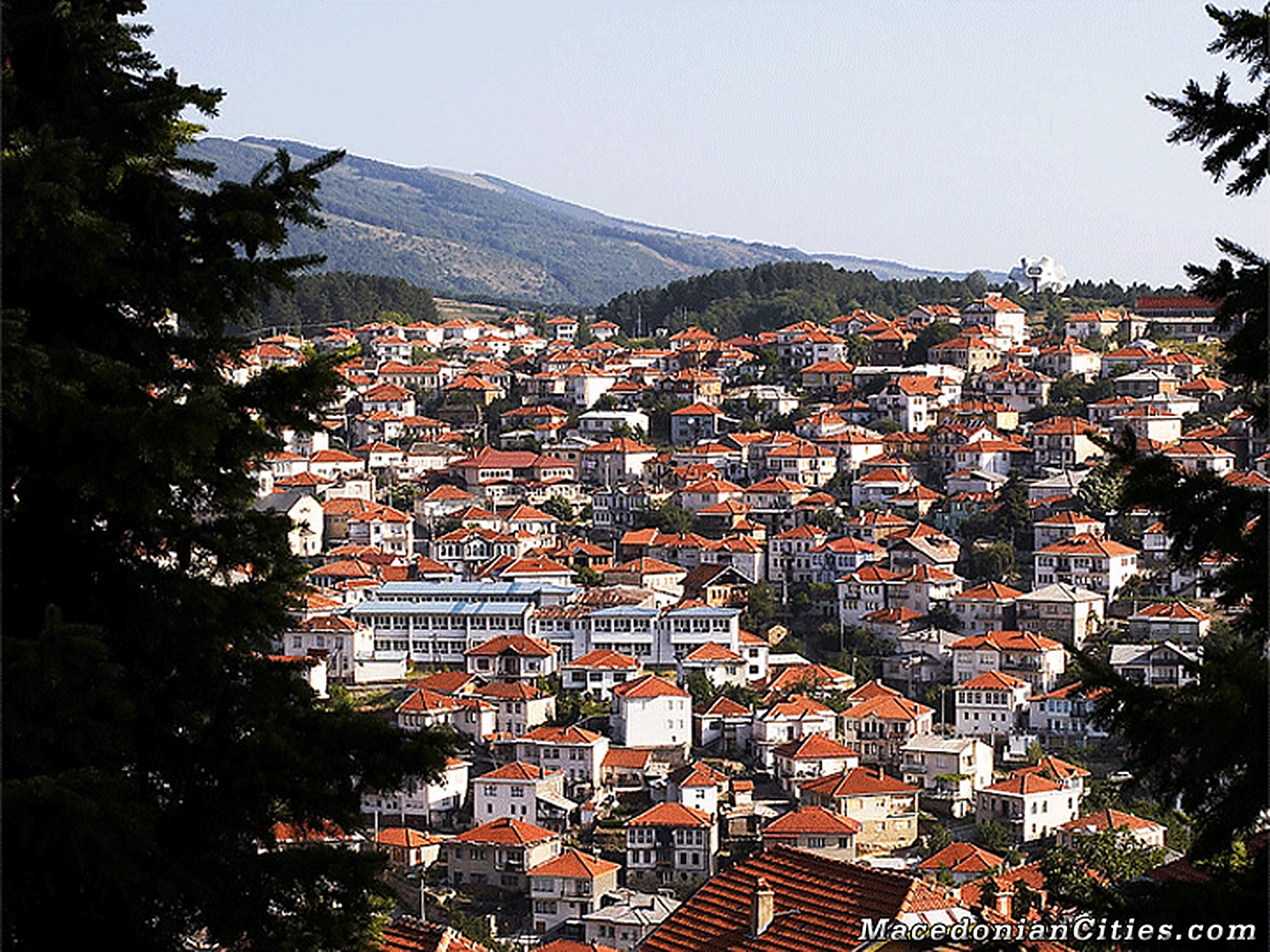
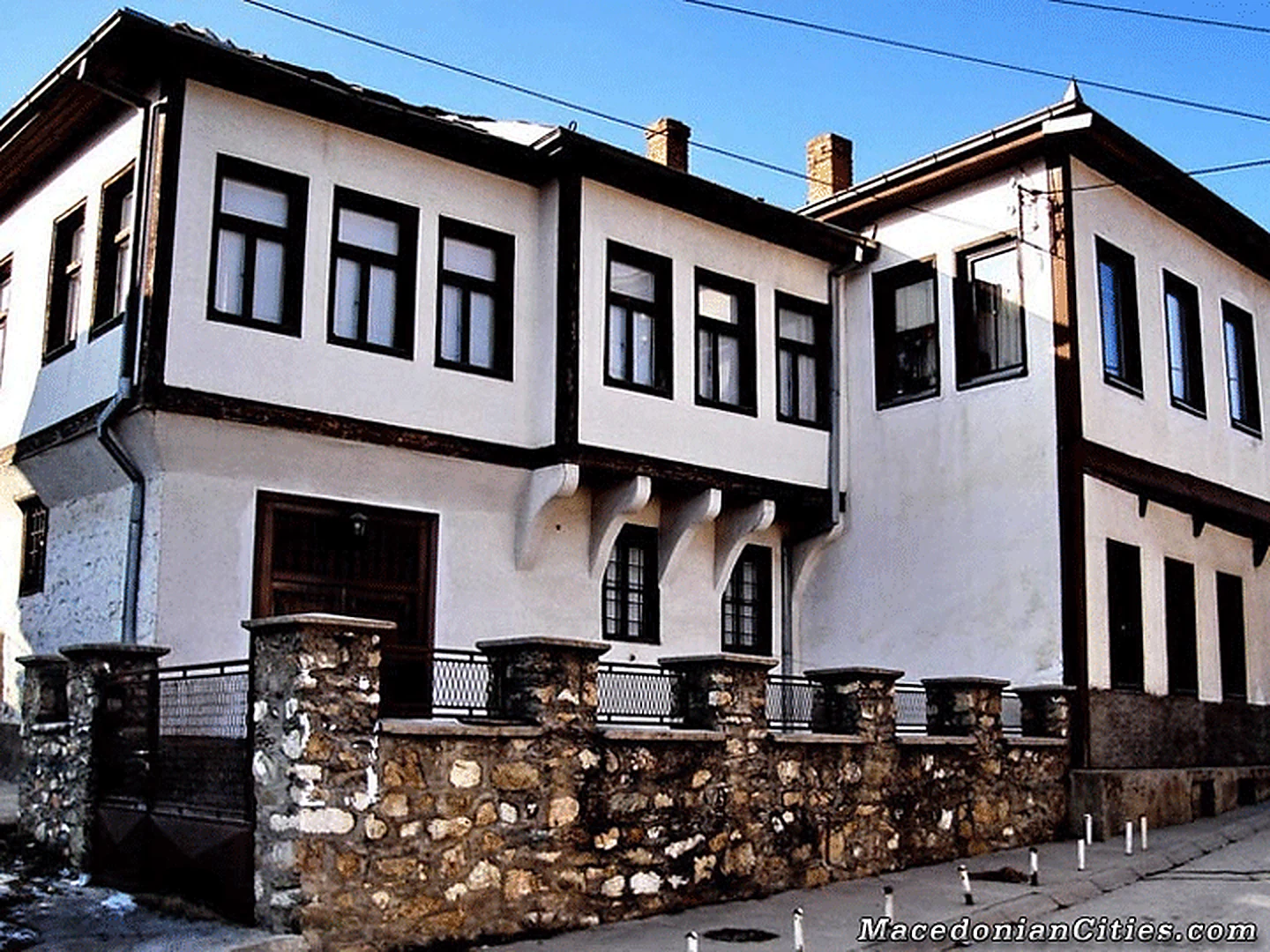
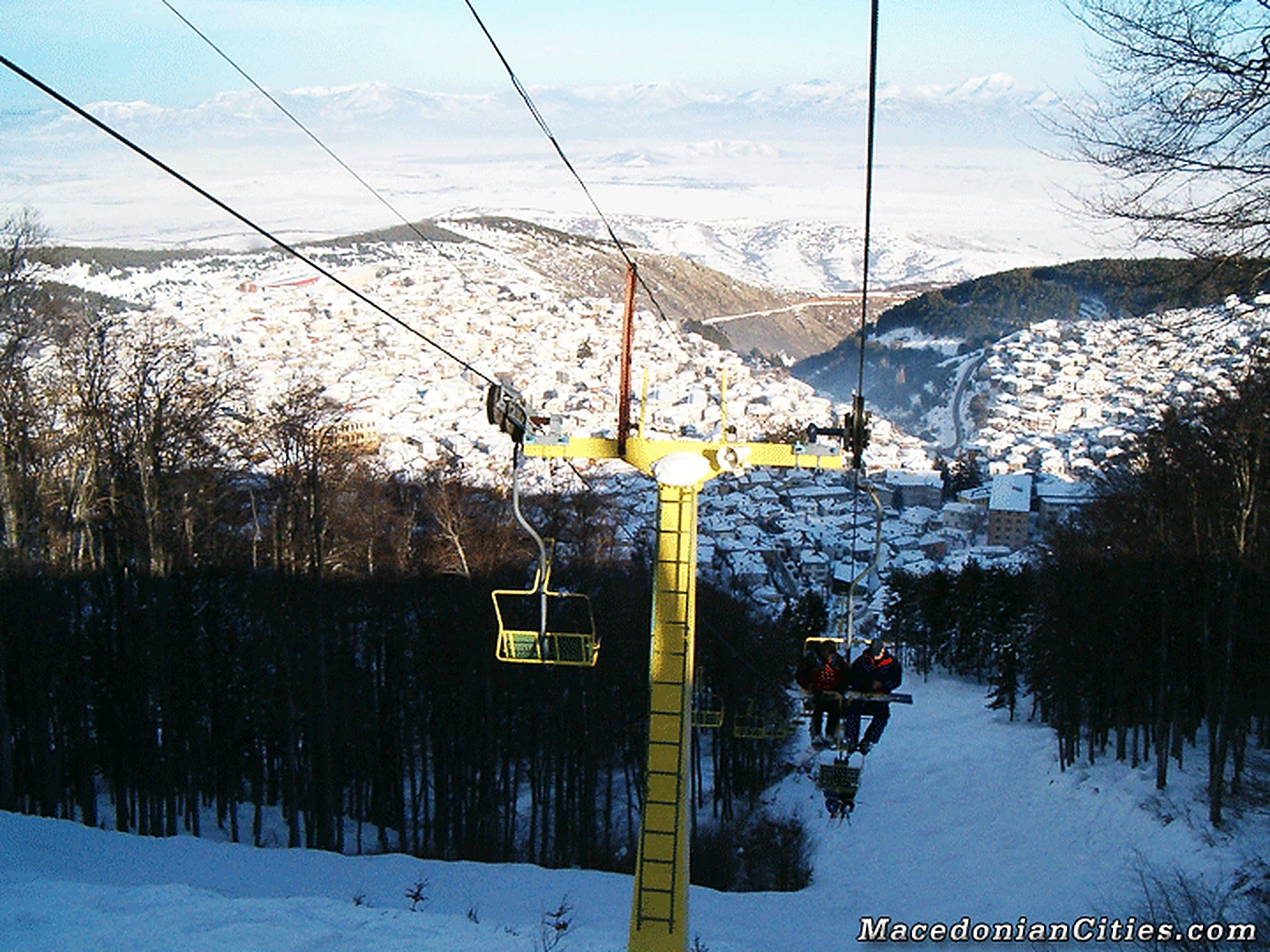
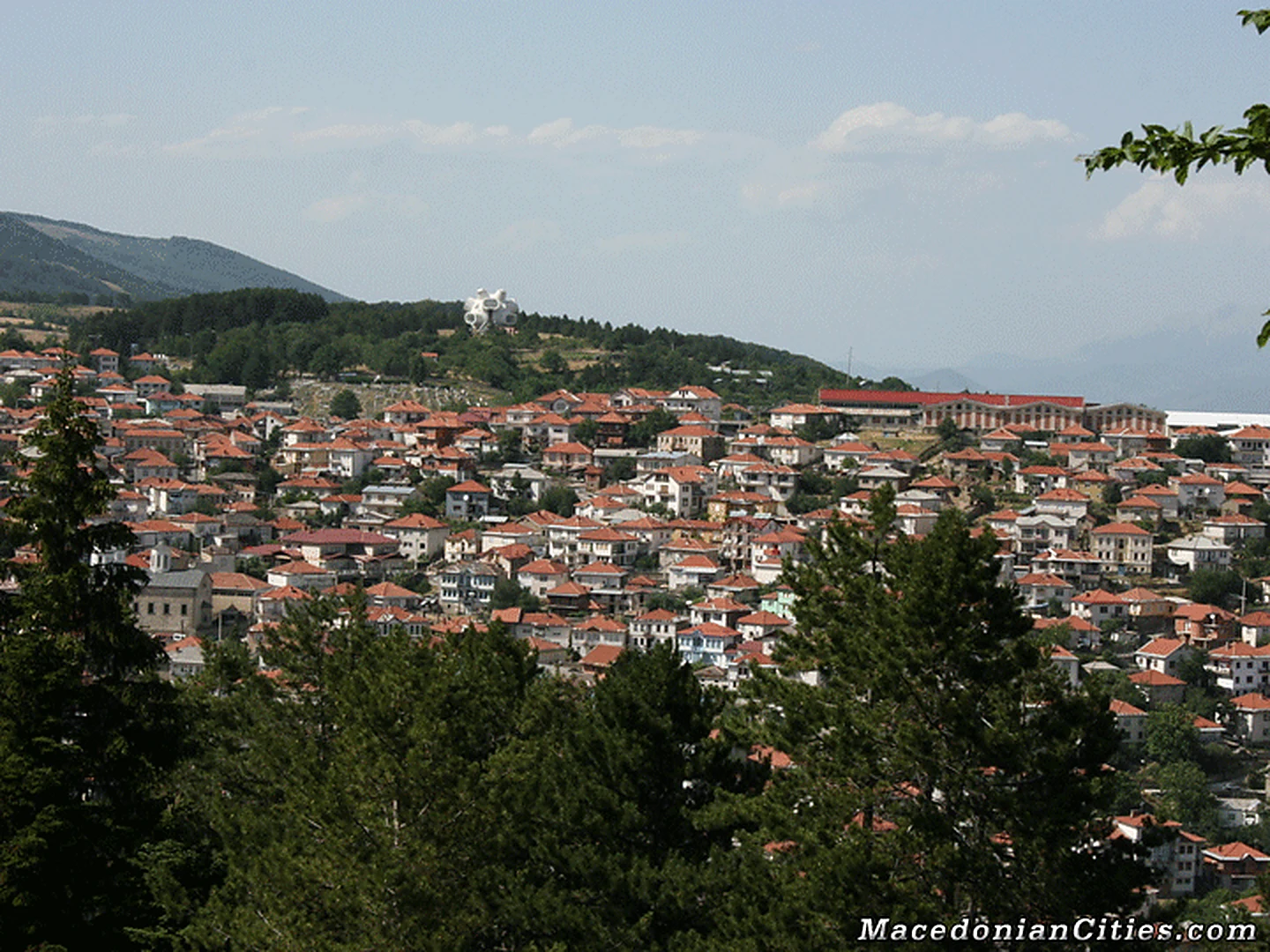
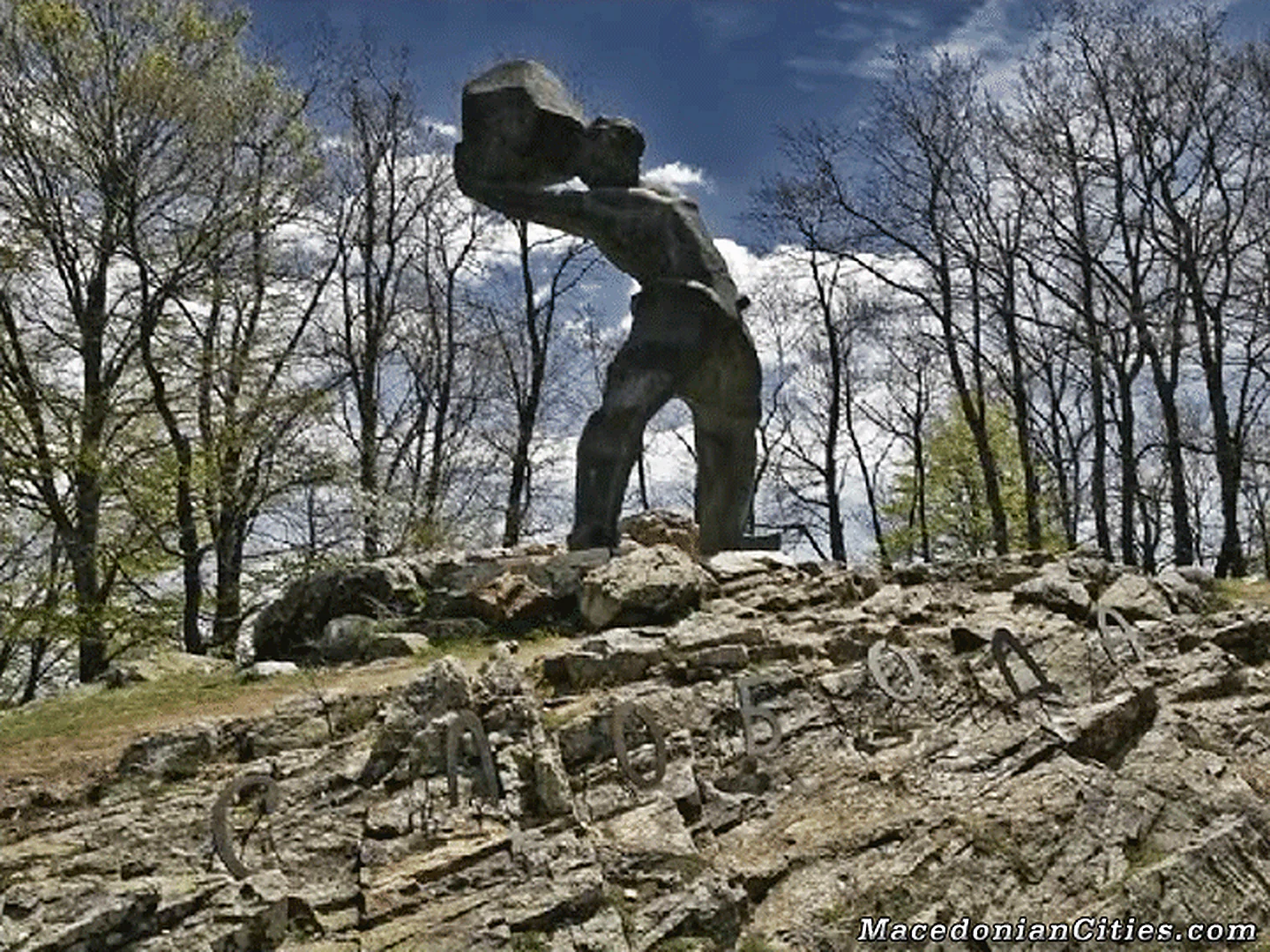
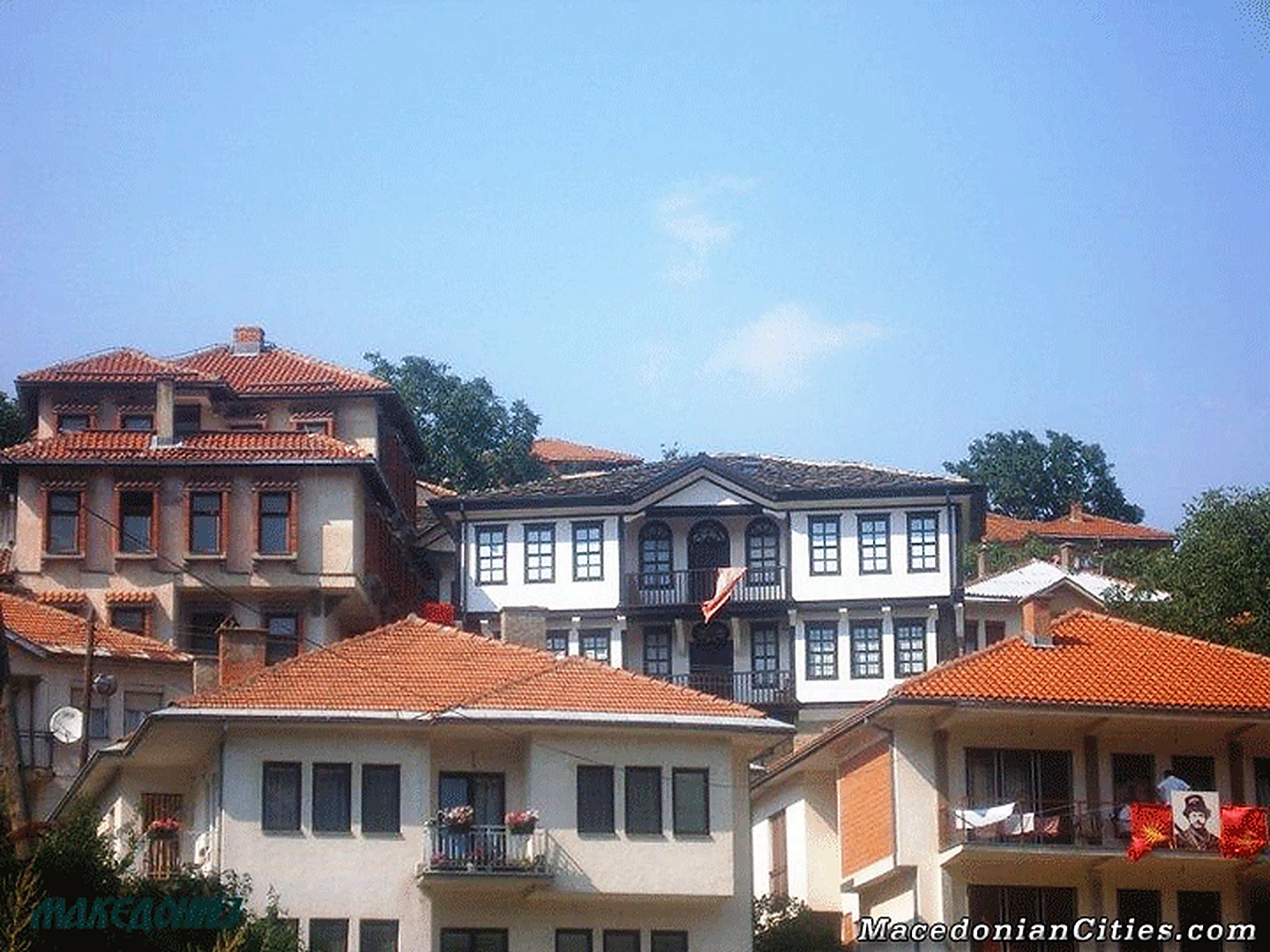
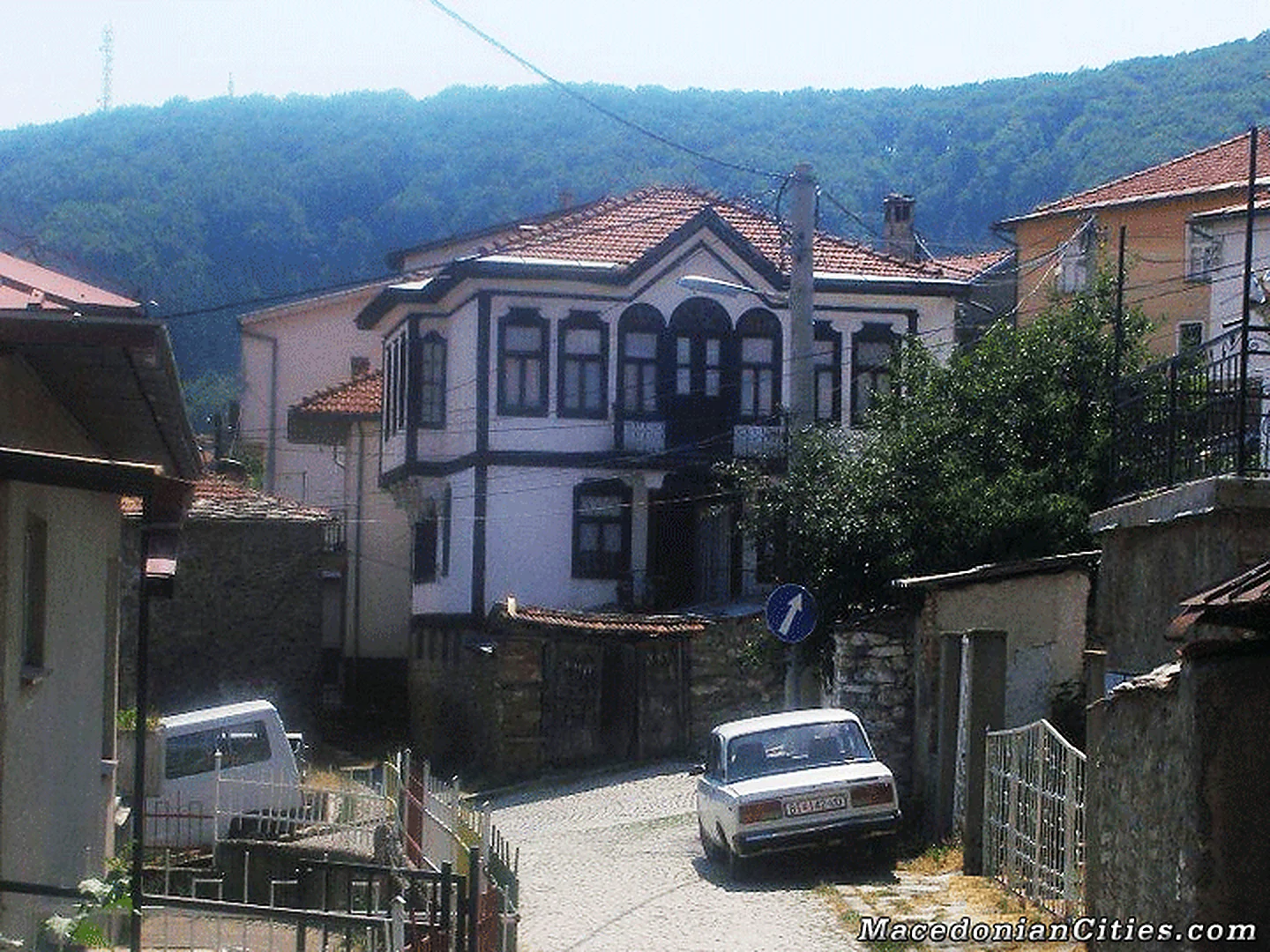
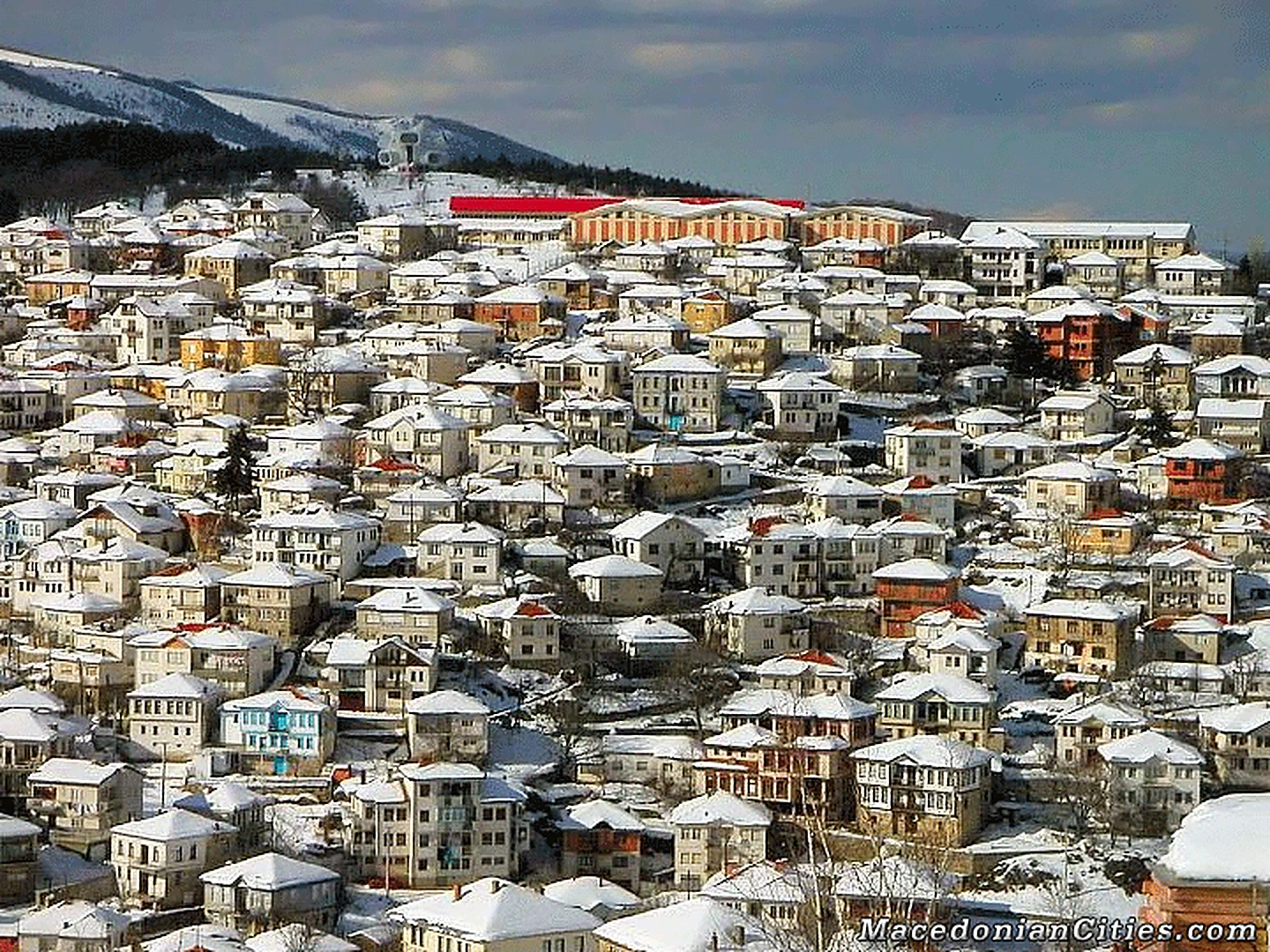
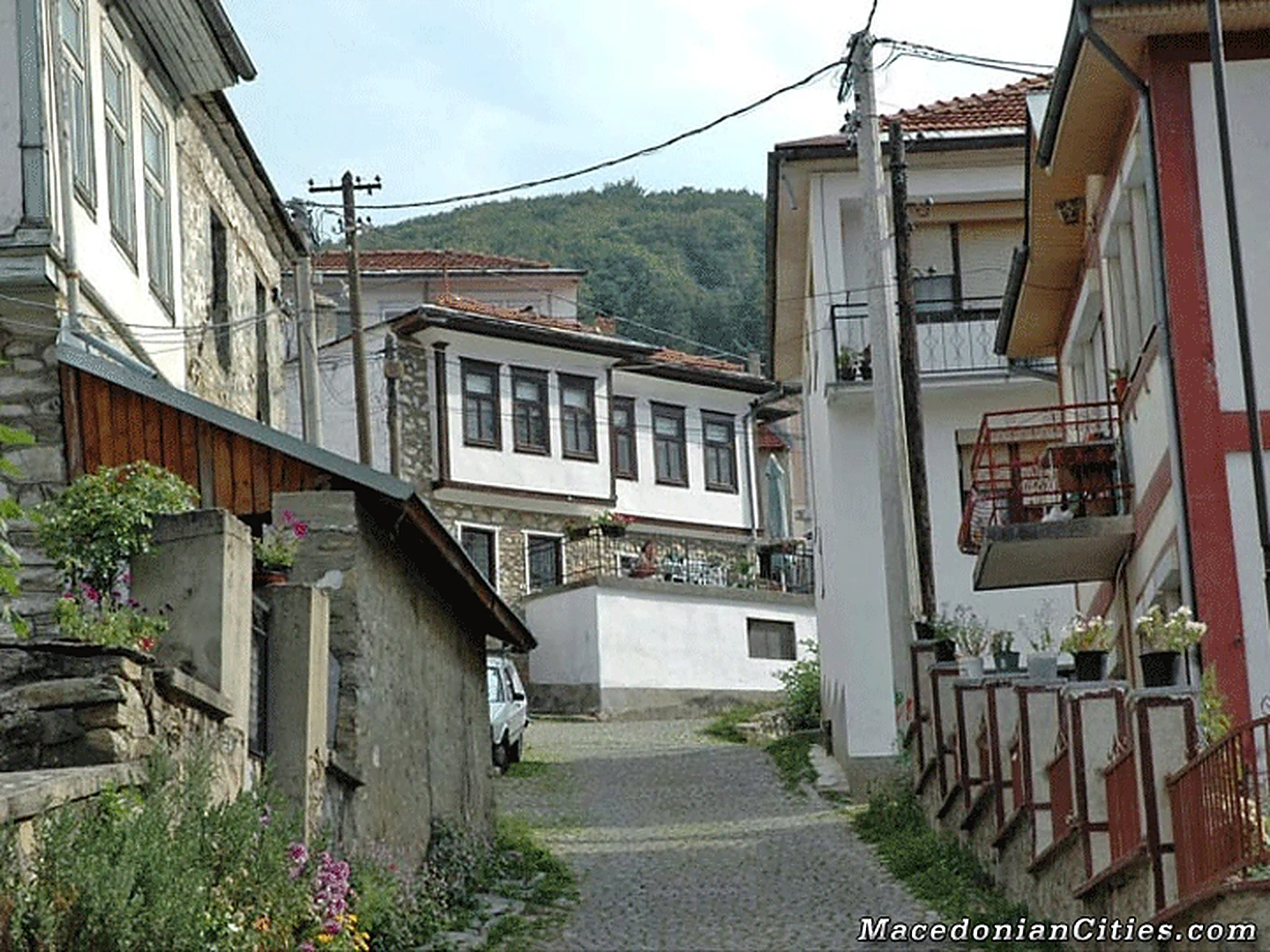
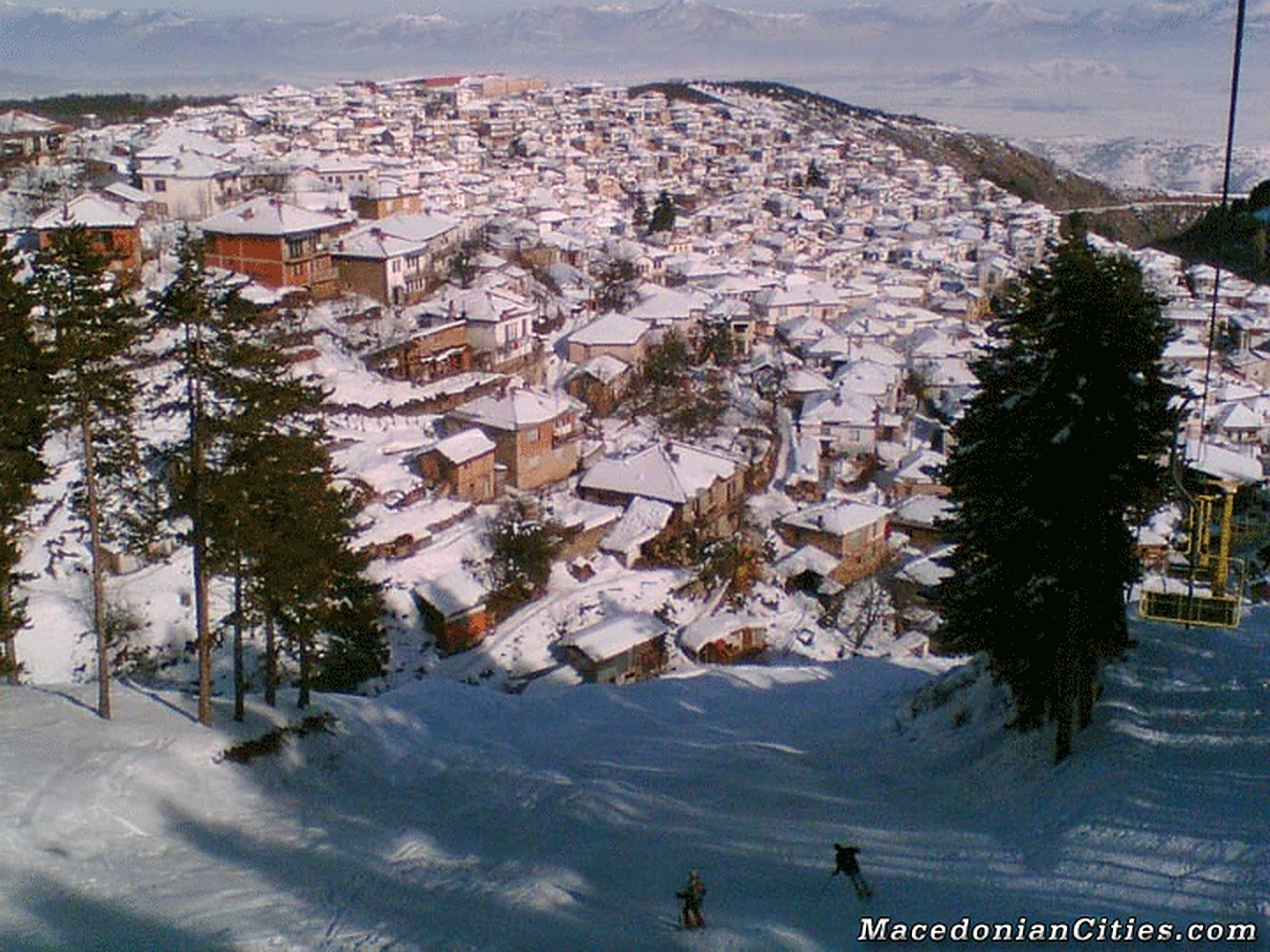
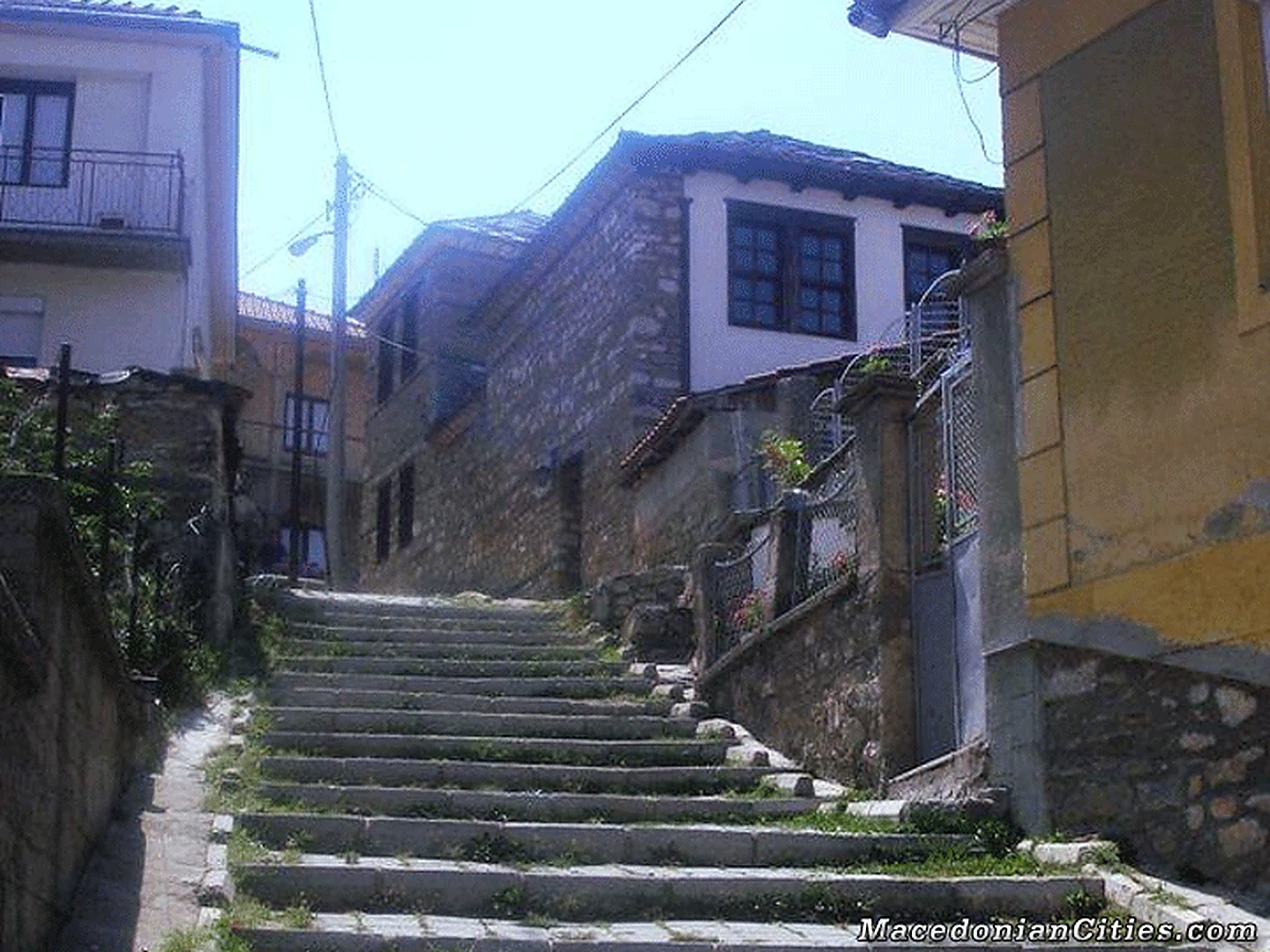
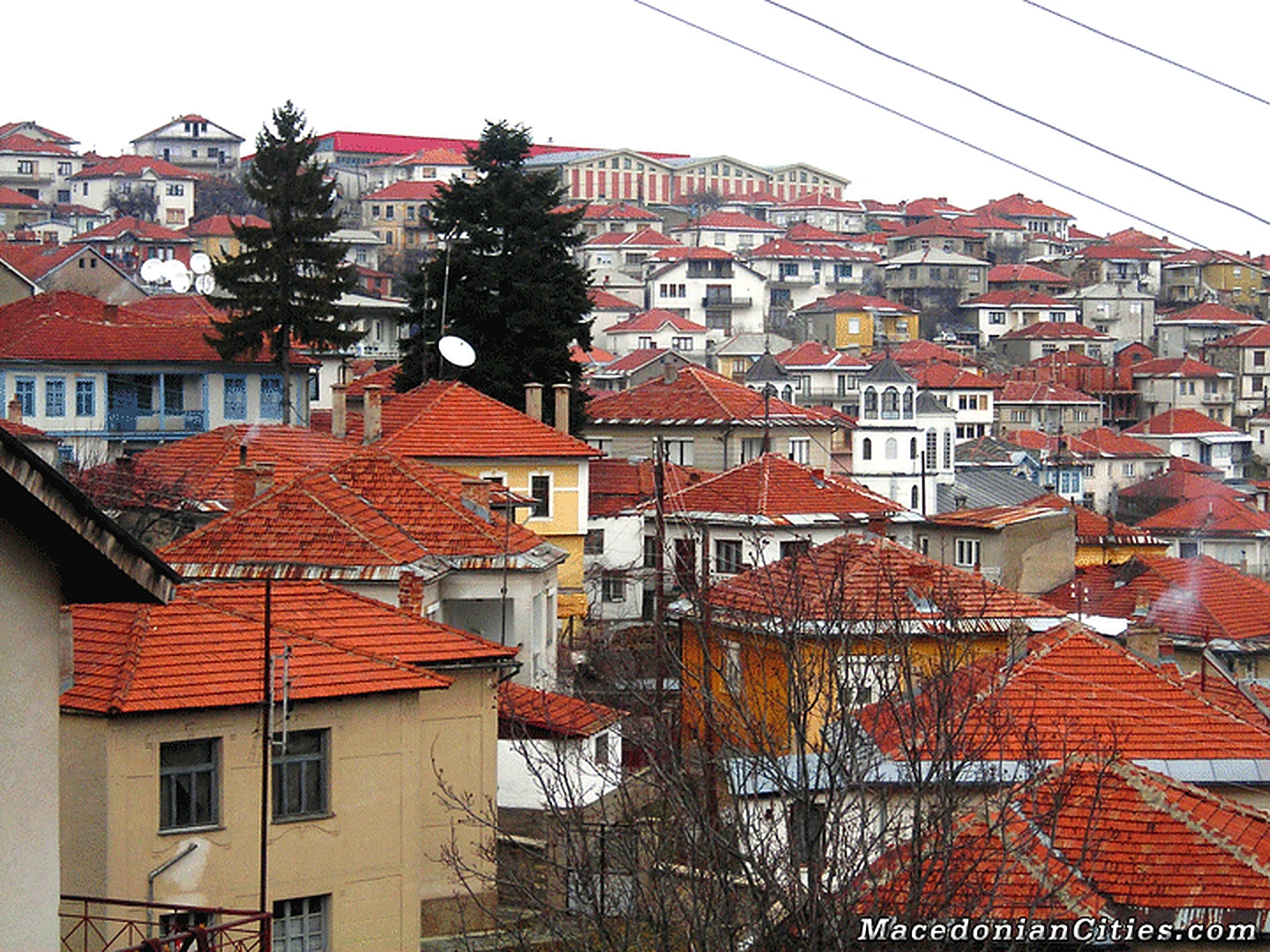
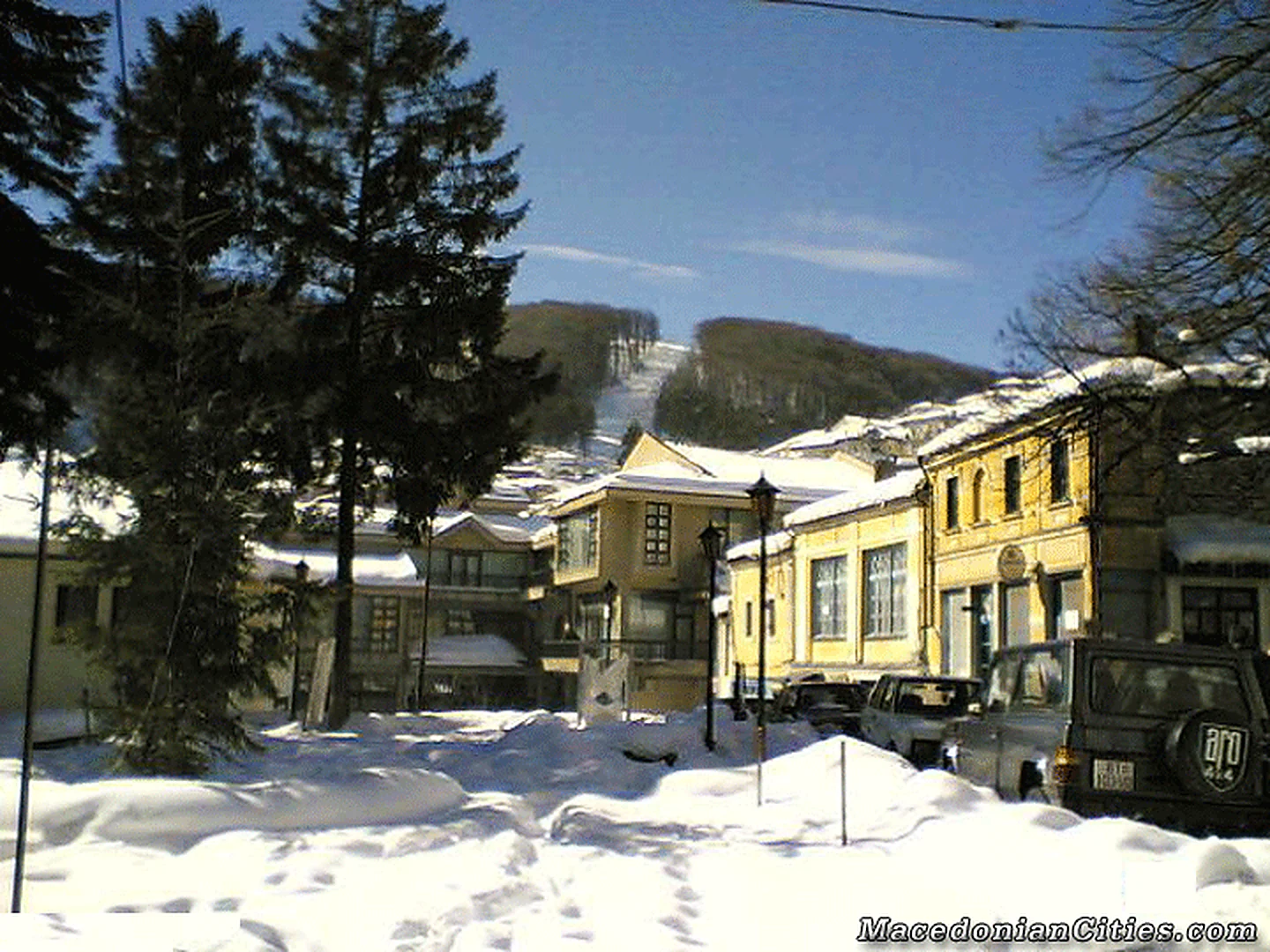
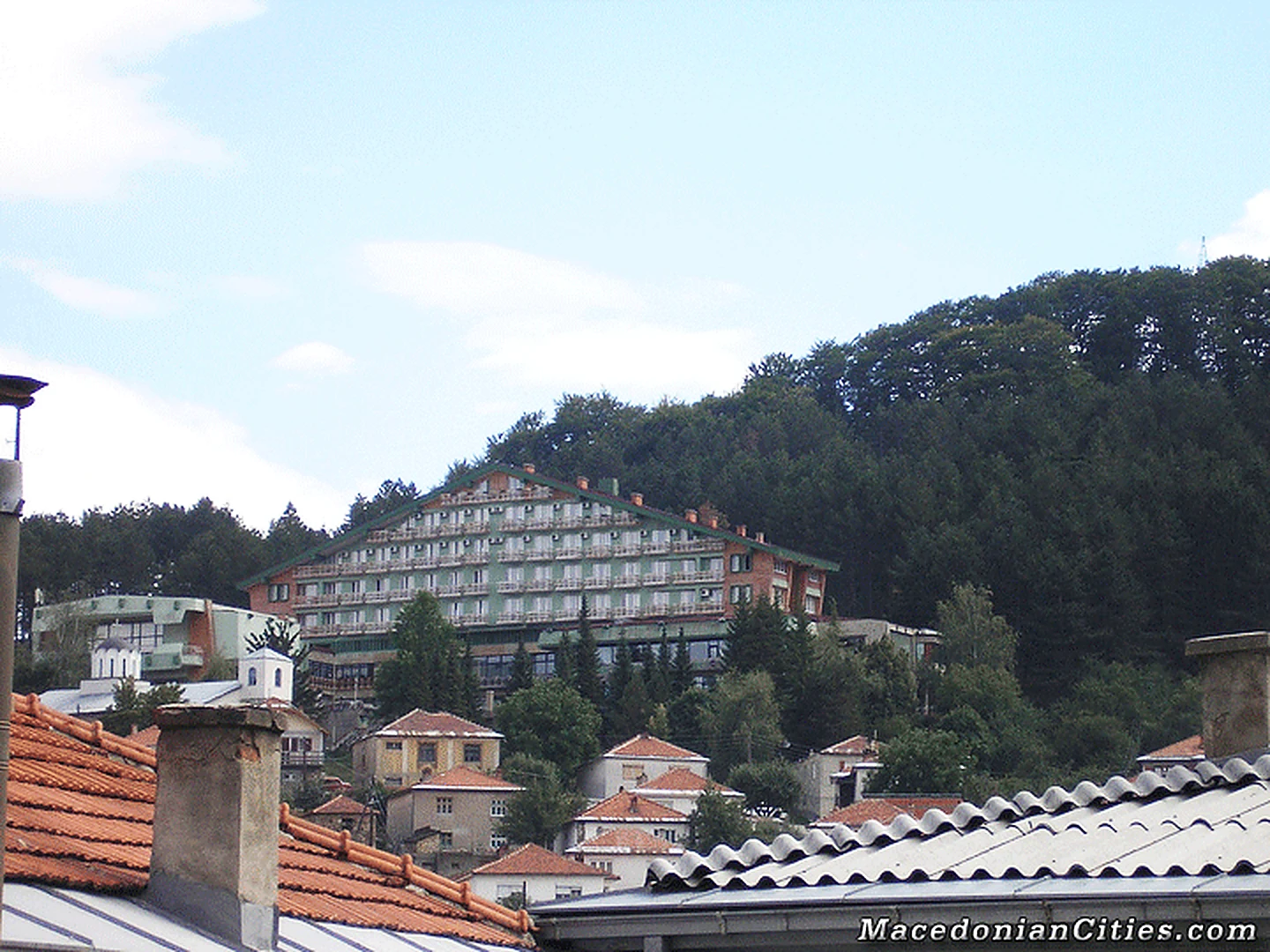
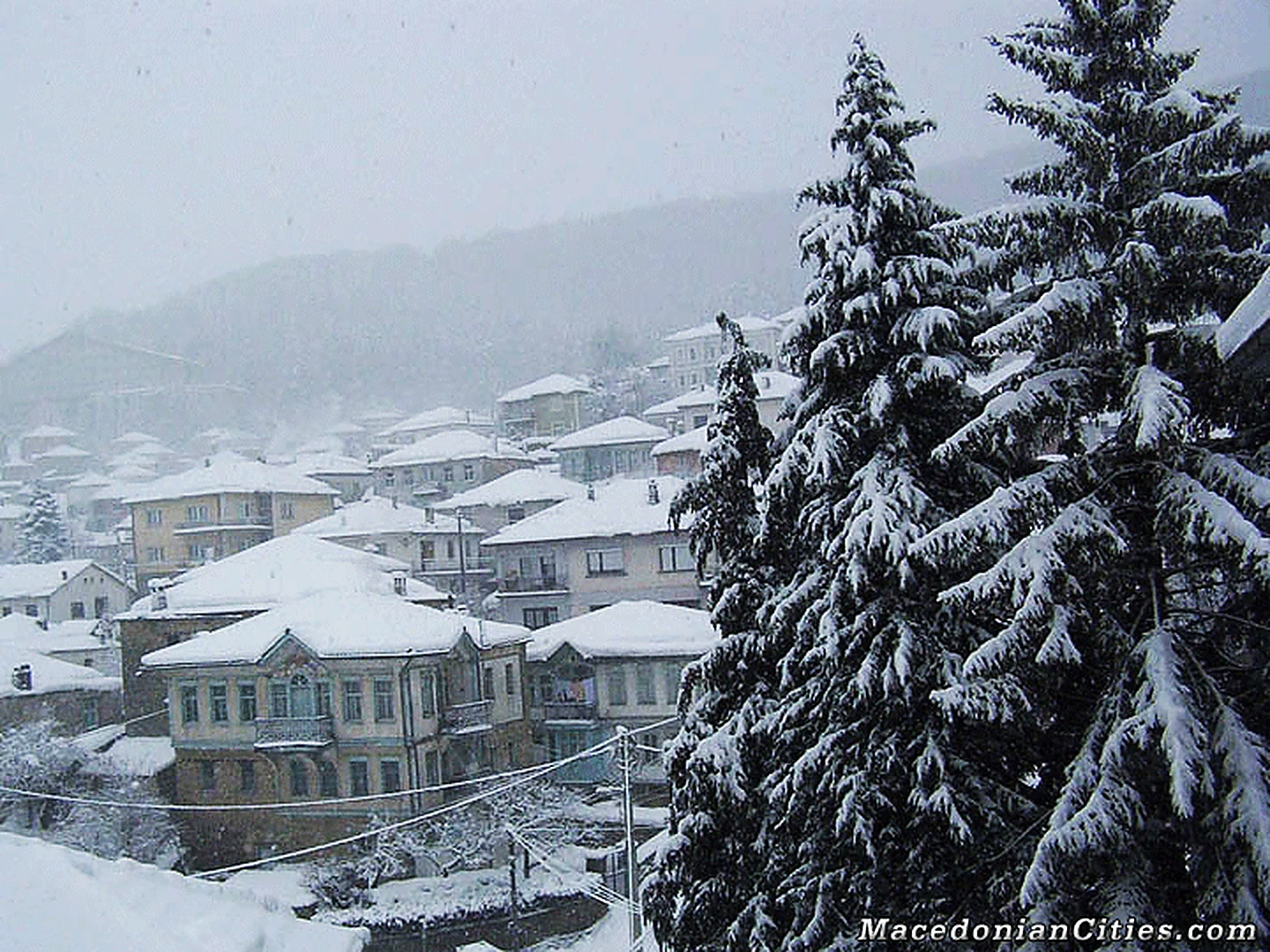
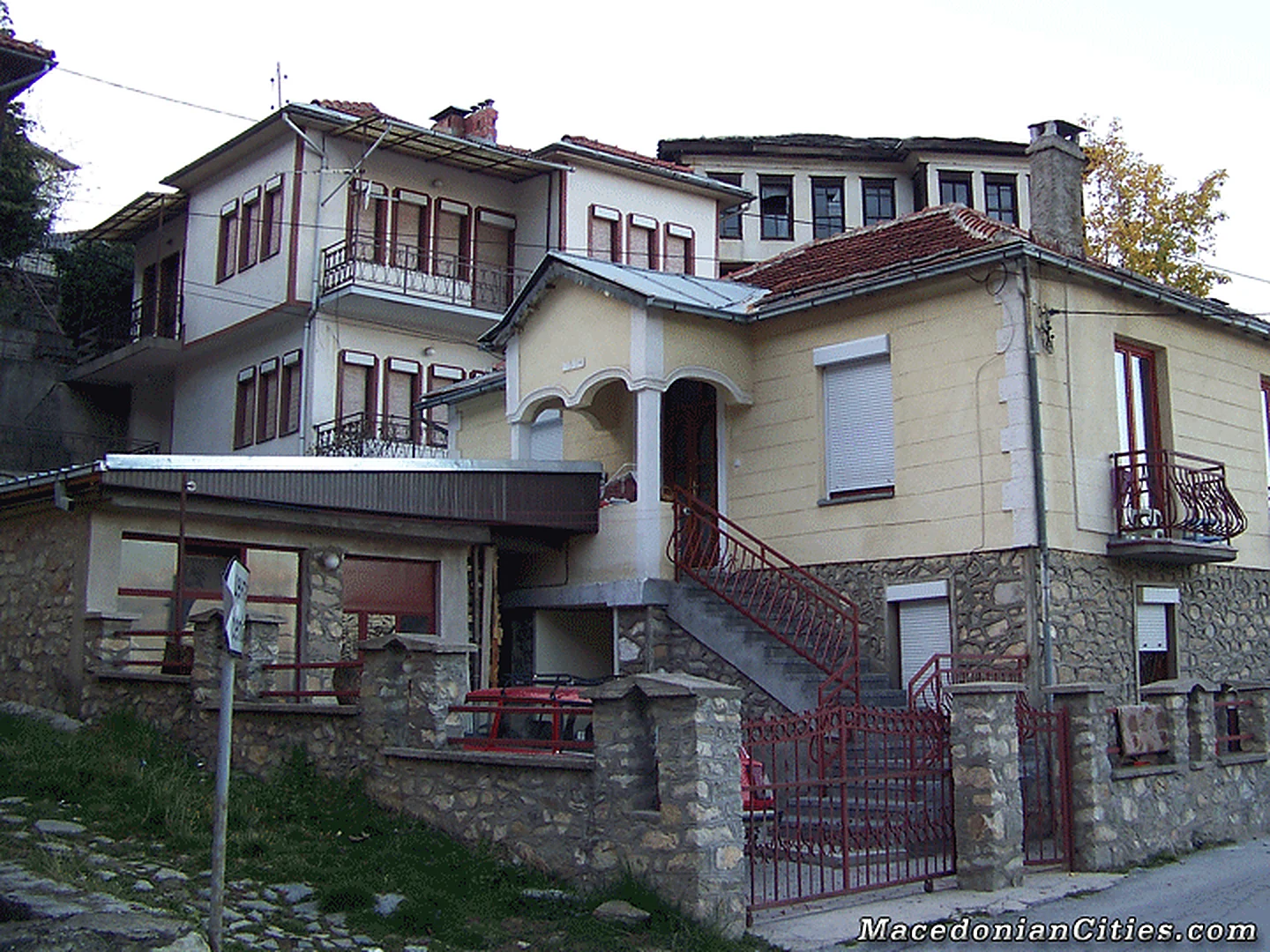
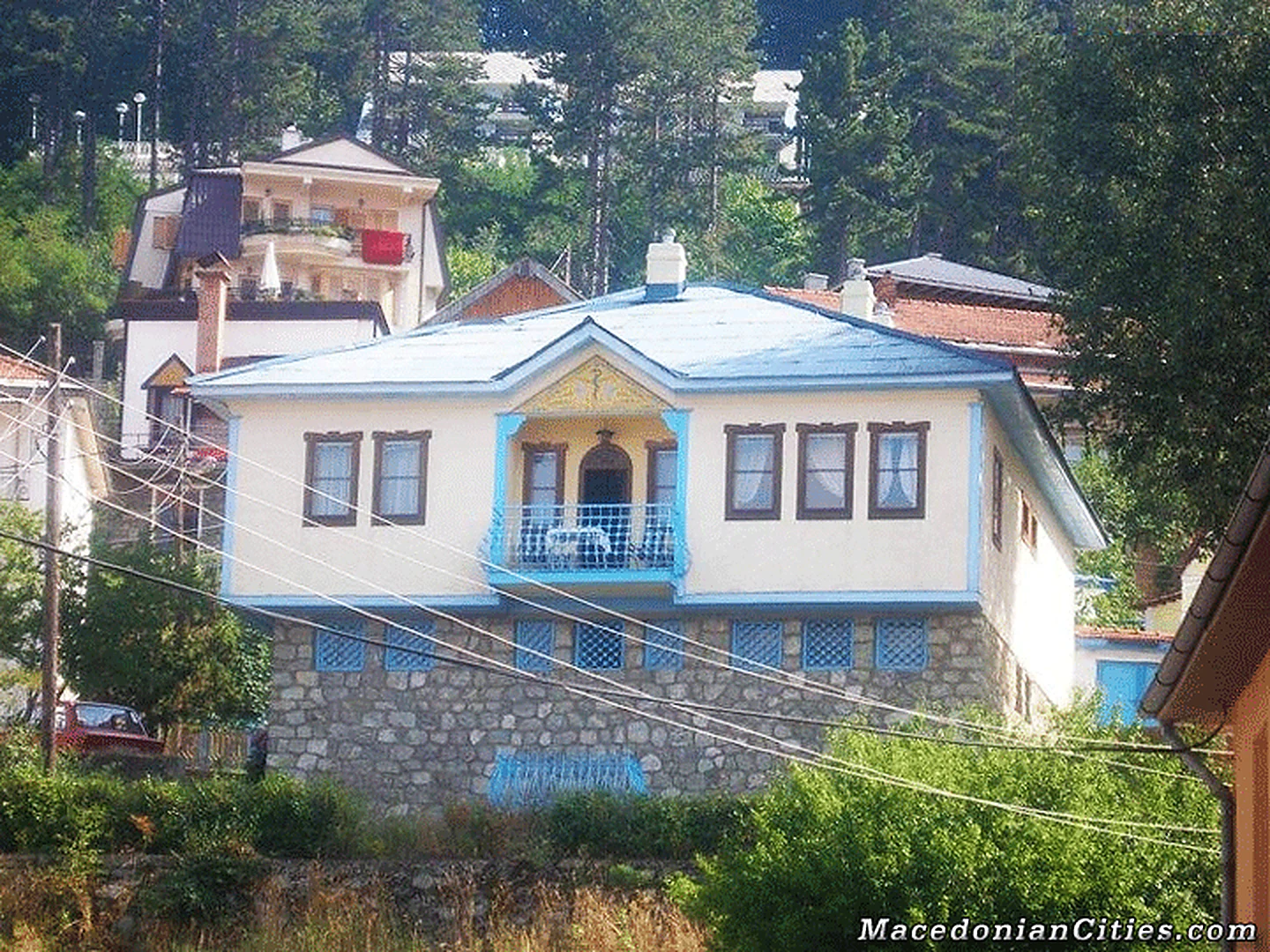
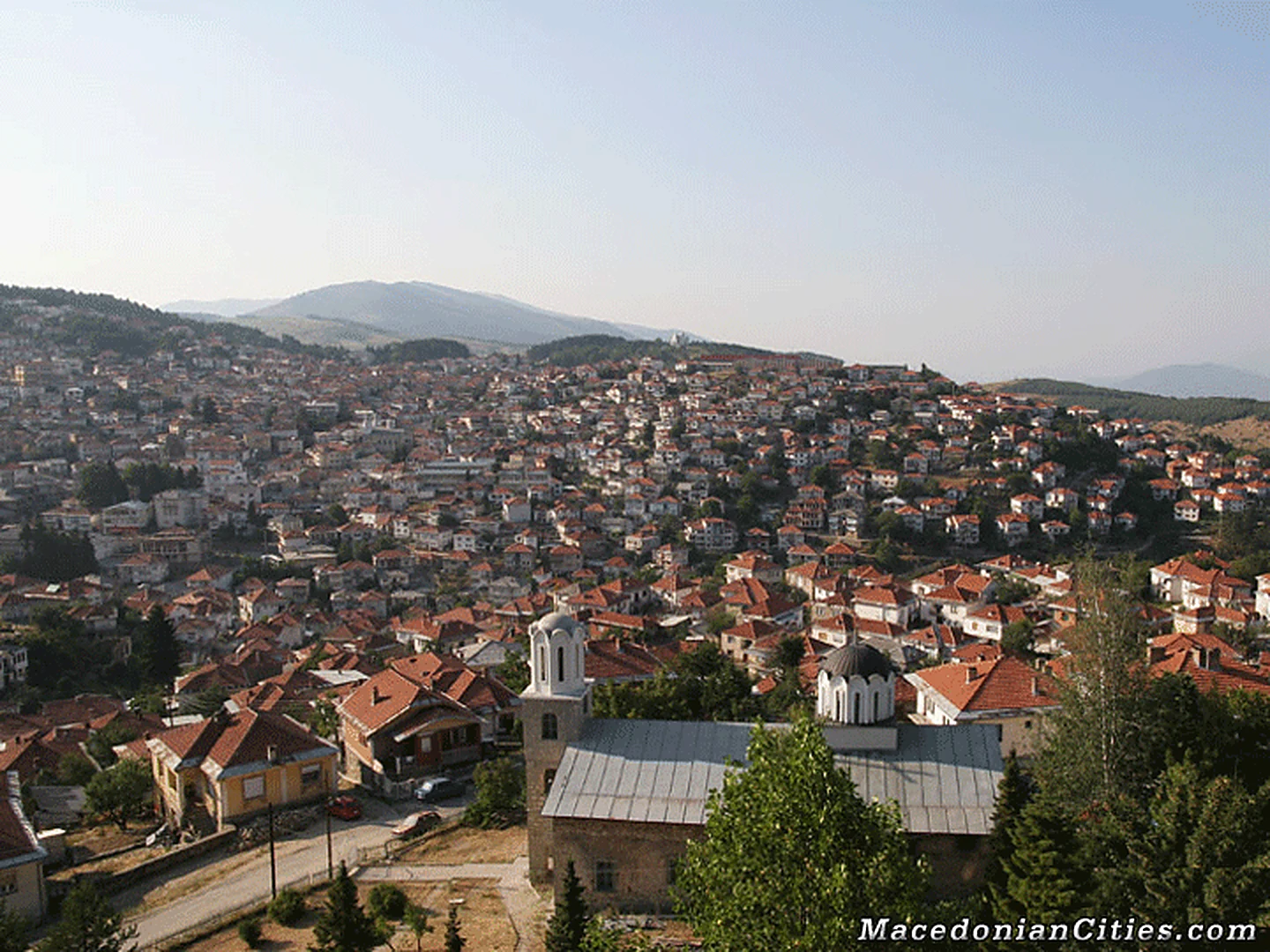
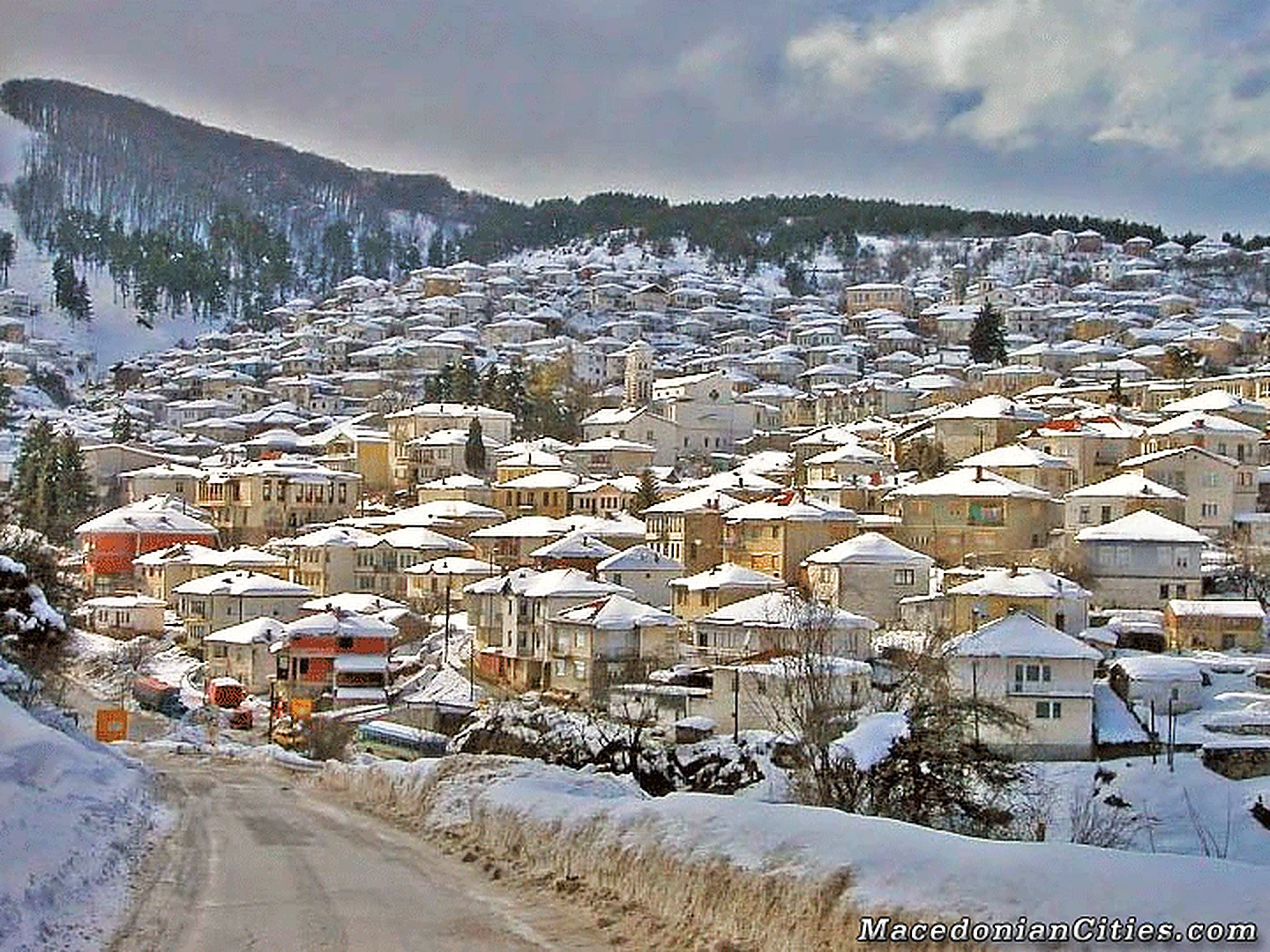
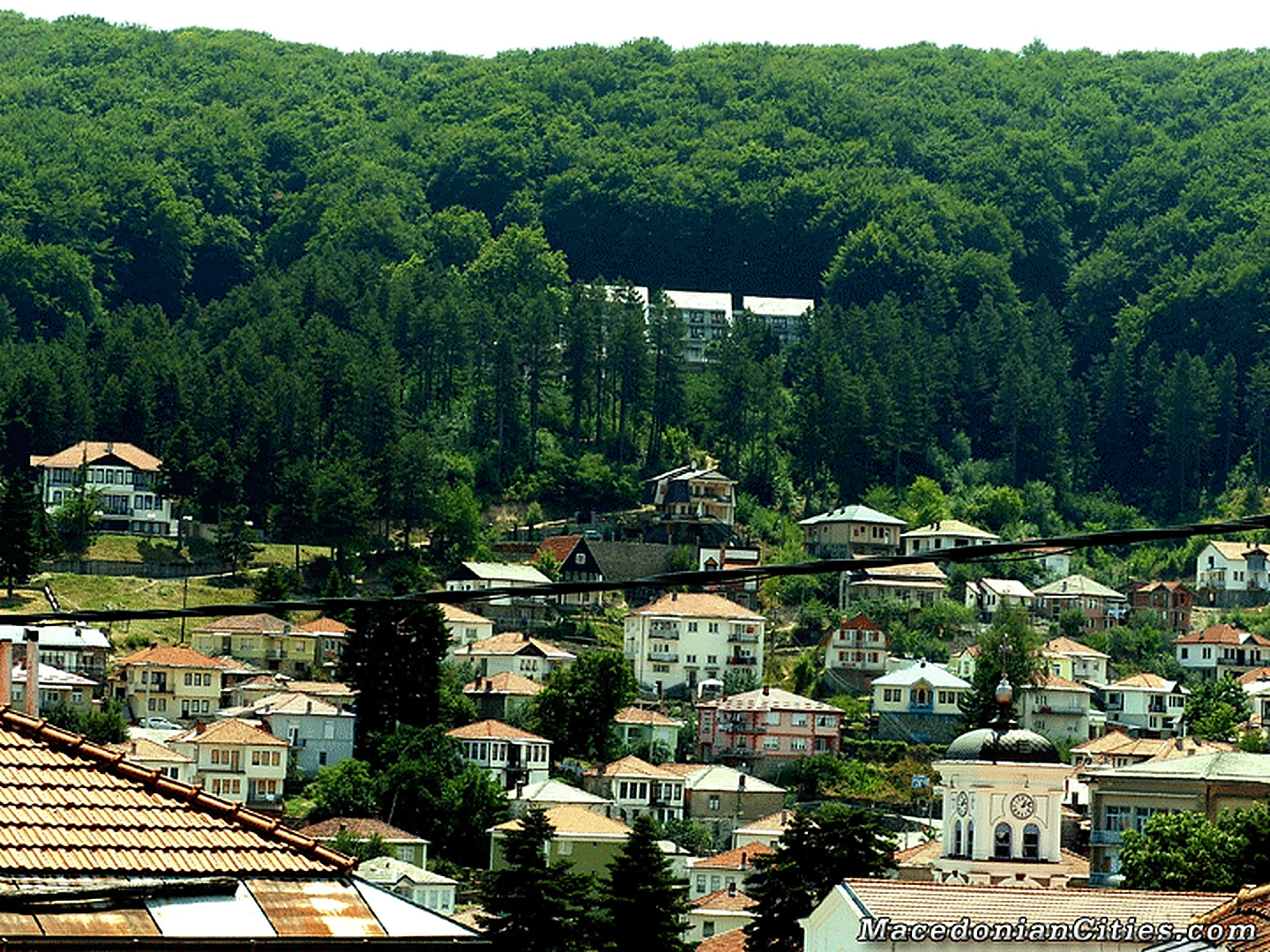
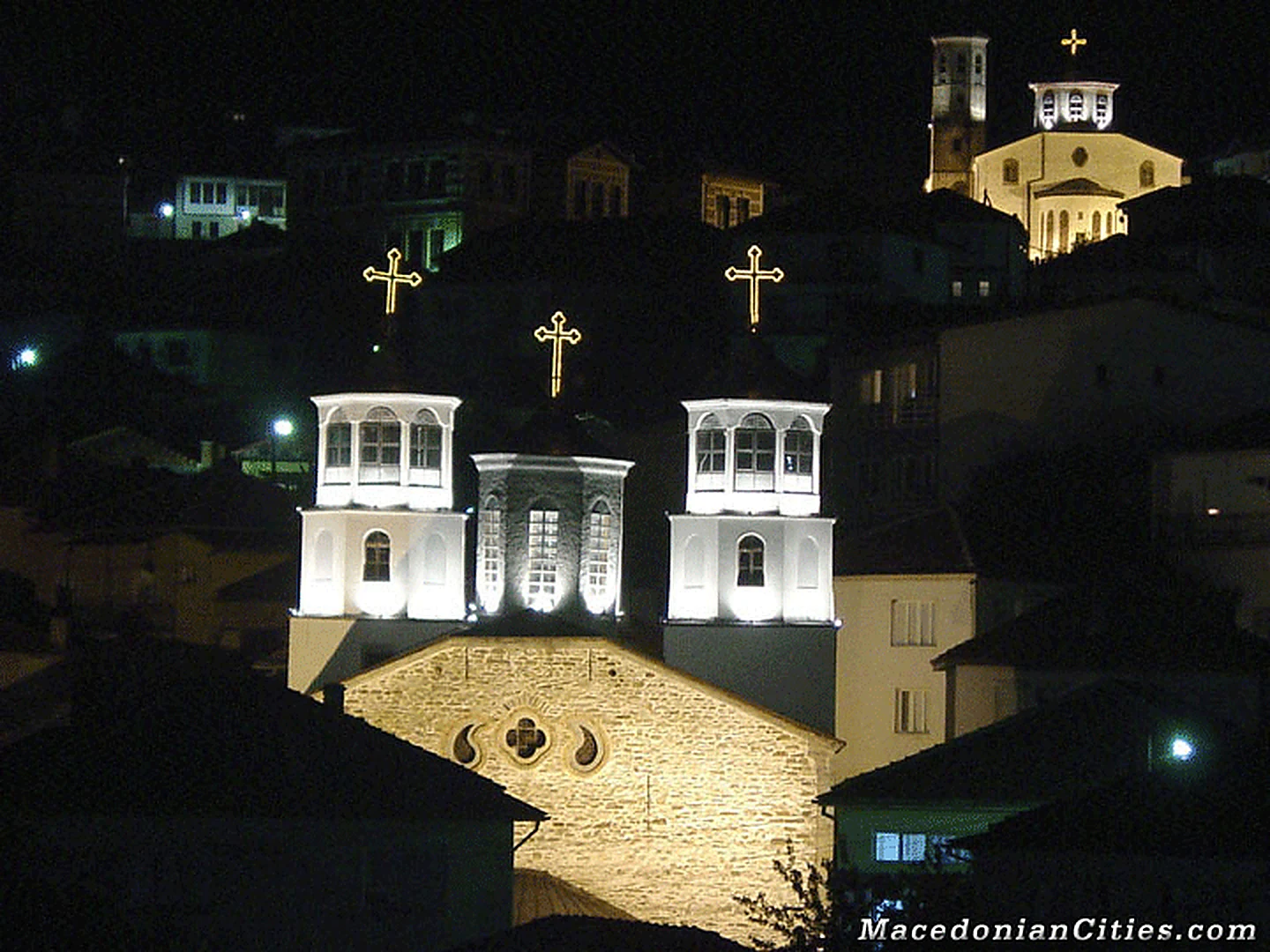
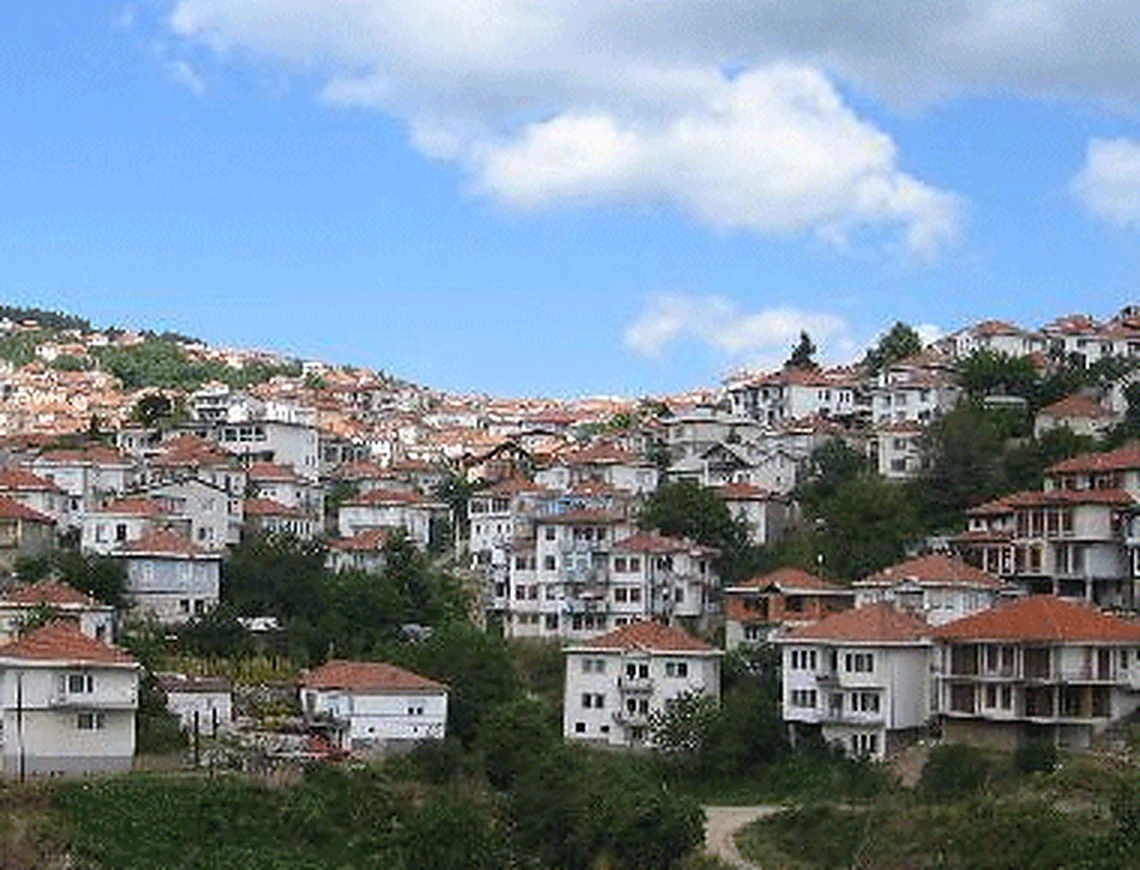
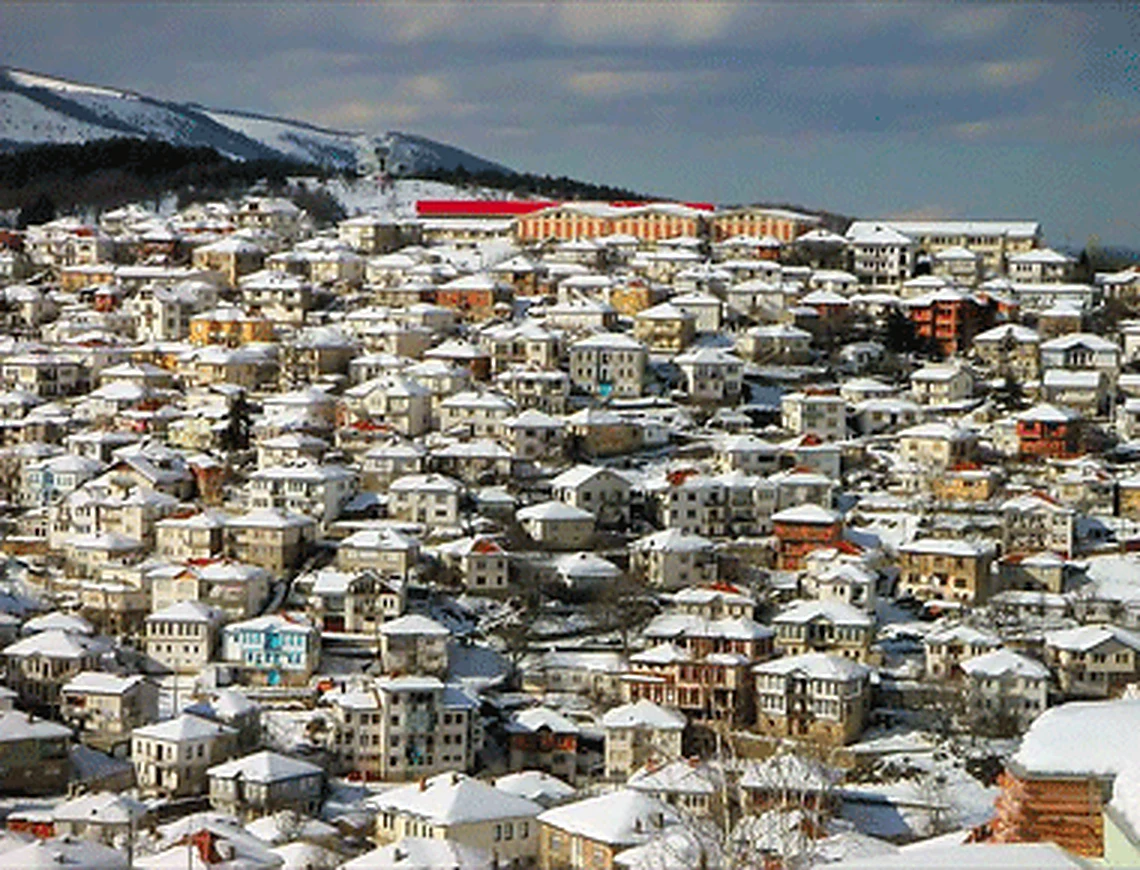
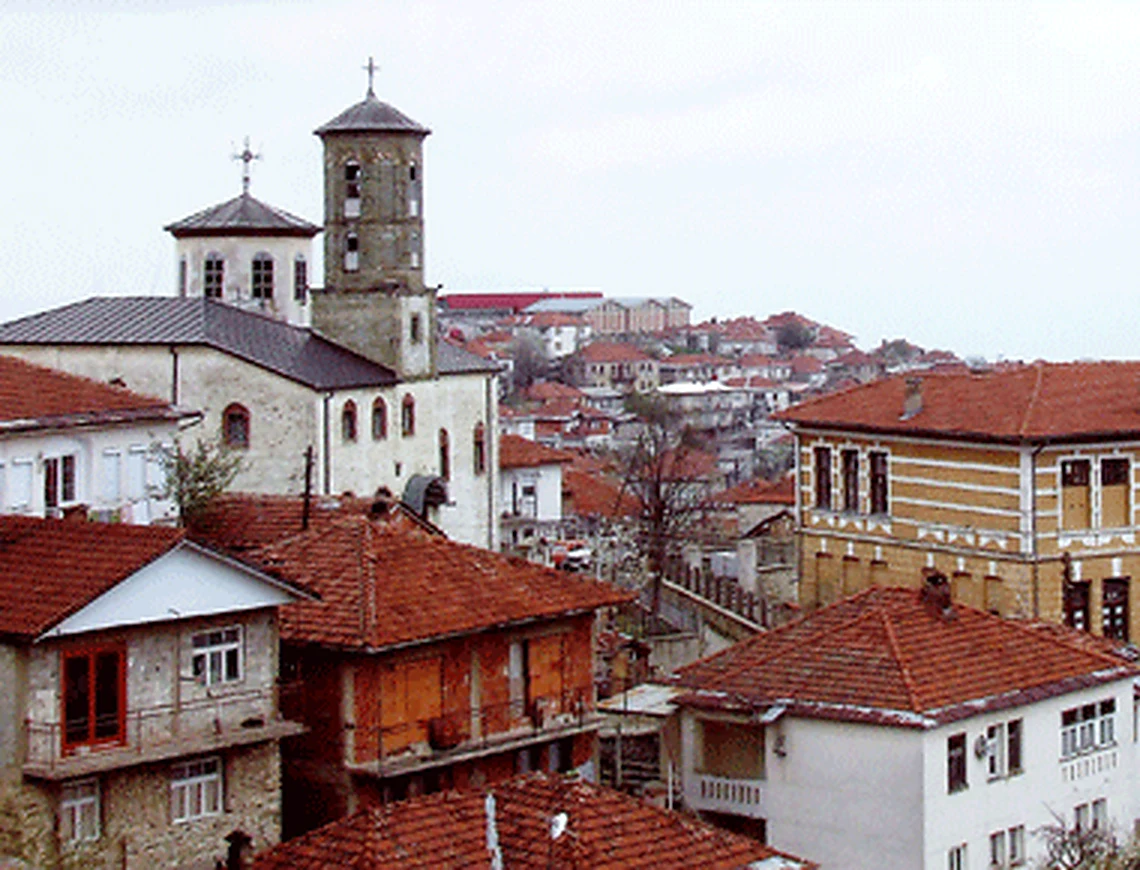
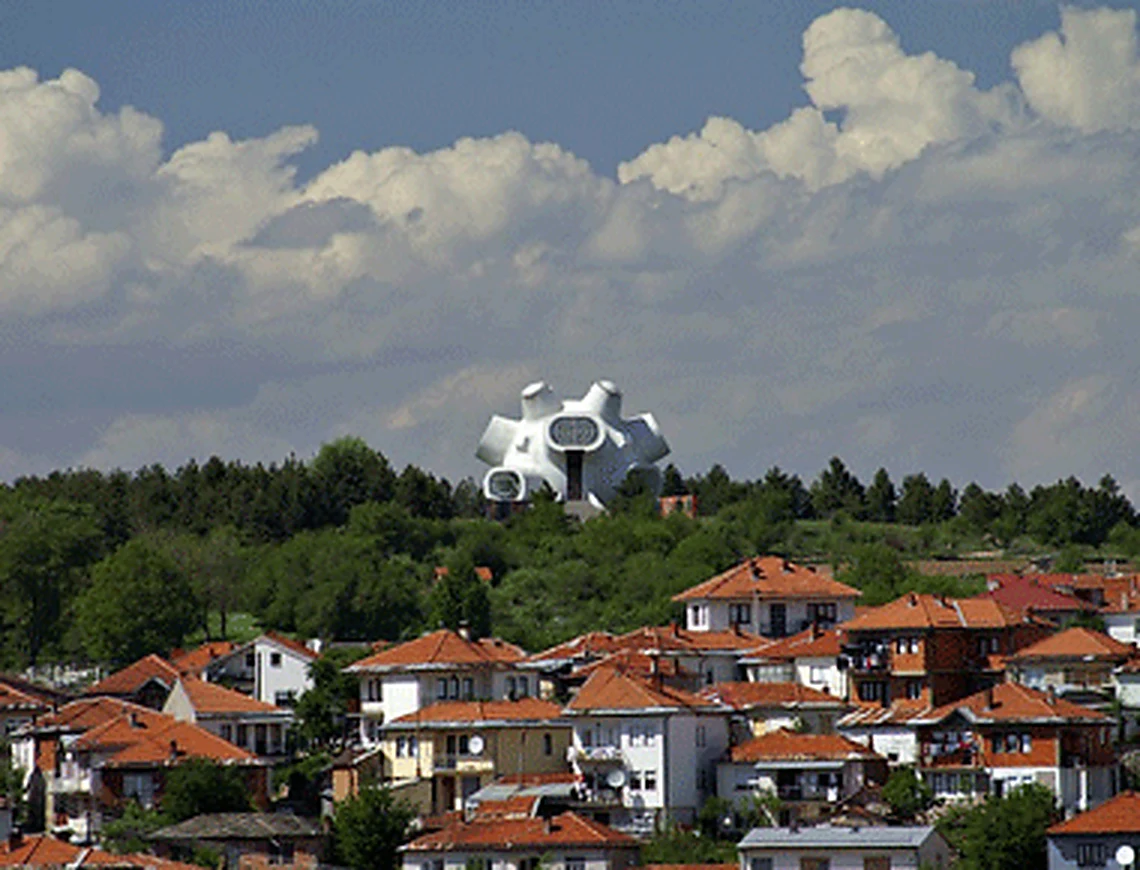
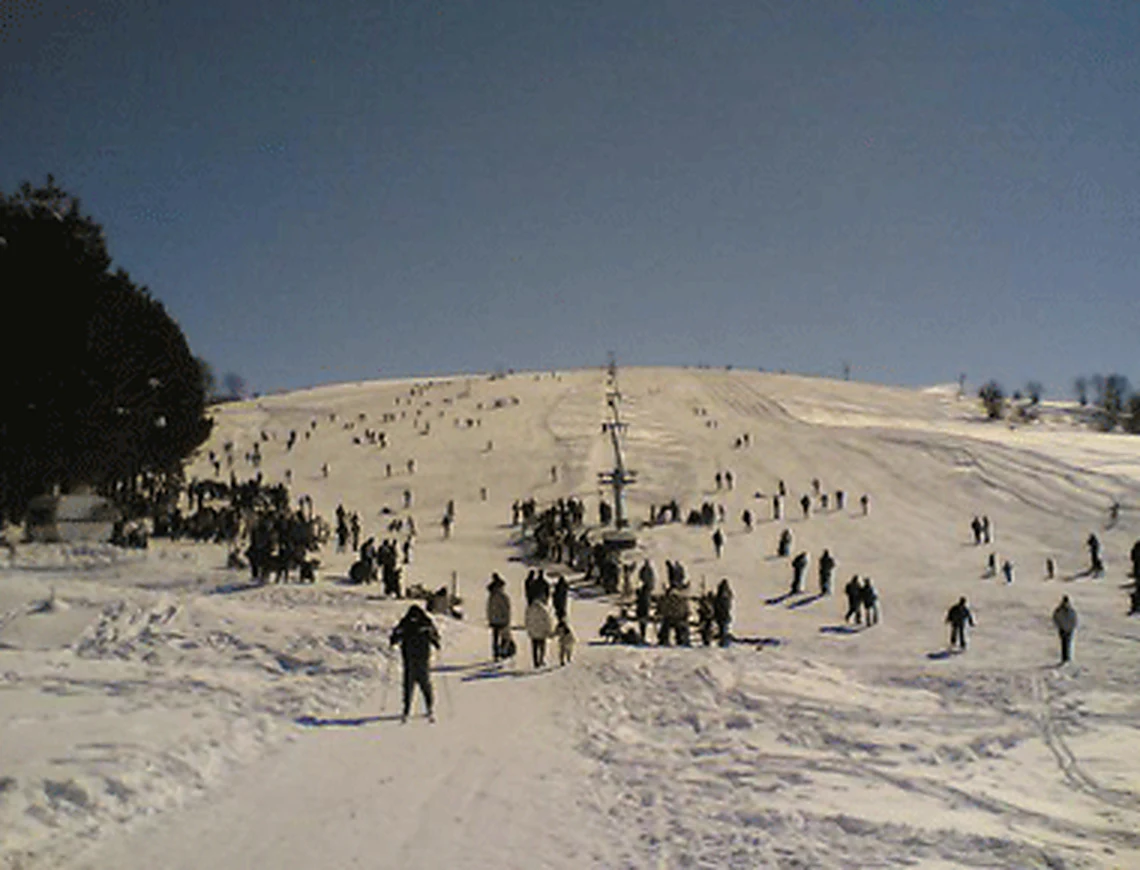
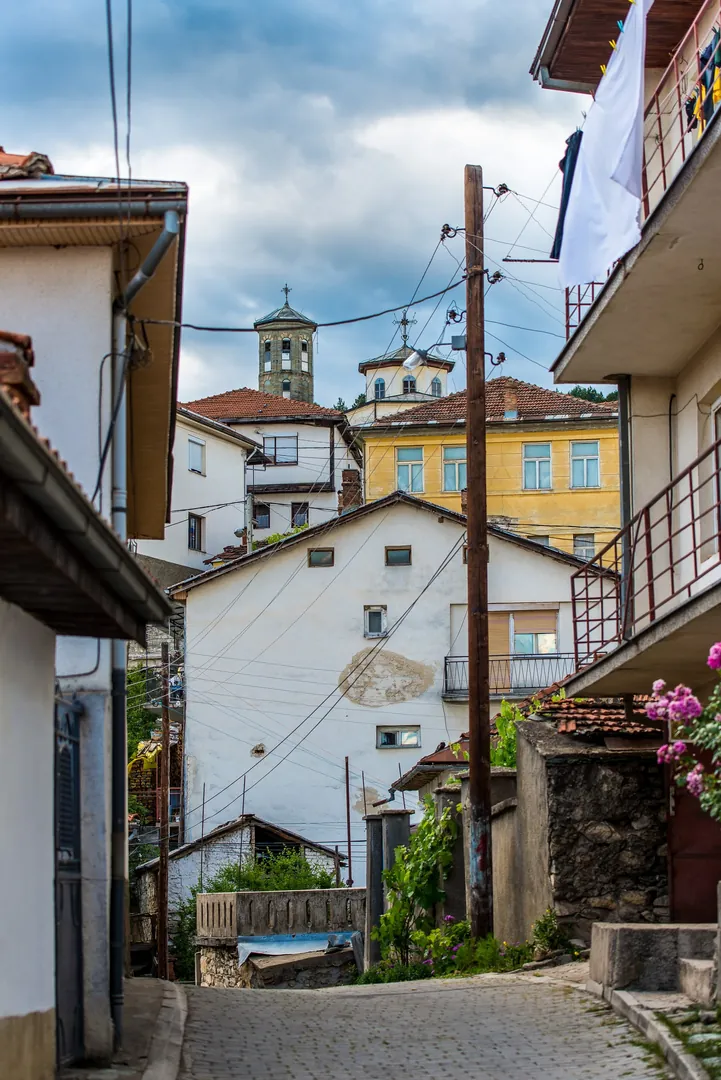
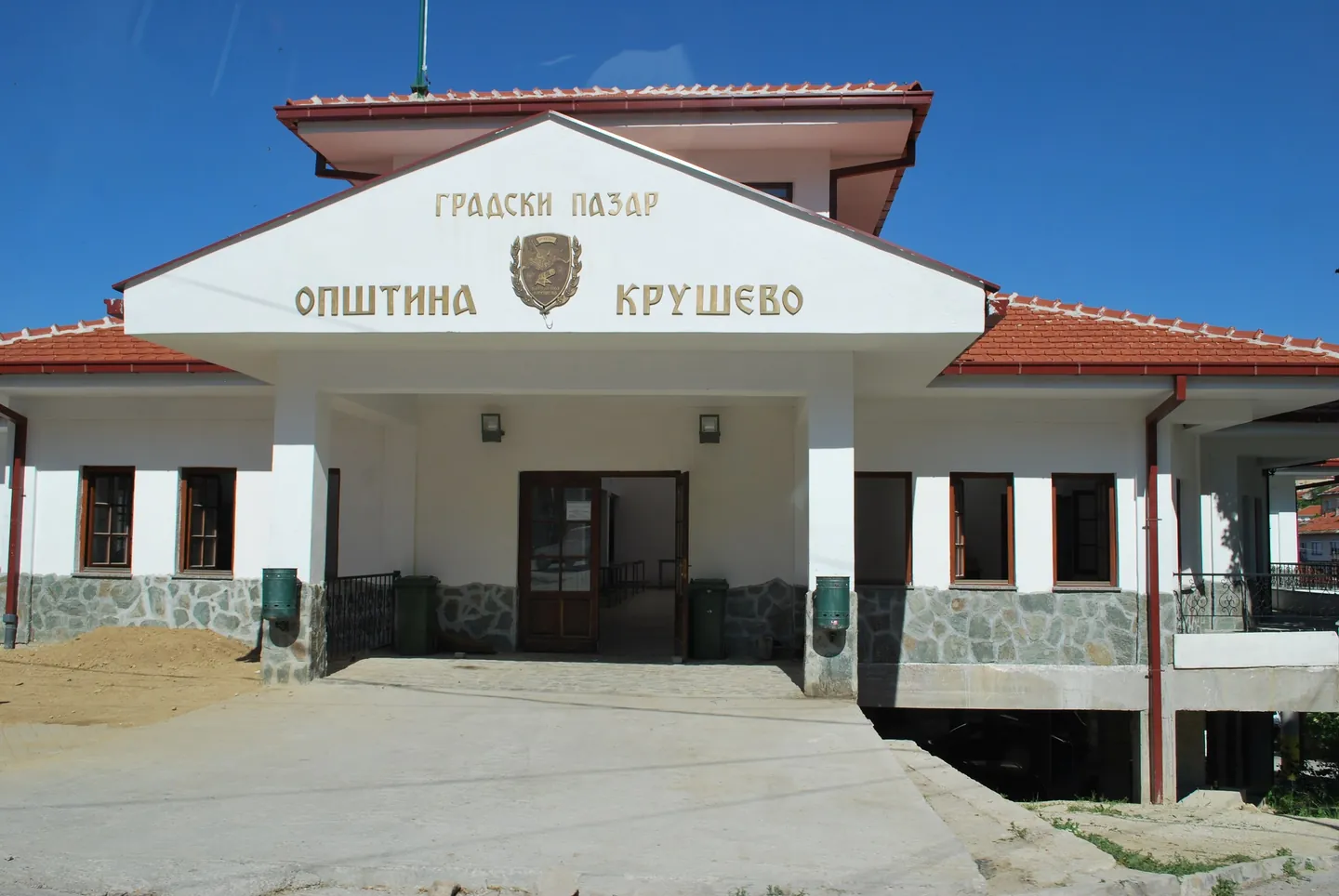
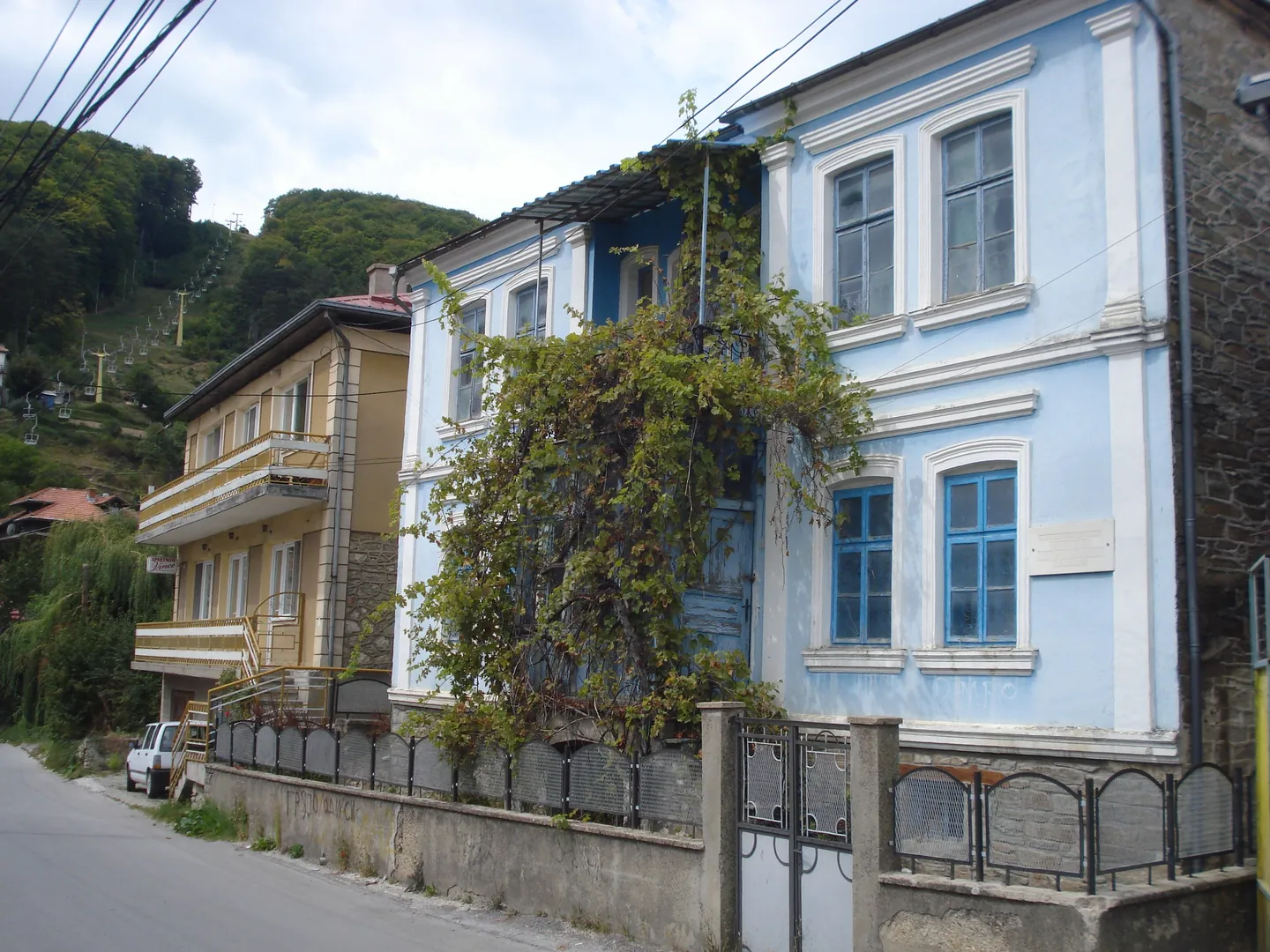
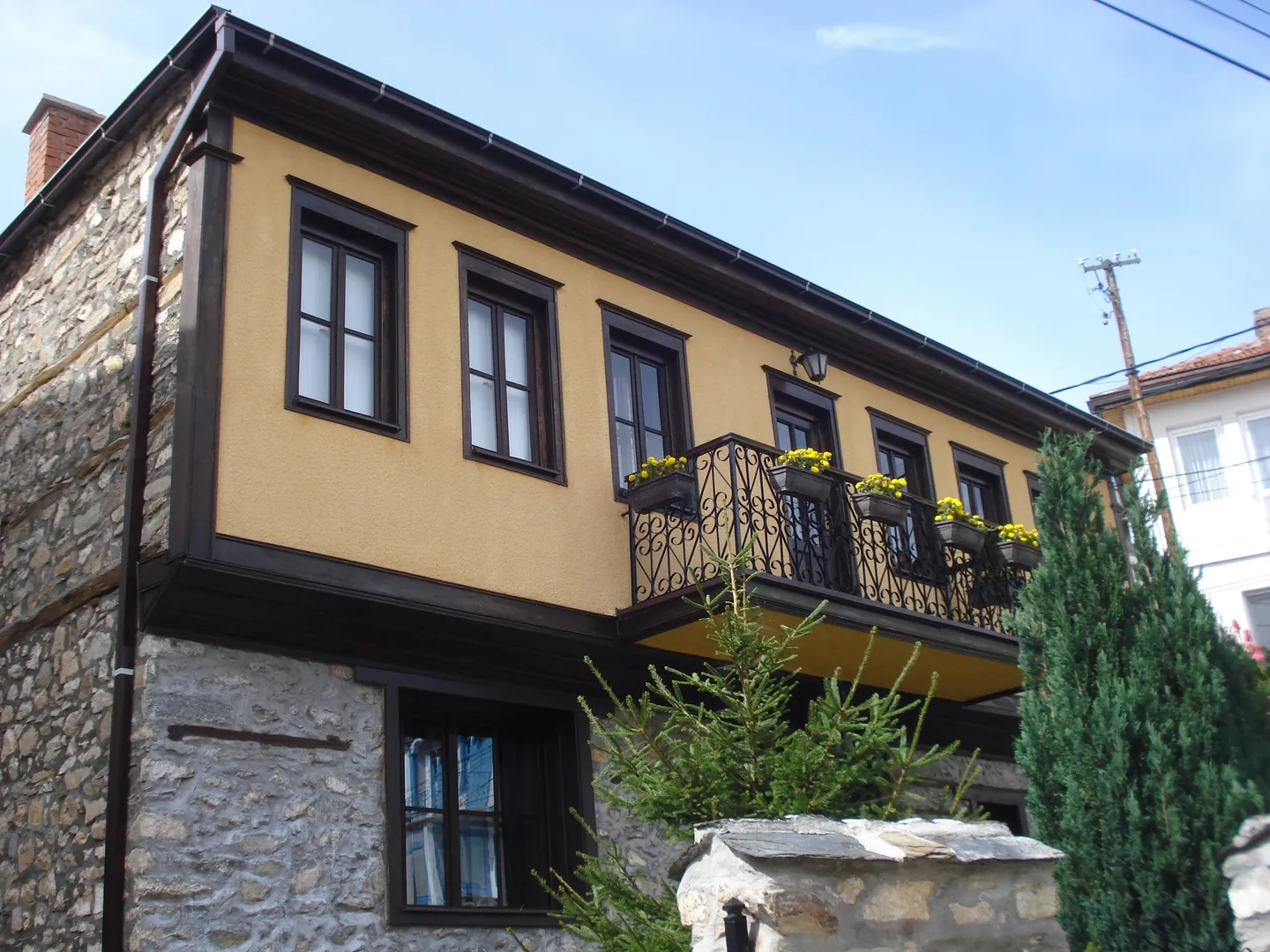
Photo credits
- Krushevo: a cobbled street between houses, with a church tower and a yellow building on the slope ahead. Photo: Milo van KovacevicCC BY 2.0Wikimedia Commons
- Krushevo: a white building with a red-tiled roof and stone base, its gable carrying Cyrillic lettering. Photo: RašoCC BY-SA 3.0Wikimedia Commons
- The birth house of Nikola Martinoski in Krushevo, a pale blue house with a wisteria-covered front behind a railing. Photo: george k. 1981CC BY-SA 2.0Wikimedia Commons
- Krushevo: a two-storey house with a stone ground floor, ochre upper storey, dark timber frames and a wrought-iron balcony. Photo: george k. 1981CC BY-SA 2.0Wikimedia Commons


