
Northeastern
Kratovo
Кратово
- Residents · 2021 census
- 5,401
- Old photographs
- 8
- Photographs
- 20
Stone bridges and tower houses in an old volcanic basin
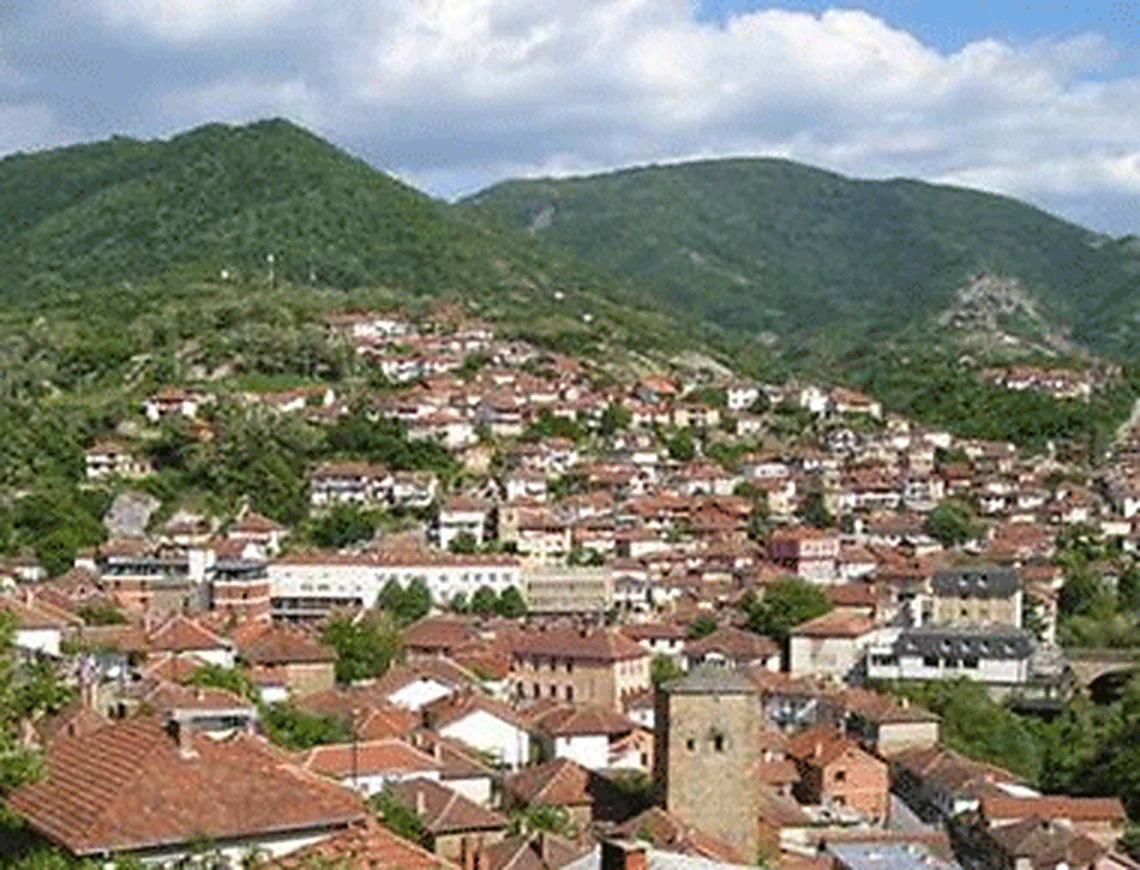
Kratovo is a compact northeastern town set in the narrow valleys of the Kratovska and Mancheva rivers, at the foot of the Osogovo Mountains. Its steep streets, volcanic rock and layered houses give it a form unlike the open-basin towns of North Macedonia.
Overview
City overview
Meet Kratovo.
A grounded introduction to the city, its landscape, people, history and wider municipality.
Kratovo is a compact northeastern town set in the narrow valleys of the Kratovska and Mancheva rivers, at the foot of the Osogovo Mountains. Its steep streets, volcanic rock and layered houses give it a form unlike the open-basin towns of North Macedonia.
Mining shaped Kratovo for centuries. Metal extraction in the wider Kratovo-Zletovo district reaches back to antiquity, while medieval miners, merchants and craftspeople helped create a prosperous town of stone bridges, fortified residential towers and workshops.
Ottoman-era trade sustained the town, but the Karposh Uprising of 1689 and later changes in mining accelerated decline. Limited twentieth-century expansion nevertheless preserved much of Kratovo's earlier scale and urban texture.
The municipality now combines the heritage town with 30 villages, volcanic landscapes and archaeological sites. Kuklica's earth pillars and the rock-and-archaeology landscape around Konjuh broaden the destination beyond the historic centre.
At a glance
Useful facts, in one place.
Settlement and municipality figures are kept distinct wherever sources permit.
- Municipality
- Kratovo Municipality
- City population
- 5,401
- Municipality population
- 7,545
- Population year
- 2021
- Municipal area
- 375.44 km²
- Elevation
- 600 m
- Approx. road distance from Skopje
- 94 km
- Postal code
- 1360
- Climate
- Cool temperate upland climate with continental influence; winters are cold and summers are generally warm but moderated by elevation.
- Sports teams
- FK Sileks Kratovo
- Culture
-
- The old centre is defined by stone bridges, surviving defensive-residential towers and hillside houses.
- Kratovo was an important medieval and early-modern mining and manuscript centre.
- Saint George of Kratovo, a goldsmith martyred in Sofia in 1515, is commemorated as a saint from Kratovo.
- Population snapshot
- 5,401 city residents and 7,545 municipality residents in the 2021 census; 2,144 lived outside the city settlement.
- Statistical region
- Northeastern
- Settlements
- 31
- Villages
- 30
Known for
The city's signature.
Landmarks, foods, landscapes and traditions that give Kratovo its character.
- Medieval defensive and residential towers
- Stone bridges spanning steep river ravines
- A long history of silver and copper mining
- Kuklica's volcanic earth pillars
- Traditional hillside architecture
Geography
Geography
Land shapes the city.
Terrain, waterways, climate and transport explain why Kratovo grew where it did.
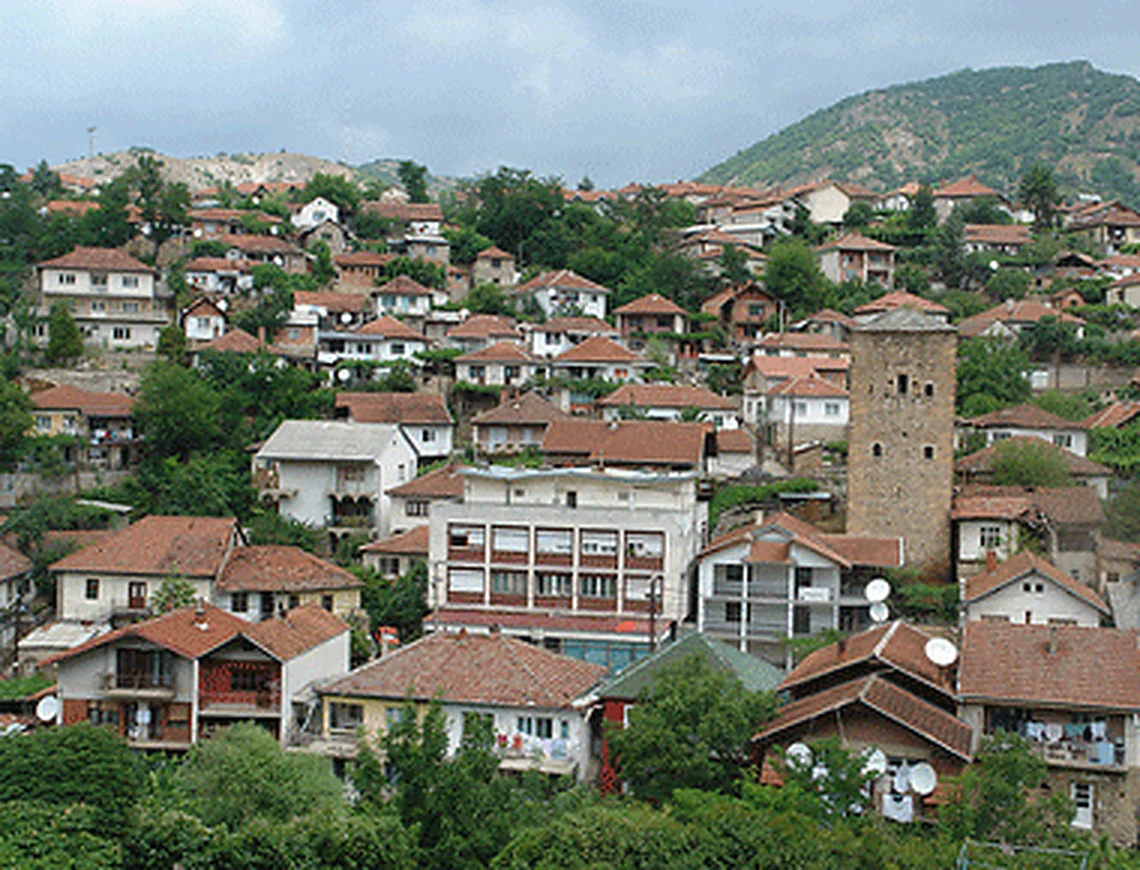
Kratovo is folded into a steep volcanic landscape at the southwestern foot of the Osogovo Mountains. The town occupies the narrow valleys of the Kratovska and Mančeva rivers, where houses climb the slopes in tiers and stone bridges stitch the neighbourhoods together. Volcanic rocks, ravines and mineral deposits give the setting a character unlike the open basins of most Macedonian towns.
Roads connect Kratovo with Kumanovo, Kriva Palanka and Probištip, but the historic centre remains compact enough to explore on foot. Beyond it, the same ancient volcanic terrain produced the earth pillars at Kuklica and the unusual rock formations around Cocev Kamen. Mining landscapes and forested hills continue east toward Osogovo.
History
History
A concise, rewritten account.
Written afresh from cross-checked municipal, archaeological, heritage and institutional sources—not copied website text.
Kratovo's fortunes were built on metal. Mining in the surrounding volcanic district reaches back to antiquity, while medieval rulers drew silver, copper and other ores from the area. By the late Middle Ages miners and merchants—including Saxon specialists known locally as Sasi and trading families from Dubrovnik—helped create a prosperous fortified town. Stone residential towers protected wealth and families in an unsettled age.
Mining and trade continued under Ottoman rule. Bridges, workshops, churches and dense hillside houses grew around the rivers, giving Kratovo its present urban form. The Karpoš Uprising of 1689 and the violence that followed accelerated a long decline, while later changes in mining technology shifted production away from the old centre.
Because twentieth-century expansion was limited, much of the earlier scale survived. Six major towers, several arched bridges and traditional houses now make Kratovo feel like a town-sized historical ensemble rather than a collection of isolated monuments. Its challenge is the other side of that preservation: population loss and the continuing care required by old masonry buildings.
The preserved legacy narrative
Open the preserved legacy narrative
During the rule of Serbian nobles after 1282, Kratovo developed into a mining centre. Its rise was supported by experienced Saxon miners—whether from Saxony itself or, as some accounts suggest, from Flanders—who came to reopen and work the mines. Kratovo's importance is also reflected in an account of Sultan Murad: while travelling with his army towards Kosovo, he reportedly stopped in order to visit the already renowned town of gold and silver.
Mining continued until Karposh's Uprising in 1689, when the town was devastated and the mines were closed. Ali-Beg Majdemdzija leased the mines in 1805 and operations resumed. The traveller Ami Boué wrote that the town had 56,000 inhabitants in 1836, an exceptionally high figure that should be understood as his reported estimate. By the end of the nineteenth century Kratovo had declined rapidly, and its once-celebrated bazaar, filled with goldsmiths' and silversmiths' shops, fell into decay.
Profile sources (17)
- en.wikipedia.org/wiki/Kratovo,_North_Macedonia
- opstinakratovo.gov.mk
- en.wikipedia.org/wiki/George_of_Kratovo
- en.wikipedia.org/wiki/Pavel_Shatev
- stat.gov.mk/Aktivnosti.aspx?rbra=331
- portal.mdt.gov.mk/post-body-files/opstini-vo-republika-severna-makedonija-file-TKNx.pdf
- northeastregion.gov.mk/region/opstini
- religija.mk/kratovo-vlozuva-vo-manastirski-turizam
- ceeol.com/search/article-detail?id=1275904
- makstat.stat.gov.mk/PXWeb/pxweb/en/MakStat/MakStat__Popisi__Popis2021__NaselenieVkupno__PodatociNaselenie/T1501P21.px
- en.macedonism.org/Macedonian-Encyclopedia/shatev-pavel
- srpskaenciklopedija.rs/books/slovo-g/page/georgije-kratovac
- national-football-teams.com/player/40704/Martin_Bogatinov.html
- sport.de/fussball/pe8126/aleksandar-vasoski
- pbf.edu.mk/wp-content/uploads/2017/07/The-Thousand-Year-Spiritual-Tradition-of-Lesnovo-Monastery-in-Mac.pdf
- krivapalanka.gov.mk/atrakcii/manastirski-kompleks-sveti-joakim-osogovski
- northmacedonia-timeless.com/eng/things_to_do/senses/touch/culture-history/museums/the_kratovocitymuseum
Interesting Facts
Interesting facts
Details worth remembering.
Local landmarks, customs, foods and historical details that reward a closer look at Kratovo.
-
A town in volcanic terrain
Kratovo's historic core occupies deeply cut valleys in an extinct volcanic landscape, a setting that helped determine its bridges, towers and tiered street pattern.
-
Thirty municipal villages
The municipality contains the town and 30 officially listed villages spread across 375.44 square kilometres.
-
Kuklica's earth pillars
The Stone Dolls at Kuklica are a field of naturally eroded volcanic pillars and one of the municipality's best-known natural landmarks.
-
A literary centre
Kratovo supported a notable Church Slavonic manuscript tradition; Deacon Dimitar of Kratovo completed an important translation and original epilogue in 1466.
-
Towers and bridges
Kratovo is nationally noted for its surviving medieval towers and arched stone bridges, remnants of a wealthy mining town.
-
A local monastic retreat
The Saint Petka monastery at the mountain village of Kavrak has restored guest quarters and is part of local efforts to develop religious tourism.
People
Celebrities
Lives linked to the city.
Writers, musicians, artists, athletes, public figures and historical personalities with a clearly stated connection to Kratovo.
- Notable person Saint George of Kratovo Early sixteenth-century goldsmith from Kratovo, burnt in Sofia in 1515 and remembered as an Orthodox new martyr.
- Notable person Pavel Shatev Kratovo-born revolutionary, lawyer and later justice minister in the first post-war Macedonian government.
-
Pavel Shatev public life
Born in Kratovo.
Revolutionary, lawyer and member of the first post-war Macedonian government.
Source -
Saint George of Kratovo religion
Born in Kratovo in the late fifteenth century.
Early sixteenth-century goldsmith from Kratovo, burnt in Sofia in 1515 and remembered as an Orthodox new martyr.
Source -
Dimitar of Kratovo literature
Active in and identified with Kratovo; his 1466 manuscript epilogue names his home town.
Fifteenth-century deacon, writer, translator and lexicographer associated with the Kratovo literary school.
Source -
Martin Bogatinov sport
Born in Kratovo and began his senior career with FK Sileks.
Former international football goalkeeper with a long club career in North Macedonia, Ukraine, Romania and Cyprus.
Source -
Aleksandar Vasoski sport
Played for Vardar, Cementarnica and Eintracht Frankfurt and later became manager of FK Sileks; born in Skopje.
Former international defender and football coach.
Source -
Karposh history
The uprising spread through and briefly controlled the Kratovo area; this is a historical association, not a birth claim.
Leader of the 1689 anti-Ottoman uprising in northeastern Macedonia.
Source
Villages & Monasteries
Villages
The wider municipality.
Every verified village and rural settlement in the current municipal scope, followed by known monasteries in the surrounding cultural landscape.
30 villages and rural settlements are included.
- Blizanci Officially listed rural settlement in Kratovo Municipality. Source
- Vakuf Officially listed rural settlement in Kratovo Municipality. Source
- Gorno Kratovo Upland village above the municipal centre. Source
- Dimonce Officially listed rural settlement in Kratovo Municipality. Source
- Emirica Officially listed rural settlement in Kratovo Municipality. Source
- Zheleznica Officially listed rural settlement in Kratovo Municipality. Source
- Zhivalevo Officially listed rural settlement in Kratovo Municipality. Source
- Kavrak Mountain village associated with the Saint Petka monastery. Source
- Ketenovo Officially listed rural settlement in Kratovo Municipality. Source
- Knezhevo Officially listed rural settlement in Kratovo Municipality. Source
- Kojkovo Officially listed rural settlement in Kratovo Municipality. Source
- Konjuh Village in the archaeological and volcanic-rock landscape around Cocev Kamen. Source
- Krilatica Officially listed rural settlement in Kratovo Municipality. Source
- Kuklica Village beside the celebrated Stone Dolls earth-pillar formation. Source
- Kunovo Officially listed rural settlement in Kratovo Municipality. Source
- Lukovo Officially listed rural settlement in Kratovo Municipality. Source
- Mushkovo Officially listed rural settlement in Kratovo Municipality. Source
- Nezhilovo Officially listed rural settlement in Kratovo Municipality. Source
- Pendak Officially listed rural settlement in Kratovo Municipality. Source
- Prikovci Officially listed rural settlement in Kratovo Municipality. Source
- Sekulica Officially listed rural settlement in Kratovo Municipality. Source
- Stracin Officially listed rural settlement in Kratovo Municipality. Source
- Talashmance Officially listed rural settlement in Kratovo Municipality. Source
- Tatomir Officially listed rural settlement in Kratovo Municipality. Source
- Topolovik Officially listed rural settlement in Kratovo Municipality. Source
- Trnovac Officially listed rural settlement in Kratovo Municipality. Source
- Turalevo Officially listed rural settlement in Kratovo Municipality. Source
- Filipovci Officially listed rural settlement in Kratovo Municipality. Source
- Shlegovo Officially listed rural settlement in Kratovo Municipality. Source
- Shopsko Rudare Village whose name reflects the wider district's mining tradition. Source
Monasteries nearby
Places of continuity.
Verified monastic sites within the municipality or its immediate cultural landscape.
-
Saint Petka Monastery
Kavrak, Kratovo Municipality
Mountain monastery with restored guest quarters, documented in local religious-tourism reporting.
Source -
Lesnovo Monastery of Saint Gabriel
Lesnovo, neighbouring Probishtip Municipality
Major fourteenth-century monastic and artistic complex in Kratovo's immediate regional circuit; explicitly outside Kratovo Municipality.
Source -
Saint Joakim Osogovski Monastery
Near Kriva Palanka, about 30 km from Kratovo
Large Osogovo monastic complex commonly paired with Kratovo on regional heritage routes; outside Kratovo Municipality.
Source
Old Photos (8)
Old Photos
The rare collection.
Every surviving full-size historical file is included, including originals that the old page markup accidentally omitted. Family-preserved originals remain untouched.
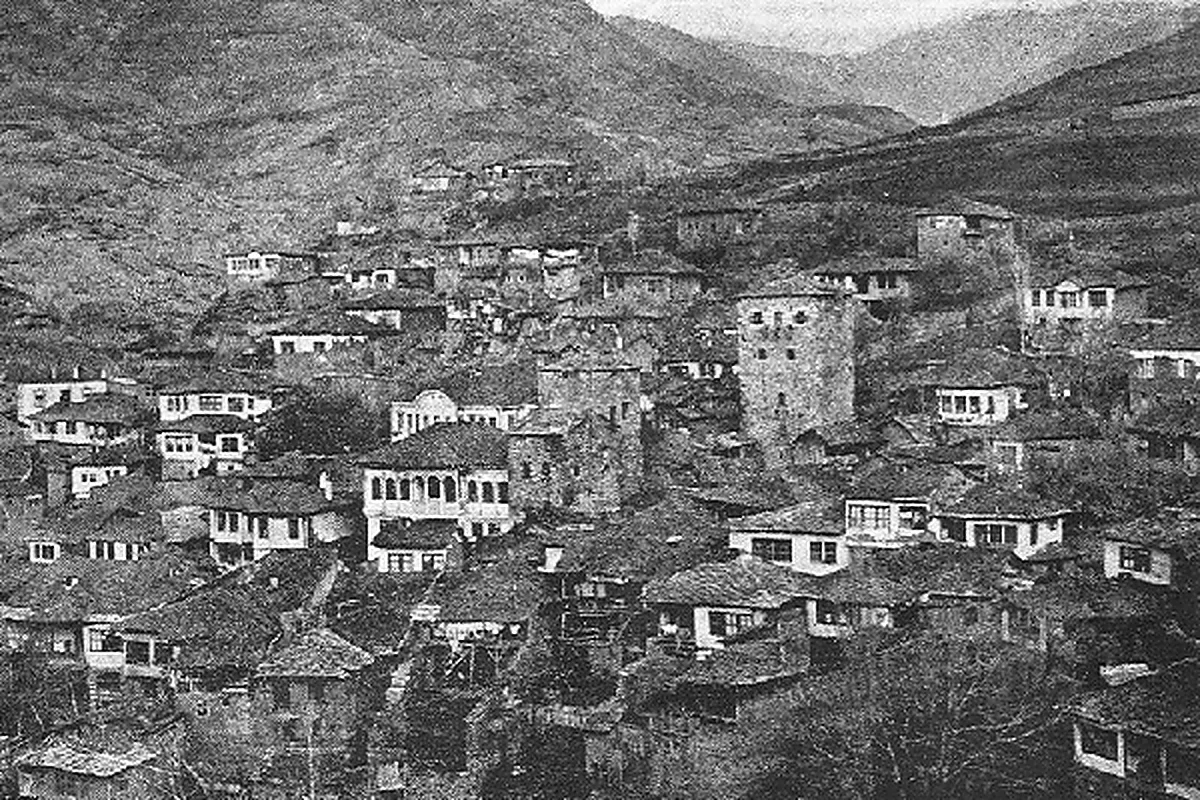
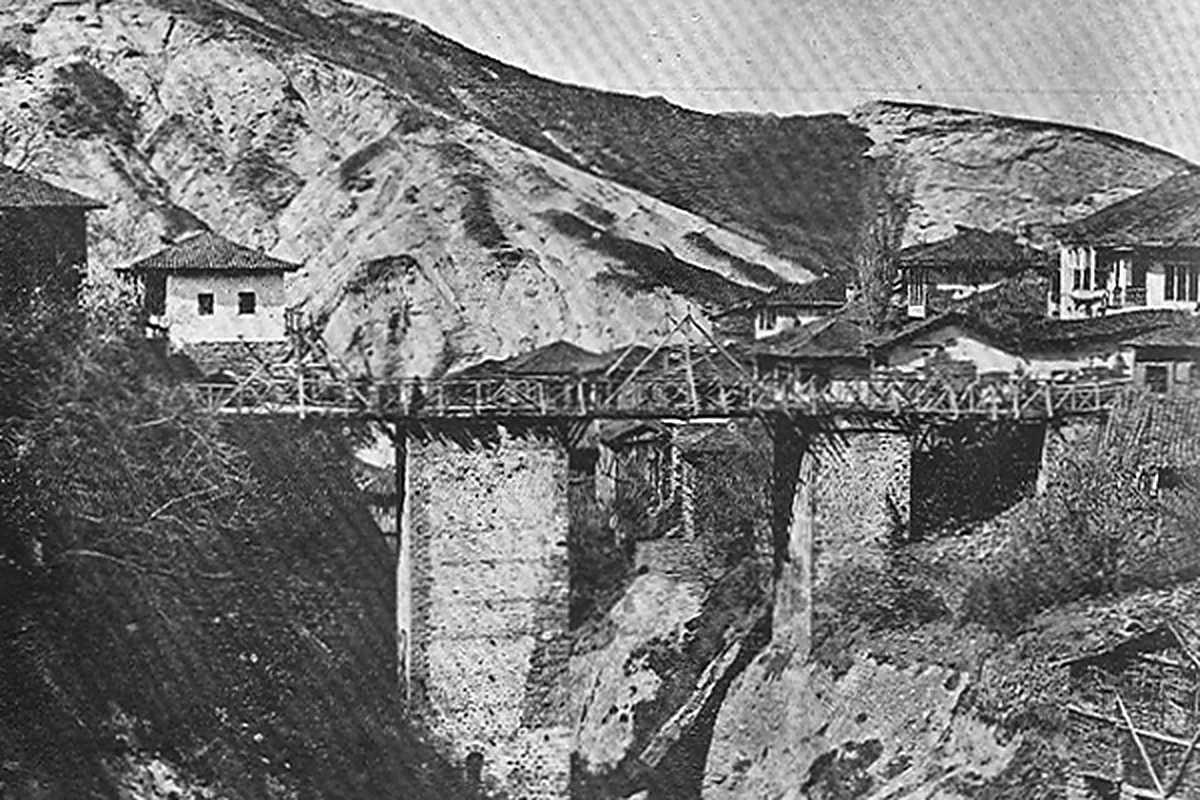
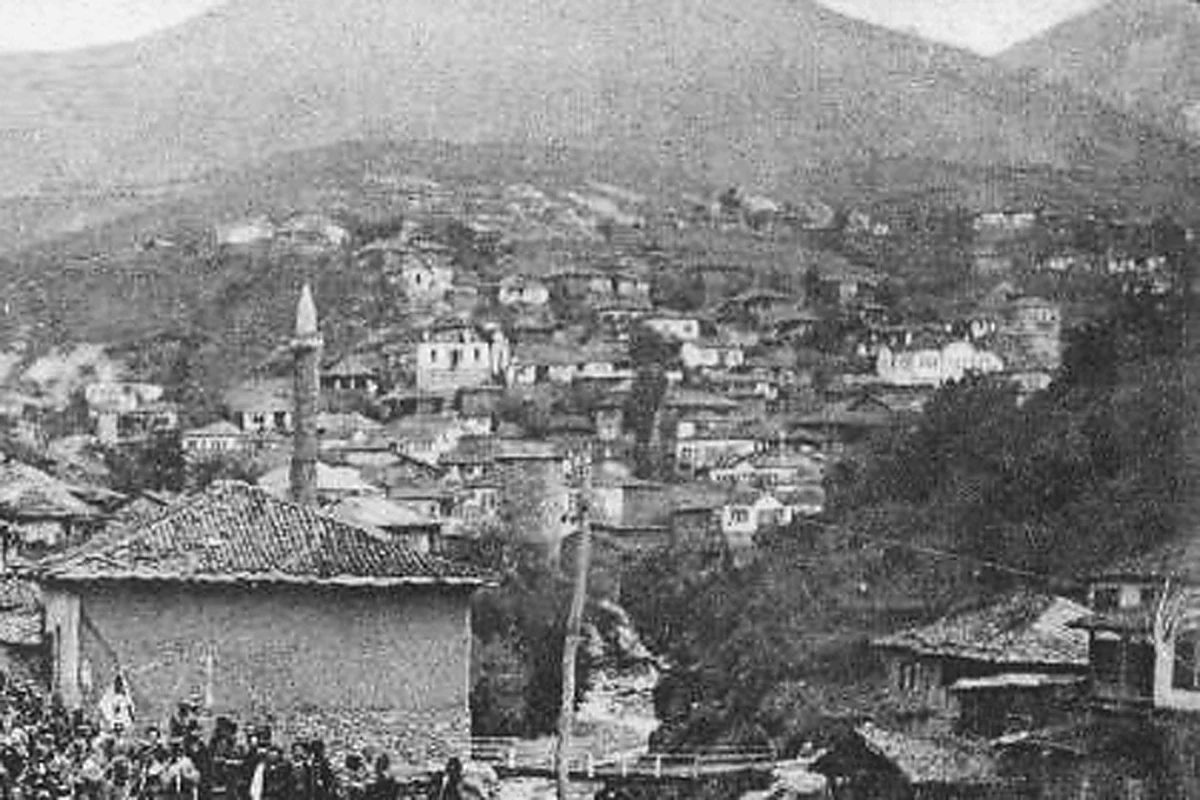
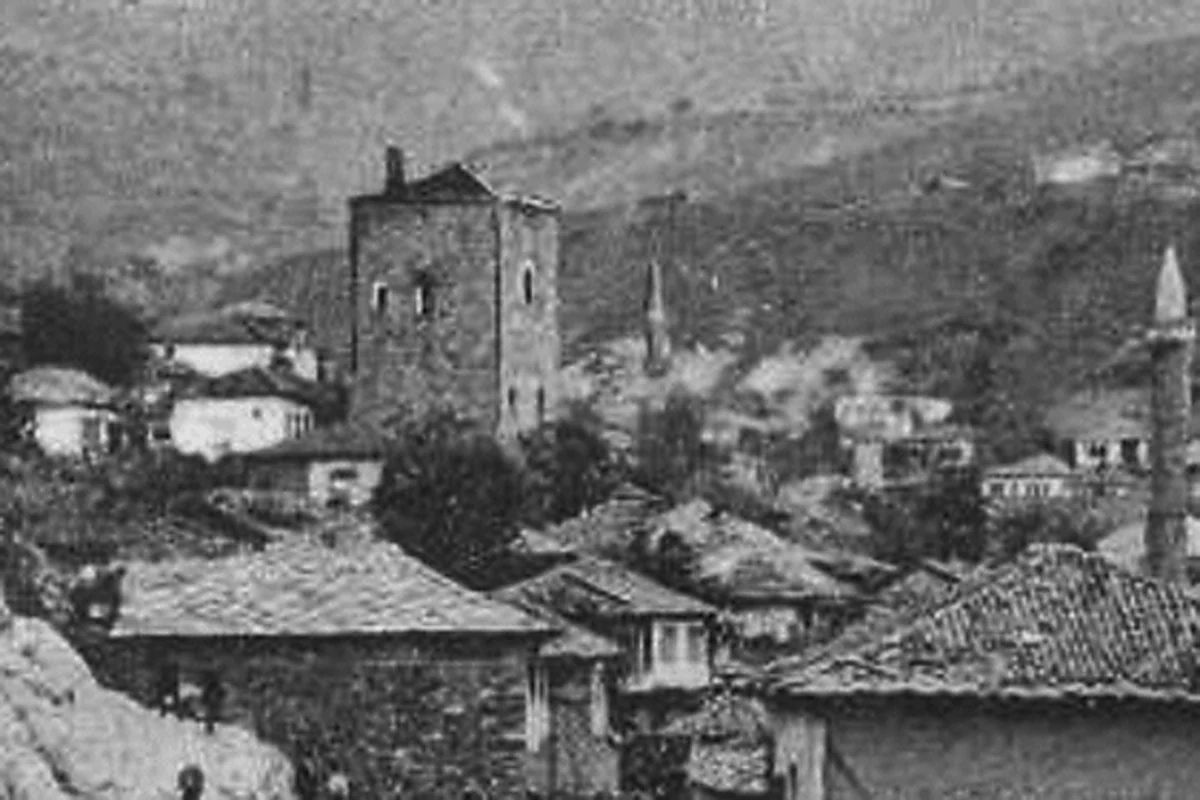
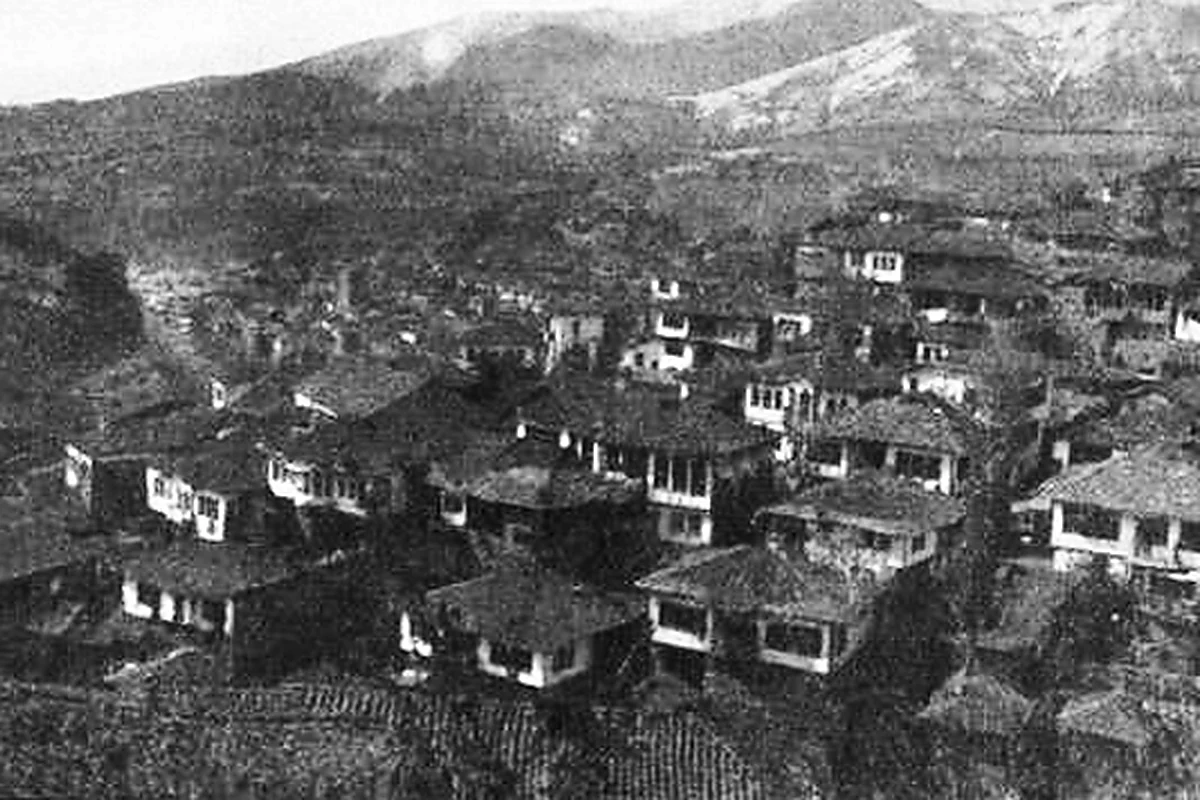
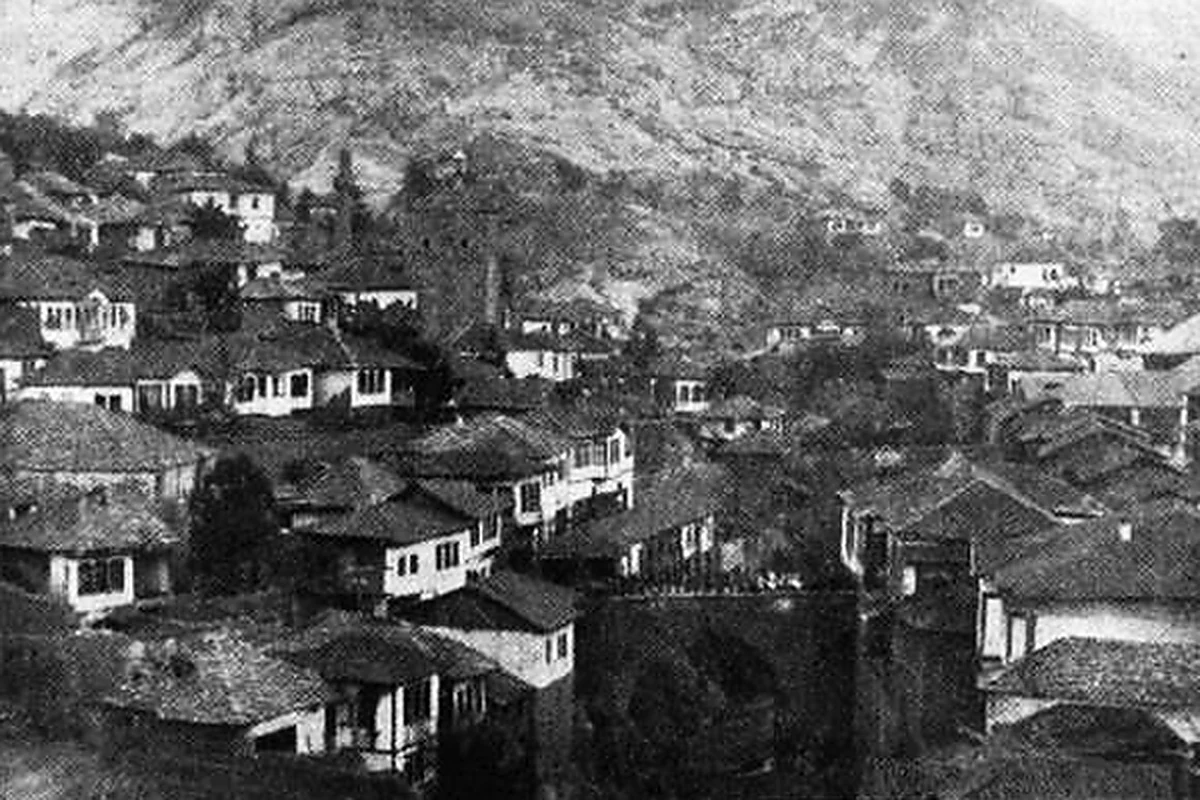
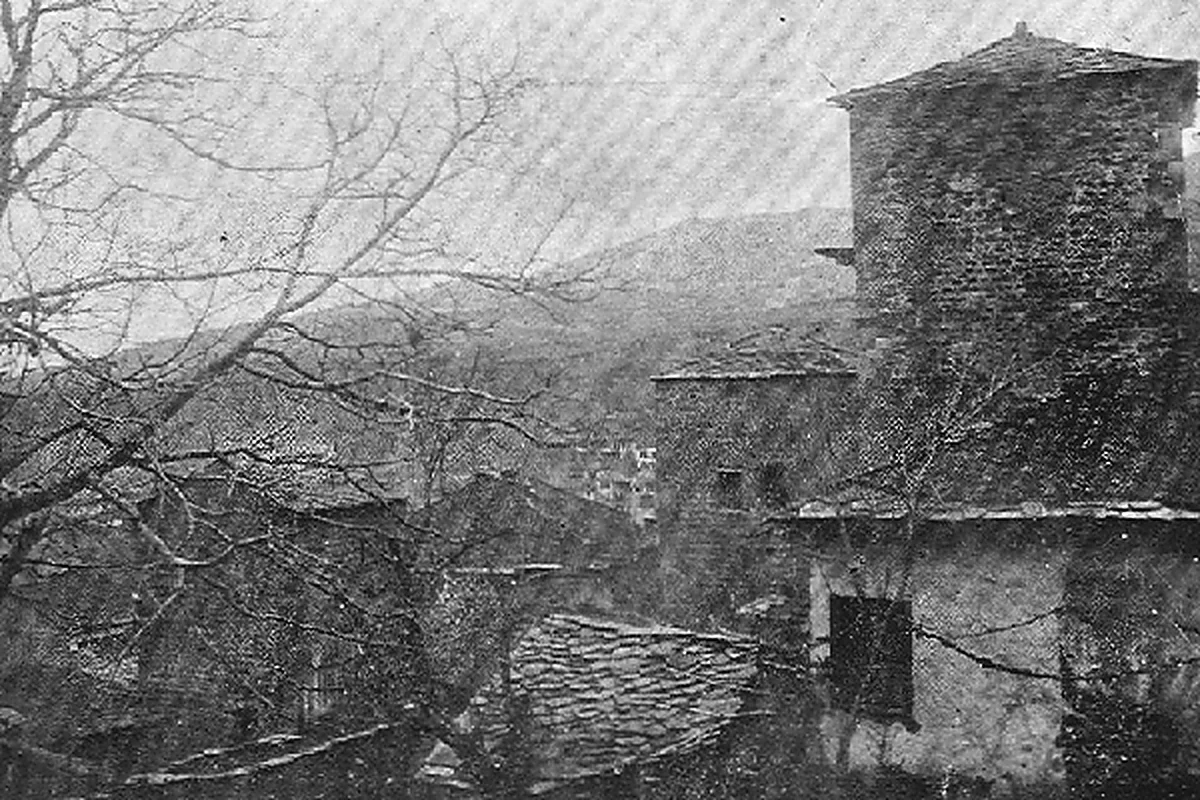
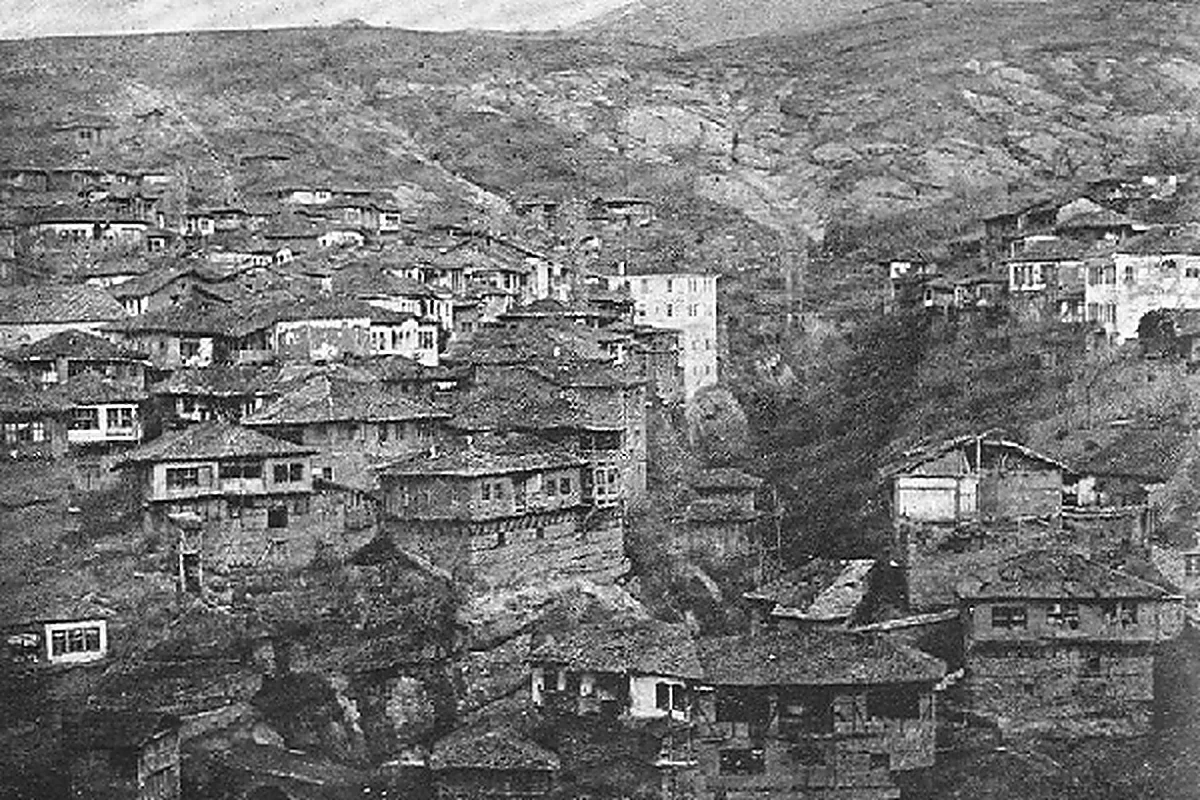
Photo Gallery (20)
Photo Gallery
Kratovo, frame by frame.
A responsive family gallery, including city views recovered from the old rotating banner system.
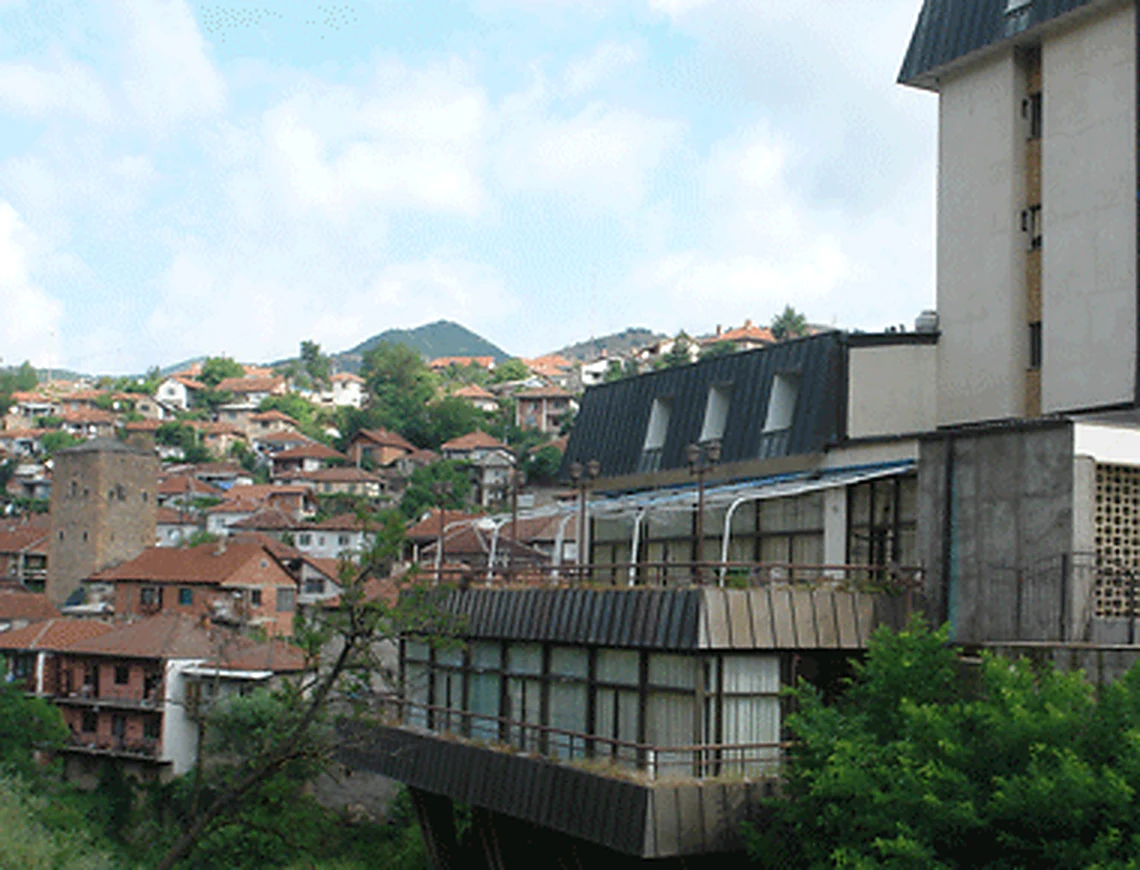
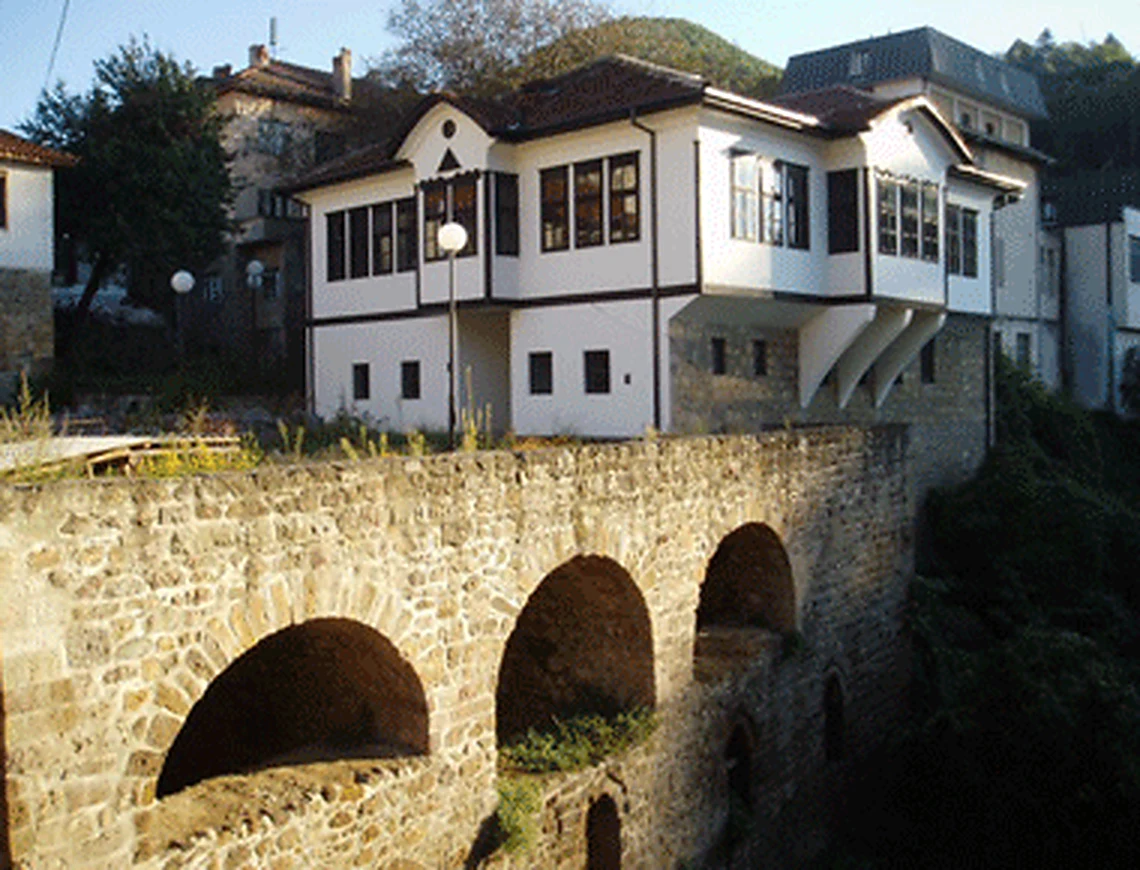
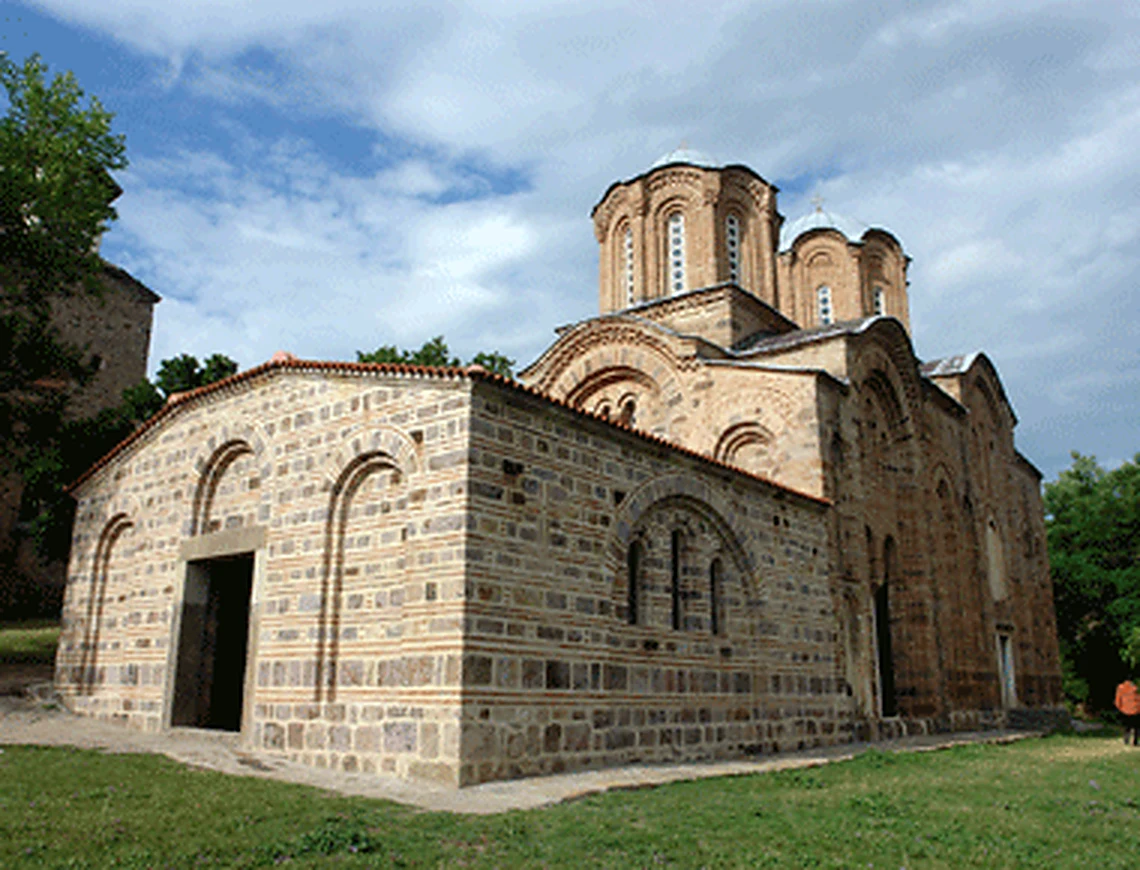
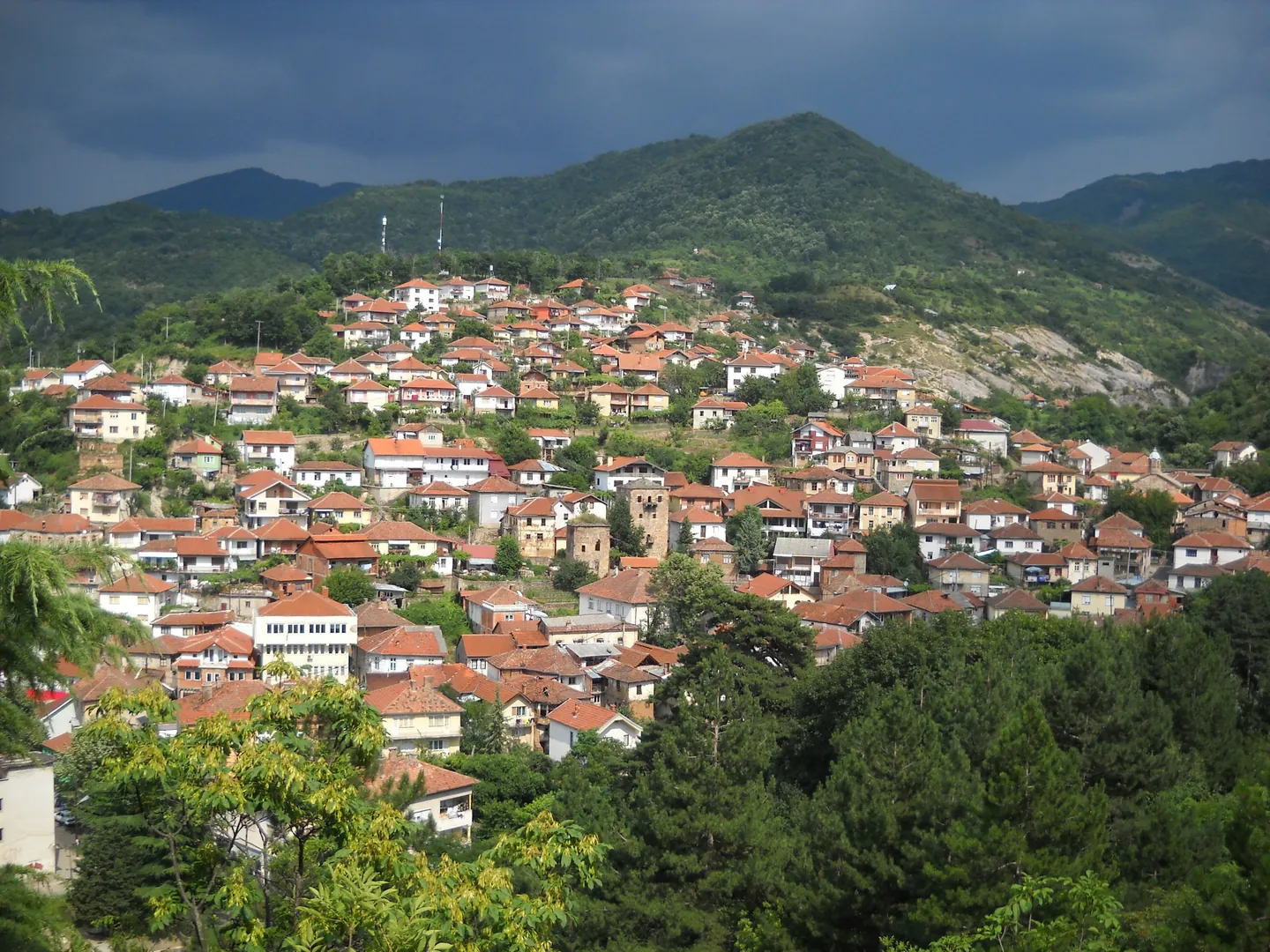
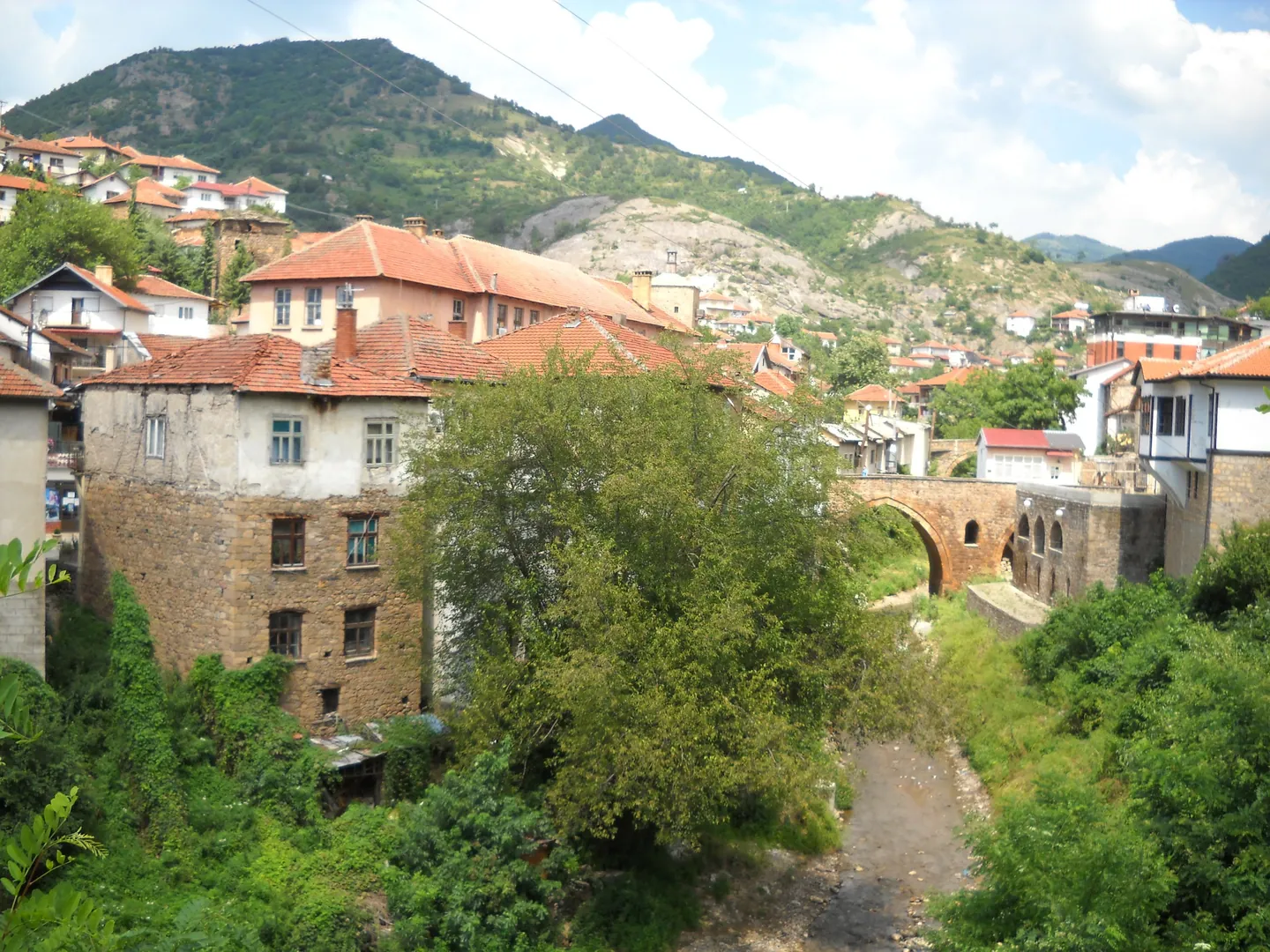
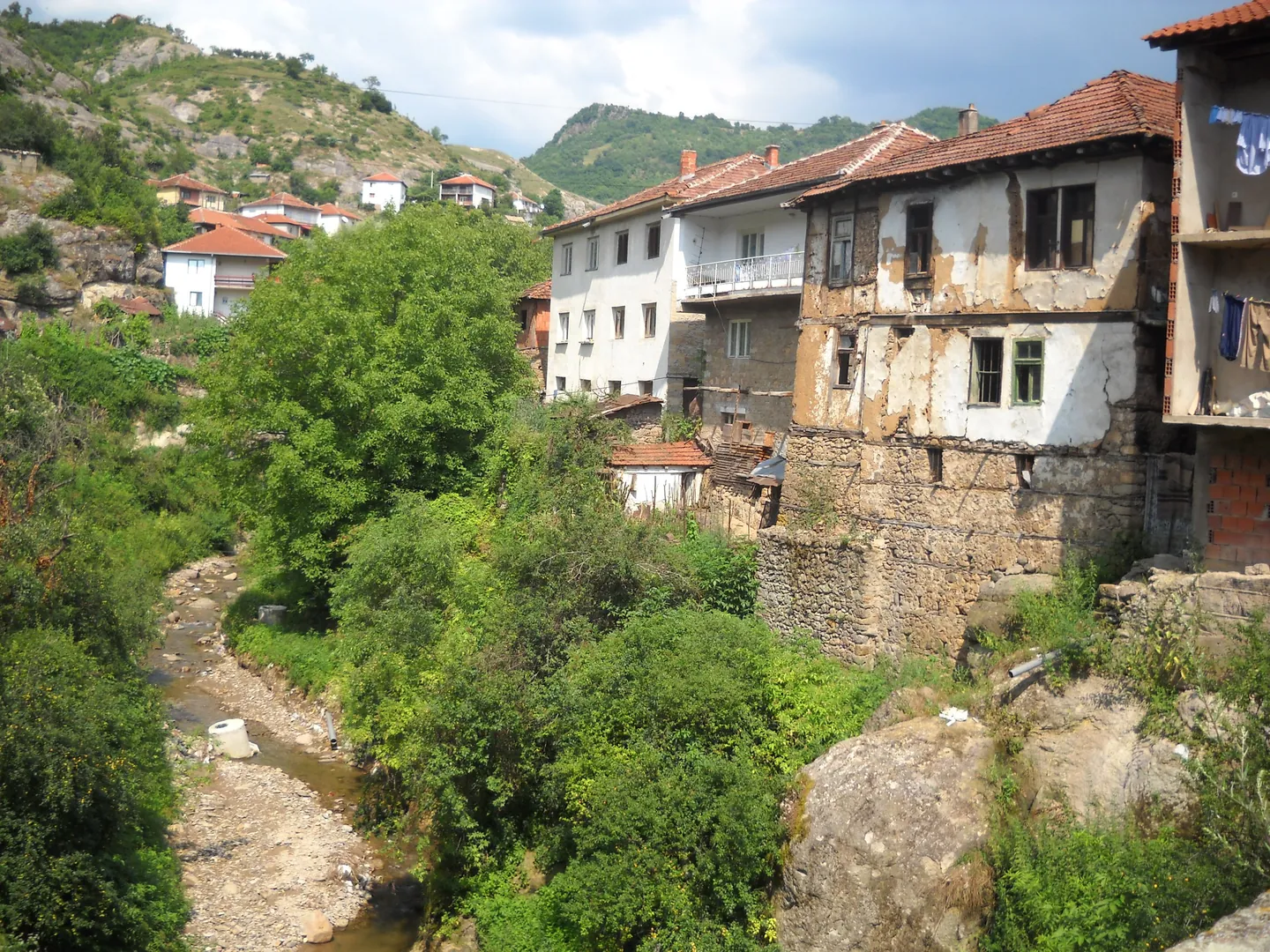
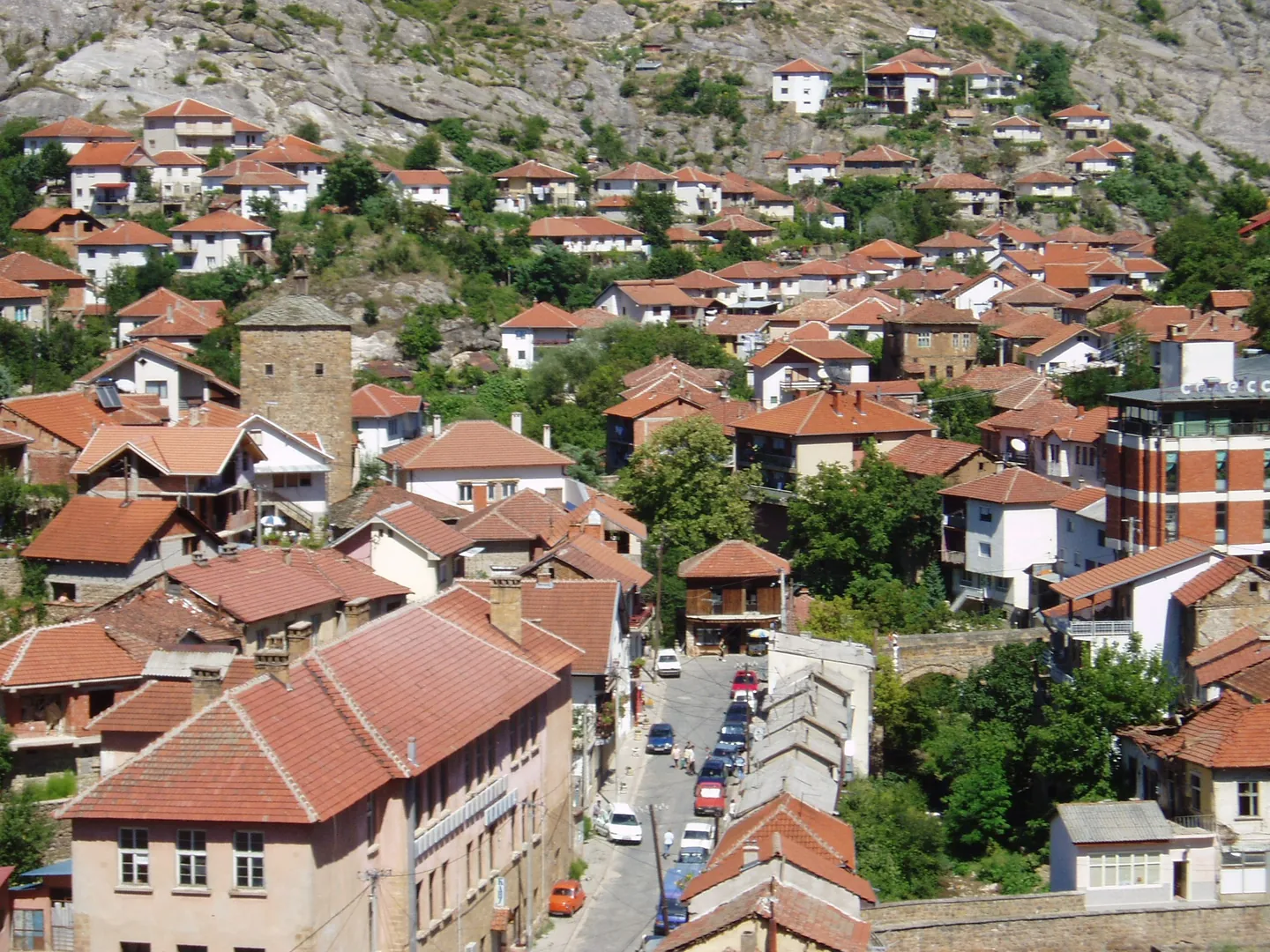
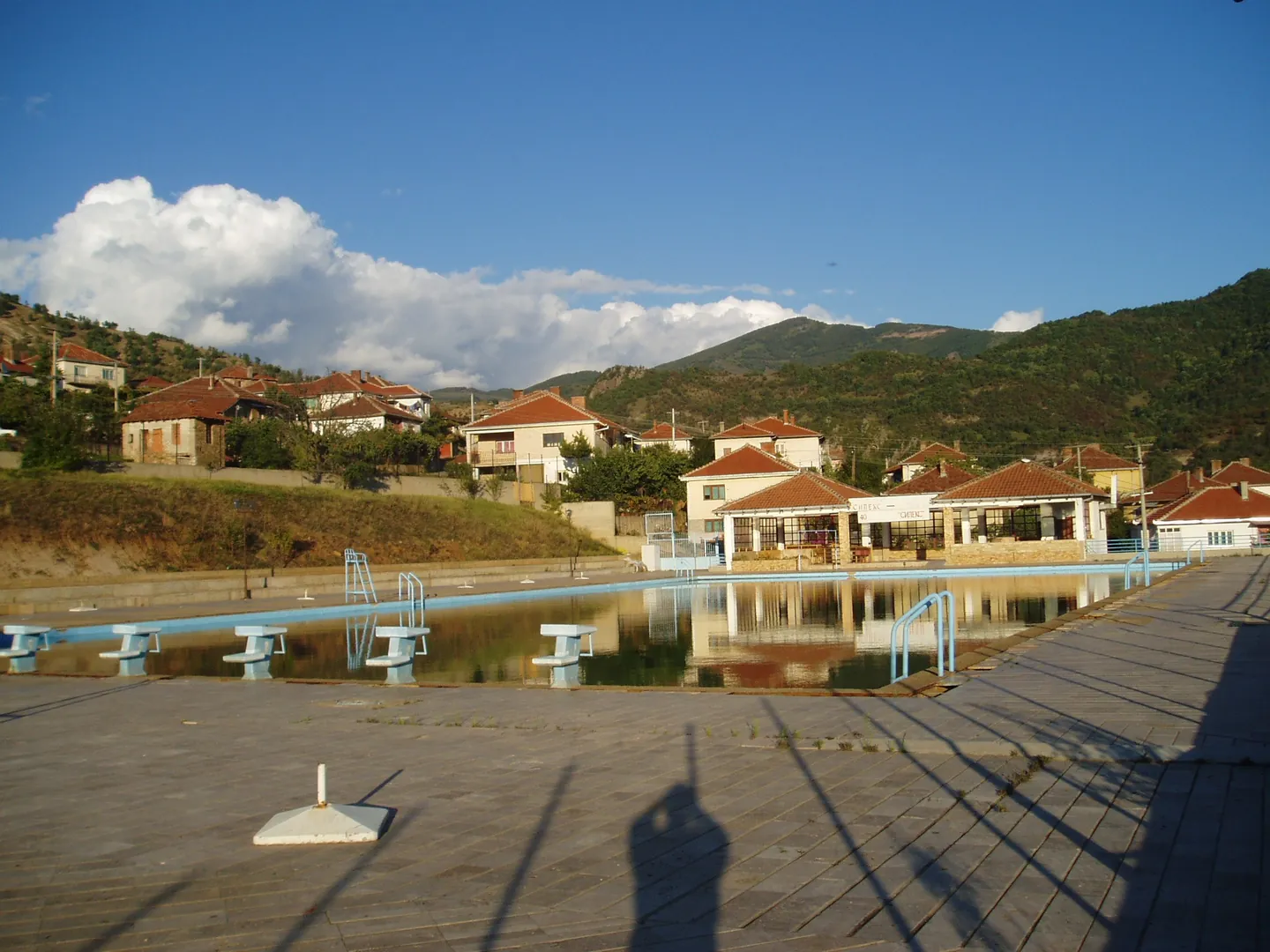
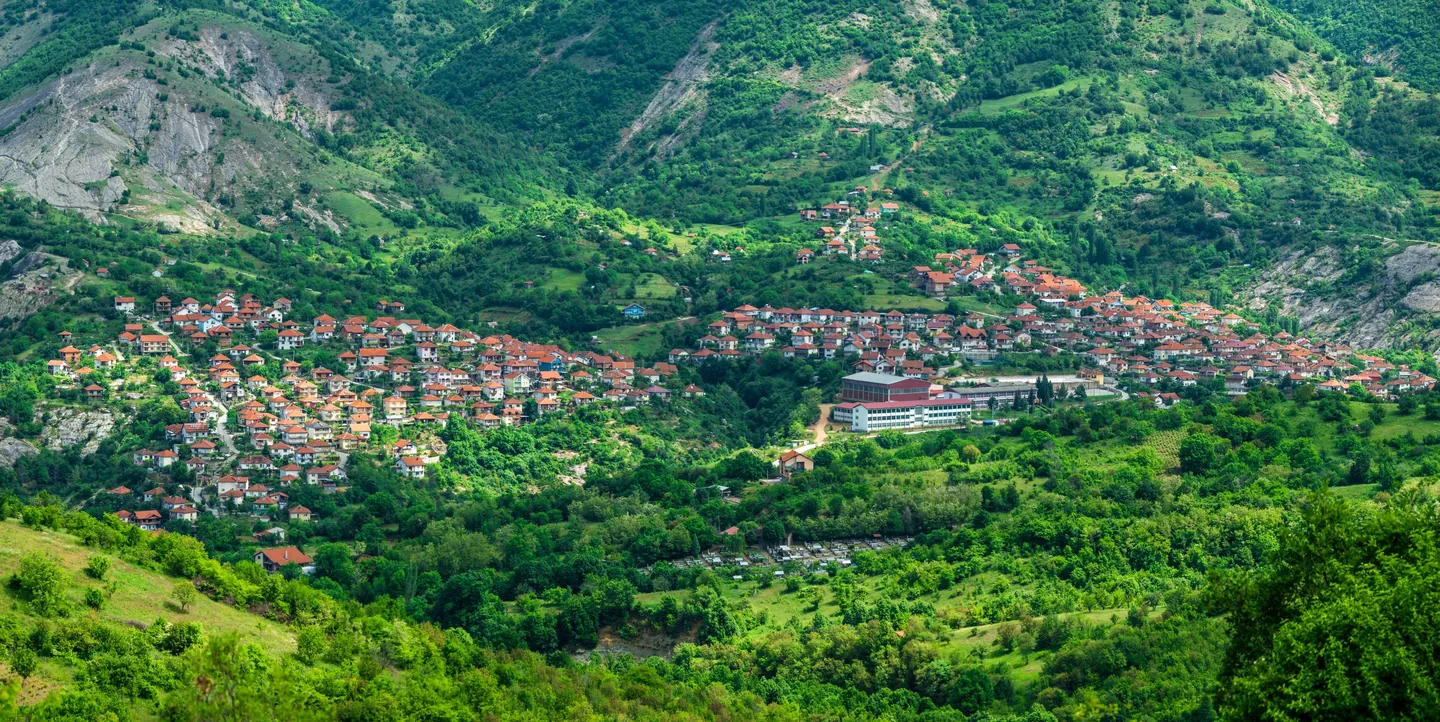
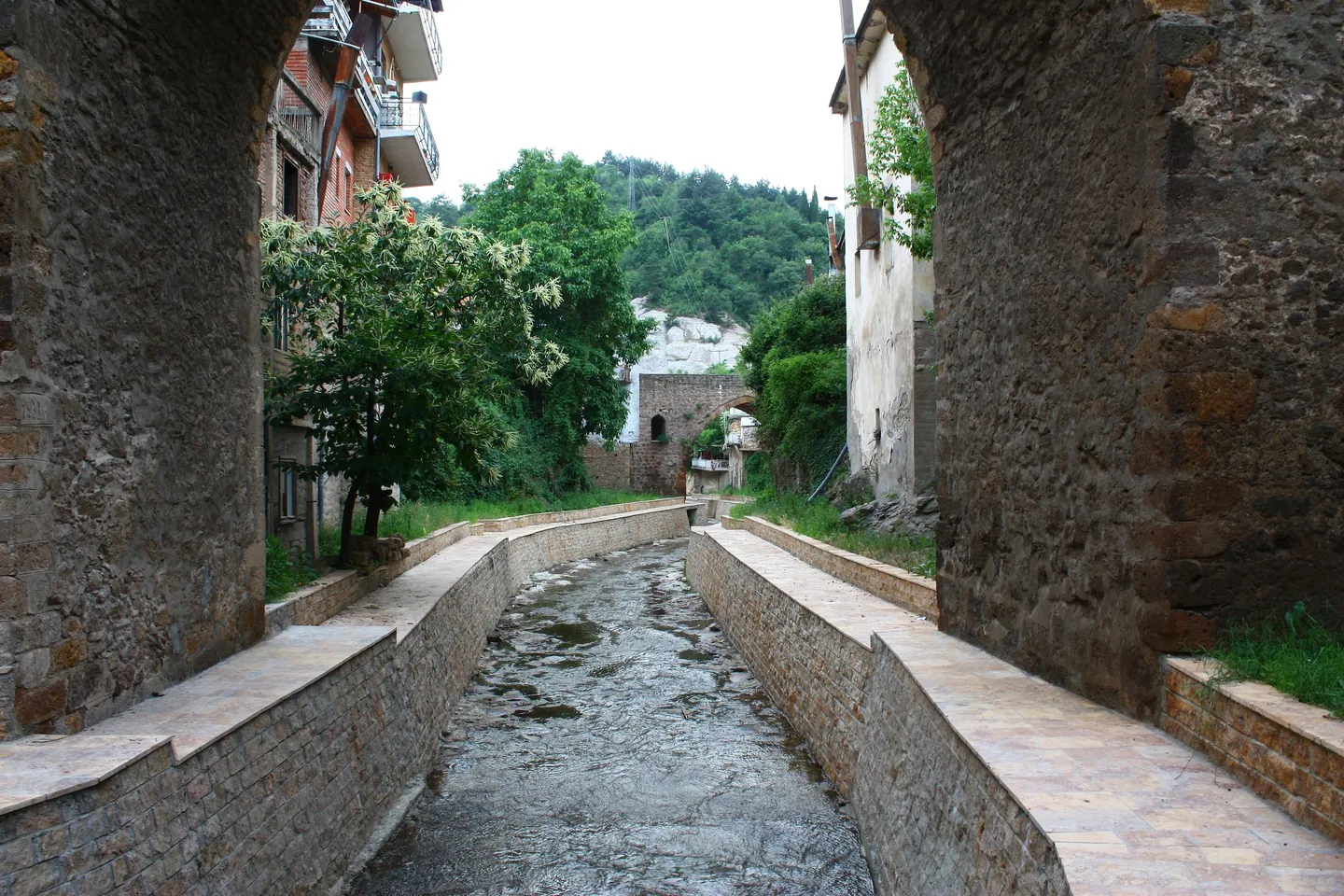
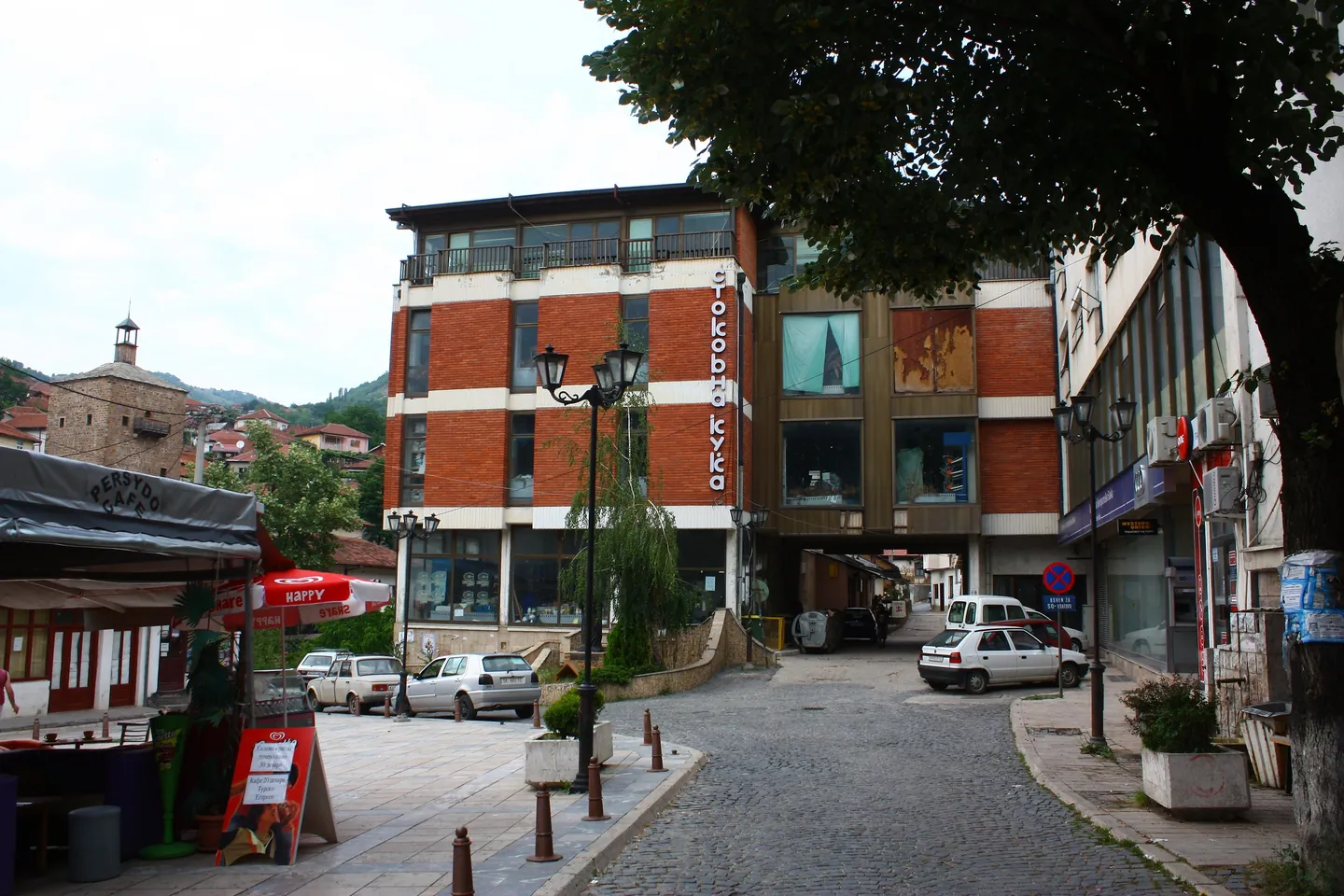
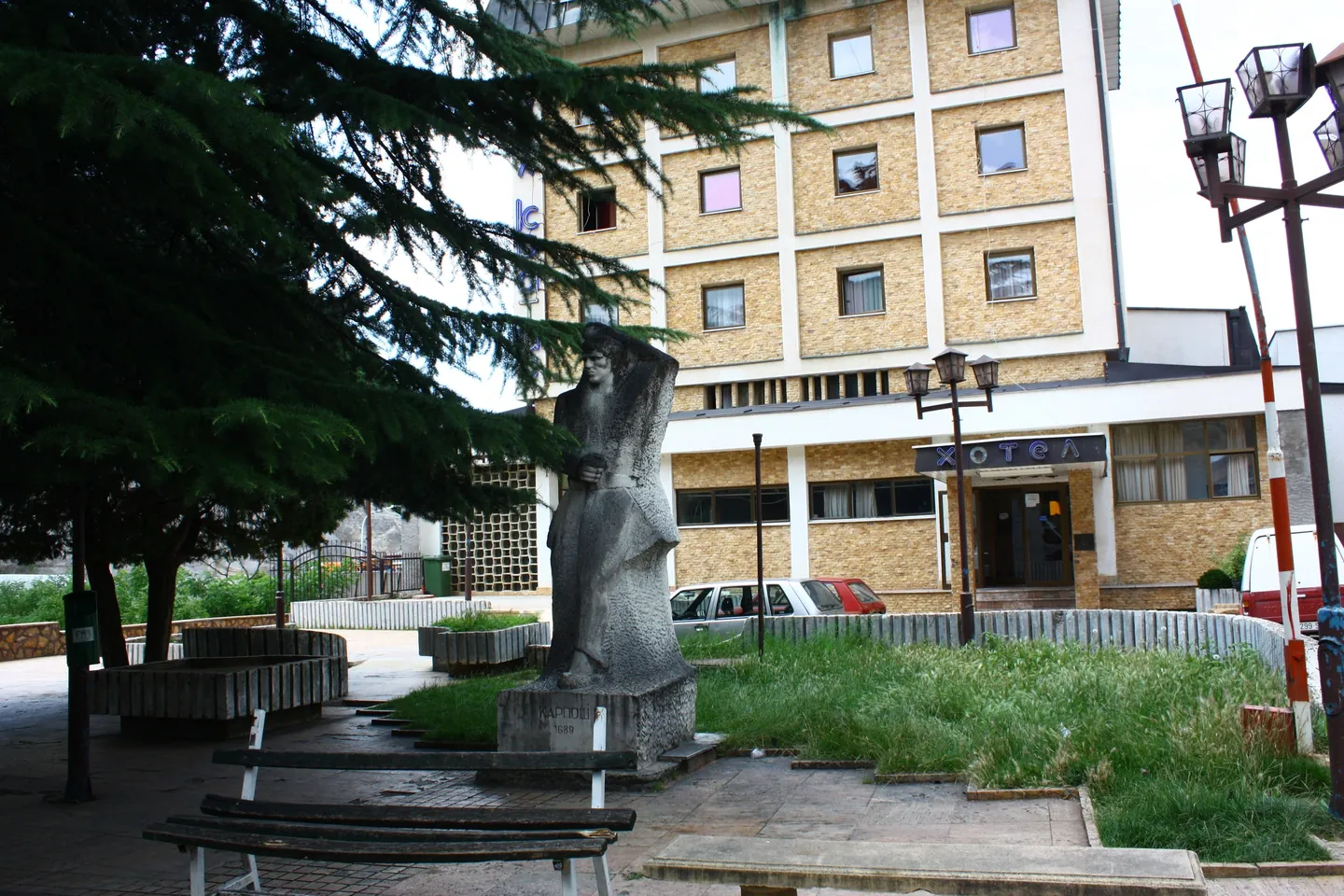
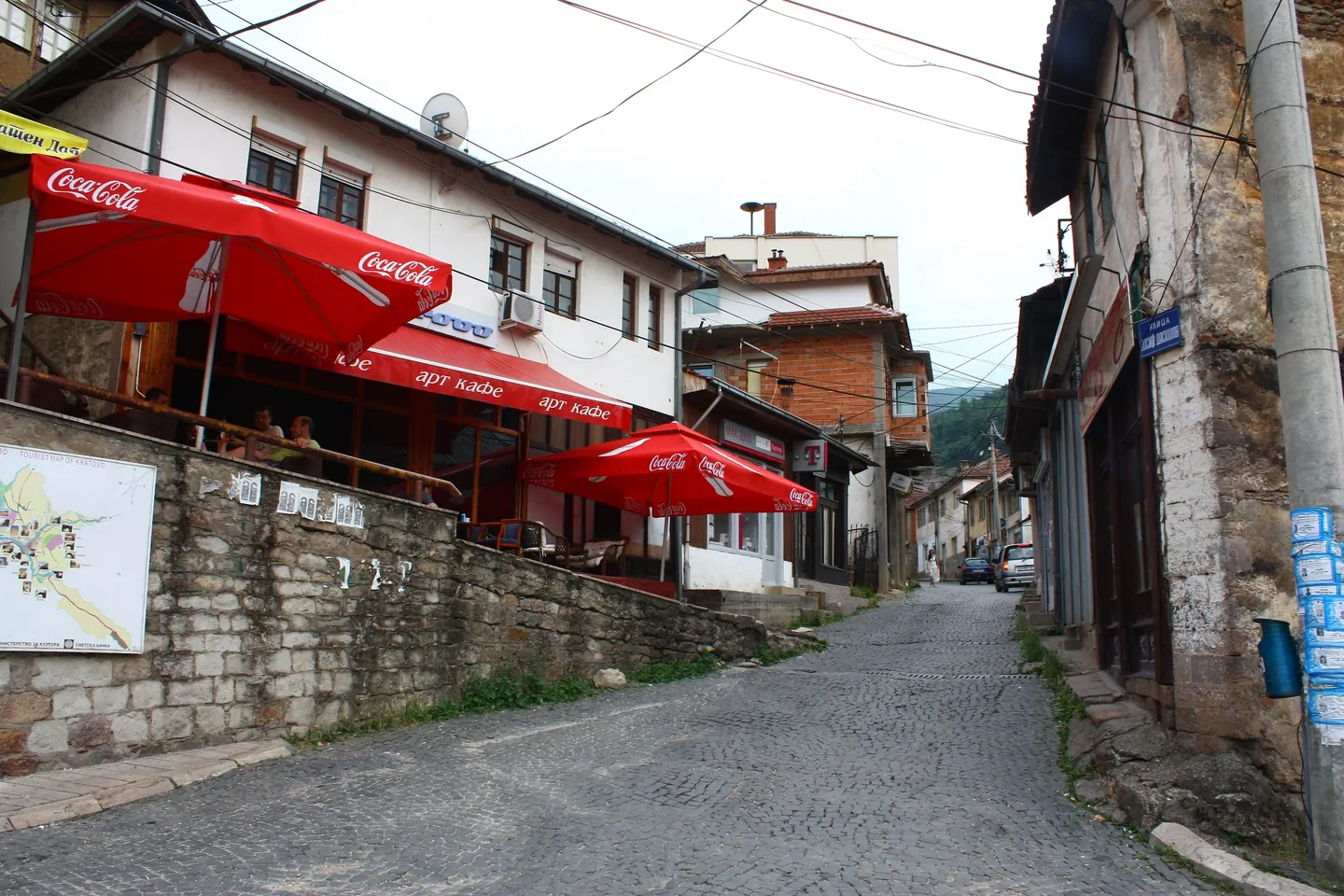
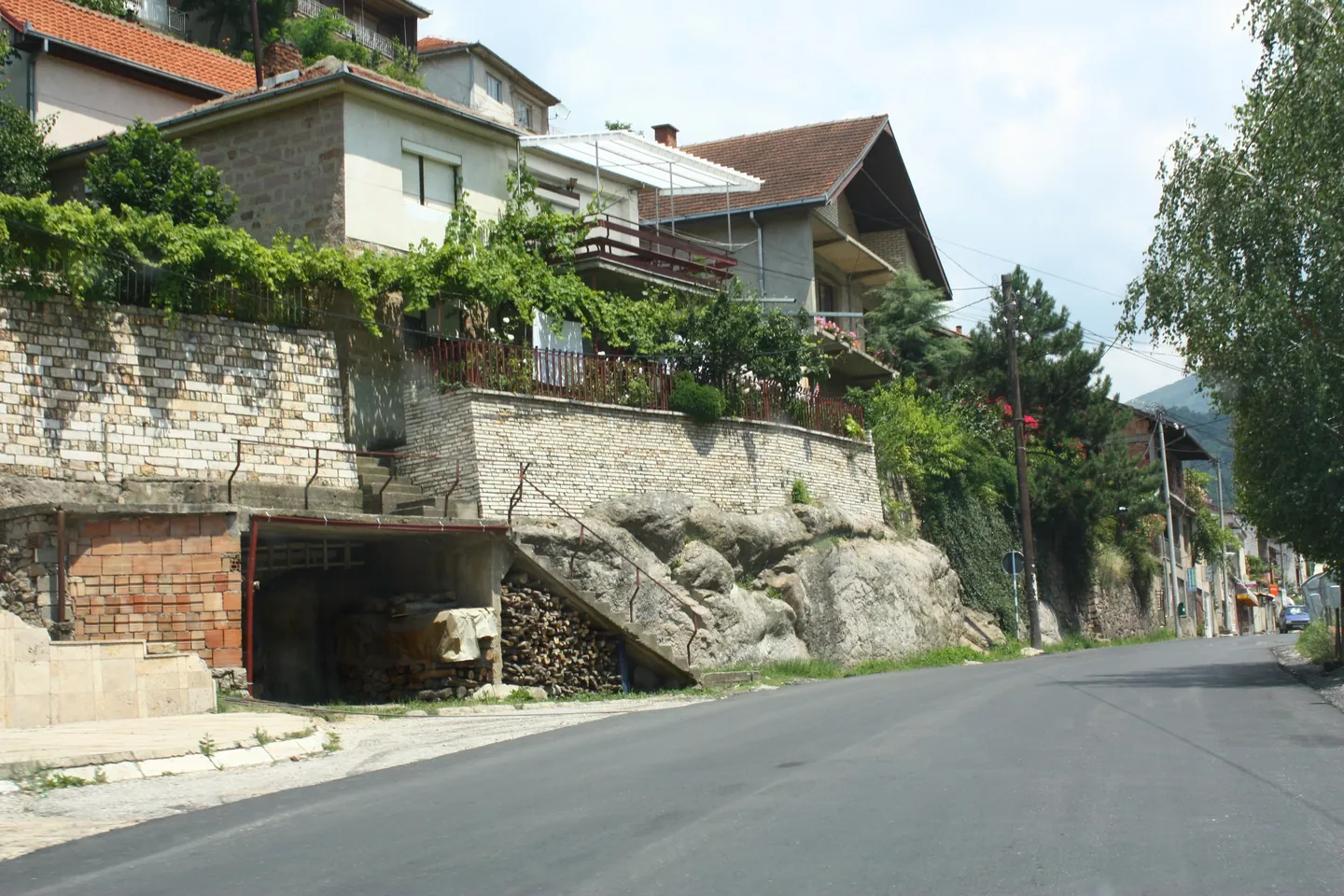
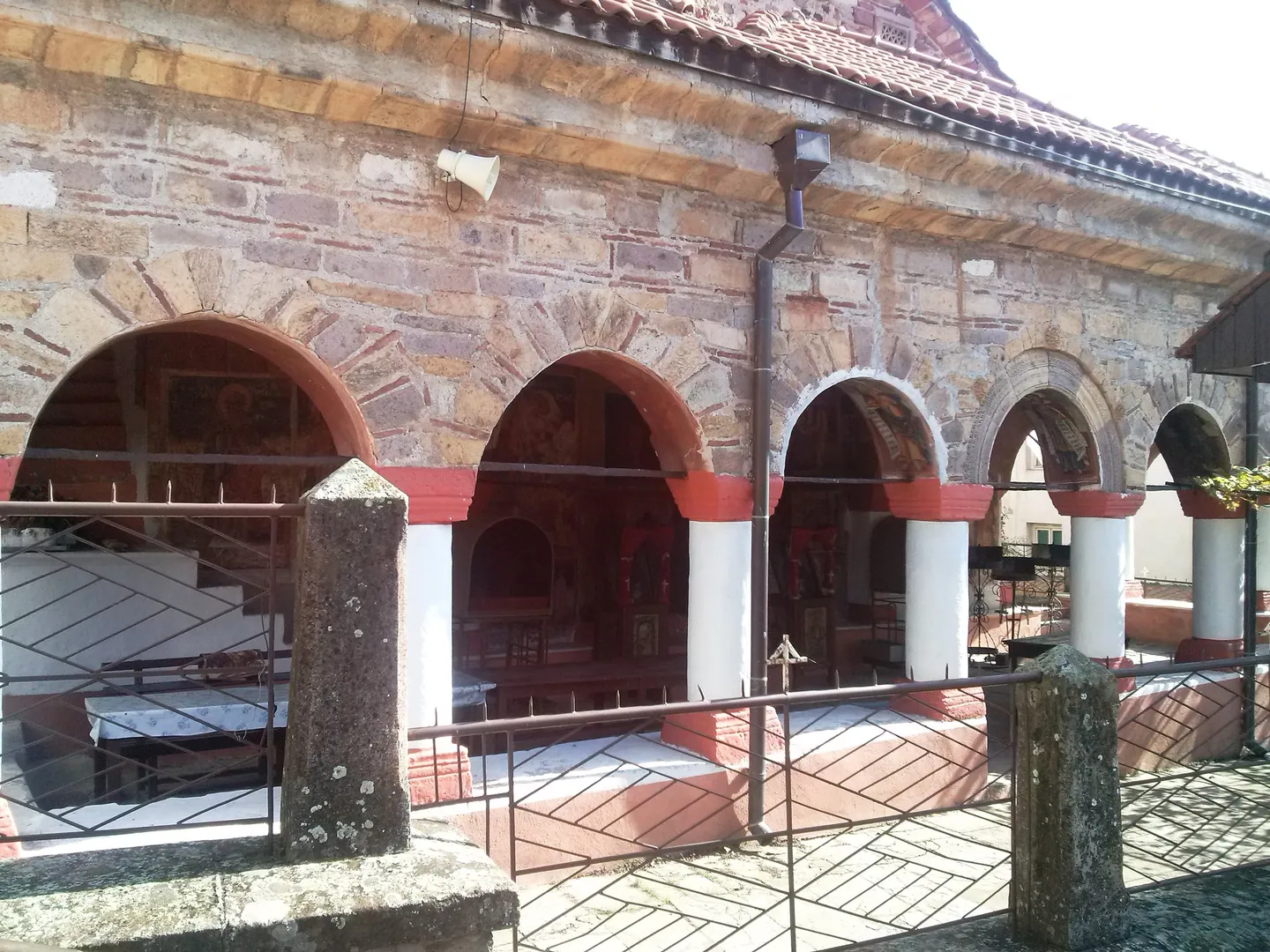
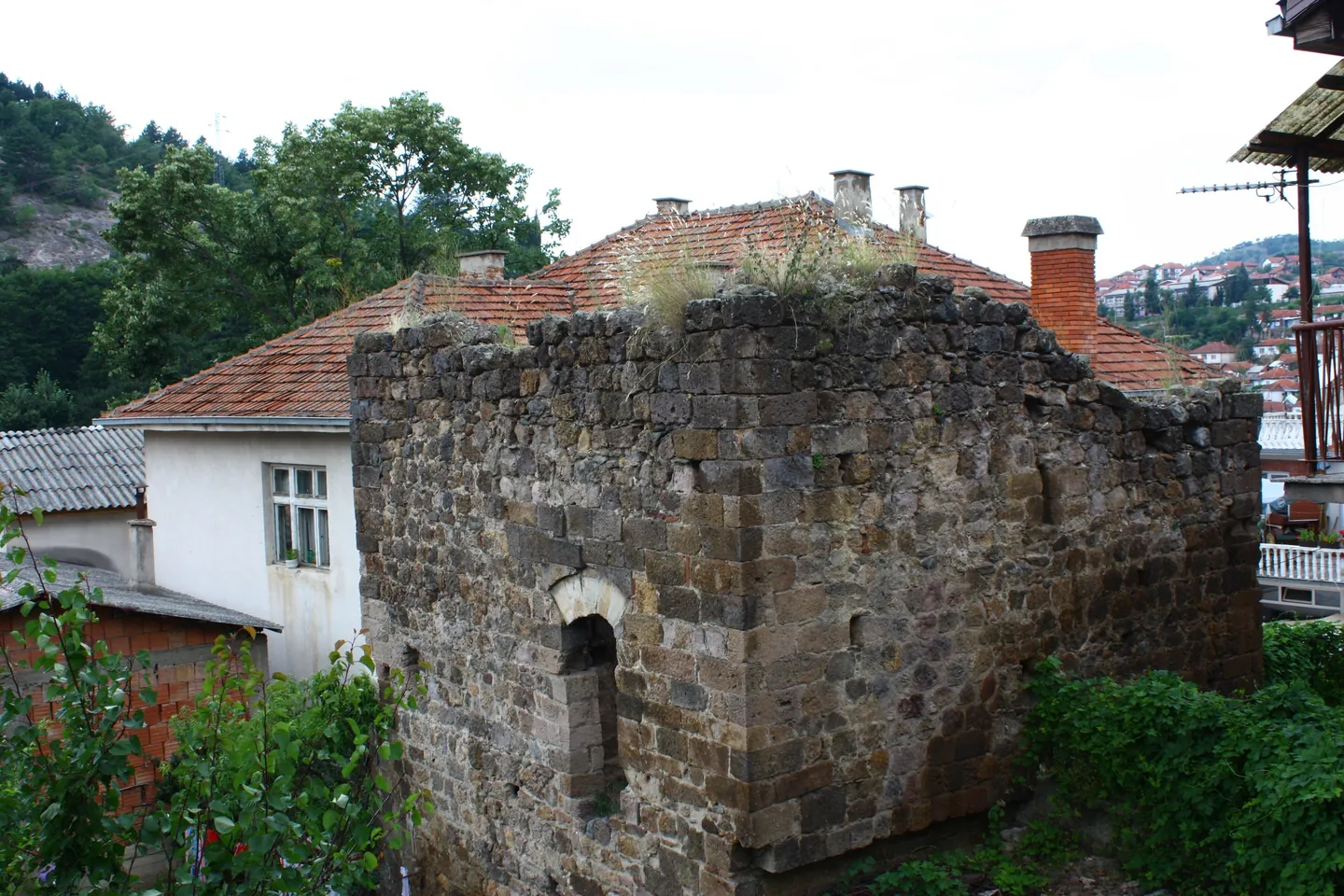
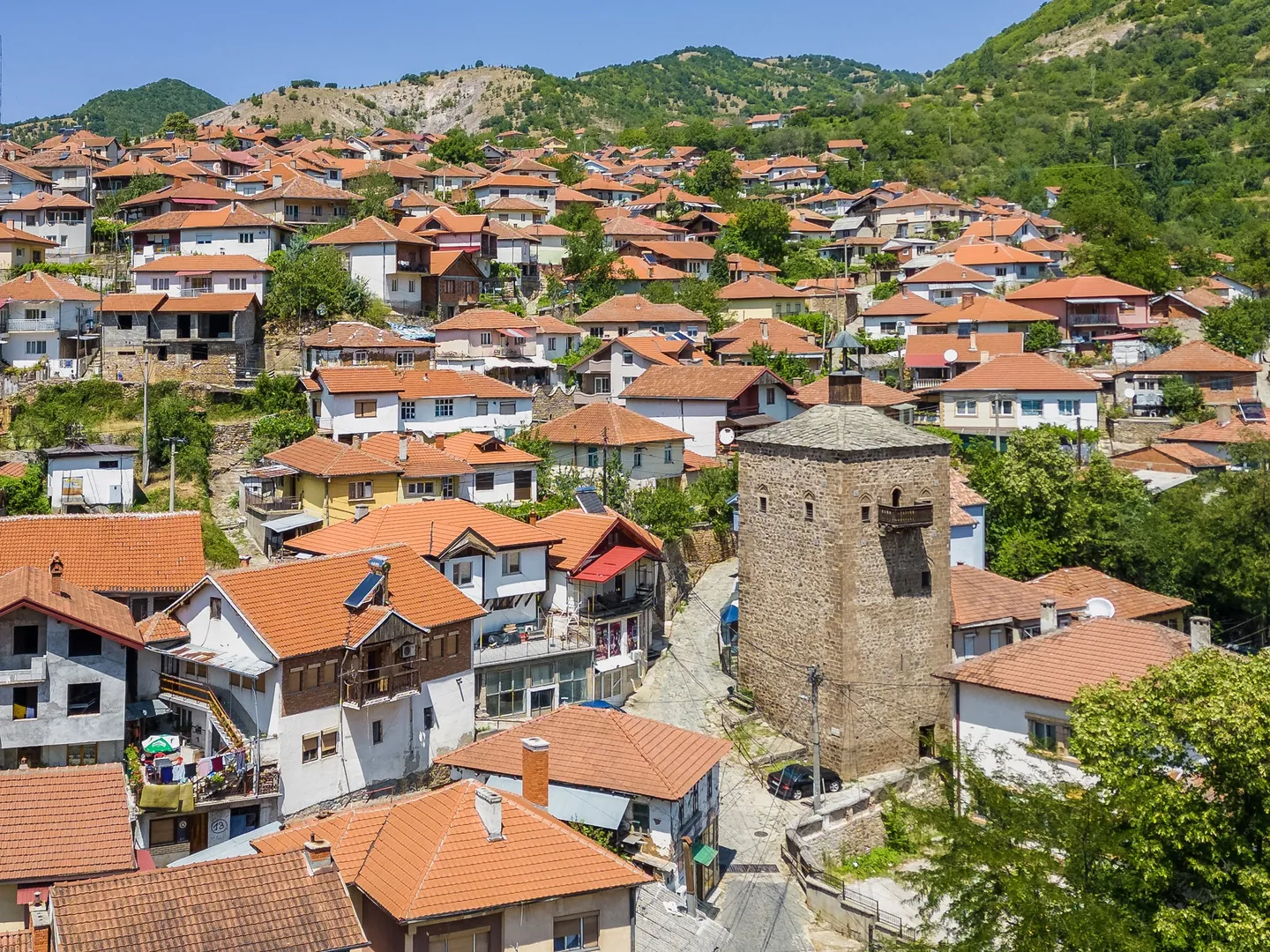
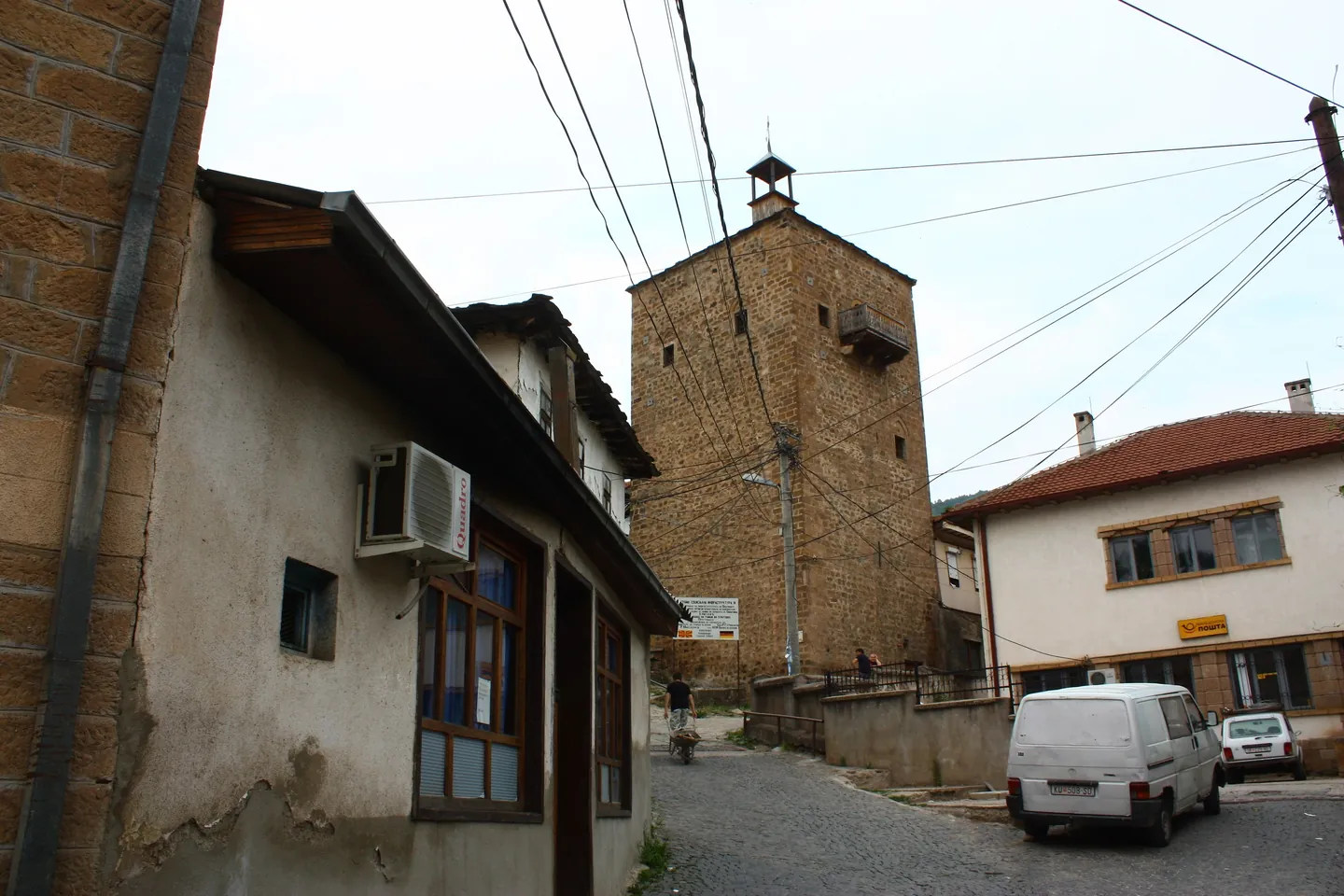
Photo credits
- Kratovo: red-roofed houses crowding a hillside below forested mountains and a dark sky. Photo: BlazeMKD86CC BY-SA 4.0Wikimedia Commons
- Kratovo: a weathered stone building by a ravine, with a stone arch bridge among green slopes behind. Photo: BlazeMKD86CC BY-SA 4.0Wikimedia Commons
- Kratovo: old houses with timber upper floors above a stony stream bed and green bushes. Photo: BlazeMKD86CC BY-SA 4.0Wikimedia Commons
- Kratovo: a panorama of red-tiled roofs climbing a rocky slope, a stone tower among the houses. Photo: Dars at Macedonian WikipediaCC BY-SA 3.0Wikimedia Commons
- Kratovo: the Olympic pool, a paved terrace with still water, low red-roofed buildings and wooded hills beyond. Photo: Dars at Macedonian WikipediaCC BY-SA 3.0Wikimedia Commons
- Kratovo: a panorama of the town in a green valley below rocky, forested mountains. Photo: PetrovskyzCC BY-SA 4.0Wikimedia Commons
- Kratovo: a stream channel with stone walls running between the piers of a stone arch. Photo: RašoCC BY-SA 3.0Wikimedia Commons
- Kratovo: a cobbled street with café seating on the left and a red-and-brown block of flats ahead. Photo: RašoCC BY-SA 3.0Wikimedia Commons
- Kratovo: a small square with a stone sculpture and benches in front of a tall brick-faced building. Photo: RašoCC BY-SA 3.0Wikimedia Commons
- Kratovo: a steep cobbled lane beside a stone retaining wall, with red café umbrellas on the terrace above. Photo: RašoCC BY-SA 3.0Wikimedia Commons
- Kratovo: a road past a stone retaining wall and a rocky outcrop, houses with vines on the hillside. Photo: RašoCC BY-SA 3.0Wikimedia Commons
- Kratovo: the arcaded front of an old stone building, with red-trimmed arches, a railing and tiled eaves. Photo: CibrevCC BY-SA 4.0Wikimedia Commons
- Kratovo: a squat stone building with a tiled roof and a narrow arched window, houses and trees beyond. Photo: RašoCC BY-SA 3.0Wikimedia Commons
- Kratovo: the clock tower, a stone tower with a pyramid roof rising among crowded red-tiled houses. Photo: Meri BoshkoskaCC BY-SA 4.0Wikimedia Commons
- Kratovo: a stone tower with a small cupola above a narrow lane, a white van and old houses in front. Photo: RašoCC BY-SA 3.0Wikimedia Commons


